Ever feel like your lap is invisible to cats? Nope. Lots of kitties actually love to cuddle and will happily teach you to stay put.
Some breeds crave snuggles. They’ll hop into your lap, curl up warm, and purr like a tiny motor while their paws knead the blanket, so comforting. Ever watched your kitty train you to be their personal throne? It’s pretty adorable.
This list ranks the top lap-loving breeds for apartments and families. We picked cats known for calm, people-focused temperaments, tolerance for handling (okay with being picked up and petted), and kid- and senior-friendly behavior, so you can find a cat that loves you back.
Worth every paw-print.
Quick ranked shortlist , Top 12 lap-loving breeds
This is a friendly, bite-size list of cats that tend to love laps. We picked these breeds for their habit of seeking out people, their tolerance for handling, lower-to-moderate activity levels, and overall fit for kids, seniors, and apartment living. A 2019 Scientific Reports study found that breed explains a big chunk of predictable personality differences , about half of measured behaviors show heritable parts , so breed can be a useful guide. Ever watched your kitty knead and settle down? That’s the vibe we looked for: low activity, approach-seeking, and relaxed body language at first meet-and-greets.
Personality still varies from cat to cat, so meet each cat and check the full health and care details in the profiles later: In-depth profiles.
 Ragdoll – super mellow, goes floppy when you pick them up, and loves gentle attention.
 - Ragamuffin – famous for cuddles and patience, great with kids and laps.
- Birman – quiet, affectionate, and likely to plop down beside or on you.
- Sphynx – very people-focused and a bit clingy in the sweetest way; they love warmth and company.
- Burmese – social and playful, but also happy to be your shadow on the couch.
- Siamese – very loving and vocal; they really crave company and conversation.
- Balinese – basically a long-haired Siamese, affectionate and chatty.
- Scottish Fold – gentle and relaxed, often happy to cuddle up.
- Persian – calm lap buddy who does need regular grooming (brushing and face care).
- Exotic Shorthair – like a low-energy Persian but with a short coat, easy indoor companion.
- Bombay – outgoing and people-oriented, often follows you around looking for laps.
- Maine Coon – big and mellow; if there’s room on your lap, they’ll curl up and purr.
| Breed | Temperament (1-line) | Size | Grooming | Activity | Suitability (Kids/Seniors/Apartments) | Typical shelter adoption fee range | Typical breeder fee range |
|---|---|---|---|---|---|---|---|
| Ragdoll | Ultra-relaxed; goes floppy when held and craves gentle pets. | Large | High (regular brushing for their coat) | Low | Excellent / Excellent / Good | $50–$200 | $400–$2,500 |
| Ragamuffin | Super cuddly and patient, very tolerant. | Large | High (daily or frequent brushing) | Low | Excellent / Excellent / Good | $50–$200 | $800–$1,300 |
| Birman | Quiet, affectionate, loves family time. | Medium | High (longer coat needs care) | Low | Good / Excellent / Good | $50–$200 | $600–$1,000 |
| Sphynx | People-focused and energetic; needs warmth. | Medium | Low (no fur, but regular skin care) | High | Good / Good / Good | $50–$200 | $1,500–$3,000 |
| Burmese | Social and interactive; follows people around. | Medium | Low (simple coat care) | Moderate | Excellent / Excellent / Good | $50–$200 | $600–$1,200 |
| Siamese | Very affectionate and vocal; wants company. | Medium | Low (short coat) | High | Good / Good / Good | $50–$200 | $600–$2,000 |
| Balinese | Long-haired Siamese type; loving and talkative. | Medium | High (longer hair care) | High | Good / Good / Good | $50–$200 | $600–$1,200 |
| Scottish Fold | Gentle and relaxed; often happy to snuggle. | Medium | Moderate (regular brushing) | Low | Good / Excellent / Good | $50–$200 | $800–$1,500 |
| Persian | Calm lap cat with a sweet, mellow nature. | Medium | High (daily grooming recommended) | Low | Good / Excellent / Good | $50–$200 | $500–$1,500 |
| Exotic Shorthair | Persian-like and easy-going, great indoors. | Medium | Moderate (short coat, some brushing) | Low | Good / Excellent / Good | $50–$200 | $400–$1,200 |
| Bombay | Outgoing and human-focused; loves attention. | Small | Low (short, sleek coat) | Moderate | Good / Good / Good | $50–$200 | $500–$700 |
| Maine Coon | Big, mellow, and social; often happy to curl up. | Large | High (thicker coat needs brushing) | Moderate | Good / Good / Good | $50–$200 | $600–$2,000 |
See the full breed profiles and detailed care subsections in the In-depth profiles section: In-depth profiles.
Why breed matters for lap preference (science, predictive limits, and clear examples)
A 2019 Scientific Reports study found that breed explains a big chunk of predictable personality differences in cats. About half of the behaviors they measured showed heritable (passed down through genes) components. That "about half" is the headline , breed tilts the odds, it doesn’t promise anything. Think of it like rolling weighted dice: the breed nudges the result, but each cat still surprises you.
Breeding history gives real clues. Lines bred for companion roles over generations tend to carry more genes for being people-oriented and tolerating handling, so those cats often seek out company and snuggles. Lines bred as mousers or working cats usually keep stronger hunting drives and independence, which makes them less lap-loopy on average. And physical selection, like hairless or flat-faced traits, can come with linked behaviors (more warmth-seeking or quieter activity) because breeders repeatedly chose animals that tolerated close human contact alongside the look.
Meet the cat, not just the label. Use calm observations and the simple testing steps later in this article to check lap potential in real time , watch whiskers, listen for purrs, offer a hand. The comparison table shows the typical temperament snapshots used for ranking, so glance at it, then confirm with short, hands-on interactions before you decide. Ever watched your kitty turn down a lap they used to love? Yeah, personality is a moving target, so verification matters.
In-depth profiles , health, lifespan, grooming routines, and adoption/breeder red flags (no temperament or price repeats)
These profiles focus only on health risks and screening tips, typical lifespan ranges in years, exact grooming routines you can use at home, and red flags to watch for when adopting or buying. Temperament and fee details are in the comparison table up front, so check that table for one-line personality notes and cost ranges before you dive into care and health specifics.
Ragdoll , health checks, lifespan, brushing routine, and breeder red flags
Ragdolls can carry hypertrophic cardiomyopathy (HCM) (thickening of the heart muscle), so ask breeders for cardiac ultrasound results on parents and kittens by 1–2 years and repeat every 1–2 years for adult cats. Typical lifespan: 12–17 years. Grooming: semi-long coat; brush with a slicker brush and wide-tooth comb 2–3 times weekly, check collar areas and ruff for tangles, bathe only as needed. Red flags: no cardiac clearances, opaque or cloudy eyes in kittens, and litters produced too frequently.
Ragamuffin , common health screens, years, coat care, and adoption warnings
Ragamuffins are hefty cats that benefit from weight monitoring and routine vet screens; request cardiac checks (HCM screening) and basic bloodwork for kittens. Lifespan: 12–16 years. Grooming: long, plush coat; daily brushing with a soft bristle brush and occasional de-shedding tool during heavy-shed seasons, check paws and underarms for matting. Red flags: breeders who skip early vet exams, kittens with greasy coats or obvious skin irritation, and refusal to provide parent health records.
Birman , health notes, lifespan, grooming steps, and breeder cautions
Birmans can show breed-linked issues such as dental disease and kidney concerns in some lines, so ask for dental checks and routine bloodwork when adopting; cardiac checks are useful if available. Lifespan: 12–16 years. Grooming: silky medium-long coat; brush with a soft bristle brush 2–3 times weekly, use a fine-tooth comb for the ruff and tail, and trim nails every 2–4 weeks. Red flags: mattes left untreated, untreated dental disease, or farms that won’t share kitten vaccination and deworming records.
Sphynx , skin care, warmth needs, lifespan, and adoption red flags
Sphynx need skin maintenance instead of fur care: weekly baths or daily skin wipes to remove oil buildup, ear cleaning weekly, and sunscreen avoidance or protection for sun-sensitive skin; watch body temperature since they get cold faster. Lifespan: 8–14 years. Grooming routine: gentle, fragrance-free wipes or a mild bath with vet-approved shampoo weekly, dry thoroughly, clean ear wax with vet wipes. Red flags: greasy or smelly skin, severe sunburns, no cardiac screening paperwork, or kittens kept in poor-temperature conditions.
Siamese & Balinese , health screening, years, coat care, and breeder alerts
Siamese and Balinese lines can show dental and ocular issues in some pedigrees, so ask for early dental exams and eye checks; cardiac screening is helpful if the breeder offers it. Lifespan: 12–20 years (many live well into their late teens). Grooming: Siamese short coat needs a weekly rubber brush; Balinese (longer hair) benefits from brushing 1–2 times weekly and gentle combing of the plume tail. Red flags: chronic sneezing or eye discharge in kittens, refusals to show parent health history, or litters from very young queens.
Burmese , health considerations, lifespan, grooming, and breeder red flags
Burmese benefit from routine dental exams and weight monitoring since some lines trend toward obesity; request basic genetic health info when offered. Lifespan: 10–16 years. Grooming: short, satin-like coat; quick weekly grooming with a soft brush or grooming glove keeps skin oils in balance and reduces loose hair. Red flags: vague or missing health paperwork, kittens under-socialized with people, and breeders unwilling to discuss genetic testing or show the queen and stud.
Persian & Exotic Shorthair , brachycephalic care, lifespan, grooming, and warnings
Persians and Exotic Shorthairs have flattened faces (brachycephalic, flat-faced skull shape) that can bring breathing, tear-duct, and dental crowding issues; look for breeders who screen for respiratory problems and ophthalmic exams. Lifespan: 12–17 years. Grooming: Persian daily brushing with a wide-tooth comb and slicker to prevent mats, daily face-cleaning with damp cotton for tear stains; Exotic Shorthair needs brushing 2–3 times weekly and routine face wipes. Red flags: noisy or labored breathing, chronic eye crusting, reluctance to show parents, or litters born from queens with repeated C-sections without explanation.
Maine Coon , large-breed health, lifespan, coat care, and breeder red flags
Maine Coons need hip screening (hip dysplasia checks by age 1–2 years) and cardiac screening for HCM (echocardiogram recommended by age 1 and repeated periodically). Lifespan: 9–13 years. Grooming: thick, water-resistant coat; brush with a de-shedding tool and a comb 2–3 times weekly, pay attention to tufted ears and the tail, and spot-treat mats in winter. Red flags: no hip or cardiac clearances, swollen joints in young kittens, excessively thin or scratched coats, or breeders with many simultaneous litters and no veterinary oversight.
Grooming, shedding, and allergy considerations by coat type (general care and allergy management; links to profile specifics)
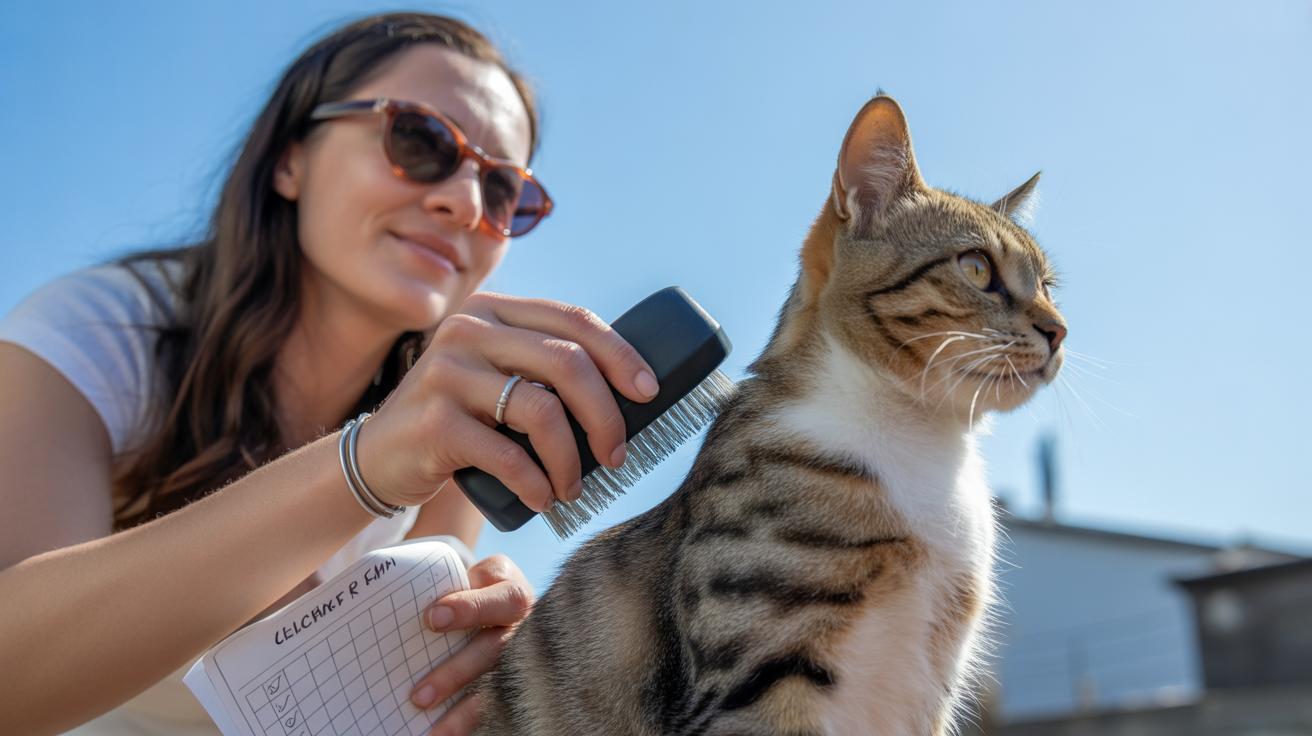
Coat type changes how lap time feels. Long fur is like a plush blanket that keeps your kitty warm, while short fur leaves soft tumbleweeds on your couch. Hairless cats want skin care and cozy warmth instead of brushing. Curly coats need extra gentleness to keep those springy textures intact.
Here’s a simple, friendly routine for each coat type. Ever watched your cat chase a shadow? These little steps make laps comfier and life less hairy.
Long-haired cats (Persian, Ragdoll, Birman): Brush quickly every day with a slicker brush (a brush with fine, short wires that lifts tangles) and follow with a wide-tooth comb (teeth spaced to detangle without pulling). Trim around the rear for cleanliness, and check the ruff and underarms for mats. It keeps cuddles smooth and your lap a joy.
Short-haired cats (Siamese, Burmese, Bombay): Groom once a week with a grooming glove (a rubber-padded hand brush) or rubber brush to catch loose hair and dander, and step up to a few times a week during seasonal shedding. Vacuum or shake out blankets regularly. Quick sessions = big rewards.
Hairless cats (Sphynx): Give a gentle bath weekly or use pet-safe wipes (moist wipes made for animals) to remove oil buildup, and clean ears weekly with a vet-approved solution. Watch for sun exposure and always have a soft, warm blanket ready for lap time. They love warmth, so think cozy.
Curly or textured coats (Selkirk Rex, Ragamuffin): Brush gently 1-2x weekly with a soft-bristle brush (bristles that won’t break curls) and only use a wide-tooth comb when needed to avoid disturbing the texture. Less is more here. Your kitty’s curls will thank you.
Tools to keep nearby: slicker brush (fine-wire tines), de-shedding tool (removes loose undercoat), grooming glove, soft-bristle brush, pet-safe wipes, and mild, vet-approved shampoo (gentle cleanser for skin). Toss them in a bin by the couch and you’re ready.
Allergies, the reality: Very few breeds are truly hypoallergenic. Regular grooming, washing lap linens, and a HEPA filter (high-efficiency air filter) to cut airborne dander help a lot. If allergies are serious, talk to your vet about testing and extra steps.
For breed-specific tweaks, see the single-line grooming note inside each breed profile in the In-depth profiles section. Worth every paw-print.
| Coat Type | Example Breeds | Recommended Grooming Frequency | Key Tools/Notes for Lap Comfort |
|---|---|---|---|
| Long-haired | Persian, Ragdoll, Birman | Daily brushing | Slicker brush (fine wires), wide-tooth comb; trim sanitary areas, keep blanket brushed clean |
| Short-haired | Siamese, Burmese, Bombay | Weekly grooming (more in shed season) | Grooming glove (rubber-padded), rubber brush; vacuum linens regularly |
| Hairless | Sphynx | Weekly baths or daily wipes | Pet-safe wipes or mild shampoo (vet-approved); warm blanket, ear care, sun caution |
| Curly/textured | Selkirk Rex, Ragamuffin | 1-2x weekly gentle care | Soft-bristle brush, wide-tooth comb sparingly; avoid over-brushing to protect curls |
Top Lap Cat Breeds for Apartments and Families
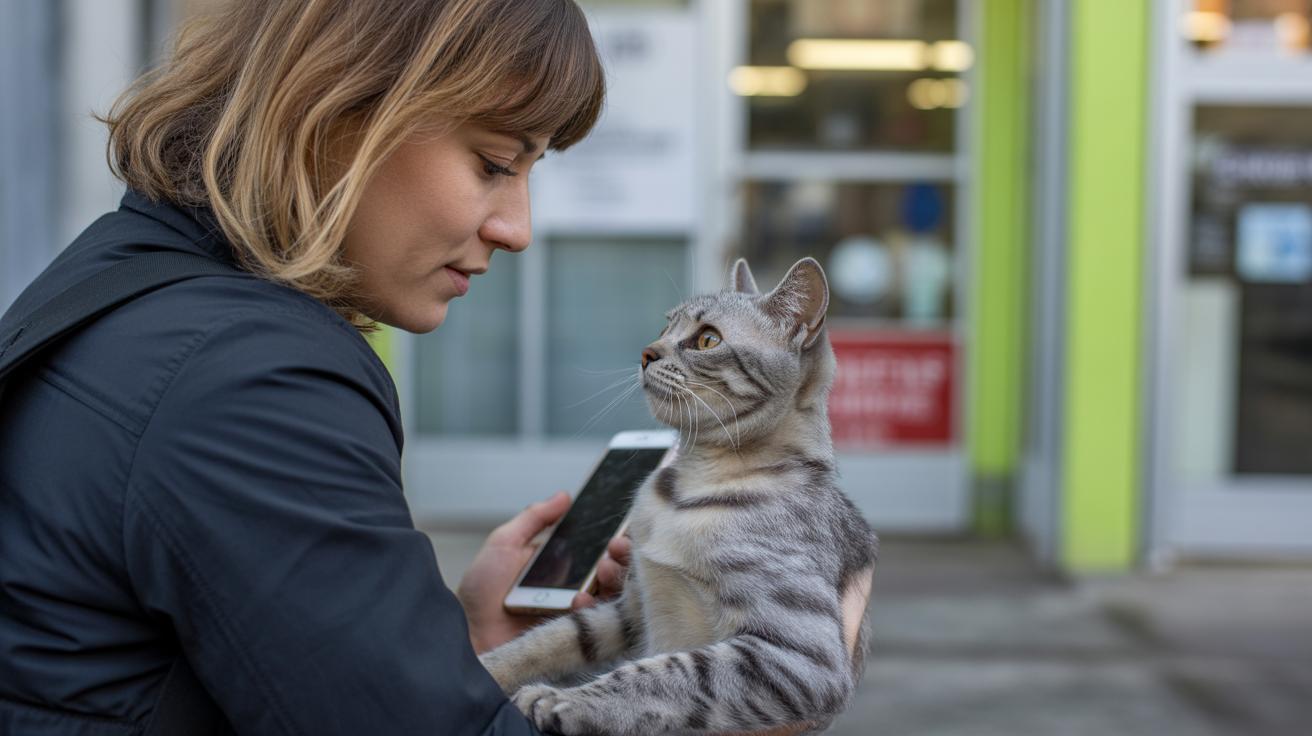
Check the comparison table above for our top picks by scenario, the chart lists favorites for apartments, best lap cats for seniors, and lap cat breeds for families so you can pull together a quick shortlist. Use those names as a starting point, then meet real cats in person before you commit , personalities matter more than breed.
Look for these friendly signals when you size up a candidate: approach-seeking behavior (coming to you or nudging your hand), relaxed body posture, tolerance for gentle handling, and short bursts of purring or kneading (those rhythmic paw presses). Your cat’s whiskers might twitch or they might gently flop onto a blanket , cute signs they could love laps. Watch for the opposite, too: avoiding contact, flattened ears, fast tail flicking, or a stiff body usually means not a lap fan. Some cats show love without sitting on laps , head bunting or rubbing is common; read more here: What do cat head bumps mean.
Household fit matters. Busy families with kids often do best with patient, tolerant cats. Seniors or apartment dwellers might prefer ultra-cuddly, low-energy cats , lap cat (a cat that likes to sit on your lap) traits are golden here. Also think about grooming (brushing and care) and space , long-haired (coats that tangle and need daily brushing) breeds feel dreamy on a lap but need more upkeep.
- Sit quietly in a chair with a soft blanket and watch for five minutes. See if the cat comes over or stays away.
- Offer a treat at your feet, then move it to the edge of your lap slowly; note eagerness and body language.
- Try gentle petting along the head and neck; look for relaxed breathing versus tense backing away.
- Put a worn shirt or soft cloth with your scent on your lap and leave it for a bit; check whether the cat returns to it.
- If the cat seems calm, try brief handling only , hold for 30 to 60 seconds and watch for signs of stress.
- Remember other love notes: head bunting, rubbing, or following you around count as real affection.
If a cat passes these quick checks, meet them at different times of day and do short repeat sessions to confirm the vibe. Breed tendencies help narrow choices, but testing a particular cat in person tells you if they’ll be your true lap buddy. Worth every paw-print.
Adoption, breeder guidance, and realistic budgeting examples
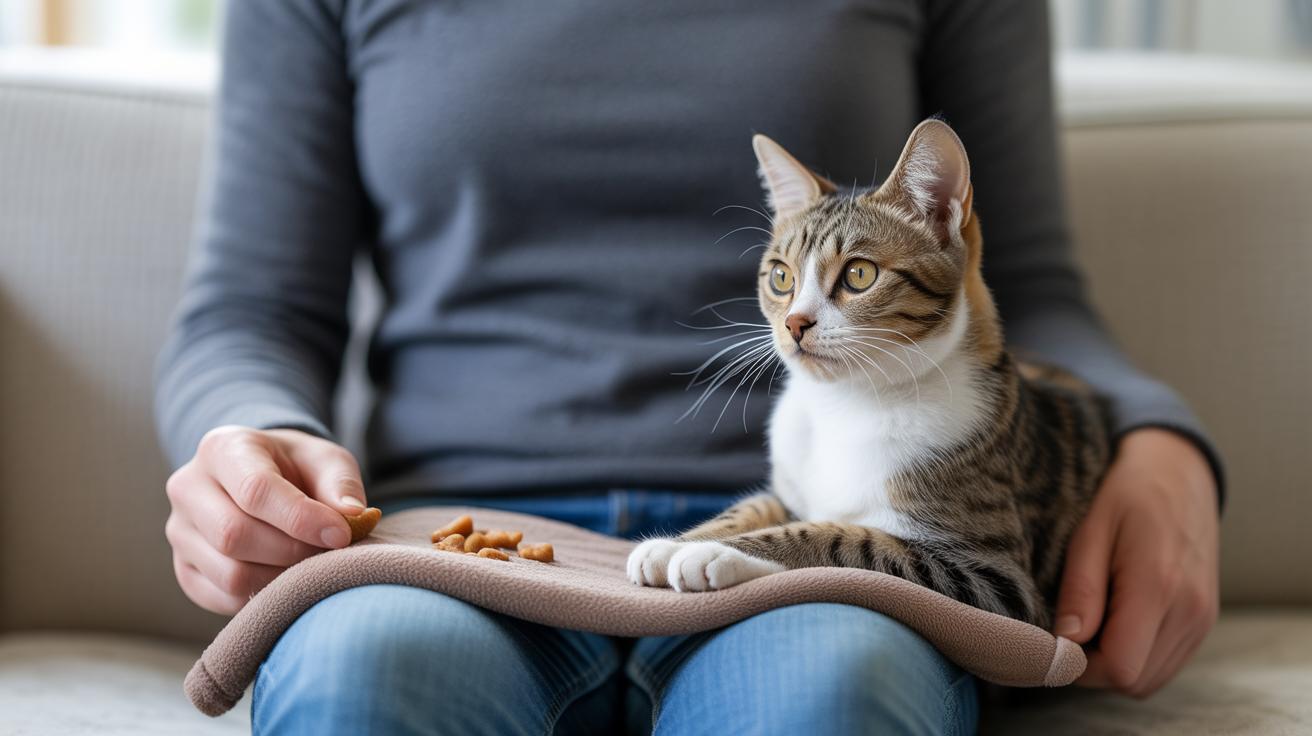
Picking between rescuing from a shelter and buying from a breeder is mostly about cost, certainty, and timing. Shelters tend to be cheaper, and many include vaccines and spay/neuter (surgery to prevent breeding), plus you might find a mixed-breed who becomes a total lap fan. Reputable breeders give clearer lineage and often do pre-sale health checks, but they usually cost more up front. Check the comparison table above for breed-specific breeder fee ranges and temperament notes before you pick a target. If you like big cats, ask about breed-specific screens and expected lifespan (useful reading: Lifespan of a Maine Coon cat), and make sure the seller has done hip and cardiac checks (hip scoring and heart screening like an ultrasound) when recommended.
Budgeting turns a cute idea into a real plan. Here are two clear examples to help you picture the costs.
| Item | Shelter adoption (Example A) | Breeder purchase (Example B) |
|---|---|---|
| Adoption fee / Purchase price | $150 | $1,500 |
| Initial vet visit, vaccines, microchip (tiny ID implant) | $200 | Included in screenings and first-year estimate |
| Spay/neuter (surgery to stop breeding) | $150 | May be included or extra |
| First-year supplies (litter, bed, carrier, toys) | $250 | $300 |
| Initial health screenings / insurance first-year premium | , | $600 |
| First-year total (estimated) | $950 | $2,400 |
After year one, expect about $600 to $1,000 per year for food, routine vet visits, insurance, and enrichment. Those line items are where budgets creep up, so plan for surprises and think about pet insurance early if you want that safety net.
When you meet candidates, bring calm energy and a notebook. Ask to see paperwork: vaccine records, microchip info, and any screening test results. Use the same simple behavior checks listed in the Suitability section to watch how the cat moves, plays, and reacts. Ever watch a kitten bat at a string and freeze? Those little tells matter.
Watch for these red flags when checking health claims or breeder practices:
- No health records or vaccine proof for kittens. That is sketchy. Walk away.
- Evasive or vague answers about the parents or how breeding is done. If they dodge, you deserve better info.
- Visible respiratory or eye issues in kittens or adults. Coughs, runny eyes, or sneezes mean a vet check is needed.
- Signs of poor early socialization like extreme fear or aggressive avoidance. A well-socialized kitten will at least be curious.
If any red flag pops up, step back, ask more questions, or walk away. Your future lap buddy deserves a clean start. Worth every paw-print.
Training, enrichment, and creating a lap-friendly routine
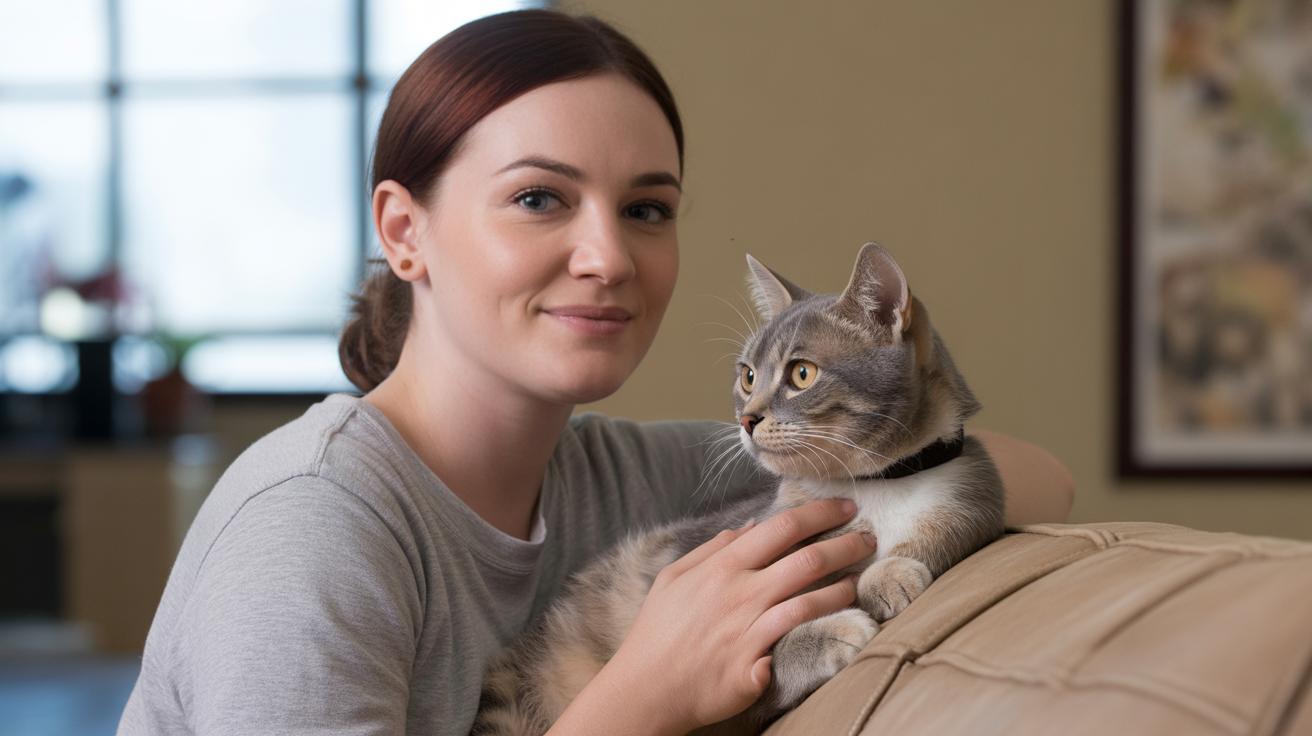
Make your lap a place your cat chooses, not a demand. Move slowly, be calm, and build a happy habit with tiny rewards. Don’t force them into your lap , that breaks trust and makes cuddles rarer. Use a soft blanket (fleece is great, fleece is a soft synthetic fabric), a quiet voice, and little treats. Calm grooming or gentle petting links comfort to your presence, so patience really pays off. Ever watched your kitty knead a blanket and purr like a tiny motor? That’s the goal.
Try a short, clear how-to that centers on choice and reward. For ideas on scheduled play and interactive toys (toys that move or respond), check the Enrichment subsection and the Grooming/tools list for toy suggestions.
- Sit quietly with a soft blanket and wait for the cat to come to you. Never force contact; let the cat lead.
- Offer a treat at your feet, then at the edge of your lap, moving at the cat’s pace , try saying, "Tiny tuna bite, right here if you want it."
- When the cat hops up, groom calmly or pet gently. Slow strokes, light pressure, short pauses. This links calm to your lap.
- Keep sessions short and stop while the cat is still relaxed so visits end on a good note. Worth every paw-print.
Troubleshooting:
- Try different textures like fleece (soft, warm synthetic) or a warmed towel (brief low-heat cycle, like a gentle warm setting) if they skip the lap.
- Offer a small, timed meal (a small portion served at a set time) just before a session so they’re calmer and more curious.
- Add a short interactive play session earlier to burn off extra energy , a quick fishing-pole teaser works wonders.
- If your cat seems nervous, lower your voice, blink slowly, and give extra space. Patience wins.
Respect each cat’s style. Keep sessions predictable, short, and kind, and trust will grow over time. Umm, you’ll probably end up feeling pretty proud when they choose your lap all on their own.
Final Words
We ranked the top 12 lap-loving breeds using affectionate, lap-seeking cues and a compact comparison table for fees, grooming, and apartment/senior/kid fit.
The 2019 study found about half of measured behaviors are heritable, so breed trends help set expectations, but direct testing at meet-and-greets matters.
Profiles cover health, lifespan, grooming, red flags, coat care, shelter testing steps, budgeting examples, and a gentle training routine, try the shelter testing steps before you decide.
With patience and the right match, these lap cat breeds can make evenings cuddly and calm.
FAQ
What is the best lap cat breed?
The best lap cat breed is often the Ragdoll. Top lap-loving breeds include Ragdoll, Ragamuffin, Birman, Sphynx, Burmese, Siamese, Balinese, Scottish Fold, Persian, Exotic Shorthair, Bombay, and Maine Coon.
What cats sit on your lap?
Cats that sit on your lap are those with low activity, calm body language, tolerance for handling, approach-seeking behavior, and enjoyment of close contact—look for purring, kneading, and settling quickly.
What is the most Velcro cat breed?
The most “Velcro” cat breeds are typically Burmese, Ragdoll, Siamese, and Ragamuffin; they follow you, seek constant contact, and thrive on human company, though individual personalities still decide the outcome.
Are there hypoallergenic lap cat breeds?
Truly hypoallergenic lap cat breeds are rare; the Sphynx (hairless) may trigger fewer reactions for some people, but regular grooming, baths, and HEPA filtration reduce allergen load far more than breed alone.
Which lap cat breeds are most kid-friendly?
The most kid-friendly lap breeds include Ragdoll, Birman, Burmese, and Maine Coon—gentle, patient, and tolerant; always supervise interactions and teach children soft hands and calm play.
What lap cat breeds does Reddit recommend?
Reddit users often recommend Ragdoll, Ragamuffin, Birman, Sphynx, Burmese, Siamese, Maine Coon, and Scottish Fold; community advice emphasizes meet-and-greet testing and considering shelter candidates.
How do Norwegian Forest, Maine Coon, Siamese, Scottish Fold, and Burmese compare as lap cats?
Among Norwegian Forest, Maine Coon, Siamese, Scottish Fold, and Burmese, Burmese and Siamese tend to be clingiest; Maine Coon is social but less clingy, and Norwegian Forest often prefers more independence.
Leave a Reply