Author: Isabella Tiu

  • Best cat training treats for small soft rewards

    Best cat training treats for small soft rewards

    Are big, crunchy treats secretly sabotaging your cat's training?
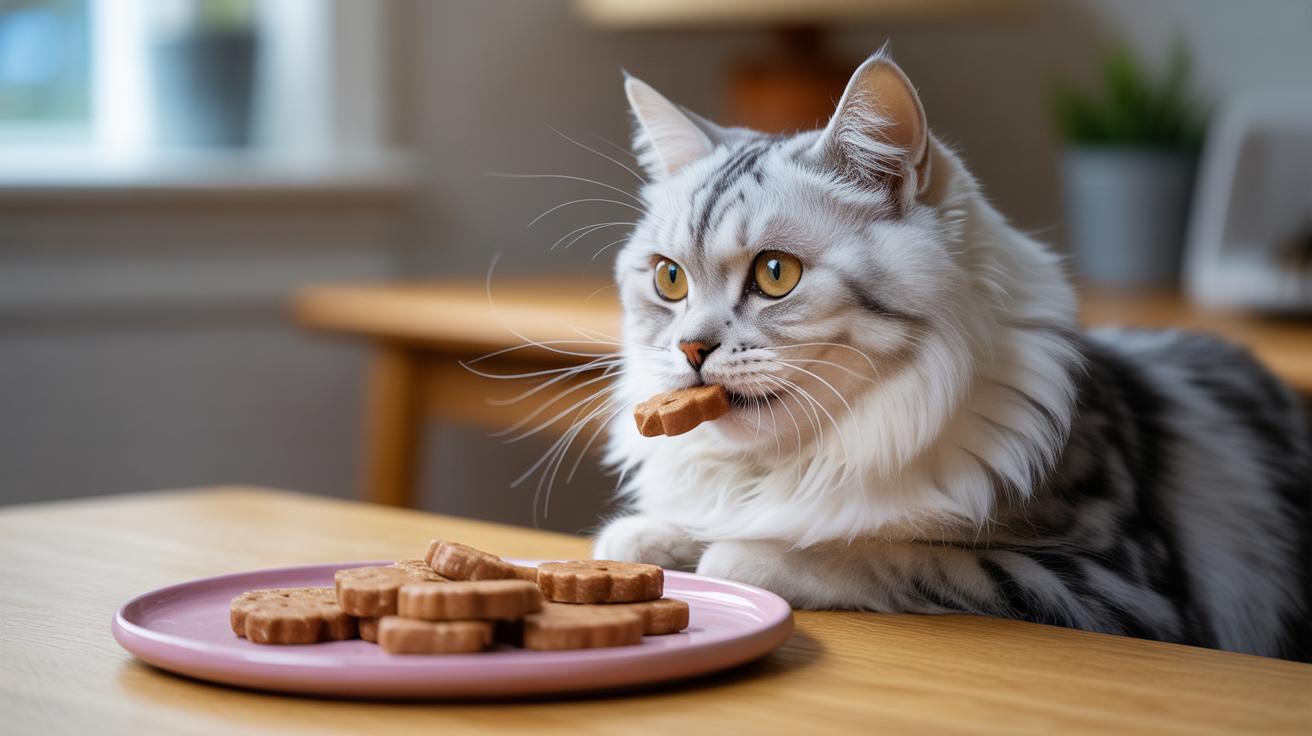
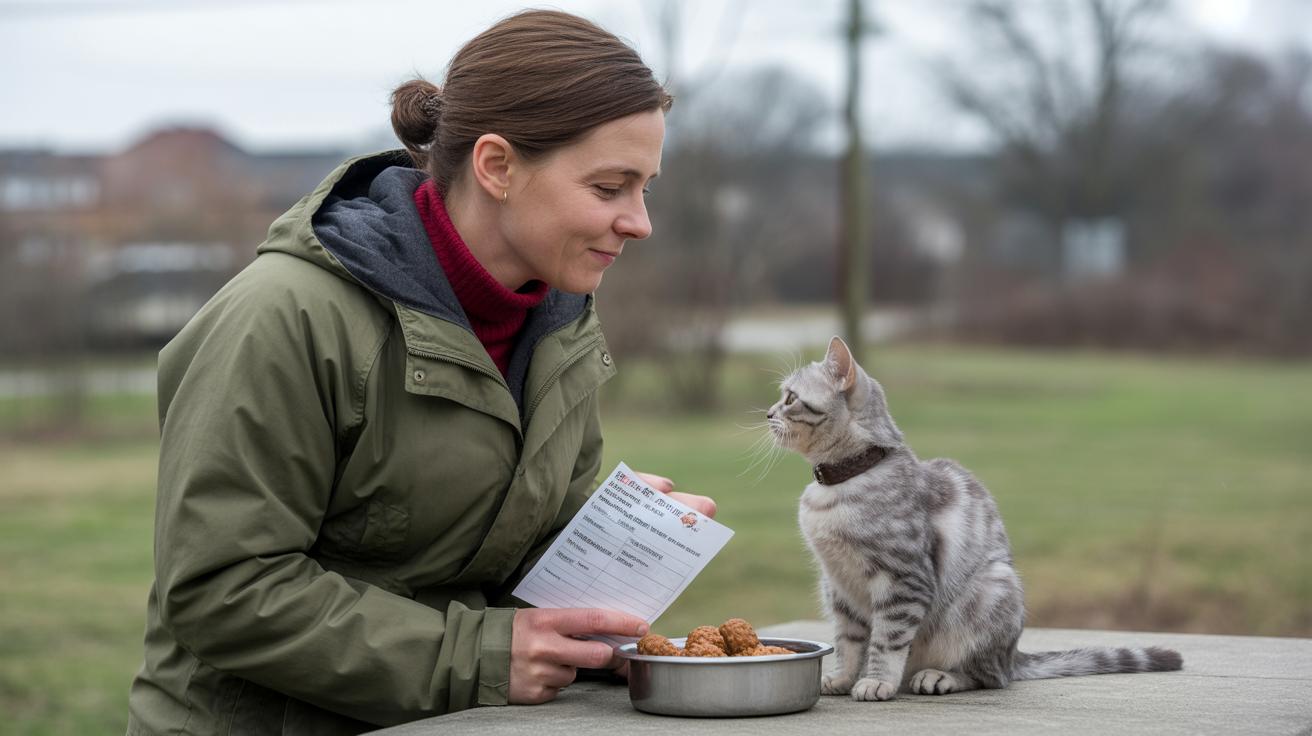
    Short answer: probably. Big, crunchy bites slow your cat down, make them chew, and cut the number of repeats you can do. For faster learning, use tiny, soft rewards that disappear in a blink, low kcal (calories), and let you deliver lots of quick successes. Check out our guide on Clicker Training for Cats.

    Look for these things: small size , think pea-sized or smaller so your cat eats it in one snap. Meat-first ingredients (meat listed first on the label) for real motivation. Easy-to-break texture (crumbles into tiny pieces without much chewing) so you can hand out repeats fast. The more reps per minute, the faster the skill sticks.

    Freeze-dried versus lickable , when to pick which. Freeze-dried (dehydrated quickly so it’s lightweight and very smelly) is great when you need a high-value treat on the go; crumble it into flakes. Lickable (a soft, paste-like treat you can smear) works well for close-up training, hand-targeting, or with kittens and picky eaters who won’t crunch. Both have their moments, so match the format to the trick.

    DIY swaps and portion tips: tear cooked chicken or turkey into tiny bits, or spoon a dab of wet food and let it set on a plate before pinching off pea-sized pieces. Aim for treats under about 2 kcal (calories) each so you can do lots of reps without packing on pounds. Keep sessions short , a few minutes with lots of tiny wins , and save the big crunchy stuff for behavior playtime, not training.

    Think of this as your cheat-sheet for snack-powered training. Worth every paw-print.

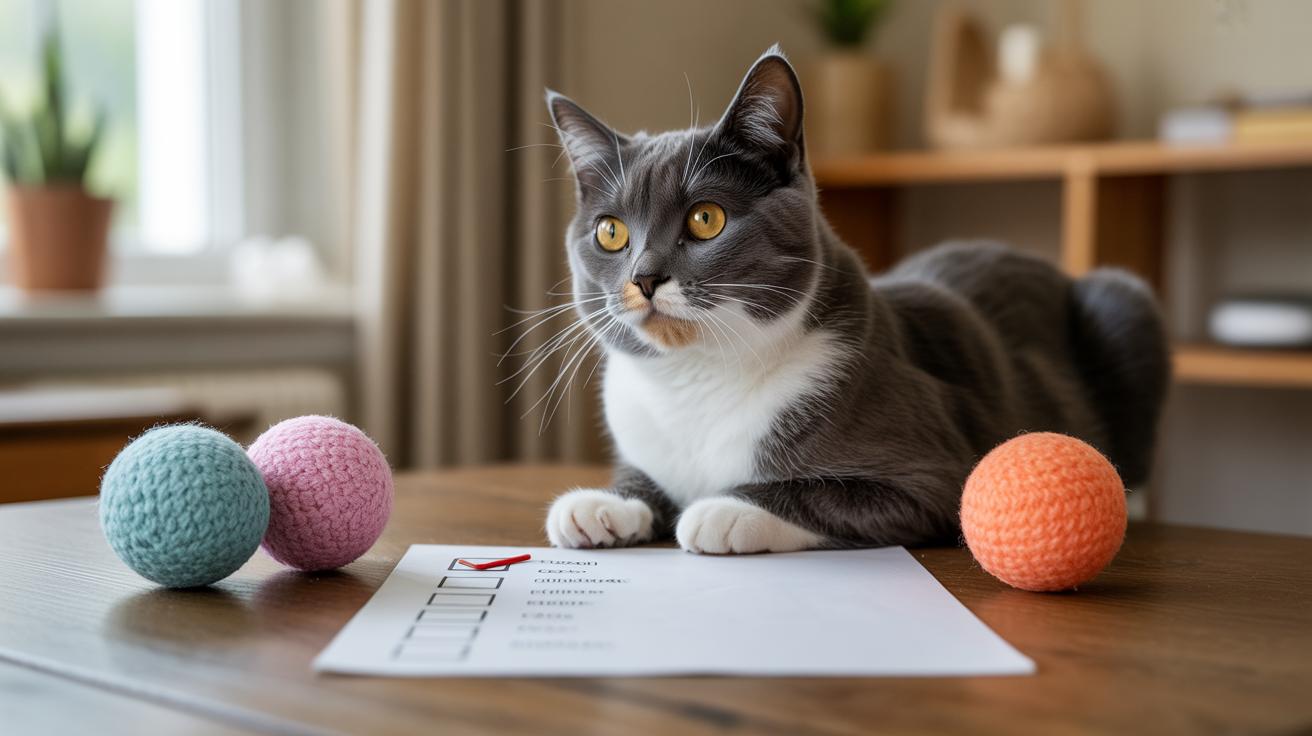
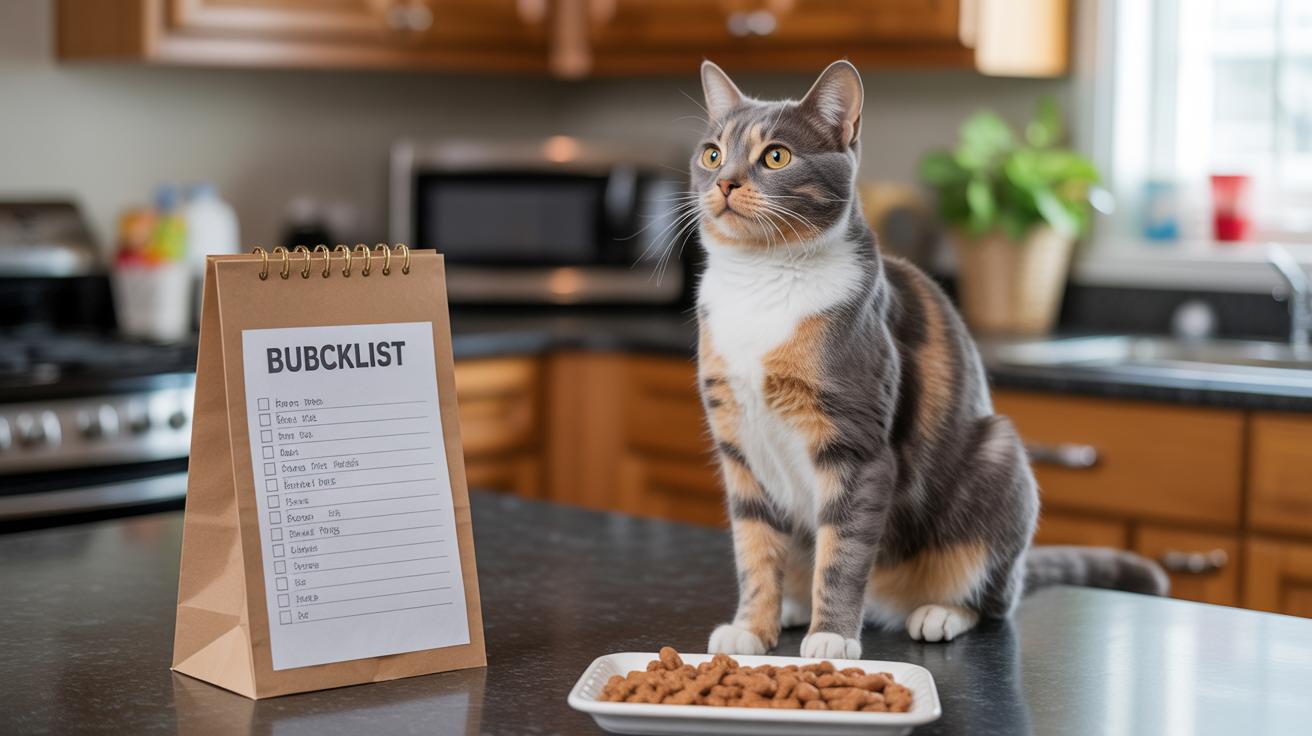
    Buying checklist: what to look for in training treats
    - Buying checklist what to look for in training treats (answers the core training-treat questions).jpg

    Pick small, low-kcal (calories), breakable, meat-based treats. They’re perfect for quick, repeat rewards and keeping your cat motivated, think tiny bites you can hand out fast.

    • Size and kcal per piece: check the package for kcal (calories) per treat and aim for about 2 kcal or less each. That way you can give lots of reps without blowing their daily calories.
    • Protein source: choose single-protein treats (one animal source, like chicken or turkey) or meat-first-ingredient clicker options so the food matches a cat’s meat-focused needs.
    • Breakability: pick treats that reliably break into micro pieces (tiny bits) so you can reward quickly and get back to training. Fast reward, fast learning.
    • Texture suitability (one short phrase): "fast-to-eat micro dry" for high-rep work; "soft/lickable" saved for special, high-value tasks (see texture H2). Ever watch a cat savor a lickable treat? That’s high-value right there.
    • Moisture and hydration: moisture-rich treats (soft, wet options) are great for hydration or hands-on handling work, but use them sparingly and skip other treats that day to balance calories.
    • Vet and diet flag: if your cat is on a prescription or restricted diet, avoid non-approved treats and check with your veterinarian first.

    For texture and format advice, head to the Cat training treats by texture and format section, and for full calorie math and session planning, see Portion control and calories.

    For quick DIY recipes and low-cost swaps, check Homemade and DIY cat training treats, and for timing and pacing, see Using cat training treats within clicker and marker training protocols.

    Cat training treats by texture and format: when to use freeze-dried, crunchy, and lickable rewards

    for format-specific use-cases.jpg

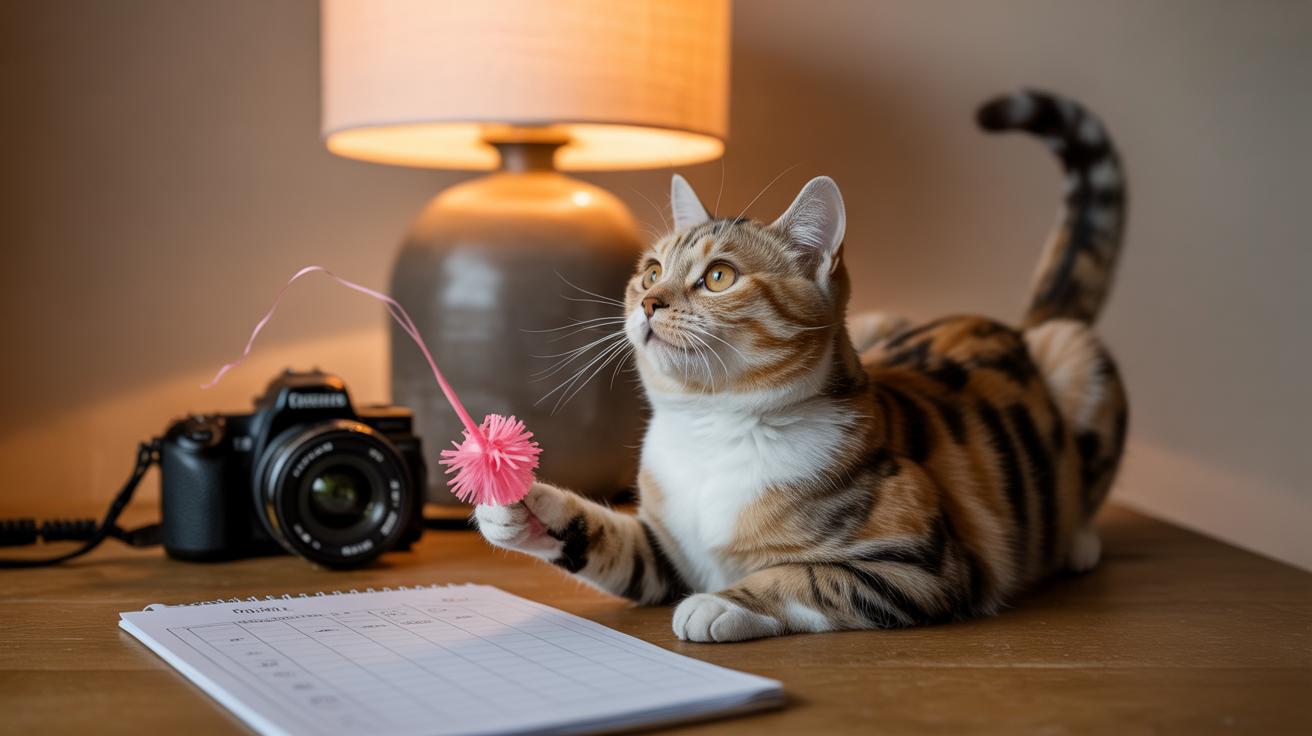
    Pick the treat texture for the job. Tiny, fast-to-eat pieces are perfect for lots of repeats. Whole freeze-dried morsels work for quick wins. And wet, lickable rewards are the go-to when you need calm, focused behavior.

    Freeze-dried treats (moisture removed quickly to lock flavor) are amazing when you want something small and super smelly. They break cleanly, so your cat gets the reward in one quick bite. Your kitty smells it, gets a hit of flavor, and goes right back to the task. Ever watched whiskers twitch at a tiny, fragrant crumb? Yeah, that.

    Crunchy, dry bites are the session workhorses. Bite-sized pieces (tiny nibbles that fit one mouthful) are easy to carry, easy to toss, and low mess. They give you endurance for lots of reps without sticky hands. The satisfying crunch helps too. Your cat learns, you don’t lose your treats, win-win.

    For hands-on stuff like grooming, nail trims, or vet-style handling, use lickable treats (a smooth purée, like a tasty paste). They’re moist, high value, and hold attention during slow, careful steps. I once held my cat for a nail trim by feeding tiny licks one at a time , calm the whole way through.

    Quick tip: bring two formats to a session. A stash of micro dry pieces for rapid reps and a tube or packet of lickable treats for the tough moments. It keeps training snappy, saves the wet rewards for big progress, and makes practice feel like playtime for both of you. Worth every paw-print.

    Portion control and calories for cat training treats (how many treats per session)
    ).jpg

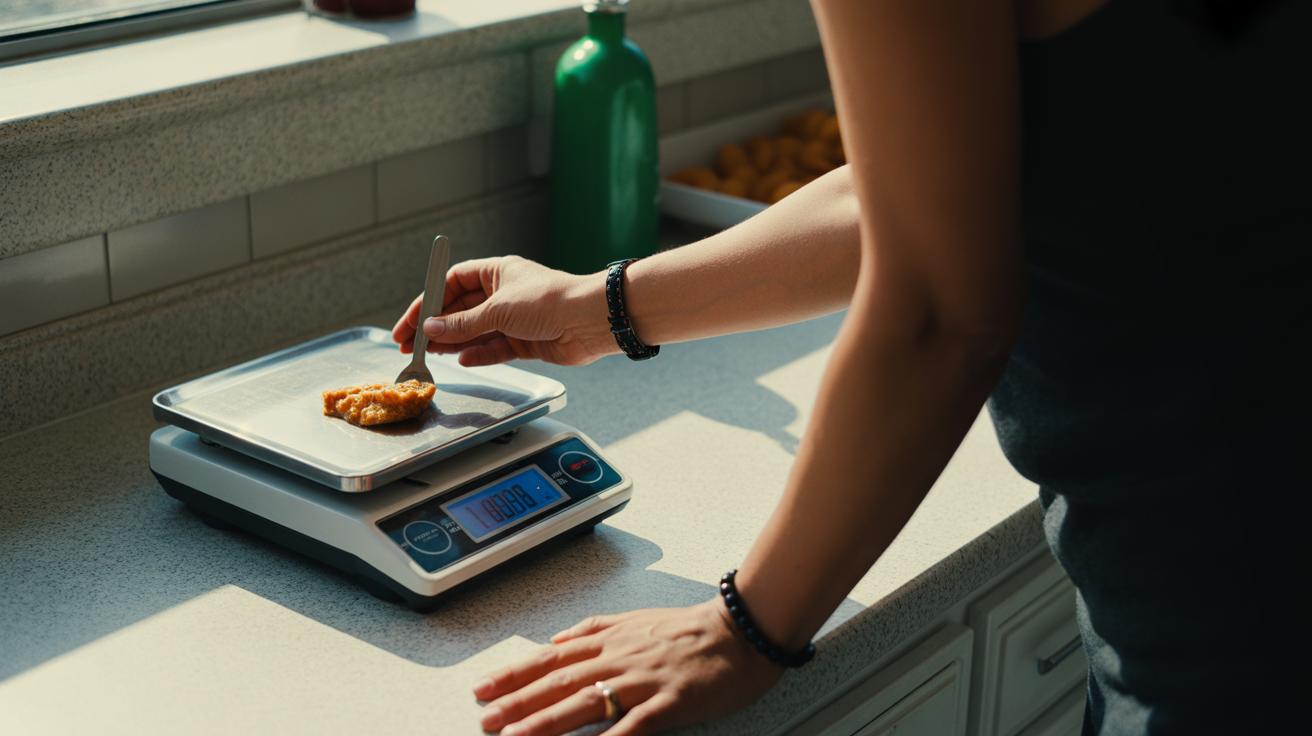
    Keep treats tiny and count the calories. Aim for about 2 kcal or less per training treat, and keep all treats to roughly 10% of your cat’s daily calories. kcal (kilocalories, the "Calories" listed on food labels) is what we mean here. Small, breakable pieces let you run lots of reps without tipping the scale.

    If your cat’s daily food target is 200 kcal, set aside about 20 kcal for treats , that’s roughly ten 2-kcal pieces. Micro treats (tiny crunchy bits, about 1–2 kcal each) let you do lots of quick repetitions. Freeze-dried morsels (meat quickly dried to lock in flavor) vary in size, so if you’re unsure use a single-ingredient benchmark like PureBites (~2 kcal each) for a safe guess.

    Treat Format Approx kcal per unit Suggested max per 100 kcal allowance
    Micro dry treat (tiny crunchy bit) ~1–2 kcal 50–100
    Freeze-dried morsel (single-ingredient meat) ~2 kcal ~50
    Lickable 2-oz portion (syrupy or paste reward) ~6 kcal ~16 – use sparingly
    Crunchy commercial treat ~1.5 kcal ~66

    On training days, reduce the regular meal by the same calories you give as treats so daily intake stays steady. Use micro treats for fast clicker work and save lickable rewards for tough steps or vet-handling practice , that mix helps you train more without weight gain. Ever watched your cat pounce on a tiny morsel and feel like a proud coach? Worth every paw-print.

    Using cat training treats within clicker and marker training protocols (timing, pacing, and transition plans)
    for specific scenarios and to the Portion control section for full calorie math and session planning.jpg

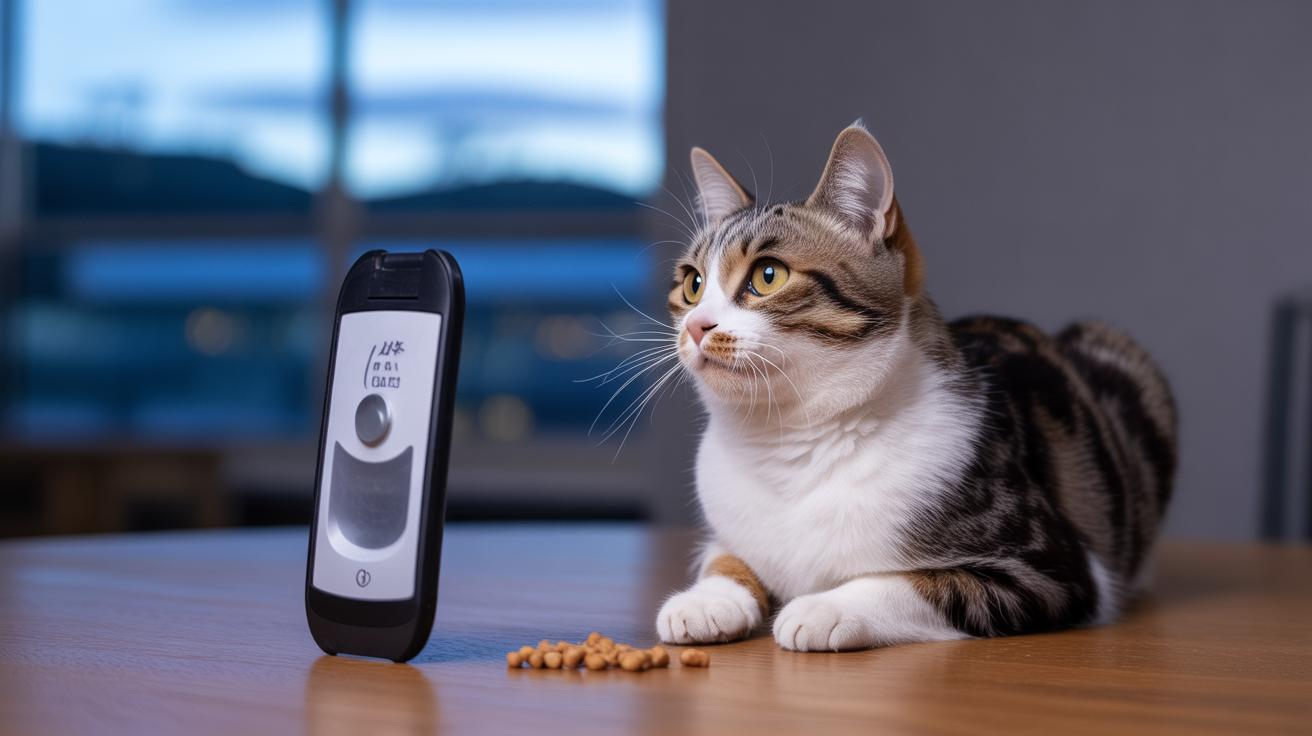
    Marker training uses a short signal (a click) to mark the exact behavior, then you give a treat right away to make that action stronger. Think of the click as a tiny, precise high-five for your cat. Keep the click crisp. Give the treat faster than your cat can blink so the link stays clear in their head.

    Timing and micro-rewards

    Aim to click, then treat, in under one second. Fast timing ties the sound to the behavior, so your cat knows exactly what earned the reward. Use one-bite treats or broken freeze-dried pieces (freeze-dried means the water is removed to lock in flavor) that your cat can eat instantly and get back to work. Your cat’s whiskers will twitch as the treat disappears , cue the zoomies, maybe.

    Sample session plan:

    • Warm-up: 5 to 10 minutes of easy, fun play to get attention.
    • Training block: 20 to 50 quick reps using micro-treats (small bites, rapid succession).
    • Finish: one high-value reward for a shaped step or a little celebration.

    Short sessions beat long ones for focus and learning. Hands-free clickers (like ring clickers) speed your response and help you avoid spooking skittish cats.

    Moving from continuous to intermittent reinforcement

    Start with continuous reinforcement (reward every correct response) while you’re shaping a new behavior. Once the behavior is reliable, slowly reduce how often you treat. Move to variable schedules , reward every 2nd, then every 3rd, then make it unpredictable , so the cue stays strong even when food isn’t offered.

    Keep a mix: low-value micro-treats for routine reps, and save lickable purées or other high-value rewards for tough steps, vet handling, or outdoor distractions. If you plan a heavy training day, reduce mealtime food slightly so total calories stay steady and your cat stays motivated (don’t overfeed, but don’t starve them either).

    I once watched Luna nail a tricky jump after three days of short, snappy sessions , worth every paw-print.

    Homemade and DIY cat training treats and safe substitutions
    - Cat training treats by texture and format when to use freeze-dried, crunchy, and lickable rewards.jpg

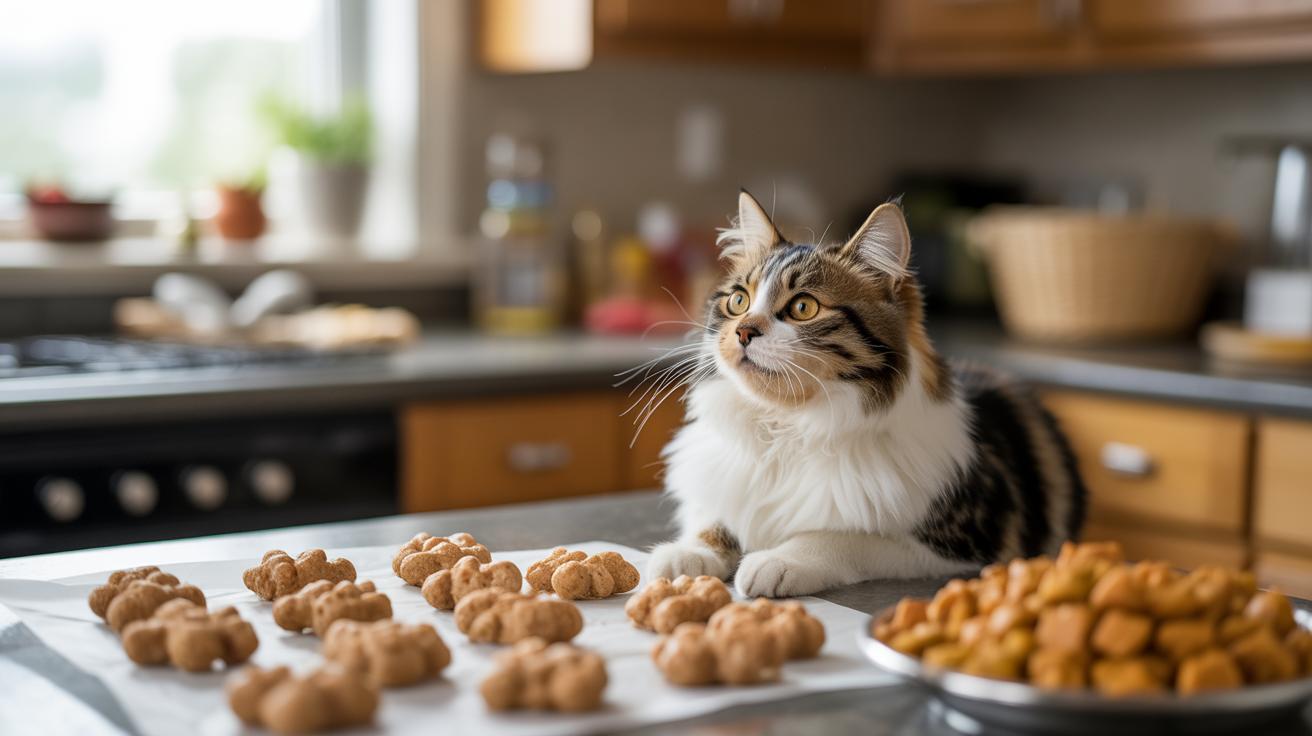
    Pick tiny, soft, low-calorie, single-protein bites you can hand out fast, so you can keep reps high and your cat’s tail twitching. Small treats mean one-chomp rewards and lots of training wins. Easy to make, easy to portion, and usually cheaper than store micro-treats.

    Micro baked chicken bites
    Finely chop or pulse one cooked boneless, skinless chicken breast (chicken breast, cooked and trimmed of bone and skin) into a smooth paste. Add about 1 teaspoon of water if it’s too dry, then press the paste thinly onto parchment paper. Bake at 300°F (150°C) for 12–15 minutes, just until the sheet sets. Cool, then snap into pea-sized bits , about 1 gram each, roughly 1.5–2 kcal per piece. The texture is soft but holds together, perfect for one-chew training. Store in the fridge for 3–4 days or freeze in portioned zip bags for longer.

    Pumpkin-salmon soft morsels
    Stir 1/2 cup plain canned pumpkin (plain pumpkin, not pie filling) with 1/2 cup cooked or canned salmon (drained and flaked). Spoon dime-sized blobs onto a tray and bake 8–10 minutes at 300°F (150°C) to firm them up, or just chill in the fridge if you want a softer, lickable treat. Aim for about 1–2 grams per morsel , roughly 1–3 kcal depending on how much salmon you used. Keep refrigerated 3–4 days or freeze single-use portions for up to 3 months.

    Quick substitutions and tips

    • Single-ingredient freeze-dried fish or meat works brilliantly for low-effort micro treats (freeze-dried means the water’s removed fast to lock in flavor).
    • Plain meat baby food (meat-only jars) makes an on-the-spot lickable reward for handling or grooming sessions , just spoon out tiny amounts.
    • If your cat has a restricted diet, check with your vet before trying new proteins.
    • For speed, use a small cookie scoop or the tip of a teaspoon to portion consistently.

    Try a few kinds and see which one makes your cat go claw-tastic. I once watched a timid rescue pounce like a tiger for a salmon nub , worth every paw-print.

    Choosing cat training treats for kittens, seniors, and sensitive cats (age, dental, and allergy guidance)

    - Portion control and calories for cat training treats (how many treats per session).jpg

    Kittens need tiny, soft rewards they can eat in one bite. Pick soft morsels, moist lickables (sauce-like soft treats), or very small freeze-dried pieces (freeze-dried – water quickly removed to lock in flavor) so a teething kitten can chew without effort. Keep portions smaller than you would for an adult, tie treats to their meal plan so calories stay balanced, and check the package age guidance before giving anything to kittens under 12 weeks.

    Older cats often lose chewing power, so choose dental-safe soft chews (gentle on gums and easy to crumble) or freeze-dried bits that crumble with light pressure. A little moisture helps – dampen a crunchy bite with water or add a dab of wet food to soften it. Watch them closely the first few sessions; if they paw at their mouth or drop pieces, switch to softer textures right away.

    If your cat has a sensitive stomach or you suspect a food allergy, keep it simple. Try single-ingredient freeze-dried meats (one animal protein only) or limited-ingredient commercial lines (only a few ingredients to lower risk). Start with tiny samples, then watch stool, appetite, and energy for a few days before making the treat part of routine.

    Quick vet-check steps:

    • Ask your veterinarian before giving treats to cats on prescription diets or with medical issues.
    • Start new treats as tiny samples. Observe stool and appetite for 3 to 7 days.
    • Stop and consult your vet if you see vomiting, diarrhea, or loss of appetite.

    Ever watched a kitten try a new treat and suddenly turn into a tiny purring vacuum? It’s the best. Worth every paw-print.

    Best brands and category picks for cat training treats (high-value, budget, and single-ingredient options)
    - Using cat training treats within clicker and marker training protocols (timing, pacing, and transition plans).jpg

    Pick treats by the job you want them to do: fast repetitions, tough behaviors, or simple nutrition-first rewards. Match the treat type to your session style and your cat’s taste so you get motivation without sneaky extra carbs or calories. Sounds obvious, but it changes everything.

    High-value rewards
    For slow, careful work or scary vet practice, use lickable purées and toppers. Think Inaba Churu-style tubes , moisture-rich (high water content, easy to lick) and totally irresistible , a 2-oz tube is about 6 kcal (calories), so save those for grooming, handling practice, or the really hard steps where you need full attention. They calm cats and buy you focus one lick at a time. Seriously, the slick, meaty lick will get even a distracted kitty to tune in.

    Budget and everyday reps
    Want lots of cheap repetitions? Small crunchy bits are your friend. Temptations are cheap and everywhere, but they include corn and wheat and have more carbs than meat-first treats , so they’re great for play practice but not ideal if you’re watching protein or carbs. A mid-tier crunchy like Shameless Pets (salmon-first, about 1.5 kcal each) gives more protein and tossability for long sessions. Toss, click, repeat , your hands stay clean and the session can last longer.

    Single-ingredient and freeze-dried picks
    When scent and pure protein matter, go freeze-dried. Freeze-dried (water removed to lock in flavor and nutrients) treats like PureBites Freeze-Dried Chicken are single-ingredient and roughly 2 kcal per piece , high protein, low fat. The catch: pieces can crumble and vary in size, so you’ll want to break them into micro pieces for fast clicker work. Bonito flakes are another single-ingredient fave (high protein and omega-3s), but they’re messy and flaky, so plan for a little cleanup.

    Shopping checklist (quick, useful stuff)

    • Check kcal per piece (kcal means calories) so you can track session totals.
    • Confirm the ingredient list shows a single animal protein or a meat-first formula.
    • Make sure the treat reliably breaks into micro-pieces for quick reps.
    • Note packaging and shelf-life so treats stay fresh between sessions.

    A final tip: for busy days, stash a few high-value licks for the really important drills and use tossable crunchies for warm-ups. Worth every paw-print.

    Treat-carrying gear, storage, and travel options for cat training treats
    - Homemade and DIY cat training treats and safe substitutions.jpg

    Grab a small treat pouch with a drawstring or zipper that clips to your belt. Pick one with a secure closure and a wipeable lining so crumbs don’t turn into a mystery science project. Add a hands-free clicker or ring clicker (a small device that makes a sharp sound to mark the behavior) so your timing stays spot on and you don’t spook a shy kitty. Ever had treats hide in your pocket right when your cat finally looks your way? Yeah, not cute.

    For outings, portion your treats ahead of time. Pre-portion micro dry bits (very small crunchy kibble pieces) into resealable snack bags so you can snap one out, toss it, and keep moving. Bring a small travel spoon or a silicone cup (flexible, easy-to-clean cup) for lickable toppers , those soft, moist treats you spread or spoon , and toss in a tiny cooling pack (a small gel pack) if you’re carrying wet toppers. Measure portions before you go so you don’t accidentally overfeed during a session. Quick training, happy cat, less math.

    At home, store treats in a cool, dry spot and reseal bags or use airtight jars (containers that keep air out and freshness in) for crunchies and freeze-dried treats (made by quickly removing water to lock in flavor). Check expiry dates now and then, and wash your pouch, spoon, or silicone cup between uses. Pre-portioning saves time, keeps calories predictable, and makes training on the road way less chaotic.

    Worth every paw-print.

    Final Words

    In the action: choose small, low-kcal, breakable, meat-first treats for fast reps and steady weight – think micro dry or tiny freeze-dried (dehydrated to concentrate flavor) bites.

    Check texture/format notes for when to use crunchy tossables versus lickable purées (moist, high-value reward) and see the portion-control section for the full calorie math and session planning.

    For DIY recipes and clicker timing tips, try the homemade micro-bites and the timing plan in the clicker section – your cats get mental play, you save cash and furniture, and training with cat training treats feels fun and doable.
    FAQ

    What are the best treats for training cats?

    The best treats for training cats are tiny, low-kcal (~1-2 kcal) single-protein pieces you can break into micro bits — freeze-dried or crunchy for quick reps, with lickables saved for high-value rewards.

    What are low-calorie cat treats for training?

    Low-calorie cat treats for training are micro pieces around 1-2 kcal (calories) each, letting you run many short repetitions while keeping total daily treats near 10% of calorie intake.

    How many treats should I give per training session?

    The number of treats per session depends on kcal; aim for 20-50 quick reps with micro 1-2 kcal treats, and keep total daily treats inside the ~10% calorie allowance.

    Do you have a simple cat training treats recipe or DIY options?

    Homemade training treats work: tiny baked chicken bites (350°F, 10–12 minutes, cooled and cut to ~2 kcal pieces) or pumpkin-salmon soft morsels; plain meat baby food makes a quick lickable reward.

    What are the best treats for kittens?

    For kittens, choose very small soft or wet treats, tiny freeze-dried flakes, or softened morsels; give smaller portions than adults and check package age guidance or your vet before treats under 12 weeks.

    Are Churu-style treats good for training?

    Churu-style lickable purées are great high-value rewards for vet handling or hard behaviors; they’re hydrating (lickable paste) but a 2-ounce tube is about 6 kcal, so use sparingly.

    What is the 3-3-3 rule for cats?

    The 3-3-3 rule for cats means: 3 days to hide and settle, 3 weeks to explore and learn household routine, and 3 months to fully relax and bond with your home and people.

    How do I apologize to my cat?

    Apologizing to your cat looks like a soft voice, slow blinks, gentle pats if welcome, offering a tiny favorite treat, giving space, then short play or cuddles when they’re ready to reconnect.

    What is one meat I should never feed my cat?

    One meat to avoid feeding cats is raw pork, which can carry parasites and harmful bacteria; feed cooked pork only and check with your vet if your cat has special diet needs.

  • Why Does My Cat Bite Me: Causes, Fixes

    Why Does My Cat Bite Me: Causes, Fixes

    Think your cat bit you out of spite? Think again. Most nips come from simple stuff: play or hunting practice, too much petting that ends in a snap, fear or self-defense, redirected irritation, or hidden pain. Ever had a soft purr turn into a sudden pinch? Yeah, me too. I’ll show you how to spot the kind of bite, what to do right then, and easy fixes so you can get back to cozy cuddles. Check out our guide on Play Aggression Toys.

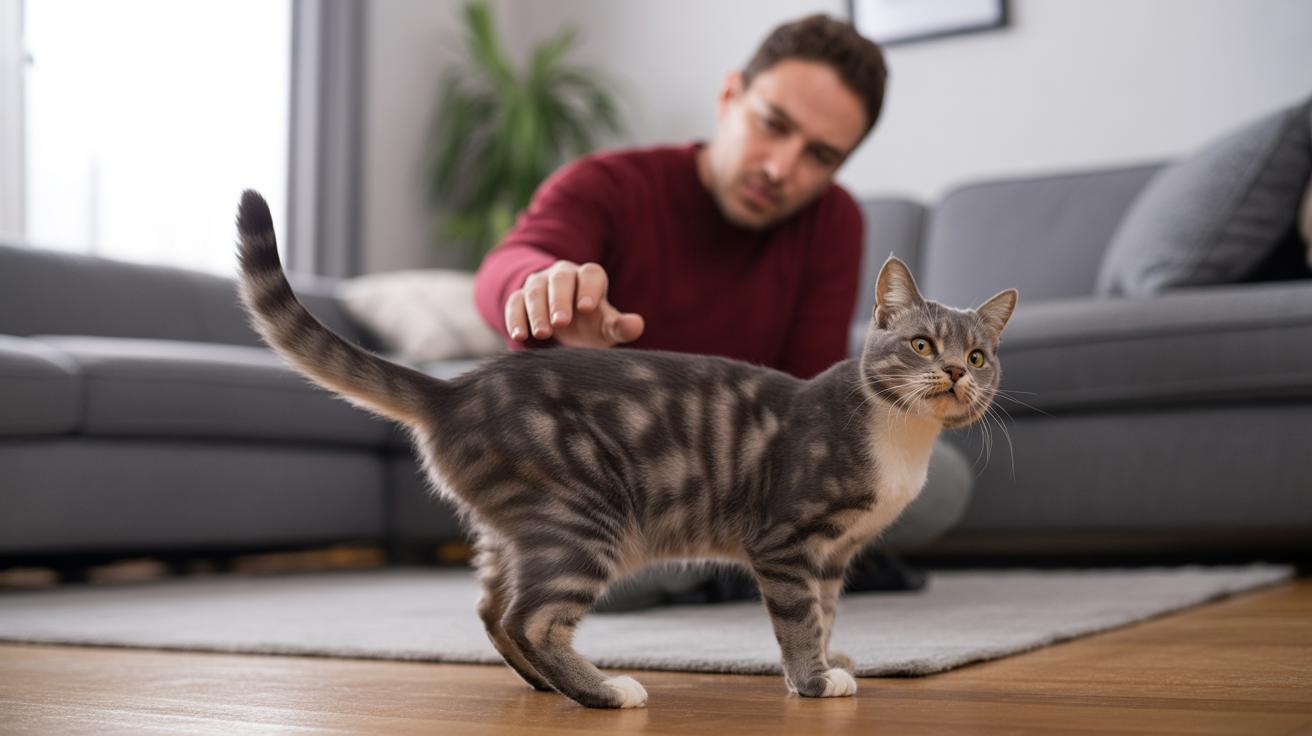
    Play bites are usually gentle, little teeth, no growl, and they happen when your cat’s batting at your hand or pouncing on a moving sock. Hunting-practice bites feel firmer and come with stalking body language, low crouch, focused eyes, tail twitching. Petting-overload bites tend to come mid-pet: you’ll feel the skin ripple, a quick tail-flick, maybe a hard stare just before the nip. Fear or defense bites are fast and loud, ears flat, pupils wide, and your cat wants distance. Redirected irritation is weird but common: your cat gets mad about something else and bites whoever’s closest. Pain bites are different, your cat may cry, avoid being touched in one spot, or bite suddenly when you touch a painful area.

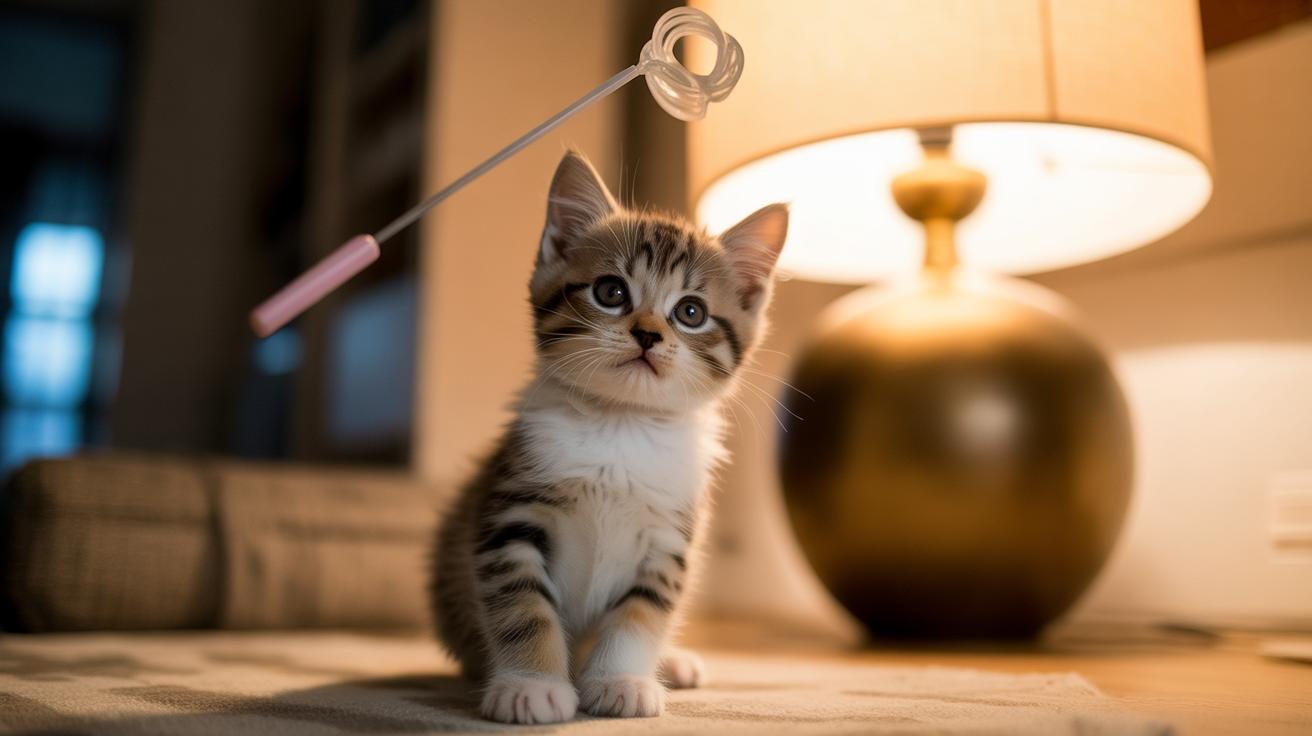
    So what do you do in the moment? Stay calm. Don’t yank your hand away, slowly pull back so teeth don’t catch more skin. Speak softly, then distract with a toy so the bite target moves: a teaser wand (think fishing-rod-for-cats) works great. Check the spot for broken skin; wash gently and keep an eye on it, see a doc if it’s deep, swollen, or red. And don’t punish your cat, that just makes fear and confusion worse.

    Want to cut down on nips? Schedule short, intense play sessions daily so they get out hunting energy, five to ten minutes of active chasing can help. Watch body language: stop petting when the tail flicks or the skin ripples. Swap hands for toys during play so your fingers aren’t the target. Use chew-safe toys made of puncture-proof fabric (tough cloth that won’t tear when a cat bites) for rougher play. Train gentle play with treats and praise, reward calm paws, not bouncy teeth. For sudden aggression or pain-related bites, a vet check is smart.

    Worth every paw-print.

    Quick answers about why cats bite people , TL;DR

    Cats bite for a few common reasons: play or predatory mouthing (treating your hand like a toy or prey), petting-induced overstimulation (too much touch makes them snap), fear or defense, redirected aggression (they get mad at something else and bite the nearest thing), or pain and illness. Ever had a sudden sharp nip when your cat was purring one second and tiny-murder-monster the next? Yeah, that.

    The first thing to do is stop interaction calmly and give the cat space. Move away, or gently put the cat in a quiet room until both of you have cooled down. Don’t yank your hand or shout , that can make things worse. If the skin is broken, wash the area with soap and water and apply a clean bandage.

    See a doctor or vet right away if the bite breaks skin, punctures deeply, bleeds a lot, or if you notice swelling, increasing redness, warmth, or fever. Cat mouths can carry bacteria like Pasteurella (a common bacteria from cat mouths that can cause fast infections), so bites that look small can still get serious. Also call a doctor sooner if you have diabetes, a weak immune system, or take blood thinners.

    Worth a quick vet or doctor call. Better safe than sorry, and your cat will probably be back to goofy zoomies soon.

    why does my cat bite me: telltale differences , love nibbles, play bites, and aggressive bites

    - why does my cat bite me telltale differences  love nibbles, play bites, and aggressive bites.jpg

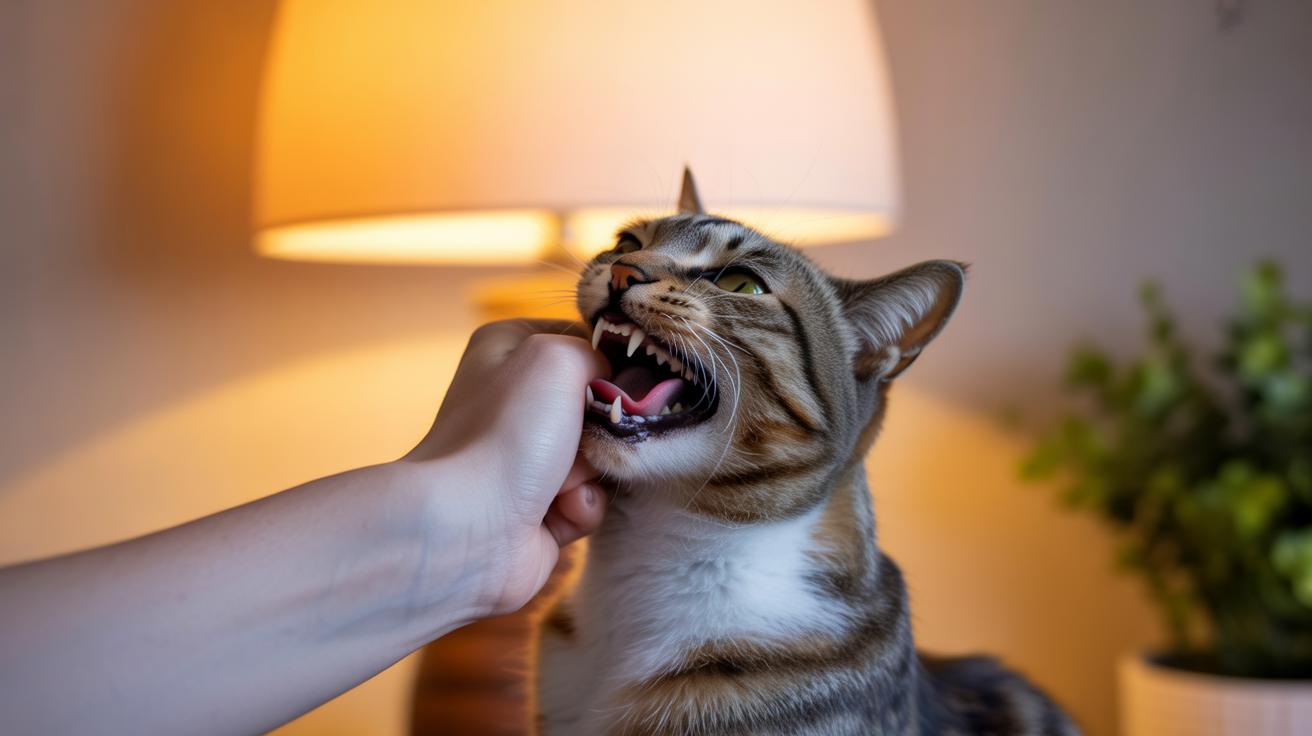
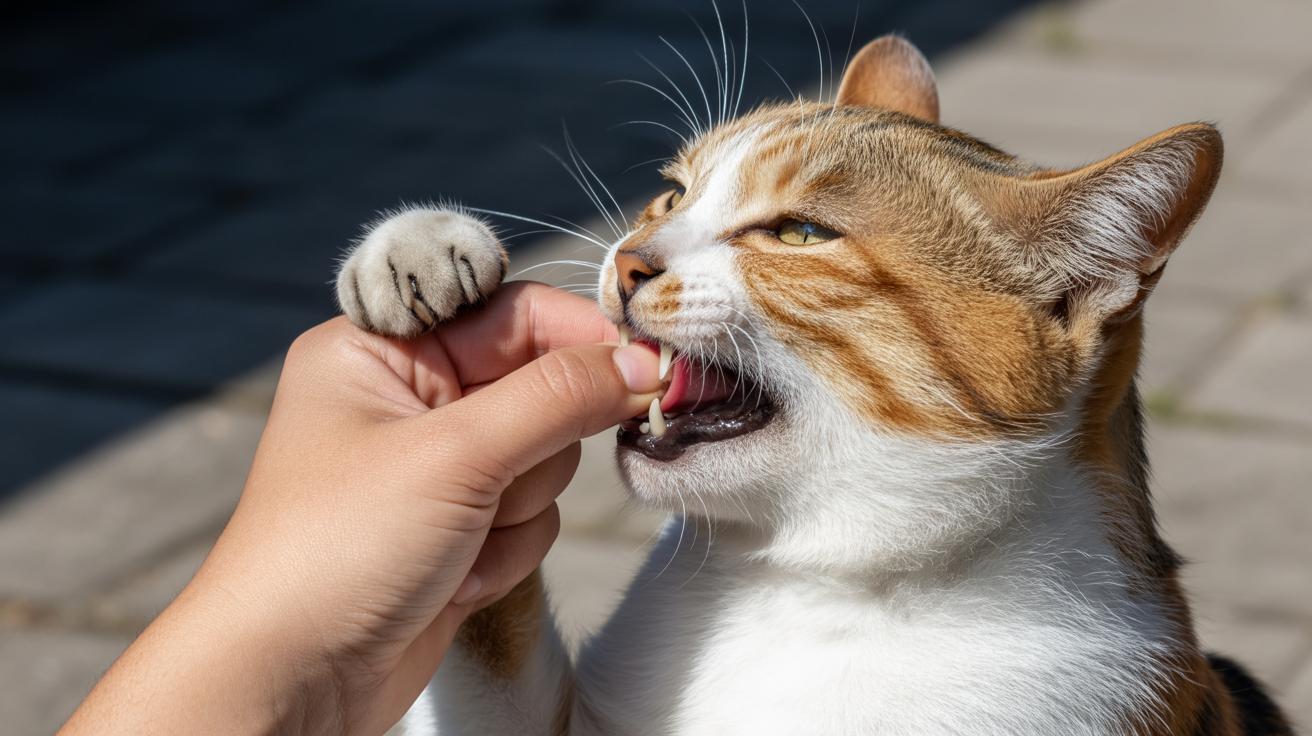
    If you've been wondering "why does my cat bite me?" chances are it falls into one of three buckets: a love nibble, a play bite, or an aggressive/fear bite. A love nibble is a tiny, gentle mouth-press you might feel after grooming or a long cuddle. It’s more of a soft kiss than a real bite, and your cat usually looks relaxed and satisfied.

    Play bites are part of the predatory sequence (a hunting-style set of behaviors like stalk, pounce, and grab). Kittens practice these on their littermates, so they can be pretty rough during play. You’ll often see pouncing, grabbing with the front paws, and bunny-kicking (kicking back with the hind legs), plus excited, wide pupils.

    An aggressive or fear bite is a hard, defensive response meant to stop a threat. That one can break skin and cause injury. When a cat bites like this, they usually look tense, may hiss or growl, and try to make a fast getaway afterward.

    Licking then nipping is a useful clue. If your cat licks you and then gives a quick nip, they might have shifted from calm to overstimulated. Pay attention to the lead-up , where you were touching, how long you petted, recent play, and whether the tail was flicking or the ears were turning back. Often the body language gives you a heads-up.

    Bite Type Common behavior Context Key Body Language Cues Severity
    Love nibble After grooming or cuddling Gentle mouthing, relaxed body, soft or closed eyes Low
    Play bite Rough play, chasing, toy sessions Pouncing, grabbing with front paws, bunny-kicking (kicking back with hind legs), dilated pupils Mild–moderate
    Aggressive/fear bite Fear, threat, redirected aggression, territory fights Hair standing up (piloerection), very wide pupils, stiff body, flattened ears, loud hisses or growls High

    Red flags that mean the bite could be harmful:

    • A hard clamp that breaks skin or leaves a puncture.
    • Repeated or escalating bites aimed at the same spot.
    • Bites that come with extreme body tension, loud vocal threats, or full-on aggression.
    • Bites after being cornered, surprised, or during redirected aggression.

    If you see any of those signs, get prompt veterinary care or consult a certified cat behaviorist. Better safe than sorry, right?

    Worth every paw-print.

    why does my cat bite me after petting , overstimulation and petting-induced aggression

    - why does my cat bite me after petting  overstimulation and petting-induced aggression.jpg

    Ever been mid-rub and felt your cat go from purr to a quick bite? That sudden nip is often petting-induced aggression (when touch becomes too much and your cat’s nervous system flips from relaxed to defensive). It can happen in seconds. One moment they’re soft and warm. The next , ouch.

    Kittens that miss the socialization window (about weeks 2 to 7, when they learn to enjoy handling) can grow up with lower tolerance for touch. So early gentle handling matters. But even well-socialized adults have limits.

    Watch for the little warning signs. Tail twitching or a sharp tail lash, skin rippling, ears turning back, a sudden freeze, or visible skin tension usually mean “that’s enough.” Ever noticed whiskers go rigid right before a nip? Yeah, that’s a clue.

    When you see a cue, stop. Give space. Let the cat come back to you on their terms. Don’t try to push through a warning, even if they seemed happy a second ago. It just trains the opposite of trust.

    Avoid repeated belly pats or fussing at the base of the tail for many cats. Those spots are loaded with sensitive nerves, and what feels playful to us can feel invasive to them. Respect the no-go zones.

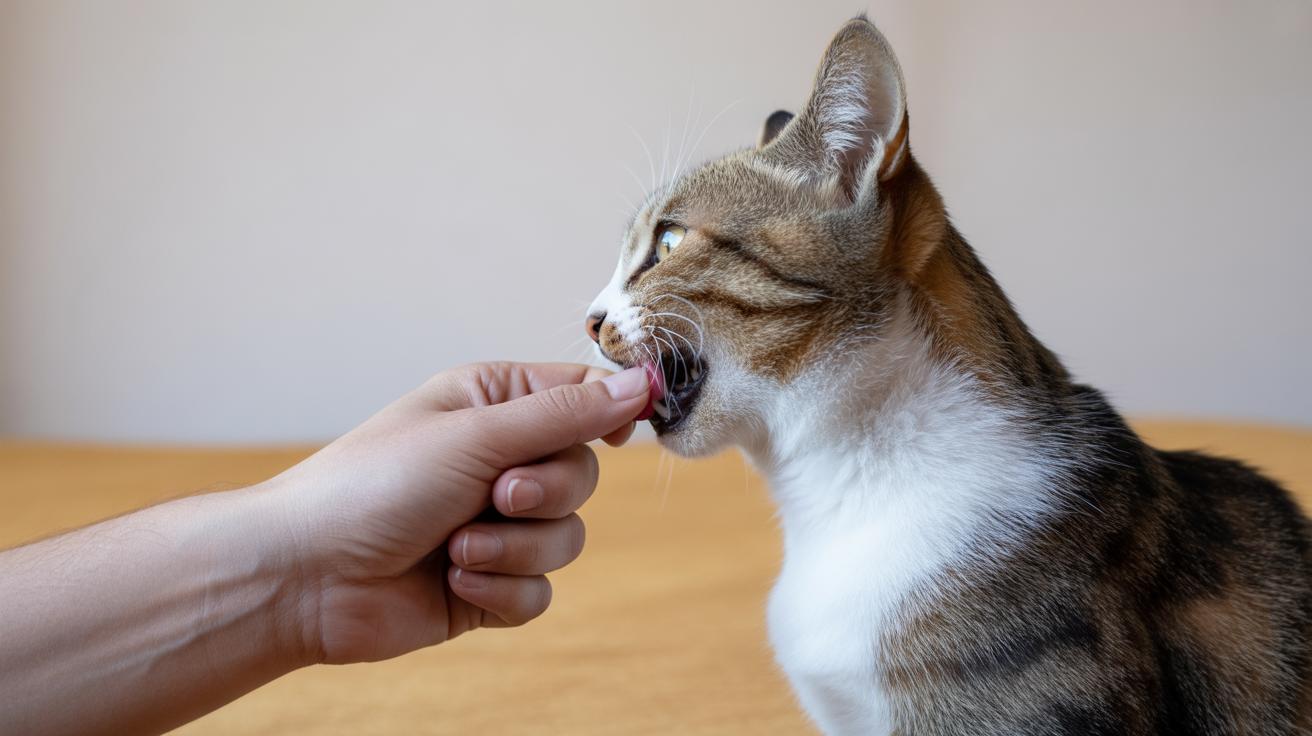
    Want to build tolerance? Go tiny and predictable. A few seconds of gentle strokes, then a treat or a pause. Repeat this over days or weeks, slowly lengthening the contact while keeping the mood calm and steady. Consistency wins. Think of it like training your cat to love longer cuddles, one short, positive session at a time.
    It’s okay to be human about it. Oops, try again. Watch the signals, reward calm behavior, and give your cat control. You’ll get more petting, and fewer surprise nips. Worth every paw-print.

    why does my cat bite me during play , kitten teething, learned hand-play, and redirection

    - why does my cat bite me during play  kitten teething, learned hand-play, and redirection.jpg

    Play biting is just the hunting sequence in tiny form. Stalk. Pounce. Grab. A quick mouth clamp at the end. It’s normal. Kittens practice that on their littermates, so when your hand looks like something to chase, that’s why.

    If your kitten treated human hands like toys during the socialization window (about weeks 2 to 7, when they learn to accept touch and play with people), they’re more likely to see fingers as prey later on. Ever watched your kitty snap at a sleeve? Same instinct, different target.

    Teething makes it worse. Teething (baby teeth erupting and being replaced by adult teeth) causes more mouthing (using the mouth to nibble or chew). Young cats chew and nibble more until adult teeth settle in. Good news: it usually eases up as they grow.

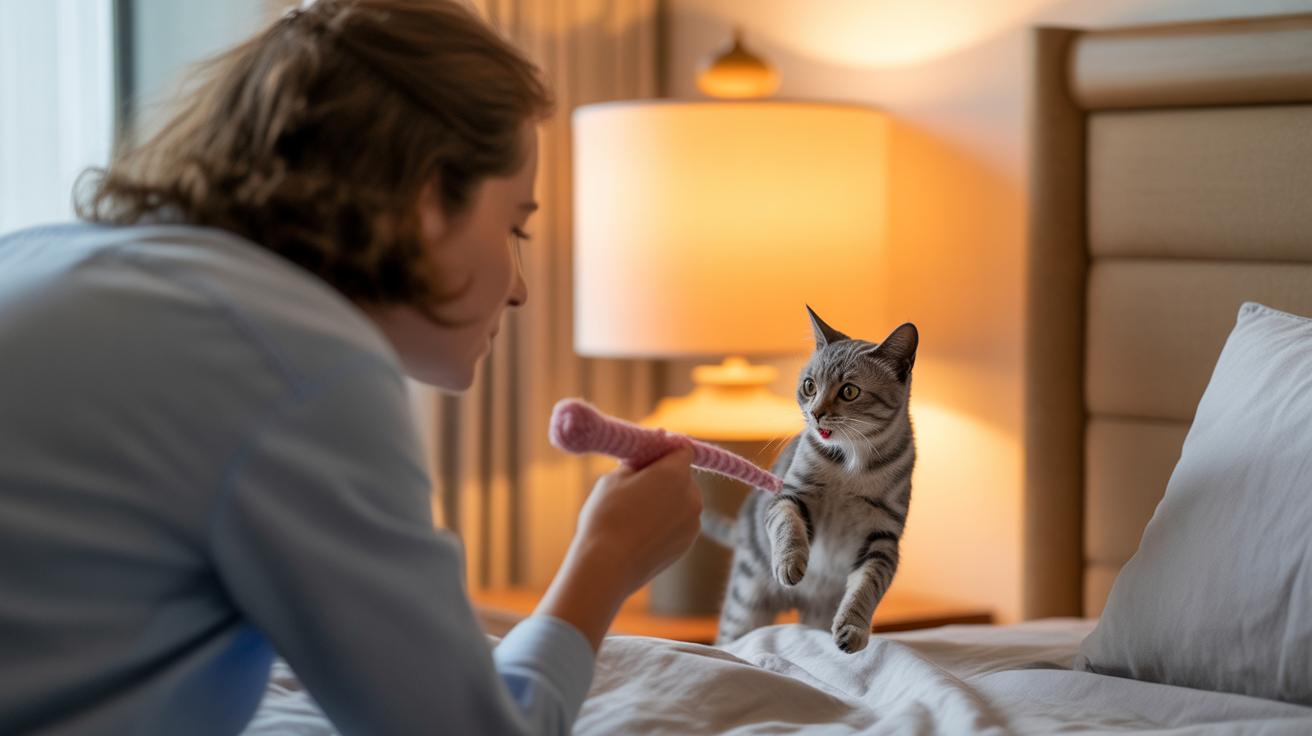
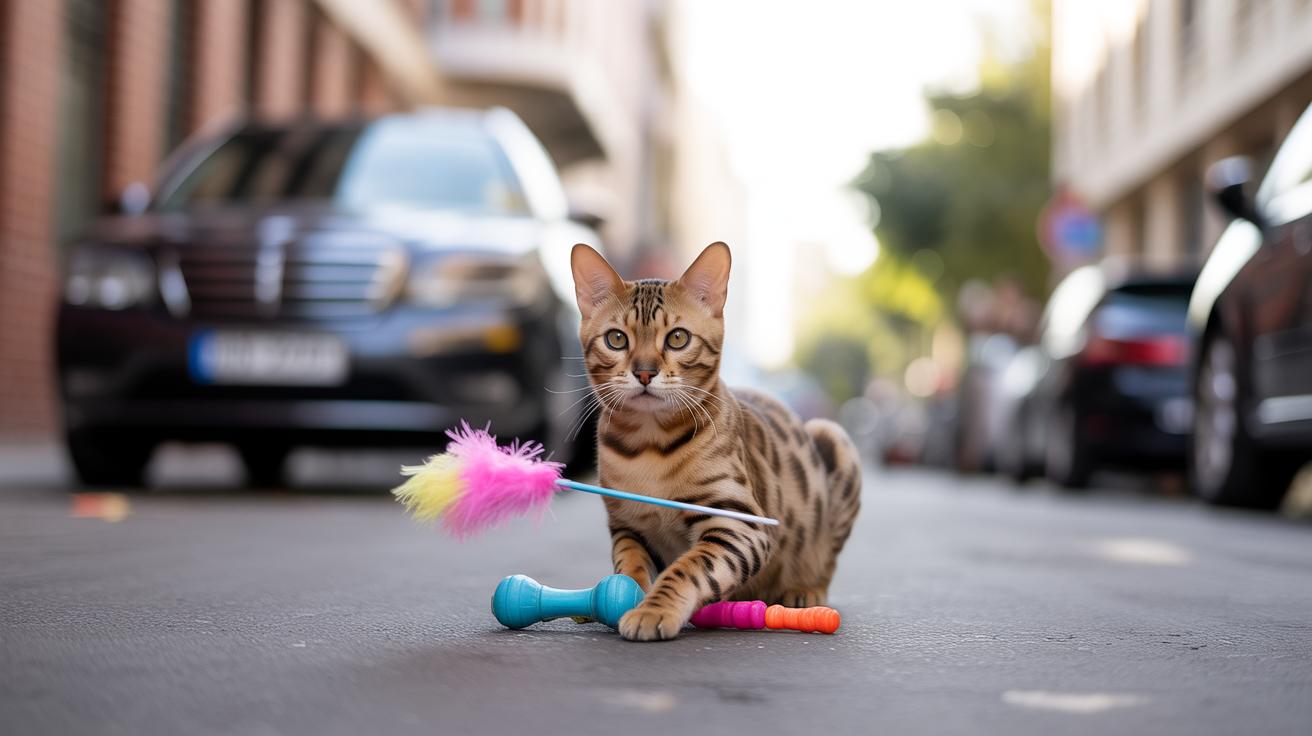
    How to fix it. Never use your hands as toys. Oops, let me rephrase that. Don’t let playtime turn into hand time. Swap your fingers for a teaser wand (a stick with string and feathers, like a fishing rod for cats), a kicker toy (a long stuffed toy they can grab with front and back paws), or small chase toys they can catch and carry. Keep play short and frequent. Several 2 to 10 minute sessions a day meets that hunting drive and wears them out in a good way.

    When biting starts, stop play for a very short, calm pause. Freeze for a beat or make a single soft noise that says, “Hey, no.” Then immediately hand over a toy. Repeat that pattern so your cat learns toys, not skin, finish the hunt. If you’re busy, toss an unbreakable ball before you leave for ten minutes of safe solo play.

    Praise gentle play and give attention when they use toys. Don’t yell or swat. If biting is hard or aggressive, check with your vet or a cat behaviorist. Worth every paw print.

    why does my cat bite me suddenly: pain, medical issues, and neurological causes

    - why does my cat bite me suddenly pain, medical issues, and neurological causes.jpg

    If your cat starts biting out of the blue, especially in one spot, think medical first. Sudden, focused bites usually mean your cat is hurting or a nerve is bothering them, not that they’re being naughty. It can happen in a heartbeat after a tiny touch that suddenly feels awful to them.

    Common medical triggers include:

    • Dental disease , tooth or gum pain that makes jaw pressure unbearable (like a sore spot in your mouth).
    • Degenerative joint disease , arthritis, painful joints that flare when handled.
    • Intervertebral disk disease , spinal disc problems that make being picked up or petted painful.
    • Feline idiopathic cystitis , bladder pain and discomfort, which can make a cat snap if you touch their belly.
    • Wounds, abscesses, or oral ulcers , tender spots that react when touched.
    • Fleas or severe skin irritation , annoying, itchy skin that makes any touch too much.
    • Hyperesthesia , a skin-sensitivity syndrome where touch can feel like a jolt or electric shock.
    • Neurological disease , nerve pain or focal seizures that change how much a cat tolerates handling.

    Bring a few quick notes to the vet: when the bites started, the time of day, exactly what you did or touched, and the exact body spot involved. A short video or photo can help a lot, too.

    Treating pain or the underlying illness often stops the biting. Once the medical issue is under control, a gentle behavior plan or slow desensitization can help rebuild tolerance , think tiny, calm touch sessions paired with treats, gradually increasing time. I once watched a cat go from full-on snappy to nudging for pets after a few careful sessions. Worth every paw-print.

    why does my cat bite me at night or bite my feet , redirected hunting and environmental fixes

    - why does my cat bite me at night or bite my feet  redirected hunting and environmental fixes.jpg

    Nighttime nips and ankle ambushes usually come from a hunting instinct that didn’t get used up during the day. Cats are crepuscular (most active at dawn and dusk), so when toes peek out from under the covers or feet twitch in sleep, your cat sees moving "prey" and the whole stalk-pounce-capture routine kicks in. Ever wonder, “Why does my cat bite me?” Yup, often it’s an unmet hunt drive.

    Try a short, lively play session right before bed, five to fifteen minutes with a teaser wand (think fishing rod for cats) that mimics a real hunt. Then give a small meal to simulate a successful catch. It helps if play ends with a tangible reward. Also, be careful with laser-only play; some kitties get frustrated because there’s nothing to actually grab.

    Add daytime enrichment so your cat uses energy during the day: puzzle feeders (toys that make your cat work for food), safe solo toys to bat around, high perches for snooping, and hiding spots for ambush practice. Rotate toys every few days so they stay exciting. Your cat’s whiskers will twitch when a new toy rolls across the carpet.

    Make your bedroom less tempting. Tuck your feet fully under blankets, shut the door if you can, or offer a cozy cat bed with a warm blanket set away from your bed. A timed feeder or overnight puzzle toy can give them something to do while you sleep. Keep a simple bedtime routine, play, meal, lights low, and stick with it.

    Don’t give attention when your cat bites you at night. Even a shove or a shout can be a reward. Ignore the behavior and redirect to play the next evening instead. Worth every paw-print.

    why does my cat bite me and what to do after a bite , safe response, wound care, and infection risk

    - why does my cat bite me and what to do after a bite  safe response, wound care, and infection risk.jpg

    Stop the interaction calmly. Freeze and stay still until the cat lets go. Then step back slowly, give the cat some space or close a door. Don’t shout or yank your hand, keeping the moment quiet helps it not escalate and protects both of you.

    Immediate care after a bite. Rinse the wound under running water with mild soap for at least five minutes to wash out germs. You’ll feel the cool stream and it really helps. Gently press with a clean cloth to slow bleeding, then cover with a clean bandage. Deeper puncture wounds (a small, deep hole made by teeth) can drive bacteria into the tissue and often need a clinician’s look and maybe antibiotics (medicines that kill bacteria). A common mouth germ is Pasteurella (a common mouth bacterium). Your provider may also suggest a tetanus shot (a vaccine that prevents the serious infection tetanus) depending on your shots history.

    Head to urgent care or the ER if you notice any of these:

    • a puncture wound or a cut that won’t stop bleeding
    • redness that spreads, warmth, swelling, red streaks, or pain that gets worse
    • fever, chills, or just feeling generally unwell
    • a bite near the face, on the hands, or over a joint (these areas are trickier)
    • if you have diabetes, a weakened immune system, or take blood thinners (your risk is higher)

    Also ask about a rabies evaluation (a check to see if rabies is a possible risk) if the cat’s vaccination status is unknown, or if the animal was acting strange or showing nervous-system signs.

    Quick documentation helps. Take a photo of the wound, note the date and time, what happened, and any symptoms you get, keep that with your records. If your cat bites more than once, log every incident; the full incident-logging checklist for repeat biters is in the repeated-biting section.

    why does my cat bite me repeatedly , behavior modification plans, record keeping, and when to consult a specialist

    - why does my cat bite me repeatedly  behavior modification plans, record keeping, and when to consult a specialist.jpg

    Start with the vet. If your cat suddenly starts biting more, or keeps biting in the same spot, pain or illness is the most likely cause. Tell your vet when the change began, where the cat was touched, and whether the bite is predictable. Have them check teeth, joints (where two bones meet), skin, and nerves (nerve pain) first, because fixing a medical problem often makes the biting stop.
    Once the vet rules out medical causes, use a step-by-step training plan for a chronic biter. Expect slow, steady progress over weeks to months, not an overnight fix. Keep a simple incident log while you work , the record usually reveals patterns and often answers the question, why does my cat bite me? Little wins add up.

    For body-touch work, do very short, low-intensity sessions that pair a tiny touch with a super-high-value treat. This is desensitization and counter-conditioning (retraining your cat to like or tolerate touch by pairing it with treats). One-second touches, immediate treat, short break, repeat. Start at a distance your cat tolerates, increase touch time by a hair when they’re calm, and only move forward after lots of calm repeats over several days. Use tiny soft treats your cat loses their mind for, keep sessions under five minutes, and stop the moment you see warning signs.

    Watch for those warning signs: tail flicking, ears flattening, skin rippling, a hard stare. If you see them, back up and give the cat space. And hey, ever watched a whisker-studded face go from relaxed to ready-to-pounce in a second? Yeah. That’s why slow is smart.

    Lower your cat’s baseline arousal with daily enrichment and clear structure. Give several short interactive hunts each day (teaser wands, kicker toys), add puzzle feeders so meals take longer, rotate toys for novelty, and offer high perches and hiding boxes. Teach gentle boundaries about where and when petting happens. Consider a pheromone diffuser (a plug-in that releases a calming cat scent) or a short medication trial if stress stays high while you train. Oops, make that three mini hunts if your cat still seems restless.

    If bites get worse, draw blood, or don’t improve after 6 to 12 weeks of steady, recorded work, ask for professional help. Seek a certified applied animal behaviorist (advanced certification in animal behavior) or a veterinary behaviorist (a veterinarian with extra behavior training). A specialist can tailor a plan, suggest medication when useful, and help with risk management. In rare, persistent cases where safety can’t be managed at home, talk with professionals about rehoming options that protect both people and the cat.

    I once watched Luna leap six feet for a toy and then calmly accept a one-second touch with a treat. It felt like a small miracle, and those tiny steps are often what change things.

    Keep this log for every bite or near-bite:

    • Date and time of the incident
    • Precise trigger or context (what happened right before)
    • Exact body area touched or approached
    • Sequence of pre-bite behaviors and body language signs
    • Any vocalizations (hiss, growl, yowl)
    • Duration and severity of the bite (soft nip, hard clamp, broken skin)
    • Whether skin was broken and photos of wounds if present
    • Who was present and what interventions were tried (toy redirection, pause, isolation)

    Final Words

    Jump straight in: play, love-nibbles, overstimulation, redirected hunting, and pain are the usual reasons a cat bites.

    If a bite happens, stop calmly and give space, move away or place the cat in a quiet room, wash any skin breaks with soap and water, cover the wound, and seek medical care for punctures, heavy bleeding, swelling, or fever.

    With short play sessions, puzzle feeders, and timely vet checks, most biting fades. If you’re still asking why does my cat bite me, try these steps and expect more purrs than teeth.

    FAQ

    Why does my cat bite me all of a sudden?

    Sudden or random biting usually means pain, fear, redirected frustration, overstimulation, or play drive. Stop interaction calmly, put space between you and the cat, and seek a vet if the change persists.

    Why does my cat bite me aggressively?

    A cat bites aggressively when it feels threatened, cornered, or redirected; watch for hissing, flattened ears, a stiff body, or piloerection (raised fur). Back away calmly and consult a vet or behaviorist if it keeps happening.

    What does it mean when cats gently bite you or bite me while purring?

    Gentle nibbles or biting while purring usually mean a love bite or grooming mouthing—low-intensity, social behavior. Look for a relaxed posture and soft eyes, and gently redirect if it becomes uncomfortable.
    Why does my cat bite me when I pet him?

    A cat may bite when you pet him because of overstimulation, sensitivity, or touching a disliked zone. Watch for tail twitching or skin rippling and stop at the first warning sign.
    Why does my cat bite me when I walk by, at night, or bite my feet?

    Biting when you walk by, at night, or at feet is often redirected hunting or play—moving feet look like prey. Add evening interactive play, a small meal after play, and daytime enrichment like puzzle feeders.

    How should I discipline or respond when my cat bites me?

    Stop interaction calmly, withdraw attention, and redirect to a toy; never hit or shout. Use short time-outs and reward gentle behavior. Seek professional help for repeated or dangerous bites.

    When should I see a vet after a cat bite?

    See a vet if the skin is broken, there’s a deep puncture, heavy bleeding, redness, swelling, fever, the cat’s vaccination status is unknown, or the wound worsens.

    What is the 3-3-3 rule for cats?

    The 3-3-3 rule describes settling in: three days hiding and adjusting, three weeks exploring your home, and three months to feel fully comfortable and settled into routine.

  • foreign body ingestion in cats: signs and prevention

    foreign body ingestion in cats: signs and prevention

    What would you do if your cat swallowed a toy while you were pouring your morning coffee? Ever had that heart-drop moment? Minutes matter here. Some things make a cat crash fast, while others slowly wreck the gut. Check out our guide on Unbreakable Cat Toys.

    Linear items like string (thin cord), ribbon (flat fabric strip), or sewing thread (thin thread) act like a saw inside the intestines and can cut tissue. Button batteries (small coin-shaped batteries that burn tissue quickly) can eat through the throat or stomach in a short time. Tiny magnets (small, strong magnets) can pinch loops of intestine together and cause fast, serious damage. Scary stuff.

    Watch closely for these urgent signs , call your vet right now if you see any of them:

    • Gagging, hacking, or persistent drooling.
    • Repeated vomiting or dry heaving.
    • Pawing at the mouth, or something visibly stuck and you can’t safely remove it.
    • Weakness, wobbliness, trouble breathing, or sudden collapse.
    • Bloody stool or belly pain, and not eating.

    First things to do in the first minutes:

    • Stay calm. Your cat feels you.
    • Call your vet or an emergency clinic and tell them what was swallowed and when. Time matters.
    • If you can see the object easily in the mouth, gently remove it. Don’t poke around where you can’t see.
    • Don’t make your cat vomit unless your vet tells you to. That can make some things worse.
    • Wrap your cat snugly in a towel if they’re scared, keep them warm, and get them to the clinic fast. Bring the toy or packaging so the vet knows what you’re dealing with.

    Easy safety prevention tips to avoid this nightmare:

    • Keep loose threads, rubber bands, hair ties, and small toy parts off the floor. Put sewing and craft stuff in sealed containers.
    • Store button batteries and magnets in a high, closed place or a locked drawer.
    • Prefer toys made for cats that don’t have small bits that fall off. Check toys often and toss anything fraying or breaking.
    • For stringy play, use a wand toy you hold like a fishing rod for cats, so the string stays controlled. Supervise those sessions.

    Think of this as a quick checklist that could save a life. Worth every paw-print.

    Recognizing foreign body ingestion in cats: prioritized red‑flags, triage, and immediate next steps

    - Recognizing foreign body ingestion in cats prioritized redflags, triage, and immediate next steps.jpg

    If your cat swallows something that isn’t food (a foreign body), these are the urgent warning signs to watch for:

    • Severe breathing trouble, choking, or sudden collapse.
    • Repeated, unproductive retching (dry heaves).
    • Ongoing vomiting and unable to keep water down.
    • Heavy drooling and gagging.
    • Belly pain , your cat may hunch up or cry when you touch the tummy.
    • Not passing stool, straining, or no bowel movements.
    • Bloody stool or visible bleeding from the rear.
    • Very weak or extremely sleepy.
    • Signs of dehydration, like sunken eyes or tacky gums (gums that feel a little sticky).
    • Signs of shock, such as pale gums, fast heartbeat, fainting, or collapse.

    If you see any of these, call your veterinarian or an emergency clinic right now. Don't wait.

    A quick note about blockages. An obstruction (a full or partial block in the gut) can act two ways. A complete obstruction stops food and water entirely and usually causes fast decline , nonstop vomiting, dehydration, and shock can happen in hours. A partial obstruction lets some things pass, so symptoms can come and go , on and off vomiting, lower appetite , but it can still get worse over time.

    Some items are especially dangerous. Linear objects (string, ribbon, sewing thread) can drag and saw along the intestines. Button batteries (small coin-shaped batteries) and sharp objects are high risk too. Minutes to hours can change how things go, so speed matters.

    If you need emergency care, call or go now. When you call, tell them: the time you saw or first suspected the swallowing, what you think was swallowed or send a photo or the packaging, which signs you noticed (vomiting after swallowing, drooling and gagging, sudden weakness or loss of appetite), when your cat last ate or drank, and any first aid you tried. That info helps the team triage and pick the fastest, safest plan.

    A quick safety tip: don’t try to make your cat vomit unless your vet specifically tells you to. Um, I know it’s scary, but calling first is the best move. You’re doing the right thing by acting fast.

    foreign body ingestion in cats: signs and prevention

    - Types of foreign bodies in cats and how object type changes risk (with objectspecific urgencies and dosdonts).jpg

    What your cat swallowed changes how fast trouble starts and what the vet will do next. Some items cut or poke the gut. Some get stuck. And some cause chemical burns. Keep calm. Take quick action. Ever watched your cat bat at a string and suddenly get serious about it? Yeah, that’s the risky part.

    Linear foreign bodies

    Strings, yarn, ribbon, and sewing thread can anchor in the mouth or stomach while the intestines move over them, causing a pleat or accordion effect called intestinal plication (when the gut folds up like pleats and can tear). Kittens and adults who love dangling toys are most at risk. Problems can get worse in just a few hours as the material pulls and cuts. I once saw a kitten that hid a string under a couch and things went south fast.

    • Do call your vet right away and, if you can, bring a photo or the packaging.
    • Don't try to pull string out of your cat’s mouth at home.

    Sharp and irregular objects

    Needles, broken plastic, and cooked bone shards can poke or tear the stomach or intestines and lead to peritonitis (a serious belly infection). Your cat might seem quiet at first, but can worsen fast if a sharp bit moves or pokes through tissue. Stay calm and move fast.

    • Do keep your cat still and get them to a clinic for prompt transport.
    • Don't make your cat vomit or try to fish the object out yourself.

    Batteries, cooked bones, and soft clumps

    Button batteries cause chemical burns and local heating where they touch tissue. Cooked bones can splinter into sharp bits. Socks, underwear, and clumped fabric can form a blocking mass. Some things show up on X-rays (radiopaque = shows up on X-ray) while many plastics and fabrics do not (radiolucent = not visible), so vets may need different tests to find them.

    • Do call poison control and your vet right away for any battery ingestion.
    • Don't wait to take your cat in if you suspect a battery was swallowed.

    Quick tips for busy cat parents
    If your cat chews on dangling items, swap them for safer toys that are made to stay whole. If your cat swallows something, getting help fast beats trying DIY fixes. Worth every paw-print.

    Diagnosing foreign body ingestion in cats: vet pathway, imaging choices, and rationale

    - Diagnosing foreign body ingestion in cats vet pathway, imaging choices, and rationale.jpg

    Vets work out swallowed objects by piecing together a clear history, a focused exam, and targeted imaging. Start with the red flags from Recognizing foreign body ingestion in cats: prioritized red‑flags, triage, and immediate next steps. If you want a clinician-level deep dive on imaging and treatment choices, check Foreign body obstruction in small animals – Merck Veterinary Manual. Think of this as the practical playbook vets use when a cat’s eaten something naughty.

    Physical exam and initial triage

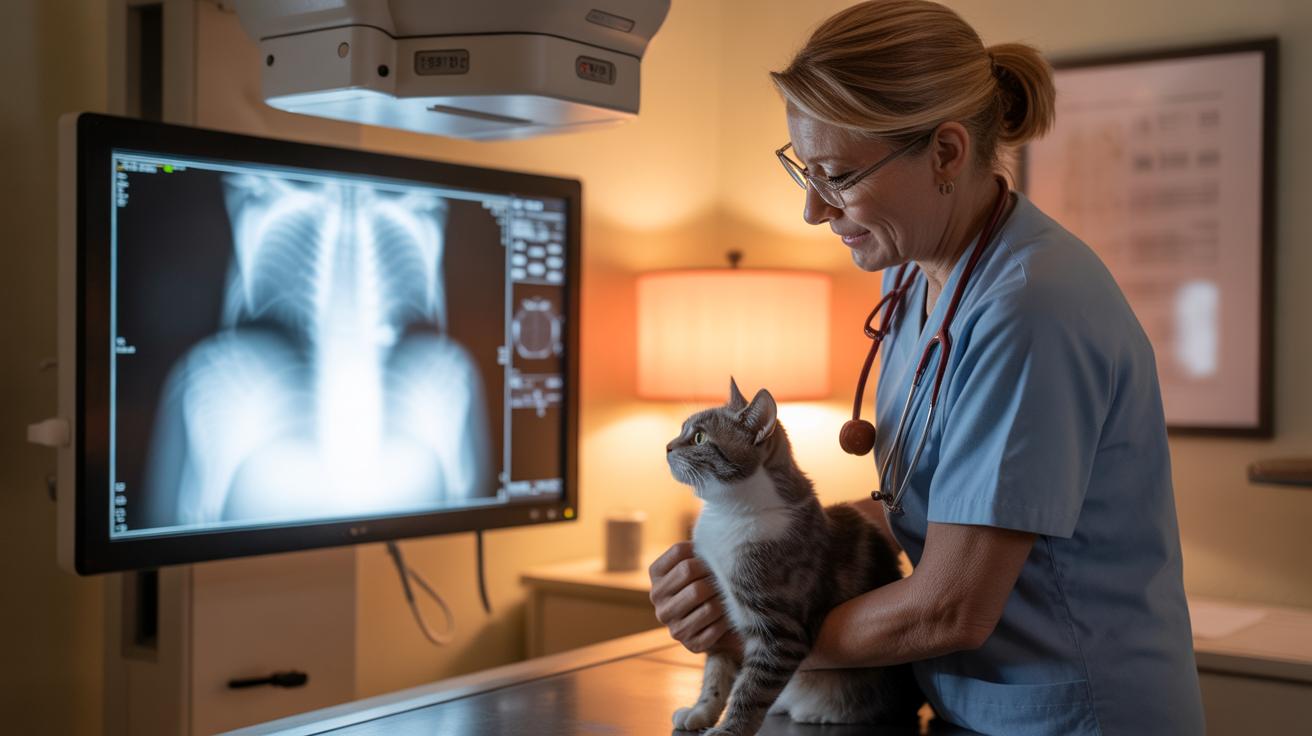
    First things first: check airway and breathing, then circulation and perfusion (how well blood is moving through the body), and gently feel the belly, abdominal palpation means checking for pain or a lump. Cats drooling, gagging, collapsing, breathing fast, or in severe pain get stabilized right away with oxygen, IV fluids, and pain meds before anyone rushes into tests. Safety first, right?

    Practical notes:

    • Bring the timeline, photos, or the object packaging if you have it. That detail speeds things up.
    • If a cat is struggling to breathe, has pale gums, collapses, or shows shock signs, the clinic stabilizes first and images later.
    • A calm carrier, a soft towel, and your steady voice help a lot. Your kitty feels you, you know.

    Radiography and ultrasound: strengths and limits

    X-rays (radiographs) are fast and great at spotting metal, bones, and other dense stuff. We call those radiopaque items (they show on X-ray). Ultrasound (sound-wave imaging that shows soft tissues and fluid) shines at finding non-radio-opaque objects, watching bowel movement, and spotting free fluid that can mean a leak or perforation. Lots of plastics and organic bits are radiolucent (they don’t show on X-ray), so vets often use both tools or repeat imaging as things change. Ever watched a cat stare down an X-ray like it’s a toy? Same drama, different stage.

    Practical notes:

    • Normal X-rays don’t rule everything out. If worry remains, ultrasound is usually next.
    • Repeat imaging is common when the plan is to watch and wait instead of immediate surgery.
    • Ultrasound depends on the operator, skill matters. So results can vary a bit.

    Endoscopy and contrast studies: indications and timing

    Endoscopy is basically a flexible camera that can grab objects from the stomach or upper intestine without surgery (endoscopy means using a scope to look inside). It needs anesthesia and the right-sized scope, but it can save a lot of recovery time. Contrast studies involve giving a safe dye and re-imaging to see how things move; they’re handy when standard images are unclear or when you suspect a radiolucent item. If imaging shows free gas, a big blockage, or signs of perforation, the team usually heads straight to surgery.

    Practical notes:

    • Endoscopy is fastest when the object is seen on imaging or strongly suspected from history.
    • Contrast studies are timed and read carefully because they show where a blockage sits and whether material is moving past it.
    • Surgery is chosen when stability is a concern, the object won’t move, or there’s risk of perforation.

    Repeat imaging is the go-to when the patient is stable and you’re watching for passage. Immediate intervention happens if the cat is unstable, there’s a clear obstruction, or a suspected perforation. For the owner-reported signs that push toward urgent action, check the Recognizing H2 above. Worth every paw-print.

    Treatment options for foreign body ingestion in cats: observation, endoscopy, and surgery (clinical decision framework)

    for clinical signs).jpg

    It really comes down to three things: what the object is, where it is, and how the cat is doing , meaning overall stability and what imaging shows. Check the urgent signs in Recognizing foreign body ingestion in cats: prioritized red‑flags, triage, and immediate next steps when you talk to owners and set timelines.

    Conservative observation
    Watchful waiting fits small, smooth, non‑toxic items that are already past the mouth and moving on imaging. It’s a good choice if the cat is stable, still eating or drinking, and has no systemic signs. Hospital observation often includes IV fluids (intravenous fluids to treat dehydration), antiemetics (anti‑nausea meds), pain control, and close checks of appetite and stool. We usually repeat x‑rays (radiographs) or ultrasound at set intervals, often around 12 to 24 hours, or sooner if needed. If the object stops moving or the cat gets worse, step up care right away.

    Endoscopic retrieval: when it helps
    Endoscopy (a flexible camera tube) is great for things in the stomach or upper intestine that you can reach. It avoids an incision, so recovery tends to be faster. Success is high when the item is visible on imaging and can pass back up the esophagus. But scopes can’t reach far into the small intestine and may struggle with large, sharp, or oddly shaped objects. General anesthesia is required, and prep includes fasting and pre‑anesthetic bloodwork.

    Surgery: when it’s needed
    Surgery is chosen if the object is out of endoscope reach, is sharp and dangerous, has caused a perforation, or has damaged tissue. Common procedures are:

    • Gastrotomy (opening the stomach) to remove stomach items.
    • Enterotomy (cutting into the intestine) for lodged intestinal objects.
    • Resection and anastomosis (removing a damaged bowel piece and sewing the ends back together) when part of the bowel is dead or perforated.

    During surgery we check for leaks, multiple foreign bodies, and contamination of the belly (peritonitis, abdominal infection). Longer obstruction time, heavy contamination, or shock at presentation all make the prognosis worse. But caught early, many cats do well. Worth every paw‑print.

    When observation is safe

    Observation works for stable cats with small, smooth, non‑toxic items that are moving on repeat imaging and who keep eating and acting normally. Monitor closely and repeat imaging as your clinician recommends.

    Endoscopic retrieval: capabilities and limits

    Endoscopy often retrieves toys, coins, and some bones from the stomach. It needs the right scope size, anesthesia, and an object that can pass through the esophagus. It won’t reliably reach the distal small intestine and isn’t ideal for some sharp items.

    Surgical management and common intraoperative findings

    Expect gastrotomy for stomach removals, enterotomy for intestinal lodgments, and resection/anastomosis for devitalized bowel. Common findings include perforation, peritonitis (belly infection), linear plication (when the intestine folds along a string-like object), and multiple objects. These issues affect recovery time and outcome.

    Note for clinicians: tie treatment urgency back to the red‑flags in Recognizing foreign body ingestion in cats: prioritized red‑flags, triage, and immediate next steps when advising owners.

    First‑aid for foreign body ingestion in cats: immediate owner procedures (do / don’t) with cross‑reference to urgent signs

    for signsurgency (add anchor link to that.jpg

    If you spot worrying signs, first check the urgent list in Recognizing foreign body ingestion in cats: prioritized red‑flags, triage, and immediate next steps. The owner-facing checklist lives there as a highlighted box called "Immediate owner actions (Do / Don't)." It gives short, clear steps so you don’t have to guess.

    Quick summary of the main do’s and don’ts:

    • Call your vet or emergency clinic now (emergency clinic = a 24-hour vet hospital).
    • Secure the cat and the scene – keep your cat calm and separate them from other pets, and don’t let them swallow anything else.
    • Bring photos or the packaging of the item your cat ate, if you can – even a quick phone pic helps.
    • Do not induce vomiting unless a veterinary professional (your vet or an ER vet) tells you to.

    Have emergency contact info and poison resources ready before something happens. For toxic ingestions (swallowing a poisonous substance) call ASPCA Pet Poison Control: https://www.aspca.org/pet-care/animal-poison-control

    Act fast. Even if you’re unsure, a quick call to your vet can save a lot of stress , and your cat will thank you with purrs later.

    Preventing foreign body ingestion in cats: short‑term actionable checklist (household fixes, safe toy rules, holiday guidance)

    ).jpg

    Quick note: this is a short-term, ready checklist you can use today to lower the chance your cat swallows something dangerous. Try supervised play and toy-rotation tips from how to introduce new play routines, and consider food-based fun with how to use feeder toys for slow feeding (feeder toys are toys that release food slowly, like puzzle feeders).

    • Put small items up high or in locked boxes so curious paws and noses can’t get them: rubber bands, hair ties, coins, small batteries.
    • Use covered trash bins with childproof lids so your cat can’t raid the garbage for tempting bits.
    • Buy sturdy, cat-sized toys that won’t break into tiny pieces. Skip party-store trinkets; pick toys made for cats.
    • Toss or repair toys the moment you see frayed fabric, loose stuffing, or cracked plastic. Those bits can be swallowed fast.
    • Supervise string play and put strings, ribbons, and wand toys away when playtime ends. Store them out of sight. Think of a teaser wand like a fishing rod for cats: fun in motion, dangerous when left out.
    • Holiday rules: no tinsel, no loose ribbon, and keep fragile or dangling ornaments well above the cat zone. Ever watch a cat stare at a shiny ornament? Yeah, don’t tempt fate.
    • Lock up batteries and meds. Button batteries (tiny coin-shaped batteries) are extra risky and can cause chemical burns inside the body.
    • Keep sewing kits, needles, and loose thread in closed boxes or a locked drawer; even tiny thread pieces can cause trouble.
    • Store small parts like screws, beads, and craft pieces in closed containers and label them so lids stay on.
    • Teach kids to pick up small items and play with cats only when an adult is around. Make safety a shared family rule. Understanding symptoms of ingestion helps you act fast.
    • Make a kitten-proof room for unsupervised time: safe toys, litter box, food, water, and no loose strings.
    • Rotate toys so the exciting ones get more supervised attention, and limit access to string-style toys when you’re not watching.
    • Keep an emergency contact list by your phone and saved in your phone contacts so you can call your vet or an emergency clinic fast.

    If your cat keeps swallowing things, talk to your veterinarian and ask about a behavioral evaluation in the Behavioral H2 for longer-term plans and diagnostics.

    Behavioral causes and long‑term prevention for foreign body ingestion in cats: assessment, enrichment plans, and referral guidance

    for ownerreported signs.jpg

    Pica (compulsive eating of nonfood items) often starts with boredom or stress. Think understimulated indoor cats, a move, or a sudden change in the household routine. It can also mean something medical is wrong, like tummy pain, dental pain, or a missing nutrient.

    If your cat keeps swallowing things even after simple fixes, or you see weight loss, vomiting, or changes in litter-box habits, don’t shrug it off. Those are signals to look deeper. And if your cat is choking, retching, or shows sudden pain, call the vet right away.

    Here’s a simple 4-week enrichment plan you can start tomorrow. It’s practical, low-effort, and focused on getting your cat’s brain and body busy.

    1. Daily play: three 10-minute interactive sessions each day using a teaser wand or prey-style toy (think fishing rod for cats). Play hard for a few minutes, then let your cat “catch” the toy. It burns energy and cuts bored chewing.
    2. Puzzle feeding: use puzzle feeders for two meals a day (treat-dispensing toys that slow eating). It makes mealtimes a hunt, not a shove-it-down session.
    3. Toy rotation: keep novelty high by rotating toys weekly. Remove string-type toys from unsupervised access , they’re tempting but risky.
    4. Safe chews: offer rubber or food-safe chews sized so they can’t be swallowed (rubber-safe chew, like a durable rubber bone sized bigger than the throat opening).
    5. Environment boosts: add vertical shelves, hiding boxes, and short scent trails leading to food or treats so your cat can hunt in small bursts.

    Track progress with a tiny daily log: note play sessions, any ingestion incidents, litter-box changes, and mood. Weigh the cat once a week. Aim for fewer ingestion events each week. Small wins add up.

    When to bring in your primary vet: if ingestion keeps happening, or you see weight loss, ongoing vomiting, bleeding, or severe litter-box changes. Your vet will probably run bloodwork (CBC, which is a complete blood count, and a chemistry panel that checks organ function), fecal testing (stool check for parasites), and a dental exam. If they suspect something inside, they may use abdominal imaging like X-ray or ultrasound (sound waves that make an internal picture).

    If medical issues are treated but the behavior keeps going, ask for a referral to a veterinary behaviorist. They’ll do a focused assessment and create a behavior-modification plan with structured training, environment changes, and sometimes prescription meds. Meds such as fluoxetine (a medicine that helps adjust serotonin levels) can be helpful alongside behavior work, not usually by themselves.

    A quick note from me: I once watched Luna leap six feet for a crinkly ball, and that simple joy reminded me how much enrichment matters. Worth every paw-print.

    Postoperative veterinary care and expected outcomes after foreign body removal: tests, in‑hospital management, and prognosis

    - Treatment options for foreign body ingestion in cats observation, endoscopy, and surgery (clinical decision framework).jpg

    Right after surgery we focus on the basics: steadying your cat, replacing lost fluids, and keeping them comfortable. We give IV fluids (into a vein to rehydrate and support circulation) and use multimodal pain control (a mix of medicines and techniques so we can use fewer opioids and lower side effects). Think gentle hands, warm blankets, and medicines timed so your cat can nap without hurting.

    We watch breathing, general comfort, and the belly closely so problems show up fast. Signs like a bloated tummy, no stool, or fever could mean ileus (temporary stop of normal gut movement) or sepsis (a body-wide infection). Catching these early is huge , it changes what we do next.

    Routine checks include a CBC (complete blood count to see red and white cells), a chemistry panel (blood tests that check the liver, kidneys, and electrolytes), and frequent pain scores. We’ll do targeted abdominal imaging if we’re worried about a leak or something still blocking the gut. Antibiotics are chosen based on how much contamination there was and what the surgeon found. Pain medicines get adjusted depending on the pain score and whether your cat is eating.

    Most straightforward cases are back to eating and passing stool within 24 to 72 hours, and they usually go home in that same window. Cats that had bowel resection (removal of damaged intestine), heavy contamination, or came in shocked often stay longer. Discharge usually means stable vitals, pain under control on oral meds, appetite or ability to tolerate small meals, a clean incision (dry, no bad redness), and clear home-care instructions. I once watched a cat leap onto the couch the day after surgery , hope, right? Worth every paw-print.

    Prognosis really comes down to time to intervention, how much intestinal damage there was, and whether resection and anastomosis were needed (resection is removing bad bowel; anastomosis is sewing the healthy ends back together). The sooner we treat it, the better the odds. Simple cases do very well. Complicated ones need more monitoring, but many still recover.

    When you’re talking with owners, point them to Recognizing foreign body ingestion in cats: prioritized red‑flags, triage, and immediate next steps for what to watch for at home. And give them a clear 24/7 emergency contact plan , phone numbers, where to go, and when to come in fast. Ever watched your kitty chase a string and then freeze? That little moment is why having a plan matters.

    Final Words

    In the action, we listed the top red‑flags and a one-line triage so you know when to call now. Triage (sorting urgent needs) keeps things simple under stress.

    We covered high-risk objects, basic diagnostics like X-ray and ultrasound, and treatment paths from watchful waiting to endoscopy (a camera tool to remove stomach items) or surgery.

    You’ve got clear first-aid do’s/don’ts, a short cat-proof checklist, and tips to curb pica (chewing non-food items) with play and puzzle feeders.

    Keep this close , it helps busy multi-cat homes act fast and feel confident about foreign body ingestion in cats: signs and prevention.

    FAQ

    Frequently Asked Questions

    What are the symptoms if my cat swallows a foreign object?

    Swallowing a foreign object in cats causes repeated vomiting or retching, profuse drooling and gagging, inability to keep water down, abdominal pain (hunched or vocal), straining or no stools, bloody stool, severe lethargy, dehydration, or collapse.

    How can I prevent foreign body ingestion at home, naturally?

    Preventing foreign body ingestion at home means cat-proofing: secure small items, cover trash, store batteries (small power cells) and meds safely, avoid tinsel or loose ribbon, pick durable toys, supervise string play, and use puzzle feeders for enrichment.

    How can I help a cat pass a foreign object at home or remove something stuck in the throat?

    Helping a cat pass or remove a stuck object at home is limited; don’t induce vomiting or pull embedded items unless your veterinarian instructs. Keep the cat calm, photograph the object, and call your vet or emergency clinic.

    How much does cat foreign body surgery cost?

    Cat foreign body surgery cost often ranges $1,500–5,000 in the U.S., depending on imaging, surgical complexity (enterotomy or resection), anesthesia and ICU time, and local pricing; ask your clinic for an estimate.

  • Silica Packet Ingestion in Cats: Symptoms and Treatment

    Silica Packet Ingestion in Cats: Symptoms and Treatment

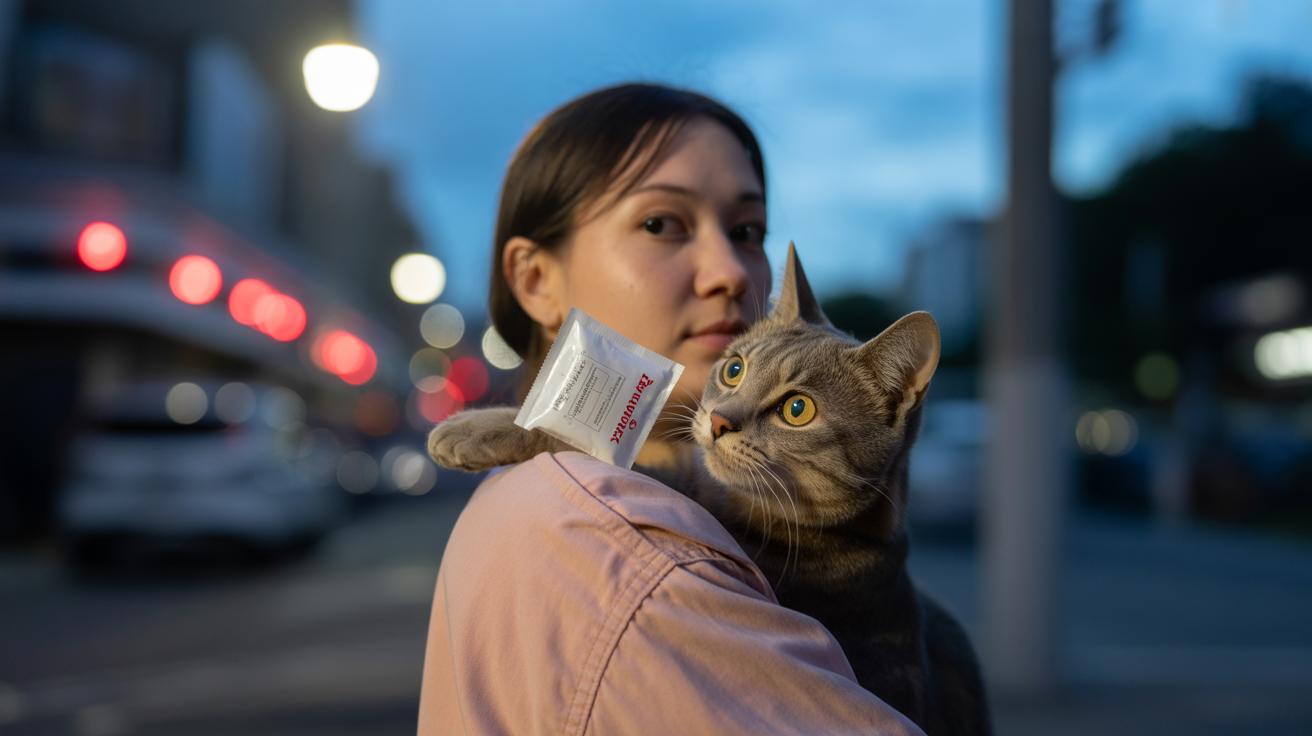
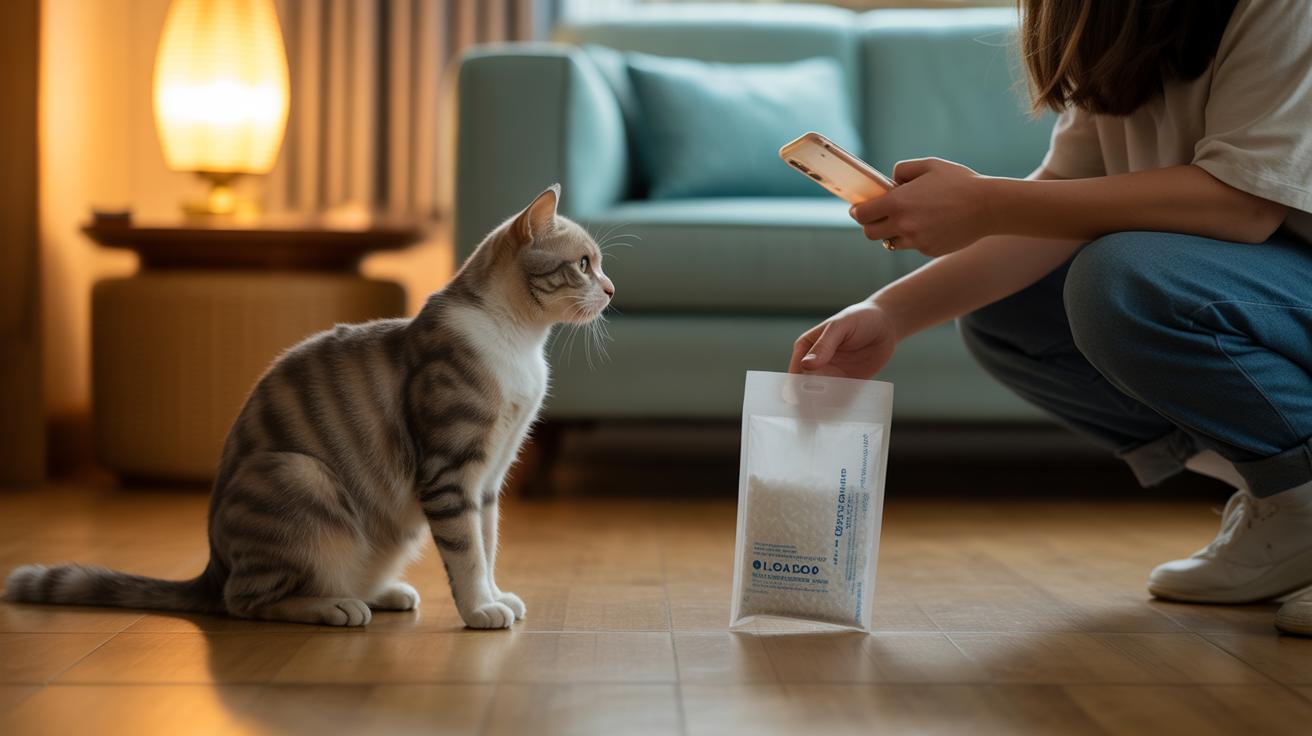
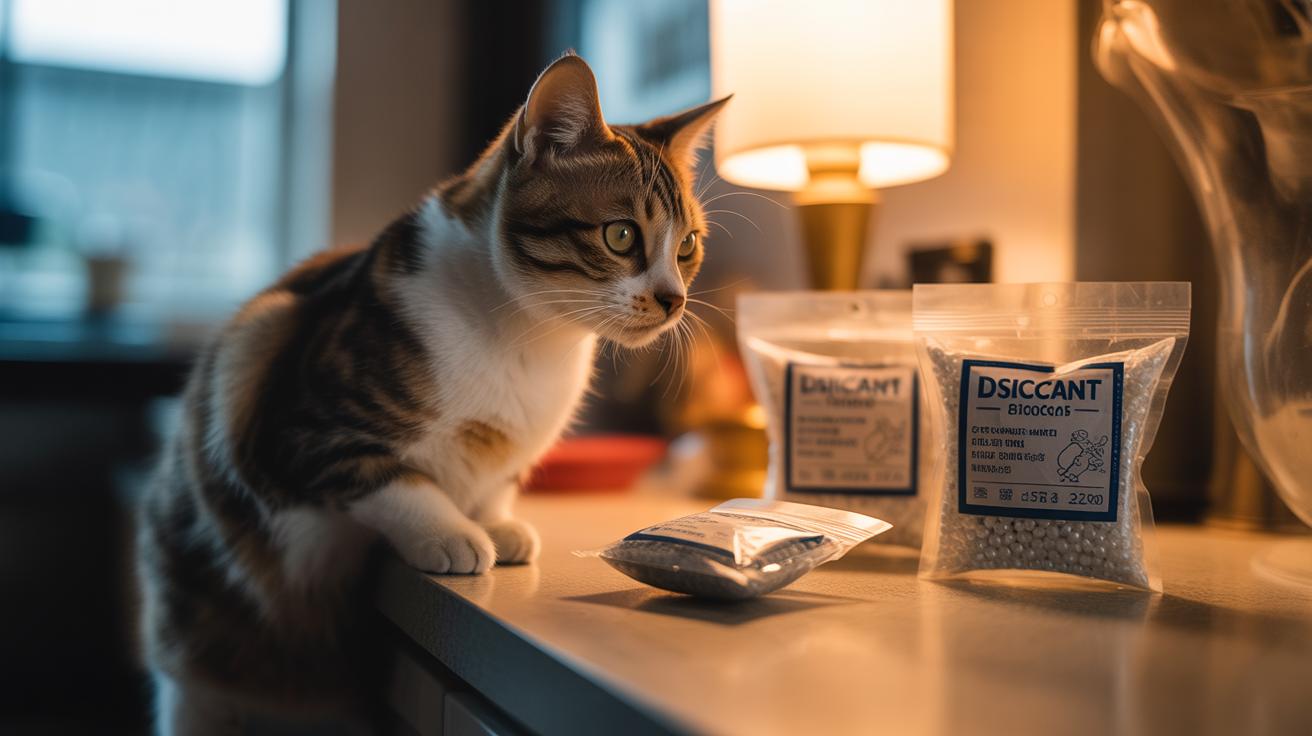
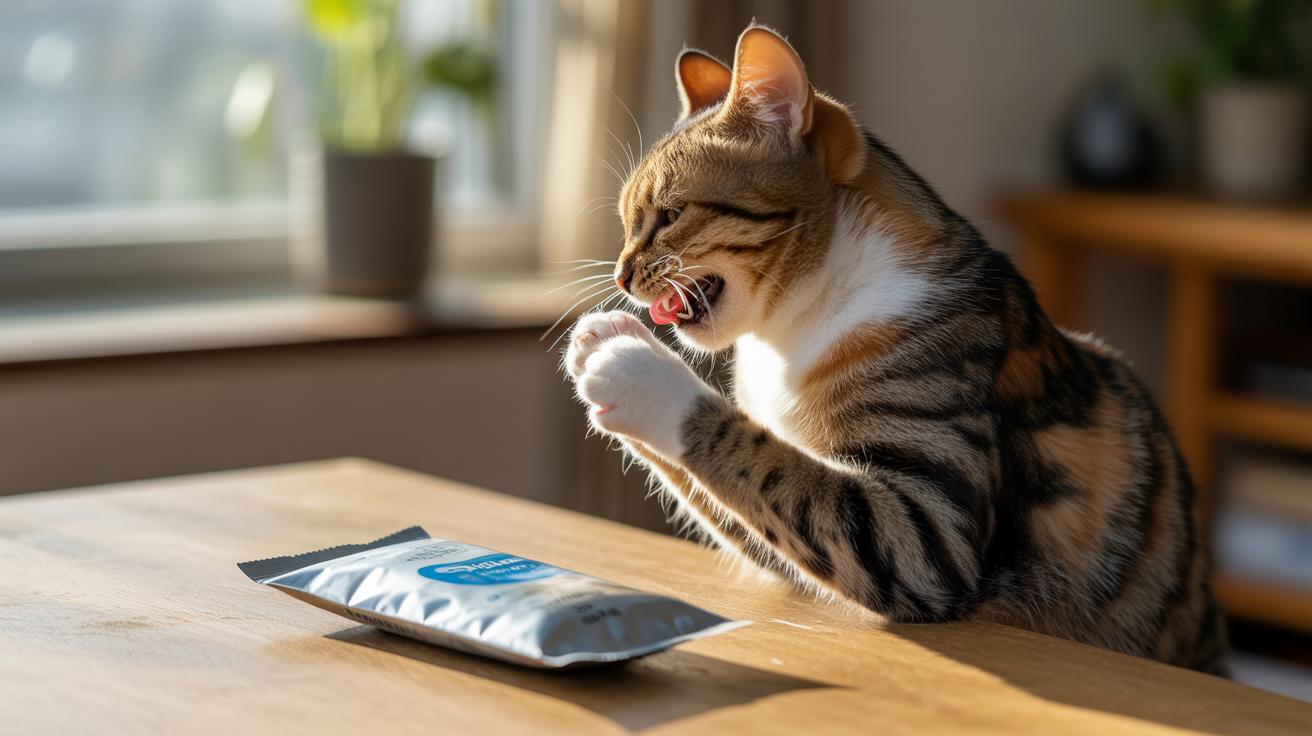
    Think that little "do not eat" silica packet is harmless? I used to think so too, until I saw my cat bat one across the floor. Those packets usually contain silica gel (tiny beads that soak up moisture) and sometimes a moisture indicator like cobalt chloride (a color-changing chemical). They’re not candy. If your cat chews or swallows one, it can choke, cause a gut blockage, or in rare cases cause a chemical reaction. Ouch.

    Watch for these signs right away:

    • Gagging, drooling, or pawing at the mouth.
    • Vomiting or repeated retching.
    • Not eating, weak or very sleepy.
    • Belly pain, bloating, or not passing stool.
    • Trouble breathing, wheeze, or coughing.

    If you catch your cat with a packet in its mouth, try to remove it gently with your fingers only if it’s safe and easy to grab. Don’t shove your hand down the throat. Call your vet or an animal poison control line next and describe the packet (keep it or take a photo). Don’t make your cat vomit unless the vet tells you to. If your cat is having trouble breathing or seems in severe pain, go to an emergency clinic now.

    What will the vet do? They’ll usually start by checking vitals and may take x-rays (radiographs) to see where the packet is. If it’s caught in the esophagus or stomach they might use an endoscopy (a thin camera with tools) to remove it. If there’s a blockage in the intestines, surgery could be needed. They’ll also give fluids, pain meds, and watch your kitty for signs of infection or internal damage. Most pets do fine with quick care.

    Prevention is the easiest fix. Toss or tuck packets somewhere your cat can’t reach, or keep them up high right away. I learned that the hard way, my cat made it look like a toy, so now I stash them before I even set the box down. A few calm actions now can save a stressful vet visit later. Worth every paw-print.

    Immediate steps after silica packet ingestion in cats

    - Immediate steps after silica packet ingestion in cats.jpg

    Silica gel (the tiny moisture-absorbing beads you find in packages) is usually not poisonous. Still, the big worry is choking or a gut blockage. Ever watched your cat bat at one like it's a toy? Yeah, cozy moment but also a trip to stay alert.

    1. Secure your cat so they don’t squirm away, and quickly check breathing and the airway.
    2. If it’s safe to do so, peek inside the mouth and gently remove any visible packet with gloved fingers or tweezers. Don’t push anything deeper.
    3. Don’t induce vomiting unless a veterinarian or a poison-control specialist (animal poison control hotline) tells you to.
    4. If your cat is alert and breathing normally, offer only very small sips of water. No force-feeding.
    5. If the cat is choking, having serious trouble breathing, or you can’t remove the packet, go straight to an emergency clinic now.
    6. Bring the packet and the original packaging with you to the clinic so staff can identify what was ingested and give clear poison-control guidance.

    See 'Signs and timeline' and 'Home monitoring' for symptom details and what to document.

    How silica packets and other desiccants differ: risks for cats

    - How silica packets and other desiccants differ risks for cats.jpg

    Most desiccants you find in packages come in three flavors: silica gel beads, moisture‑indicator beads, and superabsorbent polymers. Silica gel beads (tiny beads of a natural mineral, like very fine sand) are mostly inert. Moisture‑indicator beads are dye‑coated and sometimes contain cobalt chloride (a color‑changing chemical that can be toxic in large amounts). Superabsorbent packs use sodium polyacrylate (a polymer, a long‑chain plastic that soaks up liquid and swells). The biggest everyday danger is physical , choking or a gut blockage , while chemical problems only show up with some dyed or indicator products.

    Desiccant Type Primary Composition Key Risk to Cats Typical Clinical Concern
    Silica gel Silica beads (tiny mineral beads, like fine sand) Choking or mechanical blockage Visible foreign body; local mouth or gut irritation; low chemical toxicity
    Moisture‑indicator beads Dye‑coated beads; sometimes cobalt chloride (color‑changing chemical) Chemical toxicity if a lot is swallowed; choking Possible systemic signs if large amounts of dye or metal are ingested
    Sodium polyacrylate / superabsorbents Superabsorbent polymer (sodium polyacrylate, a swelling plastic) Expands when wet and can cause an obstruction Blockage risk; localized irritation; may swell inside the gut

    If your cat eats one, quickly read and keep the packet label and bring it to the vet. Look for words like "moisture indicator," any chemical names such as "cobalt chloride," or "sodium polyacrylate," and note whether the stuff is beads or powder. Count how many packets could be missing and write down when it happened. That little paper strip that says "do not eat" actually helps your vet a lot, so snap a photo if you can and bring the packet to the appointment.

    Watch your cat for signs like drooling, gagging, vomiting, tummy pain, or not wanting to eat. Some packs just cause mild irritation, but superabsorbent material can swell and block the gut, and large amounts of indicator dye or metals can cause real toxicity. If you’re unsure, call your vet or a pet poison hotline right away , quick action often makes the difference.

    Silica Packet Ingestion in Cats: Symptoms and Treatment

    - Signs and timeline symptoms of silica packet ingestion in cats.jpg

    If your cat mouths a silica packet, the first few minutes matter. You might see drooling, gagging, retching, coughing, or frantic pawing at the mouth. If you can safely look inside, you may see the packet or the tiny beads and be able to remove them right away. Use gloves or blunt tweezers and be very gentle so you don’t push anything deeper.

    Quick note: silica gel (tiny beads that soak up moisture) is a desiccant (a drying agent). It’s usually not poisonous by itself, but the packet can block or irritate the mouth and throat. So those first actions, calm, careful, quick, can really help.

    Over the next few hours watch for mild stomach signs. A single or occasional vomit, eating a little less, or a subtle tiredness are common. Jot down each vomiting episode – time and how often – before rushing to the car, especially if your cat looks bright and is breathing normally. Small sips of water and close observation are often fine at this stage.

    But don’t ignore changes. From about 24 to 72 hours after swallowing, pay close attention. Repeated vomiting, a much lower appetite, noticeable lethargy, changes in stool, or a swollen belly are warning signs. Look for belly pain clues too – guarding, a hunched posture, or crying when you touch the tummy. Those trends point to mechanical problems like an obstruction or irritation that can get worse over hours to days and need a vet check.

    Kittens, very small cats, or any case where several packets were swallowed are higher risk. Keep a close eye for 24-72 hours and log what you see. For help deciding when to move fast, see "When to seek veterinary care." For tips on what to record and how to check stools, see "Home monitoring."

    When to seek veterinary care for silica packet ingestion in cats

    - When to seek veterinary care for silica packet ingestion in cats.jpg

    This tells you what to bring and when to go so the clinic can triage quickly. If you can, bring the packet or its label and be ready to answer a few quick questions the vet or poison-control line will ask. That helps them act fast and get your cat the right care.

    What to tell the clinic or poison control:

    • Time of ingestion.
    • Packet label or listed ingredients (take a photo if you can).
    • How many packets or pieces were eaten.
    • Whether there were tiny beads, powder, or a spill.

    Example you can say: "My cat ate one small silica packet at 9:15 AM. The packet says 'silica gel' (a drying material) and had tiny white beads."

    If the packet has color-changing beads (moisture-indicator dyes, which change color when wet), or if it lists unfamiliar ingredients or superabsorbent polymers (materials that swell when wet), call poison control for chemical-specific advice before you travel. That guidance helps your vet decide the next steps.

    Immediate steps

    • Call your clinic or the poison-control line right away and give them the details above. Follow their phone instructions.
    • Emergency signs that need immediate transport to an ER:
      • Severe breathing problems or open-mouth gasping. Transport now.
      • Repeated or ongoing vomiting over a short time. Transport now.
      • Unresponsive, very weak, or collapsed. Transport now.
      • Severe belly pain or obvious swelling of the abdomen. Transport now.
      • Visible bleeding (blood in vomit or dark, tarry stool). Transport now.
      • Choking or a packet visibly stuck in the mouth or throat that you cannot remove safely. Transport now.
    • Keep your cat calm and breathing steady during the ride. A towel can help them feel secure.

    Home monitoring

    If poison control or your vet says it’s okay to watch at home, that’s usually for a cat that had only a single brief vomit and is alert, breathing normally, and eating or drinking. Watch closely for 24 to 72 hours and call or head in right away if any of the emergency signs show up.

    Quick aside: I once watched my roommate’s kitten nibble a packet, heart-stopping at first, but the vet said to watch and all was fine. Still, when in doubt, call. Better safe than sorry.

    How veterinarians diagnose and treat silica packet ingestion in cats

    - How veterinarians diagnose and treat silica packet ingestion in cats.jpg

    At triage the vet will ask a few quick questions: when the packet was eaten, what kind of packet it was, and how many were involved. Then they’ll do a focused exam to check breathing, temperature, and the belly. From there they pick tests to see if something is stuck or if complications are starting.

    Diagnostics

    The exam starts with careful abdominal palpation (gentle feeling of the belly to find lumps or pain). Bloodwork looks for dehydration and signs of inflammation. Imaging comes next. Radiographs (x-rays) are a common first step, but many silica packets are radiolucent (not easily seen on x-ray), so x-rays can be hit-or-miss. Ultrasound (sound-wave imaging, like a quick belly scan) helps find fluid, swelling, or a mass. If the pictures are unclear and the vet still worries, a CT scan (computed tomography, a detailed cross-sectional scan) can find hidden foreign bodies or signs of a hole in the gut. Vets watch for a visible packet, bowel gas patterns that hint at obstruction, free gas (air outside the gut that suggests a tear), and fluid that points to infection. Ever watched your kitty’s whiskers twitch while you press on their tummy? That little twitch can tell a lot.

    Treatments

    For stable cats, vets may choose conservative care: close observation at home or in the hospital, plus IV fluids (fluids given into a vein) to keep them hydrated. Anti-nausea medication like maropitant (an anti-vomit drug often called Cerenia) helps stop vomiting. Pain meds and antibiotics are added if there’s a lot of inflammation or a suspected perforation.

    If the packet is reachable, endoscopic removal is often the best option. An endoscope is a thin, flexible tube with a camera and little grasping tools that lets the vet pull the packet out without cutting. It’s less invasive and cats usually recover faster. Surgery becomes necessary when the scope can’t reach the object, when the bowel is blocked, or when there’s a tear. Surgeons may do an enterotomy (a cut into the intestine) or a resection (remove the damaged section and sew the ends back together). After surgery, cats usually stay in the hospital for fluids and pain control. Worth every paw-print.

    Recovery and outlook are usually good when treatment starts early. Many cats bounce back in a few days after endoscopy and in one to two weeks after routine surgery. Delays, packet type, where the packet is stuck, and whether there’s a perforation can make recovery longer and raise the risk of complications. So if you think your cat swallowed a silica packet, call your vet right away , faster action makes a big difference.

    Silica Packet Ingestion in Cats: Symptoms and Treatment

    - Home monitoring, follow-up exams, and what to document after ingestion.jpg

    If your cat ate a silica packet, stay calm and watch them closely. Monitor for at least 24 hours. Many vets ask owners to keep an eye on their pet for 48 to 72 hours because stomach and bowel signs can show up later. It’s scary, but most of the time careful watching is all you need. Worth every paw-print.

    What to note right away:

    • Time of ingestion (clock the minute).
    • Packet label or description , beads versus powder, any dye or polymer (polymer means a plastic-like material).
    • How many packets might be missing.
    • Vomiting: when it started and how often.
    • Stool color and texture , watch for blood or black, tarry stool (that can mean digested blood).
    • Appetite, peeing, activity level, and any home treatments you tried.
      These details help your vet and make follow-up checks way easier.

    Checking the stool safely:
    Don’t probe your cat’s rear. Instead, put on disposable gloves and use a scooper or paper towel to inspect freshly passed stool for beads or fragments. If you see anything odd, snap a photo next to a coin for scale. Photos are super helpful and, honestly, less gross than you expect.

    Collecting a sample:
    Drop a piece of fresh stool into a clean container, seal it, and label it with the date and time. Bring the sample and your photos to the clinic if your vet asks. That makes diagnosis faster.

    When to call or go back to the vet:
    Bring photos or a stool sample, or return for x-rays or other imaging if there’s no confirmed passage within 24 to 72 hours, if your cat’s signs get worse, or if your vet tells you to come in. Trust your gut. If your kitty seems dull, won’t eat, or is vomiting a lot, call your vet right away.

    Ever watched your cat bat at an empty packet like it was a toy? Yeah, me too. Keep those packets out of reach and give your curious hunter safer toys instead.

    Prevention: keeping silica packets away from cats and safer alternatives

    - Prevention keeping silica packets away from cats and safer alternatives.jpg

    Silica packets are drying packets (desiccants) that your cat might find oddly irresistible. Ever watched a cat paw at a crinkly packet like it’s a treasure? Yeah, don’t let that happen. Toss used packets into a sealed trash bin right away and keep that bin somewhere your cat can't reach, like a high cupboard or a locked closet. If the bin has a lid, shut it; if not, get one that does.

    When new stuff arrives, put boxes and packages on a counter or table and close the lid. Don’t leave loose packaging or packets on the floor where curious paws can investigate. Supervise unboxing sessions when you can, and ask housemates or delivery folks to remove any packets before leaving parcels where cats hang out.

    Make dry goods kitty-proof. Use airtight containers, zip-top bags, or sturdy plastic bins with lids to store things like bulk food, shoes, or tech. Store extra packets in a high cupboard or a closed closet, out of sight, out of paw’s reach. In multi-cat homes, don’t rely on one loose packet; swap them into a labeled, sealed container so one bold hunter can’t share them with the others.

    Keep kitchen and recycling lids secured and take trash out often so packets aren’t left behind like tiny cat toys. A quick habit change, putting packets straight into a closed trash or storage jar, can save a vet visit and a lot of worry.

    Safer desiccant options & labeling

    Look for desiccants labeled non-toxic, and check ingredient names. Some moisture-indicator beads (tiny beads that change color when wet) and superabsorbent polymers (a long-chain plastic that soaks up liquid) carry different risks. Oxygen absorbers (packets that remove oxygen to keep food fresh) are another thing to stash well away from pets.

    Consider reusable desiccant canisters you keep tucked in a cupboard. They do the same job without little loose packets rolling around. If you must keep packets nearby for a short time, tuck them into a closed jar or a drawer and put a clear label on it so every caregiver knows to remove them before a cat prowls.

    Quick checklist:

    • Seal and stash used packets immediately.
    • Store spares high or locked up.
    • Swap loose packets for labeled containers or reusable canisters.
    • Read labels: non-toxic is best, and note ingredient names like polymers or moisture beads.

    Worth every paw-print of effort. Your cat stays safe, and you get to keep your peace of mind.

    Silica Packet Ingestion in Cats: Symptoms and Treatment

    - Costs, prognosis, and questions to ask your veterinarian after silica packet ingestion in cats.jpg

    Typical out-of-pocket ranges you might see:

    • Vet triage/visit: $75 to $200.
    • Radiographs (x-rays): $150 to $300.
    • Endoscopy (a thin camera tube with tiny grasping tools): $800 to $2,500 depending on clinic and region.
    • Abdominal surgery (opening the belly to remove a blockage): $1,500 to $5,000 or more depending on complexity and aftercare.

    Prices change a lot by location and how involved the case is, so ask the clinic for a local estimate before any non-emergency procedures. It saves stress later. Ever tried to guess a vet bill while your cat gives you that innocent look? Yeah, don’t do that.

    Prognosis is usually good when care starts quickly. Endoscopy often lets a cat bounce back in a few days. Surgery usually means one to two weeks of recovery, and sometimes longer if there was a tear or infection. Recovery is slower when treatment is delayed, when superabsorbent polymers (materials that swell and trap liquid) are involved, or when the packet caused a perforation or widespread infection. In truth, faster care usually means an easier recovery.

    Questions to bring to the vet at intake and again at discharge:

    • Do we need imaging now, and which tests will you run? (Like x-rays or ultrasound.)
    • Can this be removed with endoscopy, or will surgery be needed?
    • What home signs mean I should return or go to an emergency clinic?
    • What is the expected recovery time, and what exact home-care steps will you give me?
    • How will pain be managed, and what medications will my cat need?
    • Can you provide a cost estimate for the likely plan (imaging, endoscopy, surgery) and payment options?

    Worth every paw-print: getting the answers upfront helps you stay calm and lets your kitty heal with less fuss.

    Final Words

    In the action, stay calm and move fast: this post gave a six-step emergency checklist, showed how desiccants differ (silica gel (tiny drying beads)), covered minute-to-day symptoms, when to call poison control or the clinic, what vets may do, and how to watch and prevent repeats.

    Follow the checklist, log times and stool, bring the packet and photos, and watch breathing and vomiting closely.

    That quick action helps protect your cats and makes dealing with silica packet ingestion in cats: symptoms and treatment far less scary.

    FAQ

    Frequently Asked Questions

    Will silica gel kill my cat?

    Silica gel will usually not kill a cat. The beads are chemically inert; the main risks are choking or an intestinal blockage, especially in kittens or after large ingestion.

    What to do if a cat eats a silica packet?

    Secure the cat and check breathing. Remove a visible packet with gloved fingers or blunt tweezers only if it is safe to do so. Do not induce vomiting. Call your veterinarian or poison control for advice and seek emergency care if the cat is choking or having breathing trouble.

    My cat ate silica gel beads — what symptoms may occur after ingestion of silica gel?

    Immediate signs can include drooling, gagging, coughing, or a single episode of vomiting. Over hours to days watch for repeated vomiting, lethargy, poor appetite, abdominal pain, or changes in stool that could indicate an obstruction.

    Is silica gel litter toxic to cats?

    Silica gel litter is generally not chemically toxic. Dust can irritate, and swallowing clumps or large amounts can cause intestinal blockage. Monitor your cat and call your veterinarian if you notice concerning signs.

    How fast can silica gel kill a dog?

    Silica gel rarely causes rapid death. Beads alone seldom cause fatal poisoning, though choking or intestinal obstruction can be serious. Packets containing toxic dyes or certain polymers can cause rapid severe signs and need emergency care.

    When should I call poison control for a cat that ate silica?

    Call poison control if the packet lists dyes, cobalt chloride, or polymers like sodium polyacrylate; if multiple packets were swallowed; or if your veterinarian requests toxin-specific guidance.

    Silica gel packets eaten by child

    If a child eats silica gel, packets are usually not poisonous. Remove visible material, watch breathing and vomiting, and call poison control or seek care if there is breathing difficulty, repeated vomiting, or the packet lists dyes or unknown chemicals.

    Related Articles

  • Bengal cat activity level and toy recommendations

    Bengal cat activity level and toy recommendations

    Think house cats are lazy? Meet the Bengal. This pint-sized athlete treats your sofa like a jungle gym and lives for zoomies (those wild, goofy sprints cats do).

    They sprint, climb, and pounce in quick, explosive bursts. Then they flop for a nap. So one long play session won’t cut it , they want lots of short, intense play breaks.

    We break down their activity rhythms and share toy picks that actually keep up: fast wheels (like a hamster wheel for cats), feather wands (a long stick with feathers that mimics prey), wall shelves (sturdy ledges for climbing), and puzzle feeders (toys that hide kibble so your cat has to work for meals). Ever watched your Bengal launch from a shelf? Your couch will thank you.

    Read on if you want a calmer couch and a happier, more satisfied Bengal.
    Worth every paw-print.

    Bengal cat activity level and toy recommendations

    - Immediate answer activity needs and quick toy picks.jpg

    Bengal cats are high-energy little athletes. They love running, climbing, and hunting-style play all day, with short, explosive bursts of energy and lots of zoomies. Your living room might feel like a jungle gym sometimes, fun, chaotic, and totally claw-tastic!

    Play in short sessions. Try several 5 to 10 minute bursts spread through the day instead of one long workout. Short sessions keep them engaged, cut down on naughty behavior, and fit into busy schedules. Ever watched your kitty stalk a sock for two minutes and then nap like nothing happened?

    • One Fast Cat exercise wheel , a big wheel that lets them run for cardio (exercise wheel, like a hamster wheel but for cats). Price bracket: high ($180-$320). Great for hyper Bengals once they learn it; a few short training sessions usually do the trick.
    • Tall multi-level cat tree (multi-perch model) , supports jumping and high naps, often with posts wrapped in sisal (sisal is a coarse plant fiber used for scratching). Price bracket: medium ($40-$150). Your cat will love scouting from the top.
    • Trixie-style puzzle feeder , makes them work for meals and mimics hunting (a feeder that hides kibble and makes cats solve a puzzle). Price bracket: low-medium ($15-$60). Slows eating and keeps their brains busy.
    • Da Bird feather wand , a wand toy that mimics flying prey (wand toy with feathers on a string), perfect for fast chase sessions. Price bracket: low ($5-$20). Super interactive and great for bonding.
    • Wall-mounted climbing shelves , add vertical routes without taking floor space (sturdy boards mounted to the wall). Price bracket: low-medium ($20-$60). Makes your walls a playground.
    • Interactive treat-dispensing toy or robot , solo mental play when you’re out (robot, a battery-powered toy that moves and drops treats). Price bracket: medium ($25-$90). Keeps them occupied and curious.
    • Cat drinking fountain , encourages hydration and playful splashes by circulating water (fountain that keeps water moving to entice drinking). Price bracket: low-medium ($20-$60). Many cats prefer moving water.
    • Harness + leash kit (fit-for-cats) , supervised outdoor exploration and extra exercise (harness made for cats, with secure fastenings). Price bracket: low ($15-$35). Great for safe outdoor sniffing.

    Quick buyer guide, Bengals style: schedule several short play bursts daily with a mix of chase, climb, and puzzle work. Rotate toys so nothing gets boring, and supervise string or motorized toys at first. You’ll find most of these at Chewy, Amazon, brand sites, or specialty pet stores. Train new gear slowly, be patient, and enjoy the show, those leaps are worth every paw-print.

    Bengal cat activity level by age: kitten, adult, and senior patterns

    - Bengal cat activity level by age kitten, adult, and senior patterns.jpg

    Bengals shift how they use their energy as they get older, so your toys and play should change too. Personality and outdoor access matter a lot, so watch the cat more than the clock. Whisker-twitching curiosity is the real guide here. Ever watched your kitty chase shadows? That tells you more than a calendar.

    Kittens explode in short zoomies and learn fast. They need lots of tiny, guided play sessions to build social skills and bite inhibition (learning to control biting). Try gentle wand play, soft fetch toys, and low platforms (short steps or shelves) they can clamber on safely. Use chew-safe materials for teething, like durable rubber (strong, bouncy chew surface) or reinforced fabric (extra-stitched cloth), and keep things supervised so little nips turn into good manners.

    Adult Bengals are peak athletes: fast chases, crazy high jumps, and clever problem solving. Match that drive with toys like exercise wheels (a big running wheel), tall multi-level perches (shelves and platforms up high), and puzzle feeders (treat toys that make your cat work to get food). They love a bit of choreography: a feather wand, then a quick puzzle challenge keeps their brain and muscles humming. That satisfying thud when they land? Priceless.

    Seniors mellow but still want to play. Swap to low-impact moves that are easy on joints, gentle puzzle feeders, soft balls rolled along the floor, and ramps to higher spots so they don’t have to leap. Short, calmer sessions with more rest between bouts help keep weight and mobility steady without boring them. Worth every paw-print.

    1. Kittens , frequent short bursts with close supervision.
    2. Adults , varied, higher-intensity sessions mixing chase, climb, and puzzles.
    3. Seniors , low-impact, shorter sessions with extra rest and joint-friendly toys.

    Bengal cat toy categories: what to buy and what each does

    - Bengal cat toy categories what to buy and what each does.jpg

    Here’s a quick map of the main toy types that satisfy a Bengal’s need to hunt, climb, and solve puzzles. I’ll tell you what each does, what to look for in the design, and how to play safely so your cat stays busy and happy.

    Wand and feather toys

    Wand toys copy fluttering prey and spark short, intense chases. They are perfect for quick sessions that burn energy and make your cat leap and pounce.

    Look for a sturdy shaft (rod) and tightly knotted feather or fabric ends. Replaceable heads save money, you swap the tip, not the whole wand. Keep the handle comfortable for you, too.

    • Use tips:
      • Move the wand like a small animal: dart, pause, hide. Ever watched your kitty stare, then explode into motion? That.
      • Keep sessions 5 to 10 minutes. For very intense chases, 3 to 7 minutes is plenty.
      • Safety: toss frayed feathers or fabric. Store wands out of reach when not playing. Let your cat “capture” a soft toy at the end for a satisfying finish.

    Puzzle feeders and treat-dispensers

    Puzzle feeders slow down fast eaters and give brains a workout. They’re great when Bengals need a mental challenge as much as a snack.

    Pick adjustable-difficulty designs made from food-safe materials and easy-to-clean parts. Start simple so your cat learns the game, then raise the challenge as they get clever.

    • Difficulty and maintenance:
      • Begin on low difficulty and increase over days.
      • Wash removable parts weekly with hot, soapy water.
      • Use kibble (small dry cat food) sized pieces so mechanisms don’t jam.

    Interactive electronic and motion-activated toys

    Battery-powered motion toys mimic erratic prey paths and keep solo Bengals moving when you’re busy. These can be a big hit for independent play.

    Choose sturdy models built for pets, not cheap gimmicks. Look for covered motors (small electric part that moves the toy) and enclosed batteries (power cells) so curious chewers can’t get to them.

    • Safety and maintenance:
      • Inspect for small, removable parts before giving the toy to a heavy chewer.
      • Turn toys off for periodic supervised checks and battery changes.
      • Replace batteries promptly and recycle old ones safely.

    Climbing, scratching, and vertical systems

    Tall cat trees, wall shelves, and scratching posts give Bengals room to leap, hunt from high perches, and stretch. They need vertical space to feel at home.

    Look for dense sisal (a coarse plant fiber) on posts, solid platforms, and a wide base for stability. Anchor tall units to walls or studs and place shelves near favorite windows for birdwatching.

    • Installation tips:
      • Stagger platform heights for easy ascent.
      • Put a comfy mat or perch near a sunny window.
      • Make sure high platforms have edges your cat can grip.

    Fetch, tunnels, and solo-play launchers

    Soft balls, ball tracks, and fabric tunnels invite repeated chases, ambushes, and retrieval practice. Bengals love the rhythm of a tunnel surprise or a ball that keeps rolling.

    Choose chew-resistant balls and tunnels with sturdy seams so they survive zoomies. Toss in a favorite scent or a small bell for extra interest.

    • Play note:
      • Keep fetch and tunnel sessions to 5 to 10 minutes for focused fun and to avoid boredom.
      • Rotate toys every few days to keep novelty high.

    Worth every paw-print.

    Durability, Safety & Maintenance

    - Durability, Safety  Maintenance.jpg

    Bengals are tiny acrobats and serious chewers, so pick gear that can take a beating and still keep play safe. Look for reinforced seams and double-stitched fabrics (two rows of stitching for extra strength), chew-resistant silicone (flexible, tough rubber), hard rubber parts, and tightly wound sisal (coarse plant fiber, like rough rope) on scratching posts. These choices cut down on shredded toys and loose stuffing , and save your sanity.

    • Choose toys with reinforced seams and double-stitching; skip loose trims and tiny detachable bits that can be swallowed.
    • Favor chew-resistant silicone or hard rubber for chew-target pieces, and get wand heads (replaceable toy tips) when you can.
    • Pick scratching posts wrapped in tightly wound sisal or reinforced cardboard (thicker, layered cardboard) so they last.
    • Inspect soft toys and wand attachments once a week for fraying, holes, or loose stuffing.
    • Check larger structures – trees, wall shelves, wheels – every 1 to 2 months for wobble, cracked parts, or loose fasteners.
    • Wash soft toys monthly or anytime they get dirty: hot, soapy water, then air dry fully before reuse.
    • Disinfect puzzle feeders (treat-dispensing toys) and food bowls weekly with safe dish soap and hot water; rinse well.
    • Swap batteries every 3 to 6 months or any time a toy slows, stutters, or sounds weak.
    • Remove batteries for long-term storage to prevent leaks and corrosion.
    • Supervise first play sessions with string-based or motorized toys (toys with small motors), then store them out of reach when you're done.
    • Retire soft toys that show exposed stuffing, persistent holes, or bits that could be swallowed – heavy chewers often need new toys every 3 to 6 months.
    • Pull plastic parts from use at the first crack; stop using motorized toys that overheat or run erratically.

    A quick hand-sew or patch can buy a little time if you spot loose stitching. But frayed fabric near magnets or exposed motors is a no-go – toss and replace. If a motor acts up, unplug the toy, stop play, and contact the maker or recycle the unit. Worth every paw-print.

    Bengal cat activity level and toy recommendations

    - Vetted products 6 top picks for Bengal cats with reasons and price ranges.jpg

    Bengals are basically tiny cheetahs in a fur coat – they sprint, climb, and hunt like pros. So you want gear that won’t wobble, tear, or suddenly cave in when they go full zoom. It keeps play safer, and honestly, it’s more fun for both of you.

    Quick buyer guide:

    • Check warranties and return policies. Aim for at least a one-year warranty and a 30-day return window so you can test fit and behavior risk-free. It’s nice to know you’re covered if your explorer decides a new tree needs “improvements.”

    • Measure ceiling height and wheel clearance before you buy. Measure your room and compare to product specs; many tall trees and exercise wheels (large wheels a cat runs inside) list minimum ceiling or clearance needs. You don’t want a tower that brushes the ceiling when your Bengal launches.

    • Look for sturdy construction. Seek a reinforced frame, a solid base, and durable coverings like ballistic nylon (very tough synthetic fabric) or puncture-resistant canvas (heavy-duty canvas treated to resist tears). Prefer a thick plywood base (layers of wood pressed together) and steel frame (strong metal) over thin particle board (cheap wood composite). A steady base means no scary wobbles when your cat jumps.

    • Plan for a few short training sessions with wheels. Start with treats and a harness (soft vest that clips on) for 3 to 5 minute sessions to build confidence. Let them get curious before expecting a full sprint. Patience pays off.

    • Test trees and harnesses for fit before final setup. Assemble the tree near a favorite window, let your cat explore at their own pace, and check harness fit indoors first. Ever watched a Bengal inspect a new perch like it’s a mini Everest? Yeah, let them take their time.

    • Consider a harness plus leash for supervised outdoor time or controlled training. Practice indoors until your cat is calm, then try a short backyard walk. It’s a great way to give safe, fresh-air enrichment.

    • Prioritize replaceable parts and serviceable fasteners – swappable pads, removable covers, and bolts you can tighten later (hex bolts, six-sided head bolts). Avoid glued joints that trap you when something wears out. A product you can fix is a product that lasts way longer.

    Worth every paw-print.

    Bengal cat activity level and toy recommendations

    - DIY and low-cost play ideas tailored for Bengal activity.jpg

    Bengals are all about short, explosive bursts of hunting, climbing, and puzzle-solving. These quick, low-cost projects use stuff you already have around the house and hit those instincts hard. Ready to make playtime a little more claw-tastic?

    1. Homemade fishing-pole toy
      Materials: stick or dowel, paracord (strong nylon cord), durable feather or fabric strip (non-toxic).
    • Tie the paracord to the stick with a strong knot, double it over and pull tight.
    • Secure the feather or fabric with a tight knot and wrap a bit of tape around the knot for extra hold.
    • Trim the extra cord and give it a gentle tug to test strength.
      Safety & play style: never leave string toys out unsupervised; use them for 3 to 7 minute chase sessions and end with a quick catch so your cat feels successful.
      Estimated cost: $2 to $8
    1. Muffin-tin puzzle feeder
      Materials: muffin tin (metal baking tray), tennis balls or small lids, kibble (dry cat food) or treats.
    • Put kibble in some cups.
    • Cover other cups with balls or lids to make your cat work a bit harder.
    • Let your cat paw and nudge to find the food.
      Safety & play style: great for slowing meals and giving brain exercise; watch the first few tries so nothing gets stuck.
      Estimated cost: $5 to $10
    1. Cardboard box obstacle course
      Materials: several boxes, box cutter (utility knife), packing tape.
    • Cut entry and exit holes, then tape seams to strengthen them.
    • Stack and arrange boxes to make tunnels and low platforms.
    • Hide a treat or toy inside for ambush fun.
      Safety & play style: brilliant for climbing and surprise pounces; check for sharp edges and replace crushed boxes.
      Estimated cost: free to $5
    1. Crinkle fabric teaser
      Materials: scrap fabric, crinkle paper (noisy, safe paper), sewing needle (or hot glue).
    • Sandwich crinkle paper between two fabric pieces.
    • Sew or glue the edges, leaving a small gap to make sure the paper sits right.
    • Finish the seam and add a loop for tossing.
      Safety & play style: loud and attention-grabbing, perfect for short bursts of play; toss it away if it starts to tear.
      Estimated cost: $1 to $6
    1. Slow-feeder bottle puzzle
      Materials: empty plastic bottle (recycled soda bottle), screwdriver, kibble (dry cat food).
    • Make several small holes in the bottle, smoothing any rough edges.
    • Fill with kibble and screw the cap on loosely so it rolls and dispenses food.
    • Roll it on carpet or put it in a shallow box to slow the roll and control the mess.
      Safety & play style: good for mental and physical work; retire the bottle if it cracks or fragments.
      Estimated cost: free to $2

    Worth every paw-print. Try one or two, watch how your Bengal lights up, and tweak them for your cat’s style. Ever seen a Bengal go from zero to zoom in two seconds? Pure joy.

    Bengal cat activity level and toy recommendations

    - Building a daily enrichment plan and toy rotation strategy for Bengals.jpg

    Bengals do best with a simple daily plan that mixes short bursts of cardio, brain games, and stuff to climb. Kittens usually add up to 20 to 60 minutes a day spread across lots of tiny sessions. Adults tend to need 20 to 40 minutes total, split into several 7 to 12 minute play bursts. Seniors do 10 to 20 minutes with gentler moves and extra rest. Ever watched your cat zoom and then flop in five seconds? Yeah, that.

    • Morning: quick chase session (feather wand or exercise wheel).
    • Mid-morning: food puzzle time (puzzle feeder or slow-food challenge).
    • Midday: supervised climbing or sunning on a window perch.
    • Afternoon: solo play while you work (treat-dispensing toy or motion toy).
    • Evening: family play session , wand, fetch, or a short wheel run.
    • Before bed: calm sniff-and-treat puzzle or a gentle rolling ball to wind down.
    Time Slot Activity Duration per Age Group Suggested Toys
    Morning Active chase Kittens: 5 to 10 min · Adults: 7 to 12 min · Seniors: 3 to 6 min Feather wand (stick with feathers for pouncing), exercise wheel (like a small running wheel for cats)
    Mid-morning Mental work Kittens: 5 to 8 min · Adults: 8 to 12 min · Seniors: 4 to 6 min Puzzle feeder (food toy that makes them think), muffin-tin game (treats hidden under cups)
    Midday Climb and rest Kittens: short climbs · Adults: about 10 min · Seniors: ramps plus more rest Cat tree (multi-level scratching & climbing post), wall shelves (mounted steps for climbing)
    Afternoon Solo engagement Kittens: 5 to 10 min · Adults: 10 to 15 min · Seniors: 5 to 8 min Treat-dispensing toy (releases treats as they play), motion toy (battery-powered moving toy)
    Evening Bonding play Kittens: multiple short bursts · Adults: 12 to 15 min · Seniors: 6 to 10 min Feather wand, soft balls (light balls for fetch)
    Before-bed Calm puzzle Kittens: 5 min · Adults: 5 to 10 min · Seniors: 3 to 5 min Slow feeder (bowl that slows eating), rolling ball (gentle self-rolling toy)
    1. Pick 3 to 5 favorite toys to rotate each cycle. Keep it small so each toy feels new.
    2. Store the rest in a covered box out of sight. Out of sight, out of bored mind.
    3. Swap toys every 3 to 5 days to keep novelty high.
    4. Bring back the stored toys after 10 to 14 days and watch which ones spark fresh interest.

    Keep a simple 7 to 14 day log of session lengths, toy choices, and moods like happy zoomies, quick naps, or signs of overstimulation. Tweak times up or down based on energy, mobility, and appetite so the plan fits your cat, not the other way around. Worth every paw-print.

    FAQ: Bengal cat activity level and toy recommendations (quick answers)

    - FAQ Bengal cat activity level and toy recommendations (quick answers).jpg

    Q1 – What are common signs of boredom in cats?
    Look for chewing on things, nonstop yowling, pacing, or your cat stalking socks and houseplants. You might notice shredded plants, couch-claw marks, or 3 AM concerts. Bengals get mischievous fast, so boredom often turns into trouble pretty quickly.

    Q2 – Cat zoomies explained?
    Zoomies are short, wild bursts of speed, usually after a nap or a bathroom break. Ever watched your kitty rocket down the hall and skid to a stop? Let them burn it off with a quick chase using a feather wand or small ball.

    Q3 – How do I recognize overstimulation signs?
    Watch for a whipping tail, ears flattened tight, sudden hard swats, or your cat freezing mid-play. Those are the red flags. Slow things down, offer a calm toy, or just give them space to chill.

    Q4 – When should I consult a vet about low activity?
    Call the vet if a once-zoomy Bengal suddenly sleeps a lot, loses weight, or seems stiff and sore. Signs to watch:

    1. Sudden, lasting lethargy
    2. Noticeable weight loss or weight gain
    3. Limping or trouble jumping
      Better safe than sorry , a quick check can catch issues early.

    Q5 – How do I identify play aggression?
    If play turns into hard bites, repeated strong swats, or your cat keeps chasing your hands, that’s play aggression. Stop the game, give a short timeout, then redirect with a wand or plush toy so they learn to pounce on the toy, not you.

    Q6 – Are lasers okay for play?
    Laser pointers (red dot) are fine sometimes, but don’t rely on them alone. Finish the session with a tangible catch , a toy or treat , so your hunter feels rewarded. Otherwise the endless red dot can be super frustrating.

    Q7 – When should I replace soft toys?
    Toss soft toys if stuffing shows, big tears appear, or bits come loose , anything a cat could swallow. For heavy chewers, plan on replacing them every 3 to 6 months. Safety first, always.

    Q8 – How often rotate toys?
    Swap toys every 3 to 5 days and keep about 3 to 5 in regular use. Rotation keeps things interesting, like surprise toys waiting in a drawer. It’s an easy trick that makes old toys feel new.

    Q9 – Any safety tips for motorized toys?
    Check batteries, seals, and moving parts before play. Motorized toys (battery-powered moving toys) can fray or drop parts, so inspect them and supervise early sessions. Replace anything that looks worn or loose.

    Q10 – Best quick fix for sudden zoomies?
    Grab a feather wand or toss a small ball for a 5 to 10 minute chase. The satisfying thud of a ball and a happy pounce works wonders. Worth every paw-print.

    Final Words

    You now have a clear action plan: Bengals sprint, leap, and stalk in short bursts, so split play into multiple short sessions each day to keep them happy and fit.

    We covered top picks , exercise wheels, tall trees and wall shelves, puzzle feeders, feather wands, interactive dispensers, fetch toys, fountains, and safe harness walks , plus tips for choosing chew-resistant builds.

    Follow the quick plan: short daily bursts, toy rotation every few days, regular wear checks, and buy sturdy models from trusted retailers. This matches Bengal cat activity level and toy recommendations, and brings lively, less-shredded days. Worth every paw-print.

    FAQ

    Bengal cat FAQs

    What is the activity level of a Bengal cat and how can I keep them entertained?

    The activity level of a Bengal cat is very high. Bengals love hunting-style play, climbing, running, and puzzle tasks; keep them engaged with multiple short sessions, vertical routes, and interactive toys.

    What toys do Bengals like?

    Bengal cats like wand/feather teasers (Da Bird), exercise wheels (One Fast Cat), tall cat trees, puzzle feeders (treat-dispensing toys), sturdy double-stitched plush, interactive robots, and small fetch balls for chase play.

    How many hours of play does a Bengal kitten need?

    A Bengal kitten needs many short play bursts totaling about 20–60 minutes daily, increasing with age; split into 5–10 minute guided sessions to teach bite inhibition and build stamina safely.

    Is the Da Bird cat toy good for Bengals?

    The Da Bird cat toy is excellent for Bengals. It mimics flying prey and sparks high-energy chases; supervise string play and swap the wand when the feather shows heavy wear.

    Are plush toys safe for Bengal cats?

    Bengal cat plush toys are fine if built for heavy play—double-stitched seams, tight fabric, and no loose stuffing. Retire plush when seams fray or stuffing escapes, and avoid unsupervised loose-fill play.

    Are cat wheels worth it for Bengals?

    Cat wheels are worth it for many Bengals. Wheels like One Fast Cat give sustained cardio and a solo energy outlet, though they need training, space, and patient owner intro time.

    Related Articles

  • Best Unbreakable Cat Balls for Aggressive Chewers

    Best Unbreakable Cat Balls for Aggressive Chewers

    Think any cat ball can survive a determined chewer? Most won’t. You know the one I mean , the sad, soggy toy in the corner that used to be round.

    We ran bite-and-hold trials (letting a cat grab and hang on the ball to test teeth), swat runs (fast floor hits to check impact), and real-cat sessions. My cat Luna was on staff for quality control, and yes she tried to eat everything. We tracked which balls kept their shape, which split open, and which turned into fluff after a few pounces. You’ll hear about the satisfying thud of a winner and the crinkle of a loser.

    This quick guide points you to the toughest picks, explains the best materials , rubber (bouncy, flexible stuff), silicone (soft, tough, rubber-like material), puncture-proof fabric (tightly woven fabric that resists tears) , and gives a simple durability rating (one-to-five scale showing toughness). We’ll also note the play styles each ball loves: solo roll, fetch, or rough-chew sessions. So you can pick a winner in seconds and stop buying chewed-up toys every month.

    Worth every paw-print.

    Best Unbreakable Cat Balls for Aggressive Chewers

    - Top-rated best unbreakable cat balls (quick roundup + durability snapshot).jpg

    Looking for a fast, reliable answer to keep a heavy chewer happy and safe? You’re in the right place. Below is a quick roundup that shows each top pick’s material, the kind of play it’s best for, a durability rating (1-5), where to buy with a rough price band, and a one-line durability note so you can decide in seconds.

    Our short testing checklist: bite-and-hold trials, repeated swat and impact runs, and real-cat play sessions with aggressive swat-and-chew styles. We checked chew resistance, seam strength, whether small parts can be removed by a determined mouth, and real-world features like dishwasher-safe designs, rechargeable runtime, and how noisy sound toys get.

    Read the ratings as quick guidance: higher means tougher against heavy chewing. The short badges in the durability notes are quick hooks like "Best for aggressive chewers" so you can pick fast. Ever watched your cat go after a rolling ball and forget everything else? This should help.

    Model Material/Construction Best for Durability rating (1-5) Where to buy + Price band Durability notes
    EVA chirping ball EVA foam (closed-cell foam that resists cuts and bounces) Sound-driven chasers 4 Amazon/Chewy – $10-$20 Emits lots of chirps and has a catnip pouch; stands up to hard swats but soft edges can compress over time. Badge: Best interactive sound ball
    YOFUN smart interactive ball Hard plastic shell + internal motor (auto-redirect collision sensor) Autonomous chase play 4 Online marketplaces – $25-$50 Charges in about 1.5 hours for up to 4 hours of play, redirects on impact; great on hard floors, struggles on thick carpet. Badge: Best rechargeable motion ball
    Kong Kitty Kong Natural rubber (durable, chew-friendly rubber) Aggressive chewers & treat play 5 Pet stores/Amazon – $10-$20 Two treat or catnip slots and built to take heavy biting. Badge: Best for aggressive chewers
    Petmate Double Treat Ball Extra-firm lightweight rubber (stiff but light for rolling) Treat-dispensing play 4 Petmate retailers/Chewy – $15-$25 Easy to fill and clean; halves are dishwasher-safe for simple maintenance. Badge: Best treat-dispensing
    Catit light-up ball (2-pack) Hard plastic with light module Night play / Speed Circuit compatible 3 Mass retailers/Amazon – $10-$20 Lights up on impact and fits Senses Speed Circuit; lighter build means less chew resistance. Badge: Best night players
    PetFavorites Mylar crinkle ball Mylar-wrapped core (crinkly foil over soft center) Short-session attention-grab 2 Multi-packs online – under $10 About 1.5 inch diameter; awesome noise but too small for unsupervised play with heavy chewers. Badge: Best budget snack for short play
    JW Pet Cataction feather ball Durable non-toxic rubber (grip holes) + feather tail Feather-chase and batting 4 Pet stores/Amazon – $8-$18 Rubber stands up to teeth, feather invites pounces; bell keeps interest. Badge: Best feather texture
    Simple textured sphere Dense polymer or silicone (smooth or raised textures) Daily toss-and-chase 4 Varied retailers – $5-$25 Reported to last about two years in typical use; chew resistance depends on polymer grade. Badge: Best long-lasting everyday ball

    Play-style picks, quick:

    • Aggressive chewers – Kong Kitty Kong.
    • Treat-seekers – Petmate Double Treat Ball.
    • Night players – Catit light-up ball.
    • Quiet apartment cats – simple textured sphere.

    Unbreakable cat ball buying guide: key features to pick the right ball

    - Unbreakable cat ball buying guide key features to pick the right ball.jpg

    This short guide helps you pick the right unbreakable cat ball by covering the main materials, three quick at-home durability tests, and simple safety rules. Use the sections below to compare materials and try the tests during first play. There’s a little safety note in here too, because nobody wants a vet visit over a rogue toy.

    Materials

    Rubber and silicone are the go-to choices for cats that bite. Natural rubber (a dense, chew-friendly rubber) resists punctures and bends instead of breaking, so you don’t end up with sharp shards. Silicone (a flexible polymer, meaning a soft plastic-like material) is gentler on gums but still stands up to a lot of chewing. Look for non toxic labels and “BPA free” when you want chemical peace of mind.

    Hard plastic, EVA foam, and other dense polymers have different perks. EVA foam (closed-cell foam that bounces and resists water) can hide a sound module, so you get chirps or rustles that keep chase-happy cats interested. Hard plastic lets makers add motors or sensors , some smart balls like the YOFUN charge in 1.5 hours and can run about 4 hours , but cheap plastics may crack under steady chewing. Expect foam to slowly compress over months and plastics to first show stress at seams before they fail.

    Durability tests

    Try these three quick checks either before you buy or during the first supervised play session to judge chew resistance and seam strength.

    • Bite/chew observation: press and pull with your hands or let a supervised heavy chewer go at it. If the material tears or flakes within a few minutes of firm biting, it’s not chew resistant enough.
    • Roll/impact test: drop the ball from about 1 meter onto a hard floor. Hard plastics should not crack. EVA should bounce back without splitting. Foam may squash a little but shouldn’t rip.
    • Long-press flex test: squeeze and bend the ball for 10 seconds, watching for seam splits or permanent dents that mean fast wear.

    Safety quick rules: minimum safe ball diameter for unsupervised adult play is at least 1.75 to 2.0 inches. Smaller items, like thin Mylar balls around 1.5 inches, need supervised play. Inspect toys weekly if your cat is an active chewer, and at least monthly for light users. Replace the ball if you see split seams, chewed holes, loose insides, or any sharp edges.

    Match the ball to play style: rubber treat dispensers for aggressive chewers, EVA or sound balls for chase-crazy cats, and dishwasher-safe treat balls for messy treat sessions. For kittens, pick softer options and keep an eye on them. Ever watched a kitten pounce and then flop over in triumph? Worth every paw-print.

    Cleaning, maintenance and expected lifespan of best unbreakable cat balls

    - Cleaning, maintenance and expected lifespan of best unbreakable cat balls.jpg

    Keeping your cat balls clean is easy if you make it a quick habit. Ever watched your kitty bat a ball across the floor and then decide it needs a rinse? Try this simple routine:

    1. Rinse with warm water and a mild soap soak.
    2. Put dishwasher-safe parts on the top rack (the upper shelf) for a gentle cycle.
    3. Let everything air-dry completely before giving it back to your cat.
    4. Check seals and any moving parts for wear before reuse.

    If a toy has machine-washable fabric, follow the care tag like a mini rulebook. For hard plastic parts, some designs, like the Petmate Double Treat Ball, list top-rack dishwasher-safe pieces to make cleaning painless.

    Quick upkeep tips that actually help: remove batteries from rechargeable toys during long storage, or give them short charge cycles so the battery stays healthy. Some sound toys, like the Babble Ball, use replaceable batteries you swap out; others recharge. For example, YOFUN will charge in about 1.5 hours and give up to 4 hours of play.

    Swap out worn replaceable pieces as soon as you spot them. That might mean a new cardboard center (the paper core inside some toys) or a fresh bell. Small fixes keep a toy in the game and keep your cat safer.

    About how long they last: simple textured spheres usually get you around two years with normal play. Natural rubber (stretchy, chew-resistant material) holds up well and resists odors better than foam (soft, spongy material), so it’s a smart pick if your cat likes to chew.

    Worth every paw-print. Keep it simple, check for wear, and your cat’s favorite ball will keep giving chase.

    Best use scenarios: which best unbreakable cat balls match play styles

    - Best use scenarios which best unbreakable cat balls match play styles.jpg

    Match the toy to how your cat likes to play. Check the quick-pick table above for model recommendations tied to behavior and activity level. If your cat lunges at anything that squeaks, pick a motion-and-sound chase ball. Rotate toys every few days so they feel fresh , your cat will come back to play more.

    Sometimes less is more. Short bursts win: a quick 5–15 minute session is often better than an hour of bored batting. And yes, supervise the rough-and-tumble stuff. Especially with teething kittens and power chewers.

    Play style Session length Supervision
    Aggressive chewers (heavy biting) 10–15 minutes Always supervise chew sessions
    Kittens / teething cats 5–10 minutes Close supervision; watch for small parts
    Senior / low-energy cats 5–10 minutes daily Short, gentle sessions; slow-rolling treat options work well
    • Note common triggers that get kitties going: motion, sound, feathers, and food rewards. Treat-dispensing (toy that drops kibble or treats as it rolls) is huge for food-motivated cats.
    • For multi-cat homes try multi-access track towers (tall toys with multiple lanes so several cats can play at once) and ring toys like Petstages Chase Meowtain or the Upsky 3-level turntable to cut down on toy-guarding.
    • For slow-rolling, low-effort reward play pick feeder-style balls such as the PetSafe SlimCat (feeder-style ball: nudged gently it releases kibble). Toss one before you leave for work and enjoy a calmer evening.

    Ever watched your cat ignore a toy after a week? Swap in a different texture or sound. It’s simple, and honestly, worth every paw-print.

    Where to buy & price guide

    - Where to buy, price ranges and brands for best unbreakable cat balls.jpg

    Amazon and Chewy have the biggest selection and lots of user photos, so you can see how toys look after real play. Local pet stores let you poke and prod toys in person. Many small makers sell direct from their sites – buy from verified sellers to avoid knockoffs or missing parts. Ever gotten a toy with a missing motor (tiny moving part)? Ugh. Buying direct makes replacement parts or warranty help way easier , I once got a spare motor in two days.

    Price usually falls into three simple bands:

    • Under $10: multi-packs and Mylar (crinkly metallic film) toys. Cheap, fun, and usually short-lived. Great for quick thrills and tossing into a go-bag.
    • $10 to $25: sturdy rubber (durable, bouncy) toys and simple treat-dispensers. Better build, minimal electronics, and a longer life. Good everyday choices.
    • $25 to $60: rechargeable (battery you can plug in to charge) motion- or sound-driven interactive balls (has sensors that make it move or make noise). Smarter and heavier, often more fun , and pricier to repair if something breaks.

    Regional stock can vary, so buy direct when you need spare parts or warranty help. Use marketplaces when you want a wider selection and quick reviews. Quick checklist: check seller ratings, ask if spare parts exist, and keep your receipt (you’ll thank me later, um, probably).

    Worth every paw-print.

    Final buyer's checklist and FAQ for best unbreakable cat balls

    - Final buyers checklist and FAQ for best unbreakable cat balls.jpg

    We removed this standalone section and folded its practical bits into the main Unbreakable cat ball buying guide. You’ll find everything in one place now, so it’s easier to browse.

    The canonical 10-point buyer checklist lives at the end of that guide so you can compare models quickly. Think of it as a quick scan before you buy.

    The short "How to use" note moved into the guide intro where it’s easy to spot. Ever watched your cat bat a ball and then look puzzled? That little how-to helps you get the most out of playtime.

    We didn’t throw away the FAQ. Instead we folded entries into two targeted troubleshooting spots. One covers cleaning, maintenance, and expected lifespan (vet and emergency actions are under Safety; battery and repair guidance is under Maintenance).

    The other spot handles where to buy and pricing info (warranty, returns, and dispute steps are under Buying). So if you hit a snag with a purchase or need a return, you’ll know exactly where to look.

    Model-specific runtime and carpet performance notes stay right next to each product in the product table. That way you can see how long a ball runs and how it behaves on carpet without hunting around.

    Worth every paw-print.

    Final Words

    Pouncing straight into the highlights: the quick roundup and comparison table puts tested picks side-by-side, from the EVA chirping ball (EVA foam-like polymer; 10,000 chirps) to the YOFUN smart ball (1.5 hr charge / up to 4 hr play) and Kong’s natural rubber (bouncy, chew-tough material).

    We ran chew, roll and washability checks, tracked battery life, and noted which toys held up best for heavy chewers, night play, or treat-dispensing, so you can pick faster and worry less.

    For chew power choose Kong, treat fans pick Petmate, night players grab Catit, and quiet apartments love Mylar packs, happy paws with the best unbreakable cat balls.

    FAQ

    FAQ

    Best unbreakable cat balls on Reddit or Amazon?

    The best unbreakable cat balls on Reddit and Amazon include KONG rubber (natural rubber, bouncy and chew-friendly), Petmate extra-firm treat balls, and YOFUN rechargeable smart balls for active chasers.

    Why do cats love crinkle balls so much?

    Cats love crinkle balls since the Mylar rustle mimics prey and sparks pouncing; Mylar crinkle balls (about 1.5 in diameter) are lightweight and great for short, supervised play.

    Are jumbo crinkle ball cat toys better for safety and play?

    Jumbo crinkle ball cat toys give fuller batting and lower choking risk; choose sizes at least 1.75-2.0 inches for safe unsupervised play, while smaller Mylar balls need supervision.

    What are catnip balls and cat lick balls, and when to use them?

    Catnip balls contain catnip (an herb that excites many cats) for short bursts of energetic play; cat lick balls hold flavored pastes for calm licking enrichment and should be supervised for intake.

    What are “magic” cat balls?

    Magic cat balls are self-rolling, motion-activated or light-up toys that mimic unpredictable prey movement; models like YOFUN and Catit light-up balls keep chasers engaged with motion and glow features.

    What is the absolute best cat toy and which toys prevent boredom?

    The absolute best cat toy matches your cat’s play style: moving balls for chasers, treat-dispensers for problem-solvers, and crinkle or feather toys for pouncers; rotate toys to keep interest high.

    What should I buy for a cat who has everything?

    For a cat who has everything, pick interactive treat-dispensers, a rechargeable smart ball like YOFUN, or a subscription box with fresh toys and refillable catnip for steady novelty and engagement.

    How do I choose the right ball toy for my cat?

    To choose cat balls, match material and size to play style: rubber (durable chewer), EVA (foam-like, chirping sound), Mylar (light, crinkly); prefer dishwasher-safe or replaceable parts for easy cleaning.

    What toys do cats never get bored with?

    Toys cats rarely tire of are motion toys, treat-dispensers, and small noisy crinkle items that trigger hunting instincts; brief supervised sessions and toy rotation keep the play fresh.

    Related Articles

  • how to train a cat with a teaser wand

    how to train a cat with a teaser wand

    Think training your cat with a teaser wand is impossible? Think again. You're about to be pleasantly surprised.

    Start with three tiny wins. First, teach your cat to come when the wand calls. Next, cue a calm stop-bite (a gentle touch or nibble, then let go). Then practice a short fetch that ends with a clean capture (a quick, tidy grab and release). Keep play in tight, short bursts. Give a treat within a second or two so the lesson lands.

    Watch your cat's whiskers twitch as the lure darts like real prey. Feel the tiny thrill when they pounce and the satisfying thud when they catch it. Training that feels like play is the best kind, your cat thinks they're just having fun, and you get real progress. Ever watched your kitty chase a feather and then sit like they won the lottery? Yeah, that.

    Worth every paw-print!

    Quick action plan , TL;DR to start training now

    Immediate wins for this session: teach your cat to come to the wand, learn a calm stop-bite cue, and practice a simple fetch/hold that ends with a clean capture. Short, focused wins build your cat’s confidence fast. Three behaviors. One quick run.

    We’re doing one short session with tight play bursts and fast rewards. Keep each active window small so your cat stays excited and doesn’t burn out. Give the treat within 1–2 seconds of the right move so your cat links the action to the reward.

    Safety first. Stay with your cat the whole time and stop if you see stress signs like tail flicking, hissing, or hard, fixed eyes. Check the wand, line, and lure before you start and keep the wand shaft away from the cat so it never becomes the toy.

    Run this sequence now and you’ll get noticeable progress. The Key rules section has the full timing and reward rules if you want the full rulebook.

    1. Introduce the wand stationary (10–20 seconds) , let your cat sniff the lure without movement.
    2. Warm-up: low, slow movement (30–60 seconds) , small, tempting motions to build interest.
    3. Active chase: vary speed/height (2–4 minutes) , mix fast darts and teasing pauses.
    4. Ambush/obstacle: place toy behind low cover (1–2 minutes) , simulate prey hiding.
    5. Kill and reward: allow capture, deliver treat within 1–2 seconds, let the capture happen then reward immediately.
    6. Cool-down: slow drag and brief petting (30–60 seconds) , calm finish and gentle praise.

    Choosing and preparing a durable teaser wand for training

    - Choosing and preparing a durable teaser wand for training.jpg

    Pick a wand that keeps your hands well away from the action. Go for a longer shaft or handle and a thicker line or a braided line (braided nylon, a strong woven synthetic). Replaceable lures are great , you can swap a chewed end instead of tossing the whole toy. Aim for a build that can handle a medium cat’s jump or landing. In plain terms, look for a sturdy shaft and a stout line that won’t snap if a 12 to 16 pound cat clamps the lure. Ever watched your kitty launch like a furry missile? You want gear that survives that.

    Wand styles and lengths vary a lot. You’ll see 30 inch wands, kits with a 16 inch wand plus a 48 inch ribbon, and retractables that extend from about 16 to 39 inches or 17 to 37 inches. Common weak spots are telescoping sections (sections that collapse into each other) that slide without firm locks, two-piece shafts that can pull apart, thin lines, and flimsy clasps. Those are the parts that break first during high-energy play, so give them extra attention when you shop.

    Before the first play session, run a quick toy safety check. Tug the clasp, wiggle the telescoping parts, and look for loose threads or splitting plastic. Trim stray threads so no toes or mouths get cut. Attach a spare lure or line and make sure the clasp swaps lures smoothly. Keep spare parts nearby so training stays safe and repeatable. Worth every paw-print.

    For busy days, having a ready-to-go spare lure gives you ten minutes of safe, engaging play before you head out. It’s simple, it’s practical, and it keeps your cat claw-tastic happy.

    Model Wand/line length Key features Notes on durability
    Pet Fit for Life 30 inches Foam handle, two-piece shaft, woven nylon line, lobster-claw clasp, 2 feather lures Good materials. Two-piece shaft can sometimes pull apart under heavy play.
    Cat Dancer Rainbow Charmer 16 inch wand + 48 inch ribbon Soft stretchy fleece ribbon for slow, flowing motion; kitten-friendly Ribbon can tangle and may not challenge very athletic adults.
    MeoHui Retractable Kit 16 to 39 inches Two telescoping wands, 5 feather lures, 4 wiggle lures, replacement lines and clasps Handy spare parts included. Telescoping sections may lose firm locks over time.
    Frisco Bird with Feathers 17 to 37 inches Catnip-filled bird lure, stretchy line, flexible wand Large lure is durable. Catnip is not refillable, but you can refresh with spray.

    Setting up a safe, repeatable training space for teaser wand sessions (environment only)

    - Setting up a safe, repeatable training space for teaser wand sessions (environment only).jpg

    Clear a play zone free of breakables and low trip hazards. Aim for about a 6-8 foot clear radius so acrobatic cats can jump, twist, and land without clipping lamps or plant pots. Pick floor surfaces that give grip, area rugs (small carpets) or a non-slip mat (rubber-backed grip pad) work much better than slick hardwood (polished wood floor) or tile (slick ceramic). Move small furniture that could snag paws or tails.

    Keep your movements controlled, and think about placement like fly-fishing. Cast the lure so it flutters past corners or under a low chair, instead of whipping the wand in wide, accident-prone arcs. Sit down if you want finer control and slower motion; stand up when you need extra reach or bigger sweeps. Practice short wrist flicks and gentle pauses so the toy mimics real prey and your cat’s leaps stay predictable, whiskers twitching, eyes locked on the prize.

    Use a teaser wand (a stick with a dangling lure) that’s the right size for your space. Ever watched your kitty chase shadows? Make the toy feel alive by varying speed and direction, but keep safety first: no fast swings near fragile stuff or people.

    Pick consistent locations and times so sessions become a repeatable habit. Morning or evening energy peaks are usually best for most cats. Check the Key rules section for exact session lengths, daily frequency, and the end-of-session routine so your setup matches the training plan. Worth every paw-print.

    Step-by-step training progression (phased learning goals, advancement criteria, cues, shaping exercises)

    - Step-by-step training progression (phased learning goals, advancement criteria, cues, shaping exercises).jpg

    This chapter lays out a friendly, step-by-step path from first contact to reliable trick work. The phases are: Intro → Engagement → Capture control → Cue pairing → Fetch/hold → Targeting/tricks → Recall with distractions → Generalization. Think of this as the long game after the quick-start stuff , same basics, but stretched into short, repeatable drills with clear goals.

    Phases A–C build steady attention and neat captures. Intro is all about calm curiosity: let the cat sniff and inspect a still lure (the toy end that moves), then reward quiet interest. Keep things in tiny bites so the cat doesn’t get overwhelmed. Engagement brings motion in slowly. Warm-ups, short chases, aim for 3 to 5 good catches per session so momentum stays fun. Capture control teaches a soft hold. Shape a calm grab, then reward the pause and the release with tiny treats and gentle praise so the cat learns to hold without chomping.

    Phases D–F introduce cues and trick shaping. Say a single-word cue like "Stop", "Take", or "Here" right when the cat does the thing you want, then fade the lure so the cue predicts the move. For fetch and hold, reward each step toward picking the toy up and keeping it for 3 to 5 seconds. For targeting and tricks like a high-five, start with a flat target, mark a paw touch, and reward five growing attempts until a full paw lift happens. Small steps win the race.

    Advanced phases test reliability in tougher places. Practice recall with low-level distractions, then move to a new room once the cat is consistent. Aim for three good trials in every new context before you level up the challenge. Keep sessions short and repeatable. If you want timing and reward details, check the Key rules section.

    Track progress and keep maintenance light. Jot the date, drills, catches, cues tried, treats used, and any stress notes. Move on when the milestone counts are hit. If you stall, try these resources: interactive teaser wand troubleshooting tips and how to introduce new play routines.

    1. Consistent attention to a stationary lure (3 sessions with about 70% attention within 30 seconds)
    2. Reliable short chases without overstimulation (3–5 successful chases in one session)
    3. Clean capture with a calm hold and immediate treat (3 captures with calm recovery)
    4. Response to single-word "Stop" cue on early presentations (3 of 5 trials)
    5. Recall to wand or handler when the lure is shown (3–5 recalls per session)
    6. Paw target or high-five shaped by successive approximations (5 increasing attempts then reward)
    7. Fetch and hold for 3–5 seconds on cue (3 successful holds)
    8. Generalization: perform core behaviors in a second room or with small distractions (3 successful trials)

    Starting kittens with a teaser wand

    Kittens love slow, flowing motion and tiny sessions. Use a teaser wand (a stick with a dangling lure) with ribbons or feathers and keep play to 3–5 minutes total. Focus on curiosity, not endurance. Reward tiny steps a lot and stop before they get tired. Let them bat and bite gently under supervision, and swap to a softer lure if the teeth get rough. Short wins build happy habits.

    Adapting wand training for senior or mobility-limited cats

    Make moves lower and gentler so joints don’t complain. Sit the handler down and drag a lighter lure along the floor so the cat can chase without big jumps. Choose soft tails or low fluttering ribbons that reward pouncing with little strain. Keep sessions shorter than for athletic cats, praise calm engagement, and celebrate small successes. Worth every paw-print.

    Key rules for teaser wand training (boxed rules: reward timing, session length, end-of-session routine)

    - Key rules for teaser wand training (boxed rules reward timing, session length, end-of-session routine).jpg

    We removed the old boxed rules to stop repeating ourselves. All the timing and reward details now live in one place: the TL;DR, Step-by-step, and Setup sections. So you won’t have to hunt around for the real rules.

    Quick heads-up: mark and treat within 1 to 2 seconds. Click at the exact moment your cat does the thing you want. Marking means saying a word or using a clicker (clicker = the little device that makes a sharp click). Do it fast. Really fast.

    Treats: use pea-sized treats. Tiny. Think one small nibble per successful move. Total training treats should stay under 10% of your cat’s daily calories (so you’re not blowing the whole day’s food budget on one session).

    Sessions: aim for 1 to 3 short sessions per day. Short means brief, focused play that keeps your cat excited instead of bored. You can do them whenever you have a free moment, before work, after lunch, or right before bed.

    We also cleaned up duplicate instructions. There’s now a single, numbered TL;DR sequence that everyone follows. Less confusion. Less scrolling. More play.

    Quick checklist (this lives under the TL;DR so all the core rules are together):

    • Mark and treat within 1 to 2 seconds (click at the instant of the behavior).
    • Keep the active-chase window short and fun (so your cat stays engaged).
    • End each session with a calm capture or a final, satisfying reward (so your cat remembers the good ending).
    • Stick to treat limits (pea-sized treats, under 10% of daily calories).

    Simple, right? Try it a few times and you’ll see how quickly your kitty catches on. Worth every paw-print.

    Safety, toy maintenance, and inspection checklist for teaser wands

    - Safety, toy maintenance, and inspection checklist for teaser wands (toy-care and storage).jpg

    A quick pre-play check keeps your cat safe and the wand working longer. Before you start, take a slow look at the whole toy while your kitty waits with those twitchy whiskers. It takes 10 seconds and could save a vet visit.

    Check the lure first. Look for loose feather bits, torn fabric, or stray threads that could come off and be swallowed. If a tiny piece pulls away with a light tug, toss that lure and clip on a fresh one.

    Inspect the line, clasp, and handle every few uses. Give the line a firm but gentle tug to test strength. Braided nylon (braided nylon, a strong woven synthetic) and thicker cords resist cuts to toes and mouths better than thin filament (a single thin strand). Twist the clasp and wiggle any telescoping parts; if connectors are loose or plastic is cracked, the wand probably won’t survive a big pounce. Ever watched a cat launch like a tiny missile? Yeah, you want gear that holds up.

    Keep spare lures and replacement lines handy so you don’t end up using a beat-up toy. Replace a feathered end the moment feathers start shedding or fabric frays. Retire the whole wand if clasps fail, metal wires poke through, or small parts come loose.

    Simple rule: if you wouldn’t put the piece in your mouth, your cat shouldn’t either.

    Store wands out of reach in a drawer or cabinet (locked if curious paws can open doors). Put toys away right after play so cats don’t drag them off for unsupervised chewing. Never leave a wand unattended with a cat.

    Troubleshooting common problems when training with a teaser wand

    - Troubleshooting common problems when training with a teaser wand.jpg

    If your cat ignores the lure (the dangly bit attached to the wand), try swapping the end pieces, feathers, ribbons, fuzzy tails, or a quiet squeaker, and give a still-lure drill a shot. Hold the lure motionless so your cat can sniff and tap it, then reward tiny interest. Example: "Hold the toy on the floor; when your cat bats it once, say 'yes' and offer a small treat." Ever watched your kitty sniff a feather like it's a mystery? This helps build curiosity. See Step-by-step / Intro for the full drill.

    When play gets snappy or your cat starts biting the lure, use a clear stop cue (a short word like "enough") and take a calm pause. Watch for signs of escalation: tail lashing, hissing, pinned ears, or hard, fixed eyes. Return to gentler motion and reward relaxed behavior. If that sounds vague, the Key rules checklist has exact timing and cue-training tips.

    For tangles or hardware trouble, stop play and inspect the wand and the line (the cord between wand and lure). Replace frayed lures or worn lines right away. Stop immediately if your cat shows signs of injury like panting, limping, or sudden soreness. Safety matters. See the Safety, toy maintenance, and inspection checklist for specifics on repair versus retiring a toy.

    • Swap end pieces and try a still-lure drill. See Step-by-step / Intro for a how-to and a quick script.
    • If your cat still ignores a lure after swapping, try a different texture or scent and a few brief, still-play interactions.
    • Use a clear stop cue for biting or overstimulation; pause and watch for escalation signs. Consult the Key rules checklist for timing and cue practice.
    • Stop immediately for tangles or if parts are shedding; replace frayed lures and lines. The safety checklist covers repair versus retire decisions.
    • If you suspect injury, stop play and check your cat; seek vet advice for ongoing signs.

    For full how-tos, exact pause lengths, and hardware inspection steps, consult the Step-by-step / Intro, the Key rules checklist, and the Safety, toy maintenance, and inspection checklist. Worth every paw-print.

    Managing multi-cat sessions and integrating teaser wand training into daily routines

    - Managing multi-cat sessions and integrating teaser wand training into daily routines.jpg

    Multi-cat homes do best with a simple plan so play stays fun, not frantic. Cats have different styles , some love center-stage acrobatics, others prefer quiet stalking. Rotate turns to cut down competition and stress, and supervise every session so you can spot resource guarding (when a cat protects a toy or space) early.

    Start with a clear turn-taking routine. Begin with the most social or confident cat to set a calm tone, then give each kitty a short, focused turn with the wand. Use a different lure (the toy end that wiggles or flutters) or texture per cat when you can so everyone gets to feel like the star. Reward each cat separately, and keep the wand in your hands , not in a cat’s mouth , to avoid rough play.

    Fit sessions into your regular day so cats learn what to expect. Slot short wand plays around morning and evening energy peaks and tuck them into your daily rhythm. Swap attachments weekly to keep novelty high and stop one cat from monopolizing a favorite end piece , think feather (soft, light plume) one week, a rubber (flexible, bouncy material) ball the next. Check the Key rules section for exact session lengths and the end-of-session routine.

    Pair wand time with other enrichment so waiting cats aren’t bored. Put out a puzzle feeder for the audience to work on while it’s another cat’s turn. If a cat seems shy, try a quiet, one-on-one session with a slow-moving lure in a low-distraction spot , small wins build confidence. Keep rotating toys and play spaces so every cat gets regular, safe attention.

    Ever watched your kitty’s whiskers twitch as the lure skims the carpet? It’s claw-tastic, honestly. Worth every paw-print.

    Tracking progress, practice logs, and realistic training goals with a teaser wand

    - Tracking progress, practice logs, and realistic training goals with a teaser wand.jpg

    Want a simple way to see how your teaser-wand sessions are going? Try a one-line, 30-second log after each session. It’s quick, tidy, and gives you real insight over time , like watching your kitty get better at that perfect pounce.

    Use this one-line format every session: Date | Drills run | Captures | Cues tried | Treats (pea-sized) | Notes (stress/health).

    • Drills run: short label for what you practiced, like warm-up or ambush.
    • Captures: successful pounces or grabs (what actually landed).
    • Cues tried: words or gestures you used (cue: a short signal, like a word or hand motion).
    • Treats (pea-sized): how many tiny rewards you gave.
    • Notes (stress/health): anything unusual , alert, sleepy, sneezing, fussiness.
    Date Drills run Captures Cues tried Treats (pea-sized) Notes (stress/health)
    2026-02-08 warm-up, ambush 4 Stop, Here 5 alert, no stress

    Training goals to aim for: try for 3-5 successful captures per 30-second session. It keeps things fun without wearing your cat out. Add one new cue every 1-4 weeks, depending on how consistent your kitten or cat is with the old ones. If they’re nailing the current cue two days in a row, you can try introducing a new one sooner. If they seem unsure or distracted, wait a bit longer.

    Keep 4-6 weeks of entries so you can spot trends , that’s where the gold is. Look for signs like more jumps, fewer captures, rising fussiness, or steady improvement in response time. Those little patterns tell you when to change drills, swap treats, or call it a day.

    Quick tips: for busy mornings, a single 30-second warm-up with the wand gives your cat a blast of play and focus. Printable log templates are available in the Step-by-step section if you want a ready-made sheet. Worth every paw-print.

    Final Words

    Jump into action: aim for three clear wins, recall to the wand, a calm stop-bite cue, and a tidy fetch/kill capture.

    This single-session plan works via tight reward timing (treat within 1–2 seconds) and short bursts: 10–20s intro, 30–60s warm-up, 2–4min chase, 1–2min ambush, capture, cool-down.

    Keep it safe. Supervise play, pause if your cat shows stress, and check the wand for frayed bits before each session.

    Stick with this routine and you’ll quickly see progress in how to train a cat with a teaser wand. Happy pouncing!

    FAQ

    How to train a cat with a teaser wand (YouTube, video, TikTok)?

    Training a cat with a teaser wand via YouTube or TikTok works by watching short demos, then running a single-session plan: quick bursts, precise treats (within 1-2 seconds), and close supervision.

    What is a single-session sequence to train my cat with a teaser wand?

    A single-session teaser wand sequence: introduce stationary 10-20 seconds, warm-up 30-60 seconds, active chase 2-4 minutes, ambush 1-2 minutes, kill + treat within 1-2 seconds, cool-down 30-60 seconds.

    How do I play with a cat using a wand or use a cat teaser?

    Playing with a cat using a wand means moving the lure like prey: move slow, build speed, let the cat capture at the end, reward within 1-2 seconds, and stop if stress appears.

    Can you train a cat with a squirt gun?

    Training a cat with a squirt gun (a short water spray) often backfires by creating fear; positive methods with teaser wands and timely treats teach behaviors while keeping your cat confident and playful.

    What are popular wand toys like Da Bird and Cat Dancer, and how do they differ?

    Da Bird and Cat Dancer are popular wand toys: Da Bird uses feather lures for airborne chases, Cat Dancer uses a springy wire (bouncy metal ribbon) for ground pouncing—pick by your cat’s play style.

    What is the 3 3 3 rule for cats moving?

    The 3-3-3 rule for cats moving says cats adjust in stages: three days to hide, three weeks to explore, and three months to feel relaxed and confident in a new home.

    Related Articles

  • How to Tell if Cat Play is Aggressive

    How to Tell if Cat Play is Aggressive

    Cats love to wrestle, but not every scuffle is play. Sometimes a pounce turns aggressive and can draw blood. Ever watched a friendly tumble go wrong? Yeah, it stings.

    Look for hard bites, claws out, ears pinned tight (flattened against the head), or a frozen, stalking stare. Also listen for loud hissing, deep growls, or frantic yowls. If you spot those signs, pause play and separate them calmly. Don’t put your hands near their faces, slide a blanket, toss a pillow, or set a big box between them to break it up.

    I’ll walk you through quick body-language clues, the sounds that matter, and easy, safe steps to step in so everyone stays okay. Think of it like learning cat-speak: read the signs fast and you’ll stop a fight before it starts.

    Worth every paw-print.

    How to Tell if Cat Play is Aggressive

    - Immediate Answer Is Your Cats Play Aggressive.jpg

    If one or both cats look tense and locked on each other, take a break from play right away. Stop them safely and don’t use your bare hands to separate them. Ever watched a friendly pounce turn sour? Yeah, that’s what we want to avoid.

    • A hard bite that actually hurts or draws blood, not gentle mouthing (soft nibbling that’s normal in play).
    • Repeated raking with claws out that tears skin or fur and causes wounds (raking means a back-and-forth scratch).
    • Long growling, hissing, or loud yowling during the interaction, not the quick chirps or trills of play.
    • A hard, fixed stare with a stiff, stalking body and no switching of roles between chaser and chased.
    • Piloerection (raised hackles, fur standing up) along the back or tail, which shows fear or readiness to attack.
    • Fast, violent tail-lashing that looks like an attack cue instead of an excited twitch.
    • Ears pinned flat against the head and staying there, not just a quick flick.
    • Very dilated pupils plus a tight, tense posture and focused, deliberate movements.
    • A quick escalation to full-on aggression or a long, one-sided fight with no pauses or role changes.

    If you spot any of these signs, act calmly. Don’t try to grab or hug them apart.

    1. Make a loud, sharp noise to break their focus, clap your hands or shake a can with coins in it.
    2. Put a sturdy barrier between them or toss a blanket over one cat, no hands. Use something that gives you distance.
    3. Close doors and separate them into different rooms. Give them quiet time, wait 20 to 60 minutes before reintroducing or checking on them.

    Worth every paw-print: staying calm and using distance keeps you and your cats safe.

    Cat Body Language: Reading Ears, Tail, Pupils and Posture for Aggressive Play

    - Cat Body Language Reading Ears, Tail, Pupils and Posture for Aggressive Play.jpg

    Posture and movement give you the fastest, clearest clues. A cat that rolls, pauses, swaps roles during a chase, or takes short back-and-forth bursts is usually playing and relaxed. If your cat stays locked-on, moves with tense, repeated strikes, or freezes before an approach, that’s risky tension. Think of posture as the stage that makes ear, tail, and pupil signals make sense.

    Ears, tail, and pupils matter, but only when you read them with the whole body. Wide eyes can mean happy, bouncy excitement during play. Only when wide eyes come with a stiff, unmoving body should you sound the alarm. Tail twitches, quick ear swivels, and short breaks between chases fit a playful rhythm if the body is loose and wiggly.

    Fur and how the cats interact add the final layer. Raised hackles, piloerection (raised fur), usually show fear or stress, especially with a stalking posture (body low and slow). Play tends to be short, turn-taking, and full of role changes; risky interactions go on longer, look one-sided, or escalate without pauses. Loose, wiggly, role switching points to play. Crouched, locked-on, stiff posture points to risk.

    Ever watched your kitty’s whiskers twitch as a toy skitters across the floor? That little scene tells you a lot. I’ve seen cats go from playful topple to tense stalk in seconds, so read the full picture, not just one signal.

    Worth every paw-print.

    What to watch Play pattern Risk pattern
    Posture & movement Rolling, pausing, short reciprocal bursts Stiff stalking, locked-on stillness
    Ears / Tail / Pupils Quick ear swivels, light tail twitching, dilated pupils with loose body Sustained rigid stare, violent tail lashing with tense body
    Fur & interaction pattern Role switching, brief exchanges, mutual chasing Raised hackles (piloerection), one-sided attacks, prolonged escalation

    Vocalizations, Bites and Claws: Distinguishing Playful Versus Harmful Contact

    - Vocalizations, Bites and Claws Distinguishing Playful Versus Harmful Contact.jpg

    Sounds and contact give you a lot of information in a single blink. Listen and look: vocal cues often tell you whether a romp is friendly or about to turn sour. Think of an intensity scale as your quick-scan tool, grouping chirps, hisses, gentle mouthing, and full-force bites so you can decide fast. Use it to know when to redirect play or when to stop completely.

    Vocal signs usually line up with how rough contact will get. Chirps and trills mean curiosity and play. Sustained hissing, low growling, or loud yowling tend to match harmful contact. The main difference between a play bite and an aggressive bite is pressure and intent, soft nibbles in turn-taking versus hard chomps meant to hurt. Claws matter too: batting with claws sheathed is normal; raking (back-and-forth claw strikes) raises the chance of wounds. Ever watched your kitty chirp while chasing a laser? That’s the good stuff.

    Here’s a simple six-level scale to guide you. I kept it short and practical.

    1. Level 1 , Quiet chirps, light mouthing (gentle chewing): kitten-style nibble that doesn’t hurt. Response: keep playing, or switch to a soft plush toy to protect hands.

    2. Level 2 , Short, sharp chatter or quick teeth clicks: mild arousal, no hard contact. Response: pause briefly and offer a wand toy or teaser; that refocuses energy.

    3. Level 3 , Brief yelp or harder nibble: noticeable pressure, but the cat stops when the partner reacts. Response: stop play for a minute, then resume using a toy as the buffer.

    4. Level 4 , Repeated rough bites or claws-out pats; raking may be visible: slipping into rougher play. Response: end the session and separate for a short break so everyone calms down.

    5. Level 5 , Hissing or sustained low growl with forceful bite: this is an agonistic signal (a clear sign of hostility). Response: interrupt immediately with a firm noise, create distance, and don’t try to soothe by hand.

    6. Level 6 , Injuring bite, sustained violent swipes, loud yowling: active aggression with real risk of harm. Response: safely separate, check for injuries, and follow first-aid steps or call your vet if needed.

    Always use body language as your tie-breaker. If the sound or contact sits at a mid-level but the cat’s body looks tense, fixed, or tail-thumping, stop play now. If the body stays loose, ears forward, and they’re taking turns pouncing, it’s usually okay to continue but keep an eye out.

    Small tip: when in doubt, redirect to a toy. Your hands will thank you, and your cat will still get all the fun. Worth every paw-print.

    Age and Social Context: How Kittens, Adult Cats and Multi-Cat Dynamics Change Play Aggression

    - Age and Social Context How Kittens, Adult Cats and Multi-Cat Dynamics Change Play Aggression.jpg

    Kitten Play vs Adult Play

    Kittens learn the rules of play by pouncing, chasing, and gentle mouthing. Those quick, soft nibbles and tiny struggles teach bite inhibition (learning to control how hard you bite) and socialization (learning safe play with people and other pets). Expect more tumble-and-rough behavior in the first weeks to months as they build motor skills and manners. Your kitten’s whiskers will twitch, their paws will bat the air, and it’s mostly harmless.

    Adults can play more roughly. If a cat is intact (not spayed or neutered) or under-socialized (didn’t learn play rules early), or is stressed, play may be harder and less forgiving. Watch for signs like persistent hard bites, repeated clawed swipes, or one-sided sessions that last longer than a few exchanges. If the back-and-forth feel is gone, redirect to toys and pause the session. It helps to toss a wand toy or an unbreakable ball to break the intensity. Worth the paw-prints.

    Multi-Cat Interactions and When Play Risks Escalation

    In homes with several cats, wrestling without loud yowls is often normal feline play. But context matters. Past relationships, where resources are placed, and each cat’s temperament change the risk of things escalating. Pay attention over time: who wins, who hides, and whether cats take natural breaks.

    Helpful fixes:

    • Offer extra essentials , more food bowls, litter boxes, and comfy beds cut down resource competition (fighting over food, litter, or space).
    • Spread out hiding spots and perches so cats can get away when they want space. Vertical space is gold.
    • Make clear escape routes (easy paths to leave a tense spot) so no one feels trapped.
    • Introduce newcomers slowly: scent swapping, short supervised visits, and gradual time together work best.
    • Check for medical problems , underlying medical issues (hidden pain or illness) can make a calm cat suddenly snappy, so see your vet if behavior changes.

    Keep watching patterns, not single moments. And hey, ever watched your cat suddenly pause mid-wrestle, clean a paw, then go back? That little reset is usually a good sign. If play looks mean rather than mutual, step in, give space, and try toys to shift the mood.

    Immediate Safety: How to Interrupt, Treat and Manage Aggressive Play Incidents

    - Immediate Safety How to Interrupt, Treat and Manage Aggressive Play Incidents.jpg

    Okay, think of this as a simple, calm playbook to stop a fight, treat wounds, and help your cats come back together with less risk. I’ll keep it practical and friendly, like a neighbor knocking on your door with a towel and some good advice.

    1. Use non-contact interruption tools. A loud clap, shaking a can with coins, or a quick rattle can snap them out of it. Slide a piece of cardboard between them or toss a blanket or towel over one cat to break eye contact and pause the fight. Don’t put your hands near faces. Really.

    2. Separate immediately and calmly. Close doors and put each cat in a different quiet room with food, water, and a litter box. If a cat is injured or panicked, use a carrier (hard-sided cat travel box) so they feel safer and you avoid more scratches.

    3. Human first-aid. If you get hurt, press clean gauze (clean cloth or sterile gauze) on the bleeding and wash minor scratches with soap and water. Seek medical care for deep bites or bleeding that won’t stop, cat bites can get infected fast.

    4. Cat first-aid triage and vet call triggers. Check the cat for puncture wounds (deep, narrow bite wounds), uncontrolled bleeding, limping, or unusual lethargy. Keep the injured cat calm in a carrier (hard-sided cat travel box) and call your veterinarian (vet) for punctures, deep lacerations (deep cuts), or obvious pain.

    5. Cool-down period and environment. Let each cat chill separately for 20 to 60 minutes in dim, quiet rooms with soft bedding and their own food and water. Low light and quiet help their heart rates drop and the claws relax.

    6. Stepwise reintroduction routine. Swap bedding or toys so they can smell each other’s scent, then offer visual-only contact (seeing but not touching) through a cracked door or a baby gate. Next try short, supervised play sessions with wand toys (stick with feather or string), two to five minutes at first, and slowly add time if both stay relaxed. Think of it like slow dating for kitties.

    7. Change layout to lower tension. Add extra food bowls, litter trays, and high perches (shelves or cat trees) so nobody feels cornered. Keep clear escape paths so a cat can get away and breathe.

    8. Record and follow up. Note the time, what started it, the sequence, and how long it lasted; save video if you can. This info helps a vet or a behavior expert if incidents repeat or someone gets hurt.

    Kids & visitors checklist:

    • Speak in a calm voice.
    • Keep a safe distance from the cats.
    • Do not chase or corner a cat.
    • Never put hands near fighting cats.
    • Tell an adult right away.
    • If someone is hurt, call for help or seek medical care.

    Worth every paw-print. Keep calm, take notes, and get help when needed, most cats can learn to live together again with patient, step-by-step care.

    Prevention and Management: Toys, Play Routines and Training to Reduce Aggressive Play

    - Prevention and Management Toys, Play Routines and Training to Reduce Aggressive Play.jpg

    Set up simple, predictable play routines and safe tools so your cat uses all that wild, zoomie energy on toys instead of your hands or other pets. Short, focused sessions – five to fifteen minutes – before meals mimic hunting and give your cat a clear outlet. Think of it like a tiny workout and snack combo. Ever watched your kitty stalk, pounce, and settle like they just finished a hunt? That’s the goal.

    Combine wand toys (a stick with a dangling lure), puzzle feeders (food-dispensing toys), and a bit of clicker training (a small sound device for timing rewards) to teach gentle play and cut down on biting over time. Start slow. Reward soft touches with tiny treats and quiet praise. Don’t yell. Yelling just makes things worse.

    Here are quick, practical tips you can use today:

    • How much play does a cat need? Aim for two to three short sessions a day, about five to fifteen minutes each, timed around meals.
    • Use wand toys to redirect sudden arousal and keep hands well out of reach. They’re your best safety net.
    • Rotate top interactive toys – wand, puzzle, and rolling prey imitators – so play stays fresh and exciting.
    • Give a soft plush or stuffed prey toy for supervised wrestling, not your hand. Let them bite the toy, not you.
    • Offer a puzzle feeder ten to twenty minutes after a short chase game to reward effort and slow their eating.
    • Try clicker training to teach gentle play. Click for calm approaches and tiny treats for soft paws.
    • Reward gentle behavior with quiet praise or small treats, not scolding. Positive reinforcement helps the fastest.
    • Provide multiple resources – extra food bowls, litter boxes, and perches – so cats don’t compete and stress drops.
    • Keep a simple behavior log noting time of day, toy used, and what triggered rough play. Patterns will show up fast.

    A little note from experience: I once watched Luna leap six feet for a fuzzy mouse and then curl up like she’d run a marathon. Worth every paw-print. Next, keep an eye on safety and replace damaged toys right away.

    Toy Type Best Use Safety Notes
    Wand toy (stick with dangling lure) Redirects chases and pouncing; mimics prey movement Keep handles long; stop play if claws or teeth aim at hands
    Puzzle feeder (food-dispensing toy) Mental work after play; slows eating Match difficulty to your cat’s skill to avoid frustration
    Soft prey toy (plush stuffed toy) Safe chewing and wrestling substitute for hands Replace when torn; supervise for loose stuffing
    Laser (laser pointer) High-energy chase in small spaces End with a physical toy catch so your cat wins
    Interactive ball (self-rolling toy) Independent play and stalking practice Choose unbreakable designs; remove small parts
    Scratching post (vertical post with rough surface) Outlet for scratching and stretching Stable base, varied textures; place near favorite spots

    Medical and Behavioral Red Flags: When to Consult a Vet or Behaviorist About Aggressive Play

    - Medical and Behavioral Red Flags When to Consult a Vet or Behaviorist About Aggressive Play.jpg

    If your cat suddenly gets more aggressive, or you notice changes in eating or litter-box habits, take a minute and consider calling a pro. These changes can mean medical trouble or a behavior issue that needs help. Ever watched your kitty go from purring to pounce in seconds? Yeah , that’s worth checking out.

    Think about medical causes first: injury, dental pain (tooth or gum pain), hyperthyroidism (an overactive thyroid), neurological issues (brain or nerve problems), hyperesthesia (skin sensitivity), or other body-wide illness (systemic illness). Watch for pain signs like limping, flinching when touched, less grooming, or sudden avoidance of things they used to do. Pain can make even the sweetest cat snap.

    Common red flags to call a vet or behaviorist:

    • Sudden change in aggression in a cat that was calm before.
    • Any visible injury, deep bite, or bleeding wound.
    • Play keeps escalating even after you stop and try safe redirection.
    • A person is bitten or scratched badly during play.
    • Repeated fighting in a multi-cat home with no cooling-off or role changes.
    • Signs of pain , limping, sensitivity to touch, or less grooming.
    • Home fixes fail again and again over days or weeks.

    When you call, bring anything that helps tell the story. Video clips from your phone are gold. Write down the time of day, what led up to the incident, how long it lasted, how severe it looked, and any injuries. Note appetite or litter-box changes too , those clues help professionals decide on tests or a behavior plan.

    Don’t feel bad about asking for help. Early checks can catch hidden pain or stop a pattern before it gets worse. Worth every paw-print.

    Final Words

    In the action, use the quick decision rule: tense, focused posture plus top aggressive cues means stop play now.

    We covered body language and vocal cues, bite and claw intensity, age and multi-cat dynamics, immediate safety steps, prevention with durable toys and play routines, and when to call a vet.

    Practice the checklist, keep a short log, and you'll be clearer on how to tell if cat play is aggressive.

    Worth every purr.

    FAQ

    How can I tell if my cat is playing or being aggressive with me?

    You can tell if your cat is playing or aggressive by posture and contact: loose role changes mean play; tense, focused posture with forceful bites, claws-out raking (repeated clawing motion), sustained growling or piloerection (raised hackles) means aggression.

    How can I tell if my cats are playing or fighting with each other?

    You can tell if your cats are playing or fighting by interaction patterns: quick, reciprocal role swaps and brief breaks mean play; sustained one-sided attacks, loud yowling, piloerection (raised hackles), or visible injuries signal fighting.

    What is play aggression in cats?

    Play aggression in cats is rough, predatory-style behavior used for practice—mouthing (soft nibbling), pouncing, and batting; it’s normal in kittens but may be a problem in stressed or under-socialized adults.

    Are my cat’s swats and bites playful or too rough?

    You can tell swats and bites are too rough when they draw blood, cause limping, use claws repeatedly or raking (repeated clawing motion), or come with sustained growling; gentle playbites are soft, controlled, and self-limiting.

    When should I intervene during play?

    You should intervene during play when you notice tense, focused posture with forceful injuring bites, repeated claws-out raking, sustained growling or hissing, hard stalking stare, piloerection (raised hackles), pinned ears, or violent tail-lashing.

    How can I safely stop aggressive play without getting hurt?

    You can safely stop aggressive play by using brief, non-contact moves: clap or make a sudden non-scary noise, toss a towel or blanket between them, place a barrier, then calmly separate cats into quiet rooms without touching.

    Related Articles

  • Best Cat Towers for Indoor Cats

    Best Cat Towers for Indoor Cats

    Think a scratching post will do? Think again! Indoor cats want vertical territory, their own mini jungle gym where they nap, hide, and rule like tiny tigers. You can almost hear the soft scritch of claws and see whiskers twitch as they climb. Ever watched your kitty chase a sunbeam up the curtain? It’s that kind of joy.

    This guide walks you through the best cat towers for indoor cats. We test for stability, climbable space, and cozy beds so busy owners and apartment dwellers can pick a tower that fits their cat and their floor plan. Whether you’ve got a spry kitten, a couch-potato senior, or a multi-cat crew, we focus on safety, comfort, and play.

    You’ll get a short list with a top pick and quick buys, plus straight-up info on assembly, materials like sisal rope (a coarse plant fiber) and plush velour (soft, fuzzy fabric), and which cats each tower suits. We note footprint, height, and how easy it is to put together. Oops, let me rephrase that, how fast you can have it ready for pouncing. Worth every paw-print.

    Shortlist: Top Pick + Quick Buy Options

    - Shortlist Top Pick + Quick Buy Options.jpg

    Top pick: Frisco 72-inch. Best overall for multi-cat homes.
    This quick shortlist helps you pick a cat tower fast, whether you want a simple buy now answer or a quick compare before diving into full reviews. Use it to make a fast call, or keep scrolling for full pros, cons, assembly difficulty, and specs. Ever watched your kitty claim the top perch like a tiny tiger? This will help.

    Product Best For Height Typical Price Range Key Notes
    Frisco 72-inch Multi-cat homes, lots of climbing 72 in $90–$300+ Many perches, cozy houses, and scratch surfaces; roomy but needs floor space
    New Cat Condos Premier Triple Perch Limited space but very stable 32 in $200–$400 Solid wood (real hardwood) build, heavy with almost no top wobble; pricier but built to last
    PAWZ road 78″ Very large or several big cats 78 in $300+ Extremely heavy, solid-wood (real hardwood) stability, made for big users
    Mau Ivy (53″ / 73″) Multi-cat homes with style 53 in or 73 in $150–$400 Wicker (woven natural fibers) nest beds, replaceable parts, wide stable base
    Go Pet Club 23″ Budget buyers and small rooms 23 in $30–$100 Affordable and easy to assemble; velour (soft, plush fabric) is comfy but not as durable
    Feandrea / Tuft + Paw (compact & window) Tiny apartments or window perches 22.8 in (compact) – 63 in (window) $40–$250 Space-saving picks from recycled-cardboard scratchers to suction-attached window perches (suction cups); great for small spaces

    Scroll down for full product details, pros and cons, how hard each one is to assemble, and complete specs on these best cat towers for indoor cats. Worth every paw-print.

    Best Cat Towers for Indoor Cats

    - Detailed Buying Guide Two Decisive Criteria.jpg

    Start here. This short guide shrinks the decision down to what really matters: stability and build, and materials and durability. No need to stare at endless specs, pick with confidence and get your kitty playing sooner.

    Think of it like this: spend on a solid base and stout posts if your cat launches into dramatic leaps. For seniors or kittens, choose softer fabrics and lower platforms so they can climb without a circus act. Price ranges help you shop: budget $25 to $60, mid $90 to $300, and premium $300 and up. Preassembled towers tend to be heavier and less wobbly. Many self-assembly pieces use thinner parts and may wobble until you anchor them.

    Stability & Build Quality

    Look for a wide base, multiple posts, and cores made from hardwood (dense wood like oak) or thick engineered wood (pressed panels glued with resin). These resist tipping and twisting. Give a gentle shove when you set it up to check for wobble, and follow Stability, Anchoring & Safety for step-by-step anchoring and installation tips. Ever watched your cat fling themselves at a tower like a tiny superhero? Stability matters.

    Materials & Durability

    Match the covering to how your cat claws. Carpet (dense textile) holds edges better and hides wear, sisal (coarse natural fiber) stands up to heavy scratching, and velour or fleece (soft plush fabrics) feel cozy but wear faster. Think about replaceable parts and cleaning needs too, see Materials, Maintenance & Lifespan for care schedules and realistic life-expectancy tips. In truth, a little planning saves you from buying another tree next season.

    Worth every paw-print.

    Best Cat Towers for Indoor Cats

    - Top Picks by Use Case and Room Type.jpg

    Quick-buy: Frisco 72-inch – top pick for multi-cat homes; anchor to wall. Tuft + Paw window perch – best for tiny spaces that need window views. Feandrea compact – floor-saver for calm, low-activity cats.

    Stability, materials, and where you put the tree matter more than fancy bells and toys. Look for a wide base and solid-wood (natural, dense lumber) or reinforced particleboard (pressed wood fibers) so it doesn't wobble. Sisal (coarse plant fiber) is the best scratching surface. Put tall trees against a wall or in a corner and secure them to a stud or with the included anchors; short trees are kinder to kittens and seniors who prefer easy hops.

    1. Frisco 72-inch – Great for multi-cat households. Bolt the top section to a wall stud for less wobble and tuck it in a corner so everyone can claim a perch. Tuck it into the living-room corner where all the window action is.

    2. New Cat Condos Premier Triple Perch – Heavy, stable build that sits solid on hardwood or concrete floors; skip this one if you can’t drill into walls in a rental. Set it by the big picture window so shy cats get their lookout.

    3. PAWZ road 78" – Made for very large or heavyweight cats; assemble on a main floor and avoid weak upper floors. Place near the room where the family hangs out – big cats like company and a soft spot to supervise.

    4. Tuft + Paw window perch – Perfect when floor space is tiny. Attach it to clean, smooth glass using its vacuum-seal cup (suction-style holder) and test the hold before you leave your cat alone on it. Stick it to a sun-facing window for prime nap-and-watch real estate.

    5. Feandrea compact – Small footprint for narrow nooks; great for calm cats but not ideal for rowdy jumpers. Slide it beside a bookshelf for a low-profile scratch-and-rest spot.

    6. Armarkat kitten-friendly cat tree – Low steps and gentle platforms for early climbers, so kittens build confidence without scary heights. Start it in the playroom and move it to a quieter room during rough adult play.

    7. Go Pet Club 23" – Budget-friendly and quick to assemble; use as a short-term or secondary tower instead of your main climbing hub. Keep one near the entryway for quick scritches and a spot to wait for treats.

    A quick tip: if your cat swats and the whole tree tips, it’s not their fault. Move it to a corner, add anchors, or swap in a sturdier base. Ever watched your kitty circle a new tree like it’s a tiny mountain? That first brave leap is worth the extra effort. Worth every paw-print.

    Measurements & Placement

    - Measurements  Placement.jpg

    Numbers are the backbone of a cat tower that actually works. Get the right depths, clearances, and base width and your cat will nap, leap, and claim perches without sending the whole thing wobbling into the laundry basket. Quick checks here mean you measure once and be done.

    • Platform minimum depth: about 12" (30 cm) so an adult cat can curl up comfortably and tuck its paws under, perfect for that soft purr nap.
    • Small-space max height: keep compact trees under about 35" (89 cm) for apartments and low ceilings so they fit without feeling giant.
    • Base width for tall units: at least 18–24" (46–61 cm) so the footprint resists tipping when a cat launches from a high perch.
    • Ceiling clearance: leave 6–12" (15–30 cm) between the top perch and the ceiling for headroom and safe jumps.
    • Platform vertical spacing: 10–14" (25–35 cm) so cats can hop or climb without overreaching and straining their shoulders.
    • Per-perch capacity: pick perches rated at least cat weight times two to account for landing forces (the extra shock when they hit a perch). For example, a 12 lb cat should have perches rated for 24 lb; for multi-cat stacks, check the total capacity and total perch count.

    Place towers where your cat already hangs out, a sunny window or a high view of the room is cat gold. Avoid narrow walkways or tight doorways where passersby can bump the tree; put tall pieces against a wall or in a corner and make sure they sit flat and steady before letting your cat test the highest perch. Ever watched your kitty pick the perfect sunspot? That spot matters. Worth every paw-print.

    Choosing by Cat Age, Size and Mobility

    - Choosing by Cat Age, Size and Mobility.jpg

    • Kittens: go for short trees, small ramps, or step-style access so climbs feel safe and fun. Pick soft coverings like velour (soft short-pile fabric) or fleece (cozy knit) so their tiny paws land on something squishy. Your kitten will love the plush steps and tiny leaps , cute chaos, guaranteed.
      Example: "Kitten-ready: short tree with plush steps – tiny leaps, big grins."

    • Adult and large breeds: give them wider perches (about 14 inches or more) and stout posts so they can sprawl and settle without wobble. Choose solid wood (single-piece timber) or reinforced engineered wood (layers glued together for strength) so landings stay steady and the whole unit holds up to big jumps. Think roomy, sturdy, and built to last , perfect for a heavyweight nap or a dramatic pounce.
      Example: "Adult-proof: 16-inch perch and a thick hardwood post – room to sprawl."

    • Seniors / mobility-limited cats: favor ramps, low-entry cubbies, and step-like platforms to cut down on joint strain. Lower the highest perches and make routes shallower so your older cat can get around without a running start. Ever watched a senior hesitate at a tall jump? This makes life easier and nap time comfier.
      Example: "Senior-friendly: ramp into a low cubby – easy in, cozy nap."

    See Measurements & Placement for exact perch widths, spacing, and placement tips. Check the Shortlist for detailed reviews and weight-test data.

    Materials, Maintenance & Lifespan

    - Materials, Maintenance  Lifespan.jpg

    Picking the right materials is the fastest way to a longer-lasting tower. Carpet (dense looped textile that hides wear) stands up to the roughest scratching and won’t peel at the edges, so it’s a smart pick if your cat goes full ninja on the posts. Your cat will love the noise and feel of a good scratch. Really.

    Sisal (coarse plant fiber from agave plants) is the go-to for serious scratchers and is often replaceable, so you can refresh just the post. Velour (soft, short-pile fabric) and fleece (cozy knit, like a warm sweater) feel dreamy under paws but snag and shred faster. Recycled cardboard (compressed paperboard) is cheap and irresistible for a while, but expect it to wear out quickly with heavy use.

    Cleaning keeps smells and wear from speeding things up. Vacuum carpeted surfaces weekly and use a stiff brush on sisal to lift trapped fur and loose fibers. Spot-clean stains right away with a pet-safe enzymatic cleaner; for removable covers follow the tag and machine-wash monthly on gentle, then air-dry or tumble low if allowed. Deep-clean the whole unit every three months: pull off cushions, wipe solid surfaces with mild soap, and let everything dry completely before you put it back together so mold doesn’t move in. Oops, let me rephrase that… don’t rush the drying.

    Replacement parts mean you don’t have to toss the whole tower when one rope or cushion gives out. Common replaceable items include sisal posts (posts wrapped in sisal rope you can rewrap), removable cushions and covers, dangling toys, and hammock straps. Some brands sell parts directly , Mau Ivy, for example, lists trunks, beds, cushions, and ropes you can order , and most hardware stores carry sisal rope and basic fasteners if you want to DIY a rewrap. Keep a tiny repair kit: spare sisal rope, a staple gun or clamps, and extra screws.

    Know what to expect so upgrades aren’t a surprise. With heavy daily use, budget models usually last about 1 to 3 years. Mid-range pieces often run 3 to 5 years with regular care. Solid-wood premium towers can go beyond 5 years if you swap worn parts as needed. Check sisal monthly for fraying, rotate perches every three months to spread the wear, and replace badly shredded sisal every 6 to 18 months depending on how much claw time your cat demands. Small, regular fixes pay off. Your cat gets more naps between replacements.

    Worth every paw-print.

    Stability, Anchoring & Safety

    - Stability, Anchoring  Safety.jpg

    Tall cat towers can tip if they wobble, and a tipping tower can mean a frightened cat, a knocked-over lamp, or worse, an injured kitty. Treat stability as your safety baseline: a wide base, snug fasteners (screws, bolts, or nuts), and a proper anchor (strap or bracket that secures the tower to wall or floor) keep perches steady when your cat launches into a heroic leap. Think of anchoring like a seat belt for furniture, keeping everything steady when weight shifts. Ever watched your cat pounce and the whole tower wobble? Yeah, let’s avoid that.

    1. Confirm you have every part and read the manual before you start; missing pieces or unclear steps are red flags.
    2. Assemble the base first and make those bottom connections rock-solid; stability starts at the bottom.
    3. Use every supplied fastener and tighten them snug. Hand-tighten, then give a final quarter-turn with a tool.
    4. Test load gradually: start with a light weight low down, then add more weight and try higher perches once it holds steady.
    5. Mount a wall strap to a stud (wood framing behind drywall) when possible, or use L-brackets (metal brackets shaped like an L) screwed into studs for extra security on tall, heavy trees.
    6. Add extra anchors in multi-cat homes or if you have heavy breeds that slam into perches.
    7. Schedule periodic retightening , jumps and play will loosen bolts over time.
    Anchor Type When to Use Estimated Holding Strength
    Wall strap to stud Tall units on walls with studs; your go-to first choice High
    L-bracket to stud Extra security for very heavy or wide towers High
    Floor-to-ceiling tension pole When studs are inaccessible and the maker approves (pole compressed between floor and ceiling) Medium (depends on ceiling finish)

    Small self-assembly pieces usually take under 10 minutes; medium towers run 30 to 60 minutes. Large, multi-piece towers can take 60 to 120 minutes and are easier with two people, especially when lining up heavy platforms. Preassembled units often feel heavier and steadier right out of the box.

    1. Push the top gently to check for wobble under load.
    2. Make sure each perch’s weight capacity matches your cat’s weight (the perch weight limit).
    3. Confirm the base size fits the placement guidelines for tall units.
    4. Inspect fasteners monthly and after rough play.
    5. Check fabric and sisal (rough rope cats love to scratch) for deep frays or exposed staples.
    6. Verify you have anchor hardware and that wall mounting points are accessible.

    If you spot wobble or damage, act fast: retighten loose bolts, add a wall strap or L-bracket, lower or remove high perches, or retire badly damaged parts. If the problem keeps coming back, move the tree to a safer, lower spot or contact the manufacturer for replacement parts or warranty help , your cat deserves a steady throne.

    Best Cat Towers for Indoor Cats

    - Product Details, ProsCons, Assembly Difficulty and Full Specs (Individual Models).jpg

    Frisco 72-inch – a tall, multi-level tower with lots of beds and scratch surfaces. Great for families with several cats who like to spread out and nap at different heights.

    Spec Value
    Height 72 in
    Base Dimensions 21.3″ x 23.2″
    Weight Capacity 33 lb (total tested limit)
    Materials Engineered wood (pressed wood panels), faux fleece (soft synthetic plush)
    Weight Varies by model; generally heavy
    Typical Price $90–$300+

    This one has plenty of perches and cozy cubbies, so each cat can claim a view. The carpeted and fleece surfaces feel soft under paws and make for long, dreamy naps. Scratching posts are spread across levels, so claws get a proper workout.

    But it can feel a little wobbly if it’s not anchored to a wall stud. And it takes up a lot of floor space, so it might overwhelm a tiny room. Assembly is medium difficulty and usually takes 60 to 90 minutes for the tall model. Two people help when lifting the heavier platforms. Place it against a wall or in a corner and follow Measurements & Placement and Stability, Anchoring & Safety for anchoring to a stud.

    New Cat Condos Premier Triple Perch – compact but built like a tank; designed for stability in tighter rooms.

    Spec Value
    Height 32 in
    Base Dimensions Broad base (manufacturer lists wide footprint)
    Weight Capacity Per-perch strong; tested with multi-cat use
    Materials Solid wood (real hardwood), carpeted platforms
    Weight ~33 lb
    Typical Price $200–$400

    This is super steady thanks to thick wood posts, so top-motion is minimal. It often arrives partially assembled or fully assembled, which is a nice touch. The carpet covering resists edge peel and stands up to regular clawing.

    It is pricier than basic models and still fairly heavy for tiny apartments. If it’s preassembled, you’re good to go; self-assembly takes about 30 to 45 minutes. Set it near a favorite window and check Measurements & Placement for perch depth and Stability, Anchoring & Safety if you plan to bolt it to a stud.

    PAWZ road 78 in – massive, heavy-duty tower built for larger breeds or homes with lots of active cats.

    Spec Value
    Height 78 in
    Base Dimensions 46″ x 25″ (roomy, very stable base)
    Weight Capacity High total capacity; built for multiple large cats
    Materials Solid wood (real hardwood), plush covering
    Weight ~110 lb
    Typical Price $300+

    This is the one for big, energetic cats. It’s extremely sturdy and won’t tip when they launch off a top perch. Multiple removable beds make washing easy, and the solid-wood build should last years.

    It is very heavy and tough to move, and you’ll need a lot of floor space. Assembly can take 90 to 120 minutes and is easiest with two people. Install on a stable floor and follow Measurements & Placement and Stability, Anchoring & Safety for base clearance and stud anchoring if needed.

    Mau Ivy (53 in / 73 in) – a stylish, wide-base option with wicker nests and replaceable parts so it can last longer.

    Spec Value
    Height 53 in or 73 in
    Base Dimensions About 30″ x 23″
    Weight Capacity ~18–20 lb per perch (manufacturer guidance)
    Materials Solid wood, wicker (woven natural fibers), sisal (coarse plant fiber for scratching)
    Weight 46–56 lb
    Typical Price $150–$400

    This one looks great in a living room and doesn’t scream "cat furniture." Replaceable trunks, beds, and ropes mean you can refresh parts without tossing the whole tower. The wide base gives real stability, so multiple cats can share without drama.

    Some nest beds are tight for extra-large cats, and the wicker bits can be fiddly to fit during setup. Assembly takes about 60 minutes and can be trickier when you’re fitting the wicker nests; two people help. Put it where your cats already hang out and check Measurements & Placement for perch spacing and Stability, Anchoring & Safety if you add wall straps.

    Go Pet Club 23 in – budget-friendly and compact, it fits small rooms and small wallets.

    Spec Value
    Height 23 in
    Base Dimensions Small, suited to tight nooks
    Weight Capacity Modest; best for single small or medium cats
    Materials Particleboard (pressed wood fibers), velour (short-pile soft plush)
    Weight Lightweight
    Typical Price $30–$100

    This is great when you need something quick and affordable. The velour feels nice for naps and it’s easy to assemble. Its small footprint fits narrow corners and entryways.

    Velour pulls and tears more easily than carpet, so it’s not ideal for heavy scratchers. It’s also less sturdy for very active or large cats. Assembly is usually under 10 minutes and can be done solo. Best near a low-traffic corner; confirm Measurements & Placement for platform depth and use Stability, Anchoring & Safety if extra anchoring is needed.

    Feandrea / Tuft + Paw (compact and window options) – smart picks for tiny homes, from recycled-cardboard scratchers to suction-mounted window perches.

    Spec Value
    Height 22.8 in (compact) – 63 in (window perch setup)
    Base Dimensions Very small for compact models; window perch uses minimal floor space
    Weight Capacity Compact: low; Window perch: depends on suction rating – check maker limit
    Materials Recycled cardboard (compressed paperboard), bamboo (window frame), canvas, sisal
    Weight Lightweight
    Typical Price $40–$250

    These are perfect for apartment birds, uh, cats who live for window-watching. Cardboard scratchers are eco-friendly and budget-friendly. Suction-mounted perches maximize views while taking up almost no floor space.

    Cardboard wears out fast if your cat is a heavy scratcher, and suction perches rely on clean, flat glass and have weight limits. Assembly is quick for compact units; window perches need extra care to test suction hold. Mount the window perch on clean glass and double-check Measurements & Placement for perch depth and Stability, Anchoring & Safety for weight limits and secure attachment.

    FAQs and Quick Reference Rules

    - FAQs and Quick Reference Rules.jpg

    • Perch capacity: Check Measurements & Placement for exact perch depths and load ratings.
      Example line to use when checking specs – "Perch capacity: listed max weight and perch depth in inches."
      Want a quick check before you buy? Ask the seller for max weight and perch depth in inches. Your cat will thank you when it doesn’t tip.

    • Sisal replacement schedule: See Materials, Maintenance & Lifespan for inspection intervals and replacement parts.
      Sisal (coarse plant fiber used for scratch posts) wears down with heavy use. Inspect posts often and swap them when the rope is fraying or the core shows.

    • Window-mount safety: See Stability, Anchoring & Safety for suction testing, hardware anchors, and mounting tips.
      Test suction cups and mounts before letting your cat up. Suction testing (making sure cups actually hold) is quick and worth the peace of mind.

    • Used trees and sanitation: Only buy used if you can fully inspect and clean. Check for broken posts, exposed staples, wet or smelly padding, signs of pests, and loose fasteners. Vacuum fabric, wash removable covers in hot water with pet-safe detergent, scrub hard parts with a pet-safe disinfectant or a dilute bleach solution (1 part bleach to 30 parts water), rinse well, and let everything dry completely before use.
      Quick script to ask a seller – "Has it had pests or stains? When was it last cleaned? Can you show the underside and fasteners?"
      If anything smells off or you can see damage, walk away. Worth it? Maybe not.

    Base + anchor + durable scratch surface = fewer replacements. See Measurements & Placement; Materials, Maintenance & Lifespan; Stability, Anchoring & Safety.
    Worth every paw-print.

    Final Words

    We jumped straight in with a one-line top pick , Frisco 72-inch as best overall for multi-cat homes , plus a scan-ready shortlist table so you can buy now.

    Next, we laid out the two big selection rules: stability/build quality and materials/durability, then gave measurements, room-by-room picks, age/size advice, and full model pros and cons. We also covered maintenance, anchoring steps, assembly times, and quick safety checks.

    Use the product detail blocks and FAQs to pick fast. With these tips, choosing one of the best cat towers for indoor cats will be easier, and your clowder will be happier.

    FAQ

    What are the best cat trees for large cats?

    The best cat trees for large cats are heavy-duty towers like PAWZ Road 78″ and Frisco 72″, with wide perches, reinforced bases, and high per-perch weight ratings (max load a perch supports).

    Are there unique cat trees designed for large cats?

    Unique cat trees designed for large cats feature extra-wide platforms, hammock-style loungers, modular stacks, and solid-wood posts (solid-wood = strong wooden core) that resist tipping and give roomy rest spots.

    Which cat towers for indoor cats sell well on Amazon?

    Cat towers selling well on Amazon include Frisco 72″, New Cat Condos Premier, PAWZ Road 78″, Go Pet Club 23″, and Feandrea/Tuft + Paw compact window units, offering a mix of space, durability, and price.

    What makes a cat tree “heavy duty” for large cats?

    A “heavy duty” cat tree uses thicker posts, solid plywood or solid-wood (sturdy wood core), wider bases, reinforced fasteners, and high per-perch weight ratings to limit wobble and stand up to jumps.

    How should I choose a cat tree for large or multiple cats?

    Choose a cat tree for large or multiple cats by matching perch width and per-perch capacity to cat weight, picking a broad base or wall anchor, and choosing sisal-wrapped posts (sisal = durable rope).

    Are brands like Prestige Cat Trees, New Cat Condos, and Cat Tree King reliable?

    Brands like Prestige Cat Trees, New Cat Condos and Cat Tree King offer mixed quality; read specs for base size, materials and per-perch capacity, and check customer reviews for real-world durability and fit.

    Related Articles

  • Catnip Safety and Benefits for Cats

    Catnip Safety and Benefits for Cats

    Think catnip is just a goofy party drug for cats? You’re not alone. It’s actually a safe, natural herb that makes many kitties either full of play or deliciously mellow. Watch whiskers twitch, see a sudden spin, or hear that slow, satisfied purr.

    Here’s the science in plain terms. The active scent is nepetalactone (the smell molecule in catnip, basically a mint-like oil). It slips into a cat’s nose like a tiny key and flips brain circuits that spark zoomies, head rubbing, or relaxed loafing. It’s not addictive, and it doesn’t harm most cats.

    Not every cat reacts the same. About half to two-thirds of cats show a response, and kittens under six months or some seniors often don’t. It’s genetic. And if you use catnip all day, your cat can get bored of it for a while. If your cat doesn’t care, try silvervine (another plant that excites cats) or matatabi (also called cat powder) as alternatives.

    Simple tips to keep play fun and avoid tummy troubles: use short sessions, like 10 to 15 minutes. Pick sealed catnip toys or a spray instead of dumping loose leaves, because eating lots of catnip can cause vomiting. Supervise new experiences, stop if your cat gets overstimulated or aggressive, and rotate toys so the novelty stays fresh. Oops, let me rephrase that, rotate toys and give breaks so your kitty stays excited but calm.

    I once watched Luna leap six feet for a stuffed mouse, then flop down for a blissed-out nap. Worth every paw-print.

    Quick answer: Is catnip safe and beneficial for cats?

    - Quick answer Is catnip safe and beneficial for cats.jpg

    Yes, catnip is generally safe and helpful for most cats. See Cornell Feline Health Center (https://www.vet.cornell.edu/departments-centers-and-institutes/cornell-feline-health-center/health-information/feline-health-topics/catnip) for more detail.

    Catnip (Nepeta cataria, a mint-family herb) contains an oil called nepetalactone (a scent molecule that acts a bit like a cat-targeted pheromone). When cats smell it, many go playful or mellow. It’s not toxic and it’s not addictive for most cats, but eating lots at once can cause vomiting or diarrhea. So watch first exposures and take it away if your cat gets too overstimulated.

    • Play boost: Catnip often turns lazy loafs into zoomie machines, more chasing, batting, and pouncing. Perfect for a short active session.
    • Quick calm: Some cats actually relax after sniffing it, which can help during a quick groom or a vet trip. Handy, right?
    • Training tool: Sprinkle a little on a scratching post or carrier to reward good choices, use it as a positive cue during short training bursts.
    • Behavior redirection: Rub catnip on approved toys or posts to lure your cat away from furniture instead of scolding.
    • Mild digestive upset if overdone: Most cats self-limit, but if yours chews and eats large amounts, stop use and watch for vomiting or diarrhea.

    Responses vary, some cats don’t react at all, and kittens under about 8 weeks usually don’t respond yet. See "How catnip produces effects" for typical response rates and timelines, and "Recommended amounts, frequency, and forms" for dosing tips.

    How catnip (nepetalactone) produces effects on cats (mechanism, sensitivity, and timeline)

    - How catnip (nepetalactone) produces effects on cats (mechanism, sensitivity, and timeline).jpg

    Nepetalactone (the fragrant oil in catnip) works when a cat sniffs it, not when they eat it. It slips into the nose and fits tiny scent receptors like a key in a lock, kicking off a chain of signals to the brain. Those signals light up areas that handle emotion and movement, so your kitty might suddenly feel playful or mellow. Think of it as a smell-triggered pep talk for their brain.

    You’ll see the reaction on the outside: rolling, rubbing, purring, little chatty meows, sudden sprints, batting at toys, or sometimes a calm, sleepy state. Your cat’s whiskers twitch as the scent rolls across the carpet. Most of these active bursts last about 5 to 15 minutes. Then the cat goes into a refractory period (a short recovery when they don’t respond to more catnip) that usually lasts about the same time. Big variation is normal. Some cats turn into tiny tornadoes of play. Others flop down and knead like they just had a cozy nap.

    Sensitivity runs in the genes. About 50 to 80 percent of cats show a clear response, so it’s common but not universal. Kittens under 3 months often don’t react yet. How wild or mellow the response is depends on genetics, personality, and how often the cat has had catnip before. So try just a little first to see what your cat does.

    Nepetalactone and the feline nose

    Airborne nepetalactone molecules drift into the nasal passages and meet olfactory receptors (the nose sensors). Those receptors send signals to brain circuits that touch emotion and movement, which is why a tiny pinch of dried herb or a quick spritz is usually enough. Cats’ noses are really sensitive, so you do not need much to get a response.

    Variation and timeline of responses

    Most cats show a short, intense window of interest for about 5 to 15 minutes, then a similar quiet period before they’ll react again. Reactions can be energetic or calm, and the same cat might act different on different days depending on mood and context. Ever watched your kitty chase a feather one minute and then flop like a soft loaf the next? That’s normal. Worth every paw-print.

    Catnip benefits for play, training, and short-term stress relief

    - Catnip benefits for play, training, and short-term stress relief.jpg

    A sprinkle of catnip can turn a sleepy cat into a playful blur. They’ll roll, stalk, bat, and launch into sudden sprints that burn off energy. Try it on interactive toys, unbreakable balls (made from tough polymer – a durable plastic) that give a satisfying thud, or a teaser wand (a stick with feathers or a toy on a string) to boost chases and pounces. Perfect for indoor kitties who need extra movement and focus, ever watched your kitty chase a feather and look utterly delighted?

    It’s a great little training tool too. Rub a bit on a scratching post to teach where scratching is allowed, tuck catnip into a new toy to encourage safe play, or dab a faint scent inside a carrier (the travel box your cat rides in) to make trips less spooky. Pair the smell with a simple cue and a short training session so your cat links the action with something good.

    Catnip can also help during short stressful moments like a vet visit, a quick groom, or bringing home new furniture. Some cats mellow out; others get more energetic instead of calm. Responses are individual, so watch your cat and learn which style helps. See "How catnip produces effects" for information on who responds and typical timelines.

    Practical tips: rotate catnip toys to keep interest, tuck a few away so they feel novel, and supervise the first sessions to spot rough play or chewing. If a toy gets well-chewed, swap to one with a sealed pouch or a contained-filled option. Don’t overdo it, moderation helps keep the magic special. For specific dosing and frequency guidance, see 'Recommended amounts, frequency, and forms'. Worth every paw-print.

    Catnip safety risks, side effects, contamination, and when to call a veterinarian

    - Catnip safety risks, side effects, contamination, and when to call a veterinarian.jpg

    Catnip is usually safe and not addictive for most cats, but too much of a good thing can cause tummy trouble or, rarely, more serious reactions. If your cat eats a lot or has long play sessions, you might see vomiting or diarrhea. In very rare cases people have reported lethargy, stumbling or even seizures. Keep catnip sessions short and watch first exposures so play stays fun, not stressful.

    Watch for both digestive and nervous-system signs. Mild upset is common. But repeated vomiting, bloody diarrhea, long-lasting sleepiness, wobbliness, or seizures are reasons to act fast. Ever watched a kitty go from zooming to totally zonked? Yep, that’s when you pay extra attention.

    Red flags to watch for:

    • repeated vomiting
    • severe or bloody diarrhea
    • sustained lethargy (very sleepy or hard to rouse)
    • loss of coordination or stumbling
    • prolonged aggression or unusual behavior
    • trouble breathing
    • seizures

    Contamination can be the sneaky problem. Moldy leaf material (fungus that grows on damp herbs) can make respiratory or digestive issues worse. Pesticide residues (chemicals used to kill bugs) or bits of dirt and sticks can irritate or be toxic. If a product looks off, pull it away from all pets and keep the package or a sample.

    Immediate steps if you suspect too much catnip or a contaminated product:

    1. Remove access right away.
    2. Offer fresh water if your cat is alert and willing.
    3. Save the product, packaging, and your receipt if possible, those help identify contamination.
    4. Watch closely. If symptoms are severe, keep getting worse, or don’t improve, call your veterinarian.

    When you call the clinic, tell them:

    • what the cat was exposed to and how much
    • when the exposure happened
    • the exact symptoms you saw and when they started
    • your cat’s age and weight
    • any medicines or health conditions your cat has

    For clinical guidance about catnip overdose signs, see VCA Hospitals , Can Cats Have Too Much Catnip?

    - Recommended catnip amounts, frequency, and forms (dried, fresh, sprays, toys)  dosing and session guidance (canonical dosing section).jpg

    Start tiny and watch your cat. Begin with a pinch of dried leaf (dried catnip leaves, like a fragrant, crinkly herb) or a quick spritz of spray (catnip extract mixed into a light mist) and see how they react. Your cat will usually self-regulate and stop when they’ve had enough, so keep sessions short and sweet. If your kitty chews or swallows loose leaf, remove the material after the session to avoid an upset tummy.

    Treat a first try like a test drive: small amount, close observation, and only repeat later if your cat handled it well. Ever watched a whisker-twitch moment? That’s your cue. Uh, and if your cat seems overstimulated or uneasy, pause and try again another day.

    How often? Aim for one to two deliberate catnip sessions per week so the magic doesn’t wear off. Rotate catnip with other toys and activities so it stays special. If you have several cats, space sessions out so one bold buddy doesn’t hog the fun. When people ask “best catnip dosage,” the simple rule is start small and let your cat’s behavior guide any increases.

    Fresh vs dried vs toys, each has pros and cons. Dried is easy to sprinkle and quick to use. Spray is great for refreshing a toy or bed but use a light mist and check the ingredient list for extra additives. Infused toys (toys with sealed pouches of catnip) keep the mess down, just replace them if your cat rips them open. Fresh plants (live Nepeta cataria) let kitties nibble under supervision. Catnip treats are pre-measured (snacks with catnip) so follow the serving size and read labels for fillers.

    Keep safety in mind: avoid damp loose leaf to stop mold, supervise heavy chewers, and toss any toy that’s falling apart. For sprays, use small mists only. For plants, keep them in a pot so they don’t take over the house and watch nibbling. For treats, stick to the recommended serving size. See the Choosing, Storing, and Growing section for tips on keeping catnip fresh and low on pesticides.

    Form Typical use Safety notes
    Dried loose leaf (dried catnip leaves) Sprinkle a light fingertip pinch on a toy or post Keep dry; remove excess after the session to avoid stomach upset
    Sprays/refreshers (catnip extract mist) Light spritz on toys, bedding, or carrier Use small mists; check ingredients for additives
    Infused toys (sealed pouches inside toys) Ready-to-play toys like balls, mice, and plush Supervise heavy chewers; replace when damaged
    Fresh plant (live Nepeta cataria) Pot-grown for sniffing and supervised nibbling Keep in a pot to limit spread; watch for overeating
    Catnip treats (pre-measured snacks) Measured portions from manufacturers Follow serving size; check for extra fillers

    This is the canonical dosing reference. Writers, please cross-link to this section from other relevant pages so readers can find dosing guidance quickly.

    Catnip guidance for kittens, pregnant cats, seniors, and medically managed cats

    - Catnip guidance for kittens, pregnant cats, seniors, and medically managed cats.jpg

    If you’re wondering, is catnip safe for kittens? Think of early tries as a tiny experiment. Check "How catnip produces effects" for age-related responsiveness, then start with a very small sniff or a light toy dab on the whiskers so your kitten can decide. Watch closely for rough play or chewing, and tuck the stash away between sessions so it stays novel.

    For pregnant or nursing queens, chat with your veterinarian before offering catnip on purpose. A stray sniff is usually low risk, but planned use should be cleared with the clinic, your vet can advise based on pregnancy stage, overall health, and other household exposures. It’s nice to be cautious when tiny paws are involved.

    Senior cats and cats on ongoing medications deserve an especially gentle approach. Monitor older cats for overstimulation, wobbliness, or any change in balance, and check with your vet if you see neurologic signs (seizures, sudden stumbling, big behavior shifts). If your cat takes prescription medications (like anti-seizure meds or sedatives), ask the clinic whether catnip could interfere. Refer to "Recommended amounts, frequency, and forms" for starting amounts and safe session frequency.

    When to ask your veterinarian

    • Ask your vet before using catnip if your cat is pregnant or nursing.
    • Check with the clinic when your cat is on prescription medications.
    • Reach out if your cat has a neurological condition or recent seizures.
    • Call the vet for severe, prolonged, or unusual reactions after exposure.

    Choosing, storing, and growing safe catnip: quality control and mitigation steps

    - Choosing, storing, and growing safe catnip quality control and mitigation steps.jpg

    When you’re buying catnip, trust your eyes and nose. Look for bright green leaves and a strong minty smell, those mean it’s fresh. If the bits are brown and brittle and the scent is weak, it’s probably old. For pesticide-free options, pick brands that say organic (grown without synthetic pesticides or fertilizers) or pesticide-free (chemical used to kill bugs) on the label, or buy from local growers who tell you how they raise it. Cats tend to prefer the cleaner, greener smell of organic catnip, and honestly, we do too.

    Storage keeps the magic and stops mold from creeping in. Put dried catnip in an airtight container and tuck it in a cool, dark spot, no steamy bathrooms and not on sunny windowsills. Keep moisture out; dampness invites mold. Properly dried and sealed catnip can stay potent for many months. If you want it longer, try freeze-drying (removing moisture while frozen) or short-term refrigeration. Quick sniff check before use: if it smells musty, don’t give it to your cat.

    Growing your own is fun and easy if you keep things tidy. Plant in pots so your patch doesn’t run wild, and use well-drained soil (soil that lets extra water run off so roots don’t sit in water). Avoid chemical pesticides near the pots, safer for your plant and your kitty. Harvest stems down near the base, then dry them in a cool, ventilated, dark place so the leaves crisp without molding. Dry gently with low heat and steady airflow until everything’s fully dry.

    A couple of extra tips: crush a few leaves to check the scent before you bag them. Ever watched a cat get that focused, sniffy stare? Worth every paw-print. See 'Catnip safety risks' for contamination symptoms and what to do if you suspect a contaminated product.

    Catnip alternatives and safe companion stimulants for cats

    - Catnip alternatives and safe companion stimulants for cats.jpg

    If your cat ignores catnip, don’t worry. Try silvervine (Actinidia polygama, a climbing plant from Asia that many cats love), matatabi (the Japanese name for silvervine, sometimes with a slightly different effect), or honeysuckle (a sweet-smelling shrub some cats chew). Each one can spark different play styles or chewing habits. Silvervine often works when catnip fails, and some kitties go absolutely wild for it.

    Matatabi tends to cause more mouth-focused behaviors, like licking or gentle chewing, while catnip usually invites rolling and rubbing. Ever watched your kitty roll and make happy little chirps? That’s catnip-talk. Your cat’s reaction tells you which stimulant suits them best.

    Safety first. Avoid concentrated essential oils (highly concentrated plant extracts) and strong synthetic scents, they can overwhelm a cat’s sensitive nose. Check product purity and the ingredient list before you buy. Valerian root (an herb with a strong, earthy smell used in some calming blends) can be powerful for some cats, so introduce it carefully. And if a product claims to be a synthetic catnip alternative, look for manufacturer notes on purity and additives so you know exactly what you’re giving your cat. For dosing details, see "Recommended amounts, frequency, and forms."

    Introduce one alternative at a time so you can tell which one caused a reaction, and rotate toys and treats so the novelty sticks around. Try silvervine on a toy one day, a honeysuckle-scented item the next, watch the play style, and tuck extras away so they feel special when you bring them back out. Worth every paw-print.

    How to test an alternative safely

    Start with a tiny exposure, a pinch, a dab, or a lightly scented toy. Watch for 5 to 15 minutes (see "How catnip produces effects" for timing) and look for happy play or chewing. If your cat gets overly aroused, agitated, or shows any nausea or odd behavior, remove access and let them calm down. Only try a new stimulant after things settle, and try again later in a smaller amount.

    Quick tip: put a small amount on a toy instead of loose on the floor to control dosage, and keep records, what you tried, how much, and how long the fun lasted. Helps you find your cat’s favorites fast.

    Oops, almost forgot, if your cat has health issues or takes medication, check with your vet before trying new stimulants. Better safe than sorry.

    Using catnip in multi-cat homes and shelters: managing access and social effects

    - Using catnip in multi-cat homes and shelters managing access and social effects.jpg

    Spread a few small catnip stations around your place so shy cats and bold ones each get a turn. Think little toys, tiny loose piles, and a mix of floor-level spots and higher perches so the scent and fun reach different personalities. The faint minty smell often leads to happy head-butts and gentle rolls, not fights.

    Put toys in different rooms or corners to cut down on crowding and competition. If one cat is a bossy greeter, tuck a toy away just for the quieter cat so play stays peaceful. Variety and space are the basics, more spots means less pushing and fewer hissy moments.

    Keep an eye on body language: stiff posture, flattened ears, a hard stare, or chasing that feels serious instead of playful. If things heat up, take away the catnip item (toy or pile) and separate the cats into calm rooms. Ever watched a stare-down over a crinkly mouse? Yep, step in early.

    Because some groups can get rough around catnip, pause sessions as soon as rough behavior shows up and offer non-scented enrichments instead. Rotate toys and activities so no cat gets overexposed. See "Recommended amounts, frequency, and forms" for dose and timing guidance.

    In shelters, run short, supervised sessions and keep toys clean. Have a quick-clean routine (sanitation protocols – simple cleaning and disinfecting steps safe for pets) so germs and sticky sniffles don't spread. Staff and volunteers should jot tiny notes about who liked what, those notes help match toys to personalities and track catnip response over time. See "Catnip safety risks" for contamination signs and what to do if something looks off.

    Quick protocols for group use

    • Multiple stations placed around the space.
    • Time-limited exposures – see "Recommended amounts, frequency, and forms".
    • Sanitation and toy rotation (clean, disinfect, dry).
    • Separate bold from shy cats and record reactions for staff or household reference.

    Final Words

    Yes, catnip is safe for most cats when used right, and this post walked through how nepetalactone (the active oil in catnip) causes short play bursts, what warning signs to watch for, dosing basics, storage tips, and safe alternatives.

    Use small amounts, rotate toys, supervise first sessions, and separate cats if play gets too intense.

    Keep catnip safety and benefits front of mind, and you'll give busy multi-cat homes low-effort enrichment that lasts. Happy purring ahead!

    FAQ

    Catnip FAQs

    Catnip safety and benefits for cats

    Catnip is generally safe and beneficial for most cats, per Cornell Feline Health Center. Catnip (Nepeta cataria) contains nepetalactone (an active oil). Small, supervised sessions help avoid gastrointestinal upset from overuse.

    Is catnip a drug?

    Catnip is not a drug; it’s an herb whose nepetalactone (active oil) triggers scent-driven behavior in cats, producing short, nonaddictive bursts of play or mellowing rather than chemical dependence.

    What are the side effects and risks of catnip for cats?

    Side effects and risks include mild GI upset (vomiting, diarrhea) from large ingestion, rare lethargy or coordination loss, and illness from contaminated products. Stop use and contact your veterinarian for severe signs.

    Does catnip have benefits or effects for humans and the human brain?

    Catnip may offer mild calming or digestive effects in humans when taken as tea, but evidence is limited. Some people report drowsiness or stomach upset, and concentrated oils can irritate or cause allergic reactions.

    What does catnip do to dogs?

    Catnip usually has little behavioral effect on dogs; chewing large amounts can cause mild stomach upset, while a few dogs show curiosity for the scent—watch them and limit ingestion.

    Related Articles