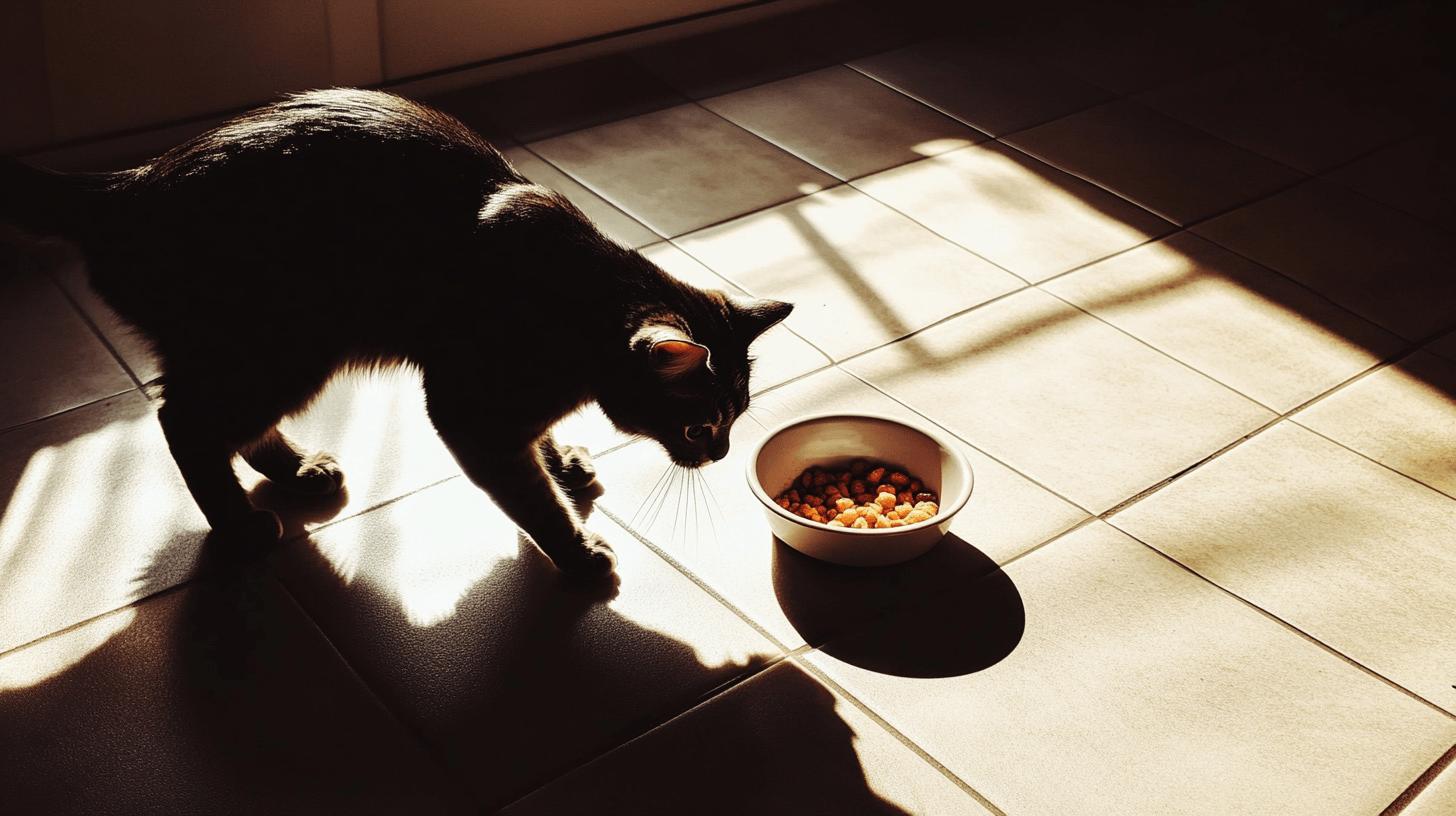
Ever wondered why your cat acts like it’s digging a hole to “bury” its food? It’s quirky behavior; it’s a throwback to their wild roots. Though your cat might seem pampered indoors, its actions are guided by instincts honed over centuries.
This habit could prevent scavengers from finding their stash or maintain freshness in the wild. Despite living indoors, modern cats replicate these actions due to both instinctual drives and environmental influences. Understanding this helps us cater to their natural behavior and needs.
Instinctual and Environmental Influences on Cats Burying Food
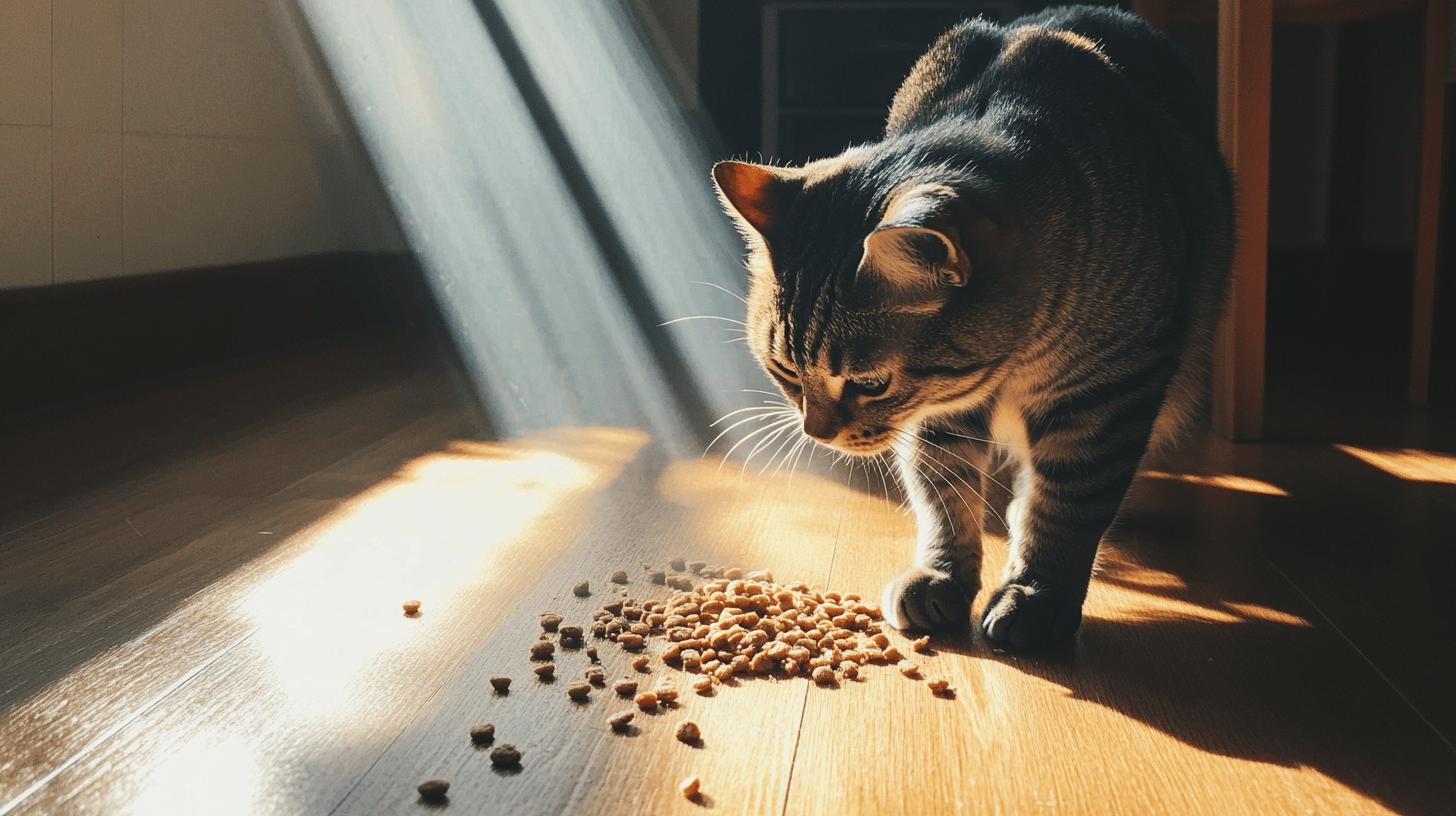
Cats trying to bury their food is a fascinating behavior deeply rooted in their wild ancestry. In the wild, felines engaged in “caching”, a practice of hiding food to keep it safe from scavengers and fresh for later consumption.
Historical accounts from as early as 1853 describe domestic cats using objects like paper to cover their meals, showcasing this instinct’s longevity. Even though our furry friends now enjoy the safety of indoor living, these ingrained behaviors can still surface, driven by the same instinctual habits that guided their ancestors.
The persistence of these instincts in domestic cats is intriguing. Despite no longer needing to hide their food, many cats still go through the motions of burying. It’s an echo of their wild instincts, a kind of muscle memory passed down through generations.
This can be particularly noticeable with wet food, which might evoke a stronger caching response due to its scent and texture. By understanding these behaviors, we can appreciate our pets’ unique connection to their wild forebears.
Here are some common scenarios when cats might try to bury their food:
- The food is new or has a strong smell.
- There is leftover food they want to “tidy up.”
- They are feeling stressed or anxious, especially in multi-cat homes.
- The food is disliked, similar to how they bury waste.
- As a playful or exploratory behavior.
Environmental and psychological factors play a significant role in this behavior. Stress or anxiety, often triggered by changes in the household or competition among multiple cats, can lead to food burying as a coping mechanism. Creating a calm and secure feeding environment can help mitigate these behaviors. Understanding these influences is key to managing this instinctive habit.
| Influence | Impact |
|---|---|
| Wild Ancestry | Instinct to cache food to protect it and keep it fresh. |
| Environmental Stress | Coping mechanism for anxiety or competition among cats. |
| Household Changes | Increased likelihood of burying food as a response to changes or new additions. |
By recognizing these factors, cat owners can better support their pets’ natural instincts while ensuring a harmonious home environment.
Practical Advice for Pet Owners

Managing a cat’s habit of trying to bury food can be a challenge, but with the right approach, it becomes manageable. Creating a calm environment is crucial, as stress and anxiety often lead to this behavior.
Portion control can also help, as smaller amounts of food may reduce the impulse to hide leftovers. Providing safe spaces for feeding, away from other pets or disturbances, ensures a stress-free mealtime. By addressing these environmental factors, we can help our cats feel secure and less inclined to engage in burying behavior.
Here are some strategies to consider:
- Feed in a quiet, private area to minimize stress.
- Serve smaller portions to prevent leftovers.
- Offer food at consistent times to create a routine.
- Use puzzle feeders to engage and distract from burying.
Understanding that burying food is an instinctual behavior is essential in preventing unnecessary punishment. Recognizing it as a carryover from their wild ancestry helps us view it with empathy rather than frustration. This perspective allows us to adapt our approach, focusing on creating an environment that respects their instincts while maintaining a clean and organized home.
Final Words
Exploring why a cat tries to bury food connects us to their wild ancestry. Their behavior aims to protect food from scavengers. In the modern home, these instincts persist. Stress, particularly in multi-cat areas, can trigger this habit too. Creating a calm feeding space and using portion control can help manage the behavior.
Understanding their instinctual habits helps avoid unnecessary frustration. These insights into cat behavior remind us of their complex nature. By respecting their instincts, you’ll create a more positive environment for both you and your cat.
FAQ
Cat not eating trying to bury food, Why does my cat try to bury her wet food?
A: Cats try to bury food due to instinctual habits from their ancestors who cached food for safety. It can signal they’re done eating or a sign of stress.
Why is my cat scratching the floor near her food and not eating?
A: When a cat scratches near her food, it might indicate dissatisfaction or instinct to cache for later. It can also be a stress response in multi-cat households.
How to stop my cat from trying to bury his food?
A: Ensure a calm eating environment, control portions, and provide safe feeding spaces. This helps reduce the need for your cat to bury his food.
Why do cats try to bury their poop?
A: Cats bury poop to cover their scent from potential predators and to keep their area clean. It’s a natural behavior stemming from survival instincts.
How do you tell if your cat is bored of their food?
A: If your cat regularly leaves food, scratches around it, or shows disinterest, they might be bored. Trying new flavors or textures can help reignite their interest.
Related Articles
- Why Cat Scratches Around Food Bowl Explained
- Why Cat Scratch Floor Instincts Behind Feline Behavior
- Why Cat Rolls in Dirt and Its Surprising Benefits
- Why Cat Eats Her Kittens and How to Prevent It
Neurological and Evolutionary Roots of Food Burying
Your cat’s instinct to bury food stems from millions of years of feline evolution. In the wild, big cats cover their kills to hide them from scavengers and competitors, a behavior that increases their chances of returning to a meal later. This protective impulse remains hardwired in your domestic cat’s brain, even though kibble sitting in a ceramic bowl poses no real threat.
The behavior also serves as a form of territorial marking. When cats knead and cover their food, they’re depositing scent glands from their paws, essentially claiming that meal as their own. Additionally, food burying triggers the release of serotonin in your cat’s brain, the same chemical that makes grooming and other comfort behaviors feel rewarding. In essence, burying food activates a deeply satisfying neurological response.
Predator avoidance plays another crucial role. In nature, the smell of fresh kill can attract larger predators to a vulnerable cat. By burying or covering food, cats minimize that risk. Your indoor cat doesn’t consciously think about leopards or hyenas, but her brain still processes the “safer if hidden” equation that kept her ancestors alive.
Environmental Triggers and Practical Management Strategies
The type of food your cat eats influences burying behavior significantly. Wet or fresh food triggers more covering attempts than dry kibble, likely because it smells stronger and more closely resembles freshly caught prey. Your cat’s environment also matters: cats living in multi-pet households, for instance, often bury food more persistently than solo felines because competition feels more tangible.
Stress and boredom amplify food-burying behavior. A cat who lacks mental stimulation or feels anxious about resources may obsessively attempt to cover meals. Similarly, changes in routine, moving furniture, introducing new pets, or shifting feeding schedules, can trigger an uptick in this behavior as your cat reasserts control over her environment.
To manage excessive burying, start by adjusting feeding logistics. Feed your cat in a quiet, low-traffic area where she feels secure. Remove the food bowl 20-30 minutes after mealtime so she doesn’t have endless opportunity to bury. If you have multiple cats, ensure each has her own feeding station separated by space or visual barriers, which reduces resource anxiety.
Health Concerns and Behavioral Red Flags
While occasional food burying is normal, certain patterns warrant veterinary attention. If your cat suddenly increases burying behavior or becomes frantic about it, an underlying medical issue could be at play. Dental pain, digestive upset, or parasites can make cats anxious about eating, manifesting as compulsive covering attempts.
Excessive burying paired with other signs, loss of appetite, weight loss, aggressive behavior around food, or obsessive licking of the floor, suggests something beyond normal instinct. Cats experiencing chronic stress or anxiety often display exaggerated resource-guarding behaviors, including frantic attempts to bury food. If your cat seems distressed or her routine has shifted, a veterinary check-up rules out medical causes before addressing behavior.
Pay attention to whether burying happens consistently or sporadically. Occasional behavior reflects normal cat instinct; escalating patterns indicate your cat needs intervention, whether that’s environmental adjustment or professional guidance.
Enrichment and Behavioral Solutions
Addressing food-burying behavior often comes down to mental and physical stimulation. Interactive play sessions reduce overall anxiety and help your cat feel confident and satisfied. Dedicate 15-20 minutes daily to play with wand toys, laser pointers, or other engaging tools that mimic hunting. This outlets your cat’s predatory drive in a controlled, fulfilling way.
Food puzzle toys transform mealtimes into enrichment opportunities. Instead of a simple bowl, use puzzle feeders that require your cat to work for each bite. This approach satisfies her hunting instincts, slows eating, and provides mental stimulation simultaneously. Hidden food games, scattering kibble around the house for your cat to “hunt”, also use natural foraging behavior.
Creating safe hiding and covering spots gives your cat appropriate outlets for burying impulses. Cat tunnels, cardboard boxes filled with crinkled paper, or blankets draped over furniture provide satisfying surfaces for her to knead and cover items. When your cat has appropriate places to express these instincts, she may redirect the behavior away from her food bowl. Check out our guide on best toys to reduce play aggression for additional enrichment ideas.
When to Consult a Veterinary Behaviorist
If food-burying behavior becomes compulsive, interferes with normal eating, or occurs alongside anxiety signs, consult a veterinary behaviorist. These specialists can distinguish between normal instinctive behavior and problematic obsession. They also identify underlying medical conditions that might be driving excessive behavior.
Reach out to a professional if your cat refuses to eat due to burying attempts, shows aggression around food, displays destructive behavior, or exhibits signs of separation anxiety. A behaviorist designs customized modification plans and may recommend calming supplements or medications if anxiety is severe. Early intervention prevents behavior from becoming more entrenched.
Leave a Reply