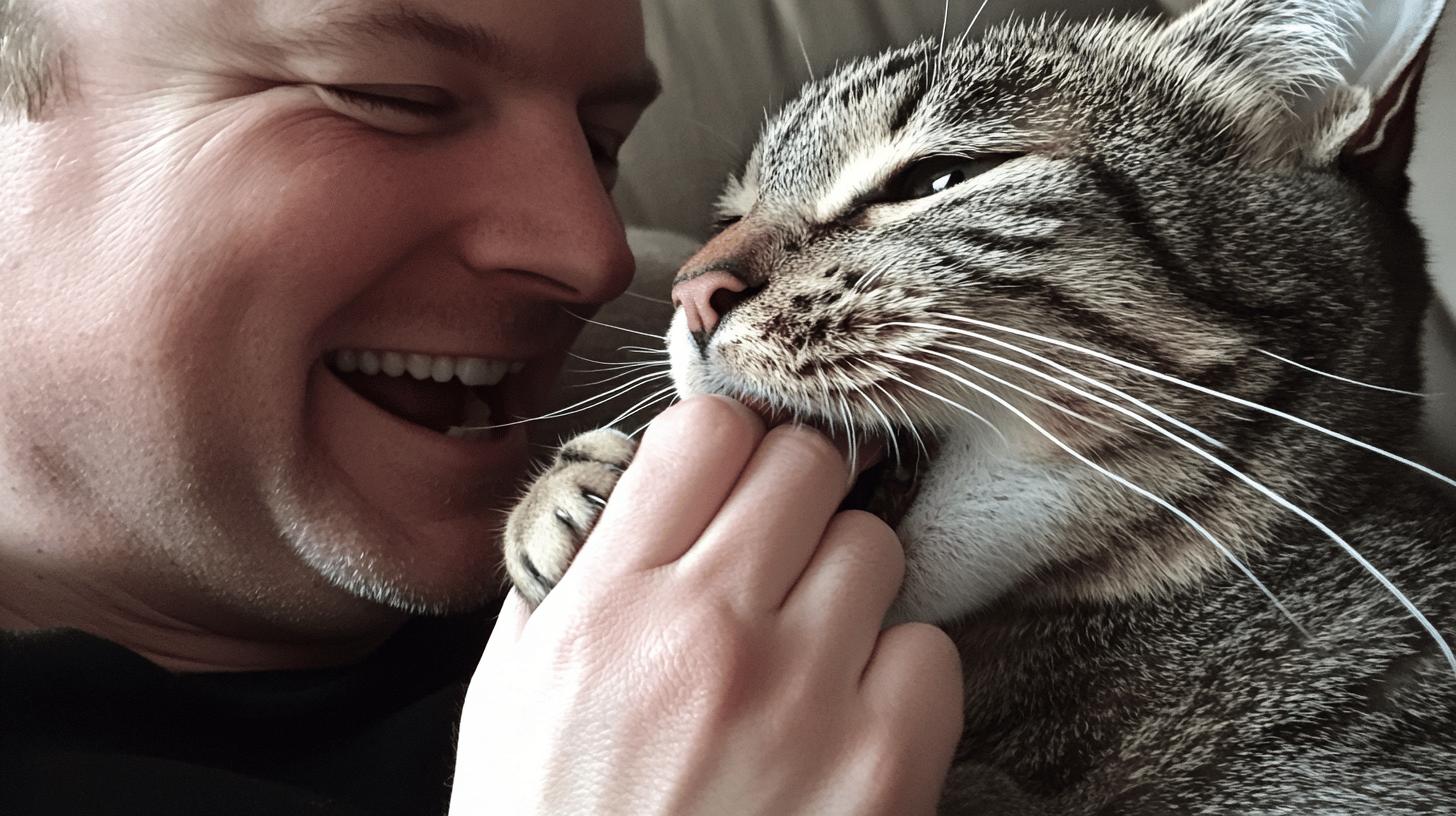
Your cat licks your hand for reasons that run deeper than habit or taste. While it might seem like a strange habit, this behavior is more than just a quirk. As a cat owner, discovering the reasons behind your furry friend's actions can enrich your relationship and improve your cat care skills. Cats have their own ways of showing affection and communicating with us. By unpacking the reasons why your cat licks your hand, you'll gain insights that can make your playtime and bond even stronger.
Understanding Why Cats Lick Your Hand and Other Reasons
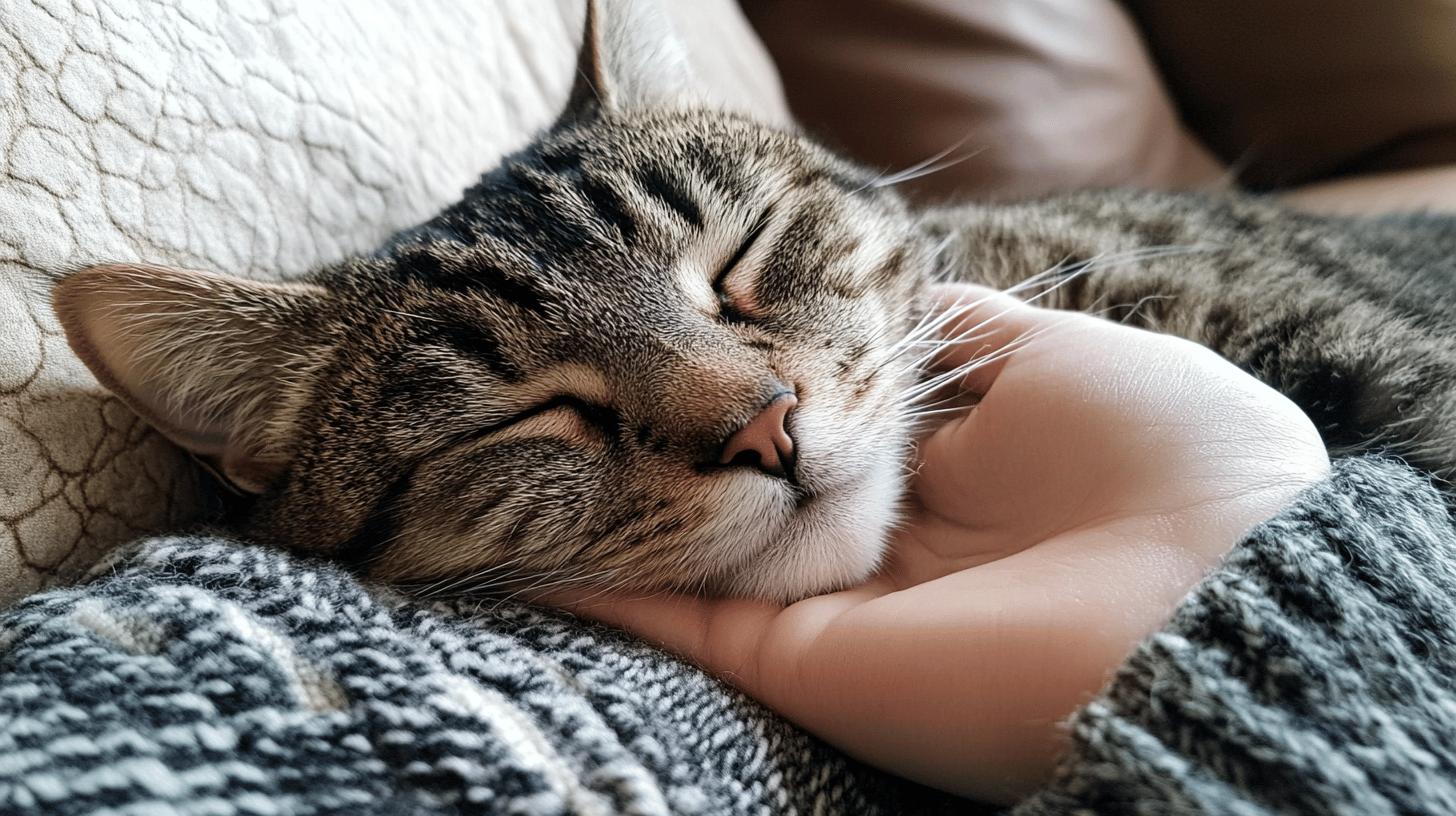
Cats licking your hand can be a quirky and endearing behavior, but it's deeply rooted in their instincts and social practices. The reasons behind this behavior are grounded in cat biology and social instinct.
Grooming
Cats are meticulous groomers. When they lick your hand, they're often mimicking the grooming behavior they share with other cats. This is a natural extension of their instinct to maintain cleanliness and comfort. By licking you, cats are showing that they consider you part of their social group. It’s a behavior they might have learned as kittens when their mothers groomed them.
Taste
Ever noticed how your cat seems particularly interested in licking you after a workout or on a hot day? Your skin carries a salty taste from sweat, which can be quite appealing to cats. They are naturally attracted to the flavor of salt, which is why you might find them licking your hands more frequently in these situations.
Affection
Licking is one of the ways cats express affection. Just as they groom each other to establish and maintain social bonds, licking you is a sign of trust and love. This behavior signifies that your cat feels safe and content in your presence. It’s their way of saying, "I care about you."
Attention-Seeking
Cats are smart creatures and quickly learn what behaviors get a reaction from their humans. If a cat learns that licking your hand results in petting, playtime, or a treat, they might use this behavior as a way to get your attention. It’s a form of communication, asking for interaction or expressing a need.
Here are some key reasons why your cat might lick your hand:
- Grooming: Reflects natural cat behavior and social bonding.
- Taste: Attraction to the salty taste of human skin.
- Affection: Sign of trust and love.
- Attention-Seeking: Communicating their needs and desires.
Understanding these behaviors can help strengthen the bond between you and your feline friend, making their quirky habits all the more endearing. Whether it's for grooming, taste, affection, or attention, when a cat licks your hand, they're engaging with you in a meaningful way.
Addressing Excessive Licking in Cats
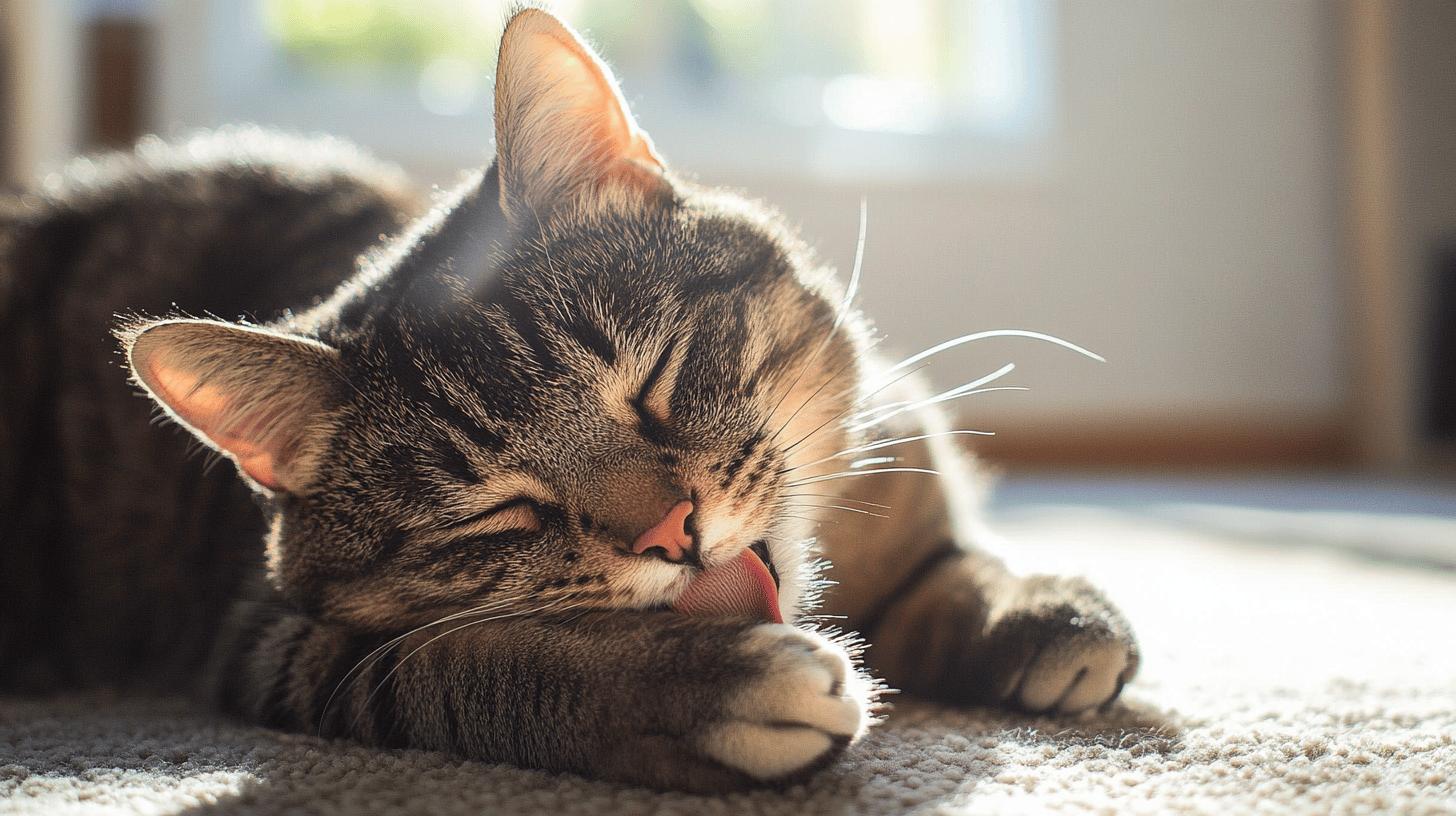
Excessive licking in cats can be more than just a quirky habit; it may signal stress, anxiety, or even boredom. This behavior is akin to nervous habits in humans, such as nail-biting. Understanding the underlying causes is crucial. Environmental stressors like changes in routine or a lack of stimulation might trigger this behavior. Health issues, too, can lead to excessive licking, making it essential to consider various factors.
Here are five strategies to address excessive licking:
- Environmental Enrichment: Provide toys, scratching posts, and climbing structures to keep your cat mentally and physically active.
- Routine Adjustments: Maintain a consistent schedule for feeding, play, and rest to reduce stress.
- Playtime Engagement: Spend quality time engaging in interactive play with your cat to fulfill their hunting instincts and provide stimulation.
- Comfort Spaces: Create safe, cozy areas where your cat can retreat and relax, which can help alleviate anxiety.
- Health Monitoring: Regularly check for any signs of physical discomfort or skin issues that might be causing the licking.
If your cat's excessive licking continues despite these efforts, it's time to consult a veterinarian. Persistent licking could indicate underlying health problems that require professional attention. A vet can assess your cat's behavior and health, providing specific guidance and interventions to help your feline friend feel more at ease.
Final Words
Understanding why a cat licks your hand can truly enhance your connection with your furry friend. We explored how grooming reflects natural instincts, the salty allure of human skin, and licking as a sign of love and bonding. Sometimes, it's simply a way for them to grab attention. Knowing these reasons for cat licking helps you appreciate these affectionate gestures more.
When faced with excessive licking, consider stress or health issues. Provide them with a comforting environment, and do not hesitate to consult a vet. Enjoy the playful bond, and cherish these moments of affection.
Sensory and Neurological Basis: Why Your Cat’s Tongue is Incredibly Sophisticated
Your cat’s tongue contains roughly 18,000 taste buds compared to humans’ 10,000. But quantity understates the difference. Feline taste receptors show extreme sensitivity to specific compounds, particularly amino acids associated with meat proteins. Your cat licks your hand partly to taste the chemical composition of your skin, analyzing what you’ve touched and eaten.
Licking also serves sensory exploration. Cats possess an extraordinary vomeronasal organ (Jacobson’s organ) located in the roof of their mouth. When cats lick, Licking gathers pheromonal information about you, activating the vomeronasal organ with every pass of the tongue, your emotional state, and your chemical composition. The licking behavior activates this specialized sensory system, transmitting information directly to their brain about your identity and current state.
Neurologically, licking activates the same pleasure pathways as purring. The gentle repetitive motion soothes your cat’s nervous system while the sensory feedback reinforces bonding. Licking you essentially means your cat is gathering reassuring information about their most important relationship while simultaneously calming themselves through the familiar behavior.
Licking Context: Interpreting What Your Cat is Really Communicating
Licking means different things depending on context. Gentle, slow licks during calm moments usually indicate affection and bonding. Your cat is essentially saying: “You are family, and I want to reinforce this connection.” These moments often coincide with slow blinks, head bunts, and purring, representing your cat’s full affection display.
Anxious or frantic licking carries different meaning. When your cat licks excessively after stressful events such as vet visits, introductions to new pets, or household upheaval, they are using licking as a self-soothing behavior. The licking releases endorphins that calm their nervous system. This is healthy anxiety management, not pathology.
Some cats lick hands during grooming sessions, treating you as a bonding partner they’re grooming. This behavior reflects the deepest trust: your cat considers you part of their family unit and extends grooming care to you. This is normal, healthy cat behavior indicating strong social bonds.
Excessive or obsessive licking directed at one person sometimes indicates preference or dependence. Cats may lick their primary caregiver more than other household members, reflecting that individual as their primary secure attachment figure. This is typical, not problematic, unless the behavior transitions into aggression or prevents the cat from other activities.
Problem Licking: Identifying Obsessive Behavior and When to Intervene
Healthy licking involves gentle, intermittent contact. Problem licking becomes constant, frantic, or focused on specific areas to the point of causing injury. Some cats lick their own paws or legs obsessively, creating raw patches and infections. Others become fixated on licking one specific area of their body or their owner’s body relentlessly.
Obsessive licking often indicates underlying anxiety, neurological issues, or medical problems. Cats experiencing chronic stress may develop compulsive licking as a coping mechanism. This behavior spirals: licking causes discomfort or injury, which increases stress, which intensifies licking. Intervention breaks this cycle.
Excessive licking directed at your hands or arms, sometimes accompanied by chewing, may indicate the cat is overstimulated during play. Some cats transition from affectionate licking into aggressive behavior when play becomes too intense. Recognize the transition signs: ears flatten, pupils dilate, the licking becomes rougher. At these signs, redirect to toys and provide space for your cat to calm down.
If your cat licks obsessively at themselves, creating hair loss (alopecia) or skin wounds, contact your veterinarian immediately. This behavior often indicates medical issues: allergies, parasites, pain, or neurological problems. Medical causes must be ruled out before assuming anxiety-based causes.
Medical Red Flags: When Licking Signals Underlying Health Problems
Excessive licking of your hands sometimes reflects your cat trying to communicate discomfort. Cats lick pain-affected areas compulsively, attempting to soothe injuries. If your cat suddenly begins licking your hands intensely, they may be seeking comfort for their own pain. Watch for other pain signs: reluctance to move, appetite loss, behavioral changes.
Neurological issues occasionally manifest as obsessive licking. Seizure disorders, cognitive dysfunction (in senior cats), or other neurological conditions can trigger unusual behavioral patterns. The licking becomes compulsive rather than communicative. The cat seems unable to stop despite receiving normal levels of stimulation.
Skin conditions such as allergies, fungal infections, and parasites trigger obsessive self-licking as your cat attempts to address itching or discomfort. Cats with ear infections sometimes lick their paws excessively, particularly if ear mites are present. Senior cats with cognitive dysfunction may develop compulsive licking patterns alongside other behavioral changes.
Hyperthyroidism in cats sometimes manifests as behavioral changes including increased licking and grooming. Hormonal imbalances affect mood and behavior. If excessive licking appears suddenly alongside other changes (weight loss, increased appetite, behavioral shifts), medical evaluation becomes essential.
Managing Licking: Encouraging Affection, Gentle Redirection, and Enrichment
Healthy licking requires no management, as it is a positive bonding behavior, and you can reinforce it by responding with gentle petting and a calming voice. Offer your hand for licking when you’re relaxed and available for bonding time. Create positive associations with this behavior.
Excessive licking benefits from environmental enrichment and stress reduction. Provide climbing structures, window perches, toys, and interactive play. Cats with enriched environments show reduced anxiety-based behaviors. Establish consistent routines so your cat feels secure and in control of their environment.
For licking that transitions into overstimulation or aggression, learn to recognize your cat’s threshold. Some cats tolerate brief petting and hand-play before becoming frustrated. When you notice behavioral shifts such as ears pulling back, skin twitching, and licking becoming more forceful, end the interaction gracefully. Provide a toy, create distance, and allow your cat to decompress.
Interactive toys, puzzle feeders, and enrichment items redirect energy away from obsessive licking toward appropriate behaviors. Wand toys satisfy predatory drives, puzzle feeders provide mental engagement, and vertical environments reduce stress. These environmental modifications often resolve problematic licking without medication or punishment.
Related: Why Cat Kneads Me Understanding Feline Instincts and Affection explores other important affection-based behaviors parallel to licking.
FAQ
Why does my cat lick my hand and then bite me?
Cats may lick and then bite as a playful gesture or to communicate mixed emotions, like bonding strongly but wanting personal space.
Why does my cat lick me when I pet her?
When petting, your cat might lick as a sign of affection or to return the grooming favor, which is a bonding behavior.
Why is my cat licking me so much all of a sudden?
Sudden excessive licking could be due to stress, seeking attention, or enjoying the salty taste of your skin.
Why does my cat lick me and not my husband?
Your cat may prefer licking you due to a stronger bond or your skin's unique taste or texture.
What does it mean when a cat licks your face?
Face licking often indicates affection and trust, as it mimics how cats groom their liked counterparts.
Do cat licks mean kisses?
Cat licks are similar to kisses, showing affection, trust, and bonding as they do within their social groups.
Should you let your cat lick you?
Letting a cat lick you builds trust, but ensure your skin is clean to avoid transferring human products or scents.
Why does my cat lick my hand then rub her head on it?
This sequence can signify affection, marking you with their scent using head rubbing to claim ownership.
Related Articles
- Why Cat Licks My Face Understanding Feline Affection and Grooming
- Why Cat Lick My Hair Understanding Affectionate and Emotional Bonding
- Why Cat Headbutt Understanding Feline Behavior and Affection
- Why Cat Bite Understanding and Managing Feline Biting Behavior
Chemical Communication Through Licking
When your cat licks your hand, they’re gathering chemical intelligence you cannot perceive. Cats possess a specialized sensory organ called the vomeronasal organ (located in the roof of their mouth), which detects pheromones and chemical signatures invisible to human senses. By licking your skin, your cat collects microscopic information about your emotional state, diet, health status, and interactions with other animals. Licking functions as genuine chemical data collection, building a sensory map of your identity and daily state. Your cat learns whether you’ve petted another animal, consumed specific foods, or are experiencing stress through chemical compounds your body releases. The rough texture of their tongue optimizes this chemical sampling. Cats licking owners who’ve recently handled other cats may increase intensity, reading the “intruder” information and reasserting their claim through scent-marking. Interestingly, cats lick family members they’re closest to most frequently, suggesting they’re monitoring individuals who matter most to them. This chemical communication layer makes licking functional beyond its grooming surface purpose. Your cat’s licking reflects genuine interest in understanding your current physical and emotional state through chemistry.
Bonding Hierarchy & Licking Preference
Cats rarely distribute licking equally across household members. Your cat likely licks specific people more frequently, revealing attachment hierarchy. The person receiving most licking typically holds primary bonding status. Cats showing no licking behavior toward any family member may indicate general anxiety or poor socialization rather than lack of affection. Multi-person households often see cats specializing their licking, lavishing attention on one person while barely tolerating others. This preference reflects perceived safety and bonding intensity rather than simple familiarity. Interestingly, cats sometimes increase licking when their preferred person shows stress or sadness, suggesting emotional recognition. If your cat suddenly stops licking you after years of frequent behavior, health issues or environmental stress may be factors. Cats also use licking to establish or reaffirm hierarchy in multi-cat households, often targeting subordinate cats before humans. Understanding that your cat’s licking pattern reveals relationship priority helps you interpret their social preferences accurately.
When Licking Becomes Overgrooming
Normal licking differs fundamentally from overgrooming, a stress-related behavior where cats lick specific areas excessively, sometimes creating bald patches or skin damage. Overgrooming typically targets the abdomen, inner thighs, or tail base. While normal licking of your hand is gentle and intermittent, overgrooming involves intense, focused activity that damages fur and skin. Overgrooming often indicates anxiety, allergies, parasites, or pain rather than affection. Cats experiencing stress may transfer overgrooming behavior to human hands, licking with concerning intensity. If your cat’s licking creates red irritation, draws blood, or feels obsessive, contact your veterinarian. Pain conditions frequently trigger overgrooming as cats attempt to soothe discomfort. Food allergies commonly cause excessive licking in specific body areas. Environmental stress, changes in routine, or feline anxiety disorder can precipitate overgrooming episodes. The distinction matters because treating overgrooming requires addressing underlying causes, not just managing the surface behavior. A cat licking your hand gently while purring shows affection; a cat licking obsessively or with concerning intensity needs medical evaluation. Understanding this distinction helps you recognize when licking represents normal bonding versus concerning behavior.
Managing Excessive Hand Licking
If your cat licks your hands so frequently it becomes annoying or your skin shows irritation, gentle intervention helps. Hands coated in bitter sprays (commercially available for pets) deter repeated licking without punishing your cat. Providing alternative licking surfaces like silicone lick mats with wet food redirects the behavior toward appropriate targets. Increasing interactive play sessions (10-15 minute sessions twice daily) channels licking impulses into hunting behaviors. Some cats increase licking when bored; enrichment reduces the behavior. Rewarding your cat’s presence without licking through treats or affection encourages alternative interaction patterns. If licking occurs primarily during specific times (evening, when you’re stressed), addressing those situations helps. Never punish licking directly; your cat experiences this as rejection rather than behavior correction. Ensure your cat has adequate grooming surfaces (scratching posts, textured toys) that satisfy grooming urges. If your cat licks hands compulsively or shows other anxiety signs, consulting your veterinarian about anxiety management is appropriate. The goal isn’t eliminating licking entirely but creating balance where your cat can express affection without creating discomfort.
Leave a Reply