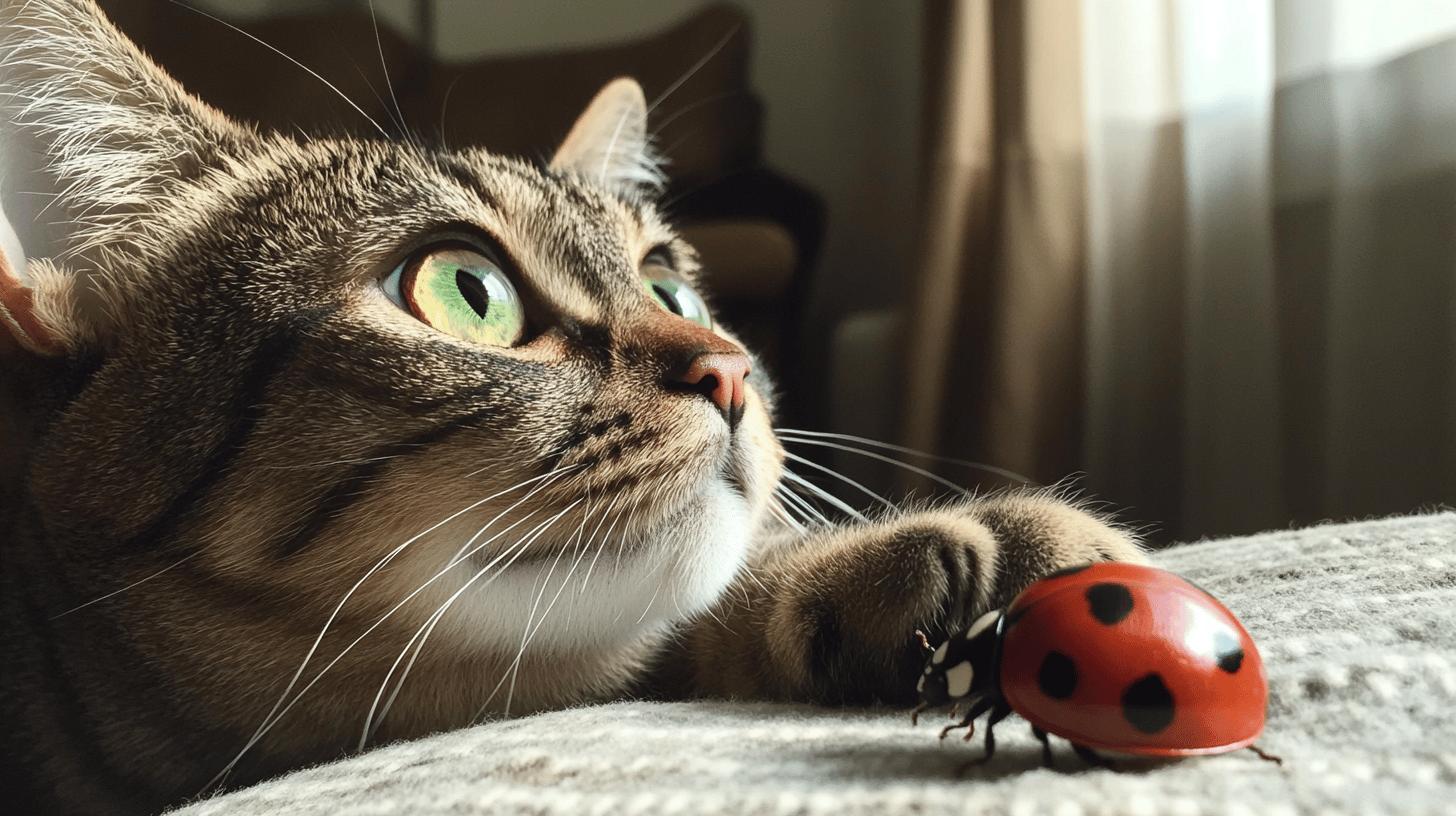
Ever caught your cat playing with a ladybug and wondered if it’s safe for them to eat? Most of us would not think a tiny ladybug could cause trouble. Yet, for cat owners who want to make sure their pets stay safe, it’s good to know the risks involved.
Cats usually avoid eating ladybugs due to their bad taste and smell. But if your cat swallows a ladybug, it might face some discomfort. Understanding why some bugs are best left alone helps you make smart decisions to keep your furry friend safe.
Can Cats Eat Ladybugs? Understanding the Risks and Differences
Ladybugs are generally not harmful to cats unless consumed in large quantities. Most cats avoid eating ladybugs after the first encounter due to their unpleasant taste and smell. This natural aversion usually prevents any significant risk to your feline friend.
If your cat does manage to eat a ladybug, here are some symptoms to watch for:
- Drooling
- Pawing at the mouth
- Vomiting
Ingesting large quantities of ladybugs might cause mild gastrointestinal upset in cats. While this is rare, it’s still important to keep an eye on your pet if they’ve consumed these insects.
Now, a close relative worth knowing about is the Asian lady beetle. These insects are slightly larger than ladybugs and have more black spots, along with a distinctive white “M” mark where the head meets the body. Unlike the typical ladybug, Asian lady beetles secrete a more pungent fluid that can be irritating to cats.
| Insect Type | Distinctive Features | Potential Risks |
|---|---|---|
| Ladybug | Small size, red with black spots | Mild gastrointestinal upset if consumed in large quantities |
| Asian Lady Beetle | Larger size, more black spots, white “M” mark | Irritation from pungent fluid secretion |
While ladybugs are not typically harmful to cats, it’s wise to monitor your pet’s interactions with insects. Understanding these differences can help you make informed decisions for your cat’s safety.
How Ladybugs Defend Themselves and Why That Affects Cats
Ladybugs are not defenseless insects. When threatened, they release a foul-smelling yellowish fluid from their leg joints through a process called reflex bleeding. This fluid contains alkaloid compounds that taste bitter and are unpleasant to most predators, including cats. It’s the primary reason cats that do attempt to eat a ladybug typically spit it out or show immediate signs of oral discomfort such as excessive drooling and pawing at the mouth.
Asian lady beetles take this defense mechanism a step further. Their reflex fluid is more concentrated and more chemically irritating than that of native ladybug species. When a cat crushes an Asian lady beetle in its mouth, the released fluid can cause localized irritation of the gums, tongue, and palate. In some cases, this irritation can lead to temporary ulcers or soreness in the mouth, which may cause your cat to be reluctant to eat or drink for a short period.
The coloration of ladybugs also serves a defensive purpose. Their bright red or orange coloring signals toxicity to visual predators, a strategy known as aposematism. While cats are not primarily visual hunters in the same way birds are, their instincts may still cause hesitation around brightly colored insects. This natural warning system, combined with the taste deterrent, means most cats self-regulate their ladybug interactions after an initial unfortunate experience.
Signs of Distress in Cats After Eating Insects
Cats nibbling on insects is not unusual, but it can lead to discomfort. Beyond the familiar drooling, vomiting, or pawing at the mouth after eating ladybugs, other insects can pose risks too. Bees or wasps can sting inside the mouth, while certain spiders might be toxic. Staying alert to the types of insects your cat encounters is key to preventing distress.
To keep your cat safe, limiting their access to insects is wise. Seal windows and doors to reduce entry points for bugs and consider using screens. Regularly inspect your home for insect nests or hives and address them promptly. Keeping your cat’s play areas clean and free from potential insect hideouts also helps considerably.
If your cat shows distress, take these steps:
- Observe your cat for any unusual behavior.
- Remove any remaining insects from the area.
- Offer water to help dilute any irritants.
- Consult a veterinarian if symptoms persist.
By minimizing your cat’s exposure to insects and acting quickly when they show signs of distress, you can help keep them healthy and content.
Other Common Insects and Their Risks to Cats
While ladybugs are among the more benign insects your cat might encounter, the broader category of insects includes many that pose greater risks. Understanding which insects are more dangerous helps you prioritize cat-proofing efforts in and around your home.
Bees and wasps are capable of stinging inside a cat’s mouth or throat if swallowed alive, leading to painful swelling that can occasionally obstruct breathing. If you notice your cat pawing frantically at its mouth after catching a flying insect, or if you see swelling around the muzzle or throat, seek veterinary care promptly. Fireflies are another concern: they contain lucibufagins, compounds toxic to lizards and some other animals, though the risk level for cats remains less clearly defined.
Certain caterpillars carry urticating hairs that can cause intense irritation to mucous membranes if ingested. Cockroaches, while not directly toxic, can transmit parasites or bacteria if eaten regularly. Spiders represent a variable risk depending on species: the vast majority of house spiders are harmless to cats, but black widows and brown recluses present genuine danger and require immediate veterinary attention if a bite or ingestion is suspected. For broader context on insect ingestion risks, the guide on general bug safety for cats provides a useful overview of common insects your cat might encounter.
Preventive Measures to Protect Cats from Insect Consumption
Keeping cats indoors is one of the most effective ways to reduce their risk of encountering and consuming harmful insects. By limiting their exposure to the outdoor environment, you keep them away from potential dangers like ladybugs, which, though beneficial for gardens, are not suitable for cats to eat.
Creating a cat-friendly environment that minimizes insect encounters involves a few strategic steps. Start by inspecting your home for any openings or cracks that could allow insects inside. Sealing these entry points can significantly decrease the number of bugs your cat might come across. Maintaining a clean and clutter-free living space will also prevent insects from finding hiding spots.
Here are some actionable strategies to keep your cat safe from harmful insects:
- Regularly check and seal entry points for insects.
- Keep garden areas well-maintained.
- Use cat-safe insect repellents.
- Monitor outdoor time closely.
By implementing these preventive measures, you can create a safer environment for your cat, helping them avoid the potential risks associated with insect consumption.
When to Seek Emergency Veterinary Care After Insect Ingestion
Most insect ingestion incidents, including the occasional swallowed ladybug, resolve on their own or with minor supportive care. However, certain situations require immediate professional attention. Knowing how to distinguish a mild reaction from a serious one can make a meaningful difference for your cat’s safety.
Seek emergency veterinary care if you observe any of the following after your cat has eaten or been stung by an insect:
- Difficulty breathing or swallowing
- Rapid swelling around the face, lips, or throat
- Loss of coordination or collapse
- Seizures or muscle tremors
- Extreme lethargy that does not improve within an hour
- Pale or bluish gums, which indicate oxygen deprivation
These signs can indicate anaphylaxis, venomous bites, or toxic exposure that requires prompt medical intervention. Even if symptoms seem mild at first, calling your veterinarian for guidance is always worthwhile when you are unsure. For context on similar risks from other insects, the articles on wasp ingestion safety and earwig risks for cats cover those specific cases in more detail.
Monitoring Your Cat After Insect Exposure
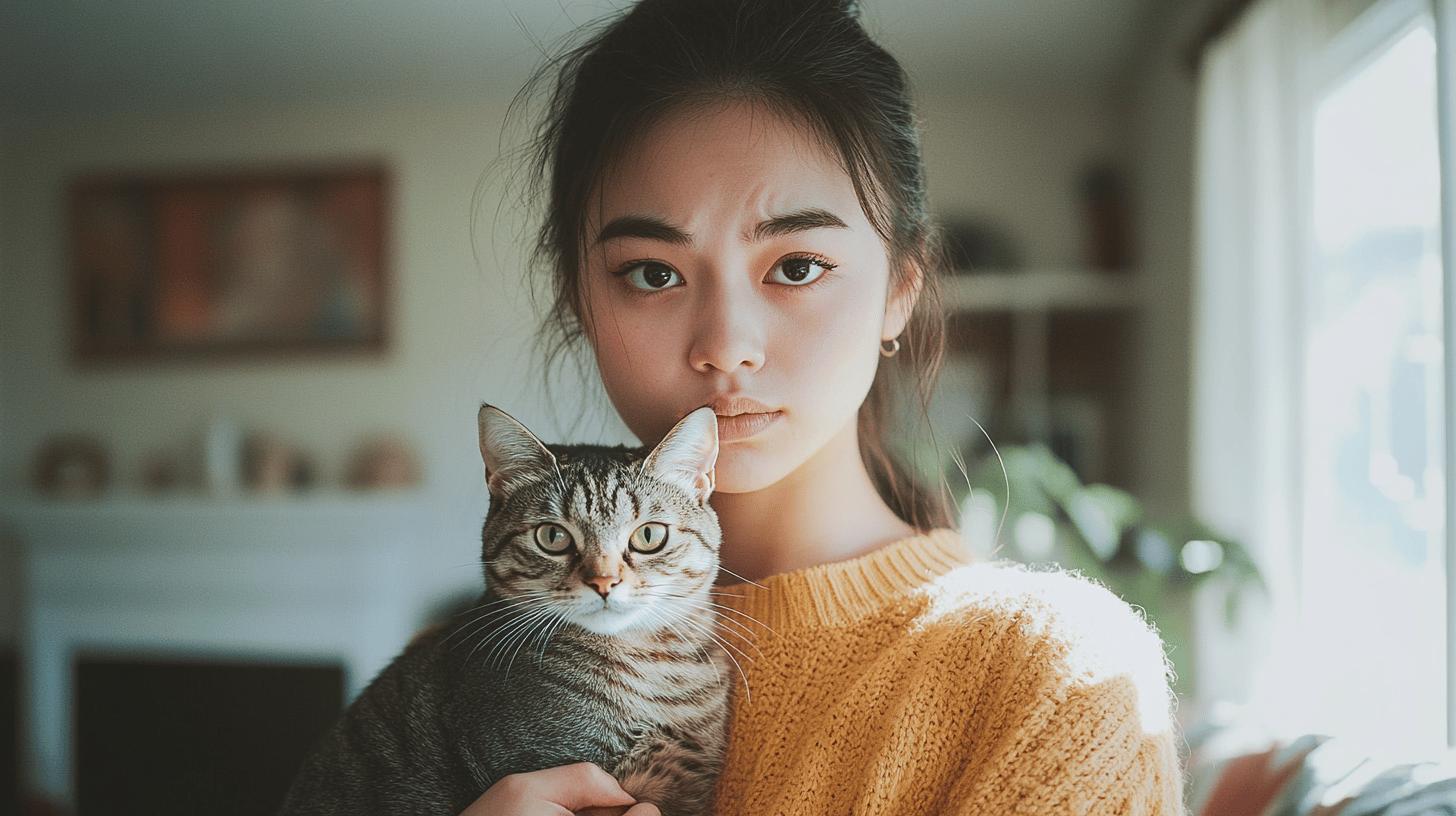
Monitoring your cat’s behavior after it eats insects is key to ensuring its health. If you notice persistent drooling, vomiting, or lethargy, these might be signs of distress. While ladybug reactions are rare and usually mild, it’s crucial to act swiftly if symptoms persist or worsen.
Consult a veterinarian if your cat exhibits unusual behavior. Professional guidance helps address any potential health issues early, before they have a chance to escalate.
| Symptom | Action |
|---|---|
| Drooling | Monitor and consult a vet if it persists |
| Vomiting | Observe frequency and seek vet advice if frequent |
| Lethargy | Contact a veterinarian for professional evaluation |
Being vigilant helps keep your furry friend safe and ensures their long-term wellbeing.
Final Words
Understanding the difference between ladybugs and Asian lady beetles is important for cat owners. While ladybugs are generally safe, eating too many can upset a cat’s stomach. Asian lady beetles carry more irritating compounds and deserve extra caution. Watching for symptoms like drooling or pawing at the mouth helps catch any issues early.
By keeping your cat indoors and using cat-safe insect repellents, you can prevent unwanted insect encounters. If unusual behaviors appear after insect exposure, checking with a vet is the right move. Staying informed ensures your cat remains healthy and happy, whatever curiosity they encounter in their environment.
FAQ
Is it safe for cats to eat ladybugs?
Ladybugs are not generally harmful to cats unless eaten in large amounts. Cats naturally avoid them due to taste.
What happens if a pet eats a ladybug?
If a pet eats a ladybug, watch for drooling, pawing at the mouth, and vomiting. Mild gastrointestinal upset can occur if many are eaten.
Can animals eat ladybugs?
Animals can technically eat ladybugs, but the insects are not palatable and can cause irritation if many are consumed.
Can cats eat Asian lady beetles?
Cats should not eat Asian lady beetles. These beetles secrete a more pungent fluid that can irritate your cat’s mouth and digestive system.
Are ladybugs poisonous to eat?
Ladybugs are not poisonous to eat but can cause stomach upset if consumed in excess.
What insects are safe for cats to eat?
Not all insects are safe, but cats often nibble on flies and moths without issues. Always consult a vet if unsure about a specific insect.
Leave a Reply