Author: hans

  • best litter box size for cats delivers comfort

    best litter box size for cats delivers comfort

    Notice your kitty doing a funny two-step around her litter box? Paws hanging off the edge, back curved like she’s trying to fit into a dollhouse? Ever watched her swivel and meow, as if saying, “Hey, this box is too tiny!”

    It’s not just adorable. It’s her way of telling you she feels squished. A pan (litter box tray) just a few inches too small can turn her daily dig into a litter-ally frustrating workout. She might even leave half-buried surprises outside the box.

    Oops, let’s fix that. First, measure her from the tip of her nose to the base of her tail (nose-to-tail length). Then choose a box at least 1.5 times that number in length (so she can stretch out on her toes). And make sure the width gives her room to spin, no poking paws on the sides.

    Give her space to scratch, spin, and cover litter with ease. Then sit back and enjoy that satisfying little thud. Pure kitty bliss.

    How to Determine the Ideal Litter Box Size for Cats

    - How to Determine the Ideal Litter Box Size for Cats.jpg

    Getting your cat’s bathroom just right is easier than you think. Grab a tape measure (like a flexible ruler) and lay it from her nose to the base of her tail. Multiply that number by 1.5. That gives you the minimum length your kitty needs to stretch out before digging.

    Here’s how to nail the perfect dimensions:

    1. Measure your cat
      Lay the tape from nose to tail base. Multiply by 1.5 for the minimum box length.

    2. Check the width
      Make sure she can spin around without brushing the sides. Match her length or add a couple extra inches.

    3. Compare common sizes
      Most pans are about 16×10 inches. Jumbo pans run around 22×18 inches. If that feels snug, try oversized tubs, think 27×20 inches or larger, to give her wiggle room.

    4. Set the litter depth
      Pour in 2–3 inches of litter so she can dig and cover properly. Any more and you risk tracking; any less and she might slip.

    Medium cats usually do fine in a jumbo pan. But big breeds like Maine Coons need extra real estate. If your Maine Coon tips the scales over 20 pounds, consider a roomy tub around 36×24 inches so there’s zero chance of outside-the-box accidents.

    Ever hear that little thud when kitty digs? That’s pure contentment. When your cat has space to stretch, turn, and scratch, she’ll use her box every time. Worth every paw-print.

    Litter Box Size Recommendations by Breed and Cat Size

    - Litter Box Size Recommendations by Breed and Cat Size.jpg

    Big breeds really love having space to roam when they go, you know. Ever seen your kitty do a little two-step in the litter? Most big cats fit nicely in a 27 x 20 inch plastic trough (roughly 2 feet 3 inches by 1 foot 8 inches). It’s roomy enough for adults to dig and scratch without feeling cramped.

    But if you have a true gentle giant like a Maine Coon, go bigger. Aim for a 36 x 24 inch pan (about 3 feet by 2 feet) so they can stretch out fully and dig deep without bumping their whiskers on the sides.

    Midweight fluffballs like Ragdolls need a box around 30 x 18 inches. It’s just the right size for a few big turns and a good scratch. For active window-watcher Bengals, a 24 x 14 inch box gives them enough room to spin and pounce.

    You can even repurpose an under-bed storage tote (about 32 x 15 inches) to slide under low furniture. Just sand or trim any rough edges so paws stay happy.

    Breed Average Cat Length (in) Recommended Box Dimensions (in)
    Maine Coon 20 – 25 36 x 24
    Ragdoll 15 – 18 30 x 18
    Bengal 12 – 15 24 x 14
    Average Adult 10 – 14 27 x 20

    Less mess. More purrs.

    Entry Height and Wall Styles for Kittens, Seniors, and Messy Cats

    - Entry Height and Wall Styles for Kittens, Seniors, and Messy Cats.jpg

    When your kitten is learning or your older cat has stiff joints, a box with low sides can make all the difference. Using a shallow litter pan (tray for kitty waste) means no-hop entry. Aim for a front wall about 2.5 to 3.5 inches high. That way little paws or achy elbows slip in without drama.

    Ever watch your kitten stand on tiptoes trying to climb a tall side? Oops. And feel that soft pop when a senior lands? That low front saves them an awkward thud. Same goes for cats with arthritis, you want gentle entries, not painful jumps.

    Here is what works for most cats:

    • Kittens & seniors: front wall about 2.5 to 3.5 inches high lets them step in smoothly.
    • Diggers & sprayers: three sides with walls 6 to 8 inches tall catch scatter and stop sprays.
    • Top-entry boxes: round openings 10 to 12 inches wide plus a gentle ramp (like a small slide) prevent slips and wild tumbles.

    Good wall heights do more than block a mess. They let your cat settle, relax, and focus on business. If you see litter scattered across the floor, taller sides will save your carpet from a sandstorm. And if your shy senior still hops out empty-pawed, try a lower front, you might just hear a happy purr.

    DIY and Alternative Oversized Litter Pan Solutions

    - DIY and Alternative Oversized Litter Pan Solutions.jpg

    Ever stepped in sandy footprints across the floor? Your cats could use a bigger sandbox. A cement mixing tub (a sturdy plastic tray for stirring concrete) measuring about 27×20 inches costs less than $15. Its smooth, flat bottom feels stable under their paws. Rounded edges make clawing safe, and scooping is a breeze.

    Got a giant furball or two sharing the tub? Upgrade to a 36×24 inch size. No more litter spats. Everyone has space to stretch and scratch.

    Under-bed storage totes (around 32×15 inches) are another winner. Clip one side down for a low entry. Then sand the rough edges so no fur gets caught. Tuck the tote under a bed or behind the couch for a sneaky litter station.

    Travel days? Meet the collapsible silicone pan (folded to about 17×11 inches). Silicone (a bendy, fold-flat polymer) means no clunky bin in your luggage. Pop it open, pour in litter, then fold and stash when the job’s done. Super simple.

    Think beyond pet-store trays. These DIY pans save you money and give your kitties all the room they need to dig, scratch, and cover in total comfort.

    Make stray litter a thing of the past.

    Space and Placement Guidelines for Litter Boxes

    - Space and Placement Guidelines for Litter Boxes.jpg

    Ever watched your kitty do that sneaky waddle before finding the litter spot? Picking the perfect nook makes all the difference. Find a quiet corner where paws don’t echo down hallways. Cats crave privacy, nobody wants an audience when doing business.

    Give each box about 1.5 times your cat’s length of space (so they can sneak in, spin, and dash out without feeling trapped). It’s simple but oh-so effective. Your cat will thank you with extra purrs.

    In a home with more than one kitty, you might wonder how many litter boxes do I need for cats. A good rule is one box per cat plus one extra. Then spread them across floors or rooms to avoid mine-mine drama. This lets shy felines slip in unnoticed and confident ones keep their cool.

    Keep food and water dishes away from the litter station. Imagine nibbling dinner right next to a sandbox, no thanks. This simple move cuts stress and helps keep things fresh.

    Here’s the quick checklist:

    • Choose calm, low-traffic corners
    • Leave about 1.5 times your cat’s length of clearance around each box
    • Spread boxes across rooms or floors in multi-cat homes
    • Keep food and water dishes a comfy distance away

    Worth every paw-print.

    Maintaining Litter Depth, Cleanliness, and Hygiene

    - Maintaining Litter Depth, Cleanliness, and Hygiene.jpg

    Keep your litter at about 2-3 inches (5-7 cm). That’s like a mini sandy bed (it’s absorbent sandy material) – deep enough for epic digs, but not so deep that your kitty’s paws fling clumps everywhere. Give it a poke with your fingertip. It should give way and crumble when you lift. If you pile it above 3 inches, you’ll spot sandy paw prints all over your floor.

    Scoop your box once a day – morning or night, whatever fits your groove. Pulling out those clumps lets air flow and keeps odors at bay. Plus, your cat always steps into a fresh surface, and you’ll catch surprises (those sneaky hairballs) before they turn into stink bombs. Really.

    One time I skipped a day and walked in to a hallway that smelled… yikes. Ever had that “oh no” moment? Let’s never do that again. A quick five-minute scoop saves you from an all-day scrub later.

    Once a week, toss all the old litter and give the box a good wash. Grab mild soap, warm water, and a soft brush. Rinse thoroughly, let it air dry (sunshine helps), then refill with fresh litter. Don’t use ammonia or harsh cleaners – they leave residues that send cats racing for the door.

    If you use non-clumping litter (it soaks up moisture but doesn’t form tight clumps), change it out weekly, too. Otherwise it turns soggy – and stinky – super fast. Fresh litter means happier whiskers and fewer nose wrinkles.

    Maintenance Task How Often Notes
    Litter depth check Daily Keep 2-3 inches; avoid over 3 inches
    Daily scooping Once a day Use a slotted scoop to catch clumps
    Box wash & litter swap Weekly Clean with mild soap, warm water; air dry
    Non-clumping litter swap Weekly Replace all to keep it fresh

    A clean box = more purrs and fewer floor messes.

    Final Words

    You measured your cat from nose to tail base, used 1.5× that for box length, picked a width that lets them spin, and kept litter at 2–3″ for comfy digs. You adjusted entry heights for kittens or seniors and matched sizes to breeds like Bengals or Maine Coons. Then we covered DIY tubs, ideal placement, and a simple cleaning routine.

    Armed with all this, finding the best litter box size for cats is no sweat. Happy cats, happy home. Enjoy fewer replacements, less stress, and cozy corners for your furballs.

    FAQ

    Do cats like bigger or smaller litter boxes?

    Cats like bigger litter boxes because extra space lets them turn, dig, and bury waste comfortably without touching the sides.

    What size litter box should I buy for a 10-pound cat?

    A 10-pound cat should use a box about 24 inches long and 16 inches wide—roughly 1.5× its nose-to-tail length—with 2–3 inches of litter.

    What are large litter box dimensions?

    Large litter boxes often measure 22 × 18 inches or more. Oversized tubs can reach 36 × 24 inches, giving extra room for big breeds and multiple-cat households.

    How big should a litter box be for a kitten?

    A kitten’s litter box should be about 12–15 inches long and 8–10 inches wide, with low 2–3 inch sides for easy entry and safe digging.

    How tall should an enclosed litter box be?

    An enclosed litter box should have walls 6–8 inches high on three sides, with a 2.5–3.5 inch entry front for easy access and scatter control.

    What is the golden rule for litter boxes?

    The golden rule is one litter box per cat plus one extra. This helps prevent territory issues and ensures every cat has a clean, private spot.

    How do I know if my cat needs a bigger litter box?

    You know your cat needs a bigger box if its tail or haunches hang over the edges, it avoids the box, or starts toileting outside it.

    What are stainless steel litter boxes and are they a good choice?

    Stainless steel litter boxes are durable, non-porous pans that resist odors and bacteria. They’re easy to clean, scratch-proof, and long-lasting.

    What is the best litter box for cats?

    The best litter box is at least 1.5× your cat’s length, has smooth low sides, simple corners for scooping, and a non-toxic, easy-clean surface.

    Related Articles

  • is feline leukemia contagious Safe Cat Care Tips

    is feline leukemia contagious Safe Cat Care Tips

    Ever felt that gentle head bump from your tabby and thought, I’m loved? It can hide a sneaky traveler. FeLV (feline leukemia virus) is a quiet threat. It only hops between cats when they share licks, bites, or even a water bowl. That tiny spit can bring big trouble. Really.

    Ever watched your kitty groom a friend until they both look shiny? That’s prime time for licks to pass FeLV. A playful nip here or there can do it, too. Even slurping from the same bowl lets this virus sneak in.

    Why worry more about kittens and cats on immune-suppressing meds (medications that lower their natural defenses)? Their little bodies or drugged-down guardians can’t fight back as well. They need extra TLC and vet-tested routines you can start tonight.

    By the end, you’ll spot exactly which sniff-and-cuddle moves to watch. No more surprises. Just more cozy, purr-fect playtime.

    Assessing FeLV Contagiousness: Can Feline Leukemia Spread?

    - Assessing FeLV Contagiousness Can Feline Leukemia Spread.jpg

    Ever wondered if feline leukemia can spread around your pets?
    The feline leukemia virus (FeLV) only moves when cats get up close.

    They pass it through grooming licks, shared food bowls, or even a nip during play.
    Ever watched your kitty groom a buddy?
    That’s exactly how FeLV sneaks around.
    It can’t jump to humans or dogs, so your non-feline friends are totally safe.

    Young kittens and cats with weak immune systems (their body’s shield) are the ones most at risk.
    FeLV can swoop in fast when defenses are down.
    Cats already battling other bugs or on immune-suppressing meds need extra watchful eyes, too.

    The best defense?
    A quick blood test at your vet spots FeLV early.
    Then you can keep positive cats apart in your home or a shelter.
    It’s purrfectly simple and helps keep your furry crew healthier.

    Worth every paw-print.

    Feline Leukemia Transmission Modes: How Contagion Occurs

    - Feline Leukemia Transmission Modes How Contagion Occurs.jpg

    Ever wonder how FeLV (feline leukemia virus) hops from one kitty to another? It needs real face-time. The virus hides in saliva (spit), nasal secretions (snot), urine, feces (poo), and even mama’s milk, but it dies fast on floors or furniture. So a quick head bump is way safer than an all-evening cuddle.

    Here are six main ways FeLV can travel cat to cat:

    • Mutual grooming: When cats lick each other’s fur, they swap spit and share the virus.
    • Shared bowls: A smear of infected saliva on a food or water dish can infect the next lapper.
    • Bite wounds: A nip or scratch can deliver virus-loaded spit right into a cat’s bloodstream.
    • Sneezes and nose rubs: Viral droplets from a sneeze can settle on toys, bedding, or whiskers.
    • Shared litter box: Sniffing or pawing at infected pee and poo can pass FeLV along.
    • Nursing time: Kittens pick up FeLV through their mom’s milk if she’s infected.

    Because FeLV fades quickly outside a host, it really needs those long snuggles, marathon grooming sessions, or group mealtimes to spread. So keep playdates short or give cats their own space when risk is high, your fur-family will thank you.

    Assessing FeLV Contagiousness

    - Feline Leukemia and Human Risk Can It Jump Species.jpg

    Ever wondered if FeLV (feline leukemia virus) can leap from your kitty onto you or the dog on the couch? Oops, let me rephrase that. FeLV only spreads between cats.

    That means humans and other pets aren’t at risk. So you can keep doling out head scratches and playtime worry-free!

    Preventing FeLV Contagion in Multi-Cat Environments

    - Preventing FeLV Contagion in Multi-Cat Environments.jpg

    Hey cat parents and shelter heroes, ever worried about FeLV (Feline Leukemia Virus) sneaking into your fur crew? It’s a crafty virus that jumps between kitties through bites, shared bowls, or litter pans. But don’t sweat it, some easy daily habits can keep your clan safe and purring.

    First up: quarantine (keeping a cat apart) any newcomer. Before your new fluffball meets the gang, whisk them off to the vet for a quick blood test (tiny needle prick, minimal fuss). If someone tests positive, give them their own chill zone, a quiet room with comfy bedding and toys.

    Next, make your home an indoor-only castle. It’s not just about cozy naps on the windowsill (though we love that). Keeping cats inside stops surprise meetups with stray wanderers who could carry FeLV. Indoor life means safe playdates and fewer vet trips.

    Then let’s talk bowls and litter. Think of each dish and pan as private real estate for every kitty. When you give each cat its own food bowl and litter box, you cut down on accidental nose-to-nose contact and litter kicks, two easy ways for that virus to hitch a ride.

    Vaccination (shots to boost defense) is your cherry on top. Chat with your vet about FeLV vaccines, especially for kitties in group homes or with outdoor access. It’s like handing them an umbrella before a rainstorm.

    Worth every paw-print. Do all these steps together and you’ve built a fortress: test new cats, keep bowls and boxes separate, stay indoors, and vaccinate at-risk kitties. Your cats get more safe play and naps, and you’ll enjoy fewer worries and more happy purrs.

    In busy shelters, a clear routine is gold. Consistent testing, isolation rooms, and separate stations help you jump on any FeLV flare-ups fast. And honestly, watching a smooth-running cat crew is pretty paw-some.

    Prevention Measure Description
    Testing & quarantine Give every newcomer a quick blood test (tiny needle prick) and keep positives in their own cozy room
    Separate bowls & litter Assign each cat its own food dish and litter pan to stop accidental mixing
    Indoor-only housing Keep all kitties indoors so they don’t meet unknown outdoor carriers
    Vaccination Get at-risk cats their FeLV shots for an extra layer of defense

    Testing and Vaccination to Curb FeLV Contagiousness

    - Testing and Vaccination to Curb FeLV Contagiousness.jpg

    In most clinics, you’ll see a quick in-clinic antigen test (a check for viral proteins). It usually catches feline leukemia virus eight to twelve weeks after your cat’s first exposure. Test too soon and you might get a false negative – when the virus is hiding, like a shy kitten under the bed. That’s why vets often suggest a window period retest (a follow-up test after those early weeks) to catch any late bloomers. Some at-home antigen tests (a little nose swab or tiny paw-prick check) exist, but they can miss infections that your vet’s lab won’t.

    Vaccination is your cat’s best defense – a truly purr-fect strategy. Think of each shot as a pep rally for your kitty’s immune system. Most cats get their first vaccine, then a booster about a year later, and another booster every one to three years (your vet will guide you). Those boosters top up defenses so FeLV can’t sneak in. After her booster, my Luna tore into her feather toy like a champ – proof these shots really work. And pre-adoption screening (testing new or shelter cats before they mingle) keeps hidden carriers out of your fur family. It’s a simple step that keeps your home safer and your heart lighter when you bring home a new friend.

    Managing Contagious FeLV Cases for Better Cat Welfare

    - Managing Contagious FeLV Cases for Better Cat Welfare.jpg

    When your kitty tests positive for FeLV (feline leukemia virus), it’s time to set up a cozy solo spot. Pick a quiet room with a soft blanket and favorite toys so stray sneezes or grooming licks don’t share more virus. Ever watched your kitty chase shadows? This keeps other cats safe and your little one snug. Uh, you know it feels like a gentle hug from afar.

    Next, plan vet visits every 4 to 6 weeks, your cat’s health pit stop. We check blood counts (the number of cells in their blood) and watch for any sneaky infections. FeLV means regular lab work (simple blood tests), but catching anemia (low red blood cells) early is totally worth it. A trusty vet buddy keeps your furball strong.

    Mealtime becomes a power-up session. Serve wet food loaded with protein and a drizzle of healthy fats, think of it as a mini energy boost in every bite. My Luna once dove into her bowl like it was kitty gold. Seriously fun to watch.

    Stress-busting is next on the list. Offer cozy hideaways like boxes or tunnels so your cat can chill out. Gentle play with a feather wand turns claws into tiny dancers. And diffuser cat pheromones (calming cat scent) help turn frowns into purrs.

    Finally, add some joy sparks. A puzzle feeder makes meals feel like a game. Soft brushing is like a warm hug on their fur. Fresh toys, tasty bites, quiet naps. Their days will be full of good eats and sweet dreams.

    Final Words

    We’ve broken down how FeLV spreads cat-to-cat, the main routes it rides on nose and fur, and why humans are safe.

    Then we looked at top prevention steps for busy multi-cat homes, testing, separate bowls, indoor life and shots.

    We talked about accurate tests and booster timing. And we saw how to care for a positive cat with calm spaces and vet checks.

    You’ve got a clear path forward. Now you can rest easy knowing feline leukemia contagious risks are under control and your kitties stay happy.

    FAQ

    Is feline leukemia contagious to humans?

    The feline leukemia virus (FeLV) infects only cats, cannot infect humans or other species, and poses no zoonotic risk for people.

    Is feline leukemia contagious to dogs?

    The feline leukemia virus (FeLV) transmits only between cats, does not infect dogs, and requires close cat-to-cat contact rather than cross-species transmission to spread.

    How long is feline leukemia contagious?

    The contagious period for FeLV lasts as long as an infected cat sheds virus, which often spans weeks to months; regular testing helps track infectivity and guide isolation.

    If I pet a cat with feline leukemia, can I give it to my cat?

    Petting a FeLV-positive cat poses minimal risk since brief strokes don’t transfer virus; transmission needs saliva exposure from deep bite wounds, prolonged grooming sessions, or shared food and water bowls.

    What are the first signs and symptoms of feline leukemia, and what happens in its final stages?

    Early signs of FeLV include fever, unexplained weight loss, pale gums and lethargy; final stages involve severe anemia, recurring infections, enlarged lymph nodes and overall immune system collapse that worsen over time.

    Is feline leukemia treatable?

    While there’s no cure, supportive care, antiviral meds and good nutrition can help manage FeLV, improve comfort and prolong infected cats’ lives.

    Can a cat with feline leukemia live with other cats?

    A FeLV-positive cat can live with other cats if they’re all tested first, kept indoors and fed separately to minimize virus spread.

    Related Articles

  • chew-resistant plush cat toys Provide Endless Playtime Fun

    chew-resistant plush cat toys Provide Endless Playtime Fun

    Ever watch your kitty shred a stuffed mouse in less time than it takes to blink? Tired of finding tufts of stuffing on every surface? I feel you, fluff everywhere is no fun.

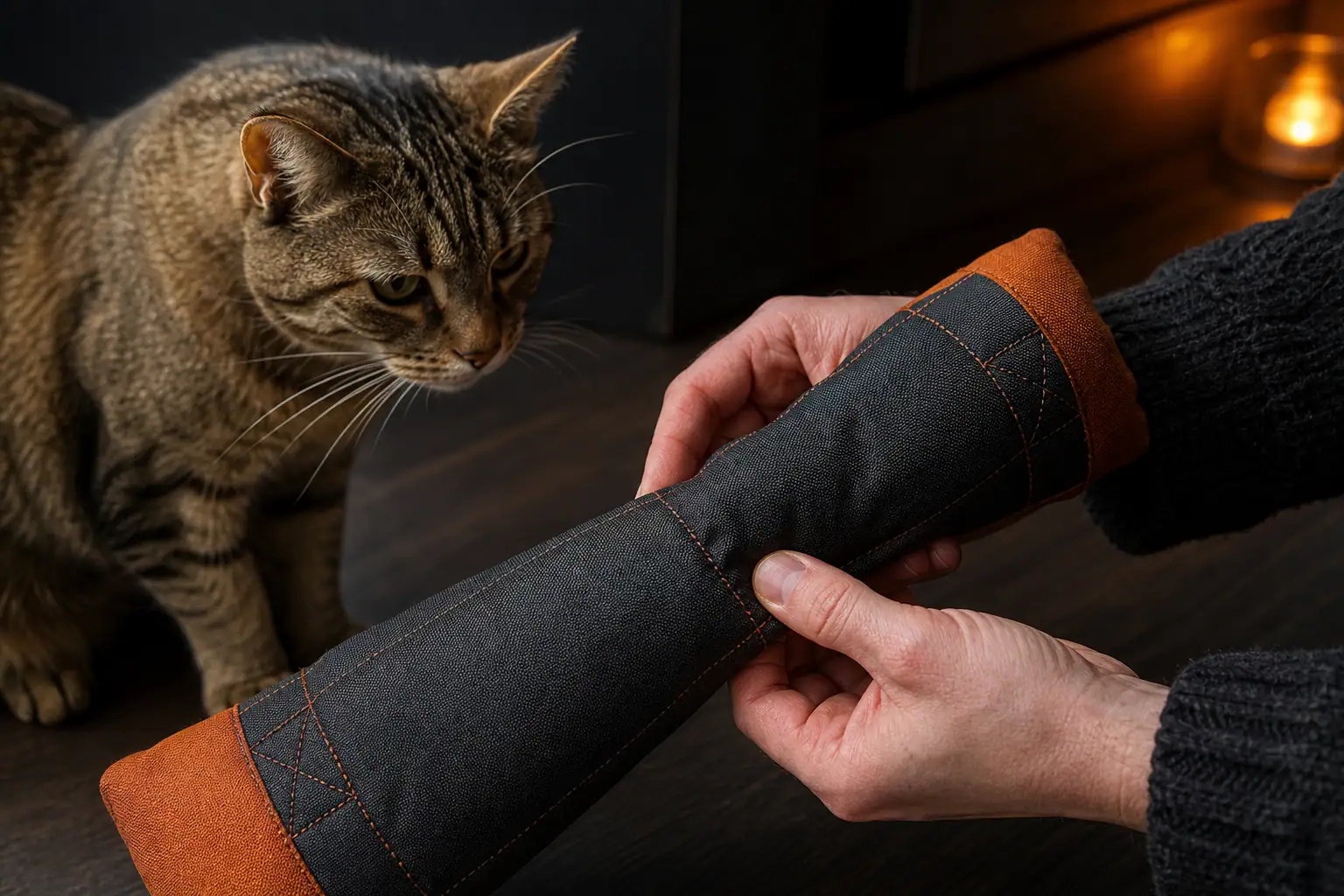
    Our chew-resistant plush toys shrug off sharp teeth and claw attacks while staying soft enough for epic pounces. We use heavy-duty nylon (like the tough fabric on your backpack), ballistic fabric (the same stuff in bulletproof vests), and dense polyester (a firm, fluffy fill) for hours of play. They even squeak just right, oops, did I say squeak? I meant no leaks of fluff.

    Every seam is double-stitched, and loose stuffing is practically zero. So for busy mornings, toss one down the hall before you dash out and sip your coffee in peace, knowing your furball’s safe and happily entertained. Worth every paw-print.

    Chew-Resistant Plush Cat Toys: Materials, Safety, and Durability Overview

    - Chew-Resistant Plush Cat Toys Materials, Safety, and Durability Overview.jpg

    Let’s talk fabrics that shrug off teeth and claws. We start with heavy-duty nylon (like a tough backpack material). Then there’s ballistic fabric (bulletproof-vest cloth that feels toothproof). And we use tightly woven polyester (dense synthetic thread). Your kitty still gets that soft, plush feel while these fabrics handle the roughest play.

    Strong seams are a big deal. We double-stitch every edge with two rows of tight, reinforced threads. At each corner, we add bar tacks (extra thread spots) so there’s no weak point. Fewer exposed seams means your cat can bat and pounce for hours without a rip.

    Inside, we keep stuffing to a minimum. Sometimes we swap loose fiber for foam cores (lightweight cushion material) so nothing flies out if they chomp down. That lighter filling makes it easy to send a toy rolling across the room with just a paw flick. Perfect for solo zoomies when you’re tied up!

    Safety isn’t just about toughness. We use hypoallergenic fabrics that soothe sensitive noses. Every dye and coating clears non-toxic testing, no hidden nasties. And we skip tiny buttons or beads that could become choking hazards. It’s chew-resistant fun you can trust.

    Ever watched your kitty’s whiskers twitch as a plush mouse rolls across the carpet? Your furball will shake it for ten minutes straight, drop it, then pounce all over again. That’s the marathon our toys are built for. Worth every paw print.

    Comparing Top Chew-Resistant Plush Cat Toys

    - Comparing Top Chew-Resistant Plush Cat Toys.jpg

    Ready for a chew-tough challenge? I’ve rounded up five plush toys that can take the fiercest kitty jaws. Each one survived durability tests three times longer than a regular stuffed toy. They use ballistic nylon (a super strong fabric) and reinforced stitching. Plus each hides a catnip or silvervine pouch (silvervine is like extra-potent catnip). Prices run from $8 to $20 so you can find one that fits your budget.

    Product Material Price Durability Rating Special Feature
    Armor Mouse Ballistic nylon (super strong fabric) $9 4.5/5 Silvervine pouch (extra-potent catnip)
    Fortress Fish Heavy-duty nylon (like tough kite fabric) $12 4.2/5 Double-stitched fins
    Pounce Tiger Tightly woven polyester (smooth but strong) $15 4.8/5 Minimal foam core (less bulk, more bite-resistance)
    Chew Champ Ripstop fabric (resists tearing) $20 4.7/5 Built-in crinkle layer for extra sound
    Steel Bunny Ballistic nylon with bar tacks (reinforced points) $18 4.6/5 Hidden catnip pod

    These toys top expert durability tests and real cat-parent feedback. Hard chewers barely make a dent in Armor Mouse or Steel Bunny. Lighter models might fray on very tough jaws. But even those last way longer than normal plush.

    Swap out two or three toys each week. That keeps your cat curious and gives seams a break. It’s a simple trick to stretch playtime without constant replacements.

    Chew-Resistant Plush Cat Toys Durability Testing and Lifespan

    - Chew-Resistant Plush Cat Toys Durability Testing and Lifespan.jpg

    So how do we check if a toy can survive your cat’s wild side? We clip it onto a lab rig. A robot jaw bites down with 50 pounds of force and a claw arm scratches it at a 45 degree angle. It’s like a kitty pouncing and chomping over and over. We log every mark to see how long it holds up.

    Toys with a ballistic nylon core (a tough synthetic fiber) shrug off this rough play for months, even through daily zoomies and chomps. Regular plush might be reduced to fluff in days. That big gap comes from tight weaves and strong stitches that slow down fraying and seam splits.

    In our trial we push each toy through 5000 bite and scratch cycles. Around 1000 plays you spot tiny fuzz balls at the seams. By 3000, edges look rough. At 4000 cycles a top chew-resistant plush still makes a satisfying thud and no rips. Really.

    Ever watch your kitty go from gentle nibble to full-on pounce? Keep an eye on wear so you know when to retire a toy. Key clues:

    • Split seams at corners
    • Fraying fabric edges
    • Exposed stuffing

    Once stuffing starts spilling out, it’s time for a fresh one. Rotating a small stash keeps playtime high and your cat curious. Worth every paw print.

    Safety and Care for Chew-Resistant Plush Cat Toys

    - Safety and Care for Chew-Resistant Plush Cat Toys.jpg

    Hey there, fellow cat fan, you want those tough toys to last, right? Routine care keeps your chew-resistant (fabric that won’t rip) plush pals purring and ready for play. Ever watched your kitty’s whiskers twitch as a toy zooms across the carpet? That’s playtime delight.

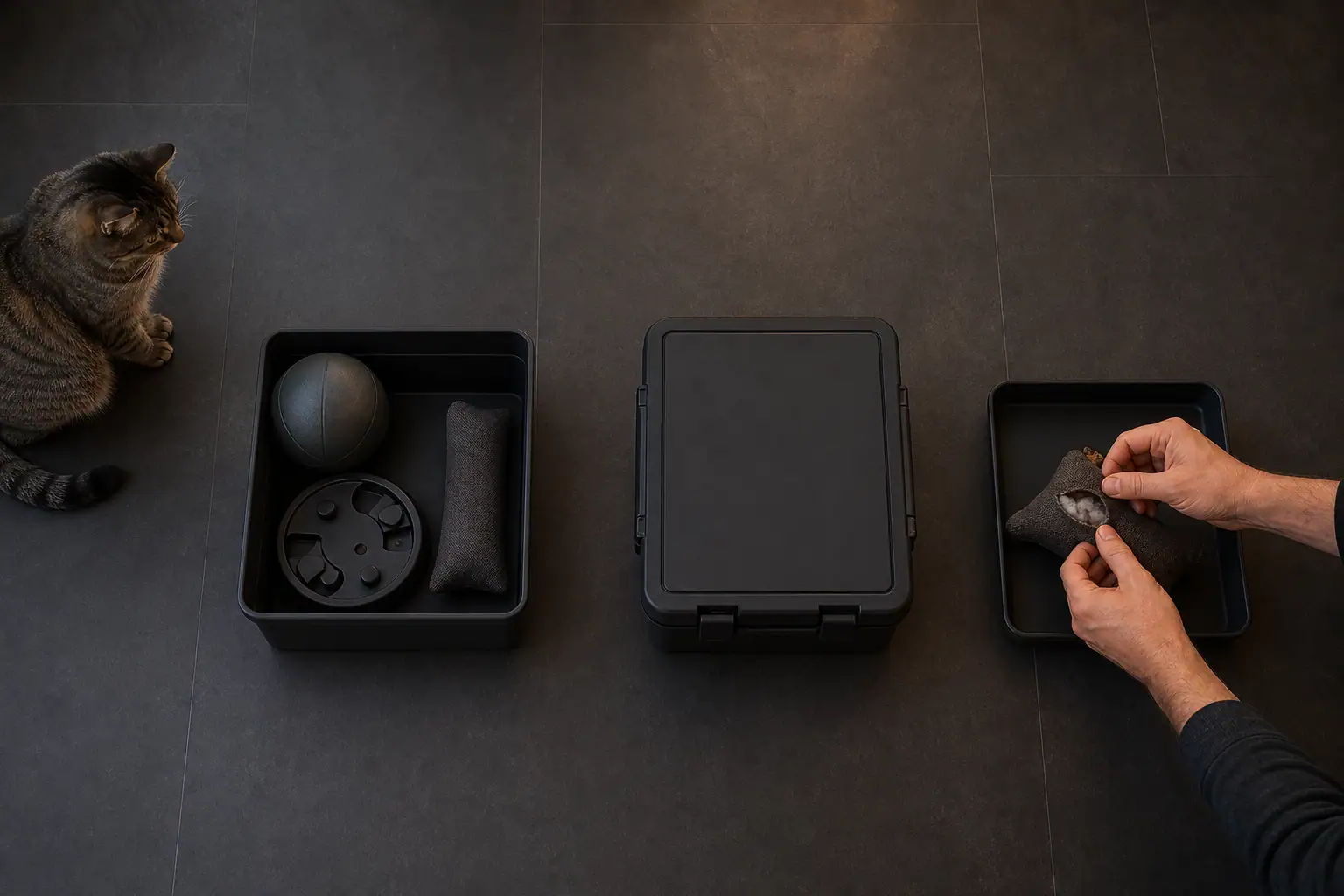
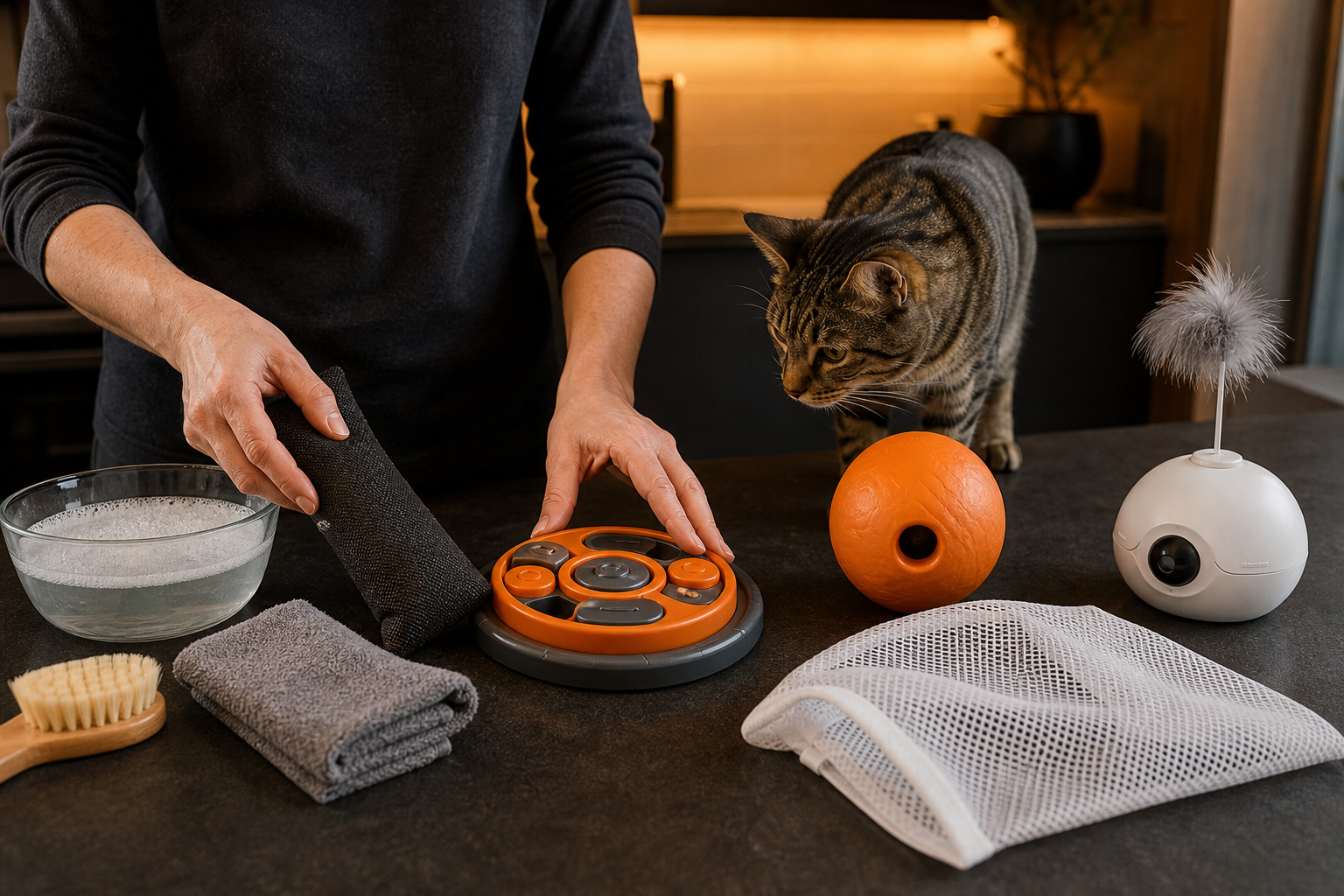
    Um, when a little dirt pops up, spot clean with mild soap and cold water. Most hypoallergenic plush fabrics (soft, easy-to-clean material) handle a gentle hand wash just fine. And if your toy says “machine-washable,” toss it in the washer on a delicate cycle, claw-tastic convenience!

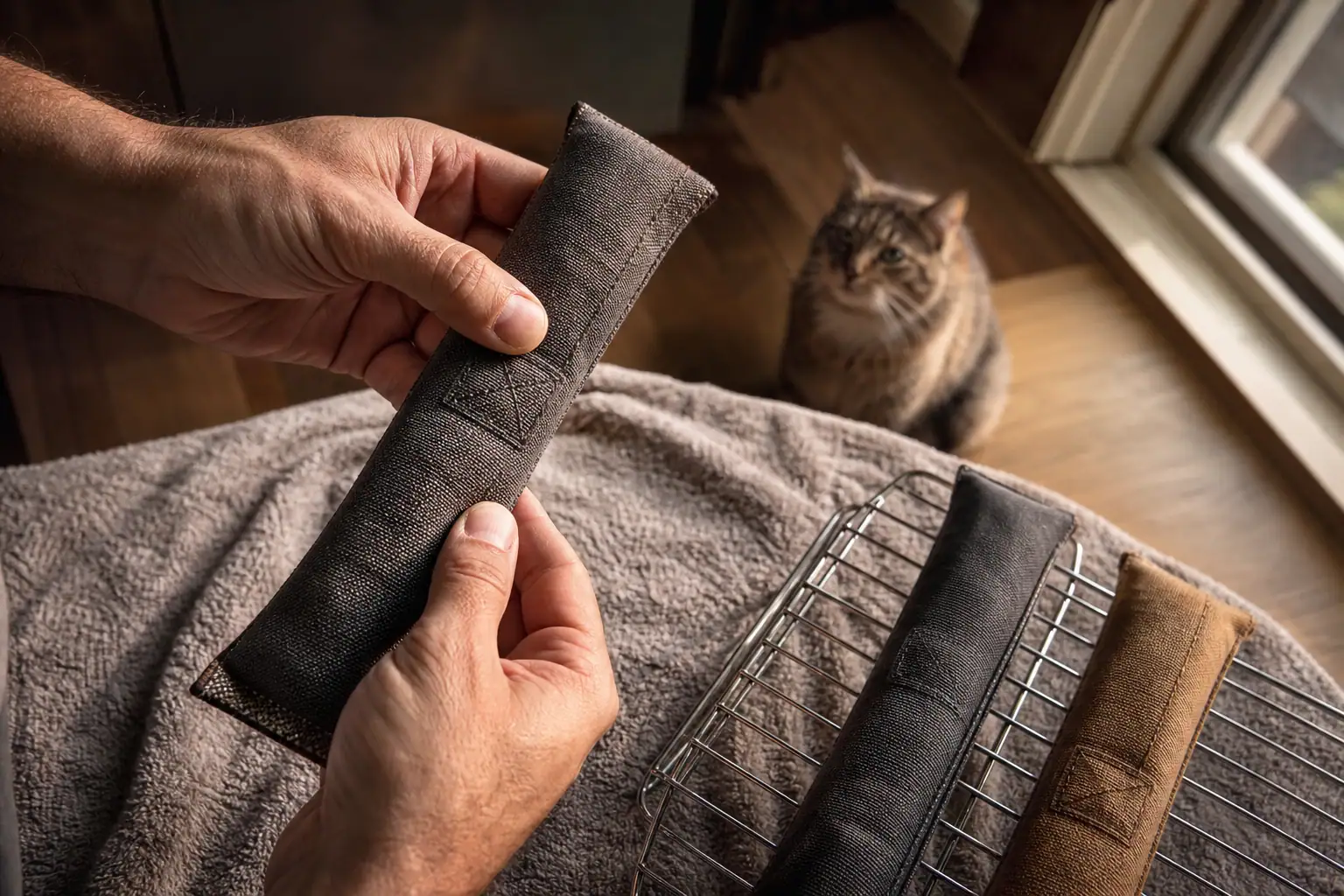
    To guard those precious seams, slide toys into a mesh laundry bag (kind of like a net pouch) before washing. Stick with cold water and a mild detergent. Hot water or harsh soaps can wear down fibers. Then air dry: lay toys flat on a towel or hang them in a breezy spot. Actually, skip the dryer, heat can weaken the fabric over time.

    After every wash and play sesh, give each toy a quick check. Look for loose threads, split stitching, or any foam or stuffing peeking out. Those bits can be a choking hazard if your cat really sinks its teeth in. Tugging at a frayed spot might seem okay, but it can unravel fast. Rotating two or three toys gives each one a breather and helps them last longer.

    Worth every paw-print.

    Here’s a quick care checklist:

    • Spot clean spills right away
    • Hand wash or use delicate cycle for machine-washable toys
    • Slip toys into a mesh bag to protect seams
    • Air dry flat or hang in a well-ventilated spot
    • Inspect for loose threads and exposed stuffing

    Selecting the Right Chew-Resistant Plush Cat Toy for Your Cat

    - Selecting the Right Chew-Resistant Plush Cat Toy for Your Cat.jpg

    Picking a toy that lasts means matching its build to your cat’s stage and bite power. Teething kittens benefit from gentle resistance, while full-grown prowlers need tougher fabrics.

    • Age and teething stage: kitten teething plushies made from soft-yet-durable fabrics (like microfleece over foam) soothe sensitive gums and stand up to tiny bites.
    • Chewing intensity: aggressive chewer solutions call for ballistic nylon cores or double-stitched seams that shrug off hard chomps. mild chewer options can lean into plush with minimal foam stuffing for easier carries.
    • Fabric type and weave tightness: adult cat durability needs often point to ripstop exteriors (crosshatched nylon that stops tears) or tightly woven polyester membranes.
    • Toy size relative to cat: size guide for kittens says small mice fit little paws, while larger plush fish challenge broader jaws, pick a scale that keeps play safe and fun.
    • Interactive or solitary play style: texture contrast benefits like crinkle layers or ripstop panels reward batting and solo zoomies with sound and bounce.

    Try pairing different builds with your cat’s habits, more pounces, fewer shredded toys.

    Buying Options and Pricing for Chew-Resistant Plush Cat Toys

    - Buying Options and Pricing for Chew-Resistant Plush Cat Toys.jpg

    Finding chew-resistant plush can fit any budget. Basic models at pet stores run $8–$12. For tighter budgets, look for budget-friendly durable toys with minimal stuffing and safe coatings. Premium designer plushies with replaceable squeakers and certification tags top out at $15–$20 and often ship with sturdier seams.

    If you prefer shopping in person, in-store purchase tips include testing a sample toy’s weight and checking for loose threads. For a broader selection, try online retailers comparison at big pet sites where you can filter by price tier or materials and read user feedback on chew resistance.

    Subscription box offerings deliver a rotating stash of new plush toys at a discounted rate, perfect for frenetic chewers who need fresh toys weekly. Catteries and shelters can tap wholesale cat toy suppliers for bulk pricing. For crafty cat parents, try DIY indestructible cat toys with simple materials or scoop up indestructible cat toys for kittens designed just for tiny jaws. Mixing purchase channels gives you the flexibility to snag deals and keep your cat’s toy bin fresh.

    Final Words

    After exploring the rugged materials, ballistic nylon, heavy-duty polyester, and seam techniques that help toys resist sharp claws and teeth, you’ve seen how top picks stack up in price and durability.

    Testing tips and cleaning advice keep your feline’s playthings in tip-top shape, and our selection guide helps match each toy to your cat’s chewing style and stage of life.

    Now you’re all set to choose long-lasting chew-resistant plush cat toys and keep stress (and shredded furniture) at bay. Happy playing!

    FAQ

    What are the best chew-resistant plush cat toys for indoor cats and where can I buy them?

    The best chew-resistant plush cat toys for indoor cats are built with heavy-duty nylon (like a tough backpack fabric), reinforced double-stitched seams, and minimal stuffing. Large options are widely available on Amazon.

    What chew toys are good for cats who chew cords and wires?

    Chew toys that are good for cats who chew cords and wires include vinyl-coated chew deterrent tubes, thick rubber cords, and reinforced plush mice with a puncture-proof fabric core.

    What are the top chew toys for aggressive chewers?

    The top chew toys for aggressive chewers use ballistic nylon exteriors, tightly stitched seams, and minimal loose stuffing. Some feature inner polymer (plastic) cores for extra toughness.

    What can I give my cat to chew when teething and what materials are safe?

    When teething, cats can chew on soft-yet-durable fabrics like tightly woven polyester (like a sturdy pillow cover), rubber teething rings, or food-grade silicone snacks. These materials are non-toxic and safe.

    Are Yeowww Cat Toys durable against chewing?

    Yeowww Cat Toys feature thick cotton twill (like a heavy-duty tote bag), tightly stitched seams, and solid catnip filling. They resist moderate chewing, though very persistent biters may fray edges.

    Related Articles

  • hypoallergenic cat breeds russian blue brings relief

    hypoallergenic cat breeds russian blue brings relief

    Ever feel your nose start twitching when a kitty strolls by?
    It’s like a surprise sneeze waiting to happen.
    Most cats carry a protein called Fel d1 (a cat protein that triggers allergy sneezes).

    But enter the Russian Blue, your low-dose hero.
    These silver-soft pals carry just 5 to 2,000 micrograms of Fel d1 per gram of fur (teeny protein specks), so they send far less dander into the air.
    Snuggle time feels more like a gentle hug than a sneeze fest.

    We’ll dig into why Russian Blues often top the allergy-friendly list.
    Then I’ll share a few sneeze-busting tips so you can keep petting, not wheezing.

    Why Russian Blue Is Considered a Hypoallergenic Cat Breed

    - Why Russian Blue Is Considered a Hypoallergenic Cat Breed.jpg

    Ever notice a sneeze attack around cats? It’s the Fel d1 glycoprotein (an allergy protein in kitty saliva, skin oils, and dander). Russian Blues hang out on the low end of that scale. They only have about 5 to 2,000 micrograms per gram of fur. So they’re kinder to allergy noses.

    You might still sniffle a bit. But with this plush, velvety coat, symptoms are usually mild and easy to manage. A quick brush, and you’re good.

    No breed is 100 percent allergy-proof. Even hairless Sphynxes can drop dander flakes (tiny skin bits that float in the air). And those fluffy Siberians? They can send dander flying like confetti.

    In truth, a Russian Blue’s thick double coat traps those proteins close to the skin until you brush them out. That means less airborne dander. Really.

    For more low-allergen pals, check out What Breeds of Cat Are Hypoallergenic?

    If you want one of the best cats for allergy sufferers, this silky-blue buddy often tops the charts. Bonus tip: unneutered male cats can pump out three to five times more Fel d1 than their neutered friends. So spaying or neutering early can keep your evenings sneeze-free.

    Russian Blue Cat Profile: Coat, Shedding, and Allergen Production

    - Russian Blue Cat Profile Coat, Shedding, and Allergen Production.jpg

    We already covered how Russian Blues run low on Fel d1 (the main cat allergen), making them a great pick for allergy sufferers. Ever snuggled up and noticed how soft their coat feels?

    Your Russian Blue’s shedding peaks in spring and fall when they swap out old fur for a new undercoat (a soft, fluffy layer beneath the top fur). You’ll spot extra hairs clinging to your shirt or sofa, that’s your sign to pick up the brush.

    Adult Blues do great with one five-minute brushing session each week. When shedding ramps up, bump that to two or three quick mini sessions, you’ll catch loose hairs before they float around the room. Kittens make even less Fel d1, so spending a few brushing minutes with a kitten is a gentle way to test your limits.

    • Weekly brushing: grab a slicker brush (fine wire bristles) and brush along the direction of fur growth to avoid tugging.
    • Peak-season sessions: split into two or three three-minute routines, short and sweet keeps your cat calm and fur off your floor.
    • Kitten test drive: try brushing a kitten for a few minutes to see if sniffles stay away, you might find your perfect fur-friend.
    • Undercoat comb: finish with a fine-tooth comb to pull out hidden hairs from the fluffy base layer.
    • Fur massage: gently stroke your cat’s back to spread natural oils, leaving fur shiny and skin soothed.

    Worth every paw-print.

    Grooming and Home Care to Minimize Russian Blue Allergens

    - Grooming and Home Care to Minimize Russian Blue Allergens.jpg

    Russian Blues are famous for their plush, silky coats. But all that beauty can fling tiny skin flakes, called dander, into the air and set off sneezes. Let’s talk about easy grooming and home-care tips to keep allergen levels down. You’ll love how fresh the air feels and your cat will purr at the extra attention.

    Grooming Practices

    • Wear gloves and a mask when you brush your cat. It helps catch dander (tiny skin flakes) before you inhale it.
    • Use a slicker brush (fine metal wires on a flat pad) once a week. Brush in the direction the fur lies for a gentle, satisfying sweep.
    • In heavy-shed seasons, split brushing into two or three short sessions. Keep each one to about three minutes so your cat stays chill.
    • Give your cat a bath now and then with hypoallergenic shampoo. Rinse really well so no suds hide in the fur.
    • Ask your vet about omega-3 supplements (healthy fatty acids). They help build a shiny coat that sheds less.

    These steps pull out loose hairs and oils before they float around. That keeps airborne Fel d1 (cat allergen protein) levels nice and low.

    Environmental Strategies

    • Place a HEPA air filter (High Efficiency Particulate Air filter) in your main living area. It traps dust and dander so the air stays cleaner.
    • Vacuum daily with a HEPA-equipped vacuum. Glide it over couches, carpets, and cat towers to scoop up sneaky fur.
    • Cover sofas and beds with washable throws. Wash them every two weeks or whenever shedding peaks.
    • Keep your Russian Blue out of bedrooms (your allergy-free zones). You’ll sleep better without stray dander drifting in.
    • Put the litter box in a well-ventilated corner away from walkways. That way dust and allergen bits stay right where they belong.

    Stick with these grooming and home-care habits. You’ll notice fewer sneezes and a home that feels fresher and more fur-friendly. Breathe easy, friends.

    Russian Blue Temperament and Lifestyle Fit for Allergy Sufferers

    - Russian Blue Temperament and Lifestyle Fit for Allergy Sufferers.jpg

    Behavioral Characteristics

    Eager, smart, and unbelievably loyal, Russian Blues make great pals. They’re a bit shy at first (new-face syndrome?), but once they warm up, you’ll get head bumps and soft purrs. They whisper more than they yowl, so you won’t get serenaded all night. And they usually pick one person to snuggle with, just right if you need a low-stress buddy after work.

    Peaceful spots, you know, make these cats purr happiest. They’ll creep after a toy mouse with laser focus, then flop in your lap for naptime. It’s calm fun with almost no surprise midnight zoomies. That balanced energy feels paw-fect for folks with allergies (people who sneeze around cats).

    Enrichment and Indoor Setup

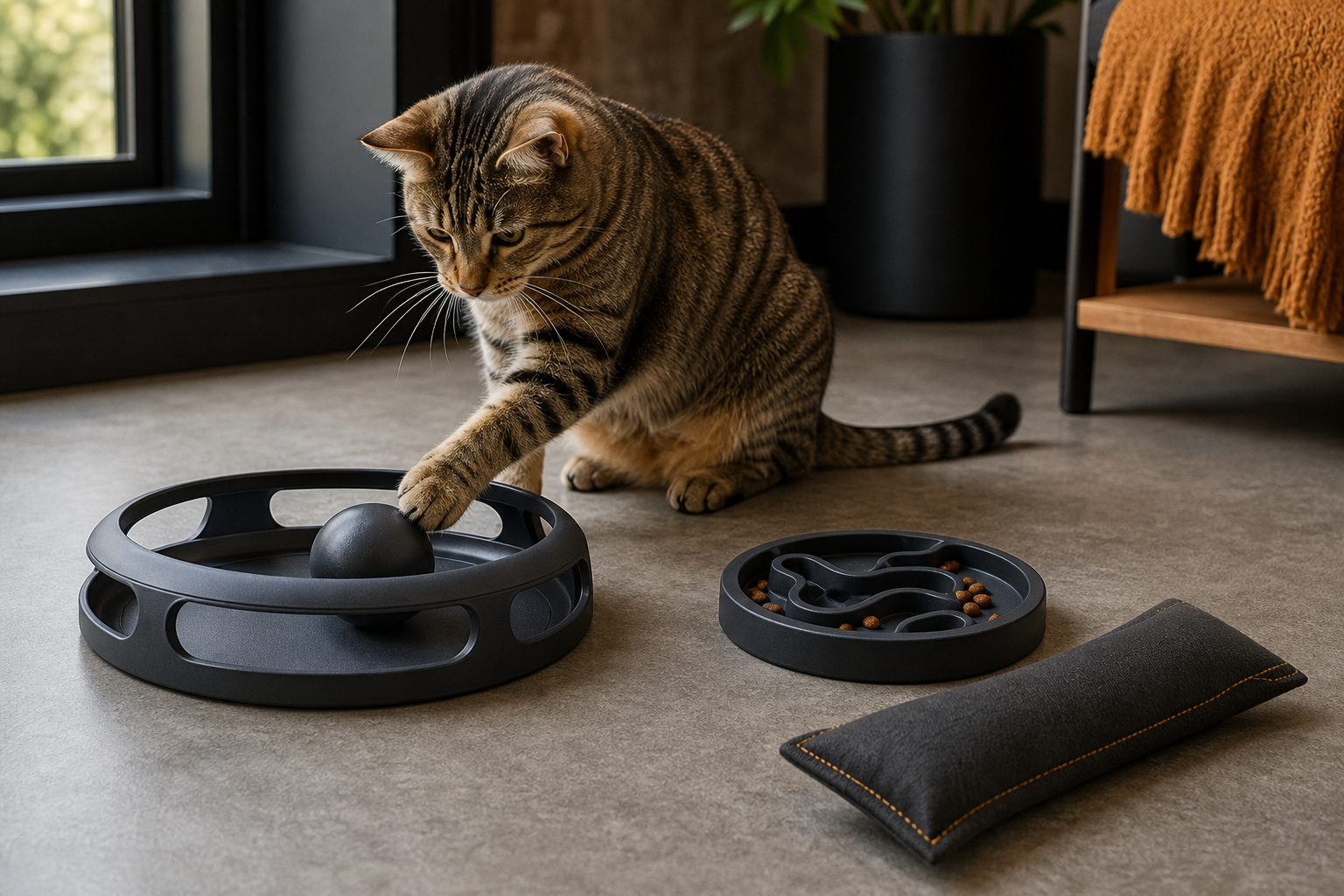
    Ever wonder how to keep your Russian Blue happy indoors? Give them some vertical real estate: a tall cat tree or wall shelf becomes their personal skyscraper for bird-watching. Stash interactive toys, puzzle feeders (treat-hiding toys) and feather wands, and swap them out weekly so your whiskered friend never gets bored.

    A sturdy window perch (a safe spot for sunbathing) is their go-to for bat-at-able bugs and bird TV. Tuck scratching posts near their chill zones so they only shred there, your floors stay mostly fur-free.

    Keep a basket of simple toys, crinkly balls, peekaboo tunnels, and ribbon wands, so they’ll chase and pounce while you’re busy. It’s like giving their inner hunter a workout before cuddle time. With these tweaks, your Russian Blue shows off its calm, curious, cuddle-ready self, ideal for allergy-friendly homes.

    Nutrition and Health Considerations for Hypoallergenic Russian Blues

    - Nutrition and Health Considerations for Hypoallergenic Russian Blues.jpg

    Feeding your Russian Blue a gentle diet can mean fewer sniffles and a shiny coat. Go for wet food that’s about 60–63% whole meat (muscle tissue full of taurine, an amino acid good for heart and eyes) so your cat gets top-notch protein without extra fillers. The rich smell and soft chunks tempt even the fussiest felines.

    Look for added omega-3 (a healthy fat that soothes itchy skin) and vitamin E (an antioxidant that helps fur stay glossy). These buddies team up to calm inflammation and slow down shedding. Ever watched your kitty give you that “feed me” stare? This mix will have them purring at mealtime.

    Skip the fillers, meat-and-bone meals, and animal derivatives (leftover bits from other animal parts). Those can stress sensitive skin and boost dander. Instead, pick a formula with just one or two meat options plus clear nutritional boosts, think turkey or fish plus a bit of pumpkin for digestion. For kittens, a bit more fat helps growing muscles and brains, so lean toward a whole-meat ratio that’s kitten-approved.

    Feed your Russian Blue two or three small meals a day. Aim for 25–30 calories per pound of body weight, that keeps your cat trim and spry. And don’t forget fresh water bowls in every room. Hydration plumps up skin cells and fights off flaky dander.

    You’ll see changes fast:

    • In about a week, bowel movements should firm up, good digestion is a happy cat.
    • In two to four months, expect fewer hairballs and less fur on your sofa.
    • By six months, your cat’s immune system and organs will thank you with a soft, lush coat.

    For extra support, ask your vet about probiotics (friendly gut helpers) and an omega-3 supplement. A quick check-in every six months makes sure all those nutrients stay balanced. Feed smart, and your Russian Blue will stay plush, and you’ll dodge those sneeze attacks.

    Adopting and Preparing Your Home for a Hypoallergenic Russian Blue

    - Adopting and Preparing Your Home for a Hypoallergenic Russian Blue.jpg

    Allergy testing means spending a few hours with a purring Russian Blue. Ask to visit a foster home or a breeder’s lounge and watch for sneezes or itchy eyes. It’s like a quick check to see if you’ll be feline fine together.

    A breeder who measures Fel d1 (the protein that makes you sneeze) or asks you over for a proper meet-up really cares about your sniffles. And neutering at 4 to 6 months can cut Fel d1 levels by up to five times. Your future furball will be so purr-fectly chill. Imagine its whiskers twitching as it explores its new home.

    • Tuck away loose cords and anchor wobbly shelves. Swap fragile decorations for sturdy, unbreakable toys.
    • Block off bedrooms so you get a sneeze-free zone for dream-filled naps.
    • Add tall cat trees and wall shelves for sky-high play and fewer hairs on your floor.
    • Fit strong window screens or childproof locks to keep your little escape artist safe.
    • Cost check: adopting from a shelter usually starts around $75, while a reputable breeder might ask $800 to $1200. Plan another $100 to $200 for microchipping (tiny ID chip) and that first vet exam.

    Don’t skip microchipping and your first wellness visit. Knowing your kitty is safe and healthy helps everyone breathe easier.

    Worth every paw-print.

    Final Words

    In the action, we explored why Russian Blues are a top pick for sensitive noses: they produce far less Fel d1 and sport that dense plush coat that’s simple to groom.

    We covered brushing schedules, air purifiers, and puzzle toys to keep your multi-cat crew busy and calm, and even tips on diet and indoor playgrounds to cut stress and snag a few pounces.

    You’ve also got the lowdown on vet checks, home prep, and how to bring one of the best hypoallergenic cat breeds russian blue into your life with sneeze-free snuggles ahead.

    FAQ

    Are Russian Blue cats hypoallergenic?

    Russian Blue cats are considered hypoallergenic because they produce lower levels of Fel d1 allergen in their saliva and dander, often triggering only mild reactions in people with moderate cat allergies.

    What is the #1 most hypoallergenic cat breed?

    The Siberian cat ranks as the most hypoallergenic breed, thanks to its naturally low Fel d1 output, making it a top choice for allergy sufferers seeking gentle, furred companions.

    How much does a Russian Blue cat typically cost?

    A Russian Blue kitten from a reputable breeder usually costs between $600 and $1,200, while adoption fees run from $150 to $400, depending on age, pedigree, and location.

    Are Russian Blue cats low shedding?

    Russian Blue cats shed moderately twice a year and benefit from weekly brushing to control loose hairs and reduce airborne allergens in your home.

    Where can I adopt or purchase a Russian Blue cat?

    You can adopt a Russian Blue through cat rescue organizations or find breeders who offer meet-and-greets, ensuring you choose a healthy, allergy-friendly kitten with clear health screenings.

    Are Siberian cats hypoallergenic?

    Siberian cats are often labeled hypoallergenic because they naturally produce minimal Fel d1 allergen, making them a strong alternative for allergy sufferers seeking a long-haired feline friend.

    Related Articles

  • feline leukemia virus Healthy Cat Care Advice

    feline leukemia virus Healthy Cat Care Advice

    Ever noticed how your kitty’s gentle grooming can turn into a health scare? Um, that happens with FeLV (feline leukemia virus, a tiny germ that lowers cat defenses).

    This sneaky virus weakens the immune system (your cat’s natural shield), causing anemia (when there aren’t enough red blood cells) and even cancer. About 30 percent of exposed cats can’t clear the infection (when the germ sticks around). FeLV is the second leading cause of feline death. Most long-term cases don’t make it past three years. Really.

    But don’t panic. A simple blood test (a vet check with a tiny prick), isolating infected cats, and extra immune-boosting care (good food and regular checkups) can protect your purring pal.

    Worth every paw-print.

    Ready to keep your kitty feline fine? Let’s dive into FeLV’s hidden life cycle, the subtle signs to watch for, and friendly cat-care tips to keep those whiskers twitching.

    Understanding Feline Leukemia Virus: Causes, Lifecycle, and Impact

    - Understanding Feline Leukemia Virus Causes, Lifecycle, and Impact.jpg

    Feline leukemia virus (FeLV) is a contagious retrovirus that affects domestic cats, causing immunosuppression, anemia, and lymphoma. This retroviral disease in cats is the second leading cause of death, wiping out about 85% of cats with persistent infection within three years of diagnosis.

    When a cat faces potential exposure, roughly 70% either resist or clear the virus. But about 30% go on to a persistent feline leukemia virus (FeLV) infection that can last for life. FeLV infection hides in the body and can flare up under stress or when the immune system dips.

    This virus targets only feline hosts. It cannot move from cats to humans, dogs, or other species. That cat-only profile makes household testing and isolation key steps.

    The virus attacks white blood cells, bone marrow, and lymphoid tissue. Loss of these cells leads to a weakened immune system, chronic anemia, and cancers like lymphoma. Visible signs might include pale gums, recurring infections, and weight loss.

    Close contact is the main way this virus moves from one individual to another. Saliva from grooming, bite wounds, and shared bowls carry enough virus. It can also travel by blood and, less often, urine or feces. But outside a cat’s body it lives only a few hours.

    Feline leukemia virus infection follows clear virus lifecycle stages. In the abortive stage, cats clear the virus without lasting infection. The regressive stage sees the virus retreat to bone marrow while disappearing from the blood. The progressive stage brings persistent viremia, active symptoms, and contagious shedding.

    Transmission Routes of Feline Leukemia Virus

    - Transmission Routes of Feline Leukemia Virus.jpg

    FeLV usually spreads when cats get up close – think grooming with whiskers tickling, sharing the same bowl, or playful scratches and bites where saliva (or blood) slips into a fresh wound. Ever watched your kitty chase shadows only to end up in a tumble? It’s quite the show!

    Sometimes kittens pick up FeLV before they’re born – that means in utero (inside the mother) – or later while drinking milk from an infected queen (mama cat). Sneaky, right?

    Healthy-looking cats, called asymptomatic carriers (cats that show no signs), can shed the virus every day. That quiet housemate purring on your lap might actually be a secret source of infection.

    To keep your furry crew safe, try these simple tips:

    • Wash food and water bowls and your cat’s bedding every few days.
    • Set up a cozy quarantine corner for any newcomer for about a week and watch for sneezes or low energy.
    • Ask your vet to test new or unwell cats before they join the rest of the gang.

    The virus only lives a few hours outside a cat. Regular cleaning and quick health checks help keep everyone feline fine.

    Worth every paw-print.

    Clinical Manifestations of Feline Leukemia Virus

    - Clinical Manifestations of Feline Leukemia Virus.jpg

    Sometimes FeLV shows up in the smallest moments, like when your cat flops onto your warm laptop instead of chasing a toy. You might notice she seems extra sleepy, her gums look pale, she’s running low-grade fevers, or she’s shedding weight and muscle (cachexia (severe muscle wasting)). It’s a bit heartbreaking to see that soft purr turn into a heavy sigh.

    A routine blood test can spell it out, anemia (low red blood cells), neutropenia (fewer infection fighters), and lymphopenia (low lymph cell counts). That anemia can zap energy so fast that even a stroll down the hall feels like a major workout. Ever watched your kitty drag her paws like she’s ready for a nap mid-stride?

    Next up: mouth woes. Gingivitis (gum inflammation), stomatitis (mouth swelling), and mucosal ulcerations (tiny mouth sores) can make each purr a little painful. You might catch her batting at her chin instead of licking her paw. Poor thing.

    If FeLV sparks lymphoma, you may feel little lumps under the jaw or behind the knees, that’s swollen glands (lymphadenopathy (gland swelling)). The spleen can puff up too, making her belly look bloated and making her reluctant to leap. It’s like carrying a soft pillow around all day.

    With her defenses down, secondary infections love to move in. Urinary tract infections, skin abscesses, chronic sniffles, even pneumonia from opportunistic bugs can pop up. One day she’s rubbing against your leg, the next you’re back at the vet’s, yikes.

    In more advanced stages, neurologic signs sneak in. Your cat might wobble when she walks, show little tremors, or make odd sounds in her sleep. Ever hear a sleepy meow turn into a weird chirp? That could be a clue.

    Catching these signs early really helps your vet customize care and keep your furball feeling somewhat claw-tastic. Worth every paw-print.

    Diagnostic Methods for Feline Leukemia Virus

    - Diagnostic Methods for Feline Leukemia Virus.jpg

    ELISA screening (Enzyme-Linked Immunosorbent Assay, a quick blood test for virus markers) is your first line of defense. It’s a little poke, you know, during your cat’s routine wellness exam, your furball might barely notice the tiny prick. Ever watched your kitty barely flinch while the vet draws a drop of blood? Results show up in minutes and flag protein spikes or anemia (low red blood cells), so the vet knows if it’s time to dig deeper.

    To catch those sneaky late bloomers, vets rerun the ELISA 8 to 12 weeks after possible exposure. Cats that clear the virus will flip negative, big relief for everyone. If it’s still positive? No need to panic. By month three most kitties test clear, but a repeat positive means extra steps.

    Next comes IFA confirmation (Immunofluorescent Assay, a lab test to spot infected cells). This finds cats in a progressive phase, once that’s underway, clearing the virus gets tougher. Then there’s PCR (Polymerase Chain Reaction, a DNA-tracing tool) to hunt hidden proviral DNA in blood or tissues. It’s like sending in microscopic detectives to sniff out every trace.

    Don’t skip the basics: a blood screen plus a hematology panel (counts of red and white cells). That helps you spot anemia, neutropenia (low infection-fighting cells), or lymphopenia (low immunity cells). It’s your roadmap for knowing when red cells dip or white cells need backup.

    And imaging can help too, radiography (X-ray) and ultrasound (sound-wave imaging) catch an enlarged spleen or swollen lymph nodes. For the final word on marrow health, a bone marrow biopsy (tissue sample from inside the bone) seals the deal. Worth every paw print.

    Treatment and Management of FeLV Infection

    - Treatment and Management of FeLV Infection.jpg

    It’s tough, but there’s no cure for feline leukemia virus. So our main goal is to stop extra infections with broad-spectrum antibiotics. We also explore antiviral treatments (drugs that slow viral copying) to give immune cells a fighting chance. These meds come as pills or injections, depending on your cat’s comfort.

    A popular choice is AZT (zidovudine). With AZT, your cat may eat better and have bursts of energy. Ever seen your kitty chase a feather wand again? That’s the magic of AZT! Vets can also try recombinant feline interferon (lab-made immune booster) or low-dose corticosteroids (anti-inflammation meds) for sore mouths.

    Dehydration can hit after fevers or poor eating. That’s when fluid therapy helps. Picture a warm, needle-free fluid bag under the scruff – some cats even lean in for a little scruff massage while it drips. We often add tasty calorie gel (yummy energy boost) to support muscle tone and help your furball gain weight.

    If anemia is severe, a blood transfusion may be needed. To grow new red blood cells, vets can use hematopoietic growth factors (stuff that tells the body to make blood). And immunomodulatory drugs help fine-tune your cat’s immune response, almost like tuning a radio until the signal is clear.

    For long-term care, plan on twice-yearly vet exams and lab tests to check blood counts and organ health. Keep parasite control and vaccinations up to date. This routine acts like a safety net to help your kitty stay stable and playful. Worth every paw-print.

    Prognosis and Quality of Life for FeLV-Positive Cats

    - Prognosis and Quality of Life for FeLV-Positive Cats.jpg

    Facing a progressive FeLV (feline leukemia virus) diagnosis is tough. I know, my heart dropped when I first heard “progressive.” In fact, about 85 percent of cats in this stage pass away within three years.

    Still, knowing what affects the outcome can help you plan tests and care. Key things include the infection phase, anemia (low red blood cells), any lymphoma (cancer in lymph nodes), and how your furball responds to supportive care.

    Cats in a regressive phase often do better. Some even stretch past five years of comfy cuddles and sunbeam naps with close attention. These numbers help you set realistic goals for playtime, vet visits, and those special kitty snuggles.

    To check your cat’s day-to-day vibe, watch for small clues. Ever watched your furball go from a playful pounce to a slow stroll? Notice:

    • Activity level: chasing feather wands or slow strolls
    • Appetite: gobbling their meal or leaving bits behind
    • Weight: firm muscles or a slimmer frame
    • Infections: frequent UTIs (urinary tract infections) or clear check-ups

    Gentle palliative care eases tougher days. Follow your vet’s pain relief plan and offer soft food blends. Try gentle tooth brushing and spread cozy blankets. Set up easy-access perches.

    End-of-life choices might come when chronic anemia (low red blood cells), stubborn infections, or unmanageable pain outshine purrs and play. Saying goodbye is never easy, and knowing when to let your kitty rest is one of the kindest gifts you can give.

    Prevention and Vaccination Strategies Against Feline Leukemia Virus

    - Prevention and Vaccination Strategies Against Feline Leukemia Virus.jpg

    Keeping your kitty safe starts with core feline shots. FeLV (feline leukemia virus) vaccines begin at eight to nine weeks old. Then you’ll give a booster three to four weeks later. After that, plan a yearly revaccination to keep those immune defenses strong year after year.

    And don’t forget testing. Always test cats at least 30 days after any possible exposure. Only FeLV-negative cats should get the vaccine so you don’t stress their immune system. A simple blood test at your vet’s office does the trick.

    Recombinant vaccines use harmless protein bits to teach your cat’s immune system to spot FeLV. Studies show 80 to 100 percent efficacy in stopping persistent viremia (virus hanging out in the blood). Pretty impressive stats for a tiny shot. Really.

    In shelters, environment control is key. Quarantine every new arrival in a quiet room for a week. Keep food and water bowls separate, no communal feeding. Got barn or feral feeder cats? Test them before they meet your residents.

    Indoor-only policies add another safety layer. Limit outdoor access or use secure enclosures. Clean litter boxes, bowls, and bedding with a cat-safe disinfectant every few days. It’s simple sanitation that cuts down on stray virus on surfaces.

    Watch for sniffles, mild fever, or soreness at the injection site. Curious about post-vaccine care? Check how long do cat vaccine side effects last for tips on spotting and soothing mild reactions.

    A well-vaccinated crew builds herd immunity, each protected cat helps shield the whole gang from FeLV. Worth every paw-print.

    Care Protocols and Owner Education for FeLV-Positive Cats

    - Care Protocols and Owner Education for FeLV-Positive Cats.jpg

    FeLV-positive kitties need to stay indoors and be neutered (spay/neuter surgery to remove reproductive organs). That keeps stress low and stops the virus (feline leukemia virus) from spreading. Ever watched your cat chase a sunbeam on the carpet? A calm routine, cozy nap spots, set mealtimes, works wonders for your peace of mind and theirs.

    Environmental enrichment is a must. Add a window perch, a puzzle feeder (a toy that makes cats figure out how to get kibble), and a crinkly ball or jingle toy. Different heights and textures turn your living room into a mini adventure park without ever opening the door. Your kitty’s whiskers will twitch with delight!

    Use a simple health log to note appetite, weight, temperature, and odd behaviors. Stick a chart on the fridge or jot notes in your phone. When you spot skipped meals or extra hiding, you’ll catch problems fast. Really.

    Schedule a vet check every six months for blood panels (basic tests to look for disease in the blood) and parasite checks (searching for fleas, ticks, or worms). Your vet can show you infection signs, syringe-feeding basics (using a feeding syringe), and how to clean litter boxes and bowls safely. Keeping things tidy means a happier, healthier cat!

    In a multi-cat home, spread out food bowls and litter boxes, one set here, another set there. That way your fur crew won’t jostle or squabble over resources. And everyone feels like they got their own special spot.

    Finally, set up reminders, use a phone app or a printed calendar for meds and appointments. That way no pill or checkup slips through the cracks, and your furball stays purr-fectly cared for.

    Final Words

    We’ve dived into feline leukemia virus biology, from infection routes to its impact on immunity.

    We traced saliva and blood transmission, flagged anemia and lymphadenopathy as red flags, and stepped through ELISA, IFA, and PCR diagnostics.

    We laid out treatment strategies, from AZT therapy to supportive care, and talked about regular wellness checks. We also covered prognosis, vaccine timing, and daily care routines for multi-cat homes.

    With testing, vaccines, and stress-busting toys in place, managing feline leukemia virus in your household feels both possible and paw-sitive.

    FAQ

    What virus causes feline leukemia?

    Feline leukemia is caused by feline leukemia virus, a retrovirus infecting cats exclusively and attacking white blood cells, bone marrow, and lymph tissues.

    What are common symptoms and first signs of feline leukemia?

    The common symptoms of FeLV include weight loss, lethargy, pale gums, fever, and frequent infections. Early signs often show chronic anemia or swollen lymph nodes.

    What are the final stages of feline leukemia?

    The final stages of FeLV infection show severe anemia, organ failure, cachexia (extreme weight loss), neurological deficits, and unmanageable infections requiring palliative comfort measures.

    How contagious is feline leukemia virus?

    FeLV spreads mainly through close contact like grooming, sharing bowls, or bite wounds. Casual contact and brief environmental exposure rarely spread the virus due to low outside-host survival.

    Can humans catch FeLV?

    FeLV cannot infect humans; it targets only cats, so there is zero risk of transmission to people, dogs, or other species.

    How long do cats with FeLV typically live?

    Cats persistently infected with FeLV usually live one to three years after diagnosis, while regressive or cleared cases can live much longer with a normal lifespan.

    Can a cat recover from FeLV?

    About 70% of cats exposed to FeLV clear the virus or resist infection. Regressive cases suppress the virus, test negative in blood, and often never develop symptoms.

    How is feline leukemia treated?

    FeLV treatment focuses on managing symptoms with antibiotics for infections, antiviral drugs like AZT, supportive fluids, nutritional supplements, and regular veterinary checkups rather than a cure.

    Is there a vaccine for FeLV?

    A recombinant FeLV vaccine is available, starting at eight weeks with boosters and annual revaccination. It prevents persistent infection in 80–100% of healthy, virus-negative cats.

    What kills FeLV on surfaces?

    Standard disinfectants like bleach solutions or quaternary ammonium compounds inactivate FeLV within minutes. Clean bowls, litter boxes, and bedding regularly to remove viral particles.

    Related Articles

  • Benefits of indestructible cat toys deliver lasting joy

    Benefits of indestructible cat toys deliver lasting joy

    Ever watched your kitty tear a stuffed mouse to bits faster than you can blink?
    Stuffed toys don’t stand a chance against sharp claws and top-speed zoomies.
    I once saw Luna fly off her scratching post just to shred a plush bird in under 30 seconds. Really.

    That’s why we love indestructible cat toys made of sturdy plastics (strong safe plastic), vinyl (waterproof sheet), or latex (stretchy rubber).
    It’s like giving your cat purr-fect armor for play.
    They shrug off chomps, scratches, and wild pounces. No fluff survives!

    In this post, we’ll explore how these unbreakable pals save you money, keep your cat active, and turn playtime into long-lasting joy.

    Worth every paw print.

    Benefits of indestructible cat toys deliver lasting joy

    - Key Advantages of Indestructible Cat Toys.jpg

    Ever watched your kitty tear a stuffed mouse to shreds in seconds? Plush toys fall apart fast under sharp nails and wild zoomies. That’s why cat toys made from sturdy plastics (strong, safe plastic), vinyl (waterproof sheet), or latex (stretchy rubber) are a game changer. They shrug off chomping and batting so your cat can play on.

    Fed up with tossing torn toys in the trash? Tough toys mean fewer replacements, so you save time and cash. No more late-night runs to the pet store. Oops, did I mention they’re easy on any budget?

    • Shrug off chewing and scratching with materials that stay whole
    • Skip stuffing or small parts to cut choking or swallowing risks
    • Last for months or even years instead of just weeks
    • Turn playtime into exercise with batting, chasing, and treat games
    • Mix up textures, crinkle noises, or secret treats for extra fun
    • Help food-driven cats work for meals and keep a healthy weight

    It’s more than a toy. It’s a mini gym, puzzle, and mood booster all in one. Watch your whiskered pal pounce, swat, and solve for snacks instead of snoozing. That kind of play keeps them fit, curious, and feline fine.

    Promoting Physical Exercise with Indestructible Cat Toys

    - Promoting Physical Exercise with Indestructible Cat Toys.jpg

    Playing around isn’t just fun. It helps your indoor kitty stay slim and strong. A super-tough toy can take wild swats and zoom across the floor without shredding. Uh, no torn seams or giant fluff clouds on your rug.

    Ever watched your tuxedo cat zoom past your legs chasing a bouncy ball? Their whiskers twitch as it hops along. You get a front-row seat to pure cardio and zero mess. Your heart might race right along with them.

    So what toys keep the action going? Check these claw-tastic picks:

    • Treat-dispensing balls like the PetSafe SlimCat: hard polymer (strong plastic) that rolls around and drops kibble.
    • Motion-activated robotic mouse: nylon shell (durable fabric-like material) that darts away when your cat steps near.
    • Spinning teaser wand: feathers (soft plumes) whirling on a battery-powered stick for high-flying leaps.

    Each of these indestructible toys is built to last. Your cat can go solo when you’re tied up. Or grab the wand and join the fun next time. Your living room becomes a kitty gym.

    Worth every paw-print.

    Enhancing Mental Stimulation and Stress Relief with Durable Cat Toys

    - Enhancing Mental Stimulation and Stress Relief with Durable Cat Toys.jpg

    Puzzle feeders (toys that hide kibble inside) and treat dispensers turn snack time into a brain game. Your cat bats and rolls the toy just right to release each crunchy bite. This kind of play boosts their problem-solving skills and keeps those whiskers twitching in delight, not drooping out of boredom.

    Over time, these clever gadgets help curb pillow-tussling and couch chewing by channeling your feline's energy into a hunt for tasty rewards. What a win-win!

    Scent and texture bring extra fun, especially when catnip (a natural herb that drives cats wild) is in the mix. Um, a sturdy kicker toy stuffed with organic catnip gives your kitty something to sink their claws into, sending them into epic rolls and happy purrs. Ever watched your cat go full ninja over a crinkle toy?

    Crinkle panels (noisy fabric layers) on a plush mouse invite stalking and pouncing, soothing anxious cats with satisfying rustles. Even a simple rubber ball with raised ridges offers sensory play that eases stress and keeps shy or jittery kitties purring calm.

    Worth every paw-print.

    Safety and Dental Health Advantages of Indestructible Chew Toys

    - Safety and Dental Health Advantages of Indestructible Chew Toys.jpg

    Ever watched your cat go to town on a toy?
    These chew toys use BPA-free plastic (no harsh stuff) so your kitty stays safe.
    They’re lab-tested to keep chemicals away from curious little mouths.
    The tough polymer (like a super-strong material) can handle marathon chomp sessions.

    I once watched my tabby gnaw for ten straight minutes, no damage.
    Purr-fect peace of mind.

    The design is ouch-proof, with no stuffing, bells, or loose bits that can break off.
    Uh, no fluff clouds to choke on.
    The toys snap together with a shell instead of glued seams, so nothing peels away, no matter how hard your kitty chomps.
    That means worry-free play for teen kittens and wise old cats alike.

    These toys have raised ridges and bumps that act like a tiny toothbrush on your cat’s teeth.
    With each chomping session, the ridge edges scrape away plaque and tartar, giving their gums a little tickle.
    Some even have soft nubs that massage sensitive spots after a long catnap.
    And sparkly clean chompers mean fewer surprise vet visits later.

    Worth every paw-print.

    Selecting and Maintaining Top-Rated Indestructible Cat Toys

    - Selecting and Maintaining Top-Rated Indestructible Cat Toys.jpg

    So you need a toy that can stand up to your cat’s wild energy. Ever seen your kitty bat a toy across the room? Let’s break it down. First, vet endorsements or solid warranties give you confidence that the toy really lasts. Match the size and weight to your kitty, you don’t want them chasing a bowling-ball-on-wheels. And tiny parts? Oops, just a nibble away from trouble. Don’t forget materials: BPA-free plastic (no harmful chemicals) or vinyl (flexible plastic) sleeves can survive marathon chomp sessions. For more tips, check out how to choose indestructible cat toys.

    Quick Tips for Choosing and Caring

    • Pick toys with vet endorsements, strong warranties, or lifetime guarantees so you know they’re built to last.
    • Choose non-toxic materials and the right size based on your cat’s jaw strength and play style.
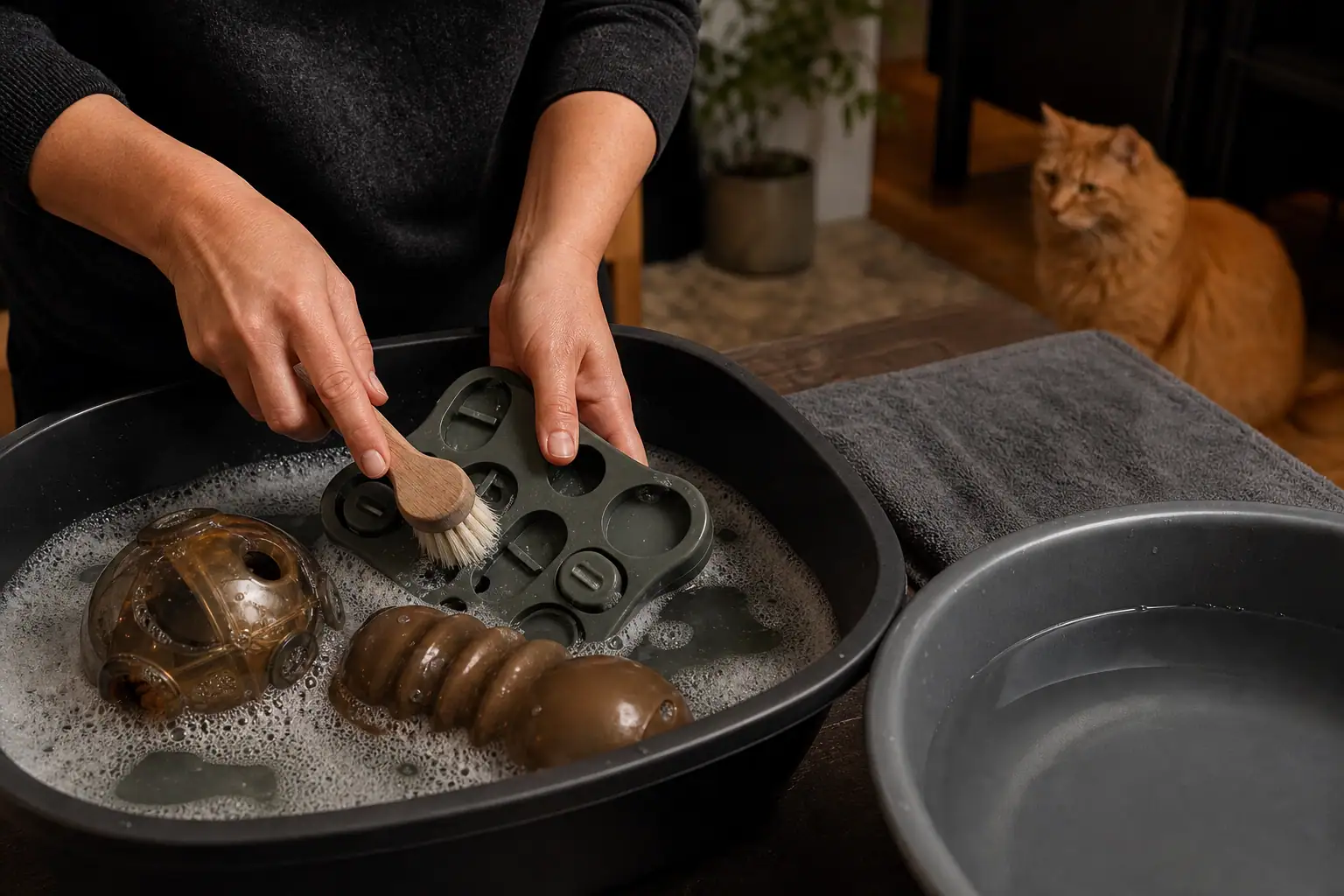
    • Go for designs that are easy to clean, think dishwasher-safe parts or surfaces you can just wipe down.
    • Inspect every week and retire any toy with cracks, loose bits, or rough edges to avoid surprises.

    Want to keep germs and fur clumps out of every nook? Just wipe with mild soap or pop the toy in the dishwasher’s top rack. Store toys in a bin off the floor to cut down on moisture and weird smells. Stick to this simple routine, inspect, clean, replace, and you’ll extend each toy’s life, keep paws happy, and save on replacements. Worth every paw print. um, that’s all!

    Final Words

    In the action of exploring how ultra-durable materials trump standard cat toys, you saw why Titan Claws playthings outlast the rest and save you money. Fewer replacements mean more time spent enjoying playful pounces.

    You learned how treat-dispensing balls and puzzle feeders fuel exercise and curiosity, while non-toxic, chew-resistant designs protect teeth and furniture. Washing them is simple, and size-matching keeps playtime safe.

    All these tips aim for lively, stress-free cats. Here’s to pawsome days and the benefits of indestructible cat toys lighting up every zoom and snuggle.

    FAQ

    What are the benefits of indestructible cat toys?

    Indestructible cat toys resist chewing and shredding, last longer, save replacement costs, and offer safe, engaging textures for batting, chasing, and treat-dispensing to keep cats active and healthy.

    Why do cats shred toys?

    Cats shred toys to simulate hunting instincts, explore textures, relieve boredom and stress, sharpen claws, and test durability—a healthy behavior that mirrors natural predatory play.

    How do catnip toys work and how long should I let my cat play with them?

    Catnip toys release nepetalactone oil, triggering playful, relaxed behaviors for about 5–15 minutes. Let sessions run 10 minutes or less to avoid overstimulation and keep your cat excited next time.

    What makes Yeowww catnip toys popular?

    Yeowww catnip toys feature sturdy fabric pouches filled with strong organic catnip, offering durable, potent play sessions that entice chasing, kicking, and rolling while resisting shredding for longer enjoyment.

    Do cats get emotionally attached to toys?

    Cats can form emotional bonds with specific toys tied to comfort, scent, and routine. Familiar toys reduce stress, provide security, and offer mental stimulation when owners are away.

    Why are puzzle toys good for cats?

    Puzzle toys challenge cats to solve treat-release mechanisms, boosting mental stimulation, relieving boredom, promoting healthy feeding habits, and reducing destructive behaviors through engaging problem-solving play.

    Related Articles

  • are siamese cats hypoallergenic Allergy-Friendly Housemates

    are siamese cats hypoallergenic Allergy-Friendly Housemates

    Ever heard someone say a Siamese cat won’t trigger your sniffles? I used to think that was purr-fectly true. But allergies hinge on a protein called Fel d1 protein (tiny bits of saliva and skin oils).

    Every cat makes this protein, and it loves hitching a ride on fur. When that fur floats around, your nose might start to itch or your eyes might water.

    Siamese cats don’t make less of that protein. They just lose less hair, so fewer of those protein-coated flakes drift through the air. If you’re mildly allergic, you might notice fewer sniffles or less itchy eyes.

    But if you’re a heavy reactor, you’ll still catch a sore nose or a sneeze. So think twice if you break out in hives around cats.

    Next, we’ll look at why a Siamese’s low-shed style can soothe mild allergies and what you need to ask yourself before you adopt one.

    Siamese Cats: Hypoallergenic Assessment

    - Siamese Cats Hypoallergenic Assessment.jpg

    No cat is truly hypoallergenic. Every cat makes Fel d1 protein in saliva and skin oils, so hypoallergenic myths don’t match reality.

    Siamese cats don’t churn out less Fel d1 protein than other breeds. What sets them apart is their minimal shedding. Less fur flying around means fewer allergy triggers drifting across your living room carpet.

    That lower fur spread can cut down on allergy symptoms for people with mild sensitivities. Sneezing fits or itchy eyes may happen less often. But anyone with strong reactions to Fel d1 will still notice a flare-up. Your own threshold for dander matters most.

    Shedding control is easier when your cat sheds barely a handful of hairs each week. A quick brush outside keeps stray strands out of your home. Even wiping with a damp cloth tames loose fur and dust. That simple routine can make a big difference. If you vet-test your reaction first, you can get a clear idea of how your body responds to a Siamese.

    Understanding Cat Allergens: Fel d 1 and Allergy Triggers

    - Understanding Cat Allergens Fel d 1 and Allergy Triggers.jpg

    Ever watched your kitty groom and wondered why you’re sneezing? Most of us blame cat hair. But it’s actually Fel d 1, a saliva protein (sticky spit molecule) that makes about 80 to 95 percent of allergy sufferers sneeze or rub itchy eyes.

    Um, and the plot thickens: Fel d 2 and Fel d 3 live in skin oils (sebaceous glands, tiny oil factories). When your cat licks, these proteins ride the fur. Then they flake off as dander.

    Once the spit or oil dries, it turns into dust-like particles that drift in the air. You’ll find them on your sofa, your sweater, even your laptop. Crazy, huh?

    It’s not your cat’s hair length that matters. It’s how much protein is in that dander. Paw-sitively sneaky.

    Allergen Source How it spreads
    Fel d 1 saliva protein (sticky spit molecule) dries into tiny dust flecks that float around
    Fel d 2 skin oils (sebaceous glands, tiny oil factories) clings to fur and flakes off as dander
    Fel d 3 skin oils (sebaceous glands, tiny oil factories) binds during grooming and drifts through the air

    Siamese Cats Versus Other Breeds: Allergen Profiles

    - Siamese Cats Versus Other Breeds Allergen Profiles.jpg

    Ever watched your whiskers twitch around airborne fur? Siamese cats are part of a small gang known for making less Fel d 1 (the main cat saliva allergen). Bengals, Russian Blues, Burmese, Sphynx, and Siberians join the club. But keep in mind, every kitty still makes Fel d 1 in their spit and skin oils. It’s their light shedding that really cuts back on allergen-laden hairs dancing around your home.

    Next, take Balinese-Javanese cats. Their extra-fluffy fur hugs the allergen close to their skin, trapping it instead of letting it drift away. That strategy helps some folks, but it's the opposite of the Siamese’s barely-there coat. It’s like two different play styles, one hides the allergen, the other barely leaves any behind.

    Mixed-breed kitties? Now that’s a wildcard. So um, one ragdoll mix might give you a thick coat or low Fel d 1. Your reaction could surprise you.

    In truth, your own nose calls the shots.

    Breed Fur & Shedding
    Bengals Short, dense coat that sheds little
    Russian Blues Fine, plush fur that traps oils
    Burmese Short-haired, smooth coat with less dander (tiny skin flakes)
    Sphynx Virtually hairless (still produces oils)
    Siberians Surprisingly low Fel d 1 despite long hair

    Looking for more sneeze-free snuggles? Check out what breeds of cat are hypoallergenic to find even more low-allergen buddies. Each cat’s mix of protein levels, shedding habits, and grooming quirks makes your allergy test the real final say on which furry friend will keep the sniffles away.

    Allergy Management: Practical Tips for Siamese Cat Owners

    - Allergy Management Practical Tips for Siamese Cat Owners.jpg

    Living with a Siamese cat doesn’t have to mean endless sneezes. With a few easy tricks, you can keep those tiny fur flakes (dander, tiny skin flakes) under control and still cheer on those acrobatic midair leaps. Ever watched your kitty zoom across the room? It’s a blast. Um, ready for some purr-fect allergy hacks? Let’s dive in.

    Keep a steady grooming routine

    • Have a non-allergic friend brush your Siamese outside. That way loose fur stays outdoors and out of your air.
    • Give your kitten a weekly bath with gentle, cat-safe shampoo. It washes away saliva proteins (the stuff in kitty spit that can trigger sneezy fits).
    • After playtime, wipe your cat’s velvet fur with a damp cloth. It’s like a mini spa day that tames stray hairs and dust.

    Tackle airborne particles and surface dust

    • Vacuum every day with a HEPA filter (a special filter that traps tiny particles). It hunts down dander hiding in carpets.
    • Dust hard surfaces using a damp microfiber cloth (tiny-fiber cloth). That way allergens stick to the cloth instead of floating back in the air.
    • Run an air purifier with a HEPA filter. The soft hum is a small trade-off for cleaner air and fewer sniffles.

    Manage fabrics and hideouts

    • Wash bed sheets, curtains, and any machine-washable covers twice a week in warm water. Heat helps strip away saliva proteins.
    • Create cat-free zones, especially in your bedroom. A closed door is your best friend when you need a truly allergy-light retreat.

    Don’t forget your own prep
    Before cuddle time, wash your hands and try not to touch your face. If the sniffles sneak in, a daily dose of loratadine can help keep your eyes clear and your nose happy. Purr-fect!

    Variables Influencing Allergen Levels in Siamese Cats

    - Variables Influencing Allergen Levels in Siamese Cats.jpg

    Kittens put out way fewer allergens than grown-ups. Think of kitten allergen as a tiny drip instead of a raging river, your sniffles might barely even notice. That’s because they have less Fel d 1 protein (the main saliva protein that sets off allergies). So a young Siamese could be kinder to your nose.

    Female Siamese usually make less Fel d 1 than males. And if you fix a boy cat before he hits puberty, his saliva allergen output drops even more, like turning down the volume on a loud radio. Worth considering if you or your guests tend to sneeze.

    Colorpoint patterns matter, too. Darker points (seal, chocolate) often carry more Fel d 1 protein than lighter ones (blue, lilac). Those deep-brown ears and paws can send extra dander (tiny skin flakes) into the air. A paler coat means fewer allergen flakes floating around.

    Stress can send a cat into over-grooming mode, kicking off dander storms. Cats with feline hyperesthesia (a skin-sensitivity condition) or anxiety lick nonstop, turning self-cleaning into a fur fiesta. A calm home, with cozy hiding spots and gentle play, helps cut down frantic licking. Cleaner air, happier you.

    Adoption Considerations for Allergy Sufferers Choosing Siamese Cats

    - Adoption Considerations for Allergy Sufferers Choosing Siamese Cats.jpg

    If you struggle with severe asthma or get throat swelling around cat fur, you might want to pause on adopting for now. A bad reaction can really tighten your airways. Talk with your doctor before you bring home a fluffy friend. Better safe than sorry.

    For milder sniffles, a light-colored female Siamese might be easier on your nose. She hardly sheds, so the dander (tiny skin flakes) stays low. Ever tried a test drive? Spend an hour at the shelter or a friend’s house with a Siamese before you sign those papers. That hands-on trial is the best tip we’ve got.

    Got kids in the mix? Watch for sneezing or itchy eyes when they cuddle. Try a cat-free bedroom so nighttime stays sneeze-free. And keep tissues and pet wipes close by for quick fur clean-ups.

    Curious about other breeds? You might hear that ragdolls are hypoallergenic. Their plush coat actually traps allergens near the skin, so less floats around in the air. Exploring mixed-breed or purebred friends can help you find the purrfect match for your allergy-prone family.

    Final Words

    In the action, we busted hypoallergenic myths by explaining Fel d1 and showed why minimal shedding can help mild sufferers. We compared Siamese with other breeds, then served up tips like outdoor grooming, HEPA filters, and cozy restricted zones. We took a look at how age, sex, and color affect allergen levels, and guided allergy-prone folks through testing and breed options.

    Now you can answer are siamese cats hypoallergenic and feel confident keeping sneezes low. Here’s to playful paws and happy, healthy homes!

    FAQ

    Are Siamese cats hypoallergenic or good for allergy sufferers?

    Siamese cats aren’t truly hypoallergenic since they produce the same Fel d 1 allergens as other breeds, but their low shedding may ease symptoms for mild sufferers who follow strict cleaning and grooming routines.

    What cats are best for allergy sufferers?

    Cats best for allergy sufferers include Siberian cats, Balinese cats, and Russian Blues, which produce lower Fel d 1 protein levels or trap more dander in their coats, often causing fewer allergy reactions in sensitive people.

    Why am I allergic to Siamese cats?

    Allergy reactions to Siamese cats arise from Fel d 1 proteins in cat saliva and skin, not hair length. Grooming spreads those allergens, triggering sneezing, itching, or watery eyes in sensitive individuals.

    Are Siamese cats friendly or mean?

    Siamese cats are known for their affectionate, social nature and strong vocalizations. They thrive on human interaction and typically aren’t mean, though they may demand attention with loud meows.

    Are Siamese cats expensive?

    Siamese cat prices vary by pedigree and location, often ranging from moderate to high costs. Expect to pay more for show-quality or rare colorpoint lines compared to standard pet-quality kittens.

    Related Articles

  • homemade wet cat food recipes Cats Adore

    homemade wet cat food recipes Cats Adore

    Ever watch your kitty give a can of wet food a sniff then stroll away with a dissatisfied tail twitch? I feel your pain.

    But guess what: whipping up a fresh, protein-packed pate at home is easier than you think. It’s like blending a smoothie – um, just for your cat (minus the kale).

    You’ll need a digital kitchen scale (to nail every bit of weight), a meat grinder (think heavy-duty blender for meat), and a sprinkle of vet-approved taurine powder (a must-have amino acid cats adore). Next, you grind, mix, and gently cook until it’s smooth, velvety, and full of meaty aroma. Meaty. Yummy.

    In this guide, you’ll get step-by-step tips to serve homemade wet cat food recipes that make her whiskers twitch and her purr motor roar. Worth every paw-print.

    DIY essentials and feeding basics for homemade wet cat food recipes

    - DIY essentials and feeding basics for homemade wet cat food recipes.jpg

    If your kitty turns up her nose at store-bought wet food, try whipping up a fresh pate packed with animal protein and juicy flavor. It’s easier than you think, and your feline friend will purr for more.

    First, round up your DIY toolkit:

    • Digital scale (for precise weight)
    • Meat grinder (like a bite-friendly blender for meat) or food processor
    • Clean chopping board
    • Airtight containers for single-serve storage

    Next, pick your proteins. Think chicken breast, turkey thigh or sardine fillets. Don’t forget organ meats, liver (rich in vitamin A), kidney or heart, for extra minerals. Skip onion powder, garlic salt or added sodium. Those can be toxic to cats.

    Now, stir in the good stuff:

    • 50 mg taurine powder (for eye and heart health)
    • A vet-approved vitamin/mineral blend
    • 5,000 mg fish oil (healthy omega-3s)

    Pour in filtered water or low-sodium chicken broth until it’s about 60% moisture. You want a velvety pate that’s easy to sip and lap, no furballs stuck in throats.

    Safety first: clean and sanitize all gear, then wash your hands before and after handling raw meat. You might chat with your vet about any special needs before you switch diets. Label each container with the prep date and portion weight so you can track freshness.

    I like 5-ounce single-serve cups or 2-cup glass jars for daily meals.

    Here’s a quick checklist:

    • Calculate macronutrient ratios by weight
    • Select high-quality meat and organ sources
    • Incorporate essential supplements: taurine, vitamins, fish oil
    • Blend to a smooth pate consistency
    • Portion and store safely for refrigeration or freezing
    Nutrient Target
    Animal protein ≥30%
    Fat 20%
    Moisture 60%
    Taurine 50 mg
    Fish oil (omega-3) 5,000 mg

    Nutrient breakdown for homemade wet cat food recipes

    - Nutrient breakdown for homemade wet cat food recipes.jpg

    Let’s whip up a claw-some meal! For every 100 g of wet food, you’ll want the right dose of protein (muscle building blocks), fat (energy booster), water (hydration), taurine (an amino acid for heart and eye health), and minerals (like calcium for bones, magnesium for nerves, and potassium for muscles).

    Ever seen your furball lap up chicken broth? That’s the juicy goodness we’re after. Check the table below for tasty sources and exact amounts.

    Nutrient Source Amount per 100 g
    Protein Chicken breast, turkey thigh, sardines At least 30 g
    Fat Fish oil, chicken skin 20 g
    Water Low-sodium chicken broth or plain water 60 g
    Taurine Dark meat or taurine powder 50 mg
    Minerals (Ca, Mg, K) Liver, heart, or a vet-approved premix Balanced ratio

    Peek at the minerals row to keep calcium, magnesium, and potassium in sync.

    Worth every paw-print.

    Three vet-approved homemade wet cat food recipes

    - Three vet-approved homemade wet cat food recipes.jpg

    Recipe 1: Raw Poultry & Rabbit (Protein-Packed Kitty Fuel)

    My go-to mix when I want my fur baby’s muscles to pop and coat to shine. Ever watched your cat’s whiskers twitch at the scent of fresh meat? It’s a claw-tastic moment. Here’s what you need:

    • 3 lb chicken or turkey (or 2.25 lb ground rabbit)
    • 0.75 lb chicken fat or skin (for tasty healthy fat)
    • 1 cup water
    • 2 eggs (white boiled, yolk raw)
    • 5,000–10,000 mg fish oil
    • 400 IU vitamin E (antioxidant)
    • 50 mg vitamin B complex
    • 2,000 mg taurine (an essential amino acid)
    • 1 tsp iodized salt
    • 14 × 99 mg potassium gluconate tablets (electrolyte supplement)
    • 3–4 oz chicken liver

    Chop or grind everything. Stir until it’s smooth and uniform. Scoop into 5.5 oz single-serve cups and freeze. When it’s time to feast, thaw overnight in the fridge and watch the satisfying slurp.

    Recipe 2: Fish & Organ Blend (Kitten’s Purr-Loaded Pate)

    Tiny tigers need extra oomph for growth. My neighbor’s kitten, Luna, went bonkers for this pale pink magic. Ready?

    • 1 lb organic fish or poultry
    • 4 oz organic liver
    • 1 Tbsp hemp or flaxseed oil (omega-rich)
    • 1–2 eggs (optional for extra protein)
    • A splash of grapefruit seed extract solution (natural preservative)
    • Pinch of Himalayan salt
    • Your favorite omega-3 supplement
    • 500 mg taurine (vital for heart and vision)
    • Complete vitamin-mineral supplement

    First, freeze the meat for at least 72 hours to knock out any pesky parasites. Then blend all ingredients into a smooth pate. Portion into small cups, then freeze or stash in the fridge for up to three days. Worth every paw-print.

    Recipe 3: Cooked Chicken Thigh (Senior Feline Comfort Meal)

    Perfect for older cats with sensitive tummies. It’s like a warm hug in a bowl. Here’s the scoop:

    • 4.5 lb chicken thighs (leave 20–25% bone for broth)
    • 8 oz water
    • 7 oz liver
    • 14 oz heart (or add 4,000 mg extra taurine if hearts run low)
    • 2,000 mg taurine (essential amino acid)
    • 200 IU vitamin E (antioxidant)
    • 4,000 mg fish oil
    • 200 mg vitamin B complex
    • 4 tsp psyllium husk (fiber)
    • 1.5 tsp iodized salt

    Simmer thighs and bones in water for about an hour, then strain and reserve the broth. Remove bones, grind the meat, liver, and heart. Stir in the rest of the goodies until evenly mixed. Pack into portions, refrigerate up to three days or freeze. Your senior cat will feel purr-fect.

    Want more inspiration? Check out homemade cat food recipes for additional tail-twitching ideas.

    Feeding schedule and portions for homemade wet cat food recipes

    - Feeding schedule and portions for homemade wet cat food recipes.jpg

    Here’s a simple plan to keep your cat happy between meals. Aim for four small servings about every four hours. It helps steady their energy and feels like natural grazing.

    • 1/4 cup per meal for a 5-lb cat
    • 1/3 to 1/2 cup per meal for a 10–12-lb cat

    A wet meal should be at least 60% water (water content). That extra moisture helps meet daily water needs and eases the risk of dehydration (not enough water in the body). Ever watched your kitty lap water like a fish? A moisture-rich dish can cut down on those big thirst sessions.

    Keep an eye on your cat’s weight and stool consistency (how firm they’re… um, you know). If you spot any changes, tweak the portion size or the timing until your kitty is purring with contentment.

    Storage and safety practices for homemade wet cat food recipes

    - Storage and safety practices for homemade wet cat food recipes.jpg

    Ever tried batch cooking your cat’s wet food? It’s like meal prep for busy paw-rents. Keep your kitchen kitty-safe by cooking in small batches and mastering storage tricks.

    Store fresh food in airtight containers (containers that seal tight so no air sneaks in) in the fridge for up to three days. Got extras? Spoon each meal into single-use cups (5.5 oz, about the size of a muffin tin cup) and freeze for up to two weeks. Label each cup with the date so you never wonder, “Is this still good?”

    To thaw, move a frozen cup from freezer to fridge overnight. Need it sooner? Pop the sealed cup in a warm-water bath for a quick defrost. Don’t ever microwave, you’ll get hot spots that can burn your kitty’s tongue.

    After handling raw meat, scrub cutting boards, knives, spoons, and counters right away. Wash your hands and tools in hot, soapy water. It stops cross-contamination (when germs spread from meat to other stuff).

    Never feed cooked bones, they splinter and can poke your cat’s mouth or throat. Always pick meat from vet-checked suppliers you trust. A little caution now means many purr-filled meals ahead. Your cat will thank you with extra head-bumps.

    Cost and budgeting for homemade wet cat food recipes

    - Cost and budgeting for homemade wet cat food recipes.jpg

    Making wet cat food at home usually costs about $1 to $3 a day. That means feeding your adult kitty for around $7 a week. Not bad, right? You’ll smell the fresh chicken as you prep and watch your cat’s whiskers twitch in delight.

    Picking up big packs of roasted chicken at warehouse stores can slice your meat costs in half. And stocking up on supplements like taurine (an amino acid cats need), fish oil (for shiny fur) and multivitamins in larger jars brings the price per batch down even more. Ever seen your cat do a happy dance around their bowl? That’s the best reward.

    Here are a few penny smart tips:

    • Buy pasture raised poultry or wild caught fish at local markets. You cut out extra fees and support good farming
    • Shop supplements in bulk. Taurine powder, vitamin E, B complex and omega 3 oils often cost less by the jar
    • Freeze single meal portions in reusable freezer bags or glass containers so you waste less food
    • Invest in a mid range meat grinder and a kitchen scale. You skip rental fees and broken tools
    • Compare prices online and at mom and pop shops. You might catch a co op flash sale on fish

    When you spread storage supplies and equipment costs over a year, homemade cat food still lands below most premium canned formulas. Think of your freezer as a treasure chest of kitty dinners. With a little planning, you’ll have a healthy, budget wise stash that your cat will adore.

    Final Words

    We tackled DIY essentials and feeding basics for homemade wet cat food recipes. Then we nailed down nutrient breakdowns, three vet-approved recipes, feeding schedules, storage tips and budgeting hacks.

    Now you’ve got a clear roadmap to serve balanced meals and keep busy multi-cat homes running smoothly. You’ll feel proud mastering homemade wet cat food recipes from start to finish.

    Worth every whisker twist. Go for it. With your kitchen skills and these tips, mealtime just got a whole lot more fun.

    FAQ

    What are vet-approved homemade cat food recipes?

    Vet-approved homemade cat food recipes follow balanced proportions of protein, fat, moisture and essential nutrients like taurine and vitamins. They avoid onions, garlic and excess salt, using high-quality meats and supplements validated by veterinary nutritionists.

    How can I make easy, cheap homemade cat food?

    Easy, cheap homemade cat food uses affordable cuts like chicken thighs or canned fish, bulk-prepped in batches. Mix meat, water or broth, inexpensive supplements like taurine powder and fish oil, then portion and freeze for quick meals.

    How do I make homemade wet cat food with chicken for indoor cats?

    Homemade wet cat food with chicken for indoor cats uses boneless chicken, chicken liver, and water or broth. Add fish oil, taurine powder and a vitamin mix. Blend to a smooth pâté, portion into single meals and refrigerate or freeze.

    What is the 25 rule for cat food?

    The 25 rule for cat food refers to including at least 25% animal protein by dry matter weight in homemade diets. This ensures proper protein levels to support feline health, lean muscle mass and overall well-being.

    What is the healthiest homemade food for cats?

    The healthiest homemade food for cats balances 30% animal protein, 20% fat, high moisture and essential supplements such as taurine, vitamins and fish oil. It uses clean meats, avoids onions or excess salt, and meets feline nutritional needs.

    What is a good substitute for wet food for cats?

    A good substitute for wet food for cats is dry kibble moistened with low-sodium broth or water, plus a teaspoon of canned tuna juice or raw egg yolk. Always supplement with taurine and essential vitamins to balance nutrients.

    What homemade cat food recipes suit sensitive stomachs?

    Homemade cat food recipes for sensitive stomachs use single-protein sources like boiled chicken or turkey, gentle carbohydrates such as rice, fish oil and probiotic supplements. They avoid irritants like dairy, grains and seasonings to ease digestion.

    Related Articles

  • when to start litter box training kittens successfully

    when to start litter box training kittens successfully

    Ever wondered if kittens come with a built-in litter box map? Oops, let me rephrase that. It’s easy to think they just know where to go. But without the right timing, they can end up in all the wrong places.

    So when should you kick off litter box (a small tray with soft, clumping sand) training? Around four to six weeks old. That sweet stage when they gobble solid food and dive nose-first into every new texture. Your tiny purr machine will be ready to sniff, paw, and learn the ropes.

    In this guide you’ll spot the clues your kitten gives (think gentle digging and curious sniff tests), discover the perfect age window, and follow simple steps to set up a clean, stress-free potty zone for your new best pal.

    Worth every paw-print.

    Kitten Readiness and Age for Starting Litter Box Training

    - Kitten Readiness and Age for Starting Litter Box Training.jpg

    Kittens under three weeks still need mom’s help to go potty. She licks their belly (nature’s little trigger) and then cleans up. They can’t toddle into a box yet so you handle it for them.

    So when do you start training? Most pros say around three to four weeks. That’s when they’re weaning (starting solid food) and tasting independence. Your tiny mew-machine might sniff at textures and even peek into a litter tray out of curiosity. For more tips, check out how to litter train a kitten.

    Every kitten hits those big milestones at its own pace. Some will sniff corners and squat by week three; others need a bit more time. The sweet spot for litter training is usually four to six weeks. But if you adopt an older kitty, go ahead and start now, patience is everything.

    Keep an eye out for circling, tail-raising, or that funny sniff-squat combo. That’s your cue. Set out a shallow tray with unscented, fine-grain litter (tiny beads that soak up moisture). After naps or meals, gently place her inside. Um, let her curiosity work its magic. Before you know it, your new pal will be litter-box savvy and feeling totally feline fine.

    Litter Box Size, Style, and Accessibility for Kittens

    - Litter Box Size, Style, and Accessibility for Kittens.jpg

    For your tiny explorer, grab a tray around 13 by 9 inches (about one and a half times her body length). That gives her paws enough room to dig without the whole box rocking. It’s like a mini sandbox just for her, kitty style!

    Shallow, open-top boxes are perfect for kittens under eight weeks. A low-entry design (sides under two inches) means they can step in and out without dragging their belly or doing a tiny gym routine. No dramatic leaps needed. Ever watched your kitten do a little dance in the litter?

    But some kittens feel a bit trapped under a lid, you know? So set out both covered and open boxes to see which one they pick. Some may hide under a lid at first, then bolt out when it feels too snug.

    As your mew-machine grows, it’s time to upsize or switch to a high-sided box for big digs and bold leaps. You’ll spot the change when she starts perching on the edge or scatter litter across the floor. Keeping the box big enough means potty time stays comfy, clean, and totally claw-tastic!

    Worth every paw print.

    Kitten-Friendly Litter Types and Transition Strategies

    - Kitten-Friendly Litter Types and Transition Strategies.jpg

    Ever watch your kitten dig around like it’s a tiny sandbox? Fine-grain litter (tiny, smooth particles) feels soft under those little paws and mimics garden soil just right. I always pick an unscented formula so there’s no weird perfume scaring off my mew-machine. For kittens younger than three months, that gentle touch makes litter training a breeze.

    Big choice time: clumping or non-clumping? Hold off on clumping litters until your kitten is two to three months old. Those little clumps can look like snacks for curious nibblers. Instead, try natural litters like wood pellets or paper pellets (compressed sawdust or recycled paper) that cut down on dust and chemicals. The chunkier pellets let paws breathe and noses stay clear of irritants.

    Switching litters? Um, go slow. Mixing the old with the new keeps your kitten curious instead of confused. Here’s a simple plan:

    • Start with 75% old litter and 25% new kitten-friendly litter.
    • Every three days, move to a 50/50 mix.
    • Then shift to 25% old litter and 75% new.
    • If your kitten pauses or walks away while digging, slow the change.
    • After one to two weeks, you’ll be on 100% new litter.

    Keep the litter about 2 to 3 inches deep so your kitten can cover waste without sinking too far. These easy steps help her dig, scratch, and cover like an old pro. It’s worth every paw-print.

    Placing and Managing Multiple Litter Boxes for Optimal Access

    - Placing and Managing Multiple Litter Boxes for Optimal Access.jpg

    Training a house full of kittens can be a hoot. Give them one more litter box than they need. So if you have two kittens, set out three shallow trays (low step-in height). That extra spot cuts down on box squabbles and curious paws bumping into each other.

    Next, don’t crowd the boxes in one spot. Scatter them at least 10 feet apart across rooms or floors. Think of warm sunspots in a hallway or the gentle hum of the laundry nook. Keep doors open and avoid stairs so kittens can dash in when nature calls.

    • Add one extra box per kitten to ease competition
    • Space boxes at least 10 feet apart across rooms or levels
    • Pick low-traffic corners where kittens can sneak in privately
    • Keep each tray level, clutter-free, and easy to step into

    When they’re 3 to 8 weeks old, pick one room as their bathroom classroom. Place your extra trays in wide-open spots so there’s no guessing. Every time they need the loo, the box is right there, no detours allowed. You’ll notice fewer oops moments and more confident little diggers.

    Worth every paw-print.

    Step-by-Step Litter Box Training Process for Kittens

    - Step-by-Step Litter Box Training Process for Kittens.jpg

    1. Get your station ready: pick out kitten-safe treats (tiny nibble-sized bits) and a low-sided tray loaded with soft, fine-grain, unscented litter (two or three inches deep). This purr-fect setup makes it easy for your kitty to spot her new bathroom, and it kickstarts positive vibes from the get-go.

    2. Watch for those telltale moves: sniffing corners, circling, or a tail held high or in a little quiver, especially right after meals, naps, or play bursts. That’s her way of saying she needs a potty break. Stay close so you can gently guide her to the tray.

    3. Choose a box with a low entry so stepping in feels like hopping onto the couch. Gently place her inside and chat in a calm, upbeat tone so she links this spot with something safe and friendly. Next, let her nose around.

    4. When she goes, cheer “Good job!” and reward her with a tiny treat right away. That snack-and-praise combo turns the litter box into a prize spot. Soon enough, she’ll be dashing in for her potty perks.

    5. Want to make it extra fun? Use a clicker or pick a special “yes” word and snap it the moment she finishes. That quick pop of feedback helps her connect the dots faster. It’s like hitting the jackpot for kittens.

    6. If she sniffs around then hops out, gently fluff the litter or sprinkle a little litter attractant (a sniff she loves) in one corner. Think of it as waving a tiny invitation. Chances are she’ll pounce back in to dig and go.

    7. On accidents, skip the scolding. Instead, clean it up with an enzymatic cleaner (this really removes odor) and seal the waste in a bag before tossing it. No punishment, just a fresh, neutral start.

    8. Scoop the box after every visit during those first training days and top off the litter to keep it around two to three inches deep. A clean tray feels like a mini kitty spa. You’ll prevent any litter-aversion before it starts.

    9. As she masters peeing and pooping, start phasing out treats but keep the praise flowing. That ongoing cheer cements the habit for life. Worth every paw print.

    Troubleshooting Common Litter Box Training Challenges in Kittens

    - Troubleshooting Common Litter Box Training Challenges in Kittens.jpg

    So, your kitten’s having a few accidents. Ever watched her whiskers twitch as she circles the box? Let’s start by checking the setup.

    Is the box crammed in a dark corner where she feels trapped? Or is Fluffy guarding it like it’s a secret nap den? Kittens need a comfy spot with light and fresh air.

    If she’s suddenly spraying or leaving little surprises outside the tray, try these simple fixes:

    • Move a litter box to a low-traffic corner. She’ll appreciate the privacy.
    • Offer one more box than the number of kittens you have, more boxes, less competition.
    • Swap to an open or low-entry box (one with short sides so she doesn’t need a yoga pose to get in).

    Cleaning is key. Scoop clumps every day during early training. If you still smell old litter, scoop twice a day. Once a week, wipe the tray with an enzymatic cleaner (a special soap that breaks down stains and smells). That fresh start helps keep her digging in the right place.

    Want a calmer kitty? Plug in a pheromone diffuser (a little gadget that releases soothing cat scents) near the box. It’s like a mini cat spa, she might just chill out and use the tray every time.

    Keep an eye out for UTI signs: straining, crying mid-pee, or any blood in her urine. Those are big red flags. If you spot them, or if the messes keep happening, call your vet right away and check out what do cat urine crystals look like. A quick check-up can rule out health issues so your furball can get back to purring and perfecting her paw-print art in the litter.

    Final Words

    We jumped right into recognizing those cues for kitten readiness, finding the right box size and style, picking kitten-friendly litter, and setting up multiple boxes for multi-cat homes. Our step-by-step process and troubleshooting tips keep accidents at bay and stress levels low.

    With clear guidance on when to start litter box training kittens, you’re armed to set your fluffy friends up for success. Feels doable, right? Happy training, and may every paw find its spot!

    FAQ

    When should I start introducing kittens to the litter box?

    Litter box training can start at 3 to 4 weeks old, as kittens wean and gain bladder control. Under 3 weeks, kittens need elimination help. See our how to litter train a kitten guide for details.

    What is the fastest way to litter train a kitten?

    The fastest way to litter train a kitten is by keeping a consistent schedule—place them in the box after meals, offer small treats, and praise every success. Most kittens learn in 1–2 weeks.

    When is it too late to litter train a cat?

    Litter training an adult cat is always possible. With patience, consistent routines, and positive reinforcement you can teach any cat to use the box, though it may take a few extra weeks.

    How do I train an orphaned kitten to use the litter box?

    Orphaned kittens learn elimination by placing them in a low-entry, shallow litter box after feeding. Then gently stimulate their belly with a damp cotton pad (like mom would) until they start using it themselves.

    What litter should I use for kittens under 8 weeks?

    For kittens under 8 weeks, fine-grain, unscented, non-clumping litter offers a soft texture and cuts ingestion risk. Avoid clumping formulas until 2–3 months old to keep curious noses and bellies safe.

    What size and style litter box is best for kittens?

    A kitten’s first box should measure about 13×9 inches—1.5 times their length—with low sides for easy entry. Open designs help kittens feel less trapped, though you can test covered models as they grow.

    At what age can a kitten use a covered litter box?

    Kittens can usually use covered boxes around 8 weeks old, once they’re steady on their paws and confident climbing in. Until then, open, low-entry boxes are easier for early learners.

    How do I litter train a cat?

    You litter train a cat by placing it in the box after meals, naps, or play, praising every success, and keeping the box clean and quiet. Never punish accidents—focus on gentle encouragement.

    Related Articles

  • indestructible cat toys provide endless playful fun

    indestructible cat toys provide endless playful fun

    Ever watched your cat shred a toy to bits in seconds? It happened here just yesterday when I tossed my favorite fluff ball and no joke, all that stuffing scattered across the carpet. On average, cats destroy five toys a year, so you end up replacing them fast. Your wallet feels that pinch too.

    Enter our indestructible cat toys! They mix chew-proof polymer (tough plastic) with fiberglass (like a fishing-rod core) and puncture-proof fabric (cloth that won’t tear). We’ve got treat-tossing balls that roll across the floor and spring-loaded mice that wiggle just like the real thing. Your kitty can bite, bat, and pounce without turning things into a fluff storm.

    Say goodbye to shredded plush and hello to non-stop play that really lasts. Whether you’re heading out for work or just grabbing coffee, toss one of these tough toys and come back to a happily tired kitty.

    Worth every paw-print.

    Top Indestructible Cat Toys That Withstand the Toughest Chewers

    - Top Indestructible Cat Toys That Withstand the Toughest Chewers.jpg

    If you’ve had your fill of shredded plush mice and flattened balls, these indestructible cat toys promise serious longevity. We rounded up the best indestructible cat toys featuring chew proof cat toys, scratch-resistant surfaces, and interactive designs that keep kitties busy without falling apart.

    • PetSafe SlimCat: A small food-dispensing ball with an adjustable opening (latch-controlled) so you can set snack size. It resists chewing and encourages exercise by making your cat work for each kibble.

    • Kitty Kong: Made from natural rubber (like a flexible tire), with two treat or catnip slots. It’s tough enough to withstand bites while giving you an easy way to hide goodies for extra engagement.

    • Wobbly Mouse-Shaped Chime Toy: A spring-loaded, weighted mouse that rolls unpredictably and rings a bell inside. It triggers stalking instincts and keeps cats pouncing on its random hops.

    • Giant Rope Mouse: Crafted from thick, twisted rope (claw-friendly fiber), this oversized mouse endures rough wrestling. Bonus: its size makes it harder to misplace under the couch.

    • Battery-Powered Rolling Ball with Fluffy Tail: Four speed settings let you dial up the chase intensity. It runs for up to two hours and swaps in magnetic tail attachments for extra flicky fun.

    • Treat-Hiding Ball: A sturdy plastic sphere with screw-top design that holds catnip or treats. As it rolls, rewards slowly tumble out, blending mental challenges with tasty payoffs.

    Choosing durable cat toys means looking for heavy duty cat toys built from high-tension materials and simple mechanical parts. Whether your feline is a chewer, kicker, or solo player, these long-lasting picks deliver endless fun without constant replacement.

    Material and Durability Breakdown for Chew-Proof Play

    - Material and Durability Breakdown for Chew-Proof Play.jpg

    Durable cat toys have to handle sharp claws and grinding teeth. Natural rubber (from rubber trees, like a bouncy tire) bends under pressure and snaps right back. It has two hidden slots for treats, so your kitty can sniff, bat, and nibble for a tasty reward. Ever watch a cat hunt for a snack? It’s paw-some!

    Uh, stainless steel (like the shiny metal in your kitchen sink) won’t rust and keeps rolling smooth. Give it a tap and listen for the soft clink as it glides across the floor. Your cat can chase it solo for ages. It’s like a little metal treasure hunt, you know?

    Hard silicone (like nonstick baking mats) shrugs off scratches and stays bright in sunlight. A quick rinse under the faucet makes it good as new. Your cat’s whiskers twitch as they paw at the cool, smooth surface.

    High-abrasion plastic (think tough phone cases) builds rugged tracks with grippy pads so balls keep zipping without chewing up the grooves. It’s perfect for multi-ball systems that drive both you and your kitty wild. No wear, no tear. Just nonstop play.

    Material Durability Score (1–5) Key Benefit Typical Use
    Natural rubber (bouncy tire) 5 High toughness; treat slots Treat-dispensing chewers
    Stainless steel (no rust) 4 Rust-proof; self-rolling Solo chase balls
    Hard silicone (easy-clean) 4 Scratch-resistant; non-toxic Washable puzzle toys
    High-abrasion plastic (grippy tracks) 3 Durable grooves; no-slip pads Multi-ball systems

    Choosing the right material is all about your cat’s play style. Rubber rebounds, steel rolls, silicone stays slick, and plastic grips. Mix and match for chew-proof fun that lasts.

    Worth every paw-print.

    Choosing the Right Indestructible Cat Toy for Your Cat’s Play Style

    - Choosing the Right Indestructible Cat Toy for Your Cats Play Style.jpg

    Toy Material Durability Best For
    Magnetic Feather Glider PVC (sturdy plastic) High Stalkers
    Rubber Chew Ring TPR polymer (rubber-like material) High Enthusiastic Chewers
    Self-Turning Ball ABS plastic (tough plastic) Medium-High Independent Players
    Ball and Track System ABS plastic (tough plastic) & silicone pads (soft grip) High Zoomies
    Refillable Treat Dispenser Food-grade nylon (safe plastic) Medium Puzzle Lovers
    Puzzle Feeder Toy Puncture-proof fabric (snag-resistant weave) Medium Treat Chasers

    Safety, Cleaning, and Maintenance for Long-Lasting Toys

    - Safety, Cleaning, and Maintenance for Long-Lasting Toys.jpg

    Ever peeked inside your cat’s toy box and wondered if each piece is still safe? Give them a quick check every week or so. Look for frayed strings, loose bits, or cracks in those non-toxic rubber (a soft, bendy plastic) mice. If anything’s looking worn, toss it, you don’t want a choking surprise.

    Cleaning tips:

    • Pop dishwasher-safe treat dispensers on the top rack (just remove leftover kibble and secure the latches first).
    • Wash rubber toys with mild soap and warm water, then rinse until they squeak.
    • Wipe down silicone (stretchy, soft rubber) or plastic pieces, like odorless interactive reels, with a damp cloth and pet-safe cleaner.
    • Air dry everything completely to keep mold or mildew from crashing the playdate.

    Safety first: Ever watched your furball go nuts for a jingly bell? Supervise play whenever you clip on feather attachments or small bells. Then tuck away toys out of reach to stop curious teeth from nibbling loose bits. And before each outing, double-check lobster-claw clasps (jaw-like hooks) and adjustable connectors so your lure lines stay extra secure.

    Price Segments and Value: Budget to Premium Indestructible Toys

    - Price Segments and Value Budget to Premium Indestructible Toys.jpg

    Got $15 or less? You can grab rubber chew toys (soft, stretchy material) like bite-friendly rings or little toss balls. They handle the occasional gnaw and bounce across the floor with a satisfying thud. Perfect for kitties who need something to sink their teeth into.

    Spend $20 to $50 and you unlock toys with extra flair: treat dispensers that double as playtime puzzles, feeders you can tweak for a bigger challenge, and floppy teaser wands with replaceable lures. Think fishing-rod fun, right? Ever watched your kitty leap for a fluttering feather or chase treats down a maze? It’s brainy fun they’ll love.

    Shelling out over $50 steps it up a notch. You’ll find motorized mice that zip around, laser-chase gadgets that flicker across walls, and rechargeable rolling balls (battery-powered) that keep your cat busy for up to two hours. Plus, tall interactive towers hide tasty games inside soft compartments. Spoil your furball with tech-driven play that really lasts!

    Love a good deal? Bulk bundles save space and dollars. They come loaded with refillable bits like feather attachments, spare lures, and irresistible catnip-filled mice. Keep the fun going without constantly reordering.

    Before you pick your next indestructible cat toy, peek at a brand guide to compare warranties, return policies, and durability promises. It’s the smart move for peace of mind.

    Worth every paw-print.

    Warranty, Returns, and Where to Buy Indestructible Cat Toys

    - Warranty, Returns, and Where to Buy Indestructible Cat Toys.jpg

    Big names like PetSafe, Kong, and OurPets make sure you feel good about your buy. You’ve got a 30-day window to return chew-resistant mice, treat dispensers, and more if they don’t pass the kitty test. And most brands toss in a 6- to 12-month breakage warranty (they’ll replace toys you shred free). That means even if your mischievous furball goes wild, you’re covered.

    Chewy.com is a lifesaver for free shipping on orders over $49 and super-fast delivery right to your door. Amazon and other pet shops stock everything from lightweight play balls to laser-chase gadgets and outdoor weatherproof (built to brave rain or shine) gear. Your cat’s whiskers will twitch in delight.

    Hunting for deals? Grab a brand comparison guide to line up return policies. Some places cover return shipping, others only hand out store credit. And always read the warranty fine print, does it cover factory defects or only “oops my cat ate it”?

    Shopping tip: tuck receipts into a safe spot and pop warranty deadlines in your phone calendar.
    That way, when your crafty kitty breaks a “promise” toy, you’ve got proof for a hassle-free swap.

    Final Words

    In the action, we featured six top picks built to shrug off bites and scratches while sparking hunting instincts.

    Then we broke down materials, from natural rubber to stainless steel, so you know why each part lasts.

    Next, we matched play styles, covered safety checks and cleaning hacks, then compared budget to premium options and warranty perks for peace of mind.

    Grab one of these indestructible cat toys and watch your multi-cat crew stay playful, content, and furniture-safe, pure bliss.

    FAQ

    Where can I find indestructible cat toys online?

    You can find top-rated indestructible cat toys on Amazon and Chewy, plus user feedback on reddit’s cat subreddits to verify durability and real-life performance.

    What are some of the best indestructible cat toys available?

    Top choices include PetSafe SlimCat (adjustable food-dispensing ball), Kitty Kong (tough rubber with treat slots), Wobbly mouse chime toy, Giant rope mouse, motorized rolling ball, and durable treat-hiding ball.

    What cat wand toy doesn’t break easily?

    The Da Bird cat wand features a fiberglass (strong fiber core) rod and replaceable feathers, so the flexible shaft bends instead of snapping and stays fun after countless pounces.

    Are Yeowww, Da Bird, and KONG cat toys durable?

    Yeowww cotton duck toys resist mild play but not heavy chewing. Da Bird’s fiberglass rod and replaceable feathers last long. KONG’s natural rubber treat slots survive hardcore bite sessions.

    Why does my cat destroy its toys?

    Cats destroy toys to mimic hunting behavior, test textures, relieve boredom, or burn energy. Switching to chew-proof designs and rotating playthings reduces shredding and keeps your cat engaged.

    What toys will cats not get bored of?

    Cats stay engaged with wand teasers, puzzle feeders, self-turning balls, and interactive treat dispensers. Changing toy types regularly and offering new textures and motion keeps play fresh and stimulating.

    How did Cat Amazing perform after Shark Tank?

    Cat Amazing saw sales surge after Shark Tank exposure, securing wider retail placement and positive user reviews praising its chew-proof materials and stimulating puzzle design.

    Related Articles