Author: Lucas Turner

  • How to Train a Cat to Do Cool Tricks Easily

    How to Train a Cat to Do Cool Tricks Easily

    Think cats can't learn tricks? Think again! Training a cat to do cool tricks is not only possible but can also be tons of fun. The secret lies in using the right techniques and tools. With patience and some helpful methods, you can teach your feline friend to perform impressive feats. This guide will walk you through how to start, with tips on building a positive learning environment and using vocal commands, visual cues, and interactive toys. Get ready to make your cat the star of the show!

    Comprehensive Guide to Cat Training: Techniques and Tools
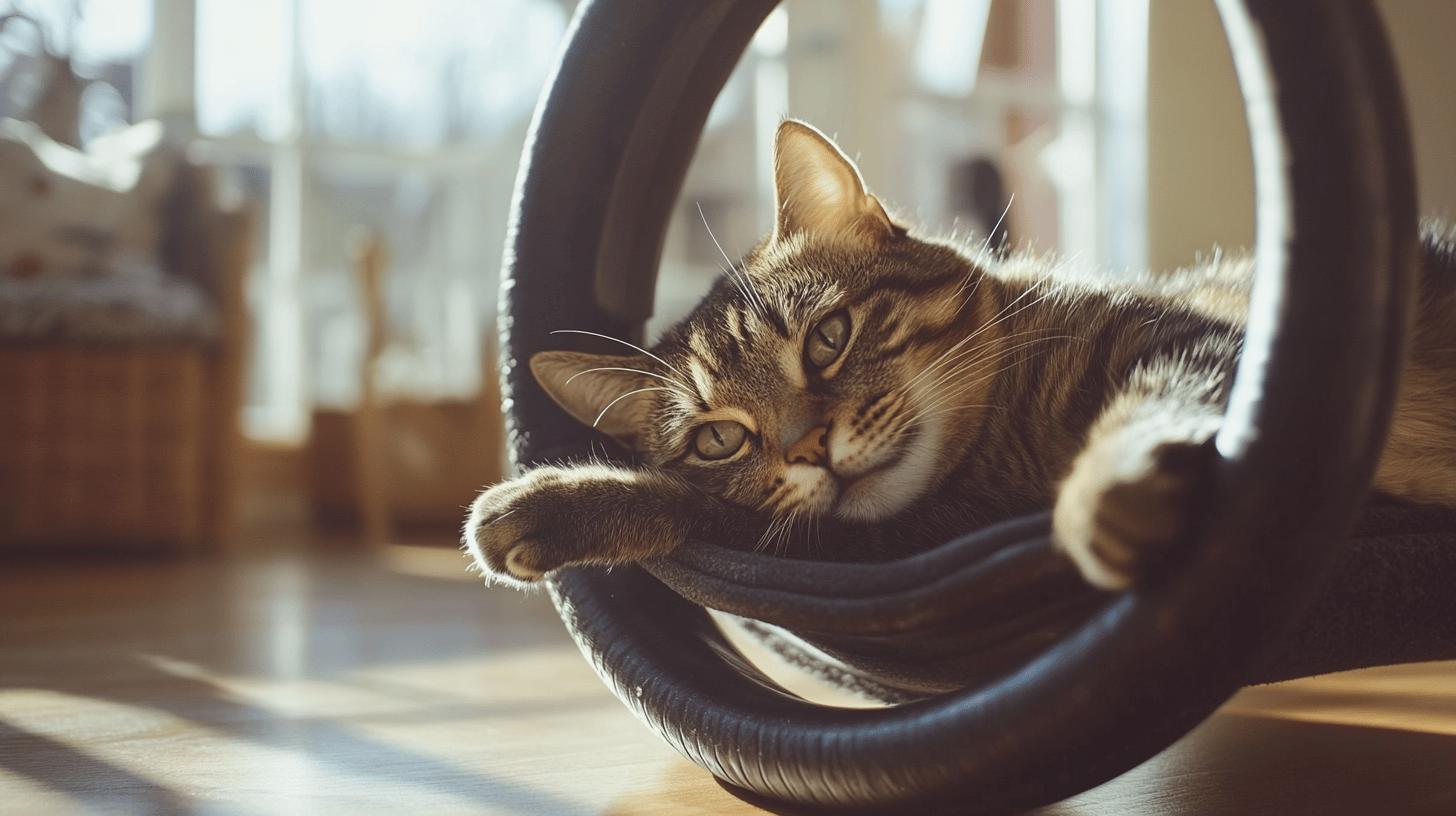
    Comprehensive Guide to Cat Training Techniques and Tools-1.jpg

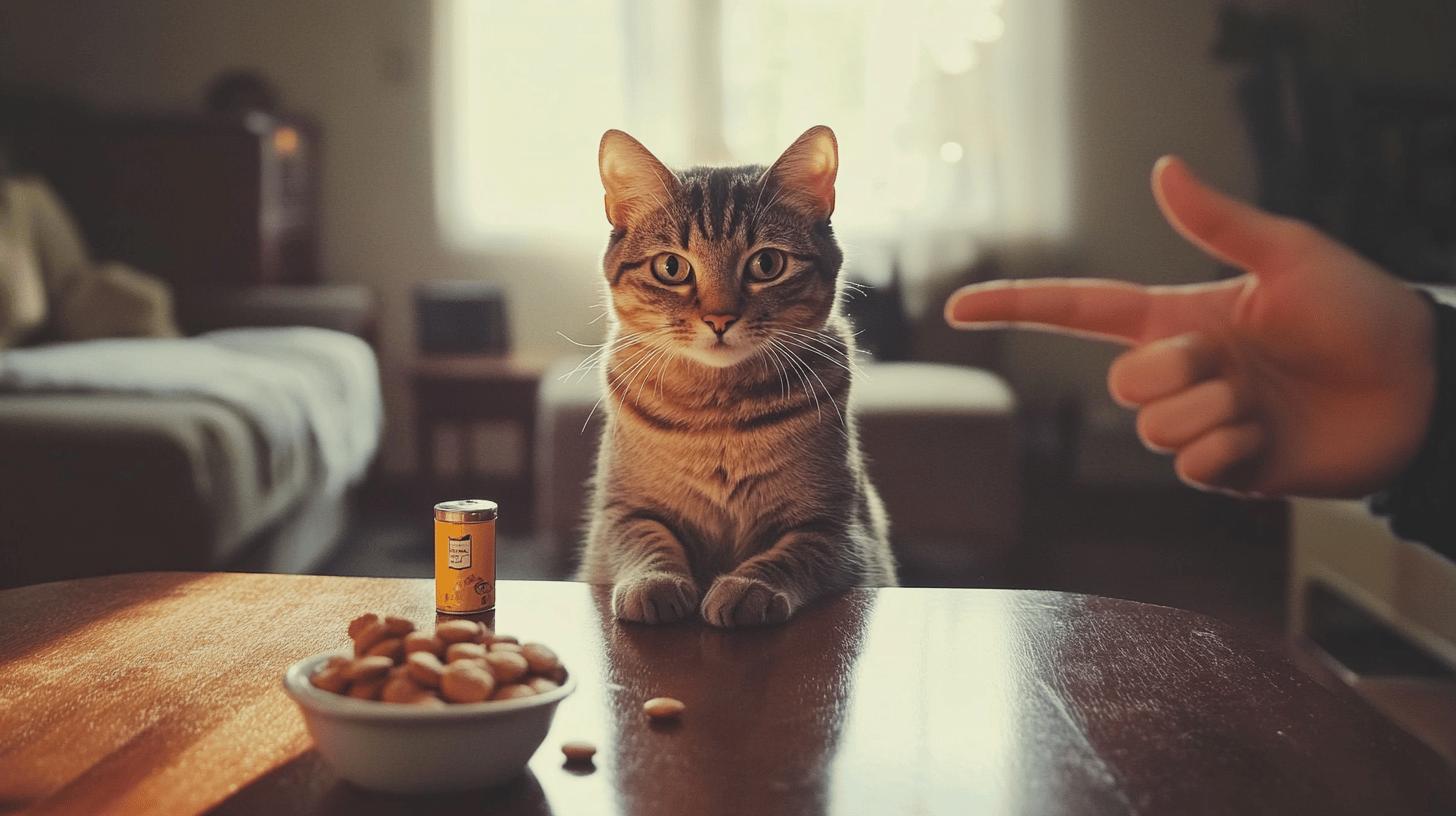
    Training a cat to perform tricks can be both fun and rewarding with the right techniques and tools. Cats, known for their independent nature, can learn tricks just like dogs, but it takes patience and persistence. The journey begins with understanding the basics of cat training, which involves using the right tools to create a positive and effective learning environment.

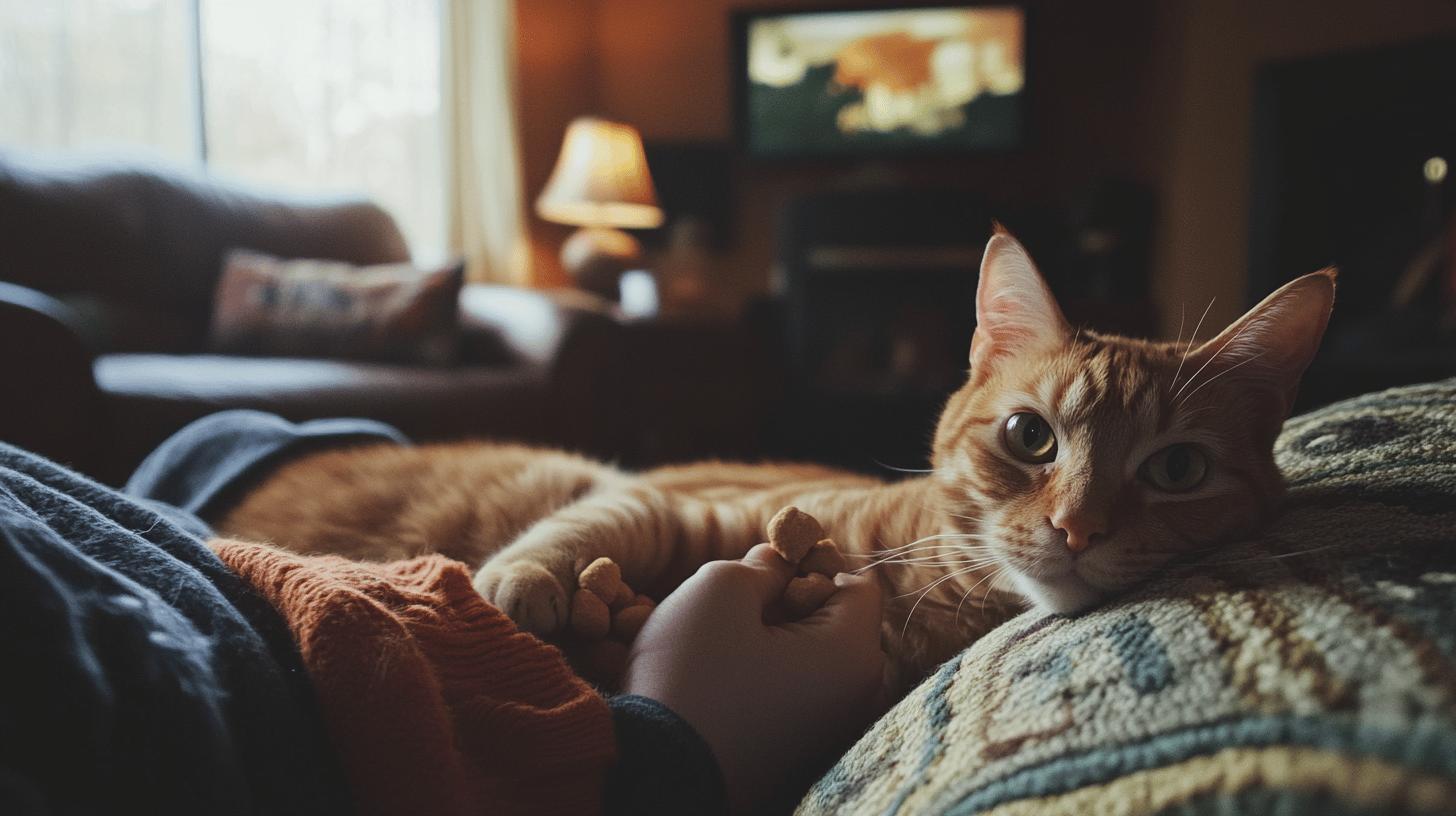
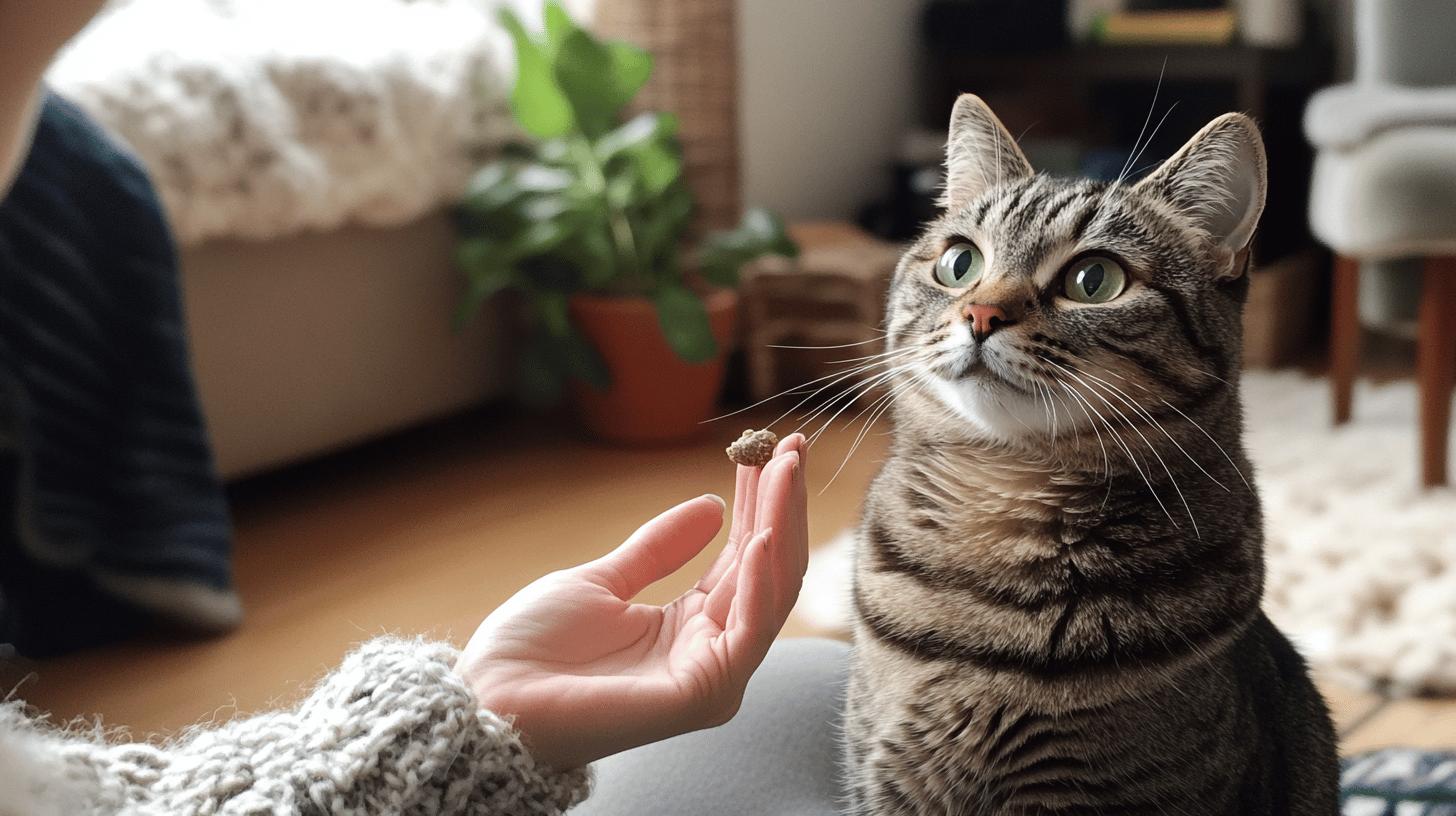
    Vocal commands and visual cues are foundational in teaching your cat tricks. Start with simple commands such as "sit" or "high five." Use a consistent word or phrase for each trick and pair it with a hand signal. This helps the cat associate the action with the command. For example, to teach "sit," hold a treat near your cat's nose and slowly move it over her head. As her eyes follow the treat, her bottom will naturally lower to the ground. Once she sits, say "sit" and offer the treat as a reward.

    Clicker training is an excellent method to enhance your cat's learning abilities. A clicker is a small device that makes a distinct clicking sound when pressed. This sound acts as a marker to let your cat know she has done something right. Every time your cat performs the desired behavior, click the clicker and immediately give her a treat. Over time, your cat will understand that the click means a treat is coming, making her more eager to learn new tricks.

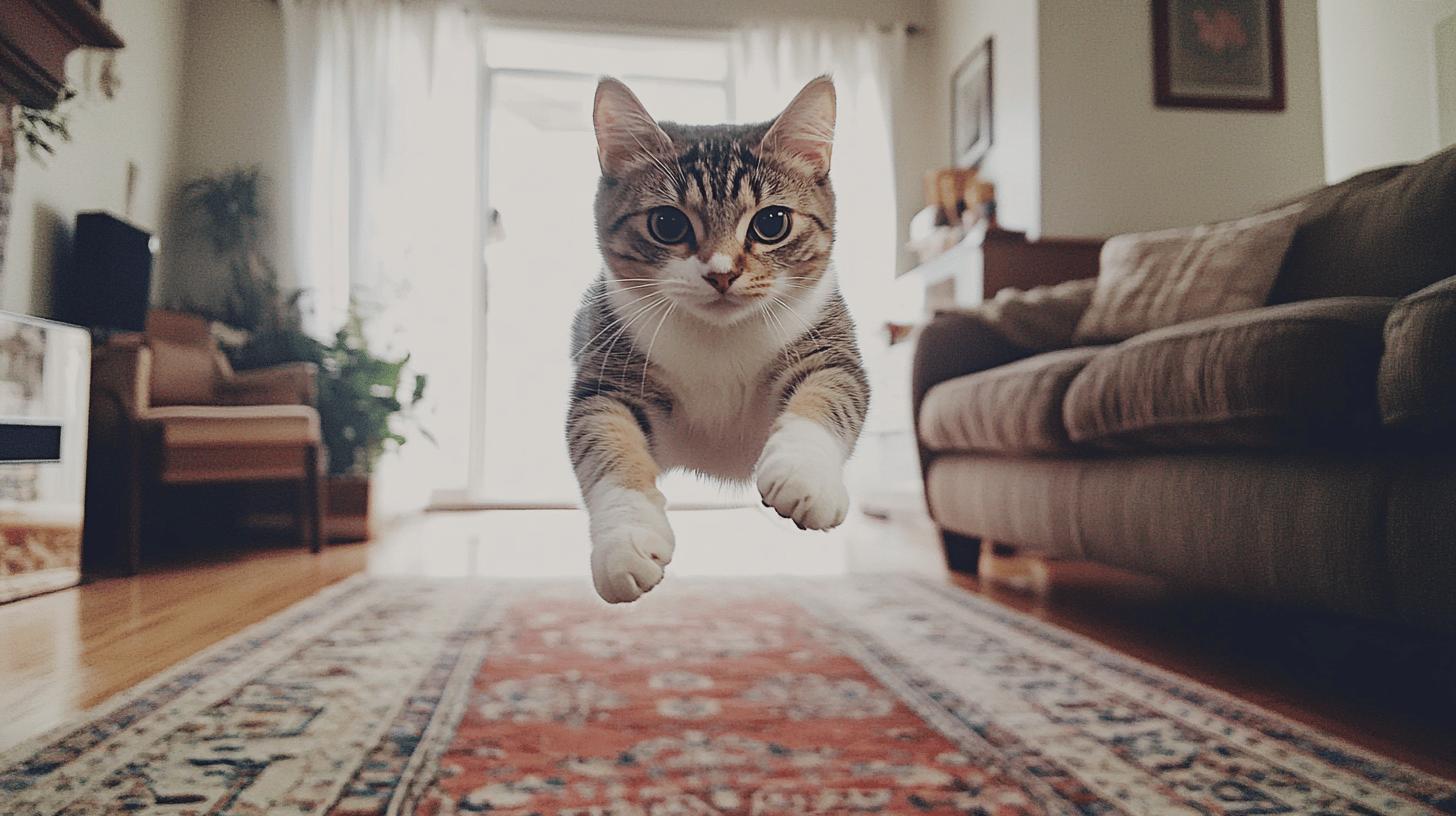
    Interactive cat toys can play a significant role in training. These toys not only keep your cat engaged but also provide opportunities to teach tricks. For instance, toys that encourage jumping or chasing can help teach commands like "jump up" or "come." Incorporating toys into your training sessions can make the experience more enjoyable for both you and your cat.

    Positive reinforcement is key to successful cat training. This involves rewarding your cat with treats, praise, or playtime whenever she performs a trick correctly. Timing is crucial; ensure you reward her immediately after she performs the desired behavior to strengthen the association. Using high-value rewards, something she really loves, can motivate her even more to participate in training sessions.

    List of Basic Tricks:

    • Sit
    • High Five
    • Come
    • Spin
    • Touch
    • Speak
    • Jump Up
    • Roll Over

    List of Essential Tools and Rewards:

    • Clicker
    • Treats
    • Interactive toys
    • Praise
    • Playtime

    By following these techniques and utilizing the appropriate tools, you'll be well on your way to teaching your cat some impressive tricks. Training sessions should be short and frequent, keeping your cat engaged without overwhelming her. With consistency and patience, your feline friend will soon master these cool tricks.

    Overcoming Challenges in Cat Training
    Overcoming Challenges in Cat Training-1.jpg

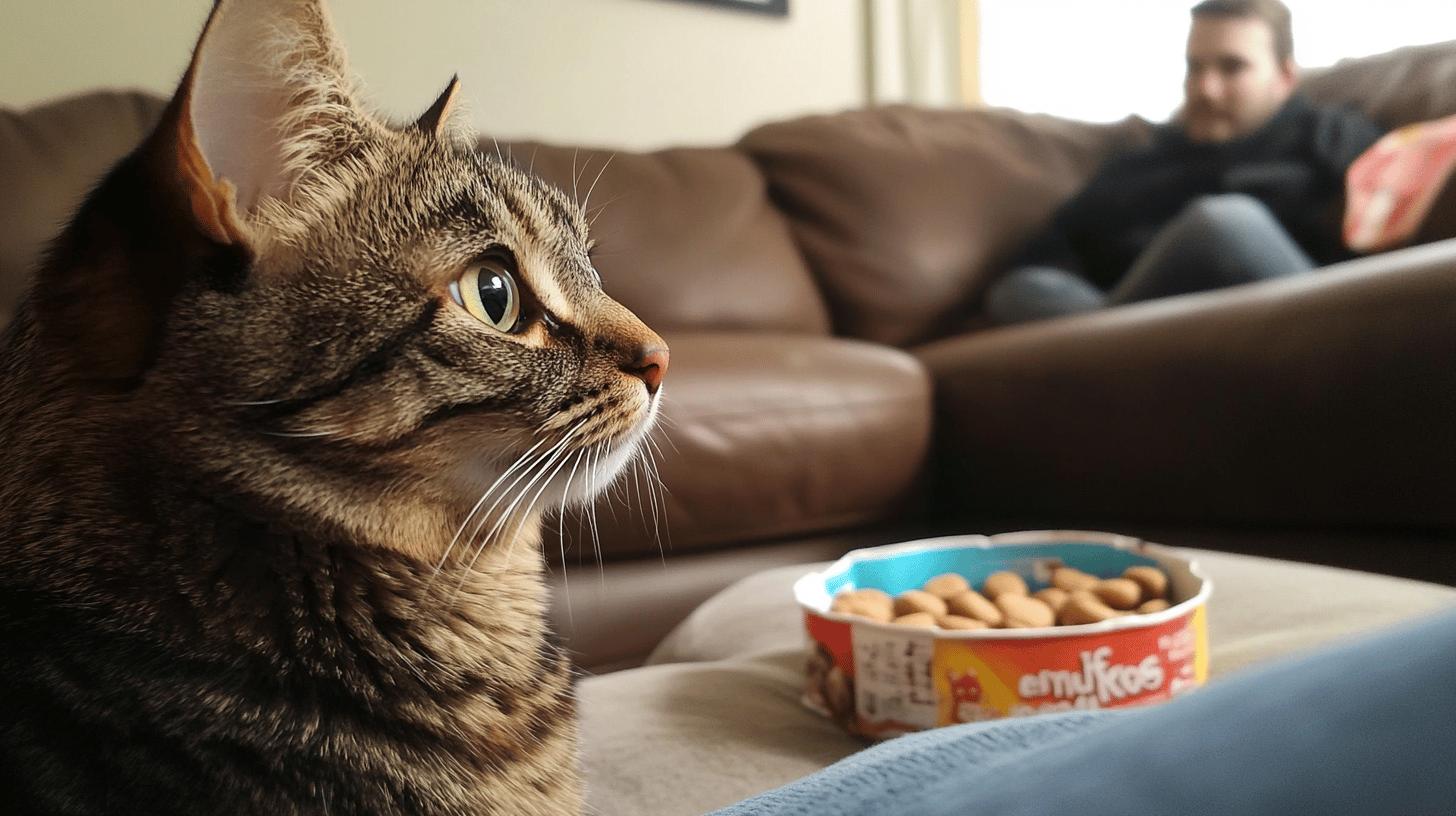
    Training cats can be a rewarding experience, but it's not without its challenges. One common issue is dealing with distractions. Cats are naturally curious and can easily lose focus. To combat this, train your cat in a calm and quiet environment, free from noises and interruptions. This setting helps your cat concentrate on the task at hand and minimizes the chances of her getting sidetracked.

    Another challenge is a lack of interest from your feline friend. Sometimes, cats simply aren't interested in what you're teaching. In such cases, using high-value treats can make a huge difference. These treats should be something your cat finds irresistible, like her favorite snack or a special type of food she doesn't get often. High-value treats can motivate your cat to engage more actively in training sessions.

    Slow progress can also be a hurdle, especially with older cats who might take longer to learn new tricks. Break down the tricks into smaller, manageable steps to help your cat understand what you're asking. Patience is essential; remember that each cat learns at her own pace. Keep training sessions brief, with just four to six repetitions per trick, and conduct them two or three times a day to keep things interesting and avoid boredom.

    Challenge Solution
    Distraction Use a quiet environment
    Lack of interest Use high-value treats
    Slow progress Break tricks into smaller steps
    Boredom Keep sessions short and engaging

    Advanced Tricks and Techniques for Feline Agility

    Advanced Tricks and Techniques for Feline Agility-1.jpg

    Teaching your cat advanced tricks is not just about showing off their skills; it's a fantastic way to keep them mentally and physically engaged. Advanced tricks like "Play Dead" or "Ring a Bell" challenge your cat's intelligence and agility. These tricks stimulate your cat's mind, reducing boredom and providing them with a sense of accomplishment. Plus, it strengthens the bond between you and your feline companion as you work together toward a common goal.

    When training your cat, start with simple tricks and gradually introduce more complex ones. Begin with basic lessons like "sit" or "high five," which lay a strong foundation for more advanced training. As your cat becomes more confident and responsive, you can introduce tricks like "Roll Over" or "Walk on a Leash." This progression helps your cat develop the necessary skills and patience required for the more intricate tricks. Remember, patience and practice are essential for both you and your cat during this process.

    To achieve success with advanced tricks, consistency and positive reinforcement remain crucial. Use high-value treats and plenty of praise to motivate your cat. Break down each trick into small, manageable steps. For example, to teach "Play Dead," start by getting your cat to lie down, then gradually introduce the "dead" position. Always reward your cat immediately after they perform the desired behavior. This reinforcement helps them understand what they did right, encouraging them to repeat it in the future.

    List of Advanced Tricks:

    • Play Dead
    • Walk on a Leash
    • Ring a Bell
    • Roll Over

    With these techniques, your cat will soon be impressing everyone with their agility and clever tricks.

    Final Words

    Teaching your cat cool tricks is an enjoyable adventure. Starting with simple commands like "sit" and "high five," you can build up to advanced feats using vocal cues and clicker training. Interactive toys and positive reinforcement make learning fun for your furry friend.

    Embrace patience and practice as you tackle challenges, breaking tricks into small steps and ensuring a distraction-free space. Remember, every cat learns at its own pace.

    Celebrate each step forward and keep sessions short to maintain interest. Enjoy this rewarding bonding experience with your cat.

    FAQ

    Q: Can I train my cat to do tricks?

    A: Yes, you can train cats to perform tricks like "sit," "high five," and more. Use patience, start simple, and progress as your cat gains confidence.

    Q: How do I teach a cat tricks with treats?

    A: Use treats as rewards to motivate your cat. Offer a treat when your cat successfully performs the desired trick to encourage repetition and learning.

    Q: How long does it take for a cat to learn a trick?

    A: Training time varies. Some cats learn a trick in a few sessions, while others may take longer. Consistent practice and patience are key to success.

    Q: How can I teach my cat tricks without a clicker?

    A: Use vocal commands and visual cues as alternatives. Speak clearly and use the same gesture each time to help your cat associate the action with the cue.

    Q: How to train a cat to do cool tricks?

    A: Start with basic tricks like "sit" and "come." Gradually introduce more complex tasks like "spin" or "jump through a hoop," using consistency and rewards.

    Q: How to teach a cat no?

    A: Use a firm voice and consistent signals to teach boundaries. Reinforce good behavior with praise or treats to encourage understanding.

    Q: How do I make my cat feel cool?

    A: Encourage playtime, provide engaging toys, and reward social interactions. Training and positive reinforcement can build confidence and make your cat feel valued.
    Related Articles

  • How to Train a Cat to Use an Exercise Wheel

    How to Train a Cat to Use an Exercise Wheel

    Can cats really enjoy exercise wheels like their canine counterparts on treadmills? It’s a question many cat owners ponder interactive play. While some may doubt it, using an exercise wheel can actually boost your cat’s physical well-being and provide mental stimulation, enhancing their playtime experience.

    Imagine your feline friend zooming happily on the wheel, just like a mini athlete! In this guide, I’ll walk you through simple steps to get your cat running joyfully on their very own exercise wheel while keeping them safe and entertained. Let’s get started!
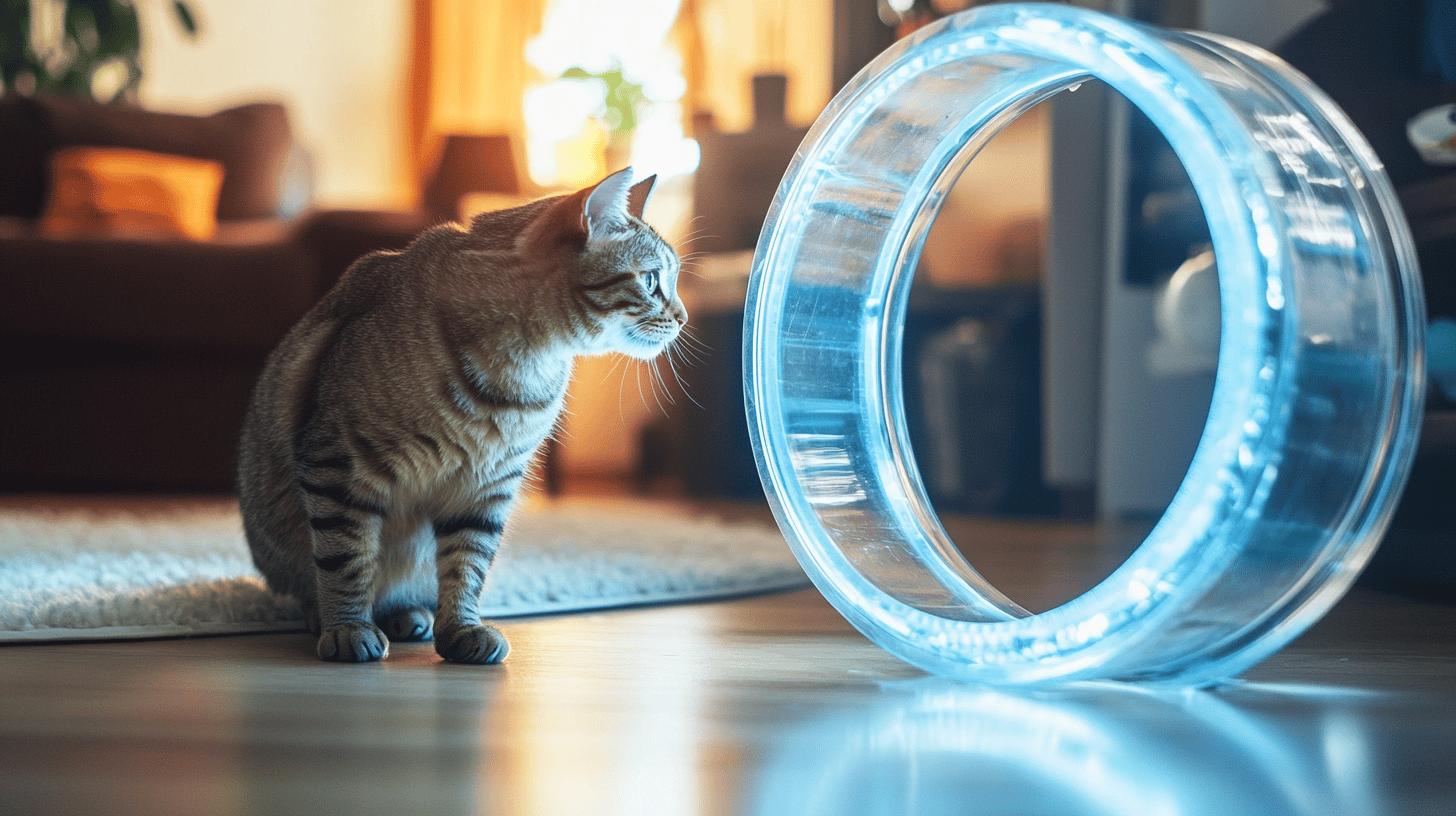
    How to Train a Cat to Use an Exercise Wheel: A Step-by-Step Guide

    How to Train a Cat to Use an Exercise Wheel A Step-by-Step Guide-1.jpg

    Introducing your cat to an exercise wheel can be an exciting endeavor. Start by placing the wheel in a familiar area where the cat spends a lot of time, like a playroom or near a window. This helps reduce anxiety and encourages curiosity.

    Allow your cat to approach the wheel at their own pace. Avoid any sudden movements or loud noises that might startle them. The key is to let them sniff and explore the wheel freely, creating a positive first impression.

    1. Entice with Treats: Begin by placing a few treats near the wheel to draw their interest. Gradually create a trail leading up to and onto the wheel.
    2. Reward Interaction: Each time your cat sniffs or touches the wheel, reward them with a treat or praise. This positive reinforcement builds a favorable association.
    3. Encourage Exploration: Once your cat is comfortable around the wheel, place a treat or small toy on the wheel itself. This encourages them to step onto it.
    4. Introduce Movement: Gently turn the wheel by hand while your cat is on it, rewarding them for staying calm. This helps them get used to the wheel’s motion.
    5. Increase Wheel Time: As your cat becomes more comfortable, gradually extend the time they spend on the wheel. Always reward them for their progress.
    Safety Tip Explanation
    Monitor Sessions Always supervise your cat during wheel sessions to ensure they don’t get scared or injured.
    Check Stability Ensure the wheel is stable and secure to prevent tipping while in use.
    Avoid Overexertion Limit initial sessions to prevent exhaustion, gradually increasing as the cat builds stamina.

    Consistency and patience are the backbone of successful training wheel training. Most cats can learn to use the wheel within one to two weeks, but some may take longer. Watch for changes in your cat’s behavior, such as increased confidence or eagerness to approach the wheel. This is a sign of progress. Keep the sessions positive and short, gradually extending them as your cat grows more comfortable. Remember, every cat is unique, so adjust your approach based on their responses and comfort level.

    Selecting the Right Exercise Wheel for Your Cat

    When choosing an exercise wheel for your cat, consider the size, stability, and ease of assembly. A wheel that matches your cat’s size ensures they can use it comfortably. Stability is crucial, as a wobbly wheel might scare your cat away. Look for designs that are easy to assemble so you can set it up quickly without hassle.

    • One Fast Cat: Measures 48 inches high, 46 inches wide, and 11 inches deep. It’s known for safety and easy assembly.
    • GoPet TreadWheel: Offers a durable build with a non-slip surface, though it requires more space.
    • Cat in Motion Wheel: Compact and lightweight, ideal for smaller spaces.

    Matching the wheel to your cat’s size and your home’s available space is key. A large wheel might not fit in a compact apartment, while a small wheel might not support a bigger cat. Consider your cat’s personality and physical needs when selecting the perfect wheel.

    Benefits and Challenges of Using a Cat Exercise Wheel

    Benefits and Challenges of Using a Cat Exercise Wheel-1.jpg

    Using a cat exercise wheel can offer a range of physical and emotional benefits for indoor cats. One of the primary advantages is improved fitness, as the wheel provides an opportunity for cardiovascular exercise that many indoor cats lack. Regular use of the wheel can aid in weight loss, helping to prevent obesity-related health issues.

    Beyond the physical benefits, exercise wheels can also reduce boredom by providing a stimulating activity. This can be particularly beneficial for cats that tend to be anxious or exhibit aggressive behaviors, as the wheel offers a productive outlet for their energy.

    Despite these benefits, training a cat to use an exercise wheel comes with its own set of challenges. Initial reluctance is common, as many cats are wary of new objects and experiences. Maintaining a cat’s interest in the wheel can also be difficult, especially once the novelty wears off.

    Cats may lose motivation to use the wheel if they don’t see it as rewarding or enjoyable. These challenges can make the training process feel slow and frustrating for both the cat and the owner.

    To overcome these challenges, it’s important to employ a variety of strategies. Using different types of rewards, such as treats, toys, or praise, can keep the cat motivated and make the exercise wheel a positive experience. Adjusting training strategies, like varying the time of day or duration of sessions, can also help maintain the cat’s interest.

    Patience and consistency are key, as it may take time for a cat to fully acclimate to the wheel and incorporate it into their routine. With the right approach, most cats can learn to enjoy the exercise wheel and benefit from its use.

    Final Words

    Training your cat to use an exercise wheel can greatly enhance their fitness routine.
    It involves gradual introduction, positive reinforcement, and patience.
    Choosing the right wheel and being aware of the benefits and challenges helps make the process smoother.
    Consistency is key in building your cat’s confidence and motivation.

    Remember, successful training hinges on safety and comfort.
    With dedication, you can teach your cat to enjoy the exercise wheel, boosting their physical and mental health.
    In the end, you’ll have a happier, healthier feline friend.

    FAQ

    How do I get my cat to use her exercise wheel?

    A: To get a cat to use an exercise wheel, start with gradual exposure. Use treats to encourage her curiosity and reward any interaction. Maintain patience; it can take a few weeks.

    Can you train a cat to use a cat wheel?

    A: Yes, cats can be trained to use a cat wheel. Key steps include positive reinforcement, using treats, toys, and gradually increasing wheel time to build their comfort and confidence.

    How do I know if my cat will use an exercise wheel?

    A: Check if your cat is playful and curious playful breeds. Introduce the wheel slowly and observe if she shows interest or interacts with it. Enthusiasm for movement or toys can be a good sign.

    Do cats like cat exercise wheels?

    A: Some cats enjoy exercise wheels, especially those who are active and inquisitive. The wheel can provide fun and mental stimulation, aiding in reducing anxiety and improving fitness.

    A: Popular options include:

    • One Fast Cat wheel: Known for safety and easy assembly.
    • GoPet Treadwheel: Offers adjustable resistance.
    • DoggySwim wheel: Designed for high-energy cats.

    Consider size, stability, and space when choosing a wheel.

  • Can Cat Eat Beans What You Need to Know

    Can Cat Eat Beans What You Need to Know

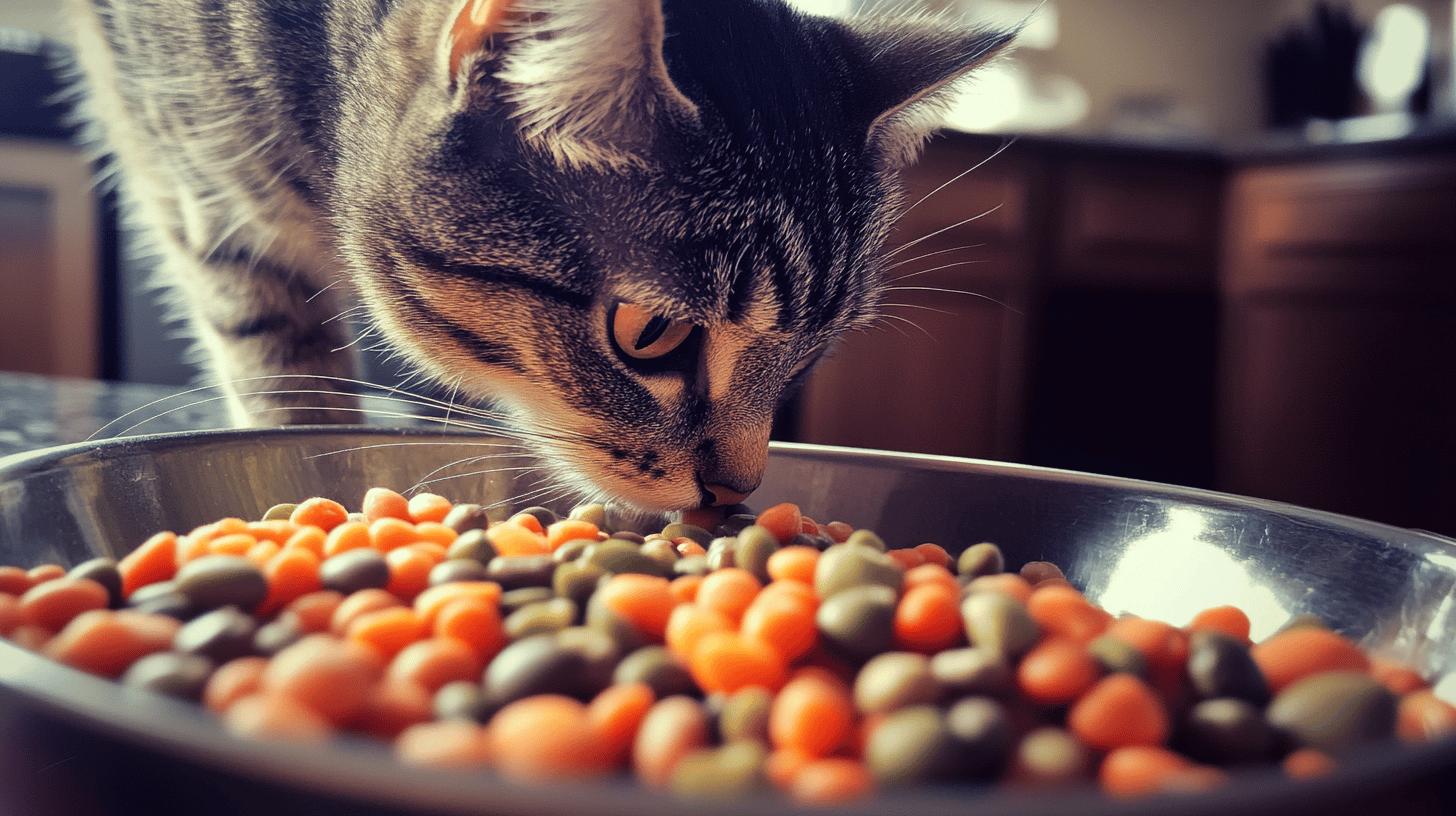
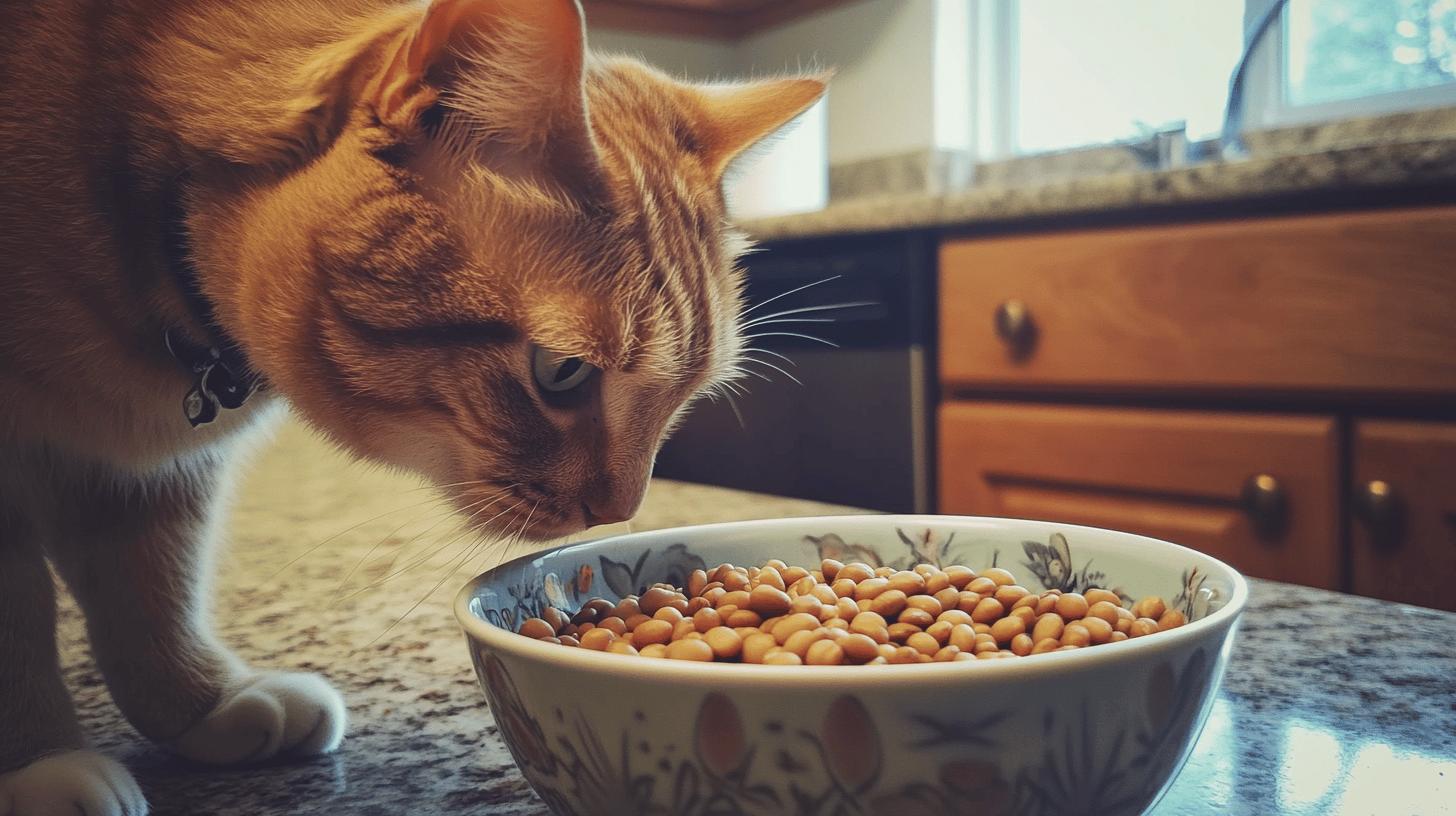
    Can cats munch on beans, or is this legume naturally off-limits for our whiskered companions? We know that cats are meat-eaters at heart, thriving best on animal protein. Beans, while not poisonous, don't pack the same punch as meat does.

    In this article, you'll uncover the do's and don'ts of feline dining when it comes to beans, helping you ensure that kitty's mealtime is safe and purr-fectly healthy. Whether you're looking for a new treat or just safeguarding your pet's diet, understanding beans and cats starts here.

    Can Cats Eat Beans? Understanding the Basics

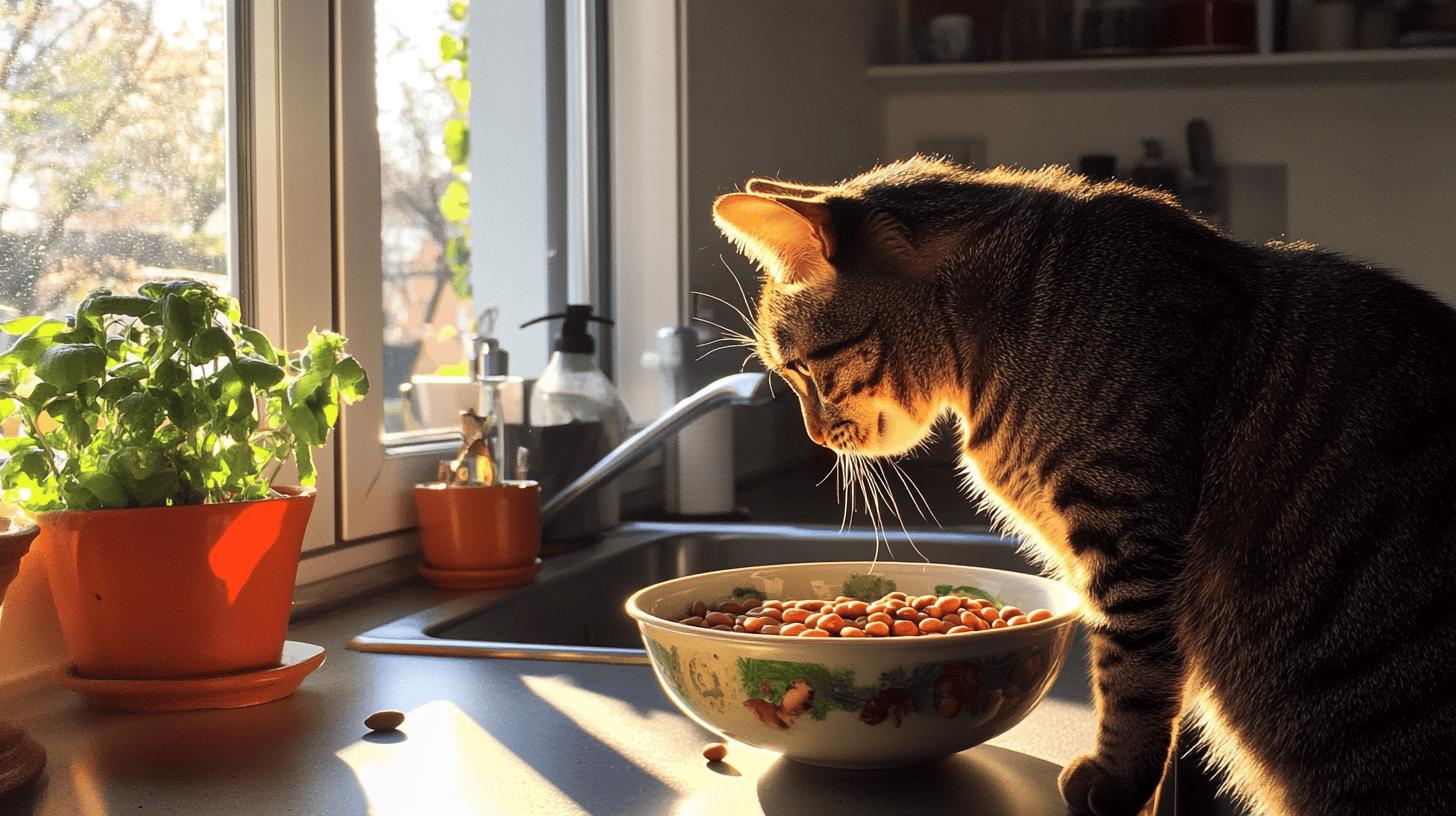
    Can Cat Eat Beans What You Need to Know-2.jpg

    Cats are obligate carnivores, which means their bodies are specifically designed to thrive on a diet rich in animal protein. This dietary requirement stems from their evolutionary history as hunters, where their nutritional needs were met by consuming prey.

    While beans are not toxic to cats, they do not provide the essential nutrients found in animal proteins, such as taurine, which is critical for a cat's health. Therefore, beans should not be a regular part of a cat's diet.

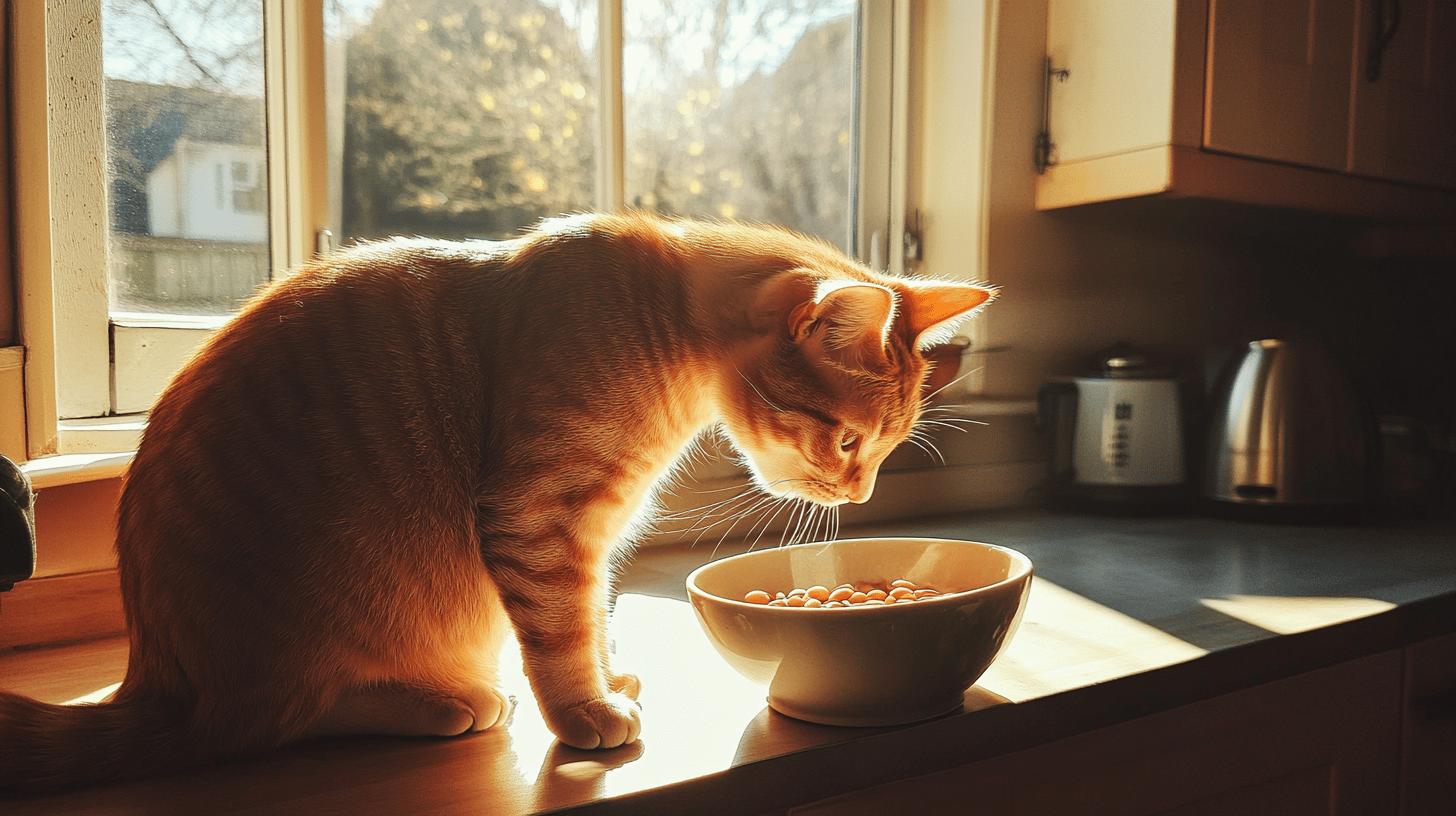
    If a cat shows interest in beans, it's important to ensure they are plain and cooked. This preparation helps to avoid any potential digestive issues and keeps the focus on the cat's primary dietary needs.

    Safe bean types for cats include:

    • Black beans
    • Kidney beans
    • Pinto beans
    • Green beans

    These beans should always be served plain and cooked to avoid any complications. While beans can occasionally be an interesting treat, they should not replace the high-quality animal proteins that are vital for maintaining a cat's health and well-being.

    Nutritional Benefits and Risks of Beans for Cats

    Nutritional Benefits and Risks of Beans for Cats-1.jpg

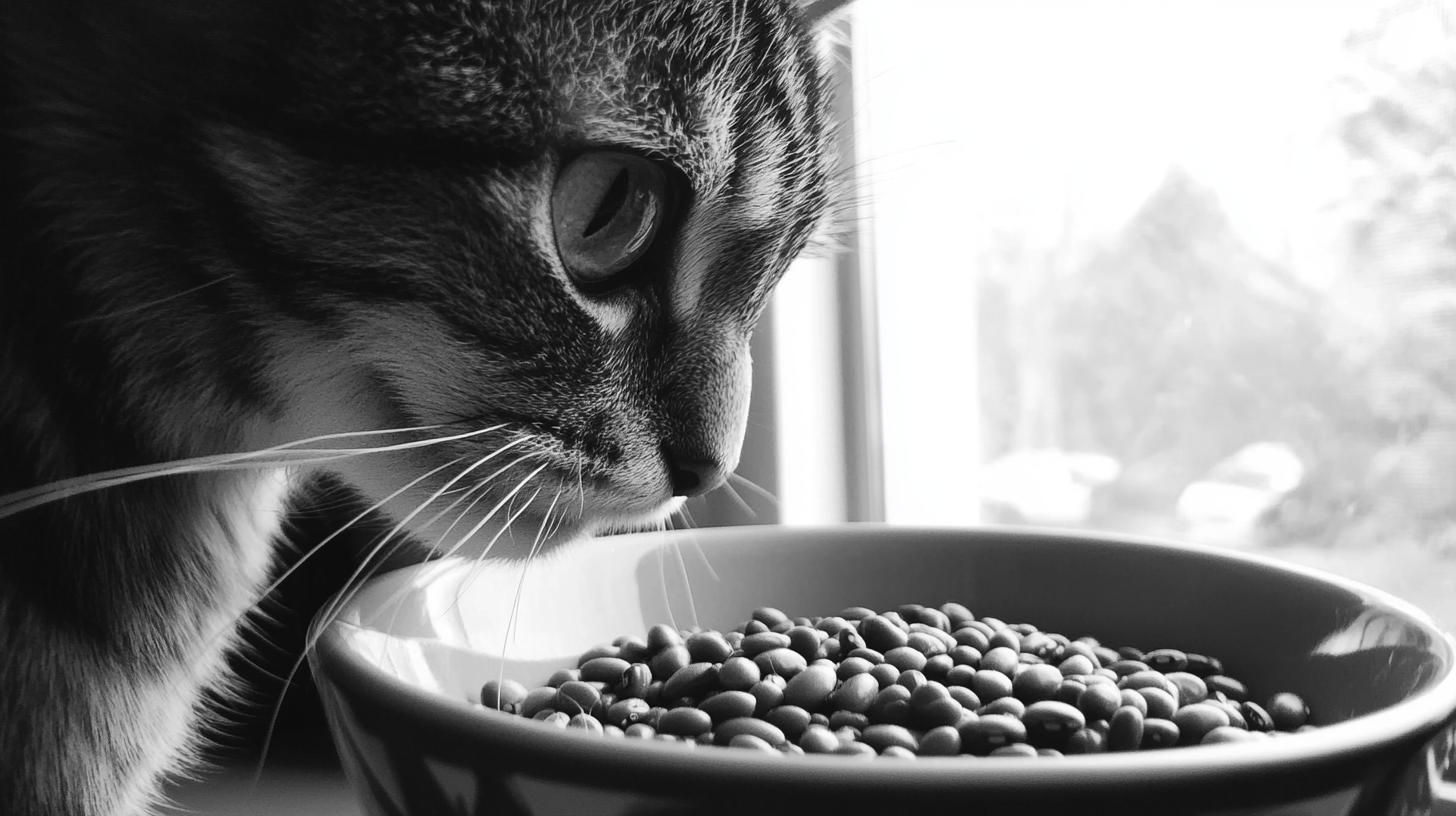
    Beans offer some nutritional components but aren't ideal for cats. They contain protein, carbohydrates, and fiber, yet fall short of meeting feline nutritional needs. The protein in beans lacks essential amino acids that cats can only obtain from animal sources.

    Key nutritional components of beans:

    • Protein: Lacks the complete amino acid profile cats require.
    • Carbohydrates: Not necessary in large amounts for cats.
    • Fiber: May help with weight management by making cats feel fuller.

    Feeding beans to cats also presents several risks:

    • Digestive Issues: Can cause gas, vomiting, or diarrhea.
    • Raw Bean Toxicity: Raw beans have lectin, which is toxic to cats.
    • Seasoning Hazards: Ingredients like garlic and onion are toxic.

    Fiber in beans could help overweight cats manage weight, but caution is necessary. Cats' digestive systems are designed for meat, not plants. Beans should be plain, cooked, and given as an occasional treat, not a meal replacement.

    Consult a vet before adding beans to your cat's diet to ensure it suits your cat's health needs.

    How to Safely Include Beans in Your Cat's Diet

    Nutritional Benefits and Risks of Beans for Cats-4.jpg

    To safely include beans in your cat's diet, focus on preparation. Start by soaking beans overnight to reduce cooking time and improve digestibility. Boil the beans until they're soft, ensuring they're free from any seasonings like salt, garlic, or onion, which are harmful to cats. Let them cool before serving.

    Bean Type Preparation Method Safe Portion
    Black Beans Soaked, boiled, plain 1-3 beans
    Kidney Beans Soaked, boiled, plain 1-3 beans
    Pinto Beans Soaked, boiled, plain 1-3 beans
    Green Beans Steamed, plain 1-3 beans

    While beans are a permissible treat, they should only complement your cat's diet. Animal protein remains the cornerstone of their nutrition. Keep beans as an occasional addition to their meals, while prioritizing their need for high-quality animal proteins to ensure they receive essential nutrients.

    Alternatives to Beans for a Cat's Diet

    Nutritional Benefits and Risks of Beans for Cats-2.jpg

    Providing your cat with a variety of treats and foods is crucial for their overall health and happiness. While beans can be an occasional treat, a cat's diet should primarily consist of complete nutrition from animal-based sources.

    Cats are obligate carnivores, and their bodies are designed to thrive on meat. Incorporating a mix of safe treats ensures they receive the necessary nutrients without compromising their health. High-fiber cat foods can also be beneficial, especially for cats needing weight management, as they help maintain fullness and support digestive health.

    Consider these alternatives to beans for your cat's diet:

    • Safe Vegetables: Options like steamed carrots or peas can offer a crunchy treat with nutritional benefits.
    • High-Fiber Cat Foods: Specialized cat foods that include fiber can aid in digestion and weight control.
    • Animal-Based Treats: Freeze-dried chicken or fish treats provide complete nutrition that cats need.

    When introducing any new food or treat to your cat's diet, it's wise to consult with a veterinarian. They can provide guidance tailored to your cat's specific health needs, ensuring any new addition is safe and healthy. Always verify the safety of any treat and make dietary changes gradually to monitor your cat's reaction.

    Final Words

    Understanding if can a cat eat beans is key to ensuring their diet remains balanced and safe. While beans aren't essential for carnivores like cats, they're not toxic either. Safe types include black beans and green beans, but they should be cooked and plain.

    Beans offer some nutritional benefits, but they also come with risks. They lack essential amino acids found in animal protein and can cause digestive issues. So, always consult a vet.

    Remember, maintaining dietary balance with high-quality animal protein is crucial. Stick to safe alternatives and always check with a vet when introducing new treats.

    FAQ

    Can cats eat beans in tomato sauce?

    Cats should not eat beans in tomato sauce. Tomato sauce may contain ingredients harmful to cats, such as garlic and onion, which can lead to digestive issues.

    Can cats eat beans raw?

    Cats shouldn't eat raw beans. Raw beans contain lectin, which is toxic to cats and can cause digestive problems like gas, vomiting, and diarrhea.

    Can cats eat beans and rice?

    While neither beans nor rice are harmful, they should not be part of a cat's regular diet. Cats are obligate carnivores and require animal protein for essential nutrients.

    Can cats eat beans and cheese?

    Cats can eat small amounts of cooked beans and cheese occasionally. However, these should not replace animal protein in their diet, which is vital for their health.

    Can cats eat baked beans?

    Baked beans are not recommended for cats. They often contain seasonings and sugar, which can upset the feline digestive system.

    Can cats eat rice?

    While rice isn't toxic to cats, it doesn't provide essential nutrients. It's okay as an occasional treat, but animal protein should be the main part of their diet.

    Can cats eat beans and tomatoes?

    Cats should avoid beans with tomatoes. Tomatoes contain solanine, harmful to cats, and sauces often contain toxic seasonings like garlic and onion.

    Can cats eat black beans?

    Yes, cats can eat black beans in moderation if they are plain and cooked. Ensure there are no seasonings or additives that could harm the cat.

    What kind of beans can cats eat?

    Cats can eat plain, cooked black beans, kidney beans, pinto beans, and green beans. These should only be offered in small, occasional amounts as a treat.

    Can cats eat rice or beans?

    Cats can have small amounts of plain, cooked rice or beans occasionally. These should not replace animal protein, which is essential for their health.

    Can my cat have a bean?

    Yes, your cat can have a bean as a treat. Make sure it's plain, cooked, and given in moderation. Avoid spices and seasonings.

    Why does my cat want to eat beans?

    Cats might show interest in beans out of curiosity or food affinity. However, their diet should focus on animal protein to meet their nutritional needs.

    Related Articles

  • Can Cat Eat Onion? Understanding the Risks for Your Feline

    Can Cat Eat Onion? Understanding the Risks for Your Feline

    Did you know that something as common as an onion can pose a serious threat to your cat? While many cat owners might think it's harmless to share table scraps, even a small amount of onion can lead to severe health issues for your furry friend. The hidden danger in onions lurks in a compound that attacks cat's red blood cells, leading to anemia. In this article, we'll explore why onions are so dangerous for cats and what symptoms to watch for. Understanding these risks can help you protect your cat from accidental harm.

    Can Cats Eat Onions? Understanding the Risks

    Can Cats Eat Onions Understanding the Risks-4.jpg

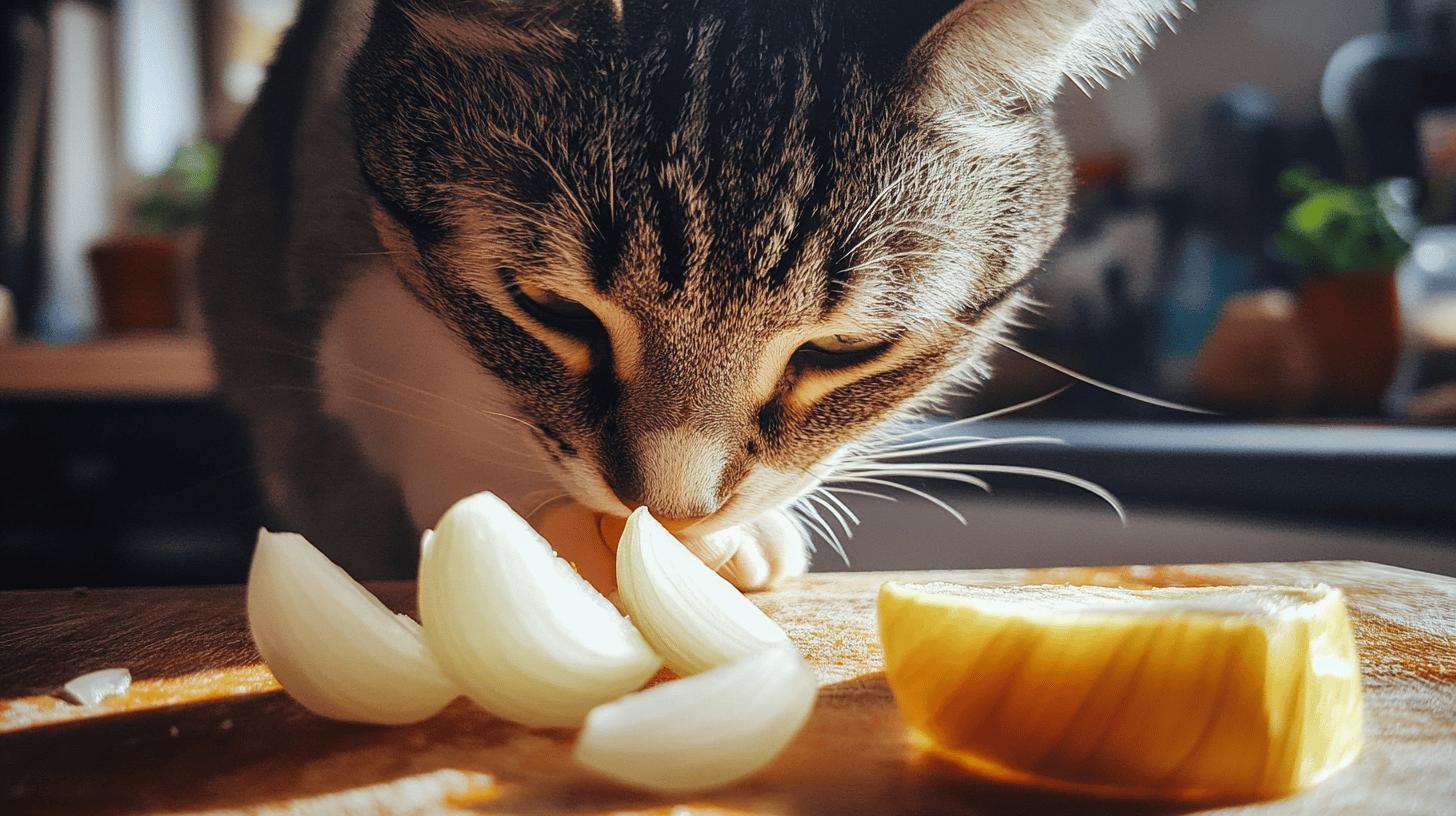
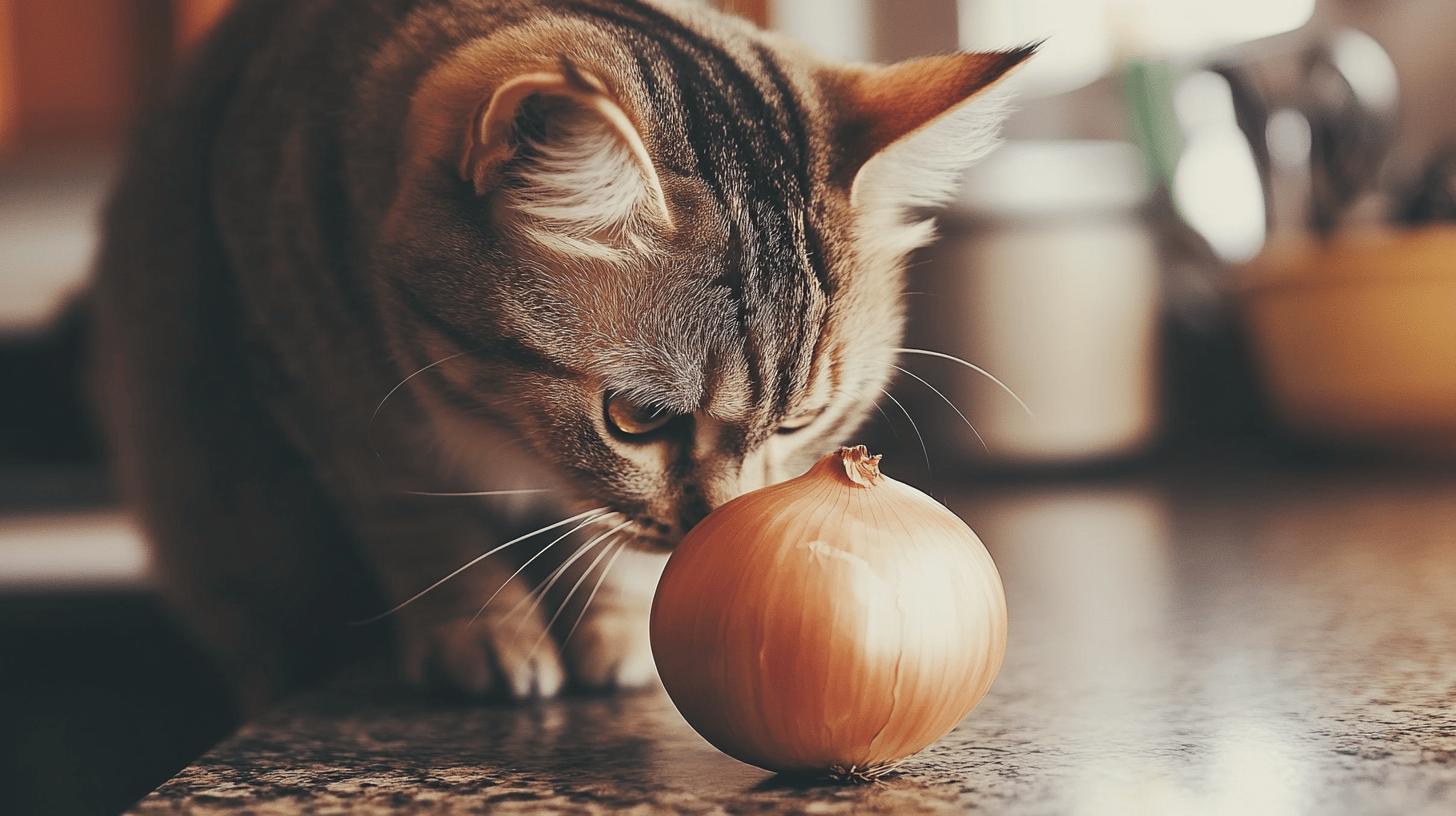
    Onions are harmful to cats and should be avoided completely. Whether raw, cooked, or in powder form, onions pose a significant threat to feline health. Even the smallest amount of onion can lead to severe health complications.

    The risk is not only present in fresh onions but extends to any dishes or foods containing onion as an ingredient. It's essential to recognize that onion toxicity in cats is a serious concern and demands vigilance from pet owners.

    The primary danger in onions is a compound called n-propyl disulfide. This compound targets a cat's red blood cells, leading to their destruction. When red blood cells are compromised, cats can suffer from hemolytic anemia, which severely limits the blood's ability to carry oxygen.

    This condition can have dire consequences for your cat's health, and symptoms may not manifest until the damage is done. Cats lack the necessary enzymes to effectively metabolize n-propyl disulfide, making them especially vulnerable.

    Here's a list of onion forms and their dangers for cats:

    • Raw Onions: Directly toxic, even in small quantities.

    • Cooked Onions: Still harmful; cooking does not eliminate toxicity.

    • Onion Powder: Highly concentrated, posing an increased risk.

    • Green Onions: Equally dangerous, despite their different appearance.

    • Dehydrated Onions: Potent and easily hidden in foods.

    It's crucial to keep onions and any food containing onions out of reach of cats. Preventing accidental ingestion is the best way to protect your feline friend. Always be cautious with food preparation and storage to ensure your cat remains safe from onion toxicity.

    Symptoms of Onion Poisoning in Cats

    Symptoms of Onion Poisoning in Cats-3.jpg

    When a cat ingests onions, the signs of poisoning can be alarming. Common symptoms include vomiting and diarrhea, which may be the first noticeable indications that something is wrong. Cats might also display lethargy and nausea, showing a lack of interest in their usual activities or food.

    Drooling and oral irritation can occur, signaling discomfort in the mouth or throat. As the condition progresses, you might notice pale gums, a clear sign of anemia due to the destruction of red blood cells. An increased heart rate is another symptom, often accompanying the body's effort to circulate more oxygen.

    The timeline for symptom development can vary, making it challenging to detect the issue immediately. Symptoms might not appear for 12 hours and can take up to 5 days to manifest fully, depending on the quantity ingested and the cat's overall health.

    In severe cases, the symptoms can escalate to anemia, leading to more critical conditions such as collapse and seizures. These severe symptoms highlight the importance of monitoring your cat closely if you suspect onion ingestion.

    Here are some symptoms to watch for:

    • Vomiting

    • Diarrhea

    • Lethargy

    • Nausea

    • Drooling

    • Pale gums

    • Increased heart rate

    Early detection of these symptoms is crucial. Recognizing the signs promptly and contacting a veterinarian can make a significant difference in your cat's recovery.

    Delaying veterinary care can result in severe health issues, including life-threatening anemia. By acting quickly, you can ensure your cat receives the necessary treatment to recover from onion poisoning. Always err on the side of caution and consult a vet if you suspect your cat has ingested onions.

    What to Do if Your Cat Eats Onion

    What to Do if Your Cat Eats Onion-2.jpg

    If your cat accidentally eats onions, reaching out to a veterinarian immediately is crucial. Onion ingestion can lead to serious health issues, so time is of the essence. Even if your cat seems fine, symptoms can develop and worsen without warning.

    Prompt veterinary consultation can make all the difference in preventing severe health complications. Never attempt to treat onion ingestion at home on your own, as improper actions could exacerbate the situation.

    When you contact the vet, be prepared to provide specific information about the incident. Let them know the amount of onion your cat may have ingested and the form it was in—raw, cooked, or powdered.

    Sharing these details can help the vet determine the severity of the situation and the most appropriate course of action. Avoid inducing vomiting unless explicitly instructed by a professional, as this can sometimes do more harm than good.

    Action Reason Steps
    Contact a Veterinarian Immediate guidance is crucial Call the vet and provide details
    Secure the Source Prevent further ingestion Remove onions and related foods
    Observe Your Cat Identify any symptoms Note changes in behavior and health
    Follow Vet Instructions Ensure proper treatment Adhere to recommended actions

    At the vet's office, treatment may involve various methods depending on the severity of the ingestion. Symptomatic care is common and can include administering fluids and medications to support your cat's recovery.

    In more severe cases, a blood transfusion might be necessary to address significant red blood cell damage. Your vet will provide the best course of action to ensure your feline friend receives the care they need.

    Safe Foods and Onion Alternatives for Cats

    Safe Foods and Onion Alternatives for Cats-1.jpg

    Providing a safe diet for your cat is crucial to their health and happiness. Cats have specific dietary needs that must be met to ensure they receive all necessary nutrients. High-quality commercial cat food is typically formulated to meet these needs and is generally the safest choice.

    This specialized food helps maintain their health, providing essential vitamins and minerals. While it's tempting to share your meals with your feline friend, it's essential to be aware of foods like onions that can be harmful and to avoid them entirely.

    Here are some safe food options and alternatives to onions for cats:

    • Commercial Cat Food: Specially formulated to meet nutritional requirements.

    • Cooked Chicken: A safe source of protein when prepared without seasoning.

    • Cooked Carrots: Offer a small amount as a treat, as they are low in calories and safe.

    • Cooked Peas: Provide fiber and nutrients if served in moderation.

    • Pumpkin Puree: Helps with digestion and is safe if given in small amounts.

    Before introducing any new foods to your cat's diet, consult with a veterinarian. They can provide guidance on what is safe and beneficial for your pet.

    Feeding human foods without proper verification can pose risks, as some ingredients may be toxic. By sticking to a vet-approved diet, you can ensure your cat remains healthy and free from the dangers of inappropriate foods.

    Final Words

    Understanding that onions are toxic to cats is crucial for their health and safety.

    Onion exposure can lead to severe symptoms like hemolytic anemia, making it vital to keep onions out of reach.

    Recognizing symptoms early and seeking vet assistance is key to tackling onion poisoning.

    In cases of ingestion, contacting a vet immediately and providing details helps in proper treatment.

    For a safe diet, stick with vet-approved cat foods and avoid onion content.

    Keeping our feline friends safe ensures they continue to be happy and healthy family members.

    FAQ

    Symptoms of Onion Poisoning in Cats

    Q: What symptoms indicate onion poisoning in cats?

    A: Symptoms of onion poisoning in cats include vomiting, diarrhea, lethargy, nausea, drooling, oral irritation, and pale gums. Severe cases might lead to anemia, collapse, and seizures.

    How Much Onion is Toxic to Cats

    Q: How much onion is toxic to cats?

    A: Even small amounts can be toxic. The toxic compound, n-propyl disulfide, damages red blood cells, leading to hemolytic anemia. Cats should avoid onions in any form.

    What Happens if Cats Eat Onions

    Q: What happens if a cat eats onions?

    A: When a cat eats onions, it may develop symptoms such as vomiting, diarrhea, and lethargy. If untreated, it can lead to severe health issues like anemia or even collapse.

    Can Cats Eat Onions Cooked or Raw

    Q: Can cats eat onions if they are cooked?

    A: No, cats should not eat onions, whether cooked or raw. Both forms contain the toxic compound harmful to cats.

    How Long It Takes for Onion Toxicity in Cats

    Q: How long does it take for onion toxicity to affect cats?

    A: Symptoms may appear 12 hours to 5 days after ingestion. Early detection is crucial for treatment.

    What to Do if Your Cat Eats Garlic or Onion

    Q: What should I do if my cat eats garlic or onion?

    A: Contact a veterinarian immediately if your cat ingests onions or garlic. Do not induce vomiting unless directed by a vet.

    Can Cats Eat Onion Juice or Onion and Garlic

    Q: Can cats eat onion juice or foods with onion and garlic?

    A: No, cats should not consume onion juice or any food containing onions or garlic, as these are toxic to them.

    Is Onion Powder Bad for Cats

    Q: Is onion powder harmful to cats?

    A: Yes, onion powder is harmful to cats. It contains the same toxic compound that affects red blood cells.

    Will a Little Bit of Garlic Hurt My Cat

    Q: Is a small amount of garlic dangerous for my cat?

    A: Yes, even a small amount of garlic can be harmful to cats and should be avoided. It shares similar toxic effects as onions.

    Related Articles

  • Can Cat Eat Lettuce Understanding Benefits and Risks for Your Feline

    Can Cat Eat Lettuce Understanding Benefits and Risks for Your Feline

    Could your curious cat crunch on lettuce like a rabbit? It's an intriguing thought, and for many cat lovers, the answer isn't immediately clear. Lettuce might seem like a harmless snack, but as obligate carnivores, cats have strict dietary needs that lettuce just can't fulfill.

    Join me as we explore the ins and outs of serving lettuce to our feline friends. Understanding what's safe, the potential benefits, and hidden risks will arm you with the knowledge to make the best choice for your cat's health and happiness.

    Lettuce for Cats: Safety, Benefits, and Risks

    Lettuce for Cats Safety, Benefits, and Risks-1.jpg

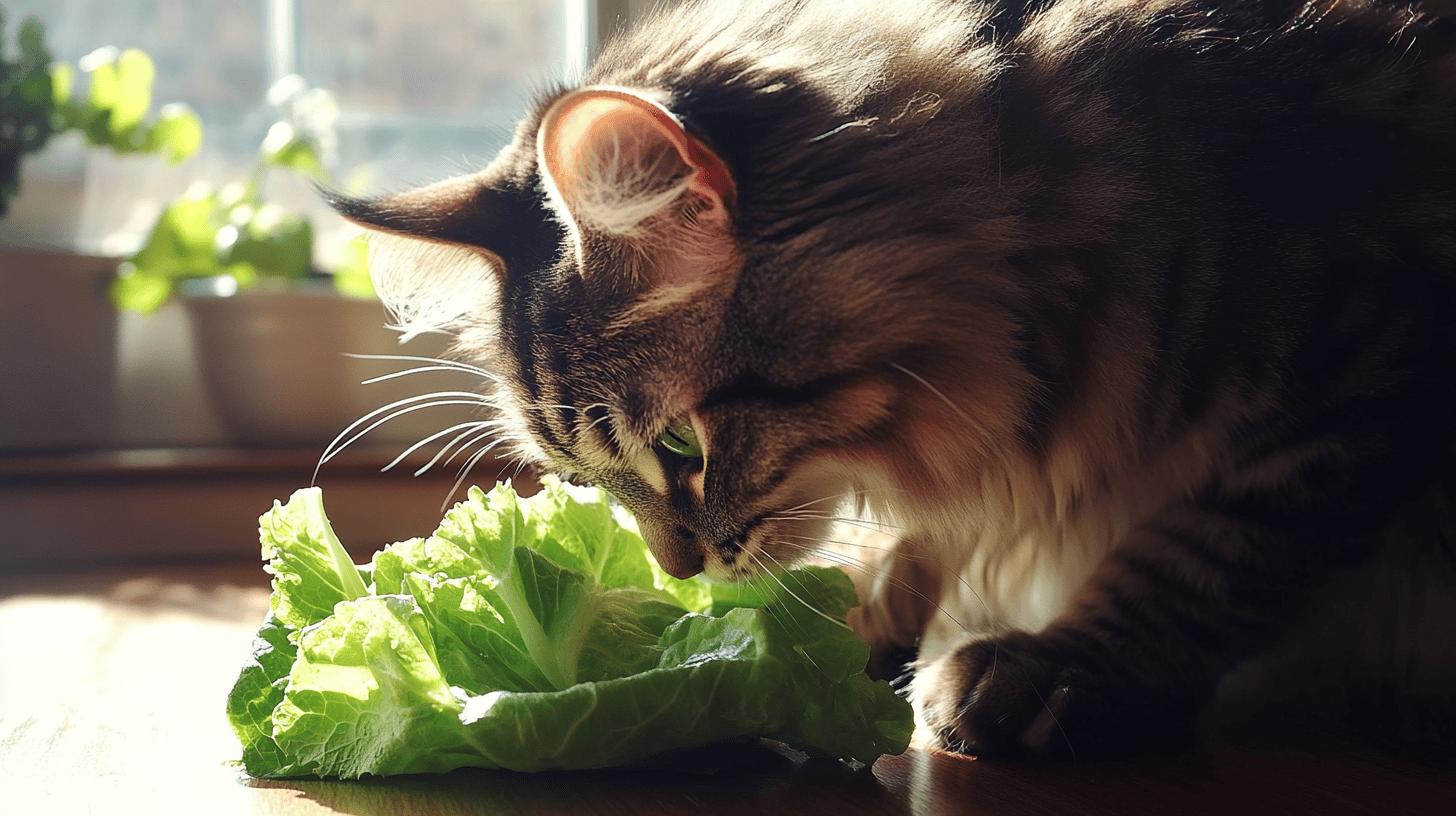
    Cats might nibble on lettuce out of curiosity, and the good news is that it's generally safe for them to do so. While lettuce isn't toxic, it should only be given in moderation. The main component of lettuce is water, which doesn't provide the essential nutrients that cats, as obligate carnivores, truly need. It's important to remember that lettuce should never replace the meat-based diet that is crucial for a cat's health.

    Lettuce can offer some hydration benefits due to its high water content, which might be especially appealing for cats who don't drink enough water. Yet, the nutritional benefits are quite minimal.

    Lettuce doesn't contain the necessary proteins and amino acids required by cats, making it a poor substitute for their regular diet. Too much lettuce can lead to digestive issues, such as diarrhea or vomiting, especially if the cat's system isn't used to it.

    Introducing lettuce to a cat's diet requires careful preparation. Always wash the lettuce thoroughly to remove any pesticides or chemicals that might be harmful. Chop it into small, manageable pieces and offer it in small amounts to see how your cat reacts.

    Keep an eye on your cat for any signs of discomfort or digestive upset. If you notice adverse effects, it's best to consult a veterinarian to ensure your cat’s well-being.

    Here's a list of potential health risks and safe practices:

    • Diarrhea from overconsumption
    • Vomiting if the cat's system is sensitive
    • Upset stomach due to lactucarium in lettuce
    • Risk of vitamin A toxicity if consumed excessively
    • Always wash lettuce thoroughly
    • Chop into small pieces for easy consumption
    • Monitor your cat’s reaction and consult a vet if needed

    Remember, while lettuce is safe in small amounts, it should never take the place of a balanced, meat-based diet that provides all the essential nutrients your feline friend needs.

    Types of Lettuce and Their Suitability for Cats

    Types of Lettuce and Their Suitability for Cats-1.jpg

    When we think about iceberg lettuce, it’s mostly about hydration rather than nutrition. This type of lettuce is made up of a lot of water and offers very little in terms of essential nutrients. While it's not harmful for cats to nibble on, it doesn't contribute much to their dietary needs. It's suitable for an occasional snack, but remember that it shouldn’t make up more than 10% of your cat's diet to prevent any nutritional imbalances.

    Romaine lettuce, on the other hand, provides a bit more in the nutrition department. It contains folate and various vitamins, which are beneficial in small quantities. Although these nutrients can be good for your cat, romaine should still be given in moderation. Emphasizing a meat-based diet is crucial, as it fulfills the protein and amino acid requirements that cats need to thrive.

    Butter lettuce stands out due to its rich content of minerals and vitamins. It’s packed with iron, calcium, and vitamins A, C, and K. These nutrients can offer some health benefits for cats, but again, it's vital to keep their intake minimal. Too much can lead to potential health issues, so it's best to treat butter lettuce as an occasional supplement to their primary diet.

    Lettuce Type Nutritional Content
    Iceberg High water content, low nutritional value
    Romaine Folate, vitamins
    Butter Iron, calcium, vitamins A, C, and K

    Exploring Alternative Leafy Greens for Cats

    Exploring Alternative Leafy Greens for Cats-1.jpg

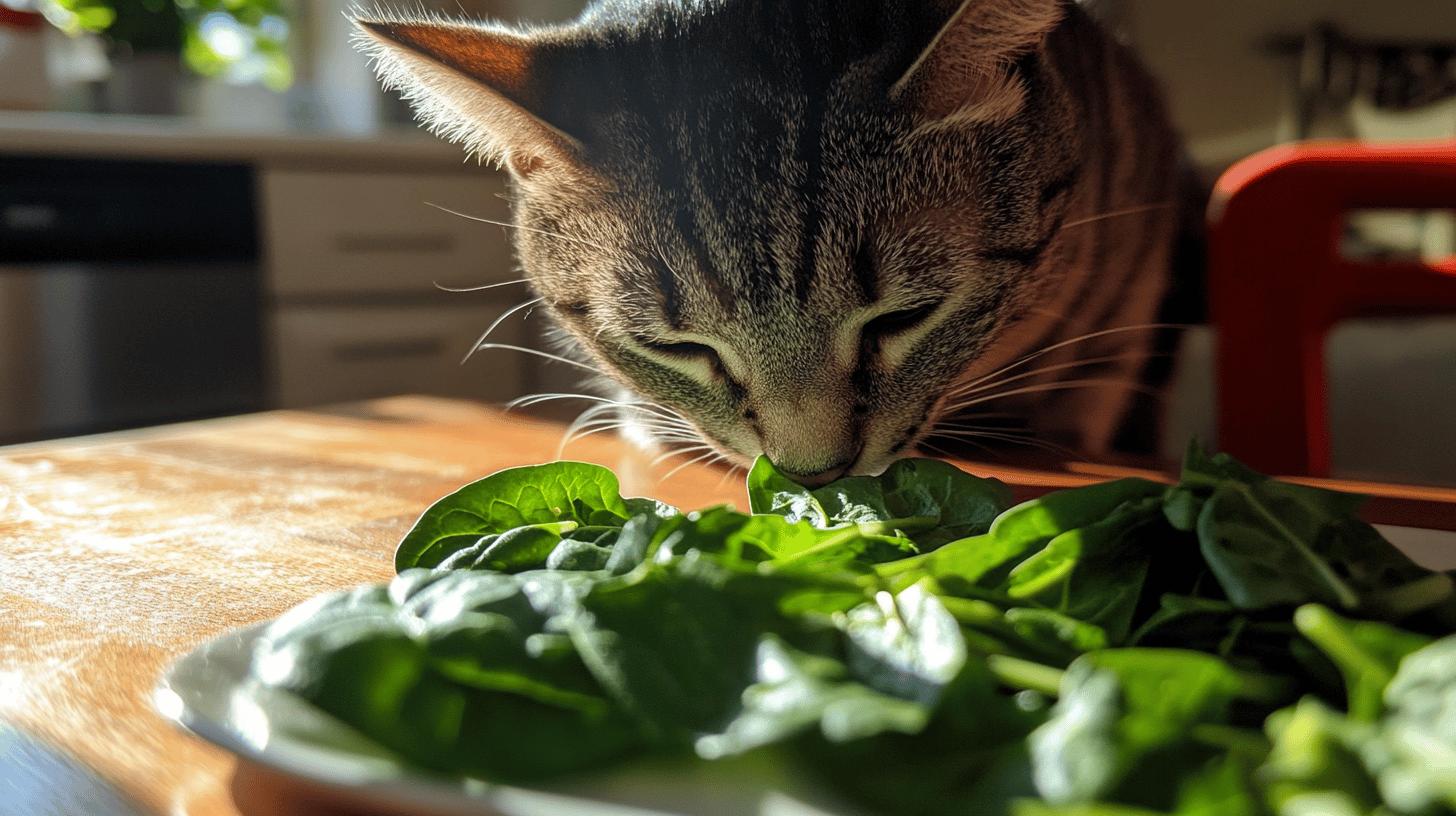
    Spinach and kale are two leafy greens that can be beneficial additions to a cat's diet when given in moderation. Spinach is a powerhouse of vitamins, offering A, C, and K. These nutrients support various bodily functions, including vision health, immune system support, and blood clotting.

    Kale is another excellent option, packed with antioxidants and minerals that can help in reducing inflammation and promoting overall health. However, due to the natural oxalates found in spinach, it’s important to feed it sparingly to avoid any potential issues with calcium absorption.

    Cooking spinach and kale is crucial before introducing them to your cat's meals. The cooking process helps break down the fibers and makes these greens easier for cats to digest. Raw greens can be tough on a cat’s digestive system and may lead to stomach upset.

    By lightly steaming or boiling these vegetables, you can enhance their digestibility and ensure that your feline friend can enjoy the benefits without any adverse effects.

    Here are some alternative greens that are safe for cats:

    • Spinach: Provides vitamins A, C, and K.
    • Kale: Offers antioxidants and minerals.
    • Other greens: Considered safe in moderation.

    Final Words

    Exploring the question, "can cat eat lettuce," we learned that while lettuce isn't toxic, it offers limited benefits. It can hydrate cats but shouldn't replace their meat-centric diets due to minimal nutrition. Overindulgence could lead to digestive issues like diarrhea or vomiting. If introducing lettuce, wash it well, serve in small amounts, and monitor for any adverse reactions.

    Romaine and butter lettuces add more nutrients compared to iceberg. While spinach and kale are viable alternatives, they need to be cooked. With careful moderation, leafy greens can be a refreshing treat for cats.

    FAQ

    Can cats eat lettuce leaves?

    A: Cats can eat lettuce in small amounts. While it provides hydration, it offers minimal nutrition and should not replace their meat-based diet. Always wash it well before offering to your cat.

    Is lettuce toxic for cats?

    A: Lettuce is not toxic to cats. However, overconsumption can lead to digestive issues like diarrhea and vomiting due to lactucarium.

    Can cats eat iceberg lettuce or romaine lettuce?

    A: Cats can eat both iceberg and romaine lettuce. Iceberg provides hydration but little nutrition. Romaine has more nutrients like folate and vitamins.

    Can cats eat lettuce every day?

    A: Cats should not eat lettuce daily. It's best given in moderation, making sure it doesn't exceed 10% of their diet to avoid digestive troubles.

    Can cats eat lettuce and spinach?

    A: Cats can eat lettuce and spinach. Spinach offers vitamins A, C, and K. Both should be given in moderation to prevent digestive issues.

    Can cats eat tomatoes?

    A: It's not safe for cats to eat tomatoes. Tomatoes can be toxic to cats, especially the stems and leaves.

    Can cats eat salad dressing?

    A: Cats should not eat salad dressing. Dressings often contain ingredients that are not safe for cats, like onions or garlic, and high-fat content.

    What kind of salad can cats eat?

    A: Cats can have salad made of plain, washed lettuce or other safe leafy greens. Avoid any add-ons or dressings.

    Why does my cat like to eat lettuce?

    A: Cats may like lettuce due to its crunchy texture and hydration content. It's usually curiosity rather than necessity that drives their interest.

    What vegetable is toxic to cats?

    A: Onions, garlic, and tomatoes are toxic vegetables for cats and should be avoided altogether.

    Related Articles

  • Training Your Cat to Lay Down Easily

    Training Your Cat to Lay Down Easily

    Did you know cats can learn to lay down on command just like dogs? It's true! Training your cat to lay down isn't just a convenient trick; it enhances your playtime experience and strengthens your bond. Imagine the satisfaction of watching your feline friend respond eagerly to your cue.

    With a few simple steps, patience, and some tasty treats, you can make this happen. Let's dive into the easy guide that turns your furry companion into an obedient and happy learner. Ready to start this exciting journey? Let’s go!

    Step-by-Step Guide: How to Train a Cat to Lay Down

    Training Your Cat to Lay Down Easily-2.jpg

    Before starting your training session, make sure your cat is calm and relaxed. This helps them be more attentive and receptive to learning. Choose a quiet space free from distractions. Decide on a consistent command, like “lay down” or “relax,” and stick with it throughout the training process. This consistency helps your cat associate the command with the action you want them to perform.

    Now, use a treat to guide your cat into a lying position. Start with your cat sitting directly in front of you. Hold a treat near their nose to get their attention. Slowly move the treat towards the ground and slightly away from them.

    As your cat follows the treat, they’ll naturally lower their body to the ground. Once they lie down, immediately reward them with the treat and praise. Repeat this process several times, ensuring your cat understands that lying down leads to a tasty reward.

    Here are five essential tips for maintaining consistency and reinforcing behavior:

    1. Use the same command each time.
    2. Reward promptly with treats and praise.
    3. Keep training sessions short and enjoyable.
    4. Be patient if your cat doesn’t respond immediately.
    5. Practice daily for steady progress.

    Adjust the training frequency based on your cat’s learning pace. Some cats may catch on quickly, while others might need more time. If your cat seems frustrated, take a break and try again later. Keep sessions positive and engaging, ensuring that both you and your cat enjoy the process. With patience and practice, your cat will learn to lay down on command.

    Positive Reinforcement in Cat Training

    Positive Reinforcement in Cat Training-2.jpg

    Positive reinforcement is a powerful technique in cat training. It means rewarding desired behaviors with treats or praise. This approach not only helps in teaching new commands like laying down but also strengthens the bond between you and your cat.

    Cats learn that good behavior leads to positive outcomes, making them more eager to engage in training sessions. This method is enjoyable for both you and your cat, creating a positive environment for learning.

    Selecting the right treats and praise is crucial for effective training. Choose treats that your cat loves and are easy to eat quickly. Soft, small treats work best since they won't interrupt the flow of training.

    Praise your cat with a happy voice, using words like "Good job!" or "Well done!" to make them feel appreciated. The combination of tasty treats and loving words can motivate your cat to repeat the desired behavior.

    Action Reward Type
    Sitting on command Treat and verbal praise
    Coming when called Favorite toy
    Using the scratch post Petting and praise
    Laying down on command Treat and praise

    Positive reinforcement can also be effective with shy or stubborn cats. By consistently rewarding small successes, even the most reluctant felines can become more motivated. Gradually, as they associate good behavior with rewards, they'll be more willing to participate in training. This method ensures that every cat, regardless of personality, has the chance to learn and grow in a supportive environment.

    Understanding Cat Behavior for Effective Training

    Alternatives to Coconut for Cats-2.jpg

    Understanding cat behavior is key to effective training. Cats communicate through subtle body language and signals, which indicate their mood and willingness to train. By recognizing these cues, you can tailor your training sessions to suit your cat's needs.

    Paying attention to your cat's ears, tail, and overall posture can reveal if they are interested, relaxed, or stressed. This awareness helps establish a positive training environment where your cat feels comfortable and open to learning.

    Here are four common signals indicating training readiness or reluctance:

    1. Ears Forward: Shows curiosity and readiness to engage.
    2. Relaxed Tail: Indicates comfort and willingness to participate.
    3. Dilated Pupils: May suggest excitement or stress, so watch for context.
    4. Slow Blinking: Suggests trust and relaxation, ideal for training.

    Adapting your training strategies based on your cat's mood can make sessions more productive. If your cat seems stressed or uninterested, give them time to relax before trying again. Use positive reinforcement when they display readiness signals.

    This approach not only improves training success but also strengthens the bond between you and your cat. By being attentive to their body language, you can ensure a rewarding training experience for both of you.

    Training Tools and Treats for Your Cat

    Positive Reinforcement in Cat Training-4.jpg

    Clickers are fantastic for marking when your cat does something right. They make a clear sound that tells your cat exactly when they’ve done well. If you don't have a clicker, snapping your fingers or using a pen with a click works too. The secret is to be consistent. Help your cat know what they did to earn the reward.

    Pick treats that your cat loves for training. Small and soft treats keep things moving. They should be easy for your cat to eat quickly. Try different treats to see which ones your cat gets excited about.

    1. Freeze-dried chicken: Packed with protein and super tasty.
    2. Soft salmon bites: Easy to chew and loved by many cats.
    3. Turkey jerky strips: Break them into small pieces for training.
    4. Tuna-flavored soft treats: The strong smell is very attractive.
    5. Catnip-infused snacks: Adds fun with a familiar scent.

    Use simple words or phrases for training cues. Stick to the same cue each time. Change tools and treats as your cat improves. Keep your cat’s interest and make learning fun!

    Understanding Cat Behavior for Effective Training

    Training Your Cat to Lay Down Easily-3.jpg

    Cats can be independent and sometimes stubborn, making training a challenge. They may not always show interest or eagerness to follow commands. This independence requires adapting training strategies based on their mood and behavior.

    Here are some tips to help keep your cat engaged:

    1. Change Up the Time or Location: If your cat seems uninterested, try training at a different time or in a new spot. This change can renew their interest.
    2. Be Patient: Every cat learns at their own pace. Adjust your methods as needed and ensure training is fun and rewarding for your cat.
    3. Observe Their Mood: Pay attention to how your cat is feeling. If they seem stressed or disinterested, take a break and try again later.
    4. Keep It Positive: Always use positive reinforcement to encourage small successes and progress.

    By understanding your cat's behavior and remaining flexible, you can create a more effective training environment.

    Final Words

    Training a cat to lay down isn't just possible; it's rewarding. Starting with patience, you guide your cat with treats and reinforce positive behavior.

    Using the right tools and understanding cat behavior can make these sessions more effective. Positive reinforcement strengthens your bond and makes learning fun for both of you.

    Remember, it’s key to notice cat signals and adjust the training to their needs. Challenges might come up, but solutions help keep progress steady. Stay patient, and enjoy the journey with your feline friend!

    FAQ

    How can I train my cat to lay down?

    Start with your cat in a sitting position. Use a treat to guide them into a lying position. Reward them immediately. Be consistent with the command and repeat in short, fun sessions.

    How do I get my cat to lay down with me?

    Spend time relaxing with your cat. Use treats or toys to encourage them to lay near you. Create a comfy, inviting space. Be patient and positive.

    How can I teach my cat to roll over?

    Begin with your cat on its side. Gently use a treat to guide it to roll. Reward the behavior immediately. Practice regularly for best results.

    What’s the best way to teach a cat to sit?

    Use a treat to lure the cat's head back, causing the back to lower into a sit. Say "sit" and reward once the position is right. Repeat training sessions often.

    How do I use a clicker to train my cat to sit?

    Use a clicker to mark the behavior you want. When your cat sits, click, and reward with a treat. Consistency in timing is key to success.

    How can I teach my cat to sit without a clicker?

    Guide the cat into the sitting position using a treat. Use verbal commands and reward as soon as they sit. Consistent practice helps reinforce the command.

    Can I communicate "sit down" in cat language?

    Cats respond best to consistent commands paired with actions. Use the word "sit" with a hand signal and reward when successful.

    What are some common cat training commands?

    Common commands include sit, lay down, stay, and come. Pair each with a consistent cue or hand signal for clarity.

    Why does my cat struggle to lay down?

    This might be due to discomfort or lack of understanding of the command. Ensure your cat is comfortable and use positive reinforcement consistently.

    How do I train my cat to get down?

    Use the cue "down" and guide your cat off the surface with a reward. Reward immediately upon completion. Repetition helps reinforce learning.

    Related Articles

  • Can Cat Eat Cherry and Is It Safe for Them

    Can Cat Eat Cherry and Is It Safe for Them

    Ever wonder if your cat can share a sweet cherry snack with you? Let's take a closer look before you toss them one. While cherries might sound harmless, they come with serious risks for our feline friends.

    This curious fruit holds hidden dangers in its pits, stems, and leaves—which can transform into toxins inside a cat’s digestive system. Even though the juicy part seems safe, it’s not worth the gamble. Read on to uncover the truth about cherries and why they should be kept far from your cat's reach.

    Can Cats Safely Eat Cherries?

    Can Cats Safely Eat Cherries-3.jpg

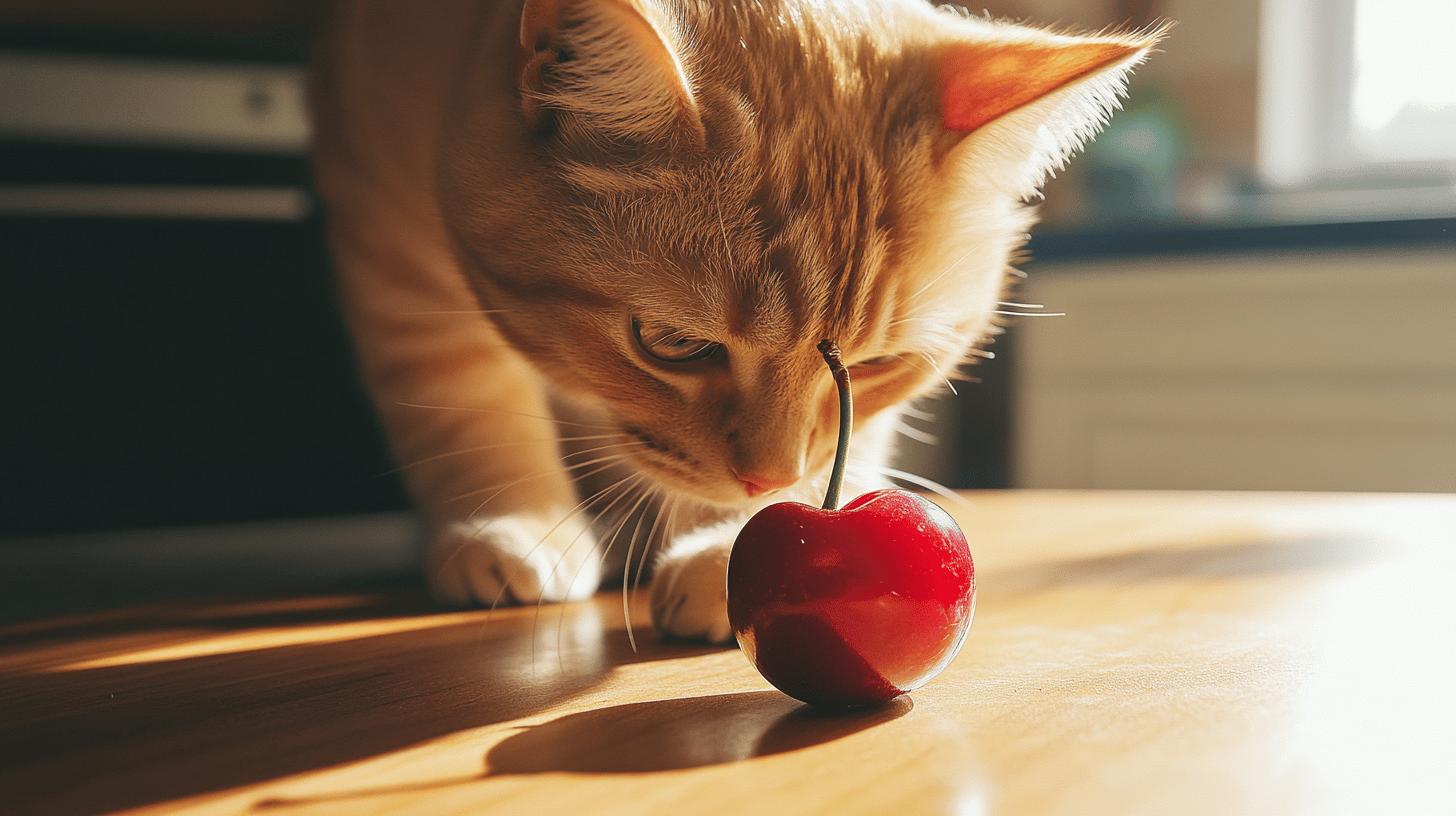
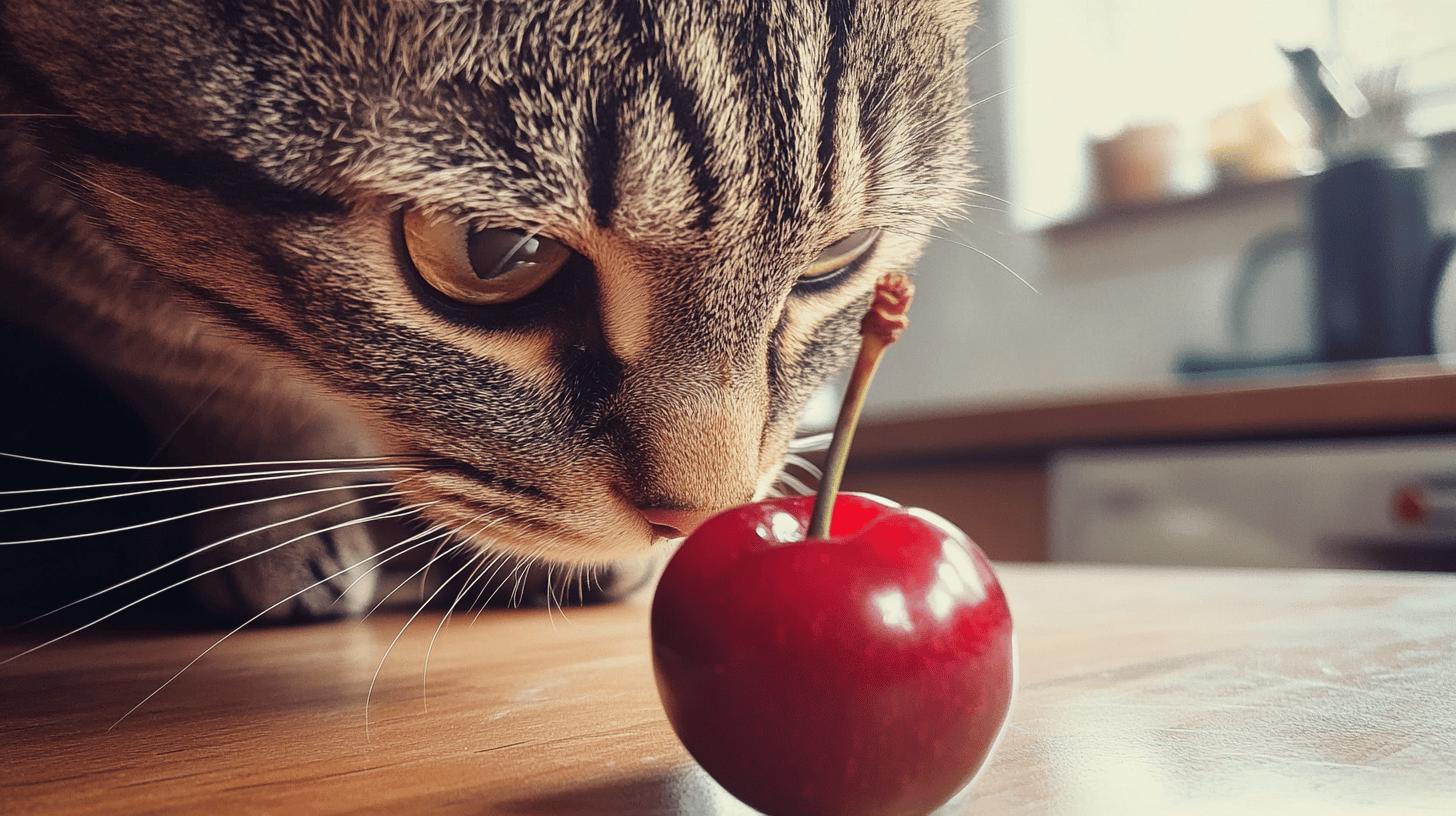
    Cherries are not safe for cats. The primary concern lies in the toxic components found in cherries, such as cyanogenic glycosides present in the stems, leaves, and pits. When ingested, these substances can convert into cyanide in a cat's digestive tract, posing severe health risks. Even though the flesh of the cherry itself is not toxic, the risk of contamination with these hazardous parts makes cherries unsafe for cats.

    Here are key reasons to avoid feeding cherries to your cat:

    • Cyanide Risk: Stems, leaves, and pits contain cyanogenic glycosides, leading to potential cyanide poisoning.

    • Contamination Concerns: Even the flesh can be contaminated with toxic parts.

    • No Nutritional Benefits: Cherries offer no essential nutrients needed by cats.

    • Risk of Choking: Pits can cause choking or intestinal blockage.

    • High Sugar Content: The natural sugars in cherries are not suitable for a cat's diet.

    Cherries should be kept away from cats to prevent any accidental ingestion. When considering any new food for your feline friend, always prioritize their health and safety.

    Potential Health Risks of Cherries for Cats

    Potential Health Risks of Cherries for Cats-4.jpg

    Cherries might be a tasty treat for humans, but they're not safe for our feline friends. The main issue lies in the cherry pits, stems, and leaves which contain cyanogenic glycosides. When these substances are consumed, they can transform into cyanide in a cat's digestive system, posing serious threats to their health.

    Chewing on cherry pits is particularly dangerous because it releases these glycosides, significantly increasing the risk of cyanide poisoning. Besides the chemical dangers, there's also a risk of intestinal obstruction when cats ingest these parts of the cherry.

    Here are some symptoms that could indicate cherry poisoning in cats:

    • Vomiting

    • Difficulty Breathing

    • Reddened Gums

    • Dilated Pupils

    • Weakness or Lethargy

    • Seizures

    Immediate veterinary attention is crucial if you suspect your cat has eaten cherries or any part of the plant. Intestinal obstruction is another concern, especially if your cat has swallowed a pit whole. This might necessitate emergency surgery.

    Keep a close eye on your cat for any unusual symptoms and consult your vet right away. It's also wise to prevent further ingestion by keeping cherries and cherry products out of your cat's reach at all times.

    Consider offering safe alternatives like catnip, cooked carrots, or small pieces of cooked chicken as treats instead of cherries. Prioritizing their health means steering clear of cherries altogether.

    Alternatives to Cherries: Safe Fruit Treats for Cats

    Potential Health Risks of Cherries for Cats-1.jpg

    When it comes to feeding fruits to your cat, moderation is key. Cats are obligate carnivores, meaning their primary nutritional needs are met through animal proteins.

    Fruits should only be offered as occasional treats, considering their high sugar content and lack of essential nutrients. It's important to choose fruits that are safe and beneficial for your feline friend.

    Here are some fruits that are safe for cats:

    • Blueberries: Packed with antioxidants, these tiny fruits can be a fun and safe treat.

    • Apples (without seeds): A small piece of peeled apple can be a crunchy delight, but avoid seeds as they contain cyanide.

    • Bananas: A slice of banana is a tasty option, but its sugar content means it should be given sparingly.

    • Watermelon (seedless): Hydrating and refreshing, watermelon can be a safe treat in small amounts.

    • Cantaloupe: This melon offers a sweet and juicy snack that many cats enjoy.

    Before introducing any new foods or treats into your cat's diet, it's essential to consult with a veterinarian. They can provide guidance tailored to your cat's specific health needs and ensure that any dietary changes are safe and appropriate. Always prioritize your cat's health and well-being when offering new treats.

    The Role of Cherries in Commercial Cat Food

    The Role of Cherries in Commercial Cat Food-1.jpg

    Cherries are notably absent in commercial cat food formulations due to the potential toxicity of their pits, stems, and leaves, which contain cyanogenic glycosides. These compounds can become cyanide when ingested by cats, posing significant health risks.

    Manufacturers focus on creating nutritionally complete cat foods that meet all dietary needs, primarily using animal-based proteins. This ensures balanced nutrition, supporting cats' health without the need for cherries or similar fruits.

    Commercial cat food undergoes a specific formulation process, ensuring safety and nutritional completeness. This process avoids using potentially harmful ingredients like cherries, prioritizing ingredients that promote feline well-being.

    Final Words

    Throughout this guide, we learned that cherries are unsafe for cats. Parts of the cherry plant like stems, leaves, and pits contain cyanide, making them toxic. The risks of poisoning and intestinal problems are too high. While the flesh isn't toxic, it's not worth the gamble.

    Can a cat eat cherry? It's best to keep cherries out of their diet. Safer fruit options like blueberries exist, but moderation is key. Always consult with your vet before introducing new foods. Keep your cat safe and their tummies happy with the right choices!

    FAQ

    Can cats eat cherry fruit?

    Cats should not eat cherries. Cherries contain cyanogenic glycosides in their stems, leaves, and pits, which can lead to cyanide poisoning. The flesh is not toxic, but contamination risks exist.

    What happens if my cat eats cherries?

    If your cat eats cherries, watch for symptoms of poisoning such as vomiting, difficulty breathing, and tremors. Seek veterinary help immediately to prevent serious health issues.

    Can cats have cherries without the pit?

    Even without the pit, cherries can pose risks due to possible contamination with toxic parts. It's safer to avoid giving cherries to cats entirely.

    Can cats eat cherry seeds or pits?

    Cats should not eat cherry seeds or pits. They contain cyanogenic glycosides, which can release cyanide and cause poisoning. They may also cause intestinal blockages.

    Can cats eat cherry yogurt or ice cream?

    Cats shouldn't consume cherry-flavored yogurt or ice cream. These products could contain harmful cherry components and also have high sugar and dairy levels unsuitable for cats.

    What fruit is toxic for cats?

    Fruits like cherries, grapes, and raisins are toxic to cats. Always consult a vet before feeding any new food to your cat to ensure safety.

    My cat licked a cherry; what should I do?

    If your cat licked a cherry, monitor them closely for any signs of distress. Contact your veterinarian for guidance on the next steps and ensure your cat's safety.

    Related Articles

  • How to Train a Cat to Do a Backflip

    How to Train a Cat to Do a Backflip

    Did you know that with a little patience, your cat can learn to pull off a backflip? It might sound impossible, but with the right tools and techniques, even your feline friend can master this jaw-dropping trick.

    In this guide, I’ll show you how to transform playtime into a training session that gets results. By using simple toys and consistent routines, you’ll engage your cat’s natural jumping instincts. Combine this with encouragement and rewards, and soon your cat will be flipping to impress! Ready to get started? Let’s dive in.

    Step-by-Step Guide: Training Your Cat to Do a Backflip

    Step-by-Step Guide Training Your Cat to Do a Backflip-2.jpg

    1. Choose the Right Toy: Select an interactive toy such as a feather wand or laser pointer. These toys can trigger your cat’s natural instinct to leap and play.
    2. Establish a Routine: Schedule regular training sessions at the same time each day. Consistency helps your cat understand the training pattern.
    3. Encourage Jumping: Use the toy to encourage your cat to jump. Begin with low heights and gradually increase as your cat becomes more comfortable.
    1. Introduce the Flip: Once your cat is confidently jumping, gently guide the toy in a circular motion above their head. This movement encourages your cat to twist mid-air.
    2. Reward Success: Each time your cat performs a movement resembling a backflip, reward them with a treat or praise. This reinforces the behavior.
    3. Practice Consistently: Continue practicing these steps regularly, building up the backflip motion over time.

    Cats are naturally agile creatures, capable of impressive acrobatic feats. Their playful nature often leads them to perform flips and somersaults during regular playtime. This agility makes them excellent candidates for learning tricks that involve jumping and twisting.

    Using toys is crucial in training your cat to do a backflip. Toys not only engage a cat’s interest but also provide the motivation needed to perform complex movements. Interactive toys like laser lights can be particularly effective, as they simulate prey, prompting cats to leap and twist.

    Patience and positive reinforcement are key to successful training. Cats learn at their own pace, and it’s important to celebrate small victories.

    Rewarding your cat with treats or affection after each successful attempt encourages them to repeat the behavior. By maintaining a positive and patient approach, you can strengthen the bond with your cat while teaching them new tricks.

    Tools, Environment, and Understanding Feline Behavior for Cat Training

    Tools, Environment, and Understanding Feline Behavior for Cat Training-2.jpg

    Creating a safe and distraction-free training environment is essential for successful cat training. Cats are curious creatures, and a cluttered space can easily divert their attention away from the task at hand. Ensure that the room is free of any hazards that could cause injury, like sharp objects or furniture that could be tipped over during enthusiastic play.

    A room with minimal disturbances allows your cat to focus solely on the training session. Consider using a space where your cat already feels comfortable and secure, as this will help them relax and be more open to learning new tricks.

    Motivation is a key component in training, and it often comes in the form of treats and play. Cats are naturally motivated by both food and the thrill of the hunt, which you can simulate with interactive toys.

    Offering a tasty reward after a successful attempt reinforces positive behavior and encourages your cat to continue participating. Playtime itself can be a powerful motivator, as it taps into a cat’s instinctual desire to chase and pounce. By integrating play into training, you keep your cat engaged and eager to learn new skills.

    Recommended Training Tools:

    • Laser pointers
    • Feather toys (such as “Da Bird”)
    • Soft treats
    • Clicker for clicker training
    • Small training mat or safe play area

    Understanding feline behavior is crucial when training your cat to perform tricks like backflips. Cats communicate through body language and vocalizations, so it’s important to read their cues during training sessions. Pay attention to their ears, tail, and body posture, as these can indicate whether they’re comfortable, stressed, or ready to engage.

    For example, a wagging tail might mean irritation, while forward-facing ears signal attention and readiness. By observing these signals, you can adjust your training techniques to ensure that your cat remains happy and willing to participate. Positive reinforcement, paired with careful observation, helps build trust and encourages your cat to try new things without fear.

    Advanced Tips for Training Your Cat to Do a Backflip

    Understanding your cat’s psychology can enhance training efficiency. Cats are driven by curiosity and the desire to hunt. Use this natural instinct to your advantage by incorporating toys that mimic prey, like feather wands or small motorized toys. These can trigger a more focused and enthusiastic response during training.

    For experienced trainers, consider advanced techniques such as clicker training. Use a clicker to mark the precise moment your cat performs the desired movement, followed by a treat. This method can help cats associate the sound with success and improve their learning speed.

    When facing challenges, troubleshoot by observing your cat’s reactions. If your cat seems uninterested, try different toys or adjust the training environment. A quiet, distraction-free space can make all the difference.

    Training offers numerous benefits beyond teaching tricks. It stimulates your cat mentally, preventing boredom, and contributing to their overall well-being. Physically, it keeps them active and agile, promoting healthier joints and muscles. By viewing training as an enriching activity, rather than just a means to an end, you can foster a deeper connection with your feline friend.

    Tools, Environment, and Understanding Feline Behavior

    Overcoming Challenges and Ensuring Safety in Cat Training-2.jpg

    Creating a safe training environment is crucial for both the cat and the trainer. Always supervise your cat during training sessions to prevent accidents.

    Gradually increase the difficulty of tricks to match your cat’s comfort level. Regularly monitor your cat’s physical condition to ensure they are not strained or injured. Use soft surfaces like carpets or mats to cushion any awkward landings.

    Maintaining a cat’s interest and motivation can be challenging. Cats can become easily distracted or lose interest in repetitive tasks. Keep training sessions short and engaging to prevent boredom. Incorporating a variety of toys and treats enhances motivation and positive reinforcement.

    Handling setbacks is a normal part of any training process. Approach them with patience and understanding. If your cat struggles with a particular trick or seems hesitant, take a step back and reassess the training environment and techniques.

    Sometimes, giving your cat a break or changing the routine can reignite their interest. Always celebrate small victories and reward your cat’s efforts with treats and affection.

    Celebrating Success: Progress and Advanced Tricks

    Celebrating Success Progress and Advanced Tricks-4.jpg

    Celebrating training milestones is key to maintaining motivation for both you and your cat. Recognizing these achievements with rewards, like treats or extra playtime, reinforces positive behavior and encourages your cat to continue learning.

    When your cat performs its first successful backflip, it’s a moment worth celebrating. Consistent performance over multiple training sessions is another milestone that signifies progress. Acknowledging these accomplishments helps build your cat’s confidence and strengthens your bond.

    Once your cat masters the backflip, it’s time to introduce advanced tricks to keep them engaged. Cats thrive on mental stimulation, and challenging them with new tricks can prevent boredom. C

    onsider teaching your cat to jump through hoops or perform a sequence of flips. Introducing variety in your training regimen keeps your cat’s curiosity piqued and ensures that they remain active and interested in participating. Keep each session positive and rewarding, and your cat will continue to look forward to learning new skills.

    Milestone Reward
    First Successful Flip Treat and Praise
    Consistent Performance Extra Playtime
    Introduction of New Tricks Special Treat
    Sequence of Tricks Interactive Play Session

    Final Words

    Training your cat to do a backflip can be a fun challenge. We explored the natural agility of cats and their love for acrobatics. Using toys for motivation and creating a safe space are important. Patience and positive reinforcement drive success.

    We looked at overcoming challenges with safe practices. Celebrating milestones helps keep training engaging. Understanding how to train a cat to do a backflip requires dedication. Remember to enjoy the journey and stay patient, and you’ll see progress before you know it. Your bond with your cat will grow even stronger.

    FAQ

    How to train a cat to do a backflip without?

    A: To train a cat for a backflip, use toys like feathers to lure jumps. Position the toy high and slightly behind, encouraging the cat to flip naturally.

    How to train a cat to do a backflip while?

    A: While teaching a backflip, direct your cat with treats. Use toys to guide its focus and ensure jumps are controlled and safe.

    Can a cat do a backflip?

    A: Cats can indeed perform backflips, especially during play. Their flexibility and agility allow them to execute such acrobatic moves naturally.

    Can I train my cat to do tricks?

    A: Yes, you can train your cat to do tricks using consistency, positive reinforcement, and patience. Start with simple tricks, gradually progressing to more complex ones.

    How to train for back flips?

    A: Training for backflips involves using interactive toys to entice jumps, providing rewards, and ensuring your cat feels secure in a safe environment.

    How long does it take for a cat to learn a trick?

    A: The time varies for a cat to learn a trick. It depends on their interest and motivation. Generally, it can take from a few days to a few weeks with consistent practice.

    Related Articles

  • Can Cat Eat Peanuts Safety Risks and Feeding Tips Explained

    Can Cat Eat Peanuts Safety Risks and Feeding Tips Explained

    Did you know that a simple snack like peanuts could pose hidden dangers for your feline friend? While peanuts aren't toxic to cats, they're far from the ideal treat. Cats are obligate carnivores, meaning their bodies are built for meat, not nuts.

    In this article, we dig deep into the potential risks of letting your cat nibble on peanuts, from choking hazards to health issues like obesity and salt poisoning. We'll also share tips on how to safely treat your cat, balancing curiosity with care. Let's explore if peanuts have a place in your cat's bowl.

    Can Cats Eat Peanuts? Understanding Safety and Risks

    Can Cats Eat Peanuts Understanding Safety and Risks-1.jpg

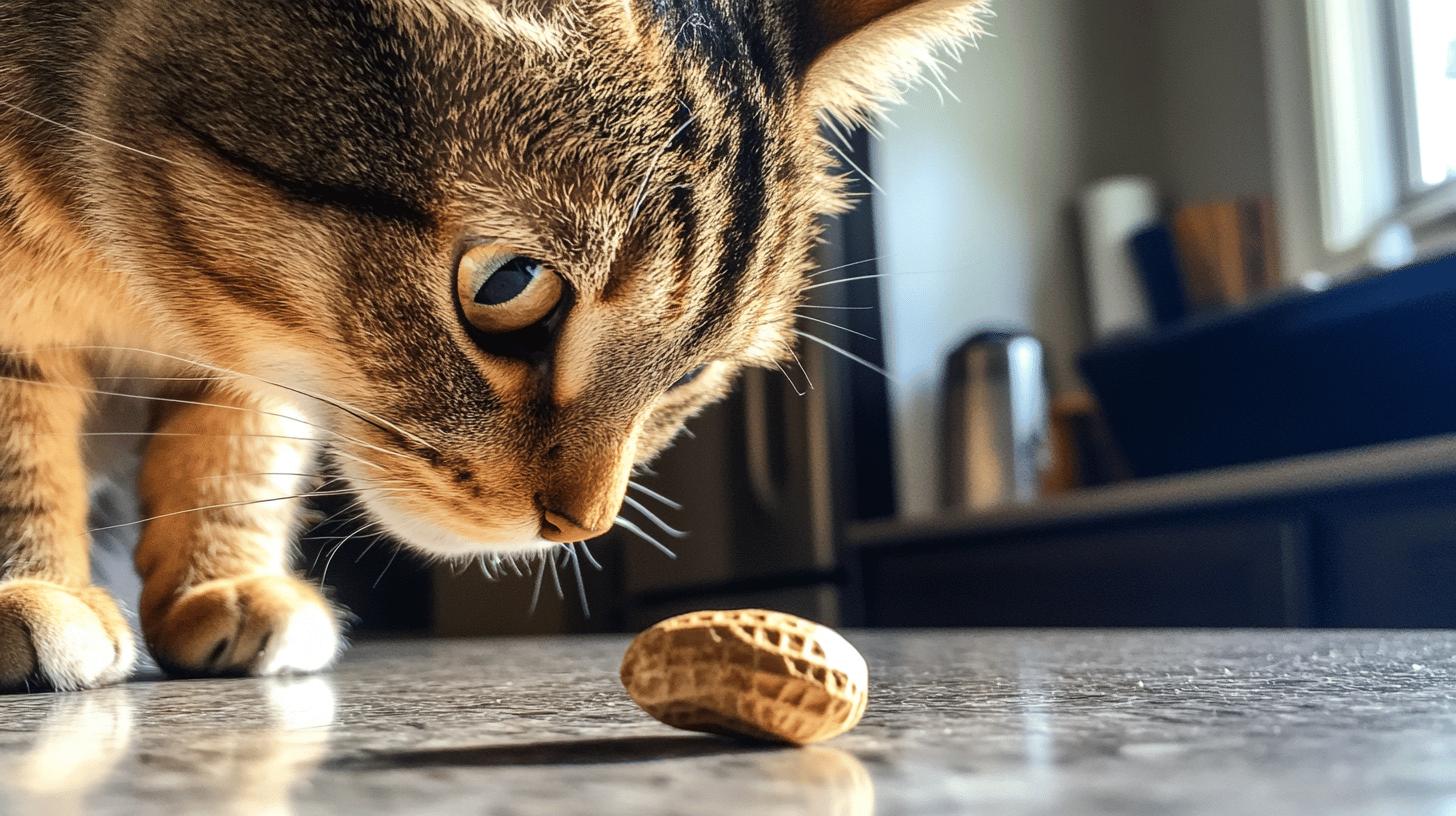
    Peanuts are not toxic to cats. They can nibble on a few without immediate harm. However, peanuts are not a necessary part of a feline diet. Cats are obligate carnivores, meaning their bodies are designed to thrive on animal-based proteins. Peanuts don't meet their nutritional needs and can pose health risks if not managed carefully.

    Feeding peanuts to cats can lead to several health issues. The high-fat content in peanuts makes them a questionable choice for treats. Regularly consuming peanuts may lead to obesity, which can increase the risk of diabetes and other health problems in cats.

    Additionally, peanuts, particularly in their shells, can be a choking hazard. Cats might accidentally swallow them whole, leading to possible intestinal obstruction or choking. It's best to keep them as an occasional treat, if at all.

    Salt poisoning is another concern when it comes to feeding peanuts to cats. Excessive salt can lead to serious health issues, such as an electrolyte imbalance. When considering peanuts, it's crucial to avoid salted varieties to prevent these problems. Here are some symptoms of salt poisoning to watch out for:

    • Vomiting
    • Diarrhea
    • Lethargy
    • Excessive thirst or urination

    Lastly, some cats can be allergic to peanuts. It's important to introduce them in very small amounts to gauge any allergic reactions. Signs of an allergic reaction can include vomiting, diarrhea, or skin irritations. Always be attentive and consult with a veterinarian if you notice any adverse effects. Monitoring your cat's response to peanuts can help ensure their safety and well-being.

    Can Cats Safely Eat Peanut Butter?

    Can Cats Safely Eat Peanut Butter-1.jpg

    Peanut butter is not toxic to cats. They can consume it without immediate harm, but that doesn't mean it's suitable for regular inclusion in their diet. Though many cats might find peanut butter appealing due to its rich and savory flavor, it's important to approach it with caution.

    Excessive consumption of peanut butter can lead to several gastrointestinal issues in cats. The creamy texture and high-fat content can upset a cat's digestive system, resulting in vomiting, diarrhea, gas, and stomach pains. These symptoms can be distressing for both the cat and the owner. Given these potential issues, it's clear that peanut butter should not be a staple in a cat's diet.

    Feeding Recommendations for Peanut Butter

    Moderation is key when it comes to feeding peanut butter to cats. Veterinary experts suggest that peanut butter should only be fed occasionally and in small amounts. An appropriate guideline is to offer no more than half a teaspoon twice a week.

    Always opt for plain, unsweetened peanut butter to avoid any added sugars or artificial sweeteners that could be harmful. By sticking to these recommendations, you can minimize the risks and allow your cat to enjoy peanut butter as an occasional treat.

    Are There Any Nutritional Benefits of Peanuts for Cats?

    Are There Any Nutritional Benefits of Peanuts for Cats-1.jpg

    Peanuts don't offer significant nutritional benefits for cats. They're high in fat, which can lead to digestive issues and potentially contribute to obesity. While peanuts are a common snack for humans, they lack the essential nutrients that cats require to remain healthy. Feeding your cat peanuts occasionally might not cause immediate harm, but the advantages are minimal.

    Cats are obligate carnivores, relying on a diet rich in animal-based proteins to meet their nutritional needs. Key nutrients like taurine and arginine, vital for their health, are abundant in meat but absent in peanuts.

    It's crucial to focus on a balanced, meat-centric diet tailored to their carnivorous nature. This approach ensures they receive all necessary nutrients, avoiding foods like peanuts that don't match their dietary requirements.

    Safe Alternatives to Peanuts for Cat Treats

    Safe Alternatives to Peanuts for Cat Treats-1.jpg

    Choosing the right treats for your cat is crucial for their health and well-being. While peanuts and peanut butter might seem appealing, there are healthier options that align better with a cat's dietary needs. Treats should complement a cat's natural diet, providing enjoyment without compromising their health.

    Opting for alternatives like certain vegetables can offer variety and nutrition. These options can provide enrichment without the added risks associated with peanuts or peanut butter. Keeping your cat's health in mind, it's best to avoid treats that could lead to obesity or digestive issues.

    A diet rich in animal protein is essential for cats. As obligate carnivores, they thrive on proteins found in lean meats and fish. While these should be the primary focus, incorporating safe vegetables occasionally can offer additional benefits.

    These veggies can provide hydration and fiber, which can aid digestion. When selecting vegetables, ensure they are safe and prepared correctly for your feline friend. Here are some safe vegetable options to consider offering as treats:

    • Celery
    • Zucchini
    • Carrots
    • Spinach
    • Pumpkin
    • Broccoli

    By focusing on a protein-rich diet with safe vegetable treats, you can keep your cat happy and healthy, avoiding the unnecessary risks associated with peanuts.

    Final Words

    Exploring whether cats can eat peanuts reveals they aren't toxic but aren't ideal either.

    Their high-fat content and risk of allergies and gastrointestinal problems make peanuts iffy treats.

    While peanut butter shares some risks, small amounts with care might be okay.

    Peanuts provide little nutritional benefit, highlighting the need for meat-based diets for cats.

    Consider healthier alternatives like lean meats and certain vegetables for treats.

    Cats have unique dietary needs; understanding them ensures their well-being, keeping them happy and healthy.

    FAQ

    Can cats eat peanut butter?

    Cats can eat peanut butter, but it's not ideal. Peanut butter is not toxic, yet can cause stomach issues if eaten too much. Small, plain amounts are best.

    Can cats eat salted peanuts?

    Cats should avoid salted peanuts. High salt content can lead to salt poisoning, causing health issues like electrolyte imbalance.

    Can a cat eat peanuts raw?

    Raw peanuts are not toxic, but they aren't healthy. They pose a choking risk and an allergy risk. They should be given only in small amounts.

    Can cats eat dry roasted peanuts?

    Dry roasted peanuts can be a choking hazard and may cause digestive issues. They lack nutritional benefits for cats.

    Can cats eat peanut shells?

    Peanut shells are a choking threat and can cause digestive blockages. Avoid giving them to cats.

    Can cats eat almonds?

    Almonds aren't recommended for cats. They can cause digestive upset and possible allergies.

    Can cats eat peanut oil?

    Peanut oil is not toxic, but it's high in fat. Too much can lead to weight gain and digestive issues.

    Can cats eat boiled peanuts?

    Boiled peanuts may cause digestion problems due to their high salt and fat content. It's better to avoid giving them.

    What happens if my cat eats peanuts?

    If your cat eats peanuts, watch for allergies and digestive issues like diarrhea or vomiting. Contact a vet if symptoms appear.

    Is it OK to give my cat peanut butter?

    Giving peanut butter in small amounts is typically safe, but it's not nutritious. Keep it as an occasional treat only.

    Are nuts ok for cats?

    Most nuts, including peanuts, aren't beneficial for cats. They can lead to allergies, choking, obesity, and digestive issues.

    Are cats allergic to peanut shells?

    Cats can be allergic to peanut shells. Allergic reactions can include itching, swelling, or digestive upset. Avoid feeding them.

    Related Articles

  • Can Cat Eat Steak Safely and What Are the Risks

    Can Cat Eat Steak Safely and What Are the Risks

    Ever wondered if your cat can enjoy a juicy steak just like you do? While steak is rich in protein, a crucial part of a cat's diet, it's important to weigh the pros and cons. Cats naturally crave meat, making steak an alluring treat.

    But before you toss that T-bone her way, consider the potential dangers. From choking hazards to digestive issues, feeding steak isn't as simple as it seems. In this blog, we'll explore whether cats can safely eat steak and what risks you need to watch out for.

    Safety and Risks of Feeding Cats Steak

    Can Cat Eat Steak Safely and What Are the Risks-2.jpg

    Cats are obligate carnivores, which means they rely heavily on meat for their nutritional needs. Meat provides essential nutrients that support their health, making steak an appealing option. However, it's crucial to understand both the benefits and the potential risks involved in feeding steak to your feline friend.

    When considering steak for cats, safety is a priority. Steak should always be served plain, without any sauces, marinades, or seasonings. Ingredients like garlic and onions are toxic to cats and can lead to severe health issues. Also, it's important that the steak is fully cooked to minimize any health risks.

    • Excessive Fat: Too much steak fat can lead to obesity or pancreatitis. Keep fatty portions to a minimum.
    • Choking Hazards: Bones can pose serious choking risks and may cause internal injuries.
    • Bacterial Risks: Raw steak can harbor bacteria and parasites, increasing the risk of infection.
    • Digestive Issues: Too much steak, or improperly prepared steak, can upset a cat's digestive system.

    Consulting a veterinarian is essential before adding steak or any significant new food to your cat's diet. They can offer guidance tailored to your cat's specific health needs and conditions. It's also important to feed steak in moderation and to monitor your cat’s health for any changes. A balanced diet remains key to ensuring your feline friend stays healthy and happy.

    Safety and Risks of Feeding Cats Steak

    Can Cat Eat Steak Safely and What Are the Risks-2.jpg

    Cats, as obligate carnivores, need meat to thrive, and steak can be a protein-rich addition. But it's vital to focus on safe preparation and alternative protein options.

    Safe steak preparation is key. Consider lightly grilling steak without oils or seasonings to retain nutrients. Trimming visible fat and removing bones helps reduce risks. Steak should be cut into small, manageable pieces to prevent choking.

    • Alternative Proteins: Options like cooked chicken or turkey provide lean protein without high-fat content.
    • Risks of Fat and Bones: Trim fat to avoid obesity and pancreatitis. Bones can splinter and cause injury.
    • Raw Risks: Avoid raw steak due to bacteria like Salmonella and E. coli.
    • Digestive Sensitivity: Introduce cooked steak gradually to watch for digestive upset.

    Consulting a veterinarian is crucial before adding steak to your cat's diet. They can offer insights specific to your cat's health. Moderation is essential, and observing your cat's reaction to any new food ensures their well-being.

    Nutritional Benefits of Steak for Cats

    Nutritional Benefits of Steak for Cats-1.jpg

    Steak is packed with protein, making it an excellent source of energy for cats. As obligate carnivores, cats rely on proteins to maintain muscle mass and ensure their organs function efficiently. The amino acids found in steak help sustain a cat’s energy levels throughout the day, supporting their high activity needs and muscle repair.

    Vitamin/Mineral Benefits for Cats
    Iron Supports oxygen transport and helps prevent anemia.
    Zinc Essential for immune function and skin health.
    Phosphorus Crucial for strong bones and teeth.
    Vitamin B6 Supports enzyme function and brain health.
    Vitamin B12 Aids in nerve function and energy production.

    Incorporating steak into a cat's diet as an occasional treat can provide these vital nutrients, enhancing their overall diet. It’s important to remember that steak should not replace a balanced cat food diet but can complement it by offering variety and additional nutrients. Always serve it plain and in moderation, ensuring your feline gets the best of both worlds.

    Raw Versus Cooked Steak for Cats

    Raw Versus Cooked Steak for Cats-1.jpg

    Cooked steak is generally the safer choice for cats. Cooking eliminates bacteria and parasites, reducing the risk of illnesses like Salmonella or E. coli. This makes mealtime safer for your feline friend.

    Raw steak can benefit dental health by helping to scrape away plaque and tartar. Chewing raw meat provides a natural way to keep a cat's teeth clean. But, there's a significant risk of bacterial contamination. Raw steak can harbor harmful pathogens, posing risks to both cats and humans. It’s essential to have veterinary guidance if considering a raw diet.

    Cooking Methods for Cats

    When preparing steak for your cat, keep it simple and safe.

    Do's:

    • Do boil or grill the steak without adding any seasonings.
    • Do trim off excess fat to avoid digestive issues.
    • Do cut the steak into small, manageable pieces to prevent choking.

    Don'ts:

    • Don't add salt, spices, or any seasonings to the steak.
    • Don't use oils or butter, which can add unhealthy fats.
    • Don't offer steak with bones, as they can splinter and cause harm.

    Safety and Risks of Feeding Cats Steak

    Raw Versus Cooked Steak for Cats-2.jpg

    Feeding steak to cats should be done in moderation, making up only about 2-4% of their ideal body weight in overall food intake. This ensures they benefit from steak's nutrients without missing out on essential elements found in regular cat food.

    • Portion Size: Keep portions small and infrequent, offering steak as an occasional treat rather than a staple.
    • Veterinary Check-ups: Regular vet visits are crucial for monitoring your cat's health and making necessary dietary adjustments. Tailored advice from your vet can support your cat's well-being.

    Highlight any unique insights from veterinarians, ensuring the information is fresh and valuable to the reader.

    Final Words

    Exploring whether cats can eat steak involves understanding their carnivorous needs while balancing safety and nutrition. Steak can provide important proteins and nutrients for your cat, enhancing energy and health when served correctly.

    Avoid seasonings, be cautious with raw options, and remember the potential risks like bacteria and choking hazards. Cooked steak is generally safer, and moderation is key.

    Consulting with a vet remains essential. A happy, healthy cat makes sure playtime is as enjoyable as a new toy from Titan Claws!

    FAQ

    Can cats eat steak raw?

    Cats are obligate carnivores, so meat is crucial for them. Raw steak can be risky due to bacteria and parasites. It's safer to feed them cooked steak to eliminate these threats.

    Can cats eat steak raw or cooked?

    Feeding cats cooked steak is safer than raw. Cooking kills harmful bacteria and parasites, reducing health risks while still providing necessary nutrients.

    Can cats eat steak with salt and pepper?

    Cats should not eat steak seasoned with salt, pepper, or any spices. These can harm their health. Always serve steak plain.

    Can cats eat steak fat?

    Steak fat is not ideal for cats. Excessive fat can cause obesity and pancreatitis. It's better to trim the fat before offering steak to your cat.

    Can cats eat steak with seasoning?

    Cats should not consume steak with seasoning. Seasonings can be toxic to cats, so always prepare steak without additives for their safety.

    How to cook steak for cats?

    Cook steak by boiling or grilling without seasoning. Ensure it's fully cooked to eliminate bacteria. Avoid adding fats and flavors that might harm your cat.

    Can cats eat medium rare steak?

    While cats can eat medium rare steak, it's safer to fully cook steak to remove bacteria and parasites. Consult your vet for advice on your cat's diet.

    Can kittens eat steak?

    Kittens can eat steak, but it should be plain and cooked. Ensure it's cut into small, manageable pieces. Vet consultation is recommended before adding new foods.

    Can I give a cat cooked steak?

    Cooked steak can be part of a cat's diet. Ensure it's plain without seasonings. Serve steak in moderation alongside their normal diet.

    What meat should cats not eat?

    Cats should avoid processed meats, excessive fats, and seasoned or spiced meats. Always verify that meat is plain and safe for your cat.

    Can cats eat human steak?

    Cats can eat human steak if it's plain and fully cooked. Avoid sharing steak with any seasonings or additives that could be harmful.

    Is steak fat bad for cats?

    Steak fat isn't good for cats as it can lead to obesity and pancreatitis. It's advisable to remove fat before feeding steak to cats.

    Related Articles