Author: Lucas Turner

  • Can Cat Eat Biscuit Exploring Safety and Risks

    Can Cat Eat Biscuit Exploring Safety and Risks

    Can cats eat biscuits? The straightforward answer is no. While most plain biscuits won’t poison your cat, they present significant health risks that make them inappropriate treats. Biscuits designed for humans contain ingredients toxic or hazardous to cats, lack nutritional value for obligate carnivores, and can trigger obesity, dental disease, and metabolic issues. This guide explores what’s dangerous about biscuits, why cats are attracted to them, and what treats actually support feline health.

    Why Biscuits Are Problematic for Cats

    High Carbohydrate Content

    Biscuits are typically 60-75% carbohydrates. Cats are obligate carnivores-their digestive systems evolved to metabolize meat, not plants. A cat’s pancreas isn’t designed to regulate high carb loads:

    • Insulin spikes: Carbs trigger rapid blood sugar rise → insulin surge → energy crash → hunger 30 minutes later
    • Diabetes risk: Repeated insulin surges over months/years increase type 2 diabetes risk 10-fold
    • Obesity: Excess carbs convert to fat. A single biscuit contains 10-20 calories; meaningless to humans but 4-8% of a cat’s daily calories
    • Digestive fermentation: Undigested carbs ferment in the colon, causing gas, bloating, and diarrhea

    Sugar & Sweeteners

    Many biscuits contain added sugars or artificial sweeteners:

    • Sugar: Accelerates obesity, dental disease, and diabetes. Cats don’t taste sweetness (they lack sweet taste receptors), so sugar offers zero appeal to them-humans are eating it, not your cat.
    • Xylitol: Artificial sweetener toxic to cats. Just 0.5g can cause hypoglycemia and liver failure. Check ingredient lists religiously.
    • Sorbitol: Sugar alcohol that causes gas, bloating, and diarrhea in cats

    Salt Content

    Savory biscuits contain salt. Cats require only ~40mg sodium daily. One salted biscuit may contain 100-200mg sodium-5x daily requirement:

    • Excess sodium causes thirst and urination changes
    • Chronic excess contributes to hypertension
    • Can trigger salt toxicosis symptoms (tremors, disorientation) in susceptible cats

    Fat & Digestive Stress

    Biscuits are typically 15-30% fat (butter, oil, shortening). Cats cannot efficiently metabolize high fat loads:

    • Pancreatitis risk: High fat triggers pancreatic inflammation (extremely painful, requires hospitalization)
    • GI upset: Vomiting, diarrhea, cramping within 2-12 hours
    • Malabsorption: Excess fat overwhelms digestive capacity; cats absorb fewer nutrients from meals

    Biscuit Types: Ranked by Danger

    Biscuit Type Hazard Level Why It’s Risky
    Plain unsweetened biscuit MODERATE Carbs + fat; minimal immediate harm but nutritionally empty
    Salted biscuit HIGH Sodium toxicity risk; salt sensitivity varies by cat
    Buttery/oily biscuit HIGH Pancreatitis risk; high fat can cause acute GI upset
    Sweet biscuit (sugar) HIGH Obesity + diabetes risk; empty calories; dental disease
    Chocolate biscuit EXTREME Theobromine (chocolate toxin) causes heart arrhythmias, tremors, toxicity
    Biscuit w/xylitol EXTREME Causes hypoglycemia + liver failure within hours; potentially fatal
    Garlic/onion biscuit EXTREME Thiosulfates damage red blood cells (hemolytic anemia)
    Macadamia biscuit EXTREME Macadamia nut toxin causes paralysis, tremors, hyperthermia

    Ingredient Breakdown: What Makes Biscuits Unsafe

    Flour & Grains

    The flour base provides carbs cats don’t need. While wheat flour itself isn’t toxic, it contributes to carb overload. Some biscuits contain corn flour (inexpensive filler) which is even less digestible for cats.

    Leavening Agents (Baking Soda & Baking Powder)

    Used to make biscuits fluffy. In tiny amounts (used in biscuits), they’re not acutely dangerous. However, if your cat consumes a raw biscuit dough containing baking soda in bulk, the alkaline chemical reaction can cause serious issues.

    Spices & Flavorings

    Common biscuit additions that harm cats:

    • Cinnamon: Can irritate mouth and GI tract; potentially toxic in large amounts
    • Nutmeg: Contains myristicin (a compound that causes hallucinations and tremors)
    • Garlic & onion powder: Contain thiosulfates that damage red blood cells
    • Vanilla extract: Often alcohol-based; toxic to cats

    Hidden Dangers

    • Raisins or dried fruit: Some biscuits (like scones) contain grapes/raisins, which are toxic to cats
    • Nuts (especially macadamia): Found in some sweet biscuits
    • Artificial sweeteners: Xylitol especially; check labels carefully

    Behavioral & Health Effects of Regular Biscuit Consumption

    Short-Term (1-2 Hours)

    • Elevated blood sugar → energy spike, then crash
    • Digestive fermentation → gas, bloating, possible loose stool
    • Increased thirst (from carbs and salt)

    Medium-Term (Weeks)

    • Increased overall calorie intake → gradual weight gain
    • Behavioral changes: increased hunger, food-seeking
    • Reduced appetite for nutritious meals (empty calories fill fast)
    • Dental disease begins (sugar feeds bacteria)

    Long-Term (Months to Years)

    • Obesity (overweight cats have 2-3x more health issues)
    • Type 2 diabetes (high carb diet primary risk factor)
    • Dental disease → tooth loss → oral infections
    • Joint stress from excess weight → arthritis
    • Fatty liver disease (hepatic lipidosis)
    • Shortened lifespan (overweight cats live 1-3 years less)

    Emergency Response: If Your Cat Ate a Biscuit

    Immediate Assessment (Next 2-4 Hours)

    1. Identify the biscuit type. Check packaging or the trash for ingredients.
    2. Assess quantity: One biscuit? A handful? A box?
    3. Watch for immediate symptoms:
      • Vomiting or retching
      • Abdominal distension or pain
      • Tremors or disorientation (possible toxin ingestion)
      • Difficulty breathing (choking hazard)
    4. For toxic ingredients (chocolate, xylitol, garlic, macadamia), call poison control immediately: ASPCA Animal Poison Control Center (888) 426-4435

    Plain Biscuit Ingestion (No Toxic Ingredients)

    • Monitor for vomiting/diarrhea over 12-24 hours
    • No intervention needed if no symptoms appear
    • Offer water to aid digestion

    When to Call Your Vet

    • Any vomiting, even once
    • Abdominal pain/distension
    • Diarrhea lasting >4 hours
    • Tremors, seizures, or disorientation
    • Difficulty breathing or swallowing
    • Ingestion of biscuits containing chocolate, xylitol, garlic, onion, or macadamia

    Safe Treat Alternatives: What Cats Actually Need

    Whole Food Proteins

    • Cooked chicken: 31g protein, 0g carbs per 3.5oz. Zero risk.
    • Cooked turkey: Similar to chicken; slightly leaner.
    • Cooked salmon: High omega-3; use 1-2x weekly max due to fat content.
    • Cooked beef: 26g protein; use moderately (iron overload risk).
    • Cooked egg: 6g protein, rich in choline. 1-2x weekly safe.

    Feline-Formulated Treats

    Look for:

    • Named meat (chicken, turkey) as first ingredient
    • No grains, corn, or soy
    • No artificial colors or flavors
    • <10 calories per treat (prevents obesity)
    • AAFCO certified (meets nutritional standards)

    Feeding Guidelines

    Treats should be <10% of daily calories. For a 10lb cat eating 250 calories daily:

    • Maximum treat calories: 25 per day
    • Cooked chicken piece (1oz): ~30 calories → split into 2-3 servings
    • Commercial treat (3-5 cal each): 5 treats maximum daily

    Why Cats Want Biscuits (And How to Redirect)

    The Crunch Appeal

    Biscuits’ crunchy texture mimics gnawing on bones-a behavior wired into cats’ hunting instinct. The sound of crunching provides sensory satisfaction.

    Redirect with: Crunchy treats formulated for cats, dental chews, freeze-dried meat treats

    Attention-Seeking Behavior

    If your cat begs when you’re eating biscuits, they want your attention, not the food.

    Address with: Interactive play during snack time, scheduled attention sessions, reward non-begging behavior

    Aroma & Behavioral Conditioning

    Your cat has learned: “Humans eat biscuits + I beg = sometimes I get some.” The novelty and your response reward the behavior.

    Prevent with: Never share biscuits, store in sealed containers, educate family members

    Frequently Asked Questions

    Are biscuits toxic to cats?

    Most plain biscuits aren’t acutely toxic, but many ingredients (chocolate, xylitol, garlic, onion, macadamia) are genuinely toxic. Even “safe” biscuits cause harm through high carbs, salt, and fat. Avoid all human biscuits.

    Can cats eat one biscuit?

    A single plain biscuit with no toxic ingredients won’t poison your cat, but it offers zero benefit and contributes to calorie overload. Why risk it when safe treats exist?

    What about kitten formula biscuits?

    Kitten-specific biscuits are formulated for feline nutrition. They’re far superior to human biscuits. That said, even premium kitten biscuits should comprise <10% of daily calories. Fresh meat is better.

    Can cats eat crackers?

    Similar hazards to biscuits: high carbs, salt, and potentially toxic ingredients (garlic, onion, cheese ingredients). Avoid.

    Is it okay to give my cat a biscuit as a special treat?

    There are better special treats: cooked chicken, salmon, or freeze-dried meat. These provide nutrition without health risks. Reserve special treats for truly special occasions-and make them meat-based.

    The Bottom Line

    Biscuits are designed for human nutrition-high carbs, fat, and often salt. Cats are obligate carnivores with zero evolutionary adaptation to digest these ingredients. Even “harmless” plain biscuits contribute to obesity, diabetes, and dental disease.

    Skip the biscuits. Offer cooked chicken, premium cat treats, or interactive play instead. Your cat’s health is worth the effort.

    Related Nutritional Guides

    Why Patience and Positive Reinforcement Matter

    Medication administration is one of those cat care tasks that tests your patience and problem-solving abilities. Success often depends less on technique alone and more on how you approach the situation mentally. Rushing through the process will stress both you and your cat, which makes cooperation harder next time.

    Some cats remember past medication experiences and grow more resistant with each attempt. This is why establishing positive associations early matters so much. If your first few attempts go smoothly, your cat is more likely to accept medication willingly in future situations. Conversely, if those early experiences are traumatic, you may face months of resistance.

    Building trust around medication administration is a long-term investment in your cat’s health. It means taking extra time on less-urgent pills to establish good habits. It means using treats, praise, and rewards after successful administration. It means choosing the most stress-free method possible, even if it takes a bit longer.

    Your veterinarian can also help. If your cat absolutely refuses oral medication, ask about alternative forms: transdermal patches, liquid formulations, or even compounded medications in flavors your cat prefers. Vets understand that giving a cat medication can be challenging, and they often have creative solutions.
  • Can Cat Eat Rice Safely Tips for Including Rice in Cat Diet

    Can Cat Eat Rice Safely Tips for Including Rice in Cat Diet

    Ever watched your kitty eyeing that grain of rice on your plate and wondered if it’s safe for them? Cats can safely eat rice, but it doesn’t pack the nutrients their little bodies crave. Being obligate carnivores, their diet should mostly be meat.

    Rice lacks vital proteins necessary for their health, so it shouldn’t replace their meat meals. But with the right preparation, rice can be an occasional treat or digestive aid. Stick around to learn the best tips for introducing rice safely into your cat’s diet.

    Can Cats Eat Rice Safely and Guidelines for Feeding

    Can Cat Eat Rice Safely Tips for Including Rice in Cat Diet-2.jpg

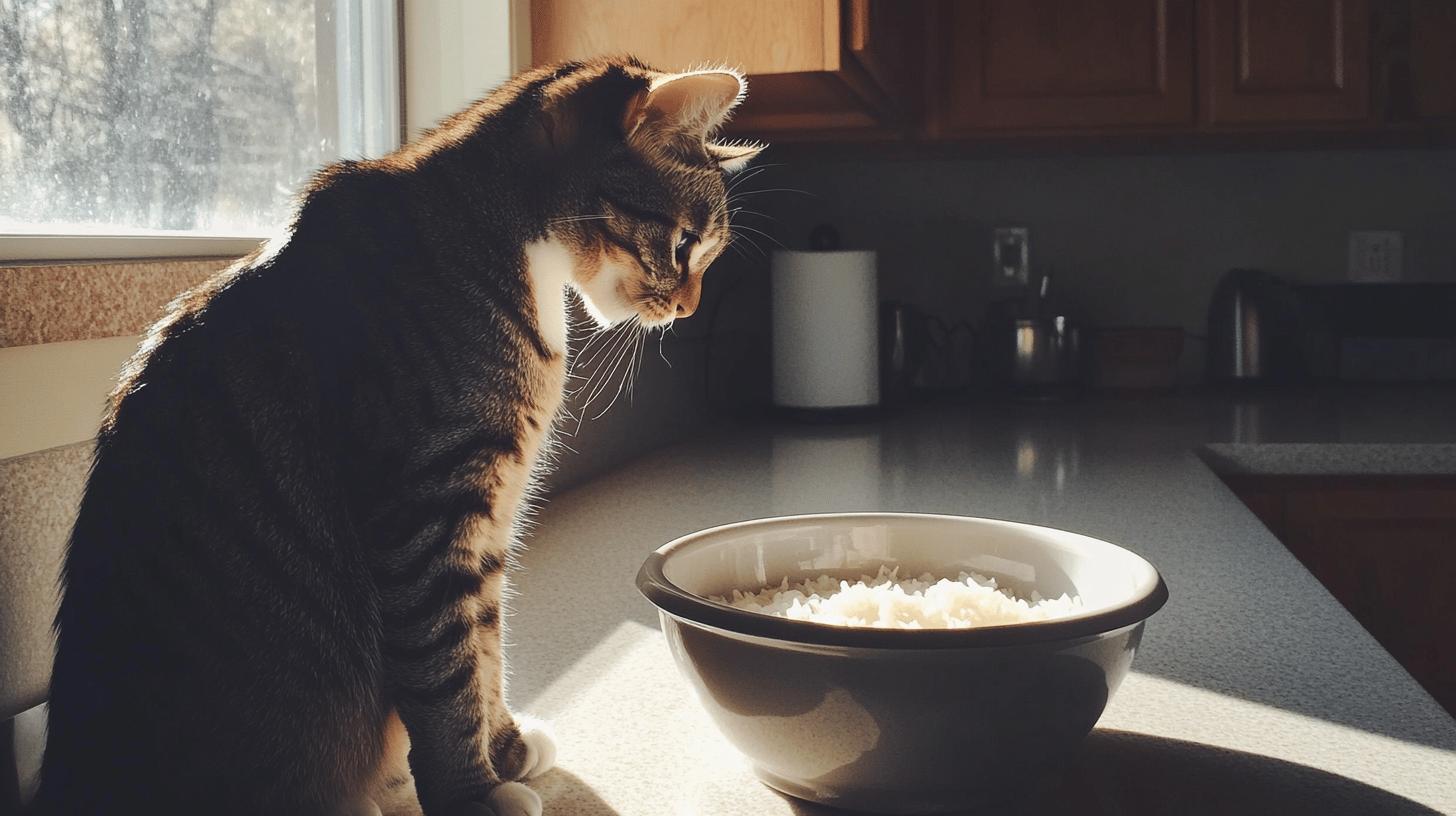
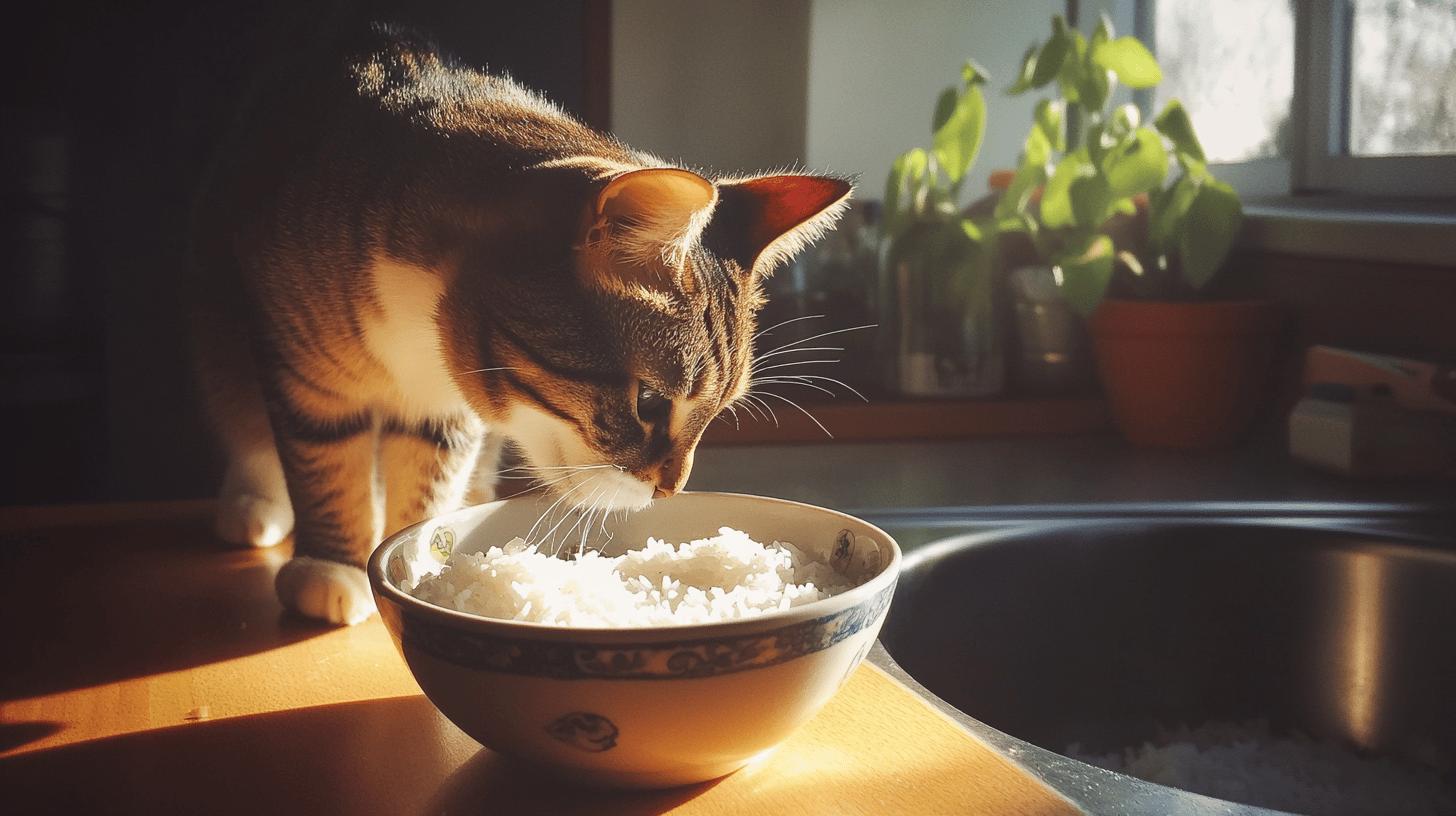
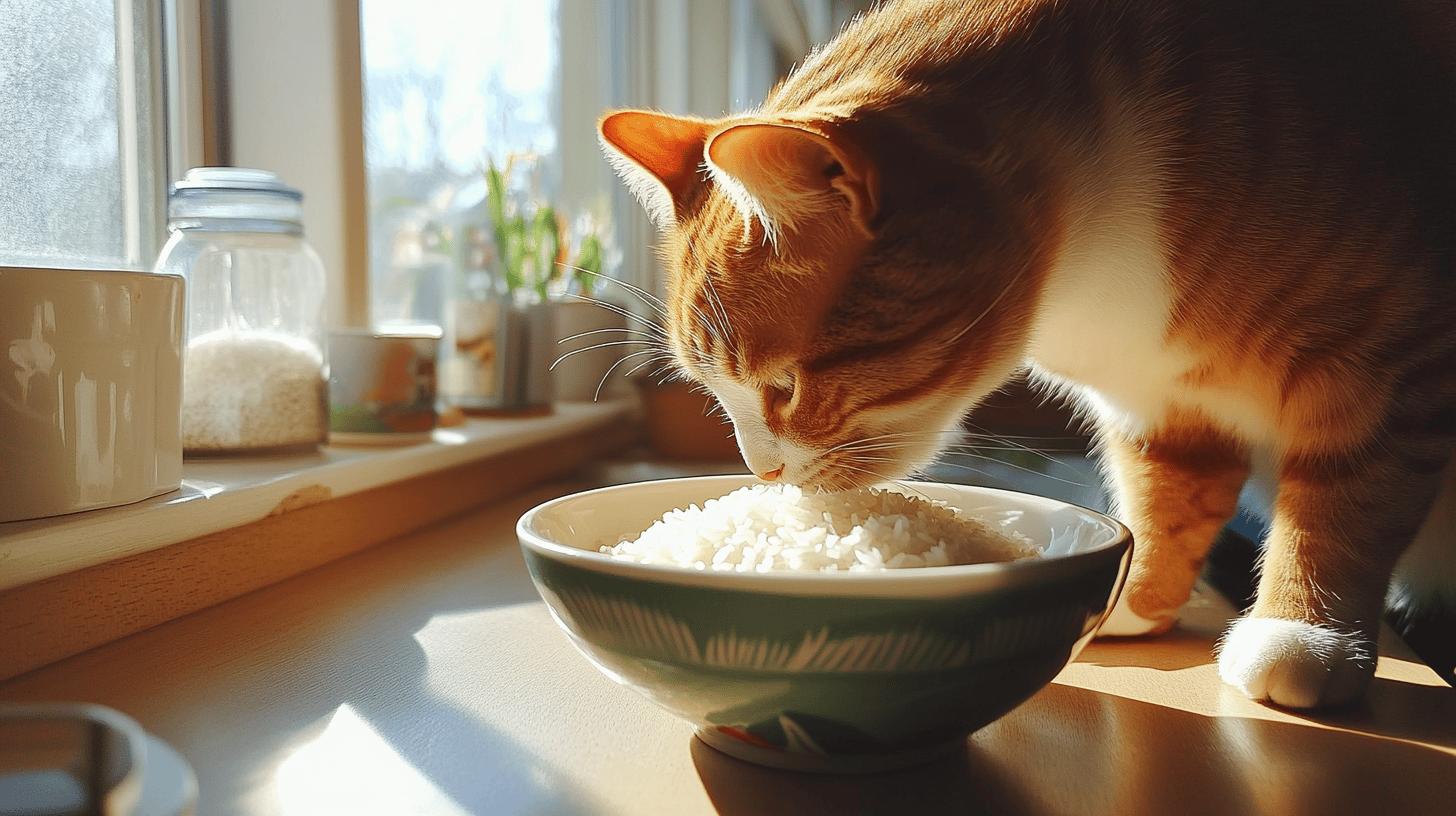
    Cats can eat rice, but it should be given in moderation. Rice is non-toxic to cats, which means it’s safe for them to consume in small amounts. However, rice is not particularly nutritious for our feline friends.

    Cats are obligate carnivores, meaning their natural diet consists mainly of meat. Rice lacks the essential protein and nutrients that cats need to thrive. Therefore, rice should never replace a meat-based diet in a cat’s meal plan. It can be used as an occasional treat or to help with digestive issues like mild diarrhea, but only in minimal portions.
    Here’s a list of safety and preparation tips to keep in mind when feeding rice to your cat:

    • Avoid using rice as a meal replacement.
    • Ensure rice is fully cooked and plain.
    • Monitor for any allergic reactions.
    • Consult a vet for dietary advice.
    • Introduce rice in small quantities and gradually.

    When preparing rice for your cat, it’s important to cook it thoroughly until it’s soft. This makes it easier for them to digest. Always serve the rice plain, without any added seasonings, butter, or salt. The goal is to provide a simple, bland food item that won’t upset their stomach. A small amount, around 10 grams, is sufficient to see how your cat handles it.

    A balanced diet is crucial for a cat’s health. Cats require specific nutrients found in meat to support their overall well-being, such as a strong heart, good vision, and a healthy reproductive system.

    If you choose to give rice, observe your cat’s reaction. While rice can be a safe, occasional snack, it should always be secondary to a diet rich in animal proteins. Consulting with a veterinarian can provide further guidance tailored to your individual cat’s needs.

    Nutritional Value of Rice for Cats

    Nutritional Value of Rice for Cats-2.jpg

    Rice isn’t a significant nutrient source for cats. As obligate carnivores, cats thrive on diets rich in animal proteins and fats. Rice lacks the essential amino acids and nutrients that cats derive from meat. While it’s not toxic, rice doesn’t contribute much to their nutritional needs. Instead, it can act as a filler without offering the benefits that a meat-based diet provides.

    White rice is easier for cats to digest due to its low fiber content. It’s processed with the bran and germ removed, making it softer and less complex for their digestive system. Brown rice, on the other hand, retains more nutrients like B vitamins, but these are difficult for cats to absorb. The extra fiber in brown rice can also be harder on their stomachs.

    Rice Type Digestibility Nutrients
    White Rice High Low
    Brown Rice Low Moderate

    Feeding rice to cats can lead to digestive issues if not given appropriately. Too much rice can cause bloating due to its carbohydrate content. This can interfere with their regular digestion, leading to discomfort. Rice should only be an occasional treat, not a regular part of their diet. It’s vital to ensure rice is plain and thoroughly cooked to avoid potential stomach upset.

    Alternative Foods to Rice for Cats

    Nutritional Value of Rice for Cats-3.jpg

    Finding alternatives to rice is crucial for maintaining a balanced diet for our feline companions. Since rice doesn’t provide the essential nutrients cats need, it’s beneficial to incorporate other foods that can contribute to their health.

    Cats are obligate carnivores, meaning they thrive on meat-based diets. Including protein-rich foods and certain vegetables can ensure they receive the necessary nutrients. These alternatives can serve as healthy snacks or additions to their regular meals.

    Here’s a list of recommended alternatives to rice:

    • Cooked chicken or turkey
    • Plain pumpkin or zucchini
    • Small portions of lean fish
    • Commercial cat treats

    When considering what to feed your cat, it’s important to avoid foods with potentially harmful ingredients. Ingredients such as sugar, salt, spices, onions, or garlic can be toxic to cats and should be strictly avoided.

    Always consult with a veterinarian to ensure that the foods you choose are safe and suitable for your cat’s dietary needs. A vet can provide personalized advice to help you maintain a nutritious and balanced diet for your beloved pet.

    Veterinarian Opinions and Myths About Rice in Cat Diets

    Veterinarians generally caution against including rice as a staple in a cat’s diet. Cats thrive on a diet rich in animal proteins and fats, as they are obligate carnivores. Rice, though not toxic, doesn’t provide the essential nutrients cats need.

    In specific cases, rice might be used to help with mild digestive issues, but only in minimal amounts and under professional guidance. It’s vital to observe your cat’s reaction and seek a vet’s advice for any dietary adjustments.

    Some myths about rice in cat diets include:

    • Myth: Rice is essential for cat diets.
    • Myth: Rice helps with all digestive issues.
    • Myth: Rice can be a meal substitute.

    Maintaining a meat-based diet is crucial for feline health, ensuring they obtain necessary amino acids and nutrients. Professional veterinary consultation is essential for any dietary changes to keep your cat healthy and content.

    Final Words

    Cats can eat rice, but only in small amounts. Rice is safe but doesn’t have the nutrients cats need. It’s important not to use rice as a meal replacement. Always cook rice thoroughly and serve it plain.

    While rice isn’t a nutrient powerhouse for cats, small amounts occasionally might be okay. Be sure to observe your cat for any reactions after introducing rice.

    Consider other food options like plain meats or certain veggies. Avoid foods with harmful ingredients, like onions or garlic.

    Consulting a vet ensures your cat enjoys a healthy and balanced diet.

    FAQ

    Can cats eat rice every day?

    A: Cats should not eat rice every day. Rice lacks essential nutrients and should only be an occasional small treat. A meat-based diet is best for cat health.

    Can cats eat rice and milk?

    A: Cats can eat a small amount of plain rice, but milk is not recommended as many cats are lactose intolerant. Avoid mixing them.

    Can cats eat rice and chicken?

    A: Cats can eat rice and chicken, but make sure both are plain and cooked. This combination should occasionally supplement their meat-based diet.

    Is rice good for cats with diarrhea?

    A: Plain, cooked rice can help firm up stools in cats with diarrhea but should not be the only treatment. Consult a vet for proper advice.

    Can kittens eat rice?

    A: Kittens can eat rice in small amounts, but it lacks necessary nutrients for growth. Focus on a balanced diet with high-quality kitten food.

    Can cats eat rice and beans?

    A: Rice is fine in small amounts, but beans can cause digestive issues in cats. Avoid feeding them rice and beans together.

    How should I cook rice for cats?

    A: Cook rice thoroughly until soft. Serve it plain without seasonings or additives to ensure it’s safe for your cat.

    Can cats eat brown rice?

    A: Cats can eat small amounts of brown rice, but it is harder to digest than white rice. White rice is the better choice for cats.

    Is cooked rice OK for cats?

    A: Cooked rice is safe for cats in small, occasional amounts. It should be plain and not a replacement for their main diet.

    Can I feed my cat chicken and rice?

    A: Yes, feeding chicken and rice is acceptable as long as both are plain and cooked. Use as a treat or supplement, not as a main meal.

    Can I mix cat wet food with rice?

    A: You can mix a small amount of plain, cooked rice with wet cat food. Ensure the mixture is occasional and not a mainstay.

    Can cats eat scrambled eggs?

    A: Cats can eat scrambled eggs if they are plain and fully cooked. Eggs can be a good protein source. Keep servings small and infrequent.

    Related Articles

  • Can Cat Eat Marshmallow Understanding Risks and Safety

    Can Cat Eat Marshmallow Understanding Risks and Safety

    Ever wondered if marshmallows could double as a cat treat? It might sound tempting as you snack on them beside your furry friend. But stop right there. While that soft, sugary puff is a joy to us, it can spell trouble for your feline companion. Cats thrive on a diet rich in animal protein, and treats like marshmallows can turn harmful quickly. Let's dive into the risks and safety concerns of marshmallows for cats, ensuring we keep them safe and healthy.

    Can Cats Eat Marshmallows and Potential Risks

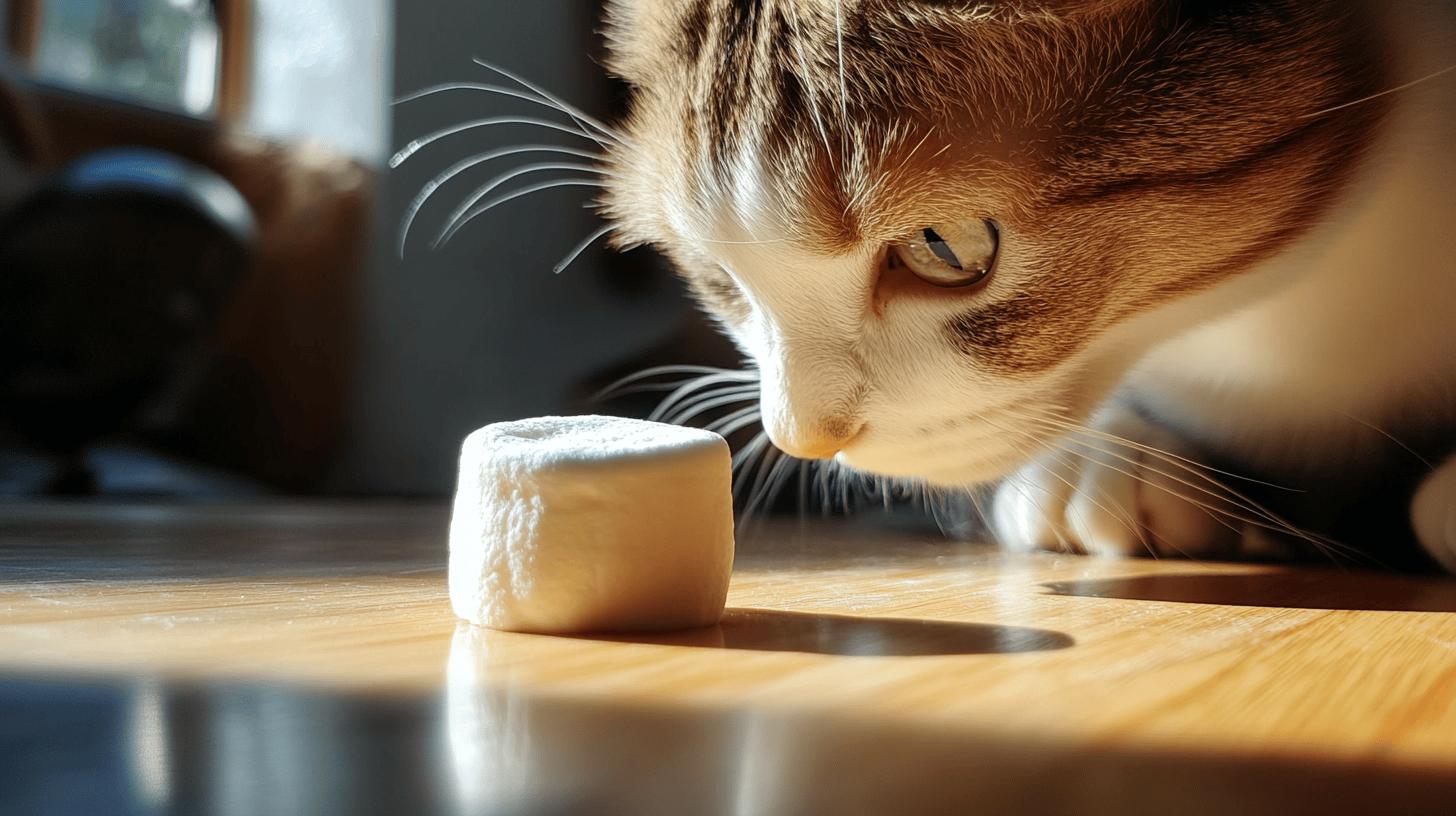
    Can Cats Eat Marshmallows and Potential Risks-1.jpg

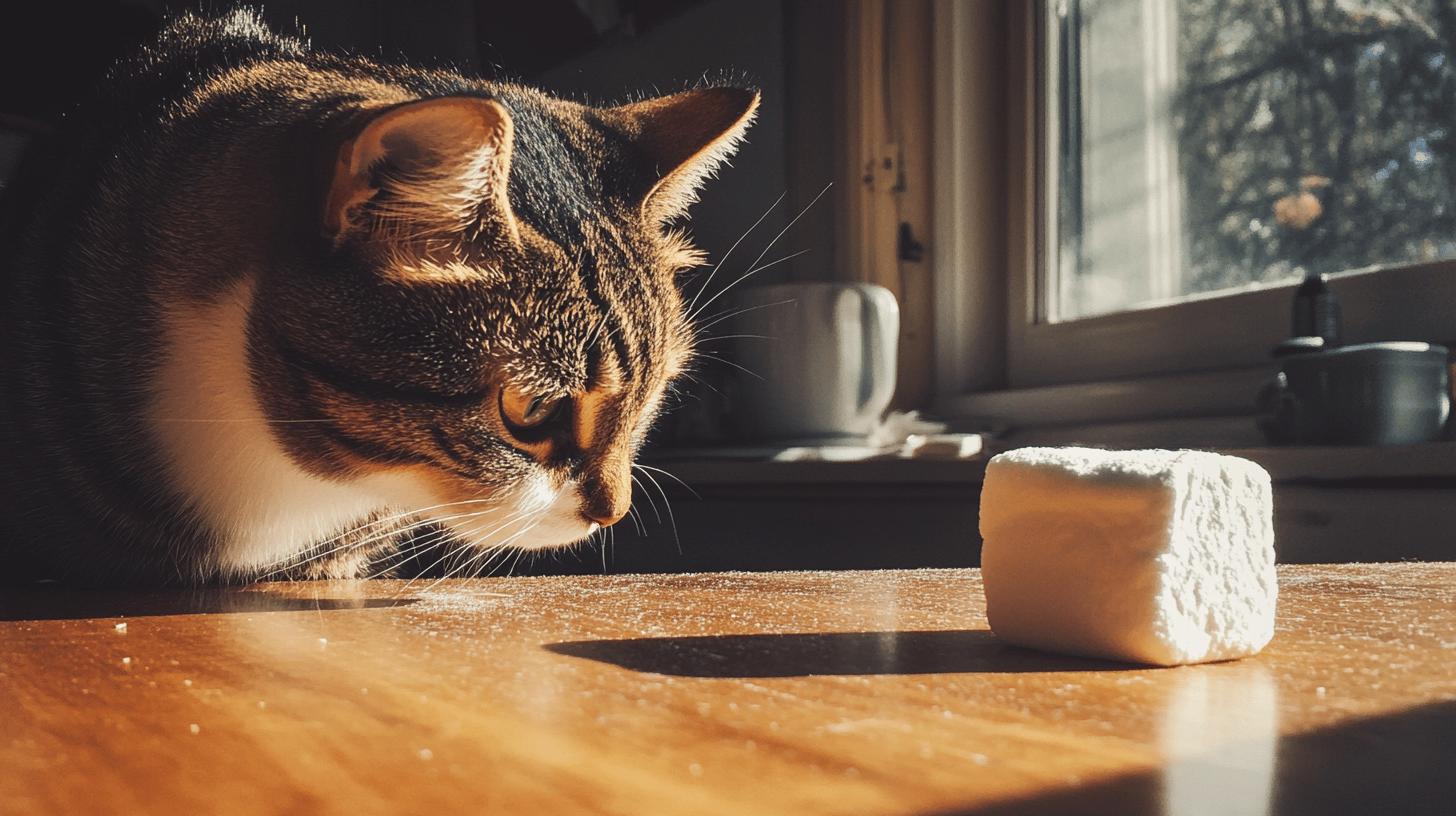
    Marshmallows are primarily composed of sugar, corn syrup, water, and gelatin. These sweet treats come in various shapes, sizes, and colors and are known for their soft and sticky texture. While they might be a delightful snack for humans, they pose several risks for our feline friends.

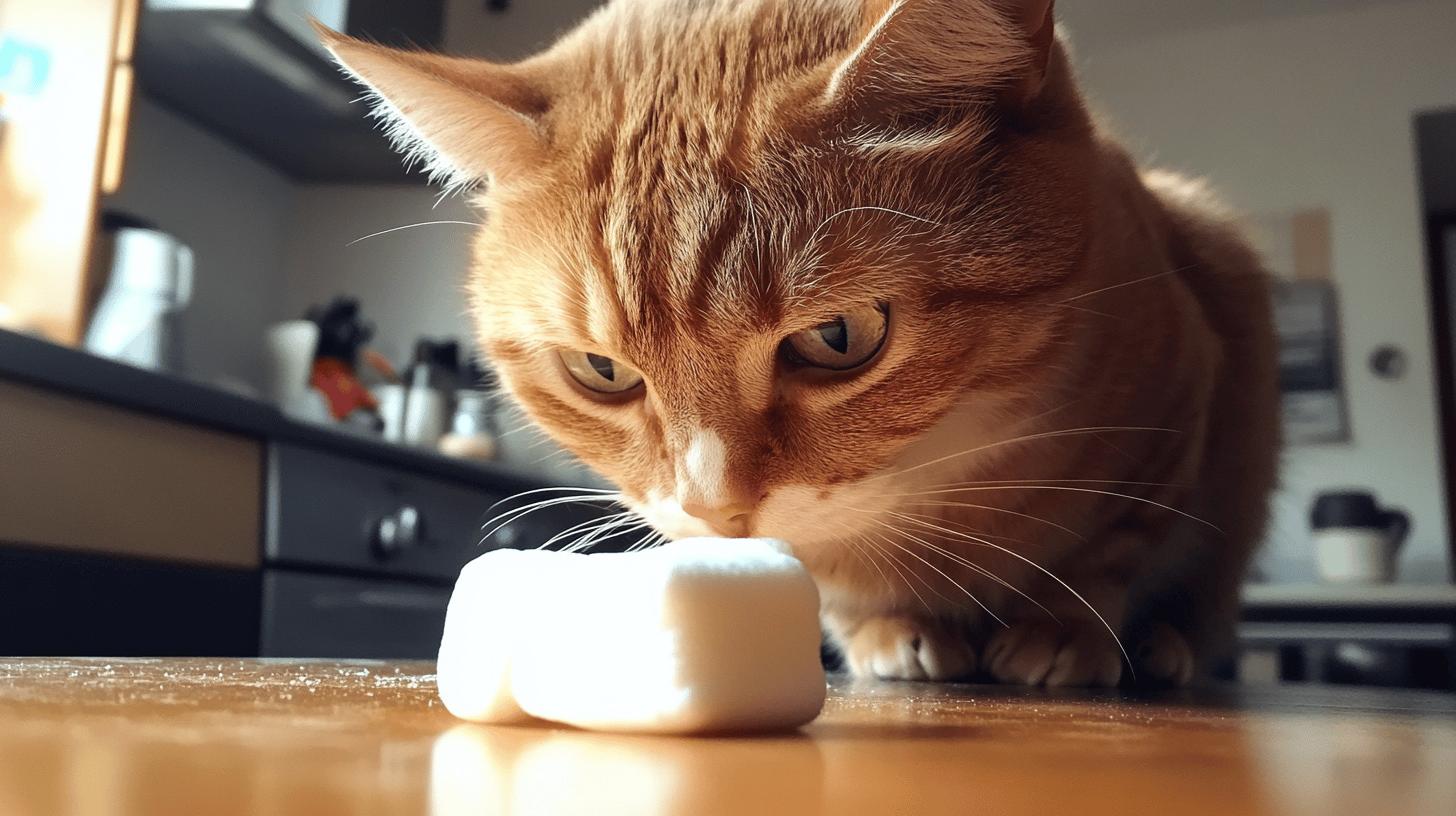
    Cats are obligate carnivores, which means their diet should be predominantly animal protein. Unfortunately, marshmallows are packed with sugar and carbohydrates, which don't suit a cat's dietary needs. Consuming sugary snacks like this can lead to a host of health problems. Since cats don't have a sweet tooth like us, they gain no taste benefit from marshmallows. Instead, the sugar content in these treats can upset their stomachs and may lead to more severe health issues if consumed regularly.

    The sticky texture of marshmallows also poses a choking hazard for cats. If a marshmallow gets stuck in their throat, it could potentially block their airway. This risk is exacerbated by the way cats eat, often swallowing chunks of food without much chewing. It's crucial to keep marshmallows out of reach to prevent accidental ingestion and the associated risks.

    When it comes to digestive issues, marshmallows can be particularly problematic. Cats who consume marshmallows might experience vomiting or diarrhea due to their bodies being unable to properly process the high sugar content and other non-nutritive elements. This can lead to dehydration and discomfort, especially if symptoms persist.

    Long-term health risks include obesity, which can be a serious issue for cats consuming high-sugar and high-calorie treats like marshmallows. Weight gain can lead to diabetes, joint problems, and a decreased quality of life. Cats fed inappropriate foods regularly are at risk for these chronic conditions, which can be managed but not easily reversed.

    Symptoms to Watch For

    If your cat eats a marshmallow, it's important to monitor them for any adverse reactions. Look out for the following symptoms:
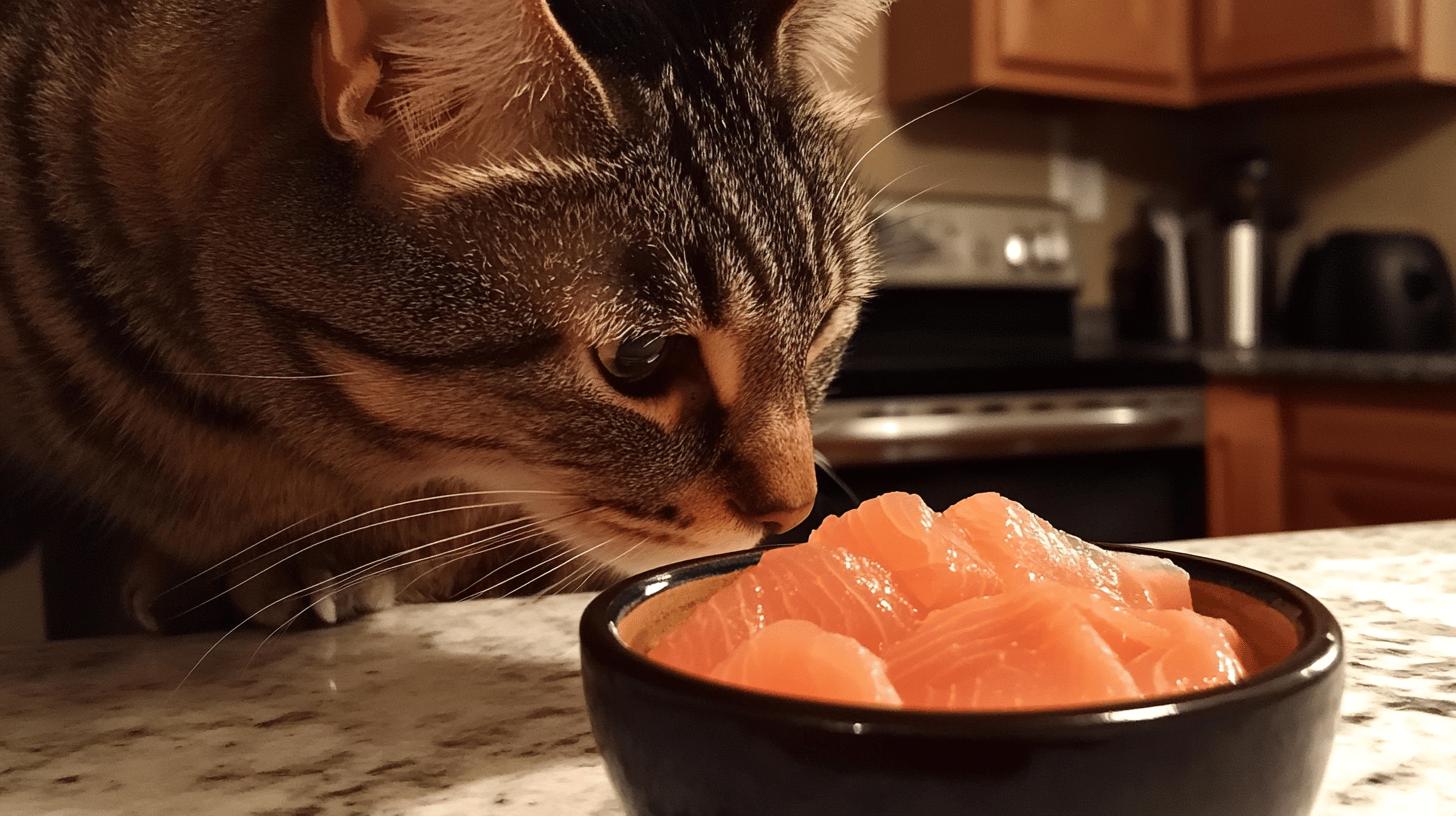
    • Vomiting
    • Diarrhea
    • Lethargy
    • Changes in appetite or behavior
    • Difficulty breathing

    Monitoring a cat's health after they've eaten a marshmallow is crucial. If they display any concerning symptoms, contact a veterinarian immediately. The sooner you address potential health issues, the better the outcome for your cat. Understanding the risks associated with marshmallow consumption can help you make informed decisions about your cat's diet and keep them safe from harm.

    Understanding Cats' Dietary Needs

    Cats have specific nutritional needs as obligate carnivores. Their diet should be rich in animal protein and low in carbohydrates. Diets high in sugar and carbohydrates, like those found in marshmallows, do not align with their natural dietary requirements. Providing a balanced and appropriate diet is key to maintaining your cat's health and well-being.
    What to Do If Your Cat Eats a Marshmallow

    What to Do If Your Cat Eats a Marshmallow-1.jpg

    If your cat eats a marshmallow, start by staying calm and taking immediate action. Begin by ensuring your cat is comfortable and has access to fresh water to aid digestion.

    1. Observe the cat: Monitor any changes in behavior or activity levels.
    2. Check for symptoms: Be alert for signs like vomiting, diarrhea, or lethargy.
    3. Offer water: Provide fresh water to help with digestion and hydration.
    4. Contact a veterinarian: Seek advice if concerning symptoms appear.

    If symptoms persist or worsen, consulting a veterinarian is vital. Professional guidance can address potential health issues and ensure your cat’s safety after ingesting unsuitable food.

    Alternatives to Marshmallows for Cats

    Alternatives to Marshmallows for Cats-1.jpg

    Finding the right treats for your cat is all about meeting their nutritional needs. Since cats are obligate carnivores, their bodies thrive on animal proteins rather than sugars or carbohydrates. Offering treats like marshmallows can disrupt their diet and lead to health issues. Instead, focus on treats that align with their dietary requirements. Not only will this keep your cat happy, but it will also promote their overall well-being.

    Here are some safe and nutritious treats for cats:

    • Cooked lean meats like chicken or turkey
    • Small pieces of cooked fish
    • Catnip toys for play and stimulation
    • High-protein canned cat foods
    • Freeze-dried meat treats
    • Homemade cat treats crafted with safe ingredients

    Making homemade cat treats is a wonderful way to ensure your feline friend gets the nutrition they need. You can tailor these treats to suit their specific tastes and dietary requirements. Using ingredients like lean meats, fish, or even small amounts of vegetables that cats can safely consume, you can create delicious snacks that contribute to their health. This hands-on approach not only guarantees the quality of what's in the treat but also strengthens the bond between you and your pet.

    Final Words

    Understanding that cats can't eat marshmallows safely is crucial. These sugar-filled treats offer none of the protein cats need, carrying risks like digestive troubles and choking hazards. Marshmallows may cause obesity due to their high sugar content and don't fit with a cat's natural diet.

    It's important to watch your cat for any signs of sickness if they munch on a marshmallow. Instead, provide them with safe treats like cooked chicken, fish, or catnip toys. Prioritizing your cat's health with suitable treats will give them a happier, healthier life.

    FAQ

    Can marshmallows kill cats?

    Marshmallows can be harmful to cats due to their high sugar content and choking hazards. While they are not typically deadly, ingestion can cause digestive upset. Always avoid giving marshmallows to cats.

    Can cats eat marshmallow fluff?

    Like regular marshmallows, marshmallow fluff is not suitable for cats. The sugar and lack of nutritional value can lead to health issues such as obesity and digestive problems.

    What happens if cats eat marshmallows?

    If cats eat marshmallows, they might experience vomiting, diarrhea, or lethargy. The sticky texture can also pose a choking risk, making it crucial to prevent access to marshmallows.

    Can cats eat mini marshmallows?

    Mini marshmallows are not safe for cats. They still contain high levels of sugar and can be a choking hazard. Stick to cat-friendly treats for your pet's health.

    Can dogs eat marshmallows?

    Dogs, like cats, should avoid marshmallows. While not toxic, the sugar and sticky texture can cause digestive issues and choking. Opt for pet-approved treats instead.

    Can cats eat chocolate?

    Chocolate is toxic to cats. It contains theobromine and caffeine, which are both harmful to felines. Even small amounts can cause serious health problems.

    What human food can cats eat?

    Cats can safely eat small amounts of cooked meat, like chicken or turkey. Ensure the meat is plain and free from spices or additives. Always consult with a vet for dietary advice.

    What happens if my cat eats a marshmallow?

    If your cat eats a marshmallow, watch for signs of distress like vomiting or lethargy. Monitor them closely and consult a vet if symptoms worsen or persist.

    Do cats like the taste of marshmallows?

    Cats typically do not like marshmallows. They lack the sweet receptors that humans have and are more attracted to protein-rich flavors, aligning with their carnivorous diet.

    Can animals eat marshmallows?

    Most animals should avoid marshmallows due to high sugar content and potential choking risks. Always offer pet-safe treats designed for their specific dietary needs.

    What candy is toxic to cats?

    Candy containing chocolate, xylitol, or caffeine is toxic to cats. These ingredients can cause serious health issues. Always keep candies out of reach and offer only pet-safe alternatives.

    Related Articles

  • Can Cat Eat Mint Understanding Safety and Risks for Your Feline

    Can Cat Eat Mint Understanding Safety and Risks for Your Feline

    Think mint is safe for cats? Think again! While cat mint—similar to catnip—is often a favorite feline treat, not all mints are created equal. Regular mint, like Mentha, can actually be harmful to our feline pals. Just like how we wouldn't eat everything green in the garden, it's crucial to know which plants are safe for our cats. In this article, we'll explore the safety and risks of mint, so you can make informed choices and keep your cat's playtime both fun and safe. Let's dive into what you need to know to protect your furry friend.

    Can Cats Eat Mint? Understanding the Risks

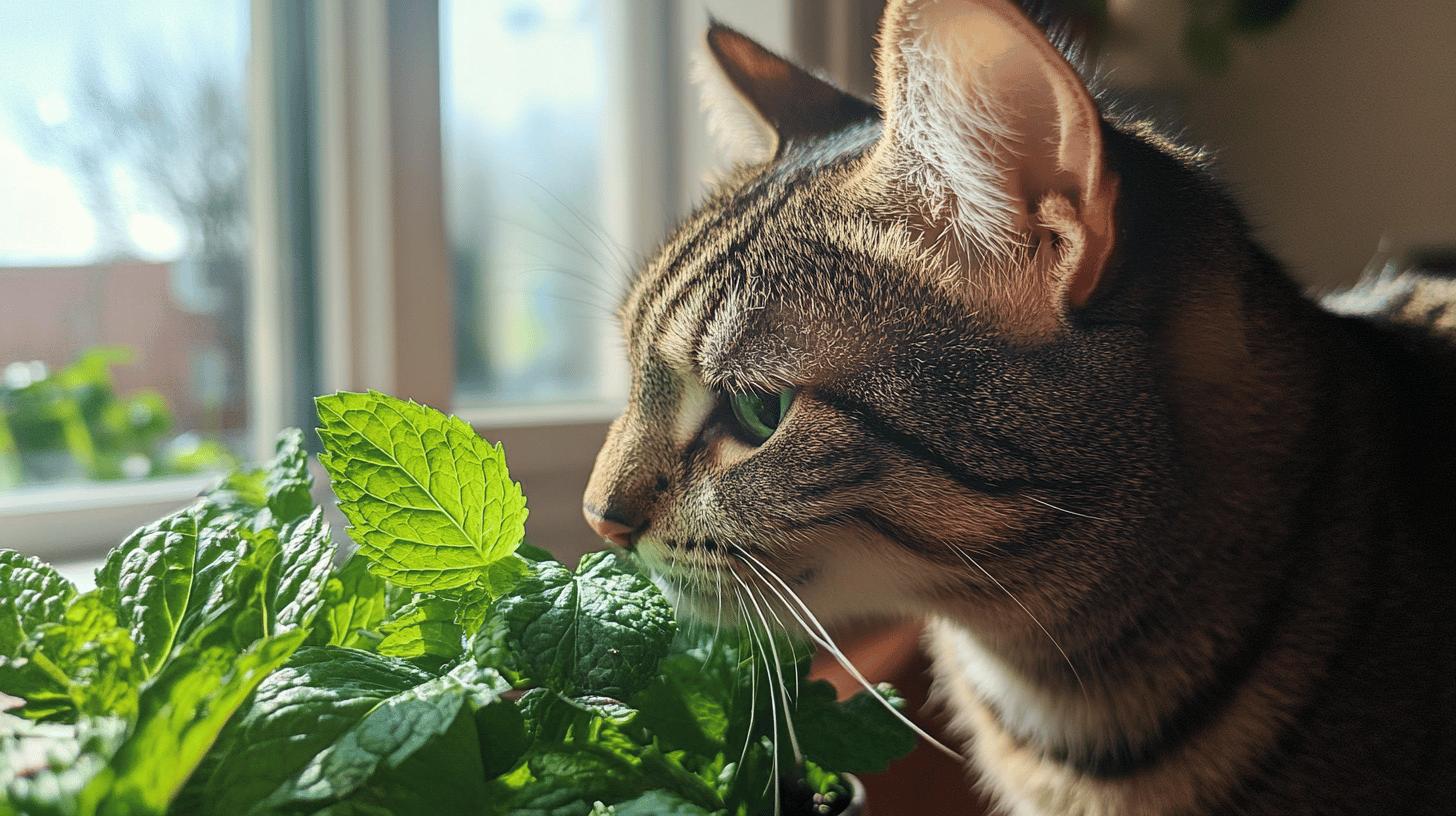
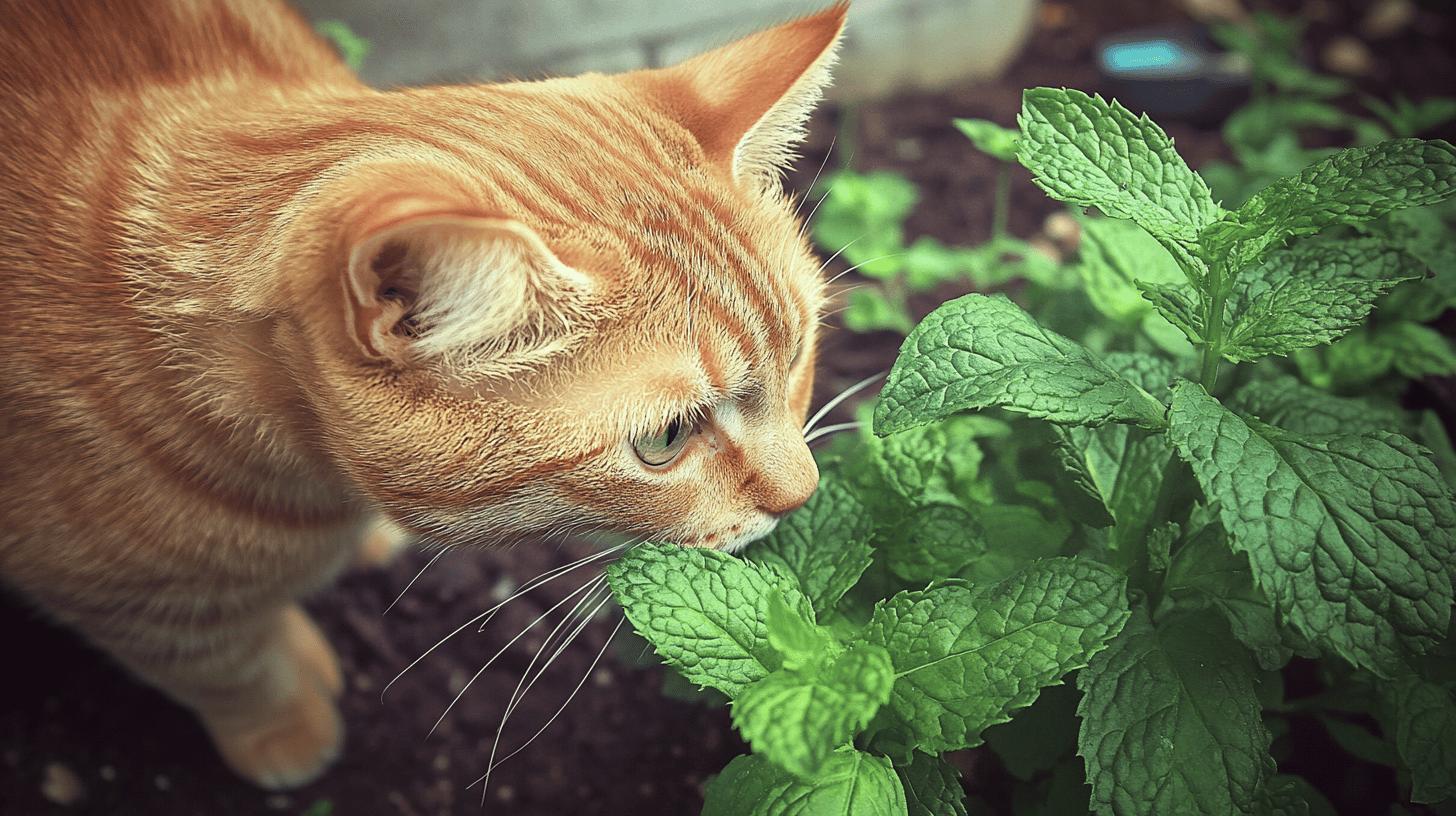
    Can Cats Eat Mint Understanding the Risks-1.jpg

    Not all mint varieties are safe for your feline friend. While cat mint is often a safe and enjoyable treat for cats, common mint (Mentha) can be harmful. Cat mint, a close cousin of catnip, is often enjoyed by cats due to its mild, calming effects. However, other types of mint, especially in large quantities, can be toxic to cats. It's crucial to differentiate between the two, as the wrong type of mint could lead to health issues.

    If your cat consumes mint, it’s important to watch for any immediate reactions. Symptoms of mint toxicity can include vomiting, weakness, and a lack of coordination. Here’s what to do if your cat shows these signs:

    1. Monitor your cat closely for any changes in behavior or health.
    2. Contact your veterinarian immediately if symptoms appear severe.
    3. Avoid offering any more mint or related products to your cat.
    4. Keep a close eye on your cat’s hydration and overall comfort.
    5. Remove any mint plants or products from your cat’s environment to prevent future incidents.

    Always keep in mind that each cat is different, and while some might not show any adverse effects after ingesting mint, others could react negatively. It's wise to consult with a veterinarian if you're uncertain about the safety of mint or any other plants around your home. Regular monitoring and professional advice will help ensure your feline stays healthy and safe.

    Symptoms and Treatment of Mint Poisoning in Cats

    Symptoms and Treatment of Mint Poisoning in Cats-1.jpg

    Watch for signs like vomiting, weakness, drooling, and difficulty breathing if your cat nibbles on mint. These symptoms suggest possible mint poisoning and need immediate attention.

    Here are some specific veterinary treatments for mint toxicity:

    • Inducing vomiting to expel remaining mint.
    • Administering activated charcoal to block further toxin absorption.
    • Providing I.V. fluids for hydration and kidney support.
    • Using gastric protectants to soothe the stomach.
    • Monitoring vital signs and offering supportive care.

    Prompt action is crucial. Contact your vet immediately if you notice symptoms. Quick response can mitigate the effects of toxicity and safeguard your cat's health.

    Understanding the difference between cat mint (safe for cats) and common mint (toxic) is essential. Common mint contains compounds that can harm cats. Treatments like activated charcoal help prevent toxin absorption, while I.V. fluids maintain hydration and kidney health.

    Check your home and garden for harmful plants. Here's a list of other common plants toxic to cats:

    Plant Name Toxicity
    Lilies Highly toxic, can cause kidney failure
    Aloe Vera Causes vomiting and diarrhea
    Ivy Leads to vomiting and abdominal pain
    Poinsettia Causes mild stomach upset
    Philodendron Leads to oral irritation and swelling

    Regularly ensure these plants are out of reach from your curious feline.

    Safe Herbs and Alternatives to Mint for Cats

    Safe Herbs and Alternatives to Mint for Cats-1.jpg

    When it comes to finding safe alternatives to mint for your feline friend, there are several herbs that can offer both enjoyment and potential health benefits. It's important to choose herbs that are safe for cats and to introduce them gradually into their diet.

    Basil

    Basil is one of the safe herbs that you can consider for your cat. It's generally non-toxic and can be a delightful addition to their sensory experiences. While it doesn’t offer specific health benefits, its aroma might pique your cat's curiosity. Always offer it in small amounts to avoid any digestive upset.

    Rosemary

    Rosemary is another herb that is safe for cats and can be a part of their environment. This herb is not only non-toxic but can also act as a natural flea repellent. While rosemary is safe, it's best used in moderation, as too much can cause stomach issues.

    Thyme

    Thyme is a safe herb for cats and can serve as a great alternative to mint. It's often used for its aromatic qualities and is generally well-tolerated by cats. Thyme can also contribute to a calming environment, making it a good choice for stress relief.

    Herb Safety Level Potential Benefits
    Basil Safe Aromatic interest
    Rosemary Safe Natural flea repellent
    Thyme Safe Calming effect

    Before introducing any new herbs to your cat's diet, it's always wise to consult with a veterinarian. This ensures that the herbs you choose are suitable for your cat's specific health needs and helps prevent any adverse effects. Moderation is key, as even safe herbs can cause issues if consumed in large quantities.

    Understanding Essential Oils and Their Impact on Cats

    Understanding Essential Oils and Their Impact on Cats-1.jpg

    Essential oils, while popular for their aromatic properties, pose serious risks to our feline friends. The concentrated nature of these oils, especially those derived from peppermint or Mentha piperita, can be highly toxic to cats. Cats lack certain enzymes in their liver to metabolize these compounds, making them vulnerable to poisoning. Even a small amount can lead to severe health issues.

    When considering essential oils, it's crucial to avoid these specific types:

    • Peppermint oil: Known for its refreshing scent, but dangerous for cats due to menthol content.
    • Tea tree oil: Often used for its antimicrobial properties, yet highly toxic to cats.
    • Citrus oils: Including lemon and orange oils, which can cause irritation and toxicity in cats.

    For pet owners who enjoy using essential oils, consider these safety tips:

    Keep essential oils out of reach and stored securely. Ensure that the oils you use are not accessible to your cat, preventing accidental ingestion or exposure.

    Avoid diffusing oils in enclosed spaces. If you diffuse oils, ensure the area is well-ventilated and that your cat has a way to leave the room if needed.

    Consult with a veterinarian. Before using any new oils in your home, check with a vet to confirm their safety around pets.

    By understanding these risks and taking precautions, you can create a safe environment for your cat while enjoying the benefits of essential oils responsibly.

    Final Words

    Knowing whether a cat can eat mint is crucial for keeping them safe. While cat mint is harmless and often enjoyed, common mint varieties pose risks. Mint poisoning symptoms, like vomiting and weakness, require swift veterinary attention for the cat's health. For safer options, consider herbs like basil, rosemary, and thyme. Always check with a vet when introducing new herbs. Essential oils, including peppermint, are highly toxic due to their concentration. Avoid using them around cats. Keeping informed enables cat lovers to keep their pets happy and healthy.

    FAQ

    Can cats eat mint leaves?

    A: Not all mint varieties are safe for cats. Cat mint is generally safe, but common mint, including mint leaves, can be harmful and cause toxicity.

    Is mint safe for cats to smell?

    A: Mint can be safe for cats to smell, but it depends on the variety. Common mint is not as safe as cat mint and should be approached with caution.

    Can cats eat mint seeds?

    A: Mint seeds are not recommended for cats, as they can be harmful and may cause digestive issues if ingested.

    Can cats eat parsley?

    A: Cats can eat parsley in small amounts, but large quantities may cause health issues. Always monitor how your cat reacts to parsley.

    Is lemon mint safe for cats?

    A: Lemon mint is not considered safe for cats. It's best to prevent cats from consuming it due to potential toxicity.

    Can cats eat basil?

    A: Basil is safe for cats in moderation. It can be used as a treat but should not make up a significant part of their diet.

    Why do cats love mint?

    A: Cats may be attracted to some mint varieties because they resemble catnip. However, not all mint is safe, so it's important to monitor your cat's interaction with it.

    Is mint toxic to pets?

    A: Mint can be toxic, especially to cats, if consumed in large quantities. Common mint, in particular, can cause symptoms like vomiting and weakness. Always keep an eye on your pet's exposure to mint.

    Is mint safe with cats?

    A: Some mint types are unsafe for cats. Cat mint is typically fine, but common mint can pose risks and should be handled carefully.

    Is fresh peppermint safe for cats?

    A: Fresh peppermint is not safe for cats due to its toxicity. Avoid letting your cat consume or come into contact with peppermint.

    Why is my cat obsessed with mint?

    A: Cats may be drawn to certain mint varieties because of their similarity to catnip. If your cat shows interest, ensure the mint type is safe before allowing any contact.

    Related Articles

  • Can Cat Eat Coconut Oil Safely?

    Can Cat Eat Coconut Oil Safely?

    Is coconut oil the cat-friendly superfood you’ve been missing out on? Many cat owners are exploring coconut oil as a dietary boost for their furry pals. But is it safe, and how does it affect your feline friend’s health? In small amounts, coconut oil is generally safe and even beneficial for cats. Think of it as a new way to enhance your pet’s wellness without major risks. Before adding it to your cat's diet, understanding the correct usage and potential considerations is key. Let's explore the benefits and precautions of coconut oil for cats.

    Can Cats Eat Coconut Oil Safely?

    Can Cats Eat Coconut Oil Safely-1.jpg

    Coconut oil is generally safe for cats when consumed in small amounts. It is non-toxic, and many cat owners have found it to be a beneficial addition to their feline's diet. According to the RSPCA, small quantities of coconut oil should not pose serious harm to pets. This makes it a viable option for those looking to promote their cat's overall health.

    Coconut oil is processed differently in a cat's body compared to other fats. This unique processing reduces concerns about it potentially causing pancreatitis or fatty liver disease. The body's ability to handle coconut oil effectively means that it can be a safe supplement, provided it's given in modest amounts.

    When introducing coconut oil into your cat's diet, it's important to monitor for any adverse reactions. Watch out for:

    • Diarrhea
    • Vomiting
    • Changes in appetite

    These reactions, though rare, can occur as the cat's system adjusts to the new addition.

    Consulting with a veterinarian is crucial before making any changes to your cat's diet. A vet can provide guidance on how much coconut oil is appropriate and ensure it won't interfere with any existing health conditions. This step helps maintain your cat's health and ensures any potential risks are minimized.

    Benefits of Coconut Oil for Cats

    Benefits of Coconut Oil for Cats-2.jpg

    Coconut oil offers a variety of benefits for our feline friends, starting with their skin and coat health. By preventing dryness and irritation, it helps keep a cat's fur shiny and smooth. Its soothing properties can address skin issues related to allergies, making it a versatile addition to a cat's care routine.

    Benefit Description
    Skin and Coat Health Prevents dryness, reduces irritation, and adds luster to the coat.
    Immune System Support Strengthens defenses against viral and bacterial infections.
    Allergy Reduction Soothes allergic reactions, improving skin condition.
    Digestive Health Enhances digestion and nutrient absorption.
    Hairball Prevention Reduces shedding and aids in the smooth passage of hairballs.

    Coconut oil's immune-boosting properties are notable, as it helps protect cats from various infections by fortifying their immune system. This can lead to a reduction in allergic reactions, providing relief from discomfort. The benefits extend beyond just skin and coat, as it also supports digestive health and can help prevent hairball formation, making it a comprehensive wellness aid for cats.

    How to Safely Administer Coconut Oil to Cats

    How to Safely Administer Coconut Oil to Cats-1.jpg

    Introducing coconut oil into your cat's diet should be done with care and attention to dosage. Start by offering a small amount, about 1/4 teaspoon per 10 pounds of body weight, and observe your cat's reaction. Moderation is key, as too much coconut oil can lead to digestive issues. By gradually increasing the amount, you allow your cat's system to adjust and can keep an eye out for any adverse effects.

    Here are some steps to safely introduce coconut oil to your cat:

    1. Start Small: Begin with a tiny amount mixed into your cat's food.
    2. Observe: Watch for any changes in behavior, appetite, or digestion.
    3. Increase Gradually: If no adverse reactions occur, slowly increase the dosage over a week or two.
    4. Monitor Regularly: Keep an eye on your cat's overall health and any potential changes in their coat or skin.
    5. Adjust as Needed: If any negative reactions occur, reduce the dosage or stop using coconut oil.

    Choosing a high-quality, food-grade coconut oil is vital for ensuring your cat reaps the maximum health benefits. Look for organic, virgin coconut oil to avoid any harmful additives or processing chemicals, as these can diminish the oil's effectiveness and safety.

    Consulting with a veterinarian before introducing coconut oil is always a wise step. They can provide tailored advice based on your cat's specific health needs and conditions, ensuring that this supplement enhances their diet without causing any harm. This approach not only safeguards your cat's health but also gives you peace of mind.

    Can Cats Eat Coconut Oil Safely?

    Potential Risks of Coconut Oil for Cats-1.jpg

    When introducing coconut oil into a cat's diet, it's important to start with small amounts. Some cats might experience adverse reactions such as diarrhea, vomiting, or changes in appetite. Monitoring your cat's response is crucial to identify any ingredient sensitivities.

    Potential side effects include:

    • Diarrhea
    • Vomiting
    • Changes in appetite
    • Lethargy

    Watch for allergic reactions or sensitivities like itching, redness, or swelling. If these symptoms occur, consider reducing the dosage or stopping the use of coconut oil. Always consult with a veterinarian if you have concerns about your cat's reaction to coconut oil.

    Coconut Oil for Skin and Coat Health

    Coconut Oil for Skin and Coat Health-1.jpg

    Applying coconut oil topically to your cat's skin can enhance their coat health. It prevents dryness and irritation, creating a sleek, shiny appearance. This soothing oil is especially beneficial for skin affected by allergies, offering relief and improving the coat's overall condition. Coconut oil not only revitalizes your cat's fur but also helps reduce shedding, which is a key factor in hairball prevention.

    Application Benefit
    Direct Application Moisturizes dry patches and soothes irritated skin.
    Added to Grooming Routine Enhances luster and shine, making fur more manageable.
    Spot Treatment Targets specific areas of dermatitis or allergic reactions.
    Mixed with Conditioner Provides an all-over conditioning treatment that strengthens fur.

    By integrating coconut oil into your cat's grooming routine, you can significantly lower hairball occurrences. Healthier fur leads to reduced shedding, thus decreasing the amount of hair ingested during grooming. This makes it easier for hair to pass through the digestive system, resulting in a healthier, more comfortable cat.

    Final Words

    Eating coconut oil can be generally safe for cats when used in moderation. I've talked about how it can boost a cat's coat health and support their immune system. By starting with small amounts, you can watch for possible reactions. Picking high-quality coconut oil is key, along with getting a vet's advice. Overall, using coconut oil with care might add some benefits to your cat's life. Ending on a good note, a safe intro of coconut oil might improve your cat's health and happiness.

    FAQ

    How to apply coconut oil to a cat's skin?

    Applying coconut oil to a cat's skin can help soothe dryness and irritation. Use a small amount and gently massage it into the affected area. Monitor your cat's skin for any adverse reactions.

    Can cats eat coconut oil every day?

    While cats can have coconut oil, it's best to limit it to occasional use. It should be introduced in small amounts to watch for any reactions.

    What kind of coconut oil is best for cats?

    For cats, choose a high-quality, food-grade coconut oil. This ensures safety and maximizes health benefits.

    Can coconut oil help with constipation in cats?

    Coconut oil might help some cats with constipation due to its mild laxative effect. Always introduce it gradually and consult your vet.

    Is coconut oil safe for a cat's paws?

    Coconut oil is safe for use on a cat’s paws. It can moisturize and protect paws from dryness. Use sparingly and ensure your cat doesn't ingest too much.

    Does coconut oil help with fleas on cats?

    Coconut oil may act as a natural flea repellent due to its fatty acids. Apply a small amount on the coat and brush it in to help deter fleas.

    Is coconut oil good for a cat's teeth?

    Coconut oil can be used to help maintain dental health. Apply a tiny amount on your cat’s gums or add it to their toothpaste to reduce bacteria.

    What oils are safe for cats to eat?

    Safe oils for cats include coconut oil and fish oil in moderation. Always monitor your cat for any adverse reactions and consult a veterinarian.

    Will coconut oil help my cat poop?

    Coconut oil might help with constipation in some cats. Introduce it in small quantities and observe your cat's reactions.

    Is coconut oil safe for pets?

    Coconut oil is generally safe for pets when used in moderation. Begin with small amounts and consult a vet to address any health concerns.

    Is coconut oil safe for cats' teeth?

    Coconut oil can support dental health in cats. It may help reduce bacteria in the mouth when used sparingly.

    Related Articles

  • Can Cat Eat Celery Safety and Nutritional Insights

    Can Cat Eat Celery Safety and Nutritional Insights

    Ever wondered if your cat could munch on crunchies like celery? It's not as strange as it sounds! While cats are mainly meat-eaters, some munch on veggies, too. So, can they eat celery? The short answer: yes, but with a few conditions. In this guide, I’ll dive into the safety and nutritional insights of feeding celery to cats. You'll discover why it might be an interesting snack, what to watch out for, and how to make it work while ensuring your cat's health stays in check.

    Safety and Potential Risks of Feeding Celery to Cats

    Safety and Potential Risks of Feeding Celery to Cats-1.jpg

    Cats can eat celery, and it is generally safe for them in moderation. Celery is non-toxic to cats, making it an acceptable treat option when prepared correctly. The key is to serve it as an occasional snack, not a regular part of their diet. By doing so, you can ensure that your feline friend enjoys the variety without any adverse effects.

    Despite the fact that celery is safe, it's important to remember that cats are obligate carnivores. Their primary dietary requirement is meat, which provides essential nutrients that plant-based foods can't fully supply. While celery can offer a nice change of pace, it should never replace the meat-based meals that are crucial for their health and well-being.

    Celery has a high water content, which can be beneficial for cats, especially those that don’t drink enough water on their own. The hydration boost from munching on celery can aid in keeping your cat's kidneys and urinary tract in good health. This makes it an interesting supplement for providing extra moisture in their diet without adding additional calories or fat.

    There are potential risks when feeding celery to cats. The fibrous strings in celery stalks can pose a choking hazard, so it's important to cut it into small, manageable pieces. In rare cases, cats might have allergic reactions to celery, so it's wise to introduce it slowly and watch for any unusual symptoms.

    If your cat consumes too much celery, they may experience an upset stomach. Signs of overconsumption include vomiting or diarrhea. If these occur, contacting your veterinarian for advice is a smart move.

    Nutritional Value and Benefits of Celery for Cats

    Safety and Potential Risks of Feeding Celery to Cats-4.jpg

    Celery isn't just a crunchy snack for humans; it offers some nutritional perks that can benefit our feline friends as well. This veggie is packed with vitamins A, C, and K, which play a role in maintaining various bodily functions. Vitamin A supports vision and skin health, vitamin C acts as an antioxidant, and vitamin K is important for blood clotting.

    Celery also contains minerals like potassium and calcium, contributing to muscle function and bone health, respectively. Given its low-calorie nature, celery can be a guilt-free treat for cats when served in moderation.

    Fiber in celery can be a digestive aid for cats, helping to keep their digestive systems running smoothly. It can support regular bowel movements and prevent constipation. However, too much fiber isn't ideal for cats, whose digestive systems are primarily adapted for processing meat.

    Excessive consumption of celery might lead to gastrointestinal upset, such as diarrhea or stomach discomfort. Thus, it's crucial to offer celery in small quantities to strike a balance between enjoying its benefits and preventing any potential digestive issues.

    Nutrient Benefit
    Vitamin A Supports vision and skin health
    Vitamin C Acts as an antioxidant
    Vitamin K Important for blood clotting
    Fiber Supports digestive health

    How to Serve Celery to Cats

    How to Serve Celery to Cats-1.jpg

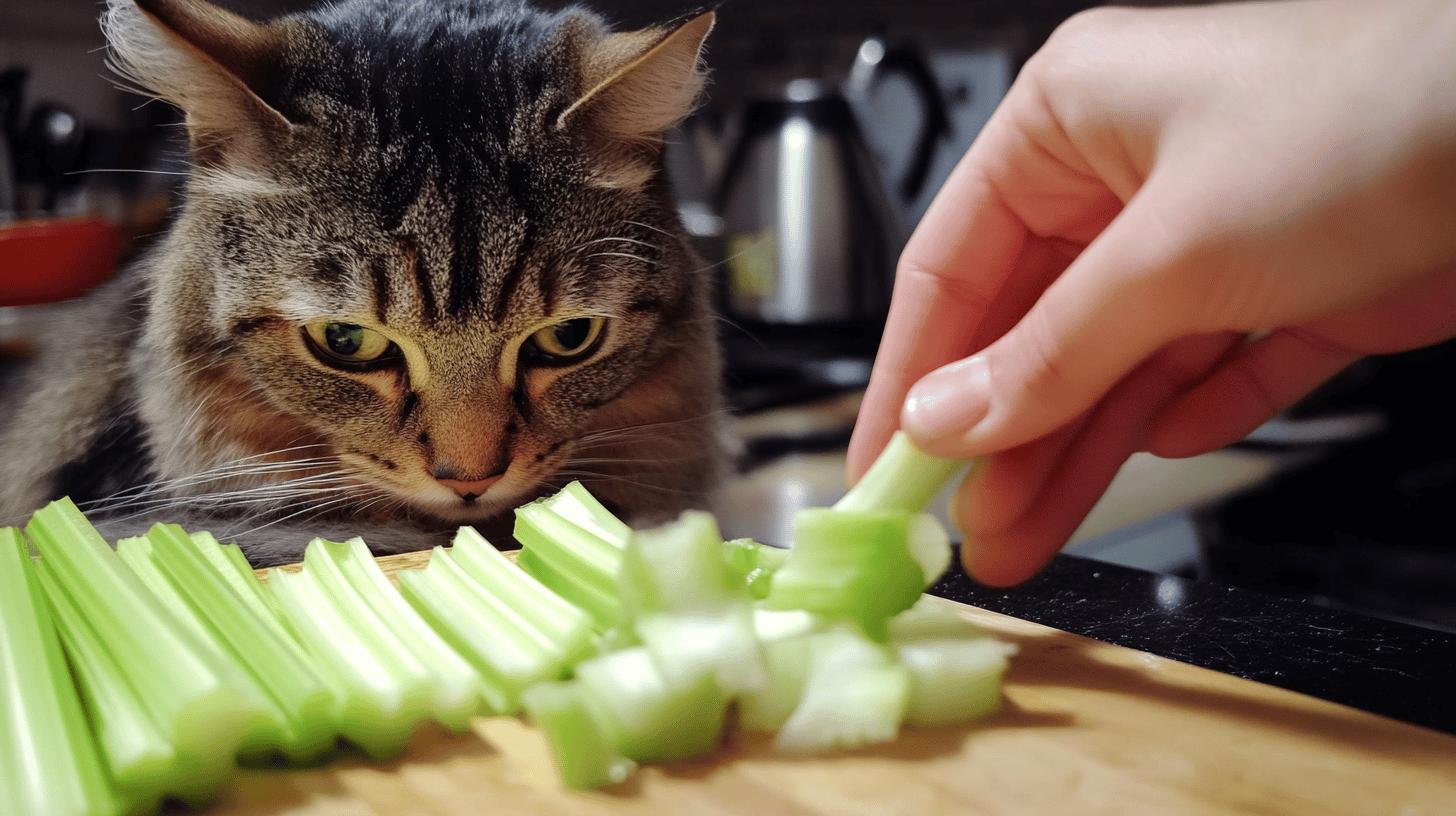
    When it comes to preparing celery for your cat, the first step is to wash it thoroughly. This removes any dirt or pesticide residue that might be lingering on the stalks. Once cleaned, cut the celery into small, manageable pieces. This is crucial to prevent any choking hazards, given the fibrous nature of celery. Removing any tough strings is also a wise precaution to ensure your cat can safely chew and swallow the pieces.

    Serving celery to your cat should always be done with moderation and under supervision. Start with a very small quantity, roughly the size of a fingernail, to see how your cat reacts. If there are no adverse reactions, you can gradually increase the amount, but it should never exceed 10% of their daily calorie intake. Remember, celery is meant to be an occasional treat, not a dietary staple.

    • Always supervise your cat when offering celery to ensure they eat it safely.
    • Begin with a small portion to monitor for any allergic reactions or digestive issues.
    • Gradually increase the serving size if your cat enjoys and tolerates celery well.
    • Avoid making celery a regular part of your cat's diet, sticking to occasional treats only.

    Final Words

    Exploring if a cat can eat celery highlights that it's safe in moderation. Cats, as obligate carnivores, primarily need meat. Celery can hydrate but could pose choking risks or rare allergies. Always watch for symptoms of stomach upset and seek a vet if issues arise.

    Celery offers vitamins and minerals that can be beneficial in small amounts. But don't rely on it as a dietary staple; too much can disrupt digestion.

    When serving, wash and cut celery into tiny pieces. Offer it as an occasional treat while keeping an eye on your cat. Enjoy the positive moments of sharing new experiences with your feline friend!

    FAQ

    Can cats eat celery leaves?

    Cats can eat celery leaves, but it's best in moderation. Make sure they are clean and free from pesticides. Always watch for any sign of an allergic reaction.

    Does celery make cats high?

    Celery does not make cats high. It's non-toxic and harmless when given in small amounts, but it doesn't affect a cat's mental state.

    Can cats eat carrots?

    Cats can eat carrots in moderation. They're safe but should be cooked and cut into small pieces to prevent choking.

    Can cats eat celery juice?

    Celery juice is not harmful to cats, but it doesn’t provide significant benefits either. It should be given sparingly to avoid upsetting their stomach.

    Can cats eat celery seeds?

    Celery seeds are best avoided for cats. They may pose a choking hazard and offer minimal nutritional value.

    Can cats eat celery and carrots?

    Cats can eat celery and carrots if prepared properly. Both should be washed, cooked, and cut into small pieces to avoid choking and ensure easy digestion.

    Can kittens eat celery?

    Kittens can eat celery in tiny amounts. It's crucial to monitor them closely and ensure it’s cut into small, manageable pieces.

    Can dogs eat celery?

    Dogs can safely eat celery. It's nutritious and can be a low-calorie treat when cut into bite-sized pieces.

    Can cats eat celery raw?

    Cats can eat raw celery, but it should be cut into small pieces. Always wash it thoroughly to remove any pesticides or chemicals.

    Why is my cat obsessed with celery?

    Cats might be attracted to celery for its crunchy texture or smell. It's fine to let them have a small amount, but always watch their reaction.

    What vegetables are toxic for cats?

    Onions, garlic, and leeks are toxic to cats. Always keep these out of their diet and consult a vet if your cat shows signs of poisoning.

    Are celery plants toxic to cats?

    Celery plants are not toxic to cats. They can safely nibble on the leaves and stalks but should be given in moderation.

    Related Articles

  • Can Cat Eat Pear Safely and What Are the Risks

    Can Cat Eat Pear Safely and What Are the Risks

    Can your cat munch on a pear slice safely, or is it a risky move? While pears can be a tasty snack for humans, giving them to cats isn't as straightforward. As natural carnivores, cats have specific dietary needs that fruits don't satisfy. But, if given cautiously and in small amounts, pears might offer some benefits, like extra fiber. Before you share this juicy treat with your feline friend, it's crucial to understand both the potential benefits and the risks involved. Let's dive into what's safe and what's not in the world of pears and cats.

    Can Cats Eat Pears Safely?

    Can Cats Eat Pears Safely-1.jpg

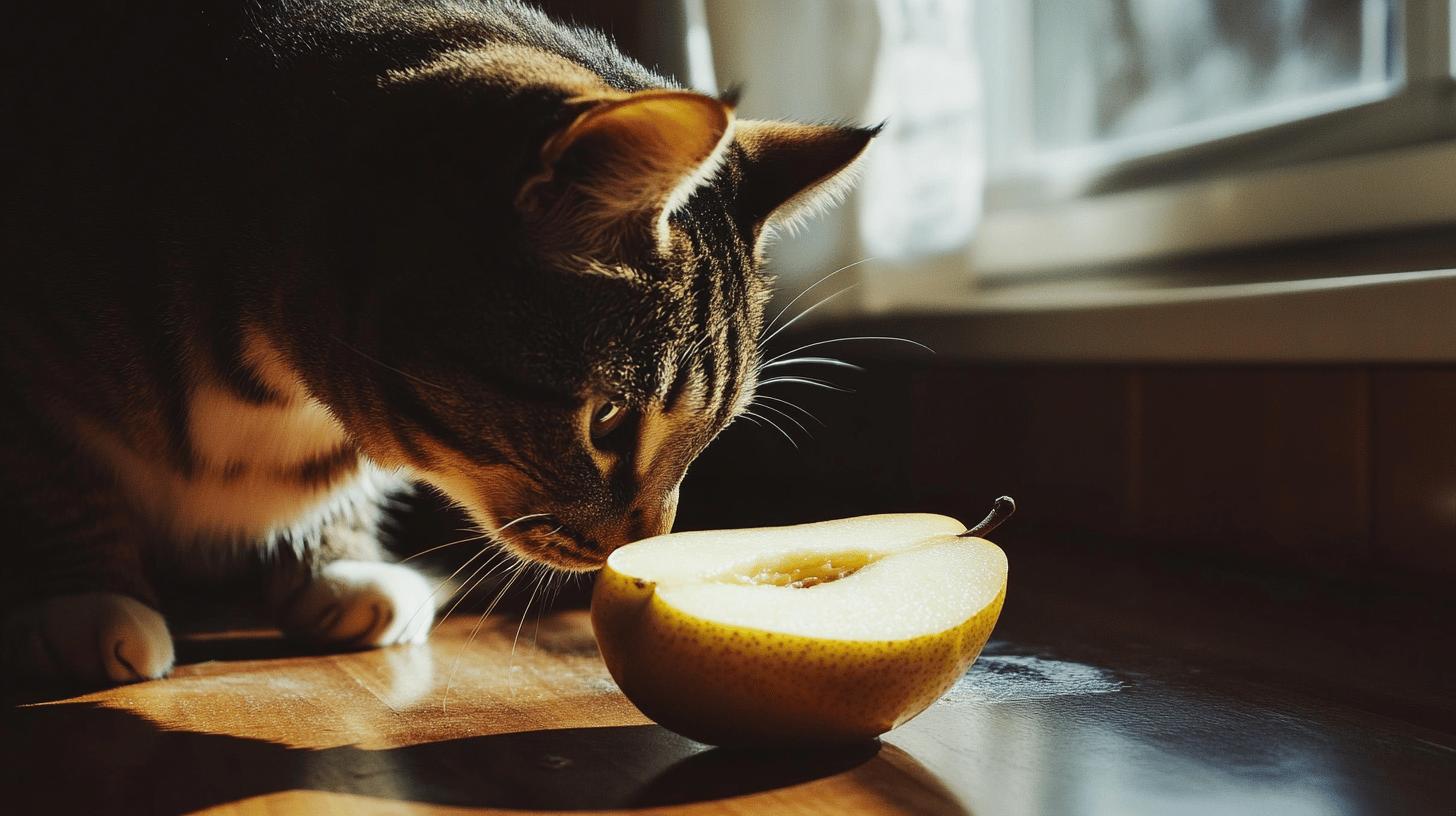
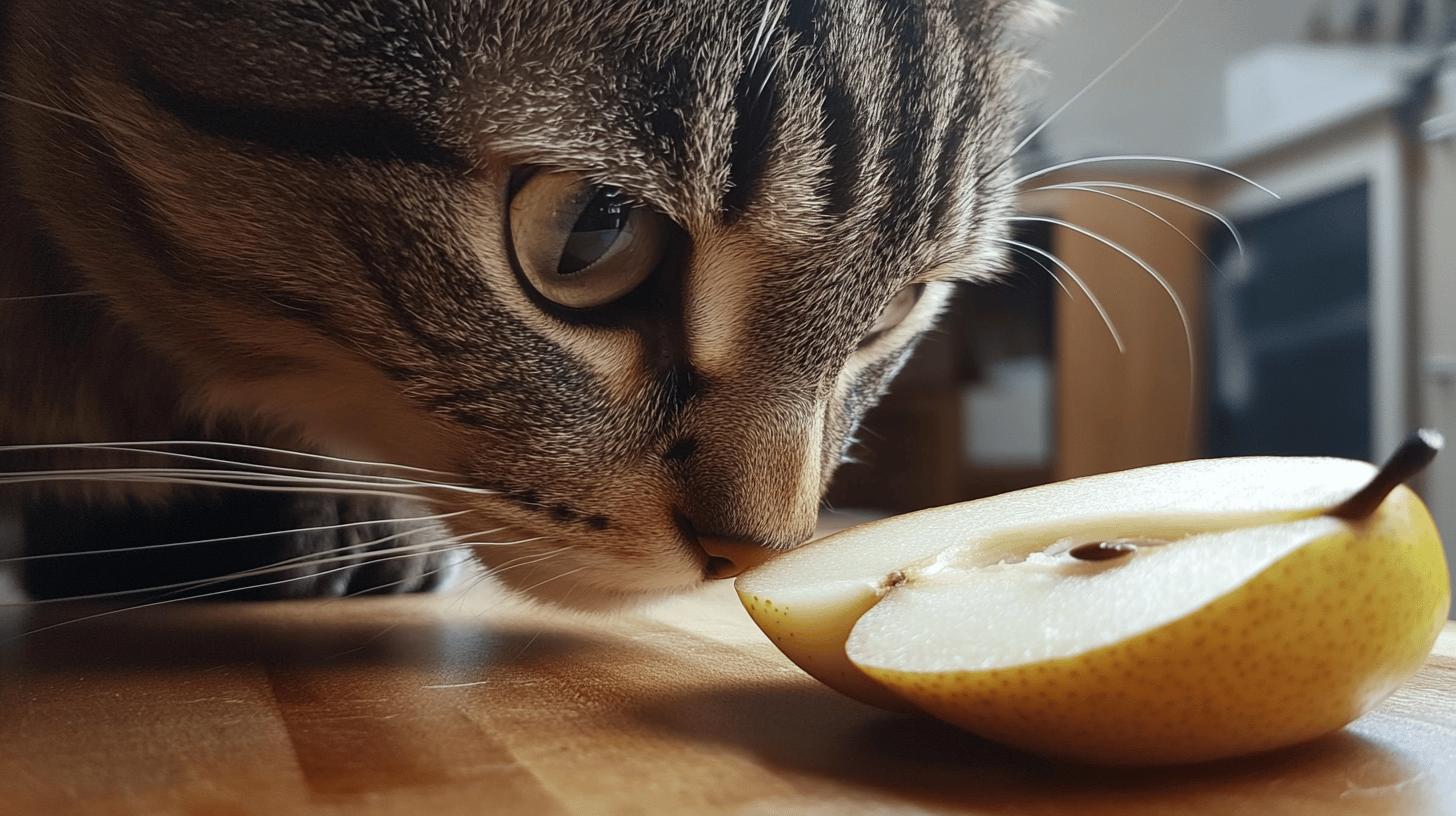
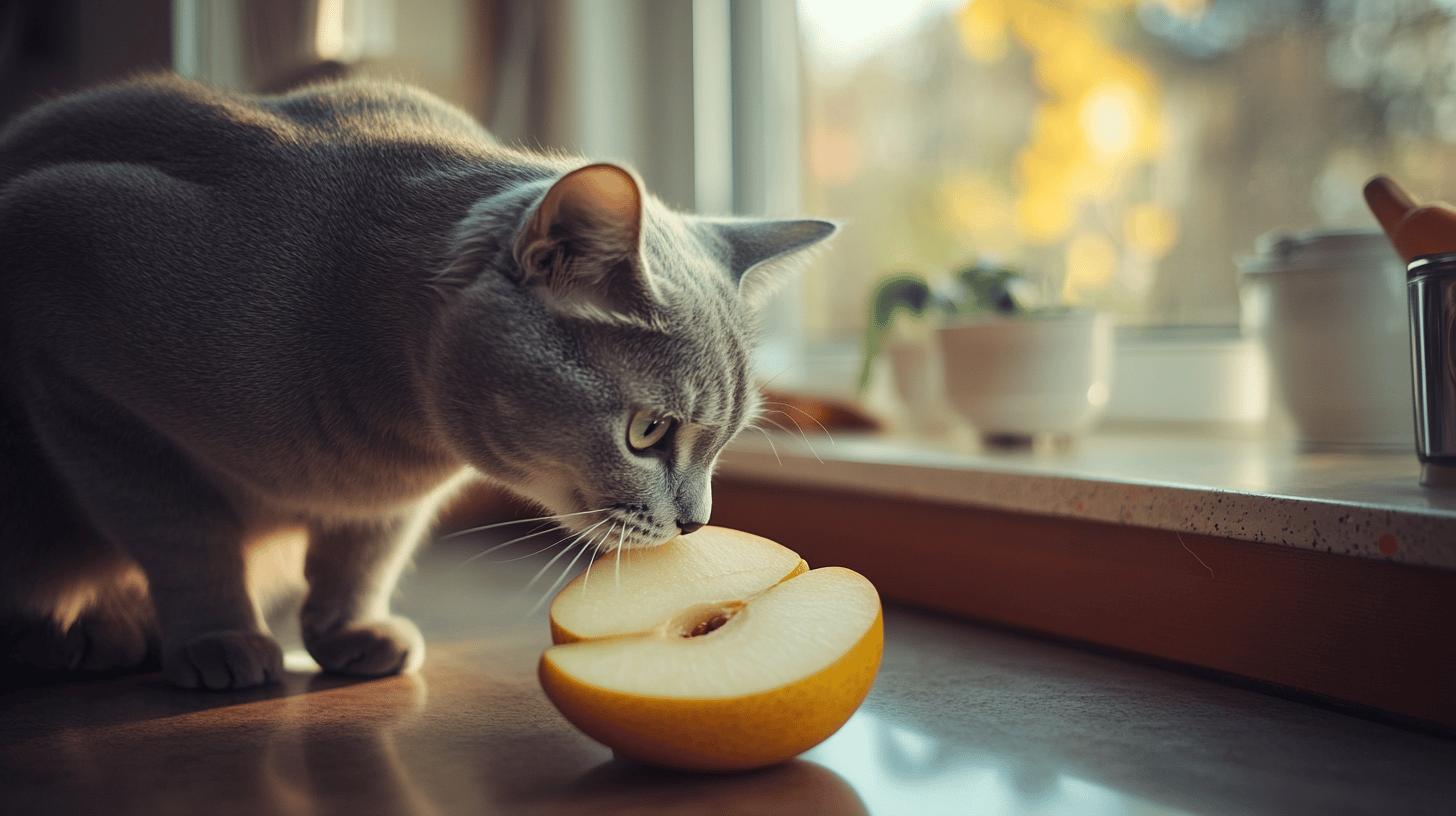
    Cats can indeed eat pears safely, but with certain limitations. Pears should only be given to cats in moderation. The flesh of the pear provides some beneficial vitamins and minerals, including dietary fiber, which can aid in digestion. Fresh pears are a better choice than dried or canned ones, as these often contain added sugars that aren't good for your feline friend. Remember, cats are obligate carnivores, so their primary diet should be meat-based, and fruits like pears should be seen as an occasional treat rather than a regular dietary staple.

    While the flesh of pears is safe for cats, there are important risks to consider. The seeds of pears contain cyanogenic glycosides, which can release cyanide—a substance highly toxic to cats. Therefore, it is crucial to completely remove seeds before offering a pear to your cat. Additionally, pears are relatively high in natural sugars. While this isn't inherently toxic, it can lead to health issues like obesity or diabetes if consumed in excessive amounts. Keeping pear consumption minimal helps mitigate these risks.

    Watching for signs of overconsumption or intolerance is essential when introducing pears to your cat's diet. Symptoms like vomiting, diarrhea, or a lack of interest in regular meals can indicate that your cat is not tolerating pears well. If you observe these or any other adverse reactions, stop feeding pears immediately and consult your veterinarian for advice. Regular monitoring helps ensure your cat enjoys this treat without negative effects.

    Precautions When Offering Pears to Cats:

    • Remove all seeds and the core before serving.
    • Offer pears only as a rare treat, not a regular diet component.
    • Start with small amounts to test your cat's tolerance.
    • Observe for any signs of digestive upset.
    • Consult with a veterinarian if unsure about dietary changes.

    Nutritional Benefits and Role of Pears in a Cat's Diet

    Nutritional Benefits and Role of Pears in a Cats Diet-1.jpg

    Pears are packed with nutrients like vitamin C, vitamin A, and dietary fiber. These elements can be beneficial for cats when given in moderation. The fiber content helps with digestion, which is great for cats that might experience occasional tummy troubles. Additionally, the moisture found in pears aids in keeping cats hydrated, especially if they don't drink much water. While these nutrients offer some health benefits, pears should not be a primary food source for cats.

    Cats are obligate carnivores, so their diet must focus on meat to fulfill their nutritional requirements. An occasional slice of pear can be a fun and tasty treat, but it should only supplement their meat-based diet. Too much fruit like pears can cause dietary imbalances, making it essential to keep treats infrequent and in small portions. To ensure your cat stays healthy and happy, consult a veterinarian regularly when introducing any new food, including pears, into their diet.

    • Serve pears sparingly to avoid dietary imbalances.
    • Prioritize a meat-based diet for your cat's primary nutrition.
    • Consult with a veterinarian before adding new foods to your cat's diet.

    How to Serve Pears to Cats

    How to Serve Pears to Cats-1.jpg

    Integrate the preparation steps into the existing advice on serving pears to cats. Always wash the pears thoroughly to remove any dirt or pesticides. Cut away seeds, core, and skin, since these parts can be harmful to cats. Slice the flesh into small, manageable pieces.

    Veterinarians advise giving pears to cats no more than once or twice a week. Small portions are best to keep your cat's diet balanced and prevent too much sugar or fiber. Monitor your cat’s reaction to ensure it suits their dietary needs.

    Preparation Step Description
    Wash Pears Thoroughly Remove all dirt and potential pesticides.
    Remove Seeds, Core, and Skin These parts can be toxic; only the flesh is safe.
    Cut Into Small Pieces Prevents choking and eases consumption.

    Alternatives to Pears for Cat Treats

    Alternatives to Pears for Cat Treats-1.jpg

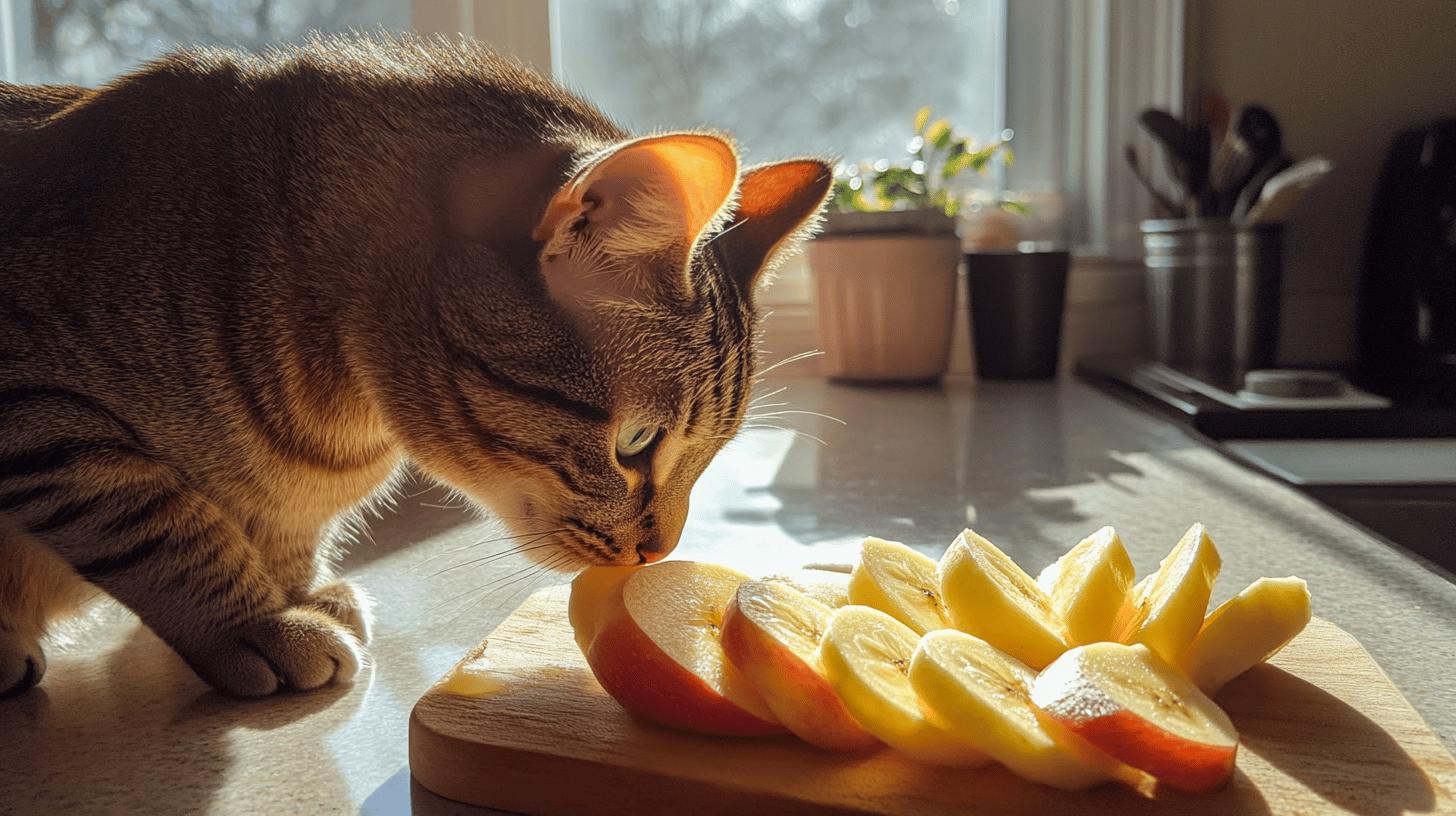
    Cats can enjoy a variety of treats beyond pears, but it's essential to choose options that align with their dietary needs. While fruits like apples and bananas are safe for cats in moderation, they should be offered sparingly due to their sugar content. Cats are obligate carnivores, so high-protein treats like small pieces of cooked chicken or turkey are often preferred. These options provide essential nutrients that support their health. When offering fruits, always monitor your cat's reaction and avoid any that could be harmful.

    • Safe Treats:

      • Small pieces of cooked chicken
      • Small slices of apples (without seeds)
      • Small pieces of bananas
      • Cooked turkey bits
      • Cucumber slices
    • Treats to Avoid:

      • Grapes and raisins
      • Onions and garlic
      • Chocolate
      • Avocado
      • Citrus fruits

    Final Words

    Evaluating if a cat can eat pear, we saw that pears, in moderation, offer some benefits like vitamins and fiber. Yet, it's crucial to keep the seeds away due to their toxicity. The prep steps and portion control provide a way to enjoy pears safely. Alternatives like apples or protein treats are often better choices.

    While pears have their place, balancing them with a mainly meat-based diet is key for cats. Keep being curious about your cat's diet, and don't hesitate to consult a vet. Your kitty’s health and joy make experimenting with new treats worthwhile.

    FAQ

    Are pears okay for cats to eat?

    Pears are safe for cats to eat in moderation. They provide vitamins and fiber, but the seeds are toxic. Always remove seeds before giving pears to cats.

    What fruits can cats not eat?

    Cats should not eat grapes, raisins, or cherries. These fruits are toxic and can cause severe health issues. Always check with a vet before introducing new fruits.

    Can cats eat pear seeds?

    Cats should not eat pear seeds. They contain cyanide, which is toxic. Always remove seeds to ensure your cat's safety.

    Can cats eat pear skin?

    The skin of pears should be removed before feeding them to cats. It can be tough to digest and may cause discomfort.

    Can cats eat pear juice?

    Pear juice is not ideal for cats. It often contains added sugars that are not healthy for them. Fresh water is the best hydration source.

    Can cats eat apples?

    Yes, cats can eat apples in small amounts. Just remove the seeds and core which can be harmful.

    What fruits can cats eat?

    Cats can eat small amounts of apples, bananas, and blueberries. Always remove any harmful parts like seeds and core.

    Can cats eat Asian pears?

    Asian pears are similar to regular pears and can be given to cats in moderation. Always remove harmful parts.

    Can cats eat watermelon?

    Yes, watermelon can be given to cats in small pieces. Ensure the seeds and rind are removed to avoid any risk.

    What fruit is toxic to cats?

    Fruits like grapes, raisins, and cherries are toxic to cats. They can lead to severe health problems and should be avoided.

    Why do cats like pears?

    Cats might enjoy the flavor and texture of pears. It's the natural sugar and moisture content that could be appealing.

    What berries are poisonous to cats?

    Berries like holly and mistletoe are poisonous to cats. Always verify the safety of any berry before offering it to your cat.

    Related Articles

  • How to Train a Cat Not to Chew on Things

    How to Train a Cat Not to Chew on Things

    Does your cat love sinking their teeth into everything but their own toys? You're not alone in this! Many cat owners find themselves battling against chewed cords, gnawed furniture, and shredded shoes.

    Understanding why cats chew can transform this frustrating habit into an opportunity. By addressing the root causes like anxiety and boredom, you can steer them toward healthier behaviors.

    Training your cat not to chew on things isn't just about stopping the behavior. It's about tapping into their natural instincts with smarter approaches and creating a safer home. Let's explore ways to achieve this harmony!

    Understanding Why Cats Chew on Things and Addressing Anxiety

    Understanding Why Cats Chew on Things and Addressing Anxiety-1.jpg

    Cats are natural explorers, and their instinct to chew is part of this exploration. They often use their mouths to investigate and interact with their environment, much like we use our hands.

    Chewing can be a sensory experience for cats, allowing them to enjoy different textures and tastes. This curiosity-driven behavior is common, especially in younger cats who are still discovering the world around them.

    Anxiety and medical issues are also significant reasons why cats might chew on things. Cats experiencing stress might chew more frequently as a way to cope. Breeds like Siamese are particularly prone to anxiety-driven behaviors.

    Changes in their environment, new additions to the household, or a lack of stimulation can trigger this response. Additionally, cats may chew due to dental discomfort, such as achy gums, similar to teething in puppies or children.

    Common anxiety triggers include:

    • Environmental changes
    • Introduction of new pets
    • Lack of mental stimulation

    To address anxiety-related chewing, consider using calming pheromones. These products can help soothe nervous cats by mimicking the scent of feline facial pheromones, which have a calming effect. Creating a safe, quiet space for your cat can also reduce stress. Ensure this area is away from loud noises and other pets, offering a refuge where your cat feels secure.

    Incorporating mental enrichment activities can also help alleviate anxiety. Use interactive toys and puzzle feeders to keep your cat mentally stimulated. Regular playtime is crucial, as it helps expend excess energy and reduces stress.

    By understanding the reasons behind your cat's chewing and implementing strategies to address anxiety, you can guide your feline friend toward more appropriate behaviors.

    Effective Cat Behavior Training Techniques with Environmental Enrichment

    Effective Cat Behavior Training Techniques with Environmental Enrichment-1.jpg

    Training a cat not to chew on household items involves more than just telling them "no." It requires a combination of behavioral modification and environmental enrichment. Cats, like humans, need activities that captivate their interest and keep them mentally active.

    By offering them engaging alternatives, we can guide them away from inappropriate chewing habits. This process not only prevents damage to household items but also ensures the cat has a fulfilling, stimulating environment.

    One effective strategy is redirecting a cat's chewing behavior with safe alternatives. Cats often chew to satisfy curiosity or soothe discomfort, so providing appropriate items can divert their attention.

    Rubber toys, catnip-filled plushies, and dental chews are excellent choices. These items not only fulfill their need to chew but also promote dental health. Ensuring these alternatives are readily available encourages your cat to choose them over your furniture or cords.

    Enrichment activities are another crucial component in modifying a cat's behavior. Introducing climbing trees, which offer vertical space to explore, can significantly reduce boredom. Puzzle feeders provide mental stimulation, challenging cats to think and work for their food.

    These activities not only keep your cat's mind sharp but also tire them out, making them less likely to engage in destructive chewing out of sheer boredom.

    Training Technique Description
    Interactive Playtime Engage your cat with toys that mimic prey to satisfy hunting instincts.
    Safe Chew Alternatives Offer rubber toys or catnip-filled plushies to redirect chewing behavior.
    Puzzle Feeders Use feeders that challenge your cat to solve puzzles for their meals.
    Climbing Trees Provide vertical spaces for climbing and exploring to reduce boredom.

    Positive reinforcement and stress management play a pivotal role in training. Reward your cat with treats or affection when they chew on appropriate items. This encouragement helps them associate positive outcomes with good behavior. Additionally, monitor your cat for signs of stress, as anxiety can lead to increased chewing.

    Address stress by maintaining a consistent routine and providing a calm environment. By combining these strategies, you can effectively train your cat to avoid chewing on things they shouldn't.

    Safe Alternatives and Deterrents for Chewing

    Safe Alternatives and Deterrents for Chewing-1.jpg

    Deterrents like bitter sprays can prevent cats from chewing on things they shouldn't. Bitter Apple Spray is a popular choice. Its unpleasant taste can stop cats from biting cords and other items. Cats usually learn to avoid these items after tasting the bitterness a few times.

    Apply deterrent sprays regularly to keep them effective, especially on hazardous items like electrical cords. This can significantly reduce the risk of your cat chewing on dangerous household items.

    Safety precautions are essential when using deterrents. Always check the spray's ingredients to ensure they're safe for cats. Test the spray on a small area first to see if it damages surfaces. Keep in mind the frequency of application; some surfaces might need more frequent spraying. Combining deterrents with safe chew toys provides a balanced approach to managing your cat's chewing behavior.

    • Bitter Apple Spray
    • Regular application tips
    • Importance of checking ingredients

    By focusing on deterrent methods, you can effectively protect your home and guide your cat's chewing behavior safely.

    Final Words

    Training a cat not to chew involves understanding their natural instincts. Curiosity, anxiety, and even achy gums can lead to biting behaviors. By comprehending these reasons, you can create a calm environment and address anxiety by using pheromones or safe spaces.

    Encouraging proper behavior through play, interactive toys, and positive reinforcement can keep cats engaged. Providing safe chew toys and using deterrent sprays like Bitter Apple can prevent unwanted chewing.

    With these strategies, creating a comfortable and engaging environment for your cat becomes achievable. Embrace these simple changes for a harmonious home.

    FAQ

    How do I stop my cat from chewing things?

    A: To stop a cat from chewing, provide engaging toys, use deterrent sprays like Bitter Apple, and ensure they have mental stimulation. Enrichment reduces boredom that often leads to chewing.

    Why is my cat biting things all of a sudden?

    A: A cat may start biting suddenly due to anxiety, stress, or achy gums. Changes in their environment or new stressors often trigger this behavior.

    Do cats grow out of chewing?

    A: Cats may reduce chewing as they mature, yet some continue if underlying issues like anxiety or boredom aren't addressed. Providing proper outlets can help manage this behavior.

    How can I train my cat to not be destructive?

    A: Use consistent training with positive reinforcement, offer acceptable toys to chew, and enrich their environment with activities. This approach encourages desired behaviors and reduces destruction.

    Why does my 2-year-old cat chew on everything?

    A: A 2-year-old cat might chew due to curiosity, boredom, or anxiety. Addressing these factors with mental stimulation and safe chew toys can help curb excessive chewing.

    What is cat chew syndrome?

    A: Cat chew syndrome isn't a recognized medical term. Cats often chew due to anxiety, curiosity, or physical discomfort like teething or gum issues.

    How to train a cat not to chew on things at night?

    A: Engage your cat with late play sessions, feed them before bed, and provide nighttime-safe chew toys. This can calm and satisfy them, reducing night-time chewing.

    Related Articles

  • Can Cat Eat Raw Fish Safety Risks and Nutritional Benefits

    Can Cat Eat Raw Fish Safety Risks and Nutritional Benefits

    Can cats safely enjoy raw fish, or are you flirting with danger by serving it to your feline friend? Fish is packed with omega-3s that keep their coat shiny and skin healthy, making it tempting to add to your cat’s diet. But along with these nutritional perks come some risks, like thiamine deficiency and potential bacterial infections. In this blog, we’ll explore both sides of the argument, giving you the knowledge you need to make an informed decision about feeding your cat raw fish. Let's dive into the tasty but tricky waters of raw fish for felines.

    Can Cats Eat Raw Fish: Safety, Risks, and Nutritional Benefits

    Can Cats Eat Raw Fish Safety, Risks, and Nutritional Benefits-1.jpg

    Feeding raw fish to cats brings both potential benefits and risks. Fish is high in protein and rich in omega-3 fatty acids, which support healthy skin, shiny coats, and joint health. These nutrients are also beneficial for cats' neurological health, making fish an attractive option for occasional inclusion in their diet.

    Despite these benefits, feeding raw fish to cats can pose significant health risks. One of the primary concerns is thiamine deficiency. The enzyme thiaminase found in some raw fish can break down thiamine, an essential vitamin for cats. A deficiency in thiamine can lead to severe health issues if not addressed. Additionally, raw fish can be contaminated with harmful bacteria like Salmonella and E. coli, which could pose serious health threats to your feline friend.

    Here are some common symptoms of thiamine deficiency in cats:

    • Loss of appetite
    • Weight loss
    • Vomiting
    • Seizures
    • Neurological problems

    On the nutritional side, fish is a powerful source of omega-3 fatty acids. These fatty acids have anti-inflammatory properties and contribute significantly to a cat's overall well-being. They promote cardiovascular health, enhance brain function, and maintain a lustrous coat. Including fish in a cat's diet, when prepared safely, can offer these benefits, supplementing their nutritional needs.

    Balancing the benefits and risks of feeding raw fish is crucial for any cat owner. While the nutritional advantages are clear, the potential health risks require careful consideration. It's best to consult with a veterinarian to determine if raw fish can be safely included in your cat's diet and to explore alternative ways to provide essential nutrients without compromising their health.

    Comparing Raw vs Cooked Fish for Cats

    Comparing Raw vs Cooked Fish for Cats-1.jpg

    Raw Fish for Cats

    Raw fish is packed with omega-3 fatty acids and proteins, promoting healthy skin and a shiny coat. But it carries risks like Salmonella and E. coli, which can be harmful to cats. The enzyme thiaminase in some raw fish leads to thiamine deficiency, a serious concern for feline health.

    Cooked Fish for Cats

    Cooked fish is safer, as cooking kills bacteria and enzymes, reducing health risks. While some nutrients may decrease during cooking, the safety benefits are significant. Cooked fish still offers omega-3 fatty acids, making it a beneficial part of a cat's diet when prepared correctly.

    Aspect Raw Fish Cooked Fish
    Safety Higher risk of bacteria and enzymes Reduced risk of contamination
    Nutritional Content More nutrients preserved Some nutrient loss
    Ease of Preparation Requires careful handling Simple with proper cooking

    Safe Fish Options, Preparation, and Feeding Guidelines for Cats

    Safe Fish Options, Preparation, and Feeding Guidelines for Cats-1.jpg

    Choosing the right fish and preparing it properly are key to safely incorporating fish into your cat's diet. Not all fish are equal when it comes to safety and nutritional benefits for cats. The types of fish you select should be low in contaminants and high in beneficial nutrients like omega-3 fatty acids and protein. Proper preparation techniques, such as removing bones and ensuring the fish is free of harmful bacteria, are crucial to prevent any health risks. With the right approach, fish can be a nutritious addition to your cat's diet, but it's important to keep it as an occasional treat rather than a staple.

    Here's a list of safe fish types for cats:

    • Salmon: Rich in omega-3 fatty acids, salmon supports your cat's heart health and a shiny coat.
    • Sardines: These small fish are packed with nutrients like vitamin B12 and omega-3s and are usually lower in contaminants.
    • Anchovies: High in healthy fats and lower in mercury, anchovies are a nutritious option for cats.
    • Mackerel: Known for easing constipation, mackerel is another fish rich in omega-3 fatty acids.
    • Herring: A good source of protein and omega-3s, herring is both nutritious and lower in toxins.
    • Trout: Offers beneficial nutrients while typically containing fewer contaminants compared to other fish.

    When preparing fish for your cat, consider several important steps to ensure safety. First, remove all bones, as they can pose a choking hazard or cause internal injuries. Cooking fish is recommended because it kills bacteria and parasites, making it safer for your cat to consume. Steaming or baking are gentle cooking methods that preserve most nutrients while ensuring the fish is safe. Avoid adding any seasonings, oils, or spices that could be harmful to your cat's health.

    In terms of feeding guidelines, fish should only be a small part of your cat's diet. Serve it in moderation — perhaps as an occasional treat or supplement to their regular meals. A small portion, about the size of your cat's paw, once or twice a week is sufficient. Always consult with a veterinarian before introducing fish or any new food into your cat's diet. They can provide specific recommendations based on your cat's individual health needs and dietary requirements. By following these guidelines, you can safely treat your feline friend to the tasty benefits of fish while keeping their health a top priority.

    Final Words

    Exploring the question "can cat eat raw fish?" led us to weigh its risks and benefits. Raw fish can provide protein and omega-3 fatty acids, but the dangers include thiamine deficiency and bacterial infections. We also compared raw and cooked fish. Cooked fish is safer due to reduced bacteria but may lose some nutrients.

    Ultimately, feeding fish should be approached with care. Safe choices and proper preparation are crucial. Always seek veterinary advice before adding raw fish to your cat's diet to keep them happy and healthy.

    FAQ

    Can cats eat raw fish in the wild?

    Cats can eat raw fish in the wild, as they are natural hunters. However, domesticated cats face risks like thiamine deficiency and bacterial infections when eating raw fish.

    Can cats eat cooked fish?

    Yes, cats can eat cooked fish. Cooking eliminates harmful bacteria and enzymes, making it a safer option for cats.

    Can cat eat raw fish raw or cooked?

    Both options are possible, but cooked fish is safer due to reduced bacterial risks. Raw fish may offer more nutrients but comes with health risks.

    Can cat eat raw fish bones?

    Cats should not eat raw fish bones. Bones can be choking hazards or cause internal injuries.

    Can cat eat raw fish in water?

    While cats can eat fish in water, raw varieties pose health risks. Cooking fish in water is safer for a cat's diet.

    Can cats eat fish?

    Cats can eat fish, which is high in protein and omega-3 fatty acids. Cooked fish is safer for domestic cats.

    Can cats eat cooked salmon?

    Yes, cats can eat cooked salmon. It provides protein and omega-3 fatty acids while minimizing bacteria.

    Can cats eat raw chicken?

    Cats can eat raw chicken, but it poses similar risks to raw fish, such as bacterial contamination.

    Can I feed raw fish to my cat?

    Feeding raw fish to your cat can risk bacteria and thiamine deficiency. Consider cooked fish for safer feeding.

    What fish can I give to my cat raw?

    If choosing to feed raw, salmon, sardines, and anchovies are lower in contaminants but still carry health risks.

    Why do cats love raw fish?

    Cats love raw fish due to its high protein and delicious taste. However, safety concerns outweigh benefits for domestic cats.

    Do cats prefer cooked or raw fish?

    Cats might prefer raw fish for flavor, but cooked fish is safer and recommended for healthy feeding.

    Related Articles

  • How to Train a Cat Not to Climb Tables

    How to Train a Cat Not to Climb Tables

    Ever wonder why your cat seems to prefer your dining table over their cozy bed? It’s not just curiosity—cats are natural climbers. They crave high perches to satisfy their instincts. Understanding why they climb can help us train them to keep their paws off our tables. By using smart training techniques, we can redirect their climbing urges to more suitable places. This not only saves your dinner from being a cat-nap zone but also ensures your feline friend stays entertained and stress-free. Let’s dive into effective ways to tackle this common cat owner challenge.

    Understanding Why Cats Climb on Tables and Transitioning to Effective Training

    Understanding Why Cats Climb on Tables and Transitioning to Effective Training-1.jpg

    Cats have a natural instinct to climb. They are athletic creatures who love to seek high places for better views and safety. Their curiosity often leads them to explore areas like kitchen counters, where they might find interesting objects or delicious smells. Sometimes, they just want to be closer to their humans. Recognizing these motivations helps us understand why our feline friends can’t resist the allure of climbing.

    Knowing why cats climb is the first step in training them effectively. By understanding their behavior, we can tailor training strategies that address their needs. Instead of scolding, we can provide alternatives like cat trees or shelves to satisfy their climbing urges. Positive reinforcement, such as rewarding them for staying off tables, encourages better behavior. Emphasizing patience and consistency in training ensures that our strategies are not only effective but also stress-free for our furry companions.

    Effective Cat Training Techniques to Discourage Table Climbing

    Positive reinforcement is the key to training cats. It rewards good behavior without punishment. Cats love rewards, which makes them repeat good actions. You can teach your cat to stay off tables using this method.

    Use these tools and methods for positive reinforcement:

    • Clicker Training: Click when your cat behaves, then give a treat.
    • Treat Rewards: Offer a treat each time your cat avoids the table.
    • Verbal Praise: Use a happy voice to praise good behavior.
    • Interactive Toys: Keep your cat’s attention off the table with fun toys.
    • Cat Trees: Provide a climbing alternative to satisfy instincts.

    Consistency and patience are crucial in training. Cats need time to learn. Keep reinforcing good behavior. Make training fun and short to engage your cat. Avoid negative actions like spraying water or yelling. These can cause anxiety.

    Think of training as a game. This helps you stay patient. It also keeps the environment stress-free. By focusing on positive reinforcement, you encourage your cat to stay off tables. This approach strengthens your bond with your cat.

    Combining Deterrents, Environmental Modifications, and Cat-Friendly Alternatives

    Combining Deterrents, Environmental Modifications, and Cat-Friendly Alternatives-1.jpg

    Creating a home environment that deters table climbing starts with making some changes. Rearrange furniture to prevent easy access to tempting surfaces. Introduce cat trees or shelves that offer safe climbing spaces. These alternatives satisfy your cat’s natural instincts without letting them leap onto tables. Keep counters clear of food and clutter to reduce the allure of forbidden spaces. Sometimes, simply moving a chair away from the table can stop a cat from jumping up.

    Using deterrents can also help in keeping your cat off tables. Here are a few options to consider:

    • Motion Detectors: Devices that emit a sound or spray when your cat approaches.
    • Pet-Safe Sprays: Use scents that cats dislike but are safe for them.
    • Double-Sided Tape: Cats dislike sticky surfaces; place it where they frequent.
    • Aluminum Foil: Place it on tables to deter climbing with the sound and texture.

    Setting up cat-friendly zones is another effective strategy. Designate areas with towers or shelves that encourage climbing and exploring safely. These zones can keep your cat engaged and away from forbidden surfaces. Adding toys or treats to these areas can make them more appealing. Ensure these zones are in places where your cat feels comfortable and can observe their surroundings. This satisfies their need to stay high without causing trouble.

    Solution Benefit
    Cat Trees Provides a safe climbing alternative
    Window Perches Offers a spot to watch and relax
    Shelves Creates elevated pathways and exploration routes
    Cat Towers Keeps cats entertained and off tables

    By combining these deterrents, modifications, and alternatives, you can create a balanced environment. It may take some experimenting to find the best combination for your cat. Providing appealing options and making small adjustments can lead to a happier, more manageable home for both you and your feline friend.

    Monitoring and Adjusting Training Methods for Success

    Watching your cat’s behavior is key to successful training. Regular observation helps you understand what’s working and what isn’t. If your cat keeps climbing tables, it might be time to tweak your approach. Try different techniques if the current ones aren’t effective. Be patient and note any positive changes, adjusting your strategy based on your cat’s responses. This ongoing process ensures your training methods stay relevant and effective.

    Sometimes, stubborn behaviors require expert help. If your cat continues to climb despite your best efforts, consider consulting a feline behavioral therapist. These professionals can offer tailored solutions that address specific challenges. Don’t hesitate to seek guidance if you’re struggling to make progress. A therapist’s insights can provide new perspectives and strategies, helping you achieve a harmonious relationship with your cat.

    Final Words

    Training a cat not to climb on tables means understanding their natural instincts. Recognizing why cats are drawn to high places helps shape effective strategies. Positive reinforcement is key, focusing on rewarding good behavior.

    Creating engaging environments gives alternatives to table climbing and involves being patient. It’s an ongoing process that allows for fun interaction with your cat.

    Both environmental changes and consistent training lead to success. Remember, adapting when needed is crucial. This way, both you and your cat can enjoy a peaceful home without the hassle of constant table climbing.

    FAQ

    How do I stop my cat from climbing on the table?

    Cats usually climb tables out of curiosity or to find a high spot. To stop this, offer alternative areas like cat trees and praise them for using these spots.

    Can cats be trained to stay off tables?

    Cats can learn to stay off tables using positive reinforcement. Reward them with treats or affection when they use designated surfaces like cat shelves or trees.

    What is the best cat counter deterrent?

    A common deterrent is using double-sided tape or aluminum foil on counters. These surfaces feel unpleasant to cats, discouraging them from jumping.

    How can I keep cats off tables and furniture naturally?

    Naturally keep cats off surfaces by using herbal sprays with scents cats dislike. You can also provide alternative spaces, like cat trees or shelves.

    How to train a cat not to climb on tables or jump on beds?

    Use a spray bottle or loud noise to startle them (without scaring). Then, redirect them with toys or praise them when they choose lower spaces.

    How do I stop a cat from jumping after surgery?

    Keep your cat in a small room with limited jumping opportunities. Use a carrier or playpen to restrict movements and aid healing.

    Related Articles