Category: Cat Breeds

  • Best Indoor Cat Breeds for Apartments

    Best Indoor Cat Breeds for Apartments

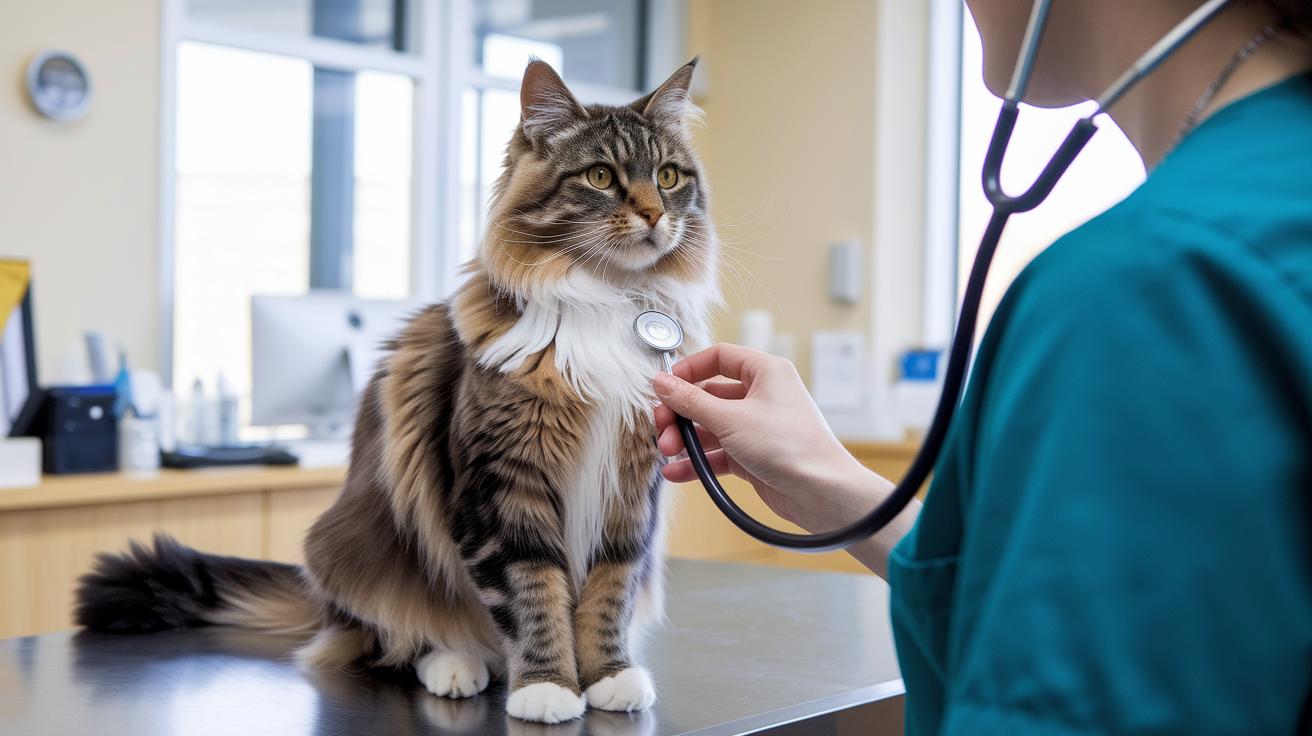
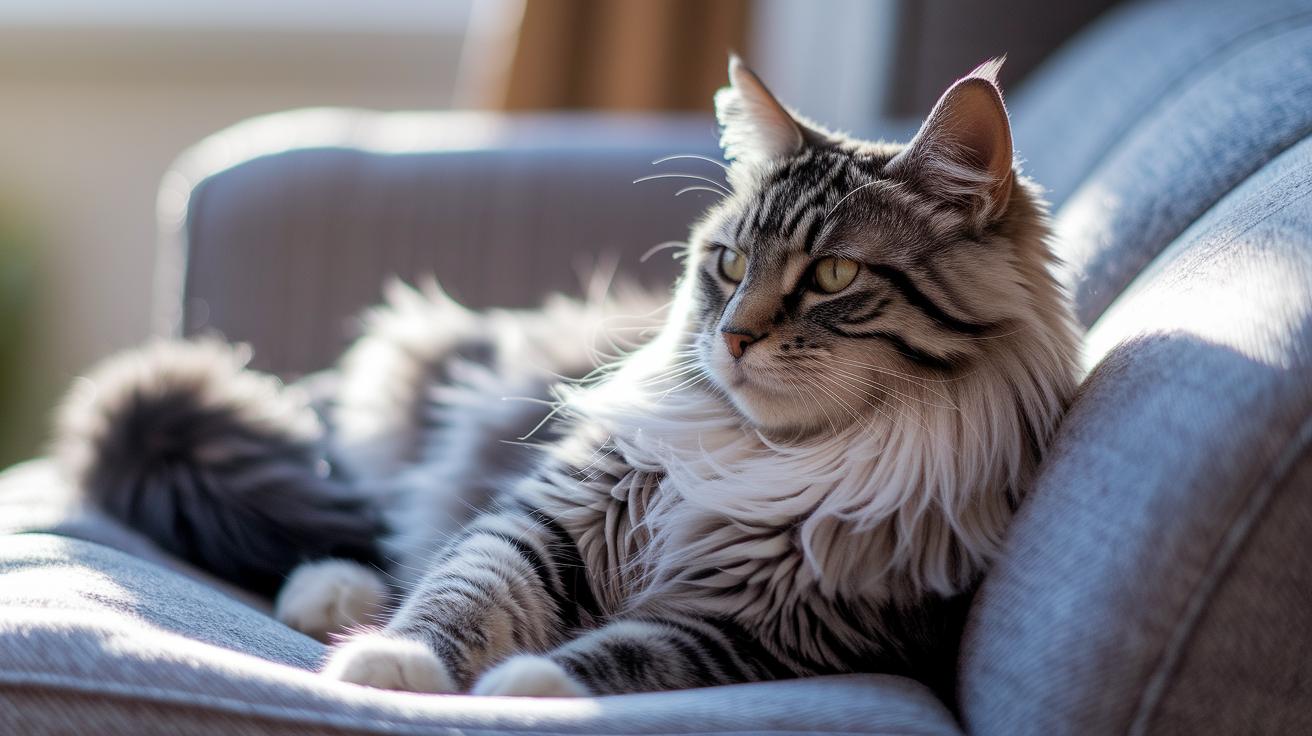
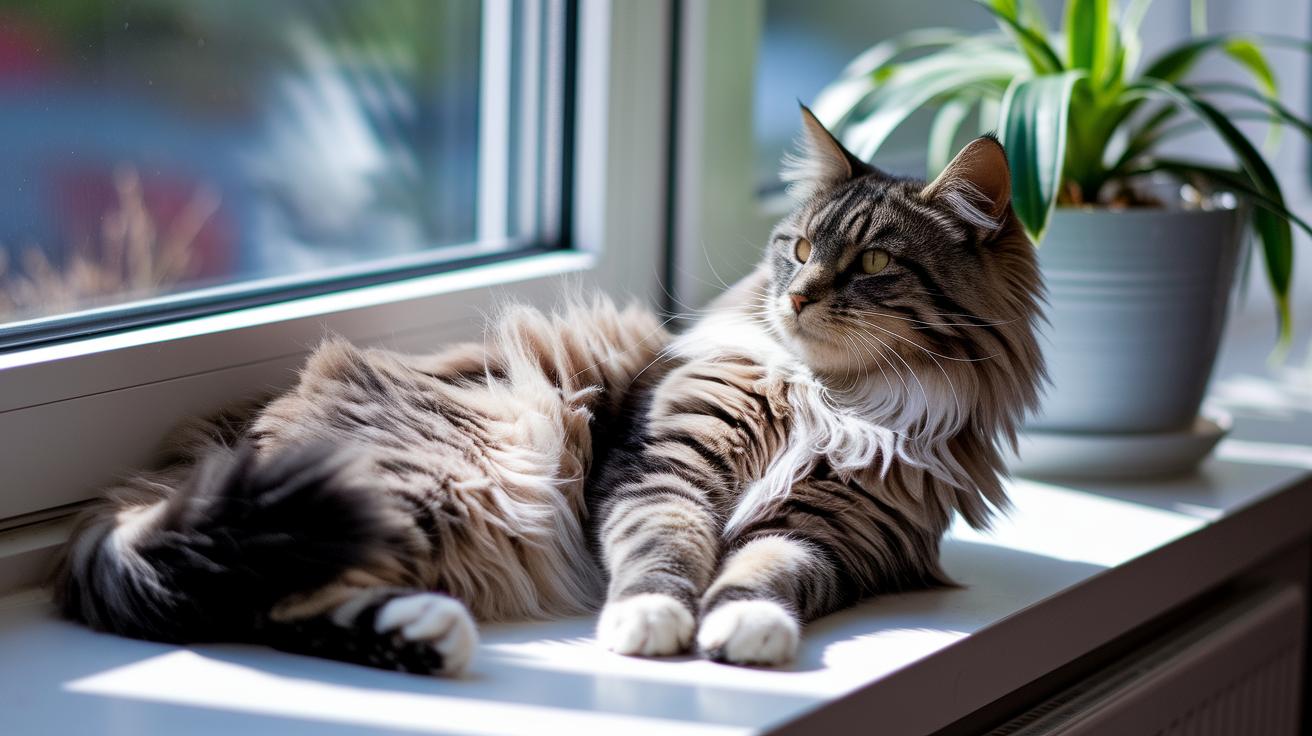
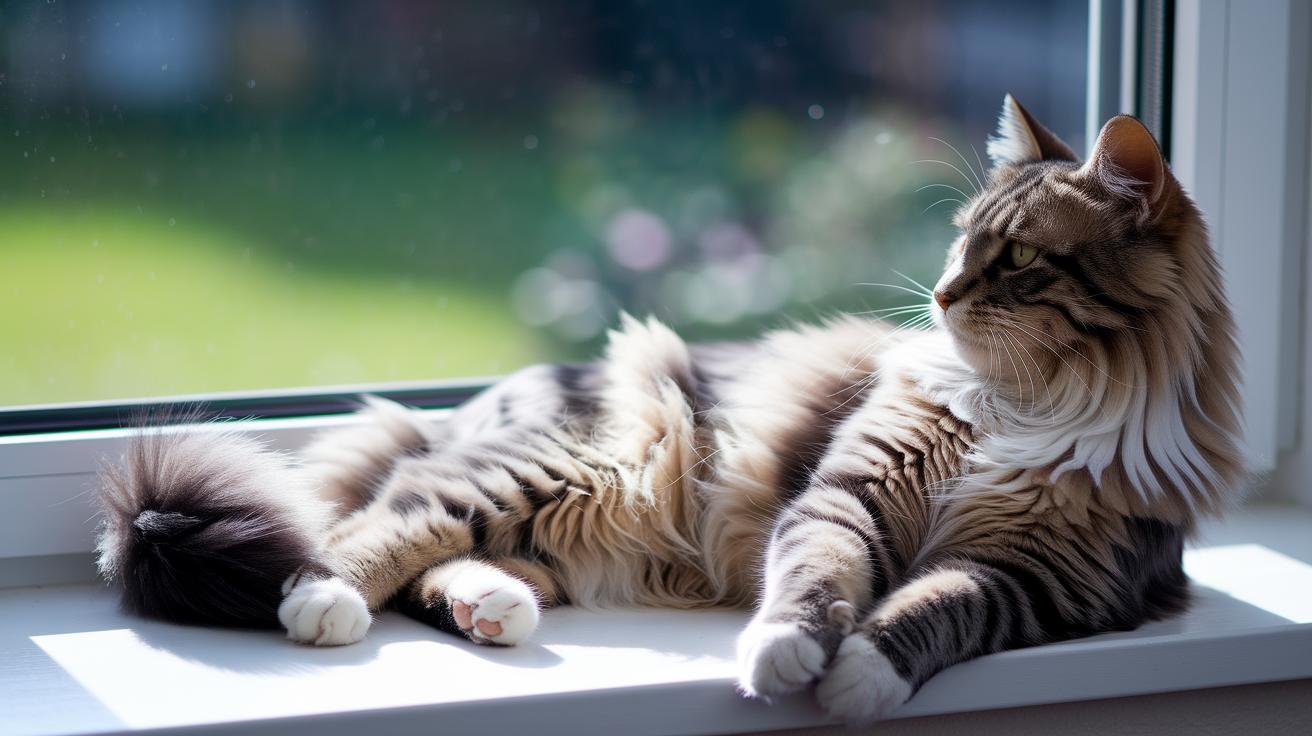
    Think apartments make cats sad? Think again. Some breeds actually prefer indoor life and can be happier than free-roaming cats. Ever watched a kitty bat at a sunbeam on your couch? It’s pure joy.

    Picking the best indoor cat is mostly about matching personality, health, and care to a smaller, lower-risk space. It’s like choosing a roommate who loves naps, couch cuddles, and quiet evenings. Look for breeds that fit how much time and grooming you can give.

    Here’s a quick guide to apartment-friendly breeds and who they suit so you can find a purring pal that fits your life.

    Ragdoll , Big on laps and soft purrs. These mellow cats love cuddles and are great for calm homes or first-time cat parents.

    British Shorthair , Sturdy and even-tempered. They handle alone time well, so they’re perfect for busy people who still want a relaxed companion.

    Russian Blue , Quiet, a bit shy, and playful in short bursts. They do best with routine and a peaceful apartment.

    Siamese , Talkative and social, they crave attention and will keep you entertained. Great if you want a chatty buddy and lots of play.

    Burmese , Affectionate and silly, they follow you like a shadow. Ideal for folks who want an active lap cat that’s always ready for company.

    Sphynx , Warm, outgoing, and full of personality. They need regular skin care (baths and sun protection) and cozy clothes in winter, but they make loving, attention-seeking pets.

    Persian , Slow-moving and sweet with a plush coat. They’re perfect for quiet apartments but need daily grooming (regular brushing to prevent mats).

    Exotic Shorthair , All the Persian vibes with shorter fur, so less brushing but the same mellow charm.

    Match a breed to your daily rhythm, space, and grooming willingness. Toss a toy, add a window perch, and watch whiskers twitch as your new friend explores, worth every paw-print.

    Quick answer: top indoor cat picks and who they suit
    - Quick answer top indoor cat picks and who they suit.jpg

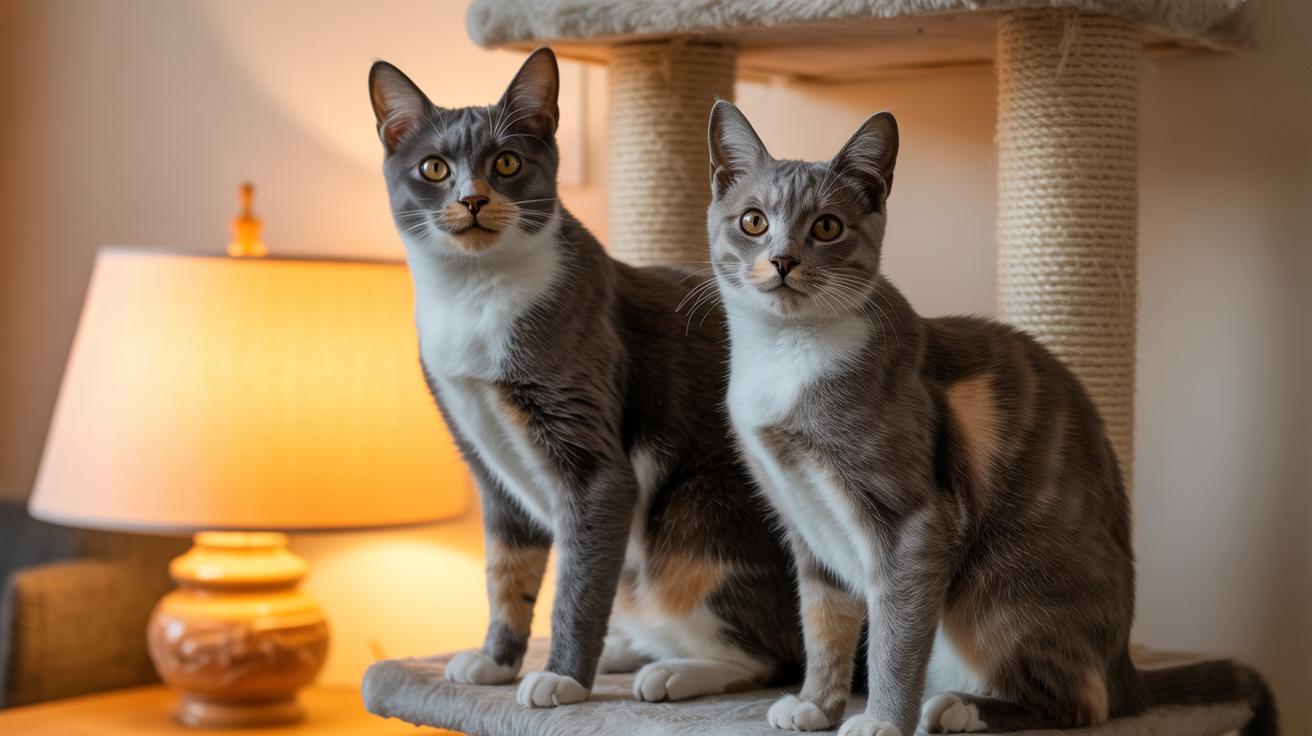
    Best indoor means breeds whose temperament, health, and care needs match life inside the house and lower-risk environments. That usually means calm, social, or adaptable cats who do well with less space and more human time. Think of it like picking a roommate who loves naps and couch cuddles.

    Breed Personality Ideal owner Lifespan
    Ragdoll Gentle and people-focused; loves to flop into your lap. Calm homes that want a big cuddle buddy. 12-17 years
    British Shorthair Even-tempered and low-key; easygoing presence. Busy parents or first-time owners who want a steady cat. 12-18 years
    Russian Blue Quiet and shy, with sudden playful bursts. Single adults or calm households that give gentle space. 10-15 years
    Siamese Vocal and social; needs lots of interaction. Talkative owners who play often and enjoy a chatty cat. 12-20 years
    Burmese Clingy and affectionate; classic lap-cat. Someone home often who loves snuggles. 12-16 years
    Sphynx Playful, people-pleasing, hairless (skin needs weekly bathing because it gets oily; not allergy-free). Owners ready for weekly baths and extra warmth care. 8-14 years
    Persian Mellow and slow-moving; needs daily face care and grooming. Patient owners who can handle regular grooming. 10-15 years
    Exotic Shorthair Persian-like calm with a shorter coat for easier brushing. People who want a relaxed cat but less grooming time. 10-15 years
    American Shorthair Hardy and adaptable; kid- and pet-friendly. Households with children and other animals. 15-20 years
    Bengal Super active and curious; loves climbing and puzzles. Active owners who provide lots of play and vertical space. 12-16 years

    A few quick notes. Siamese cats sometimes get mentioned in allergy talks, if you want deeper allergy detail, check this: are siamese cats hypoallergenic (hypoallergenic means less likely to cause allergies). Also, Sphynx cats are hairless but not necessarily allergy-free, so keep that in mind.

    Indoor-only cats often live about 2-5 years longer than outdoor cats. That extra time usually comes with fewer fights, less disease, and fewer close calls with cars. Worth it, right?

    Ever watched your kitty’s whiskers twitch when a toy rolls by? Small choices, more play, easier grooming, a sunny window perch, make indoor life richer and safer.

    How to choose the right indoor cat for your lifestyle
    - How to choose the right indoor cat for your lifestyle.jpg

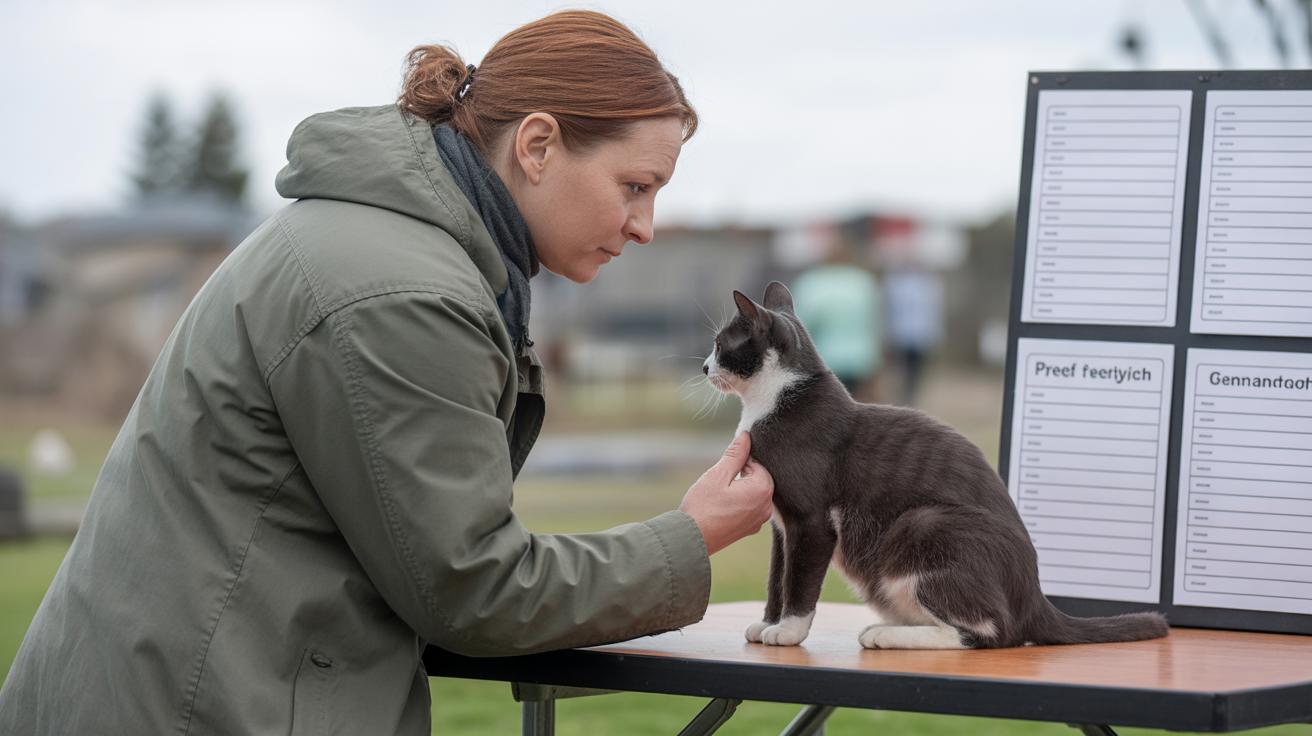
    Before you bring a cat home, size up three things: space (floor area, vertical climbing spots, and sunny windows), time (how many minutes of daily play you can actually give), and allergy risk (anyone sensitive to cat dander, the tiny skin flakes that cause sneezes, or to saliva). Also think about who lives with you, kids, other pets, or seniors will change which breeds fit best. Ever watched your kitty chase a sunbeam? That matters.

    Use the comparison table as your filter tool. Check Energy to match play needs (low / moderate / high), Grooming minutes per week to match how much brushing or bathing you’ll do, Lifespan for long-term planning, and Apartment Friendly if space is tight. Look for the Hypoallergenic flag if allergies matter (hypoallergenic means less likely to trigger symptoms). Pick two simple numbers, say an Energy ceiling and a Grooming max, then scan the table for breeds that meet both. See comparison table.

    Adults usually settle faster and show their steady energy level sooner. Kittens are adorable, irresistible even, but they can take weeks to reveal their true temperament. Worth every paw-print.

    Before you choose, ask yourself these three quick questions:

    1. How much daily play time can I honestly provide?
    2. Do I want low-maintenance grooming or am I ready for regular brushing and baths?
    3. Are there allergy concerns that need testing or a trial adoption?

    If you answered honestly, you’re already halfway there. Your cat’s whiskers will thank you.

    Hypoallergenic cats and Fel d 1: what owners need to know
    - Hypoallergenic cats and Fel d 1 what owners need to know.jpg

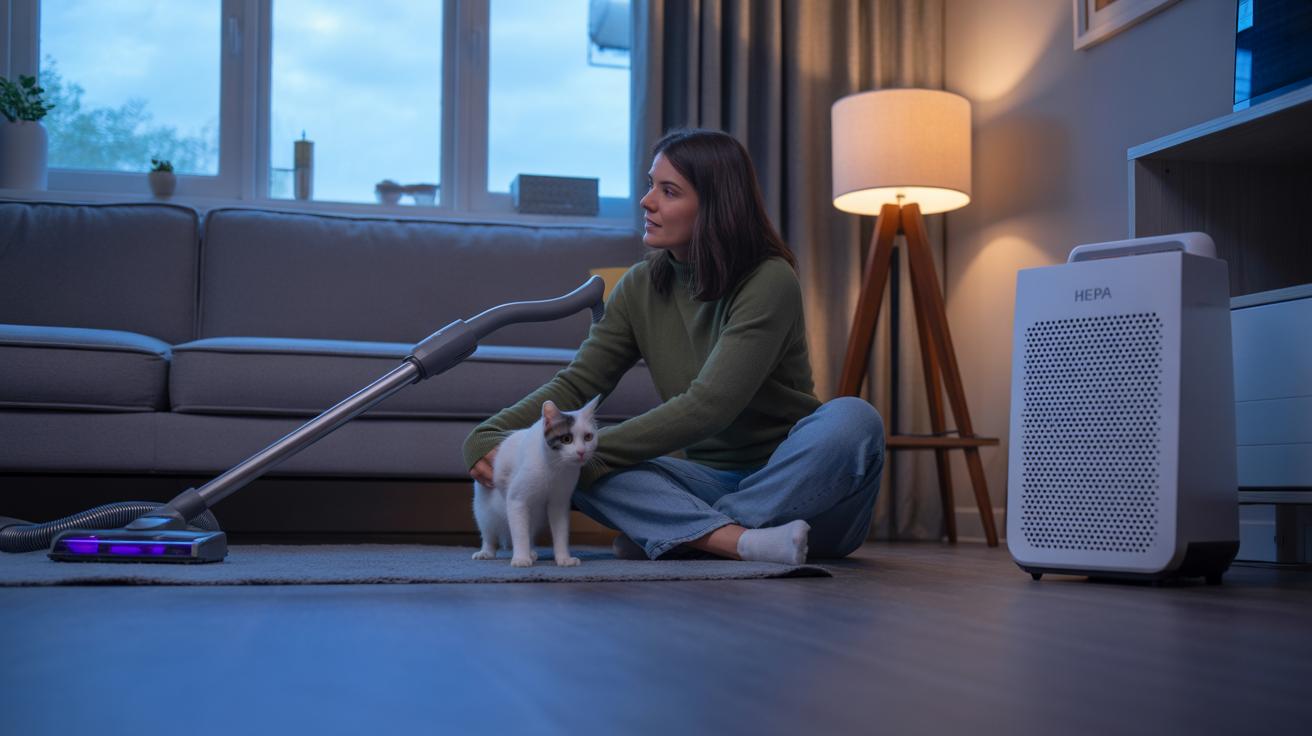
    Fel d 1 is the main cat allergen, a tiny protein (a small allergen made in cat saliva and skin oils) that lands on fur, furniture, and floats in the air. So when a cat is called "hypoallergenic," that does not mean no allergies. Hairless Sphynx still have skin oils and dander that carry Fel d 1, and some Siberian lines have been reported to produce less Fel d 1, but there’s no guarantee. Curious about breeds? For a quick recap of breed basics, [See Quick Guide], and for a breed-by-breed look check the Hypoallergenic column in [See comparison table].

    Want practical, real-life steps that actually help? Good. A few changes can shrink reactions and make living with a cat way more comfortable.

    1. Use a HEPA air filter (High Efficiency Particulate Air, which traps tiny particles) and vacuum 2 to 3 times a week. Wash bedding and soft surfaces weekly to cut down on settled Fel d 1. Your eyes and nose will thank you.
    2. Bathe or wipe hairless cats weekly. For short- and long-coated cats, brush regularly and wipe fur with a damp cloth to keep dander from flying. Think of brushing like dusting a shelf, only fluffier.
    3. Do allergy testing or try a short trial adoption before you commit, and talk with an allergist about medicines or immunotherapy (allergy shots or treatments that help your immune system get used to allergens) if needed.

    Quick tip: if you’re short on time, set up one "cat-free" room with a HEPA filter and soft bedding you can wash easily, that gives you a safe retreat. Ever watched your kitty chase a sunbeam? Little fixes like this make those moments even better.

    Worth every paw-print.

    Best indoor cat breeds comparison table
    - Best indoor cat breeds comparison table.jpg

    Here’s a compact, data-first table of 12 popular indoor cat breeds so you can scan size, energy, grooming time, lifespan, apartment fit, common health notes, and hypoallergenic flags fast. Think of Energy and Grooming as your quickest filters when you want an apartment-friendly match, easy peasy, right? Ever watched your kitty chase a beam of light? Use that zoom-factor to judge the Energy score.

    Breed Size Energy (1–5) Grooming (min/wk) Lifespan (yrs) Apartment Friendly Common Health Notes Hypoallergenic?
    Ragdoll Large 2 70 12–17 Yes HCM (hypertrophic cardiomyopathy – heart muscle thickening), loose joints No
    British Shorthair Medium 2 30 12–18 Yes Prone to obesity, HCM (heart muscle thickening) No
    Russian Blue Medium 3 20 10–15 Yes Urinary tract sensitivity (bladder issues), stress-related problems Partial (see hypoallergenic notes)
    Siamese Medium 5 20 12–20 Yes Dental disease, some respiratory sensitivity No
    Burmese Medium 4 30 12–16 Yes Higher obesity risk, needs dental care No
    Sphynx Medium 4 40 8–14 Yes Skin irritation or infections, temperature sensitivity Partial (see hypoallergenic notes)
    Persian Medium 1 140 10–15 No PKD (polycystic kidney disease), breathing and eye issues No
    Exotic Shorthair Medium 2 80 10–15 Yes Brachycephalic concerns (flat face) with breathing and tear duct issues, dental care No
    American Shorthair Medium 3 30 15–20 Yes Prone to obesity, dental disease No
    Maine Coon Large 4 80 9–13 Yes HCM (heart muscle thickening), hip concerns No
    Scottish Fold Medium 2 40 11–14 Yes Osteochondrodysplasia (cartilage and bone disorder), ear issues No
    Bengal Medium 5 40 12–16 Maybe Very high activity (higher injury risk), HCM risk Partial (see hypoallergenic notes)

    Read Energy as a simple 1–5 activity score (1 = mostly chill; 5 = zoomies and playtime all day). Grooming shows minutes per week for basic brushing and face care. Pick two columns to prioritize, most apartment owners start with Energy and Apartment Friendly, then scan breeds that match your lifestyle. Want a calm cuddle buddy? Look at low Energy and “Yes” for apartment fit. Need a playful roommate? Aim for Energy 4–5 and plan for daily play sessions.

    A quick note about hypoallergenic: “Partial” means some people with allergies do better, but no cat is truly allergy-free. See the hypoallergenic section for tips on reducing allergens and which breeds might suit sensitive noses. Worth every paw-print.

    Personality and activity: matching temperament with daily routines
    - Personality and activity matching temperament with daily routines.jpg

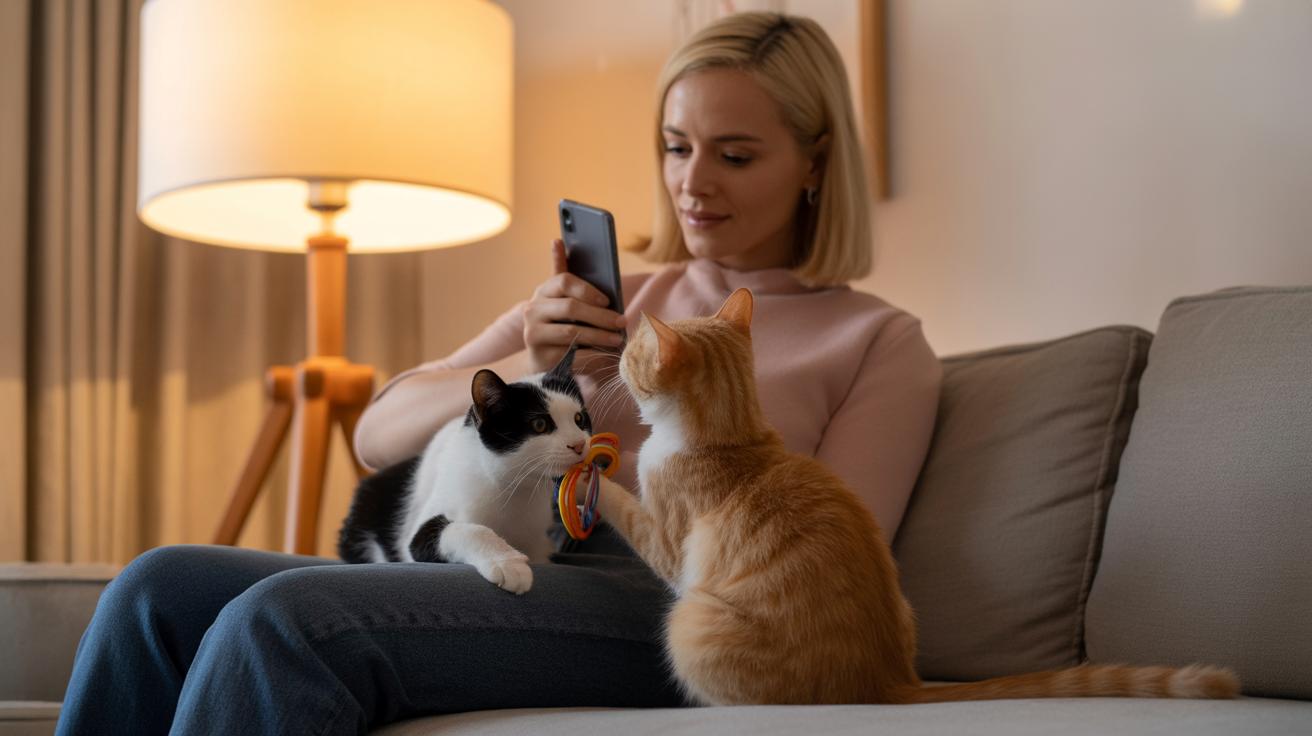
    Pick a cat whose everyday energy fits your schedule, whether calm, social, or a full-on explorer, and your home will feel more peaceful and playful. Think about how loud your life is, how much time you have for games, and whether you want a lap cat or a little shadow following you around.

    Laid-back and low-activity breeds

    These kitties love long naps, gentle pets, and short bursts of fun. Picture the soft flop, the slow purr, and cozy quiet corners, they like low-effort toys and predictable routines. Try brief 5–10 minute treat puzzles (puzzle feeder (a toy that dispenses treats when solved)) or a single interactive wand session so they stay interested without getting overstimulated. Low shelves, a sunny window perch, and a plush hiding bed give them places to watch the world without zooming around. Daily grooming can be a calm, quick brush-and-chat, more like quality time than a spa day. They’re perfect if you want mellow company and steady lap sessions.

    Social and high-interaction breeds

    These cats want talk, play, and brain work, vocal Siamese types love to chat, Burmese and Ragdoll often follow you room to room, and Bengal-style breeds crave puzzles, vertical climbing, and hunt-style play. Plan longer, focused play sessions with wand toys, chase-and-retrieve games, and multi-step puzzle feeders (puzzle feeder (a toy that dispenses treats when solved)) that take a few minutes to solve. Add tall climbing routes and a rotating mix of toys to keep boredom at bay. Ever watched your kitty pounce like a tiny tiger? That’s the joy of matching energy with the right routine. For exact energy and grooming cues for each breed, see the comparison table.

    Grooming, health monitoring routines, and lifespan checkpoints
    - Grooming, health monitoring routines, and lifespan checkpoints.jpg

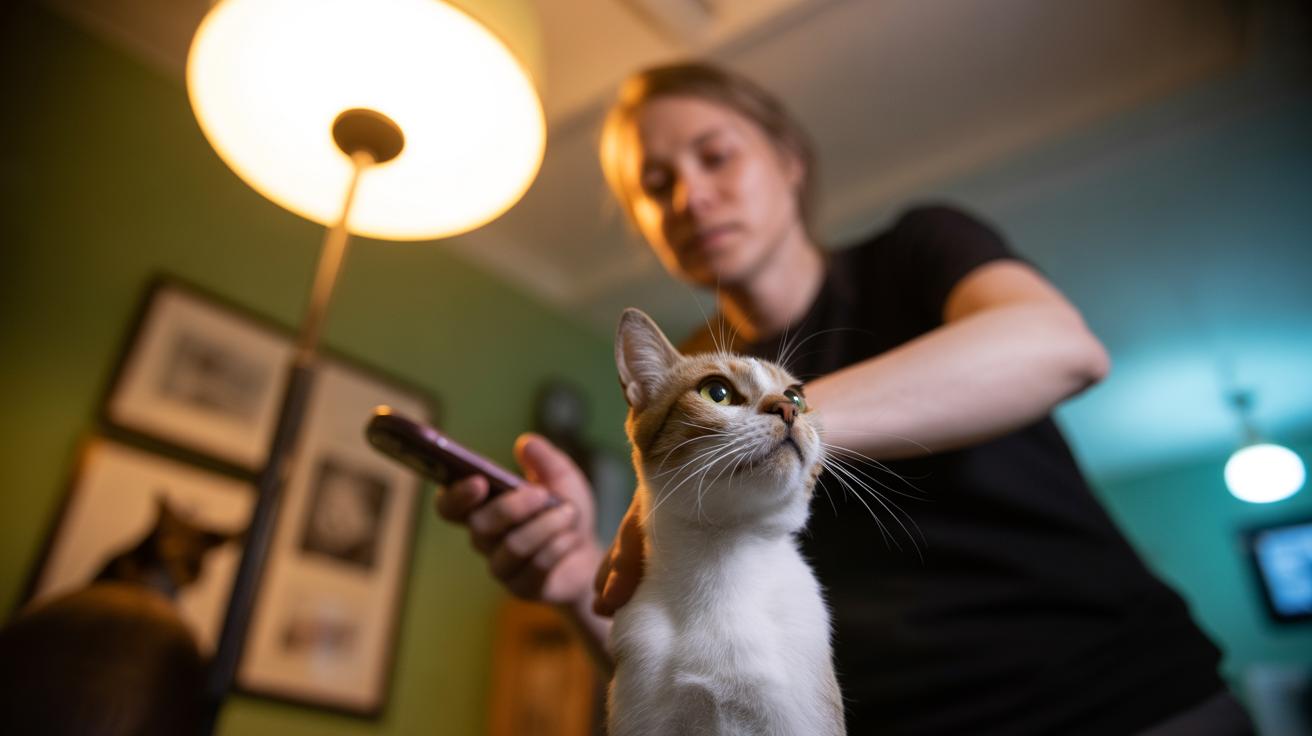
    Start with a simple weekly rhythm. Do a full brush once a week, give quick spot-brushes midweek if the fur looks fluffy, trim nails every 2 to 4 weeks, and check ears once a month for dirt or wax. Little habits like this make big differences over time, and your cat will thank you in purrs.

    Brushing frequency by coat type is easy to remember. Short coats: once a week. Medium coats: two to three times a week. Long coats: daily or every other day to stop mats from forming. For a quick at-a-glance guide with estimated grooming minutes and common care steps, see the comparison table below.

    Coat Type Brushing Frequency Typical Session Time Nail Trims Other Routine Care
    Short Once a week 5–10 minutes Every 2–4 weeks Damp microfiber wipe between brushes (controls dander – tiny skin flakes)
    Medium 2–3 times per week 10–20 minutes Every 2–4 weeks Check for small mats behind ears and under legs
    Long Daily or every other day 15–30 minutes Every 2–4 weeks Brush thoroughly to prevent tangles and mats
    Hairless Weekly baths 10–20 minutes Every 2–4 weeks Weekly mild bath to remove oily buildup; warm bedding

    Flat-faced breeds need extra love. Clean faces and eyes daily because tears and skin folds trap gunk and can cause irritation. When I say flat-faced, I mean brachycephalic (short-nosed skull shape). A soft cloth and a gentle, damp wipe usually do the trick. Ever watched a face-cleaning session turn into a tiny snuggle? Cute.

    Hairless cats need weekly baths to remove oily skin buildup, and a vet-approved moisturizer if your vet recommends it. They get chilly fast, so plan warm bedding. For short-coated cats, a quick damp microfiber wipe-down between brushes keeps dander under control (dander means tiny skin flakes that trigger sneezes).

    Get a screening plan in place early, especially for breeds with known risks. Cardiac checks for at-risk breeds should start around age 1 to 2, especially for HCM (hypertrophic cardiomyopathy, which is heart muscle thickening), and then repeat on your vet’s schedule. Dental exams are usually recommended by age 3 to 5 to spot tartar and prevent tooth loss. Think about genetic testing at or before adoption or breeding for conditions like PKD (polycystic kidney disease) or lines prone to HCM. It’s a little extra step that can save a lot of worry later.

    Follow standard vaccine and wellness timing: kitten visits at about 8, 12, and 16 weeks. Adults usually get a wellness check once a year until about age 8, then move to twice-yearly senior checks. Weigh your cat at home once a month and call the vet if body weight shifts by about 5 to 10 percent, because that small change can signal a bigger problem. Keep a simple chart or note on your phone, super helpful when you need to explain trends to the vet.

    A few quick safety notes: use cat-safe shampoos, trim nails carefully (or ask a pro), and never ignore chronic sneezing, sudden weight loss, or trouble breathing. Small habits, regular checks, and a little attention go a long way. Worth every paw-print.

    Best Indoor Cat Breeds for Apartments
    - Apartment-friendly considerations and readiness checklist.jpg

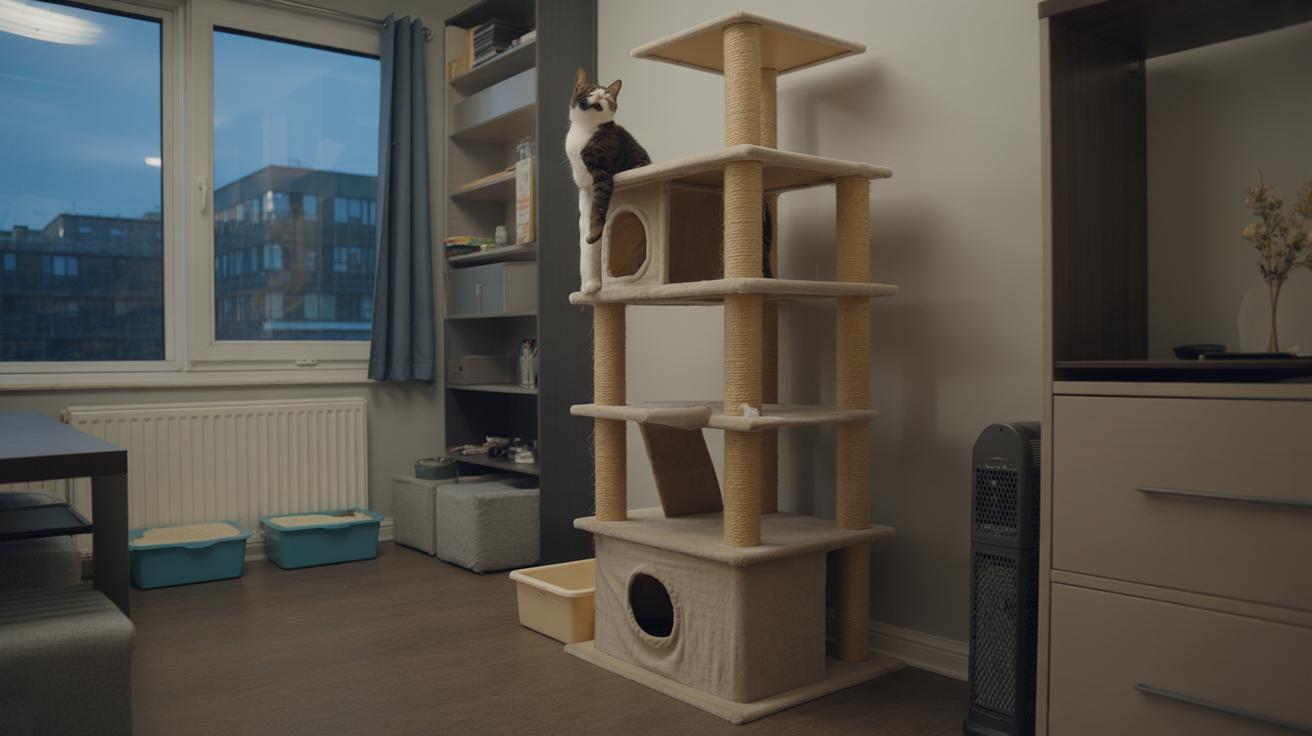
    Think small and tall. Aim for about 100 to 200 sq ft of usable space per cat, and don’t forget vertical zones (high shelves, wall perches, or a cat tree). Add a 6 to 8 ft climbing route (a sturdy cat tree or wall shelf setup) so your cat can leap, climb, and claim real vertical territory. Before you pick a breed, skim the comparison table’s Apartment Friendly column and the Energy and Grooming fields, matching a cat’s needs to your home and schedule saves a lot of fuss.

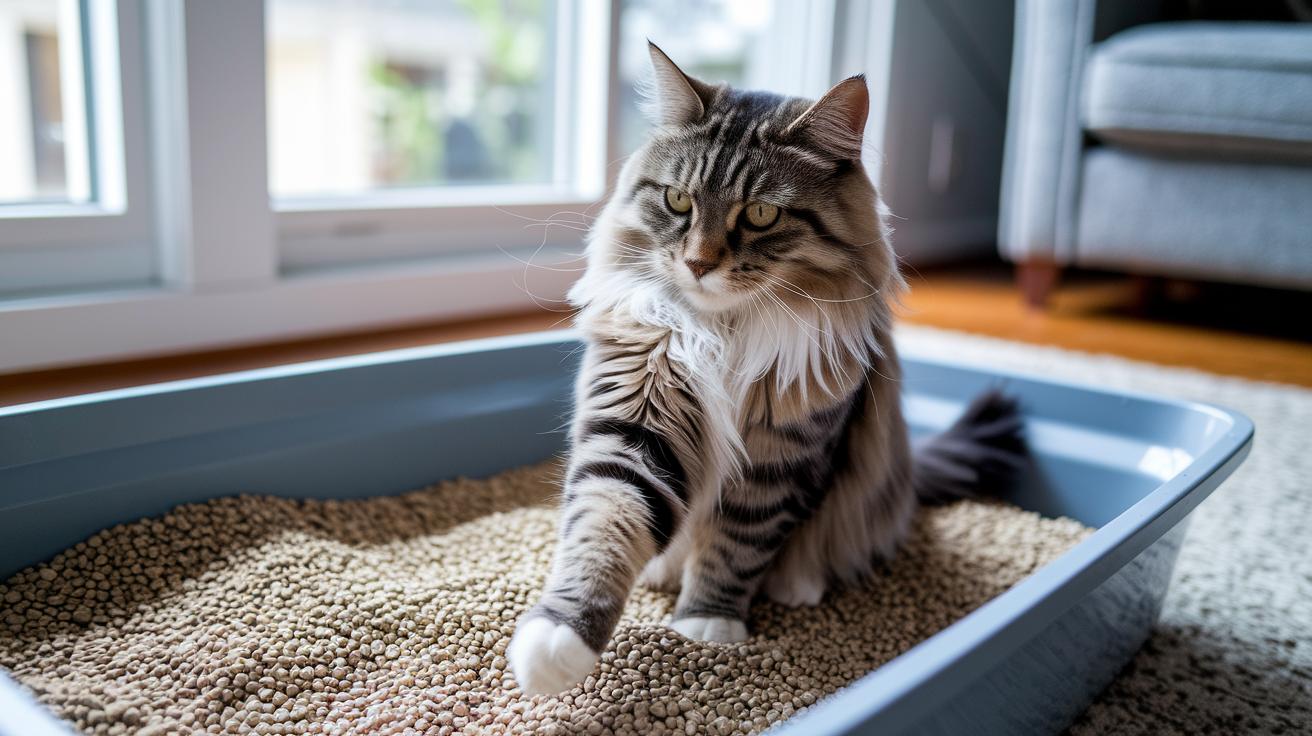
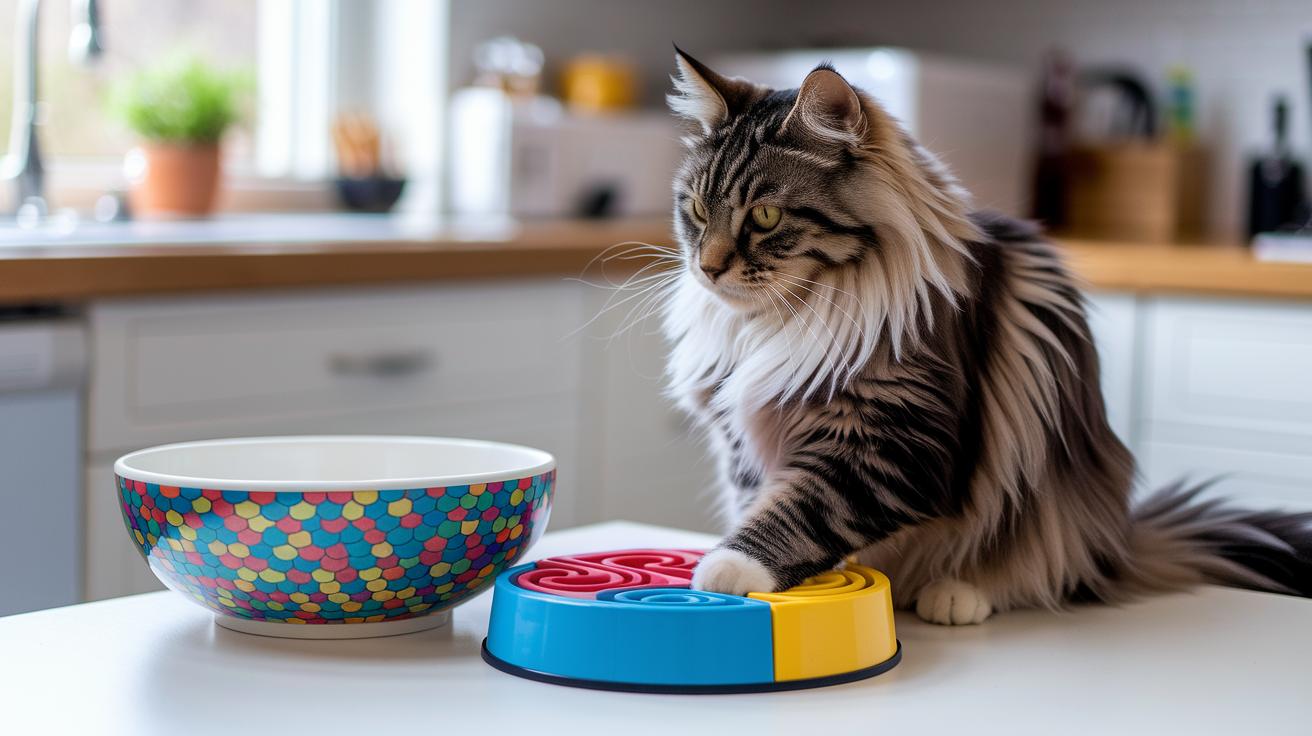
    Keep litter and feeding simple. Follow the n+1 litter box rule (one box per cat, plus one extra), and spread boxes across rooms or levels if you can. Scatter small feeding stations to cut down on food guarding. Break play into short bursts (5 to 10 minutes) a few times a day, plus one longer session, cats love variety. Older kitties need gentler play and slower puzzle feeders (toys that make them work a little for kibble); read about the importance of play for senior cats for tweaks that keep them active without wearing them out.

    Quick checklist for apartment life:

    1. Space: at least one sunny perch and clear floor paths for short chases.
    2. Vertical enrichment: a 6 to 8 ft climbing route plus scratching posts (tall posts or boards where they can really stretch).
    3. Neighbor/noise: use sound-dampening mats and quiet toys to calm a vocal cat.

    Check your lease for pet rules, choose quieter enrichment if your cat chatters a lot, and rotate toys so your kitty stays curious and neighbors stay happy. Worth every paw-print.

    Adopting, settling in, and early-care plan for new indoor cats
    - Adopting, settling in, and early-care plan for new indoor cats.jpg

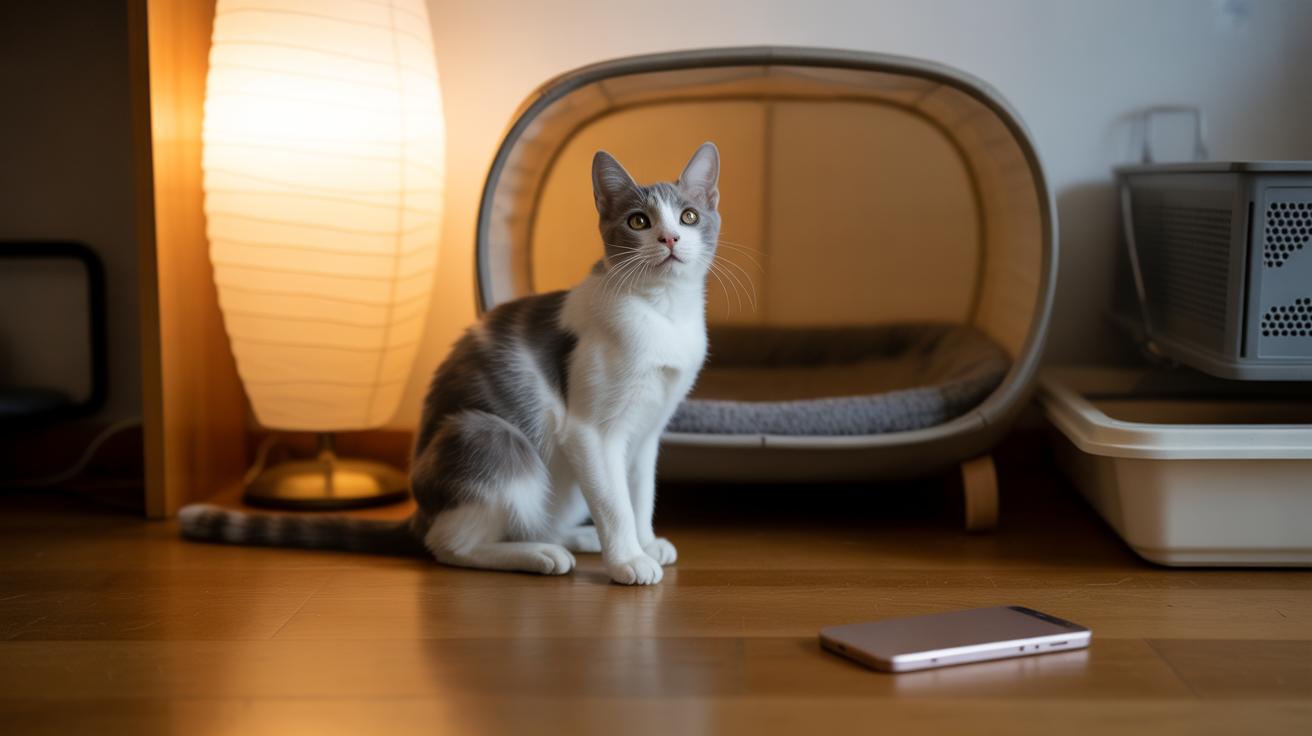
    First 24 hours: pick one quiet room and set it up like a tiny cat retreat. Put out a litter box, food, fresh water, and a hiding spot with a worn T-shirt or small blanket that smells like you. Keep the lights soft and let your cat sniff and explore on their own schedule. Ever watched a whisker twitch as they find a sun patch? Yeah, give them that time.

    First week: start a simple routine. Feed at consistent times and do short play sessions, 5 to 10 minutes, a few times a day, so they burn off energy and learn your rhythm. Introduce other pets slowly: swap bedding for a day or two, then try supervised sniff-meets. Aim for calm, gradual steps over 3 to 10 days. Kittens (2–14 weeks) benefit from gentle handling and quiet, varied sounds to build confidence. Adult cats usually take 2 to 8 weeks to show their full personality, so be patient and predictable.

    First month: schedule a vet visit within 7 to 14 days for a wellness check, vaccine plan, and to start parasite prevention (flea/tick meds and deworming). Get that microchip registered right away, microchip (a tiny ID implant placed under the skin) makes life so much easier if they slip out. Keep a simple folder or phone note with vaccine dates, meds, and any behavior notes. Handy when you need to remember that weird hiss at 3 a.m.

    Quick safety tips: hide cords and toxic plants, secure window screens, and use breakaway collars if you use one. For busy days, toss an unbreakable ball before you head out, that’s ten minutes of safe play. Worth every paw-print.

    Supplies checklist:

    • Litter boxes: n+1 (one per cat, plus one extra). Use a litter (clumping clay or plant-based) your cat prefers.
    • Vertical scratching posts: 1 per cat (tall posts for stretching claws and marking territory).
    • Interactive wand toy: 1–2 (think fishing-rod-for-cats; perfect for pouncing).
    • Puzzle feeder: 1 (a food toy that slows eating and sparks hunting play).
    • Quality brush: 1 (slicker brush or comb for removing loose fur).
    • Hiding beds: 1 per cat (cozy dens that feel safe and warm).

    Grooming and health notes: short-haired cats usually need weekly brushing; long-haired breeds may need daily care. Nail trims, ear checks, and dental routines are easier when you start slow and stay calm. I once watched Luna leap six feet for a toy after a week of daily short play, patience pays off.

    Breed-specific follow-ups: some breeds need extra checks like early cardiac screening (echocardiogram) or special grooming. See the comparison table below for examples and next steps.

    Breed Common follow-up When to schedule
    Maine Coon Cardiac screening (HCM risk) Discuss with vet within first month
    Sphynx Skin care and frequent bathing Start routine after first vet check
    Persian / Long-haired Daily grooming to prevent mats Begin immediately
    Ragdoll Optional cardiac screening Within first few months

    Final thought: be kind to yourself and your new cat. Some days are two steps forward, one step back. Celebrate the tiny wins, first purr, first brave stretch, the satisfying thud of a toy caught mid-air. You’ve got this.

    Final Words

    In the action, we defined "best indoor" as breeds whose temperament, health profile, and care needs match indoor-only living and lower-risk environments.

    We ran through a Quick Guide and a tidy 10-breed list, then a full comparison table, a Hypoallergenic and Fel d 1 explainer, a decision framework, grooming and health checkpoints, apartment readiness tips, and a paced adoption plan to get everyone settled.

    Use the Quick Guide and comparison table to pick the best indoor cat breeds for your busy home, and enjoy more playful purrs, calmer afternoons, and fewer shredded curtains.

    FAQ

    What defines the “best indoor” cat breeds?

    The best indoor cat breeds are those whose temperament, health profile, and care needs fit indoor-only life, offering safe behavior, manageable grooming, and good adaptability to home routines.

    Which cat breeds are top picks for indoor living and who do they suit?

    Top indoor picks include Ragdoll, Russian Blue, Sphynx, Siamese, Bengal, Burmese, British Shorthair, Persian, Maine Coon, and Scottish Fold, each matching owners by energy, grooming need, and lap-or-play preference.

    Are there hypoallergenic indoor cats, and what is Fel d 1?

    Hypoallergenic indoor cats are rare. Fel d 1 (the main cat allergen) comes from saliva, skin oils, and dander. Sphynx may shed less but still makes Fel d 1; trial adoption and allergy testing help.

    How should I choose the right indoor cat for my lifestyle?

    Choose by screening space, daily play time, and allergy risk; use the comparison table to filter Energy, Grooming, Lifespan, and Apartment Friendly fields, and pick adult cats for quicker predictability.

    What grooming and health monitoring routines should indoor cat owners follow?

    Grooming and monitoring depend on coat type: short coats weekly brush, long coats several times weekly, nail trims every 2–4 weeks, hairless weekly baths, cardiac checks at 1–2 years for at-risk breeds, vaccines per schedule.

    What apartment-friendly measures help indoor cats thrive?

    Apartment-friendly choices include a 6–8 ft vertical climbing option, n+1 litter box rule (one per cat plus one), quieting plans for vocal breeds, and daily play adjusted for older cats and neighbors.

    What is the indoor-only lifespan benefit for cats?

    The indoor-only lifespan benefit for cats averages about 2–5 years longer than outdoor cats, thanks to fewer injuries, lower disease exposure, and easier ongoing health checks.

    What are the key steps for adopting and settling an indoor cat?

    Adopt and settle by starting with a quiet room first 24 hours, set routines and slow pet introductions in the first week, schedule a vet visit within 7–14 days, and stock n+1 litter boxes, vertical posts, wand toy, puzzle feeder, brush, and hiding beds.
    Related Articles

  • Maine Coon Extra Toe: Genetics, Care, Show Rules

    Maine Coon Extra Toe: Genetics, Care, Show Rules

    Big mittened paw – adorable bonus or a headache at shows? Maine Coon extra toes usually come from a dominant gene (a gene that shows its trait whenever it’s present). And honestly, a lot of cats use those extra toes like tiny tools, gripping, paddling, and batting their way through playtime.

    Ever watched your cat pick up a toy with a little thumb-like toe? Here’s the short, useful version: how the trait passes down, simple grooming to keep nails healthy, and the rule of thumb on whether judges accept polydactyl (extra toes) cats in competition. Spoiler: it depends on the registry and the breed standard – many shows are fine with polydactyl cats in pet or open classes, but strict breed classes may expect the standard toe count.

    Grooming is easy. Trim nails regularly, check between the toes for dirt or mats, and look for red spots, swelling, or ingrown nails. Think of it like paw first aid: a quick look-and-touch session once a week keeps problems small and stress low.

    When should you see a vet? If the paw is swollen, bleeding, your cat limps, or you spot an infected-looking nail, get it checked. Also see the vet if a kitten can’t use the paw properly or keeps chewing at it.

    I’ll answer the common worries, calm the show fears, and point out the few times a vet visit really matters. Worth every paw-print.

    Quick answer: extra toes in Maine Coons , the one-line verdict and where to read more

    - Quick answer extra toes in Maine Coons  the one-line verdict and where to read more.jpg

    Yes. Polydactyl (extra toes) in Maine Coons comes from a dominant gene (a gene that shows its trait when present). In some historical Maine Coon lines about 40% of cats showed the trait, and if one parent is affected you’ll see roughly a 50% chance a kitten will inherit extra toes. It’s usually harmless. Extra toes are typically fully functional, most cats have 18 toes total (five on each front paw, four on each back paw), and the highest recorded count is 28 toes (seven on each paw). Cute, right?

    Quick facts you can skim:

    • Inheritance: about 50% transmission when one parent is polydactyl (rough estimate).
    • Historical prevalence: around 40% in some Maine Coon populations (how common the trait showed up).
    • Normal toe count: 18 toes total , five front, four back.
    • Record toes: 28 total (seven per paw recorded).
    • Health outlook: usually a harmless genetic variation; most polydactyl cats live normal, healthy lives.
    • See a vet if you notice curled or ingrown nails, swelling that won’t go down, worsening limping, heavy bleeding, or signs your cat is in pain.

    Want all the details? Head to Anatomy & Identification for the inspection checklist, photos and x-rays (x-ray images); Care, Grooming & Home Setup for the grooming checklist and product sizing; Genetics, Mutations & Breeding for mutation overviews; and Health issues for vet guidance and exact imaging thresholds. Ever watched a cat bat at a toy with an extra-big paw? Totally claw-tastic. Worth every paw-print.

    Anatomy & Identification

    - Anatomy  Identification.jpg

    Most cats have 18 toes total: five on each front paw and four on each back paw. Maine Coons, especially polydactyl ones, often show extra toes on the front feet. Some front paws can have six to eight toes. The most extreme recorded case had 28 toes total, which is seven toes on each paw. Below is a quick table to help you spot what to expect when you look closely.

    Paw/location Normal digits Polydactyl range Example notes
    Front paw 5 6-8 extra thumb on inner side
    Back paw 4 4-6 less commonly polydactyl
    Notable example (Jake) Normally 18 vs recorded 28 N/A seven toes per paw recorded

    Many extra toes sit on the inner side of the paw. That placement is called pre-axial (on the inner edge of the paw). You’ll commonly see two looks: mitten paw, with a thumb-like extra toe that sits a bit apart, and patty or snowshoe paw, which is a rounded, compact row of extra toes. Most extra toes are complete , they have bones (the hard parts inside), joints, paw pads, and claws , so they work just like little extra tools when your cat bats a toy or climbs. You can almost hear the soft shuffle of extra pads on carpet. Some cats have extra toes on just one paw, others on all four, so don’t be surprised by asymmetry.

    Checking your cat’s paws is simple and calming if you move slowly. Try these steps.

    1. Calm and secure the cat on a steady surface, like a lap or a table with a towel.
    2. Gently splay each front paw while supporting the wrist so the cat feels safe.
    3. Photograph the paw from the palm and side views for a record.
    4. Count pads and claws, and note any extra pads or extra rows of nails.
    5. Look for curling or ingrown nails, swelling, or debris between toes.
    6. Record what you find for all four paws and compare left and right.

    If your hands and photos don’t give clear answers, use x-rays. X-rays show the bone and joint layout so you can tell whether an odd bump is soft tissue or a full bony digit that might need attention. Get x-rays if there is pain, obvious deformity, persistent limping, suspected bone issues, or if you’re planning surgery. X-rays often need gentle restraint or brief sedation (short-acting, vet supervised) to get clear images, and they’re the surest way to plan proper veterinary care.

    Care, Grooming & Home Setup

    - Care, Grooming  Home Setup.jpg

    Daily and weekly checks make looking after extra toes easy and low stress. Start with calm petting to relax your cat, then do a quick paw inspection: check for curled tips, bits stuck between toes, redness, or a nail that still has its outer sheath. Move slowly, speak softly, and hand out treats for patience. Ever watched your kitty purr through a paw check? It’s the best.

    Basic grooming and safe trimming save headaches later. Use quiet clippers with a sharp guillotine blade (a blade that pulls the nail into a straight slot and slices cleanly) or a scissor-style trimmer. Keep styptic powder handy (a powder that stops small bleeds) for the rare nick. If the nail anatomy looks confusing, stop and ask a professional groomer or your vet to show you once. For guidance on how fast nails grow and when trims are due, see how fast do cat nails grow.

    What to have on hand:

    • Nail trimmers – guillotine or scissor type (choose what fits your cat best)
    • Styptic powder (stops minor bleeding)
    • Soft towels for wrapping or calming your cat
    • Treats and small rewards for good behavior
    • Vet-safe antiseptic wipes for minor cleaning
    • Small flashlight to peek between toes and pads
    • Phone photos or a simple spreadsheet for a digital log
    • Soft file or emery board for smoothing sharp edges
    • Optional: claw covers and adhesive remover
    • Tweezers to pull out debris if needed

    Quick step cues to follow: calm the cat, inspect pads, trim only the visible excess tip of the nail (avoid the quick – the blood vessel inside the nail), file if needed, reward, and log. If you hit sudden heavy bleeding, if the cat resists so much you might get hurt, or if you cannot tell the quick from the tip, stop and call a pro.

    Supply Use Replacement interval
    Antiseptic wipe Clean minor cuts Replace after opening or per expiration
    Styptic powder Stop minor bleeding Keeps until used
    Non-stick sterile pads Wound covering Replace per use
    Tweezers Remove debris Clean after use
    Nail trimmers Trimming Replace when dull (6-12 months typical)
    Contact numbers (vet/24h clinic) Access in emergency Update annually

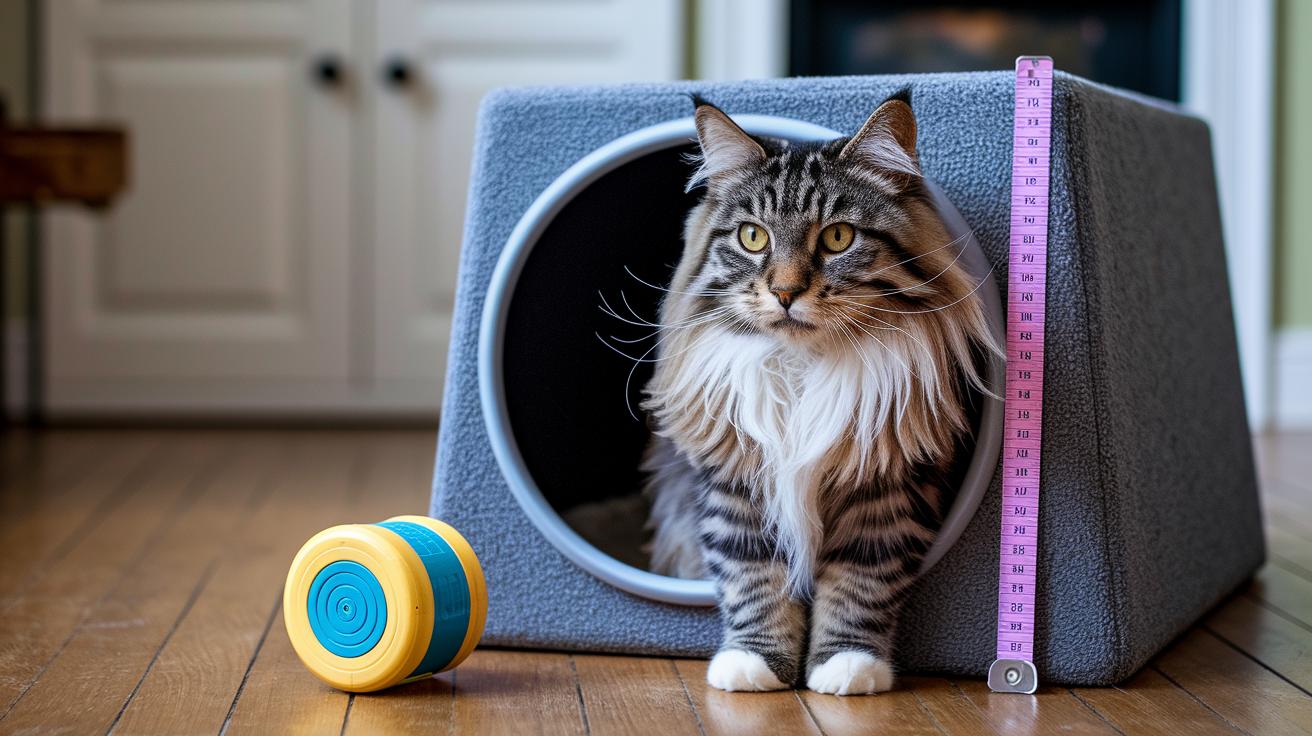
    Home setup matters when paws are bigger. Measure your cat’s shoulder height and paw width before buying or building perches. Aim for perch depth at least shoulder width plus 1 inch so your cat can lie down without slipping. Pick platforms at least 1.5 times the paw span (paw span means the width across the paw) so they feel balanced. Choose a scratch post more than 3 inches in diameter so big claws get a steady grip. And get a base that won’t tip when a hefty Maine Coon launches skyward. Thick wood cores or dense compressed board (a strong, compact wood-like board) feel solid and last longer.

    Keep an eye on things over time and you’ll catch small problems early. Take yearly paw photos and log trimming trouble or nails that always curl. Track gait changes, weight, and joint notes so your vet can spot large-breed issues sooner. Make a printable paw inspection checklist by copying the six-step Anatomy & Identification check plus 4-6 weekly grooming points to make a 10-12 item sheet for your pet binder. If trimming ever feels risky, a groomer or vet trim is worth it and keeps your polydactyl pal comfortable.

    Genetics, Mutations & Breeding

    - Genetics, Mutations  Breeding.jpg

    Polydactyly (extra toes) in Maine Coons usually follows a dominant pattern, which means a single copy of the variant (dominant: shows its effect with just one copy) can produce extra toes. If one parent is polydactyl, expect about a 50% chance a kitten will inherit the trait. Some old Maine Coon lines had around 40% polydactyly in certain populations, so it’s common to see the trait pop up in family trees.

    Mitten and patty paw shapes often repeat when both parents show the same form, but you’ll also see mixed outcomes in litters, so counting toes on each kitten is the only sure way to know. Ever caught yourself happily counting little toe beans? Yep, same.

    Mutation/variant Typical paw form Notes on inheritance/occurrence
    Hw Mitten paw (thumb-like extra toe) Often creates a thumb-like digit; seen in some U.S. and French lines; follows a dominant pattern
    Patty / snowshoe variant Rounded row of toes Reported in a French 2011 study and some Canadian cases (Manitoba example); usually consistent in affected lines
    Mixed / other variants Variable forms Regional variants and mixed expressions are occasionally reported

    Hw mutation

    The Hw mutation (mutation: a genetic change) gives that classic mitten look, with a clear, thumb-like extra toe on the inner side of the paw. Breeders working with Hw lines often see a predictable mitten expression across litters, which helps with planning if you want to keep or avoid the trait. Remember, Hw’s extra toes are a structural feature, not a health verdict, having extra digits doesn’t automatically mean poor health.

    Patty (snowshoe) and regional variants

    The patty or snowshoe variant makes a compact, rounded row of toes instead of a separate thumb. It showed up in a French study around 2011 and in some Canadian lines, including a noted Manitoba foundation case. In some lines the patty phenotype (phenotype: the visible trait) shows up reliably, but mix a mitten line with a patty line and you can get mixed results.

    When breeding polydactyl cats, follow ethical Maine Coon standards: be upfront with buyers about paw conformation, don’t pair cats in ways that concentrate unrelated hereditary problems, and always put the cat’s welfare first. Use available genetic tests and health screens for big-breed concerns (hips, heart, etc.), and keep clear records of which litters showed mitten or patty forms. Registry and show rules differ, some registries register polydactyl cats but won’t allow them in show classes, others won’t accept them at all, so check the specific club rules before advertising a kitten as show potential. And please note any registry limits in your sales or adoption paperwork so buyers aren’t surprised later.

    Maine Coon Extra Toe: Genetics, Care, Show Rules

    - Health issues, red flags, and veterinary decision workflow.jpg

    Extra toes, called polydactyl (having extra toes), are usually harmless and part of what makes some Maine Coons so charming. But sometimes they cause problems like nails that curl into the pad, painful ingrown nails, infections between toes, dirt buildup, or a change in the way your cat walks. If your big-pawed buddy starts limping, shows swelling, or seems uncomfortable, take it seriously. Big-breed issues like hip or heart conditions can run in some lines, so keep an eye on overall health and talk with your vet about breed screening (maine coon health issues). A calm head and quick action usually keep things small and fixable.

    Ever watched your cat try to swat a feather with those giant paws? Cute, until a nail gets stuck. Here are the red flags to watch for and simple first-aid steps to try calmly at home:

    • Sudden limping that gets worse or does not improve in 48 to 72 hours.
    • Swelling or discharge between toes that does not shrink after gentle cleaning.
    • Nails curling into the pad, obvious ingrown points, or repeated snagging.
    • Heavy bleeding or an open wound. Get immediate veterinary care.
    • Constant favoring of one paw, standing differently, or showing pain when you touch the paw.

    At-home first aid: keep your cat calm and off the foot, take clear photos of the paw (a picture helps the vet), gently clean with a vet-safe antiseptic if there is dirt, and only use a non-stick bandage if your cat tolerates it. If bleeding is heavy, apply firm pressure and go to emergency care. For routine supplies and a longer checklist, see Care, Grooming & Home Setup.

    Follow this vet workflow for extra toes , a simple path from first notes to specialist care:

    1. Triage: note signs, how long they’ve been present, how bad the limping is, and photograph the paw.
    2. Basic in-clinic exam: feel the area (palpation), check for pain, and look for discharge or foreign bodies.
    3. Conservative treatment trial (48 to 72 hours): cleaning, topical therapy, bandage or limited activity. If there’s no improvement, move on.
    4. Imaging: x-ray (bone imaging) to check the bony anatomy when there’s pain, deformity, or persistent lameness. Vets may need brief sedation or anesthesia for good positioning.
    5. Specialist referral or surgery consideration: for confirmed bony deformity that causes pain, repeated ingrown nails that won’t respond to conservative care, or tumors.

    Quick decision points to remember: get veterinary attention within 48 to 72 hours for worsening limps or swelling that doesn’t respond. Go straight to emergency care for heavy bleeding or an open wound. X-ray is the go-to when you see pain, a visible deformity, or repeat problems , and ask your vet whether brief sedation is needed. Costs and insurance coverage vary, so ask for an estimate and any pre-authorization before advanced imaging.

    Possible surgeries include digit amputation (removal of a painful toe) or corrective osteotomy (surgical bone realignment). These are for confirmed structural problems that don’t improve with conservative care. If surgery is on the table, an orthopedic consult helps plan the safest option and the recovery path.

    Most of the time, a bit of care and a quick vet visit are all it takes. Worth every paw-print.

    Final Words

    Yes – polydactyly in Maine Coons is usually caused by a dominant gene (a gene that often shows up in kittens). Historic reports put prevalence around 40%, and one affected parent passes it to about 50% of kittens. Extra toes are usually functional; typical cats have 18 toes and the record is 28.

    Flip to Anatomy & Identification for photos, x-rays, and the inspection checklist; Care, Grooming & Home Setup holds the grooming checklist and sizing tips; Genetics and Health Issues cover mutations and vet thresholds.

    Happy paws – your maine coon extra toe can be a charming, healthy quirk.

    FAQ

    Frequently asked questions

    Is it common for Maine Coons to have extra toes?

    Polydactyly in Maine Coons is common: historical reports show about 40% prevalence. The trait is dominant and a mating with one affected parent typically transmits to roughly 50% of kittens. It’s usually benign.

    Are polydactyl Maine Coons more expensive or available for sale as kittens?

    Polydactyl Maine Coons may cost more depending on breeder demand and region; availability varies. Ask sellers about health clearances, registration, and return policies before buying a kitten.

    What does it mean if a cat has extra toes?

    Extra toes (polydactyly) are additional, usually fully functional digits, often on the inner/thumb side (pre-axial). Most cats remain healthy, but watch for curled nails, swelling, or persistent limping that needs veterinary care.

    How do polydactyl Maine Coon paws differ from normal paws?

    Normal cats typically have 18 toes (5 front, 4 back). Polydactyl fronts often have 6–8 toes, backs 4–6; a recorded total exists as high as 28. Common forms are “mitten” (thumb-like) and “patty.”

    Does having extra toes change a Maine Coon’s personality?

    No. Extra toes do not change personality. Temperament is shaped by breed, socialization, and environment—polydactyl cats are as playful, curious, or calm as any other cat.

    How long can polydactyl cats live and when should I see a vet?

    Polydactyl cats usually have normal lifespans; the trait itself doesn’t shorten life. See a vet within 48–72 hours for worsening limping or nonresolving swelling, and seek immediate care for heavy bleeding or open wounds.

    How is polydactyly inherited in Maine Coons?

    Polydactyly is inherited as a dominant trait. If one parent is polydactyl, each kitten has roughly a 50% chance. Mitten or patty forms often recur within related lines.

    Related Articles

  • litter box for maine coon cats simplifies cleanup

    litter box for maine coon cats simplifies cleanup

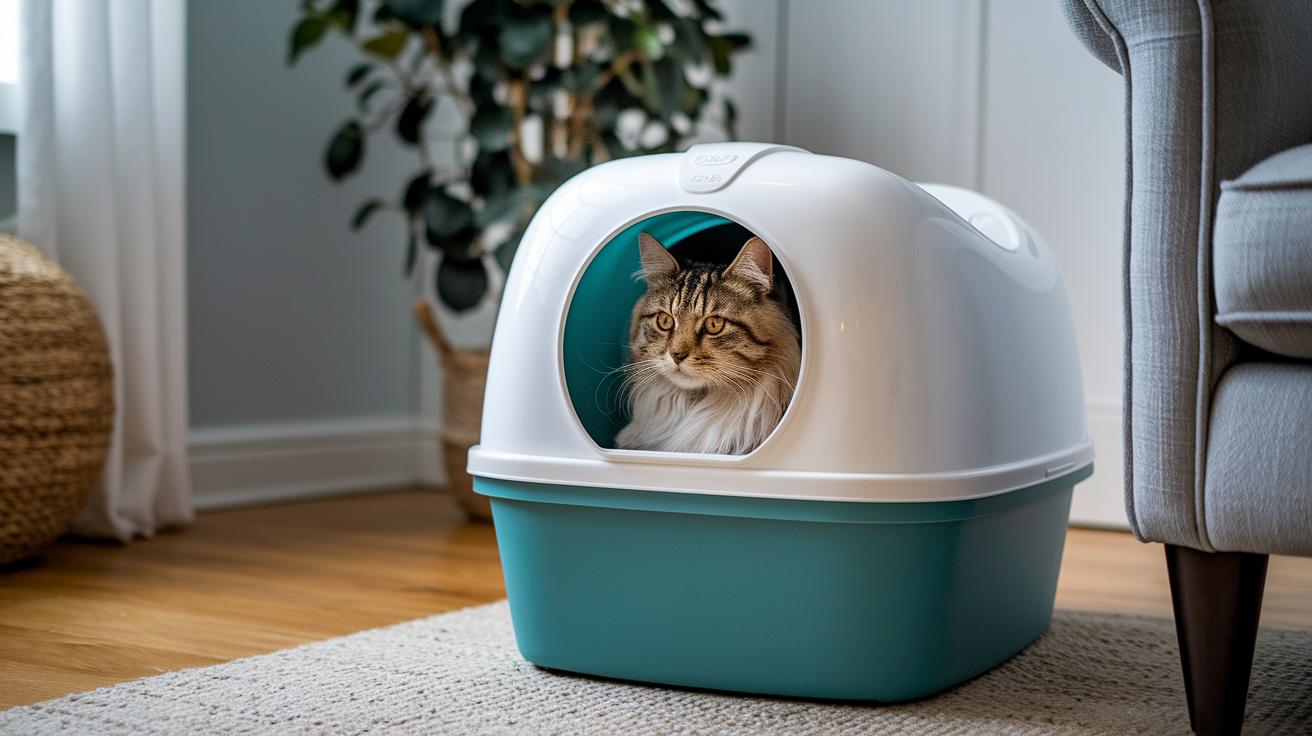
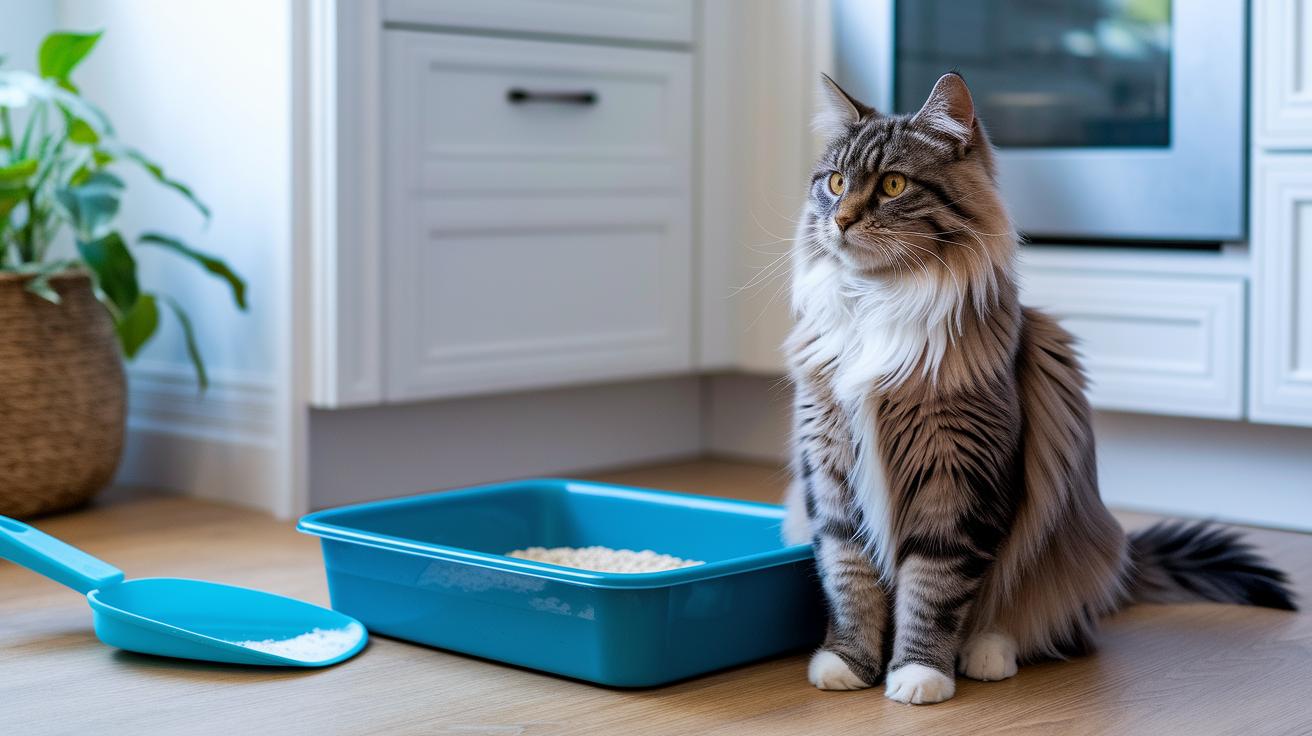
    Ever scooped litter and felt like you’re clearing out a mini desert? Ever watched your Maine Coon try to turn around in a box half its size? These gentle giants can stretch up to 40 inches long and weigh 25 pounds. No surprise a regular pan feels like a tiny studio apartment.

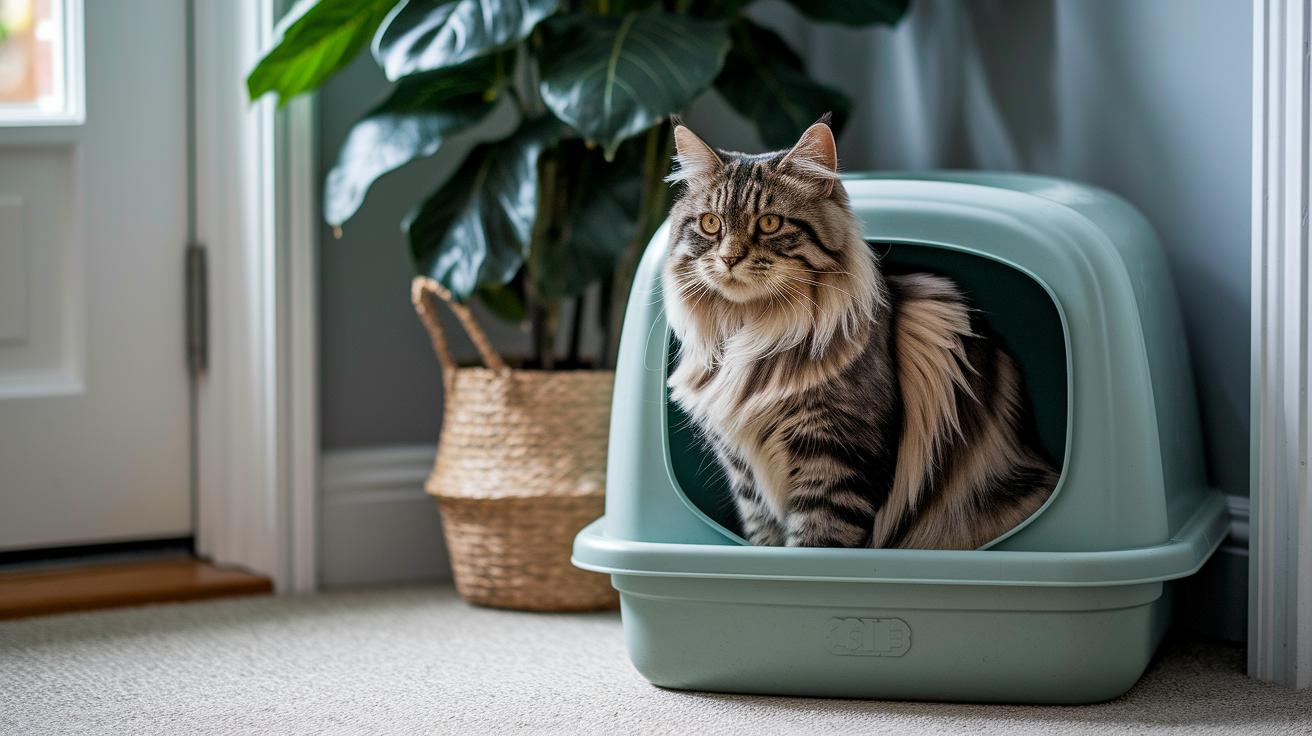
    You need a roomy litter pan with at least 6-inch tall walls and a nonstick coating (easy to rinse and never sticky). That extra headroom means your kitty can spin, dig, and cover without sending granules flying.

    Cleanup? A total breeze. Scoop, give it a quick rinse, and you’re done in five minutes flat (oops, make that under five). Worth every paw-print.

    Choosing the Ideal Litter Box for Maine Coon Cats

    - Choosing the Ideal Litter Box for Maine Coon Cats.jpg

    Ever watched your kitty do Olympic-level backflips in their litter? If you have a Maine Coon cat, you know they can stretch up to 40 inches long and weigh 25 pounds. That makes a regular box feel like a tiny sandbox. You need a big pan that holds deep digs and big paws. It should be one and a half times your cat’s length for full spin freedom.

    A cozy box means less stress and fewer litter explosions. It’s tough to knock over and stays put under your heavy floof. Speaking of comfort, my cat once gave me the stink eye when the sides were too low. Six-inch walls catch every stray scoop and offer a little hideaway. And the non-slip floor keeps paws steady during epic digs.

    Here’s what to look for in a claw-tastic litter box:

    • Dimensions: at least 1.5× your cat’s length so they can dig and turn at will
    • Wall height: six-inch sides to trap scatter and give privacy
    • Entry: wide opening or side door for easy hops in and out
    • Material: reinforced polypropylene (tough plastic) or stainless steel (hard metal) that resists scratches
    • Cleanup: smooth surfaces, removable liners, and a non-tip base for quick scooping

    Picking the right box means happier paws and fewer messes. And um, less time cleaning is always a win. Your Maine Coon will love the extra room and you’ll love the peace of mind. Worth every paw-print.

    Litter Box Dimensions and Wall Height Guidelines for Maine Coon Cats

    - Litter Box Dimensions and Wall Height Guidelines for Maine Coon Cats.jpg

    Big cats need big boxes, you know? Your Maine Coon is basically a small tiger, so aim for a tray (the pan your cat does business in) that measures about 34.5 by 19.5 by 9.5 inches. That’s roughly one and a half times your kitty’s length from nose to tail. Ever watched their whiskers twitch as they check out the space?

    And wall height? Shoot for around 6 inches on the sides. It helps keep litter where it belongs instead of all over your floor. Plus, it gives your cat a bit more privacy when they need a moment.

    Entry style is your next move:

    • Low-sided (4-5 inches) makes it easy for kittens and senior cats to hop in.
    • High-sided hooded pans give extra privacy and stop litter from flying out.

    You can also choose side-entry to cut down on tracking if you’re tired of sweeping stray bits off the floor. Or pick front-entry if your older cat appreciates a straightforward entrance.

    Don't forget extra-toe clearance. Maine Coons have big paws and often an extra toe. Make sure the space inside the box is wide enough so they don't feel squished when they settle in.

    Worth every paw-print.

    Material and Durability Considerations for Maine Coon Litter Boxes

    - Material and Durability Considerations for Maine Coon Litter Boxes.jpg

    Plastic pans are a favorite because they are light enough to move and easy on your wallet. A large reinforced plastic pan (about 34.5 by 19.5 by 9.5 inches) made from polypropylene (tough plastic) often has thick rims and a no-tip base for stability. But watch out: plastic can soak up odors, pick up stains, and get scratched by sharp claws. Ever seen your cat’s whiskers twitch as the box squeaks under their paws?

    Stainless steel boxes feel cool and smooth under your cat’s paws. They are nonporous (no tiny holes for bacteria or odors to hide) and naturally repel smells, so you can wipe them down in seconds. A six-inch sided steel pan can hold up to 25 pounds, plenty of room for your big floof. On the flip side, they cost more, and sometimes feel chilly in a cool room.

    Choosing between plastic and steel comes down to your budget and kitty’s comfort. If smelly plastic sends you running, spring for stainless steel. If you’re watching costs but still want something tough, go with reinforced plastic. I guess it’s all about what matters most to you and your Maine Coon.

    Either way, grab a heavy-duty litter scoop with a sturdy metal handle and wide tines to lift big clumps without bending. These durable pans and the right scoop slash cleanup time and keep your home smelling fresh. Worth every paw-print.

    Top Litter Box Types and Model Comparisons for Maine Coon Cats

    - Top Litter Box Types and Model Comparisons for Maine Coon Cats.jpg

    Looking for a roomy, wallet-friendly tray or a high-tech solution for your giant fluffball? Here are three pawsome options that cover every budget and style. Ever seen your Maine Coon scatter litter like confetti? Let’s fix that.

    Let’s start with the DIY storage container (a big plastic bin). It hides litter and gives your cat some privacy. You can even add tool pockets on the side for scoops and liners. Oops, let me rephrase: you will need to trace and cut your own door, just grab a box cutter and go slow.

    Next up is the XL commercial pan. This deep tray is made of reinforced plastic (extra-tough plastic), so your cat can dig in without cracking the sides. It’s super affordable, and it handles big paws with ease. Just know that over time it may show stains or scratches.

    Last, the auto self-scooper. This mechanized unit (battery-powered motor) rakes litter after your cat’s done, so you don’t have to scoop by hand. It’s a dream for low maintenance, though some models can be a bit noisy and cost more. And don’t forget to swap the filters (little pads that trap odors) every week or two to keep ammonia at bay.

    Model Type Pros Cons Price Range
    DIY Storage Container Plastic DIY (big bin) Privacy, Tool pockets Cutting required $15–$30
    XL Commercial Pan Reinforced Plastic (extra-tough plastic) Deep capacity, Affordable Stains, Scratches $30–$60
    Auto Self-Scooper Mechanized (battery-powered motor) Low maintenance Noise, Higher cost $80–$150

    Think about your budget, cleanup style, and whether your cat prefers an open tray or a covered hideaway. Your pawsome pal will thank you, and your floors will too.

    Litter Box for Maine Coon Cats Simplifies Cleanup

    - Cleaning and Maintenance Best Practices for Maine Coon Litter Boxes.jpg

    Keeping your Maine Coon’s litter box fresh is easy when you make scooping a daily habit. Scoop at least once every day, twice if you’re checking on their health or have more than one cat. You’ll notice less smell and happier paws right away. Honestly, after a week it feels like second nature, just a minute or two each morning, and your home stays fresh.

    Here’s your weekly deep-clean checklist:

    • Empty all the used litter into a bag.
    • Wash the pan with hot water and mild soap or a vinegar/baking soda (dry white powder for cleaning) mix.
    • Rinse well and let it air-dry.
    • Refill with 2–3 inches of fresh litter.

    Don’t skip this step, your nose will thank you and it stops bacteria from building up.

    Got a kitten? Pine pellets (tiny wood bits that soak up liquid) work great until they’re 6–8 months old. Then switch to clumping litter (litter that sticks together) and jump back into your daily scoop and weekly clean routine.

    Once a month, give the pan a deep soak in hot water with vinegar or baking soda to tackle any stubborn grime. For automatic litter boxes, run the waste drawer through the dishwasher after you replace the filter. And if you have a scoop-free model, just swap the waste bin as directed and wipe down the sensors when you add fresh litter. Worth every paw-print.

    Placement and Quantity of Litter Boxes for Maine Coon Households

    - Placement and Quantity of Litter Boxes for Maine Coon Households.jpg

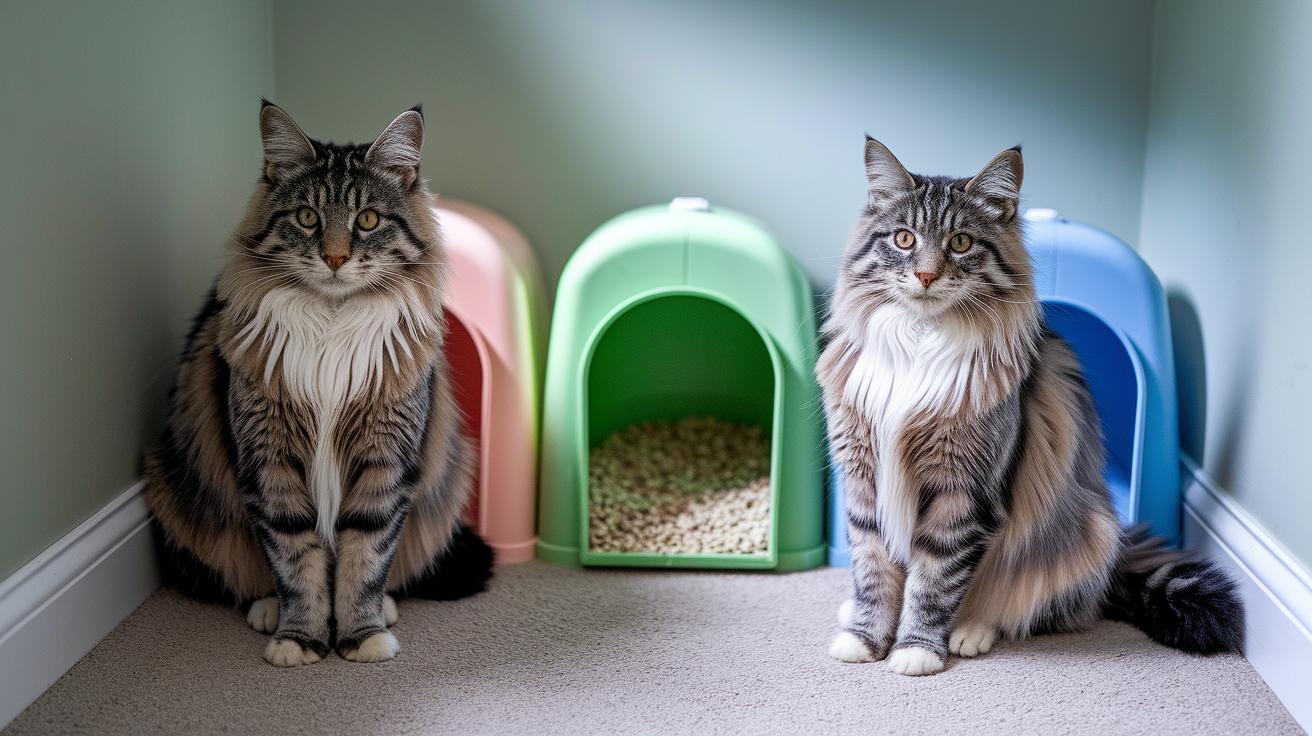
    Let’s start with the cats-plus-one rule. Oops, let me rephrase that. If you have two Maine Coons, set out three litter boxes (it’s the magic formula). This setup spreads everyone’s territory, cuts down on litter box showdowns, and keeps your big floofs purring.

    Pick quiet, draft-free corners far from food and water bowls. Your kitty shouldn’t face noisy appliances or busy hallways when nature calls. Also steer clear of washing machines (umm, who wants a surprise spin cycle?) and air vents so your Maine Coon stays zen.

    Senior cats often like shallow pans (low-sided trays) so old hips aren’t strained when they hop in. It’s simple but makes a big difference. No more drama around the litter box.

    In homes with three or more cats, think about a dedicated litter room or multiple stations. Each cat gets its own spot and accidents practically vanish. Speaking of spots, my floof Loki sniffed out the high-shelf box like a tiny mountaineer!

    And hey, variety is fun. Mix box heights, some up high, some on the floor, and let your Maine Coon crew choose. Watch those whiskers twitch as they check out each option.

    Worth every paw-print.

    - Recommended Litter Types and Accessories for Maine Coon Litter Boxes.jpg

    Got a Maine Coon tipping the scale at 25 pounds of floof? You need litter that hugs heavy paws and still clumps firm. Try clay litter (tiny clay granules that lock in moisture and keep dust low), or crystal silica litter (beads that sip up wetness like mini sponges). Both give you neat, solid clumps under every hefty knead.

    Eco-minded? Pine pellets (compressed wood bits that break down in your yard) and biodegradable litter (made to compost in your bin) are purr-fect picks. They look like minuscule logs and give off a soft woodsy scent. Plus, they won’t haunt your trash heap forever.

    Unscented clumping litter is a life-saver if you or your kitty are sneeze-prone. It skips perfumes and keeps the air feeling fresh. Look for low-dust, mega-clump formulas. Each scoop stays tidy. Your sniffer and your cat’s lungs will thank you.

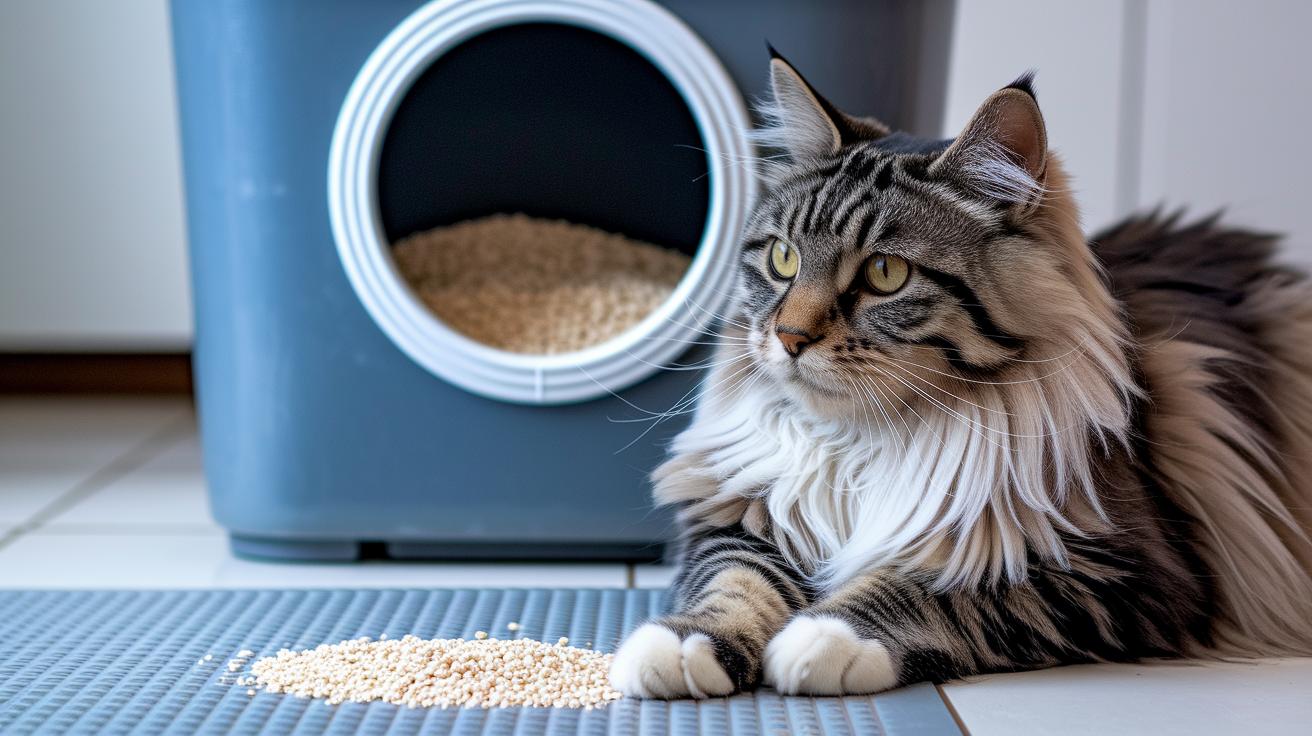
    Ever see litter flying out like popcorn kernels? Big paws are pros at scattering granules all over. So switch to low-tracking litter with chunkier bits; they don’t cling to fur or carpet fibers. Some even have rough edges so your floof shakes off stray grains before hopping out. Then lay down a hair-control mat (textured surface that grabs loose fur) to catch both fur and litter at the exit.

    Next up, some pawsome extras to make life easier:

    • Washable edge mat: a little moat that catches runaway litter around her throne.
    • Anti-splash liners: blocks messy splash wars when your digger goes deep.
    • Deodorizer crystals (tiny beads that trap ammonia, aka urine odor): sprinkle a handful to hush stinky smells.
    • Disposable pan liners: just peel out the old, pop in a new one, and voila, instant fresh start.

    Worth every paw-print.

    Final Words

    In the action, pick a box at least one-and-a-half times your Maine Coon’s length with 6″-high walls for private relief, and don’t forget sturdy plastic or stainless steel.

    Next, compare trays and self-scoopers to find comfy entry styles, then follow simple scoop-and-wash routines so cleaning feels easy.

    Spread out extra pans around the house, add low-tracking unscented litter and edge-guard mats to keep floors tidy.

    Your fluffy friends will love their roomy zones, and you’ll enjoy stress-free cleanup with the perfect litter box for maine coon cats.

    FAQ

    Frequently Asked Questions

    Do Maine Coon cats need a litter box?

    Maine Coon cats need a litter box at home, with at least one per cat plus one extra in quiet spots to prevent accidents and help them feel calm.

    What size litter box is right for Maine Coon cats?

    The right litter box for Maine Coon cats should measure at least 1.5× their length (about 36″ long), have 6″ walls, wide entry, and a reinforced base so they can turn, dig, and exit with ease.

    Can Maine Coon cats use self-cleaning or automatic litter boxes?

    Maine Coon cats can use self-cleaning or automatic litter boxes if the pan is extra-large and sturdy, with room for filters. Weekly filter swaps and bin checks keep it running smoothly and reduce stress.

    What common litter box issues do Maine Coon cats have?

    Maine Coon cats often face small box size, litter tracking, flimsy pans tipping over, or walls too low. Choosing a deep, high-sided, non-slip design cuts scatter, spills, and door dashes.

    What is the average litter size for a Maine Coon cat?

    The average litter size for a Maine Coon cat is about 4 to 6 kittens. Some litters reach 7 or 8, thanks to the breed’s large frame and healthy genetics.

    What is Maine Coon syndrome?

    Maine Coon syndrome refers to hypertrophic cardiomyopathy, a genetic heart disease where thickened walls can limit blood flow. Early screening and regular vet visits help catch it before your cat’s energy dips.

    Related Articles

  • best food for maine coon Fuels Radiant Health

    best food for maine coon Fuels Radiant Health

    Ever watched your Maine Coon’s whiskers twitch at dinner time – then see them lose interest? Their fur can end up looking dull, like a rainy window pane on a drizzly day. It’s not your fault. Um, these gentle giants just need the right fuel (energy – what powers play time).

    These big fluffballs burn tons of energy (fuel for play), so they need meals that match their size. Think of feeding them like giving a race car premium gas. My Maine Coon Luna zoomed so fast around the couch she cartwheeled – oops, maybe I’m exaggerating, but you get the idea!

    In this guide, we’ll show you the purr-fect mix of protein (muscle-building stuff), healthy fats (for shiny fur and skin), and low-carb picks (fewer sugars). You’ll see how each ingredient helps your kitty grow powerful muscles and that signature glossy coat. Ready for endless purrs and playtime?

    We’ll compare tasty human-grade pouches (ingredients fit for people) to budget-friendly cans. You’ll learn which options pack the most protein, healthy fats, and keep carbs low. No guessing! Just clear picks so your big fluffball stays playful and healthy.

    Worth every paw-print.

    Ready to fuel radiant health in your Maine Coon? Let’s dive in.

    Best Food for Maine Coon Fuels Radiant Health

    - Top-Rated Maine Coon Food Recommendations by Life Stage.jpg

    Maine Coons thrive on meals packed with protein, a touch of fat, and low in carbs. Rotating two or three dry kibble brands with wet food or a bit of cooked plain chicken or turkey keeps meals fun and helps build strong muscles. Ever watched your big fluffball zoom after a treat? Keep their taste buds happy and their bodies toned.

    • Overall Best: Smalls Fresh Cat Food
      Smalls serves up human-grade ingredients and adds cod liver oil (rich in omega-3 fatty acids that help your cat’s coat gleam). It comes in fresh 5-ounce pouches made to fit your cat’s weight and play style. At about $4 a day, you’re feeding single-protein meals that your kitty will think are gourmet. Your cat’s whiskers will twitch in excitement.

    • Best Wet Food for Maine Coon Cats: Wild-Caught Pacific Salmon
      This wet food gives roughly 24 calories per ounce and packs omega-3s (healthy fats for skin and fur). Your cat will lap up the soft, salmon-rich gravy, and you’ll love the easy hydration. It runs about $4.80 a day, a little taste of the ocean that makes every meal feel like a treat.

    • Best Budget Wet Pick: Authority Chicken Canned
      Wait, this one’s wet too, but as a budget pick it can’t be beat. It blends chicken, chicken liver, and ocean fish for 33 calories per ounce. The soft, smooth texture is perfect for picky eaters or seniors. At just $2.07 a day, it’s an awesome deal that still makes whiskers wiggle.

    • Best Kitten Food for Maine Coon: Wellness CORE Kitten Formula
      Wellness CORE packs 36 calories per ounce in a creamy pâté full of turkey, chicken liver, and herring. It also adds DHA (a brain-and-eye booster) so your growing fluffball builds strong bones and sharp eyes. Think of it like a superfood smoothie for kittens.

    • Best Adult Cat Food for Maine Coon: Smalls Fresh Cat Food
      Once your cat hits adulthood, they need steady energy and muscle support. Smalls’ real-meat recipes have minimal fillers and healthy fats to fuel stalking, pouncing, and zoomies all day long.

    • Best Senior Cat Food for Maine Coon: Feline Natural Chicken & Venison
      This one adds green-lipped mussels (a joint-supporting shellfish), lean protein, and a safe calcium-to-phosphorus ratio to help older cats stay spry. At around $7.58 per day, it’s an investment in every gentle step and cozy nap.

    Key Nutrient Requirements in the Maine Coon Diet

    - Key Nutrient Requirements in the Maine Coon Diet.jpg

    Your big fluffball needs about 36 to 45 grams of animal protein (meat-based protein) each day, which is about 4 grams per kilo of body weight. Think real-meat meals, chunks of chicken, turkey, or fish, not mystery “meals.” High-protein food builds strong muscles and keeps those whiskers twitching at dinner time. Your cat will be feline fine!

    Keep fat at or below 20 percent of total calories. Fat isn’t just fuel. It helps your cat soak up vitamins and gives that coat a silken shine. Try adding omega-3 supplements (healthy fats from fish oil) and omega-6 fatty acids to boost skin repair and immune power.

    Carbs should stay under 3 percent. Too much grain can pack on pounds and upset tummies. A low-filler, high-meat menu keeps your cat lean and spry. Then they’re always ready for zoomies or a cozy nap on your laptop.

    Taurine is an amino acid (tiny proteins your cat needs) that you can’t skip. It helps protect vision and keeps hearts happy. Canned food usually has more taurine than dry kibble, so mix it up.

    Gut health matters too. Probiotics (good bacteria) and prebiotics (fiber that feeds those bacteria) keep digestion running smoothly. Your Maine Coon will thank you with the softest purr.

    Weighing Wet Food Versus Dry Food for Maine Coons

    - Weighing Wet Food Versus Dry Food for Maine Coons.jpg

    Wet food brings the moisture every cat craves. Picture juicy chunks that make your Maine Coon’s whiskers twitch as they lap up the gravy. That extra water helps fight dehydration, supports kidney health, and keeps the urinary tract purring with relief. Plus, canned meals pack in extra taurine (an essential amino acid), so your big fluffball’s heart and eyes stay in tip-top shape. Ever watched your kitty dive into a saucy bowl? Pure purr-fection.

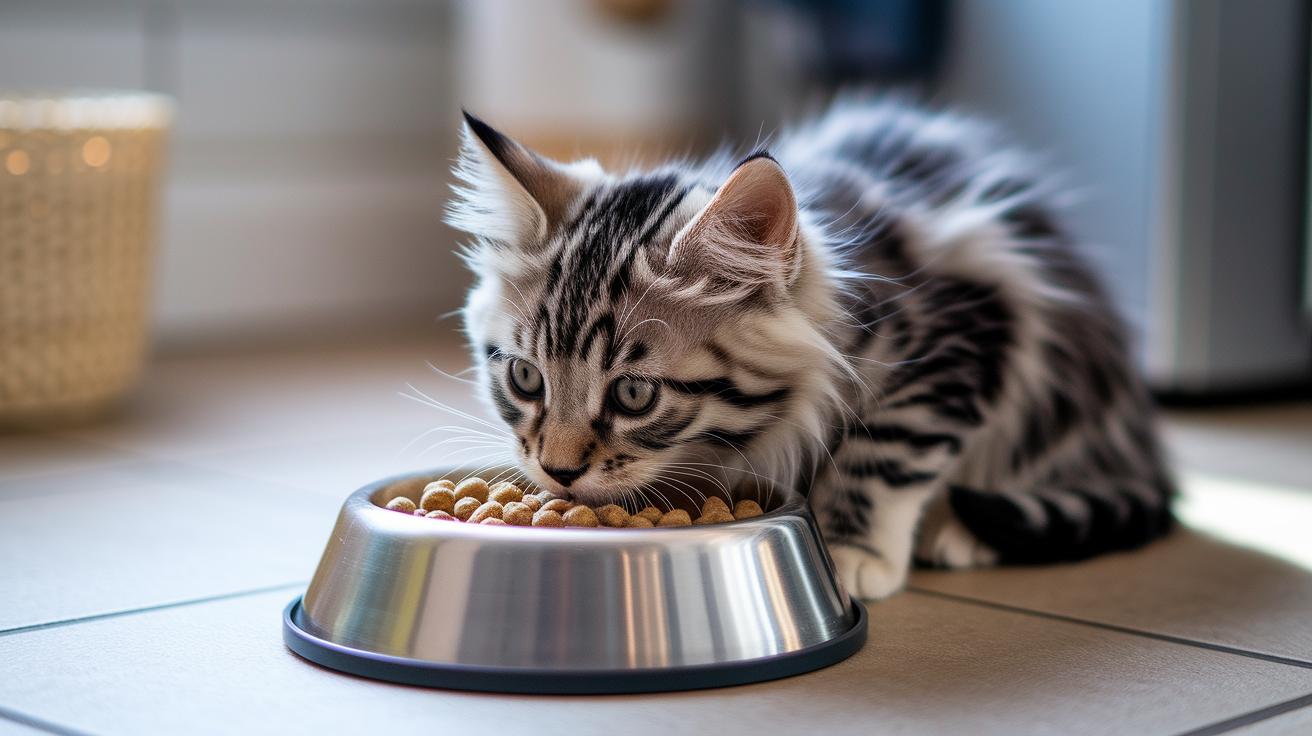
    Dry kibble shines in convenience. You can free-feed it while you’re at work and let your cat snack whenever hunger strikes. The crunchy bites act like tiny toothbrushes, scraping away plaque as they chew. It’s also more cost-effective per meal, though um, it does lean on carbs, too many can slow down your gentle giant and add extra pounds.

    Mixing both formats gives you the best of each world. Start with a 50/50 split or try 70% wet, 30% dry if your furball’s picky. For bonus hydration, stir in a splash of warm water or a spoonful of low-sodium broth (no onion, please). Oops, almost forgot, this trick keeps dry food juicy and extra inviting.

    In the end, it all comes down to variety, hydration, and health. Your Maine Coon will love the juicy textures and the satisfying crunch. And you’ll love knowing they’re getting balanced nutrition, one crunch and one lick at a time.

    Maine Coon Feeding Chart and Portion Guidance

    - Maine Coon Feeding Chart and Portion Guidance.jpg

    Age/Stage Meals per Day Wet Food (g) Dry Food (g)
    Kitten (2–6 months) 5 150 20 (spread through the day)
    Junior (6–12 months) 4 180 30 (free-feed (leave food out all day) with monitoring)
    Adult (1–7 years) 2 200–250 40–60 (free-feed (leave food out all day) balanced with wet)
    Senior (7+ years) 2 180–220 30–50 (adjust for activity)

    At about 4 weeks your kitten starts weaning (switching from mom’s milk to solid food). Mix a bit of wet kitten formula (soft, mushy kitten food) with warm water until it’s porridge-thin.

    By 6 weeks you can cut back the water and offer soft chunks of kitten food.

    At 8 weeks they’re purr-fectly ready for solid kitten formulas, time to watch those whiskers twitch as they dig in.

    When your fur baby hits 8 to 12 months, you’ll shift to adult formula. Over 7 to 10 days, reduce the kitten food by about 25 percent every few days and add adult dry kibble (dry cat food). This gentle switch helps their tummy settle.

    Easy, right?

    If your cat weighs less or more than the average weight maine coon cat, tweak those portions up or down by 10 to 15 percent. Ever caught your Maine Coon giving you those big eyes at snack time?

    Free-feeding (leave dry kibble out all day) gives them snack freedom, but keep an eye on total intake. Wet meals add hydration and stop your giant fluff from turning into a couch potato, or a runway model on a hunger strike.

    Managing Allergies and Sensitive Stomachs in Maine Coons

    - Managing Allergies and Sensitive Stomachs in Maine Coons.jpg

    Have you ever noticed your Maine Coon scratching its paws or showing red spots after meals? Sometimes their big, luxurious fur can hide a sensitive tummy that reacts to common proteins – beef, chicken, or fish. You might hear the soft meow of discomfort or spot looser stools. It’s not claws for alarm – well, maybe just a little.

    Let’s play detective with an elimination trial (a simple test to find out which food ingredient is the troublemaker).

    1. Pick a novel protein (one your cat’s never tried) like duck, rabbit, or kangaroo.
    2. Feed only that protein. Add one carb (rice or potato) if needed. Do this for 8 to 10 weeks – no treats or table scraps.
    3. Watch for fewer itches and firmer poops.
    4. Bring back one old protein at a time. See which one makes symptoms return.

    You might also try a grain-free diet (no wheat, corn, or soy). Many cat foods for sensitive stomachs skip common allergens, drop artificial preservatives, and cut out fillers. These limited-ingredient recipes let you know exactly what’s in each bowl, so you can keep your cat feeling fine.

    Once your fluffball’s tummy is back on track, rotate between two or three gentle recipes to keep things exciting. Ever seen your kitty go wild for a fresh flavor? This rotation also helps maintain tolerance over time.

    Worth every paw-print.

    Essential Supplements to Enhance Maine Coon Nutrition

    - Essential Supplements to Enhance Maine Coon Nutrition.jpg

    Your gentle giant lands from high perches and zooms around like a furry rocket. Ever watch your cat do a zoomie across the living room? That action puts a lot of stress on her joints.

    Glucosamine (joint helper) and chondroitin (cartilage cushion) work like tiny shock absorbers. I once watched Luna leap six feet, land with a soft thud, then pounce again. These supplements help keep that spring in her step.

    Bones need the right mix of minerals. A balanced calcium (bone-building mineral) and phosphorus (bone mineral) ratio keeps her bones strong without overloading her body. It’s like baking – too much salt or sugar ruins the cake.

    Antioxidant-packed diets shine for immunity. Vitamins C and E (cell protectors) shield cells from wear and tear. Omega-3 fatty acids (fish oil goodness) calm inflammation and make her fur feel like silk. Your Maine Coon will look radiant and her immune system will hum along.

    Senior kitties or those with heart issues or past cancers really benefit from these boosters. But um, always chat with your vet before adding anything new. They’ll tell you the right dose and timing. Your Maine Coon will say thanks with happy purrs and playful paws.

    Budget-Friendly and Premium Brands for Maine Coon Nutrition

    - Budget-Friendly and Premium Brands for Maine Coon Nutrition.jpg

    Premium Versus Budget Options

    Smalls Fresh Cat Food wears the premium crown. Each pouch is like a little feast, bursting with human-grade chicken (people could eat it) or turkey, it’s about $4 a day for a full meal. Open Farm dry kibble packs 37% protein (the muscle-building kind) and ethically sourced ingredients, running around $0.66 an ounce, perfect for sprinkling on wet food. Wellness CORE kitten and adult formulas come in creamy pâtés loaded with DHA (a brain-boosting fat) and omega-3s.

    On the budget side, Authority Chicken canned food delivers 33 calories per ounce at about $2 a day. You’ll notice it leans on rice (a cheap grain) or gums (thickening agents) to keep costs down, but your Maine Coon won’t mind the extra fillers.

    Alternative Formats: Freeze-Dried & Dehydrated

    Freeze-dried cat food means raw ingredients flash-frozen then all moisture removed, tiny crunchy bites that lock in flavor and nutrients. Just add warm water until each chunk softens into a meaty treasure. Dehydrated food uses gentle low-temp drying (removing water without nuking nutrients) for a jerky-like texture. Both styles take up less space and pack more protein per ounce, so you scoop smaller portions that really pack a punch.

    Homemade and Raw Diet Considerations

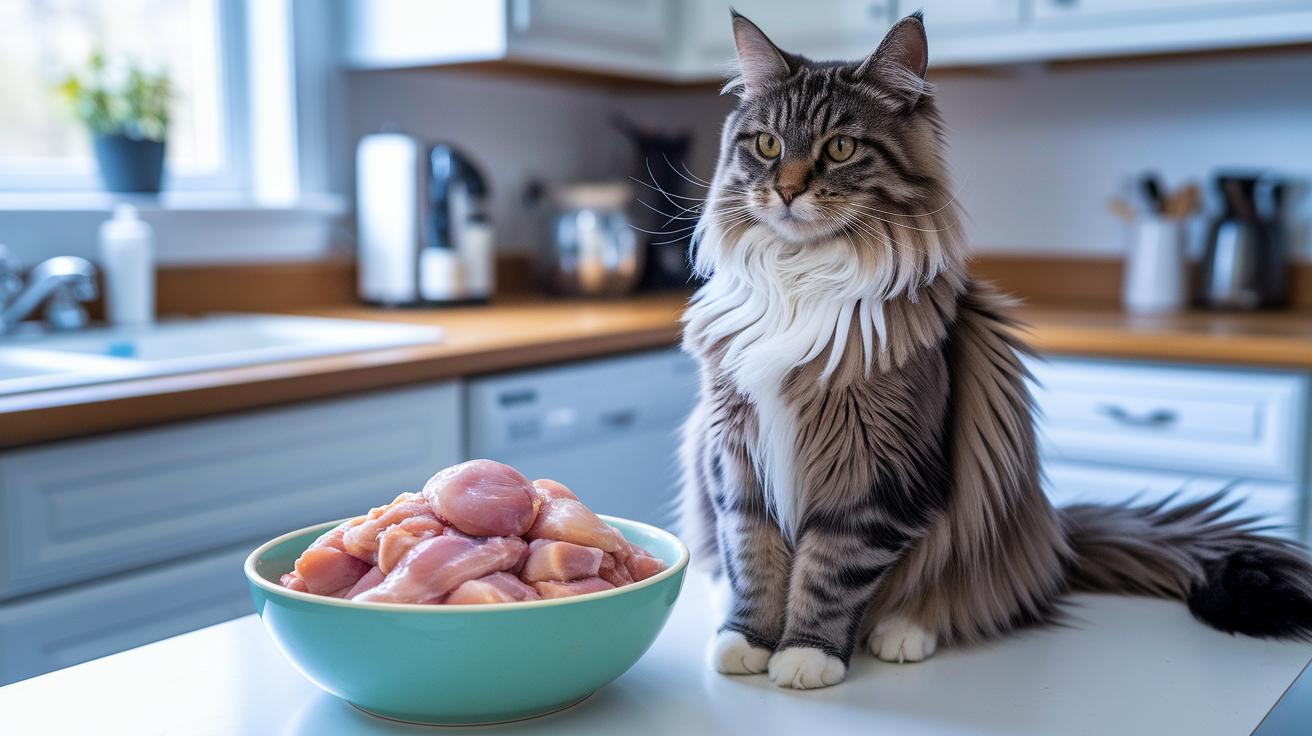
    Cooking from scratch or trying a raw diet can feel rewarding, you mix meat, organs, and supplements yourself. But um, watch out for nutrient gaps (too much calcium (bone-building) and not enough taurine (a heart-health amino acid)) or bacterial contamination. A raw menu needs strict hygiene: chilled prep surfaces, gloves, fresh meat only. Commercial, AAFCO-approved products (animal feeding rule checks) guarantee every bite is balanced, no kitchen math or lab tests needed.

    Reading Labels & Storing Safely

    Label reading is like detective work. First, spot a whole-meat protein as the top ingredient: chicken breast, salmon fillets. Skip vague “protein meals” or grain fillers like corn or wheat. Then check the nutrient panel, look for over 35% protein in dry kibble and fat around 15–20%.

    Seal open bags tight and pop wet pouches in the fridge after use. Store freeze-dried packs in a cool, dry spot and only rehydrate what your cat can finish in a few minutes, less waste, more happy paws.

    Final Words

    In the action, we highlighted life-stage favorites, from kitten formulas packed with DHA to joint-supporting senior blends.

    Then we dove into key nutrients, balanced wet vs dry feeding, and a handy portion guide for every age.

    We also tackled allergy-friendly and budget-wise options plus must-have supplements.

    Here’s to happy purrs, healthy growth, and always finding the best food for maine coon.

    FAQ

    What’s the best food to feed a Maine Coon?

    The best food to feed a Maine Coon features high-quality animal proteins, moderate healthy fats, and low carbs, rotating wet and dry formulas to support muscle, coat, and overall vitality.

    What to feed a Maine Coon kitten?

    Feeding a Maine Coon kitten means choosing growth formulas rich in protein and DHA—like Wellness CORE Kitten or Royal Canin Maine Coon Kitten—offering both small kibble and wet options for healthy development.

    What not to feed a Maine Coon?

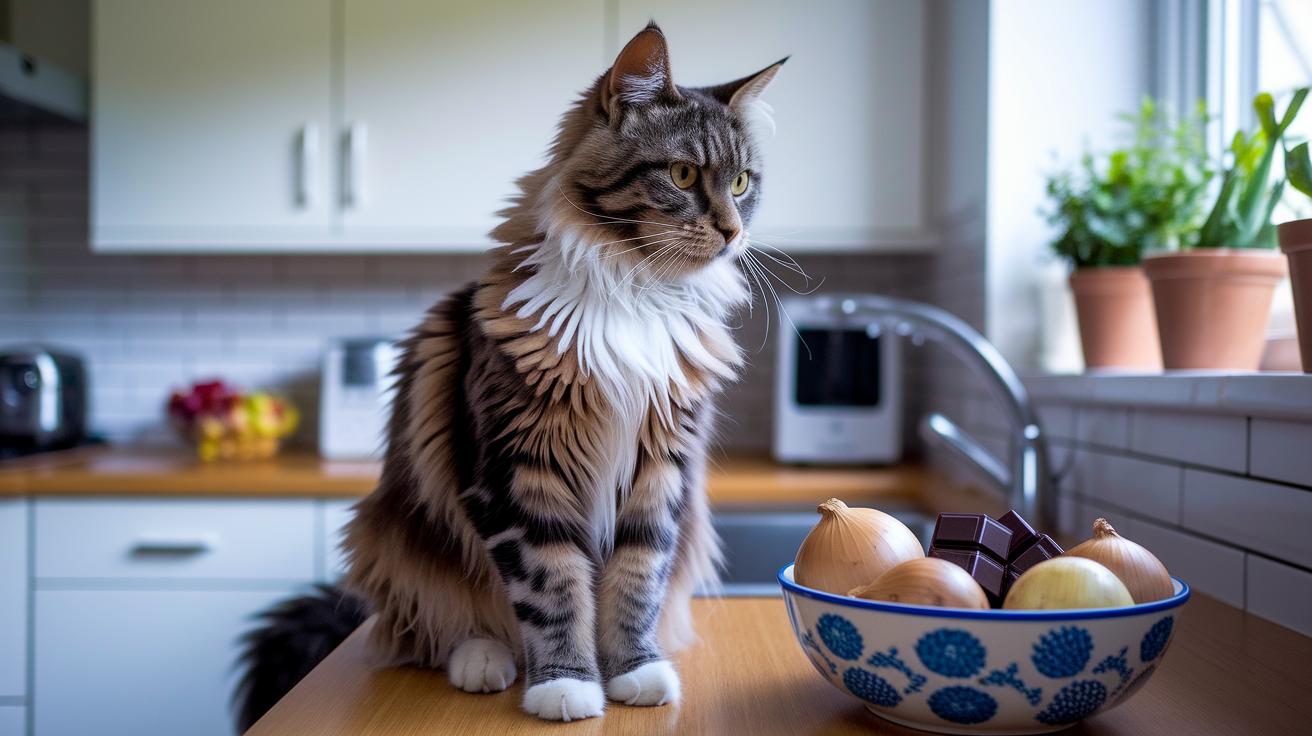
    Owners should not feed Maine Coons chocolate, caffeine, alcohol, raw dough, onions, garlic, grapes, raisins, or high-carb fillers, as these can cause toxicity, digestive upset, or weight issues.

    How much should a Maine Coon eat in a day?

    A Maine Coon should eat around 200–250 grams of wet food or ½–¾ cup of dry food per day, adjusted for age, activity, and weight, split into multiple meals.

    Do Maine Coons need raw food?

    Maine Coons don’t need raw food; balanced commercial wet and dry diets meet their nutritional needs safely, while raw diets risk bacterial contamination and nutrient imbalances without veterinary guidance.

    Is Royal Canin Maine Coon food good?

    Royal Canin Maine Coon formulas provide balanced protein, joint-support nutrients, and unique kibble shapes for chewing, helping maintain bone health and reduce tartar buildup.

    What is a Maine Coon feeding chart by age?

    A Maine Coon feeding chart by age guides kitten meals (three to six daily until 12 months), adult portions (200–250 g wet or ½–¾ cup dry), and senior adjustments with reduced calories.

    Related Articles

  • what do maine coon cats eat Perfect Nutrition Tips

    what do maine coon cats eat Perfect Nutrition Tips

    Ever watch your Maine Coon gobble dinner and still beg for more?
    These gentle giants burn nearly 20 percent more energy per pound than your average house cat.

    When your regular kibble just isn’t cutting it, you’ll hear the extra meows. I mean, um, who wouldn’t crave a snack after a day full of zoomies?

    Mixing animal protein (real meat muscle), healthy fats (good oils for shiny fur), and essential nutrients (key vitamins and minerals) keeps your fluffball fit, fueled, and ready to pounce. You’ll notice their coat glowing, muscles flexing, and that playful spark in their eyes. It’s like giving them a backyard safari in every bite. Worth every paw-print.

    In this guide, I’ll show you purrfect nutrition tips for big-boned fluffballs. You’ll learn how to dial in their meals for shiny coats, strong muscles, and non-stop play!

    What Maine Coon Cats Eat: Feeding Fundamentals

    - What Maine Coon Cats Eat Feeding Fundamentals.jpg

    Ever wonder what Maine Coon cats like to chow down? These gentle giants need a meal plan that suits their big frame and slower metabolism. A mix of protein and healthy fats keeps them feeling agile, not chunky. It’s all about meeting those unique nutrition needs.
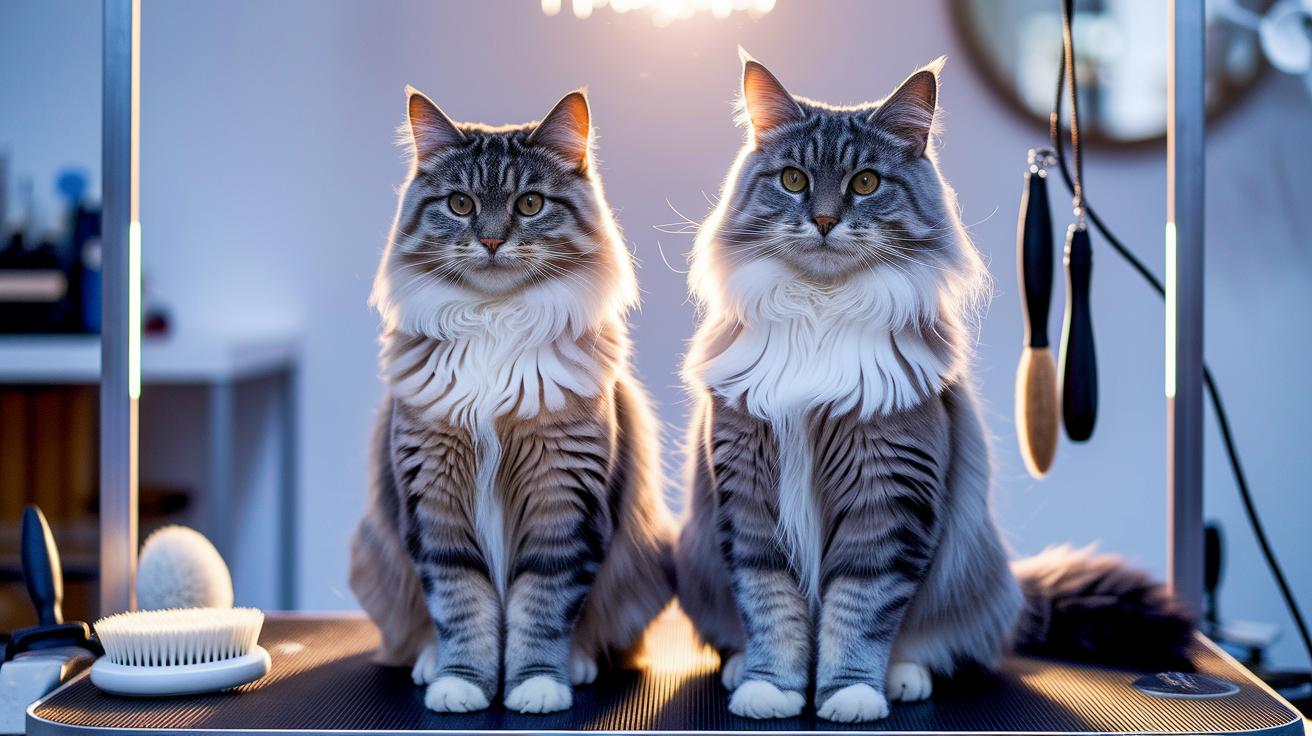
    Here’s the claw-tastic stuff to include:

    • Animal protein (at least 50% from chicken or salmon first)
    • Animal fats (up to 20% for energy and healthy skin)
    • Taurine (an amino acid for heart and vision support)
    • Antioxidants for a strong immune system
    • Low carbs (under 3% so they don’t store extra fat)

    And here’s what to skip:

    • Fillers like corn or wheat that water down real protein
    • Artificial additives or preservatives
    • High-carb grains or starches
    • Meat by-products with low nutrition value
    • Toxins such as onion, garlic, or chocolate

    Next, mix wet food with dry kibble for a purrfect balance. Wet food boosts moisture and delivers extra protein for happy hydration. Dry kibble adds crunch to help clean teeth with each bite. Rotate proteins, chicken one day, salmon or turkey the next, to keep them curious and engaged.

    Portion control is key, uh, watch those serving sizes. Pre-portion meals into labeled containers so you don’t overfeed on busy days. Add a splash of warm water to kibble if your cat drags its paws at mealtime. This routine keeps your Maine Coon excited, maintains lean muscle, and prevents extra pounds.
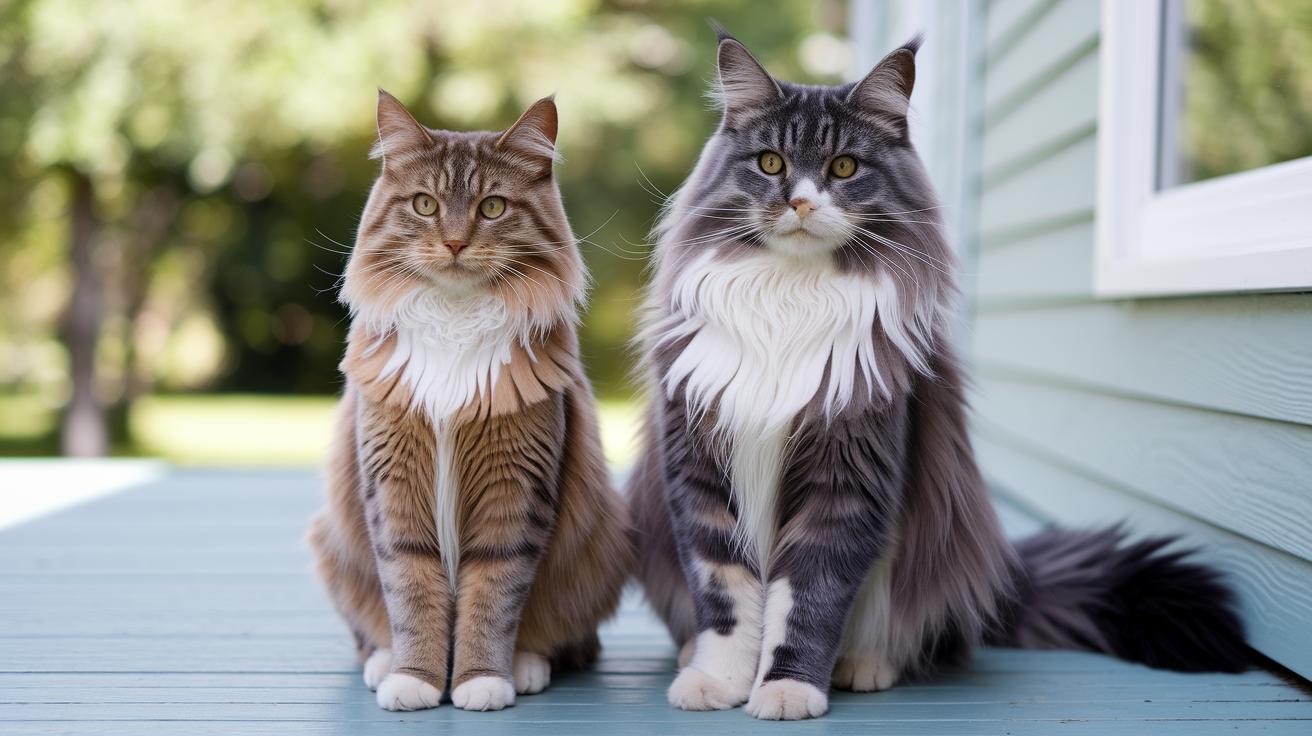
    Worth every purr.

    Key Nutrients & Supplements for Maine Coon Cats

    - Key Nutrients  Supplements for Maine Coon Cats.jpg

    Maine Coon cats need a menu loaded with protein, good fats, and a few special boosters. These power foods keep muscles strong, joints sliding smoothly, and that glossy coat sparkling. Ever seen your big fluffball gleam in the sunlight? That’s the magic of a well-fed Maine Coon!
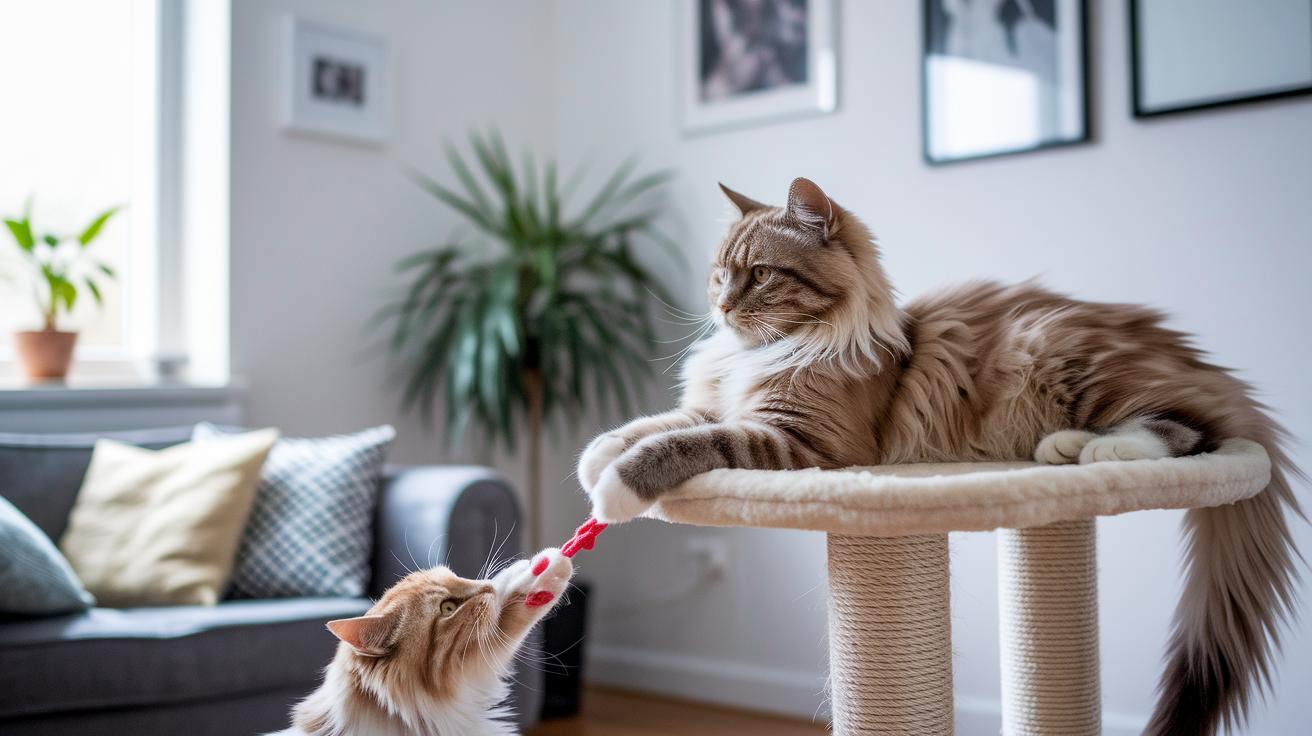
    • Animal protein (lean chicken or salmon should be at least half the plate)
    • Animal fats rich in arachidonic acid (a must-have fat for cell health) and omega-3 (skin-and-coat superheroes)
    • Taurine (an amino acid for heart and eye health)
    • Antioxidants like vitamins C and E (tiny shields against cell damage)
    • Glucosamine and chondroitin (joint cushions that feel like soft pillows between bones)

    Real food really hits the spot. Picture roasted chicken delivering solid protein for your kitty’s muscles. Then salmon or fish oil slides in with omega-3, tuning up skin and coat until they gleam. Taurine is already in meat, but when a label calls it out you know your cat’s heart and eyes are covered. Some wet foods pack fruits or veggies full of antioxidants, think shield heroes fighting off daily wear and tear. And glucosamine plus chondroitin? They’re like little pillows helping big paws leap without squeaks.

    Food alone sometimes needs a sidekick. If your cat’s tummy gets upset – maybe after antibiotics – stir in a sprinkle of prebiotics (food for good gut bacteria) or probiotics (friendly bacteria buddies). Got urinary worries? Ask your vet about a urinary support formula with cranberry extract (helps keep pH balanced). And for hairball trouble? A hairball control supplement (a dash of fiber or gentle oil) a couple times a week can help. Always check with your vet before adding anything new. Then get ready for that next zoom-pounce session – your Maine Coon will thank you.

    Choosing Between Wet and Dry Food for Maine Coon Cats

    - Choosing Between Wet and Dry Food for Maine Coon Cats.jpg

    Ever watched your Maine Coon nose the bowl and wonder what’s best? Let’s break it down.

    Wet food is like a little stew, soft and rich, and loaded with moisture (water content) to support kidney health. It also packs extra protein and healthy fats to power up those big paws. The trade off is it needs fridge time or a speedy scoop, and it can cost a bit more per meal.

    Dry kibble brings that satisfying crunch. Each bite helps scrape away plaque (that sticky film on your cat’s teeth) and tartar. It’s super simple to scoop, measure, and stash in the pantry. But it’s low on water. Your kitty might gulp extra at the bowl and even overeat.

    So wet or dry? It all comes down to your cat’s taste, your schedule, and what feels right. Happy feeding.

    Homemade and Raw Diet Options for Maine Coon Cats

    - Homemade and Raw Diet Options for Maine Coon Cats.jpg

    Ever thought about feeding your Maine Coon like a little wild hunter? Tiny bites of meat, organs, and bones can give them a coat that gleams and energy to spare. It feels more natural, and many cat parents swear their kitties are more playful and full of pep. It does take a bit of planning, though.

    Raw Feeding Basics

    Most raw meals mix chicken thighs, liver, and hearts with bone meal (ground-up bones for calcium). A handy ratio is 80 percent muscle meat, 10 percent organs, and 10 percent bone. You’ll need about 40 pounds of meat in your freezer for batch prep. Ever seen whiskers twitch as a piece of liver lands on the plate? Seriously adorable. Hygiene is crucial, wash your hands, sanitize those bowls, and never leave raw servings out more than an hour or two.

    Homemade Recipe Ideas

    Here’s a simple DIY start:

    • 80 percent muscle meat (diced chicken thighs)
    • 10 percent organ meat (liver or heart)
    • 10 percent bone meal (ground-up bones for calcium)

    Thaw portions in the fridge, not on the counter. Use BPA-free containers. Wear gloves when handling organs to cut down on germs. Rotate proteins, turkey one day, rabbit the next, to keep your cat from getting picky.

    Commercial Raw Diets

    Short on prep time? Commercial raw diets can be a claw-tastic help. Some brands freeze-dry bite-size pieces for easy serving, while others come thawed and ready to go. Peek at ingredient lists for single-source proteins, and expect to spend a bit more for brands that lab-test each batch for quality.

    Next time your Maine Coon zooms around the room, picture them tackling a raw chicken heart. It’s a wild feast at home, just plan ahead, stay clean, and watch those whiskers!

    Life Stage & Portion Guidelines for Maine Coon Cats

    - Life Stage  Portion Guidelines for Maine Coon Cats.jpg

    Your Maine Coon’s meal plan grows as they do. Kittens, adults, and seniors all need different energy levels and meal times to stay lean and playful.

    Kitten Feeding Guidelines

    • 24 to 35 kcal (food calories) per 500 g of body weight (about 1.1 lb)
    • 4 to 6 small meals a day
    • Sample portions: 50 g wet / 20 g dry

    Kittens have tiny tummies but sky-high energy. Offering small, frequent meals keeps their blood sugar steady and helps them grow strong without overloading their digestion. Ever watched a kitten’s whiskers twitch as they nibble? It’s adorable.

    Adult Feeding Guidelines

    • 24 to 35 kcal per 500 g of body weight (about 1.1 lb)
    • 2 meals a day
    • Sample portions: 80 g wet / 40 g dry

    Adult Maine Coons need steady fuel for muscle tone and play. Two balanced meals help prevent bowl-side begging and keep energy steady. These big fluffballs love to pounce, so keep that energy coming!

    Senior Feeding Guidelines

    • 20 to 30 kcal per 500 g of body weight (about 1.1 lb)
    • 2 smaller meals a day
    • Sample portions: 70 g wet / 35 g dry

    As they get older, Maine Coons may slow down and pack on extra padding. A slightly lower calorie count and more wet food (easier to digest) can help keep joints happy and waistlines trim. Slow down the calories, but not the fun, I guess.

    Keep an eye on your cat’s body condition using a simple 1 to 9 scoring chart to spot extra pounds or lean areas. Adjust each portion by about 10 percent if your kitty’s back melts into fluff or you can feel ribs without a light cover. Worth every paw-print.

    Managing Weight, Allergies, and Toxic Foods for Maine Coon Cats

    - Managing Weight, Allergies, and Toxic Foods for Maine Coon Cats.jpg

    Maine Coons tend to pack on extra padding because they move at a snail’s pace and love to eat. Itchy paws or tummy grumbles often point to a food intolerance. Instead of only checking the scale, try a body condition score (BCS) from 1 (too thin) to 9 (too fluffy).

    Watch out for these no-no foods:

    • Onions (even onion powder can harm red blood cells)
    • Garlic and chives
    • Chocolate (dark or milk)
    • Grapes and raisins
    • Dairy like milk or soft cheeses (many cats can’t digest lactose)

    To ease allergies or sensitivities:

    • Offer a limited-ingredient diet with a single protein source
    • Run an elimination trial (swap one food at a time and watch for reactions)
    • Ask your vet about allergy testing, sometimes we need a little help
    • Switch to a hypoallergenic wet formula (canned food for sensitive tummies)
    • Keep a food journal to track ingredients and flare-ups

    Portion control is the real game-changer. Measure your cat’s meals with a kitchen scale or measuring cup. If your fluff gets extra floofy, cut or add about 10 percent. Then sneak in playtime – 10-minute wand chases or treat-dispensing toys always do the trick. Picture your kitty’s whiskers twitching as she bats a rolling ball. It’s a simple way to keep lean muscle and a shiny coat without banning treats.

    Worth every meow.

    Enrichment and Feeding Environment for Maine Coon Cats

    - Enrichment and Feeding Environment for Maine Coon Cats.jpg

    Feeding time can double as brain time for your Maine Coon. Puzzle toys tickle their curious whiskers and turn kibble into a fun scavenger hunt. Ever watched them bat a ball to find hidden treats? It’s like play and dinner rolled into one.

    Next, add a slow feeder bowl (with raised ridges or maze patterns – twisty routes for food). It makes your cat take smaller bites, so digestion gets a boost and gulped air drops. Uh, less furry tummy grumbles.

    Then try treat-dispensing toys that spread snacks into tiny chambers (mini treasure chests). Every nudge or paw swipe earns a reward and a little cheer. You’ll love the soft thud of a rolling treat.

    Place a few water stations in quiet corners around the house. Fresh sips between puzzle sessions keep your Maine Coon hydrated and happy. Ever see them lap water like a pro?

    Finally, rotate bowls and swap feeder styles each week. New spots and unexpected textures keep meals exciting, stop boredom, and sharpen hunting instincts. Worth every paw-print.

    Selecting Commercial Foods: Budget to Premium for Maine Coon Cats

    - Selecting Commercial Foods Budget to Premium for Maine Coon Cats.jpg

    Finding the right food for your huge, fluffy Maine Coon can feel like juggling fish and feathers – budget on one paw, nutrition on the other. Dry kibble (little crunchy bites) lasts for weeks and stacks neatly in your pantry, so it’s an easy pick when you want steady costs. But quality swings from meh to wow, so if you’re on a tight budget, read every label like it’s a treasure map. Ever wonder what those long ingredient lists really mean?

    On the cheaper side, you can score a bag of kibble for about $1 per pound. Make sure real meat or fish tops the list – chicken, turkey, or salmon – so your cat gets at least 30 to 35 percent protein. Premium recipes crank animal protein above 50 percent and pack up to 20 percent healthy fats. They run around $3 to $5 per pound and often ditch grains, but heads up: a few grain-free lines had recalls, so double-check before you buy.

    Okay, here’s a little secret: I mix Purina Pro Plan canned food (soft, savory morsels) with dry kibble. My kitty’s coat stayed shiny, and her tummy stayed happy for three years straight – without emptying my wallet. Worth every paw-print.

    Turn label reading into a daily habit. Look for “complete and balanced” on the front – that means the food ticks all the nutrition boxes. Scan the ingredients and make sure chicken, turkey, or salmon comes first. That simple trick keeps your Maine Coon’s big breed nutrition on track, no matter how much you spend.

    Final Words

    In the action, you learned to tailor a Maine Coon’s meal plan, from breed-specific feeding basics and must-have nutrients to finding the perfect mix of wet, dry, and homemade options.

    You’ve got quick life-stage portion guides, weight and allergy tips, enrichment tools and label reading tricks for budget to premium picks.

    Wondering what do maine coon cats eat? You’re all set to serve up paws-down delicious meals that keep them purring, playful, and healthy every day.

    FAQ

    What do Maine Coon cats eat in the wild?

    Maine Coon cats in the wild eat small birds, rodents, and fish, packing their diet with high animal protein and taurine (heart-support amino acid) to fuel their large, muscular bodies.

    What should I feed my Maine Coon kitten?

    Feed Maine Coon kittens food with at least 50% animal protein, such as chicken or salmon, plus healthy fats and taurine for growth. Offer both wet and dry formulas designed for kittens.

    How much should a Maine Coon eat per day?

    Maine Coons need about 24–35 kcal per 500 g of body weight. For example, a 4 kg adult requires roughly 192–280 kcal daily, split into two meals of wet and dry food.

    What should I feed my adult Maine Coon cat?

    Adult Maine Coons thrive on diets with around 50% animal protein, moderate fats, low carbs (under 3%), plus taurine for heart health. Balance wet and dry food and consider breeds-specific formulas like Royal Canin Maine Coon.

    Are Maine Coon cats always hungry?

    They’re not always hungry but have slower metabolisms and can overeat. Use measured meals twice daily and puzzle feeders to curb overeating urges.

    What makes Maine Coon cats happy?

    Interactive play, puzzle feeders, scratching posts, climbing areas, and regular petting sessions make them happy. Rotate toys and offer window perches to engage their curious, social nature.

    Can Maine Coons eat raw meat?

    Yes, if handled safely: use muscle meat, organs, and bone meal in ratios of roughly 80% muscle, 10% organs, 10% bone. Freeze portions and practice strict hygiene.

    Related Articles

  • norwegian forest vs maine coon Perfect Family Companions

    norwegian forest vs maine coon Perfect Family Companions

    Ever thought your kitty could be as big as your neighbor’s small pup?
    Say hello to the Norwegian Forest Cat and the Maine Coon!
    These fluffy giants come packed with purr power and big personalities.
    Gentle giants your home will adore.

    The Norwegian Forest Cat looks like a woodland sprite with its thick double coat (two layers of fur for extra warmth) that easily sheds water, while the Maine Coon lounges by your couch, its tail fluffing out like a feather duster you can’t resist.
    In the next few minutes, we’ll size up their grooming needs, playful personalities, life spans, and more.
    You’ll see which mega-mutt-meets-cat buddy fits your family’s vibe perfectly.

    Side-by-Side Overview: Norwegian Forest vs Maine Coon at a Glance

    - Side-by-Side Overview Norwegian Forest vs Maine Coon at a Glance.jpg

    Think of it as a friendly face-off: Norwegian Forest Cat vs Maine Coon! We’ll size up their height, weight, fur feel, brushing needs, personality quirks, lifespans, and health watch-outs. It’s an easy way to spot which big fluff ball fits your home. Ready?

    Now dive into the chart below for all the details, size stats, coat types, grooming tips, temperaments, years by your side, and health heads-up.

    Trait Norwegian Forest Cat Maine Coon
    Height 12–18 inches 30–40 inches
    Weight 9–16 pounds 9–18 pounds
    Coat Type Dense, water-repellent Long, silky
    Grooming Frequency Brush every 2–3 days Comb twice weekly
    Temperament Independent, bonds with one person Social, dog-like, good with kids
    Lifespan 14–16 years (up to 20) 9–15 years
    Major Health Issues HCM (heart muscle issue), hip dysplasia, glycogen storage disease HCM, hip dysplasia, PKD (kidney cysts), SMA (spinal muscle atrophy)

    Whichever you pick, get ready for serious purr therapy.

    Physical Characteristics: Norwegian Forest vs Maine Coon Breed Differences

    - Physical Characteristics Norwegian Forest vs Maine Coon Breed Differences.jpg

    These two big fluff balls catch your eye the moment they walk in. You can spot them from across the room, one’s shaped like a woodland sprite, the other a gentle giant. Both are built for their own kind of adventures, you know?

    Head and Facial Structure Differences

    The Norwegian Forest cat’s head flares into a near-perfect triangle. You see a straight line from the forehead to the tip of the nose (skull, the bony head shape). Its almond-shaped eyes sit at a soft slant, like it’s always on woodland watch. The ears perch a little lower, with tufts peeking out like tiny flags.

    Then there’s the Maine Coon. Its face feels boxy, with a square muzzle (the snout area) and a gentle dip where the forehead meets the nose. Those big oval eyes can go wide and round the moment you call their name. And the ears? They sit higher, heavy with fur that spills over like a little mane.

    Body Size and Weight Variations

    Norwegian Forest males usually weigh 13–20 pounds (6–9 kg) and females around 9–13 pounds (4–6 kg). Their hind legs stretch a bit longer than the front ones, giving them a springy, lean look, perfect for scrambling up trees.
    Maine Coon guys often hit 15–24 pounds (7–11 kg), with females at 11–18 pounds (5–8 kg). They’ve got broad chests, medium-length legs and wide paws almost like snowshoes, ready to carry all that muscle.

    Coat and Fur Texture Comparisons

    The Norwegian Forest coat starts with a woolly undercoat (soft, fuzzy inner fur) topped by water-repellent guard hairs (long outer hairs that shed water). It feels dense and a bit coarse, kind of like a sturdy wool sweater.
    The Maine Coon wears a silky guard coat (smooth outer layer) over a fine undercoat (thin soft down). It drapes flatter and shines in the light, almost like a satiny sheet, and feels surprisingly soft when you run your fingers through it.

    norwegian forest vs maine coon Perfect Family Companions

    - Temperament and Behavior in Norwegian Forest vs Maine Coon Cats.jpg

    Comparing these two fluffballs side by side really shows why they both rock as family pets. You’ll spot one’s independent streak next to the other’s social charm and instantly get why either could steal your heart.

    Affection and Social Patterns

    Norwegian Forest cats pick a favorite person and stick by their side, loyal but not in-your-face. They’ll curl up beside you and purr without demanding attention.
    Maine Coons, on the other hand, are like furry hosts greeting guests at the door. They soak up pats, play gentle guard dog with the kids, and even make friends with other pets. Really slows down any “meh” mornings.

    Activity and Play Needs

    Norwegian Forest cats keep that kitten spark until they’re around five years old, they’ll scamper up a cat tree (a tall climbing post) and stalk toys like mini hunters. They love the satisfying thud of a toy mouse on the carpet.
    Maine Coons go for quick bursts of energy, think fetch-style play, then flop down like a furry bean bag for a nap. Both breeds need about thirty minutes of fun each day to burn off zoomies and dodge boredom.

    Communication Styles

    The Norwegian Forest cat speaks softly but purrs surprisingly loud when it’s happy. You’ll feel that gentle rumble on your lap.
    Maine Coons have a whole chatty kit: chirps, trills, and little meows that sound like friendly greetings. Neither breed is a constant squeaker, but each has its own way of asking for treats or a cuddle.

    Socializing them early is key. Short play sessions with new people and pets help keep any “mine turf” attitude in check and boost their confidence.
    Worth every paw-print.

    Grooming and Maintenance Requirements for Norwegian Forest vs Maine Coon

    - Grooming and Maintenance Requirements for Norwegian Forest vs Maine Coon.jpg

    Both these fluffy pals rock semi-long coats that feel like a cozy winter sweater. A little regular care keeps mats away and turns grooming into the sweetest bonding time.

    • Brushing routines:
      • Norwegian Forest cats need a slicker brush (fine-wire brush) every 2–3 days to tame that dense, water-repellent fur (it’s like a self-waterproof raincoat).
      • Maine Coons shine with a wide-tooth comb (comb with spaced teeth) twice a week to glide through silky guard hairs.
      Ever tried brushing your kitty while hearing that soft fur whisper under the bristles? Pure joy.

    • Seasonal shedding:
      In spring and fall molt season, switch to a de-shedding tool (rubber brush) to scoop out loose undercoat before it turns your floor into a fur field. Soft tufts float away instead of clinging everywhere.

    • Nail trims:
      Every 2–3 weeks, grab a small claw clipper (tiny scissors for kitty claws) and snip the tips. Then reward your kitty with a treat or belly scratch, paw-some for calm paws.

    • Dental care:
      Aim for a quick tooth-brushing session two or three times a week or slip in dental treats to freshen breath and fight plaque. Your cat’s purr and minty breath? Winning combo.

    • Ear and eye check:
      Once weekly, gently wipe ear folds with a damp cotton pad and peek at those eye rims with a soft cloth. Clean, comfy ears and bright eyes, so cute.

    • Pro trims when needed:
      Maine Coons sometimes get mats on feathered legs and belly. If you spot stubborn tangles or drool-stained fur, book a groomer for a quick trim. Your sofa and your kitty will thank you.

    A steady routine keeps both breeds looking majestic and feeling purr-fect. Worth every paw-print.

    Health Risks and Lifespan Comparison: Norwegian Forest vs Maine Coon

    - Health Risks and Lifespan Comparison Norwegian Forest vs Maine Coon.jpg

    Both breeds can end up with hypertrophic cardiomyopathy (thickened heart muscle) and hip dysplasia (misaligned joints). A heart echo (ultrasound for the heart) around age one catches early warning signs. Routine joint checks at the vet spot hip trouble before it sidelines your fluff ball. And keeping your cat chasing a toy mouse or bouncy ball keeps muscles strong.

    Norwegian Forest cats sometimes inherit glycogen storage disease (poor sugar processing) or retinal dysplasia (abnormal eye tissue). A simple DNA test kit can flag at-risk kitties before symptoms appear. Maine Coons often carry genes for polycystic kidney disease (fluid-filled kidney sacs) or spinal muscular atrophy (nerve-driven muscle loss), and they’ll sometimes show early gingivitis (gum inflammation) – um, not fun. Chat with your vet about breed-specific tests – they’ll help you build a claw-tastic care plan.

    When it comes to lifespan, Norwegian Forest cats usually live 14 to 16 years – some even reach 20. Maine Coons average about 9 to 15 years, so having a solid routine helps. Think vaccines, dental cleanings, parasite control, and weight checks to keep small issues from turning into big vet bills. A protein-packed diet and keeping your cat at a healthy weight can add more playful years and cozy naps in sunbeams.

    Every extra whisker twitch is a gift.

    Worth every paw print.

    Ownership Considerations: Norwegian Forest vs Maine Coon Cat Suitability

    - Ownership Considerations Norwegian Forest vs Maine Coon Cat Suitability.jpg

    Norwegian Forest cats do great indoors. But they also love a safe balcony or a fenced yard window. Um, they have lean, agile bodies and need vertical enrichment (fun things to climb). You only need a small spot if you give them a sturdy cat tree (like an indoor branch). Maine Coons can handle indoor or outdoor life thanks to their thick coat (warm, water-resistant fur) and their easygoing confidence.

    Both breeds get high marks for family life. Norwegian Forest cats pick one favorite human then chill beside active kids. Maine Coons are paw-some hosts – they greet little ones with soft pats and playful head bumps. Ever watched your kitty chase shadows? For more tips on training and socializing, check Do Cat Breeds Have Different Personalities.

    They exercise in different ways. Nordic fluffers zoom up cat trees and love solo play with puzzle feeders (treat puzzles that make them think). Maine Coons need at least ten minutes of focused play every day, like fetch or a chase game. They even enjoy short leash walks in the yard. Both breeds learn fast with clicker training and simple tricks – making each session a bonding ritual.

    Stock up on interactive toys: wand teasers, treat-dispensing balls, and climbing towers. A multi-level cat tree turns your living room into a mini-forest for Norwegian Forest cats. Maine Coons go wild for large scratching posts and puzzle boxes that spark their curiosity. Rotate toys weekly to keep things fresh and mop up fewer furballs bouncing across the floor.

    Origins and Breed History of Norwegian Forest vs Maine Coon Cats

    - Origins and Breed History of Norwegian Forest vs Maine Coon Cats.jpg

    Have you ever met a cat that looks like it stepped right out of a snowy forest? Norwegian Forest cats came from Scandinavia, with ancestors that Vikings hauled in from the Middle East. Over time their fur turned into a water-repellent (keeps rain from soaking in) coat so they could roam Norway’s cold, damp woods without catching a chill. By the early 1900s they nearly vanished. But in the 1930s a few passionate rescue groups brought them back, and in 1977 FIFe (the big European cat club) officially recognized them. Today their triangular heads, sturdy bodies, and thick, bushy tails make them standouts in the show ring, and even Norway’s national cat.

    Maine Coons, on the other hand, were born along America’s northeastern shores. Some say Viking cats jumped off longboats. Uh, I mean, cats don’t sail, but you get the picture. Others think European traders brought early longhairs to the docks. Farm families in 19th-century Maine prized their hunting skills and rugged coats (thick fur that fights off wind and rain). They slipped out of the spotlight until dedicated breeders revived them in the 1950s. By 1967 the ACFA (American Cat Fanciers Association) crowned them an official breed. Their broad chests, tufted ears, and plume-like tails make them crowd-favorites at every show. Today you’ll find Maine Coons through specialty breeders or rescue groups, often with pedigrees tracing back to those early champion furballs.

    Final Words

    In the action, we lined up size, coat, grooming, and personality insights for each kitty.
    From broad tables to head shape notes, you now see how a Norwegian Forest Cat’s sturdy frame contrasts with a Maine Coon’s gentle square muzzle.

    We explored play style, brushing routines, health checks, home fit, and ancient origins.
    Each detail helps you pick the best companion for your busy multi-cat household.

    Ready for some purrfect fun? The choice between norwegian forest vs maine coon is yours, and it’s a tail-wagging win either way.

    FAQ

    Who would win in a playful tussle, Norwegian Forest Cat or Maine Coon?

    A tussle would favor the Maine Coon thanks to its bigger body and stronger muscles, though both breeds play gently and rarely fight aggressively over toys.

    How does the size of a Norwegian Forest Cat compare to a Maine Coon?

    A Norwegian Forest Cat usually stands 12–18 inches tall and weighs 9–16 pounds, while a Maine Coon can span 30–40 inches long and weigh 9–18 pounds, appearing larger overall.

    Are Norwegian Forest Cats bigger than Siberian Forest Cats?

    Norwegian Forest Cats and Siberian Forest Cats share similar weight ranges around 9–16 pounds, but Siberians often look stockier while Norwegians appear leaner with longer bodies.

    How do Norwegian Forest Cats and Maine Coons differ in temperament?

    Norwegian Forest Cats are independent, bond closely with one person, and love climbing, while Maine Coons act like friendly pups, seek social play, and get along well with kids and other pets.

    How can I tell a Norwegian Forest Cat from a Maine Coon?

    A Norwegian Forest Cat shows a triangular head, woolly undercoat with water-repellent guard hairs, and longer hind legs, while a Maine Coon has a square muzzle, silky coat, broad chest, and high-set ears.

    How much do Norwegian Forest Cats and Maine Coons typically cost?

    Norwegian Forest Cats average $800–$1,200, and Maine Coons range $800–$1,500 depending on breeder reputation, lineage, and show quality, plus ongoing grooming and health-check expenses.

    Which cat is best for families: Norwegian Forest, Maine Coon, or Siberian?

    Maine Coons top family friendliness for their outgoing, dog-like loyalty and gentle nature, Siberians follow with playful yet independent charm, and Norwegian Forest Cats suit quieter homes that value one-on-one bonds.

    What should I know about raising a Norwegian Forest Cat kitten vs a Maine Coon kitten?

    Norwegian Forest Cat kittens show early independence, enjoy climbing toys, and need vertical space, while Maine Coon kittens crave social play, quick training sessions, and more lap time.

    Do Reddit users prefer Norwegian Forest Cats or Maine Coons?

    Reddit enthusiasts often praise Maine Coons for their playful, sociable personalities and size, while supporters of Norwegian Forest Cats highlight their hardy coats, unique triangular faces, and semi-independent nature.

    Related Articles

  • are maine coon cats friendly and loving companions

    are maine coon cats friendly and loving companions

    Think Maine Coon cats are sneaky hide-and-seek champs out for their own amusement? No way. These gentle giants aren’t lion (sorry, pun) when they pounce across the floor with a soft thud. Then they bump your forehead with a head bun (a fluffy bump of trust) to say hi!

    In a blink they flop into your lap like a tiny dog in a cat’s body. It’s too cute. My pal Sarah’s Cooney does a toe-stalking routine at breakfast, whiskery nudges and all. Ever had that happen?

    And they crave company. They can surprise you with a rumbling purr just when you need it. It’s so heart warming. Ready to find out why Maine Coons make such loyal, loving companions?

    are maine coon cats friendly and loving companions

    - Friendly and Sociable Nature of Maine Coon Cats.jpg

    Lots of cat fans wonder if Maine Coons are cuddly or stand-offish. Guess what, they’re anything but aloof. These gentle giants have huge paws that feel more like playful thumps than kneads. Ever heard a soft “thud” as they chase a toy mouse across the floor?

    My friend Jamie’s Maine Coon waits by the window every morning, whiskers twitching until the family car pulls in. Another time, I met a kitten who bounded into my lap within ten minutes, proof that Maine Coon cats (even the youngsters) make fast friends.

    Their big size comes with a calm, patient vibe. It’s like having a medium-sized dog curled up beside you, oops, let me rephrase that, they’re a fluffy cat with tufted ears (little fluffy tips) and a bushy tail (like a soft paintbrush). They handle noise and chaos way better than many breeds. Families with kids? These cats make charming roommates.

    And here’s something I love: they crave company. They’ll follow you from room to room, nudge your hand when it’s time for a head scratch, or hop onto your keyboard as you type. Um, you know, like “Hey, pay attention to me!”

    Worth every purr.

    Affection Level and Bonding Tendencies of Maine Coon Cats

    - Affection Level and Bonding Tendencies of Maine Coon Cats.jpg

    Affection Signals

    Maine Coons have a special way of letting you know you’re family. They use a few simple moves.

    • Head bunting. Your Maine Coon slides a fluffy forehead against you. It’s their way of saying I trust you. My boy Leo bunted my cheek then curled up by my side for a nap.
    • Lap hogging. Yup they’ll drape their big paws over your laptop and steal your lap. But that heavy purr and warm fur? Total heart melt.
    • Room following. Imagine a soft tail weaving between your ankles. Piper hunted me from kitchen to couch just for more scratches.
    • Toddler’s hug tolerance. They can sit through tight little hugs without flinching. Luna let my nephew squeeze her then tilted her head for a chin rub.
    • Morning mews. A gentle chirp and a soft paw at your door means it’s cuddle time. Mine taps and purrs until I join the snuggle party.

    Interaction of Maine Coon Cats with Children and Dogs

    - Interaction of Maine Coon Cats with Children and Dogs.jpg

    Maine Coons really don’t mind a toddler’s big hug or a little one chasing them in a superhero cape. I mean, my cousin’s kid once sprinted after Leo across the living room, and Leo just hopped onto the couch and purred like a champ. Ever seen a cat take that kind of rough play and stay totally cool?

    When you add a dog to the mix, slow introductions are key. Pick a quiet room, sprinkle in some treats, and set up a comfy perch for your cat. Then follow these simple steps:

    • Pick a calm space and close the door so your cat can explore new scents without a zooming pup.
    • Place treats on both sides of a baby gate so everyone feels rewarded.
    • Let your cat climb a tall shelf or cat tree (like a kitty play tower) while your dog sniffs below.
    • After a few days, slide the gate so their noses can get closer. Offer a treat for every gentle sniff.
    • Clip a loose leash on your dog, hold it lightly, and let your cat take its time with a nose-to-nose hello.

    My friend’s pup Baxter and my Maine Coon Piper took turns sniffing through the gate. Then Piper hopped down, gave Baxter a curious glance, and a few minutes later they were full-blown sniff buddies. Worth every paw-print moment.

    Social Needs and Introducing Maine Coon Cats to Other Pets

    - Social Needs and Introducing Maine Coon Cats to Other Pets.jpg

    Maine Coons often welcome new feline friends. But at first they might hiss or swat while they figure things out. That’s their way of saying slow down.

    Give each cat its own safe space. Set up separate rooms with food dishes, litter boxes, and cozy beds that feel like little clouds. Over a week, swap blankets or toys so they learn each other’s scent. It’s like passing secret notes before you meet face to face.

    Next, let them peek at each other through a cracked door or a baby gate. Offer treats on both sides. When their ears tip forward and their paws stay still, that’s a win. Gradually, oops, make that slowly, widen the opening over two to four weeks. Gentle sniffing or side-by-side play means you’re on the right track.

    Time for the play date. Um, grab a feather wand or a motorized ball (that buzzes and rolls) to get their whiskers twitching. Watching them chase the same toy builds trust you can almost hear. Keep an eye out for tense bodies or low growls. If you see that, separate them and try again tomorrow.

    In homes with three or more cats, vertical territory (high spots cats can climb) is a game changer. Install cat trees, window perches, and wall shelves (think paw-friendly step ladders). More levels mean less crowding and fewer hissy fits. And it’s a thrill to watch them parkour from perch to perch.

    Patience is key. After a few weeks of scent swaps, peekaboo meets, and playful chases, these floofballs usually become cuddle partners instead of rivals. Worth every paw-print.

    Encouraging Friendly Behavior and Training in Maine Coon Cats

    - Encouraging Friendly Behavior and Training in Maine Coon Cats.jpg

    Maine Coons are little geniuses. They soak up tricks like “come here” or fetch with just a handful of treats. My kitten Luna had her own mini fetch game down by treat number three!

    Clicker training (a tiny device that makes a click sound) is perfect for marking good moves. You click. They get it. And soon they’ll link that click to a tasty nibble.

    Here’s a simple play-by-play:

    • Keep it short. Five minutes before nap time is ideal.
    • Pair click and treat. Click (that clicker!), then give a nibble so they connect sound and snack.
    • One cue at a time. Say “come” in a cheerful tone, click when they start moving, then treat.
    • Turn a favorite toy into training. Toss a soft ball they can bat back, then click and treat when it rolls near you.
    • Reward calm greetings. When your cat head bunts or sits politely, click and offer a tiny bite.

    Early social time sets the stage. Between two and seven weeks, gentle handling, new household sounds (vacuum roar, doorbell ding), and short play sessions build their confidence. A kitten that meets neighbors and explores different rooms grows into a bold, friendly companion ready to cuddle.

    Consistency is key. Those short, fun training moments each day help your Maine Coon master manners and boost their playful spirit. Worth every paw-print.

    Playfulness and Mental Stimulation for Maine Coon Sociability

    - Playfulness and Mental Stimulation for Maine Coon Sociability.jpg

    Your Maine Coon lights up when it’s on the hunt – chasing, pouncing, and fetching like a fluffy detective. You know, these gentle giants need daily play to keep both their paws and minds sharp. Ever watch a puzzle feeder (a snack-hiding toy) scoot across the floor? Their whiskers will twitch as they paw at it, learning cause and effect one tasty nibble at a time.

    Here are some crowd-pleasers:

    • Soft ball fetch: toss it down the hall and enjoy that quiet thud.
    • Puzzle feeders stuffed with kibble or tiny treats for a quick brain workout.
    • Outdoor strolls on a harness (secure leash set-up) so your explorer can sniff safely.

    Stack up climbing spots. A tall cat tree or wall-mounted perch (a small shelf just for paws) becomes their lookout tower. I once watched my girl pounce six feet onto hers – pure joy! Scratching posts (fiber-wrapped posts for healthy claws) satisfy that scratch itch.

    Then swap in new toys – feather wands, motorized mice, or crinkly tunnels – every week and keep the play claw-tastic!

    Some easy enrichment ideas:

    • A window perch for hours of bird-watching and street theater.
    • A scratching pad by the sofa to keep claws off your upholstery.
    • A stack of boxes or open paper bags for epic sneak attacks.

    Mix these games into your daily routine and watch your Maine Coon’s friendly side light up. Stress will melt away as they nudge your hand or curl up for a cuddle.

    Worth every paw-print.

    Final Words

    In the action-packed tour of Maine Coon charm, we saw how these gentle giants win hearts with dog-like loyalty, playful cuddles, and head bunts. You read about their bond-building tricks, patient play with kids and pups, and smooth introductions to feline friends.

    Next, we explored clicker training gems and enriching games that keep them curious and calm. Tossing a puzzle toy or scaling a cat tree makes all the difference.

    So if you’ve asked are maine coon cats friendly, rest easy. They’re warm, playful, and always ready to join the fun.

    FAQ

    Where can I find Maine Coon kittens for sale?

    Maine Coon kittens for sale can be found through reputable CFA-registered breeders, rescue groups, or local shelters. Always check health clearances, visit the cattery in person, and ask about lineage and care practices.

    Are Maine Coon cats expensive?

    Maine Coon cats are expensive due to their pedigree, size, and breeder demand. Kitten prices often range from $800 to $2,000, plus ongoing costs for grooming, quality food, and regular vet visits.

    Are Maine Coon cats friendly to humans?

    Maine Coon cats are friendly to humans, earning gentle giant status. They form strong bonds, follow you around, head-bunt for affection, and love interactive play—making them warm, sociable companions.

    Do Maine Coon cats get along with other pets?

    Maine Coon cats get along with other pets when introduced gradually. They usually accept fellow cats and well-supervised dogs, enjoy multi-species play, and adapt to busy family life with their patient nature.

    Are Maine Coon cats aggressive?

    Maine Coon cats are not aggressive by nature. They’re calm and tolerant, rarely hissing or swatting. Early socialization and gentle handling help maintain their laid-back, friendly demeanor.

    Are Maine Coon cats hypoallergenic?

    Maine Coon cats are not hypoallergenic. Their long fur sheds and carries allergens. Regular brushing to catch loose hair and a HEPA air filter can help reduce dander around the home.

    Do Maine Coon cats like to be held?

    Maine Coon cats often like to be held and sit on laps, though individual preferences vary. They show affection through purring and head bunting, so gentle, respectful handling makes snuggle time more enjoyable.

    What are the downsides of Maine Coon cats?

    Downsides of Maine Coon cats include high grooming needs, a requirement for ample living space, and potential health issues like hip dysplasia and hypertrophic cardiomyopathy. Their size also means sturdier furniture and toys.

    Are Maine Coon cats good house and family pets?

    Maine Coon cats are good house and family pets thanks to their gentle, patient temperament. They handle children’s roughhousing well, adapt to lively households, and deliver loyal, dog-like companionship.

    How do Maine Coon cats compare to other breeds?

    Compared to Ragdolls or Persians, Maine Coon cats are larger and more active, needing moderate grooming. They’re hardier than Persians but less vocal than Siamese, offering playful energy and robust health.

    Related Articles

  • maine coon health issues happy cat life

    maine coon health issues happy cat life

    Ever watched your Maine Coon freeze mid-leap onto a feather toy? Their ears flatten, whiskers tense, and you’re left wondering if they’ll land. These gentle giants can hide hip dysplasia (when a hip joint doesn’t form right), thickened heart walls (when the heart muscle grows too thick), and wobbly nerves (shaky signals that make paws tremble) longer than you’d guess.

    Spying a limp step, a heart racing under that fluffy chest, or a sudden stall before a jump? I once freaked out when Luna did that – she just missed her mark, but it got me looking closer. Those are your clues, um, you know. Really.

    In this guide you’ll learn the top health hurdles Maine Coons face at each age – from playful kitten zoomies to wise senior strolls – plus simple tips to keep your big fluff-ball thriving. Ever tried gentle joint stretches or a quick heart-massage check? Those tiny moves can earn you happy purrs.

    Next we’ll break down age-by-age care so your feline friend keeps purring through every life chapter. Worth every paw-print.

    Overview of Maine Coon Health Issues

    - Overview of Maine Coon Health Issues.jpg

    Maine Coon cats are the gentle giants of the cat world. They grow slowly into a big frame, think 8 to 18 pounds of fluffy muscle, and you might spot their whiskers twitching as they learn to roam. It’s smart to keep an eye on their weight because extra pounds can sneak up before you know it! These fluff balls often live 12 to 15 years, so starting healthy habits early sets the stage for a long, happy life.

    Several hereditary conditions tend to show up at predictable ages. Hip dysplasia (a joint problem) can appear as early as three months, and hypertrophic cardiomyopathy (thickened heart walls) often pops up between three and nine years. Spinal muscular atrophy (nerve-muscle weakness) usually makes itself known at three to four months, while polycystic kidney disease (fluid-filled sacs in the kidneys) often shows signs around eight to eleven years. And remember, obesity and dental disease can sneak in at any age.

    Condition Age of Onset Key Symptoms Diagnostic Method
    Hip Dysplasia 3 mo–5 yrs Waddling walk, reluctance to jump Physical exam, radiographs (X-rays)
    Hypertrophic Cardiomyopathy (HCM) 3–9 yrs Labored breathing, fast heartbeat Cardiac ultrasound (heart scan)
    Spinal Muscular Atrophy (SMA) 3–4 mo Hind-leg weakness, tremors Genetic test (DNA check)
    Polycystic Kidney Disease (PKD) 8–11 yrs Weight loss, blood in urine Ultrasound, DNA test
    Obesity Any age Excess weight, low activity Body condition scoring (vet check)
    Dental Disease Any age Bad breath, drooling Oral exam, dental X-rays

    Even if your Maine Coon seems purr-fectly healthy, lifestyle issues like overeating or a carb-heavy diet can tip the scale. Plaque buildup on teeth can lead to gingivitis (gum inflammation) or worse. Spot changes in eating, weight, or breath early. Then team up with your vet to keep your big fluff ball feline fine for years to come.

    Hypertrophic Cardiomyopathy in Maine Coon Cats

    - Hypertrophic Cardiomyopathy in Maine Coon Cats.jpg

    Hypertrophic cardiomyopathy is a mouthful. It means thick heart walls that make your Maine Coon’s heart stiff (ventricles are the main pumping chambers). Without enough flex, the heart can’t push blood as well. Ever caught your fluff ball breathing hard after a quick dash? That’s not normal for cats.

    Look out for open-mouth panting, a racing pulse, or sudden hind-leg wobble (from clots called thromboembolism, blood clumps that block flow). Those are hints you should call your vet right away.

    To catch it early, plan hereditary heart disease screenings and a cardiac ultrasound (a sound-wave scan) every year starting at age six. Think of it like giving your big fur buddy a heart MRI. The vet measures wall thickness and spots trouble before you see clear signs.

    Treatment is part pill, part food plan. Vets often use beta-blockers (drugs that slow a fast heartbeat) or ACE inhibitors (meds that ease pressure in the heart). And the diet shift? Low-sodium wet food packed with protein, plus taurine (an amino acid that helps the heart) and omega-3 and omega-6 fatty acids for smooth muscle function.

    It feels so good to know you can slow the march of time on your kitty’s ticker. And then watch those gentle paws keep pouncing like nothing’s changed. Worth every paw-print.

    Hip Dysplasia Risks and Management for Maine Coon Cats

    - Hip Dysplasia Risks and Management for Maine Coon Cats.jpg

    You know those big, broad hips on your Maine Coon? They can hide hip dysplasia. That’s when the ball-and-socket joint (where the round end of the thigh bone fits into the hip socket) shifts out of place. If your kitty carries a few extra pounds, that joint can slip and cause pain. Then you’ll see stiff steps or slow walks.

    Ever seen your cat circle one paw or give their hip a little nibble? That’s a telltale sign. You might spot them licking the side of their hip, or they may hesitate to leap up on the couch. Sometimes they even waddle or sway a bit, almost like a gentle dance across the floor.

    Your vet will feel those hips in a hands-on exam and may take radiographs (X-rays of bones) to peek at the joint alignment. Catching it early can stop arthritis (joint wear and tear) before it really sets in.

    Relief usually begins with pain meds called NSAIDs (anti-inflammatory pills). And joint supplements like glucosamine (a natural building block for cartilage) help rebuild tissue. Um, keeping your fluff ball at a lean weight takes extra stress off the hips.

    Next, give your kitty easier ways to jump and climb. A ramp or low step stool can make couch time less of a chore. You can even try a harness (soft support gear) for short guided walks. Toss in a few extra play sessions, like a slow roll of a soft ball, and you’ve got gentle exercise that soothes creaky joints.

    I once watched my cat Luna wobble before she pounced. After adding a ramp, daily joint supplements, and a feather teaser chase, she was zooming around again. Worth every paw-print.

    Spinal Muscular Atrophy in Maine Coon Cats

    - Spinal Muscular Atrophy in Maine Coon Cats.jpg

    Spinal muscular atrophy is a genetic condition in Maine Coon kittens. It’s autosomal recessive (your cat needs the faulty gene from both mom and dad). That means their spinal motor neurons (the nerve cells that tell muscles to move) start to die off around three to four months old. Ever catch your fur ball wobbling like a baby finding its feet? Those shaky back legs and tiny tremors are your first clues.

    A simple DNA genetic marker panel can show if your kitty carries the gene or has SMA already. That early warning is paw-some. You’ll know right away when to start making home changes. Um, trust me, it helps everyone feel more at ease.

    Next, roll out ramps and lay down non-slip carpet mats instead of slick tile. Slide bowls closer to the ground so your cat doesn’t overreach. Lower tall steps and carve out cozy nooks bathed in soft light. Then grab a feather wand or plush ball for a short, gentle chase on a cushy rug. Listen to that satisfying thud when they bat the toy.

    With these tweaks, you’ll see more confident strides and fewer shakes. It’s claw-tastic to watch your kitty strut around without wobbles. Worth every paw-print.

    Polycystic Kidney Disease in Maine Coon Cats

    - Polycystic Kidney Disease in Maine Coon Cats.jpg

    Fluid-filled cysts (little sacs full of liquid) start to grow in your Maine Coon’s kidneys and squish healthy tissue until filtering blood becomes a real chore. Ever seen your cat slow down at mealtime? Between eight and eleven years old, you might notice weight loss, a snoozy appetite, or even a hint of blood in the litter box. Catching these signs early can make all the difference.

    For a diagnosis, your vet will check DNA for the faulty PKD gene and do an ultrasound (a sound wave picture) to spot those cysts. They’ll also run blood tests and a urinalysis (pee test) to watch kidney function, look for anemia, and track waste levels. Early tests give you a head start on gentle care and help slow any damage.

    Managing PKD is all about feeding smart and keeping your kitty well hydrated. A low-sodium (low salt) diet eases the kidneys’ workload, and you can even whip up homemade cat food for cats with kidney disease to tweak protein and moisture levels. Offer fresh water bowls and think about subcutaneous fluids (fluids you give just under the skin) at home for extra support. Add vet-approved blood pressure meds and you’ll help your big fluff ball stay comfy for every soft purr and playful leap.

    Worth every paw-print.

    Obesity and Nutritional Health in Maine Coon Cats

    - Obesity and Nutritional Health in Maine Coon Cats.jpg

    Your Maine Coon’s big fluffy frame can hide sneaky pounds. Once those furballs tip past 18 pounds, they risk insulin resistance (when the body stops using insulin right), diabetes (when blood sugar stays too high), and extra stress on growing joints (where bones meet). Ever catch your kitty doing a food-bowl raid or splashing at the water dish like it’s a pool party? Those are red flags – time to tackle that weight.

    Tracking your cat’s weight is simpler than you might think. Step on the same bathroom scale each week and jot down the number. Ask your vet for a calorie-goal estimate, then swap free-feeding for timed, pre-measured meals. Think meal prep – but for your cat.

    A balanced feeding plan keeps your gentle giant purring. Lean protein meals, like chicken or turkey, build muscle without extra carbs (energy bits). Wet food with at least 70 percent moisture helps curb overeating.

    You’ll even hear that satisfying slurp when your cat laps up the broth. And hey, don’t forget playtime calories – a quick wand chase before dinner doubles as exercise and entertainment.

    Keep up with daily weigh-ins and mindful feeding. Before you know it, your Maine Coon will be light on their paws and ready for every playful pounce. Worth every paw-print.

    Dental Disease Prevention for Maine Coon Cats

    - Dental Disease Prevention for Maine Coon Cats.jpg

    Ever noticed that sticky film on your cat’s teeth? That’s plaque crashing in for a bacteria bash. Let plaque hang out too long and you get gingivitis (gum inflammation) or periodontitis (deep gum infection). You’ll know when something’s off: stinky breath (halitosis), random drooling, or a pause before crunching kibble.

    Grab a soft-bristled brush (like a tiny paintbrush) and give those fluffy chompers a scrub two to four times a week. It feels odd at first, but most kitties get the hang of it! And food matters, go protein-first. A diet without sugars or fake additives cuts plaque like crazy. Think lean chicken or turkey treats instead of carb-heavy snacks.

    Sometimes the plaque party wins. Your vet might suggest pulling a tooth. Oops. That means bleeding (tiny blood vessels in gums), infection risk, and tricky anesthesia (Maine Coons have sensitive airways). No fun.

    But a few quick brush sessions and the right wet food (canned) can dodge that drama. More purrs at mealtime, fewer vet trips.

    Worth every paw-print.

    Preventive Care and Screening for Maine Coon Health Issues

    - Preventive Care and Screening for Maine Coon Health Issues.jpg

    Routine check-ups keep your gentle giant purring happily. Early DNA screening for HCM (heart muscle thickening) and PKD (kidney cysts) flags hereditary risks before they pounce. It’s a paw-fect way to catch sneaky problems. Really.

    And imaging tools like a cardiac ultrasound (sound-wave scan) and hip radiographs (X-ray bone pics) spot trouble before you see a limp. Ever watched your kitty tiptoe on three paws? These scans help you and your vet stay ahead of any issues!

    Vaccines guard against rabies, panleukopenia and feline leukemia. Ask your vet about timing guidelines and peek at feline leukemia vaccine side effects. Safe shots mean more playtime.

    And yes, sticking to deworming schedules and quick telemedicine visits fills any gaps. Oops, those follow-ups are like mini check-ins – weight, appetite or behavior updates without the car ride. Snagging small issues early means less stress for you and your kitty.

    Here’s your six-point preventive care checklist:

    • Genetic screening for HCM (heart muscle thickening) and PKD (kidney cysts)
    • Annual cardiac ultrasound (sound-wave scan)
    • Hip radiographs (X-ray bone pics)
    • Core vaccines (rabies, panleukopenia, feline leukemia)
    • Quarterly deworming visits
    • Senior wellness checks from age seven

    Once your fluff ball turns seven, senior visits spot age-related issues like arthritis or early kidney changes. Then add regular grooming sessions – brushing loose fur, untangling knots and checking ears, nails and teeth. Oh, and fresh water bowls matter too. Hydration keeps kidneys happy. A cozy home with cat trees, ramps and puzzle feeders? Totally worth every paw-print!

    Preventive Care and Screening

    - Lifespan Prognosis for Maine Coon Cats with Health Issues.jpg

    Most Maine Coons with chronic issues live about 12 to 15 years. But spot HCM (heart muscle thickening) or arthritis early, and some kitties pounce all the way to 20! Ever watched your big fluff-ball stretch up high, reaching for that sunny spot on the windowsill?

    As your Maine Coon grows, mark these vet checkups on your calendar. I’ve seen how early tests can make a huge difference.

    Age Screening
    Under 6 months DNA test for PKD (polycystic kidney disease) and SMA (spinal muscular atrophy)
    6–18 months Heart ultrasound for HCM (heart muscle thickening)
    2 years and up Hip X-rays for arthritis
    Every year Repeat the above tests plus a full wellness exam

    Next, let’s score your cat’s daily life to keep tabs on her happiness. I swear, those whiskers twitching when a toy mouse scurries by speaks volumes. Here’s what to watch:

    • Mobility: Does she bound up stairs or chase a feather toy without a second thought?
    • Appetite: Is she gobbling meals with gusto day after day?
    • Coat condition: Run your fingers through that fur, does it feel silky and look glossy after a quick brush?
    • Checkup results: Are heart and joint measurements still in the healthy range at the vet?

    Worth every paw-print.

    Final Words

    We explored key genetic and lifestyle issues – from thickened heart walls in HCM to wobbling steps in SMA, creaky hips, kidney cysts, extra pounds and plaque. You got clear ideas on spotting signs, tests to ask for and fun tweaks like wet-food swaps and extra play sessions. (Who knew your floofy pal needed this many checkups?)

    Next, regular checkups and a balanced diet mean fewer surprises and more zoomies.

    With early care, your gentle giant can pounce happily and lounge contentedly for many sunny cat naps.

    Here’s to healthy paws and purrs despite maine coon health issues.

    FAQ

    What common health issues affect Maine Coons and how are they treated?

    Common health issues in Maine Coons include hypertrophic cardiomyopathy, hip dysplasia, dental disease, obesity and nutritional imbalances. Treatment ranges from medications and special diets to weight control, dental care and joint supplements for pain relief.

    What genetic diseases are Maine Coons prone to, including kidney issues?

    Maine Coons are prone to hypertrophic cardiomyopathy (thickened heart walls), spinal muscular atrophy (hind-leg weakness) and polycystic kidney disease (fluid-filled renal cysts). Genetic tests and ultrasound help confirm diagnosis before symptoms appear.

    What symptoms indicate HCM in Maine Coon cats?

    Symptoms of HCM in Maine Coon cats include labored breathing, open-mouth panting, rapid heartbeat and episodes of fainting. Early detection with annual cardiac ultrasound and genetic screening helps guide treatment with medications and a heart-healthy diet.

    What is the life expectancy of a Maine Coon?

    The life expectancy of a Maine Coon ranges from 12 to 15 years, with some cats living into their late teens or early twenties when they receive regular health screenings and personalized care.

    What are the disadvantages of Maine Coon cats?

    Disadvantages of Maine Coon cats include potential genetic diseases, a need for regular grooming, risk of obesity from overeating and high initial costs from reputable breeders or rescue fees.

    What personality traits and behavior problems do Maine Coons exhibit?

    Maine Coon cats exhibit a friendly, curious and playful personality, often bonding closely with family members. Behavior problems can include separation anxiety, boredom-related scratching and occasional resource guarding without proper enrichment.

    Where can I find reputable Maine Coon kittens for sale?

    You can find reputable Maine Coon kittens for sale through registered breed clubs, certified ethical breeders and rescue organizations. Always visit in person, check health certifications and meet kitten parents before finalizing adoption or purchase.

    Related Articles

  • Lifespan of a Maine Coon Cat: Impressive Longevity

    Lifespan of a Maine Coon Cat: Impressive Longevity

    Ever wondered if cats only live about a dozen years? Maine Coons laugh at that. These gentle giants usually make it to 10 or 13 years. Indoor fluffballs often stretch to 12 or even 15 years.

    And with a balanced diet (nutrition plan) and regular vet checkups (routine health visits) your Maine Coon can enjoy daily play (think kitten cam zoomies). Some seniors even purr their way past 20. One legend named Rubble even hit 31. Can you imagine that?

    In this post, we’ll explore what shapes a Maine Coon’s lifespan and share tips to help your big furball live its longest, happiest life. Ready? Let’s dive in.

    Typical Life Expectancy for Maine Coon Cats

    - Typical Life Expectancy for Maine Coon Cats.jpg

    I’m a total Maine Coon fan, and I gotta tell you – these gentle giants can stick around longer than you think. Their average lifespan (how long they live) is about 10-13 years. Let your floof stay inside and that jumps to 12-15 years – cozy, safe, and away from racing cars or prowling predators.

    Ever watched your Maine Coon chase a sunbeam around the living room?

    With a soft scratching post, a warm patch of sunlight, and regular visits to the vet (veterinarian), most Maine Coons hit a solid decade without breaking a sweat.

    But wait – some of these kitties outdo even that. Think late teens or early twenties with the right diet, daily playtime, and brushing those pearly whites (dental care). Oops, let me rephrase that: some special seniors stretch way past 20. Take Rubble, for example – he purred his way to 31 years old! Mind-blowing, right? Not every furball tops the charts, but it shows just how long a Maine Coon can live when genes, good grub, and a loving home team up.

    Worth every paw print.

    • Average lifespan: 10-13 years
    • Indoor-only cats: 12-15 years
    • Late-teen champs: 15-20 years
    • Record setter: up to 31 years

    Genetic and Breed Factors Affecting Maine Coon Longevity

    - Genetic and Breed Factors Affecting Maine Coon Longevity.jpg

    Responsible breeders are paw-some. They run clear health tests on mom and dad cats. They look for heart issues like hypertrophic cardiomyopathy (HCM, which thickens the heart muscle) or kidney troubles such as polycystic kidney disease (PKD, where tiny fluid-filled sacs form). Good bloodlines show up in strong growth, shiny coats, and fewer health hiccups. Low inbreeding numbers mean more gene diversity. When you see tidy health papers, you know the breeder cared about your kitty’s long-term well-being.

    Some issues can sneak up on your fluffy giant if you’re not watching. HCM makes the heart muscle grow too thick. PKD fills the kidneys with cysts. And spinal muscular atrophy (SMA, a condition that weakens muscles and leads to shaky legs) can give your cat a wobbly walk by just a few months old. Early DNA tests can flag PKD and SMA before a whisker twitches. A simple heart ultrasound around age two to four spots HCM before it’s a big deal. Catching problems early? Pure cat-and-mouse win for you and your vet.

    So here’s the cat’s meow. Pick a breeder who sends kittens home with genetic clearances for HCM, PKD, and SMA. Ask to see each test result. It’s one of the best ways to help your Maine Coon purr into its late teens. Maybe even beyond.

    Key Health Conditions and Management

    - Common Health Conditions Impacting Maine Coon Lifespan.jpg

    Maine Coons can face some big health hurdles, like hypertrophic cardiomyopathy (HCM, when the heart muscle thickens), polycystic kidney disease (PKD, tiny fluid-filled sacs in the kidneys), and spinal muscular atrophy (SMA, muscle weakness in the spine). See our genetic testing section for how to catch those early. But today, we’re zeroing in on hip dysplasia and what you can do to help your fluffy friend.

    Hip dysplasia often shows up around four to six years, when the hip sockets don’t fit quite right and the soft joint padding (cartilage) starts to wear down. You might notice a little limp or that your cat hesitates before hopping onto the windowsill. Ever watched your Maine Coon stretch and then pause mid-leap? That could be a telltale sign.

    Left unchecked, those misaligned hips can lead to arthritis (joint swelling) that makes even a gentle climb up the stairs feel like Everest. Weight control is crucial, every extra ounce pulls harder on those joints. It’s like carrying a backpack around all day. Supplements such as glucosamine (supports cartilage health) and chondroitin (helps cushion joints) can ease daily movement.

    Gentle play and physical therapy build up the muscles around the hip, you know, kitten aerobics. I once watched my cat Luna wobble across a balance pad, one paw at a time. In serious cases, vets might recommend a femoral head ostectomy or a total hip replacement to get things gliding smoothly again.

    Worth every paw-print.
    And ramps plus non-slip mats help your cat reach favorite perches without a stumble, no more frantic leaps or skid marks on the hardwood.

    Condition Age of Onset Intervention
    Hypertrophic Cardiomyopathy 2–4 years Beta-blockers and routine ultrasound
    Hip Dysplasia 4–6 years Weight management, joint supplements, surgery
    Polycystic Kidney Disease 3–5 years Renal-support diet and blood screening
    Spinal Muscular Atrophy 3–4 months Physical therapy and mobility aids

    Nutrition Strategies for Maximizing Maine Coon Longevity

    - Nutrition Strategies for Maximizing Maine Coon Longevity.jpg

    Your adult Maine Coon needs about 20 to 30 calories per pound of body weight each day to keep its big frame lean and strong. Aim for a diet heavy on animal protein (meaty building blocks), light on carbohydrates (energy bits), and sprinkled with omega-3 fatty acids (heart-healthy fats) plus antioxidants (cell protectors). This mix builds muscle, supports the immune system, and makes sure your floof can leap without getting slowed down by extra weight.

    Wet food helps your cat stay hydrated. Think juicy bites that guard against urinary troubles and feel soft on aging gums. Dry kibble brings a crunchy treat that scrapes plaque off your cat’s teeth – a tasty dental sidekick. Plus, it’s perfect for short free-feeding sessions. Mixing both gives your Maine Coon texture variety and oral health perks.

    • Calculate daily calories at 20 to 30 kcal per pound
    • Choose animal-based proteins like chicken or fish
    • Keep carbs under 12% of total calories
    • Add omega-3 fatty acids like fish oil for a shiny coat and strong heart
    • Try portion-control feeders or set meal times to prevent overeating
    • Always leave fresh water or a fountain flowing to encourage sipping

    Ever tried a raw diet?

    Uh, go slow.

    Raw meat can harbor bacteria and it’s tricky to hit every vitamin and mineral just right. Homemade recipes need vitamin mixes and extra calcium to avoid gaps or overload. Always check with your vet or a feline nutritionist before swapping kibble for a DIY raw feast – that way your Maine Coon purrs with health, not vet visits.

    Exercise and Enrichment to Support Maine Coon Healthspan

    - Exercise and Enrichment to Support Maine Coon Healthspan.jpg

    Let’s talk daily play. Even a gentle giant like a Maine Coon needs about 15 to 20 minutes of chasing or tossing every day. Grab a lightweight ball or a wand toy (think of it like a fishing rod for cats) and roll it across the carpet. Your cat’s whiskers will twitch in excitement, and you’ll zap extra pounds while keeping that big heart ticking. Try a quick session before you head out, you’ll score calmer mornings and a leaner, happier floof.

    And vertical fun gives joint love. A tall cat tree or wall perch lets your Maine Coon stretch high and build muscle around hips and shoulders. Sisal (tightly woven plant fibers) scratching posts invite claws to dig in and joints to flex without grinding cartilage. Ever notice how a good scratch ends with a blissed-out tail twitch? That tiny move actually keeps bones and ligaments strong.

    Then there are puzzle feeders and interactive toys to feed the mind. Um, hiding kibble in a treat maze taps into natural hunting instincts and slows down gulpers, that means better digestion. A rattle puzzle ball or feather teaser sets up mental hurdles, and cats adore a challenge. When the weather’s nice, pop on a harness and explore the yard together. Fresh scents, mild exercise, and new sights help your Maine Coon purr on for many happy years.

    Veterinary Care and Preventative Screening for Senior Maine Coons

    - Veterinary Care and Preventative Screening for Senior Maine Coons.jpg

    Annual Checkups for Adult Maine Coons

    Adult Maine Coons do best with a yearly vet visit. First, a careful dental exam looks at each tooth and the gums for early signs of decay or gingivitis (gum inflammation). Next, blood tests include a complete blood count (CBC) to check red and white cells and a chemistry panel (checks liver, kidney, and pancreas health). A routine urinalysis (pee test) helps your vet spot dehydration and catch urinary issues before they hurt.

    Biannual Checkups for Cats Over Eight

    Once your Maine Coon turns eight, it’s time to step up to two vet visits a year. Each visit usually includes a heart ultrasound (an echo-like scan) to catch hypertrophic cardiomyopathy (HCM, a thickening of the heart wall) before your kitty shows any signs. You’ll also get renal panels (kidney tests) and senior blood work to watch for kidney decline or an overactive thyroid. Your vet might even suggest more frequent urinalysis to notice tiny bladder or kidney problems. Early genetic screening stays helpful, too, since DNA risks for polycystic kidney disease (PKD, fluid-filled sacs in the kidneys) or other inherited issues can still pop up.

    Preventive care is a big reason Maine Coons often live into their golden years. Keeping up with flea, tick, and heartworm treatments (pills or spot-on drops) lowers stress on organs and the immune system. And spaying or neutering cuts cancer risk and can add almost 18 percent more healthy purr-years. With regular checkups, smart screenings, and parasite protection, you’re giving your fluffy giant the best shot at purring happily for years to come. Worth every paw-print.

    Comparing Maine Coon Lifespan with Other Cat Breeds

    - Comparing Maine Coon Lifespan with Other Cat Breeds.jpg

    Let’s line up a Maine Coon’s years next to other kitty pals so you can guess how long your floofy friend might stick around. These gentle giants live around 10 to 15 years (plenty of time to chase every sunbeam).

    Domestic shorthairs often hang around 13 to 17 years, while snow-ready Siberians usually hit 12 to 16 years. Ragdolls bring their laid-back charm for 12 to 17 years, and Bengals (bengal cat lifespan) rock 12 to 16 years too. Purrfect numbers.

    Ever wonder why some cats celebrate more birthdays than others? It’s less about whisker length and more about genetics (traits passed down from their cat family) and everyday love and care, like good food, vet check-ups, and those daily zoomies.

    Breed Average Lifespan (years)
    Maine Coon 10–15
    Domestic Shorthair 13–17
    Norwegian Forest 12–16
    Ragdoll 12–17
    Bengal (bengal cat lifespan) 12–16

    But size? Um, that’s not the big story. Unlike dogs, where a Great Dane might only hang around 7 to 10 years and a Chihuahua can hit 15 to 20, big cats like Maine Coons cruise into their mid-teens just like their smaller pals. I once watched my girl Luna celebrate her 14th birthday with a full-speed dash around the living room. Just fill the bowl with quality chow, pencil in vet visits, and carve out playtime, and your floof has the best shot at a long, purr-filled life.

    Real-Life Case Studies of Maine Coon Longevity

    - Real-Life Case Studies of Maine Coon Longevity.jpg

    Ever seen a 30-year-old cat bat at a feather? Rubble did it like a kitten, even at 31. He holds the Guinness world record for oldest house cat. He spent his golden days soaking up sunbeams, feasting on protein-rich wet food, and pouncing on feather wands twice a day. His people never missed those yearly skin-and-fur checkups (a quick vet exam for his coat and skin) and kept his filtered-water fountain topped off with fresh sips. Gentle grooming sessions kept his plush fur knot-free, and a chill, low-stress routine let his heart purr along smoothly. Sure, great genes helped, but daily playtime and timely vet visits are what really stacked up those purr-packed years.

    Then there’s Stewie, another floof who cruised to 23 years, showing the breed’s upper potential. His humans served balanced meals and hid kibble in puzzle feeders (toys that hide food in little mazes), um, for extra fun. Regular screenings for heart health and kidney function caught tiny changes before they became big problems. Studies on purebred cats show that lines bred with heart tests (for hypertrophic cardiomyopathy, a thickening of the heart muscle) and kidney scans (watching for cysts, small fluid-filled sacs) often live past 15 years. Preventive care and smart breeder choices nudge these gentle giants toward even longer lives. Worth every paw-print.

    Final Words

    In the action, we’ve covered how Maine Coons live on average 10–13 years (12–15 indoors), the role of genetics and common health checks, and nutrition and exercise tips for a long, happy life.

    We dove into preventive vet care, compared Maine Coons with other breeds, and shared inspiring case studies like Rubble’s record 31 years.

    A little effort goes a long way.

    Keep up balanced meals, playful climbs, and regular screenings, and you’ll boost the lifespan of a Maine Coon cat.

    Here’s to many purr-filled years ahead.

    FAQ

    What is the typical lifespan of male and female Maine Coon cats?

    Male Maine Coons usually live 10–13 years while females often reach 11–14 years with good care and regular vet checkups.

    How long do indoor Maine Coon cats live?

    Indoor Maine Coons average 12–15 years thanks to stable weather, fewer injuries, secure play spaces, and a steady diet.

    Do Maine Coon cats have health problems?

    Maine Coon cats can face HCM (heart muscle thickening), hip dysplasia (joint malformation), PKD (kidney cysts), and SMA (muscle weakness). Early screening and care help catch these issues.

    What two breeds make a Maine Coon cat?

    The Maine Coon is a natural breed, not a hybrid from two breeds. Its ancestors likely include long-haired European cats and early American shorthairs.

    What is the oldest recorded Maine Coon cat?

    The oldest recorded Maine Coon was Rubble, who lived to 31 years, a Guinness record, thanks to devoted care, a balanced diet, and regular vet checkups.

    How large do Maine Coon cats grow?

    Adult Maine Coons weigh 10–25 pounds, stand 10–16 inches tall, and reach up to 40 inches long from nose to tail tip, making them one of the largest house cat breeds.

    Where can I find Maine Coon kittens for sale?

    Maine Coon kittens often come from registered breeders, rescue groups, or shelters. Expect prices around $800–$2000, and always check health clearances and breeder reputation before buying.

    Related Articles

  • when do maine coon cats stop growing Magnificently

    when do maine coon cats stop growing Magnificently

    So you stop and watch your Maine Coon kitten do that pawsome stretch! Ever wonder if they’ll ever stop growing?

    At one year old, your fluffball is already half their adult size. They weigh about 7 to 13 pounds, give or take.

    By year two, they really bulk up. Imagine 12 to 18 pounds of soft fur blurring past your couch.

    And from years three to five, the slow glow-up kicks in. Broad shoulders, a mane fit for a mini lion, and a tail that sweeps the floor.

    We’ve sketched out your giant kitty’s growth timeline so you know exactly when your Coony hits full majestic size.

    Worth every paw print.

    Executive Summary: Maine Coon Growth Milestones

    - Executive Summary Maine Coon Growth Milestones.jpg

    Ever watched your Maine Coon’s paws grow so big you wonder if they’ll ever stop? Here’s the purrfect timeline: most Maine Coons finish growing around 3 to 5 years old (some fill out a bit after three, too).

    At 12 months, your fluffy friend is only about half to two-thirds of adult size, roughly 7 to 13 lbs (3.4–6 kg). Feel that gentle heft when they curl in your lap? That’s just the start.

    By 24 months, they’re well on their way to giant-kitty status. Male Coons usually weigh 12 to 18 lbs (5.4–8.2 kg), while females tip the scales at about 10 to 15 lbs (4.5–6.8 kg). Ever weighed your cat and thought, “Whoa!”? Same here.

    When your big buddy reaches full maturity, males can tip the scales at 18 to 25 lbs (8.2–11.3 kg). Queens usually land between 10 to 15 lbs (4.5–6.8 kg). Worth every paw-print.

    Early Kitten Growth & Final Maturation

    - Detailed Growth Phases Age-by-Age Size Benchmarks.jpg

    Your Coony kitten is on a speedy track. By 12 months, it’s reached about half its adult size. (See the Executive Summary for exact weight ranges.)

    From three to seven months, your little fluffball gains about 1 kilogram (kg, 2.2 pounds) each month. Their bones are thickening and muscles are popping. By six months, they weigh around 0.62–0.82 kg (1.4–1.8 pounds) and stretch about 25–35 centimeters (cm, 10–14 inches) from nose to tail base. Their paws look like tiny mittens hinting at the giant paws ahead. Really.

    At nine months, growth slows but playtime power ramps up. They pack on lean muscle and grow to roughly 40–60 cm (16–24 inches) in body length. Their tail becomes a soft plume (think a tassel topping your favorite hat). You’ll start spotting firmer thigh muscles and swoop-worthy jumps during play. Whoa.

    Then comes the slow glow-up between ages three and five years. That’s when shoulders and chest broaden out, the coat thickens into a regal adult mane, and tail fluff hits maximum fluffiness. It’s a slow finish worth every paw-print.

    Factors Influencing Maine Coon Growth

    - Factors Influencing Maine Coon Growth.jpg

    Your kitty’s genes (think of them as a secret weight recipe) are the biggest part of the puzzle. If both parents are fluff giants, their kittens often become hefty adults too. Eye color or coat pattern doesn’t mean much for size, it’s those hidden weight codes that count.

    By about one year old, you’ll start to notice tomcats (male cats) filling out more, thicker bones (hard parts that give shape) and rippling muscles, tipping the scale a few pounds above queens (female cats). Queens bulk up in all the right breed-typical spots, but usually stay a tad lighter.

    And then there’s the playground factor. Toss in teaser wands, climbing towers, even puzzle feeders and suddenly each room turns into a kitty gym. A quick dash after a laser dot builds lean muscle and keeps joints nimble. Really, playtime shapes their little athlete bodies.

    Of course, growth needs its beauty sleep. Maine Coons can snooze up to 16 hours a day, that’s prime time for bones and muscles to firm up behind the scenes. Play hard. Sleep hard.

    Neutering (spaying or holding off on heat) can tweak growth just a bit, it sometimes delays when growth plates (soft bone ends where bones lengthen) close, so your cat might stretch out a little more. But don’t expect bulkier muscles, it’s subtle, you know.

    Pretty cool, huh?

    Nutrition and Feeding Schedule for Growing Maine Coons

    - Nutrition and Feeding Schedule for Growing Maine Coons.jpg

    Your Maine Coon’s meals are like little building blocks for strong bones, lean muscles, and that fur-tastic mane. Picture the clink of kibble hitting the bowl and your kitty’s whiskers twitching with delight. Aim to match meal sizes to life stages so your fluff-ball never feels famished or too full. That way, you’ll see steady, healthy growth every step of the way.

    Ever watch them make biscuits in the air?

    Age Meals per Day
    3 weeks–10 months 2–6 small meals
    10–15 months 2 meals

    Kittens need protein (muscle-builder) making up 35–45% of their diet. Choose high-quality animal sources like chicken, turkey, or salmon for strong muscles and healthy organs. It’s claw-tastic how much lean strength these proteins pack.

    Fat is energy-rich fuel, but keep it under 20% of total calories so your cat bulks up without extra fluff in all the wrong spots. Wet food with about 70% moisture (water content) beats dry kibble for hydration and nutrient density, it smells fresh and tastes irresistible.

    Curious about raw feeding? A little raw meat can help keep skin shiny and teeth strong, but you know, only a small share and always handle it safely. Chat with your vet before you dive in, safety first!

    When your Coony hits adulthood, aim for 50–70 kcal (calories) per kilogram of body weight each day. Around nine years old, ease back on portions to match their slower pace, no one wants extra fluff in their senior years. Keep those bowls lined up, and watch your gentle giant thrive.

    Monitoring Growth: Charts, Measurements, and Healthy Development

    - Monitoring Growth Charts, Measurements, and Healthy Development.jpg

    Weighing and measuring your Coony each month transforms guesswork into a paw-tastic cat science project. First thing in the morning – with your kitty’s paws patting the scale – hop on the same digital scale (the kind with a little screen that shows numbers), then note the reading. Next, wrap a soft fabric tape measure (like the one you use for sewing) from nose tip to tail base, feeling that squishy fur under the tape. Jot it all down in a notebook or spreadsheet so you can spot those satisfying steady climbs or any surprise plateaus.

    Oops, let me rephrase that. Spotting plateaus is neat too. Ever noticed your Coony’s whiskers twitch as they grow? Plot age, weight, body length, and tail length on a chart. You’ll soon see a smooth curve if your kitten is on track.

    • Weigh your cat on the same scale before breakfast every time.
    • Measure from nose tip to tail base with a soft fabric tape measure.
    • Record age, weight, body length, and tail length in a notebook or spreadsheet.
    • Plot the numbers to watch for gentle arcs instead of sudden jumps.
    • Check for lean-muscle gains and a tiny waist – that’s healthy growth.
    • If ribs vanish or the belly sags, tweak meals or check in with your vet.

    Worth every paw-print.

    Common Growth Concerns and Veterinary Checkpoints for Maine Coons

    - Common Growth Concerns and Veterinary Checkpoints for Maine Coons.jpg

    Regular checkups help you spot any growth hiccups before they become a big deal. They’re like your cat’s personal pit crew, you know, making sure fluff and health are on point. Your vet will track weight, length, and overall heft so your gentle giant stays in the fast lane.

    Ever watch your kitty stretch toward the sunshine and feel those whiskers twitch? If that stretch slows down, it’s worth a second look.

    Here’s what to watch:

    • Weigh your kitten at six months, if it’s under 620 g (about 1.4 pounds), ring up the clinic.
    • Check the scale every week. A drop or flat line for several weeks is a red flag.
    • Test that stretch. No new inches? Give your vet a heads-up.
    • See stiff joints or a kitty dodging jumps? Could be hip dysplasia (hip joint disorder) or arthritis (joint inflammation).
    • A coat that looks dull, sniffles that stick around, or extra naps might point to hypothyroidism (low thyroid hormone).
    • Always hungry but not growing? Ask about hormonal checks like thyroid or growth factor levels.

    Seriously, catching these signs early is a game-changer.

    Minor quirks can turn into big problems if left alone. Maine Coon growth issues often show up as uneven bones or wobbly muscles. Your vet can X-ray the soft ends of bones (growth plates) to see when they’re sealing up and confirm skeletal maturity, usually around four or five years old. Oops, make that closer to five years for the real giants.

    Worth every paw-print.

    Final Words

    In the action of this post we zoomed through size milestones from kitten fluff to full-length tail swish.

    We looked at factors shaping height and heft, from big-parent genes to play sessions and diet plans.

    We mapped feeding schedules, tracking charts, and red-flag vet checkpoints, so you catch anything early.

    And if you’re wondering when do maine coon cats stop growing, count on slow gains until about 3–5 years.

    Here’s to many playful pounces and healthy growth ahead.

    FAQ

    When do Maine Coon cats stop growing and when do their growth plates close?

    Maine Coon cats typically stop growing between 3 and 5 years of age, with their skeletal (growth) plates closing around that same 4–5 year period, finalizing their full adult size.

    How large do Maine Coon cats get?

    Maine Coon cats reach adult weights of 18–25 pounds for males and 10–15 pounds for females, with body lengths up to 48–76 cm and tails extending 30–45 cm.

    How much should a Maine Coon cat weigh at 10 months?

    By 10 months, a Maine Coon often weighs roughly 3.4–5 kg (7.5–11 lbs), about half to two-thirds of its final adult weight.

    Do Maine Coons grow slowly?

    Maine Coon cats do grow more slowly than many breeds, reaching just over half their adult weight by 12 months and not hitting full size until 3–5 years old.

    How can I tell how big my Maine Coon will get?

    You can estimate a Maine Coon’s adult size by checking parental sizes, monitoring growth charts monthly, and noting that kittens hit 50–66% of adult weight by one year.

    How big will a half Maine Coon cat get?

    A half Maine Coon cat will likely reach about half the breed’s average size, roughly 9–12 pounds for males and 5–8 pounds for females, depending on genetic background.

    What is the smallest Maine Coon cat in the world?

    The smallest recorded Maine Coon weighed just over 4 pounds as an adult, demonstrating rare genetic or developmental variations that result in unusually petite individuals.

    Why is my Maine Coon smaller than average?

    A Maine Coon may be smaller due to genetics, slowed growth patterns, nutrition, health issues, or delayed neutering, so vet checkups and balanced feeding support healthy development.

    Related Articles