Category: Cat Breeds

  • Playful Cat Breeds and Their Exercise Needs

    Playful Cat Breeds and Their Exercise Needs

    Think all cats are lazy lap warmers? Think again! Some breeds need an hour or more of zoomies (short, frantic bursts of running). Others are happy with quick lap games and a curl-up on your blanket.

    Ever watched your kitty chase shadows across the wall? Your cat’s whiskers twitch as a toy rolls and paws tap the floor. Play keeps them sharp and fit, and it makes them much less likely to redecorate your curtains.

    This quick guide pairs playful breeds with practical daily playtime ranges (15 to 120 minutes) so you can pick toys, plan routines, and find a pace that fits your life and keeps your cat purring and ready to pounce. For busy days, toss an unbreakable ball before you head out – that’s ten minutes of safe, satisfying play. Worth every paw-print.

    Playful Cat Breeds and Their Exercise Needs
    - Playful cat breeds quick energy rankings and daily exercise needs.jpg

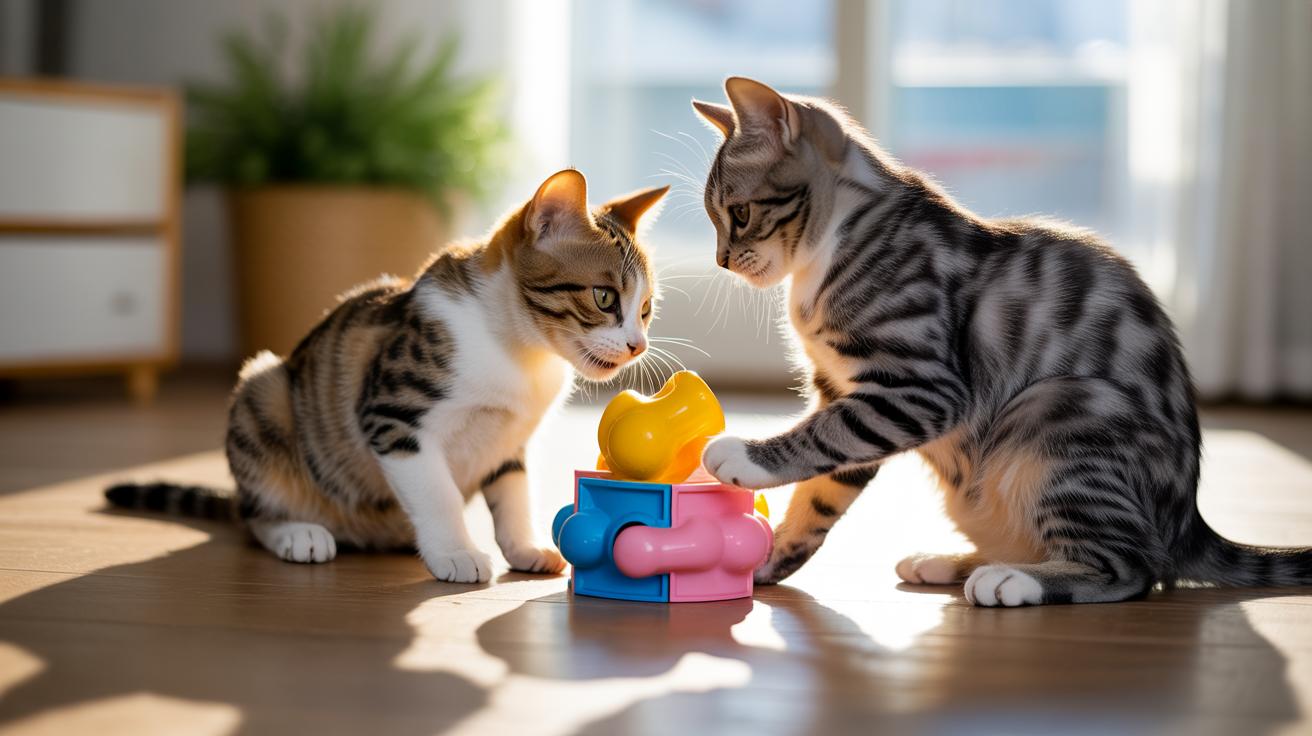
    Here’s a friendly guide to how much play different breeds usually want each day. Think of these as headline ranges you can aim for: High 60-120 minutes; Medium-high 45-60 minutes; Medium 30-45 minutes; Low-medium 15-30 minutes. Ever watched your kitty chase shadows? That’s the kind of play we mean.

    Energy Level Daily Playtime
    High 60-120 min
    Medium-high 45-60 min
    Medium 30-45 min
    Low-medium 15-30 min

    High energy (60-120 min)

    • Bengal , loves climbing and puzzle feeders (toys that hide food, so your cat works for treats). Bengals like vertical space and brain games.
    • Savannah , enjoys leash walks and high shelves. These cats are athletic, so think tall perches and supervised outdoor walks.
    • Egyptian Mau , needs sprint play and interactive fetch. Quick chases and fast toys keep them happy.

    Medium-high (45-60 min)

    • Abyssinian , chasing wand toys and short trick sessions. Try one minute bursts of play, then a quick rest.
    • Siamese , social play and fetch practice. They want people time, so schedule short playdates.
    • Somali , fetch games and problem-solving toys. Smart and playful, they’ll figure out puzzles fast.

    Medium (30-45 min)

    • Cornish Rex , vertical play and quick chase drills. Light jumping and short sprints work well.
    • Devon Rex , perch games and fast teaser bursts. They love being close to you, then zooming off.
    • Oriental Shorthair , pounce practice and wand play. Clear floors help with fast turns.
    • Balinese , agility runs and climbing challenges. Think obstacle courses with soft landings.

    Low-medium (15-30 min)

    • Singapura , interactive lap play and short bursts. Small, lively, but happy with calm cuddles afterward.
    • Maine Coon , gentle chase sessions and sturdy climbing. Big cats who like long, relaxed play more than nonstop zoomies.

    A few practical notes
    High-energy breeds usually need daily interaction, climbing spots, or a playful companion. Vocal breeds like the Siamese want scheduled social time. Ask yourself: do you have the space for active climbing? Can you stick to a training routine? Will neighbors mind nighttime zoomies?

    Kittens do best with many short bursts of play. Seniors need gentler sessions and lower jump heights. Overweight cats should ramp up activity slowly and check with the vet. And a heads up about Savannahs: early-generation (closer to wild ancestry) animals may have legal restrictions and higher care costs, so research local rules before you adopt.

    Worth every paw-print. My Luna once launched six feet for a wand toy and then flopped on her back like she’d finished a marathon. Try a few games, see what makes your cat’s whiskers twitch, and adjust from there.

    Playful cat breeds profiles: detailed exercise context for Bengal, Abyssinian, Siamese, and Rex breeds
    - Playful cat breeds profiles detailed exercise context for Bengal, Abyssinian, Siamese, and Rex breeds.jpg

    Bengal cats are clever, endlessly curious hunters who treat your home like a big puzzle. They love to explore, open things, and chase scent trails , so try scent-based recall drills (practice calling your cat to come using treats or scent) and short, goal-focused sessions like clicker work (a small device that makes a click to mark a good behavior) or target work (teaching your cat to touch a target with their nose). Keep sessions short and fun so they stay focused. Ever watched a Bengal vault from couch to bookshelf? It’s glorious and a little nerve-racking, so watch for overexertion and joint strain (when joints get stressed from too much jumping). Regular vet checks help catch athletic injuries early. See Toys & Training sections for matched gear and step-by-step routines.

    Abyssinians move like tiny explorers , always sniffing out the next sunny spot or box. They respond really well to short, repeatable trick sessions and slow leash-introduction steps (gentle practice getting used to a harness and walking). Use high-value rewards and quick repetition so they learn fast. Keep an eye on weight and muscle tone since their busy behavior can hide slow weight changes, and don’t skip routine dental and wellness checks. See Toys & Training sections for matched gear and step-by-step routines.

    Siamese are social, chatty, and they crave company and routine; if bored they’ll invent mischief and tell you all about it. Use clear, consistent vocal cues and set predictable social playtimes so they learn when attention comes; scheduled short sessions help cut down on attention-seeking outbursts. Watch for signs of separation stress or too much vocalizing, those are your cues to add more structured interaction. Regular vet visits are important to keep stress-related issues in check. See Toys & Training sections for matched gear and step-by-step routines.

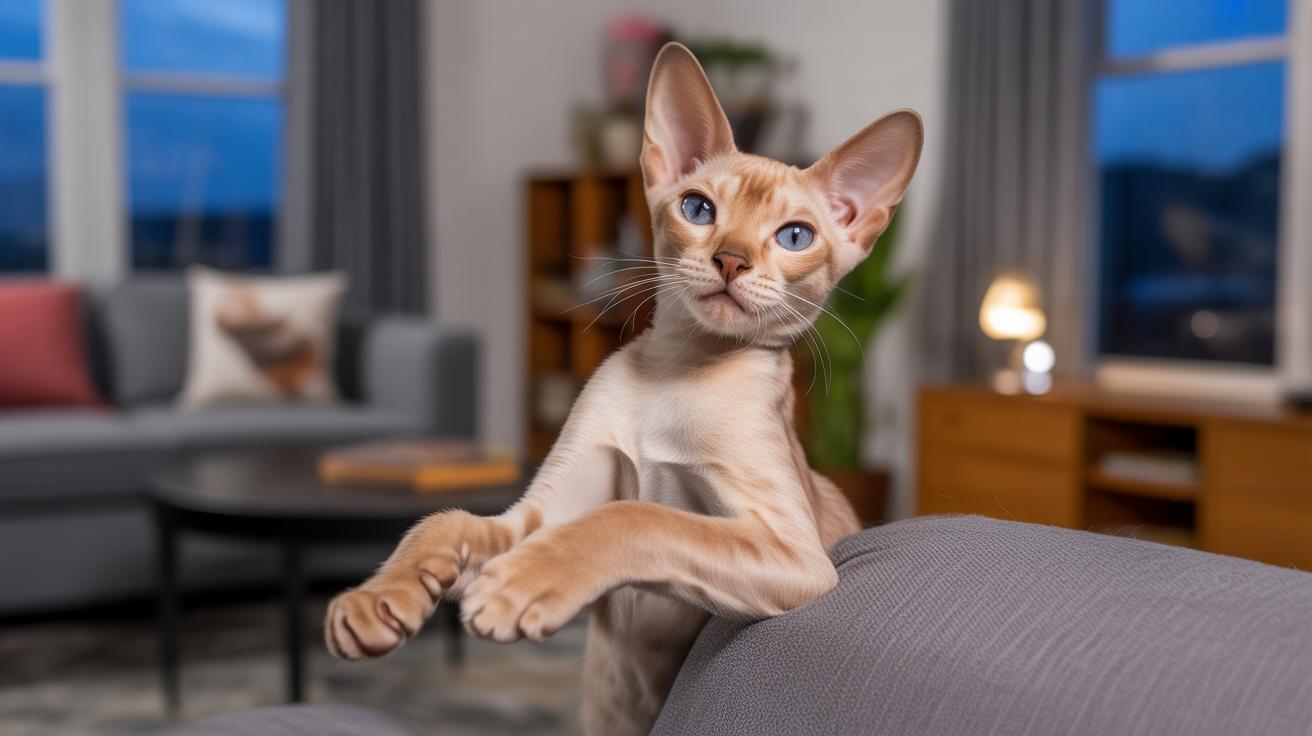
    Cornish and Devon Rex cats are little acrobats , springy, light-footed, and obsessed with high perches and fast chases. Train them with vertical challenges, quick agility runs, and recall-to-perch routines (teaching them to hop to a specific high spot on cue) that reward speed and precision rather than long endurance. Their skin and coat can be more delicate, so check for skin sensitivity (tender or easily irritated skin) and keep an eye on joints as they age; ease off intensity if you notice stiffness. Short, frequent drills win every time. See Toys & Training sections for matched gear and step-by-step routines.

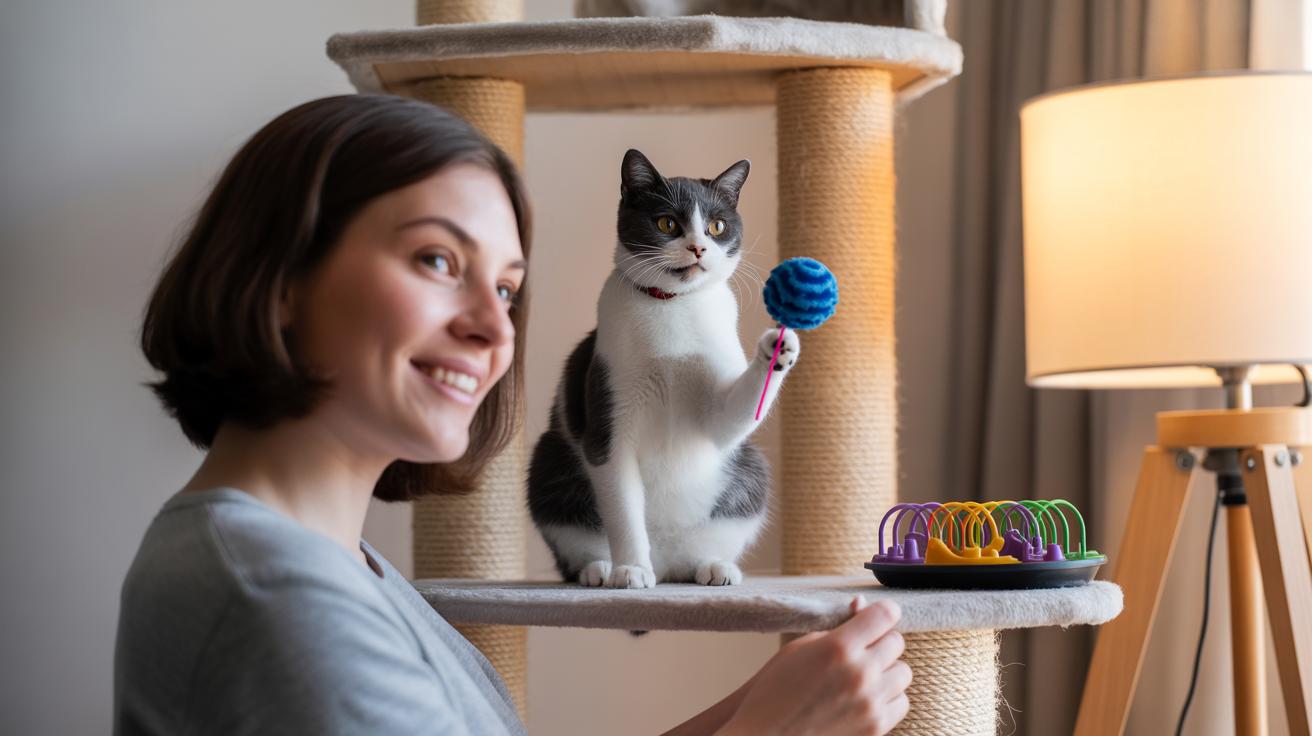
    Toys, climbing and interactive gear for playful cat breeds (toy recommendations table)
    - Toys, climbing and interactive gear for playful cat breeds (toy recommendations table).jpg

    Here’s the spot where we pull all the toy picks, climbing gear, and safety tips out of the breed blurbs and put them in one easy place. Think clear matches for energetic breeds, notes on what lasts, and simple safe-use rules so your cat stays happy and your stuff stays intact.

    Want repair ideas for wand tips? See DIY replacement attachments for teaser wands.

    Toy / Gear Best For (breeds/age) Play Style Safety / Use Notes
    Wand teaser Abyssinian, Siamese, kittens Interactive chase and recall Watch dangling bits; retire frayed ends; replace tips regularly (see DIY link above)
    Puzzle feeder (food-dispensing toy) Bengal, Somali, overweight cats Problem-solving and slow feeding Measure portions; wash after use; check for worn seams
    Ball / chase toy Egyptian Mau, Bengal, Bombay Sprinting, pouncing, fetch Pick solid, bite-resistant materials (like hard rubber); avoid toys with tiny parts
    Climbing tree / catio / vertical shelves Bengal, Savannah, Maine Coon, Rex Vertical play, perching, short runs Anchor to wall studs (solid beams in the wall); check weight rating; pad landing zones
    Laser pointer Abyssinian, Siamese, Somali High-speed chases Never shine at eyes; end each session with a real toy for a tangible catch to avoid frustration
    Harness & leash (fitted vest for walks) Trainable adults: Bengal, Savannah, curious cats Supervised outdoor exploration Start with short indoor sessions; confirm a snug fit; keep first walks brief and supervised

    Toy rotation keeps things interesting and cuts down on boredom mischief. Keep a small stash out of sight, swap things weekly, and check wand tips before play. Your cat will thank you with dramatic pounces.

    • Swap core toys every 7 to 10 days to renew novelty.
    • Pair a puzzle feeder session with a short chase game for mental plus physical work.
    • Rotate toys by play zone: one set upstairs, one downstairs, one hidden for surprise play.
    • Wash washable toys weekly; inspect seams and elastic after heavy use.
    • Check wand attachments before each play session; replace any frayed bits right away.
    • Measure food put into puzzle feeders so feeding goals stay steady.

    Safety quick hits

    • Always supervise toys with strings, elastic, or small parts.
    • Retire fabric toys once stuffing or seams show wear.
    • Anchor tall climbing gear to wall studs (that means find the solid wood behind the drywall) and test stability before use.
    • Start harness sessions indoors, short and supervised, before trying outside.

    A few extra tips from my own cat-ventures: keep one irresistible toy that only comes out for solo play so it stays special. And if your cat gets obsessed with a laser, try ending each session by tossing a small ball so they get to actually catch something. Worth every paw-print.

    Training and enrichment techniques for playful cat breeds: practical step-by-step routines
    - Training and enrichment techniques for playful cat breeds practical step-by-step routines.jpg

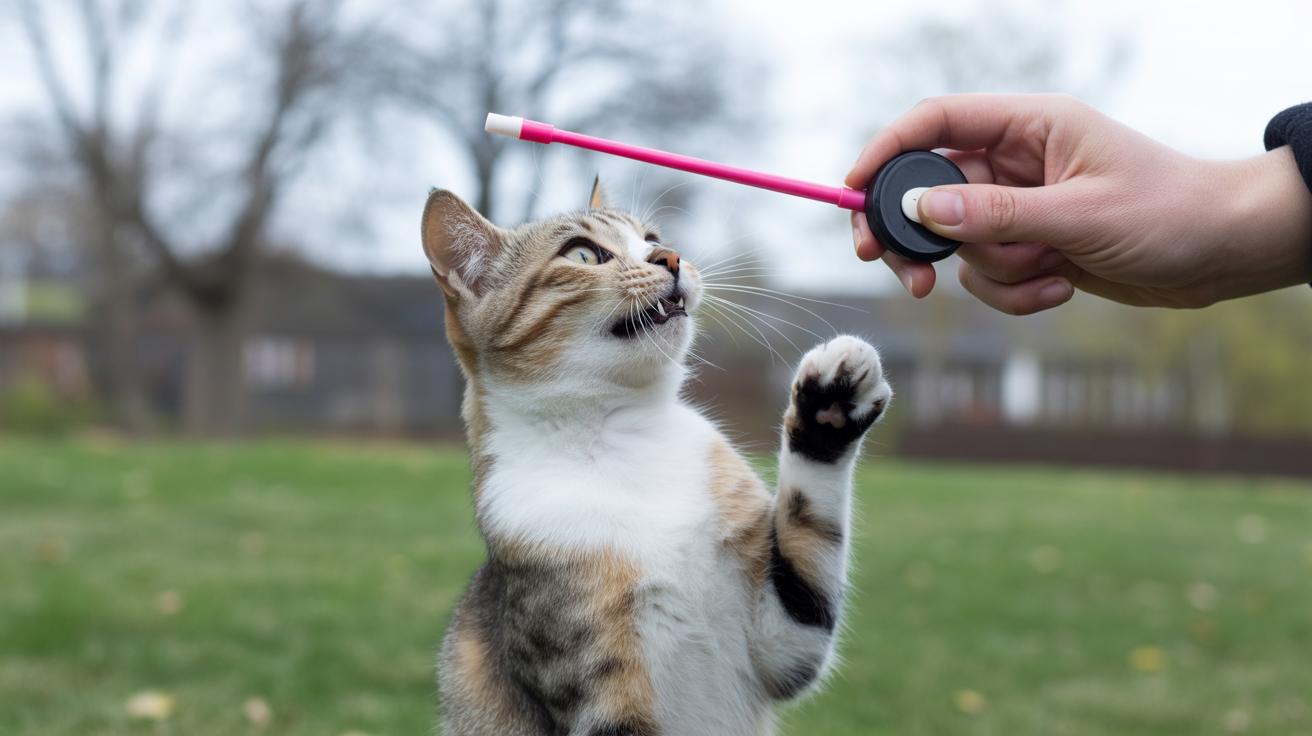
    This is where you’ll find full training sequences for zippy, playful cats. Pick the routine that matches your cat’s energy from the breed profiles, then run short sessions, three to ten minutes, several times a day. Your cat’s whiskers will twitch, you’ll get a few adorable pounces, and progress comes fast when you keep it fun.

    1. Clicker training (7 steps)

    2. Get a clicker (a small plastic device that makes a sharp click) and tiny tasty treats your cat loves.

    3. Click, then give a treat right away so the click means "good." Repeat until your cat looks for a treat after the click.

    4. Pick a simple behavior, like sit or touch a target (a stick or object your cat taps). Wait for the cat to do it naturally, then click the instant it happens.

    5. Give the treat immediately. Keep repetitions short and upbeat so the cat stays interested.

    6. Add a cue word once the action is reliable, then use click plus treat to link the word to the behavior.

    7. Slowly increase the gap between click and treat to build focus and patience.

    8. End every session on a win and let the cat walk away, short wins mean they’ll come back for more.

    9. Teaching fetch (6 steps)

    10. Pick a small, soft ball or toy your cat already likes.

    11. Toss it a short distance and reward the cat when they bat or chase it.

    12. Call the cat back with a tasty treat and reward when they come near you.

    13. When they bring the toy closer, give a big reward and trade the toy for a fresh treat.

    14. Keep throws short at first, then lengthen distance as the cat stays engaged.

    15. Make the game playful, not pushy. Stop before the cat loses interest.

    16. Leash and harness introduction and walking (8 steps)

    17. Choose a soft, well-fitting harness (a vest-style harness is usually easiest for cats).

    18. Let the cat sniff and wear the harness indoors for a few minutes at a time, pairing it with treats.

    19. Adjust the fit so it’s snug but you can fit two fingers under the straps; check for rubbing or chafing.

    20. Clip a leash (a light cord or strap) on indoors and follow your cat instead of pulling.

    21. Take short indoor strolls first, then try outside in a quiet spot once they’re calm.

    22. Keep initial outdoor outings under five minutes and always stay with them.

    23. Watch body language: ears back, crouching, or frozen stillness means pause and step back.

    24. Gradually increase time as confidence grows, and always end on something positive.

    Quick troubleshooting and tips

    • If your cat freezes, go back one step and reward tiny progress. Small wins matter.
    • If treats stop working, switch to a higher-value reward for that session.
    • Cats distracted by noise? Move to a quieter room for training.
    • If fear shows up, pause and try again later; never force things.
    • Keep sessions short and frequent to build a habit you’ll both enjoy.

    Match the above sequences to breeds described in the Profiles section.

    Adapting exercise by life stage and special needs (kittens, adults, seniors, overweight cats)
    - Adapting exercise by life stage and special needs (kittens, adults, seniors, overweight cats).jpg

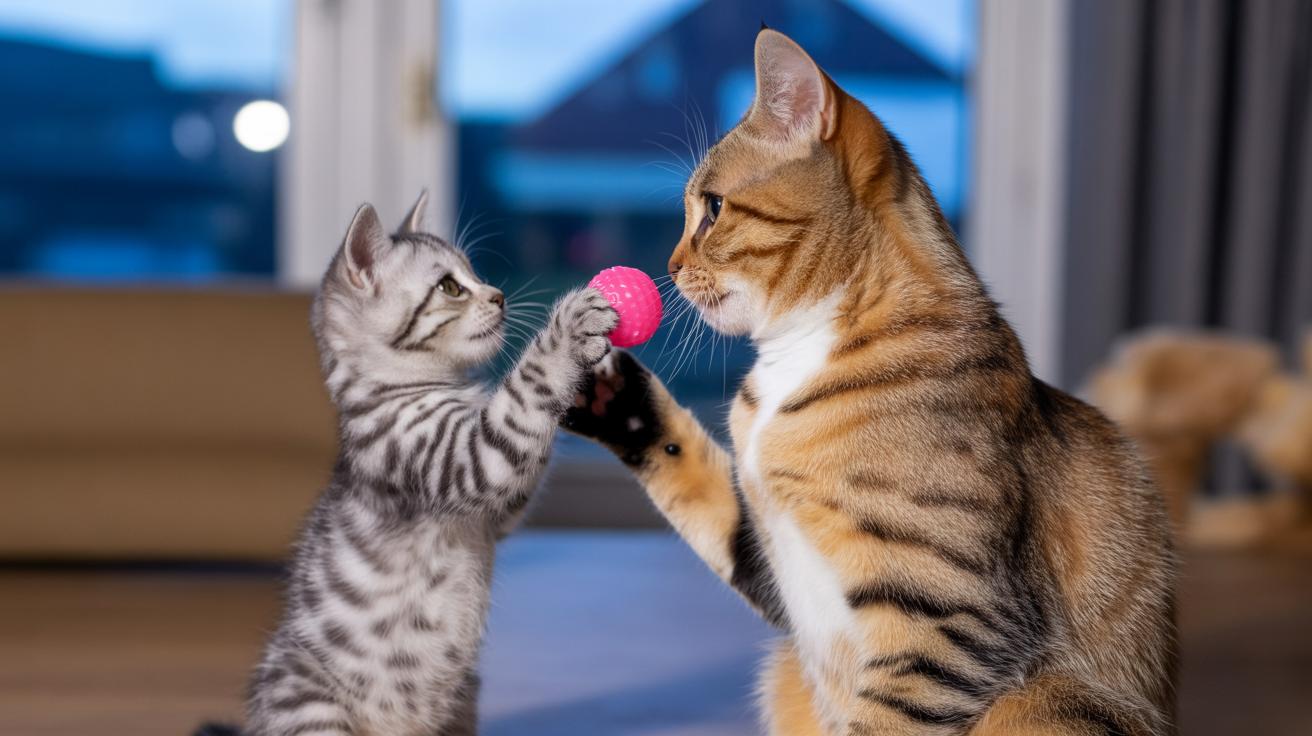
    This is your quick, friendly guide to how much play time cats usually need by age, energy level, and weight. Check the "Session Structure" section (how to split daily minutes into short bursts or longer sets that fit your cat’s stamina [energy]) to figure out the best schedule.

    Think of the minute targets as friendly goals, not hard rules. Match the intensity to your cat’s body language and health history. If your cat has a health issue, ask your veterinarian before changing routines or adding new gear.

    Life Stage Recommended Daily Activity (minutes) Session Structure Top Toy Types
    Kittens 60+ (many short bursts) 6 to 12 sessions of 5–10 minutes spread through the day Wand teasers (feather or string on a stick), small balls, supervised climb spots (watch them on shelves)
    Adult , high-energy 60–120 3 to 6 sessions of 10–20 minutes; mix chase play with puzzle work Puzzle feeders (food puzzles that make cats work for kibble), climbing towers (tall cat trees), fast chase toys
    Adult , moderate 30–45 3 to 5 sessions of 6–15 minutes; include one short training drill Wand toys, balls, low-level agility (short obstacle course)
    Senior / overweight 10–30 (gentle) 4 to 8 short, low-impact sessions of 3–8 minutes Slow puzzle feeders (easy-release food toys), soft chase toys, low ramps (gentle incline)

    Safely increasing activity for overweight or medically limited cats

    • Get a health check and a target weight plan from your vet first. They’ll tell you safe goals and limits.
    • Start with low-impact play (easy on the joints), like walking up short ramps or gentle wand chases.
    • Use lots of short sessions instead of long marathons. Ten minutes broken into a few bursts wins every time.
    • Track small weekly progress and portion treats so calories stay controlled.
    • Stop and call your vet if your cat shows trouble breathing, balance issues, or seems to be in pain.

    Signs a session is too intense

    • Heavy panting or open-mouth breathing. That’s not normal for cats.
    • Sudden collapse or fainting. Stop play and seek help.
    • Refusing to play repeatedly after a warm-up.
    • Limping, favoring a leg, or obvious stiffness.

    Senior cat modifications

    Lower jump heights and add soft landing spots like rugs or foam pads. Use food or treat-based motivation and easy puzzle feeders to make movement rewarding. Shorten sessions into tiny wins so your senior cat finishes happy and not tired. Ask your veterinarian before starting new routines or toys , safety first, paw-sitive results next.

    Worth every paw-print.

    Space, multi-cat dynamics, apartments and safe outdoor exercise for playful cat breeds
    - Space, multi-cat dynamics, apartments and safe outdoor exercise for playful cat breeds.jpg

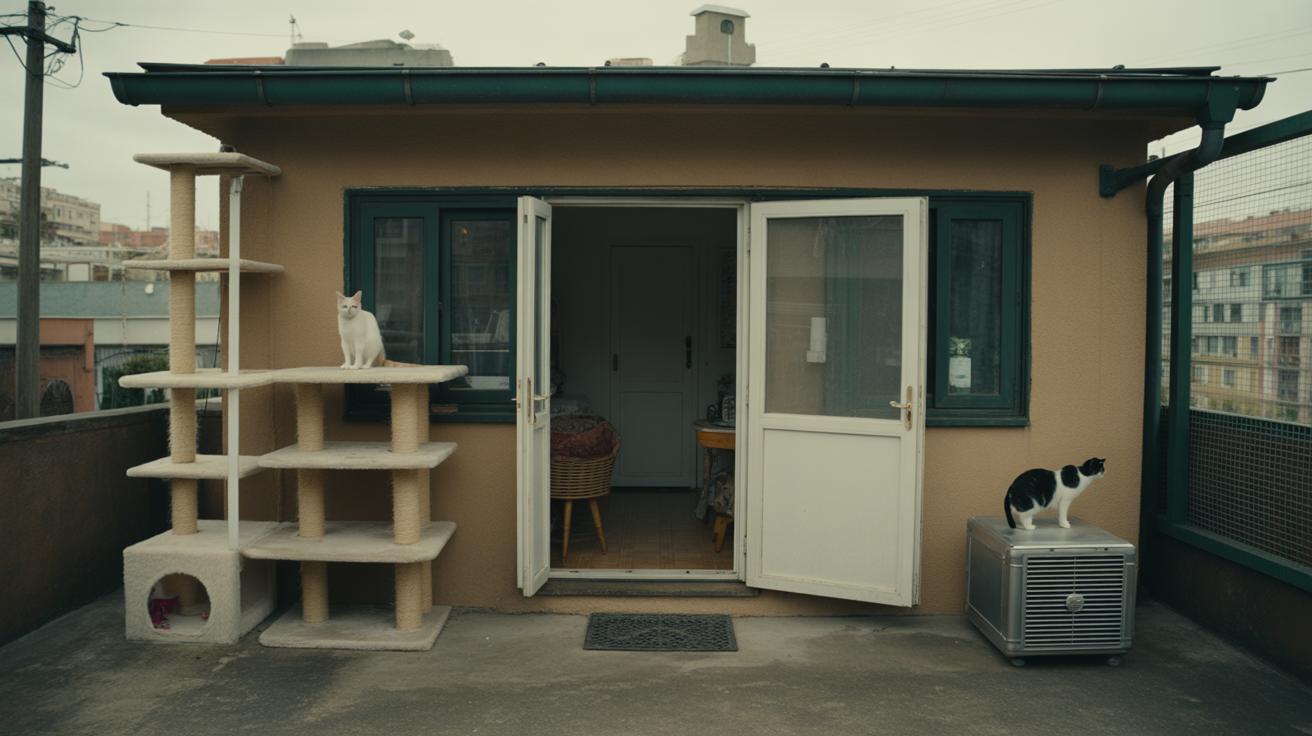
    Small apartments can work for bouncy, clever breeds. You just need to give them vertical territory. Think tall cat trees and wall shelves where they can climb and nap in the sun. Run short, frequent play sessions so they burn energy, and rotate toys weekly to keep things interesting , novelty matters to cats. Ever watched your cat pounce on a rolling ball? Those little thuds and whisker-twitches make it worth the effort.

    In homes with more than one cat, set up separate play zones so no one feels cornered. Stagger play times if a crowd forms, and supervise social play so wrestling doesn’t turn too rough. Give shy cats escape routes and high perches. Small changes cut stress, and everyone ends up feeling more confident.

    If your cat wants outdoor time, options range from balconies to full runs. Secure enclosures and catios (an enclosed outdoor patio for cats) let them get fresh air and sunlight without the risks. Harness walks teach a different kind of focus and can be great for curious, trainable breeds, but they need slow, patient training and short outings. Also, some high-generation Savannahs, like F1 Savannahs (first-generation cross with a serval), face legal or ownership limits in some places , check local rules before planning outdoor time.

    Outdoor Option Pros Cons
    Catio (built-in) Safe outdoor access and sunny spots for naps Can be costly; needs to be anchored to walls or railings; check building rules
    Portable catio (pop-up) Low-cost and flexible to move Less durable; needs supervision in wind or bad weather
    Harness walks Mental stimulation and leash skills Requires gradual training; keep walks short and supervised
    Supervised yard time (on leash or fenced) Natural smells and room to sprint Risks from predators, traffic, or pesticides
    Fully enclosed run / outdoor pen Generous room to roam safely Needs secure fencing and shaded spots
    Free roaming Total freedom High danger from cars, wildlife, and legal limits in many places
    Catio membership / cat park Social time and a controlled space Sanitation and supervision rules vary

    Apartment safety checklist (quick)

    • Give each active cat tall vertical spaces so they can escape or survey the room.
    • Remove breakaway collars during play to prevent snags.
    • Keep a hidden toy stash and rotate toys weekly to renew interest.
    • Anchor tall furniture to studs (the wall framing studs) so trees and shelves won’t tip.
    • Use short, frequent play sessions instead of one long marathon to match apartment life.

    Worth every paw-print.

    Monitoring activity, signs of insufficient exercise, and when to seek veterinary advice
    - Monitoring activity, signs of insufficient exercise, and when to seek veterinary advice.jpg

    Keep an eye on small shifts in behavior and body shape. Slow weight gain, louder or more frequent meowing, chewing or scratching furniture, nighttime zoomies, or repeated over-grooming can mean your cat isn’t getting enough physical or mental play. Ever watched your cat sprint across the hall at 3 a.m.? Yeah, that can be a clue.

    Track a few simple things so you can spot trends. Keep a play log (a tiny diary: date, how long you played, and what toy you used). Do a quick treat-recall test: does your cat come when you call for a treat? Try an activity tracker (a small device that counts movement) worn for a week to set a baseline. These easy checks help you catch a problem early.

    Set clear action points so you know when to call in help. If your cat gains more than 10% of body weight in two months, or if destructive behavior keeps rising despite two to four weeks of focused play, make an appointment with your veterinarian or a certified behaviorist (a professional who studies animal behavior). Jot down what you tried and for how long, small changes over a month or two tell you if the plan is working. Worth every paw-print.

    Metric How to Measure Action Threshold
    Weight changes Weekly weigh-ins (use a kitchen or vet scale); track percent change Gain >10% body weight in 2 months → vet consult
    Activity minutes per day Play log or activity tracker (small device that counts movement) averaged over 7-14 days Steady decline vs. baseline for 2+ weeks → adjust plan; consult if no improvement
    Behavioral flags Log destructive acts, excessive vocalizing, or grooming episodes Increase despite 2-4 weeks of added play → seek professional help

    Warning signs that need immediate veterinary attention

    • Sudden severe lethargy or collapse.
    • Limping, obvious pain, or refusing to put weight on a limb.
    • Trouble breathing, open-mouth breathing, or gasping (this is serious).
    • Rapid, unexplained weight loss or gain.
    • Sudden, persistent aggression that’s new for your cat.
    • Repeated inability to finish short, gentle play sessions.

    If any of these show up, call your vet right away. It’s better to check and sigh with relief than to wait.

    Final Words

    In action: we laid out quick energy ranks with headline daily-minute ranges, a 12-breed quick list, and one-line activity cues to get play started fast.

    We gave short breed profiles with training tips, a toy and climbing gear table, step-by-step training routines, life-stage tweaks, apartment and multi-cat strategies, plus monitoring tips.

    Keep a simple play log and match routines to your household. playful cat breeds and their exercise needs , you're ready to keep your crew fit, curious, and joyfully entertained.

    FAQ

    What cat breed is the most playful?

    The most playful cat breeds are Bengals, Savannahs, Egyptian Maus, Abyssinians, Siamese, Somalis, Cornish Rex, Devon Rex, Oriental Shorthairs, and Ocicats; color doesn’t predict energy—breed and personality do.

    Small playful cat breeds and their exercise needs

    Small playful breeds like the Singapura (tiny, muscular), Cornish Rex, Devon Rex, and Ocicat benefit from short, frequent play bursts totaling roughly 30–60 minutes daily, plus climbing structures and interactive toys for variety.

    What defines high-energy or playful cats and how should they be exercised?

    High-energy or playful cats show nonstop curiosity, chasing, and problem-solving; they do best with interactive play sessions, vertical challenges (cat trees, shelves), and puzzle feeders to channel energy and reduce boredom-driven mischief.

    Which breeds are least playful or most low maintenance?

    Less playful, lower-energy breeds include Ragdolls, Persians, British Shorthairs, and Exotic Shorthairs. They’re often calmer—Persians do require regular grooming (long coats need weekly brushing), while Ragdolls commonly enjoy lap time.

    What breed is Taylor Swift’s cat?

    Taylor Swift’s cats include Olivia Benson and Meredith Grey, both Scottish Folds (folded-eared), and Benjamin Button, a Ragdoll.

    Is a playful cat a healthy cat?

    Playfulness often signals good physical and mental health—energy, curiosity, and engagement. A sudden loss of play or a drastic behavior change warrants a vet check for pain, illness, or stress.
    Related Articles

  • Tonkinese Cat Personality: Traits and Compatibility

    Tonkinese Cat Personality: Traits and Compatibility

    Think cats are aloof? Tonkinese will make you rethink that. They’re chatty, clingy, and acrobatic all at once. One minute they’re a warm lump on your lap, the next they’re chirping at a window bird like they’re telling secrets.

    They crave company. Tonkinese are social and love to be where people are, not hidden away. They play hard too, zooming, leaping, and batting toys like tiny gymnasts. And their voice is a happy chitter, a mix of little meows and trills that sounds like a tiny conversation.

    Who gets along best with a Tonkinese? Active families with playful kids, homes with tolerant dogs, or anyone who’s around a lot. Or get two cats, Tonkinese often prefer a feline friend to keep the chat going. If you work long hours and can’t come home for cuddle o’clock, they might get lonely.

    Daily play matters. Aim for a few short sessions each day, ten to fifteen minutes works wonders. Use a wand toy for high-energy chases and a small ball for fetch. Try a puzzle feeder (a toy that hides food so your cat has to “hunt” for it) to keep their brains busy and reduce naughty behavior.

    Lap time is sacred. Make a comfy spot with a soft blanket and a low light, Tonkinese love warmth and gentle strokes. If they hop on and demand attention, go with it when you can; a little routine helps them feel secure.

    Simple setups help a lot. Add a cat tree (a tall climbing post with perches) by a sunny window, rotate toys so things stay interesting, and put a safe hideaway where they can nap alone. Secure breakables and supervise rough play with kids or dogs.

    Ever watched your kitty chatter at a bird and then do a perfect mid-air twist? It’s ridiculous and delightful. Keep them engaged, give them company, and you’ll cut down on trouble and double the joy.

    Worth every paw-print.

    Tonkinese Cat Personality: Traits and Compatibility

    - Tonkinese temperament snapshot (fast answer).jpg

    Tonkinese cats are social, snuggly, playful, talkative, and clever. They’ll curl up on your lap one minute and sprint across the room the next. Ever watched a Tonkinese chirp at a bird outside? It’s basically a tiny, furry conversation partner.

    They do great with families, kids, and cat-friendly dogs. But they don’t love long stretches alone. Plan on regular human time or a second cat, plus several short play sessions each day to keep them happy.

    • Weight: 6–12 lbs
    • Length: up to about 28 inches including the tail (long and graceful)
    • Color development: coat color usually finishes by around 16 months (coat tones deepen as they mature)
    • Lifespan: about 10–16 years (how long they typically live)

    Personality at a glance:

    • Sociability: Craves company. Best if someone’s home often or there’s another pet to hang with.
    • Affection: Loves close contact and laps. Expect lots of purrs and gentle head-butts.
    • Activity: Needs daily play and vertical space like cat trees or shelves. Climbing makes them gleeful.
    • Vocality: Very conversational, soft, chirp-like sounds rather than loud yowls.
    • Intelligence: Quick study. They learn tricks fast, especially with food-based training (treats as rewards).
    • Play style: Fetch, climbing, and puzzle toys keep them busy. Think of a teaser wand like a fishing rod for cats, so much fun.
    • Grooming: Low-maintenance coat (short and smooth). Weekly brushing keeps hair under control.
    • Health watch: Keep an eye on dental health and urinary signs (frequent peeing, straining, or accidents).

    Adoption note: If you’re away a lot, please consider a companion cat or a routine of interactive play sessions. Your Tonkinese will thank you with acrobatic pounces and nonstop cuddles. Worth every paw-print.

    Social needs: implementation and risks

    - Social needs implementation and risks.jpg

    Tonkinese are social butterflies. They thrive on company, so regular human contact keeps them sharp and less likely to act out. Left alone, a Tonkinese can get clingy, start following you like a shadow, or get into mischief, soft mews at midnight, sudden zoomies, that sort of thing.

    Introduce new people and pets slowly. Start with scent swapping (swap bedding so each animal gets the other’s smell), then move to short supervised visual meetings behind a gate (a baby gate or screen works great), and finally try brief play sessions in neutral territory (a room neither pet claims). Think of it like gentle speed-dating for pets. Build social windows into your day , two or three short play or cuddle blocks work well , and use a puzzle feeder (a food toy that makes your cat work for meals) or a pet sitter for longer absences. Pairing tip: a second Tonkinese or a playful, cat-friendly dog often cuts down on loneliness.

    Kids and visitors need a quick lesson. Three simple steps: sit down, offer a treat, and show the right petting spots , stop if the cat flees. Supervise interactions during the first week and model calm voices and slow movements. Praise both kid and cat for calm exchanges with treats or gentle petting. Worth every minute.

    Watch for trouble signs: louder attention-seeking like yowling or blocking doors, clinginess, redirected aggression, or hiding and loss of appetite during shaky introductions. If you see those, give your cat a quiet retreat, break play into short separate sessions, and slow the reintroduction pace. Pheromone diffusers (a plug-in calming cat scent) can help, and a quick vet consult is a smart move if stress keeps up.

    Timeline for socializing your Tonkinese:

    When What to do
    Days 1–7 Start scent swapping (bedding exchange) and short, calm handling sessions. Let the cat set the pace.
    Weeks 2–6 Supervised play, gentle exposure to household sounds and kids. Keep sessions short and positive.
    Weeks 6–12 Begin controlled introductions to other pets and try short group play in neutral rooms.
    Weeks 12–16 Extend social sessions, practice brief separations, and do short crate/car trips (carrier rides) so your Tonkinese learns everyday coping skills.

    A quick aside: ever watched your Tonk stalk a sunbeam with laser focus? It’s proof they love company and stimulation. Keep play predictable, praise calm behavior, and remember , slow and steady wins the purr.

    Energy and training: activity plan and schedules

    - Energy and training activity plan and schedules.jpg

    See Snapshot above. Tonkinese are lively and athletic; they do best with short bursts of play plus mental work so they don’t turn your house into a playground of mischief. Think sprinting zoomies, then a satisfied nap.

    Training is food-motivated and clicker-friendly (clicker = small handheld device that makes a consistent click sound). Keep sessions short and tasty. Five to ten minutes of treats and praise will teach tricks, recall, and calm behavior without boring your cat. Ever watch a Tonkinese learn a trick in two treats? It’s oddly delightful.

    Create vertical territory. A tall cat tree (sturdy climbing post), a shelf network, and sunny window perches give jumping and lookout options. Secure shelves to studs so they don’t wobble. Offer multiple scratch posts , sisal (a durable natural fiber used for scratching) is excellent , so your Tonkinese has clear spots to climb and sharpen claws.

    • Interactive wand play: 2 × 10–15 minutes daily – perfect for chase instincts; swap attachments regularly so it stays novel.
    • Puzzle feeder: one meal per day – a puzzle feeder (toy that makes your cat work for food) slows eating and gives mental work.
    • Clicker/treat training: 5–10 minute sessions – teach sit, high-five, or target touches (touching a target with nose or paw).
    • Fetch sessions: short tosses of soft, durable balls – repeat 3–8 throws per play.
    • Tall cat tree + shelf network: daily access – jumping keeps muscles toned and joints happy.
    • Treat-dispensing ball: roll-and-chase snack play (dispenses kibble when rolled) – great for solo enrichment.
    • Hide-and-seek scent games: hide treats around the house – mental scavenger hunts that tap natural hunting drive.
    • Supervised water curiosity play: drip faucet or shallow bowl exploration – short, novel fun for curious kitties.
    • Rotating toy schedule: swap toys every 3–7 days – keeps interest high and prevents boredom.
    • Short daily target-training practice: 2–5 minutes – quick focus work before meals helps calm excitement.
    Time Activity Duration
    Morning Puzzle feeder 10 min
    Midday Short play or training session 10 min
    Evening Interactive wand + fetch 15–20 min

    Toys wear out. Frayed wands and loose stitching are a safety risk, so replace attachments every few months or as soon as you see damage (or try DIY replacement attachments for teaser wands). Match play intensity to your cat’s age and mobility. See Snapshot above for typical energy baselines.

    Worth every paw-print.

    Vocal and body language: decoding examples only

    - Vocal and body language decoding examples only.jpg

    See the snapshot above. Tonkinese talk to their people with soft, chirp-like sounds that almost beg for a reply. They’re not yelling; they’re saying, I’m here, notice me.

    Greeting chirps – a short, upbeat sound when you walk in the door. It usually comes with a tail held high and a happy weave between your legs. Think: tiny hello-bells.

    Attention-request chirps – repeated trills (a rolling chirp sound) or quick chirps while pawing or rubbing to ask for play, pets, or food. Your cat might paw at your hand, chirp, then dart toward a toy to show you the plan.

    Urgent or distressed vocal changes – louder, drawn-out cries or frantic mews (a thin, high-pitched meow) that don’t match their usual chatter. These are different. They can mean pain, fear, or a litter-box problem, so pay close attention.

    Tail up – friendly and open. It’s a green light to approach and pet. Slow blink – a calm trust signal; blink back and you’ll share the moment. Flattened ears with a rigid tail – big red flags. Give space and quiet.

    Scenario A: Greeting at the door. Your Tonkinese chirps, tail high, weaves between your legs, then nudges for pets. It’s warm, immediate, and so hard not to scoop them up.

    Scenario B: Requesting play. The cat paws at your hand, gives a short chirp, then zips toward the toy to lead the session. It’s like they’re saying, Follow me.

    If your cat’s voice or body language suddenly changes or stays off for a while, that could point to stress or a medical issue. Watch closely, and if things don’t improve, call your vet. Worth every paw-print of attention.

    Care and health: prevention and schedules

    - Care and health prevention and schedules.jpg

    See the Snapshot above, Tonkinese thrive when grooming and healthcare match their social, indoor lifestyle. Regular routines keep them playful and help prevent common problems like dental disease or urinary trouble. Think of it as daily TLC that keeps your cat feeling feline fine.

    Grooming and routine care

    Brush once a week with a soft-bristle brush or a rubber mitt (a glove with short rubber nubs that lifts loose hair). Their short, silky coat rarely mats, so brushing is mostly bonding time, your cat gets the pets, you get less fur on your couch. Ever watched a Tonk do the happy-tail flick after a brush? Cute.

    Trim nails every 2–4 weeks so claws don’t snag during play. If your cat resists, try clipping after a nap when they’re mellower. Check ears and eyes weekly for wax, redness, or discharge and wipe gently with a damp cloth if needed. Little checks now save big vet visits later.

    Health prevention schedule

    Kittens follow the usual vaccine and parasite-control series set by your vet. Parasite control means treatments for fleas, ticks, and intestinal worms (common pests that make cats miserable). Adult Tonkinese should get at least one annual exam where vaccinations and parasite prevention are reviewed.

    Dental care is super important. Start brushing young and book professional cleanings if you see tartar or gingivitis. Dental disease is common, so a quick daily tongue-and-tooth peek goes a long way. Ask about heart screening early on, especially HCM (hypertrophic cardiomyopathy, which is thickening of the heart muscle). Also talk with your vet about testing for liver issues (some lines have higher risk), IBD (inflammatory bowel disease, which is chronic gut inflammation), and amyloidosis (protein build-up in organs) if there’s a family history. Keep vaccine boosters and parasite protection current based on your vet’s plan.

    Weekly brush. Daily quick dental/tongue check. Annual vet exam with heart listening. Watch litter-box frequency and any changes in urine. Keep a balanced diet and weigh-ins to catch weight shifts early.

    Litter setup matters for Tonkinese comfort and health, roomy, clean boxes are best. See comparing top-entry vs open litter box designs for ideas. Seek vet care quickly for straining, blood in the urine, sudden appetite changes, or big drops in energy. Worth every paw-print.

    Behavior problems: troubleshooting steps

    - Behavior problems troubleshooting steps.jpg

    See Snapshot above.

    We folded the old, separate troubleshooting block into the relevant sections so everything lives where it makes sense: Social needs, Energy and training, and Care and health. That way you won’t have to hop around to find the right tip.

    What to expect callouts (added under the relevant subsections):

    • Excessive vocalizing (Energy and training): 2-6 weeks – "With two short play sessions and one puzzle meal daily, expect gradual quieting in about 2-6 weeks."
    • Separation anxiety (Social needs): 4-12 weeks – "Start tiny departures and slowly increase time away; many cats show steady gains in 4-12 weeks."
    • Play aggression (Energy and training): 2-8 weeks – "Redirect bites to a wand and reward calm; you’ll often see safer play in 2-8 weeks."

    Concrete troubleshooting steps moved into matching sections:

    • Graded departures → Social needs (stepwise short departures to lengthen time alone). Think tiny practice walks out the door, then a bit longer each time.
    • Puzzle feeders and scheduled interaction blocks → Energy and training (mental work plus play to reduce vocalizing and boredom). Puzzle feeders (food-dispensing toys that slow eating and give mental work) are great for this.
    • Wand redirects, stop-play-after-bite, and short reward-based training → Energy and training (for play aggression). Use a wand like a fishing rod for cats – safer teeth and paws-only play.
    • Scratch-post placement (put posts where the cat already scratches, vertical or horizontal as needed) → Play/scratching subsection. Match the post to the scratch pattern you see.
    • Scoop-daily box hygiene and box placement/number checks → Care and health (litter box management). Clean boxes, in the right spots, work wonders.

    Quick note: See Care and health for urgent signs: blood, straining, injury, or persistent severe stress. Those need immediate vet or behaviorist help. If you spot any of those, don’t wait, call your vet right away.

    Worth every paw-print.

    Comparisons and adoption: decision factors, tests, and costs

    - Comparisons and adoption decision factors, tests, and costs.jpg

    See Snapshot above.

    Quick breed comparison tips

    Tonkinese sit right between Siamese and Burmese. Siamese are very vocal and can demand attention, while Burmese tend to be more people-first and mellow. So think about how much talking you want: low, medium, or high vocal level; how active you like a cat to be: moderate or high; and how long they can handle being alone: low to medium. If you want a chatty, playful buddy who still loves to curl in your lap, a Tonkinese is a lovely middle ground. Ever watched your cat talk back to you? Yeah, Tonks do that a lot.

    Buyer tip: check the Snapshot above for quick metrics like activity and social needs so you match your household schedule before you commit.

    Adoption checklist, tests, and cost considerations

    Ask breeders for cardiac screening , an echocardiogram (heart ultrasound that checks structure and function) , and thorough dental checks (watch for tartar, loose teeth, or gum disease). Request any genetic screens (simple DNA tests for known issues) and health clearances. Bring up HCM (hypertrophic cardiomyopathy – thickening of the heart muscle) when you talk about heart health. It’s okay to be a little nosy here; you want a healthy kitten.

    Watch for red flags: no health records, reluctance to show the kitten’s parents, lots of litters always available, or kittens that seem poorly socialized. Those are signs you should step back. Typical breeder prices reported run about $600-$1,200. Rescue adoption is a solid alternative with lower fees and fast love, though lineage may be unknown.

    First-week setup checklist: give daily short social blocks and a few play sessions so they learn you’re fun. Add a puzzle feeder or slow-food option to make meals engaging. Provide a tall scratching/post network and clean litter boxes in calm spots. Start a weekly brushing habit to cut down on loose fur and bonding time. See Snapshot above for how much daily interaction your Tonkinese will want.

    Worth every paw-print.

    Final Words

    In the action: this post gave a compact Tonkinese temperament snapshot, practical steps for socializing and playing, training and daily schedules, vocal and body-language decoding, care and prevention tips, behavior fixes, and adoption guidance.

    Quick wins: add short daily play sessions, rotate durable toys, use tall shelves, and watch vocal and body cues for stress. Small moves like these cut boredom and protect furniture.
    The Tonkinese cat personality truly shines with company and regular activity, so pick routines that fit your busy life and enjoy the purrs.

    FAQ

    What is the temperament of a Tonkinese cat, and do males and females differ?

    The temperament of a Tonkinese cat is highly social, affectionate, active, conversational, and trainable. Males and females share core traits; individual personality and early socialization shape differences.

    Do Tonkinese cats like to be held?

    Tonkinese cats like to be held for many owners, enjoying laps and close contact, but they usually prefer short sessions and choice; gentle early handling and reading body language helps.

    What personality problems do Tonkinese cats have and how do I handle them?

    Tonkinese personality problems include excessive vocalizing, separation anxiety, play aggression, and litter-box avoidance; remedies are scheduled interactive play, puzzle feeders, training, early socialization, or a companion, plus vet checks if needed.

    How much does a Tonkinese cost?

    The cost of a Tonkinese typically ranges $600-$1,200 from responsible breeders; rescue adoption fees are usually lower. Also budget for supplies, vaccines, spay/neuter, and routine vet care.

    How long do Tonkinese cats live?

    The Tonkinese lifespan commonly ranges about 10-16 years, and indoor living, a balanced diet, regular vet care, and maintaining healthy weight support longer, healthier years.

    Can Tonkinese cats be black, and when does their color finish developing?

    Tonkinese cats can appear in darker solid, mink, or pointed patterns, so a “black” Tonkinese is possible; full coat color usually finishes developing by around 16 months.

    How does a Tonkinese compare to Siamese, Burmese, Balinese, Ragdoll, or Snowshoe, and which breed is most cuddly?

    Tonkinese sit between Siamese (very vocal) and Burmese (mellower), offering social, softer vocalizing. Ragdolls are often called the most cuddly; Balinese are long-haired Siamese-like, Snowshoe friendly but less demanding.

    Are Tonkinese good with children, other pets, and busy households?

    Tonkinese are great with children and other pets when socialized early and matched for energy; they thrive on regular interaction and often do best with a second pet or scheduled daily play.

    Related Articles

  • Ragamuffin cat temperament: Affection and Play

    Ragamuffin cat temperament: Affection and Play

    Think Ragamuffins are just lazy lap cats? Think again. They’re like Velcro – following you from room to room, offering soft chirps, then suddenly exploding into short, joyful zooms before plopping onto your lap. You can feel the big, rumbling purr and the warm thud when they collapse into a nap.

    They’re calm and super affectionate, but also delightfully goofy. Food is a huge motivator, so short training sessions stick easily, sit, come, even a little fetch if you try. Great for families, kids, or other mellow pets, though they do really want company. Ever watched one chase a shadow and then act like it was a personal triumph? So cute.

    This post will walk you through their cuddle habits, play styles, grooming needs, and the health screens to ask breeders for. Ask about HCM (hypertrophic cardiomyopathy, thickening of the heart muscle) and PKD (polycystic kidney disease, fluid-filled cysts in the kidneys). You can request an echocardiogram (a heart ultrasound) for HCM and a renal ultrasound or genetic screening for PKD, um, actually genetic tests are common for some lines.

    Worth every paw-print.

    Ragamuffin cat temperament: Affection and Play

    - Quick verdict affectionate, calm, playful  family fit in one sentence.jpg

    TL;DR: Ragamuffins are total love bugs. They’re calm, friendly, and not super hyper. Great with families and other pets, but they really want company. Before adopting, ask for screening for HCM (hypertrophic cardiomyopathy – a heart muscle disease) and PKD (polycystic kidney disease – cysts that can form in the kidneys).

    Think of a Ragamuffin like a Velcro cat. They follow you from room to room, curl up on laps for long naps, make soft little chirps when they want attention, and knead like they’re massaging a pillow. They play in short, lively bursts – zoom, pounce, then flop back down. They’re food-motivated and pick up short training sessions easily, especially with treats and positive reinforcement.

    They’re mellow company. Perfect if someone’s home a lot, or if you already have calm pets. For busy days, toss a durable toy before you leave and that’s ten minutes of safe fun. Ever watched a Ragamuffin stretch and gently bat a feather? Their moves are oddly graceful and totally charming.

    Safety and health matter. Always ask breeders or rescues for documented HCM and PKD test results. If they can’t show proof, keep looking. HCM affects the heart and can be screened with an echo; PKD is usually checked with an ultrasound or genetic test. It’s quick to ask, and worth it.

    Keep an eye on weight. Ragamuffins love food and can get chunky if you’re not watching portions. Portion control, measured meals, and a bit of daily play help a lot. My friend’s Ragamuffin once climbed a bookshelf for a treat – worth every paw-print.

    Grooming and handling are easy. Their coat feels like a soft pillow but still needs regular brushing to cut down on loose fur. Learn basic body language so you know when they want pets or some alone time. Training? Short, tasty sessions are your best bet. Positive reinforcement works wonders.

    If you’re ready for a cuddly, gentle companion, read the sections on body language, training, grooming, and the adoption checklist next. You’ll find practical tips for daily care, safety checks, and what to ask a breeder or shelter. Honestly, a Ragamuffin is one of those cats that makes a house feel like home.

    Core Ragamuffin personality traits: observational examples, body language, and short anecdotes

    - Core Ragamuffin personality traits observational examples, body language, and short anecdotes.jpg

    Ragamuffins meet you with tiny chirps, slow head-butts, and soft kneading. Imagine warm little paws pushing into your lap, so soothing. They’re mostly calm, with short bursts of curiosity and play. Often they’ll drop a toy at your feet to ask for attention instead of demanding it. Cute, right?

    Body language & calm vs. stressed signals Quick action plan
    Calm / content cues:

    • Slow blinks
    • Belly exposure (showing their belly – a sign of trust)
    • Loose tail or tail curled around a wrist

    Stress cues:

    • Tucked tail
    • Flattened ears
    • Wide pupils
    • Freezing or sudden avoidance
    Give space, lower your voice, and offer a high perch or a quiet room with familiar smells. Try a towel or blanket that smells like home. Keep movements slow until they relax.

    Affectionate behaviors (observational cues)

    • Look for soft kneading, low-volume vocal requests, carrying a small toy to get your attention, and gentle head-butts.
    • One cat I knew would drop a plush bunny beside the couch and stare until someone noticed. That was a tidy, unmistakable invite to cuddle. Ever seen that? Melt city.

    Play and energy examples

    • Play comes in short bursts: a minute or two of pouncing and batting at a feather wand or soft ball, then a long, relaxed nap.
    • I once watched a kitten sprint for ten seconds, fling itself into a sunpatch, then snooze for an hour. Perfect little energy sprints.
    • For busy days, toss a soft ball before you head out – that’s ten minutes of safe play and a happy cat.

    Many Ragamuffins learn well with short, food-driven practice sessions and can pick up simple cues like sit or fetch. Oops, make that fetch in small steps, treat, praise, repeat.

    For compatibility guidance, see the "Ragamuffin temperament with children, dogs, and other cats" section.

    Ragamuffin temperament with children, dogs, and other cats

    - Ragamuffin temperament with children, dogs, and other cats.jpg

    Ragamuffins are basically gentle giants. They are patient, cuddly, and usually happy to hang out with kids who chatter and snuggle. They take gentle roughhousing better than many breeds and will often stick close instead of dashing away. But because they trust easily, pushy kids or bossy animals can overwhelm them, so a little supervision goes a long way.

    Start introductions slowly. Keep the new cat in a quiet room and swap bedding and toys so each animal can learn the other’s scent. Put the dog on a leash (a short lead to keep the dog close) or behind a baby gate (a simple barrier that blocks access) for short, supervised visits. Let the Ragamuffin come forward when it wants to, not the other way around.

    Watch the body language like a hawk. Look for a tucked tail, flattened ears, hard staring, sudden hiding, or whiskers pulled back. If you see hissing, growling, or the cat stops eating, hit pause and give everyone space. If the resident cat starts swatting or chasing in an aggressive way, separate them and let things calm down before trying again.

    Give your Ragamuffin easy escape routes and high perches (a cat tree or shelf works great) so it can back off without drama. Set up separate feeding spots if meals cause stress. Do short, supervised sessions every day for the first week, then increase the time they can see each other over 7 to 14 days. If all goes well, slowly expand supervised access the following week.

    Keep an eye on eating, litter box use, and friendly behavior. If the new cat avoids others or eats less for more than a couple of days, slow the pace and offer quiet, private time. Worth every paw-print.

    How Ragamuffin temperament changes across life stages

    - How Ragamuffin temperament changes across life stages.jpg

    Ragamuffin kittens are tiny explorers with sudden bursts of zoomies. They sprint, pounce, stalk a tossed soft ball, and then flop into a deep, purring nap that seems to come out of nowhere. Their play is practice for hunting skills, lots of stalking, batting, and quick jumps, so you’ll notice their style shift week to week as coordination sharpens and curiosity runs the show. Ever watch your kitten’s whiskers twitch as a toy rolls across the floor? Cute, right.

    By about three to four years, most Ragamuffins ease into a calmer, more predictable rhythm. They love long, cozy rest times broken up by short play sessions and one-on-one attention; energy usually reads low to moderate. Typical adult weights land around males up to roughly 20 pounds and females up to about 15 pounds. Their days tend to center on routine, cuddles, and a little food-motivated training (simple tricks for treats).

    Senior Ragamuffins slow down even more and benefit from gentler activity and a watchful eye on weight. Swap high jumps for low climbs and soft, rolling toys, shorten play sessions, and trim portions if their activity drops. Keep movement easy on joints (joint-friendly = gentle on hips and knees) so they stay comfortable and mentally bright. I once watched a senior Ragamuffin happily bat a soft ball with slow, satisfied taps for a good ten minutes, small joys.

    Worth every paw-print.

    Care and grooming: routines that support a calm, comfortable Ragamuffin

    - Care and grooming routines that support a calm, comfortable Ragamuffin.jpg

    Ragamuffins have a medium-to-long ultra-plush coat (thick, soft fur) that resists matting (tangled clumps) more than you might expect. A little weekly maintenance keeps that fur soft and tangle-free. Use a long-toothed comb (comb with widely spaced teeth) to gently pull out loose hair, then follow with a soft-bristle brush (bristles that smooth and add shine). In heavy-shed seasons, add an extra short session or two.

    To start a calm grooming routine, sit somewhere quiet, offer a tiny treat, comb for 1–2 minutes, then stop. Add a minute or two each week until your cat accepts 5–10 minute sessions. Ever watched your kitty blink contentedly as you brush them? That’s the good stuff.

    Check ears and eyes once a week and keep a soft wipe (a damp, lint-free cloth) handy for mild cleaning. If an ear looks very red, smells bad, or your cat tilts its head, call the vet. Dental care is best daily, but aim for at least once a week using a cat toothbrush or approved dental wipes (products made for cat teeth). Watch for bad breath or a drop in appetite as signals to get checked.

    Trim nails every 2–4 weeks. If your cat hates the clipper, try short, calm sessions, wrap them gently in a towel if needed, and reward them right after. Tiny rewards help. Really.

    Food and weight make a huge difference in comfort and energy. Feed measured meals twice a day instead of free-feeding. Most adult Ragamuffins do well on two portioned feeds that match the food label and your cat’s activity level. Check body condition by feeling ribs and looking for a waist every 2–4 weeks; if the waist disappears or ribs are buried under fat, cut portions and add short play sessions. Include a high-protein diet and omega-3/omega-6 fatty acids (good fats that support coat and joint health). Keep treats to a very small fraction of daily calories.

    Weekly micro-checklist:

    1. Comb coat (5–10 minutes).
    2. Quick ear check and gentle wipe.
    3. Dental routine (tooth brushing or dental chew/wipe).
    4. Nail check and trims as needed.

    Grooming is bonding. Start at 1–2 minutes and build up over days or weeks, use tiny treats, speak in a calm voice, and pause if you see stress signs like tail swishing, flattened ears, or sudden flinches. If your Ragamuffin shuts down, stop, give quiet time, then try again later , slow wins trust and more cuddle time.

    Enrichment and training: consolidated strategies and stepwise plans

    - Enrichment and training consolidated strategies and stepwise plans.jpg

    Start tiny and tasty. Do 3-5 minute, food-driven sessions two to four times a day using pea-sized high-value treats like freeze-dried meat (intense smell, super tempting) or soft treats (moist, easy to chew). Keep each reward under about 5 calories so you can repeat often without overfeeding. Click, say a happy word, or give a gentle pet right after the behavior so your Ragamuffin links the action to the reward. Short bursts keep attention sharp and make training feel like play, not a chore.

    Teach a clear "sit" cue in five simple steps:

    1. Hold a tasty treat just above the cat’s nose so they look up.
    2. Move the treat backward over the head; many cats will lower their rear to follow the treat.
    3. The instant the rear touches the floor, mark it with a soft “yes” or a click, then give the treat.
    4. Repeat in 3-5 minute bursts, slowly fading the lure so the hand becomes the signal.
    5. Once it’s reliable, add the verbal cue “sit,” then switch to intermittent rewards to build consistency.

    Make a daily enrichment routine so boredom stays away. Morning: 5-10 minute interactive wand session to mimic a hunt and wake them up. Midday: a food puzzle (puzzle feeder – a toy that dispenses food) or scatter kibble in a snuffle mat (fabric mat that hides kibble) at mealtime. Late afternoon: a calm grooming session or soft play plus a 3-5 minute training slot. Evening: 10-15 minute interactive play before family chill time, then a quiet puzzle or plush toy for independent play. Breaks between sessions let your cat rest and mentally process wins.

    Introduce leash and harness slowly and gently. Days 1 to 3: leave the harness near their bed so it smells like home. Days 4 to 7: drape it over them for a minute while rewarding calm behavior, then take it off. Week 2: fasten it briefly indoors and try short walks around familiar rooms, lots of praise. Weeks 3 to 4: try a lightweight leash (a soft, short leash) in a quiet yard or catio while you supervise; aim for 2-5 minute outdoor steps and build up if your cat stays relaxed and the tail is loose.

    Prep for travel and vet visits over weeks, not days. Leave the carrier out with a comfy blanket and treats so it becomes a safe spot; feed inside the carrier too. Do short carrier-door-closed sessions with a treat and calm voice to make it normal. Practice gentle handling of paws, ears, and mouth for a minute or two daily so vet exams feel routine. Before appointments, make a calm routine: quiet room, a favorite toy, and slow, soothing talk.

    Clicker and positive reinforcement basics

    Pair the clicker (small plastic click device) with food by clicking, then immediately giving a treat for 20-30 quick repeats so the click comes to mean “good.” Time the click the instant the desired motion finishes. For linking two-step behaviors, reward the first full action, then click and reward the second once they flow together smoothly.

    Aim for two 10-15 minute interactive play sessions each day, plus puzzle time and safe vertical space for climbing and watching the world.

    • Interactive wand play – mimics prey, perfect for pouncing and big jumps.
    • Small soft ball for fetch – easy to pick up and toss.
    • Puzzle feeder (toy that dispenses food) – slows eating and boosts foraging fun.
    • Plush toy for carrying – satisfies that little-carry instinct and soft nibbles.
    • Low-intensity laser (short bursts) – use briefly and finish with a catch toy so they don’t get frustrated.
    • Vertical perch with dangling toys – gives a lookout and gentle batting practice.

    Five quick steps to teach fetch or simple recall:

    1. Use a tiny, tossable soft ball and a high-value treat.
    2. Toss the ball a short distance, say “get it” in an excited tone, and encourage play.
    3. When the cat picks it up or even looks at it, call them back with a treat and cheerful voice.
    4. Reward heavily the moment they return with the ball or come close.
    5. Gradually add distance and reduce treats, keeping every session short and fun.

    I once watched Luna leap six feet for a tiny ball, worth every paw-print.

    Common behavior issues: troubleshooting steps and escalation plan

    - Common behavior issues troubleshooting steps and escalation plan.jpg

    First 24 to 72 hours, do a quick health check and jot down what you see. Take the temperature if you can (fever is over 103°F, about 39.4°C), note appetite, water intake, litter box use (where your cat pees and poops), walking and whether they limp or flinch when touched. Watch for more hiding, different meows, or sudden litter changes. Also pull out or separate any new food, toys, or furniture you recently added so you can see if something new triggered the fuss.

    Next, try a short, focused two-week plan. Up the number of short play sessions, 3 to 5 minutes, several times a day, so your cat gets bursts of fun and hunting practice. Give them vertical space like shelves or a cat tree (a climbing and scratching structure) so they can escape and look around. Use puzzle feeders (food-dispensing toys) when you leave to keep them busy. Think about a feline pheromone diffuser (a synthetic calming scent) placed in the problem area. Keep routines steady, meals, play, and quiet time at roughly the same times each day. If other pets are involved, split resources: extra litter boxes and separate feeding spots can cut down on stress.

    Track everything for 7 to 14 days. Log date, time, what happened, how long it lasted, who was there, and what was different just before the incident. Short video clips are gold for later review. Also track weight and appetite every 2 to 4 weeks and note any medication or diet changes. A clear timeline makes patterns jump out and helps a vet or behaviorist help faster.

    If you don’t see improvement, gather your evidence and escalate. Call your vet right away for sudden severe aggression, not eating for 24 to 48 hours, or signs of pain or trouble urinating (straining or frequent attempts). If ongoing aggression or inappropriate elimination continues after 4 to 6 weeks of structured fixes, consult a certified behaviorist (a cat behavior specialist) and bring videos, your 2-week log, recent vet records, medications, and a list of interventions you tried. That focused info speeds things up.

    1. Sudden severe aggression or a deep bite.
    2. Not eating or drinking for 24 to 48 hours.
    3. Signs of pain, labored breathing, or straining to urinate.

    Choosing and introducing a Ragamuffin: breeder/rescue vetting, socialization timeline, and acclimation checklist

    - Choosing and introducing a Ragamuffin breederrescue vetting, socialization timeline, and acclimation checklist.jpg

    Ragamuffins are pretty rare, so where you get one really matters. A good breeder or rescue will show dated test results and vet reports for things like HCM (hypertrophic cardiomyopathy – a heart muscle condition) and PKD (polycystic kidney disease – fluid-filled kidney cysts). Ask for echocardiogram or ultrasound (types of imaging that show the heart or kidneys), or genetic test results, plus clear vaccination and deworming records. Also ask about the parents' health and temperament notes. Expect to pay around $1,500 for a well-documented kitten – that usually reflects testing and careful breeding, not fluff.

    Socialization shapes how brave and friendly your kitten becomes. The first 0 to 12 weeks are especially important; lots of gentle handling and calm new experiences helps build trust. Keep exposures short and positive: quick cuddles, soft strokes of paws and ears, and brief introductions to new sounds or surfaces. Then keep that up through about 12 to 20 weeks so the kitten grows used to carriers, vet visits, and everyday household activity. Think of it like teaching them the world is not scary – one tiny step at a time.

    Question/Topic Ideal Answer from Responsible Breeder/Rescue Why it matters
    Health testing for HCM/PKD Copies of tests and dates – echo (heart ultrasound), kidney ultrasound, or genetic reports Reduces hereditary risk and helps you plan vet care
    Socialization Daily handling routines and gentle, varied exposures Builds confidence and makes vet care and grooming easier
    Vaccination and deworming Up-to-date records with dates and vet clinic name Protects early health and prevents disease spread
    Return policy/contract Clear rehoming terms and basic health guarantees Gives you a safety net if problems come up
    Temperament notes In-person or video examples of kitten behavior Shows likely social style and how they cope with handling
    Parent health/history Genetic and cardiac background on the parents Helps estimate hereditary risks
    1. Set up a quiet room with litter, food, water, a hiding spot, and a vertical perch. Make it cozy, not cluttered.
    2. Give the kitten 24 to 72 hours to retreat and settle. Offer food and calm contact on their terms. Let them peek out when they’re ready.
    3. Start daily short play and handling sessions to build positive associations. Keep them fun and bite-sized.
    4. Do scent exchanges and staged visual meetings with resident pets over several days. Slow wins here.
    5. Gradually expand supervised access to the rest of the home over 1 to 2 weeks, watching body language as you go.
    6. Schedule a vet visit within 1 to 2 weeks for a baseline check and any needed tests. Bring the records you got from the breeder or rescue.
    7. Note temperament observations and any worrying signs. Report patterns to the breeder or rescue so you can get help early.

    Signs your Ragamuffin is settling in: eating normally, using the litter box, holding steady weight, and offering voluntary contact like head butts or lap naps. If eating, elimination, or social behavior changes for more than a few days, try basic troubleshooting and call your vet if you suspect a health problem. Worth every paw-print.

    Final Words

    Ragamuffins are affectionate, calm, and gently playful , lap-friendly, low-to-moderate energy cats that suit family and multi-pet homes when given steady company and health screening for HCM (heart muscle disease) and PKD (polycystic kidney disease).

    They form Velcro-like bonds, settle for long lap naps, enjoy short play bursts, and pick up food-motivated cues in quick training sessions; energy stays mellow, sociability is high, and weight should be watched.

    For adopters: best where someone is home often or other pets live nearby, expect social needs and obesity risk, and insist on HCM/PKD checks. Read the body language, training, grooming, and adoption checklist sections for a smooth start , your home will feel warmer with that Ragamuffin cat temperament.

    FAQ

    Frequently Asked Questions about Ragamuffin Cats

    Ragamuffin cat temperament with other cats

    The Ragamuffin’s temperament with other cats is usually friendly and tolerant after slow, supervised introductions; they like calm company and may retreat if faced with very dominant roommates.

    Ragamuffin cat temperament affectionate / Do Ragamuffin cats like to be held?

    The Ragamuffin’s affectionate temperament means they usually enjoy being held, are velcro-like, love laps and gentle cuddles, though individual comfort and short breaks matter.

    Ragamuffin cat temperament intelligent

    The Ragamuffin’s temperament shows clear intelligence; they are food-motivated learners, pick up simple cues, enjoy puzzle toys, and respond well to short reward-based sessions.

    Ragamuffin cat lifespan

    A Ragamuffin’s lifespan is about 12–16 years with good care, routine vet checks, and attention to weight and dental health.

    Ragamuffin cat size

    Ragamuffin size: adult males often reach up to about 20 pounds, females up to around 15 pounds, with a large, sturdy, plush build.

    Ragamuffin vs Ragdoll personality

    Comparing Ragamuffin vs Ragdoll personality: both are gentle and lap-friendly, but Ragamuffins tend to be a touch more social, food-motivated, and clingy.

    What is a Ragamuffin cat mixed with / What two breeds make a Ragamuffin cat?

    A Ragamuffin typically descends from Ragdoll and domestic longhaired stock, with influence from breeds like Birman, Persian, Himalayan, Maine Coon, or Turkish Angora.

    Ragamuffin cat for sale

    Ragamuffin cats for sale are uncommon; expect responsible breeders to screen parents for HCM (heart muscle disease) and PKD (polycystic kidney disease), with prices often near $1,000–$2,000.

    What are the cons of a Ragamuffin cat?

    The cons of a Ragamuffin cat include high social needs, obesity risk from low activity, weekly grooming time, and possible hereditary issues like HCM (heart disease) or PKD (kidney cysts).

    What is the calmest type of cat?

    The calmest type of cat often includes breeds like Ragamuffin, Ragdoll, Birman, and Persian—lap-loving, low-to-moderate energy, patient companions for families.

    Related Articles

  • Munchkin Cat Care Tips for New Owners

    Munchkin Cat Care Tips for New Owners

    Think short legs mean Munchkins are fragile? Nope. These tiny legged felines are zippy, brave, and packed with personality, claw-tastic energy in a small package. Ever watched one sprint across the rug, whiskers twitching as it zeroes in on a toy? It’s adorable.

    Your job is mostly simple: watch their health, keep their weight steady, and make the home easier to move around in. Start with a vet visit for vaccinations (shots that prevent disease) and a deworming plan (medicine to remove intestinal parasites). Measure meals, use a kitchen scoop or scale, so they don’t pack on extra pounds. Add a low-entry litter box (a box with a short side so cats can step in easily) and soft ramps or rugs where they jump most.

    Worth the effort. You’ll get more playful pounces, fewer ouch moments, and lots of happy head-butts. I once watched a Munchkin leap like a tiny superhero for a crinkly ball, totally worth it.

    Munchkin Cat Care Tips for New Owners

    - Munchkin cat care essentials one-minute action plan for new owners.jpg

    Munchkins usually live about 12 to 15 years. Your main jobs are watching their health, keeping their weight steady, and making small indoor changes so moving around is easier. It’s worth the effort. You’ll get more playful pounces and fewer ouch moments.

    • Schedule that first vet visit and set up a vaccination (shots that prevent disease) and deworming plan (medicine to remove intestinal parasites).
    • Start portion-controlled feeding (measuring meals so they don’t overeat); weigh your cat once a week for the first three months so you can tweak portions.
    • Put in a low-entry litter box for easy access, and add a ramp or low step to their favorite perch so they don’t have to leap up.
    • Begin weekly brushing and do monthly nail checks; start simple dental care too, like tooth wipes or a pet-safe toothpaste.
    • Learn urgent signs to watch for and bookmark See Health checklist: Red flags so you have it when you need it.

    Munchkins have characteristically short legs because of a dominant genetic mutation. That makes their walk a bit different and raises a few health risks to watch: lordosis (an inward curve of the lower spine), pectus excavatum (a sunken breastbone), and osteoarthritis (wear-and-tear joint pain). Ever watch a Munchkin sprint? It’s cute, but keep an eye on how they land and move.

    For feeding plans, mobility ideas, grooming tools, starter supplies, and medical timelines, jump to the detailed sections below. Next, we’ll get into easy, real-life tips you can use tomorrow.

    Feeding Munchkin cats: schedules, portion formulas, and monitoring metrics

    - Feeding Munchkin cats schedules, portion formulas, and monitoring metrics.jpg

    Keep calories balanced and feed protein-rich recipes. Munchkins do best on life-stage food approved by AAFCO (Association of American Feed Control Officials) so you aren’t guessing about nutrition. Kittens need extra fuel to grow; adults need tighter portion control so extra weight doesn’t stress hips and joints. You’ll thank yourself later when they’re still springy and playful.

    Wet food is a great main meal for Munchkins because it helps with hydration and is often higher in protein and lower in carbs, both of which help keep a cat lean. Pick wet formulas labeled for the cat’s life stage. Dry food works well as a measured snack or in timed puzzle feeders (puzzle feeder = toy that lets food out slowly so eating is slower and more fun). If you want to support joints, look at diets made for mobility or ask your vet about supplements like glucosamine (joint-support supplement) and omega-3s (fatty acids that reduce inflammation).

    Always keep fresh water available and put water bowls away from the litter box. In homes with multiple cats, set up separate feeding stations so shy kitties don’t get bullied away. When you start a new food, run a short trial, weigh your cat often, and watch stool quality.

    Life Stage Typical Daily Calorie Guideline Portion Example
    Kitten (up to 12 mo) 200–300 kcal/day per lb of expected adult weight Expected adult 8 lb → 1600–2400 kcal/day total for growth; if a can is 85 kcal, that’s about 19–28 cans split across meals (use vet guidance)
    Adult (1–7 yrs) 40–50 kcal/day per lb 8 lb × 45 kcal = 360 kcal/day; tweak up or down by BCS (body condition score, 1–9 scale)
    Senior (7+ yrs) 30–40 kcal/day per lb; watch for muscle loss 8 lb × 35 kcal = 280 kcal/day; consider senior formulas with joint support
    • Weigh-ins: kittens every 4–8 weeks; healthy adults every 3 months; weigh every month during diet changes.
    • Body Condition Scoring: use a 1–9 BCS at each weigh-in and record trends so you see slow gains or losses.
    • Treat budgeting: keep treats under 10% of daily calories. Quick math: 360 kcal/day × 0.10 = 36 kcal max from treats.
    • Feeding mechanics: use slow-feeders or puzzle meals when you need to trim calories and add mental play.

    Ever watched your kitty’s whiskers twitch while a ball rolls? Little choices like wet food, measured meals, and a puzzle feeder turn a snack into play and help protect tiny Munchkin hips. Worth every paw-print.

    Grooming and hygiene for Munchkin cats: schedules, tools, and a practical care table

    - Grooming and hygiene for Munchkin cats schedules, tools, and a practical care table.jpg

    Grooming helps Munchkins stay comfy and stops them from over-licking or getting mats that pull on joints. Short-haired Munchkins usually do fine with a weekly brush. Long-haired Munchkins need brushing two or more times a week to keep tangles and hairballs away. Dental care is best as a daily habit when you can, use pet toothpaste or tooth wipes and a soft brush.

    Because those cute short legs make some spots hard to reach, pay special attention to the lower back, flanks, and the base of the tail where mats and trapped debris hide. If mats form near the hind end or your cat hates being handled, see a pro groomer. Same for dental cleanings that may need anesthesia, talk with your vet about timing and risks.

    Task Frequency Recommended Tool Notes
    Brushing short coat Weekly Fine-toothed slicker brush (brush with fine wire bristles) Focus on flanks and base of tail; short legs may miss these spots
    Brushing long coat 2+ times weekly Undercoat rake (tool that pulls loose underfur) + wide-tooth comb Work gently through tangles; check hindquarters carefully
    Nail trim Every 2–4 weeks Cat nail clippers or guillotine trimmer (scissor-style or single-blade trimmer) Trim tips only; claws can catch more on bedding because of short legs
    Dental care Daily when possible Pet toothbrush or tooth wipes (towel-like wipes for teeth) Start slow and reward after brushing to build a calm routine
    Ear check Monthly Soft cotton pad and ear cleaner Look for wax, odor, or redness; do not poke deep into the canal
    Bathing Occasional (every few months) Cat shampoo and towel Use waterless wipes or dry shampoo between baths for quick cleanups
    Deshedding (seasonal molt) Weekly–twice weekly Rubber brush or de-shedding tool (removes loose underfur) Removes loose fur and helps prevent hairballs
    1. Hold your cat gently on a towel or your lap so they feel steady.
    2. Press the toe pad to extend the claw and find the quick (pink area with a blood vessel).
    3. Clip only the clear tip, avoid the quick. Do small trims, one claw at a time.
    4. Praise and offer a treat; stop if your cat panics and try again later.

    If mats are tight, grooming causes stress, or you need dental scaling, book a professional groomer or vet visit and review anesthesia and dental risks with your clinician. See Health checklist: Medical timeline and red flags

    Mobility, joints, and home adaptations for Munchkin cats

    - Mobility, joints, and home adaptations for Munchkin cats.jpg

    Short legs change the way a Munchkin walks and how weight lands on hips and knees. That means spine and bone care for short-legged cats should aim to cut joint strain and keep them moving. You’ll notice their gait is different, some have a bouncy, fast sprint but jumping to high spots can be trickier. Watch for early stiffness or limping that might be osteoarthritis (wear-and-tear joint pain) or lordosis (an inward curve of the lower spine). Small home tweaks stop awkward jumps and hard landings from adding up over time.

    See Health checklist: Red flags

    • Ramps to furniture: set a 20 to 30-degree angle with a non-slip surface so they can walk up without sliding. Think of it like a little cat hill.
    • Steps or stair runs: make each step 6 to 8 inches deep with risers 2 to 4 inches high so they get frequent, low perches. Fewer big jumps means happier joints.
    • Low-tier cat trees: choose trees with platforms every 4 to 6 inches and padded landings to soften the bounce. Your cat still gets play and views, just easier on the knees.
    • Low-entry litter boxes: keep the box at floor level and add a short ramp if needed so getting in and out isn’t a challenge.
    • Non-slip rugs and runners: place them along favorite paths and near litter, beds, and food so paws get better traction.
    • Carrier choice: pick a carrier with a low front entry or a removable top so loading is gentle and fast, vet trips will be less stressful.
    Accessory Recommended Dimension/Spec Why it helps
    Ramp 20 to 30-degree angle; non-slip surface Reduces vertical force on joints when they access furniture
    Step set Run depth 6 to 8 in; riser 2 to 4 in Creates frequent, low-height perches and cuts down big jumps
    Low-tier tree Platforms every 4 to 6 in; soft landings Makes climbing doable while shortening fall distance
    Carrier Low front entry or removable top Makes vet visits safer and less stressful to load

    Consider physical therapy (PT) if your Munchkin starts moving slower, gentle exercises can rebuild strength. Hydrotherapy (water-based exercise that reduces joint load) is another great option for cats who tolerate it. Chat with your veterinarian about joint supplements like glucosamine (a joint-support supplement) or omega-3s (anti-inflammatory fatty acids) if weight or stiffness becomes an issue. Keep an eye on body condition and activity level, losing a little weight can take a lot of pressure off their joints, you know?

    If you spot persistent limping, sudden changes in posture, or trouble getting around, get a clinical evaluation sooner rather than later. Worth every paw-print.

    Litter box setup and training for low-clearance Munchkin cats

    - Litter box setup and training for low-clearance Munchkin cats.jpg

    Pick a litter box with a low front lip so your short-legged Munchkin can step in without stretching. Aim for about 2-3 in at the entry. Give the box a footprint at least 1.5x your cat's length so turning and digging feel natural (footprint means the floor space the box takes). Keep litter shallow, about 1-2 in for adults, so paws don’t get buried (litter is the sand-like, clumping material cats dig in). Put a litter mat (a trap-mat that catches stray litter) in front to cut down tracking. Ever watched little paws kick and fling litter everywhere? This helps.

    Your cat should be able to scratch and cover without balancing on the rim. It feels better for them, and honestly, it’s easier on you. Worth every paw-print.

    Box Type Minimum Entry Height Notes
    Open low-side box 2-3 in Best for most Munchkins; easy access and easy to clean; footprint at least 1.5x cat length
    Hooded low-front 2-3 in Gives privacy and helps control odor; pick one with front vents and a wide entry
    Top-entry Not recommended Only works with a sturdy ramp or for very athletic cats; otherwise they may avoid it
    Large shallow pan (kittens) 1-2 in Low step for tiny kittens; upgrade as they grow to a bigger footprint

    Troubleshooting quick tips:

    • Wrong location: move the box to a quiet, low-traffic spot. Keep food and water in a different area.
    • Entry too high: swap for a lower-front box or add a gentle ramp (think pet-stair, not a cliff).
    • Scent change: introduce a new litter by mixing 25% new with 75% old each day until fully swapped.
    • Litter depth: if your cat digs like a little cactus or steps out with clumps, try reducing depth a bit.

    Want supplies? For product costs and starter options see Starter supplies, and check this deeper guide on comparing top-entry vs open litter box designs.

    Health checklist: routine vet visits, vaccinations, testing, and emergency signs for Munchkins

    - Health checklist routine vet visits, vaccinations, testing, and emergency signs for Munchkins.jpg

    This is your go-to medical timeline for Munchkins, and the place to spot red flags early. Follow a standard kitten vaccine series through 16 weeks, plan spay/neuter (surgical sterilization) when your vet recommends it, and keep parasite prevention for fleas, ticks, and worms (parasites that live on or in your cat) on a steady schedule. Because Munchkins have a short-leg gene, chat with your vet about screening for spinal and chest issues like lordosis (abnormal spine curve) and pectus excavatum (sunken chest), and ask whether genetic testing (DNA screening for inherited risks) makes sense for your cat. Keep a simple log of weights, vaccine dates, meds, and any odd behavior so appointments are focused and useful.

    Age Range Recommended Care / Vaccines Frequency
    Kitten (0–16 wks) Core vaccines: FVRCP (vaccine for feline viral rhinotracheitis, calicivirus, and panleukopenia), rabies per local rules, deworming (treats intestinal worms), microchip (tiny ID implant), baseline weight checks Follow vaccine schedule; weigh weekly
    Adult (1–7 yrs) Annual exam, booster vaccines as needed, parasite control (fleas, ticks, heartworm/intestinal worm prevention), baseline bloodwork if new to the vet Yearly exam
    Senior (7+ yrs) Checkups every 6 months, bloodwork and urine screen, mobility and dental checks, discuss pain screening and joint supplements (like glucosamine) if mobility is a concern Every 6 months

    If you notice any of these signs, call your vet or an emergency clinic right away.

    • Rapid breathing or obvious struggle to breathe, like open-mouth breathing or heavy flaring nostrils.
    • Sudden trouble walking, dragging a leg, or wobbliness.
    • Gums that look very pale or blue instead of pink.
    • A sudden big drop in appetite or not eating at all.
    • Blood in the litter box or painful, frequent urination.
    • Extreme listlessness, collapsing, or fainting.
    • Repeated vomiting or diarrhea lasting more than a day.
    • Sudden swelling anywhere on the body.
    • Acute lameness or refusing to put weight on a limb.

    Talk with your veterinarian about genetic testing and any health records from the breeder. Ask about safe pain-management options and joint support if your Munchkin shows stiffness or mobility changes. Keep a short notes file and weight log for each visit so you can spot trends, makes vet visits faster and way more useful.

    Socialization, training, and enrichment tailored for Munchkin kittens and adults

    - Socialization, training, and enrichment tailored for Munchkin kittens and adults.jpg

    Munchkins stay playful well into adulthood. They’re friendly, curious, and love short, lively bursts of play. Because their legs are short, low-to-the-ground games , think rolling, pouncing, and gentle climbs , build strength without putting stress on joints. Ever watched your kitty chase a toy across the carpet? That kind of quick, ground-level fun is perfect.

    Here are simple daily habits that work great for Munchkins:

    • Two 5–10 minute interactive play sessions each day. Use a feather wand or a low-swing teaser (teaser wand with a short attachment) so the action stays close to the floor.
    • One meal from a puzzle feeder (toy that releases food slowly) to mix eating with problem-solving.
    • Hide small treats around floor-level spots for scent work and practice hunting.
    • Supervised low-surface climbing: shelves or ramps kept under 12 inches high. It’s safer and still fun.
    • Short leash walks in a quiet place for training and controlled exercise , introduce a harness (soft safety vest) slowly.
    • Leave a solo puzzle toy during naps for mental stimulation.
    • Rotate a small set of toys weekly to keep things novel and exciting.
    • Scent games: tuck a dabbed cloth or a small box in different spots for quick sniff sessions.

    Best toys and setups for short-legged play:

    These picks favor low-floor motion and short bursts of energy. Your cat’s whiskers will twitch.

    1. Feather wand with a low-swing motion , mimics ground-level prey and invites pouncing.
    2. Ground-level rolling balls (soft and quiet) , great for chasing without high jumps.
    3. Low-track battery toys (small motorized toys) , quick, short runs that grab attention.
    4. Puzzle feeders (food-dispensing toys) , slow down meals and add a brain game.
    5. Plush tunnels (soft fabric tubes) , perfect for a sprint-and-hide moment.
    6. Teaser wands with short attachments , less fling, more close-range chase.

    For DIY fixes, check DIY replacement attachments for teaser wands. For cost estimates and starter toy budgets see Starter supplies.

    Worth every paw-print.

    Adoption, breeder selection, costs, and ethical considerations for Munchkin ownership

    - Adoption, breeder selection, costs, and ethical considerations for Munchkin ownership.jpg

    Expect to pay about $800 to $1,500 for a Munchkin kitten from a reputable breeder. Some pedigreed lines or rare colors can cost more. Adoption or rescue is usually cheaper, and honestly, sometimes more rewarding. Ever watched a shy shelter kitten blossom? It’s the best.

    The short-leg gene raises real ethical questions. So look for breeders who share clear health records and who avoid producing homozygous kittens (homozygous means the kitten has two copies of the same gene, which can cause serious problems). Ask about genetic testing (DNA checks for inherited traits) and about outcrossing to domestic lines (breeding with non-Munchkin cats to keep diversity and reduce health risks). For a detailed starter budget and monthly estimates, see Starter supplies.

    What to ask a breeder

    • Which health tests are provided – spine X-ray (image of the backbone), cardiac check (heart exam), genetic panels (DNA tests for inherited conditions).
    • Parent history and current pictures of the parents as adults.
    • Full veterinary records for the litter and the mother.
    • A written contract that spells out health guarantees and each party’s obligations.
    • A clear return policy if a serious health problem appears or your life changes.
    • Early socialization practices used for the kittens – handling, exposure to household sounds, and people.
    • Screening for lordosis and pectus (spine and chest shape problems that can affect breathing and movement).
    • Vaccination and deworming records with dates.
    • Microchip status and transfer paperwork.
    • Spay/neuter agreement and timing if the kitten isn’t already fixed.

    Red flags – when to walk away

    • No paperwork or vague answers about health testing.
    • Refusal to show the parents in person or via current photos.
    • Pressure to buy right away.
    • No return policy or no willingness to take a kitten back if health issues show up.

    If you hit any of those red flags, step back and ask more questions. Talk to a vet or consult the Health checklist for medical concerns before you commit. Worth every paw-print to be thorough.

    Starter supplies, monthly care checklist, and budget for new Munchkin owners

    - Starter supplies, monthly care checklist, and budget for new Munchkin owners.jpg

    Bringing home a Munchkin? Congrats. This is a friendly starter list of what to buy in year one, a real budget range, and a simple care log tip. Keep receipts and jot down monthly costs and weight checks so you can spot changes fast.

    • Low-entry litter box: $20–$80 (front entry so short legs can step in easily)
    • Quality wet food (monthly): $20–$60 (wet food helps hydration and is easier for tiny mouths)
    • Food + water bowls (weighted or ceramic): $10–$40 (weighted bowls stay put; ceramic is easy to clean)
    • Low-step cat tree or ramps: $50–$200 (short tiers and padded landings for their little legs)
    • Brush per coat type: $8–$25 (slicker brush or undercoat rake (tool that pulls loose underfur))
    • Nail clippers: $5–$20 (small, sharp clippers work best for kitten nails)
    • Low-entry carrier with removable top: $30–$120 (removable top makes vet visits easier)
    • Dental kit (toothbrush/toothpaste): $10–$30 (start slowly, make it a game)
    • Puzzle feeder (food-dispensing toy): $10–$40 (puzzle feeder = toy that releases food slowly to slow gobblers)
    • Bedding and nest spot: $15–$60 (soft, washable, and cozy)

    Care checklist , what to do and how often

    1. Brush short hair once a week; long hair two times a week. Your cat will love the attention and you’ll cut down on hairballs. Ever watched your kitty flop over for a brush? Pure joy.
    2. Check and trim nails every 2 to 4 weeks. Short nails mean fewer torn curtains and happier toes. If your kitty hates it, try a quick trim after a nap.
    3. Weigh and log monthly; weigh weekly for kittens. Tiny weight changes matter. Keep a simple notebook or notes app entry.
    4. Check ears monthly for wax or smell. Clean only if you see dirt or a funky odor. If it looks red or your cat seems bothered, call the vet.
    5. Deep-clean the litter box weekly and scoop daily. Clean litter keeps noses happy and smells down. For short-legged cats, a larger footprint helps them move comfortably.
    6. Rotate toys and puzzle feeders every month. New toys feel new again and keep playtime exciting. Toss in a feather wand for a quick burst of hunting fun.
    7. Use a dental wipe or brush daily when possible. Start slow and keep it positive. Good habits now save trouble later.
    8. Restock food and litter , check supplies every two weeks. Running out is stressful for you and your kitten. Plan ahead.
    Item Estimated Cost Range Notes
    Litter box $20–$80 Low-entry front; footprint at least 1.5× cat length
    Food + bowls $20–$80/month High-quality wet food helps hydration
    Grooming kit $8–$40 Slicker brush, undercoat rake (pulls loose underfur), nail clippers
    Cat tree / ramps $50–$200 Low tiers and padded landings for short legs
    Carrier $30–$120 Low front entry or removable top for easy loading
    Initial vet visit $75–$250+ Exam, vaccines, deworming; prices vary by clinic

    FAQs for Munchkin cat care: quick answers to the most asked owner questions

    as the central supplies and budget reference for the article.jpg

    1. Typical lifespan – About 12 to 15 years. See the Health checklist for age-specific care and senior screening so you know what to expect as your kitty gets older.

    2. Can they jump? Short answer: yes. They can jump and climb, but not usually as high as longer-legged cats. Check Mobility for ramps and low-step ideas to keep them safe and happy.

    3. Best exercise? Think short, energetic bursts on the floor and fun puzzle feeders. These keep them lean and mentally sharp. See Socialization for a simple weekly play plan, your cat will thank you (with a purr or a zoom).

    4. Feeding approach – Use portion-controlled, life-stage diets that meet AAFCO standards (AAFCO , pet food nutrition guidelines). Don’t free-feed. Feeding formulas and portion examples are in Feeding.

    5. Grooming frequency – Short hair: about once a week. Long hair: two or more times a week to avoid mats. Tools, timing tips, and a practical care table are in Grooming.

    6. Litter box tip – Pick a low-entry box so they can hop in easily. The box footprint should be at least 1.5 times your cat’s length so they can turn around comfortably. Exact dimensions and setup help are in Litter box.

    7. When to see a vet for mobility – If you notice limping, sudden wobbliness, or trouble getting up, call your vet. Those are red flags; follow the full list in the Health checklist.

    8. Good with kids and pets? Usually yes, if they’re socialized early. Friendly Munchkins tend to do well with children and other animals, find practical tips in Socialization.

    9. Breeding and genetic concerns – Always ask breeders for parent health records, spinal and chest screening (checks for spine or rib-cage problems), and genetic test results (tests that look for inherited conditions). See Adoption for a checklist of questions to ask.

    10. Typical first-year cost – It varies by region and choices, but you’ll find itemized estimates and budget ranges in the Starter supplies table at Starter supplies. Worth every paw-print.

    Final Words

    in the action: Munchkins typically live about 12–15 years, so act fast on health checks, tight weight control, and home tweaks that make moving around easy.

    This guide gave feeding formulas, grooming schedules, low-entry litter-box specs, ramps and low-tier play ideas, a clear vet timeline, and starter-supply cost ranges.

    Use the one-minute checklist, set up low steps and portioned meals, and keep vet records. Munchkin cat care done this way keeps your crew playful, cuts toy turnover, and protects furniture. Happy cats, happier home.

    FAQ

    What health problems do Munchkin cats have?

    Munchkin cats commonly have lordosis (spinal curve), pectus excavatum (sunken chest), and osteoarthritis (joint wear). Obesity raises joint stress, so routine vet checks and weight control matter.

    Are Munchkins in constant pain?

    Munchkins are not in constant pain by default; some develop spinal or joint issues that cause pain, so watch mobility, sudden limps, or stiffness and contact your veterinarian if you see changes.

    What is the lifespan of a Munchkin cat?

    The Munchkin cat lifespan is about 12 to 15 years with indoor living, regular veterinary exams, weight management, and prompt care for any breed-related spine or joint concerns.

    Are Munchkin cats hard to take care of or high maintenance?

    Munchkin cats are generally low- to moderate-maintenance; they need portion control, low-step home tweaks, regular grooming, and vet screenings, but they’re playful and easy to bond with.

    How much does a Munchkin cat cost and where can I buy one?

    Munchkin cat prices typically run $800 to $1,500 or more; adoption is cheaper. Buy from reputable breeders or rescues and request parent health records and genetic testing details.

    What is the 3-3-3 rule for cats?

    The 3-3-3 rule means expect three days of hiding, three weeks to adjust to a new routine, and three months to fully settle and trust you in a new home.

    Can Munchkins jump and exercise like other breeds?

    Munchkins can jump and climb but usually not as high as longer-legged cats; give low-level climbing, short-burst play, and puzzle feeders to build muscle without stressing joints.

    How do Munchkins compare to breeds like Sphynx, Devon Rex, Maine Coon, Ragdoll, and Peterbald?

    Munchkins stand out for their short legs and lower jump height; other breeds vary in size, coat care, and activity, so pick the breed that fits your home and energy level.

    Do female or color variants like blue Munchkins need special care?

    Female Munchkins need the same core care as males, with spay timing discussed with your vet; “blue” is only a coat color and does not change health needs—focus on weight and joint care.

    Related Articles

  • Top Lap Cat Breeds for Apartments and Families

    Top Lap Cat Breeds for Apartments and Families

    Ever feel like your lap is invisible to cats? Nope. Lots of kitties actually love to cuddle and will happily teach you to stay put.

    Some breeds crave snuggles. They’ll hop into your lap, curl up warm, and purr like a tiny motor while their paws knead the blanket, so comforting. Ever watched your kitty train you to be their personal throne? It’s pretty adorable.

    This list ranks the top lap-loving breeds for apartments and families. We picked cats known for calm, people-focused temperaments, tolerance for handling (okay with being picked up and petted), and kid- and senior-friendly behavior, so you can find a cat that loves you back.

    Worth every paw-print.

    Quick ranked shortlist , Top 12 lap-loving breeds

    - Fast Answer Top Lap Cat Picks with Photos, Costs, and Quick Recommendations.jpg

    This is a friendly, bite-size list of cats that tend to love laps. We picked these breeds for their habit of seeking out people, their tolerance for handling, lower-to-moderate activity levels, and overall fit for kids, seniors, and apartment living. A 2019 Scientific Reports study found that breed explains a big chunk of predictable personality differences , about half of measured behaviors show heritable parts , so breed can be a useful guide. Ever watched your kitty knead and settle down? That’s the vibe we looked for: low activity, approach-seeking, and relaxed body language at first meet-and-greets.

    Personality still varies from cat to cat, so meet each cat and check the full health and care details in the profiles later: In-depth profiles.

    1. Ragdoll thumbnail Ragdoll – super mellow, goes floppy when you pick them up, and loves gentle attention.
    2. Ragamuffin thumbnail Ragamuffin – famous for cuddles and patience, great with kids and laps.
    3. Birman thumbnail Birman – quiet, affectionate, and likely to plop down beside or on you.
    4. Sphynx thumbnail Sphynx – very people-focused and a bit clingy in the sweetest way; they love warmth and company.
    5. Burmese thumbnail Burmese – social and playful, but also happy to be your shadow on the couch.
    6. Siamese thumbnail Siamese – very loving and vocal; they really crave company and conversation.
    7. Balinese thumbnail Balinese – basically a long-haired Siamese, affectionate and chatty.
    8. Scottish Fold thumbnail Scottish Fold – gentle and relaxed, often happy to cuddle up.
    9. Persian thumbnail Persian – calm lap buddy who does need regular grooming (brushing and face care).
    10. Exotic Shorthair thumbnail Exotic Shorthair – like a low-energy Persian but with a short coat, easy indoor companion.
    11. Bombay thumbnail Bombay – outgoing and people-oriented, often follows you around looking for laps.
    12. Maine Coon thumbnail Maine Coon – big and mellow; if there’s room on your lap, they’ll curl up and purr.
    Breed Temperament (1-line) Size Grooming Activity Suitability (Kids/Seniors/Apartments) Typical shelter adoption fee range Typical breeder fee range
    Ragdoll Ultra-relaxed; goes floppy when held and craves gentle pets. Large High (regular brushing for their coat) Low Excellent / Excellent / Good $50–$200 $400–$2,500
    Ragamuffin Super cuddly and patient, very tolerant. Large High (daily or frequent brushing) Low Excellent / Excellent / Good $50–$200 $800–$1,300
    Birman Quiet, affectionate, loves family time. Medium High (longer coat needs care) Low Good / Excellent / Good $50–$200 $600–$1,000
    Sphynx People-focused and energetic; needs warmth. Medium Low (no fur, but regular skin care) High Good / Good / Good $50–$200 $1,500–$3,000
    Burmese Social and interactive; follows people around. Medium Low (simple coat care) Moderate Excellent / Excellent / Good $50–$200 $600–$1,200
    Siamese Very affectionate and vocal; wants company. Medium Low (short coat) High Good / Good / Good $50–$200 $600–$2,000
    Balinese Long-haired Siamese type; loving and talkative. Medium High (longer hair care) High Good / Good / Good $50–$200 $600–$1,200
    Scottish Fold Gentle and relaxed; often happy to snuggle. Medium Moderate (regular brushing) Low Good / Excellent / Good $50–$200 $800–$1,500
    Persian Calm lap cat with a sweet, mellow nature. Medium High (daily grooming recommended) Low Good / Excellent / Good $50–$200 $500–$1,500
    Exotic Shorthair Persian-like and easy-going, great indoors. Medium Moderate (short coat, some brushing) Low Good / Excellent / Good $50–$200 $400–$1,200
    Bombay Outgoing and human-focused; loves attention. Small Low (short, sleek coat) Moderate Good / Good / Good $50–$200 $500–$700
    Maine Coon Big, mellow, and social; often happy to curl up. Large High (thicker coat needs brushing) Moderate Good / Good / Good $50–$200 $600–$2,000

    See the full breed profiles and detailed care subsections in the In-depth profiles section: In-depth profiles.

    Why breed matters for lap preference (science, predictive limits, and clear examples)

    - In-Depth Breed Profiles  Behavioral Nuance, Health Flags, Screening  Breeder Tips.jpg

    A 2019 Scientific Reports study found that breed explains a big chunk of predictable personality differences in cats. About half of the behaviors they measured showed heritable (passed down through genes) components. That "about half" is the headline , breed tilts the odds, it doesn’t promise anything. Think of it like rolling weighted dice: the breed nudges the result, but each cat still surprises you.

    Breeding history gives real clues. Lines bred for companion roles over generations tend to carry more genes for being people-oriented and tolerating handling, so those cats often seek out company and snuggles. Lines bred as mousers or working cats usually keep stronger hunting drives and independence, which makes them less lap-loopy on average. And physical selection, like hairless or flat-faced traits, can come with linked behaviors (more warmth-seeking or quieter activity) because breeders repeatedly chose animals that tolerated close human contact alongside the look.

    Meet the cat, not just the label. Use calm observations and the simple testing steps later in this article to check lap potential in real time , watch whiskers, listen for purrs, offer a hand. The comparison table shows the typical temperament snapshots used for ranking, so glance at it, then confirm with short, hands-on interactions before you decide. Ever watched your kitty turn down a lap they used to love? Yeah, personality is a moving target, so verification matters.

    In-depth profiles , health, lifespan, grooming routines, and adoption/breeder red flags (no temperament or price repeats)

    - Suitability for Seniors, Kids, and Small Spaces  Matching Checklist  Play Notes.jpg

    These profiles focus only on health risks and screening tips, typical lifespan ranges in years, exact grooming routines you can use at home, and red flags to watch for when adopting or buying. Temperament and fee details are in the comparison table up front, so check that table for one-line personality notes and cost ranges before you dive into care and health specifics.

    Ragdoll , health checks, lifespan, brushing routine, and breeder red flags

    Ragdolls can carry hypertrophic cardiomyopathy (HCM) (thickening of the heart muscle), so ask breeders for cardiac ultrasound results on parents and kittens by 1–2 years and repeat every 1–2 years for adult cats. Typical lifespan: 12–17 years. Grooming: semi-long coat; brush with a slicker brush and wide-tooth comb 2–3 times weekly, check collar areas and ruff for tangles, bathe only as needed. Red flags: no cardiac clearances, opaque or cloudy eyes in kittens, and litters produced too frequently.

    Ragamuffin , common health screens, years, coat care, and adoption warnings

    Ragamuffins are hefty cats that benefit from weight monitoring and routine vet screens; request cardiac checks (HCM screening) and basic bloodwork for kittens. Lifespan: 12–16 years. Grooming: long, plush coat; daily brushing with a soft bristle brush and occasional de-shedding tool during heavy-shed seasons, check paws and underarms for matting. Red flags: breeders who skip early vet exams, kittens with greasy coats or obvious skin irritation, and refusal to provide parent health records.

    Birman , health notes, lifespan, grooming steps, and breeder cautions

    Birmans can show breed-linked issues such as dental disease and kidney concerns in some lines, so ask for dental checks and routine bloodwork when adopting; cardiac checks are useful if available. Lifespan: 12–16 years. Grooming: silky medium-long coat; brush with a soft bristle brush 2–3 times weekly, use a fine-tooth comb for the ruff and tail, and trim nails every 2–4 weeks. Red flags: mattes left untreated, untreated dental disease, or farms that won’t share kitten vaccination and deworming records.

    Sphynx , skin care, warmth needs, lifespan, and adoption red flags

    Sphynx need skin maintenance instead of fur care: weekly baths or daily skin wipes to remove oil buildup, ear cleaning weekly, and sunscreen avoidance or protection for sun-sensitive skin; watch body temperature since they get cold faster. Lifespan: 8–14 years. Grooming routine: gentle, fragrance-free wipes or a mild bath with vet-approved shampoo weekly, dry thoroughly, clean ear wax with vet wipes. Red flags: greasy or smelly skin, severe sunburns, no cardiac screening paperwork, or kittens kept in poor-temperature conditions.

    Siamese & Balinese , health screening, years, coat care, and breeder alerts

    Siamese and Balinese lines can show dental and ocular issues in some pedigrees, so ask for early dental exams and eye checks; cardiac screening is helpful if the breeder offers it. Lifespan: 12–20 years (many live well into their late teens). Grooming: Siamese short coat needs a weekly rubber brush; Balinese (longer hair) benefits from brushing 1–2 times weekly and gentle combing of the plume tail. Red flags: chronic sneezing or eye discharge in kittens, refusals to show parent health history, or litters from very young queens.

    Burmese , health considerations, lifespan, grooming, and breeder red flags

    Burmese benefit from routine dental exams and weight monitoring since some lines trend toward obesity; request basic genetic health info when offered. Lifespan: 10–16 years. Grooming: short, satin-like coat; quick weekly grooming with a soft brush or grooming glove keeps skin oils in balance and reduces loose hair. Red flags: vague or missing health paperwork, kittens under-socialized with people, and breeders unwilling to discuss genetic testing or show the queen and stud.

    Persian & Exotic Shorthair , brachycephalic care, lifespan, grooming, and warnings

    Persians and Exotic Shorthairs have flattened faces (brachycephalic, flat-faced skull shape) that can bring breathing, tear-duct, and dental crowding issues; look for breeders who screen for respiratory problems and ophthalmic exams. Lifespan: 12–17 years. Grooming: Persian daily brushing with a wide-tooth comb and slicker to prevent mats, daily face-cleaning with damp cotton for tear stains; Exotic Shorthair needs brushing 2–3 times weekly and routine face wipes. Red flags: noisy or labored breathing, chronic eye crusting, reluctance to show parents, or litters born from queens with repeated C-sections without explanation.

    Maine Coon , large-breed health, lifespan, coat care, and breeder red flags

    Maine Coons need hip screening (hip dysplasia checks by age 1–2 years) and cardiac screening for HCM (echocardiogram recommended by age 1 and repeated periodically). Lifespan: 9–13 years. Grooming: thick, water-resistant coat; brush with a de-shedding tool and a comb 2–3 times weekly, pay attention to tufted ears and the tail, and spot-treat mats in winter. Red flags: no hip or cardiac clearances, swollen joints in young kittens, excessively thin or scratched coats, or breeders with many simultaneous litters and no veterinary oversight.

    - Grooming Schedules, Tools, and Step-by-Step Checklists.jpg

    Coat type changes how lap time feels. Long fur is like a plush blanket that keeps your kitty warm, while short fur leaves soft tumbleweeds on your couch. Hairless cats want skin care and cozy warmth instead of brushing. Curly coats need extra gentleness to keep those springy textures intact.

    Here’s a simple, friendly routine for each coat type. Ever watched your cat chase a shadow? These little steps make laps comfier and life less hairy.

    Long-haired cats (Persian, Ragdoll, Birman): Brush quickly every day with a slicker brush (a brush with fine, short wires that lifts tangles) and follow with a wide-tooth comb (teeth spaced to detangle without pulling). Trim around the rear for cleanliness, and check the ruff and underarms for mats. It keeps cuddles smooth and your lap a joy.

    Short-haired cats (Siamese, Burmese, Bombay): Groom once a week with a grooming glove (a rubber-padded hand brush) or rubber brush to catch loose hair and dander, and step up to a few times a week during seasonal shedding. Vacuum or shake out blankets regularly. Quick sessions = big rewards.

    Hairless cats (Sphynx): Give a gentle bath weekly or use pet-safe wipes (moist wipes made for animals) to remove oil buildup, and clean ears weekly with a vet-approved solution. Watch for sun exposure and always have a soft, warm blanket ready for lap time. They love warmth, so think cozy.

    Curly or textured coats (Selkirk Rex, Ragamuffin): Brush gently 1-2x weekly with a soft-bristle brush (bristles that won’t break curls) and only use a wide-tooth comb when needed to avoid disturbing the texture. Less is more here. Your kitty’s curls will thank you.

    Tools to keep nearby: slicker brush (fine-wire tines), de-shedding tool (removes loose undercoat), grooming glove, soft-bristle brush, pet-safe wipes, and mild, vet-approved shampoo (gentle cleanser for skin). Toss them in a bin by the couch and you’re ready.

    Allergies, the reality: Very few breeds are truly hypoallergenic. Regular grooming, washing lap linens, and a HEPA filter (high-efficiency air filter) to cut airborne dander help a lot. If allergies are serious, talk to your vet about testing and extra steps.

    For breed-specific tweaks, see the single-line grooming note inside each breed profile in the In-depth profiles section. Worth every paw-print.

    Coat Type Example Breeds Recommended Grooming Frequency Key Tools/Notes for Lap Comfort
    Long-haired Persian, Ragdoll, Birman Daily brushing Slicker brush (fine wires), wide-tooth comb; trim sanitary areas, keep blanket brushed clean
    Short-haired Siamese, Burmese, Bombay Weekly grooming (more in shed season) Grooming glove (rubber-padded), rubber brush; vacuum linens regularly
    Hairless Sphynx Weekly baths or daily wipes Pet-safe wipes or mild shampoo (vet-approved); warm blanket, ear care, sun caution
    Curly/textured Selkirk Rex, Ragamuffin 1-2x weekly gentle care Soft-bristle brush, wide-tooth comb sparingly; avoid over-brushing to protect curls

    Top Lap Cat Breeds for Apartments and Families

    - Health Screening Timelines, Checklists and Pre-Adoption Vet Questions.jpg

    Check the comparison table above for our top picks by scenario, the chart lists favorites for apartments, best lap cats for seniors, and lap cat breeds for families so you can pull together a quick shortlist. Use those names as a starting point, then meet real cats in person before you commit , personalities matter more than breed.

    Look for these friendly signals when you size up a candidate: approach-seeking behavior (coming to you or nudging your hand), relaxed body posture, tolerance for gentle handling, and short bursts of purring or kneading (those rhythmic paw presses). Your cat’s whiskers might twitch or they might gently flop onto a blanket , cute signs they could love laps. Watch for the opposite, too: avoiding contact, flattened ears, fast tail flicking, or a stiff body usually means not a lap fan. Some cats show love without sitting on laps , head bunting or rubbing is common; read more here: What do cat head bumps mean.

    Household fit matters. Busy families with kids often do best with patient, tolerant cats. Seniors or apartment dwellers might prefer ultra-cuddly, low-energy cats , lap cat (a cat that likes to sit on your lap) traits are golden here. Also think about grooming (brushing and care) and space , long-haired (coats that tangle and need daily brushing) breeds feel dreamy on a lap but need more upkeep.

    1. Sit quietly in a chair with a soft blanket and watch for five minutes. See if the cat comes over or stays away.
    2. Offer a treat at your feet, then move it to the edge of your lap slowly; note eagerness and body language.
    3. Try gentle petting along the head and neck; look for relaxed breathing versus tense backing away.
    4. Put a worn shirt or soft cloth with your scent on your lap and leave it for a bit; check whether the cat returns to it.
    5. If the cat seems calm, try brief handling only , hold for 30 to 60 seconds and watch for signs of stress.
    6. Remember other love notes: head bunting, rubbing, or following you around count as real affection.

    If a cat passes these quick checks, meet them at different times of day and do short repeat sessions to confirm the vibe. Breed tendencies help narrow choices, but testing a particular cat in person tells you if they’ll be your true lap buddy. Worth every paw-print.

    Adoption, breeder guidance, and realistic budgeting examples

    - Training Stepwise LapTraining Plan and Troubleshooting Checklist.jpg

    Picking between rescuing from a shelter and buying from a breeder is mostly about cost, certainty, and timing. Shelters tend to be cheaper, and many include vaccines and spay/neuter (surgery to prevent breeding), plus you might find a mixed-breed who becomes a total lap fan. Reputable breeders give clearer lineage and often do pre-sale health checks, but they usually cost more up front. Check the comparison table above for breed-specific breeder fee ranges and temperament notes before you pick a target. If you like big cats, ask about breed-specific screens and expected lifespan (useful reading: Lifespan of a Maine Coon cat), and make sure the seller has done hip and cardiac checks (hip scoring and heart screening like an ultrasound) when recommended.

    Budgeting turns a cute idea into a real plan. Here are two clear examples to help you picture the costs.

    Item Shelter adoption (Example A) Breeder purchase (Example B)
    Adoption fee / Purchase price $150 $1,500
    Initial vet visit, vaccines, microchip (tiny ID implant) $200 Included in screenings and first-year estimate
    Spay/neuter (surgery to stop breeding) $150 May be included or extra
    First-year supplies (litter, bed, carrier, toys) $250 $300
    Initial health screenings / insurance first-year premium , $600
    First-year total (estimated) $950 $2,400

    After year one, expect about $600 to $1,000 per year for food, routine vet visits, insurance, and enrichment. Those line items are where budgets creep up, so plan for surprises and think about pet insurance early if you want that safety net.

    When you meet candidates, bring calm energy and a notebook. Ask to see paperwork: vaccine records, microchip info, and any screening test results. Use the same simple behavior checks listed in the Suitability section to watch how the cat moves, plays, and reacts. Ever watch a kitten bat at a string and freeze? Those little tells matter.

    Watch for these red flags when checking health claims or breeder practices:

    • No health records or vaccine proof for kittens. That is sketchy. Walk away.
    • Evasive or vague answers about the parents or how breeding is done. If they dodge, you deserve better info.
    • Visible respiratory or eye issues in kittens or adults. Coughs, runny eyes, or sneezes mean a vet check is needed.
    • Signs of poor early socialization like extreme fear or aggressive avoidance. A well-socialized kitten will at least be curious.

    If any red flag pops up, step back, ask more questions, or walk away. Your future lap buddy deserves a clean start. Worth every paw-print.

    Training, enrichment, and creating a lap-friendly routine

    - Adoption vs Buying Breeder Screening Questions, Adopter Checklist and Cost Summary.jpg

    Make your lap a place your cat chooses, not a demand. Move slowly, be calm, and build a happy habit with tiny rewards. Don’t force them into your lap , that breaks trust and makes cuddles rarer. Use a soft blanket (fleece is great, fleece is a soft synthetic fabric), a quiet voice, and little treats. Calm grooming or gentle petting links comfort to your presence, so patience really pays off. Ever watched your kitty knead a blanket and purr like a tiny motor? That’s the goal.

    Try a short, clear how-to that centers on choice and reward. For ideas on scheduled play and interactive toys (toys that move or respond), check the Enrichment subsection and the Grooming/tools list for toy suggestions.

    1. Sit quietly with a soft blanket and wait for the cat to come to you. Never force contact; let the cat lead.
    2. Offer a treat at your feet, then at the edge of your lap, moving at the cat’s pace , try saying, "Tiny tuna bite, right here if you want it."
    3. When the cat hops up, groom calmly or pet gently. Slow strokes, light pressure, short pauses. This links calm to your lap.
    4. Keep sessions short and stop while the cat is still relaxed so visits end on a good note. Worth every paw-print.

    Troubleshooting:

    • Try different textures like fleece (soft, warm synthetic) or a warmed towel (brief low-heat cycle, like a gentle warm setting) if they skip the lap.
    • Offer a small, timed meal (a small portion served at a set time) just before a session so they’re calmer and more curious.
    • Add a short interactive play session earlier to burn off extra energy , a quick fishing-pole teaser works wonders.
    • If your cat seems nervous, lower your voice, blink slowly, and give extra space. Patience wins.

    Respect each cat’s style. Keep sessions predictable, short, and kind, and trust will grow over time. Umm, you’ll probably end up feeling pretty proud when they choose your lap all on their own.

    Final Words

    We ranked the top 12 lap-loving breeds using affectionate, lap-seeking cues and a compact comparison table for fees, grooming, and apartment/senior/kid fit.

    The 2019 study found about half of measured behaviors are heritable, so breed trends help set expectations, but direct testing at meet-and-greets matters.

    Profiles cover health, lifespan, grooming, red flags, coat care, shelter testing steps, budgeting examples, and a gentle training routine, try the shelter testing steps before you decide.

    With patience and the right match, these lap cat breeds can make evenings cuddly and calm.

    FAQ

    What is the best lap cat breed?

    The best lap cat breed is often the Ragdoll. Top lap-loving breeds include Ragdoll, Ragamuffin, Birman, Sphynx, Burmese, Siamese, Balinese, Scottish Fold, Persian, Exotic Shorthair, Bombay, and Maine Coon.

    What cats sit on your lap?

    Cats that sit on your lap are those with low activity, calm body language, tolerance for handling, approach-seeking behavior, and enjoyment of close contact—look for purring, kneading, and settling quickly.

    What is the most Velcro cat breed?

    The most “Velcro” cat breeds are typically Burmese, Ragdoll, Siamese, and Ragamuffin; they follow you, seek constant contact, and thrive on human company, though individual personalities still decide the outcome.

    Are there hypoallergenic lap cat breeds?

    Truly hypoallergenic lap cat breeds are rare; the Sphynx (hairless) may trigger fewer reactions for some people, but regular grooming, baths, and HEPA filtration reduce allergen load far more than breed alone.

    Which lap cat breeds are most kid-friendly?

    The most kid-friendly lap breeds include Ragdoll, Birman, Burmese, and Maine Coon—gentle, patient, and tolerant; always supervise interactions and teach children soft hands and calm play.

    What lap cat breeds does Reddit recommend?

    Reddit users often recommend Ragdoll, Ragamuffin, Birman, Sphynx, Burmese, Siamese, Maine Coon, and Scottish Fold; community advice emphasizes meet-and-greet testing and considering shelter candidates.

    How do Norwegian Forest, Maine Coon, Siamese, Scottish Fold, and Burmese compare as lap cats?

    Among Norwegian Forest, Maine Coon, Siamese, Scottish Fold, and Burmese, Burmese and Siamese tend to be clingiest; Maine Coon is social but less clingy, and Norwegian Forest often prefers more independence.

    Related Articles

  • Russian Blue cat traits, temperament, and care

    Russian Blue cat traits, temperament, and care

    Think a cat has to be loud to show love? Meet the Russian Blue, a quiet companion with a plush steel-blue double coat (two layers of fur: a soft insulating undercoat and a smooth outercoat) and gemlike green eyes that watch more than demand. Their fur feels like velvet under your hand, and those eyes follow you with a curious calm.

    They’re quietly clever and they bond deeply to a few people. They like routine and predictability, so they do great with busy owners who want calm company but still enjoy playful pounces. Ever watched a Russian Blue stalk a toy and then spring with perfect timing? It’s oddly satisfying.

    Here’s what this intro covers: the breed’s key traits, its mellow temperament, and simple care tips to help you choose. Think short daily play sessions, a little brushing now and then, and steady routines for feeding and sleep, easy stuff that keeps them happy. Worth every paw-print.

    Quick facts every Russian Blue owner needs

    - Quick facts every Russian Blue owner needs.jpg

    Russian Blues are medium-sized cats with a short, dense steel-blue double coat (two layers of fur: a soft underlayer for warmth and a smooth outer layer) and bright green eyes that look a bit like gems. Adults usually weigh 7-12 lbs, so they’re solid but not heavy, easy to scoop up for a cuddle.

    They’re quiet, clever, and affectionate in a low-key way. Most bond closely with one or a few people and prefer soft conversations to loud attention. Lifespan is typically 12-20 years, so you’re in it for the long game with these calm conversationalists. Ever watched one follow your hand like it’s the most fascinating thing on earth?
    Their coat sheds less than many breeds (low-shedding means they lose less loose fur), so weekly brushing usually does the trick. A lot of allergy-sensitive folks find they tolerate Russian Blues better, though individual reactions vary, see Appearance, Health, and Grooming for full measurements, coat detail, common conditions to watch, and care routines.

    • Adult weight: 7-12 lbs
    • Typical lifespan: 12-20 years
    • Coat: dense (lots of closely packed fur), plush steel-blue with silver tipping (see Appearance for full coat detail)
    • Temperament snapshot: quiet, bonds to one or a few people, playful but routine-oriented

    When you meet a Russian Blue, take a few quick checks: is the coat smooth and even, are the eyes bright and clear, and does the body feel a healthy weight? Watch behavior too, are they alert but calm, curious about your voice, and not hiding or hissing? If anything feels off, consider a vet check or ask for more details from the breeder or shelter, Appearance, Health, and Grooming has detailed checklists and routines to help.

    Appearance: coat, eyes, body and measurements

    - Appearance coat, eyes, body and measurements.jpg

    Think sleek and ready: a wedge-shaped head, big wide-set eyes, and a fine-boned but muscular body that moves with quiet confidence. The silhouette is elegant without feeling fragile, lean, athletic, and perfectly balanced. Ready to pounce. Or to curl into your lap.

    The coat is short and dense, a plush double coat (two layers: a soft undercoat for warmth and a smooth outer layer of guard hairs). Each hair often has a silvery tip, so the fur seems to glow when light hits it, giving that signature steel-blue shimmer. Shedding is low compared with many breeds, and the tight coat lies close to the body, easy to keep neat, though it can feel sensitive during molting seasons.

    Eyes are a little drama to watch: kittens may start out pale yellowish or bluish and then shift to bright emerald green by about four months, which is a true hallmark of the breed. The face has a delicate muzzle and a slightly angular jaw that frames those wide-set eyes. Even the paw pads have personality, a soft pinkish-lavender that looks lovely against the blue-gray coat. Ever watched a whisker twitch as a toy rolls by? That’s the look.

    Feature Details
    Coat type short, dense double coat (undercoat + guard hairs); silver-tipped steel-blue hairs
    Color description steel-blue with a shimmering sheen
    Eye color yellow/blue at birth → emerald green by about 4 months
    Size / weight adult weight 7–12 lbs; length about 24 in; height about 10 in; mature by ~1 year
    Head / face wedge-shaped head; large, wide-set eyes; delicate muzzle
    Paw pads pinkish-lavender hue

    Personality: social bonding, communication style, and household fit

    - Personality social bonding, communication style, and household fit.jpg

    Russian Blues are calm and thoughtful cats who like a gentle pace. They value their independence, so they won't be glued to your ankles, but they'll show a quiet devotion when they pick you. Picture soft whiskers brushing your hand and a steady, sweet-tempered companion who prefers company on their terms.

    They usually pick one or two people as their favorites and then stick close to those humans for comfort and play. Around new guests they tend to hang back and watch from a safe spot, sizing things up before getting curious. Ever watched a kitty observe from a windowsill? That patient, polite interest is classic Russian Blue behavior.

    Talk with them and you’ll hear mostly soft mews, tiny chirps, or short replies instead of loud yowls. They respond to tone, so a calm voice gets more attention than yelling, and you might get a little answer back that feels like a polite cat chat. It’s sweet, subtle communication, kind of like hushed conversation at a cozy café.

    They do best in calm, steady homes: quiet kids, mellow dogs, or a single-person household with predictable routines. They can live with other cats if introductions are slow and there’s plenty of space, but busy, loud places and nonstop visitors can make them shy or withdrawn. For busy days, toss an unbreakable ball before you head out, that’s ten minutes of safe play and a happy kitty.

    Worth every paw-print.

    • Selective bonding (prefers one or two caregivers)
    • Shy with strangers / reserved at first
    • Likes routine and predictable schedules
    • Playful with a hunting streak (loves chasing toys like feathers or laser dots)
    • Independent and not clingy
    • Quiet, soft-spoken vocal style (soft mews and chirps)
    • Sensitive to loud or chaotic environments
    • Adapts well to calm dogs and gentle children after proper introductions

    For a step-by-step introduction protocol to kids and other pets, see the "Introducing Russian Blues…" section; for play-style ideas and enrichment that match this temperament, see Activity & Enrichment.

    Activity & Enrichment: play needs, toys, and daily routines

    - Activity  Enrichment play needs, toys, and daily routines.jpg

    If you live with a Russian Blue, you already know they are lively, curious, and part-time hunters. Their whiskers twitch at the slightest movement and they love to stalk, pounce, and explore. Skip the daily hunt-and-play mix and they might invent mischief for you to find (chewed curtains, anyone?).

    Pick toys that pretend to be prey. Feather wands feel like a fluttering bird. Small plush mice and crinkly balls bring out the pounce. Add motorized chasers that dash like a fleeing bug for that surprise sprint. Puzzle feeders (food-dispensing toys that make cats work a bit for meals) keep their brains busy and slow down gulpers. Give them vertical territory – a tall cat tree or wall shelves – and a sunny window perch for bird-watching; those high spots make indoor life feel like a big adventure.

    Use your hands when you can. A short session with a feather wand is priceless for bonding and hunting practice. But also leave an interactive toy for solo play when you are out. Rotate toys every few days so each one feels new again. Vary the play: stealthy stalking one time, full-force pouncing the next. Ever watched your cat freeze, then explode into motion? Yeah, that.

    Short bursts beat one long marathon. Aim for two interactive sessions a day, 10 to 20 minutes each, morning and evening to match natural rhythms. Toss in a puzzle feeder for part of the day so they have something to do while you work. Indoor life suits Russian Blues well when you meet these needs – a simple toy plan plus vertical space keeps them fit, curious, and delightfully entertained. Worth every paw-print.

    1. Two daily interactive play sessions (10 to 20 minutes each)
    2. Puzzle feeder for one meal (food-dispensing toy that works mind and body)
    3. Vertical space – cat tree or shelves for climbing and naps
    4. Window perch for bird-watching and sun naps
    5. Rotating toy stash to keep novelty fresh
    6. Predictable play schedule tied to feeding times

    Grooming: routine tasks, dental maintenance, ears and nails

    - Grooming routine tasks, dental maintenance, ears and nails.jpg

    Russian Blues have a dense, low-shedding coat that feels soft like velvet under your hand. It looks like more work than it is. A quick weekly brush usually keeps the loose hairs from turning into tumbleweed fur, and many cats only need a bath if they get truly soiled. Ever watched your cat purr through a brushing session? That’s the good stuff.

    Keep a calm, steady routine for nails, ears, and teeth so grooming feels safe and predictable. Trim nails about once a month or when you hear little clicks on hardwood floors. Check ears each week and only clean with a pet-safe ear cleaner (vet-approved solution for removing wax and dirt) if you see wax, smell something off, or notice redness. Brush teeth often with cat toothpaste (toothpaste made for cats, not humans) and a soft brush (gentle bristles for small mouths) to help prevent gum disease.

    • Weekly brushing and quick coat check , use a soft-bristle brush (brush with gentle bristles) or a rubber brush (soft rubber pad that lifts loose hair)
    • Weekly ear check; clean only if you see wax, smell odor, or notice redness, using a pet-safe ear cleaner (vet-approved)
    • Monthly nail trim or as-needed; clip just the tip of the quick (the blood vessel inside the nail)
    • Daily or several-times-weekly tooth brushing with cat toothpaste and a soft brush; on busy days use dental chews (short sessions to keep your cat calm)
    • Baths only if soiled; use cat-safe shampoo (formulated for cats' skin) and warm water

    Keep sessions short and relaxed so your cat learns to trust grooming. I once had a cat who would flop like a pancake for two minutes of brushing and then bolt, cute, but true. See Health for dental disease signs and clinical prevention; see Appearance for coat-detail measures.

    Health: lifespan, signs to watch, screening and prevention

    - Health lifespan, signs to watch, screening and prevention.jpg

    Russian Blues can live a long, happy life. Most sources say 12–15 years is common, lots make it to 15–20, and a few even reach their mid-20s. These cats are generally sturdy when they get regular care and attention, worth every paw-print.

    Plan on yearly wellness exams and basic bloodwork (simple blood tests) when your cat is young. Once they hit senior age, often around 7 to 10 years, ask your vet about more frequent checkups and blood/urine screens (blood and urine tests) so small problems get caught early. Ever caught a subtle change and thought, huh, good thing we checked?

    Keep an eye out for a few conditions that show up more often. Chronic kidney disease (long-term loss of kidney function) usually starts with more drinking and peeing, plus slow weight loss. Dental disease shows as bad breath, drooling, or trouble chewing. Obesity looks like steady weight gain and moving less, and it raises the chance of diabetes and joint pain. Thyroid problems flip appetite and weight around. Urinary tract issues mean straining, more trips to the litter box, or blood in the urine.

    There are some inherited concerns to know about too. PRA (progressive retinal atrophy, slow loss of vision) and PKD (polycystic kidney disease, fluid-filled cysts in the kidneys) can occur in some lines. Asking a breeder for health clearances and genetic test results before you commit really helps lower the odds of bringing home an affected kitten.

    Preventive care is simple and practical. Follow a standard vaccination schedule (age-appropriate vaccines) for kittens and boosters as your vet advises, and keep parasite prevention up to date (flea, tick, and worm protection). Hydration matters a lot for kidney and urinary health, fresh water and a cat fountain can make a big difference. Fight obesity with measured meals and a daily activity plan; see Nutrition for feeding tips and Activity & Enrichment for exercise ideas. For dental health, daily or regular brushing and occasional professional cleanings cut disease risk, see Grooming for how-to steps. Finally, plan on baseline blood and urine screening soon after adoption so you start from a clear health picture.

    Condition Signs to Watch Prevention/Notes
    Chronic kidney disease More drinking and peeing, slow weight loss Keep them hydrated, regular blood and urine tests for early detection
    Dental disease Bad breath, drooling, trouble eating Daily or regular brushing and professional dental cleanings (see Grooming)
    Obesity Weight gain, less mobility Measured feeding, daily activity plan (see Nutrition & Activity)
    Urinary tract issues Straining, bloody urine, frequent urination Prompt vet exam, good hydration, diet management
    Thyroid disease Changes in appetite and weight Diagnosis with blood tests and veterinary treatment
    PRA / PKD (possible) Vision loss / kidney-related signs Ask breeders for screening and genetic tests before adopting

    Nutrition, feeding schedule and weight management

    - Nutrition, feeding schedule and weight management.jpg

    Start with a meat-first, high-quality diet. Cats are obligate carnivores (they need meat to get certain nutrients), and Russian Blues do best when meat is the main ingredient. Wet food with lots of protein is a good pick , it gives protein and extra moisture, which helps them feel full and supports urinary tract health (kidneys and bladder). These kitties love to eat, so keep an eye on calories or they’ll quietly pack on pounds.

    Kittens need food made for growth until about one year old. Kitten-formulated food has more calories and nutrients for developing bones and brains. For adults, stick to measured meals two to three times a day so intake stays predictable and obesity risk drops. Free-feeding dry kibble usually means extra weight; measured portions plus a puzzle feeder (a toy that makes them work for food) turns mealtime into play.

    Always have fresh water available to support kidneys and reduce urinary stress. Some cats prefer running water, so a cat fountain can help. Weigh your cat or do a simple body condition check every month , look and feel for ribs, waist, and tummy (body condition scoring is a quick visual and touch check). If appetite or weight changes, talk with your vet about calorie targets and possible tests.

    Ever watched your cat stare at an empty bowl and still beg? Try a little enrichment before you leave , toss an unbreakable ball or set up a puzzle feeder for ten minutes of safe activity. It helps burn calories and keeps them happy. Worth every paw-print.

    • Choose a high-protein, meat-first diet (animal protein = meat)
    • Measure portions to hit ideal body condition
    • Feed kittens kitten-formulated food until about 1 year (more calories for growth)
    • Offer two to three measured meals daily
    • Provide fresh water at all times; consider a water fountain if they like running water
    • Weigh or condition-check monthly and consult your veterinarian for adjustments

    See Health for kidney/urinary monitoring and see Activity & Enrichment for exercise-based weight control.

    Introducing Russian Blues to children, dogs and other cats (stepwise introductions)

    - Introducing Russian Blues to children, dogs and other cats (stepwise introductions).jpg

    Russian Blues are sensitive to noise and quick change, so go slow when bringing one into a home with kids, dogs, or other cats. Quiet, calm meetings let the cat watch and choose, which cuts down on stress and surprise hissing. Ever watched a Russian Blue study a new person like they’re solving a mystery? Patience wins.

    Watch for stress signals: flattened ears, wide pupils (very dilated eyes), a tucked tail, frantic hiding, hissing, or overgrooming. If you see any of those, pause the meeting and step back to an easier phase for at least a day. Little breaks build trust.

    Expect this to take a few days to several weeks, depending on the cat and the other household members. Keep early sessions short and supervised, have children sit quietly, and let the cat set the pace. Reward calm behavior with treats or gentle praise to speed trust-building.

    1. Prepare a separate safe space. Set up a quiet room with a litter box, food, water, a comfy bed, and a hiding spot so the cat can retreat when it wants.
    2. Swap scents over several days. Rub a soft cloth on the cat’s cheeks and swap it with bedding or a blanket from the other pet so they learn each other’s smell.
    3. Do short, supervised visual introductions with barriers , baby gate (tall mesh or wood barrier) or crate (small ventilated carrier). Let them see and sniff without touching. Keep these first views calm and very brief.
    4. Reward calm behavior from everyone with treats or soft praise, and keep sessions short. Teach kids to be quiet and still; that helps a curious cat feel safe.
    5. Gradually increase supervised interaction time as the cat shows comfort, play a little, offer treats, let them approach on their own. Think of it like dialing up the volume slowly.
    6. Watch stress signals and, if they show up, regress to the previous step and wait. Don’t rush; some cats need extra time and that’s okay.

    Worth repeating: take it slow, celebrate tiny wins, and let your Russian Blue lead when it can. See Personality for household fit guidance and Activity & Enrichment for play-based introductions.

    Russian Blue kittens: adoption vs breeder, costs and early care

    - Russian Blue kittens adoption vs breeder, costs and early care.jpg

    Kittens grow fast. Most Russian Blues are close to adult size by about one year, and you’ll notice it day by day , tiny paws turn into long legs, whiskers twitching as they pounce on a toy. It’s a sprint, not a marathon, so your care in those first months matters.

    Feed kitten-formulated food (higher calories and specific nutrients for growth). Socialize often with short handling sessions, play, and gentle exposure to people and other pets so they become confident adults. Ever watched a kitten chase a sunbeam? That curiosity is built with patience and play.

    Picking between a breeder and a rescue is mostly a trade-off. Breeders usually give pedigree papers, socialized litters, and health clearances so temperament and looks are more predictable. Rescue kittens cost less and bring tons of love, though they might need a few extra vet visits or more social time to catch up , totally worth it.

    Prices vary a lot. Typical breeder ranges run about $400-$3,000 depending on reputation, lineage or show lines, your region, and whether parents were health-tested. Adoption fees are usually lower and often include initial vaccinations and spay/neuter basics (surgical sterilization).

    Right after you bring your kitten home, book a vet wellness check to review vaccines (shots to prevent disease) and deworming (treatment to remove intestinal worms), verify microchip info (a tiny ID device placed under the skin), and set a spay/neuter plan. Get any vaccination records, feeding notes, and socialization history from the breeder or shelter so you can keep routines steady during those first nervous nights.

    Choosing a healthy Russian Blue kitten:

    1. Request vaccination and deworming records
    2. Ask for breeder health clearances or genetic screening results (if available)
    3. Verify microchip and get a vet health certificate
    4. Watch the kitten’s behavior and social skills , curious, playful, not overly fearful
    5. Inspect living areas for cleanliness and enrichment (toys, safe hiding spots)
    6. Ask about the parents’ health and medical history
    7. Confirm spay/neuter timing and vaccination schedule with your vet
    8. Get a written sales or adoption agreement that spells out health terms

    Worth every paw-print. See Health for recommended screening tests and see Grooming for daily care routines.

    Training techniques and troubleshooting (litter, scratching, harness, and problem solving)

    - Training techniques and troubleshooting (litter, scratching, harness, and problem solving).jpg

    Start with positive reinforcement. Short, frequent training sessions work best for Russian Blues, think 3 to 5 minute bursts so they don’t get bored. Use tasty treats or a favorite toy as praise, keep the cue and reward the same every time, and celebrate tiny wins. Clicker training (clicker: a small handheld noisemaker) gives a clear sound that tells your cat exactly what you like, and fast learners catch on quickly.

    Litter box success is mostly about setup and routine. For kittens, try a low-sided box so they can step in easily; adults usually prefer a larger box, covered or uncovered depending on the cat. Use unscented clumping litter (forms clumps when wet for easy scooping) and scoop daily so the box stays inviting. Put boxes in quiet, easy-to-reach spots away from noisy machines, your cat’s whiskers twitch at strange sounds, you know? If a cat avoids the box, try a different litter, move the box, increase scooping, and check with your vet to rule out medical causes.

    Handle scratching by redirecting, not punishing. Offer multiple scratching posts (scratching post: tall post wrapped in sisal, a rough rope-like fiber) in the places your cat naps and where furniture gets attacked. Make the post fun, rub a little catnip on it, reward use with treats, and play right after a good scratching session so the habit sticks. To protect problem surfaces, temporarily cover them with cardboard or a safe deterrent until your cat learns the new spot is better.

    Harness work and new tricks need tiny steps and patience. Let the cat sniff the harness, then put it on for a minute or two indoors and slowly increase the time. Attach a leash (leash: a strap that clips to the harness) only after your cat accepts the harness. Mark small steps with a clicker and a treat, sit, touch a hand, or step into a carrier (carrier: sturdy box for trips to the vet), and build up to walks or tricks over days or weeks. Celebrate each small step. Really.

    Quick troubleshooting tips:

    • Increase interactive play to cut down on boredom-driven mischief; the satisfying thud of a chasing toy can save your sofa.
    • Re-evaluate litter type or box location if your cat shows aversion.
    • Add vertical and hiding spaces so your cat feels safer and less stressed.
    • See your vet or a certified behaviorist if changes are sudden or don’t improve with consistent training.

    FAQ
    Q: How do I stop furniture scratching?
    A: Give tempting scratching surfaces, reward the cat for using them, and temporarily block or cover the furniture until the new habit takes hold.

    Q: My cat avoids the litter box, what now?
    A: Try a different litter, move the box to a quiet spot, scoop daily, and check with your vet for any health problems.

    Q: How long does harness training take?
    A: It varies, anywhere from days to weeks. Expect short, gentle sessions and celebrate tiny wins along the way.

    Q: When should I call a professional?
    A: If behavior changes suddenly, or training hasn’t helped after steady effort, consult your vet or a behaviorist.

    See Activity & Enrichment for play-based prevention strategies and Grooming for routine tasks that affect behavior (dental discomfort signs discussed in Health).

    Final Words

    You’ve got a tight run-through of what matters: appearance, personality, play needs, grooming, health checks, feeding, introductions, kitten buying tips, and training fixes.

    Quick takeaways: spot the plush steel-blue coat and green eyes, keep up daily short play sessions, follow weekly grooming and dental habits, and watch weight and hydration.

    Keep Russian Blue cat traits in mind when picking toys and routines, these smart, soft-spoken kitties thrive on predictable play. Happy, active cats make calmer homes.

    FAQ

    What is a Russian Blue cat’s personality (female and male traits)?

    The Russian Blue cat’s personality is sweet-tempered, intelligent, and often quietly affectionate, bonding to one or a few people; males and females share these traits with individual variation in shyness and playfulness.

    Are Russian Blue cats aggressive or why is my Russian Blue cat so mean?

    Russian Blue cats are not aggressive by nature. Mean or hostile behavior usually comes from fear, pain, poor socialization, or stress; get a veterinary check and use slow, positive training to help.

    How does a Russian Blue cat get along with other cats?

    Russian Blue cats get along with other cats when introductions are slow and calm; they prefer stable routines and may bond with one companion, enjoying predictable play and quiet company.

    Do Russian Blue cats like to be held?

    Russian Blue cats like gentle, brief holding for many individuals; they value control and often prefer sitting beside you or on a lap rather than long cuddles, so watch their body language.

    What are the downsides to Russian Blue cats and what health problems do they have?

    Downsides include sensitivity to noisy homes, shyness, and boredom without enrichment. Health concerns to watch: kidney disease, dental disease, obesity, thyroid and urinary issues; ask breeders about PRA (vision loss) and PKD (kidney cysts).

    Why are Russian Blue cats special?

    Russian Blue cats are special for their dense, silky steel-blue double coat (two-layered fur), vivid green eyes, graceful build, intelligence, and quiet, loyal nature that bonds closely with people.

    How do I tell if my cat is a Russian Blue?

    You can tell a Russian Blue by a short, dense steel-blue coat with silver tipping, emerald green eyes by about four months, a fine-boned muscular body, pinkish-lavender paw pads, and weight around 7–12 pounds.

    What does a Russian Blue kitten cost?

    A Russian Blue kitten’s price ranges roughly $400–$3,000 from breeders, based on lineage and location; rescue or shelter adoptions are usually cheaper and still yield healthy, loving companions.

    Related Articles

  • Top 10 Most Affectionate Cat Breeds

    Top 10 Most Affectionate Cat Breeds

    Think cats are aloof? Think again! Some breeds will follow you around like a tiny shadow and flop into your lap asking for belly rubs, their purr a soft rumble against your hand.

    This list names the top 10 most affectionate cat breeds, from Ragdoll (a floppy, lap-loving breed) to Sphynx (the hairless cat who loves warm skin). We score each one on affection, vocalness (how much they meow or chirp), grooming needs (brushing, occasional baths), and how well they fit families, apartments, or busy schedules. It’s all about helping you match a kitty to your life.

    Here’s a quick guide to help you pick a purring cuddle buddy that suits your home, so you can be feline fine together.

    Top 10 Most Affectionate Cat Breeds

    - Quick answer top affectionate cat breeds (ranked top 10 at a glance).jpg

    1. Ragdoll – very people-loving, calm lap cat. Suitability: family / senior.
    2. Maine Coon – big, friendly and chatty (think gentle giant, like a small dog). Suitability: family / space-friendly.
    3. Siamese – super social and vocal, asks for constant interaction. Suitability: apartment / active owners.
    4. Birman – mellow and forms strong bonds, a steady companion. Suitability: family / senior.
    5. Scottish Fold – gentle and affectionate, but watch for genetic health issues (ask the breeder about checks). Suitability: family (check breeder health).
    6. Persian – lap-first, very calm, needs lots of grooming (daily brushing). Suitability: senior / indoor.
    7. Sphynx – extremely people-focused, loves warmth and skin care; not truly hypoallergenic (that means it can still trigger allergies). Suitability: allergy-aware households.
    8. Burmese – loyal, playful, and low-maintenance coat care. Suitability: apartment / family.
    9. Tonkinese – active and cuddly, likes to be part of the action. Suitability: active owners / apartment.
    10. Devon Rex – playful shoulder-percher with a short, curly coat (feels like velvet), minimal coat maintenance. Suitability: apartment / allergy-aware.

    Quick scan first: each line gives the breed, a short temperament note, and a one-line suitability tag so you can pick breeds that match your home and schedule. Handy, right?

    How we ranked them: we looked at affection, how vocal or clingy a breed tends to be, whether they do well in families or apartments, how much grooming they need, and how much daily attention they usually want. Simple factors, real-life results.

    Breeder vs shelter tradeoff: breeders usually offer more predictability and health testing paperwork. Shelters and rescues often have loving adult cats ready to join you now, usually for a much lower fee. Both great paths. Your call.

    Think about these quick questions before choosing:

    • Lap preference – do you want a true lap cat or a buddy who checks in now and then?
    • Activity level – mellow cuddlers or attention-hungry zippers?
    • Grooming tolerance – daily brushing and trims or low-maintenance fur?

    Next, dive into the breed profiles for short highlights, plus links to full grooming and training guides. Ever watched your kitty zoom and then flop into your lap? Yeah, you’ll want to read on.

    Top 10 Most Affectionate Cat Breeds

    - Breed profiles brief temperament and grooming highlights (scannable).jpg

    Each breed below has one short paragraph: a quick temperament snapshot, a one-line grooming note, and a best-home tip. See Grooming and daily care for full schedules and see Training, play, and enrichment for bonding techniques. Ever watched your kitty circle your lap like it owns the place? Read on.

    Ragdoll

    Big, soft-hearted cats that love to follow you around and flop into laps like a living pillow. Grooming: semi-long silky coat (medium-length fur that can tangle) , brush daily to several times a week to stop mats. Best home: families or seniors who want a calm snuggler and lots of lap time.

    Maine Coon

    Huge, friendly, and almost doglike in how they attach to people; they’re chatty and curious but gentle. Grooming: long, water-resistant coat (long fur that sheds water and needs regular care) , brush often to prevent tangles. Best home: families with space who want an outgoing, playful companion.

    Siamese

    Extremely social and very vocal , they’ll tell you when they want play or company. Grooming: short coat (short fur, low maintenance) , a weekly brush and basic care keeps them sleek. Best home: active owners or apartments where there’s lots of talking and interactive play.

    Birman

    Sweet, steady, and people-focused; they bond deeply without being needy. Grooming: silky long coat (long fur that stays smooth with regular brushing) , brush several times a week. Best home: families or seniors looking for a calm, loyal buddy.

    Scottish Fold

    Playful and affectionate with a soft, loving side; you’ll want to check breed-specific health notes about their ears and joints (folded ear cartilage can mean extra vet checks). Grooming: short-to-medium coat (short to medium fur) , weekly brushing. Best home: attentive families who can watch for health needs.

    Persian

    Quiet, ultra-lap-friendly cats that enjoy slow, peaceful afternoons and gentle petting. Grooming: high-maintenance long coat (very long fur that needs daily care) , expect daily brushing and periodic trims. Best home: indoor seniors or anyone wanting a serene lap companion.

    Sphynx

    Hairless, velvety-skinned extroverts who crave warmth and constant contact , they’re real attention addicts. Grooming: weekly bathing and ear cleaning (bathing removes skin oils) and warm bedding for comfort. Best home: people who can offer daily interaction and cozy spots.

    Burmese

    Loyal, playful, and totally people-oriented without heavy grooming needs. Grooming: short coat (short fur, easy care) , weekly brushing is enough. Best home: apartments or families who want an engaged, affectionate pal.

    Tonkinese

    Active, affectionate, and curious , they love being included in family life and games. Grooming: short, dense coat (short thick fur) , moderate weekly brushing keeps them neat. Best home: active owners or apartments where playtime happens regularly.

    Devon Rex

    Quirky shoulder-perchers with a short, wavy coat (soft, curly fur) and a habit of sticking close to people. Grooming: minimal coat maintenance but occasional baths and ear checks are helpful. Best home: apartments or allergy-aware households who want a clingy, playful buddy.

    Breed Typical Weight (F/M) Life Expectancy Grooming Needs Best Home Type
    Ragdoll 8–15 lb / 12–20 lb 13–15 years Daily to several-times-weekly brushing (prevent mats) Family / Senior
    Maine Coon 8–12 lb / 13–18 lb 9–15 years Regular brushing for long, water-resistant coat Family / Space-friendly
    Siamese 6–10 lb / 8–12 lb 9–13 years Weekly brushing (short coat) Apartment / Active owners
    Birman 6–9 lb / 9–13 lb 14–16 years Several-times-weekly brushing (silky long coat) Family / Senior
    Scottish Fold 7–12 lb / 9–14 lb 12–15 years Weekly grooming for short/medium coat; monitor ear/joint health Family (check health)
    Persian 6–9 lb / 8–12 lb 15–20 years Daily brushing and regular trims (high-maintenance long coat) Senior / Indoor
    Sphynx 6–10 lb / 8–12 lb 10–16 years Weekly bathing and ear care (skin needs oil removal) Allergy-aware households / Warm homes
    Burmese 6–8 lb / 8–12 lb 12–16 years Weekly brushing (short coat) Apartment / Family
    Tonkinese 5–7 lb / 6–9 lb 9–15 years Moderate weekly brushing (short, dense coat) Active owners / Apartment
    Devon Rex varies – small to medium varies Occasional baths and ear checks (short, wavy coat) Apartment / Allergy-aware

    Choosing and adopting: checklist, costs & availability, and top resources

    - Choosing and adopting checklist, costs  availability, and top resources.jpg

    Picking a loving cat means balancing price, timing, and how fast a kitty will fit into your life. Breeder kittens give more predictable looks and health paperwork, while shelters and breed rescues often have friendly adults who are ready to cuddle right away and usually cost less. Putting typical fees in one place helps you avoid sticker shock and makes it easier to ask smart questions when you call or visit.

    Costs & availability

    Below is a quick table of typical breeder fee ranges and what to expect from shelters and mixed-breed options. Lots of loving adults show up in local rescues and shelters, so check there if you want an instant companion.

    Breed Typical Breeder Fee Range Shelter Fee / Availability Note
    Ragdoll $400 to $2,500 Some rescues; shelter fees vary by org
    Maine Coon Varies – check breed rescues or reputable breeders Occasional in rescues; availability is regional
    Siamese $600 to $2,000 Found in breed rescues and shelters
    Birman $600 to $1,000 Less common in shelters; check breed rescues
    Scottish Fold $800 to $1,500 Breeder availability varies; rescues sometimes list adults
    Persian Varies – check breed rescues or reputable breeders Sometimes in shelters; many rescues specialize in long-hair breeds
    Sphynx $1,500 to $3,000 High demand; fewer shelter finds
    Burmese $600 to $1,200 Occasional rescues; check breed-specific groups
    Tonkinese Varies – check breed rescues or reputable breeders Moderate availability via rescues
    Devon Rex Varies – check breed rescues or reputable breeders Sometimes in specialty rescues; shelter sightings less common
    Shelter / Mixed-breed , $50 to $200; often includes vaccines and spay/neuter (fixing)
    1. Temperament observation: watch how the cat approaches people. Is it calm, curious, clingy, or shy? Try a slow hand and a soft voice to see how it reacts.
    2. Social history: ask about time around kids, dogs, and other cats and note any fear or aggressive episodes. That helps you plan introductions.
    3. Medical records: request vaccine history (shots), spay/neuter status (fixing), recent vet checks, and any ongoing meds. Paperwork matters.
    4. Separation-anxiety signs: ask if the cat vocalizes a lot, gets destructive, or stops eating when left. There are ways to help, see Managing clingy behavior.
    5. Grooming and time commitment: get an estimate of daily and weekly grooming needs. Long hair needs more brushing.
    6. Daily interaction baseline: ask how much play and lap time the cat gets now and compare that to your schedule. See Training, play, and enrichment for ideas.
    7. First-year cost estimate: ask for a sample budget for the first year. Include vaccines, spay/neuter, microchip (ID implant), food, litter, and an emergency fund.
    8. Paperwork and contracts: ask for health-test paperwork, microchip details, and the adoption or breeder contract or guarantee.

    Kittens vs Adults

    Kittens are cute and curious. You shape manners and habits from week one, but that takes time and patience. Adults often arrive socialized and show their personalities right away, which is great if you want immediate cuddles.

    • Adult benefit: many are litter-trained and vet-checked, ready to fit your routine.
    • Adult benefit: calmer for busy households or seniors who want a predictable buddy.
    • Adult benefit: rescue cats often already love laps, so you get instant affection.
    • Kitten benefit: you can guide early socialization and training (play, litter, handling).
    • Kitten benefit: more years together if you want a long-term companion.
    • Time-to-bond note: kittens bond over months of care; socialized adults can bond in days to weeks. Read more about how older cats remember and attach at do cat remember you.

    Resources and next steps

    • Local shelters: visit in person, ask for meet-and-greets, and request a short behavior summary and medical records before adopting. Meet the cat in a quiet room if you can.
    • National and breed rescues: great if you want a specific breed or a socialized adult; ask about foster-to-adopt trials so you can test the fit.
    • Reputable breeder screening tips: ask for health testing paperwork (hips, heart, PKD where relevant), references from past buyers, multi-generation pedigrees, and written health guarantees.
    • Online adoption platforms: good for searching local listings, but always meet the cat in person and ask for vet records before you commit.
    • Preparing for the first vet visit: bring any paperwork, a stool sample if available, and a list of behaviors and questions so you start on the right foot.

    When you contact breeders or rescues, ask for copies of health tests, vaccination records, and the adoption or return contract. Ask about the microchip (ID implant) number and whether a short trial or foster period is possible so you can confirm the match before finalizing.

    Grooming and daily care for most affectionate cat breeds (long-haired vs short-haired needs)

    - Grooming and daily care for most affectionate cat breeds (long-haired vs short-haired needs).jpg

    Grooming really falls into three simple rhythms: daily for heavy long coats, weekly for most short coats and hairless skin care, and monthly for trims or deep cleanings. Keep sessions short and calm. Think five to ten minutes of brushing, quick checks, and a little cuddle, not a marathon. Ever watched your kitty's whiskers twitch as you brush them? That little scene is the goal.

    • Long-haired heavy-shedder , brush every day or every other day, 5 to 10 minutes. Use a slicker brush (a brush with fine, slightly bent wires that lifts loose fur) to prevent matting, which is fur that tangles and pulls on skin. Trim once a month if needed. Breeds: Persian, Ragdoll, Maine Coon.
    • Long silky , brush several times a week, 5 to 10 minutes, and pay extra attention behind the ears and under the armpits where hidden mats hide. Breed: Birman.
    • Short-coated , weekly brushing, 5 to 10 minutes, with extra deep-shed sessions in spring and fall using a rubber curry brush (a soft rubber tool that pulls out loose hair), about 10 to 15 minutes. Breeds: Siamese, Burmese.
    • Hairless , weekly baths with gentle soap, 5 to 10 minutes, plus ear cleaning every one to two weeks. Moisturize if the skin feels dry and give warm bedding for comfort. Breed: Sphynx.
    • Curly or wiry coats , a bath every four to six weeks helps, and check ears weekly to gently remove wax. Breed: Devon Rex.
    • Dental and eye-care , brush teeth two to three times a week or use dental wipes, and check for tear stains every day on flat-faced breeds, wiping gently as needed.

    Make grooming feel like a tiny ritual. Start predictable, pair it with a favorite treat, and stop while your cat's still enjoying it. Short, regular sessions build trust fast, and you get to enjoy the satisfying thud of a toy or the soft nibbles on a plush ear afterward. In truth, it turns a chore into a win-win.

    Try this 4-step micro-routine to build affection and fold grooming into your day:

    1. Brushing, 5 to 10 minutes , slow, steady strokes, give praise between passes.
    2. Quick teeth check, 30 to 60 seconds , reward right after.
    3. Ear wipe, 30 seconds per ear , use a soft, damp cloth.
    4. Lap cuddle and gentle petting, 3 to 5 minutes , finish with a favorite treat.

    Worth every paw-print. See Breed profiles for exact coat notes and see Training, play, and enrichment for ways to fold grooming into daily play.

    Most affectionate cat breeds: suitability for families, apartments, allergies, and seniors

    - Most affectionate cat breeds suitability for families, apartments, allergies, and seniors.jpg

    Pick a cat that fits your home's space and energy – it makes life easier for both of you. Want a playful buddy or a mellow lap companion? Let’s match your lifestyle to a purry friend.

    • Family Homes:

      • These breeds tend to be patient with kids, other pets, and busy noise around the house.
      • Ragdoll – calm lap-lover who often goes limp in your arms, with soft fur and a huge purr.
      • Maine Coon – big, gentle playmate that’s patient and likes to be part of family chaos.
      • Ragamuffin – famously snuggly and easygoing, the kind that happily naps on your kid’s blanket.
    • Apartments / Busy Owners:

      • Short bursts of play and lots of people-time work best here. These cats do well indoors and with limited space.
      • Siamese – social and chatty, loves intense short play sessions and then flops down for attention.
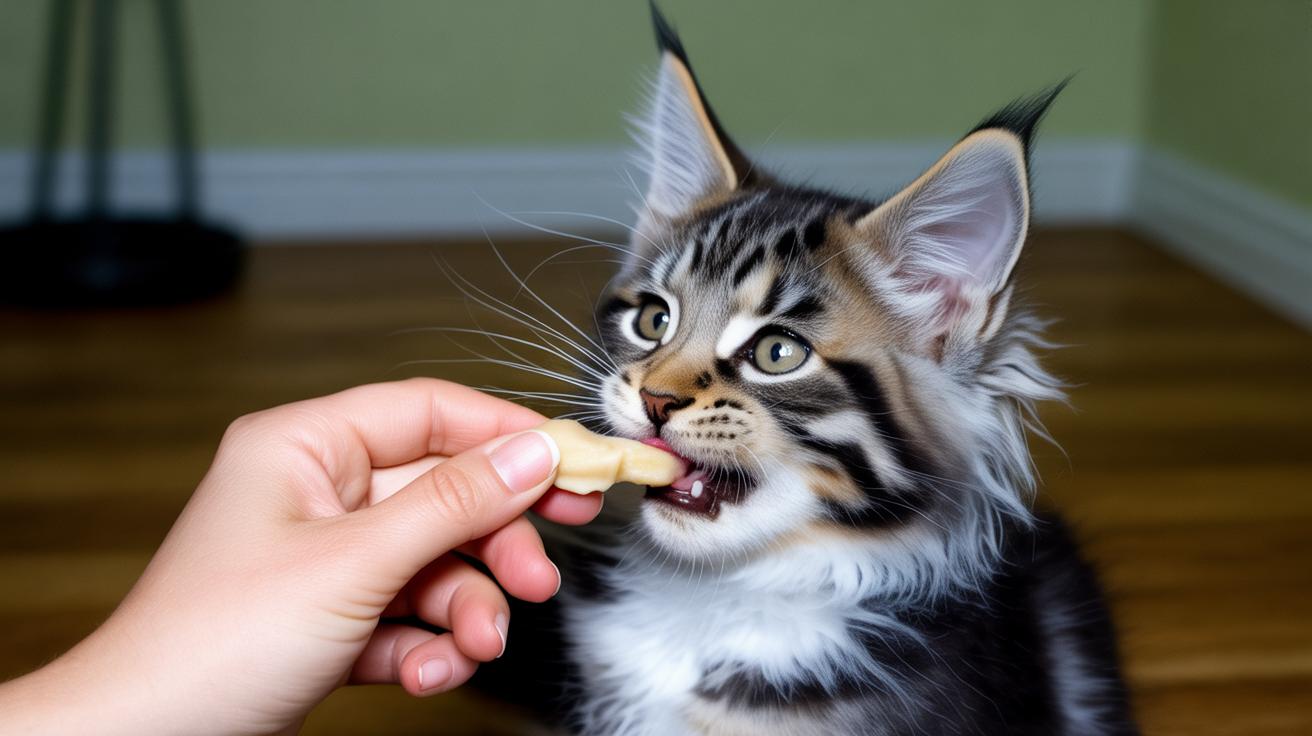
      • Devon Rex – compact and playful, low shedding and easy to groom, great for tighter spaces.
      • Burmese – people-focused and adaptable, happy to hang close by when you’re working or out.
    • Seniors / Calm Households:

      • If you want a gentle companion for quiet days, these breeds are mellow and affectionate.
      • Persian – ultra-lap-friendly and slow-paced, perfect for afternoon naps together.
      • Ragdoll – mellow and cuddly, a repeat because they really do shine in calm homes.
      • Birman – steady and gentle, a soft presence who follows you around like a tiny shadow.
    • Allergy-aware:

      • No cat is truly hypoallergenic, but some breeds can be easier for allergy sufferers to manage.
      • Sphynx – minimal coat, which can cut down on loose hair and help with dander (tiny skin flakes that cause allergies).
      • Devon Rex – low shedding and soft coat, which some people find easier to live with.

    Check each linked profile above for full grooming, health, and adoption details – that will help you pick the best match for your home and heart.

    Reading affection: body language and signs common to loving cats

    - Reading affection body language and signs common to loving cats.jpg

    Knowing how to read your cat makes it easier to tell real attachment from plain attention-seeking. Watch for small actions your cat repeats, those little habits are the clearest signs they’ve bonded with you. Think of it like learning a new language, but cuter and with more fur.

    • Purring , a low, steady rumble (a soft vibrating sound your chest can almost feel) that usually means comfort and contentment. You’ll often hear it when they’re curled on your lap or getting groomed.
    • Kneading , gentle, rhythmic paw presses (think a dough-rising motion) that scream kitten trust; many cats do this when they settle on your chest or a soft blanket.
    • Following you , trailing you from room to room shows trust and a desire to be near you. Ever have a little shadow cat under your feet? That’s not random.
    • Curling on laps , choosing your lap for a nap is peak closeness. Some breeds, like Persians and Ragdolls, are total lap fans. Worth every paw-print.
    • Head bunting / bumping , a forehead nudge that mixes scent-marking with affection (a friendly “this is mine” nuzzle). Read more about what do cat head bumps mean.
    • Rubbing against legs , they’re spreading their scent on you to mark you as safe and familiar; it’s basically a fuzzy hello.
    • Greeting at the door , coming to meet you when you come home after being away is a strong sign they missed you and trust you. Some Ragdolls and mixed domestic cats are great at this.
    • Chirping or conversational meows , short, chatty noises that invite interaction; you’ll hear this a lot from Maine Coons and Siamese types.

    Vocal cats and quiet cats both show love, just in different ways. Siamese and Maine Coon cats might hold full conversations with you, while Persians and Birmans will say less and speak with their posture and purrs. Watch patterns over days, not just one odd moment.

    Quick note: for step-by-step tips to ease clingy behavior, see Managing clingy behavior.

    Training, play, and enrichment to strengthen bonds with affectionate cats

    - Training, play, and enrichment to strengthen bonds with affectionate cats.jpg

    Routine plus positive reinforcement builds trust fast. Keep sessions short, predictable, and playful so your cat looks forward to them. Little wins add up , five to ten minutes a few times a day beats one long marathon. Ever watched your kitty chase a shadow? That kind of quick fun counts.

    1. Five-minute targeted play routine
      Start with a slow warm-up: 0-1 minute of gentle wand movement (think slow swishes). Then crank up the excitement for 1-3 minutes with quick zips and hiding the toy behind a box to spark the hunt. Finish with a 3-5 minute cool-down using a slow rolling ball or a feeder toy (a toy that drops kibble or treats as it moves). Repeat 2-3 times daily for high-energy breeds like Tonkinese and Siamese. It’s short. It’s focused. And your cat gets the satisfying thud of a rolling catch.

    2. Lap-groom plus reward sequence
      Invite your cat onto your lap, brush gently for about 5 minutes using short, calm strokes, then give a small treat right away and praise. Stop while the mood is still happy. Do this after a calm meal for breeds that love close contact, like Burmese and Ragdoll. Worth every paw-print.

    3. Clicker and target training , simple 3-step plan
      Step 1: mark the wanted behavior with a clicker (a tiny handheld device that makes a crisp click sound). Step 2: reward within one second. Step 3: repeat 5-8 times per session. Keep the whole session to 3-5 minutes per day. Small reps, clear signals, big brain wins.

    4. Evening cuddle ritual
      Dim the lights, lay out a soft blanket, and spend 10-20 minutes low-talking and petting your cat. Add a short play burst about 15 minutes before to wear down extra energy. Calm, cozy, cat-approved.

    5. Scent-exchange bedding
      Rotate a small blanket between pets every 2-3 days, and put each item in the other pet’s sleeping spot overnight so scents mix. It’s an easy way to help pets feel familiar with each other without pressure. Humans call it subtle diplomacy, cats call it sniff-time.

    6. Travel-acclimation micro-routine
      Three short steps: leave the carrier (a travel crate for cats) open at home for 10-20 minutes so it becomes a neutral spot; next, put treats inside for 5-10 minutes so the carrier feels rewarding; finally, take a 5-10 minute closed-carrier ride around the block. Repeat over several days. Patience here makes trips much calmer.

    Track progress over 2-6 weeks and tweak timing or rewards if your cat seems stressed or bored. See Grooming and daily care and Breed profiles for breed-specific tips.

    Managing clingy behavior and separation anxiety in affectionate cats

    - Managing clingy behavior and separation anxiety in affectionate cats.jpg

    Some cats are velcro-kittys. Certain breeds , like Siamese, Sphynx, Burmese, and Tonkinese , often form extra-strong bonds. Watch for red flags: nonstop crying when you leave, destructive scratching, refusing food, or over-grooming that creates bald spots. First step, rule out health issues and note that spay/neuter (surgery to remove reproductive organs) can change social needs, so keep an eye on behavior after operations.

    1. Assessment
    • Notice exactly when the behavior shows up: right as you walk out the door, during the day, or mainly at night.
    • Track how bad it gets and what seems to trigger it; keep a simple behavior log for a week.
    • Get a vet check first to rule out medical causes before you start behavior work.
    1. Short-term coping steps
    • Do a 10 to 15 minute vigorous play session before leaving , tire them out with a wand or chase toy.
    • Leave a warm blanket or a worn shirt in their bed so your scent comforts them.
    • Add a timed treat dispenser (a device that spits out treats on a schedule) for distraction and comfort.
    1. Enrichment schedule
    • Aim for three short play bursts of 5 to 10 minutes spread through the day.
    • Use puzzle feeders (food toys that slow eating) at meal times to give them a job and slow down fast eaters.
    • Rotate toys every few days so play stays fresh and interesting.
    1. Gradual desensitization exercises
    • Step 1: leave for 2 to 5 minutes, then come back calmly. Keep arrivals and departures low-key so you don’t reward panic.
    • Step 2: if they stay relaxed, add 5 to 10 minutes each day. Patience here is key.
    • Step 3: over several weeks work up to 30 to 60 minute absences, only increasing time when they’re calm.
    1. Interactive toy use
    • Try automated toys on timers so play feels unpredictable and fun when you’re out.
    • Give window perches and hiding spots so they can watch and feel safe when alone.
    • Think of a teaser wand like a fishing rod for cats , just add feathers and let the cat be the hunter.
    1. When to consult a pro
    • If there’s no steady improvement after 4 to 6 weeks, talk to your vet or a certified behaviorist (a professional trained in animal behavior).
    • Ask for a written behavior plan, and consider medication only as part of a broader strategy, not a quick fix.
    1. Emergency care if self-harm appears
    • If over-grooming causes sores or they stop eating, get urgent vet care right away.
    • You may need temporary confinement to a quiet healing area while following medical advice.

    Behavior change takes weeks to months, so be patient and track progress. Cross-check signs with Reading affection and use Training, play, and enrichment for replacement activities. If you’re rethinking an adoption match, check the Adoption Costs & availability table before making final decisions.

    Worth every paw-print.

    Final Words

    Jumping right into the action: the ranked top-10 list gives a one-line temperament and a suitability tag. Then you'll find short, scannable breed profiles, a centralized adoption costs and checklist, and practical grooming and daily care tips.

    We matched breeds to homes (family, apartment, senior), explained how to read affectionate signals, and shared training and enrichment routines. There’s also a step-by-step plan for managing clingy behavior and separation anxiety.

    Pick a cat that fits your pace, try the bonding routines, and enjoy more cuddles , the most affectionate cat breeds can make a busy multi-cat home cozy and full of purrs.

    FAQ

    What are the most affectionate cat breeds?

    The most affectionate cat breeds are Ragdoll, Maine Coon, Siamese, Birman, Scottish Fold, Persian, Sphynx, Burmese, Tonkinese, and Devon Rex. These breeds often seek human company and enjoy cuddles.

    Which breeds are best for lap cuddling?

    Breeds best for lap cuddling include Ragdoll, Persian, Birman, Burmese, and Ragamuffin — mellow cats that love long snuggles and will happily curl on laps for quiet company.

    Which breeds are clingy or likely to be clingy?

    Breeds often described as clingy include Siamese, Sphynx, Burmese, and Tonkinese; they crave frequent contact, vocalize more, and do best with steady play and human time.

    Are male or female cats more cuddly?

    Whether male or female cats are more cuddly depends more on individual personality, early socialization, and neuter status than on sex; meet cats in person to judge affection.

    What is the kindest type of cat?

    The kindest types of cats are usually gentle breeds like Ragdoll, Birman, and Maine Coon, but true kindness varies by individual temperament and how a cat was raised.

    Which breeds are the least affectionate?

    Less affectionate breeds often include Russian Blue, British Shorthair, Abyssinian, and Egyptian Mau, which tend to be more independent and less focused on laps or constant contact.

    Are there hypoallergenic affectionate breeds?

    No breed is truly hypoallergenic; allergy-aware, affectionate options include Sphynx and Devon Rex, though they still carry dander. Regular cleaning and allergist advice help sensitive people.

    Does a cat’s color affect how affectionate it is?

    A cat’s color does not reliably predict affection; coat hue is far less important than breed, upbringing, and personality, so meet cats in person to judge their friendliness.

    How affectionate are Norwegian Forest Cat, LaPerm, Scottish Fold, Maine Coon, Ragdoll, and Burmese?

    These breeds vary: Ragdoll — very people-loving; Maine Coon — large and friendly; Burmese — loyal and playful; Scottish Fold — gentle; Norwegian Forest Cat — friendly yet somewhat independent; LaPerm — affectionate and curious.

    Related Articles

  • Maine Coon Teething Timeline and Care

    Maine Coon Teething Timeline and Care

    Think kitten teething is quick and harmless? Think again. Maine Coon kittens often take their sweet time, so you’ll see more fuss and more chewing than with a tiny kitty.

    Baby teeth start coming in at about 3 weeks, and adult teeth begin pushing through around 3 to 4 months. Expect some gum soreness (inflamed, tender gums) that can hang around from roughly 5 months up to a year. Yup, that long.

    Kittens get 26 baby teeth, deciduous (baby teeth), and later end up with 30 adult teeth. Since Maine Coons are a large breed, their whole dental timeline stretches out longer than smaller cats. Bigger mouth, slower schedule.

    So what should you do? Calm, simple stuff helps. Offer chilled, soft toys or a cold wet cloth for them to chew on, cold soothes the gums. Swap dry kibble for softer food if they seem picky. And try a short play session to distract them; the satisfying chomp and chase really helps some kitties.

    When should you call the vet? If you see heavy bleeding, swelling that won’t go down, a kitten refusing to eat for more than a day, or signs of infection like pus or fever, get medical help. Also check in if adult teeth aren’t coming in by 6 months or if baby teeth stay loose and never fall out. Better safe than sorry.

    Watching those giant kitten jaws grow is kind of magical, and, uh, hilarious too. Keep a gentle hand, a cold toy nearby, and enjoy the pounces, your Maine Coon will thank you later with epic snuggles.

    Teething Timeline for Maine Coon Kittens (Start-to-Finish guide)

    - Teething Timeline for Maine Coon Kittens (Start-to-Finish guide).jpg

    Most Maine Coon kittens start showing baby teeth at about 3 weeks. Their adult teeth usually begin coming in around 3 to 4 months. Kittens have 26 baby (deciduous) teeth and grow 30 adult teeth. Expect some gum soreness from about 5 months up to a year.

    Big-breed kittens like Maine Coons follow the same schedule as smaller cats, but things run a bit slower. Around 3 months you’ll see lots more chomping and loose baby teeth as adults push through. Middle incisors (front biting teeth) often appear near 14 weeks, with the other incisors by 15–16 weeks. Canines (pointed fangs) and the back molars tend to finish erupting over the next 6 to 12 months. Ever watch a kitten stop mid-bite because a new tooth popped in? Cute. A little dramatic, too.

    Remember, the full adult dentition (your cat’s full set of grown-up teeth) comes in gradually, and Maine Coons keep filling out physically until about 4 to 5 years old. That means the dental picture can look stretched out compared with small breeds. If teeth don’t show up on schedule or gums are very swollen or bleeding, call your veterinarian (See Symptoms and Red Flags section for when to contact your veterinarian).

    Worth every paw-print.

    Age (weeks/months) Baby teeth event Permanent teeth event Notes
    Newborn Born without teeth.
    2–3 weeks Baby (deciduous) teeth begin to appear. First deciduous incisors (small front teeth) erupt.
    6–8 weeks Kittens normally have a full set of 26 baby teeth. All baby teeth usually in place by then.
    3–4 months Start losing baby teeth as adults push through. Permanent teeth begin erupting around 3–4 months. Big jump in chewing and mouthing , toys get a workout.
    14–16 weeks Middle incisors often appear about 14 weeks; the rest by 15–16 weeks. Incisors usually finish by about 16 weeks.
    5 months–1 year Most remaining baby teeth are lost. Teething-related gum swelling and discomfort can happen anytime in this window.
    6–12 months / full dentition Canines and molars finish coming in during this period. Full adult teeth arrive gradually; overall growth continues to 4–5 years in Maine Coons.

    Symptoms and Red Flags

    - Symptoms and Red Flags.jpg

    Teething kittens often chew more, mouth things, give tiny nips, drool a little, paw at their mouths, eat a bit less, and act a touch grumpy. That’s usually normal while baby teeth loosen and adult teeth push through. A few days of extra chewing is fine. Enjoy the cute chaos.

    Look closely for clinical gum signs though. Gingivitis (gum inflammation that makes gums look red or swollen and can cause bad breath) is common , about 8 out of 10 cats show some gum issue at some point. Stomatitis, called Feline Chronic Gingivostomatitis (severe, painful inflammation of gums and mouth tissues), is much less common but a lot worse; in Maine Coons it affects roughly 2% and often brings poor appetite and drooling.

    A vet dental exam usually includes an oral check and dental radiographs (x-rays that show tooth roots and hidden problems). Treatments can include antibiotics and anti-inflammatories (meds that reduce infection, swelling, and pain). In bad stomatitis cases extractions may be needed to stop the cycle of inflammation. Get x-rays before any surgery, and if someone suggests elective extractions for a young kitten, ask for a second opinion from a veterinary dentist. For follow-up scheduling, treatment plans, and what to watch for at home, see Dental Care & Owner Checklist (Checklist section).

    Some signs need fast action. Refusing to eat is a red flag that needs prompt attention. Ongoing weight loss is serious and shouldn’t be ignored. Persistent mouth bleeding, severe drooling with trouble swallowing, or a sudden jump in bad breath all mean see the vet soon. If your kitten stops grooming, hides, or growls at food, that’s a strong clue they’re in pain and need help.
    Worth every paw-print to catch problems early.

    Soothing Techniques and Safe Chew Toys for Teething Maine Coon Kittens

    - Soothing Techniques and Safe Chew Toys for Teething Maine Coon Kittens.jpg

    Cold toys and chilled chews give the quickest relief. Pop a soft rubber chew or a safe toy in the fridge or freezer for a few hours and your kitten will get a few minutes of cool, numbing comfort , picture tiny teeth on a frosty rubber ear. Keep sessions short and supervised so the toy doesn’t get chewed into bits. It’s simple, and your kitten will thank you with tiny, satisfied nibbles.

    Big-breed mouths need bigger, tougher toys. Pick items that match a Maine Coon’s jaw size so they can chew without swallowing a chunk. Durable, plain shapes hold up to heavy mouthing and save your socks from becoming chew toys, honestly.

    Vet-safe chew toy materials

    Good choices include:

    • Food-grade silicone (soft, non-toxic rubber-like material).
    • Hard rubber (tough, non-toxic rubber).
    • Textile options (woven fabric that resists shredding).

    Each of these resists quick breakdown, but if you’re unsure about a brand, ask your vet. For the full safety checklist and when to toss a toy, see Dental Care & Owner Checklist (Checklist section).

    DIY and chilled/frozen toy remedies

    Try this easy trick: wet a clean washcloth, seal it in a freezer bag, and chill it for a few hours. Or stick a vet-safe silicone toy in the fridge briefly. Offer chilled items for short 5–10 minute sessions while you watch, then take the toy away. Never leave frozen or small DIY bits unsupervised , safety first, and fewer emergency vet calls, phew.

    A quick personal note: my cat Luna once went nuts for a chilled washcloth and then flopped down for a nap. Worth every paw-print.

    Diet and Feeding Adjustments During Maine Coon Teething

    - Diet and Feeding Adjustments During Maine Coon Teething.jpg

    Teething can make a kitten eat less for a little while. Try softer food or wet meals so your kitten still gets enough calories (caloric intake = how many calories they get). Give smaller, moister portions more often. Warm the food a bit to make it smell extra tempting, and try gentle hand-feeding for picky moments. If your kitten refuses food for 48 to 72 hours, contact your veterinarian (See Symptoms and Red Flags).

    Transitioning to adult food usually lines up with the arrival of permanent teeth. Big-breed kittens like Maine Coons often need a slower, milestone-based switch that matches their dental and growth pace. For short-term relief, swap one or two meals a day to wet food or moistened kibble and keep a close eye on weight. For safe texture ideas and typical diet guidance, see what do maine coon cats eat.

    When you’re ready to move to adult formulas, time the change to permanent tooth eruption and steady growth markers rather than a calendar date. Pick a high-protein, large-breed formula that supports joints and size (large-breed = made for bigger, heavier cats). If appetite or weight loss sticks around, get veterinary help and bring a simple feeding log so they can see what and when your kitten has been eating.

    Weaning and soft-food options

    Offer wet food, moistened kibbles, and smaller, frequent portions so each bite is easy on sore gums. Watch for choking with very thick gruels; supervise the first few offers and pull back if it seems hard for them.

    Timing the switch to adult food for large-breed kittens

    Match the change to the arrival of permanent teeth and steady weight gain, not just age alone. Think growth and dental milestones first, this helps big kittens grow into strong adults without getting over or underfed.

    Managing Behavior: Nipping, Chewing, and Play During Maine Coon Teething

    - Managing Behavior Nipping, Chewing, and Play During Maine Coon Teething.jpg

    Teething makes mouthing and nipping worse. Your kitten’s gums are sore, so chewing really helps; that’s why socks, fingers, and bigger tugs show up more often with a Maine Coon’s larger jaws. Bigger mouths need bigger toys, so redirecting chewing to safe items is extra helpful for this large-breed stage.

    When a bite happens, stop play and pull your attention away right away. Offer a chilled chew toy (soft rubber you can cool in the fridge) or a durable chew like a nylon toy (polymer – tough plastic). If the kitten grabs the toy, praise them and go back to play. Repeat: stop play, offer the toy, reward use, then continue. Short, regular play sessions work best. Rotate toys so things stay interesting, and reward gentle mouthing to teach limits. No yelling needed.

    Keep kids and other pets safe by supervising rough play and setting a clear rule: hands are not toys. For furniture chewing, place chew targets nearby and block unsupervised access to tempting fabrics. See [Dental Care & Owner Checklist](Dental Care & Owner Checklist) for a full toy-safety checklist and guidance on when to remove a toy.

    Redirecting chewing to safe targets

    Swap your hand or shoes for a chilled chew toy right after a nip so the kitten learns the trade. Offer a range of textures: soft rubber (cool and squishy), nylon (tough polymer – long-lasting), or puncture-proof fabric (reinforced weave for heavy chewers). Rotate toys every few days to keep novelty high. Check the Checklist for discard cues like big cracks, stuffing leaks, or loose bits.

    Teaching bite inhibition and supervision tips

    Teach bite inhibition (helping kittens learn how softly to bite) by pausing play on a bite and using a calm verbal cue. If needed, give a very short time-out, then restart with a toy. Supervise child-kitten interactions, keep sessions brief, and set firm, simple rules so everyone stays safe and happy.

    Dental Care & Owner Checklist

    - Dental Care  Owner Checklist.jpg

    Routine tooth care cuts down plaque that can lead to gingivitis and periodontal disease. Think of this checklist as your daily map for keeping a teething Maine Coon kitten comfy and cavity-free. Aim to brush 2–4 times a week with a feline enzymatic toothpaste (toothpaste with enzymes that help break down plaque). Daily is ideal, but I get it – that can be tough. Ever watched your kitty decide the toothbrush is a chew toy? Uh, same.

    A quick note on products: look for VOHC-approved items (VOHC = Veterinary Oral Health Council) when you can. That approval helps pick things shown to reduce plaque and tartar.

    • Daily: quick visual mouth check. Lift the lips and look for obvious swelling or bleeding.
    • Daily: note appetite and any drooling. If something looks off, snap a photo.
    • Weekly: weigh the kitten and write down the number. Small changes can matter.
    • 2–4 times weekly: brush with feline enzymatic toothpaste (see above). Start gentle using a finger brush or gauze (soft cloth) so it feels okay for your kitten.
    • Ongoing: offer a rotation of chilled chew options (soft chews or rubber toys kept cool); limit frozen sessions to short, supervised times so their teeth stay safe.
    • Weekly: check toys for tears and toss anything shredded or sharp. A ripped toy can hide a tooth hazard.
    • Photograph protocol: take two angles – straight on of the front teeth with the mouth open, and a side view showing the canines. Use good light, steady your phone, and repeat weekly if you see changes.
    • Schedule a first pro dental check by the time permanent incisors start coming in, about 3 to 4 months old, or sooner if red flags pop up.
    • If persistent red-flag signs show up (see Symptoms and Red Flags), contact your vet right away and have your photo log ready for a remote consult.
    • Before any elective extraction in a young kitten, get a second opinion and request dental radiographs (dental x-rays) so hidden roots or bone problems aren’t missed.

    Good photos speed triage. Use natural light, keep your phone steady, and label files with the date and a short note – for example "Jun10_leftcanine_swelling". If you send images to a clinic or telemedicine service, include the weight log and appetite notes so the vet can see trends. Compress big files if you need to, but keep the originals in case higher-res images are requested.

    Book a professional dental exam when permanent incisors are erupting (about 3 to 4 months) unless you hit a red flag sooner. Ask for dental radiographs before any extraction. For tricky cases, seek out a veterinary dental specialist and get that second opinion before elective tooth removal. Worth every paw-print.

    Final Words

    First baby teeth at 3 weeks; permanent teeth begin erupting at 3–4 months; 26 baby teeth, 30 adult teeth; gum soreness window ~5 months–1 year.

    Big-boned kittens follow the same map but on a slower clock, especially for big canines and molars. Expect canines and molars to keep moving in through 6–12 months, with some lingering gum swelling while that happens.

    Their skeletons keep growing to 4–5 years, so dental change can feel drawn-out. Stick to gentle routines and chilled chews. With a little patience, maine coon teething will end with healthy smiles and playful pounces.

    FAQ

    Maine Coon Teething FAQ

    When do Maine Coon kittens start teething and how long does it last?

    Baby (deciduous) teeth appear at about 3 weeks. Permanent teeth begin erupting around 3–4 months. Gum soreness is most likely between roughly 5 months and 1 year, though skeletal growth can continue to 4–5 years.

    How many baby and adult teeth do Maine Coons have and how do they compare to normal cats?

    A kitten normally has 26 baby teeth and an adult cat has 30 permanent teeth. Maine Coons have the same tooth counts as other cats, though teeth may be proportionally larger in large-breed kittens.

    What are common teething symptoms in Maine Coon kittens?

    Common signs include increased chewing and mouthing, mild drooling, pawing at the mouth, brief appetite dips, and disrupted sleep in young kittens. These usually pass as teeth come in.

    What is stomatitis and how common is it in Maine Coons?

    Stomatitis (Feline Chronic Gingivostomatitis) is severe mouth inflammation. It affects roughly 2% of Maine Coons. Around 8 in 10 cats may experience some gum issue at some point.

    How can I soothe teething pain and what toys are safe?

    Offer chilled or briefly frozen soft rubber or food‑grade silicone toys (non-toxic). Choose larger, durable sizes for big-breed kittens and supervise short frozen sessions to avoid choking.

    When should I see a vet for teething problems?

    See a vet if the kitten refuses to eat, loses weight, has persistent mouth bleeding, severe drooling, sudden worsening bad breath, or signs of severe pain. Exams often include dental radiographs (x‑rays).

    When should I switch my Maine Coon to adult food during teething?

    Time the switch around permanent tooth eruption and growth markers rather than a strict age. Large‑breed kittens often benefit from adult formulas designed for bigger mouths.

    How do I stop nipping and chewing during teething?

    Stop play immediately on a bite, offer a safe chew toy, reward gentle play, rotate toys for novelty, and supervise children and other pets during energetic sessions.

    Where can I find real-life teething stories and photos?

    Reddit and breed forums are good sources for real-life teething stories and photos. Use caution with advice you find online and consult a veterinarian for health concerns.

    What does “Maine Coon syndrome” mean?

    “Maine Coon syndrome” is an informal phrase often used to refer to breed-linked conditions such as hypertrophic cardiomyopathy (HCM) or hip dysplasia. Ask your breeder or veterinarian for specifics.

    Related Articles

  • Small Cat Breeds: Size, Care, Adoption Tips

    Small Cat Breeds: Size, Care, Adoption Tips

    Think small cats are just tiny couch potatoes? Not true. Lots of little kitties are sneaky acrobats, chatty companions, or devoted lap pals, and you’ll catch them pouncing, chirping, or melting into a warm nap on your chest.

    Ever seen a Munchkin (short-legged breed) zip across the hardwood like a furry bullet, little paws thumping and whiskers forward? It’s a riot. Your cat’s whiskers twitch as the toy rolls and suddenly the whole room has life again, claw-tastic chaos, in the best way.

    Many compact breeds (cat types) pack huge personalities while taking up very little space. They adapt to apartments, love short bursts of play, and often nap happily in sun patches. Quick care basics: fresh water, vet checkups, and a scratching post (a board or post cats use to file their nails) plus ten minutes of active play a day keeps them happy.

    Below you’ll find quick picks, easy care notes, and smart adoption tips to match a small cat to your apartment size, family energy, and how much time you’ve got for play. Ready to find your purrfect roommate? Worth every paw-print.

    Quick picks: best compact companions for apartment and family living

    - Quick picks best compact companions for apartment and family living.jpg

    Looking for a small, friendly cat that fits apartment life or a busy family? Here are six compact breeds that tend to do well in smaller spaces , each note says size, personality, and a quick care tip.

    1. Singapura – 4 to 8 lbs. Affectionate and curious, this little lap cat loves attention and quiet laps. Short coat (fur), low-maintenance grooming (weekly brush) , Jump to Singapura profile – Section 3; size table – Section 2; buying checklist – Breeding ethics, health screening, and purchasing checklist

    2. Munchkin – 4 to 9 lbs. Playful and fast on flat floors, Munchkins zip around like tiny athletes; they’re great for families who like active, goofy cats. Minimal grooming, but watch for orthopedic concerns (bone and joint problems) , Jump to Munchkin profile – Section 3; size table – Section 2; buying checklist – Breeding ethics, health screening, and purchasing checklist

    3. Devon Rex – 5 to 9 lbs. People-oriented and mischievous, this one’s a snuggler with goofy energy. Very fine, wavy coat (thin, curly fur) needs gentle weekly care and a bit of skin attention (monitor for dryness or irritation) , Jump to Devon Rex profile – Section 3; size table – Section 2; buying checklist – Breeding ethics, health screening, and purchasing checklist

    4. Cornish Rex – 5 to 9 lbs. Athletic and playful, Cornish Rexes love zooming and jumping; they stay lean with regular activity. Soft, short waves (curly fur) need gentle handling and regular play to keep muscles toned , Jump to Cornish Rex profile – Section 3; size table – Section 2; buying checklist – Breeding ethics, health screening, and purchasing checklist

    5. Japanese Bobtail – 5 to 10 lbs. Smart, vocal, and lively, these cats are chatty and love interactive play. Moderate grooming and regular dental checks (teeth exams) are recommended for long-term health , Jump to Japanese Bobtail profile – Section 3; size table – Section 2; buying checklist – Breeding ethics, health screening, and purchasing checklist

    6. American Curl – 5 to 10 lbs. Friendly and adaptable, often with dog-like loyalty; they’re great with families and newcomers. Routine ear care (cleaning inside the ear) and standard grooming keep them comfy and happy , Jump to American Curl profile – Section 3; size table – Section 2; buying checklist – Breeding ethics, health screening, and purchasing checklist

    Worth every paw-print.

    Size, growth timeline and lifespan (canonical numbers table)

    - Size, growth timeline and lifespan (canonical numbers table).jpg

    This table is the go-to, canonical source for comparing adult weight, full growth age, and typical lifespan. Writers and editors, please reference this table instead of repeating numeric ranges elsewhere. It keeps everyone on the same page.

    Growth depends on a few things: genetics (DNA traits), nutrition (calories, protein, and feeding schedule), and neuter timing (when you spay or neuter your cat). Ever watched a kitten suddenly shoot up overnight? Yeah. Small cats can gain or lose a big share of their body weight with just a few ounces (ounces are a small unit of weight; 16 ounces = 1 pound), so track changes closely.

    Weigh kittens every 1 to 2 weeks and weigh stable adults about once a month. Use the same scale (a consistent weighing device) each time and keep a quick log so you spot trends early. Sudden weight shifts can mean a health problem that needs a vet check.

    Breed Adult weight (lbs) Full growth age (months) Typical lifespan (years)
    Singapura 4–8 12–18 12–18+
    Munchkin 4–9 12–18 ~12–15
    Devon Rex 5–9 12–18 12–15
    Cornish Rex 5–9 12–18 11–15
    Japanese Bobtail 5–10 12–18 12–16
    American Curl 5–10 12–18 10–16
    Burmese ~6–10 12–18 12–16
    Toybob 3–7 12–18 12–15

    Worth every paw-print.

    (Resource: when do cat stop growing)

    Natural small-breed profiles: temperament, care and health notes (detailed expansion)

    - Natural small-breed profiles temperament, care and health notes (detailed expansion).jpg

    Natural small breeds come from regular gene pools, not from being bred down to extra-tiny sizes. Designer or dwarf-derived cats, like Bambino or Dwelf, can have different health risks and care needs, so treat them as a separate group. Don’t restate weight ranges here – check the size table in Section 2 for numbers, growth age, and lifespan.

    Singapura

    Singapuras are total lap cats who really want to be near people. They have short, sleek fur that purrs softly under your hand and only needs an occasional brush to stay shiny. Portion-controlled meals help stop them from packing on extra pounds and keep their energy steady; a few minutes of interactive play right after eating is great for bonding and weight control. See size table (Section 2) and buying checklist (Breeding ethics, health screening, and purchasing checklist) for screening and purchase guidance.

    Munchkin

    Munchkins have those short legs from a dominant gene, but don’t mistake them for slow – they scoot fast on flat floors and zoom around like little rockets. Grooming is simple, but watch for orthopedic signs (limping, stiffness) and ask breeders for health clearances (veterinary checks that confirm joint and spine health). Small home tweaks – ramps, low shelves, and soft landing spots – make life easier and reduce strain on the spine. See size table (Section 2) and buying checklist (Breeding ethics, health screening, and purchasing checklist) for screening and purchase guidance.

    Devon Rex

    Devon Rexes are playful troublemakers who love people and attention. Their coat is very fine and wavy, so you’ll want gentle weekly care and to keep an eye on the skin – it can feel warm and sensitive under your fingers. Some lines show hereditary myopathy (a genetic muscle weakness) and patellar luxation (knee-cap slipping), so vet screening matters before you buy. Measured meals help keep their weight steady and their zoomies healthy. See size table (Section 2) and buying checklist (Breeding ethics, health screening, and purchasing checklist) for screening and purchase guidance.
    Cornish Rex

    Cornish Rexes are lively, athletic clowns with soft, rippled fur that’s a joy to stroke. They share some hereditary concerns with Devon Rex, so routine vet checks are a smart idea. Daily play keeps their muscles toned and their curious minds from getting bored – think puzzle feeders or a high perch to leap to. See size table (Section 2) and buying checklist (Breeding ethics, health screening, and purchasing checklist) for screening and purchase guidance.

    Japanese Bobtail

    Japanese Bobtails are clever, chatty, and playful – expect lots of chirps and conversation. Moderate grooming keeps their coat tidy, and regular dental checks are wise because their jaw shape can affect how teeth line up and wear. Give them varied toys and puzzle play to keep their clever brains busy – they love a challenge. See size table (Section 2) and buying checklist (Breeding ethics, health screening, and purchasing checklist) for screening and purchase guidance.
    American Curl

    American Curls are friendly and adaptable, often acting a bit dog-like in how they follow you around and greet guests. Their trademark curled ears are adorable, but check them regularly and clean gently to avoid irritation or infection. Consider standard breed testing to catch inherited issues early – it’s simple and gives you peace of mind. They thrive on steady attention and predictable routines, so consistency makes them very happy. See size table (Section 2) and buying checklist (Breeding ethics, health screening, and purchasing checklist) for screening and purchase guidance.

    Breeding ethics, health screening, and purchasing checklist

    - Breeding ethics, health screening, and purchasing checklist.jpg

    Dwarf-derived breeds include Bambino, Dwelf, Kinkalow, Minuet, Minskin, Lambkin, and Skookum. These are breeds created by mixing dwarfism traits into other cats, not naturally tiny lineages. "Teacup" is a sales label, not a breed standard, and often signals breeders who focus on size instead of health. Ever seen a cute tiny kitten ad and wondered if something was off? Ask early questions about health history and breeder practices because tiny can be adorable and risky.

    Genetics of short-legged forms

    Many short-legged traits come from a single-gene dominant mutation (one DNA change that shows up even if the cat has only one copy). Breeding two cats that both carry that gene can make homozygous kittens (two copies of the same gene), and that raises the risk of serious problems. Reported issues include lordosis (an exaggerated inward curve of the spine), pectus excavatum (a sunken chest), joint pain and mobility trouble, and in extreme miniaturization cases breathing or heart stress. Responsible breeders avoid pairings that could produce harmful homozygous kittens and they work with veterinarians or genetic counselors to screen mating pairs. Smart move.

    Ask sellers and rescues for specific health screenings before you commit. Good checks include orthopedic X-rays (bone images to look for deformities), cardiac exams like auscultation (listening with a stethoscope) or an echocardiogram (a heart ultrasound) when recommended, and any genetic test results that exist. Request pedigree documentation (a family tree) and recent veterinary exam records for both parents and kittens. Also ask for references from past buyers and a clear plan of what the seller will do if a hereditary condition appears after adoption.
    Price and ethics vary a lot. Shelter and rescue adoption fees usually run about $50 to $250 and often include initial vaccinations and spay/neuter. Reputable pedigreed kittens from breeders who prioritize health commonly cost $800 to $3,000 or more because breeders invest in testing and veterinary care. Be cautious of sellers who keep promising extremely tiny sizes or pushing "rare" or "teacup" outcomes without paperwork; those are common red flags that size is being prioritized over welfare.

    Watch for these clear red flags:

    • No health paperwork for parents or kittens.
    • Pressure to buy sight unseen or rush the sale.
    • Refusal to allow a pre-purchase vet check.
    • No written return policy or health guarantee.

    If you see any of those, step back. Good alternatives include breed-specific rescue groups, shelters with vetted small-breed listings, or breeders with transparent waiting lists, documented health plans, and follow-up support. I once adopted a mischievous mix, worth every paw-print, so shelter options can be great.

    Final checklist before bringing a kitten home:

    • Verify orthopedic and cardiac clearances in writing.
    • Get genetic test reports and pedigree copies on paper or email.
    • Ask for a written health guarantee with clear return or reimbursement terms.
    • Confirm kittens had basic socialization and behavior checks.
    • Request a short vet-check window after adoption, for example a 72-hour health review.
    • Favor shelter or rescue options when possible, and choose breeders who offer ongoing support and clear medical records.

    You’ll feel better knowing you did the homework. Your future pouncer will thank you.

    Feeding, preventive care and daily health checks for small breeds

    - Feeding, preventive care and daily health checks for small breeds (reference canonical table).jpg

    Feed a high-quality, protein-forward diet and treat portions like delicate math , small cats can swing several percent of their body weight from just a few bites. Start with about 1/4 to 1/2 cup of dry food per day as a rough guideline, split into several small meals so energy stays steady and blood sugar stays calm. (See the size/growth/lifespan table in Section 2 and this growth timeline: when do cat stop growing.)

    Schedule routine vet checkups every 6 to 12 months, and bring kittens or higher-risk breeds in more often. Follow standard vaccination timelines but ask your vet to tweak timing for tiny kittens or special-needs breeds. Microchipping (a tiny ID chip placed under the skin) is a smart safety step , it makes reunions way less stressful if your cat slips outside.
    Watch joints closely, especially in short-legged types like Munchkins; limping, stiffness, or trouble jumping usually means a vet visit. Look for hypoglycemia (low blood sugar) in very small kittens , tremors, weakness, or sudden lethargy are red flags. Also note dental problems in breeds with unusual jaw shapes. Keep portion control front and center, since a few extra bites can mean real weight gain in a 4 to 10 pound cat.

    Daily care adds up. Trim nails with clippers sized for small breeds, groom fine or curly coats gently (curly coat = soft, wavy fur that benefits from light weekly brushing), and brush teeth or use dental treats to help cut plaque. Fit soft landing pads and easy-step shelving instead of long drops, and use timed feeders or puzzle feeders to keep meals regular and mentally stimulating. Talk to your vet about the best timing for spay/neuter to support healthy growth and behavior (see age milestones: when do cat stop growing).

    Living with small cat breeds: apartment life, children, dogs, and home adjustments

    - Living with small cat breeds apartment life, children, dogs, and home adjustments.jpg

    Small, compact cat breeds usually do great in apartments and family homes. They take up less floor space, eat smaller portions, and often love laps and interactive play. If you want quick, practical setup tips, skip down to the Living with small cat breeds section.

    Introduce other pets slowly over 7 to 14 days. Start with short, calm visual contact, then swap scents (a towel or toy) and move to brief supervised visits as everyone relaxes. Watch body language, flattened ears, puffed tails, or a tucked posture are signs to slow down, and give your cat clear escape routes like a nearby shelf or a gated room so they can opt out.

    Make small, thoughtful home changes that fit tiny bodies. Use low-entry litter pans (low-sided litter tray) with a 2 to 3 inch low rim so short legs can step in easily. Add easy-step shelving or gentle ramps instead of tall, long-drop perches so jumps end with a soft landing. Feed in divided small meals or use timed feeders (automatic food dispensers) and puzzle bowls (food-dispensing toys) sized for smaller kibble so portions stay steady and energy stays even.

    Tiny breeds can get stressed if left alone too long, especially the ones who shadow you around the house. Rotate short play sessions, build a calm pre-leave routine, and leave puzzle toys or safe chew items to keep the mind busy. For long stretches, try a timed treat or a quick video call, yep, cats notice your voice, and you’ll cut back on anxiety and keep weight steady.

    Worth every paw-print.

    Enrichment, toys and furniture sized for compact cats

    - Enrichment, toys and furniture sized for compact cats (reference living setup).jpg

    Start with scaled enrichment. Cat trees and wall shelves mounted at moderate heights , about 4 to 5 ft , give tiny cats the vertical options they crave without scary drops. Add soft, multi-level steps or ramps so short-legged breeds can climb and jump without big launches. Ever watched your kitty’s whiskers twitch as they edge up a ramp? It’s the best.

    Stock a mix of gear made for small bodies. Puzzle feeders (food-dispensing toys) that fit small kibble (small dry cat food) slow down meals and turn dinner into a brain game. Pick lightweight teaser wands with soft, replaceable tips so little paws can bat without getting hurt, and so multi-cat households avoid tug-of-war. Toss in snug plush hideaways that actually fit a tiny curled-up cat, ramped perches that end in soft landings, and secure balcony enclosures using mesh or net panels (breathable safety fabric) sized to lower fall risk. And for litter setup, rely on the Living section for exact placement and low-entry pans (litter boxes with a lowered rim) so we don’t repeat those specs here.

    Play short and often. Aim for three 5 to 10 minute bursts a day , quick sprints to build muscle and help manage weight. Rotate a small set of toys weekly to keep things novel, and swap textures , fuzzy, crinkly, feather , so curiosity stays sharp. Little, regular sessions beat one long marathon every now and then. Worth every paw-print.

    Final Words

    In the action, we opened with quick picks and a ranked six-breed list, then laid out the canonical size and lifespan table, gave focused breed profiles, combined buying and ethics guidance, and mapped feeding, living-setup and enrichment advice.

    Practical takeaways: weigh petite pets often, ask for health clearances, choose low-entry litter and ramped perches, split meals into small portions, and rotate scaled toys for short daily play sessions.

    Pick the best match among small cat breeds, add durable toys and thoughtful setup, and you’ll enjoy playful, healthy company. Worth every paw-print.

    FAQ

    What breed of cat stays small?

    The breeds that tend to stay small include Singapura, Toybob, Munchkin, Burmese, Japanese Bobtail, and some rex types — compact builds that suit apartments and smaller households with modest food needs.

    Is there a teacup cat?

    There is no official teacup cat breed; “teacup” is a sales term and often signals risky miniaturization, so choose rescues or breeders who provide clear health paperwork and honest size info.

    What are the best small cat breeds or top smallest breeds?

    The best compact picks are Singapura, Munchkin, Devon Rex, Cornish Rex, Japanese Bobtail, and American Curl — social, apartment-friendly breeds that pair playful personalities with modest space and food needs.

    Are any small cat breeds hypoallergenic?

    No breed is truly hypoallergenic, but small-coated types like Devon Rex and Cornish Rex shed less and may suit allergy-prone people; always meet the cat to check personal reactions before adopting.

    What is a Munchkin cat and should I buy one?

    A Munchkin cat is short-legged from a dominant mutation (a single-gene change affecting limb length); they’re playful but buyers should request orthopedic and genetic clearances from breeders before buying.

    Where can I buy or adopt small cat breeds safely?

    You can adopt from rescues or buy from breeders who provide health clearances, pedigrees, and vet records; avoid sellers with no paperwork, pressure tactics, or refusals for independent vet checks.

    What are the best indoor cats for apartments?

    The best small indoor cats include Singapura, Devon Rex, Cornish Rex, and American Curl — they adapt to indoor play, enjoy human company, and benefit from scaled furniture and daily interaction.

    What is the name for a very small cat?

    Very small cats are often called “teacup” or “toy” informally; Toybob is an actual small-breed name, while “teacup” remains a marketing label rather than an official breed term.

    Which small cat breeds are good with children and families?

    Small breeds good with children include American Curl, Singapura, and Japanese Bobtail; they tend to be social and tolerant, but supervise early interactions and teach gentle play to protect tiny bodies.

    Related Articles

  • Cat Breeds That Don’t Shed for Allergies

    Cat Breeds That Don’t Shed for Allergies

    Think you can't have a cat because of allergies? Not necessarily. Want a furry roommate who doesn't leave a fur snowstorm on your black sweater every morning? You're closer than you think.

    Some breeds shed very little, and lots of allergy sufferers say their sniffles calm down around these cats. Picture your nose relaxing while your cat's whiskers twitch as a toy rolls across the floor. Nice, right?

    Here are five practical low-shed picks to consider: Balinese (long-haired but low-shed, like a silky Siamese cousin), Sphynx (hairless, so fur isn't the problem but they need regular baths), Russian Blue (short, dense coat that often causes fewer reactions), Cornish Rex (soft, tight curls that don't shed much) and Devon Rex (curly coat and playful energy). Quick note: Fel d 1 is the main cat allergen protein (a tiny protein made in a cat’s skin and saliva), and different breeds can produce different amounts or spread it differently.

    How to choose one that fits your home? Meet the cat first if you can, spend 15–30 minutes and see how your body reacts. Groom regularly and use a HEPA filter (an air filter that traps tiny particles) in common rooms. Keep bedrooms cat-free for allergy-free sleep, and remember Sphynx cats need skin care and baths more often. Little changes can make a big difference, and yes, you might still get to be feline fine.

    Top cat breeds that don't shed: quick TL;DR picks, selection criteria, and how to use this list

    "Doesn't shed" here means low visible fur transfer and minimal loose-hair upkeep. TL;DR picks: Balinese; Sphynx; Russian Blue; Cornish Rex; Devon Rex , great starting breeds for allergy-prone homes.

    I chose these breeds by looking at real-world shedding (how much fur ends up on your clothes and couch), reported allergen tendencies like Fel d 1 (the main cat allergen protein), owner feedback, routine grooming needs, typical temperament and energy, and how easy they are to find from rescues or reputable breeders. I also leaned on breeder notes and shelter reports so this feels practical, not just textbook.

    Breed Shedding level Hypoallergenic potential Grooming needs Temperament
    Balinese Long hair but low visible shed Often lower allergen reports (Fel d 1 may be less) Weekly brushing to prevent mats Affectionate and talkative, loves people
    Sphynx Hairless – little to no fur transfer Can be better for some allergy sufferers Weekly baths to remove skin oils Warm, outgoing, very people-oriented
    Russian Blue Short dense coat, low shed Reported lower Fel d 1 levels (varies) Occasional brushing Quiet, loyal, a bit shy with strangers
    Cornish Rex Very short, curly coat – very low shed Often low dander (dander = tiny skin flakes) Light grooming, gentle wipes as needed Playful, social, loves interaction
    Devon Rex Short wavy coat, minimal loose hair Many owners report low dander Soft wipes and occasional brushing Affectionate and mischievous
    Bengal Short pelt-like coat, low visible hair Less noticeable shedding for many people Weekly brushing High energy, very playful and smart
    Oriental Shorthair Short, sleek coat – low shed Often lower allergen reports Minimal brushing Chatty and bonded to their person
    Siberian Long, dense coat – shedding varies Variable allergen reports (some studies show lower Fel d 1) Weekly brushing, more in heavy-shed seasons Friendly family cat, calm and playful
    Javanese Semi-long hair, low visible shed Relatively low dander reports Regular combing to keep coat tidy Vocal and affectionate
    Korat Short single coat, low shed Many owners report low shedding Easy grooming, occasional brushing Affectionate and talkative
    Singapura Very short coat, minimal loose hair Low shedding, often good for homes with allergies Minimal grooming Curious, social, compact and active
    Peterbald Nearly hairless to very short coat Often lower dander, but skin care matters Skin care and sun protection recommended Affectionate and intense, loves contact

    Use this table as a quick comparison when shortlisting breeds. If you have allergies, try a supervised visit with the cat and consider an allergist or allergy test. Also see the Adoption section for a full allergy-testing protocol. Ever visited a shelter and just watched a cat curl up on a lap? That moment can tell you more than a spec sheet. Worth trying before you commit.

    Shedding versus allergies for cat breeds that don't shed

    - Shedding versus allergies for cat breeds that dont shed.jpg

    Fel d 1 (the main cat allergen protein; produced in skin and saliva) is what causes most people’s symptoms. It spreads when dander (tiny skin flakes) or dried saliva latch onto fur, clothes, dust, and pillows, then float back into the air. Low visible shedding means less loose hair floating around, but it doesn’t erase Fel d 1. Think of Fel d 1 as a microscopic hitchhiker that rides on fur and dust, not just on clumps of shed hair.

    Visible shedding and allergen levels don’t always match up. Saliva and skin make Fel d 1, so even hairless cats still produce the protein. So yes, a cat that looks like it doesn’t shed can still trigger allergies. It’s a little counterintuitive, I know.

    Some breeds tend to show lower measured or reported Fel d 1 levels: Balinese, Bengal, Oriental Shorthair, Russian Blue, and Siberian often come up in studies and owner reports. But results vary by study, and individual cats within a breed can be totally different. So those breed names are useful starting points, not guarantees.

    Practical plan if you’re allergic but want a cat: get real-world exposure first, spend supervised time with the cat, or arrange a short in-home trial if you can. Talk with an allergist about testing or treatments, and consider keeping a strict cleaning routine to cut down on dust and allergens. For step-by-step allergy-testing guidance, see the Adoption section for the full protocol.

    Hairless and Rex cat breeds that don't shed: focused care, bathing, sun protection, and trade-offs

    - Hairless and Rex cat breeds that dont shed focused care, bathing, sun protection, and trade-offs.jpg

    Hairless cats, like the Sphynx, have little or no fur and keep skin oils on the surface. Their skin can feel warm and a little suede-like, and they need skin care more than brushing. Rex breeds, like the Cornish and Devon Rex, have short, curly, or downy coats (downy = a soft under-hair) that hold onto fewer loose hairs. That coat difference changes everyday care: hairless cats need regular baths, while Rex coats do best with gentle wipe-downs and light grooming.

    Bathe hairless cats about once a week to lift away oil buildup. Use lukewarm water around 98–100°F (37–38°C) and a very mild, fragrance-free cat shampoo diluted about 1:10 (one part shampoo to ten parts water) , for example, one tablespoon shampoo to ten tablespoons water. Rinse fully, towel dry, and if your cat tolerates it, use a low-heat blow dryer on a gentle setting. Keep an eye on the skin for persistent redness, open sores, flaky patches, or greasy clingy oil; if you see those, stop bathing and check with your vet.

    Sun protection and warmth are big deals for hairless kitties. Talk to your vet about a pet-safe sunscreen (avoid human sunscreen with zinc oxide unless your vet says it’s okay) or try lightweight clothes for sunny window naps. Indoors, aim for cozy temps around 68–74°F (20–23°C); hairless cats will hunt for blankets or sweaters in cooler rooms. Sunburn looks like pink, sensitive patches that flake; cold stress shows as shivering or a hunched, tucked posture.

    Weekly basics and helpful routines:

    • Bath steps: gather supplies, wet gently, apply diluted shampoo, rinse well, towel dry, low-heat blow dry if tolerated.
    • Rex coat care: soft microfiber cloth or grooming wipes once a week to remove surface oils.
    • Recommended products: fragrance-free cat shampoo, microfiber towels, hypoallergenic grooming wipes (hypoallergenic = less likely to irritate skin).
    • Ears: check weekly; wipe the outer ear with a damp cloth, but don’t push cotton swabs into the ear canal.
    • Skin checks: look for redness, bumps, flaky patches, sores, odd smells, or too much oil.
    • Indoor climate: keep it around 68–74°F (20–23°C) and offer warm beds or sunny spots.
    • Call the vet if you see persistent skin lesions, bleeding, sudden hair loss, or big behavior changes.

    A quick tip: for busy days, give a hairless cat a gentle wipe or a quick bath before you head out , that quiet play break can buy you safe alone time. I once watched my Luna purr through a towel-dry and then zoom-zoom across the rug, so yeah, cats can forgive bath time.

    Don’t routinely shave normally coated fur , fur protects skin and helps temperature control, and shaving can stress your cat. If there’s severe matting, medical need, or tricky trims, book a professional groomer or a vet who knows hairless and Rex coat care. Worth every paw-print.

    Breed Coat Snapshot
    Sphynx Mostly hairless, skin oils sit on the surface; needs weekly baths and sun protection.
    Cornish Rex Short, curly coat that sheds very little; loves gentle wipe-downs and light grooming.
    Devon Rex Soft, wavy coat with downy under-hair; low shedding, occasional wipes and ear checks keep it comfy.

    Grooming, diet, and home routines to reduce hair and allergens

    - Grooming, diet, and home routines to reduce hair and allergens.jpg

    Grooming, a good diet, and a steady cleaning routine are the trifecta for less hair and fewer allergens around the house. Think of it as three simple jobs: remove loose hair, feed healthy skin, and keep air and surfaces tidy. Your nose , and your guests , will thank you.

    Brush by coat type and season. Most short coats do fine with weekly brushing to pull away loose hairs and dander; during heavy-shed seasons like spring and fall, bump that to daily for a week or two to catch the worst of it. Long or semi-long coats usually need brushing two to three times a week to stop mats and the tumbleweeds of fur on the floor. Regular brushing lowers hairballs and keeps skin flakes (which carry allergens) off your couch and clothes , and you’ll probably feel your cat purr as the brush strokes their back.

    Diet matters for skin and coat health. Aim for a higher-protein food (many adult cat diets list about 30 to 40% protein on the label) and look for omega fatty acids (omega fats like fish oil or flax oil that help skin and coat). Supplements can help, but talk to your vet first , dosage and product quality vary, and your vet can tell you what’s safe for your cat.

    Keep the home on a steady cleaning cadence. Run a HEPA air purifier (HEPA = high-efficiency particulate air) near the bedroom and the cat’s favorite hangout, and let it run most of the day. Vacuum high-traffic areas twice weekly with a pet-specific vacuum, and wash bedding and removable furniture covers once a week. Keep one room cat-free, usually a bedroom, so allergy-sensitive people can sleep in cleaner air. Ever watched your kitty chase shadows while you vacuum? Cute, but also a reminder to be steady with the routine.

    Handy tools and tiny tricks make this easy. Use a short-coat brush or bristle brush for weekly touch-ups, a rubber grooming mitt for quick rubs, and a de-shedding tool for heavy-shed moments. Microfiber covers (microfiber = a soft, tightly woven fabric) and lint rollers are lifesavers on couches and clothes. For sensitive Rex-style coats or hairless cats, use gentle, fragrance-free grooming wipes and bathe hairless kitties weekly with lukewarm water and a mild shampoo diluted about 1:10, then dry thoroughly. Ten minutes of grooming a few times a week really adds up. I once watched Luna leap six feet for a toy and then flop down contentedly after a good brush , worth every paw-print.

    Choosing a cat breed that doesn't shed for your home: temperament, lifestyle, and costs

    - Choosing a cat breed that doesnt shed for your home temperament, lifestyle, and costs.jpg

    Start with a short checklist: allergy sensitivity, how active your household is, how much grooming you’ll tolerate, your budget, and any rental or HOA pet rules. When you can, choose kittens whose parents shed little so you’ll have a clearer idea of what you’re getting.

    Match the cat’s temperament to your home. Rex breeds (like Cornish or Devon Rex, with a short curly coat that feels almost velvety) are playful and social, great if you have kids or want a lively companion. Russian Blue and Singapura tend to be quieter and lower-shedding, so they suit single adults or seniors who want calm company. Balinese and Siamese are chatty and demand attention, perfect for people who like interactive pets and lots of play. Bengals are smart and busy; they need serious enrichment and are best for very active homes. For apartments, stick with breeds that prefer indoor life and shed less.

    Costs and rarity matter. Adopting from a shelter or rescue usually costs tens to a few hundred dollars and can give you a good sense of an adult cat’s real behavior. Buying from a breeder, especially for hairless or specialty lines, can cost high hundreds to low thousands, and waiting lists are common. If you choose a breeder, ask for health clearances (vet records), notes on the parents’ temperaments, and references from other buyers.

    Rental and apartment tips: pick an indoor-friendly, low-shed breed, and get pet permission in writing. Choose a cat that’s comfortable in smaller spaces, and plan enrichment like window perches or puzzle feeders so they stay happy indoors. Worth every paw-print.

    For a factual look at common myths about hypoallergenic breed claims, see hypoallergenic cat breeds maine coon.

    Cat Breeds That Don't Shed for Allergies

    - Adoption, breeders, and detailed testing protocol for cat breeds that dont shed.jpg

    Before you sign adoption papers, bring a short checklist. Plan a supervised trial visit with the cat, line up a chat with an allergist (doctor who treats allergies), and get the animal’s medical and grooming history, vaccines, flea control, baths, and any past household allergy notes. It’s simple, but it saves a lot of sneezing later.

    Breeder versus shelter is a real choice, not a moral test. From breeders, ask for health clearances like vet records and genetic screens (tests for inherited diseases), plus vaccination and parasite history, and notes about the parents’ temperaments and any allergy observations. Ask if the kittens came from low-allergen households. Shelters and rescues often let you trial adult, low-shedding cats sooner. Adults are more predictable, usually cheaper up front, and shelters can tell you how a cat handled people and other pets. If you want tips on trialing older cats and matching activity levels, see importance of play for senior cats. Cute bonus: adults sometimes have better manners. Purr-fect.

    Allergy-testing protocol you can follow before you commit:

    1. Short supervised visits, 30 to 90 minutes. Sit quietly with the cat in a low-traffic room and note symptoms right after and again two hours later. Jot down sneezing, itchy eyes, congestion, trouble breathing, or skin irritation.
    2. Repeat extended daytime visits on different days. Some people are fine briefly but react after repeated exposure, so try a few visits to catch delayed reactions.
    3. Overnight or multi-day in-home trial if possible. This is the real test because you’re exposed to night-time allergens on pillows and mattresses. Start short, then stretch the trial if symptoms stay mild.
    4. Keep a simple allergy diary with a 0–10 severity score. Record the time, what you touched like fur or bedding, and any meds taken. Patterns pop out fast when you write them down.
    5. If symptoms persist or get worse, see an allergist for testing or immunotherapy (allergy shots or drops that help your body tolerate allergens), and talk about long-term management.

    If symptoms show up after adoption, move fast but stay calm. Call your allergist and your vet to rule out a skin issue or a secondary infection. Increase environmental controls, use a HEPA purifier (high-efficiency air filter), wash bedding more often, and make the bedroom a cat-free zone. If reactions don’t improve despite cleaning and treatment, consider a temporary foster or a rehoming plan. Keep lines open with breeders, rescues, or adopters, most want a good outcome for both you and the cat, and many will help find the best solution.

    FAQs and common misconceptions about cat breeds that don't shed

    - FAQs and common misconceptions about cat breeds that dont shed.jpg

    • Are hairless cats allergy-free: No. Even hairless breeds still make skin proteins that can trigger allergies. They might help some people, but they don’t guarantee relief. See the Shedding and Hairless/Rex care sections (#Shedding, #Grooming).

    • Does shaving stop allergies: Not usually recommended. Shaving strips a cat’s natural protection, can irritate the skin, and won’t stop allergens from getting around. For a careful approach, check Grooming and Hairless/Rex care (#Grooming).

    • Which short-haired breeds shed least: Look at the Top Breeds table for quick comparisons and, more importantly, spend time with the cat before adopting. Try to see an adult cat for a few weeks if you can, real shedding shows up over time (#Top-Breeds).

    • How to test for allergies quickly: Start with short supervised visits and watch for immediate and delayed symptoms. Repeat a daytime visit, then try an overnight only if reactions stay mild. Take notes and go slow; see the Adoption protocol (#Adoption).

    • Are special diets proven to reduce allergens: Evidence is limited. Some foods claim to lower dander or saliva proteins, but studies are mixed. Talk with your vet before changing food or adding supplements (#Diet).

    • Will cleaning and HEPA purifiers help: Yes. Run a HEPA (High Efficiency Particulate Air) purifier near places your cat sleeps, vacuum often, wash bedding weekly, and keep one cat-free room for relief. Little changes make a big difference (#Cleaning).

    Final Words

    Right in the action: this post gives quick TL;DR picks (Balinese; Sphynx; Russian Blue; Cornish or Devon Rex), a plain definition of "doesn't shed," selection criteria, and a compact 12-row Top Breeds table for rapid comparison.

    We also covered Fel d 1 and allergy tips, care for hairless and Rex cats, grooming, diet and home routines, breed-matching by temperament and cost, plus a step-by-step allergy-testing protocol. If allergic, try a supervised visit or consult an allergist.

    Use the Top Breeds table for one-line snapshots and pick from these cat breeds that don't shed with confidence, your home will be cleaner, calmer, and delightfully playful. Worth every paw-print.

    FAQ

    Frequently Asked Questions

    What cat breed sheds the least and is best for allergies?

    The cat breeds that shed the least and often help allergy sufferers are Balinese, Sphynx, Russian Blue, Cornish Rex, and Devon Rex. No breed is allergy-free; test with supervised visits first.

    What is the most low maintenance cat?

    The most low-maintenance cat is usually a calm, short-coated breed like the Russian Blue: weekly brushing, routine vet care, and moderate play meet most needs without a lot of grooming fuss.

    What is the most cuddly breed of cat?

    The most cuddly breeds that shed little include Sphynx, Cornish Rex, Devon Rex, Balinese, and Siamese; they love laps, close contact, and frequent attention from people.

    How can I find or adopt low-shedding cats near me?

    To find or adopt low-shedding cats near you, check local shelters, breed-specific rescues, and online listings; request supervised visits and ask about coat history and household allergy reports.

    Are hairless cats allergy-free?

    Hairless cats are not allergy-free because Fel d 1 (the main cat allergen protein) comes from skin and saliva; less fur can lower spread, so personal testing is still important.

    Which top breeds should I start with if I have allergies?

    The top starting breeds for allergy-prone homes are Balinese, Sphynx, Russian Blue, and Cornish Rex or Devon Rex. Try a supervised visit and talk with an allergist before adopting.

    Related Articles