Category: Cat Breeds

  • Average Weight Maine Coon Cat Promotes Healthy Growth

    Average Weight Maine Coon Cat Promotes Healthy Growth

    Ever think your kitty is a heavyweight champ?
    Maine Coon cats often tip the scales at 15 to 25 pounds (6.8 to 11 kg, a metric weight unit) once they’re full-grown. That might sound wild, but keeping them at the right weight at each stage helps them stay light on their paws and dodge joint aches.

    Tracking their growth is like a check-up for cat fitness. Ever watch your kitty’s belly wiggle mid-leap? It builds strong muscles and sturdy bones (bone health, you know). And it sets the stage for pounce-ready play every day.

    Next, we’ll share simple weight milestones for males and females, so you can see if your Maine Coon is on track. You’ll learn why a little number on the scale leads to endless claw-tastic adventures.

    Worth every paw-print.

    Typical Maine Coon Weight by Age and Gender
    - Typical Maine Coon Weight by Age and Gender.jpg

    You might have noticed your Maine Coon kitten looks more like a furball on sturdier legs than other kittens. By the time they’re three months old, they’re already around 3–5 pounds (1.36–2.27 kg (kilograms)). They’re gentle giants in the making!

    By six months, males jump to about 8–12 pounds (3.6–5.4 kg), while females usually land between 6–10 pounds (2.7–4.5 kg). That rapid growth means you’ll want to feed them protein (the building blocks for muscle) so they stay strong and spry.

    At the one-year mark, most males tip the scales between 12 and 18 pounds (5.4–8.2 kg). Ever see your fluffy friend stretch before a grand leap? Females usually sit around 8–12 pounds (3.6–5.4 kg).

    As adults (1–4 years), you’ll see males ranging from 15–25 pounds (6.8–11.3 kg) and females from 10–15 pounds (4.5–6.8 kg). Cases over 30 pounds (13.6 kg) are rare and often mean extra weight that can lead to health hiccups.

    Worth every paw-print.

    Age Male Weight Range Female Weight Range
    0–3 months 3–5 lb 3–5 lb
    3–6 months 8–12 lb 6–10 lb
    6–12 months 12–18 lb 8–12 lb
    Adult (1–4 years) 15–25 lb 10–15 lb

    Want to learn more about the largest domestic cat breed?

    Growth Phases: Developmental Milestones & Care
    - Growth Phases Developmental Milestones  Care.jpg

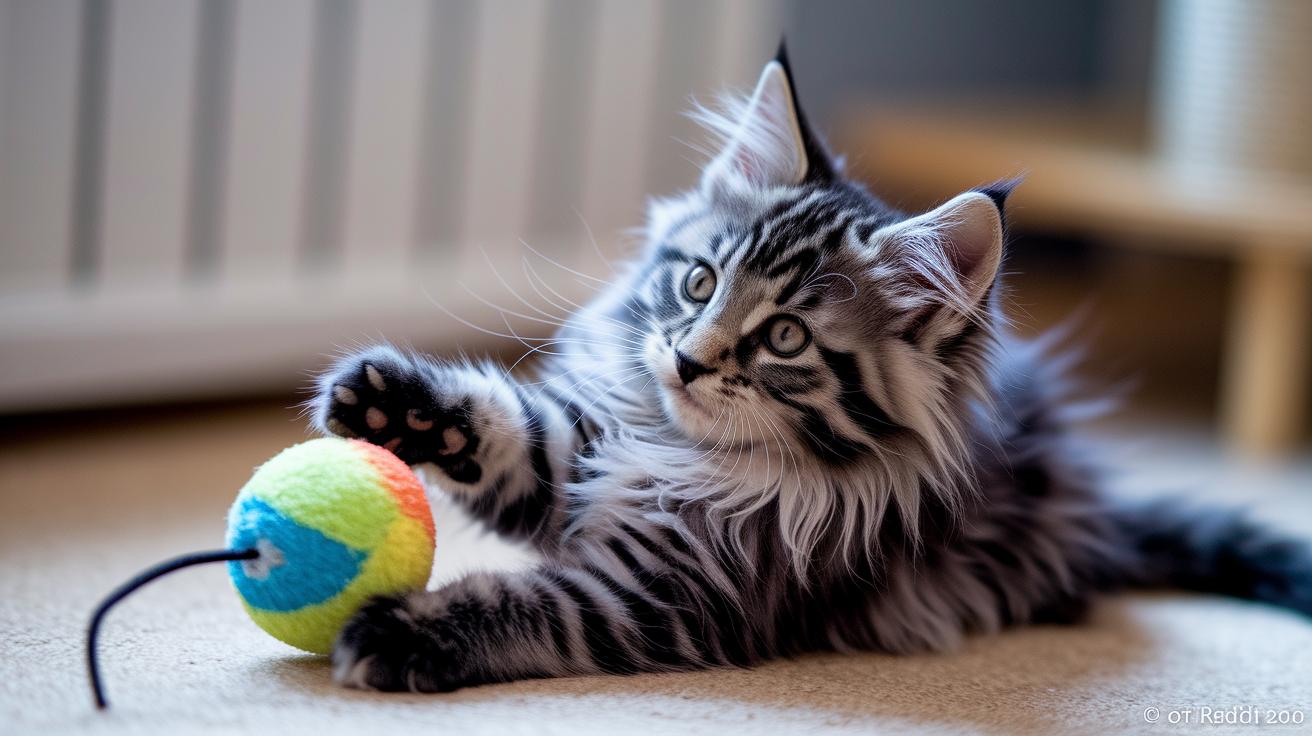
    If you peeked at that weight table above, you probably saw how a Maine Coon’s size jumps every few months. Let’s take a closer look at each growth phase and what to watch for as your fluffy friend gets bigger.

    In the neonatal stage (newborn phase, 0–2 months), kittens are busy growing organs and wiring up their brains. Their tiny hearts race and neural connections spark like little fireworks. Mom’s milk delivers antibodies, so scheduling those vet visits early is key to nailing solid developmental milestones. Ever watched your kitty twitch in her sleep? That’s all brain wiring in action.

    From 2–6 months, your little tiger goes through rapid skeletal ossification (bone hardening). Think of it like your cat’s own construction crew laying down calcium and phosphorus from special kitten formula (kitten food with extra nutrients). Balanced protein helps build that legendary Maine Coon frame without stressing the joints. Playtime with a soft toy or a wiggly feather wand also encourages healthy bone growth.

    Between 6–12 months, muscle mass kicks in and that sturdy frame starts to fill out. Daily play sessions and gentle climbing, like a lazy stroll up a scratching post, build lean strength. Keep an eye on food portions so your cat grows at just the right pace, matching the averages you saw earlier but not overshooting. Whoa. It’s like watching a mini panther in training.

    By 1–4 years, your cat hits full maturity. Bone density peaks and energy levels even out, you’ll still see the zoomies, but maybe at 3 a.m. instead of noon. Keep calories steady to hold that ideal weight, and toss in joint-friendly treats (little bites with glucosamine) for good measure. Worth every paw-print.

    Whenever you shift from one stage to the next, chat with your vet to fine-tune diet and playtime. That way you’ll ensure your Maine Coon stays feline fine, every step of the way.

    Factors Influencing Maine Coon Cat Weight
    - Factors Influencing Maine Coon Cat Weight.jpg

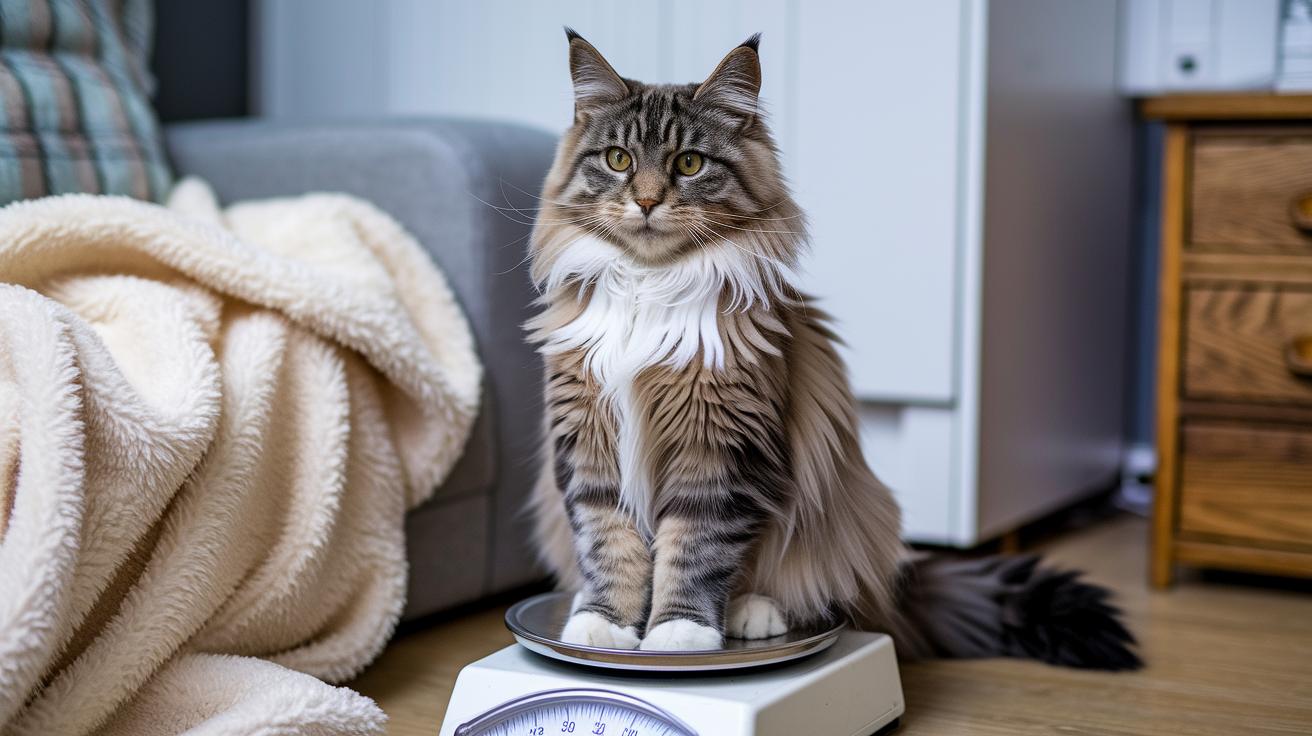
    Genetic factors set the stage for how big your Maine Coon can grow. Think of that as your cat’s growth blueprint. Ever watched your kitty’s paws land with a gentle thud as it leaps? If both parents tip the scales at 18 pounds (big boys) or 12 pounds (princesses), their kittens usually follow suit. Mixed-breed kitties stay a tad smaller. Comparing your cat’s frame (bone structure) to the breed average helps you guess future size and hit those growth milestones.

    But spaying or neutering before twelve months can nudge the scale down a bit. Growth hormones (the chemicals that tell your cat’s body to grow) drop earlier, trimming off a couple of pounds and shortening that final growth sprint. Wait past the first birthday and your cat gets more time to stretch out and pack on extra wiggles. Worth thinking about.

    Nutrition and play shape your cat’s muscles and body fat too. High-protein diets (muscle-building nutrition) steer calories into lean muscle. Filler (cheap, low-nutrition carbs) can lead to a round belly and less claw-tastic bounce in every step.

    Indoor cats might favor winter couch naps. Outdoor adventurers dive into summer zoomies. Those seasonal shifts and where your cat lives are environmental factors that tip the scale. A daily play session with a wand toy (think a fishing rod for cats) plus a seasonally tweaked meal plan keeps your Maine Coon balanced and happy!

    Worth every paw-print.

    Assessing Ideal Weight and Body Condition in Maine Coon Cats
    - Assessing Ideal Weight and Body Condition in Maine Coon Cats.jpg

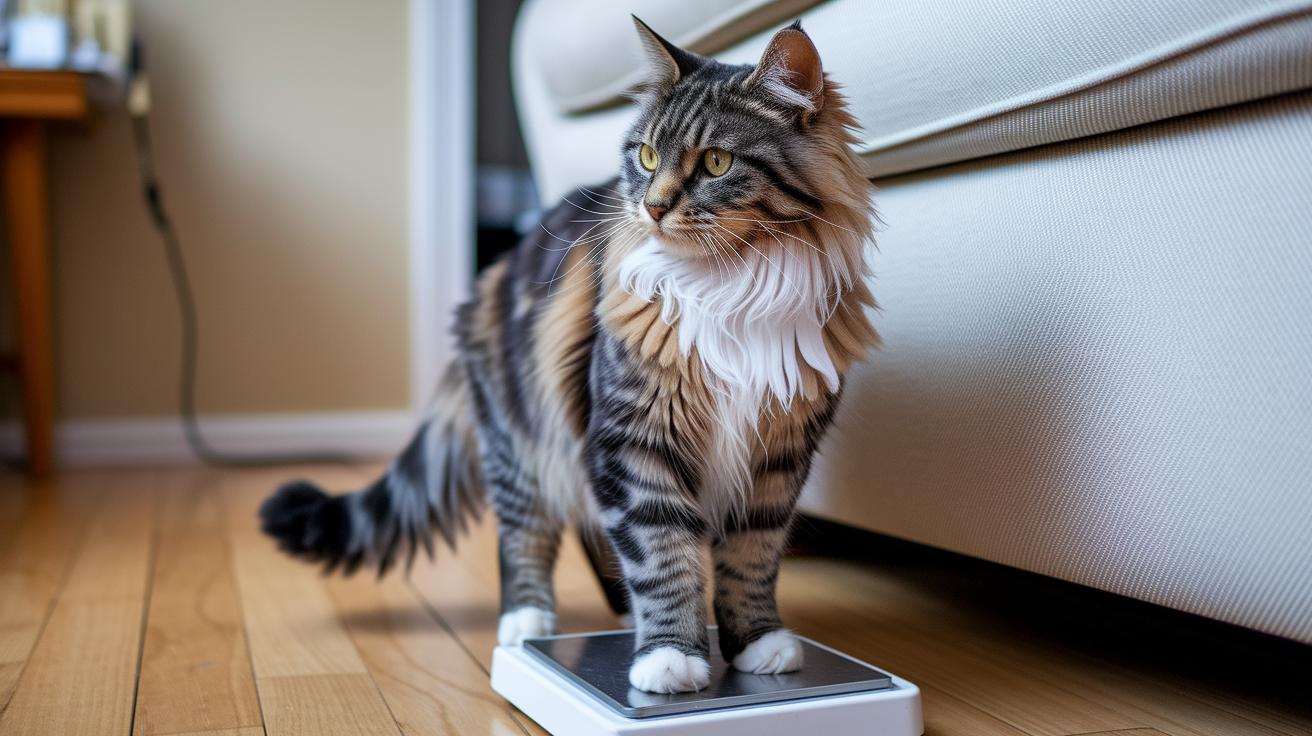
    Let’s try a body condition score (a quick look-and-touch test) on your Maine Coon. First, peek at your cat from above. You should see a gentle waist tuck right behind the ribs – that soft hourglass shape means you’re in the sweet spot. No squeeze needed.

    Next, use a gentle press to feel along the ribs, hips, and spine. You should sense bones under a thin fat layer (soft cushioning) – just enough to feel cozy, not buried or too pokey. If bones feel hidden or too sharp, tweak meals or play sessions. Remember, adult Maine Coon weight varies, so trust your hands more than a scale.

    If your cat is underweight, shoulder blades or hip bones might poke out. They’ll feel bony when you press lightly. Kittens may lag behind average weight milestones if they lack muscle mass (strength-building tissue). If growth stalls, chat with your vet about extra protein boosts and gentle play breaks.

    Overweight cats often sport a thick belly pad and no visible waist. They may struggle to groom their belly or back legs. Cats tipping over 25 pounds risk joint strain and diabetes. So cut treats, add claw-tastic play (think feather wands or rolling balls), and reassess that body score regularly.

    Monitoring Maine Coon Weight at Home and Veterinary Checks
    - Monitoring Maine Coon Weight at Home and Veterinary Checks.jpg

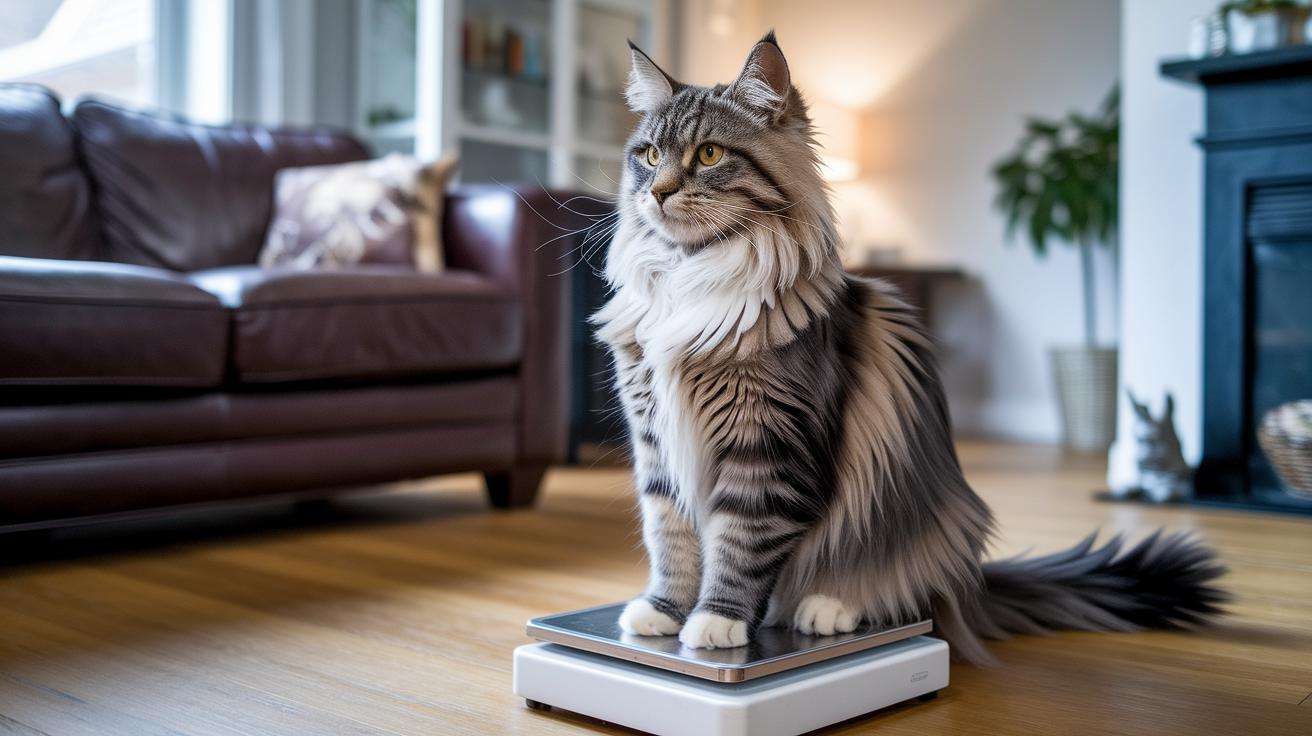
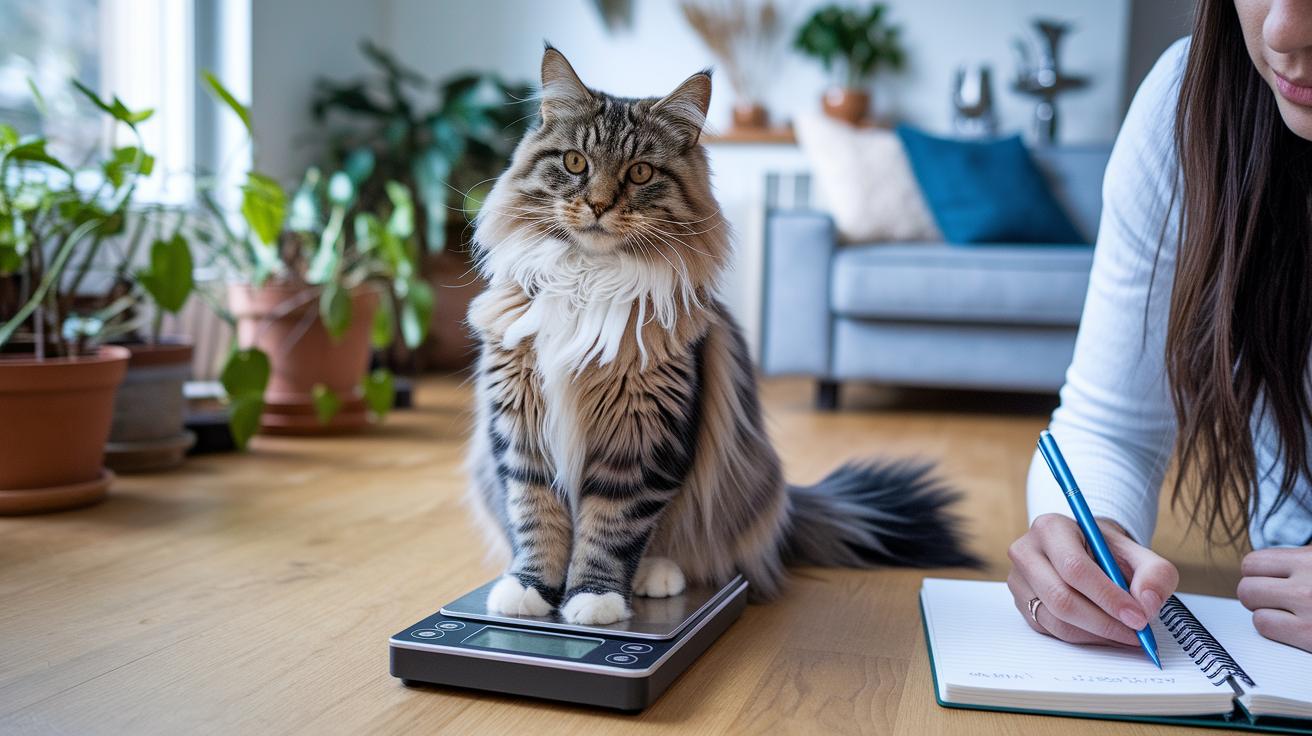
    Ever tried weighing your Maine Coon at home? Timing really matters. For kittens, do a quick weekly weigh-in so you can track their steady growth. Adult cats only need a monthly check to match those weight-by-age charts. Simple. Crucial.

    Here’s how it works:
    • Grab a digital pet scale (a small scale for weighing pets) or a kitchen scale.
    • Place your cat in a carrier – you might see their whiskers twitch as the scale clicks.
    • Note the combined weight, then weigh the empty carrier.
    • Subtract to reveal your cat’s true weight.
    • Jot each number into a simple growth chart (think a quick notebook note or an easy table) so you catch any sneaky trends.

    If you notice a leap or a dip in your cat’s weight, it’s vet time. The clinic uses a calibrated scale (a precise medical device) and might run a body-fat analysis (a check of fat versus muscle). That gives you the full health picture, not just the pounds. A quick chat during your checkup helps keep your Maine Coon in that purr-fect range.

    Average Weight Maine Coon Cat Promotes Healthy Growth
    - Nutrition and Feeding Guidelines for Maine Coon Weight Management.jpg

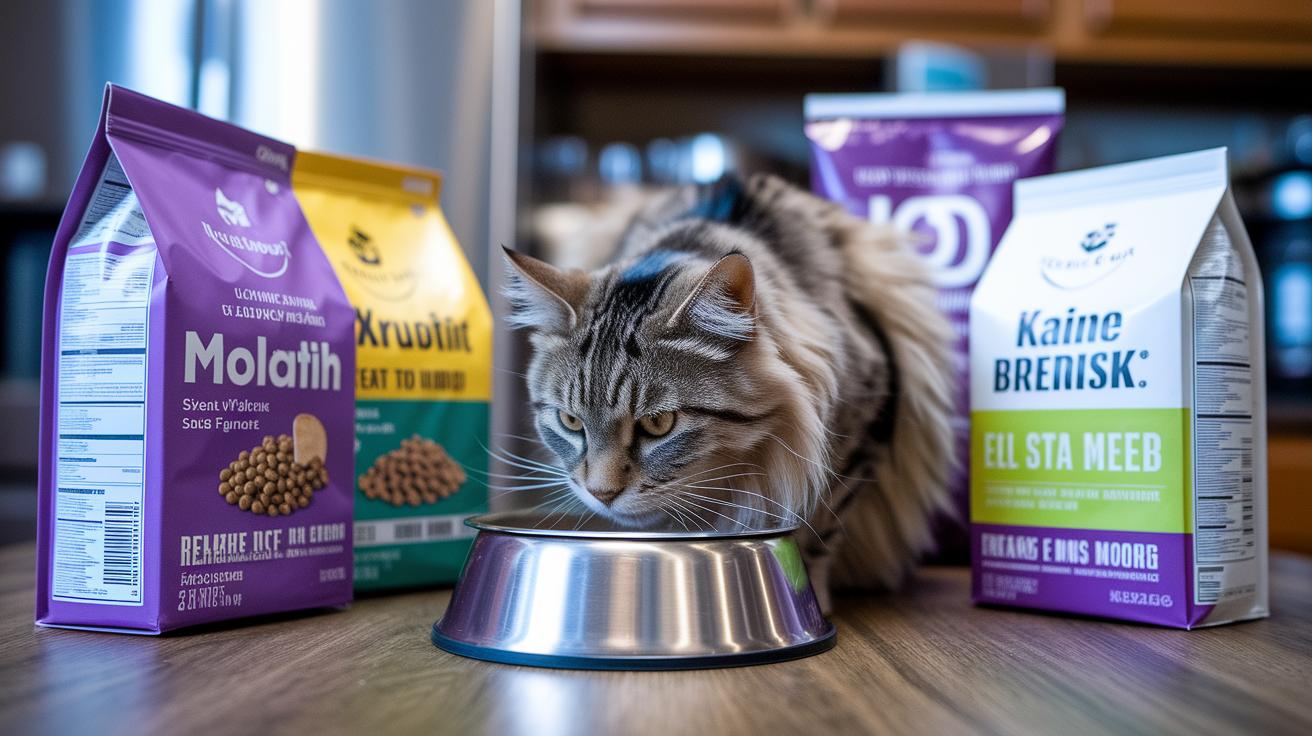
    Ever notice how your little fluff-ball can pack on a pound or two each month? It’s all about the fuel. Serve food that’s 40% protein (meat’s muscle fuel) and under 20% fat (your kitty’s energy power). Spread four small meals across the day so tiny tummies don’t get overloaded.

    You got this.

    Then, each week, bump up the scoop by about a tablespoon. Keep a Maine Coon weight chart handy to watch those bones fill out and joints stay happy.

    Once your cat hits adulthood, you’ll switch gears. Plan on 30-40% protein (chicken or fish muscle fuel) and 15-20% healthy fat (energy pellets). Aim for 200-250 calories per 10 pounds of cat, divided into two meals, one in the morning and one at night. Mix a large-breed dry kibble with a spoon of wet food for extra moisture.

    Portion control is key; that way you dodge any surprise weight swings.

    When your Maine Coon turns senior, slow things down – smaller portions and more wet food keep muscles strong and whiskers twitching. Trim about 10% of calories as playtime slows. Offer two wet meals plus a modest scoop of kibble each day. Add a snack puzzle or slow feeder for extra fun and controlled eating.

    Check their body condition and tweak portions to keep your kitty spry and comfy.

    Exercise and Enrichment for Healthy Maine Coon Weight
    - Exercise and Enrichment for Healthy Maine Coon Weight.jpg

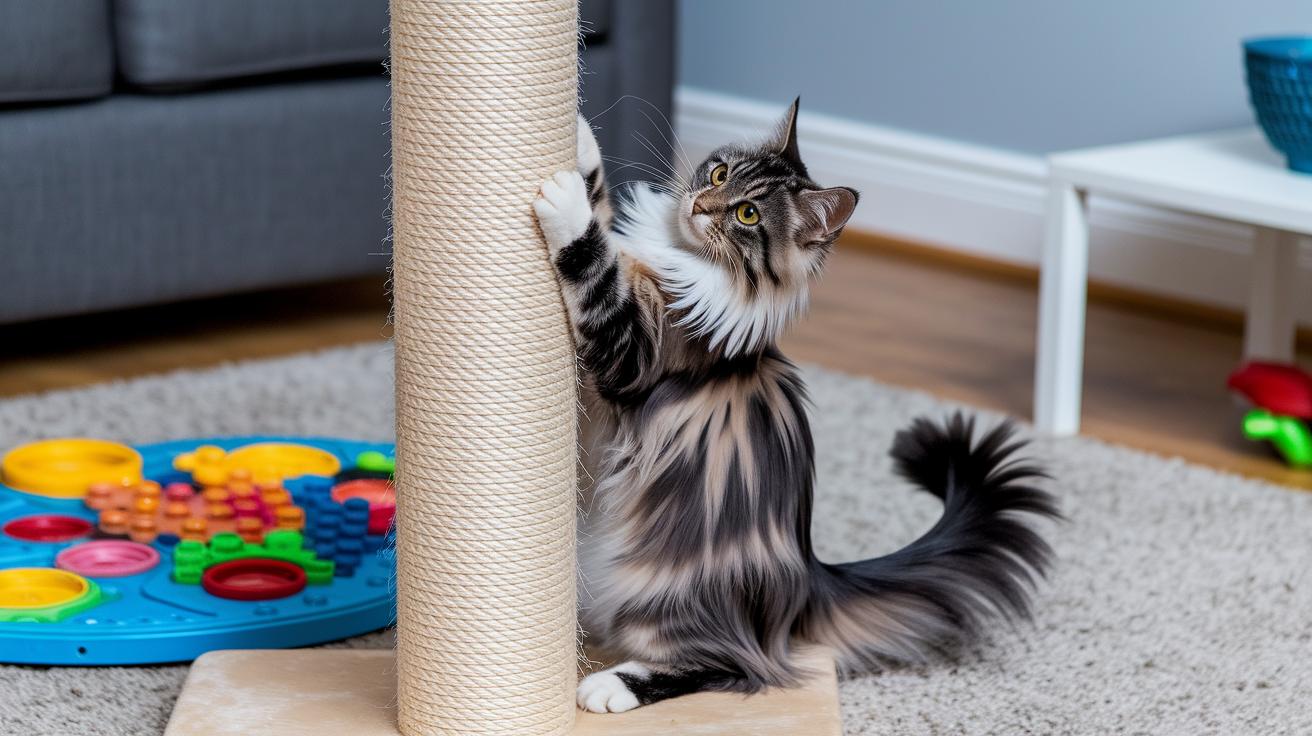
    So, you’ve got a Maine Coon, those gentle giants with lush fur and playful hearts. Ever watched your kitty chase a rogue sock? Around 20 to 30 minutes of daily chase or interactive play builds lean muscle, supports joint health (the flexibility and strength in their joints), and keeps extra fluff from turning into extra pounds. Without enough zoomie time, even the fluffiest pal can drift toward unwanted weight.

    Here are three claw-tastic enrichment ideas to spark that sprint-and-pounce energy:

    • Feather wands that whoosh like fluttering prey
    • Laser pointers for lightning-fast chases
    • Tall cat trees, wall shelves, and window perches for vertical climbing

    Sneak exercise into every day by pairing it with your routine, um, like a quick wand session before breakfast, ten minutes of laser play after work, or five minutes of puzzle feeding before bedtime. It’s easy. It’s fun. And it keeps your furry friend feeling purr-fectly playful.

    Worth every paw-print.

    Health Risks of Underweight and Overweight in Maine Coon Cats
    - Health Risks of Underweight and Overweight in Maine Coon Cats.jpg

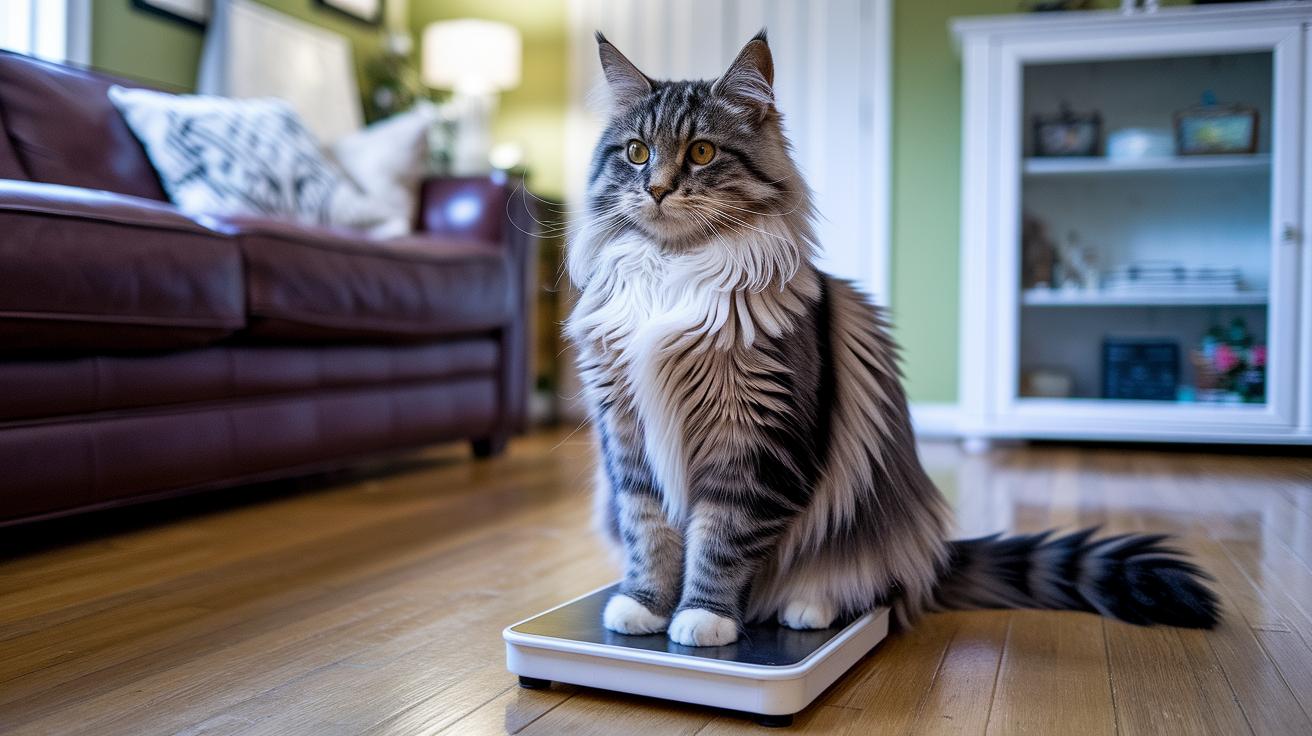
    But carrying extra pounds isn’t just a snug sweater for your Maine Coon. Obesity (when there’s too much body fat) can bring diabetes (blood sugar troubles), heart disease (extra strain on the heart), arthritis (joint pain), and hip dysplasia (hip joint out of place). You might spot a chunky belly, see wobbly jumps, or even catch your floof panting after a toy chase. And some cats skip grooming because bending that spine gets tough.

    On the flip side, an underweight Maine Coon shows hip bones or shoulder blades poking through the fur. Malnutrition (nutient shortage) means weak immunity and slower growth, kittens can lag behind siblings in weight and muscle tone. Thin cats tire easily, shiver in cool rooms, and may need extra protein boosts to catch up. Ever had a kitty that just seemed too tiny to play?

    And for our senior fluffballs, weight changes sneak in as metabolism slows. They lose muscle (that’s the stuff that helps them leap), so joints get creaky and zoomies fade. Offer smaller, more frequent meals with moderate protein like chicken chunks (yum) and toss in gentle play, short wand sessions or a low perch climb. Regular weigh-ins and quick body bump checks help you spot dips or spikes early, so you and your vet can tweak food or fun.

    Worth every paw-print.

    Final Words

    In the action, we’ve shared clear weight ranges for male and female Maine Coons, traced growth phases, and dug into genetic and lifestyle factors shaping your cat’s size.

    Next, you got tips on body condition checks, at-home and vet weigh-ins, plus feeding and enrichment ideas to support healthy muscle tone.

    Mindful play, tailored nutrition, and regular monitoring can prevent risks linked to extremes. Here’s to many purr-filled moments with cats enjoying the ideal average weight maine coon cat and boundless joy.

    FAQ

    What is a healthy weight for a Maine Coon cat?

    A healthy Maine Coon cat typically weighs between 10–25 lb (4.5–11.3 kg), with adult females around 10–15 lb and males between 15–25 lb for a lean, well-muscled body.

    How much should a 1-year-old Maine Coon weigh?

    A one-year-old Maine Coon typically weighs 12–18 lb (5.4–8.2 kg) for males and 8–12 lb (3.6–5.4 kg) for females, reflecting healthy growth toward adult size.

    What is the heaviest Maine Coon cat on record?

    The heaviest recorded Maine Coon weighed 34 lb (15.5 kg) and held a Guinness World Record for the largest domestic cat.

    What’s the average lifespan of a Maine Coon cat?

    The average lifespan of a Maine Coon cat ranges from 12 to 15 years, with many cats living well into their teens when given proper nutrition and veterinary care.

    Related Articles

  • hypoallergenic cats for adoption bring pure joy home

    hypoallergenic cats for adoption bring pure joy home

    Think you can’t share your home with a cat without breaking into sneezes? That’s just a sneezy myth keeping you from the purr-fect companion. Imagine feeling a soft rumble against your hand instead of sniffles.

    Some hypoallergenic breeds have lower Fel d1 protein (the stuff in cat dander that makes you sniffle). Think of it like swapping dusty pillows for fresh linens, giving your nose a break. Cats like the Siberian or Balinese are stars at shedding less of that sneeze trigger.

    And adopting one of these low-allergy buddies is easier than you think! You can spot allergy-tested profiles online or at your local shelter, compare adoption fees, and chat with your future fluffball before you decide. Soon you’ll ditch the tissues and invite feline delight into your home, sniffle-free.

    Where and How to Adopt Hypoallergenic Cats

    - Where and How to Adopt Hypoallergenic Cats.jpg

    Ever wondered how to find a fluffy friend without the sniffles? Adopting a low-allergy cat (one that’s less likely to trigger sneezes) is easier than you think. Just hop onto sites like Petfinder or the ASPCA, or peek at breed-specific rescue groups, and you’ll see allergy-tested profiles (they note dander (tiny skin flakes) levels) by your ZIP code.

    Resource Access Method Coverage Fee Range
    Nationwide Databases (Petfinder, ASPCA) Search online by ZIP code Rescues & shelters across the country $50-$300 (varies by shelter; basic health & allergy info)
    Local Shelter Networks In-person visits or appointments Your nearby hypoallergenic cat shelters $50-$300 (includes health screening & allergy notes)
    Breed-specific Rescues Online application & trial period Focused on low-dander breeds $75-$200 (trial adoption & allergy screening)
    Reputable Breeders Breeder inquiry & contract Pedigree-certified hypoallergenic lines $500-$1,500 (detailed health & allergy checks)

    Best Hypoallergenic Cat Breeds to Adopt: Traits and Allergy Profiles

    - Best Hypoallergenic Cat Breeds to Adopt Traits and Allergy Profiles.jpg

    Looking for a purrfect cuddle buddy without the sniffles? These kitties are known for lower Fel D1 enzyme levels (that’s the protein that sets off sneezes) or extra-light undercoats. So you can dive into soft fur and sneeze-free snuggles. Ready to meet your next feline friend?

    • Siberian: these fluffy pals have moderate-long fur that feels like a silky wave under your palm. They carry less Fel D1 enzyme (the sneeze culprit) so about 75% of allergy folks say they don’t react. Ever watched one zoom after a feather toy? It’s paw-some.

    • Balinese: with a single medium-long coat, these chatty cats shed less dander and have sleek fur that glides through your fingers. They’re social chatterboxes, meows at breakfast, purrs at bedtime. Think of them as your little talk-show host. So much fun.

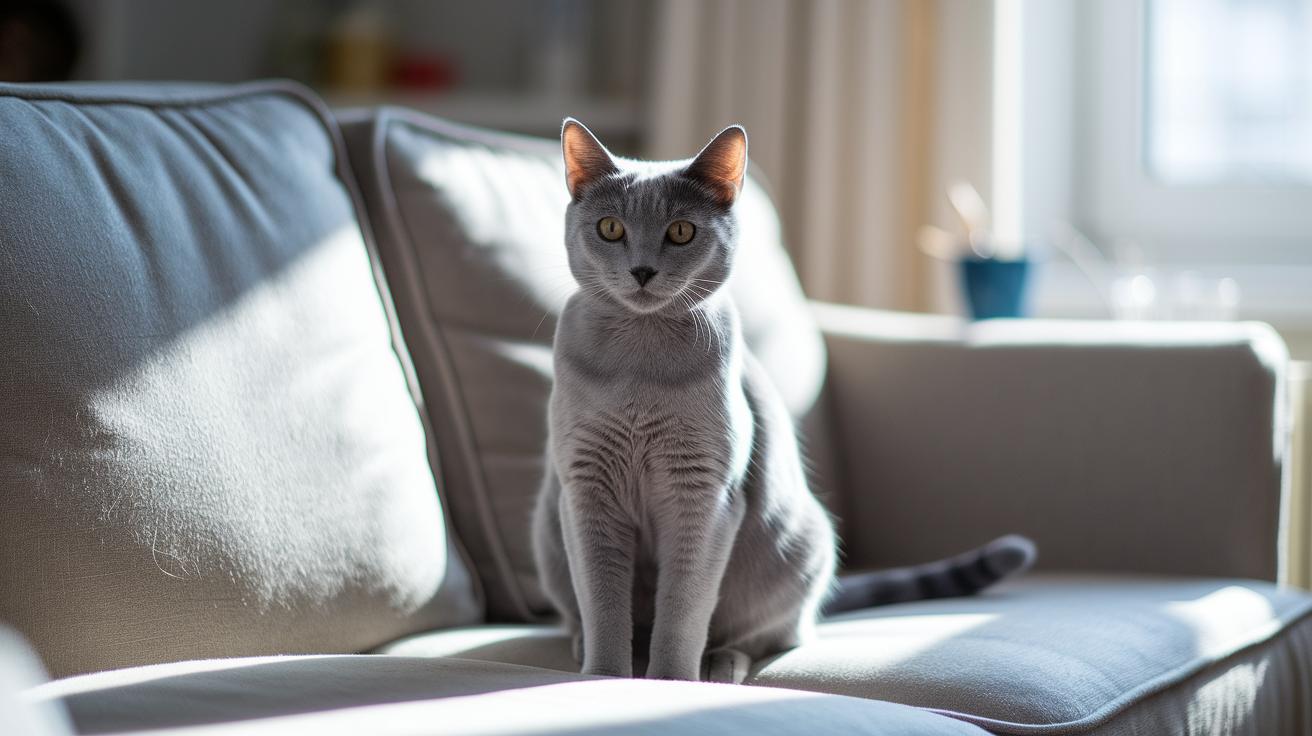
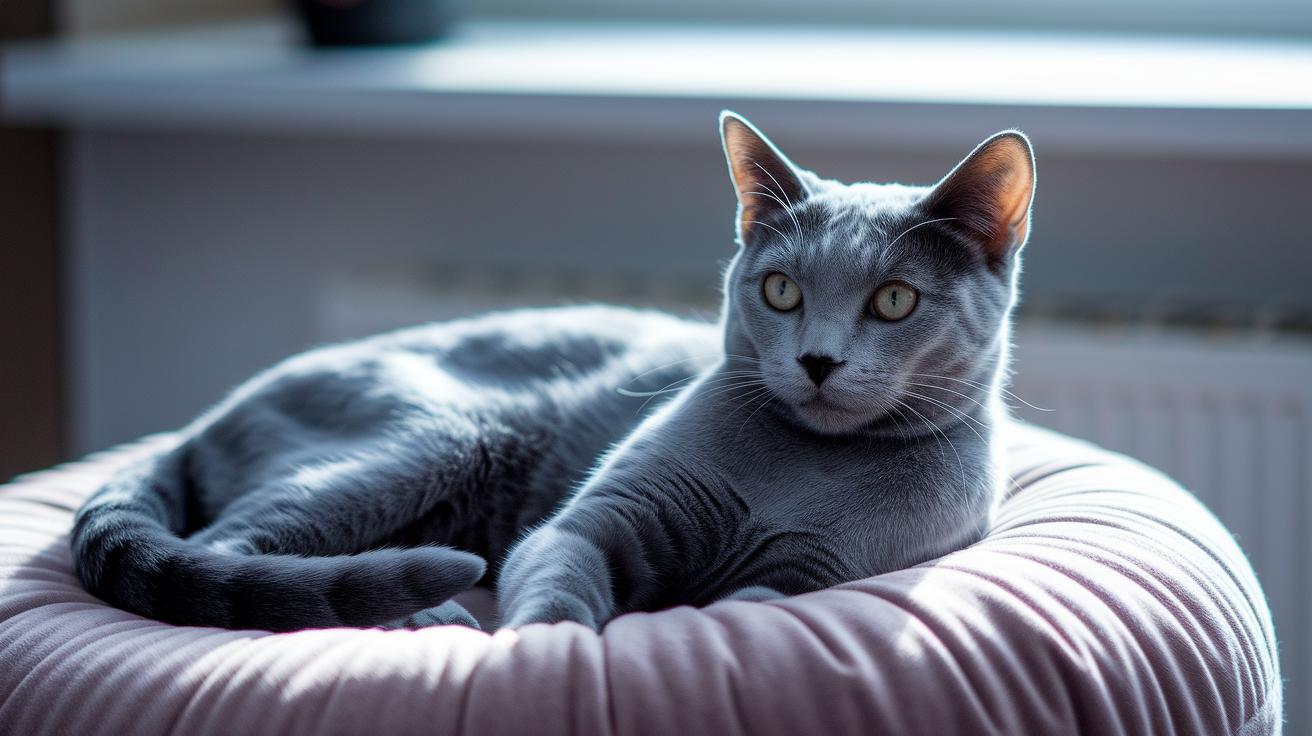
    • Russian Blue: their short, dense coat traps loose hairs so flakes drop way down. Petting one feels like stroking a cloud of velvet. They purr in a whisper, perfect for calm cuddle sessions. I guess you could call them the silent ninjas of the cat world.

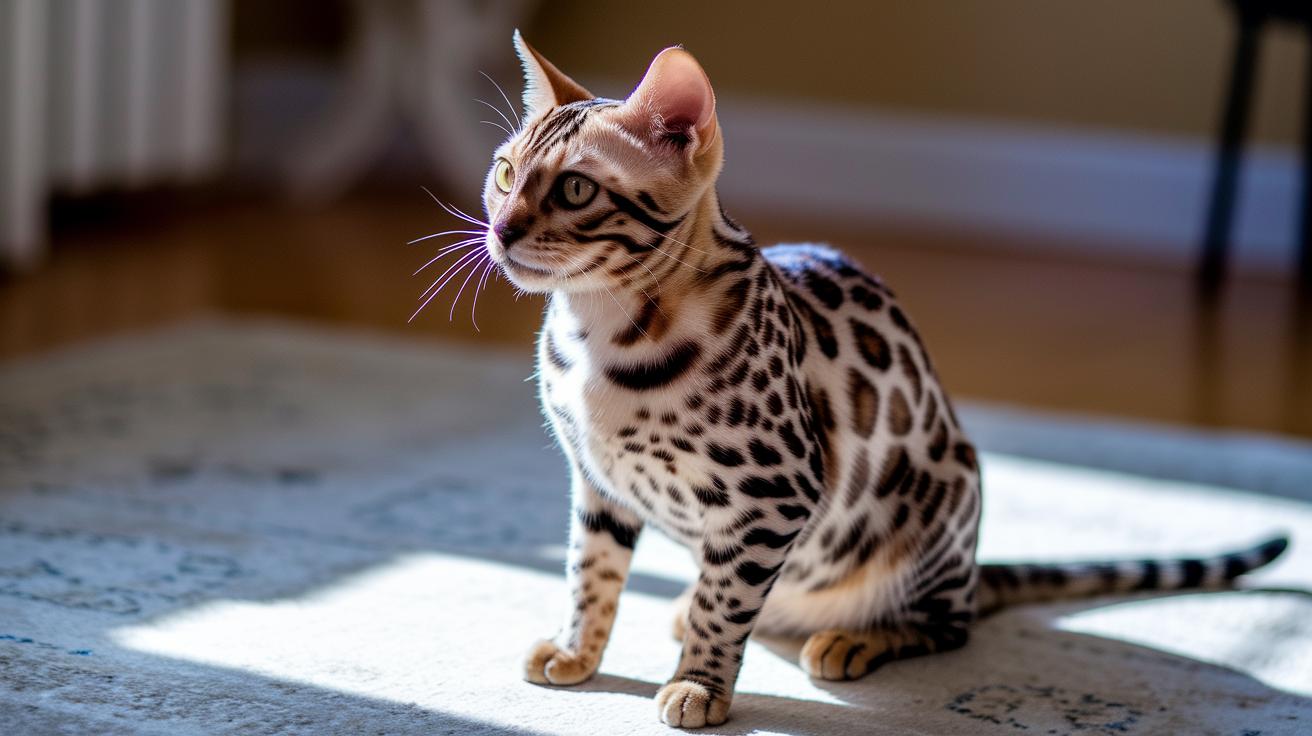
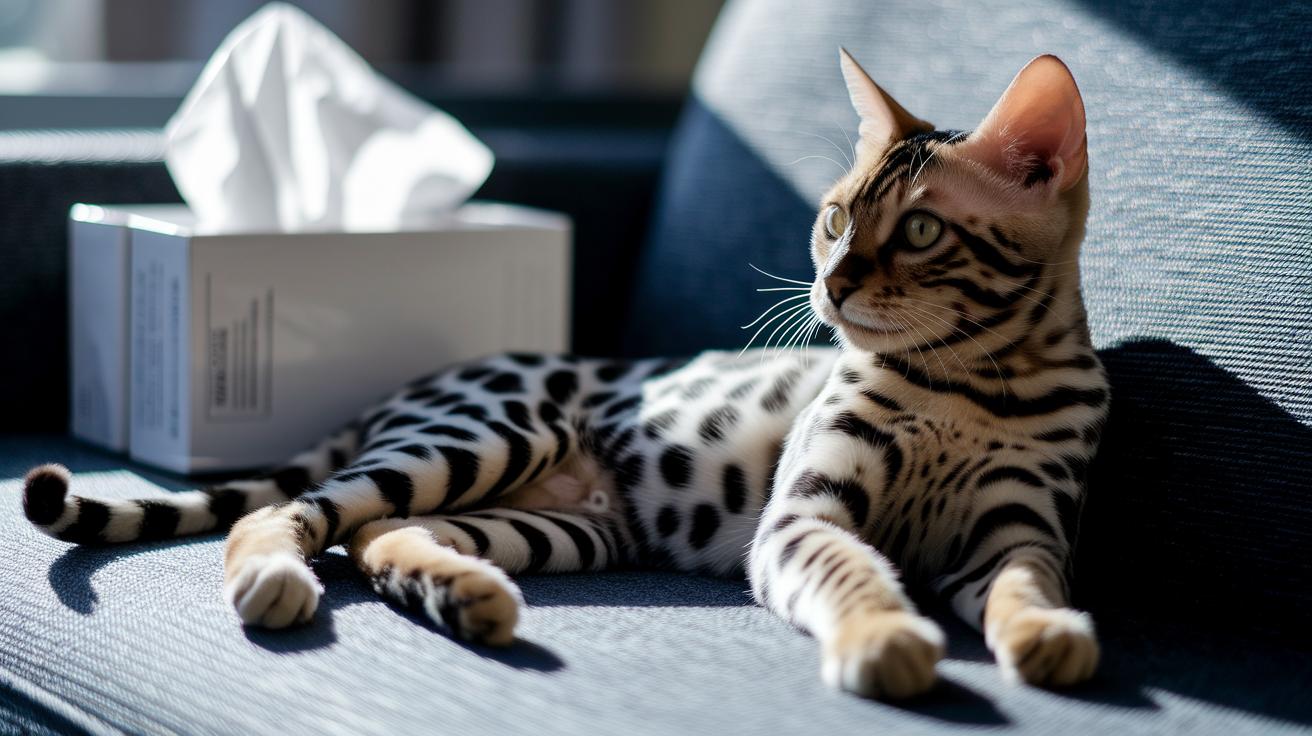
    • Bengal: sporting a short, pelt-like coat with almost no undercoat, these wild-looking pals shed next to nothing. Touching them feels like gliding your hand over a satin ribbon. They’re zesty and love water games. Really makes your day splashy.

    • Devon Rex: these fuzzballs have super-short curly fur that barely sheds. You’ll hardly find stray hairs on your clothes. Their gentle paws feel like tiny marshmallows tapping your face. Um, you might need one just for the tickles.

    • Cornish Rex: their suede-like coat is velvety soft but needs a bath now and then to wash off skin oils. Rub that fur, and it’s like stroking a warm-baked cookie. They hop around like little kangaroos. Oops, I mean kanga-cats.

    • Sphynx: these hairless wonders need weekly baths and ear cleans to stay fresh. Their warm skin feels like a cozy sweatshirt on a chilly day. They love burrowing under blankets for a snuggle fest. Worth every paw-print.

    Step-by-Step Hypoallergenic Kitten Adoption Process

    - Step-by-Step Hypoallergenic Kitten Adoption Process.jpg

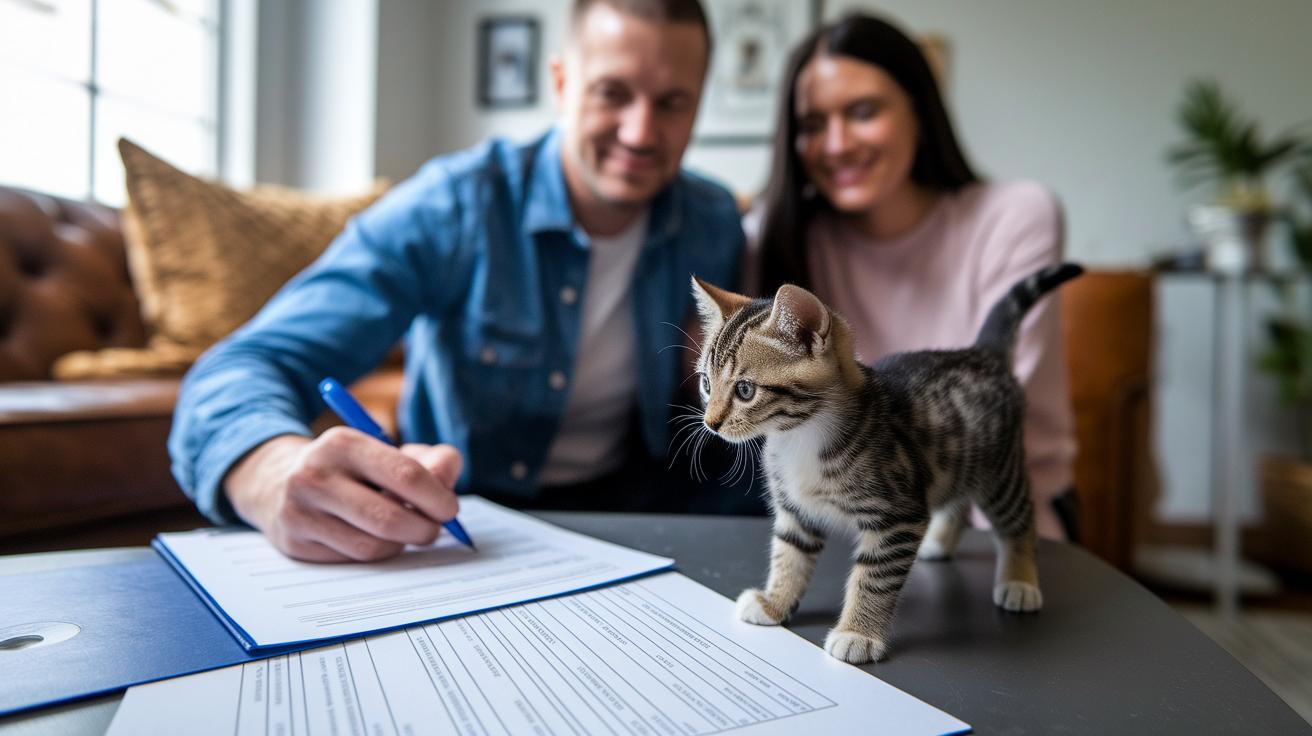
    First up, you fill out a quick application. You’ll snap a photo of your ID and share a few home-check details so the team knows your place is ready for a dander-friendly pal. It’s all part of adopting a hypoallergenic (less likely to cause sneezes) kitten.

    Next, you’ll dive into the adoption contract. Here you agree to care for your new buddy, spay or neuter them, and honor any trial period. Most shelters ask for two references, maybe your vet or a roommate, and proof that you live in a smoke-free home. Read it carefully. It’s the game plan for both you and the shelter.

    Then comes the chat about your future fluff-ball. Volunteers will walk you through each kitten’s story: playful quirks, any past allergy tests, or special diet notes. Feel free to ask about sneeze triggers or low-fur play styles. This is your moment to share routines or medical needs so everyone’s on the same page.

    Finally, you schedule an in-person visit. You’ll spend a few minutes together, petting, watching whiskers twitch, maybe even hearing a soft purr. If your nose stays clear and your heart melts, you’re ready to bring home that sneeze-friendly kitten. Worth every paw-print.

    hypoallergenic cats for adoption bring pure joy home

    - Caring for Adopted Hypoallergenic Cats Grooming and Allergy Management.jpg

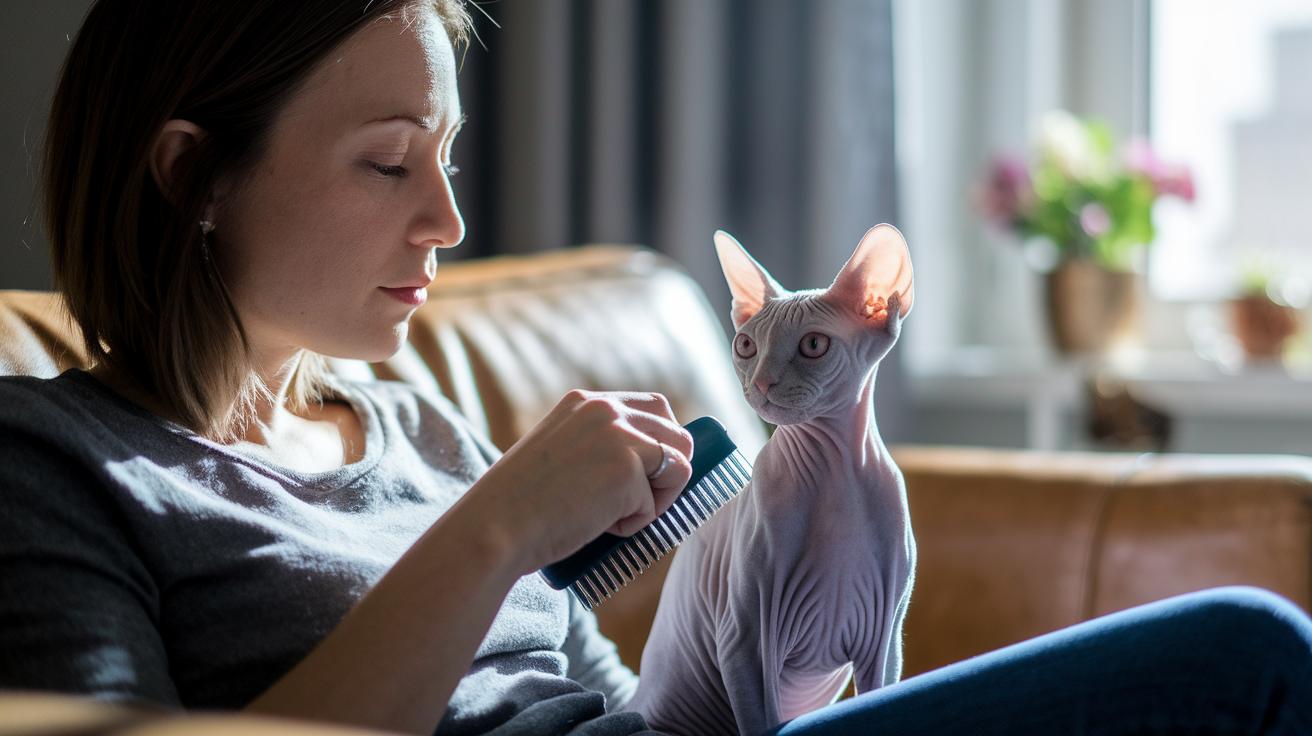
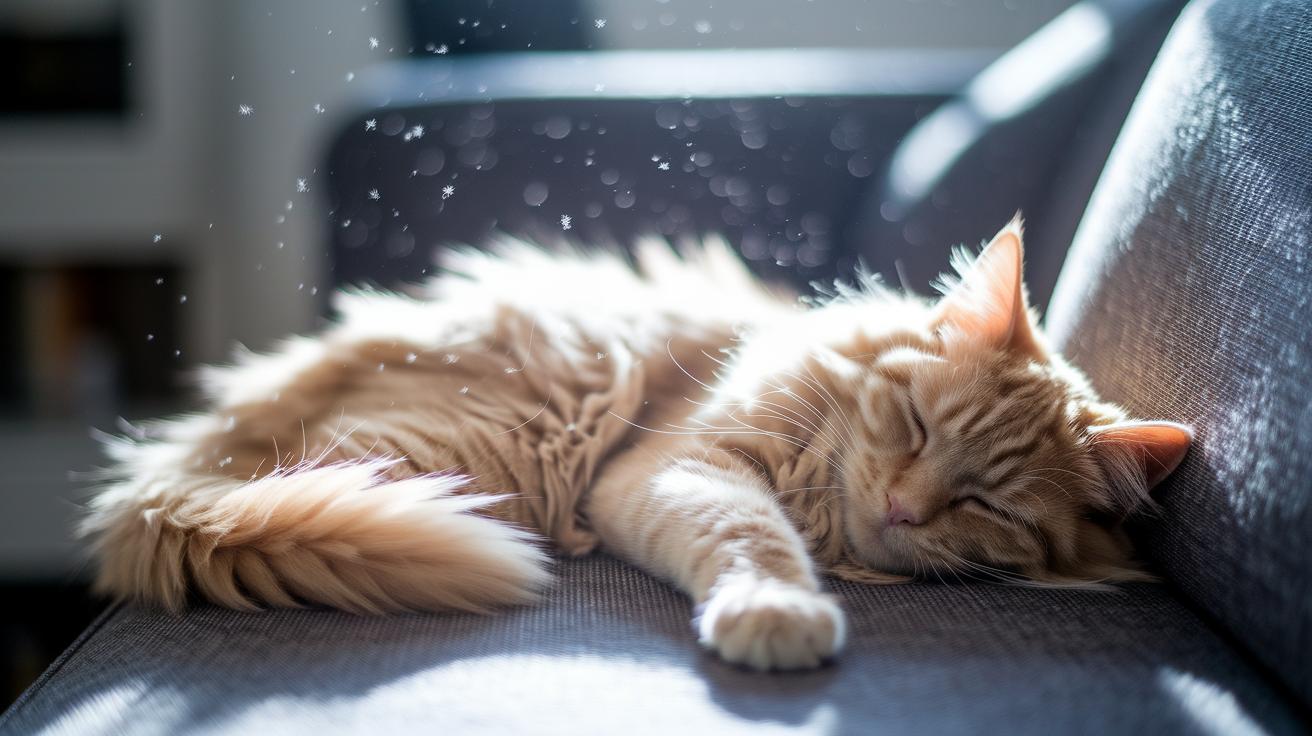
    Groom your hypoallergenic pal at least twice a week with a soft brush to cut down up to 84% of airborne dander. Your vacuum will thank you and so will your nose. Better yet, get a pro groomer or a non-allergic friend to do the brushing, those little flakes fly free, you know? Ever watch them swirl in a sunbeam like tiny snowflakes? It’s oddly satisfying.

    Feel the gentle swish of the brush gliding through fur, pulling loose hairs before they float off. Sphynx (hairless cat), Cornish Rex (curly-fur cat), and Devon Rex (short-curly-fur cat) need extra care. Plan a weekly bath with a gentle, fragrance-free cleanser, then give their paws and ears a soft wipe with a damp cloth. It’s like a spa day for your kitty, complete with soothing rubs that tame skin oils (oily fur grabs more allergens). Simple steps, big relief.
    When it’s time to clean your home, break out the vacuum cleaner for pet dander. Pick one with a HEPA filter (High-Efficiency Particulate Air filter) so dust stays locked in. Aim for two weekly runs over carpets, upholstery, and under beds where whisker bits hide and set off sneezes. Wash cat bedding, plush toys, and removable cushion covers once a week in hot water to strip out lingering allergens. These cleaning tricks make every cuddle session more sneeze-free.

    And, um, don’t forget your own cleanup routine, wash your hands after play, avoid face-to-face headbutts if you’re feeling extra sneezy, and shake the fur off your shirt before you flop on the couch. Pair these cleaning tips with your grooming schedule for Rex breeds and Sphynx, and you’ll have a low-sneeze, high-purr household.

    Preparing Your Home for Hypoallergenic Cat Adoption: Environment Setup

    - Preparing Your Home for Hypoallergenic Cat Adoption Environment Setup.jpg

    First, switch to a low-dust litter that traps fine particles inside the box. Imagine your kitty’s paws digging in without dust billowing out. Ever seen a tiny dander cloud swirl up? Check hypoallergenic litter options next time you shop.

    Next, toss allergen-blocking covers over your sofa and favorite chairs to catch stray dander (tiny skin flakes). They slip on like fitted sheets and peel off for a quick wash. Your furniture stays fur-free and looking feline fine.

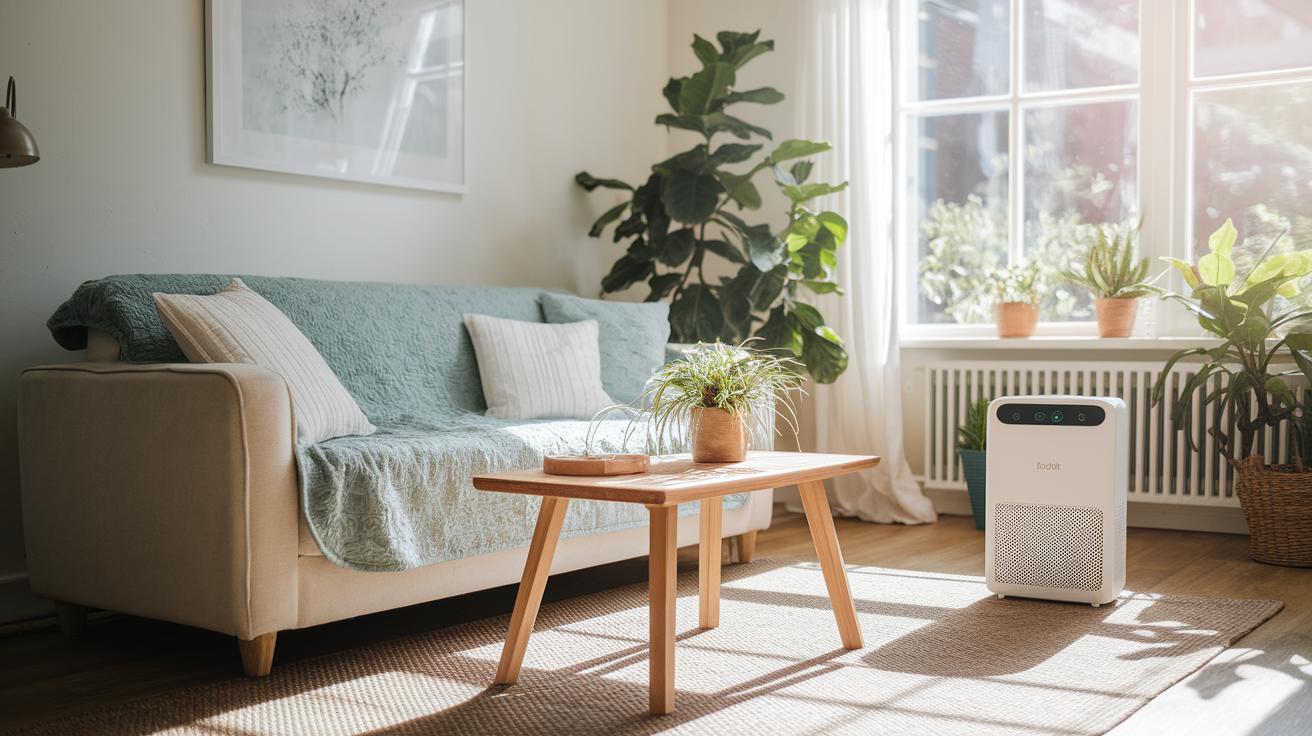
    Place air purifiers in your cat’s favorite spots – by sunny windows, the bed, and any cozy corner. Choose a true HEPA filter (High-Efficiency Particulate Air) to catch flakes as small as 0.3 microns. Swap or wash those filters every one to three months so everyone breathes easy.

    Then, gather your cat’s bedding, plush toys, and washable cushions and toss them into a hot wash once a week. I once watched Luna’s fleece blanket emerge feeling purr-fectly clean. The heat zaps dander right at the source and keeps sneeze triggers out of your living room. Worth every paw print.

    Remember, hypoallergenic cats still shed skin cells. Staying on top of these simple steps keeps your home comfy and low on allergies.

    Pre-Adoption Allergy Testing for Hypoallergenic Cat Adoption

    - Pre-Adoption Allergy Testing for Hypoallergenic Cat Adoption.jpg

    Ever thought about bringing home a purr-buddy only to find your nose goes haywire? No cat is 100% allergy-free. Each kitty makes a different amount of Fel D1 (the saliva protein that triggers sneezes).

    Intact males (not neutered) tend to have higher levels. Neutered cats usually drop theirs. Plus, darker fur can hold onto more protein. Young kittens often release less Fel D1, so they’re easier on sniffly noses.

    Here’s a simple, sneeze-smart plan. First, book a pet allergy test at your vet or a shelter event. You’ll spend some time in a calm test room, sniffing and petting. It’s like a first date for you and your future furball. See how your body reacts to whisker tickles or soft paw pats before you commit.

    Next, ask if the shelter or vet keeps allergy records on their cats. You’ll know if past visitors sneezed around a certain fluffball. It’s about finding the perfect match and saving your tissues.

    Worth every paw-print.

    Final Words

    You’ve jumped right into top spots like Petfinder, ASPCA and breed rescues to help you find a low dander cat that fits your life. You saw a quick table to compare fees and steps at each site.

    Pretty neat, huh?

    Then you met the stars, Siberian, Balinese, Russian Blue and more, and walked through easy adoption steps to meet and test your new kitten.

    We covered grooming routines, home setup and allergy tests to keep sneezes away.

    Here’s to healthy, playful days with hypoallergenic cats for adoption.

    FAQ

    How can I find hypoallergenic cats for adoption near me or in my state?

    To find hypoallergenic cats for adoption near California, Texas, New York, or your local area, search Petfinder and ASPCA by ZIP code, plus browse breed-specific rescue group listings.

    Where can I buy or adopt affordable hypoallergenic kittens?

    Affordable hypoallergenic kittens come from local shelters ($50–$300 fees), breed-specific rescues ($75–$200), or reputable breeders ($500–$1,500) who include health screenings and allergy info.

    What are the best hypoallergenic cat breeds for allergy sufferers?

    Top low-dander cat breeds include Siberian (long coat, low Fel D1), Balinese (single coat, talkative), Russian Blue, Bengal, Devon Rex, Cornish Rex, and the hairless Sphynx.

    How do I start the adoption process for a hypoallergenic kitten?

    Starting a hypoallergenic kitten adoption means filling out an application with ID, home-check details, contract and references, then meeting the cat for an allergy test during a trial visit.

    What does pre-adoption allergy testing involve?

    Pre-adoption allergy testing involves meeting your chosen cat to measure your reaction and scheduling a pet allergy appointment—remember, no breed is entirely dander-free.

    What ongoing care helps manage cat allergies at home?

    Ongoing hypoallergenic cat care involves weekly brushing to cut 84% of allergens, Sphynx and Rex baths, HEPA-vacuuming floors, washing bedding, plus washing hands after play.

    How should I prepare my home before bringing home a hypoallergenic cat?

    Preparing your home means fitting low-dust litter, allergen-blocking furniture covers, running HEPA air purifiers, and washing cat bedding and toys weekly to trap stray dander.

    Related Articles

  • hypoallergenic cat breeds russian blue brings relief

    hypoallergenic cat breeds russian blue brings relief

    Ever feel your nose start twitching when a kitty strolls by?
    It’s like a surprise sneeze waiting to happen.
    Most cats carry a protein called Fel d1 (a cat protein that triggers allergy sneezes).

    But enter the Russian Blue, your low-dose hero.
    These silver-soft pals carry just 5 to 2,000 micrograms of Fel d1 per gram of fur (teeny protein specks), so they send far less dander into the air.
    Snuggle time feels more like a gentle hug than a sneeze fest.

    We’ll dig into why Russian Blues often top the allergy-friendly list.
    Then I’ll share a few sneeze-busting tips so you can keep petting, not wheezing.

    Why Russian Blue Is Considered a Hypoallergenic Cat Breed

    - Why Russian Blue Is Considered a Hypoallergenic Cat Breed.jpg

    Ever notice a sneeze attack around cats? It’s the Fel d1 glycoprotein (an allergy protein in kitty saliva, skin oils, and dander). Russian Blues hang out on the low end of that scale. They only have about 5 to 2,000 micrograms per gram of fur. So they’re kinder to allergy noses.

    You might still sniffle a bit. But with this plush, velvety coat, symptoms are usually mild and easy to manage. A quick brush, and you’re good.

    No breed is 100 percent allergy-proof. Even hairless Sphynxes can drop dander flakes (tiny skin bits that float in the air). And those fluffy Siberians? They can send dander flying like confetti.

    In truth, a Russian Blue’s thick double coat traps those proteins close to the skin until you brush them out. That means less airborne dander. Really.

    For more low-allergen pals, check out What Breeds of Cat Are Hypoallergenic?

    If you want one of the best cats for allergy sufferers, this silky-blue buddy often tops the charts. Bonus tip: unneutered male cats can pump out three to five times more Fel d1 than their neutered friends. So spaying or neutering early can keep your evenings sneeze-free.

    Russian Blue Cat Profile: Coat, Shedding, and Allergen Production

    - Russian Blue Cat Profile Coat, Shedding, and Allergen Production.jpg

    We already covered how Russian Blues run low on Fel d1 (the main cat allergen), making them a great pick for allergy sufferers. Ever snuggled up and noticed how soft their coat feels?

    Your Russian Blue’s shedding peaks in spring and fall when they swap out old fur for a new undercoat (a soft, fluffy layer beneath the top fur). You’ll spot extra hairs clinging to your shirt or sofa, that’s your sign to pick up the brush.

    Adult Blues do great with one five-minute brushing session each week. When shedding ramps up, bump that to two or three quick mini sessions, you’ll catch loose hairs before they float around the room. Kittens make even less Fel d1, so spending a few brushing minutes with a kitten is a gentle way to test your limits.

    • Weekly brushing: grab a slicker brush (fine wire bristles) and brush along the direction of fur growth to avoid tugging.
    • Peak-season sessions: split into two or three three-minute routines, short and sweet keeps your cat calm and fur off your floor.
    • Kitten test drive: try brushing a kitten for a few minutes to see if sniffles stay away, you might find your perfect fur-friend.
    • Undercoat comb: finish with a fine-tooth comb to pull out hidden hairs from the fluffy base layer.
    • Fur massage: gently stroke your cat’s back to spread natural oils, leaving fur shiny and skin soothed.

    Worth every paw-print.

    Grooming and Home Care to Minimize Russian Blue Allergens

    - Grooming and Home Care to Minimize Russian Blue Allergens.jpg

    Russian Blues are famous for their plush, silky coats. But all that beauty can fling tiny skin flakes, called dander, into the air and set off sneezes. Let’s talk about easy grooming and home-care tips to keep allergen levels down. You’ll love how fresh the air feels and your cat will purr at the extra attention.

    Grooming Practices

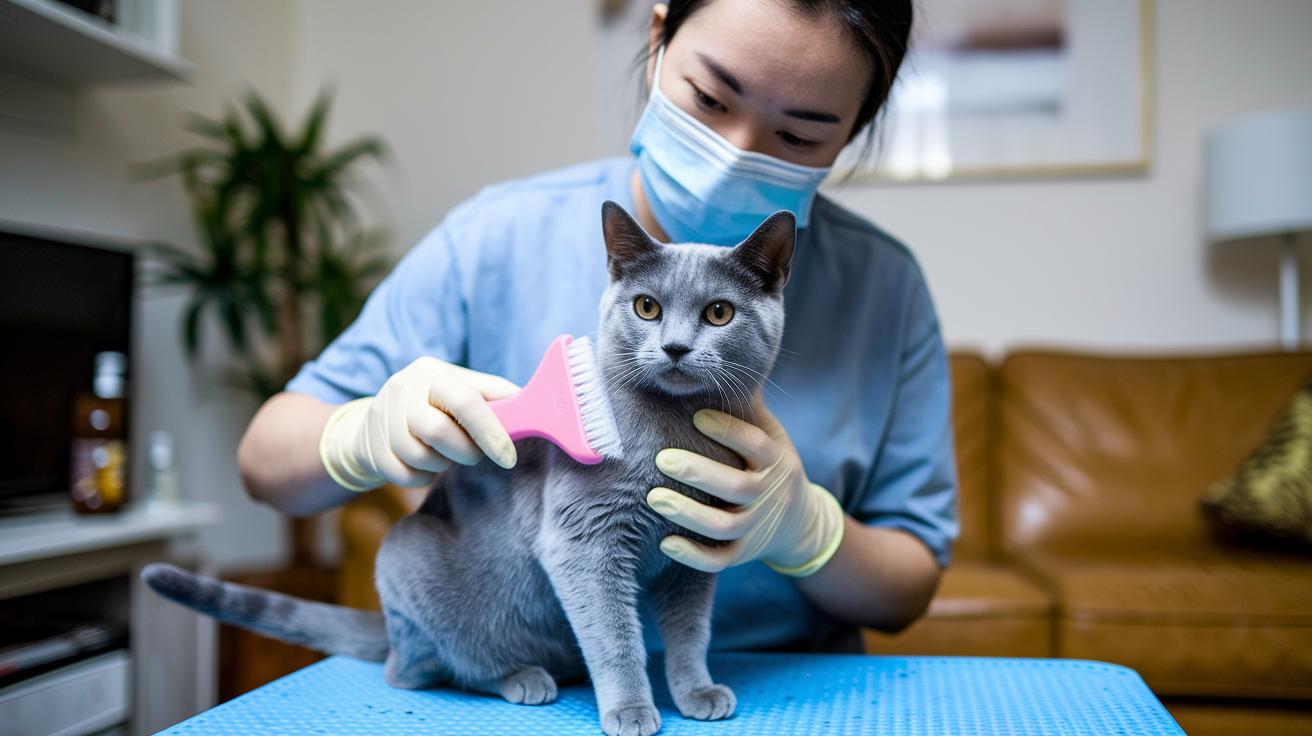
    • Wear gloves and a mask when you brush your cat. It helps catch dander (tiny skin flakes) before you inhale it.
    • Use a slicker brush (fine metal wires on a flat pad) once a week. Brush in the direction the fur lies for a gentle, satisfying sweep.
    • In heavy-shed seasons, split brushing into two or three short sessions. Keep each one to about three minutes so your cat stays chill.
    • Give your cat a bath now and then with hypoallergenic shampoo. Rinse really well so no suds hide in the fur.
    • Ask your vet about omega-3 supplements (healthy fatty acids). They help build a shiny coat that sheds less.

    These steps pull out loose hairs and oils before they float around. That keeps airborne Fel d1 (cat allergen protein) levels nice and low.

    Environmental Strategies

    • Place a HEPA air filter (High Efficiency Particulate Air filter) in your main living area. It traps dust and dander so the air stays cleaner.
    • Vacuum daily with a HEPA-equipped vacuum. Glide it over couches, carpets, and cat towers to scoop up sneaky fur.
    • Cover sofas and beds with washable throws. Wash them every two weeks or whenever shedding peaks.
    • Keep your Russian Blue out of bedrooms (your allergy-free zones). You’ll sleep better without stray dander drifting in.
    • Put the litter box in a well-ventilated corner away from walkways. That way dust and allergen bits stay right where they belong.

    Stick with these grooming and home-care habits. You’ll notice fewer sneezes and a home that feels fresher and more fur-friendly. Breathe easy, friends.

    Russian Blue Temperament and Lifestyle Fit for Allergy Sufferers

    - Russian Blue Temperament and Lifestyle Fit for Allergy Sufferers.jpg

    Behavioral Characteristics

    Eager, smart, and unbelievably loyal, Russian Blues make great pals. They’re a bit shy at first (new-face syndrome?), but once they warm up, you’ll get head bumps and soft purrs. They whisper more than they yowl, so you won’t get serenaded all night. And they usually pick one person to snuggle with, just right if you need a low-stress buddy after work.

    Peaceful spots, you know, make these cats purr happiest. They’ll creep after a toy mouse with laser focus, then flop in your lap for naptime. It’s calm fun with almost no surprise midnight zoomies. That balanced energy feels paw-fect for folks with allergies (people who sneeze around cats).

    Enrichment and Indoor Setup

    Ever wonder how to keep your Russian Blue happy indoors? Give them some vertical real estate: a tall cat tree or wall shelf becomes their personal skyscraper for bird-watching. Stash interactive toys, puzzle feeders (treat-hiding toys) and feather wands, and swap them out weekly so your whiskered friend never gets bored.

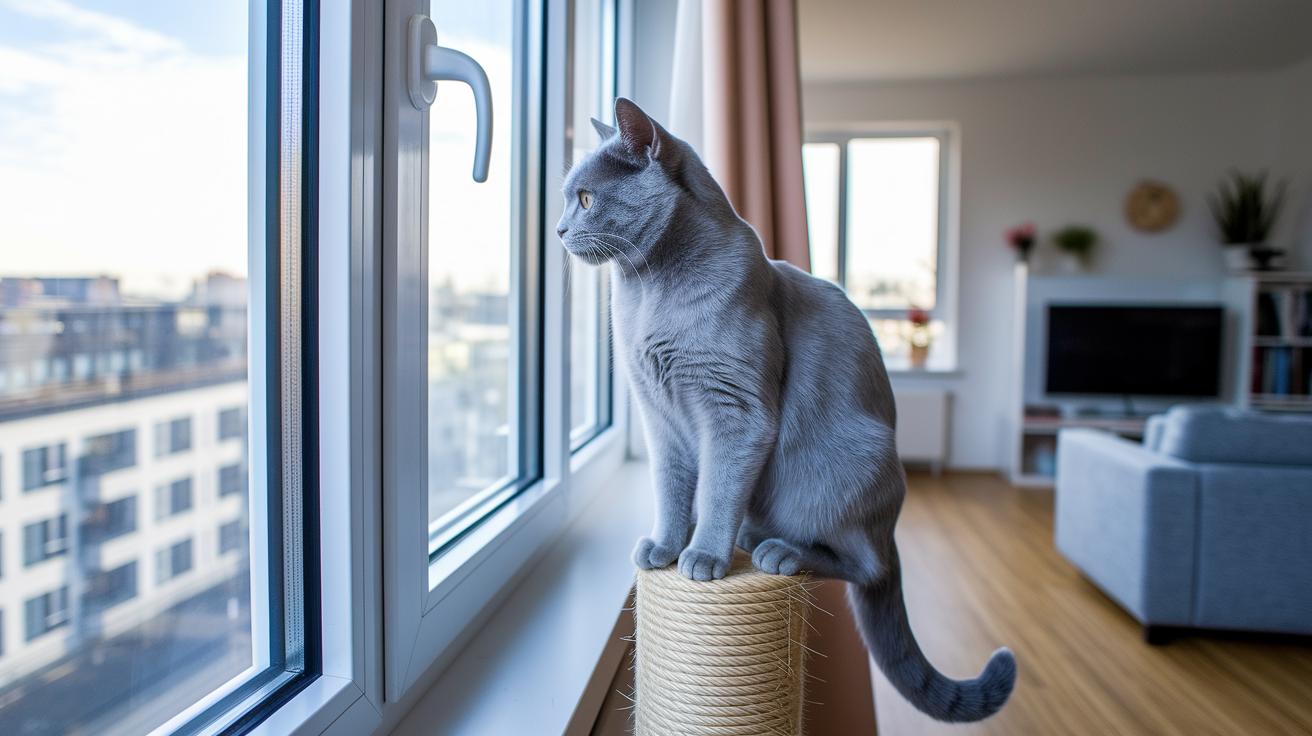
    A sturdy window perch (a safe spot for sunbathing) is their go-to for bat-at-able bugs and bird TV. Tuck scratching posts near their chill zones so they only shred there, your floors stay mostly fur-free.

    Keep a basket of simple toys, crinkly balls, peekaboo tunnels, and ribbon wands, so they’ll chase and pounce while you’re busy. It’s like giving their inner hunter a workout before cuddle time. With these tweaks, your Russian Blue shows off its calm, curious, cuddle-ready self, ideal for allergy-friendly homes.

    Nutrition and Health Considerations for Hypoallergenic Russian Blues

    - Nutrition and Health Considerations for Hypoallergenic Russian Blues.jpg

    Feeding your Russian Blue a gentle diet can mean fewer sniffles and a shiny coat. Go for wet food that’s about 60–63% whole meat (muscle tissue full of taurine, an amino acid good for heart and eyes) so your cat gets top-notch protein without extra fillers. The rich smell and soft chunks tempt even the fussiest felines.

    Look for added omega-3 (a healthy fat that soothes itchy skin) and vitamin E (an antioxidant that helps fur stay glossy). These buddies team up to calm inflammation and slow down shedding. Ever watched your kitty give you that “feed me” stare? This mix will have them purring at mealtime.

    Skip the fillers, meat-and-bone meals, and animal derivatives (leftover bits from other animal parts). Those can stress sensitive skin and boost dander. Instead, pick a formula with just one or two meat options plus clear nutritional boosts, think turkey or fish plus a bit of pumpkin for digestion. For kittens, a bit more fat helps growing muscles and brains, so lean toward a whole-meat ratio that’s kitten-approved.

    Feed your Russian Blue two or three small meals a day. Aim for 25–30 calories per pound of body weight, that keeps your cat trim and spry. And don’t forget fresh water bowls in every room. Hydration plumps up skin cells and fights off flaky dander.

    You’ll see changes fast:

    • In about a week, bowel movements should firm up, good digestion is a happy cat.
    • In two to four months, expect fewer hairballs and less fur on your sofa.
    • By six months, your cat’s immune system and organs will thank you with a soft, lush coat.

    For extra support, ask your vet about probiotics (friendly gut helpers) and an omega-3 supplement. A quick check-in every six months makes sure all those nutrients stay balanced. Feed smart, and your Russian Blue will stay plush, and you’ll dodge those sneeze attacks.

    Adopting and Preparing Your Home for a Hypoallergenic Russian Blue

    - Adopting and Preparing Your Home for a Hypoallergenic Russian Blue.jpg

    Allergy testing means spending a few hours with a purring Russian Blue. Ask to visit a foster home or a breeder’s lounge and watch for sneezes or itchy eyes. It’s like a quick check to see if you’ll be feline fine together.

    A breeder who measures Fel d1 (the protein that makes you sneeze) or asks you over for a proper meet-up really cares about your sniffles. And neutering at 4 to 6 months can cut Fel d1 levels by up to five times. Your future furball will be so purr-fectly chill. Imagine its whiskers twitching as it explores its new home.

    • Tuck away loose cords and anchor wobbly shelves. Swap fragile decorations for sturdy, unbreakable toys.
    • Block off bedrooms so you get a sneeze-free zone for dream-filled naps.
    • Add tall cat trees and wall shelves for sky-high play and fewer hairs on your floor.
    • Fit strong window screens or childproof locks to keep your little escape artist safe.
    • Cost check: adopting from a shelter usually starts around $75, while a reputable breeder might ask $800 to $1200. Plan another $100 to $200 for microchipping (tiny ID chip) and that first vet exam.

    Don’t skip microchipping and your first wellness visit. Knowing your kitty is safe and healthy helps everyone breathe easier.

    Worth every paw-print.

    Final Words

    In the action, we explored why Russian Blues are a top pick for sensitive noses: they produce far less Fel d1 and sport that dense plush coat that’s simple to groom.

    We covered brushing schedules, air purifiers, and puzzle toys to keep your multi-cat crew busy and calm, and even tips on diet and indoor playgrounds to cut stress and snag a few pounces.

    You’ve also got the lowdown on vet checks, home prep, and how to bring one of the best hypoallergenic cat breeds russian blue into your life with sneeze-free snuggles ahead.

    FAQ

    Are Russian Blue cats hypoallergenic?

    Russian Blue cats are considered hypoallergenic because they produce lower levels of Fel d1 allergen in their saliva and dander, often triggering only mild reactions in people with moderate cat allergies.

    What is the #1 most hypoallergenic cat breed?

    The Siberian cat ranks as the most hypoallergenic breed, thanks to its naturally low Fel d1 output, making it a top choice for allergy sufferers seeking gentle, furred companions.

    How much does a Russian Blue cat typically cost?

    A Russian Blue kitten from a reputable breeder usually costs between $600 and $1,200, while adoption fees run from $150 to $400, depending on age, pedigree, and location.

    Are Russian Blue cats low shedding?

    Russian Blue cats shed moderately twice a year and benefit from weekly brushing to control loose hairs and reduce airborne allergens in your home.

    Where can I adopt or purchase a Russian Blue cat?

    You can adopt a Russian Blue through cat rescue organizations or find breeders who offer meet-and-greets, ensuring you choose a healthy, allergy-friendly kitten with clear health screenings.

    Are Siberian cats hypoallergenic?

    Siberian cats are often labeled hypoallergenic because they naturally produce minimal Fel d1 allergen, making them a strong alternative for allergy sufferers seeking a long-haired feline friend.

    Related Articles

  • Hypoallergenic Cat Breeds Maine Coon Perfect Allergy Match

    Hypoallergenic Cat Breeds Maine Coon Perfect Allergy Match

    Ever thought Maine Coons were allergy-eaters, not allergy-bringers? You’re not alone. Many cat fans swear these gentle giants let you cuddle without a sniffle. But here’s the sneezy truth: that thick floof and all that grooming can hide a lot of allergens.

    In their oil glands (tiny sacs under the skin) they make Fel d 1 proteins (the main cat allergen). Then dander flakes (microscopic skin bits) cling to each strand of fur. When your cat grooms itself, it spreads these allergen bits everywhere.

    Each graceful lick becomes a tiny allergen missile. It feels paws-itively zen for kitty. But for you? Total sneeze-fest.

    We’ll peel back the fluff and show you what’s really going on. Then you’ll know if a big floof is your perfect match or if you’ll need a box of tissues on standby.

    Maine Coon Allergen Profile and Hypoallergenic Status

    - Maine Coon Allergen Profile and Hypoallergenic Status.jpg

    So, here’s the scoop: Maine Coons aren’t hypoallergenic. They make Fel d 1 protein (the main culprit behind itchy eyes and sneezes) in their sebaceous glands (those oil-producing skin glands) and Fel d 4 protein (another allergen) in their saliva. On the cat-allergen scale, they hang out with most long-haired breeds, not on the low-allergen end.

    Ever watched your kitty clean itself? When a Maine Coon grooms, its saliva-soaked fur dries into teeny flakes that float around, little allergy ninjas carrying Fel d 1. Your nose goes “achoo,” your eyes get scratchy, and boom, flaky allergens on your couch, carpet, and clothes.

    And don’t forget the year-round shedding. Thanks to that dense undercoat plus long guard hairs (the outer, protective fur), you’ll find more loose hairs everywhere. It’s like confetti, except it makes you sneeze.

    Here’s a tiny trick: intact males usually pump out more Fel d 1 than females or neutered males. So opting for a spayed queen or a neutered tom might shave off a bit of allergen. But let’s be real, it won’t banish Fel d 1 completely. No cat breed is totally hypoallergenic, every furry friend secretes some of this protein in their oils and saliva.

    Hypoallergenic Cat Definition and Key Traits

    - Hypoallergenic Cat Definition and Key Traits.jpg

    Ever wished you could cuddle a cat without the sniffles? Hypoallergenic cats make less Fel d 1 (the sneeze-making protein in kitty saliva and skin oils). That means fewer nasal tickles and itchy eyes. Think of them as kitties that tiptoe past your allergies.

    Their fur and grooming habits help too. Cats with a single-layer coat (just one layer of fur, no fluffy undercoat) shed less hair and skin flakes. Less shedding means fewer dander clouds when they zoom across the room. And since they drool and groom less, you get fewer saliva flakes floating around, so your air stays clearer.

    Some real-life low-allergen breeds include the are Siberian cats hypoallergenic Siberian, the silky Balinese, and the hairless Sphynx. These cats rank lowest in Fel d 1 production, yet you’ll still spot tiny protein flakes when they clean themselves. No cat is totally dander-free, but these breeds come pretty close to sneeze-free snuggles – purrfect, right?

    Hypoallergenic Cat Breeds Maine Coon Perfect Allergy Match

    - Comparing Maine Coon with Top Hypoallergenic Breeds.jpg

    Ever noticed your nose tickle around a Maine Coon? Let’s see how this gentle giant compares to other low-shed fluffballs. We’ll rank each breed by coat type, shedding level, and Fel d 1 proteins (the main cat allergen). Ready to find your sneeze-friendly purr pal?

    Breed Coat Type Shedding Level Allergen Rating
    Maine Coon Long thick fur (like a warm scarf) Heavy all year High (lots of Fel d 1 proteins)
    Siberian Semi-long coat (fur that’s neither too short nor too long) Moderate Low
    Balinese Long single coat (smooth, silky fur) Low Low
    Sphynx Hairless Minimal Very Low
    Russian Blue Dense short coat (fur packed tight like soft bristles) Low Low-Medium
    Bengal Short spotted coat (sleek, wild-looking fur) Moderate Medium-Low

    The Sphynx shines for severe sneeze sufferers. It’s hairless. Almost no fur means almost no dander. And a very low allergen score, whoa.

    Balinese and Siberian share the next spot. They sport soft, long-ish coats that feel fluffy without filling your air with dander. Think gentle purrs, not pollen storms.

    Then there’s the Russian Blue and Bengal duo. Russian Blues have a tight, short coat that traps loose hairs in a low-medium bundle. Bengals rock a sleek, spotted coat with a medium-low rating, perfect if you don’t mind a quick brush now and then.

    Most people love the Maine Coon’s luxurious mane (it’s like wearing a furry winter cape). But that beauty comes with heavy shedding and high Fel d 1 levels. Best for mild sniffles or feline fans up for regular grooming.

    Worth every paw-print.

    Grooming and Home Strategies for Allergy Reduction in Maine Coons

    - Grooming and Home Strategies for Allergy Reduction in Maine Coons.jpg

    Ever get that tickle in your nose staring at your Maine Coon’s cloud-like fur? Those tiny fur tufts carry Fel d 1 (the main protein in cat saliva and skin oils) and dander (microscopic skin flakes). Sneaky allergens, right? But with the right grooming hacks and home-cleaning moves, you can turn Achoo City into Purr-topia.

    • Brush your Maine Coon two or three times a week. It’s a fun tickle session that whisks away loose hair and dander.
    • Give a gentle bath once a month. The shampoo and water strip off saliva and skin oils that hold Fel d 1 proteins.
    • Vacuum carpets and furniture weekly with a HEPA-filter vacuum (that’s a High-Efficiency Particulate Air filter) to trap even tiny allergy bits.
    • Wash both your bedding and your cat’s bed weekly, and mist fabrics with an allergen-neutralizing spray for extra peace of mind.
    • Keep bedroom doors shut and wipe down surfaces to stop dander from sneaking into your sleep zone.
    • Run a HEPA air purifier in living and sleeping areas to filter out airborne fur flakes.

    And if you need a hand, a pro groomer can swoop in every three to four months with de-shedding treatments and special hair-removal tools. Your cat stays fresh, you stay sneeze-free.

    Medical and Behavioral Allergy Management for Cat Owners

    - Medical and Behavioral Allergy Management for Cat Owners.jpg

    Allergy shots (immunotherapy) help your body build up tolerance to Fel d 1 proteins from cat dander over several months with an allergist (allergy doctor). It’s a slow climb, but you’ll often notice fewer sneezes and less itchy eyes over time. Over-the-counter antihistamines and nasal corticosteroids (nose sprays) jump in fast, they calm that scratchy throat and watery eyes, even though they don’t remove the allergen. Your allergist will pick the right dose and watch for any side effects. It feels amazing when relief finally kicks in, you know?

    Adopting a few simple habits can shrink your allergy flakes too. Wash your hands right after petting your kitty and keep your face out of fur and saliva, those Fel d 1 proteins latch on quick. Vacuum floors and soft furniture often (think of the satisfying rumble under your feet) and run a HEPA air filter to trap tiny dander bits. Thinking about adding a Maine Coon to your home? Oops, make that a “big fluffy buddy”, ask for a professional skin or blood test to check your allergy level before you commit.

    Worth every paw print.

    Weighing Maine Coon Adoption: Benefits and Challenges for Allergy Sufferers

    - Weighing Maine Coon Adoption Benefits and Challenges for Allergy Sufferers.jpg

    Ever thought a cat could act like a pup? These gentle giants show dog-like loyalty, nudging doors at dawn for a morning cuddle. They even learn tricks faster than we can say high-five!

    They have a playful side, too. Picture your cat launching across the rug like a tiny cheetah or shimmying after feathers that make their whiskers quiver. Ever watched your kitty chase a feather toy down the hallway? It’s pure joy.

    Smart as a whip, they pick up routines, thrive on interactive play, and curl up by your side for a soft purring nap. They stick with you like a fuzzy companion with big paws.

    But hold on. You’ll need heavy grooming and a HEPA filter (high-efficiency particulate air filter that traps tiny bits of dander) to keep your home fresh, see Grooming & Home Strategies.

    • Space to roam. Maine Coons need tall cat trees or open rooms to stretch those six-foot leaps and feel the breeze under their paws.
    • Social cravings. They hate solo time and light up when you’re around or another pet joins the fun. Their soft chirps and trills say, “Play with me!”
    • Kid-approved. These gentle giants handle gentle hands with patience and often become playful pals for little ones, tolerating soft pats and gentle wrestles.
    • Energy needs. They love games that challenge both brain and body, so plan for daily play sessions that end with happy purrs.

    Final Words

    We dove into Maine Coon’s allergen profile and showed why they’re not on the hypoallergenic list. Then we defined what counts as hypoallergenic and compared top breeds side by side.

    Next we shared grooming, cleaning, medical tips, and even weighed the pros and cons of adopting a gentle giant. Tiny tweaks like frequent brushing, HEPA filters, or choosing neutered cats can ease those sniffles.

    Here’s to happy purrs, fewer sneezes, and exploring hypoallergenic cat breeds maine coon possibilities with confidence.

    FAQ

    Which cat breeds are hypoallergenic?

    Hypoallergenic cat breeds produce less Fel d 1 and shed lightly. Leading examples include the hairless Sphynx (#1 most hypoallergenic), Siberian (semi-long coat), Balinese (single-layer coat), and Russian Blue.

    Are Maine Coon cats hypoallergenic and safe for allergy sufferers?

    Maine Coon cats shouldn’t be considered hypoallergenic since they produce Fel d 1 in skin oils and saliva, groom heavily, and shed year-round. Regular brushing and HEPA air filters may help those with mild cat allergies.

    Are Maine Coon cats expensive?

    Maine Coon kittens often cost between $800 and $2,000 depending on pedigree, breeder reputation, registration, and region, with show-quality cats or rare coat colors commanding higher prices.

    Related Articles

  • Hypoallergenic cat breeds bengal Bring Allergy Relief

    Hypoallergenic cat breeds bengal Bring Allergy Relief

    Ever feel that tickle in your nose the moment your kitty hops into your lap? Bengal cats might just be the answer for allergy-friendly snuggles. Their single-layer fur (one coat of hair) works like a cozy T-shirt that traps dander flakes (tiny skin bits) instead of letting them drift around. Since they carry less Fel d 1 protein (the sneeze-causing stuff), you’ll spend more time smiling and less time sniffling with your purr-fect cuddle buddy.

    Bye-bye sneeze season.

    Let’s explore how these spotted athletes flip sneeze season into cuddle season. Their quick grooming routines sweep away loose fur before it ever drifts through the air. I once watched my Luna leap six feet to chase a feather toy, and it was a delight. And that satin-smooth coat feels like silk on your skin and really helps ease your sniffles.

    Hypoallergenic Traits and Suitability of Bengal Cats

    - Hypoallergenic Traits and Suitability of Bengal Cats.jpg

    Ever wondered if Bengal cats are hypoallergenic? Their short, satin-smooth coat traps fewer dander flakes. With just one layer of fur (not the usual fluffy double coat), they spread less of the Fel d 1 protein (the sneeze-maker). Think of it like a tight T-shirt instead of a fluffy sweater. It locks in loose particles instead of flinging them around.

    They groom a bit less than long-haired kitties. Um, so you’ll see fewer stray hairs and less allergen-filled saliva lying around. If your allergies are on the mild side, a Bengal could mean fewer sneezes and clearer eyes. No cat is a total zero-allergen, but Bengals have the edge over their fluffier friends.

    But they bring way more than allergy help. These little athletes turn a simple room into a mini obstacle course. You’ll catch chases, high jumps, and that blur of spotted fur as they swat at a toy. Ever felt the thrill of a silent pounce? It’s pure cat magic.

    Allergies can be tricky, you know. So it’s smart to meet a Bengal first. If your sniffles stay in check and your eyes feel fine, this feisty, chatty friend might be just what you need. Worth the paw-venture?

    Bengal Cat Allergen Profile: Fel d 1 Protein, Dander, and Shedding

    - Bengal Cat Allergen Profile Fel d 1 Protein, Dander, and Shedding.jpg

    Ever wonder what makes you sneeze around cats? It’s Fel d 1 (the sneeze-causing protein) lurking in saliva, skin oils, and even urine. That’s the main culprit behind those itchy eyes.

    Bengals don’t shy away, they carry just as much Fel d 1 as other breeds. But they’re tidy little athletes. With only one fur layer (no fluffy undercoat) and nonstop self-grooming, they send fewer dander flakes (tiny skin bits) into the air.

    Imagine dust bunnies replaced by a light sprinkle of confetti. You’ll still feel a tickle, but not a full-on snowstorm of flakes when your Bengal zooms by.

    Worth every paw-print.

    Bengal vs Other Hypoallergenic Cat Breeds: Comparative Allergen Overview

    - Bengal vs Other Hypoallergenic Cat Breeds Comparative Allergen Overview.jpg

    Picture a cat line-up at the allergy Olympics: Bengal, Siberian, Balinese, Sphynx, Devon Rex, and Russian Blue. This table breaks down the Fel d 1 protein levels, how much fur gets flung, and coat styles. Toss in a Siberian vs Bengal hypoallergenic traits debate or ponder a Sphynx vs Bengal hypoallergenic comparison, and you’ve got your cheat sheet to pick a friend who keeps your sinuses happier.

    Breed Fel d 1 Level Shedding Coat Type
    Bengal Moderate Low Short single-layer coat
    Siberian Low Heavy Thick triple coat
    Balinese Moderate Low Single long coat
    Sphynx Low Minimal Hairless (requires skin care)
    Devon Rex Moderate Low Curly short coat
    Russian Blue Moderate Moderate Dense plush fur

    Russian Blues have that dense plush fur that muzzles but still holds onto allergens like a sneezy time capsule. Devon Rex cats sport curly short locks that snatch dander close, so flakes don’t fly far. Balinese beauties rock a single long coat, shedding fewer loose hairs but still needing a gentle brush.

    Sphynx pals are hairless champs, they practically erase airborne allergens though they need regular skin care to keep oils in check. Siberians produce slightly less Fel d 1 but drop a flurry of fur thanks to their thick triple coat. You’ll find tumbleweeds in corners when they blow coat season, though the lower allergen output can be worth the daily vacuum dance.

    And Bengals? They hit the sweet spot. Their sleek, one-layer coat means fewer stray hairs zooming around the house, while the average Fel d 1 levels stay steady. It’s like having the energy of a Bengal athlete without the sneeze-inducing fluff.

    Curious about other low-allergen pals like Ragdoll? See Are Ragdoll Cats Hypoallergenic.

    Effective Grooming and Environment Strategies for Bengal Cat Allergy Management

    - Effective Grooming and Environment Strategies for Bengal Cat Allergy Management.jpg

    • Brush your Bengal 2 or 3 times a week with a soft-bristle brush (nylon bristles that feel gentle on fur). You’ll hear tiny plucks of loose hair and see dander before it floats around.
    • Wipe down sleek fur once a week with a damp microfiber cloth (super-fine cleaning cloth). It picks up skin flakes (tiny bits of skin) and leaves your kitty’s coat smooth.
    • Give an occasional mini spa day, a quick bath with pet-safe shampoo and an allergen-neutralizing spray (cuts down Fel d 1, the main sneeze-maker). Oops, make that every few weeks so skin stays soft.
    • Vacuum floors and furniture daily with a HEPA-filtered vacuum (a filter that traps tiny particles). Then swipe hard surfaces with a slightly damp microfiber cloth. Listen to the rumble and watch dust bunnies vanish.
    • Keep your bedroom a cat-free zone and switch to allergen-resistant bedding so those sneeze-causing proteins stay in the living room, not on your pillow. Worth it for peaceful Zs.
    • Run a high-capacity air purifier with a HEPA filter in common rooms. This gadget hums along, pulling airborne fur and dander right out of the air.

    Stick with this easy routine and those floating fluff monsters will shrink. More allergy-free cuddle time with your Bengal buddy. Totally paw-fect.

    Nutrition and Health Care Practices to Minimize Bengal Allergens

    - Nutrition and Health Care Practices to Minimize Bengal Allergens.jpg

    Ever watched your Bengal shake off a dust cloud? It’s time to tame that allergy frenzy with the right diet. Start by choosing food that has at least 60% whole chicken (real chicken chunks), turkey, tuna, or salmon. Your Bengal needs that high-protein boost for strong muscles and a sleek, silky coat. Cutting out grains, dairy, and beef helps stop itchy skin and extra shedding that sends dander (tiny skin flakes) flying.

    Serve wet food every day to keep your cat hydrated. The soft bits in gravy improve skin elasticity (how stretchy your cat’s skin is), so fewer flaky pieces drift into the air. You’ll spot less powdery dust on your shelves, and your hand will glide over that satin fur.

    Omega-3 supplements (essential fatty acids) are like a mini spa treatment in a pill. In about 16 weeks you’ll notice a shinier coat, calmer skin, and fewer allergens. Claw-tastic, right?

    Thinking about raw? Um, it can really amp up coat health if you’re strict about cleanliness. Use a separate cutting board and wash your hands right away, no cross-contamination with harmful bacteria.

    With diet, hydration, and supplements teaming up, your Bengal’s coat stays lush and dander drops to a minimum. More cuddle time, fewer sneezes.

    Purr-fect.

    Pros and Cons of Adopting Bengal Cats for Allergy Sufferers

    - Pros and Cons of Adopting Bengal Cats for Allergy Sufferers.jpg

    • Active companionship: zoomies across the living room, vaulting leaps onto bookshelves, and chatty meows that keep you smiling.

    Bengals shed less and spread lower levels of Fel d 1 compared to most breeds, but they still trigger allergies for some. They demand a strict upkeep plan, weekly brush sessions, frequent vacuuming, and a HEPA filter humming in the corner. Folks with asthma might notice wheezing if dander levels rise. In the end, Bengal cats can ease mild allergy symptoms, but success hinges on consistent grooming, cleaning, and careful monitoring of any respiratory changes.

    Final Words

    In the action, we covered Bengal cats’ satin-smooth coats and lower Fel d 1 protein, compared their allergen profile to other breeds, and shared practical grooming and home strategies.

    We also explored diet tweaks and omega-3 boosts to keep their skin healthy, then balanced the pros and cons of welcoming Bengals into allergy-prone households.

    With these insights, hypoallergenic cat breeds bengal offer playful, low-allergen companionship for busy multi-cat homes, purr-fectly positive for both you and your kitties.

    FAQ

    Are Bengal cats hypoallergenic and suitable for allergy sufferers?

    Bengal cats are often called hypoallergenic because their short, single‐layer coat sheds less Fel d 1 (the main cat allergen), making them more tolerable for people with mild cat allergies.

    How much do hypoallergenic Bengal kittens cost and where can I find them?

    Hypoallergenic Bengal kittens usually range from $800 to $2,000, depending on pedigree and breeder. Reputable breeders and breed‐specific rescues list available kittens on their websites and verified cat-breeding platforms.

    Is a Siberian cat hypoallergenic?

    Siberian cats can be tolerable for some allergy sufferers because they produce lower Fel d 1 levels, but their thick triple coat sheds heavily, which may spread more dander than breeds like the Bengal.

    What is the #1 most hypoallergenic cat breed?

    The Sphynx is widely considered the most hypoallergenic cat breed since it lacks fur, so it sheds minimal dander and distributes fewer airborne allergens—though regular skin care is essential.

    Related Articles

  • are siamese cats hypoallergenic Allergy-Friendly Housemates

    are siamese cats hypoallergenic Allergy-Friendly Housemates

    Ever heard someone say a Siamese cat won’t trigger your sniffles? I used to think that was purr-fectly true. But allergies hinge on a protein called Fel d1 protein (tiny bits of saliva and skin oils).

    Every cat makes this protein, and it loves hitching a ride on fur. When that fur floats around, your nose might start to itch or your eyes might water.

    Siamese cats don’t make less of that protein. They just lose less hair, so fewer of those protein-coated flakes drift through the air. If you’re mildly allergic, you might notice fewer sniffles or less itchy eyes.

    But if you’re a heavy reactor, you’ll still catch a sore nose or a sneeze. So think twice if you break out in hives around cats.

    Next, we’ll look at why a Siamese’s low-shed style can soothe mild allergies and what you need to ask yourself before you adopt one.

    Siamese Cats: Hypoallergenic Assessment

    - Siamese Cats Hypoallergenic Assessment.jpg

    No cat is truly hypoallergenic. Every cat makes Fel d1 protein in saliva and skin oils, so hypoallergenic myths don’t match reality.

    Siamese cats don’t churn out less Fel d1 protein than other breeds. What sets them apart is their minimal shedding. Less fur flying around means fewer allergy triggers drifting across your living room carpet.

    That lower fur spread can cut down on allergy symptoms for people with mild sensitivities. Sneezing fits or itchy eyes may happen less often. But anyone with strong reactions to Fel d1 will still notice a flare-up. Your own threshold for dander matters most.

    Shedding control is easier when your cat sheds barely a handful of hairs each week. A quick brush outside keeps stray strands out of your home. Even wiping with a damp cloth tames loose fur and dust. That simple routine can make a big difference. If you vet-test your reaction first, you can get a clear idea of how your body responds to a Siamese.

    Understanding Cat Allergens: Fel d 1 and Allergy Triggers

    - Understanding Cat Allergens Fel d 1 and Allergy Triggers.jpg

    Ever watched your kitty groom and wondered why you’re sneezing? Most of us blame cat hair. But it’s actually Fel d 1, a saliva protein (sticky spit molecule) that makes about 80 to 95 percent of allergy sufferers sneeze or rub itchy eyes.

    Um, and the plot thickens: Fel d 2 and Fel d 3 live in skin oils (sebaceous glands, tiny oil factories). When your cat licks, these proteins ride the fur. Then they flake off as dander.

    Once the spit or oil dries, it turns into dust-like particles that drift in the air. You’ll find them on your sofa, your sweater, even your laptop. Crazy, huh?

    It’s not your cat’s hair length that matters. It’s how much protein is in that dander. Paw-sitively sneaky.

    Allergen Source How it spreads
    Fel d 1 saliva protein (sticky spit molecule) dries into tiny dust flecks that float around
    Fel d 2 skin oils (sebaceous glands, tiny oil factories) clings to fur and flakes off as dander
    Fel d 3 skin oils (sebaceous glands, tiny oil factories) binds during grooming and drifts through the air

    Siamese Cats Versus Other Breeds: Allergen Profiles

    - Siamese Cats Versus Other Breeds Allergen Profiles.jpg

    Ever watched your whiskers twitch around airborne fur? Siamese cats are part of a small gang known for making less Fel d 1 (the main cat saliva allergen). Bengals, Russian Blues, Burmese, Sphynx, and Siberians join the club. But keep in mind, every kitty still makes Fel d 1 in their spit and skin oils. It’s their light shedding that really cuts back on allergen-laden hairs dancing around your home.

    Next, take Balinese-Javanese cats. Their extra-fluffy fur hugs the allergen close to their skin, trapping it instead of letting it drift away. That strategy helps some folks, but it's the opposite of the Siamese’s barely-there coat. It’s like two different play styles, one hides the allergen, the other barely leaves any behind.

    Mixed-breed kitties? Now that’s a wildcard. So um, one ragdoll mix might give you a thick coat or low Fel d 1. Your reaction could surprise you.

    In truth, your own nose calls the shots.

    Breed Fur & Shedding
    Bengals Short, dense coat that sheds little
    Russian Blues Fine, plush fur that traps oils
    Burmese Short-haired, smooth coat with less dander (tiny skin flakes)
    Sphynx Virtually hairless (still produces oils)
    Siberians Surprisingly low Fel d 1 despite long hair

    Looking for more sneeze-free snuggles? Check out what breeds of cat are hypoallergenic to find even more low-allergen buddies. Each cat’s mix of protein levels, shedding habits, and grooming quirks makes your allergy test the real final say on which furry friend will keep the sniffles away.

    Allergy Management: Practical Tips for Siamese Cat Owners

    - Allergy Management Practical Tips for Siamese Cat Owners.jpg

    Living with a Siamese cat doesn’t have to mean endless sneezes. With a few easy tricks, you can keep those tiny fur flakes (dander, tiny skin flakes) under control and still cheer on those acrobatic midair leaps. Ever watched your kitty zoom across the room? It’s a blast. Um, ready for some purr-fect allergy hacks? Let’s dive in.

    Keep a steady grooming routine

    • Have a non-allergic friend brush your Siamese outside. That way loose fur stays outdoors and out of your air.
    • Give your kitten a weekly bath with gentle, cat-safe shampoo. It washes away saliva proteins (the stuff in kitty spit that can trigger sneezy fits).
    • After playtime, wipe your cat’s velvet fur with a damp cloth. It’s like a mini spa day that tames stray hairs and dust.

    Tackle airborne particles and surface dust

    • Vacuum every day with a HEPA filter (a special filter that traps tiny particles). It hunts down dander hiding in carpets.
    • Dust hard surfaces using a damp microfiber cloth (tiny-fiber cloth). That way allergens stick to the cloth instead of floating back in the air.
    • Run an air purifier with a HEPA filter. The soft hum is a small trade-off for cleaner air and fewer sniffles.

    Manage fabrics and hideouts

    • Wash bed sheets, curtains, and any machine-washable covers twice a week in warm water. Heat helps strip away saliva proteins.
    • Create cat-free zones, especially in your bedroom. A closed door is your best friend when you need a truly allergy-light retreat.

    Don’t forget your own prep
    Before cuddle time, wash your hands and try not to touch your face. If the sniffles sneak in, a daily dose of loratadine can help keep your eyes clear and your nose happy. Purr-fect!

    Variables Influencing Allergen Levels in Siamese Cats

    - Variables Influencing Allergen Levels in Siamese Cats.jpg

    Kittens put out way fewer allergens than grown-ups. Think of kitten allergen as a tiny drip instead of a raging river, your sniffles might barely even notice. That’s because they have less Fel d 1 protein (the main saliva protein that sets off allergies). So a young Siamese could be kinder to your nose.

    Female Siamese usually make less Fel d 1 than males. And if you fix a boy cat before he hits puberty, his saliva allergen output drops even more, like turning down the volume on a loud radio. Worth considering if you or your guests tend to sneeze.

    Colorpoint patterns matter, too. Darker points (seal, chocolate) often carry more Fel d 1 protein than lighter ones (blue, lilac). Those deep-brown ears and paws can send extra dander (tiny skin flakes) into the air. A paler coat means fewer allergen flakes floating around.

    Stress can send a cat into over-grooming mode, kicking off dander storms. Cats with feline hyperesthesia (a skin-sensitivity condition) or anxiety lick nonstop, turning self-cleaning into a fur fiesta. A calm home, with cozy hiding spots and gentle play, helps cut down frantic licking. Cleaner air, happier you.

    Adoption Considerations for Allergy Sufferers Choosing Siamese Cats

    - Adoption Considerations for Allergy Sufferers Choosing Siamese Cats.jpg

    If you struggle with severe asthma or get throat swelling around cat fur, you might want to pause on adopting for now. A bad reaction can really tighten your airways. Talk with your doctor before you bring home a fluffy friend. Better safe than sorry.

    For milder sniffles, a light-colored female Siamese might be easier on your nose. She hardly sheds, so the dander (tiny skin flakes) stays low. Ever tried a test drive? Spend an hour at the shelter or a friend’s house with a Siamese before you sign those papers. That hands-on trial is the best tip we’ve got.

    Got kids in the mix? Watch for sneezing or itchy eyes when they cuddle. Try a cat-free bedroom so nighttime stays sneeze-free. And keep tissues and pet wipes close by for quick fur clean-ups.

    Curious about other breeds? You might hear that ragdolls are hypoallergenic. Their plush coat actually traps allergens near the skin, so less floats around in the air. Exploring mixed-breed or purebred friends can help you find the purrfect match for your allergy-prone family.

    Final Words

    In the action, we busted hypoallergenic myths by explaining Fel d1 and showed why minimal shedding can help mild sufferers. We compared Siamese with other breeds, then served up tips like outdoor grooming, HEPA filters, and cozy restricted zones. We took a look at how age, sex, and color affect allergen levels, and guided allergy-prone folks through testing and breed options.

    Now you can answer are siamese cats hypoallergenic and feel confident keeping sneezes low. Here’s to playful paws and happy, healthy homes!

    FAQ

    Are Siamese cats hypoallergenic or good for allergy sufferers?

    Siamese cats aren’t truly hypoallergenic since they produce the same Fel d 1 allergens as other breeds, but their low shedding may ease symptoms for mild sufferers who follow strict cleaning and grooming routines.

    What cats are best for allergy sufferers?

    Cats best for allergy sufferers include Siberian cats, Balinese cats, and Russian Blues, which produce lower Fel d 1 protein levels or trap more dander in their coats, often causing fewer allergy reactions in sensitive people.

    Why am I allergic to Siamese cats?

    Allergy reactions to Siamese cats arise from Fel d 1 proteins in cat saliva and skin, not hair length. Grooming spreads those allergens, triggering sneezing, itching, or watery eyes in sensitive individuals.

    Are Siamese cats friendly or mean?

    Siamese cats are known for their affectionate, social nature and strong vocalizations. They thrive on human interaction and typically aren’t mean, though they may demand attention with loud meows.

    Are Siamese cats expensive?

    Siamese cat prices vary by pedigree and location, often ranging from moderate to high costs. Expect to pay more for show-quality or rare colorpoint lines compared to standard pet-quality kittens.

    Related Articles

  • are ragdoll cats hypoallergenic Perfect Allergy-Friendly Pets

    are ragdoll cats hypoallergenic Perfect Allergy-Friendly Pets

    Think ragdolls won’t make you sneeze? Ever felt that little tickle in your nose when your kitty kneads your lap?

    Actually, these silky fluff-balls still produce Fel d 1 protein (that’s the tiny allergen in cat saliva and skin oil).

    And when they groom themselves, microscopic dander (tiny skin flakes) drifts around like a dusty cloud, landing on your couch, your clothes, even your nose. You might barely see it, but your eyes and nose sure notice.

    But hey, you don’t have to choose between cuddles and constant sniffles. A once-a-week brush (to catch loose fur and dander) and a gentle wipe of those paws before they hop on your bed can cut down the allergen load. Toss their blankets in the wash often, and run a vacuum with a HEPA filter (that’s a special dust catcher) to trap sneaky flakes.

    In truth, ragdolls aren’t magic allergy shields. Yet with a few simple habits, you can enjoy every purr and head bump, sniffle-free.

    Ragdoll Cats: Hypoallergenic Facts and Myths

    - Ragdoll Cats Hypoallergenic Facts and Myths.jpg

    Ever wonder if ragdolls are hypoallergenic? I hate to say it, but they’re not. Just like any cat, ragdolls produce Fel d 1 (a protein in their saliva and skin oils). When they groom or shed, that stuff floats in the air and can trigger sneezing, itchy eyes, hives, or a cough.

    It’s all about the dander. Tiny flakes of skin, aka dander (little skin crumbs), drift off and land on your couch, your clothes, your nose. Even a sweet lap nap can set off a reaction. No cat is truly allergen-free.

    When people say hypoallergenic, they really mean less shedding and dander, not zero allergens. Ragdolls have a semi-long single-layer coat (just one layer of fur) that holds on to more dander instead of flinging it everywhere. And they groom in a chill way, so they spread less Fel d 1 around.

    Here’s the play-by-play:

    • Kittens often make less Fel d 1 than adult cats, so a young ragdoll might spark milder reactions.
    • Spayed females and neutered males usually produce less Fel d 1 than unaltered males.
    • A single-layer coat sheds fewer hairs and keeps dander (tiny skin bits) from flying around.
    • Brushing your ragdoll 2 to 3 times a week lifts saliva proteins before they drift into the air.

    Worth the extra cuddle time.

    Ragdoll Cat Coat, Grooming, and Allergen Spread

    - Ragdoll Cat Coat, Grooming, and Allergen Spread.jpg

    Ragdolls don’t have an undercoat (the fluffy layer under their fur), and they groom at a relaxed pace. Ever caught a puff of fluff floating off your kitty? So they shed less and spread fewer Fel d 1 (the main cat allergen protein). But you can keep your home extra clean with a few simple routines.

    • Brush your ragdoll two or three times a week with a hypoallergenic brush (it grabs loose fur and dander). Use gentle strokes that follow the fur’s direction and hold the brush at a slight angle so it glides over the skin without pinching. You’ll feel the soft fuzz lift right off.
    • Every month, treat your cat to a pro groom. They’ll smooth out mats and clear protein build-up, no scratchy surprises. Ask for a low-stress bath and a cool-air blow-dry so your kitty stays calm and comfy.
    • Once a week, give them a quick wipe-down with pet-safe anti-allergen wipes (they scrub off surface Fel d 1 and dust). Stroke each patch of fur, skip the eyes and ears, and watch the wipe trap those tiny proteins. No full bath needed.
    • Every six to eight weeks, hop into a bath with an anti-allergen cat shampoo (its molecules latch onto Fel d 1 so it rinses away). Lather lightly, rinse thoroughly, and dry completely, damp fur can irritate skin and hold moisture.

    These steps catch loose hair and saliva proteins before they float across your floors, furniture, and vents. Do the full routine and you’ll slash ragdoll dander levels, so you and your sneezy family can breathe easier and enjoy all the purrs. Worth every paw-print.

    Ragdoll Cats vs Other Low-Allergen Breeds

    - Ragdoll Cats vs Other Low-Allergen Breeds.jpg

    Low-allergen breeds like Siberians, Sphynx, and Balinese all promise fewer sniffles. Ever clicked are siberian cats hypoallergenic? You’ll find Siberians do make less Fel d 1 (that’s the main allergy protein) but their big, fluffy coats still puff out clouds of dander. And the Sphynx? No fur at all, yet it secretes those same proteins in its skin oils and saliva. Balinese cats have silky single-layer fur (with a thin undercoat) that drifts less around your favorite chair, but it still drifts.

    Ragdolls might help you breathe easier. They groom themselves less, and their semi-long single coat (no dense undercoat) grabs loose hair so fewer flakes go airborne. Think ragdoll vs siberian allergy, your nose might twitch at a zooming Siberian, but with a chill ragdoll purring in your lap, you may notice a gentler sneeze. Um, not allergy-free, but definitely purrhaps more mellow.

    Crazy cat fact: every kitty makes Fel d 1 proteins in saliva and on skin flakes. Even a quick lap nap can send invisible itch-makers flying. So if your eyes still water, um, no pedigree is totally hypoallergenic. Worth every paw-print of thought, though.

    Allergen Reduction Strategies for Ragdoll Households

    - Allergen Reduction Strategies for Ragdoll Households.jpg

    Feeling like you’re battling invisible dust bunnies and fur ninjas? Daily HEPA-filter vacuuming (High Efficiency Particulate Air filter) pulls up loose hair and dander before it floats around. And running an allergen-reducing air purifier 24/7 traps 99.97% of airborne Fel d 1 proteins (tiny saliva proteins that tickle your nose).

    Once a week, wipe your Ragdoll’s coat with pet-safe anti-allergen wipes (they lock saliva proteins on the fur so less loosens during snuggles). Toss in a Fel d 1-binding diet or barrier spray recommended by your vet and you’ve got a real protein-lock fortress keeping allergens down.

    Strategy Frequency & Benefit
    Brushing with hypoallergenic brush 2–3× weekly; lowers loose hair and dander by 60%
    Professional grooming Monthly; deep removal of trapped dander
    HEPA air purifier Continuous; captures 99.97% of airborne Fel d 1
    HEPA vacuuming Daily; removes dander from carpets and furniture
    Wiping coat Weekly; reduces surface saliva proteins by 40%
    Cat-free zones Ongoing; minimizes allergen exposure in key rooms

    Mix these steps and you build a multi-layer shield that quiets sneezes. Pro grooming once a month lifts hidden dander and 2–3 brushing sessions a week nab loose hairs before they take flight. Ever watched your kitty chase a loose hair? Cute, right?

    Next, carve out cat-free zones, bedrooms are great no-cat spots. Wash linens weekly so fewer proteins hitch a ride on your pillows or PJs. It’s a small change for big relief.

    In truth, this combo of daily vacuums, weekly wipes, nonstop HEPA and smart grooming weaves together a cozy space. That way you get soft purrs not itchy eyes. Worth every paw-print.

    Assessing Allergy Risks Before Bringing Home a Ragdoll

    - Assessing Allergy Risks Before Bringing Home a Ragdoll.jpg

    So you’re ready to bring a Ragdoll kitten home – congrats! These soft, blue-eyed snuggle bugs usually make less Fel d 1 (that main cat-allergy protein) than adult cats. Female kittens and early-neutered males often whip up even less of that dander-and-saliva mix, which is a relief if your nose is sensitive. But let’s be real, no kitty is totally allergen-free, so factor in age, sex, and spay date when you pick your furball.

    Next, run a real-life sniff test in a carpeted room. Find a fluffy buddy at a shelter or breeder and cuddle them for at least 30 minutes – feel their soft fur, listen to tiny purrs, and notice if your nose or eyes start to protest. Does your nose drip? Do your eyes itch or does a cough sneak in? Ask a pal to clock the time so you can jot down how you feel right away and then again an hour later.

    Finally, call in the pros at an allergist. A simple skin-prick test (tiny allergy poke) or quick blood panel (blood test) can map out your specific triggers. Your doc can spot if Fel d 1 or other irritants are the real villains and point you to the right meds or shots. That way, when you bring home your purring Ragdoll, you’ll know it’s cuddle-buddy bliss instead of a surprise sneeze-fest.

    Worth every paw-print.

    Final Words

    In the action of our in-depth look at Ragdoll cats and allergens, you got the straight fact: Ragdolls do release Fel d 1, the main trigger for sneezing and itchy eyes.

    We defined hypoallergenic in cat terms, compared grooming routines and coat types, and weighed Ragdolls against Siberians and Sphynx.

    We closed with solid at-home steps, test-drive protocols, and vet tips for picking the right kitten.

    Wondering: are ragdoll cats hypoallergenic? No breed is perfect, but Ragdolls offer calm coats that many find easier to live with. Enjoy every purr and playful leap!

    FAQ

    Are Ragdoll cats hypoallergenic?

    Ragdoll cats aren’t hypoallergenic because like all cats they produce Fel d 1, the protein triggering sneezes and itchy eyes, though their semi-long single-layer coat and calm grooming can lower airborne dander.

    Which cat breed is most hypoallergenic?

    Several breeds produce less Fel d 1, with Balinese and Siberian topping the list, followed by Siamese; but individual reactions vary and no breed is completely allergen-free.

    Can people allergic to cats live with Ragdolls?

    Living with a Ragdoll when allergic requires extra care like frequent brushing, HEPA filters, and cat-free zones. Their lower-shedding coat helps, but no cat is truly allergen-free.

    Are Ragdoll cats expensive and where can I find kittens for sale?

    Ragdoll cats typically cost between $800 and $2,500 depending on pedigree and breeder reputation; reputable catteries, breed-specific rescue groups, and verified online listings offer healthy kittens with health clearances.

    Are Ragdoll cats friendly and what are their downsides?

    Ragdolls are affectionate, gentle, and enjoy human company, often greeting you at the door. Downsides include potential obesity, hairballs from their semi-long coat, and less tolerance for outdoor living.

    Related Articles

  • are siberian cats hypoallergenic safe and allergy-friendly

    are siberian cats hypoallergenic safe and allergy-friendly

    Ever curl up for a snuggle with your cat only to start sneezing?
    Um, same here.
    And that’s where Siberian kitties come in!

    These big, fluffy furballs tend to make lower levels of Fel d 1 protein (a tiny cat allergen).
    So you might get fewer nose wiggles and itchy eyes.
    But they’re no miracle cure.
    Some still send your tissues into overtime.

    Lab tests found about half of Siberians test low for that pesky protein.
    The rest usually hang out in the middle.
    And a few can spike without warning – like rolling dice with your tissues.

    If you dream of purrs without the sniffles, a Siberian could be your allergy-friendly hero or not.
    Keep reading to find out when they shine and when you might need a backup plan.

    Siberian Cats Hypoallergenic Overview

    - Siberian Cats Hypoallergenic Overview.jpg

    Ever wondered if Siberian cats are hypoallergenic?
    Here’s the quick scoop: they can be easier on sneezy noses, but they’re no magic fix.
    Scientists measured Fel d 1 (the tiny protein that sparks runny noses and itchy eyes) in over a thousand Siberians.
    About half of these fluffy pals produce way less of it than most breeds.

    Still, every Siberian makes at least a bit of Fel d 1, so you’ll always have some floating around in the air or clinging to your clothes.
    Even low levels can drift across the carpet or pile up on your favorite couch.
    Worth knowing if you’re hoping for a sneeze-free snuggle.

    Over a 15-year study, vets checked saliva and fur samples to see who sat where on the allergen scale.
    Only about 15 percent of Siberians landed in homes where even serious allergies stayed quiet.
    Most cats fell in the middle, and the few low-producers sometimes ticked back up to normal levels.

    All that means the hypoallergenic side of Siberians varies by breeding, hormones, and each kitty’s own quirks.
    So, no guarantees. Just a lot of fluffy unpredictability!

    Even a low-producer might still trigger an allergic reaction if you’re super-sensitive.
    A friend of mine met a sweet kitten and still sneezed for days afterward.
    And a laid-back adult cat might seem safe until peak shedding sends allergens flying.

    Paws-up tip: spend a few playdates with each cat before you bring them home.
    You’ll see if your nose holds up or if you’ll need extra tissues.

    Fel d 1 Production & Dander in Siberian Cats

    - Fel d 1 Production  Dander in Siberian Cats.jpg

    Let’s talk about Fel d 1 protein (the main cat-allergy culprit). It’s made in saliva, skin oil glands (tiny pores near whiskers and paw pads), and perianal glands (small sacs by the base of the tail). When your cat grooms, saliva and oils stick to loose hairs. Those hairs float off as dander like fuzzy confetti in a sunbeam. Ever watched sunlight turn dust specks into twinkling magic? That’s dander doing its thing.

    Kittens stay under the Fel d 1 radar until about 11 weeks old when those glands finally wake up. So baby Siberians might feel a bit gentler on your nose, for a little while, anyway.

    Siberians rock a triple coat: soft underfur, a woolly midlayer, and longer guard hairs. It traps a ton of fur and oils. Then twice a year – in spring and fall – your living room can look like a snow globe in seconds. More fur in the air means more dander and, yep, itchier noses.

    It’s sneeze city.

    • Saliva, skin oil glands, and perianal glands pump out Fel d 1 that gets stuck in the fur
    • Kittens only start showing Fel d 1 around 11 weeks old, so young ones can seem extra hypoallergenic
    • Twice-yearly fallout in spring and fall sends a fur-flake cloud your way, upping the dander in the air

    Siberian Cats vs Other Hypoallergenic Cat Breeds

    - Siberian Cats vs Other Hypoallergenic Cat Breeds.jpg

    Ever wondered how Siberian cats stack up against other low-sneeze breeds?
    Siberians usually land smack in the middle of the allergy scale.
    Their Fel d 1 (the sneeze-making protein) is the same stuff all cats have, but more than half of Siberians tested make less of it than most kitties.

    Russian Blues, Sphynx, and Balinese cats also join the low-sneeze club, but none is totally allergen-free.
    Individual cats can vary, so your cuddle time might be purr-fectly calm or a bit sniffly.
    It’s smart to spend time with a cat before bringing it home and see how your nose does.

    Breed Relative Fel d 1 Level Hypoallergenic Note
    Siberian Low to medium Over 50% show reduced levels but all produce some
    Russian Blue Low to medium Often cited as allergy friendly but not zero
    Sphynx Medium Hairless skin oils still carry Fel d 1
    Balinese Low to medium Long hair traps fewer allergens than some breeds

    Want more low-sneeze furriends? Peek at what breeds of cat are hypoallergenic for a bigger list.

    Genetic & Physiological Factors in Siberian Allergen Levels

    - Genetic  Physiological Factors in Siberian Allergen Levels.jpg

    Ever wondered why some Siberians let you cuddle without sending you to the tissue box? Your cat’s genes (tiny sections of DNA) hold claw-tastic secrets. In Siberians, little tweaks in the Ch1 and Ch2 genes act like volume knobs on Fel d 1 (the main cat allergen protein). Lines like Neva Masquerade led the way with lower levels, and now low-allergen kittens pop up everywhere! But remember, everyone’s nose is different, and your immune reaction might still surprise you.

    Intact males often crank out more Fel d 1 thanks to testosterone (the male hormone), making them the sneeziest boys in the room. Neutering (removing their reproductive parts) cools down those hormone highs so they match queens (our word for females). Kittens under 11 weeks barely make a blip, and spayed or neutered adults stay pretty steady. Who knew a quick snip could help keep the air a bit clearer?

    Thinking of adopting a purebred Siberian? Oops, almost forgot, ask your breeder about a saliva assay (a spit test that checks Fel d 1). It’s a simple check to spot low-producer parents before you bring home kittens. Even with tested parents, kitten numbers with low Fel d 1 still vary, so a personal playdate matters. A quick sniff test with your future furball can show if your nose will be feline fine.

    Sneeze less. Cuddle more.

    Selecting & Testing Siberian Kittens for Allergy Sufferers

    - Selecting  Testing Siberian Kittens for Allergy Sufferers.jpg

    Wait until your kitten is at least 12 weeks old. Around 11 weeks they begin producing Fel d 1 (the main cat allergen in saliva and oils). That 12-week mark gives you a window to test before levels climb.

    There are a few lab tests you can try. Saliva spit tests run about 70 to 80 percent accurate – ask a breeder who offers those. You can also book a skin-prick test (a tiny pinprick on your arm) or a simple blood draw at a clinic. Fur-swab tests are easy – just brush through the coat – but they can spike if a queen is nursing or a tom is in rut. Keep your test list short and pick what fits your home.

    Next, plan two or three quick visits to measure your own allergy reaction. Spend about 20 minutes each time – toss a teaser wand, let the kitten curl up on your lap – and look for sneezes, itchy eyes or a scratchy throat. Ever felt your sinuses rebel mid-purr? Repeat on different days so you catch any surprise shedding or hormone shifts.

    Match the kitten’s lab results with what happens to you. Boom – now you have a clear pre-adoption checklist. These little exposure trials help you spot any allergen sneak-ups when the coat changes or hormones kick in.

    Grooming & Home Care to Reduce Siberian Allergens

    - Grooming  Home Care to Reduce Siberian Allergens.jpg

    Keeping Fel d 1 (the main cat allergen protein) in check is easier than you think, um. A little regular grooming + smart home steps = fewer sneeze attacks and more snuggle time! Brush twice a week to lift loose fur, oils, and dander (tiny skin flakes) before it floats around your living room. And yes, occasional pro trims or spa baths really help rinse away saliva oils that trap allergens.

    • Brush with a stainless-steel undercoat rake (a comb to pull out loose fur and oils) twice a week, your cat’s coat will gleam with claw-tastic shine.
    • During heavy shedding, a quick daily brush stops extra fur from drifting off.
    • Bathe your Siberian about once a month with a gentle shampoo to wash away saliva oils.
    • Feed a high-protein, fatty-acid-rich diet (good fats for the skin) to curb those flakes.
    • Scoop the litter tray every day and do a deep clean weekly to ditch allergen hotspots.
    • Wipe hard surfaces with a damp microfiber cloth, traps dander before it takes flight.
    • Wash your hands after pets or cuddles to keep Fel d 1 off your clothes and furniture.
    • Follow your vet’s grooming plan with pro trims or baths when needed for extra care.
    Stick with this routine each week and you’ll notice those fluff piles shrink, and your nose will say thanks. Ever try brushing while you sip your morning coffee? Or give a quick paw wipe when they leap onto the sofa? Worth every paw-print.

    Wait, one more tip: treat your cat’s coat like your own hair, regular touch-ups, the occasional spa day, and a tidy backdrop. That way, you spend more time snuggling and less time swiping at fluff.

    Now go enjoy cuddle o’clock – sniffles optional!

    Improving Indoor Air Quality with Siberian Cats

    - Improving Indoor Air Quality with Siberian Cats.jpg

    Running an air purifier for cat allergies near your cat’s napping spot helps trap floating dander. Choose a HEPA filter cat home unit rated to catch tiny allergens. Keep that purifier on around the clock for whisper-quiet noise that still cleans air. Using indoor air quality monitors can show you when allergen counts rise, so you know when to boost your efforts.

    Regular vacuuming to control cat hair truly cuts airborne flakes. A HEPA filter cat home vacuum works best, no more fur tumbleweeds. Stick with weekly vacuuming to control cat hair to stop dander buildup. Skip brooms and feather dusters; they just send flakes back into the air. If you can, swap carpets and heavy drapes for smooth floors and easy-clean curtains to cut down on hiding spots.

    Don’t forget home ventilation for pet allergy. Cracking a window or opening vents lets fresh air sweep through and clear out stale, fur-filled air. Some folks pair a second air purifier for cat allergies with cross-venting on baking days or playtime. Keep an eye on those indoor air quality monitors to see your sneeze triggers fall. Then sit back, relax, and enjoy cleaner, calmer cuddle time with your Siberian.
    Common Misconceptions About Siberian Cats & Allergies

    - Common Misconceptions About Siberian Cats  Allergies.jpg

    So you think Siberians are hypoallergenic? I did too! But they still produce Fel d 1 (the tiny protein in their saliva and skin oils that makes your nose twitch). Not exactly the claw-tastic relief we hoped for.

    Coat color or floof length won’t turn off that allergen switch, you know. And just because one kitty tests low, its sibling might have you grabbing for tissues.

    Let’s set the record straight.

    • Myth: No-allergen Siberians exist – Truth: All Siberians produce Fel d 1, but levels vary (see Fel d 1 Production section for more details)

    Professional Resources for Managing Siberian Cat Allergies

    - Professional Resources for Managing Siberian Cat Allergies.jpg

    Before you bring home a Siberian, chat with a board certified allergist who can do skin tests (tiny pricks that show what sets off your sneezes) and suggest pet allergy immunotherapy (allergy shots or sublingual drops, little drops under your tongue) that build up your tolerance over a few months. Ever watched your kitty sneeze while you cuddle? Many allergists share real-life stories on online allergy cat forums, where members compare shot schedules, side effects, and what it feels like to finally breathe easier. Getting a personalized desensitization plan means fewer sniffles and way more cuddle time.

    When you’re ready to adopt, check out reputable Siberian cat clubs that track health and allergy records. They often connect you to breeders with tested low-allergen lines or point you toward a Siberian cat rescue allergy-friendly program that measures each cat’s Fel d 1 levels (Fel d 1 is the main cat allergen protein). Chatting with other owners in those forums is a goldmine – someone will share quick home-test tricks or the soothing routine that kept their sneezy friend calm. Reach out, ask away, and you’ll find a paw-sitive community ready to help you and your future fluff friend.

    Final Words

    In the action, we tackled whether Siberian cats are hypoallergenic. We explored Fel d 1 research, coat shedding, genetics, and tested kittens.

    We compared Siberians with other allergy-friendly breeds, shared grooming steps, and offered air quality tips to keep dander down.

    Now you know are siberian cats hypoallergenic and can choose a low-allergen companion with confidence. Here’s to stress-free playtimes and purrs all around.

    FAQ

    How much do Siberian cats cost?

    The Siberian cat price typically ranges from $600 to $2,000 for pedigreed kittens. Rescues or shelter adoptions may cost $150–$300. Prices vary with breeder reputation, genetics, and location.

    Are Siberian cats hypoallergenic?

    Siberian cats are often called hypoallergenic because studies show over half produce much less Fel d 1 allergen than typical cats. Yet every cat still sheds some proteins, so allergy responses can vary.

    What cat breeds are best for allergy sufferers?

    The most hypoallergenic breeds include Sphynx, Balinese, Russian Blue, and Siberian. Sphynx often ranks highest. Individual reactions vary, so meet cats beforehand to find the best match for your allergies.

    Which is more hypoallergenic, Russian Blue or Siberian?

    Russian Blue cats typically produce lower Fel d 1 levels than Siberians, making them slightly better for allergy sufferers. However, individual variations mean it’s best to test each cat’s allergen impact.

    Are Siberian cats friendly?

    Siberian cats are friendly, affectionate, and playful companions. They form strong bonds, adapt well to families and other pets, and love interactive play, making them ideal for social households.

    What are the cons of owning a Siberian cat?

    Siberian cat cons include heavy shedding during coat changes, high grooming needs, potential landlord or breeder costs, strong hunting instincts, and occasional vocal or attention demands—factors to weigh before adoption.

    How can I find a hypoallergenic Siberian cat breeder?

    To find a hypoallergenic Siberian cat breeder, seek those who conduct Fel d 1 testing on kittens, ask for genetic screening results, and join reputable Siberian cat clubs or allergy-friendly rescue networks.

    Related Articles

  • what breeds of cat are hypoallergenic and lovable

    what breeds of cat are hypoallergenic and lovable

    Ever pictured yourself curled up with a purring furball, only to have a sneeze fest instead? Ever had your nose tickle just from petting a kitty? You’re not alone. Sneezy cat lovers, rejoice!

    We’ve rounded up ten feline pals, some fluffy, some sleek, that make less Fel d1 protein (the main cat allergen). They kick out fewer dander clouds (tiny skin flakes cats shed), so you can breathe easier.

    Picture yourself brushing a Siberian’s thick coat (it sheds less than most breeds). Or feeling the velvet ripples of a Cornish Rex fur. Soft whisker tickles and a gentle purr rumble, minus the pollen.

    In this guide, we’ll share each breed’s coat quirks and cuddle score, so you can find your new best friend. Next, let’s meet your purrfect, sneeze-free companion.

    Purr-fection without the sniffles.

    What Breeds of Cat Are Hypoallergenic and Lovable

    Top 10 Hypoallergenic Cat Breeds for Allergy Sufferers.jpg

    Looking for a purrfect pal that won’t have you sneezing? These ten breeds make life easier for sensitive noses by producing less Fel d1 protein (that pesky cat allergen protein) and fewer skin flakes (dander). Ranked by how much they shed and dander levels, here’s our claw-some list. Ready to meet your new best friend?

    • Snowshoe
      Snowshoe cats sport extra-short, dense coats that barely shed. You’ll love the soft thud of their plush paws padding across your lap.

    • Devon Rex
      With short, curly fur (soft waves that trap oils), Devon Rex kitties shed very little. Fur real, you’ll spend more time cuddling than sweeping.

    • Cornish Rex
      These cats have a single-layer short coat with ultra-soft curls that feel like velvet. Less fluff flying around means more time for playful backflips.

    • Siamese
      Siamese cats wear short, dense fur that stays smooth most of the year. They only shed a bit when seasons change, so you’ll dodge giant fur clouds.

    • Bengal
      Bengals sport sleek, single-layer coats that hardly shed. Plus, they leave less saliva on their fur, so fewer allergen spots after grooming.

    • Russian Blue
      Russian Blues boast a plush underlayer (double coat) that’s surprisingly low-shedding. Their silvery-blue fur is as soft as velour.

    • Oriental Shorthair
      With a sleek, short coat, Oriental Shorthairs keep dander to a minimum. You’ll barely notice they’re even there, until they want head scratches.

    • Sphynx
      The hairless Sphynx has only fine peach-fuzz (thin, soft skin hairs) and no fur to drop. Baths once a week help clear away oils and stray flakes.

    • Balinese
      Balinese cats flaunt a long single coat that sheds less than most longhairs. It’s like having a fluffy friend without the tumbleweeds.

    • Siberian
      Siberians rock a thick triple layer (fluffy undercoat plus two more) that barely sheds outside their big moults. Think of a walking cloud you can hug.

    Which one has your heart?

    Variations in Fel d1 Production and Dander Across Hypoallergenic Cats

    Variations in Fel d1 Production and Dander Across Hypoallergenic Cats.jpg

    Ever notice your nose going crazy when your cat jumps on you? It’s usually the Fel d1 protein (main cat allergen) in their saliva, skin oils, or urine, with a little help from Fel d4 (another itchy culprit).

    And those microscopic flakes of dead skin called dander (think of them as tiny confetti) love to hold onto these proteins. They float through your home or land on your couch, turning cuddle time into a sneeze fest.

    Some breeds just shed more dander than others. Female cats tend to make fewer allergens than males, and neutered males (fixed to stop breeding) drop less Fel d1 protein than unneutered toms (intact males).

    Picking a low-producer breed really cuts down on floating dust bunnies. That means more purrs and fewer sneezes when you’re hanging out.

    No kitty is 100 percent allergen-free. But choosing one of the low-Fel d1 breeds means fewer sneeze attacks on cuddle duty. Picture brushing a silky Devon Rex coat (a soft, curly-haired cat) and watching tiny flakes slide off your slicker brush. Isn’t it nice when less is more?

    To keep dander at bay, pair your breed choice with simple routines. Wipe down your cat’s favorite nap spots with a damp cloth and run an air filter (a machine that cleans the air) to catch stray flakes.

    A little effort goes a long way. Worth every paw-print.

    Grooming Strategies to Minimize Allergens in Hypoallergenic Cats

    Grooming Strategies to Minimize Allergens in Hypoallergenic Cats.jpg

    Ever watched your kitty chase sunbeams and felt the sneezes start? Let’s keep those flakes in check. Brushing your cat twice a week whisks away loose fur and dead skin before it floats around your home. It’s one of the easiest, purrfect ways to cut down on allergens.

    Choose tools that match your cat’s coat type:

    • Slicker brush (tiny wire bristles on a soft pad that pull out knots)
    • Rubber grooming glove (soft rubber nubs that catch loose hair and feel like a gentle massage)
    • Undercoat rake (like a mini rake for thick fur, great for dense or double coats)
    • Grooming wipes (linty cloths that grab excess oils and dander between brush sessions)

    Bath time can be a game changer. Hairless friends like the Sphynx need a wash every week to wipe away oil buildup (that greasy stuff can trap Fel d 1, the main cat allergen). Most other low-shed cats benefit from a bath every 2-4 weeks. Use a mild, fragrance-free shampoo and warm water so your cat stays cozy, calm, and purring.

    When you brush, go slow. Follow the fur’s direction with soft strokes, focusing on neck folds and underarms where dander loves to hide. Think of it as a mini spa session, your cat purring softly, whiskers twitching, and you enjoying a peaceful moment together.

    On busy days, swipe your cat with grooming wipes or use a dry shampoo (powder that soaks up extra oil). And don’t skip the cleanup. Rinse brushes, gloves, and towels after each use so you’re not reintroducing old allergens. Clean tools mean every grooming session starts fresh and a sneeze-free cuddle is just a brush away.

    Worth every purr.

    At-Home Strategies for Cat Allergy Prevention and Management

    At-Home Strategies for Cat Allergy Prevention and Management.jpg

    Ever feel like your living room is a snowstorm of tiny whisker bits? Managing cat dander is all about simple routines that catch those flakes before they settle.

    • Vacuum floors, rugs, and upholstery at least twice a week with a HEPA-filter vacuum (a vacuum with a super-fine filter that snags invisible dust and dander).
    • Dust shelves, picture frames, and window sills with a damp cloth so you’re trapping flakes instead of sending them flying.
    • Run air purifiers for pet dander in your main living spots and bedrooms (air purifiers with HEPA filters grab floating particles fast).

    Next, keep your cat’s litter zone squeaky clean. Scoop the box daily and use sealed litter scoopers or bins (containers that lock in stray dust and urine proteins) to cut down on airborne flare-ups. And don’t forget your kitty’s favorite napping spots, toss blankets, beds, and removable covers in the wash every week to wipe out protein build-up.

    Worth every paw print.

    Ever tracked how long your sniffles stick around? That helps you fine-tune your cleaning schedule. Check out how long do cat allergy symptoms last after exposure for a handy guide.

    If your nose still protests, chat with your doc about antihistamines, nasal sprays, or allergy shots (immunotherapy). That might be the final piece in your cat-allergy puzzle.

    Pros, Cons, and Adoption Advice for Hypoallergenic Cat Breeds

    Pros, Cons, and Adoption Advice for Hypoallergenic Cat Breeds.jpg

    Pros

    • You’ll sneeze less when you snuggle a Sphynx with its warm, peach-fuzz skin or a Devon Rex that feels like a soft velvet glove.
    • Your vacuum can take a break – fewer loose hairs rolling around the house.
    • You score a bigger selection when you hunt for allergy-friendly kittens.

    Cons

    • No cat is 100 percent allergy-free so you might still catch a few sniffles.
    • Some breeds need special grooming tools, like silicone brushes (soft rubber tools that lift dander) or regular coat wipes.
    • Personalities vary – Bengals sprint around like tiny rockets, while Rexes often flop right into your lap.
    1. Book a play date and spend at least an hour with your top kitten pick. Bat a toy mouse across the floor and notice if your eyes itch or your nose starts to tickle. That little test can save you from future sneezes.
    2. Oops, let me rephrase that… Chat with breeders or shelter staff about their dander-busting routines. Do they use pet-safe wipes (lint-free cloths that sweep away dander) or brush their cats daily? Learning their tricks helps you plan your own routine and keep your buddy comfy.
    3. Save up for grooming gear ,  extra pet wipes, a silicone brush (soft rubber tool), and maybe a pro trim now and then. Um, it’s a small investment for a shiny coat and a sneeze-free home. You’ll feel feline fine when your cat looks great and your tissues stay dry.

    Final Words

    We jumped right into the top 10 hypoallergenic cat breeds, sorted by coat type and shedding levels. Then we explained Fel d1 protein and dander production differences.

    Next we showed grooming moves – from slicker brushes to gentle baths – and at-home cleaning hacks with HEPA filters and wash schedules. We also shared medical tips for stubborn sniffles and balanced breed pros and cons with adoption advice.

    Choosing an allergy friendly cat and using these steps keeps multi-cat homes sneeze-free. And knowing what breeds of cat are hypoallergenic makes welcoming a new pal purrfectly stress-free.

    FAQ

    What breed of cat is worst for allergies?

    The worst cat breeds for allergies are heavy shedders like Persian and longhaired Maine Coon, since high Fel d1 levels in fur and dander trigger stronger allergic reactions.

    Are Siberian cats hypoallergenic?

    Siberian cats are often considered hypoallergenic because they produce lower Fel d1 allergen levels and shed minimally outside heavy seasonal molts, making dander exposure easier to manage.

    Are Siamese cats hypoallergenic?

    Siamese cats are often labeled hypoallergenic due to their short dense coat that sheds moderately, helping reduce Fel d1 dander compared to heavier shedders.

    Are Maine Coon cats hypoallergenic?

    Maine Coon cats are not considered hypoallergenic because their long thick coat holds more dander and shed heavily during seasonal molting, increasing allergen spread.

    Are Ragdoll cats hypoallergenic?

    Ragdoll cats are not hypoallergenic since their semi-long plush coat sheds regularly, carrying more Fel d1 proteins and causing stronger allergy symptoms for sensitive individuals.

    Are tabby cats hypoallergenic?

    Tabby is a coat pattern, not a hypoallergenic trait, so tabby cats’ dander levels vary by breed and individual Fel d1 production rather than fur color marking.

    What is the best cat for someone with allergies?

    The best cat for allergy sufferers is one with low shedding like Snowshoe or Devon Rex, as minimal fur and dander production reduces Fel d1 exposure in your home.

    Is there a 100% hypoallergenic cat?

    A 100% hypoallergenic cat does not exist because all cats produce Fel d1 allergens, though certain breeds like Sphynx or Cornish Rex offer significantly lower allergen levels.

    How to tell if a cat is hypoallergenic?

    To tell if a cat is hypoallergenic, monitor your symptoms during extended visits, ask breeders for dander tests, and note if frequent brushing or bathing reduces your reactions.

    What are some inexpensive hypoallergenic cats?

    Inexpensive hypoallergenic cats include domestic shorthaired mixes of low-shedding types, like Cornish Rex or Siamese mixes, which often cost less than pedigreed counterparts but still minimize dander.

    Do hypoallergenic dogs exist?

    Hypoallergenic dogs do exist, such as Poodle and Bichon Frise breeds, thanks to their curly, low-shedding coats that trap dander and reduce airborne allergen levels.

    Related Articles