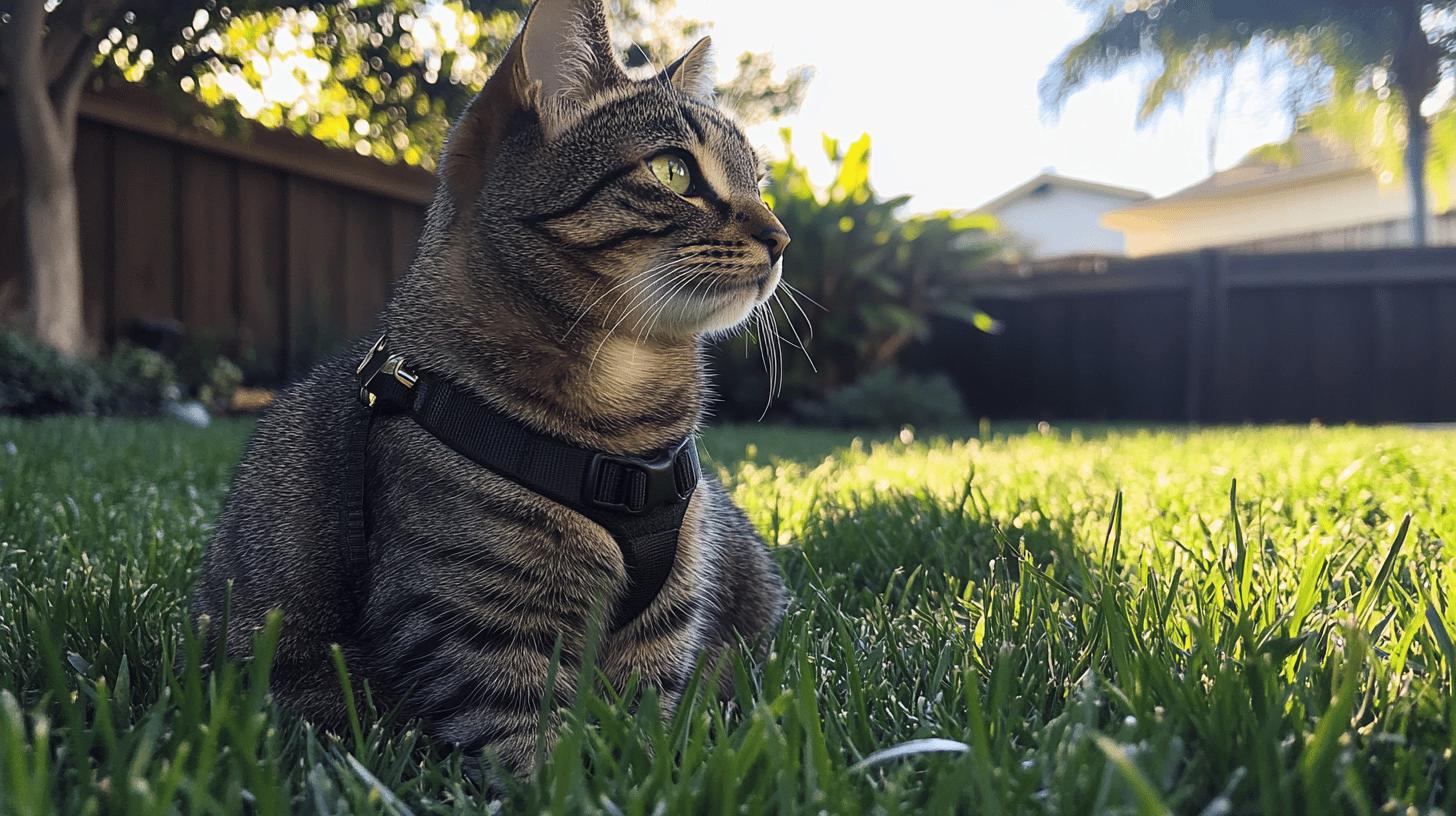
Ever wondered if it's possible to keep your adventurous cat safe while they enjoy the great outdoors? Cats love to roam and explore, but it's not always safe for them to wander freely.
With some patience and a few simple techniques, you can train your cat to stay in the yard and enjoy outdoor time without worry. This guide will walk you through effective steps and safety solutions to create a secure space for your cat to explore the outdoors, right in your own backyard.
Comprehensive Containment Solutions for Safe Outdoor Cat Exploration

Keeping your cat safe while allowing them to explore outside is crucial. Containment solutions like cat fences and catios are effective in creating safe outdoor spaces. These barriers not only protect your feline friend from potential hazards but also prevent them from wandering off.
Physical barriers such as cat fences and catios provide clear boundaries. Cat fences can be customized for various spaces, like yards or balconies. Catios, or cat patios, offer an enclosed outdoor area where your cat can enjoy the outdoors safely. Modular setups allow you to design a space that fits your yard and your cat's needs.
Invisible fences and deterrent sprays are alternative options, though they require training and monitoring. These solutions can deter cats from leaving designated areas without physical barriers, but they might not be as reliable without proper training.
When deciding between professional installation and DIY solutions, consider customization and adaptability. Professional services ensure proper setup and security, but DIY options may be more budget-friendly and allow for personalized designs.
- Cat fence toppers
- Invisible fence systems
- Deterrent sprays
- Reflective leashes
- Catio kits
- Portable enclosure setups
Effective Steps to Train Your Cat to Stay in the Yard
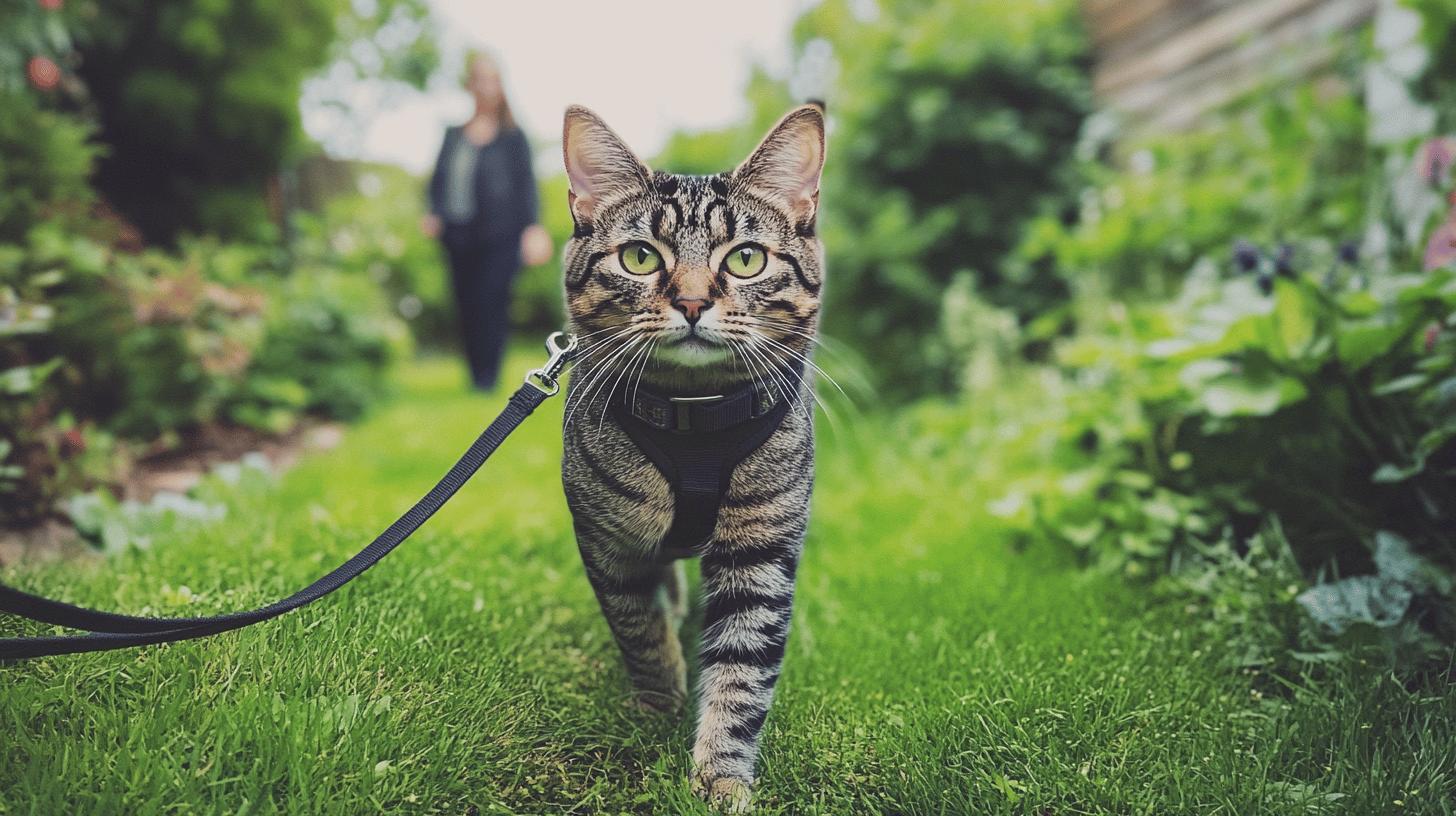
Cats are naturally curious and independent, which can make yard training a bit tricky. They have strong instincts to explore and hunt, so understanding these behaviors is the first step in successful yard training. Acknowledging their need for stimulation while providing boundaries is essential to keep them safe.
Start with a gradual introduction to the yard. Begin with short, supervised visits to help your cat get familiar with the space. Use a harness and leash to control their movement at first. This method provides exercise and allows them to experience the outdoors safely. As they become more comfortable, increase the time spent outside while closely monitoring their behavior.
Positive reinforcement plays a key role in training cats to stay within the yard. Reward your cat with treats or affection when they exhibit desired behaviors like staying close or coming when called. This encourages them to associate the yard with positive experiences. Avoid scolding or negative reinforcement, as it can lead to fear and confusion.
Consistency is crucial. Establish a routine with regular outdoor sessions to reinforce boundaries. Cats thrive on routine, and repeated exposure to the yard helps them understand the limits. Always be vigilant about potential threats such as traffic or other animals. Adjust your training approach if needed, based on your cat's reactions and behaviors.
- Gradual introduction to yard
- Use of harness and leash
- Positive reinforcement techniques
- Routine outdoor sessions
- Consistent monitoring and adjustment
Training your cat to stay in the yard requires patience and dedication. Consistent practice helps them learn and adapt to yard boundaries. Always prioritize safety by being aware of potential hazards and adjusting your methods as needed. With time, your cat can enjoy the outdoors while staying safely within the yard.
Final Words
Exploring safe outdoor spaces with your cat can be both enriching and challenging. We talked about different cat fence and enclosure options to help keep your feline friend safe. Using tools like cat fence toppers and invisible fences can make a big difference. Whether you go for a catio or a portable setup, there's something for every yard.
Training a cat to stay in the yard requires patience. Gradual introduction and positive reinforcement are key steps. Combining safety with fun ensures a happy and secure outdoor experience. Helping your cat explore while keeping it safe is both rewarding and doable!
FAQ
How do I keep my cat from leaving the yard?
To keep your cat in the yard, use physical barriers like cat fences or enclosures. These structures provide a safe boundary that prevents cats from wandering off territory.
Can you train a cat to stay in your backyard?
Yes, you can train a cat to stay in your backyard. Start with a gradual introduction, using short, monitored outings. Reinforce positive behavior with treats and praise.
How do I make sure my outdoor cat doesn't run away?
To prevent your cat from running away, employ a combination of containment methods like harness training. This provides supervised freedom while maintaining control over your cat's movements.
How to train your cat to not run away?
Training your cat not to run away involves gradual exposure to the yard, using a harness and leash. Consistent routines and positive reinforcement strengthen desired behaviors while discouraging wandering.
Related Articles
- How to Train a Cat to Stay Downstairs with Simple Tips
- Train Cats to Stay Off Counters Easily
- Train Your Cat to Love the Scratching Post
- cat training treats: choosing the right rewards
Creating Catios: DIY vs. Commercial Options
If you want to safely confine your cat to your yard, understanding catio options is essential for finding the right solution. Both DIY and commercial solutions work well; the choice depends on your budget, space, and construction skills.
DIY catios typically cost $200-800 depending on size and materials. You build an enclosure using PVC pipes, wood framing, or metal frames covered with sturdy mesh. Benefits include customization to your specific space, lower cost, and personal satisfaction. Drawbacks include requiring construction skills, time investment, and potential predator-vulnerability if not properly sealed.
Commercial catios cost $400-2000+ depending on size and quality. These pre-engineered enclosures arrive partially assembled and provide reliable predator protection. Benefits include faster setup, verified durability, and professional design. Drawbacks include less customization and higher cost. Commercial catios work best if you want guaranteed quality without building hassles.
Securing Your Fence: Modification Techniques
If you already have a yard fence, strategic modifications can make it cat-secure without building a full catio. Roller bars installed on top prevent cats from gaining purchase to jump over—as cats climb, the rolling bars rotate, preventing escape. Cost is $100-300, and they work well for 6-foot fences but may not stop athletic breeds.
Angled extensions (bent inward at 45-90 degrees) atop your fence prevent cats from launching outward. These cost $50-150 and work best when combined with smooth-surface treatments preventing claw grip. Raising your fence from 4 to 6 feet deters most cats, though athletic breeds can still clear it. Height alone isn’t foolproof—combine with toppers or rollers for best results.
Harness Training: Step-by-Step Guide
Harness training takes patience but allows secure outdoor exploration under your control. Step 1: Indoor introduction (1-2 weeks). Let your cat wear the harness indoors for short periods while playing and eating. Reward with treats and praise. Never force it; let them adjust gradually at their own pace.
Step 2: Leash attachment (1 week). Attach a light leash indoors and let your cat walk around naturally. Follow their lead. Practice turning and light guidance without forcing.
Step 3: Outdoor exploration (start cautious). Begin in a secure area on leash—a patio, small enclosed space. Let your cat sniff and explore while you maintain control. Start with 5-10 minutes only.
Step 4: Extended outdoor time (gradual). As your cat relaxes, extend outdoor sessions. Always stay with your cat and watch for escape attempts. Never leave a harnessed cat unattended—they can twist out of harnesses.
Enriching Your Yard Space Safely
Whether using catios, harnesses, or fence modifications, enrich your yard to keep your cat engaged and happy. Install cat trees or shelves within enclosed yards—cats love vertical space for climbing and surveying. Provide boxes, cat tunnels, and dense plants for security and safe play spots. Use interactive wand toys during outdoor time to engage hunting instincts. Ensure open running space for sprinting and expressing natural running behaviors. Even outdoor cats benefit greatly from structured play.
Critical Safety Mistakes to Avoid
Never leave a harnessed cat unattended outdoors—always supervise. Even in catios, check regularly for escape routes and repair weak points immediately. Remove toxic plants from your yard: lilies, sago palms, azaleas, oleander, and others can be fatal if ingested. Communicate with neighbors about your outdoor cat—prevent them from feeding your cat or leaving gates open.
Regularly inspect enclosures for holes, loose panels, or bent sections that cats exploit. Never underestimate your cat’s escape ability—even small gaps become escape routes with persistence. Ensure all entry points, including doors and gates, latch securely. Watch for predators and ensure your cat is protected from hawks and other threats. A safe outdoor experience requires constant vigilance and maintenance.
Frequently Asked Questions About Training Cats to Stay in Yard
What age should I start training my cat to stay in the yard? Start with adult cats (1+ years old). Kittens lack the maturity and size for safe outdoor experiences. Senior cats (10+) may have reduced adaptability. Most cats adapt best to outdoor confinement training between 1-7 years old.
How long does harness training take? Typically 2-4 weeks of consistent, patient practice. Some cats adapt faster; others need more time. Never rush the process. Some cats never adapt to harnesses—that’s okay; other confinement methods work too.
Is a catio worth the investment? Yes, if you have space and budget. Catios provide permanent, safe outdoor access without ongoing training or leash management. For many cat owners, the security and peace of mind justify the cost.
What’s the safest outdoor confinement method? Professionally installed catios offer maximum safety and control. Fence modifications and harness training also work well if properly implemented and supervised. Choose based on your space, budget, and cat’s personality.
Can indoor cats adapt to outdoor time? Absolutely. Many previously indoor cats thrive with safe outdoor access via harness, catio, or modified fence. The transition requires patience and positive reinforcement, but most cats adapt well.
What if my cat escapes despite precautions? Ensure your cat is microchipped and wears a collar with ID tags. Contact local shelters and post on community boards immediately. Most escaped cats are found within 5 days if you search actively. Prevention through secure enclosures is infinitely better than dealing with escapes.
Are there any outdoor dangers I haven’t considered? Yes: predatory birds (hawks, owls), snakes, parasites (fleas, ticks, worms), toxic plants, pesticides, and disease exposure. A fully enclosed catio or supervised harness/leash time minimizes these risks far better than free roaming.
Can my cat go outside unsupervised in a catio? Yes, if properly constructed with secure gates and regular maintenance. However, periodically check for structural damage, escape attempts, and signs of predator interest. A compromised catio is a liability, not security.
Leave a Reply