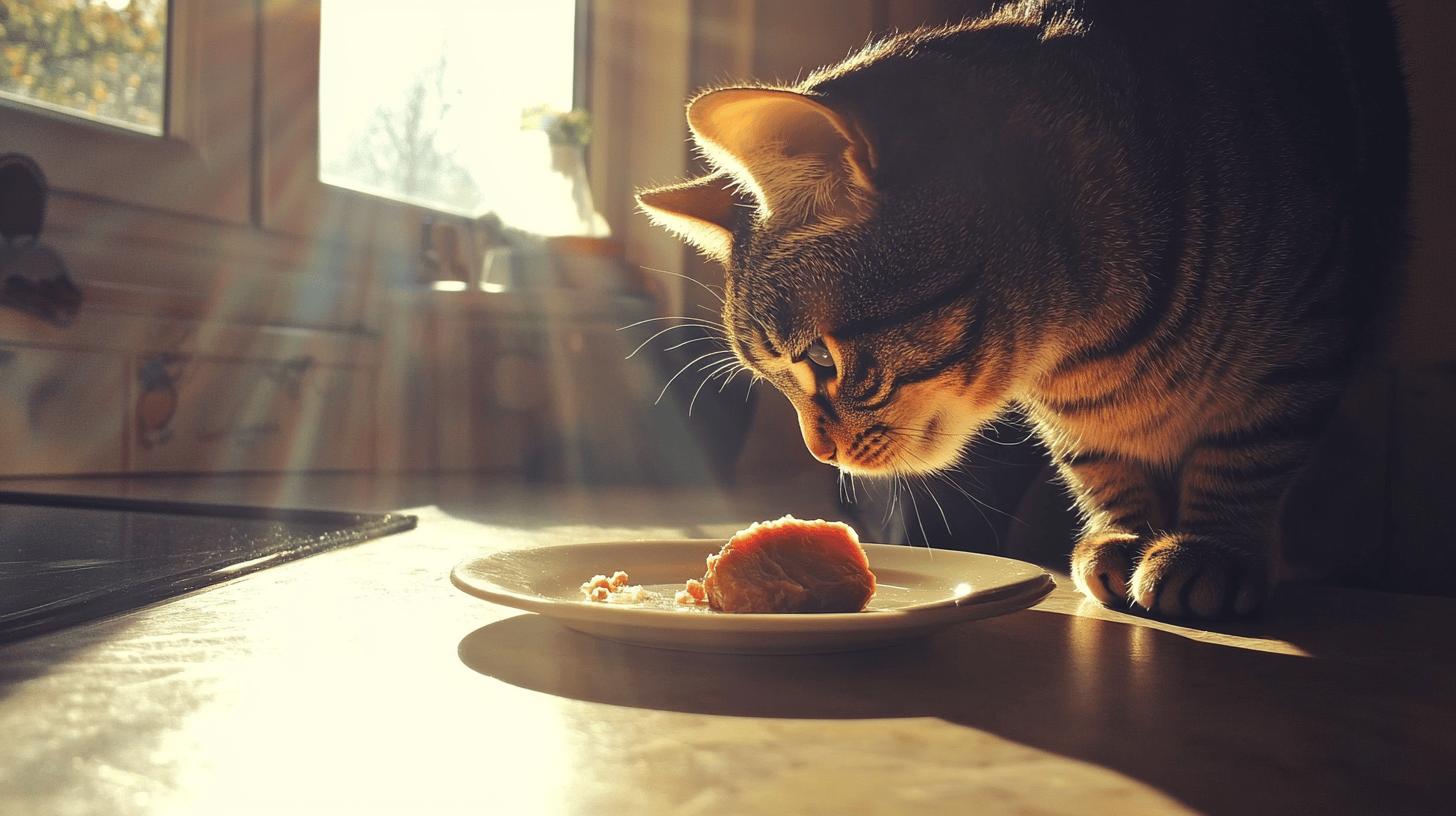
Can cats eat beef safely and nutritiously? Yes, absolutely, but with important qualifications and specific guidelines. Beef offers high-quality, complete protein and essential nutrients like iron, zinc, and B vitamins that support muscle development, immune function, metabolic health, and overall wellbeing. However, beef requires careful preparation, strict portion control, and must be introduced gradually to monitor for adverse reactions.
Can Cats Eat Beef Safely?
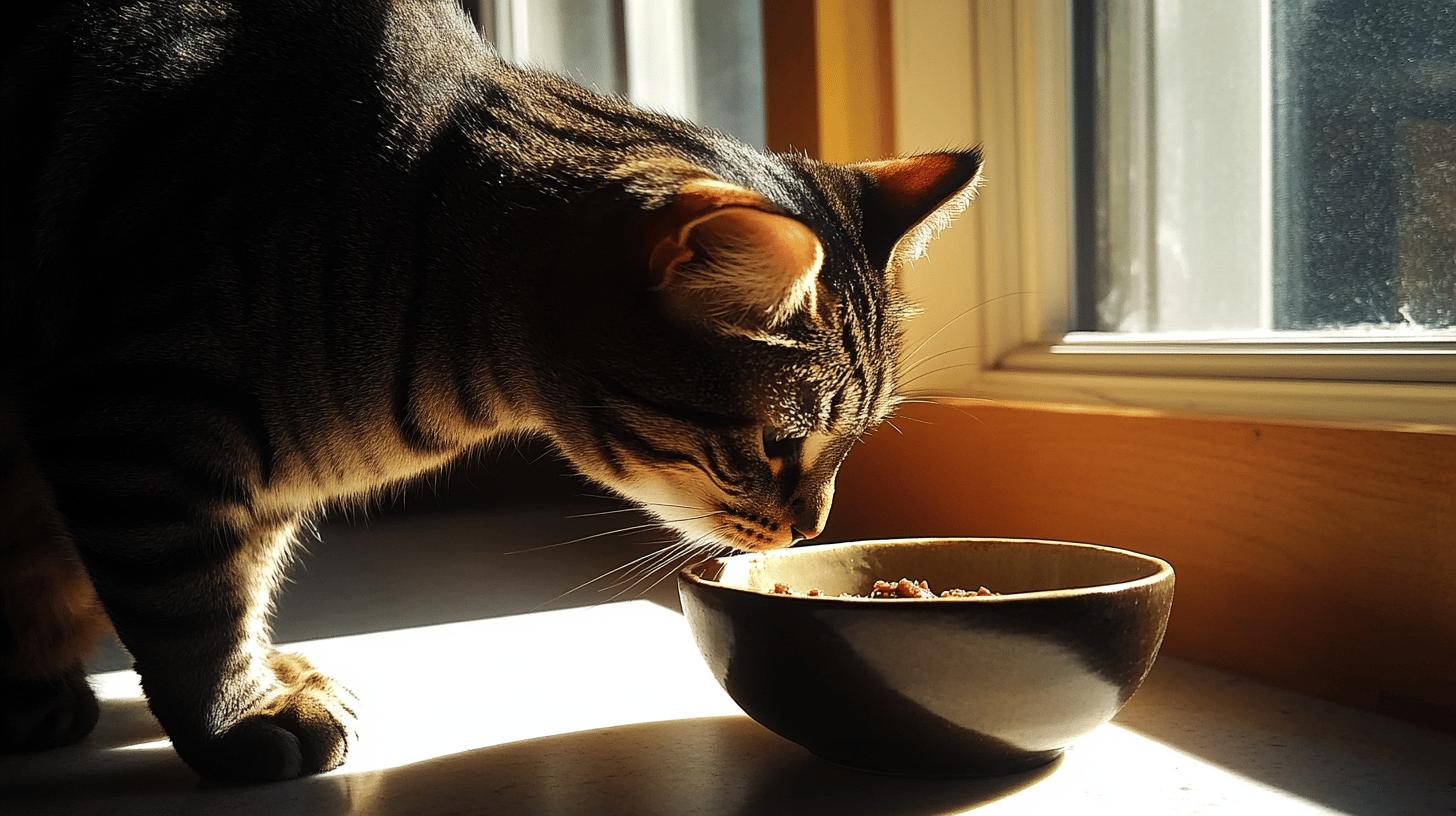
Yes, cats can eat beef safely when it’s properly prepared and carefully portioned. Beef is an appropriate protein source that aligns with a cat’s obligate carnivore dietary design. However, beef should never constitute more than 10-15% of your cat’s total daily caloric intake. This distinction is critical, many cat owners overfeed beef and create nutritional imbalances or health problems.
Proper beef preparation guidelines for cats:
- Cook thoroughly to internal temperature of 160°F (71°C) minimum
- Prepare without seasoning, oil, butter, or salt
- Cut into small, bite-sized pieces (¼ to ½ inch cubes)
- Remove all bones completely, including cooked bones (they splinter and perforate intestines)
- Drain any fat or juices before serving
- Serve at room temperature, not hot
- Store cooked beef for maximum 3 days in refrigerator at 40°F or below
- Freeze excess portions for up to 3 months if needed
The key safety principle is portion control. A 10-pound cat with a daily caloric requirement of roughly 200-250 calories should receive maximum 20-35 calories from beef treats or dietary additions. This translates to approximately ½ ounce (about 14 grams) of cooked beef per day, or 3-4 ounces per week spread across multiple meals. For context, ½ ounce is roughly the size of two dice cubes.
Nutritional benefits of beef for cats:
- High-quality, complete protein containing all essential amino acids
- Iron (supports oxygen transport in blood, prevents anemia)
- Zinc (critical for immune function, skin health, wound healing)
- B vitamins (thiamine, B6, niacin support metabolic function)
- Selenium (antioxidant protecting cells from damage)
- Taurine (when beef is cooked properly without nutrient loss, essential for cardiac health)
- Phosphorus and potassium (electrolyte balance)
Raw Beef Versus Cooked Beef: Risks and Benefits Compared
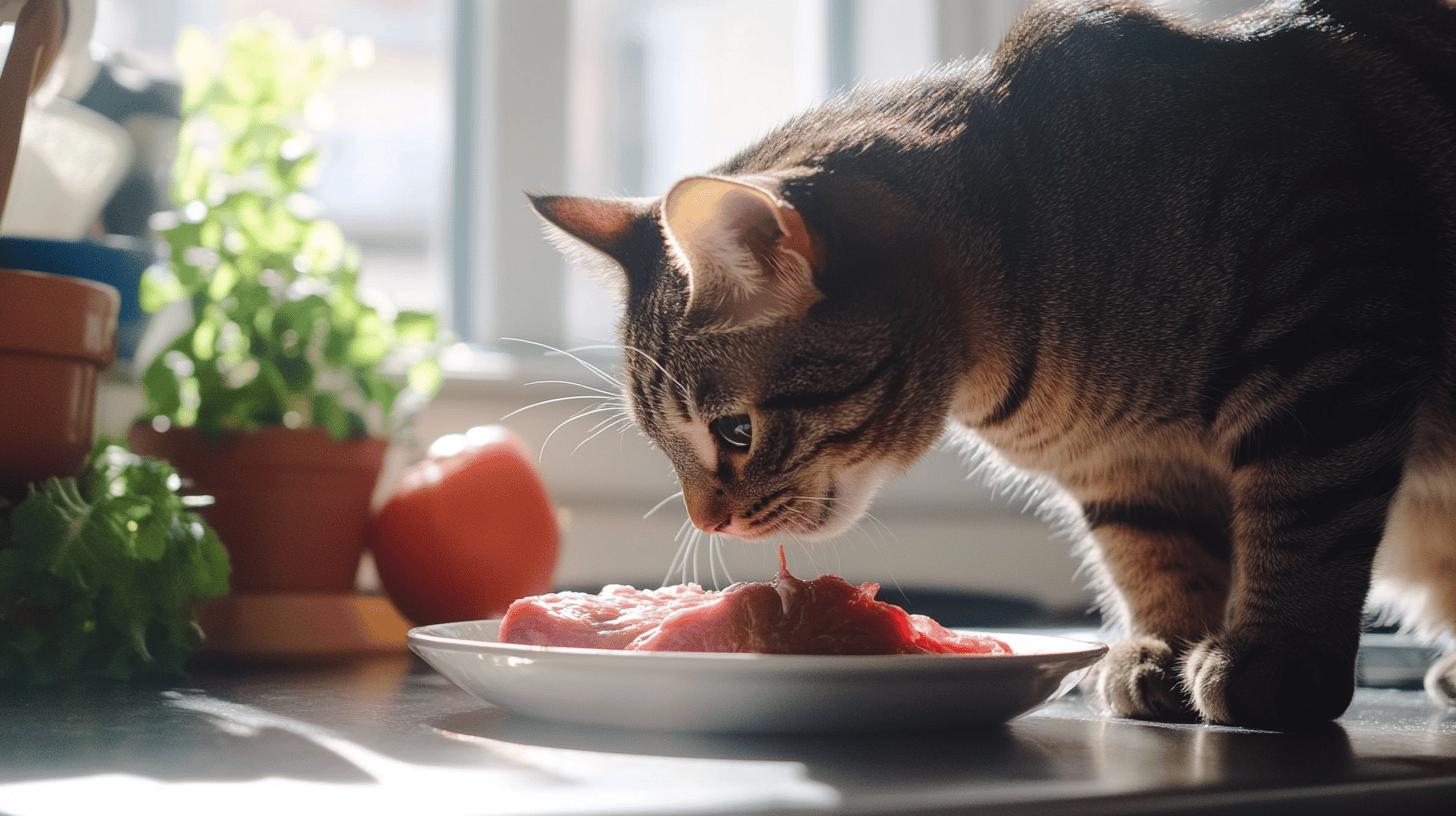
This choice matters significantly for your cat’s safety and health. Raw vs. cooked beef is a safety question. Bacterial contamination levels, parasite risk, digestive capability, immune system challenge, and cross-contamination risk for household members all depend on this choice.
Raw beef perceived advantages:
- Preserves all heat-sensitive B vitamins (thiamine loss is minimal with proper cooking anyway)
- Maintains higher moisture content (supports urinary hydration)
- Contains zero nutritional loss from heat exposure
- Appeals to cats’ hunting instincts (raw texture, natural appearance)
- Some believe enzymes are preserved (though cats produce adequate digestive enzymes)
Raw beef risks (significant and serious):
- E. coli bacteria (causes severe diarrhea, septicemia, potential death)
- Salmonella infection (causes fever, vomiting, bloody diarrhea, systemic infection)
- Campylobacter (causes severe food poisoning, painful abdominal symptoms)
- Listeria monocytogenes (can affect neurological function, cause stillbirths if pregnant)
- Toxoplasma gondii parasites (causes serious systemic infection, particularly dangerous to pregnant women in household)
- Roundworms and tapeworms (intestinal parasites causing malnutrition, anemia, stunted growth)
- Risk of transmission to humans in household (cross-contamination through handling, shared surfaces)
- Immune system stress (even in healthy cats, the body must fight off pathogens)
Statistical risk data: Research shows 40-50% of raw meat from standard retail sources contains pathogenic bacteria. This means nearly half of raw beef purchased from grocery stores harbors disease-causing organisms. For cats with compromised immune systems, the very young, pregnant, or the elderly, even this percentage poses significant risk of serious illness.
Cooked beef advantages:
- Eliminates pathogenic bacteria (E. coli, Salmonella destroyed at 160°F/71°C)
- Kills parasites and parasite eggs throughout meat
- No cross-contamination risk to humans in household
- Safer for immunocompromised cats (very young, elderly, ill)
- Easier to digest, cooking denatures proteins into more digestible form
- Reduces risk of zoonotic disease transmission
- No bacterial shedding in feces (raw-fed cats shed pathogens)
Cooked beef disadvantages:
- Slight loss of B vitamins (approximately 10-20%, usually 10-15% with proper cooking)
- Reduced moisture content (slightly less hydrating, though still contains water)
- May be marginally less stimulating to prey-drive-focused cats
- Requires more preparation time than serving raw
Recommendation: For most households, cooked beef is the appropriate choice. The safety margin far outweighs the minimal nutrient loss. Cooking beef to an internal temperature of 160°F (71°C) eliminates pathogenic risk while retaining 85-90% of nutritional value. Ground beef must reach 160°F internally; whole cuts (steaks, roasts) require 145°F minimum for food safety standards (though 160°F is safer).
Raw beef versus cooked comparison table:
| Factor | Raw Beef | Cooked Beef |
|---|---|---|
| Bacterial Risk | High (40-50% contain pathogens) | Eliminated at 160°F+ |
| Parasite Risk | Moderate to High | Eliminated |
| Nutrient Preservation | 100% | 85-90% |
| Digestibility | Moderate (70-75%) | High (85-90%) |
| Human Cross-Contamination | High risk | Eliminated |
| Safe for Immune-Compromised Cats | No, dangerous | Yes, safe |
Portion Control and Serving Size Guidelines
The difference between “safe beef” and “harmful beef” comes down to portion size and frequency. Many cat owners make the mistake of treating beef as a meal replacement rather than a treat or meal supplement. This creates nutritional imbalances and health problems.
Daily caloric guideline for beef: Beef should represent maximum 10-15% of daily calories, not more. Anything above 15% creates nutritional deficiency in other essential nutrients.
Weight-based serving sizes (cooked, cooled beef):
- 5-pound cat: ¼ ounce (7g) per serving, 2-3 times weekly maximum
- 8-pound cat: ⅜ ounce (11g) per serving, 2-3 times weekly maximum
- 10-pound cat: ½ ounce (14g) per serving, 2-3 times weekly maximum
- 15-pound cat: ¾ ounce (21g) per serving, 2-3 times weekly maximum
- 20-pound cat: 1 ounce (28g) per serving, 2-3 times weekly maximum
These amounts assume 2-3 times weekly serving. If offering beef daily, which we don’t recommend, reduce portions by 40-50% to maintain appropriate caloric balance.
Introduction protocol: Introduce beef gradually over 7-10 days to monitor for digestive upset or allergic reaction. Start with one-quarter of the recommended serving, observe for 48 hours watching for vomiting or diarrhea, then increase gradually to full serving size if no adverse effects occur.
Beef Forms to Absolutely Avoid
Not all beef is appropriate for cats, regardless of preparation method. Some forms are actively dangerous and should never be fed.
Never feed these to cats:
- Beef stew or beef with vegetables: Often contains onions and garlic (toxic to cats), causing hemolytic anemia (destruction of red blood cells)
- Seasoned or spiced beef: Salt, pepper, garlic powder, and herbs stress the kidneys and liver
- Fatty beef trimmings or fatty cuts: High fat causes pancreatitis (inflamed pancreas, causing severe pain and vomiting)
- Beef with bones (raw or cooked): Bones splinter, causing intestinal perforation, blockage, or obstruction requiring emergency surgery
- Processed beef products (deli meat, sausage, hot dogs): High nitrates, sodium, and preservatives damage kidneys, cause cancer risk, and contain no nutritional value
- Beef from unknown sources: Game meat may contain parasites or pathogens unfamiliar to your cat’s immune system
- Undercooked or rare beef: Does not achieve safe internal temperature to kill pathogens
Monitoring for Adverse Reactions
Even properly prepared beef can cause individual adverse reactions. Watch for these signs during the introduction period and beyond, especially with new food sources.
Gastrointestinal symptoms (typically within 6-48 hours):
- Vomiting (once or multiple episodes)
- Diarrhea or loose stools (especially if blood-tinged or contains mucus)
- Decreased appetite or food refusal
- Abdominal pain (hunched posture, reluctance to jump or move)
- Constipation (opposite reaction, also possible)
- Excessive drooling
Allergic symptoms (typically appear within 24-72 hours):
- Itching and excessive grooming (especially around face, paws, ears)
- Skin redness, rashes, or hives
- Facial swelling or puffy eyes
- Respiratory symptoms: wheezing, difficulty breathing, excessive sneezing
- Ear infections or excessive ear scratching
If any of these symptoms appear, stop beef immediately and contact your veterinarian. Some cats develop beef allergies after months or years of eating it without issue, so ongoing monitoring matters even with long-term feeding.
Final Words
Beef can be a safe, nutritious supplement to your cat’s diet when you follow specific guidelines about preparation, portioning, and introduction. Cooked beef eliminates pathogenic risk while retaining 85-90% of nutritional value. The critical rules are: cook to 160°F minimum, portion conservatively (maximum 10-15% of daily calories), introduce gradually over 7-10 days, monitor continuously for reactions, and serve only 2-3 times weekly.
Remember: beef is a supplement, not the primary protein source. Your cat’s primary nutrition should come from complete and balanced commercial cat food or a veterinarian-supervised home-cooked diet. Beef works best as an occasional treat or meal topper, not as a major dietary component.
When in doubt, consult your veterinarian. Every cat is unique, with individual health conditions, age, and sensitivities that may make beef inadvisable for their specific situation.
FAQ
How much beef can a cat eat?
Maximum ½ ounce (14g) per day for a 10-pound cat, and 2-3 times weekly is safer than daily. Beef should never exceed 10-15% of daily caloric intake.
Can cats eat beef raw?
Technically yes, but not recommended. Raw beef carries 40-50% pathogenic bacterial load and parasite risk. Cooked beef is safer with only 10-15% nutrient loss.
Can cats eat ground beef?
Yes, cooked ground beef is safe. Cook to 160°F internal temperature, drain all fat, and portion appropriately (½ ounce per serving for 10-pound cat).
Can cats eat beef stew?
No. Beef stew typically contains onions and garlic (toxic to cats, cause hemolytic anemia). Also contains excessive salt and fat that stress the kidneys.
Can cats eat beef bones?
No. Both raw and cooked bones splinter and cause intestinal blockage, perforation, or obstruction requiring emergency surgery.
Is beef bad for cats?
Beef is not inherently bad. It’s an appropriate protein source when prepared correctly and portioned appropriately. Raw beef poses infection risk; seasoned beef stresses kidneys.
Leave a Reply