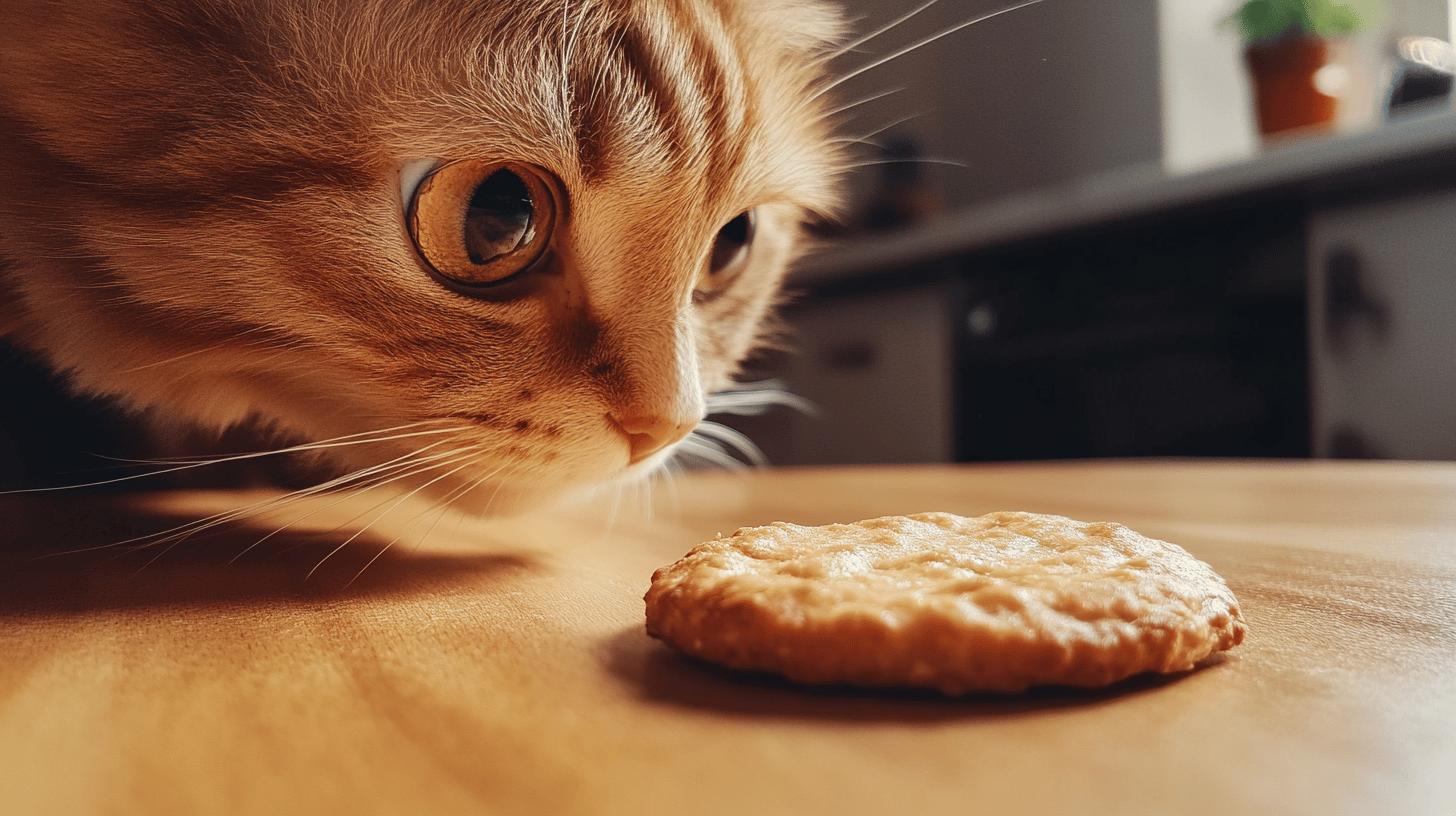
Can cats eat biscuits? The straightforward answer is no. While most plain biscuits won’t poison your cat, they present significant health risks that make them inappropriate treats. Biscuits designed for humans contain ingredients toxic or hazardous to cats, lack nutritional value for obligate carnivores, and can trigger obesity, dental disease, and metabolic issues. This guide explores what’s dangerous about biscuits, why cats are attracted to them, and what treats actually support feline health.
Why Biscuits Are Problematic for Cats
High Carbohydrate Content
Biscuits are typically 60-75% carbohydrates. Cats are obligate carnivores-their digestive systems evolved to metabolize meat, not plants. A cat’s pancreas isn’t designed to regulate high carb loads:
- Insulin spikes: Carbs trigger rapid blood sugar rise → insulin surge → energy crash → hunger 30 minutes later
- Diabetes risk: Repeated insulin surges over months/years increase type 2 diabetes risk 10-fold
- Obesity: Excess carbs convert to fat. A single biscuit contains 10-20 calories; meaningless to humans but 4-8% of a cat’s daily calories
- Digestive fermentation: Undigested carbs ferment in the colon, causing gas, bloating, and diarrhea
Sugar & Sweeteners
Many biscuits contain added sugars or artificial sweeteners:
- Sugar: Accelerates obesity, dental disease, and diabetes. Cats don’t taste sweetness (they lack sweet taste receptors), so sugar offers zero appeal to them-humans are eating it, not your cat.
- Xylitol: Artificial sweetener toxic to cats. Just 0.5g can cause hypoglycemia and liver failure. Check ingredient lists religiously.
- Sorbitol: Sugar alcohol that causes gas, bloating, and diarrhea in cats
Salt Content
Savory biscuits contain salt. Cats require only ~40mg sodium daily. One salted biscuit may contain 100-200mg sodium-5x daily requirement:
- Excess sodium causes thirst and urination changes
- Chronic excess contributes to hypertension
- Can trigger salt toxicosis symptoms (tremors, disorientation) in susceptible cats
Fat & Digestive Stress
Biscuits are typically 15-30% fat (butter, oil, shortening). Cats cannot efficiently metabolize high fat loads:
- Pancreatitis risk: High fat triggers pancreatic inflammation (extremely painful, requires hospitalization)
- GI upset: Vomiting, diarrhea, cramping within 2-12 hours
- Malabsorption: Excess fat overwhelms digestive capacity; cats absorb fewer nutrients from meals
Biscuit Types: Ranked by Danger
| Biscuit Type | Hazard Level | Why It’s Risky |
|---|---|---|
| Plain unsweetened biscuit | MODERATE | Carbs + fat; minimal immediate harm but nutritionally empty |
| Salted biscuit | HIGH | Sodium toxicity risk; salt sensitivity varies by cat |
| Buttery/oily biscuit | HIGH | Pancreatitis risk; high fat can cause acute GI upset |
| Sweet biscuit (sugar) | HIGH | Obesity + diabetes risk; empty calories; dental disease |
| Chocolate biscuit | EXTREME | Theobromine (chocolate toxin) causes heart arrhythmias, tremors, toxicity |
| Biscuit w/xylitol | EXTREME | Causes hypoglycemia + liver failure within hours; potentially fatal |
| Garlic/onion biscuit | EXTREME | Thiosulfates damage red blood cells (hemolytic anemia) |
| Macadamia biscuit | EXTREME | Macadamia nut toxin causes paralysis, tremors, hyperthermia |
Ingredient Breakdown: What Makes Biscuits Unsafe
Flour & Grains
The flour base provides carbs cats don’t need. While wheat flour itself isn’t toxic, it contributes to carb overload. Some biscuits contain corn flour (inexpensive filler) which is even less digestible for cats.
Leavening Agents (Baking Soda & Baking Powder)
Used to make biscuits fluffy. In tiny amounts (used in biscuits), they’re not acutely dangerous. However, if your cat consumes a raw biscuit dough containing baking soda in bulk, the alkaline chemical reaction can cause serious issues.
Spices & Flavorings
Common biscuit additions that harm cats:
- Cinnamon: Can irritate mouth and GI tract; potentially toxic in large amounts
- Nutmeg: Contains myristicin (a compound that causes hallucinations and tremors)
- Garlic & onion powder: Contain thiosulfates that damage red blood cells
- Vanilla extract: Often alcohol-based; toxic to cats
Hidden Dangers
- Raisins or dried fruit: Some biscuits (like scones) contain grapes/raisins, which are toxic to cats
- Nuts (especially macadamia): Found in some sweet biscuits
- Artificial sweeteners: Xylitol especially; check labels carefully
Behavioral & Health Effects of Regular Biscuit Consumption
Short-Term (1-2 Hours)
- Elevated blood sugar → energy spike, then crash
- Digestive fermentation → gas, bloating, possible loose stool
- Increased thirst (from carbs and salt)
Medium-Term (Weeks)
- Increased overall calorie intake → gradual weight gain
- Behavioral changes: increased hunger, food-seeking
- Reduced appetite for nutritious meals (empty calories fill fast)
- Dental disease begins (sugar feeds bacteria)
Long-Term (Months to Years)
- Obesity (overweight cats have 2-3x more health issues)
- Type 2 diabetes (high carb diet primary risk factor)
- Dental disease → tooth loss → oral infections
- Joint stress from excess weight → arthritis
- Fatty liver disease (hepatic lipidosis)
- Shortened lifespan (overweight cats live 1-3 years less)
Emergency Response: If Your Cat Ate a Biscuit
Immediate Assessment (Next 2-4 Hours)
- Identify the biscuit type. Check packaging or the trash for ingredients.
- Assess quantity: One biscuit? A handful? A box?
- Watch for immediate symptoms:
- Vomiting or retching
- Abdominal distension or pain
- Tremors or disorientation (possible toxin ingestion)
- Difficulty breathing (choking hazard)
- For toxic ingredients (chocolate, xylitol, garlic, macadamia), call poison control immediately: ASPCA Animal Poison Control Center (888) 426-4435
Plain Biscuit Ingestion (No Toxic Ingredients)
- Monitor for vomiting/diarrhea over 12-24 hours
- No intervention needed if no symptoms appear
- Offer water to aid digestion
When to Call Your Vet
- Any vomiting, even once
- Abdominal pain/distension
- Diarrhea lasting >4 hours
- Tremors, seizures, or disorientation
- Difficulty breathing or swallowing
- Ingestion of biscuits containing chocolate, xylitol, garlic, onion, or macadamia
Safe Treat Alternatives: What Cats Actually Need
Whole Food Proteins
- Cooked chicken: 31g protein, 0g carbs per 3.5oz. Zero risk.
- Cooked turkey: Similar to chicken; slightly leaner.
- Cooked salmon: High omega-3; use 1-2x weekly max due to fat content.
- Cooked beef: 26g protein; use moderately (iron overload risk).
- Cooked egg: 6g protein, rich in choline. 1-2x weekly safe.
Feline-Formulated Treats
Look for:
- Named meat (chicken, turkey) as first ingredient
- No grains, corn, or soy
- No artificial colors or flavors
- <10 calories per treat (prevents obesity)
- AAFCO certified (meets nutritional standards)
Feeding Guidelines
Treats should be <10% of daily calories. For a 10lb cat eating 250 calories daily:
- Maximum treat calories: 25 per day
- Cooked chicken piece (1oz): ~30 calories → split into 2-3 servings
- Commercial treat (3-5 cal each): 5 treats maximum daily
Why Cats Want Biscuits (And How to Redirect)
The Crunch Appeal
Biscuits’ crunchy texture mimics gnawing on bones-a behavior wired into cats’ hunting instinct. The sound of crunching provides sensory satisfaction.
Redirect with: Crunchy treats formulated for cats, dental chews, freeze-dried meat treats
Attention-Seeking Behavior
If your cat begs when you’re eating biscuits, they want your attention, not the food.
Address with: Interactive play during snack time, scheduled attention sessions, reward non-begging behavior
Aroma & Behavioral Conditioning
Your cat has learned: “Humans eat biscuits + I beg = sometimes I get some.” The novelty and your response reward the behavior.
Prevent with: Never share biscuits, store in sealed containers, educate family members
Frequently Asked Questions
Are biscuits toxic to cats?
Most plain biscuits aren’t acutely toxic, but many ingredients (chocolate, xylitol, garlic, onion, macadamia) are genuinely toxic. Even “safe” biscuits cause harm through high carbs, salt, and fat. Avoid all human biscuits.
Can cats eat one biscuit?
A single plain biscuit with no toxic ingredients won’t poison your cat, but it offers zero benefit and contributes to calorie overload. Why risk it when safe treats exist?
What about kitten formula biscuits?
Kitten-specific biscuits are formulated for feline nutrition. They’re far superior to human biscuits. That said, even premium kitten biscuits should comprise <10% of daily calories. Fresh meat is better.
Can cats eat crackers?
Similar hazards to biscuits: high carbs, salt, and potentially toxic ingredients (garlic, onion, cheese ingredients). Avoid.
Is it okay to give my cat a biscuit as a special treat?
There are better special treats: cooked chicken, salmon, or freeze-dried meat. These provide nutrition without health risks. Reserve special treats for truly special occasions-and make them meat-based.
The Bottom Line
Biscuits are designed for human nutrition-high carbs, fat, and often salt. Cats are obligate carnivores with zero evolutionary adaptation to digest these ingredients. Even “harmless” plain biscuits contribute to obesity, diabetes, and dental disease.
Skip the biscuits. Offer cooked chicken, premium cat treats, or interactive play instead. Your cat’s health is worth the effort.
Related Nutritional Guides
- Healthy Weight Guidelines for Cats: Target Weights by Breed
- Can Cats Eat Chicken Safely? Nutrition and Preparation
- Best Cat Training Treats: High-Value Rewards That Work
- Signs of a Happy Indoor Cat: Health Indicators
Why Patience and Positive Reinforcement Matter
Medication administration is one of those cat care tasks that tests your patience and problem-solving abilities. Success often depends less on technique alone and more on how you approach the situation mentally. Rushing through the process will stress both you and your cat, which makes cooperation harder next time.
Some cats remember past medication experiences and grow more resistant with each attempt. This is why establishing positive associations early matters so much. If your first few attempts go smoothly, your cat is more likely to accept medication willingly in future situations. Conversely, if those early experiences are traumatic, you may face months of resistance.
Building trust around medication administration is a long-term investment in your cat’s health. It means taking extra time on less-urgent pills to establish good habits. It means using treats, praise, and rewards after successful administration. It means choosing the most stress-free method possible, even if it takes a bit longer.
Your veterinarian can also help. If your cat absolutely refuses oral medication, ask about alternative forms: transdermal patches, liquid formulations, or even compounded medications in flavors your cat prefers. Vets understand that giving a cat medication can be challenging, and they often have creative solutions.
Leave a Reply