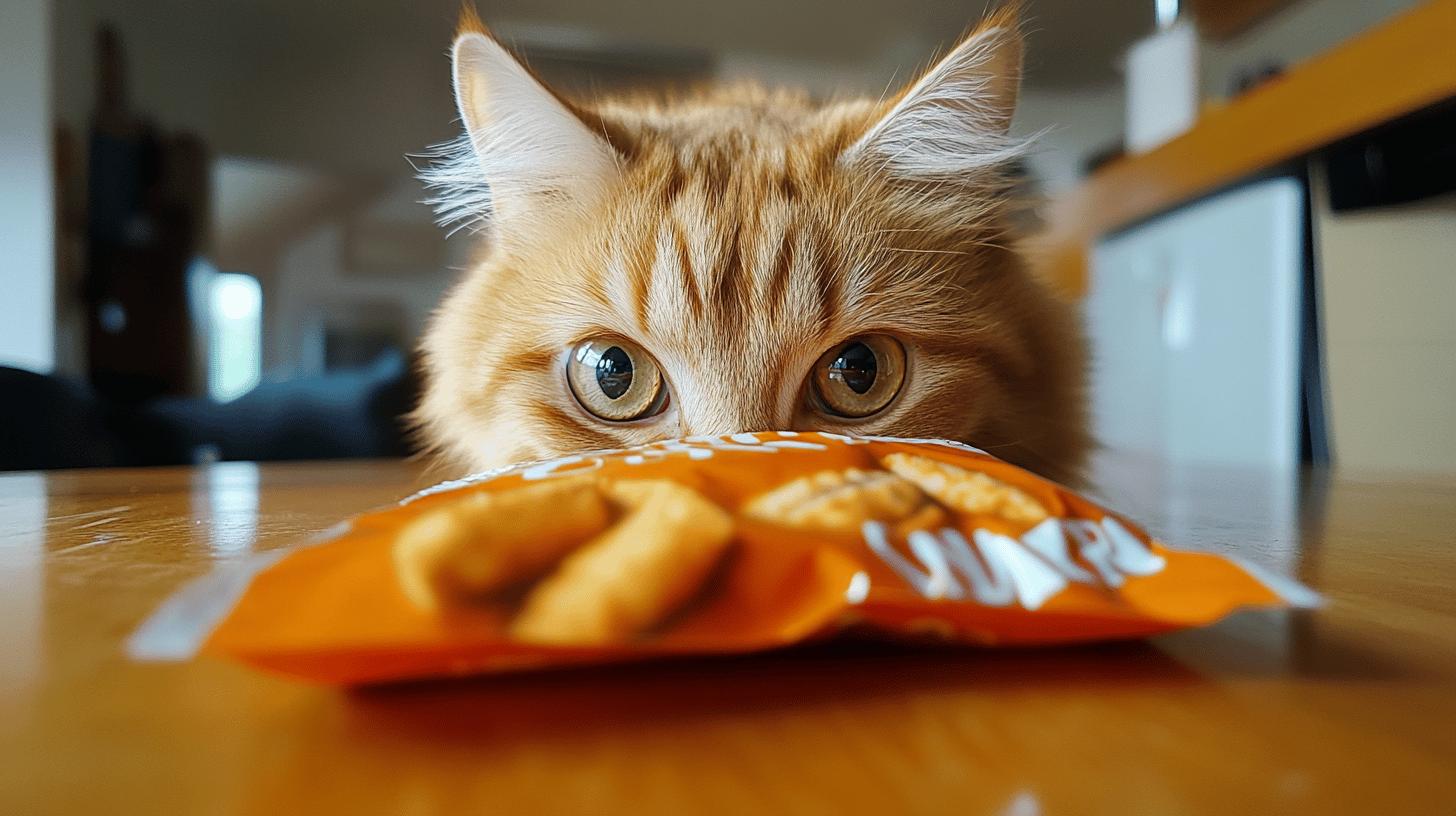
Ever catch your cat eyeing your snack bowl, begging for a taste? When those snacks are Cheetos, you might think, “What’s the harm?” The honest answer: plenty. While Cheetos aren’t outright toxic to cats, they’re nutritional disasters that damage feline health over time. Let’s explore why these crunchy snacks don’t belong in your cat’s diet, what happens when cats eat them, the digestive system impact, and what treats your cat can actually enjoy safely.
Can Cats Eat Cheetos?
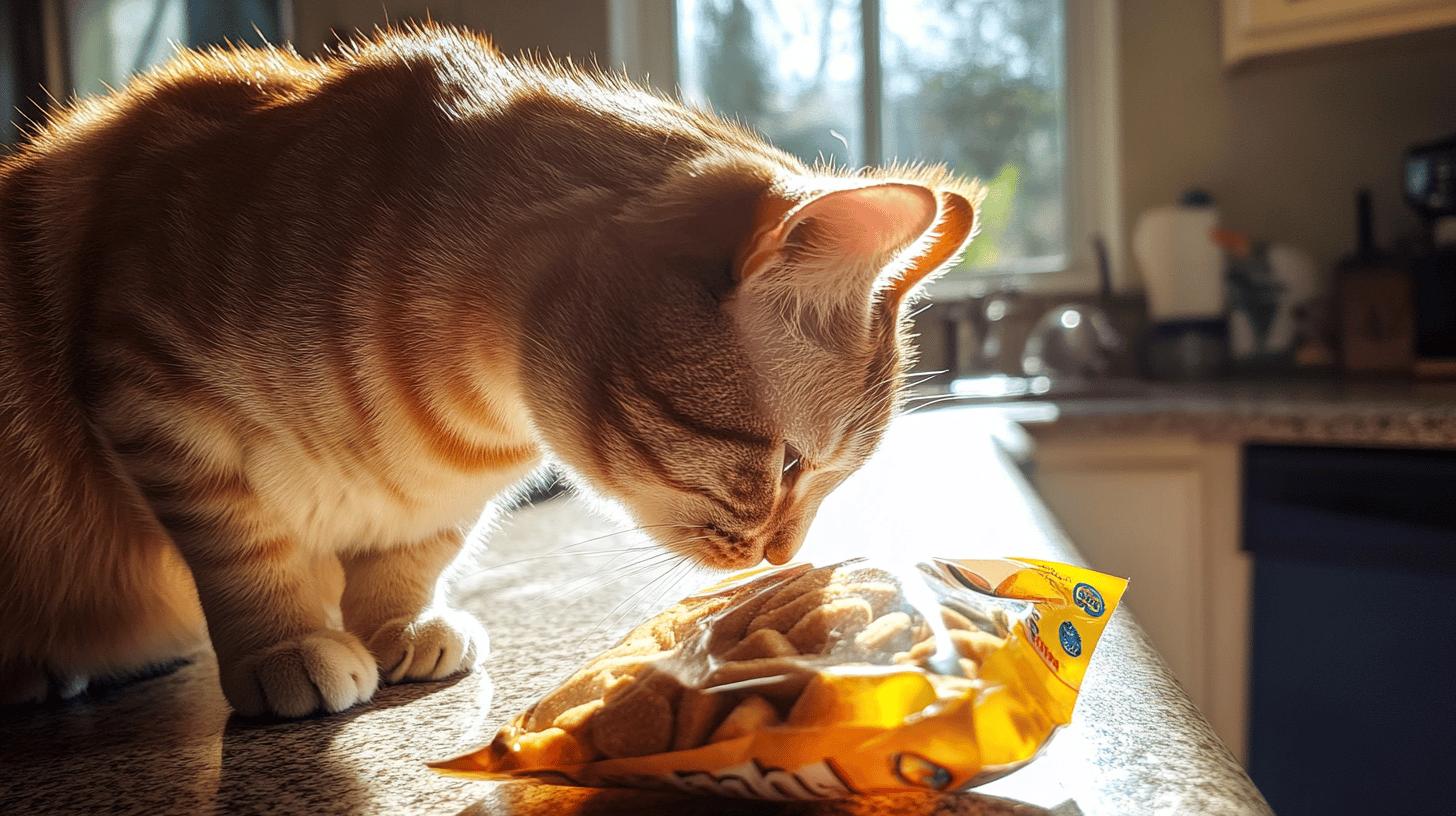
Technically, Cheetos are not toxic to cats. A single Cheeto puff won’t poison your cat in an immediate medical sense. However, this doesn’t make them safe or appropriate food for feline consumption. Cheetos are fundamentally incompatible with feline nutrition, digestive health, and metabolism.
Here’s why: cats evolved as obligate carnivores over millions of years. Their bodies are hardwired to process meat, not processed snacks engineered in factories. A cat’s stomach lacks the enzymes needed to break down the preservatives, artificial dyes, and complex chemical ingredients in Cheetos. These substances just sit in the digestive tract, irritating the lining and causing discomfort to the sensitive feline gut.
The ingredient list reads like a chemistry experiment: corn meal, corn oil, salt, cheddar cheese powder, artificial colors (Yellow 5, Red 40), monosodium glutamate (MSG), and various preservatives. None of these belong in a cat’s digestive system, and many are banned for pet food in some countries.
Nutritional problems with Cheetos:
- Zero high-quality protein (cats need 40%+ protein daily)
- High carbohydrates (cats have no nutritional requirement for carbs)
- Excessive sodium (unsafe for feline kidneys and cardiovascular health)
- Unhealthy vegetable oils that promote obesity and inflammation
- No essential amino acids, particularly taurine (critical for cats)
- Artificial additives that trigger inflammatory responses
Digestive System Impact: What Happens When Cats Eat Cheetos
When a cat eats Cheetos, the digestive consequences are immediate and uncomfortable. The cat’s stomach begins trying to process food that isn’t designed for feline digestion. The stomach acid and digestive enzymes that evolved to break down meat cannot effectively process corn, preservatives, and artificial colors. This mismatch creates a cascade of problems.
Immediate effects (within 1-4 hours):
- Stomach irritation from artificial ingredients and preservatives
- Inflammatory response in the gut lining and intestinal walls
- Reduced digestive enzyme activity and slowed motility
- Vomiting (the body’s protective reflex to reject unsuitable food)
- Diarrhea or loose stools as the digestive system tries to flush the content
Short-term effects (hours to days after consumption):
- Nausea and loss of appetite affecting multiple meals
- Abdominal cramping and visible discomfort when touched
- Excessive thirst from sodium overload and dehydration
- Lethargy and unusually low energy levels
- Dehydration if diarrhea is severe or persistent
Long-term effects from repeated or regular exposure:
- Progressive weight gain leading to obesity (30-40% of indoor cats are already obese)
- Diabetes development from high carbohydrate intake and metabolic stress
- Kidney strain and diminished function from excessive sodium accumulation
- Digestive tract damage and chronic inflammation of intestinal walls
- Nutritional deficiencies despite eating, the cat feels full but lacks essential nutrients
- Joint problems, arthritis, and mobility issues resulting from obesity
- Behavioral problems, irritability, and aggression from chronic discomfort
- Shortened lifespan from cumulative health damage
The red food dyes in Cheetos (particularly Red 40 and Yellow 5) trigger inflammatory responses in sensitive cats. Some cats experience allergic reactions: itching, skin rashes, fur loss, or respiratory symptoms. The artificial dyes serve no nutritional purpose, they exist solely to appeal to human eyes and marketing psychology.
Sodium Overload and Kidney Damage
One Cheeto contains roughly 150mg of sodium. A cat’s daily sodium requirement is only 200mg total. A single serving of Cheetos (about 10-15 puffs) exceeds healthy daily sodium intake. The problem escalates dramatically when cats eat multiple snacks or get Cheetos repeatedly over weeks and months.
High sodium intake forces your cat’s kidneys to work overtime filtering excess salt from the bloodstream and excreting it in urine. This constant stress damages kidney tissue and reduces their filtering capacity over time, especially in older cats or those with pre-existing kidney disease.
Early signs of kidney stress from sodium overload include:
- Excessive thirst and frequent urination (more litter box visits)
- Lethargy and weakness, especially after eating salty foods
- Poor coat condition, dryness, and increased shedding
- Reduced appetite despite being otherwise normal
- Increased drinking combined with weight loss
Cats that already have chronic kidney disease (CKD), hypertension, or heart problems face exponentially greater risk from high-sodium snacks. If your cat has any existing health condition, Cheetos are absolutely off-limits. Even a small amount can worsen kidney function and reduce quality of life.
Fresh Versus Processed: What Cats Actually Need
Your cat’s digestive system thrives on protein-rich, minimally processed food that matches their evolutionary diet. Let’s compare Cheetos to what a cat actually needs nutritionally:
What cats’ bodies require:
- 40-50% high-quality protein from meat sources (chicken, fish, beef)
- Fat from animal sources (not vegetable oil)
- Minimal to zero carbohydrates (cats have zero metabolic need for them)
- Taurine, an amino acid found only in meat (cats cannot synthesize it)
- No artificial additives, dyes, or preservatives
- Appropriate moisture content (wet food or fresh prey)
- Specific vitamins and minerals in proper ratios
What Cheetos actually provide:
- 0% appropriate protein, mostly corn protein (incomplete amino acid profile)
- Unhealthy vegetable oil (causes inflammation in cat’s system)
- 50%+ carbohydrates from corn (metabolically useless to cats)
- Zero taurine (cats cannot survive long term without it)
- High levels of artificial additives and salt
- Zero moisture (dry, dehydrating snack)
- No nutritional value aligned with cat needs
Safe Treat Alternatives for Your Cat
If your cat is persistently begging for snacks, here are genuinely safe options that won’t harm their health or disrupt their nutrition:
High-protein commercial cat treats: Look for brands with meat as the first ingredient (chicken, fish, beef, not “meat by-products”). Quality treats have 3-5 ingredients you can recognize. Read labels carefully, if you can’t pronounce ingredients, your cat shouldn’t eat them. Brands like Fancy Feast Creamy, Tiki Cat, or Stella & Chewy’s focus on meat content.
Plain cooked chicken or turkey: A small piece of unseasoned, boneless, skinless chicken is a perfect treat. Cook by boiling or baking, no seasoning, no oil, no salt. It’s pure protein with zero additives. Most cats love it and it provides actual nutritional value. A 1-inch cube is an appropriate treat portion.
Canned tuna in water (occasional use only): Plain tuna provides protein and cats find it highly palatable. Use sparingly, only once a week, since tuna is high in mercury. Never give tuna packed in oil or salt. Mix a small spoonful with a cat treat, don’t make it a meal.
Salmon or other fatty fish: Cooked salmon (no seasoning) provides omega-3 fatty acids beneficial for coat health. Again, cook simply with no added salt or oil. A small piece once weekly is appropriate.
Freeze-dried meat treats: These contain meat and nothing else, no fillers, no preservatives, no artificial ingredients. The meat is freeze-dried to preserve nutrients. They’re pricier ($15-20 per small bag) but nutritionally superior and last a long time. Brands like Stella & Chewy’s Freeze-Dried Raw or Primal offer high-quality options.
Catnip or silvervine: These aren’t nutritional treats but enrichment tools. They stimulate natural hunting behavior and provide mental engagement. Offer dried catnip in moderation, a pinch or small toy filled with catnip 2-3 times weekly.
What NOT to give: Avoid milk/dairy (most cats are lactose intolerant), onions, garlic, chocolate, grapes, raisins, avocado, and anything with artificial sweeteners (xylitol is toxic).
Signs Your Cat Ate Too Many Cheetos
If your cat got into a bag of Cheetos, watch for these warning signs over the next 24-48 hours:
- Vomiting within 1-4 hours of consumption
- Diarrhea or loose stools, sometimes for 24+ hours
- Abdominal tenderness (reluctance to move, jump, or lie on stomach)
- Excessive thirst and frequent urination
- Loss of appetite for regular meals
- Lethargy for more than a few hours
- Behavioral changes: irritability, hiding, unusual crying
A single Cheeto puff causes mild symptoms at worst. But if your cat consumed a handful or regular access to Cheetos, contact your vet for advice. Persistent vomiting or diarrhea lasting more than 12 hours needs veterinary care and evaluation.
Final Words
Cheetos aren’t acutely toxic, but they’re nutritional poison for cats in every meaningful way. Every ingredient in Cheetos contradicts what your cat’s body needs to thrive and maintain health. The sodium damages kidneys and cardiovascular function. The carbs cause obesity, diabetes, and metabolic syndrome. The artificial ingredients irritate the gut and trigger inflammation. The lack of appropriate protein creates nutritional deficiency despite the cat feeling full.
Your cat’s digestive system evolved over millions of years to process meat, whole prey that their wild ancestors hunted and consumed. Processed snacks like Cheetos don’t fit that ancestral design. When you reach for treats, choose options that support your cat’s health: high-protein, minimally processed, with ingredients you recognize and pronounce.
The best snack? Plain cooked chicken or high-quality meat-based cat treats. Your cat’s digestive health, kidney function, waistline, and lifespan will thank you for making the right choice.
FAQ
Can cats eat Cheetos puffs or cheese puffs?
No. Cheetos puffs and similar cheese snacks are junk food for cats. They provide zero nutritional value and risk digestive upset, obesity, kidney damage from high sodium, and long-term health problems.
Are hot Cheetos dangerous for cats?
Yes, significantly more so than regular Cheetos. Hot Cheetos contain additional spices, chili peppers, cayenne, paprika, that irritate a cat’s mouth, throat, and stomach lining. Capsaicin (the spice compound) can cause severe vomiting, diarrhea, and digestive distress. Keep spicy foods completely away from cats.
Can cats eat Doritos or other chips?
No. All corn-based chip snacks, Doritos, Fritos, potato chips, Pringles, tortilla chips, are similarly unsuitable for cats. They share the same problems: high sodium, artificial ingredients, lack of appropriate protein, and digestive irritation.
What if my cat ate one Cheeto?
One puff typically causes no serious immediate harm. Your cat might experience mild stomach upset, nausea, or a brief bout of diarrhea, but this usually passes within hours. Monitor for vomiting or persistent diarrhea. If symptoms develop, contact your vet. Regular or repeated exposure is the real health concern.
What should cats eat instead of Cheetos?
Plain cooked chicken, high-quality meat-based cat treats (check ingredients), freeze-dried meat treats, or small pieces of cooked salmon or canned tuna in water. Choose treats with recognizable meat ingredients, not corn, fillers, or artificial additives.
Can kittens have Cheetos?
Absolutely not. Kittens’ digestive systems are even more sensitive than adult cats. They need pure protein and specific nutrients for growth and development. Junk food can stunt growth, cause developmental problems, and establish poor eating habits early.
Leave a Reply