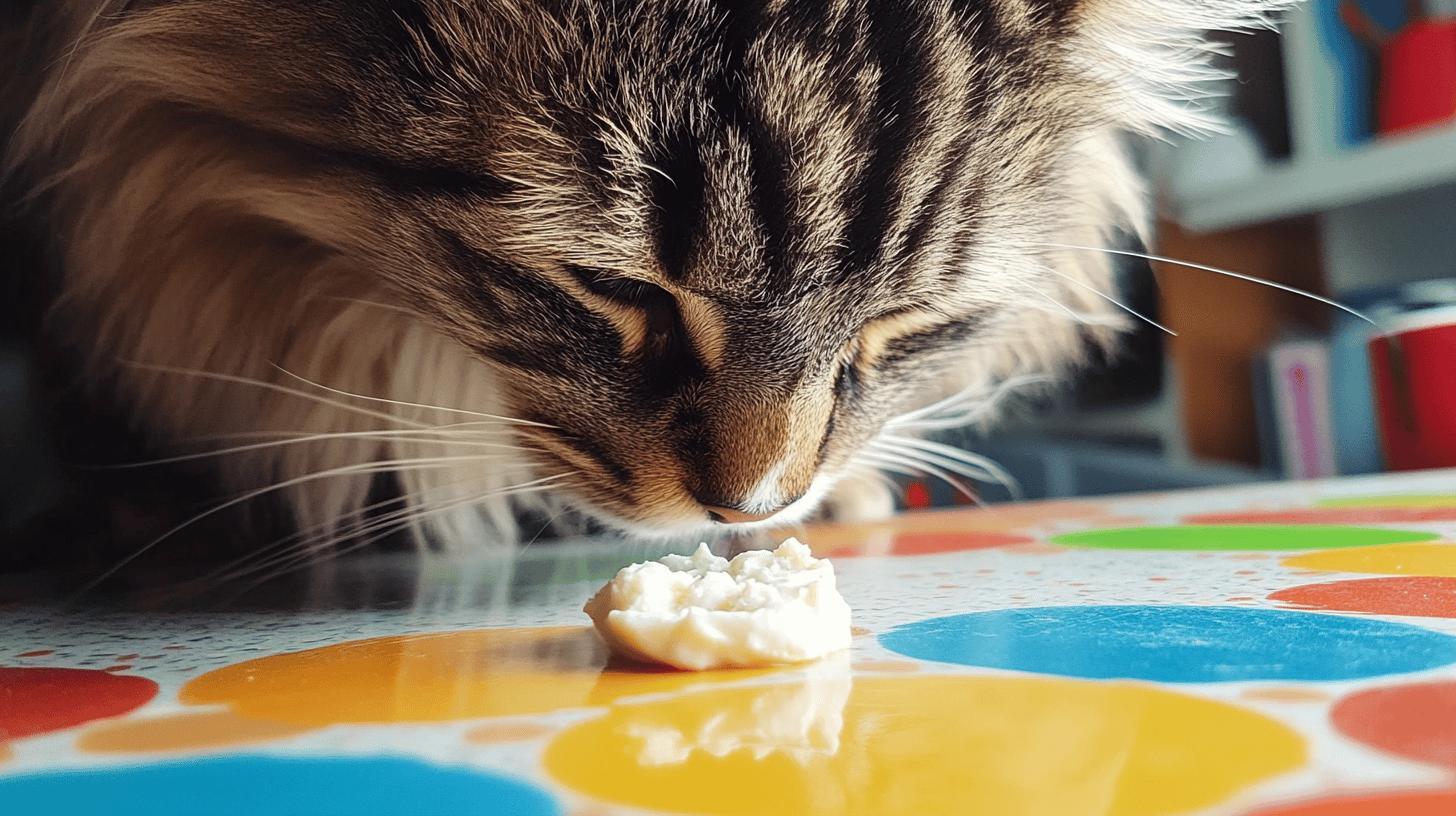
Is that adorable little face begging for some of your cream cheese bagel? Before you give in, let's take a closer look. Many people believe that a little cream cheese can't hurt, but when it comes to cats, it's a different story.
Cats are often lactose intolerant, and cream cheese can upset their stomachs. So, what's the real deal with cats and cream cheese? I'll break down the safety concerns and effects, helping you make informed decisions for your feline friend's health.
Can Cats Eat Cream Cheese Safely? Understanding the Effects of Cream Cheese on Cats
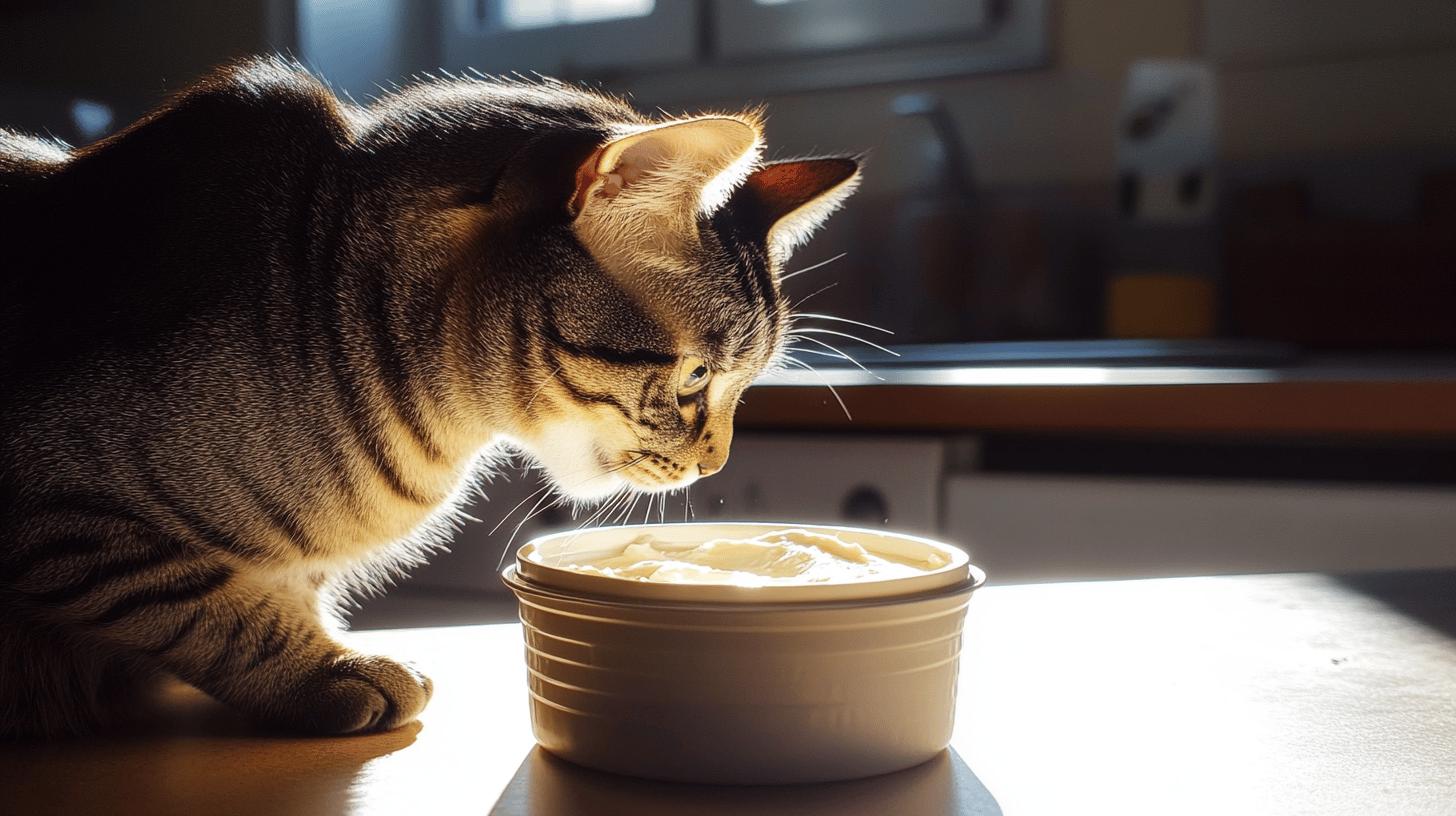
Many cats are lactose intolerant, which means they lack the enzyme lactase that's needed to digest lactose found in dairy products like cream cheese. This intolerance can lead to various digestive issues when they consume dairy. As obligate carnivores, cats primarily need a diet rich in proteins from animal sources, and cream cheese doesn't provide the essential nutrients they require.
Cream cheese poses several risks for cats due to its high fat and lactose content. While not toxic, it can upset a cat's digestive system, leading to discomfort. The high fat content also can contribute to obesity, a common issue among house cats.
Regular consumption of cream cheese can lead to weight gain, which can further complicate a cat's health with obesity-related diseases. It's important for cat owners to consider these risks when offering treats like cream cheese to their feline companions.
Symptoms that may occur if a cat consumes cream cheese include:
- Stomach upset
- Bloating
- Diarrhea
- Gas
- Cramps
Cream cheese doesn't offer any nutritional benefits to cats, making it an unsuitable choice for a treat. Its high lactose and fat content can lead to digestive troubles and contribute to obesity. Instead, cat owners should focus on providing their pets with treats that align with their natural dietary needs, which are rich in proteins and low in unnecessary fats and sugars.
Alternatives to Cream Cheese for Cats
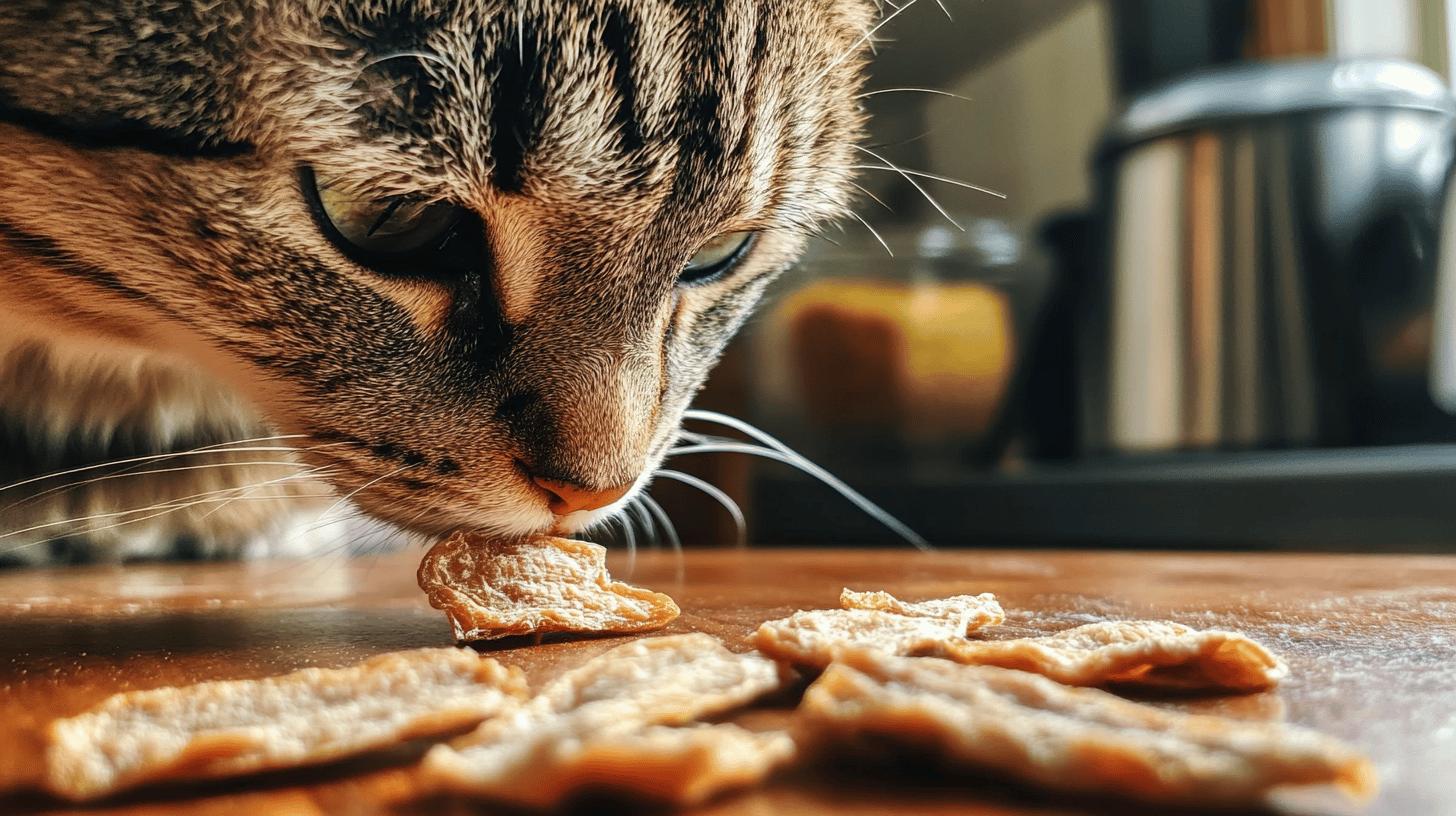
Choosing the right treats for your cat means considering their natural dietary needs. Cats are obligate carnivores, requiring a diet primarily based on animal protein. Cream cheese, while tempting, doesn't meet these nutritional needs and can lead to digestive issues due to its lactose content.
Instead, consider treats that align with your cat's biological requirements. Healthier options such as freeze-dried meats, like chicken, beef, or fish, not only satisfy their taste buds but also provide essential nutrients without the lactose that many cats struggle to digest.
Here are some recommended healthy snacks for cats:
- Freeze-dried chicken
- Freeze-dried beef
- Freeze-dried fish
- Small pieces of cooked turkey
- Cooked eggs (without salt or seasoning)
When selecting treats for your cat, it's crucial to prioritize those that support their health and dietary needs. Look for options rich in protein and free from unnecessary fats, sugars, and lactose. By doing so, you'll ensure your feline friend enjoys tasty snacks that contribute positively to their well-being.
Veterinary Advice on Feeding Cats Cream Cheese
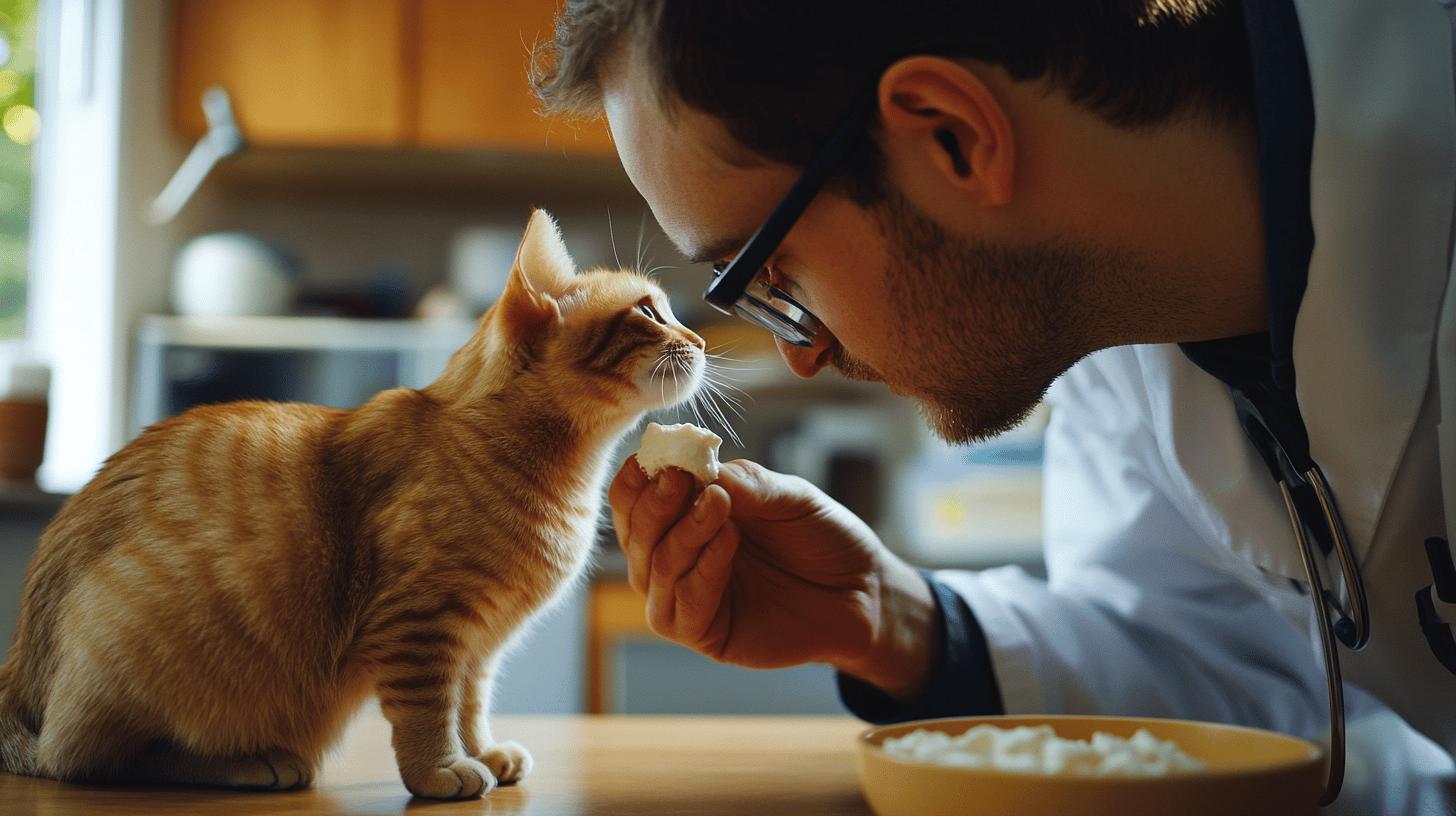
Before introducing any new food, including cream cheese, into a cat's diet, it's wise to consult a veterinarian. They can provide expert opinions on whether such foods fit the specific health needs and dietary requirements of your feline friend. This consultation helps ensure that any treat or new food won't disrupt their digestive health or contribute to long-term health issues.
Signs of Lactose Intolerance in Cats and What to Do

If your cat shows signs of lactose intolerance after eating cream cheese, there's a practical plan to follow. Start by offering plenty of fresh water to keep your cat hydrated, especially if diarrhea is present.
Keeping your cat calm and comfortable is key. If symptoms persist beyond a few hours or seem severe, it's wise to consult a veterinarian. They can provide dietary adjustments or treatments to help your cat feel better and ensure good health.
Final Words
Understanding the effects of cream cheese on cats is vital for their health. Cats often struggle with lactose intolerance, making cream cheese a risky treat. Without essential nutrients, it can lead to stomach upset and obesity. Instead, safer alternatives like freeze-dried meats align better with your cat's diet. Consulting a vet ensures you're making informed choices about their well-being. Remember, can cat eat cream cheese safely? The risks outweigh any potential enjoyment. Offering suitable treats keeps our feline friends both happy and healthy.
FAQ
My cat ate cheese, what should I do?
If your cat ate cheese, watch for signs of lactose intolerance such as diarrhea or stomach upset. These symptoms are usually mild and resolve within hours. If symptoms persist, contact a vet.
Can cats eat cream cheese and milk?
Cats often struggle to digest cream cheese and milk due to lactose intolerance. Consumption can lead to digestive issues like bloating and diarrhea. Cream cheese offers no nutritional benefits for cats.
Can cats eat cream cheese bread?
Cream cheese bread isn't suitable for cats. It contains lactose and can cause digestive upset. Bread adds no nutritional value to their diet, potentially leading to obesity if consumed regularly.
Can cats eat bread?
Cats can eat small amounts of bread, but it doesn't provide meaningful nutrition for them. Bread should be an occasional treat, not a regular part of their diet, to avoid health risks.
Can cheese kill cats?
Cheese is not lethal to cats, but due to lactose intolerance, it can lead to digestive problems. Persistent symptoms after consumption should prompt a visit to the vet.
Can cats eat cheese?
Cheese isn't recommended for cats. While not toxic, cheese can cause stomach upset due to lactose intolerance. It's better to offer treats that are designed for cats.
My cat ate cream cheese, what happens?
If your cat eats cream cheese, watch for digestive issues such as upset stomach or diarrhea due to lactose intolerance. Symptoms are often mild but consult a vet if they last.
Why is my cat obsessed with cream cheese?
Cats might be drawn to cream cheese's taste or texture. However, due to lactose intolerance, it's better to limit access and offer cat-friendly treats instead.
Is it OK for cats to eat cheese?
Cheese is generally not suitable for cats. It provides no nutritional benefit and can cause digestive issues due to lactose. Stick to treats made for cats.
Is dairy cream bad for cats?
Dairy cream is rich in lactose and fat, making it unsuitable for most cats due to digestion difficulties. It can cause stomach upset and should be avoided.
Related Articles
- Can Cat Eat Cream Understanding Safety and Risks for Feline Health
- Can Cat Eat String Cheese and Health Risks Explained
- Can Cat Eat Cheese Safely Understanding the Risks and Guidelines
- Can Cat Eat Butter Health Risks and Safe Alternatives Explained
Nutritional Profile and Safety Analysis
Cream cheese presents a paradox for cat nutrition: it contains some nutrients while offering virtually no dietary benefit for feline health. A typical serving contains fat, protein, and trace minerals, but the composition skews toward lactose and saturated fat while lacking the amino acid profile cats require from complete proteins.
The fat content in cream cheese ranges from 33 to 35 percent, concentrated primarily in saturated fats that can contribute to pancreatitis in susceptible cats. Protein exists but in insufficient quantities to meet feline requirements. One ounce of cream cheese provides roughly 2 grams of protein compared to the same weight of chicken breast providing 9 grams.
Micronutrients like phosphorus and small amounts of calcium appear in cream cheese, yet cats obtain these more efficiently from species-appropriate foods. Vitamin A content is negligible. The caloric density of cream cheese (99 calories per ounce) means even tiny portions significantly impact daily caloric intake without providing satiety or nutritional balance.
Fundamentally, cream cheese offers nothing to your cat’s diet that they cannot obtain better from their regular food. Its appeal lies entirely in flavor and temperature, not nutritional value. From a safety angle, cream cheese isn’t acutely toxic in small quantities, but the lactose content creates digestive complications for most adult cats.
Serving Guidelines and Portion Control
If a cat has consumed small quantities of cream cheese accidentally, they’re unlikely to experience serious consequences. However, deliberately offering cream cheese contradicts proper feline nutrition. Should you choose to test your cat’s tolerance, observe these strict guidelines.
Limit any cream cheese offering to one-quarter teaspoon maximum, offered once monthly at most. Never serve it as a treat multiple times weekly. The portion should be so small it functions as a taste rather than a meal component.
Always use plain cream cheese without additions like herbs, garlic, chives, or fruit. Flavored varieties introduce potential toxins alongside the already-problematic lactose content. Some cats respond better to cream cheese at room temperature versus cold, though temperature makes no nutritional difference.
Monitor your cat for 12 to 24 hours following consumption. If no symptoms appear, your individual cat may tolerate tiny amounts better than others. However, tolerance doesn’t equal recommendation. Even symptom-free consumption means your cat receives empty calories and unnecessary lactose exposure.
Signs of Adverse Reactions
Lactose intolerance in cats typically manifests within 6 to 12 hours of consumption. The most common sign is diarrhea, ranging from slightly loose stools to urgent, liquid elimination. Some cats also experience excessive gas, sometimes audible or noticeable through litter box odor changes.
Stomach cramping causes visible discomfort: your cat may become restless, circle repeatedly before lying down, or adopt a hunched posture. Vomiting can occur but is less common than diarrhea with cream cheese consumption.
Loss of appetite following cream cheese consumption sometimes reflects mild nausea rather than serious illness. Lethargy or unusual quietness for 24 hours suggests gastrointestinal inflammation is creating discomfort.
In rare cases, cats with existing pancreatitis or severe digestive disease may experience more serious reactions. Severe abdominal pain, repeated vomiting, or blood in stool warrant immediate veterinary evaluation regardless of recent cream cheese consumption.
Leave a Reply