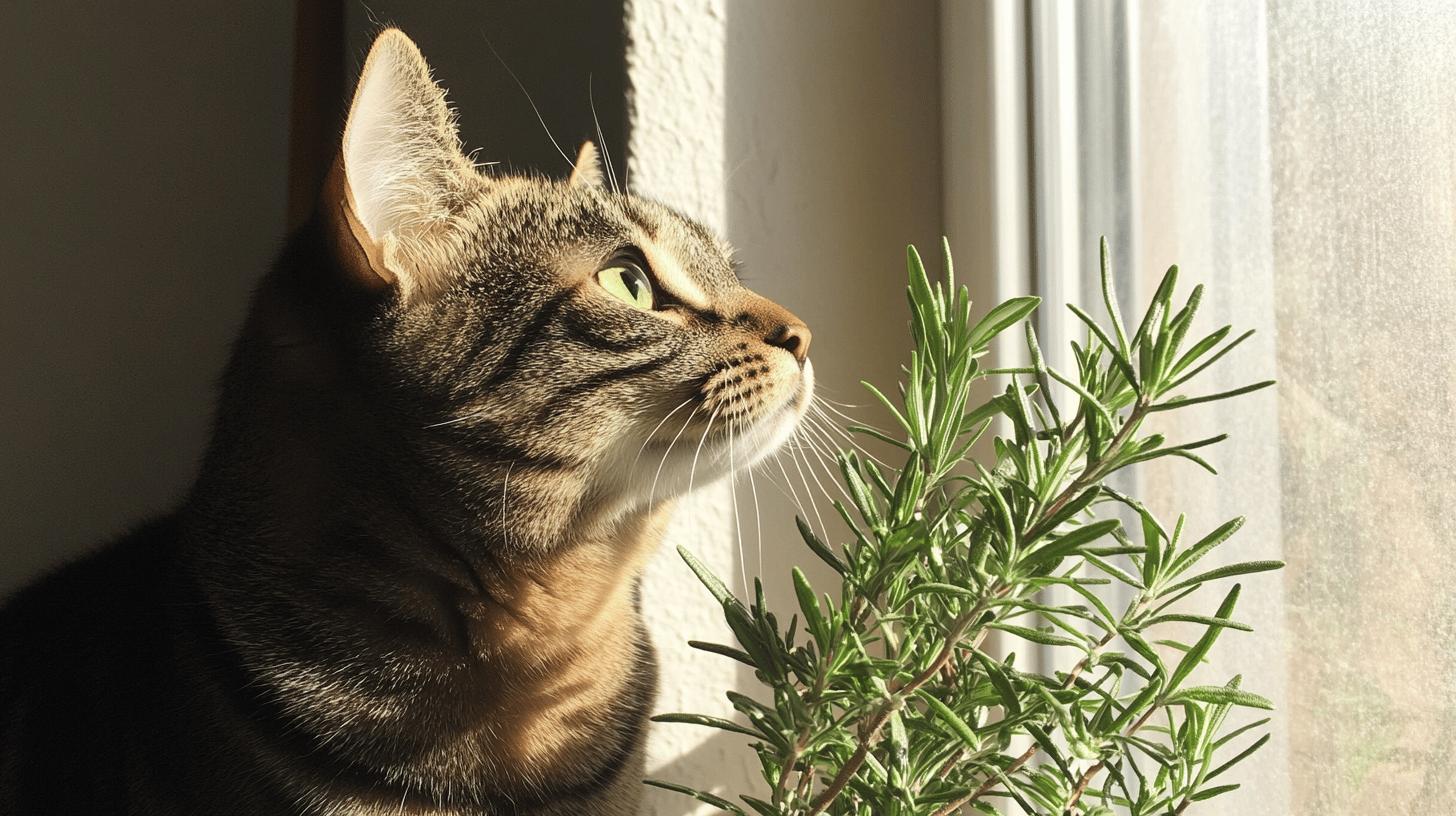
Is your curious kitty eyeing your rosemary plant lately? You’re not alone in wondering if cats can safely enjoy this fragrant herb. While rosemary is generally non-toxic to cats, the reality is more nuanced than a simple yes or no. Your cat’s safety depends on quantity, form, and how carefully you introduce it. Let’s explore exactly how rosemary affects cats, what symptoms to watch for, when to call the vet, and how to make the right call for your feline friend.
Can Cats Safely Eat Rosemary?
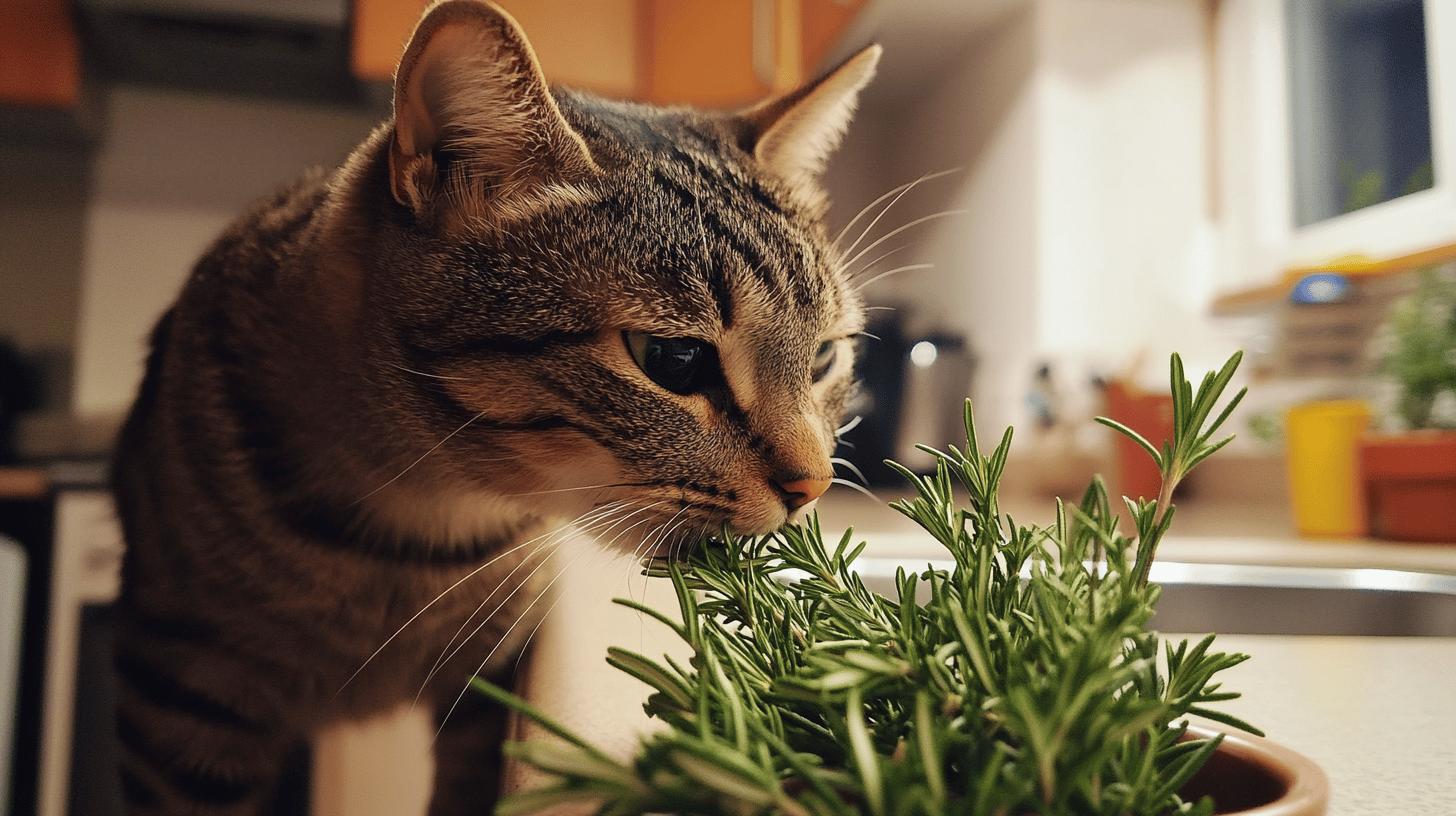
Yes, cats can safely consume small amounts of fresh or dried rosemary. The American Society for the Prevention of Cruelty to Animals (ASPCA) confirms that rosemary is non-toxic to felines. This means occasional, controlled exposure won’t poison your cat.
However, “safe” doesn’t mean unlimited. Cats have smaller digestive systems than humans and process plant matter differently. Their stomachs lack certain enzymes to break down complex plant compounds efficiently. When a cat eats rosemary, their body must work harder to digest it, especially in larger amounts.
The key distinction is this: small doses of plain rosemary leaves (fresh or lightly dried) are fine. But rosemary oil, extract, or heavily concentrated dried rosemary poses a real toxic risk. Essential oils contain highly concentrated compounds that can overwhelm a cat’s system, potentially causing serious health issues within hours.
Safe rosemary forms for cats:
- Fresh rosemary leaves (1-2 leaves maximum, rare occasions only)
- Lightly dried rosemary (tiny pinch amount)
Never give to cats:
- Rosemary essential oil or diffuser products
- Rosemary extract or concentrate
- Cooking sprays with rosemary
- Any heavily processed rosemary product
- Foods seasoned with rosemary intended for human consumption
Rosemary’s Impact on Cat Digestion and Health
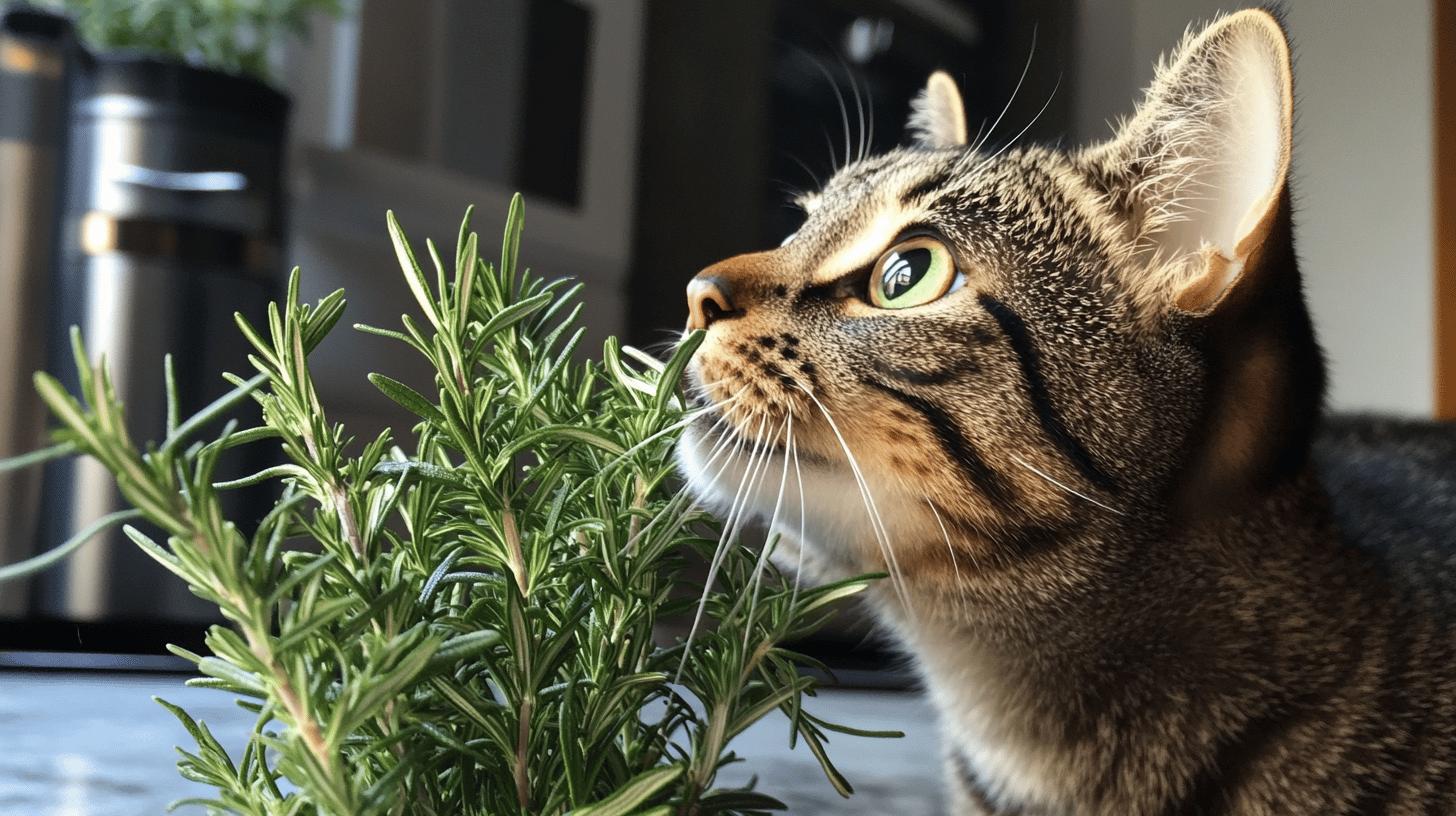
Rosemary does contain antioxidants and mild anti-inflammatory compounds. In very small amounts, these might provide minimal immune support. However, cats don’t require rosemary to stay healthy. Protein-rich meat, not herbs, fuels their immune system and cellular repair. Rosemary should be viewed as an occasional curiosity, not a health supplement or dietary necessity.
When a cat ingests moderate amounts of rosemary, their digestive system becomes irritated. The aromatic oils in rosemary can inflame the stomach lining and intestines. This leads to the gastrointestinal upset mentioned in safety guides: vomiting, diarrhea, and abdominal discomfort.
Larger doses of rosemary, especially oil or extract, can cause more serious problems. Some cats experience lethargy (unusual tiredness), loss of appetite, excessive drooling, or refusal to drink water. In rare cases, cats show neurological symptoms like tremors, muscle twitching, or depression. These signs indicate your cat needs immediate veterinary attention.
The severity of reaction depends on several factors: your cat’s age and size, overall health status, and the form of rosemary consumed. A small kitten exposed to rosemary oil will react more severely than a large adult cat eating one fresh leaf. Cats with pre-existing digestive issues, kidney problems, or immune conditions face higher risk.
Recognizing Rosemary Toxicity Symptoms
If your cat nibbled rosemary leaves from your garden, consumed rosemary oil, or accidentally got into a rosemary-based product, watch closely for these warning signs. Timing matters: mild toxicity appears quickly, while oil toxicity builds over hours.
Mild symptoms (usually appear within 2-6 hours of exposure):
- Vomiting or retching (once or twice)
- Diarrhea or soft, loose stools
- Reduced appetite or refusal to eat
- Mild lethargy or unusual quietness
- Excessive drooling or wet mouth area
- Slightly elevated heart rate
Moderate symptoms (develop within 4-12 hours, require vet consultation):
- Repeated vomiting (more than 2-3 episodes)
- Persistent diarrhea with mucus or blood
- Abdominal pain (hunched posture, crying when touched, reluctance to move)
- Significant lethargy or unresponsiveness
- Loss of appetite lasting more than a few hours
- Trembling or muscle twitching
Severe symptoms (require emergency vet care immediately, do not wait):
- Violent or repeated vomiting with blood
- Bloody or black tarry stools
- Severe abdominal distension or visible pain
- Tremors that don’t stop
- Seizure activity or loss of consciousness
- Difficulty breathing or gasping
- Collapse or inability to stand
- Uncontrolled drooling
The severity depends on how much rosemary your cat ate and in what form. Fresh leaves cause mild to moderate upset. Rosemary oil causes severe reactions. Extraction products and concentrated dried rosemary fall in between. Time is critical, don’t wait to see if symptoms pass on their own. Contact your vet the moment you notice vomiting, diarrhea, or any unusual behavior after rosemary exposure.
What to Do If Your Cat Eats Rosemary
If you catch your cat eating rosemary, stay calm and act immediately. Remove the plant or product right away and prevent further access. Don’t induce vomiting unless a vet specifically instructs you to do so, in some cases, vomiting can make toxicity worse.
Immediate steps (do these first):
- Remove any remaining rosemary from your cat’s mouth and surrounding area
- Wash your cat’s mouth with water if oil exposure is likely
- Note the exact time exposure occurred
- Estimate the amount consumed: how many leaves, drops of oil, or how much plant material?
- Call your vet or poison control center immediately (ASPCA Poison Control: 888-426-4435)
- Have the product container or plant available to describe what your cat contacted
What information to provide to your vet:
- Your cat’s age, weight, and overall health status
- Time of exposure and estimated amount
- Type of rosemary: fresh leaves, dried, oil, extract, or prepared food?
- Any symptoms you’ve already noticed
- Current medications your cat takes
- Any previous poisoning incidents
Your vet may recommend supportive care: IV fluids for dehydration, anti-nausea medication, gastrointestinal protectants, or overnight monitoring. For severe essential oil poisoning, your vet might recommend activated charcoal (given early) to bind toxins in the stomach and prevent absorption. Most cats recover fully with prompt treatment, but prevention is always better than emergency care and costly vet bills.
Safer Herb Alternatives for Cats
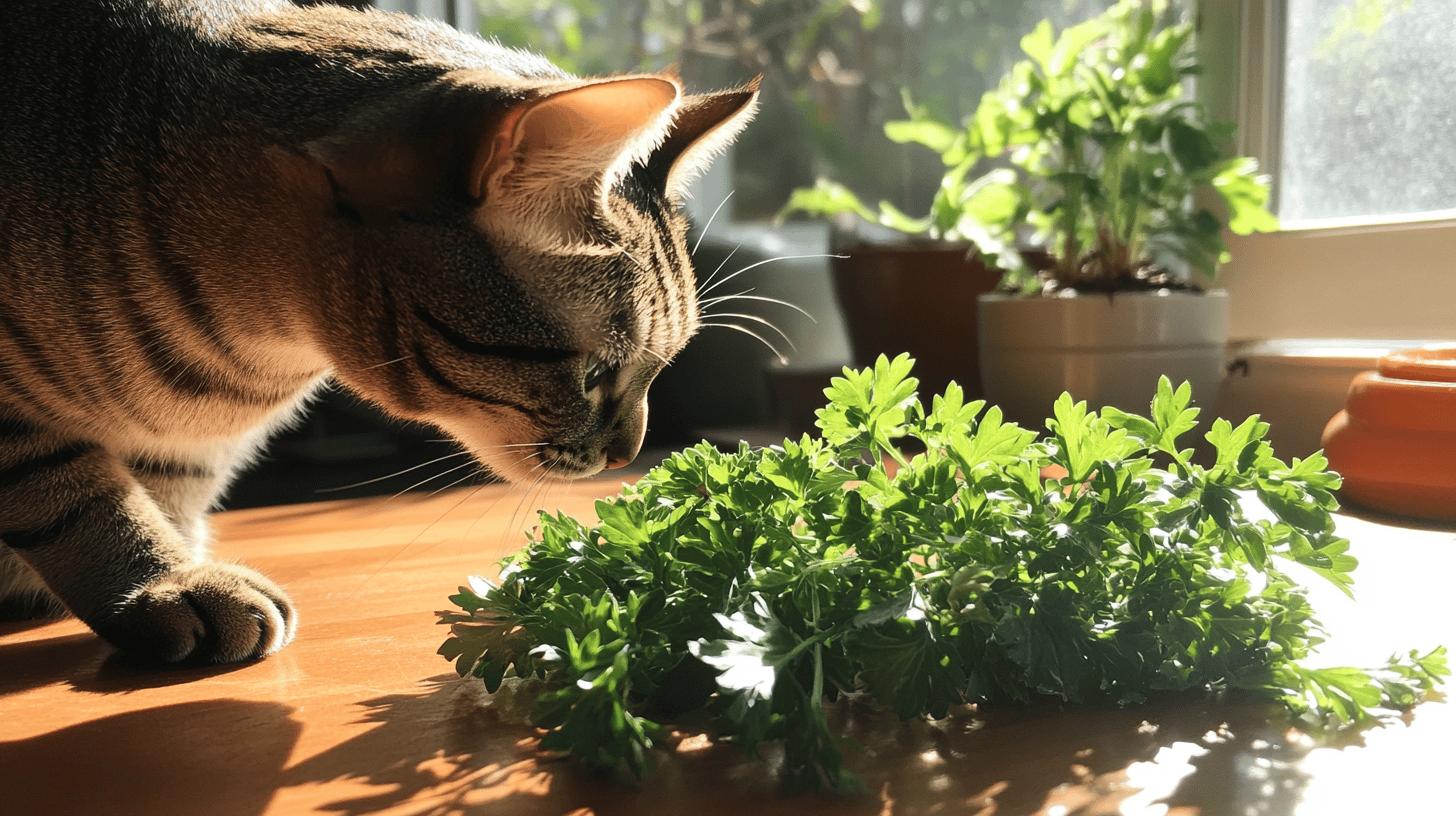
If you want to offer your cat something new to explore or provide natural enrichment, there are genuinely cat-safe options that don’t carry toxicity risk. These plants are designed with feline biology in mind.
Catnip: The gold standard for cat enrichment. Catnip (Nepeta cataria) triggers playful, sometimes euphoric behavior in approximately 70-80% of cats (not all cats respond to it genetically). It’s completely safe and actually beneficial for exercise and mental stimulation. Offer dried catnip in moderation, a pinch or two per week, or a small catnip toy that your cat can interact with daily. It can help redirect destructive energy and combat boredom in indoor cats.
Cat grass (wheatgrass or oat grass): Many indoor cats have an instinctive urge to chew on grass. Cat grass is specifically grown for safe feline consumption. It poses zero toxicity risk and actually helps with digestion. It can reduce hairballs, provide natural plant fiber, and satisfy chewing instincts. You can grow cat grass indoors in a small pot for year-round access.
Silvervine: An alternative to catnip that works for cats who don’t respond to catnip (the minority). It produces similar effects: playfulness, rolling, excitement, and relaxation. If your cat ignores catnip, silvervine is worth trying.
Spider plants: Non-toxic and many cats enjoy the leafy texture. These hardy plants withstand nibbling and don’t cause harm.
Before offering any new plant or herb, even ones listed as safe, consult your vet. Individual cats have unique sensitivities, and what’s safe for most might bother yours specifically, especially if they have existing digestive issues.
Preventing Accidental Rosemary Exposure
The best strategy is prevention. If you grow rosemary or have it in your home, keep it completely out of reach. Many accidental poisonings happen not from cats deliberately eating rosemary, but from proximity to cooking, grooming oil off their fur after contact, or curious young kittens investigating new scents.
- Store potted rosemary on high shelves, windowsills, or in closed rooms cats can’t access
- Trim any low-hanging branches your cat could reach or jump to
- Never leave fresh or cooked rosemary on countertops, tables, or ground level
- Be cautious when cooking with rosemary, don’t let oil splatter onto cat-accessible surfaces
- Avoid giving your cat any food seasoned with rosemary or herb blends containing it
- Don’t use rosemary essential oil diffusers, sprays, or aromatherapy products around cats
- Check labels on pet-marketed products, treats, or supplements, some contain rosemary
Final Thoughts on Rosemary and Cats
Rosemary is non-toxic in extremely small amounts, but it’s not a plant your cat needs. The reality is straightforward: keep rosemary away from your cat entirely. Fresh leaves might cause mild stomach upset. Rosemary oil causes serious toxicity. Your cat gets zero nutritional benefit from rosemary, so there’s no reason to risk it.
Your feline’s digestive system evolved to process meat, not herbs. Their health depends on quality protein, taurine, essential fatty acids, and proper hydration, not on sampling your kitchen garden. Stick with cat-safe enrichment like catnip, cat grass, quality toys, and interactive play instead.
If your curious cat does get into rosemary, remember the response plan: remove access immediately, call your vet right away, and monitor closely for the next 24 hours. Most cats recover fine from accidental small exposures to fresh rosemary leaves, but immediate action is critical for oil-related poisoning or large exposures. Being prepared means your cat gets the fastest possible care.
FAQ
Can cats eat rosemary plants or leaves?
Cats can eat tiny amounts (1-2 fresh leaves) of rosemary without toxic effects. However, larger quantities or dried rosemary can cause vomiting, diarrhea, and stomach upset. It’s best avoided entirely rather than risk digestive problems.
Is rosemary oil safe for cats?
Absolutely not. Rosemary oil is toxic to cats. Essential oils are highly concentrated forms of plant compounds and can cause serious poisoning: tremors, lethargy, neurological problems, severe gastrointestinal distress, and in extreme cases, seizures. Never allow your cat near rosemary oil, diffusers, or aromatherapy products containing it.
What are the signs my cat ate too much rosemary?
Watch for vomiting, diarrhea, reduced appetite, drooling, lethargy, abdominal pain (hunched posture, sensitivity when touched), or tremors. Severe exposure like oil ingestion can cause seizures, collapse, or loss of consciousness. Call your vet immediately if any of these appear.
What should I do if my cat eats rosemary?
Remove the plant or product, note what your cat ate and the exact time, then contact your vet or poison control (ASPCA: 888-426-4435). Monitor for symptoms over the next 24 hours. If vomiting, diarrhea, or unusual behavior develops, seek emergency care immediately. Don’t wait for symptoms to worsen.
Are there safe herbs for cats?
Yes. Catnip, cat grass (wheatgrass or oat grass), silvervine, and spider plants are cat-safe and beneficial. Always check with your vet before offering any new plant material to ensure it’s appropriate for your cat’s individual health status.
Can cats eat other seasonings like oregano or thyme?
Most culinary herbs are not necessary for cats and pose unnecessary risk. While some are non-toxic in tiny amounts, they offer no nutritional value to felines. Stick with cat-specific enrichment plants and foods instead. When in doubt, ask your vet before offering anything new.
Leave a Reply