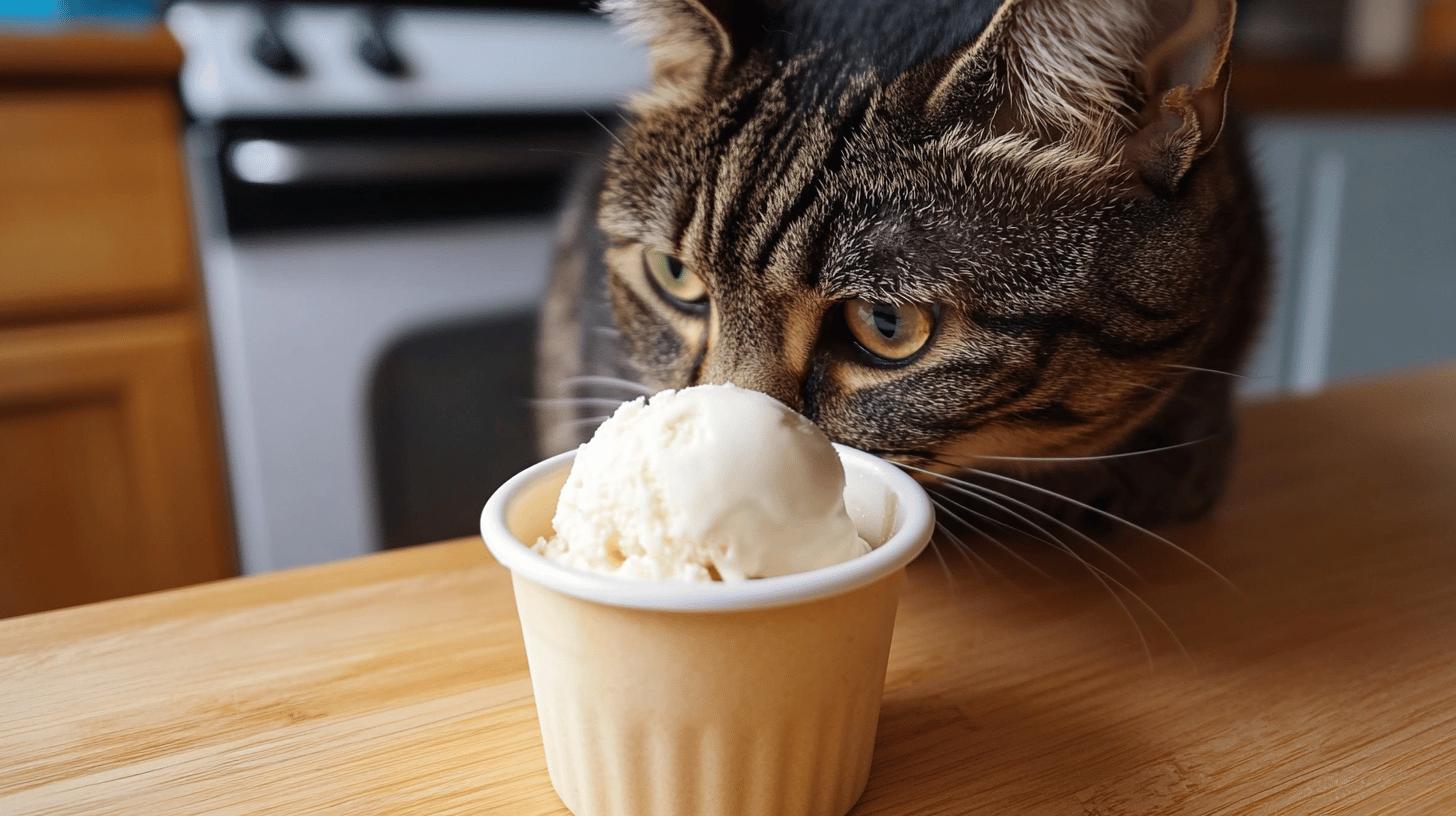
Could your cat's curiosity for vanilla ice cream lead to more than just a sweet tooth? While natural vanilla beans aren't toxic to cats, they're not exactly beneficial and can upset their stomachs if eaten too much. But be cautious, vanilla extract is a different beast entirely, with its high alcohol content being downright dangerous. In this blog post, we'll dive into what makes vanilla and its flavored products risky for cats, how to recognize any alarming symptoms, and when to seek out your vet's expertise for a safe playtime.
Can Cats Eat Vanilla Safely?
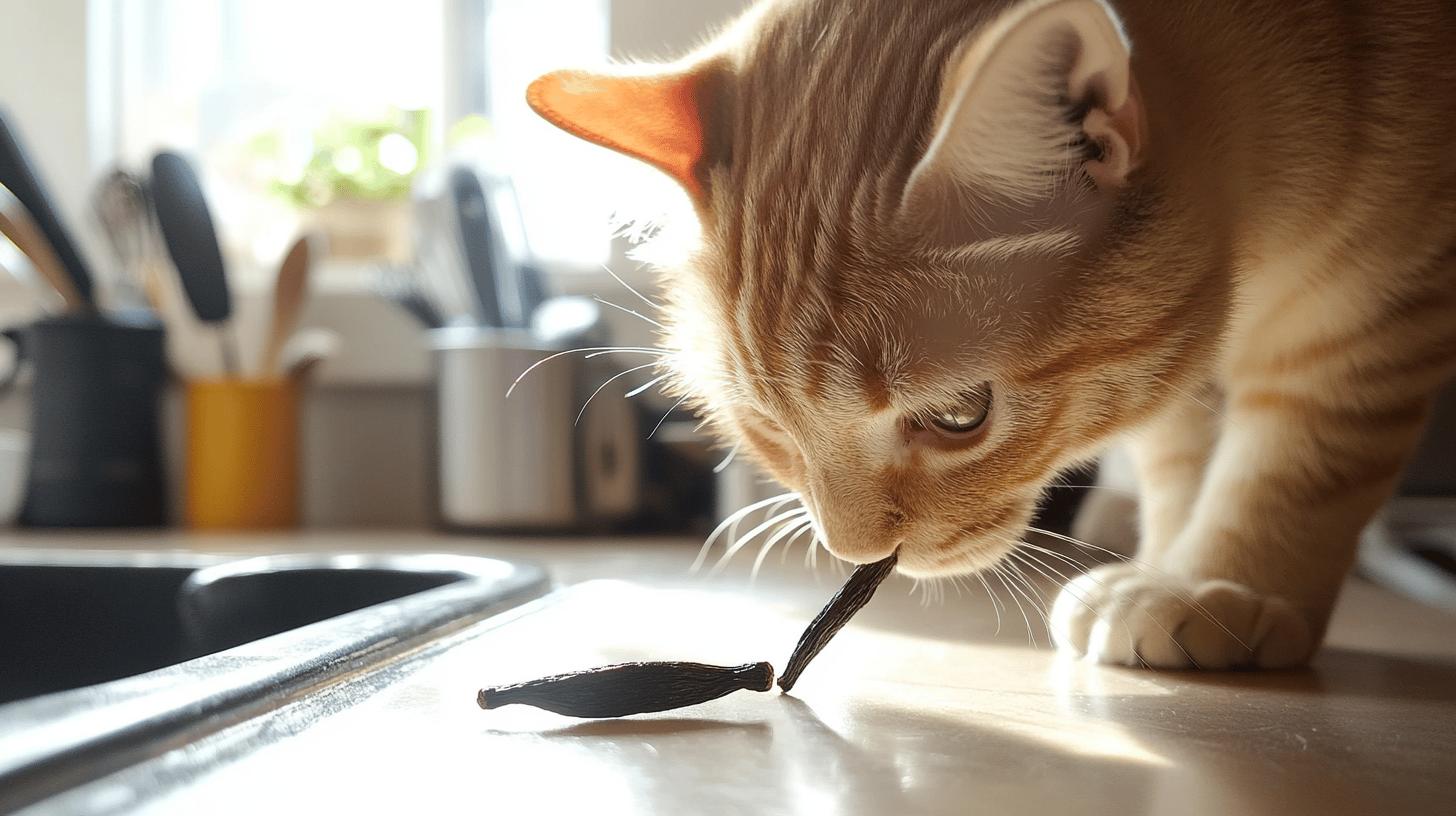
Cats are curious creatures, and it's not uncommon for them to show interest in what we eat, including vanilla. Natural vanilla beans are not toxic to cats, and consuming a small amount is generally safe. But let's be clear, vanilla offers no real health benefits for cats and may cause gastrointestinal distress if consumed in large amounts. Vanilla extract, on the other hand, is a different story. It contains a high level of alcohol, often 35% or more, which is toxic to cats. Even a small amount can be harmful and should be avoided at all costs.
Here are some forms of vanilla to be aware of:
- Natural vanilla beans: Safe in small amounts but unnecessary for cats.
- Vanilla extract: Unsafe due to high alcohol content, toxic to cats.
- Vanilla-flavored desserts: Unsafe, often containing sugar and other harmful ingredients.
If your cat happens to consume vanilla, especially vanilla extract or any product containing alcohol, it's crucial to monitor them closely. Symptoms of vanilla toxicity in cats include vomiting, diarrhea, lethargy, and difficulty breathing. If you notice any of these symptoms, it's best to seek veterinary care immediately to ensure your furry friend's safety.
Vanilla-Flavored Products and Cats: What You Need to Know
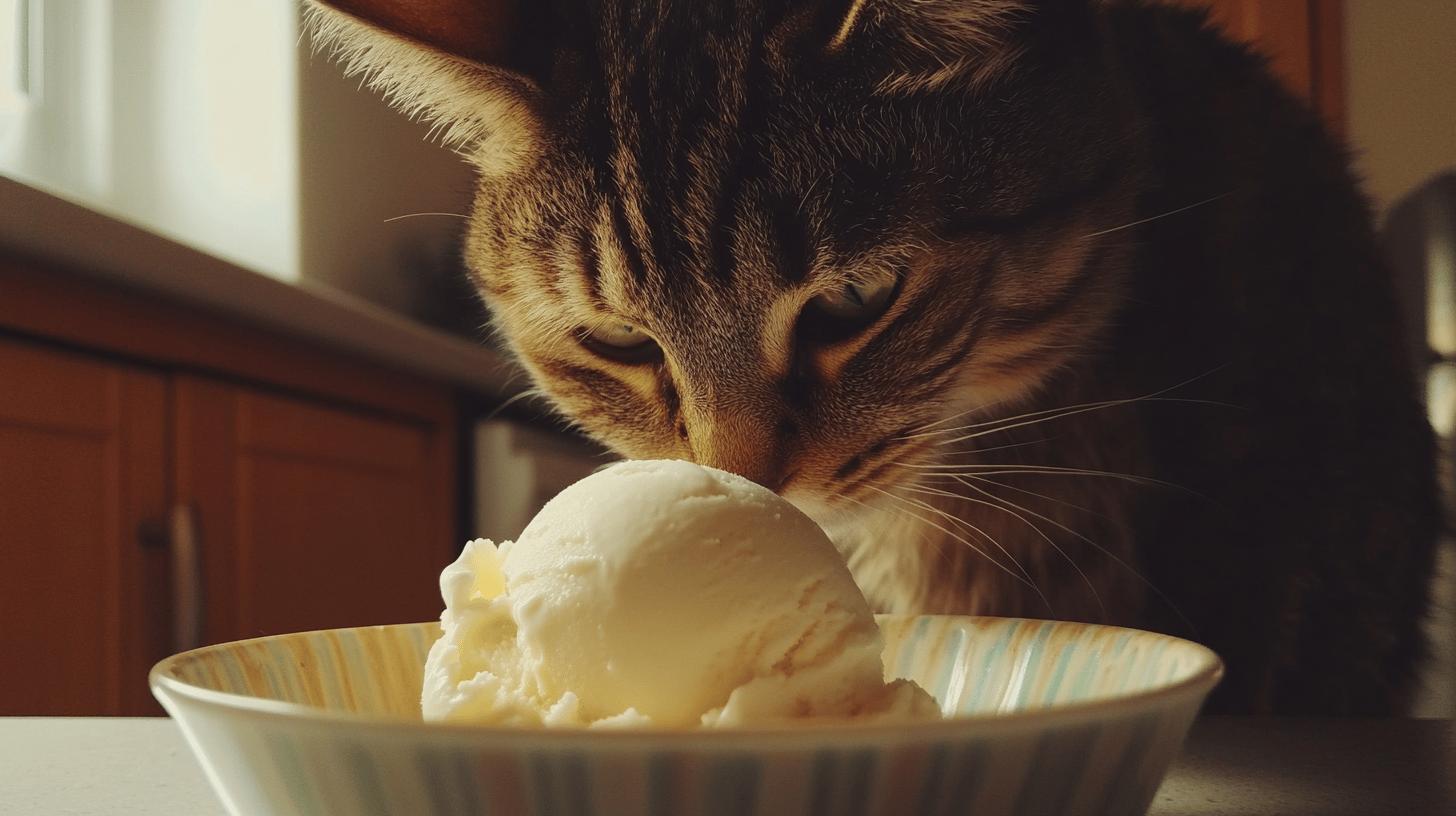
Vanilla-flavored products, like ice cream, pudding, and cake, contain sugar and other ingredients that are unsafe for cats. Sugar can lead to weight gain and diabetes. Artificial vanilla and vanilla extract often have chemicals and alcohol, which are harmful to cats.
Here's a quick look at some vanilla-flavored products and the ingredients that make them unsafe for cats:
| Product Type | Ingredients to Avoid |
|---|---|
| Vanilla Ice Cream | Sugar, dairy, artificial flavors |
| Vanilla Pudding | Sugar, dairy, thickeners |
| Vanilla Yogurt | Added sugars, artificial sweeteners |
Consider healthier alternatives when sharing treats with your cat. Greek yogurt is a better option as it has reduced lactose content, making it easier for cats to digest. It also provides more protein, which is beneficial. Ensure it's plain and unsweetened, and only offer it occasionally to avoid health risks.
Safe Treats for Cats: Avoiding Vanilla
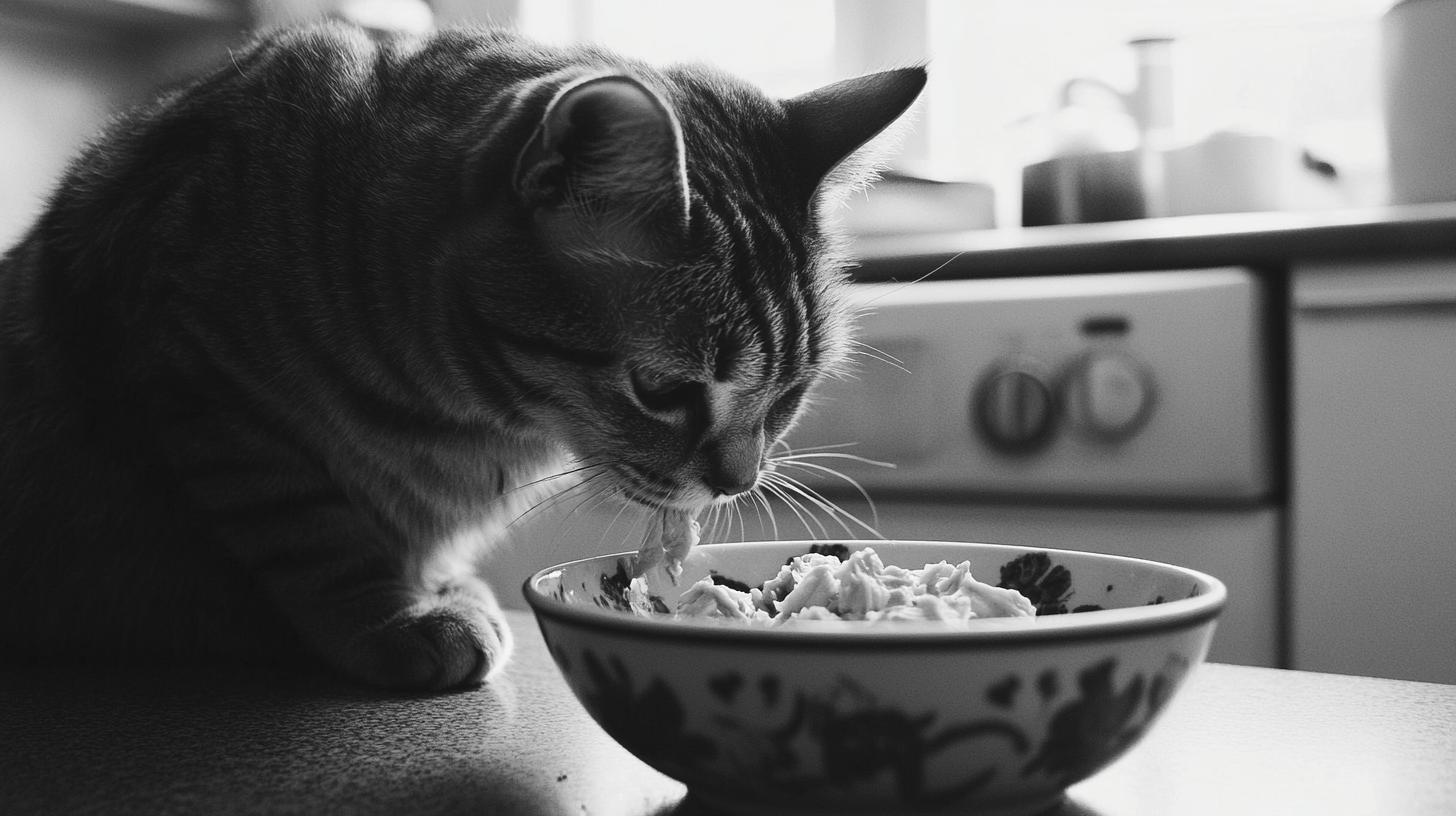
Let's focus on safe treat options that benefit our furry companions. Here are some alternatives:
- Cooked Chicken: Rich in protein, it's a favorite for many cats.
- Salmon: Full of omega-3s, it supports a healthy coat.
- Catnip: This herb is both fun and stimulating.
- Pumpkin: Offers fiber for digestion, best in moderation.
These choices keep your cat content and healthy without the risks linked to vanilla.
Can Cats Eat Vanilla Safely?
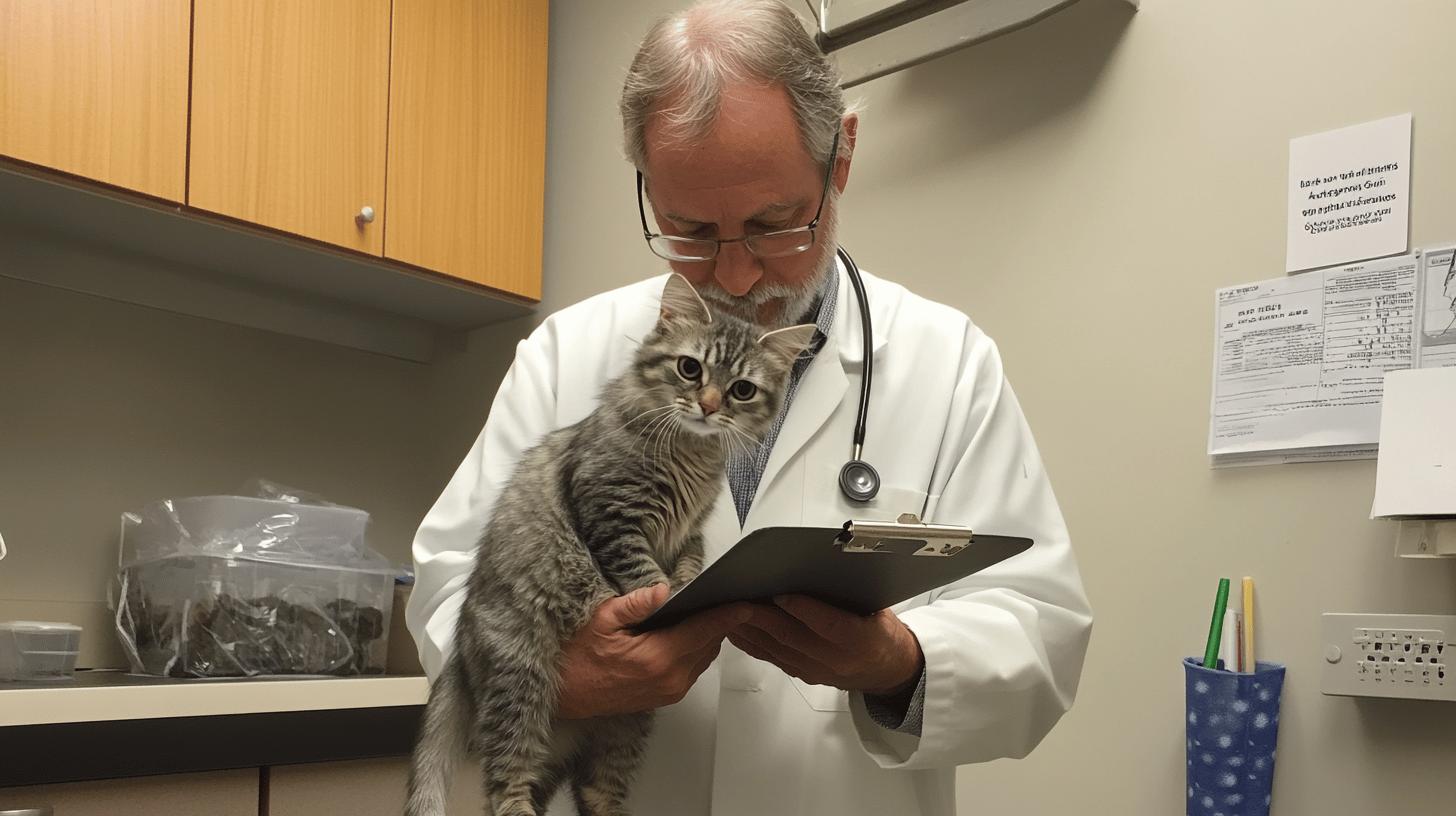
Always consult a veterinarian before introducing any new foods to your cat, including yogurt or vanilla. Vets can provide guidance based on your cat's specific needs and potential sensitivities.
To prevent your cat from consuming vanilla products, consider these tips:
- Store vanilla products securely: Keep vanilla extract and flavored desserts in cabinets your cat can't access.
- Be cautious during holidays: Baking often involves vanilla; ensure these products are out of reach.
- Educate household members: Everyone should know not to leave vanilla-flavored foods unattended.
These precautions help keep your cat safe from ingesting harmful items.
Final Words
Understanding the effects of vanilla and its products on cats is crucial for keeping our furry friends safe. While natural vanilla isn't toxic, it's unnecessary in a cat's diet. More concerning is vanilla extract, which poses serious health risks due to its alcohol content. Always watch for signs like vomiting or lethargy if exposure occurs.
Instead of vanilla-flavored treats, consider healthier alternatives like small amounts of Greek yogurt. Consulting with a vet is also wise for any diet changes. By making informed choices, you can ensure your cat's well-being and enjoy peace of mind.
FAQ
Can cats eat vanilla yogurt?
A cat can eat a little vanilla yogurt, but it's not great for them. The sugar and artificial sweeteners can upset their stomachs. Stick to plain Greek yogurt for a treat.
Can cats eat vanilla ice cream?
Cats should avoid vanilla ice cream due to sugar and dairy which can cause digestive issues. Ice cream doesn't offer any nutritional benefit for cats and can lead to weight gain.
Can cats eat vanilla extract or vanilla oil?
Cats should not eat vanilla extract or oil. The high alcohol content in extracts is toxic to cats and can cause vomiting and lethargy. Avoid offering these to your cat.
Can cats smell vanilla extract safely?
Cats should not be around vanilla extract. The alcohol content can harm them if ingested, so it's best to keep it out of reach.
Is vanilla toxic to pets?
Vanilla beans aren't toxic but offer no real benefits and could upset stomachs if eaten in large amounts. Vanilla extract is toxic due to its alcohol content, so keep it away.
Do cats like vanilla flavor?
Cats do not generally respond to sweet flavors, so vanilla may not attract them. It's best to offer flavors more suitable to their natural preferences.
Is vanilla bean safe for cats?
Vanilla beans might be safe in tiny amounts, but they offer no benefits and could cause stomach issues. It's best not to let your cat snack on them.
Related Articles
- Can Cat Eat Vanilla Ice Cream Risks and Recommendations
- Can Cats Eat Ice Cream Safety Risks and Alternatives
- Can Cat Eat Whipped Cream Safely
- Can Cat Eat Strawberry Ice Cream Safely? Essential Facts to Know
Vanilla Extract vs. Vanilla Bean: Toxicity Comparison
When evaluating vanilla products, the distinction between extract and whole bean matters significantly for your cat’s safety. Vanilla extract contains between 35-40% alcohol by volume, which poses a far greater risk to cats than the vanilla bean itself. Even small amounts of alcohol can affect a cat’s liver and nervous system, since cats lack the liver enzymes needed to metabolize ethanol efficiently. A single teaspoon of vanilla extract could cause serious toxicity in a small cat.
Whole vanilla beans present a much lower risk profile. They contain vanillin, the compound responsible for vanilla’s flavor, but in negligible quantities compared to the extract. Most baked goods use vanilla extract rather than whole beans, making this distinction relevant when assessing what your cat may have ingested. If your cat consumed a crumb or two of vanilla-flavored cake, the vanilla bean content poses minimal concern, whereas accessing a bottle of extract warrants immediate veterinary attention.
The concentration difference explains why veterinarians distinguish between these forms when discussing vanilla toxicity. Your cat would need to consume substantial amounts of vanilla bean to reach toxic levels, whereas extract’s alcohol content creates danger at much smaller volumes. Understanding this hierarchy helps you respond appropriately if accidental exposure occurs.
Vanilla Compounds & Health Effects
Vanillin, the primary active compound in vanilla, behaves differently in cats compared to humans. Cats absorb vanillin through their digestive tract, but their metabolism processes it more slowly due to lower hepatic enzyme activity. While humans tolerate vanilla readily, cats’ bodies take longer to eliminate the compound, allowing it to accumulate even from small exposures over time.
Coumarin, another component occasionally present in vanilla products, deserves attention for cat owners. Some vanilla products contain trace amounts of coumarin, which affects blood clotting and liver function. Cats show greater sensitivity to coumarin than dogs, making even minimal exposure worth avoiding. Your cat’s unique metabolism means that compounds safe for humans at certain levels require much lower thresholds for feline safety.
Beyond vanillin and coumarin, the processing methods used in vanilla products matter. Artificial vanilla flavoring may contain additional chemical compounds that weren’t tested specifically for feline toxicity. Sticking to foods without any vanilla flavoring provides the safest approach when selecting treats and human foods to share with your cat.
Accidental Vanilla Exposure
Cat owners frequently worry after discovering their pet has tasted a small amount of vanilla-flavored food. A lick of vanilla frosting or a tiny piece of vanilla cake carries minimal risk in most cases. Your cat would need to consume a substantial quantity to experience serious toxicity symptoms, so discovering a single exposure typically doesn’t require emergency treatment.
Ice cream represents a common source of accidental vanilla exposure. A small amount of vanilla ice cream consumed by your cat poses little danger, though the sugar and dairy content creates separate digestive concerns. Baked goods containing vanilla extract present more risk than those with vanilla flavoring due to extract’s alcohol concentration.
Establish a waiting period when uncertain whether your cat ingested a dangerous amount. Monitor for symptoms over the next 12-24 hours before concluding everything is fine. If your cat consumed something containing vanilla extract directly or ingested a large quantity of vanilla-flavored products, contact your veterinarian even if symptoms haven’t appeared yet.
Signs of Vanilla Toxicity
Recognizing toxicity symptoms allows you to seek help promptly if your cat accessed vanilla extract or consumed substantial vanilla quantities. Early signs include tremors, decreased appetite, lethargy, and vomiting. Your cat may appear uncoordinated or disoriented as toxicity progresses.
Diarrhea and stomach upset appear frequently in cats experiencing vanilla toxicity. More severe cases present with seizures, difficulty breathing, or collapse. Some cats develop liver dysfunction symptoms including jaundice, excessive thirst, or increased urination.
The timeline for symptom onset varies based on consumption amount and your cat’s size. Symptoms may appear within 30 minutes for large exposures or develop gradually over several hours for smaller amounts. Contact your veterinarian immediately if your cat shows any combination of these signs after vanilla exposure.
Better Flavor & Treat Alternatives
Providing flavorful enrichment without vanilla keeps your cat safely entertained. Tuna, salmon, and chicken broths offer natural flavors that appeal to cats while providing nutritional value. These alternatives support your cat’s instinctual preferences without introducing questionable compounds.
Freeze-dried meat treats deliver concentrated flavor and satisfy your cat’s hunting instincts better than vanilla-flavored alternatives anyway. Fish-based treats particularly engage cats’ interest while remaining completely safe. Many cats find these options more rewarding than any processed flavoring could provide.
Consider investing in interactive toys that stimulate your cat’s senses without relying on problematic flavorings. Our toys for play aggression redirect destructive energy into healthy outlets, offering enrichment that lasts far longer than treats do. Natural play engagement provides superior mental stimulation compared to flavor-based enrichment alone.
Leave a Reply