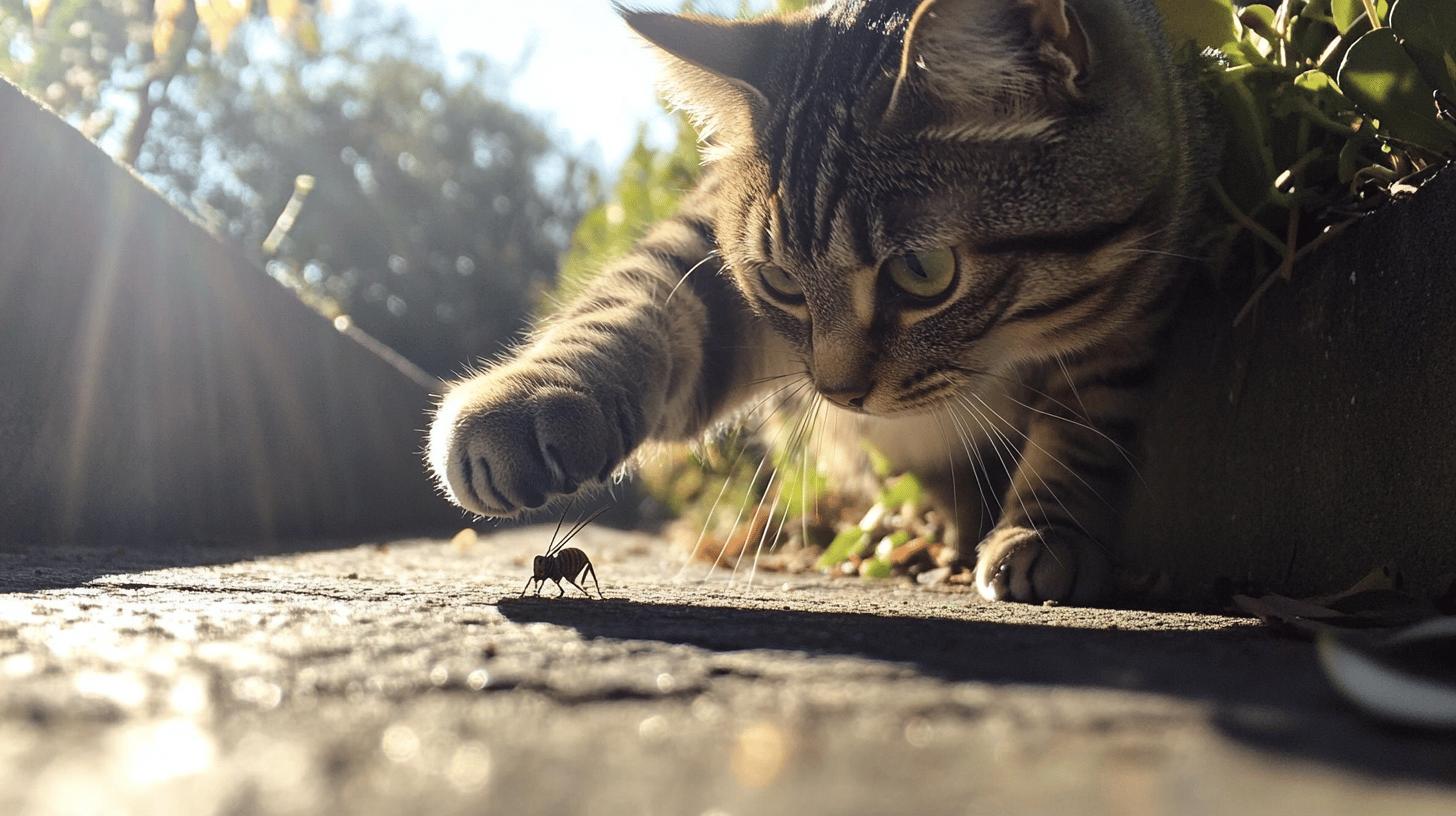
Have you ever caught your cat pouncing on a grasshopper and wondered, "Is this safe for my furry friend?" Cats are natural hunters and often find insects like grasshoppers irresistible. While munching on these little hoppers might seem harmless, there are some benefits and risks you should know.
Understanding what happens when your cat chows down on a grasshopper is key to keeping them safe and healthy. Knowing the nutritional reality and potential dangers of this crunchy snack helps you make informed choices for your cat’s playtime and diet.
Can Cats Safely Eat Grasshoppers: Benefits, Risks, and Precautions
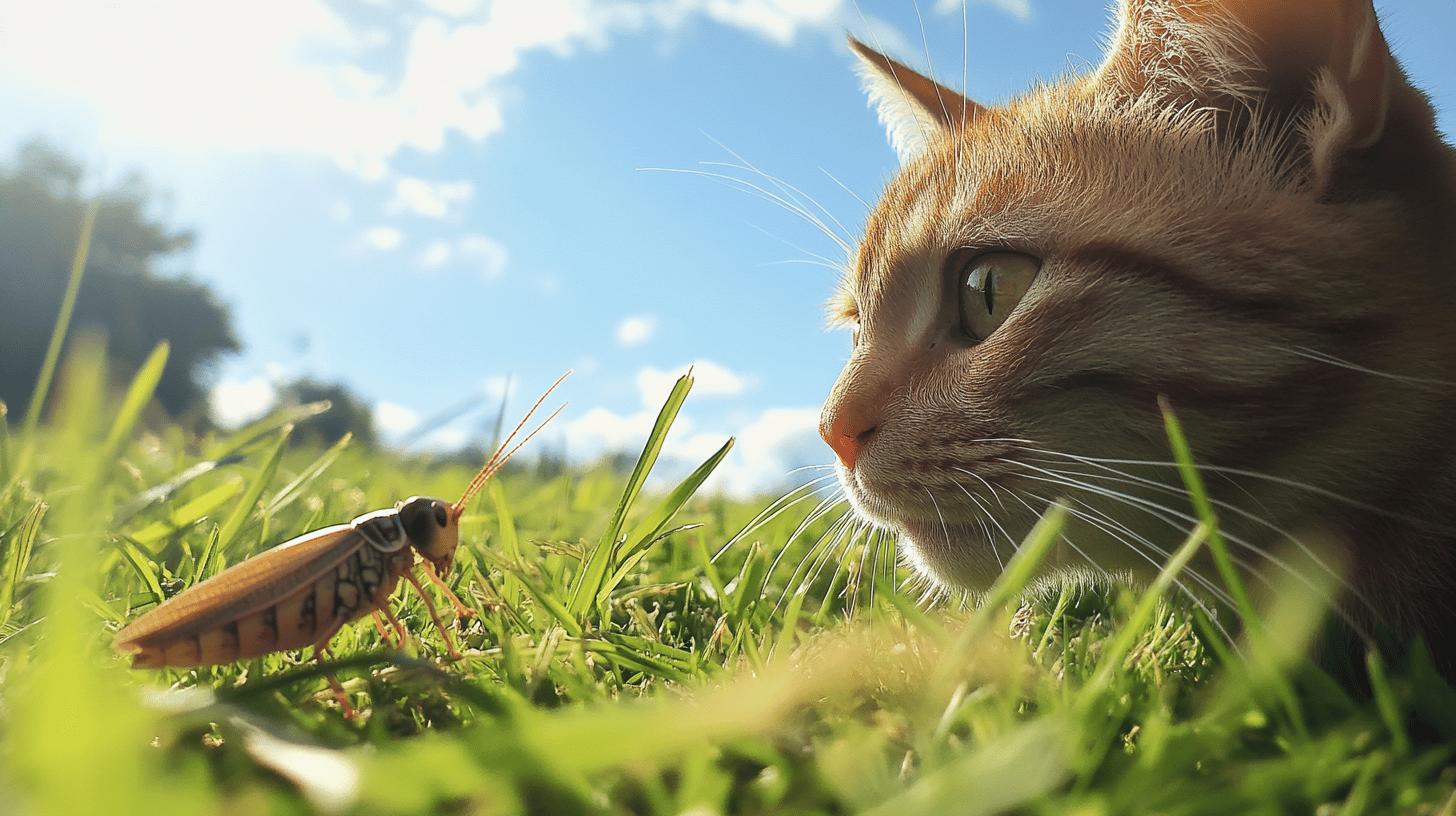
Cats have a natural instinct to hunt and eat insects, and grasshoppers are no exception. This behavior aligns with their predatory nature, and eating a grasshopper or two is generally safe for them.
Grasshoppers are non-toxic, making them a relatively harmless snack if consumed occasionally. They can provide mental stimulation and satisfy a cat’s natural hunting urge. Most of the time, a cat's curiosity and their agile hunting skills take over when they spot a grasshopper hopping around.
Grasshoppers offer a surprising array of nutritional benefits for cats. They are a source of protein, which is crucial for maintaining muscle mass and overall health. Additionally, grasshoppers contain essential fatty acids that contribute to a healthy coat and skin.
Amino acids, including taurine, are found in these insects as well and are vital for a cat's vision, digestion, and heart muscle function. These nutrients can complement a cat's diet, although they should not replace the primary food source.
Here's a look at some potential risks and concerns when it comes to grasshoppers:
-
Potential pesticide exposure
-
Minor mouth irritation from exoskeleton
-
Risk of gastrointestinal issues
-
Monitoring for allergic reactions
-
Veterinary consultation if adverse symptoms occur
| Nutrient | Benefit to Cats |
|---|---|
| Protein | Helps maintain muscle mass and overall health |
| Essential Fatty Acids | Contributes to a healthy coat and skin |
| Amino Acids | Vital for vision, digestion, and heart muscle function |
While grasshoppers can be a safe and nutritious treat, there are precautions to keep in mind. It's crucial to ensure that any grasshoppers your cat consumes come from pesticide-free areas to avoid potential toxin exposure.
Keep an eye out for signs of adverse symptoms such as vomiting, diarrhea, or lethargy, as these may require a visit to the veterinarian. Monitoring your cat’s health and behavior after grasshopper consumption will help ensure that it remains a safe and enriching experience for your feline friend.
Alternatives to Grasshoppers for Cat Diets
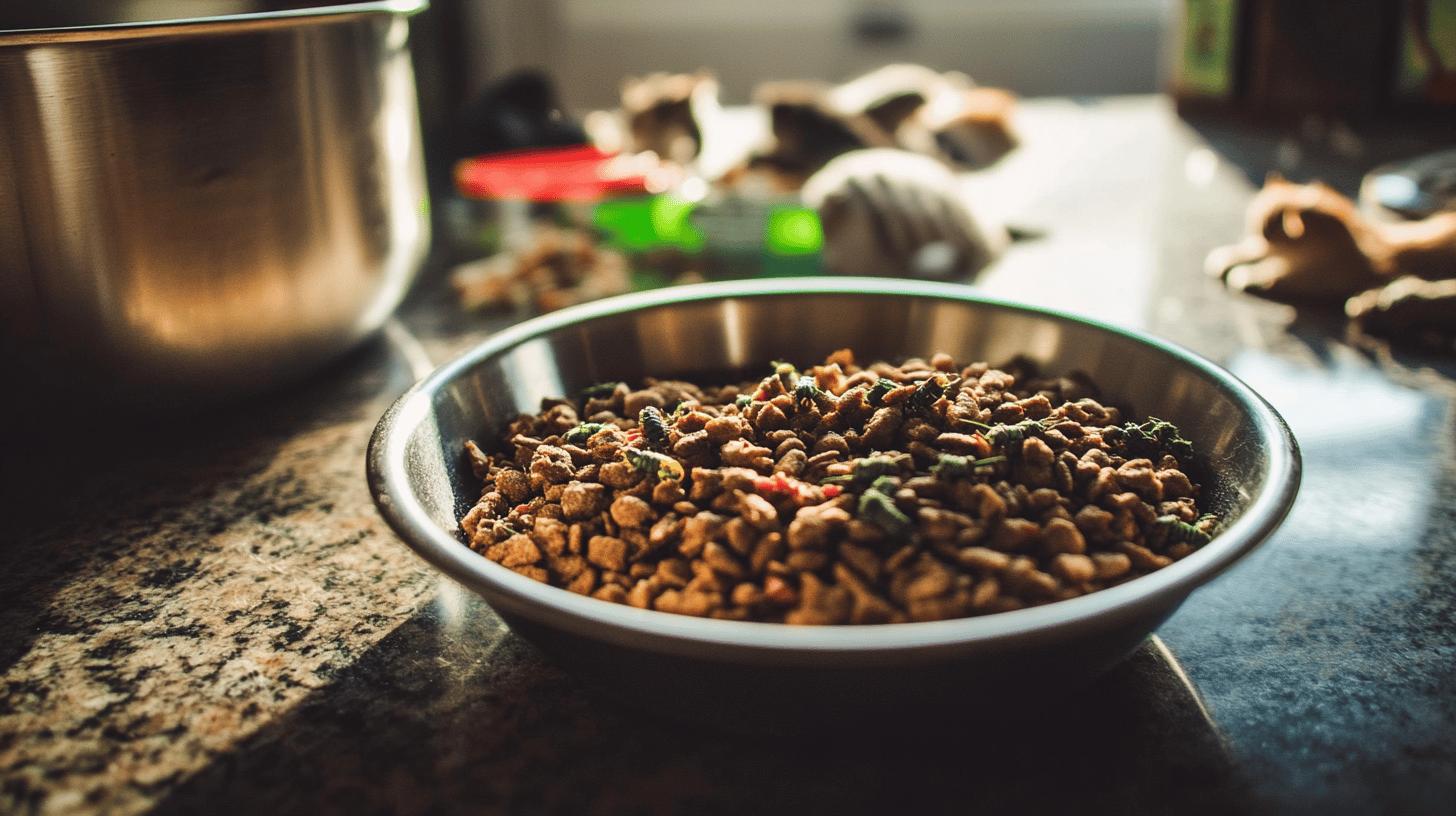
When considering dietary options for your feline friend, traditional choices like commercial cat food and meats such as chicken, beef, and turkey remain popular. These options are specifically formulated to provide a balanced diet, ensuring that your cat receives all the necessary nutrients. They are designed to meet the dietary needs of cats, making them a reliable and convenient choice for pet owners.
Here are some alternative protein sources you can consider:
-
Commercial cat food
-
Chicken, beef, turkey
-
Insect-based pet foods
- Fish that are safe for cats
Insect-based pet foods are gaining attention as an innovative and environmentally friendly alternative. These foods require less land, water, and feed to produce compared to traditional livestock farming.
Insects like black soldier fly larvae and mealworms are not only sustainable but also packed with essential nutrients that can benefit your cat's health. Opting for insect-based diets can contribute to a more sustainable future while still providing the nutrition your cat needs.
Understanding Cat Behavior and Insect Consumption
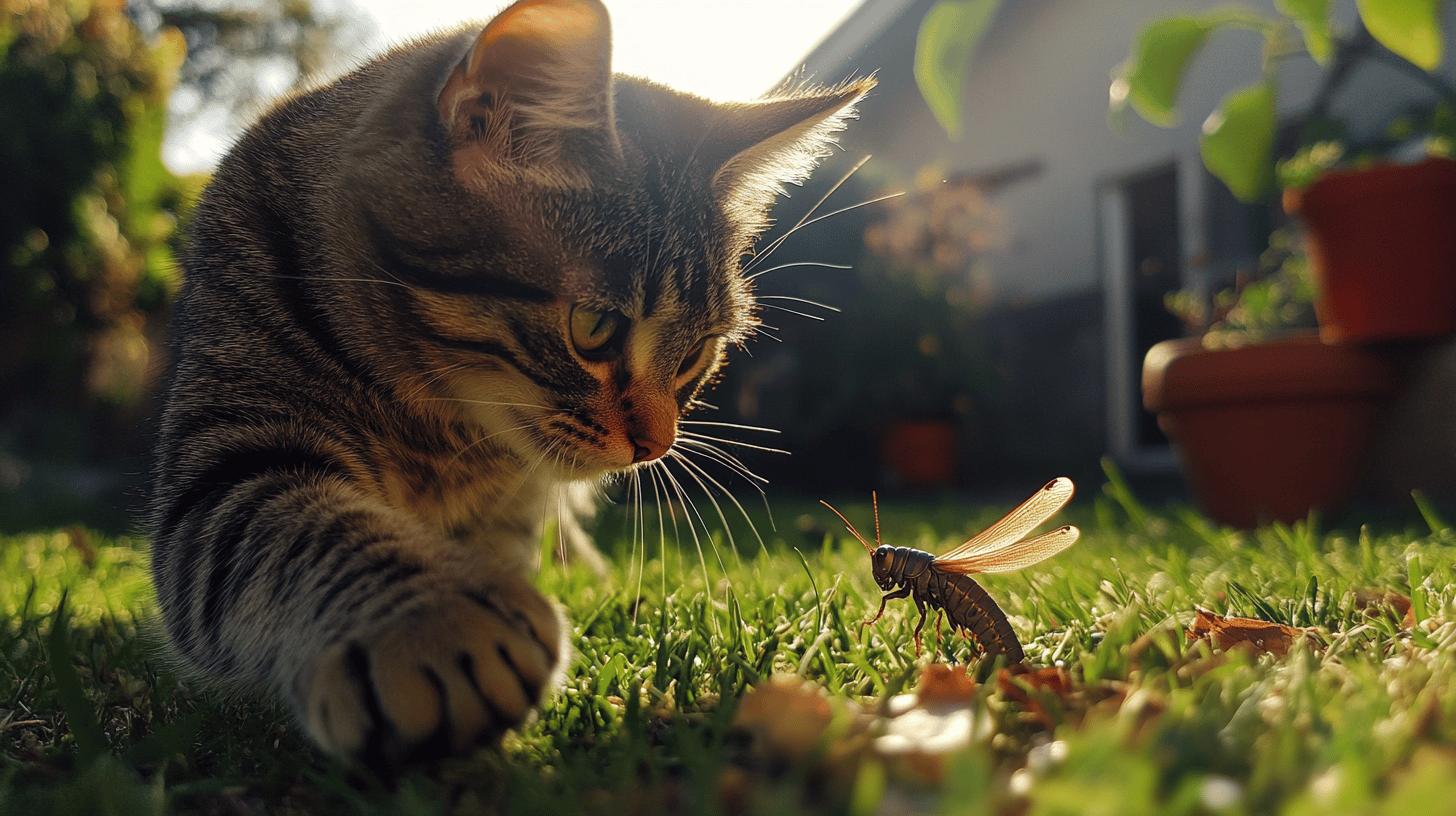
Cats have a strong instinct to hunt, a behavior inherited from their wild ancestors. Even our domestic companions show this by stalking and pouncing on small prey, like grasshoppers.
Watching a cat engage with insects can be fascinating, as it offers a glimpse into their natural predatory instincts. This behavior provides an essential outlet for their energy, aligning with their innate desires.
Letting cats chase insects like grasshoppers is beneficial. It offers them a fun way to exercise, keeping them agile and fit.
This activity also stimulates their minds, reducing boredom and promoting mental well-being. Engaging in these natural behaviors supports a healthier and happier life for your feline friend.
Nutritional Profile and Digestive Considerations
Grasshoppers offer surprising nutritional density for such small creatures. A 100-gram serving of grasshopper contains approximately 62% protein, making them nutritionally comparable to chicken breast. They also provide substantial B vitamins, particularly niacin and thiamine, which support feline energy metabolism and nervous system function.
However, the primary digestive challenge lies in the exoskeleton composed of chitin, a complex polysaccharide that feline digestive enzymes cannot efficiently break down. When cats consume grasshoppers with intact exoskeletons, much of the nutrition passes through unabsorbed. Peeling or crushing grasshoppers before consumption would theoretically improve digestibility, though most cats consume them whole when hunting.
The nutritional benefit comes primarily from hunting and consuming the softer abdominal contents rather than the entire insect. Wild grasshoppers also accumulate micronutrients from their diet–various plant materials and minerals–that enhance their overall nutritional profile compared to farm-raised alternatives.
Fat content in grasshoppers varies seasonally and by species, ranging from 3-8% dry weight. This moderate fat level, combined with their lean protein profile, makes grasshoppers metabolically safer than many mammalian prey items for cats prone to weight gain or digestive sensitivity.
Sourcing and Safety Considerations
The critical safety differentiator between safe and dangerous grasshopper consumption centers entirely on pesticide exposure. Wild grasshoppers in residential yards treated with insecticides, herbicides, or fungicides accumulate these compounds at concentrated levels, creating significant toxicity risk to cats consuming them.
Common lawn pesticides like neonicotinoids (imidacloprid, clothianidin) affect insect nervous systems through mechanisms that also impact feline neurological function. Consumption of pesticide-exposed grasshoppers can trigger tremors, disorientation, or seizures within 2-6 hours of ingestion.
Farm-raised grasshoppers specifically cultivated for pet food represent the safest option if grasshopper consumption occurs. These insects are raised in controlled environments free from field pesticides. However, verify sourcing before purchasing farm-raised varieties, as some suppliers employ suboptimal hygiene practices.
Live versus frozen grasshoppers present similar safety profiles, though frozen varieties offer one advantage: the freezing process kills any accumulated parasites or pathogenic bacteria the insect may harbor. Live grasshoppers may carry salmonella or similar organisms, particularly if sourced from wild populations.
Size and choking hazard considerations matter significantly for younger or enthusiastic hunters. Grasshoppers larger than your cat’s head pose potential choking risks if swallowed whole without proper chewing. Supervise initial grasshopper hunting or consumption to assess your individual cat’s chewing behavior.
Behavioral and Enrichment Benefits
The psychological and behavioral value of grasshopper hunting and consumption for cats extends beyond simple nutrition. Hunting activates neural pathways associated with predatory success, triggering dopamine release that creates reward satisfaction comparable to play-hunting activities.
For indoor cats, grasshopper hunting opportunities provide rare instances of authentic predatory behavior expression. This behavioral outlet may reduce stress and anxiety in cats denied other hunting opportunities, particularly beneficial for high-prey-drive breeds or individuals with hyperactive tendencies.
The physical exertion required for grasshopper hunting–stalking, pouncing, the coordinated jaw movements of consumption–provides full-body enrichment that many standard cat toys cannot replicate. This multisensory engagement supports cognitive development, maintains hunting skills, and provides cardiovascular activity.
Enrichment value becomes especially significant for senior cats who may lack motivation for traditional toys. Slow-moving or incapacitated grasshoppers allow older cats to engage predatory instincts successfully despite reduced mobility, supporting mental stimulation and quality of life in their later years.
Final Words
Exploring whether a cat can eat grasshopper highlights the balance between natural behaviors and health considerations. Cats often chase insects, including grasshoppers, which are generally safe. They offer nutritional perks like protein and essential nutrients. Yet, safety concerns arise from pesticide exposure and possible allergic reactions. If your cat shows symptoms like vomiting or diarrhea after eating grasshoppers, it's best to consult a vet. Opting for untreated areas can reduce risks, and insect-based cat foods can be a sustainable choice. Ultimately, letting cats indulge in their instincts can enrich their lives, provided we manage the risks.
FAQ
Can cats eat locusts or grasshoppers?
A: Cats can generally eat grasshoppers or locusts without issues, as these insects are non-toxic and provide protein, provided they are free from pesticides.
What bugs are bad for cats to eat?
A: Some bugs can be harmful, like bees, ants, or bugs treated with pesticides. Ingesting these can cause allergic reactions or gastrointestinal distress in cats.
Can cats get worms from eating grasshoppers?
A: Eating grasshoppers rarely transmits worms to cats; the bigger concern is pesticide exposure, so consult your vet if your cat has eaten a grasshopper from a treated area.
Do cats eat bugs in the house?
A: Cats eating bugs indoors is normal. It's a part of their hunting instinct, but ensure the environment is free from pest control chemicals.
Why does my cat bring in grasshoppers?
A: Cats bring in grasshoppers due to their hunting instinct. It's often a part of their natural behavior to show off a catch.
Can a cricket make a cat sick?
A: Crickets are mostly safe for cats, but if crickets have pesticide residue, it may cause vomiting or diarrhea in cats. Keep an eye for such symptoms.
Can cats eat praying mantises or centipedes?
A: Cats can eat praying mantises or centipedes, but it's best to avoid it. Their exoskeletons might cause digestive issues. Always observe your cat for any adverse reactions.
Leave a Reply