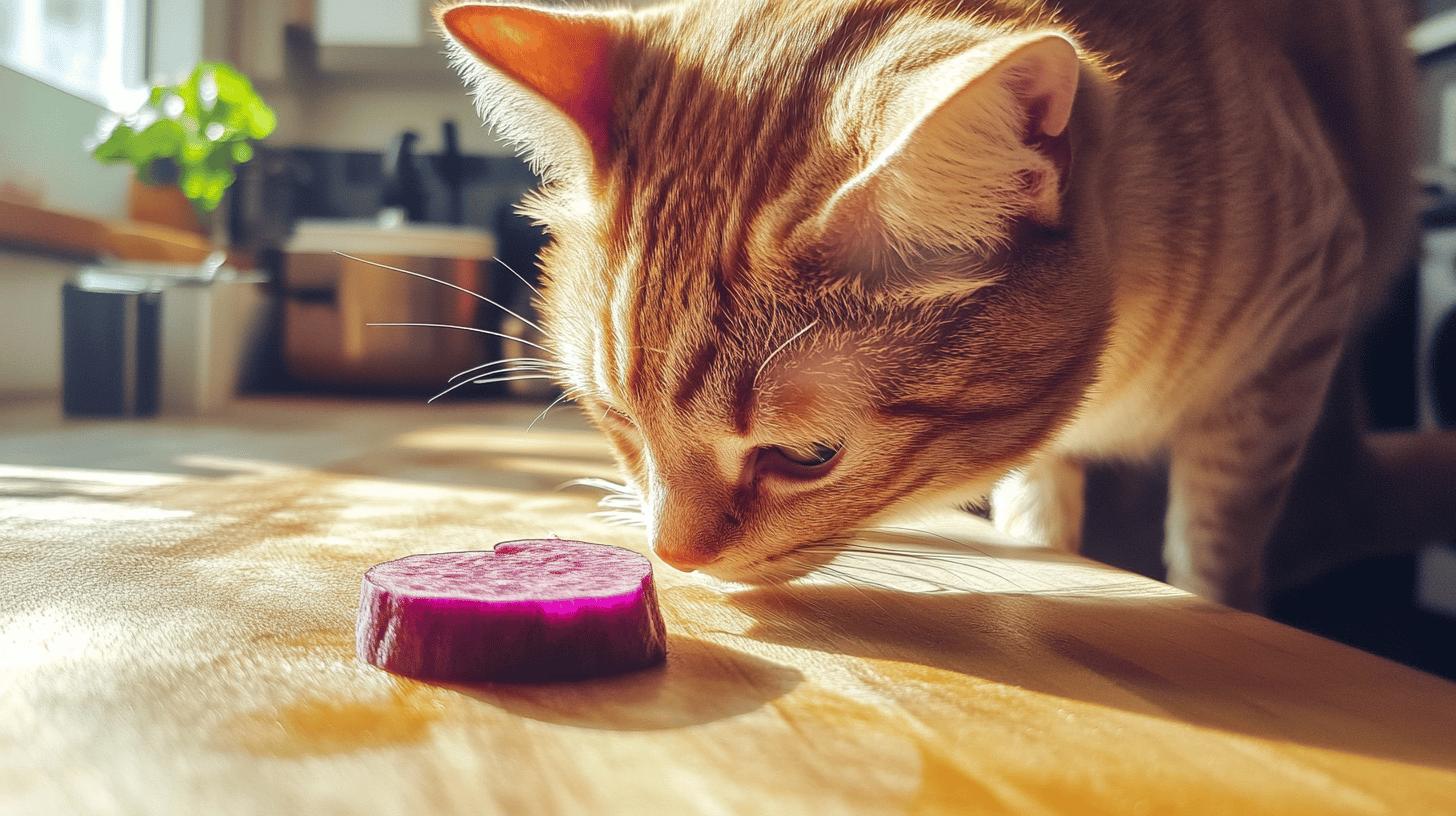
Can cats enjoy the taste of purple yam without any risk? Many cat owners wonder if their feline friends can safely munch on this vibrant vegetable without any issues. Cooked purple yam is safe for cats in small amounts, provided you follow a few simple guidelines. Cats are carnivores at heart, needing a meat-based diet, so while yams shouldn’t take center stage, they can add a splash of variety. The key is preparation, portion size, and knowing what to watch for.
Can Cats Safely Eat Purple Yam? Guidelines for Feeding Purple Yam to Cats
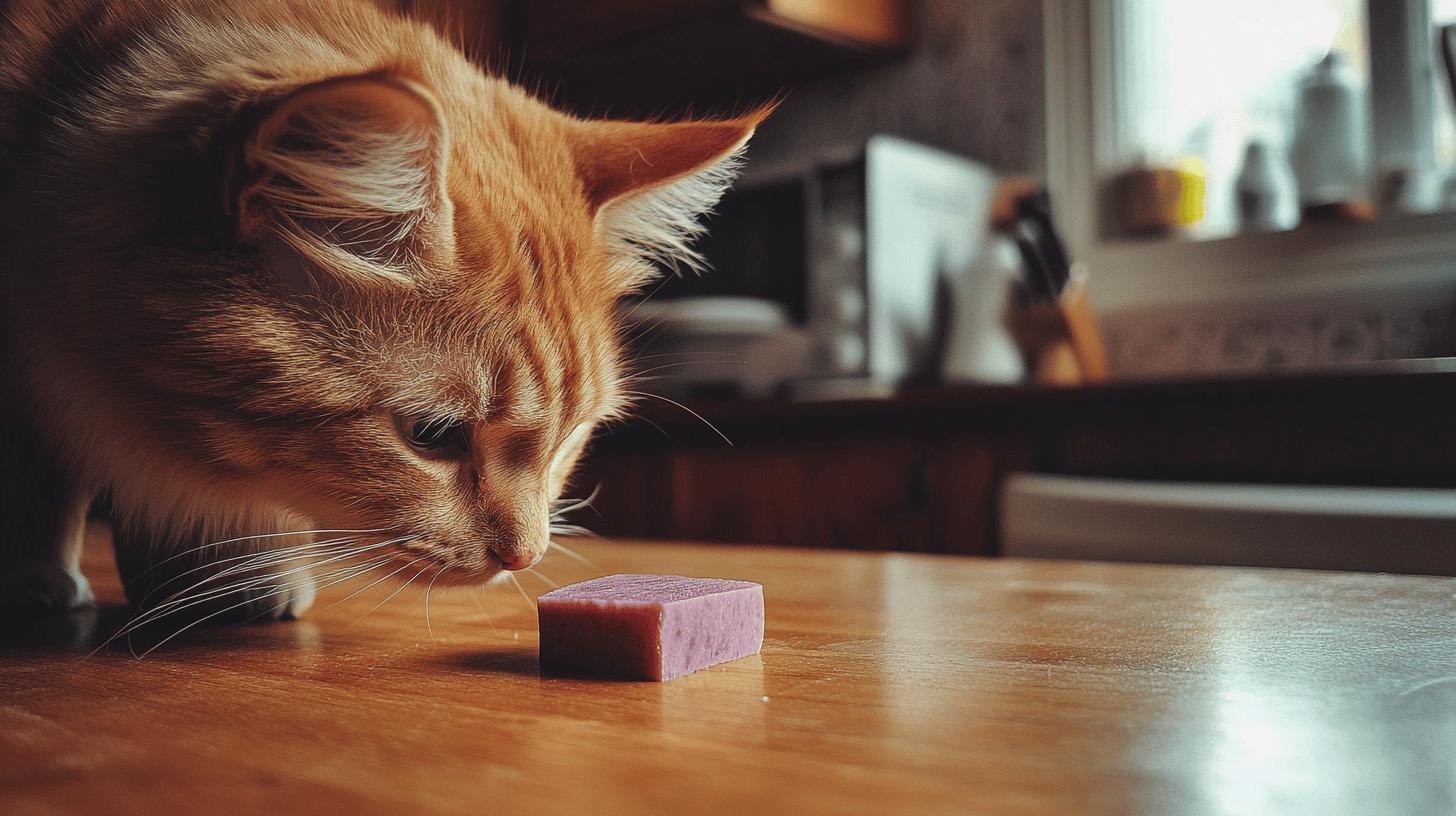
Cats can indeed eat purple yam, but only if it’s cooked and served plain. Raw yams are toxic to cats due to the presence of certain harmful compounds. Cooking yams reduces these risks, making them a safer addition to your cat's diet. However, it's crucial to remember that cats are obligate carnivores. They thrive on a diet primarily consisting of meat, so vegetables like purple yam should only be a small part of their diet.
Potential Risks of Feeding Yams to Cats
- Raw yam toxicity
- Phytic acid hindering mineral absorption
- Oxalate risk for urinary stones
- Digestive upset from improper preparation
- Importance of moderation in serving
When preparing yams for your cat, stick to simple cooking methods. Boiling, baking, steaming, or dehydrating yams are all safe options. These methods help to soften the yam and reduce harmful substances. Always ensure the yam is fully cooked and free of any added salt, seasonings, or toppings. These extras can be harmful to cats and should be avoided.
Safe Feeding Practices
- Use only plain, cooked yams
- Serve as occasional treats
- Monitor for adverse reactions
- Limit to 5-10% of daily intake
In terms of serving sizes, moderation is key. Offering your cat a teaspoon or two of cooked yam occasionally is generally safe. It's important not to let yams or any other vegetables exceed 5-10% of their daily food intake. This ensures that your cat's diet remains balanced, providing them with all the essential nutrients they need from their primary food sources. Integrating yams responsibly into their diet can add a bit of variety without compromising their health.
Nutrition and Health Implications of Purple Yam for Cats
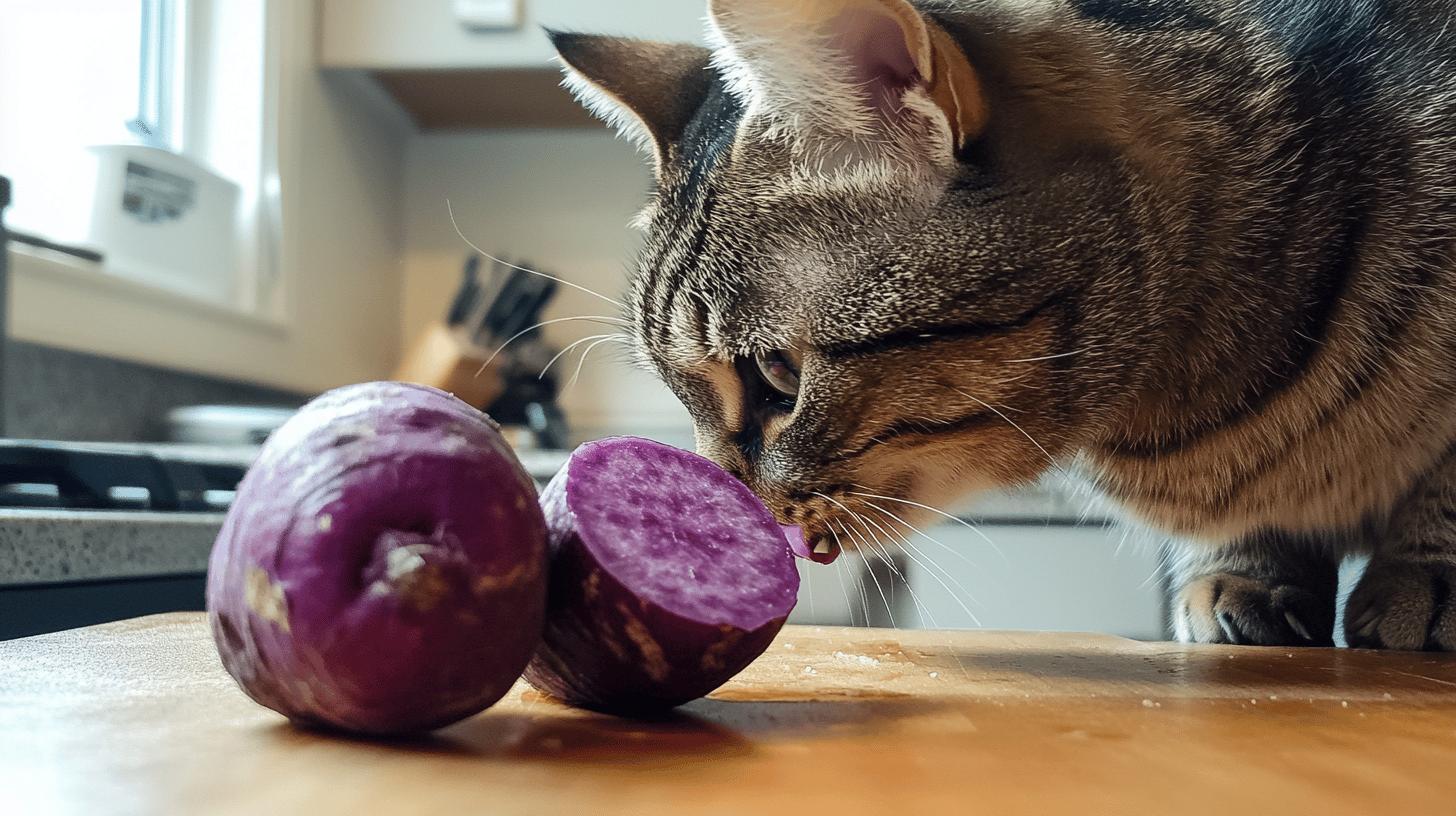
Purple yam, including varieties like Ube, contains specific vitamins and minerals that can offer minor health benefits to cats. It is rich in antioxidants that support immune health and contains essential vitamins such as vitamin C and B-complex vitamins, which aid in overall wellness. Minerals like potassium and manganese found in purple yam contribute to bone health and proper enzyme function. Although these nutrients are beneficial, cats derive their primary nutritional needs from meat, as they are obligate carnivores.
| Nutritional Component | Potential Benefit |
|---|---|
| Antioxidants | Support immune health |
| Vitamins | Aid overall wellness |
| Minerals | Contribute to bone health |
| Fiber | Assist with digestion |
Commercial cat food is formulated to meet the complete nutritional needs of cats, providing necessary carbohydrates and essential nutrients in balanced proportions. While purple yam can be a healthy addition in small amounts, it should not replace the core components of a cat’s diet. Instead, focus on high-quality cat food that supports their obligate carnivore requirements.
Adding vegetables like purple yam can introduce variety into a cat’s diet, but moderation is key. These should be occasional treats, enhancing meals without compromising nutritional balance. Prioritizing meat ensures that cats receive the necessary nutrients they need to thrive.
Monitoring Cat Health and Reactions to New Foods
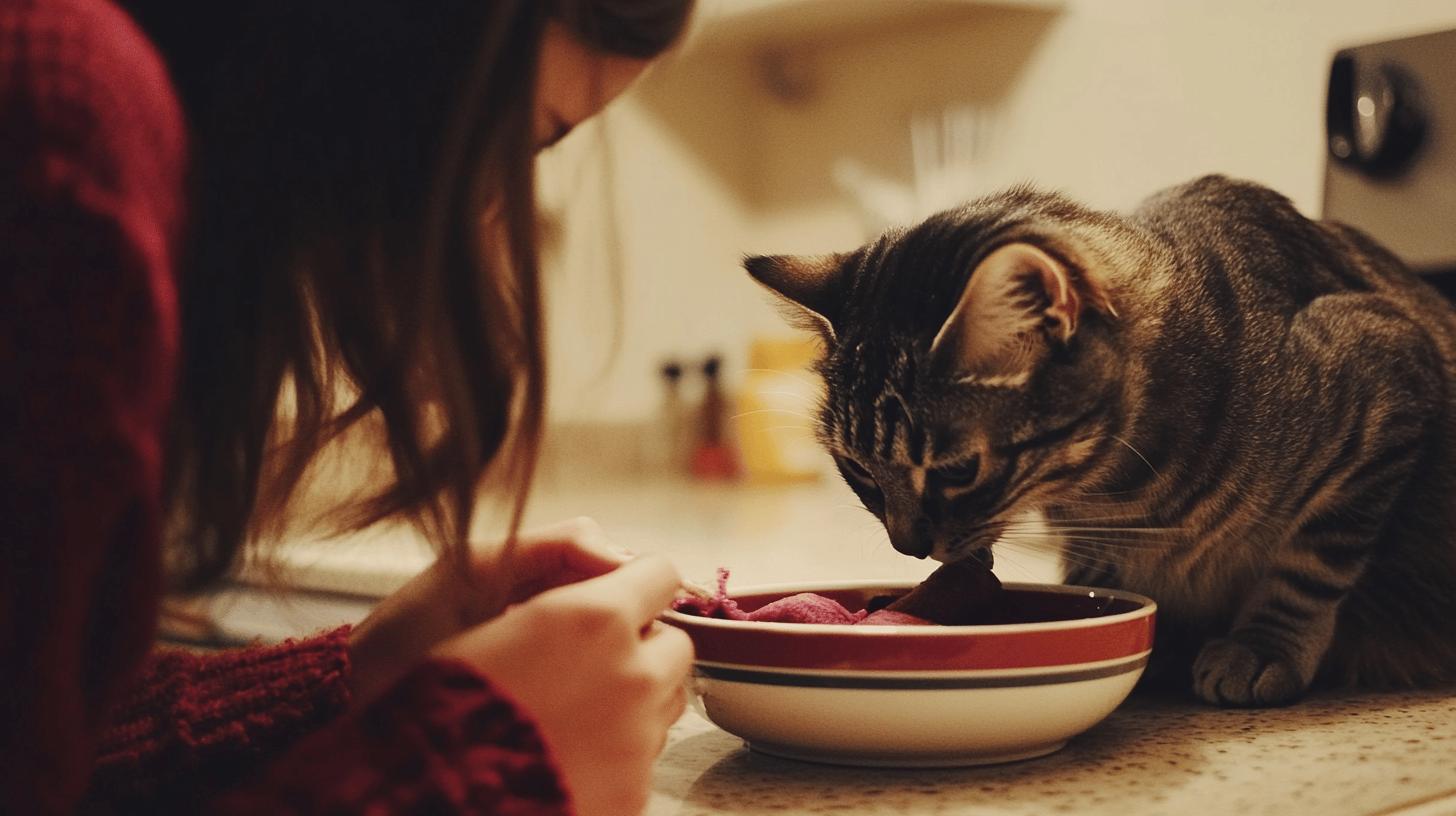
Introducing new foods, like purple yam, to a cat's diet requires careful monitoring for adverse reactions. Many human foods can cause dietary indiscretions, resulting in unexpected vet bills averaging $642. As obligate carnivores, cats have specific dietary needs, and any deviation should be approached with caution. Watching for allergic reactions is crucial to prevent health issues.
Symptoms of food intolerance include:
- Vomiting
- Diarrhea
- Lethargy
- Changes in appetite
Consulting with a veterinarian before introducing new foods is essential. Professional guidance ensures your cat's diet remains balanced and safe. A vet can provide tailored advice on portion sizes and frequency, reducing the risk of adverse effects. Prioritizing your cat’s health through expert consultation is a wise investment in their well-being.
Final Words
After exploring the safety and nutritional value of purple yams for cats, I learned that cooked purple yams can be a fun, occasional treat. It's key to remember the importance of avoiding raw yams and keeping veggies to a small portion of their diet. Purple yams provide some vitamins and minerals but shouldn't replace a cat's primary meat-based diet.
When introducing new foods, including purple yams, keep an eye out for any negative reactions. Consulting a vet can help keep your furry friend safe.
Treats make playtime fun and healthy, offering variety without risk.
FAQ
Can cats eat purple yam raw?
A: Cats should not eat raw purple yam. It can be toxic. Always cook yams before offering them to your cat.
Can cats eat purple yam every day?
A: Cats should not eat purple yam daily. Only small amounts, occasionally, are safe, constituting no more than 5-10% of their daily intake.
Can cats eat ube ice cream?
A: Cats should avoid ube ice cream. It's high in sugar and dairy, which aren't suitable for feline diets.
Can cats eat ube bread?
A: Ube bread is not ideal for cats. It may contain sugar and other ingredients that aren't safe for them.
Can cats eat carrots?
A: Yes, cats can eat carrots if they're cooked and plain. They're a safe vegetable option in moderation.
Can cats eat sweet potatoes and yams?
A: Cats can eat cooked, plain sweet potatoes and yams. These should be given only occasionally and in small amounts.
Can cats eat pumpkin?
A: Cats can eat plain pumpkin. It's safe and can aid in digestion when given in moderation.
Can cats eat rice?
A: Cats can eat small amounts of plain, cooked rice. It can help with digestion but should not be a diet staple.
Is ube poisonous to cats?
A: Ube, or purple yam, is not poisonous if cooked and given in moderation. Raw forms should be avoided due to toxicity risks.
Can cats and dogs eat yams and carrots?
A: Both cats and dogs can eat cooked, plain yams and carrots. They should be given as occasional treats to maintain a balanced diet.
Can you eat purple yam?
A: Yes, purple yam is safe for humans when cooked and offers nutritional benefits like antioxidants, vitamins, and minerals.
Related Articles
- Can Cat Eat Yam Safely and Benefits Explained
- Can Cat Eat Zucchini Safely and Nutritional Benefits Explained
- Can Cat Eat Veggies Safely Learn About Cats and Vegetables
- Can Cat Eat Asparagus Safely and Its Nutritional Benefits
Nutritional Profile and Safety Analysis
Purple yams occupy a niche in feline supplementary nutrition: completely safe when cooked, yet ultimately unnecessary for cats’ core dietary needs. The nutritional composition differs significantly from standard orange yams. Purple varieties contain higher anthocyanin levels, powerful antioxidants responsible for their distinctive color. These compounds neutralize free radicals and provide anti-inflammatory benefits.
Beyond anthocyanins, purple yams deliver vitamins C and B-complex, supporting immune function and energy metabolism. Mineral content includes potassium for heart and muscle function, manganese for bone development, and trace copper supporting enzyme production. The carbohydrate base provides fiber for digestive support.
However, none of these nutrients address what cats actually require in optimal amounts. Cats obtain superior antioxidant protection from animal-based proteins containing taurine, which purple yams lack entirely. Their obligate carnivore biology means yam nutrients represent supplementation at best, never substitution for meat-based nutrition.
From a safety perspective, only cooked purple yam is appropriate. Raw yams contain dioscorine, a naturally occurring toxic compound that causes gastrointestinal irritation. Cooking destroys this substance entirely, making properly prepared purple yam completely non-toxic. The preparation method matters critically for your cat’s wellbeing.
Serving Guidelines and Portion Control
Appropriate purple yam portions for cats are remarkably small. The general guideline suggests one to two teaspoons of cooked yam per feeding, offered no more than twice weekly. For a ten-pound cat consuming approximately 250 calories daily, yam should never exceed 10 to 15 calories, roughly the equivalent of one teaspoon.
Preparation requires cooking methods that preserve nutrients without adding harmful elements. Boiling for 15 to 20 minutes until soft, baking plain at 350 degrees for 30 to 40 minutes, or steaming for 10 to 15 minutes all work effectively. Never add salt, sugar, butter, cinnamon, or other seasonings regardless of whether they’re toxic. Plain preparation prevents digestive upset and keeps additional calories minimal.
Cool the yam completely before serving to prevent mouth burns. Cut into pieces smaller than a pea to eliminate choking hazards for cats that swallow without adequate chewing. Store cooked yam in the refrigerator for up to three days or freeze portions in ice cube trays for longer storage.
Consider yam as an occasional enrichment rather than dietary staple. If your cat shows zero interest after sampling, remove it permanently. Not every cat tolerates vegetables, and forcing introduction creates stress with no nutritional benefit.
Signs of Adverse Reactions
While true allergies to purple yams are rare in cats, digestive sensitivities occur more frequently. Vomiting within a few hours of consumption suggests your cat’s stomach rejects the food. Discontinue immediately and return to regular diet.
Loose stools or diarrhea lasting longer than 24 hours indicate intestinal irritation. The fiber content in yams, while modest, can trigger loose elimination in cats with sensitive digestive systems. Some cats develop soft stools even at minimal portions.
Abdominal bloating, visible discomfort, or reluctance to use the litter box point to gas production or cramping from the yam’s resistant starch content. Lethargy or unusual quietness lasting beyond 12 hours may indicate more serious digestive inflammation.
Appetite loss following yam consumption typically reflects mild nausea and resolves within 24 hours as the food passes through the digestive tract. If loss of appetite persists beyond one feeding, consult your veterinarian to rule out other causes.
Leave a Reply