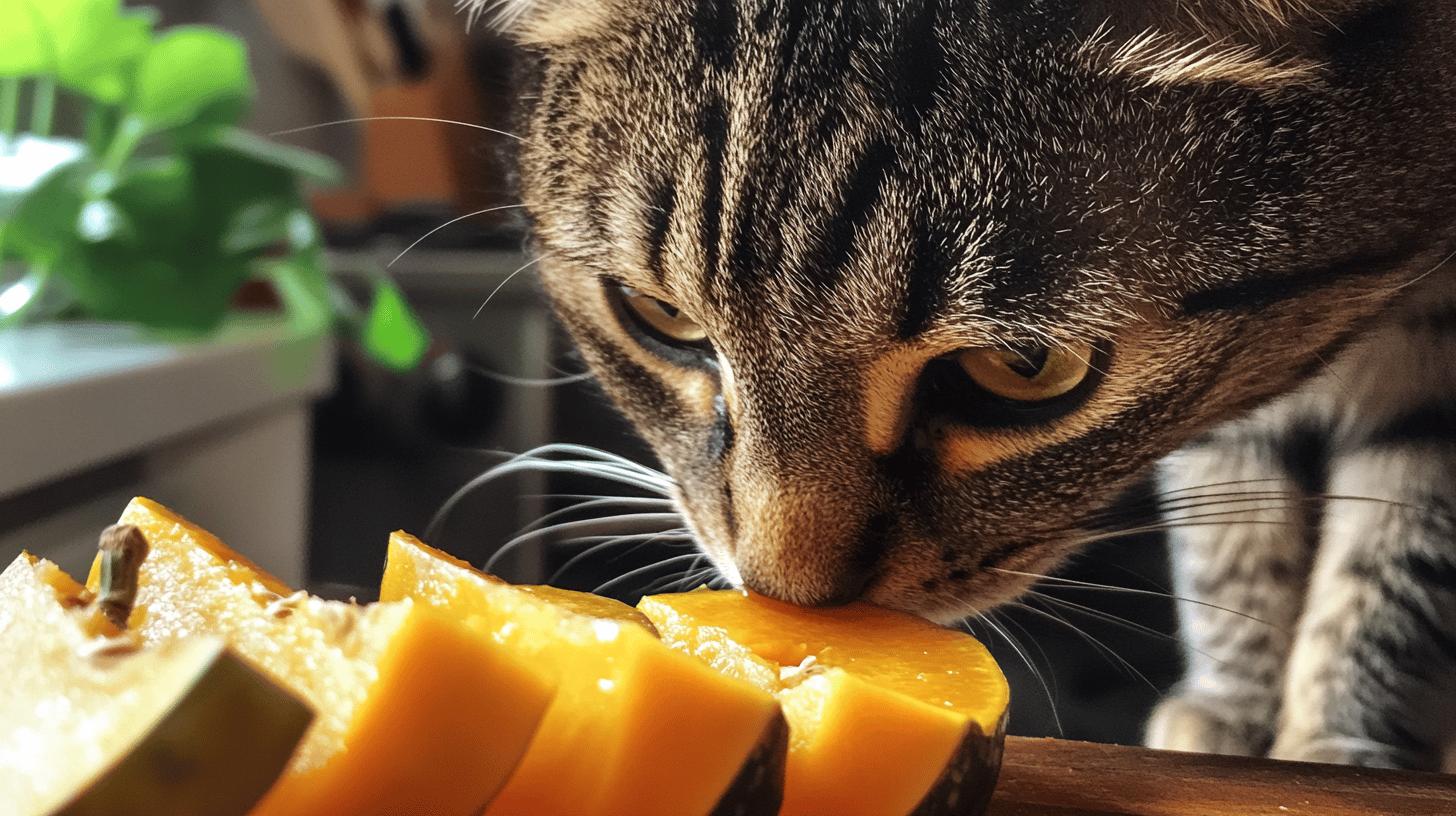
Ever wondered if you could share your bitter gourd with your cat? While it might seem harmless, bitter gourd isn't an ideal snack for our feline friends. Though it's not toxic, cats may struggle with its unpleasant taste and potential digestive upset. Cats are true carnivores, depending on a meat-rich diet for health. So, while humans might benefit from this veggie's nutrients, cats don't need them. Understanding why bitter gourd doesn't belong in their diet can help keep your cat safe and nourished.
Can Cats Eat Bitter Gourd? Understanding Safety and Nutritional Impact
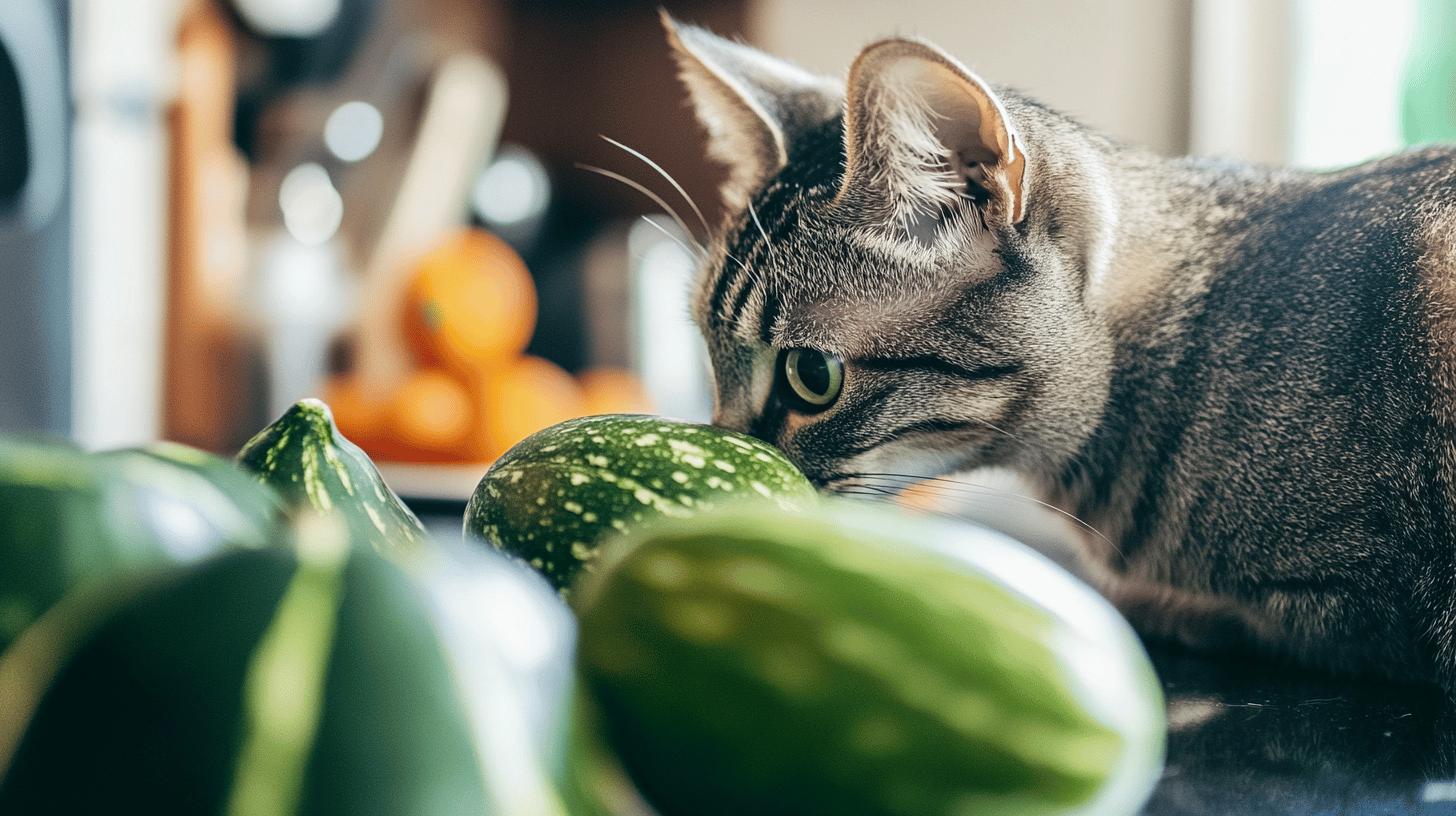
Bitter gourd, also known as bitter melon, is a unique vegetable recognized for its distinct bitter flavor. Though not toxic to cats, it's not recommended as part of their diet. The bitterness can be off-putting, and its consumption might lead to digestive discomfort in felines. While the vegetable is safe in terms of toxicity, its unpalatable taste and potential for causing mild digestive issues make it unsuitable for our furry friends.
Cats are obligate carnivores, which means their diet should be primarily meat-based. This dietary requirement ensures they receive vital nutrients such as taurine, which is essential for their health. While bitter gourd does contain some nutritional benefits for humans, like vitamins and minerals, these are unnecessary for cats. A balanced diet of quality cat food already provides everything they need. Including non-meat items like bitter gourd may disrupt their digestive system and nutritional balance.
If a cat happens to nibble on bitter gourd, it might face mild symptoms such as:
- Vomiting
- Diarrhea
- Lethargy
Let's take a closer look at the nutritional makeup of bitter gourd compared to typical cat food:
| Nutrient | Bitter Gourd | Cat Food |
|---|---|---|
| Protein | Low | High |
| Fiber | Moderate | Low |
| Vitamin C | Present | Not Required |
| Taurine | Absent | Essential |
Monitoring your cat for any adverse reactions is crucial if it consumes bitter gourd. Symptoms like vomiting or diarrhea should be addressed promptly. If these occur, consulting a veterinarian is advised to ensure your pet's health and well-being. Ensuring a balanced diet tailored to your cat's carnivorous nature will keep them happy and healthy.
Safe Vegetables and Alternatives for Cats
When it comes to treating our feline friends with a taste of human food, it's crucial to choose options that align with their dietary needs. Cats are obligate carnivores, so their primary nutrition must come from meat. However, there are safe alternatives and snacks that can be offered occasionally. These human foods can add variety to their diet without compromising their health.
Safe options for cats:
- Cooked chicken
- Cooked turkey
- Cooked fish
- Melon (in moderation)
- Small amounts of specific vegetables
Feeding cats these alternatives can provide them with extra nutrients and fiber. For example, cooked chicken, turkey, and fish are high in protein, which is vital for a cat's muscle development and energy. Melon, though lacking sweet taste buds, can be appealing to cats due to its scent and offers hydration and vitamins like A and C. Certain vegetables, when cooked and given in small amounts, can supplement fiber in their diet, aiding digestion.
When introducing any new food to your cat, it's important to do so gradually. Start with small portions to see how your cat reacts. Moderation is key; too much of even a safe food can lead to digestive upset. Always observe your cat for any adverse reactions and consult with a veterinarian if you have concerns about their diet. By carefully selecting and moderating these snacks, you can enrich your pet's diet while keeping them safe and satisfied.
Expert Recommendations on Cat Diet and Non-Meat Foods

Veterinarians stress that cats need a meat-based diet for optimal health. As obligate carnivores, they depend on animal proteins for vital nutrients like taurine. A diet rich in high-quality cat food delivers the essential proteins, fats, and vitamins needed. For any changes in their diet, it's crucial to talk with a veterinarian. Their expert advice can be tailored to your cat's specific dietary needs.
While bitter gourd isn't toxic to cats, it can cause digestive upset and offers no nutritional benefits. Some cat owners mistakenly believe certain non-meat foods are safe, but these can disrupt a cat's nutritional balance. Always seek a vet's guidance before adding any new foods to your cat's diet. This ensures your furry friend maintains a diet that supports their natural carnivorous habits.
Nutritional Profile and Digestive Analysis
Bitter gourd, also known as bitter melon, contains several alkaloid compounds including momordine and polypeptide-P that challenge feline digestive systems. Unlike humans who can metabolize these compounds gradually, cats possess limited enzymatic capacity for alkaloid processing, leading to accumulation with repeated exposure.
From a macronutrient perspective, bitter gourd is predominantly water (93-95%) with minimal protein, making it nutritionally insignificant for carnivorous cats. However, the trace nutrients present–vitamin C, potassium, and manganese–exist in amounts too small to meaningfully supplement feline diets.
The primary concern centers on digestive processing. Raw bitter gourd contains more active alkaloids than cooked varieties. Cooking reduces alkaloid concentration by approximately 30-40%, but even cooked bitter gourd remains challenging for cats to digest. The remaining alkaloids interact with feline intestinal cells, potentially triggering inflammation in susceptible individuals.
Cats consuming bitter gourd may experience changes in their intestinal microbiome balance. The disruption of beneficial bacteria can impair nutrient absorption from their regular diet, creating a cascading nutritional deficit over time with repeated exposure.
Preparation and Serving Guidelines
If circumstances lead to bitter gourd consumption (often accidental via human food sharing), specific preparation methods minimize risk. Never offer raw bitter gourd; thoroughly cooking it for 15-20 minutes significantly reduces alkaloid content and promotes partial breakdown of complex carbohydrates.
Even with optimal preparation, portion sizes must remain minimal. The absolute maximum safe single serving is one-quarter teaspoon of well-cooked, pureed bitter gourd, offered no more than once monthly at most. This extremely limited quantity reduces accumulation risk while allowing occasional accidental exposure recovery.
Avoid serving methods that increase palatability and consumption likelihood. Never blend bitter gourd into foods your cat enjoys, as this increases accidental consumption risk. If considering intentional offering (not recommended), always consult your veterinarian beforehand to assess your individual cat’s health status.
Store bitter gourd separately from regular cat food areas. If your household includes both cats and human bitter gourd consumption, establish clear boundaries to prevent feline access to preparation areas or discarded portions.
Individual Sensitivities and Response Monitoring
Individual cats display remarkable variation in tolerance to bitter gourd and similar compounds. Factors influencing sensitivity include age (kittens and senior cats tolerate poorly), underlying digestive conditions like IBD or pancreatitis, and genetic variations in metabolic enzyme expression.
Cats with prior food sensitivities show significantly elevated risk for adverse reactions. If your cat has experienced digestive upset from novel foods previously, avoid bitter gourd entirely given the risk-benefit equation.
Monitoring should extend beyond acute signs. Track your cat’s appetite, stool consistency, and energy level for 7 days following any bitter gourd exposure. Subtle changes–slightly softer stools, reduced playfulness, or eating with less enthusiasm–may indicate ongoing digestive stress even without obvious illness signs.
Maintain veterinary records of any bitter gourd exposure, as cumulative effects over months could contribute to chronic digestive issues. If your cat develops chronic diarrhea, vomiting, or poor coat condition following periods of bitter gourd exposure, inform your veterinarian of the exposure history.
Final Words
Thinking about whether a cat can eat bitter gourd reveals its safety and lack of need in a cat's diet. Although not toxic, its bitter taste and potential to upset cat digestion make it less than ideal. Cats thrive on a meat-based diet, and bitter gourd's nutrients can be found in balanced cat food. Safer, more cat-friendly options, like cooked chicken, are better choices. Always consult a vet for diet changes. Choosing wisely ensures a happy and healthy cat, proving that feline well-being always comes first.
FAQ
Can I give bitter gourd to my cat?
A: Bitter gourd is not toxic to cats, but it's not recommended. It can cause digestive upset due to its bitter taste. Cats do best with a meat-based diet.
Can cats eat bitter gourd raw or its seeds?
A: Cats should not eat bitter gourd raw or its seeds. These may cause mild digestive issues like vomiting or diarrhea.
Is gourd safe for cats?
A: While not toxic, gourds like bitter gourd can cause mild symptoms and are not nutritionally necessary for cats.
What vegetable is toxic to cats?
A: Onions, garlic, and chives are toxic to cats and should be avoided in their diet.
What vegetables can cats eat?
A: Cats can have small amounts of cooked carrots, peas, and squash. Always introduce new foods carefully and in moderation.
Can cats eat bitter tastes?
A: Cats generally dislike bitter tastes, and these can lead to digestive discomfort, so it's better to avoid them.
Can dogs eat bitter gourd?
A: Dogs can eat small amounts of bitter gourd occasionally, but it might not be palatable for them, and excessive consumption can cause stomach upset.
Leave a Reply