Ever wonder why your cat kneads you like dough, leaving little claw-shaped souvenirs on your lap? This curious behavior, known as kneading, is a fascinating blend of feline instinct and affection. While it might remind you of a baker at work, for cats, it’s as natural as purring.
Kneading harks back to kittenhood comfort, marks territory, and signals happiness. Understanding the evolutionary roots and emotional bonds behind each rhythmic paw press reveals how deeply this behavior connects cats and owners. The reasons your cat chooses your lap as their favorite kneading spot are worth understanding.
Understanding the Instinctual, Evolutionary, and Emotional Reasons for Cat Kneading
Cats knead by rhythmically pushing their paws in and out, often on soft objects like blankets or laps. This behavior may include retracted or extended claws. While it might look like they're making biscuits, it's a natural action rooted deeply in their instincts.
Instinctual and Evolutionary Reasons
- Instinctual comfort from kittenhood
- Preparing a soft sleeping area
- Marking territory with scent glands
- Expressing contentment and happiness
- Seeking attention and reinforcing positive interactions
Kneading can be traced back to a cat's wild ancestors. In the wild, cats would knead grass and leaves to create a comfortable spot to rest. This behavior has carried over to domesticated cats, who still instinctively engage in this action for comfort.
Kneading also plays a role in marking territory. Cats have scent glands in their paws, and by kneading, they leave their scent behind, signaling ownership and creating a familiar environment.
In modern cats, kneading continues to be a prevalent behavior, acting as an expression of contentment and happiness. Cats knead when they feel safe and secure, often accompanied by purring. It's a behavior that reassures them of their surroundings, recreating the comforting sensations from their kittenhood when they would knead their mother's belly to stimulate milk flow.
Emotional Connections Through Kneading
Kneading carries emotional meaning as much as physical comfort. When a cat kneads you, it is expressing trust and security, similar to the bond between a mother and her kitten. This action shows that your cat feels a deep connection with you, reinforcing the bond you share.
Kneading can also be a form of communication. Cats may knead to get your attention, signaling they want affection or comfort. By responding positively to this behavior, you reinforce the emotional connection, making your cat feel even more loved and secure.
Recognizing and Managing Problematic Kneading Behavior
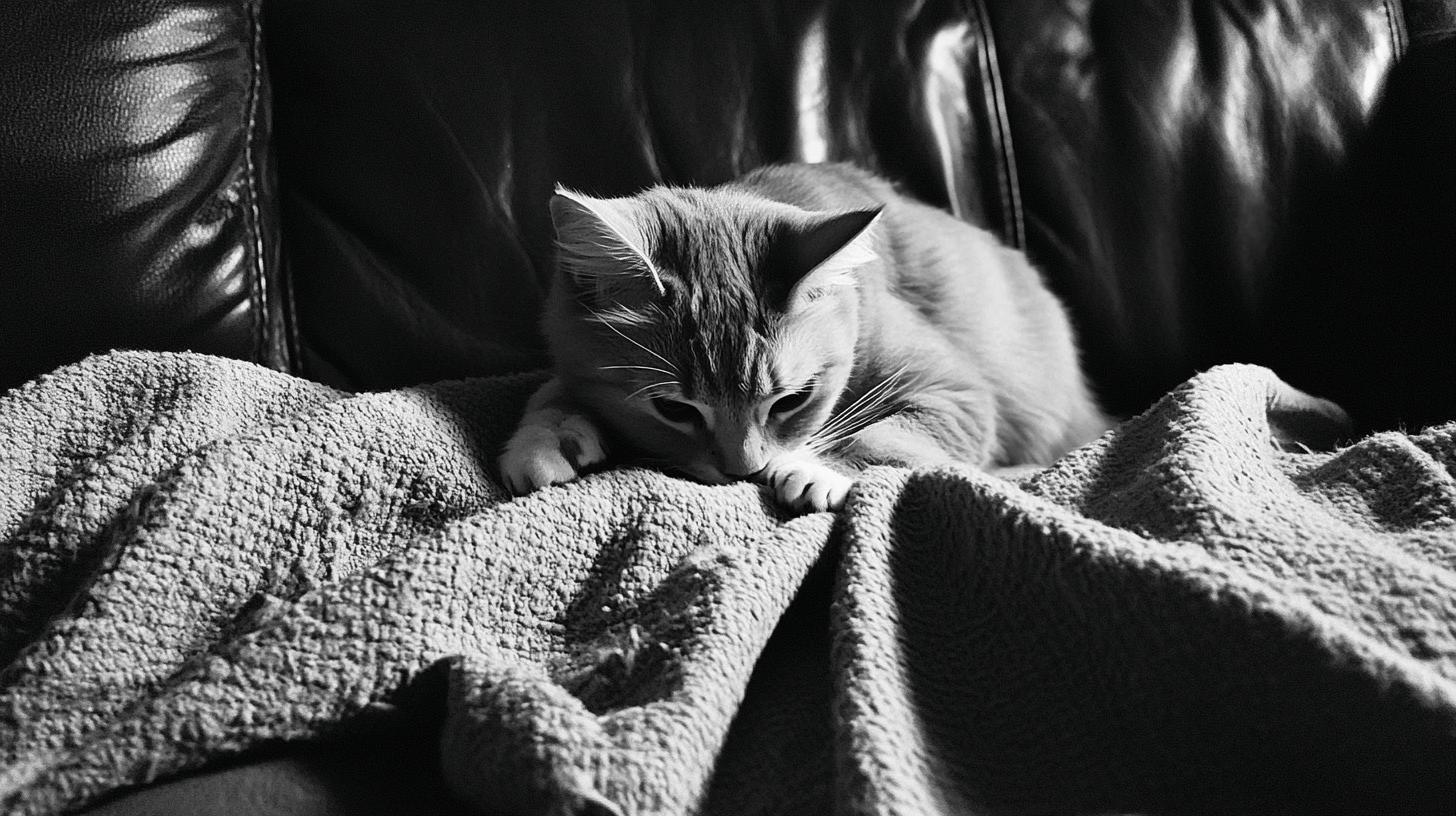
Kneading is a natural and generally healthy behavior for cats, but sometimes it can become excessive. This over-kneading might be due to stress, anxiety, or an unmet need for comfort. Cats that were separated from their mothers too early or hand-fed as kittens might knead more often as a way to self-soothe.
Signs of Problematic Kneading:
- Kneading with undue frequency
- Kneading while chewing on blankets
- Causing damage to surfaces
- Indicating stress or anxiety
If you notice your cat kneading excessively, it's important to understand the potential causes and find ways to help. Providing alternative comforts like soft toys or designated kneading areas can redirect their behavior.
Ensure your cat feels safe and secure by maintaining a stable environment and offering plenty of affection. Regular playtime can also help reduce stress and anxiety, giving your cat other outlets for their energy. By understanding these behaviors and meeting your cat's emotional needs, you can manage excessive kneading effectively.
Encouraging Safe and Comfortable Kneading in Cats
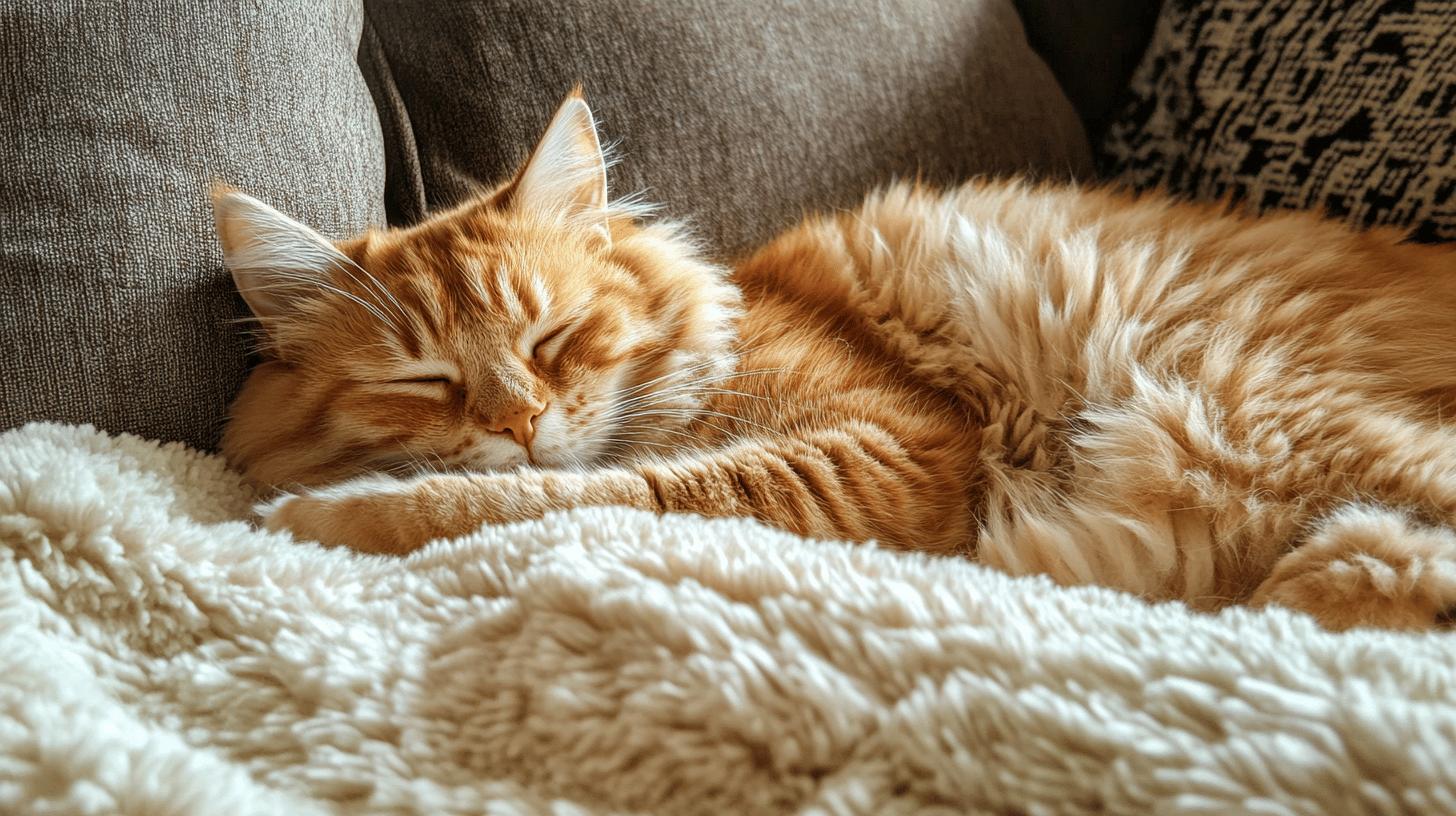
Letting your cat knead freely is beneficial for its comfort and stress relief. This natural behavior allows cats to express their instincts and emotions, reminiscent of their kittenhood. To support this, creating a safe environment is key.
Soft surfaces like blankets or pet beds offer ideal kneading spots, where cats can push their paws without causing damage or getting hurt. These spaces should be accessible and inviting, ensuring your feline friend feels secure while kneading.
Here are some tips to promote a safe kneading environment:
- Provide soft surfaces like blankets or pet beds
- Trim cat claws regularly
- Encourage kneading on designated areas
- Offer toys or alternatives for stress relief
By offering these alternatives and maintaining claw care, you can help your cat enjoy kneading without adverse effects. Safe kneading spaces not only protect your furniture but also reinforce positive behavior and emotional well-being for your cat.
Final Words
Exploring why a cat kneads me opens a door to understanding our furry friends better. We've discovered that kneading is a genuine instinct rooted in wild ancestry and kittenhood, carrying far more meaning than its endearing surface suggests. It's their way of marking territory, seeking comfort, and expressing needs. By managing problematic kneading through understanding and creating safe environments, we honor this natural behavior. When we encourage kneading, it strengthens our bond with our cats, offering both comfort and communication. Embrace these paws to foster a joyful and happy connection!
The Neurochemistry of Kneading: Brain Chemistry Behind the Behavior
When your cat kneads, a cascade of chemical reactions unfolds in their brain. The rhythmic motion activates pleasure pathways linked to endorphin release, specifically the “feel-good” neurotransmitters that make purring so rewarding. But the neurochemistry goes deeper.
Your cat’s paws contain specialized scent glands called interdigital glands. Each knead deposits pheromones, which are chemical messengers that carry profound social and emotional information. Your cat is literally marking you with chemicals that communicate: “This is my safe place. You are my family.” These pheromone markers serve as olfactory anchors, reinforcing your cat’s sense of security and belonging in your presence.
The repetitive kneading motion stimulates serotonin production, enhancing mood regulation and deepening the sensation of contentment. For your cat, kneading functions as a neurochemical echo of kittenhood, replicating the same actions that once triggered milk flow and maternal bonding. This explains why cats often knead most intensely when deeply relaxed, sometimes drifting into sleep mid-motion, their paws still moving in gentle rhythm.
From Newborn to Senior: How Kneading Evolves Across Your Cat’s Life
Kneading begins in kittenhood with primal urgency. Newborn kittens instinctively knead their mother’s belly and mammary glands to stimulate milk flow. This behavior is essential for survival, and kittens perform it with remarkable vigor. As they mature and transition to solid food, kneading doesn’t disappear. Instead, it shifts in meaning and expression.
In juvenile and adult cats, kneading becomes primarily emotional rather than nutritional. Adults often knead in moments of contentment, safety, or when seeking affection. Some cats maintain intense kneading habits throughout their lives, while others engage sporadically. This variation often reflects early experiences: cats weaned too early or bottle-fed as kittens may knead more frequently as adults, compensating for missed maternal bonding through compensatory behavior.
In senior cats, kneading sometimes resurfaces with increased frequency, particularly in older cats experiencing mild joint discomfort or anxiety related to aging. The familiar, rhythmic motion provides both physical comfort and emotional reassurance. Understanding these developmental phases helps you interpret your cat’s unique kneading signature: Is your kitten building a nest for nursing simulation? Whether your adult cat is expressing contentment and security, or your senior cat is seeking comfort from age-related concerns, the context reveals the emotional truth beneath the behavior.
Problem Kneading: When to Gently Redirect This Beloved Behavior
While kneading is typically healthy, some cats develop problematic patterns that warrant gentle intervention. Excessive kneading, particularly when paired with fabric-sucking, compulsive behavior, or visible signs of distress, signals underlying anxiety or unmet emotional needs.
Common problem scenarios include kneading on sensitive areas like your arms or face with unretracted claws, causing discomfort or minor scratches. Some cats knead obsessively on blankets or clothing while drooling, sometimes actually nursing on fabric in a behavior called wool-sucking. This often indicates early maternal separation, anxiety, or chronic stress. Other cats increase kneading intensity in response to environmental changes, new household members, or family tension, using the behavior as self-soothing when they feel emotionally unsafe.
Managing problem kneading requires patience and understanding. Trim your cat’s nails regularly to prevent accidental injury. Provide designated soft surfaces such as a cozy bed or blanket where kneading is actively encouraged and welcomed. If your cat kneads on your lap with extended claws, place a soft blanket between you and your cat, protecting your skin while allowing the behavior to continue. Reward calm, gentle kneading with praise and treats. If kneading accompanies other anxiety signs like over-grooming, social withdrawal, or aggression, consult your veterinarian to rule out medical causes and discuss behavioral support options.
Kneading in Multi-Cat Homes: Territory, Bonding, and Social Hierarchies
In households with multiple cats, kneading carries additional social dimensions and meanings. Cats use kneading not only for self-soothing but also as a communication tool within their household hierarchy. When a cat kneads you while other cats are present, it’s partly a territorial announcement: a chemical declaration that you are “theirs.”
Interestingly, cats sometimes knead other cats in their household as a bonding gesture, though this is far less common than human-directed kneading. When one cat kneads another, it signals trust and affiliation. Conversely, a cat may increase kneading intensity when it perceives competition for your attention. If you’re petting one cat while another enters the room, the cat being petted may knead more vigorously, reinforcing its claim on you and your affection.
Multi-cat households should monitor kneading patterns for signs of stress or unresolved territorial tension. If kneading transitions into aggression, or if one cat monopolizes your lap while another watches from a distance with frustration, this indicates unresolved social dynamics. Providing multiple comfortable resting spots and ensuring each cat receives individual attention time reduces kneading-related tension and competition. Some cats may reduce kneading in stressful multi-cat environments, signaling decreased feelings of security. This is a clear sign that environmental adjustments like more space, separate feeding areas, or additional hiding spots would help.
Stress Relief Through Kneading: Your Cat’s Personal Anxiety Management System
Beyond affection, kneading serves as your cat’s personal stress-relief mechanism. Just as humans might pace, practice breathing exercises, or fidget when anxious, cats knead to regulate their nervous system. The repetitive, rhythmic motion activates parasympathetic pathways, the biological equivalent of pressing your body’s “calm down” button, allowing cats to manage mild anxiety through familiar, comforting behavior.
Notice when and where your cat kneads most intensely. Does your cat knead more after veterinary visits, during thunderstorms, or when guests arrive? These patterns reveal how your cat processes and manages stress. A cat that increases kneading during storms is actively managing fear through a behavior that works for their nervous system. This is healthy coping, not a problem behavior.
However, if kneading becomes obsessive, constant and frantic, accompanied by dilated pupils or complete disinterest in play and food, it may signal chronic stress or an underlying medical condition. Gentle, rhythmic kneading in a calm context, paired with purring and slow blinks, reliably indicates emotional security and contentment. The frequency and intensity of your cat’s kneading in your presence directly correlates with the strength of trust between you. A cat that kneads you regularly is expressing profound vulnerability: “You make me feel safe enough to lower my guard.”
Strengthening Your Bond Through Mindful Kneading Moments
Understanding kneading changes how you relate to your cat. Rather than tolerating this behavior or viewing it as mere instinct, recognize it as your cat’s deliberate choice to share vulnerability and connection with you. When your cat seeks your lap to knead, they are inviting you into their emotional world.
Create a kneading ritual that honors this trust. Sit in a comfortable chair with soft blankets nearby. When your cat kneads, offer your full attention, gentle touch, and calming presence. Some cats appreciate slow strokes during kneading; others prefer stillness and stability. Let your cat guide the interaction, and the shared moment naturally becomes a bonding experience that deepens your relationship.
Related: Why Cat Licks My Hand and What It Means explores other affection-based behaviors that mirror kneading’s emotional significance.
FAQ
Should I let my cat knead on me?
Letting your cat knead on you is generally a good idea. It provides comfort and is a sign of affection. Kneading is a natural behavior linked to emotions and contentment.
Why does my cat suddenly knead me?
Cats knead as a form of communication, often to express trust and affection. Sudden kneading could be a way of seeking attention or comfort, rooted in their kittenhood experiences.
What does it mean when a cat kneads its owner?
When a cat kneads its owner, it usually means the cat feels safe, happy, and affectionate. The behavior stems from comforting activities they performed as kittens, like kneading their mother's belly.
Do cats knead when happy?
Yes, cats knead when they are happy. Kneading is akin to purring and shows contentment and trust. It's a comforting behavior for them, similar to how they used to knead as kittens.
Related Articles
- Why Cat Headbutt Understanding Feline Behavior and Affection
- Why Cat Lick My Hair Understanding Affectionate and Emotional Bonding
- Why Cat Licks My Face Understanding Feline Affection and Grooming
- Why Cat Sleeps at My Feet Explained
Neurochemistry of Kneading
When your cat kneads, their brain releases oxytocin, the same bonding chemical that surges during nursing and maternal care. This isn’t sentimentality. It is neurobiological. The scent glands in their paws activate when they knead, releasing pheromones that mark territory at a chemical level. Simultaneously, pressure on soft tissues triggers the release of endorphins, natural painkillers that create a genuine sense of comfort. The repetitive motion mimics the nursing motion that kittens perform to stimulate milk flow from their mothers. Your cat’s nervous system interprets this action as deeply safe. When a cat chooses to knead you specifically, they’re literally bathing you in calming neurochemicals while their brain registers safety signals that reduce cortisol, their stress hormone.
Developmental Stages & Behavioral Changes
Kneading begins in newborn kittens within hours of birth, essential for survival as they press their mother’s mammary glands to stimulate milk flow. This survival behavior persists into adulthood in most cats, even after weaning. As kittens mature (weeks 4-8), kneading becomes less frequent as they gain independence, but the behavior rarely disappears entirely. Adult cats maintain kneading as a self-soothing mechanism and bonding ritual. Senior cats often knead less frequently due to arthritis or reduced mobility, though emotional cats may intensify kneading in their later years. Understanding these developmental stages helps explain why some older cats suddenly knead more intensely: they’re seeking the neurochemical comfort their aging bodies need. The behavior evolves but rarely vanishes completely.
Problem Kneading: When to Manage
Excessive kneading can become problematic when cats knead on inappropriate surfaces or with excessive intensity. Some cats knead blankets so vigorously they create holes; others knead their owners’ skin hard enough to draw blood. If your cat’s kneading breaks skin or damages furniture repeatedly, intervention is warranted. Redirecting is easier than elimination: provide designated soft blankets or pads your cat can knead freely. Place a folded fleece blanket across your lap during kneading sessions. For cats who knead too intensely on skin, gently redirect their paws to a blanket within reaching distance. Trim nails regularly to reduce accidental scratching during kneading. Some cats respond well to increased play sessions that channel intense energy into hunting-style activities, reducing the neurochemical desperation that drives excessive kneading.
Kneading in Multi-Cat Homes
In households with multiple cats, kneading takes on additional social dimensions. Cats rarely knead each other, since kneading remains primarily a human-directed behavior even in multi-cat environments. Territorial dynamics influence which cat feels comfortable kneading near you. Dominant cats may knead freely while subordinate cats hesitate if the alpha is nearby. If you notice one cat never kneads while others do, anxiety might be the factor rather than preference. Providing multiple comfortable spots with blankets encourages cats to develop their own kneading rituals without competing for your lap. Interestingly, some cats increase kneading intensity when they sense other cats have gained your attention, using the behavior to reassert their bond. Understanding these dynamics helps you recognize kneading as a form of relationship negotiation in multi-cat households.
Stress Relief & Emotional Regulation
Kneading serves as your cat’s primary self-soothing mechanism, comparable to humans’ deep breathing or meditation. When stressed, anxious, or overstimulated, cats increase kneading frequency. During thunderstorms, veterinary visits, or household changes, you’ll likely notice your cat kneading more intensely. The rhythmic motion combined with neurochemical release genuinely calms their nervous system. This is why cats knead most intensely when they’re seeking comfort, actively managing their emotions through this familiar motion. Conversely, a cat who stops kneading might indicate emerging health problems or emotional distress worth investigating. Encouraging kneading through providing soft surfaces and gentle petting during your cat’s anxious periods helps them self-regulate. Understanding kneading as emotional regulation rather than simple habit allows you to support your cat’s mental health proactively, recognizing their behavior as a legitimate coping mechanism.
Leave a Reply