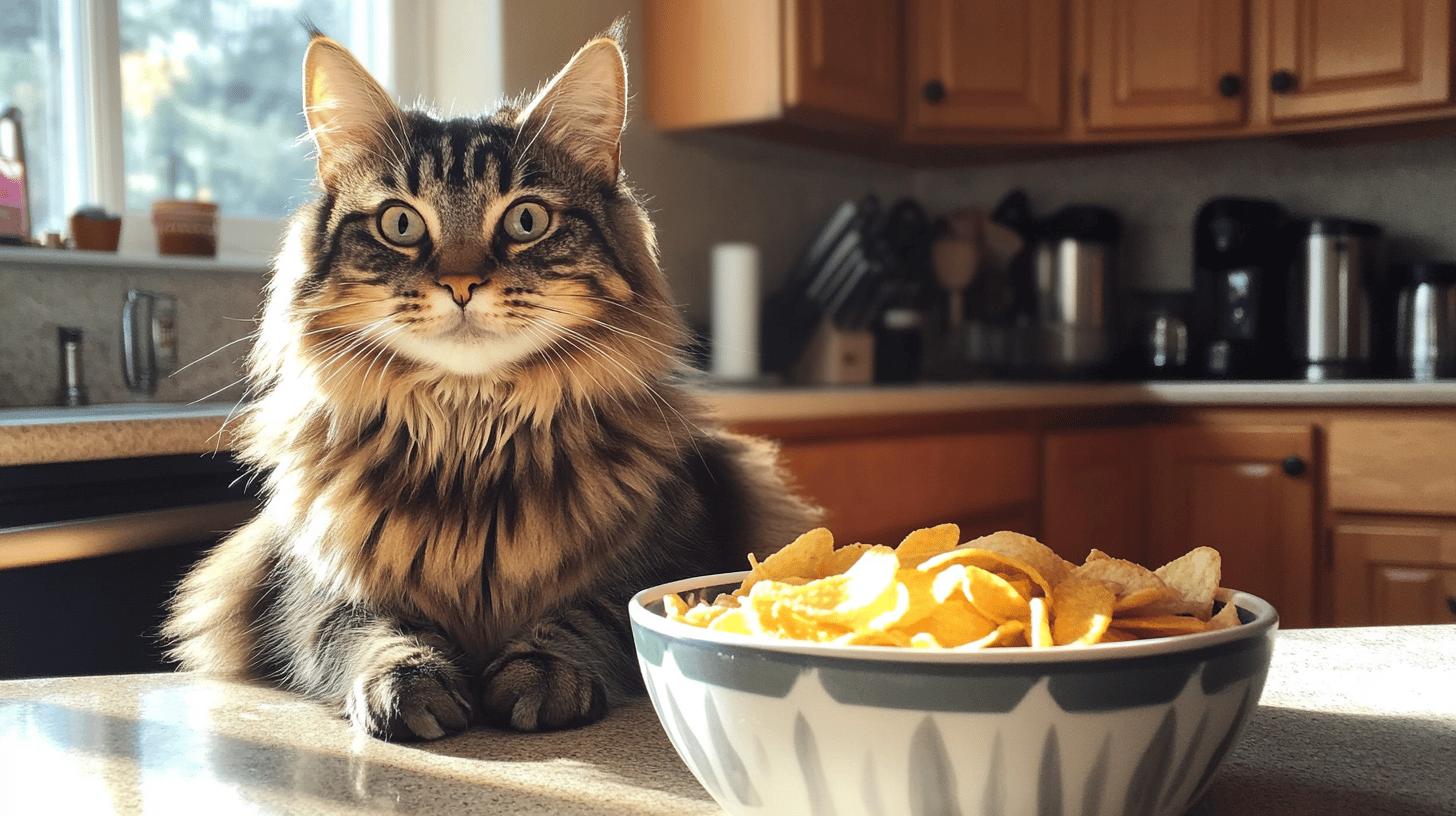
Ever caught your cat sneaking a chip off your plate? It might seem funny, but could it actually harm them? Cats shouldn't munch on those crunchy snacks. Chips contain concentrated salt and fat that harm cats. Even a small amount adds sodium and empty calories a cat's system cannot handle well. Imagine if your cat starts showing signs like vomiting or lethargy. Scary, right? It's essential to understand the risks and learn safer alternatives for rewarding your kitty. Understanding the risks helps cat owners make safer snack choices for their pets.
Can Cats Eat Chips Safely: Risks and Symptoms
Chips are not safe for cats. Feeding them potato chips can lead to serious health issues. These snacks are filled with ingredients that aren't suitable for feline consumption.
The biggest concerns with chips and cat health are their high salt and fat content. Cats have delicate systems that can easily be overwhelmed by excessive salt, leading to dehydration and even sodium ion poisoning. Overconsumption of salt can cause immediate symptoms like vomiting and diarrhea. The high fat content can also disrupt their digestive balance, contributing to obesity and pancreatitis over time. Cats need a protein-rich diet, not one laden with carbs and unhealthy fats found in chips.
Here's a quick list of symptoms that might indicate a cat has eaten chips:
- Vomiting
- Diarrhea
- Lethargy
- Excessive thirst
- Seizures
Long-term consumption of potato chips can cause weight gain and obesity in cats. Obesity is a gateway to more severe problems like diabetes, joint issues, and heart disease. The fats and oils present in chips can also lead to pancreatitis, a painful condition that can severely affect a cat's quality of life. It's crucial to keep your cat's diet free from these unhealthy components to prevent these chronic conditions.
If you notice any of the symptoms mentioned above after your cat has potentially ingested chips, it is important to consult a veterinarian promptly. They can assess the severity of your cat's condition and provide the necessary treatment to avoid any further complications.
Alternatives to Chips for Cat Treats
Choosing safe treats for our feline friends is crucial. Cats have unique dietary needs, and their snacks should align with these requirements. While chips might be a tempting option, they're not suitable for cats. Instead, focus on treats that provide nutritional benefits without the risks associated with human snacks.
Here's a list of cat-friendly treat options:
- Cooked, unseasoned chicken
- Small pieces of fish
- Tiny bits of cooked pumpkin
- Specially formulated cat treats
Specially formulated cat treats are particularly beneficial. These treats are designed to meet the nutritional needs of cats, ensuring they get essential proteins and vitamins. Cats often prefer them over unhealthy alternatives. Prioritizing these options helps maintain a healthy and happy cat.
Veterinarian Advice on Feeding Human Snacks to Cats
Veterinarians play a crucial role in guiding cat owners toward proper nutrition. They stress the importance of a protein-rich diet for cats, who are obligate carnivores. This type of diet maintains muscle mass, supports healthy skin and coat, and fuels daily activities. It's essential to prioritize quality protein sources and essential nutrients that align with a cat's natural dietary requirements. Regular veterinary check-ups can help adjust dietary plans based on a cat's age, health, and lifestyle, ensuring their nutritional needs are met.
Consulting with a veterinarian for personalized dietary advice is beneficial. Veterinarians can recommend specific foods suited to your cat's unique needs and advise on appropriate treats that complement their diet. A professional consultation ensures your cat's meals are balanced, contributing to their long-term health and well-being.
Final Words
Understanding the risks of chips is crucial for your cat's health. Chips are unsafe due to their high salt and fat, which can lead to serious health problems, such as obesity and heart issues. Symptoms like vomiting and seizures can occur if a cat eats them. It's essential to choose safe and nutritional treats instead, like cooked chicken or special cat treats.
Veterinarians suggest focusing on a diet tailored to cats' high protein needs. By offering healthy alternatives, you ensure your cat's well-being and satisfaction. Keep your furry friend safe and enjoy the bond through smart choices.
Salt Toxicity in Chips: Understanding Safety Thresholds for Your Cat
Salt concentration in potato chips ranges dramatically by product. Plain salted chips contain roughly 100-200 mg sodium per serving (roughly 10-15 grams). Flavored varieties may reach 250+ mg. A 10-pound cat requires 1500-2000 mg sodium daily from nutritionally appropriate sources, and excess sodium beyond this places considerable stress on feline kidneys.
Acute salt toxicity develops when cats consume large quantities in brief timeframes. While a single chip presents negligible concern, an entire bag consumed rapidly triggers a very different situation for a cat’s system. Vomiting, excessive thirst, confusion, and hyperactivity all indicate acute salt toxicity and typically develop within hours of massive sodium exposure.
Chronic salt overload from repeated small exposures develops gradually over time. Cats that regularly access salty human foods develop elevated blood sodium and increased thirst. Kidney stress accumulates over weeks and months. For cats with existing kidney disease or hypertension, even moderate salt exposure accelerates organ decline. Safe upper limit for cats approaches 0.5% sodium in diet. Most chips exceed this significantly.
If your cat consumed a few chips: monitor for thirst and vomiting over 24 hours. Ensure fresh water remains available. If consumption was extensive (entire chip bag or numerous servings): contact your veterinarian. Severe salt toxicity requires medical intervention including IV fluids and electrolyte monitoring.
Fat Content and Pancreatitis Risk: Why Greasy Foods Threaten Feline Pancreatic Health
High-fat foods present greater danger to cats than salt does. Potato chips contain 8-11 grams of fat per serving, primarily from frying oil. Cats lack efficient mechanisms for processing dietary fat. Their pancreas, when stressed by fat overload, can develop inflammation called pancreatitis, a condition that ranges from mild to life-threatening.
Feline pancreatitis often develops without obvious symptoms initially. Cats may show subtle appetite reduction, lethargy, or mild vomiting, and owners frequently miss these early signs. Severe pancreatitis triggers acute vomiting, abdominal pain, and potentially pancreatic failure. Cats with a pancreatitis history face particular risk, as even small fatty snacks can trigger dangerous flares.
Chips also contribute to obesity when offered regularly. Fat contains twice the calories of protein or carbohydrates, and a 10-pound cat requires only 200-250 calories daily in total. A single serving of chips (15 grams) contributes 150+ calories. This single snack represents 60-75% of daily caloric needs. Repeated chip consumption rapidly triggers weight gain, increasing risks for diabetes and joint disease.
Cats with healthy pancreases tolerate occasional trace fat exposure. Cats with existing pancreatitis, obesity, or diabetes should avoid chips entirely. For all cats, chips represent empty calories with nutritional risk and zero benefit.
Flavoring Hazards: Identifying Hidden Dangers in Chip Seasonings
Plain salted chips pose primarily sodium risk. Flavored varieties introduce additional concerns. Barbecue-flavored chips often contain garlic and onion powder, both of which are toxic to cats in concentrated form. These seasonings cause hemolytic anemia through oxidative damage to red blood cells. The severity depends on quantity and cat sensitivity, but multiple exposures accumulate risk.
Ranch-flavored chips may contain onion and garlic compounds, plus artificial flavorings with unknown feline safety profiles. Cheese-flavored chips introduce dairy products; most adult cats are lactose intolerant and experience digestive upset from cheese. Spicy varieties contain capsaicin and other compounds that irritate feline digestive and respiratory tracts.
Artificial flavor compounds undergo testing for human safety but rarely receive rigorous feline evaluation. Propylene glycol, monosodium glutamate (MSG), and other additives tolerate in human quantities may irritate cats’ sensitive gastrointestinal systems. Some artificial sweeteners like xylitol cause severe liver damage in cats, though xylitol remains less common in traditional chips than in diet foods or sugar-free products.
Cross-contamination risk increases with flavored varieties. A bag of “ranch” chips may include trace garlic or onion from shared manufacturing equipment, even if these ingredients don’t appear on the label. For cats with sensitive systems or known sensitivities, even trace exposure triggers reactions.
Accidental Chip Exposure: Assessment and When to Seek Veterinary Care
Your cat stole a single chip from your plate. This represents minimal concern. A few chips consumed while you weren’t watching requires monitoring but likely poses no emergency. Monitor your cat over 24 hours for: excessive thirst, vomiting, lethargy, or behavioral changes. Most cats experiencing minor chip exposure show no symptoms.
Multiple handfuls of chips or an entire individual serving bag warrants closer observation and potentially veterinary consultation. Vomiting, diarrhea, or reduced appetite appearing within hours suggests digestive upset. Contact your vet if symptoms persist beyond 24 hours or worsen. Most cases resolve without intervention with supportive care (ensuring hydration, offering bland food).
Massive exposure, such as an entire large bag consumed rapidly, requires veterinary contact immediately. Symptoms of acute salt or fat toxicity develop quickly: extreme thirst, vomiting, confusion, difficulty walking, collapse. These constitute emergency situations requiring IV fluids and monitoring. Do not wait to see if symptoms improve on their own; seek emergency veterinary care without delay.
Chronic exposure through daily or regular chip treats develops insidious effects. Weight gain, increased thirst, kidney stress, and pancreatitis risk compound gradually. If your cat regularly accesses your chip bowl, address this pattern immediately through environmental management (keeping chips stored securely) and behavior modification.
Household Management: Preventing Chip Access and Offering Better Alternatives
Storage represents your first defense. Keep chip bags sealed and stored in closed cabinets away from counter edges where cats might jump. Many cats can open bags or topple containers, so secure storage eliminates both temptation and opportunity. Remove chip bowls from low tables where cats access them during snacking.
Consistent training reinforces these boundaries by redirecting your cat toward appropriate alternatives whenever they show interest in chips. Reward your cat’s disinterest in human snacks. Offer meat-based treats that genuinely satisfy feline preferences. Most cats prefer the taste and texture of real meat to processed chips anyway.
Better treat alternatives include small pieces of cooked chicken, freeze-dried salmon, or commercial cat treats formulated for feline nutrition. Treat-dispensing toys combine enrichment with controlled portions, preventing overconsumption. These options satisfy the bonding and enrichment purposes treats serve without health risk.
Related: Can Cats Eat Popcorn Safely addresses similar concerns with other human snacks.
FAQ
Can cats eat chips without salt?
A: Cats should not eat chips even without salt. Chips have high fat content, leading to obesity and other health issues in cats.
My cat ate a potato chip. What should I do?
A: If your cat ate a potato chip, watch for signs of distress like vomiting, diarrhea, or lethargy. Contact a vet if these symptoms occur.
Can cats eat Pringles or tortilla chips?
A: No, cats shouldn't eat Pringles or tortilla chips. These snacks contain salts and fats that can cause health problems over time.
Can cats eat fries or ruffles chips?
A: Cats shouldn't eat fries or ruffles chips. They contribute nothing nutritious and pose a risk of health issues, including dehydration and obesity.
What happens if a cat eats a chip?
A: If a cat eats a chip, it may experience symptoms such as vomiting, diarrhea, or excessive thirst due to high salt and fat content.
Is it okay for cats to eat junk food?
A: Cats should avoid junk food. It often contains unhealthy fats and salts, which can cause weight gain and other health problems.
Can cats eat cheese chips?
A: No, cats should not eat cheese chips. These snacks are high in fat and salt, leading to potential health issues for cats.
Will one chip hurt a cat?
A: Even a single chip carries risk for cats because it's still unhealthy. Monitor for any adverse reactions and refrain from offering chips again.
Can cats eat ice chips?
A: Yes, cats can eat ice chips as they are just frozen water, which can help keep them hydrated, especially on hot days.
Related Articles
- Can Cat Eat Chips Understanding the Risks and Safe Alternatives
- Can Cat Eat Tortilla Chip Understanding Risks and Safe Alternatives
- Can Cat Eat Fry Understanding the Health Risks and Nutritional Implications
- Can Cat Eat Pringles Understand the Risks and Health Issues
Sodium Content & Electrolyte Imbalance
Chips represent concentrated salt delivery, often containing 100-200mg of sodium per ounce. Cats’ kidneys evolved to conserve sodium in arid desert environments; they lack physiological mechanisms to safely excrete excess sodium that processed human foods provide. A single large chip can contain roughly 10-30mg of sodium, seemingly insignificant until you consider a cat’s daily sodium requirement: 200mg maximum for healthy adult cats. This means just 10-15 regular potato chips approach or exceed daily safe limits. Excess sodium causes immediate thirst as cats’ bodies attempt osmotic balance, followed by increased urination. Over time, chronic excess sodium elevates blood pressure and stresses kidneys, particularly dangerous in senior cats or those with existing kidney disease. Cats experiencing sodium toxicity show excessive drinking (polydipsia) and urination (polyuria) as early signs. Severe cases trigger neurological symptoms including tremors, seizures, or disorientation. The commercial salt content of chips makes them fundamentally incompatible with feline physiology.
Fat Content & Pancreatic Inflammation
Chips’ high fat content triggers particular concern because cats lack certain digestive enzymes humans produce readily. Feline digestive systems evolved to process animal protein and fat in natural proportions, not processed vegetable oils. High-fat foods trigger pancreatitis, inflammation of the pancreas that causes severe pain and impaired digestion. Symptoms include vomiting, lethargy, hunched posture (cats attempting to reduce abdominal pressure), and loss of appetite. Acute pancreatitis can develop within hours of consuming fatty foods; chronic pancreatitis develops from repeated exposure. A single chip might not trigger pancreatitis in a healthy adult cat, but repeated exposure creates cumulative risk. Cats with pancreatitis history absolutely cannot tolerate chips. The vegetable oils in chips differ fundamentally from animal fats in feline nutrition. Commercial fried chips contain oxidized fats created during high-heat cooking, compounds foreign to cats’ evolutionary diet. These oxidized fats generate free radicals that damage cellular health.
Flavoring Hazards in Seasoned Varieties
Plain salted chips pose sodium and fat risks, and seasoned varieties introduce additional toxins. Chips flavored with onion or garlic powder contain compounds that damage feline red blood cells, causing hemolytic anemia. These flavorings appear innocuous but trigger oxidative damage to hemoglobin, producing symptoms including lethargy, pale gums, difficulty breathing, and dark-colored urine. Some popular chip seasonings also include artificial flavoring compounds that have never been tested on cats, making their safety entirely unknown. Barbecue-flavored chips often contain garlic and onion derivatives plus artificial smoke flavoring, while sour cream and onion varieties obviously carry onion powder and even “natural flavors” on chip labels might contain problematic compounds. Never assume a chip is safe based on appearance; always read ingredient lists carefully if you are concerned about accidental exposure. Ranch-flavored chips often contain garlic, jalapeño varieties may include capsaicin that causes oral irritation in cats, and the broader principle holds: if a chip variety sounds flavorful to humans, it likely contains ingredients problematic for cats.
Medical Consequences of Habitual Chip Exposure
While a single chip rarely causes immediate harm, cats in households where chips are accessible sometimes develop habitual consumption patterns. This repeated exposure creates cumulative health damage. Chronic salt exposure from frequent chip consumption causes hypertension, increasing stroke and heart attack risk. Cats receiving regular chips show weight gain within weeks; the caloric density makes chip consumption particularly efficient for creating obesity. Obesity in cats triggers or worsens diabetes, joint disease, and metabolic syndrome. Cats habituated to salty flavors sometimes reject normal cat food, creating nutrition gaps. Pancreatitis-prone cats may develop chronic (recurring) pancreatitis from repeated chip exposure, requiring expensive medication and dietary management indefinitely. Kidney disease progression accelerates in cats consuming high-sodium foods regularly. The cumulative effect of “just a few chips” repeated dozens of times creates genuine medical consequences. Veterinarians treating feline obesity, hypertension, or recurrent pancreatitis often discover chips as a contributing factor during dietary history taking. Preventing habitual access proves far easier than treating the resulting diseases.
Leave a Reply