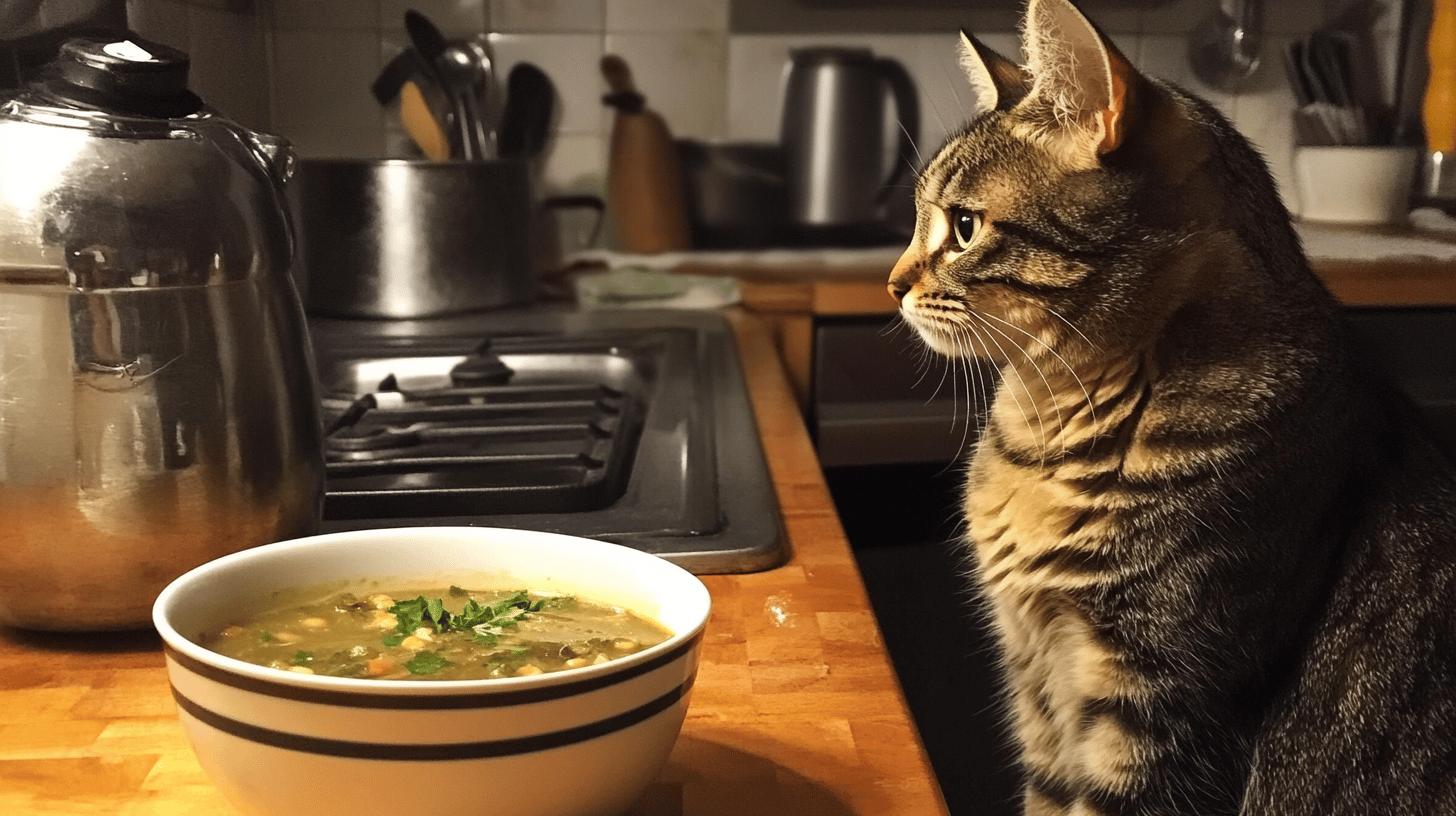
Can your cat safely enjoy a warm bowl of soup? While it's tempting to share this comfort food with our feline friends, it's important to weigh the risks and benefits first. Cats can savor soup if it's crafted with care, focusing on safe ingredients like chicken or fish broth.
But be warned–some common additives can turn a tasty treat into a potential hazard. We'll explore how to make soup a healthy addition to your cat's diet and highlight the dangers to avoid. Let's dive into what you need to know.
Safety and Risks of Feeding Soup to Cats
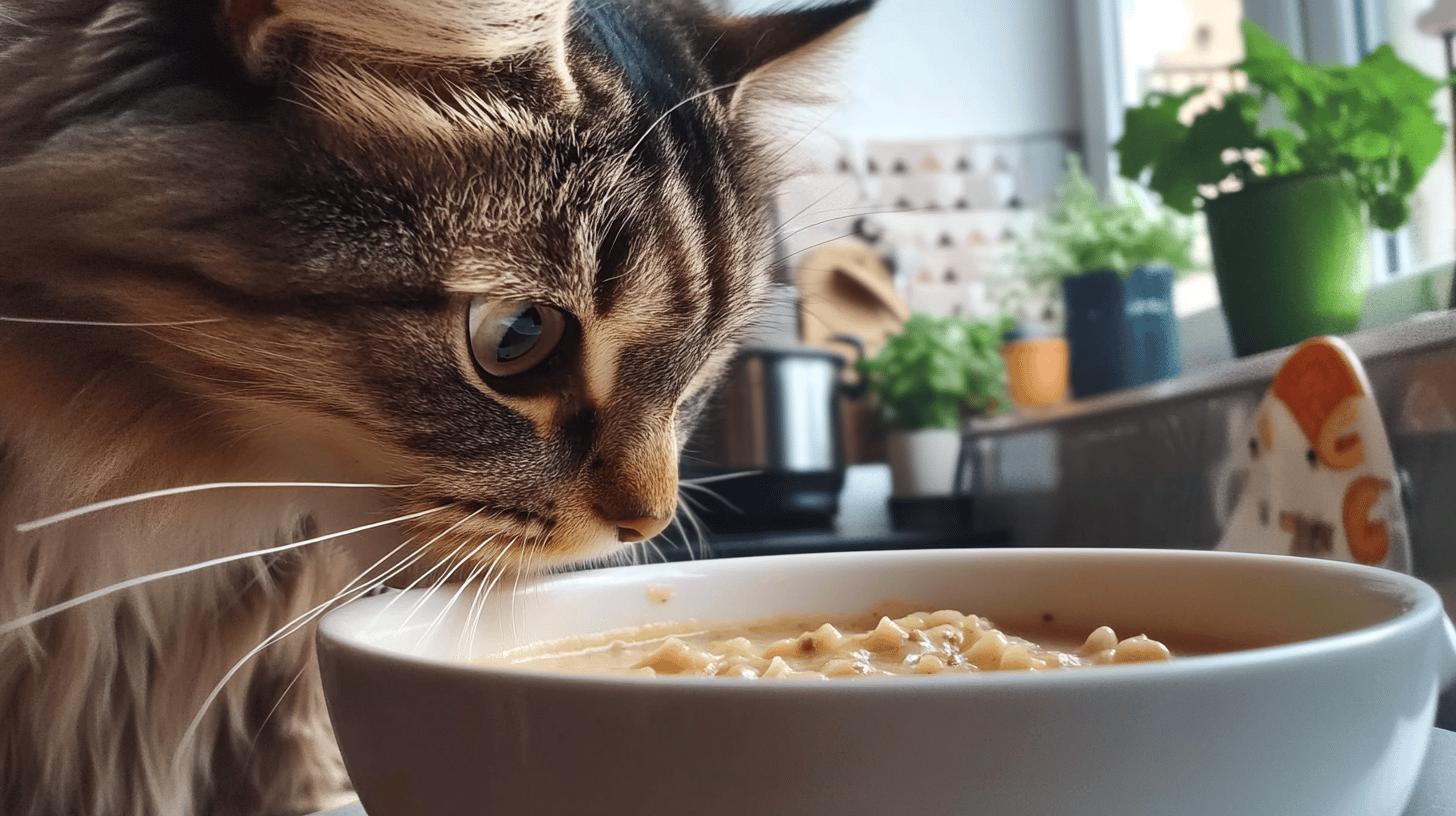
Soup can be a delightful treat for your feline friend when it's prepared with their needs in mind. Cats can safely consume soup if it contains ingredients that are safe and beneficial for them. It's crucial to avoid any harmful additives or spices.
A cat-friendly soup should be made using ingredients like chicken or fish broth, which provide hydration and essential nutrients. It's important to keep the recipe simple and avoid ingredients that could upset their stomach or cause toxicity.
- Onions
- Garlic
- Excessive salt
- Chives
- Leeks
Feeding soup to cats does come with potential risks if not handled properly. One of the main concerns is overhydration, which can lead to kidney strain. Cats don't need excessive amounts of liquid, so moderation is key.
Additionally, soups containing the wrong ingredients could cause digestive issues, leading to discomfort or illness. Always check the ingredients for any potential allergens or toxins before serving.
- Serve soup in small portions
- Use as a supplement, not a meal replacement
- Monitor your cat’s reaction
- Consult a vet for dietary concerns
Despite these risks, soup can offer a range of nutritional benefits for cats if made safely. Soup provides hydration, which is particularly beneficial for cats that primarily consume dry food. Alongside hydration, it can offer vitamins, minerals, and Omega 6 fatty acids that support overall cat health.
Remember, soup should complement a balanced diet, enhancing the flavors of your cat’s regular meals and providing variety without overwhelming their nutritional balance.
Suitable Soup Types and Recipe Adjustments for Cats
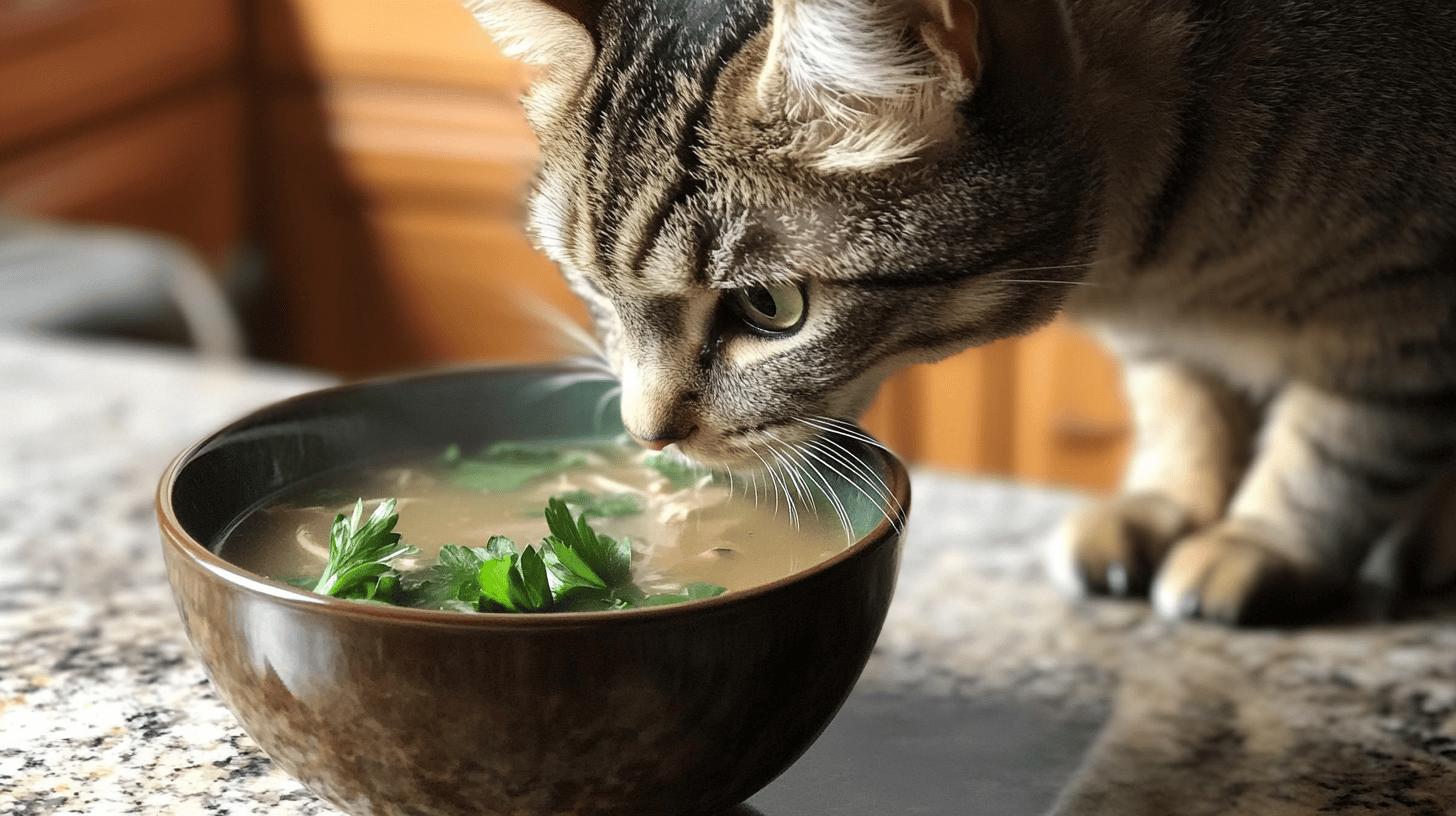
Creating homemade soup for your cat can be a rewarding way to offer them a nutritious treat. When making soup for cats, focus on using ingredients like chicken or fish broth. These broths are not only flavorful but also rich in nutrients and hydration that cats need.
Always remember to exclude harmful ingredients such as onions and garlic, which can be toxic. Instead, stick to simple recipes that are easy on a cat's digestive system. Bone broth is also a great option, providing essential nutrients while being gentle enough for your feline friend.
On the other hand, vegetable soups present some limitations for cats. Cats are obligate carnivores, meaning their bodies are designed to thrive on meat-based diets.
Vegetable soups may not provide the necessary nutrients cats require and could potentially lead to nutritional deficiencies if relied upon too heavily. While some vegetables can be safe in small amounts, they shouldn't be the primary component of a cat's soup.
- Chicken broth
- Fish broth
- Bone broth
- Parsley
- Carrots (in small amounts)
| Soup Type | Ingredients |
|---|---|
| Chicken Soup | Chicken broth, small amounts of carrots, parsley |
| Fish Soup | Fish broth, parsley |
| Bone Broth | Bones (boiled, no salt), parsley |
To enhance the flavor of cat soups, consider adding small amounts of cat-safe herbs like parsley. This can improve the palatability without adding unnecessary ingredients. Always serve the soup at room temperature to ensure it's comfortable for your cat to consume.
Remember, soup should act as a supplement to your cat's regular diet, providing hydration and a change of pace without replacing their primary nutrition source. Keep an eye on their reaction to new flavors and adjust accordingly to keep your cat both happy and healthy.
Nutritional Profile and Safety Analysis
Different soup types offer varying nutritional benefits and safety profiles for your feline companion. Broth-based soups, particularly chicken and fish varieties, provide excellent hydration alongside essential amino acids that support muscle health and coat condition. These broths contain collagen and gelatin, which can support joint health, especially beneficial for older cats.
In contrast, cream-based soups present significant concerns. Cats are lactose-intolerant after weaning, and cream can trigger digestive upset including vomiting and diarrhea. The high fat content in cream soups may also contribute to pancreatitis or weight gain in susceptible cats.
According to AAFCO (Association of American Feed Control Officials) guidelines, sodium content is particularly critical for cats. Most commercial broths contain between 800-1,000 mg of sodium per cup, well above the recommended daily limit of 200-300 mg for cats. Excess sodium can elevate blood pressure and strain kidneys, particularly concerning for cats with existing kidney disease or hypertension.
Serving Guidelines and Portion Control
Proper portion sizes and feeding frequency ensure soup remains a healthy supplement rather than a nutritional burden. For an average 10-pound cat, safe portions range from one to two tablespoons of broth per day, served at room temperature or slightly warmed.
Frequency matters significantly. Soup should be offered no more than 2-3 times per week, allowing it to complement rather than replace your cat’s regular balanced diet. Each serving should never exceed 10% of your cat’s daily caloric intake, a standard nutritional guideline for treats and supplements.
Preparation methods impact safety and digestibility. Remove all solid pieces–bones, vegetables, and meat chunks pose choking hazards. Cool the broth thoroughly before serving; excessively warm soup can burn sensitive mouth tissues. If using store-bought broth, rinse it thoroughly under water to reduce sodium content by up to 40%, or select low-sodium versions specifically.
For cats with sensitive digestive systems, introduce soup gradually over 7-10 days, mixing small amounts into their regular food initially. Monitor for any signs of digestive upset before increasing portions.
Signs of Adverse Reactions
Despite careful preparation, some cats may experience adverse reactions to soup. Gastrointestinal distress is most common, manifesting as vomiting, diarrhea, or loss of appetite within 2-12 hours of consumption. These symptoms usually resolve within 24 hours when the offending food is removed.
More concerning signs require immediate veterinary attention: difficulty swallowing, excessive drooling, abdominal pain or swelling, lethargy, or behavioral changes. These could indicate allergic reactions, toxin ingestion, or underlying health complications.
Individual sensitivities vary significantly. A soup that sits well with one cat may trigger reactions in another, even within the same household. This is particularly true for cats with inflammatory bowel disease (IBD) or pancreatitis.
Keep detailed feeding records noting date, soup type, portion size, and any behavioral or digestive changes observed within 24 hours. This documentation helps your veterinarian identify patterns if issues arise.
Final Words
Exploring "can cat eat soup" reveals that soup can be safe if crafted with cat-friendly ingredients, like chicken and fish broth, while avoiding toxic parts such as onions and garlic. As we've seen, feeding cats soup provides nutritional perks like hydration and Omega 6, but beware of risks like overhydration and digestive trouble.
Crafting homemade soups with safe meats and herbs enhances your cat's diet remarkably. Always aim for moderation to maintain balance. You can confidently serve up some tasty, safe soup, knowing you're nurturing your furry friend's health.
FAQ
Can I feed soup to my cat?
A: Yes, you can feed soup to your cat if it is made with cat-friendly ingredients and free from harmful additives like onions or garlic.
Can cats eat soup every day?
A: Cats should not eat soup every day. Soup should be an occasional treat, not a staple, due to potential health risks such as overhydration.
Can cats have human soup or broth?
A: Cats should avoid human soup or broth as they often contain harmful ingredients like salt, onions, and garlic.
Is chicken soup ok for cats?
A: Chicken soup can be safe if made with cat-friendly ingredients such as chicken, water, and no harmful additives.
Can cats eat soup in the morning?
A: Cats can eat soup in the morning, but ensure it's part of a balanced diet and made with safe ingredients.
Can cats eat soup with chicken and rice?
A: Cats can eat chicken and rice soup if it is specially prepared for them, avoiding any harmful ingredients.
What are toxic ingredients to avoid in cat soup?
A: Avoid onions, garlic, excessive salt, chocolate, and artificial sweeteners in any soup for cats.
What are some suitable soup types for cats?
A: Suitable cat soup types include chicken broth, fish broth, and bone broth with appropriate modifications.
Are there considerations when incorporating soup into a cat's diet?
A: Ensure soups: 1) don't replace balanced cat meals, 2) contain safe ingredients, 3) are fed in moderation, and 4) enhance hydration.
What is a cat soup recipe?
A: A simple cat soup can include chicken or fish broth with safe herbs like parsley, excluding harmful ingredients.
Leave a Reply