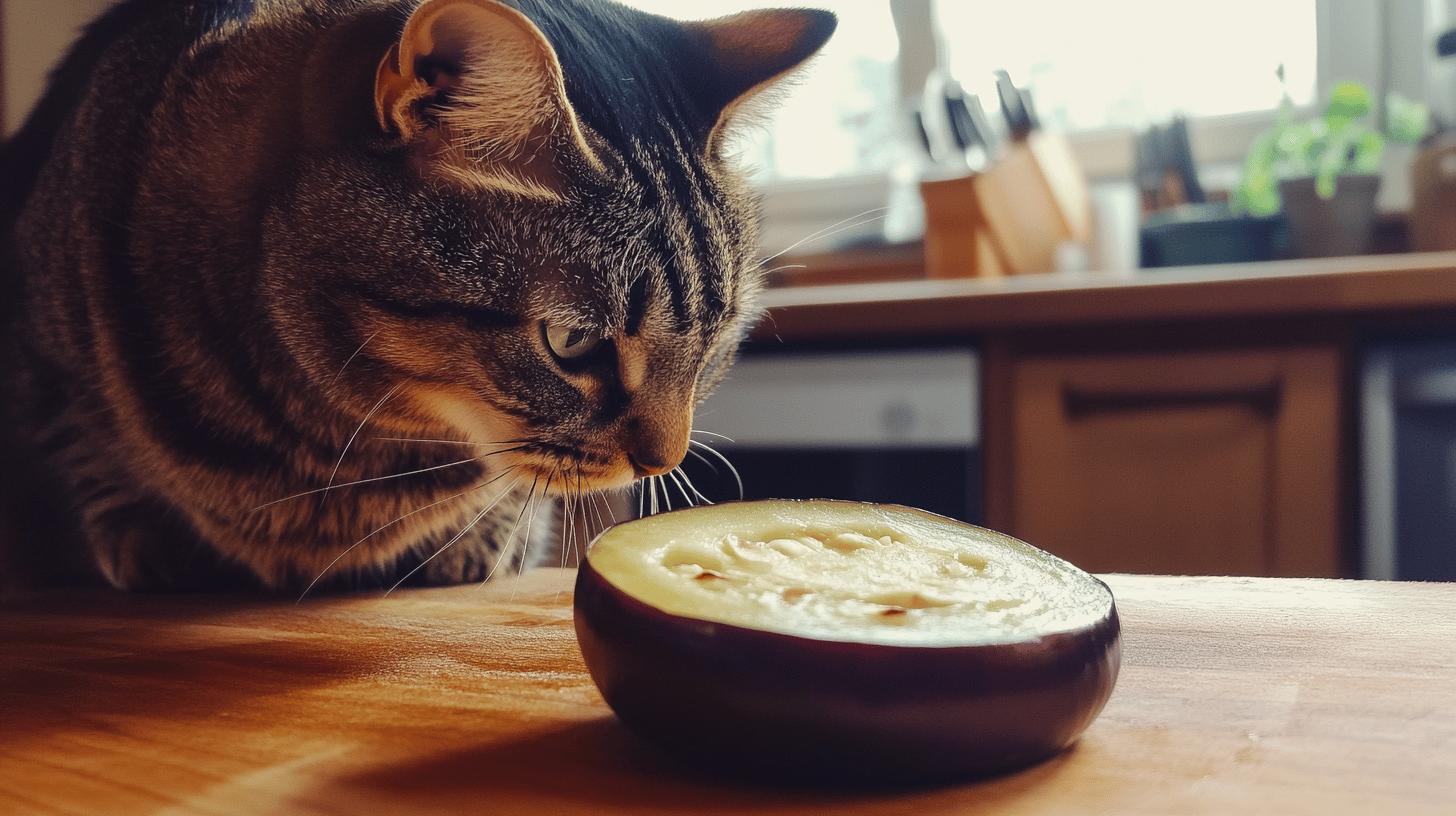
Eggplant contains solanine, a compound toxic to cats, and even small amounts can cause neurological and digestive harm. This seemingly common kitchen vegetable is not safe for felines, and recognizing the risks and symptoms of eggplant toxicity is an important part of responsible cat ownership. This guide explains why keeping eggplant off your cat’s menu is essential for their health and peace of mind.
Can Cats Eat Eggplant? Understanding the Risks and Symptoms
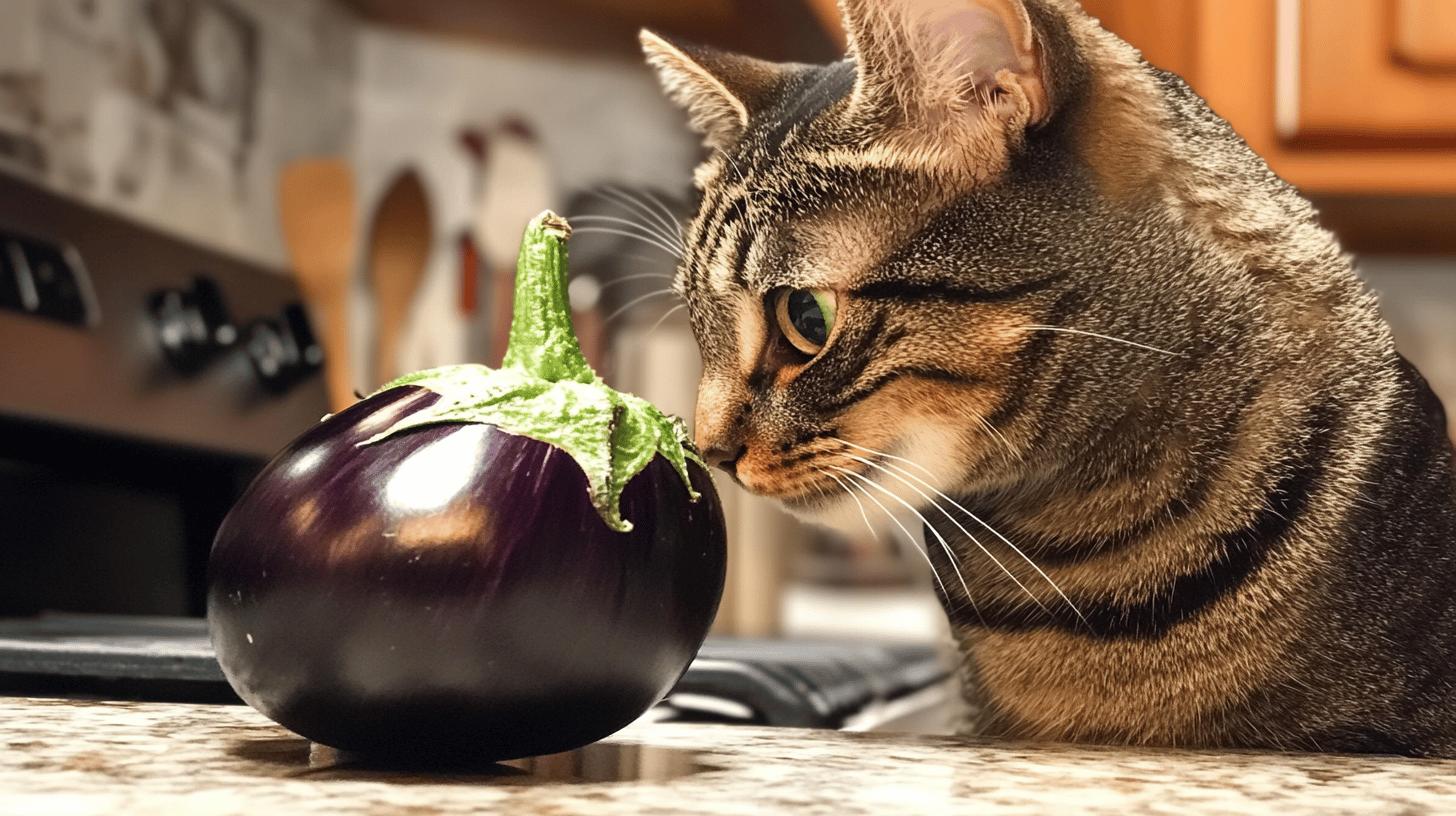
Eggplant, a common vegetable in many households, contains a compound called solanine. Solanine is a natural pesticide found in the Nightshade family, which includes eggplants, potatoes, and tomatoes. This substance is toxic to cats and can lead to both neurological and gastrointestinal problems. When a cat consumes solanine, it can interfere with their nervous system and digestive tract, potentially causing severe health issues. The amount of solanine in raw eggplant may not always result in immediate toxicity, but the risk is significant enough to warrant caution.
Cats are obligate carnivores, which means their bodies are designed to thrive on a diet rich in animal-based proteins. Unlike humans, cats do not require vegetables like eggplant in their diet. Their digestive systems are not well equipped to break down plant material effectively, and consuming such foods can lead to unnecessary complications. Proteins from sources like poultry, beef, and fish provide essential nutrients that cats need to maintain their health. Including vegetables like eggplant in their diet not only offers no nutritional benefit but also poses a risk of toxicity.
Here are some potential symptoms of eggplant toxicity in cats:
- High or low heart rate: Eggplant consumption can affect a cat’s cardiovascular system.
- Vomiting: A common symptom that indicates the cat’s body is trying to expel the toxin.
- Nausea: Often accompanies vomiting and can cause discomfort.
- Digestive issues: This may include diarrhea or constipation, as the digestive system struggles with the toxin.
- Overall discomfort: Cats may appear lethargic or show signs of pain.
Monitoring your cat for these symptoms is crucial. If you suspect your cat has eaten eggplant and notice any of these signs, it is vital to consult a veterinarian immediately. Even though toxic doses from raw eggplant are uncommon, prompt veterinary consultation can prevent potential complications. The vet will provide guidance on how to manage symptoms and ensure your cat receives the appropriate care.
The Nightshade Family and Why It Matters for Cats
Eggplant belongs to the Solanaceae family, commonly known as the Nightshade family. This botanical group includes a wide range of plants, some edible for humans and some highly toxic even to people. For cats, many plants in this family carry meaningful risks due to their solanine and other glycoalkaloid content.
Beyond eggplant, other common Nightshade family members that cat owners should be aware of include tomatoes, potatoes, and peppers. Tomato plants, especially unripe green tomatoes and the leaves and stems, contain tomatine, a compound similar to solanine that can cause the same types of neurological and gastrointestinal symptoms. Potato plants, particularly raw potato flesh, green skin, and sprouts, carry concentrated solanine that poses significant risks, as covered in detail in the guide on safe and unsafe plant foods for cats.
Understanding the Nightshade family connection helps cat owners think about kitchen safety more broadly. If you cook frequently with eggplant, potatoes, or tomatoes, it’s worth being deliberate about keeping these ingredients out of your cat’s reach during food prep and cleanup. Scraps, peels, and raw pieces left on cutting boards or near trash bins can attract curious cats. A proactive approach to kitchen safety eliminates many of the most common accidental ingestion scenarios.
What to Do if Your Cat Eats Eggplant
If your cat eats eggplant, act quickly to ensure their safety.
- Remove any remaining eggplant: Prevent further ingestion by taking away any accessible pieces.
- Monitor your cat closely: Keep an eye out for signs such as vomiting or behavioral changes.
- Contact a veterinarian: Get professional advice, especially if symptoms develop.
While waiting for veterinary guidance, keep your cat calm and offer fresh water. Responding swiftly can help avoid complications.
How Solanine Affects a Cat’s Nervous System
The mechanism by which solanine harms cats involves disruption of normal nerve signal transmission. Solanine inhibits an enzyme called acetylcholinesterase, which is responsible for breaking down acetylcholine after it has transmitted a nerve signal. When this enzyme is blocked, acetylcholine accumulates at nerve junctions, causing nerve cells to remain in a state of continuous stimulation.
This over-stimulation of the nervous system can produce a cascade of effects across multiple organ systems simultaneously. The gastrointestinal tract contains nerve cells that regulate digestion, which is why vomiting and diarrhea are often among the first symptoms. The cardiovascular system is also affected, which explains why heart rate changes are a recognized sign of solanine exposure. In higher doses, the compound can impair motor function, causing muscle weakness or coordination problems.
For cats, whose smaller body size means less solanine is needed to reach harmful concentrations, awareness of these mechanisms underscores why even a modest amount of raw eggplant deserves veterinary attention. The neurological effects can emerge more rapidly than many owners expect, which is why waiting to see if symptoms resolve on their own is not the recommended approach. Contacting a vet at the first sign of unusual behavior after eggplant ingestion gives your cat the best chance at a quick and complete recovery.
Safe Alternatives to Eggplant for Cats
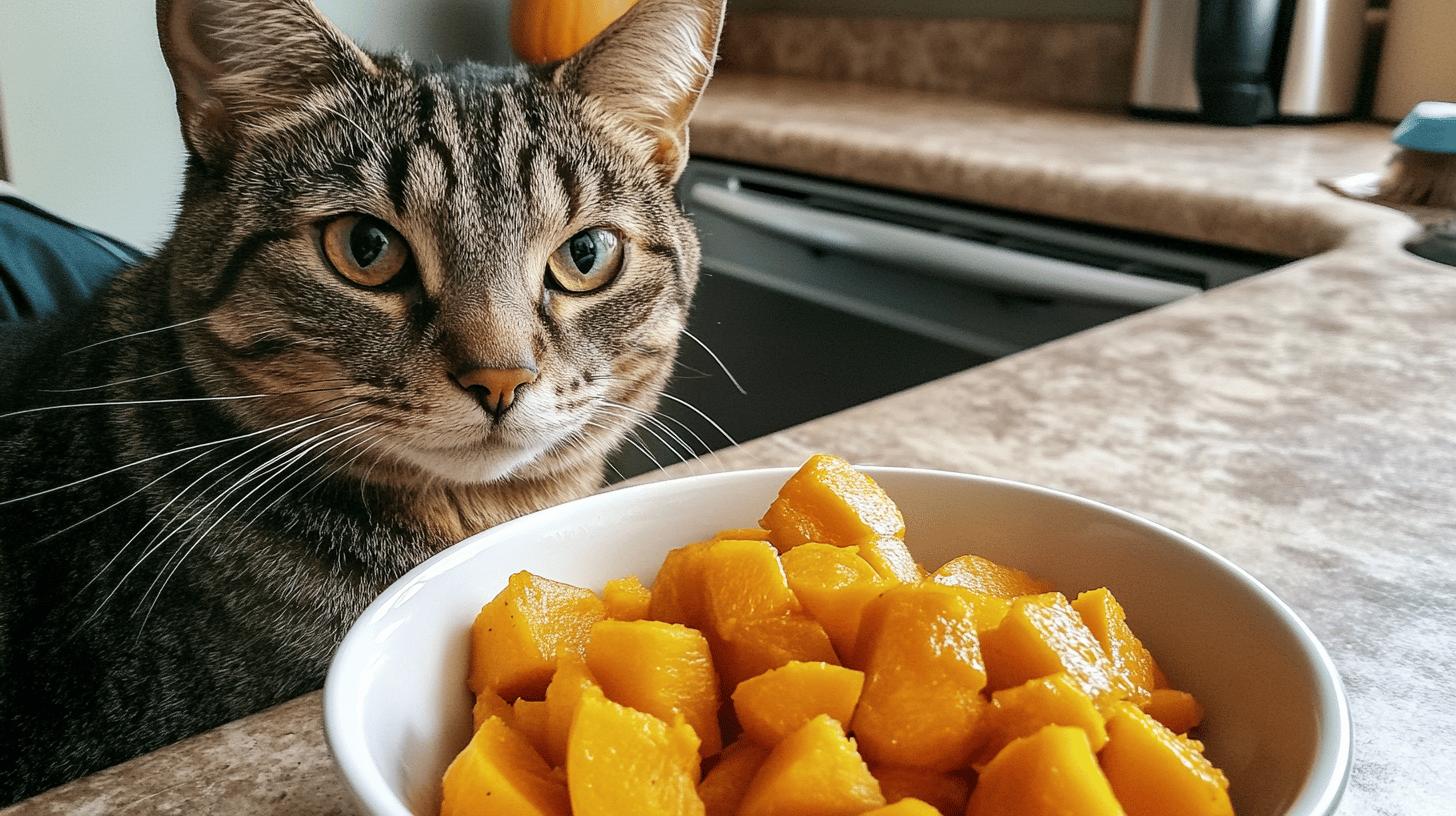
Cats are obligate carnivores, meaning their diet should primarily consist of animal-based proteins. Proteins from sources like poultry, beef, and fish provide the essential nutrients cats need. Vegetables, including eggplant, do not offer these necessary nutrients and can pose health risks.
Here are some pet-safe vegetables that can be offered as occasional treats:
- Cooked pumpkin: A great source of fiber that can aid in digestion.
- Butternut squash: High in vitamins and can help with digestive health.
- Carrots: Provide a crunchy texture and are rich in beta-carotene.
- Green beans: Low in calories and can be given as a healthy snack.
These vegetables should only be given in moderation. While they offer some benefits, they should not replace the primary diet of animal-based proteins. Always ensure any vegetables provided are cooked and free from any added seasonings or oils. Using them as occasional treats can offer variety without compromising your cat’s health.
Cat-Proofing Your Kitchen Against Nightshades
Creating a kitchen environment that keeps your cat safe from Nightshade plants does not require major changes. Most of the risk comes from unsupervised access during and after meal preparation, so a few consistent habits can dramatically reduce the chance of accidental ingestion.
Start by storing raw eggplant, potatoes, and tomatoes in closed cabinets or the refrigerator rather than leaving them in open bowls or on lower shelves where a curious cat can reach them. During food prep, keep your cat out of the kitchen if possible, or at least keep an eye on where scraps land. Eggplant skin, seeds, and raw flesh should go directly into a covered trash container rather than sitting exposed on a counter.
After cooking, rinse cutting boards and utensils before leaving them unattended. Cats are attracted to food residue and may lick surfaces you’ve used to prepare eggplant or other vegetables. Teaching your cat that kitchen counters are off-limits through consistent redirection will also help reduce their exposure to potentially harmful ingredients over time. For additional guidance on other plant-based foods and their safety profiles, the article on walnut toxicity in cats and resources on plum risks for cats offer useful comparisons.
Final Words
Eggplant contains solanine, a toxin harmful to cats that can lead to heart rate changes, vomiting, nausea, and neurological distress. As obligate carnivores, cats gain no nutritional benefit from eggplant, making it a food best avoided entirely.
If your cat eats eggplant, watch for symptoms and contact a vet without delay. Safe alternatives like cooked pumpkin or butternut squash can offer occasional variety without the toxicity risks. By understanding your cat’s dietary needs and keeping Nightshade vegetables out of reach, you can protect their health and ensure their diet genuinely supports their wellbeing.
FAQ
Cat Ate Cooked Eggplant, What Should I Do?
Cooked eggplant is not ideal for cats. Monitor for symptoms such as vomiting or lethargy. If these symptoms appear, contact a vet for guidance.
Can Cats Eat Eggplant Seeds?
Cats should not eat eggplant seeds. They contain compounds that may be harmful and lead to digestive upset. Always avoid feeding eggplant seeds to your cat.
Can Cats Eat Cooked or Fried Eggplant?
Cats should avoid cooked or fried eggplant. Eggplant can include harmful substances for cats and is not a natural part of their diet.
Can Cats Eat Vegetables Like Zucchini or Okra?
Cats can occasionally eat zucchini in small amounts. It’s best to consult a vet before offering any vegetables, as cats are obligate carnivores.
Can Cats Eat Zucchini Skin?
Zucchini skin is not harmful in small amounts for cats, but it should not form a major part of their diet as they need animal proteins.
What Happens If My Cat Eats Eggplant?
If a cat eats eggplant, watch for symptoms like vomiting or changes in heart rate. Seek veterinary consultation if these occur.
Is Eggplant Toxic to Pets Like Cats and Dogs?
Eggplant can be toxic due to solanine. Pets, especially cats, may experience neurological and gastrointestinal symptoms. Consult a vet for any concerns.
What Vegetables Can’t Cats Eat?
Cats should avoid vegetables like onions, garlic, and eggplant. These can cause adverse health effects. Cats thrive on meat-based diets.
Who Should Not Eat Eggplant?
Pets, particularly cats and dogs, should not eat eggplant due to its potential toxicity from solanine. Always consult a vet if eggplant consumption occurs.
Leave a Reply