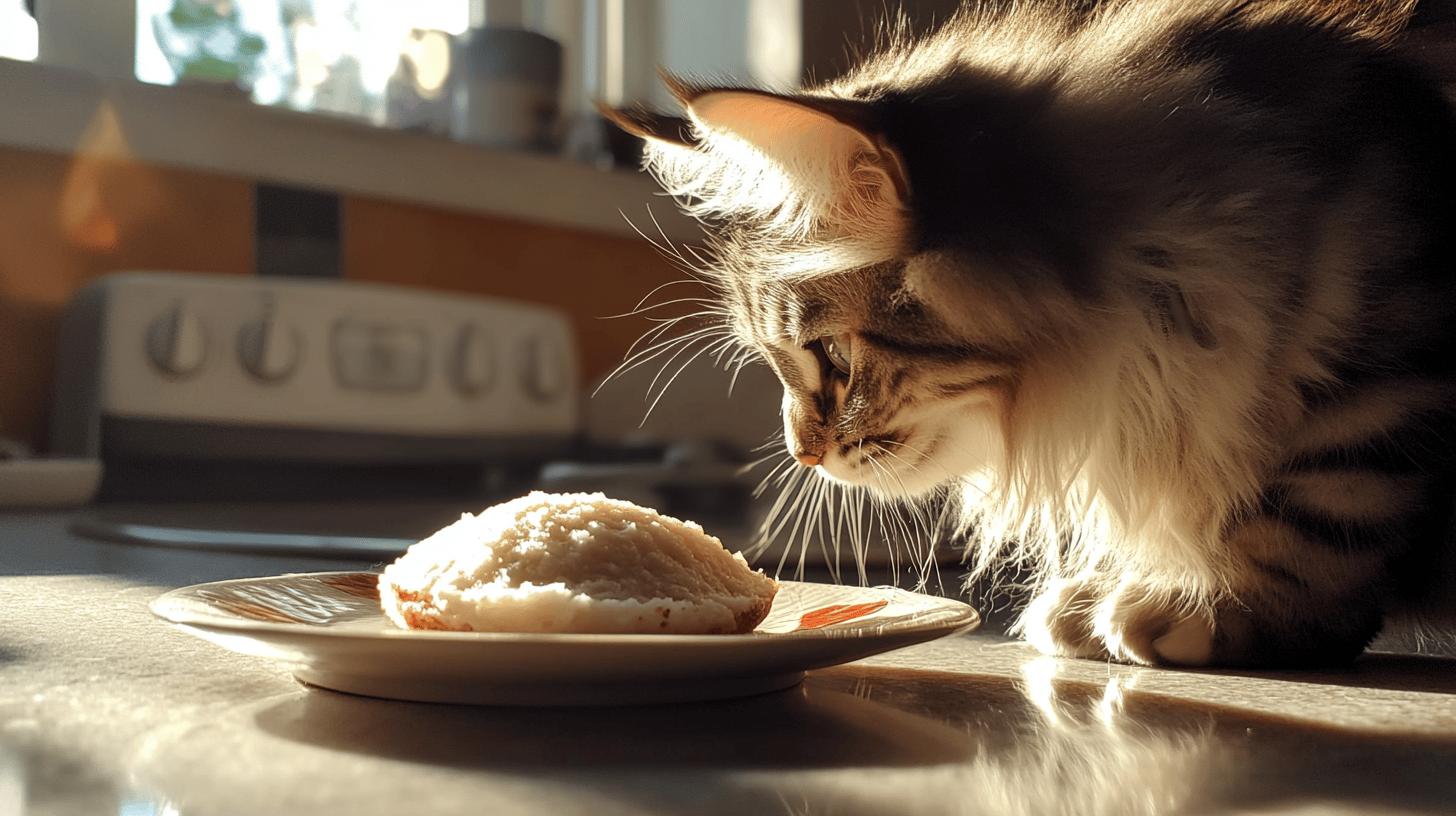
Would you serve your cat a dish like idli, or is it better kept on your plate? As obligate carnivores, cats need a diet rich in animal-based proteins to stay healthy. Idli, filled with rice and lentils, might be perfect for breakfast but could spell trouble for your cat. Without key nutrients like taurine and vitamin A, idli can upset their nutritional balance. Before you offer that bite, let's dive into the health risks and nutritional concerns that come with sharing your meal with your feline friend.
Can Cats Eat Idli? Nutritional Concerns and Health Risks
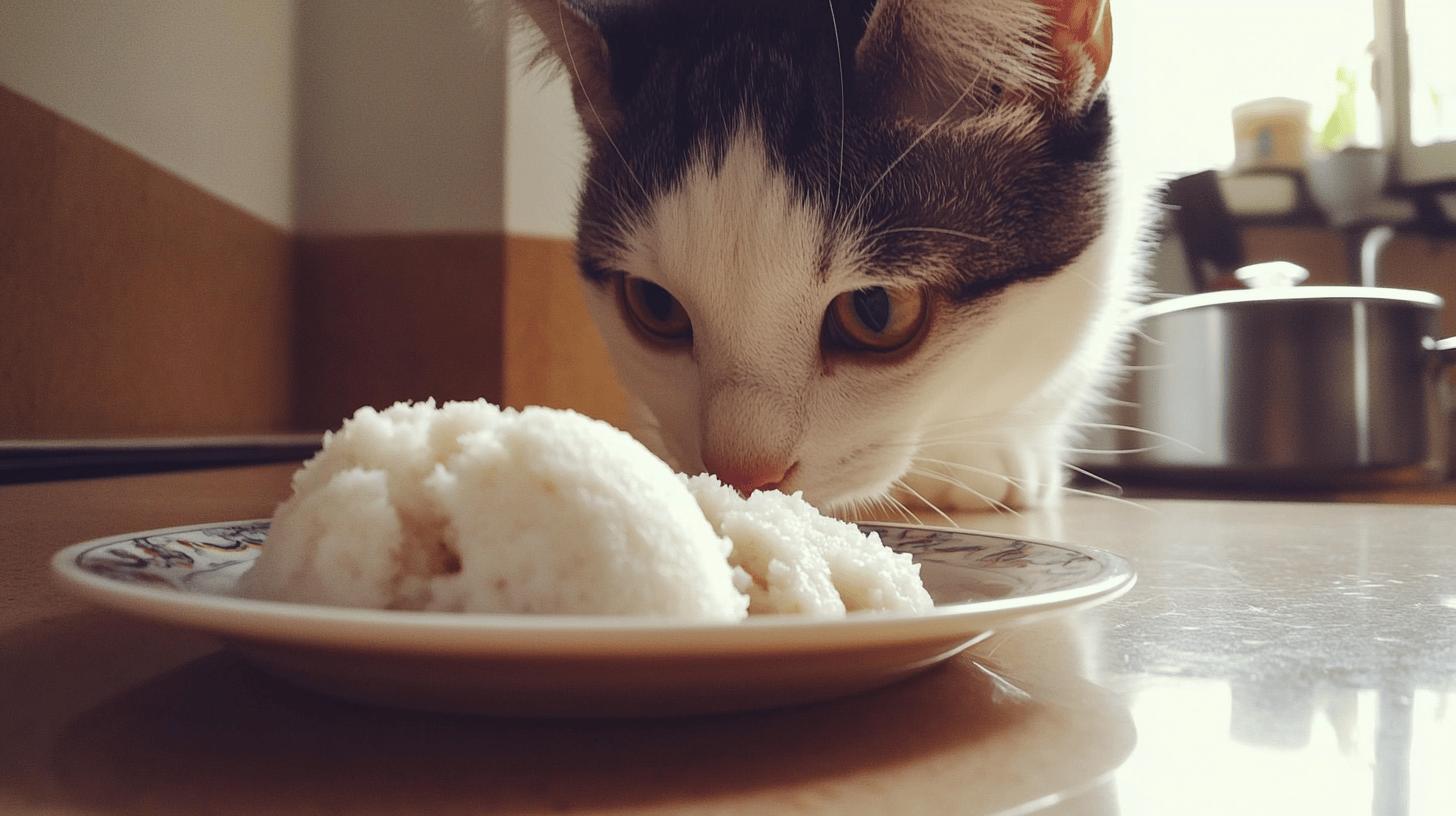
Cats are obligate carnivores, which means their diet primarily needs to consist of animal-based proteins. This dietary requirement is crucial for their health and well-being. Idli, a popular South Indian dish, is primarily made from rice and lentils. While these ingredients may be nutritious for humans, they don't meet the dietary needs of cats. Idli lacks essential nutrients such as taurine and vitamin A, which are vital for a cat's heart, vision, and reproductive health. Feeding idli to cats can lead to an imbalance in their diet, potentially causing health issues over time.
Here are some potential risks of feeding idli to cats:
- Nutritional Deficiencies: Idli does not provide the protein and essential nutrients cats need.
- Digestive Issues: Cats may struggle to digest the carbohydrates in rice and lentils.
- Allergic Reactions: Some cats may be allergic to ingredients in idli.
- Weight Gain: Carbs in idli can contribute to obesity in cats.
- Gastrointestinal Upset: The spices or additional ingredients sometimes used in idli can upset a cat's stomach.
- Potential for Diabetes: High-carb foods can increase the risk of diabetes.
- Reduced Energy Levels: Without enough protein, cats may become lethargic.
Consulting a veterinarian before introducing any new foods into a cat's diet is crucial. Veterinarians can provide guidance on maintaining a balanced diet that fulfills all of a cat’s nutritional needs. They can also help identify safe snacks and treats that will not compromise a cat's health. Introducing foods like idli should be approached with caution and professional advice to avoid unintended health risks for your feline friend.
Alternative Feline-Safe Foods
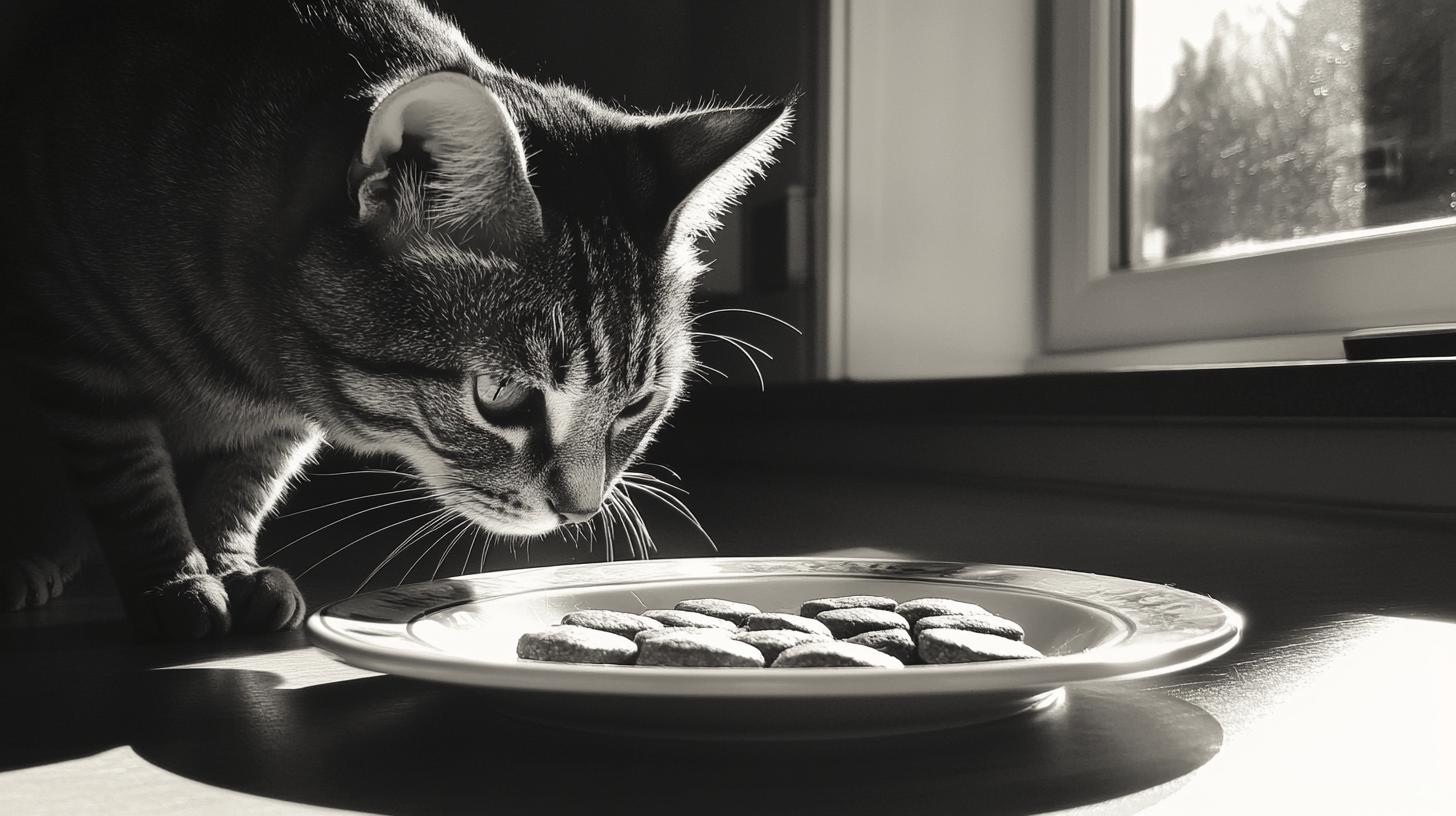
Cats have unique dietary needs that are best met with foods specifically formulated for them. While human foods like idli might seem like a tempting treat, they often lack the essential nutrients cats require. Cat-specific snacks are designed to provide the right balance of protein, fats, and essential nutrients that support their health. Selecting treats made for cats satisfies their taste buds but also ensures they get what they need nutritionally. Human foods can lead to imbalances and health issues, so sticking to feline-specific options is always the better choice.
Here are some alternative snacks that are safe and beneficial for cats:
- Grain-free cat food
- Creamy cat treats
- Natural cat treats
- Freeze-dried meat treats
- Catnip-infused snacks
- Dental chews for cats
While offering these treats, it’s crucial to practice portion control. Treats and additional foods should not make up more than 10% of your cat's overall diet. Maintaining this balance ensures your cat receives a complete and nutritious diet without risking obesity or nutrient deficiencies. Providing a variety of feline-safe snacks can enrich your cat's diet while keeping them healthy and happy.
Can Cats Eat Idli?
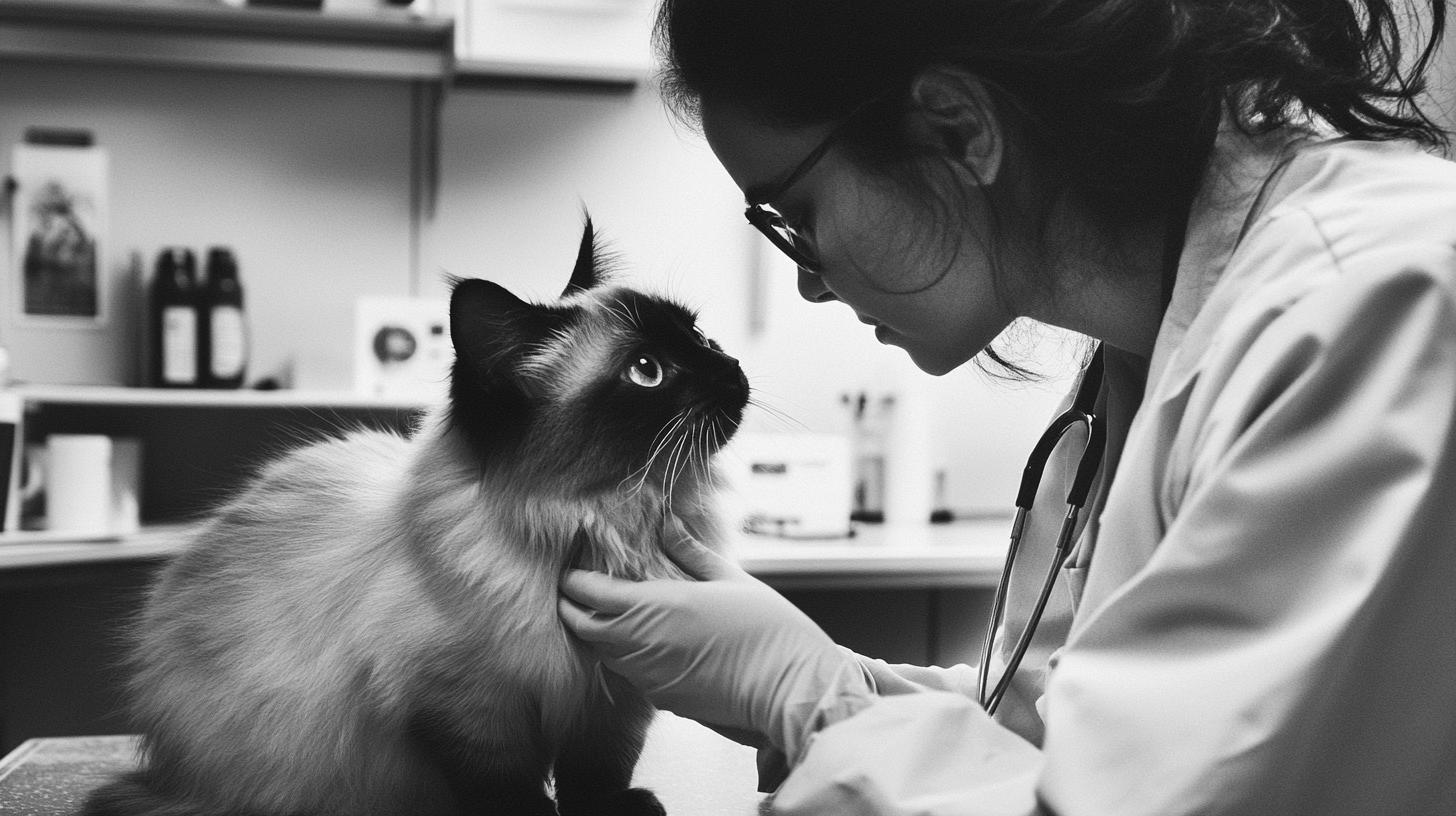
Feeding your cat human foods like idli can be risky. Cats are obligate carnivores and need animal-based proteins and nutrients such as taurine. Introducing human foods without guidance might lead to health problems. It's crucial to consult a veterinarian before making dietary changes. They can identify safe options and guide you on maintaining a balanced diet.
Certain human foods are unsafe for cats. For instance, chocolate and onions are toxic. Meanwhile, plain cooked chicken is generally safe. Veterinarian insights can help navigate these choices, ensuring your cat's health and well-being.
Final Words
Deciding whether can cat eat idli reveals much about their dietary needs. Cats are obligate carnivores, needing diets rich in animal proteins. Idli, made from rice and lentils, lacks essential nutrients like taurine, vital for their well-being. Feeding idli could risk their health, causing digestive issues or nutrient deficiencies.
Instead, opt for cat-friendly snacks that ensure safety and nutritional value. Always prioritize a balanced diet and seek veterinarian guidance when considering human foods for your cat. Careful choices lead to a happy, healthy feline friend.
FAQ
Can cat eat idli?
Idli is not suitable for cats. Cats must consume animal-based proteins to meet their dietary needs. Idli lacks nutrients essential for cats like taurine and vitamin A.
Is idli safe for cats?
It's not safe for cats to eat idli. The rice and lentils in idli don't align with a cat's nutritional requirements and may cause health issues.
What Indian food is good for cats?
Most Indian foods are not ideal for cats. Opt for commercial cat food or consult a vet for suitable options that meet a cat's dietary needs.
Can dogs eat idli?
Idli is not recommended for dogs. While dogs can tolerate more grains than cats, idli lacks the necessary nutrients for a balanced canine diet.
Can cat eat chapati or wheat?
Cats should avoid chapati and wheat since these foods don't provide the nutrients they need. They're obligate carnivores requiring meat-based diets.
Can cats eat rice?
Rice isn't an ideal food for cats. It lacks essential nutrients and may lead to digestive issues. Opt for balanced cat food instead.
What homemade food can cats eat?
Homemade meals for cats should contain high-quality animal proteins. Consult a veterinarian for recipes that ensure nutritional balance.
Related Articles
- Can Cat Eat Fish Food Safety and Nutritional Concerns
- Can Cat Eat Junk Food and Its Health Risks
- Can Cat Eat Rice Safely Tips for Including Rice in Cat Diet
- Can Cat Eat Lentils Safely Understanding Risks and Benefits
Detailed Safety Analysis
Idli is a steamed rice cake made from fermented rice and urad dal (a type of lentil). The fermentation process creates a soft, digestible product for humans, but the components still don’t serve feline nutritional needs. Rice provides carbohydrates that cats aren’t equipped to metabolize efficiently, while the fermented mixture can upset feline digestive systems.
Most store-bought and homemade idli contain salt for flavor, and some recipes include additional seasonings. Salt at levels comfortable for humans creates dehydration risk in cats, particularly in kittens and seniors. If the idli contains any garlic, onion, or asafoetida (a common seasoning in Indian cooking), those components become actively toxic to cats. The fermented nature doesn’t make idli safer, it just makes it differently problematic for feline digestion.
Health Impact & Digestive Concerns
Cats who consume plain idli typically experience mild gastrointestinal upset within a few hours. Soft stools, gas, and temporary loss of appetite are the most common outcomes. Some cats tolerate small amounts better than others, depending on their individual gut flora and digestive sensitivity. The fermented rice can disrupt the balance of beneficial bacteria in your cat’s intestines.
Young kittens are particularly vulnerable because they’re still developing their digestive microbiome. Senior cats with declining digestive function may experience prolonged upset. Cats with existing conditions, inflammatory bowel disease, pancreatitis, diabetes, or kidney disease, should never eat idli because the fermented carbohydrates can trigger complications or flare-ups.
Practical Feeding Guidelines
Plain idli left on a counter or table represents a temptation your cat can easily reach, but intentionally offering it serves no purpose. If your cat sneaks a bite, plain idli without salt or seasonings poses minimal emergency risk. However, store idli safely where your cat can’t access it, especially any seasoned versions.
If accidental consumption happens, monitor your cat for 12-24 hours. Mild gastrointestinal upset resolves on its own in most cases. Maintain normal hydration by ensuring your cat has access to fresh water. If idli consumption was accompanied by a meal high in salt or included seasonings, contact your veterinarian for guidance.
Safe Alternatives & Substitutes
Your cat gains nothing nutritionally from idli that they can’t get from species-appropriate food. Cooked chicken breast provides protein and amino acids idli simply doesn’t offer. Plain cooked salmon offers omega fatty acids that support skin and coat health. Quality toys provide enrichment that matters more than food-based treats for your cat’s wellbeing.
If you’re tempted to share your food with your cat, consider whether it actually serves your cat’s needs or just your desire to share. Most human foods, including idli, are offered out of affection rather than nutritional wisdom. Your cat is far happier with interactive play and toys designed specifically for feline engagement.
When to Seek Veterinary Care
Contact your vet if your cat shows persistent vomiting, diarrhea lasting more than 24 hours, or signs of dehydration after idli consumption. Excessive thirst, lethargy, and sunken eyes indicate dehydration requiring immediate attention. If the idli contained salt or seasonings and your cat ate a significant amount, call your vet proactively even without visible symptoms.
Keep track of what your cat consumed: plain idli, seasoned idli, or idli with accompaniments? The timeline from consumption to symptom appearance helps your vet assess severity. Your veterinarian can provide supportive care if needed and ensure no underlying complications developed from the food exposure.
Summary: Idli and Your Cat
Idli represents a food designed for human palates and digestion, not feline health. While a small accidental taste won’t create an emergency, the risks consistently outweigh any potential benefits. Your cat’s nutritional needs are specific and evolved over millions of years of carnivory. Plant-based foods like idli don’t fit into a feline diet plan.
The safest approach is preventing access entirely. Keep your cat out of the kitchen during meal preparation, store leftovers safely, and offer meals designed specifically for feline nutrition. When your cat shows interest in your human food, redirect that attention to toys, play, and enrichment activities that actually serve her wellbeing. Your cat will thrive far better on proper nutrition and mental stimulation than on human food experimentation.
Leave a Reply