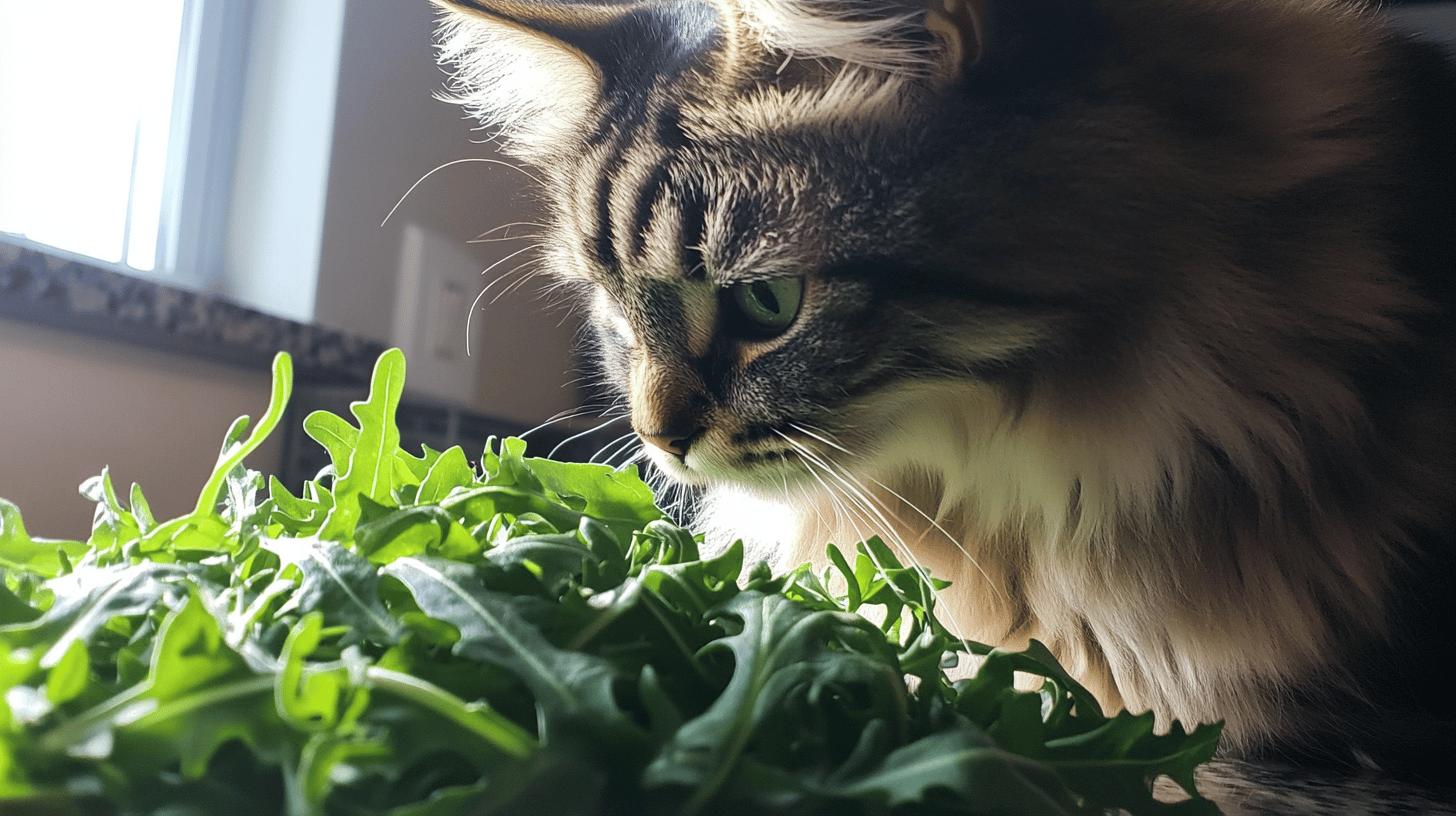
Can your cat eat arugula? It's a question every cat owner should consider before allowing their feline friend to snack on this leafy green. While arugula is non-toxic and generally safe in small amounts, it's crucial to understand the safety and potential risks it poses.
Cats are obligate carnivores, meaning their diet should primarily consist of meat. Let's dive into why offering a nibble of arugula can be interesting but requires caution and moderation. Learn how to safely introduce this vegetable, ensuring play remains the highlight of your cat’s day.
Safety and Risks of Feeding Arugula to Cats
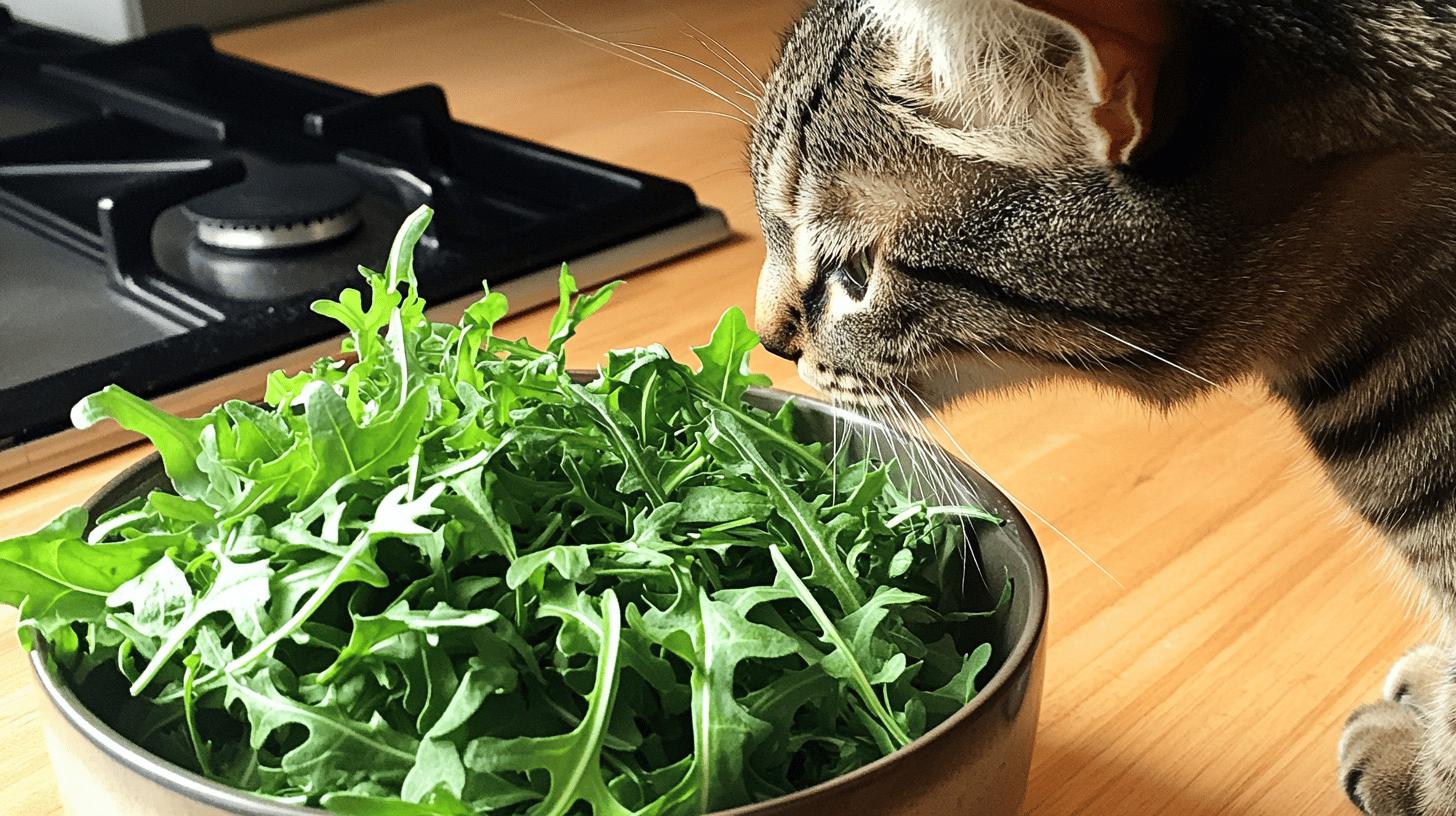
Arugula is non-toxic to cats, making it a safe choice for those curious felines who might nibble on a leaf or two. While this leafy green doesn’t pose a direct threat, it should be consumed in moderation.
It's important to remember that cats are obligate carnivores, and their primary nutrition comes from meat. Arugula can be a fun treat but shouldn’t replace their regular diet. Its low-calorie content and mild flavor might pique a cat's interest, but always observe how they react to new foods.
Belonging to the Brassicaceae family, arugula shares its classification with other vegetables like broccoli and kale, which are also considered safe for cats in small amounts. This family of vegetables offers nutrients like vitamins and minerals that can be beneficial in limited doses.
While these vegetables can be introduced occasionally, it’s vital to maintain a balanced diet focused on protein for your cat’s overall health.
Feeding cats too much arugula can lead to digestive issues. Overconsumption might cause stomach upset, leading to diarrhea or vomiting. Additionally, some cats may show allergic reactions, which can manifest as itching or swelling. If any adverse symptoms occur, it’s essential to consult a veterinarian immediately to determine whether arugula or another factor is causing the problem.
Moderation is key when it comes to feeding arugula to your feline friend. Start by offering a small amount and monitor their reaction. Gradually increase the quantity if no negative effects are observed. Keep in mind that arugula should only be an occasional treat, not a staple in their diet.
Precautions When Feeding Arugula to Cats
- Wash arugula thoroughly to remove any pesticides or chemicals.
- Introduce arugula slowly into your cat's diet, starting with a small piece.
- Monitor for any signs of allergic reaction or digestive upset.
Nutritional Benefits of Arugula for Cats
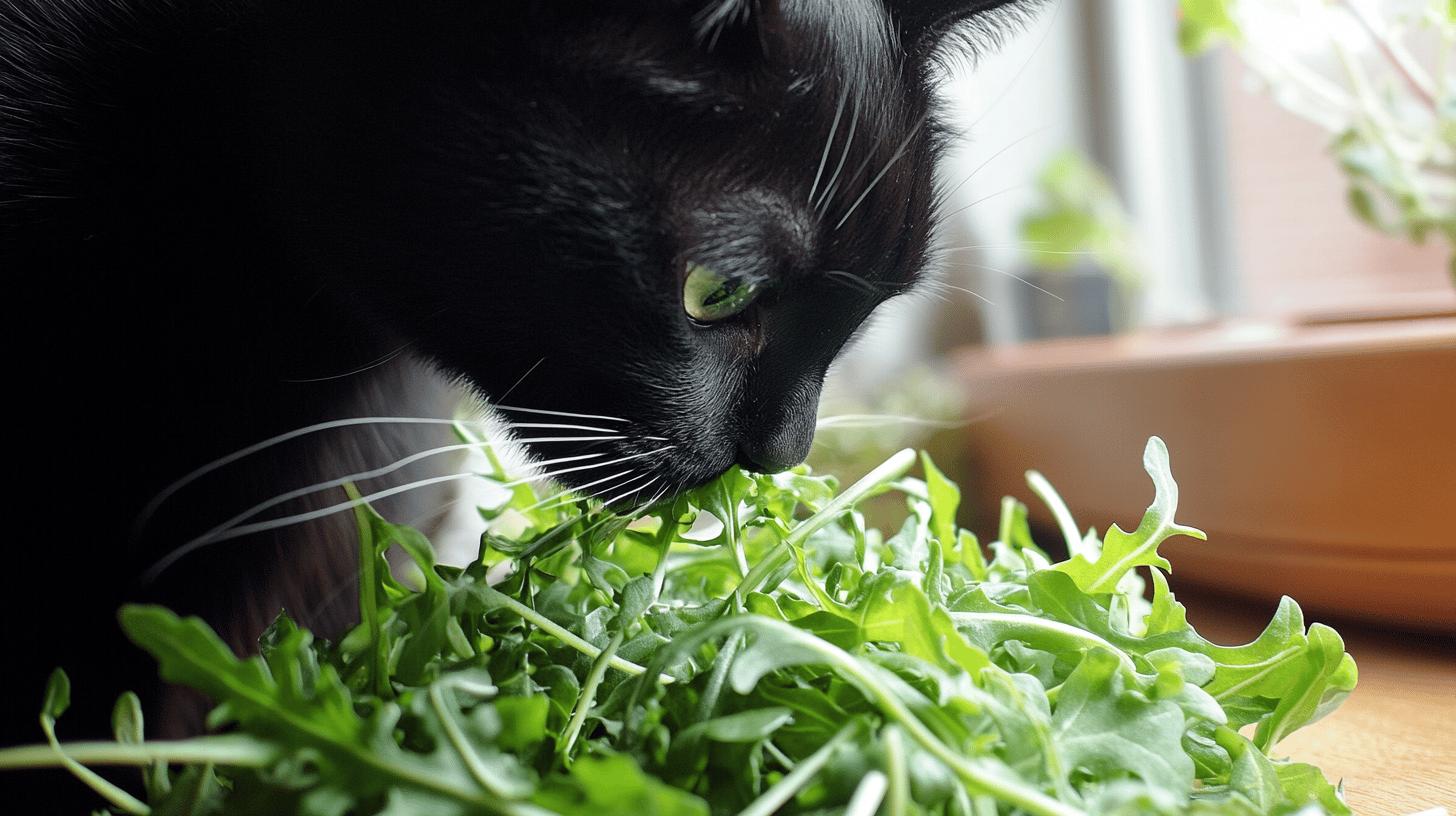
Arugula, often known for its peppery flavor, is a tasty addition to human salads; it offers some nutritional perks for our feline friends too. While cats are obligate carnivores and require a diet primarily consisting of meat, a small amount of arugula can provide some beneficial nutrients. This leafy green is rich in vitamins A, C, and K. These vitamins support a cat's immune system, vision, and bone health.
In addition to vitamins, arugula also contains essential minerals like calcium and potassium. Calcium is crucial for maintaining strong bones and teeth, while potassium plays a role in nerve function and muscle contraction. While these nutrients can enhance a cat's diet, they should only be introduced in moderation.
The fiber content in arugula can also aid in digestion. Cats that occasionally struggle with constipation might benefit from the small amount of fiber arugula provides. However, it's important to monitor their reaction, as too much fiber might lead to loose stools.
While a few leaves of arugula can supplement a cat's diet with some vitamins and minerals, it should never substitute their primary protein-rich meals. Always consult with your veterinarian before making any dietary changes to ensure it fits your cat's specific health needs.
Final Words
Giving arugula to cats involves understanding safety measures and potential risks. Arugula is non-toxic, aligning with safe veggies like broccoli and kale. Consuming too much can lead to digestive issues or allergic reactions. Ensuring freshness by washing it is crucial to avoid harmful chemicals.
Feeding cats arugula should be moderate, considering each cat's unique reaction. While arugula offers some nutrition, it's vital to prioritize balanced cat meals.
Always watch for any adverse responses. This cautious approach ensures a healthy and enjoyable experience for your feline friend.
FAQ
Can cats eat arugula leaves?
A: Arugula leaves are non-toxic to cats and can be eaten in small amounts. They should be washed to remove pesticides. Overconsumption may cause digestive issues, so moderation is key.
Is arugula safe for pets?
A: Yes, arugula is safe for pets, including cats, when given in small quantities. Cats might experience digestive issues if eaten in large amounts, so it's best to limit their intake.
What greens can cats not eat?
A: Cats should avoid greens like onions, garlic, and chives since they can be toxic. It's best to consult a vet before introducing new greens to your cat's diet.
Can cats eat spinach and rocket leaves?
A: Yes, cats can eat spinach and rocket leaves in moderation. Like arugula, these should be washed to remove chemicals. Watch for any signs of digestive distress.
Can I feed my cat leafy greens?
A: Yes, you can feed your cat leafy greens such as arugula and spinach in small amounts. Always wash them thoroughly and monitor your cat for any adverse reactions.
Can cats eat lettuce and kale?
A: Cats can have lettuce and kale in limited quantities. These greens are non-toxic but can cause stomach upset if fed too much.
Can cats eat spring mix?
A: Spring mix can be given to cats in small amounts. Ensure the mix doesn't contain harmful greens. Always observe your cat for any digestive issues.
Can cats eat tomatoes?
A: It's best to avoid feeding cats tomatoes. While ripe tomatoes aren't toxic, the leaves and stems can be harmful to cats.
Related Articles
- Can Cat Eat Lettuce Understanding Benefits and Risks for Your Feline
- Can Cat Eat Kale The Safe Way and Nutritional Insights
- Can Cat Eat Spinach Safely Nutritional Benefits and Risks
- Can Cat Eat Blueberries Safely Benefits Risks and Feeding Tips
Arugula Nutritional Profile & Cat Diet Mismatch
Arugula is a leafy green vegetable rich in fiber, vitamins, and minerals that benefit human health significantly. For cats, however, it represents an unnecessary food with limited nutritional alignment to feline needs. Cats are obligate carnivores, meaning their digestive systems evolved to extract nutrients from animal proteins rather than plant matter. Arugula’s nutritional composition doesn’t translate to feline health benefits the way it does for humans.
The real concern with arugula lies in its sulfur compounds and mustard oils. These naturally occurring chemicals give arugula its distinctive peppery taste and are perfectly safe for humans. In cats, however, sulfur compounds and mustard oils irritate the digestive tract and can cause gastrointestinal upset. Your cat’s stomach acid and digestive enzymes are optimized for meat metabolism, not plant compound processing. Even small amounts can trigger discomfort disproportionate to the quantity consumed.
Additionally, the high fiber content in arugula moves through a cat’s digestive system rapidly, disrupting the delicate balance of gut bacteria. Cats don’t require dietary fiber the way humans do, and excess fiber actually interferes with their absorption of essential nutrients like taurine, which they must obtain from food sources.
Safe Preparation & Portion Guidelines
If your cat has sneaked a small leaf of arugula or nibbled a piece left on the counter, plain arugula without dressing or seasoning poses minimal danger. A single leaf or small amount of raw arugula typically causes no more than mild digestive upset, if anything at all. However, intentionally feeding your cat arugula serves no nutritional purpose.
Never offer cooked, seasoned, or dressed arugula to your cat. Cooking concentrates the sulfur compounds and makes digestion harder. Dressings containing garlic, onions, or excessive salt create additional toxicity or dehydration risks. If you’re preparing salads or cooked greens and your cat shows interest, keep all portions away from her reach.
The 10% rule in feline nutrition states that treats and non-essential foods should comprise no more than 10% of daily caloric intake. For cats, this leaves no room for vegetables like arugula. Your cat’s daily calories should come from protein-based foods formulated for feline nutritional needs, not plant matter.
Digestive Impact & Sensitivities
Most cats who consume small amounts of arugula experience gas, bloating, and loose stools within a few hours. The sulfur compounds irritate the intestinal lining, leading to temporary diarrhea or constipation. Some cats recover quickly; others experience prolonged digestive upset lasting 24-48 hours depending on stomach sensitivity.
Certain cats face heightened risks. Senior cats with declining digestive function may struggle for days after consuming arugula. Kittens with developing digestive systems react more severely to unfamiliar plant compounds. Cats with inflammatory bowel disease, pancreatitis, or other digestive conditions should never eat arugula because the fiber and sulfur compounds can trigger painful flare-ups. Cats with kidney disease or diabetes also face complications from arugula’s composition.
If your cat shows signs of digestive distress, repeated vomiting, diarrhea lasting more than a day, abdominal pain indicated by hunched posture, or loss of appetite, contact your veterinarian even if you only know she consumed a small amount of arugula.
Better Vegetable Alternatives
If you’re determined to offer your cat vegetables, better options exist. Plain, cooked pumpkin is gentle on feline stomachs and actually aids digestion. Cooked carrots cut into small pieces offer a crunchy texture some cats enjoy without the problematic compounds arugula contains. Steamed green beans provide minimal risk, though they remain nutritionally unnecessary for obligate carnivores.
The important distinction: these alternatives are well-tolerated in tiny amounts but still serve no real nutritional need. Your cat receives complete nutrition from species-appropriate cat food. Any vegetable offering is purely for enrichment or novelty, not health. Choose options least likely to cause digestive upset.
A better enrichment strategy involves quality toys and interactive play rather than vegetable experimentation. Mental and physical stimulation from toys provides far more value to your cat’s wellbeing than any vegetable could.
Understanding Feline Nutrition Needs
Cats require nutrients that come primarily from animal proteins. Taurine, an amino acid essential for feline heart and eye health, occurs naturally in meat but is absent from plant sources. Cats cannot synthesize taurine on their own, making dietary taurine intake non-negotiable for health. Vegetables like arugula contribute nothing toward this essential requirement.
Arginine, another critical amino acid, is found in meat-based proteins and absent from most plants. Cats require higher protein percentages in their diet compared to dogs or humans because their metabolic pathways evolved specifically for meat digestion. Offering vegetables dilutes the nutritional density your cat needs, creating the illusion of feeding without providing necessary nutrients.
The bottom line: your cat’s health depends on species-appropriate protein-based nutrition. Vegetables, including arugula, represent unnecessary additions to feline diets. Skip the experimentation and focus on providing quality cat food and enriching toys instead.
Leave a Reply