Can cats safely enjoy a juicy meal of mutton? While it might seem like a strange addition to your cat's diet, mutton can actually be a beneficial protein source when given correctly. But as with all good things, there are benefits and risks to consider. Mutton is safe for cats in small amounts when cooked plain.
Can Cats Safely Eat Mutton? Nutritional Benefits and Risks
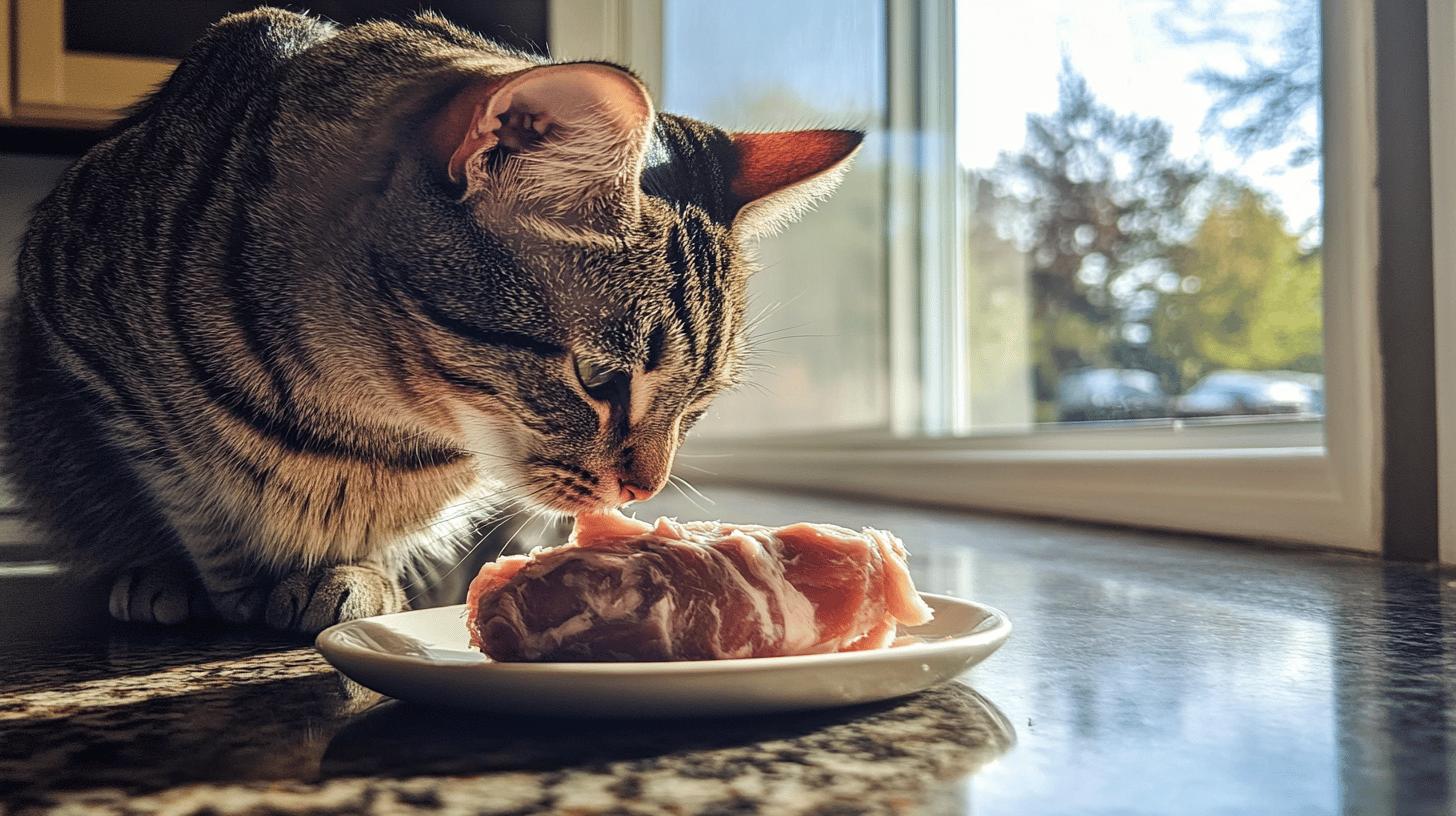
Mutton, derived from sheep, can indeed be a viable protein source for cats. It's most beneficial when served fresh and raw, as cooking can strip away vital nutrients that cats need. Cats are obligate carnivores, meaning their diet should primarily consist of meat, and mutton fits well into this requirement. The preference for raw mutton lies in its ability to provide nutrients in their most natural state, avoiding the potential deficiencies that cooked mutton might cause over time.
In terms of nutritional benefits, mutton is rich in B-group vitamins such as riboflavin, niacin, B6, and B12. These vitamins are crucial for supporting a cat's nervous system and overall health. Organic or grass-fed mutton can also offer a better balance of Omega 6 and Omega 3 fatty acids, which are important for maintaining healthy skin and coat. This healthier ratio of fatty acids is another reason why ethically sourced mutton is often recommended.
Mutton contains several key nutrients that are beneficial for cats. These include high-quality proteins necessary for muscle development and maintenance. Proteins in mutton are comparable to those found in other meats like beef and chicken, making it a solid option. However, feeding mutton should be accompanied by a variety of other meats to ensure a balanced diet, as relying solely on mutton could lead to an incomplete nutritional profile.
Potential Risks of Feeding Mutton to Cats
- Nutrient Deficiencies: Feeding only mutton without other protein sources can lead to nutrient imbalances.
- Digestive Issues: Some cats may have trouble digesting mutton, especially if introduced too quickly.
- Spoilage Concerns: Freshness is key; spoiled mutton can cause foodborne illnesses.
- High Fat Content: Mutton may be higher in fat compared to other meats, which can contribute to obesity if not portioned correctly.
- Allergies: Some cats might develop allergies to mutton, requiring close monitoring when first introduced.
| Nutrient | Mutton | Chicken | Beef |
|---|---|---|---|
| Protein | High | High | High |
| B-group Vitamins | Rich | Moderate | Rich |
| Omega Fatty Acids | Balanced in grass-fed | Lower | Moderate |
| Fat Content | Higher | Lower | Moderate |
Feeding mutton to cats does come with potential risks that need to be managed. Digestive issues can arise if mutton is introduced abruptly, especially in cats not accustomed to it. Nutrient imbalances can occur if mutton isn't balanced with other proteins. Always ensure the meat is fresh to avoid spoilage, and monitor your cat for any signs of allergic reactions. By offering a varied diet, you can mitigate these risks while providing the nutritional benefits mutton has to offer.
Guidance on Serving Mutton to Cats
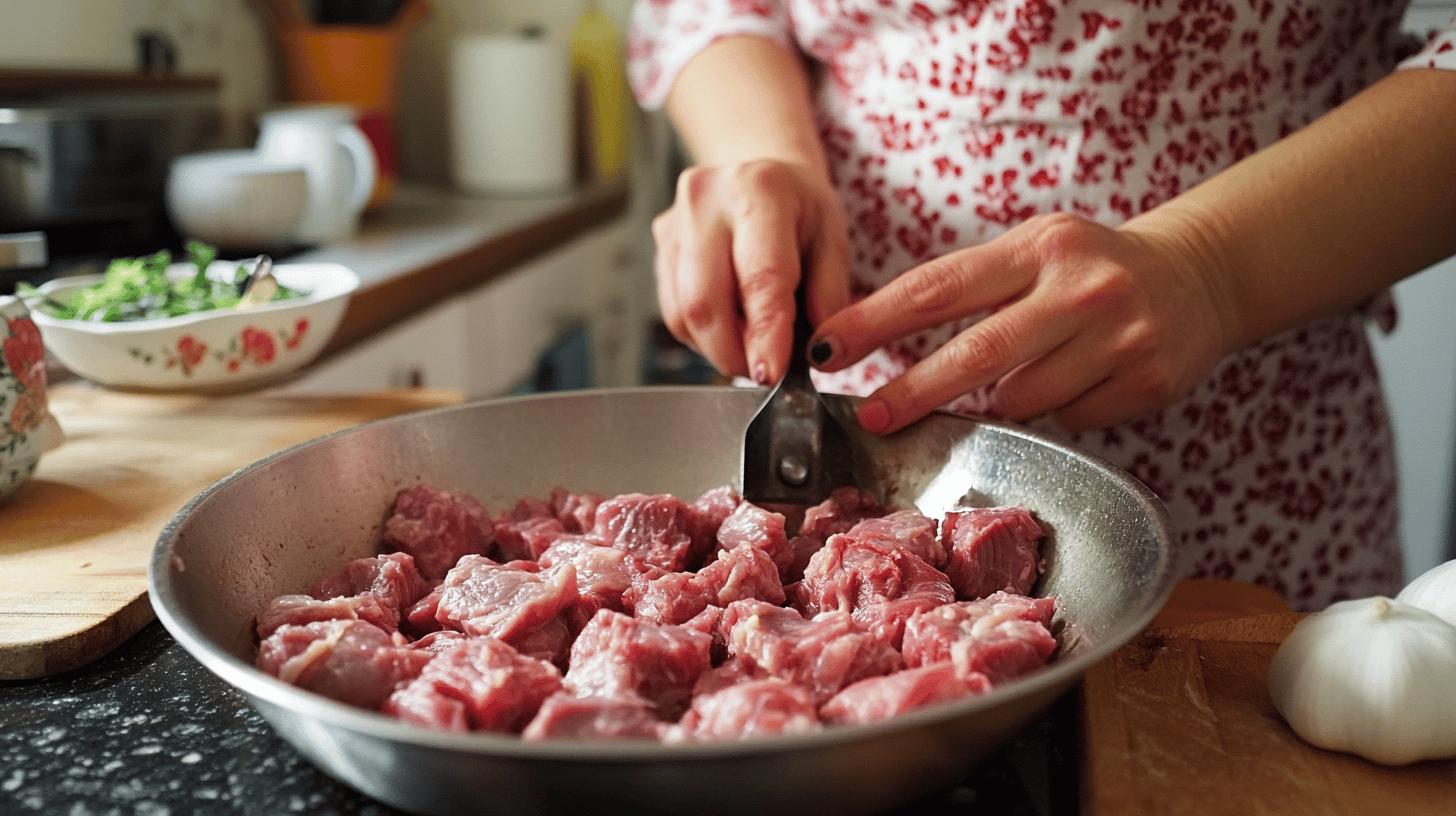
Portion control is key when feeding mutton to cats. Overfeeding can lead to weight gain and other health issues. Raw mutton is preferable as it maintains nutritional value better than cooked.
- Select Fresh Mutton: Ensure mutton is fresh and from a reliable source to avoid spoilage and contamination.
- Trim Excess Fat: Remove visible fat to reduce obesity risk and maintain a healthier fat intake.
- Cut into Small Pieces: Slice mutton into bite-sized pieces to make eating and digesting easier for your cat.
- Balance with Other Proteins: Include other protein sources like chicken or fish to provide a complete nutritional profile.
For portion sizes, a small amount of mutton, such as a few ounces, can be offered a couple of times a week. This frequency helps maintain diet variety while ensuring nutrition from multiple sources.
Potential Risks of Feeding Mutton to Cats
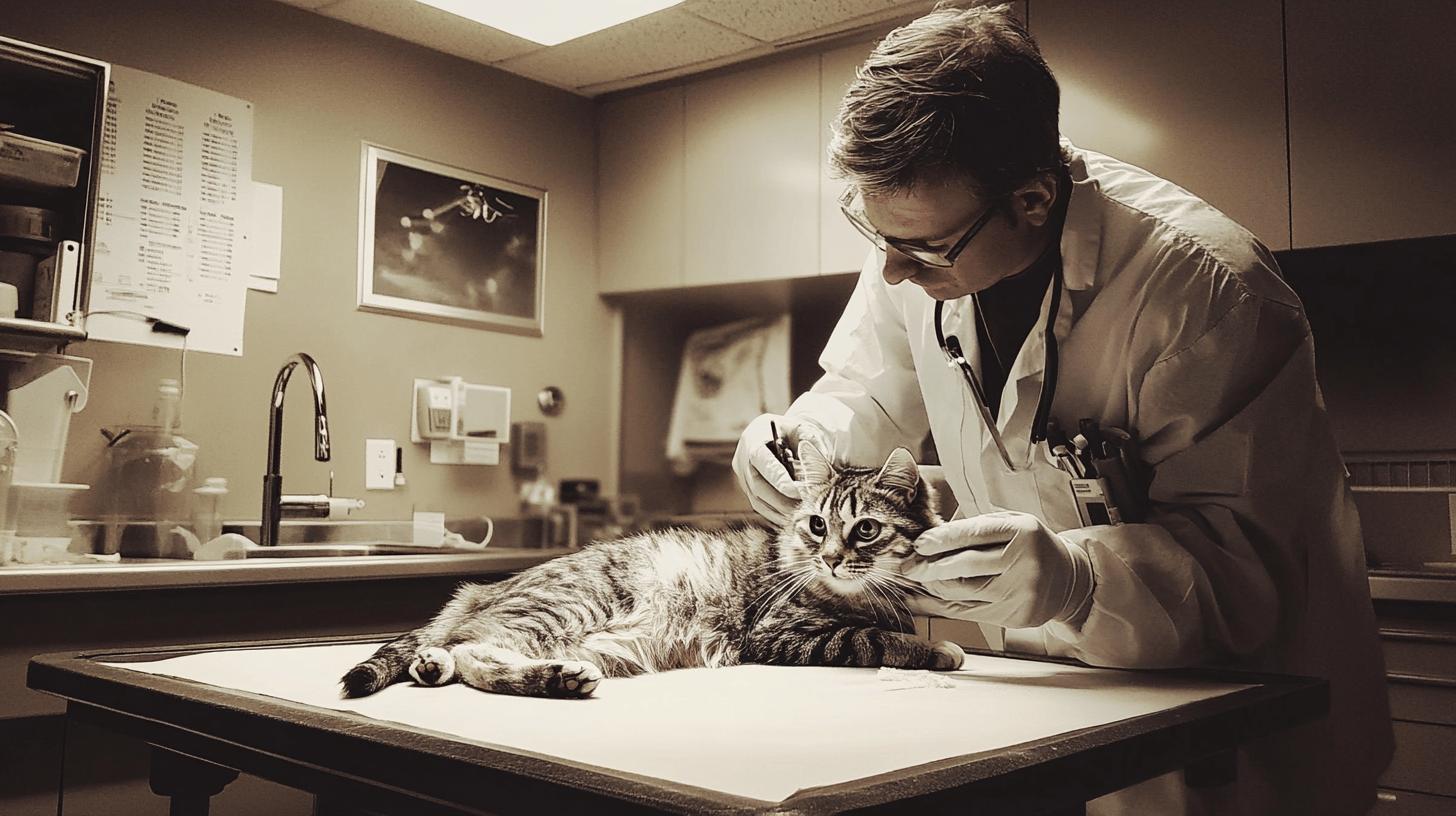
Consulting with a veterinarian is wise when adding mutton to your cat's diet. They offer essential advice on ensuring nutritional balance and safety.
- Allergy Watch: Look for signs like itching or gastrointestinal upset.
- Digestive Observation: Monitor changes in stool or appetite.
- Start Slowly: Introduce mutton gradually to help your cat adjust.
By seeking professional guidance and observing your cat's reaction, you can integrate mutton safely, making the most of its nutritional benefits.
Final Words
Exploring whether cats can eat mutton unveils its potential as a protein source. Fresh, preferably raw mutton can offer B-group vitamins and essential nutrients. Yet, balancing it with other proteins is crucial to prevent deficiencies.
Practical guidance on portion control and preparation ensures safety, while veterinarian insights highlight the need for professional advice. Monitoring your cat's response is key to a healthy diet.
Feeding mutton sensibly as part of a varied diet can enrich your cat's meals. Keep these tips in mind for a happy, healthy feline friend!
FAQ
Can you feed mutton to cats?
A: Cats can eat mutton, but it should be fresh and raw to keep nutrients intact. Balance with other proteins for a complete diet to prevent deficiencies.
Can cats eat mutton raw or cooked?
A: Cats can eat raw mutton, which is better for retaining nutrients. Cooking mutton can destroy essential nutrients and may lead to deficiencies if fed regularly.
Can cats eat mutton bones?
A: Avoid giving cats mutton bones, as they can splinter and pose a choking risk or cause internal injuries.
Can cats eat beef and pork?
A: Yes, cats can eat beef and pork, but like any meat, they should be prepared properly and fed as part of a balanced diet.
Can cats eat raw deer meat?
A: Cats can eat raw deer meat if it is fresh and properly handled to avoid parasites and bacteria. Balance with other proteins to ensure complete nutrition.
How to cook mutton for cats?
A: If cooking mutton for cats, lightly sear it to maintain most nutrients. Avoid high temperatures and add no seasonings or oils.
What meat should cats not eat?
A: Cats should avoid processed meats, seasoned meats, and those high in fat like bacon and sausage, as they can cause digestive issues and health problems.
What is the best meat for cats?
A: Cats thrive on a variety of meats including chicken, turkey, and fish. These are generally easy on the digestive system and provide essential nutrients.
Related Articles
- Can Cat Eat Cow Meat Safety and Nutrition Explained
- Can Cat Eat Tuna Everyday Understanding the Risks and Nutritional Gaps
- Can Cat Eat Pork Safely and Nutritionally
- Can Cat Eat Beef Liver Safely and in Moderation
Nutritional Profile and Safety Analysis
Mutton’s nutritional composition makes it a legitimate option for feline diets when properly introduced. This meat delivers high-quality proteins essential for muscle development, tissue repair, and metabolic function.
Serving Guidelines and Portion Control
Proper portioning determines whether mutton becomes a beneficial dietary supplement or contributes to nutritional imbalance. A safe serving size for an average adult cat ranges from one to three ounces, twice weekly at most.
Signs of Adverse Reactions
Watch for specific symptoms indicating your cat isn’t tolerating mutton well. Vomiting within hours of consumption or loose stools suggest digestive sensitivity.
Nutritional Profile and Safety Analysis
Mutton’s nutritional composition makes it a legitimate option for feline diets when properly introduced. This meat delivers high-quality proteins essential for muscle development, tissue repair, and metabolic function. The amino acid profile closely matches cats’ natural prey-based requirements, which explains why many feline nutritionists consider it a viable protein source.
The vitamin content sets mutton apart from lighter proteins. B-group vitamins including riboflavin, niacin, B6, and B12 support your cat’s nervous system, enzyme production, and energy metabolism. Grass-fed mutton offers additional benefits: improved omega-3 to omega-6 ratios that promote skin health, coat quality, and reduce inflammation compared to grain-fed varieties.
Minerals present in mutton include iron, zinc, and selenium. Iron supports healthy blood oxygen transport; zinc strengthens immune function and skin integrity; selenium acts as a powerful antioxidant protecting cells from damage. These micronutrients work synergistically to maintain your cat’s overall health when mutton comprises part of a balanced diet.
Safety-wise, mutton itself is non-toxic to cats. The primary consideration isn’t the meat’s safety but rather digestive adaptation and avoiding excessive fat intake. Raw mutton typically preserves more nutritional integrity than cooked varieties, though cooking can increase digestibility for some cats with sensitive stomachs.
Serving Guidelines and Portion Control
Proper portioning determines whether mutton becomes a beneficial dietary supplement or contributes to nutritional imbalance. Most veterinary nutritionists recommend offering mutton as an occasional protein rotation rather than a staple. A safe serving size for an average adult cat ranges from one to three ounces, twice weekly at most.
Calculate portions based on your cat’s overall daily caloric intake. If your cat requires 250 calories daily, mutton should represent no more than 10 to 15 percent of that total, leaving room for other proteins and essential nutrients from their primary diet.
Introduce mutton gradually over one to two weeks. Start with tiny portions, approximately the size of a dice cube, and observe your cat for 24 hours before increasing the amount. This slow introduction allows their digestive system to adapt without stress.
Trim excess fat before serving, as fatty cuts can trigger pancreatitis or digestive upset. Cut the meat into bite-sized pieces that your cat can swallow comfortably without excessive chewing. Store raw mutton in the freezer and thaw in the refrigerator, using it within two days of thawing to prevent bacterial growth.
Signs of Adverse Reactions
Watch for specific symptoms indicating your cat isn’t tolerating mutton well. Vomiting within hours of consumption or loose stools suggest digestive sensitivity. Some cats develop mild to moderate diarrhea when introduced to new proteins; this typically resolves within a few days once their system adjusts.
Itching, skin redness, or excessive grooming point to possible allergic reactions. While rare, some cats develop sensitivities to mutton specifically. If your cat exhibits respiratory symptoms like sneezing or difficulty breathing after eating mutton, discontinue immediately and contact your veterinarian.
Appetite loss, lethargy, or abdominal bloating warrant veterinary evaluation. These symptoms may indicate food intolerance beyond simple digestive upset. Some cats experience decreased enthusiasm for their regular meals after eating rich proteins like mutton, which is normal and typically resolves within 24 hours.
Leave a Reply