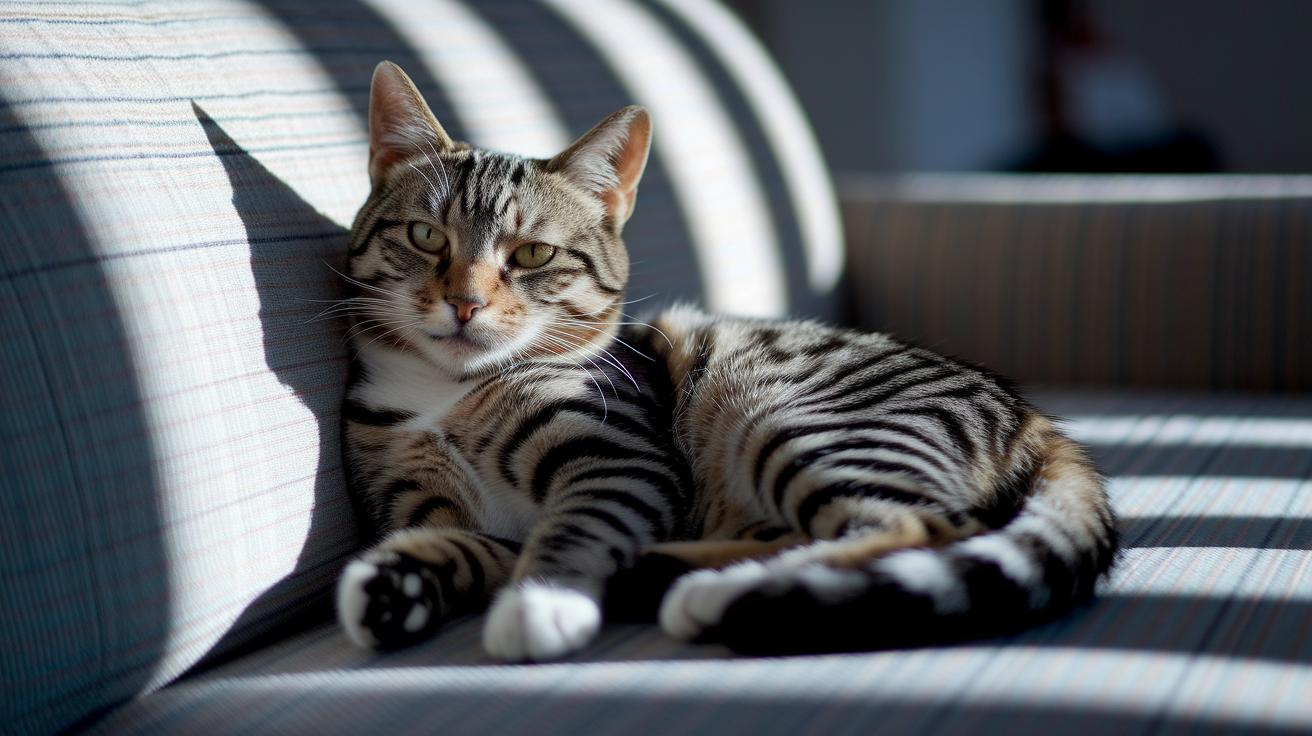
Did you ever think your lap-warmer might stick around for more than a decade of purrs? A study in the United Kingdom (UK) of almost 8,000 whisker-twitchers found the average lifespan (how long they live) is about 11.7 years. That’s nearly a dozen birthdays! Ever watched your kitty chase shadows?
Most indoor cats end up between 13 and 17 years old. And a few superstar felines even hit 20 or more. Totally paw-some!
In this post we’ll explore what nudges these numbers up or down. And we’ll share simple tips to help your furry pal soak up every nap in a sunshine puddle and zoomie-filled pounce. Let’s get started, uh, cat lovers.
Domestic Cat Lifespan Overview
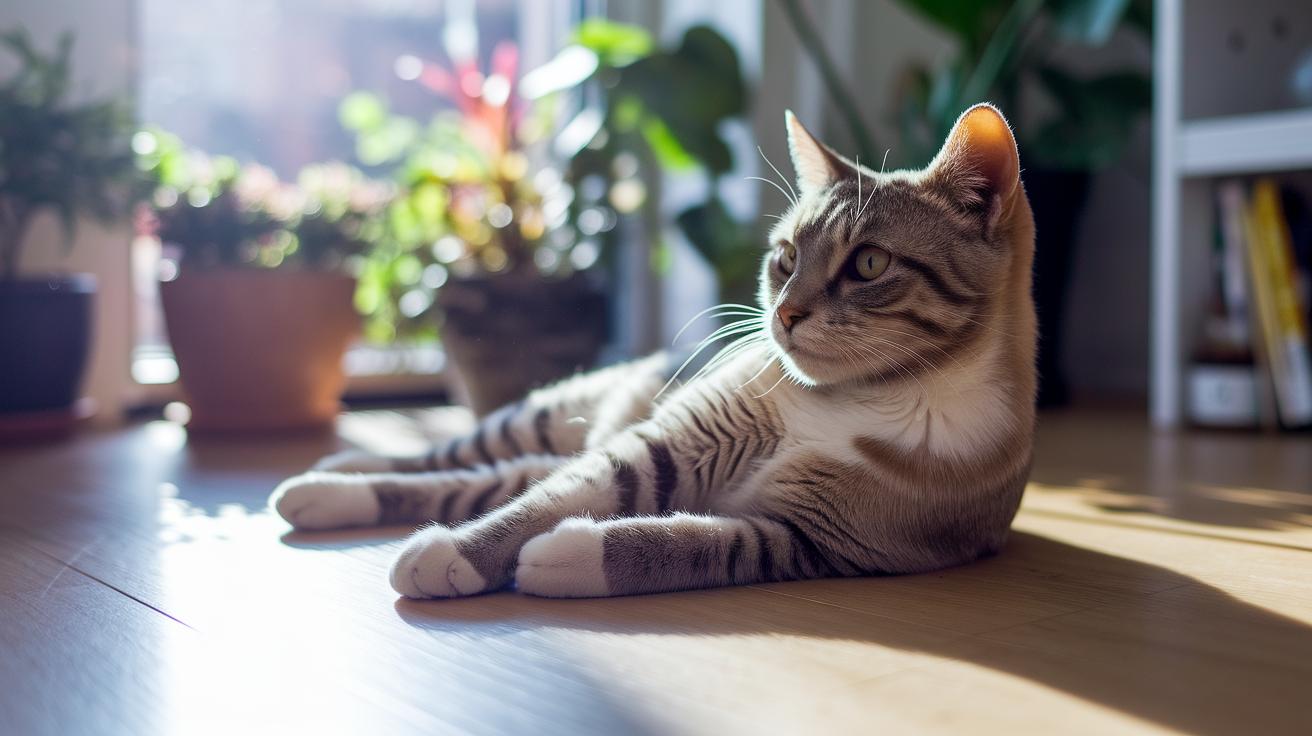
Ever wondered how long your kitty might stick around to purr? A UK study followed nearly 8,000 cats (using vet records and owner stories) who passed away between 2019 and early 2021. They found the average cat lifespan from birth is about 11.74 years. It’s a solid snapshot of cat longevity in real life.
Most house cats live between 13 and 17 years. Some lucky furballs go way beyond that. The oldest recorded cat hit 38 years, that’s nine lives plus extra! It shows what great care (and a sprinkle of luck) can do.
And guess what? Female cats, queens, usually live longer than males, toms. Queens average about 12.51 years, toms around 11.18. That extra year or so means more lap naps and zoomies!
Getting older doesn’t mean slowing down too fast. A 9–10 year old cat can expect about 6.08 more years. At 12–13 years it’s roughly 4.24 more years. For 15–16 year olds, around 2.72 years. Even 19–20 year olds often see another 1.40 years. Think of those milestones like your own golden decades, just with more sunbeam naps and fewer golf games.
| Cat Age | Years Left |
|---|---|
| 9–10 | 6.08 |
| 12–13 | 4.24 |
| 15–16 | 2.72 |
| 19–20 | 1.40 |
Worth every paw-print.
Lifespan Comparison: Indoor vs Outdoor Cats
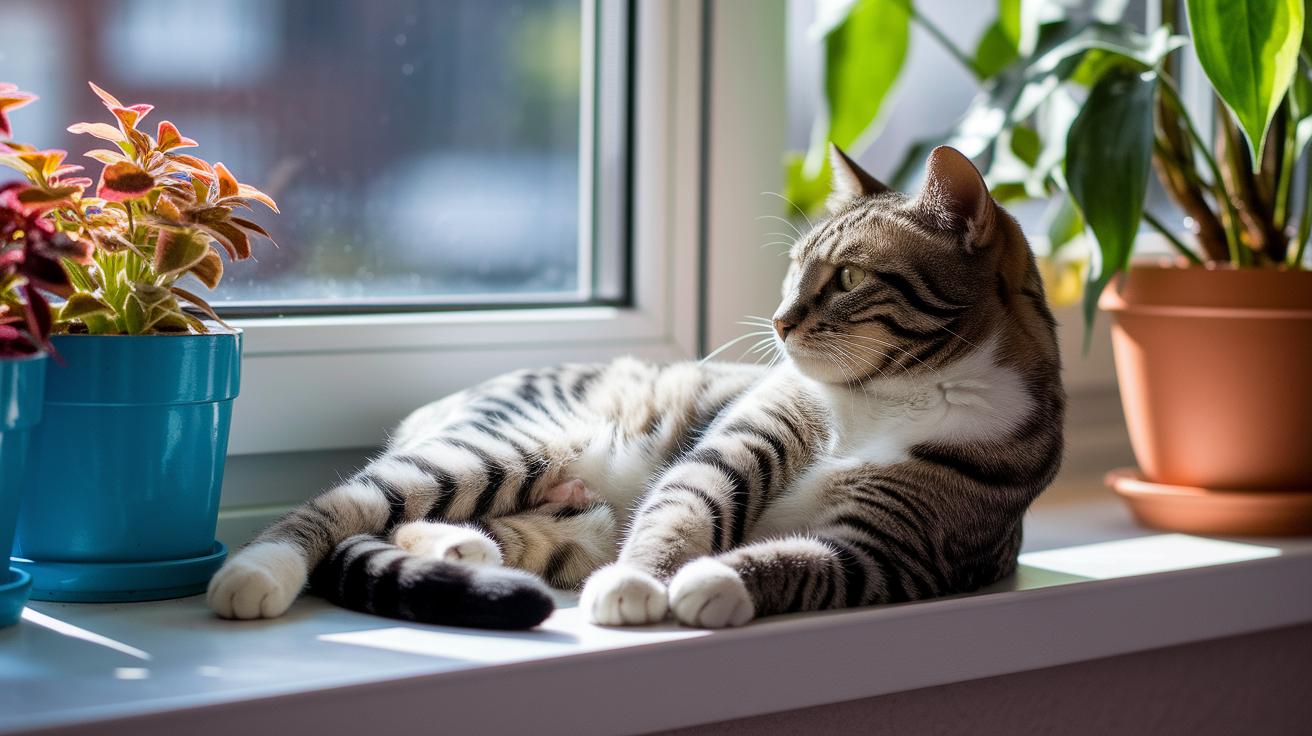
Ever peek through your window at dawn and see your cat tiptoeing across the yard? Your cat’s world really shapes how many years of purring and cuddles you get.
Indoor life is cozy and safe. Most indoor cats live 13 to 17 years. They dodge speeding cars. They avoid household toxins (like cleaning sprays). And they skip neighborhood scuffles.
But life outside is wild. Outdoor cats usually only live 2 to 5 years. It’s mostly because tiny parasites (bugs like fleas and ticks) and infectious diseases (germs that make cats sick) sneak in. Oops, that sounds grim.
Here’s a quick look at the differences:
| Environment | Average Lifespan | Top Risks |
|---|---|---|
| Indoor cats | 13–17 years | Few hazards; steady health |
| Outdoor cats | 2–5 years | Traffic, fights, toxins, parasites |
Seeing these numbers, you’ll get why many cat lovers stick to indoor life. Fewer vet trips, less um, parasite drama, and a snug home scene add up to extra years of whisker twitches and playful paw-pats. Worth every paw-print.
Breed-Specific Lifespans for Cats
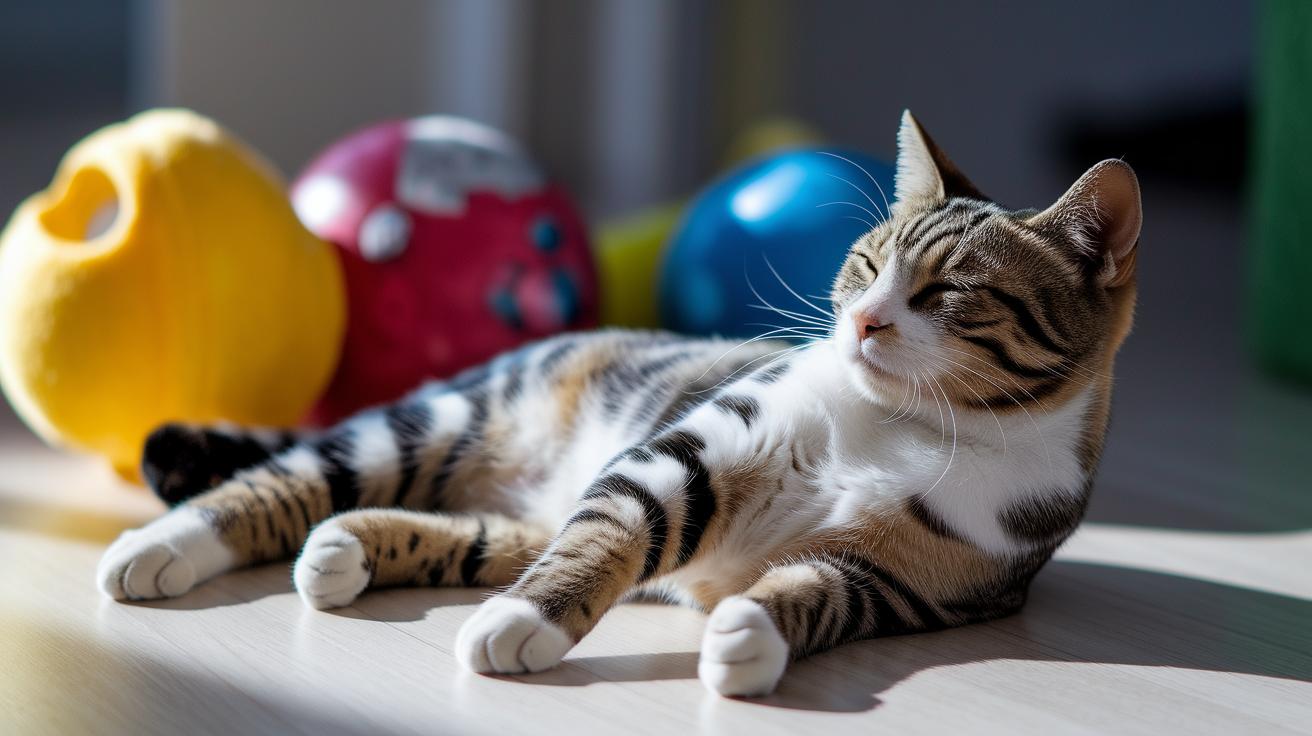
Mixed-breed cats, also called moggies, often enjoy hybrid vigor (extra health perks from mixed genes), so they usually live a bit longer, about 11.9 years on average. They dodge many breed-related health bumps and shrug off minor sniffles, uh, like nothing. Ever watched your tabby bolt across the floor? That burst of energy might come from their hardy, mixed-up roots.
Next up, the pedigree pals with extra whisker-twitching years: Burmese cats purr on for about 14.4 years, and Birman buddies stick around for about 14.4 years too. Siamese chatterboxes often live beyond 11 years, while Persians and Ragdolls celebrate 10 or more with soft paw taps and gentle kneading. And Savannahs? With spot-on care, they can stay by your side for nearly 20 years. Worth every paw print.
Not every purebred hits the double digits though. Sphynx cats average just 6.7 years because their bare skin (no fur coat to protect them) needs extra TLC against chills and scrapes. Bengals clock in around 8.5 years, thanks to a few heart and liver quirks tied to their wild looks. It’s a reminder that each breed’s traits shape its own life path, but with the right care you can nudge the scale toward more quality years for your fur baby.
Key Influences on Cat Longevity
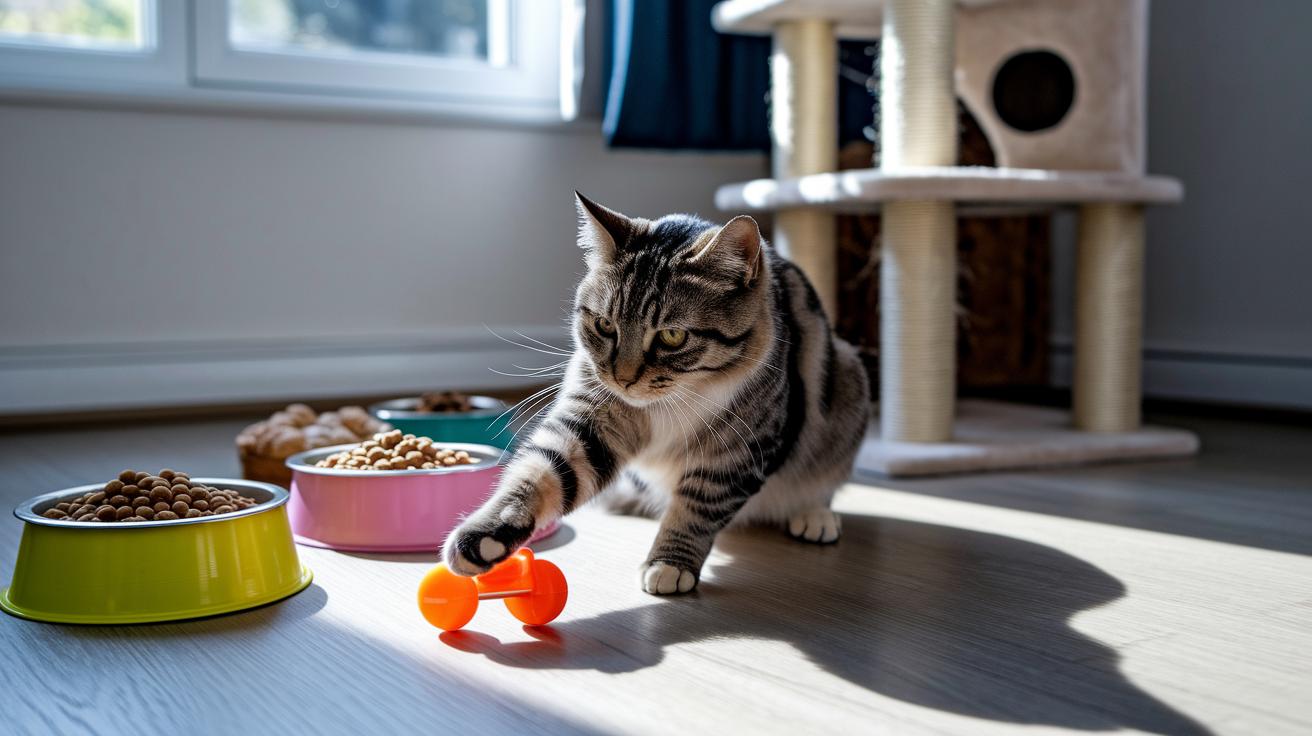
Ever noticed how a whisker-twitch or a cozy purr feels like a tiny celebration? Those moments connect to something much bigger: your cat’s overall health and how many years they’ll be by your side. Genes (traits they inherit from mom and dad) and breed-linked quirks lay the foundation. Then what you feed them, how you play, and the care you give form the next three pillars: heritage, nutrition and exercise, and regular vet checkups.
Genetic and Breed Influences
Mixed kitties often reap what vets call hybrid vigor (extra health perks from mixed genes), which can mean fewer inherited hiccups. Purebred cats, though, might carry breed-linked issues like heart defects (birth flaws in the heart) or kidney troubles (when kidneys can’t filter properly). If you know your cat’s family health history, you can watch for early warning signs, like sudden weight swings or droopy energy, and team up with your vet on a game plan that fits your furry friend.
Nutrition, Weight Management, and Exercise
Feeding the right stuff keeps your cat’s engine purring. A diet rich in high-quality protein (the building blocks of muscles and fur) plus essential vitamins (nutrients that keep them in top shape) helps their immune system stay strong. Adding wet food (canned cat food) brings extra water to the bowl and eases stress on their urinary tract (the tubes that carry urine). Portion control keeps extra body fat (obesity) at bay, cutting the risk of diabetes or achy joints.
Next, let’s talk play. Tossing an unbreakable ball for that satisfying thud or waving a feather wand is pure joy. It gets their heart pumping, tones their muscles, and fires up that curious little mind.
Preventive Veterinary Care
You know, a solid vaccination schedule is like a safety net. Shots against rabies, feline distemper, and more build a wall against nasty infections. Regular blood and urine tests can flag sneaky trouble in kidneys or liver before you even see a hint of illness. And those tiny parasite-control drops or collars kick fleas, ticks, and worms to the curb.
Also, spaying or neutering lowers cancer risks and cools down unwanted behaviors, less roaming more couch snuggles. And a quick dental cleaning wipes away plaque (bacteria buildup on teeth) so gums stay pink and breath stays fresh.
In the end, genes plus good meals, fun play, and regular vet visits team up to give your cat the longest, happiest life possible.
Strategies to Enhance Your Cat’s Lifespan
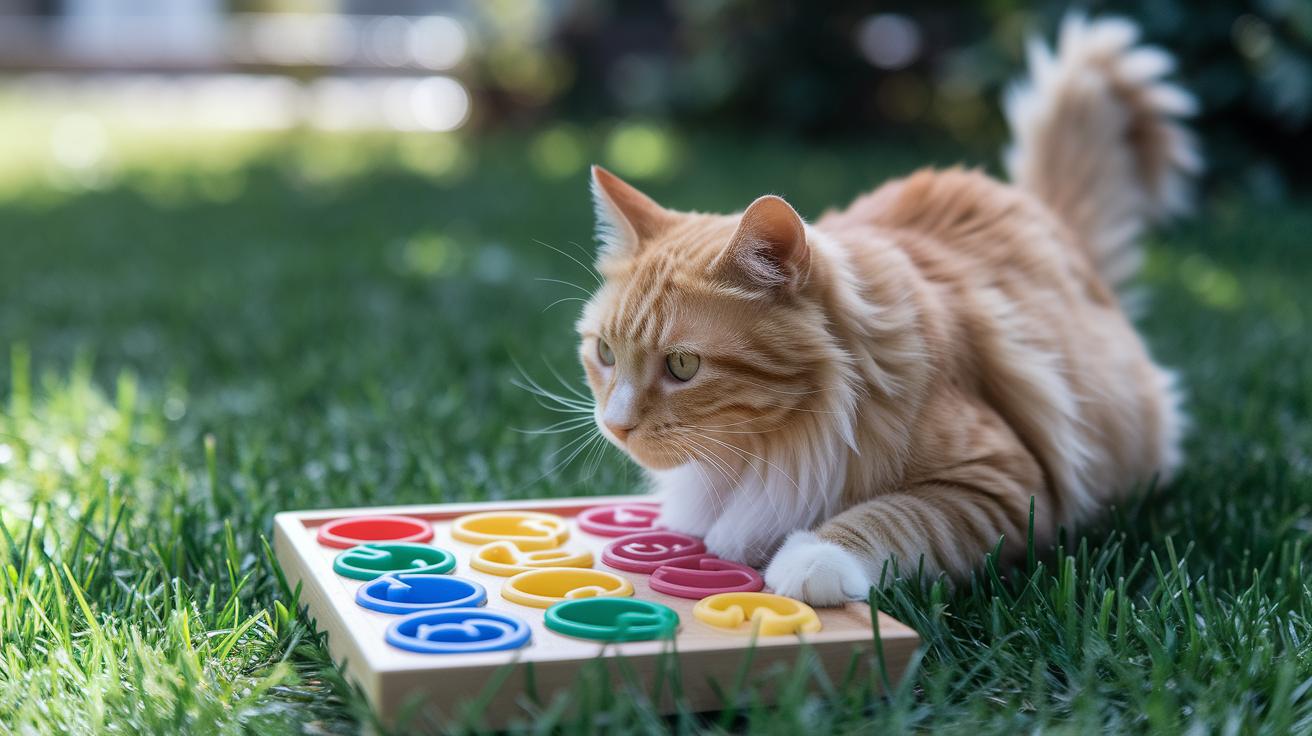
Your home can become a mini cat gym. Ever watched your kitty’s whiskers twitch as she bats at a puzzle feeder (brain teasers hiding tasty treats)? It’s like a little workout for her mind. Whoa.
Then set up a sturdy scratching post (for claw sharpening and big stretch breaks). And carve out a 10-minute wand-toy chase before you grab your morning coffee. Your cat will feel feline fine.
Caring for Aging Cats
- Slip in joint supplements (glucosamine, a natural support for cartilage) to ease creaky hips and keep bones moving smoothly.
- Every six months, schedule blood and urine tests to catch sneaky kidney or thyroid changes early.
- Keep up with dental cleanings (see Preventive Veterinary Care) so your cat has fresh breath and strong gums.
- Make sure your senior is microchipped (a tiny ID chip under the skin) and your contact info is always current, just in case she ever wanders off.
Final Words
In the action, we explored the data behind how long kitties live, from that UK study of nearly 8,000 cats to the 13–17 year range and even a record 38-year-old feline. We broke down indoor vs outdoor risks and peeked at breed-specific perks.
Then we looked at genes, diet, and exercise and how each aspect fuels your kitty’s well-being. We saw how regular vet checkups really tip the scales toward more whisker-twitching years.
Last, we shared simple steps: play routines, quality food, and senior TLC. With these tips you’re set to boost average cat lifespan and keep every paw happy.
Leave a Reply