
Many cat owners struggle with guiding their cats, but training works by redirecting instincts toward acceptable outlets. Cats scratch, bite, and often go potty outside the litter box for specific reasons.
What if there's a way to change this? By focusing on positive reinforcement and understanding cat behavior, you can teach your cat to behave better. Cat training works by redirecting instincts toward acceptable outlets.
Effective Techniques to Train a Cat Not to Do Something
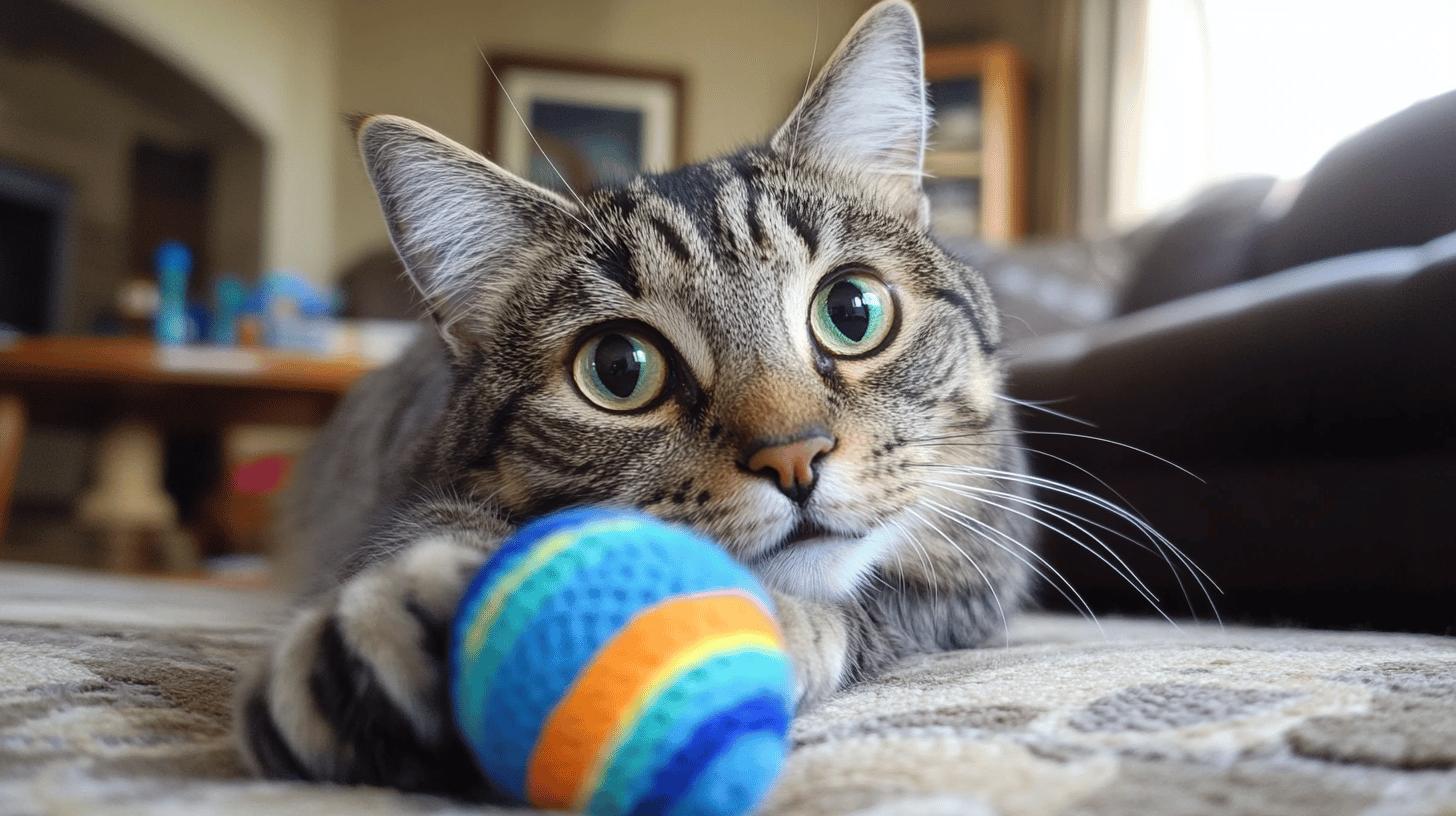
Understanding why cats misbehave is the first step in training them not to. Cats might scratch furniture to sharpen their claws or mark territory, and they might act aggressively due to fear or anxiety.
Inappropriate toileting can signal emotional or health problems. Knowing these behaviors helps us redirect them effectively. Cats communicate through instincts and cues, and addressing these can lead to successful training.
Positive reinforcement is a powerful tool in cat training. Instead of punishing bad behavior, rewarding good behavior encourages cats to repeat it. Treats, attention, and playtime can motivate cats to follow commands. Physical punishment, like hitting, is not only ineffective but can also lead to increased aggression. It's crucial to focus on positive methods for sustainable results.
- Using treats as rewards
- Clicker training
- Setting clear boundaries
- Redirecting to preferred activities
- Short, frequent training sessions
Tools and Aids for Cat Training
Training tools and aids can make the process smoother and more effective. Pheromones, for example, can signal to cats that an area is already marked, deterring them from scratching. Double-sided tape or aluminum foil can prevent cats from climbing or scratching undesirable surfaces.
Motion-activated air-sprays release a burst of air to keep cats away from specific areas. These aids can support consistent training efforts.
| Tool/Aid | Purpose |
|---|---|
| Pheromone sprays | Deters scratching by marking areas |
| Double-sided tape | Prevents climbing and scratching |
| Motion-activated air-sprays | Keeps cats away from certain spots |
| Clicker | Marks desired behavior for rewards |
Consistency is key in training. Cats thrive on routine and clear expectations. Maintain a regular training schedule, using the same commands and rewards. This helps reinforce the desired behaviors.
Over time, your cat will learn what is expected and adjust its actions accordingly. Consistency builds trust and understanding between you and your cat, making training a positive experience for both.
Addressing Specific Unwanted Cat Behaviors
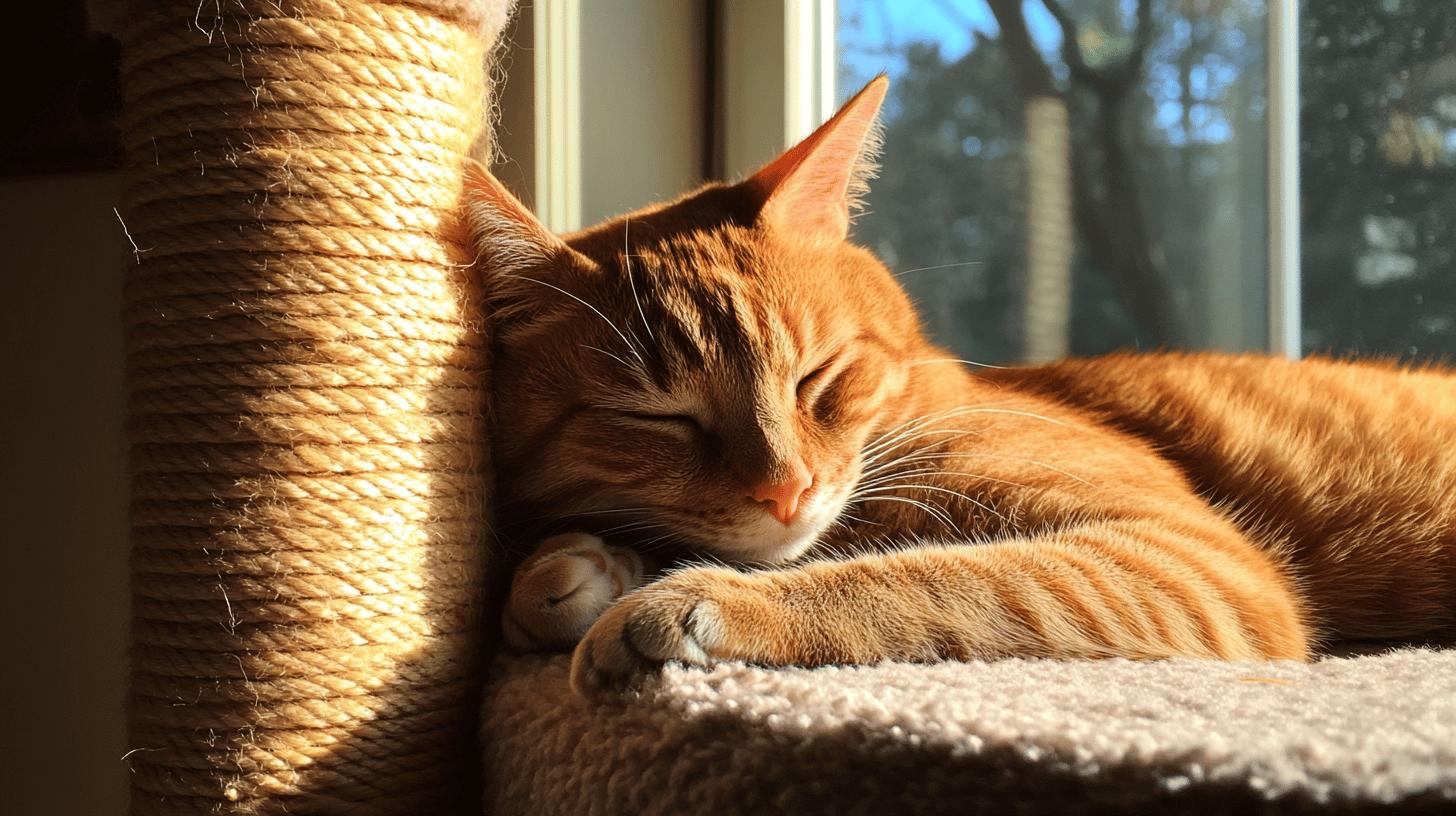
Cats scratch furniture to maintain their claws and communicate with pheromones. This behavior is natural but can be frustrating when our favorite sofa becomes the target. To manage this, provide designated scratching posts.
Place them near the furniture your cat usually scratches. This offers an appealing alternative. Pheromone sprays can also deter scratching by signaling that the area is already marked. Consistent redirection to the scratching post will help your cat learn where it's acceptable to scratch.
Biting and Rough Play
Cats may bite during play or when overstimulated.
To curb biting, try these strategies:
- Apply treat paste to your hand, and if your cat nips, calmly pull away, reinforcing with the word "gentle."
- Use the cue "gentle" consistently to teach appropriate play behavior.
- When a bite happens, say "ouch" loudly to startle the cat, and then remove yourself from the play session, signaling that rough behavior ends the fun.
Hyperactive behavior and excessive vocalization can be challenging. Some cats are more energetic and may run or jump excessively, especially at night. Encourage play during the day to tire your cat out, using toys like feather wands or laser pointers. If your cat is vocalizing too much, it might be due to boredom or wanting attention. Teaching cats boundaries with specific commands can help manage this.
Managing Vocalization
Use the “no” command to set limits on meowing.
Be consistent with your tone and body language.
When your cat begins to meow excessively, firmly say "no" and avoid giving attention until the behavior stops. Reinforce quiet moments with positive attention or treats. Establishing these boundaries helps your cat understand when vocalization is appropriate, reducing constant meowing over time.
Training Kittens vs. Adult Cats: Adjusting Your Approach
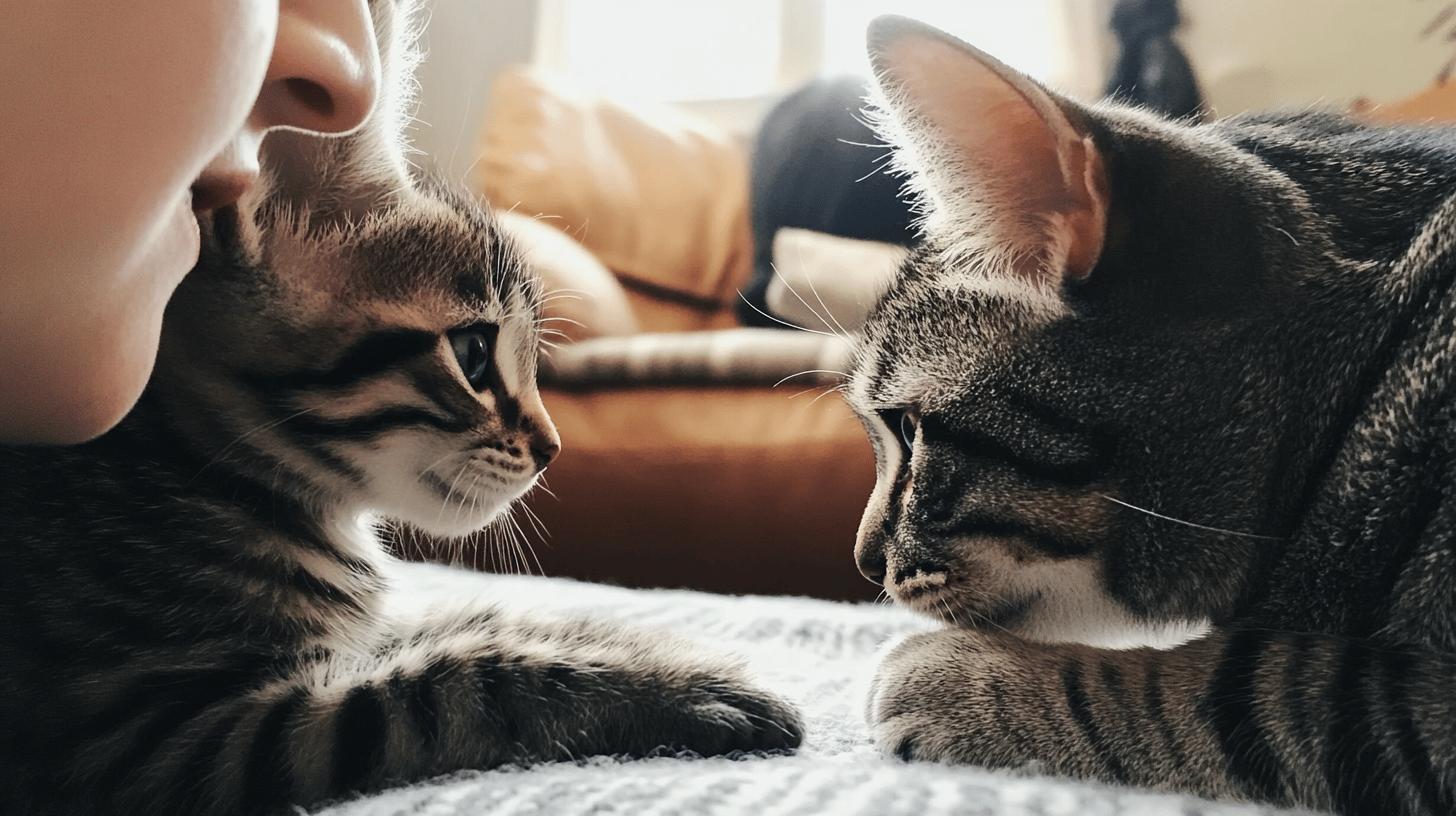
Cats have both long-term and short-term memory, which helps them learn and remember behaviors. This means they can be trained, but they might also repeat actions if they think they can get away with them. Understanding this memory capability is crucial when training both kittens and adult cats.
Training methods should be adjusted based on the cat's age and personality. Kittens are typically more adaptable and eager to learn but can have short attention spans. Adult cats might be more set in their ways but are still trainable with patience.
Choose tricks that align with your cat's natural behaviors. A kitten might learn to fetch quickly, while an adult cat might excel at targeting a specific spot. Adapting to each cat’s needs makes training more effective.
Keep training sessions short, ideally under five minutes, to maintain your cat’s interest. End each session with playtime to ensure a positive experience. This approach keeps training fun and engaging, making both you and your cat look forward to learning together.
Final Words
Training a cat not to do something requires understanding its behavior and using positive methods. Avoid using physical punishment, as it can worsen problems. Tools like pheromones or motion-activated sprays can help guide your cat's actions.
Consistency is important in methods like rewarding with treats, clicker training, and redirecting to good behaviors. Adapting techniques for different ages or personalities keeps training fun and effective.
With patience and practice, you can achieve a safe and positive environment for both you and your cat.
FAQ
How to teach a cat to stop doing something?
To teach a cat to stop doing something, I redirect behavior with positive reinforcement. I use treats, praise, or toys to reward good behavior. I avoid physical punishment as it can harm trust.
How do you teach a cat no?
To teach a cat "no," use a firm voice and immediately redirect toward acceptable behaviors; consistent repetition reinforces the command.
Can cats be taught not to do things?
Cats can be taught not to do things through consistent training. I employ rewards and tools like scratch posts or deterrents to redirect unwanted behaviors.
How can I change my cat's behavior problem?
To change a cat's behavior problem, I first observe the cause. Then, I use positive reinforcement to encourage better behavior. Tools like pheromones and boundary markers can assist in the process.
Related Articles
- How to Train a Cat to Stay Downstairs with Simple Tips
- How to Train a Cat to Not Bite Effectively
- How To Train A Cat Not To Jump On Counters
- How to Train a Cat Not to Spray
Step-by-Step Training Protocol
Effective cat training follows a structured sequence rather than sporadic corrections. Start by identifying the specific unwanted behavior with precision. Instead of “scratching furniture,” isolate which types of surfaces attract your cat and at what times of day. Identify the specific behavior first, then spend two weeks observing without intervening. This baseline guides the steps that follow. Document when scratching occurs, how long sessions last, what triggers the behavior. This creates your control reference point.
Step two: introduce the alternate behavior. Place scratching posts or climbing structures directly beside the furniture your cat currently targets. Sprinkle catnip on the posts. Reward use immediately with treats and praise. Your goal is making the new location more appealing than the forbidden one.
Step three: apply consistent deterrents to off-limit areas. Double-sided tape, aluminum foil, or citrus-scented sprays reduce appeal. Leave deterrents in place for three to four weeks until the habit weakens.
Step four: practice positive reinforcement on a fixed schedule. Train for five minutes daily, always in the morning when your cat is alert but not overstimulated. End sessions with playtime to create positive associations with training itself.
Common Training Challenges and Solutions
Many cat owners encounter plateaus where progress stalls. Your cat may respond beautifully to scratching post training, then suddenly return to furniture scratching. This isn’t regression; it indicates your cat needs reinforcement cycling.
Rotate deterrents every two weeks, switching between tape, foil, and citrus spray, since cats habituate to static deterrents and variation maintains effectiveness; also periodically change reward types. Cats develop preferences that shift; cat A might adore freeze-dried chicken while cat B prefers praise and petting after initially being food-motivated.
Another common challenge surfaces with multi-cat households where one cat’s training confuses others. Solution: train individually during separate periods. Create training spaces where one cat can focus without distraction from housemates. This prevents learned behaviors from conflicting across your cat population.
Patience and Consistency Strategies
Cat training demands consistency exceeding what most dog training requires. Cats aren’t pack animals responding to hierarchical structure, so authority-based training fails entirely. Instead, rely on their natural instincts to predict outcomes and optimize for comfort.
Consistency means every household member must enforce identical rules identically. If you redirect scratching to posts while your partner allows scratching on furniture, your cat learns that sometimes the behavior earns the outcome they prefer and sometimes it doesn’t. Inconsistency actually strengthens unwanted behaviors through intermittent reinforcement.
Set realistic timelines. Kittens may shift behaviors within two to four weeks. Adult cats require eight to twelve weeks before established habits break. Accept that some behaviors may reduce to 80 percent improvement rather than complete elimination.
Patience manifests in daily sessions despite apparent lack of progress. Celebrate microscopic improvements: scratching the post for three seconds instead of zero, or reduced frequency from eight daily incidents to six. These incremental wins accumulate over time.
Leave a Reply