Author: Isabella Tiu

  • How to Train a Cat with a Clicker Effectively

    How to Train a Cat with a Clicker Effectively

    Think training a cat is impossible? Think again! With a clicker, you can teach your feline friend new tricks with ease. A clicker is a small device that makes a “click” sound. Each click tells your cat it’s done something right, and a reward is coming.

    This method makes learning fun and helps cats become better listeners. Plus, clicker training builds a stronger bond between you and your cat. Let’s dive into the world of clicker training and see how it can transform your cat’s behavior!

    Understanding the Basics of Clicker Training for Cats

    Understanding the Basics of Clicker Training for Cats-1.jpg

    Clicker training is a simple yet effective method for teaching cats new behaviors. It revolves around the use of a clicker, a small device that makes a clicking sound, to signal to the cat that they have done something right.

    This sound acts as a marker, indicating that a reward is on its way. The primary goal is to use positive reinforcement, like treats and praise, to encourage desired actions. This approach can be particularly beneficial for preparing cats for outdoor adventures, ensuring they respond to commands for safety and control.

    Positive reinforcement is the backbone of clicker training. When a cat performs a desired behavior, the clicker is used immediately, followed by a treat. This sequence helps the cat understand that the action they just did is something you want them to repeat.

    Over time, cats learn to associate the click with a reward and become more responsive to commands. This method is not only effective but also helps strengthen the bond between you and your cat by building trust and communication.

    • Provides mental stimulation, keeping cats engaged and less bored.
    • Improves overall behavior, making cats more responsive to commands.
    • Enhances the bond between cat and owner through positive interactions.
    • Helps in teaching cats to perform tricks or tasks, adding to their skill set.
    • Prepares cats for safe outdoor experiences by ensuring they understand and respond to commands.

    Essential Equipment for Clicker Training Cats
    Essential Equipment for Clicker Training Cats-1.jpg

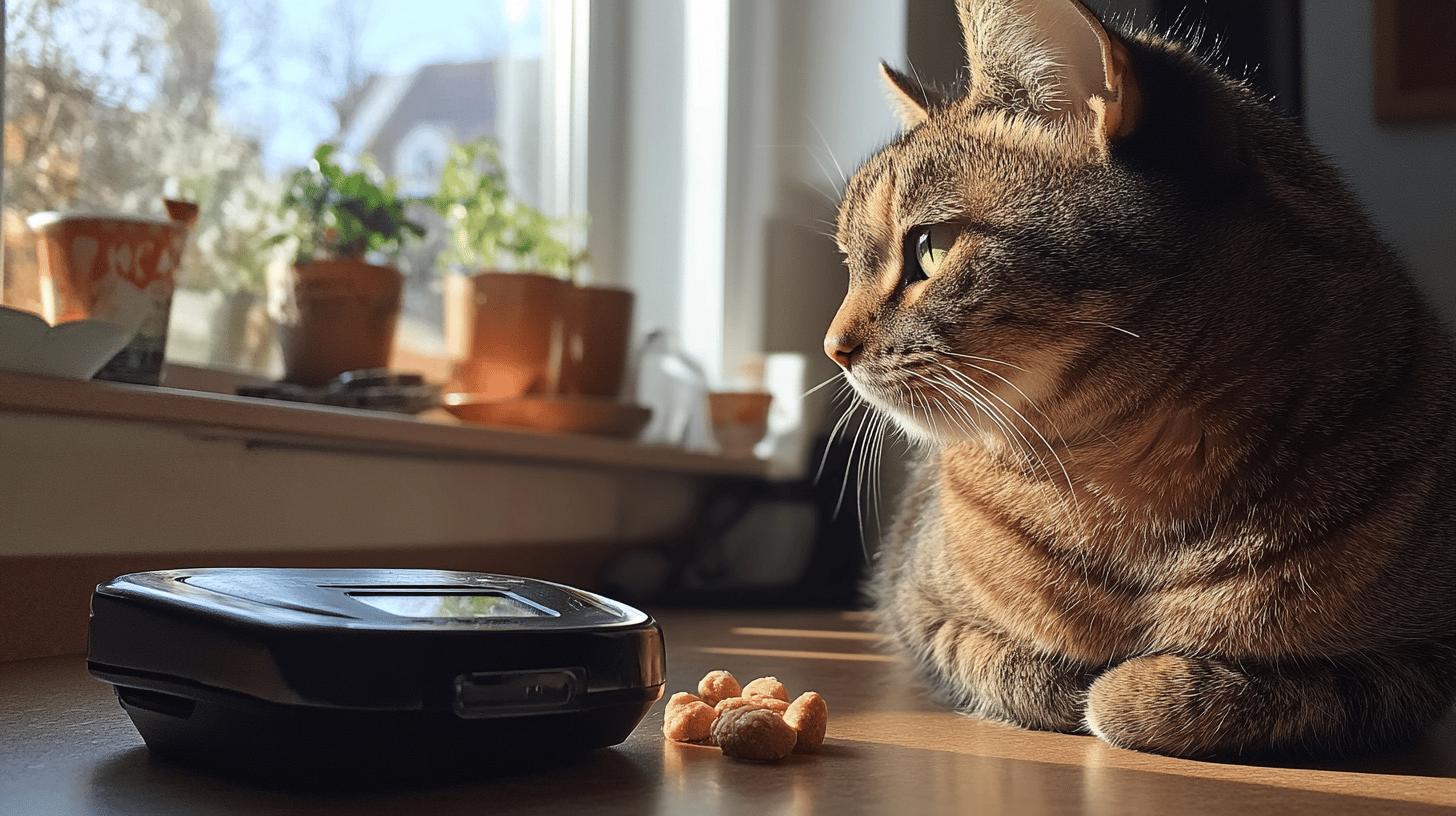
    When it comes to clicker training, choosing the right equipment is crucial. A standard clicker is a small device that produces a clicking sound, signaling to your cat that it has done something worth rewarding.

    There are various types of clickers available, including button clickers, box clickers, and even clicker apps for your smartphone. Each type serves the same purpose but may differ in terms of the sound’s volume and ease of use. Selecting a clicker that both you and your cat are comfortable with can make training sessions more effective.

    Motivating treats are a key component of clicker training. The best cat treats are those that your cat finds irresistible. Small, soft, and smelly treats often work best as they can be quickly consumed, allowing you to maintain the flow of training.

    Keep a variety of treats handy to maintain your cat’s interest and enthusiasm. Remember, the goal is to make your cat eager to perform the desired behavior, so choosing the right treats is essential for success.

    If you don’t have a clicker, you can use alternatives like mouth sounds or snapping your fingers. These alternatives can be just as effective if used consistently. The key is to ensure that the chosen sound is distinct and easily recognizable by your cat.

    • iClick Clicker
    • PetSafe Clik-R
    • Clicker Training App

    Step-by-Step Guide to Start Clicker Training Your Cat

    Step-by-Step Guide to Start Clicker Training Your Cat-4.jpg

    To start clicker training, the first step is “charging” the clicker. This means teaching your cat that the clicker sound is linked to a reward. Begin by clicking the clicker and instantly giving your cat a treat. Do this several times in a row.

    The goal is to create a connection in your cat’s mind between the click sound and a tasty reward. Once your cat starts looking for a treat when it hears a click, you’ve successfully charged the clicker.

    Training sessions should be short and sweet. Keep them around 5 minutes to prevent your cat from losing interest. Short sessions help keep the training fun and engaging for your cat. Ensure the training environment is quiet and free from distractions.

    Consistency is key; try to have multiple short sessions throughout the day rather than one long session. This approach keeps your cat focused and eager to learn.

    As your cat becomes familiar with basic commands, start increasing the difficulty. Introduce new commands gradually, ensuring your cat masters each one before moving on. Use positive rewards to reinforce good behavior.

    Patience is important, as some commands may take longer for your cat to learn. Adjust the difficulty to match your cat’s progress, and always celebrate small victories to keep the momentum.

    1. Charge the Clicker
      • Click and immediately give a treat. Repeat until your cat associates the click with a reward.
    2. Start with Basic Commands
      • Introduce simple commands like “sit” using treats and clicks.
    3. Timing the Click
    • Click the moment your cat performs the desired action for clear communication.
    1. Keep Sessions Short
      • Limit training to 5-minute sessions to maintain interest.
    2. Increase Command Difficulty Gradually
      • Once basics are mastered, introduce more complex commands and tasks.

    Tips and Tricks for Successful Clicker Training Sessions

    Tips and Tricks for Successful Clicker Training Sessions-1.jpg

    Break down complex behaviors into smaller steps. This helps your cat learn more easily.

    Practice at the same time each day to establish a routine. Cats thrive on routine and this consistency can improve training success.

    • Use high-value treats to motivate your cat.
    • Ensure the training environment is quiet and free of distractions.
    • Be patient and keep a positive attitude.
    • Reward your cat with praise along with treats for encouragement.

    Avoiding Common Mistakes in Clicker Training Cats

    Avoiding Common Mistakes in Clicker Training Cats-1.jpg

    One common mistake in clicker training is poor timing. Clicking at the wrong moment confuses your cat about what behavior is being rewarded. It’s crucial to click the instant your cat performs the desired action. Consistency is another challenge; irregular training sessions can slow progress. Establishing a routine helps your cat know what to expect and when to focus.

    Overtraining is a pitfall to avoid. Long sessions can lead to training fatigue, where your cat loses interest and motivation. Look for signs like boredom or distraction. Keep sessions short and end on a positive note to maintain enthusiasm. Balancing training with playtime also helps prevent fatigue.

    Troubleshooting involves patience and flexibility. If progress stalls, reassess your approach. Try varying treats or simplify tasks to keep your cat engaged. Adjusting techniques based on your cat’s responses can help overcome plateaus and lead to successful training outcomes.

    Advanced Clicker Training Techniques for Cats
    Advanced Clicker Training Techniques for Cats-2.jpg

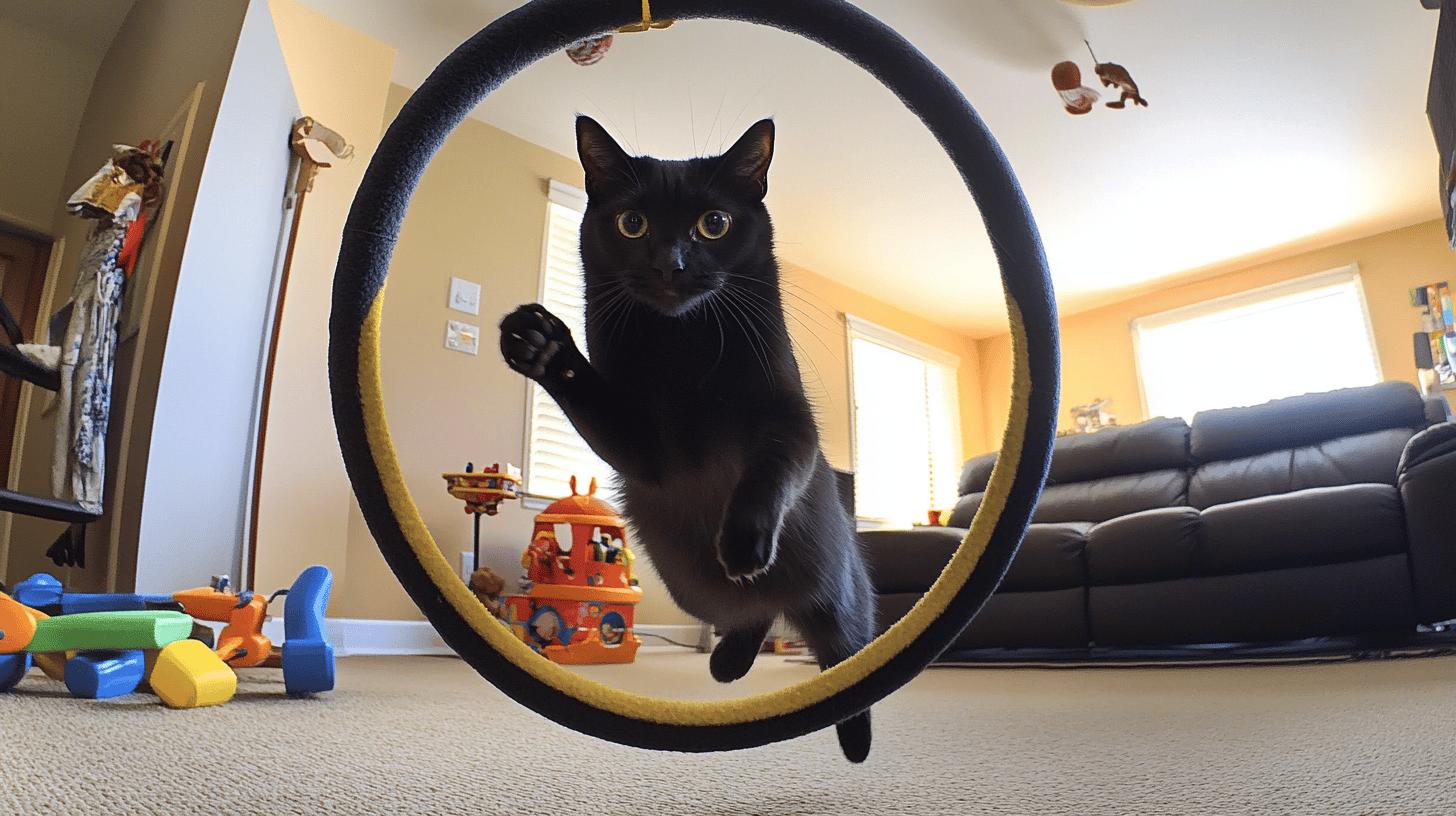
    Once your cat has mastered the basics, it’s time to explore more advanced tricks and behaviors. Advanced clicker training can involve teaching your cat to perform complex actions, such as jumping through hoops or fetching specific items.

    These activities require patience and dedication but can significantly enhance your cat’s skill set. Engaging your cat with challenging tasks not only keeps them occupied but also strengthens your bond by providing a shared activity.

    Understanding your cat’s body language is vital for successful training. Cats communicate a lot through subtle cues, such as tail flicks or ear positioning. Observing these signs during training helps you gauge their comfort and readiness to learn.

    Recognizing when your cat is frustrated or uninterested allows you to adjust your approach or give them a break. This insight ensures that training sessions remain positive experiences for both you and your feline friend.

    Incorporate interactive games into your training routine to make learning fun. These games can boost engagement and stimulate your cat mentally. For example, setting up an obstacle course can challenge your cat’s agility and problem-solving skills. Use toys to encourage your cat to chase and jump, reinforcing these actions with the clicker and treats.

    • Jump Through Hoops
      • Train your cat to jump through hoops by gradually increasing the height and size.
    • Fetch Specific Items
      • Teach your cat to fetch by starting with their favorite toy and using the clicker to reward retrieval.
    • Obstacle Courses
      • Create a mini agility course with household items to test your cat’s navigation skills.
    • Interactive Toy Games
      • Use puzzle toys or laser pointers to enhance focus and reaction time during play.

    Clicker Training for Different Cat Personalities
    Clicker Training for Different Cat Personalities-1.jpg

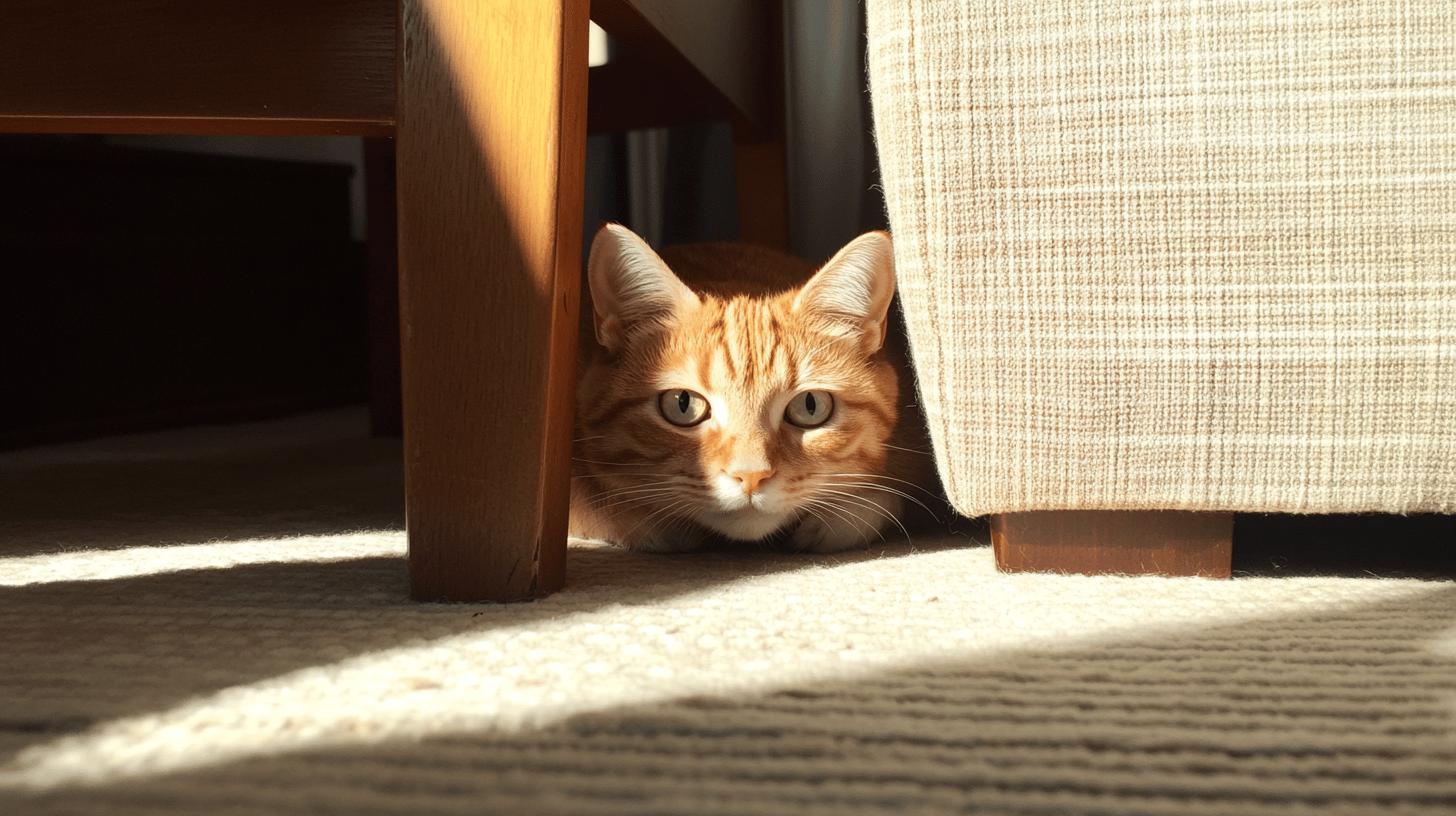
    Cats, like people, have distinct personalities. Some might be bold and adventurous, while others are more reserved or cautious. Recognizing these traits is the first step in tailoring clicker training to fit your cat’s unique needs.

    Observing your cat’s behavior can help you understand whether they’re shy, playful, or somewhere in between. This understanding allows you to customize your training approach, ensuring it’s both effective and enjoyable for your cat.

    Shy cats often require a gentle touch. Start by creating a calm and safe environment for training. Use soft tones and slow movements to avoid startling them. Begin with simple commands and reward even the smallest effort to build confidence.

    Recognize that progress might be slow, and patience is key. By providing positive reinforcement with treats and praise, you can help your shy cat feel more comfortable and secure during training sessions.

    On the flip side, playful cats thrive in energetic sessions. Use their natural curiosity and love for play to your advantage. Incorporate toys and games into the training to keep them engaged. Quick, lively sessions with plenty of movement can cater to their playful nature and hold their attention.

    Remember to keep the sessions short to avoid overstimulation. By customizing your approach to suit your cat’s personality, you enhance the effectiveness of clicker training, making it a fun and rewarding experience for both you and your feline friend.

    Final Words

    Jumping right in with clicker training can be a game-changer for both you and your cat. By embracing the principles of positive reinforcement, you lay the foundation for effective communication and bonding. With the right tools and techniques, how to train a cat with a clicker becomes clear and rewarding. Just remember, every cat is unique; understanding their personality will enhance your sessions. Approach training with patience, make adjustments as needed, and enjoy the journey of learning together. With consistency and fun, your furry friend will soon show off their new skills!

    FAQ

    Q: Does clicker training work on cats?

    A: Clicker training does work on cats by using a “click” sound to mark desirable behavior, followed by a reward.

    Q: How do you train a cat to sit with a clicker?

    A: To train a cat to sit, click when the cat sits naturally, then reward it. Repeat until the cat associates the click with sitting.

    Q: What age should you start clicker training a cat?

    A: You can start clicker training a cat as early as 8 weeks old. Younger cats learn quickly and enjoy the mental challenge.

    Q: How to clicker train a cat to stop biting?

    A: Click and reward when the cat plays gently. If biting happens, stop interaction. Consistently reward gentle behavior to encourage it.

    Q: What is the best clicker for cat training?

    A: Look for clickers with a clear, consistent sound. Popular options include i-Click, PetSafe Clik-R, and Clicker+.

    Q: How to clicker train a cat to stay off counters?

    A: Train “off” on small steps first, clicking and rewarding when the cat jumps down. Gradually apply to counters with consistency.

    Q: Can you use a cat clicker app?

    A: Yes, cat clicker apps offer convenience with adjustable sounds to suit your and your cat’s preferences.

    Q: What is included in a cat clicker training kit?

    A: A cat clicker training kit typically has a clicker, training treats, and a guide or tips for effective training sessions.

    Related Articles

  • Train Cats to Avoid Eating Human Food

    Train Cats to Avoid Eating Human Food

    Ever caught your cat sneaking bites from your plate and wondered how to stop them? Training your feline friend to avoid human food can be a challenge. But it’s essential for their health and happiness. In this guide, I’ll share practical steps you can take to curb your cat’s curiosity for human snacks. With a mix of patience, love, and positive reinforcement, you’ll teach your cat mealtime manners while keeping their paws off your dinner. Let’s dive into these step-by-step techniques that prioritize your kitty’s well-being.

    How to Train a Cat to Not Eat Human Food: Step-by-Step Techniques

    How to Train a Cat to Not Eat Human Food Step-by-Step Techniques-4.jpg

    1. Ignore Begging Behavior
      Gently place your cat on the floor when they beg for food. This teaches them that begging won’t get them extra treats. Try not to give them any attention during this time. Over time, they’ll learn that begging is not effective.
    2. Use Counter-Conditioning
      Counter-conditioning involves making your cat less interested in human food. Start by offering them their favorite cat treats during your meals. This helps shift their focus from your food to something they enjoy. Gradually, they’ll associate mealtimes with their own treats, not yours.
    3. Incorporate Praise and Affection
      Many cats respond well to praise and affection behavior. Use these as rewards when your cat ignores human food. Pet them in their favorite spots or give them a gentle cuddle. This reinforces positive behavior and strengthens your bond.
      Using positive reinforcement is crucial in training cats. Cats respond better to rewards rather than punishments. When you reward good behavior, they learn what actions please you diet concerns. This method makes training more enjoyable for both of you.

    Positive reinforcement also builds trust between you and your cat. They feel safe and loved, making them more likely to repeat desired behaviors. Remember, patience and consistency are key. Over time, your cat will learn to steer clear of human food.

    Understanding Why Cats Are Drawn to Human Food

    Understanding Why Cats Are Drawn to Human Food-1.jpg

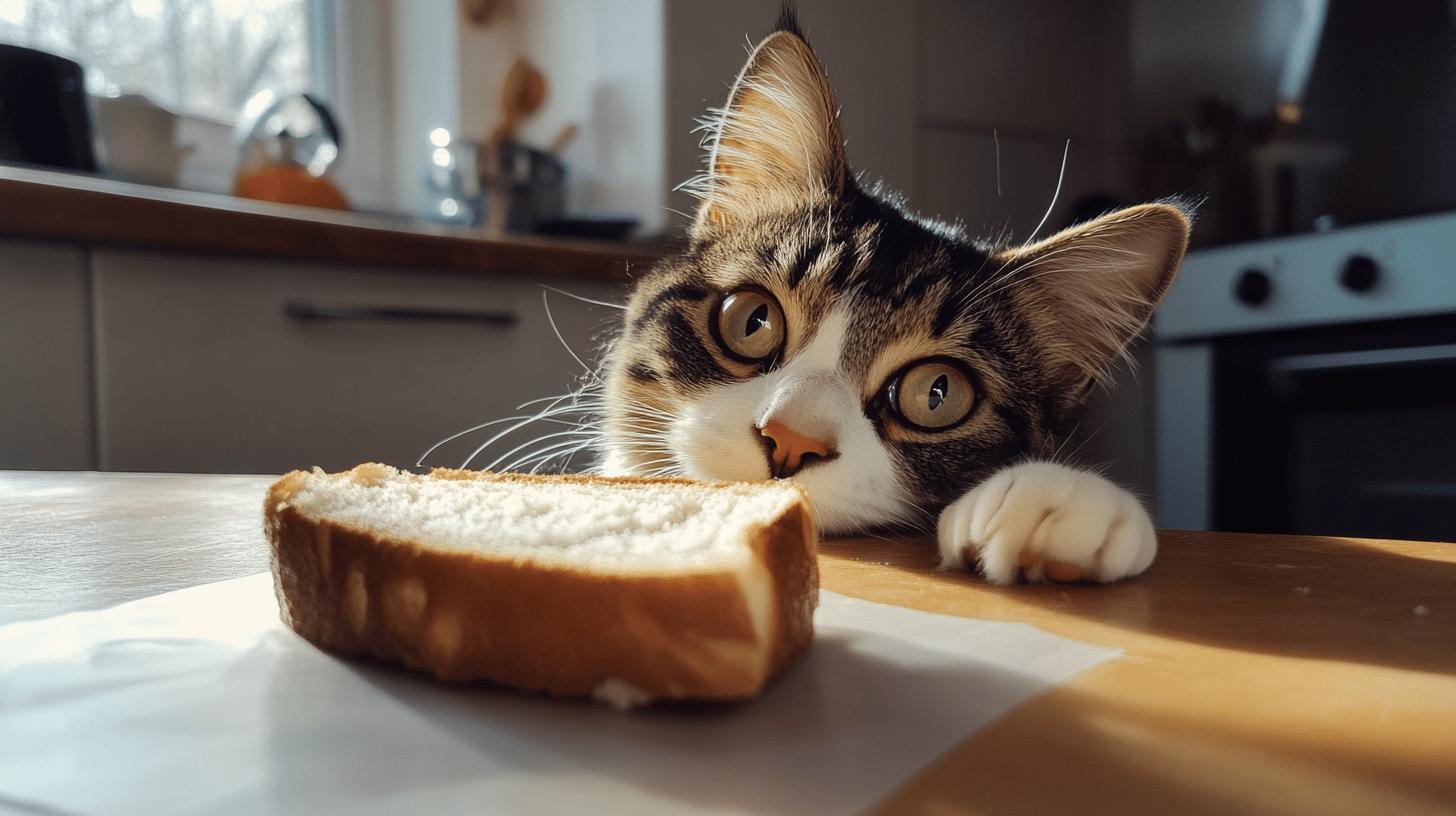
    Why do cats seek human food? Cats can become obsessed with food if they’ve experienced scarcity in the past. If a cat didn’t always have food available, they might see human food as a valuable resource. Lack of social training can also make them curious about what’s on your plate. Without guidance, cats may not understand that human food is not for them.
    Anxiety and boredom are other reasons cats might go after human food. If a cat is anxious, they might seek comfort in food. Similarly, a bored cat will look for something to do, and sniffing around human food can be exciting. Keeping your cat entertained and relaxed can help reduce this behavior.
    Ways to reduce anxiety and boredom:

    • Provide daily playtime.
    • Offer engaging toys.
    • Ensure regular snuggles.

    By understanding these motivations, you can better train your cat to avoid human food. This makes both you and your cat happier.

    Comprehensive Feeding Strategies for Cats

    Comprehensive Feeding Strategies for Cats-1.jpg

    How can feeding schedules help with training cats? Feed your cat just before your meals. This distracts them from your food and reduces begging. When they’re satisfied with their meal, they’re less interested in yours. Aligning their feeding times with yours creates a routine that makes them less likely to bother you during mealtime.
    What can you do to prevent cats from stealing food? Keep your counters clear. Cats see any accessible food as something they can eat. By removing food from countertops, you reduce temptation. A separate feeding space for your cat can also help. This gives them a designated area for eating, making it clear that human food is off-limits.
    Why should you avoid giving cats human food? Human food can be unhealthy for cats. Some foods are toxic, while others can lead to obesity or digestive issues. Feeding them from your plate also encourages begging. It teaches them that they can get treats by asking for them, which reinforces the behavior you want to avoid.

    Healthy Alternatives and Treats

    To keep your cat healthy and satisfied, offer them alternatives that are safe and nutritious:

    • High-quality commercial cat food
    • Homemade cat meals with vet approval
    • Cat-specific treats
    • Interactive feeding toys

    These options provide a balanced diet and keep your cat interested in their own food. Interactive toys, in particular, can make mealtime fun and engaging, keeping your cat’s attention away from your dinner plate.

    Strategy Benefit
    Feed before human meals Reduces begging
    Clear counters Prevents food theft
    Separate room Removes temptation

    By using these feeding strategies, you can help your cat focus on their own meals and maintain a healthy diet. This approach not only supports their well-being but also helps to keep your meals pleasant and uninterrupted.

    Maintaining Consistency and Patience in Cat Training

    Maintaining Consistency and Patience in Cat Training-2.jpg

    Why are consistency and patience important in training cats? Consistency helps cats understand what’s expected of them. When training a cat to avoid eating human food, repeat the same actions and use the same cues every time. This repetition helps your cat learn the rules. Patience is needed because cats learn at their own pace. Unlike dogs, cats may take longer to respond to training. Staying calm and patient encourages a positive learning environment.

    • Set clear training goals
    • Monitor cat’s response to different rewards
    • Adjust training techniques based on cat’s preferences

    Understanding your cat’s preferences is crucial. Some cats might not be motivated by food if they’re free-fed. Instead, try different rewards like playtime or affection. By being consistent and patient, you will see progress over time.

    Final Words

    Training a cat to not eat human food involves understanding why they crave it, adjusting feeding habits, and using positive techniques. Gently ignoring begging, counter-conditioning, and rewarding with affection are steps that work.

    Feeding strategies and consistent training can make a big difference. It’s vital to know your cat’s favorites and use them to modify behaviors. With patience and care, a better playtime experience fails into place, teaching your cat to avoid human food. Stick with it, and you’ll help create a happier, healthier feline friend.

    FAQ

    How do I get my cat to stop eating human food?

    A: To stop your cat from eating human food, maintain a consistent feeding schedule. Distract your cat during human meal times by feeding them beforehand and keep counters clear of food.

    Why does my cat want to eat human food?

    A: Cats might eat human food due to past food scarcity or lack of social training. Boredom and anxiety can also trigger this behavior. Providing engaging toys and snuggles helps reduce these feelings.

    How do I get my cat to stop begging for human food?

    A: To reduce begging, gently ignore the behavior. Place your cat on the floor without interaction when they beg. Use counter-conditioning and praise as positive reinforcement.

    How to stop a cat from stealing human food?

    A: Keep human food out of reach by clearing counters and storing food securely. Feed your cat before your meals to reduce temptation and reinforce that human food is off-limits.

  • Can Cat Eat Almonds Potential Dangers Explained

    Can Cat Eat Almonds Potential Dangers Explained

    Can cats safely eat almonds? The short answer is no. While almonds aren’t acutely toxic like chocolate, xylitol (found in baked goods), or other dangerous human snacks, they pose serious choking hazards and present nutritional dangers for feline carnivores. Let’s explore the science behind almond toxicity, understand why cats are attracted to nuts, and identify genuine safe treats aligned with feline biology.

    Why Almonds Are Dangerous for Cats

    Almonds create multiple hazards for cats that go beyond simple toxicology. The danger comes from physical structure, digestive incompatibility, and potential aflatoxin contamination.

    The Choking Hazard

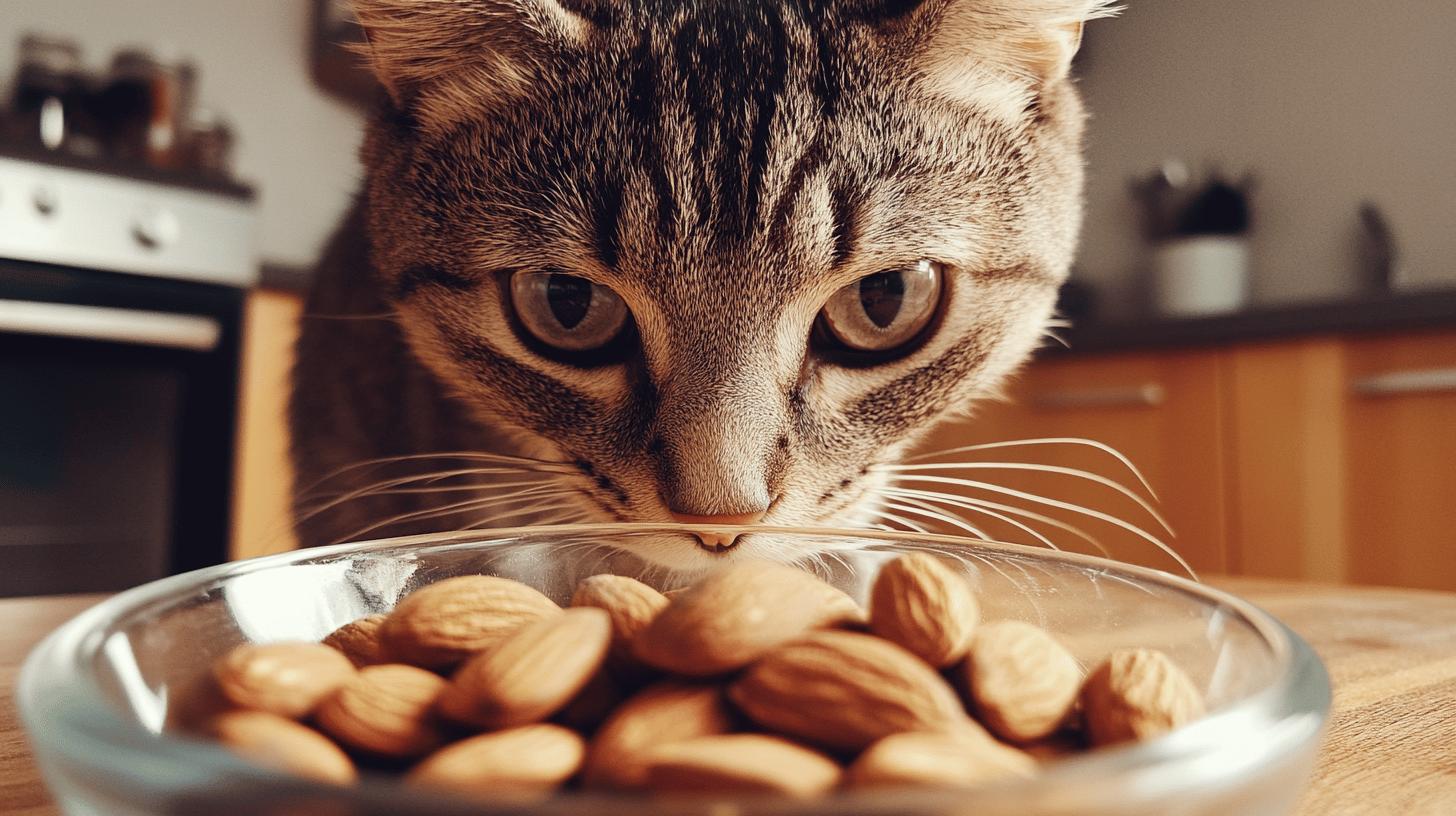
    Whole almonds are hard, dense, and roughly oval-shaped-perfect choking hazards for cats. A typical almond measures 2-3 cm in length, which fits directly into a cat’s throat diameter. Unlike humans who can chew nuts into smaller pieces, cats often attempt to swallow objects whole or in large chunks.

    Choking incidents involving almonds can cause:

    • Airway obstruction (inability to breathe)
    • Esophageal damage from forced passage
    • Gastric puncture if sharp edges lodge in the stomach
    • Death (if not treated within minutes)

    Aflatoxin Contamination Risk

    Aflatoxins are naturally occurring carcinogenic compounds produced by Aspergillus mold. Almonds frequently contaminated with aflatoxins, particularly if stored improperly or sourced from humid regions. Even low levels of aflatoxin cause liver damage in cats, which lack the hepatic detoxification capacity humans possess.

    Aflatoxin effects in cats include:

    • Acute hepatotoxicity (liver failure) with single exposure
    • Chronic liver damage with repeated exposure
    • Immunosuppression (increased susceptibility to infections)
    • Increased cancer risk (especially hepatocellular carcinoma)

    The FDA establishes maximum aflatoxin levels at 20 ppb (parts per billion) for human consumption. Cats metabolize toxins differently-much lower concentrations cause damage. A single almond could contain aflatoxin levels 5-10x higher than considered safe for cats.

    Digestive System Incompatibility

    Almonds are approximately 50% fat, 20% protein (incomplete), and 20% carbohydrates. Cats lack:

    • Salivary amylase: The enzyme that begins breaking down starches. Cat saliva contains 0 amylase; humans produce significant amounts.
    • Pancreatic lipase reserves: Cats cannot efficiently digest high-fat foods. The almond’s fat load exceeds safe consumption levels.
    • Gut bacteria for cellulose breakdown: Almond fiber passes undigested, potentially causing constipation or blockages.

    Result: Almonds trigger pancreatitis (pancreatic inflammation), acute gastroenteritis, and nutritional imbalance in cats.

    Almond Forms Compared: Which Are Most Dangerous?

    Almond Form Hazard Level Specific Risks
    Whole raw almonds EXTREME Maximum choking risk; hard to swallow; aflatoxin present
    Sliced/slivered almonds HIGH Reduced choking risk, but still hard; still contain aflatoxin; sharp edges cause GI damage
    Blanched almonds (skin removed) HIGH Skin removal doesn’t reduce toxins; all other risks remain
    Roasted almonds HIGH Heat doesn’t destroy aflatoxins; slightly reduced choking risk due to softer texture; roasting may increase digestive irritation
    Salted almonds EXTREME All nut hazards PLUS sodium toxicity (salt causes electrolyte imbalance)
    Honey roasted almonds EXTREME Sugar content promotes obesity/diabetes; honey may contain botulism spores (dangerous for cats under 1 year)
    Almond butter HIGH Concentrated fat (often 50%+ oil); choking hazard reduced but aspiration risk increases; aflatoxins still present
    Almond milk (unsweetened) LOW-MODERATE Mostly water; small amount won’t cause acute harm, but offers zero nutrition; sweetened versions contain xylitol (toxic)

    Nuts Ranked by Danger Level for Cats

    If your cat has access to nuts, understand which poses the greatest risk:

    EXTREME HAZARD (Avoid Completely)

    • Macadamia nuts: Cause paralysis, tremors, and hyperthermia. Just 0.7g per kg body weight (one nut for a 10lb cat) is dangerous.
    • Black walnuts: Contain juglone toxin; cause muscle weakness, tremors, and neurological damage.
    • Pecans: High aflatoxin content; contain tremorgenic mycotoxins.
    • Walnuts (any species): Similar toxins to black walnuts.

    HIGH HAZARD (Avoid)

    • Almonds: Aflatoxin + choking hazard
    • Pistachios: High aflatoxin; contain urushiol (allergen);
    • Cashews (cooked in shells): Shell contains toxic cashew oil
    • Brazil nuts: Extremely high selenium content; causes selenosis (selenium poisoning)

    MODERATE HAZARD (Avoid)

    • Peanuts: Technically legumes, not nuts; aflatoxin risk; high omega-6 (inflammatory)
    • Pine nuts: Low toxicity but high fat; extremely expensive to steal from your pantry
    • Hazelnuts: Low toxicity but choking risk; aflatoxin possible

    Bottom line: NO nuts are appropriate for cats. Some are marginally less dangerous than others, but all pose hazards humans don’t face.

    What If Your Cat Ate Almonds? Emergency Response

    Immediate Assessment (First 30 Minutes)

    1. Determine quantity and form: One almond? A handful? Almond butter?
    2. Look for immediate choking signs: Gagging, drooling, gasping for breath, difficulty swallowing.
    3. If choking: Do NOT delay. Go to emergency vet immediately. Airway obstruction can be fatal within minutes.
    4. If no choking: Monitor closely for 2-4 hours for signs of distress.

    Monitoring Period (Next 12-24 Hours)

    Watch for these symptoms indicating gastrointestinal damage or aflatoxin reaction:

    • Vomiting: May be delayed 2-6 hours post-ingestion
    • Abdominal pain: Hunched posture, reluctance to move, crying when touched
    • Diarrhea or constipation: Could indicate blockage or GI inflammation
    • Lethargy or behavior change: Indicates systemic response
    • Refusing food or water: Sign of nausea or pain
    • Straining to defecate: Possible intestinal obstruction

    When to Seek Veterinary Care

    Call immediately if:

    • Your cat is actively choking
    • You observe any choking signs within 30 minutes
    • Vomiting occurs (even one episode)
    • Abdominal pain is evident
    • Cat hasn’t eaten or drunk water for 6+ hours post-ingestion
    • Diarrhea lasts more than 2 hours

    Costs escalate quickly: emergency vet visit ($800-$2,500), X-ray or ultrasound (+$300-$800), endoscopy to remove lodged almond ($1,500-$3,000+), and hepatic panel ($200-$400).

    At the Vet

    Veterinarian will likely:

    1. Perform abdominal palpation and auscultation (listen for GI sounds)
    2. Order imaging (X-ray or ultrasound) if blockage suspected
    3. Run baseline bloodwork if large quantity ingested (assess liver function)
    4. Induce vomiting if ingestion occurred within 1-2 hours and no blockage suspected
    5. Administer activated charcoal (binds toxins) if indicated
    6. Provide supportive care: IV fluids, anti-nausea medication, pain relief

    Safe Treat Alternatives: Protein-Based Foods Cats Actually Need

    Whole Food Proteins (Best Option)

    These align with cat carnivore biology and carry minimal risk:

    • Cooked chicken breast (skinless): 31g protein, 0g carbs per 3.5oz. Zero aflatoxin. Perfect.
    • Cooked turkey: Similar nutrition; slightly leaner than chicken.
    • Cooked salmon (limited): High omega-3s; lower quantity due to high fat. 1-2 small pieces, 1-2x weekly.
    • Cooked lean beef: 26g protein per 3.5oz; high iron. Use sparingly (excess iron = organ damage).
    • Cooked egg: 6g protein, rich choline (brain health). 1-2x weekly.
    • Freeze-dried meat treats: 100% meat, no fillers. Premium but worth it for safety.

    Feline-Formulated Commercial Treats

    If buying treats, verify:

    • Named meat (chicken, turkey, fish) is first ingredient
    • No corn, wheat, soy, or fillers
    • No artificial flavors or preservatives (BHA, BHT, ethoxyquin)
    • Aflatoxin testing certified (look for “tested for aflatoxins” on packaging)
    • Calorie content <10% of daily intake

    Feeding Guidelines

    Treats should represent <10% of daily calories. For a 10lb cat eating 250 calories daily:

    • Maximum daily treat calories: 25
    • Cooked chicken piece (1oz): ~30 calories → split into 3 servings
    • Commercial treat (typically 3-5 cal each): 5 treats maximum daily

    Why Cats Are Attracted to Nuts (And How to Redirect)

    The Texture Appeal

    Nuts’ hardness appeals to cats’ craving to chew and crunch. This mimics the sensation of gnawing on bones or cartilage-behaviors wired into feline brains through evolution. The sound of crunching triggers hunting satisfaction in cats that never hunted.

    Redirect with: Crunchy, protein-based treats, crinkly toys, or teeth-cleaning dental chews (formulated for cats, not dogs).

    The Aroma Signal

    Roasted nuts release volatile compounds cats detect at extremely low concentrations. The smell alone triggers food-seeking behavior, even if your cat has never tasted nuts.

    Prevention is simple: store nuts in sealed, elevated containers; never leave nut bowls on accessible surfaces; and make clear to all family members that nuts are human-only food.

    Attention-Seeking Behavior

    If your cat begs for almonds when you’re eating them, they want your attention, not the food. The novelty and your reaction reward the begging.

    Address with:

    • Scheduled interactive play sessions (10-15 min, 2-3x daily)
    • Puzzle feeders that require problem-solving
    • Wand toys during your snack time
    • Reward non-begging behavior with treats and affection

    Special Populations at Higher Almond Risk

    Kittens (Under 6 Months)

    Choking risk is extreme for kittens, whose swallowing reflex is immature and esophageal diameter is smaller, meaning one almond could cause fatal obstruction. Strictly forbid almonds for kittens.

    Senior Cats (Over 10 Years)

    Reduced swallowing strength and slower GI motility put senior cats at dramatically higher risk of choking and blockage, while declining kidney function impairs aflatoxin processing. Avoid almonds completely for cats over 10.

    Cats with Pre-Existing Conditions

    • Liver disease: Aflatoxins directly damage liver. Forbidden.
    • Pancreatitis history: High fat content triggers painful flare-ups. Any nut is risky.
    • Kidney disease: Reduced detoxification capacity. Aflatoxins concentrate in bloodstream.
    • Diabetes: Almonds have minimal carbs but shouldn’t be introduced.
    • Dental disease or missing teeth: Cannot chew almonds safely; choking risk extreme.
    • GI sensitivity or IBD: Fiber and fat trigger symptoms. Avoid all nuts.

    Frequently Asked Questions

    Are almonds toxic to cats?

    Not acutely toxic in the way chocolate or xylitol are, but almonds present serious hazards: choking risk, aflatoxin contamination, and digestive incompatibility. “Not toxic” doesn’t mean “safe.” Almonds should be treated as a poison-keep them entirely away.

    Can cats eat almond butter?

    No, almond butter is not safe. While the butter form reduces choking risk, aflatoxins are still present and concentrated, and the fat content (often 50%+ oil) causes pancreatitis. One teaspoon of almond butter contains the same aflatoxin load as several whole almonds.

    What if my cat ate one almond?

    A single almond presents low acute risk if no choking occurs. Monitor for 12-24 hours for vomiting, abdominal pain, or lethargy. The aflatoxin dose from one almond is relatively low (unless the specific almond is heavily contaminated). Call your vet if symptoms appear.

    Is almond milk safe for cats?

    Unsweetened almond milk is mostly water and carries minimal risk in small amounts (1-2 teaspoons). However, it offers zero nutritional value and may cause loose stools due to unfamiliar ingredients. Avoid sweetened varieties (many contain xylitol, a toxic sweetener). Water is always better.

    Can cats have almonds roasted vs. raw?

    Roasting doesn’t reduce aflatoxin content. Heat may make almonds slightly softer (reducing choking risk marginally) but increases digestive irritation. Raw almonds are marginally safer due to harder texture (less likely cats can consume large quantities) but equally dangerous overall. Avoid both.

    Why are almonds bad for cats but safe for humans?

    Humans have different gut bacteria that ferment and break down plant compounds almonds contain. Humans also have detoxification pathways cats lack and chew nuts thoroughly rather than swallowing them whole, differences that together justify entirely different risk profiles for the same food.

    Which nuts are safest for cats?

    There are no safe nuts for cats. All nuts present choking hazards and carry aflatoxin risk, and some species such as macadamia and black walnut are acutely toxic as well. No nut is appropriate for cats.

    What should I do if my cat ate almonds yesterday and shows no symptoms?

    Aflatoxin’s effects may be delayed 24-48 hours or longer with chronic exposure. If no symptoms appeared within 24 hours, risk of acute blockage or choking has passed. Monitor liver health: watch for jaundice (yellow eyes/ears), loss of appetite, or behavior changes over the next 1-2 weeks. Consider a veterinary check-up and baseline bloodwork if large quantity was ingested.

    The Bottom Line

    Almonds are not appropriate treats for cats because the combination of choking hazard, aflatoxin risk, and digestive incompatibility makes them genuinely dangerous. Your cat doesn’t need or benefit from almonds, and the potential harm far outweighs any behavioral satisfaction.

    Redirect your cat’s desire to crunch toward protein-based alternatives-cooked chicken, freeze-dried meat, or formulated feline treats. These satisfy the sensory need while supporting your cat’s carnivorous biology.

    Save the almonds for yourself. Keep your cat safe with meat-based nutrition.

    Related Nutritional Guides