Author: Isabella Tiu

  • Raised Cat Bowls: Pros and Cons

    Raised Cat Bowls: Pros and Cons

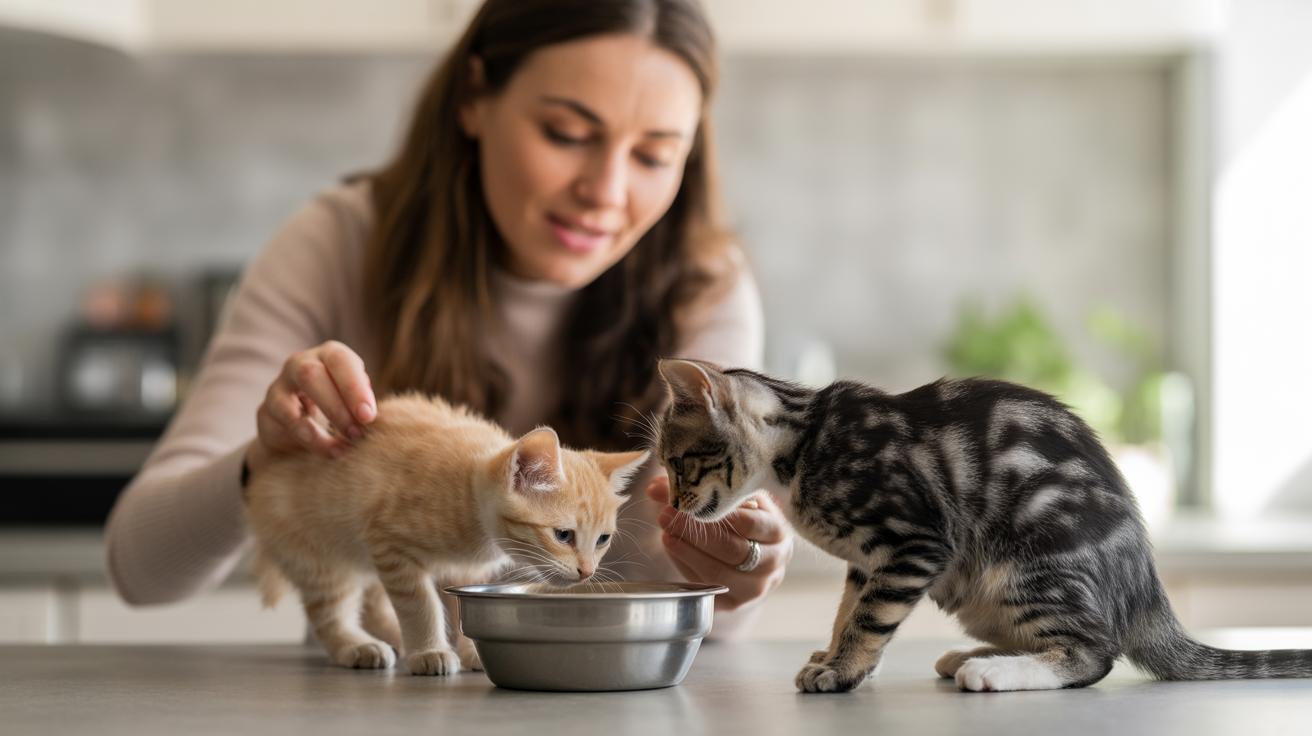
    Think a raised cat bowl fixes every feeding problem? Not quite. It helps a lot of cats, but not all of them, um, claw-tastic solved.

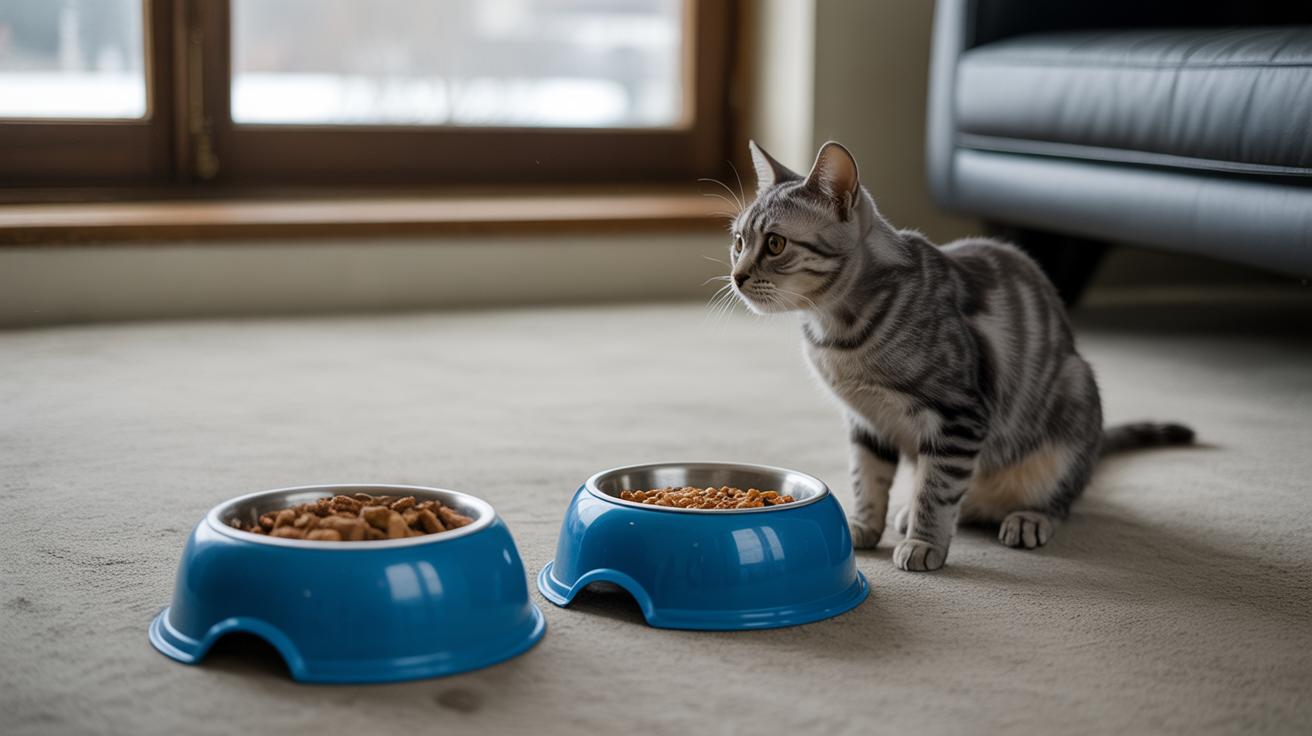
    If your cat is older, has arthritis (joint inflammation that makes moving painful), or gags or vomits after meals, a raised bowl (also called an elevated feeder) can make mealtime easier. It reduces neck and joint strain. It can cut down on post-meal vomiting. And it eases whisker fatigue (when whiskers keep rubbing the bowl sides and stress your cat), so meals stay calmer and cleaner.

    For a healthy, spry young cat, though, a raised bowl usually gives little benefit. Ever watch a kitten eat like a tiny gymnast? They’re fine on the floor.

    Next, I’ll walk you through the clear pros and cons and give a quick verdict so you can decide fast. Quick tip: if mobility or gagging is an issue, it’s worth trying; if not, you might save your money.

    Raised Cat Bowls: Pros and Cons
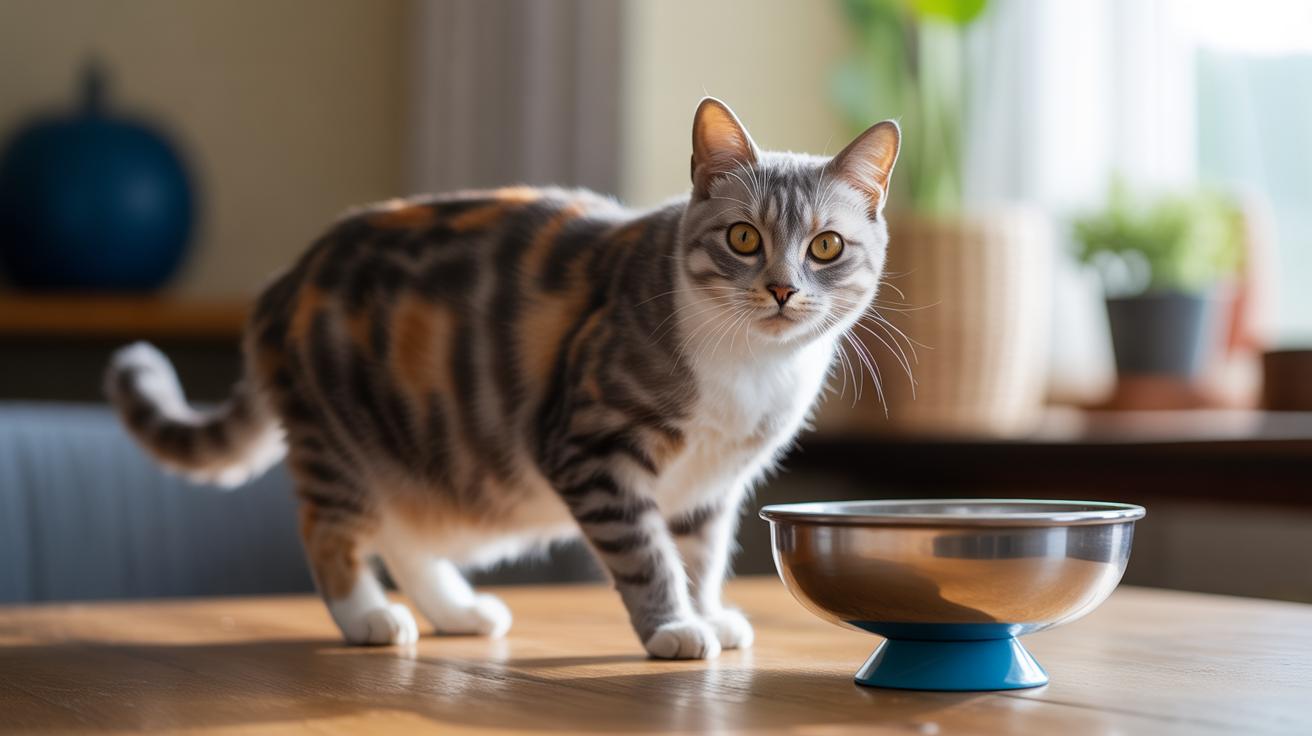
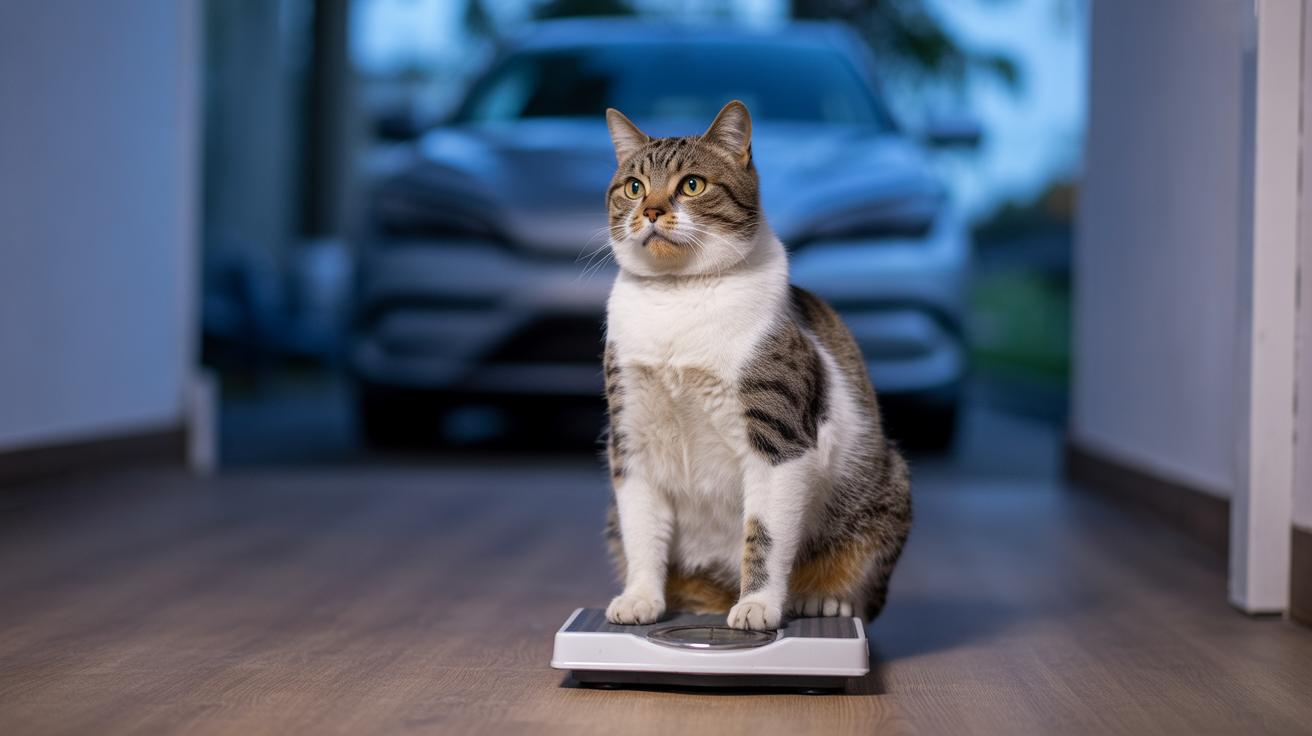
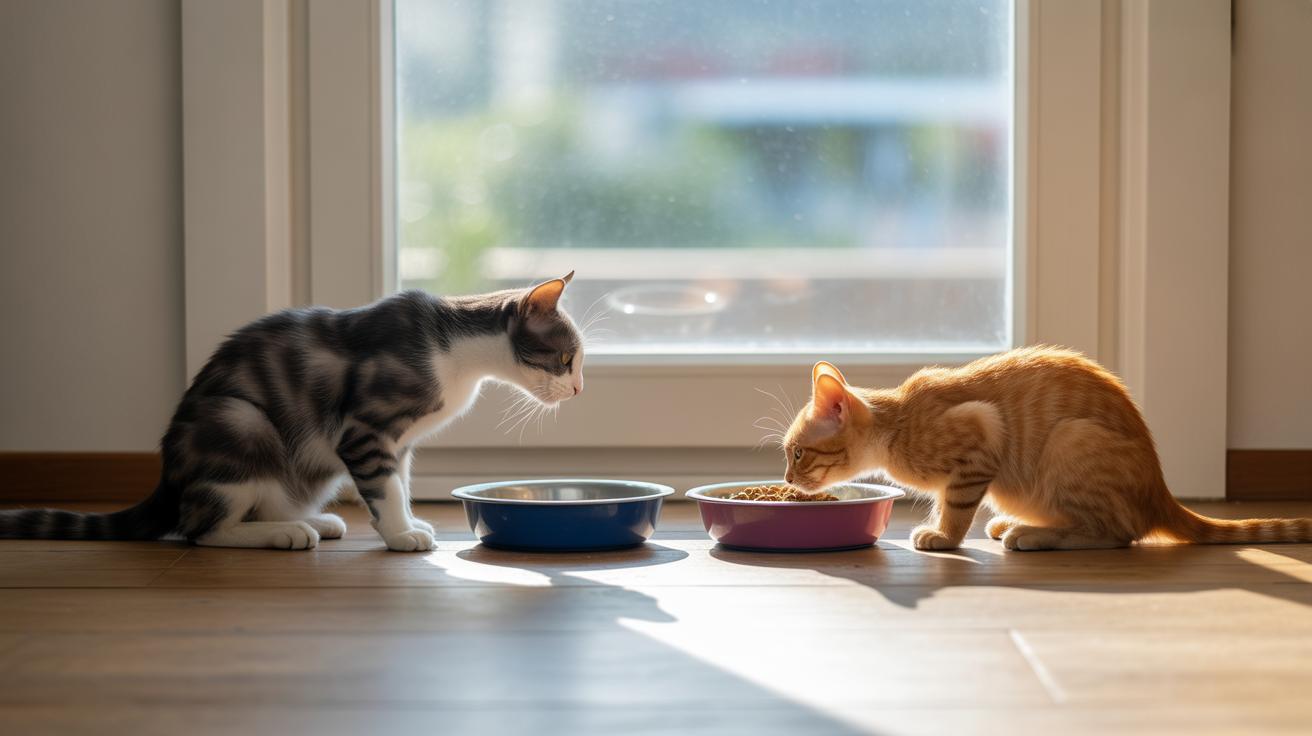
    - Quick verdict Should you use a raised cat bowl.jpg

    Raised cat bowls are great for older cats, kitties with arthritis or mobility limits, and cats that gag or vomit after eating. Healthy young cats often don’t get much practical benefit, so you might skip them for a spry kitten.

    Quick verdict: this is a short decision-first snapshot to help you decide fast. More detail follows below.

    Pros

    • They lift the bowl to a gentler angle that can ease neck and joint strain for arthritic or senior cats. Your cat may eat with less hunching and more comfort.
    • Some vets and owners notice fewer post-meal vomiting episodes when food is raised, so it can help tummy trouble in some cats.
    • Pairing a raised feeder with a wide, shallow dish reduces whisker contact and whisker fatigue (when whiskers keep hitting bowl sides and stress the cat). Sensitive kitties often prefer it.
    • Elevating the dish keeps food off the floor, so there’s less spilled kibble and fewer crunchy trails through the house.
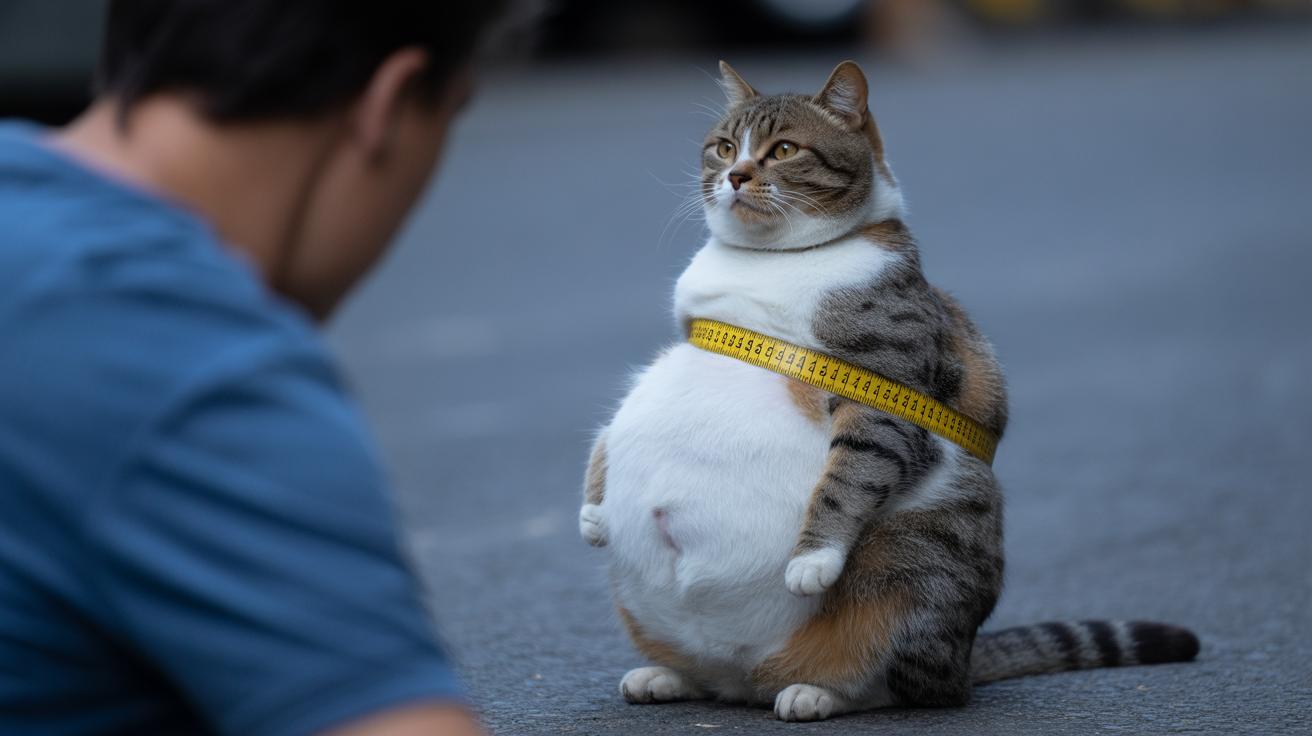
    • Many raised stands are adjustable, so you can set rim height to your cat’s measured chin position for a custom fit. Ever tried measuring your cat’s chin height? It’s easier than you think.
    • A stand makes floor cleaning simpler since the bowl sits on a platform instead of directly on the ground. Less scooting, more sparkle.
    • Choose a good bowl material and it’ll last. Stainless steel (rust-resistant metal) is hygienic, and silicone (flexible, non-slip rubber-like material) is durable and soft on paws.

    Cons

    • Some cats refuse a new elevated spot at first and need time to adapt. Patience and treats help, but a stubborn kitty might hold out.
    • For picky eaters a raised posture can slow them down, and that change might annoy some cats. If your cat eats fast, watch for stress.
    • If the height is wrong it can make swallowing awkward for some cats, so proper measurement matters.
    • Deep or narrow bowls on a stand can still cause whisker contact if the design is poor, so pick a wide, shallow dish when possible.
    • Lightweight or wobbly stands can tip if they’re not weighted or anti-slip, and nobody likes a toppled bowl.
    • You might spend extra on adjustable stands and replacement parts that a healthy young cat doesn’t need, so consider cost vs benefit.
    • If your cat gags or vomits after switching, stop the trial. The raised bowl may simply not suit that cat.

    Worth every paw-print.

    Read the deeper guides on Measuring and choosing height, How elevated bowls work, Whisker fatigue, Materials, stability, and cleaning, and Risks and transition checklist to pick and trial the right raised feeder.

    How elevated cat bowls work: mechanism, clinical evidence, and vet guidance
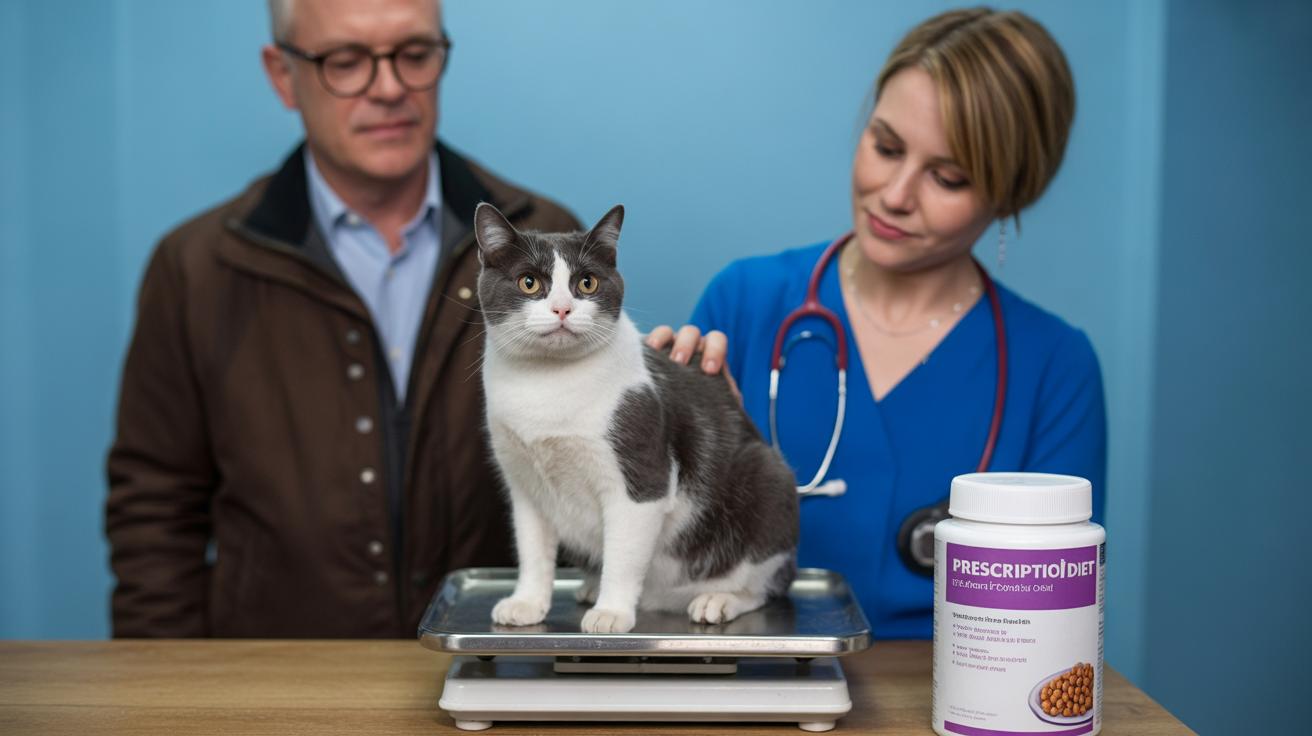
    - How elevated cat bowls work mechanism, clinical evidence, and vet guidance.jpg

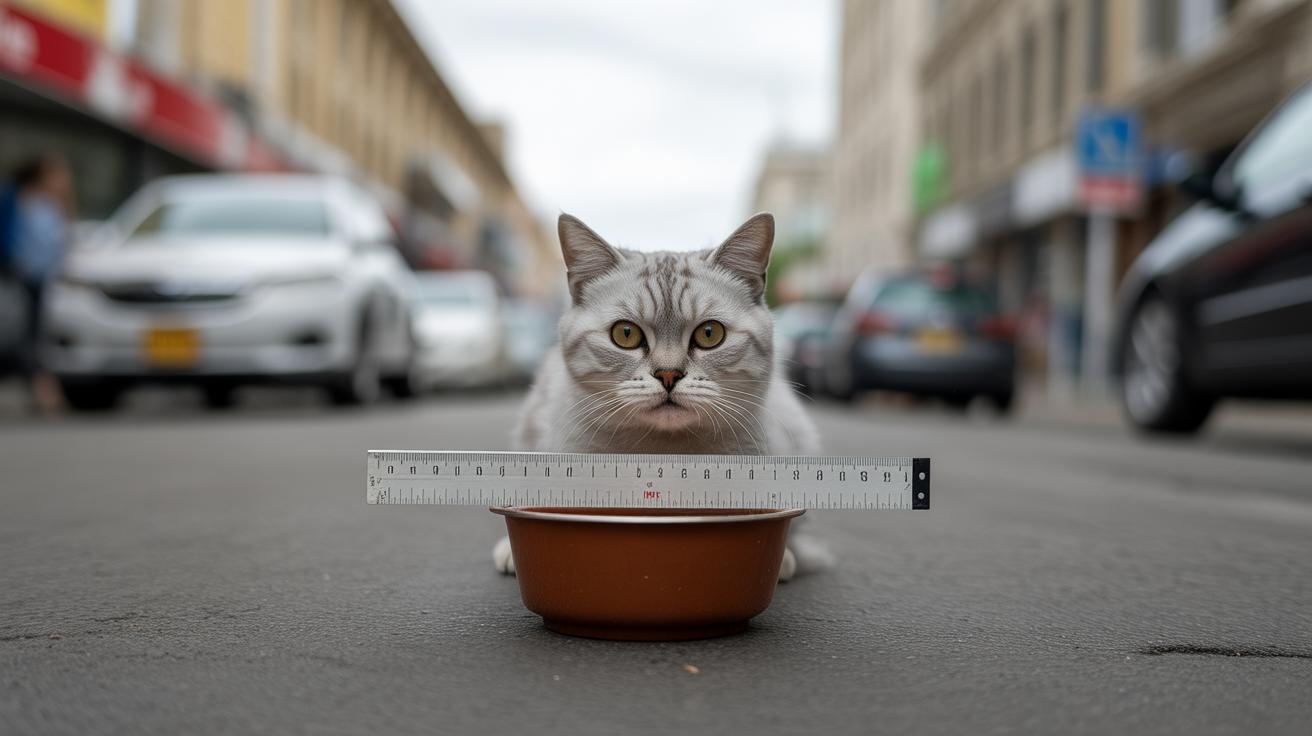
    Elevated bowls change the angle between your cat’s head, neck, and torso so the bowl rim sits closer to the chest. That reduces neck flexion (how much the neck bends) and lessens throat compression. When the rim is closer to the chest it can straighten the line of the esophagus (the food tube), so eating is less of a stretch for stiff or sore kitties. Picture your cat lowering its head less and taking food with an easier, more natural swallow.

    Some vets and studies report fewer post-meal vomiting episodes with raised feeders, but results aren’t the same for every cat. In plain terms: it helps some cats, doesn’t change others, and in a few cases there’s no clear difference. Think of the evidence as suggestive, not conclusive. Factors like age, neck stiffness, dental pain, or underlying illnesses can change the outcome.

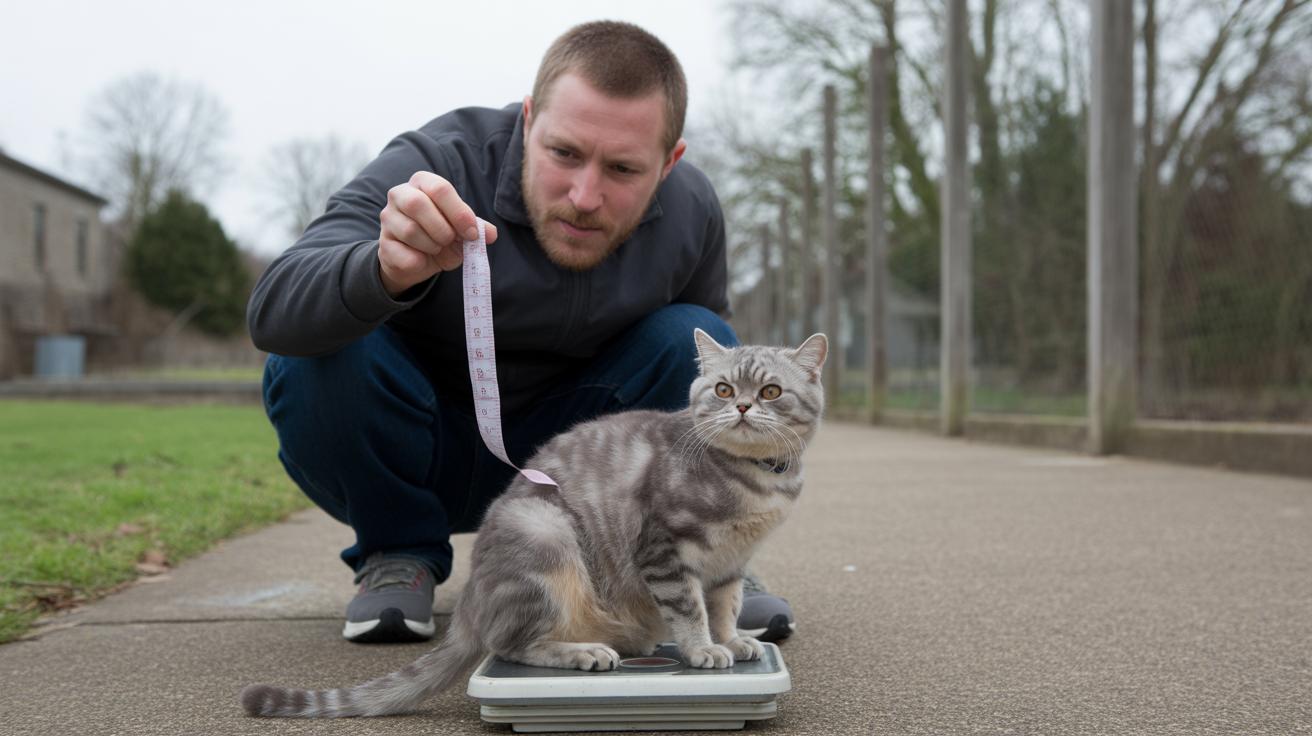
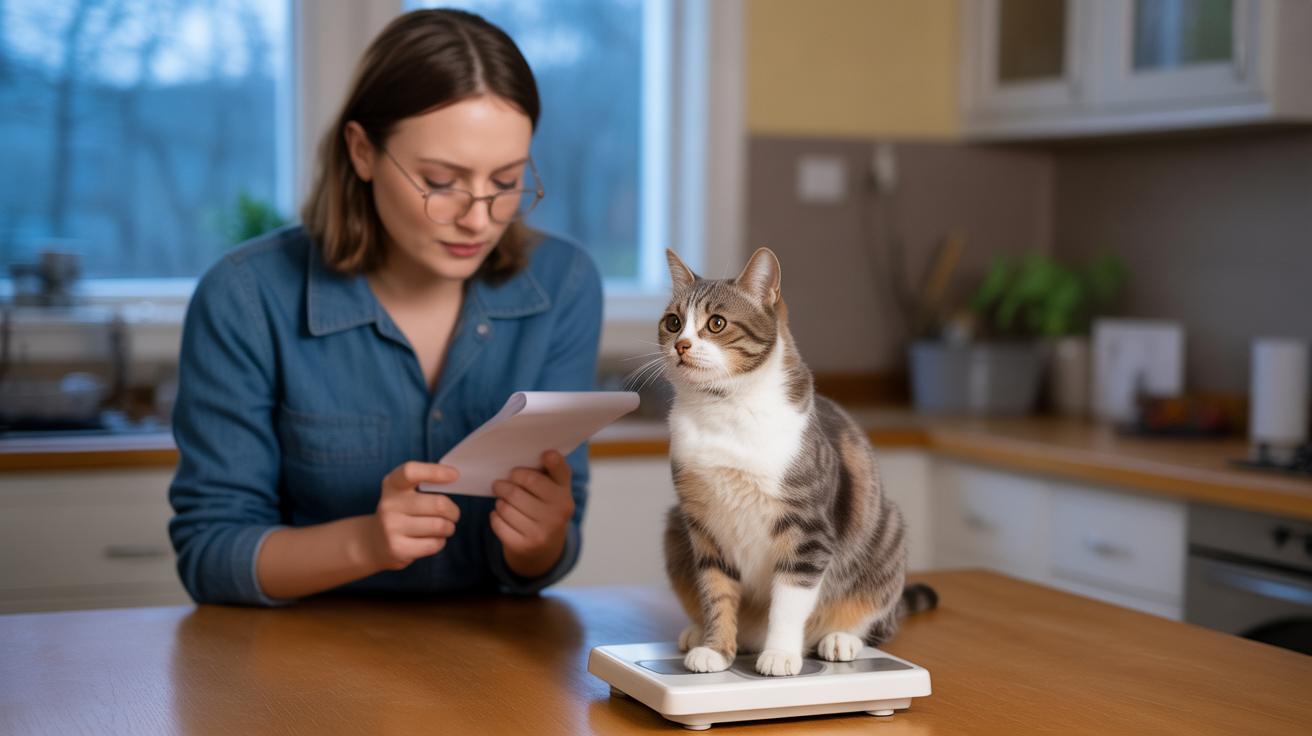
    Vets recommend an individualized assessment and a careful trial. Before you try a raised bowl, measure your cat’s standing chin height – floor to bottom of chin – in centimeters and inches (for example, 20 cm / 7.9 in). Note baseline meal duration (how long each meal takes), count any vomiting or regurgitation events (regurgitation is food that comes up without forceful vomiting), and watch normal feeding posture. If your cat has a history of aspiration (food or liquid getting into the lungs) or reflux (acid or stomach contents coming back up), talk with your veterinarian first.

    During a trial, compare meal time and vomiting frequency to your baseline and make small adjustments to rim height. Start with the rim about level with the standing chin or a little lower, then raise or lower in small steps while tracking results for a week or two at each height. Look for signs like coughing, extra pawing at the mouth, or harder chewing , if those show up, stop the trial and call your vet. Keep notes, and you’ll see if the change feels like relief or just a new way to play with food.

    Quick tip: for busy days, try the raised bowl for a few meals before committing. Sometimes your cat’s reaction tells the whole story. Worth a try for stiff or older cats , could be claw-tastic for comfort.

    Whisker fatigue and bowl design for flat-faced and whisker-sensitive cats
    - Whisker fatigue and bowl design for flat-faced and whisker-sensitive cats.jpg

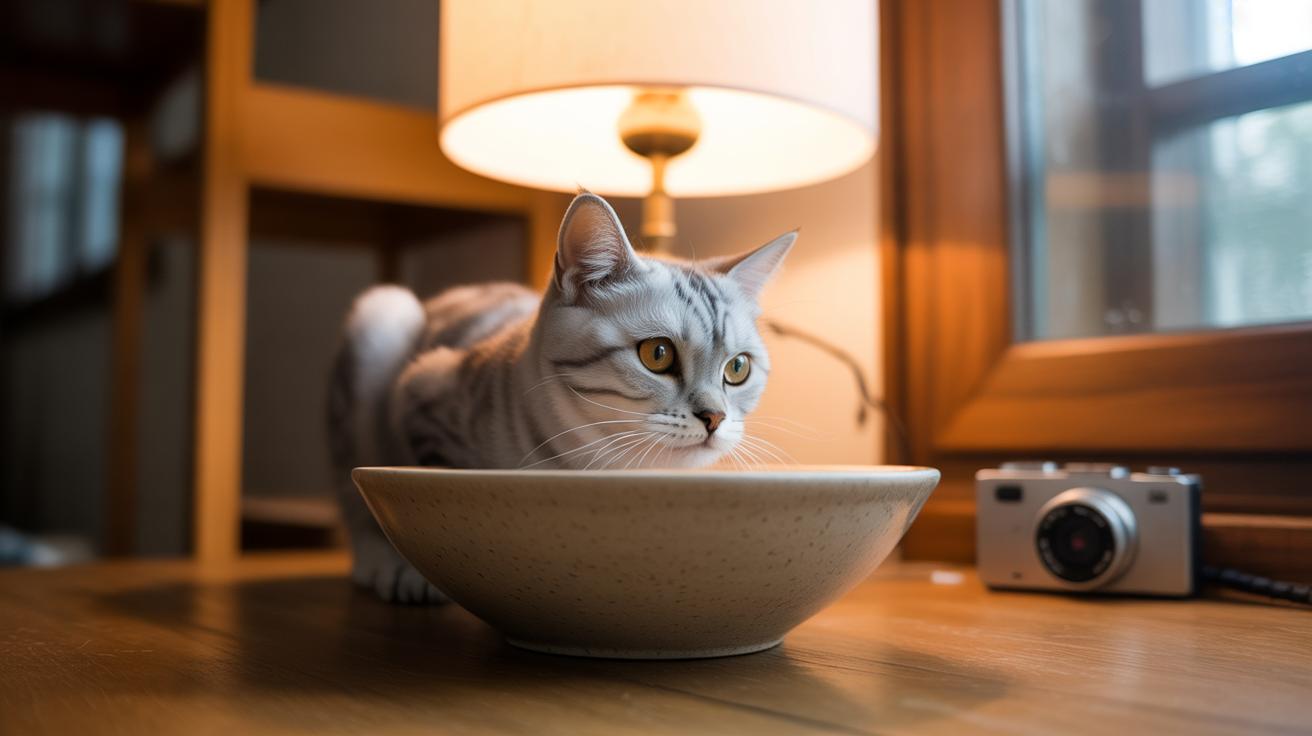
    Whisker fatigue happens when your cat’s long facial whiskers brush or press against a narrow or deep bowl rim over and over. It can feel like tiny pokes around the muzzle and make eating fussy or stressful. Whiskers grow and shed in cycles, so small changes in how the rim touches them can change comfort over weeks as whiskers wear or get replaced. how often do cat whiskers fall out

    When you pick a raised bowl, pay attention to three simple measurements: bowl diameter, rim depth, and rim-to-food distance. Aim for a bowl diameter at least 1–2 cm (about 0.4–0.8 in) wider than your cat’s whisker span (the distance from whisker tip to whisker tip) so whiskers don’t rub the sides. Choose a shallow rim under 2 cm (0.8 in). And keep the rim-to-palate distance small. By rim-to-palate distance I mean the gap from the bowl lip to the roof of the mouth. That way your cat doesn’t have to shove its nose into the dish.

    Flat-faced breeds, called brachycephalic (flat-faced breeds like Persians or Exotics), need the shallowest and widest dishes so they can reach food without jamming their nose into the rim. Long-whiskered cats want extra side room so those lovely whiskers can splay out without brushing the bowl. Think of it as giving them breathing room while they eat.

    Test a bowl by watching your cat from the side and the front. Whiskers should spread naturally and not touch the rim. The head should stay relaxed while your kitty eats. Ever watched your cat’s whiskers twitch as a morsel rolls away? That’s the moment you’ll know the fit is right.

    Worth every paw-print.

    Measuring and choosing the right raised cat bowl height (step-by-step, metric and imperial)
    - Measuring and choosing the right raised cat bowl height (step-by-step, metric and imperial).jpg

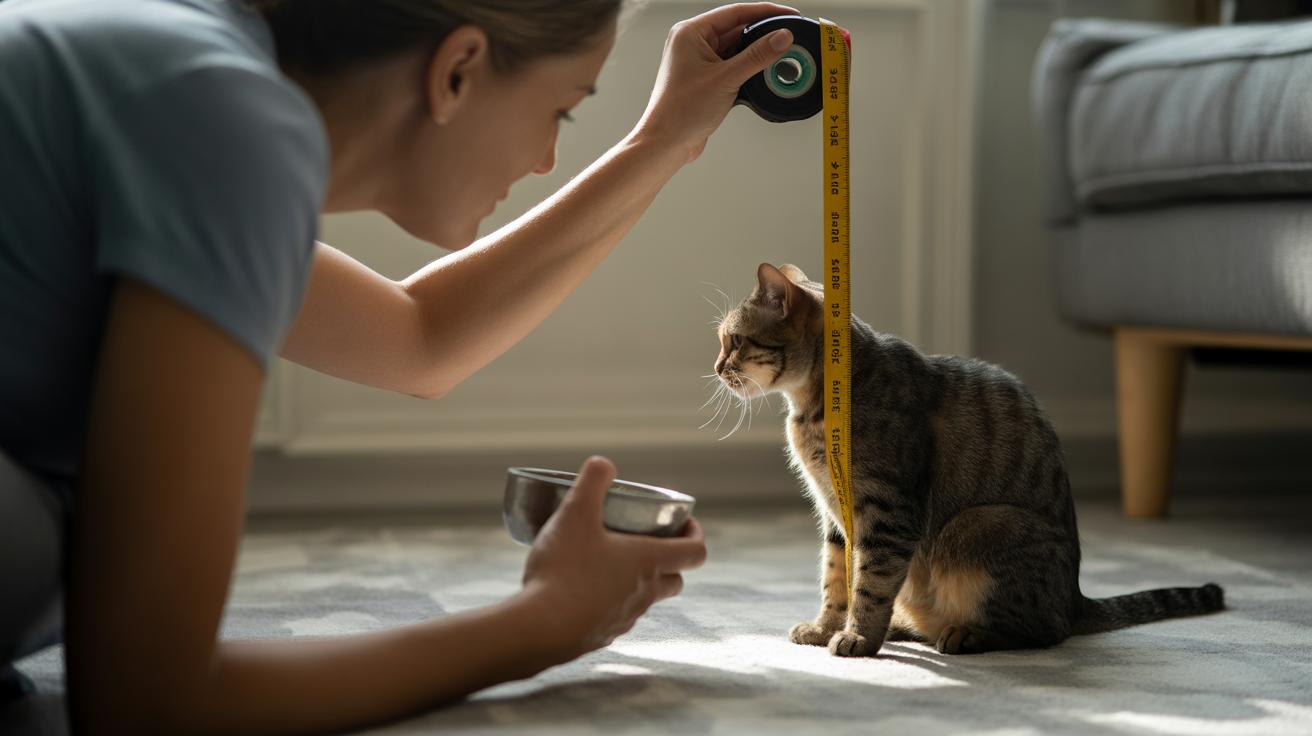
    Start by measuring – it’s the baseline for any change and helps you pick a stand that actually fits your cat. Simple, honest measurement saves you a lot of trial and error later.

    Small and kitten sizing

    Have the kitten stand naturally on a flat floor and gently hold its chin level while you measure from the floor to the bottom of the chin with a tape measure or ruler. Record the number in centimeters (cm – metric unit) and inches (in – imperial unit) and note the date. For tiny kittens, try an initial low elevation of about 5-8 cm (2.0-3.1 in) above the floor so the rim doesn’t force the head up. Watch how the kitten reaches and chews during the first few meals and jot down any awkward stretching or pawing.

    Average adult cats

    Measure floor-to-chin while the cat stands relaxed, and record to the nearest 0.5 cm or 1/8 in. (Quick conversion: 1 in = 2.54 cm.) Pick a stand that lets you set the rim at the recorded chin height, or up to 2 cm (about 3/4 in) lower if the cat seems to prefer a slight downward angle. Test it at mealtime – the head should stay neutral, not tipped back or hunched forward. Write the measured values and your chosen rim position in a log so you can compare later.

    Large breeds and seniors

    Big breeds and older cats with stiff necks need a bit more fine-tuning. Start at the recorded chin height and then adjust in small steps of 1-2 cm (1/8-1/4 in) while watching chewing and swallowing. Raise or lower until the cat eats without pawing at the mouth or stretching the neck. Test during a meal, tweak in those small increments, and keep your notes. Worth every paw-print.

    Ever watched your kitty suddenly have an easier bite after a tiny change? Yeah, me too.

    Risks, adaptation signals, and the 7–14 day monitoring checklist
    - Risks, adaptation signals, and the 714 day monitoring checklist.jpg

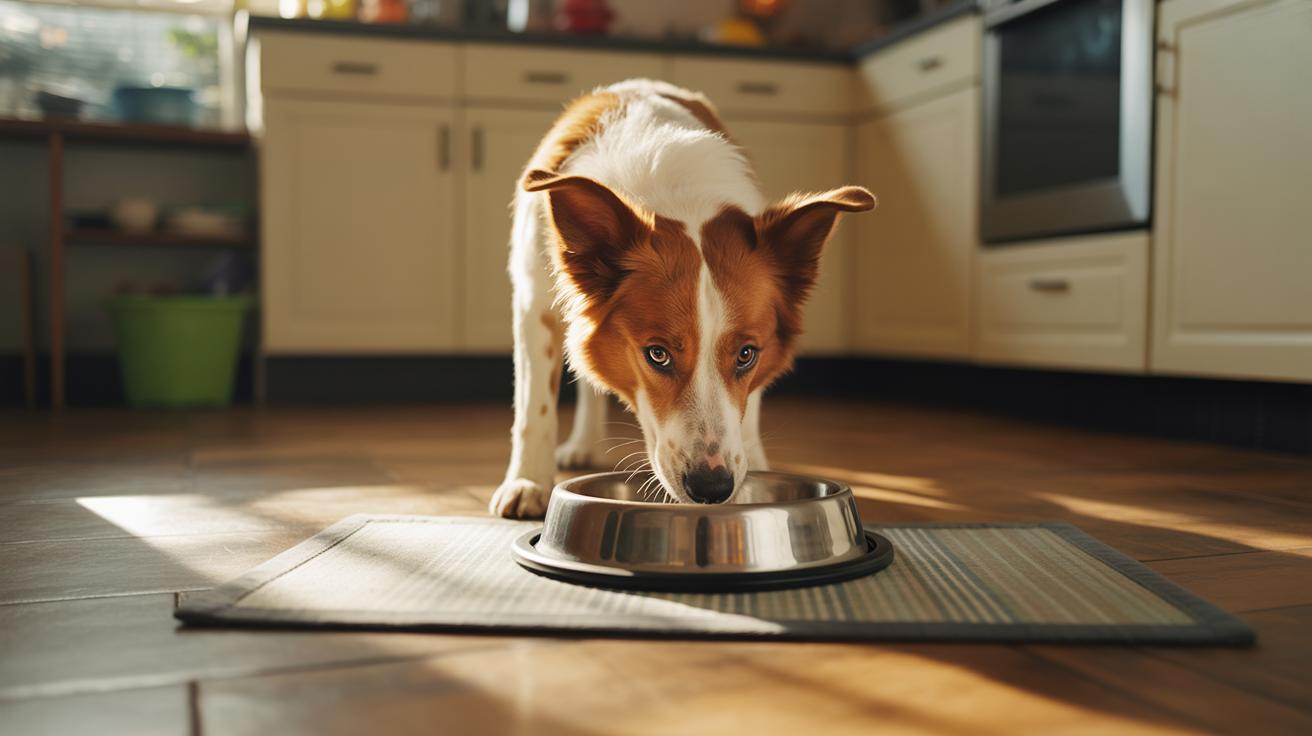
    When you move your cat to a raised bowl, keep an eye on them. Small changes in behavior give big clues about whether the new bowl helps or causes problems. Log what you see every day for 7–14 days after the first use so you have clear before and after notes. Use the first week as your main signal window, and stretch to two weeks if things are still fuzzy.

    Track these things each meal or at least once daily:

    • Meal duration (how many minutes each meal takes).
    • Amount consumed (grams or a fraction of the usual portion).
    • Vomiting and regurgitation events (vomiting is forceful expulsion; regurgitation is food that comes back up without heaving).
    • Drooling episodes (note when it happens and how often).
    • Stool consistency (firm, soft, diarrhea, or other changes).
    • Energy level and activity (normal, low, or unusually restless).
    • Any avoidance of the bowl (refusing to approach or eat from it).

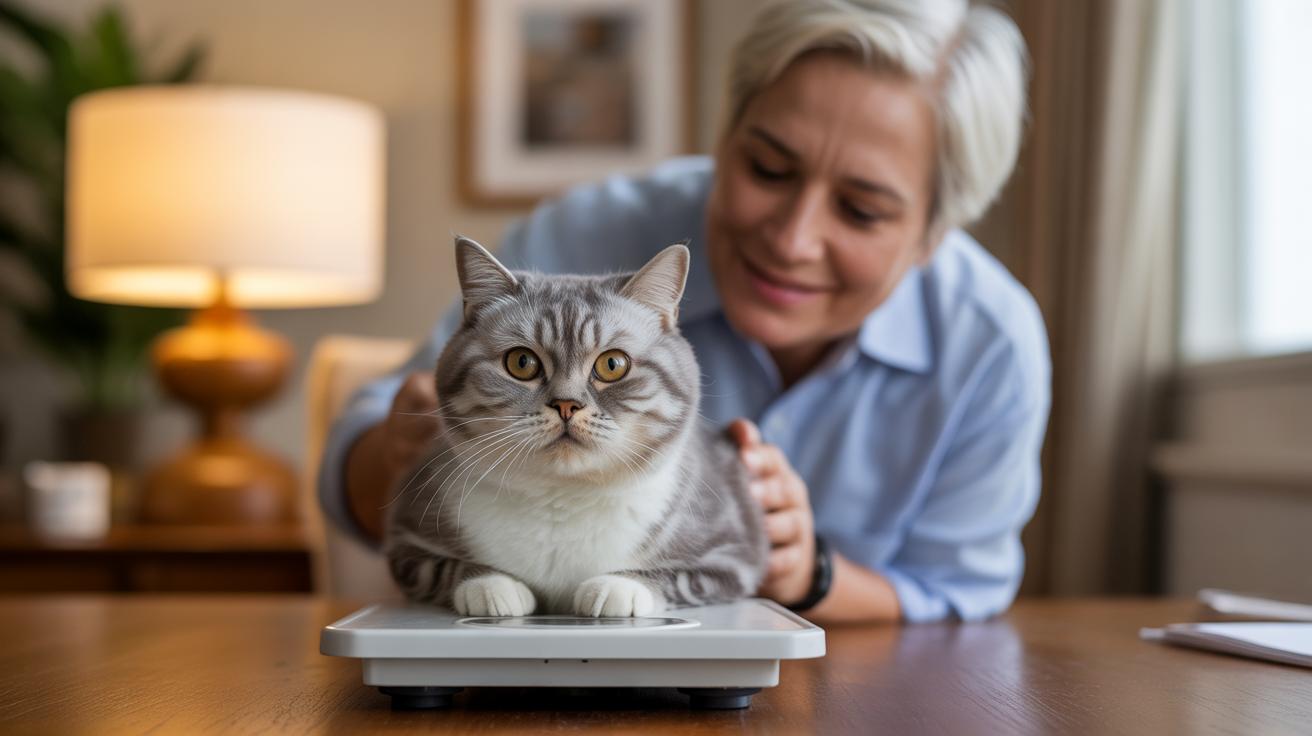
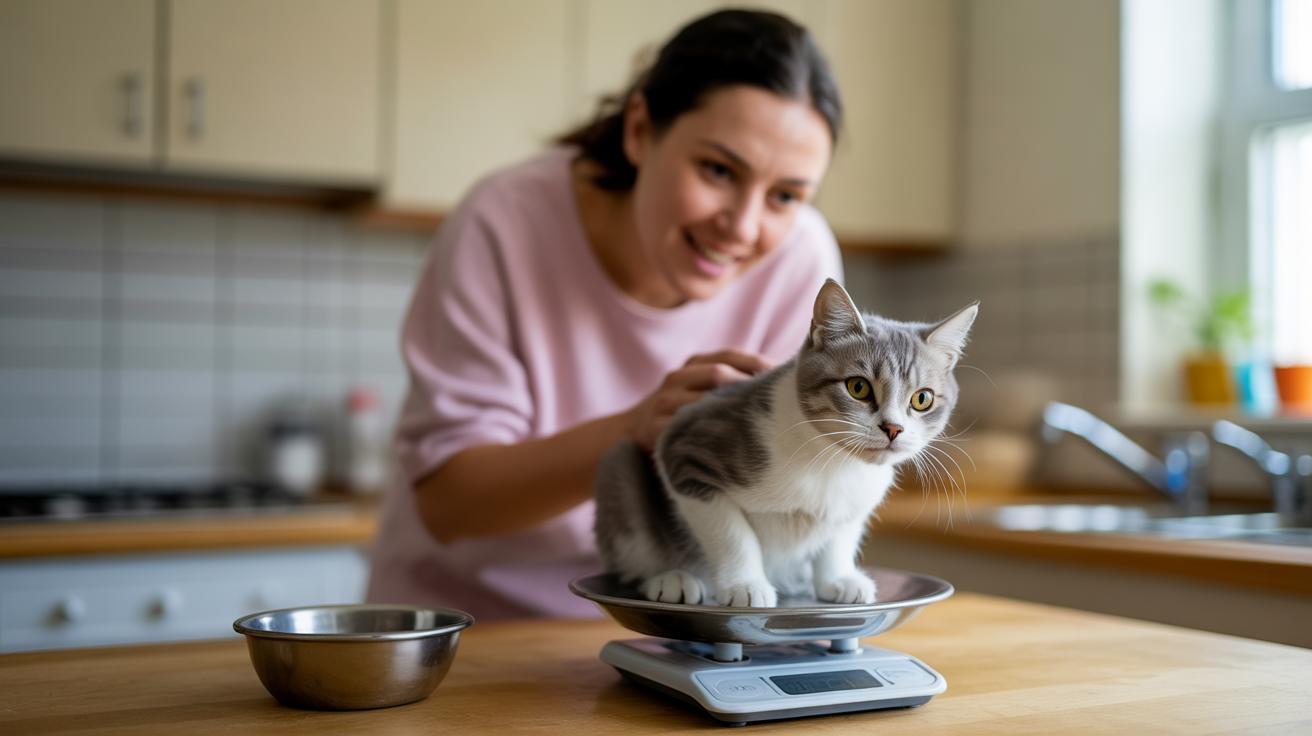
    Write down times and short notes, like “ate half portion, drooled after 5 minutes.” A quick scale photo or a one-line diary entry helps a lot. Ever watched your kitty hesitate, sniff, then walk away? Jot that down.

    Call your veterinarian right away if you see repeated forceful vomiting, signs of choking or aspiration (coughing, gagging, or breathing trouble during meals; aspiration means food getting into the airway), refusal to eat for 24 hours or more, rapid weight loss, or any breathing changes during or after eating. Bring your daily log when you go, because those recorded metrics help the vet figure out next steps. Worth every paw-print.

    Materials, stability, and cleaning for raised cat bowls (hygiene and durability)
    - Materials, stability, and cleaning for raised cat bowls (hygiene and durability).jpg

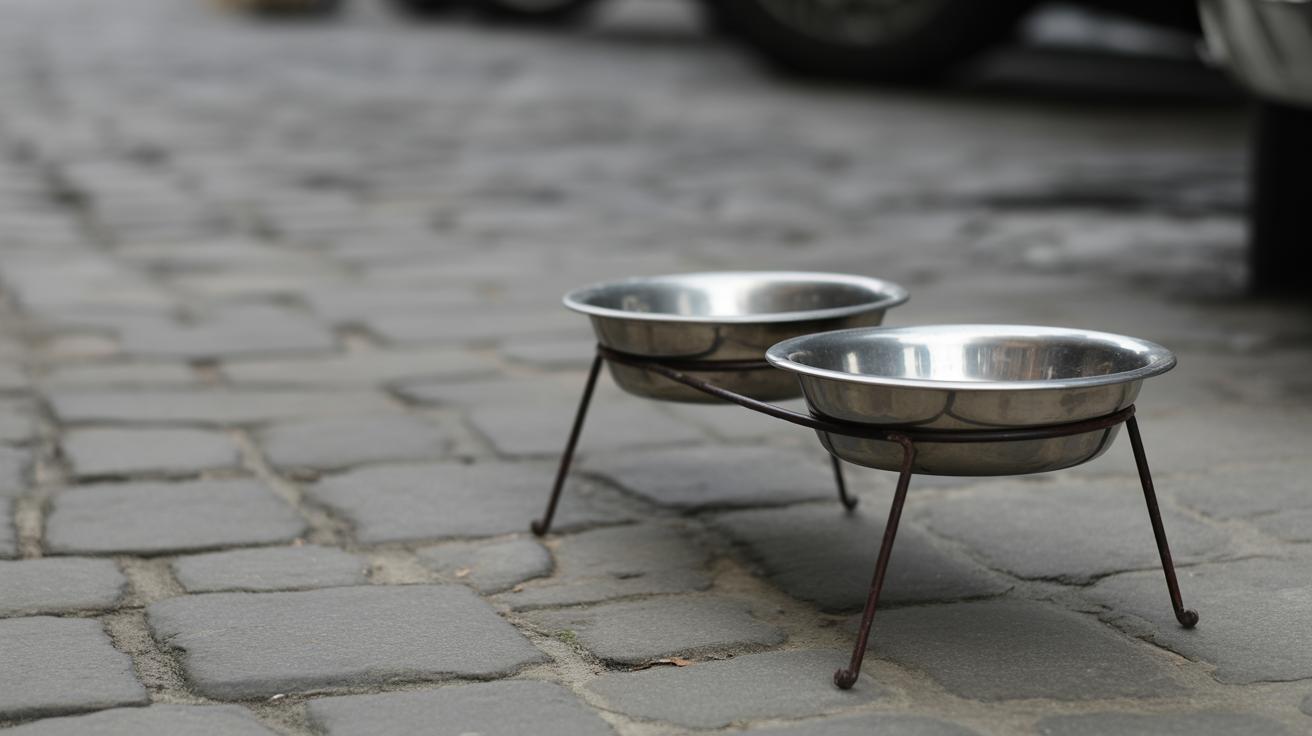
    Choose materials with your eyes open. Stainless steel (a rust-resistant metal) is tough, fights bacteria, and is usually dishwasher-safe. Ceramic (hard fired clay) looks nice but can chip, and low-quality glazes might have lead. Silicone (flexible, rubber-like material) and bamboo (a fast-growing wood-like plant) are lightweight and gentle on floors. Plastic (a synthetic material) can scratch and trap odors, so if you go that route pick BPA-free (no bisphenol A). Trade-offs matter, think about long-term wear, not just the cute pattern.

    Wash bowls every day with hot, soapy water. For stainless models you can also use a dishwasher cycle. Once a week do a deeper sanitize if the material allows, boil the bowl or soak it in a dilute bleach solution (1 part household bleach to 30 parts water) and rinse thoroughly. Follow the maker’s care instructions; some materials don’t like intense heat or harsh cleaners.

    Replace any bowl or stand that has cracks, deep scratches, chips, or staining that won’t come out. Those spots hide bacteria and weaken the piece. Worth every paw-print to keep things safe.

    Antimicrobial coatings (a surface treatment that slows bacteria) are handy between washes, but treat them as extras, not replacements. They wear down over time and can’t take the place of scrubbing and regular sanitizing. Follow the product’s care notes and swap items when the coating looks worn.

    Look for stability when you buy and set up a raised feeder. Anti-tip designs with a low center of gravity, a secure bowl attachment, non-slip feet, and a weight capacity higher than your cat’s size keep the setup from wobbling or flipping during enthusiastic meals. Ever watched your cat nudge a wobbly bowl? Not fun. Choose a base that hugs the floor and stays put.

    Buying checklist and 6-step transition plan (actionable criteria + reference to Risks monitoring)
    - Buying checklist and 6-step transition plan (actionable criteria + reference to Risks monitoring).jpg

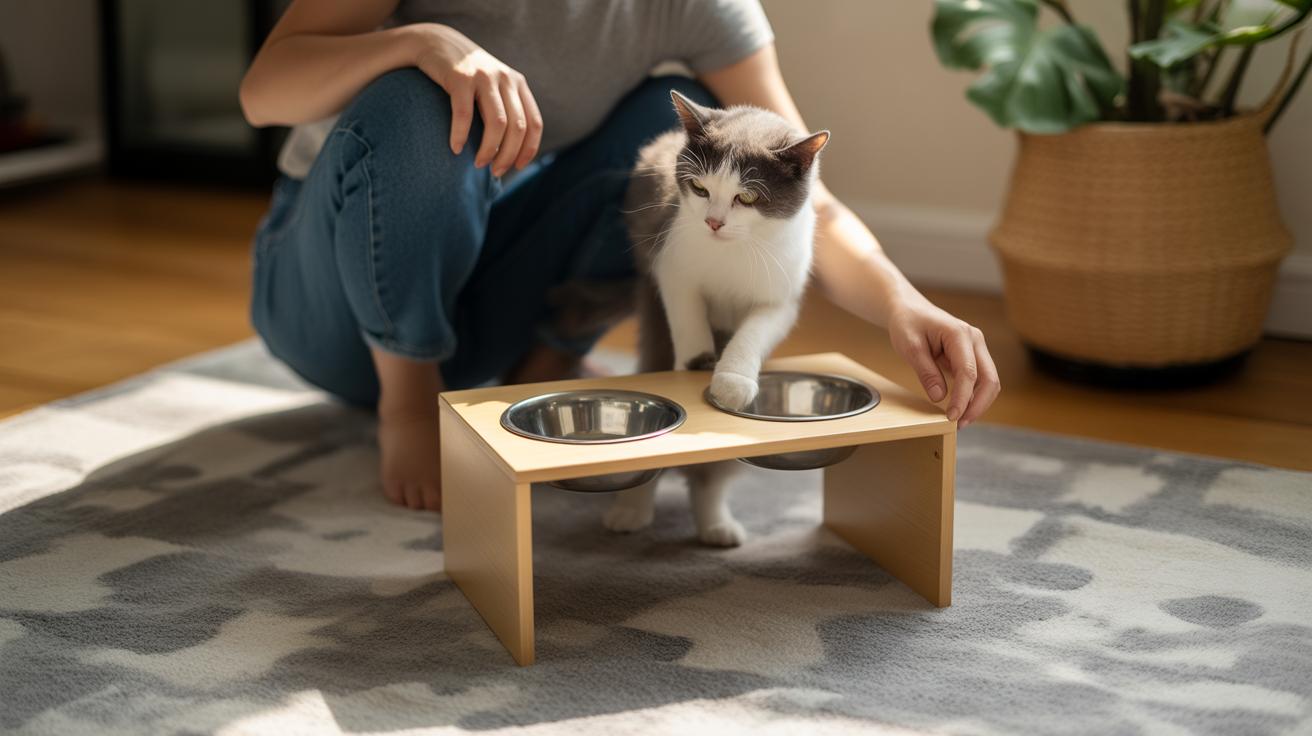
    This quick summary lists the must-have features and a simple six-step trial plan to help your cat settle into a new elevated feeder. For exact measuring steps see Measuring and choosing height. For the 7-14 day logging routine and warning signs see Risks monitoring checklist.

    • Stable anti-tip design and a low center of gravity so the stand won’t tip when your cat jumps up. Keeps food where it belongs, not on the floor.
    • Adjustable height range that includes your measured chin height (see Measuring and choosing height) so your cat eats comfortably.
    • Bowl material options: stainless steel (durable metal that resists rust), ceramic (heavy, chip-resistant like a coffee mug), silicone (soft, flexible like a rubber spatula). Pick what fits your cat and your cleaning routine.
    • Bowl diameter and rim shaped to clear whiskers and avoid contact, see Whisker fatigue (whisker fatigue is the stress cats feel when their whiskers constantly rub against bowl sides).
    • Secure bowl attachment that locks to the stand so bowls don’t pop out during enthusiastic eating.
    • Non-slip feet or rubber base to stop sliding on tile or hardwood floors. No skids, fewer spills.
    • Weight capacity rated above your cat’s size so the stand stays put even if your kitty leans or hops on it.
    • Replacement bowls, spare parts, or a manufacturer warranty available so you’re not stuck if something wears out.
    1. Measure your cat’s target feeding height first. See Measuring and choosing height for exact steps.
    2. Mount the bowl firmly at that height and lock it in place.
    3. Put in familiar food and let your cat approach at its own pace. Ever watched them sniff, circle, then pounce? Cute.
    4. Keep the first meals calm and short to lower stress. Soft lighting, quiet room, short visit.
    5. Adjust height slowly, only after your cat seems relaxed and eating normally. A little change at a time works best.
    6. Use the Risks monitoring checklist to log meals and behavior daily for 7-14 days and check for any red-flag signs. If you see worrying changes, consult your vet.

    Worth every paw-print!

    Final Words

    Quick call: raised bowls help older cats, arthritic pets, or cats that vomit, but healthy young cats usually don't gain much. They can cut spills in busy multi-cat homes.

    We covered how elevation shifts neck posture and what vets advise. You'll get measuring steps, whisker-fit tips, material and cleaning notes, stability checks, and a 6-step transition with a 7–14 day monitoring plan.

    Try a careful trial and log results; most cats adapt and meals feel calmer. For a quick decision guide on raised cat bowls: pros and cons, use the checklist here. Your furniture (and sanity) might thank you.

    FAQ

    Are elevated cat bowls good or bad?

    Elevated cat bowls are good for cats with arthritis, neck strain, or frequent vomiting and usually unnecessary for healthy young cats; try a careful trial and watch for feeding comfort and changes.

    What are the pros and cons of raised cat bowls?

    Pros include improved posture, fewer spills, less whisker contact with shallow wide bowls, and reduced post-meal vomiting in some cats. Cons include adaptation stress, slower eating, and limited benefit for healthy cats.

    Do vets recommend elevated cat bowls?

    Veterinarians recommend elevated bowls on a case-by-case basis, advising assessment of age, vomiting history, arthritis, or swallowing issues and suggesting a monitored trial while consulting your vet.

    Is it better for cats to eat out of elevated bowls? Are cat bowls supposed to be elevated?

    Elevated bowls are better for cats with neck, joint, or digestion problems, while most healthy cats do fine eating from floor bowls; measure and trial to check what your cat prefers.

    Do cats prefer deep or shallow bowls?

    Cats prefer shallow, wide bowls to avoid whisker contact and awkward head pressure; flat-faced breeds especially need shallow, wide openings to eat comfortably without pressing their face into the rim.

    Are ceramic elevated cat bowls safe and how do they compare to other materials?

    Ceramic elevated bowls look nice and are stable, but can chip and low-quality glazes risk leaching. Stainless steel resists bacteria and chipping, while silicone and BPA-free plastics offer other trade-offs.

    Will elevated bowls help with whisker fatigue?

    Elevated bowls reduce whisker fatigue when paired with shallow, wide designs that clear a cat’s whisker span; check diameter and observe head posture to confirm reduced whisker contact.

    How do I pick the best raised cat bowl?

    Choose an adjustable, anti-tip stand matching your cat’s measured chin height, a shallow wide bowl that fits whiskers, durable dishwasher-safe material, non-slip feet, and secure bowl attachment.

    How should I transition my cat to an elevated bowl?

    Transition by measuring chin height, starting at a low elevation, keeping food the same, offering short trials, recording meal time and vomiting daily for 7–14 days, and contact your vet if red-flag signs appear.
    Related Articles

  • Cat Feeding Schedule for Indoor Cats: Kittens-Seniors

    Cat Feeding Schedule for Indoor Cats: Kittens-Seniors

    Do two meals a day really work for indoor cats?
    A lot of people feed morning and night, then wonder why their fluffball snacks all evening or meows at 3 a.m. It’s confusing, and it can feel a little frantic when dinner time becomes performance art.

    Cats are made to hunt little meals throughout the day. Small, frequent servings match that instinct and keep their energy steady, which makes weight control easier and moods calmer. Ever watched your kitty chase a shadow and act like it’s the best game ever? That’s the hunting brain at work.

    I once watched Luna leap across the couch for a single kibble, whiskers forward, eyes huge, and it changed how I feed her. So now we do several tiny feedings and play short hunts with a teaser wand (think fishing rod for cats). It’s simple, it’s fun, and yes, she’s feline fine.

    I’ll walk you through age-based schedules for kittens, adults, and picky seniors, plain calorie math for portions (calories are the energy in food), and quick tips for busy owners to make mealtime predictable and less frantic. For busy days, try a timed feeder or a puzzle feeder to spread meals without extra work. Worth every paw-print.

    How a feeding schedule answers timing, portions, and routines

    - How a feeding schedule answers timing, portions, and routines.jpg

    Short answer: Most indoor adult cats do best with several small meals spaced about every 5 to 6 hours during their awake time. It mimics their natural snacking pattern, helps keep energy steady, and makes hunger cues easier to predict. Ever watched your cat nose the bowl and stroll off like nothing happened? Timing helps fix that.

    A simple calorie rule of thumb is about 20 kcal per pound of body weight (kcal meaning food calories). So a 10-pound cat needs roughly 200 kcal a day. For exact portion math, see the Portion sizes and calorie planning section. For trade-offs between food types, check Wet vs dry vs mixed feeding. Meal-feeding (set meals at set times) works best when you can measure portions and be consistent. Limited grazing (measured dry food left out for calm snacking) is a good fallback if you’re busy or your cat prefers nibbling through the day.

    Why small, frequent meals? Cats are natural hunters who eat little and often. Small meals keep blood sugar steadier and cut down frantic begging. It also helps with weight control for couch-potato cats and fuels the zoomies for playful ones. Try it for a week and watch the difference in energy and mood. Worth every paw-print.

    Quick tips: weigh your cat every few weeks and watch body condition rather than just the scale. If your cat needs special care, kitten growth, senior health issues, or a medical diet, check with your vet and adjust calories and timing. And uh, if your cat launches a stealth attack on the food bag, consider measured meals or a slow feeder.

    Routine Type Age / Activity Meals per day Typical meal times Approx. daily calories Notes
    Young kitten Neonate / early weaned Frequent, small (6+) Every 2 to 4 hrs 250 to 450 kcal/day Vet-guided feeding for fast growth
    Older kitten 8 to 16 weeks 4 7:00, 11:00, 15:00, 19:00 300 to 400 kcal/day High energy, keep an eye on weight
    Adult, sedentary Low activity adult 2 7:00, 19:00 About 160 to 200 kcal/day Smaller portions, monitor body condition
    Adult, active High activity adult 4 7:00, 12:00, 17:00, 22:00 About 200 to 260 kcal/day Good for playful or outdoor-access cats
    Senior / health-adjusted 10+ years or medical needs 2 to 4 smaller meals Example: 7:00, 11:00, 16:00, 21:00 About 160 to 220 kcal/day Adjust per vet advice and appetite

    Routine ideas for busy people: try timed feeders for midday meals, or leave measured dry food in a puzzle feeder so your cat works a bit for snacks. Think of a puzzle feeder like a slow-motion hunting game, keeps them busy and satisfied. Next, mix wet and dry if your cat needs extra hydration or calorie control. In truth, consistency matters more than perfection. Try one schedule for a month, tweak, and enjoy the calmer mealtimes.

    Life-stage feeding schedule: precise step-down timelines and meal counts by age

    - Life-stage feeding schedule precise step-down timelines and meal counts by age.jpg

    Think of this as a friendly roadmap: a step-down timeline (a gradual move from many tiny meals to fewer, fuller ones) that follows a cat from neonatal (newborn) through kitten, adolescent, adult, and senior stages. It helps meal frequency match growth, energy, and digestive maturity. Ever watched your kitty’s whiskers twitch as food hits the bowl? That’s the moment this schedule aims to create, predictable, balanced, and a little joyful.

    • Neonatal / early-weaned (newborn kittens needing round-the-clock care): near-constant, very small feeds under veterinary guidance (ask a vet about formula amounts). Example: feed every 2-4 hours while under vet or foster care, tiny portions so they don’t overfill a tiny tummy.

    • 8-12 weeks (fast-growing kittens): 4 meals/day. Example times: 7:00, 11:00, 15:00, 19:00. Keep meals higher in calories to support growth. Your kitten will gobble fast and nap harder, cute chaos.

    • 3-4 months (still growing, but steadier): 3 meals/day. Example times: 7:00, 13:00, 19:00. Shrink each portion slightly as growth evens out. You’ll notice longer play bursts between meals.

    • 4-6 months (transition phase): move to 2-3 meals/day over 1-3 weeks. Transition tip: shift the midday meal later, then merge it with the evening feed so the cat lands at two meals smoothly. Take it slow and watch appetite.

    • Adult (~1 year+): generally 2 meals/day at dawn and dusk. Example times: 7:00 and 19:00. Some very active adults do better on four smaller meals if you can fit them in. Think of it as breakfast and dinner that keep the zoomies in check.

    • Senior / pregnant / nursing: adjusted counts depending on need. Seniors (older adult cats) often do well with 2-3 small meals: 7:00, 12:00, 18:00. Queens (pregnant or nursing mom cats) usually need more frequent meals or free access to food under veterinary direction.

    Worth every paw-print.

    Every cat is an individual. If appetite, weight, or energy changes, slow the step-down, add a meal, or call your veterinarian. Sudden eating changes, quick weight loss, or unexplained gain should prompt a clinic check so feeding adjustments match medical needs and keep your cat feeling their best.

    Portion sizes and calorie planning for indoor cats

    - Portion sizes and calorie planning for indoor cats.jpg

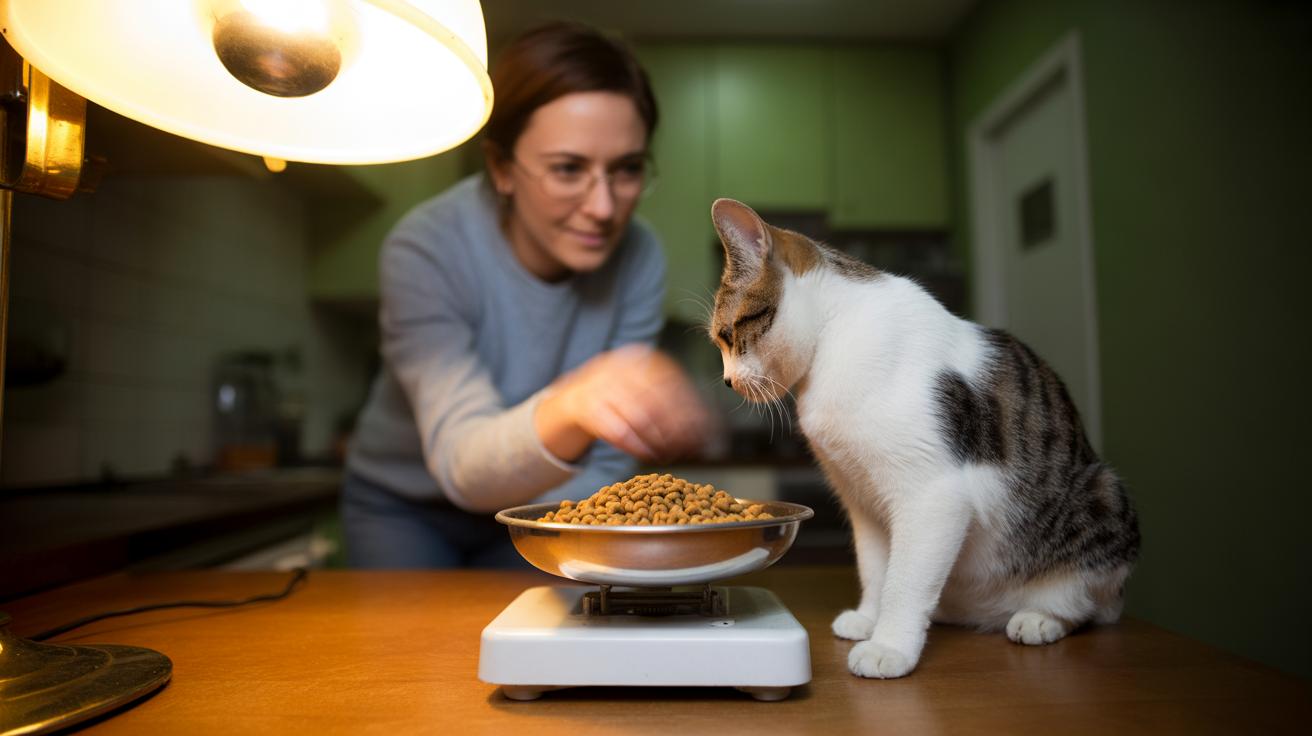
    Start with two simple steps: figure out your cat’s maintenance calories, then match that number to the kcal values on the food label. Think of kcal as the calories listed on pet food (kcal = kilocalories). It’s the same energy number you see on human food, just for cats. Use your cat’s ideal body weight when you do the math, not the weight they are right now if they’re under- or overweight. That helps you plan portions that move them toward a healthy size.

    Find kcal per cup for dry food, or kcal per can/serving for wet food on the label or the maker’s website. Also use the cat’s ideal weight in kg (kg = kilograms). If you can’t find kcal, check for kcal per 100 g and convert. Little tip: labels sometimes hide the grams-per-cup info, so you might need to weigh a level cup yourself.

    Use RER then MER. RER (resting energy requirement, the quiet-cat baseline) = 70 × (body weight in kg)^0.75. Then multiply RER by a life-stage or activity multiplier to get MER (maintenance energy requirement, the calories to keep weight steady). Typical multipliers: indoor neutered adult 1.0 to 1.2 (low activity), active adult 1.2 to 1.4, growing kitten 2.5 to 3.0 (big growth needs). Pregnant or nursing cats need a lot more, ask your vet for exact numbers.

    Worked example A – dry food. Say dry food = 400 kcal/cup and one cup weighs 100 g. If MER = 250 kcal/day then: cups = 250 ÷ 400 = 0.625 cups. Grams = 0.625 × 100 g = 62.5 g. If a single kibble (a piece of dry food) weighs about 0.2 g (weigh a small sample to check), you’d get roughly 62.5 ÷ 0.2 ≈ 313 pieces. Fun to count, but weighing is easier.

    Read labels like a detective. For dry food look for kcal per cup or kcal per 100 g. For wet food look for kcal per can or per 100 g. If a label gives kcal per cup but not grams per cup, weigh one level cup on a kitchen scale (tare the bowl first) so you can convert cups to grams. To count kibbles, weigh a known scoop or count pieces in a small, weighed sample so you know grams per piece.

    Worked example B – canned food. If a can is 170 g and has 150 kcal per can, and MER = 200 kcal/day, then cans needed = 200 ÷ 150 ≈ 1.33 cans. Grams = 1.33 × 170 g ≈ 226 g. Easy math. Your cat will probably be thrilled with the extra slurps.

    Mixed feeding is just arithmetic. Subtract the calories from the wet portion, then top off with measured dry. Worked example C – mixed: target MER = 240 kcal/day. Give 1 wet can = 150 kcal. Remaining = 90 kcal. Dry = 400 kcal/cup → 90 ÷ 400 = 0.225 cups → grams = 0.225 × 100 g = 22.5 g → roughly 22.5 ÷ 0.2 ≈ 113 kibbles if each is 0.2 g. If your cat leaves food, begs, or seems hungry, tweak portions or try a different food and re-weigh after a week to see how weight changes.

    If anything feels off, or your cat has special needs, check the Managing weight section and the lede for a quick calorie anchor, and talk with your veterinarian for a tailored plan. Worth every paw-print.

    Wet vs dry vs mixed feeding for indoor cats

    - Wet vs dry vs mixed feeding for indoor cats.jpg

    Wet food is great for keeping cats hydrated. It usually has fewer kcal (food calories) per gram, so your cat eats more weight for the same energy. That extra moisture helps cats that don’t drink enough and can support urinary and kidney health. And honestly, many cats love the soft texture, soft slurps, happy whiskers. Because wet food brings water, you’ll often measure by can or grams instead of cups, and meal timing can be tighter; for spoilage windows, refrigeration tips, and cleaning, see the Practical feeding schedule tools section.

    Dry food is calorie-dense (more kcal in less weight), so it’s handy when you need longer gaps between meals or want easy portioning into automatic feeders. It’s convenient, shelf-stable, and simple to scoop for measured servings, but some brands pack more starch and some cats will graze and overeat if kibble is left out. If your cat is a secret snack thief, use portion-controlled devices or puzzle feeders to slow intake and keep body condition steady.

    Mixed feeding gives you the best of both worlds: one or two measured wet meals for hydration, plus weighed dry to hit a daily calorie target and stretch feeding windows. A simple method: subtract the wet meal calories from the daily goal, then divide the remainder into measured dry meals or puzzle-fed portions. If you’re home most days, meal-feeding gives tight control. If you’re away, measured limited grazing paired with a timed feeder keeps things sane.

    Practical tip: think of feeding like budgeting calories, wet food covers the hydration, dry helps balance the rest. Ever watched your cat choose the wet bowl over the kibble? Cute, and telling. Worth experimenting a week or two to see what keeps your kitty healthy and purring.

    Implementing and transitioning to a feeding schedule for indoor cats

    - Implementing and transitioning to a feeding schedule for indoor cats.jpg

    Start by saying the goal out loud: move from free-feeding or a messy meal routine to predictable, portioned meals that match your cat’s calories and behavior. If your cat has medical needs, call your veterinarian first. Some conditions need slower changes or clinic guidance. Quick wins: measure the total daily food, pick two times you can keep, and expect a short adjustment period.

    7-day diet transition schedule

    When switching foods, mix old and new over 7 to 10 days. A common plan is 75:25 (old:new) to 50:50 to 25:75, then full new food. If your cat shows GI (stomach and intestine) upset , vomiting, watery stool, belly pain, or sudden appetite loss , slow the pace. Pause for about 48 hours, then try a smaller step.

    1. Day 1 , Weigh or measure the full daily portion (use a kitchen scale or measuring cup) and note how much your cat usually eats. Pick meal times you can stick to, for example 7:00 and 19:00.
    2. Day 2 , Offer the measured daily amount divided into your two meals. Start the 75:25 old-to-new mix at both meals and watch stool and appetite.
    3. Day 3 , Move to 50:50 at each meal. Start removing free food between meals for short stretches, about 4 to 6 hours.
    4. Day 4 , Keep 50:50. Add a quick 5-minute play burst before each meal to build anticipation and help digestion.
    5. Day 5 , Shift to 25:75 old-to-new. Stop free-feeding altogether and serve only scheduled meals.
    6. Day 6 , Serve only the new food at meals. Observe energy, litter-box habits, and weigh your cat if you can.
    7. Day 7 , Lock in the two-meal routine. If GI signs showed up at any point, go back one step and talk to your vet.

    Training cues and setting mealtime routines

    Pick a clear cue so your cat learns the signal: a bowl clink, a short whistle, or a specific spot. Use the same place every time and add a tiny pre-meal play session (2 to 5 minutes) so your cat links movement with food. Cats love ritual. Ever watched a kitty stalk a feather like it’s the hunt of the century? That kind of focus helps.

    Dawn and dusk match natural cat rhythms, but choose times that fit your schedule. Use smartphone reminders or a simple app to keep you honest. For midday coverage, consider a timed or automatic feeder (a device that drops measured meals). For cats with health issues, coordinate timing and portions with your veterinarian so food, meds, and monitoring line up.

    Worth every paw-print.

    Feeding schedule for multi-cat homes and feeder selection

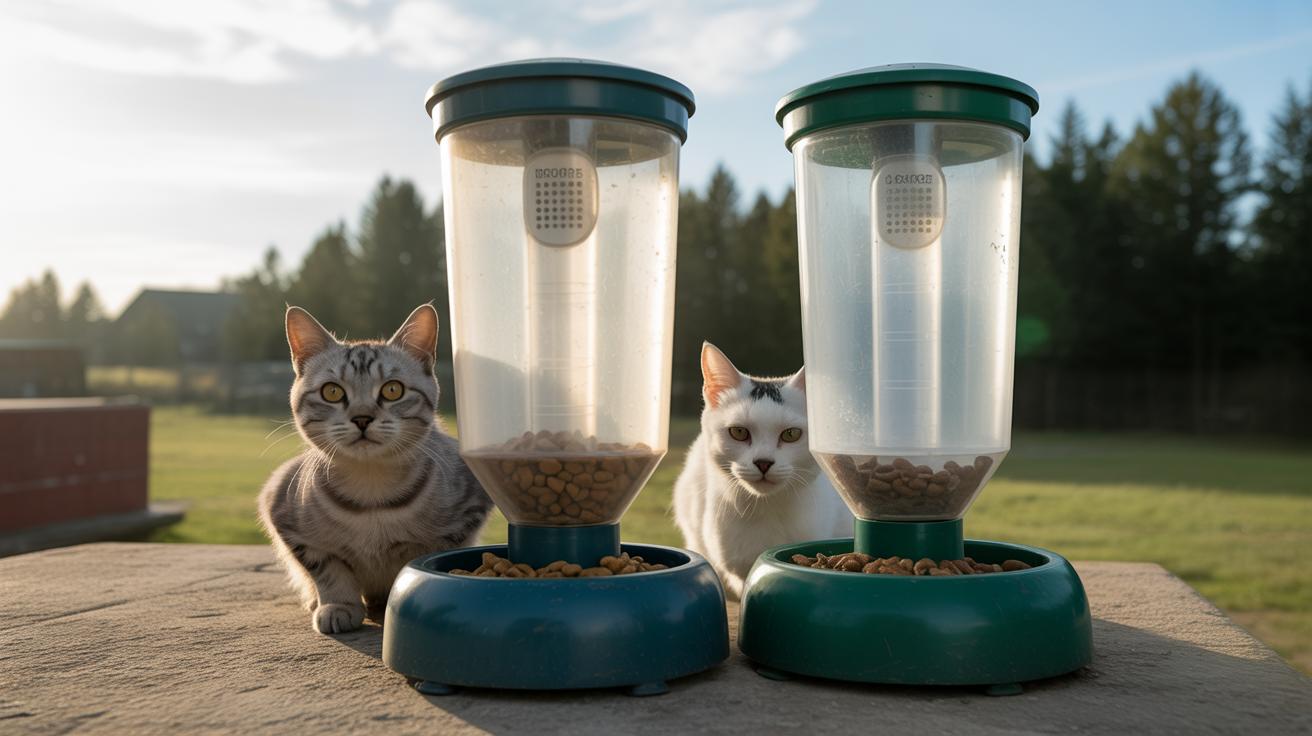
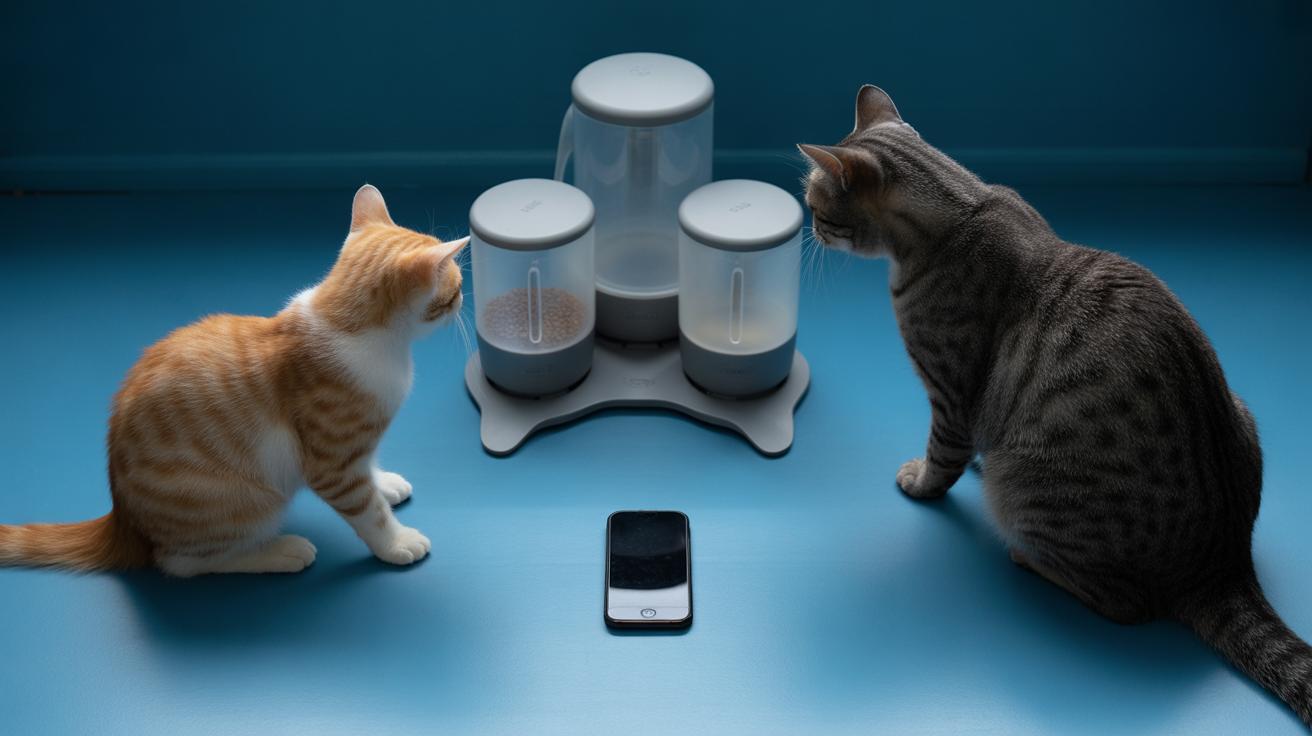
    - Feeding schedule for multi-cat homes and feeder selection.jpg

    Living with several cats can turn mealtime into a circus. You get food stealing, crowding at bowls, and one cat gobbling down another’s special food. That unequal sharing leads to stress, wrong portions, and diet slip-ups. You’ll want a plan that keeps portions accurate, cuts down on mealtime squabbles, and fits your daily routine.

    Use a mix of devices and smart placement to fix it. Microchip feeders (a reader that checks a tiny ID chip implanted under the skin, or a collar tag) open only for the right cat. Timed feeders (feeders that release meals on a schedule) help when you’re out. Portion-controlled feeders (dispense set grams or calories) stop over- or under-feeding. Match the feeder to the food form and any vet-prescribed diet, and try one model first with your most food-motivated cat to see how it goes. Ever watched your greediest cat test a new gadget? Fun, and informative.

    Microchip and portion-controlled feeders

    Microchip feeders learn who’s who and unlock only for that cat, which is perfect for different prescriptions or calorie targets. They work best with measured dry portions, though some accept sealed wet trays (single-serve wet food sealed to stay fresh). Give each diet its own feeder so foods don’t mix. And don’t place feeders in tight hallways where a bold cat can camp and guard the entry.

    Station placement and monitoring strategy

    Plan one feeding station per cat, plus an extra for shy or new cats. Spread stations across rooms or use low barriers so timid cats can eat without being stared at. Use camera checks or feeder app logs to confirm who’s eating and how much (feeder analytics show portions and times). For help picking models, cleaning routines, and safe spoilage windows, see the Practical feeding schedule tools section.

    Worth every paw-print.

    Managing weight, signs, and safe weight-change protocols

    - Managing weight, signs, and safe weight-change protocols.jpg

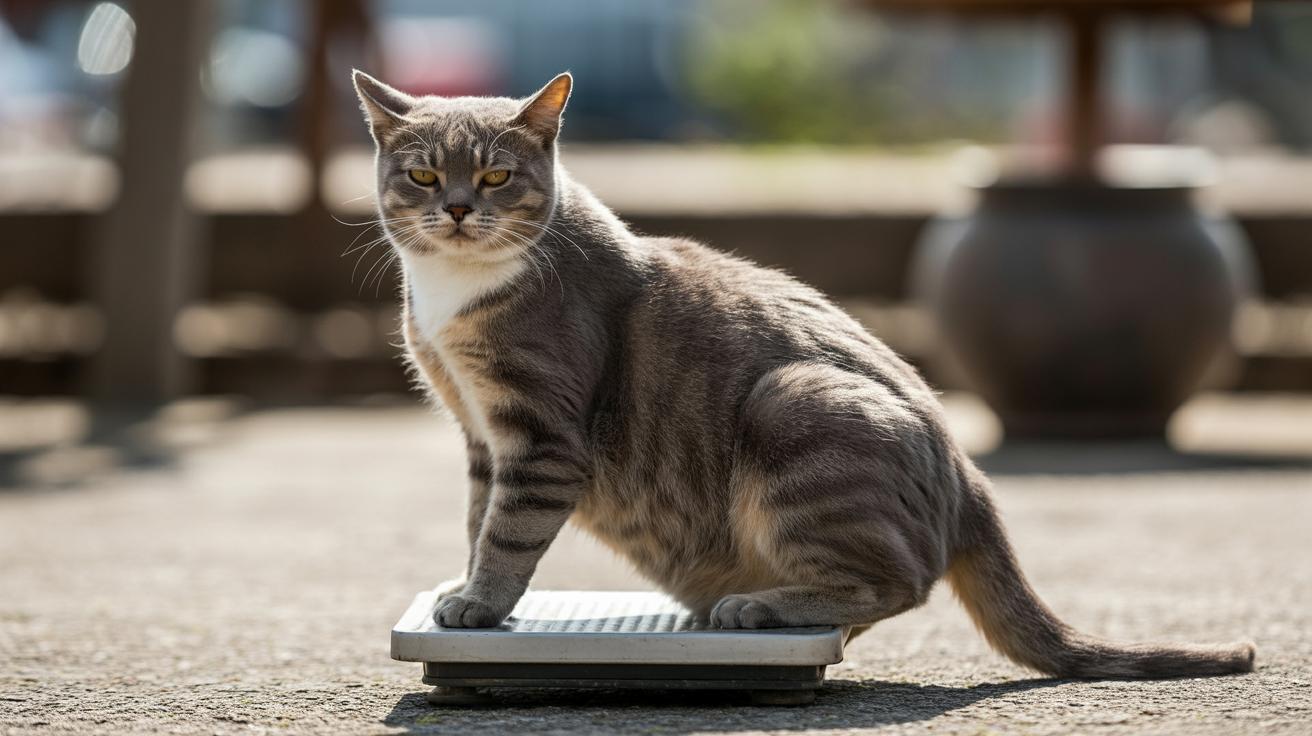
    Too much food usually shows up as steady weight gain, a rounder silhouette, and the loss of that tucked waist you used to see. About 60 to 61% of cats in America are classified as overweight or obese, so you’re not alone. Your cat might nap more, move less, vomit after meals, or breathe harder during play. And that’s not just annoying, obesity raises the chance of diabetes (a high blood sugar condition) by about 4.5 times, musculoskeletal problems (issues with bones, joints, and muscles) by around 7 times, and shortens lifespan by roughly 2 times.

    Underfeeding looks different. Think steady weight loss, a dull coat, sunken flanks, weakness, or frantic, nonstop begging. Sudden or lasting appetite shifts, eating a lot or almost nothing, can point to parasites (worms or tiny bugs), hyperthyroidism (an overactive thyroid gland), or other metabolic problems. If your cat is losing weight while eating the same food, or gaining despite tiny portions, don’t shrug it off, book a vet visit.

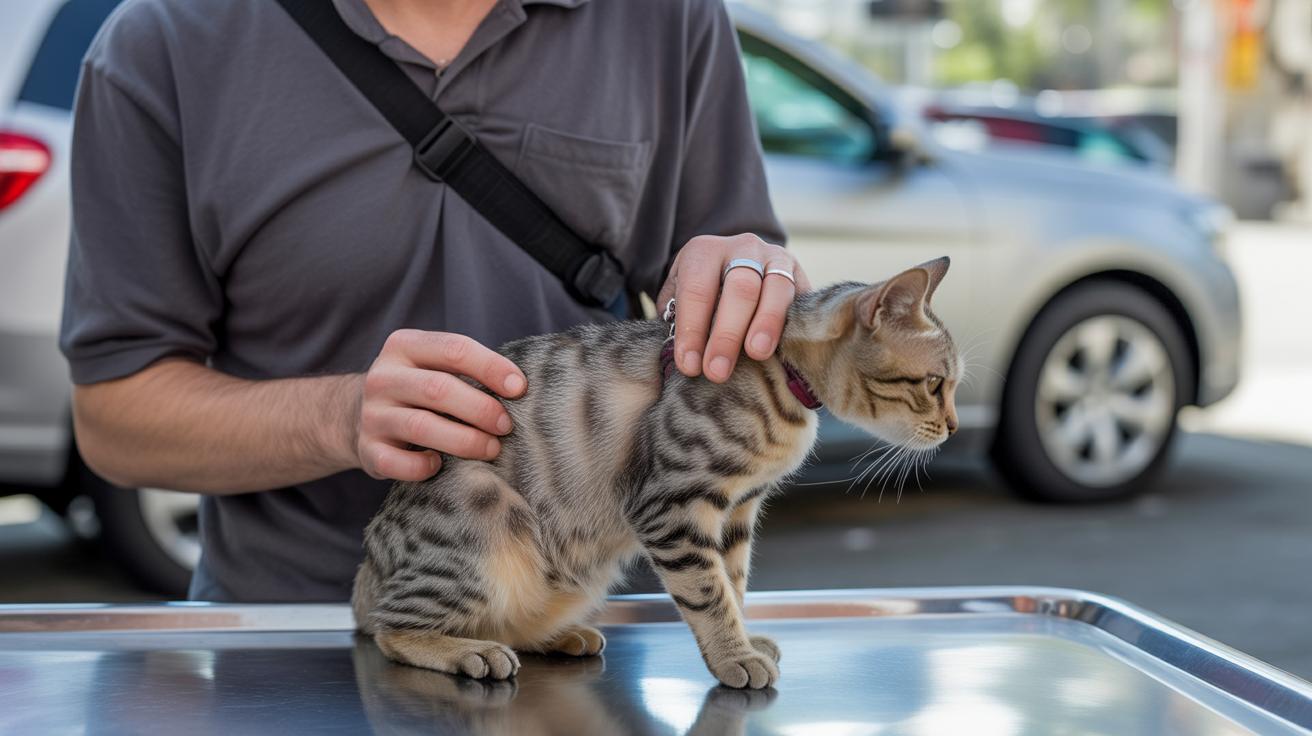
    Feel your cat regularly. If you can’t feel the ribs with gentle pressure or the waist is gone, that’s a red flag. Watch behavior too, when an active cat turns lethargic or quits playing, call your veterinarian. Ever watched your kitty chase shadows one day and barely move the next? That change matters.

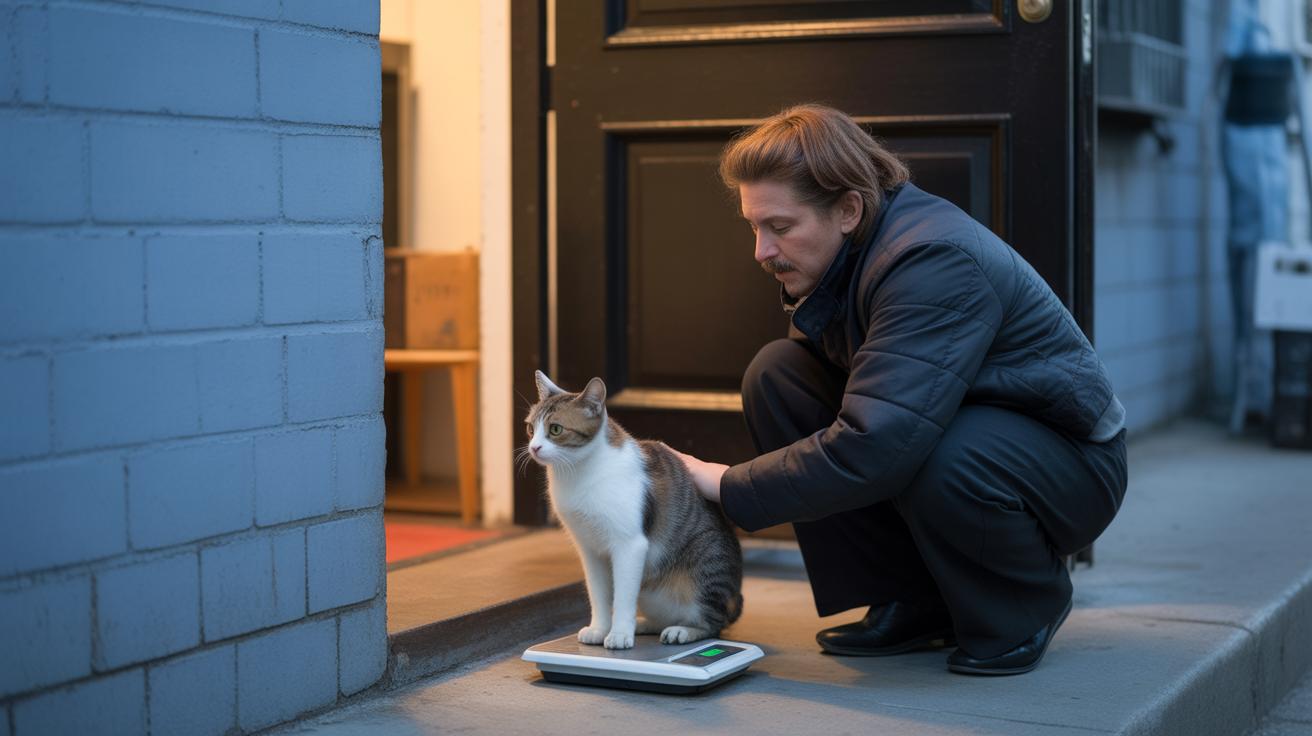
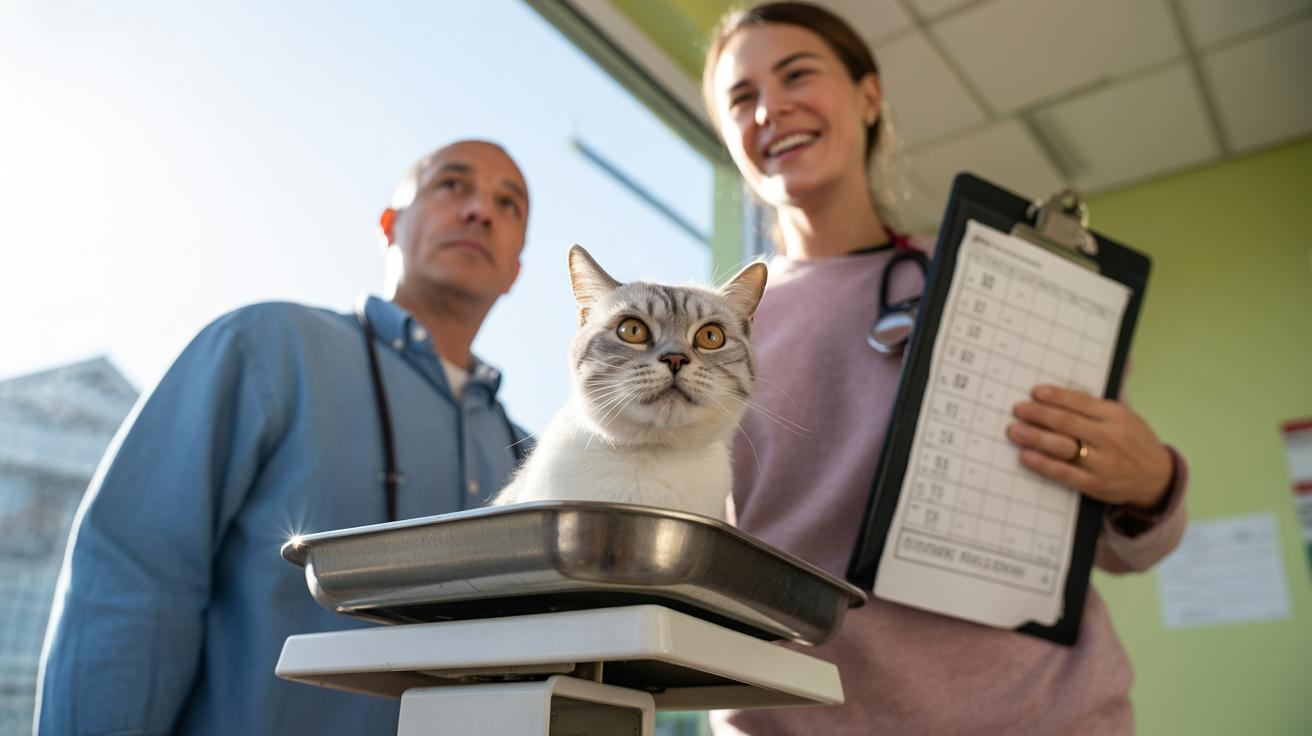
    Check weight and body condition on a schedule. Weigh at home or at the clinic monthly while you’re changing the diet, and about every three months when things are stable. Do a quick body check each week: run your hands along the ribcage (you should feel ribs with a light covering of fat), look for a visible waist behind the ribs, and note any abdominal tuck. Log weight, portion sizes, and activity so you and your vet can spot trends and tweak the plan.

    Safe weight change needs a veterinarian’s supervision. A simple template: work with your vet to set an ideal weight and a target weekly loss, calculate new daily calories to hit that target, reduce calories gradually (a modest percent at a time while keeping protein levels up), and reweigh monthly to adjust. If an overweight cat stops eating for more than 24 to 48 hours, or you see rapid weight loss, repeated vomiting, severe lethargy, trouble breathing, or signs of pain, seek emergency veterinary care, hepatic lipidosis (fatty liver disease) and other dangers can develop fast. Worth every paw-print.

    Practical feeding schedule tools, device recommendations, cleaning, and sample day plans

    - Practical feeding schedule tools, device recommendations, cleaning, and sample day plans.jpg

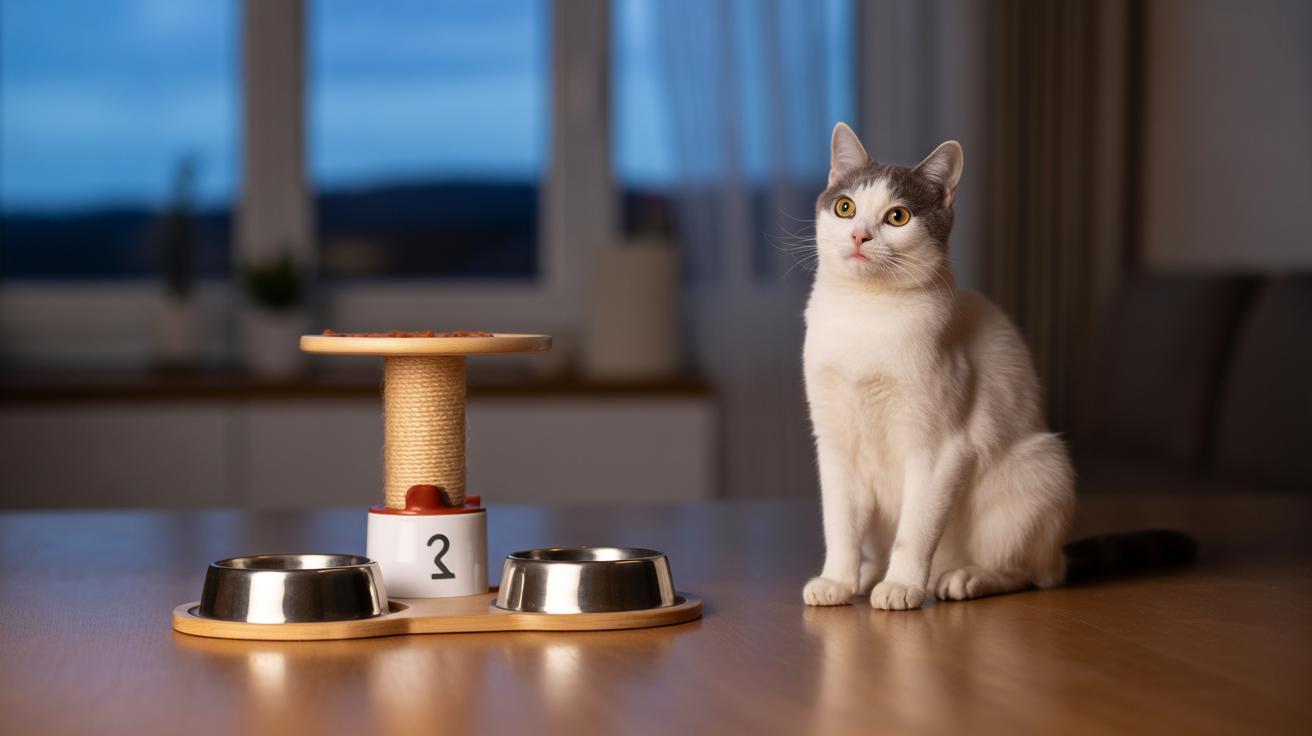
    Let’s start with the gear that actually makes a feeding schedule stick. Puzzle feeders (toys that release food when a cat nudges or bats them) stretch meal time and slow down gulpers , you’ll love watching whiskers twitch as kibble rolls. Pick puzzle feeders that accept measured grams or small kibble pieces (dry cat food pieces) so you can hit calorie targets. Timed automatic dispensers (programmable bowls that drop set portions at set times) are great if you work odd hours; look for portion presets, a reliable timer, and a battery backup (battery power if the electricity fails). Microchip feeders (feeders that read an implanted ID chip or a collar tag) keep multi-cat homes peaceful when diets must stay separate. For wet food, single-serve sealed trays or disposable sealed bowls make portioning easy and cut bacterial risk.

    Quick checklist for devices:

    • Let you set portion size in grams or scoops.
    • Easy to clean with removable parts.
    • Battery backup or power-failure plan.
    • Match the food form you use (kibble vs sealed wet trays).

    Keep gear clean and food safe so your schedule actually works. Rinse bowls and feeder bowls daily with hot, soapy water; do a deep clean of removable feeder parts once a week, soaking and scrubbing to remove oil build-up. Opened wet food should sit at room temperature for up to 4 hours, then toss it; if your house gets warm above about 77°F (25°C), shorten that to 1 to 2 hours. Store unused sealed wet food in the fridge and warm it briefly at mealtime if your cat prefers it closer to room temperature.

    Plan for equipment failures before they happen. Check batteries monthly and keep a small stash of pre-measured meals in sealed bags so you can swap to manual bowls if a unit stops or the power goes out. If a feeder dies mid-day, switch to measured bowls or a puzzle feeder and give a slightly smaller portion now and later rather than leaving food out all day. True story: my Luna’s feeder died once on a Monday , we switched to puzzle feeders and she was happily busy for half an hour while I reset the device.

    Sample day plans

    Two-meal adult plan , morning and evening routine for indoor cats: 7:00 (breakfast) and 19:00 (dinner). Portion anchor: about 20 kcal per pound daily split evenly (a 10-lb cat gets ~100 kcal at each meal). Use a manual bowl or a timed automatic dispenser set to those times. Add a 2 to 5 minute play burst before each meal to cue appetite and burn off a little energy.

    Four-meal kitten plan , high-energy feedings for growth: 7:00, 12:00, 17:00, 22:00. Portion anchor: follow your vet or the feeding chart on the food for daily kcal, then split into four equal meals. Use small bowls or multiple puzzle feeders that accept wet-food trays or measured kibble so your kitten gets both nutrition and mental stimulation.

    9-to-5 owner plan , midday feeding strategies when you’re at work: 6:30 (before leaving), 12:30 (timed feeder or puzzle feeder), 18:30 (main meal), optional 22:30 snack. Portion anchors: combine a measured morning wet meal, a timed mid-day dry portion in an automatic feeder, and an evening wet meal. Device mapping: manual bowl at home, a reliable automatic feeder for the lunch drop, and a puzzle feeder for mid-day enrichment if the automatic is unavailable.

    A few final practical tips: weigh portions with a small kitchen scale so you’re not guessing, and keep a simple log for a week to see if your cat maintains weight. Ever watched your cat chase shadows after a meal? That little burst of movement means the schedule is working. Worth every paw-print.

    Final Words

    Put the plan into action: aim for multiple small meals spaced about every 5 to 6 hours, and use the 20 kcal-per-pound anchor (so a 10-lb cat needs roughly 200 kcal/day).

    We covered life-stage step-downs, exact meal counts, portion math and label reading, wet vs dry tradeoffs, gentle food transitions, multi-cat feeder strategies, weight checks, and ready-to-use sample day plans.

    Try the templates, set reminders or feeders, watch how your cats respond, and tweak as needed. It's worth every satisfied purr. Follow these steps and your cat feeding schedule for indoor cats will be predictable, stress-reducing, and fun for everyone.

    FAQ

    What is the feeding schedule for indoor cats?

    The feeding schedule for indoor cats is multiple small meals about every 5-6 hours during their active day. Use about 20 kcal per pound; a 10-lb cat needs about 200 kcal/day.

    What is the 3-3-3 rule for new cats?

    The 3-3-3 rule for new cats breaks settling into three stages: three days to decompress, three weeks for routine building, and three months to feel fully at home.

    How much should you feed an indoor cat per day?

    About 20 kcal per pound; a 10-lb cat needs roughly 200 kcal per day.

    How many hours in between should my cat eat?

    Most adult indoor cats should eat about every 5-6 hours, which fits a four-meal day like 7:00, 12:00, 17:00, 22:00.

    How many times should I feed my cat wet food?

    Usually one to two measured wet meals per adult cat per day, included in the daily calorie plan; kittens eat wet food more often.

    What is a cat feeding schedule by age?

    Step-down frequency by age: near-constant neonatal; 8–12 weeks four meals; 3–4 months three meals; 4–6 months two to three; adults two; seniors and nursing cats adjusted with vet guidance.

    What should a feeding schedule for weight loss look like?

    A weight-loss schedule uses measured, reduced-calorie meals with regular weigh-ins and veterinary supervision; feed smaller, frequent meals and track weekly changes to keep progress safe.

    Do you have a cat feeding schedule template or sample routine?

    A sample four-meal adult routine: 7:00, 12:00, 17:00, 22:00. Choose meal-feeding for portion control or limited grazing for relaxed eaters and owner schedules.

    How should I combine wet and dry food in a feeding schedule?

    Split measured daily calories between a wet meal and scheduled dry portions; wet aids hydration, dry gives flexible timing and longer intervals.

    Related Articles

  • Munchkin cat: play considerations and safe toys

    Munchkin cat: play considerations and safe toys

    Think Munchkins are too delicate for play? Think again – play just needs to be different. Their short legs change how jumping and landing move through the spine (backbone), so high drops are a no-go.

    Keep sessions low, short, and frequent. Aim for 2 to 5 minutes, a few times a day, to build hunting skills, cardio, and coordination without dangerous launches. No big airborne stunts. Really.

    Try these simple strategies and toy picks:

    • Low-floor wand work (move the wand just above the floor, like a fishing rod for cats) to mimic prey without big jumps. My Luna once leaped six feet for a wand like it was an olympic moment , but we stick to low now, you know, smarter play.
    • Rolling balls that make a satisfying thud so your kitty chases and pounces without launching off furniture.
    • Gentle ramps (tiny stairs your cat can climb) to let them get vertical play without the impact of high drops.
    • Puzzle feeders (toys that hide food and make your cat work for treats) for brainy hunting and slow, safe bursts of activity.

    Keep it playful, watch their landings, and adjust if they seem sore. Worth every paw-print.

    Munchkin cat: play considerations and safe toys

    - Munchkin play basics immediate guidance and quick-reference rules.jpg

    Munchkin play looks different from other breeds because those short legs change how impact and reach affect their bodies. Keep play low, short, and frequent so your cat gets hunting practice without risky vertical forces. Think quick bursts that build coordination, not big jumps that strain the spine (backbone) or hips. Your kitty will still love to pounce, but we want happy landings and not ouch moments. Ever watched a Munchkin chase a rolling ball and do a tiny, perfect tumble? Cute, and safer.

    Munchkins come from an autosomal dominant mutation (a genetic change that shows up if one parent passes it on), so their limbs are about half the length of a typical cat while the body stays medium and rectangular. Adults usually weigh around 5 to 9 pounds and live about 12 to 14 years. Those facts guide play choices: low-floor wand work, rolling toys, and gentle ramps that give access without big drops. Think of ramps like short stairs for cats – easy to climb, no dramatic launches.

    Watch for urgent red flags: a sudden limp, favoring a limb, not bearing weight, new swelling, a visible curve in the spine, or a kitty that suddenly hides and stops eating. If you see any of those, check the Anatomy & Strain section for exact vet timing and next steps. Don’t wait, especially if your cat seems in pain.

    • DO: low-floor wand play – tease the toy along the ground so she chases, not jumps. Let her stalk and pounce without launching sky-high.
    • DO: rolling balls and soft chaser toys that glide across the floor with a satisfying thud or roll.
    • DO: puzzle feeders for portioned, brainy foraging that keeps activity gentle and interesting.
    • DO: low ramps or steps to favorite perches so your Munchkin can climb without big drops.
    • DON'T: encourage high jumps or tall vertical toys that prompt big launches. Those can strain the spine or hips.
    • DON'T: leave long tassels or strings out unsupervised – put them away after play.
    • DON'T: use toys with small detachable parts that can be chewed off and swallowed.

    Follow the Maintenance & Buying section for the inspection checklist and shopping tips that help you pick safe toys. Next, read Anatomy & Strain for clinical warning signs and guidance on when to call the vet. Worth every paw-print.

    Munchkin anatomy and recognizing orthopedic strain (clinical signs + vet timing)

    - Munchkin anatomy and recognizing orthopedic strain (clinical signs + vet timing).jpg

    Munchkins have those adorable short legs, but that build changes how their body handles movement. A shortened limb (a genetic change that can show up even if only one parent has it) shifts more weight into the spine and chest when they walk and jump. Over time that can encourage problems like lordosis (an extra inward curve of the lower spine) and pectus excavatum (a sunken breastbone that can make breathing harder). Breeders usually avoid mating two short-legged cats because the risk of serious kitten health problems goes up. Keeping an eye on your cat for life makes sense, small signs picked up early help a lot.

    Because their skeleton and muscles work a bit differently, play and daily care should match the build. Low-impact fun is best. Think ground-level chases, short ramps, and puzzle feeders that get them moving without big drops. Comforting images: your cat’s whiskers twitch as a toy rolls across the carpet, not a scary leap from a tall shelf. Nutrition helps too. High-quality protein builds muscle. Glucosamine (a joint-support supplement) and omega-3 fatty acids (anti-inflammatory fats) can protect moving parts. Keep portions in check so extra pounds don’t add risky load.

    You can do quick checks at home. Watch how they walk, how high they jump, and whether they suddenly nap more than usual. Little changes matter. Pair those home checks with routine vet screenings so subtle issues are caught before they become big problems.

    Signs that need quick action

    1. Sudden limp or favoring a leg – call the vet same day.
    2. Can’t put weight on a limb at all – seek immediate care.
    3. Visible swelling of a limb or joint – contact the vet within 24 hours.
    4. New or worse spinal curve (you can see the back shape change) – schedule a vet evaluation promptly.
    5. Lameness that lasts more than 24 hours – book an appointment.
    6. Big behavior shifts – not eating, hiding more, or crying when moving – urgent check-up.

    Plan for prevention
    Get annual or twice-yearly mobility checks with your vet. Ask about a nutrition plan with good protein and joint-support nutrients. Set a healthy weight target with your clinician so extra pounds don’t overload the spine. If you notice small changes in gait or posture, request diagnostic imaging or a specialist referral sooner rather than later.

    Worth the watch. Your little Munchkin may be short on legs, but with smart care they can stay playful and comfortable for years.

    Low-impact exercise and play strategies for Munchkin cats

    - Low-impact exercise and play strategies for Munchkin cats.jpg

    Short, floor-focused play helps protect the spine and builds the core and leg muscles that support a short-legged frame. Keep moves low, slow, and close to the ground so landings stay soft and joints don’t get stressed. Think gentle bursts of fun, not marathon zoomies.

    DO: Introduce a leash and harness indoors using a lightweight vest-style harness (covers the chest for gentle support). Start with very short sessions. Example: "Put the harness on for five minutes, let your cat explore the living room, then take it off." Repeat a few times a day until your cat is comfortable.

    Keep play in focused bursts of about 5 to 10 minutes instead of long, unfocused sessions. See the Munchkin play basics quick-reference in the lead for exact session lengths and the top don'ts.

    • Low-arc wand play along the floor. Use short strokes and a low arc, and finish by letting your cat catch a soft toy (teaser wand = a stick with a toy on the end).
    • Rolling balls and low-floor chases. Let the ball roll across carpet or a rug so your cat can pounce without high jumps.
    • Short, straight-line fetch on the floor. Toss gently and keep returns short so they stay on solid ground.
    • Puzzle-fed treat foraging sessions (puzzle feeder = a toy that dispenses treats; choose one with size-appropriate openings and a non-slip base).
    • Step-style climbing with low risers and ramps (low risers = small steps, ramps with a shallow incline and a non-slip surface). Keep platforms under about 12 inches.
    • Short tunnels and hide-and-seek. Use cushioned entrances and avoid any steep drops; short tunnels feel safe and fun.
    • Slow leash or harness walks indoors. Let your cat set the pace and follow along slowly.
    • Scent-based tracking games for low-effort engagement. Hide a smelly treat or a favorite toy and let your cat sniff it out.

    Ever watched your kitty chase shadows? These options give that same thrill but with less risk. Worth every paw-print.

    Safe toy types and materials for Munchkin cats

    - Safe toy types and materials for Munchkin cats.jpg

    Munchkin cats have short legs and long spines, so we want toys that keep the action low to the floor and gentle on their bodies. Think low-floor wand toys, rolling balls that glide instead of bounce, short tunnels, low steps or mini trees, puzzle feeders, soft plush toys without tiny parts, and chew toys made from tough rubber. Focus on how things are built and whether they’re safe, not just bright colors. Your cat will thank you when playtime doesn’t end in a sprawl or a startled hop.

    When you shop or inspect toys, use a short checklist to keep things simple. Look for:

    • Non-toxic labeling and clear material info.
    • Chew-resistant materials like solid rubber (firm, non-toxic rubber that resists chewing) and tightly woven natural fiber rope (like thick cotton rope).
    • No detachable parts smaller than about 2 centimeters (small enough to swallow).
    • No long tassels left on toys when unsupervised.
    • Washable surfaces so you can clean drool and fur.
    • Screw-locked battery compartments for electronic toys.
    • A weekly inspection habit: check seams, loose parts, and wear before play.

    For a single, consolidated shopping and inspection checklist, see the Maintenance & Buying / inspection checklist.

    Wand play is great when you keep the lure low. Aim for short sessions, five to ten minutes total. Do quick 5–10 second bursts of movement, then pause so your cat can reset their stalking brain. Finish by giving a soft “catch” toy your cat can grab and carry; that little win matters. Practical technique tips and step-by-step wand moves are moved to the Low-impact exercise and play strategies subsection so you can follow them there.

    Worth every paw-print.

    Munchkin-friendly play environment: ramps, low trees, and layout

    - Munchkin-friendly play environment ramps, low trees, and layout.jpg

    Before you rearrange a room, check the Munchkin play basics quick-reference for exact session lengths and the top don’ts. Make the space low, stable, and easy to move through so your short-legged pal can chase, climb, and nap without risky drops or big launches. Ever watched a Munchkin try to leap and then decide it’s too far? Yeah, let’s avoid that. Keep things cozy and safe for their long back and short legs.

    Room layout checklist

    Think room-by-room. Aim for low climbing spots, short ramps, and gentle steps so play stays near the floor where it’s kinder to their spine. You’ll want clear paths from food to bed to play, no big hops in between.

    • Put ramps and steps by favorite window perches so your Munchkin can climb up without leaping (ramp = shallow slope).
    • Install low platforms and short shelves as low climbing spots (platform = low flat surface).
    • Add non-slip surfaces for play areas, like a grippy mat or runner (non-slip mat = a grippy rug).
    • Keep short tunnels and low-entry hideaways for safe ambush-and-chase fun (tunnel = short enclosed tube).
    • Use low hideaway beds and floor-level cushions for easy naps.
    • Place food and water at reachable heights so eating doesn’t strain their back.
    • Build secure shelving with short step-stops instead of one tall leap between levels.
    • Add corner scratchers at floor level to steer clawing away from furniture.
    • Stabilize taller pieces so curious cats can hop onto a low step safely.
    • Provide soft lighting for active times like early morning and evening so sight-guided play stays safe.

    Worth every paw print.

    Feature Purpose Recommended height/size
    Ramp Gentle ascent to higher spots (ramp = shallow slope) 8 to 12 in run; shallow 8 to 15° incline; 8 to 10 in wide
    Low tree / platform Resting and low climbing (low-profile cat trees) Platforms under about 12 in; stable base; 12 to 18 in diameter
    Tunnel Short chases and hiding without jumping (tunnel = short enclosed tube) 24 to 36 in length; 6 to 8 in diameter for kittens, 8 to 10 in for adults
    Non-slip mat Prevents slips during chases (non-slip mat = grippy rug) 18 by 24 in or larger; textured surface; low profile

    Maintenance & Buying: inspection cadence, toy rotation, DIY safe toy steps, and shopping checklist

    - Maintenance  Buying inspection cadence, toy rotation, DIY safe toy steps, and shopping checklist.jpg

    Keep it simple. Do a quick look-over before play, rotate toys midweek, wash what’s washable once a week, and retire anything with loose stuffing or exposed bits. That tiny habit cuts choking and chewing risks, helps you follow the Munchkin play basics quick-reference for session lengths and don’ts, and points you back to the Anatomy & Strain section if your cat starts limping or seems sore. A short inspection checklist and a steady rotation plan keep your kitty curious and your home safer.

    Daily pre-play check

    1. Quick visual scan before any play: look for ripped seams, loose stuffing, exposed glue, or cracked batteries.
    2. Midweek rotation: swap a few toys to keep things novel and reduce rough chewing or overplay.
    3. Weekly clean: wash washable toys following the label , mild soap and hot water, or machine wash if the tag allows.
    4. Weekly electronics check: test batteries and make sure battery doors are screw-locked and snug.
    5. Retire immediately if you see stuffing, loose parts, or frayed fabric , toss or recycle right away.
    6. Note it down: jot the date and why you replaced a toy so you can spot patterns (chewer, seam wear, battery fail).

    DIY treat-dispensing tube toy – safe steps
    Materials (with size limits): a sturdy cardboard tube, strong tape, non-toxic glue, and treats. No parts smaller than 2 cm (about 0.8 in).
    Assembly: cap both tube ends with taped cardboard so edges are sealed; cut treat-sized holes away from the ends; smooth all cut edges so there’s no sharp paper. Think of it like a safe snack puzzle.
    Safety check before first use: roll the tube, press seams, shake to hear loose bits, and make sure hole sizes won’t trap paws.
    Intro protocol: give it for short, supervised sessions and watch how your Munchkin bats and mouths it. Remove if chewing makes crumbs or new holes.
    Replacement guideline: replace when seams split, tape peels, or a hole grows big enough for a paw or treat to escape too easily.

    Toy Type Key Safety Feature(s) When to Replace
    Wand toy Sturdy handle, securely fixed lure When the lure is frayed or glue is coming off
    Puzzle feeder Non-slip base, food-safe materials (no toxic coatings) When it cracks, gets sticky residue, or parts loosen
    Soft plush Double-stitched seams, no small detachable parts When seams split or stuffing shows
    Rubber chew Chew-resistant, non-toxic rubber When deep gouges or pieces break off
    Tunnel Stable structure, no exposed wire frame When fabric rips or the frame pokes through

    Vet-approved product checklist

    • Clear non-toxic material labels and ingredient lists.
    • No parts smaller than 2 cm (0.8 in) or permanently fixed small parts.
    • Washable or surface-cleanable materials with care instructions.
    • Screw-locked battery compartments on all electronics.
    • Double-stitched seams and reinforced stress points.
    • Chew-resistant materials for heavy chewers.
    • Clear age or life-stage labeling on packaging.
    • Manufacturer care info and warranty details.

    When a toy’s life ends, cut cords and strings into short pieces before you toss them so curious mouths can’t find a snack in the trash. Store long tassels and strings in a closed container or up in a high cabinet between supervised play sessions so they’re not left where a cat can chew them alone. Worth every paw-print.

    Age-specific adaptations: kittens, adults, seniors, and overweight Munchkins

    - Age-specific adaptations kittens, adults, seniors, and overweight Munchkins.jpg

    We removed the separate age-specific section and folded the useful, actionable tips into the main sections to cut down on repeats. Each relevant section now opens with a pointer to the Munchkin play basics quick-reference in the lead, and a note sending readers to Maintenance & Buying for inspection and shopping steps. Simple, tidy, and easier to use while you juggle toys and treats.

    Maintenance & Buying – Kittens
    Keep shopping and safety checks in one place. For kittens, look for no small detachable parts, kitten-sized puzzle feeders, and short supervised string play. Try low tunnels and pieces sized for tiny paws. Start sessions slowly and build up time bit by bit so they do not get overwhelmed.
    Example: Supervised string play – "Wiggle a tassel for 20 to 30 seconds, then put it away." It’s short, fun, and keeps the kitten from turning strings into trouble.

    Low-impact exercise – Kittens, Adults, Seniors & Weight Management
    All the exercise guidance lives here now, so you can find kitten session-build tips, adult muscle-building moves that are easy on joints, and low-intensity options for seniors or cats who need to lose a few pounds. Mix scent-based games with gentle movement to keep motivation high without pushing hard.
    Example: Gentle fetch for adults – "Roll a lightweight ball across the floor and reward a short return with a tiny treat." That quick return is great for muscle memory and confidence.

    Play Environment – Adults note
    We added an Adults note so layout and access ideas sit with other environment tips. For adult Munchkins, think about ramped access to favorite perches, floor-level strength work, and clear paths for quick sprints. Little changes in setup can make a big difference in how they move and play.
    Example: Ramped perch access – "Add a low ramp or a couple of wide steps to the favorite window perch." Your cat will thank you with extra lounge time and safer climbs.

    Anatomy & Strain – Seniors & Weight Management
    Joint and strain guidance now appears with anatomy and injury risk so caretakers get the full picture. Offer reduced-intensity play, ramps to avoid jumping, portion-controlled feeders, and exercise plans you review with your vet. Watch for subtle signs of pain and stop or change activities if they hesitate or limp.
    Example: Scent game for seniors – "Hide a small treat in a fabric ball and let them sniff it out from a comfy bed." It’s low effort, big reward, and keeps their nose and brain busy.

    Quick note
    At the top of each of the four sections above you’ll find the Munchkin play basics quick-reference in the lead plus a pointer to Maintenance & Buying for inspection and shopping steps. Easy to find when you need a refresher before playtime.

    Final Words

    In the action, keep play low to the floor, short and frequent, and pick toys that steady muscle without asking for high jumps. Think wand play, puzzle feeders, and ramped access.

    Remember the basics: Munchkins come from an autosomal dominant mutation (a genetic change passed with just one parent), with short limbs about half the usual length, typical weight 5–9 lb, and a 12–14 year span. Those facts shape safer play.

    Watch for sudden limp, no weight-bearing, swelling, visible spinal curvature (a bend you can see), persistent lameness, or big behavior shifts and check the anatomy & strain section for timing. Munchkin cat: play considerations and safe toys are straightforward, and with a little planning your crew stays playful and happy.

    FAQ

    Frequently asked questions — Munchkin cats

    Munchkin cat for sale

    Munchkin cats for sale are usually found through reputable breeders, breed rescues, or shelters. Check health clearances, meet the kitten and parents, and confirm vet exams before you buy or adopt.

    Do Munchkin cats have health issues / Are Munchkin cats in pain / What are the downsides of Munchkin cats?

    Munchkin cats have a higher risk of spinal and joint issues due to an autosomal dominant mutation that causes short legs. Watch for signs of pain or mobility problems and seek veterinary care if needed.

    Munchkin cat facts / Munchkin cat characteristics / Black Munchkin cat

    Munchkin cats have short legs (about half normal length), medium rectangular bodies, usually weigh 5–9 lb, and live roughly 12–14 years. They come in many colors including black, and tend to be playful and low-to-the-ground.

    Can Munchkin cats jump and do they like to play?

    Munchkin cats can jump but their reach is lower than typical cats. They love to play and do best with low-floor wand toys, rolling balls, and puzzle feeders to help protect their joints.

    What do Munchkin cats need / What are the 10 things cats need?

    Munchkin cats need safe low-floor play, ramps or steps, puzzle feeders, balanced protein with joint support, regular mobility checks, weight control, secure washable toys, social time, a clean litter area, and supervised string storage.

    How do Munchkin cats compare to Scottish Fold, Ragdoll, Oriental Shorthair, Devon Rex, or Singapura?

    Munchkin cats stand out for their short legs and mobility needs. Other breeds differ in size, coat, temperament, and health risks—choose a breed that matches your space, play style, and care routine.

    Related Articles

  • Best Cat Water Fountains for Encouraging Hydration

    Best Cat Water Fountains for Encouraging Hydration

    Ever think your cat drinks enough? Most don’t. Many sip too little, and that can raise their chance of urinary problems.

    The best fountains get cats drinking by offering moving, fresh-smelling water. The gentle gurgle and tiny ripples make whiskers twitch and invite a sip. Ever watched your kitty perk up at a dancing surface? It’s adorable.

    Good fountains pair shallow, wide bowls (so whiskers don’t brush the sides) with quiet pumps (small electric motor that moves the water) and filtration (filters out hair and gunk). Look for safe materials too, like stainless steel (rust-proof metal) or BPA-free plastic (plastic made without BPA).

    We tested top fountains for quietness, materials (what they’re made of), filtration (how well they clean the water), capacity (how much water they hold), and cleanability (how easy they are to take apart and wash). Then we picked the ones that did the best job.

    We’ll share our top picks and simple setup tricks to get even picky cats drinking more. Worth every paw-print.

    How the best cat water fountains for encouraging hydration actually increase drinking

    - How the best cat water fountains for encouraging hydration actually increase drinking.jpg

    The best cat water fountains work because lots of cats prefer running water. The gentle gurgle and moving surface smell fresher to them, so they’re more likely to sip. More sipping can lower urinary risks that come from drinking too little. If your cat looks dehydrated, call your vet. Watch for less drinking, lethargy, or a drop in litter-box output.

    Cats tune in to a few simple things: motion, cleanliness, and comfort. A bubbling stream or soft flow looks and sounds fresh, and that grabs their attention. Moving water hides stale smells and slows bacterial growth (bacteria multiply faster in still water). Wide, shallow bowls cut down on whisker fatigue (that annoying rubbing of whiskers against bowl sides), so your cat won’t pull back mid-sip. Think of a fountain like a tiny stream your cat can nudge with a paw – sensory play plus hydration. Ever watched your kitty bat at the spout?

    Quick wins when you’re picking or setting up a fountain:

    • quiet pump (low noise so you don’t scare them)
    • shallow, wide bowl for whisker comfort
    • robust filtration (removes hair and debris)
    • multiple stations so shy or lower-rank cats can drink without competition
    • easy-to-clean parts

    Practical tips: put more than one fountain or bowl around the house, and keep a non-electric backup water bowl for outages. Routine cleaning makes the fountain inviting , rinse and top off daily, deep-clean weekly, and change filters as the maker suggests. Try swapping materials if your cat avoids plastic: stainless steel (durable metal) or ceramic (baked clay) often win picky noses. Small habits like these make it a lot easier to encourage your cat to drink more with fountain solutions.

    Worth every paw-print.

    Best Cat Water Fountains for Encouraging Hydration

    - Top rated best cat water fountains for encouraging hydration (ranked picks and brief rationale).jpg

    We compared top cat water fountains for quietness, materials, filtration, capacity, how easy they are to clean, and price so you can pick the right one fast. We tested real models, including the Petlibro Dockstream and a few Petkit fountain styles, to see how cats actually react. Capacity numbers are in the table below and maintenance/service details are in Maintenance → Consolidated maintenance numbers.

    Petlibro Dockstream (Top overall)

    Petlibro Dockstream, 84 oz , a near-silent wireless pump (rechargeable battery) and helpful app features (drink tracking and alerts). Great if you want a smart, quiet fountain that doesn’t bother you or your cat. Check Maintenance → Consolidated maintenance numbers for service cadence.

    Uahpet Smart Pet Fountain (Runner-up)

    Uahpet Smart Pet Fountain, 71 oz , cordless design with a stainless-steel bowl option (rust-resistant metal) that’s dishwasher-safe and simple to clean. Solid pick for picky kitties who turn their nose up at plastic.

    Felaqua Connect by Sure Petcare (Hi-tech)

    Felaqua Connect, 34 oz , uses microchip access control (lets only registered pets drink) and offers optional app monitoring. Perfect for multi-cat homes where you want to track who’s drinking and when.

    Drinkwell Pagoda (Style and ceramic)

    Drinkwell Pagoda, 70 oz , ceramic bowl (smooth, breakable) with a two-tier flow that cats often find irresistible. Looks nice on a counter and gives your cat a little waterfall to chase.

    Veken 2.8 L (Best budget)

    Veken 2.8 L, 94 oz , huge capacity for the price and simple filtration (charcoal filter). Quiet enough for most rooms and means fewer refills on busy days.

    PetSafe Drinkwell 360 (Best for multi-pet homes)

    PetSafe Drinkwell 360, 128 oz , 360-degree access with multiple spouts so several pets can drink at once without crowding. Great for households with more than one thirsty friend.

    Raindrop Fountain (Quiet pick)

    Raindrop Fountain, 60 oz , designed to be ultra-quiet with an available stainless bowl option (rust-resistant metal) and easy, cat-friendly flow styles. Pick this if silence is your priority.

    PawsPik SS-01 (Best stainless steel)

    PawsPik SS-01, 108 oz , food-grade stainless steel construction (safe, easy to sanitize) and dishwasher-safe parts. Top choice if hygiene or metal bowls are important to you.

    Petcube Fountain (UV-C / high hygiene)

    Petcube Fountain, 45 oz , includes UV-C purification (short-wavelength light that reduces microbes) and offers ceramic or stainless drinking basins. Good for owners who want extra germ control.

    Catit Flower & Cat Mate (Compact / budget mentions)

    Catit Flower and Cat Mate, about 70–100 oz , compact, affordable starters that are simple to set up and keep clean. A friendly intro fountain for first-timers or small spaces.

    Model Capacity (oz / L) Key feature(s) Best for Price range
    Petlibro Dockstream 84 oz / 2.5 L Quiet wireless pump (rechargeable), app features (drink tracking) Smart, quiet homes $60–$90
    Uahpet Smart Pet Fountain 71 oz / 2.1 L Dishwasher-safe stainless option (rust-resistant metal) Stainless-steel preference $50–$80
    Felaqua Connect 34 oz / 1.0 L Microchip access, app monitoring (per-pet tracking) Multi-cat tracking $120–$180
    Drinkwell Pagoda 70 oz / 2.0 L Ceramic two-tier design (smooth, breakable) Style-forward homes $40–$70
    Veken 2.8 L 94 oz / 2.8 L High capacity, budget price, charcoal filtration Value seekers $25–$40
    PetSafe Drinkwell 360 128 oz / 3.8 L 360° access, multiple spouts Multi-pet homes $50–$90
    Raindrop Fountain 60 oz / 1.8 L Nearly silent, stainless option (rust-resistant metal) Quiet cat households $40–$80
    PawsPik SS-01 108 oz / 3.2 L Food-grade stainless steel (safe, easy to sanitize) Hygiene-focused homes $80–$140
    Petcube Fountain 45 oz / 1.35 L UV-C purification (reduces microbes), ceramic option High-hygiene preference $120–$200
    Catit Flower & Cat Mate ~70–100 oz / ~2–3 L Compact, easy setup Starters, small spaces $20–$40

    Best Cat Water Fountains for Encouraging Hydration

    - Best cat water fountains for encouraging hydration a practical buying guide.jpg

    Capacity numbers are in the Top Picks table and lifecycle figures live in Maintenance → Consolidated maintenance numbers. Just a heads-up so you know where to look for the nitty gritty.

    Go with stainless steel (food-grade metal, won’t leach and easy to clean) or ceramic (baked clay, heavy and often dishwasher-safe) for the basin. Those surfaces fight bacteria better than plastic and usually hold up after lots of cleanings. Your cat’s whiskers will thank you.

    Aim for two-stage filtration: a prefilter (a coarse net that catches hair) plus activated carbon (a charcoal-like layer that reduces odors and odd tastes). Swap filters on the schedule the maker suggests, or your fountain starts to smell like a forgotten bowl. Nobody wants that.

    Pick power and pump style for your home. Battery models give you placement freedom; plug-in units skip battery fuss and tend to run quieter. Pumps are either gravity-fed (no motor, uses simple water flow) or submerged (an underwater pump with adjustable flow). For shy drinkers, choose a quiet, low-flow setup. My shy tabby started sipping once I switched to a quiet stainless steel fountain with low flow , soft trickle, not a gurgle, and she finally relaxed.

    Quick tips: match capacity to how many cats you have and how often you’ll clean. Look for adjustable flow and a replaceable filter. And if your cat likes to flip things, heavier ceramic can help. Worth every paw-print.

    Filtration, flow rate, and materials in the best cat water fountains for encouraging hydration

    - Filtration, flow rate, and materials in the best cat water fountains for encouraging hydration.jpg

    Good filtration and the right flow keep water tasting fresh and cut down on how often the pump needs service. See Maintenance → Consolidated maintenance numbers for exact filter-replacement cadence and pump-life estimates.

    Many fountain filter stacks have 2–5 stages. Common setup: a foam or mesh prefilter (a coarse screen that stops fur and grit), an activated carbon filter (charcoal-like material that soaks up odors and weird tastes), and mineral-trap layers (tiny nets that catch hard-water buildup). Some fancier models add UV-C sterilization (short-wavelength light that reduces microbes) for extra peace of mind.

    Strong filtration plus the correct flow rate means less debris in the basin and less strain on the pump, so the motor usually lasts longer. It also keeps your cat more interested , fresh, moving water smells and tastes better to most kitties.

    Model-specific notes about noise, height, and materials live with each product blurb and in the Picks table, so you won’t see the same cleaning and material advice repeated here. Quiet designs aim to hum less; taller spouts can make a gentle trickle that some cats prefer, while others like a steady stream.

    Think layers: foam, carbon, mineral traps. Each stage catches a different kind of yuck, and together they keep the water nicer for your furball. Worth every paw-print.

    Maintenance schedule for the best cat water fountains for encouraging hydration (cleaning, filters, pumps)

    - Maintenance schedule for the best cat water fountains for encouraging hydration (cleaning, filters, pumps).jpg

    Keeping a cat fountain clean is one of the easiest ways to keep your cat drinking. Fresh-tasting water cuts down on bacteria, keeps the pump happy, and means more sips for better urinary health. Plus, watching your cat take that first crisp sip is oddly satisfying.

    Think of maintenance as a tiny ritual: quick daily checks, a weekly scrub, and a monthly deep clean. Do those and your fountain will hum along, your cat will stay hydrated, and you’ll avoid surprise clogs and funky smells.

    Weekly and monthly routine you can actually stick to
    Once a week, take the fountain apart, wash the parts, and swap or rinse any prefilter (a foam or mesh filter that catches hair and debris). Every month, do a deeper clean: soak plastic (hard plastic) or ceramic (porcelain-like) pieces in a mild vinegar solution if you see mineral buildup, scrub tight spots, and replace a carbon-style filter (charcoal filter that removes tastes and odors) according to the maker’s instructions. If you have hard water or more than one cat, change carbon filters closer to every two weeks.

    Quick checklist , weekly cleaning steps

    • Disassemble all removable parts.
    • Wash bowl, lid, and spouts with mild dish soap and warm water.
    • Soak parts with white vinegar and water at about 1:3 if you see scale, then rinse very well.
    • Clean the impeller (small rotor inside the pump) and pump housing (pump = motorized unit that moves the water).
    • Replace or rinse the prefilter (foam or mesh). Install a fresh carbon filter when it’s due.
    • Dry everything, reassemble, and top off the reservoir (the water tank).

    Pump care, battery notes, and annual tasks
    Open the pump at least once a month to clear hair and gunk from the impeller and its housing so the motor runs smoothly. For cordless fountains, follow the maker’s battery schedule; for example, Dockstream runs about 30 days per full charge and Petcube models can run up to about three weeks on battery power, but check the product page for exact specs. Expect to replace a stock pump about every 1 to 1.5 years if you notice reduced flow, louder noise, or frequent clogging. Keep a spare pump and a few extra filters on hand so downtime is short and your cat never loses moving water.

    Worth every paw-print.

    Consolidated maintenance numbers
    A quick reference so you can set calendar reminders and plan for replacement costs.

    1. Pump life: typical stock pump lifespan about 1 to 1.5 years with routine cleaning.
    2. Filter replacement: roughly every two weeks up to monthly depending on water quality and how many cats you have.
    3. Battery runtimes (examples): Dockstream about 30 days per full charge; Petcube up to about three weeks. Check model pages for exact numbers.
    4. Cleaning cadence: weekly quick clean; monthly deep clean and descale as needed.
    Metric Representative Range/Example
    Pump life ~1 to 1.5 years (with routine cleaning)
    Filter cadence ~2 weeks to monthly (depends on use and water quality)
    Battery runtime examples Dockstream ~30 days / Petcube up to ~3 weeks (model-dependent)
    Typical deep-clean cadence Weekly quick clean; monthly deep clean and descale as needed

    Placement and multi-cat setups with the best cat water fountains for encouraging hydration

    In homes with more than one cat, the bossy kitties can keep shy ones away from the water bowl, and that means some cats barely sip. Spread water out. Give each cat easy access to a fountain or set up several fountains around the house so lower-ranking or nervous cats don’t get pushed out.

    Pick spots away from food and litter boxes. Cats like their water separate from smells and mess, and a clean, quiet place helps them relax while drinking. Put fountains on a flat, steady surface and use anti-slip mats so the fountain does not slide when a curious cat taps it. Aim for low-traffic rooms where a skittish drinker can hang out in peace.

    Think about how much water you need, not just the fancy features. Match fountain capacity to how many cats you have and how long you want between refills. For exact size comparisons, check the Top Picks table so you don’t have to guess which capacity fits your household.

    Plan for power and backups. Cordless or battery models (runs on batteries) and gravity-fed models (works by gravity, no pump) are great where outlets are scarce, while plug-in units (use a wall outlet) avoid battery fuss but need a nearby plug. The pump (a small electric motor that moves water) will eventually need cleaning or replacing, so keep at least one non-electric bowl on hand for power outages and routine hiccups. For battery runtimes and pump-life expectations, see Maintenance → Consolidated maintenance numbers for the numbers to plan around.

    Worth every paw-print.

    Troubleshooting common issues with the best cat water fountains for encouraging hydration

    - Placement and multi-cat setups with the best cat water fountains for encouraging hydration.jpg

    Most fountain problems come from simple upkeep. A few quick checks will tell you if it’s an easy fix or needs more work.

    • Check the water level. Low water often makes the pump noisy, so top it off and listen for a quieter, steady hum. Your cat will notice the change too, trust me.
    • Listen for new buzzing or rattling. Pay attention if the sound only shows up when the pump runs, or if it keeps going even when you move the fountain.
    • Inspect the impeller for obstructions. The impeller (small rotor that spins the water) can get hair, grit, or slimy gunk stuck in it. A quick clean usually brings it back to life.
    • Confirm seals and clips are seated. Make sure lids and snap-fit parts (the pieces that keep water from leaking) click into place. You should hear or feel a satisfying snap.

    Actionable tip: isolate a noisy pump by removing it and testing briefly in a separate bowl of water. If it still buzzes in the bowl, the motor is likely the problem. If it runs quietly, check the impeller and the pump housing again. I once fixed Luna’s fountain this way and saved myself a new pump, hooray for small wins.

    Quick test line you can say while watching: "Pump in bowl – still buzzing? Probably the motor."

    For full step-by-step cleaning, pump servicing, and parts sourcing see Maintenance → Consolidated maintenance numbers.

    Transition tactics to get picky cats using the best cat water fountains for encouraging hydration

    - Troubleshooting common issues with the best cat water fountains for encouraging hydration.jpg

    Some kitties need a gentle nudge to try a water fountain. Try tiny, reversible changes in flow, material, and location so your cat still feels in charge. These are easy, testable steps you can try over days or weeks. Think of it as a little experiment to help your cat drink more.

    1. Put the fountain next to their usual water bowl for a few days so the spot feels familiar. Your cat will notice the same place, the same smells, and feel less worried about a new thing.

    2. Start with a low, gentle flow or a puddle-style shallow dish. A wide, low bowl feels less scary to whiskers and lets them drink without crouching.

    3. Offer both the fountain and the familiar bowl at the same time for 1 to 2 weeks so your cat can choose. Let them be the boss for a bit.

    4. Try different materials: stainless steel (durable metal), ceramic (baked clay), or avoid plastic (lightweight polymer) if your cat seems put off by it. Some cats prefer the cool feel of metal or the neutral smell of ceramic.

    5. Pair the fountain with something tasty. Put wet food nearby or add a tablespoon of water to meals so drinking becomes a positive thing. For busy days, toss an unbreakable ball and set the fountain out before you head out, ten minutes of safe play and a better chance they sip.

    6. Consider sensor-mode activation (Dockstream radar, a motion sensor that turns the fountain on when your cat approaches) or other motion-activated settings. Shy drinkers often like the fountain to come alive only when they’re near.
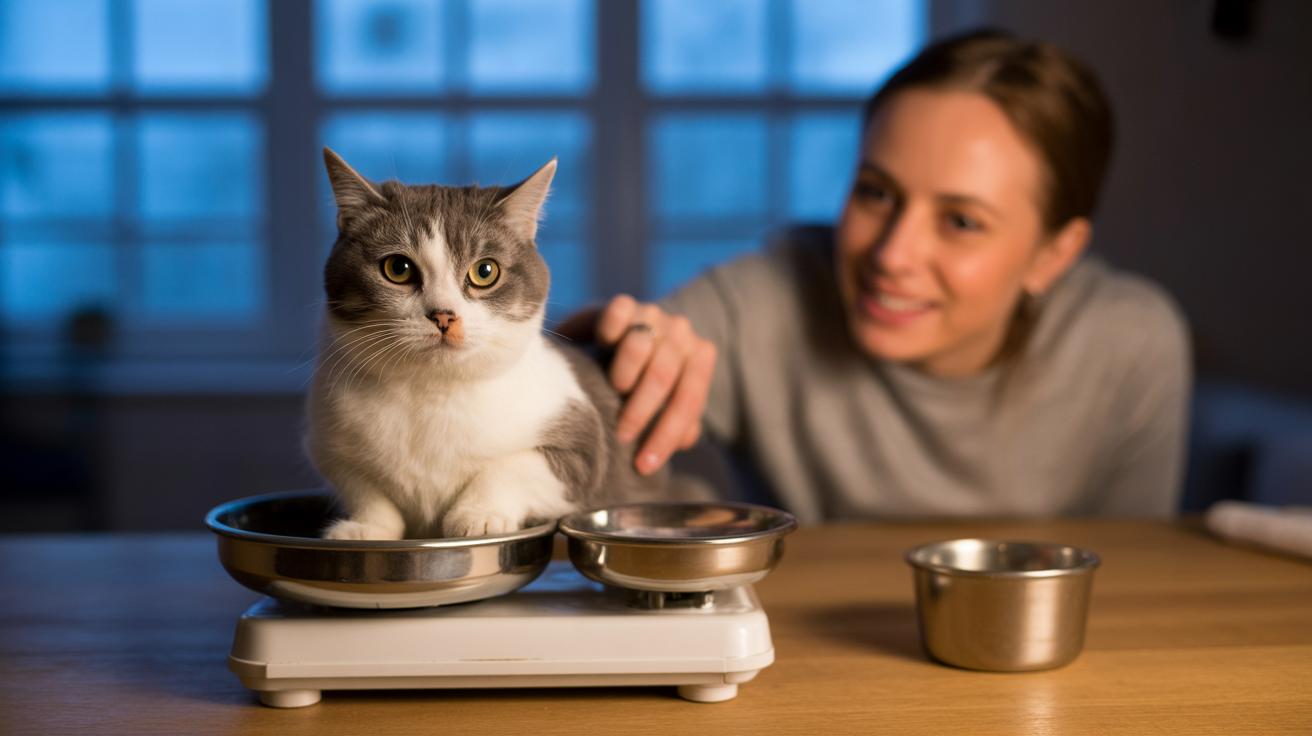
    Be patient. Transitions can take weeks or even months, and that’s okay. Watch for more sips, slow blinking, and a relaxed posture, those are signs your cat is warming up to the fountain. Worth every paw-print.

    Vet-backed hydration tips tied to the best cat water fountains for encouraging hydration

    - Transition tactics to get picky cats using the best cat water fountains for encouraging hydration.jpg

    If your cat eats mostly dry food, a running-water fountain can nudge them to drink more. Vets say extra sipping helps lower urine concentration (more water in their pee), which supports kidney and urinary tract health. You might even hear that gentle trickle and watch your cat tilt their head, cute and useful.

    Keep an eye out for dehydration. Call your veterinarian right away if you notice any of these:

    • vomiting or diarrhea
    • excessive, ongoing panting
    • dry or sticky gums
    • sunken eyes
    • poor skin elasticity (skin tents or takes a long time to return)

    Quick check: gently lift the skin at the scruff of the neck. It should snap back; if it stays up, that’s a red flag.

    If your cat has kidney or urinary disease, talk with your veterinarian about which fountain styles suit their medical needs and about a safe drinking plan. Some fountains have filters (they catch hair and debris) or adjustable flow settings – ask which features matter for your cat’s condition.

    For busy days, try topping up an extra bowl or placing a fountain where your cat already hangs out, small changes add up. Worth every paw-print.

    Final Words

    Fountains get cats sipping more. Fresh, moving water taps into their instinct for running water, which helps urinary health and offsets dry-food diets, real payoff for multi-cat homes.

    We covered why flow, shallow bowls, and materials matter, how to pick quiet, stainless (steel that's easy to clean) or ceramic (pottery that's dishwasher-safe) options, and the upkeep routine that keeps fountains appealing. Quick wins: multiple stations, backup water for outages, and frequent cleaning.

    If you notice reduced drinking, lethargy, or less litter-box output, call your vet. Pick one of the best cat water fountains for encouraging hydration and enjoy happier, healthier kitties.

    FAQ

    Frequently Asked Questions — Cat Water Fountains

    Do vets recommend cat water fountains and which ones do they suggest?

    Vets generally recommend cat water fountains because running water often boosts drinking and urinary health. Many suggest quiet, easy-to-clean stainless steel (rust-resistant metal) or ceramic (baked clay) models. Contact your veterinarian if you have specific health concerns.

    Do fountains help cats drink more water?

    Yes. Fountains provide moving, fresher water and often use shallow, wide bowls that reduce whisker stress. Increased intake can lower urinary risks and help balance a dry-food diet.

    What is the best cat water fountain for drinking?

    The best fountain fits your cat: a quiet pump, good filtration (activated carbon/charcoal), stainless or ceramic construction, the right capacity for your household, and parts that are dishwasher-safe or include UV-C hygiene features.

    Which cat water fountain models are top-rated or popular?

    Top-rated and popular fountains include Petlibro Dockstream (quiet, smart), Veken 2.8 L (budget high-capacity), PetSafe Drinkwell 360 (multi-pet), PawsPik SS-01 (stainless), Raindrop (ultra-quiet), and Petcube (UV hygiene).

    • Petlibro Dockstream
    • Veken 2.8 L
    • PetSafe Drinkwell 360
    • PawsPik SS-01
    • Raindrop
    • Petcube

    Are stainless steel cat water fountains better than plastic ones?

    Stainless steel is usually more hygienic and often dishwasher-safe. Plastic is lighter and cheaper but typically needs more frequent cleaning. Ceramic (baked clay) is another good option that resists bacteria and stays stable.

    Where can I find reviews or buy the best cat water fountains?

    Top-rated fountains are available on Amazon, brand websites, and review outlets like Consumer Reports. When shopping, check quietness, materials, capacity, and read user reviews for real-world reliability.

    Related Articles

  • Treating Obesity in Cats: Veterinary and Home Strategies

    Treating Obesity in Cats: Veterinary and Home Strategies

    Did you know up to 63% of adult cats in developed countries are carrying extra weight? That extra fluff ups the risk of diabetes, sore joints, and a shorter life. But don’t panic, this is fixable with a vet’s help and a few simple home changes.

    Ready for a quick action plan you can start today? Here we go.

    • Book a vet visit for a body condition score (BCS , a quick hands-on check of fat and muscle) and baseline bloodwork (basic blood tests to check organs and blood sugar). That gives you a starting point.
    • Stop free-feeding (leaving food out all day) and measure calories (the energy in the food). You’ll be surprised how much those sneaky nibbles add up.
    • Switch to scheduled meals (set times and measured portions) so you know exactly what they eat. Consistency helps weight come off.
    • Add 10–15 minutes of interactive play every day , think teaser wand or rolling ball , so your cat gets moving and has fun. Picture their whiskers twitching as the toy zips across the floor.
    • Weigh your cat once a week and celebrate small wins. Seeing a tiny change makes it feel doable.

    Worth every paw-print.

    Immediate plan for treating obesity in cats: veterinary and home strategies to start now

    - Immediate plan for treating obesity in cats veterinary and home strategies to start now.jpg

    Book a vet appointment for a body condition score (BCS) (a simple visual and hands-on check that rates fat and muscle) and baseline screening tests (bloodwork and urine tests to check organs). Stop free-feeding (food left out all day) and start measuring and recording daily calories so you know current intake. Switch to scheduled meals, close up any food-stealing loopholes between roommates, and do 10–15 minutes of interactive play each day. Start weekly weigh-ins so you can see small wins.

    Remember: up to 63% of adult cats in developed countries are overweight. A safe weight-loss goal is about 0.5–2% of body weight per week. A typical clinical caloric deficit, once you know current intake, is roughly 20–25%. If your cat stops eating for more than 48 hours, that is a red flag , call your vet right away.

    This is an action-first checklist to get you moving in the next 24-72 hours. For the full how-to, see Assessing for diagnostics and target-setting, Feeding Logistics for feeders, wet vs dry tactics and multi-cat solutions, Sample Plan for calorie math and portion examples, and Monitoring for the full red-flag checklist and weigh-in protocols. Detailed portion examples, microchip feeder setup, and calorie-calculation formulas were intentionally left out here so this intro stays decisive.

    Quick safety notes: very rapid weight loss risks hepatic lipidosis (fatty liver), so work with your veterinary team and plan rechecks about every 4-8 weeks. Also, writers , present numeric examples (calorie math, portion examples, target percentages) only once in Sample Plan / Assessing / Monitoring and reference those canonical numbers elsewhere to avoid conflicting figures. Oops, let me rephrase that for clarity.

    Worth every paw-print.

    Assessing cat obesity: body condition score, diagnostics, and setting a target weight

    - Assessing cat obesity body condition score, diagnostics, and setting a target weight.jpg

    Start by weighing your cat and assigning a body condition score, or BCS, on the 1–9 scale (5 is ideal). Then order baseline lab tests: CBC (complete blood count), serum biochemistry (blood tests for organ function), urinalysis (urine test), blood glucose or fructosamine (fructosamine reflects a 2–3 week average of blood sugar), and total T4 (thyroid hormone test). Check for arthritis or breathing problems that might limit activity, and review food and treats so you can estimate current calories and pick a realistic target weight. Obesity usually means more than 30% body fat, so use the BCS plus weight to choose an ideal goal and plan a slow loss of about 0.5–2% of body weight per week with veterinary oversight.

    Figuring out if there’s an underlying illness matters. Conditions like diabetes, thyroid disease, or organ problems can hide weight trends or make weight loss unsafe, so lab testing before starting a diet is standard. If you already know how many calories your cat eats, vets often reduce intake by about 20–40% depending on the situation. If you don’t know calories, calculating the resting energy requirement, or RER, for the ideal weight gives a clean baseline to apply a weight-loss multiplier. Work closely with your veterinarian to pick the right multiplier and to monitor bloodwork and clinical signs , small tweaks along the way protect muscle and liver while mainly losing fat.

    How to calculate target body weight and RER

    RER estimates daily energy needs with this formula: RER = 70 × (ideal weight in kg)^0.75 (RER is resting energy requirement). Use RER as the starting point when your vet picks a safe weight-loss factor. The Sample Plan section has step-by-step calorie math and worked examples to help you do the numbers.

    Diagnostic checklist:

    • Measure current weight and assign BCS (1–9).
    • CBC (complete blood count) and serum chemistry (blood tests for organ function) to check organs.
    • Urinalysis (urine test) and glucose/fructosamine for diabetes screening.
    • Total T4 (thyroid hormone test) for thyroid screening.
    • Assess for arthritis or orthopedic pain that may limit activity.
    • Review diet, treats, and feeding pattern to estimate current calories.
    BCS (1–9) Visual/tactile description Action recommended
    1 Extremely thin; ribs and spine stick out, little muscle Full diagnostic workup; rule out illness before changing food
    2 Very thin; ribs visible, pronounced waist Check diet quality and appetite; plan gradual condition correction
    3 Underweight; ribs easy to feel, small waist Set modest weight gain goals if needed; screen for disease
    4 Lean; ribs palpable with slight fat cover Maintain or make small adjustments to reach ideal (5)
    5 Ideal; ribs palpable with minimal fat, visible waist Keep routine and monitor weight
    6 Some extra fat; waist less obvious Estimate calories and start a controlled feeding plan
    7 Clearly overweight; fat pad on belly Run full diagnostics and begin a vet-guided weight program (0.5–2% per week)
    8 Marked obesity; ribs hard to feel under fat Vet-led plan with lab monitoring and activity changes
    9 Severe obesity; large fat deposits, limited mobility Comprehensive medical evaluation, possible specialist referral; calorie examples in the Sample Plan section

    Veterinary weight management for treating obesity in cats: prescription diets, comorbidity adjustments, and referrals

    - Veterinary weight management for treating obesity in cats prescription diets, comorbidity adjustments, and referrals.jpg

    Helping a chunky kitty slim down is a team effort between you and your vet. The plan usually includes a vet-prescribed therapeutic food to protect muscle while cutting calories, scheduled rechecks and lab tests, activity and behavior changes, and a decision about when a specialist or rehab program should step in. Think of it like a tailored play-and-diet plan so your cat loses weight safely and keeps its pep.

    Prescription weight-loss diets: what they do and how to transition

    Prescription weight-loss cat foods give full nutrition with fewer calories and focus on preserving lean mass (the muscles and organs that keep your cat strong). They tend to have higher protein (the building blocks of muscle), fewer carbohydrates (sugars and starches that raise blood sugar), and extra fiber (plant parts cats can’t digest that help them feel full). You’ll see these diets as canned or kibble based on what your cat likes and how much moisture you want in each meal.

    Switch foods slowly over 7 to 10 days, mixing more of the new food each day so your cat’s tummy and appetite adjust. Sudden swaps can make a picky cat stop eating. Cost and supply differ by brand and clinic, so ask your vet about alternatives if budget or availability is a problem. See the Sample Plan for exact calorie targets and portion examples.

    Medical management, specialist referral, and when surgery or meds are considered

    Sometimes food alone isn’t enough. If medical problems, tricky diets, or slow progress come up, your vet may refer you to a veterinary nutritionist (a specialist who designs custom diets for pets). For diabetic cats, vets usually cut carbs and do more frequent glucose checks (blood sugar checks) while the cat loses weight. Cats with chronic kidney disease may need different protein levels and a slower pace of weight loss to protect their kidneys.

    Medications or surgery are rare for simple obesity and are saved for cases that don’t respond to conservative steps or that have serious coexisting conditions (comorbidities). Rehab clinics can help with guided exercise and joint-support plans, think gentle, safe workouts and tips to keep sore joints comfy. If your vet prescribes a specific weight-loss diet, follow their lab schedule and rechecks while you’re transitioning the food. It keeps things safe and helps you know what’s working.

    Feeding Logistics for treating obesity in cats: portion control, feeders, wet vs dry, and multi-cat solutions

    - Feeding Logistics for treating obesity in cats portion control, feeders, wet vs dry, and multi-cat solutions.jpg

    Start by measuring and writing down every bit of food and every treat for a few days. Stop free feeding – no food left out all day. Commit to measured portions so you actually know what your cat eats. Keep a simple log with time, item, and measured amount, and bring that to your vet visit so the plan is based on real data.

    Portion control is the quiet hero here. If you don’t know what they’re eating, you can’t change it. A quick food log helps you and your vet make realistic, steady changes. It also lets you spot sneaky nibblers or late-night treat parties.

    Wet versus dry food matters for fullness and calories. Canned food has more moisture and can fill a cat faster with fewer calories, while dry food is convenient but calorie-dense. Read labels for kcal (kilocalorie, the food energy listed on packages) per 100 g (grams) or per can/kibble serving, and compare by weight, not by cup. If your cat loves crunch, try mixing a little wet with dry during the switch so appetite stays steady.

    Use tools and a bit of tech to make portion control doable and to stop meal theft. Slow feeders and puzzle toys turn mealtimes into exercise and thinking time. Smart feeders with microchip recognition (microchip means a tiny implanted ID tag) only open for the assigned cat, so roommates don’t swipe food. Timed feeders keep meals regular. And when money is tight, a gated room or closed door works as a simple, low-tech fix.

    • Microchip-enabled feeders: assign portions by cat ID and cut down theft.
    • Timed electronic feeders: deliver meals on schedule for single or multiple feedings.
    • Slow feeders and puzzle feeders: slow the gulping and add mental play.
    • Manual separation (gated rooms / closed doors): cheap, effective, low-tech option.

    Managing food in a multi-cat home takes a short training window and a routine you can actually keep. Stick to these quick steps:

    1. Calculate each cat’s daily allotment (see Sample Plan) and load feeders with those portions.
    2. Feed in separate areas or train cats to microchip feeders so each gets only their food.
    3. Supervise the first few meals until the routine sticks, then switch to weekly weigh-ins and monitoring.

    For full calorie math, portion cup guidance, worked examples, and microchip feeder setup troubleshooting see the Sample Plan. For red-flag signs and weighing protocols see Monitoring. Don’t worry about numbers here; the Sample Plan has all the calorie and portion figures so everything stays consistent.

    Enrichment and exercise plans for treating obesity in cats: practical daily routines

    - Enrichment and exercise plans for treating obesity in cats practical daily routines.jpg

    Short, focused play beats one long, boring workout for most cats. Aim to raise your cat's heart rate and get muscles moving with three 10-minute sessions spread through the day, or one focused 15-minute interactive session plus short play bursts later. It helps your cat burn extra calories and stay mentally sharp. Think feather wands (fluttery, chaseable toys), laser play that finishes with a real capture (a toy or treat so your cat doesn't get frustrated), and food-dispensing toys (a toy that releases kibble or treats when batted) to turn meals into movement.

    Here’s a week-ready routine to try. AM: a short 10-minute food-dispensing toy hunt to kickstart activity and curiosity. Mid-day: two 3–5 minute chase bursts or a quick puzzle to break up loafing. PM: a 10-minute high-energy session with a feather wand or wand plus a toy capture, then 2–3 minutes of slow, vertical play on a cat tree or wall shelf (vertical spots for climbing and jumping). If you prefer one main session, do a focused 15-minute chase and add brief bursts later. Supervised harness walks (a secure vest-style leash setup) or time in a safe outdoor enclosure are great variety when your vet approves. For weigh-in cadence and safety checks, see Monitoring; for rehab programs and tailored exercise, see Veterinary Management.

    For senior or arthritic kitties, swap high-impact leaps for low-impact games. Try rolling treat balls, short paw-target work (touching a target with their paw), and raised feeding spots to cut down on bending. Keep sessions shorter and repeatable. Watch for limping, heavy breathing, or stiffness, and stop if your cat seems uncomfortable. Rehab clinics can help with joint-friendly routines and step-by-step progress plans, so talk with your vet before increasing activity.

    I once watched a lazy tabby suddenly spring to life over a treat ball. Really. Small, steady changes like that add up , and your cat will thank you with extra zoomies and a softer, healthier purr.

    Monitoring progress and safety while treating obesity in cats: weigh-ins, red flags, and preventing hepatic lipidosis

    - Monitoring progress and safety while treating obesity in cats weigh-ins, red flags, and preventing hepatic lipidosis.jpg

    Start a simple, weekly weigh-in habit. Use a quiet bathroom or pet scale, weigh your cat at the same time each week , after the litter box and before meals , and write down the weight, BCS (body condition score, a hands-on rating of fat and muscle), and any notes about food or meds. Try a tiny spreadsheet or an app and add a one-line note about play or puzzles so you spot trends, not panic. Ever watched your cat’s whiskers twitch at the sight of a toy? Those little details matter.

    Aim for slow, steady weight loss: about 0.5 to 2 percent of body weight per week. That keeps appetite and muscle protected and lowers the risk of hepatic lipidosis (fatty liver disease). For example, a 12 lb cat losing 1 percent a week drops about 0.12 lb , small but meaningful. If weight loss stalls, check your food log, how often you use puzzle-feeders (toys that slow eating) and activity, then talk to your vet before cutting more calories. If loss is faster than the safe range, stop the diet and call the clinic right away , rapid loss can be dangerous.

    Make decisions based on data, not guesses. Weekly weigh-ins give your vet useful trend lines, so adjustments are thoughtful and targeted. It’s a team thing , you, your vet, and your cat working together.

    Watch for these red flags and act fast:

    • No interest in food for more than 48 hours.
    • Sudden, rapid weight loss beyond the safe rate.
    • Vomiting or marked lethargy.
    • Yellow gums or skin (jaundice), trouble breathing, or collapse.

    If any of those show up, call your vet or an emergency clinic immediately. Bring your weight log, food record, and a list of recent meds or illnesses so the team can act fast.

    Plan for regular vet rechecks every 4 to 8 weeks while your cat is dieting. It’s a bit of effort up front, but steady tracking saves lives and helps keep your purr-friend healthy and happy. Worth every paw-print.

    Sample weight-loss plan and calorie calculator for treating obesity in cats

    - Sample weight-loss plan and calorie calculator for treating obesity in cats.jpg

    Start with the resting energy requirement (RER) to set a vet-approved calorie goal. RER = 70 × (ideal weight in kg)^0.75. RER is the calories a quiet cat needs at rest (think of it as the fuel your cat uses while napping). If you don't know current intake, reduce that RER by 20-25% to aim for weight loss. For example, a cat that currently weighs 6.0 kg but should be 4.5 kg has RER = 70 × 4.5^0.75, which is about 216 kcal/day. A 20-25% cut gives a target of about 162-173 kcal/day (your vet will pick the exact percent). Aim for a slow, steady loss of about 0.5-2% of body weight each week and weigh your cat every week.

    Below is a worked example for "Cat A" and a simple 12-week approach. Start at the calculated daily calories, weigh weekly and track BCS (body condition score – a simple 1-9 scale that says if your cat is too thin or too heavy), then nudge calories up or down in small steps if weekly loss is outside the 0.5-2% range. Keep playtime and puzzle feeders going so weight comes off slowly and muscle stays. The table shows the math; the numbered checklist after the table walks you through the actions.

    Parameter Example Cat A Calculation / Notes
    Current weight (kg) 6.0 Measured on a home or clinic scale
    Ideal weight (kg) 4.5 Estimated from BCS (body condition score) and history
    RER (kcal/day) 216 RER = 70 × 4.5^0.75 → about 216 kcal/day
    Target kcal/day 162-173 20-25% reduction from RER (vet may choose exact factor)
    Example portion (wet grams / dry grams) ~180-195 g wet or ~46-50 g dry Based on typical wet food ~90 kcal/100 g and kibble ~350 kcal/100 g – check your food label and adjust
    Weekly target weight change ~0.5-2% of body weight Weigh weekly and adjust calories if off-target
    1. Measure and record baseline weight and BCS (body condition score) so you know where you’re starting.
    2. Calculate RER for the ideal weight and agree a target kcal/day with your vet. Example above: RER about 216 kcal/day for a 4.5 kg ideal weight, target about 162-173 kcal/day using a 20-25% reduction.
    3. Transition foods over 7-10 days while measuring meals so calories stay consistent. Oops, don’t swap overnight – slow change avoids upset tummies.
    4. Feed measured meals, use puzzle feeders, and play daily. Short 5-10 minute chase sessions three times a day or one longer focused session plus play bursts works great. Think of a teaser wand like a fishing rod for cats.
    5. Weigh weekly and chart the numbers. If weight loss is less than 0.5% per week, lower calories a bit. If loss is faster than 2% per week, increase calories and call your vet. Safety first.
    6. Recheck with your veterinarian every 4-8 weeks, or sooner if you see red flags like vomiting, severe lethargy, not eating, or fast weight loss.

    A few friendly tips: watch your cat’s whiskers and attitude as you go – happy, active cats are losing fat, not muscle. For busy days, toss an unbreakable ball before you head out – that’s ten minutes of safe play. And hey, when your cat finally bats the food puzzle open, you’ll love that proud little face.

    Special considerations when treating obesity in cats: seniors, diabetics, and cats with kidney disease

    - Special considerations when treating obesity in cats seniors, diabetics, and cats with kidney disease.jpg

    Senior and arthritic cats: We moved the how-to into Enrichment and exercise. You’ll find low-impact play ideas (short, repeatable sessions), raised feeding spots, and prompts to refer for rehab or physical therapy (rehab to help joints and strength). Quick tip – roll a treat ball across the floor and let your cat chase it twice for a few minutes; watch those whiskers twitch. If other health problems (comorbidities) make weight loss tricky, ask for a specialist referral.

    Diabetic cats: Details on glucose monitoring (checking blood sugar), insulin adjustments (the hormone treatment), and carbohydrate-focused diets (changes to dietary sugars) are now under Veterinary weight management and Monitoring. A common clinic check interval is about 2 to 4 weeks during major insulin or diet changes, flag this with your clinic and follow the Monitoring section for the full lab protocol. Simple owner line: "Check home glucose as your vet directs, then cross-check with clinic labs." If comorbidities (other health problems) complicate weight loss, seek a specialist referral.

    Cats with chronic kidney disease (CKD): Notes about adjusted protein targets (how much protein to feed), a slower pace of safe weight loss, and kidney test schedules (renal lab cadence) live in Veterinary weight management and Sample Plan/Monitoring. Follow the numeric plans and testing schedule in those sections rather than repeating them here. Short example: if bloodwork starts to drift, your vet may slow the weekly loss rate and tweak protein goals per the Sample Plan. When other conditions make dropping pounds risky or confusing, get a specialist referral.

    Owner follow-up schedule, common mistakes, and long-term maintenance for treating obesity in cats

    - Owner follow-up schedule, common mistakes, and long-term maintenance for treating obesity in cats.jpg

    Owner maintenance checklist , three quick steps:

    1. Active-phase monitoring. Weigh your cat at home once a week (weigh-ins, meaning scale readings). Jot a short note each time so you can spot trends , for example: "Scale 9.2 lb – slow, steady drop." Small notes help you and the vet see progress.
    2. Clinic rechecks during dieting. Come in for scheduled vet visits so the team can review weight, check labs (blood tests), and tweak portions or calories if needed. Example note: "Clinic visit: labs ok, portion adjusted slightly."
    3. Stable-phase follow-up. Once weight and appetite are steady, move to visits every few months and keep taking photos and weights as spot-checks. Example: "Photos and weight steady; vet cleared to relax checks."

    How to taper monitoring and when to stop intense checks
    Keep a close eye during the active loss phase, then ease up after several weeks of a clear, steady trend and stable daily appetite and activity, and after your vet agrees. If your cat shows consistent weight stability, regular eating, and no new medical signs, you can stop intense monitoring and switch to maintenance checks and occasional photo or chart spot-checks to catch slow rebounds. If you notice even a small uptick, bring it up early , catching it fast makes corrections easier.

    Numbers and strict targets
    For exact calorie goals, rate-of-loss numbers (how fast weight should drop, usually percent per week), and exact recheck intervals, use the Sample Plan so figures stay consistent across care. Don’t swap in your own targets without talking to your vet first , for example: "Use Sample Plan targets, then call clinic before big calorie cuts."

    Quick tips and common mistakes

    • Don’t skip the weekly notes. A single missed weigh-in hides trends.
    • Don’t cut calories too fast. Slow loss keeps muscle and avoids hunger-related behavior.
    • Don’t ignore appetite or activity changes. They often tell you if something else is going on.
    • Photos are gold. A simple front and side photo every few weeks shows progress your eyes miss.

    A tiny real-talk aside
    I once watched a cat go from couch-potato to zooming after four weeks of steady losses , the owner kept the notes and photos, and you could literally see the bounce in the videos. Worth every paw-print.

    Final Words

    Start by booking that vet check, measure and stop free-feeding, switch to scheduled meals and anti-theft feeders, add 10–15 minutes of daily interactive play, and start weekly weigh-ins , remember up to 63% of adult cats can be overweight, aim for slow loss (about 0.5–2% per week) and watch the 48-hour no-appetite red flag.

    Use Assessing for BCS (body condition score) and diagnostics, Feeding Logistics for multi-cat feeder tactics, Veterinary Management for prescription diets, Enrichment for daily play, and Monitoring for the full safety checklist.

    Work with your vet, take steady steps, and enjoy more purrs and playful leaps , treating obesity in cats: veterinary and home strategies can get your crew healthier and happier.

    FAQ

    Cat weight & obesity — FAQ

    My cat is getting fat — what do I do?

    If your cat is getting fat, book a vet visit for a body condition score (BCS) and baseline screening, stop free-feeding, measure meals, add 10–15 minutes of daily interactive play, and weigh the cat weekly.

    Overweight cat chart / Obese cat weight / Pictures of overweight cats

    An overweight cat chart uses a 1–9 BCS scale; 5 is ideal and obesity is typically over 30% body fat. Use vet-verified photos or ask your vet to compare your cat’s shape to the chart.

    Obese cats life expectancy

    Obese cats often have shorter life expectancy because obesity increases risk of diabetes, osteoarthritis, cardiorespiratory disease, and some cancers. Weight loss under veterinary care can improve health and lifespan.

    How can I help my cat lose weight naturally, especially if it doesn’t seem to eat too much?

    Switch from free-feeding to measured, scheduled meals; add daily interactive play and puzzle feeders; cut treats; and have your vet test for hidden medical causes if intake seems normal.

    Medical causes of obesity in cats

    Medical causes include hormonal or metabolic disorders, medications, and pain that limits activity. Your vet may recommend CBC, serum chemistry, urinalysis, glucose/fructosamine, and total T4 to check for underlying issues.

    Related Articles

  • how does clicker training work for pet owners

    how does clicker training work for pet owners

    Can a tiny plastic clicker teach your dog or cat faster and clearer than treats alone? Yep. That little clicker becomes a marker (a signal that marks the exact behavior you want) and a conditioned reinforcer (a sound your pet learns means "good job").

    You pair the click with a treat, some praise, or a quick play break, so the sound gets real meaning. It’s a sharp, repeatable noise that lets you say “yes” at the precise moment the behavior happens. It fixes timing problems and makes learning less guessy.

    So instead of waiting for a treat to land and hoping your pet connects the dots, you click the exact instant they do the right thing. Ever watched your cat suddenly get it and stalk the toy like a tiny tiger? It’s claw-tastic.

    Worth every paw-print.

    how does clicker training work for pet owners

    - Why clicker training works  a concise lede.jpg

    The click is a marker, a conditioned reinforcer (a sound your pet learns means “good job”). You pair that sound with positive reinforcement, treats, praise, or a quick play session, so the click itself becomes a tiny promise of something nice. It’s like teaching a secret handshake your pet understands.

    A clicker is a small handheld device that makes a sharp, consistent sound (think of a tiny plastic button that goes “click”). The method rests on operant conditioning (learning from consequences, do something, get rewarded, do it again) and classical conditioning (linking two things so one predicts the other). By separating timing from value, pets pick up behaviors faster.

    The big win is timing. The click gives a crisp, instant signal the exact moment your pet does what you want, and the treat or praise that follows gives the behavior value. Because the click is unlikely to happen by accident, pets can tell exactly which instant earned the reward. It also bridges the gap when you can’t hand over a treat right away, click first, reward soon after.

    Try this sequence: cue (verbal “sit”), click the instant the rear touches the ground, then deliver the treat right after the click. Ever watched your cat or dog cock their head the first time you click? That tiny moment says they get it. Worth every paw-print.

    how does clicker training work for pet owners

    - Clicker training timing and marker mechanics (why the click matters).jpg

    The click's biggest job is timing. When you click at the exact moment the pet does the thing you want, that sound becomes a clear bridge to the treat. The clicker (a small handheld sound device) quickly turns into a conditioned-reinforcer (a sound the animal learns means a reward), so the animal knows exactly which action earned the snack.

    Most trainers aim for about a 1-second window. Click the instant the behavior meets your rule, then give the reward right away. Pick a click sound that is distinct, quiet, and not something that happens in your pet's everyday life so you don't accidentally reward the wrong thing. Practice short, focused drills so your reflexes get sharp and your clicks stay meaningful. Ever watched your cat chase a shadow? Timing feels a lot like that, quick and a little addictive.

    Timing Element Practical Example
    Click at instant of correct action dog’s rear hits floor for sit, then click
    1-second window click within 1 second of the observed behavior
    Bridging delay click now, reward delivered a moment later when you’re across the yard
    • Silent partner drill , have someone else cue the pet while you click exactly when the criterion is met. This removes your bias and sharpens timing.
    • Mirror drill , watch a short video or live demo and click the instant you see the correct frame to build recognition speed. Fun and weirdly satisfying.
    • Delay bridge drill , click on the behavior, then wait a fixed short delay before giving the treat so the click truly bridges distance. Useful for recalls or long-leash work.

    The 1-second rule

    The 1-second guideline helps you avoid rewarding the wrong moment; it's short enough to be precise and long enough for humans to react. Do timing drills in 30 to 60 second bursts, focusing on one behavior at a time. Use a partner or video to isolate the exact instant so you train your ear and eye. For the full conditioned-reinforcer idea, check the lede if you want the deeper explanation, but basically the click tells the animal, "Yep, that was it." Worth a little practice. Worth every paw-print.

    Step-by-step beginner guide to clicker training (first sessions)

    for the definition of the click as a conditioned reinforcer.jpg

    Keep sessions short, happy, and focused so your pet stays curious and ready. Start each training day with a quick clicker charge (10-20 click-treat pairings) so the click keeps meaning, "Good thing is coming."

    1. Gather what you need. A clicker (small handheld sound device), tiny soft treats (easy-to-chew pieces), a treat pouch (a small bag you can wear), and a quiet room work best. Less noise, more success.

    2. Charge the clicker. Click, then give a treat right away. Repeat 10-20 times so your pet learns the click predicts a reward. The click should feel like a promise.

    3. Pick one easy behavior to capture. Look for something your pet already does a lot, like a natural sit, a calm look, or stepping onto a mat (a small flat target). Start simple.

    4. Capture the behavior with precise timing. Click the instant the action meets your rule. Not before. Not after. Timing is everything.

    5. Treat fast and tiny. Give the treat immediately after the click so the link stays tight. Use very small pieces so your pet eats them in one bite and you can click again quickly.

    6. Add a verbal cue once it’s reliable. Say the cue word right before or as the action begins, then keep clicking the exact moment the action meets your rule. Consistency wins.

    7. Keep a steady routine. Do 2-4 short sessions per day, 5-15 minutes each, with a few hours between sessions. Stop while you’re both still enjoying it. Worth every paw-print.

    8. Move forward slowly. Tighten the rule a little, ask for a bit more hold time, or add mild distractions only when the behavior is steady. One small step at a time.

    If your pet loses interest, repeats the wrong action, or freezes, pause and go back a step or give a quick clicker recharge. A drop in enthusiasm usually means treats were too slow, the task got too hard, or the click timing slipped. For timing drills, reviving a “dead” clicker, or knowing when to call a pro, see the Common clicker training mistakes and troubleshooting section for guided fixes.

    how does clicker training work for pet owners

    - Step-by-step beginner guide to clicker training (first sessions).jpg

    Start with a marker. Use a commercial clicker (a small handheld device that makes a clear click) or a DIY marker like a tongue click ("tsk") or a firm pen snap ("snap"). The sound tells your cat exactly when they did the right thing. Quick and consistent beats long explanations every time.

    Treats should be tiny and fast to eat. Think one-bite, smelly pieces so your cat doesn’t get distracted mid-chew. A pea-sized piece of cooked chicken works great. Keep the food high value – the kind your cat thinks is a little bit magical.

    Keep your treats where you can grab them in one smooth motion. A treat pouch (a little hip bag for kibble or bits of meat) is perfect. Wear comfy clothes so you can bend and move without fuss. It helps you be quick and feel relaxed.

    Have a toy ready as an alternate reward when play beats food. A feather wand (like a fishing rod for cats) can spark a two-second frenzy that’s worth the same as a treat sometimes. If your cat lights up for play, use that energy.

    Set up a calm space. A quiet, uncluttered room with a small mat or target (a little square to aim for) keeps training tidy and clear. Remove obvious distractions. Your cat’s whiskers will tell you when they’re focused.

    Match the reward to the behavior and the moment. Use tiny treats for repeats and save chunkier rewards for real milestones. For example, after five solid reps, celebrate with a chunk of tuna – big reward, big hooray. Match treats or toys to what your cat prefers so motivation stays high.

    Practical tips: Keep the pouch at your hip for instant delivery and wear comfy clothes so you can move fast. If you lack a clicker, use a consistent tongue click or pen snap as your marker. And when food starts to lose its magic, swap in a favorite toy and let the chase be the reward.

    Common clicker training mistakes and troubleshooting

    for remediation steps.jpg

    We removed this standalone section and folded the useful bits into the how-to steps so you don’t read the same fix three times. The idea was to put each troubleshooting tip right where you need it, clean, simple, and in-context.

    Now, troubleshooting lives as a short subsection in the Step-by-step beginner guide. It lists common errors with one-line fixes so you can scan fast and get back to training. Common problems you’ll see: timing, inconsistent rewards, over-clicking, and pushing distractions too soon. Example: Timing: Click the instant the paw touches the mat, not after the step ends. (A clicker is a small handheld sound device used to mark the exact moment an animal did the wanted action.)

    The “dead” clicker recovery advice is now part of the Step-by-step charge step and points to the 10–20 click-treat pairing suggestion. In plain terms: recharge by clicking and rewarding 10 to 20 times so your pet remembers the sound means “good.” (Click-treat pairing means you click, then immediately give a treat so the click becomes meaningful.)

    Timing errors were folded into the Timing drills so you don’t get repeat instructions. We combined the 30–60 second practice reminder with the partner or video idea into one drill. Try this: practice 30 to 60 seconds while a friend films in slow motion (video played very slowly) so you can match your click to the exact frame. It’s awkward at first, but wow, it helps.

    If your pet loses interest, that line was expanded into a quick triage: try bigger rewards, shorten sessions, or simplify the criteria so success happens faster. Signs you should stop and get professional help include freezing (sudden stillness), fear, or aggression. Don’t push it if your pet looks truly stressed.

    We also cleaned up cross-references so tips don’t bounce you around the guide. Each troubleshooting point now appears once, clearly and where it applies. Nice and tidy. Worth every paw-print.

    how does clicker training work for pet owners

    - Equipment, treats, and setting up effective clicker sessions.jpg

    Proofing is the step that makes a trick reliable when life gets messy. Practice the behavior in different rooms, near doorways, with people walking by, and then out at the park so the cue works beyond your quiet training corner. Raise the challenge slowly: ask for a little more focus, add a mild distraction, then reward when the pet meets the new standard (criterion means the exact behavior you want). As you increase difficulty, give fewer treats per repetition so success stays meaningful. And click right when the new criterion happens so the marker (the click sound that pins the exact moment) still points to the right action.

    Fading rewards and changing reinforcement schedules decide how long a behavior sticks. Start with continuous reinforcement (click and treat every time) so your pet links the click to the reward fast. Then switch to predictable intermittent rewards (for example, every third or fourth correct response) before moving to variable ratio reinforcement (rewards after an unpredictable number of responses, like a slot-machine pattern). Variable ratio reinforcement keeps the behavior eager and strong. Toss in an occasional big reward or a favorite toy to rekindle motivation , the happy squeak or crunch really helps.

    Puppies usually need shorter bursts and tinier treats; adult dogs can handle longer practice and slightly higher criteria. If you want to cut back on food rewards, swap in play or a high-value treat sometimes, but keep the click for timing. Marker methods work across species. For instance, play-based marker work with kittens pairs perfectly with toys , see how to train kittens with interactive teaser wands for a kitten-friendly routine.

    I once watched Luna leap six feet for a tiny squeaky toy after just a few well-timed clicks. Worth every paw-print.

    Stage Reinforcement Goal
    Acquisition Continuous (click + treat every time) Learn
    Transition Predictable intermittent (every 3rd or 4th) Generalize
    Maintenance Variable ratio / occasional high-value (unpredictable rewards) Long-term reliability

    how does clicker training work for pet owners

    .jpg

    Clicker training teaches pets to connect a quick sound with a reward. Think of the clicker as a tiny "yes" that tells your dog, cat, bird, or rabbit exactly when they did the right thing. It’s simple, clear, and a lot of fun to watch, your pet’s ears perk up the moment they get it.

    Step-by-step guide

    1. Pick your marker. Use a clicker (a small handheld device that makes a sharp sound) or a clear verbal marker like "yes."
    2. Charge the click. Click, then give a treat right away so your pet links the sound with the reward. Some animals need more repetitions to link the click with a reward, and some prefer play or petting to food. Try different rewards to see what lights them up.
    3. Add the behavior. Once the click means "good," only click the exact behavior you want, then reward. Short sessions work best, three to five minutes a few times a day.
    4. Shape it slowly. Break tricky behaviors into tiny steps, reward each small win, and slowly ask for more. Patience pays off.
    5. Fade the treats. Gradually give treats less often but keep the click. Then reward with praise, play, or a petting session so the behavior sticks.

    Quick tips

    • Timing matters. Click the instant the behavior happens, not after.
    • Keep rewards small and tasty, or quick and fun if your pet prefers play.
    • If your pet looks confused, go back a step and make the goal easier. Ever watched a kitty ignore a new trick until you made it tiny and obvious? That’s the trick.

    Troubleshooting and safety
    Applied behavior research (scientific studies of how animals learn) supports positive reinforcement (rewarding wanted behaviors). If your pet freezes, shows fear or aggression, or progress stalls, consult a qualified, force-free trainer (a professional who avoids punishment and uses rewards). Safety first, if anything feels scary for your pet, slow down and ask for help.

    Worth every paw-print.

    Final Words

    Jumping straight into the action, we showed that the click is a marker, a conditioned reinforcer (a learned signal that predicts a reward) paired with positive reinforcement to mark the exact instant a desired behavior happens.

    We covered the 1-second timing rule, a short beginner plan, gear and treats, common mistakes, and how to fade the clicker.

    If you're asking how does clicker training work, think cue, click, treat, short sessions, and steady practice. Give it a try. Your cats will thank you and your home will be calmer.

    FAQ

    How does clicker training work?

    Clicker training works by using the click as a marker — a conditioned reinforcer (a signal that predicts a reward) that pinpoints the exact moment of the desired action, e.g., cue “sit,” click, then treat.

    What is the psychology behind clicker training?

    The psychology behind clicker training is operant conditioning (reward strengthens behavior) plus classical conditioning (the click predicts reward), creating a precise link between an action and its outcome for faster learning.

    Does clicker training for dogs and puppies really work?

    Clicker training for dogs and puppies really works when the click is charged and timing is precise; it improves communication, speeds learning, and fits well into short, frequent practice sessions.

    How long does it take to clicker train?

    How long it takes to clicker train depends on behavior complexity and consistency; simple actions can be reliable in minutes to days, while complex skills often need weeks of short, regular practice.

    What are the disadvantages of clicker training?

    The disadvantages of clicker training include poor timing, inconsistent rewards, overclicking, and slower progress for some animals; it asks for practice, patience, and occasional re-charging if the click loses value.

    How do beginners start clicker training?

    Beginners start by charging the clicker (about 10–20 click→treat pairings), then run short sessions (5–15 minutes) two to four times daily: capture an easy behavior, click the instant, and reward immediately.

    Can clicker training stop bad behavior?

    Clicker training can reduce unwanted actions by reinforcing an alternative behavior; mark and reward the replacement, manage triggers, and skip punishment so the animal learns what you want instead.

    How do you clicker train a person or yourself?

    Clicker training a person or yourself uses the same marker-plus-reward idea: mark the exact desired action, follow with an agreed reward, get consent, and pick reinforcers the person truly values.

    Related Articles

  • Sokoke cat: temperament and enrichment tips

    Sokoke cat: temperament and enrichment tips

    Think all cats are aloof? The Sokoke will prove you wrong. From eastern Kenya, this rare breed acts a little dog-like, selective about people, fiercely loyal to a chosen few, and endlessly curious. You’ll see that curiosity in clever climbs and paws-on puzzle solving, with whiskers twitching as they figure things out.

    Quick temperament notes: Sokokes pick one or two humans to shadow and adore, and they stay playful well into adulthood. For play, keep sessions short and lively, five to ten minutes a few times a day works great. Try a teaser wand (think fishing rod for cats) for interactive chases, and use puzzle feeders (toys that hide food so your cat has to work for it) to give their brain a workout. Give them high perches, too; a tall shelf or cat tree lets them watch everything, which keeps them calm and confident.

    Want a tiny shadow that’s smart and social? You’re in the right place. I once watched a Sokoke leap and snag a flying toy like it was born to do it, so satisfying. Worth every paw-print.

    Quick practical answers for Sokoke cat temperament and enrichment

    - Quick practical answers for Sokoke cat temperament and enrichment.jpg

    Sokoke cats are a very rare domestic breed from eastern Kenya. They act a bit dog-like, selectively social and happiest when they’ve picked their people. They tend to form deep, lasting bonds with a few chosen humans, so once you’re in, you’re in for life. Ever watch a Sokoke follow a person around like a tiny shadow? Cute and a little bossy.

    Top personality traits: they’re smart, high-energy, and love to climb. Think bright problem-solvers who enjoy puzzles and perches up high (climbing means shelves, tall cat trees, or window-view platforms). Their behavior with people usually shows strong loyalty to a small circle rather than being friend-to-everyone social.

    Quick, practical routine you can try: morning interactive play (ten to twenty minutes of wand toys or chase games), mid-day puzzle feeders to keep their brain busy, and an afternoon supervised outdoor session like a harness walk or a secure yard stint. For the full timed schedule, see "Daily Enrichment." If you need guidance on signs of stress or how to introduce a Sokoke to people or other pets, see "Reading Sokoke cat stress signals and introductions with people or pets" , stress signs include reduced appetite (eating less), excessive hiding (staying out of sight more than usual), and increased aggression (hissing, swatting); the latter resource also gives stepwise handling tips. Worth every paw-print.

    Sokoke cat personality traits and social behavior explained

    s named in cross-references.jpg

    Sokokes tend to pick a small circle of people and stick to them. They’re warm and loyal to that few, but often a bit aloof with strangers. They’re not your typical lap cat. Instead they’ll follow you room to room or keep you in sight from a favorite perch, eyes tracking every move like a little guardian.

    They have a soft voice , gentle meows and light chittering, not loud dramatic yowls. Affection usually comes on their terms: head-butts, curious nudges, and quiet company more than full-on cuddles. You’ll often get a polite request for play instead of a demanding attention grab. Ever had one tap your ankle like a tiny, polite roommate?

    Sokokes are curious and clever, with a real problem-solving streak. Foraging (food-hunting games) feeds that instinct and keeps them interested longer; think puzzle feeders as brainy snacks. A surprising number like water too, so check "Home setup" and "Recommended toys" for water-play and fountain ideas.

    Match play to their personality: short, energetic sessions that work both mind and body. Rotate toys and use food-based puzzles so they don’t get bored. Swap in new challenges every week or two. Simple training games , treats, a clicker (a small training device that makes a click sound), or target work (teaching them to touch a stick) , turn cleverness into tidy, fun habits. Worth every paw-print.

    Reading Sokoke cat stress signals and introductions with people or pets

    - Sokoke cat personality traits and social behavior explained.jpg

    Sokokes tell you when something is off in plain, honest ways. One minute they’re busy and bright, the next they might go quiet, nap more, or walk around like they can’t sit still. Watch ears and tail , flattened ears, a tucked tail, or whiskers pulled back mean they’re worried. Eating changes are a big clue too; a cat that used to nibble happily might leave food alone. Hiding for hours, intense scratching, or tearing up cushions are other stress signs. Ever watched a cat go from zoomies to a sofa lump? Yep, that’s a hint.

    When you move a Sokoke or rehome one, go slow. Start with one calm room that has their bed, litter box, toys, and something that smells like their old place, like a towel from their previous area. Keep mealtimes and playtimes on a steady schedule so life feels predictable. Let them explore the rest of the house on their timetable, over days or weeks, not all at once. Swap scents between rooms by rubbing a soft cloth on them and placing it elsewhere, or trading bedding, so the house starts to smell familiar. Keep foot traffic low at first and slowly add noise and visitors as they relax.

    Introducing a Sokoke to dogs or other cats needs patience. Begin with scent swaps, then short sight-only meetings through a closed door or baby gate. After that, try very brief supervised meetings with the dog on a short leash and the Sokoke free to jump up to high perches or into a safe hiding spot. Give plenty of vertical escape routes , shelves, cat trees, window perches , and keep sessions short and positive, with treats or gentle play. Only lengthen these visits when the Sokoke stays calm and curious, not frozen or frantic.

    A few quick, practical tips: play with them before you leave for a short outing to burn energy, use treats to reward calm behavior, and never force contact. Oops, let me rephrase that , if they want to retreat, let them. Worth every paw-print.

    Sokoke cat home setup: vertical space, safe outdoor access and water-friendly spots

    - Reading Sokoke cat stress signals and introductions with people or pets.jpg

    Sokokes love being up high and feeling cozy. Give them tall climbing spots and sunny, insulated perches because they have a thin undercoat (the soft insulating fur beneath the top layer) and lose heat faster than fluffier breeds. Vertical territory scratches that hunting itch and helps them stay calm by letting them watch the room from above. A warm window perch on chilly mornings makes a huge difference, your cat will stretch out and soak up the sun.

    Vertical solutions

    Think tall cat trees, staggered wall shelves, and climbing nets (a strong mesh you can anchor to walls). Mount anything that will hold a cat’s weight to studs (the vertical wooden framing behind walls) or solid anchors, and give it a good wobble test before you let your Sokoke try it. Route paths to high perches near windows or quiet corners so your cat can leap, pause, and observe without feeling trapped. And don’t put perches over fragile stuff, broken vase, sad human face.

    Safe outdoor and water spots

    A secure catio (an enclosed outdoor space for cats) or run lets a Sokoke sniff the world and watch birds without real danger; use sturdy mesh and make it escape-proof. For leash walks, start indoors with short, reward-based practice using a snug harness (a vest-style harness is often safest), then try 20 to 30 minute supervised outings once they seem confident. For water play, set up a shallow tray or a little faucet nook with a non-slip mat so paws don’t slip, listen for soft splashes, and dry the area and your cat if things get wet so your home stays warm and safe.

    Worth every paw-print.

    Sokoke cat daily enrichment schedule (sample) , timed activities and benefits

    - Sokoke cat home setup vertical space, safe outdoor access and water-friendly spots.jpg

    Sokokes do best with a steady routine that feeds their hunting brain and lean, athletic bodies. Short, high-energy bursts that mimic real hunts , stalk, chase, pounce, then rest , keep them happy and fit. Puzzle feeders (food-dispensing toys) add a little mystery to meals so eating becomes fun instead of boring. Morning play wakes them up; evening perching helps them feel safe while they watch the neighborhood.

    Adjust times for age and health. Kittens usually want more short bursts; seniors need gentler, slower sessions; a cat coming back from illness should have activity introduced gradually. Watch appetite, mood, how they move, and their weight. Keep a simple log for a few weeks, note what works, and tweak session length or challenge level until you find the sweet spot.

    Ever seen a Sokoke zoom across the room like a tiny cheetah? Yeah, me too. Worth every paw-print.

    Time of Day Activity Duration Purpose/Benefit
    Morning Interactive wand play (think fishing-rod for cats) 15-20 minutes Physical exercise and bonding; wakes up hunting instincts
    Midday Puzzle feeder session (slow-feeding food toy) 10-20 minutes total, spread out Mental work, slows eating, reduces boredom
    Afternoon Leash walk or supervised outdoor exploration (harness + leash) 20-30 minutes Safe outdoor sniffing and exercise; new smells to explore
    Evening Short play or simple training session 10-15 minutes Mental stimulation and gentle workout before wind-down
    Night Perching / quiet bonding (window lookout or lap time) Variable Relaxation, territory monitoring, feeling secure

    - Sokoke cat daily enrichment schedule (sample)  timed activities and benefits.jpg

    Sokokes love things that move, hide treats, or let them climb up high. Their whiskers perk up at tiny motions, and they seem to think every flutter is worth hunting. Keep play short and fast, and swap toys often so curiosity stays sharp and the same-old boredom never sets in.

    • Wand toy – chase and sprint play (think fishing rod for cats; great for short bursts of hunting practice). Wave it low and fast and watch the satisfying thud of a pounced toy. Ever watched your kitty chase shadows? This is like that, but better.

    • Food-dispensing puzzle – slow feeding and mental work (releases kibble when batted; makes meals into a game). Good for mealtime enrichment and for cats who like to think. Keep treats inside normal calorie limits so you don’t overfeed.

    • Sturdy cat tree or wall shelves – vertical territory (shelves mounted to studs for secure high lookouts; trees let them climb and nap up top). Sokokes love high vantage points. Put a perch near a sunny window and you’ve got a meditation spot and a lookout.

    • Interactive electronic toy – independent play bursts (battery-powered motion toys that mimic prey). These are great when you’re out for a bit and need your cat entertained without you. Try shorter sessions so the novelty lasts.

    • Water fountain – hydration and splash play (running water attracts cats that like flowing water and encourages sipping). Some Sokokes prefer drinking from moving water, and a gentle trickle can be oddly soothing to watch.

    • Durable scratching post – outlet for scratching (sisal or rope-wrapped posts; sisal is a tough plant fiber that holds up to heavy clawing). A solid post saves furniture and gives claws something satisfying to shred.

    • Scent toys (silvervine alternative) – short-term excitement (silvervine is a cat-attracting plant, similar to catnip for some cats). Use sparingly for novelty bursts. It’s a fun way to add a surprise to playtime.

    • Cardboard treat puzzles – budget foraging (use a muffin tin or folded-box puzzle to hide kibble; simple, cheap, and very rewarding). Fold boxes so treats fall out when pawed, and watch them dig and problem-solve.

    Safety and smart play: check toys often for loose parts or chewing hazards and never leave long strings out unsupervised. Keep treats and puzzle food to under ten percent of daily calories so feeders don’t overload their diet. Rotate toys on a one- to two-week schedule to keep things fresh. Watch how your Sokoke plays and tweak the mix , more chase toys for the zoomers, more puzzles for the thinkers , and you’ll have a happy, busy cat.

    Worth every paw-print.

    Training, grooming, diet and health notes tied to Sokoke behavior

    - Recommended toys, puzzle feeders and budget DIY enrichment for Sokoke cats.jpg

    Sokokes usually only need a quick weekly brush. Their short coat (close-lying fur that rarely mats) sheds very little and stays tidy, so five minutes while you watch TV often does the trick. Trim nails, do gentle ear checks, and spend a few minutes brushing their teeth (use cat toothpaste) to keep them comfortable and cut down on surprise vet bills. Make those moments calm and regular, and they’ll feel more like playtime than chores, claw-tastic bonding, really.

    Feed a high-protein, balanced diet to match their athletic metabolism. High-protein means food that helps fuel their lean, jumpy bodies. Keep treats under 10 percent of daily calories so you don’t accidentally overdo it. Watch their weight closely. An active cat that isn’t getting enough play can quietly pack on pounds, so pair feeding with puzzle feeders (food-dispensing toys that slow eating and add play) or a short chase session when meals are offered. For busy days, toss an unbreakable ball before you head out; that’s ten minutes of good exercise.

    Plan on an annual vet check and dental care as your vet recommends, plus parasite prevention. Do quick weight checks at home between visits so you catch changes early. To make clinic trips less stressful, train them to like their carrier with short, treat-filled sessions, leave it open around the house with a comfy blanket and treats inside. Use a pheromone diffuser (a calming scent product) at home before travel to help them stay calm. Small habits make a big difference.

    Training taps into Sokokes’ smarts. Use positive reinforcement, clicker training (a small device that makes a clicking sound), and target games to teach handling, leash steps, and vet-friendly moves. Keep sessions short and fun, and always reward them, mental workouts help stop bored behavior and make travel and care much easier. Ever watch a Sokoke figure out a puzzle toy? It’s hilarious and oddly satisfying.

    Final Words

    In the action, we covered the Sokoke’s origin, its dog-like selective social temperament that forms deep bonds, and the sharp stress signals you can spot quickly.

    We outlined common personality traits, typical vocal and affection patterns, practical home setup for climbing and water play, a sample daily routine, and toy and training ideas to keep multi-cat homes running smoothly.

    The Sokoke cat: temperament and enrichment tips here give busy multi-cat homes a simple, practical plan you can start this week. Play sessions, vertical space, puzzle feeders, and slow introductions help keep cats curious, fit, and calm. Worth every paw-print.

    FAQ

    FAQ — Sokoke Cats

    What is the temperament of a Sokoke cat?

    The Sokoke is dog-like and selectively social, forming deep bonds with chosen people. They are active, curious, usually not lap cats, and communicate with soft meows and chattering.

    Are Sokoke cats good indoor cats?

    Yes—Sokokes can thrive indoors when provided tall climbing spaces, interactive play, puzzle feeders, and supervised outdoor time; they need active mental and physical outlets.

    How do I provide more enrichment for my cat?

    Offer short high-energy wand sessions, rotating puzzle feeders, wall shelves for climbing, supervised harness walks, water-play spots, and scent or hide-and-seek games.

    What are common Sokoke stress signals and how should I introduce them to people or pets?

    Stress signals include reduced appetite, excessive hiding, and increased aggression. Introduce new people or pets slowly, keep routines, use short supervised meetings, and provide escape routes and familiar items.

    How should I set up my home for a Sokoke (vertical, outdoor, water)?

    Focus on tall climbing spaces, warm insulated perches, a secure catio or supervised harness walks, and safe water-play areas like faucets or fountains for curious cats.

    What is a sample daily enrichment schedule for a Sokoke?

    Sample schedule: morning 15–20 minute interactive play, midday puzzle-feeder sessions, afternoon 20–30 minute supervised outdoor walk, and evening perching or short play to wind down.

    What toys and DIY options work best for Sokoke cats?

    Good options include wand teasers, puzzle feeders, sturdy cat trees, water fountains, durable scratchers, scent toys, interactive electronic toys, and simple cardboard or muffin‑tin foraging puzzles.

    How can I identify a Sokoke and what about price, size, and availability?

    Sokokes have a wild, patchy tabby coat, slender athletic build, and medium size. The breed is rare—kittens are uncommon and often pricey, available mainly through specialist breeders or rescues.

    What is the calmest cat breed and where does the Sokoke fit?

    Breeds often cited as calm include Ragdoll, British Shorthair, and Persian. Sokokes are generally more active and curious, so they are not among the calmest breeds.

    Related Articles

  • automatic cat feeder: benefits and setup for indoor cats

    automatic cat feeder: benefits and setup for indoor cats

    Think your cat’s mealtimes are under control? Think again. I used to assume the same until Luna stared at an empty bowl right when I had a meeting. Oops.

    Automatic cat feeders (timed food dispensers – machines that drop measured meals at set times) give steady, portion-controlled meals (measured amounts). They help indoor cats stay a healthy weight and cut down on begging at odd hours. Your cat’s whiskers twitch as kibble makes that tiny clack into the bowl. Nice.

    They’re like a reliable dinner buddy that shows up on schedule, even when you’re working weird hours or running late. Ever watched two cats stage a standoff at one dish? These feeders can keep peace by separating meals and timing portions, so nobody steals a second breakfast. Feline fine, right?

    Setup is simple. Pick a flat spot, load the hopper, set the times, and test one cycle. Watch for jams (when kibble gets stuck) and choose fresh food so you don’t end up with stale kibble (old, soft food). If you have multiple cats, try one feeder per cat or feeders with individual bowls to avoid feeding fights (rivalry over food). Worth every paw-print.

    automatic cat feeder: benefits and setup for indoor cats

    - Quick start should you use an automatic feeder.jpg

    Yes, for most indoor cats, an automatic feeder gives steady, portion-controlled meals and helps with weight when used the right way. Think of it as a reliable dinner buddy for your cat when you’re busy or working weird hours.

    The three big wins are clear. Portion control: measured servings that help curb overeating. Schedule consistency: meals go out at set times, even if your work shift changes. Less spoilage: sealed hoppers (the covered kibble bin) keep food fresher than an open bowl.

    There are a few risks to watch for. Devices can fail when you’re away, which is stressful. Some cats are grazers and will try to outsmart the feeder and overeat. And if more than one cat uses the same dispenser, you can get guarding or fights.

    1. Is your cat a single, self-controlled eater? → Features
    2. Do you need wet-food support or refrigerated servings? → Model types
    3. Are you setting up a schedule or calibrating portions? → Setup and Schedules
    4. Worried about jams, power, or app errors? → Maintenance
    5. Managing two or more cats? → Multi-cat

    Writers and editors: this bit is just a teaser, not the how-to. Keep all setup steps, calibration details, portion tables, troubleshooting workflows, and feature comparisons in their named sections below. Put procedures, portion math, test runs, and comparison charts only in their dedicated spots so readers can find them fast.

    automatic cat feeder benefits for indoor cats: portion control, routine, and weight management

    sections Each checklist item must be framed as a quick decision and linked to its deeper.jpg

    Portion-controlled automatic feeders give set amounts of food at set times. An automatic feeder is a timed dispenser that opens and drops food on schedule. The hopper (covered kibble bin) keeps food sealed until it’s time to eat, so kibble stays fresher than an open bowl. You’ll even notice a soft whir when a portion drops , little reassurance for you and your cat.

    • Meals showing up at the same time every day builds a calm routine, and begging usually fades. Ever watched your kitty sit by the feeder like clockwork?
    • Short trips and changing work hours get easier when meals are automatic. Pop out for an hour or work a late shift and not worry about who feeds dinner.
    • Predictable feeding can ease mealtime anxiety and make the house quieter between meals. Your cat knows what to expect and relaxes.
    • Many feeders work well alongside a water fountain (a steady trickle so your cat drinks more), helping hydration stay steady with scheduled meals.

    Measuring servings matters. When you weigh portions to match your cat’s calorie target, weight management actually becomes doable for busy homes. It’s practical: set it once, check progress, tweak as needed. For extra help, choose a feeder with clear portion sizes and tracking.

    A feeder only stops overeating if portions are set right and cats can’t access extra food. In multi-cat homes, problems pop up: misprogrammed portions can still mean overeating, shared dispensers can lead to guarding, and mechanical glitches might leave a cat hungry when you’re away. Consider a microchip-activated feeder (opens only for the cat with that chip) or feeders with locking bowls to prevent freeloaders and fights.

    Worth every paw-print. I once watched Luna wait for that soft whir and then launch into the happiest pounce , saved me from a late-night snack fight and kept her at a good weight.

    automatic cat feeder features to look for when selecting a model for indoor cats

    (use internal anchors to these sections, not external URLs).jpg

    Start with the things that actually matter to your cat and your peace of mind: precise portion control, a hopper sized for your home, reliable power, a lid that locks out scavengers, and a dispenser that won’t jam mid-meal. These basics keep meals consistent and your floors kibble-free.

    For portioning, choose a programmable portion control (lets you set measured amounts on a schedule) that you can tweak in small steps so daily calories add up just right. Look for anti-jam mechanisms (designs that stop kibble from getting stuck); motors hate when pieces bridge or dust builds up and then everything stalls. Power options are big: AC power (household plug) with a battery backup (batteries that run the unit when the power goes out) keeps meals coming during outages. A locking lid keeps curious paws or raccoons from emptying the hopper (food storage bin), and clear portion readouts help you see what each dispense actually weighs.

    Think about food type and capacity next. Most feeders are made for dry food, which is cheaper and low maintenance. Wet-food models need a refrigerated compartment or single-meal cartridges (single-use food pods) and usually need daily cleaning, so plan for that. Hopper sizes matter: small hoppers (about 0.5 to 2 liters) fit a single cat, while larger ones (3 to 6+ liters) work better for multi-cat homes. Dual-bowl or dual-drum designs (two separate food drums) let you feed two cats different amounts or schedules without them sharing one bowl.

    Smart features and pet-ID options are the nice extras. App-connected feeders send missed-meal alerts and let you change the schedule from your phone, hello, feed-from-work convenience. RFID (radio-frequency ID tag) or microchip (implantable pet ID chip) feeders open only for the tagged cat, which cuts down on freeloaders and food guarding, super handy when one cat is on a diet.

    Quick feature checklist

    • Capacity: hopper size matches single or multi-cat needs.
    • Portion control precision: programmable portion control (sets exact amounts) with small repeatable steps.
    • Power: AC with battery backup (household plug plus batteries recommended).
    • Locking mechanism: lids that secure against curious paws and critters.
    • Wet-food compatibility: refrigerated bowl or single-meal cartridges and easy cleaning.
    • Anti-jam: dispenser design that resists kibble bridges and dust.
    • App/notifications: missed-meal alerts and remote scheduling.
    • RFID/microchip support: pet-ID access to prevent guarding or freeloading.

    A little planning now saves a lot of “where did all the food go?” later. Worth every paw-print.

    how to set up an automatic cat feeder for indoor cats: step-by-step calibration and placement

    (Features).jpg

    1. Choose the spot.
      Pick a flat, sheltered place where your cat actually eats. Aim for low foot traffic, away from the litter box and humid spots. Keep it out of direct sun so the hopper (covered kibble bin) doesn’t sweat and clump the food. Your cat’s whiskers should be able to twitch freely as kibble falls into the bowl.

    2. Load food and set hopper capacity.
      Pour in the kibble your cat already likes. Set the hopper size so portions match how you store food , small hoppers are great for single cats, bigger ones for multi-cat homes. If you’re not sure, start smaller; stale kibble is nobody’s friend.

    3. Program portions and meal times.
      Use the maker’s suggested portion settings to begin, and schedule meals around your cat’s usual routine. You’ll probably tweak sizes after a few tests. Think of this like dialing in a radio station , a little turn here and there until it sounds right.

    4. Run a dry-run for several cycles.
      With the bowl in place, run at least three test dispenses. Listen for jams, partial drops, or strange clunks. If it sounds wrong or food gets stuck, fix that before trusting the feeder with real meals.

    5. Observe your cat for 3-7 days.
      Let your cat try the feeder while you watch meals and behavior. Note how much they eat, if they guard the unit, or if pieces are left behind. If your cat seems stressed, or one cat blocks others, pause and retrain with supervised feedings.

    Placement and safety considerations

    Set the feeder on a non-slip mat so it doesn’t scoot during a frantic pounce. Keep it away from water bowls so splashes don’t reach electronics. Tuck cords out of paw reach and secure them so curious kitties can’t chew or trip. For long outages, use a UPS (uninterruptible power supply) or a battery backup so meals keep coming when the power doesn’t. Safety first, so your cat stays fed and you stay calm.

    Portion calibration method

    Weigh an initial portion on a kitchen scale (grams per serving). Note that number. Adjust the feeder dial or app to that setting. Test three cycles and weigh each dispense. Take the average grams and change the setting in 1-5 g steps until the average matches your target. It’s a little fiddly, but the satisfying clink of perfect portions is worth it.

    Testing and observing the cat’s response

    Watch your cat for 3-7 days and pay attention to patterns: quick snacking, leftover kibble, or a cat camped by the feeder. Signs of guarding include hissing, blocking other cats, or staying by the unit and growling. If you see stress or overeating, switch back to manual meals for a bit and retrain the routine so everyone feels safe.

    Worth the paw-print: when the feeder’s set right, you’ll get calmer mornings and a happier cat. Ever watched your kitty leap for a kibble like it’s a trophy? Me too, and that little victory never gets old.

    feeding schedules and portion guidance for indoor cats using automatic cat feeders

    (Model types).jpg

    Our goal is simple: help your indoor cat keep a healthy weight, lose pounds if needed, or get extra calories for growing kittens. Think in daily calorie targets: kcal (kilocalories, the energy in food). Then convert those calories into grams of your kibble (kibble = dry cat food) using the kcal per 100 g number on the bag. An automatic feeder just controls timing – the math and watching your cat make it work.

    1. Adult maintenance , 2 to 3 measured meals per day.
      Pick a daily calorie target, then convert to grams. Formula made easy: grams per day = target kcal × 100 ÷ (kcal per 100 g on the bag). Example: target 200 kcal/day and your kibble is 350 kcal/100 g → 200 × 100 ÷ 350 ≈ 57 g/day. Split that into three meals and you get about 19 g per meal. Simple, right?

    2. Weight loss plan , 1 to 2 smaller meals a day, with vet guidance.
      Drop calories slowly so your cat doesn’t get cranky or lose muscle. Same conversion applies. Example: target 160 kcal/day on the 350 kcal/100 g kibble → 160 × 100 ÷ 350 ≈ 46 g/day; two meals = 23 g each. Weigh your cat weekly and adjust gradually.

    3. Grazing but controlled , 4 to 6 small portions a day.
      If your cat wolfs down one meal, try spreading food into many tiny dispenses. For big eaters, six dispenses of 10 to 15 g can keep daily calories steady and stop bingeing. The feeder becomes a portioner, not a free-for-all.

    4. Kittens and growth , 3 to 6 meals per day on higher-calorie kitten food.
      Kittens need more energy and more frequent feedings. Use the food maker’s kitten calorie chart, convert to grams the same way, and spread feeds across the day for steady growth. Your kitten will thank you with zoomies and purring.

    Keep a two-week food log: note the time, grams dispensed, and how much your cat actually ate, plus a weekly body weight or body-condition note. Ever watched your kitty ignore half a meal? Write that down. This log helps you see trends and catch problems early.

    Check with your veterinarian if your cat is under 1 year, over 10 years, has health issues, or if weight isn’t changing as planned. They’ll pick the right calorie target and timetable for safe changes. And um, quick tip: a food scale is worth it for accuracy.

    Worth every paw-print.

    maintaining and troubleshooting your automatic cat feeder for reliable use

    s (Setup  Schedules).jpg

    Keep a simple cleaning rhythm so the feeder stays friendly for food and fur. Empty and wipe the hopper (covered kibble bin) and bowls once a week for dry food (kibble means the dry cat food pellets). Do a deeper clean of removable parts like drums (the rotating food chamber) and lids once a month. If you use wet food, wash the wet-food compartment every day and keep leftovers in the fridge between feeds to stop spoilage and smells. A clean feeder means fewer clunks, fewer fly-by nose-turns, and happier, less picky kitties.

    Daily

    • Wipe bowl rims and clear visible crumbs so food doesn’t build up.
      Weekly
    • Empty and wipe the hopper and clean exterior surfaces to cut dust and oil.
      Monthly
    • Fully disassemble and deep-clean removable parts following the maker’s directions.
      Batteries
    • Swap or top off batteries every 3–6 months or when the unit gives low-battery alerts.
      Firmware
    • Install firmware updates (the software inside the feeder) when the app or maker posts them to fix bugs and tighten timers.
      Part inspection
    • Look for cracked plastic, frayed cords, or worn gears and replace parts if you spot damage.

    Five common problems and quick fixes

    • Jammed kibble: Oversized kibble or a packed hopper can block feeding. Try smaller pellets or clear the hopper (you might need to break up a compacted pile).
    • Stuttering motor: Dust and debris around gears make motors (the little mechanical heart that turns the drum) falter. Clean the gear area and test again.
    • Missed meals: If the clock is off, re-sync the time and run a test dispense. Timers can slip after power loss.
    • App disconnects: Re-pair the feeder to Wi‑Fi and reboot your router, most drops are just a glitch in the signal.
    • Intermittent power: Weak batteries or a loose AC plug (wall adapter) cause spotty power. Replace batteries and check connections.

    When to stop using the feeder and call support
    Stop using the unit and contact the maker if you see smoke or smell burned plastic, if parts crack, if repeated errors persist after resets, or if your cat goes hungry despite test dispenses. Don’t wait, safety first. Call for repair or replacement.

    Quick troubleshooting flow

    Start with the basics so you don’t call tech support for something simple. Ever pressed the manual button and it worked? Good clue.

    1. Check power: confirm the AC plug (wall adapter) is snug and check battery status.
    2. Check hopper: open it and clear any visible blockages or oversized kibble.
    3. Manual test: press the manual-dispense button to see if the motor runs and food drops.
    4. Reset: reboot the unit and re-sync the app following the maker’s instructions (sometimes a quick reboot fixes everything).
    5. Contact manufacturer: if the motor still fails or errors keep happening, report the issue and request repair or replacement.

    Worth every paw-print when it runs smoothly.

    choosing the best automatic cat feeder for indoor cats: model types, price ranges, and quick comparisons

    (MaintenanceTroubleshooting).jpg

    Think of automatic feeders in three simple price groups that usually line up with what they do and the food they handle. Budget dry feeders run about $30-$80 and are basic programmable units for dry kibble. Mid-range units, $80-$200, bring bigger hoppers (food bin), finer portion control, and some app features. Premium models, $200-$400+, add app connectivity, refrigerated wet-food options, and things like RFID (radio-frequency ID tag) or microchip (implantable pet ID chip) access so one cat’s dinner doesn’t get eaten by another.

    Wet-food feeders cost more and need a bit more care because they have refrigerated bowls or single-meal cartridges and usually require daily cleaning. Dry-only feeders are cheaper and lower maintenance. If you want sealed cartridges or coolers, expect to clean more often. Worth it if your cat loves pate.

    Match the feeder to how your cat eats and how many cats you have. One cat on dry kibble? A small hopper (about 0.5-2 L) with reliable portion control will save money and hassle. Two or more cats call for dual-drum or multi-station designs and larger hoppers (about 3-6 L) so you’re not refilling every day. For wet food, pick a refrigerated unit and clear the bowls daily. Think about power too: plug-in power (AC) with battery backup keeps meals on schedule during outages, and anti-jam dispensers help the motor keep spinning. Little features, locking lids, easy-clean parts, and clear portion readouts, make life easier for you and safer for your cat.

    Ever watched your cat stalk the kibble like it’s prey? That’s the fun part. Use the quick table below to match a basic model type to your cat’s habits and your budget, then dive into reviews and check hopper size and portion accuracy before you buy.

    Model Type Best for Typical Price Range Key feature to check
    Budget dry feeder Single cat, dry kibble, tight budgets $30-$80 Simple portion control and hopper size (0.5-2 L)
    Mid-range smart feeder Owners who want app control and better portions $80-$200 Portion precision, plug-in power (AC) + battery backup, anti-jam
    Dual / multi-cat feeder Two or more cats needing separate portions $80-$300 Dual drums or separate channels; 3-6 L hopper capacity; RFID or microchip options (for separate access)
    Wet-food / refrigerated feeder Owners who serve wet meals and want freshness $200-$400+ Refrigerated bowl or sealed cartridges; easy daily-clean design

    safety, behavior tips, and multi-cat strategies when using an automatic cat feeder

    (Multicat).jpg

    Place the feeder on a stable, non-slip surface away from the litter box and any water bowls so the electronics stay dry and the food stays tidy. Tuck cords out of reach and use a mat to catch stray kibble. Lock the hopper lid (the covered kibble bin) so curious paws or a determined raccoon don’t turn dinner into a mess.

    If you’ve got more than one cat, make sure each cat gets a fair shot at dinner. Try an RFID feeder (radio-frequency ID tag) or a microchip-enabled unit (reads your cat’s implanted pet ID chip) so only the right cat gets a portion. Scatter feeding stations in different rooms or corners so shy cats aren’t bullied. Dual-drum feeders (two separate food chambers) or separate-channel feeders help you give distinct portions or different diets with less drama.

    Introduce the machine while you’re home. Start with manual dispenses so your cat learns that the clack or rattle means food is coming. Pair that sound with praise or a quick petting session. After a few supervised tries, switch to scheduled feeds. Watch how everyone reacts for about a week, whiskers twitching and happy pounces are good signs.

    A few quick tips:

    • Use an RFID or microchip feeder to stop freeloaders.
    • Place multiple feeding stations to reduce traffic jams and fights.
    • Set up video monitoring to spot guarding or stress when you’re away.
    • Stagger meal times if cats need different diets or portioning.
    • Pair feeders with enrichment (puzzle toys or a short play session) to cut boredom and guarding.

    Keep an eye out for warning signs: persistent hissing, blocking the feeder, dramatic weight gain or loss, or a cat camping by the unit. If that happens, stop the feeder plan and switch to a pet sitter or a timed human-feed routine until everyone calms down. Worth the effort.

    Final Words

    You’ve got what you need to act. Automatic feeders offer portion control, steady meal times, and less kibble spoilage. Huge wins for indoor cats and busy schedules.

    We covered which features matter, how to set and calibrate a feeder, sample schedules, maintenance tips, model trade-offs, and multi-cat safety tricks (RFID, extra stations).

    If you’re ready, this guide on automatic cat feeder: benefits and setup for indoor cats will help you pick a model that keeps whiskers twitching and furniture safe. Worth every paw-print.

    FAQ

    Are automatic feeders good or bad for cats?

    Automatic feeders can be good for most indoor cats, providing consistent, portion-controlled meals that help manage weight. Watch for misprogramming, jams, or stress in multi-cat homes, and supervise during setup.

    How often should I set my automatic cat feeder?

    Set the feeder to match your cat’s needs: most adult indoor cats do well with 2–3 measured meals daily, or 4–6 small dispenses for grazing or weight control.

    Can automatic feeders handle wet food or both wet and dry?

    Feeders handle dry kibble easily. Wet-food compatibility requires refrigerated bowls or single-serve cartridges (sealed meal packs) and daily cleaning; most wet options cost more and need steady power.

    How do automatic feeders work for multiple cats and what’s best for multi-cat homes?

    Use RFID (ID tag readers), dual-drum models, or multiple stations so each cat gets its own portions. This helps prevent guarding and keeps portions separate.

    Can I use an automatic feeder without WiFi or for a 7-day trip?

    Yes—many feeders have onboard timers and battery backup and don’t need WiFi. Whether a feeder lasts 7 days depends on hopper size and kibble amount; wet food will not stay fresh without refrigeration.

    What are the key setup steps for indoor cats when starting an automatic feeder?

    Place the feeder on a flat, sheltered spot, program portions and times, run dry tests to check dispensing, and observe your cat for 3–7 days to confirm behavior and intake.

    Related Articles

  • Obesity in Cats: Causes, Risks and Prevention

    Obesity in Cats: Causes, Risks and Prevention

    Is your cat turning into a couch potato with a purrfect appetite? You are not alone. More than half of U.S. cats are overweight or obese, and extra pounds raise the risk of things like diabetes, sore joints, and fatty liver disease (when too much fat harms the liver).

    You might notice your cat panting after a jump, grooming less, or skipping the zoomies. Those are clues weight is already changing how they feel and move. It is fixable, though. With a few simple steps, you can help your cat lose weight safely and feel feline fine.

    Why do cats gain weight? Mostly because they eat more calories than they burn. Free-feeding (food left out all day), too many treats, smaller-than-needed meals, and less play all add up. Neutering and getting older can slow a cat’s metabolism, too.

    Here’s a clear, doable action plan you can start today.

    Weigh your cat. Use a pet scale if you have one, or weigh yourself holding your cat and subtract your weight. Track the number once a week so you see real progress. Small changes matter.

    Stop free-feeding. Put meals down twice a day or follow your vet’s schedule. Free-feeding makes it easy to overeat. Really.

    Measure food by grams (grams are metric weight, like what a food scale shows). Check the label for kcal (kilocalories, the “calories” on pet food). Use a kitchen scale or a measured scoop and write down what your cat actually eats each day. That makes cutting excess calories simple and fair.

    Play more, but keep it short and fun. Try 5 to 10 minute interactive sessions two or three times a day with a teaser wand or a rolling ball. Think of the wand like a fishing rod for cats, just add feathers. Even quick play gets the heart beating and burns calories. For busy days, toss an unbreakable ball before you leave for ten minutes, instant enrichment.

    Talk with your vet. Before you cut calories a lot, get a weight-loss plan and medical check. Your vet will help set a safe pace and rule out health issues that cause weight gain. Slow and steady wins here.

    A tiny anecdote: I once watched Luna leap six feet for a tiny feather. Ten minutes later she napped like a queen. Worth every paw-print.

    Start today with one step: weigh your cat, then pick one other change, no free-feeding or a daily play session. You’ll build momentum, help your cat lose weight safely, and enjoy more lively, purr-filled days.

    Quick action plan , what to do now

    - Quick action plan  what to do now.jpg

    Weigh your cat today. Use a bathroom scale: step on it holding your cat, then subtract your weight to get theirs, or pop into a clinic for a quick weigh-in. Write that first number down as your baseline , it's your starting line.

    Stop free-feeding. Take away the always-full kibble bowl, tuck extra bowls out of sight, and switch to scheduled meals so you can actually control daily calories. Try two or three set feedings at the same times each day; consistency helps.

    Measure portions precisely by grams with a kitchen scale (grams are tiny weights, about the size of a paperclip). Look up the kcal on the bag or can and note both grams and kcal for each meal. kcal (kilocalories, the "calories" listed on pet food) tells you how much energy they're eating, so track daily totals.

    Begin short interactive play sessions twice a day, 5 to 10 minutes each. Use a teaser wand (think fishing rod for cats), a laser with supervised stops so they get a win, or a food puzzle to make them work for treats. Your cat’s whiskers will twitch as they pounce, and those quick bursts of play burn calories and keep interest high. Ever watched your kitty chase shadows? Yeah, that.

    Book a vet consult within 48 hours and bring current food labels, any meds, and the weights you've recorded so the vet can set an ideal weight and a safe calorie plan. Aim for gradual loss of about 0.5% to 2% of body weight per week, and check with your vet before cutting calories or changing diet to avoid hepatic lipidosis (fatty liver disease).

    More than half of U.S. cats are overweight or obese, so these small owner actions now can prevent disease and keep your cat moving and feeling feline fine. Worth every paw-print.

    Causes of obesity in cats: intrinsic and extrinsic factors

    - Causes of obesity in cats intrinsic and extrinsic factors.jpg

    At heart, it’s simple: weight gain happens when calories in beat calories burned. kcal (kilocalories, the "calories" on pet food) are how we count what your cat eats. Tiny extra bites every day add up over weeks and months , and before you know it, that sleek hunter looks a little rounder. Ever watched a cat nudge an empty bowl like it’s a treasure chest? Yeah, those extra nibble moments matter.

    Some reasons live inside the cat. Male cats tend to carry more weight. Obesity often peaks between about 5 and 11 years of age. Neutering (spay or neuter surgery that lowers sex hormones) can slow metabolic rate (how fast the body burns energy), which raises the chance of packing on pounds. Genetics and breed lines also make some cats more likely to gain weight , talk to your vet if family history looks predictable.

    Other causes come from life at home. Free-feeding dry kibble all day, too many treats, calorie-dense diets, and mostly indoor lives with little play push the balance toward fat gain. Owners often misjudge portions or toss table scraps, so daily calories creep up without anyone noticing. Small changes , timed meals, measured portions, a few short play sessions , can flip the math back toward healthy.

    Medications and medical problems matter too. Long-term steroids can boost appetite and weight. Endocrine disorders (hormone system problems) and other illnesses can change metabolism or appetite, so unexpected weight change deserves a vet visit.

    1. Genetics and breed predisposition
    2. Neuter timing and hormonal shifts (spay/neuter lowers sex hormones)
    3. Age-related activity decline , middle-age peak, about 5 to 11 years
    4. Indoor-only lifestyle with low exercise
    5. Free-feeding dry kibble all day
    6. Calorie-dense or high-carbohydrate diets
    7. Too many treats or sharing human snacks
    8. Medications that increase appetite (steroids, some psychiatric meds)
    9. Endocrinopathies and other medical causes (hormone disorders)
    10. Portion-measurement errors and inconsistent meal routines

    Do a quick audit if your cat is gaining weight: check bowls, count treats, and watch playtime. Often the fix is right there.

    Intrinsic risk factors (short)

    Sex, age, neuter effects, and genes all matter. Male cats trend heavier. Obesity commonly peaks in middle age, roughly 5 to 11 years. Studies show about 19 to 48 percent of cats are overweight and 4 to 13 percent are obese, so this is a frequent problem.

    Neutering reduces sex hormones and can slow metabolic rate (the pace of calorie use). Breed tendencies and family history also affect how easily a cat gains weight, so bring these up with your vet.

    Extrinsic risk factors (short)

    Owner choices and the home setup are big contributors. Free-feeding, oversized portions, lots of treats, and low playtime are easy to change with measured meals and short daily play sessions. Small living spaces without places to climb, multiple cats sharing food, and appetite-increasing medications also nudge weight upward. Tweak feeding and the environment, and you’ll likely see a difference.

    Health risks of obesity in cats: immediate and long-term consequences

    - Health risks of obesity in cats immediate and long-term consequences.jpg

    Extra weight in cats isn’t just about looks. Obesity (too much body fat – vets often call it over about 30% body fat) changes how their bodies work and raises the chance of several health problems. It can slow them down, make surgery and anesthesia (drugs that put pets to sleep for operations) riskier, and cut into their quality of life. Ever watched your kitty try to jump and fail? Those are the little warnings.

    Metabolic dysfunction (when the body has trouble managing energy and hormones) becomes more likely as fat builds up. That can lead to Type 2 diabetes , insulin resistance (when the body’s cells stop responding well to insulin) makes blood sugar hard to control. If an overweight cat suddenly stops eating, hepatic lipidosis (fatty liver disease, when the liver fills with fat and can stop working) can follow and needs fast care. Less activity and changes in drinking can also raise the risk of urinary tract disease (infections or crystals in the bladder or urethra).

    On a daily level you’ll see it in how they move and groom. Less jumping. Less running. Poor grooming can mean matted fur, skin irritation, or a smell you don’t love. Stiff joints and arthritis (pain from extra wear on cartilage – the cushion in joints) make play time short and slow. Your cat might pant after a little exertion, seem breathless, or quit climbing the cat tree. Those are red flags, and catching them early helps a lot.

    My own cat once gave up the top shelf and started napping on the floor instead , heartbreaking, but fixable with a plan.

    Condition How obesity contributes Common signs
    Type 2 diabetes Insulin resistance from extra fat stores (cells stop using insulin well) Drinking more, peeing a lot, weight loss even if appetite stays
    Arthritis / orthopedic strain Extra load wears down joints and cartilage (the joint cushion) Stiff walk, trouble jumping, hesitates on stairs
    Hepatic lipidosis Rapid fat use if eating stops can flood the liver with fat (serious) Loss of appetite, vomiting, yellow gums or skin, very tired
    Urinary tract disease Less activity and diet changes raise risk of crystals or infections Straining, small urine amounts, peeing outside the box
    Cardiovascular effects Heart works harder to move blood through extra tissue Gets tired quickly, fainting in bad cases
    Respiratory / low stamina Extra fat limits chest movement and makes breathing harder Quick panting after mild activity, slow recovery
    Skin / grooming issues Can’t reach to groom properly, so fur mats and skin problems form Mattes, flaky skin, bad odor, sores
    Anesthesia / operative risk Fat changes how drugs act and makes breathing harder during surgery Longer recoveries, higher chance of complications

    Talk with your veterinarian if you notice weight-related changes so you can treat or prevent bigger problems. A simple plan now can give your cat more playful, comfy years , worth every paw-print.

    How obesity in cats is assessed: body condition, diagnostics and the vet’s role

    - How obesity in cats is assessed body condition, diagnostics and the vets role.jpg

    The Body Condition Score (BCS) system rates cats from 1 to 9 (BCS – a simple scale vets use to judge body fat and shape). A healthy cat is about a 5. Use your hands and your eyes: you should be able to feel ribs with light pressure, see a waist from above, and notice a slight tummy tuck from the side. Body fat percent is hard to measure at home, but BCS plus a scale weight gives you a clear starting point.

    Many of us underestimate how chunky our cats are. Photos and a quick hands-on check make a big difference. If you can only feel ribs when pressing hard or the waist is gone, the cat probably needs a weight plan. Take front, side, and top photos to share with your clinic so the team can spot subtle changes over time.

    Your vet sets the ideal weight and the daily calorie goal, and decides if medical tests are needed before you cut calories. Clinicians calculate percent excess weight (how much over the ideal weight in percent) and use formulas like resting energy requirement (RER – the calories a cat needs at rest) to pick a safe calorie target. If weight or appetite change suddenly, your vet will check for medical causes before blaming food alone.

    Common diagnostics before a weight-loss plan include baseline bloodwork , CBC (complete blood count – basic blood cell counts) and a chemistry panel (checks liver, kidneys, and blood sugar), thyroid testing (to spot thyroid problems), urinalysis (urine check) and diabetes screening when signs point that way. These tests make sure no hidden illness is driving the weight change before you cut calories.

    Quick home checklist

    • Feel ribs: run fingertips along the sides with gentle pressure , can you feel them easily?
    • Take three photos: top, side, and sitting , send them to your vet if you’re unsure.
    • Book a vet visit when BCS hits 6 or higher or if weight changed quickly.
    • Bring a list of meds and the current food label to the appointment.
    • Weighing tip: use the same scale and weigh at the same time of day, preferably before meals.
    BCS score Visual / feel description What to do
    1 Extremely thin. Ribs and spine stand out. Immediate vet care.
    2 Very thin. Ribs visible, little muscle. Vet evaluation and a feeding plan.
    3 Thin. Ribs easy to feel, slight waist. Adjust feeding to reach ideal.
    4 Lean. Ribs can be felt, small waist. Minor portion tweaks.
    5 Ideal. Ribs feelable, clear waist. Maintain diet and activity.
    6 Some extra fat. Ribs harder to feel. Start a weight-management plan.
    7 Noticeable fat cover. Waist absent. Veterinary-guided weight loss.
    8 Heavy. Thick fat cover, ribs hard to find. Clinical weight-loss plan and tests.
    9 Severe obesity. Obvious belly distension. Immediate veterinary management.

    Get a vet-calculated ideal weight before you cut calories so the plan protects lean muscle and avoids liver problems. It’s worth doing right , your cat will thank you with zooms and head-butts.

    Practical BCS step-by-step (short)

    Run your fingertips along each side of the ribcage with gentle pressure , ribs should be easy to feel but not stick out. Look from above for a waistline between ribs and hips, and from the side for a slight abdominal tuck behind the ribs. When you take photos, use natural light, put the cat on a neutral background, and shoot from standing height for the top view, at elbow level for the side, and slightly above for the front; those angles make comparisons easy for you and your vet.

    Safe weight-loss plans for obesity in cats: clinician calculations, calorie targets and diet selection

    - Safe weight-loss plans for obesity in cats clinician calculations, calorie targets and diet selection.jpg

    Aim for slow loss: about 0.5% to 2% of body weight per week. Slow, steady loss lowers the chance of hepatic lipidosis (fatty liver disease; the liver fills with fat if a cat suddenly stops eating) and helps protect muscle. Think steady, not dramatic. Your cat will thank you with extra purrs.

    We start with RER, resting energy requirement (the calories a cat needs at rest). Use this formula: RER = 70 × (weight in kg)^0.75. If you don’t know your cat’s current daily calories, clinics often use RER for the ideal weight as the starting daily target. If you do know current kcal intake, the clinic commonly recommends cutting that intake by about 20% to 40% under supervision. Percent excess weight helps set realistic goals: Percent excess weight = (current weight minus ideal weight) ÷ ideal weight × 100.

    Pick a diet made for weight loss. Look for higher protein (to protect muscle), lower carbohydrate, and added fiber (plant material that helps your cat feel full). Prescription weight-loss diets are balanced for vitamins, minerals, and protein so the cat loses fat, not lean mass. Major diet switches should happen over 7 to 10 days to avoid tummy upset or refusal.

    Transition example: Day 1 to 3 mix 25% new food, 75% old. Day 4 to 6 mix 50/50. Day 7 to 10 mix 75% new, 25% old, then full new food on day 11. If your cat vomits, refuses to eat, or seems off, stop and call the clinic. A slow swap keeps appetite steady and reduces risk.

    The veterinarian prescribes the calorie target, orders baseline bloodwork if needed, and schedules rechecks to watch weight, muscle condition, and lab values. Monitoring details and how often to weigh are in the Monitoring progress section. Clinics will adjust calories or activity if loss is too slow or too fast.

    For practical feeding tactics like measuring tools, treat limits, and puzzle feeders, see the Diet, treats and feeding strategies section for the daily how-to that makes the plan doable. Ever watched your kitty stalk a puzzle feeder? It’s delightfully distracting.

    Steps to follow

    1. Book a vet visit and any recommended diagnostics.
    2. Have the clinic determine the ideal weight (clinician calculation).
    3. Calculate RER and percent excess weight, then set a target kcal using RER-for-ideal or a 20% to 40% reduction from known intake.
    4. Choose a prescription weight-loss diet and confirm kcal per gram or per can.
    5. Start measured feeding and enrichment (timed meals, puzzle feeders, short play sessions).
    6. Schedule clinic rechecks per the Monitoring progress plan so the team can tweak the plan.
    Example cat metric Current weight Ideal weight Daily kcal target (starting)
    Small cat 3.5 kg 3.0 kg about 160 kcal/day
    Medium cat 5.0 kg 4.0 kg about 198 kcal/day
    Large cat 7.0 kg 5.5 kg about 251 kcal/day

    Worked example 1 , small cat
    Current 3.5 kg, ideal 3.0 kg. Percent excess = (3.5 minus 3.0) ÷ 3.0 = 0.5 ÷ 3.0 = 16.7 percent. RER for ideal = 70 × 3.0^0.75, which is about 160 kcal/day, so start at roughly 160 kcal/day as the clinic-prescribed goal.

    Worked example 2 , medium cat
    Current 5.0 kg, ideal 4.0 kg. Percent excess = (5.0 minus 4.0) ÷ 4.0 = 25 percent. RER for ideal = 70 × 4.0^0.75, about 198 kcal/day, so target about 198 kcal/day unless the clinic adjusts after seeing current intake.

    Worked example 3 , large cat
    Current 7.0 kg, ideal 5.5 kg. Percent excess = (7.0 minus 5.5) ÷ 5.5 = 27.3 percent. RER for ideal = 70 × 5.5^0.75, about 251 kcal/day; the clinic may set this as the starting daily goal or use a controlled-reduction plan from current intake.

    Don’t cut calories aggressively. Very fast loss raises the risk of fatty liver and muscle loss. Follow the veterinarian’s prescribed plan and report appetite or behavior changes right away. Worth every paw-print.

    Diet, treats and feeding strategies to prevent and reverse obesity in cats

    - Diet, treats and feeding strategies to prevent and reverse obesity in cats.jpg

    Start with the right tools and a tiny notebook. Use a kitchen scale (a small digital scale that measures grams) for wet food and a measuring cup for dry kibble (kibble means crunchy dry cat food). Cups can lie to you, so when you can, double-check the weight in grams. Read the food label for kcal per 100 g (kcal means kilocalories, the "calories" listed on pet food) so you know how energy-dense the food is. Convert grams to kcal to hit your clinic-prescribed daily target, and write the numbers down , it’s surprising how fast kibble math adds up.

    Think of wet versus dry food as a portion-control and satiety choice. Wet food usually fills more of the tummy for fewer kcal when portioned correctly, so your cat can feel satisfied while losing weight. Your cat’s whiskers might twitch as the bowl fills, and that feeling of a fuller belly helps with steady weight loss.

    Treats matter more than you think. Keep treats under 10% of daily calories. Most crunchy treats are about 2 to 4 kcal each, and small freeze-dried meat morsels are usually 3 to 6 kcal apiece, so count them. Avoid human snacks , some are toxic, and most are calorie-dense. If you use treats for training, swap them for a tiny portion of the regular meal so total daily kcal stays the same.

    Make eating a little work and a lot of fun. Slow feeders (bowls that force cats to eat more slowly), puzzle feeders (toys that release food when batted), and timed dispensers (automatic feeders that split meals) add exercise and mental stimulation. Prefer weighing portions by grams instead of guessing with cups, use single-serve trays or pouches for wet food, and keep a simple daily log of grams, kcal and treats so you can show progress at rechecks.

    Worth every paw-print.

    Quick checklist

    • Stop free-feeding and switch to scheduled meals.
    • Measure portions by weight (grams) whenever possible.
    • Use pre-portioned bowls or meal trays for accuracy.
    • Count treat kcal and include them in the daily total.
    • Limit treats to less than 10% of daily calories.
    • Use puzzle feeders or food-dispensing toys for meals.
    • Rotate protein sources to keep interest and balance nutrients.
    • Read and record kcal per can, bag, or pouch at each feeding.
    • Avoid human snacks and foods that are toxic to cats.
    • Keep a daily feeding log with grams, kcal and treats.

    See Monitoring progress for how to log and review weight and intake over time.

    Activity, enrichment and toy-based prevention for obesity in cats

    - Activity, enrichment and toy-based prevention for obesity in cats.jpg

    We tightened this obesity section and folded the useful, tactical bits into other pages so you don’t read the same thing twice. It’s all still here, just parked where it makes the most sense.

    Practical Play & Enrichment – new quick action plan
    This is now the go-to spot for short, repeatable play routines. Aim for 2 to 3 daily sessions of 5 to 10 minutes, mix up interval-style bursts and steady play, and use a simple numbered list of toys and strategies so you can pick one fast when life gets busy. Try two 5-minute feather-wand chases after meals and one 7-minute puzzle-feeder session before bed. Easy, predictable, and the kind of routine your cat can learn to expect.

    Diet, treats and feeding strategies
    We added a small subsection here on how toys and feeding tools fit together. Think toy durability, ultra-durable wands (reinforced stitching and a sturdy core, like a strong fishing-rod core), reinforced puzzle feeders (treat-dispensing toys), scheduled toy rotation to keep things novel, and climbable shelving and perches for vertical play. For multi-cat homes: separate feeding stations, rotate which cat gets solo playtime, and swap attention so no one feels left out. Pick a wand with reinforced stitching and a sturdy core (like a strong fishing-rod core) that lasted through my energetic tabby’s pounces.

    Health risks and monitoring
    Safety reminders live here now. Stop play if your cat pants, limps, shows marked fatigue, or becomes very short of breath. If your older or arthritic cat needs different games, switch to gentler moves and slower toys. If she pants or slows with a limp, pause play and check for pain before trying gentler games. Ever seen your cat pant after a sprint? Not a good sign.

    Causes of obesity and clinical cross-references
    We removed the long list of causes from this page to avoid repeating what’s covered elsewhere. For background on why weight gains happen, see Causes of obesity. For medical help, consult the Vet consult and Body Condition Score (BCS) sections , BCS means Body Condition Score, a quick chart to track fat vs muscle. Ask your vet for a weight plan and use BCS charts to track progress: a quick BCS check each month shows if that extra treat is adding up.

    Note: practical checklists and the eight-item play list
    The practical checklists and the eight-item play list are now under the Quick action plan in Practical Play & Enrichment so you can find step-by-step routines in one place. Worth every paw-print.

    Special situations: kittens, seniors, post-neuter weight gain and medical causes of obesity in cats

    - Special situations kittens, seniors, post-neuter weight gain and medical causes of obesity in cats.jpg

    Kittens need food that helps steady growth. Don’t put a growing kitten on a diet. Follow age-based feeding guidelines from your vet or the food maker so they build bone and muscle instead of extra fat. Small, frequent meals and quick weight checks as they grow keep things on track. Ever watched a kitten tumble after a toy? That’s growth in motion.

    After a spay or neuter surgery (removal of reproductive organs), many cats burn calories a bit more slowly. Check weight every couple of weeks after the procedure, measure portions, and trim daily kcal (calories) if the scale climbs. A little tweak usually stops pounds from adding up. Talk with your clinic about when to change food and by how much.

    Senior cats can have sarcopenic obesity (losing muscle while gaining fat), so they may look heavy but actually be weaker. Use higher-protein diets (protein = the muscle-building nutrient) and add short, gentle strength play to help keep muscle. Think low platforms to step onto, reach-and-swipe toys, or target training with tiny treats. Short sessions that encourage standing and light jumps are kinder on old joints than long sprints.

    Medications and medical issues can also change weight. Long-term steroids (like prednisone) can boost appetite, and hormone problems such as hypothyroidism (slow thyroid) may affect weight too. If your cat’s weight shifts with no clear reason, bring a full med list and recent food info to the vet so they can check for medical causes.

    Red flags , call the vet if you see any of these

    • Sudden, rapid weight gain
    • Rapid weight loss or not eating
    • Drinking and urinating much more than usual
    • Trouble breathing or heavy panting after light activity
    • New limping or trouble moving
    • Extreme sleepiness or marked lethargy
    • Failure to groom, matted fur, or skin problems
    • Sudden big changes in appetite (more or less)

    If weight changes come on fast or without a clear reason, get a medical workup right away so a clinician can find the cause and recommend a safe plan.

    Managing sarcopenic obesity in senior cats (short)

    Keep weight loss slow and aimed at fat, not muscle. Pick a higher-protein diet with your vet (to support muscle) and feed measured portions so total kcal match the plan. Add short strength-based play, gentle reach-and-swipe toys, low steps to boost standing, or target training with tiny food bits work great. Track muscle and weight at clinic checks and never cut calories too fast, because rapid loss can cost muscle and cause other health problems. Worth every paw-print.

    Monitoring progress, preventing relapse and follow-up for obesity in cats

    - Monitoring progress, preventing relapse and follow-up for obesity in cats.jpg

    Start with a simple plan and stick to it. Weigh your cat on the same scale every 1 to 2 weeks while they are losing weight, then every 2 to 4 weeks once they are close to goal. Record the weight, BCS (Body Condition Score, a quick way to rate how lean or fat your cat is), daily kcal (food calories) and treat kcal, plus a short note about activity. Those small details tell the story. Use a home scale or clinic scale consistently so the numbers aren’t playing hide-and-seek.

    Keep an eye on how fast they’re losing. Aim for about 0.5% to 2% of body weight per week. Faster than 2% per week, or any sign of anorexia (not eating), means call the vet right away. If after 4 to 6 weeks you’re losing less than 0.5% per week, most teams will lower calories a bit or boost activity plans. And uh, watch for the red flags: sudden appetite change, lots more thirst, or unusual sleepiness , those need prompt vet attention.

    Make a tidy log and bring it to rechecks. Note the date, which scale you used, weight, BCS, grams or kcal fed, treats given, and minutes of play each day. Take monthly photos from the top, side, and sitting position so you can see progress even when the numbers creep slowly. At the clinic, hand over the log, photos, and any meds so the clinician can tweak the plan fast.

    Action Frequency Tool When to call the vet
    Home weigh-in Every 1–2 weeks during loss, 2–4 weeks in maintenance Same home scale or clinic scale Loss >2% per week or not eating (anorexia)
    BCS check Every weigh-in Hands + photos (visual check of body fat) Loss of muscle or quick change in score
    Food log review Weekly Notebook or app (grams / kcal) Intake unknown or inconsistent
    Activity log review Weekly Minutes of play or puzzle sessions Drop in activity or new limping
    Veterinary recheck Per clinic plan Clinic scale + bloodwork if ordered Stalled progress, rapid loss, or signs of illness

    Quick checklist

    • Use the same scale every time.
    • Weigh at the same time of day, fasted if you can.
    • Log grams and kcal for every meal.
    • Take monthly top, side, and sitting photos.
    • Track treats separately from meals.
    • Flag rapid losses or lack of appetite and call the vet.

    Worth every paw-print. Monitoring consistently cuts the chance of relapse and gives your clinic clear info to tweak the plan so your cat loses fat and keeps muscle , more zooms, fewer naps on the floor.

    Owner FAQs and redirect notes

    - Owner FAQs and redirect notes.jpg

    Quick FAQ – where to look
    Is my cat overweight? – How vets check obesity in cats
    Safe weekly weight-loss targets – Healthy weight-loss plans
    Feeding, portions, and treats – Diet and feeding tips
    How to log progress and rechecks – Tracking progress
    Post-neuter feeding changes – Special cases
    Prescription vs commercial diets – Diet choices explained
    Cat stops eating after a diet change – What to watch for
    • When should I call the vet right away? Call immediately for repeated vomiting, not eating for more than 48 hours, trouble breathing, collapse, seizures, sudden severe weakness, or clear signs of intense pain. If your cat seems suddenly very different or you feel worried, don’t wait, call your vet.

    • What’s the treats rule? Keep treats under 10% of your cat’s daily calories. Small pieces, low-calorie treats, or using a bit of their regular food as treats works great for training and fun.

    • Are prescription weight-loss diets needed? Vets usually recommend prescription weight-loss diets (vet-prescribed food that’s carefully balanced for weight loss) for cats with medical issues or higher health risks. For most healthy cats, a supervised commercial diet can work, but ask your vet first.

    • When is weight loss too fast? Call your vet if your cat loses more than about 2% of body weight per week or shows lethargy, vomiting, or other worrying signs. Rapid weight loss can lead to hepatic lipidosis (a dangerous fatty liver condition), so slow and steady is safer.

    • Work with your veterinarian to make a plan and book regular rechecks. Short visits to weigh and check your cat make a huge difference. Worth every paw-print.

    Final Words

    Start by using the Quick action plan: weigh your cat, stop free-feeding, measure portions, begin short daily play sessions, and book a vet visit. Do this in the next 24–48 hours.

    This post covered what makes weight climb, the health risks to watch for, how vets assess and set safe loss plans, feeding tricks, and toy-based activity to burn calories.

    With steady steps and your vet's guidance, managing obesity in cats: causes, risks and prevention is doable, your multi-cat home can be happier, healthier, and more playful.

    FAQ

    Cat overweight but not overeating

    A cat overweight but not overeating often has an energy imbalance: calories burned are lower than calories eaten, often from low activity, neuter-related metabolic change, or portion missteps—start by weighing and measuring food.

    Medical causes of obesity in cats

    Medical causes of obesity in cats include endocrine disorders (hormone system problems) like hypothyroidism (low thyroid hormone) and steroid medications that increase appetite or alter metabolism; ask your vet for testing.

    Effects of obesity in cats

    The effects of obesity in cats include higher risk of diabetes (blood sugar disease), arthritis and reduced mobility, urinary issues, grooming problems, anesthesia risks, and lower quality of life; watch for slow play and labored breathing.

    My cat is getting fat what do I do

    If your cat is getting fat, weigh them, stop free-feeding, measure portions, start short daily play sessions, and book a veterinary appointment within 24–48 hours.

    Overweight cat chart or pictures of overweight cats

    You can tell a cat is overweight using a BCS chart (body condition score 1–9), comparing photos, feeling for ribs, checking the waist, and asking your vet for an ideal weight.

    Obese cats life expectancy and what counts as obese

    Obese cats have shorter life expectancy and higher disease risk; obesity often means BCS 8–9 or roughly over 30% body fat, with ideal weight varying by breed—get your vet to set specific targets.

    Related Articles

  • Shelter-Friendly Unbreakable Cat Toys: Bulk Buying Tips

    Shelter-Friendly Unbreakable Cat Toys: Bulk Buying Tips

    Think a dollar toy will do for a hundred cats? Think again. That tiny gamble eats staff time, busts budgets, and leaves a lot of stressed whiskers.

    Start by sampling a few suppliers. Do simple landed-cost math (total cost including shipping, duties, and taxes). Size your first order to match your shelter's population so toys don't pile up and become trash.

    I once watched Luna ignore a sad, shredded plush mouse and go crazy for a reinforced silicone ball (silicone: soft, durable rubber-like material) that gave a satisfying thud when it bounced and made her whiskers twitch. This short, usable checklist helps shelters pick sturdy, washable toys that actually last.

    Worth every paw-print.

    Immediate Bulk-Buying Checklist (quick starter)

    - Immediate Bulk-Buying Checklist (quick starter).jpg

    Start by ordering samples from a few suppliers so your first bulk buy lines up with your shelter census. Ask for 5 to 10 units per SKU from 2 to 3 suppliers to check durability and appeal. Ever watched your kitty pick the one toy that never leaves their side? Sampling helps you find those keeper toys.

    For first bulk orders, size them to your shelter: small 100 to 300 units, medium 300 to 800 units, large 1,000+ units. That way you won’t overstock or run short.

    Quick landed-cost math (what it really costs to get a toy to your door): Landed cost per unit = (Unit price × quantity + Shipping + Duties + Packaging + Local handling) / quantity. Example: if unit price = $1.50 and shipping for 100 units = $150, landed cost = (1.50 × 100 + 150) / 100 = $3.00 per unit. Use that number in your budgeting.

    1. Identify needs by population and list SKUs by life-stage (kitten / adult / senior) so you stock the right shelter-friendly unbreakable cat toys.
    2. Sample order targets: request 5 to 10 units per SKU from 2 to 3 suppliers.
    3. Initial bulk order rule: small 100 to 300, medium 300 to 800, large 1,000+.
    4. Landed-cost calc: Unit + Shipping + Duties + Packaging + Local handling (use the formula above).
    5. Replacement target: plan for 0.5 replacements per cat per month (adjust based on how fast toys wear).
    6. Sanitation budget: set aside about 3% of monthly toy spend for cleaning supplies and staff time.
    7. Mix ratio rule: start with 40% interactive (wands, balls), 30% plush/reinforced kickers, 20% puzzle/feeder, 10% motion/novelty.
    8. Minimum safe size spec: no parts smaller than 1 in / 25 mm; no loose stuffing or easily pulled trims.
    9. Storage & rotation: reserve 10 to 20% of each incoming order for quarantine and cleaning.
    10. Inspection schedule: sample-check on arrival, do weekly rotation checks, and run a quarterly bulk review.

    Favor durable, washable items like silicone (soft, wipe-clean rubber-like material) and reinforced plush (plush fabric with extra stitching and an inner lining) so staff spend less time repairing toys. Buy affordable wholesale packs that match your life-stage mix and run the landed-cost calc on each SKU before you commit. Oops, let me rephrase that, run the math first, then buy.

    Worth every paw-print.

    Unbreakable Toy Materials and Shelter-Safe Construction (what to accept / avoid)

    - Unbreakable Toy Materials and Shelter-Safe Construction (what to accept  avoid).jpg

    Pick toys that survive chomps, wash cycles, and daily romps. Think high-density silicone (firm, chew-proof rubber-like polymer), thermoplastic rubber (flexible, rubbery polymer), ballistic nylon (tough woven fabric used in luggage), reinforced plush (plush with an inner lining and extra stitching), hemp or wool (natural fibers that hold up), and recycled fibers. They should be non-toxic and easy to clean , less replacement, less waste.

    Watch the usual failure spots to keep cats safe. Reject low-density plastics (brittle, chew-through material) and glued-on bits that can pop off, and avoid tiny detachable parts that become choking hazards. Skip PVC (polyvinyl chloride) (cheap plastic often made with phthalates) when you can. Look for chew-resistant designs: hidden seams, reinforced hardware, and strong stitch counts. Ask suppliers for photos of seams, stitch specs, or test reports so your bulk packs actually match the chew-resistant, non-toxic expectations.

    Favor machine-washable fabrics or fully non-porous surfaces for toys used in medical or quarantine areas so sanitation is fast and reliable. For busy days, toss a washable ball before you head out , ten minutes of safe play.

    Material Accept / Reject Main Risk
    Silicone (firm, chew-proof rubber-like polymer) Accept Chew resistance; washable
    Ballistic nylon (tough woven fabric used in luggage) Accept Abrasion resistance; may need stitched edges
    Low-density plastic (brittle, cheap plastic) Reject Chew-through; brittle breakage
    Glues / Small parts (adhesives and tiny bits) Reject Detachment; choking

    Worth every paw-print.

    Best Toy Types for Shelters: mix ratios and age notes

    - Best Toy Types for Shelters mix ratios and age notes.jpg

    A smart mix of toys keeps cats curious, lowers boredom, and saves money because you replace fewer shredded items. Think textures, motion, and scent, so shy cats and zooming kittens both get something they love. Ever watched a kitten pounce on a feather and do a full backflip? Yeah, that.

    Kittens need soft, safe toys with no loose bits that they could swallow. Seniors usually prefer low-effort items that smell nice or feel interesting under their paws and whiskers.

    • Interactive wands – Best for socialization and play training; aim for about 40% of active-play items. Interactive wand (a long handle with a lure on a string) is great for bonding; avoid small attachments for kittens.
    • Reinforced plush kickers – Good for group rooms and rough play; about 20%. Reinforced (extra stitching and an inner lining of tough fabric) so they don’t fall apart after a few fights.
    • Puzzle/feeder toys – Slow-feed benefit; 15%. Puzzle or feeder toy (dispenses food or treats slowly) helps with bored or fast-eating cats; pick easy-clean designs.
    • Balls/rolling toys – Solo chase play; 10%. Choose solid, chew-resistant (hard rubber or thick plastic) balls that won’t break into bits.
    • Scent-based (catnip/matatabi) – Low-effort engagement for seniors; 10%. Matatabi (also called silver vine) is a plant that some cats love, like catnip’s cousin.
    • Tunnels/novelty – Exploration and hiding; 5%. Supervise for tangles or stuck tails, and pick collapsible, washable options.
    Toy Type Best For Starter Mix %
    Interactive wands Socialization, training 40%
    Reinforced plush kickers Group play, tugging 20%
    Puzzle/feeder toys Slow feeding, mental work 15%
    Balls/rolling toys Solo chase play 10%
    Scent-based (catnip/matatabi) Low-effort engagement for seniors 10%
    Tunnels/novelty Exploration and hiding 5%

    For a first bulk pack, use this simple checklist: 40% interactive, 30% plush/reinforced kickers, 20% puzzles/feeders, 10% motion/novelty. Then tuck in smaller categories like scent-based or tunnels where space and budget allow.

    Example for a small shelter ordering 200 pieces: 80 interactive items (of those, split the 80 into about 60% wands = 48 wands, 25% balls = 20 balls, 15% tunnels/scent = 12 items), 60 kickers, 40 puzzle/feeders, and 20 novelty pieces. Favor washable, chew-resistant items when you need to pick a single winner. Worth every paw-print.

    Testing & Field Trials

    - Testing  Field Trials.jpg

    A quick arrival check plus a short in-shelter trial helps you find hidden problems fast and saves time when choosing which bulk lots to accept. Arrival checks catch shipping damage. Live play finds chew and seam problems that lab notes miss. Ever watched a cat find a weak stitch in two minutes? Yep.

    Ask each supplier for 5 to 10 samples per SKU (stock-keeping unit) from two to three different sources. Label every sample with SKU, batch number (production run ID), and supplier name. Do arrival checks within 48 hours of delivery. Then put marked samples into a 30-day in-shelter trial with volunteers who log interactions so you get real-use data on durability and cat appeal.

    1. Verify counts and SKU labels against the packing list. Make sure what arrived matches what was ordered.
    2. Inspect packaging for water damage and photograph any odd spots or tears. Photos save arguments later.
    3. Look over the toy for sharp edges, loose threads, and weak seams. Think paws and teeth, not hands.
    4. Do a tensile/seam pull test (gentle manual pull at stitched areas; tensile = pull strength). If a seam opens easy, note it.
    5. Try to separate small parts by hand to simulate a cat pulling at attachments (small-part separation test). If pieces come off, that is a no-go.
    6. Spot-check weight and dimensions versus the spec sheet so nothing is undersized or weird.
    7. Run one wash cycle or surface disinfect per manufacturer instructions (surface disinfect = approved cleaner or wipe). Note any color fading, seam changes, or warping.
    8. Let a volunteer do a 5–10 minute bite-and-tug play session to reproduce chew stress. Watch for stuffing, loose bits, or fast failures.
    9. Log odor, residue, and any immediate failures with photos and timestamps. Keep the records tidy.
    KPI Definition Target / Benchmark Measurement Method
    Average lifespan (weeks) Weeks until the toy fails 8–12 weeks (starter target) Weekly condition scoring
    Plays per week Average play interactions per toy 10–20 plays/week Volunteer play log
    Replacement rate (%/month) Percent of items retired each month 5–10% or less Inventory rotation log
    Cost-per-play ($) Total landed cost divided by estimated plays Under $0.25 per play Landed cost analysis + play count
    Injury incidents Toy-related incidents per 1,000 plays 0–1 Incident reports
    Sanitation time per item (min) Minutes to clean and inspect each item 2–5 minutes Time studies

    If a sample fails key thresholds like short lifespan, high replacement rate, or safety issues, reject the batch. Ask the supplier for corrective action or rework, or negotiate price reductions and return terms based on your photos and logs. It’s better to be picky now than deal with shredded toys and worried foster parents later.

    Sourcing, Costing & Shipping

    - Sourcing, Costing  Shipping.jpg

    Think in landed cost (the true total cost to get one unit to your door). That means unit price plus shipping, duties, packaging and local handling. Lower MOQs (minimum order quantity) usually raise the price per unit, while bigger orders cut unit price but add storage needs, damage risk, and tie up cash. Balance those tradeoffs with how much space you have and how fast you sell through stock.

    Simple landed-cost formula: Landed cost per unit = (Unit price × quantity + Shipping + Duties + Packaging + Local handling) / quantity. For example, if unit price = $1.50 and you buy 100 units with $150 shipping, the math is (1.50 × 100 + 150) / 100 = $3.00 per unit. Add $100 in duties and that same batch becomes (150 + 150 + 100) / 100 = $4.00 per unit. See how freight and duties can flip your margins fast.

    Order Qty Unit Price (example) Shipping & Duties Landed Cost per Unit
    100 $2.50 $150 shipping + $0 duties ($2.50 × 100 + 150) / 100 = $3.00
    500 $1.75 $300 shipping + $0 duties ($1.75 × 500 + 300) / 500 = $2.35
    1,000 $1.35 $600 shipping + $0 duties ($1.35 × 1000 + 600) / 1000 = $1.95
    1. Evaluate MOQ (minimum order quantity) against per-unit price and the space you have so you do not overbuy.
    2. Ask suppliers about palletizing discounts and freight terms like FOB (seller loads product and buyer arranges freight) versus DDP (seller handles delivery and duties) so you know who pays what.
    3. Compare local versus overseas lead times and possible customs fees before you commit. Longer transit can mean out-of-stock angst or surprise extra charges.
    4. Consider pooling orders with other shelters or groups to split pallet costs, lower MOQ, and snag bulk-shipping savings. Team buys can be a lifesaver.
    5. Request supplier packing photos and pre-shipment inspection windows to cut down on surprises when the truck arrives.
    6. Factor returns policy and warranty into your landed cost so you do not get hit with replacement bills later.

    Palletizing logistics matter. A pallet is a flat platform used to stack boxes, and standard pallets are about 48 × 40 inches (roughly the size of a small coffee table). Typical pallet weight limits run around 1,000 to 2,000 pounds depending on carrier and how things are stacked. Plan for safe stacking, shrink-wrap, and a clear delivery window so staff can stage unloading.

    Ask your carrier about cargo insurance and set a damage holdback policy. For example, inspect goods before signing delivery papers, note visible damage, and hold a small retainage until inspection is complete. That way a big shipment does not turn into a costly claim.

    Worth every paw-print.

    Sourcing, Suppliers and Negotiation Tactics

    - Sourcing, Suppliers and Negotiation Tactics.jpg

    Pick the kind of supplier that fits what you can live with. Local manufacturers are great for rescues because you can visit, inspect in person, and get faster lead times (time from order to shipment). Overseas factories usually mean a lower unit cost but longer shipping and trickier forecasting. Trusted wholesale vendors move fast from stocked SKUs (stock keeping unit) when you need quick fulfillment. Think lead time versus unit cost versus delivery speed when you choose.

    Vetting criteria What to check
    Lead times & forecasting Typical production slots, seasonal slowdowns, and realistic ship windows; ask how far ahead you need to forecast
    MOQ (minimum order quantity) Price breaks and whether orders are realistic at 100, 300, and 1,000 units
    Return policy & warranty Repair, replace, or credit rules for defects and missing items, and how claims are handled
    Certifications & material safety Non-toxic claims and any third-party test reports or lab checks for materials
    Packaging flexibility Private labeling, multipack options, and whether they can ship donation-ready kits
    Review history & references Verified customer feedback and supplier contacts you can call for a quick reference

    When you get to the negotiating table, be clear and keep it simple. Ask for what you need, get things in writing, and don’t be shy about samples or photos. A few direct questions up front will save headaches later.

    Negotiation checklist
    Ask sample price and who covers sample shipping , “Please quote a sample price and state if you cover sample shipping.”
    Request clear price breaks at 100 / 300 / 1,000 units , “Can you confirm price tiers for 100, 300, and 1,000?”
    Negotiate shared freight or free-shipping threshold for the first order , “Will you share first-order freight or waive shipping over X amount?”
    Ask about custom labeling for donation drives and packaging options , “Do you offer private labeling and prep for donation kits?”
    Set a pre-shipment inspection window (photos or hold for damage claims) , “We request pre-shipment photos and a 5-day hold for damage claims.”

    A tiny tip from experience: get samples early, and compare them like you’d test a new toy. Feel the materials, check labels, and imagine how they travel. Worth every paw-print.

    Sanitation, Inventory & Donation SOPs

    - Sanitation, Inventory  Donation SOPs.jpg

    Clean toys last longer and keep cats safer. So we treat quarantine, cleaning, and rotation as one steady habit that cuts disease risk and waste. Quick checks and clear labels mean volunteers spend minutes, not hours, managing a healthy toy stash. Ever watched a kitty choose a freshly cleaned toy? That little twitch of the whiskers is worth the effort.

    1. Quarantine new arrivals for 24-48 hours before you touch them. Let them sit so any surface germs settle and you get time to plan inspections.
    2. Do an arrival inspection: count items, check for water or shipping damage, and confirm materials are allowed. Note anything that looks off right away.
    3. Before washing, inspect each batch and label it with a batch number, date, and inspector initials. Labels save time later and stop mix-ups.
    4. Clean by type: machine-wash soft items (machine wash – gentle cycle). Wipe down silicone (flexible, rubbery plastic), rubber (elastic synthetic material), and plastic (durable polymer) following the maker's instructions or product label. Use gentle cleaners unless a stronger disinfectant is required.
    5. Dry everything completely, then store in dry, labeled bins sorted by batch and rotation date. Damp toys invite mold, yuck.
    6. Rotate toys into active use using first-in, first-out and a simple condition score from 1 to 5 (1 = like new, 5 = trash). That keeps playthings fresh and fun.
    7. Run weekly volunteer inspection rounds. Allow quick repairs only if the item passes the safety checklist, and record who did the fix.
    8. Donation acceptance: accept new, unopened bulk packs or pre-approved used items that meet our material and condition rules. Say no to items with small parts, stains, or obvious contamination.
    9. Record every retirement or donation transfer with a condition code, date, and inspector initials so we can track why an item left the stash.
    Toy Type Sanitation Method Rotation Frequency
    Plush (soft fabric toys) Machine wash – gentle cycle; low-heat dry Rotate monthly / replace as needed
    Silicone / Rubber (flexible, non-porous materials) Wipe with diluted bleach solution or approved disinfectant; follow contact time on label Rotate quarterly
    Feather wands (natural or synthetic feathers) Surface disinfect and replace attachments when frayed Rotate monthly
    Automatic toys (battery or electric) Follow manufacturer cleaning steps; check batteries and seals Inspect monthly
    Tunnels (fabric or collapsible) Machine-washable if fabric; otherwise surface-sanitize Rotate quarterly
    • Donation acceptance criteria: clean condition only. We prefer labeled, unopened bulk packs for drives.
    • No small parts, loose stuffing, or detached pieces allowed. Those are choking hazards.
    • Materials list must be on file and approved – non-toxic and washable. Add simple parentheticals where helpful.
    • Drop-off hours should be published and staffed so intake checks are quick.
    • Give donors a tax receipt at drop-off; follow the documented procedure.

    Keep a sanitation log with the last-wash date, inspector initials, and a condition rating. Use simple codes so volunteers know what to do at a glance: A = good, B = repair, C = retire. Short notes help too – "stitch loose" or "button missing." Worth every paw-print.

    DIY, Upcycled and Volunteer-Safe Projects

    - DIY, Upcycled and Volunteer-Safe Projects.jpg

    Use DIY and upcycled builds to bridge the gap between bulk orders, giving you quick, low-cost, and sturdy toys volunteers can make during slow shifts. Keep homemade items to low-risk categories, no batteries or motors, and buy commercial versions for any electrified or higher-risk gear. Easy to stack, label, and donate, worth every paw-print.

    1. Reinforced fabric kickers
      Make long soft toys cats love to hug and kick. Use durable fabric, polyfill (synthetic stuffing), and strong thread. Double-stitch seams and box-tack the ends so the stuffing stays put. Skip buttons, beads, or glued eyes that could come off, and label each piece with the date and the builder’s initials.

    2. Braided rubber rings
      Great for chewing and batting. Use recycled rubber tubing (old inner tube or hose) and tie secure knots. Melt-seal cut ends or clamp them with heat-shrink tubing (plastic sleeve that tightens with heat) to stop frays. Trim any loose bits and label with date and builder initials.

    3. Cardboard puzzle feeders
      Cheap, fun, and replaceable for food-motivated kitties. Use corrugated cardboard (layered paperboard), non-toxic glue tape (safe adhesive tape), and fold slots so pieces stay together. Glue folds and tape edges for strength, and don’t add small parts that could detach. Label with date and builder initials.

    4. Teaser-wand replacement attachments
      Keep wands exciting without buying whole new toys. Use safe feathers (pet-safe feathers) or soft tassels and secure them with strong thread. Tie and sew attachment points, trim loose threads, and avoid tiny pieces. Label with date and builder initials and check the maker pattern: DIY replacement attachments for teaser wands.

    Project Materials Needed Time per Unit
    Reinforced fabric kickers Durable fabric, polyfill (synthetic stuffing), thread 20–30 minutes
    Braided rubber rings Recycled rubber tubing (old inner tube or hose), heat-shrink tubing (plastic sleeve that tightens with heat) 10–15 minutes
    Cardboard puzzle feeders Corrugated cardboard (layered paperboard), non-toxic glue tape (safe adhesive tape) 15–25 minutes
    Teaser-wand attachments Feathers (pet-safe), tassels, thread 10–20 minutes

    Run volunteer build-days with a QC station that uses your shelter arrival inspection checklist before items enter inventory so nothing slips through. The checklist should include count, material check, a seam-pull test (tug seams to check strength), and a quick photo record. Invite volunteers to sign and date items, easy tracking, and you’ll spot problems fast.

    Final Words

    In the action, use the Immediate Bulk-Buying Checklist to order samples, size your first pallet, and run arrival plus 30-day field trials.

    Pick shelter-safe materials like silicone (tough, easy to wipe) and ballistic nylon (abrasion-resistant), follow the mix ratios, sanitation SOPs, and landed-cost math to keep spending sensible.

    Stick to the census-driven mix and favor durable, washable items when in doubt.

    You’ll cut replacements, calm bored cats, and protect furniture with shelter-friendly unbreakable cat toys: bulk buying tips.

    FAQ

    Frequently Asked Questions

    How to make cat toys for animal shelters?

    The cat toys for animal shelters can be made by sewing reinforced fabric kickers, braiding rubber rings, building cardboard puzzle feeders, and making safe wand attachments; use durable materials like ballistic nylon (tough fabric) and hidden stitching, machine-washable when possible.

    What toys do cats never get bored with?

    The toys cats never get bored with are wand teasers, puzzle feeders, reinforced kickers, solid chew-resistant balls, and scent toys like catnip (dried herb); rotate types and textures to keep play fresh and lively.

    What materials are unsafe for cat toys?

    The materials unsafe for cat toys are low-density plastics (soft, chewable plastic), PVC with phthalates (cheap plastic plus softeners), glued-on bits, and any small detachable parts that create choking or ingestion risks.

    Which goodies attract the most cats?

    The goodies that attract the most cats are catnip (dried herb), silvervine/matatabi (cat-attracting plant powder), and strong-smelling protein treats like freeze-dried chicken or tuna oil; scent-based items offer quick, low-effort engagement.

    Related Articles