Author: Nathaniel Price

  • Can Cat Eat Plantain Safely Nutritional Insights and Feeding Tips

    Can Cat Eat Plantain Safely Nutritional Insights and Feeding Tips

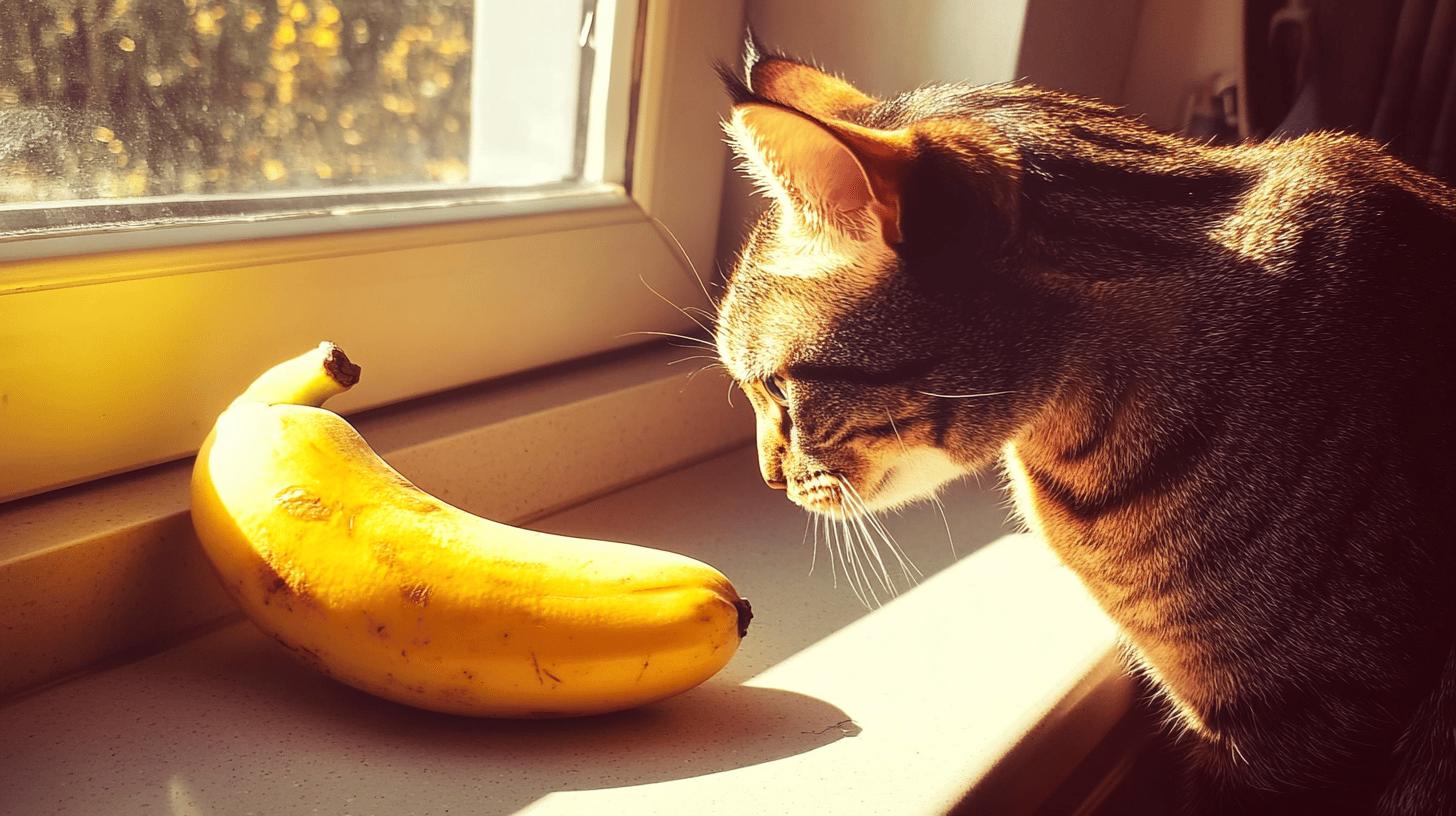
    Have you ever caught your cat eyeing your snack with eyes full of curiosity? You might wonder if plantains are on the menu for your furry friend. The good news is plantains are non-toxic for cats. While they are safe in small amounts, they're not a dietary must-have for our carnivorous companions.

    Cats need protein more than the carbs that plantains offer. Let's dive into the nutritional facts and tips on how to offer this fruit as an occasional treat. Your cat's safety and health come first!

    Can Cats Eat Plantain Safely and Nutritional Impact
    Can Cats Eat Plantain Safely and Nutritional Impact-2.jpg

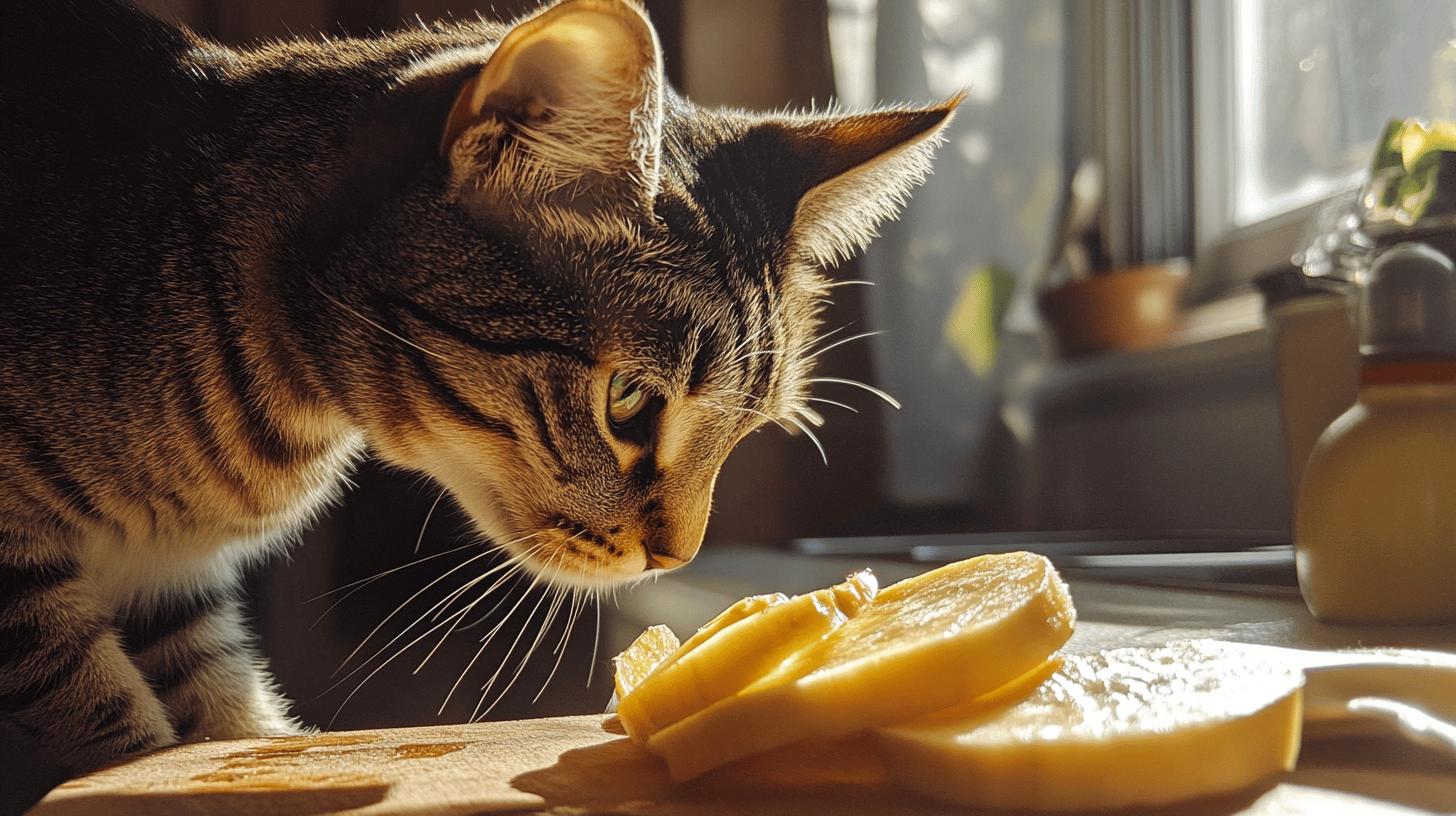
    Plantains are non-toxic to cats, which means they can be consumed without posing a direct health threat. This makes plantains a safe treat option for cats when given in moderation. While plantains are safe, they aren't a dietary necessity for cats.

    Cats thrive on protein-rich diets, and their bodies are optimized to derive energy from glucose rather than carbohydrates found in plantains. Consequently, feeding your cat a thin slice of plantain as a rare treat is sufficient. Overindulgence in plantains could lead to digestive stress, so moderation is crucial.

    Here are some guidelines for feeding plantains to your feline friend:

    • Always introduce plantains in small amounts to see how your cat reacts.
    • Serve plantains as an occasional treat, not a regular part of their diet.
    • Make sure plantains are ripe and cooked, not raw or fried.
    • Avoid adding any seasoning or sugar to the plantains.
    • Monitor your cat for any signs of digestive upset after eating plantains.

    Plantains are packed with nutrients that can offer some benefits even in small amounts. They contain essential vitamins and minerals that contribute to overall health. However, these nutrients should be considered supplementary, as cats require a diet primarily based on proteins and fats for optimal health.

    Nutrient Benefit for Cats
    Calcium Supports bone health
    Potassium Aids in muscle function
    Vitamin A Promotes eye health
    Vitamin C Boosts immune function
    Vitamin K Essential for blood clotting

    The fiber content in plantains can help improve your cat's digestive health when given in small quantities. Fiber can assist in maintaining regular bowel movements and alleviating minor digestive issues. However, excessive fiber intake can lead to diarrhea or other digestive problems.

    This highlights the importance of moderation when incorporating plantains into your cat's diet. Always watch for any adverse reactions and consult with your veterinarian if you're uncertain about introducing new foods to your cat.

    Guidelines for Feeding Plantains to Cats
    Potential Risks and Toxicity of Plantains for Cats-1.jpg

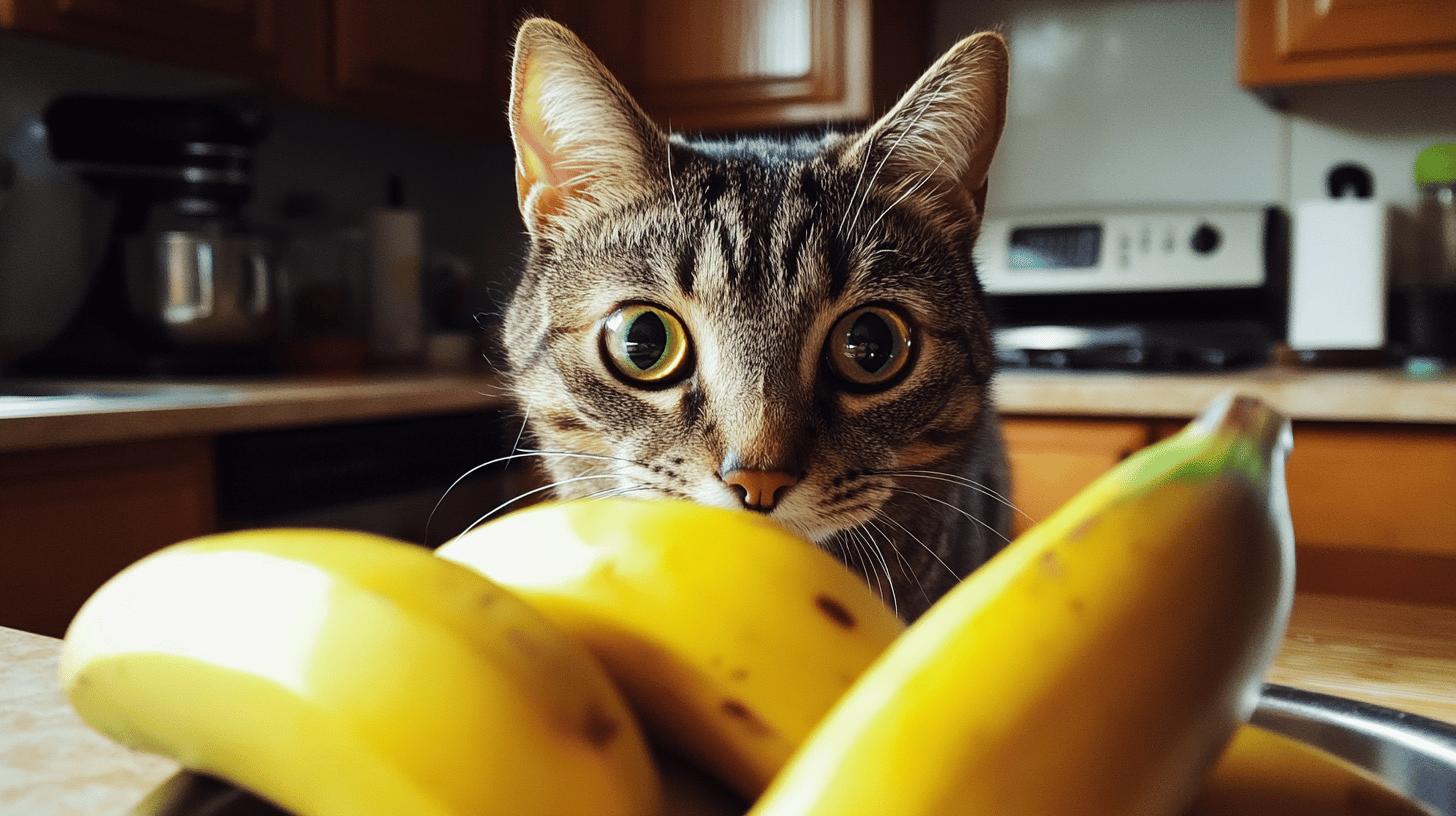
    Plantains are safe for cats but should be served in moderation to avoid digestive issues. Cats can't handle large amounts of carbohydrates well, which can lead to upset stomachs or diarrhea. Avoid serving raw or fried plantains, as oils and fats used in frying are unsuitable for cats. Make sure plantains are ripe, cooked, and free from added sugars or seasonings to prevent reactions.

    Be cautious not to confuse plantains with plantain lilies, which are toxic to cats. Ingesting plantain lilies can cause vomiting, diarrhea, and depression, requiring immediate veterinary attention. Always ensure plant-based foods are safe and correctly identified, and monitor for adverse reactions. Consult a vet if unsure about the safety of any food.

    Comparing Plantains with Other Cat-Safe Fruits
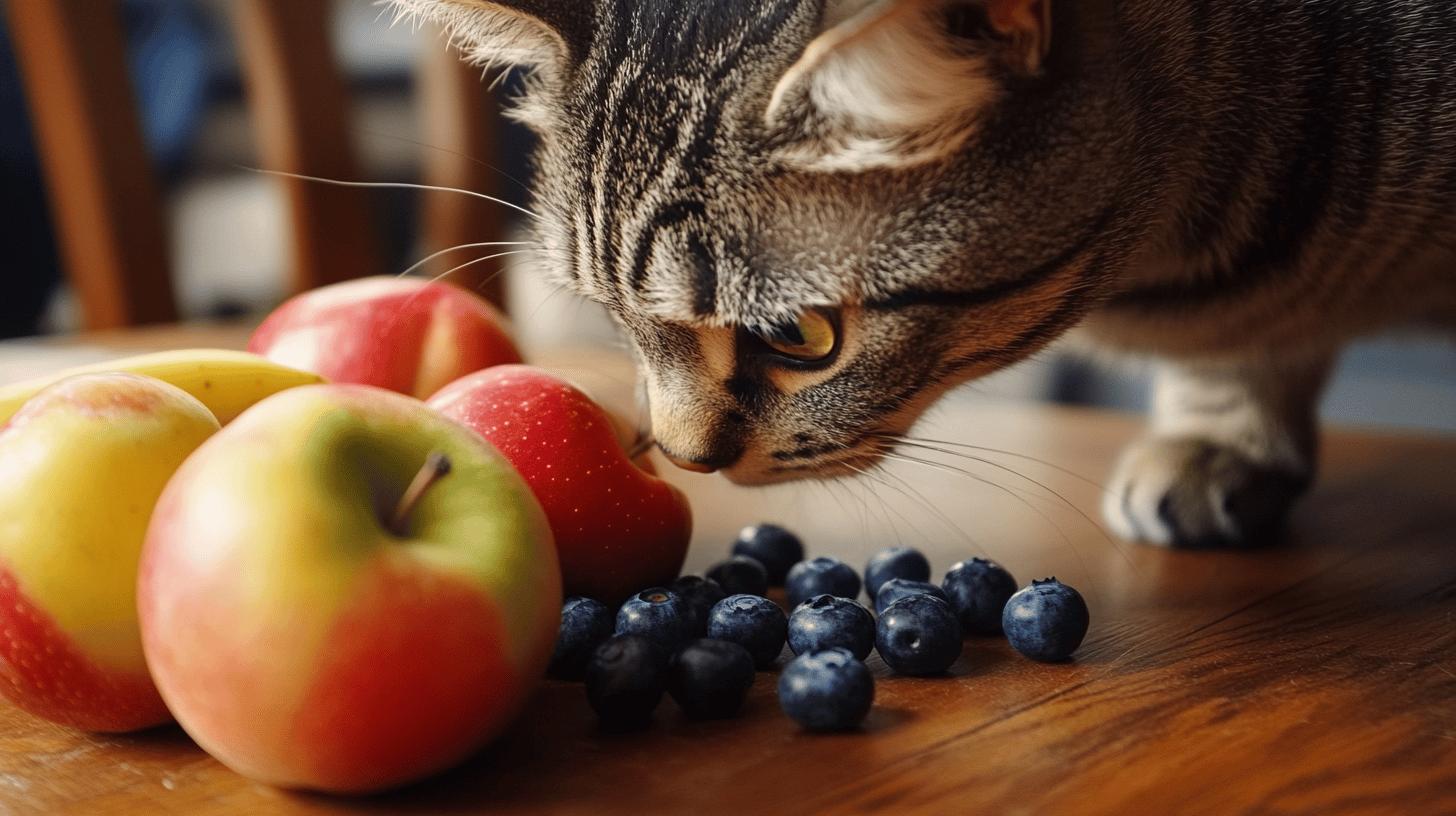
    Comparing Plantains with Other Cat-Safe Fruits-3.jpg

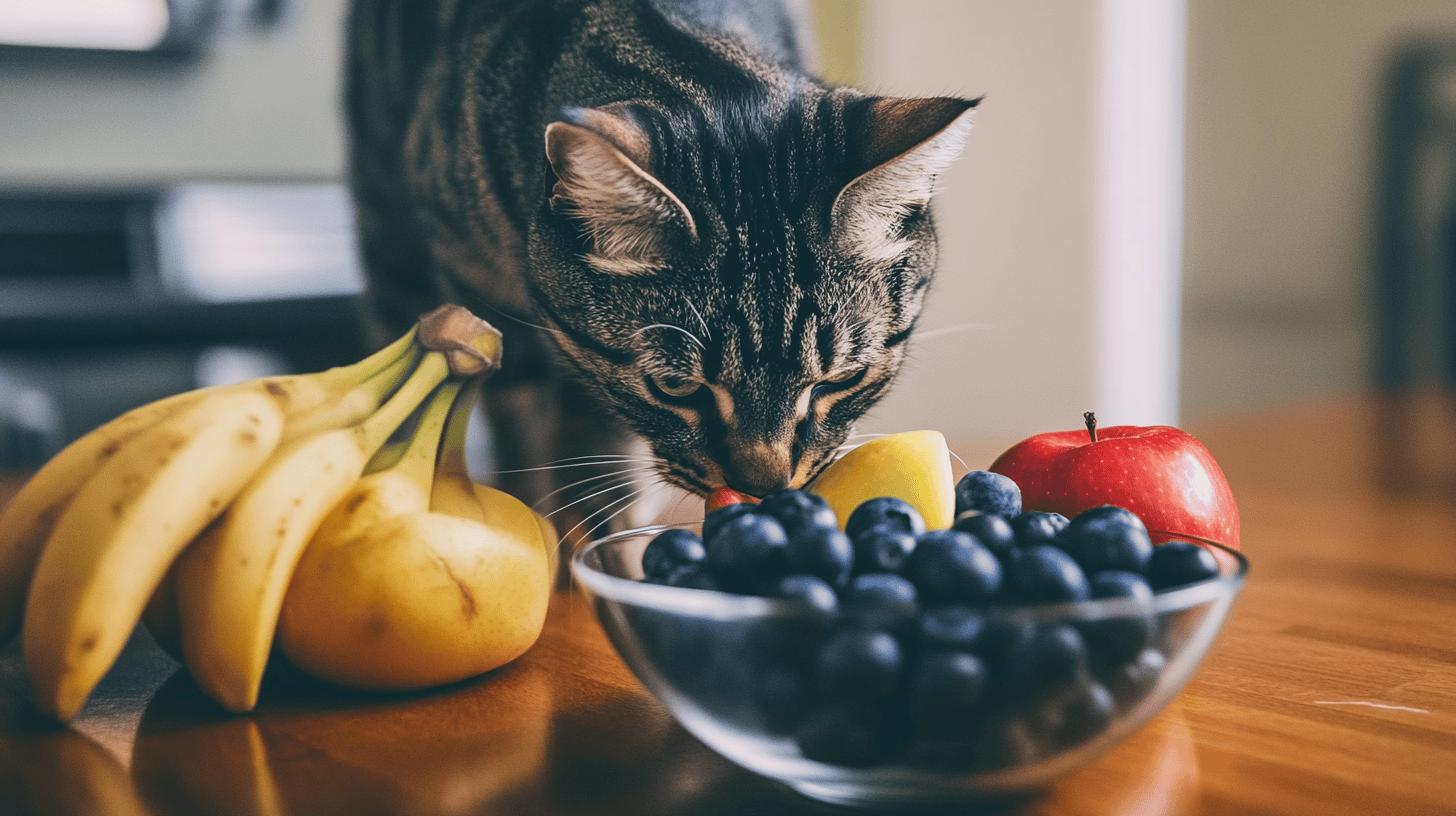
    Cats can eat certain fruits safely, but it's crucial to offer them in moderation. Fruits like bananas, apples, and blueberries are generally safe for cats and can be a fun addition to their treat rotation.

    These fruits provide some nutritional benefits, such as vitamins and fiber, which can aid in your cat's overall health. However, cats are obligate carnivores, meaning their primary dietary needs are met through meat. Fruits should never replace a well-balanced feline diet.

    When comparing plantains to other feline-friendly fruits, there are differences to consider. Plantains are safe for cats but don't offer as many benefits as bananas, apples, or blueberries. For instance, bananas are rich in potassium and hydration, making them a slightly better choice if you're looking to add a bit of fruit to your cat's diet.

    Apples offer vitamin C and fiber, and blueberries provide antioxidants, which plantains lack. Plantains also don't have the same water content found in these other fruits, which can be helpful for hydration.

    Offering your cat a variety of fruits as occasional treats can be beneficial. It introduces them to different textures and flavors, which can be stimulating and enjoyable. Just remember, these fruits should be served in small amounts and always monitored for any adverse reactions.

    The variety ensures your cat doesn't get too much of one thing, which is important for maintaining a balanced diet. Always consult your vet if you're unsure about adding new foods to your cat's diet.

    Best Practices for Introducing Plantains to Your Cat's Diet
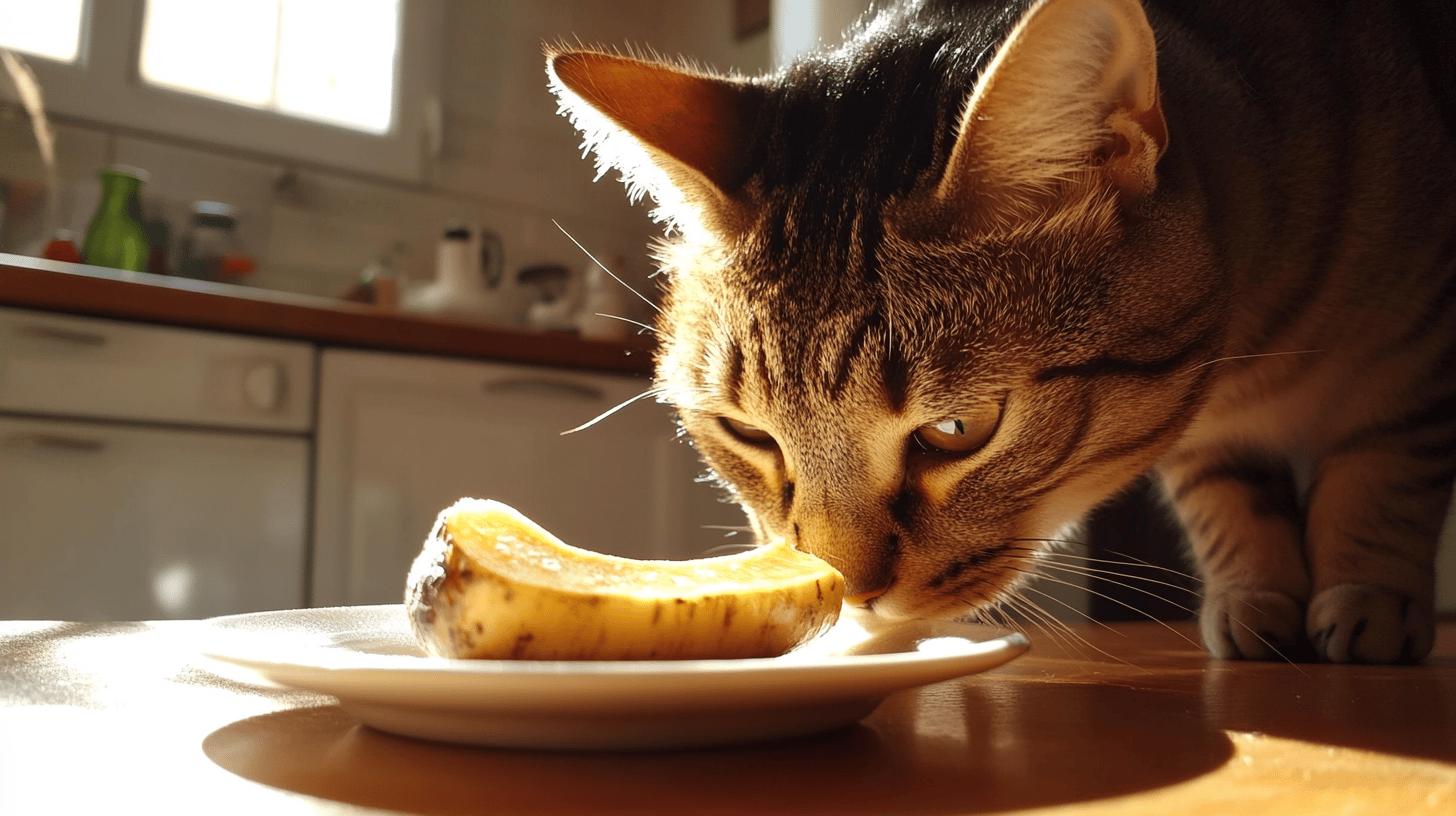
    Best Practices for Introducing Plantains to Your Cats Diet-3.jpg

    Introducing plantains to your cat's diet can be an interesting experiment if done right. To ensure your cat's well-being, focus on the cooking methods. Boiling or steaming plantains are great choices as they soften the fruit without adding oils or spices.

    Some cat owners have noticed their cats enjoy the naturally sweet taste of boiled plantains. Compared to other fruits, plantains offer a unique texture that some cats find appealing.

    Here are some steps for safely introducing plantains to your cat's diet:

    • Start with a small piece: Offer a thin slice and observe your cat's interest and reaction.
    • Boil or steam plantains: Ensure they are soft and easy for your cat to chew and digest.
    • Serve without seasonings: Avoid any added sugars or spices.
    • Offer as an occasional treat: Keep plantains as a rare addition, not a regular component.
    • Observe other fruits: Consider plantains' unique benefits over fruits like apples or bananas.

    After introducing plantains, it's crucial to monitor your cat's reactions closely. Look for any signs of digestive distress such as vomiting or diarrhea. If your cat appears uncomfortable or shows any adverse reactions, discontinue feeding plantains immediately. It's always a good idea to consult with a veterinarian before making significant changes to your cat's diet. They can provide guidance tailored to your cat's specific needs and ensure that any new food additions are safe and beneficial.

    Alternatives and Variations: Plantain-Based Recipes for Cats

    Alternatives and Variations Plantain-Based Recipes for Cats-3.jpg

    Crafting homemade cat snacks is a delightful way to pamper your feline friend while ensuring control over the ingredients. Incorporating plantains into these treats can add variety and a touch of sweetness that some cats might enjoy.

    Plantains, when used in moderation, can be combined with other safe ingredients to create a balanced snack. Pairing them with protein sources like chicken or fish can make these treats more nutritious. The key is to maintain a balance that supports your cat’s dietary needs, focusing primarily on protein with plantains as a flavorful addition.

    Here are some plantain recipe ideas to try for your cat:

    • Plantain and Chicken Bites: Boil plantains and diced chicken. Mash them together, form small balls, and bake until golden.
    • Fish and Plantain Patties: Mix steamed plantains with flaked fish, form into patties, and bake for a crispy treat.
    • Plantain Cat Cookies: Combine mashed plantains with a small amount of oat flour and bake into small cookies.
    • Herb and Plantain Treats: Blend boiled plantains with cat-safe herbs like parsley, form into shapes, and bake.

    Ensuring nutritional balance in these recipes is crucial. While plantains can add texture and flavor, they should not detract from the primary nutritional focus on proteins and fats in your cat's diet. Always prioritize ingredients that cater to your cat's specific health requirements.

    Avoid overloading on carbohydrates or sugars, and consult a vet if you're unsure about any ingredient. A well-balanced homemade treat can enhance your cat's diet, offering them a tasty yet healthy reward.

    Final Words

    Exploring whether cats can eat plantain or not, we've learned it's safe in small amounts. Plantains offer nutrients like potassium and vitamins but don't fulfill all feline dietary needs. Offering a slice as a treat is fine, but avoid large amounts to prevent digestive issues.

    It’s exciting to experiment with safe homemade treats. Just remember to keep it balanced and in moderation. If you include plantain in your cat's diet, monitor their reaction and consult with a vet. Enjoy enhancing your cat's play and snack time with thoughtful choices.

    FAQ

    Can cat eat plantain chips?

    A: Cats shouldn't eat plantain chips due to oils and seasonings that can upset their stomachs. It's best to avoid fried or flavored plantains.

    Can cats eat plantain seeds?

    A: It's safe for cats to eat plantain seeds in small quantities, but seeds generally don't offer nutritional benefits and may not digest easily.

    Can cats eat cooked plantains?

    A: Cats can eat cooked plantains in moderation. Cooked and unsalted plantains are safer for digestion than raw ones.

    Can cats eat bananas?

    A: Bananas are safe for cats to eat in moderation. They offer some nutrients but aren't necessary in their diet.

    Can cats eat rice?

    A: Cats can eat rice occasionally. While not nutritionally essential, rice can help with digestive issues.

    Can cats eat avocado?

    A: Cats should avoid avocado. It's not toxic in tiny amounts, but the pits and skin can be harmful.

    Can cats eat bread?

    A: Cats can eat small amounts of bread, but it offers little nutritional value and shouldn't replace their regular diet.

    Can cats eat eggs?

    A: Eggs are safe and nutritious for cats when cooked. They provide protein but should be fed in moderation.

    Are plantains ok for cats?

    A: Plantains are non-toxic and safe in small amounts. An occasional thin slice is fine but not necessary for their diet.

    Is plantain plant toxic to cats?

    A: Plantains themselves aren't toxic, but some plant families like lilies, which are often confused with plantains, are harmful to cats.

    Can animals eat plantains?

    A: Animals, including cats, can eat plantains in small amounts. Ensure they are cooked and unsalted for safe consumption.

    Is it OK for cats to eat bananas?

    A: Yes, cats can eat bananas in moderation. They are non-toxic but should only be an occasional treat.
    Related Articles

  • Can Cat Eat Green Grapes? Understanding Grape Toxicity in Cats

    Can Cat Eat Green Grapes? Understanding Grape Toxicity in Cats

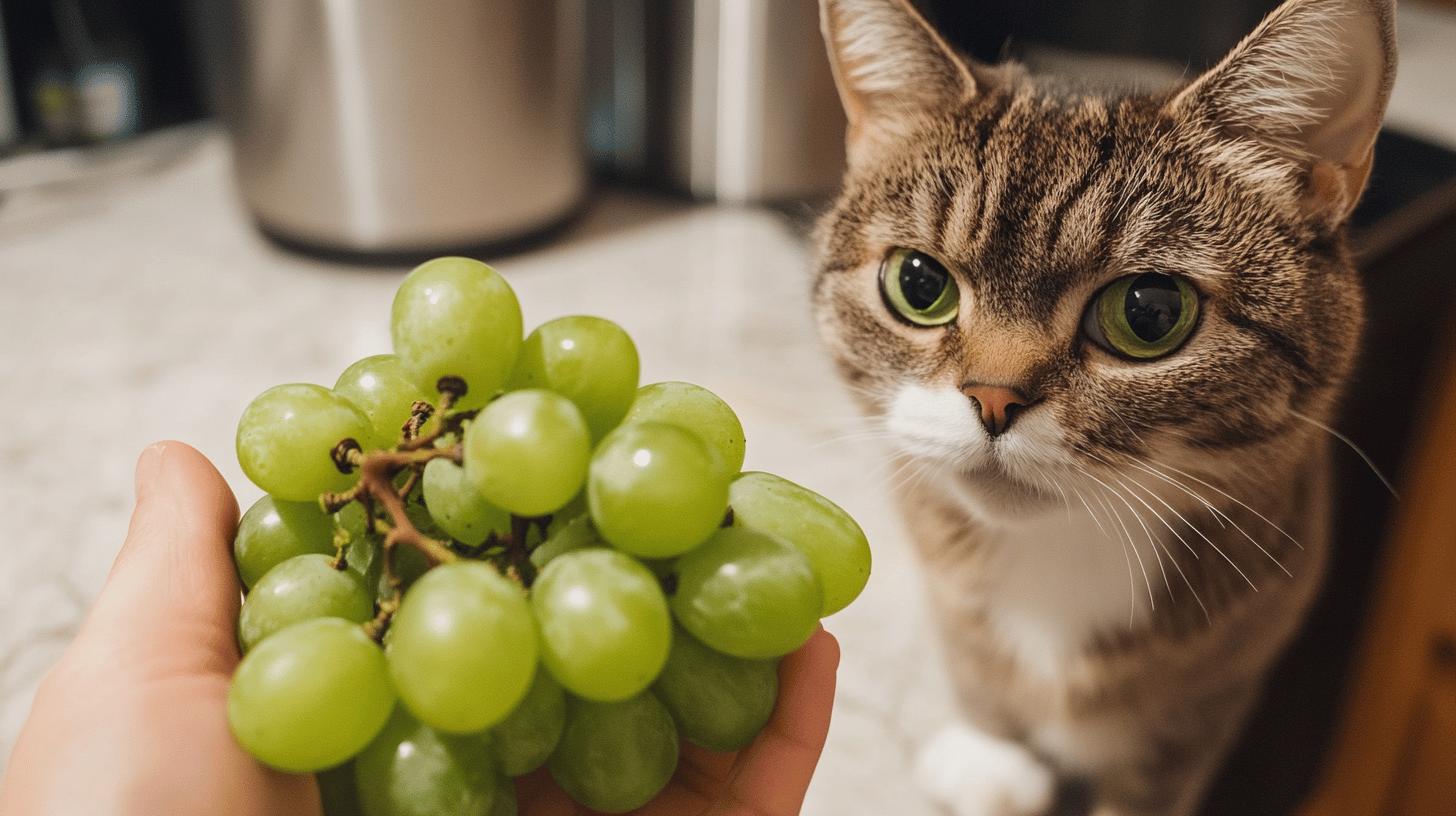
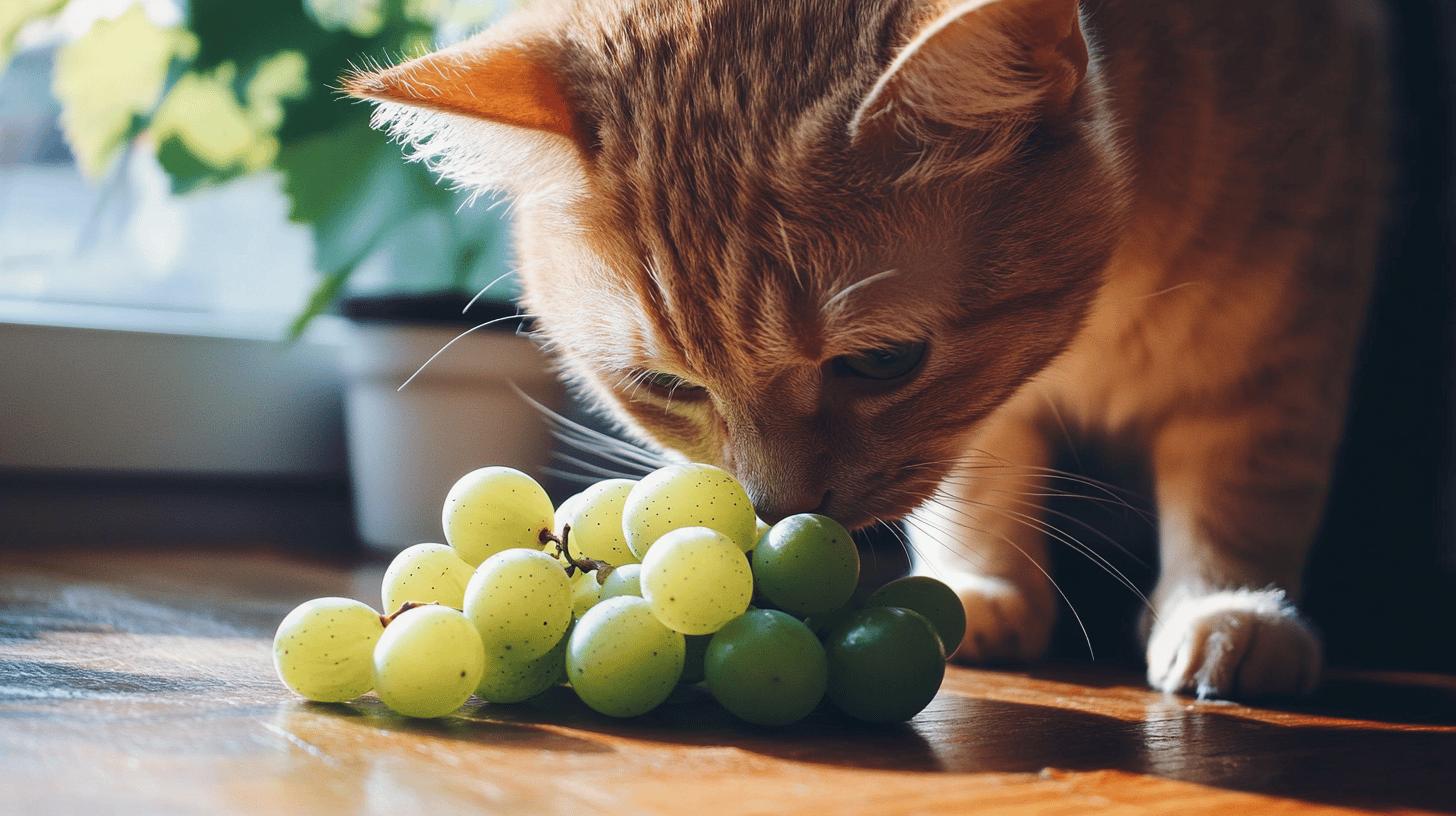
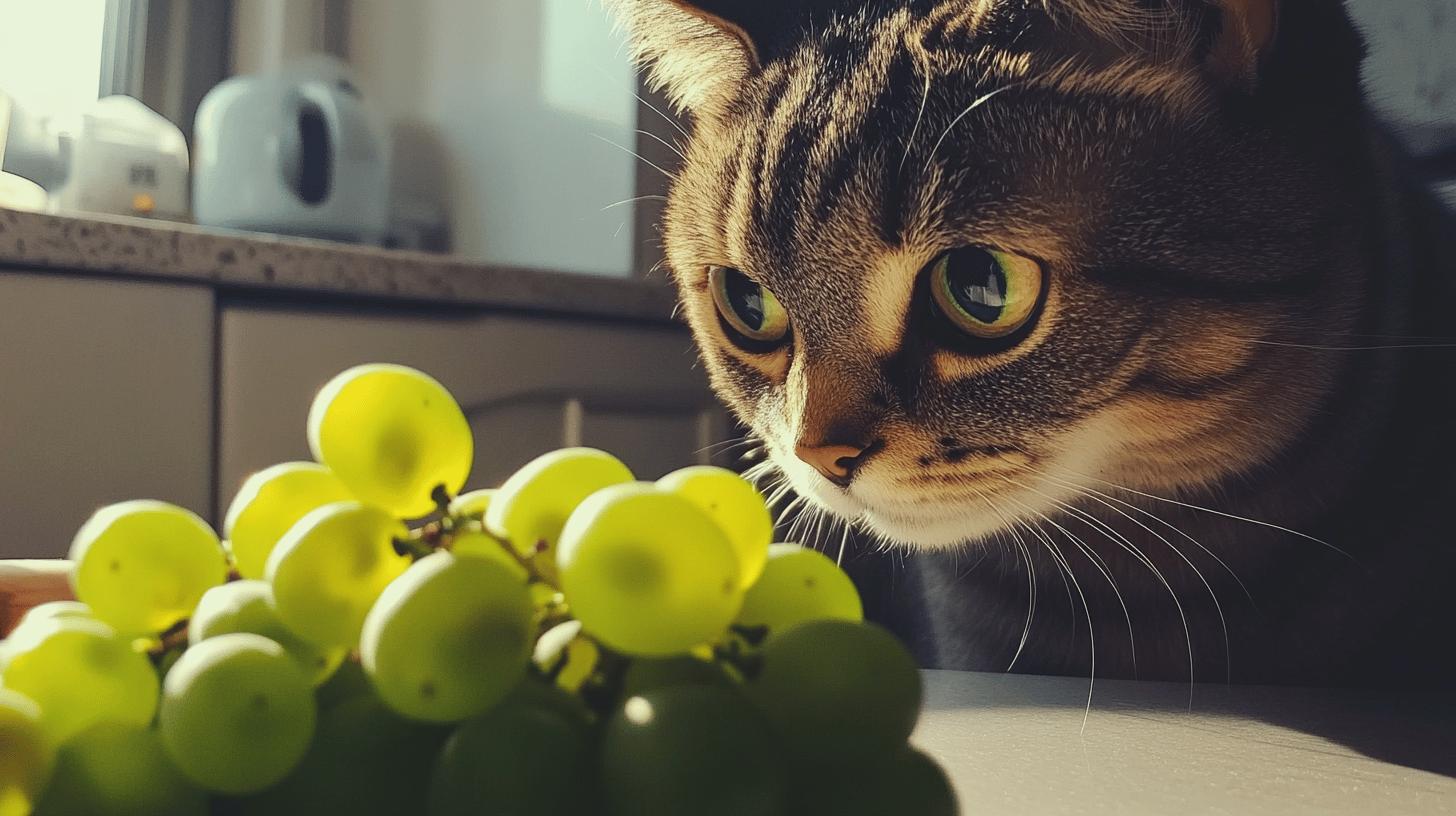
    Ever caught your cat eyeing a bunch of green grapes with curiosity? While some foods we enjoy can be shared with our feline friends, green grapes are not one of them. These juicy fruits, though seemingly harmless, can be incredibly toxic to cats.

    The mystery of why grapes are dangerous remains unsolved, but their effects can be severe, leading to kidney failure and more. Knowing the risks and acting quickly if your cat ingests them is key. Let's delve into the potential dangers and ensure your cat stays safe and healthy.

    Can Cats Safely Eat Green Grapes?

    Can Cats Safely Eat Green Grapes-1.jpg

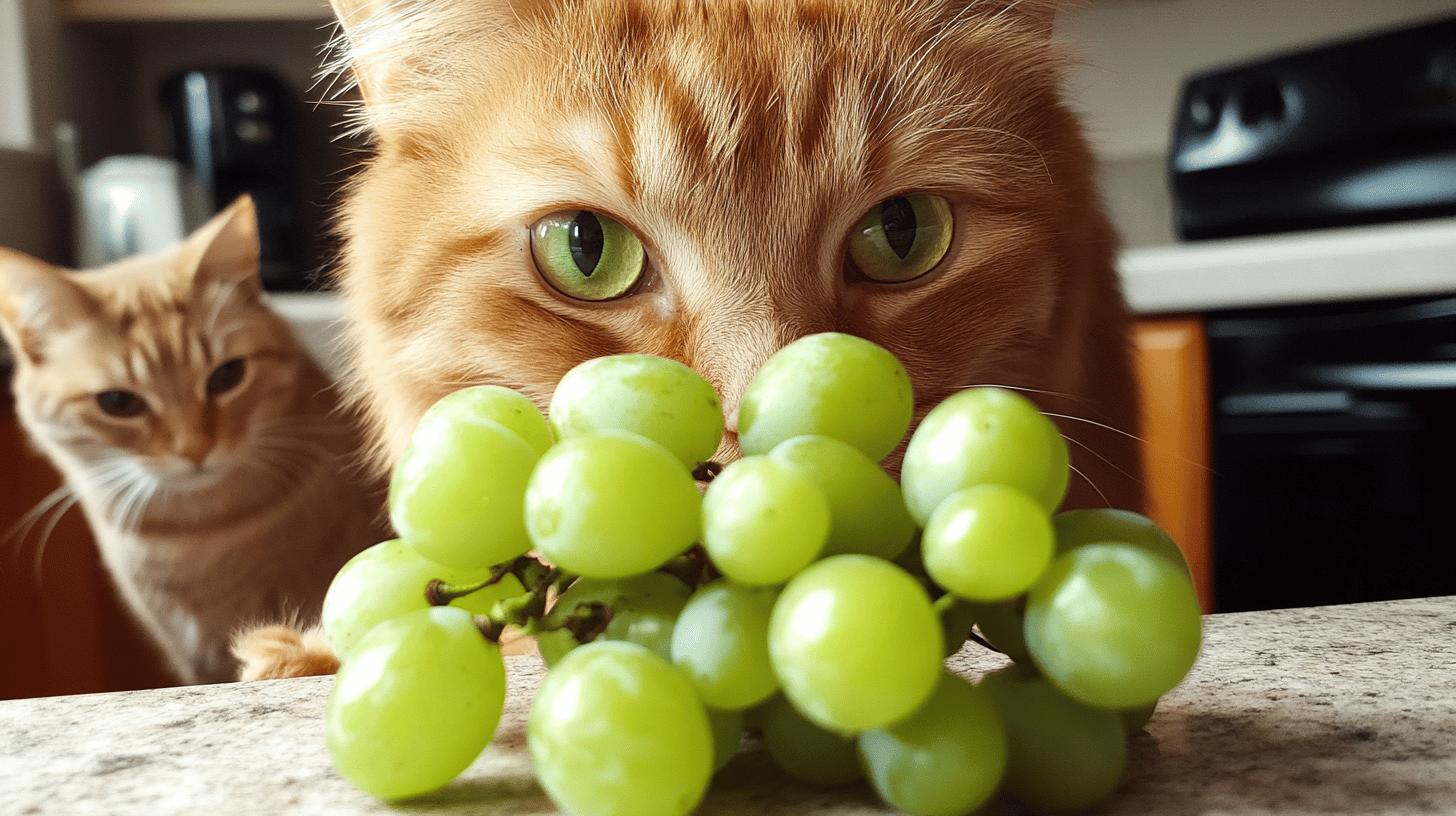
    Green grapes are not safe for cats to eat. These fruits are toxic to felines and can lead to serious health complications, including kidney failure. The exact reason why grapes are harmful to cats remains unclear, but it's understood that even a small amount can pose significant risks. Grapes contain substances that can cause similar symptoms in cats as seen in dogs, such as vomiting and diarrhea.

    If your cat has ingested green grapes, it's crucial to act quickly. Symptoms of grape toxicity often include vomiting, diarrhea, and signs indicative of kidney failure. If any of these symptoms appear, it is essential to contact a veterinarian immediately. Rapid intervention can make a significant difference in your cat's health outcomes.

    Given the potential dangers, it's vital to keep grapes out of your cat's diet entirely. Cats have specific dietary restrictions, and grapes are definitely on the list of foods to avoid.

    Ensuring that your feline friend doesn't have access to these toxic fruits can help prevent accidental ingestion and protect their health. Always store grapes safely out of reach and educate everyone in your home about the risks they pose to your feline companion.

    Understanding the Effects of Green Grapes on Cats

    Understanding the Effects of Green Grapes on Cats-2.jpg

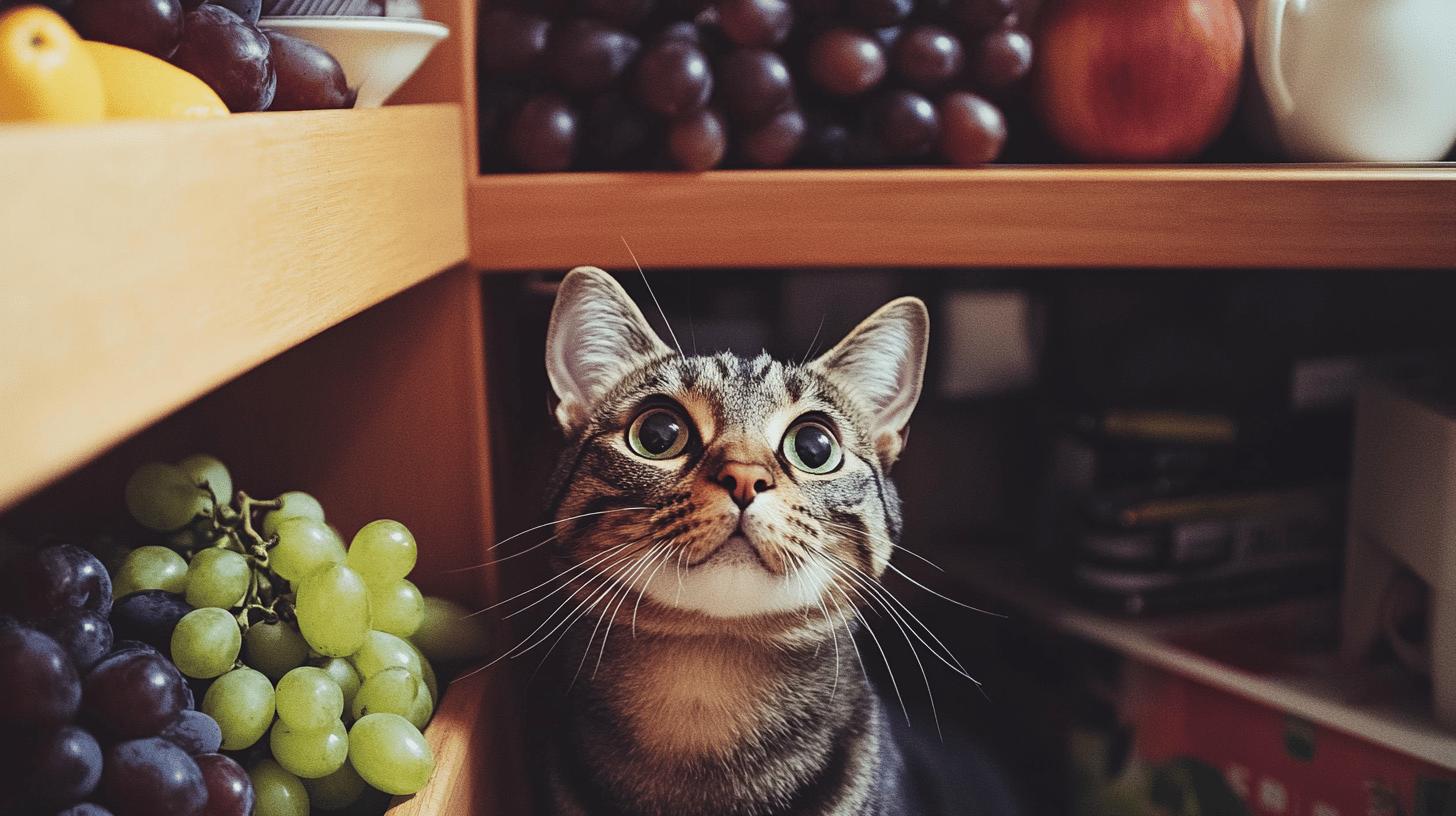
    Preventing grape ingestion begins with cat-proofing your home. Store grapes and related products in secure, inaccessible areas. Use childproof locks on cabinets if needed. Ensure no grapes or raisins are left out in open spaces like countertops or tables. Regularly inspect areas where food is kept to reduce the risk of accidental ingestion.

    Veterinarians treat grape toxicity by stabilizing the cat's condition. They may induce vomiting or administer activated charcoal to prevent further absorption of toxins. Fluid therapy is often used to support kidney function, and close monitoring is essential.

    Recent studies suggest possible mechanisms of toxicity involving the kidneys, but more research is needed. Expert opinions emphasize the importance of immediate intervention to mitigate risks. Being proactive and aware of how to respond can make a critical difference in a cat's recovery.

    Alternatives to Green Grapes: Safe Fruits for Cats

    Alternatives to Green Grapes Safe Fruits for Cats-1.jpg

    Cats generally aren't fans of fruits, thanks to a genetic mutation that means they can't taste sweetness. But that doesn't mean they can't enjoy some fruit-based snacks now and then. It's important to know which fruits are safe and healthy for your feline friend. Choosing the right fruits can provide a fun and nutritious treat without the risks associated with toxic options like grapes.

    Here's a list of safe fruits for cats:

    • Blueberries
    • Apples (without seeds)
    • Bananas
    • Watermelon (seedless)

    While these fruits can be a delightful snack, not all fruits are cat-friendly. It's best to steer clear of citrus fruits such as oranges, lemons, and limes. These can cause vomiting and diarrhea in cats, so it's wise to avoid them altogether.

    When offering fruits to your cat, moderation is key. Start by introducing small amounts to see how they react. Always remove any seeds, rinds, or peels that might cause harm. Fruits should complement their regular diet, not replace it. Remember, the bulk of their nutrition should still come from high-quality cat food designed to meet their specific dietary needs.

    Can Cats Safely Eat Green Grapes?

    Understanding the Effects of Green Grapes on Cats-1.jpg

    Grapes are toxic to cats and can lead to severe health issues, such as kidney failure. If your cat eats even a single grape, it's essential to act quickly.

    1. Contact your veterinarian immediately. Explain the situation and follow their advice on the next steps.
    2. Keep the cat under observation for any symptoms. Watch for signs like vomiting, diarrhea, lethargy, or changes in urination.
    3. Follow the vet's instructions for treatment or monitoring. This might include inducing vomiting or administering activated charcoal if advised by the vet.
    4. Prepare for possible lab work and follow-up. The vet may suggest lab tests to assess kidney function and recommend repeating them within 24-48 hours to monitor any changes.

    Veterinary procedures often involve stabilizing your cat's condition with fluids to support kidney function or conducting lab work to assess toxicity levels. Quick action and close coordination with your vet are crucial for your cat's health and safety.

    Preventing Accidental Grape Ingestion in Cats

    Preventing Accidental Grape Ingestion in Cats-1.jpg

    To truly cat-proof your home from the dangers of grapes, consider unique storage solutions like high-mounted shelves or locked cabinets. Educate children using relatable examples, helping them understand the severity of grape toxicity in cats. A proactive approach is crucial in safeguarding your cat's health.

    • Checklist for a grape-free home:
      • Use child locks on low cabinets
      • Store grapes in non-transparent containers
      • Schedule regular grape checks in rooms where food is consumed

    Watch for symptoms like vomiting or lethargy, which may indicate grape toxicity. Early recognition is key. By following this checklist and staying vigilant, you can create a safe environment for your furry companion.

    Final Words

    Understanding that cats can't safely eat green grapes is crucial for any cat owner. Grapes can lead to serious health issues, including kidney failure and symptoms like vomiting. Although the exact reason for their toxicity isn't fully understood, the risk they pose to cats is clear. Finding safe fruit alternatives, like blueberries and apples, provides a healthy option. Acting quickly if your cat consumes grapes is important, with immediate veterinary care being crucial. Keeping grapes out of reach can prevent accidental ingestion. With this knowledge, we can better ensure the health of our feline friends.

    FAQ

    Can cats eat grapes or grape stems?

    Cats should never eat grapes or grape stems. They are toxic and can cause serious health issues, including kidney failure.

    Can one grape kill a cat?

    Eating even one grape can be harmful to cats. It can lead to symptoms like vomiting and diarrhea, which might progress to kidney failure.

    What should I do if my cat ate a grape?

    If your cat ate a grape, contact your veterinarian immediately. Quick action can prevent serious health issues.

    Are grapes bad for cats?

    Yes, grapes are bad for cats. They are toxic and can cause symptoms like vomiting and kidney failure.

    Is it OK if my cat ate one grape?

    It is not okay for your cat to eat a grape. Even a single grape can cause dangerous health issues.

    What fruits can cats eat?

    Cats can safely eat fruits like blueberries, apples (without seeds), bananas, and seedless watermelon.

    Why are grapes dangerous for cats?

    Grapes are dangerous because they can cause kidney failure in cats. The specific toxic component is still unknown, but symptoms can be severe.

    Do cats like green grapes?

    Most cats do not naturally like green grapes. It's safer to avoid offering them to your cat to prevent accidental ingestion.

    Why might a cat be obsessed with grapes?

    Some cats might be curious about grapes due to their smell or texture, but they shouldn't eat them as they are toxic.

    What symptoms should I watch for if a cat eats grapes?

    Watch for symptoms like vomiting, diarrhea, lethargy, and decreased urination. These can appear 12-24 hours after ingestion.

    Related Articles

  • Can Cat Eat Cinnamon Understanding the Safety and Risks

    Can Cat Eat Cinnamon Understanding the Safety and Risks

    Is cinnamon a flavorful delight or a hidden danger for our feline friends? While many of us enjoy the warm, sweet-spicy aroma of cinnamon, it holds risks for cats that might surprise you. Even though the ASPCA labels cinnamon as non-toxic, it doesn’t guarantee safety.

    Our cats can’t digest cinnamon like we do, so what happens if they get a taste? This blog post dives into the safety concerns and potential risks associated with cats and cinnamon, shedding light on the impact it can have on your cat’s health. Let’s explore these risks together to ensure safe and happy playtime for our furry companions.

    Can Cats Eat Cinnamon? Understanding the Risks

    Safe Spices and Alternatives for Cats-2.jpg

    Cinnamon is technically recognized as non-toxic to cats by the ASPCA, but this doesn’t mean it is entirely safe. While small amounts of cinnamon might not be lethal, larger quantities can lead to cinnamon toxicity. This could potentially result in liver failure in cats. Cats lack the enzyme necessary to properly digest cinnamon, which increases the risk of toxicity when consumed in large or frequent doses.

    The general safety of cinnamon for cats is a concern because even though it is non-toxic, the lack of the required enzyme makes it difficult for their bodies to process. The ingestion of cinnamon, especially in significant quantities, can lead to serious health issues. Therefore, it’s important for cat owners to be cautious about their pets’ exposure to cinnamon to avoid any adverse health effects.

    • Potential liver failure from large doses
    • Cinnamon’s strong scent irritating airways
    • Risk of allergic reactions
    • Cats’ natural aversion to cinnamon smell and taste
    • Importance of keeping cinnamon products away from cats

    Monitoring a cat’s interaction with cinnamon products is crucial. Cats have a heightened sense of smell, and cinnamon’s strong scent can be overwhelming, even if they don’t ingest it. Products like cinnamon sticks or cinnamon-scented items should be kept out of reach. Ensuring cats do not frequently come into contact with cinnamon or its products can prevent potential health issues and keep them safe.

    Symptoms of Cinnamon Toxicity in Cats

    Safe Spices and Alternatives for Cats-3.jpg

    Cinnamon toxicity in cats can manifest through various symptoms, making it essential for cat owners to be vigilant. Initial signs to watch for include redness and irritation around the mouth. These symptoms occur because cats may lick or chew on cinnamon items, leading to direct contact.

    Another common symptom is drooling or foaming at the mouth, which indicates that the cinnamon is causing discomfort or irritation. Cinnamon essential oils can be particularly dangerous due to their high concentration, posing an even greater risk if inhaled or ingested.

    • Redness and irritation around the mouth
    • Drooling or foaming at the mouth
    • Vomiting or diarrhea
    • Respiratory distress
    • Lethargy or weakness
    • Allergic reactions

    If your cat displays any of these symptoms, especially more severe ones like vomiting, diarrhea, or respiratory distress, immediate veterinary attention is crucial. These could indicate that the cat is experiencing a serious reaction to cinnamon exposure.

    Allergic reactions can also occur, adding another layer of risk. Prompt action and contacting a vet can make a significant difference in your cat’s health outcome, ensuring they receive the appropriate care and treatment needed to recover.

    What to Do if Your Cat Ingests Cinnamon

    What to Do if Your Cat Ingests Cinnamon-1.jpg

    If your cat ingests cinnamon, swift action is vital. Cinnamon can be particularly harmful to cats due to their inability to metabolize it properly. Taking immediate steps can prevent severe health issues. First, ensure that any remaining cinnamon is removed from your cat’s reach. Keep a close eye on your cat for any symptoms of toxicity such as vomiting, diarrhea, or lethargy. These signs indicate the need for urgent veterinary attention.

    1. Remove any remaining cinnamon from the area.
    2. Monitor the cat for symptoms of toxicity.
    3. Contact a veterinarian immediately.
    4. Follow veterinary instructions, which may include bringing the cat in for treatment.
    5. Avoid home remedies unless advised by a professional.

    Your veterinarian might recommend inducing vomiting or administering activated charcoal, but these measures should only be undertaken under professional guidance. Prompt veterinary intervention can make a significant difference in managing the situation effectively. Always prioritize professional advice to ensure your cat receives the care it needs.

    Safe Spices and Alternatives for Cats

    Safe Spices and Alternatives for Cats-1.jpg

    When it comes to spices, it’s important to know which ones are safe and which ones pose a risk to our feline friends. Many common spices that we might use in our cooking, such as garlic and chives, are harmful to cats and should be avoided. These spices can lead to digestive issues and even more severe health problems.

    On the other hand, some herbs and spices can be safe and even enjoyable for cats. For instance, catnip is a well-known favorite that can provide mental stimulation and enjoyment. However, always be cautious and do your research before introducing any new spices or herbs to your cat’s diet.

    Here are some safe spices and alternatives that are suitable for cats:

    • Catnip
    • Parsley
    • Plain cooked chicken
    • Cat grass
    • Pumpkin puree

    Incorporating safe human foods into your cat’s diet can be a great way to provide variety and enrichment. Plain cooked chicken, for example, is a protein-rich option that many cats love. Pumpkin puree can aid in digestion and offer a tasty treat.

    Cat grass is another excellent choice, providing a natural source of fiber. When adding these foods to your cat’s diet, ensure they are served in moderation and free from any harmful additives or seasonings. Always prioritize your cat’s health and well-being when selecting food and treats.

    Cinnamon Products to Keep Away from Cats

    Cinnamon products, such as sticks, essential oils, and brooms, can pose significant risks to our feline friends. Cinnamon sticks, while seemingly harmless, can become a choking hazard if chewed on by curious cats. Additionally, the strong scent of cinnamon essential oils can irritate a cat’s sensitive respiratory system, especially if inhaled.

    Cinnamon brooms are another concern, as their overwhelming aroma can be distressing for cats, potentially causing respiratory irritation. Moreover, cinnamon candles can release potent scents into the air, which might lead to discomfort or even respiratory issues for cats.

    Here are some cinnamon products to avoid around cats:

    • Cinnamon sticks
    • Cinnamon essential oils
    • Cinnamon brooms
    • Cinnamon candles

    To ensure your cat’s safety, it’s crucial to store these products in a way that keeps them out of reach. Place cinnamon sticks and essential oils in sealed containers within cabinets that cats cannot access. For items like cinnamon brooms and candles, consider storing them in rooms or areas where your cat is not allowed.

    By taking these precautions, you can help prevent any unwanted health issues that may arise from your cat’s exposure to cinnamon products. Keeping your home a safe environment for your pet is essential for their well-being.

    Final Words

    Keeping your cat safe means understanding the risks of everyday items like cinnamon. Cats can’t digest cinnamon well and can get sick from it. Large amounts might even lead to liver failure or other severe issues.

    It’s best to avoid giving your cat cinnamon, even if small amounts aren’t immediately harmful. Instead, choose pet-safe spices and products to keep your furry friend happy and healthy.

    If you’re ever unsure or your cat ingests cinnamon, contact a vet right away. With the right knowledge, you can help ensure your cat stays safe and enjoys a healthy life.

    FAQ

    Can cats eat cinnamon powder?

    Cinnamon powder is unsafe for cats. Cats lack the enzyme to digest it properly. Small amounts aren’t lethal but can cause health issues if consumed frequently or in large quantities.

    My cat ate a cinnamon roll. What should I do?

    If your cat ate a cinnamon roll, monitor for any symptoms like vomiting or diarrhea. Contact your vet promptly for advice, as cinnamon can be harmful in large or frequent amounts.

    Can cat eat cinnamon leaves?

    Cats should not eat cinnamon leaves. They contain compounds that cats can’t digest well and may cause irritation or more severe health problems.

    Do cats like the smell of cinnamon?

    Cats generally are not attracted to the smell of cinnamon. In fact, its strong scent can irritate their airways and be quite overwhelming for them.

    Can cats eat nutmeg?

    Nutmeg is unsafe for cats. It can cause hallucinations and vomiting, potentially leading to more severe health issues. Avoid letting cats ingest any nutmeg.

    Can dogs eat cinnamon?

    Dogs can tolerate small amounts of cinnamon, but large quantities can lead to digestive upset. Always consult your veterinarian before feeding cinnamon to dogs.

    Can cats eat Cinnamon Toast Crunch?

    Cinnamon Toast Crunch is not recommended for cats. It contains sugar and cinnamon, which are not suitable for feline consumption. Avoid sharing this cereal with your cat.

    What happens if cats eat cinnamon?

    If a cat consumes cinnamon, it may experience irritation, vomiting, diarrhea, or respiratory distress. Large doses can lead to severe health problems like liver failure. Immediate veterinary advice is crucial.

    How much cinnamon is too much for a cat?

    Even small amounts can be harmful if consumed frequently. It’s best to avoid cinnamon entirely to prevent any risk of toxicity or irritation.

    Are cats attracted to cinnamon?

    Cats usually don’t like cinnamon. Its strong scent and flavor are unappealing to them, and it’s not a safe choice for their digestive system.

    Can cats eat applesauce with cinnamon?

    Cats should not eat applesauce with cinnamon. The cinnamon can cause irritation or toxicity, and the applesauce may contain sugar or additives harmful to cats.

    Related Articles

  • Why Cat Poops Outside Litter Box and How to Fix It

    Why Cat Poops Outside Litter Box and How to Fix It

    Ever walked into your living room to find an unwelcome surprise from your cat? It’s not just you. Many cat owners face this puzzling issue, and understanding why it happens is the first step toward a solution. The reasons your cat might avoid the litter box are as varied as they are surprising.

    From a dislike of the litter’s texture to potential medical concerns, your cat might be trying to tell you something. Let’s explore the reasons behind this behavior and find actionable steps to keep your living room mess-free.

    Common Reasons Why Cats Poop Outside the Litter Box

    Common Reasons Why Cats Poop Outside the Litter Box-1.jpg

    Cats can be particular about their litter boxes, and environmental factors often play a big role in why they might choose to poop outside of it. A dirty box is one of the most common reasons for litter box avoidance. If the box isn’t cleaned regularly, your feline friend might seek out a cleaner spot.

    Changes in the location of the litter box can also cause confusion or discomfort. Sharing the box with another cat is another potential issue, as some cats prefer their own space. Additionally, a sudden switch in the type of litter used can lead to aversion if your cat doesn’t like the new texture or scent.

    Medical issues are another significant factor that can lead to inappropriate elimination. Conditions like arthritis, gastrointestinal issues, or urinary tract infections can make it uncomfortable or difficult for your cat to use the litter box.

    These issues might cause your cat to seek out a more accessible spot. It’s crucial to consult a veterinarian if you suspect your cat’s litter box problems stem from a health issue. This ensures that any underlying medical conditions are properly addressed.

    Behavioral factors such as stress and territorial marking can also lead to litter box problems. Cats are sensitive to changes in their environment or routine. New household members, whether human or animal, can create stress that results in inappropriate pooping.

    Territorial marking is a natural behavior, especially if your cat feels threatened by a newcomer. In these cases, providing your cat with plenty of enrichment, attention, and reassurance can help them feel more secure and reduce stress-related litter box avoidance.

    Addressing Medical Issues Related to Litter Box Problems-3.jpg

    Medical issues can play a big role in why a cat avoids the litter box. Conditions like constipation, diarrhea, and arthritis make it hard for cats to reach the box or step into it comfortably. Urinary tract infections can cause pain, making the box unappealing. These health problems often lead cats to associate the litter box with discomfort.

    Here are some signs that may indicate a health problem in your cat:

    • Straining to defecate or urinate
    • Frequent trips to the litter box
    • Reduced appetite or weight loss
    • Changes in litter box habits
    • Vocalizing in pain when using the box

    Consulting a veterinarian is crucial if you notice any of these signs. This can help rule out medical conditions and ensure your cat receives the right treatment. Addressing health problems promptly can restore your cat’s litter box habits and improve their overall well-being.

    Environmental and Behavioral Solutions for Litter Box Avoidance

    Environmental and Behavioral Solutions for Litter Box Avoidance-2.jpg

    To tackle litter box avoidance, addressing behavioral strategies is key. Start by observing your cat’s habits and preferences. Some cats are picky about their litter box location. Place the box in a quiet, low-traffic area to reduce stress.

    Behavioral training can also include positive reinforcement; reward your cat with treats or affection when they use the litter box correctly. If your cat is not a fan of changes, stick to the same type and brand of litter that they’ve used before.

    Incorporate environmental enrichment to keep your cat engaged and content. Here are some techniques:

    • Provide multiple litter boxes: Ensure each cat has their own box, plus one extra.
    • Use unscented litter: This can be less overwhelming for sensitive noses.
    • Add scratching posts: These can help cats relieve stress naturally.
    • Rotate toys regularly: Keep your cat entertained and mentally stimulated.
    • Create vertical spaces: Shelves or cat trees allow cats to explore and feel secure.
    • Schedule playtime: Regular interaction can alleviate boredom and anxiety.

    Managing stress and household changes is crucial for resolving litter box issues. Cats thrive on routine, so maintain a consistent feeding and play schedule. If a new pet or family member is introduced, do so gradually to minimize anxiety.

    You might need to temporarily increase your cat’s attention and playtime to reassure them during these transitions. Remember, patience and understanding are essential when addressing these behavioral and environmental factors.

    The Role of Stress and Anxiety in Cat Bathroom Habits

    Environmental and Behavioral Solutions for Litter Box Avoidance-3.jpg

    Recognizing specific stress indicators in cats can help address bathroom habits impacted by anxiety. Increased vocalization often signals distress or a need for attention, while excessive grooming is a self-soothing behavior that can lead to hair loss.

    Cats may hide more frequently when trying to escape stressors, which can result in accidents outside the litter box. Changes in appetite, such as overeating or loss of interest in food, are also common signs of stress affecting their bathroom habits.

    Stress Indicator Impact on Behavior
    Increased vocalization Signs of distress or need for attention
    Excessive grooming Attempt to self-soothe, often leading to hair loss
    Hiding more frequently Desire to escape stressors, can result in accidents outside the box
    Changes in appetite Stress can cause overeating or loss of interest in food

    To effectively manage stress and anxiety, maintain a consistent routine by feeding and playing with your cat at the same times each day. Introduce environmental enrichment like scratching posts and perches to provide a sense of territory.

    Gradually familiarizing your cat with new elements in their environment helps them adapt. Early recognition of stress signs, coupled with affection and interaction, can reassure your cat, promoting a secure feeling and reducing inappropriate bathroom behavior.

    Proactive Litter Box Management and Maintenance

    Proactive Litter Box Management and Maintenance-1.jpg

    Keeping a clean litter box is crucial to preventing your cat from finding alternative bathroom spots. Scoop the litter box daily to remove any waste and maintain a fresh environment. A full litter change should occur weekly to prevent buildup and odors that might deter your cat.

    Regular cleaning of the box with mild soap and water can also help remove any lingering smells that could be off-putting. This routine ensures that the litter box remains appealing and comfortable for your feline friend.

    Strategic placement of litter boxes can make a big difference in encouraging proper use:

    • Place boxes in low-traffic areas: Cats prefer privacy and quiet when using the litter box.
    • Avoid placing boxes near food and water: Cats naturally avoid using the bathroom near their eating areas.
    • Provide one box per cat, plus an extra: This reduces competition and stress in multi-cat households.
    • Choose easily accessible locations: Ensure boxes are not in hard-to-reach places for your cat.

    Using enzymatic cleaners to treat areas where your cat has previously pooped outside the box can prevent repeat occurrences. These cleaners break down the odor-causing compounds, effectively eliminating the scent.

    Without the lingering smell, your cat is less likely to return to the same spot. Keeping the litter area clean and odor-free encourages your cat to stick to the box for their bathroom needs.

    Final Words

    Understanding why a cat poops outside the litter box starts by examining environmental stressors and litter box cleanliness. Medical issues also play a big part in inappropriate elimination, stressing the need for a vet’s expertise. Stress and anxiety can further complicate bathroom habits, so focusing on consistency helps.

    Improving play and enriching their environment fosters better habits. Regular litter box maintenance is key to success. Remember, compassion and patience can solve most litter box challenges, ensuring a happier cat and a cleaner home.

    FAQ

    Why is my cat pooping outside the litter box?

    A: Cats may poop outside the litter box due to a dirty box, location changes, litter type issues, or stress. It could also indicate health problems, so consult a vet if it persists.

    Do cats poop outside the litter box when sick?

    A: Yes, medical issues like constipation, arthritis, or infections can cause box avoidance. Watch for signs like changes in habits or discomfort and consult a vet promptly.

    How do you discipline a cat for pooping outside the litter box?

    A: Avoid punishment; it can increase stress and worsen the behavior. Address underlying causes, maintain a clean box, and enhance the cat’s environment.

    Why is my cat pooping on the floor but peeing in the litter box?

    A: This behavior might result from territory marking or specific discomfort with the box. Ensure the box is clean and address stress factors or medical concerns.

    Why is my cat kicking her poop out of the litter box?

    A: Cats kick poop out due to inadequate space or litter depth. Use a larger box and ensure sufficient litter to prevent this.

    Should I be concerned if my cat poops outside the litter box?

    A: Yes, it’s concerning. It might signal stress, territory issues, or health problems. Always check for medical issues first and implement changes to reduce stress.

    Related Articles

  • Can Cat Eat Hamburger Meat Safely Exploring Feeding Guidelines

    Can Cat Eat Hamburger Meat Safely Exploring Feeding Guidelines

    “Can my cat munch on hamburger meat?” It's a question that might surprise pet owners. With hamburger meat being delicious for humans, it's tempting to share it with our feline friends. But before you do, let's dive into what you need to know about safely feeding your cat hamburger. While beef is a protein-rich treat that can fit into their diet, cats need more than just a tasty snack to stay healthy. In this blog, we'll explore the do's and don'ts, making sure your kitty enjoys hamburgers without a hitch.

    Can Cats Eat Hamburger Meat? Comprehensive Safety and Feeding Guide

    Can Cats Eat Hamburger Meat Comprehensive Safety and Feeding Guide-1.jpg

    Hamburger meat, when properly prepared, can be a safe treat for cats. Beef, the primary component of hamburger meat, is generally safe for cats to consume in moderation. It's rich in protein and can contribute to a cat's dietary needs. However, it's important to remember that beef should not be a primary component of their diet. Cats are obligate carnivores, requiring a balanced intake of various nutrients. Feeding hamburger meat should be done carefully to avoid potential health issues.

    When considering hamburger meat for cats, it's crucial to take necessary precautions. First, always ensure that the meat is cooked thoroughly to eliminate harmful bacteria. Avoid adding any seasonings or ingredients like onion and garlic, which are toxic to cats. Processed and packaged burgers should be avoided due to the potential inclusion of harmful additives and preservatives. Additionally, cheese should be excluded from a cat's burger due to many cats being lactose-intolerant.

    Potential risks or harmful ingredients to avoid:

    • Onions and garlic: Toxic to cats and can cause serious health issues.
    • Processed additives: Found in packaged burgers and can be harmful.
    • Excessive fat: High-fat content can lead to obesity and other health problems.
    • Salt and seasonings: Can upset a cat's stomach and lead to dehydration.
    • Cheese: Most cats are lactose-intolerant, and cheese offers little nutritional benefit.

    For safe feeding practices, it's recommended to serve hamburger meat in moderation. Cats can enjoy this treat occasionally, but it should not replace their regular meals. Ensure the meat is plain, without any additional ingredients that could harm your cat. Introduce hamburger meat slowly to observe any adverse reactions or allergies. Monitor portion sizes to prevent overconsumption, which can lead to health issues.

    Recommendations for safe feeding practices:

    • Cook thoroughly: Ensure meat is well-cooked to kill bacteria.
    • Avoid seasonings: Serve meat plain without any added spices.
    • Limit frequency: Offer as an occasional treat, not a staple diet component.
    • Watch portion sizes: Keep servings small to prevent weight gain.
    • Monitor after feeding: Observe for any signs of allergies or digestive issues.

    Monitoring your cat's reaction to hamburger meat is key to ensuring its safety. Start with small portions and watch for any signs of stomach upset or allergic reactions, such as vomiting or diarrhea. If any adverse symptoms occur, stop feeding hamburger meat immediately and consult a veterinarian. Maintaining a balanced diet is vital for your cat's health, and while hamburger meat can be part of their treat repertoire, it should be fed thoughtfully and sparingly.

    Nutritional Impact and Preparation of Hamburger for Cats

    Nutritional Impact and Preparation of Hamburger for Cats-1.jpg

    Comparing raw and cooked hamburger meat reveals some unique insights. Raw hamburger offers more moisture, which can be beneficial for a cat's hydration. However, it carries significant risks such as parasites, bacteria, and food poisoning. These risks can be harmful to cats, making raw meat a less safe option. Cooking hamburger meat reduces these dangers by eliminating pathogens, making it a safer choice for our feline friends.

    To safely prepare hamburger meat for cats, cook it thoroughly to kill bacteria and parasites. Avoid adding any seasonings or ingredients that could be toxic to cats, like onions or garlic. Serving plain, cooked hamburger meat as an occasional treat can provide a tasty and nutritious option without replacing a balanced diet. Monitoring portion sizes and frequency helps ensure that benefits are enjoyed without the risks of overconsumption.

    Alternatives to Hamburger: Ensuring a Balanced Diet for Cats

    Alternatives to Hamburger Ensuring a Balanced Diet for Cats-1.jpg

    A balanced diet is crucial for maintaining a cat's health and well-being. Cats, being obligate carnivores, require a diet rich in protein and essential nutrients. While hamburger meat can be a tasty treat, it should not dominate a cat's diet. Instead, offering a variety of meats and foods ensures they receive a broad spectrum of nutrients. Feeding them a balanced diet can help prevent common health issues such as obesity, heart disease, and nutrient deficiencies.

    Here are six alternative meats or human foods that are safe for cats:

    • Chicken: A lean protein source that's easy for cats to digest.
    • Turkey: Another lean option, rich in nutrients and low in fat.
    • Lamb: Offers a different protein profile and is often well-tolerated.
    • Fish (in moderation): Provides omega-3 fatty acids but should be limited due to mercury concerns.
    • Eggs: A good source of protein and amino acids.
    • Cooked pumpkin: High in fiber, aiding digestion and weight management.

    Incorporating these alternatives into a cat's diet is relatively straightforward. Rotate different protein sources to keep their meals interesting and nutritionally complete. Introduce new foods gradually to monitor for any adverse reactions. For optimal health, ensure each meal is balanced, focusing on proteins but also including small amounts of healthy fats and carbohydrates. By diversifying their diet, you not only meet their nutritional needs but also keep your feline friend excited about mealtime.

    Final Words

    Understanding whether a cat can eat hamburger meat boils down to balancing safety and nutritional value. Cats can enjoy hamburger meat as a treat, but take care to cook it thoroughly and avoid harmful ingredients like onions or garlic. While hamburger provides essential nutrients, it shouldn't be the main source of their diet. Consider offering other meats like lamb or chicken for variety. Keep an eye on your cat's reaction to any new food. With careful preparation, you can safely incorporate hamburger into your cat's diet for a bit of excitement in their meals.

    FAQ

    Can cats eat cheese?

    A: Cats are often lactose-intolerant. Cheese can cause digestive upset, so it's usually best to avoid giving cats cheese.

    Can cats eat burger buns?

    A: Burger buns are not recommended for cats. They offer no nutritional value and can lead to digestive issues if consumed in large amounts.

    Can cats eat McDonald's burgers?

    A: Fast food burgers often contain harmful ingredients for cats, like onions and high salt content. It's best not to feed these to cats.

    Can cats eat bread?

    A: While not toxic, bread lacks nutrition required by cats. It might be okay as an occasional treat but isn't recommended regularly.

    Can cats eat beef raw?

    A: Raw beef can provide moisture but poses risks like parasites and bacteria. It's safer to feed cats cooked beef.

    Can cats eat cheeseburgers?

    A: Cheeseburgers contain cheese and other harmful ingredients for cats. Avoid feeding cheeseburgers to your cat to prevent health issues.

    Is cooked hamburger okay for cats?

    A: Cooked hamburger meat is alright as an occasional treat for cats, provided it's free from harmful ingredients like onions.

    Can I give my cat a piece of my burger?

    A: Avoid sharing burgers with cats unless pet-friendly ingredients are used. Human burgers often have spices or additives unsafe for cats.

    What meat should cats not eat?

    A: Cats should avoid processed meats, raw fish, and any meat seasoned with onions or garlic. These can be harmful.

    How much ground beef for a cat?

    A: Offer small, plain portions as an occasional treat. Too much fatty meat can lead to obesity or nutritional imbalances.
    Related Articles

  • Why Cat Poops on Floor Common Reasons and Solutions

    Why Cat Poops on Floor Common Reasons and Solutions

    Ever wonder why your sweet kitty suddenly decides the floor is a better bathroom than the litter box? It's not just them being defiant or lazy. When a cat poops on the floor, it's like they're sending a distress signal.

    They might be battling health issues, facing stressful changes, or dealing with territorial disputes. Understanding these signals is key to stopping this messy behavior. In this post, we'll explore the reasons behind this problem and offer practical solutions so you can help your feline friend feel comfortable and happy again.

    Understanding Why Cats Poop on the Floor

    Understanding Why Cats Poop on the Floor-1.jpg

    When a cat chooses to poop on the floor instead of in their litter box, it can be puzzling and frustrating for pet owners. This behavior, known as inappropriate elimination, can stem from a variety of complex causes.

    It's crucial to understand that this isn't just a simple act of rebellion; it often signals a deeper issue that needs addressing. The reasons can be medical, behavioral, or environmental. Each category involves unique factors that can lead to a cat's decision to avoid the litter box.

    Here are the three primary categories of reasons:

    • Medical: Health issues like constipation or diarrhea.
    • Behavioral: Stress and anxiety from changes, a new pet, or moving homes.
    • Environmental: Territorial marking, particularly in unneutered or unspayed cats.

    Each of these categories plays a significant role in why a cat might poop outside of its designated area. Medical issues can make the litter box uncomfortable, while behavioral and environmental factors can influence their willingness to use it. In the following sections, we'll dive deeper into each category, offering insights and solutions to help address these challenges effectively.

    Health Issues That Cause Pooping Outside the Litter Box

    Health Issues That Cause Pooping Outside the Litter Box-4.jpg

    Medical reasons can lead to a cat pooping outside the litter box. Issues like constipation, diarrhea, inflammatory bowel disease, and urinary tract infections may cause discomfort or pain. This can result in accidents around the home. Consulting a veterinarian is crucial for diagnosing and treating these conditions.

    Common health issues include constipation, which causes straining and infrequent bowel movements. Diarrhea results in loose or watery stools. Inflammatory bowel disease may lead to vomiting and chronic diarrhea. Urinary tract infections can cause frequent urination and blood in urine. These symptoms can make it difficult for cats to use their litter box properly.

    Health Issue Symptoms Treatment
    Constipation Straining in the litter box, infrequent bowel movements Dietary changes, hydration, medications
    Diarrhea Loose or watery stools, frequent bowel movements Dietary adjustments, probiotics, medications
    Inflammatory Bowel Disease Vomiting, weight loss, chronic diarrhea Medications, specialized diets, regular veterinary care
    Urinary Tract Infections Frequent urination, blood in urine, straining Antibiotics, increased water intake, dietary management

    For persistent cases of inappropriate elimination, a vet can provide a thorough examination and recommend treatments. Early intervention is essential for resolving health issues and preventing complications. This approach ensures your cat stays healthy and happy.

    Behavioral and Environmental Factors

    Behavioral and Environmental Factors-1.jpg

    Cats are sensitive creatures, and stress can significantly affect their behavior, including their bathroom habits. Changes in their environment or routine can lead to anxiety and stress, causing them to avoid the litter box.

    When a cat feels threatened or uncomfortable, it might express this by pooping outside the litter box. This behavior isn't about defiance; it's a signal that something in their world is amiss and needs attention.

    Here are five common environmental stressors that might lead to litter box avoidance:

    • Introduction of a new pet or family member
    • Changes in routine or schedule
    • Loud noises or construction nearby
    • Presence of outdoor cats visible through windows
    • Lack of personal space or quiet areas

    Managing and mitigating these stressors involves maintaining a stable and predictable environment for your cat. Introducing new pets slowly and providing safe hideaways can help ease anxiety. Keeping a consistent routine and ensuring the litter box is in a quiet, accessible spot are also key strategies.

    Reducing noise and using calming products like pheromone diffusers can further help in creating a stress-free environment for your feline friend. By addressing these factors, you can encourage your cat to return to using the litter box consistently.

    Litter Box Setup and Maintenance

    Litter Box Setup and Maintenance-1.jpg

    A well-maintained litter box is crucial for encouraging your cat to use it consistently. Cats are particular about their bathroom habits, and an inadequately set up litter box can lead to litter aversion.

    The key is to ensure that the litter box is inviting and comfortable for your feline friend. If the box is unclean or placed in a poor location, your cat might opt for other areas of your home, like the floor, as an alternative.

    Here are six best practices for litter box maintenance:

    1. Scoop Daily: Remove waste every day to keep the box appealing.
    2. Replace Litter Weekly: Completely change the litter once a week to avoid odors and bacteria.
    3. Use Unscented Litter: Many cats prefer unscented litter to avoid overwhelming smells.
    4. Choose the Right Box Size: Ensure the box is large enough for your cat to move comfortably.
    5. Maintain Multiple Boxes: Have one litter box per cat, plus an extra, to prevent territorial disputes.
    6. Regularly Clean the Box: Wash the box itself with mild soap and water weekly to keep it hygienic.

    Litter type preferences can vary widely among cats. Some may prefer clumping litter for its texture, while others might favor non-clumping or even crystal varieties. It's beneficial to experiment with different types to see what your cat likes best. Avoid heavily scented options, as these can be off-putting to cats with sensitive noses. Observing your cat's behavior can provide clues as to which litter they prefer.

    The placement of the litter box is just as important as its maintenance. Choose a quiet, low-traffic area where your cat feels safe and undisturbed. Avoid placing the box near noisy appliances or in busy parts of the house.

    Ensuring easy access, especially for older cats who may have mobility issues, can make a significant difference in their willingness to use the box regularly. By considering these factors, you can create a litter box environment that encourages your cat to keep using it consistently.

    Solutions and Prevention Strategies

    Solutions and Prevention Strategies-4.jpg

    Identifying the root cause of your cat's inappropriate elimination is crucial for finding effective solutions. Whether the issue stems from a medical condition, behavioral changes, or environmental stressors, addressing the underlying cause is the first step. By pinpointing what triggers this behavior, you can implement targeted strategies to help your cat return to using the litter box consistently.

    Here are four effective prevention strategies to consider:

    • Consult a Veterinarian: Rule out medical issues that could be causing discomfort.
    • Modify the Environment: Place the litter box in a quiet, low-stress location.
    • Use Cat-Safe Deterrents: Discourage pooping outside the box by placing obstacles or using safe deterrents.
    • Behavior Modification: Gradually introduce changes and use pheromone diffusers to reduce stress.

    Patience and positive reinforcement are essential when working through these challenges. Reward your cat with treats or affection when they use the litter box correctly. Avoid punishment, as it can increase anxiety and worsen the issue. By maintaining a calm demeanor and consistently reinforcing good behavior, you create a supportive environment that encourages your cat to return to proper litter box use.

    Final Words

    Tackling the question of why a cat poops on the floor involves understanding medical, behavioral, and environmental factors. Health issues like bowel disorders might be the culprit, needing a vet's attention. Stressors from changes in the environment also play a significant role.

    Proper litter box setup and maintenance can't be overlooked.

    Solutions involve identifying and addressing the root cause with patience and care. With the right strategy, cats can return to normal bathroom habits.

    Approaching the situation calmly and with understanding can make a big difference.

    FAQ

    Why is my cat pooping on the floor with a clean litter box?

    Cats may poop on the floor due to stress, medical issues, or changes in environment. A clean litter box may not be enough if your cat is anxious or has a health problem.

    Why did my cat start pooping on the floor all of a sudden?

    A sudden change could be due to stress, illness, or environmental shifts. Check for new stressors and consult a vet to rule out health concerns.

    Why is my male cat pooping on the floor at night?

    Nighttime accidents can suggest stress or unnoticed changes in your cat’s routine or territory. Consider evaluating their evening environment for disturbances.

    How do I stop a cat from pooping on the floor?

    Identify the cause and address it, whether medical or behavioral. Clean the area thoroughly, adjust the litter box setup, and consider behavioral training.

    What does it mean when your cat poops around the house?

    It can signal stress, medical issues, or a need for a better litter box setup. Assess potential triggers and consult a vet for health evaluations.

    Why did my trained cat poop on the floor?

    Trained cats might still have accidents due to stress, new household changes, or health issues. Ensure their environment is stable and consult a vet if needed.

    How to punish a cat for pooping outside the litter box?

    Punishment is not effective. Instead, focus on understanding the cause to correct the behavior. Cats respond better to positive reinforcement and environmental adjustments.

    Home remedies to stop cats from pooping on floor?

    Use cat-safe deterrents like citrus sprays or aluminum foil in problem areas. Ensure the litter box is clean and in a quiet location to encourage its use.

    Related Articles

  • Why Cat Lick My Hair Understanding Affectionate and Emotional Bonding

    Why Cat Lick My Hair Understanding Affectionate and Emotional Bonding

    Ever wondered why your cat licks your hair? It might sound strange, but this quirky behavior is how cats show they care. When a cat licks your hair, they're treating you like one of their own, just like they groom fellow cats to bond and strengthen ties.

    From kitten days, mother cats use grooming to express love, and your cat is doing the same with you. This unusual habit isn't just about licking — it's their emotional way of connecting and marking you as a beloved part of their family.

    Why Cats Lick Your Hair: Exploring Affection and Emotional Connection

    Why Cat Lick My Hair Understanding Affectionate and Emotional Bonding-2.jpg

    Cats licking your hair is often a sign of affection, similar to how they groom each other to show care and strengthen social bonds. When your feline friend decides to give your hair a good lick, it's their way of telling you that you're part of their family.

    This behavior can be traced back to kittenhood when mother cats groom their young, reinforcing a sense of security and love. Cats extend this instinct to their human companions, making hair licking a method of expressing love and trust. By incorporating you into their grooming routine, cats are showing that they care for you deeply.

    Scent marking is another reason why your cat might be interested in your hair. Cats have scent glands in their mouths, and when they lick you, they're marking you as part of their territory. This act of scent exchange strengthens their sense of ownership and connection. Just like rubbing against furniture or other objects in the home, licking your hair is a way for your cat to claim you as their own, mixing their scent with yours.

    Hair licking can also be a way for cats to relieve stress or seek attention. The repetitive motion of licking may be soothing for them, helping them cope with anxiety or stressful situations. If your cat licks your hair and receives positive interaction, such as petting or talking, they might continue the behavior to engage with you. This attention-seeking behavior is a way for them to communicate their need for interaction, play, or even a little extra love.

    While hair licking is generally harmless, it can become problematic if it turns obsessive. Excessive licking might indicate underlying issues such as a behavioral problem or a health concern like pica, where cats crave non-food items. It's important to pay attention to the frequency and intensity of the licking. If it becomes excessive, consult a veterinarian or animal behaviorist.

    Here are some potential signs that hair licking might indicate a problem:

    • Licking is frequent and intense
    • The cat shows signs of stress or anxiety
    • The behavior is accompanied by other unusual habits
    • Your hair products seem to attract the cat excessively
    • There are changes in the cat's overall grooming habits

    Understanding the reasons behind your cat's hair licking can help you appreciate their affectionate gestures while ensuring their behavior remains healthy and balanced.

    Health Implications: Is It Safe for Cats to Lick Your Hair?

    Health Implications Is It Safe for Cats to Lick Your Hair-2.jpg

    When cats lick your hair, it might seem harmless, but it poses some risks. Cats might ingest hair, which can lead to digestive issues or hairballs. The scents and flavors in hair products can attract cats, but these substances aren't meant for ingestion. If a cat licks products like hairspray or gel, it could be exposed to harmful chemicals, leading to health concerns. Excessive licking might also indicate stress or pain, requiring attention if it becomes self-destructive.

    For cat owners, there might be concerns about allergic reactions to cat saliva. Saliva can contain allergens that trigger reactions in sensitive individuals, leading to skin irritation or other symptoms. While a casual lick might not be problematic, repeated exposure could cause discomfort. Understanding these potential risks can help ensure the safety of both you and your feline friend.

    Risk For Cats For Owners
    Ingestion of hair Digestive issues None
    Exposure to hair products Health concerns None
    Cat saliva None Allergic reactions

    Managing and Reducing Hair Licking Behavior

    Managing and Reducing Hair Licking Behavior-1.jpg

    Understanding when hair licking becomes a concern is the first step in managing the behavior. While a cat licking your hair might seem endearing, it can become problematic if it turns obsessive or is accompanied by other unusual behaviors. Excessive licking might indicate stress, anxiety, or even a health issue like hyperthyroidism. It's important to observe your cat's behavior and consider whether the licking is affecting their health or well-being.

    Redirecting your cat's attention can be an effective way to reduce hair licking. Engaging your cat with toys or interactive play can provide the mental stimulation and physical activity they need. Toys that mimic prey or interactive puzzles can distract them from hair licking and channel their energy into more appropriate activities. This can also help relieve stress, as playtime is a great stress reliever for cats.

    Avoiding reinforcement of the licking behavior is crucial. Cats often repeat actions that get them attention, whether positive or negative. If you find your cat licking your hair, try not to react with attention or affection. Instead, calmly redirect their behavior without engaging in petting or talking, which might inadvertently encourage them to continue.

    Consulting professionals can be essential if the behavior persists or if you suspect an underlying health issue. Veterinarians or animal behaviorists can provide insights into potential health problems or behavioral concerns. They can also offer tailored advice to address specific issues related to your cat's licking habits.

    Here are some tips for reducing hair licking in cats:

    • Provide plenty of toys and interactive playtime
    • Avoid using hair products with strong scents
    • Keep your hair tied back or covered
    • Offer alternative grooming experiences, like brushing
    • Create a stress-free environment for your cat
    • Consult a veterinarian if the behavior persists

    Final Words

    Exploring why cats lick their owners' hair reveals it's often a sign of affection and an emotional bond, much like how cats groom each other. While they might also use it for scent marking, it serves to relieve stress and draw attention. If hair licking becomes excessive, consulting a veterinarian could rule out underlying issues.

    Understanding why cat lick my hair helps us embrace our furry friends' unique ways of showing love. With careful management, we can ensure a safe and happy interaction. Enjoy bonding with your cat as they express their trust and affection!

    FAQ

    What does it mean when your cat licks your hair?

    Cats might lick your hair as a form of affection and social bonding. It could also be a way for them to mark their territory or show trust and comfort.

    Why is my cat obsessed with my hair?

    Your cat's obsession with licking hair might be due to stress relief or attention-seeking. They could also enjoy your hair's texture or smell, especially after a shower.

    Is it bad if my cat licks my hair?

    While generally safe, excessive hair licking might lead to digestive issues for the cat if they ingest too much hair. Evaluate for stress or health problems if the behavior is excessive.

    Should I let my cat lick my head?

    It is usually fine if your cat licks your head, but ensure that they do not ingest harmful hair products. If it becomes excessive, find ways to manage the behavior.

    Why does my cat knead and lick my hair?

    When cats knead and lick your hair, it's often a comforting behavior reminiscent of their kittenhood. It shows affection and helps them feel secure.

    How do you groom a cat for beginners?

    For beginners, use a soft brush and gently comb through your cat's fur, starting with short sessions. Be patient and reward them with treats for a positive experience.

    How can I better understand my cat's behavior?

    Observing your cat's habits, environment, and how they interact with you can help. Pay attention to their body language and sounds to better understand their needs and emotions.

    What is normal grooming behavior in cats?

    Normal grooming involves licking their fur to clean and maintain it. They may groom each other or their owners as a sign of affection and social bonding.

    How long does it take for a cat to bond with you?

    Cats often take a few weeks to several months to fully bond. It depends on their personality, past experiences, and how much time you spend with them.

    Related Articles

  • Why Cat Sleep at Feet Explained with Warmth Security Bonding

    Why Cat Sleep at Feet Explained with Warmth Security Bonding

    Ever wondered why your cat always curls up at your feet? This isn't just a random habit. It's a fascinating mix of warmth, security, and bonding. Cats are naturally drawn to the heat your feet provide, making it a cozy spot, perfect for those chilly nights.

    Beyond physical comfort, sleeping at your feet gives them a safe nook, away from potential threats, reflecting a deep bond. So, when your kitty snuggles down there, it’s more than a nap spot—it’s a sign of trust and connection. Let’s explore what makes this behavior so special.

    Understanding Why Cats Sleep at Your Feet: Warmth, Security, and Bonding

    Understanding Why Cats Sleep at Your Feet Warmth, Security, and Bonding-2.jpg

    Cats often curl up at their owner's feet to soak up the warmth and comfort they offer. Your feet emit heat, especially during those chilly nights, creating a cozy spot that aligns with a cat's preference for temperatures between 77–86°F (25–30°C). This warmth is irresistible, providing them the perfect resting place to maintain their body temperature. By choosing such a snug spot, cats not only keep themselves warm but also find a soft, inviting area that caters to their natural affinity for comfort.

    Security and safety play crucial roles in why cats choose to snooze at your feet. As prey animals, cats have instinctual behaviors that drive them to seek secure locations away from potential threats. Sleeping at your feet allows them to feel protected in your presence while also staying alert to any disturbances. This position offers a quick escape route, aligning with their innate need to be ready to flee at a moment's notice. By resting here, they can keep a watchful eye on their environment, ensuring safety for both themselves and their beloved human.

    Instinct Description
    Seeking Warmth Cats prefer warm spots, making your feet an ideal resting place.
    Alertness Staying near your feet allows cats to remain vigilant to surroundings.
    Quick Escape The position provides an easy route to flee if needed.
    Security Being close to you offers a sense of protection and safety.

    The bond and trust reflected in a cat's choice to sleep at your feet are remarkable. This behavior is a testament to the comfort and affection they feel toward their owner. By choosing to rest at your feet, cats show that they trust you enough to let their guard down, even as they remain alert. This sleeping pattern is a clear sign of their attachment, indicating that they feel safe and comforted in your presence.

    Cats are incredibly intuitive creatures, often sensing and responding to their owner's emotions. When they sleep at your feet, they are in close proximity, which allows them to tune into your emotional state. This closeness can provide comfort to both parties, as the cat picks up on your mood and responds in soothing ways. This emotional connection strengthens the bond, making the relationship between you and your feline friend even more special.

    Ultimately, this behavior strengthens the pet-owner relationship by fostering a sense of mutual trust and security. When your cat chooses to sleep at your feet, it's not just about warmth or safety; it’s about the connection and understanding between you two. This behavior reinforces the bond, creating a nurturing environment where both you and your cat feel loved and protected.

    Managing and Encouraging Healthy Sleeping Habits

    Managing and Encouraging Healthy Sleeping Habits-2.jpg

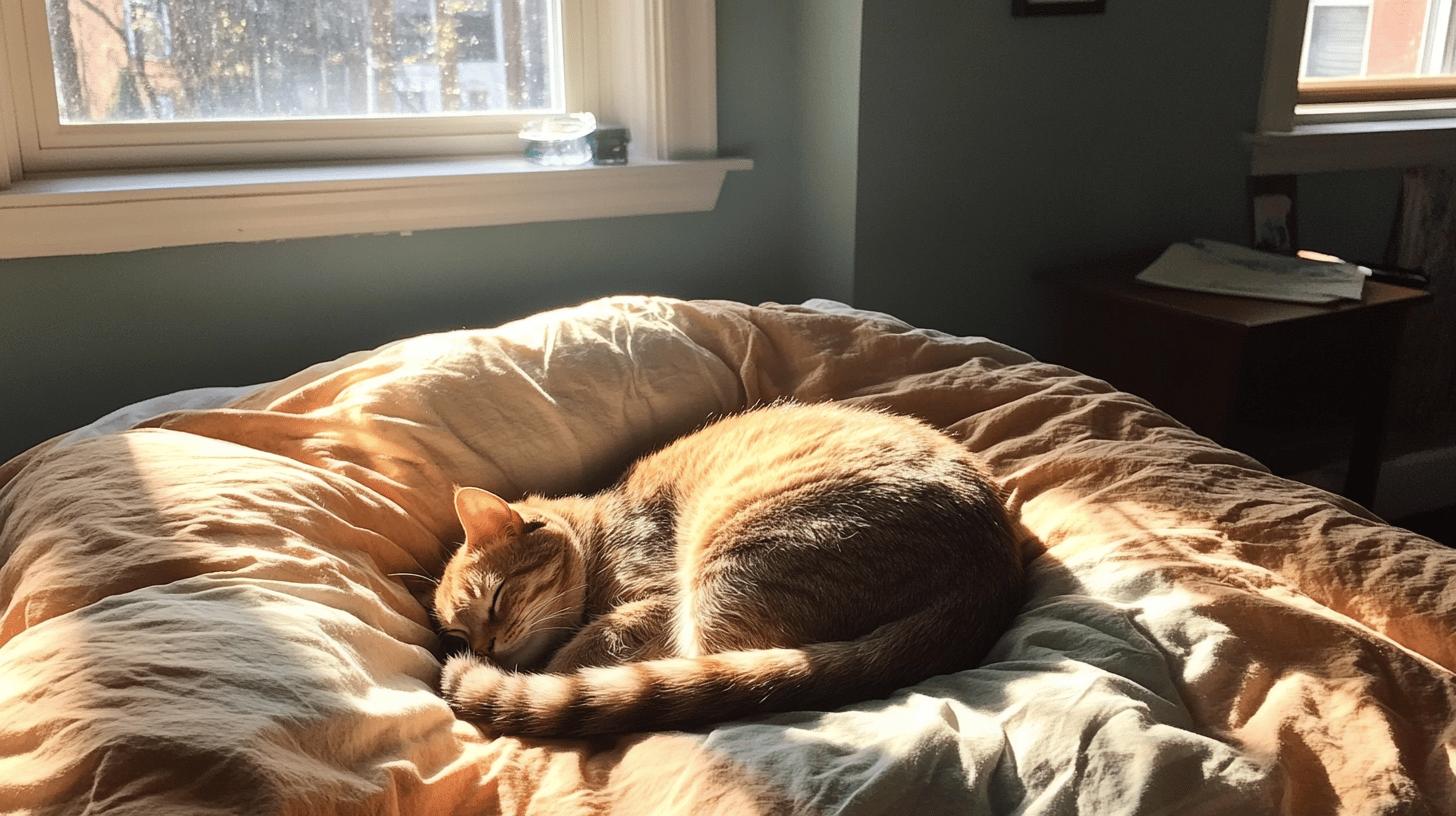
    Creating a comfortable sleeping environment is key to promoting healthy sleeping habits for your cat. Cats naturally seek out cozy, secure spaces where they feel safe to rest. Providing a designated sleeping area, such as a soft bed or blanket in a quiet corner, can help your furry friend feel more at ease.

    This area should be away from high-traffic zones and loud noises, offering a peaceful retreat. Ensure the space stays clean and is free of drafts to maintain a pleasant temperature, making it an inviting spot for your cat to unwind.
    Here are some tips to encourage healthy sleeping habits in your cat:

    • Establish a Routine: Cats thrive on consistency. Try to keep feeding, play, and sleep times regular to help them settle into a comfortable rhythm.
    • Provide Enrichment: Interactive toys and climbing structures can keep your cat mentally and physically stimulated during waking hours, promoting better rest.
    • Create a Safe Space: Ensure your cat's sleeping area is free from hazards and feels secure, which will help them relax.
    • Maintain Comfort: Offer soft bedding that supports your cat's body, providing comfort and warmth.
    • Encourage Natural Light: Position the sleeping area near a window to allow natural sunlight, which can help regulate your cat's internal clock.
    • Monitor Temperature: Keep the room at a comfortable temperature to ensure your cat remains cozy during naps.

    Monitoring and adjusting your cat's sleeping arrangements can greatly benefit their overall health. Pay attention to any changes in their sleeping patterns or behaviors, as these could indicate underlying health issues. Regular check-ups with the vet can help detect any potential problems early. By being attentive to your cat's needs and making necessary adjustments, you can ensure a safe and comfortable environment that supports their well-being and fosters a strong pet-owner bond.

    Final Words

    Exploring why cat sleep at feet reveals many reasons that are deeply connected to their natural instincts. Cats enjoy the warmth and comfort your feet provide, craving the security that comes from being close to you. This behavior ties closely to their instincts for safety and the bond they share with their human companions.

    It's amazing how a simple act like sleeping at your feet can show trust, affection, and a desire to protect. Understanding these behaviors helps us better support our feline friends, ensuring their comfort and strengthening our unique connection.

    FAQ

    Where your cat sleeps on your bed and what it means?

    Cats sleeping at your feet usually mean they seek warmth, security, and bonding. This spot lets them stay warm, safe, and close to their human, showing trust and comfort.

    Why does my cat sleep at my feet spiritual meaning?

    A cat sleeping at your feet spiritually may symbolize protection and grounding. Cats are often seen as protectors, so choosing your feet can represent a watchful guard over you.

    Why do cats sleep at the feet according to reddit?

    On Reddit, users mention warmth and security as key reasons. Cats find feet warm and view this position as a protected spot, remaining close yet ready to escape if needed.

    What does it mean when a cat sleeps by your head?

    When a cat sleeps by your head, it signifies trust and affection. Your head's warmth and the safety of this proximity reflect the strong bond between you and your cat.
    Why does my cat sleep between my legs?

    Cats sleep between legs for warmth and a sense of security. This position is cozy and allows them to feel protected while staying close to their trusted owner.

    Why do cats sleep at feet at night?

    Cats sleep at feet at night for warmth and safety. This position provides a secure spot with warmth from your body, aligning with their natural instincts for safety.

    What does it mean when a cat sleeps at your feet?

    A cat sleeping at your feet means it finds warmth and security there. This position lets the cat stay alert and connected to you, showing trust and affection.

    What does it mean when a cat sleeps near your legs?

    Sleeping near your legs indicates a safe and warm environment for your cat. It's a sign of trust and comfort, as they remain close yet in a secure spot.
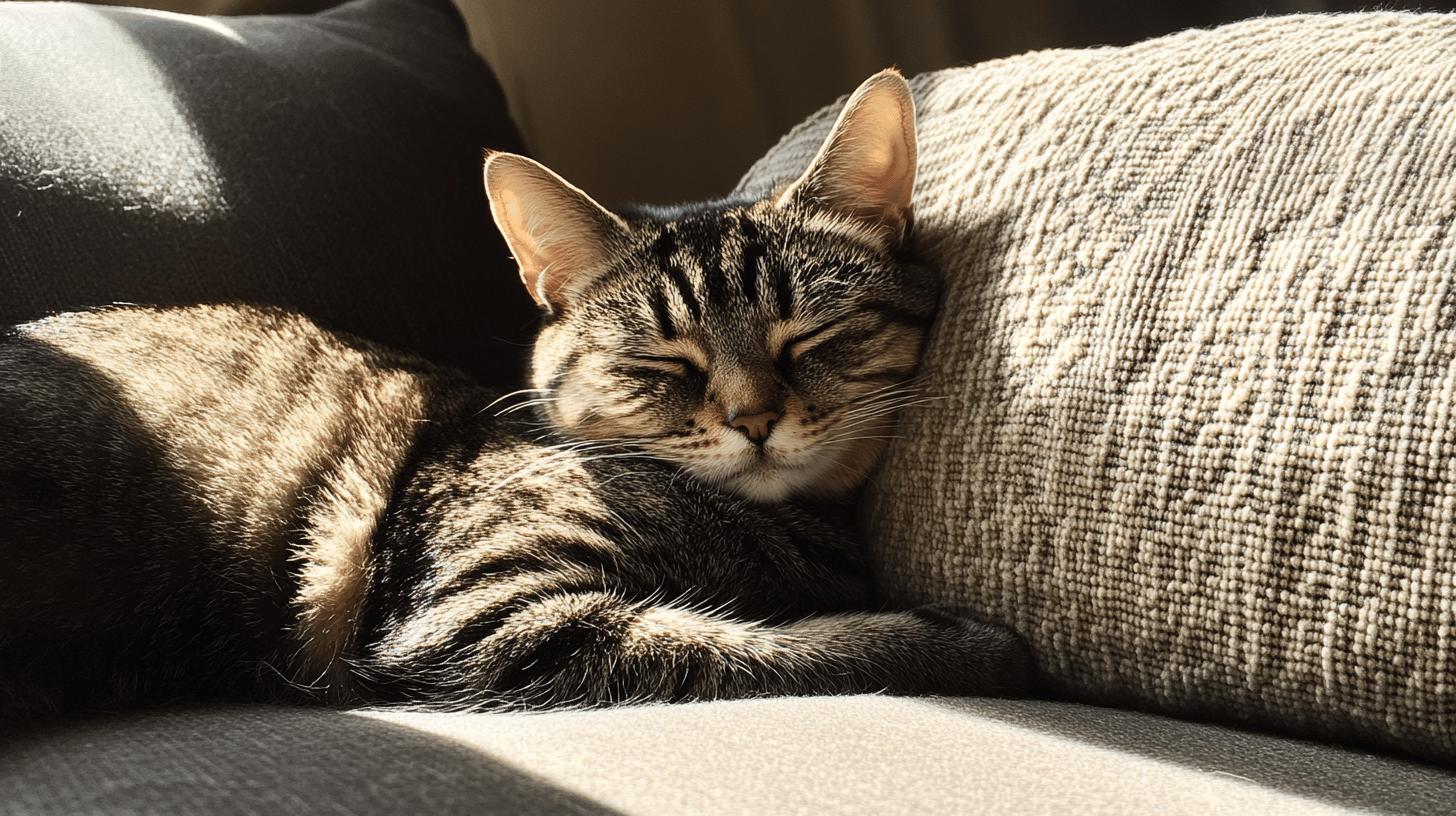
    Why does my cat always sleep with me?

    Your cat sleeping with you signals trust and a strong bond. It values your presence, warmth, and safety, choosing to stay close for these comforting benefits.

    What is the position of a sick cat sleeping?

    A sick cat may seek isolated, upright, or less cozy positions. Changes in sleeping habits can indicate discomfort or illness, so observe for any drastic behavior shifts.

    Related Articles

  • Why Cat Eyes Watery Causes Symptoms and When to See a Vet

    Why Cat Eyes Watery Causes Symptoms and When to See a Vet

    Have you noticed your cat’s eyes looking like they’ve been crying lately? It’s not just an emotional display; watery eyes can signal something more serious. Understanding why your cat’s eyes are watering is crucial, as it can range from simple irritations to needing urgent vet care.

    I’ll explain what those tearful eyes could mean, the possible causes, and symptoms to watch out for. By knowing when to seek professional help, you’ll keep your kitty safe and comfortable. Let’s dive into what might be behind those watery eyes and when to call the vet.

    Understanding and Addressing Watery Eyes in Cats

    Understanding and Addressing Watery Eyes in Cats-1.jpg

    Watery eyes in cats, often referred to as epiphora, can be a symptom of various underlying issues, ranging from mild irritations to serious conditions. Normally, a cat’s eyes should be clear, bright, and free of any obstructions in the pupil or iris.

    It’s not uncommon to see a bit of clear discharge or crust in the corners of the eyes, which is usually normal. However, persistent watery eyes or the presence of yellow or sticky discharge can be a signal that it’s time to visit the vet. This could be an indication of infections, allergies, or even foreign objects irritating the eyes.

    Common Causes

    Common causes of watery eyes in cats include infections, allergies, and foreign objects. Each of these causes can present with different symptoms and may require varying treatments to resolve the issue effectively.

    Infections

    Viral and bacterial infections are among the primary causes of watery eyes in cats. Viral infections typically produce clear discharge, while bacterial infections often result in yellow or greenish discharge.

    Symptoms can include redness, swelling, and excessive tearing. Treatments usually involve the use of prescription eye drops or ointments to clear the infection. Identifying the type of infection is crucial, as viral and bacterial causes require different medications to effectively treat the condition.

    Allergies

    Allergic reactions in cats can lead to eye irritation and excessive tearing. Common allergens include pollen, mold, dust, and some cleaning products. Cats experiencing allergies may show additional signs such as sneezing or nasal discharge.

    To address allergies, it might be necessary to identify and remove the allergen from the cat’s environment. Consulting with a vet can help determine if allergy medication or specific treatments are needed to manage the symptoms.

    Foreign Objects

    Foreign objects such as grass, dust, or even small insects can become lodged in a cat’s eye, leading to tearing, blinking, and squinting. It’s important to remove these objects promptly to avoid further irritation or potential damage to the cornea. Attempting removal at home can sometimes result in injury, so a veterinarian should be consulted to safely extract any foreign bodies and assess any resultant damage.

    Persistent watery eyes can indicate more serious underlying issues such as chronic infections, glaucoma, or even structural abnormalities in certain breeds. It is essential to consult a veterinarian if a cat’s eyes remain watery over a prolonged period or if there are additional symptoms such as pain or behavioral changes. Early diagnosis and treatment are vital to prevent complications and ensure your cat’s vision and overall eye health are maintained.

    Urgent Symptoms and When to Visit the Vet

    Urgent Symptoms and When to Visit the Vet-1.jpg

    Serious eye conditions in cats, like glaucoma, can lead to severe complications if not treated promptly. Delaying treatment might result in irreversible damage, including blindness. It’s crucial to act quickly if a cat shows signs of distress, such as bulging eyes, which are often associated with this condition.

    • Bulging eyes indicating potential glaucoma
    • Behavioral changes like constant pawing at eyes
    • Unusual squinting or sensitivity to light
    • Sudden vision loss or noticeable disorientation

    Monitoring your cat’s symptoms at home is essential. Keeping track of changes can help your vet make a more accurate diagnosis. During a veterinary visit, expect a thorough eye examination and possibly additional tests to determine the underlying cause of the symptoms. Early detection and treatment can significantly improve outcomes, ensuring your cat maintains healthy vision.

    Home Care and Prevention Tips for Watery Cat Eyes

    Urgent Symptoms and When to Visit the Vet-2.jpg

    Maintaining proper eye hygiene for your cat is crucial to prevent watery eyes and other eye-related issues. Just like us, cats can have sensitive eyes that react to environmental factors and require regular care. Proper hygiene not only helps in keeping your cat comfortable but also in preventing more serious complications from developing.

    • Gently clean eyes with a damp cloth. Use a soft, damp cloth to carefully wipe away any discharge or debris from around your cat’s eyes. This helps keep the area clean and reduces irritation.
    • Reduce allergens like dust and pollen. Identify and minimize common allergens in your home, such as dust, pollen, and strong cleaning products, which can cause your cat’s eyes to water.
    • Ensure a clean living environment. Regularly clean your cat’s bedding, litter box, and living areas to reduce the buildup of allergens and irritants that may affect their eyes.
    • Monitor diet for potential allergens. Sometimes, food can be a trigger for allergies. If you suspect your cat’s diet might be causing issues, consult your vet for guidance on hypoallergenic options.
    • Schedule regular veterinary check-ups. Routine vet visits can help catch any underlying health issues early. Your vet can provide advice tailored to your cat’s specific needs and recommend preventative treatments if necessary.

    Preventative measures are just as important in maintaining your cat’s eye health. Regularly observing your cat’s behavior and eye condition can help you detect any changes early. Additionally, consider using air purifiers to further reduce allergens in your home, especially during pollen-heavy seasons.

    While home care can effectively manage minor issues, persistent watery eyes or other serious symptoms require professional veterinary care. If your cat’s condition does not improve with home remedies or if there are signs of pain, redness, or discharge, it’s important to consult a veterinarian. They can assess the situation more thoroughly and recommend treatment to prevent any potential complications or long-term damage.

    Veterinary Treatments and Solutions for Persistent Issues

    Veterinary Treatments and Solutions for Persistent Issues-2.jpg

    When dealing with persistent eye issues in cats, veterinary treatments often include prescription medications like eye drops or ointments. These are typically used to treat infections, whether viral or bacterial, and help reduce inflammation and discomfort. It’s crucial to follow the vet’s instructions carefully to ensure the treatment is effective. In some cases, chronic conditions may require long-term management through regular application of these medications.

    Issue Treatment
    Infections Prescription eye drops or ointments
    Allergies Antihistamines or allergy drops
    Chronic Conditions Long-term medication or management plans

    In more severe cases, such as chronic infections or conditions like glaucoma, surgical intervention might be necessary to prevent further damage or potential blindness. These procedures can range from corrective surgeries to more complex operations that address structural issues within the eye.

    It’s important to have a thorough discussion with your veterinarian about the risks and benefits of surgery, as well as any necessary post-operative care to ensure your cat’s recovery and long-term eye health.

    Final Words

    Exploring the reasons behind watery cat eyes, we’ve tackled common causes like infections, allergies, and foreign objects. Keeping your cat’s eyes clear involves understanding these issues and taking timely action. Recognizing the warning signs helps in seeking veterinary care when needed.

    Home care plays a role, but recurring problems might need professional attention. Knowing why cat eyes watery can steer you towards better choices for your furry friend. Remember, proactive care leads to a happier, healthier pet. It’s all about making playtime and life safe and enjoyable!

    FAQ

    Why are my cat’s eyes watery all of a sudden?

    Watery eyes in cats can be due to allergies, infections, or foreign objects. It’s important to watch for other symptoms to determine the cause.

    Why does my cat have one watery eye without other symptoms?

    A single watery eye may indicate mild irritation or the presence of a foreign object. If it persists, see a vet.

    What should I do if my cat has a watery eye and is sneezing?

    This combination might indicate an upper respiratory infection. Monitor your cat and consult a vet if symptoms worsen.

    Is it bad if my cat’s eye is watering?

    If the watering is persistent or accompanied by other symptoms, it might be serious and needs a vet’s attention.

    How do you treat watery eyes in cats?

    Treat minor cases by gently cleaning with a damp cloth. Persistent or severe symptoms require a vet for potential medication.

    What does it mean when a cat has teary eyes?

    Teary eyes can signal infections, allergies, or foreign objects. Monitor your cat and seek veterinary advice if it doesn’t improve.

    Why is my cat’s eye watering and squinting?

    Watering and squinting often indicate irritation or infection. A vet should assess these symptoms, especially if lasting or severe.

    Why is my cat’s eye swollen and leaking fluid?

    Swelling and fluid can mean an infection or injury. Immediate veterinary evaluation is necessary to prevent further complications.

    Should I be worried if my cat’s eyes are watery?

    Persistent watery eyes or additional symptoms should be checked by a vet to rule out serious conditions.

    What are home remedies for cat weepy eyes?

    Clean the eyes gently with a damp cloth and remove potential allergens from your home environment for minor issues.

    Related Articles

  • Why Cat Likes Boxes Behavioral Reasons for Feline Fascination

    Why Cat Likes Boxes Behavioral Reasons for Feline Fascination

    Why are cats so obsessed with boxes? It turns out, there are several fascinating reasons behind this feline fascination. Boxes are more than just cardboard to your cat—they serve as a sanctuary, tapping into instincts deeply rooted in their wild ancestors.

    Imagine your cat stepping into a box like entering a secret fortress, where they can hide, observe, and de-stress. Discover in this article how boxes cater to their primal instincts, offering security, warmth, and endless curiosity. Get ready to see your cat’s love for boxes from a whole new furry perspective!

    Why Cats Love Boxes: Behavioral Insights

    Cats have an instinctual need for safety and love to hide, which boxes perfectly fulfill. These small enclosures offer a retreat where cats can escape from the world. In the wild, cats hide to avoid predators and stalk their prey.

    Even as domestic pets, this instinct persists. The enclosed space of a box gives them a secure vantage point to observe their surroundings without being seen. It’s a place where they can feel invisible and protected, satisfying their natural inclination to seek out hidden spots.

    Boxes provide a profound sense of security, functioning as a stress-relief sanctuary. The feeling of being enclosed gives cats a break from the daily hustle, reducing anxiety and stress. Imagine the box as a personal fortress where your feline can retreat during frantic times or when strangers are around.

    This snug barrier between them and the outside world helps them manage stress more effectively. It’s a simple way to cater to their need for a safe haven.

    • Hiding Instinct: Boxes satisfy the feline instinct to hide and seek refuge.
    • Security Feeling: They offer a protective space, reducing stress.
    • Curiosity: Cats love exploring new spaces, and boxes are an irresistible mystery.
    • Playfulness: Boxes become a playful zone where cats can pounce and jump around.

    Snug spaces like boxes offer unparalleled comfort and warmth to our feline friends. Cats are drawn to these cozy nooks because they mimic the enclosed environments cats naturally seek. Snug spaces make them feel cradled and secure, much like a kitten in its mother’s embrace. The walls of the box act as a comforting boundary, enhancing a cat’s sense of belonging and relaxation.

    Temperature regulation is another pivotal factor in a cat’s attraction to boxes. Cats prefer temperatures warmer than we typically maintain in our homes—around 86 to 97 degrees Fahrenheit. The multiple layers of cardboard provide excellent insulation, making boxes an ideal place to snuggle up. They trap the cat’s body heat, creating a warm cocoon that’s perfect for lounging or napping.

    Scientific studies bolster these observations, confirming that the behaviors associated with box love align with a cat’s natural instincts. Research in Applied Animal Behavioral Science highlights how boxes help cats manage stress by offering a safe and controlled environment.

    This aligns with their evolutionary need for secure, hidden spaces. So next time you see your cat diving into a box, know that it’s not just play; it’s an essential part of their behavioral repertoire.

    Play and Exploration: Boxes as Feline Playgrounds

    Play and Exploration Boxes as Feline Playgrounds-1.jpg

    Boxes are a feline’s dream playground, triggering playful behavior and the urge to explore. These simple cardboard spaces become vibrant play zones where cats can engage in a variety of activities. The allure of a new box is hard for a cat to resist.

    It provides a fresh environment full of corners to investigate and surfaces to scratch. Even the sound of claws against the cardboard seems to call out to them. With a box, every day is a new opportunity for a cat to discover something exciting.

    Engaging with boxes satisfies a cat’s predatory instincts. Even though our domestic cats don’t need to hunt for survival, they still love to act like they do. Boxes allow them to mimic the behavior of stalking and pouncing on prey.

    They can hide silently, waiting for the perfect moment to “attack” a toy or an unsuspecting human foot. This play is not only fun but also reinforces natural behaviors that are deeply ingrained in their DNA.

    • Jumping in and out
    • Hiding and sneaking
    • Pouncing on toys
    • Scratching surfaces
    • Napping in cozy corners

    These activities provide both physical and mental enrichment for cats. Jumping and pouncing help develop their muscles and coordination, keeping them agile and fit. The mental stimulation of exploring a new space or strategizing a perfect pounce keeps their minds sharp. When a cat plays in a box, it’s not just about fun—it’s exercising both body and mind, which is vital for overall health and happiness.

    Curiosity is another key factor in a cat’s fascination with boxes. Cats have a sense of smell far superior to ours, which makes them naturally inclined to investigate anything new in their environment.

    A box offers the promise of new scents and textures to explore. It becomes an adventure zone, a place where a cat’s imagination can run wild. Whether it’s squeezing into a box that’s just a bit too small or discovering how to make a piece of paper inside crinkle, the possibilities seem endless. For a cat, every box is a new world waiting to be explored.

    Practical Tips for Safe Box Environments

    Practical Tips for Safe Box Environments-1.jpg

    Creating a safe box environment for your cat is crucial to prevent injuries and ensure they have a secure place to play and relax. Start by checking the box for any staples, sharp edges, or pieces of tape that could be ingested or cause harm.

    Cats are naturally inclined to chew and scratch, so it’s important to provide a box that’s free from hazards. Keep an eye on the box’s condition, as wear and tear from vigorous play can create new dangers over time. By prioritizing safety, you can offer your cat a fun and worry-free spot to enjoy.

    Boxes aren’t just safe havens; they enrich a cat’s environment by providing endless opportunities for exploration and play. Cats love the texture of cardboard, which is perfect for scratching and claw sharpening.

    This not only satisfies their natural behaviors but also helps them mark their territory with scent. Enriched environments contribute to a cat’s overall well-being, reducing stress and encouraging natural instincts.

    1. Remove any staples, tape, or sharp edges from the box.
    2. Regularly inspect the box for signs of wear and tear.
    3. Choose boxes that are appropriately sized for your cat.
    4. Consider adding a soft blanket for extra comfort.

    Final Words

    There are many reasons why a cat likes boxes. They provide a safe hiding spot and a warm space for them to relax. Boxes also satisfy their instincts by giving them a play zone that encourages their predatory nature. These spaces help fulfill their curiosity and need for exploration.

    Boxes not only offer comfort but also contribute significantly to a cat’s well-being. Creating a safe box environment is essential to ensure both enjoyment and security. Embracing these insights enhances our cats’ lives, bringing peace and joy to both them and us.

    FAQ

    Why do cats like boxes so much?

    Cats are naturally drawn to cardboard boxes because they provide a sense of safety, coziness, and warmth. Boxes offer insulation, making them warm and secure spaces for cats.

    Why do cats love to sleep in cardboard boxes?

    Cats love to sleep in cardboard boxes because they mimic the snug spaces cats find comforting. The warmth and enclosed feeling make these boxes perfect resting spots.

    Why do cats go crazy for cardboard boxes?

    Cats enjoy cardboard boxes for play and exploration. Instinctual behaviors like hiding and pouncing are satisfied by boxes, reflecting their playful and predatory nature.

    Are boxes good for cats?

    Boxes are excellent for cats. They provide mental and physical enrichment, helping satisfy natural instincts like scratching, playing, and marking territory.

    Why do cats like boxes that are too small?

    Cats are attracted to too-small boxes because they provide snug spaces. The tight fit makes them feel secure, similar to squeezing into tight spots in nature.

    Why do cats love boxes and bags?

    Boxes and bags appeal to cats due to their curiosity and predatory instincts. They offer exciting smells, textures, and hidden spaces, stimulating exploratory behavior.

    Why do cats like to sit on paper?

    Cats like to sit on paper because it offers a new texture and a spot to mark with their scent. It’s another example of their interest in different materials.

    Why do cats like boxes more than beds?

    Boxes provide the warmth, security, and tight fit that beds may not offer. The enclosed nature of boxes mimics natural hiding spots, making them more appealing.

    Why do cats box each other?

    Cats may box each other as part of play or communication. This behavior mimics natural fighting skills, allowing cats to practice coordination and social interaction.

    Related Articles