Author: Nathaniel Price

  • Can Cat Eat Mustard Understanding Risks and Safe Alternatives

    Can Cat Eat Mustard Understanding Risks and Safe Alternatives

    Can cats eat mustard, or is it a flavor risk you shouldn’t take? While it might seem harmless to share a tiny taste with your feline friend, mustard is not safe for cats. The ingredients in mustard, like mustard seeds and garlic powder, can cause serious health issues.

    Imagine your cat suffering from vomiting and diarrhea just from a tiny lick. In this blog, I’ll explore the dangers of feeding mustard to cats and reveal safe alternatives that keep their taste buds happy without the health risk.

    Can Cats Safely Eat Mustard?
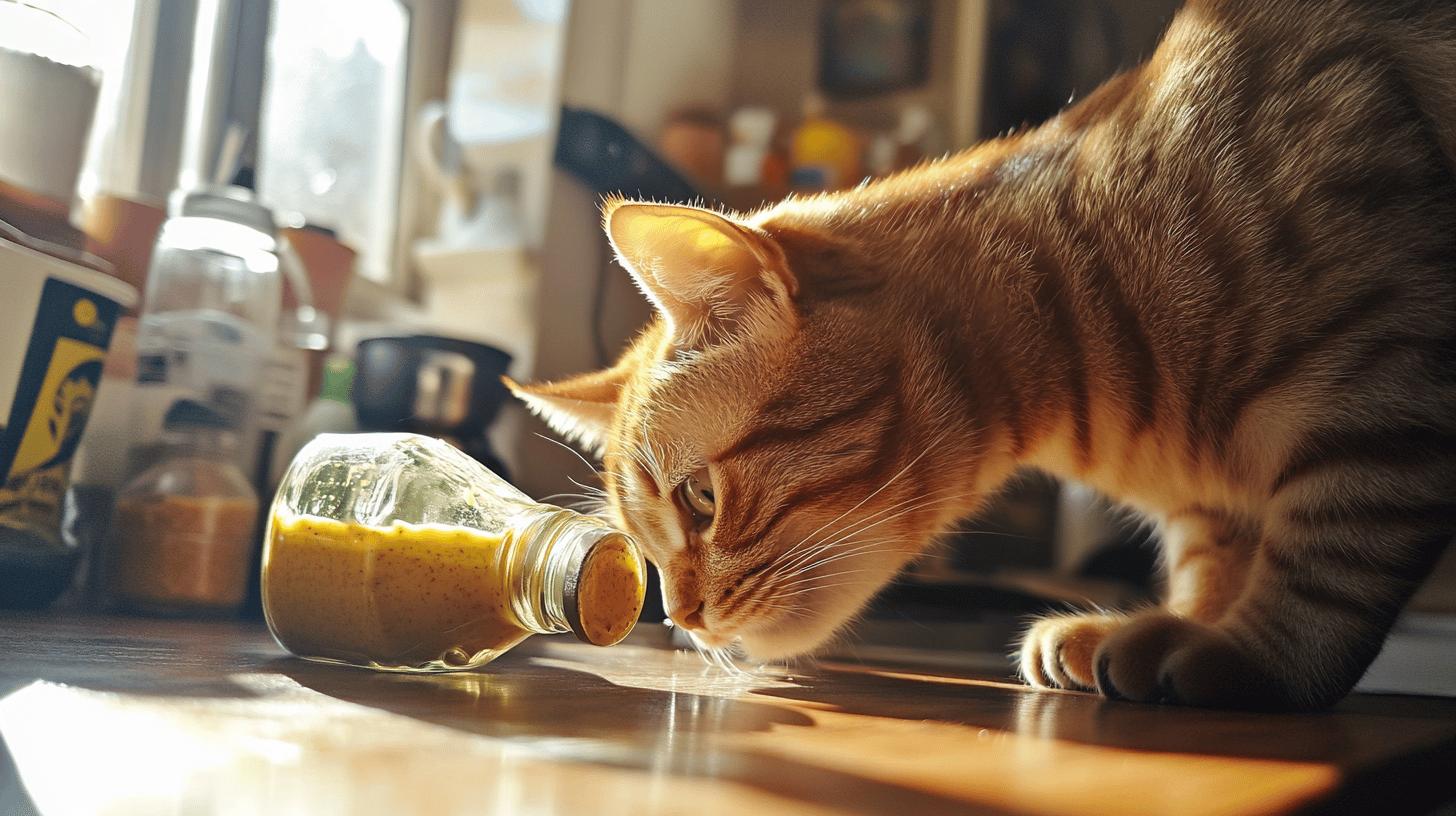
    Can Cats Safely Eat Mustard-1.jpg

    Mustard is not safe for cats to consume. Its ingredients can cause serious health issues in felines. The main concern lies in the toxic compounds found in mustard seeds, which can lead to gastroenteritis. This can cause unpleasant symptoms like vomiting and diarrhea.

    Here’s a list of specific harmful ingredients found in mustard:

    1. Mustard Seeds: These contain compounds that can inflame a cat’s stomach and intestines.
    2. Garlic Powder: Even in small quantities, garlic is highly toxic to cats and can lead to gastroenteritis and red blood cell damage.
    3. Onion Powder: Similar to garlic, onion is toxic to cats and can cause severe digestive upset and other systemic issues.
    1. Vinegar: While not toxic, vinegar can upset your cat’s stomach if ingested in large amounts.
    2. Salt: Mustard often contains high levels of salt, which can lead to dehydration and electrolyte imbalances in cats.

    If a cat ingests mustard, it may exhibit symptoms such as vomiting and diarrhea. These symptoms indicate that mustard should be kept out of a cat’s diet to prevent such distress. Always prioritize foods that are safe and nutritionally appropriate for your feline companion to ensure their well-being.

    Dangers of Mustard for Cats

    Mustard poses several risks to cats, and ingestion can lead to a variety of symptoms. Vomiting and diarrhea are common reactions when a cat consumes mustard, but there are other signs to watch for:

    • Vomiting: A frequent response to ingesting something irritating.
    • Diarrhea: This can lead to dehydration if not monitored closely.
    • Stomach Pain: Cats may exhibit signs of discomfort, such as vocalizing or not wanting to be touched.
    • Lethargy: A drop in energy levels can indicate that your cat is not feeling well.
    • Loss of Appetite: Your cat might refuse to eat after ingesting mustard.
    • Excessive Drooling: A sign that your cat’s digestive system is upset.

    If you notice any of these symptoms, monitor your cat closely. Persistent symptoms or any sign of severe distress warrant contacting a veterinarian. Swift action can prevent potential complications and ensure your feline friend receives the care they need.

    Immediate Actions If Your Cat Eats Mustard
    Immediate Actions If Your Cat Eats Mustard-1.jpg

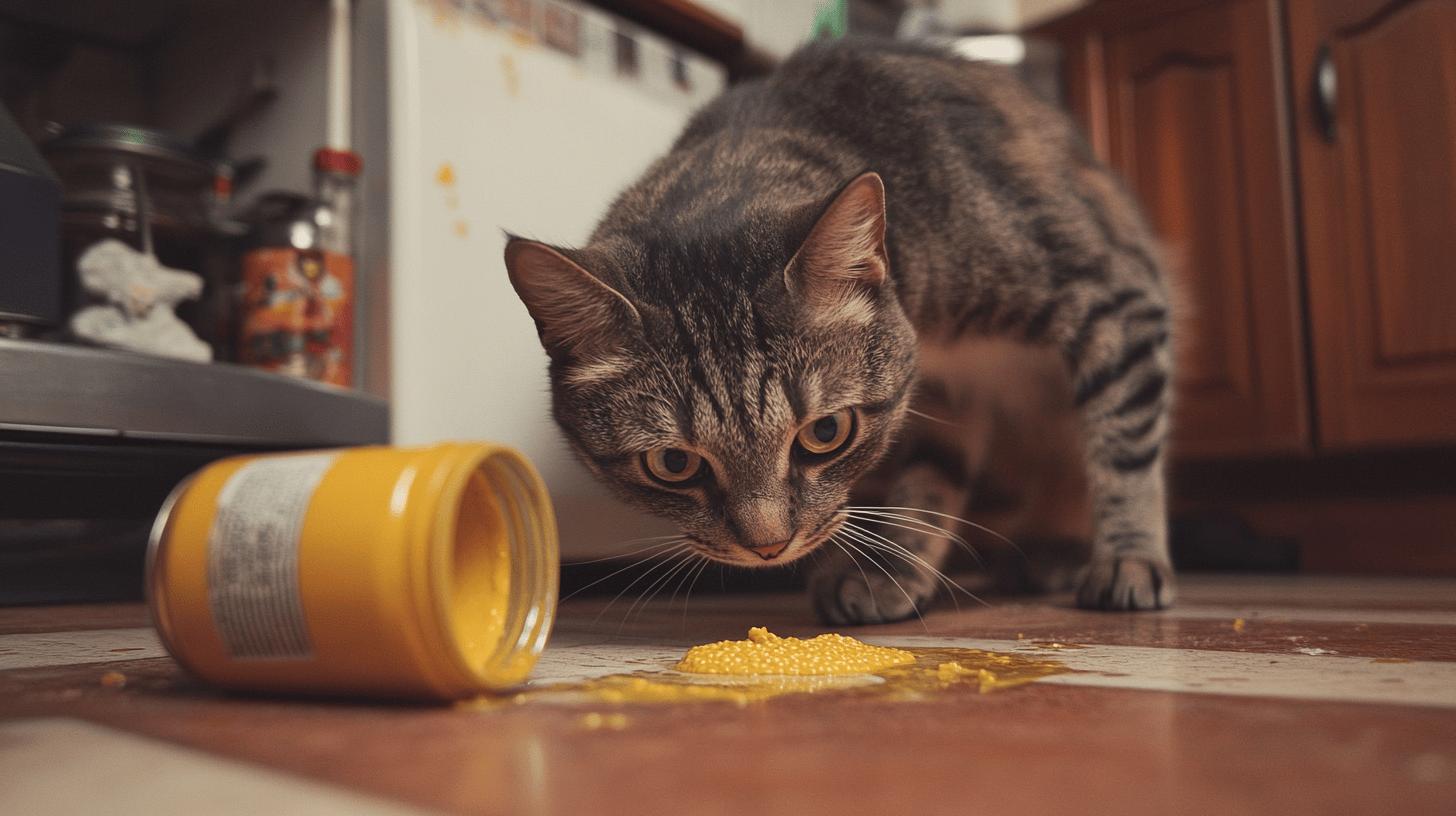
    If your cat has managed to sneak a taste of mustard, don’t panic. The first step is to calmly assess the situation.

    Determine how much mustard your furry friend consumed. While minor ingestion might result in mild symptoms like vomiting or diarrhea, larger amounts can lead to more serious distress.

    Start by offering your cat fresh water. This can help dilute any mustard in their system and keep them hydrated, especially if they experience vomiting or diarrhea.

    Observe your cat closely for any signs of discomfort or unusual behavior over the next few hours. Most cats will recover swiftly from mild cases without the need for medical intervention.

    When to Consult a Veterinarian

    Sometimes, it’s best to get a professional opinion. Here are specific symptoms indicating that a call or visit to the vet is necessary:

    • Persistent Vomiting: If your cat continues to vomit beyond a few hours, it’s time to contact the vet.
    • Severe Lethargy: A significant drop in energy that doesn’t improve could be a sign of a deeper issue.
    • Dehydration: Check for signs like dry gums or excessive panting.
    • Continuous Diarrhea: Prolonged diarrhea can lead to dehydration, warranting a vet’s attention.
    • Excessive Drooling: This can indicate that the mustard is causing ongoing irritation.
    • Refusal to Eat or Drink: If your cat isn’t interested in meals or water, consult your vet.

    Prompt veterinary care can help address any complications and ensure your cat’s well-being.

    Safe Alternatives to Mustard for Cats

    Mustard is not suitable for cats, but there are plenty of safe human foods that can be shared with our feline friends. Cats require specific nutrients that can often be found in specially-tailored cat foods, but a little variety can be added with some human foods.

    These should be given in moderation and as a treat rather than a meal replacement. Always opt for simple, unseasoned options that are free from harmful ingredients.

    Here are some veterinarian-approved foods that are safe for cats:

    • Cooked Chicken: A lean source of protein that many cats enjoy.
    • Plain Rice: Gentle on the stomach, rice can be a good option for cats with mild digestive issues.
    • Steamed Carrots: A source of fiber and vitamins, but should be cooked until soft to prevent choking.
    • Plain Pumpkin: Offers fiber and can aid in digestion, just ensure it’s unsweetened and unseasoned.

    When introducing any new food to your cat, it’s crucial to consult with a veterinarian. They can provide guidance on appropriate quantities and ensure that your cat’s nutritional needs are met.

    New foods should be introduced gradually to avoid any potential digestive upset. Always prioritize your cat’s health by sticking to safe and nutritionally appropriate options.

    Essential Nutrients for Cats’ Health
    Understanding the Dietary Needs of Cats-2.jpg

    Cats need a diet specifically tailored to their carnivorous nature. They require nutrients that are not typically found in human foods. Avoid feeding them items like mustard, which can be harmful due to ingredients such as vinegar and mustard seed.

    Essential Nutrients Role in Feline Health
    Protein Supports muscle development and energy
    Taurine Vital for heart health and vision
    Arachidonic Acid Important for skin health and reproduction
    Vitamin A Essential for vision and immune function

    Stick to a diet specifically formulated for cats to maintain their health. This ensures they get a balanced intake of crucial nutrients like taurine and arachidonic acid.

    While it’s tempting to share your food, remember not all human food is safe for cats. Opt for high-quality cat food that fulfills all their nutritional needs.

    Final Words

    Mustard poses serious risks for our feline friends. Its toxic ingredients, such as mustard seeds and onion powder, can cause harmful symptoms like vomiting and diarrhea. Knowing these signs and taking immediate action is crucial if your cat happens to ingest mustard. Always watch for any distress and consult a vet if symptoms linger. Instead of risky foods like mustard, consider cat-safe options like cooked chicken or plain rice. Remember, a nutrition-focused diet keeps cats healthy and happy. Steer clear of mustard and always put feline safety first.

    FAQ

    Can cats eat mustard seeds?

    A: Mustard seeds are not safe for cats. They contain toxic compounds that can cause stomach issues. Avoid giving your cat food with mustard seeds to prevent health problems.

    Can mustard kill a cat?

    A: Mustard can be harmful to cats but is unlikely to be fatal. It can cause vomiting and diarrhea. Keep mustard away from your cat to avoid these issues.

    Can cats eat mustard leaves?

    A: Mustard leaves are not recommended for cats. They can cause digestive upset, leading to symptoms like vomiting or diarrhea.

    Is mustard toxic to cats?

    A: Yes, mustard is toxic to cats. Ingredients like mustard seeds and garlic powder can cause gastroenteritis. Symptoms include vomiting and diarrhea.

    Can cats eat sardines with mustard?

    A: Avoid giving cats sardines with mustard. Mustard contains harmful ingredients for cats, such as garlic and onion powder.

    My cat licked mustard, what should I do?

    A: If your cat licked mustard, monitor for symptoms like vomiting or diarrhea. Provide fresh water and consult a vet if symptoms persist.

    Are animals allowed to have mustard?

    A: Mustard is generally unsafe for most animals, including cats. It contains ingredients that can cause digestive issues. Avoid giving mustard products to pets.

    Can cats eat honey mustard or Dijon mustard?

    A: Cats should not eat honey mustard or Dijon mustard. These products contain ingredients harmful to cats, leading to digestive issues.
    Related Articles

  • Can Cat Eat Lime Understanding Citrus Safety for Felines

    Can Cat Eat Lime Understanding Citrus Safety for Felines

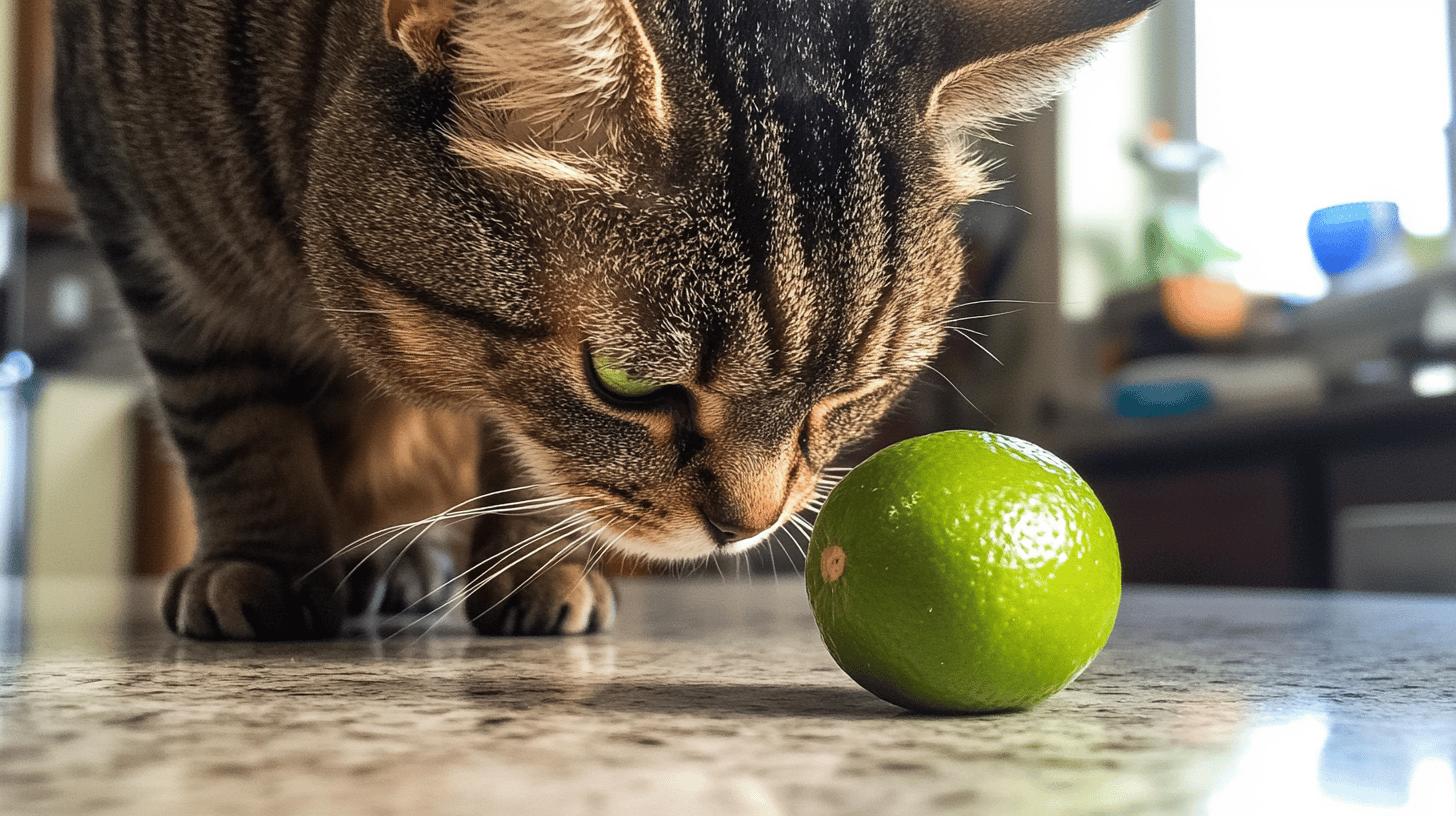
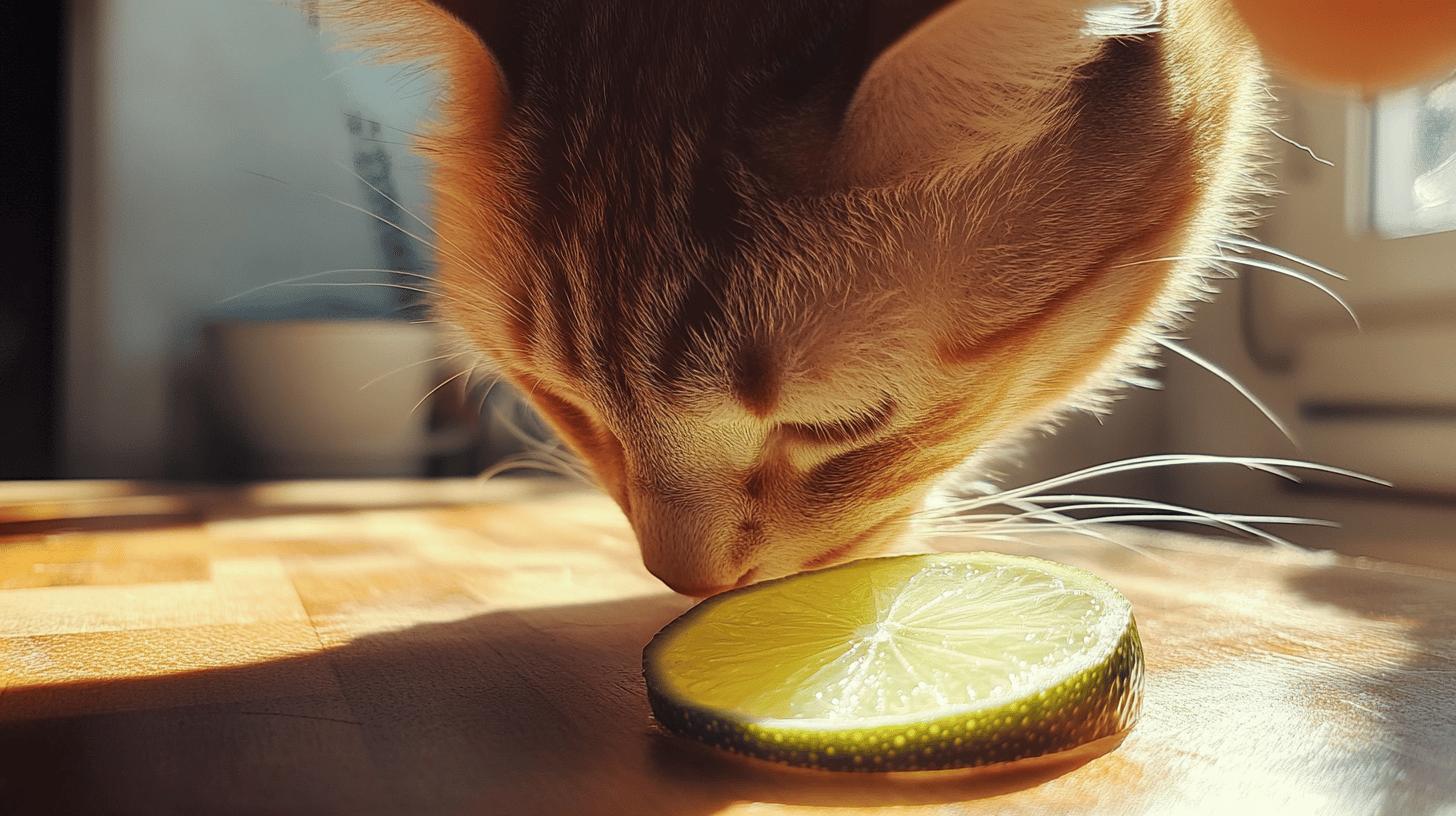
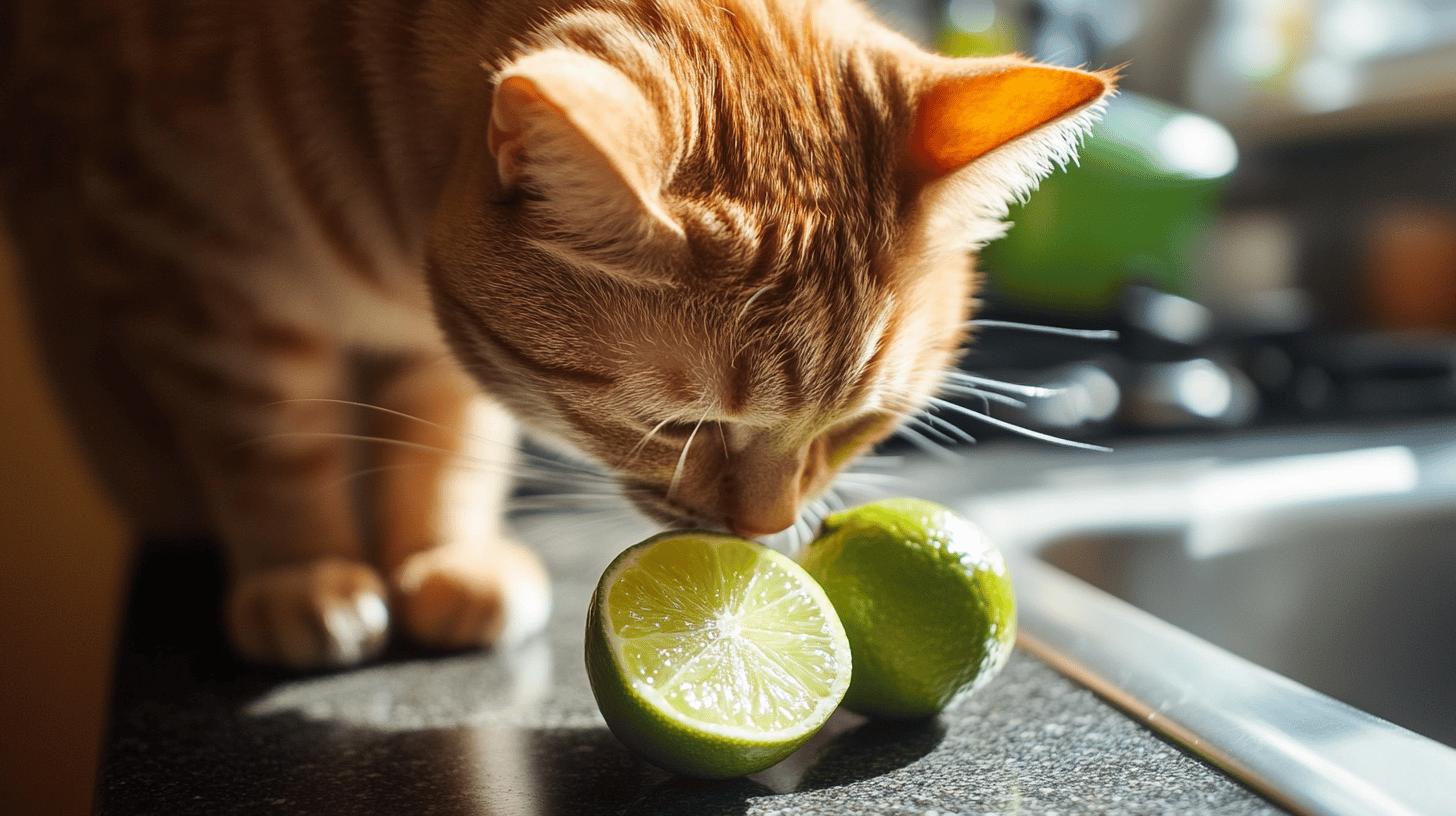
    Is your curious kitty eyeing a slice of lime? You might want to think twice before letting them take a nibble. Although limes are packed with vitamins for humans, they pose a serious risk to cats. T

    hese bright green fruits contain essential oils and compounds that are harmful to your feline friend. Keep reading to understand why limes are dangerous for cats, identify symptoms of lime ingestion, and learn how to protect your pet from potential citrus hazards. Stay informed to keep your furry companion safe and healthy.

    Can Cats Safely Eat Lime?

    Can Cats Safely Eat Lime-4.jpg

    Limes are toxic to cats. The ASPCA confirms that lime exposure poses a risk not only to cats but also to dogs and horses.

    The essential oils present in limes, such as limonene, are particularly harmful. If your cat comes into contact with or ingests lime, it’s crucial to seek veterinary attention promptly.

    The danger of limes lies in their composition. The rind contains limonene and psoralens, which are compounds that cats cannot metabolize properly.

    These substances can cause irritation and other adverse reactions in felines. Even though the juicy flesh of a lime might seem less threatening, it still houses these harmful oils, making the entire fruit unsafe for cats.

    To keep your furry friend safe, steer clear of exposing them to limes or any citrus fruits. Instead, offer cat-safe treats and toys that satisfy their curiosity without putting their health at risk. It’s always better to err on the side of caution and ensure that limes are kept far away from your feline companions.

    Symptoms of Lime Ingestion in Cats

    Symptoms of Lime Ingestion in Cats-1.jpg

    If your cat nibbles on lime, watch for general signs of distress. Lime ingestion can lead to mouth irritation, making your kitty drool excessively. This is one of the first indicators that your feline friend might have encountered something toxic.

    Cats might also show signs of lethargy, appearing more tired than usual or less interested in their surroundings. These symptoms suggest that something isn’t right and immediate attention is needed.

    Gastrointestinal symptoms are a common result of lime ingestion. Your cat may experience vomiting and diarrhea, which can quickly lead to dehydration.

    These symptoms occur because the toxic compounds in limes irritate the stomach lining and disrupt normal digestion. It’s crucial to monitor these symptoms closely, as they can worsen and potentially become life-threatening if not addressed by a professional.

    Here are additional symptoms that should prompt immediate veterinary care:

    • Tremors or seizures
    • Difficulty breathing
    • Loss of coordination
    • Excessive or unusual vocalization
    • Changes in appetite or refusal to eat

    Quick action is vital when you suspect your cat has ingested lime. Cats have sensitive systems that can react strongly to toxic substances. The faster you respond to symptoms, the better the outcome for your furry companion.

    A prompt visit to the vet can prevent more serious health issues and ensure your cat receives the necessary treatment. Always take lime exposure seriously, and don’t delay in seeking professional help.

    Preventing Lime Ingestion in Cats

    Preventing Lime Ingestion in Cats-2.jpg

    Cats typically dislike the scent of citrus fruits, including limes, which naturally deters them from these potentially harmful items. This aversion can be your first line of defense in preventing lime ingestion. Despite this natural deterrent, it’s still crucial to ensure that limes are kept out of your cat’s reach to avoid any accidental encounters that could lead to health issues.

    Here are some practical tips to keep limes and other citrus fruits away from your feline friend:

    • Store limes and citrus fruits in sealed containers or the refrigerator.
    • Clean up any spills or remnants of lime juice immediately.
    • Ensure that lime-scented products, like cleaners, are stored securely.
    • Keep counters and tables free from lime-based foods and drinks.

    Offering alternatives to satisfy your cat’s curiosity and taste buds is always a good plan. Instead of citrus fruits, provide cat-safe treats and toys that are designed to be both appealing and safe. This way, your kitty can enjoy their snacks without any risk of lime exposure.

    What to Do If Your Cat Eats Lime

    If your cat ingests lime, the first and most crucial step is to contact your veterinarian immediately. Lime contains compounds that are harmful to cats, and professional guidance is essential.

    Your vet can provide specific instructions based on your cat’s condition and the amount of lime consumed. Acting quickly can make a significant difference in your cat’s recovery and health.

    Avoid trying home remedies or treatments on your own. While it may be tempting to try and alleviate your cat’s discomfort with readily available solutions, doing so can lead to complications.

    Cats have unique metabolic processes, and substances that might seem harmless could exacerbate the situation. Instead, rely on your veterinarian’s expertise to determine the best course of action.

    While waiting for veterinary advice, keep an eye on your cat for any signs of distress. Here are some symptoms to monitor:

    • Vomiting or gagging
    • Lethargy or weakness
    • Changes in breathing patterns

    Prompt professional intervention is vital in these cases. Veterinarians can provide the necessary care and treatment to manage symptoms and prevent further complications. Ensuring your cat receives timely medical attention is the best way to safeguard their well-being after lime ingestion.

    Expert Opinions on Lime and Cats

    Veterinarians strongly advise keeping limes away from cats due to their toxic nature. Instead of repeating the known risks, let’s focus on preventive measures.

    Some experts suggest using natural repellents like citrus-scented sprays to deter cats from areas where limes are present. Additionally, storing limes in sealed containers can help reduce accidental exposure.

    Consider case studies where cats ingested limes and the outcomes. In one instance, a cat that consumed a small piece of lime quickly exhibited symptoms such as drooling and vomiting.

    The owner promptly sought veterinary care, which was crucial in preventing more severe health issues. This highlights the importance of immediate action. If exposure occurs, contacting a vet right away can make a significant difference in your cat’s recovery.

    Final Words

    While exploring whether a cat can eat lime, we found that limes are toxic to cats, primarily due to compounds like limonene. The blog covered symptoms of lime poisoning, including drooling and diarrhea, and highlighted the urgent need for veterinary care if these symptoms appear.

    We shared methods to prevent lime ingestion, emphasizing that the natural citrus scent usually keeps cats away. Following expert advice, keep limes out of reach and offer safe alternatives.

    Protecting your cat from lime ensures their health. Understanding these risks helps provide a safer environment for our feline companions.

    FAQ

    Can cats eat lime juice?

    Cats should not consume lime juice. Limes contain toxic compounds harmful to cats. If a cat ingests lime, contact a vet immediately.

    Can cats eat lime leaves?

    Lime leaves are toxic to cats due to harmful compounds. Eating them can cause health issues. Always keep lime plants away from cats.

    My cat licked a lime, what should I do?

    If your cat licked a lime, watch for symptoms like drooling or vomiting. Contact a vet for advice, as limes are toxic.

    Is lime powder poisonous to cats?

    Yes, lime powder can be harmful to cats. Avoid exposure to prevent toxic reactions. Consult a vet if ingestion occurs.

    Can cats eat lime yogurt?

    Cats should not consume lime yogurt. The lime content can cause toxicity symptoms in cats. Stick to vet-approved treats.

    What are signs of citrus poisoning in cats?

    Signs of citrus poisoning include drooling, vomiting, diarrhea, and lethargy. Seek veterinary help if these symptoms appear after lime contact.

    Can cats eat lemons?

    Cats should not eat lemons. They’re toxic due to compounds similar to those in limes. Keep lemons out of reach.

    How much lemon will kill a cat?

    Lemon can be extremely toxic to cats. Exact amounts vary. Even small amounts can cause severe reactions. Avoid feeding lemon entirely.

    Is lime toxic for pets?

    Lime is toxic for pets, including cats and dogs. It contains compounds like limonene and psoralens that are harmful if ingested.

    Is lemon or lime toxic to cats?

    Both lemon and lime are toxic to cats due to harmful compounds. Keep these fruits away from your pets to avoid health risks.

    Are lime leaves poisonous to cats?

    Lime leaves contain toxic compounds dangerous to cats. Ingestion can lead to serious health issues. Prevent access to lime plants.

    Is lime a cat repellent?

    Yes, the citrus scent of lime can repel cats. They usually avoid the smell, reducing the risk of ingestion. Keep lime away to ensure safety.

    Related Articles

  • Can Cat Eat Bugs Understanding Safety and Risks for Your Feline

    Can Cat Eat Bugs Understanding Safety and Risks for Your Feline

    Ever caught your cat munching on a bug and wondered if it's safe? Cats are adventurous and their fascination with bugs often results in a quick snack. While non-toxic insects can offer some benefits and typically aren't a problem, not every tiny critter is harmless.

    Some bugs bring risks, like choking hazards and allergic reactions, or carry parasites. Could that innocent bug bite turn into a health concern for your cat? Let's dive into the types of bugs that are okay and those to avoid, ensuring safe playtime for your furry friend.

    Can Cats Safely Eat Bugs and Potential Risks

    Can Cats Safely Eat Bugs and Potential Risks-4.jpg

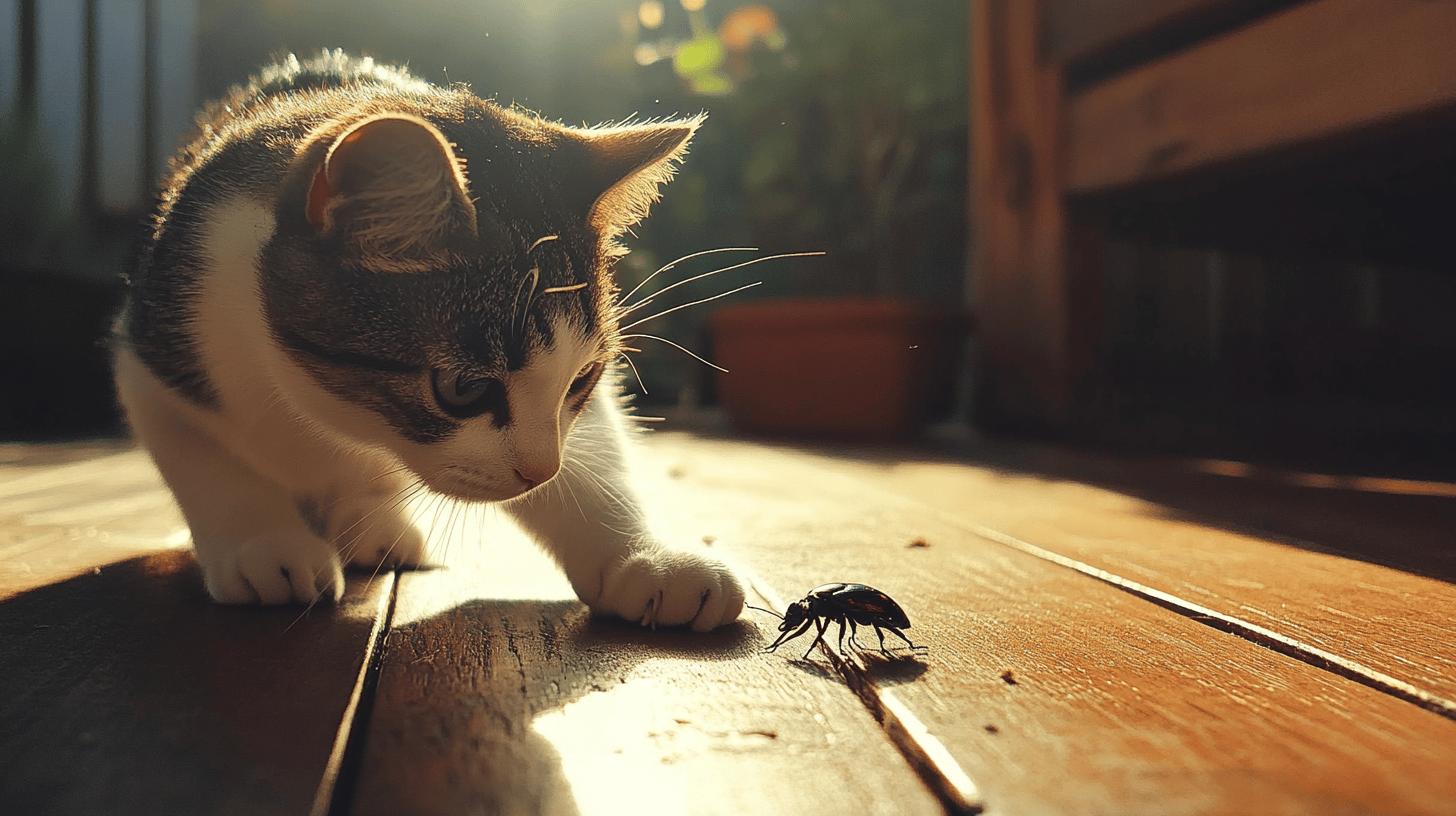
    Cats are natural hunters, and it's common to see them chasing and eating bugs. This behavior stems from their instincts, mirroring their wild counterparts who consume small prey. Fortunately, many insects are generally safe for cats to eat.

    Non-toxic bugs don't usually pose a threat and can even provide some nutritional benefits. However, while this activity is natural, not all bugs are harmless, and there are several potential risks involved.

    One of the major concerns when cats eat bugs is the risk of choking, especially for kittens who might not yet have mastered the art of chewing. Small insects could easily become a choking hazard.

    Additionally, some insects can cause allergic reactions due to bites or stings. These reactions can range from mild irritation to more severe symptoms, requiring attention. As a cat owner, it's crucial to be aware of these potential health hazards.

    Parasites present another significant risk. Insects like fleas and ticks are notorious carriers of parasites, which can be transmitted to cats upon ingestion.

    These parasites can lead to internal health issues, such as tapeworms or heartworms, which require medical treatment. Monitoring your cat's health and ensuring they are regularly dewormed can help mitigate these risks.

    Pesticide exposure is a serious risk if your cat ingests insects contaminated with chemicals. Bugs that have come into contact with pesticides or insecticides can be toxic and even fatal for cats.

    If you suspect that your cat has eaten such insects, it's vital to seek veterinary care immediately. This reinforces the importance of creating a safe environment, free from harmful substances that might endanger your feline friend.

    • Fireflies

    • Blister beetles

    • Venomous spiders (e.g., brown recluse, black widow)

    • Fleas and ticks (due to parasites)

    • Insects exposed to pesticides

    1. Choking hazards for kittens

    2. Allergic reactions to bites or stings

    3. Parasite transmission (e.g., tapeworms, heartworms)

    1. Pesticide and insecticide poisoning

    Common Bugs Cats May Encounter and Benefits of Eating Insects

    Common Bugs Cats May Encounter and Benefits of Eating Insects-4.jpg

    Cats are naturally curious and often interact with various household bugs like cockroaches, beetles, crickets, grasshoppers, and ants. These encounters are typically harmless, as most of these insects are safe for cats to consume. Cockroaches, for instance, are generally safe, though they might cause minor gastrointestinal upset due to their tough exoskeletons.

    Similarly, beetles and crickets don't pose significant threats but should be chewed properly to avoid any discomfort. Grasshoppers are also safe, while ants can be a bit of a nuisance, potentially upsetting a cat's stomach if ingested in large quantities.

    When cats interact with these bugs, it's often more about their hunting instincts than hunger. Cats love to chase moving objects, and bugs provide an excellent opportunity for them to indulge in this natural behavior. While the occasional bug feast isn't likely to harm your cat, there are minor risks to be aware of.

    Some insects might carry pesticides or diseases, which could lead to health issues if consumed. It's essential to keep an eye on your cat and ensure they aren't regularly munching on insects that could have been exposed to harmful substances.

    Despite these concerns, bugs can offer some nutritional benefits to our feline friends. Many insects are rich in protein, a crucial component of a cat's diet. Non-toxic bugs also provide calcium and omega fatty acids, which contribute positively to cat nutrition.

    These nutrients align well with the natural hunting behaviors of cats, providing them with a diet that mimics what they might eat in the wild. While a bug or two won't replace a balanced meal, it can certainly add a unique supplement to their regular nutrition.

    Bug Type Safety Level
    Cockroaches Generally safe
    Beetles Mostly harmless
    Crickets Safe
    Grasshoppers Safe
    Ants Safe but may upset stomach
    • Protein
    • Calcium
    • Omega fatty acids

    How to Prevent Cats from Eating Harmful Bugs

    How to Prevent Cats from Eating Harmful Bugs-4.jpg

    Identifying and avoiding harmful bugs is crucial for keeping your feline friend safe. Many bugs can be harmful, such as fireflies, blister beetles, and venomous spiders. It's important to familiarize yourself with the appearance of these insects and their preferred habitats.

    Regularly check your home for signs of these pests, and eliminate them promptly using safe methods. When you know which bugs pose a threat, you can take steps to keep them out of your cat's reach.

    Indoor and outdoor environments present different risks for cats when it comes to encountering bugs. Indoor cats are generally safer, but they can still come across spiders or ants. Installing window screens helps prevent insects from entering your home.

    For outdoor cats, the risk increases with exposure to bees, ticks, and other potentially harmful insects. Supervising your cat's outdoor activities or limiting their time outside can minimize these risks. Providing a safe outdoor space, like a screened-in porch, can also help.

    Creating a safe environment is key to protecting your cat from harmful bugs. Regular housekeeping reduces the chances of insect infestations. Use pet-friendly pest control solutions to avoid exposing your cat to toxic chemicals.

    Educating yourself on identifying harmful insects will also enable you to act quickly if you notice any in or around your home. By taking these steps, you can significantly lower the risk of your cat encountering dangerous bugs.

    • Install window screens

    • Regularly clean house to reduce insects

    • Use pet-friendly pest control solutions

    • Keep cats indoors or supervise outdoor activities

    • Educate on identifying harmful insects

    What to Do If Your Cat Eats a Bug

    What to Do If Your Cat Eats a Bug-4.jpg

    If your cat has eaten a bug, it's important to keep an eye out for any unusual symptoms. Most of the time, eating a bug won't harm your cat, but some insects might cause issues. Watch for signs like vomiting, diarrhea, or changes in behavior.

    These could indicate a problem, especially if your cat consumed a toxic insect or one exposed to pesticides. Monitoring your cat's health closely can help catch potential issues early and ensure they remain in good health.

    In the event of a bug bite or sting, there are some simple steps you can take at home to alleviate your cat's discomfort. Start by cleaning the affected area with mild soap and water to prevent infection.

    Applying a vet-approved antibiotic ointment can further help in preventing any bacterial growth. To reduce swelling, gently place a cooled towel over the area. These steps can help soothe your cat and minimize any adverse reactions from the bite or sting.

    While most bug-related incidents aren't serious, knowing when to seek veterinary advice is crucial. If your cat's symptoms do not improve within 24-48 hours, or if they worsen, it's time to consult a veterinarian.

    Persistent vomiting, severe diarrhea, or signs of distress are clear indications that your cat may require professional care. Ensuring prompt vet intervention can prevent complications and provide you with peace of mind regarding your feline's health.

    1. Monitor for symptoms like vomiting or diarrhea

    2. Clean any bug bite areas with mild soap

    3. Apply a vet-approved ointment to bites

    1. Reduce swelling with a cooled towel

    2. Contact a vet if symptoms persist beyond 48 hours

    Final Words

    Seeing your cat pounce on insects is all about their natural hunting urges. Most bugs are harmless, but some, like fireflies and spiders, can be risky. Bugs might choke kittens or cause allergies, and pests like fleas carry parasites.

    While some insects add nutrition, avoid bugs exposed to pesticides. Blocking harmful bugs and using safe pest control keeps cats safe. If your cat munches on bugs, watch for signs and know when to see the vet. Cats exploring bugs is normal, but it's key to keep this adventure safe and healthy.

    FAQ

    Do cats eat bugs in the house?

    Cats eat bugs in the house due to their natural hunting instincts. Generally, non-toxic insects are safe. However, be cautious of potential risks like choking and parasite transmission.

    Can cats eat locusts and grasshoppers?

    Cats can eat locusts and grasshoppers safely. These insects provide protein and nutrients beneficial to cats, aligning with their natural behaviors.

    What bugs are bad for cats to eat?

    Some bugs are toxic to cats. Toxic insects include fireflies, blister beetles, venomous spiders, fleas and ticks, and insects exposed to pesticides.

    Can cats eat cockroaches?

    Cats can eat cockroaches, and they are generally safe. However, they may cause minor gastrointestinal upset in some cats.

    Is it safe for cats to eat bugs?

    In general, it's safe for cats to eat non-toxic bugs. These insects offer nutrients such as protein and calcium, but ensure they aren't harmful or infested with pesticides.

    Can cats get infections from eating bugs?

    Cats may get infections from bugs carrying parasites like fleas and ticks, which can transmit diseases such as tapeworms and heartworms.

    Is it okay for cats to eat spiders?

    While most spiders are not harmful, some venomous spiders like brown recluses can be toxic to cats. Keep a lookout for any adverse reactions if your cat eats one.

    What are the risks of cats eating insects?

    The risks of cats eating insects include choking hazards, allergic reactions, parasite transmission, and pesticide poisoning. Be cautious with smaller kittens.

    How can I prevent my cat from eating harmful bugs?

    Prevent cats from eating harmful bugs by installing window screens, keeping a clean environment, using pet-friendly pest control, keeping cats indoors, and learning to identify harmful insects.

    Related Articles

  • Can Cat Eat Squid Safety and Nutritional Insights

    Can Cat Eat Squid Safety and Nutritional Insights

    Can cats feast on squid like their ocean-dwelling ancestors, or is it more trouble than it's worth? You might be surprised to learn that squid can be both a hidden danger and a nutritional gem for our feline friends. Raw squid brings some risks, with potential health hazards lurking in its delicate flesh. Yet, when prepared right, it offers proteins and omega-3s that can boost your cat's health. Dive into this article to uncover the truth about introducing squid into your cat's diet, keeping safety and benefits in perfect balance.

    Can Cats Eat Squid Safely?

    Can Cats Eat Squid Safely-1.jpg

    Feeding squid to cats does come with some safety concerns. Raw squid can harbor harmful bacteria and contains thiaminase, an enzyme that breaks down vitamin B1 (thiamine), potentially leading to a deficiency in cats. Thiamine is crucial for cats' nervous systems, so a deficiency can cause serious health issues. To mitigate these risks, avoid feeding your cat raw squid. Proper cooking methods deactivate thiaminase and kill any harmful bacteria, making squid safer for feline consumption.

    Despite these concerns, squid can offer several nutritional benefits for cats. It is a rich source of high-quality protein, which is essential for maintaining muscle mass and supporting overall health. Additionally, the omega-3 fatty acids found in squid contribute to a shiny coat and support brain function. Taurine, another component of squid, is vital for heart health and vision. These nutrients can make squid a beneficial addition to a cat's diet, provided it is served in moderation.

    Cooking squid properly is the key to ensuring it is a safe seafood option for your cat. Boiling, grilling, or baking squid until it's fully cooked eliminates the risks associated with raw squid. Avoid adding oils, seasonings, or additives during preparation. Once cooked, cut the squid into small, manageable pieces to prevent choking hazards. By following these steps, squid can be a safe and nutritious treat for your feline friend, but only as an occasional addition to their regular diet.

    Nutritional Profile of Squid for Cats

    Can Cats Eat Squid Safely-2.jpg

    Squid offers valuable minerals for cats that go beyond its well-known protein and omega-3 benefits:

    • Zinc: Enhances immune function and promotes skin health.
    • Iron: Essential for oxygen transport in the blood, preventing anemia.
    • Copper: Assists in forming red blood cells and maintaining healthy bones.

    Remember, moderation is key when serving squid to your cat. Its high saturated fat content means it should be an occasional treat to avoid potential health issues from excessive fat intake.

    How to Prepare Squid for Your Cat

    How to Prepare Squid for Your Cat-1.jpg

    To keep things fresh and concise, let's dive into cleaning and serving tips for squid. When cleaning squid, a thorough rinse is key to remove dirt or residue. Pay special attention to eliminating inedible parts like the beak, pens, and any hard shells. This ensures a safe and enjoyable meal for your feline friend.

    After cooking the squid by boiling, grilling, or baking, let it cool down completely. This prevents burns and makes it more palatable. Once cooled, cut the squid into small, manageable pieces. This not only prevents choking but also aids in easier chewing and digestion for your cat. By focusing on these unique preparation details, you enhance the safety and enjoyment of squid as a treat for your pet.

    Monitoring Cat Reactions to Squid

    Monitoring Cat Reactions to Squid-1.jpg

    When introducing squid into your cat's diet, it's crucial to keep an eye out for any adverse reactions. Cats may develop allergies or experience digestive issues from trying new foods like squid. Look for common allergy symptoms such as itching, redness, or swelling, and keep an eye out for digestive problems like vomiting or diarrhea. These signs indicate that squid might not agree with your cat's system, and it's best to discontinue feeding it to them.

    Before adding squid or any new food to your cat's diet, consulting a veterinarian is a wise step, especially if your cat has pre-existing health conditions. A vet can provide personalized advice, considering your cat's specific health needs and potential risks associated with squid consumption. This proactive approach ensures that your feline friend remains healthy and enjoys the occasional treat without unwanted side effects.

    Alternative Seafood Delicacies for Cats

    Alternative Seafood Delicacies for Cats-1.jpg

    If you're looking to add variety to your cat's diet, consider seafood options like shrimp, salmon, and anchovies. These alternatives not only offer a change of taste but also provide similar nutritional benefits as squid. Cooked and unseasoned shrimp can be a delightful treat, offering a rich source of protein and omega-3 fatty acids. Salmon, another excellent choice, is packed with essential fats that promote a healthy coat and support brain development. Fresh anchovies, though smaller, bring a punch of flavor and nutrients, including calcium and vitamins, beneficial for your cat's overall health.

    • Shrimp: Offers high protein and omega-3s; remove shells before serving.
    • Salmon: Rich in essential fats; cook thoroughly to eliminate parasites.
    • Anchovies: Packed with calcium; serve fresh and unseasoned.

    While these seafood options can be a nutritious addition, moderation is crucial. Treats like these should not replace a balanced diet but serve as occasional indulgences. By doing so, you ensure your cat enjoys the benefits without risking nutritional imbalances or excessive calorie intake. Always prepare these treats with caution, removing any bones or shells, and consulting your vet when introducing new foods.

    Final Words

    Feeding a cat squid involves balancing potential risks with nutritional benefits. I covered safety concerns, like bacterial contamination and thiaminase in raw squid, and how cooking can make squid a safer option. Rich in protein, omega-3s, and taurine, squid offers several health benefits.

    Remember to prepare squid without oils or seasonings. A variety of seafood options, like shrimp and salmon, also provide nutritional benefits. Always keep an eye on your cat's reactions when trying squid or alternatives. Helpful moderation leads to happy, healthy cats!

    FAQ

    Can cats eat squid raw or cooked?

    Cats can eat squid, but it should be cooked to be safe. Raw squid can cause vitamin B1 deficiency due to thiaminase. Cooking deactivates this enzyme and reduces the risk of bacterial contamination.

    Can cats eat squid ink or squid jerky?

    Cats should avoid squid ink and jerky. Ink can harm digestion, while jerky is often too salty and tough for cats.

    Is cooked squid good for cats?

    Cooked squid is okay for cats in moderation. It provides protein, omega-3s, and taurine but should not be a regular diet element.

    Can cats eat dried squid?

    Dried squid is not ideal for cats. It's often high in sodium, which can lead to health problems if eaten frequently.

    Does raw squid paralyze cats?

    Raw squid contains thiaminase, which can cause vitamin B1 deficiency and health issues, but paralysis is unlikely. Ensure the squid is cooked before feeding it to cats.

    Can cats and dogs eat squid?

    Both cats and dogs can eat squid if it's cooked and given in small amounts. Always avoid oils, seasonings, and raw squid.

    Is squid okay for cats to eat?

    Squid is okay in small, cooked portions. It offers health benefits but should be given sparingly to prevent dietary imbalance.

    Do cats like squid?

    Some cats may enjoy squid due to its texture and flavor. Always monitor your cat's reactions to new foods.

    What seafood can cats not eat?

    Cats should avoid raw seafood, smoked fish, and heavily seasoned or salted seafood. Cook fresh options without additives for safety.

    Related Articles

  • Can Cat Eat Truffle Safety and Health Considerations

    Can Cat Eat Truffle Safety and Health Considerations

    Can cats safely enjoy the luxurious taste of truffles, or are these pricey delights off-limits for our feline companions? Before you think about sharing truffles with your cat, it's crucial to understand the differences between mushroom and chocolate truffles.

    While mushroom truffles might be harmless in tiny amounts, chocolate truffles pose significant risks due to toxic ingredients like theobromine. Understanding which truffle varieties pose risks and how to protect your cat is key to making informed choices for their well-being.

    Complete Guide to Truffles and Cats: Safety, Nutrition, and Veterinary Insights

    Complete Guide to Truffles and Cats Safety, Nutrition, and Veterinary Insights-3.jpg

    Truffles come in two main varieties–mushroom truffles and chocolate truffles. Mushroom truffles are the ones that can be safely consumed by our feline friends, in moderation. They're a type of wild mushroom that doesn't pose the same risks as many other wild varieties.

    On the other hand, chocolate truffles are a definite no-go. These delicious human treats can be quite dangerous for cats due to their content of theobromine and caffeine, both of which are toxic to them.

    Chocolate truffles contain substances that can be harmful, and potentially fatal, to cats. Theobromine and caffeine can cause a range of symptoms from hyperactivity and rapid breathing to more severe issues like tremors and seizures.

    It's crucial to keep these out of a cat's reach to prevent accidental ingestion. Unlike mushroom truffles, chocolate truffles do not belong anywhere near a cat's diet.

    Mushroom truffles, while being safe, don't offer much in terms of nutritional benefits for cats. They contain some beneficial nutrients like vitamin C, magnesium, and antioxidants, but these are not particularly necessary for a cat's diet.

    Cats are obligate carnivores and their nutritional needs are primarily met through meat-based foods. So, while mushroom truffles aren't harmful, they don't contribute significantly to a cat's overall health.

    From a practical standpoint, feeding truffles to cats isn't the most economical choice. Truffles are one of the more expensive delicacies in the culinary world.

    Given their cost and the fact that they don't provide substantial nutritional value to cats, it might be better to stick to more conventional cat treats or foods that are specifically designed to meet their dietary requirements.

    Veterinary advice often emphasizes caution when introducing any new food into a cat's diet. It's always best to consult a vet before offering something unusual like truffles.

    A balanced diet that caters to a cat's specific nutritional needs should be the focus. Human foods, including truffles, should generally be avoided unless a vet has given the green light.

    When introducing any new food, including mushroom truffles, it's important to do so responsibly. Start with small amounts and closely observe your cat for any signs of adverse reactions.

    Cats can be quite sensitive to dietary changes, so moderation is key. Watch for any changes in behavior or health, and always prioritize your cat's safety and well-being.

    Potential health risks if truffles are consumed excessively:

    • Digestive upset

    • Vomiting or diarrhea

    • Toxicity symptoms

    • Changes in behavior

    By keeping these considerations in mind, you can make informed decisions about what to feed your cat, ensuring they stay happy and healthy.

    Alternative Cat-Safe Foods to Truffles

    Alternative Cat-Safe Foods to Truffles-4.jpg

    In the world of feline nutrition, there are plenty of safe human foods that you can share with your cat instead of truffles. These alternatives not only ensure the safety of your furry friend but also provide more practical and beneficial options.

    Cats can enjoy small amounts of certain cooked meats and vegetables that align with their dietary needs, offering a variety of tastes and textures to keep them interested.

    Opting for these alternatives is preferable because they are more aligned with a cat's natural dietary requirements. Unlike truffles, these foods can offer nutritional benefits that support a cat's health. By choosing foods designed to cater to a cat's carnivorous nature, you can responsibly feed your pet while avoiding unnecessary risks.

    • Cooked chicken

    • Salmon

    • Peas

    • Carrots

    • Commercial cat treats

    These options are not only safe but also contribute to a well-rounded dietary plan for your cat.

    Monitoring Cat Health and Behavior After Eating Truffles

    Monitoring Cat Health and Behavior After Eating Truffles-2.jpg

    When introducing truffles to your cat's diet, observation is crucial. Each cat's response to new foods can be unique, making it essential to keep a watchful eye on their health and behavior. This vigilance helps in detecting any unusual reactions quickly, ensuring your cat's well-being and helping you understand their dietary tolerances better.

    Be alert for specific symptoms that may show adverse reactions. While vomiting and diarrhea are common signs, other symptoms might include:

    • Lethargy or unusual tiredness

    • Excessive licking of lips or drooling

    • Increased vocalization or agitation

    These symptoms, if observed, suggest stopping the new food and consulting a vet to ensure your cat's health remains unaffected.

    Truffle Varieties and Safety Comparison

    Black truffles and white truffles represent the two primary culinary varieties, each with distinct properties affecting cat safety. Black truffles (Tuber melanosporum) are primarily used in European cuisine and contain theobromine, the same compound found in chocolate. While the concentration is significantly lower than in cocoa, repeated consumption of black truffles could potentially accumulate to toxic levels in feline systems.

    White truffles (Tuber magnatum), primarily harvested in Italy, have a different chemical composition and pose minimal direct toxicity risk. However, their high fat content and pungent sulfur compounds can still upset sensitive feline digestive systems.

    Truffle oil, the most commonly encountered form in household kitchens, is typically not made from real truffles but rather from truffle-infused mineral oil with synthetic flavoring. These synthetic aromatic compounds may trigger gastrointestinal upset in cats. True truffle oil products containing actual truffle fragments carry similar risks as fresh truffles but in concentrated form.

    Given these variations, avoiding all truffle types–fresh, oil, or oil derivatives–provides the safest approach. If exposure occurs accidentally, black truffle ingestion warrants veterinary monitoring more urgently than white varieties.

    Nutritional Profile and Digestive Impact

    From a nutritional standpoint, truffles offer minimal benefit to feline diets. A 100-gram serving contains approximately 65-100 calories, with negligible protein content (2-3 grams) and moderate carbohydrate levels unsuitable for obligate carnivores.

    The nutritional deficit isn’t the primary concern; the digestive impact is. Truffles contain complex sugars and fiber compounds that feline digestive enzymes cannot efficiently process. Cats lack the necessary cellulase enzymes to break down these plant-based compounds, leading to fermentation in the gut.

    This fermentation process produces gas, bloating, and discomfort within 4-8 hours of ingestion. High-fat content in truffles can also trigger pancreatitis in susceptible cats, particularly those over age 7 or with prior digestive sensitivities. The risk escalates significantly if truffles are consumed alongside regular meals, creating a high-fat dietary spike.

    Additionally, the aromatic compounds in truffles–primarily dimethyl sulfide and dimethyl disulfide–can suppress appetite in sensitive cats for 24-48 hours after exposure, disrupting their normal feeding schedule.

    Accidental Consumption and Response Guide

    If your cat accidentally consumes truffles, immediate assessment of quantity and variety is crucial. Consumption of less than 5 grams typically triggers minor digestive upset resolving within 24 hours with conservative management.

    Minor ingestion signs include mild vomiting, loose stools, or decreased appetite. Provide fresh water, withhold food for 4-6 hours, then offer bland options like plain chicken breast or rice. Monitor for symptom progression over the following 24 hours.

    Larger quantities (more than 10 grams) or black truffle consumption warrants veterinary consultation within 2-4 hours. Bring product packaging if available to help your veterinarian assess theobromine content. Your vet may recommend activated charcoal administration if caught within 2 hours of ingestion.

    Seek emergency veterinary care if your cat displays severe vomiting, abdominal pain, lethargy, difficulty breathing, or neurological signs (trembling, disorientation). These symptoms suggest either significant ingestion volume or underlying health complications requiring immediate intervention.

    Final Words

    Truffles and cats have stirred curiosity among pet owners. While mushroom truffles might seem safe, their nutritional benefits are limited. Chocolate truffles, however, are dangerous due to harmful chemicals. It's crucial to consult a vet if considering adding treats like these to your cat's diet.

    Ultimately, it's safer and more practical to stick with the typical feline diet and avoid human foods unless advised by an expert. By understanding whether a cat can eat truffle and focusing on balanced nutrition, we can ensure our furry friends stay healthy and happy.

    FAQ

    Is truffle toxic for cats?

    Truffle is generally not toxic to cats when consumed in moderation. However, caution is advised since chocolate truffles can be harmful due to theobromine and caffeine.

    Are truffles safe to eat?

    Truffles, especially mushroom truffles, are usually safe for cats in moderation. They offer some nutrients like vitamin C and antioxidants but aren't necessary for a cat's diet.

    Can cats eat chocolate truffles?

    Chocolate truffles should not be given to cats. They contain theobromine and caffeine, which are toxic for cats and can lead to serious health issues.

    Can dogs eat truffle?

    Dogs can safely consume small amounts of mushroom truffles. As with cats, chocolate truffles are dangerous for dogs as well due to toxic components like theobromine.

    Related Articles

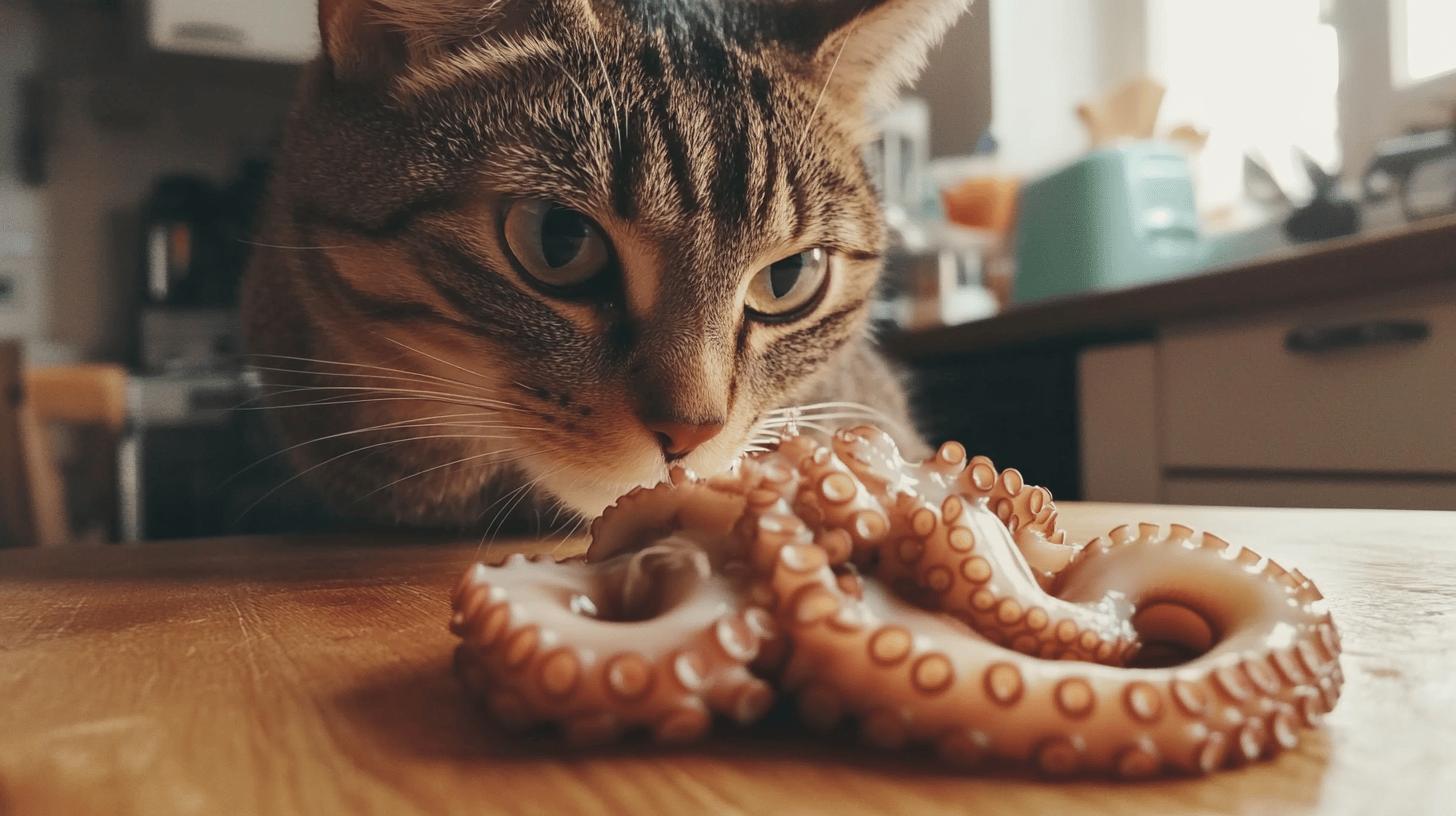
  • Can Cat Eat Octopus Safety Tips and Nutritional Insights

    Can Cat Eat Octopus Safety Tips and Nutritional Insights

    Can cats safely enjoy octopus as part of their diet, or is this seafood too risky for our feline friends? When prepared the right way and given sparingly, octopus can be a delightful treat packed with protein and omega-3s. But beware—this seafood isn't without its dangers. If it's not cooked thoroughly, octopus can harbor harmful bacteria and heavy metals. In this post, we'll dive into the nutritional perks and safety tips of feeding octopus to your cat, so you can make informed choices for your furry companion.

    Is It Safe for Cats to Eat Octopus?

    Is It Safe for Cats to Eat Octopus-1.jpg

    Octopus is safe for cats to eat if it is prepared correctly and given in moderation. While it can offer some nutritional benefits, like protein and omega-3 fatty acids, it should not replace a cat's regular diet. Octopus should be considered an occasional treat due to its nutritional limitations and potential risks. Ensuring the octopus is cooked thoroughly is crucial to avoid harmful bacteria and contaminants.

    Feeding octopus to your cat comes with potential hazards. Raw octopus can be a source of food poisoning because it may contain bacteria such as Vibrio, Salmonella, and E. coli, which are dangerous to cats. Additionally, octopus can accumulate heavy metals like mercury, which can pose health risks over time if consumed in large amounts. It's essential to source octopus carefully and ensure it's cooked properly to minimize these risks.

    Seafood allergies are the third most common type of allergy in cats, following beef and dairy allergies. Possible allergic reactions in cats include digestive issues, such as vomiting or diarrhea, and skin reactions like itching or hives. If you notice any of these symptoms after introducing octopus or any new food into your cat's diet, it's vital to consult with a veterinarian. Recognizing and understanding these possible allergies can help keep your cat safe and healthy.

    Moderation is key when feeding octopus to cats. Overfeeding can increase the risk of exposure to heavy metals and bacteria. Offering small amounts as an occasional treat ensures your cat enjoys the benefits without the associated risks. Always monitor your cat for any adverse reactions and adjust their diet accordingly.

    Potential Hazard Risk Level for Cats
    Bacterial Contamination High if uncooked
    Heavy Metal Accumulation Moderate
    Seafood Allergies Moderate
    Overfeeding Risks Moderate

    Nutritional Profile of Octopus for Cats

    Nutritional Profile of Octopus for Cats-1.jpg

    Octopus provides nutrients that can enhance a cat's diet when fed occasionally. It delivers protein for muscle maintenance and omega-3 fatty acids, which are beneficial for coat and heart health. Additional nutrients include iron, copper, and zinc, though octopus lacks complete nutrition, making it unsuitable as a daily meal replacement.

    While protein and omega-3s are advantageous, octopus should complement a balanced diet rather than replace it. The lack of essential vitamins and minerals in octopus means it can't fulfill a cat's nutritional needs alone. Moderation is crucial to prevent health issues like mercury exposure from seafood.

    • Protein: Supports muscle growth and repair.
    • Omega-3 Fatty Acids: Promote a healthy coat and support heart health.
    • Iron: Aids in oxygen transport in the blood.
    • Copper: Essential for overall metabolism and the formation of red blood cells.
    • Zinc: Supports immune function and skin health.

    Preparing Octopus for Cats: Guidelines and Methods

    Preparing Octopus for Cats Guidelines and Methods-1.jpg

    Thorough preparation of octopus is crucial for your cat's safety. Raw octopus may contain bacteria like Vibrio, Salmonella, and E. coli, which can lead to food poisoning. Cooking octopus properly eliminates these risks and enhances its nutritional benefits as a treat.

    Steaming or boiling are ideal cooking techniques for cats. These methods preserve nutrients while effectively killing bacteria. Cook until tender, ensuring all parts are heated thoroughly. Avoid oils or fats to prevent unnecessary calories and digestive issues.
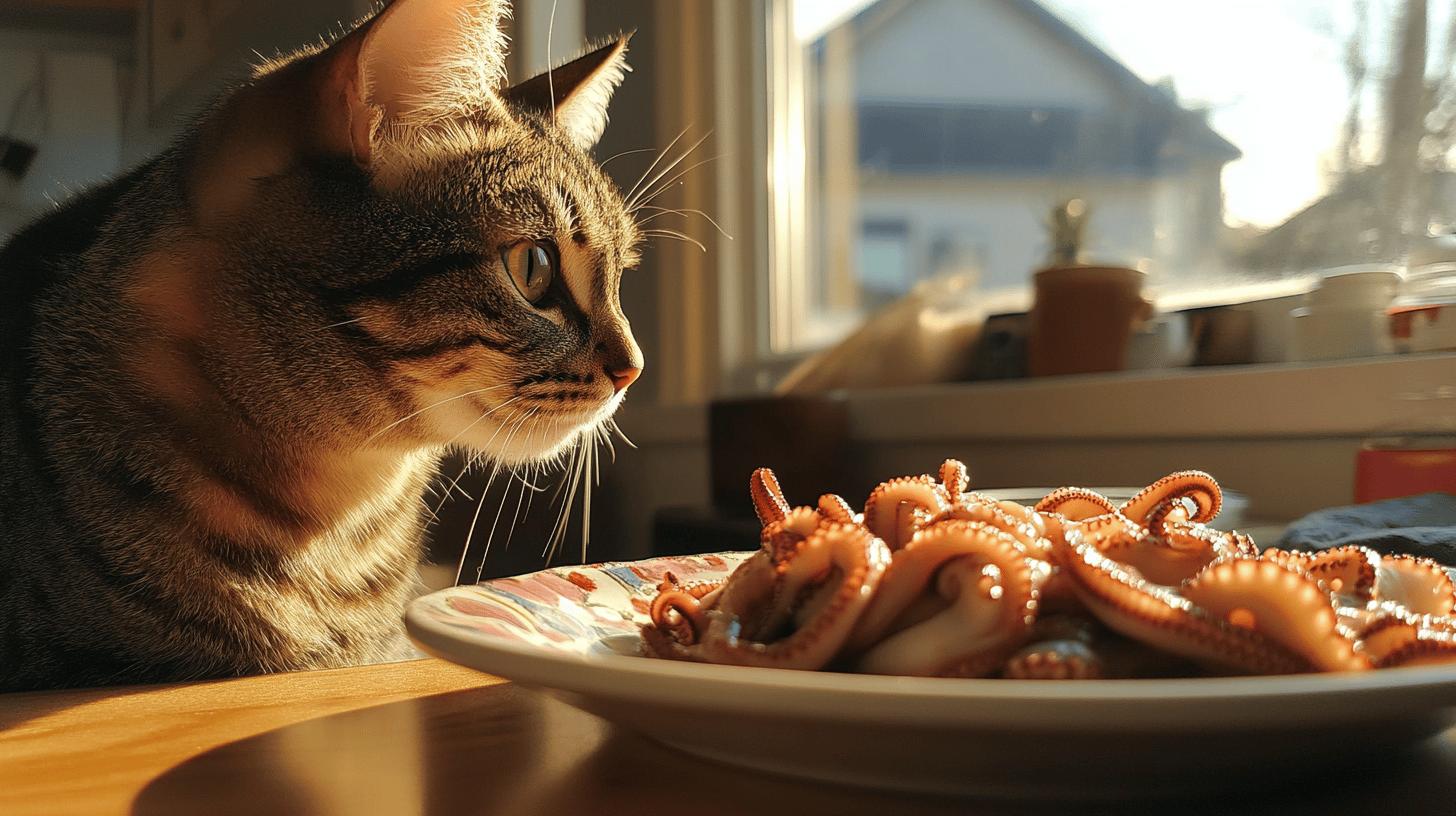
    Avoid harmful additives such as salt, onion, garlic, and chives. These can cause health problems in cats. Serve octopus plain in small pieces to avoid choking and ensure a safe eating experience.

    Cooking Techniques for Safe Octopus

    Steaming and boiling are preferred methods for cooking octopus for cats. These techniques thoroughly cook the meat without introducing harmful additives. They provide a nutritious, safe treat free from the risks of raw or improperly cooked octopus.

    Recognizing fresh octopus is key. Look for firm, moist flesh and a mild sea scent. Avoid any with a strong odor or slimy texture. This ensures your cat enjoys only safe, fresh octopus.

    Veterinary Advice on Including Octopus in a Cat's Diet

    Veterinary Advice on Including Octopus in a Cats Diet-3.jpg

    Cats need a diet rich in protein, essential fatty acids, vitamins, and minerals. High-quality commercial cat food is a primary source of nutrition. Treats are fine but should not replace these meals. Any treat, like octopus, should be given in moderation and not as a substitute for a balanced diet.

    Veterinary experts suggest that octopus can be an occasional treat. Dr. Lisa A. Pierson advises, "treats should only make up about 5-10% of a cat’s daily caloric intake." Too much octopus can lead to nutritional imbalances and health risks from contaminants like heavy metals. It's important to cook octopus thoroughly to kill harmful bacteria.

    Alternative treats like cooked chicken, plain turkey, or freeze-dried fish provide protein and are often safer. Treats should supplement, not replace, complete meals. Always consult a vet before changing your cat’s diet to ensure it meets their health needs.

    Final Words

    Feeding octopus to cats involves some caution. Cats can eat octopus sparingly, given the risks of contamination and allergies. Proper cooking helps reduce these dangers. Yet, the nutritional benefits, like protein and omega-3, make octopus appealing as an occasional treat.

    It's crucial to avoid additives when preparing octopus. Listening to veterinary advice, we learn moderation is key. Providing balance in our cats' diets ensures their well-being.

    By understanding these aspects, we're prepared to offer safe and enjoyable treats. Our cats' health remains a top priority while satisfying their love for seafood.

    FAQ

    Can cats eat octopus?

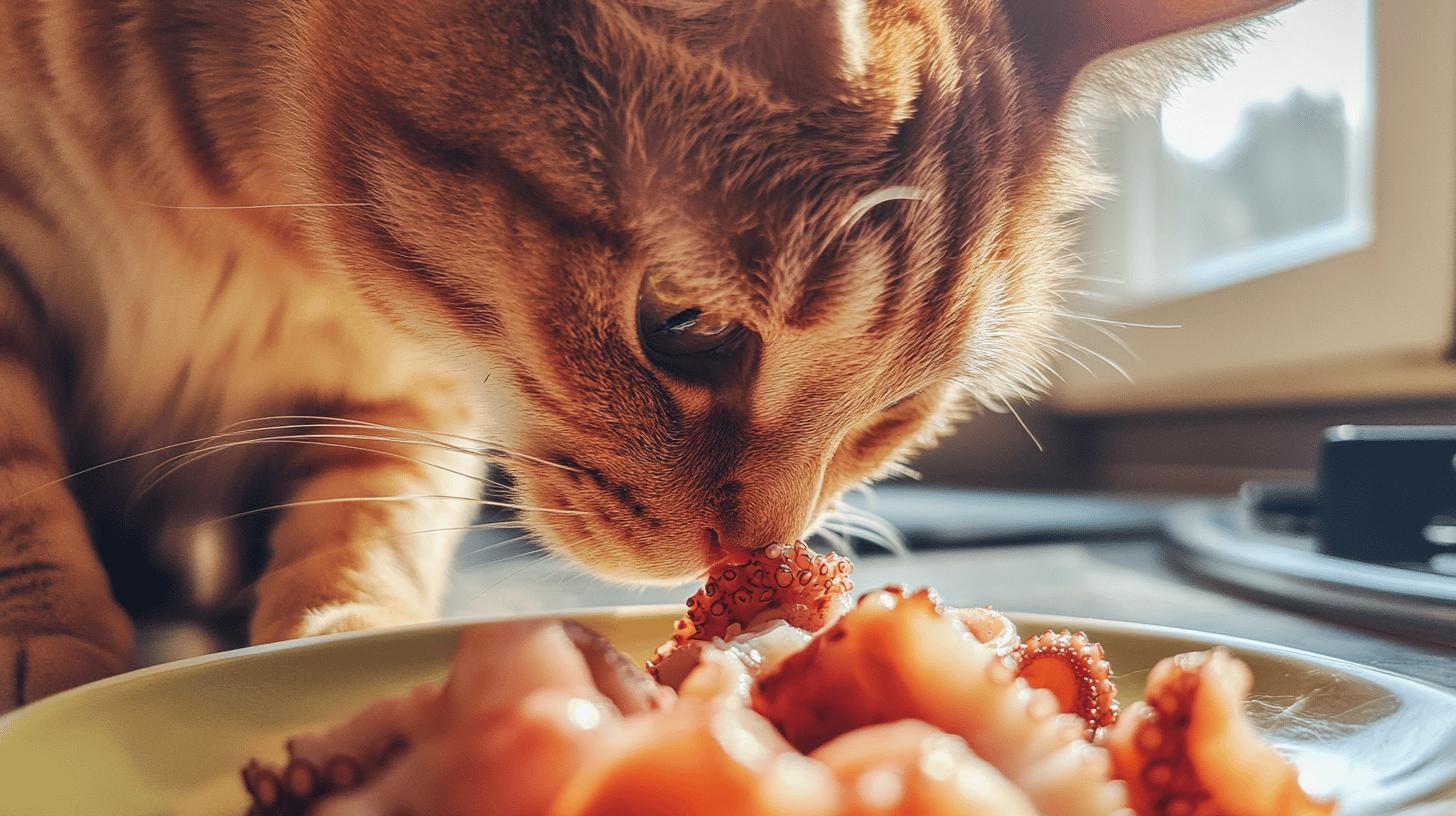
    Cats can eat octopus, but it should be an occasional treat. Octopus has nutritional benefits but can contain harmful bacteria and heavy metals. Moderation is key to keeping your cat safe.

    Can cats eat shrimp?

    Yes, cats can eat shrimp in moderation. Ensure it's cooked without additives to avoid digestive issues. Shrimp offers protein and nutrients, but shouldn't replace a balanced diet.
    Can cats eat squid?

    Cats can eat cooked squid occasionally. Cook it thoroughly and avoid seasonings or additives to ensure safety. Like with other seafood, squid should not be a regular part of their diet.

    What seafood can cats eat?

    Cats can eat seafood like shrimp, squid, and cooked fish in moderation. It provides protein and omega-3s but should never replace their regular diet. Monitor for allergies and consult a vet.

    Can animals eat octopus?

    Some animals, like cats and dogs, can eat octopus if it's properly prepared. Make sure it's cooked and given as a treat to avoid bacteria and heavy metals. Always check with a vet first.

    Related Articles

  • Can Cat Eat Vegetable Oil Safety and Health Considerations

    Can Cat Eat Vegetable Oil Safety and Health Considerations

    Is vegetable oil a secret remedy for a cat's shiny coat, or is it a hidden danger lurking in your kitchen? As cat owners, we want the best for our furry companions, but understanding whether vegetable oil is safe for them can be confusing. This blog will dive into the facts, helping you weigh the perks and pitfalls of adding it to your cat's diet. From health benefits to risks, we cover all you need to know to make informed decisions for your cat's well-being.

    Can Cats Eat Vegetable Oil? Understanding the Basics and Its Effects

    Can Cats Eat Vegetable Oil Understanding the Basics and Its Effects-1.jpg

    Cats can eat vegetable oil, but only in moderation. While vegetable oil for cats is technically safe in small amounts, it's generally unnecessary as part of their regular diet. Most veterinarians agree that it’s not harmful when given sparingly. However, it should not become a staple in their meals. Cats are obligate carnivores, meaning their diet should primarily consist of meat. Vegetable oil does not offer significant nutritional benefits that aren't already available through other dietary sources more suited to feline health.

    The effects of vegetable oil on cats can include some benefits, primarily due to the omega-3 and omega-6 fatty acids it contains. These fatty acids can support a cat's skin and coat health and may even aid in digestive health. Omega-3 fatty acids, in particular, are known for their anti-inflammatory properties, which can be beneficial for cats that suffer from certain skin conditions. Omega-6 fatty acids contribute to a healthy coat and skin, but it's important to balance these with omega-3s to avoid potential inflammation issues.

    There are also risks associated with excessive consumption of vegetable oil for cats. Overconsumption can lead to weight gain, as oils are calorie-dense. Cats might experience digestive issues such as vomiting or diarrhea if they ingest too much. Long-term health problems like pancreatitis can also arise from excessive fat intake. This is why moderation is crucial when considering vegetable oil as a supplement for your pet. Always consult with a veterinarian before introducing any oil into a cat's diet to ensure it aligns with their specific health needs.

    • Safe oils: Canola oil, Coconut oil, Olive oil.
    • Unsafe oils: Corn oil, Soybean oil.
    • Health issues from overconsumption: Weight gain, Vomiting and diarrhea, Pancreatitis, Liver problems.

    Alternatives to Vegetable Oil for Cats

    Alternatives to Vegetable Oil for Cats-1.jpg

    When considering alternatives to vegetable oil for cats, there are several options that might better suit their dietary needs. Fish oil is a top choice due to its high omega-3 fatty acid content, which supports a healthy coat and skin. Flaxseed oil is another excellent option, rich in omega fatty acids that can aid in digestion and support overall well-being. Olive oil is also beneficial, particularly for helping with hairball issues, though it should be used in moderation.

    It's important to be cautious with these oils, as overfeeding can lead to health issues. While fish oil provides many benefits, too much can cause digestive upset. Flaxseed oil, although beneficial, should be introduced slowly to prevent potential allergic reactions. Olive oil, despite its usefulness for hairballs, is high in calories and should be given only in small amounts to avoid weight gain. Always consult with a veterinarian before adding any new oils to your cat's diet to ensure it fits their specific nutritional needs.

    • Fish oil: High in omega-3, supports coat health.
    • Flaxseed oil: Rich in omega fatty acids, aids digestion.
    • Olive oil: Helps with hairball issues.

    Monitoring and Managing Oil Consumption in Cats

    Monitoring and Managing Oil Consumption in Cats-1.jpg

    When introducing oils to your cat's diet, it's essential to measure appropriate serving sizes. Start with a small amount and gradually increase, observing how your cat responds. Use a teaspoon to ensure consistent servings. Keep a food diary to track what your cat eats and any changes in their behavior or health. This will help identify correlations between oil intake and any adverse effects.

    Consulting with a veterinarian is crucial. When visiting, provide details of your cat's current diet, including the type and amount of oil introduced. Ask about the safe types of oils and recommended serving sizes. Inquire about signs that might suggest intolerance beyond vomiting or diarrhea, such as lethargy or refusal to eat. Veterinarians can offer valuable insights tailored to your cat's specific health needs.

    Final Words

    Diving into the world of vegetable oil consumption for cats, we explored how it can be safe when used sparingly. The benefits of omega-3 and omega-6 help with skin and coat health. Yet, too much can lead to issues like weight gain and digestive troubles. Considering healthier options like fish and flaxseed oil can be wise. Watching for symptoms like vomiting or diarrhea helps manage any oil-related issues. A little caution and knowledge go a long way in keeping your feline friend safe and happy.

    FAQ

    Is vegetable oil safe for cats?

    Vegetable oil is safe for cats if given in small amounts. It's unnecessary as a regular dietary supplement and can lead to health issues if overconsumed. Use it sparingly.

    What happens if my cat licks vegetable oil?

    If a cat licks a small amount of vegetable oil, it's generally safe. In larger amounts, it may cause weight gain, vomiting, diarrhea, and possibly pancreatitis.

    What kind of oil can cats eat?

    Cats can safely consume canola, coconut, and olive oil in moderation. Avoid giving them corn and soybean oil.

    Can I give my cat vegetable oil for constipation?

    You can use a small amount of vegetable oil for constipation. However, it's better to consult your vet for safer, more effective alternatives.

    Related Articles

    Oil Types and Safety: Making Informed Choices

    Different oils have different safety profiles for cats. Coconut oil is generally safe in small amounts but offers minimal benefit and can cause diarrhea. Olive oil and plant-based oils provide no nutritional value to cats—they simply add unnecessary calories and fat. These oils lack the omega-3 benefits found in fish oil, making them inferior choices.

    Fish oil contains omega-3 fatty acids that can benefit cats with dry skin or coat issues, unlike plant oils. However, fish oil must be dosed appropriately and veterinarian-recommended. Too much fish oil can cause vitamin E deficiency and other complications. Quality matters enormously—low-quality fish oil can be rancid and cause digestive upset.

    When Might Oil Actually Help (With Veterinary Approval)

    While oil isn’t necessary for healthy cats, specific situations might make cautious, vet-approved use appropriate. For genuine dry skin or dull coat (confirmed by a vet, not self-diagnosed), a fish oil supplement specifically formulated for cats might help when dosed appropriately. For cats with arthritis, kidney disease, or inflammatory conditions, omega-3 supplementation might benefit them under veterinary supervision. However, this requires proper diagnosis and dosing—never casually add oils without professional guidance.

    Signs Your Cat Is Having Oil-Related Digestive Problems

    If your cat ingests oil (intentionally or accidentally), watch for loose stools or diarrhea (most common side effect), vomiting or retching, greasy or dull coat appearance, loss of appetite, abdominal discomfort or reluctance to move, and excessive licking of the anal area (sign of digestive upset). If symptoms persist beyond 24 hours, contact your veterinarian for advice.

    Superior Nutrition Sources for Healthy Skin and Coat

    Instead of supplemental oils, provide proper nutrition through high-quality cat food and natural sources. Fresh or cooked fish—salmon, mackerel, sardines—provides natural omega-3s, protein, and nutrients that benefit coat health far better than oil supplements. Serve occasionally in small pieces, plain and unseasoned. Some cats develop over-preference for fish, so limit to once or twice weekly.

    Premium cat foods with high meat content and appropriate fat ratios support healthy skin and coat naturally. Look for named meat sources and avoid excessive grain fillers. Proper nutrition eliminates the need for oil supplements in healthy cats. Homemade bone broth made from chicken or fish bones provides collagen, minerals, and natural gelatin supporting healthy skin. Many cats enjoy bone broth as an occasional treat, and it’s far safer than supplemental oils. Ensure it contains no onion or garlic.

    Making Cat Food Interesting Without Oils

    Keep your cat’s regular diet interesting and nutritious without risky supplements. Rotate between different high-quality commercial foods to prevent boredom. Include occasional fresh or cooked meat as treats. Offer bone broth as an interactive experience. Use puzzle feeders and interactive toys to increase enrichment and slow eating. Vary food textures between wet and dry. The key is variety within appropriate, healthy foods—not through dangerous supplements.

    FAQ About Oils and Cat Health

    Is vegetable oil toxic to cats? No, but it provides unnecessary fat and calories while offering no nutritional benefit. It can cause diarrhea and contributes to obesity.

    What if my cat eats oil? A small amount of plain oil usually causes no harm, though loose stools may develop. Monitor for 24 hours. Contact your vet if diarrhea persists or if your cat has pre-existing health conditions.

    Can I use coconut oil for my cat’s dry skin? Consult your vet first. While coconut oil is generally safe, fish oil supplements designed for cats are more effective. Never use human supplements on your cat.

    How much fish oil is safe? Dosage depends on your cat’s weight and specific condition. Only use vet-recommended fish oil designed for cats, never human supplements or cod liver oil without veterinary approval.

  • Can Cat Eat Green Apple Safety and Nutritional Considerations

    Can Cat Eat Green Apple Safety and Nutritional Considerations

    Research shows that sharing a green apple with your cat could be a risky choice? It might seem harmless, but there are serious safety and nutritional considerations to ponder before you let your cat nibble on this tart fruit. While a small slice on occasion might not hurt, feeding cats green apples can lead to unexpected health issues. Let's unpack the dangers and see if this crunchy snack is worth the risk or simply best left on your plate.

    Safety and Risks of Feeding Green Apples to Cats

    Safety and Risks of Feeding Green Apples to Cats-1.jpg

    Cats can eat green apples, but only in small amounts as an occasional treat. It's crucial to be cautious because the stems, leaves, and seeds of apples are toxic to cats. These parts contain cyanide, which can be harmful if consumed. While the flesh of the apple is not toxic, there are several risks associated with feeding apples to cats that pet owners should be aware of.

    One of the primary concerns of feeding apples to cats is the high sugar content. Cats are obligate carnivores, which means their bodies are designed to digest and process animal-based proteins and fats. They don't have the enzymes needed to break down carbohydrates as efficiently. Thus, the natural sugars present in apples can lead to potential health issues like obesity and diabetes if consumed in excess. High sugar intake can also trigger allergic reactions or cause gastrointestinal problems, such as diarrhea or vomiting.

    The toxicity of apple seeds is another significant risk factor. Apple seeds contain cyanogenic compounds, which can release cyanide when digested. Even small amounts of these compounds can be dangerous to cats, leading to symptoms such as difficulty breathing, dilated pupils, and even shock or death in severe cases. Therefore, it's imperative to thoroughly remove all seeds before offering any apple pieces to your feline friend.

    Cats' natural dietary needs further highlight why green apples are not an essential part of their nutrition. As obligate carnivores, cats rely on a diet rich in animal proteins and fats, which provide them with the necessary nutrients like taurine and arachidonic acid. Fruits and vegetables, including green apples, do not contribute significantly to a cat's nutritional requirements. While apple slices might seem like a fun treat, they are not necessary and should be given sparingly, if at all.

    Here are some do's and don'ts when feeding apples to your cat:

    • Do: Offer only small, seedless slices as an occasional treat.
    • Do: Ensure that all seeds, stems, and leaves are removed before serving.
    • Do: Monitor your cat for any adverse reactions when trying apples for the first time.
    • Don't: Make apples a regular part of your cat's diet.
    • Don't: Offer cooked apple dishes like apple pie due to added sugars and spices.

    By understanding these risks and taking the necessary precautions, you can make informed decisions about whether to include green apples in your cat's treat rotation.

    Nutritional Impact and Considerations of Green Apples on Cats

    Nutritional Impact and Considerations of Green Apples on Cats-1.jpg

    Green apples contain a variety of vitamins and minerals that might offer some benefits to cats. They have vitamins A, C, and E, and minerals like potassium, copper, calcium, and manganese. Antioxidants in apple skins may aid digestion with dietary fiber. Vitamin C, although not essential since cats produce it themselves, can slightly enhance their immune system.

    The high sugar content in green apples poses real risks for cats, who as obligate carnivores struggle to process sugars effectively. Overconsumption can cause digestive issues including diarrhea and upset stomachs. Regular intake of sugary foods might also elevate the risk of obesity and diabetes, common health concerns in domestic cats. It's essential to limit their apple intake to prevent these problems.

    Nutrient Potential Benefit
    Vitamin A Supports vision and immune health
    Vitamin C Boosts immune function
    Potassium Maintains healthy muscle function
    Fiber Aids in digestion
    Antioxidants Protects cells from damage

    Green apples aren't necessary in a cat's diet. Offering them in moderation, without seeds and skins, can reduce health risks and provide a refreshing treat.

    Final Words

    The blog post dives deep into whether a cat can eat green apple safely, highlighting crucial safety tips and risks involved. While green apples offer some nutrients like vitamins and fibers, they don't fit into a cat's carnivorous diet. The dangers from seeds and sugar content can lead to obesity, diabetes, and toxicity concerns.

    Feeding green apples to cats should be a rare treat, if at all. The harm from seeds and excess sugar far outweighs any benefit, and opting for diet-appropriate treats keeps cats both safe and satisfied while ensuring moderation.

    Green Apples vs. Other Apple Varieties: Nutritional and Safety Differences

    When considering apples for your cat, variety matters significantly. Green apples like Granny Smith differ from red varieties in multiple ways that affect feline safety. Green apples typically contain lower sugar content compared to sweet red varieties, making them a slightly better choice if your cat were to consume apple. However, all apple varieties share the same core concern: seeds containing cyanogenic compounds.

    The skin of green apples often carries pesticide residue, depending on growing practices. Organic green apples present lower chemical exposure. Red apples, particularly if cultivated conventionally, may carry higher pesticide loads. If offering apple to a cat, organic green apple with seeds removed presents the lowest risk profile. The variety makes measurable difference in safety calculations.

    Golden and Honeycrisp varieties tend toward higher natural sugar content, making them less ideal for cats. Gala apples fall into a moderate sugar range. Green apples represent the lowest-sugar option among common varieties. For a species with minimal nutritional need for fruit and a digestive system optimized for meat, apple selection focuses on minimizing risk rather than maximizing benefit.

    Seeds and Core: Understanding Cyanogenic Compound Risks in Apple Parts

    Apple seeds and cores contain amygdalin, a compound that converts to cyanide when digested. This fact generates anxiety in cat owners, yet the actual risk requires context: a single apple seed poses negligible danger, but a dozen seeds represent an entirely different calculation where the cumulative amount matters.

    For a 10-pound cat, toxic cyanide dose approaches 15 mg/kg of body weight. Apple seeds contain approximately 1-2 mg cyanide per seed. A single apple contains roughly 10-30 seeds. Basic math shows that a cat would need to consume multiple whole apples with seeds to reach concerning levels. This does not mean feeding apple seeds is wise. It means that accidental exposure to a few seeds poses only minimal risk to a healthy adult cat.

    Core removal is the safest step, as it eliminates the highest concentration of seeds before offering any apple to a cat. Flesh alone contains negligible cyanogenic compounds. If a cat steals a small piece of apple flesh (without core or seeds), the cyanide exposure remains within safe margins. The concern escalates only with intentional feeding of seeds or repeated exposure to whole apples. For cats with diabetes or weight concerns, apple’s sugar content presents greater risk than seed toxicity.

    Age and Health Considerations: When Apple Becomes Genuinely Risky

    Kittens possess immature liver and kidney function. Their ability to process and eliminate toxins develops gradually over their first months. While apple toxicity risk remains low even for kittens, feeding fruit to young kittens diverts calories and nutrients from essential growth needs. Kittens require protein, taurine, and specific nutrients fruit cannot provide. Withhold all fruit entirely until cats reach adulthood at around 12 months of age.

    Senior cats frequently develop kidney disease or diabetes that makes careful dietary monitoring especially important. Cats with kidney disease should avoid excess potassium, which apples contain in moderate amounts. Diabetic cats require strict carbohydrate and sugar limitation. Apple, despite being lower-sugar than many human foods, exceeds the nutritional needs of diabetic cats. Senior cats with existing health conditions face greater risk from apple’s nutrient profile than from seed toxicity.

    Cats with pancreatitis history should avoid fatty foods, but apples present low fat content. For cats with sensitive digestion, apple’s fiber may trigger loose stool or vomiting. Introduce any novel food slowly and monitor digestive response. Health status determines whether apple represents harmless novelty or genuine risk.

    Signs of Apple Intolerance: What to Watch and When to Contact Your Vet

    Most cats tolerate small apple exposure without incident. Some cats’ digestive systems object more strongly. Vomiting within 1-4 hours of apple consumption indicates your cat’s stomach rejects the food, and loose stool or diarrhea appearing 6-24 hours later reflects digestive upset. Both responses are uncomfortable but typically resolve within 24 hours with supportive care, including ensuring adequate hydration and monitoring appetite.

    Allergic reactions to apple remain rare but possible, with signs including facial swelling, difficulty breathing, or excessive drooling that all require immediate veterinary attention. Apple allergy in cats suggests broader food sensitivities worth investigating.

    If your cat consumed apple seeds, monitor for 24-48 hours. Signs of cyanide toxicity include excessive drooling, dilated pupils, difficulty breathing, or collapse. These symptoms rarely occur from accidental seed exposure but constitute veterinary emergencies if they appear. For most cats that steal a small piece of apple, monitoring proves unnecessary beyond standard post-treat observation.

    Better Fruit and Treat Alternatives Cats Actually Appreciate

    Rather than offering apple, recognize that cats possess limited taste receptors for sweetness compared to humans. Cat-safe fruits exist but provide only marginal nutritional benefit. Small pieces of seedless watermelon or cantaloupe offer hydration without high sugar concentration, and some cats enjoy these as an occasional novelty.

    Better alternatives to fruit focus on feline nutritional needs. Cooked chicken, turkey, or salmon provides protein and essential amino acids. Most cats respond more enthusiastically to meat-based treats than fruit, aligning with their natural dietary preferences. Dental treats designed for cats offer oral health benefits that fruit cannot provide.

    Commercial freeze-dried meat treats deliver concentrated nutrition in small portions. Puzzle feeders and treat-dispensing toys provide enrichment that turns treat-consumption into engagement and play. These options address the true purpose of treats: bonding, enrichment, and positive reinforcement during training. Fruit, by contrast, offers neither species-appropriate nutrition nor engagement value.

    Related: Can Cats Eat Applesauce addresses similar concerns for prepared apple products.

    FAQ

    Can cats eat apple skin?

    Apple skin is not recommended for cats. It may cause digestive upset. While it offers fiber and antioxidants, the risks aren't worth it for your obligate carnivore pet.

    Can cats eat green apple in water or juice?

    Green apple juice or apple water is not good for cats, since the high sugar content contributes to health issues like obesity and diabetes over time. Always limit any apple to a tiny piece and monitor for digestive upset.

    Can cats eat green apple seeds or bread?

    Green apple seeds contain cyanide, which is toxic to cats. Bread isn't ideal for cats due to its carbohydrates, offering no real nutrition.

    Is it safe for cats to eat green apple or apple pie?

    Green apples can be a treat in small amounts, but not daily. Apple pie typically has sugar and spices harmful to cats.

    Why do cats love apples? Can they lick them?

    Cats might show interest due to curiosity, not taste. It's best not to encourage licking apples because they offer no nutritional benefit and can cause digestive issues.
    Are apples and cinnamon safe for cats?

    No, cinnamon can irritate a cat's mouth and digestive system. Avoid feeding apples with cinnamon or any seasoning to cats.

    Related Articles

  • Can Cat Eat Quinoa Safely and What Are the Potential Risks

    Can Cat Eat Quinoa Safely and What Are the Potential Risks

    Did you know that while cats can safely eat quinoa, it's not as straightforward as tossing a few grains into their bowl? When thinking about adding this trendy superfood to your cat’s menu, it's important to consider the potential benefits and risks.

    Cats are obligate carnivores, which means their bodies are designed to thrive on meat. Quinoa might offer some nutritional perks, but it’s not a replacement for the essential nutrients found in a meat-based diet. Let’s explore how quinoa fits into your beloved cat's diet and what you need to watch out for.

    Can Cats Safely Eat Quinoa and Potential Risks

    Can Cats Safely Eat Quinoa and Potential Risks-2.jpg

    Cats can safely eat quinoa, but it's crucial to remember that this grain should only be a small part of their diet. Quinoa offers some nutritional benefits, but cats are obligate carnivores and require meat to obtain essential nutrients like taurine.

    When serving quinoa, it should always be cooked and unseasoned to prevent potential digestive issues. It's best to introduce it gradually to see how your cat responds, as some may not take to it right away. The key is to ensure that quinoa is a supplement to their primary meat-based diet, not a replacement.
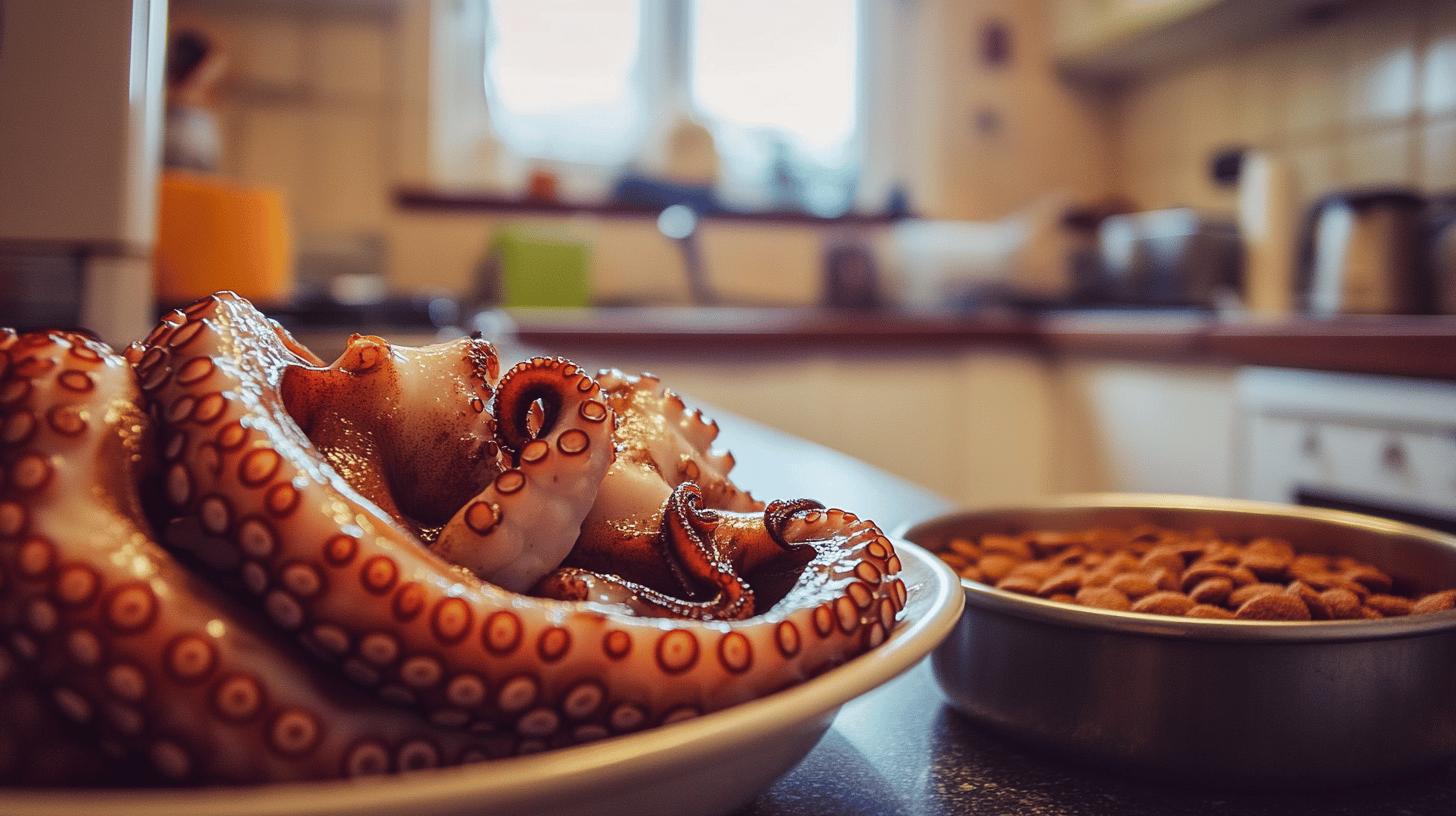
    Safe Preparation Methods and Precautions:

    1. Cook Thoroughly: Always cook quinoa completely to make it easier for your cat to digest.
    2. Avoid Seasoning: Serve quinoa plain without any added salts, spices, or oils.
    3. Small Portions: Introduce quinoa in small amounts mixed with their regular food.
    4. Monitor Reactions: Watch for any signs of food allergies or digestive upset.
    5. Balance Diet: Ensure quinoa is part of a balanced diet with adequate protein.

    Feeding quinoa to cats does come with some potential risks. Overfeeding quinoa can lead to nutritional imbalances, particularly a deficiency in taurine, which is vital for cats' heart and eye health.

    Additionally, some cats may experience digestive issues, including upset stomachs or changes in stool consistency. If your cat shows signs of discomfort or avoids their food, it may indicate that quinoa isn't suitable for them. Always introduce any new food slowly and pay attention to how your cat reacts.

    Moderation is key when it comes to feeding quinoa to cats. It's important to consult with a veterinarian before making any significant changes to your cat's diet, especially if they have existing health conditions. A vet can provide guidance tailored to your cat's specific needs, ensuring that any new dietary addition is safe and beneficial.

    Nutritional Benefits and Quinoa in a Balanced Cat Diet

    Nutritional Benefits and Quinoa in a Balanced Cat Diet-1.jpg

    Quinoa is often hailed as a superfood, and for good reason. It's packed with nutrients that can offer supplemental health benefits to our feline companions. While quinoa can be a great addition to a cat's diet, it should never replace their primary meat-based nutrition. Let's dive deeper into the nutritional elements of quinoa and how they fit into a balanced diet for cats.

    Protein and Amino Acids

    Quinoa is a rich source of protein and contains all nine essential amino acids, making it a complete protein. This is quite rare for plant-based foods. Amino acids are the building blocks of protein, crucial for muscle development, repair, and overall body maintenance.

    While quinoa provides these amino acids, it's important to remember that cats, being obligate carnivores, primarily rely on animal proteins for their complete nutritional needs. Taurine, an amino acid found in meat, is essential for cats and isn't present in quinoa. So, while quinoa can contribute to their protein intake, it cannot substitute meat entirely.

    Fiber and Carbohydrates

    Fiber is another beneficial component of quinoa. It aids in digestion and can help regulate bowel movements, contributing to a healthy gut. Quinoa's complex carbohydrates serve as a good energy source, offering slow-release energy that can help maintain your cat's vitality throughout the day.

    However, because cats are not primarily carbohydrate consumers, these should only be supplementary to their diet. The fiber and carbohydrate content in quinoa can complement meat-based diets, but they should not overshadow the protein and fat cats need.

    The nutrients found in quinoa can certainly enhance a cat's diet when given appropriately. Protein and amino acids support muscle health, while fiber and carbohydrates aid digestion and energy levels. Yet, these benefits should be seen as supplementary.

    Component Role in Diet
    Protein Muscle development and repair
    Amino Acids Supports body maintenance
    Fiber Aids digestion
    Carbohydrates Energy source

    Ultimately, quinoa can be a great addition to your cat's diet, providing a range of nutrients that support overall health. However, it should always complement, not replace, the meat that is vital for their well-being.

    Introducing Quinoa to Your Cat's Diet

    Introducing Quinoa to Your Cats Diet-1.jpg

    Introduce quinoa to your cat's diet by mixing a teaspoon of cooked, unseasoned quinoa with their regular food. This gradual method helps your cat adapt to the new taste and texture. Increase the amount slowly over several days as your cat shows interest. Always ensure the quinoa is thoroughly cooked to maintain a consistent texture.

    Steps for Gradually Incorporating Quinoa:

    1. Start Small: Mix a teaspoon of cooked quinoa with your cat's usual meal.
    2. Observe Interest: Notice if your cat is curious about the new addition.
    3. Increase Gradually: Slowly increase the amount if your cat enjoys it.
    4. Consistency is Key: Cook quinoa thoroughly for a uniform texture.
    5. Mix Well: Blend quinoa evenly with their food to prevent selective eating.
    6. Monitor Health: Watch for any health changes or unusual behavior.

    Watch your cat for signs of intolerance to quinoa, such as digestive upset or changes in behavior. If any adverse reactions occur, stop feeding quinoa and consult your veterinarian. Consider alternative grains if quinoa doesn't suit your cat.

    Final Words

    Quinoa can be a nutritious addition to a cat's diet when introduced correctly. In small amounts, it offers protein and fiber, but it must be cooked and plain. Keeping an eye on your cat's reaction is crucial to prevent any digestive issues or allergies. As always, consult with a vet before making changes to your pet's diet.

    With the right precautions, adding quinoa can enhance your cat's meals without replacing essential nutrients from meat. When done responsibly, cats can eat quinoa safely, adding some variety to their diet.

    FAQ

    Can cats safely eat quinoa seeds or quinoa in the morning?

    Cats can eat quinoa, but it should be cooked and unseasoned. Time of day doesn't matter. Introduce it as a small part of their diet to avoid digestive issues.
    Can cats eat quinoa raw or every day?

    Cats should not eat raw quinoa and it shouldn’t be part of their daily diet. Always cook quinoa for cats and feed it occasionally to avoid nutritional imbalances.

    Can cats eat quinoa and rice together?

    Quinoa and rice can be fed together, but ensure they are cooked and unseasoned. Quinoa offers more nutritional benefits than rice.

    Is cooked quinoa safe for cats?

    Yes, cooked quinoa is safe for cats when unseasoned. It provides protein and fiber, but should be a small part of their diet.

    What grains are safe for cats?

    Grains like quinoa, oats, and barley are safe if cooked and served in moderation. Avoid processed grains with additives.

    Is it safe for pets to eat quinoa?

    Quinoa is safe for pets like cats and dogs if cooked and unseasoned. Ensure it doesn't replace their main diet which should be meat-based.

    Why can't cats eat rice?

    Rice lacks essential nutrients like taurine. Cats need meat to fulfill their dietary needs as they are obligate carnivores.

    Can dogs eat quinoa?

    Dogs can eat cooked quinoa. It's a nutritious grain that offers fiber and protein, similar to its benefits for cats.

    Can cats eat carrots?

    Cats can eat small amounts of cooked carrots. They offer fiber and vitamins but always serve them in moderation.

    Related Articles

  • Can Cat Eat Mussels Safely and Benefit from Them?

    Can Cat Eat Mussels Safely and Benefit from Them?

    Ever wondered if mussels could be more than just a seafood delicacy? Could they actually be a health boost for your feline friend? Mussels can be a beneficial treat for cats, packed with protein, omega-3s, and vital minerals.

    But there's a catch: they need to be served cautiously. In this article, I'll dive into the dos and don'ts of feeding mussels to your cat, exploring the potential benefits they offer, along with some essential safety tips. Get ready to discover how mussels might just be a purr-fect addition to your cat's diet!

    Can Cats Safely Eat Mussels?

    Can Cats Safely Eat Mussels-2.jpg

    Cats can safely enjoy mussels as a treat, but only in small quantities. Mussels are a nutritious option, providing protein, omega-3 fatty acids, and essential minerals. These nutrients can be beneficial for your cat's health when served occasionally. It's important to remember that mussels should not replace a cat's regular diet but can be a delightful addition to their meal plan.

    Moderation is key when introducing mussels to your cat's diet. Overfeeding can lead to dietary imbalances or potential health issues. Always choose fresh mussels from a reliable source to ensure they are free from harmful toxins and contaminants.

    Cooking the mussels thoroughly and serving them plain, without shells, reduces the risk of choking or digestive problems. Monitoring your cat for any signs of allergic reactions or digestive issues is crucial when offering this new treat.

    Nutritional Benefits of Mussels for Cats

    Nutritional Benefits of Mussels for Cats-1.jpg

    Mussels pack a punch when it comes to nutritional benefits for cats. These tasty morsels are loaded with essential nutrients that can support your cat's health. Offering mussels as an occasional treat can provide your feline friend with a variety of vitamins and minerals that are sometimes missing in commercial cat foods. While mussels should not replace a balanced diet, they can be a nutritious addition that enhances your cat's overall nutritional intake.

    The protein content in mussels is particularly beneficial for cats, as they contain approximately 23% protein. This high-quality protein is highly bioavailable, meaning your cat can easily absorb and utilize it for muscle maintenance and growth.

    Protein is a vital component of a cat's diet, supporting everything from energy levels to immune function. Including mussels in your cat's diet can help meet these protein needs without adding too much fat, as they only contain about 3.5% fat.

    Here's a quick look at the top nutrients found in mussels:

    Nutrient
    Omega-3 fatty acids
    Vitamins B12 and C
    Iron
    Selenium
    Manganese

    Omega-3 fatty acids in mussels offer significant benefits for your cat, particularly for skin and joint health. These essential fatty acids can help reduce inflammation, making them beneficial for cats with arthritis or other joint issues.

    Additionally, omega-3s contribute to a shiny, healthy coat, reducing dryness and flakiness. By including mussels as a treat, you can help promote your cat's well-being from the inside out.

    Potential Risks of Feeding Mussels to Cats

    Potential Risks of Feeding Mussels to Cats-1.jpg

    Feeding mussels to cats comes with several potential risks that should not be overlooked. One of the main concerns is the possibility of allergic reactions, as some cats may be sensitive to seafood, leading to symptoms like vomiting, diarrhea, or skin irritations.

    Furthermore, mussels can expose your cat to toxins, such as paralytic shellfish toxins and heavy metals, which may be present in contaminated water sources. These toxins can pose serious health threats if ingested, making it essential to source mussels responsibly.

    To keep your cat safe while enjoying mussels as a treat, adhere to the following precautions:

    1. Cook mussels thoroughly to eliminate harmful bacteria and reduce the risk of foodborne illnesses.
    2. Remove shells completely to prevent choking hazards and internal injuries.
    3. Serve mussels plain, avoiding any seasonings or additives that could upset your cat's digestive system.
    4. Monitor for allergic reactions and discontinue feeding mussels if any adverse symptoms occur.

    Proper preparation of mussels is crucial to minimize risks and ensure your cat's safety. Cooking mussels thoroughly not only kills bacteria but also neutralizes potential toxins, making them safer for your feline friend. By removing the shells, you avoid the risk of choking or digestive blockages.

    Serving mussels plain and free from any seasonings ensures that your cat's digestive tract remains unharmed. Keeping a close watch for any signs of allergies or digestive issues will help you act quickly if your cat reacts negatively, safeguarding their health while they enjoy this seafood treat.

    Guidelines for Introducing Mussels to Your Cat's Diet

    Guidelines for Introducing Mussels to Your Cats Diet-4.jpg

    Integrating mussels into a cat's diet requires veterinary consultation. A vet's advice, based on your cat's individual health needs, is vital for safe introduction. This ensures that mussels are introduced effectively and any potential health risks are minimized.

    Portion control is essential when feeding mussels. Keep servings to 1-2 mussels per week, totaling 1-2 ounces. This moderation prevents seafood from becoming a dietary staple, maintaining a balanced diet. Smaller portions reduce potential negative reactions while providing nutritional benefits.

    Watch for allergic reactions after feeding mussels. Symptoms like vomiting, diarrhea, or skin irritations require immediate cessation of mussel feeding and a vet consultation. Monitoring ensures your cat's safety while enjoying this occasional treat.

    Potential Risks and Guidelines for Introducing Mussels to Your Cat's Diet

    Preparing and Serving Mussels to Cats-2.jpg

    Cooking mussels thoroughly is crucial to eliminate any harmful bacteria or parasites. Always ensure mussels are well-cooked and served plain, without seasonings or additives, to avoid upsetting your cat's stomach. Removing the shells is necessary to prevent choking hazards and digestive issues.
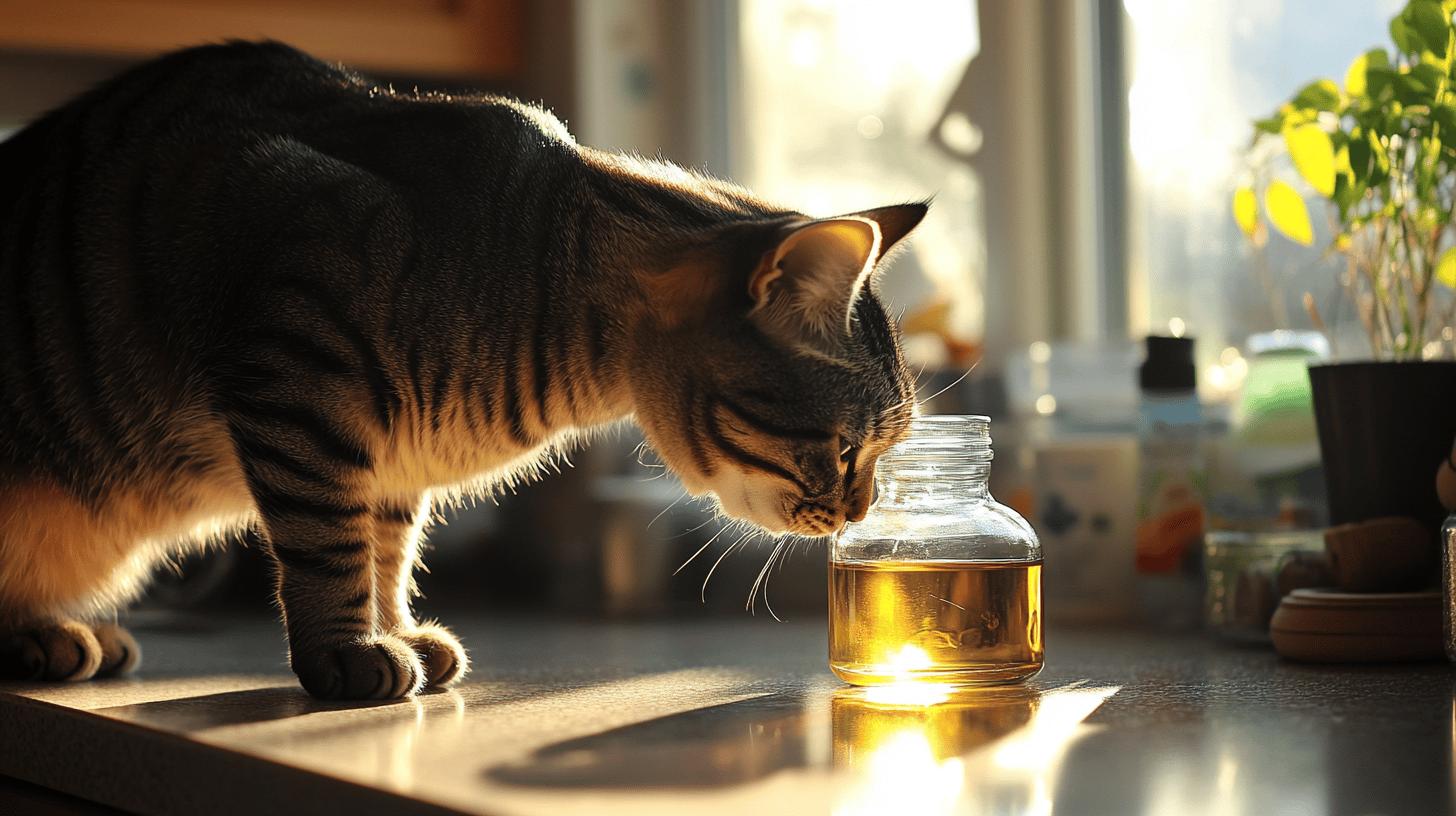
    Preparation Method Details
    Fully cook mussels To avoid food safety risks.
    Remove shells To prevent choking.
    Canned mussels option Drain and rinse thoroughly.

    Choose high-quality mussels from trusted sources to ensure freshness and avoid contaminants. This helps maintain the nutritional value and safety of the mussels. Consider using canned mussels as an alternative, but ensure they are drained and rinsed thoroughly before serving. Providing quality mussels supports a safe and enjoyable dietary addition for your cat.

    Final Words

    Understanding if cats can eat mussels is essential for safe pet care. Like most treats, mussels should be given in moderation to prevent any potential health risks. These shellfish offer useful nutrients like protein and omega-3 that can benefit a cat's diet. But, always make sure to source them safely and remove the shells before serving.

    Before adding mussels to your cat's meals, talk to your vet and ensure proper preparation. This ensures their safety and well-being. When done correctly, mussels can be a delicious and nutritious addition to their diet.

    FAQ

    Can cats eat mussels raw or cooked?

    Cats can eat cooked mussels as an occasional treat. Cooked mussels provide protein and essential nutrients. Avoid raw mussels due to the risk of toxins and bacterial infections.

    Can cats eat mussels in oil or water?

    Cats can eat mussels in water but not in oil. Water-packed mussels are safer because oil can upset a cat's stomach and add unnecessary fats.

    Can cats eat canned or smoked mussels?

    Cats can eat canned mussels if they are drained and rinsed. Avoid smoked mussels as they may contain high salt and harmful additives.

    Can dogs eat mussels?

    Dogs can eat mussels in moderation. Like with cats, ensure mussels are cooked and served plain. Always consult with a vet for proper dietary advice.

    Can cats eat cockles and shrimp?

    Cats can occasionally enjoy cooked cockles and shrimp. Make sure they are plain and free of additives. Monitor for any allergic reactions.

    What seafood can cats not eat?

    Cats should avoid seafood high in toxins, like raw fish, which may contain thiaminase or parasites. Avoid shellfish with heavy oils or spices.

    What fish is toxic to cats?

    Raw fish like salmon may contain parasites or thiaminase, which can harm cats. Always cook fish thoroughly and feed in moderation.

    Can cats eat shellfish?

    Cats can eat cooked shellfish like mussels and shrimp in small amounts. Ensure the shellfish is plain and cooked to prevent digestive issues.
    Related Articles