Author: Nathaniel Price

  • Why Cat Eats Plastic and How to Address It

    Why Cat Eats Plastic and How to Address It

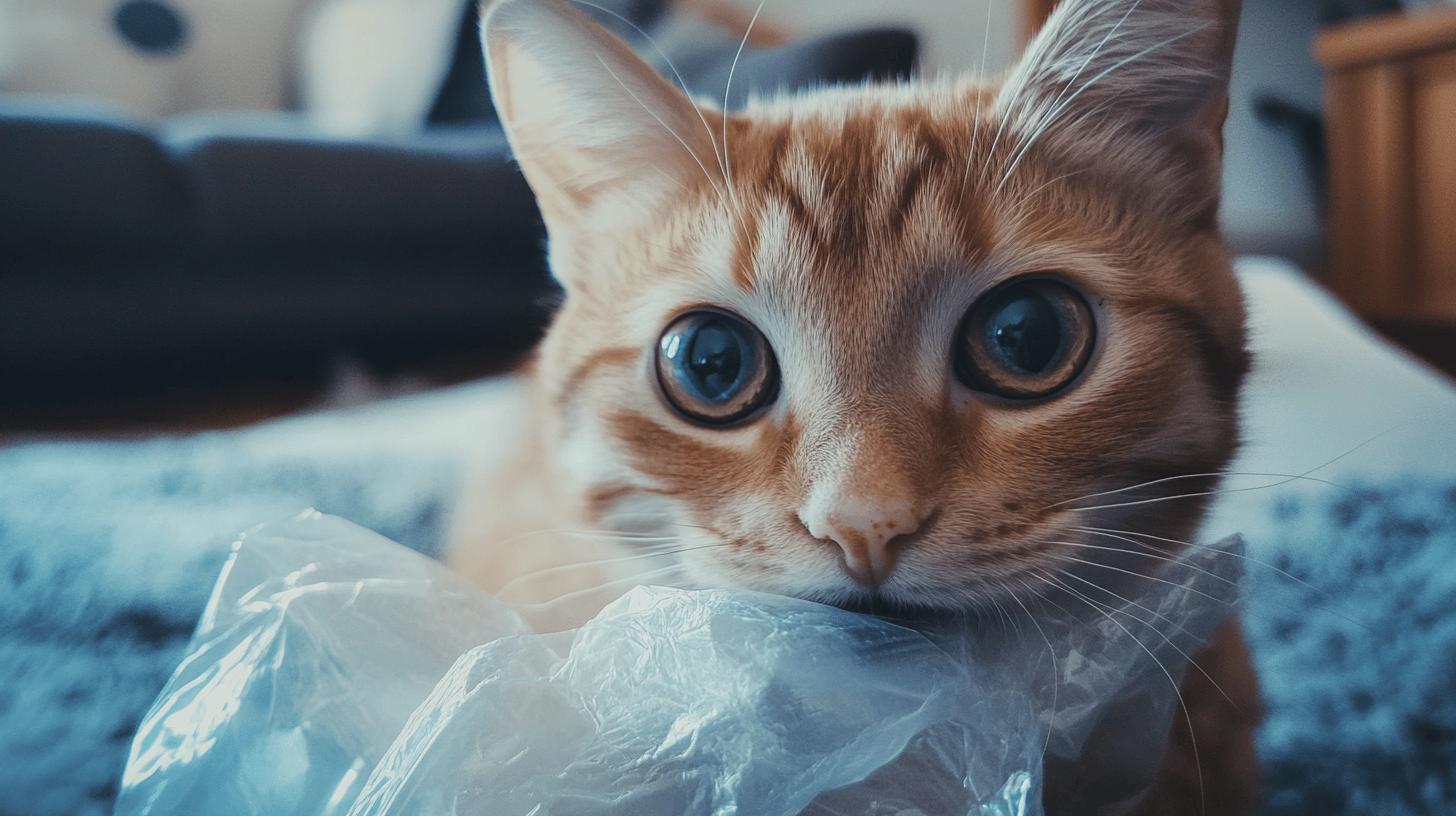
    Ever catch your cat munching on plastic and wonder what on Earth they’re thinking? It’s a puzzling habit that many cat owners encounter, leaving them worried about their feline friend’s safety. Cats might be drawn to plastic for its intriguing smell, texture, or sound, or even as a response to stress or nutritional gaps.

    But before you panic, let’s explore why your cat finds plastic so fascinating and how you can guide them away from this risky behavior. Understanding these odd cravings is the key to ensuring a happier and healthier playtime for your pet.

    Reasons Why Cats Eat Plastic
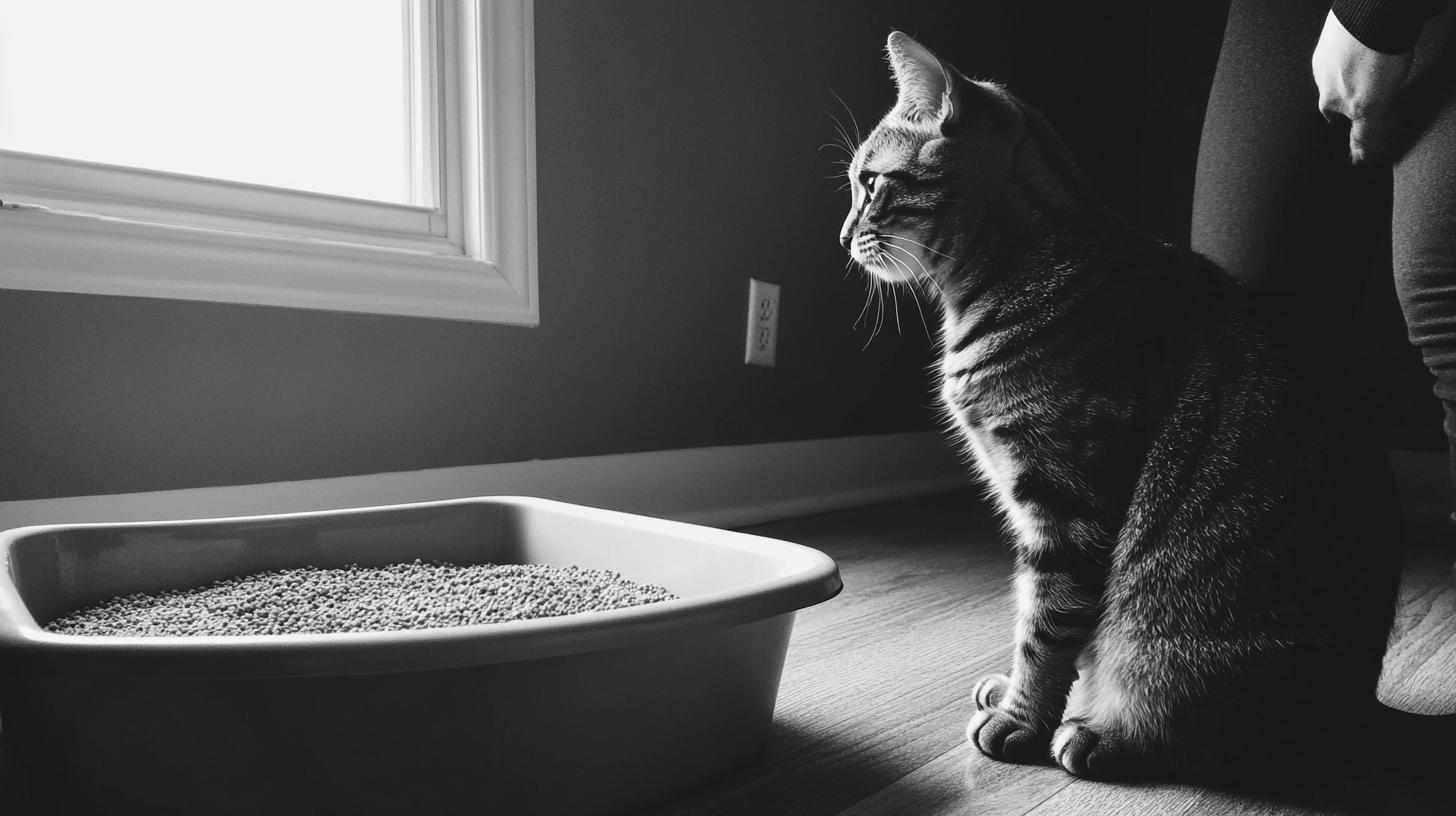
    Reasons Why Cats Eat Plastic-1.jpg

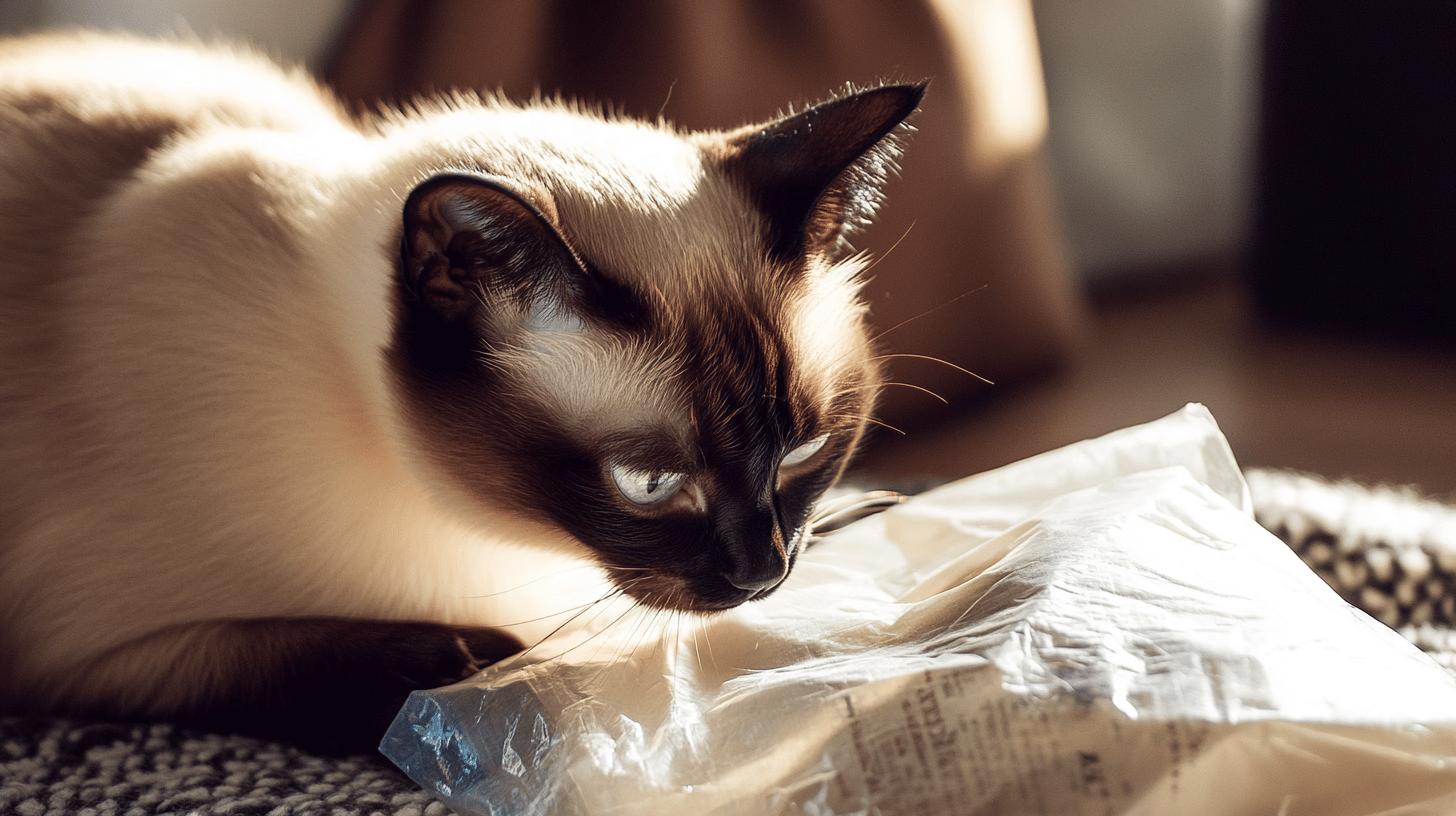
    Cats often find plastic irresistible due to its sensory allure. Many plastics contain stearates, derivatives of animal fats, which can give off an enticing smell. This aroma, coupled with the unique texture of plastic, can be quite appealing to our feline friends.

    The crinkly sound that plastic makes can also mimic the noises of prey, further stimulating a cat’s predatory instincts. Together, these sensory factors create a fascinating attraction that many cats find hard to resist.

    Behaviorally, cats are naturally curious creatures. They explore their world with their mouths, much like we use our hands. This curiosity can lead them to chew on and sometimes ingest plastic as they investigate its properties.

    Stress and anxiety are additional behavioral reasons for plastic-chewing. Cats under stress may turn to plastic as an outlet, similar to how a stressed human might bite their nails. This behavior can be a coping mechanism for dealing with changes in their environment or routine.

    On the medical side, nutritional deficiencies can drive a cat to develop pica, a condition where they eat non-food items like plastic. Cats lacking essential nutrients, such as fiber, vitamins, and minerals, might chew on plastic in an attempt to fill these gaps.

    Some breeds, like Siamese and Burmese, are genetically more inclined to exhibit pica. Additionally, underlying health issues such as dental problems, diabetes, or thyroid disorders could lead to increased plastic consumption as a way for cats to manage their discomfort or symptoms.

    • Curiosity
    • Stress/anxiety
    • Nutritional deficiencies
    • Pica
    • Underlying diseases

    Health Risks of Cats Eating Plastic
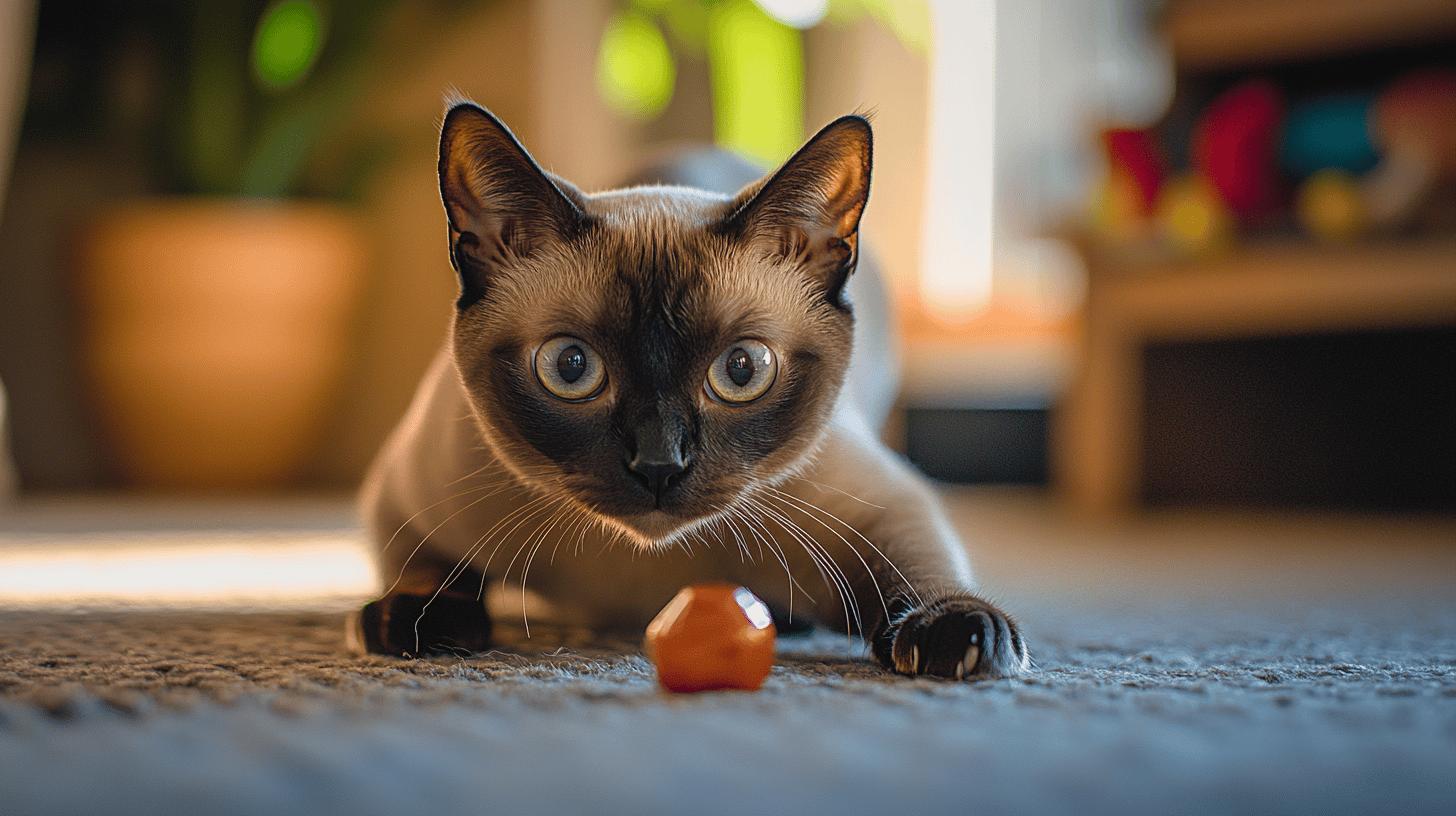
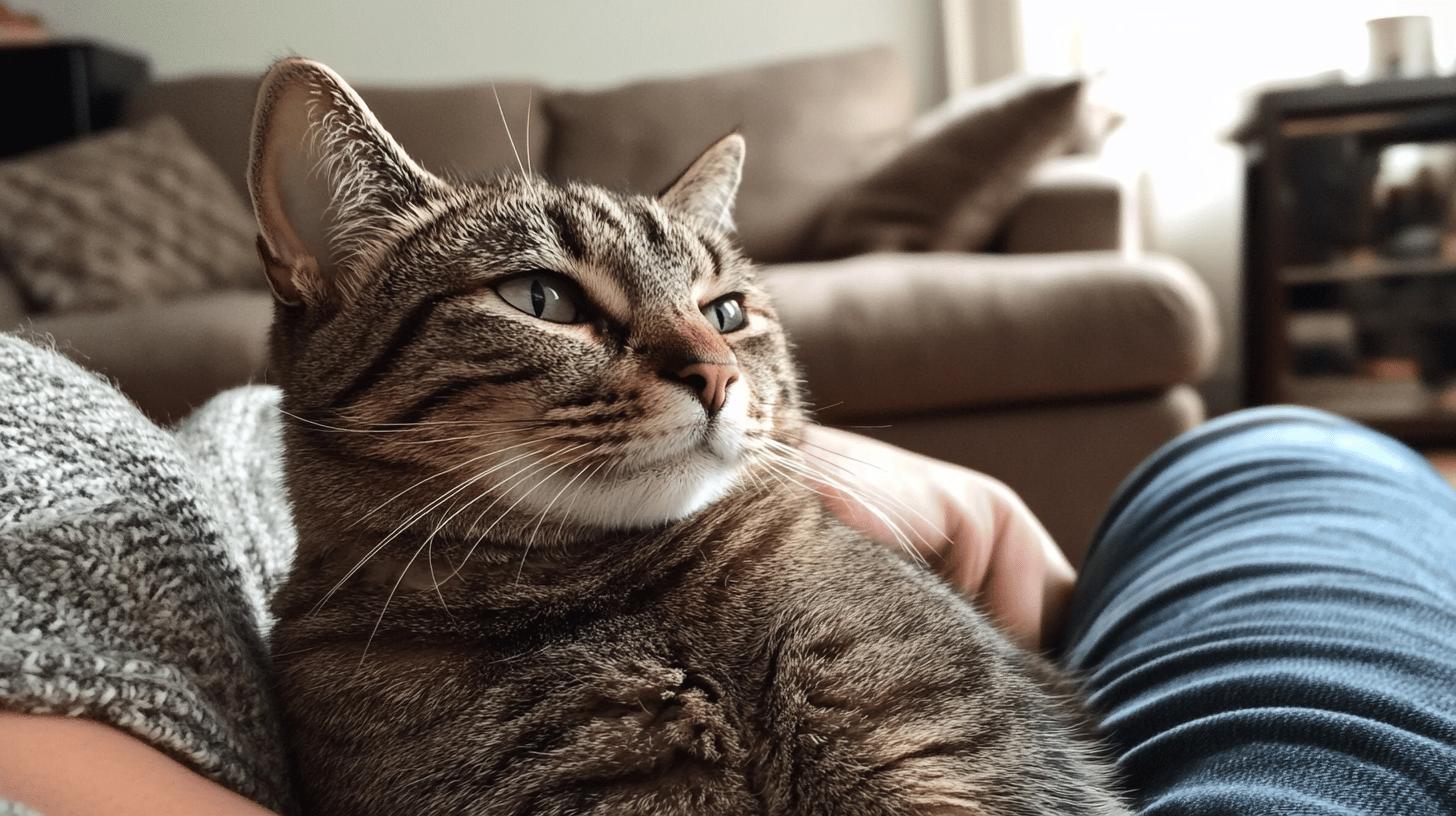
    Health Risks of Cats Eating Plastic-2.jpg

    Plastic ingestion isn’t just a quirky habit; it poses significant health risks to cats. When a cat swallows plastic, sharp edges or pieces can cause physical harm, leading to cuts or tears in their digestive tract. This can result in internal bleeding or infection.

    Beyond physical damage, plastic isn’t digestible, which means it can create blockages in the intestines or stomach, a serious condition that may require surgery. The material itself can also leach harmful chemicals into a cat’s system, potentially causing further health complications.

    Recognizing the symptoms of plastic ingestion is vital for a cat’s well-being. If a cat shows signs such as vomiting, diarrhea, or general discomfort, these could indicate that plastic is causing trouble in their digestive system.

    Obstruction, another symptom, can lead to a sudden loss of appetite or lethargy. Veterinary intervention should be swift upon noticing these symptoms to prevent severe health issues or complications. Cats like the Burmese and Siamese, prone to pica, are especially at risk, making it even more important for their owners to be vigilant.

    • Vomiting
    • Diarrhea
    • Discomfort
    • Obstruction

    Preventing Plastic Chewing and Providing Safe Alternatives
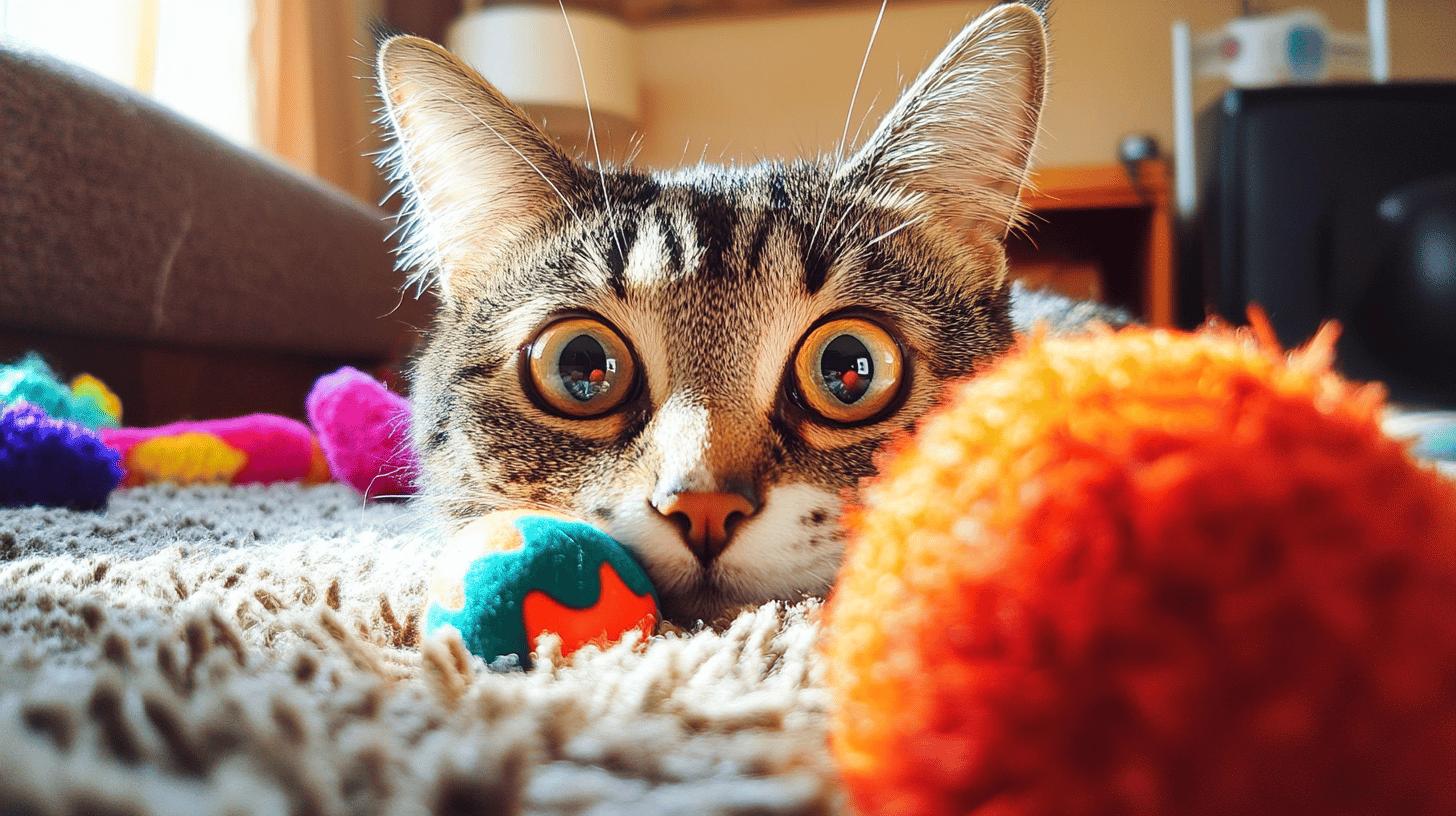
    Preventing Plastic Chewing and Providing Safe Alternatives-1.jpg

    To prevent your cat from chewing on plastic, start by monitoring their behavior closely. Remove any plastic items from their reach, especially when you’re not home to supervise. This includes grocery bags, packaging materials, and plastic-coated wires.

    Keeping doors closed to rooms containing these items can also help limit their access. By creating an environment where plastic is not readily available, you reduce the chances of them developing a habit of chewing on it.

    Enriching your cat’s environment is a fantastic way to redirect their plastic-chewing tendencies. Cats are naturally curious and need mental and physical stimulation to stay happy and healthy.

    Provide them with vertical spaces like cat trees or shelves where they can climb and explore. Incorporate sensory stimuli such as toys that make noise or have different textures. Interactive toys that mimic hunting can keep them engaged and shift their focus away from plastic.

    Safe alternatives to plastic can also satisfy your cat’s need to chew. Chew toys specifically designed for cats can be a perfect substitute. Look for ones made from durable materials that can withstand their chewing.

    Dehydrated meats are another excellent option, offering a tasty treat that also fulfills their chewing desire. For cats who enjoy nibbling on plants, cat grass can provide a safe and enjoyable alternative. These alternatives will not only keep your cat busy but also ensure their safety.

    Deterrents like bitter sprays can be effective in discouraging your cat from chewing on plastic items. Apply the spray to the objects they tend to chew on to make them less appealing. While not a standalone solution, bitter sprays can complement other preventive measures.

    Food-dispensing toys are another great tool. Start with easy-to-use dispensers and fill them with your cat’s favorite treats. This encourages them to work for their food, keeping them occupied and away from plastic.

    Providing vertical spaces and sensory stimuli can significantly enhance your cat’s environment. Cats love to climb and perch, so having various levels and spaces to explore can keep them entertained.

    Sensory stimuli, like toys filled with catnip or those that rattle, can engage their senses and provide mental stimulation. By offering a rich environment, you not only deter destructive behaviors like plastic chewing but also contribute to your cat’s overall well-being.

    Alternative Purpose
    Chew toys Provide safe chewing outlets
    Dehydrated meats Offer tasty chewing options
    Cat grass Safe plant-based nibbling
    Food-dispensing toys Encourage foraging behavior

    When to Consult a Veterinarian

    When to Consult a Veterinarian-3.jpg

    If your cat starts eating plastic, certain signs should prompt an immediate visit to the vet. Symptoms like vomiting, noticeable discomfort, or changes in their usual bowel movements are red flags that something isn’t right.

    These could point to serious issues like intestinal blockages or other internal problems caused by plastic ingestion. Quick action is crucial in these situations to prevent further complications and ensure your cat’s health.

    During the veterinary consultation, the vet will likely inquire about your cat’s diet, recent behavior, and any unusual signs you’ve noticed. They might perform a physical examination to assess your cat’s overall condition.

    Depending on their findings, the vet may conduct a fecal test to check for blockages or other digestive issues. Lab work might also be recommended to rule out any underlying health concerns that could be contributing to the plastic-chewing behavior.

    • Vomiting
    • Discomfort
    • Abnormal bowel movements

    Final Words

    Throughout this post, I’ve explored why cats are attracted to eating plastic. From the sensory allure of textures and smells to behavioral reasons like curiosity and stress—cats have many reasons for this habit. I also discussed health risks and the urgency of seeking veterinary help if needed.

    Understanding why cat eats plastic helps in taking preventive steps. Offering safe toys and removing plastic access can make a difference. Keep your feline friend safe and engaged with better alternatives. With some care, you can ensure a happy and healthy playtime experience for your cat.

    FAQ

    Why does my cat chew plastic bags?

    Cats chew plastic bags often due to the sensory appeal: smell and texture stimulate their senses. Additionally, curiosity or stress can drive this behavior.

    What does it mean when your cat eats plastic?

    When a cat eats plastic, it may signal pica or other issues like nutritional deficiencies or stress. It’s a behavior that can lead to health risks.

    Is it normal for cats to eat plastic?

    While some curiosity is normal, eating plastic isn’t healthy and may indicate medical or behavioral issues that need addressing.

    Why cat eats plastic wrappers?

    Cats are drawn to plastic wrappers because of the scent and texture. Ingredients like stearates in plastics can be enticing to cats.

    Why cat eats plastic bags?

    Plastic bags might attract cats due to smell or texture. Behavioral triggers like stress or anxiety can also prompt this action.

    My cat eats plastic and throws up. What should I do?

    If your cat eats plastic and vomits, consult a vet immediately. It’s a sign of possible obstruction or other health issues.

    How do I stop my cat from eating plastic?

    To stop a cat from eating plastic, remove access, enrich the environment, and provide alternatives like chew toys or bitter sprays.

    How do you fix pica in cats?

    Fixing pica involves addressing root causes. Consult a vet for appropriate dietary changes and monitor your cat’s behavior.

    Is plastic toxic to cats?

    Plastic itself can cause obstructions and health issues in cats. Symptoms may include vomiting, diarrhea, and discomfort. Prompt vet care is important.
    Related Articles

  • Why Cat Tries to Bury Food Instinctual and Environmental Factors

    Why Cat Tries to Bury Food Instinctual and Environmental Factors

    Ever wondered why your cat acts like it’s digging a hole to “bury” its food? It’s quirky behavior; it’s a throwback to their wild roots. Though your cat might seem pampered indoors, its actions are guided by instincts honed over centuries.

    This habit could prevent scavengers from finding their stash or maintain freshness in the wild. Despite living indoors, modern cats replicate these actions due to both instinctual drives and environmental influences. Understanding this helps us cater to their natural behavior and needs.

    Instinctual and Environmental Influences on Cats Burying Food

    Instinctual and Environmental Influences on Cats Burying Food-1.jpg

    Cats trying to bury their food is a fascinating behavior deeply rooted in their wild ancestry. In the wild, felines engaged in “caching”, a practice of hiding food to keep it safe from scavengers and fresh for later consumption.

    Historical accounts from as early as 1853 describe domestic cats using objects like paper to cover their meals, showcasing this instinct’s longevity. Even though our furry friends now enjoy the safety of indoor living, these ingrained behaviors can still surface, driven by the same instinctual habits that guided their ancestors.

    The persistence of these instincts in domestic cats is intriguing. Despite no longer needing to hide their food, many cats still go through the motions of burying. It’s an echo of their wild instincts, a kind of muscle memory passed down through generations.

    This can be particularly noticeable with wet food, which might evoke a stronger caching response due to its scent and texture. By understanding these behaviors, we can appreciate our pets’ unique connection to their wild forebears.

    Here are some common scenarios when cats might try to bury their food:

    • The food is new or has a strong smell.
    • There is leftover food they want to “tidy up.”
    • They are feeling stressed or anxious, especially in multi-cat homes.
    • The food is disliked, similar to how they bury waste.
    • As a playful or exploratory behavior.

    Environmental and psychological factors play a significant role in this behavior. Stress or anxiety, often triggered by changes in the household or competition among multiple cats, can lead to food burying as a coping mechanism. Creating a calm and secure feeding environment can help mitigate these behaviors. Understanding these influences is key to managing this instinctive habit.

    Influence Impact
    Wild Ancestry Instinct to cache food to protect it and keep it fresh.
    Environmental Stress Coping mechanism for anxiety or competition among cats.
    Household Changes Increased likelihood of burying food as a response to changes or new additions.

    By recognizing these factors, cat owners can better support their pets’ natural instincts while ensuring a harmonious home environment.

    Practical Advice for Pet Owners

    Practical Advice for Pet Owners-1.jpg

    Managing a cat’s habit of trying to bury food can be a challenge, but with the right approach, it becomes manageable. Creating a calm environment is crucial, as stress and anxiety often lead to this behavior.

    Portion control can also help, as smaller amounts of food may reduce the impulse to hide leftovers. Providing safe spaces for feeding, away from other pets or disturbances, ensures a stress-free mealtime. By addressing these environmental factors, we can help our cats feel secure and less inclined to engage in burying behavior.

    Here are some strategies to consider:

    • Feed in a quiet, private area to minimize stress.
    • Serve smaller portions to prevent leftovers.
    • Offer food at consistent times to create a routine.
    • Use puzzle feeders to engage and distract from burying.

    Understanding that burying food is an instinctual behavior is essential in preventing unnecessary punishment. Recognizing it as a carryover from their wild ancestry helps us view it with empathy rather than frustration. This perspective allows us to adapt our approach, focusing on creating an environment that respects their instincts while maintaining a clean and organized home.

    Final Words

    Exploring why a cat tries to bury food connects us to their wild ancestry. Their behavior aims to protect food from scavengers. In the modern home, these instincts persist. Stress, particularly in multi-cat areas, can trigger this habit too. Creating a calm feeding space and using portion control can help manage the behavior.

    Understanding their instinctual habits helps avoid unnecessary frustration. These insights into cat behavior remind us of their complex nature. By respecting their instincts, you’ll create a more positive environment for both you and your cat.

    FAQ

    Cat not eating trying to bury food, Why does my cat try to bury her wet food?

    A: Cats try to bury food due to instinctual habits from their ancestors who cached food for safety. It can signal they’re done eating or a sign of stress.

    Why is my cat scratching the floor near her food and not eating?

    A: When a cat scratches near her food, it might indicate dissatisfaction or instinct to cache for later. It can also be a stress response in multi-cat households.

    How to stop my cat from trying to bury his food?

    A: Ensure a calm eating environment, control portions, and provide safe feeding spaces. This helps reduce the need for your cat to bury his food.

    Why do cats try to bury their poop?

    A: Cats bury poop to cover their scent from potential predators and to keep their area clean. It’s a natural behavior stemming from survival instincts.

    How do you tell if your cat is bored of their food?

    A: If your cat regularly leaves food, scratches around it, or shows disinterest, they might be bored. Trying new flavors or textures can help reignite their interest.

    Related Articles

    Neurological and Evolutionary Roots of Food Burying

    Your cat’s instinct to bury food stems from millions of years of feline evolution. In the wild, big cats cover their kills to hide them from scavengers and competitors, a behavior that increases their chances of returning to a meal later. This protective impulse remains hardwired in your domestic cat’s brain, even though kibble sitting in a ceramic bowl poses no real threat.

    The behavior also serves as a form of territorial marking. When cats knead and cover their food, they’re depositing scent glands from their paws, essentially claiming that meal as their own. Additionally, food burying triggers the release of serotonin in your cat’s brain, the same chemical that makes grooming and other comfort behaviors feel rewarding. In essence, burying food activates a deeply satisfying neurological response.

    Predator avoidance plays another crucial role. In nature, the smell of fresh kill can attract larger predators to a vulnerable cat. By burying or covering food, cats minimize that risk. Your indoor cat doesn’t consciously think about leopards or hyenas, but her brain still processes the “safer if hidden” equation that kept her ancestors alive.

    Environmental Triggers and Practical Management Strategies

    The type of food your cat eats influences burying behavior significantly. Wet or fresh food triggers more covering attempts than dry kibble, likely because it smells stronger and more closely resembles freshly caught prey. Your cat’s environment also matters: cats living in multi-pet households, for instance, often bury food more persistently than solo felines because competition feels more tangible.

    Stress and boredom amplify food-burying behavior. A cat who lacks mental stimulation or feels anxious about resources may obsessively attempt to cover meals. Similarly, changes in routine, moving furniture, introducing new pets, or shifting feeding schedules, can trigger an uptick in this behavior as your cat reasserts control over her environment.

    To manage excessive burying, start by adjusting feeding logistics. Feed your cat in a quiet, low-traffic area where she feels secure. Remove the food bowl 20-30 minutes after mealtime so she doesn’t have endless opportunity to bury. If you have multiple cats, ensure each has her own feeding station separated by space or visual barriers, which reduces resource anxiety.

    Health Concerns and Behavioral Red Flags

    While occasional food burying is normal, certain patterns warrant veterinary attention. If your cat suddenly increases burying behavior or becomes frantic about it, an underlying medical issue could be at play. Dental pain, digestive upset, or parasites can make cats anxious about eating, manifesting as compulsive covering attempts.

    Excessive burying paired with other signs, loss of appetite, weight loss, aggressive behavior around food, or obsessive licking of the floor, suggests something beyond normal instinct. Cats experiencing chronic stress or anxiety often display exaggerated resource-guarding behaviors, including frantic attempts to bury food. If your cat seems distressed or her routine has shifted, a veterinary check-up rules out medical causes before addressing behavior.

    Pay attention to whether burying happens consistently or sporadically. Occasional behavior reflects normal cat instinct; escalating patterns indicate your cat needs intervention, whether that’s environmental adjustment or professional guidance.

    Enrichment and Behavioral Solutions

    Addressing food-burying behavior often comes down to mental and physical stimulation. Interactive play sessions reduce overall anxiety and help your cat feel confident and satisfied. Dedicate 15-20 minutes daily to play with wand toys, laser pointers, or other engaging tools that mimic hunting. This outlets your cat’s predatory drive in a controlled, fulfilling way.

    Food puzzle toys transform mealtimes into enrichment opportunities. Instead of a simple bowl, use puzzle feeders that require your cat to work for each bite. This approach satisfies her hunting instincts, slows eating, and provides mental stimulation simultaneously. Hidden food games, scattering kibble around the house for your cat to “hunt”, also use natural foraging behavior.

    Creating safe hiding and covering spots gives your cat appropriate outlets for burying impulses. Cat tunnels, cardboard boxes filled with crinkled paper, or blankets draped over furniture provide satisfying surfaces for her to knead and cover items. When your cat has appropriate places to express these instincts, she may redirect the behavior away from her food bowl. Check out our guide on best toys to reduce play aggression for additional enrichment ideas.

    When to Consult a Veterinary Behaviorist

    If food-burying behavior becomes compulsive, interferes with normal eating, or occurs alongside anxiety signs, consult a veterinary behaviorist. These specialists can distinguish between normal instinctive behavior and problematic obsession. They also identify underlying medical conditions that might be driving excessive behavior.

    Reach out to a professional if your cat refuses to eat due to burying attempts, shows aggression around food, displays destructive behavior, or exhibits signs of separation anxiety. A behaviorist designs customized modification plans and may recommend calming supplements or medications if anxiety is severe. Early intervention prevents behavior from becoming more entrenched.

  • Why Cat Rolls in Dirt and Its Surprising Benefits

    Why Cat Rolls in Dirt and Its Surprising Benefits

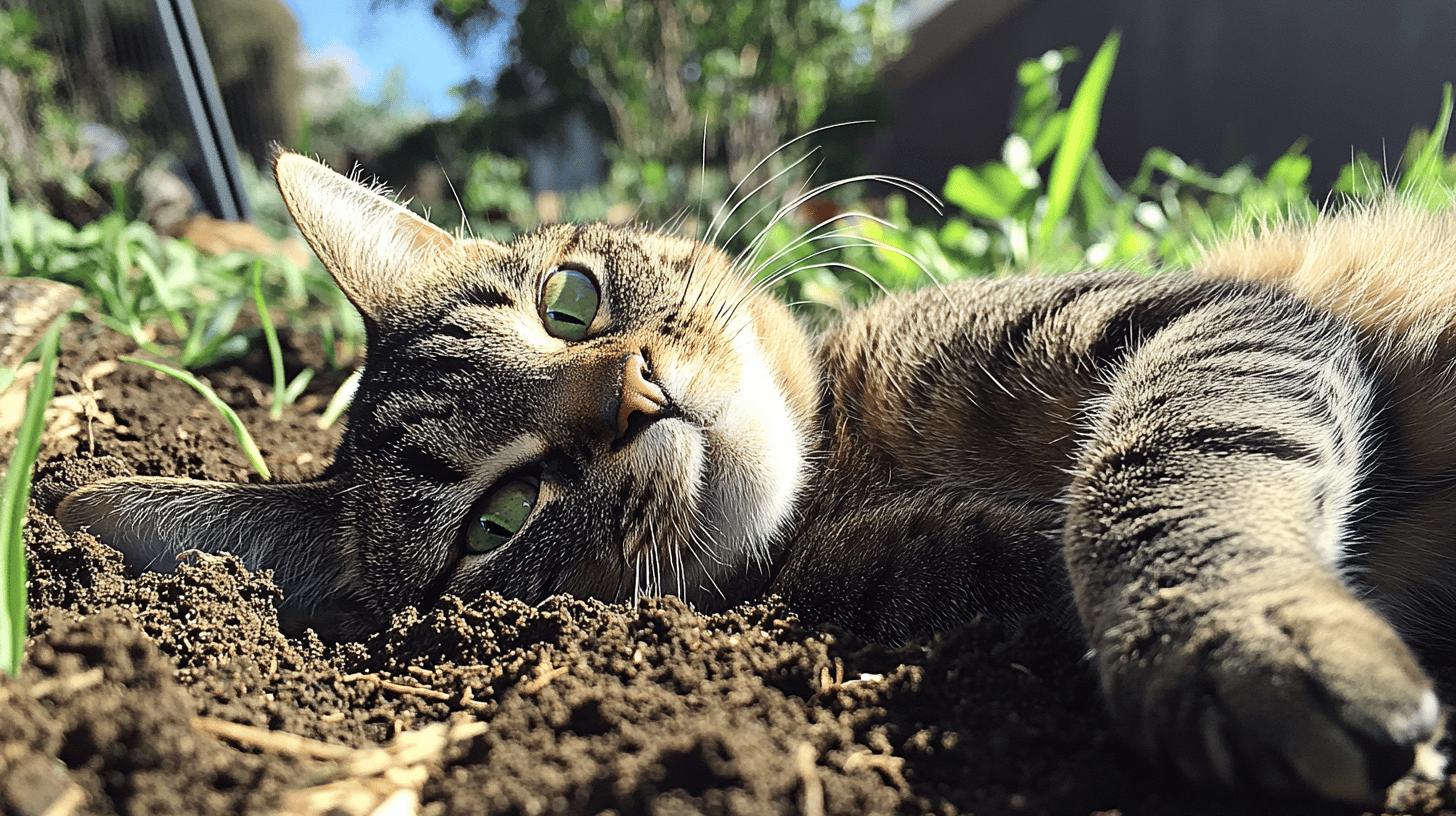
    Ever wondered why your cat rolls around in the dirt like it’s a luxury spa? Though it might seem strange, this quirky behavior holds surprising benefits rooted in their wild ancestry. Unlike humans, cats don’t sweat and rolling in cool, dusty earth helps them chill out on sweltering days.

    It also offers much-needed itch relief and a full-body massage in one go. Exploring these behaviors reveals the fascinating blend of instinct and comfort, providing a deeper understanding of our feline friends’ nature and why they embrace what seems like unconventional playtime.

    Understanding and Benefits of Cats Rolling in Dirt

    Understanding and Benefits of Cats Rolling in Dirt-2.jpg

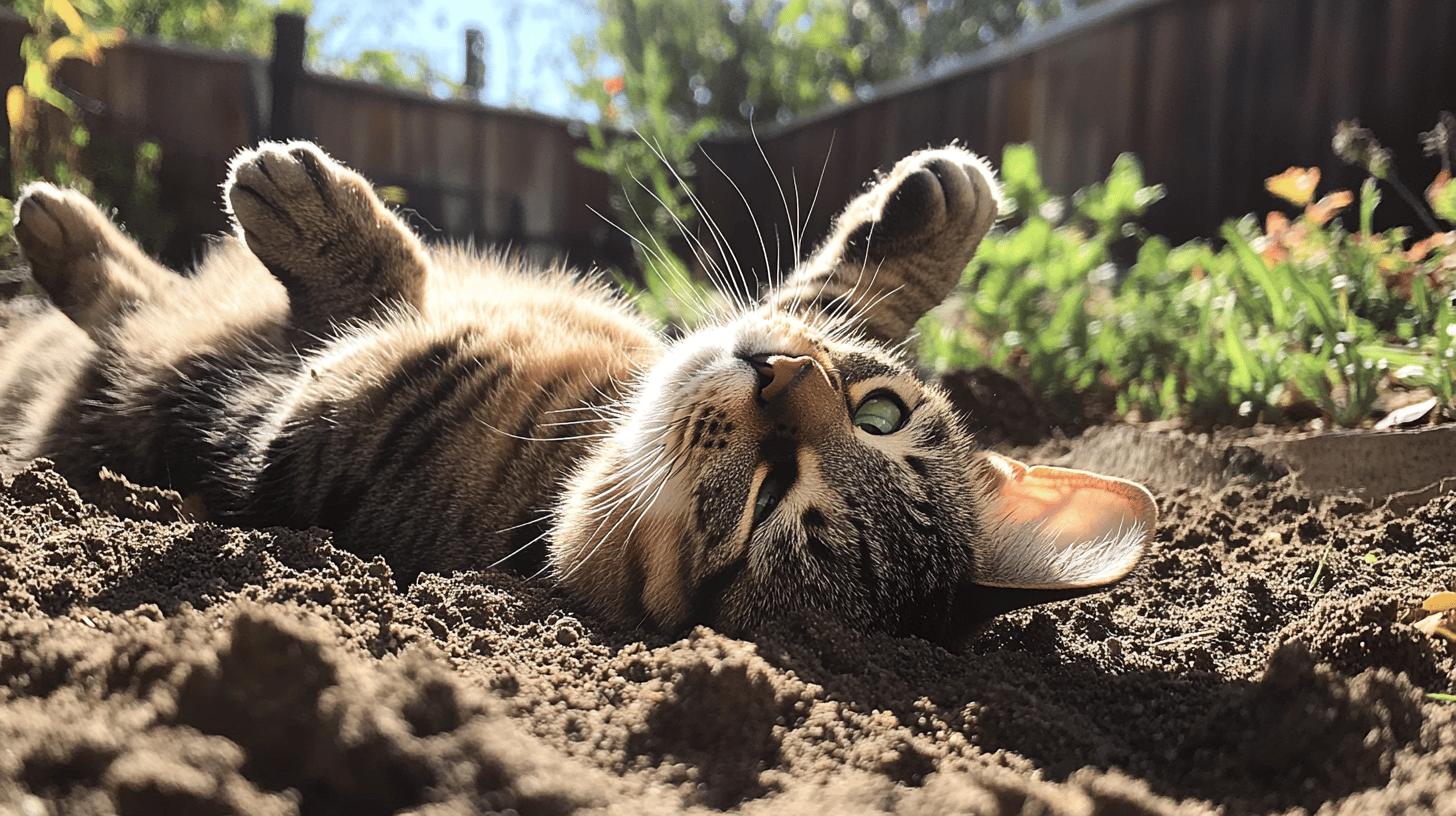
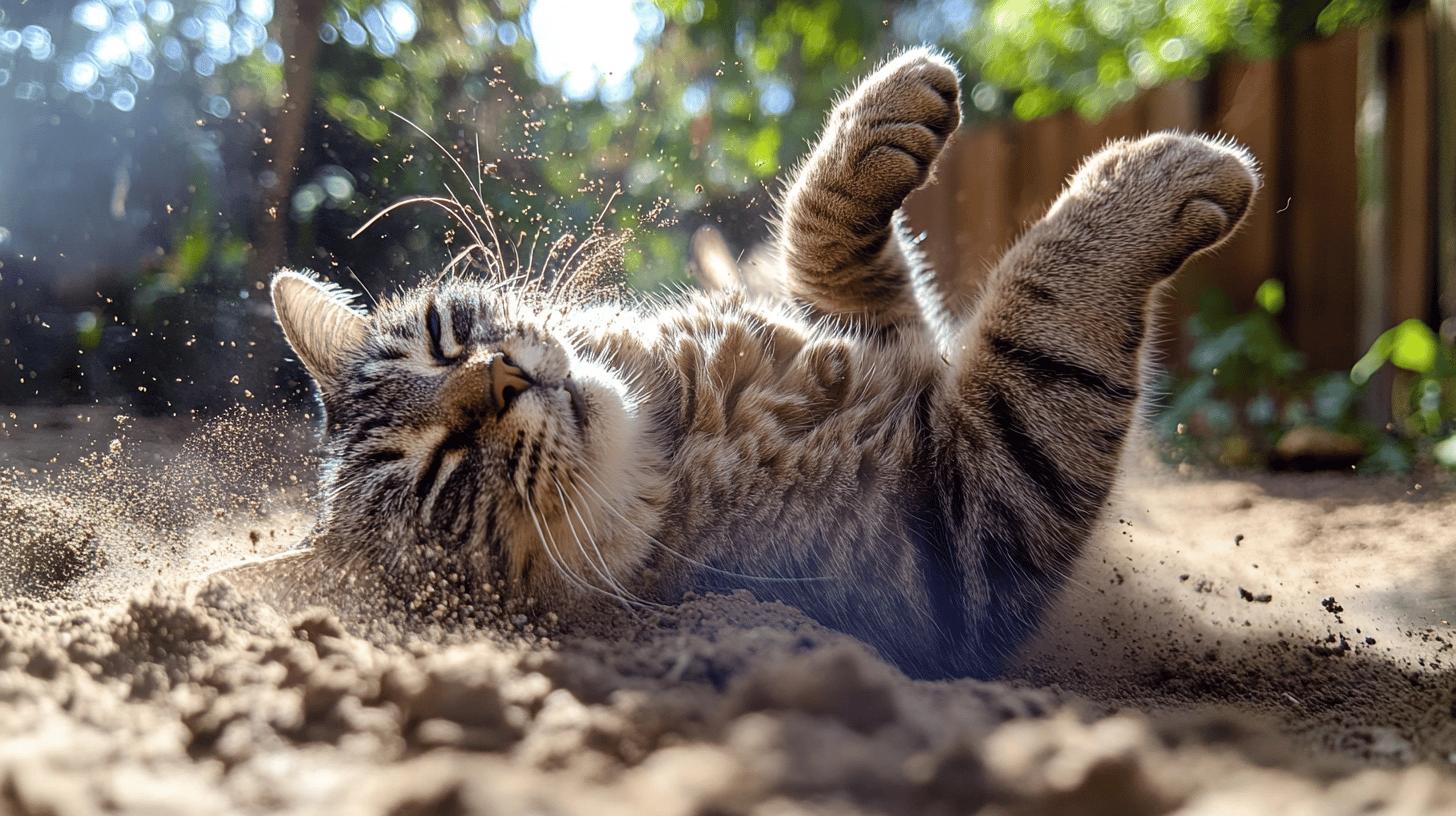
    Cats rolling in dirt is a fascinating behavior deeply rooted in their evolutionary history. Our feline friends share this instinct with their wild ancestors, who used dust bathing as a survival strategy. In the wild, rolling in dirt helped cats mask their scent, making it harder for predators to track them.

    This instinctual behavior has been passed down through generations, reflecting a natural part of cat behavior. Understanding these roots helps us appreciate why our domestic cats engage in this seemingly odd activity.

    There are several physical benefits for cats when they roll in dirt. First, it helps them cool down, especially on hot days. Cats don’t sweat like humans do, so finding a patch of cool, moist earth is a natural way to regulate their body temperature. Additionally, rolling in dirt can provide itch relief.

    The friction against the ground helps to scratch areas that are hard to reach, which can be particularly beneficial if a cat is experiencing minor skin irritations or itching. The tactile stimulation from the dirt can also be pleasurable for cats, offering a different sensory experience that they seem to enjoy.

    Rolling in dirt also plays a crucial role in scent marking and social interactions. Cats have scent glands on various parts of their bodies, including their flanks, paws, head, and cheeks. When they roll, they distribute their scent onto the ground, marking their territory and communicating with other cats.

    This behavior is essential for establishing dominance, attracting mates, and simply letting others know they’ve been there. Socially, rolling may be a way for cats to express submission or engage in playful interactions with their feline peers or even with humans.

    Aspect Description
    Evolutionary and Instinctual Rooted in survival strategies like scent masking from ancestors.
    Physical Benefits Cooling, itch relief, and tactile stimulation.
    Scent Marking Distributes scent for territory and communication.
    Social Interactions Involves play, submission, and communication with others.
    Tactile Pleasure Provides sensory enjoyment and satisfaction.

    Potential Health Concerns and Solutions for Cat Rolling

    Potential Health Concerns and Solutions for Cat Rolling-3.jpg

    While cats rolling in dirt is generally a normal behavior, it does carry some potential health risks. One primary concern is exposure to parasites. Dirt can harbor fleas, ticks, and other external parasites that may latch onto your cat’s fur and skin.

    These parasites can lead to skin irritations or more serious health issues if not addressed. Another risk involves skin irritations caused by sharp objects or allergens present in the dirt. Ingesting harmful substances is also a possibility, especially if chemicals or pesticides have been used in the area where your cat likes to roll.

    Excessive rolling can sometimes indicate underlying issues that may require attention. If your cat seems to be rolling more than usual, it might be a sign of skin discomfort or an infestation of parasites like fleas or ticks.

    Watch for other symptoms such as obsessive scratching, redness, or bald spots on the skin. These could signal that the rolling is more than just a fun activity and may need veterinary evaluation. It’s crucial to differentiate between normal behavior and signs that suggest a deeper problem.

    To mitigate these health risks and ensure your cat’s well-being, consider the following prevention tips:

    • Monitor the environment for harmful substances
    • Keep up with regular veterinary check-ups
    • Ensure proper flea and tick prevention
    • Maintain a clean coat through regular grooming
    • Provide alternative enrichment activities indoors

    By addressing these potential concerns, you can help your cat enjoy the benefits of rolling in dirt while minimizing health risks.

    Managing and Encouraging Safe Rolling Habits

    Knowing when to intervene in your cat’s rolling behavior is key to keeping them safe. If you notice rolling in areas treated with pesticides or chemicals, step in to prevent potential harm. It’s equally important to watch for excessive rolling, which might indicate skin issues or discomfort.

    Rather than scolding, redirect their attention to safer activities. Punishing a cat for rolling can harm your relationship and lead to stress, so maintaining a positive approach is essential.

    To encourage safe rolling habits, consider these recommendations:

    • Create safe outdoor spaces free of chemicals
    • Use cat-friendly areas for rolling indoors
    • Observe the cat’s behavior for any unusual changes
    • Introduce toys that mimic rolling stimuli
    • Offer diverse textures for exploration

    Providing indoor alternatives allows cats to fulfill their natural instincts without the risk of outdoor hazards. By setting up areas with soft rugs or mats, you create a safe environment for them to enjoy this behavior. Indoor rolling can serve as a great way to bond with your cat, offering them the tactile pleasure they seek while ensuring their safety.

    Final Words

    Rolling in dirt is a behavior deeply tied to a cat’s ancestry, providing essential benefits and natural pleasure. This act helps with scent marking, tactile stimulation, and even social interaction. However, cat owners should be aware of potential health risks, such as exposure to parasites. Regular grooming and monitoring the environment can reduce risks.

    Encourage safe rolling habits both indoors and outdoors by providing clean and secure environments. Understanding why cat rolls in dirt, you can appreciate this behavior while ensuring your pet’s well-being. Celebrate this natural feline habit with joy and attention to safety.

    FAQ

    Why do cats roll on the ground?

    Cats roll on the ground for several reasons, including scent marking, territory marking, and communication. It feels good, provides cooling, itch relief, and is a natural part of their play and social interactions.

    Why do cats like to roll in the dirt?

    Cats like to roll in the dirt because it helps with scent marking and territory marking. It also offers physical benefits like cooling down and relieving itchy skin. Rolling gives tactile pleasure and plays a role in play and social bonding.

    Why do male cats roll in dirt?

    Male cats roll in dirt primarily for scent and territory marking. Rolling helps them spread their scent and communicate with other cats. This behavior is rooted in their natural instincts.

    Why does my cat roll in the dirt when he sees me?

    When a cat rolls in the dirt upon seeing you, it’s a form of social interaction. Cats use rolling to show trust and comfort around their human companions.

    How to stop cat rolling in dirt?

    To stop a cat from rolling in dirt, create safe play alternatives indoors and monitor the outdoor environment. Ensure there are no harmful substances on the ground, and offer diverse textures indoors to satisfy their instincts safely.

    Why is my cat sleeping in dirt?

    If your cat is sleeping in dirt, it may be seeking a cool or comfortable spot. Ensure your cat has clean and cozy resting places indoors to encourage different sleeping habits.

    Why does my cat play in the dirt?

    Cats play in the dirt as a form of entertainment, tactile exploration, and to fulfill their natural instincts. They enjoy the textures and scents, which stimulate their senses and provide enrichment.

    What are the health risks of cats rolling in dirt?

    Health risks of cats rolling in dirt include exposure to parasites, skin irritations, and potential ingestion of harmful substances. Regular checks and flea prevention help mitigate these risks.

    How can I prevent potential health issues from dirt exposure?

    To prevent health issues from dirt exposure, watch for harmful substances outdoors, keep your cat’s coat clean, and schedule regular vet visits. Maintain flea prevention and provide indoor play options.

    Related Articles

  • Why Cat Growl Understanding Feline Vocalizations and Behavior

    Why Cat Growl Understanding Feline Vocalizations and Behavior

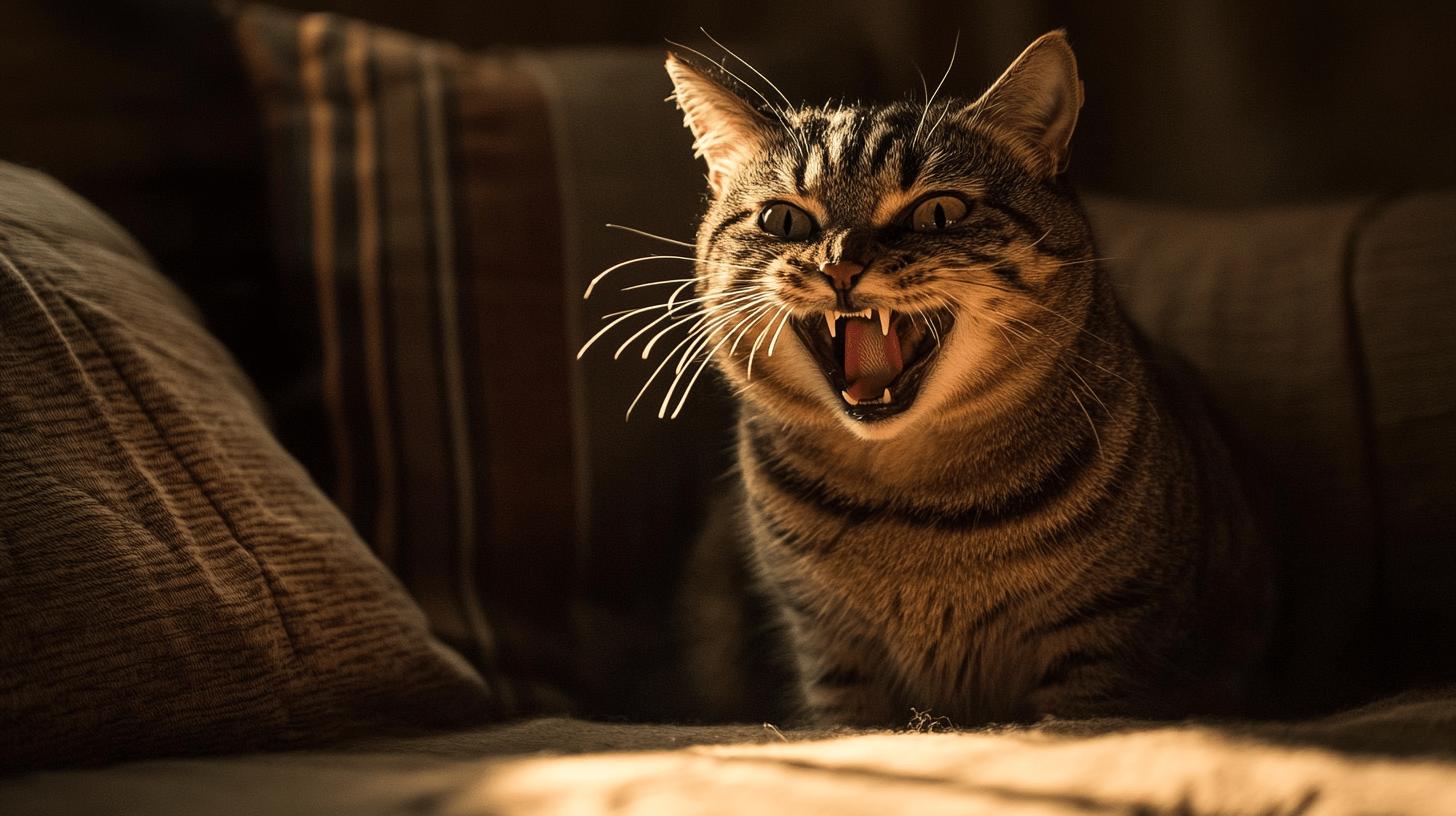
    Ever wondered why cats growl instead of purr when they're unhappy? It's like their way of drawing a line in the sand. That low rumble is more than just noise—it's feline communication at its core. Unlike purring, which says "I'm relaxed," a growl shouts, "Back off!" This blog will dive into the world of cat growls, revealing the emotions behind the sounds and how understanding these vocal cues can improve your bond with your feline friend. Let's figure out this puzzle together and create a happier, calmer home for your cat.

    Understanding Why Cats Growl

    Understanding Why Cats Growl-1.jpg

    Cat growling is a distinct vocalization characterized by a low, rumbling sound that is created when air is pushed through the vocal folds. It serves as a way for cats to communicate discomfort, fear, or territorial instincts. Unlike purring, which is often a sign of contentment and relaxation, growling indicates displeasure or unease. While purring is a soft, continuous vibration that cats produce when they are happy or relaxed, growling is more abrupt and serves as a warning or signal of distress. Understanding these vocal differences can help cat owners better interpret their pets' emotions and needs.

    Here are some common scenarios or emotions that might trigger a cat to growl:

    • Discomfort: When a cat is physically uncomfortable or in pain, it may growl to express its distress.
    • Fear: New environments, unfamiliar people, or unexpected noises can provoke fear, leading to growling.
    • Territorial Instincts: Cats are naturally territorial; they might growl to warn others to stay away from their space.
    • Stress: Changes in routine or environment can be stressful, prompting a growl as a reaction.
    • Aggression: Encountering other animals or feeling threatened can result in aggressive growling as a defense mechanism.

    Recognizing growling as a communication tool is vital for cat owners. It signifies that the cat is trying to express something important, whether it’s a warning or a plea for space. By understanding and respecting these vocal cues, we can create a more harmonious environment for our feline companions and address their needs more effectively.

    Common Reasons for Cat Growling

    Common Reasons for Cat Growling-1.jpg

    Fear is a primary reason for cat growling. Cats may feel threatened by new environments, unfamiliar people, or unexpected changes in their routine. When a cat encounters something it perceives as a threat, growling serves as a defensive response. This vocalization is meant to warn off potential threats and signal discomfort. For example, a cat might growl when a new pet is introduced into the home or if strangers visit. This is their way of expressing anxiety and asserting their need for safety.

    Anger and frustration also contribute to growling behavior. Cats can become agitated when they're overstimulated or when their needs aren't met, such as insufficient food or an unclean litter box. Overstimulation can occur during play or petting, leading to a sudden shift from purring to growling. This growl serves as a boundary, letting us know to back off and give them some space. Frustration might also arise if a cat feels its environment isn’t providing enough enrichment or is too chaotic.

    Territorial instincts are another significant factor. Cats are inherently territorial creatures and can growl to assert dominance over their space. If they perceive an intrusion, such as another cat entering their domain, growling becomes a vocal warning for the intruder to back off. This behavior is common when cats feel their territory, resources, or even their humans are being threatened. It’s their way of maintaining control over their environment and ensuring their security.

    Reason Description
    Fear Triggered by new stimuli like strangers or changes in routine.
    Anger and Frustration Caused by overstimulation or unmet needs such as food or litter box issues.
    Territorial Instincts Growling to protect space from perceived intrusions.

    How to Respond to a Growling Cat

    How to Respond to a Growling Cat-1.jpg

    When a cat growls, the best first step is to give them plenty of space. This vocalization is their way of communicating discomfort or distress, so respecting their boundaries is crucial. Avoid approaching or attempting to comfort them directly, as this can escalate their anxiety or fear. Instead, observe from a distance to assess the situation. Direct confrontation or trying to calm them physically can lead to increased aggression or stress.

    To help calm a growling cat, consider these strategies:

    • Remove Stressors: Identify and eliminate elements in the environment that might be causing distress.
    • Observe Body Language: Pay attention to other signals like tail position or ear movement to better understand their mood.
    • Provide Safe Spaces: Ensure your cat has access to quiet areas where they can retreat and feel secure.
    • Maintain a Calm Environment: Keep the surroundings as peaceful as possible to help your cat relax.

    It's important to never punish a cat for growling. This sound is a natural form of expression, and punishment can lead to more stress or fear, worsening the problem. Instead, focus on understanding the cause and addressing it without aggression or negative reinforcement.

    If growling persists and you cannot identify a clear cause, it might be time to consult a veterinarian. Persistent growling can be a sign of underlying health issues that need attention. A vet can conduct a thorough examination to rule out pain or discomfort as potential causes, ensuring your feline friend remains healthy and happy.

    Growling in Different Contexts: Play and Pain

    Growling in Different Contexts Play and Pain-1.jpg

    Playful Growling

    Cats often express themselves vocally during play, and a growl might be part of the fun. When kittens or young adult cats engage in playful activities with each other or toys, growling can accompany their excitement. This type of growling is typically harmless and can be seen when a cat is thoroughly engrossed in a game of chase or mock hunting. The growl is not intended as a threat but is an expression of heightened energy and enthusiasm. It's a sign that the cat is fully immersed in its play, using vocalizations to enhance the experience.

    Pain-Induced Growling

    Contrary to playful growling, a cat may growl due to pain or discomfort, signaling a need for attention. Cats are experts at concealing illness or injury, so vocal hints like growling can be crucial indicators. When a cat growls while being touched or handled, it may be experiencing pain and is communicating its wish to be left alone. This type of growling is often accompanied by changes in behavior, as the cat may become more withdrawn or show reluctance to engage in activities it usually enjoys.

    Here are three indicators that may suggest a cat is growling due to pain:

    1. Limping, which could indicate an injury or joint pain.
    2. Reluctance to move or jump, especially if the cat is usually active.
    3. Hiding or seeking solitude more than usual, which can be a sign of distress or discomfort.

    Recognizing these signs can help cat owners address potential health issues promptly, ensuring the well-being of their feline friends.

    Preventive Measures for Cat Growling

    Preventive Measures for Cat Growling-1.jpg

    Understanding your cat's environment and maintaining a consistent routine are crucial in reducing stressors that might lead to growling. Cats thrive in stable conditions where changes are minimal. Sudden alterations in their surroundings or daily schedule can trigger anxiety and result in vocal expressions of discomfort. To minimize these stressors, ensure your cat's living space is predictable and calm. Familiarity with their environment helps cats feel secure and less prone to defensive reactions like growling. Observing their behavior in different settings will help identify what may be causing stress or insecurity.

    Here are some preventive measures to help reduce growling:

    1. Create a Stable Environment: Keep your cat's habitat consistent, avoiding unnecessary changes in their space or routine.
    2. Routine Vet Check-Ups: Regular veterinary visits can catch health issues early, preventing pain-related growling.
    3. Enriching Activities: Provide mental and physical stimulation through toys and play to prevent boredom and frustration.
    4. Monitor Interactions: Be mindful of how your cat interacts with other pets or people, and intervene if your cat seems uncomfortable.

    Monitoring for signs of insecurity or discomfort is vital. Look for subtle changes in behavior, such as increased hiding or reluctance to engage, which might precede growling. By identifying and addressing these signs early, you can prevent escalation and ensure your cat remains content and secure in their environment. This proactive approach helps foster a peaceful coexistence with your feline friend.

    Final Words

    Understanding why cats growl can help us care for them better. We explored how growls differ from purring, and the reasons behind it, such as fear, anger, and territorial instincts. Responding the right way, like giving them space and checking for stressors, is key. Remember, growling can mean different things; sometimes it’s just play, or it signals pain. Preventive steps, like keeping their environment stress-free, support their well-being. Grasping why cats growl enhances our bond with them and contributes to a happier home.

    FAQ

    Why is my cat growling for no reason?

    A cat growls as a form of communication. This usually indicates discomfort, fear, or territorial instincts. It’s less about being "for no reason" and more about underlying issues your cat is trying to express.

    What does it mean when a cat growls at another cat?

    When a cat growls at another cat, it often means they feel threatened or want to establish dominance. It's part of their territorial behavior and social communication to maintain boundaries.

    Why is my cat growling while playing?

    A cat might growl during play to express excitement or overstimulation. Especially in kittens, playful interactions can involve growling as part of their learning and socializing process.

    Why does my cat growl at strangers?

    Cats often growl at strangers due to fear or caution. A new person can disrupt their sense of security, and growling serves as an early warning system to keep distance.

    What does a deep growl mean in a cat?

    A deep growl usually indicates heightened fear or aggression. It often signals a substantial desire to protect themselves or their territory from perceived threats.

    How do you calm a growling cat?

    Calm a growling cat by giving them space, removing stressors, and providing a safe environment. Avoid comfort or punishment, which can heighten their anxiety.

    Why does my cat make a rumbling sound?

    A rumbling sound is a form of low growling. It may indicate unease or a need for personal space, often triggered by unfamiliar situations or overstimulation. Recognize it as part of their communication.

    Related Articles

  • Why Cat Sleeps on My Legs Explained

    Why Cat Sleeps on My Legs Explained

    Ever wonder why your cat loves sleeping on your legs? It might seem quirky, but this behavior uncovers a world of feline instincts and emotions. Your legs are not just a warm, cozy spot; they symbolize trust and affection. The warmth you provide is like a soft, inviting blanket, perfect for a cat that craves comfort. Plus, your legs offer a stable platform, which reminds them of safe, steady places they’d choose in the wild. So, when your furry friend curls up there, it’s their way of saying, “You’re my safe haven.”

    Reasons Why Your Cat Sleeps on Your Legs

    Reasons Why Your Cat Sleeps on Your Legs-1.jpg

    Cats are naturally drawn to warmth, which is one of the main reasons they might choose to nap on your legs. The body heat you emit is like a cozy, inviting blanket for your feline friend. This warmth is especially appealing to cats with sparse fur or young kittens who have a harder time maintaining body temperature on their own. Your legs, in particular, provide a snug and secure spot, making them irresistible for a quick catnap.

    Beyond warmth, your legs offer a sense of stability and security that cats crave in their sleeping environment. Since legs tend to move less than other parts of the body, they serve as a stable platform that doesn't disturb a cat's rest. This stillness might remind them of the stability they find in nature, where they would seek out steady branches or rocks to perch on during rest. In the wild, a stable sleeping spot means fewer surprises and less chance of suddenly having to dart away from a predator.

    Sleeping on your legs also speaks volumes about the bond and affection your cat feels towards you. This behavior is a clear sign that your cat trusts you and feels safe in your presence. When a cat chooses to sleep on or near you, it's their way of expressing love and feeling secure. This emotional closeness is a compliment to your relationship, showing that they see you as part of their social group, similar to how they would snuggle with fellow cats for companionship and warmth.

    These behaviors are deeply rooted in a cat’s instincts and reveal a lot about their relationship with you. Cats instinctively seek out warm, secure, and elevated spots to relax. By choosing to sleep on your legs, they're following these instincts while also strengthening the bond between you. This simple act of curling up on your legs enhances the pet-owner relationship, reflecting mutual trust and affection that is rewarding for both sides.

    Understanding Feline Sleep Choices

    Understanding Feline Sleep Choices-1.jpg

    Cats have a fascinating array of sleeping positions, each revealing insights into their mood and comfort levels. These positions are not just about catching some z's; they communicate a lot about how your cat is feeling. For instance, the "spluff" position, where a cat sprawls out with its belly exposed, signals a sense of safety and relaxation. In contrast, the "cat loaf" position, where they tuck their paws under their bodies, implies a relaxed yet alert state, conserving heat and energy. Cats may also curl up tightly, a position that helps them retain warmth and remain inconspicuous, allowing for quick reactions if needed.

    Here are five common sleeping positions and their meanings:

    • Spluff: Indicates safety and relaxation.
    • Cat Loaf: Suggests relaxation while conserving heat.
    • Tight Curl: Retains warmth and keeps the cat less visible.
    • Side Sleeping: Often used for cooling down.
    • Monorail: Shows comfort and stability, often on narrow surfaces.

    The environment and location play significant roles in a cat's sleep choices. Cats are instinctively drawn to warm and elevated spots, which provide both comfort and a strategic viewpoint. This behavior can be traced back to their wild ancestors, who sought high places to observe their surroundings and ensure safety. Hiding spots, such as under furniture or in cozy nooks, can indicate a need for security, particularly if they are feeling stressed or unwell. Nighttime habits often reflect these instincts, with cats choosing locations that balance warmth, safety, and strategic advantage. Observing these choices can offer insights into your cat's needs, such as whether they require more warmth or a less stressful environment.

    Behavior Indication
    Spluff Safety and relaxation
    Cat Loaf Relaxation and heat conservation
    Tight Curl Warmth retention and quick reaction
    Side Sleeping Cooling down
    Monorail Comfort and stability

    Understanding these sleep patterns is key to enhancing your cat's wellbeing. By recognizing and interpreting your cat's sleeping behaviors, you can ensure they feel secure, comfortable, and well-cared for. Observing where and how your cat sleeps can provide valuable clues about their physical health and emotional state, guiding you to make adjustments in their environment that promote their overall happiness and health.

    Tips for Managing Leg-Sleeping Habits

    Tips for Managing Leg-Sleeping Habits-1.jpg

    If you find your cat sleeping on your legs a bit too constraining or uncomfortable, there are ways to gently encourage them to choose a different spot. Some owners may want to modify this behavior to prevent disturbances during sleep or simply to maintain personal space. The key is to make alternative sleeping areas more appealing than your legs. This can be done by strategically placing cozy beds or blankets in quiet corners, ideally where your cat already enjoys spending time.

    Here are four tips to help redirect your cat's sleeping habits:

    1. Introduce New Sleeping Areas: Place soft, comfortable bedding in preferred spots.
    2. Use Comfort Items: Add familiar scents or toys to make new areas inviting.
    3. Adjust the Environment: Ensure the new spot is warm and quiet, mimicking the comfort of sleeping on your legs.
    4. Positive Reinforcement: Reward your cat with treats when they choose the new sleeping area.

    By creating an attractive alternative, you can guide your cat to a new favorite resting place without disrupting your bond.

    Final Words

    Seeing your cat snuggle onto your legs highlights the warmth, security, and love they seek from you. These behaviors offer insight into cat sleeping preferences, focusing on bonding and the protection they feel. Cats value warmth and stability, making your legs a perfect resting place.

    Understanding why cat sleeps on my legs reveals their instinctual safety and companionship needs. If you prefer a different sleeping arrangement, promote alternative cozy spots while maintaining their comfort.

    Enjoy these moments of affection, knowing your cat's behavior strengthens your mutual bond.

    FAQ

    Why does my cat sleep on my legs?

    Cats often sleep on your legs for warmth and coziness. Your legs provide a steady, unmoving spot, making them an ideal resting place. This behavior also shows trust and affection towards you.

    What does it mean if a cat sleeps on your legs?

    When a cat sleeps on your legs, it signifies bonding and emotional closeness. It shows the cat feels safe and secure with you, highlighting trust and affection.

    Why is my cat obsessed with my legs?

    A cat’s obsession with your legs can be due to warmth, security, stability, and the comfort it offers. It indicates that the cat enjoys close contact and feels safe around you.

    What does it mean when a cat sleeps by your head?

    Sleeping by your head can indicate trust and affection. It’s a sign your cat values closeness and feels secure with you, enjoying the warmth and your scent.

    Why is my cat sleeping on the floor all of a sudden?

    If your cat starts sleeping on the floor suddenly, it may be too hot or uncomfortable on the bed. It could also seek a cooler, quieter space, or it might not feel well. Consider their behavior and environment.

    Related Articles

  • Why Cat Eyes Glow Explained by Tapetum Lucidum

    Why Cat Eyes Glow Explained by Tapetum Lucidum

    Ever wonder why your cat's eyes glow at night like tiny headlights? This captivating glow isn't just a spooky trick; it's a testament to their incredible night vision. The secret lies in a special mirror-like layer in their eyes called the tapetum lucidum. It's this reflective layer that allows cats to see better in the dark, making them master hunters during dawn and dusk. Curious about how this works and what it means for your feline friend? Let's explore the science and magic behind those glowing eyes.

    The Science Behind Why Cat Eyes Glow and Tapetum Lucidum

    The Science Behind Why Cat Eyes Glow and Tapetum Lucidum-1.jpg

    Cats have an extraordinary talent for seeing in the dark, and this is due to a phenomenon called eyeshine. Eyeshine is the mysterious glow we see when a cat's eyes catch the light at night. This glow is not just for show; it's crucial for their survival. Cats are crepuscular hunters, meaning they are most active during dawn and dusk. The ability to see well in low light is vital for stalking prey and avoiding dangers. The glow we observe is actually a reflection of light off a special layer in their eyes, known as the tapetum lucidum.

    Let's dive into the fascinating world of the tapetum lucidum. This reflective layer is located behind the retina. When light enters a cat's eye, it passes through the retina, where some of the light stimulates the photoreceptor cells. The tapetum lucidum then reflects the remaining light back through the retina. This double pass of light gives cats a second chance to detect it, enhancing their ability to see in dim conditions. This process is what creates the characteristic glow that we see at night. The tapetum lucidum acts as a natural mirror, amplifying light and making cats' night vision remarkably effective.

    However, the advantages of the tapetum lucidum come with some trade-offs. While it significantly boosts night vision, it can also cause images to scatter. This scattering can make daytime vision slightly less sharp compared to animals without this reflective layer. During the day, when light is abundant, the intense reflection can lead to a bit of blurriness, especially when compared to humans, who rely entirely on the initial light that hits the retina.

    Here are some key benefits and trade-offs of the tapetum lucidum:

    • Enhanced Night Vision: The tapetum lucidum provides cats with superior night vision, allowing them to navigate and hunt in low-light conditions.
    • Increased Light Sensitivity: By reflecting light back through the retina, cats can make the most of minimal light conditions.
    • Double Light Pass: This feature maximizes the amount of light detected by the retina, improving visual perception at night.
    • Daytime Blurriness: The same reflective property that aids night vision can make daytime images less sharp.
    • Adaptation for Nocturnal Lifestyle: The tapetum lucidum is a crucial adaptation that supports cats' crepuscular hunting habits.

    Understanding the tapetum lucidum helps us appreciate how cats have evolved to become efficient low-light hunters. While this reflective layer enhances their ability to see at night, it can also make daytime vision a bit blurrier. This trade-off is a small price to pay for such an amazing adaptation that allows cats to thrive in nature's shadows.

    Variations in Cat Eye Glow Colors

    Variations in Cat Eye Glow Colors-1.jpg

    Cats' eye glow colors can be quite captivating and are influenced by several intriguing factors. The primary reason for this variation lies in the structure of the tapetum lucidum itself. The makeup of this reflective layer can differ among individual cats, resulting in a range of colors when their eyes reflect light. The angle at which light hits a cat's eyes also plays a crucial role in determining the color. When light enters from different angles, it can cause the glow to appear in various hues. Additionally, genetic factors can influence the pigmentation within the tapetum lucidum, affecting the glow color seen in different cats.

    Here are some common glow colors and the factors that contribute to each:

    • Green: Often seen in cats with a high concentration of zinc or riboflavin in the tapetum lucidum.
    • Blue: Usually results from the specific arrangement of cells in the tapetum lucidum, affecting how light is scattered.
    • Red: This color may appear due to the reflection of blood vessels within the eye, more visible in some lighting conditions.
    • Yellow: Caused by certain compounds within the tapetum lucidum that reflect light differently.

    These variations in eye glow colors can be useful for spotting and identifying different animals in the dark. For instance, if you're out at night and see a pair of glowing eyes, the color can sometimes help determine whether you're looking at a cat or another nocturnal creature. Recognizing these differences can add a layer of understanding to the fascinating world of nighttime wildlife observation.

    Comparing Cat Eyes with Other Animals

    Comparing Cat Eyes with Other Animals-1.jpg

    The fascinating glow of cat eyes is not unique to them alone. Many nocturnal animals, such as dogs, deer, and raccoons, share this trait thanks to a structure known as the tapetum lucidum. This reflective layer is a marvel of evolution, enhancing night vision by reflecting light back through the retina. While cats benefit greatly from this adaptation, the structure and functionality of the tapetum lucidum can vary significantly among different species, affecting the intensity and color of their eyeshine.

    Effectiveness Across Species

    The tapetum lucidum's effectiveness is not uniform across all animals. In cats, the layer is finely tuned to assist in hunting during low-light conditions, often resulting in a bright green or yellow glow. Dogs, on the other hand, may exhibit a range of glow colors, including blue or green, depending on the breed and individual characteristics. Deer have a tapetum lucidum that reflects a more subdued glow, often appearing red or orange, which suits their need for awareness of predators at twilight. These variations in color and intensity are due to differences in the cellular arrangement and chemical composition of the tapetum lucidum in each species.

    The evolutionary advantages of the tapetum lucidum are numerous. For nocturnal animals, it is a vital adaptation that allows them to thrive in their environments. By amplifying available light, animals can detect prey or predators with much greater accuracy in the dark. This ability to see well under low-light conditions has likely contributed to the survival and success of these species over time, making the tapetum lucidum a crucial component in the arsenal of nocturnal creatures.

    Why Humans Don't Have Glowing Eyes

    Why Humans Dont Have Glowing Eyes-1.jpg

    Humans don't experience the eerie eyeshine that cats do because we lack a tapetum lucidum. This special layer, found in many nocturnal animals, including cats, reflects light back through the retina, enhancing their ability to see in the dark. Without this reflective layer, human eyes don't have the same capability to amplify low light, which means a flashlight shone into our eyes won't produce that glowing effect. Our vision is optimized for daylight conditions, relying solely on the light initially absorbed by the retina.

    Here are some differences between human and cat eye structures:

    • Presence of Tapetum Lucidum: Cats have this reflective layer, while humans do not.
    • Retinal Structure: Human retinas rely more on cone cells for color perception, whereas cats have more rod cells for low light.
    • Pupil Shape: Cats have slit-shaped pupils that enhance light regulation; humans have round pupils.

    Despite some myths, human eyes do not glow in the dark. Stories of glowing human eyes often stem from misunderstandings or optical illusions. Unlike cats, our eyes lack the necessary structure to create such a glow. So, the next time you see a pair of glowing eyes at night, rest assured it's likely a nocturnal creature with its built-in night vision, not a human.

    Final Words

    Understanding why cat eyes glow unveils the wonder of the tapetum lucidum, a crucial part of feline anatomy. This reflective layer enhances low-light vision by bouncing light back through the retina, though it can blur daytime images. We also explored how these reflections vary in color and how this feature compares with other animals with a tapetum lucidum. Humans, lacking this reflective feature, don't share this eyeshine.

    Recognizing these differences highlights the fascinating adaptations of cats for nighttime adventures. Learning about why cat eyes glow can deepen our appreciation for our whiskered friends.

    FAQ

    Why do cat eyes glow at night?

    Cats' eyes glow due to eyeshine, which is enhanced by the tapetum lucidum. This reflective layer bounces light through the retina, improving vision in low-light conditions.

    What is the tapetum lucidum?

    The tapetum lucidum is a reflective layer in cats' eyes. It enhances their night vision by reflecting light back through the retina, making nighttime images clearer for them.

    Why do cats have such bright eyes?

    Cats have bright eyes because of the tapetum lucidum, which reflects light, aiding in low-light visibility. This brightness helps them hunt and navigate at night.

    Why don't my cat's eyes glow in the dark?

    Not all cats have the same level of tapetum lucidum pigmentation, which can affect eyeshine. If a cat's eyes don't glow, it could be due to lower reflectiveness.

    Why did my cat's eyes get brighter?

    A cat's eyes might appear brighter if they are in a dim environment or exposed to light at a certain angle, intensifying the reflection from the tapetum lucidum.

    Why do cats' eyes sometimes glow red?

    Red-eye glow in cats can be due to blood vessels in the retina reflecting light, often visible when the tapetum lucidum reflects at certain angles.

    Why are my cat's eyes glazed over?

    Glazed eyes in cats might indicate health issues, such as cataracts or eye infections. If persistent, it's best to consult a vet for a professional assessment.

    What makes cat eyes glow different colors?

    The color of a cat's eye glow can vary due to light angles, tapetum lucidum structure, and individual genetics. Common colors include green, blue, and red.

    Why don't humans have glowing eyes?

    Humans lack the tapetum lucidum, meaning their eyes don't reflect light like cats. This structural difference results in minimal or no eyeshine under light.

    Related Articles

  • Why Cat Has Dandruff Causes and Solutions Explained

    Why Cat Has Dandruff Causes and Solutions Explained

    Is your cat suddenly leaving tiny white flakes everywhere, almost like a snowstorm on their fur? This might seem like a simple grooming issue, but it could be more than just a cosmetic concern. Cat dandruff can hint at several underlying problems. From dry skin due to low humidity to pesky parasites, understanding the real cause is key to finding relief for your feline friend. Let’s explore why dandruff happens and how you can help your cat sport a flake-free coat.

    Understanding Why Cats Have Dandruff

    Why Cat Has Dandruff Causes and Solutions Explained-3.jpg

    Cat dandruff appears as tiny white flakes of dead skin scattered across their fur, often most noticeable on the back near the tail. This condition results from the shedding of skin cells, which is a natural process. However, when this shedding becomes excessive, it can lead to noticeable dandruff that might concern pet owners. While it may seem like only a cosmetic issue, dandruff could indicate underlying problems that need attention.

    Environmental and health-related factors often contribute to dandruff in cats. Dry skin, often caused by low humidity levels, is a common trigger. Cats living in drier climates or spending most of their time indoors with heating systems may experience increased skin dryness. Other health issues such as skin infections or allergies can also result in dandruff. Addressing these problems often involves improving the cat's environment, such as using a humidifier, or treating any infections or allergies with appropriate veterinary care.

    • Low humidity causing dry skin
    • Skin infections
    • Allergies
    • Mites and parasites
    • Poor grooming habits

    Grooming habits play a significant role in the presence of dandruff. Older or overweight cats might struggle with self-grooming, leading to an accumulation of flakes. Additionally, mites and other parasites can cause skin irritation, resulting in dandruff. Regular grooming sessions can help distribute natural oils across the cat's coat, reducing dryness. It's also important to check for parasites and seek treatment if needed, as they can exacerbate skin conditions and lead to more severe dandruff issues.

    Identifying Symptoms of Cat Dandruff

    Identifying Symptoms of Cat Dandruff-1.jpg

    Understanding the appearance of cat dandruff is key to recognizing it early. Dandruff shows up as visible white flakes on a cat's fur, particularly noticeable against darker coats. These flakes are larger and more pronounced than the microscopic skin cells shed naturally, known as dander. Unlike dander, dandruff often accumulates in clusters and can be seen on furniture or bedding where the cat rests. Recognizing the difference between dandruff and normal shedding helps in identifying when there might be an underlying issue.

    In addition to the flakes, symptoms of cat dandruff can include itchiness and a dull, lackluster coat. Cats with dandruff might scratch more frequently or seem uncomfortable, which can lead to further skin irritation. A coat that has lost its usual shine or appears greasy might also signal a problem. These symptoms could indicate more serious conditions, such as skin infections, parasites like mites, or systemic health issues such as diabetes.

    • Persistent dandruff despite grooming
    • Additional symptoms like skin irritation
    • Indicators of parasites or infections

    Treating and Managing Cat Dandruff

    Treating and Managing Cat Dandruff-1.jpg

    Identifying the root cause of cat dandruff is key to effective treatment. Addressing these underlying issues can lead to healthier skin and a more comfortable cat. Factors like poor diet, inadequate grooming, or a dry environment can contribute to dandruff. By tackling these elements, you can significantly reduce dandruff and improve your cat's overall well-being. Persistent or severe cases might indicate a deeper health concern, requiring professional veterinary intervention.

    Dietary Improvements and Home Remedies

    Nutrition plays a significant role in maintaining healthy skin and coat. A diet rich in omega fatty acids can enhance skin health and reduce dandruff. Consider incorporating foods or supplements high in omega-3 and omega-6 fatty acids into your cat's diet. These nutrients help keep the skin hydrated and reduce inflammation. Additionally, simple home remedies like regular brushing can help distribute natural oils across the coat, minimizing flakiness. Using a humidifier in your home can combat dry air, providing a more skin-friendly environment for your cat.

    Grooming, Hygiene, and Environmental Adjustments

    Regular grooming is essential for controlling dandruff in cats. Frequent brushing helps remove loose hair and dead skin cells, preventing them from accumulating as dandruff. It's also an opportunity to check for parasites or signs of skin issues. Proper grooming techniques, such as using a brush suitable for your cat's coat type, ensure effective removal of debris without irritating the skin. Environmental factors like dry indoor air can exacerbate skin dryness, so using a humidifier can help maintain optimal humidity levels, reducing the likelihood of dandruff.

    Special Shampoos, Hydration, and Safe Use of Essential Oils

    Using pH-balanced shampoos designed specifically for cats can also aid in treating dandruff. These shampoos help maintain the natural balance of your cat's skin while cleansing away dirt and flakes. Ensuring your cat stays well-hydrated is equally important, as dehydration can lead to dry skin. While some people consider using essential oils like lavender for their soothing properties, it's crucial to use them cautiously. Essential oils can be toxic to cats if not used correctly, so always consult a veterinarian before applying them.

    Treatment Option Description
    Dietary changes Improve nutrition with omega fatty acids
    Grooming Regular brushing and cleaning
    Special shampoos Use pH-balanced products
    Humidifiers Improve air quality
    Essential oils Use cautiously due to potential toxicity

    When to Seek Veterinary Advice for Cat Dandruff

    When to Seek Veterinary Advice for Cat Dandruff-1.jpg

    If your cat's dandruff persists despite trying home remedies, it might be time to consult a veterinarian. Persistent dandruff can signal more serious underlying issues that need professional attention. Look for additional symptoms like skin irritation, excessive scratching, or significant changes in your cat's behavior, as these might indicate an infection or a more severe health condition. The presence of parasites, such as mites, is another red flag that merits a vet visit. A veterinarian can accurately diagnose the problem and suggest appropriate treatments to alleviate your cat's discomfort.

    Regular veterinary check-ups play a crucial role in maintaining your cat's overall health and preventing skin issues like dandruff. These routine visits allow for early detection of potential health problems, ensuring prompt treatment before they escalate. Regular check-ups also provide a chance to discuss any concerns you might have about your cat's coat or skin condition with a professional who can offer expert advice and tailored care solutions. Keeping up with these appointments helps ensure your cat remains healthy, comfortable, and happy all year round.

    Final Words

    Understanding why a cat has dandruff is key to addressing the problem. We explored how environmental factors, health issues, and grooming habits can impact a cat's skin. Symptoms like visible flakes and itchiness help us identify dandruff from normal shedding. Treatments vary from improving diet and grooming to using humidifiers and special shampoos, while persistent cases may need a vet's attention.

    Caring for your cat's skin health improves its comfort and well-being. Tackling dandruff not only enhances your cat's coat but also strengthens your bond. With informed care choices, you can maintain a happy and healthy feline friend.

    FAQ

    How to treat dandruff on cats near the tail?

    A: Treat dandruff by improving diet, grooming, using special shampoos, and ensuring hydration. Home remedies include regular brushing, using a humidifier, and incorporating omega-rich foods. If persisting, consult a vet.

    How do you get rid of dandruff on a cat?

    A: To get rid of cat dandruff, enhance grooming, improve diet with omega fatty acids, and maintain hydration. Consider environmental changes like humidifiers. If dandruff persists, seek veterinary advice.

    Why does my cat have dandruff on his back or near his tail?

    A: Cats may have dandruff due to dry skin, poor grooming, or health issues like infections. Environmental factors such as low humidity or allergies can also cause dandruff, often seen on the back or tail.

    Why does my cat have dandruff after I brush him?

    A: Brushing can reveal dandruff by removing loose flakes. If dandruff remains after grooming, it might indicate issues like dry skin or underlying health problems. Consider dietary adjustments and better hydration.

    What are common causes of cat dandruff?

    A: Common causes of cat dandruff include low humidity, skin infections, allergies, mites or parasites, and inadequate grooming habits. Addressing these factors can help reduce dandruff.

    How to treat cat dandruff at home?

    A: Home remedies for cat dandruff include regular brushing to distribute natural oils, using humidifiers, and adding omega fatty acids to the diet. Ensure proper hydration and a balanced diet.

    Related Articles

  • How Often Do Cats Poop Understanding Feline Bowel Habits

    How Often Do Cats Poop Understanding Feline Bowel Habits

    Ever wondered how often your cat should poop? Feline bathroom habits might not top your chat list, but they're vital for keeping our furry friends healthy. In this blog, we'll dive into the pooping patterns of cats and spot any changes you should watch for. You'll learn about the typical frequency for both kittens and adult cats. By the end, you'll have a clearer understanding of what to expect and when to worry. Let's explore what your cat's poop schedule can tell you about their health!

    Understanding Typical Cat Poop Frequency

    Understanding Typical Cat Poop Frequency-1.jpg

    Adult cats usually have a regular pooping schedule, defecating about 1-2 times a day. This frequency is considered normal and reflects a healthy digestive system. Variations might occur based on factors like diet, activity level, and individual differences. If you notice your cat straying from this pattern, it could be an early sign of a digestive issue or dietary imbalance.

    Kittens, on the other hand, often poop more frequently than adult cats. Their faster metabolism and developing digestive systems contribute to this increased frequency. As kittens transition from milk to solid foods, expect them to have bowel movements multiple times a day. By the time they reach adulthood, their poop frequency usually stabilizes to align more closely with adult cats.

    Factors Affecting Cat Bowel Movements

    Factors Affecting Cat Bowel Movements-1.jpg

    Diet plays a significant role in a cat's bowel movements. A well-balanced diet with the right amount of fiber is essential for smooth digestion. Too little fiber can lead to constipation, while too much might cause diarrhea. Hydration is equally important. Cats are notorious for not drinking enough water, which can lead to hard, dry stools, making it difficult for them to pass. Including wet food in their diet or ensuring constant access to fresh water can help maintain regularity in their poop schedule.
    • Health Issues: Conditions such as intestinal parasites can disrupt normal bowel movements.
    • Stress: Changes in the environment or routine can lead to constipation or diarrhea.
    • Dietary Changes: Sudden changes in diet can upset the digestive system, causing irregular pooping patterns.
    • Medications: Some medications may cause side effects that affect bowel movements.
    • Environmental Factors: Lack of access to a clean and comfortable litter box can deter cats from defecating regularly.

    Kittens have unique bowel movement needs, especially during the transition from milk to solid foods. Their digestive systems are still developing, and any changes in diet should be gradual to avoid upsetting their stomachs. Kittens often poop more frequently due to their faster metabolism, and their stools might vary in consistency as they adapt to new foods. Monitoring their litter box habits during this time is crucial to ensure they are adjusting well.

    Activity levels and stress are also pivotal in influencing a cat's digestion rhythm. Active cats usually have a faster metabolism, which can result in more frequent pooping. Conversely, stress from environmental changes or a lack of stimulation can lead to digestive issues like constipation. Senior cats face additional challenges. As they age, they may become less active and drink less water, leading to constipation. Keeping senior cats engaged with moderate play and ensuring they have easy access to water can help maintain a healthy bowel routine.

    Identifying and Addressing Irregularities in Cat Poop

    Identifying and Addressing Irregularities in Cat Poop-1.jpg

    Irregularities in a cat's bowel movements can often be an indicator of underlying health issues. Constipation in cats, particularly older ones, is common and can manifest as less frequent litter box visits, straining during defecation, or passing hard, dry stools. On the flip side, diarrhea can result from sudden dietary changes, food allergies, or infections, leading to loose, watery stools and increased frequency. Both conditions, if persistent, can cause discomfort and may lead to more serious health concerns if left unaddressed.

    Symptom Possible Cause When to See a Vet
    Hard, dry stools Dehydration, low-fiber diet After 48 hours without pooping
    Loose, watery stools Dietary changes, infections If lasting more than 24 hours
    Straining Constipation, obstruction If accompanied by vomiting or pain
    Blood in stool Parasites, allergies Immediately

    It's crucial to monitor your cat's litter box habits for any persistent irregularities. If your cat shows signs of constipation or diarrhea that do not resolve within a short period, it is wise to consult a veterinarian. These symptoms could be indicative of more serious conditions, such as intestinal blockages, infections, or chronic diseases. A quick response can prevent potential complications, ensuring that your cat remains healthy and comfortable.

    Monitoring and Improving Cat Poop Health

    Monitoring and Improving Cat Poop Health-1.jpg

    Normal cat poop is typically well-formed and has a consistent brown color. This indicates that your cat's digestive system is functioning properly. Deviations in color or consistency can be red flags for potential health issues. For example, black or tarry stools might suggest bleeding in the gastrointestinal tract, while a yellowish hue could point to a liver problem. Keeping an eye on the litter box can provide valuable insights into your cat's overall health.

    • Black or Tarry Stools: May indicate gastrointestinal bleeding.
    • Yellowish Stools: Could be a sign of liver issues.
    • White or Gray Stools: Suggests a bile duct obstruction.
    • Excessively Soft or Runny Stools: Often due to dietary changes or infections.
    • Mucus in Stools: Could point to inflammation in the colon.

    Improving your cat's poop health involves making dietary and lifestyle adjustments. Ensure your cat has a balanced diet with adequate fiber to promote smooth digestion. If your cat is prone to constipation, increasing their water intake can make a significant difference. Wet food can help, or consider a water fountain to encourage more drinking. Regular exercise also aids in maintaining a healthy digestive system. For those with more sedentary lifestyles, interactive toys or scheduled playtimes can stimulate activity and support regular bowel movements.

    Final Words

    Understanding how often cats poop helps us keep an eye on their health. Adult cats usually poop once or twice a day, while kittens may need more frequent bathroom breaks. Factors like diet, hydration, and activity levels play a key role in maintaining a normal cat poop schedule.

    Being alert to changes, like diarrhea or constipation, can signal health issues. Monitoring cat poop health through color and consistency helps take action early. By making proper dietary and lifestyle adjustments, we can ensure our cats are happy and healthy every day.

    FAQ

    How often should an indoor cat poop?

    A: Indoor cats typically poop once or twice a day. This frequency can vary slightly based on diet, age, and health.

    How long can a cat go without pooping?

    A: A cat should not go without pooping for more than 48 hours. If constipation persists, consult a vet.

    How often do cats pee?

    A: Cats usually pee two to four times a day. If your cat is urinating much less or more frequently, consider discussing it with a veterinarian.

    Do cats poop less on dry food?

    A: Cats may poop less on dry food due to lower moisture content. Ensure they have plenty of water to avoid constipation.

    How often do kittens poop compared to adult cats?

    A: Kittens often poop more frequently than adult cats due to their high metabolism. Expect them to poop several times a day.

    What factors can affect a cat's bowel movements?

    A: Diet, hydration, activity levels, health issues, and stress can all impact bowel movements. Addressing these can help regulate pooping frequency.

    My cat poops 5-10 times a day. Is this normal?

    A: Frequent pooping, like 5-10 times daily, can indicate a diet issue or health problem. Monitor for other symptoms and consult a vet if needed.

    How to identify irregularities in cat poop?

    A: Watch for signs of constipation or diarrhea. Changes in frequency, color, or consistency should prompt a vet visit if they persist.

    How can I improve my cat's poop health?

    A: Ensure a balanced diet, maintain hydration, and promote regular activity. Monitor poop regularly for changes and adjust their diet as needed.

    Related Articles

  • Why Cat Suddenly Clingy Understanding the Behavior

    Why Cat Suddenly Clingy Understanding the Behavior

    Ever wonder why your fiercely independent feline is suddenly glued to your side? This unexpected clinginess can feel puzzling, like a mystery waiting to be solved. Understanding why your cat craves constant closeness can unlock insights into its world. Cats might become extra clingy due to stress, health concerns, or even boredom. If your kitty's recent neediness has you scratching your head, you’re in the right place. This article delves into why cats become clingy and what it means for you and your furry friend.

    Understanding Why Your Cat is Suddenly Clingy

    Understanding Why Your Cat is Suddenly Clingy-1.jpg

    Cats are typically known for their independent nature, often doing their own thing and enjoying their personal space. But when a normally aloof kitty becomes suddenly clingy, it might be a sign of something more than just a need for extra cuddles. Potential reasons for this sudden change can include separation anxiety, underlying health problems, increased stress levels, the introduction of new family members, or even plain boredom.

    • Shadowing your movements
    • Excessive vocalization
    • Relentless affection
    • Dependency on presence for eating
    • Insistent meowing when leaving
    • Sleeping in your bed or close proximity

    Understanding Why Your Cat is Suddenly Clingy

    Health and Environmental Factors Affecting Cat Clinginess-1.jpg

    Cats can become clingy due to health concerns. When they're unwell, they might seek comfort from their owner. This behavior often results from physical discomfort or illness. If you notice your cat shadowing you more than usual, it might be signaling an underlying health issue. Observing any behavioral or physical changes can help pinpoint if a vet visit is needed.

    Environmental factors also impact clinginess. Changes like new family members or frequent visitors can make a cat anxious, increasing its dependence on you. Loud noises from storms or fireworks can also stress cats, leading to clingier behavior. Recognizing these stressors helps manage and ease a cat's need for attention.

    Factor Description
    Health Issues May cause the cat to seek safety and comfort
    Routine Changes New family members or visitors can increase stress
    Environmental Stressors Storms or fireworks can trigger clinginess
    Anxiety Can manifest as excessive need for attention

    Managing and Reducing Clingy Behavior in Cats

    Managing and Reducing Clingy Behavior in Cats-1.jpg

    Cats thrive on routine and attention, which can be key in managing clingy behavior. Just like us, they appreciate knowing what to expect in their day-to-day life. A consistent routine provides a sense of security, making them less likely to cling to you for reassurance. Spending quality time with your cat can also help fulfill their emotional needs and keep clinginess at bay. Regular playtime not only strengthens your bond but also helps burn off excess energy and reduce stress.

    Here are some actionable steps to address clingy behavior in your cat:

    • Offer regular playtime and interaction
    • Ensure a stable and consistent daily routine
    • Ignore attention-seeking behavior when possible
    • Introduce stimulating toys and activities
    • Monitor health and consult a vet if needed

    If you've tried these strategies and your cat's clingy behavior persists, it might be time to seek professional help. Consulting with a veterinarian can rule out any potential health issues that could be causing the clinginess. They may also recommend a feline behavior specialist, who can provide additional insights and strategies tailored to your cat's specific needs. Addressing the root cause is crucial for a happy and independent kitty.

    Age and Life Stage Related Clinginess in Cats-1.jpg

    Older cats may become suddenly clingy due to age-related factors. As cats age, they can experience cognitive decline, which might make them seek more comfort and reassurance from their human companions. This change is often accompanied by other signs of aging, such as a decrease in mobility or a change in sleeping patterns. Recognizing these signs can help cat owners understand that increased clinginess might be a natural part of their cat's aging process, rather than a behavioral issue.

    Clinginess in Kittens

    Kittens, on the other hand, can display clingy behavior due to their developmental stages. During their early months, kittens are learning about their environment and often look to their human caregivers for security and guidance. This attachment is crucial for their growth and helps them develop confidence as they mature. Providing a nurturing and stable environment can help kittens feel secure and gradually reduce their dependency over time.

    Different life stages require tailored management approaches. For older cats, ensuring a comfortable and safe environment can alleviate anxiety linked to cognitive decline. For kittens, providing consistent socialization and interaction fosters independence. Understanding these life stage changes allows owners to address clinginess appropriately and support their cat's needs effectively.

    Final Words

    Understanding why a cat suddenly becomes clingy can be challenging but important. I've discussed the usual reasons like separation anxiety, health concerns, and stress. We've also looked at how routine changes and environmental stressors like storms can impact your cat. Managing clingy behavior involves giving attention, keeping routines, and introducing engaging activities. Remember, if clinginess persists long-term, consulting a vet is wise.
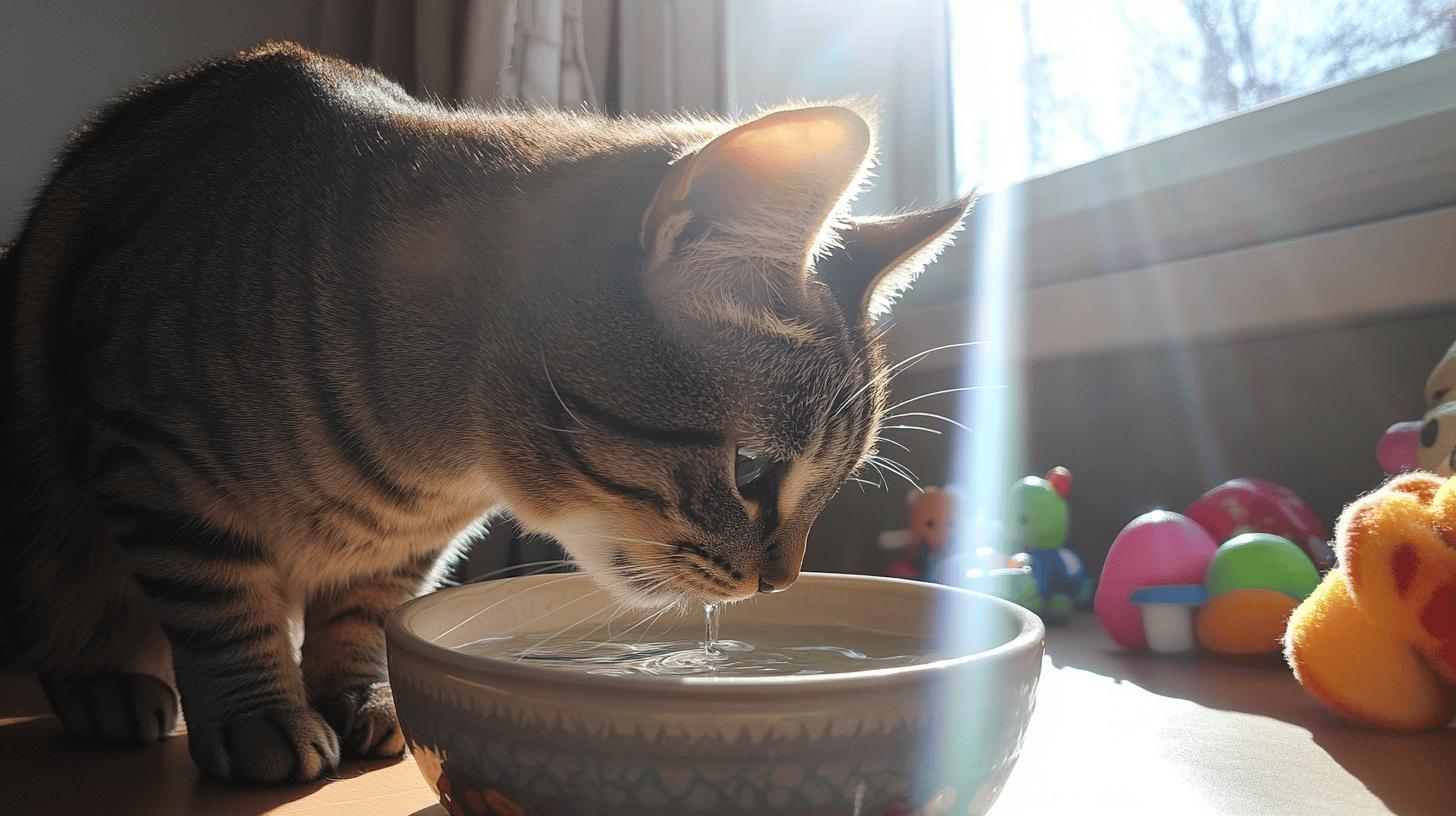
    Cats of all ages might go through clingy phases, but each stage offers a way to connect and bond. It might take some time, but figuring out why they're clingy could lead to a happier relationship with your feline friend.

    FAQ

    Why is my cat suddenly clingy?

    A cat's sudden clinginess may result from separation anxiety, health issues, stress, or environmental changes. Changes in routine or new family members might also contribute.

    Why is my cat suddenly clingy at night?

    At night, cats may become clingy if they feel anxious, scared, or if there have been recent changes in their environment or health.

    Why is my cat suddenly clingy and meowing?

    Increased clinginess and meowing may indicate a need for attention, discomfort, or stress from environmental changes. It may also hint at health issues requiring attention.

    Cats may sense hormonal changes during pregnancy, leading to clingy behavior. Seek advice from a vet if behavior changes seem unusual.

    Is sudden clinginess in my older cat normal?

    Older cats might become clingy because of health issues or cognitive decline. Ageing can affect a cat's behavior, requiring extra care and monitoring.

    How do health and environment affect clinginess in cats?

    Health issues or environmental changes can trigger clinginess. Cats may seek safety and reassurance when feeling unwell or stressed.

    How can I manage and reduce my cat's clingy behavior?

    To manage clinginess, offer regular playtime, ensure a consistent routine, ignore unwanted attention-seeking, provide stimulating toys, and consult a vet if needed.

    What causes clinginess in kittens?

    Kittens may show clinginess during developmental stages as they rely more on their caregivers. This natural phase often involves increased dependence and attachment.

    Related Articles

  • Do Cats Control Their Tail Understanding Feline Tail Control

    Do Cats Control Their Tail Understanding Feline Tail Control

    Ever wonder if a cat’s tail has a mind of its own? Watching a cat flick its tail or hold it high might seem like pure instinct, but there’s more to it. Cats have impressive control over their tails, much like a gymnast balancing on the beam. This blog dives into the mechanics and communication behind feline tail control. We’ll explore how structure and nerves work together to give cats this skill. Whether you’re curious about how your cat moves or wants to understand their mood, stick around to unravel the mystery.
    Do Cats Control Their Tails?

    Cats have remarkable control over their tails, much like a skilled acrobat mastering balance and movement. The tail is an extension of the spine, composed of 19 to 23 vertebrae, which give it a high degree of flexibility. These vertebrae are connected by six muscles on each side, allowing for a wide range of motion and precise control. Whether your cat is balancing on a narrow ledge or expressing curiosity, the tail’s structure supports these activities with ease. The flexibility and strength of the tail are essential for a cat’s agility, playing a key role in their ability to perform graceful maneuvers.

    The control over a cat’s tail is not just about physical structure; it’s also about the neurological system at work. Cats can move their tails with voluntary actions much like how we decide to move our hands. These movements are orchestrated by the nervous system, allowing the tail to react quickly to environmental stimuli. Reflex actions, such as a quick flick in response to a sudden noise, demonstrate how the tail can respond without conscious thought. This combination of voluntary and reflex actions makes the tail an effective tool for communication and interaction.

    • Vertebrae: Provide the structural support and flexibility needed for diverse movements.
    • Muscles: Enable precise control over the tail’s position and motion.
    • Ligaments: Contribute to the stability and flexibility of the tail.
    • Tendons: Connect muscles to the vertebrae, assisting in controlled movements.
    • Nerves: Facilitate the coordination between neurological signals and tail movement.

    Cat Tail Language and Communication

    Cat Tail Language and Communication-1.jpg

    Cats have a complex system of communication that goes beyond mere vocalizations, and one of their primary tools is their tail. This enigmatic appendage serves as a crucial indicator of a cat’s emotional state and intentions. By observing the positions and movements of a cat’s tail, we can gain insights into what they might be feeling or intending to do. Understanding cat tail language is essential for anyone living with a feline friend, as it helps build a stronger bond and improves interactions by interpreting their non-verbal cues.

    Tail positions in cats can reveal a lot about their mood. A high-held tail often signifies a happy or confident cat eager to interact. It might even have a slight curve at the tip, indicating curiosity or friendliness. On the flip side, a low tail pointing downward might suggest fear, submission, or even potential injury. It’s an important signal that the cat might be in distress or feeling threatened. When a cat tucks its tail close to its body, it could mean the cat is feeling scared or is in pain.

    The movements of a cat’s tail can also tell us a great deal. A wagging tail in cats is not necessarily a sign of friendliness, as it is in dogs. Instead, it might indicate irritation or excitement. A twitching tail can mean the cat is focused or mildly agitated, often seen when they are about to pounce on a toy. Meanwhile, a thrashing tail that makes a “thump” sound usually signals that the cat is unhappy and might soon act out aggressively if the situation continues.

    By understanding these tail movements, we can better interpret a cat’s behavior and respond appropriately. For instance, if a cat’s tail is twitching while playing, it might be about to pounce, making it the perfect moment to engage with a toy. Conversely, if a cat’s tail is thrashing, it might be best to give it some space to avoid an unexpected swat or scratch. Recognizing these signals allows us to create a more harmonious living environment for both cats and humans.

    Tail language is also apparent in how cats interact with humans and other animals. A friendly cat might approach with its tail held high, sometimes wrapping it around a human’s leg as a sign of affection. This gesture is a form of communication, indicating trust and comfort. In interactions with other cats, a high tail can signal dominance or friendliness, whereas a low, tucked tail may indicate submission or fear.

    Tail Position Emotion or Intention
    High Tail Happiness or Confidence
    Low Tail Fear or Submission
    Flicking Tail Focus or Mild Agitation
    Thrashing Tail Irritation or Aggression
    Wiggling Tail Excitement or Anticipation

    Understanding Tail Wagging in Cats

    Understanding Tail Wagging in Cats-1.jpg

    The evolutionary roots of tail wagging are deeply embedded in a cat’s survival mechanisms. In the wild, tail movements helped cats communicate silently with each other, avoiding predators. These behaviors, passed down from wild ancestors, aided survival by signaling danger or readiness for a hunt. Understanding these evolutionary aspects provides insight into the natural behaviors of domesticated cats.

    Environmental factors and social interactions influence how and why cats wag their tails. A cat might wag its tail when it’s interested in a new toy or when it sees another cat. Social interactions with humans play a role too; a cat may wag its tail when it’s unsure about a person or when it’s feeling comfortable in their presence. Familiar or unfamiliar elements in the environment can trigger tail wagging as part of a cat’s response mechanism.

    Tail wagging can also be a sign of a cat’s awareness or readiness to engage with its surroundings. A wagging tail might indicate that the cat is alert to potential changes or threats in its environment. It can signal the cat’s preparedness to respond, be it a play session or a sudden noise. This behavior shows how cats maintain their natural instincts, even in domestic settings.

    • During hunting
    • In response to threats
    • While playing with other animals
    • During social interactions with humans

    Final Words

    Understanding how cats control their tails gives insight into their movements and moods. Cats have a special anatomy with vertebrae and muscles that let them control their tails precisely. Their tail movements also tell us a lot about their feelings.

    Cats communicate through their tails using different positions and movements. Tail wagging can show emotions, whether it’s from instinct or interaction. This behavior might even come from their wild ancestors, helping them stay aware of their surroundings.

    When observing controlled tail movements in felines, we gain valuable clues into their world, helping us connect better with them.

    FAQ

    Do cats control their purr?

    Cats control their purr through a combination of laryngeal muscles and their brain, which sends repetitive neural signals to create the purring sound.

    Why do cats attack their tails?

    Cats may attack their tails due to boredom, playfulness, or confusion. Sometimes, it can be a result of overstimulation or a medical issue requiring a vet’s attention.

    Why do cats wag their tails while lying down?

    Cats wag their tails while lying down often to express contentment, interest, or mild irritation depending on the situation and surrounding environment.

    Do cats move their tails while sleeping?

    Cats typically don’t move their tails while in deep sleep but might twitch during dreaming as their brain is still active.

    Can dogs control their tails?

    Dogs can control their tails voluntarily, with movements reflecting various emotions like excitement, curiosity, or alertness.

    Why do cats have tails?

    Cats have tails for balance during walking or jumping, communication with others, and to express emotions.

    Do cats move their tails when happy?

    Cats often move their tails when happy, such as holding them high with a slight curve, which reflects their content mood.

    Do cats consciously control their tails?

    Yes, cats consciously control their tails using a precise combination of vertebrae and muscles to make deliberate movements.

    Are cats aware of their own tail?

    Cats are aware of their tails and often use them intentionally for balance and communication with their environment.

    What does it mean when a cat constantly flicks its tail?

    A cat flicking its tail may be signaling annoyance, mild irritation, or heightened attention to something in its immediate environment.

    Related Articles