Author: Nathaniel Price

  • Why Cat Meow a Lot Common Causes and Solutions

    Why Cat Meow a Lot Common Causes and Solutions

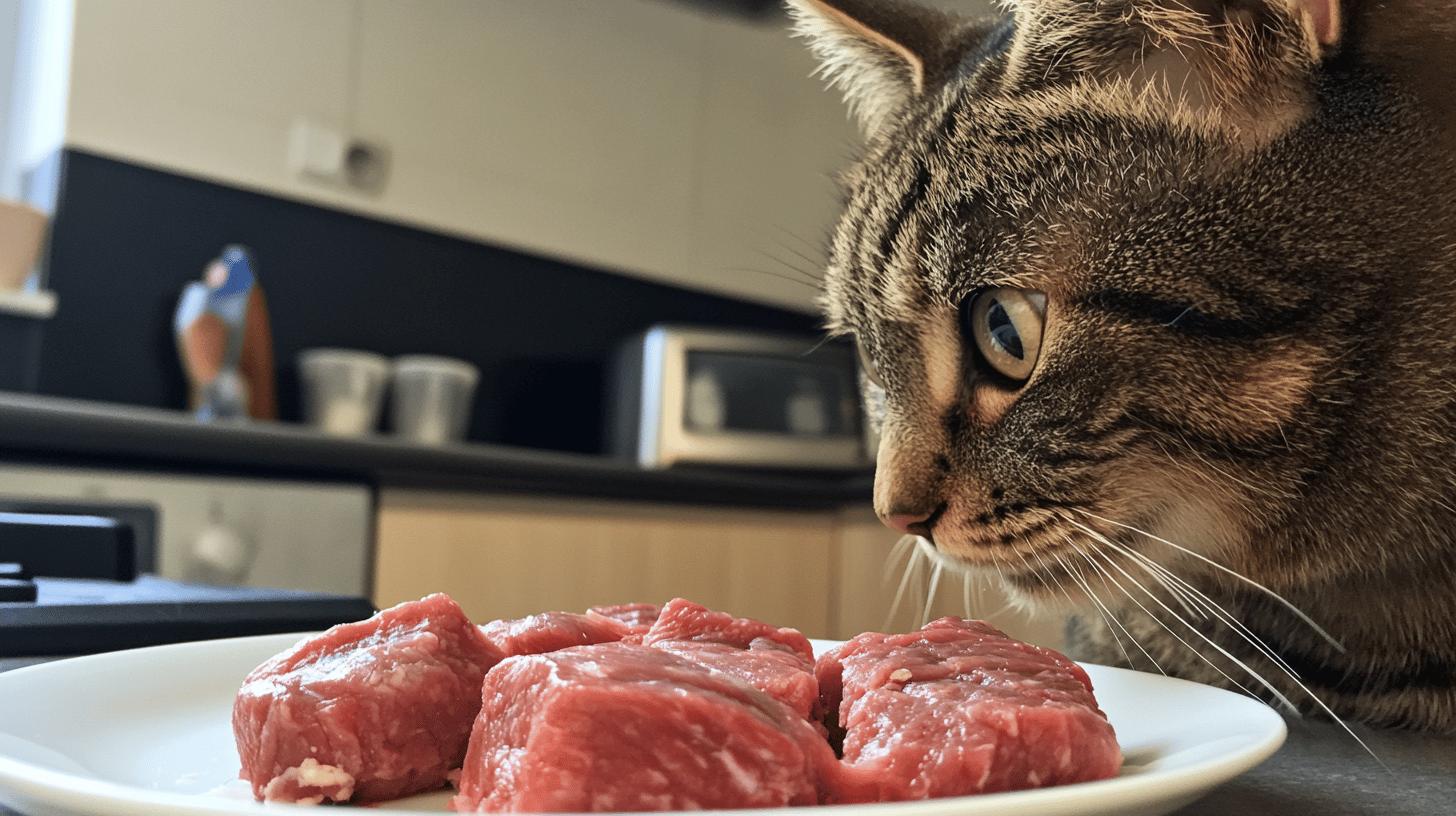
    Ever wonder why cats meow so much? It might seem like they're just chatty, but there's more to it. Cats use their voice to communicate needs or discomfort. Understanding these reasons is vital for a cat owner's peace of mind. From hunger and attention-seeking to being in heat, excessive meowing often signals something deeper. In this post, I'll uncover the common causes of constant meowing and offer practical ways to help your cat feel more at ease. Let's explore how to bring harmony back to your home.

    Common Reasons Why Cats Meow a Lot
    Common Reasons Why Cats Meow a Lot-1.jpg

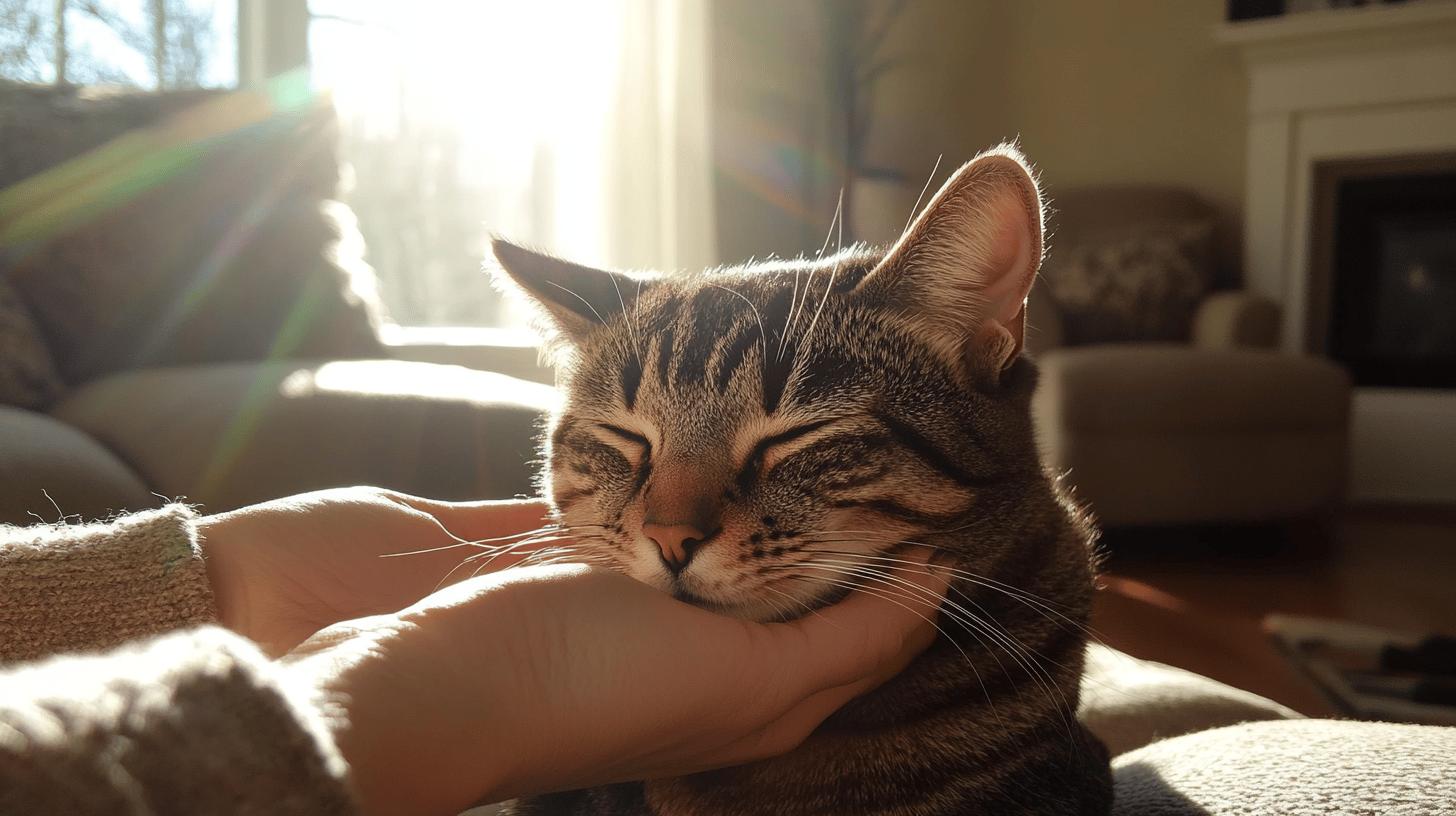
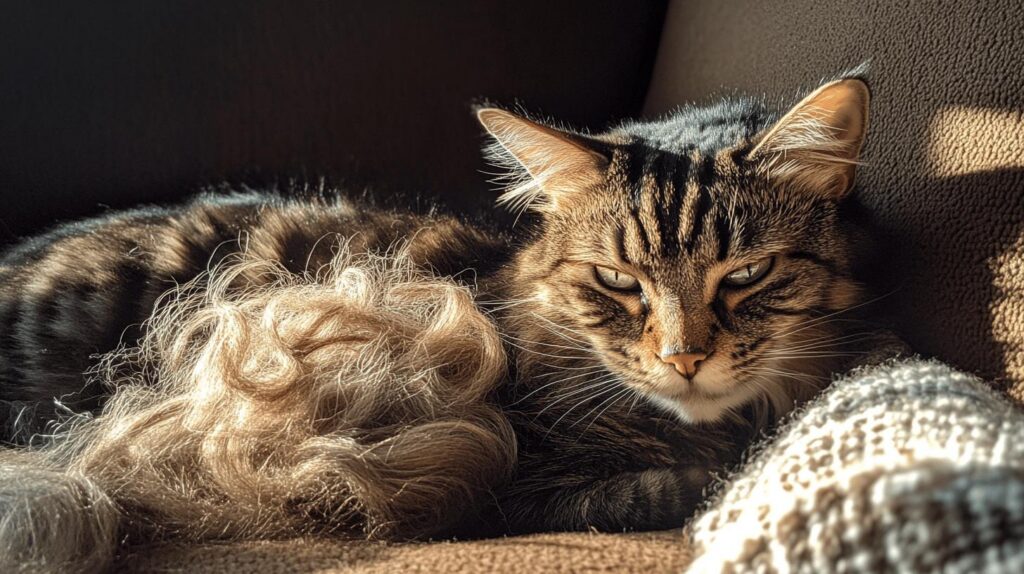
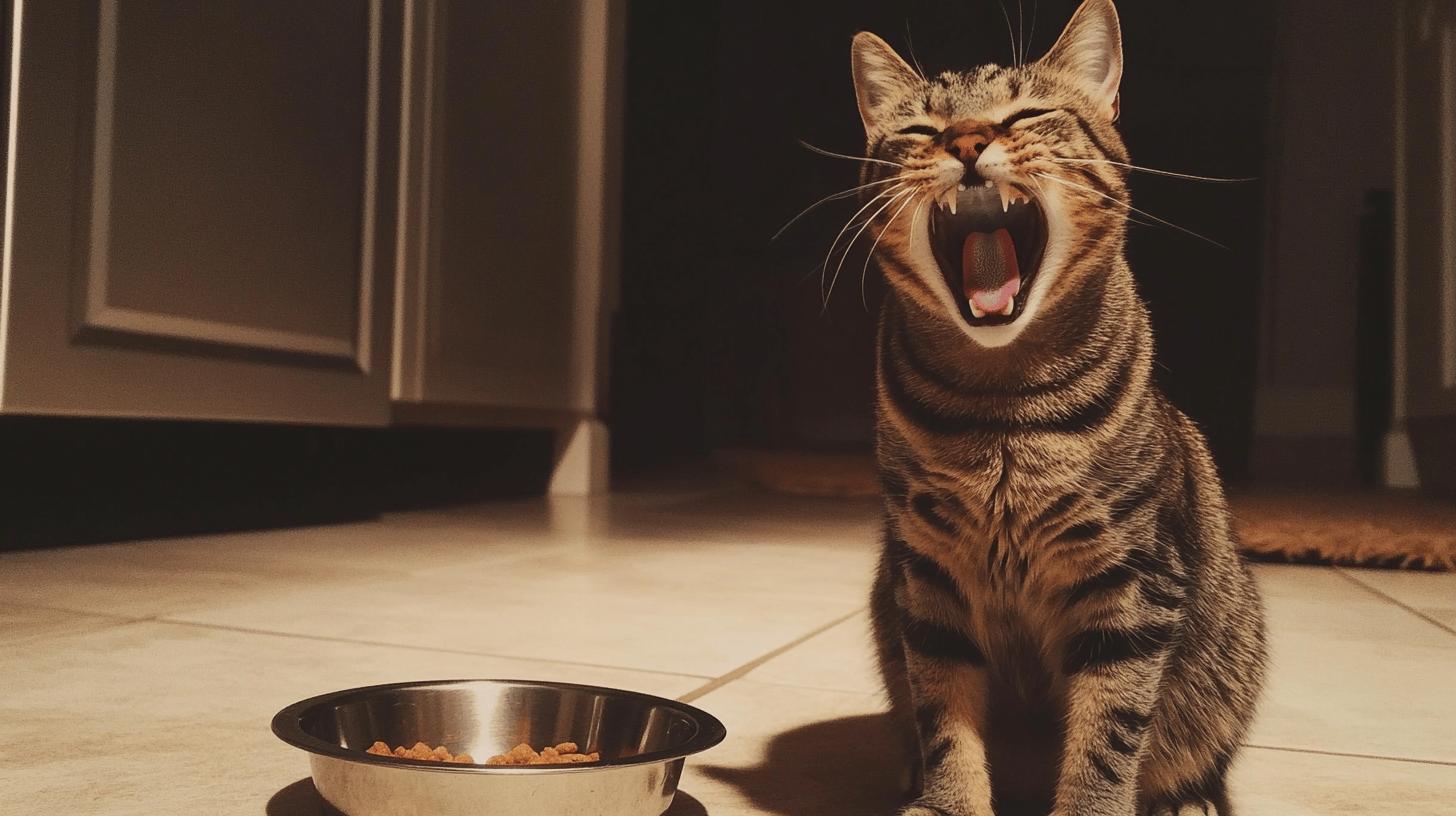
    Cats often communicate through meowing, but when it becomes excessive, it can be a sign of something more significant. Understanding why a cat might meow a lot is crucial for maintaining a happy and healthy relationship with your feline friend. Excessive meowing isn't just a random behavior; it often points to underlying needs or issues that require attention.

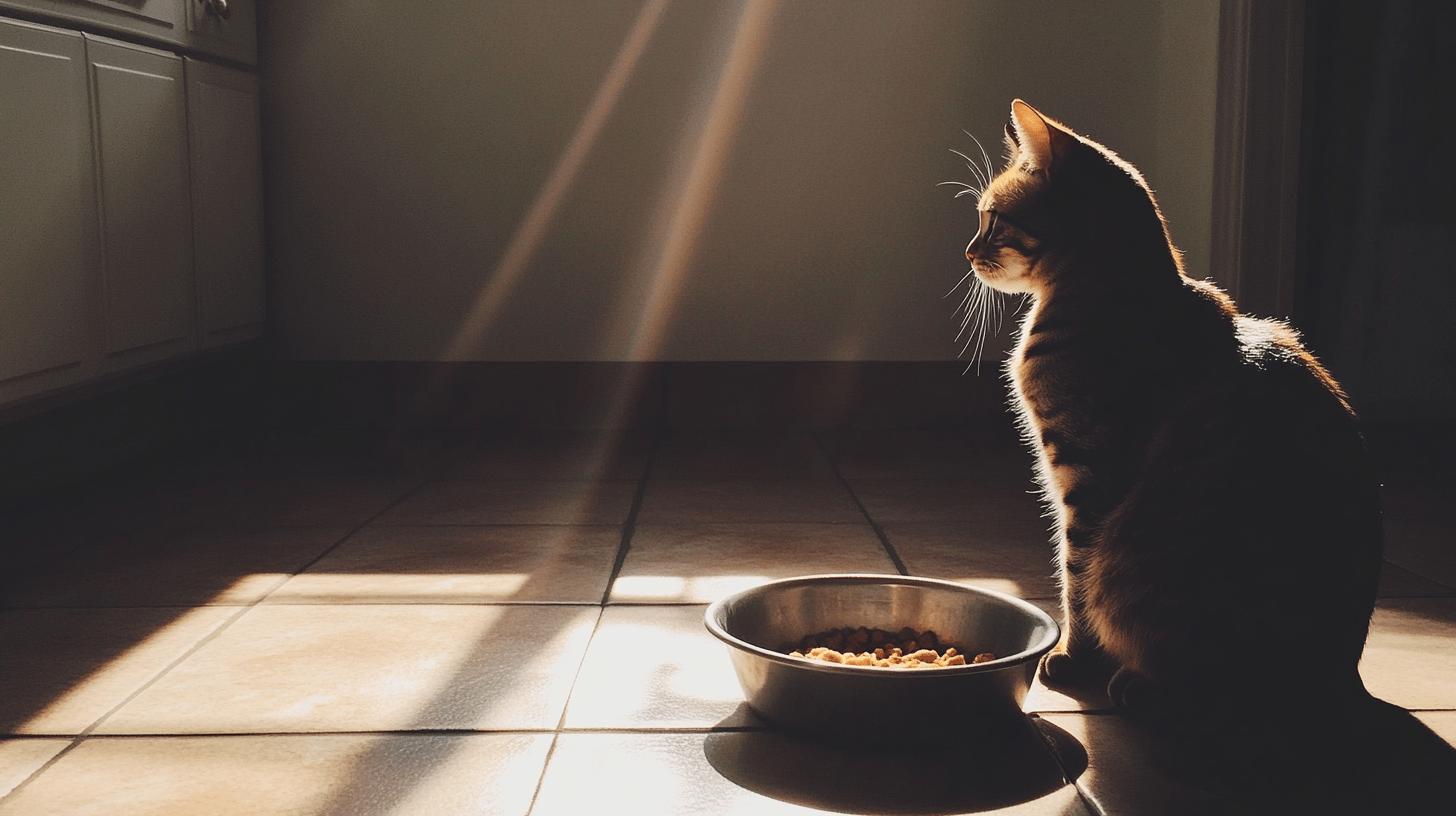
    One of the primary causes of frequent meowing is hunger. Cats on a regular feeding schedule may vocalize more if they feel their meals are delayed. Attention-seeking is another common reason. Despite the stereotype of being aloof, cats often crave interaction and might meow to get it. Female cats that are not spayed will yowl loudly when they are in heat, seeking to attract a mate. This behavior can be particularly disruptive if it occurs regularly.

    Age-related factors can also lead to increased meowing. Senior cats may meow more, especially at night, due to cognitive changes or discomfort. As cats age, they may experience confusion or anxiety, which can manifest as vocalization. It’s essential to monitor these changes to ensure they are not signs of a more serious health issue.

    • Hunger
    • Attention-seeking
    • Being in heat
    • Aging

    How to Calm a Cat That Meows Frequently
    How to Calm a Cat That Meows Frequently-1.jpg

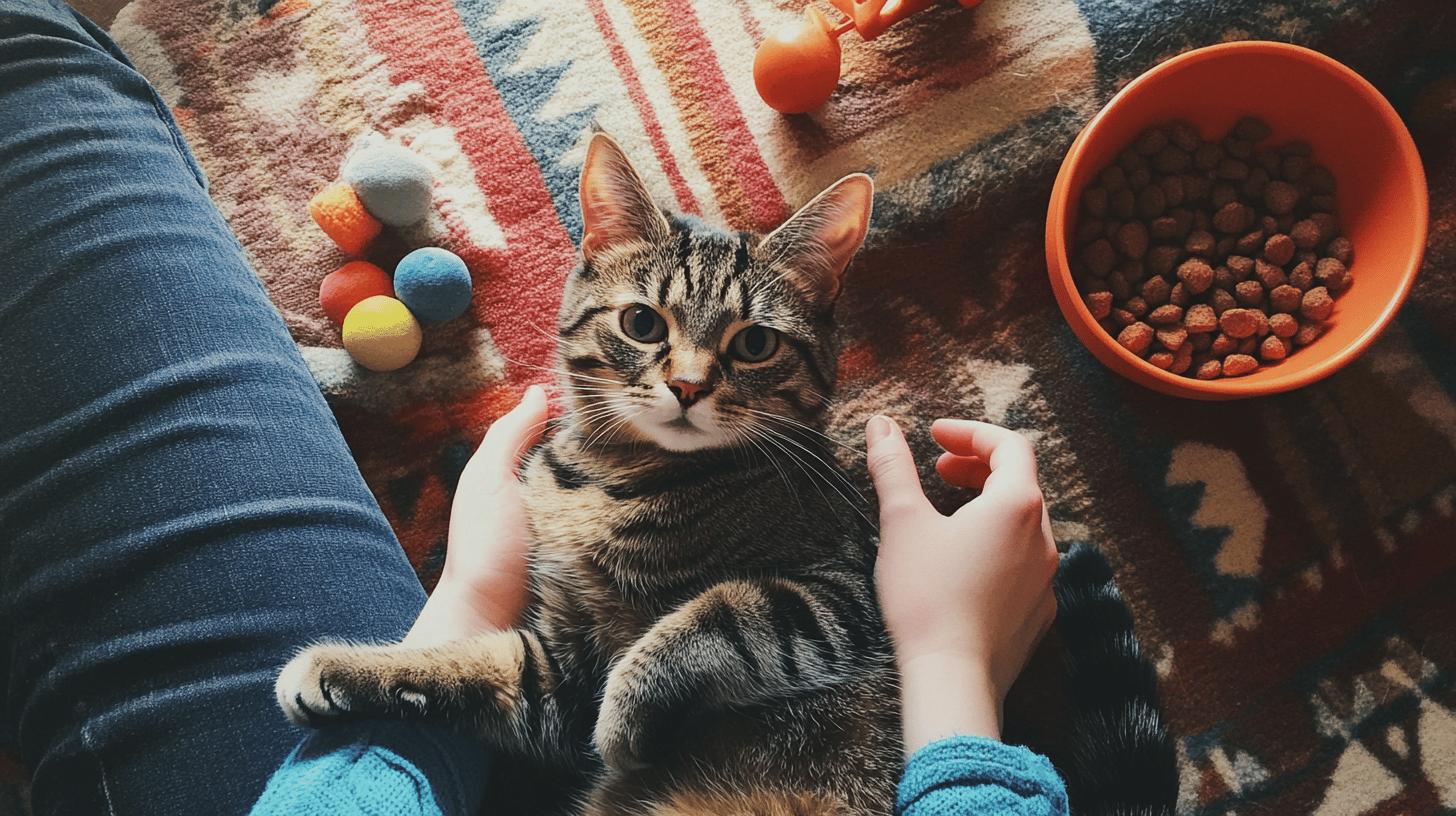
    Creating a calm environment for a frequently meowing cat involves understanding their needs and providing specific solutions. Focus on practical techniques to reduce stress and anxiety in your cat. Enrich their environment with unbreakable toys that encourage physical activity and mental stimulation. Establish a consistent daily routine to give them a sense of stability and predictability, which can help minimize vocalizations triggered by anxiety or stress.

    Advanced strategies can further assist in calming your cat. Consider using pheromone diffusers that mimic natural cat pheromones to promote relaxation. Behavioral training techniques can also be effective. These might include rewarding quiet behavior with treats or affection to reinforce calmness. If these strategies don't reduce meowing, consulting a veterinarian is crucial. They can offer insights into potential medical issues or recommend specialized behavioral training.

    • Provide an enriching environment with toys
    • Maintain a consistent routine
    • Use pheromone diffusers
    • Explore behavioral training techniques
    • Consult a veterinarian if needed

    When to Worry About a Cat's Meowing

    When to Worry About a Cats Meowing-1.jpg

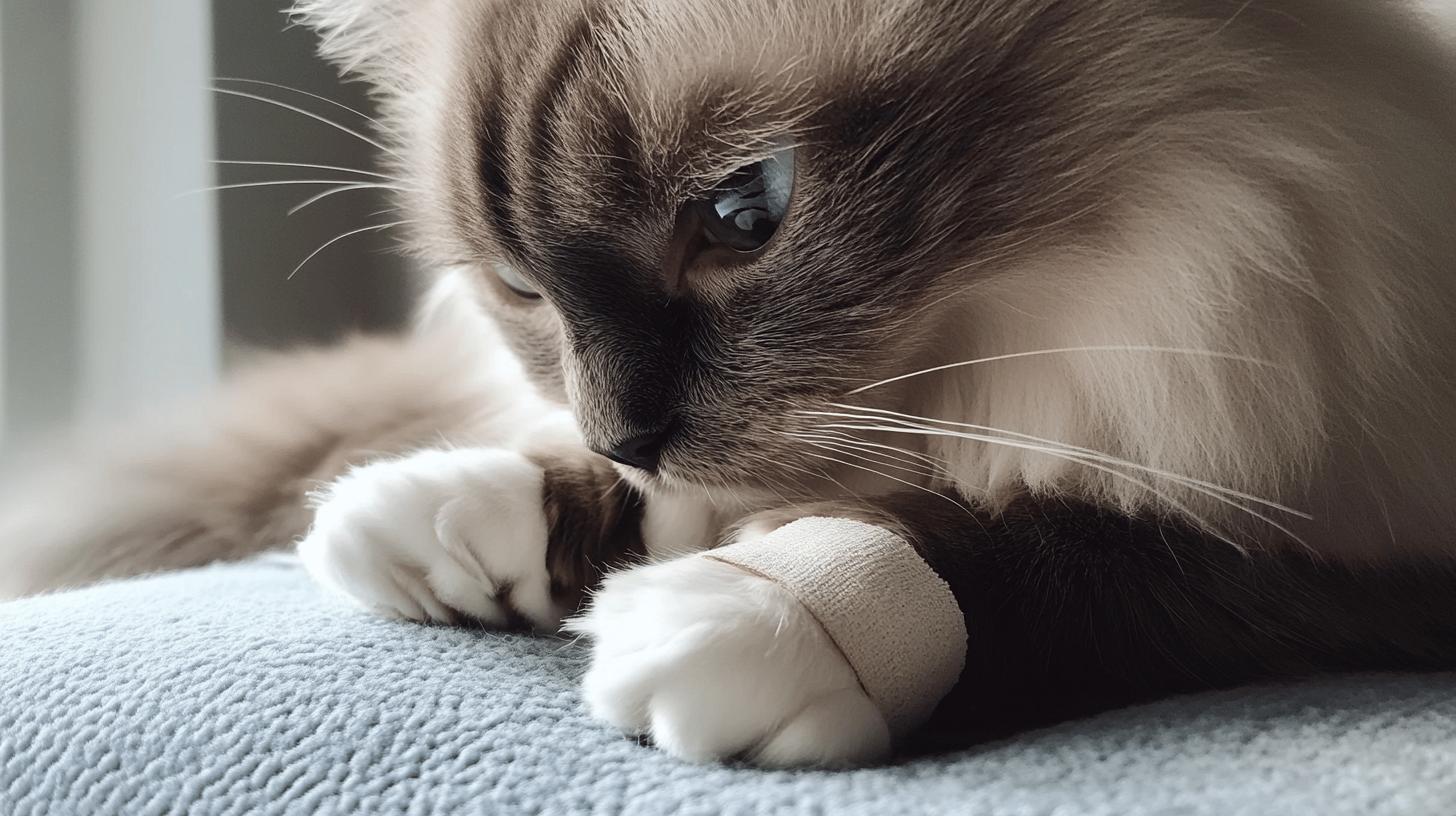
    Persistent meowing can sometimes be more than just a quirky habit. It might signal underlying health issues, especially if there's a noticeable shift in your cat's vocalization pattern. Cats experiencing pain or illness tend to meow differently—often in a long, slow manner that sounds strained or mournful. These changes can indicate discomfort or distress, and it’s crucial to pay attention to them. If your cat's meowing becomes more frequent or changes in tone and intensity, it may be time to consider medical reasons.

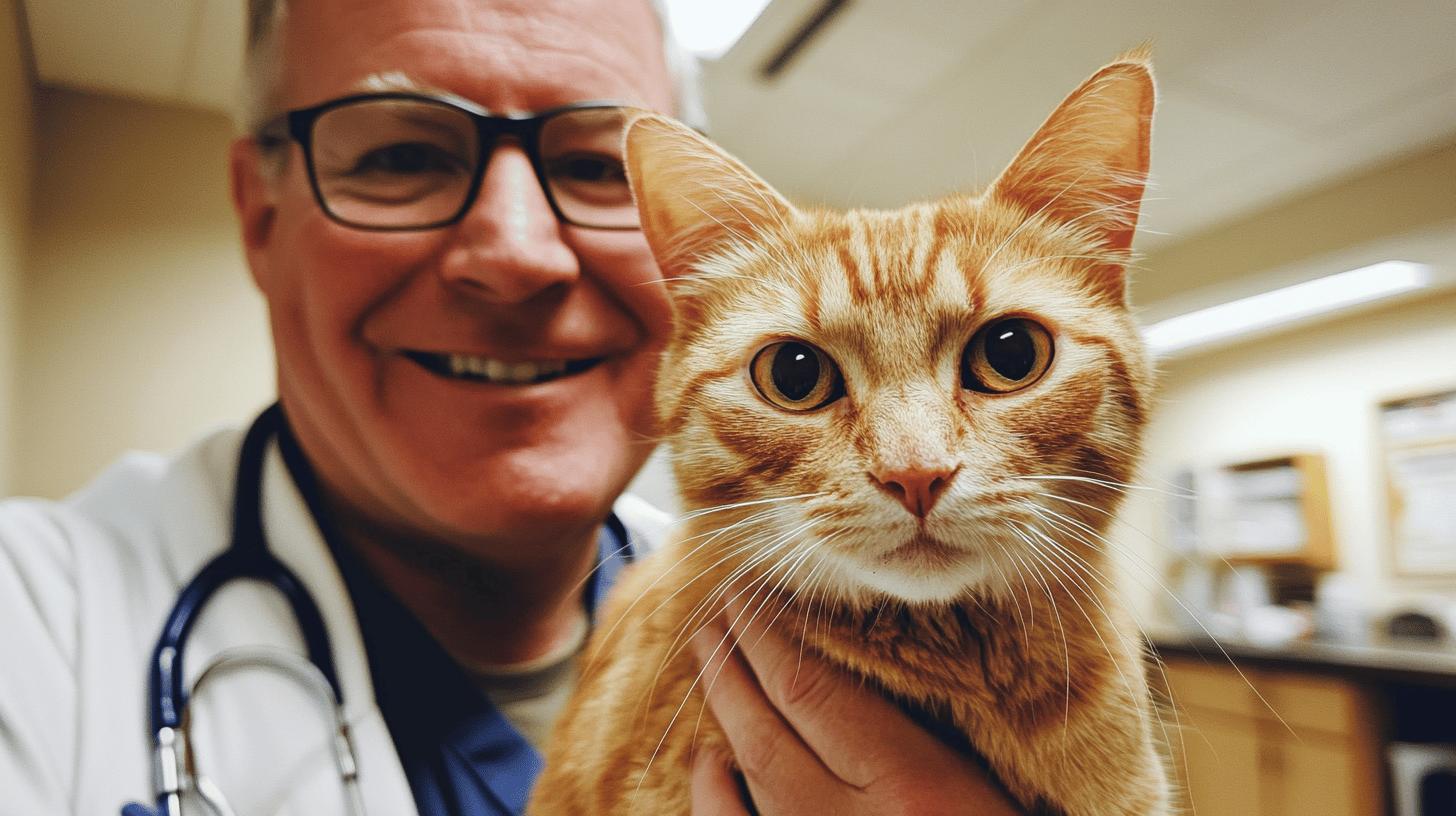
    Consulting a veterinarian is essential if persistent meowing is a new occurrence. A health checkup can help determine if there’s a medical issue causing the behavior. Early detection of potential illnesses can lead to more effective treatment and a quicker return to your cat's normal behavior. Being proactive with these signs can ensure that any serious health concerns are addressed promptly, keeping your feline friend happy and healthy.

    Sign Action
    Persistent meowing Consult veterinarian
    Strained or mournful sounds Schedule health checkup
    Changes in vocalization pattern Observe for other symptoms

    Understanding Cat Communication and Sounds
    Understanding Cat Communication and Sounds-1.jpg

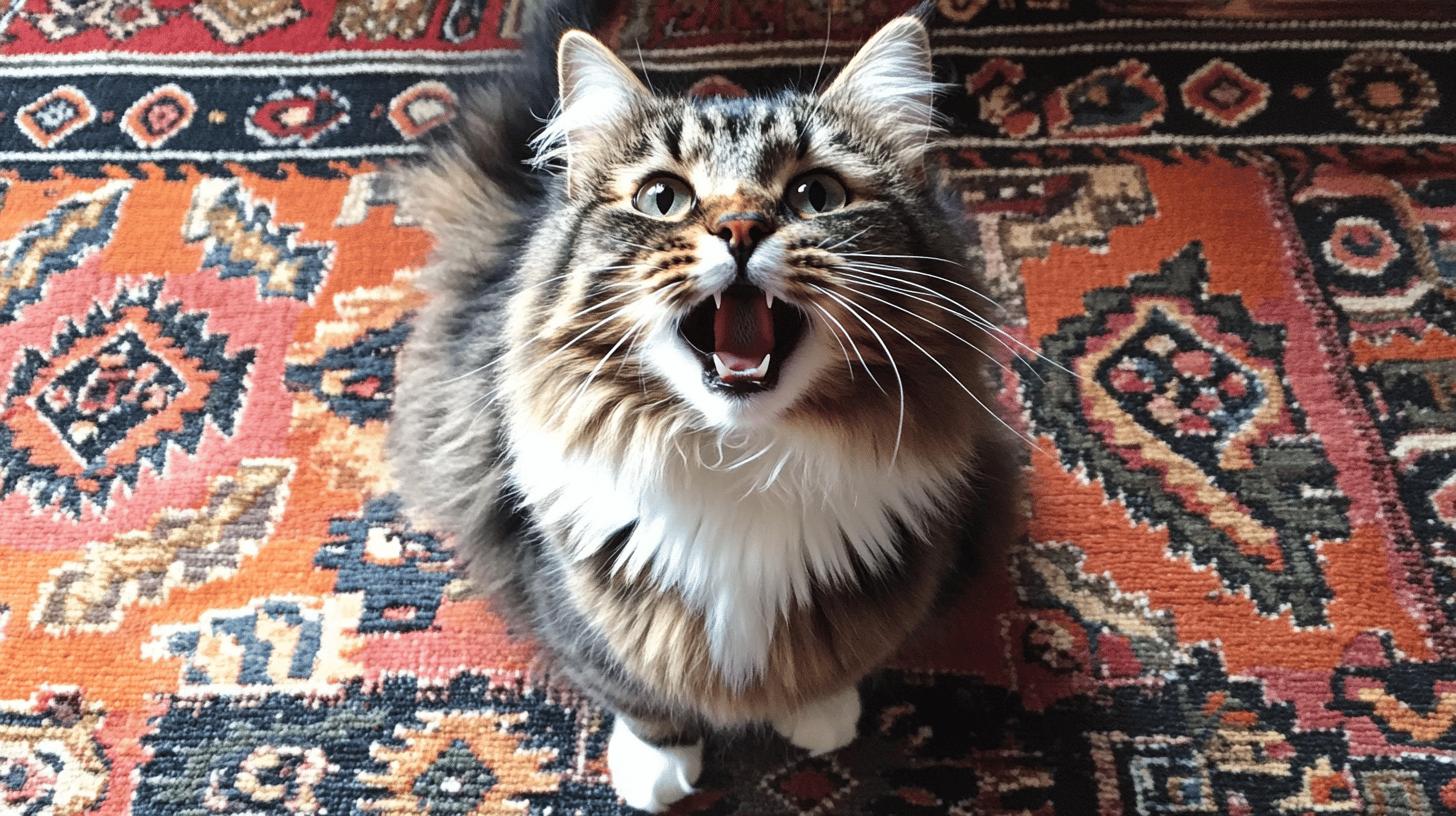
    Cat communication is a fascinating blend of vocalizations and behaviors that convey a wide range of emotions and needs. Cats use a variety of sounds, each with its own significance. From the softest purr to the loudest yowl, these sounds are an integral part of how cats interact with their environment and humans. Understanding these vocalizations can help us better meet our feline friends' needs and strengthen our bond with them.

    Meowing and yowling are two of the most common vocalizations, each serving different purposes. Meowing is often a cat's way of seeking attention or expressing a need. It’s their way of saying, "Hey, look at me!" or "I need something." In contrast, yowling is generally louder and more prolonged, often signaling distress, discomfort, or mating calls. Yowling can be a cat's attempt to communicate something more urgent or serious than a regular meow, requiring us to pay closer attention to the context in which it occurs.

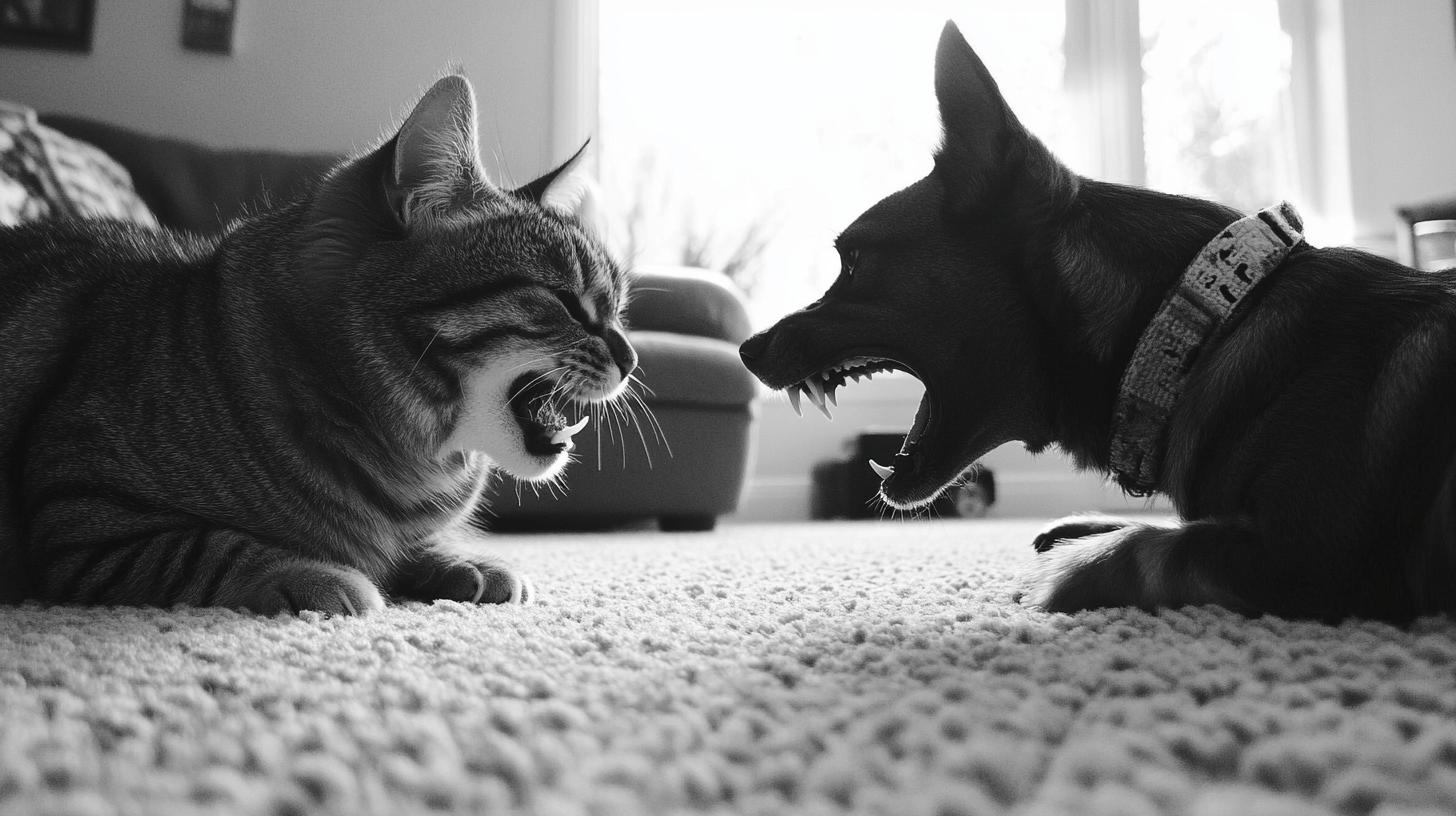
    Beyond meowing and yowling, cats also express themselves through sounds like purring and hissing. Purring typically indicates contentment and comfort, a soothing sound that cats make when they’re feeling relaxed and happy. However, cats may also purr when they’re in pain or anxious as a self-soothing mechanism. Hissing, on the other hand, is a clear sign of fear or aggression, warning others to back off. Recognizing these sounds helps us understand our cats' emotional states and respond appropriately to their needs.

    Environmental and Behavioral Factors Affecting Meowing
    Environmental and Behavioral Factors Affecting Meowing-1.jpg

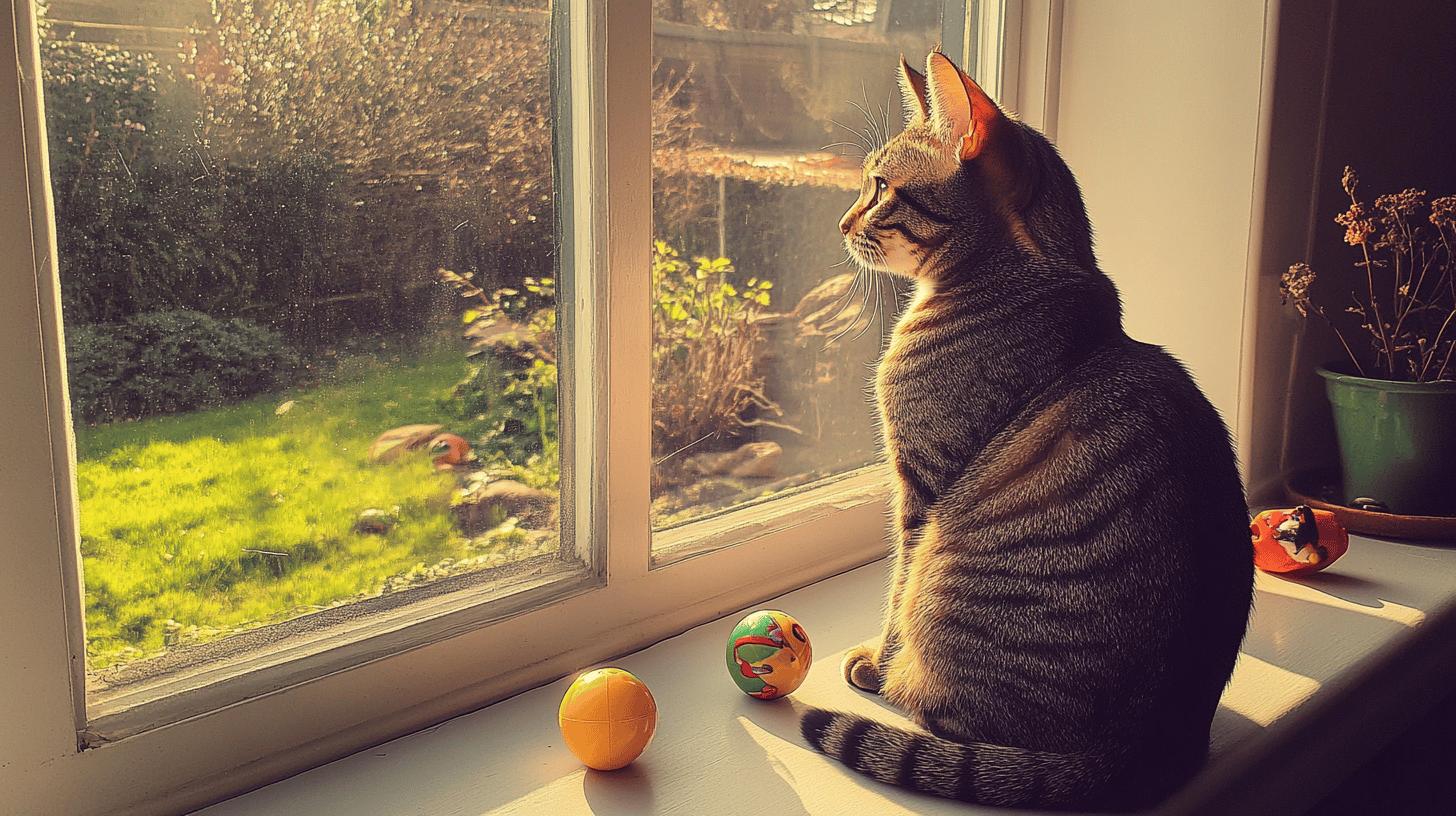
    Cats are sensitive creatures, and changes in their environment can significantly impact their vocalization patterns. A move to a new home, for instance, can be stressful for cats, leading them to meow more than usual as they adjust to unfamiliar surroundings. Similarly, introducing new pets into the household can disrupt a cat's sense of territory and security. This can result in increased meowing as they express their discomfort or attempt to establish new boundaries. Each of these changes can trigger a range of emotions in cats, from curiosity to anxiety, prompting them to vocalize more to communicate their feelings.

    Boredom and lack of stimulation also play a crucial role in excessive meowing. Cats are naturally curious and need mental and physical engagement to stay happy. Without adequate stimulation, they may resort to meowing to capture your attention or express their need for interaction. Providing a variety of toys and regular playtime can help reduce this type of vocalization. Establishing a consistent routine is also beneficial, as it offers cats a sense of predictability and security, minimizing stress-induced meowing. By recognizing these behavioral triggers, we can create a more enriching environment that satisfies our feline companions' needs.

    • Moving homes
    • Introducing new pets
    • Lack of toys or interaction
    • Changes in routine

    Final Words

    Understanding why cats meow a lot helps us improve their well-being. We've explored common causes like hunger, attention needs, and other factors that make them vocal. Recognizing signs of concern, like persistent meowing, ensures we catch potential health issues early. Using calming techniques such as providing toys and keeping a routine can help reduce unnecessary meowing. By tuning into our cats' communication, we create a more harmonious environment. Keep an eye on changes in their behavior to ensure your feline friend is happy and healthy.

    FAQ

    Why does a cat meow a lot all of a sudden?

    A cat may meow suddenly due to hunger, attention-seeking, or being in heat. Medical issues can also trigger this behavior. Observing changes can help determine the cause.

    Why does my cat meow a lot at night?

    Your cat may meow at night due to hunger, boredom, or being in heat. Senior cats might also exhibit this behavior due to aging. Ensuring comfort can alleviate nighttime meowing.

    Why is my female cat meowing so much?

    A female cat might meow a lot if she is in heat, seeking attention, or hungry. Ensuring she's not experiencing medical issues can also be essential.

    Why is my male cat meowing so much all of a sudden?

    Male cats may meow suddenly due to seeking a mate if they’re not neutered, or they might be hungry or have a medical concern. Check their environment for changes or needs.

    Why is my cat meowing so much all of a sudden at night?

    Sudden night meowing can stem from hunger, medical issues, or aging in cats. Ensuring their needs are met can help reduce this behavior.

    Is it normal for cats to meow a lot?

    While some cats are naturally more vocal, excessive meowing might indicate hunger, need for attention, or medical issues. If it seems unusual, checking with a vet is wise.

    Why does my cat walk around the house meowing?

    Cats may walk and meow to explore, seek attention, or indicate discomfort. Observe their behavior for any underlying needs or changes.

    Why is my cat so talkative lately?

    A talkative cat might be seeking attention, feeling stressed, or experiencing a medical concern. Addressing their needs and environment can help manage this behavior.

    Do cats meow more when sick?

    Cats may meow more if they’re sick, in pain, or distressed. Changes in vocalization warrant a vet visit to rule out health issues.
    Related Articles

  • Why Cat Headbutt Understanding Feline Behavior and Affection

    Why Cat Headbutt Understanding Feline Behavior and Affection

    Have you ever wondered why your cat gives you those gentle headbutts? This isn't just a quirky habit; it's a special way your cat shows affection and marks you as their own. Headbutting, or "head bunting," combines love with territory marking. By doing this, cats use their scent glands to express trust and claim their favorite humans and objects. Dive into this fascinating feline behavior, and uncover why these head nudges mean more than meets the eye. Understanding these adorable gestures can enhance your bond with your furry friend.

    Understanding the Reasons Behind Cat Headbutting

    Understanding the Reasons Behind Cat Headbutting-1.jpg

    Cats headbutting, or "head bunting," is a fascinating behavior that many cat lovers recognize as a sweet sign of affection. When a cat rubs its head against you or objects, it's not just a random action. This behavior serves two primary purposes: showing affection and marking territory. By headbutting, cats are expressing their fondness for you while also leaving their scent, which is a way to claim you as part of their territory.

    The way cats communicate through headbutting is quite unique. When a cat gently nudges you with its head, it's saying, "I trust you, and you are important to me." This act of bunting is a form of feline communication, where cats use physical touch to convey feelings of love and contentment. Often, cats will combine headbutting with purring, enhancing the expression of their affection and happiness.

    Scent marking plays a crucial role in the headbutting behavior of cats. By transferring their scent onto you and their surroundings, cats establish a sense of ownership and familiarity. This scent marking is not only about claiming territory but also about creating a comforting environment that they recognize as safe. The scent acts as a marker that reassures them of their presence and control over their space.

    The magic behind scent marking lies in the scent glands located on a cat's head. These glands are found around the temples, cheeks, and between the eyes and ears. When a cat headbutts, these glands release pheromones that carry the cat's unique scent. This scent is used to mark favorite people, other cats, or objects, creating a web of familiar smells that comfort them.

    Headbutting is deeply connected to the feeling of safety and security in cats. When a cat feels secure, it will freely express this through headbutting. This behavior indicates that a cat is comfortable and trusts its environment and the people within it. For cat owners, understanding and appreciating this gesture strengthens the bond between them and their feline friends.

    • Benefits of Scent Marking for Cats:
      • Reinforces a sense of ownership and territory.
      • Strengthens social bonds with humans and other cats.
      • Provides a sense of comfort and familiarity in their environment.
      • Helps communicate their mood and intentions through scent signals.

    Variations in Cat Headbutting Behavior

    Variations in Cat Headbutting Behavior-1.jpg

    Cats have their own unique ways of expressing affection through headbutting. Some cats give gentle nudges that seem almost like a soft whisper of love, while others might deliver more forceful headbutts, almost knocking you off balance. These variations in headbutting styles can reveal a lot about a cat's personality and their current mood. A gentle nudge might be a sweet greeting, whereas a more vigorous headbutt could indicate an enthusiastic moment of affection or a desire for attention.

    Not all cats express their fondness through headbutting. Each cat is different, and some prefer alternative ways to show they care. If your feline friend isn't a headbutter, look out for other signs of affection. Slow blinking is a classic signal—when your cat looks at you with half-closed eyes, they're giving you a kitty kiss. Greeting you at the door or showing happiness with an upright, vibrating tail are other heartwarming gestures that a cat might use to express their affection.

    Headbutting Style Possible Interpretation
    Gentle Nudge Simple greeting or mild affection
    Vigorous Headbutt Excitement or strong bonding moment
    No Headbutt Prefers other affection signals like slow blinking

    Social and Emotional Aspects of Cat Headbutting

    Social and Emotional Aspects of Cat Headbutting-1.jpg

    Headbutting is more than just a quirky behavior; it's an essential part of a cat's social bonding toolkit. Cats learn this behavior early in life, using it to bond with their siblings and mothers. In the wild, headbutting helps establish a sense of community and friendship among cats. When your cat headbutts you, it's extending this gesture of camaraderie, inviting you into its social circle. This action signifies the cat's willingness to accept you as part of its trusted group, a feline friendship badge of honor.

    Trust is at the core of a cat's headbutting behavior. By nuzzling against you, a cat reveals its vulnerable side. This act is a profound sign of trust, as the cat allows itself to be open and exposed. In the feline world, showing vulnerability is a way to communicate deep trust and security. When a cat chooses to headbutt, it's expressing confidence that you are a safe presence in its life. This vulnerability strengthens the bond, creating a deeper connection between you and your furry friend.

    The impact of headbutting on the human-animal bond is significant. When a cat headbutts, it's not just marking you with its scent; it's marking you as a source of comfort and safety. This behavior enhances the emotional connection between you and your cat, reinforcing feelings of attachment and affection. Understanding and appreciating headbutting as a form of communication helps cat owners respond with love and care, further solidifying the bond. Through these shared moments of affection, the headbutting ritual enriches the everyday relationship between cats and their human companions.

    Practical Tips for Responding to Cat Headbutting

    Practical Tips for Responding to Cat Headbutting-2.jpg

    When your cat headbutts you, it's sharing a moment of affection and trust. Understanding how to respond can strengthen the bond you share. Cats have sensitive heads, so it's crucial to be gentle when reciprocating. Recognizing headbutting as a positive gesture allows you to appreciate the feline affection and respond in a way that nurtures your relationship. By interpreting this touch correctly, you can ensure your cat feels loved and secure.

    • Approach your cat slowly and gently to avoid startling them.
    • Offer a soft, reassuring pet or scratch near the head, but avoid pushing back.
    • Acknowledge your cat's affection with soothing words or a gentle head-to-head nuzzle.

    Final Words

    Exploring why cat headbutt offers a glimpse into their unique ways of expressing affection and marking territory. These behaviors act as both a communication tool and a bond-strengthening action. We learned how cats use their scent glands to mark surfaces and people, ensuring they feel secure and loved.

    Understanding the variations in headbutting styles can deepen your connection with your cat. Recognizing headbutts as a gesture of trust and safety enriches your bond.

    Embrace these loving nudges with care, and enjoy stronger companionship with your furry friend.

    FAQ

    Should I headbutt my cat?

    Headbutting your cat in return is not necessary. Cats have sensitive heads. Instead, gently pet and speak to them. This will strengthen your bond and show affection.

    Why does my cat headbutt my phone?

    When a cat headbutts your phone, it often means they're marking it with their scent. It shows they consider your phone part of their territory and feel comfortable around it.

    Why does my cat headbutt me then bite me?

    If your cat headbutts and then bites, it can mean they're overstimulated. It starts as affection but might indicate they need space or a change in the interaction.

    Why do cats headbutt your legs?

    Cats headbutt legs as a way to mark territory and share their scent. It's a sign of comfort and belonging. This behavior indicates they feel safe with you.

    Cat headbutt and purring?

    When cats headbutt and purr, it usually shows contentment and trust. They are expressing affection and signaling that they enjoy your company.

    Why do cats headbutt my face?

    Cats headbutt faces as a loving gesture. It's a sign of trust because they show vulnerability by putting their face close to yours. They are marking you as theirs.

    Why cat headbutt reddit?

    Cats headbutt for a few main reasons like marking territory, seeking attention, and showing affection. It’s a common topic as it’s a relatable and endearing cat behavior.

    Why cat headbutt in the morning?

    In the morning, cats headbutt to greet you and seek attention. It can be their way of saying they're ready for food or some petting to start the day.

    What does it mean when a cat keeps headbutting you?

    A cat constantly headbutting you means they’re showing affection and marking you with their scent. It signifies trust and feeling at ease in their environment.

    How do you respond to a cat headbutt?

    Respond to a cat headbutt gently. Offer pets and soothing words. This shows them you understand their affection and is a respectful way to deepen your bond.

    Does a cat headbutting you mean they love you?

    Yes, cats headbutting typically means they love you. It's their way of showing affection, reliance, and marking you as part of their family with their scent.

    Why do cats bump your head with their head?

    When cats bump their head against yours, it's typically a friendly and affectionate act. It's their way of sharing scent and marking you as part of their safe space.

    Related Articles

  • Why Cat Hate Dog Understanding Common Causes of Pet Conflicts

    Why Cat Hate Dog Understanding Common Causes of Pet Conflicts

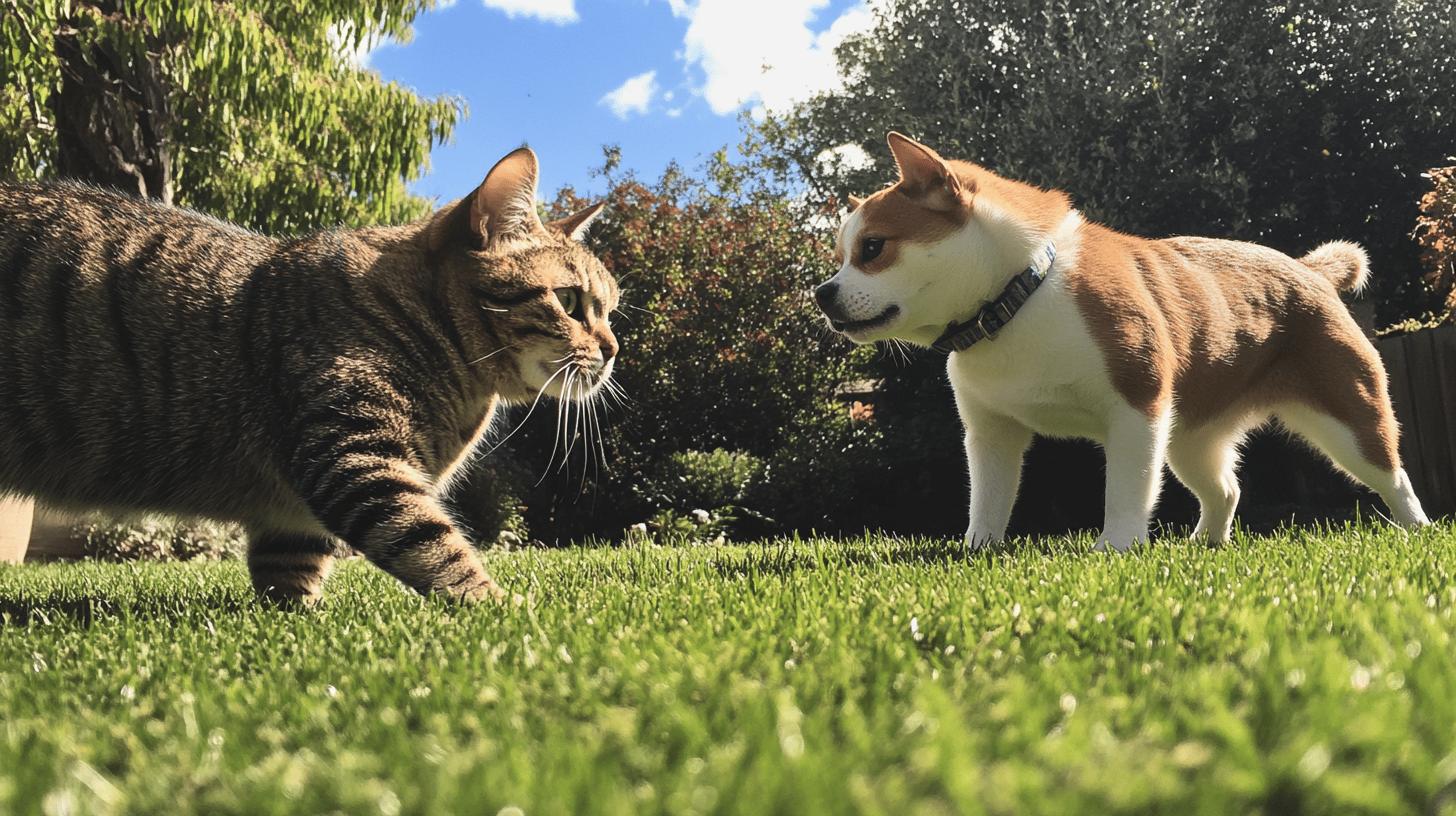
    Do cats really hate dogs, or is it a misunderstanding bred from nature? Our furry friends, despite their cute appearances, often clash like oil and water. Cats are the quiet thinkers of the animal world, relying on subtle body signals, while dogs are more like open books, loud and eager.

    A dog’s playful bark might ring as a threat to a cat more used to the silent approach. Why is the cat-dog dynamic often so tense? By exploring their instinctual behaviors, we can uncover the true reasons these pets don’t see eye to eye.

    Understanding Why Cats May Dislike Dogs

    Understanding Why Cats May Dislike Dogs-1.jpg

    • Different communication styles
    • Prey drive in dogs
    • Territorial nature of cats
    • Misinterpretation of play signals
    • Historical survival instincts

    Cats and dogs have fundamentally different ways of communicating, which often leads to misunderstandings. Cats rely heavily on body language, while dogs are more vocal and expressive. This difference can cause a cat to misinterpret a dog’s enthusiastic barking or wagging tail as threatening.

    Additionally, dogs have a natural instinct to chase smaller animals, which is often triggered by a cat’s quick movements. This prey drive can make cats feel threatened, leading them to view dogs as a danger rather than a friend.

    These innate differences often escalate into conflicts. A cat’s territorial nature means it may see a dog as an intruder, triggering defensive behavior. Similarly, what a dog perceives as playful behavior can be seen as aggressive by a cat, causing the cat to react defensively. These misinterpretations can create a cycle of fear and aggression, further fueling the perception of hostility between the two species.

    The common perception that cats inherently dislike dogs is rooted in these instinctual differences and historical interactions. Over time, these misunderstandings have fed into cultural myths and idioms about cat-dog animosity.

    In reality, with understanding and patience, cats and dogs can learn to coexist peacefully. Recognizing that their conflicts are driven by natural behaviors and not inherent animosity is the first step toward fostering a harmonious relationship between them.

    Historical and Evolutionary Origins of Cat-Dog Rivalry

    Historical and Evolutionary Origins of Cat-Dog Rivalry-1.jpg

    The rivalry between cats and dogs is rooted in their distinct evolutionary paths. Dogs, with ancestry linked to wolves, developed a pack mentality essential for social cooperation and survival. This pack orientation focused on hierarchical structures and collective effort.
    |
    In contrast, cats evolved as independent hunters, relying on stealth and agility to catch prey. Their solitary nature and territorial instincts meant they didn’t need to cooperate for survival. This difference in hunting and survival strategies laid the groundwork for a competitive dynamic—cats hunted alone, often leaving little for scavengers like early dogs.

    Today, these evolutionary traits still affect cat-dog interactions. Dogs may interpret a cat’s swift movements as prey behavior, triggering their chase instinct. Cats, perceiving dogs’ larger size and assertive behavior as threats, often react defensively to protect their territory.

    Historical context shows that this rivalry is less about animosity and more about ingrained survival tactics. Recognizing these evolutionary influences can help pet owners understand and manage their pets’ interactions, fostering a more harmonious coexistence by addressing these instinctual behaviors.

    Behavioral Traits Influencing Cat-Dog Interactions

    Behavioral Traits Influencing Cat-Dog Interactions-4.jpg

    To foster harmony between cats and dogs, we need to address their distinct behavioral quirks. Cats are fiercely territorial, often wary of new canine companions infringing on their space. They might hiss or swat as a defensive measure. This reaction is a cat’s way of asserting its need for personal space and routine, both crucial for its emotional well-being.

    Dogs, with their strong prey drive, might see a cat’s quick movements as an invitation to play. For the cat, this can feel like a predatory chase rather than a playful gesture. This misunderstanding often leads to tension or conflicts, as the cat seeks to avoid what it perceives as threatening behavior.

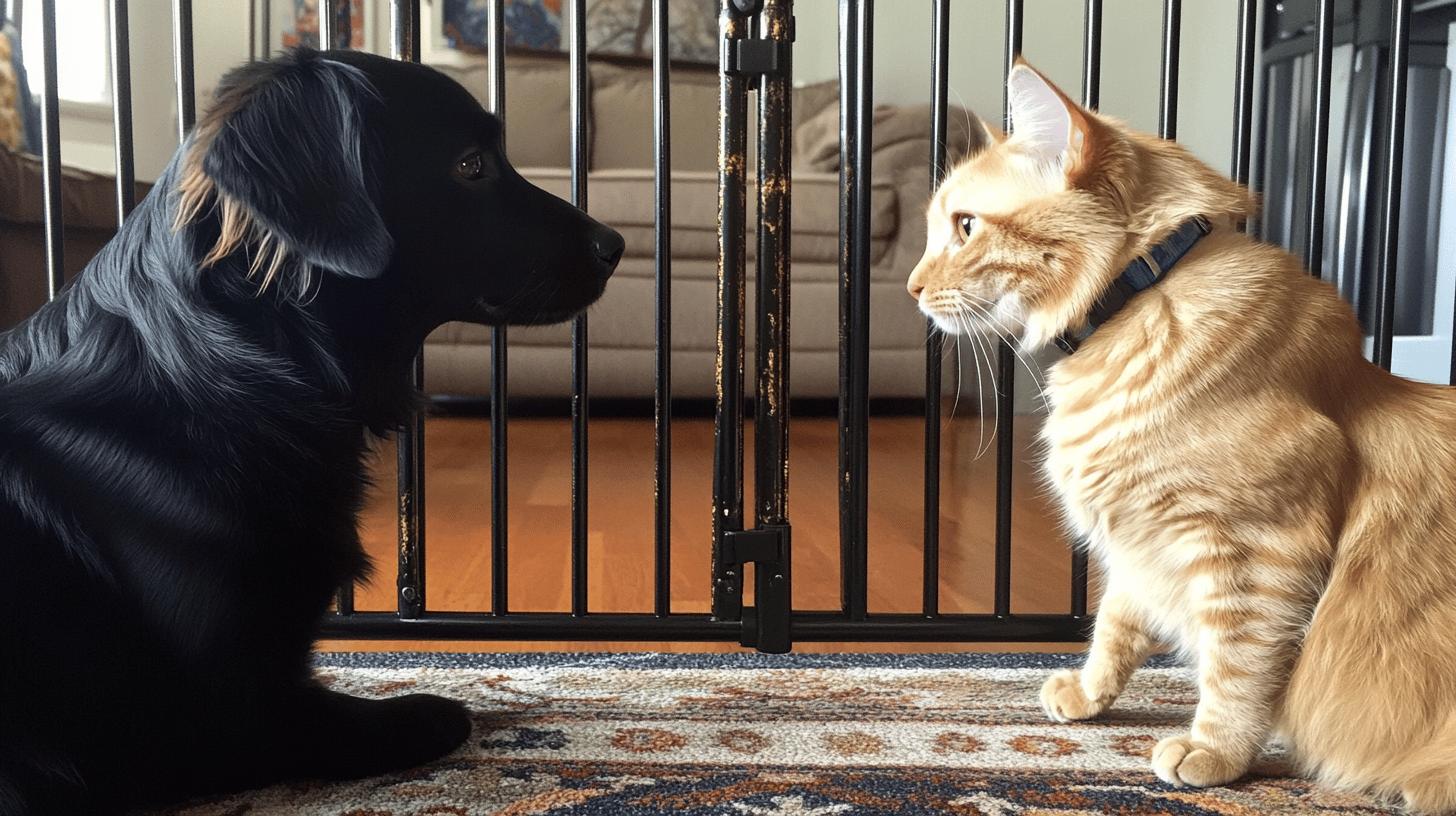
    Let’s look at a few strategies to manage these interactions effectively. Providing separate safe spaces for each pet can help minimize territorial disputes. Training dogs to respond to commands like “leave it” can reduce their tendency to chase. Gradual introductions, using barriers like baby gates, can also help them adjust to each other’s presence safely.

    Behavioral Trait Impact on Interaction
    Territorial Instincts Cats may react defensively to maintain their space.
    Prey Drive Dogs may unintentionally intimidate by chasing cats.
    Misinterpretation of Play Dogs’ playful actions might be seen as aggression by cats.

    By understanding these traits and adopting specific strategies, cat and dog owners can create a peaceful and cohabitable environment.

    Improving Cat-Dog Relationships: Practical Tips

    Improving Cat-Dog Relationships Practical Tips-1.jpg

    Creating harmony between cats and dogs requires patience and a thoughtful approach. Gradual introductions are essential. Begin with scent swapping by exchanging bedding or toys to help them get used to each other’s smell.

    Once they are comfortable with the scent, introduce them visually using barriers like baby gates. This lets them observe from a distance without feeling threatened, aiding in building positive associations and reducing fear or aggression.

    Here’s a list of practical tips to foster positive interactions:

    • Gradual introductions: Start with scent swapping and visual barriers before face-to-face meetings.
    • Separate spaces for each pet: Ensure each has a personal area to retreat, reducing stress.
    • Positive reinforcement: Reward calm and friendly behavior with treats and praise.
    • Monitoring interactions: Supervise initial meetings to prevent negative encounters.
    • Training for basic commands: Teach dogs commands like “sit” and “stay” to manage their behavior around cats.
    • Seeking professional guidance: Consider consulting an animal behaviorist if tensions persist.

    If conflicts continue despite efforts, professional advice can be invaluable. An animal behaviorist can offer strategies tailored to specific issues, helping improve the relationship. Remember, every pet is unique. With patience and consistent efforts, peaceful coexistence is achievable.

    Behavioral Traits Influencing Cat-Dog Interactions

    Cats and dogs express stress in distinct ways. Cats may hide, groom excessively, or spray, indicating discomfort. Dogs, on the other hand, could become more vocal or destructive and may experience changes in appetite. Recognizing these signs early helps address issues before they lead to conflicts.

    Providing separate spaces is essential in resolving conflicts. Cats thrive with high or secluded areas to retreat and feel secure, reducing territorial disputes. Training pets with commands like “leave it” and rewarding calm behavior fosters positive interactions. Close monitoring of initial interactions prevents misunderstandings and negative encounters.

    Patience and consistency are crucial for peaceful coexistence. Adjusting to new companions takes time and commitment to training and positive reinforcement. By rewarding calm behavior and creating a structured environment, pets feel secure. Remember, each pet is unique, and adapting strategies to their needs supports a harmonious household.

    Final Words

    Exploring why cats might dislike dogs, we learned that it’s not about hatred. Differences in their communication and behaviors play a big role. Dogs’ natural prey drive and cats’ territorial instincts often lead to misunderstandings. These instincts have deep historical and evolutionary roots.

    Recognizing these traits, we can better manage interactions. By practicing gradual introductions and positive reinforcement, harmony is achievable. While mixed-pet households face challenges, understanding “why cat hate dog” provides an opportunity for improved playtime experiences and a peaceful home for both pets. With patience, cats and dogs can coexist happily.

    FAQ

    Why do cats not like dogs?

    Cats may not like dogs due to differences in communication styles, the dog’s prey drive, and cats’ territorial nature. These lead to misunderstandings and sometimes conflict between the two animals.

    Why are cats afraid of dogs?

    Cats might be afraid of dogs because they see them as a threat. Dogs’ natural instinct to chase smaller animals can trigger a cat’s flight response.

    What to do when my cat hates my dog?

    When your cat hates your dog, start with gradual introductions. Create separate spaces, use positive reinforcement, and monitor their interactions closely to help them adjust.

    How can I get my dog and cat to get along?

    To get your dog and cat to get along, introduce them slowly, provide separate areas, and use treats to reward calm behavior. Training and professional advice can also be beneficial.

    How to train a dog to be friendly to cats?

    Train a dog to be friendly to cats by reinforcing calm behavior with treats. Use basic commands, gradually increase their time together, and always supervise their interactions.

    When will my cat stop hissing at my dog?

    A cat may stop hissing at a dog within days, but it can take months. Consistent training, and stress management, help improve their relationship over time.

    What are some tips for cat and dog coexistence?

    For cat and dog coexistence, use gradual introductions, create separate spaces, apply positive reinforcement, monitor interactions, teach basic commands, and seek professional help if needed.

    Why do cats not obey like dogs?

    Cats might not obey like dogs due to different evolutionary backgrounds. Dogs are pack animals used to following commands, while cats are more independent by nature.

    Related Articles

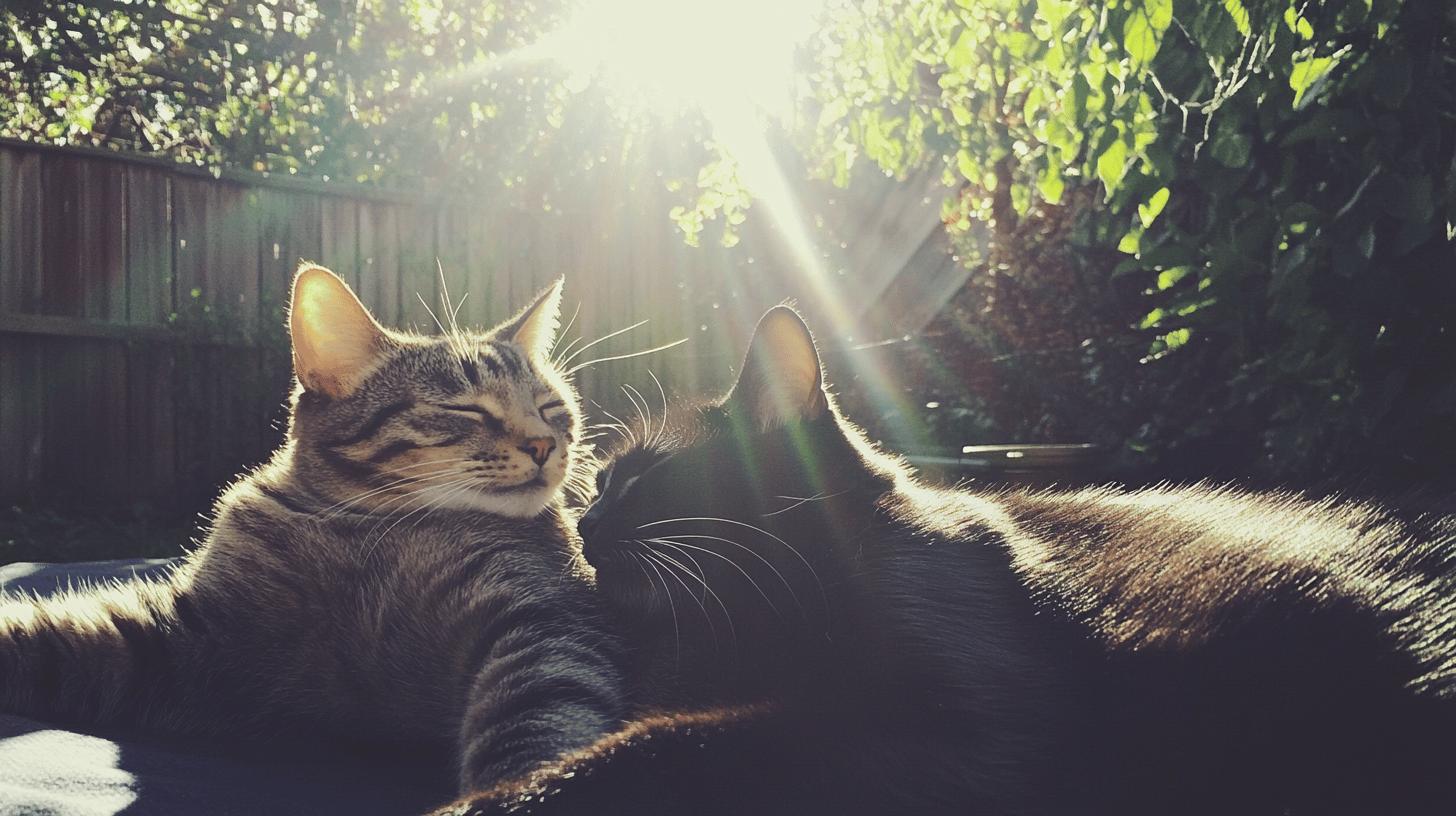
  • Why Cat Lick Each Other Explained

    Why Cat Lick Each Other Explained

    Ever wonder why cats lick each other? It's not just about cleanliness. This intriguing behavior, known as allogrooming, plays a big part in their social world. Cats lick each other to show affection and create strong bonds, much like a team working together toward a common goal. Some experts say it's essential for their health, helping them clean hard-to-reach places and remove pesky parasites. Understanding this can help us better appreciate these amazing animals and ensure our feline companions live happy, connected lives.

    Understanding Why Cats Lick Each Other

    Understanding Why Cats Lick Each Other-1.jpg

    Cats engage in a behavior known as allogrooming, which is when they groom other cats—and sometimes humans. This action is more than just a grooming routine; it's a way for our feline friends to show affection and establish strong social bonds. Allogrooming is commonly observed among bonded cats and within feline colonies, where it acts as a communal activity that reinforces friendships.

    The reasons cats lick each other are primarily centered around affection and the strengthening of bonds. When one cat grooms another, it is often a sign of trust and camaraderie. Veterinary experts point out that this behavior serves multiple purposes. It helps cats clean areas they can't reach on their own, such as the top of the head. Additionally, mutual grooming aids in removing parasites like fleas and ticks, which is essential for their health. The act of grooming communicates a sense of belonging and acceptance within the group, making it a cornerstone of feline social behavior.

    • Affection and bonding
    • Social bonding
    • Cleaning hard-to-reach areas
    • Parasite removal
    • Communication

    Understanding why cats lick each other is important for cat lovers. It helps us appreciate the depth of their social interactions and the critical role grooming plays in their lives. By recognizing these behaviors, we can better support their well-being and create a more harmonious environment for our furry companions.

    Social and Grooming Dynamics in Cats

    Social and Grooming Dynamics in Cats-1.jpg

    Cats dedicate a significant portion of their day, about 30 to 50 percent, to grooming. This behavior extends beyond personal hygiene, playing a crucial role in their social interactions and structure. Grooming helps maintain cleanliness and strengthens social bonds within cat communities. It allows cats to assist each other with hard-to-reach areas like the head, face, and ears, fostering cooperation and care among them.

    Grooming as Hierarchy and Dominance

    Grooming is not solely about staying clean; it can also indicate social hierarchy. In groups, dominant cats often initiate grooming with those of lower status. This behavior subtly asserts dominance, helping to establish and maintain social order. Understanding these dynamics is essential for maintaining peace in multi-cat environments, as it clarifies roles and reduces potential conflicts.

    Social Interactions and Communication through Grooming

    Grooming serves as an important means of communication and social interaction for cats. When cats groom each other, they engage in non-verbal communication that reinforces social bonds. This activity conveys messages of trust, acceptance, and cooperation, expressing comfort and familiarity within the group. It becomes an integral part of their social language, crucial for building harmonious relationships.

    Recognizing these dynamics is vital for multi-cat households. Understanding grooming as both a form of communication and a reflection of hierarchy allows us to better interpret our cats' relationships and needs. This insight helps foster an environment where each cat feels understood and respected.

    Health and Hygiene Benefits of Cat Grooming

    Health and Hygiene Benefits of Cat Grooming-1.jpg

    Grooming is a key aspect of maintaining a cat's hygiene and health. Cats often engage in allogrooming, which enhances their cleanliness by reaching areas like the top of the head that are difficult to groom alone. This behavior not only keeps their fur clean but also promotes blood circulation and distributes natural oils, contributing to a shiny and healthy coat.

    In addition to maintaining hygiene, grooming is vital for removing parasites such as fleas and ticks, especially in outdoor colonies. This collective effort in allogrooming reduces parasite-related health risks and contributes to longer life spans. By participating in mutual grooming, cats also strengthen their social bonds, which is beneficial for their mental well-being.

    Benefit Description
    Hygiene maintenance Promotes cleanliness and healthy fur, enhances blood circulation and distributes natural oils
    Parasite removal Helps eliminate fleas and ticks, reducing health risks
    Improved longevity Contributes to longer life spans and strengthens social bonds

    Challenges and Misunderstandings in Cat Grooming

    Challenges and Misunderstandings in Cat Grooming-1.jpg

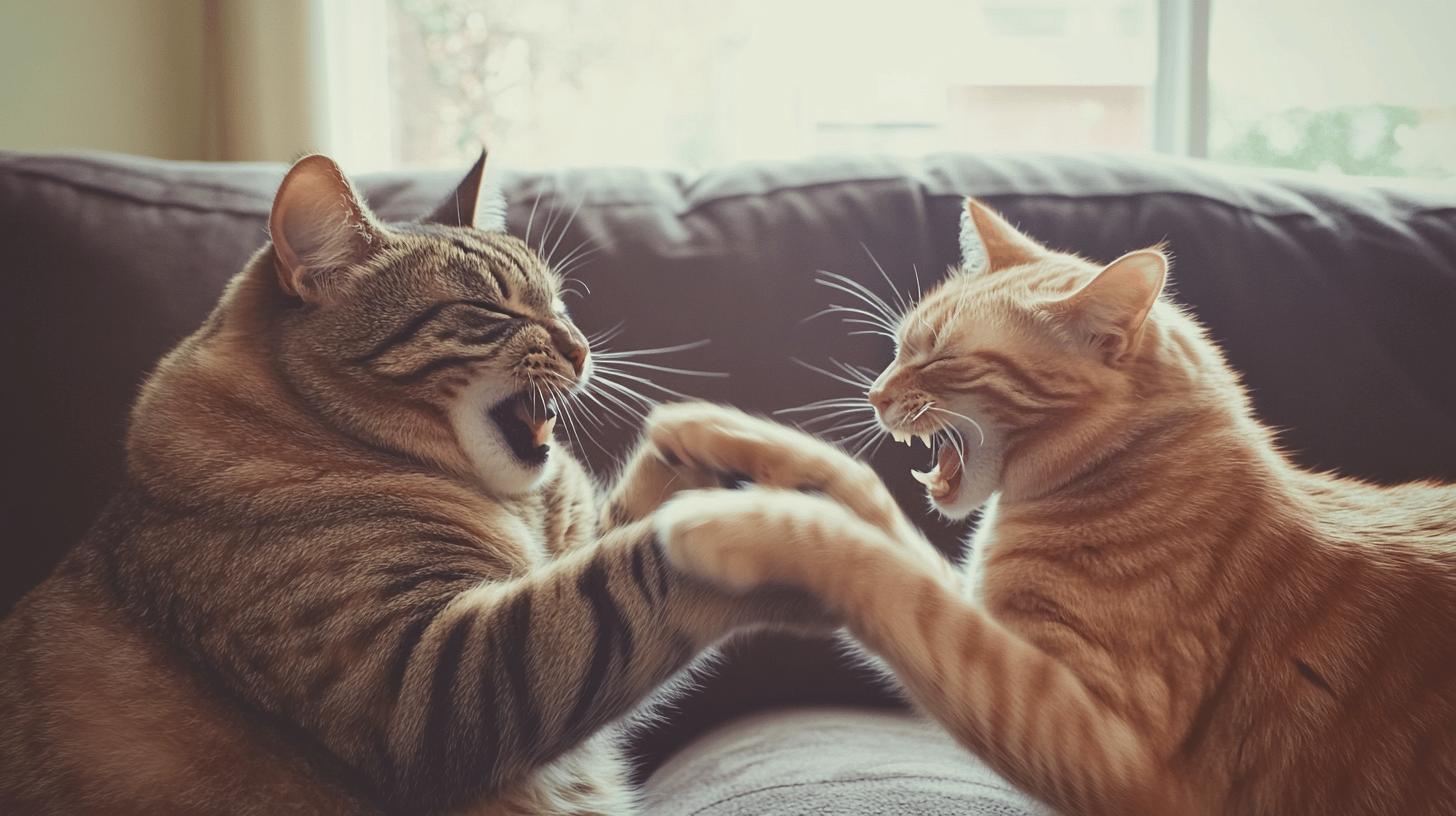
    Grooming is a natural and essential behavior for cats, but it can sometimes lead to unexpected challenges. After a grooming session, cats may transition into play fighting. This shift is often triggered by overstimulation, similar to how a cat might react when petted for too long. While these playful tussles are usually harmless, they can escalate if not properly managed, leading to misunderstandings about the nature of cat interactions.

    Excessive Grooming as a Health Indicator

    Excessive grooming often signals underlying health issues. When a cat spends an inordinate amount of time grooming itself or a housemate, it might be trying to alleviate discomfort or pain. Conditions such as skin allergies, parasites, or stress can lead to this behavior. Pay close attention to signs like bald patches or skin irritations. If you notice these symptoms, it's wise to seek veterinary advice to rule out potential health problems.
    Grooming to Redirect Aggression

    In multi-cat households, grooming can sometimes serve as a way to redirect aggression. Cats may lick another cat to diffuse tension or avoid conflict, using grooming as a calming strategy. This behavior underscores the complexity of feline social dynamics, where grooming acts as both a bonding tool and a means to manage hostility. Observing these interactions can provide insights into your cats' relationships and help you create a peaceful home environment.

    To manage grooming-related challenges, provide your cats with ample space and resources to reduce competition and stress. Engage them with interactive toys and activities to channel their energy positively. Monitoring their grooming habits can help you catch any potential issues early, ensuring your feline friends remain happy and healthy.

    Final Words

    Exploring why cats lick each other reveals much about their world. Mutual grooming serves as a sign of affection and bonding, reflecting strong social connections within cat communities. It helps with hygiene, removing parasites, and reaching tricky spots.

    Understanding this behavior enhances our appreciation of the complex dynamics among cats, including hierarchy and dominance. Recognizing the health benefits and social communication aspects helps create a harmonious environment for your cats.

    Appreciating why cats lick each other not only improves their playtime experience but also ensures a healthier and happier life for your furry friends.

    FAQ

    Why do cats lick each other?

    Cats lick each other to show affection and bonding. This behavior, known as allogrooming, is common among bonded cats or those in the same colony.

    Why do my cats lick each other and then fight?

    Cats may fight after grooming due to overstimulation. Grooming can sometimes lead to play fights, especially if one cat gets too excited.

    Why does my cat lick my other cat's head?

    When a cat licks another cat's head, it often shows trust and affection. This type of grooming helps clean areas that are hard to reach.

    Why does my cat lick my other cat then bite him?

    After licking, a cat might bite as part of playful interaction or display light aggression. They may do this if they're overstimulated or establishing boundaries.

    Do male cats groom each other?

    Yes, male cats do groom each other. This mutual grooming is a sign of friendship and bonding between them.

    Is it normal for cats to lick each other's privates?

    Cats licking each other's privates is normal. It's part of their grooming process and can help in cleaning hard-to-reach areas.

    Do cats groom each other to show dominance?

    Grooming can be a sign of dominance. Higher-ranking cats in a social group often initiate grooming with lower-ranking ones.

    Are my cats bonded if they groom each other?

    If your cats groom each other, it's a sign they are bonded. Grooming indicates trust and closeness between cats.

    Is it good if a cat grooms next to you?

    If a cat grooms near you, it shows they feel relaxed and safe. This behavior indicates they enjoy your presence.

    Do cat licks mean kisses?

    Cat licks can be seen as kisses. When cats lick you or each other, it's a form of affection and trust.

    Related Articles

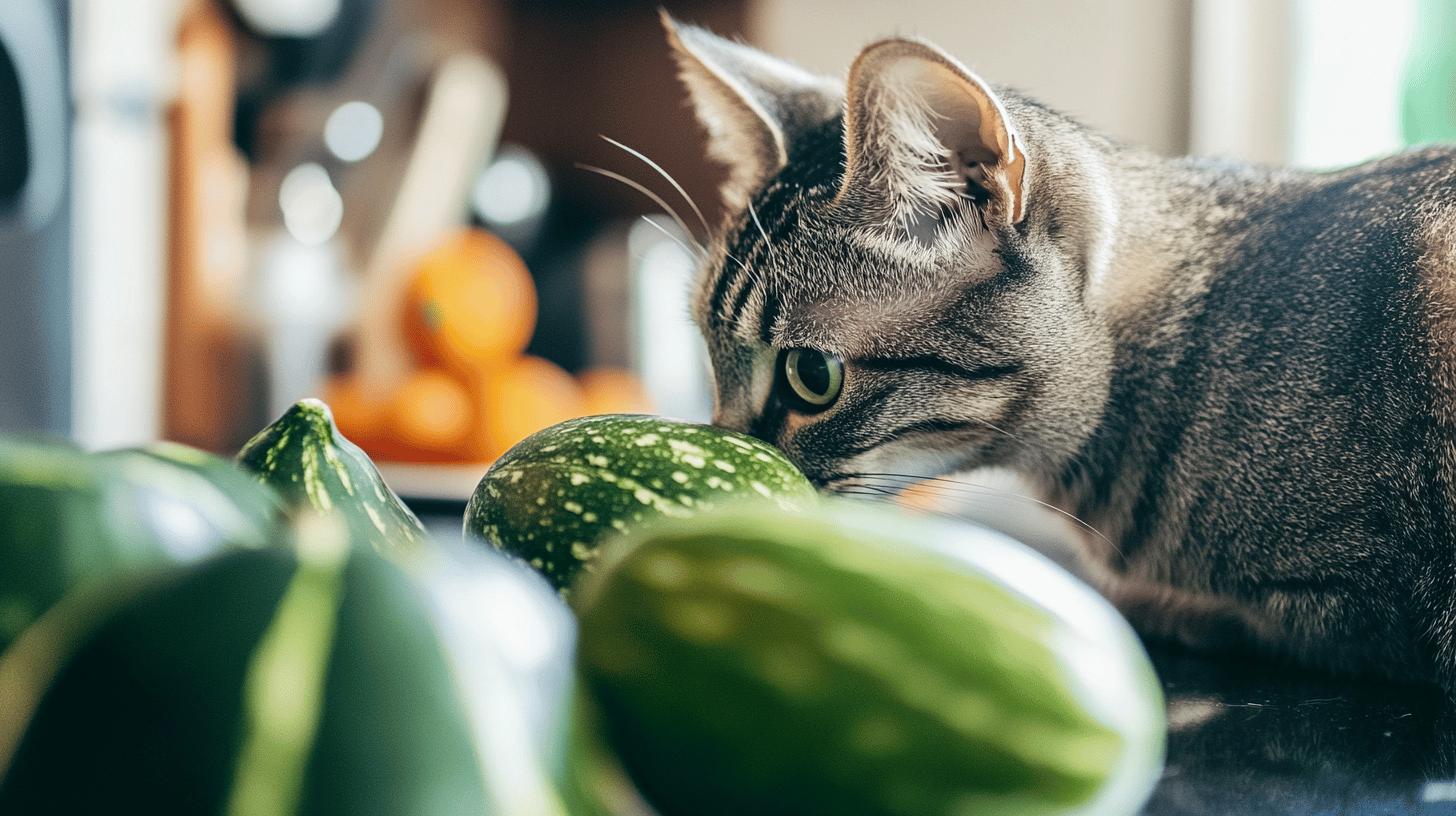
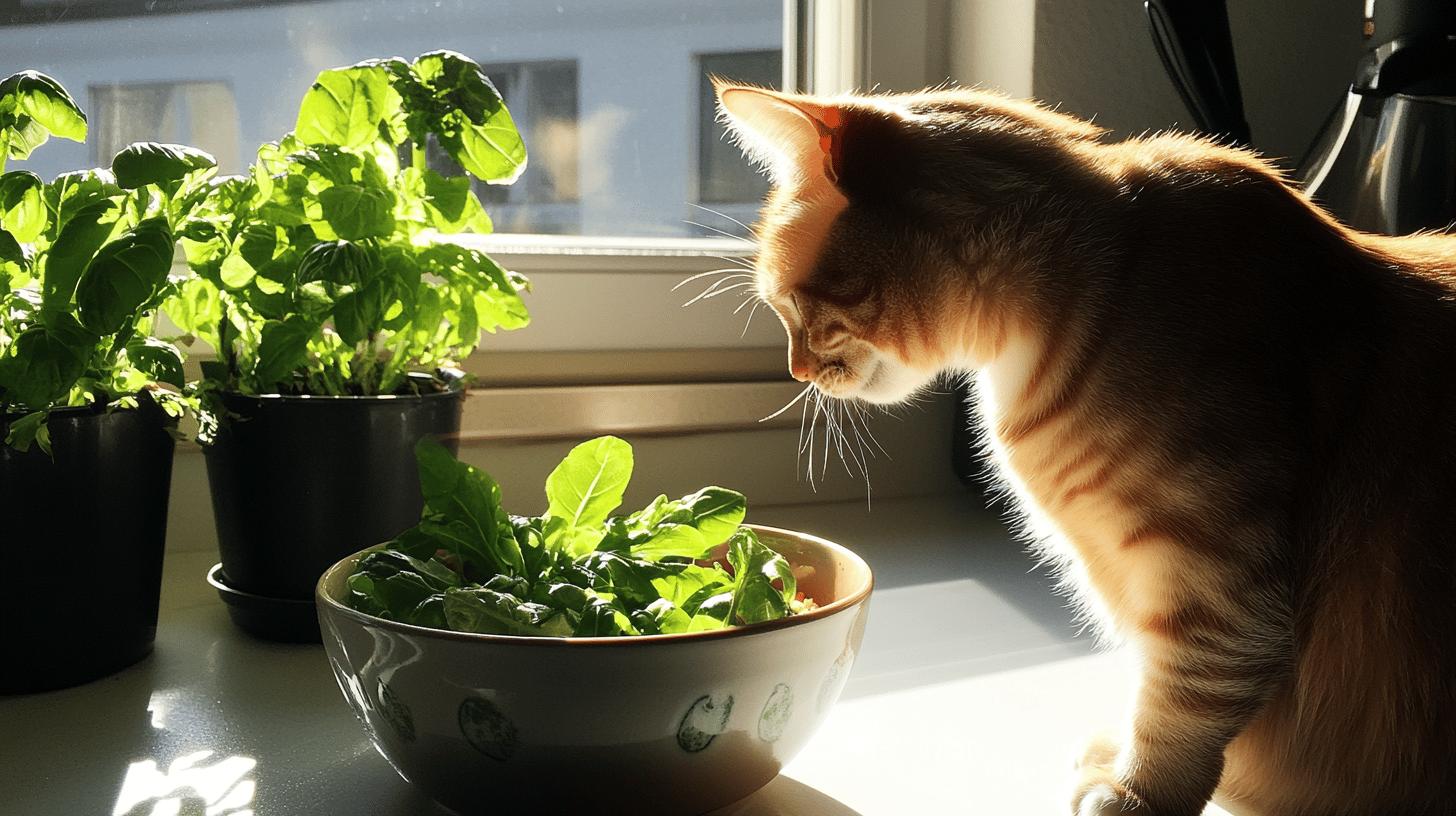
  • Can Cat Eat Bitter Gourd Safety and Nutritional Insights

    Can Cat Eat Bitter Gourd Safety and Nutritional Insights

    Ever wondered if you could share your bitter gourd with your cat? While it might seem harmless, bitter gourd isn't an ideal snack for our feline friends. Though it's not toxic, cats may struggle with its unpleasant taste and potential digestive upset. Cats are true carnivores, depending on a meat-rich diet for health. So, while humans might benefit from this veggie's nutrients, cats don't need them. Understanding why bitter gourd doesn't belong in their diet can help keep your cat safe and nourished.

    Can Cats Eat Bitter Gourd? Understanding Safety and Nutritional Impact

    Can Cats Eat Bitter Gourd Understanding Safety and Nutritional Impact-1.jpg

    Bitter gourd, also known as bitter melon, is a unique vegetable recognized for its distinct bitter flavor. Though not toxic to cats, it's not recommended as part of their diet. The bitterness can be off-putting, and its consumption might lead to digestive discomfort in felines. While the vegetable is safe in terms of toxicity, its unpalatable taste and potential for causing mild digestive issues make it unsuitable for our furry friends.

    Cats are obligate carnivores, which means their diet should be primarily meat-based. This dietary requirement ensures they receive vital nutrients such as taurine, which is essential for their health. While bitter gourd does contain some nutritional benefits for humans, like vitamins and minerals, these are unnecessary for cats. A balanced diet of quality cat food already provides everything they need. Including non-meat items like bitter gourd may disrupt their digestive system and nutritional balance.

    If a cat happens to nibble on bitter gourd, it might face mild symptoms such as:

    • Vomiting
    • Diarrhea
    • Lethargy

    Let's take a closer look at the nutritional makeup of bitter gourd compared to typical cat food:

    Nutrient Bitter Gourd Cat Food
    Protein Low High
    Fiber Moderate Low
    Vitamin C Present Not Required
    Taurine Absent Essential

    Monitoring your cat for any adverse reactions is crucial if it consumes bitter gourd. Symptoms like vomiting or diarrhea should be addressed promptly. If these occur, consulting a veterinarian is advised to ensure your pet's health and well-being. Ensuring a balanced diet tailored to your cat's carnivorous nature will keep them happy and healthy.

    Safe Vegetables and Alternatives for Cats

    Safe Vegetables and Alternatives for Cats-1.jpg

    When it comes to treating our feline friends with a taste of human food, it's crucial to choose options that align with their dietary needs. Cats are obligate carnivores, so their primary nutrition must come from meat. However, there are safe alternatives and snacks that can be offered occasionally. These human foods can add variety to their diet without compromising their health.

    Safe options for cats:

    • Cooked chicken
    • Cooked turkey
    • Cooked fish
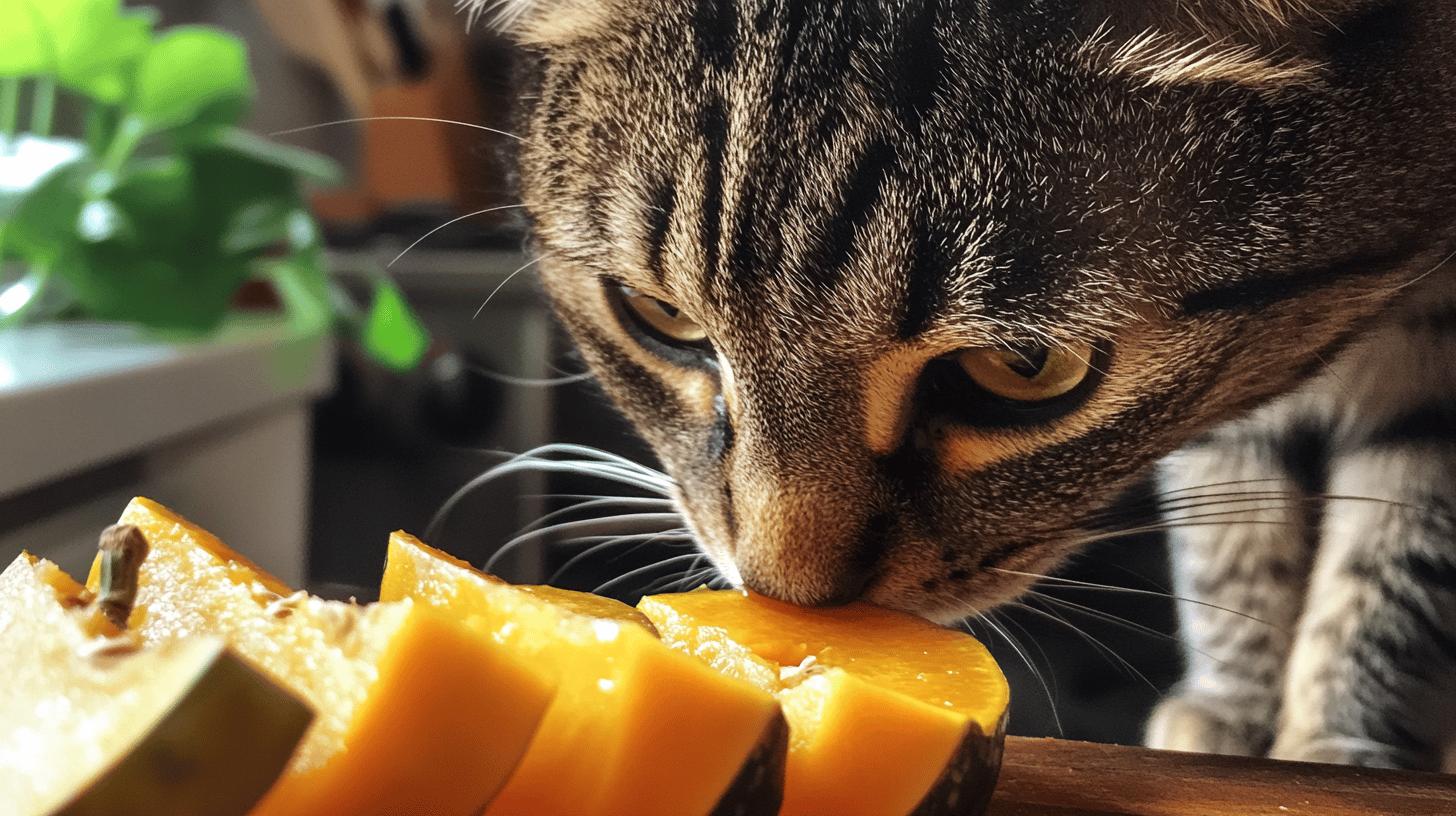
    • Melon (in moderation)
    • Small amounts of specific vegetables

    Feeding cats these alternatives can provide them with extra nutrients and fiber. For example, cooked chicken, turkey, and fish are high in protein, which is vital for a cat's muscle development and energy. Melon, though lacking sweet taste buds, can be appealing to cats due to its scent and offers hydration and vitamins like A and C. Certain vegetables, when cooked and given in small amounts, can supplement fiber in their diet, aiding digestion.

    When introducing any new food to your cat, it's important to do so gradually. Start with small portions to see how your cat reacts. Moderation is key; too much of even a safe food can lead to digestive upset. Always observe your cat for any adverse reactions and consult with a veterinarian if you have concerns about their diet. By carefully selecting and moderating these snacks, you can enrich your pet's diet while keeping them safe and satisfied.

    Expert Recommendations on Cat Diet and Non-Meat Foods

    Expert Recommendations on Cat Diet and Bitter Gourd-3.jpg

    Veterinarians stress that cats need a meat-based diet for optimal health. As obligate carnivores, they depend on animal proteins for vital nutrients like taurine. A diet rich in high-quality cat food delivers the essential proteins, fats, and vitamins needed. For any changes in their diet, it's crucial to talk with a veterinarian. Their expert advice can be tailored to your cat's specific dietary needs.

    While bitter gourd isn't toxic to cats, it can cause digestive upset and offers no nutritional benefits. Some cat owners mistakenly believe certain non-meat foods are safe, but these can disrupt a cat's nutritional balance. Always seek a vet's guidance before adding any new foods to your cat's diet. This ensures your furry friend maintains a diet that supports their natural carnivorous habits.

    Nutritional Profile and Digestive Analysis

    Bitter gourd, also known as bitter melon, contains several alkaloid compounds including momordine and polypeptide-P that challenge feline digestive systems. Unlike humans who can metabolize these compounds gradually, cats possess limited enzymatic capacity for alkaloid processing, leading to accumulation with repeated exposure.

    From a macronutrient perspective, bitter gourd is predominantly water (93-95%) with minimal protein, making it nutritionally insignificant for carnivorous cats. However, the trace nutrients present–vitamin C, potassium, and manganese–exist in amounts too small to meaningfully supplement feline diets.

    The primary concern centers on digestive processing. Raw bitter gourd contains more active alkaloids than cooked varieties. Cooking reduces alkaloid concentration by approximately 30-40%, but even cooked bitter gourd remains challenging for cats to digest. The remaining alkaloids interact with feline intestinal cells, potentially triggering inflammation in susceptible individuals.

    Cats consuming bitter gourd may experience changes in their intestinal microbiome balance. The disruption of beneficial bacteria can impair nutrient absorption from their regular diet, creating a cascading nutritional deficit over time with repeated exposure.

    Preparation and Serving Guidelines

    If circumstances lead to bitter gourd consumption (often accidental via human food sharing), specific preparation methods minimize risk. Never offer raw bitter gourd; thoroughly cooking it for 15-20 minutes significantly reduces alkaloid content and promotes partial breakdown of complex carbohydrates.

    Even with optimal preparation, portion sizes must remain minimal. The absolute maximum safe single serving is one-quarter teaspoon of well-cooked, pureed bitter gourd, offered no more than once monthly at most. This extremely limited quantity reduces accumulation risk while allowing occasional accidental exposure recovery.

    Avoid serving methods that increase palatability and consumption likelihood. Never blend bitter gourd into foods your cat enjoys, as this increases accidental consumption risk. If considering intentional offering (not recommended), always consult your veterinarian beforehand to assess your individual cat’s health status.

    Store bitter gourd separately from regular cat food areas. If your household includes both cats and human bitter gourd consumption, establish clear boundaries to prevent feline access to preparation areas or discarded portions.

    Individual Sensitivities and Response Monitoring

    Individual cats display remarkable variation in tolerance to bitter gourd and similar compounds. Factors influencing sensitivity include age (kittens and senior cats tolerate poorly), underlying digestive conditions like IBD or pancreatitis, and genetic variations in metabolic enzyme expression.

    Cats with prior food sensitivities show significantly elevated risk for adverse reactions. If your cat has experienced digestive upset from novel foods previously, avoid bitter gourd entirely given the risk-benefit equation.

    Monitoring should extend beyond acute signs. Track your cat’s appetite, stool consistency, and energy level for 7 days following any bitter gourd exposure. Subtle changes–slightly softer stools, reduced playfulness, or eating with less enthusiasm–may indicate ongoing digestive stress even without obvious illness signs.

    Maintain veterinary records of any bitter gourd exposure, as cumulative effects over months could contribute to chronic digestive issues. If your cat develops chronic diarrhea, vomiting, or poor coat condition following periods of bitter gourd exposure, inform your veterinarian of the exposure history.
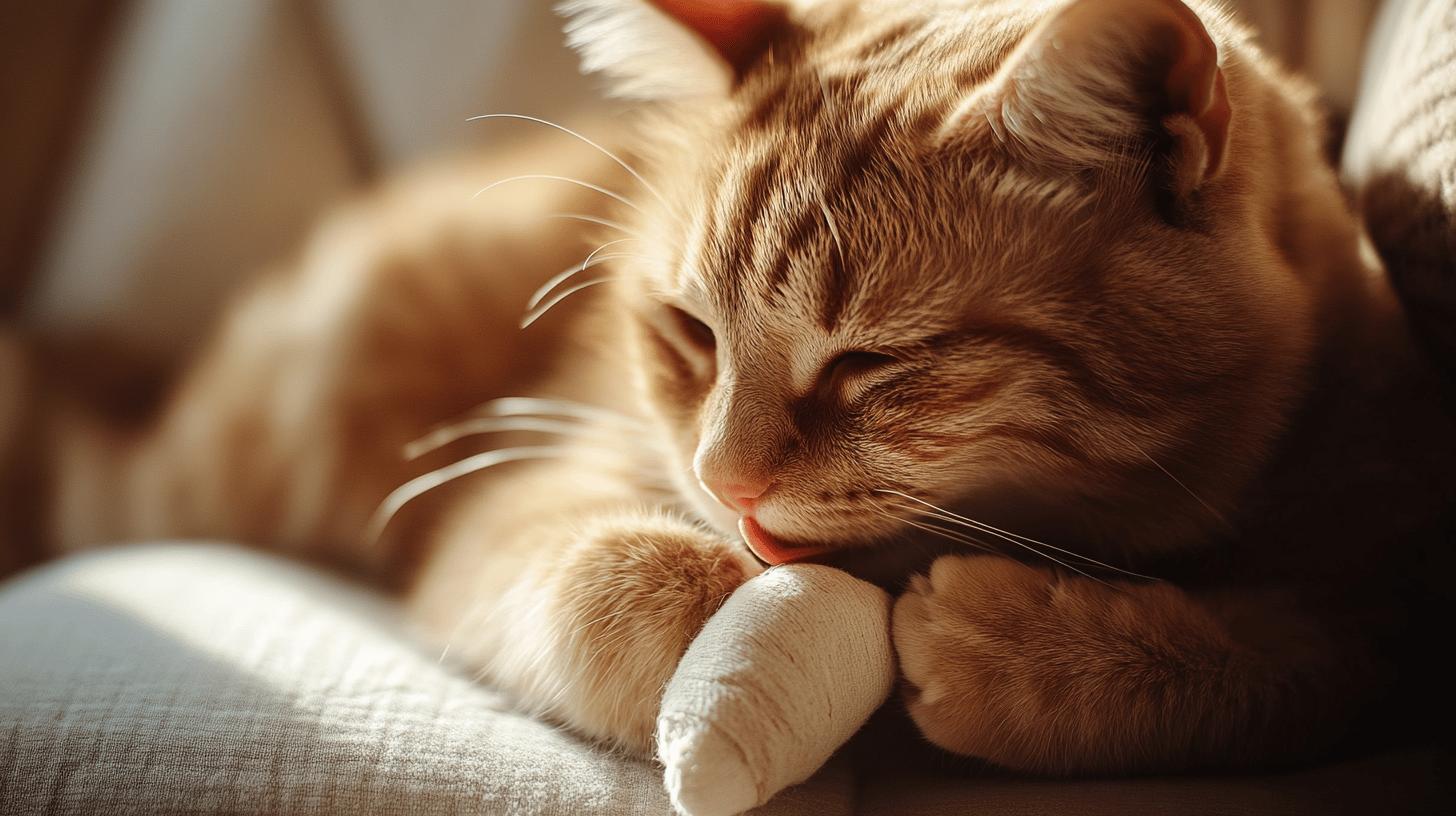
    Final Words

    Thinking about whether a cat can eat bitter gourd reveals its safety and lack of need in a cat's diet. Although not toxic, its bitter taste and potential to upset cat digestion make it less than ideal. Cats thrive on a meat-based diet, and bitter gourd's nutrients can be found in balanced cat food. Safer, more cat-friendly options, like cooked chicken, are better choices. Always consult a vet for diet changes. Choosing wisely ensures a happy and healthy cat, proving that feline well-being always comes first.

    FAQ

    Can I give bitter gourd to my cat?

    A: Bitter gourd is not toxic to cats, but it's not recommended. It can cause digestive upset due to its bitter taste. Cats do best with a meat-based diet.

    Can cats eat bitter gourd raw or its seeds?

    A: Cats should not eat bitter gourd raw or its seeds. These may cause mild digestive issues like vomiting or diarrhea.

    Is gourd safe for cats?

    A: While not toxic, gourds like bitter gourd can cause mild symptoms and are not nutritionally necessary for cats.

    What vegetable is toxic to cats?

    A: Onions, garlic, and chives are toxic to cats and should be avoided in their diet.

    What vegetables can cats eat?

    A: Cats can have small amounts of cooked carrots, peas, and squash. Always introduce new foods carefully and in moderation.

    Can cats eat bitter tastes?

    A: Cats generally dislike bitter tastes, and these can lead to digestive discomfort, so it's better to avoid them.

    Can dogs eat bitter gourd?

    A: Dogs can eat small amounts of bitter gourd occasionally, but it might not be palatable for them, and excessive consumption can cause stomach upset.

    Related Articles

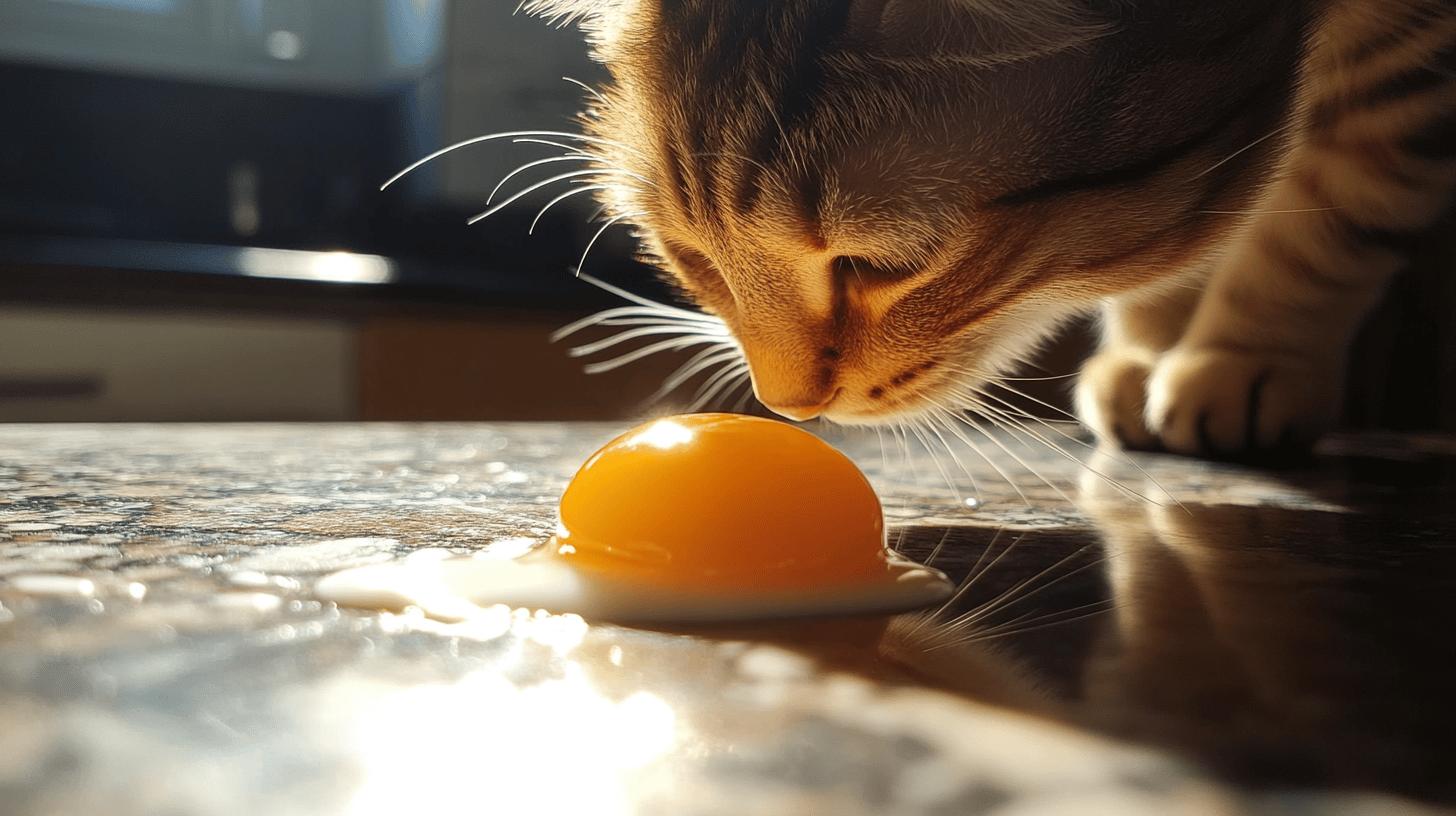
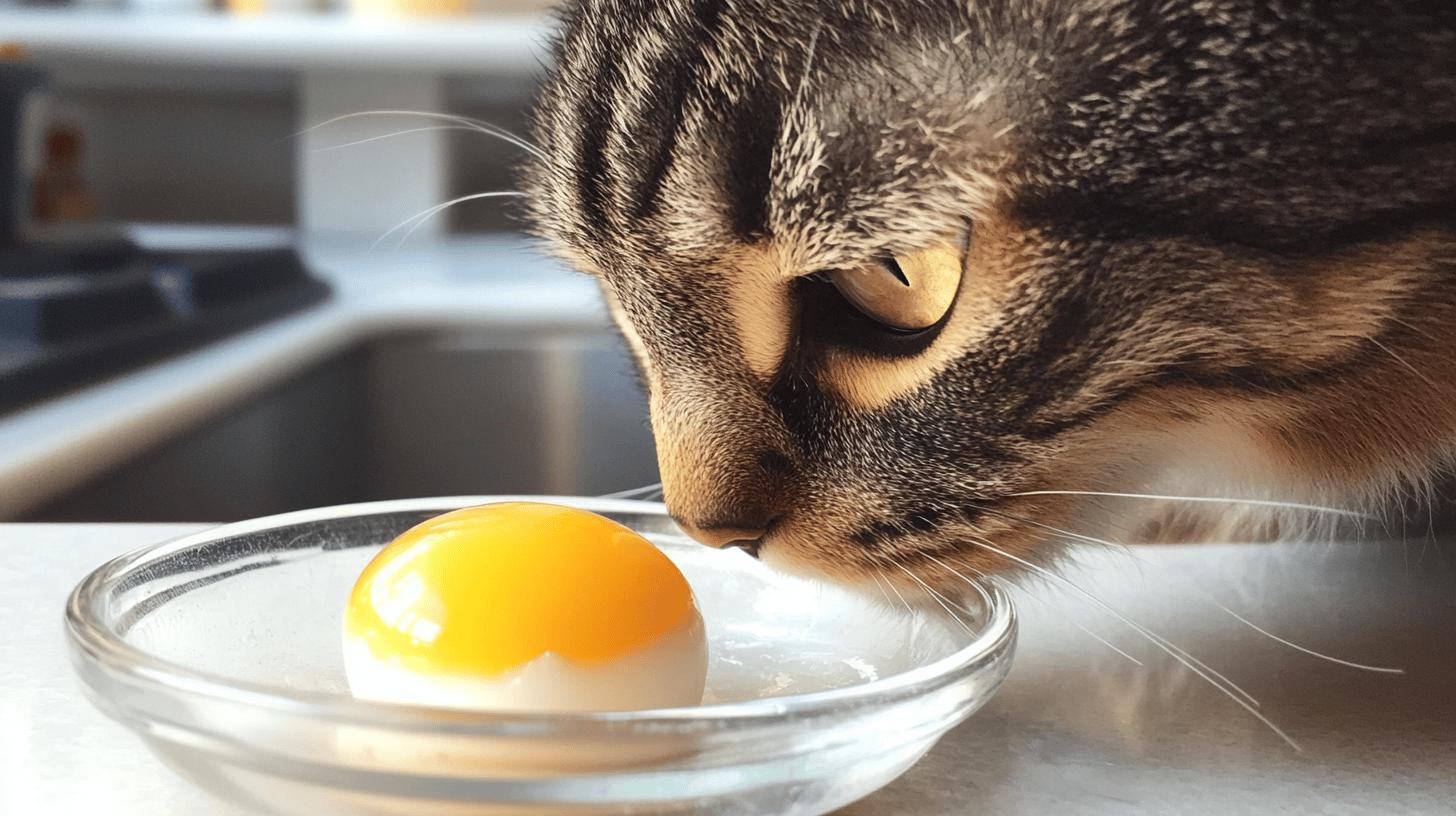
  • Can Cat Eat Yolk Safely and Its Nutritional Benefits

    Can Cat Eat Yolk Safely and Its Nutritional Benefits

    Is it safe for cats to snack on egg yolk, or is it a risky treat? It's a question that sparks curiosity among many cat owners. Egg yolks are packed with nutrients that can benefit your furry friend's health, but how can you serve them safely? In this article, we will dive into the pros and cons of adding egg yolks to your cat's diet. You'll learn tips on how to navigate potential risks, provide a nutritious treat, and boost your cat's wellbeing. Let's explore the yolk debate and unlock its nutritional potential for your kitty.

    Can Cats Safely Eat Egg Yolk and Its Nutritional Benefits?

    Can Cats Safely Eat Egg Yolk and Its Nutritional Benefits-1.jpg

    Cats can enjoy egg yolks as part of their diet, but it's crucial to handle them properly to ensure safety. Both cooked and raw egg yolks can pose health risks if not managed correctly. Raw egg yolks might carry bacteria like Salmonella and E. coli, which could harm cats. Cooking the yolks not only makes them safer by killing these bacteria but also neutralizes enzymes such as avidin that can interfere with nutrient absorption. Ensure that the yolks are fresh and cooked thoroughly to an internal temperature of 160°F to keep your feline friend safe.

    Egg yolks are a powerhouse of nutrition, providing essential nutrients that are beneficial for a cat's health. They are rich in proteins and fats, which are key components of a cat's diet. Proteins support muscle maintenance, while fats offer a concentrated source of energy. These nutrients are vital for sustaining a cat's active lifestyle and promoting overall well-being. Incorporating egg yolks occasionally into a cat's meals can enhance their nutritional intake when balanced properly with other dietary components.

    Some key nutrients found in egg yolks include:

    • High-quality proteins
    • Healthy fats
    • Vitamins A, D, and E
    • B-complex vitamins
    • Minerals such as iron and selenium

    These nutrients each play a role in supporting a cat's health. For instance, the vitamins found in egg yolks contribute to a cat's vision, skin health, and immune system. Meanwhile, the minerals like iron and selenium help in blood formation and antioxidant defense. While egg yolks are nutritious, they should complement a balanced diet rather than serve as a primary food source. Feeding them in moderation ensures your cat receives a wide range of nutrients necessary for a healthy and happy life.

    Feeding Egg Yolk to Cats: Guidelines and Potential Risks

    Feeding Egg Yolk to Cats Guidelines and Potential Risks-1.jpg

    When it comes to feeding your cat egg yolks, moderation is key. Treats, including egg yolks, should not exceed 10% of your cat's daily calorie intake. Overfeeding can lead to weight gain and disrupt their balanced diet. By keeping portion sizes small and infrequent, you can avoid potential nutritional imbalances. This approach ensures that your cat enjoys the benefits of egg yolks without compromising their overall health.

    Introducing egg yolk into your cat's diet gradually is essential, especially if they haven't tried it before. Start by offering a tiny amount mixed into their regular food. Observe their reaction closely over a few days to ensure they tolerate it well. If your cat shows no signs of digestive upset or allergies, you can occasionally increase the portion size. This gradual approach helps your cat adjust to new foods and reduces the risk of adverse reactions.

    Portion Size Frequency
    Adult Cats: 1 tsp Once a week
    Kittens: 1/2 tsp Once a week

    Egg yolks can pose risks, including allergies. Some cats may react to eggs with symptoms such as digestive upset, itching, or vomiting. Keep an eye out for these signs, especially when introducing egg yolks for the first time. Allergic reactions can vary in severity, so it's crucial to address them promptly to prevent further issues.
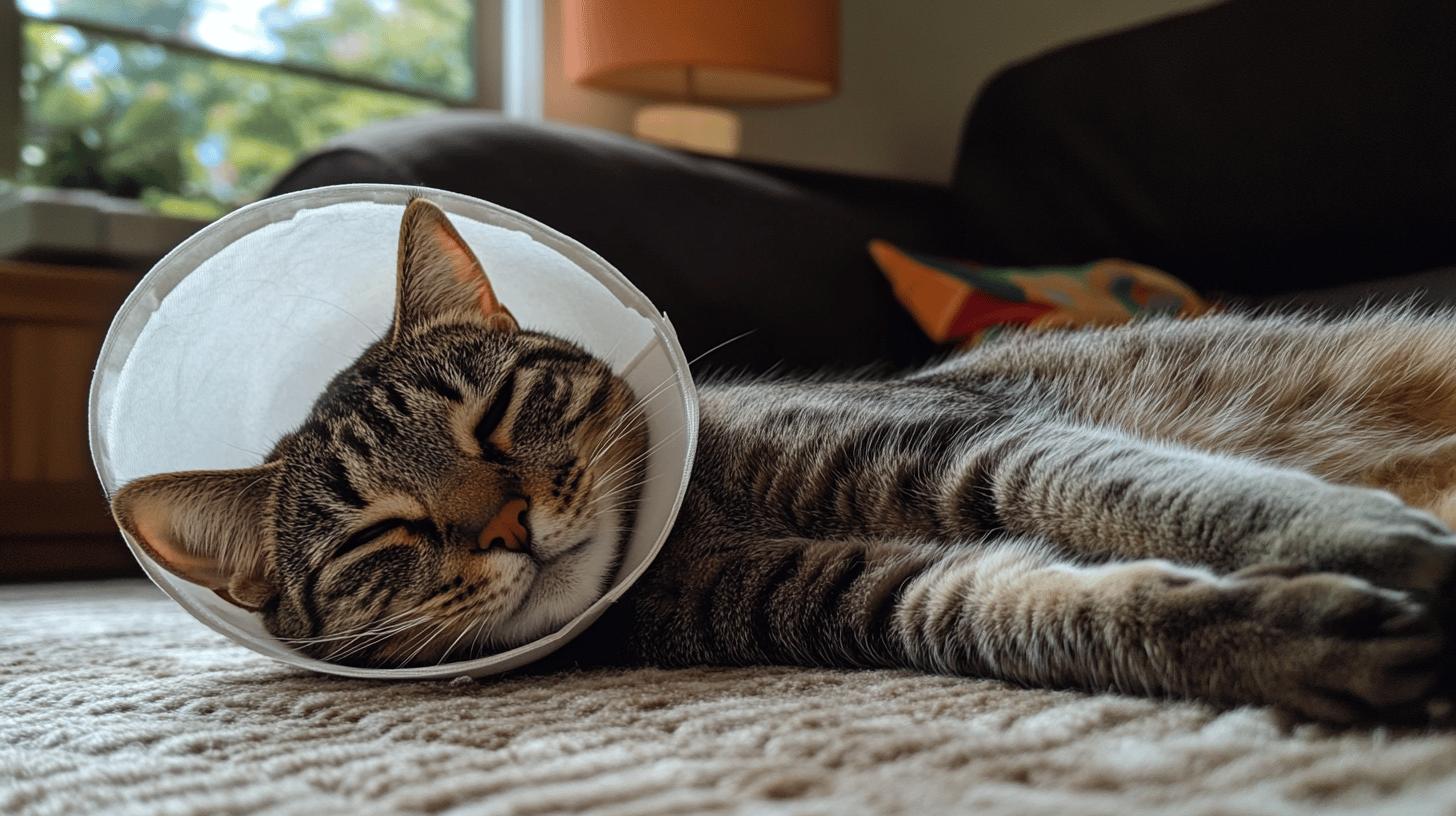
    1. Vomiting
    2. Diarrhea
    3. Itching or skin irritation

    Monitoring your cat for any adverse reactions is crucial. If you notice any signs of allergy or digestive issues, stop feeding them egg yolks and consult your veterinarian. They can provide personalized advice and determine whether egg yolks can be safely included in your cat's diet. Prioritizing your cat's health ensures they enjoy the benefits of egg yolks without unnecessary risks.

    How to Safely Prepare Egg Yolk for Cats

    How to Safely Prepare Egg Yolk for Cats-1.jpg

    Cooking egg yolks is crucial for your cat's safety. Harmful bacteria like Salmonella can lurk in raw eggs. Cooking eliminates these risks, making eggs a safer treat. Ensure the yolks reach an internal temperature of 160°F. This kills bacteria while preserving the yolk's nutritional value.

    Safe preparation methods for egg yolks include:

    • Boiling
    • Scrambling
    • Poaching
    • Baking

    Using fresh eggs is vital for reducing contamination risks and providing the best nutrition. Discard any uneaten portions after cooking, as leftovers can spoil quickly and pose a health risk. By using these methods, you can safely introduce egg yolks into your cat's diet as an occasional treat.

    Final Words

    Feeding egg yolks to cats can offer nutritional benefits, such as high protein and fat content, which support muscle maintenance and energy. Cooking egg yolks eliminates bacteria, making them safe and healthy for your feline friends. Remember moderation is key to avoid weight gain and nutritional imbalances. Gradually introduce yolks, keeping an eye out for allergies like digestive upset or itching.

    Always use fresh eggs and discard leftovers. Keeping these tips in mind can give you peace of mind as you consider can cat eat yolk in their diet. Enjoy watching your cat thrive with safe and tasty treats!

    FAQ

    Can cats eat raw egg yolk?

    A: Raw egg yolk is not safe for cats. It can carry harmful bacteria like Salmonella. Cooking the yolk removes these risks, making it a safer option for your cat.

    Can cats eat cooked eggs?

    A: Cats can safely eat cooked eggs. Cooking eggs thoroughly destroys harmful bacteria and enzymes, making them a nutritious and safe treat for cats.

    How should I cook eggs for cats?

    A: Use safe methods like boiling or scrambling. Ensure eggs reach 160°F internally. Always discard uneaten portions and use fresh eggs only.

    What happens if my cat eats egg yolk?

    A: Eating cooked egg yolk can boost a cat's health with protein and fat. Too much raw yolk may lead to bacterial infections or imbalances.

    How much egg yolk should I give my cat?

    A: Egg yolk should be a small treat. It can make up no more than 10% of their daily calorie intake. Portion control is key to avoid weight gain.

    Can cats eat egg white?

    A: Cats can eat cooked egg whites. Cooking neutralizes harmful enzymes. Ensure no raw whites are fed to your cat to avoid health risks.

    Is raw egg yolk digestible for cats?

    A: While cats can digest raw yolk, it's risky. Raw yolk may contain bacteria posing health risks. Cooked yolk is a safer option for cats.

    Can cats have a little egg yolk?

    A: Cats can enjoy a little cooked egg yolk as a treat. It provides nutrients, but ensure it's only a small part of their diet for health balance.

    Related Articles

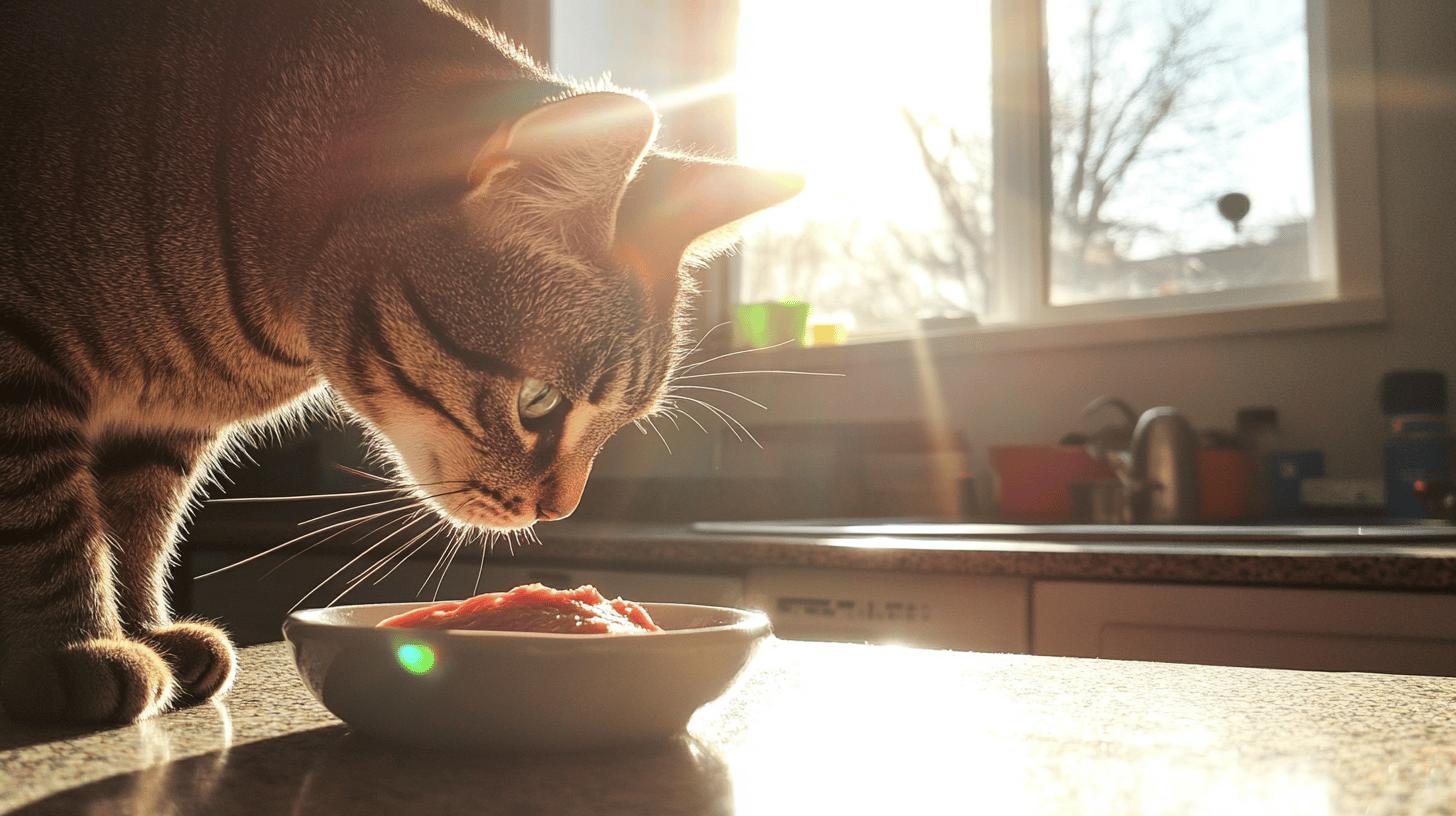
  • Can Cat Eat Cow Meat Safety and Nutrition Explained

    Can Cat Eat Cow Meat Safety and Nutrition Explained

    Ever wondered if your cat can enjoy a slice of your steak dinner? Feeding cats cow meat may sound unconventional, but it isn't an entirely outlandish idea. As natural meat-eaters, cats can thrive on a diet that includes beef, offering them a rich source of nutrients. However, it's crucial to understand how to serve it safely while keeping their health in mind. Dive into the facts about safe meat handling and nutrition to ensure your cat can savor beef without any risks.

    Safety and Nutritional Considerations of Feeding Cats Cow Meat

    Safety and Nutritional Considerations of Feeding Cats Cow Meat-1.jpg

    Cats can safely consume cow meat if it's handled correctly. As obligate carnivores, cats thrive on a meat-based diet, and beef can be an excellent addition. However, care must be taken to prevent health risks. The meat should be fresh, high-quality, and ideally free of additives or preservatives. Feeding raw beef can be beneficial, but it also carries the risk of bacteria and parasites, making handling and sourcing crucial. Always consult with a vet before making significant changes to your cat's diet.

    Here are some potential benefits of incorporating cow meat into your cat's diet:

    • Nutritional Content: Beef is rich in essential vitamins and minerals.
    • Taste: Many cats find beef flavorful and enjoyable.
    • Muscle Health: Provides proteins necessary for muscle and tissue maintenance.
    • Coat Health: Fatty acids in beef can improve the sheen of a cat's coat.
    • Dental Benefits: Chewing beef may help maintain healthy teeth.

    Beef is packed with nutrients that are beneficial for cats. It provides essential vitamins such as vitamin A and B complex vitamins, which are crucial for maintaining overall health. Minerals like iron, zinc, manganese, and selenium are also present, supporting various bodily functions. These nutrients help in muscle repair, energy production, and immune function. Additionally, the fatty acids found in beef contribute to a healthy skin and coat.

    Nutrient Benefit for Cats
    Iron Supports red blood cell production
    Zinc Boosts immune system
    Selenium Protects cells from damage
    Vitamin A Maintains vision and skin health
    B Vitamins Enhances energy metabolism

    Despite the benefits, there are potential risks if beef is consumed excessively. Overconsumption can lead to health issues such as heart disease and cancer. A diet too rich in beef might lack balance, missing other vital nutrients. It's crucial to offer beef as part of a varied diet to ensure your cat gets a comprehensive range of nutrients. Monitoring portion sizes and frequency is key to maintaining health.

    To safely integrate cow meat into your cat's diet, ensure the meat is fresh and free from contaminants. Avoid feeding raw beef if you're concerned about bacteria and parasites. Cooking the meat without salt, seasonings, or oil is a safer option. Always start with small portions to monitor your cat for any adverse reactions or allergies. Regularly consult with a veterinarian to keep your cat's diet balanced and nutritious.

    Safety and Nutritional Considerations of Feeding Cats Cow Meat

    Raw vs Cooked Cow Meat for Cats-1.jpg

    Feeding raw beef to cats can provide benefits like additional moisture, which is beneficial for those prone to dehydration. Raw beef retains more natural nutrients, enhancing a cat's diet. However, it carries risks of bacteria and parasites that can result in serious health problems. Proper handling and sourcing from reputable suppliers are crucial. Always consult a veterinarian before introducing raw meat to your cat's diet.

    Cooked beef is a safer alternative as cooking eliminates most harmful bacteria and parasites. When preparing cooked beef, avoid adding salt, seasonings, or oil, as these can harm cats. Simply cooked beef can still offer valuable nutrition and serve as a tasty treat. Ensuring the beef is fully cooked is essential to avoid any residual pathogens.

    Both raw and cooked beef have pros and cons. Raw beef provides more moisture and unaltered nutrients but presents a higher risk of contamination. Cooked beef may lose some moisture and nutrients through cooking but generally offers a safer eating experience with fewer health risks. Moderation is key, and beef should be part of a balanced diet that meets all of your cat's nutritional needs.

    How to Integrate Cow Meat into Your Cat's Diet Safely

    How to Integrate Cow Meat into Your Cats Diet Safely-1.jpg

    Portion control is crucial when adding cow meat to your cat's meals. A general guideline is to feed beef in amounts that are 2-3% of your cat's body weight per meal. For instance, a 10-pound cat should get around 1.5 to 2.5 ounces of beef each meal. Start with small portions and gradually increase them, watching for any allergic reactions or digestive issues.
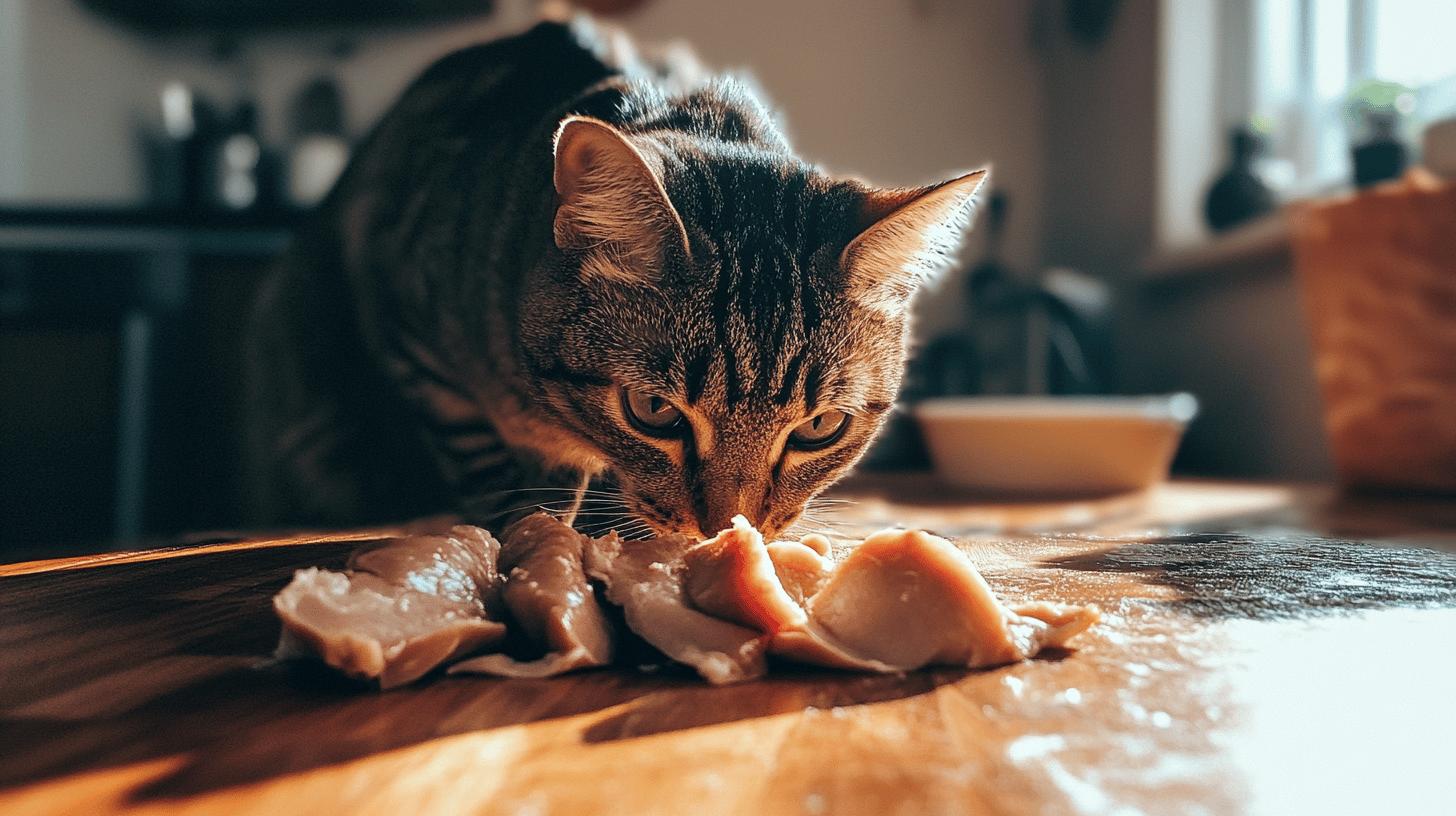
    Follow these steps to prepare beef for your cat:

    1. Choose fresh, high-quality beef from a reliable source.
    2. Trim any excess fat to limit calorie intake.
    3. Cook by boiling or baking, avoiding salt, seasonings, or oil.
    4. Cut the meat into small, manageable pieces.
    5. Allow the beef to cool before serving.

    A varied protein diet is beneficial for your cat's health. Rotating different proteins ensures a balanced nutrient intake. While beef is a good protein source, it shouldn't be the only meat in your cat's diet. This mix helps prevent nutritional gaps and reduces allergy risks from overexposure to one protein.

    Alternative proteins like chicken, turkey, fish, and rabbit offer different nutrients. Chicken and turkey are lean, providing essential amino acids. Fish is rich in omega-3 fatty acids, supporting skin and coat health. Rabbit is a great option for cats with sensitive digestion. Offering a variety of proteins not only ensures comprehensive nutrition but also keeps meals interesting for your cat.

    Final Words

    Understanding if a cat can eat cow meat involves balancing safety and nutrition. Cow meat offers essential vitamins like iron and zinc, supporting overall health. But, too much can pose risks, including heart disease and cancer. When choosing between raw and cooked, both have their pros and cons. Raw provides moisture, yet carries the risk of parasites. Cooked meat must be plain to be safe.

    Introducing cow meat should be gradual, ensuring it's a safe addition to a cat's diet. Be mindful of portion sizes and consider other protein sources for a balanced diet. With care, cow meat can be a beneficial option. Taking steps to maintain variety and moderation ensures your cat enjoys a nutritious, delightful diet.

    FAQ

    Can cats eat cow meat safely?

    Cats can eat cow meat if it is fresh and prepared correctly. Ensure it’s free from seasonings and additives to avoid any health risks.

    Can I feed beef to my cat every day?

    Feeding beef daily is not recommended due to the risk of overconsumption, which can lead to heart disease or cancer. Offer beef in moderation.

    Is raw or cooked beef better for cats?

    Both raw and cooked beef have benefits. Raw beef offers moisture but has parasite risks. Cooked beef is safer when prepared without seasonings.

    How should I cook beef for cats?

    Cook beef plain without salt, oil, or seasoning. Ensure it’s well-cooked to kill any bacteria or parasites.

    What meats are unsafe for cats?

    Meats like pork and raw fish can be unsafe due to the risk of parasites and harmful bacteria. Always choose fresh, safe meats and cook them properly.

    Why can't cats eat beef?

    Cats can eat beef, but some may have allergies or sensitivities. Monitor your cat for any adverse reactions when introducing beef.

    How to introduce beef into my cat’s diet?

    Introduce beef gradually while observing your cat for any allergies. Keep portions at 2-3% of your cat’s body weight per meal.

    What are benefits of feeding beef to cats?

    Beef is nutritious, offering proteins and essential vitamins like iron and vitamin B, supporting muscle and tissue health.

    Can cats eat pork?

    Pork is not ideal for cats due to the risk of parasites like trichinosis and potential digestive issues.
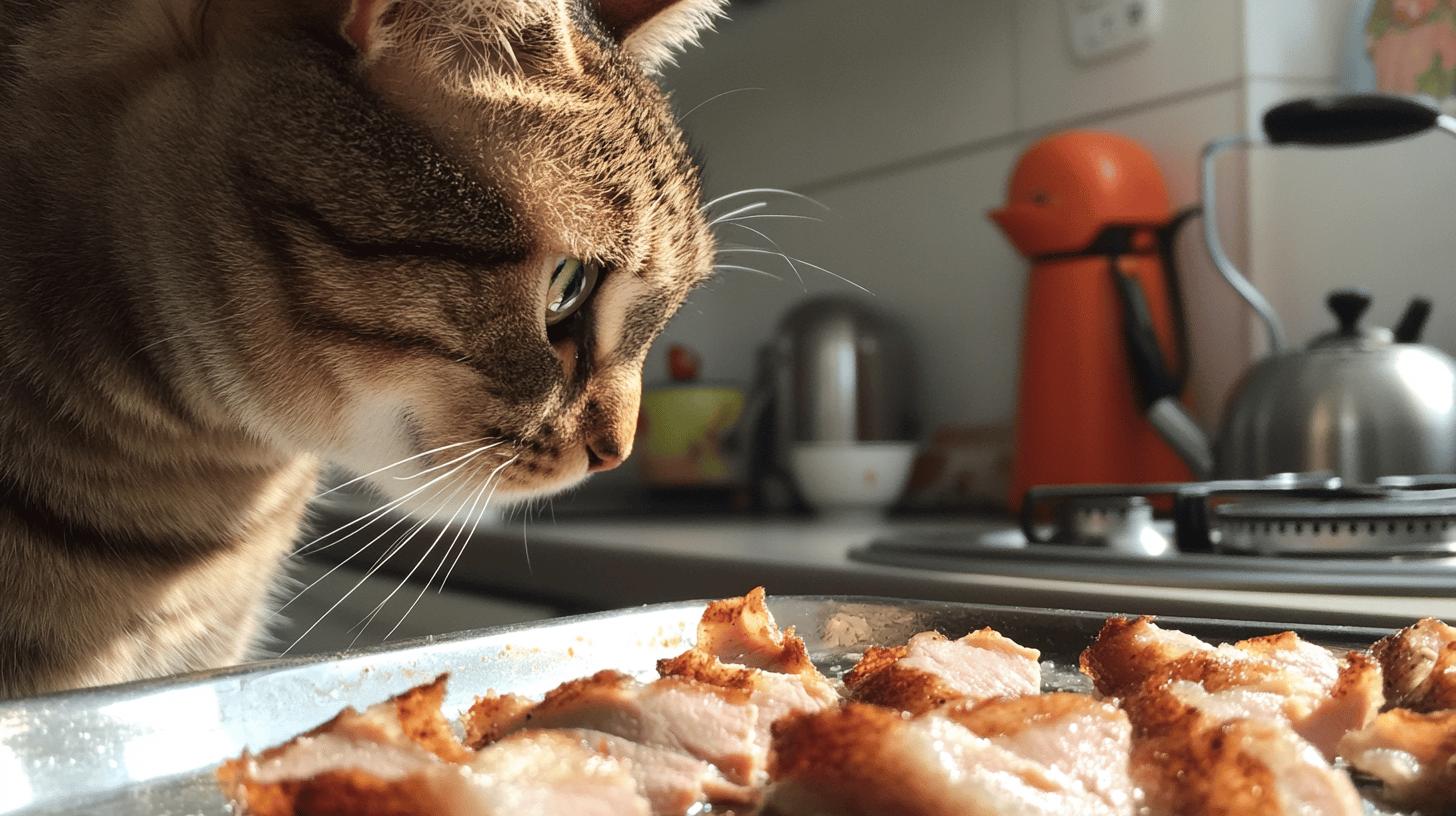
    How can beef benefit my cat?

    Beef provides essential nutrients, aiding in muscle and coat health due to proteins and fatty acids.

    What precautions should I take when feeding cow meat to cats?

    Ensure the meat is fresh, unseasoned, and free from contaminants. Always consult a vet if unsure about any dietary changes.

    Related Articles

  • When Can Cat Eat After Neuter Surgery and Recovery

    When Can Cat Eat After Neuter Surgery and Recovery

    Did you know that feeding your cat after neutering surgery requires careful timing and some dietary tweaks? Many cat owners wonder when it's safe for their furry friends to eat post-surgery without causing discomfort.

    Right after surgery, the anesthesia can make your cat feel queasy and uninterested in food. Patience is key—waiting a few hours before offering food is a must. In this article, I'll guide you through when your cat can safely eat again and what to offer to ensure a smooth and healthy recovery.

    Feeding Your Cat After Neuter Surgery: Timing and Dietary Adjustments

    Feeding Your Cat After Neuter Surgery Timing and Dietary Adjustments-2.jpg

    After neutering surgery, it's not uncommon for cats to experience nausea and a reduced appetite. This is largely due to the effects of anesthesia and the surgery itself. Your furry friend might not feel like eating right away, and that's okay. The key is to reintroduce food gently and monitor their response closely.

    • Wait a few hours post-surgery: Allow your cat some time to shake off the effects of anesthesia before offering food.

    • Start with small, light meals: Offer easily digestible foods like a small portion of chicken or fish.

    • Observe for discomfort: Keep an eye on your cat for signs of nausea or reluctance to eat.

    • Adjust based on response: If your cat seems unwell or uninterested, wait a little longer before trying again.

    It's important to control portions and gradually reintroduce their regular diet. Begin by offering about a quarter of their usual meal size.

    Over the next few days, slowly increase the portion until they're back to their normal feeding routine. This gradual approach helps to avoid overwhelming their digestive system and can prevent any potential adverse reactions.

    Feeding Schedule and Monitoring

    1. Initial Feeding: Offer a small amount of food, like a tablespoon, a few hours after surgery.

    2. Observation: Monitor for any signs of vomiting or discomfort. If these occur, pause feeding and try again later.

    3. Gradual Increase: Over the next 48 hours, slowly increase the food amount, aiming to reach half of their normal portion by the second day.

    1. Full Portion: By the fourth day, your cat should be able to handle their regular meal size, assuming no adverse reactions have been noted.

    Ensuring your cat receives proper nutrition during recovery is crucial. Offer fresh water at all times and encourage them to drink, as hydration aids in the healing process.

    If your cat continues to refuse food beyond 24 hours or shows any severe symptoms, contact your vet for advice. Keep their environment calm and stress-free to promote a smoother recovery.

    Feeding Schedule and Monitoring

    Monitoring Your Cats Recovery and Appetite Changes-4.jpg

    Right after neuter surgery, your cat might not seem interested in eating. This is a normal response to anesthesia and surgical stress. As they recover, watch for a gradual return to normal eating and energy levels. Keep a close eye on their food and water intake, especially in the first 24 to 48 hours.

    If your cat shows signs of nausea, lethargy, or vomiting beyond this period, contact your vet. These symptoms may signal complications needing medical attention. Always prioritize your cat's health and consult a professional if in doubt.

    Symptom Action
    Prolonged Lack of Appetite Contact your vet if it continues beyond 48 hours
    Vomiting Pause feeding and consult your vet if it persists
    Lethargy Monitor and seek veterinary advice if no improvement

    Keep an eye on the surgical incision site for any signs of redness or swelling. Prevent your cat from licking or scratching the area to avoid complications. A calm, quiet environment is key to supporting recovery, helping your cat feel safe and stress-free. This stable setting will aid in a smoother, faster recovery back to their usual, lively self.

    Post-Surgery Care and Pain Management for Cats

    Monitoring Your Cats Recovery and Appetite Changes-3.jpg

    Managing your cat's pain after neuter surgery is crucial to their comfort and recovery. Your vet will likely prescribe pain relievers, and it's important to follow their instructions carefully.

    These medications help minimize discomfort, allowing your cat to rest and heal more effectively. Monitor your pet for any signs of pain or distress, such as excessive meowing or reluctance to move, and contact your vet if you're concerned.

    Creating a calm and comfortable environment can significantly aid in your cat's recovery. Set up a quiet resting area away from the hustle and bustle of daily household activities.

    This will give your cat a safe space to relax and recuperate without stress. Make sure the area is warm and has easy access to a litter box, food, and water. This setup will encourage your cat to rest, which is vital for the healing process.

    • Keep your cat indoors to prevent exposure to outdoor hazards.

    • Avoid letting your cat jump on furniture to prevent incision strain.

    • Discourage climbing by temporarily removing or covering cat trees.

    • Limit interactions with other pets to minimize excitement or agitation.

    • Use a crate for short periods if your cat is particularly restless.

    Follow-up appointments with your vet are a key part of ensuring a smooth recovery. These visits allow the vet to check the healing progress, remove sutures if necessary, and address any complications.

    Regular check-ups also provide an opportunity to discuss any concerns about your cat's behavior or health post-surgery, ensuring your furry friend returns to their playful self as quickly as possible.

    Behavioral Changes and Vet Follow-Up After Neuter Surgery

    Behavioral Changes and Vet Follow-Up After Neuter Surgery-1.jpg

    After neutering, you might notice some behavioral changes in your male cat. These changes are often linked to the drop in testosterone levels. Some cats may show immediate improvements in behavior, such as reduced aggression or roaming tendencies.

    Others might take several weeks to settle into their new behavioral patterns. It's normal for cats to be a bit disoriented or lethargic right after surgery, but this should improve as they recover. Be patient and give your cat time to adjust to the changes.

    • Normal Behaviors: Mild lethargy, reduced aggression, decreased marking

    • Abnormal Behaviors: Excessive lethargy, lack of appetite beyond a few days, signs of pain like constant meowing

    • Healthy Signs: Gradual return to normal eating and activity levels

    • Concerning Signs: Persistent vomiting, swelling, or redness at the incision site

    Vet follow-up appointments are crucial in ensuring your cat's smooth recovery. These visits allow the vet to assess the healing of the surgical site and catch any potential complications early, such as infections.

    Regular check-ups help ensure your cat is on the right track to recovery. During these appointments, you can discuss any concerns about your cat's behavior or health, ensuring your feline friend gets back to their playful and loving self as quickly as possible.

    Final Words

    After neutering, feeding your cat requires careful timing and dietary adjustments. Small, light meals help ease the transition as anesthesia effects wear off. Keep an eye on their appetite and monitor for any discomfort.

    Watching for appetite changes and knowing when to contact a vet ensures a smooth recovery. Pain management and a peaceful environment are key in helping your cat heal. Limiting their activity prevents any disruption to the healing process.

    Behavioral shifts may occur after neutering, so it's vital to attend follow-up vet visits. Understanding when can cat eat after neuter and ensuring a safe recovery enhances their health and happiness.

    FAQ

    Male cat behavior after neutering

    After neutering, male cats may gradually become less aggressive and territorial. These changes can start immediately or take a few weeks. Monitor for any unusual behavior and consult a vet if necessary.

    How long after neutering cat is testosterone gone?

    Testosterone levels decrease significantly within a few weeks post-neuter. Behavior changes tied to testosterone, like aggression, may also fade over this period.

    When to remove cone after neuter cat?

    The cone can typically be removed 10-14 days after surgery or once the incision site has healed and there's no risk of the cat licking the area.

    How to pick up a cat after spaying?

    Gently support your cat's whole body, avoiding pressure on the surgical area. Use calm movements to minimize discomfort.

    When can cat eat after neuter dog?

    Cats can usually eat a light meal a few hours post-neuter. Start with small portions of soft food like chicken or fish.

    Signs of infection after neutering cat

    Watch for swelling, redness, or discharge at the incision site. If accompanied by fever or lethargy, see a vet promptly.

    Female cat behavior after neutering

    Female cats might become less territorial and more relaxed post-neuter. Behavioral shifts can take some time to develop.

    Bad signs after cat spay

    Look out for persistent vomiting, swelling, or unusual lethargy. These may indicate complications needing vet attention.

    How long after a male cat is neutered can he eat?

    Usually, male cats can eat light meals within a few hours after neutering. Observe them closely for any adverse reactions.

    How long should I wait to feed my cat after surgery?

    Offer a small, soft meal about 6-8 hours post-surgery, depending on recovery signs and vet advice.

    How many days does it take for a cat to recover from neutering?

    Cats typically need 7-10 days to recover. Minimize activity and monitor the surgical site for any issues.
    Why can't I feed my cat after neutering?

    Right after surgery, cats may feel nauseous from anesthesia. Gradually reintroduce small, soft meals to avoid upsetting their stomach.

    Related Articles

  • Can Cat Eat Duck Nutritional Benefits and Safety Considerations

    Can Cat Eat Duck Nutritional Benefits and Safety Considerations

    Can cats enjoy a duck meal without any worries? Well, as obligate carnivores, cats thrive on a diet rich in meat, and duck can be a tasty and nutritious option. Packed with vital nutrients like vitamins B6 and B12, duck meat supports a cat's energy levels and overall health.

    But just like any new food, serving duck to your cat requires some caution. In this post, I'll explore the nutritional benefits of duck and what you must know to keep your feline friend safe while they savor this delightful dish.

    Can Cats Eat Duck Safely?

    Can Cats Eat Duck Safely-1.jpg

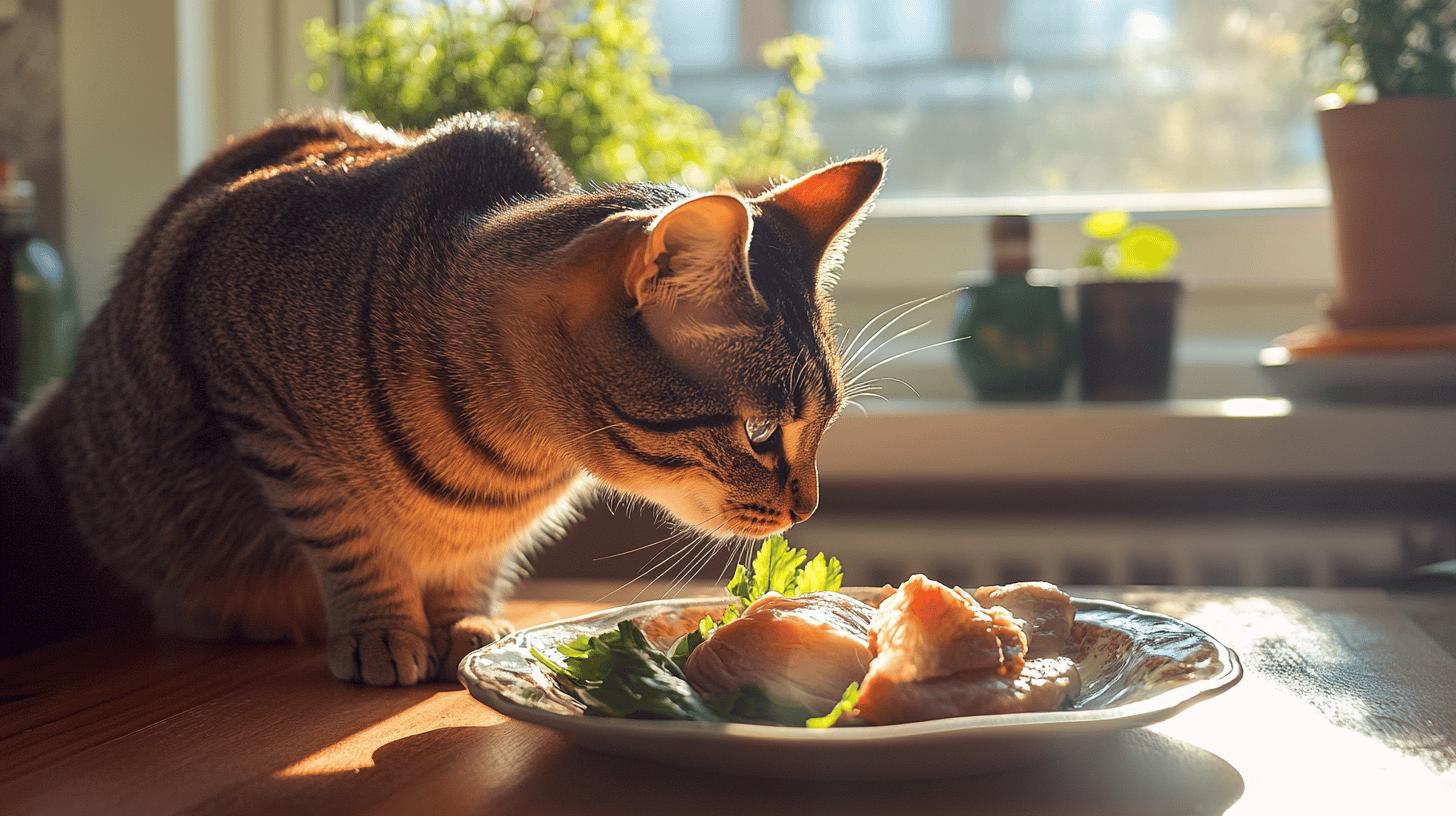
    Cats are obligate carnivores, which means their diet needs to be primarily meat-based to meet their nutritional requirements. Duck meat is a suitable protein source for cats as it provides essential amino acids and vital nutrients like vitamins B6 and B12.

    These nutrients are crucial for maintaining energy levels and supporting overall health. So, yes, cats can eat duck, and it is indeed good for them when included as part of a balanced diet.

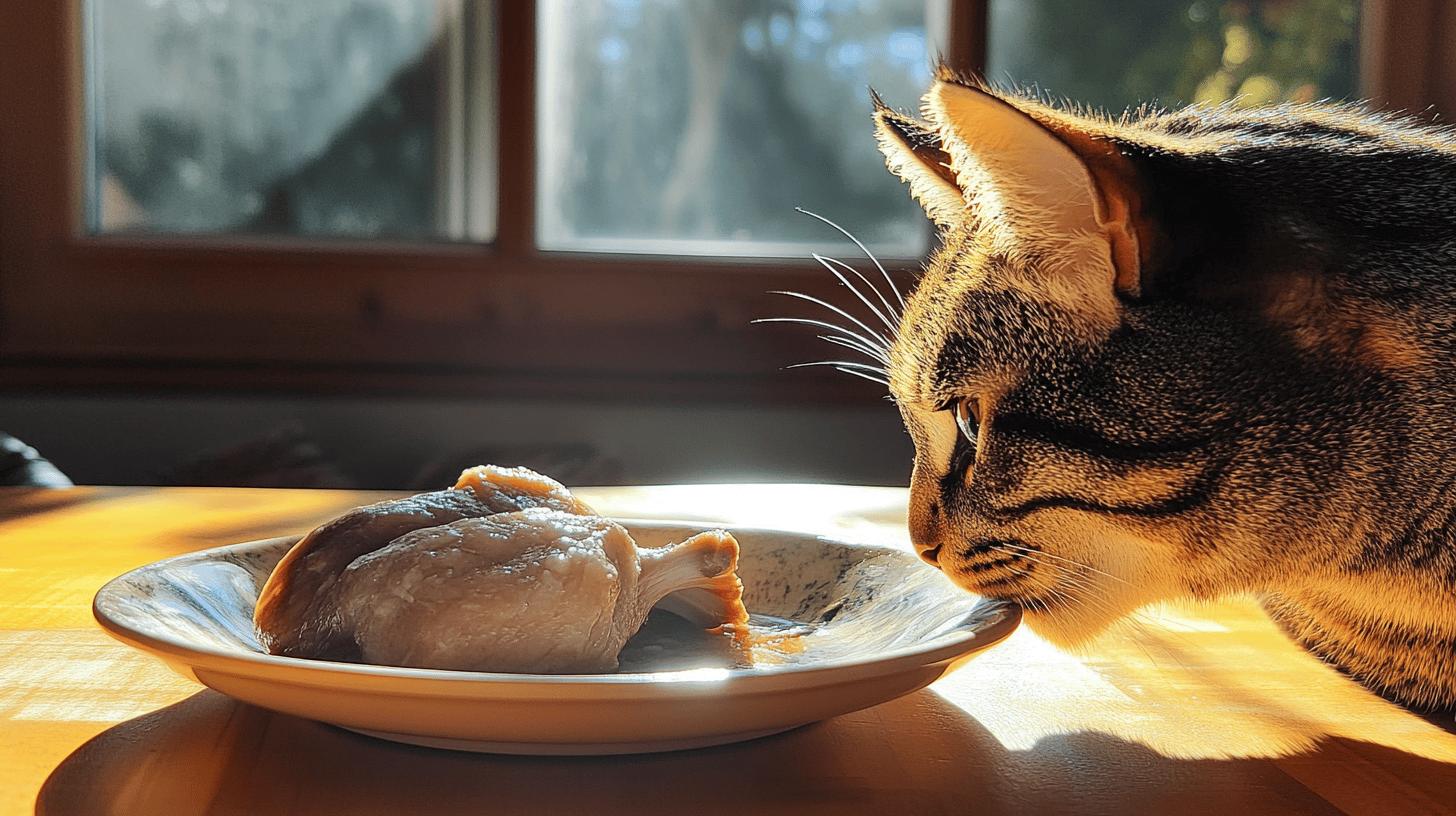
    However, feeding duck to your cat involves some important considerations. Duck should always be cooked thoroughly, as raw meat can contain harmful bacteria. It is crucial to avoid spices and seasonings, especially ingredients like garlic and onions, which are toxic to cats.

    Feeding duck in moderation is also key to preventing dietary imbalances. As with any protein source, it should complement the rest of their diet to ensure they receive a full spectrum of nutrients. By preparing duck properly and serving it in controlled portions, you can safely include it in your cat's meal plan.

    Nutritional Value of Duck for Cats

    Nutritional Value of Duck for Cats-1.jpg

    Duck meat is a powerhouse of nutrients that can greatly benefit your feline friend. It offers a rich source of high-quality protein, which is essential for building and maintaining muscle mass in cats. Furthermore, duck is packed with iron and zinc, both vital for supporting a healthy immune system and maintaining blood health.

    The B vitamins present in duck, particularly B6 and B12, play a crucial role in energy metabolism, ensuring your cat stays active and lively. The fatty acids found in duck help maintain a shiny coat and healthy skin, making it a valuable addition to a cat's diet.

    Nutrient Role in Cat Health
    Protein Supports muscle health
    Iron Maintains healthy blood
    Zinc Boosts immune function
    Vitamin B6 and B12 Enhances energy metabolism
    Fatty Acids Promotes healthy skin and coat

    Duck is often regarded as a novel protein, which can be particularly beneficial for cats with food allergies or sensitivities to more common proteins like chicken or beef. This unique protein source can help manage food allergies by reducing the likelihood of triggering an allergic response.

    For cats that have shown signs of food sensitivities, introducing duck into their diet could provide them with a nutritious alternative, ensuring they still receive the benefits of essential amino acids without the risk of allergic reactions.

    Potential Risks and Preparation of Feeding Duck to Cats

    Potential Risks and Preparation of Feeding Duck to Cats-1.jpg

    Feeding duck to your cat can be safe if prepared correctly. Focus on cooking techniques that avoid health risks. Duck must be cooked thoroughly to eliminate harmful bacteria like salmonella. This bacteria can pose serious health issues for cats. It's also crucial to serve duck plain, without seasonings or toxic ingredients like onions and garlic. Plain preparation is vital for making duck a safe option in your cat's diet.

    Here's a rundown of potential risks when feeding duck to cats:

    1. Choking Hazards: Avoid cooked bones, as they can splinter and cause choking or internal injuries.
    2. Bacterial Contamination: Raw duck can harbor harmful bacteria; always cook it thoroughly.
    3. Excessive Fat Intake: Duck is high in fat, which can lead to obesity if not fed in moderation.
    4. Toxic Ingredients: Do not season duck with onions, garlic, or other toxic substances.

    When preparing duck for your cat, focus on safe cooking practices. Cook the duck plain, without spices or sauces. After cooking, cut the duck into small, manageable pieces to make it safer for your cat to eat. Portion control is key. Duck should complement a balanced diet, not dominate it. This approach allows your cat to enjoy duck's benefits without unnecessary risks.

    Monitoring portion sizes is crucial to avoid weight gain. Duck's high-fat content can lead to obesity if overfed. Make duck an occasional treat, not a regular part of the diet. By watching how much duck you serve, you help maintain your cat's healthy weight and overall well-being.

    Is Duck Suitable for Cats with Allergies?

    Is Duck Suitable for Cats with Allergies-1.jpg

    Introducing a new protein like duck can be essential for cats with allergies to common meats like chicken or beef. As a novel protein, duck offers a different amino acid profile that might help manage food sensitivities. It's a practical alternative that could provide necessary nutrients while minimizing the risk of allergic reactions.

    Gradually introduce duck into your cat's diet to monitor for any allergic responses. Begin with small portions mixed with their usual food. Keep an eye out for symptoms like itching, vomiting, or diarrhea. If such signs appear, stop feeding duck right away to prevent further discomfort.

    Before introducing any new protein, it's important to consult a veterinarian. They can offer advice tailored to your cat's specific health needs, ensuring that duck is a safe addition to their diet. With their guidance, you can confidently manage your cat's allergies while maintaining a balanced nutritional intake.

    Comparing Duck with Other Meats for Cats

    Is Duck Suitable for Cats with Allergies-2.jpg

    When it comes to choosing between duck and chicken for your cat, there are notable differences in their nutritional profiles. Duck is known for its higher fat content compared to chicken, which can be a double-edged sword. While the fat in duck can contribute to a glossy coat and supple skin, it may also lead to weight gain if not fed in moderation.

    On the other hand, chicken is a leaner option, making it an excellent choice for cats that need to manage their weight or have a lower tolerance for fatty foods. Both meats provide high-quality protein, which is essential for maintaining muscle mass and overall health in cats.

    Here's a quick comparison of duck, chicken, and rabbit for cats, focusing on protein and fat content:

    Meat Type Protein Content Fat Content
    Duck High Higher
    Chicken High Lower
    Rabbit Moderate Low

    Deciding whether duck, chicken, or rabbit is best for your cat depends on their individual health needs. Duck might be a good choice for cats needing more fat in their diet or those who have shown preferences for richer flavors.

    Chicken, being leaner, is often recommended for cats prone to obesity or those with dietary restrictions that require less fat. Rabbit is an alternative protein that might suit cats with allergies to more common meats. Tailoring your cat's diet to their specific health requirements ensures they receive the best nutritional benefits each meat offers.

    Final Words

    When feeding cats duck, it turns out it's a safe and nutritious option. It provides essential protein and vitamins like B6 and B12. Duck is particularly great as it can ease allergies some cats face with more common meats.

    Remember, it's crucial to cook duck properly. Avoid spices and focus on portion control to maintain a balanced diet. Duck offers diverse benefits, but excessive fat can be an issue.

    Whether addressing allergies or just diversifying meals, knowing that cat can eat duck expands your options for cat care. Keep their diet varied and healthy!

    FAQ

    Can cats eat duck meat?

    Cats can eat duck meat. It's a safe protein source and provides essential nutrients. Always cook duck properly and serve it plain without spices.

    Can cats eat duck bones?

    Cats shouldn't eat duck bones. Cooked bones can splinter and cause choking hazards or digestive issues.

    Can cats eat duck skin?

    Duck skin is high in fat. While not toxic, it can contribute to obesity if given in large amounts.

    Can cats eat duck eggs?

    Cats can eat cooked duck eggs in moderation. They offer protein but should not replace a balanced cat diet.

    Can cats eat raw duck?

    Cats shouldn't eat raw duck because it may contain harmful bacteria. Always cook the duck fully before serving.

    Can cats eat duck liver?

    Cats can eat duck liver, which is rich in nutrients. However, it should be given in moderation to prevent vitamin toxicity.

    How to cook duck for cats?

    Cook duck without spices, onions, or garlic. Keep it plain and cut into small pieces to avoid choking hazards.

    Is duck good for cats with allergies?

    Duck is a novel protein and can be good for cats with allergies to common proteins like chicken or beef.

    Are ducks safe from cats?

    Ducks are generally safe from cats if kept in a well-secured environment. Cats may pose a threat to small, unattended ducks.

    What meat can cats not eat?

    Cats shouldn't eat heavily seasoned meats or those containing bones, garlic, and onions.

    Can I give my ducks cat food?

    It's not recommended to feed ducks cat food. Ducks need a diet tailored to their nutritional needs, which differs from cats.

    Related Articles

  • Can Cat Eat Before Spay Surgery Guidelines and Risks Explained

    Can Cat Eat Before Spay Surgery Guidelines and Risks Explained

    Is it safe for a cat to eat before spay surgery? This is a hot topic for cat owners who want to ensure their pet's safety and comfort. Understanding the pre-surgery rules can be quite puzzling, yet they’re vital to your cat's health.

    Eating before surgery can lead to serious risks, like aspiration pneumonia, which can be life-threatening. This article will explain the guidelines and potential dangers of eating before spay surgery, helping cat lovers make informed decisions. Let’s dive into why fasting matters and how to do it right.

    Comprehensive Guide to Pre-Spay Fasting: Necessity, Guidelines, and Risks

    Comprehensive Guide to Pre-Spay Fasting Necessity, Guidelines, and Risks-4.jpg

    Fasting before spay surgery is crucial to prevent complications during anesthesia. When a cat eats before surgery, the risk of vomiting and regurgitation increases, which can be dangerous. Aspiration pneumonia, a serious lung infection, may occur if food or liquid is inhaled into the lungs.

    Additionally, anesthesia can induce nausea and temporarily impair the swallowing reflex, exacerbating these risks.

    Fasting Guidelines

    Veterinary guidelines often suggest withholding food after midnight the night before surgery. However, there are variations based on the cat's age and health. Here's a breakdown of general fasting guidelines based on different age groups:

    Fasting Guideline Age Group
    Withhold food after midnight Adult Cats
    Feed 4–6 hours before surgery Kittens
    Withhold food after midnight, but consult vet Senior Cats

    Key Reasons and Risks for Fasting

    • Prevent Aspiration Pneumonia: Minimizes the risk of inhaling food into the lungs during anesthesia.
    • Reduce Nausea and Vomiting: Anesthesia can induce nausea, making fasting important.
    • Avoid Esophagitis: Regurgitation can lead to inflammation of the esophagus.
    • Ensure Anesthesia Safety: A full stomach can interfere with anesthesia effectiveness.
    • Prevent Hypoglycemia in Kittens: Shorter fasting times for kittens help maintain blood sugar levels.
    • Manage Stress Levels: Cats may search for food when fasting, increasing stress.

    Fasting protocols can differ among veterinarians, so it's important to discuss specific guidelines with your vet. This ensures that recommendations are tailored to your cat's breed, size, age, and overall health. Always follow your veterinarian's instructions for the safest and most effective preparation for your cat's surgery.

    Water Intake and Medication Considerations Before Spaying

    Water Intake and Medication Considerations Before Spaying-1.jpg

    Water is generally allowed up to the morning of the spay surgery. This helps keep your cat hydrated and comfortable. However, some cats may need to have their water restricted before surgery depending on specific health considerations.

    • Cats with a high risk of regurgitation might need water withheld 6–12 hours prior to surgery.
    • Always confirm with your vet whether water should be restricted for your cat.
    • If your cat has any pre-existing health conditions, discuss water intake specifics with your vet.
    • Healthy adult cats and kittens usually do not require water restriction, but individual guidelines may vary.

    Managing routine medications is another important consideration. Some medications might need to be paused or adjusted before surgery. It's crucial to consult your vet about any current medications your cat is taking. They will provide tailored advice to ensure your cat's safety and comfort during the procedure.

    Preparing Your Cat for Surgery: Tips and Best Practices

    Preparing Your Cat for Surgery Tips and Best Practices-1.jpg

    Getting your cat ready for spay surgery is all about reducing stress and ensuring comfort. Start by creating a calm environment at home. Cats are sensitive to changes, so keeping their routine as normal as possible can help alleviate anxiety. Before the surgery, provide a quiet, warm space for your cat to relax. This helps minimize stress, which can be heightened if they sense something unusual is happening.

    Here are some practical tips for pre-surgery preparation:

    1. Consult Your Vet: Always check in with your vet for specific instructions regarding fasting and care.
    2. Create a Safe Space: Set up a cozy, quiet area with your cat’s favorite blanket or bed.
    3. Keep Routine Consistent: Stick to regular feeding and play schedules leading up to the day of surgery.
    4. Reduce Stressors: Avoid loud noises and ensure minimal disruptions in their environment.
    5. Monitor Health: Observe any changes in behavior or health and report them to your vet beforehand.

    Following your vet's guidance is crucial, especially for nervous or high-risk cats. They can provide tailored advice, ensuring your cat is in the best possible condition for the procedure. Being attentive to your cat’s needs and maintaining open communication with your vet can make the process smoother and more comfortable for both you and your feline friend.

    Final Words

    Ensuring a smooth spay surgery for your cat begins with understanding the need for pre-surgery fasting. It helps prevent serious complications like aspiration pneumonia. General guidelines recommend stopping food intake after midnight, but always check with your vet for advice tailored to your cat's age and health. Water intake usually continues until the morning of the surgery, with some exceptions. Proper preparation involves managing diet, comfort, and stress. Skipping meals may feel tough, but it is vital. Remember, consulting your vet will provide you with reassurance and the best care approach.

    FAQ

    Can cats eat before a spay surgery?

    A: It’s advised not to feed cats before spay surgery. Fasting prevents complications like vomiting and aspiration pneumonia during anesthesia. Consult your vet for specific guidelines tailored to your cat's needs.

    How long should a cat fast before neutering or spaying?

    A: Cats usually need to fast from midnight before surgery. Fasting prevents complications under anesthesia. Follow the vet’s instructions, as younger cats and those with health issues may need adjusted times.

    What happens if a cat eats before a spay surgery?

    A: Eating before surgery can lead to severe complications. Anesthesia may cause nausea, increasing the risk of aspiration pneumonia. Always follow your vet’s pre-surgery fasting instructions.

    Can cats drink water before neutering or spaying?

    A: Generally, cats can drink water up to the morning of the surgery. Some cases may require water restriction 6–12 hours prior. Always follow your vet’s specific instructions on water intake.

    What are the pre-spay instructions for cats?

    A: Ensure your cat fasts correctly, maintain hydration as advised, consult on medication adjustments, and prepare a stress-free environment. Follow all veterinary guidelines to ensure a safe procedure.

    Can cats eat the day they get neutered or spayed?

    A: No, cats should not eat the day of surgery to avoid risks associated with anesthesia. Follow the fasting protocol set by your veterinarian for the safest outcome.

    Related Articles