Author: Nathaniel Price

  • Can Cat Eat Green Onion Understanding the Dangers and Safety

    Can Cat Eat Green Onion Understanding the Dangers and Safety

    Can your furry friend safely nibble on a green onion? While you might assume that a small bite won't harm them, green onions pose a hidden threat to cats. Ingesting even a tiny amount can lead to severe health problems. The key danger comes from a compound called N-propyl disulfide, which can damage a cat's red blood cells. This blog post will uncover why green onions are unsafe for cats and how to keep them out of harm's way. Let's dive into the risks and signs of green onion toxicity in cats.

    Can Cats Eat Green Onion Safely?
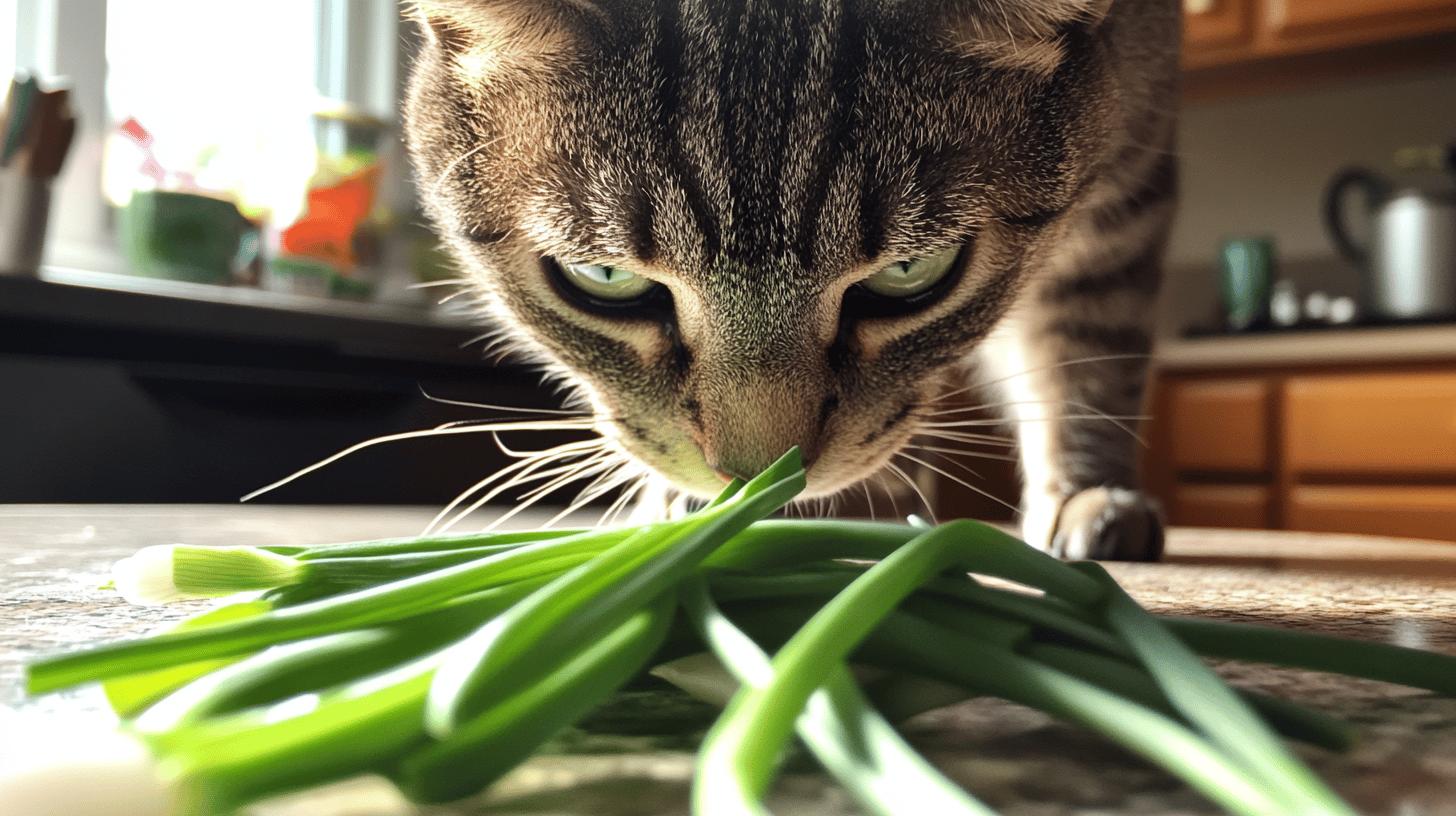
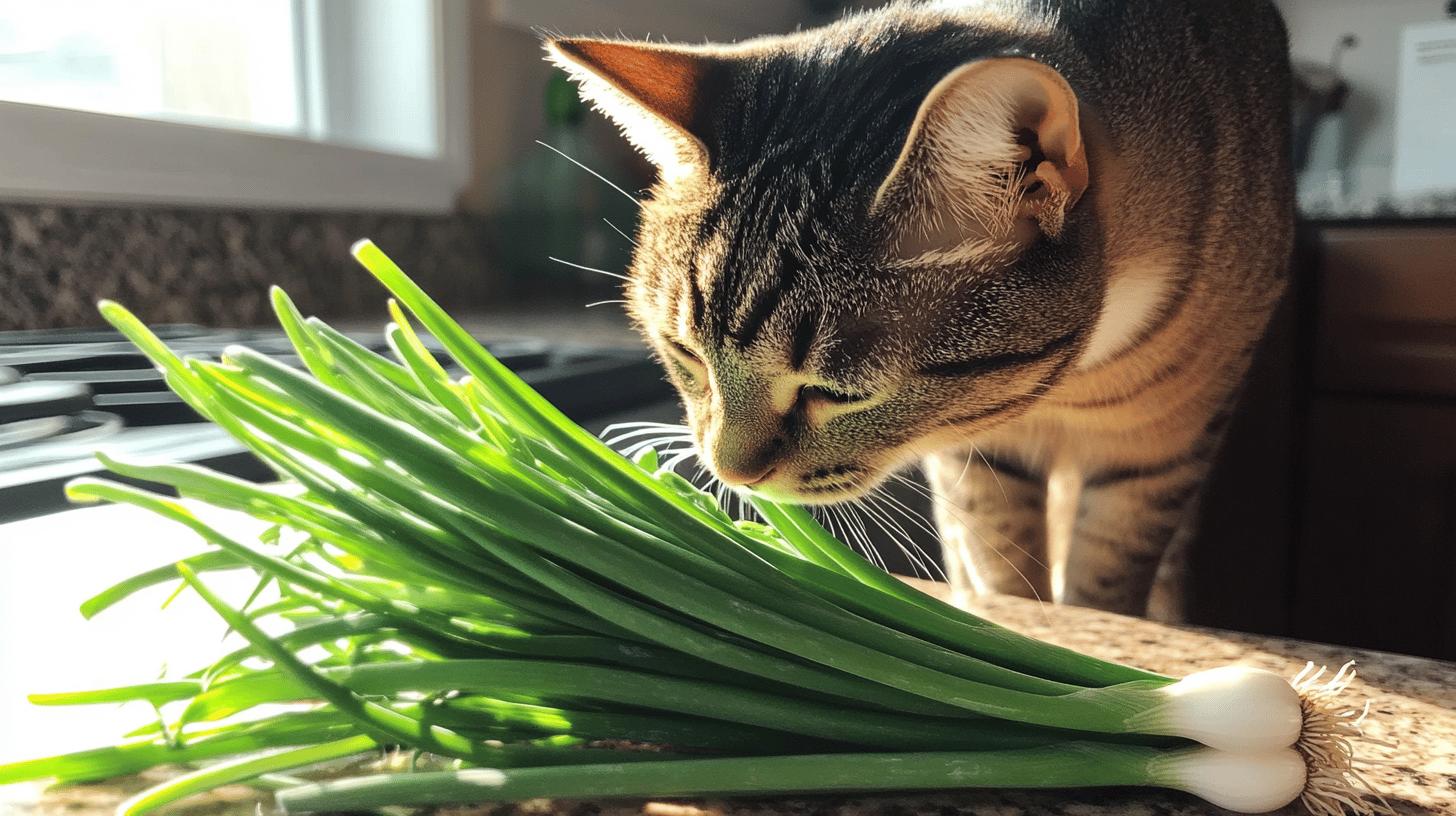
    Can Cats Eat Green Onion Safely-1.jpg

    Green onions are highly toxic to cats and should never be part of their diet. The danger lies in a compound called N-propyl disulfide, which causes oxidative damage to a cat's red blood cells, leading to a condition known as hemolytic anemia.

    When a cat ingests any form of onion, the N-propyl disulfide interferes with the oxygen-carrying capacity of their red blood cells. This results in the destruction of these cells, severely affecting the cat's ability to circulate oxygen throughout their body. The damage may not be immediate, but it can lead to serious health issues if not addressed promptly.

    Here's a list of onion forms that are harmful to cats:

    • Raw onions
    • Cooked onions
    • Onion powder
    • Dried onions
    • Freeze-dried onions

    The risks associated with green onion ingestion are significant. Even a small amount can be dangerous, leading to life-threatening anemia. It's crucial to keep all forms of onions away from your cat to prevent accidental ingestion. Always be vigilant about what your cat might have access to, ensuring that their environment is free from such toxic substances.

    Symptoms of Green Onion Toxicity in Cats
    Symptoms of Green Onion Toxicity in Cats-1.jpg

    When a cat ingests green onions, the symptoms of toxicity might not show up immediately. They can appear as soon as 12 hours after ingestion, but sometimes take up to five days. This timeline makes it crucial to monitor your cat closely if you suspect they have consumed any form of onion. Once symptoms begin, they can escalate quickly, leading to more serious health issues.

    Common symptoms of green onion poisoning in cats include:

    • Vomiting
    • Diarrhea
    • Lethargy
    • Pale gums
    • Rapid breathing
    • Collapse

    These symptoms can vary greatly depending on the amount of onion consumed and the individual sensitivity of the cat. Some cats might show only mild signs, while others could experience severe reactions. The variability in symptoms underscores the importance of prompt veterinary care, as even small amounts can lead to significant health problems. If your cat demonstrates any of these symptoms, especially after potential exposure to onions, it's essential to seek medical advice immediately. Monitoring your cat's health and maintaining awareness of their symptoms can make a significant difference in their recovery.

    What to Do if Your Cat Eats Green Onion
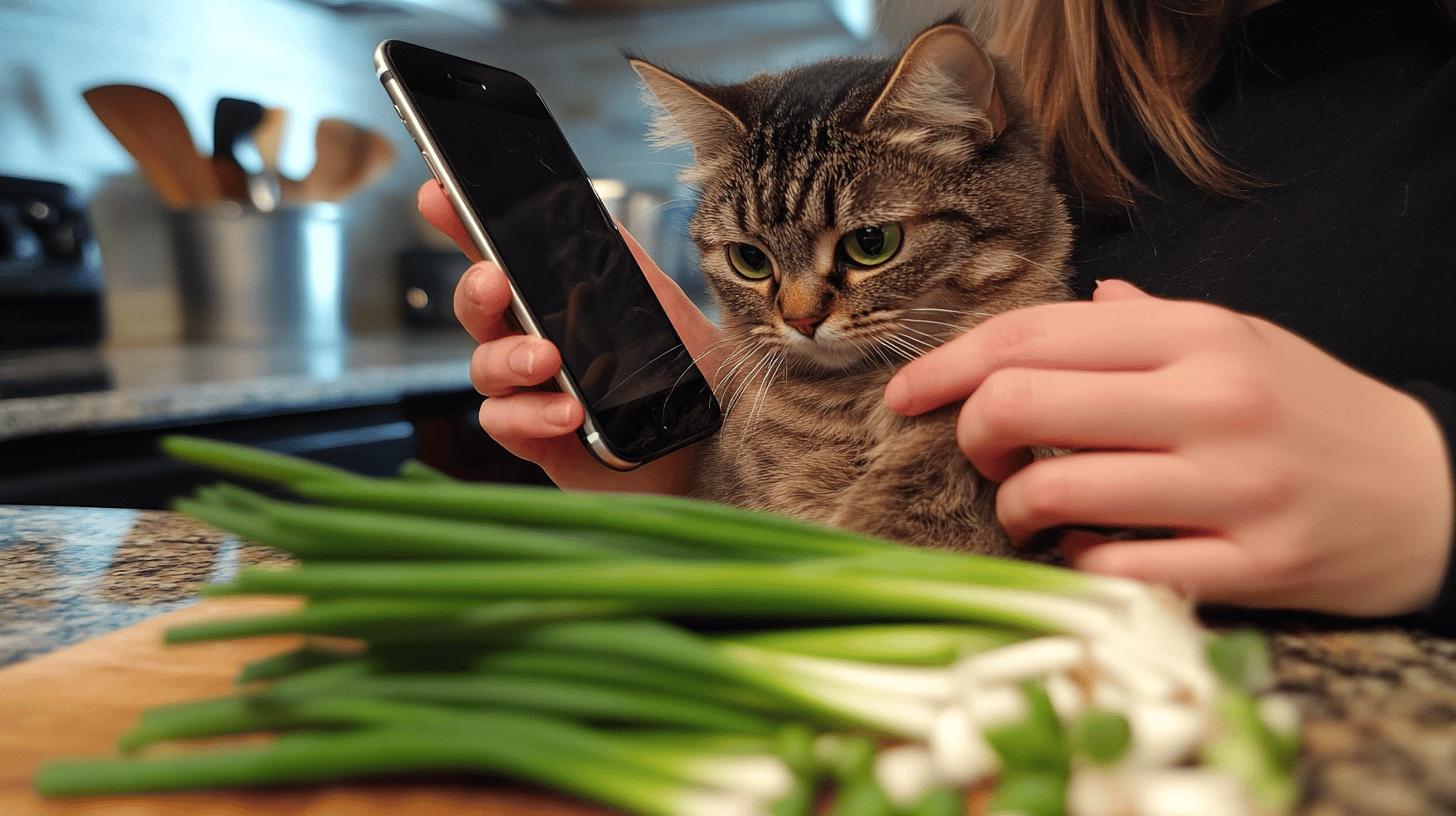
    What to Do if Your Cat Eats Green Onion-1.jpg

    If you suspect your cat has eaten green onion, it's crucial to act quickly. Immediate veterinary care is essential, as onion ingestion can lead to serious health issues like hemolytic anemia. The sooner you contact a veterinarian, the better the chances of a positive outcome for your furry friend. Delaying treatment can lead to more severe symptoms and complications.

    Here are the steps you should take if your cat ingests green onion:

    1. Secure the Source: Remove any remaining onion from your cat's reach to prevent further ingestion.
    2. Contact a Veterinarian: Call your vet immediately to discuss the situation and get advice on the next steps.
    3. Do Not Induce Vomiting: Unless specifically advised by your vet, do not attempt to make your cat vomit, as it could cause more harm.
    4. Monitor Your Cat: Keep a close eye on your cat's behavior and look for symptoms like vomiting, lethargy, or rapid breathing.
    5. Prepare for a Vet Visit: Be ready to take your cat to the veterinary clinic for treatment if advised.

    Veterinary treatment for onion poisoning may involve several approaches. Your vet might induce vomiting or administer activated charcoal to limit toxin absorption. In more severe cases, treatments such as intravenous fluids, blood transfusions, and supplemental oxygen might be necessary. These procedures are critical for managing the symptoms and supporting your cat's recovery. Always rely on professional veterinary care to ensure the best possible outcome.

    Safe Foods for Cats: Alternatives to Onions
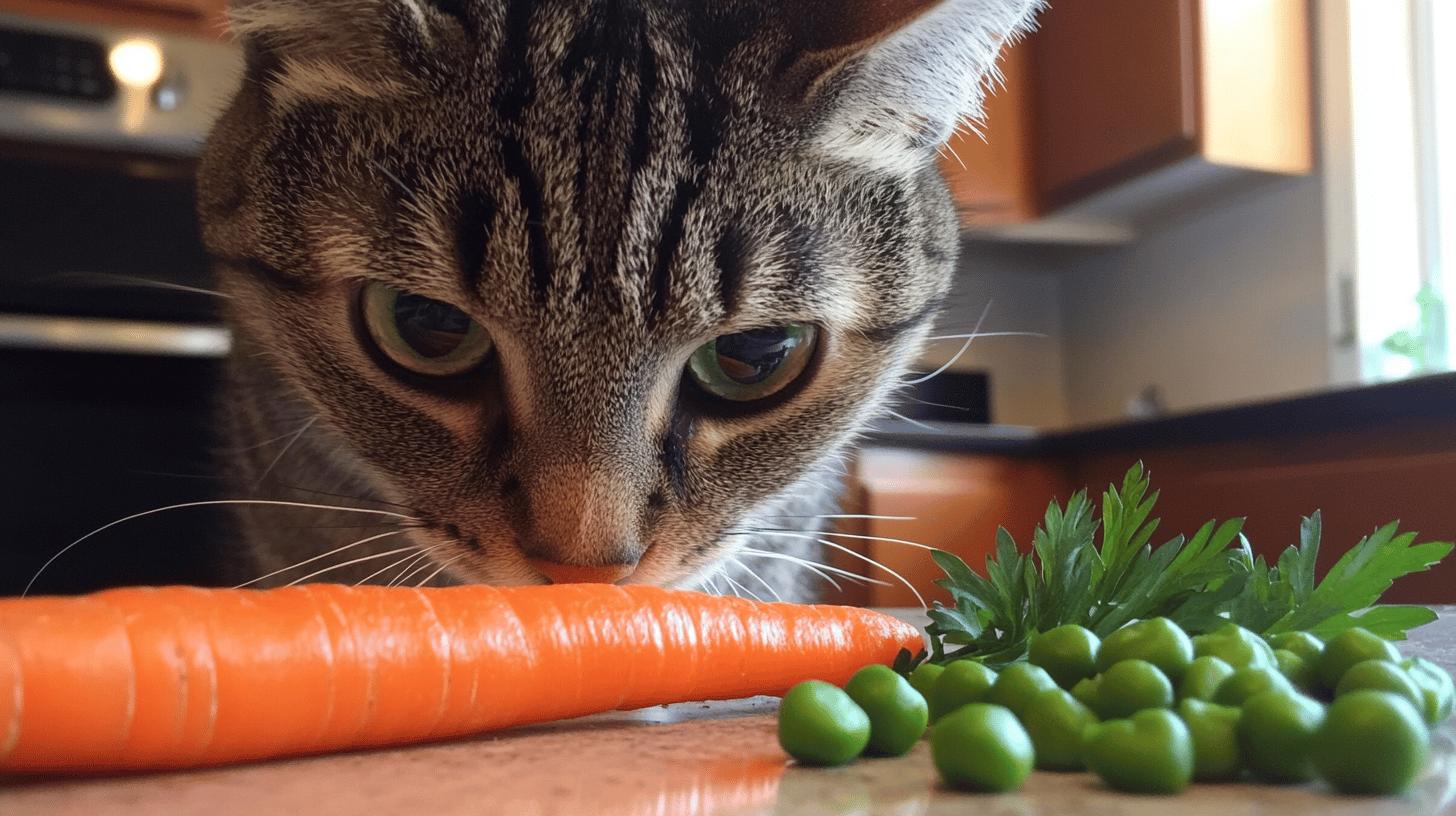
    Safe Foods for Cats Alternatives to Onions-1.jpg

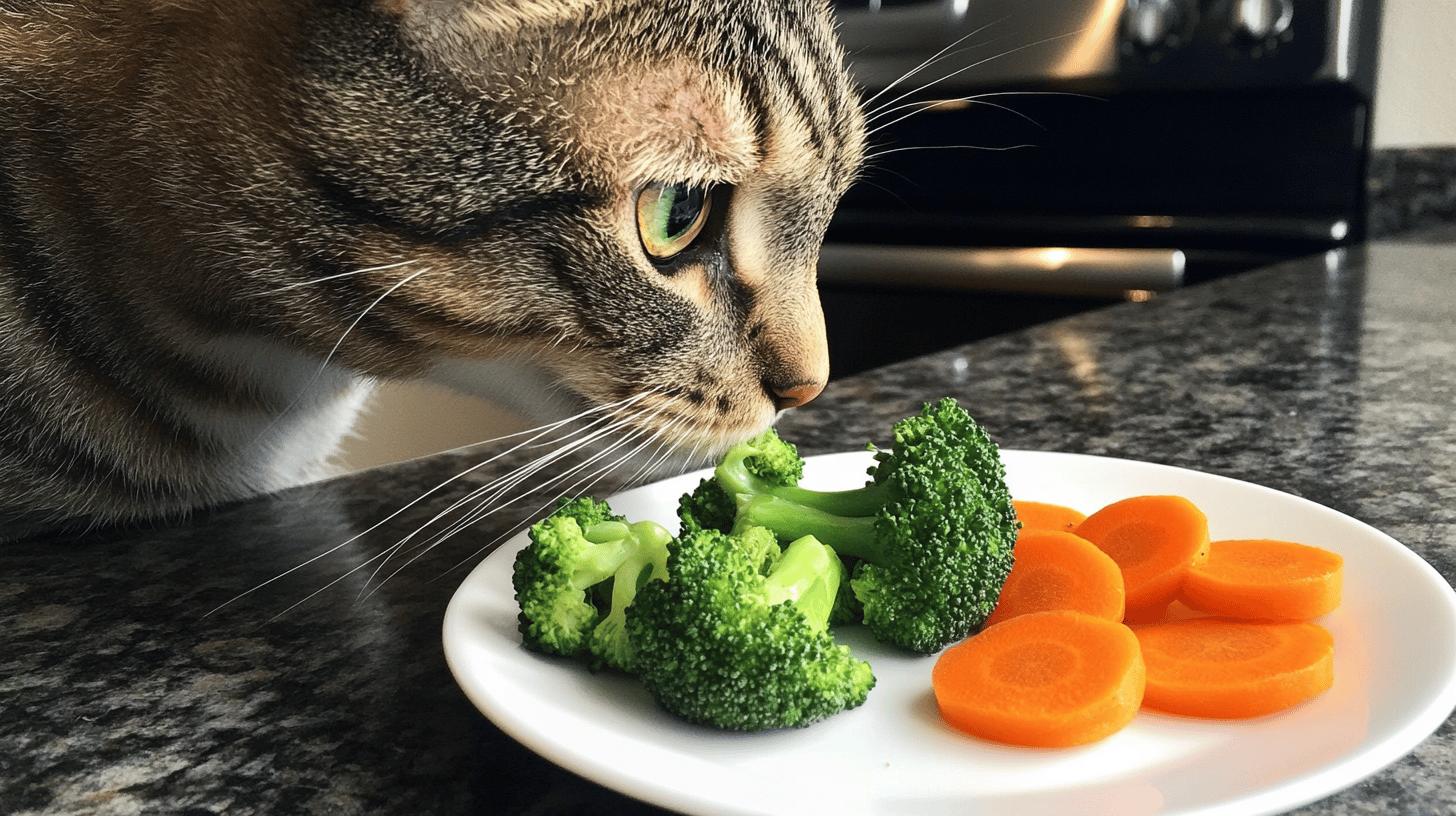
    When it comes to feeding our feline friends, safety is paramount. Onions are a definite no-go due to their toxic nature, but there are plenty of safe and healthy alternatives. Choosing the right vegetables can contribute to a balanced diet and support overall cat health.

    Here are some vegetables that are generally safe for cats:

    • Carrots
    • Peas
    • Cucumbers
    • Zucchini
    • Squash
    • Broccoli
    • Green beans

    While these vegetables can be beneficial, it's always wise to introduce them gradually and in moderation. Each cat's dietary needs can vary, so consulting with a veterinarian ensures that your furry companion receives a diet tailored to their specific health requirements. Regular vet check-ups can help maintain their well-being and adjust their diet as needed.

    Prevention and Long-term Effects of Onion Ingestion in Cats

    Prevention and Long-term Effects of Onion Ingestion in Cats-1.jpg

    Preventing your cat from eating onions is crucial, given the potential toxicity. Start by ensuring all onions, whether whole or chopped, are stored securely out of reach. Be mindful of onion inclusion in foods like soups or sauces and avoid leaving these unattended around your cat. Awareness is key; educate family members and visitors about the dangers of onions to cats. This vigilance can significantly reduce the risk of accidental ingestion.

    Monitoring your cat's diet is essential for their overall health and safety. Regularly check the ingredients of any commercial cat foods or treats to confirm there are no harmful additives. A balanced diet tailored to your cat's specific needs can prevent nutritional gaps that might lead them to explore unsafe foods.

    The long-term effects of onion ingestion, if untreated, can be severe. Cats may develop hemolytic anemia due to the destruction of red blood cells, leading to fatigue and weakness. In more severe cases, liver damage can occur, requiring intensive medical intervention. Regular veterinary check-ups are vital for early detection of any health issues, ensuring any adverse effects are managed promptly. This proactive approach helps safeguard your cat's health and well-being over time.

    Final Words

    Green onions pose significant risks to cats due to the compound N-propyl disulfide. This compound damages their blood cells, making ingestion dangerous. Symptoms like vomiting and lethargy can develop, sometimes leading to severe consequences. Immediate vet care is crucial if your cat eats green onions to prevent serious health issues.

    Instead, offer safe vegetable alternatives to your feline friend, like carrots or peas. Ensuring safe food choices will keep your cat healthy. Always monitor their diet and keep harmful foods out of reach. With proper care, you can avoid the dangers of green onions and ensure your cat's well-being.

    FAQ

    Can cats eat green onions?

    Cats should not eat green onions. They are highly toxic, causing damage to red blood cells and potentially leading to anemia.

    What happens if my cat eats green onions?

    If a cat eats green onions, it may experience vomiting, lethargy, and pale gums. Immediate veterinary care is critical to manage potential poisoning.

    Is the green onion plant safe for cats?

    No, the green onion plant is not safe for cats. It contains N-propyl disulfide, which is toxic to them.

    Are green onions toxic to pets?

    Yes, green onions are toxic to pets, including cats and dogs. They can cause significant health issues.

    What should I do if my cat chewed on green onion?

    If a cat chews on green onion, contact a vet immediately. Follow professional advice about necessary steps, which may include bringing your cat in for treatment.

    What are the symptoms of green onion poisoning in cats?

    Symptoms of onion poisoning can show 12 hours to 5 days after ingestion. Watch for vomiting, diarrhea, lethargy, pale gums, rapid breathing, and possible collapse.

    Can one piece of onion hurt my cat?

    Yes, even one piece of onion can harm a cat, depending on the size of the cat and the amount of onion. Always consult a vet if ingestion occurs.

    Can cats eat chives or green peppers?

    Cats should not eat chives, as they are toxic like onions. Green peppers are generally safe but should be given in moderation after vet consultation.
    Related Articles

  • What Vegetables Can Cat Eat Safely and Nutritionally

    What Vegetables Can Cat Eat Safely and Nutritionally

    Is it really necessary to consider vegetables in your cat's diet? Surprisingly, a few well-chosen veggies can complement their meaty meals. As a cat owner committed to your pet's well-being, you might wonder, "What vegetables are both safe and nutritious for my feline friend?" Let me guide you through which veggies are friends and which to avoid. We'll explore preparation tips and the unique benefits each option brings, ensuring your cat's diet remains balanced, tasty, and safe with Titan Claws' help.

    Safe Vegetables Cats Can Eat

    Safe Vegetables Cats Can Eat-1.jpg

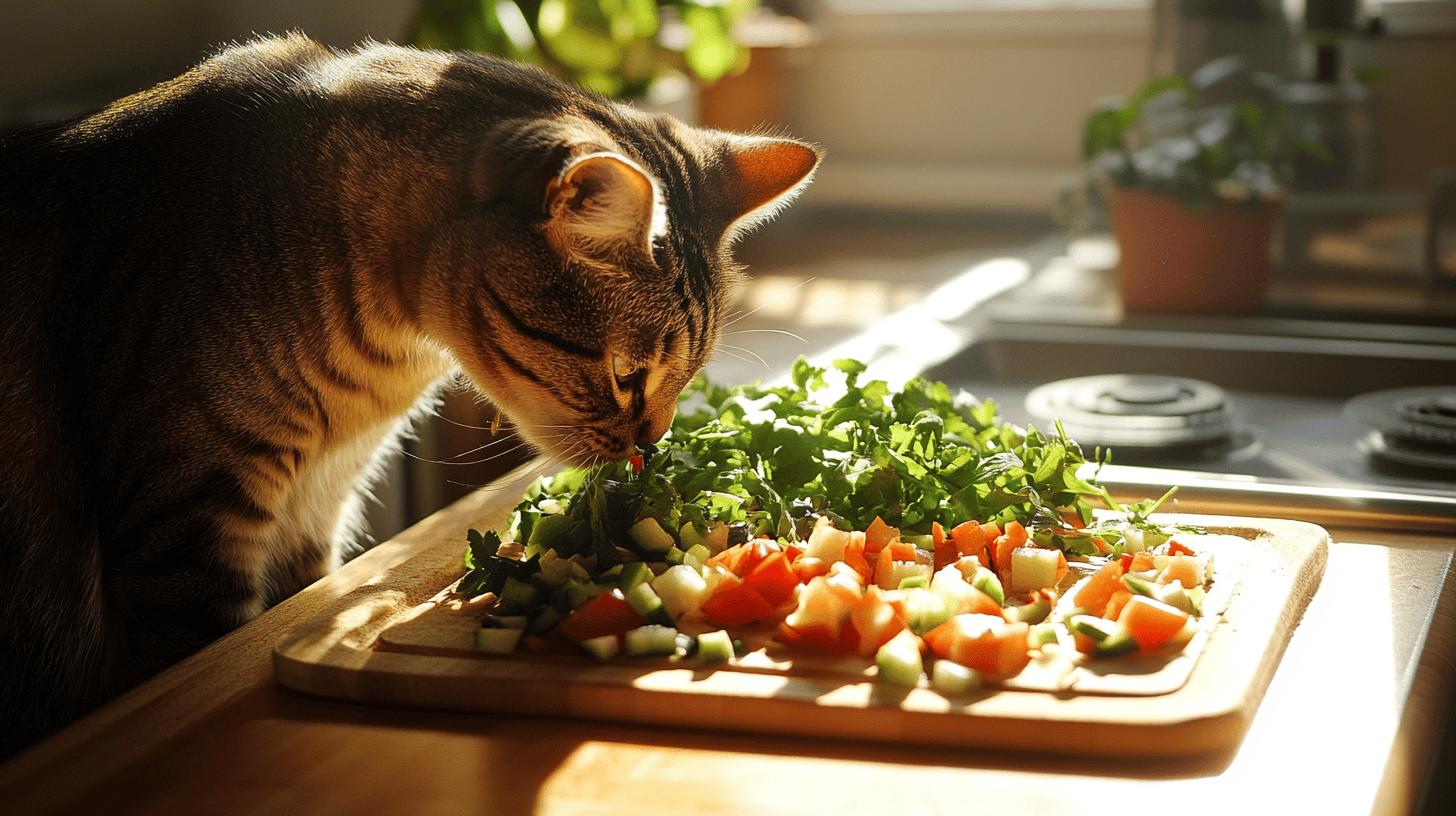
    When it comes to feeding cats vegetables, moderation and proper preparation are key. Here are some vegetables that are safe for cats to enjoy, along with their nutritional benefits and preparation tips:

    • Broccoli: Cooked broccoli is a great option for cats. It aids digestion and can help soothe stomach issues. Make sure it's cooled before serving.

    • Peas: These are low-calorie treats that many cats enjoy. Peas can be fed cooked or fresh, but always in moderation.
    • Cooked Carrots: Packed with vitamins, carrots should be cooked to prevent choking hazards. They can be a healthy addition to your cat's diet.

    • Cucumber: This vegetable provides moisture and can be served raw. Peel and wash the cucumber before offering it to your cat.

    • Asparagus: Cooked asparagus can help deter plant chewing and aid with stomach issues. Always cook asparagus to prevent choking.

    • Zucchini: A low-calorie and hydrating option. Make sure to cook it before serving to your feline friend.
    Steps for Introducing Vegetables

    Introducing vegetables to your cat should be done gradually to ensure they tolerate them well. Here are some tips:

    • Start with small amounts to assess your cat's tolerance.
    • Steaming is a preferred cooking method as it preserves the nutritional content of the vegetables.
    • Serve vegetables plain, without seasoning or additives, which can be harmful to cats.
    • Monitor your cat for any signs of digestive distress or allergies. If your cat shows any adverse reactions, discontinue the vegetable and consult your veterinarian.

    Feeding cats vegetables can be a healthy practice if done right. Remember, vegetables should only be an occasional treat, up to three times a week, and should never replace the primary meat-based diet cats require. Keep an eye on your cat's reaction to new foods and ensure their diet remains balanced and nutritious.

    Vegetables Cats Should Avoid

    Safe Vegetables Cats Can Eat-3.jpg

    Certain vegetables pose significant health risks to cats, and it's crucial to keep them out of your feline friend's diet. Cats have specific dietary needs as obligate carnivores, meaning they thrive on a meat-based diet. Introducing toxic vegetables into their meals can lead to severe health issues, including gastrointestinal distress and even more serious conditions. Understanding which vegetables are harmful is essential for any cat owner.

    • Garlic: Garlic can cause gastrointestinal upset and has the potential to damage red blood cells in cats, leading to a condition known as hemolytic anemia.

    • Tomatoes: Unripe tomatoes and the tomato plant itself contain solanine, which is toxic to cats. Consumption can result in nausea, vomiting, and other digestive issues.

    • Onions: Onions are highly toxic to cats and can cause anemia and serious digestive problems. Even small amounts can be harmful, as they damage red blood cells.

    It's vital to avoid feeding these vegetables to your cat entirely. While some human foods can be shared with our feline companions, these particular vegetables should never be part of their diet. Always be cautious about what your cat has access to, ensuring that any food within their reach is safe and free from harmful ingredients. If you suspect your cat has ingested any of these toxic vegetables, seek veterinary assistance immediately.

    Nutritional Benefits of Vegetables for Cats

    Nutritional Benefits of Vegetables for Cats-1.jpg

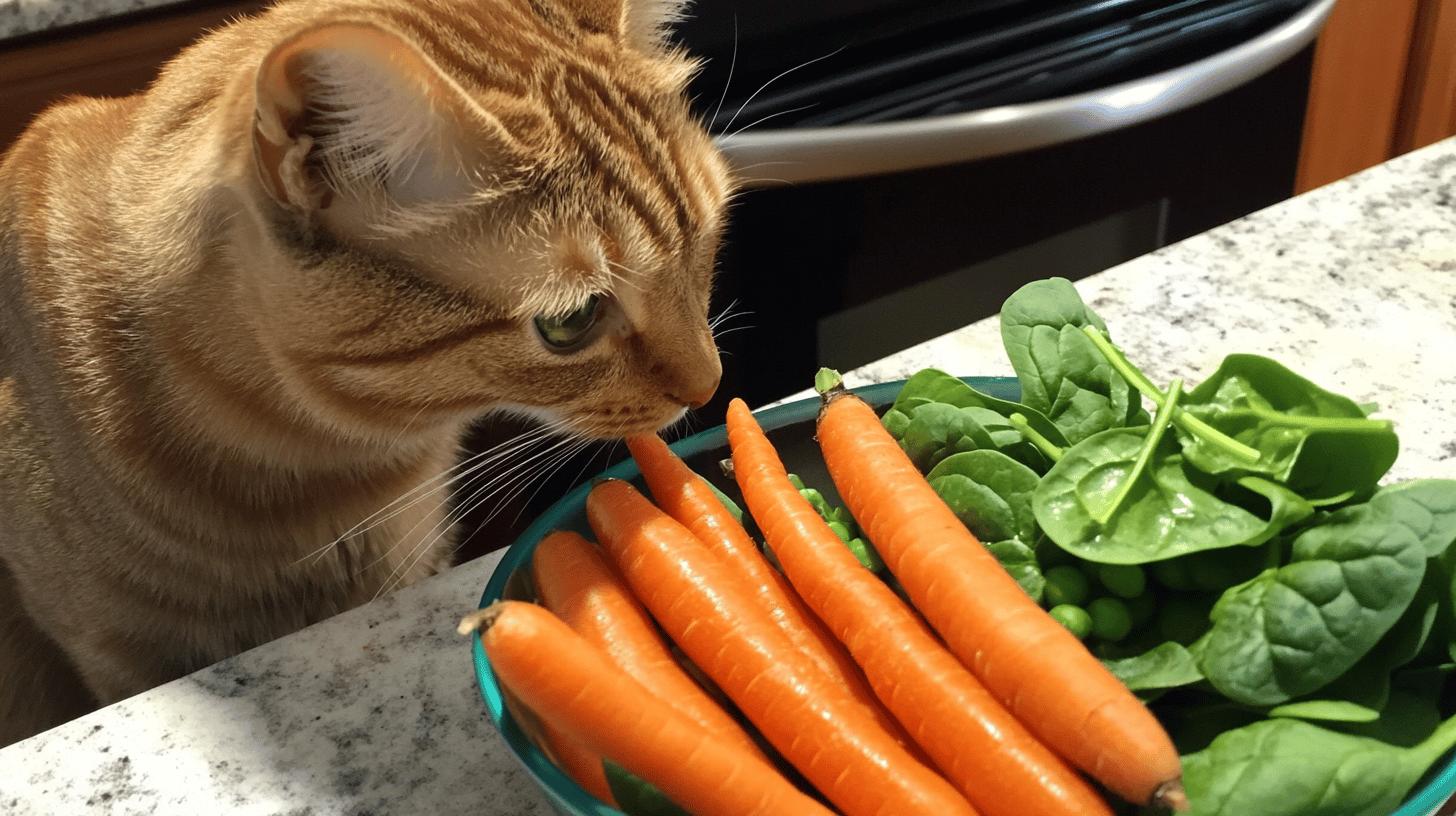
    Carrots

    Carrots are rich in beta-carotene, which is converted into vitamin A. This nutrient is vital for enhancing skin and fur health in cats. While they also support vision and immune function, cooked carrots can be a tasty way to improve your cat’s coat and skin.

    Spinach

    Spinach is a staple in many cat foods due to its high nutritional content. It provides iron and calcium, crucial for healthy blood and bones. The vitamins A, C, and K found in spinach contribute to overall well-being. Feed it in moderation, especially to cats with urinary tract concerns, as it contains calcium oxalate.

    Green Beans

    Green beans have a nutrient-dense profile beneficial for weight control. They are low in calories and high in fiber, which aids digestion and helps cats feel full, reducing overeating tendencies. Fresh or cooked green beans can be a crunchy addition, delivering essential vitamins and minerals.

    Vegetable Nutrient Benefits
    Carrots Beta-Carotene for Skin and Fur Health
    Spinach Iron and Calcium for Blood and Bone Health
    Green Beans Fiber for Weight Management and Digestion

    Common Questions About Cats and Vegetables

    Common Questions About Cats and Vegetables-1.jpg

    Introducing Vegetables to Cats

    When adding vegetables to a cat's diet, cat owners often wonder how to do it correctly. Start by offering small, cooked pieces of safe vegetables like carrots or peas. Always monitor your cat's reaction, as some might show preferences or aversions.

    Behavioral Changes with Vegetable Consumption

    Some cats might experience behavioral changes when consuming vegetables. Increased energy or a more playful demeanor can occur due to the added fiber or hydration. If you notice any negative changes, such as digestive issues or lethargy, discontinue the vegetable treats and consult your vet.

    Balancing Diet with Vegetable Treats

    To balance a cat's diet while including vegetables, use them as occasional treats rather than a staple. Ensure the core diet remains rich in animal protein, with vegetables making up a minor portion. This approach ensures your cat receives all necessary nutrients without over-reliance on non-meat foods.
    Final Words

    Exploring what vegetables can cats eat reveals some safe and beneficial options. We've learned about broccoli, peas, and other veggies that provide health benefits, from aiding digestion to hydrating your feline friend. Remember the importance of moderation and safe preparation.
    Equally important is avoiding harmful vegetables like garlic and onions, which could harm your cat. Vegetables aren't necessary for a cat's diet, but they can offer supplemental benefits when used wisely. Embrace this knowledge to enhance your cat's playtime and overall well-being.
    FAQ

    What vegetables can cats eat raw?

    Cats can safely eat raw vegetables like cucumber and zucchini. These can provide moisture and should be peeled and washed before serving.

    What human food can cats eat every day?

    Cats can occasionally have small amounts of plain cooked meats like chicken and turkey. Always ensure it's free of seasoning or sauces.

    What vegetables can cats eat every day?

    While not daily, cats can have small portions of cooked carrots, peas, or steamed broccoli a few times a week.

    What fruits can cats eat?

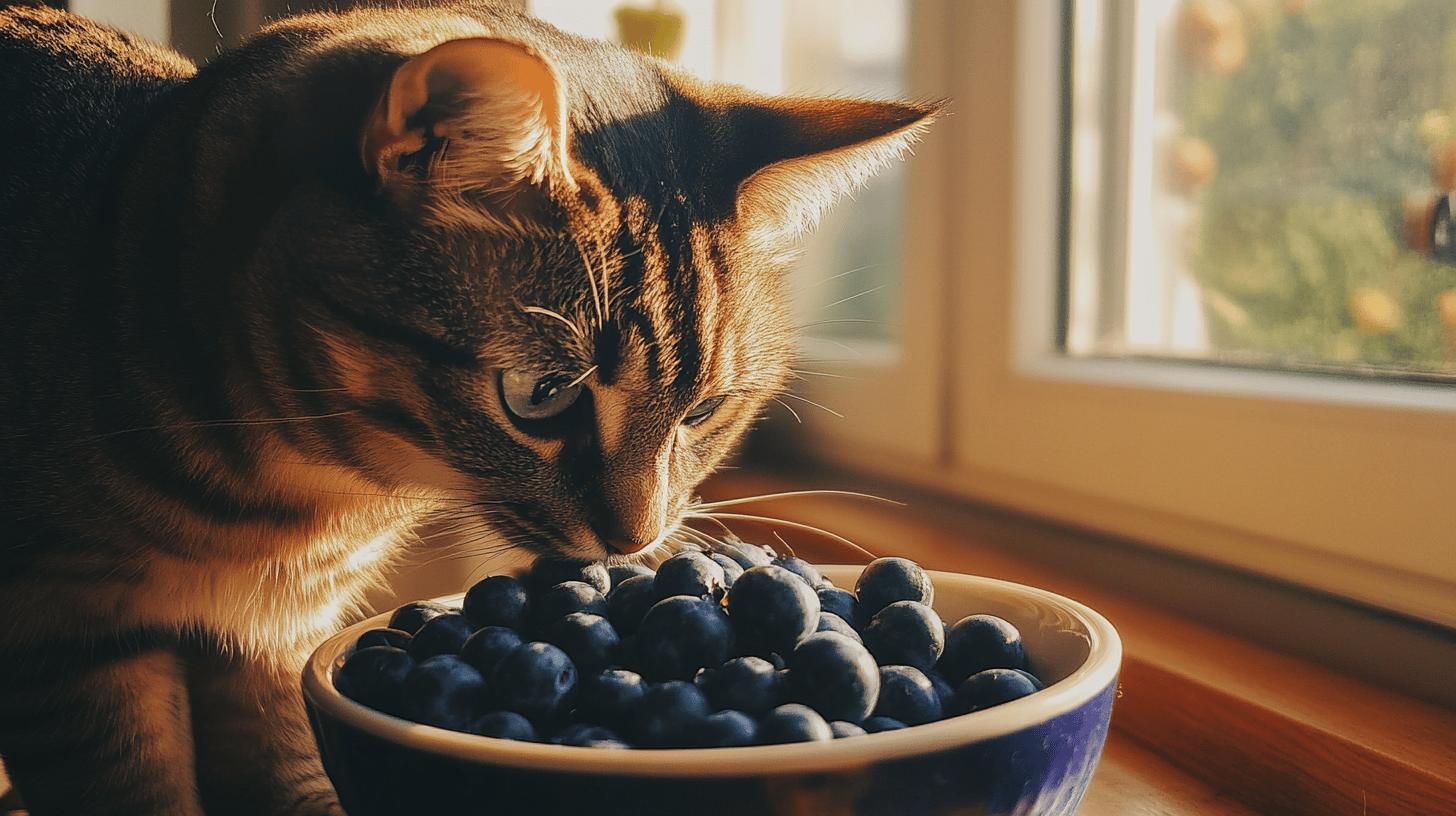
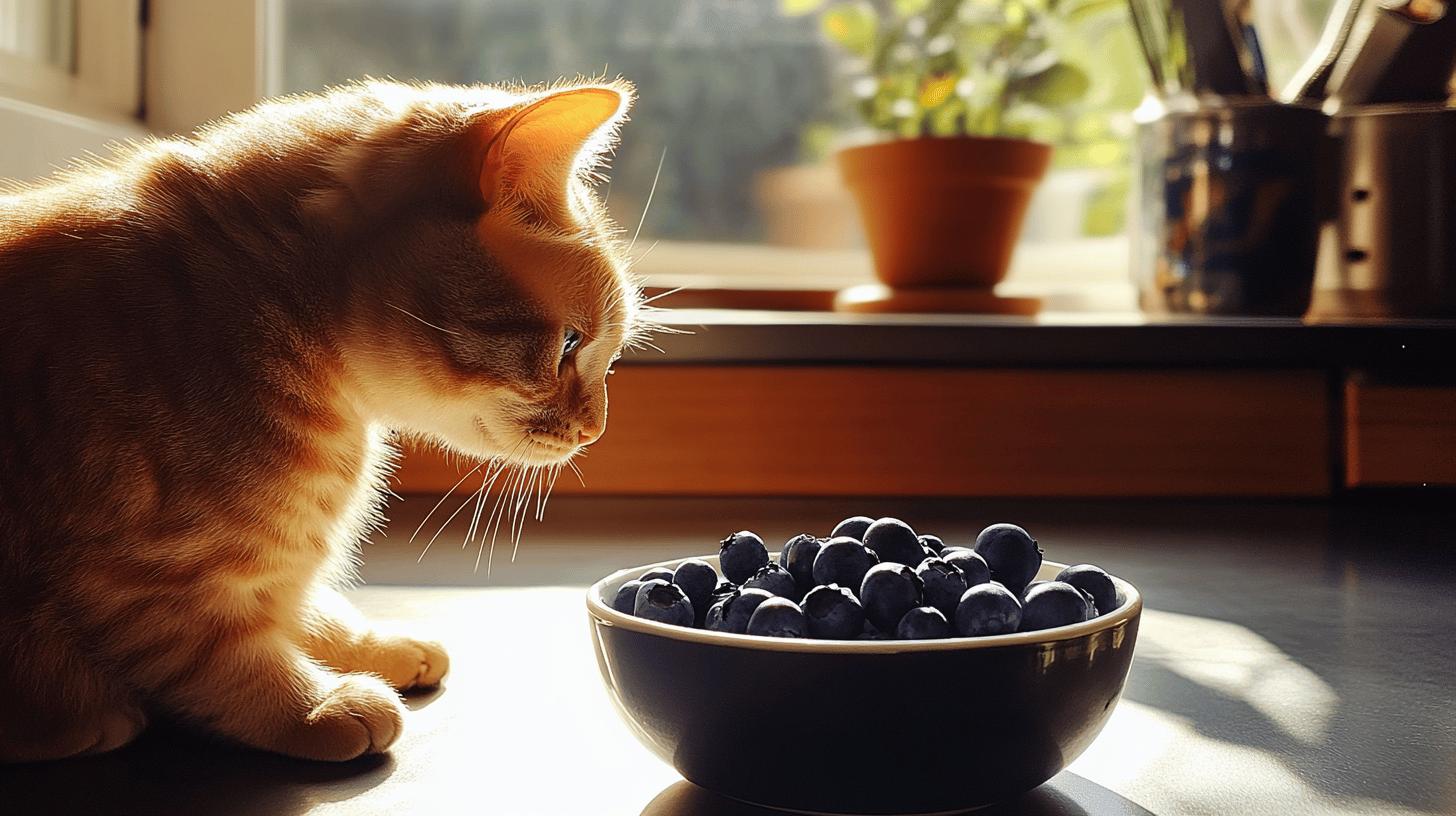
    Cats can have small portions of fruits like blueberries or watermelon. Always remove seeds and serve in moderation.

    Which vegetables are good for cats?

    Some good vegetables for cats include broccoli, peas, cooked carrots, cucumber, asparagus, and zucchini. Each offers unique benefits like aiding digestion or hydration.

    What vegetables can cats not eat?

    Garlic, onions, and unripe tomatoes are toxic to cats. Avoid these entirely as they can cause severe health issues.

    Should cats eat vegetables every day?

    Cats should not eat vegetables every day. Offering them a few times a week in small amounts is sufficient.

    Why can't cats eat vegetables?

    Cats are obligate carnivores, and their diet is primarily meat-based. Vegetables can be included occasionally but shouldn't replace their main diet.

    Do cats eat vegetables in the wild?

    Cats in the wild may eat plants occasionally, mainly for their digestive benefits, but they rely on meat as their primary nutrition source.

    Related Articles

  • Can Cat Eat Lizard Safely and What Owners Should Know

    Can Cat Eat Lizard Safely and What Owners Should Know

    Can your cat chow down on a lizard and be safe, or are there hidden dangers lurking? These slinky reptiles might seem like a healthy snack rooted in wild cat tradition, offering protein and excitement for your feline friend. But before letting your cat go on a lizard hunt, there's more you need to know. I'll unravel the facts about potential risks, such as parasites and the rare venomous species, so you can make sure your cat enjoys a safe and fun playtime experience. Let's dive into what every cat owner should be aware of.

    Can Cats Eat Lizards Safely?

    Can Cats Eat Lizards Safely-1.jpg

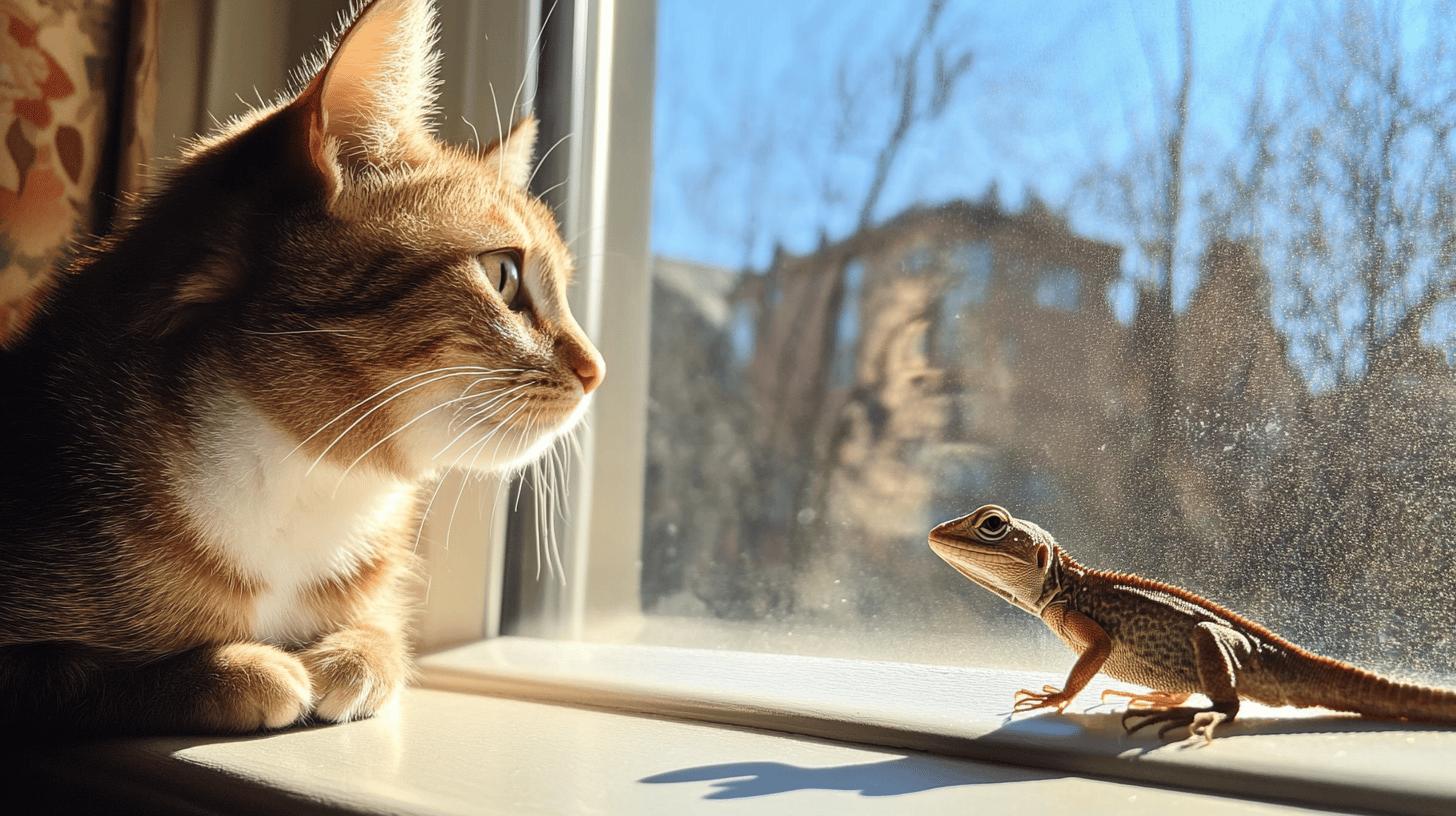
    Cats can safely eat lizards. Lizards are a natural part of the diet for wild and feral cats, including their ancestors, the African wildcats. These reptiles provide valuable protein, making them an appealing snack for many felines. Most lizards are not poisonous to cats, and venomous lizards are rare, especially in urban areas where pets are more likely to roam. While lizard consumption is generally safe, it's important for cat owners to be aware of potential risks and take necessary precautions.

    Here are some considerations for cat owners regarding lizard consumption:

    • Monitor your cat's behavior after eating a lizard to detect any unusual symptoms.
    • Ensure your cat's vaccinations are up-to-date to reduce the risk of infections.
    • Keep your cat indoors in areas known for venomous or toxic lizard species.
    • Provide alternative toys and activities to satisfy your cat's hunting instincts safely.
    • Consult your veterinarian if you have concerns about lizards in your area.

    Potential risks of cats eating lizards include parasites and toxins, although these are uncommon. Parasites such as liver flukes can pose a health threat, particularly in regions where they are more prevalent. Additionally, certain tropical lizards may carry toxins that could be harmful if ingested. Despite these risks, serious health issues from lizard consumption are rare. By remaining vigilant and taking preventive measures, cat owners can minimize any potential dangers and keep their feline friends safe.

    Health Risks and Symptoms in Cats from Eating Lizards

    Health Risks and Symptoms in Cats from Eating Lizards-1.jpg

    Liver flukes are a potential risk for cats that consume lizards. These parasites are more common in certain regions, such as Texas, Louisiana, Alabama, Florida, Hawaii, and parts of Mexico. In these areas, the infection rate in cats can range from 15% to 85%. Liver flukes can migrate to a cat's liver and cause significant health issues if present in large numbers. While cats with fewer than 125 liver flukes typically show no symptoms, larger infestations can lead to liver damage and other serious complications over time.

    Aside from liver flukes, lizards can also carry salmonella, a bacterium that poses a risk to cats. While salmonella infections are not very common, they can occur, particularly in young kittens or cats with compromised immune systems. Infected cats might exhibit mild symptoms like fever and diarrhea. Additionally, some cats may experience minor digestive issues after eating a lizard, which is generally due to dietary unfamiliarity rather than a direct health threat.

    Here are four severe symptoms that require immediate veterinary attention:

    • Severe pain or discomfort
    • Rapid or labored breathing
    • Irregular heartbeat or heart palpitations
    • Signs of paralysis or extreme weakness

    Common symptoms of illness in cats after eating a lizard include vomiting, diarrhea, lethargy, and loss of appetite. These symptoms are often mild and resolve on their own, but they can indicate more serious issues if they persist or worsen. It's important for cat owners to keep an eye on their pets and note any changes in behavior or health that might suggest an adverse reaction to lizard consumption.

    Timely observation is crucial in preventing serious health issues in cats that have eaten lizards. If you notice any troubling symptoms, it's best to consult a veterinarian promptly. They can assess the situation and provide the necessary treatment to ensure your cat's well-being. Understanding the potential risks and staying vigilant can help you protect your feline friend from the more serious consequences of eating lizards.

    Preventive Measures to Protect Cats from Eating Lizards

    Preventive Measures to Protect Cats from Eating Lizards-1.jpg

    Keeping your cat indoors can be one of the most effective ways to prevent them from encountering lizards. Indoor cats are less exposed to potential risks like parasites or toxins, which some lizards might carry. By staying inside, cats are also spared from other outdoor dangers like traffic and predators. This controlled environment allows cat owners to keep a closer eye on their pets' health and behavior, minimizing the chances of them catching and eating lizards.

    To satisfy a cat's natural hunting instincts without the associated risks, consider these alternative activities and toys:

    • Interactive toys like feather wands or laser pointers can engage a cat's prey drive.
    • Puzzle feeders that dispense treats provide mental stimulation and mimic hunting.
    • Catnip-filled toys can stimulate play and exercise.
    • Climbing trees or scratching posts offer physical activity and exploration.
    • Scheduled playtime with you can strengthen the bond and provide exercise.

    For those who want their cats to enjoy some outdoor time, supervision is key. Consider creating a safe outdoor space, like a catio, which allows your cat to experience fresh air without the risk of catching lizards or other wildlife. If a catio isn't an option, supervised leash walks can be a good alternative. Additionally, keeping your yard tidy by trimming bushes and removing debris can reduce lizard habitats, limiting your cat's exposure to them. These adaptations can help keep your feline friend safe while still allowing them to enjoy their natural curiosity and playfulness.

    Veterinarian Advice on Cats and Lizards

    Veterinarian Advice on Cats and Lizards-1.jpg

    If your cat displays severe symptoms like continuous vomiting or lethargy after eating a lizard, see a vet immediately. These could indicate serious issues like liver fluke or salmonella infections. Acting quickly can help the vet diagnose and treat your cat, ensuring a speedy recovery.

    To reduce risks, keep your cat indoors or supervise their time outside. Offer protein-rich meals to lessen hunting urges. Providing interactive toys can divert your cat's prey drive from reptiles, enhancing their safety and wellbeing.

    Final Words

    Understanding if a cat can eat lizard safely is key for pet owners. We've learned that lizards generally pose low toxicity risks to cats, offering beneficial protein. Though rare, issues like liver flukes or salmonella can occur, making observation crucial. By keeping indoor cats and providing engaging toys, we can manage these risks effectively. If any symptoms arise, seeking veterinary advice promptly ensures your feline's well-being. Creating a safe environment enriches your cat's life, allowing them to thrive with minimal health concerns.

    FAQ

    Q: What happens if my cat eats a lizard?

    A: Eating a lizard generally doesn't harm cats as lizards offer protein and are often part of their natural diet. Most lizards aren't toxic, but watch for illness in rare cases.

    Q: Can a cat die from eating a lizard?

    A: It's rare for cats to die from eating lizards. Watch for symptoms like vomiting, lethargy, or diarrhea and consult a vet if they appear.

    Q: Why do cats like to eat lizards?

    A: Cats eat lizards due to their hunting instincts. Lizards provide protein, which matches a cat's natural diet and can satisfy their prey drive.

    Q: Should I let my cat eat a gecko?

    A: It's generally safe, but not necessary. Consider keeping your cat away from geckos to avoid potential health risks and provide toys to fulfill their hunting urges.

    Q: Is it okay for cats to hunt lizards?

    A: Hunting lizards can be safe but poses minimal health risks like parasites. It's best to observe your cat and provide alternative activities.

    Q: What are symptoms of a cat eating a lizard?

    A: Symptoms of illness include vomiting, diarrhea, lethargy, and loss of appetite. If severe symptoms arise, seek veterinary care immediately.

    Q: How to prevent my cat from eating lizards?

    A: Keep your cat indoors, supervise outdoor activities, and use engaging toys to satisfy their hunting instinct safely.

    Related Articles

  • Can Cat Eat Ground Beef Safety and Nutritional Insights

    Can Cat Eat Ground Beef Safety and Nutritional Insights

    Is ground beef a safe choice for your kitty, or is it a risky snack? The answer isn't as simple as a yes or no—it depends on how you prepare it. Ground beef, when cooked right, is safe for cats. It offers essential nutrients like protein and minerals. Yet, it must be free of harmful extras like salt and seasonings. In this post, we'll explore the safe preparation methods and health benefits of feeding cats ground beef. Let's ensure our feline friends get the best out of this tasty treat!

    Can Cats Safely Eat Ground Beef?

    Can Cats Safely Eat Ground Beef-1.jpg

    Ground beef can be a safe addition to your cat's diet if prepared correctly. It's essential to serve it without any salt, seasonings, or oil, as these can be harmful to cats. Proper preparation is key to ensuring that your feline friend can enjoy this protein source without any adverse effects.

    Raw beef, including ground beef, carries risks due to potential bacteria like Salmonella and E.Coli. These can cause serious health issues in cats. Cooking the beef thoroughly eliminates these risks, making it much safer. Boiling is a preferred method as it avoids adding unhealthy fats or seasonings.

    Key Preparation Guidelines:

    • Cook ground beef thoroughly to eliminate bacteria.
    • Avoid adding salt, seasonings, or oils.
    • Use lean ground beef to reduce fat content.
    • Serve in moderation as part of a balanced diet.

    Lean ground beef is an excellent choice for cats as it provides protein while keeping fat levels lower. This makes it a healthier option that supports a cat's dietary needs without contributing to weight gain. By following these guidelines, you can safely introduce ground beef into your cat's meal plan.

    Nutritional Benefits of Ground Beef for Cats

    Nutritional Benefits of Ground Beef for Cats-1.jpg

    Ground beef is a powerhouse of protein, which is crucial for your cat's diet. A 100-gram serving of broiled, ground beef offers a rich source of protein along with essential minerals such as iron, zinc, manganese, and selenium. These minerals play a vital role in various bodily functions, helping to maintain your cat's health and vitality.

    The nutrients found in ground beef are significant for supporting muscle health and energy levels. Iron and zinc contribute to the production of red blood cells and immune function, ensuring that your cat stays active and healthy. Manganese and selenium are antioxidants that help reduce oxidative stress, promoting overall well-being and longevity in cats.

    Taurine, an essential amino acid present in ground beef, is especially important for a cat's diet. Cats cannot produce enough taurine on their own, so they rely on dietary sources. It supports vision, heart function, and reproductive health. Including ground beef in your cat's meals can help meet their taurine requirements, ensuring they get the nutrients necessary for a happy and healthy life.

    Potential Risks of Feeding Ground Beef to Cats

    Potential Risks of Feeding Ground Beef to Cats-1.jpg

    Feeding too much ground beef to your cat can lead to serious health problems. Overconsumption is linked to heart disease and cancer, conditions that can severely impact your cat's quality of life. The high-fat content in non-lean beef can also lead to obesity, increasing the risk of these diseases. It's crucial to control portions and ensure beef is part of a balanced diet to maintain your cat's health.

    While the risks of harmful bacteria like Salmonella and E.Coli in raw beef have been covered, overfeeding beef can still pose health issues. Parasites found in raw beef can complicate your cat's health further. Cooking beef thoroughly remains essential to eliminate these dangers. Focus on portion control and balance in your cat's diet to prevent obesity and associated health risks.

    How to Prepare Ground Beef for Cats

    How to Prepare Ground Beef for Cats-1.jpg

    Cooking methods are crucial when preparing ground beef for cats. Boiling is the best choice, as it cooks the meat thoroughly without adding fats or seasonings. Frying can introduce oils harmful to cats, making it a less suitable option. Properly cooked beef eliminates bacteria and parasites, providing a safer meal for your feline friend.

    Cooking Instructions

    To prepare ground beef for your cat, follow these steps:

    1. Select Lean Ground Beef: Choose beef with low-fat content to minimize excess calories.
    2. Boil the Beef: Place the ground beef in a pot, cover it with water, and bring it to a boil.
    3. Cook Fully: Let it simmer until the beef is entirely cooked with no pink areas.
    4. Drain and Cool: After cooking, drain the water and cool the beef completely before serving.

    Common Cooking Mistakes to Avoid:

    • Adding salt or seasonings that can upset your cat's stomach.
    • Using oils or frying the beef, increasing fat content.
    • Serving beef that is not fully cooked, risking bacteria.
    • Giving large portions that lead to overfeeding and health issues.

    Portion size is important when serving ground beef. A small portion, around a tablespoon or two, is usually enough for a single meal. Keep an eye on your cat for any allergic reactions or digestive issues after introducing ground beef. Adjust portions based on your cat's response to ensure a balanced and enjoyable meal.

    Comparing Ground Beef with Other Protein Sources for Cats

    Comparing Ground Beef with Other Protein Sources for Cats-1.jpg

    Cats are obligate carnivores, which means their diet should primarily consist of meat. While ground beef is a popular choice, there are several other protein sources that are suitable for cats. Options like chicken, lamb, turkey, and duck provide variety and nutritional benefits when properly cooked. Cooking is crucial, as it ensures that harmful bacteria and parasites are eliminated, making the food safe for your feline friend.

    Here's how beef stacks up against chicken, one of the most common meats in cat foods:

    Nutrient Ground Beef Chicken
    Protein Content High Very High
    Essential Amino Acids Rich Source Rich Source
    Fat Content Higher (Depends on Cut) Lower
    Minerals (Iron, Zinc) Rich Source Moderate Source

    Beef is a good protein source, offering essential amino acids and minerals like iron and zinc. However, it's not a natural prey for cats, unlike poultry. Chicken tends to have a slightly higher protein content and is lower in fat, making it a leaner option. Both beef and chicken can be incorporated into a cat's diet, but beef should be balanced with other meats to ensure a well-rounded intake of nutrients. By offering a variety of meats, you can cater to your cat's nutritional needs while also keeping their meals interesting and enjoyable.

    Final Words

    Ground beef can be a safe and nutritious option for cats if prepared correctly. It offers essential proteins and minerals, promoting muscle and overall health. Cooking ground beef properly is crucial to prevent any bacterial risks. Raw beef can pose health issues, so always choose to boil it without seasonings.

    Remember that while beef is beneficial, moderation is necessary to avoid potential health problems. Exploring other protein sources like chicken or turkey can provide variety. Overall, can cat eat ground beef? Yes, with the right preparation and care, it can be a delightful treat for your feline friend.

    FAQ

    Can cats eat ground beef?

    Cats can eat ground beef, but it should be cooked without salt or seasonings. Raw beef can be risky because of bacteria. Cooked lean ground beef is a safer choice for feeding cats.

    Can cats eat ground beef raw or cooked?

    Cats should eat ground beef cooked, not raw. Cooking helps kill any harmful bacteria and parasites. Avoid adding salt, seasonings, or oil when preparing.

    How do I cook ground beef for my cat?

    Boil the ground beef without salt or seasonings. Avoid frying or adding oil. Ensure the beef is thoroughly cooked to keep your cat safe from bacteria.

    Can cats have ground beef every day?

    Feeding cats ground beef daily is not encouraged. While it can be part of their diet, balance is key. Include other protein sources and check with a vet for proper nutrition.

    Can cats eat ground beef and rice?

    Yes, cats can eat ground beef with rice. Keep it plain without seasonings. This mixture can be a balanced meal if your cat tolerates rice well.

    How much ground beef should I feed my cat?

    The amount of ground beef depends on your cat's size and dietary needs. Consult with a vet for tailored feeding guidelines to ensure balanced nutrition.

    What meat should cats avoid?

    Cats should avoid meats high in fat and processed meats, like bacon or sausage. Always cook meat properly to prevent the risk of harmful bacteria.

    Related Articles

  • Can Cat Eat Papaya Safely as an Occasional Treat

    Can Cat Eat Papaya Safely as an Occasional Treat

    Can cats savor papaya safely, or should we stick to tuna treats instead? This juicy fruit might seem like a tasty treat, but it's not as simple as it appears. Cats are carnivores at heart, thriving on meats more than fruits. Papaya, though, can be a safe delight in tiny doses. It’s crucial to limit their intake to avoid any tummy troubles while ensuring their primary diet remains meaty. If you're curious whether this fruit can spice up their snacking, we’ve got the insights you need right here!

    Comprehensive Overview: Papaya and Cats

    Comprehensive Overview Papaya and Cats-1.jpg

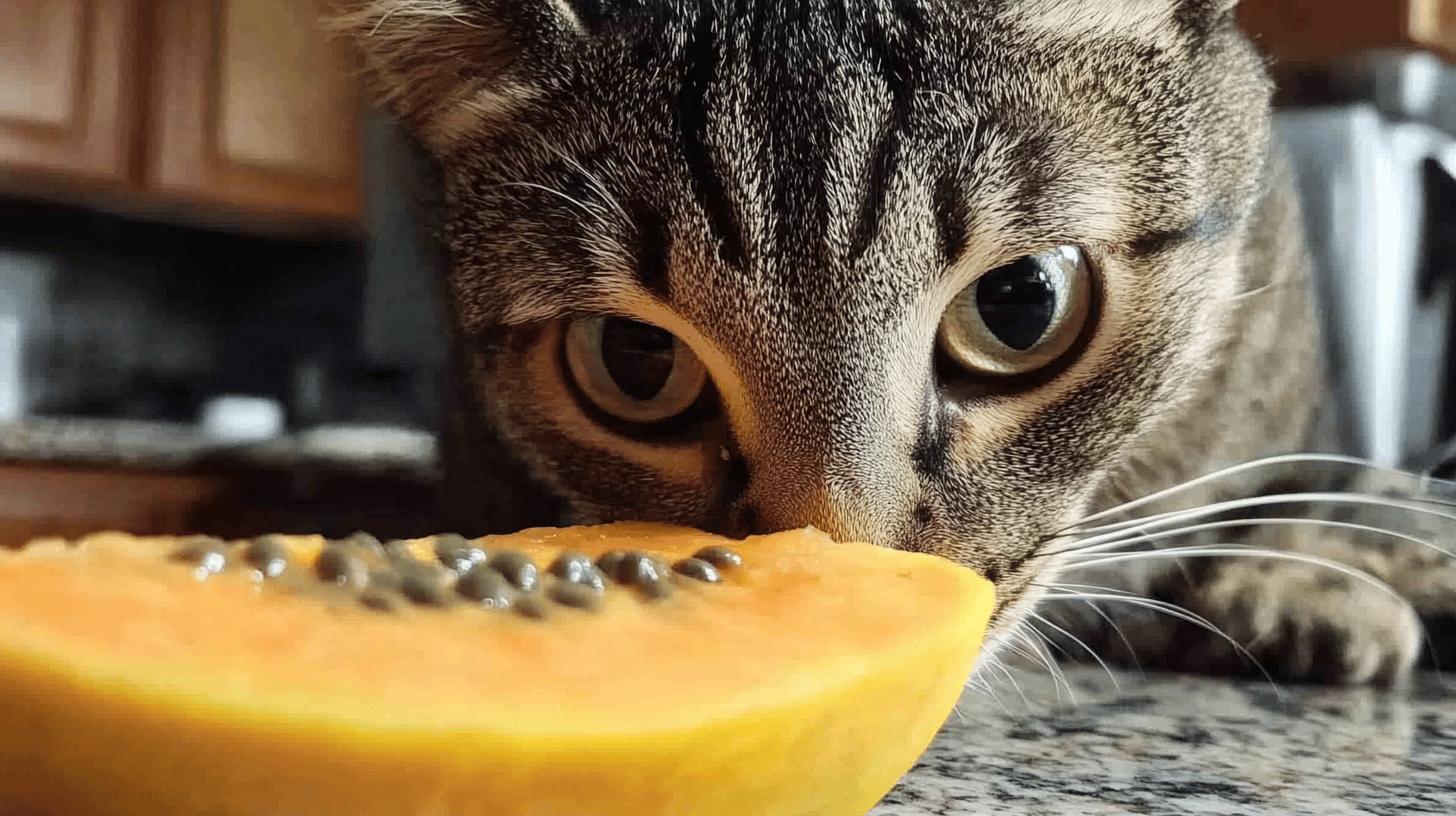
    Papaya is a fruit that can be safely introduced to a cat's diet in small amounts. It makes for an interesting occasional treat, but there are a few things to keep in mind. Cats are obligate carnivores, which means their primary dietary needs are met through proteins found in meat rather than fruits. Papaya, when given sparingly, can be safe, but it should not exceed 10% of a cat's daily calorie intake. Overindulgence could lead to digestive issues. Also, papaya seeds are considered a choking hazard and should be avoided entirely. This fruit can be particularly appealing to cats due to its texture, yet it should be offered only in moderation.

    Nutritionally, papaya contains enzymes that might aid in a cat's digestion, particularly in older felines. However, it lacks any significant nutritional benefits for cats. While humans often consume papaya for its vitamins and fibers, cats do not require these in the same way. Cats naturally produce their own vitamin C, so the vitamin content in papaya is not necessary for them. The primary focus should remain on a diet rich in animal proteins and fats, which are more aligned with their natural dietary needs.

    Fruit Safety Level
    Papaya Safe in moderation
    Melon Safe in moderation
    Blueberries Safe
    Grapes Unsafe
    Apples (no seeds) Safe in moderation

    Feeding papaya to cats comes with potential risks and side effects. If given in large quantities, papaya might cause digestive upset, such as diarrhea. It's important to monitor any adverse reactions when offering new foods. Cats with sensitive stomachs, allergies, high blood sugar, or obesity should be particularly cautious. While the enzymes in papaya could theoretically benefit digestion, these are not essential for a cat's health and are unlikely to outweigh the potential downsides of overconsumption.

    Moderation is key when introducing papaya or any new treat to your cat's diet. Always start with small amounts and observe how your cat responds. Consulting a veterinarian before adding new foods to your cat's routine is a smart move. They can provide guidance tailored to your cat's specific health needs, ensuring that any dietary changes are safe and beneficial.

    How to Safely Introduce Papaya to Your Cat

    How to Safely Introduce Papaya to Your Cat-1.jpg

    Offering papaya to your cat can be a fun way to add variety to their diet, but serving size is crucial. A safe serving is just a few small chunks or bites, offered once or twice a week. This ensures your cat can enjoy the treat without upsetting their stomach or affecting their nutritional balance. Remember, while papaya is safe, it should not replace their main diet, which should be high in protein.

    Preparing Papaya for Cats

    To make papaya safe for your feline friend, it needs to be prepared properly.

    1. Select a ripe papaya: Choose one that is fresh and ripe, as unripe fruit can be harder for cats to digest.
    2. Wash the fruit: Rinse the papaya thoroughly under running water to remove any dirt or pesticides.
    3. Remove the seeds and skin: Both should be completely removed. The seeds can be harmful, and the skin is tough to digest.
    4. Cut into small pieces: Chop the flesh into small, bite-sized chunks that your cat can easily chew and swallow.

    After introducing papaya to your cat, it's important to watch for any adverse reactions. Monitor their behavior and health, looking for signs of digestive upset or allergies, such as vomiting or diarrhea. If your cat shows any negative symptoms, discontinue the treat and consult your veterinarian. They can provide tailored advice and ensure your cat's diet remains healthy and balanced.

    Final Words

    Understanding if cats can eat papaya involves recognizing that it is safe for them to consume in small portions. The fruit offers little nutritional value for cats but can aid digestion in moderation. Always remember that papayas should be an occasional treat, not a staple in their diet.

    When introducing papaya, start with tiny chunks, ensuring you monitor for any adverse reactions. By following these guidelines, you can occasionally share this treat with your cat safely. Keep your feline's health in mind and enjoy the bond over some refreshing papaya.

    FAQ

    Can cats eat papaya?

    Cats can eat papaya in small amounts as an occasional treat. It contains enzymes that may aid digestion but doesn't provide significant nutrition. Always keep papaya intake below 10% of their daily calorie intake.

    What fruits can cats eat?

    Cats can eat small amounts of fruits like papaya, apples (without seeds), and blueberries. Always ensure fruits are safe and given occasionally. Some fruits, like grapes and raisins, are toxic to cats.

    Is papaya good for cats to eat?

    Papaya is safe for cats but offers limited nutritional benefits. It's best as a treat, not a dietary staple, because cats are obligate carnivores needing meat-based nutrients.

    Can cat eat papaya seeds or leaves?

    Cats should not eat papaya seeds or leaves. Seeds can be a choking hazard and leaves are not safe for feline consumption.

    Can cat eat papaya juice?

    Papaya juice is not recommended for cats. It's best to avoid fruit juices as they often contain sugars and lack fiber present in the whole fruit.

    Can cats eat papaya skin?

    Cats should not eat papaya skin. The skin can be tough and hard to digest, potentially leading to stomach upset.

    Can kittens eat papaya?

    Kittens should not eat papaya. Their diet should focus on high-quality kitten food designed for growth and development without unnecessary foods like papaya.

    Can pets like dogs or other animals eat papaya?

    Many pets, including dogs, can eat papaya in moderation. Always consult a vet to ensure it's suitable for your specific pet's diet and health needs.

    What fruit is toxic to cats?

    Grapes, raisins, and citrus fruits are toxic to cats. Always avoid feeding these fruits, and consult a vet for a comprehensive list of unsafe foods.

    Related Articles

  • Can Cat Eat Ketchup Understanding Risks and Safety Concerns

    Can Cat Eat Ketchup Understanding Risks and Safety Concerns

    Can cats safely indulge in ketchup? It's a question you might find yourself asking when your curious kitty sniffs around your plate. Unfortunately, the answer isn't as sweet as the beloved condiment. Ketchup, while a kitchen staple for us, can pose risks for our feline friends due to harmful ingredients like onion and garlic powder. These can lead to severe health problems, including anemia. In this article, we'll dive into why cats and ketchup are a dangerous mix and explore ways to ensure your cat's safety. Let's keep our furry companions healthy and happy!

    Can Cats Eat Ketchup? Understanding the Risks

    Can Cats Eat Ketchup Understanding the Risks-1.jpg

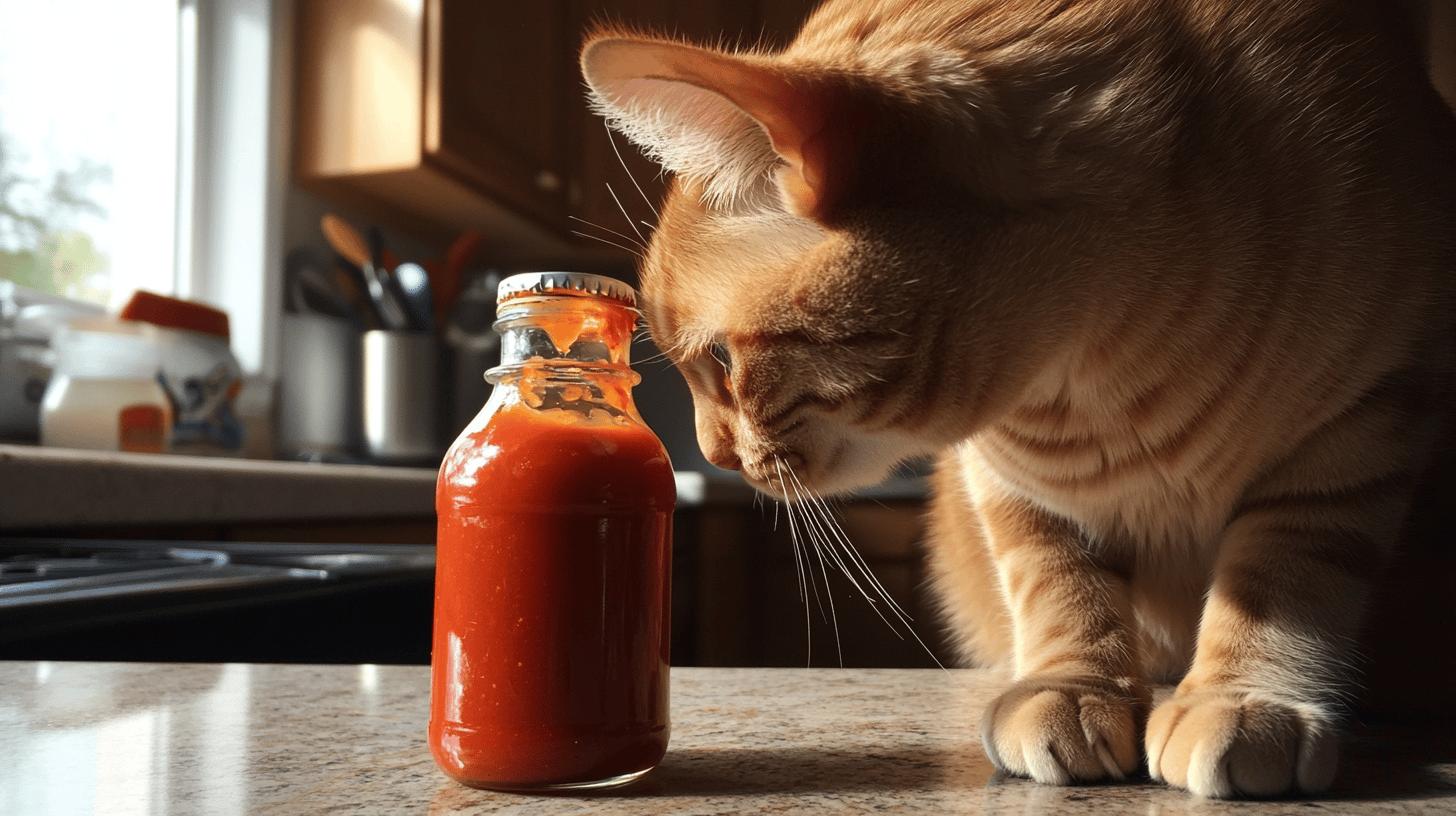
    Ketchup may seem harmless, but it poses significant risks to our feline friends. The primary concern is its ingredients, particularly onion and garlic powder, which are toxic to cats. These can harm a cat's red blood cells, potentially leading to Heinz body anemia, a severe and sometimes fatal condition. Additionally, ketchup is packed with salt and sugar, which can cause a range of health issues for cats. Even a small lick can lead to dehydration or contribute to more severe problems like high blood pressure. For these reasons, it's clear that ketchup is not safe for cats and should be kept out of their reach.

    Here are some specific harmful effects that consuming ketchup can have on cats:

    • Heinz body anemia
    • Dehydration
    • High blood pressure
    • Obesity
    • Diabetes

    Given these potential health issues, it's evident that ketchup offers no benefits to a cat's diet. Cats are obligate carnivores, requiring a diet high in animal protein, and ketchup doesn't align with their dietary needs. The potential dangers far outweigh any perceived benefits, making it crucial for cat owners to avoid letting their pets consume ketchup. Keeping human foods like ketchup away from your cat can help maintain their health and prevent unnecessary complications.

    What to Do If Your Cat Eats Ketchup

    What to Do If Your Cat Eats Ketchup-3.jpg

    If you find that your cat has indulged in ketchup, swift action is necessary. First, remove any remaining ketchup from their reach to prevent further consumption. It's important to observe your cat closely for any signs of distress or unusual behavior. Cats can be sensitive to ingredients in ketchup, such as onion and garlic powder, which can trigger serious health issues. Keep an eye out for symptoms of food poisoning, and stay calm as you assess the situation.

    Symptom Action
    Vomiting Consult vet if persistent
    Diarrhea Ensure hydration
    Lethargy Seek vet advice
    Weakness Monitor closely
    Lack of appetite Vet consultation needed

    If any of these symptoms occur, it's wise to contact your veterinarian for guidance. A professional can provide the best course of action, whether it's a home remedy or a visit to their clinic. In cases of severe reactions, such as persistent vomiting or extreme lethargy, immediate veterinary attention is crucial. Being proactive can prevent further complications and ensure your furry friend's well-being.

    Why Human Foods Aren't Suitable for Cats

    Why Human Foods Like Ketchup Arent Suitable for Cats-1.jpg

    Cats are obligate carnivores with dietary needs that revolve around animal protein. Their bodies are efficient at processing nutrients from meat, not from plant-based or processed foods. Human foods often lack the essential proteins and nutrients cats require. Feeding your cat these foods can lead to deficiencies, as they displace the necessary amino acids vital for a cat's health.

    Many human foods pose significant risks to cats. Some of these include:

    • Chocolate
    • Alcohol
    • Caffeine
    • Grapes and raisins

    Human foods can seriously impact a cat's health. Ingredients common in these foods, like high salt and sugar, contribute to obesity, diabetes, and high blood pressure. Toxic components such as onion and garlic powder can result in gastrointestinal distress and, in severe cases, liver failure. To keep your cat healthy and safe, it's crucial to adhere to a diet specifically formulated for them, avoiding the hazards of human foods.

    Safe Alternatives to Ketchup for Cats

    Safe Alternatives to Ketchup for Cats-1.jpg

    When it comes to treating our feline friends, it's crucial to choose options that offer nutritional benefits and align with their dietary needs. Cats are obligate carnivores, meaning their diet should be rich in animal proteins. Unlike ketchup, which can harm them, there are plenty of safe and healthy snacks that cats can enjoy. Prioritizing nutritious treats not only supports their health but also ensures they receive the essential nutrients they need to thrive.

    Here are some safe alternatives to human foods that you can offer your cat:

    • Cooked tuna
    • Boiled chicken
    • Plain salmon
    • Cooked turkey
    • Cat-specific treats

    These alternatives provide the necessary protein without any harmful additives. Cooked and unseasoned fish or poultry are excellent choices that respect a cat's natural dietary habits. They deliver the amino acids and nutrients essential for maintaining strong muscles and supporting overall health. By choosing these options over human foods like ketchup, which can be harmful, you ensure your cat stays happy and healthy.

    Tips for Preventing Cats from Eating Unsafe Foods

    Tips for Preventing Cats from Eating Unsafe Foods-1.jpg

    Keeping our feline companions safe from harmful foods requires some proactive measures. Start by securing all snacks and human foods, ensuring they are stored out of reach. Educate everyone in your household about the specific dietary needs of cats and the potential dangers of human foods like ketchup. Remind them that even small amounts of certain ingredients can be toxic. This awareness can prevent accidental feeding and encourage healthy feeding practices. It's also wise to keep cats out of the kitchen and dining areas where they might encounter leftovers or spilled food.

    Monitoring your cat's eating habits is essential for maintaining a cat-safe environment. Pay attention to where your cat roams and what they have access to. Use childproof locks on cabinets if necessary, and make sure trash cans are secure. Regularly check your home for stray bits of human food that might have fallen unnoticed. By creating and maintaining a safe environment, you help protect your cat from consuming anything that could harm them.

    Final Words

    Ketchup and cats are not a safe mix. The ingredients in ketchup can lead to serious health problems, such as anemia, dehydration, and high blood pressure. There are risks like vomiting and diarrhea if ketchup is ingested, so keeping an eye on your cat is vital. If you suspect they have consumed ketchup, a vet visit may be necessary.

    Opt for safe alternatives like plain, cooked chicken or cat-specific treats. These choices fulfill their dietary needs and keep them healthy. Maintaining a safe environment will help your cat thrive happily.

    FAQ

    Can cats eat ketchup raw?

    Cats should not eat ketchup. Ketchup contains harmful ingredients for cats, like onion and garlic powder, which can cause health issues such as Heinz body anemia and dehydration.

    Can ketchup kill cats?

    Ketchup can be harmful to cats. Significant consumption may lead to serious health problems like salt poisoning, which can severely impact their health, but it usually does not result in death.

    Is it okay if my cat ate ketchup?

    If your cat ate ketchup, monitor them for symptoms like vomiting or diarrhea. If any adverse symptoms appear, consult a veterinarian.

    What happens if a cat eats ketchup?

    If a cat eats ketchup, it might experience symptoms such as vomiting, diarrhea, and lethargy. These symptoms could indicate more severe health issues requiring veterinary care.

    Can cats have mayo and ketchup?

    Cats should avoid mayo and ketchup. These condiments contain ingredients that offer no nutritional value and can harm a cat's health.

    What happens if a cat licks sugar?

    If a cat licks sugar, it's usually not harmful in small amounts. However, frequent consumption can lead to obesity and diabetes. Keep sugary foods out of reach to maintain a healthy diet.

    Can dogs eat ketchup?

    Dogs should also avoid ketchup. Like cats, dogs can be negatively affected by ingredients like onion and garlic powder, which may cause health issues.

    Related Articles

  • Can Cat Eat Crackers Risks and Safe Alternatives Explained

    Can Cat Eat Crackers Risks and Safe Alternatives Explained

    Ever caught your cat eyeing your plate of crackers and wondered if sharing is caring? Before you let your furry friend nibble on that crunchy snack, think again. Crackers might seem harmless, but they're not an ideal treat for your feline companion. Cats thrive on a protein-rich diet, while crackers are mostly carbohydrates that offer little nutritional value to them. In this article, we'll explore why crackers can be risky and introduce some safe alternatives to help you keep your cat healthy and happy.

    Can Cats Eat Crackers Safely?

    Can Cats Eat Crackers Safely-1.jpg

    Cats can technically eat crackers, but they're not the best choice for a feline diet. Crackers offer little nutritional value since cats thrive on a carnivorous diet rich in proteins and fats. Crackers are primarily made up of carbohydrates, which aren't necessary for cats and can lead to weight gain if eaten often. While a small piece of cracker might not harm your cat immediately, it shouldn't become a regular treat.

    Many crackers contain ingredients that are not suitable for cats. Salt, sugar, and artificial additives are commonly found in crackers and can pose health risks if consumed in large quantities. Some crackers might also include garlic or onion powder, both of which are toxic to cats. These ingredients can lead to a variety of health issues over time, making them an unsafe snack option for our feline friends.

    When cats consume crackers, they might experience adverse reactions. Vomiting and diarrhea are common symptoms if the ingredients don't agree with their digestive systems. Cats have delicate stomachs and can react negatively to unfamiliar foods. If you notice your cat showing signs of discomfort after eating a cracker, it’s best to avoid giving them any more.

    One of the major concerns with crackers is their high salt content. Consuming too much salt can lead to sodium ion poisoning in cats. Symptoms of this condition include vomiting, diarrhea, lethargy, and even seizures in severe cases. To keep your cat safe and healthy, it’s wise to steer clear of offering crackers as a treat. Instead, consider snacks that are specifically formulated for cats' dietary needs.

    Nutritional Implications of Crackers for Cats

    Nutritional Implications of Crackers for Cats-1.jpg

    Crackers are high in carbohydrates, which are not suitable for a cat's carnivorous diet. Cats require proteins and fats from meat-based sources, and carbohydrates offer little nutritional value. Regular consumption can lead to weight gain and other health issues due to their inability to efficiently process carbs.

    Here's a list of common ingredients in crackers that are unsuitable for cats:

    • Carbohydrates
    • Gluten
    • Artificial additives
    • Salt
    • Sugar

    These ingredients pose various health risks. Gluten can cause digestive issues in sensitive cats. Artificial additives and excessive salt may lead to high blood pressure or sodium ion poisoning. Sugar adds empty calories, increasing the risk of obesity. To protect your cat's health, it's best to avoid crackers and choose more suitable treats.

    Healthier Alternatives to Crackers for Cats

    Healthier Alternatives to Crackers for Cats-1.jpg

    Choosing the right snacks for our feline friends is crucial for their health and well-being. Cats have specific dietary needs, primarily requiring meat-based proteins and fats. Snacks that align with these needs can support their health and prevent unnecessary weight gain or digestive issues. Offering inappropriate snacks, like crackers, can lead to health problems, so it's essential to select treats that are both enjoyable and nutritious for cats.

    Instead of crackers, consider healthier alternatives that are more suitable for cats. Small pieces of cooked meat, such as chicken or turkey, can be excellent treats. These options are not only high in protein but also free from harmful additives commonly found in human foods. Additionally, commercial cat treats are designed to meet feline dietary requirements and provide a safe and tasty snack option. These treats are formulated with the nutritional needs of cats in mind, making them a reliable choice for pet owners.

    Snack Option Nutritional Benefit
    Cooked Chicken High in protein
    Cooked Turkey Lean protein source
    Commercial Cat Treats Formulated for cats
    Freeze-Dried Fish Rich in omega-3 fatty acids

    Monitoring your cat when introducing new snacks is vital to ensure they don't have any adverse reactions. Even healthy alternatives can cause digestive upset if your cat is sensitive or allergic to specific ingredients. Start with small amounts and observe how your cat reacts before making any new treat a regular part of their diet. This careful approach helps maintain your cat's health and ensures their snacks are both safe and enjoyable.

    Healthier Alternatives to Crackers for Cats

    Expert Opinions on Crackers in Cat Diets-3.jpg

    When selecting treats for your cat, consulting a veterinarian can provide invaluable guidance. Veterinarians can identify suitable treats that align with your cat's specific dietary needs, ensuring they receive all the necessary nutrients while avoiding unhealthy options like crackers. It's crucial to rely on professional advice to maintain a balanced diet and keep your cat healthy.

    Nutritional Implications of Crackers for Cats

    Veterinary experts agree that crackers offer no nutritional value for cats and could lead to imbalances if consumed regularly. The consensus among veterinarians is that while an occasional plain, unsalted cracker might not harm your cat, it shouldn't replace nutritious, cat-specific foods.

    Final Words

    Exploring whether cats can eat crackers, we found that while cats can technically consume them, it's not the best idea. Crackers are mostly carbs, lacking real nutrition for cats and could even be harmful due to salt and additives. Carbs aren't ideal in a cat's diet, leading to weight issues. Instead, reach for healthier snacks like cooked meats or vet-approved treats.

    Consulting with professionals ensures the safety of new treats in your cat's diet. By focusing on proper nutrition, cat owners can make better choices for their furry friends.

    FAQ

    Can Cats Eat Crackers Safely?

    Crackers are not safe as a regular part of a cat's diet. They contain carbs with little nutritional value and harmful ingredients like salt, sugar, and additives. High salt can cause vomiting or diarrhea.

    Are Crackers Safe for Cats?

    Crackers are generally unsafe for cats. They have high salt, which can lead to sodium ion poisoning. Symptoms include vomiting and diarrhea. Always be cautious with human foods.

    What Are the Nutritional Implications of Feeding Crackers to Cats?

    Crackers contain carbs that are unnecessary for cats, leading to weight gain. They may include gluten, causing digestive issues. Not ideal for a cat's carnivorous diet.

    What Ingredients in Crackers Are Unsuitable for Cats?

    Ingredients often unsuitable for cats include:

    • Carbohydrates
    • Gluten
    • Artificial additives
    • Salt
    • Sugar

    What Are Healthier Alternatives to Crackers for Cats?

    Healthier snacks for cats include small pieces of cooked meat or commercial cat treats. These are formulated to meet their nutritional needs and safer than human snacks.

    How Can I Ensure New Snacks Are Safe for My Cat?

    Offer cat-specific treats and consult your vet. Watch for adverse reactions when introducing new snacks. Professional guidance helps maintain a balanced diet.

    What Do Experts Say About Crackers in Cat Diets?

    Veterinary advice suggests small amounts of plain, unsalted crackers may be okay occasionally but shouldn't replace balanced meals. Always consult a vet when adding new foods to your cat's diet.

    Related Articles

  • How to Train a Cat Not to Enter a Room

    How to Train a Cat Not to Enter a Room

    Ever looked at your feline friend and wondered whether any room in your home is truly off-limits? While cats have a knack for invading every nook and cranny, there’s hope for keeping them out of those special spaces. Imagine teaching your curious kitty to stop in their tracks, sparing the family room or the nursery.

    In this post, I’ll show you practical strategies, from simple door tricks to clever use of barriers and scents. With consistent effort, you can set those boundaries in a way your cat will understand and respect. Let’s get started!

    Practical Strategies for Training a Cat Not to Enter a Room

    Practical Strategies for Training a Cat Not to Enter a Room-1.jpg

    • Keep the door closed
    • Use secondary barriers like pet gates or curtains
    • Apply scent deterrents safely
    • Redirect attention with toys or treats
    • Maintain consistent training routines

    Closing the door is the simplest and most direct way to keep a cat out of a room. If a door isn’t available, secondary barriers like pet gates or curtains can be useful. These physical barriers work by creating a boundary that the cat cannot easily bypass. Scent deterrents can also be effective.

    Cats are highly sensitive to smells, and certain scents can make a room less appealing. Understanding your cat’s behavior is crucial for success. Cats are naturally curious, so identifying why they want to enter a room—like the sounds, smells, or activity—can help you address the root of the issue.

    Consistency is key in training. Once a method is chosen, it should be applied consistently to avoid confusing your cat. If you decide a room is off-limits, it should always be off-limits. This helps cats learn boundaries faster. Consistency also applies to everyone in the household; all members should follow the same rules to ensure the cat doesn’t receive mixed signals. Over time, with patience and persistence, your cat will learn to respect the boundaries you’ve set.

    Creating Physical Barriers to Prevent Room Entry

    Creating Physical Barriers to Prevent Room Entry-1.jpg

    Creating physical barriers can effectively prevent your cat from entering certain rooms. Pet gates are a versatile solution, easily adjustable for different spaces. They’re perfect for areas without doors, allowing airflow and light while keeping cats out. However, they may not work for climbing cats. Curtains are another option but are less robust as determined cats might pull them aside. They work best in low-traffic areas or when combined with other deterrents.

    Here’s a quick reference guide for setting up these barriers:

    Barrier Type Pros Cons Best Used For
    Pet Gate Adjustable, sturdy, allows visibility Not suitable for climbing cats Doorless rooms
    Curtain Easy to install, flexible Less effective for determined cats Low-traffic areas
    Furniture Arrangement Cost-effective, uses existing items May disrupt room aesthetics Temporary solutions

    By understanding the pros and cons of each barrier type, you can choose the most effective method for your cat’s behavior and room setup. These barriers are practical tools in boundary setting for pets, defining specific areas your cat can and cannot explore.

    Using Deterrents and Repellents Safely

    Scent deterrents are a gentle strategy to keep cats from entering certain rooms. Safe, natural options like mint, vinegar, and citrus can make areas less appealing due to their sensitive sense of smell. Avoid using essential oils or harsh chemicals that could be harmful. Focus on non-toxic, pet-friendly substances to ensure your cat’s safety.

    • Mint
    • Vinegar
    • Citrus
    • Lavender
    • Rosemary

    Consistency is crucial when applying these methods. Place cotton balls soaked in these scents near doorways. Reapply frequently for persistent cats to maintain effectiveness. Monitor your cat’s reaction to ensure they aren’t stressed. These non-violent deterrents help train your cat to avoid specific rooms gently.

    Positive Reinforcement and Behavioral Training

    When it comes to training cats not to enter certain rooms, positive reinforcement is far more effective than punishment. Punishment can lead to fear and anxiety, which might worsen a cat’s behavior or harm your relationship with them.

    Positive reinforcement, on the other hand, involves rewarding behavior you want to encourage. This approach builds trust and helps your cat understand what actions lead to positive outcomes. Cats learn by association, so connecting their behavior with rewards ensures they understand the boundaries you’re setting.

    To use rewards effectively, start by identifying what motivates your cat. Common rewards include treats, petting, or playtime. When your cat follows the desired behavior, such as staying away from a restricted room, immediately reward them.

    Timing is crucial; the reward should follow the behavior as closely as possible to reinforce the connection. You might also use a clicker to mark the desired behavior before giving a reward, which can further strengthen the learning process. Be consistent with your rewards to help your cat learn quickly and efficiently.

    Recognizing and responding to desirable behavior promptly is essential for successful training. Pay attention to moments when your cat chooses to stay away from the restricted area on their own. This is the perfect opportunity to reward them and reinforce the behavior you want.

    Keep training sessions short and fun to maintain your cat’s interest. Patience and consistency are key; it might take time for your cat to fully learn the boundaries, but with dedication, positive reinforcement can effectively train them to stay out of certain rooms.

    Practical Strategies for Training a Cat Not to Enter a Room

    Consistency and Patience in Training Cats-2.jpg

    Training cats to stay out of certain rooms requires consistent discipline. Every household member should reinforce the same rules, as mixed signals can confuse your feline friend. A unified approach helps your cat associate its actions with specific outcomes, understanding and respecting the boundaries you’ve set.

    Remaining patient is vital as each cat learns at its own pace. Avoid rushing or showing frustration, as this can lead to anxiety and hinder progress. Instead, encourage positive behavior with rewards and gentle reinforcement. Over time, consistent effort and patience will help your cat recognize and respect the boundaries.

    Final Words

    Training a cat not to enter a room involves simple steps like keeping doors shut and using secondary barriers.

    Understanding your cat’s behavior is key, as is being consistent with training routines.

    Physical barriers, deterrents, and positive reinforcement all play a role in building habits.

    Patience and consistency help cement these new boundaries.

    When you learn how to train a cat not to enter a room, you create a safe and controlled environment.

    Your efforts lead to a better, harmonious relationship with your furry friend.

    FAQ

    How do I stop my cat from going into certain rooms?

    To keep a cat out of specific rooms, it’s best to use methods like keeping the door closed, setting up secondary barriers, or using scent deterrents. Applying these strategies consistently will help reinforce boundaries.

    Can you train cats to not go in certain rooms?

    You can train cats to avoid certain rooms by consistently using physical barriers or deterrents and redirecting their attention with toys. Positive reinforcement can also help shape their behavior.

    Why does my cat keep going into my room?

    Cats might enter your room seeking attention, comfort, or curiosity. Observing and understanding your cat’s behavior can help address why they like certain spaces.

    How to keep cats out of a room without closing the door?

    To keep cats out without closing the door, use barriers like pet gates or curtains. You can also use safe scent deterrents or redirect their focus with attractive toys.

    What smell will keep a cat out of a room?

    Certain smells like mint, vinegar, citrus, lavender, and rosemary can deter cats. Use these scents in a non-toxic form to make areas unappealing to them.

    Related Articles

  • Can Cat Eat Blueberries Safely Benefits Risks and Feeding Tips

    Can Cat Eat Blueberries Safely Benefits Risks and Feeding Tips

    Can cats safely munch on blueberries, or should this "superfruit" remain a human treat? The answer might surprise you. While cats are natural carnivores, incorporating small, controlled portions of blueberries into their diet can offer some surprising health benefits.

    Packed with antioxidants and nutrients, these berries can boost a cat's immune system and support healthy digestion—when given in moderation. But, as with any treat, there are risks to consider. Let's explore the benefits, potential risks, and tips for safely feeding blueberries to your feline friend.

    Blueberries for Cats: Benefits and Risks

    Blueberries for Cats Benefits and Risks-1.jpg

    Blueberries are often hailed as a "superfood" because of their high levels of antioxidants, which help fight aging and reduce the risk of cancer. For cats, these small fruits offer a variety of health benefits. While cats are carnivorous and typically don't have a natural preference for sweet foods, blueberries can provide vital nutrients. They are packed with Vitamin C, Vitamin K, fiber, and manganese. These components can support a cat's immune system, maintain healthy digestion, and promote overall well-being.

    Key Health Benefits of Blueberries for Cats:

    • High in antioxidants
    • Rich in Vitamin C
    • Source of dietary fiber
    • Contains Vitamin K
    • Low in calories

    Even though blueberries are beneficial, they should only be given to cats in moderation. Cats might experience digestive issues if they consume them in large quantities. Blueberries can cause gastrointestinal upsets like vomiting or diarrhea, especially if introduced too quickly or in excessive amounts. It's essential to limit blueberries to an occasional treat, ensuring that they do not become a significant part of your cat's diet.

    Common Symptoms of Blueberry Allergies in Cats:

    • Itching or skin irritation
    • Vomiting
    • Diarrhea
    • Lethargy

    When introducing blueberries to your cat's diet, it's crucial to monitor them for any adverse reactions. Start with a small portion and watch for any symptoms of discomfort or allergy. If your cat shows signs of digestive distress or allergic reactions, discontinue feeding them blueberries immediately. As a guideline, blueberries should not make up more than 10% of your cat's daily diet. Always observe your cat's behavior and health when trying out new foods, and consult with a veterinarian if you're uncertain about including blueberries in their diet.

    Feeding Blueberries to Cats: Preparation and Portion Sizes

    Feeding Blueberries to Cats Preparation and Portion Sizes-1.jpg

    When preparing blueberries for your cat, it's crucial to ensure they are fresh and clean. Always wash the blueberries thoroughly to remove any pesticides or residues that might linger on their surface. This not only keeps your pet safe from harmful chemicals but also ensures they're getting the pure nutritional benefits of the fruit. You can offer blueberries whole or mash them and mix with your cat's regular food to add a new texture and flavor.

    Steps to Introduce Blueberries to Your Cat's Diet:

    1. Wash blueberries thoroughly to remove any pesticides.
    2. Offer whole or mash and mix with regular cat food.
    3. Start with a small amount and monitor for reactions.

    Portion control is key when feeding blueberries to cats. These fruits should not make up more than 10% of your cat's daily diet, as cats primarily need protein from meat. Starting with a small serving size, like one or two blueberries, allows your cat to safely experience this new treat without overwhelming their digestive system.

    After feeding your cat blueberries, always observe their reaction. Look for any signs of discomfort, such as changes in appetite, vomiting, or diarrhea. If you notice any adverse reactions, stop feeding blueberries immediately and consult with a veterinarian if necessary. Adjust portions according to how your cat responds, ensuring their diet remains balanced and enjoyable.

    Alternative Fruits for Cats

    Alternative Fruits for Cats-1.jpg

    Adding variety to your cat's treats can be a great way to enhance their diet and provide them with different nutrients. While cats are primarily carnivores, some fruits can be included as occasional treats to offer a change of texture and taste. Fruits are generally low in sugar, making them a safe choice in small quantities. This can be especially helpful if your cat enjoys the occasional fruity snack and you're looking for alternatives to blueberries.

    Safe fruits for cats include apples, bananas, and melons. These fruits, when offered in small portions, can provide essential vitamins and minerals without overwhelming your cat's digestive system. Always ensure to remove any seeds or pits, as these can be harmful.

    Fruit Benefits
    Apples Rich in Vitamin C and fiber, supports digestion
    Bananas High in potassium, aids in heart health
    Melons Hydrating and low in calories
    Pumpkin Great source of fiber, helps with digestion

    Introducing these fruits into your cat's diet should be done with care. Start with small pieces and observe your cat for any reactions. It's crucial to watch for any signs of digestive upset or allergies. By doing so, you can adjust the serving size or discontinue a particular fruit if necessary. Always aim to keep these fruit treats as a minor part of their diet, ensuring that the primary focus remains on high-quality, protein-based nutrition.

    Veterinarian Insights on Blueberries in Cat Diets

    Veterinarian Insights on Blueberries in Cat Diets-1.jpg

    Consulting a veterinarian is crucial when considering dietary changes for your cat, including the introduction of blueberries. Veterinarians can provide guidance based on your cat's specific health needs. Blueberries, though nutritious, should be fed in moderation to avoid disrupting the necessary balance of a protein-rich diet.

    • Blueberries should only be a minor component of a cat's diet.
    • Monitor your cat for any unusual reactions to new foods.
    • Prioritize protein-rich, meat-based foods over fruit treats.

    Maintaining a balanced diet is key to your cat's health. Blueberries can offer antioxidants and vitamins but should not replace the essential meat-based nutrition cats need. Keep fruit treats like blueberries as an occasional addition, ensuring your cat receives all necessary nutrients without risking digestive issues or imbalances. Always seek veterinary advice before making dietary changes.

    Final Words

    Offering blueberries to your cat can be a rewarding experience. This little fruit provides antioxidants and vitamins. But, remember moderation is crucial. While blueberries are generally safe for cats, some might face digestive issues or allergic reactions.

    When you think, "can cat eat blueberries," the answer is yes, but in small amounts. Always wash them well, start small, and watch your cat's reaction. If you’re unsure, chatting with your vet can give more peace of mind.

    By providing balanced nutrition and paying attention to their health, your cat can safely enjoy some fruity treats.

    FAQ

    Can cats eat strawberries?

    Cats can eat strawberries in small amounts. They are not toxic but should be given only as an occasional treat due to sugar content.

    Can cats eat blueberries raw?

    Yes, cats can eat raw blueberries. Ensure they are washed thoroughly to remove any pesticides or residues before offering them to your cat.

    Can cats eat blueberries every day?

    Cats should not eat blueberries every day. Blueberries should only be an occasional treat and should not exceed 10% of their daily diet.

    Can cats eat blueberry muffins?

    Cats should not eat blueberry muffins. Muffins contain sugars and other ingredients not suitable for cats.

    Can cats eat raspberries?

    Cats can eat raspberries in moderation. However, due to sugar content, they should be given sparingly as treats.

    Can cats eat blueberry yogurt?

    Cats can have small amounts of blueberry yogurt if it's plain and unsweetened. Dairy can cause digestive issues in some cats, so introduce sparingly.

    Can cats eat blackberries?

    Yes, cats can eat blackberries but in small quantities. Always wash the berries thoroughly before offering them to your cat.

    Can cats eat blueberries and apples?

    Cats can eat small amounts of blueberries and apples. Ensure apples are peeled and seeds are removed before giving them to your cat.

    Is blueberry toxic for cats?

    Blueberries are not toxic to cats. They are considered safe but should be offered in moderation.

    How many blueberries can I give my cat?

    Start with 1-2 blueberries and watch for any adverse reactions. Adjust quantity within the limit of not more than 10% of their diet.

    What fruit is not toxic to cats?

    Fruits like apples (without seeds), bananas, and melons are not toxic to cats and can be given in small amounts.

    Can cats eat banana peppers?

    Cats should not eat banana peppers. These can cause digestive distress and are not suitable for feline consumption.

    Related Articles

  • Can Cat Eat Coconut Risks and Benefits Explained

    Can Cat Eat Coconut Risks and Benefits Explained

    Is feeding your cat coconut a tropical treat or a potential hazard? As cat lovers, we often wonder if our furry friends can share the foods we enjoy. While coconut might seem like a harmless indulgence, it doesn’t meet the specific dietary needs of our feline companions.

    Cats are obligate carnivores, needing diets rich in animal proteins. Coconut’s high potassium levels can upset this balance, posing health risks. In this article, I’ll explain the risks and benefits of coconut for cats, helping you make informed choices for their safety and well-being.

    Can Cats Eat Coconut Safely and Its Nutritional Impact?

    Can Cats Eat Coconut Safely and Its Nutritional Impact-1.jpg

    Coconut is generally not suitable for cats due to their unique dietary needs. Cats are obligate carnivores, meaning their diet should primarily consist of animal-based proteins. This is essential for maintaining their health and vitality.

    Coconut, being a plant-based food, does not fulfill these requirements. While it might seem like a tasty treat to us, it lacks the necessary nutrients that cats need to thrive.

    Feeding coconut to cats can pose several health risks. One major concern is its high potassium content, which can lead to imbalances and severe health issues such as hyperkalemia. This condition can affect a cat’s heart function and overall well-being.

    Additionally, cats have sensitive digestive systems, and introducing coconut into their diet can result in stomach upsets, including diarrhea and vomiting. These symptoms can be distressing both for the cat and the owner.

    Nutritionally, coconut contains some protein, iron, and manganese, but these are not sufficient for a cat’s dietary requirements. Cats need specific animal-based nutrients, such as taurine, which are not found in coconut.

    While coconut might offer some minerals, it cannot replace the essential vitamins and amino acids that cats obtain from meat. Relying on coconut as a regular food source would lead to nutritional deficiencies over time.

    Coconut oil, on the other hand, can be beneficial for a cat’s skin and coat health. When used in moderation, it may help improve fur texture and reduce dry skin. However, it should still be given cautiously.

    Excessive use of coconut oil can lead to weight gain and pancreatitis, as it is high in fat. It’s crucial to consult with a veterinarian before adding coconut oil to your cat’s diet to ensure it aligns with their health needs.

    • Cats’ unique dietary needs require animal-based proteins.
    • Coconut can cause potential health risks like digestive issues and potassium imbalance.
    • Nutritional deficiencies can occur as coconut lacks essential cat nutrients.
    • The importance of veterinarian consultation before introducing coconut.
    • Coconut oil can benefit skin and coat but must be used in moderation.

    Different Forms of Coconut and Their Effects on Cats

    Different Forms of Coconut and Their Effects on Cats-1.jpg

    Coconut milk is not suitable for cats. It’s high in fat and can upset their delicate digestive systems. Cats are often lactose intolerant, and coconut milk can lead to stomach issues similar to those caused by dairy products. If ingested, it might result in diarrhea or vomiting, making it a poor choice for a feline treat.

    Coconut water, despite being hydrating for humans, poses a risk for cats due to its high potassium content. This can lead to hyperkalemia, a condition that affects heart function and can be life-threatening. Cats do not require the electrolytes found in coconut water, and their bodies are not equipped to handle the excess potassium.

    Freshly shredded coconut can be a safe, occasional treat for cats, but only in small amounts. Its texture might be appealing to some cats, and it can provide a novel experience without significant health risks if given sparingly. Always monitor your cat for any adverse reactions after trying new foods.

    Coconut jelly is another form that should be approached with caution. While it might seem harmless, the added sugars and preservatives often found in commercial coconut jelly can be harmful to cats. It’s best to avoid giving coconut jelly to your feline friend to prevent potential digestive issues and other health concerns.

    Coconut Form Suitability for Cats
    Coconut Milk Not Suitable
    Coconut Water Not Suitable
    Freshly Shredded Coconut Occasional Treat in Small Amounts
    Coconut Jelly Not Suitable

    How to Safely Introduce Coconut to Your Cat’s Diet

    When integrating coconut into a cat’s diet, it’s important to focus on moderation and veterinarian guidance. While coconut can offer health benefits, cats require animal-based proteins to meet their nutritional needs. Consulting a veterinarian ensures that coconut is suitable for your cat and helps avoid adverse effects. Coconut should complement, not replace, the essential nutrients in your cat’s diet.

    To apply coconut oil safely, start with a small amount. A quarter teaspoon mixed into their food twice a week is a good starting point. Observe your cat’s reaction and adjust as necessary. Using pure coconut oil without additives is important. This practice can improve your cat’s skin and coat health without overwhelming their system.

    Offering freshly shredded coconut as a treat can add variety. Keep the serving size minimal to avoid digestive issues. If your cat enjoys it and shows no adverse reactions, it can remain a rare, enjoyable treat. Monitoring their response is crucial to ensure they tolerate coconut well.

    1. Consult a Veterinarian: Obtain professional advice to confirm coconut is safe for your cat.
    2. Start Small: Introduce a minimal amount of coconut oil or shredded coconut to gauge tolerance.
    3. Watch for Reactions: Monitor for digestive upset or allergic reactions.
    4. Adjust as Needed: If tolerated, continue offering coconut in moderation.
    5. Maintain a Balanced Diet: Ensure coconut does not replace essential nutrients.

    Alternatives to Coconut for Cats

    Alternatives to Coconut for Cats-2.jpg

    Cats are obligate carnivores, meaning their diet should be rich in animal-based proteins. This dietary requirement is crucial for maintaining their health and well-being. Coconut, while appealing to humans for its taste and supposed health benefits, does not meet these nutritional needs.

    It lacks essential amino acids, like taurine, that cats can only obtain from meat. Therefore, relying on coconut as a regular part of a cat’s diet is unsuitable and could lead to nutritional deficiencies.

    For cat owners looking for similar benefits to coconut, there are other oils and natural remedies that are safer and more beneficial. Fish oil, for instance, is an excellent alternative. It is rich in omega-3 fatty acids, which support healthy skin and coat, and also have anti-inflammatory properties.

    Other options include krill oil, which is also high in omega-3s, and olive oil, which can promote a shiny coat when used in moderation. Each of these oils can provide significant health benefits without the risks associated with coconut.

    • Fish Oil: Rich in omega-3 fatty acids, supports healthy skin and coat.
    • Krill Oil: High in omega-3s, beneficial for joint and heart health.
    • Olive Oil: Promotes a shiny coat, use in moderation.
    • Chicken Fat: Provides essential fatty acids and is highly palatable for cats.

    Final Words

    Delving into whether cats can eat coconut, it became clear that coconut isn’t an ideal food choice for them. It can cause stomach issues and potassium imbalances. Even though coconut has nutrients like protein and iron, cats need animal-based proteins. On a brighter note, coconut oil can help with skin and coat health when used carefully.

    When exploring different coconut forms, we learned that coconut milk and water aren’t safe. Yet, coconut shavings can be an occasional treat. Safe coconut introduction calls for moderation and vet advice, considering alternatives like fish oil for similar benefits without risks, ensuring our cat’s health always comes first.

    FAQ

    Are coconuts toxic to cats?

    Coconuts are not toxic to cats, but they are not suitable due to their digestive needs. Coconut can cause stomach issues and is not a necessary part of their diet.

    Can cats eat coconut oil?

    Cats can eat coconut oil in moderation. It can help with skin and coat health, but too much may cause digestive upset. Always consult a vet before adding it to their diet.

    Can cats eat coconut milk and coconut water?

    Coconut milk and water are not suitable for cats. Milk lacks nutrients they need, and water’s high potassium can cause health imbalances like hyperkalemia.

    Can cats eat fresh coconut or coconut biscuits?

    Fresh coconut should only be an occasional treat in small amounts, while coconut biscuits are usually too high in sugar and other ingredients not suitable for cats.

    Why do cats love coconut?

    Some cats may be attracted to the aroma or texture of coconut, but it does not provide essential nutrients they need. It can be given in limited amounts if tolerated.

    Is dry coconut good for cats?

    Dry coconut is not recommended for cats. It’s usually high in added sugars or additives that are inappropriate for feline consumption. Fresh, unsweetened coconut in small amounts is a safer option.

    Can dogs eat coconut?

    Dogs can eat coconut in moderation. It can provide some benefits like healthy fats, but too much can lead to digestive issues. Always consult with a vet before adding it to their diet.

    Related Articles