Author: Nathaniel Price

  • Can Cat Eat Mouse Understanding Feline Hunting Instincts and Nutrition

    Can Cat Eat Mouse Understanding Feline Hunting Instincts and Nutrition

    Can your cat safely snack on a mouse? Cats are born hunters, and their instincts drive them to chase these little critters. But is it a good idea to let them munch on their catch? While it might seem natural, there are hidden dangers lurking in this wild treat.

    Our feline friends might be putting themselves at risk of catching parasites and diseases. As a responsible cat owner, understanding your cat’s hunting instincts and nutritional needs can help keep them safe and happy. Let's dig into the truth behind this classic cat-and-mouse tale.

    Can Cats Naturally Eat Mice and Understanding Their Prey Behavior
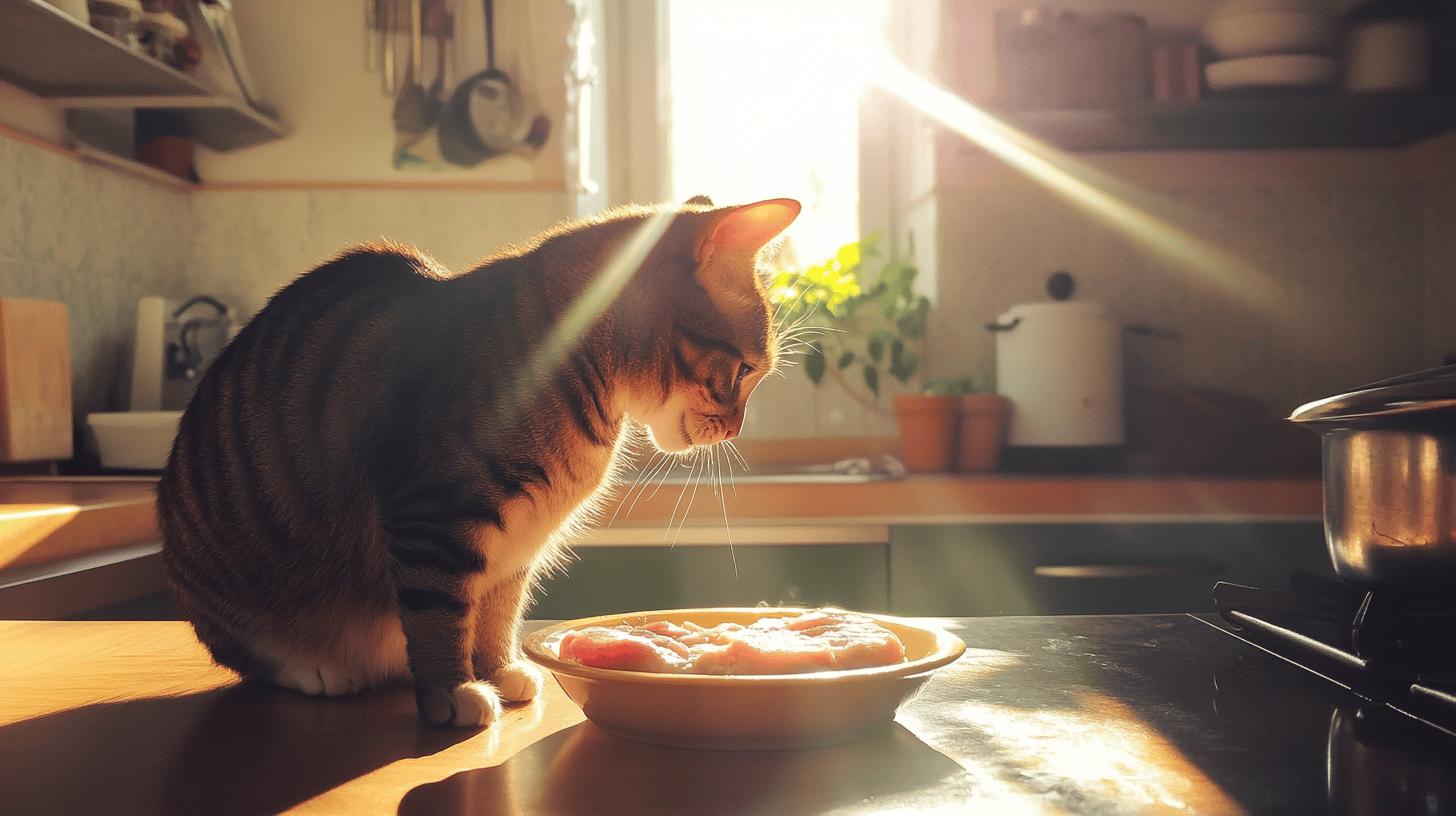
    Can Cats Naturally Eat Mice and Understanding Their Prey Behavior-1.jpg

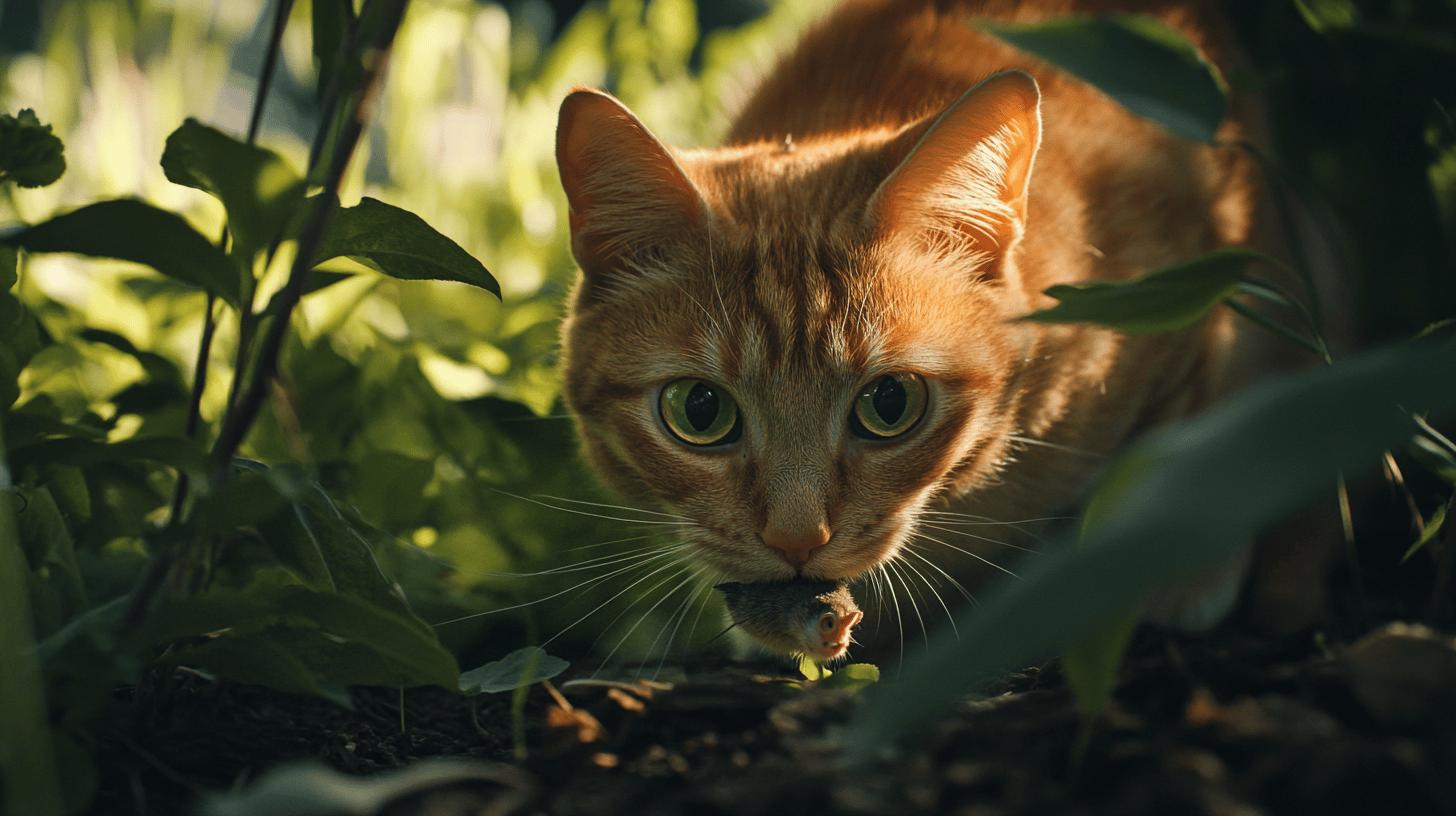
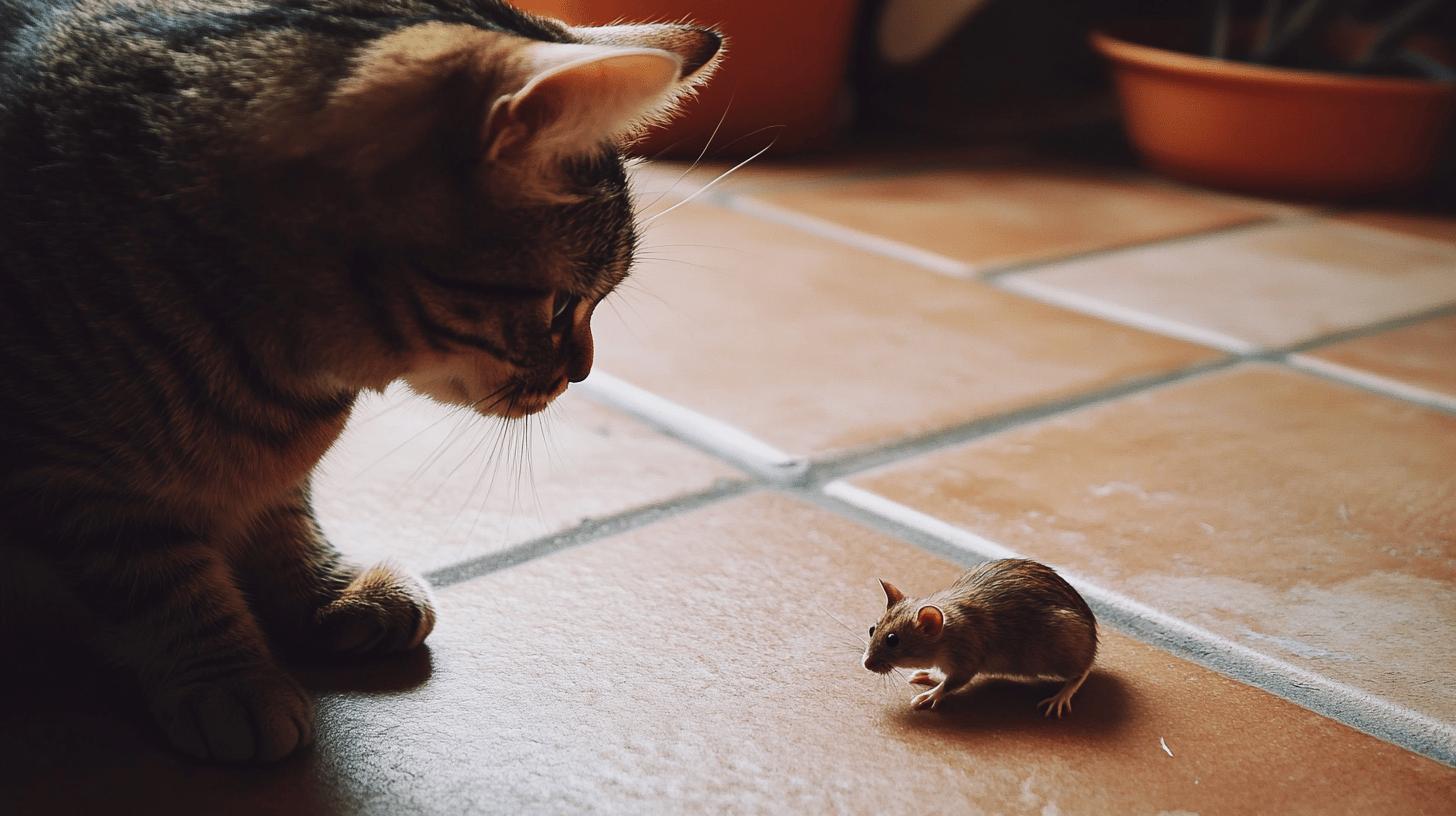
    Cats are natural hunters, driven by instincts that trace back to their wild ancestors. Their prey drive makes them adept at stalking and catching small animals like mice. Eating mice, while natural, may not be entirely safe due to potential health risks.

    Mice can carry parasites and diseases, posing a threat to cats. It’s crucial for cat owners to be aware of these risks and take preventive measures to keep their feline friends safe.

    Reasons Why Cats May Hunt and Eat Mice:

    • Instinctual behavior
    • Lack of food
    • Play and practice
    • Pest control
    • Natural diet requirements

    The natural diet of cats is high in animal protein, and hunting is a behavior deeply ingrained in them. Outdoor cats often hunt more due to the availability of prey and the exercise of their instincts.

    In contrast, indoor cats may still exhibit hunting behavior by playing with toys or, occasionally, any unfortunate mouse that finds its way inside. Indoor cats might not need to hunt for food, but their instincts remain intact, leading them to engage with potential prey when given the opportunity.

    Many cat owners have experienced their pets bringing home dead mice. The reasons for this behavior aren’t entirely clear. Some experts suggest it’s a way for cats to show off their hunting skills or as an offering to their human companions.

    Others believe it mimics the way wild cats bring food back to their young. Regardless of the reason, it’s a reminder of the cat’s natural instincts and their role as hunters in the animal kingdom.

    Nutritional and Health Implications of Eating Mice
    Nutritional and Health Implications of Eating Mice-1.jpg

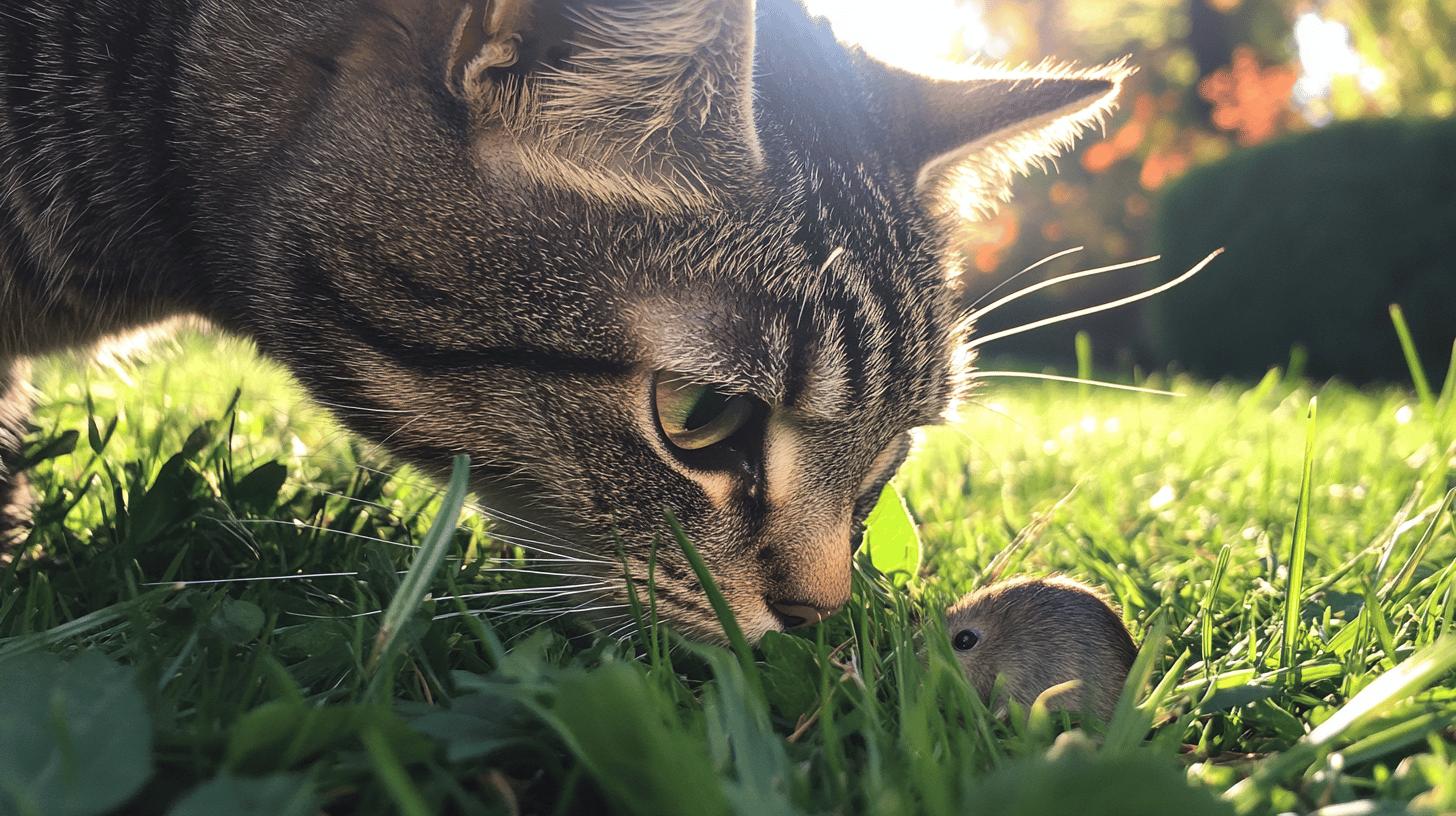
    Mice can provide several nutritional benefits for cats, aligning with their natural dietary needs as obligate carnivores. A mouse's body contains about 70% moisture, which helps meet a cat's hydration requirements, especially important since cats aren't big water drinkers.

    Mice are also a source of animal protein, which is crucial for maintaining a cat's muscle mass and overall health. Additionally, they offer essential fatty acids that are necessary for a cat’s coat and skin health, and they contain various vitamins and minerals that contribute to a cat's overall well-being.

    • High moisture content
    • Animal protein
    • Essential fatty acids
    • Vitamins and minerals

    While mice offer nutritional benefits, they are not a recommended or safe food source for cats. The risk of disease transmission poses significant health concerns. Mice can carry parasites and diseases that might be harmful to cats, such as ringworm or toxoplasmosis.

    Moreover, if a mouse has ingested rodenticide, it could lead to poisoning in cats. If your cat catches and eats a mouse, it's wise to stop them from consuming more and consult a veterinarian. This helps ensure any potential health risks are addressed promptly. Regular veterinary check-ups and deworming can help mitigate these risks and keep your cat healthy.

    Nutritional and Health Implications of Eating Mice
    Risks of Parasites and Diseases from Eating Mice-3.jpg

    Cats consuming mice can face health risks, mainly from diseases like ringworm and toxoplasmosis. These diseases can also pose risks to humans, underscoring the importance of understanding these hazards.

    Common Diseases Transmitted by Mice
    Ringworm
    Toxoplasmosis
    Rodenticide poisoning

    Another risk is rodenticide poisoning. If a cat eats a poisoned mouse, symptoms like lethargy, difficulty breathing, and bleeding may occur. Immediate veterinary care is crucial if poisoning is suspected.

    Preventative measures are vital. Regular deworming and check-ups can catch infections early. Keep indoor cats away from areas with mice and use non-toxic pest control to prevent poisoning. Monitoring your cat's health helps keep them safe from these potential hazards.

    Nutritional and Health Implications of Eating Mice

    What to Do if Your Cat Eats a Mouse-1.jpg

    If your cat eats a mouse, it's crucial to act swiftly to reduce health risks. Prevent further consumption of the mouse to limit exposure to potential diseases or toxins. Consult a veterinarian to discuss any immediate concerns and receive professional advice.

    They might suggest specific tests or treatments to ensure your cat's well-being. Keep an eye out for unusual symptoms like vomiting, diarrhea, or lethargy, and report any to your vet promptly.

    • Consult a veterinarian
    • Monitor for symptoms
    • Deworming and regular checkups
    • Provide alternative enrichment

    To curb future hunting, engage your cat with toys that mimic prey to satisfy their instincts safely. Feeding small, frequent meals can replicate their natural eating habits, reducing hunger-driven hunting behavior. By offering enrichment activities and maintaining a balanced diet, you can help manage their instincts effectively.

    Final Words

    Understanding if a cat can eat a mouse takes us into their natural hunting instincts. Cats hunt and eat mice because it's in their nature, whether they are indoor or outdoor explorers. Mice offer nutritional benefits to cats, but they also carry risks like diseases and poisons.

    Despite these dangers, engaging a cat's prey instincts with safe alternatives can be satisfying and protective. Knowing what to do if your cat eats a mouse can ensure their health. With the right care and precautions, we can create a safe and enriching environment for our feline friends.

    FAQ

    What parts of a mouse does a cat not eat?

    Cats may leave behind parts of a mouse such as the stomach and intestines due to their odor and taste. It varies from cat to cat.

    Do cats eat mice after they kill them?

    Yes, cats often eat mice after they kill them. This is part of their natural hunting behavior.

    Do cats eat mice whole?

    Cats can eat mice whole, but they may eat selective parts based on preference.

    Can a cat eat a mouse in the house?

    Yes, cats can eat mice in the house. They may do this instinctively as hunters.

    Is it safe for a cat to eat a mouse?

    Eating mice poses risks of parasites and disease, but it's instinctual. Monitor your cat's health closely.

    Will my cat get sick from a mouse?

    Cats can get sick from mice due to diseases like ringworm or toxoplasmosis. Watch for any symptoms.

    Can I feed my cat live mice?

    Feeding live mice isn't recommended due to potential injuries and disease risks.

    Is it normal for cats to eat the mice they catch?

    Yes, it's normal for cats to eat mice they catch. It's part of their instinctual behavior.

    My cat ate a mouse, what should I do?

    If your cat eats a mouse, consult a vet, monitor health, check for parasites, and ensure regular vet check-ups.

    What are the nutritional benefits mice provide to cats?

    Mice offer cats moisture, animal protein, essential fatty acids, and more.

    How do I know if my cat ate a mouse?

    Watch for clues like missing mice, droppings, or unusual cat behavior like playing with or hiding items.

    What are the risks of parasites and diseases from eating mice?

    Mice can transmit diseases like ringworm and toxoplasmosis. They can also cause rodenticide poisoning if ingested.
    Related Articles

  • Can Cat Eat Melon A Safe Treat or Risky Snack

    Can Cat Eat Melon A Safe Treat or Risky Snack

    Can cats eat melon, or are we putting our furry pals at risk with this sweet treat? Many pet owners are curious about sharing their favorite fruits with their whiskered companions.

    Melon can be a juicy delight for humans, but is it safe for our cats? In this article, we'll explore whether the sweet allure of melon is worth the risk for your feline friend.

    We'll delve into the potential choking hazards, the effects of cyanide found in seeds, and the slim nutritional benefits these fruits offer to obligate carnivores. Let’s find out if melon can ever be more than an occasional indulgence.

    Can Cats Safely Eat Melon?

    Can Cats Safely Eat Melon-1.jpg

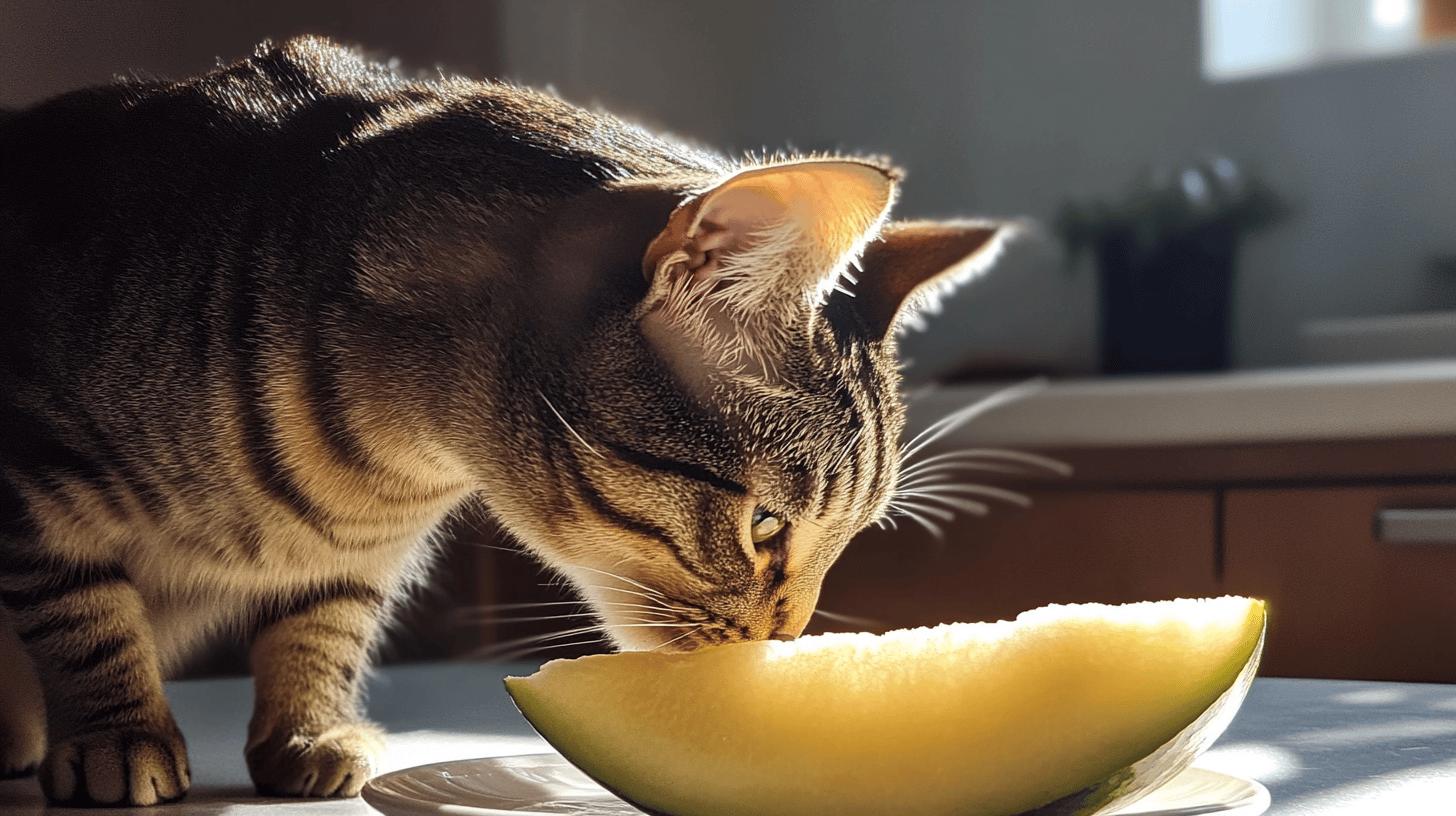
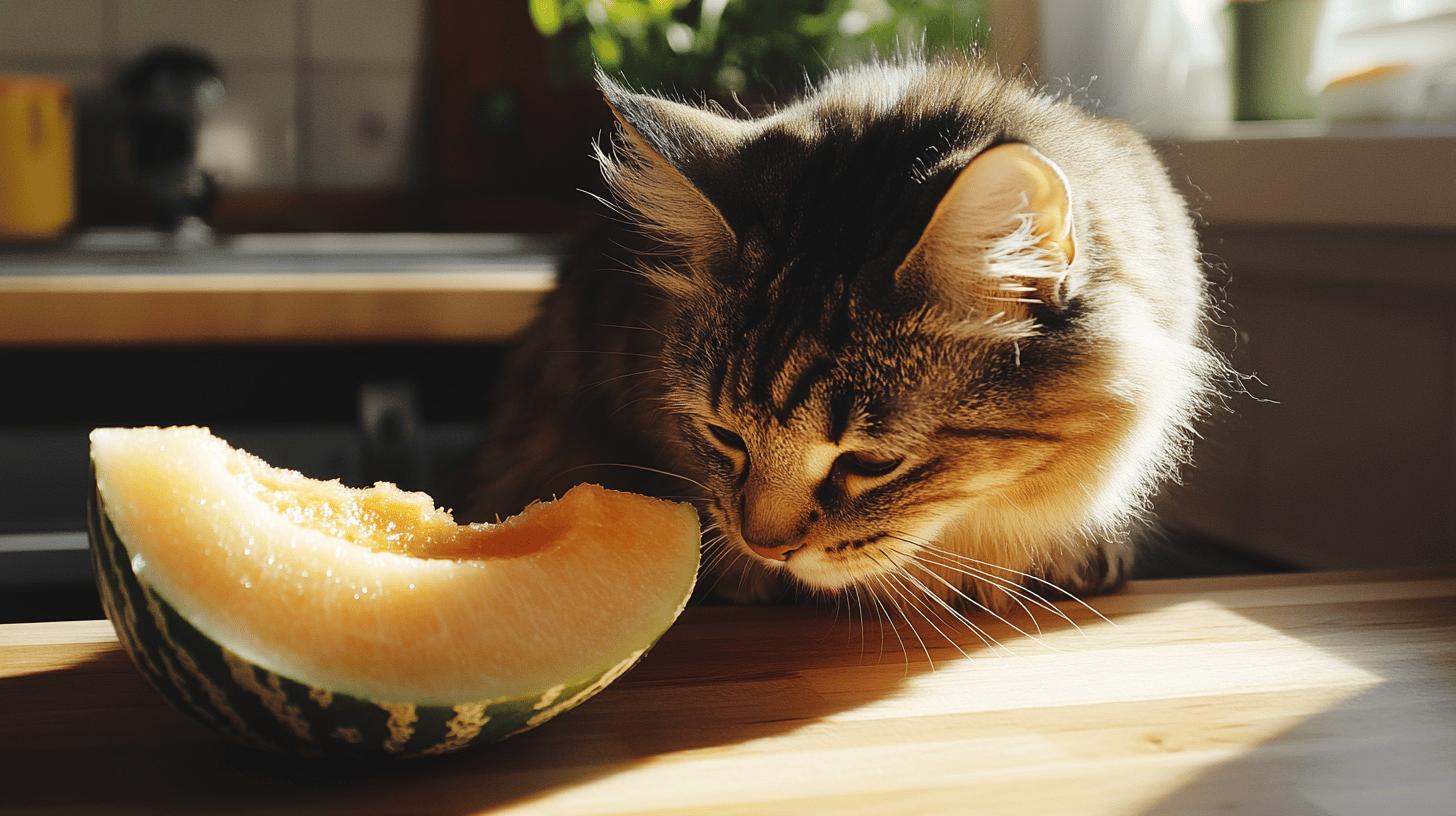
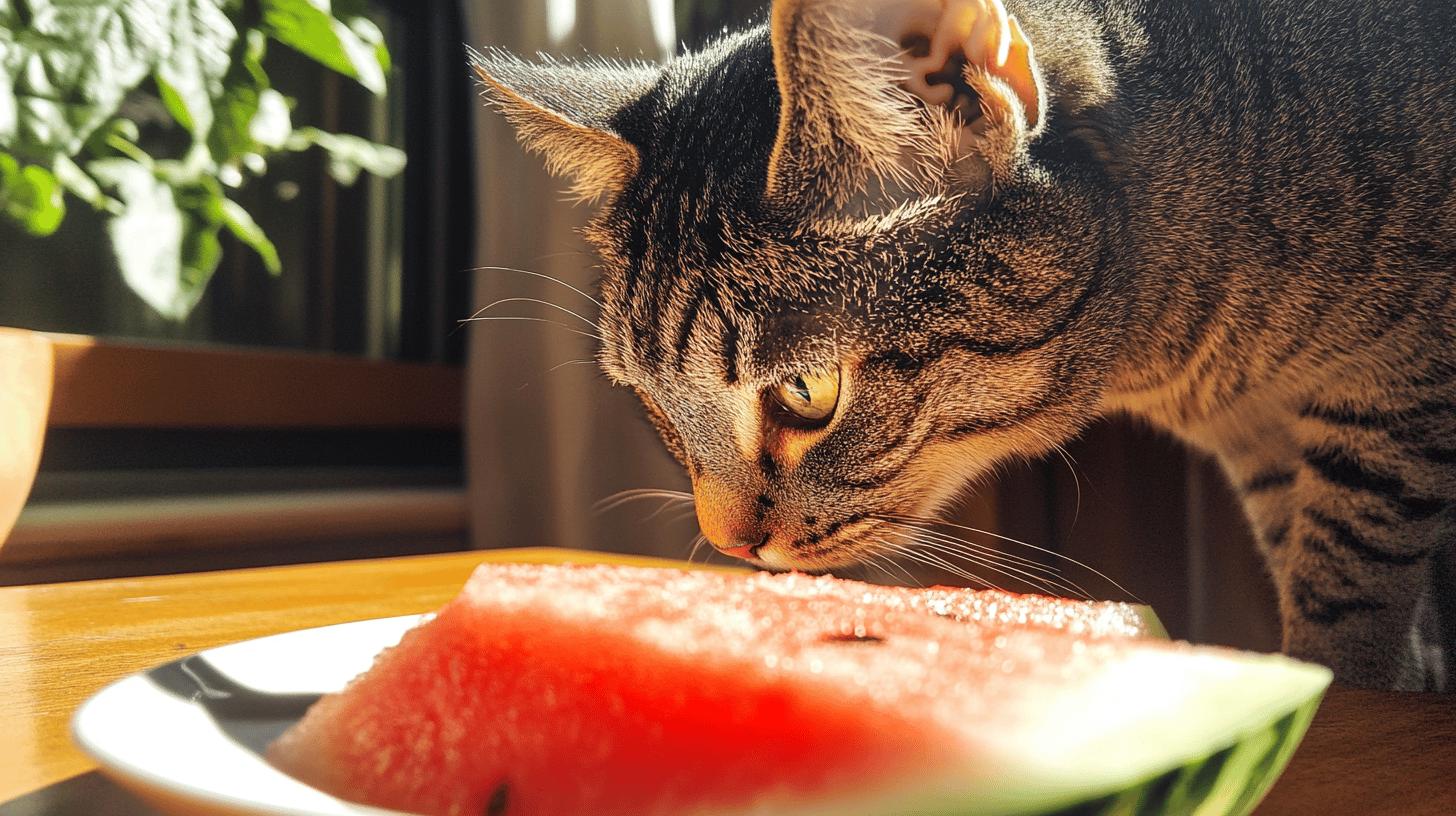
    Cats can safely eat small amounts of melon, including cantaloupe and watermelon. These fruits are non-toxic, but only the flesh should be fed to cats. Melon seeds contain small amounts of cyanide, and the rind can pose choking hazards or cause digestive issues.

    When considering whether melons are safe for cats, it is essential to focus on portion control and preparation. Avoid giving cats the seeds, as these contain cyanide, which is harmful. The rind should also be removed to prevent choking or gastrointestinal blockages.

    While melons do contain nutrients and water, they offer little nutritional value for cats, who are obligate carnivores. Their primary dietary needs are met through meat, so melon should be considered an occasional treat rather than a regular part of their diet.

    • Choking hazards from rind
    • Cyanide in seeds
    • Gastrointestinal upset from overconsumption
    • Lack of nutritional benefit for obligate carnivores
    • Monitoring cat's reaction post-consumption

    It's crucial to practice moderation when feeding melon to cats. Small, manageable pieces of melon flesh can be a refreshing treat, but too much can lead to stomach upset. Always monitor your cat after introducing any new food, including melon, to ensure there are no adverse reactions.

    Benefits of Melon for Cats

    Benefits of Melon for Cats-1.jpg

    Melons can provide some health benefits for our feline friends. They are packed with dietary fiber and essential vitamins such as B6, A, and C. Additionally, melons offer niacin and potassium, which contribute to overall health.

    While cats primarily need a meat-based diet, these nutrients can be a bonus when offered in moderation. The fiber in melon can support digestive health, helping to keep things moving smoothly.

    Melons also have a high water content, making them a refreshing treat, particularly during hot weather. This can aid in keeping your cat hydrated.

    While cats often get their hydration from their regular diet, a small amount of melon can supplement their water intake, especially for those who may not drink as much water as they should.

    Nutrient Benefit for Cats
    Vitamin A Supports vision and immune function
    Vitamin C Antioxidant that can boost immunity
    Vitamin B6 Essential for brain health
    Potassium Helps maintain fluid balance
    Niacin Supports energy metabolism

    While melons can offer these benefits, it's important to remember they should not replace a cat's primary diet. Offering melon as a treat, in small amounts, can provide a refreshing boost of hydration and nutrients. But always prioritize their meat-based meals to fulfill their essential dietary needs.

    How to Feed Melon to Your Cat

    How to Feed Melon to Your Cat-1.jpg

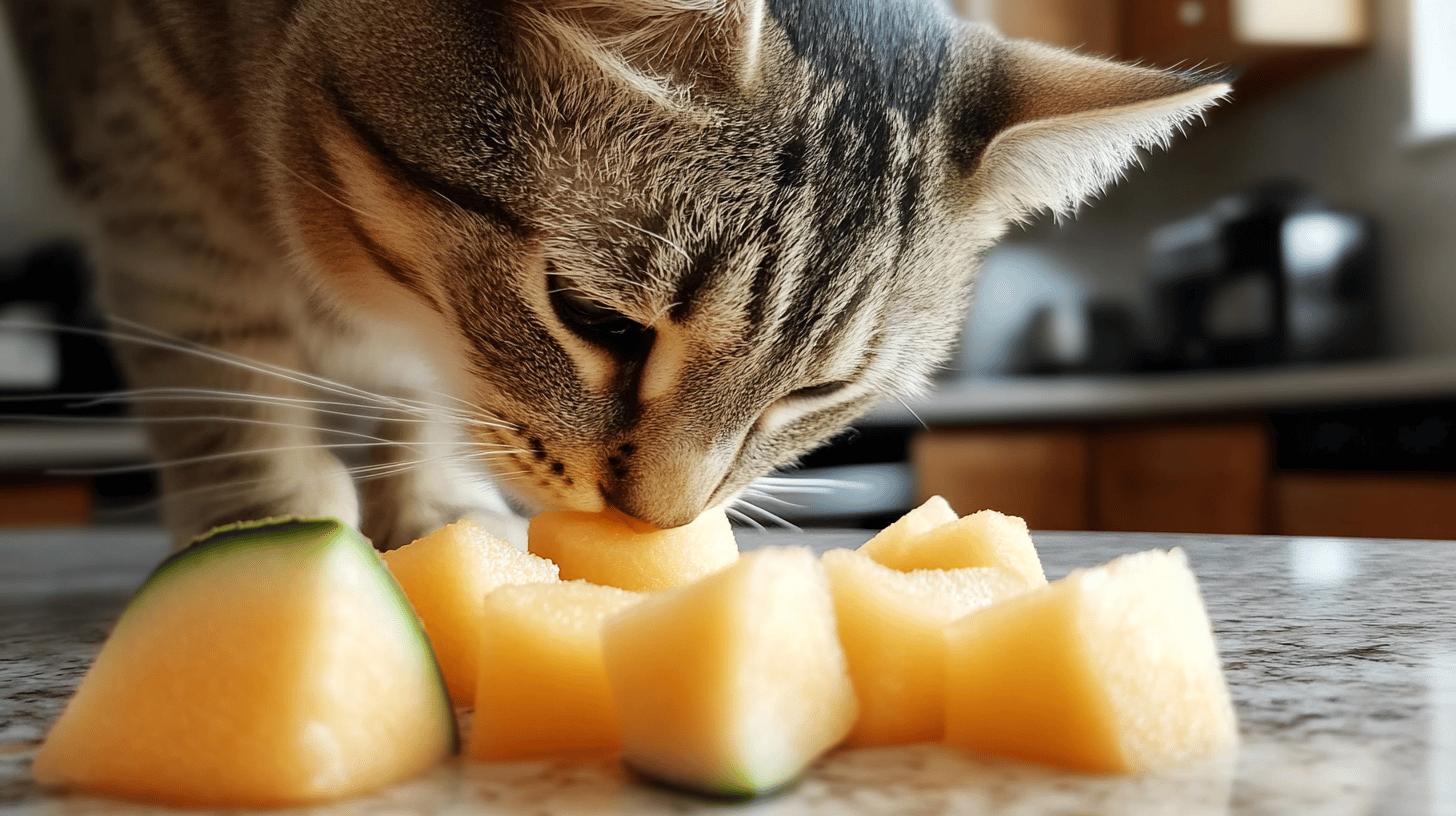
    When feeding melon to your cat, preparation is key. First, remove all the seeds and rind, as these parts can pose a choking hazard and contain harmful substances. Once that's done, cut the melon flesh into small, bite-sized cubes. This makes it easier for your cat to eat and reduces the risk of choking.

    Limit the serving to just one or two small cubes. This portion size allows your cat to enjoy a refreshing treat without replacing their primary meat-based diet. Remember, cats are obligate carnivores, so melon should only be an occasional treat.

    • Remove seeds and rind
    • Cut melon into small cubes
    • Start with a tiny amount for first-time feeding
    • Observe the cat for any adverse reactions
    • Consult a veterinarian if unsure

    Keep a close watch on your cat after introducing melon, especially if it's their first time. Look for any signs of stomach upset or allergic reactions, such as vomiting or diarrhea. If any unusual symptoms occur, consult a veterinarian to ensure your cat's health and safety.

    How to Feed Melon to Your Cat

    Monitoring Your Cats Reaction to Melon-2.jpg

    Introducing melon to your cat requires vigilance. While melon is typically safe, each cat can react differently. Watching for any signs of discomfort or illness helps ensure your cat's well-being.

    • Vomiting
    • Diarrhea
    • Lethargy
    • Loss of appetite

    If any of these symptoms occur, remove melon from their diet immediately. Monitor their behavior closely. If symptoms persist or worsen, consult your veterinarian promptly. Taking swift action can prevent more serious health issues.

    Comparing Melon to Other Cat-Safe Fruits

    Comparing Melon to Other Cat-Safe Fruits-1.jpg

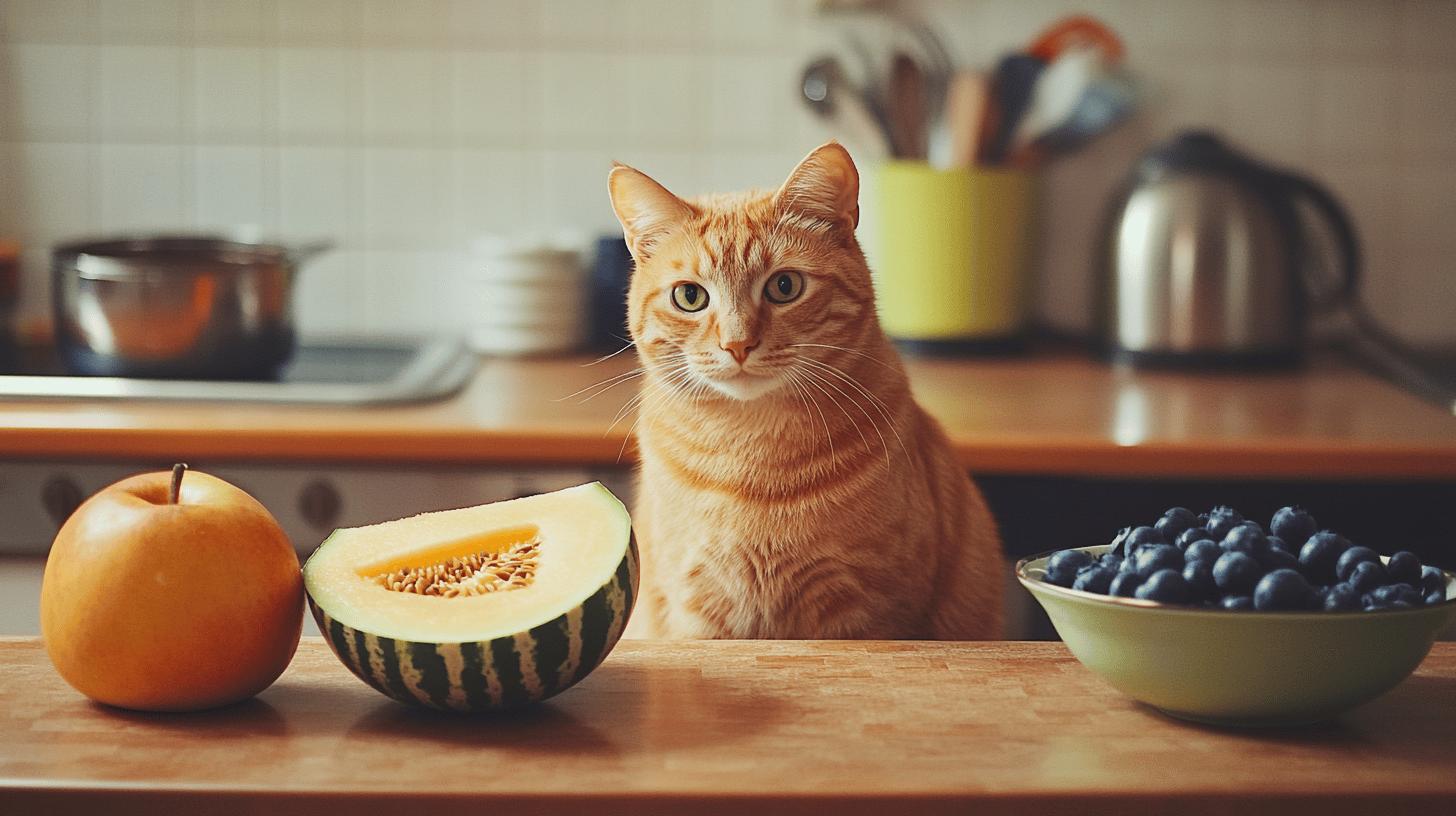
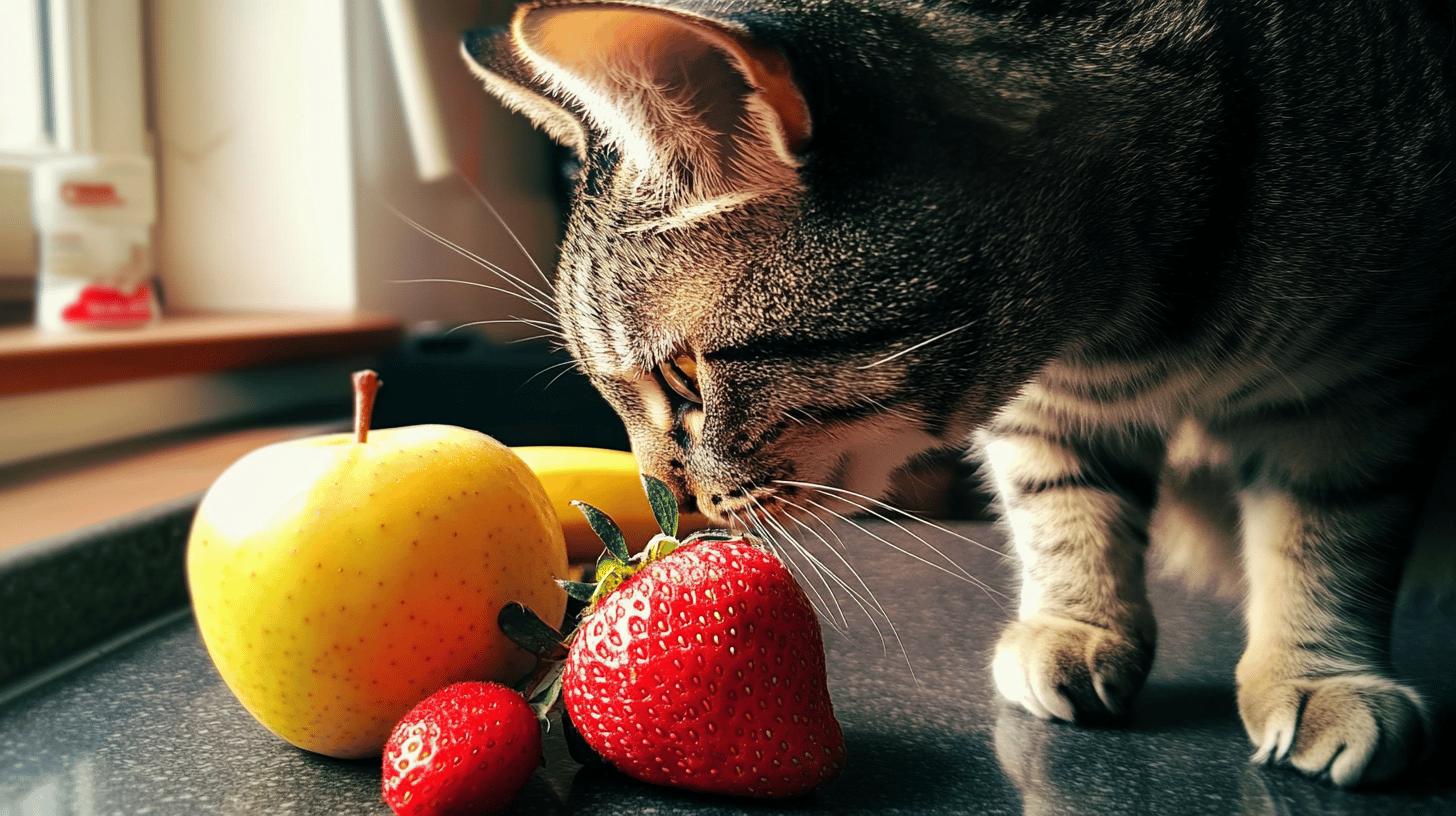
    Melon is not the only fruit that can safely be offered to cats as an occasional treat. Other cat-safe fruits include blueberries, strawberries, and apples. These fruits provide a burst of vitamins and hydration, similar to melon, but should always be given in moderation.

    Cats are obligate carnivores, so their primary nutrition must come from meat. Fruits can serve as a fun and hydrating treat but should not replace their regular diet. Always ensure that any fruit given is properly prepared, with all seeds removed and cut into small, manageable pieces.

    While some fruits are safe, others can be harmful or even toxic to cats. It's important to be aware of which fruits to avoid to keep your feline friend healthy and safe.

    • Grapes
    • Raisins
    • Citrus fruits
    • Avocado
    • Cherries

    These fruits can cause a range of health issues, from stomach upset to more severe symptoms. Always double-check the safety of any new food before offering it to your cat. Keeping informed about which fruits are suitable can help you make the healthiest choices for your pet.

    Final Words

    Exploring whether cats can eat melon reveals that small, seedless pieces pose no toxicity threat and offer hydration benefits. Despite some potential risks like choking hazards from rind or seeds containing cyanide, melon can provide some vitamins. Always ensure moderation when sharing this treat with your feline friend.

    Introduce melon gradually to monitor any adverse reactions, as cats may vary in tolerance. Offering a variety means including other safe fruits and avoiding harmful ones like grapes. Understanding these guidelines enhances your cat's play and eating experience while keeping them healthy and happy.

    FAQ

    Can cats eat melon seeds?

    Cats should not eat melon seeds. The seeds contain small amounts of cyanide, which is toxic to cats. Always remove seeds before offering melon to your cat.

    Can cats have melon juice?

    Cats can have a small taste of melon juice, but it should be limited. Juice lacks fiber and can be high in sugar, which is unnecessary for cats.

    Can cats eat melon leaves?

    Cats should not eat melon leaves. The leaves can be tough and might cause digestive issues.

    What fruits can cats not eat?

    Cats should avoid grapes, raisins, citrus fruits, avocado, and cherries. These can be toxic or cause severe reactions.

    Can cats eat pineapple?

    Cats can have pineapple in small amounts. It's non-toxic, but the fruit should be served without the core and leaves.

    What fruits can cats eat?

    Cats can eat blueberries, strawberries, apples (without seeds), and melons in moderation. Always ensure fruits are prepared safely.

    Can kittens eat melon?

    Kittens can have small amounts of melon, but be cautious. Their digestive systems are still developing, so moderate and monitor their intake carefully.

    Can dogs eat melon?

    Yes, dogs can eat melon. Like with cats, ensure seeds are removed, and the melon is served in small, manageable pieces.

    Why do cats love melon?

    Cats may be attracted to the water content and aroma of melon. It can be refreshing and pleasant for them, especially in warm weather.

    Can cats eat honeydew melon?

    Cats can eat honeydew melon in small amounts. Ensure to remove the seeds and rind to avoid hazards.

    How much cantaloupe can a cat eat?

    Cats should eat cantaloupe in moderation. Offer no more than one or two small cubes occasionally. Observe your cat for any adverse reactions.

    Related Articles

  • Can Cat Eat Applesauce Guidelines and Safety Tips for Cat Owners

    Can Cat Eat Applesauce Guidelines and Safety Tips for Cat Owners

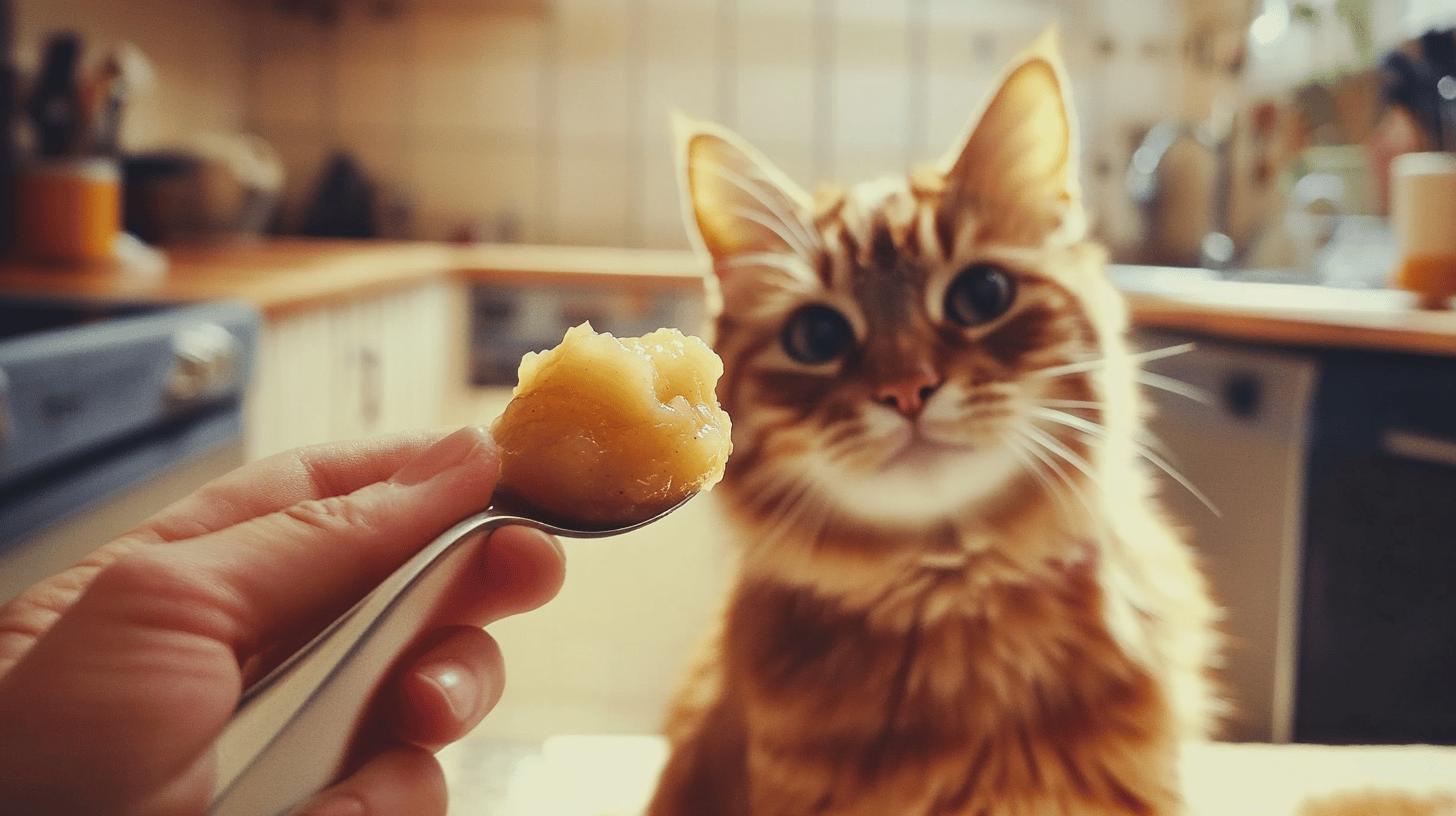
    Ever wondered if it's safe for your cat to nibble on a spoonful of applesauce? Cats are obligate carnivores, which means they're built to thrive on meat, not fruit. So, is applesauce a harmless treat or an unnecessary risk? This guide will shed light on the dos and don'ts of serving applesauce to your feline friend.

    While applesauce isn’t toxic, it's not exactly nutritious either. Read on to explore the guidelines and safety tips that ensure your cat's snack time stays enjoyable and safe.

    Safety and Guidelines for Feeding Applesauce to Cats

    Safety and Guidelines for Feeding Applesauce to Cats-3.jpg

    When it comes to feeding applesauce to cats, it's important to remember that they are obligate carnivores. This means their diet should primarily consist of meat-based proteins and fats. Applesauce doesn't naturally fit into this dietary requirement.

    While it isn't inherently toxic, applesauce offers no nutritional benefits due to its lack of necessary protein and excess carbohydrates. If you choose to share applesauce with your feline friend, all-natural varieties without preservatives or added sugars are the safest bet. Remember, even these should only be given in moderation.

    Prepackaged applesauce often contains ingredients that can pose risks to cats. Sugar and preservatives are common additives that aren't ideal for feline consumption. Furthermore, many varieties include flavorings like cinnamon, which can lead to digestive issues or more severe health problems if ingested in significant amounts.

    The most dangerous of these additives is xylitol, an artificial sweetener that is highly toxic to cats. Always check the ingredient list carefully to protect your cat's health.

    To ensure you're feeding applesauce safely:

    • Use homemade applesauce without additives.
    • Limit to a teaspoon portion.
    • Offer no more than once a week.
    • Observe for any signs of digestive upset.
    • Read labels carefully to ensure safety.

    If you're considering introducing applesauce into your cat's diet, consulting with a veterinarian is a wise step. They can offer tailored advice based on your cat's specific health needs, ensuring you make the best dietary choices for your furry companion.

    Comparing Applesauce to Other Cat-Safe Fruits

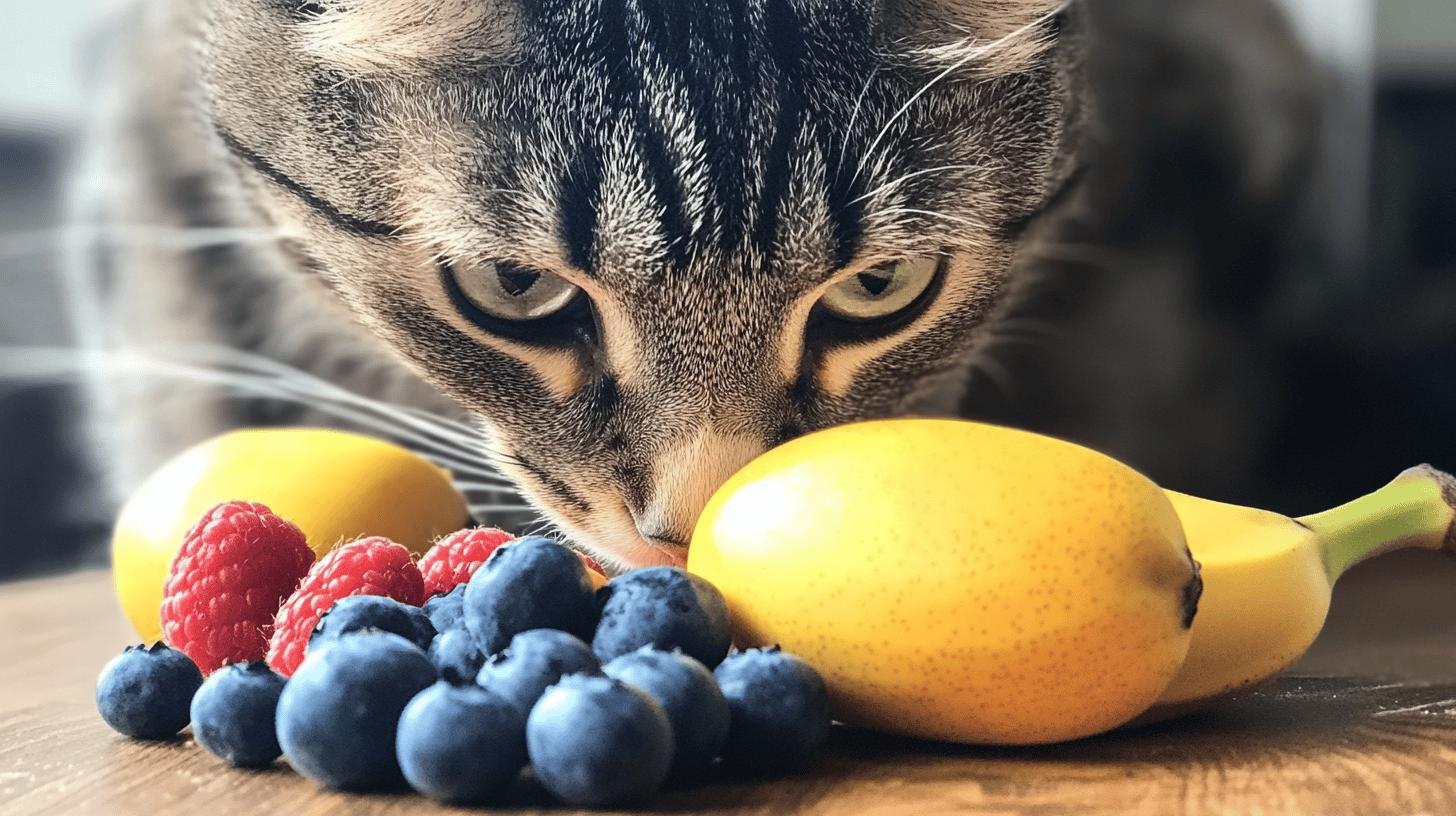
    Comparing Applesauce to Other Cat-Safe Fruits-2.jpg

    Applesauce might not be the best choice for your cat due to its high sugar content and lack of nutritional benefits. Cats are obligate carnivores, and their diet should focus on protein-rich foods.

    While applesauce can be given in small amounts, there are other fruits that may be better suited as occasional treats. For example, fruits like blueberries, strawberries, and bananas can offer antioxidants and vitamins. These nutrients can complement your cat's diet when given sparingly. Remember, any fruit should be considered a treat and not a main component of their diet.

    To help you make informed choices, here is a comparison of safe fruits for cats, their benefits, and precautions:

    Fruit Benefits Precautions
    Blueberries Rich in antioxidants and Vitamin C Feed in moderation to prevent digestive upset
    Strawberries High in Vitamin C and fiber Remove stems and leaves; serve in small pieces
    Bananas Source of potassium and Vitamin B6 High sugar content; only small pieces
    Apples Contains Vitamins A and C Avoid seeds and core; serve in small slices

    These fruits, when fed in moderation, can add some variety to your cat's diet without compromising their health. Always observe your cat for any adverse reactions and consult with a vet if you're unsure about introducing new foods.

    Final Words

    Feeding cats applesauce can be tricky. Cats are obligate carnivores, so fruit isn't essential for them. The wrong kind of applesauce, especially with additives, can be harmful. Choose only all-natural applesauce if you decide to offer it, and give it sparingly, while always checking for adverse reactions.

    Remember, while applesauce might seem like a treat, it doesn't provide necessary nutrition. Other fruits like blueberries or strawberries are safer alternatives. Always consult your vet when uncertain about introducing new foods to your cat's diet. Keep your feline friend's safety the priority for happy, healthy playtimes.

    Dangerous Applesauce Additives

    Commercial applesauce often contains ingredients that pose serious risks to cats. Xylitol, an artificial sweetener found in many “sugar-free” products, is highly toxic to cats and can cause severe liver damage within minutes to hours. Even small amounts can cause vomiting, lethargy, loss of coordination, and seizures. Always check labels for xylitol before offering any food to your cat.

    Other artificial sweeteners, cinnamon, and preservatives also cause digestive upset and potential health problems. Cinnamon and nutmeg can irritate the digestive system. Since cats lack sweet taste receptors, they derive no benefit from sugary foods—only risk.

    Age and Health Considerations

    Your cat’s age and health status dramatically affect whether applesauce is appropriate. Kittens under 6 months have developing digestive systems and should never receive new foods. Senior cats (10+) have decreased digestive efficiency and increased health risks. Cats with diabetes must absolutely avoid applesauce due to sugar content. Cats with digestive issues, pancreatitis, or IBD should never be exposed to fruit treats. Consult your veterinarian before offering any new foods, especially to kittens, seniors, or cats with pre-existing conditions.

    Emergency Response: If Your Cat Ate Applesauce

    If your cat eats applesauce, first determine the type. If it contains xylitol, contact your vet or animal poison control immediately—even if your cat seems fine, as toxicity develops within 30 minutes to hours. Watch for vomiting, diarrhea, lethargy, abdominal pain, or unusual behavior. For unsweetened homemade applesauce, monitor for 24 hours for digestive upset. Contact your vet if symptoms persist or your cat has pre-existing health conditions.

    Better Treat Alternatives

    Instead of applesauce, offer protein-based treats: small pieces of cooked chicken, turkey, or lean beef satisfy your cat’s carnivorous instincts. Freeze-dried meat treats are nutritionally appropriate and cats find them irresistible. Most importantly, interactive toys provide far superior enrichment compared to food treats. A 10-minute play session with a quality toy engages your cat’s hunting instincts and provides physical and mental stimulation that food cannot match.

    Storage and Serving Guidelines

    If you decide to offer homemade, unsweetened applesauce: never exceed one teaspoon per serving (a tiny amount), offer no more than once per week, and store in airtight refrigerated containers for up to 5 days. Monitor your cat closely after offering for any signs of digestive upset. Many cats have zero interest in fruit, which is perfectly normal and healthier for them. Your cat’s caloric needs should come almost entirely from high-quality cat food.

    FAQ

    Is it safe for cats to eat applesauce?

    Applesauce in small amounts can be safe for cats, but it does not provide nutritional benefits. Opt for natural, unsweetened versions and offer them sparingly.

    Can cats eat applesauce every day?

    Cats should not eat applesauce every day. It should be given occasionally and in small amounts, as it lacks necessary nutrients for cats.

    Can cats have applesauce with cinnamon?

    Applesauce with cinnamon is not safe for cats. Cinnamon and other additives can cause digestive issues or more serious health problems in cats.

    Can cats eat unsweetened applesauce?

    Unsweetened applesauce can be given to cats in small quantities. However, it should not replace their regular diet, and caution is advised due to potential preservatives.

    Can cats eat apple skin or apples?

    Cats can eat small pieces of apple without skin or seeds, which can be harmful. Apples should only be a treat, not a regular part of their diet.

    Why can't cats eat applesauce with additives?

    Additives like sugar, preservatives, and artificial sweeteners such as xylitol in applesauce are not safe for cats and can cause health issues.

    What liquids can I give a sick cat?

    For a sick cat, providing fresh water or bland broths is best. Avoid flavored or seasoned liquids that could cause more harm.

    Can cats have brat?

    Cats should not eat bratwurst or similar processed meats. These often contain onions, garlic, and other spices harmful to cats.

    Why compare applesauce to other fruits for cats?

    Fruits like blueberries, strawberries, and bananas offer antioxidants and vitamins safe for cats, unlike applesauce that lacks nutritional value.

    What are safe fruits for cats?

    | Fruit | Benefits | Precautions |
    |————|—————————|——————————-|
    | Blueberries| Antioxidants | Serve in small amounts only |
    | Strawberries| Vitamin C and fiber | Remove stems |
    | Bananas | Potassium | High sugar content, limit intake|
    | Apples | Fiber (without seeds/skin)| Remove seeds and skin |

    Related Articles

    Comprehensive FAQ About Applesauce and Cat Health

    Is applesauce poisonous to cats? Unsweetened applesauce isn’t inherently poisonous, but many commercial varieties contain xylitol, a highly toxic artificial sweetener. Always check labels carefully. Sugar content and lack of nutritional value make applesauce an unnecessary risk even when safe.

    How much applesauce can cats safely eat? If you offer unsweetened, all-natural applesauce to a healthy adult cat, limit to one teaspoon maximum per serving, no more than once weekly. Most cats have zero interest in fruit, which is perfectly normal and healthier.

    What are symptoms of applesauce poisoning? Xylitol toxicity symptoms include vomiting, lethargy, loss of coordination, seizures, and tremors. Other additives cause vomiting, diarrhea, and abdominal pain. Any unusual symptoms warrant immediate veterinary evaluation.

    Can cats eat homemade applesauce? Homemade applesauce without additives is safer than commercial varieties, though still unnecessary nutritionally. Limit to tiny portions, monitor closely, and discontinue if any digestive upset occurs.

    What should I do if my cat ate applesauce with xylitol? Contact your veterinarian or animal poison control immediately. Xylitol is highly toxic and requires urgent medical attention. Even if your cat seems fine, toxicity can develop within 30 minutes to hours.

    Are there better fruit treats for cats? Honestly, most fruits offer little value to cats. If you want to offer treats, protein-based options (cooked chicken, freeze-dried meat) are far superior. Interactive toys provide more enrichment than any food treat.

    Why don’t cats need fruit in their diet? Cats are obligate carnivores. Their digestive systems are optimized for meat-based proteins and animal fats. Fruits provide no essential nutrients cats can’t get from proper cat food. Fruits are purely optional extras with no health benefit.

    What’s the best treat for cats instead of applesauce? Small pieces of cooked chicken, turkey, or beef satisfy your cat’s carnivorous instincts far better than fruit. Freeze-dried meat treats provide pure protein with no additives. Most importantly, quality interactive toys engage hunting instincts and provide superior enrichment compared to any food treat.

  • Can Cat Eat Asparagus Safely and Its Nutritional Benefits

    Can Cat Eat Asparagus Safely and Its Nutritional Benefits

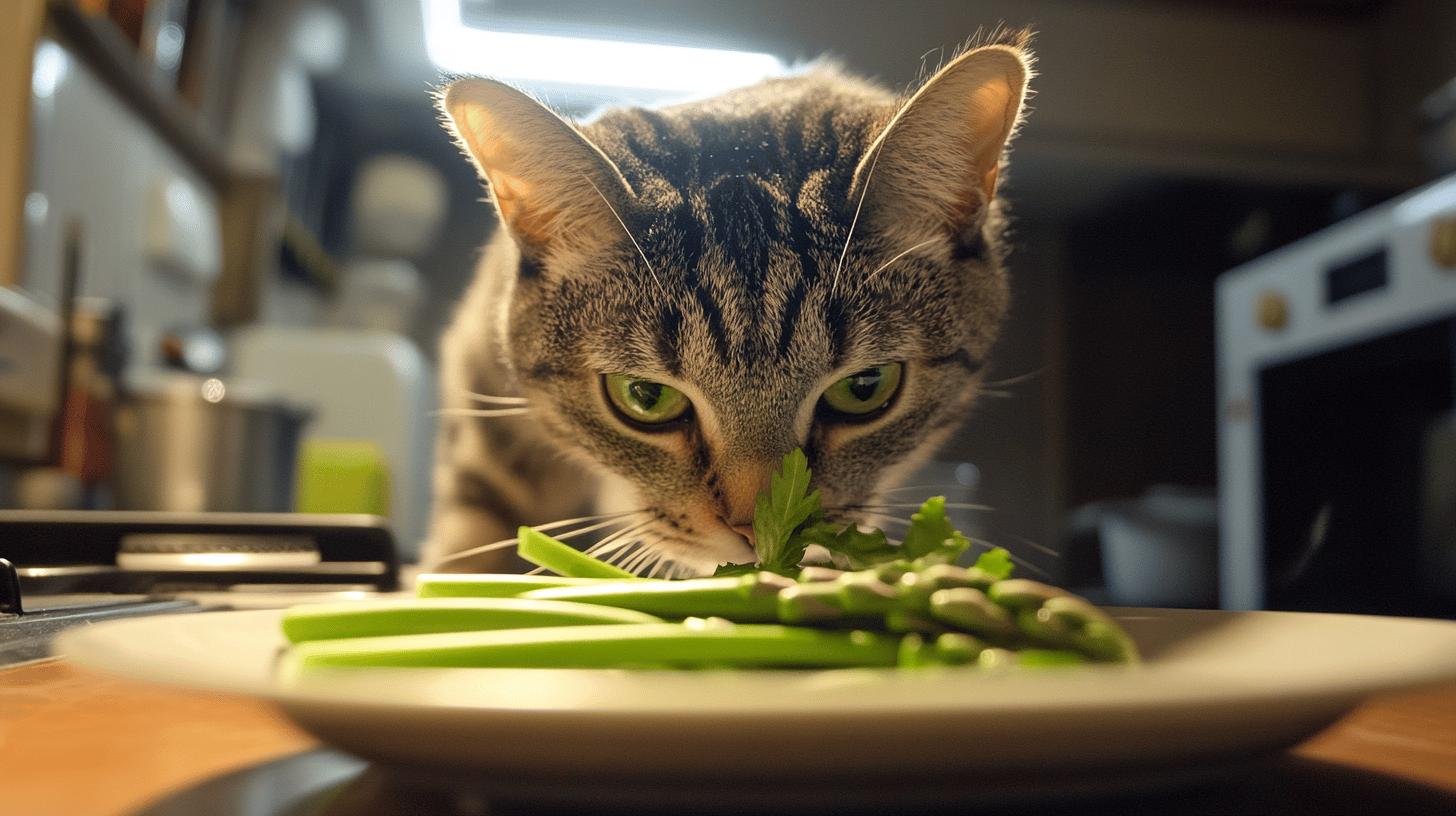
    Wondering if your cat can munch on asparagus without worry? You're not alone. The curiosity about feeding our feline friends human food is ever-present. Luckily, asparagus in small amounts is generally safe for cats. This veggie is non-toxic and offers some nutritional perks.

    Just like us, cats can benefit from its vitamins and fiber. But before making asparagus a regular treat, it's important to know how it can impact your cat. Let's dive in to explore its benefits and learn how to serve it safely!

    Can Cats Eat Asparagus Safely?

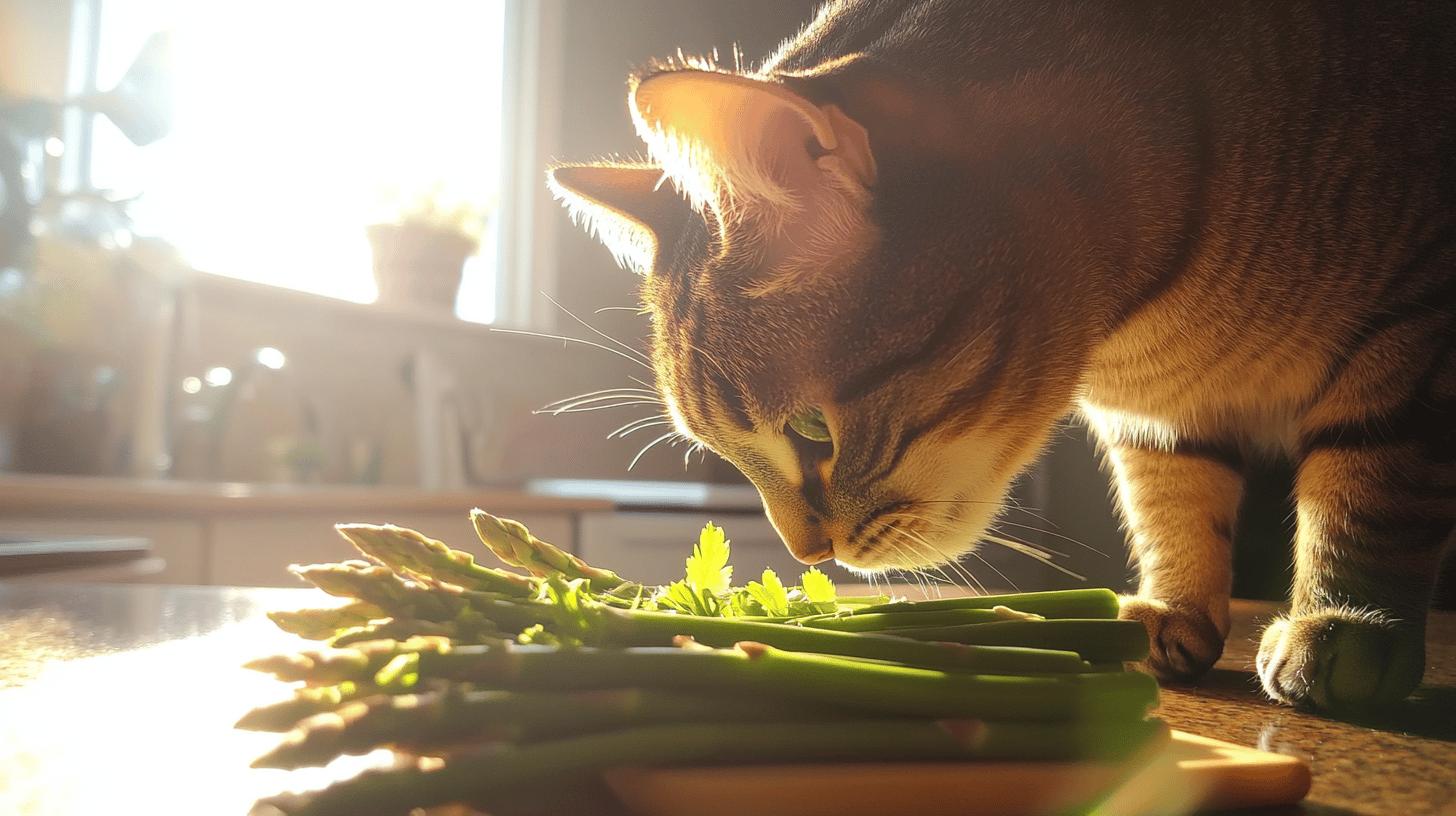
    Can Cats Eat Asparagus Safely-1.jpg

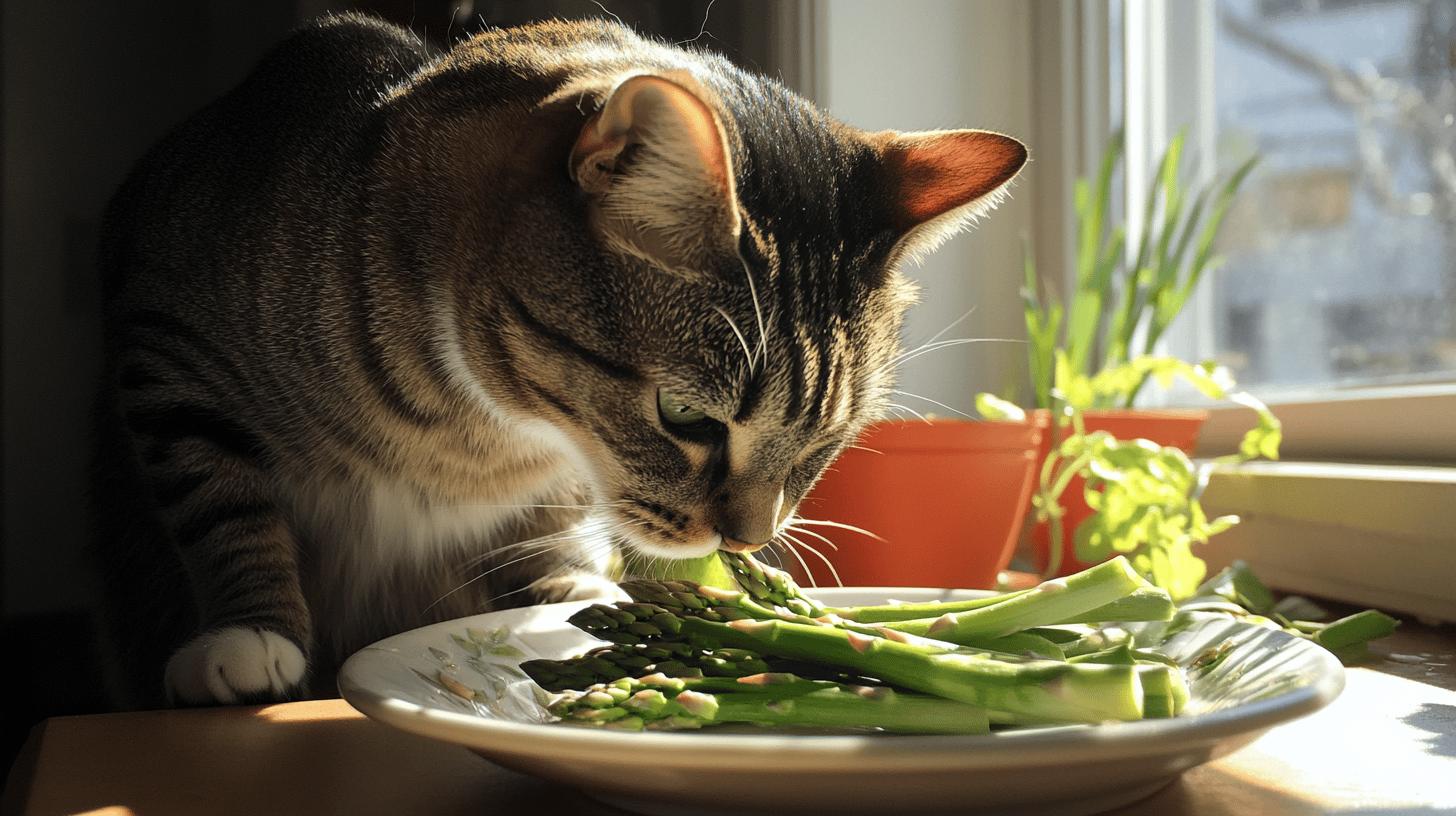
    Cats can eat asparagus in small amounts, and it's generally safe for them. This vegetable is not toxic to cats, but it's important to keep in mind that moderation is essential. Asparagus is high in fiber, which can be beneficial for digestion, but too much can lead to stomach upset or diarrhea.

    Asparagus is packed with nutrients that can be beneficial for your feline friend. It contains vitamins A, C, E, and K, which support various aspects of your cat's health, including immune function, vision, and muscle performance. Additionally, minerals like iron and potassium contribute to overall well-being. Antioxidants found in asparagus can also help reduce inflammation.

    • Not toxic to cats
    • High in fiber
    • Can aid digestion
    • Vitamins A, C, E, and K
    • Need for moderation

    While asparagus can be a healthy treat, it's crucial to offer it in moderation. Monitor your cat for any signs of digestive issues after eating asparagus. If your cat shows any adverse reactions, consult with a veterinarian to ensure their safety and well-being.

    Preparing Asparagus for Cats

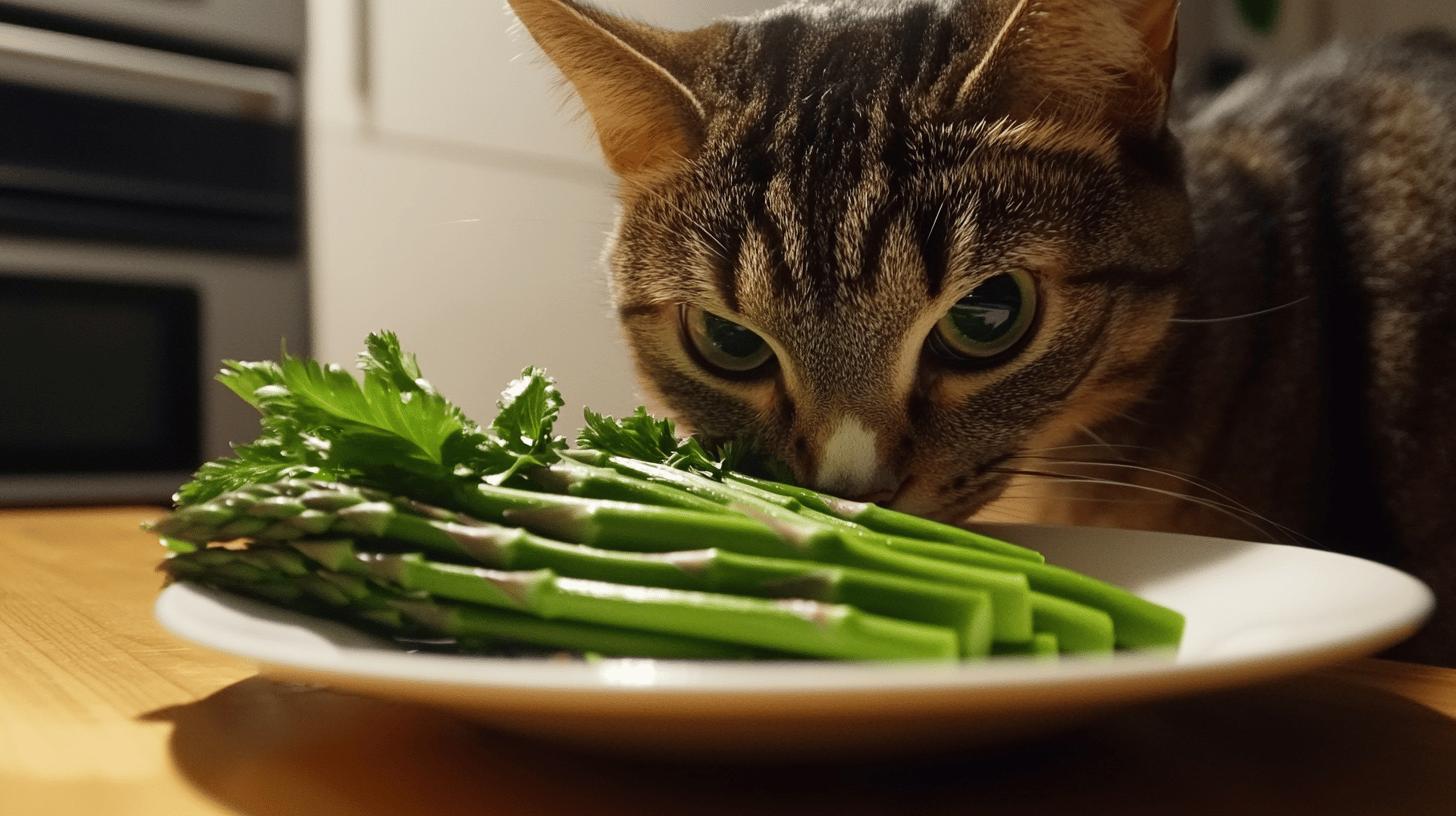
    Preparing Asparagus for Cats-1.jpg

    When it comes to feeding asparagus to cats, preparation is key to ensuring it's both safe and enjoyable for our feline friends. Asparagus should always be served plain, without any seasonings or additives.

    Harmful ingredients like garlic or onion should be strictly avoided, as they can be toxic to cats. Portion control is crucial to prevent choking hazards or digestive issues, so always cut asparagus into small, manageable pieces for your cat.

    Steaming Asparagus

    Steaming is a gentle method that retains most of the asparagus's nutrients while making it soft enough for cats to chew easily. To steam asparagus, simply place the cut pieces in a steamer basket over boiling water.

    Steam for about 5 to 7 minutes until the asparagus is tender but not mushy. This method helps maintain the essential vitamins and minerals beneficial for your cat's health. Steamed asparagus is also easier for cats to digest compared to raw.

    Boiling Asparagus

    Boiling asparagus is another safe preparation method. To preserve nutrients, boil asparagus in a small amount of water for 3 to 5 minutes. This softens the vegetable and makes it easier for cats to chew and digest. After boiling, let the asparagus cool before serving it to your cat. Boiling can slightly diminish the nutrient content compared to steaming, but it still provides a healthy treat option.

    • Serve plain
    • Avoid seasonings
    • Portion control
    • Cut into small pieces
    • Monitor for allergies

    By following these preparation tips, you can ensure that your cat enjoys asparagus safely as an occasional treat. Always pay attention to your cat's reaction to new foods and consult with a veterinarian if you notice any adverse symptoms.

    Can Cats Eat Asparagus Safely?

    Potential Risks of Asparagus for Cats-1.jpg

    Feeding asparagus to cats requires moderation. Overconsumption could lead to digestive issues like diarrhea or vomiting. Cats with allergies or sensitive stomachs should be cautious, as asparagus might worsen these conditions.

    • Allergic reactions: Some cats might experience itching or hives.
    • Choking hazards: Large pieces could be a risk, especially for smaller cats.
    • Importance of vet consultation: Always consult a veterinarian if adverse symptoms appear after eating asparagus.

    Monitoring your cat’s reaction after eating asparagus is crucial. This ensures their health and safety while incorporating new foods into their diet.

    Alternatives to Asparagus for Cats

    Alternatives to Asparagus for Cats-2.jpg

    Variety is key when it comes to a balanced and nutritious diet for our feline friends. While asparagus can be an occasional treat, introducing other vegetables can provide additional nutritional benefits and keep your cat's diet interesting. Safe vegetables for cats include those that are rich in essential vitamins and minerals without causing digestive issues.

    Here are some alternative vegetables that you can consider:

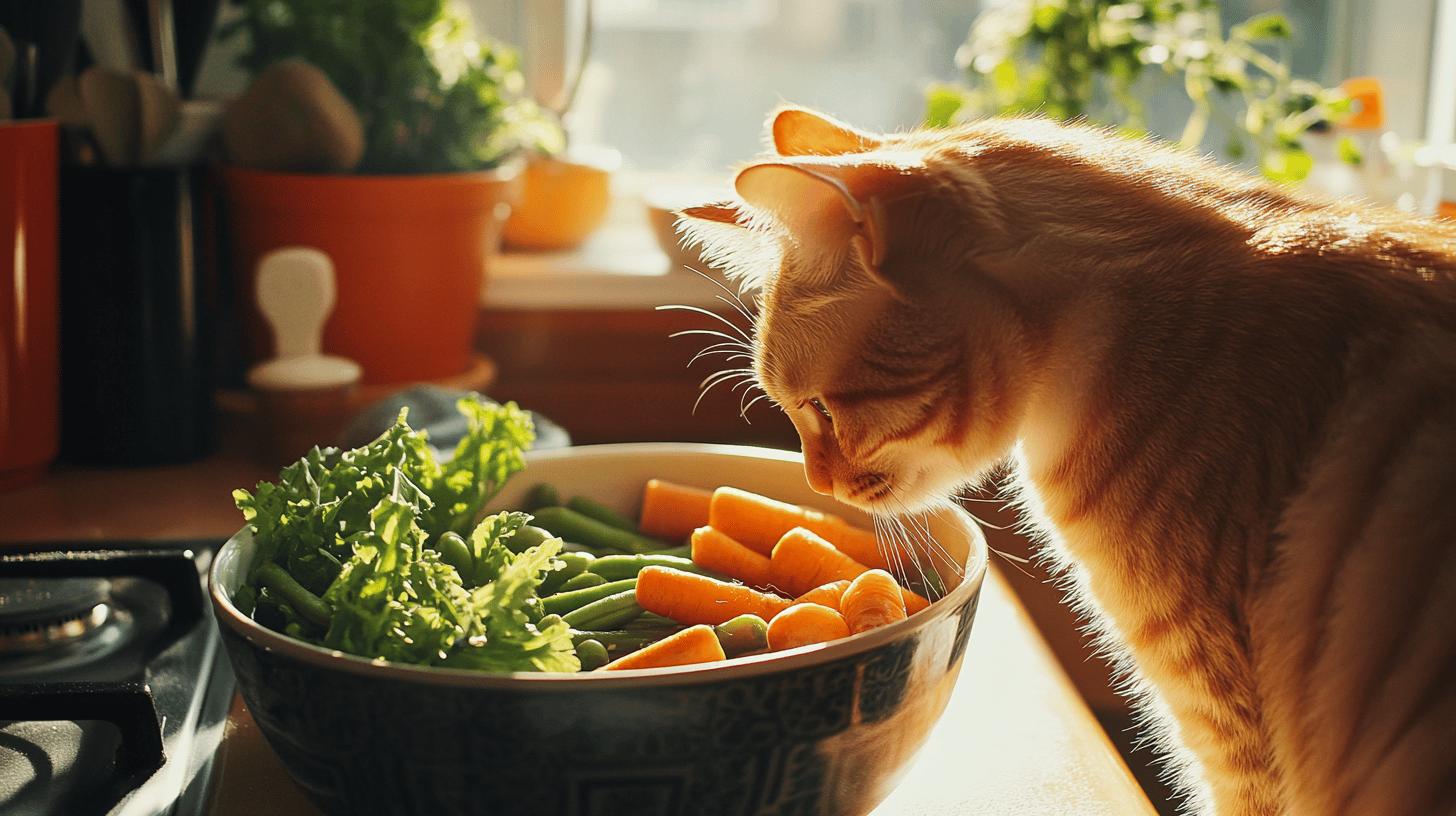
    • Carrots: High in beta-carotene and fiber, they promote eye health and digestion.
    • Pumpkin: A great source of fiber, which aids in digestion and helps with hairball control.
    • Green beans: Low in calories and high in fiber, they support weight management.
    • Broccoli: Packed with antioxidants, it supports the immune system and overall health.
    • Cauliflower: Rich in vitamins C and K, it provides a boost to the immune system.

    Incorporating these vegetables into your cat's diet can offer a range of nutritional benefits. It's important to balance these treats with high-quality cat food to ensure your pet receives all the necessary nutrients. Always monitor your cat's reaction to new foods and consult a veterinarian for personalized dietary advice.

    Final Words

    Asparagus can be a safe and nutritious treat for your cat when given in moderation. It offers vitamins and minerals that support overall health. But remember, too much asparagus might upset your cat's stomach. Preparing it plainly and cutting it into small pieces ensures safety. Always monitor your cat for any signs of discomfort. While asparagus is beneficial, it's essential to mix up their diet with other safe vegetables. Keep experimenting with new veggies like carrots and green beans. By varying their diet, you help keep your cat happy and healthy.

    FAQ

    Can cats eat asparagus raw?

    A: Cats can eat raw asparagus in small amounts. It is not toxic, but it may cause stomach upset if consumed excessively. It's better to serve it cooked to ensure easier digestion.

    Can cats eat asparagus fern?

    A: No, cats should not eat asparagus fern. The fern is toxic to cats and can cause vomiting, diarrhea, and other health issues.

    Is it okay for cats to eat asparagus?

    A: It's okay for cats to eat asparagus in moderation. It is non-toxic and contains beneficial vitamins and minerals. Watch for any digestive upset and avoid overfeeding.

    Is asparagus toxic to pets?

    A: Asparagus is not toxic to pets like cats and dogs. However, moderation is crucial. Always consult a vet if you notice any adverse reactions or symptoms.

    Is the asparagus plant poisonous to cats?

    A: The asparagus vegetable is not poisonous, but the asparagus fern is toxic to cats. Avoid letting cats ingest the fern to prevent health issues.

    What vegetables can cats not eat?

    A: Cats should avoid onions, garlic, leeks, and chives. These can cause toxicity and severe health problems. Always consult a vet before introducing new foods.

    Can dogs eat asparagus?

    A: Yes, dogs can eat asparagus in moderation. It provides nutritional benefits, but excessive consumption can lead to digestive upset. Serve plain and avoid seasonings.

    Can cats eat rice?

    A: Cats can eat small amounts of plain, cooked rice. It is non-toxic and can help with diarrhea. Ensure rice is part of a balanced diet, not a staple.

    Can cats eat broccoli?

    A: Yes, cats can eat small amounts of broccoli. It is non-toxic and offers vitamins and fiber, but it should be given in moderation to prevent digestive issues.

    Can cats eat garlic?

    A: No, cats should not eat garlic. It is toxic to them and can cause severe health problems like hemolytic anemia. Avoid feeding cats any foods containing garlic.

    Can cats have potatoes?

    A: Cats can eat cooked potatoes in moderation. Ensure they are plain and free from harmful additives. Raw potatoes and skins can be toxic, so avoid those.

    Related Articles

  • How to Train a Cat to Be Calm

    How to Train a Cat to Be Calm

    Ever wondered if your hyperactive kitty could actually learn to chill out? You’re not alone. Many cat owners dream of a more peaceful home environment without the chaos of a zooming feline. The good news? Training a cat to be calm is achievable. By using positive reinforcement and understanding their triggers, we can create a harmonious atmosphere for both you and your pet. So, grab your treats and let’s embark on this journey toward a calmer cat.

    How to Train a Cat to Be Calm: Essential Steps and Techniques

    Training your cat to be calm is an important part of pet ownership, especially for hyperactive cats or kittens. Calming techniques for cats not only make your home more peaceful but also improve your pet’s well-being. Positive reinforcement for calm cats is key, rewarding calm behavior with treats, affection, or playtime. This method encourages your cat to repeat desired behaviors and helps prevent unwanted actions like scratching furniture or excessive meowing.

    Steps for Training a Calm Cat:

    1. Observe and Identify Triggers: Start by watching your cat’s behavior to identify what causes stress or hyperactivity. This understanding is fundamental to effective training.
    2. Create a Safe Space: Provide a quiet area where your cat can retreat when feeling overwhelmed. This could be a cozy bed in a low-traffic room or a high perch away from household noise.
    3. Use Positive Reinforcement: Reward your cat with treats or affection every time they exhibit calm behavior. This encourages positive habits and builds a trusting relationship.
    1. Incorporate Clicker Training: Use a clicker to mark the moment your cat behaves calmly. Follow the click with a treat to reinforce the connection between the sound and the reward.
    2. Establish a Routine: Cats thrive on routine, so keeping a consistent feeding, play, and training schedule helps reduce anxiety and unpredictability.

    Behavior modification methods can be very effective for training hyperactive cats. Interactive play is a great way to channel a cat’s high energy into something productive. Engaging their prey drive with toys like feather wands or laser pointers can tire them out and reduce hyperactivity. Training should also include hand signals or voice cues that guide your cat to calm behaviors, gradually building their understanding and responsiveness.

    Calming techniques for cats can vary depending on their individual needs. Some cats respond well to soothing music, which can create a relaxed environment. Others may benefit from pheromone diffusers that mimic natural calming scents. Providing environmental enrichment, like cat trees or scratching posts, offers alternative outlets for energy and stress relief.

    Techniques for Calming Hyperactive Cats:

    1. Interactive Toys: Use toys that mimic prey movements to engage your cat and satisfy their hunting instincts.
    2. Scheduled Playtime: Dedicate specific times of the day for interactive play to help expend excess energy.
    3. Pheromone Products: Consider using products that release calming pheromones to help reduce stress and anxiety.
    1. Dietary Supplements: Consult your vet about supplements that promote calmness and overall health.
    2. Regular Vet Check-ups: Ensure your cat is healthy, as underlying health issues can contribute to hyperactivity.

    Patience and consistency are vital when using positive reinforcement to encourage calm behavior. Training hyperactive cats requires dedication and a gentle approach, as forcing a cat into calmness can backfire. Stick with the methods that work best for your pet, and remember that progress may be slow but rewarding. Over time, with consistent effort, you can help your cat learn to be more relaxed and content in their environment.

    Identifying and Modifying Stress Triggers in Your Cat’s Environment

    Identifying and Modifying Stress Triggers in Your Cats Environment-1.jpg

    Recognizing stress signals in cats is crucial for creating a calming environment. Cats may exhibit increased energy or aggression when stressed, and sudden changes in behavior can indicate anxiety or health issues. Understanding what triggers these responses allows you to modify the environment effectively. Eliminating household irritants, like loud noises or chaotic activity, can significantly reduce hyperactivity. By making these changes, you help prevent destructive behaviors such as excessive scratching or chewing.

    Common Stressor Solution
    Loud Noises Provide a quiet, soundproof area
    Overcrowding Create separate spaces for each cat
    Unfamiliar Scents Use familiar items or pheromone diffusers
    Lack of Stimulation Introduce new toys and interactive play
    Changes in Routine Maintain a consistent schedule

    Reducing anxiety in cats involves a combination of strategies tailored to their specific needs. For instance, environmental enrichment is key to keeping cats content and reducing stress. Cat trees, scratching posts, and safe spaces offer physical outlets and mental stimulation. Providing your cat with engaging toys can redirect their energy into positive activity, helping them feel more secure and less anxious. Additionally, interactive play can mimic hunting instincts, allowing them to release pent-up energy.

    Stress relief strategies extend beyond physical modifications. Incorporating soothing elements like music or calming scents can transform your home into a sanctuary for your cat. Playing soft, gentle music helps mask external noises and creates an atmosphere of relaxation. Similarly, pheromone diffusers emit calming scents that can reduce anxiety and promote a sense of well-being. These calming aids for cats can be particularly effective in multi-cat households where competition for resources may heighten stress levels.

    Maintaining a routine is another crucial aspect of managing cat stress. Cats thrive on predictability, so a consistent daily schedule can alleviate anxiety associated with changes. Regular feeding times, play sessions, and rest periods help establish a sense of security. When combined with environmental modifications and calming aids, these practices create a holistic approach to fostering a serene and comforting environment for your feline friend.

    Final Words

    Training a cat to be calm starts with positive reinforcement techniques and understanding stress triggers. By using clicker training, voice cues, and interactive play, cats can learn to associate calm behavior with rewards. Identifying stress in their environment and using soothing strategies like calming aids and routines can help ease their anxiety. Remember, patience and consistency play crucial roles in success. With these techniques, you can guide your cat towards a more relaxed and balanced lifestyle, ultimately creating a happier home for both of you.

    FAQ

    How to train a cat to be calm in the house?

    Training a cat to be calm involves using positive reinforcement, like treats, to reward calm behavior. Consistency with commands and environment adjustments, such as reducing noise, helps in maintaining calmness.

    How to calm down a hyper cat?

    To calm a hyper cat, engage them with interactive toys to burn off energy. Provide a quiet space and use calming items like pheromone diffusers. Routine and play can offer stability and relief.

    How to calm a cat down from stress?

    Calm a cat down from stress by identifying stress triggers, like loud noises, and removing them. Provide safe spaces and enrich the environment with toys, soothing music, and scents.

    Can you train a cat to calm down?

    Yes, you can train a cat to calm down by using positive reinforcement. Clicker training and voice cues can guide them towards desired behavior. Consistent practice is crucial for success.

    What calms a hyper cat?

    Interactive play sessions, quiet environment settings, and calming aids such as pheromone sprays can help calm a hyper cat. Routine and security in their surroundings also contribute to a state of calmness.

    At what age do cats calm down?

    Cats often calm down as they reach adulthood, around 2-4 years old. Each cat is different, and factors like breed and individual personality can influence energy levels and calmness.

    Related Articles

  • Can Cat Eat Pork Safely and Nutritionally

    Can Cat Eat Pork Safely and Nutritionally

    Is pork a safe and nutritional option for your cat's diet? With cats being obligate carnivores, protein is crucial for their well-being. Pork can indeed provide that essential nourishment, but it must be thoroughly cooked to prevent health risks like parasites.

    When safely cooked and served plain, pork can be a nutritious treat for your feline friend. In this blog post, I will explore the safety and nutritional benefits of pork for cats, guiding you on how to integrate it into their diet wisely.

    Can Cats Safely Eat Pork?

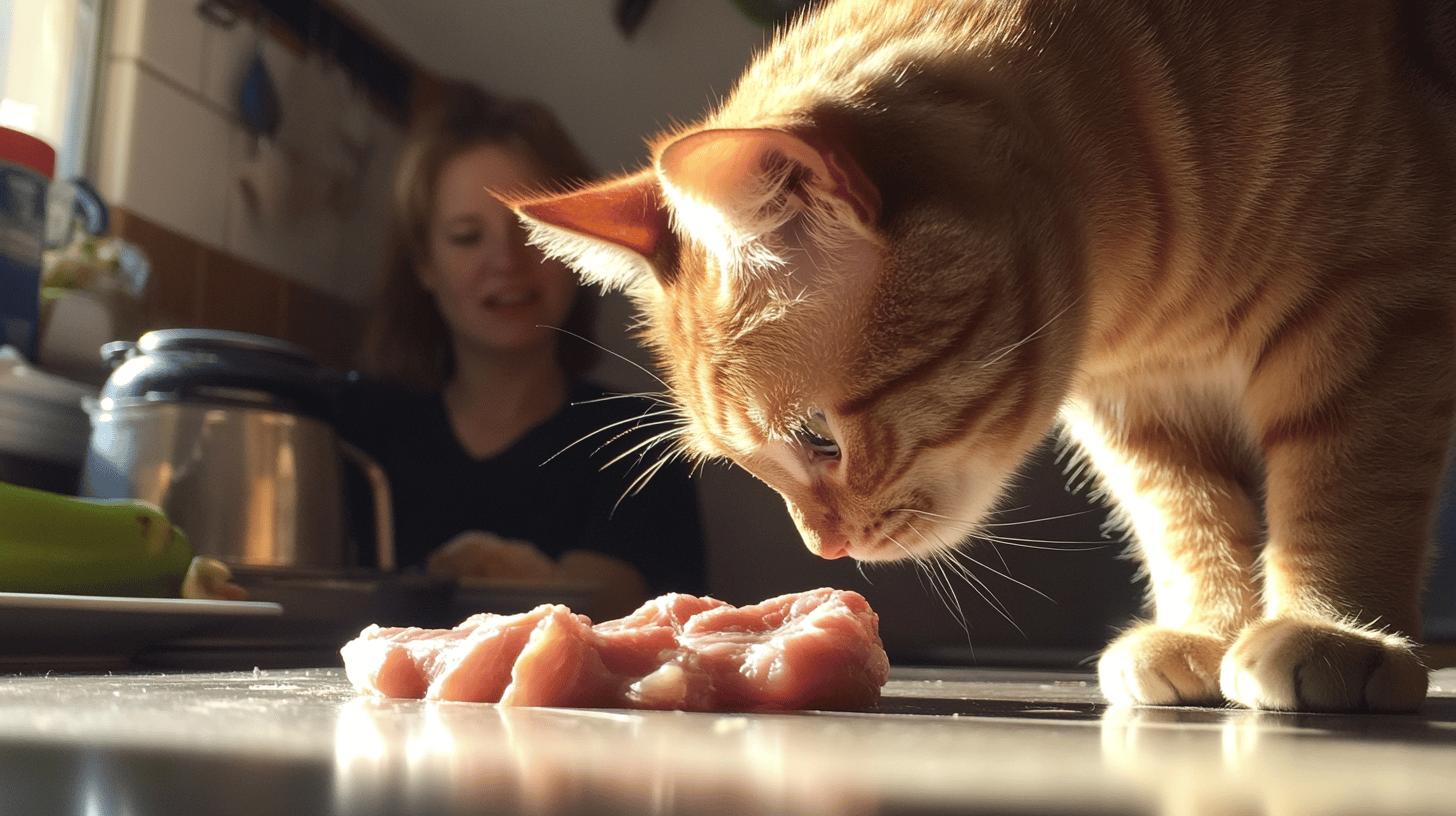
    Can Cats Safely Eat Pork-1.jpg

    Cats are obligate carnivores, which means they rely heavily on a diet rich in protein to thrive. Their natural diet in the wild consists primarily of meat, and they need a high-protein intake to maintain their health. Pork can be a part of this protein-rich diet, but it must be prepared correctly.

    When considering pork for your cat, it is important to ensure it is cooked thoroughly. Raw pork poses significant health risks due to the potential presence of parasites. Cooking pork properly eliminates these risks, making it a safer option for cats.

    Once cooked, the pork should be plain and free from any seasonings or sauces that could be harmful to your feline friend. Small pieces of cooked pork can serve as an occasional treat, offering variety in their diet.

    Moderation is key when feeding pork to your cat. While it can be a delicious treat, it should not become a regular part of their diet. Always consult with your veterinarian before introducing new foods to your cat's diet. They can provide personalized advice, ensuring your pet's nutritional needs are met while maintaining their overall health.

    Nutritional Value of Pork for Cats

    Nutritional Value of Pork for Cats-1.jpg

    Pork can be a source of protein and essential nutrients for cats, making it a potentially beneficial addition to their diet when given in moderation. This meat provides a good amount of protein, which is crucial for maintaining a cat's muscle mass and overall health. Additionally, pork contains several vitamins and minerals that support various aspects of feline health.

    Nutrient Benefit
    Protein Supports muscle development and repair
    Vitamin B1 (Thiamine) Boosts energy metabolism and nervous system health
    Iron Essential for oxygen transport in the blood

    Despite these benefits, pork is also high in fat and sodium. Excessive consumption can lead to health issues like obesity and high blood pressure in cats. It's important to balance pork with other lean protein sources, such as chicken or fish, to ensure a well-rounded diet. Incorporating a variety of proteins helps provide a broader range of nutrients while avoiding the pitfalls of over-relying on any single type of meat.

    Risks and Health Concerns of Feeding Pork to Cats

    Risks and Health Concerns of Feeding Pork to Cats-1.jpg

    Feeding pork to our feline friends can be risky. While it does offer protein, the high fat and sodium content can pose significant health concerns. Pork can also trigger allergies and harbor parasites if not cooked properly.

    High Fat and Sodium Content

    Pork's high fat and sodium levels can lead to obesity and related issues like joint problems, diabetes, and heart disease. Sodium can cause high blood pressure and kidney issues. Keeping an eye on pork portions in your cat's diet helps prevent these health issues.

    Allergies in Cats

    Cats might develop allergies to pork, showing symptoms like vomiting, diarrhea, and excessive itching. These reactions can vary and might not show up right away. Watching for any allergic signs when introducing pork is crucial.

    Parasites in Raw Pork

    Raw pork can contain parasites like roundworms and tapeworms, leading to gastrointestinal problems. Cooking pork thoroughly eliminates these parasites, making it safe for cats. Avoid feeding raw pork due to these serious health risks.

    Risks and Health Concerns of Feeding Pork to Cats-3.jpg

    • Remove all bones: Bones can splinter and pose serious choking or injury risks.

    • Trim excess fat: Too much fat can lead to obesity and other health problems.

    • Cut into small pieces: Smaller portions are easier for your cat to digest and reduce choking hazards.

    Monitor your cat for any adverse reactions when trying new foods like pork. This careful approach helps your cat enjoy pork while staying safe and healthy.

    Alternatives to Pork in a Cat's Diet

    Alternatives to Pork in a Cats Diet-1.jpg

    Pork might not always be the best choice for your cat's diet due to its high fat and sodium content. These can lead to health issues if consumed too often. As obligate carnivores, cats need a protein-rich diet, but there are other meats that offer similar benefits without the drawbacks of pork. Choosing alternative proteins can ensure your cat maintains optimal health.

    Here are some recommended alternatives to pork for cats:

    • Chicken: A lean source of protein, low in fat, and easy to digest.
    • Fish: Rich in omega-3 fatty acids, which support skin and coat health.
    • Turkey: Another lean meat option with a similar nutritional profile to chicken.
    • Commercial cat food: Provides a balanced diet with all necessary nutrients and is convenient for pet owners.

    Balancing your cat's diet with a variety of protein sources is crucial. A diverse diet helps ensure they receive a wide range of essential nutrients. Consulting your veterinarian can help you tailor a diet plan that meets your cat's specific nutritional needs, prioritizing their health and well-being.

    Final Words

    Exploring if cats can eat pork safely reveals that it can be an occasional treat, but only when cooked properly. Pork's nutritional benefits come with some risks, like high fat and potential allergies. Avoiding raw pork is crucial due to parasite concerns. Balancing pork with other proteins ensures nutritional variety.

    Additionally, preparing pork plain and bone-free adds safety. Lean meats like chicken and fish are better alternatives. In the end, moderation is key to any pork offering. Always chat with your vet to keep your cat safe while enjoying these treats.

    FAQ

    Can I feed my cat cooked pork?

    A: Yes, you can feed your cat small pieces of plain, cooked pork as an occasional treat. Ensure it is cooked properly without any seasonings or bones.

    Why can't cats have pork?

    A: Cats can have pork if it is cooked properly. However, raw pork is risky due to parasites, and high-fat content can be unhealthy.

    Can cats eat pork tenderloin, pork chops, or pork loin?

    A: Cats can eat small amounts of cooked pork tenderloin, chops, or loin. It should be plain and cooked without seasonings or bones.

    Is pork fat ok for cats?

    A: Pork fat is not recommended for cats as it can lead to obesity or health issues. Limit fat intake to keep your cat healthy.

    Can cats eat pork raw or pork rinds?

    A: Cats should not eat raw pork or pork rinds. Raw pork can contain parasites, and pork rinds are often fried and unhealthy.

    Can cat eat pork bones?

    A: Pork bones are not safe for cats. They can splinter and cause choking or digestive tract injuries.

    What meat can cats not eat?

    A: Cats should avoid raw meats and processed meats high in sodium and fat. Always ensure that any meat is cooked and plain.

    Related Articles

  • Can Cat Eat Seaweed Safely and What Are the Benefits

    Can Cat Eat Seaweed Safely and What Are the Benefits

    Is seaweed the secret health booster your cat needs? While many of us enjoy it in our own meals, the idea of seaweed for cats might raise a few eyebrows. Yet, this ocean plant could be more beneficial for your feline friend than you think.

    Packed with essential nutrients like taurine and omega-3s, seaweed can be a beneficial addition to your cat's diet. But is it safe? Yes, as long as you use it in moderation and choose the right kind. Let's dive in and explore how seaweed can enhance your cat's health.

    Can Cats Safely Consume Seaweed?

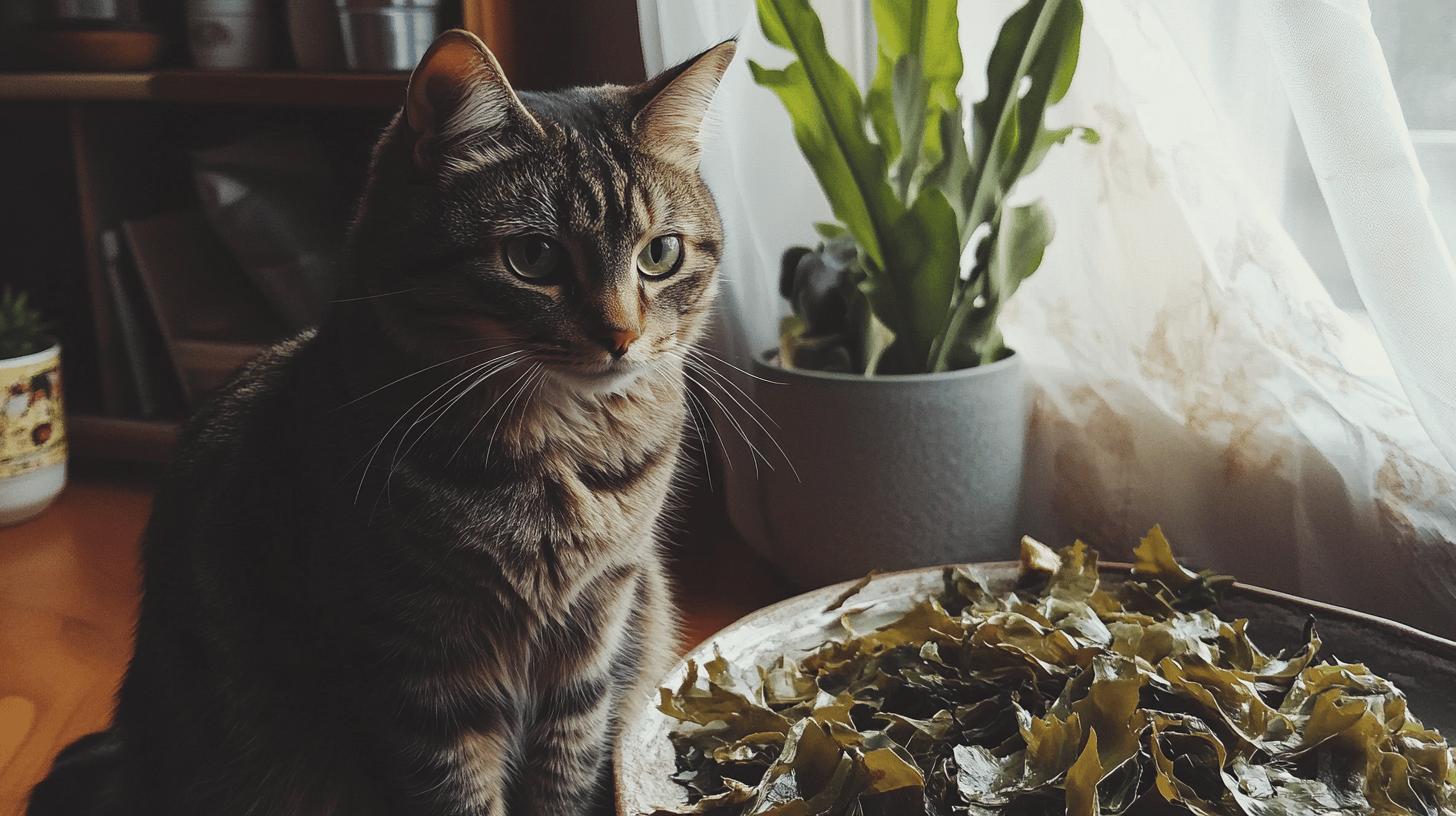
    Can Cats Safely Consume Seaweed-2.jpg

    Cats can indeed safely eat seaweed, but it's important to use it as a supplement or treat, rather than a main meal. Seaweed is packed with essential nutrients that can enhance your cat's diet. It can provide a boost of vitamins and minerals that contribute to their overall health.

    However, moderation is key to ensuring that your cat enjoys the benefits without any adverse effects. Make sure to choose plain seaweed without additional flavorings or seasonings, as these can sometimes contain harmful additives.

    Before introducing seaweed to your cat's diet, consulting with a veterinarian is highly recommended. Every cat is unique, and factors such as age, health conditions, and dietary needs can influence how well they tolerate new foods.

    A vet can provide personalized advice and help you determine the appropriate portion size for your furry friend. This professional guidance ensures that your cat reaps the nutritional benefits of seaweed safely and effectively.

    Nutritional Benefits of Seaweed for Cats

    Nutritional Benefits of Seaweed for Cats-3.jpg

    Seaweed is a powerhouse of nutrients, offering unique benefits that can complement your cat's diet. These advantages go beyond basic safety and supplement use, focusing on nutrients that might not be covered elsewhere.

    Seaweed contains taurine, a critical amino acid for cats. Taurine supports heart health, vision, and reproduction. Another standout is omega-3 fatty acids, known for reducing inflammation and supporting joint health. Seaweed also offers prebiotics, which promote gut health by fostering beneficial bacteria.

    Here are some key nutrients found in seaweed that can enhance your cat's diet:

    Key Nutrients
    Taurine
    Omega-3 Fatty Acids
    Prebiotics
    Vitamin B
    Iodine

    Adding seaweed to your cat's diet can be done easily. Sprinkle a small amount over their food or mix it into treats. Make sure to start with a small dose to monitor for any adverse reactions. By incorporating these nutrients, you can support your cat's heart, joint, and digestive health, enhancing their overall wellbeing.

    Types of Seaweed Suitable for Cats

    When considering adding seaweed to your cat's diet, it's important to know which types are safe and beneficial. Not all seaweed is created equal, so it's crucial to select those that are cat-friendly.

    Two popular options are nori and kelp, both offering unique benefits while being safe for feline consumption. Always opt for unseasoned varieties to avoid any harmful additives.

    Nori is a type of dried seaweed that many cat owners find suitable for their furry friends. It's packed with flavor and nutritional benefits that can enhance your cat's diet.

    Nori is rich in vitamins and minerals, providing a tasty way to supplement your cat's nutrition. Its palatable taste makes it a favorite among many cats, and it's easy to incorporate into their meals as a sprinkle or mix-in.

    Kelp is another excellent choice for cats, known for its rich iodine content and other essential nutrients. This seaweed supports thyroid health and offers a boost of minerals that can contribute to your cat's overall well-being. Kelp can be added in small quantities to your cat's diet, helping to ensure they receive the nutritional benefits without any adverse reactions.

    Seaweed Type Benefits
    Nori Rich in flavor and nutrients, enhances diet
    Kelp Supports thyroid health, mineral-rich

    Serving Seaweed to Cats: Guidelines and Precautions

    Serving Seaweed to Cats Guidelines and Precautions-3.jpg

    When serving seaweed to your cat, it's crucial to get the portion size right. Seaweed should be treated as a supplement, not a main dish. A small amount goes a long way in providing nutritional benefits without overwhelming their system.

    Too much seaweed can lead to an imbalance in their diet, so it's important to keep servings modest. Typically, a pinch or two of finely chopped seaweed is sufficient for most cats, depending on their size and dietary needs.

    Mixing seaweed with your cat's regular food can make it more appealing and easier to digest. Cats are creatures of habit, and introducing new flavors can sometimes be met with resistance.

    By combining seaweed with their usual meals, you can help them adjust to the taste gradually. This method also ensures that your cat gets a balanced diet with a variety of nutrients. Make sure the seaweed is cut into small pieces to prevent any choking hazards.

    Here's a simple guide to introducing seaweed to your cat's diet:

    1. Start with a Small Amount: Begin by adding a tiny pinch of seaweed to their food. Observe their response and ensure they enjoy it.

    2. Gradually Increase: If your cat shows a positive reaction, you can slowly increase the amount over several days.

    3. Mix Well with Food: Ensure the seaweed is thoroughly mixed with their regular meals to mask the new taste.

    1. Monitor Their Reaction: Keep an eye on your cat for any signs of digestive discomfort or allergies.

    Taking precautions is key to preventing digestive issues when adding seaweed to your cat's diet. Introduce it slowly to avoid overwhelming their digestive system.

    Watch for any signs of discomfort, such as vomiting or diarrhea, which may indicate that seaweed isn't agreeing with them. If such symptoms occur, stop feeding seaweed immediately and consult your veterinarian. With careful monitoring, you can safely enhance your cat's diet with the nutritious benefits of seaweed.

    Potential Risks and Side Effects of Seaweed for Cats

    <<>>

    Feeding seaweed to cats can be beneficial, but it's important to be aware of the risks associated with certain types. One of the primary concerns is the excessive salt content found in some seaweed varieties.

    High salt levels can lead to dehydration and, in severe cases, salt poisoning. This can manifest as increased thirst, lethargy, or even vomiting. Always opt for plain, unsalted seaweed to minimize these risks.

    Potential allergies and digestive irritations are additional concerns when introducing seaweed to a cat's diet. While not all cats will experience adverse reactions, some may be sensitive to new foods.

    Allergic reactions could present as skin irritations, while digestive issues might include diarrhea or an upset stomach. These reactions can vary in severity, so it's crucial to start with a small amount and observe your cat's response.

    Monitoring your cat's reaction when first introducing seaweed is essential. Begin with a tiny portion and gradually increase it while keeping a close watch for any signs of discomfort or allergic reactions.

    If your cat exhibits any unusual symptoms, discontinue feeding seaweed and consult your veterinarian. By being vigilant, you can safely incorporate seaweed into your cat's diet, ensuring they receive its nutritional benefits without the drawbacks.

    Final Words

    Exploring whether cats can cat eat seaweed, it's clear that seaweed can be a safe and healthy supplement in a cat’s diet. With valuable nutrients like vitamins A, B, C, and minerals like iodine and iron, seaweed supports overall cat wellbeing.

    Selecting cat-friendly seaweeds such as nori and kelp ensures both safety and nutrition. Introduce seaweed carefully, paying close attention to portion sizes and your cat's reaction.

    Remember, consulting a vet before adding any new food is a smart choice. With these guidelines, you can confidently enhance your cat’s diet and provide safe treats.

    FAQ

    Can cats eat seaweed with salt?

    Cats can eat seaweed, but it's best without salt. High salt can cause dehydration or salt poisoning. Always opt for unsalted seaweed and consult with a vet before making it a regular treat.

    Can cats eat dried seaweed sheets?

    Yes, cats can eat dried seaweed sheets, but ensure they are plain and unsalted. These sheets can be a healthy treat when given in moderation.

    Is seaweed safe for pets?

    Seaweed is generally safe for pets like cats, but it should be used as a treat or supplement, not a main food source. Always consult a veterinarian first.

    Can cats eat sesame seeds?

    Cats can eat sesame seeds in small amounts. They should be unsalted and unseasoned to prevent any adverse reactions. Always monitor your cat for any digestive issues.

    Can cats eat teriyaki seaweed?

    It's not advised for cats to eat teriyaki seaweed due to sugar, salt, and spices. Stick to plain, unseasoned varieties for safety.

    Is dried kelp ok for cats?

    Dried kelp is safe and beneficial for cats as a supplement. Ensure it's plain without added salt or seasoning, and consult your vet for proper usage.

    Can dogs eat seaweed?

    Dogs can eat seaweed, but like cats, it should be plain and unsalted. Check with a veterinarian before adding it regularly to their diet.

    Related Articles

  • How to Train a Cat to Attack on Command Safely

    How to Train a Cat to Attack on Command Safely

    Ever imagined a cat following commands like a trained guard dog? It might sound far-fetched, but with the right approach, it's possible to teach cats tasks like "attack" while keeping playtime safe and fun. The focus is on understanding their instincts and using positive reinforcement. This not only makes training effective but also strengthens your bond. Dive in to learn how to tap into your cat's natural behaviors, ensuring each session is enjoyable and stress-free for both you and your feline friend.

    Introducing Effective Commands for Cat Training

    Introducing Effective Commands for Cat Training-1.jpg

    Training a cat to respond to commands, like "attack," should always prioritize safety and ethical considerations. Positive reinforcement is key. Rather than using punishments such as swatting or spraying, which can lead to aggression, focus on rewarding desired behaviors to encourage repetition. Ensuring the cat's well-being during training also involves understanding and respecting their natural behaviors. This approach not only makes training sessions more effective but also strengthens the bond between you and your feline friend.

    Cats have instinctual behaviors that can be harnessed during training. Understanding these instincts allows you to modify and direct them responsibly. For example, cats are natural hunters. This instinct can be leveraged to teach them commands by using toys or target-based games. They also tend to respond well to routines and consistency. By establishing a structured training schedule, you can tap into their natural tendency to anticipate and react to familiar cues. This understanding helps in modifying their behavior without causing confusion or stress.

    Safety Measures and Ethical Guidelines for Training Cats

    • Use positive reinforcement, such as treats or praise, to encourage desired behaviors.
    • Avoid punishments that can lead to fear or aggression.
    • Keep training sessions short to prevent stress or fatigue.
    • Ensure the environment is safe and free from potential hazards.
    • Always monitor your cat's body language for signs of distress.

    Common Cat Instincts and Their Role in Training

    • Hunting: Utilize toys or games that mimic prey to engage your cat.
    • Curiosity: Introduce new objects or scenarios to keep training interesting.
    • Routine: Establish consistent training times to build anticipation.
    • Playfulness: Incorporate fun activities to maintain enthusiasm during sessions.

    By respecting these instinctual behaviors and focusing on safety, training your cat to follow commands like "attack" can be done effectively and ethically.

    Comprehensive Guide to Cat Training Tools and Techniques

    Comprehensive Guide to Cat Training Tools and Techniques-3.jpg

    Creating a structured training plan is essential for successfully teaching cats to respond to specific commands like "attack." The foundation of effective training lies in positive reinforcement. By rewarding cats for desired behaviors with treats or praise, we encourage them to repeat those actions. A well-thought-out plan ensures that training sessions are productive and enjoyable for both you and your cat. This approach not only helps in achieving the desired behavior but also strengthens the bond between you and your pet.

    The right tools can significantly enhance your training efforts. Clickers and treats are among the most effective tools available. A clicker acts as a marker that signals to your cat that a treat is coming, helping them associate the click with a positive outcome. Treats serve as a reward and motivation for your cat, keeping them engaged and eager to learn. Other helpful tools may include target sticks and toys, which can guide your cat's attention and actions during training sessions.

    Step-by-Step Process for Training Cats to Attack Command

    1. Start with Basic Training: Before tackling the "attack" command, ensure your cat is comfortable with basic commands like "sit" and "stay."
    2. Use a Clicker: Begin each session with a clicker to mark the desired behavior. Click when your cat exhibits interest or moves towards the target.
    3. Introduce a Target: Use a toy or object that your cat is naturally drawn to. This will be the focus of the "attack" command.
    4. Encourage Interaction: When your cat shows interest in the target, click and reward them. Gradually increase the level of interaction needed for a reward.
    5. Associate the Command: Once your cat reliably interacts with the target, introduce the verbal cue "attack" as they move towards it.
    6. Practice Consistently: Repeat the process regularly, keeping sessions short and positive to reinforce the behavior.

    Maintaining consistency, timing, and appropriate tool usage is crucial throughout the training process. Consistency ensures that your cat understands what is expected, while timing allows you to reward desired behaviors promptly. Using the right tools helps in clearly communicating what you want from your cat, making the training process smoother and more efficient.

    Tool Description
    Clicker Marks desired behavior with a sound, helping the cat associate actions with rewards.
    Treats Provide motivation and reward for successful actions during training.
    Target Stick Guides the cat’s attention and actions, useful for directing movement.
    Toy Engages the cat’s natural instincts and serves as the focus for the “attack” command.

    Addressing Challenges and Adjusting Training Plans

    Addressing Challenges and Adjusting Training Plans-1.jpg

    Training a cat to attack on command can come with its own set of challenges. Common difficulties include a lack of interest from the cat, distractions in the training environment, or the cat responding inconsistently to commands. These issues often stem from the cat's natural instincts, environmental stressors, or an unsuitable reward system. Understanding these potential causes is the first step in effectively addressing them and ensuring a smoother training process.

    Adaptability is crucial when creating a training plan for your cat. Every cat is unique, so what works for one might not work for another. If your cat isn't responding as expected, it might be time to tweak your approach. Consider altering the reward type to something more enticing, changing the time of day you train to when your cat is more active, or breaking down the training into smaller, more manageable steps. By being flexible and observant, you can tailor the training to suit your cat's preferences and improve the overall effectiveness.

    • Change the reward to a higher-value treat if the cat seems uninterested.
    • Reduce distractions by choosing a quiet, familiar area for training.
    • Break down the command into smaller steps to make it more manageable.
    • Adjust the training times to align with your cat's natural energy peaks.

    Being attentive to these adjustments can help overcome setbacks, making the training process more enjoyable and successful for both you and your feline companion.

    Final Words

    Training cats to respond to commands, like learning how to train a cat to attack on command, centers around understanding their instincts and behaviors. It's key to use positive reinforcement and ethical methods. Essential tools include clickers and treats, which help shape desired behaviors. Consistency and timing build a strong training foundation.

    Challenges will arise, but being adaptable and patient ensures success. Keep sessions engaging and focused on safety. With these principles, creating a rewarding playtime experience enhances the bond with your cat, making training both effective and enjoyable.

    FAQ

    Can you train your cat to attack on command?

    A: Training a cat to attack on command focuses on understanding its instincts and using positive reinforcement. Ensure the training is ethical, prioritizing your cat’s safety and well-being over aggressive behaviors.

    How do I discipline a cat for attacking me?

    A: Use positive reinforcement to guide behavior instead of discipline like swatting or spraying. Redirect aggressive actions with toys or commands, rewarding calm behavior to encourage peaceful interactions.

    Can you train cats to defend you?

    A: Training cats for defense is not advisable due to their unpredictable nature. Instead, strengthen their positive instincts with training that aligns with their natural behaviors for a well-adjusted pet.

    How do I make my cat a fighter?

    A: Making a cat a "fighter" should not be the goal. Focus on ethical training aligned with their instincts, encouraging rewarding activities that enhance their well-being and understanding, not aggression.

    Related Articles

  • Can Cat Eat Orange Understanding Safety and Health Risks

    Can Cat Eat Orange Understanding Safety and Health Risks

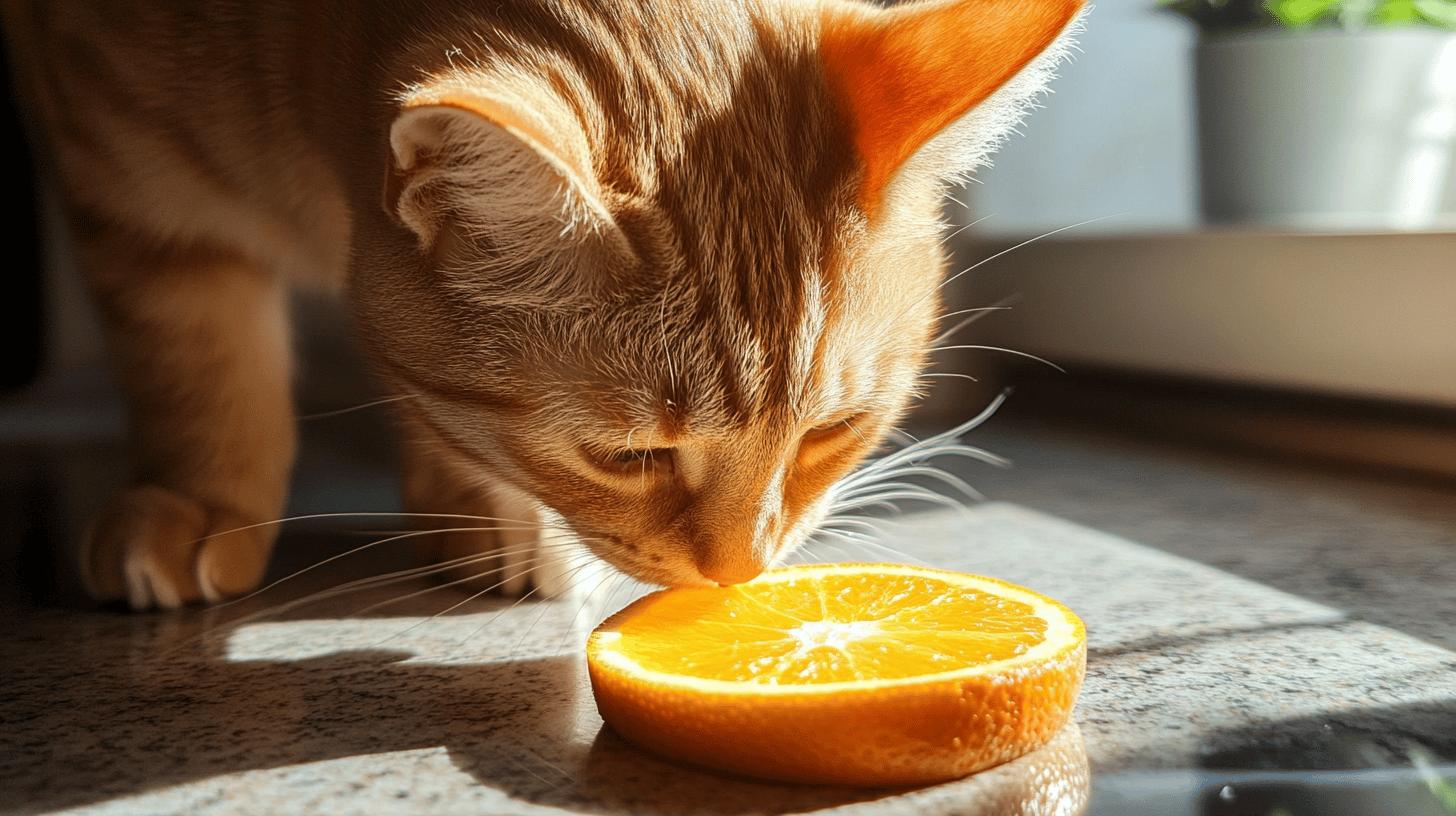
    Is your cat curious about everything you eat, even your oranges? Cats and oranges might not seem like a dangerous match, but surprises lurk beneath the peel. While not outright toxic, even a tiny taste could spell trouble for your feline friend.

    Imagine turning a sweet, juicy fruit into an orange explosion of tummy troubles! While tempting to share, let's navigate through why it's a no-go zone for your cat. We'll delve into understanding the safety and health implications, so you can keep your kitty safe and healthy.

    Can Cats Eat Oranges: Safety and Health Risks

    Can Cats Eat Oranges Safety and Health Risks-1.jpg

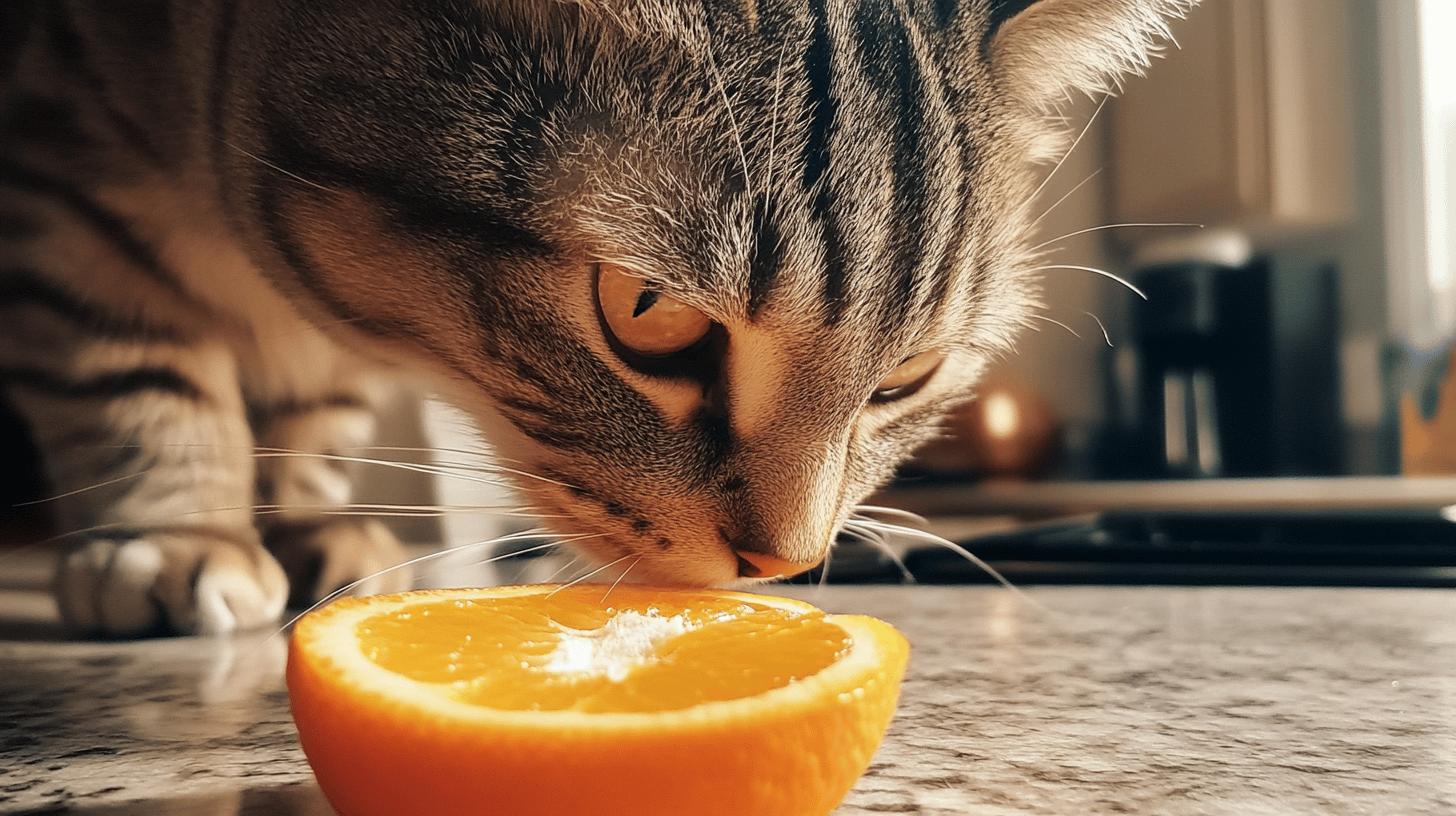
    Cats and oranges aren't the best mix. While oranges aren't toxic to cats, they're not recommended as a treat. The reason? Potential digestive issues. Even a small bite can lead to vomiting, diarrhea, weakness, and lethargy. When it comes to citrus ingestion in cats, it’s better to err on the side of caution and keep these fruits out of reach.

    Cats don't gain any nutritional benefits from eating oranges. As obligate carnivores, their diet should be rich in animal protein and low in carbohydrates. Oranges, like other citrus fruits, offer little nutritional value for cats. They can't digest fruits well, and the lack of essential nutrients makes it unnecessary to include them in their diet.

    Experts advise against feeding cats oranges. They highlight that the oils found in citrus peels can be harmful. The overwhelming smell alone is a deterrent for most cats, which is a natural protective measure. If a cat does happen to nibble on an orange, it's important to monitor them for any signs of distress and consult a vet if any symptoms appear.

    Understanding the Effects of Citrus on Cats

    Understanding the Effects of Citrus on Cats-1.jpg

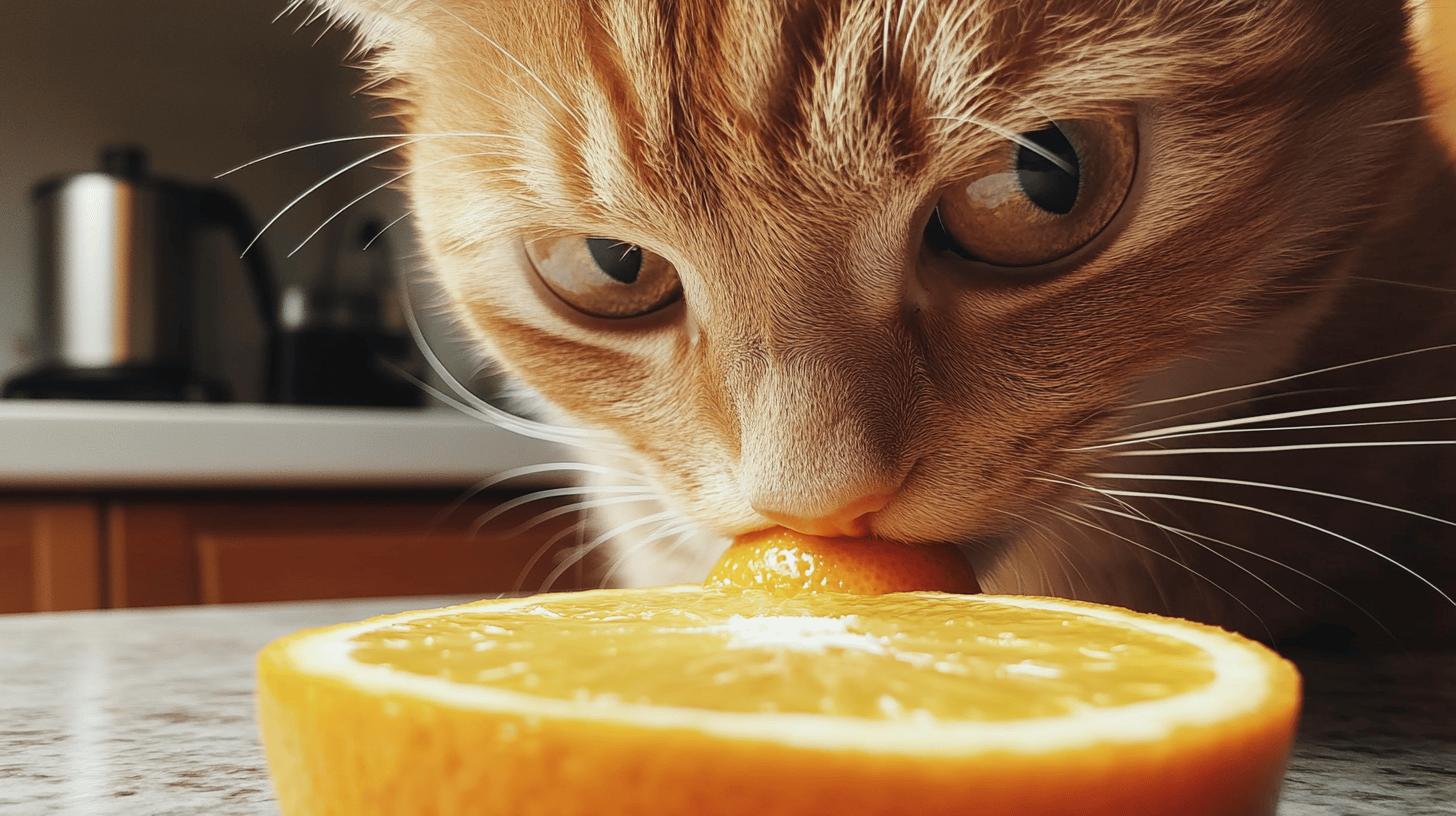
    Cats have a remarkable sense of smell, about 14 times more sensitive than ours. This sensitivity makes the aroma of citrus fruits like oranges, mandarins, and tangerines overwhelming for them. Their natural aversion serves as a protective instinct, as the citrus oils can irritate a cat's nose.

    Ingesting citrus can cause health issues in cats. Oranges and their derivatives, such as orange juice, are unsafe for them. Consumption can lead to digestive problems, including symptoms like vomiting and diarrhea, especially if larger amounts are eaten. Citrus oils can worsen these symptoms and cause discomfort.

    Though rare, some cats might develop allergies to citrus, leading to skin irritation or more severe reactions upon contact or ingestion. The strong citrus smell acts as a behavioral defense and health safeguard. Keep citrus products away from cats. If any allergic reactions, like excessive scratching or redness, occur, consult a vet to ensure their well-being.

    What to Do if Your Cat Ingests an Orange

    What to Do if Your Cat Ingests an Orange-1.jpg

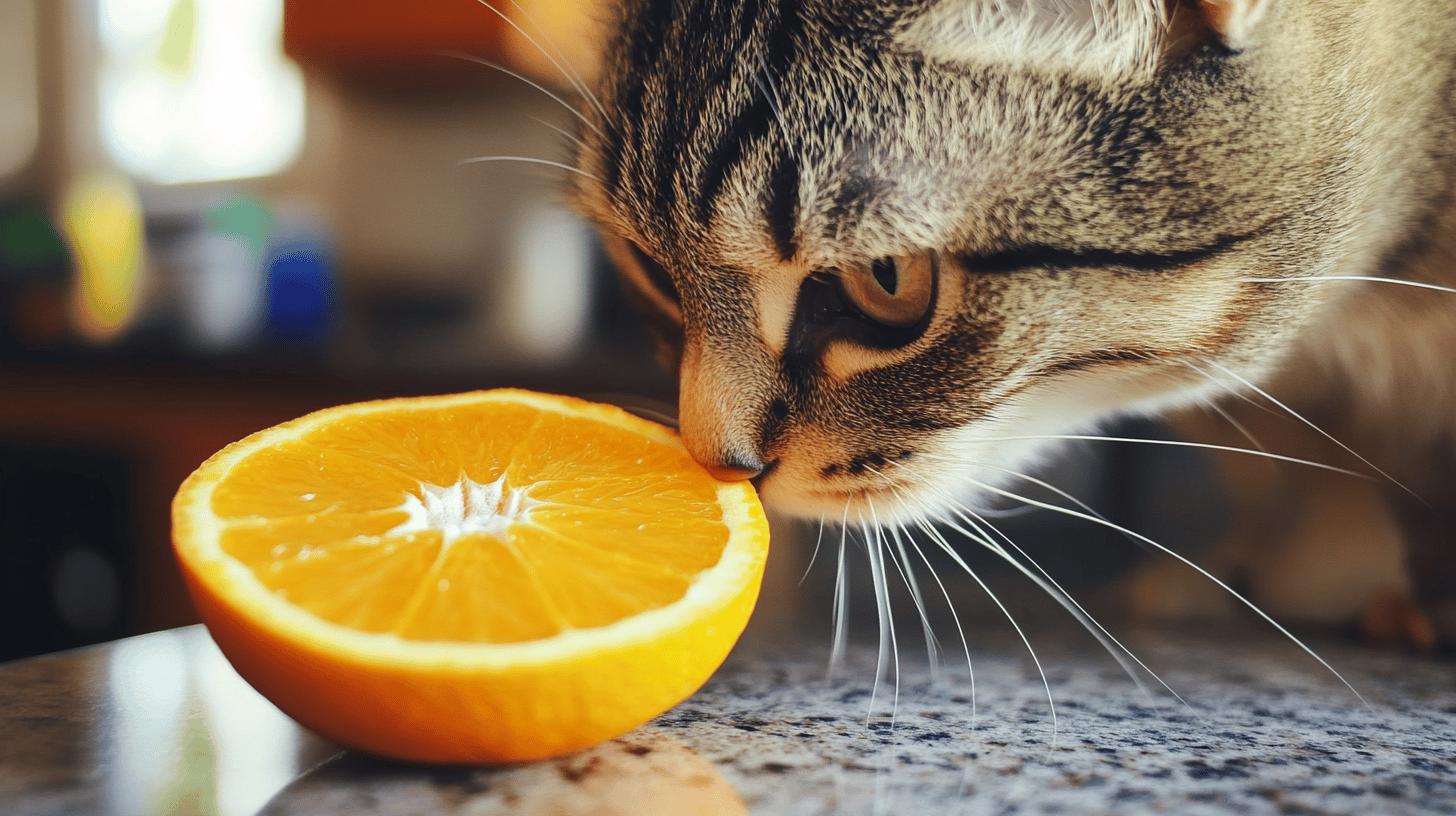
    If your cat has licked or eaten an orange, it's crucial to be aware of the signs of citrus poisoning. Symptoms can range from mild to severe and may include drooling, vomiting, diarrhea, or skin irritation. Observing your cat closely for these symptoms is important, as early detection can make the treatment process smoother and more effective.

    Here are immediate steps to take if your cat ingests citrus:

    1. Remove any remaining citrus from your cat’s reach to prevent further ingestion.
    2. Observe your cat for any immediate signs of distress or discomfort.
    3. Gently clean your cat’s mouth with a damp cloth to remove any citrus residue.
    4. Monitor your cat’s behavior and symptoms, noting any changes in appetite or energy level.
    5. Contact your veterinarian to discuss symptoms and next steps for care.

    Citrus poisoning in cats is rarely fatal and can often be treated successfully. Treatment might involve bathing your cat to remove any lingering citrus oils from their fur. If skin irritation occurs, applying topical corticosteroids can help alleviate discomfort. If symptoms persist or worsen, seeking veterinary care is essential to ensure your cat's safety and well-being.

    Safe Fruits and Alternatives for Cats

    Safe Fruits and Alternatives for Cats-1.jpg

    Cats are obligate carnivores, which means their diet should primarily consist of animal-based proteins. They don't naturally require fruits or vegetables for nutrition. Their digestive systems are adapted to process meats rather than plant-based foods. While curious cats might show interest in your fruit bowl, their nutritional needs are best met through a protein-rich, meat-based diet.

    If you're thinking of giving your cat a fruit as an occasional treat, there are a few safe options to consider. Small amounts of peeled apple, banana, or strawberry can be offered as a rare treat.

    Remember, these should not form a significant part of their diet but can be an enjoyable and safe snack. Avoid giving them grapes and all citrus fruits, as these can lead to digestive upset or more severe health issues.

    Fruit Safe or Avoid
    Apple (peeled) Safe
    Banana Safe
    Strawberry Safe
    Grapes Avoid
    Oranges Avoid
    Lemon Avoid

    Before introducing any new food into your cat's diet, it's wise to consult with a vet. They can provide guidance based on individual health needs and ensure that any new treats won't cause harm. Each cat is unique, and what might be a harmless occasional treat for one could be unsuitable for another. Monitoring your cat's reaction to new foods helps ensure their safety and well-being.

    Final Words

    When it comes to cats and oranges, I discovered it's best to keep them apart. While oranges aren't toxic, they can cause digestive issues and offer no nutritional value for our feline friends. Understanding a cat's natural aversion to citrus, along with potential health risks, reinforces this caution.

    If your cat comes across an orange, stay vigilant for any signs of citrus poisoning and act quickly. In essence, sticking to known safe treats and seeking vet advice ensures your pet's well-being. Keeping play and treats safe makes for a happier and healthier cat.

    FAQ

    Can cats eat orange peels?

    A: Orange peels are not recommended for cats. They can cause digestive problems like vomiting and diarrhea.

    Can cats eat orange juice?

    A: Orange juice is not safe for cats. It can lead to digestive upset and should be avoided.

    Can cats eat orange fruit?

    A: Cats should not eat orange fruit. Oranges can cause vomiting, diarrhea, and other issues.

    Is the smell of oranges bad for cats?

    A: Yes, cats dislike the smell of oranges. Their heightened sense of smell finds citrus smells overwhelming.

    Can cats eat apple?

    A: Cats can eat small amounts of peeled apple. It's a safe treat but should be given in moderation.

    What happens if my cat eats an orange?

    A: Cats may experience vomiting, diarrhea, or weakness. Watch for these signs and consult a vet if needed.

    Can my cat have an orange slice?

    A: Cats should not have orange slices. Oranges pose potential health risks to them.

    Do cats like the taste of orange?

    A: Most cats do not like the taste or smell of oranges and are naturally repelled by them.

    What fruit is cat safe?

    A: Safe fruits include peeled apples, bananas, and strawberries. Avoid grapes and citrus fruits.

    Related Articles

  • Can Cat Eat Cheese Safely Understanding the Risks and Guidelines

    Can Cat Eat Cheese Safely Understanding the Risks and Guidelines

    Can cats safely eat cheese, or is it a recipe for trouble? As a cat lover, you might be tempted to share a cheesy snack with your feline friend, but it’s important to know the facts. Most adult cats are lactose intolerant, lacking the enzyme to digest lactose in cheese, which could lead to an upset stomach. Even if your cat shows interest, cheese isn't packed with the nutrients they need. Let's dive into the risks and guidelines for feeding cheese to cats, to ensure their playtime remains safe and fun.

    Can Cats Safely Eat Cheese?

    Can Cats Safely Eat Cheese-1.jpg

    Many cats seem to enjoy cheese, but the question is, can cats safely eat cheese? Most adult cats are lactose intolerant, which means they lack the enzyme lactase needed to digest lactose found in dairy products. Feeding cheese to lactose-intolerant cats can lead to digestive issues like diarrhea or foul-smelling stools. Even for cats that tolerate dairy, cheese should not be a regular part of their diet because it doesn't provide essential nutrients. Instead, it can contribute to obesity and other health problems if consumed frequently due to its high fat and calorie content.

    Cats might be drawn to cheese because of its rich fat content and savory flavor, which align with their natural dietary preferences. Cats are obligate carnivores and are naturally attracted to foods that are high in protein and fat. The aroma and creamy texture of cheese can be particularly enticing, making it a tempting treat. However, just because a cat is interested in cheese doesn't mean it's a safe or healthy choice. It's crucial to remember that cheese isn't an ideal food for cats, despite their possible curiosity.

    When considering adding cheese to your cat's diet, moderation is key. Small amounts, like a tiny piece of plain cheese, can be given as an occasional treat. Always monitor your cat for any signs of digestive upset or allergic reactions after consuming cheese. If you're unsure about how much cheese your cat can handle, consult with a veterinarian to ensure it won't harm your feline friend. Regular cat treats or small pieces of cooked meat are often safer alternatives that won't compromise your cat's health.

    Types of Cheese and Their Impact on Cats

    Types of Cheese and Their Impact on Cats-1.jpg

    When it comes to feeding cheese to cats, some types are more commonly chosen by pet owners. Cheddar, mozzarella, and cream cheese are among the favorites because of their milder flavors and textures. These cheeses are sometimes given to cats as an occasional treat. However, they should only be offered sparingly due to their potential to cause digestive upset, especially in lactose-intolerant cats. Even if your cat seems to enjoy these cheeses, it's important to remember that they can contribute to weight gain and other health issues if consumed regularly.

    Certain cheeses contain additives that can be harmful to cats. Mold-ripened varieties like blue cheese, as well as those with added herbs, seasonings, or garlic, should be strictly avoided. These ingredients can be toxic to cats and may lead to severe health problems. Additionally, processed cheeses often contain high levels of salt and other artificial ingredients, which can also pose risks to your feline friend.

    Cheeses to Avoid for Cats
    Blue cheese
    Cheese with garlic
    Herbed cheeses
    Processed cheese products
    Spicy cheeses

    Feeding cheese to cats carries several health risks. High fat content can lead to obesity, and the sodium levels can be harmful, particularly for cats with kidney or heart problems. Moreover, many cats are lactose intolerant, meaning they lack the enzyme needed to digest lactose, leading to gastrointestinal issues like diarrhea or vomiting. Dairy allergies in some cats may also cause skin irritations and digestive disturbances.

    If you're considering offering cheese to your cat, it's crucial to choose safer options and monitor their reaction. Opt for cheeses with minimal ingredients, like plain cheddar or mozzarella, and always give them in small amounts. Consulting with your vet can provide guidance on whether cheese can be a part of your cat's treat repertoire without compromising their health.

    Lactose Intolerance and Cheese-Related Health Risks in Cats-1.jpg

    Most adult cats are naturally lactose intolerant due to a lack of the enzyme lactase, essential for digesting lactose in dairy products like cheese. Without lactase, their digestive systems can't process dairy, leading to health issues. While kittens can digest their mother's milk, they usually lose this ability as they grow, making cheese consumption problematic for adult cats.

    Symptoms of lactose intolerance in cats can vary but often include digestive disturbances like diarrhea and vomiting. Some cats may also experience increased gas, discomfort, or bloating after consuming cheese. These symptoms can appear quickly, so it's important to monitor your cat if they eat cheese to catch any signs of intolerance early.

    Cheese and other dairy products can significantly impact lactose-intolerant cats. Beyond immediate discomfort, regular dairy exposure can lead to severe digestive issues. Diarrhea can cause dehydration, and ongoing gastrointestinal problems may harm overall health and well-being. Even small cheese amounts can trigger these issues in sensitive cats.

    Cheese-related health risks for cats include high salt content, which can be dangerous. Excessive salt intake can result in salt poisoning, causing excessive thirst, urination, and, in severe cases, kidney damage. Calorie-dense and high in fat, regular cheese consumption can contribute to obesity, leading to diabetes and joint issues.

    Dairy allergies in cats, while less common than lactose intolerance, pose another risk. Allergic reactions to dairy proteins can cause itching, skin irritation, and digestive upset. Managing these allergies means avoiding dairy and finding alternatives. Consulting a veterinarian is crucial if a dairy allergy is suspected, as they can suggest dietary adjustments to keep your cat’s diet balanced and safe.

    Guidelines for Safe Cheese Consumption and Alternatives for Cats

    Guidelines for Safe Cheese Consumption and Alternatives for Cats-1.jpg

    Moderation is key when offering cheese to cats. They can enjoy small amounts like a pinch of grated cheese or a tiny dab of cream cheese. These should only be given occasionally and not replace a balanced diet.

    Keep an eye on your cat for any digestive issues after eating cheese. If you notice symptoms like diarrhea or vomiting, stop the cheese treats and talk to a veterinarian. They can advise on safe inclusion and proper portion sizes.

    Here are some alternative treats that are safer for cats:

    1. Cooked chicken, prepared without salt or spices
    2. Cooked beef, served plain and lean
    3. Cooked fish, such as salmon or tuna, free of added fats
    4. Commercially available cat treats designed for dietary safety

    Cheese-flavored treats can be tempting but should be selected carefully. Check ingredient lists for products that mimic cheese flavor without real cheese, reducing the risk of upsetting sensitive stomachs.

    Final Words

    Exploring if cats can eat cheese has shown the need for caution. Many cats are lactose intolerant and can face digestive issues if they eat too much cheese. It's important to give cheese only in small amounts.

    Various types of cheese, especially those with harmful additives, should be avoided. Instead, look for safer cheese options or consider cheese alternatives like cooked chicken or fish.

    While some cats may enjoy cheese, it's best used as an occasional treat. Always pay attention to your cat's health and consult a vet if unsure. Making smart choices can keep your cat healthy and happy.

    FAQ

    My cat ate cheese, what should I do?

    If your cat ate cheese, watch for signs of discomfort, such as vomiting or diarrhea. Most cats are lactose intolerant, so contact your vet if symptoms occur.

    Can cats eat bread?

    Cats can eat small amounts of bread without harm, but it should not replace their regular diet. Bread offers little nutritional value to cats.

    Can cheese kill cats?

    Cheese itself won't kill cats, but excessive consumption can lead to digestive issues. It's not safe as a regular diet staple due to lactose intolerance.

    Can cats eat cheddar cheese or mozzarella cheese?

    Cats can eat small amounts of cheddar or mozzarella, but only as an occasional treat due to potential lactose issues.

    Can cats eat eggs?

    Cats can eat cooked eggs in moderation. Eggs are rich in protein, but must be cooked to avoid health risks like salmonella.

    Can cats eat cheese puffs?

    Cheese puffs should be avoided as they contain artificial ingredients and high salt content, which can be harmful to cats.

    Can cats eat chocolate?

    Chocolate is toxic to cats and should never be given. It can cause serious health issues and requires immediate vet attention if ingested.
    What happens if my cat eats cheese?

    Most cats will experience digestive discomfort from cheese due to lactose intolerance. Monitor your cat and consult a vet if symptoms develop.
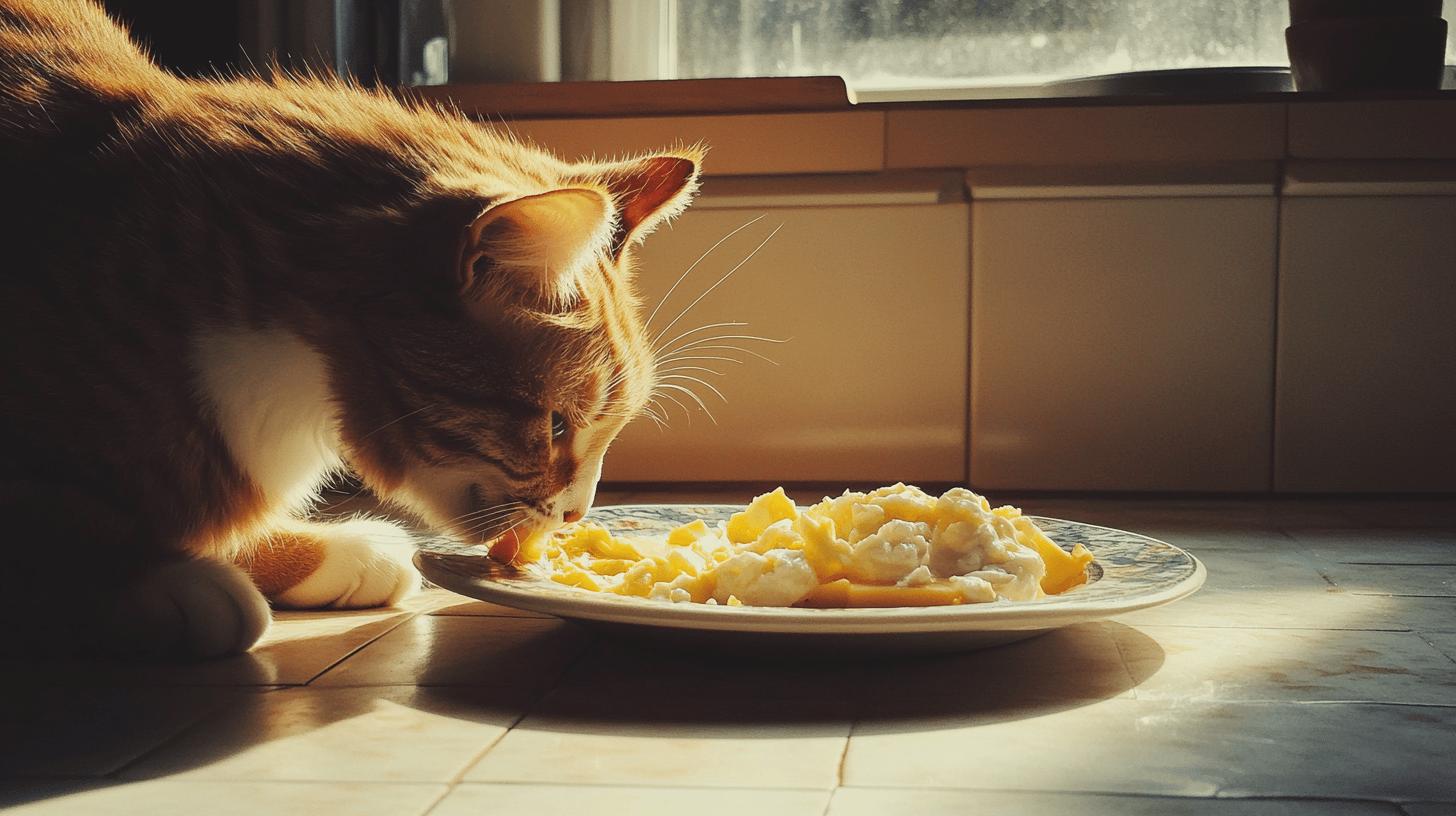
    Is it okay to give a cat a little bit of cheese?

    Giving a little bit of cheese occasionally is okay, but watch for any digestive issues due to lactose intolerance.

    What kind of cheese is good for cats?

    No cheese is ideal for cats, but low-lactose options like cheddar or mozzarella in small amounts might be tolerated better.

    Is easy cheese safe for cats?

    Easy cheese is not safe due to additives and high salt content, which can harm cats. Use sparingly, if at all.

    Related Articles