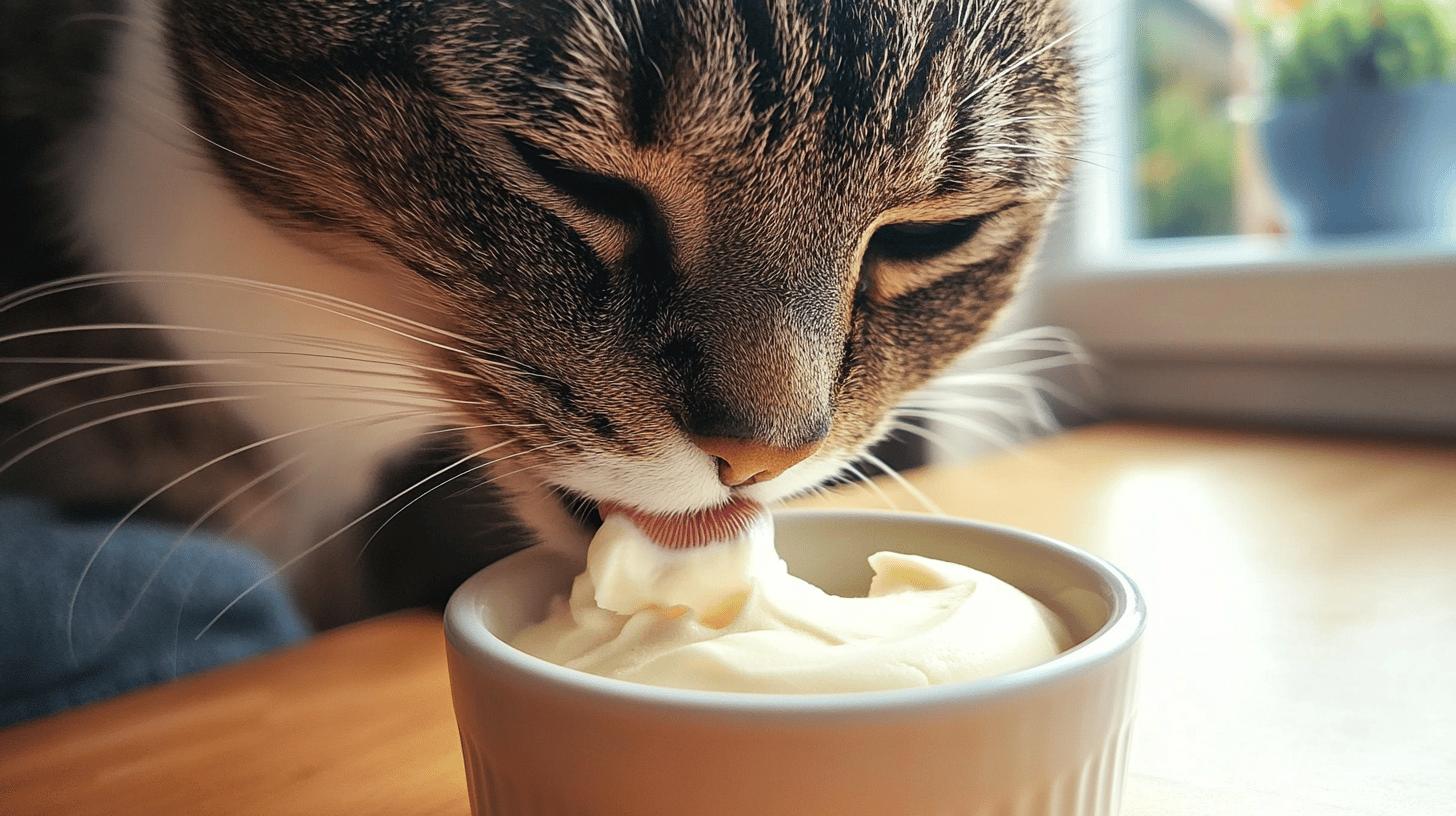
Author: Nathaniel Price

  • Can Cat Eat Fish Bones Facts Risks and Safety Tips

    Can Cat Eat Fish Bones Facts Risks and Safety Tips

    Did you know feeding fish bones to your cat could actually be dangerous? Many cat owners think it's natural, but fish bones, raw or cooked, pose major risks. They can get stuck in a cat's mouth or throat or even cause digestive trouble. In this post, we'll dive into why fish bones are unsafe for your furry friend.

    We'll cover the potential dangers and provide safety tips to help you make the best choices for your cat's diet. Your cat's health and safety should always come first. Let's explore safer alternatives together.

    Can Cats Safely Eat Fish Bones?
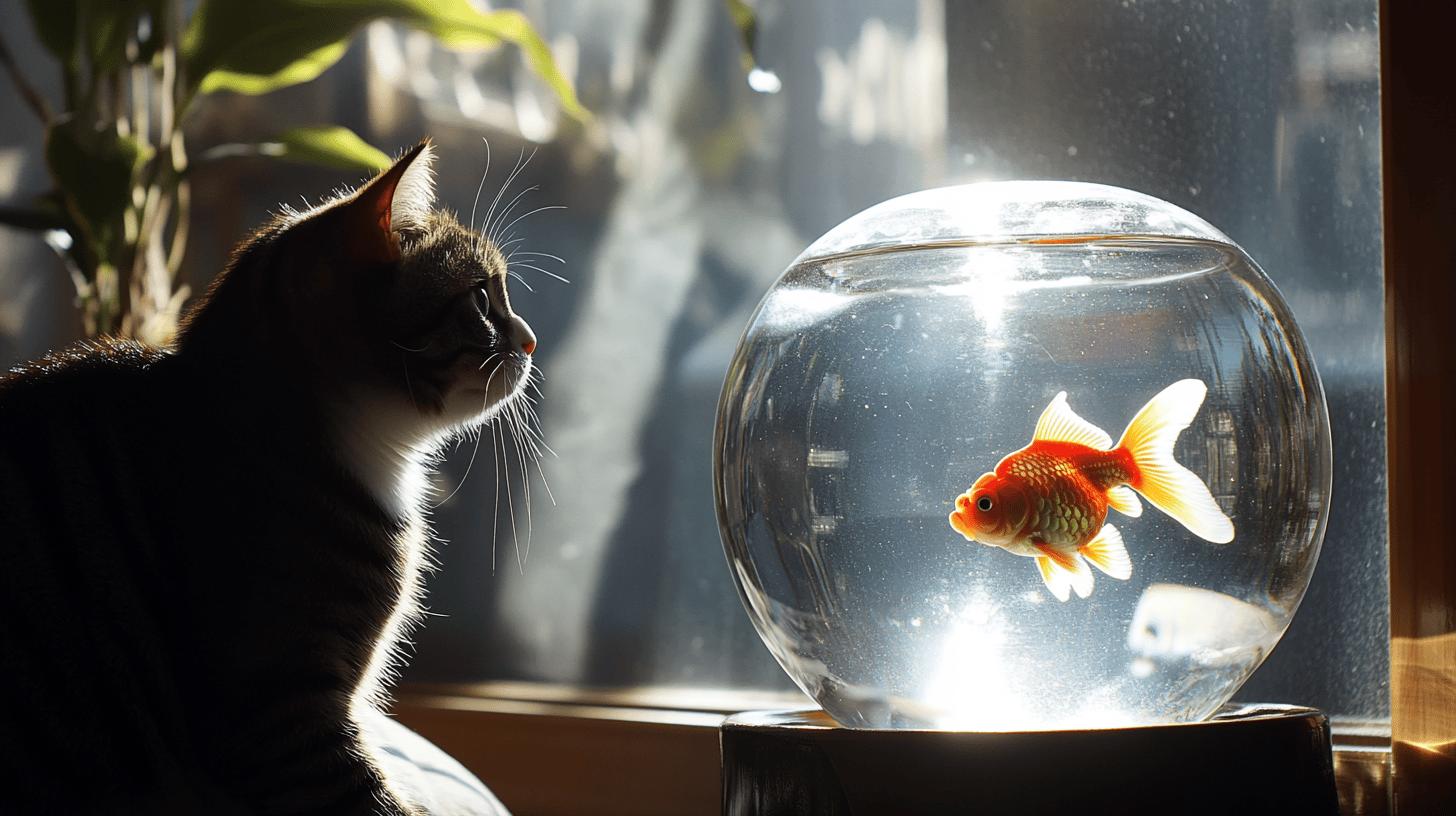
    Can Cats Safely Eat Fish Bones-2.jpg

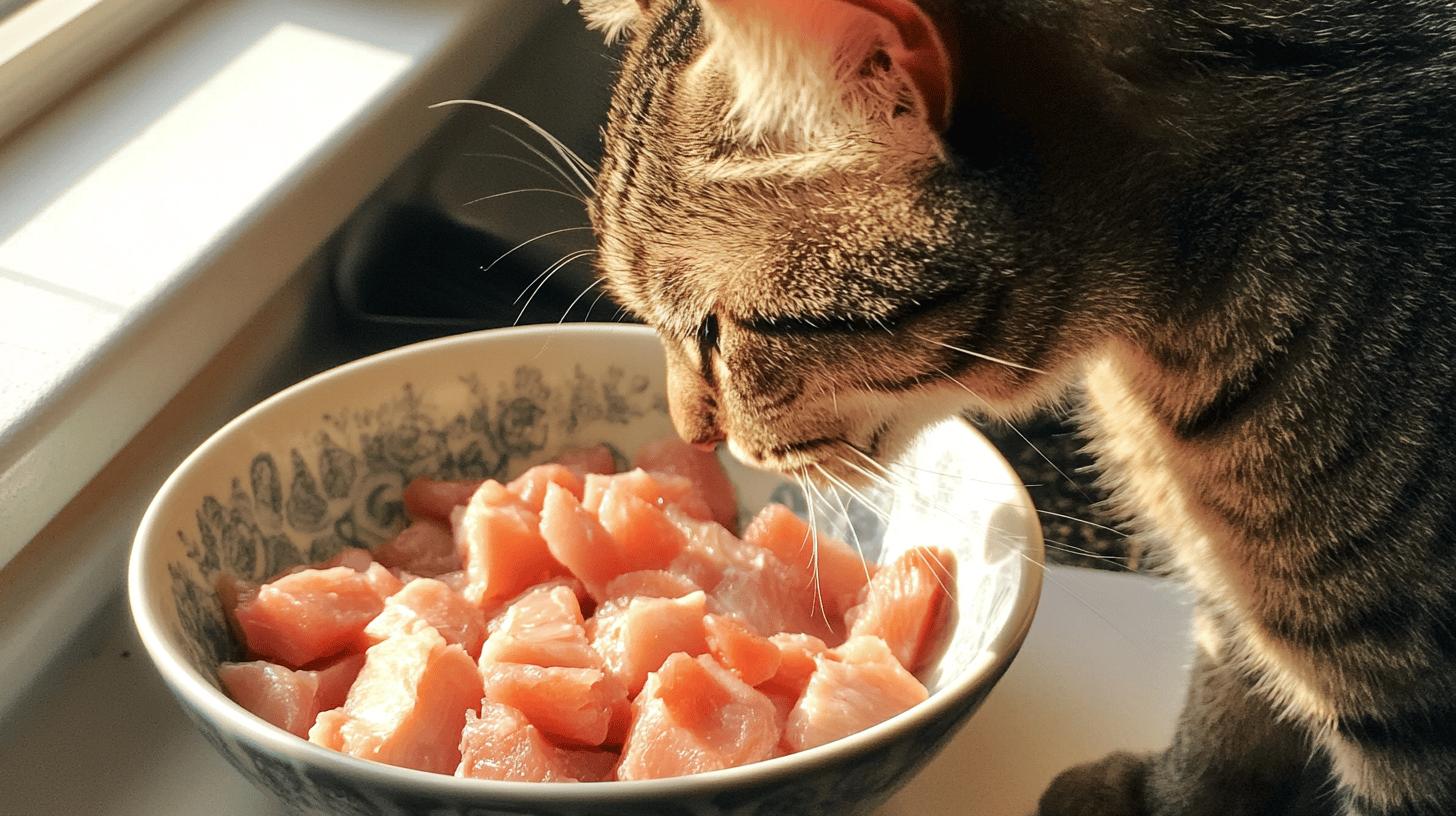
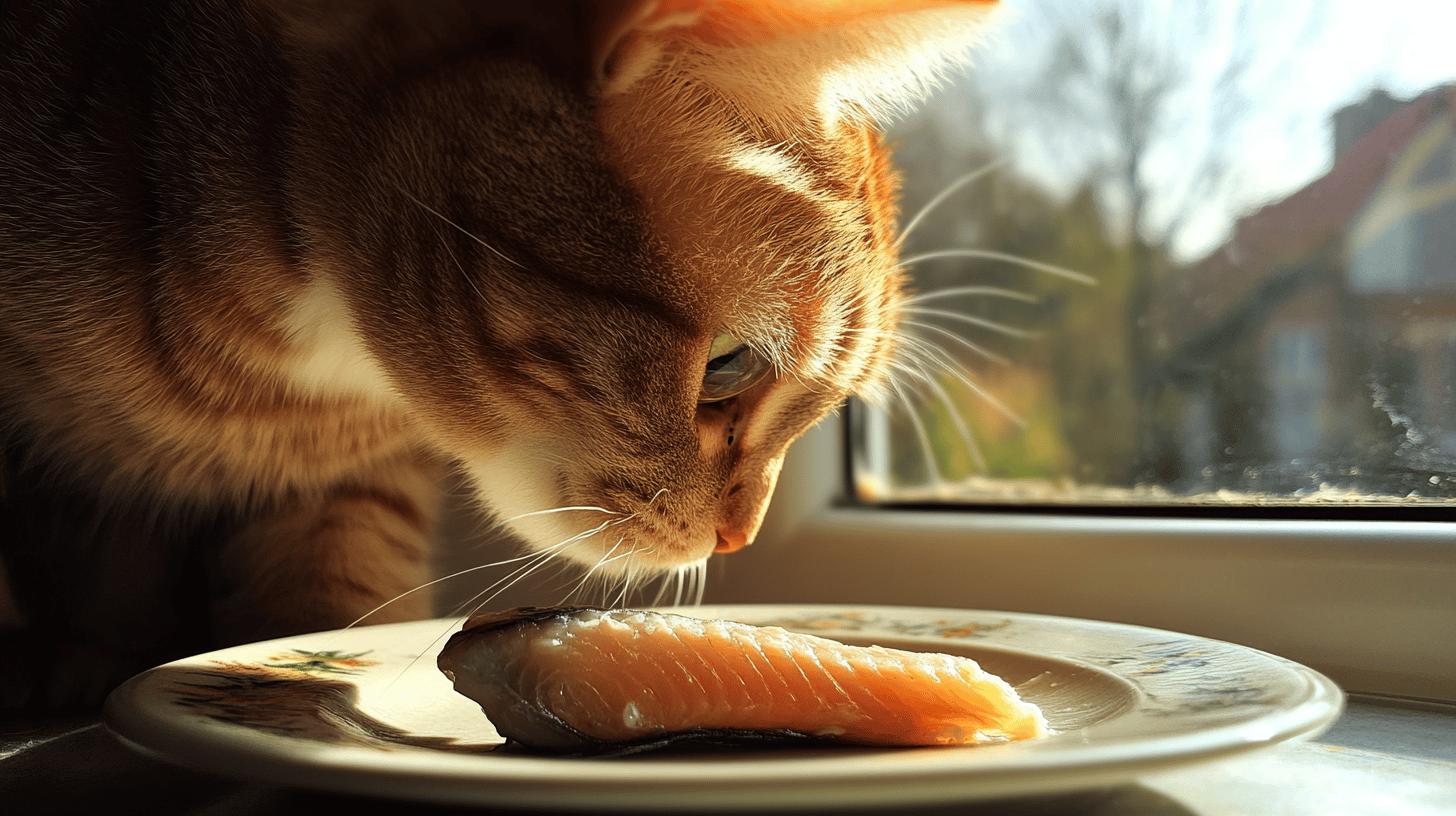
    No, cats should not eat fish bones. Both raw and cooked fish bones present significant risks. They can easily become lodged in a cat's mouth, throat, or digestive tract, leading to serious health issues. It's crucial to avoid feeding fish bones to your feline friend to prevent these potential dangers.

    Here are some specific dangers fish bones pose to cats:

    • Choking hazards
    • Digestive tract blockages
    • Internal injuries
    • Splintering and perforation risks
    • Potential need for surgical intervention

    Veterinarians strongly advise against feeding cats fish bones due to these risks. The small and brittle nature of fish bones can lead to emergencies that may require immediate medical attention. Instead, consider offering deboned fish or fish-flavored cat food that is formulated for their safety and nutritional needs. Always prioritize your cat's health by choosing safer food options.

    Nutritional Benefits and Alternatives to Fish Bones in Cat Diets
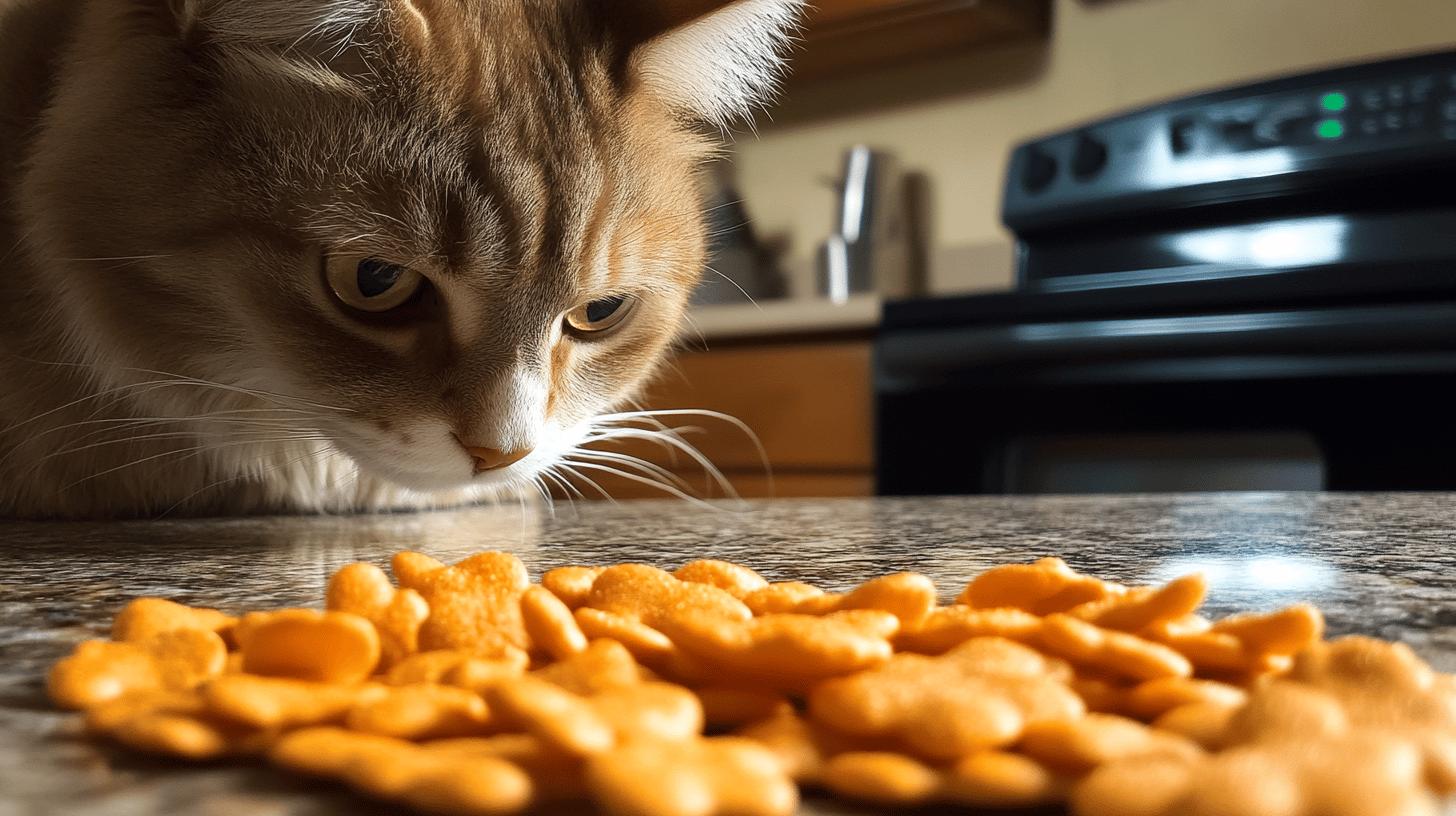
    Nutritional Benefits and Alternatives to Fish Bones in Cat Diets-1.jpg

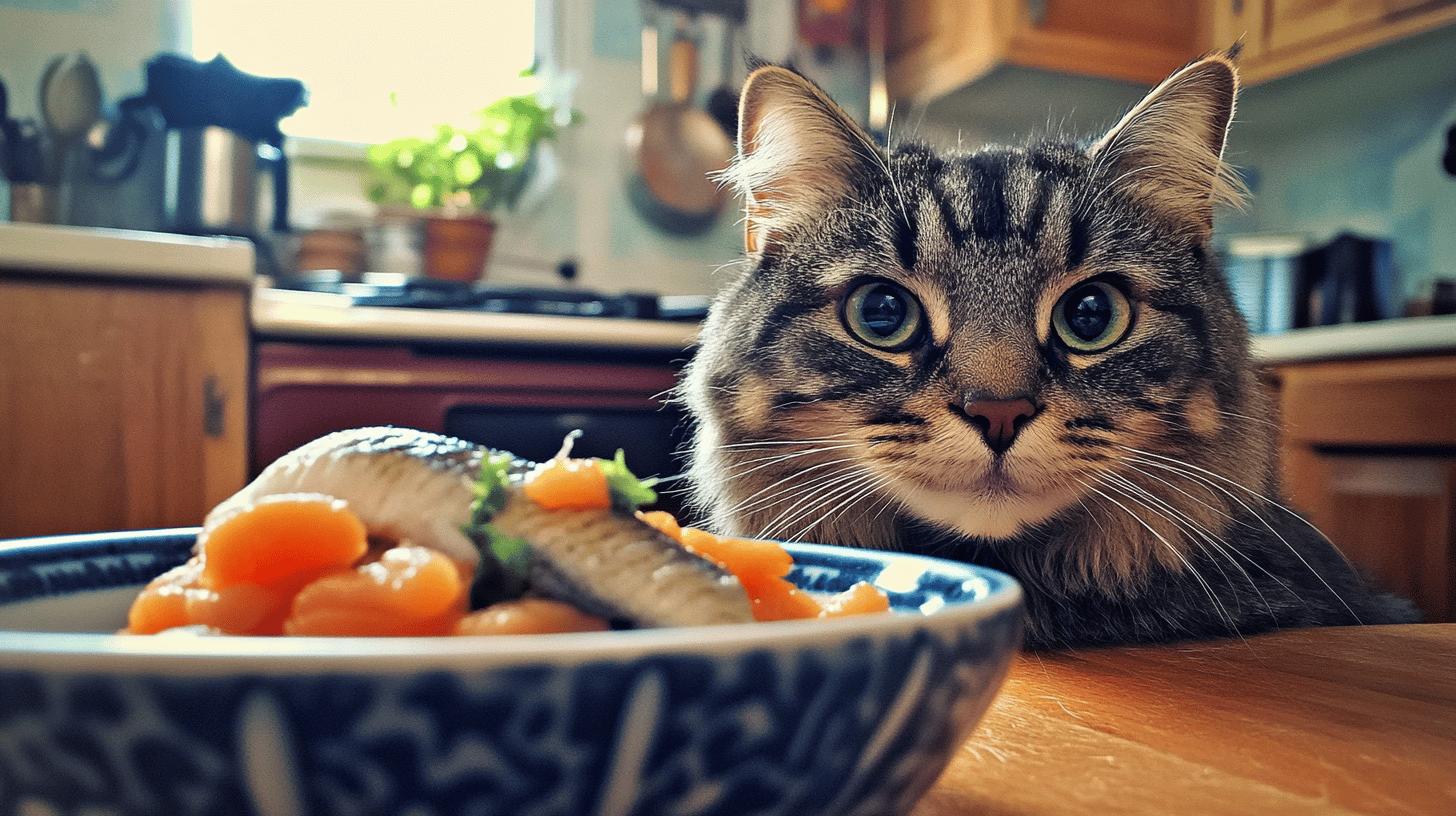
    Fish can be a fantastic addition to a cat's diet when prepared properly. It's packed with omega-3 fatty acids, vitamin B12, and protein, which are all beneficial for cats. These nutrients support a healthy coat, boost the immune system, and aid in muscle development.

    But it's crucial to avoid raw fish due to the risks of parasites and bacteria. Opt for cooked fish, ensuring it's free of bones to prevent any choking hazards. Fish-flavored cat food is also a safe option, as it's specifically made without bones and balanced for feline nutrition.

    Nutritional Benefit Fish Type
    Omega-3 fatty acids Sardines
    Vitamin B12 Salmon
    Protein Tuna
    Iron Octopus
    Zinc Trout

    Here are some safe fish types to consider for your cat:

    • Salmon
    • Trout
    • Sardines

    While fish provides essential nutrients, it's important to maintain a balanced diet for your cat. Fish should be a treat rather than a mainstay, with other meats like chicken or lamb forming the basis of their meals. Always moderate the amount of fish to avoid an imbalance in their diet. Boneless and cooked fish are the safest options, ensuring your cat enjoys the benefits without the risks associated with fish bones.

    How to Safely Prepare Fish for Your Cat
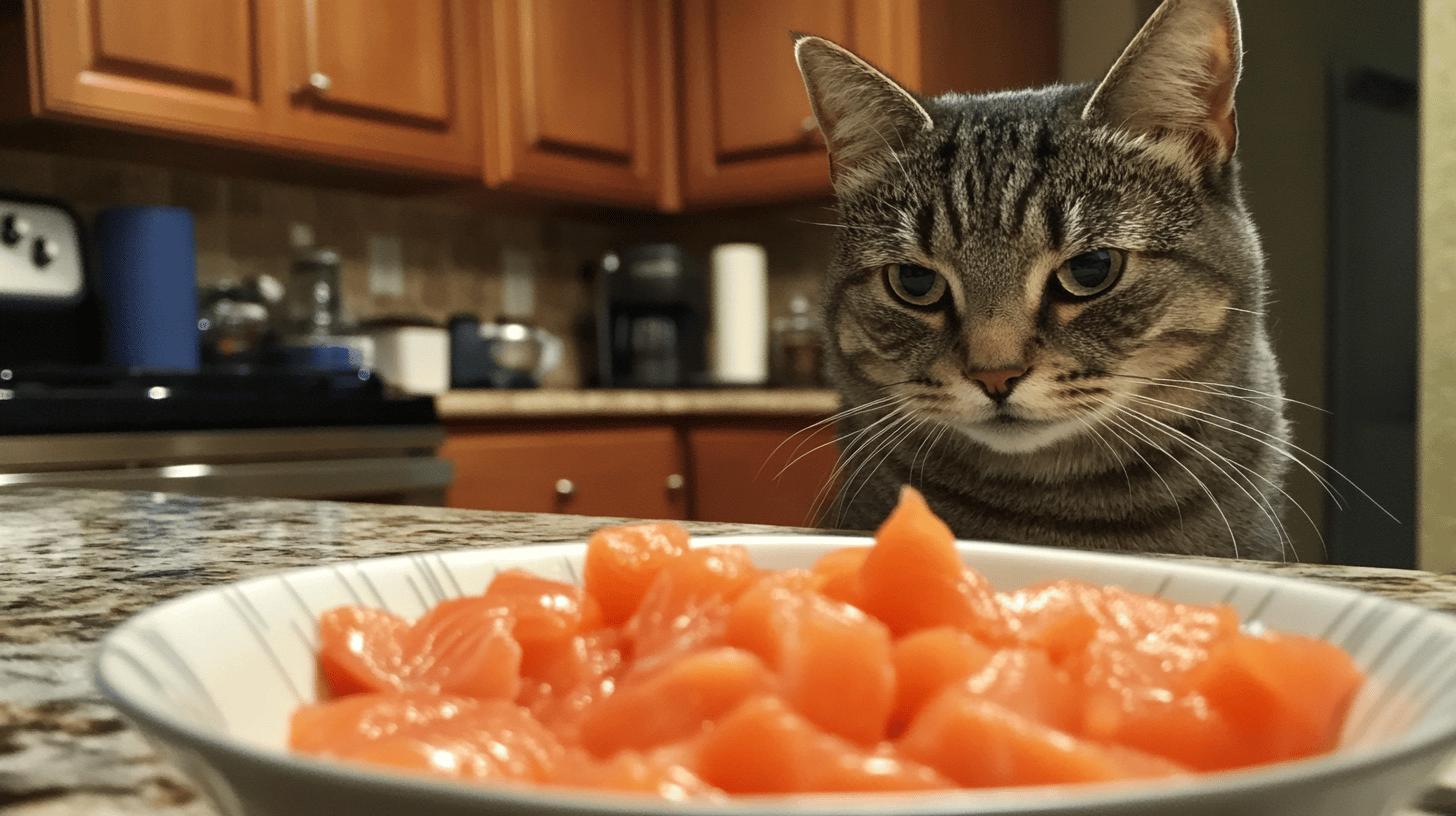
    How to Safely Prepare Fish for Your Cat-4.jpg

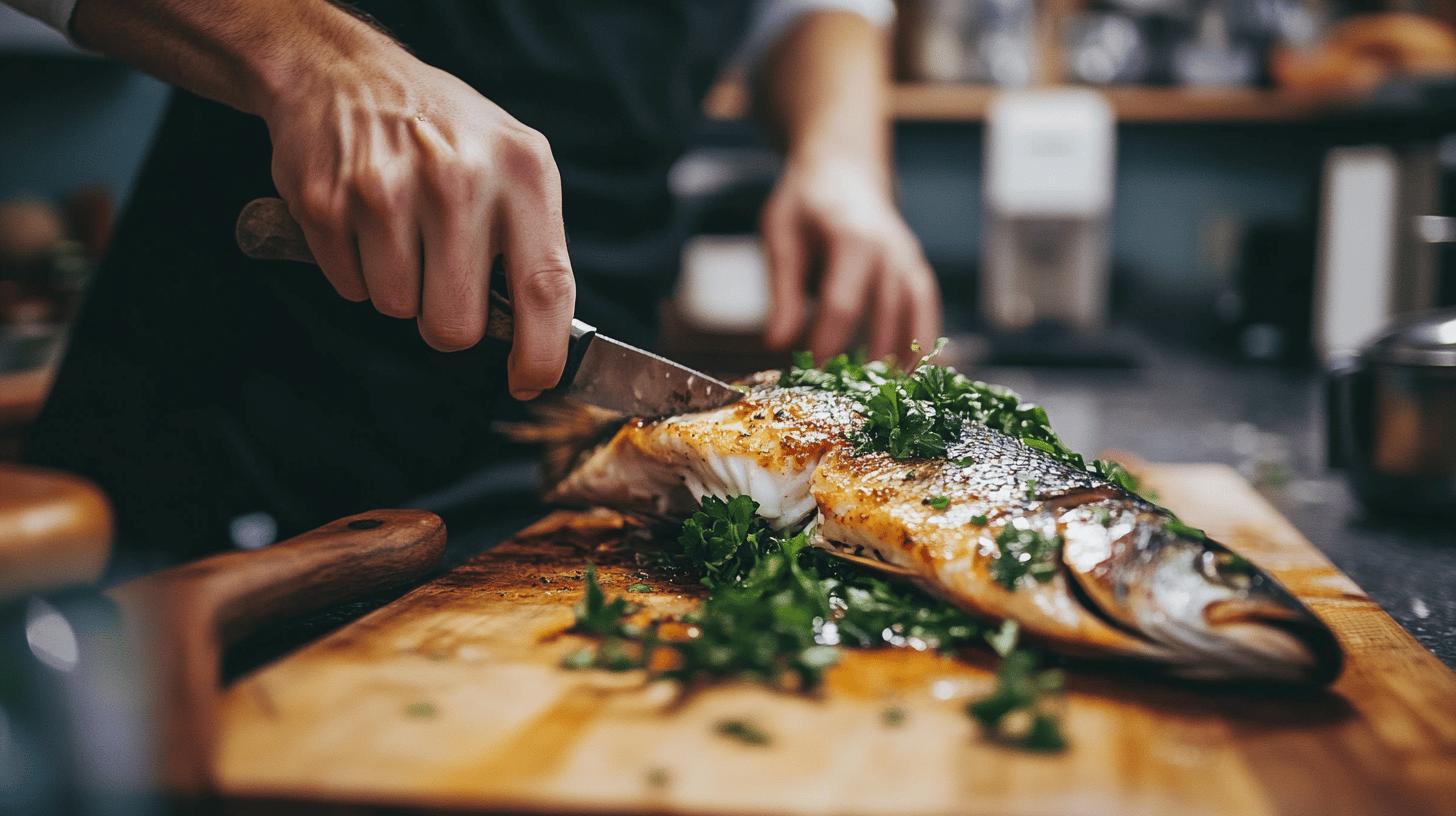
    Cooking techniques can make a big difference in how safe and healthy fish is for your cat. Baking, grilling, or boiling are excellent methods to ensure all harmful bacteria and parasites are eliminated. These methods allow you to prepare fish without adding any seasonings that might be harmful to your cat. When it comes to choosing the type of fish, opt for safer options like sardines, salmon, or mackerel. These fish are not only tasty but also packed with beneficial nutrients for your cat.

    Here are the steps to properly prepare fish for your cat:

    • Choose sardines, salmon, or mackerel, which are rich in omega-3 fatty acids.
    • Thoroughly debone any fish you select to prevent choking.
    • Bake, grill, or boil fish without adding seasonings or oils.
    • Drain any canned fish to remove excess liquid.
    • Serve fish in small portions and only occasionally.

    Feeding fish in moderation is key. Too much fish can lead to nutritional imbalances, so it's best to serve it as a special treat rather than a regular meal. Pay attention to portion sizes—small portions are sufficient for your feline friend. Monitor your cat when introducing fish to their diet to watch for any adverse reactions. By focusing on safe preparation and portion control, you can ensure your cat enjoys their fishy treat without any health risks.

    What to Do if Your Cat Eats Fish Bones
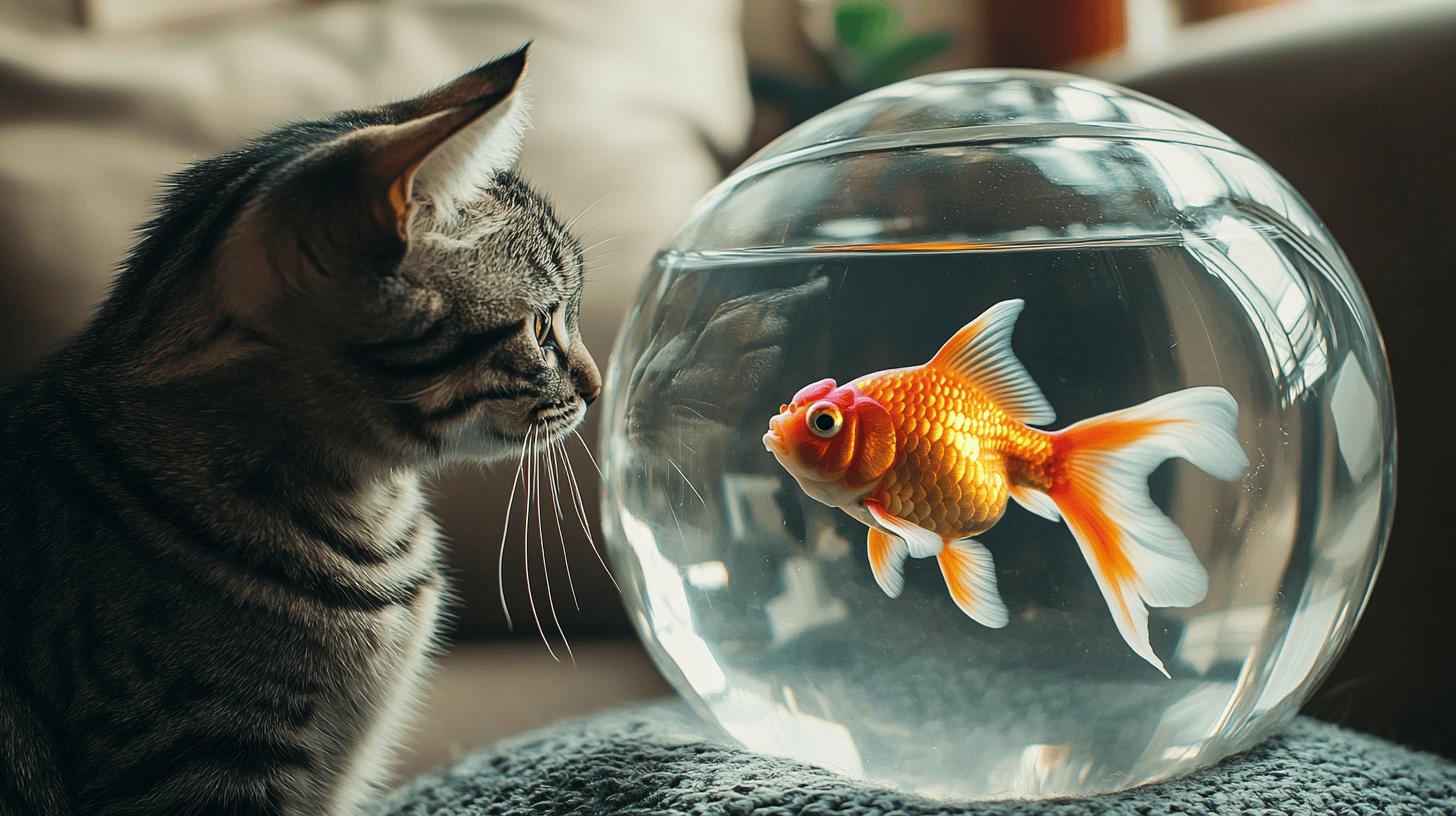
    What to Do if Your Cat Eats Fish Bones-3.jpg

    If your cat has swallowed fish bones, it’s crucial to address the situation promptly. Fish bones can be sharp and pose serious risks, such as choking or internal injuries. Acting quickly can help prevent complications. Keep calm and be observant of your cat's behavior to determine the severity of the situation.

    1. Calmly assess the situation and the cat's condition.
    2. Carefully inspect the mouth for visible bones.
    3. Avoid pushing any lodged bone further down.
    4. Monitor for signs like coughing, gagging, or drooling.
    5. Contact a veterinarian if symptoms persist or worsen.

    If your cat shows signs of distress after eating fish bones, seeking professional help is important. Symptoms like persistent coughing, drooling, or signs of pain can indicate a serious issue. In such cases, a veterinarian can provide the necessary care to prevent further harm. Always prioritize your cat's health by erring on the side of caution and consulting a professional when in doubt.

    Final Words

    Understanding the risks of fish bones for cats is essential. We explored the dangers fish bones pose, like choking and internal injuries. We also discussed the nutritional benefits of fish and safe alternatives to feed your cat. Preparing fish properly is crucial to avoid health issues. If a cat swallows fish bones, knowing the steps to take can prevent harm.

    Can cats eat fish bones? It's clear they shouldn't. Careful feeding choices ensure your cat's safety and enjoyment. Keeping your cat happy while ensuring its safety can create better play and dining experiences.

    FAQ

    My cat ate cooked fish bones. What should I do?

    If your cat ate cooked fish bones, monitor for choking signs like coughing or drooling. Safely check the mouth for visible bones. Contact a vet if symptoms don't improve.

    Can cats eat fish bones?

    Fish bones pose risks for cats, including choking and digestive blockages. It's unsafe for cats to eat fish bones, whether cooked or raw.

    Can fish bones kill a cat?

    Fish bones can cause severe injuries, potentially leading to life-threatening situations. They can block or damage the digestive tract, requiring emergency care.

    What parts of a fish can cats eat safely?

    Cats can safely eat boneless fish parts like salmon or trout. Ensure the fish is properly cooked without seasonings.

    Are fish bones OK for cats?

    Fish bones are not safe for cats. They pose risks of choking, digestive tract blockages, and internal injuries.

    What should I do if my cat ate a fish bone?

    Evaluate the cat for distress and look for visible bones. Avoid pushing any lodged bone further. Seek veterinary help if symptoms persist.

    Is it OK for cats to eat bones?

    Bones, especially fish bones, are generally unsafe for cats. They can cause choking and other health issues.

    Can cats eat fish heads or whole fish?

    Avoid feeding cats fish heads or whole fish due to the risk of bones causing injuries or blockages.

    Can kittens or stray cats eat fish bones?

    Kittens and stray cats should not eat fish bones due to similar risks of choking and digestive issues as adult cats.

    Related Articles

  • Can Cat Eat Flies Understanding Safety and Health Risks

    Can Cat Eat Flies Understanding Safety and Health Risks

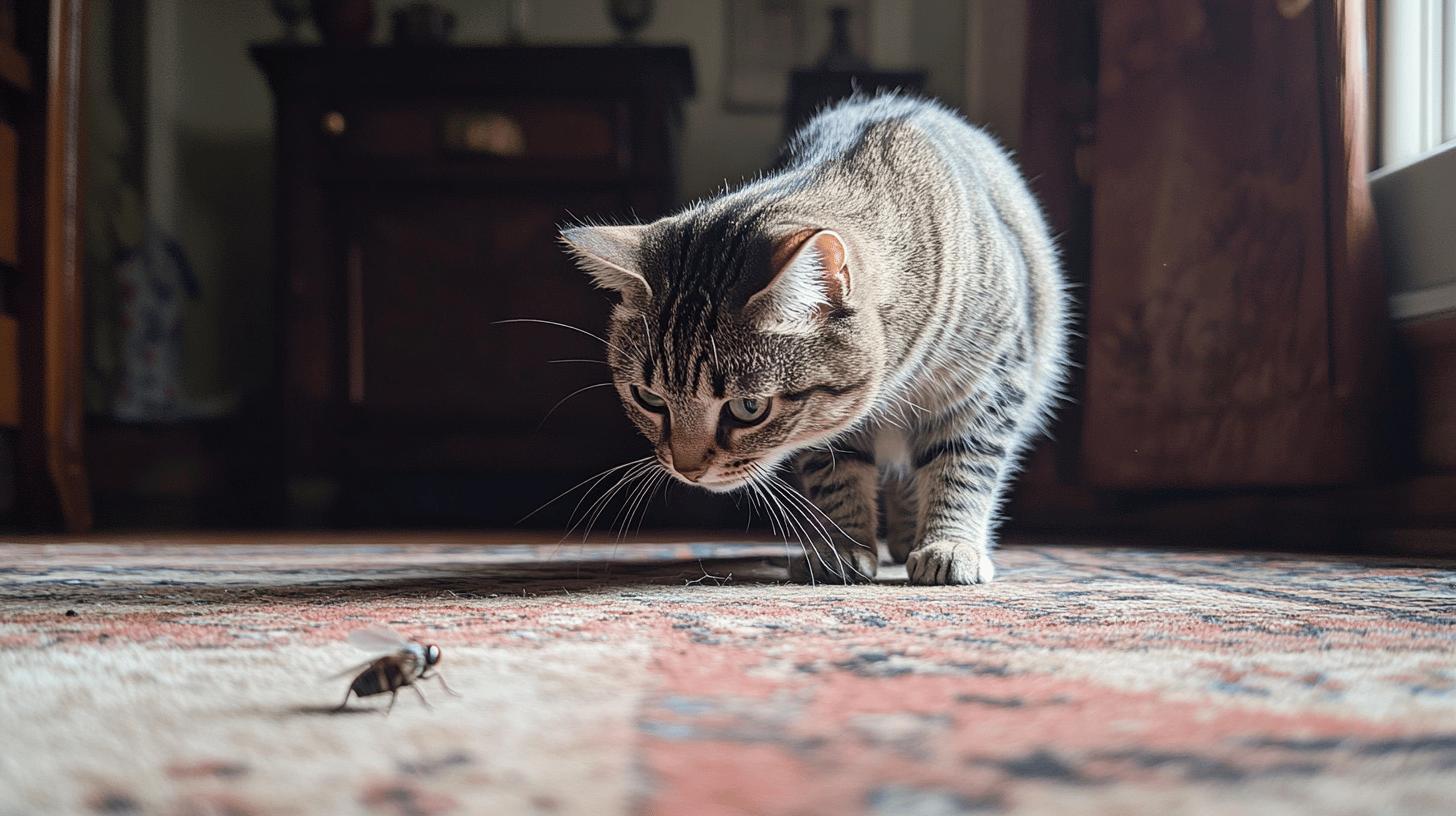
    Is your cat a fly-chasing enthusiast? Many cat owners wonder if eating these pesky little insects could be harmful to their furry friends. As strange as it may seem, this behavior taps into a cat's natural hunting instincts and provides both mental and physical rewards.

    But is it safe for your cat to indulge in a fly-catching spree? In this post, we'll dig into the reality of cats eating flies, the risks involved, and what you should know to ensure both safety and fun during your cat's fly-chasing adventures.

    Is It Safe for Cats to Eat Flies?

    Is It Safe for Cats to Eat Flies-1.jpg

    Cats often chase and eat flies, and this behavior is quite common. It generally doesn't pose a significant health risk. While flies are not a typical part of a cat's diet, their consumption occasionally happens and usually doesn't lead to serious health issues.

    This is largely because eating flies taps into a cat's natural predatory behavior. The erratic movement of flies can trigger a cat's hunting instincts, making it an engaging activity. This instinctual drive is deeply rooted in their nature, transforming the pursuit into a satisfying game rather than a dietary necessity.

    Chasing flies provides both mental and physical benefits for cats. The activity keeps them mentally engaged as they focus on catching the swift and unpredictable insects. It also offers a form of physical exercise, keeping them active and healthy.

    This kind of stimulation is crucial, especially for indoor cats who might lack opportunities for other forms of natural play and exercise. The combination of mental and physical engagement through fly hunting can contribute to a cat's overall well-being.

    Despite these benefits, there are some health risks associated with cats eating flies. Flies can carry microorganisms such as bacteria, viruses, and parasites. While these can potentially cause minor health issues, such as mild stomach upset or diarrhea, serious problems are not common. The likelihood of a cat contracting a significant illness from eating a fly is relatively low, owing to their robust digestive systems.

    Cats' strong stomach acids play a crucial role in minimizing health risks from consuming flies. These acids are effective at neutralizing most harmful microorganisms, significantly reducing the chances of more serious complications. While it's wise to monitor your cat for any unusual symptoms after consuming a fly, the robust nature of their digestive systems usually handles the occasional fly without issue.

    • Stimulation of hunting instincts
    • Mental exercise
    • Physical exercise
    • Natural prey drive
    • Entertainment
    • Instinctual behavior

    Potential Health Concerns: Parasites and Maggots

    Potential Health Concerns Parasites and Maggots-2.jpg

    When cats eat flies, they might ingest maggots. The risk is low due to cats' strong digestive systems. Their potent stomach acids break down maggots effectively, neutralizing potential threats. Monitoring for symptoms like vomiting or diarrhea is wise, and consulting a vet if symptoms occur ensures your cat's health.

    • Vomiting
    • Diarrhea
    • Parasite transmission
    • Maggot ingestion
    • Signs of illness requiring vet consultation

    Preventing Flies from Becoming a Problem

    Preventing Flies from Becoming a Problem-2.jpg

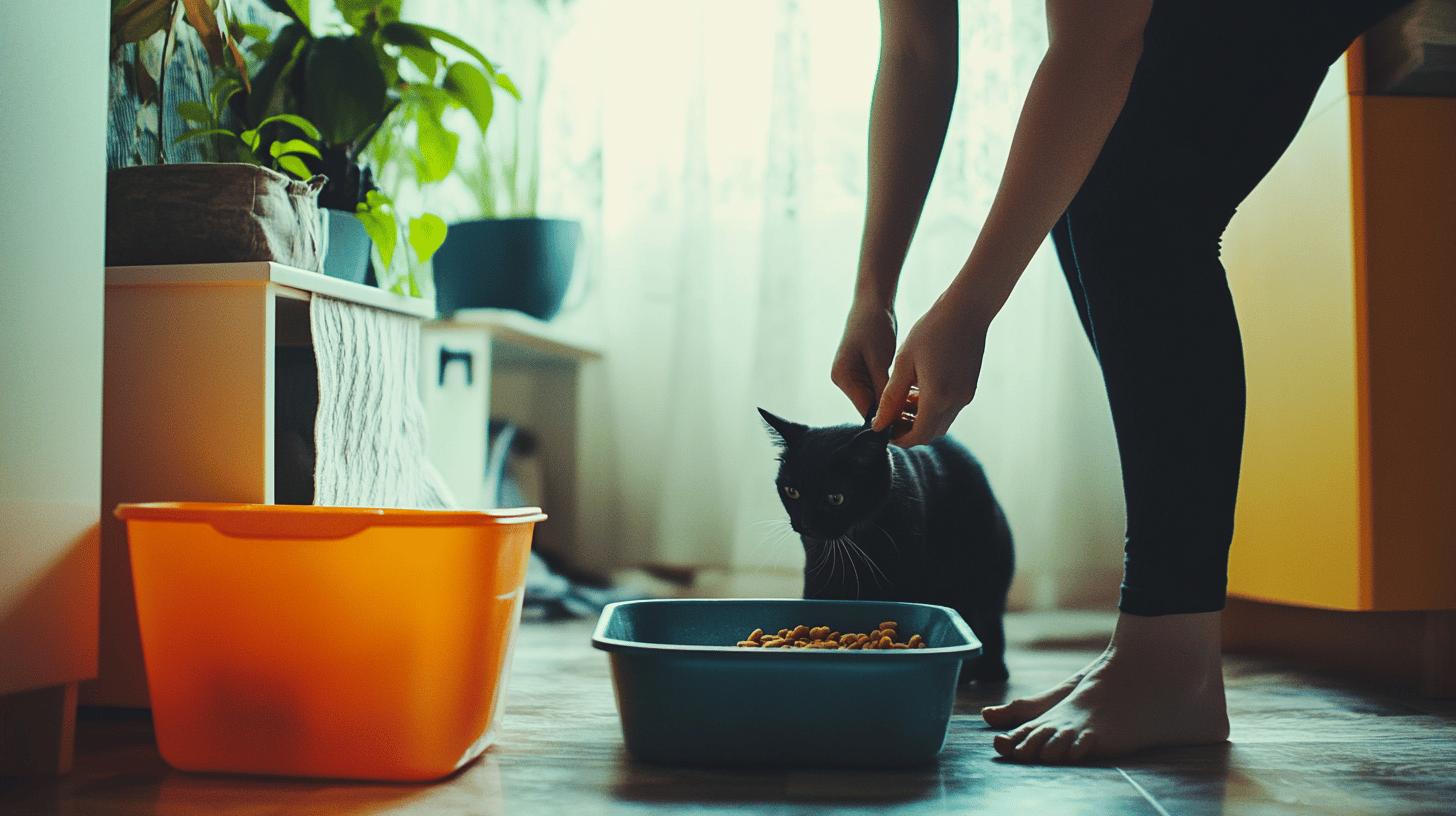
    Keeping flies away from your cat's food is essential to avoid issues like maggot development. Flies can lay eggs on food left out for more than 24 hours, which can lead to maggots. To prevent this, ensure any uneaten wet food is promptly removed, and dry food is covered. Regular cleaning of the feeding area is crucial to eliminate any leftover food particles that might attract flies. This proactive approach helps maintain a hygienic space for your cat's meals.

    In addition to cleaning the feeding area, using natural fly deterrents can effectively reduce fly presence. Keeping environments clean, especially around garbage and organic waste, eliminates breeding grounds for flies. This practice not only keeps flies away from pet food but also contributes to a healthier overall environment for your cat.

    Prevention Tip Description
    Remove Uneaten Wet Food Promptly take away any wet food that hasn’t been eaten to prevent fly egg laying.
    Cover Dry Food Use a cover or lid to protect dry food from flies.
    Maintain Clean Surroundings Keep areas around garbage and organic waste clean to deter flies.

    When to Consult a Veterinarian

    When to Consult a Veterinarian-1.jpg

    If your cat eats a fly and starts showing signs of illness, it's important to keep an eye on them. Symptoms like persistent vomiting or ongoing stomach trouble should prompt a visit to the veterinarian within 24-48 hours. This ensures any potential health issues are addressed quickly. Although eating a fly or two usually isn't dangerous, these signs can indicate your cat needs professional care.

    After your cat eats a fly, watch for any changes in their health or behavior. Pay attention to any unusual symptoms and monitor them closely. Keeping an eye on their overall well-being can help catch any problems early. If your cat seems fine, there's generally no need to worry, but staying vigilant is always a good idea.

    • Persistent vomiting
    • Diarrhea lasting more than 24 hours
    • Lethargy
    • Loss of appetite

    Final Words

    Cats eating flies is common and usually harmless. Their natural instincts drive them to catch these flying insects, which can provide some mental and physical benefits. It's like a fun and instinctual game for them.

    While there are health risks due to bacteria or parasites, those risks remain low. Cats' strong stomach acids offer protection against serious complications. If your cat does show signs of illness after eating flies, it's crucial to consult a vet.

    Keep an eye on your cat's health and maintain a clean feeding area. This ensures a safe and enjoyable playtime experience. Can cat eat flies without worry? Mostly, yes, but always stay observant.

    FAQ

    Can my cat get maggots from eating flies?

    A cat eating flies with maggots isn't a major health risk. Their strong stomach acids usually neutralize maggots. Watching for any illness is important, but concerns are generally minimal.

    Can cats eat flies in the house?

    Cats can eat flies at home safely. This behavior is natural and often fun for them, engaging their hunting instincts. It's part mental, part physical exercise.

    Can cats get worms from eating flies?

    Eating flies doesn't usually give cats worms. Flies can carry parasites, but cats have strong stomach acids that lower the risk of infection.

    My cat ate a fly, should I be worried?

    Typically, eating a fly isn't worrying. If your cat seems unwell or shows signs of illness, like vomiting or diarrhea, then consult a vet.

    Are house flies harmful to cats?

    House flies aren't typically harmful to cats. They can carry bacteria and viruses that might cause minor health issues, but these are rare and usually not serious.

    My cat ate a fly and threw up, what should I do?

    If your cat vomits after eating a fly, monitor them. Persistent vomiting or other illness signs warrant a vet visit.

    Can kittens eat flies?

    Kittens can eat flies without major issues. Their natural instincts lead them to chase and eat flies, providing both exercise and engagement.

    Is it okay for a cat to eat a fly?

    Yes, cats eating flies is generally okay. This behavior is instinctual and gives them physical and mental benefits, keeping them entertained and active.

    Can cats get disease from flies?

    Though flies can carry disease, the risk to cats is low due to their strong digestive systems. Monitoring your cat for any unusual symptoms is still a good idea.

    Related Articles

  • Can Cat Eat Goldfish Safely Understanding Risks and Precautions

    Can Cat Eat Goldfish Safely Understanding Risks and Precautions

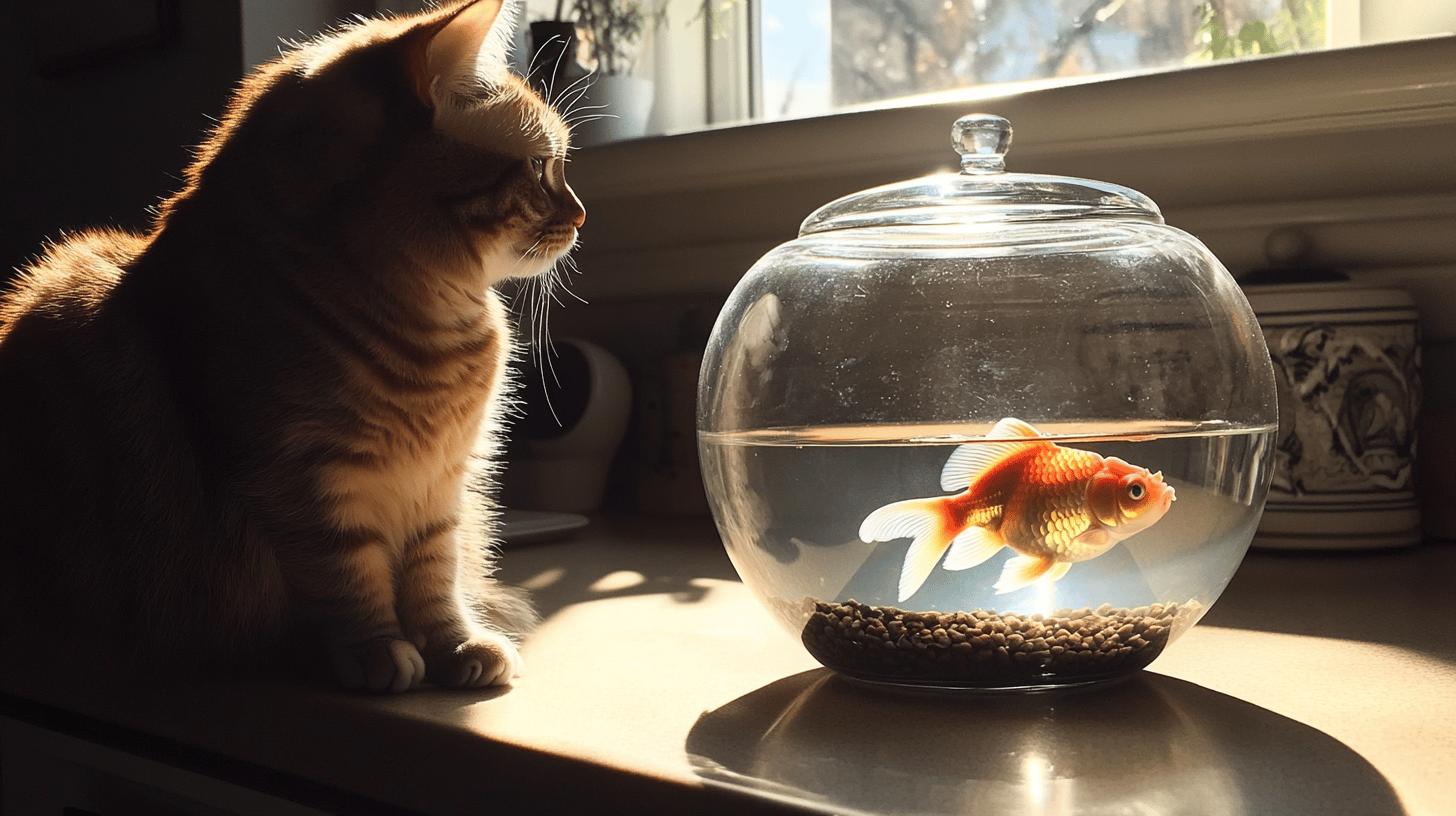
    Can a cat safely eat a goldfish, or is this a risky snack? While it might seem like a natural treat for your feline friend, the reality is quite different. Goldfish are not part of a cat's usual diet and eating them can lead to serious health issues.

    Invisible threats like parasites, harmful bacteria, and tiny bones can pose significant dangers to cats. Understanding these risks helps protect your pet's well-being. Let's dive into why allowing your cat to eat goldfish is not advisable and how to ensure its safety during playtime.

    Can Cats Safely Eat Goldfish?

    Can Cats Safely Eat Goldfish-1.jpg

    Cats can technically consume goldfish, but it's not recommended due to several health risks. Goldfish are not part of a cat's natural diet and can pose significant threats. These threats come primarily from the possibility of bones causing choking or digestive blockages. In addition, goldfish can harbor parasites and bacteria that are harmful to cats. These pathogens are invisible to the naked eye and can lead to severe health issues.

    Here are the specific risks associated with cats eating goldfish:

    • Parasites: Goldfish can carry parasites that may infect cats.
    • Bacteria: Harmful bacteria like Salmonella and E. coli can be present in goldfish.
    • Bones: Small bones can cause choking hazards or intestinal blockages.
    • Chemical Residues: Water treatments used in tanks can be toxic if ingested.
    • Nutritional Imbalance: Goldfish do not provide a balanced diet necessary for cats.
    Experts strongly advise against allowing cats to eat goldfish, both for the safety of the pet fish and the health of the cat. The potential consequences for cats eating goldfish, such as digestive issues or infections, highlight the importance of avoiding this scenario.

    Veterinarians recommend keeping goldfish tanks out of reach from cats and ensuring that any fish offered as a treat is cooked and free from bones and harmful substances. Always consult a veterinarian if your cat has consumed a goldfish and shows any signs of illness.

    The Impact of Goldfish Crackers on Cats

    The Impact of Goldfish Crackers on Cats-1.jpg

    Goldfish crackers are not toxic to cats, but they do pose some health concerns. While cats can eat these crackers in small, infrequent amounts without significant risk, it's important to consider what they contain. Cats are obligate carnivores, which means they require a diet rich in animal protein.

    Goldfish crackers do not meet these nutritional needs and could lead to dietary imbalances if consumed regularly. Some ingredients in Goldfish crackers can be harmful to cats and may include:

    • High levels of salt
    • Artificial flavors
    • Preservatives
    • Wheat and other grains

    Regular consumption of Goldfish crackers is discouraged because they lack essential nutrients necessary for a cat's health. These snacks are designed for human taste preferences and nutritional needs, not for feline ones. Feeding your cat Goldfish crackers regularly could result in nutritional deficiencies or other health issues over time.

    It's crucial to choose foods and treats that align with a cat's dietary requirements, ensuring they receive the animal protein and nutrients they need to thrive.

    Understanding Cat Dietary Needs and Safe Alternatives

    Understanding Cat Dietary Needs and Safe Alternatives-1.jpg

    Cats are obligate carnivores, which means their bodies are designed to get nutrients primarily from animal proteins. This need stems from their ancestry as desert dwellers, where fish were not a natural part of their diet. Unlike some wildcats that might hunt fish, domestic cats rely on balanced nutrition provided by meat-based diets.

    These diets ensure they receive essential nutrients like taurine, arachidonic acid, and Vitamin A, which are not adequately found in fish like goldfish. Feeding cats goldfish is not recommended because it doesn't align with their dietary needs and can pose health risks.

    Instead of goldfish, there are plenty of safe snacks and treats available for cats that meet their nutritional requirements. Look for specially formulated cat treats that offer balanced nutrition. Some excellent options include:

    • Cooked chicken or turkey
    • Freeze-dried meat treats
    • Cooked salmon or sardines in moderation
    • Commercially available cat treats designed with feline nutrition in mind
    Safe Snack Nutritional Benefit
    Cooked Chicken High in protein and easy to digest
    Freeze-dried Meat Retains natural nutrients and flavor
    Cooked Salmon Rich in Omega-3 fatty acids
    Commercial Cat Treats Formulated for balanced feline nutrition

    Choosing treats that align with a cat’s nutritional needs is crucial for their overall health. While it might be tempting to share human snacks with your feline friend, these often lack the necessary nutrients and can lead to imbalances. Opting for safe, cat-specific snacks ensures your pet stays healthy and happy without the risks associated with feeding them unsuitable foods like goldfish.

    What to Do If Your Cat Eats Goldfish

    What to Do If Your Cat Eats Goldfish-2.jpg

    If your cat manages to eat a goldfish, there are certain behaviors and symptoms you should watch for. While a single goldfish might not pose a severe risk, the potential for digestive issues is present. Cats may experience vomiting, diarrhea, or a lack of appetite after eating a live goldfish, largely due to the presence of harmful bacteria or parasites. Keep an eye out for any signs of discomfort or distress, such as excessive drooling or lethargy, which could indicate that your cat is having a difficult time digesting the fish.

    Here are some steps to take if your cat consumes a goldfish:

    1. Observe Your Cat: Monitor their behavior and look for any immediate changes in demeanor, appetite, or bathroom habits.
    2. Prevent Further Access: Secure the fish tank to prevent future incidents, ensuring the safety of both your cat and the goldfish.
    3. Contact Your Veterinarian: If your cat shows any concerning symptoms, such as persistent vomiting or diarrhea, reach out to your veterinarian for advice.

    Consulting with a veterinarian is important if you have any ongoing concerns about your cat's health after eating a goldfish. They can provide guidance on whether further medical attention is necessary. Keeping a close watch on your pet and acting promptly can help ensure their well-being and prevent potential complications.

    Final Words

    Feeding goldfish to your cat might seem harmless, but it's not recommended. Goldfish contain risks like bacteria and parasites that could harm your furry friend. Even though Goldfish crackers aren't toxic, they don't offer the nutrients cats need. Cats thrive on a meat-based diet, so consider healthier treats like specially made cat snacks. If your cat eats a goldfish, keep an eye on them for any unusual behavior and check with a vet if worried. Making informed choices can keep your cat healthy and happy!

    FAQ

    Can cats eat goldfish crackers?

    Cats can eat Goldfish crackers in small amounts without significant risk. While not toxic, they lack nutritional benefits for cats. Cats require a meat-based diet, and these snacks can lead to dietary imbalances.
    Can goldfish crackers kill cats?

    Goldfish crackers are unlikely to kill cats unless they have a specific allergy. Regular consumption isn't recommended due to potential dietary imbalances and lack of nutritional value. High salt and artificial flavors can pose risks.

    Can kittens eat goldfish crackers?

    Kittens should avoid Goldfish crackers. They need nutritionally rich, meat-based diets for growth. Crackers offer no nutritional benefits and could contribute to imbalances during critical development stages.

    Why does my cat like goldfish crackers?

    Cats may be attracted to the smell or texture of Goldfish crackers. However, they don't address a cat's nutritional needs and provide no health benefits.

    Do cats eat goldfish from ponds?

    Cats might instinctively hunt goldfish from ponds. However, eating live goldfish poses health risks due to bones, bacteria, and parasites.

    Are goldfish okay for cats?

    Goldfish are not recommended for cats due to potential health risks like bones and parasites. They aren't part of a typical cat diet and could cause digestive issues.

    Can I let my cat eat live fish?

    Feeding live fish to cats is not advisable. It can lead to health problems due to bones and exposure to bacteria and parasites.

    Can animals eat goldfish crackers?

    Animals, including cats, can eat Goldfish crackers in small amounts. However, they should not be a regular part of any animal's diet due to lack of nutritional value.

    Can cats eat sesame crackers?

    Sesame crackers should be given cautiously to cats. Like Goldfish crackers, they offer little nutritional value and may contribute to dietary imbalances.
    Related Articles

  • Can Cat Eat Chips Understanding the Risks and Safe Alternatives

    Can Cat Eat Chips Understanding the Risks and Safe Alternatives

    Have you ever caught your cat eyeing your bowl of chips and wondered if it's safe for them to have a taste? Before you toss them a crunchy treat, take a step back. While chips might seem like a harmless snack, they can be risky for your furry friend. My goal today is to dive into why these popular salty snacks are not a good choice for cats and explore some delicious and safe alternatives that will satisfy their curiosity and taste without compromising their health. Let's ensure every snack they enjoy is both tasty and safe!

    Can Cats Eat Chips? Understanding the Risks

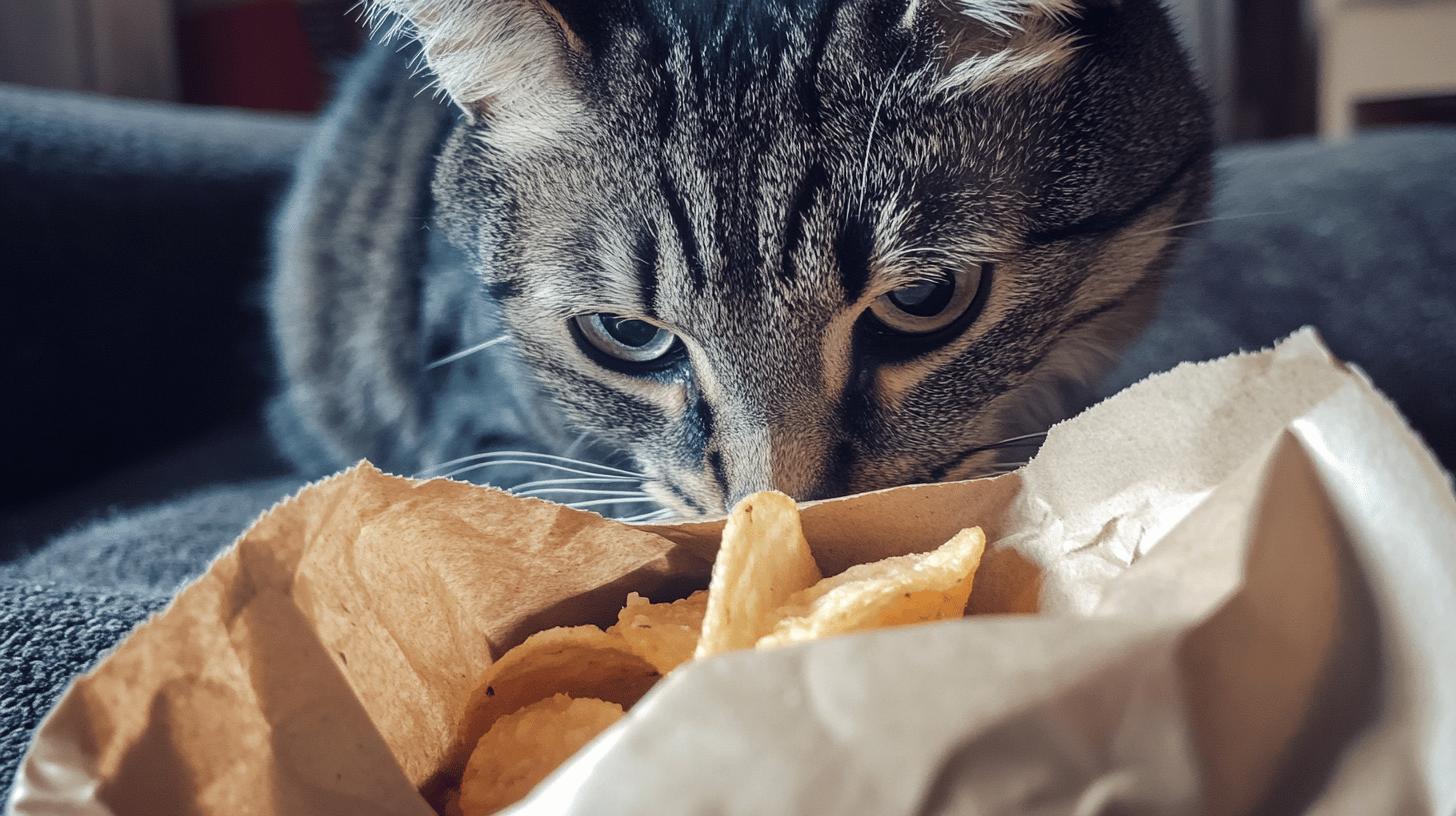
    Can Cats Eat Chips Understanding the Risks-1.jpg

    Cats are often drawn to chips and other salty snacks because of their high salt and fat content. These flavors can be particularly enticing due to the nutritional elements that cats may instinctively seek. While the texture and smell of a crunchy chip might catch your cat's attention, it's important to remember that their interest doesn't mean these snacks are safe or healthy for them.

    Eating chips can pose several health risks for cats. One major concern is salt poisoning. Chips are loaded with salt, which can lead to salt toxicity in cats. Symptoms of this condition include vomiting, diarrhea, lethargy, and even more severe issues if consumed in large quantities. Additionally, the high fat content in chips can contribute to pancreatitis—a painful inflammation of the pancreas—and obesity, which is a common problem among pets indulging in human snacks. Obesity in cats can lead to further complications such as diabetes, arthritis, and heart disease.
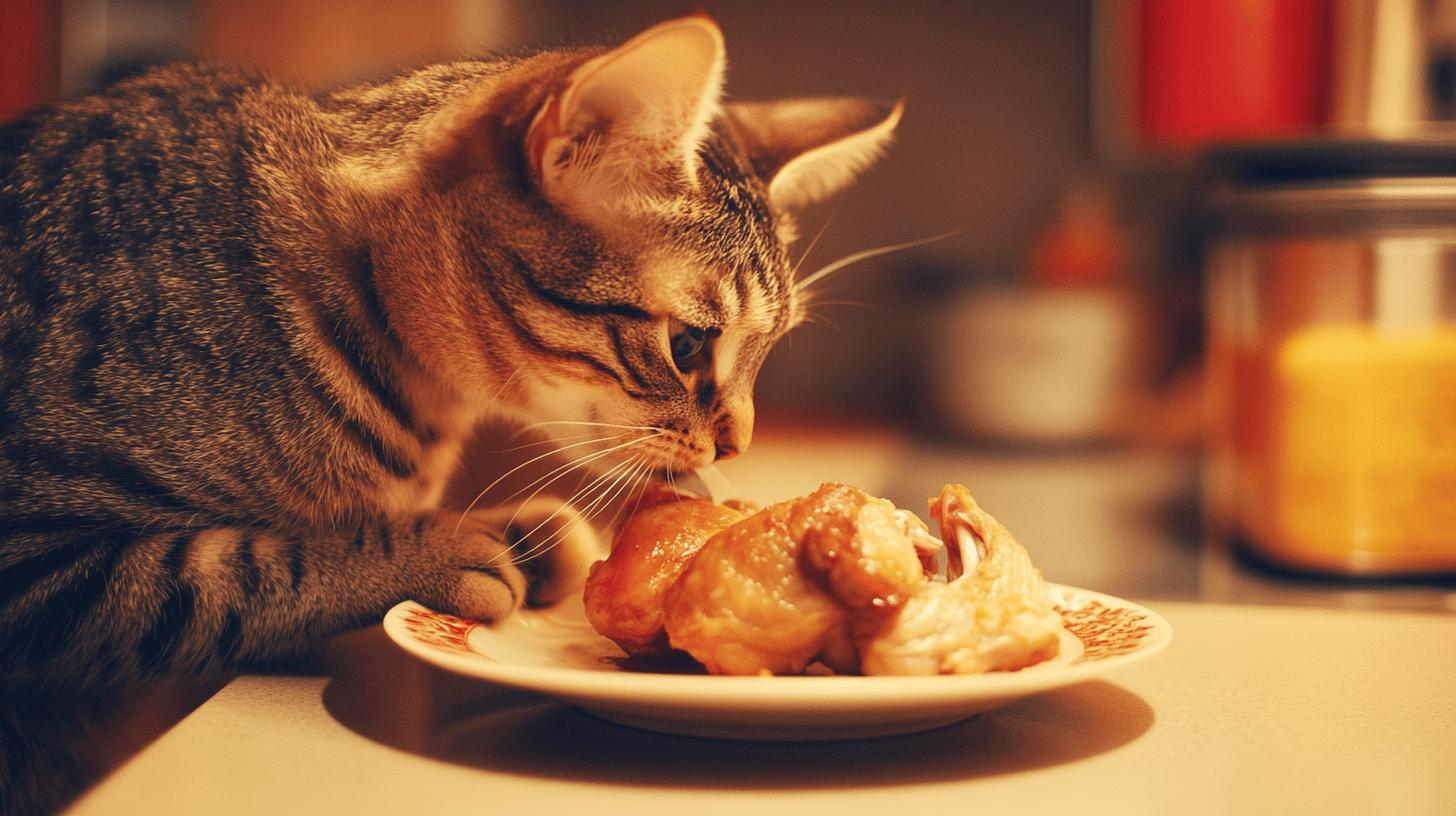
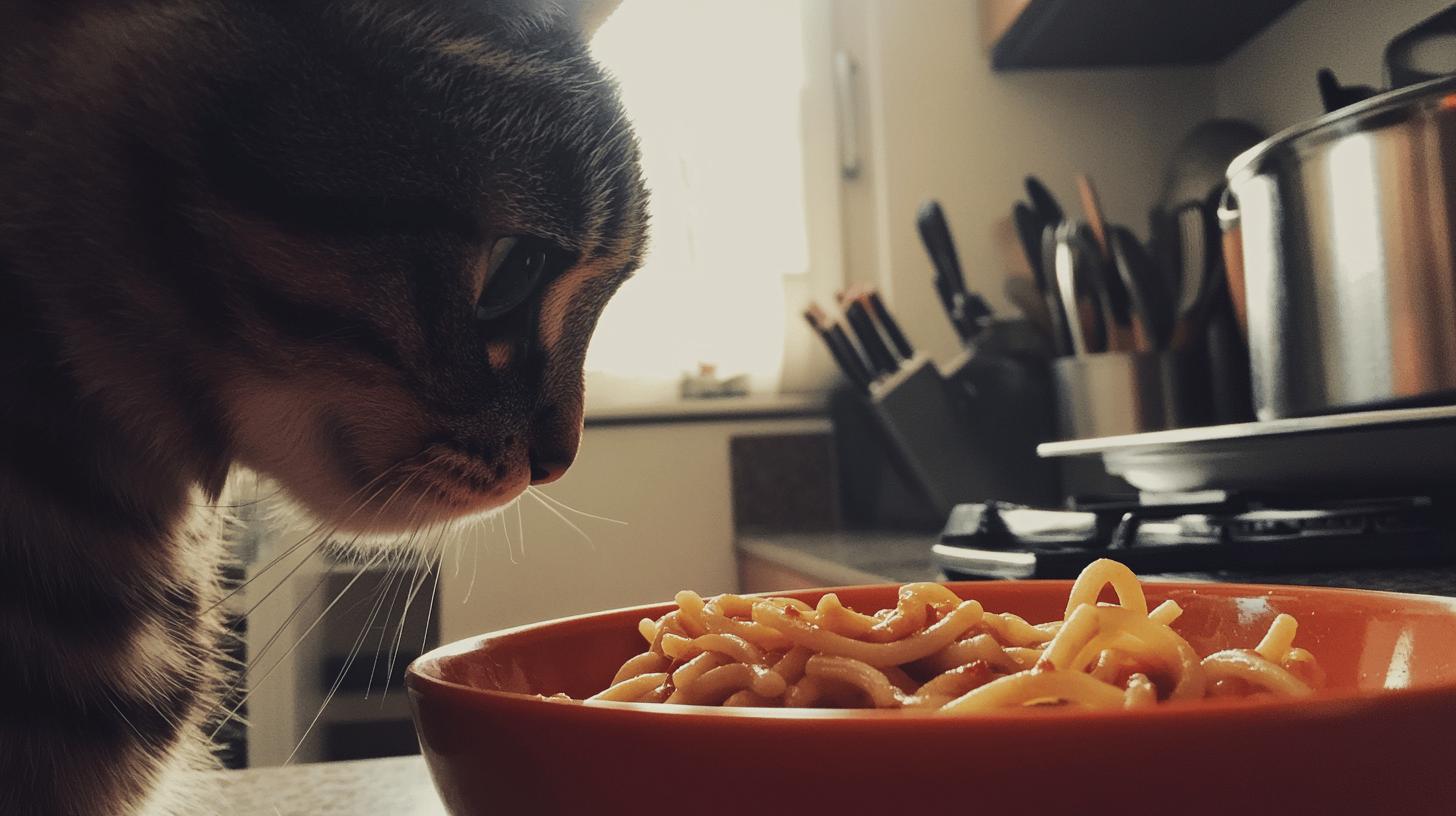
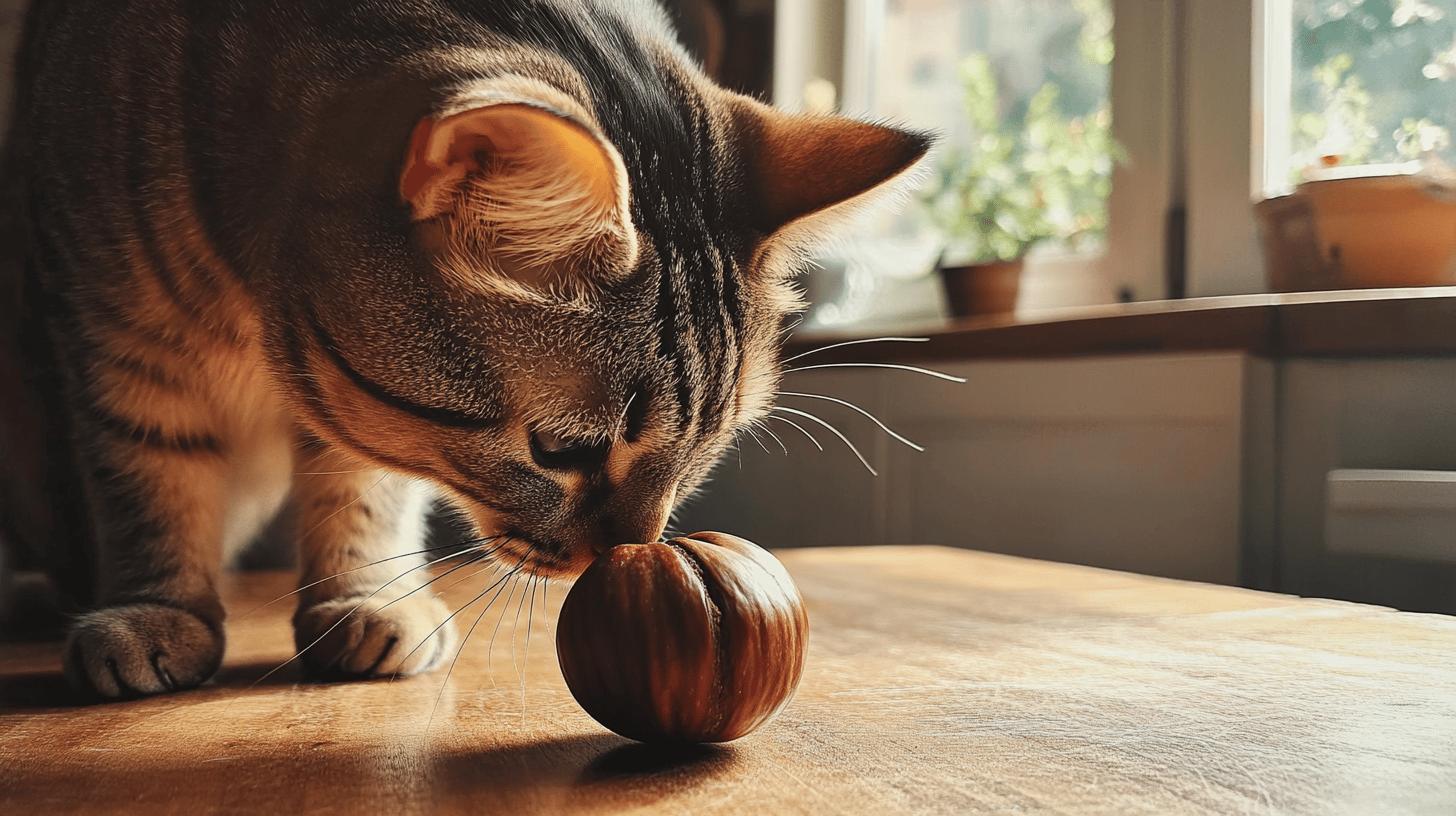
    Besides the immediate health risks, chips provide no nutritional benefit to cats. The nutrients found in potatoes are lost during the processing and frying stages, so chips offer zero nutritional value. The excessive salt and saturated fats can exacerbate any existing health conditions your cat might have, such as heart or kidney disease. Cats with these conditions require a diet low in salt, making chips a particularly poor choice.

    Here are some symptoms of salt poisoning to watch for if your cat consumes chips:

    • Vomiting
    • Diarrhea
    • Lethargy
    • Excessive thirst and urination
    • In severe cases, tremors or seizures

    Keeping these risks in mind, it's clear that chips and other salty snacks are best left off the menu for our feline friends.

    Safe Snack Alternatives for Cats

    Safe Snack Alternatives for Cats-1.jpg

    Providing safe snack alternatives for cats is crucial, especially when trying to avoid unhealthy options like chips. Cats have specific dietary needs that should be met with nutritious and safe snacks. Instead of reaching for human foods that can harm their health, there are plenty of delicious and appropriate treats that cater to their nutritional requirements.

    • Small pieces of cooked, unseasoned chicken
    • Small pieces of cooked, unseasoned fish
    • Cooked pumpkin
    • Cooked carrot

    These alternatives not only satisfy a cat's taste buds but also contribute positively to their health. Chicken and fish provide high-quality protein, essential for a cat's diet. Pumpkins and carrots offer fiber and essential nutrients without the risks associated with human snacks. Specially formulated cat treats are also available in pet stores, designed to meet the dietary needs of felines while keeping them happy and healthy. By choosing these snacks, cat owners can ensure their feline friends enjoy treats that align with their dietary needs.

    What to Do If Your Cat Eats Chips

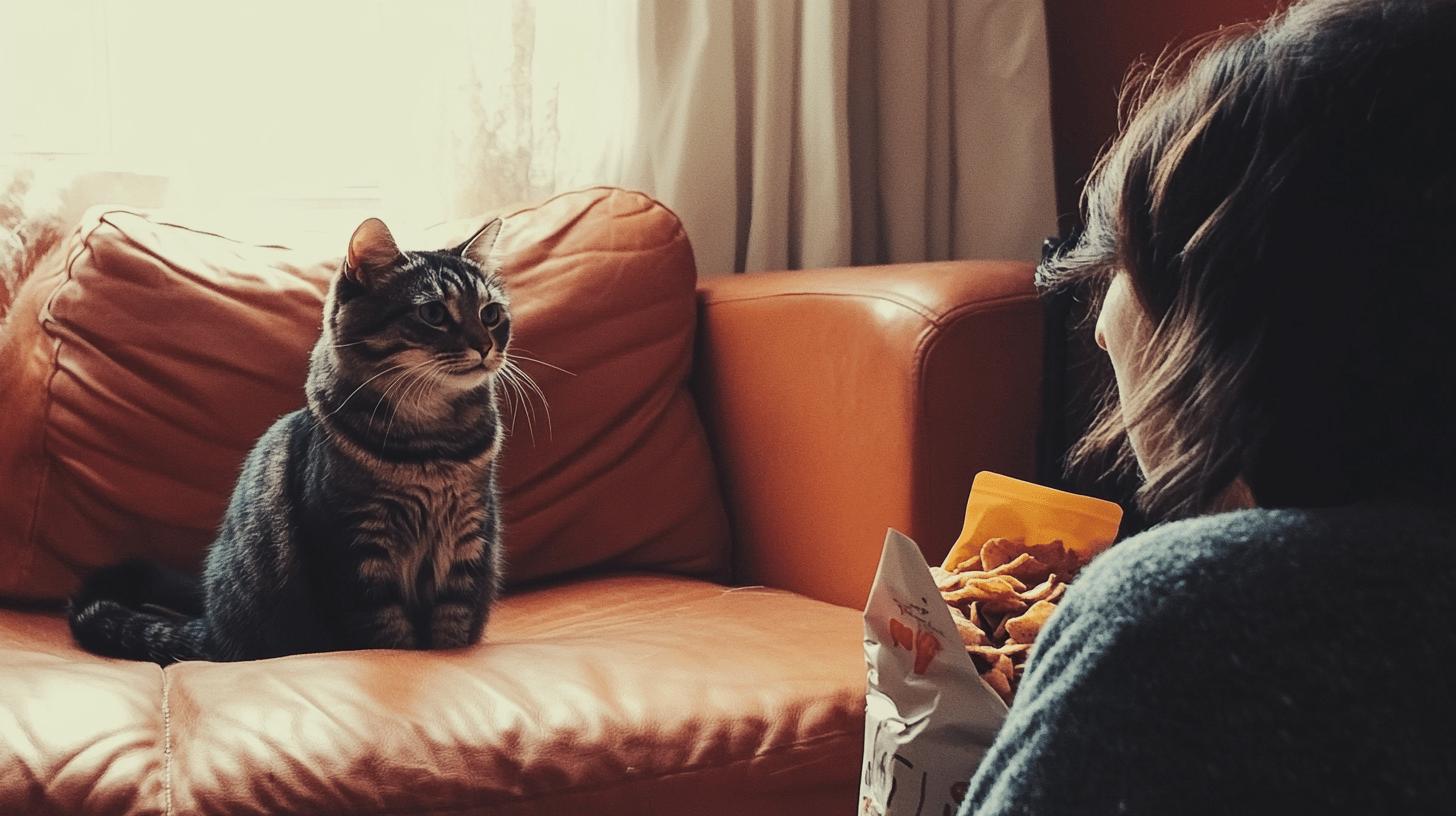
    What to Do If Your Cat Eats Chips-1.jpg

    If your cat happens to munch on a chip, don't panic. Eating a small amount of chips is unlikely to cause immediate harm. The first step is to remove any remaining chips from their reach to prevent further consumption. Then, offer your cat fresh water to help flush out any excess salt they may have ingested. It's crucial to keep an eye on your cat for any signs of distress or discomfort following chip ingestion.

    Pay attention to these symptoms that may indicate your cat is experiencing issues:

    • Vomiting
    • Diarrhea
    • Lethargy

    If your cat shows any of these symptoms, or if they have consumed a large quantity of chips, it's wise to consult a veterinarian. They can provide guidance and perform any necessary tests to ensure your cat's health isn't compromised. In cases where your cat has pre-existing health conditions, such as kidney or heart disease, it's particularly important to seek professional advice promptly. Being proactive can help prevent potential health problems related to chip ingestion.

    Final Words

    Understanding the risks, we see that chips aren't ideal for our feline friends. The high salt and fat content pose health dangers, including salt poisoning and obesity. Chips provide little nutritional value and can worsen conditions like heart and kidney disease.

    Thankfully, healthier snack options, such as cooked chicken or pumpkin, offer safe alternatives that keep your cat happy and healthy. If your cat eats chips, watch for symptoms and consult a vet if needed.

    Remember, choosing the right snacks ensures your cat's well-being, offering a happier playtime experience.

    FAQ

    Can cats eat chips without salt?

    Cats should avoid chips, even without salt. Chips have unhealthy fats and offer no nutrition for cats. Opt for cat-safe snacks instead.

    Can cats eat fries?

    No, cats shouldn't eat fries. Potatoes and heavy oils in fries aren't good for cats and can cause digestive issues and obesity.

    Can cats eat Ruffles chips or Pringles?

    Like other chips, Ruffles and Pringles aren't safe for cats. They contain high salt and unhealthy fats that are harmful to feline health.

    What human food can cats eat?

    Cats can enjoy small pieces of cooked, unseasoned chicken or fish. Some cooked vegetables, like carrots or pumpkin, are also okay. Always avoid seasoning.

    What happens if my cat eats chips?

    If a cat eats chips, it might suffer from salt poisoning or digestive upset. Monitor for vomiting, diarrhea, or lethargy and visit a vet if needed.

    Can cats have Doritos or other junk food?

    Cats should not eat Doritos or any junk food. These snacks can lead to health issues like salt poisoning, pancreatitis, or obesity.

    Is it okay to give my cat tortilla chips?

    Tortilla chips are not okay for cats. They pose similar risks as other salty snacks and could worsen existing health issues.

    Can cats eat cheese chips?

    Cheese chips are not safe for cats. They combine harmful fat and high salt, posing a risk to a cat’s health.

    Can cats eat corn chips?

    Cats should avoid corn chips. They contain high sodium and fats, which aren't suitable for a cat's diet. Look for healthier options.

    What should I do if my cat eats chips?

    If your cat eats chips, monitor for symptoms like vomiting and diarrhea. Consult a vet if symptoms persist or worsen. Cats are small, so even a little can hurt them.

    Related Articles

  • Can Cat Eat Pizza Crust Understanding the Risks and Alternatives

    Can Cat Eat Pizza Crust Understanding the Risks and Alternatives

    Ever wondered if your cat can munch on that leftover pizza crust? The answer might surprise you. While not immediately harmful in tiny amounts, pizza crust isn't a good snack for our feline friends. Cats need protein-packed meals, not empty carbs.

    Serving pizza crust could lead to weight gain and tummy troubles. Before you slide a crust her way, learn the risks and consider healthier alternatives. In this post, we'll explore why pizza crust isn't the best treat and what safer options you can offer instead.

    Can Cats Safely Eat Pizza Crust?

    Can Cats Safely Eat Pizza Crust-2.jpg

    Pizza crust is not recommended for cats. While it isn't toxic in small amounts, it lacks nutritional benefits and poses potential health risks. Cats are obligate carnivores, so their diet should mainly consist of high protein and fat from animal sources. Pizza crust can contribute to health issues like obesity and digestive problems due to its carbohydrate content.

    Pizza crust is typically made from flour, yeast, water, sugar, and salt. Each of these ingredients can affect a cat's digestive system. Flour is a carbohydrate, which cats have limited ability to digest, potentially leading to digestive upset.

    Yeast is harmless once baked, but raw dough can be dangerous if ingested, as it can expand in the stomach and produce alcohol. Sugar provides no nutritional value and can contribute to obesity. Salt in small quantities is not harmful, but excessive salt isn't ideal for feline health, potentially leading to increased thirst and other health concerns.

    Here are six potential risks and common digestive issues associated with feeding pizza crust to cats:

    1. Weight Gain: The extra calories from carbohydrates can lead to obesity.
    2. Diarrhea: Cats may experience diarrhea from consuming ingredients they cannot digest well.
    3. Vomiting: Unfamiliar foods like pizza crust may cause vomiting in some cats.
    4. Dehydration: Excessive salt intake can lead to increased thirst and dehydration.
    5. Bloating: Raw dough can expand in the stomach, causing discomfort or bloating.
    6. Poor Nutritional Intake: Eating pizza crust can fill up a cat without providing necessary nutrients.

    Despite these risks, cats generally show little interest in plain pizza crust or raw dough. Their natural dietary needs focus on animal-based proteins and fats, not carbohydrates. To ensure your cat receives the nutrition it needs, maintain a diet that aligns with its natural carnivorous instinct.

    Health Risks: Ingredients in Pizza Harmful to Cats

    Health Risks Ingredients in Pizza Harmful to Cats-1.jpg

    Cheese and other dairy products can be quite enticing for cats, but they pose significant health risks. Most cats are lactose intolerant, which means their digestive systems can't handle the lactose found in dairy. This intolerance can lead to stomach upsets, including diarrhea and vomiting. Cheese, in particular, is high in fat, and excessive consumption can contribute to obesity in cats. So while they might beg for a slice, it's best to avoid giving them any cheesy pizza toppings.

    Tomato Sauce and Spices

    The tomato sauce used on pizza is another culprit that can harm your feline friend. Not only does it often contain high levels of salt, but it can also be infused with spices like garlic and onion. Both garlic and onion are toxic to cats, potentially leading to serious health issues such as anemia.

    Even in small amounts, these ingredients can cause gastrointestinal irritation and other health problems. Therefore, it's crucial to keep any pizza slathered in tomato sauce far from your cat's reach.

    Processed Meats

    Processed meats, frequently found as pizza toppings, are unsuitable for cats too. These meats are typically high in salt, fat, and chemical preservatives, none of which align with a cat’s dietary needs. Cats require a diet rich in animal proteins without the additives found in processed foods. Consuming these meats can lead to health issues like hypertension, kidney problems, and obesity.

    In conclusion, it's clear that many ingredients found on pizza can be harmful to your cat. From cheese and tomato sauce to processed meats, these toppings contain elements that can upset your cat's digestive system or worse. Keeping these foods away from your cat is essential to maintaining their health and well-being.

    Alternatives to Pizza Crust: Healthier Treats for Cats

    Alternatives to Pizza Crust Healthier Treats for Cats-1.jpg

    Cats deserve treats that cater to their dietary needs and keep them healthy. Pizza crust, with its lack of nutritional value and potential health risks, isn't a suitable option. Instead, offering cat-friendly treats that align with their nutritional requirements is a better choice. These alternatives ensure your feline friend can enjoy a tasty treat without compromising their health.

    Here are five healthy treat options for cats:

    1. Cooked Chicken or Turkey: Lean proteins that are great for a cat's diet.
    2. Tuna or Salmon: Packed with omega-3 fatty acids, these are nutritious and tasty.
    3. Catnip: A fun and safe treat that many cats enjoy.
    4. Freeze-Dried Meat Treats: Available in pet stores, they offer a pure protein snack.
    5. Pumpkin Puree: In small amounts, it can aid digestion and provide fiber.

    Exploring homemade cat treat recipes can be a rewarding way to ensure your cat gets the best nutrition. By crafting treats at home, you have full control over the ingredients, allowing you to avoid harmful additives and focus on wholesome options. With a little creativity, you can offer your cat delicious alternatives that satisfy their taste buds and support their health.

    Final Words

    Feeding your cat pizza crust isn't a great idea. It doesn't offer any nutritional value and can cause health issues like weight gain and digestive problems. Cats, being obligate carnivores, need diets high in animal protein and fat, not carbs like those in pizza crust.

    Regular pizza ingredients like cheese, onions, and garlic can upset a cat's stomach. Instead, consider healthier, cat-friendly treats. These alternatives satisfy their taste and meet their dietary needs. Knowing what foods are good for your cat helps keep them happy and healthy.

    FAQ

    Can cats eat pizza crust?

    Pizza crust is not recommended for cats. It has no nutritional value and can lead to health issues like obesity and digestive problems.

    What happens if a cat eats pizza?

    If a cat eats pizza, it might experience digestive issues such as diarrhea or vomiting, due to ingredients like cheese, sauce, and meats.

    Can cats eat pizza sauce?

    Cats should avoid pizza sauce. It often contains high salt, garlic, and onion, which are harmful to them.

    Can cats eat pizza cheese?

    Most cats are lactose intolerant, so cheese can upset their stomach and lead to obesity.

    Can kittens eat pizza crust?

    Like adult cats, kittens should not eat pizza crust as it does not meet their dietary needs and may cause health issues.

    Can cats eat bread?

    Small amounts of plain bread are not toxic to cats, but it offers no nutritional benefits and should not be a regular part of their diet.

    Can animals eat pizza crust?

    Most animals, including cats, should not eat pizza crust due to its lack of nutritional benefits and potential health risks.

    Can you feed cats pizza crust?

    Cats should not be fed pizza crust. It can contribute to dietary imbalances and health issues without providing any benefits.

    Related Articles

  • Can Cat Eat Cream Understanding Safety and Risks for Feline Health

    Can Cat Eat Cream Understanding Safety and Risks for Feline Health

    Have you ever caught your cat eyeing a dollop of cream and wondered if you should share? It's tempting to indulge them, but before you do, it's important to know the risks. While cream isn't downright toxic to cats, it often doesn't sit well with their stomachs.

    Most adult cats can't break down lactose, the sugar found in cream. A cat without the right enzymes can face an upset stomach or worse. Let's dive into why cream might not be the treat you think it is for your feline companion.

    Can Cats Safely Eat Cream?

    Can Cats Safely Eat Cream-2.jpg

    Cream isn't toxic to cats, but it can cause issues due to its lactose content. Most adult cats are lactose intolerant because they lack lactase, the enzyme needed to digest lactose found in dairy products. When lactose-intolerant cats consume cream, they may experience symptoms like flatulence, vomiting, stomachache, and diarrhea.

    These symptoms often appear 8 to 12 hours after consumption. Though kittens can digest lactose from their mother's milk, this ability diminishes as they grow, making adult cats more susceptible to lactose-induced digestive problems.

    Beyond lactose intolerance, cream isn't a beneficial choice for a cat's diet because of its high fat content. Cats are obligate carnivores, requiring a diet rich in animal-based proteins with minimal carbohydrates and fats. Cream provides empty calories without nutritional benefits, potentially contributing to obesity and other health issues like pancreatitis. Feeding cream to cats doesn't align with their natural dietary needs and can lead to unnecessary weight gain and health complications.

    To better understand the potential issues with cream and other foods, consider the symptoms below. This table compares lactose intolerance symptoms with other common food reactions in cats.

    Symptom Potential Cause
    Flatulence Lactose intolerance
    Vomiting Dairy or spoiled food
    Stomachache Lactose intolerance or fatty foods
    Diarrhea Lactose intolerance or food allergies

    Understanding these symptoms can help cat owners make informed decisions about introducing new foods like cream into their cat's diet.

    Understanding Lactose Intolerance in Cats

    Understanding Lactose Intolerance in Cats-1.jpg

    To provide cats with better dietary options, consider these lactose-free alternatives. These choices not only align with their nutritional needs but also offer a safe way to introduce variety into their diet.

    1. Lactose-free cat milk: Specially formulated for cats, this milk provides hydration and taste without digestive upset.
    2. Meaty treats designed for cats: High in protein, these treats keep their carnivorous instincts satisfied.
    3. Freeze-dried chicken or fish treats: Rich in natural flavors, these are perfect for rewarding your cat.
    4. Catnip-infused toys: While not a food, these toys offer entertainment and enrichment, reducing the desire for treats.
    5. Canned pumpkin (in moderation): A fiber-rich option that can aid digestion.

    Introduce these alternatives gradually. Start by mixing a small amount with their current diet and observe for any reactions. Gradual introduction ensures a smooth transition and helps maintain a balanced diet.

    Alternatives to Cream for Cats

    Alternatives to Cream for Cats-1.jpg

    Cats need treats that align with their dietary needs, focusing on high animal-based proteins and low carbohydrates and fats. Since cream can cause digestive issues and weight gain, it's not the best option. Instead, offering a variety of safe treats can keep your cat healthy and happy.

    Non-dairy options are especially useful, as they provide the enjoyment of a treat without the drawbacks of lactose or high fat content. Introducing variety in your cat's diet can prevent boredom and ensure nutritional balance, making mealtime more exciting and beneficial.

    Specific non-dairy treats are not only delicious but also support your cat's health. For instance, brands like Temptations Mix-Ups and Feline Greenies provide crunchy textures that cats love while offering benefits such as dental health and essential nutrients.

    Introducing these treats should be done gradually. Start with small serving sizes and observe your cat's reaction. Adjust the frequency based on their preference and dietary requirements. This approach ensures that treats remain a positive and healthy part of their diet.

    Consider these recommended non-dairy treats for your cat:

    1. Lactose-free cat milk: Offers the milk taste without digestive issues.
    2. Feline Greenies: Supports dental health with a texture cats adore.
    3. Freeze-dried meat treats: High in protein, aligning with carnivorous needs.
    4. Temptations Mix-Ups: Crunchy, flavorful, and low in calories.

    Veterinary Advice on Feeding Cats Cream

    Veterinary Advice on Feeding Cats Cream-1.jpg

    Consulting a veterinarian before offering cream or any new food to your cat is essential. Most adult cats are lactose intolerant, and their reaction to dairy can vary. A vet's guidance can help determine if cream is suitable, especially for cats with pre-existing conditions or digestive issues.

    If your cat consumes cream and shows severe symptoms like vomiting, diarrhea, or dehydration, seek veterinary care immediately. Such reactions indicate lactose intolerance or other digestive problems. Recognizing when to consult a vet ensures your cat's safety and prevents further health issues.

    Best practices for feeding cats dairy products:

    1. Limit dairy to occasional treats and in small quantities.
    2. Monitor your cat for any adverse reactions after consumption.
    3. Consult a vet before introducing new foods to your cat's diet.

    Final Words

    In this article, we explored whether cats can eat cream and discovered that most adult cats are lactose intolerant. Cream’s high fat content offers no nutritional benefits and can cause upset stomachs, diarrhea, and vomiting. Understanding lactose intolerance is key, as adult cats struggle to digest dairy. We also looked at healthy alternatives like meaty treats and lactose-free options to keep our feline friends happy and safe. Remember, consulting with a vet before adding new foods to a cat's diet ensures their well-being. By making informed choices, we can enhance our cats' health and joy.

    FAQ

    Can cats eat cream or milk?

    Cats can eat cream or milk, but most are lactose intolerant and may experience stomach pain, diarrhea, and vomiting. Adult cats don't have the enzyme lactase to digest dairy properly.

    Can cats have whipped cream from Starbucks?

    Whipped cream contains dairy and high fat, which can upset a cat's stomach. Offering it in small amounts and only occasionally may be safe, but check with a vet first.

    Can cats eat cream cheese?

    Cream cheese, like other dairy products, is high in lactose and fat, potentially causing digestive issues for lactose-intolerant cats.

    Is a little bit of cream ok for cats?

    A small amount of cream might not harm a cat, but it's wisest to consult with a veterinarian first due to potential lactose intolerance and lack of nutritional value.

    What happens if a cat has cream?

    If a cat has cream, they might show symptoms like gas, bloating, diarrhea, and vomiting. Most adult cats are lactose intolerant, making cream upsetting to their systems.

    Can I put cream on my cat?

    Cream is meant for consumption, not topical use. Applying cream on a cat isn't beneficial and could be harmful if licked off. Always check with a vet for appropriate treatments.

    Related Articles

  • Can Cat Eat Doritos Understanding the Safety Concerns

    Can Cat Eat Doritos Understanding the Safety Concerns

    Can cats munch on Doritos without any worries? It might be tempting to share your snack with your curious kitty, but you might want to think twice. Doritos are packed with ingredients that aren't just unhealthy for cats—they're downright dangerous.

    While their cheesy flavor might attract your feline friend, these chips can lead to serious health concerns. With high salt levels and artificial additives, Doritos are more foe than friend to your pet's health. Keep reading to understand why these snacks should stay out of your cat's reach.

    Can Cats Safely Eat Doritos?

    Can Cats Safely Eat Doritos-1.jpg

    Cats should not eat Doritos. While your feline friend might show interest in these cheesy snacks, Doritos are not safe or healthy for them. These chips contain ingredients that can be harmful and provide no nutritional value for cats. Feeding Doritos to your cat can lead to immediate health concerns, making them an unsuitable treat for our furry companions.

    The primary ingredient posing a risk is the high salt content. Doritos are loaded with sodium, which can lead to salt poisoning in cats, causing severe symptoms like vomiting, diarrhea, and even seizures. Additionally, the artificial flavors and spices found in Doritos can upset a cat's stomach and lead to digestive issues. These ingredients make Doritos and cats a dangerous combination, highlighting why these snacks should be kept out of your pet's diet.

    Can Cats Safely Eat Doritos?

    Understanding the Ingredients in Doritos-4.jpg

    Doritos might be a tasty treat for us, but they're not safe for our feline friends. The high sodium content, about 8%, is a major concern for cats. Their small bodies can't handle the extra salt, leading to potential salt poisoning and dehydration.

    The cheese seasoning includes dairy byproducts, which can upset the stomachs of lactose-intolerant cats. Artificial flavors and additives add no value to a cat's diet and can cause further health issues. The high carbohydrate content can lead to weight gain and doesn't match a cat's need for high protein and moderate fat.

    Ingredient Potential Harm
    High Sodium Salt poisoning, dehydration
    Dairy Byproducts Digestive issues
    Artificial Flavors Stomach upset
    Spices Gastrointestinal distress
    High Carbohydrates Weight gain

    These ingredients can lead to digestive problems and long-term health issues like obesity in cats. Their bodies aren't designed to process such ingredients, making Doritos an unhealthy choice for them.

    Health Risks of Cats Eating Doritos

    Health Risks of Cats Eating Doritos-2.jpg

    Doritos can pose significant long-term health risks for cats. The high carbohydrate content contributes to weight gain, leading to obesity over time, which is linked to health issues like diabetes and joint problems.

    Many cats are lactose intolerant, and Doritos contain dairy byproducts, potentially causing digestive problems such as diarrhea and stomach upset. While these issues can cause immediate discomfort, they may also lead to severe health complications with continued consumption.

    The physical risks associated with Doritos are equally concerning. The chips' texture and sharp edges can be a choking hazard, particularly for smaller cats or those with dental issues. Struggling to chew and swallow Doritos can increase the risk of choking.

    Additionally, the high salt content can lead to salt poisoning, with symptoms like vomiting, diarrhea, and seizures in severe cases. These physical risks emphasize why Doritos should not be part of a cat's diet.

    Regularly feeding Doritos to cats can result in chronic health issues, combining high carbohydrates, sodium, and dairy byproducts. Weight gain, digestive disturbances, and potential poisoning make Doritos a perilous choice for any cat. Prioritizing a diet that meets their nutritional needs is essential for keeping our feline friends healthy and happy.

    Alternative Treats for Cats

    Alternative Treats for Cats-1.jpg

    When it comes to treating our feline friends, there are many healthier and safer options than Doritos. Cats have specific dietary needs, and it's important to offer them snacks that align with those needs. Instead of reaching for human snacks that could harm them, let's consider some alternatives that are both safe and nutritious.

    • Cooked Salmon: Rich in omega-3 fatty acids, it's great for their coat and overall health.

    • Cooked Chicken: High in protein, this is a favorite for many cats.

    • Cooked Eggs: A good source of protein and vitamins, as long as they're plain.

    • Commercial Cat Treats: These are specially formulated to meet a cat's nutritional needs.

    • Plain Yogurt: If your cat can handle dairy, a small amount can be a nice treat.

    While these options are generally safe, it's always best to consult a veterinarian to find the most suitable treats for your cat's health and lifestyle. Cats can have unique dietary requirements based on their age, weight, and health conditions.

    By seeking professional advice, you can ensure any treats you offer are beneficial rather than harmful. Your vet can help tailor treat choices to your cat's specific needs, ensuring a happy and healthy feline companion.

    Tips for Feeding Cats Human Foods Safely

    Tips for Feeding Cats Human Foods Safely-3.jpg

    Sharing human snacks like Doritos with cats can pose significant health risks. These snacks often contain high levels of sodium, artificial flavors, and other additives that are harmful to cats. Veterinarians strongly advise against it as these foods lack the essential nutrients cats need.

    Cats require a diet rich in animal protein and specific vitamins and minerals that are not found in human snacks. Feeding them such treats can lead to nutritional imbalance and health issues over time. It's crucial to focus on foods specifically designed for their dietary needs to ensure they remain healthy and vibrant.

    If you wish to share human food with your cat, do so with caution. Opt for safe options like small pieces of plain cooked chicken or fish, which can provide nutritional benefits without the associated risks.

    Always serve these in moderation and avoid foods with seasoning or additives. Consulting with a veterinarian about which human foods might be safe for occasional sharing is a wise move. This ensures that any human food treats provide enjoyment without compromising your cat's health.

    Final Words

    Doritos might be tasty for humans, but they're not safe for cats. Key ingredients like high sodium, artificial flavors, and spices can pose serious health risks to our feline friends. Cats can suffer from salt poisoning or digestive issues if they consume these snacks regularly.

    While the crunchy texture of Doritos can also be a choking hazard, sticking to cat-friendly treats like cooked chicken or commercial cat treats is a wiser choice. Remember, balancing their diet with foods specifically designed for cats ensures better health and well-being. Keep those Doritos away to keep your cat safe and happy!

    FAQ

    Can Doritos kill cats?

    Doritos can harm cats. High salt and artificial ingredients can cause health issues. Vomiting and diarrhea may occur.

    Can cats eat Doritos?

    Cats should not eat Doritos. Salty snacks and artificial flavors aren't safe for them.

    Can cats eat cool ranch Doritos and spicy Doritos?

    Both cool ranch and spicy Doritos are unsafe for cats. Seasonings and spices can cause digestive problems.

    Is Dorito dust safe for cats?

    Dorito dust is not safe for cats. Ingredients in the dust pose health risks.

    Can cats eat Takis?

    Cats should not eat Takis. The spices and ingredients can harm them.

    Can cats and dogs eat chips and Doritos?

    Cats and dogs should not eat chips or Doritos. High salt and harmful ingredients make them unsafe.

    Is it OK if my cat ate chips?

    If your cat ate chips, monitor for health issues like vomiting. Limit exposure to salty snacks.

    Related Articles

  • Can Cat Eat Potato Safety and Dietary Insights for Pet Owners

    Can Cat Eat Potato Safety and Dietary Insights for Pet Owners

    A simple potato might seem like a harmless kitchen staple, but for your cat it presents real risks worth understanding. Cats are obligate carnivores, biologically programmed to thrive on meat-based diets, and potatoes offer them nothing nutritionally valuable. Cooked potatoes are not toxic in small amounts, but raw potatoes contain solanine, a dangerous compound that can cause serious harm. Understanding these distinctions will help you keep your cat safe and make confident dietary choices.

    Can Cats Eat Potatoes? Understanding the Basics

    Can Cats Eat Potatoes Understanding the Basics-1.jpg

    Cats are obligate carnivores, which means their diet should be primarily meat-based. So, can cats eat potatoes? The short answer is that while cooked potatoes are not toxic to cats in small amounts, they offer no significant health benefits. On the other hand, raw potatoes contain solanine, a toxic substance that can be harmful to cats.

    Cats require a diet that is rich in proteins and essential nutrients found in meat. Potatoes, being a plant-based food, do not provide these necessary nutrients. They lack the amino acids and vitamins that are critical for a cat’s health. Feeding potatoes to cats does not fulfill their nutritional needs and could lead to an imbalance if not managed carefully.

    While cooked potatoes can be given as a treat occasionally, it’s important to remember that they should be plain and unseasoned. Raw potatoes, with their solanine content, pose a danger to cats and should be avoided. Solanine can cause symptoms like vomiting, diarrhea, and lethargy, making it crucial to keep raw potatoes out of reach.

    Potato Type Safety for Cats
    Raw Potatoes Unsafe due to solanine
    Cooked Potatoes Safe in small amounts
    Sweet Potatoes Safe but not nutritious

    What Solanine Does Inside a Cat’s Body

    Solanine is a glycoalkaloid compound that plants in the Nightshade family produce as a natural defense against insects, fungi, and other threats. For cats, even relatively small amounts of solanine can interfere with key biological functions. The compound inhibits acetylcholinesterase, an enzyme responsible for breaking down the neurotransmitter acetylcholine. When this enzyme is blocked, nerve signals can misfire or become overactive, leading to the range of neurological and gastrointestinal symptoms associated with solanine poisoning.

    In a cat’s body, solanine is absorbed through the digestive tract and can cross into the bloodstream relatively quickly. Symptoms typically begin within a few hours of ingestion. The severity depends on the amount consumed and the individual cat’s size and sensitivity. Kittens and senior cats tend to be more vulnerable than healthy adult cats, so extra caution is warranted for those age groups.

    Solanine concentration is highest in raw potatoes, potato skins, green-tinged potato flesh, and sprouts. These parts of the potato should always be kept away from cats. Cooking breaks down some, but not all, solanine content, which is why cooked potato flesh in small amounts is generally tolerated while raw potato never is. Understanding this chemistry helps explain why the preparation method matters so much when it comes to potato safety for cats.

    Raw and Cooked Potatoes: Understanding Risks and Safety for Cats

    Raw and Cooked Potatoes Understanding Risks and Safety for Cats-1.jpg

    Raw potatoes are dangerous for cats because they contain solanine, a toxic compound. Solanine poisoning can lead to various symptoms in cats:

    • Vomiting
    • Diarrhea
    • Lethargy
    • Confusion

    Cooked potatoes are generally non-toxic if plain and unseasoned. However, feeding them in large amounts can still cause digestive issues. Fried potatoes, like French fries, contain unhealthy fats harmful to cats and can lead to pancreatitis. Mashed potatoes with additives such as butter, milk, or garlic may upset a cat’s digestive system.

    When giving potatoes as a treat, offer them only occasionally and in small portions. They should be plain and free from seasonings or harmful additives. If your cat consumes raw potatoes or experiences illness from any form of potato, seek veterinary assistance promptly.

    Sweet Potatoes: Are They a Safe Alternative for Cats?

    Sweet Potatoes Are They a Safe Alternative for Cats-3.jpg

    Sweet potatoes are considered safe for cats as they do not contain solanine, a toxic compound found in regular potatoes. However, they lack the essential nutrients that cats need from their primarily meat-based diet.

    While sweet potatoes are non-toxic, they do not provide the necessary amino acids, vitamins, or proteins that are crucial for a cat’s health. This means that while some cats might find the taste intriguing, sweet potatoes should not become a regular part of their diet.

    If you decide to offer sweet potatoes to your cat, it should be done sparingly and with caution. Make sure they are cooked thoroughly and served plain, without any additives such as butter, salt, or seasoning. These additions can cause digestive issues or other health problems.

    • Sweet potatoes are non-toxic for cats
    • Serve cooked and plain, without additives
    • Offer only in small, occasional amounts to avoid dietary imbalance

    Feeding Potatoes to Cats

    Best Practices for Feeding Potatoes to Cats-3.jpg

    Serve potatoes plain and cooked without any seasoning. Offer only small portions to prevent digestive upset. Avoid additives such as butter, milk, or garlic. Introduce potatoes slowly to monitor any adverse reactions.

    To maintain optimal health, cats’ primary diet should be rich in meat-based foods. Potatoes may add occasional variety, but they should not make up a significant part of your cat’s nutrition. Keeping a balanced diet focused on proteins and essential nutrients will help ensure your feline friend remains healthy and happy. If you are looking for plant-based foods that are safe for cats, resources like the article on sweet potatoes for cats can provide additional context.

    Signs of Solanine Poisoning and Emergency Steps

    Recognizing solanine poisoning quickly can make a significant difference in your cat’s recovery. Symptoms typically appear within a few hours of ingestion and can escalate if left unaddressed. The most common early signs are digestive in nature, including drooling, vomiting, and diarrhea. As solanine affects the nervous system, you may also notice your cat becoming confused, moving unsteadily, or becoming unusually lethargic.

    In more severe cases, solanine poisoning can cause weakness in the limbs, dilated pupils, or an abnormal heart rate. These neurological symptoms indicate that a significant amount of solanine has been absorbed and require immediate veterinary attention.

    If you believe your cat has eaten raw potato or any part of a potato plant, take the following steps:

    • Remove all remaining potato from your cat’s reach immediately
    • Call your veterinarian or an emergency animal poison control line
    • Describe what your cat ate, how much, and when
    • Follow the vet’s instructions precisely and do not wait for symptoms to worsen
    • Bring a sample of the potato or packaging to the vet appointment if possible

    There is no specific antidote for solanine poisoning, so treatment focuses on supportive care: fluids, anti-nausea medication, and monitoring until the compound clears the system. Cats generally recover well with prompt care.

    How to Keep Cats Away from Potatoes at Home

    Prevention is always easier than treatment when it comes to toxic foods and cats. Potatoes are common in most households, so taking a few deliberate steps to limit your cat’s access is worthwhile. Raw potatoes and potato plants should always be stored in closed cabinets or pantries rather than left out on counters. If you grow potatoes in a garden, consider fencing off that area or using raised beds with physical barriers your cat cannot easily climb.

    During meal preparation, be mindful of potato peels, sprouts, and raw scraps left on cutting boards or near trash bins. Cats are curious and may investigate kitchen surfaces, especially if they detect food smells. Dispose of potato scraps promptly in a covered trash container. Similar caution applies to other vegetables in the Nightshade family, such as eggplant and tomatoes, which also contain solanine or related compounds. For more guidance on related vegetables, the article on okra safety for cats covers plant-based dietary risks in more detail.

    Final Words

    Potatoes provide no meaningful nutrition for cats and raw varieties are genuinely toxic due to solanine. Cooked plain potatoes are non-toxic but can cause digestive issues if fed in large amounts. Sweet potatoes are a safer option but still lack the nutrients cats need from their meat-based diet. If you choose to offer potatoes as an occasional treat, keep them plain and limit portions to a small amount.

    Cats have specific dietary requirements centered on animal protein. With the right approach, you can ensure your cat enjoys treats responsibly while sticking to a diet that genuinely supports their health. Always prioritize their wellbeing by understanding what each food offers and what risks it carries.

    FAQ

    Can cats eat potato chips?

    Cats should not eat potato chips. Potato chips contain high salt and fat, which can harm a cat’s health.

    Can cats eat boiled potatoes?

    Cats can eat small amounts of plain, boiled potatoes occasionally, but potatoes do not offer essential nutrition.

    Can cats eat potatoes raw?

    Raw potatoes are toxic for cats due to solanine. Eating them can cause vomiting, diarrhea, and confusion.

    Can cats eat potatoes every day?

    Cats should not eat potatoes every day. Potatoes are not part of their natural diet and do not provide necessary nutrients.

    Can cats eat mashed potatoes?

    Plain mashed potatoes in small amounts are okay but avoid adding butter, milk, or seasoning due to potential digestive issues.

    Can cats eat potato fries?

    Cats should avoid potato fries. The high fat and oil content can lead to health problems.

    Can cats eat mashed potatoes with butter?

    Cats should not eat mashed potatoes with butter. Butter can upset their stomach and cause digestive problems.

    Can cats eat fried potatoes?

    Fried potatoes are harmful to cats. They contain too much fat and should be avoided.

    Are potatoes toxic for cats?

    Raw potatoes are toxic due to solanine. Cooked potatoes are non-toxic but should be given in moderation.

    How much potato can I give to my cat?

    Offer no more than a small amount of plain cooked potato as an occasional treat. Keep their diet mainly meat-based.

    Is baked potato ok for cats?

    Cats can have small pieces of plain baked potato occasionally, but it does not benefit their health. Avoid additives.

    Related Articles

  • Can Cat Eat Noodles Safely Learn Risks and Nutrition Facts

    Can Cat Eat Noodles Safely Learn Risks and Nutrition Facts

    Think your feline friend can chow down on noodles just like you? Let's pause for a moment. You may want to share your plate, but feeding noodles to cats could actually do more harm than good.

    This blog post will dive into the risks of offering noodles to your cat and unpack the nutritional facts you need to know. Understanding these points will help keep your cat safe and healthy, and ensure they get the right nutrients their body needs. Ready to learn more? Let’s dig in!

    Can Cats Safely Eat Noodles?

    Can Cats Safely Eat Noodles-4.jpg

    Noodles are high in carbohydrates, which cats cannot fully digest. Feeding noodles to cats can lead to obesity and weight gain, as their digestive systems are not designed to process starch and carbohydrates efficiently. This can result in unnecessary calories that contribute to weight issues and other health concerns.

    When considering noodle dishes, it's essential to be aware of certain ingredients that can be harmful to cats. Here are some potential toxic ingredients commonly found in noodle dishes:

    • Onions: Can cause anemia in cats by damaging their red blood cells.
    • Garlic: Even in small amounts, garlic can lead to severe health problems, including organ damage.
    • Chives: Similar to onions and garlic, chives are toxic and can lead to digestive upset.
    • Soy Sauce: High sodium content can be harmful to cats, leading to salt poisoning.
    • Mushrooms: Some varieties are toxic and can cause serious health reactions.

    Noodles also lack the essential nutrients and proteins that are crucial for a cat's diet. Cats are obligate carnivores, requiring a diet rich in meat-based proteins to thrive. Noodles do not provide the necessary nutritional value and can upset the balance of a cat's diet.

    Before introducing any human food like noodles into your cat's diet, it's crucial to consult with a veterinarian. They can provide personalized dietary advice that ensures your cat receives all the nutrients they need without risking their health. Prioritizing your cat's dietary needs over convenience is key to maintaining their well-being.

    Alternatives to Noodles for Cat Treats

    Alternatives to Noodles for Cat Treats-3.jpg

    Cats need more than just a tasty snack; they require treats that align with their dietary needs as obligate carnivores. Noodles, with their high carbohydrate content, don't quite fit the bill. Instead, focus on alternatives rich in proteins and healthy fats.

    Here's a list of cat-friendly treats that offer more nutritional benefits:

    1. Cooked Chicken: A great source of lean protein, perfect for a healthy treat.
    2. Cooked Fish: Rich in omega-3 fatty acids, beneficial for a cat's coat and overall health.
    3. Cooked Turkey: Another lean protein option that's easy to prepare.
    4. Canned Tuna in Water: A protein-rich treat that's a hit with most cats. Just ensure it's given in moderation.
    5. Commercial Cat Treats: Specially formulated to meet feline nutritional needs.
    6. Cooked Egg: Provides a good protein boost and is usually well-received.
    7. Catnip: While not a food, it can be an enjoyable and stimulating treat for many cats.

    While offering these treats, it's crucial to remember that moderation is key. Each cat is unique, and what works for one might not suit another. Consulting with a veterinarian is always recommended to ensure that your cat's diet is balanced and tailored to their specific health needs. This professional guidance helps prevent potential dietary issues and keeps your feline friend happy and healthy.

    Guidelines for Introducing Human Food into a Cat's Diet

    Guidelines for Introducing Human Food into a Cats Diet-3.jpg

    When it comes to feeding cats human food, there are some important precautions to take. Cats have unique nutritional requirements, and not all human foods are safe for them. Always introduce new foods slowly and in moderation, and be mindful of your cat's reactions. Some human foods can be toxic or cause digestive issues, so it's crucial to be informed.

    Here's a list of human foods to avoid feeding your cat:

    • Chocolate: Contains theobromine, which is toxic to cats.
    • Raw Eggs: Risk of salmonella and avidin, which can inhibit protein absorption.
    • Onions: Can damage red blood cells, leading to anemia.
    • Garlic: More concentrated than onions and can cause severe health issues.
    • Alcohol: Even small amounts can be life-threatening.
    • Grapes and Raisins: Can cause kidney failure in cats.

    After introducing any new food, closely monitor your cat for any adverse reactions, such as vomiting, diarrhea, or changes in behavior.

    It's also important to adjust portion sizes and frequency based on your cat's individual needs and health conditions. If your cat shows any signs of discomfort or allergy, discontinue the food immediately and consult with a veterinarian.

    Ultimately, while sharing bites of your meal might be tempting, high-quality commercial cat food should be a staple in your cat's diet. These foods are specifically formulated to meet all the nutritional needs of cats, ensuring they remain healthy and active.

    By prioritizing specialized cat food, you can avoid potential health risks and ensure your feline friend receives a balanced diet tailored to their needs.

    Final Words

    When thinking about if a cat can eat noodles, it's clear they pose more risks than benefits. Cats' digestion does not handle the carbohydrates well, leading to possible weight issues. Noodle dishes can also contain harmful ingredients for cats, making them an unsafe choice. It's best to focus on cat-friendly foods that offer real nutritional benefits. Consulting a vet is always wise for advice. By choosing the right foods, you ensure a healthier, happier life for your cat.

    FAQ

    Can cat eat noodles and cheese?

    A: Feeding cats noodles and cheese is not recommended. Cats struggle to digest carbohydrates and dairy, which can lead to digestive issues and do not provide essential nutrients they need.

    Can cats eat ramen noodles?

    A: Cats should not eat ramen noodles. The high carbohydrate content and potential seasoning can be harmful, leading to weight gain and other health issues.

    Can cats eat maggi noodles?

    A: Cats eating Maggi noodles is discouraged due to high carbohydrate levels and the possibility of toxic ingredients like seasoning, which can impact their health negatively.

    Can cat eat noodles everyday?

    A: Cats should not eat noodles daily. Noodles lack necessary nutrition for cats and can lead to weight gain and digestive complications.

    Can cats eat pasta with sauce?

    A: Cats should avoid pasta with sauce. Many sauces contain ingredients like onions or garlic, which are toxic and can cause serious health problems for cats.

    Can cats eat ramen noodles without seasoning?

    A: Even without seasoning, ramen noodles aren't suitable for cats due to their high starch content, leading to potential weight gain and lacking essential nutrients.

    Can cats eat pasta and cheese?

    A: Both pasta and cheese lack important nutrients for cats. Consuming them can cause digestive issues since cats cannot efficiently process these foods.

    Can cats eat pasta with butter?

    A: While butter isn't toxic, pasta with butter doesn't provide beneficial nutrients needed for cats and may lead to unnecessary calorie intake and weight gain.

    Is it okay for cats to eat ramen?

    A: No, it's not okay for cats to eat ramen. The noodles' carbohydrate content and potentially harmful seasonings make it unsuitable for cats.

    Can cats eat two minute noodles?

    A: Cats should avoid eating two-minute noodles. They provide no nutritional value for cats and can contribute to weight issues and digestive problems.

    Can cats have Chinese noodles?

    A: Cats shouldn't have Chinese noodles. They’re high in carbs and may contain harmful seasonings like garlic or soy sauce, which are toxic to cats.

    Can you feed cats spaghetti?

    A: Spaghetti isn't ideal for cats. High in carbs and lacking in essential proteins, spaghetti doesn’t meet a cat's dietary needs and could lead to health issues.

    Related Articles

  • Can Cat Eat Chestnut Understanding Safety and Nutritional Aspects

    Can Cat Eat Chestnut Understanding Safety and Nutritional Aspects

    Can your cat safely munch on chestnuts or are they better left out of its diet? As a cat owner, it's natural to wonder if your furry friend can enjoy the same foods as you. Before sharing this treat, it's important to know the facts.

    Cats are obligate carnivores, thriving on diets rich in animal protein. Chestnuts, though not toxic, don't fit into that category. They might cause digestive issues and pose serious health risks. Let’s dive into the safety and nutritional aspects to ensure your cat stays healthy and happy.

    Can Cats Eat Chestnuts?

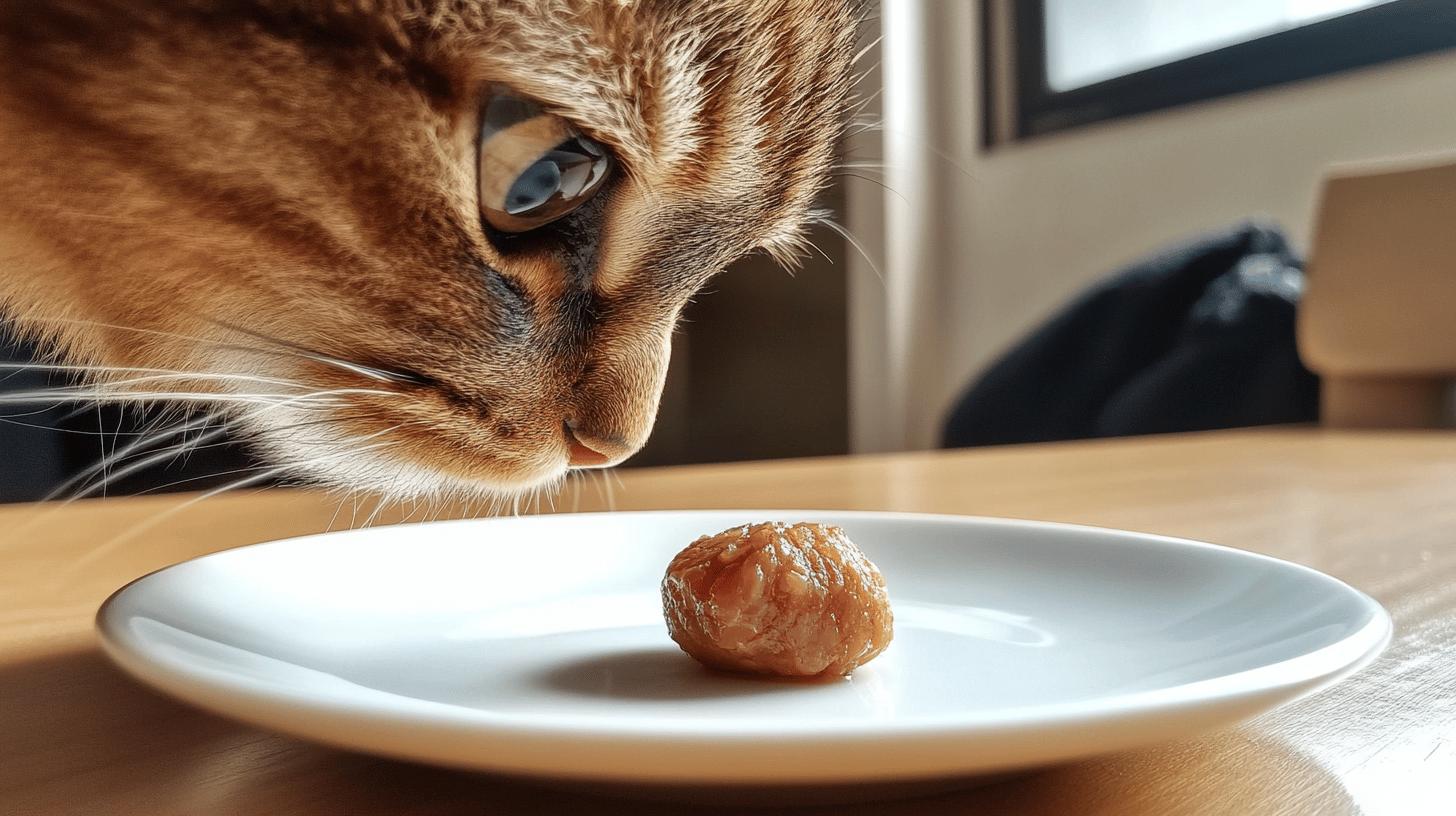
    Can Cats Eat Chestnuts-4.jpg

    Cats can eat chestnuts in small amounts, but they are not an ideal food choice. While chestnuts are not toxic to cats, they offer little nutritional benefit and can lead to digestive problems if consumed in excess.

    Cats are obligate carnivores, which means their diet should primarily consist of meat. This natural dietary requirement provides them with the necessary proteins and fats. Chestnuts, on the other hand, are high in carbohydrates and fiber, which cats do not need. Feeding them foods that deviate from their natural diet can result in health complications.

    Chestnuts are non-toxic but can still pose several health risks for cats. Overfeeding can lead to pancreatitis, a serious condition where the pancreas becomes inflamed. Chestnuts can also be a choking hazard and may cause intestinal obstructions due to their size and shape.

    Potential health risks include:

    • Digestive Issues: Large amounts can cause vomiting, diarrhea, or upset stomach.
    • Choking Hazard: Whole chestnuts can block a cat's throat due to their small esophagus.
    • Intestinal Obstruction: Indigestible parts may block the intestines.
    • Pancreatitis: High-fat content in nuts can trigger inflammation.
    • Nutritional Imbalance: Too many carbs can disrupt dietary balance.

    Moderation is key when offering chestnuts to your cat. It's essential to monitor them for any adverse reactions and consult a veterinarian if symptoms persist. Always prioritize foods that are specifically designed to meet your cat's nutritional needs.

    Safe Ways to Offer Chestnuts to Cats

    Safe Ways to Offer Chestnuts to Cats-2.jpg

    When offering chestnuts to your feline friend, proper preparation is crucial to ensure their safety. Always husk and shell the chestnuts, then cut them into small, manageable pieces. This helps prevent choking hazards and makes them easier for your cat to chew and digest. Cats have small esophagi, so whole chestnuts or large pieces can easily block their throat or cause intestinal obstructions.

    Raw vs. Cooked Chestnuts for Cats

    Both raw and cooked chestnuts can pose risks if not prepared correctly. Cooked chestnuts might be slightly easier to digest due to their softer texture, but either form can still be a choking hazard if not chopped into small pieces.

    The nutritional content remains largely unchanged between raw and cooked chestnuts, with both offering little benefit to cats who thrive on a meat-based diet. Therefore, focus on preparation rather than whether the chestnuts are raw or cooked.

    Safety Tips for Introducing Chestnuts:

    • Chop Finely: Always cut chestnuts into small pieces to prevent choking and ease digestion.
    • Monitor Reactions: Watch for any signs of digestive upset or allergic reactions.
    • Moderation is Key: Offer chestnuts sparingly to avoid potential health issues.
    • Consult a Vet: If uncertain, seek advice from a veterinarian before adding chestnuts to your cat's diet.
    • Avoid Seasonings: Never give chestnuts with added salt, sugar, or seasonings, which can be harmful to cats.

    While chestnuts can be given as an occasional treat, they should not replace foods that meet a cat's dietary needs. Always prioritize your cat's health by keeping their diet rich in protein and low in unnecessary carbohydrates.

    Veterinary Advice on Cats and Chestnuts

    Veterinary Advice on Cats and Chestnuts-3.jpg

    Consulting a veterinarian is critical when introducing any non-standard foods, like chestnuts, into your cat's diet. Vets are well-versed in feline nutrition and can provide tailored advice to ensure your cat remains healthy. Since cats are obligate carnivores, their dietary needs are specific, and even non-toxic foods like chestnuts can lead to health issues if not managed correctly.

    Monitoring your cat for symptoms of food poisoning is essential. Knowing when to seek veterinary assistance can make all the difference in your cat's well-being. Pay close attention to any changes in behavior or health after introducing new foods.

    Symptoms to Monitor When to Contact a Vet
    Vomiting If it continues for more than 24 hours
    Diarrhea If it persists beyond a day
    Lethargy If the cat appears unusually tired or weak
    Refusal to Eat If the cat avoids food for over a day

    In emergencies, animal poisoning helplines can be invaluable. These resources provide immediate guidance and can advise whether you need to rush to a vet. Always prioritize your cat's health by consulting professionals and utilizing available resources to ensure safe dietary practices.

    Alternative Cat-Friendly Foods to Chestnuts

    Alternative Cat-Friendly Foods to Chestnuts-1.jpg

    Choosing the right snacks for your cat is essential to maintain their health and happiness. While chestnuts aren't ideal due to their high carbohydrate content, there are plenty of cat-friendly snacks that meet the dietary needs of obligate carnivores. Selecting snacks specifically formulated for cats ensures they receive the necessary nutrients without unnecessary health risks.

    Here are some cat-friendly snack alternatives:

    • Cooked Chicken or Turkey: Lean meats that provide essential protein.
    • Catnip: A fun treat that many cats love, promoting playful behavior.
    • Commercial Cat Treats: Formulated to meet nutritional needs, often enriched with vitamins.
    • Tuna or Salmon Flakes: Rich in omega-3 fatty acids for healthy skin and coat.
    • Freeze-Dried Meat Treats: High in protein, offering a crunchy texture cats enjoy.

    Always check with your veterinarian when introducing new foods to ensure they are safe and suitable for your cat's specific dietary needs.

    Final Words

    Exploring whether a cat can eat chestnut, the answer is yes, but with caution. Chestnuts aren't toxic, yet they don't offer nutritional perks and can lead to digestive troubles or even pancreatitis if overfed. Safe feeding involves careful preparation, with small, chopped pieces to prevent choking. Vet advice is crucial, especially when introducing non-standard snacks. While chestnuts aren't an ideal choice, numerous nutritious alternatives exist. Always prioritize your cat's health with proper guidance and attention. Embrace safe play and snacks for a happy feline!

    FAQ

    Is it safe for cats to eat chestnuts?

    Cats can eat chestnuts in small amounts, but they're not ideal. Chestnuts can cause digestive issues like vomiting or diarrhea if cats eat too many.

    Which nuts are toxic to cats?

    Most nuts aren't recommended for cats, but macadamia nuts are particularly dangerous and should always be avoided.

    Can cats eat chestnut trees' parts like seeds or leaves?

    Chestnut tree seeds and leaves can be a choking hazard and might cause digestive discomfort in cats.

    Are horse chestnuts poisonous to cats and dogs?

    Yes, horse chestnuts contain a toxin called aesculin, which is harmful to both cats and dogs.

    Can cats eat cheese?

    Cats can eat small amounts of cheese, but many are lactose intolerant. It's best to limit or avoid it.

    How should I prepare chestnuts for my cat if needed?

    Chestnuts should be husked, shelled, and chopped into small pieces to avoid choking. Always feed in moderation.

    Are there differences between raw and cooked chestnuts for cats?

    Both raw and cooked chestnuts pose similar risks. It's crucial to prepare them properly to minimize any potential hazards.

    What symptoms should I monitor if my cat eats chestnuts?

    Watch for vomiting, diarrhea, stomach pains, or changes in appetite. Contact a vet if symptoms persist.

    What are some cat-friendly snacks instead of chestnuts?

    Try these:

    • Cooked chicken
    • Canned tuna or salmon
    • Commercial cat treats
    • Freeze-dried meat snacks
    • Catnip toys

    Related Articles