Author: Nathaniel Price

  • How to Train a Cat to Be Friendly Easily

    How to Train a Cat to Be Friendly Easily

    Ever wondered if your cat can be as friendly as a puppy? Cats often get a reputation for being aloof, but they can also be super friendly with the right training outdoor training.com/how-to-train-a-cat-to-lay-down/”>advanced training. Just like teaching a dog to fetch, you can teach your cat to enjoy socializing and even look forward to spending time with you. By using playtime, meal schedules, and positive reinforcement, you’ll not only improve your cat’s friendliness but also deepen your bond. Dive into these simple steps and watch your feline friend transform into a charming companion!

    Steps to Train a Cat to Be Friendly

    How to Train a Cat to Be Friendly Easily-2.jpg

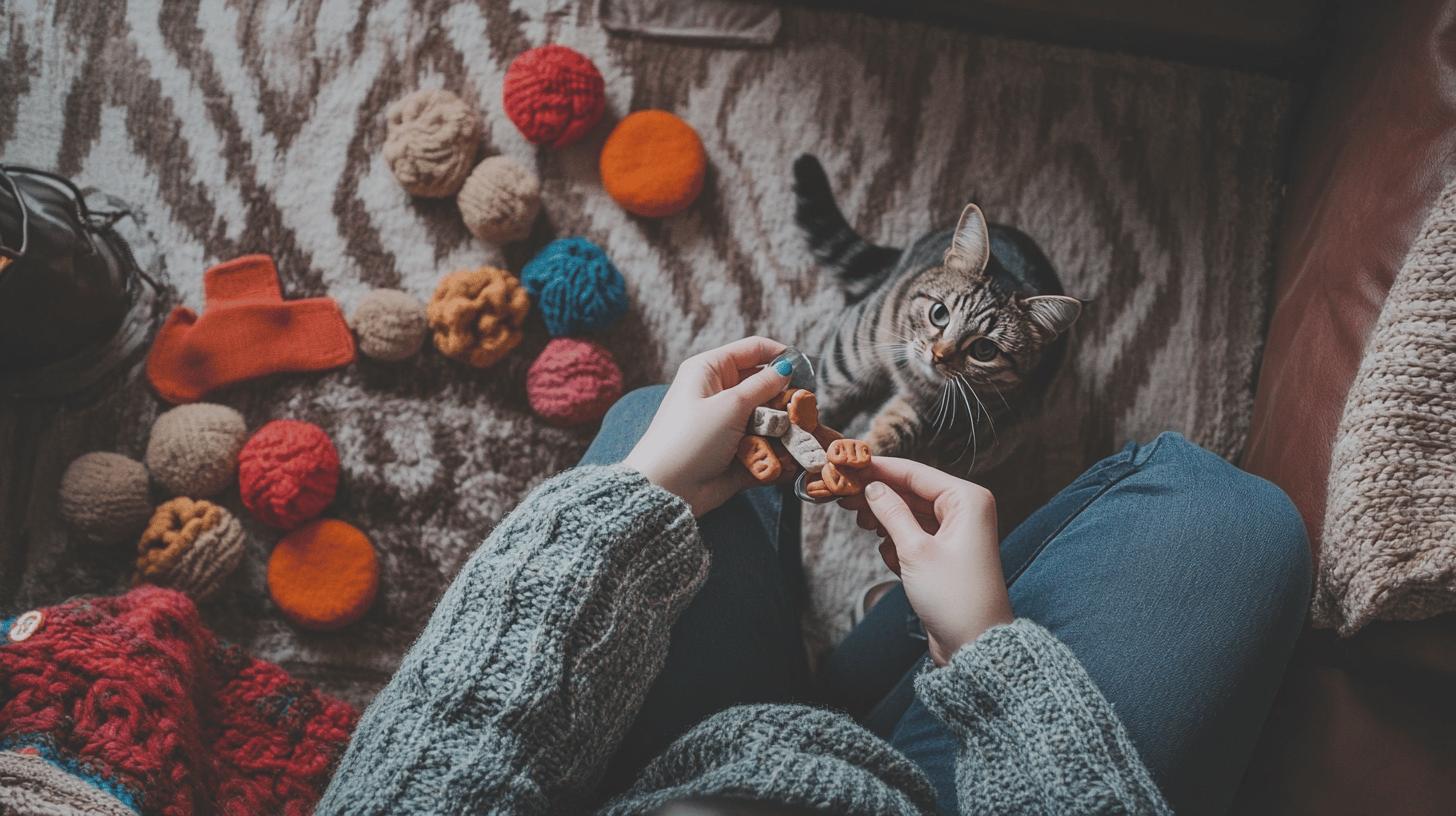
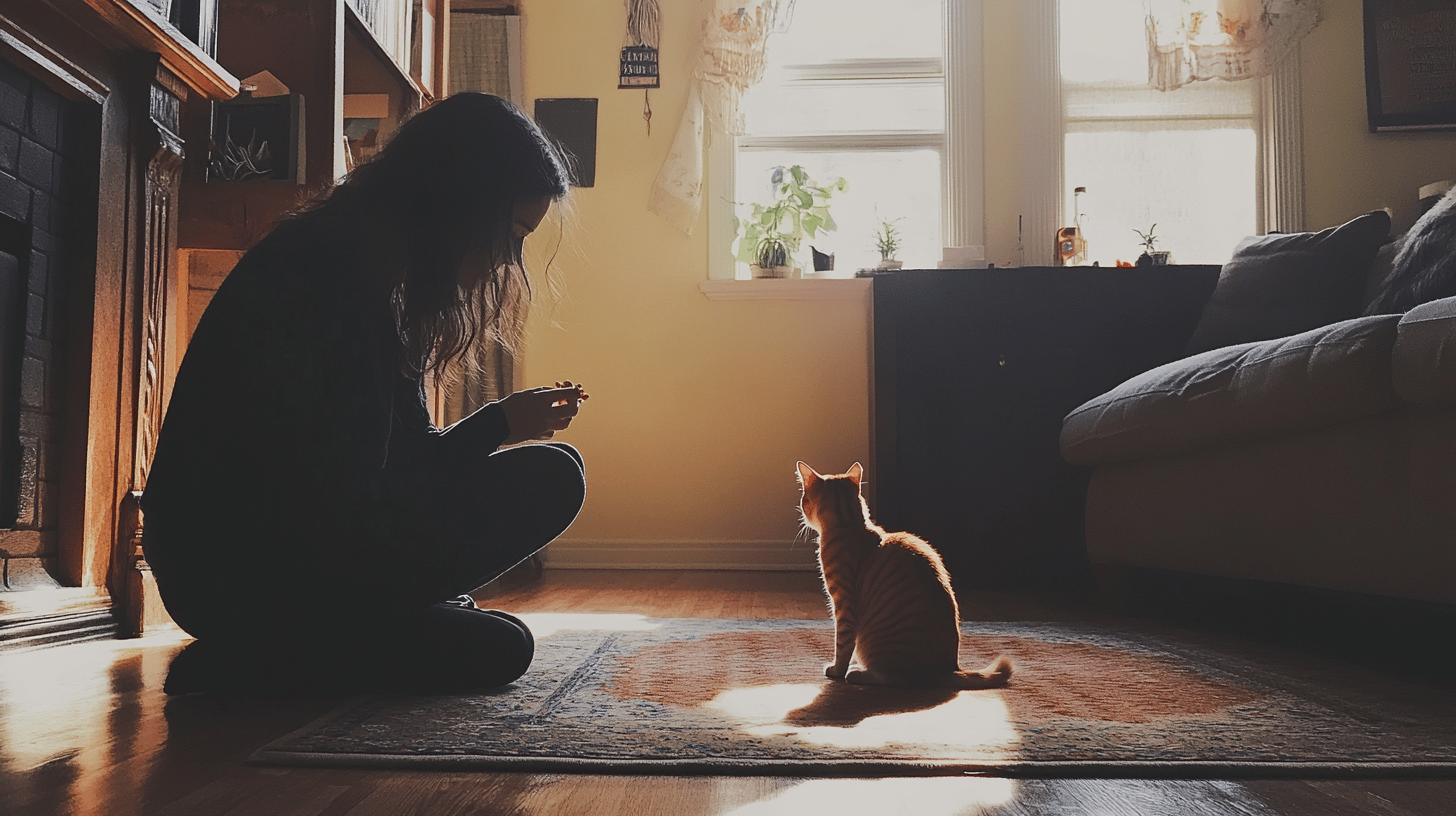
    Playing with your cat regularly makes a big difference in how friendly they’ll become. Engaging in play sessions helps them socialize and build trust with you. It’s not just about playing; it’s about finding toys they love and using them often. Feeding routines are crucial too. Ditch free feeding and choose specific meal times. This way, your cat links you with good things like food, making them more open and friendly.

    Positive reinforcement is key in cat training. Understand why your cat behaves a certain way and reward them when they do something right. Instead of punishing unwanted behaviors, redirect them with treats or praise. This way, your cat learns what makes you happy and strives to repeat those actions.

    1. Set playtime: Dedicate time each day to play with your cat using toys they love.
    2. Schedule meals: Feed your cat at the same times daily to create a positive association with you.
    3. Reward good behavior: Use treats and praise to encourage actions you want to see.
    1. Redirect unwanted actions: If your cat misbehaves, gently guide them to a toy or scratching post.
    2. Be patient: Training takes time, so be patient and consistent with your efforts.

    By following these steps, you’ll help your cat become more friendly and comfortable around you.

    Understanding Cat Behavior for Effective Training
    Understanding Cat Behavior for Effective Training-1.jpg

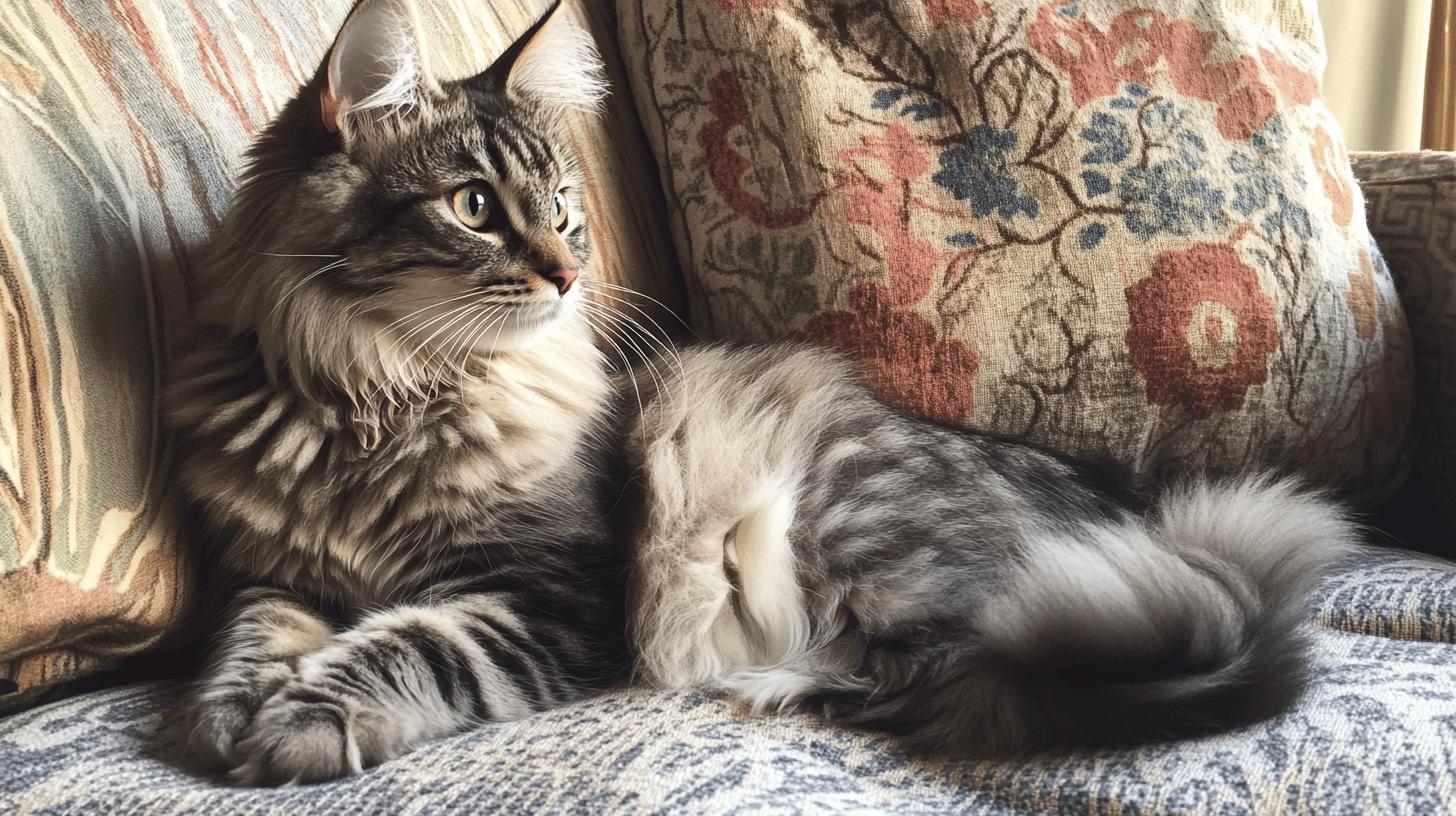
    Cats communicate a lot without saying a word. Their body language tells us what they’re feeling. When a cat is relaxed, their tail might be upright with a slight curve. If the tail is tucked or puffed, it’s a sign they’re scared or upset. Watching their ears can help too. Ears pointing forward mean they’re interested, but if they’re flat, your cat might be angry or scared.

    Recognizing stress signals is important for training. A stressed cat might hide, hiss, or swat. These are signs they need space. By noticing these signals, you can give them the time they need to calm down. This helps them feel safer and more open to training later.

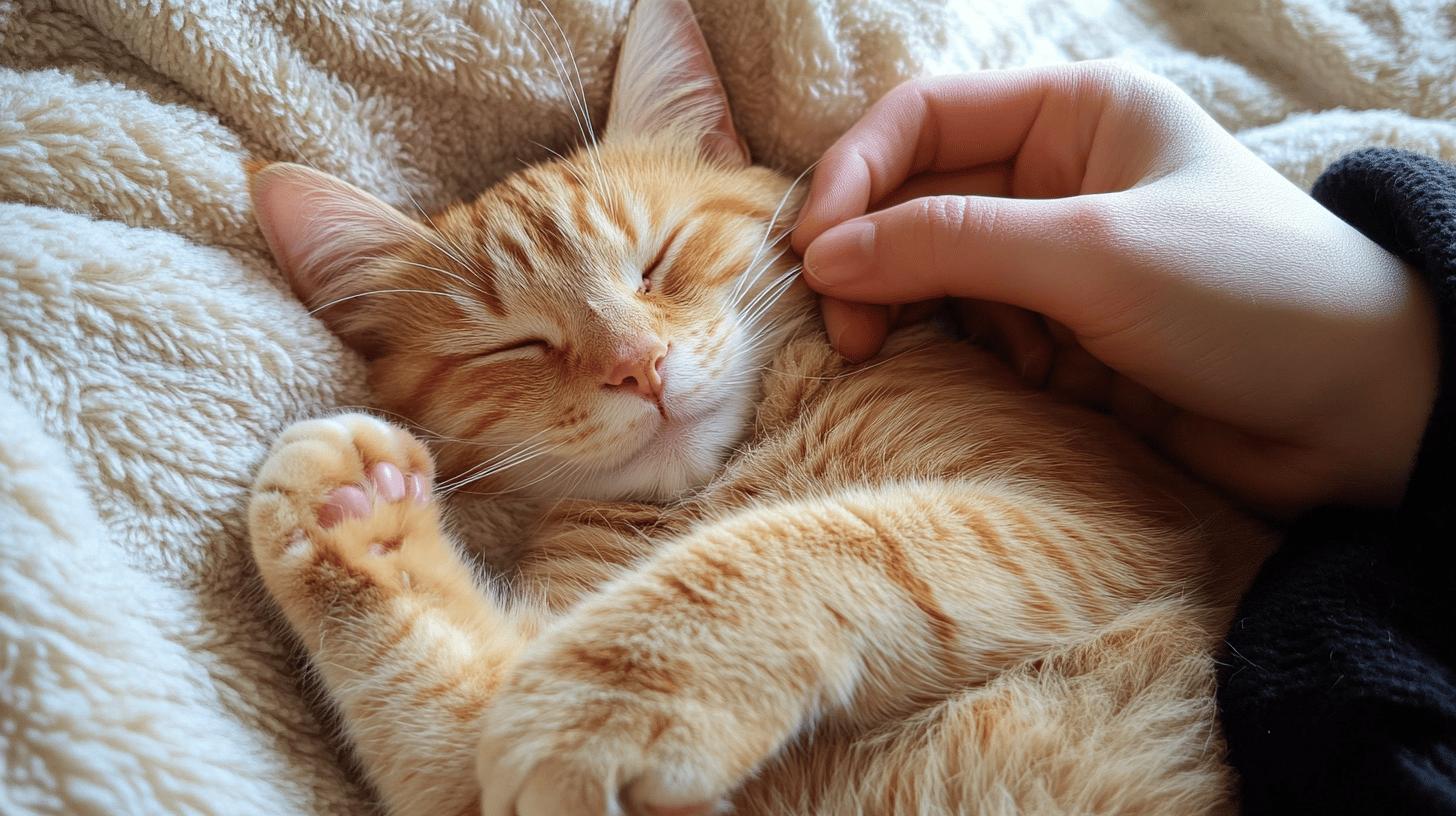
    Signs of trust show that your cat is getting friendlier. If they sit within arm’s reach or rub against you, they trust you. When a cat shows their belly or sleeps near you, it’s a big deal rest and comfort. These actions mean they feel safe and comfortable. Understanding these signals makes training easier and helps build a strong bond.

    Socializing Shy or Aggressive Cats
    Socializing Shy or Aggressive Cats-1.jpg

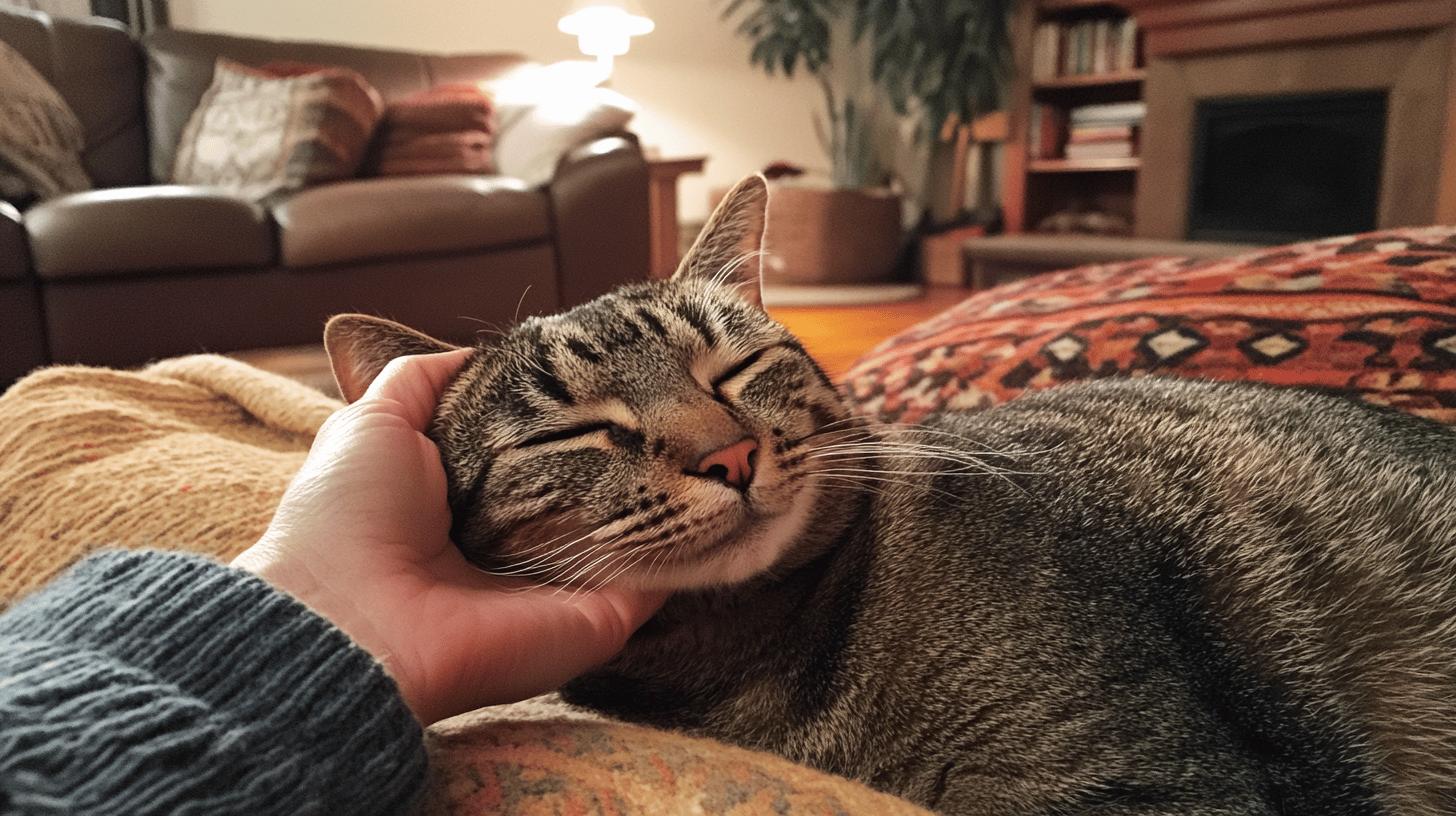
    When dealing with shy or aggressive cats, avoiding forced interactions is crucial. Cats are naturally curious but can become fearful if pushed into situations they aren’t ready for. Instead of picking them up or pulling them out of hiding, let them come to you. Give them the space they need to feel safe. This reduces their anxiety and helps them view you as a non-threatening companion. Providing a calm environment where they can observe from a distance helps them adjust at their own pace.

    Patience is your best tool. Allowing cats to initiate contact fosters trust. Sit quietly nearby, and let them decide when they’re comfortable enough to approach. Gentle encouragement, like offering a treat or softly calling their name, can help. Remember, building a relationship with a shy or aggressive cat takes time. Celebrate small victories, like a quick sniff or sitting closer to you, as steps towards a more social cat.

    Gradual Exposure Techniques

    Gradual exposure is key to helping cats become comfortable with new experiences. Introduce them to new environments or people slowly, starting with short and controlled interactions. This helps them adapt without feeling overwhelmed.

    • Provide a safe space with familiar items like their bed or favorite toy.
    • Encourage exploration with treats placed nearby.
    • Introduce new people quietly, allowing the cat to approach them.
    • Use calming aids like pheromone diffusers to reduce stress.
    • Regularly engage in gentle play to build positive associations.

    By following these strategies, you can help your cat become more social and friendly, making interactions more enjoyable for both of you.

    Building Trust with Your Cat
    Understanding Cat Behavior for Effective Training-2.jpg

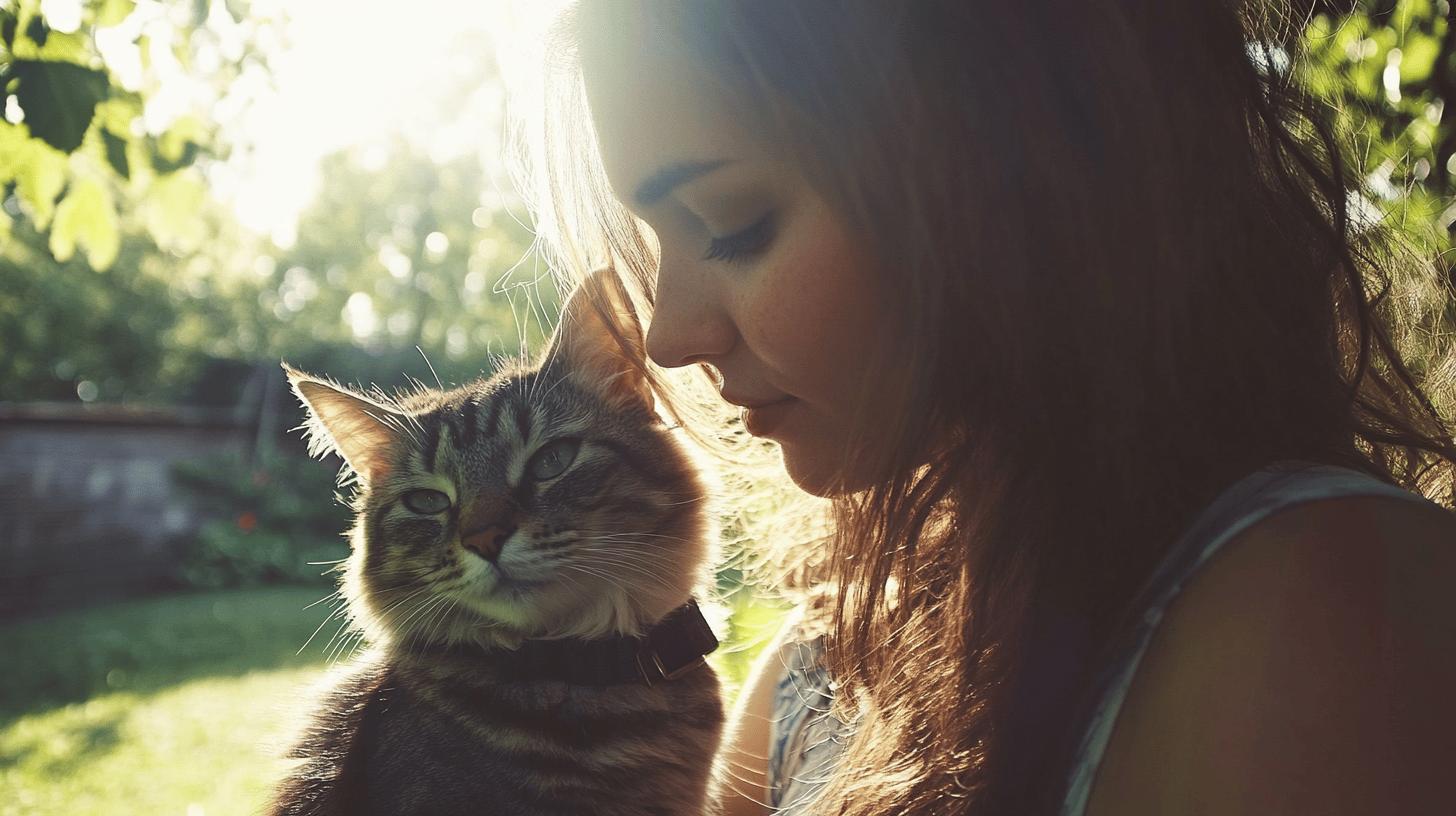
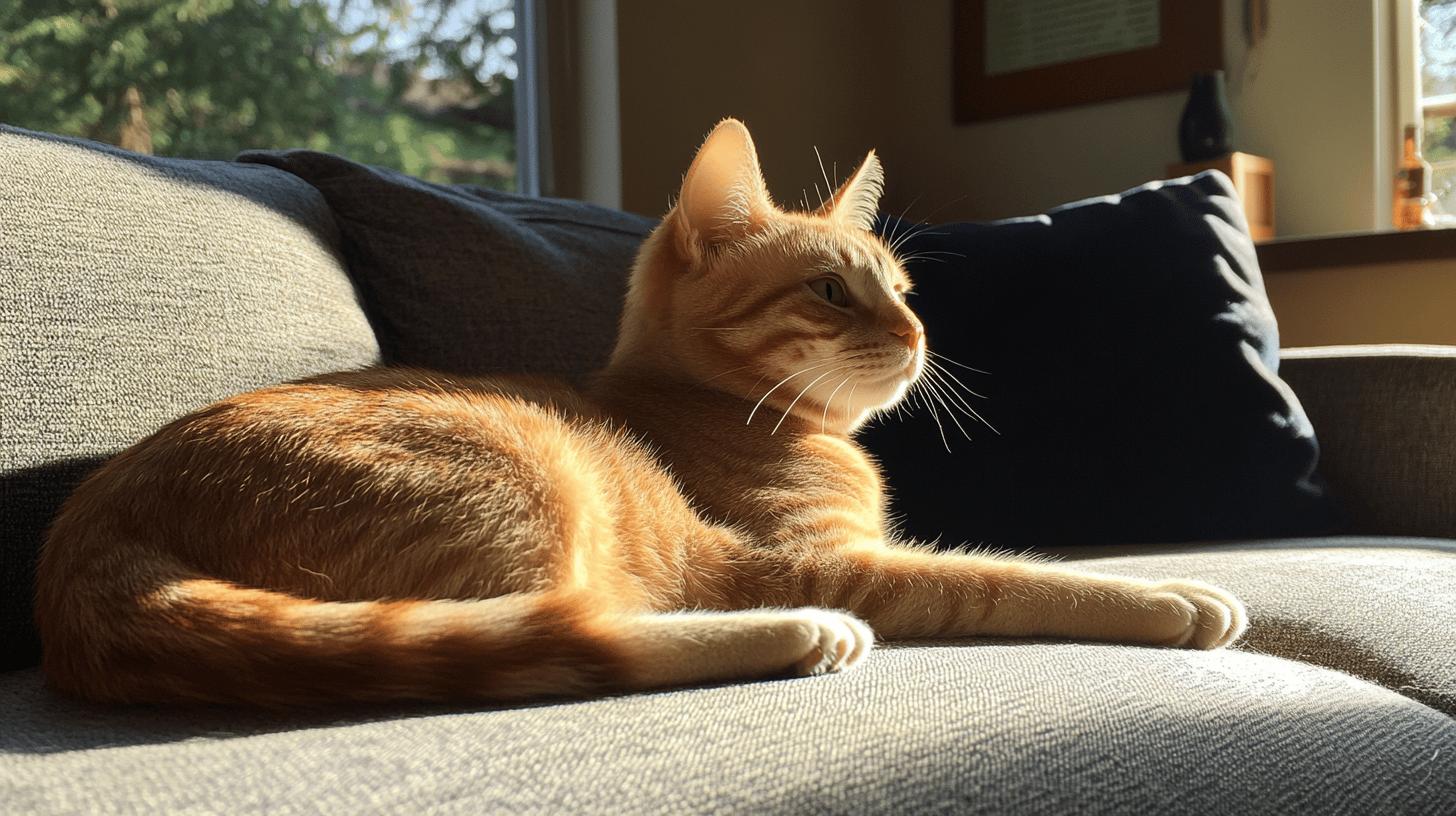
    Gentle handling is super important when it comes to building trust with your cat. Regular interaction helps your cat feel more secure and loved. Pick up your cat softly and let them sit on your lap when they’re comfortable. Spend time petting them in their favorite spots, like under the chin or behind the ears. The more often you do this, the more your cat will look forward to these moments with you. Familiarity builds comfort, which is key to developing a trusting relationship.

    Using a calm voice is another way to reassure your cat. Speak softly and evenly when you’re around them. This makes them feel safe and relaxed. Avoid sudden loud noises or yelling, as this can make them anxious or scared. Cats respond well to a soothing voice, especially when you’re feeding them or playing together. A gentle tone helps them associate you with comfort and care, strengthening your bond over time.

    Trust-Building Activity Benefits
    Gentle petting Increases comfort and relaxation
    Regular lap time Encourages closeness and security
    Calm speaking Reassures and soothes
    Soft play sessions Builds positive associations

    Training Tips for Kittens and Adult Cats
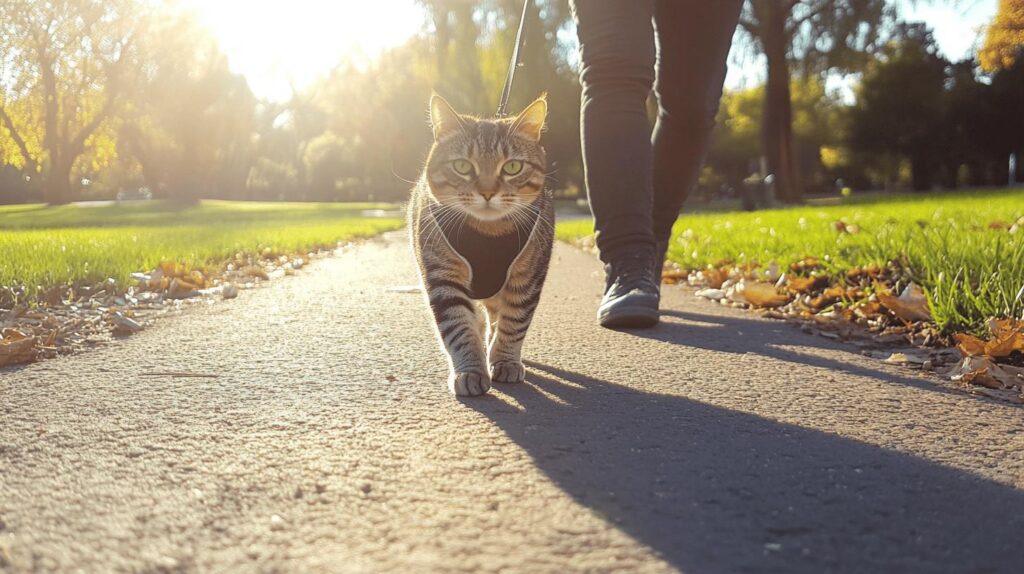
    Kittens are like little sponges when it comes to learning and socializing. They need constant care and attention, especially in the early weeks of their life. Spend time playing with them and handle them gently to build trust and comfort. This is crucial because early socialization helps them grow into friendly and adaptable adult cats. After they’re weaned and have received their vaccinations, start introducing them to a variety of people and safe animals. This exposure helps them become more comfortable with different experiences and environments. Use toys and treats to make these interactions fun and rewarding. Remember, the more positive experiences they have now, the friendlier they’ll be later on.

    Adult cats can also learn new behaviors, but it might take a bit more patience. Introducing them to new routines helps them adapt and become more sociable. Start by setting regular feeding and play times. This structure makes them feel secure and helps them associate these activities with positive experiences. Use gentle encouragement and praise when they explore new things or approach you. If you have multiple cats, ensure each one has their own space to retreat to. This helps prevent stress and encourages them to interact on their terms. By being patient and consistent, adult cats can learn to be just as friendly as kittens.

    Socialization Period for Kittens

    The kitten socialization period is a critical time for development. It usually happens between 2 to 9 weeks of age. During this period, kittens are more open to learning and accepting new experiences. Introducing them to gentle handling, different sounds, and various people can lead to long-term benefits. A well-socialized kitten is more likely to grow into a confident and friendly cat. This foundation makes them better equipped to handle changes and reduces the likelihood of developing fear-based behaviors. Engaging with them positively during this time sets the stage for a well-adjusted adult cat.

    Creating a Calming Environment for Friendly Cats
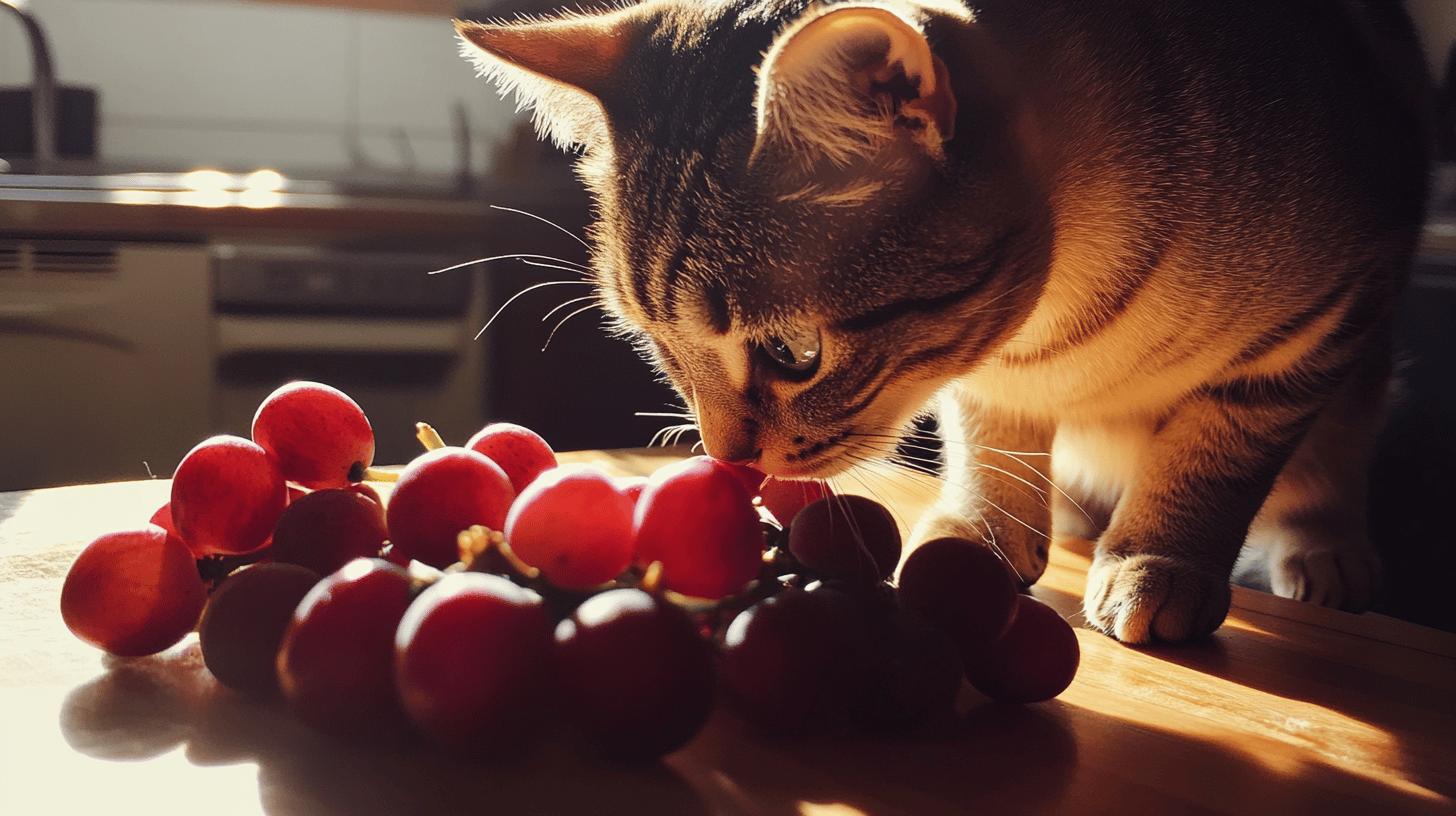
    Fruits That Are Toxic to Cats-2.jpg

    Daily routines are key to making your cat feel secure and more likely to be friendly. Cats love predictability, so setting regular times for feeding, play, and rest can help them feel safe. This routine gives them a sense of what to expect each day, reducing anxiety and stress. When your cat knows there’s a consistent schedule, they become more relaxed, which helps in their overall friendliness. Because a calm cat is a happy cat, structuring their day with familiar activities can make them more open to interacting with you and others.

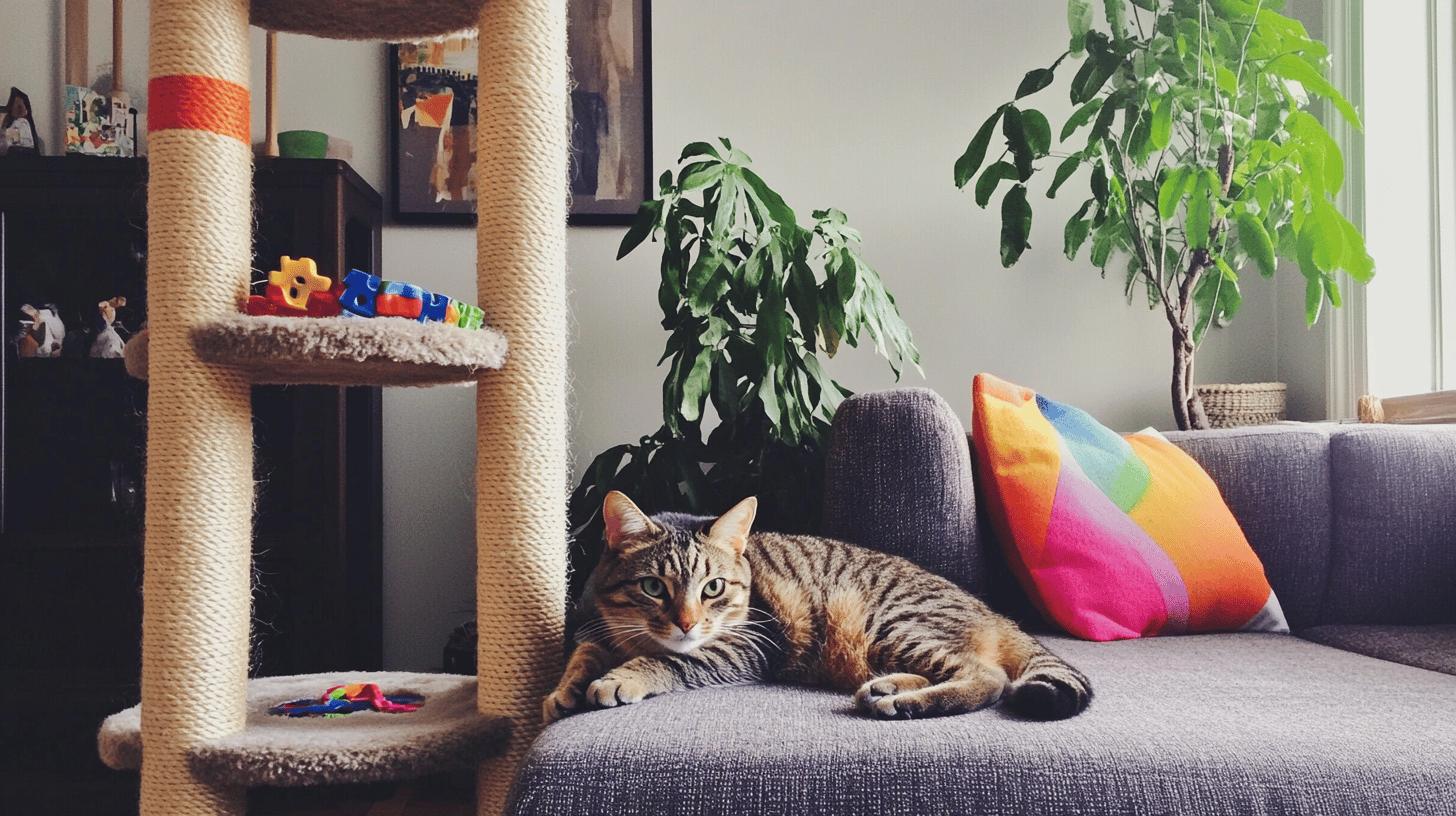
    Calming aids and environmental enrichment are also important. Music or sound machines with soft, soothing tones can help relax your cat. Scent-based techniques, like using cat-friendly pheromone diffusers, can further ease their stress. Enriching your cat’s environment with climbing structures, scratching posts, and interactive toys encourages natural behaviors and keeps them mentally stimulated. A well-enriched environment allows your cat to explore and play, reducing boredom and promoting friendliness.

    • Provide a variety of toys to keep your cat entertained.
    • Use scratching posts to satisfy their natural instincts.
    • Incorporate climbing furniture to offer exercise and exploration.
    • Set up cozy sleeping areas for comfort and security.

    Final Words

    Knowing how to train a cat to be friendly involves consistent efforts and understanding. Regular play sessions and scheduled feeding help form bonds built on trust. Positive reinforcement is key to encouraging good behavior while steering clear of punishment. Observing cat body language and stress signals allows us to train effectively. Patience and gradual exposure help with socializing shy or aggressive cats. Building trust through gentle handling and a calming voice solidifies this bond. By creating a secure and calm environment, our cats can thrive. Ready to enjoy a more friendly and trusting relationship with your cat?

    FAQ

    How can I make my cat friendlier?

    Start with regular play sessions to build trust. Feed your cat at set times so they associate you with good things. Always use positive reinforcement and avoid punishing unwanted behaviors.

    How do you train a cat to be friendly?

    Training a cat to be friendly involves consistency. Engage them with play, establish feeding routines, and reinforce good behavior with rewards. Never force interactions; let the cat approach you.

    What are the best enrichment items for cats?

    Try puzzle feeders, interactive toys, and scratching posts. These items stimulate cats mentally and physically, making them feel happier and more relaxed.

    How do you get cats to be friendly with you?

    Spend time near them without being intrusive. Use a calm voice and offer treats to build positive associations. Be patient and allow the cat to come to you.

    How long does it take for a cat to be friendly?

    Friendliness can take weeks to months to develop, depending on the cat’s personality and past experiences. Consistent, gentle socialization helps speed the process.

    How to train a cat not to bite?

    Redirect biting behavior with toys or treats. Consistently reward soft play and avoid rough handling, which can encourage biting.

    How to stop bad behavior in cats?

    Identify the cause of bad behavior and address it with positive reinforcement. Avoid punishment, as it can lead to fear and stress.

    What to do if your cat won’t use the litter box?

    Keep the litter box clean and accessible. Try changing the litter type or box location. If issues persist, consult a vet to rule out medical problems.
  • Can Cats Eat Oatmeal Safely and How to Serve It

    Can Cats Eat Oatmeal Safely and How to Serve It

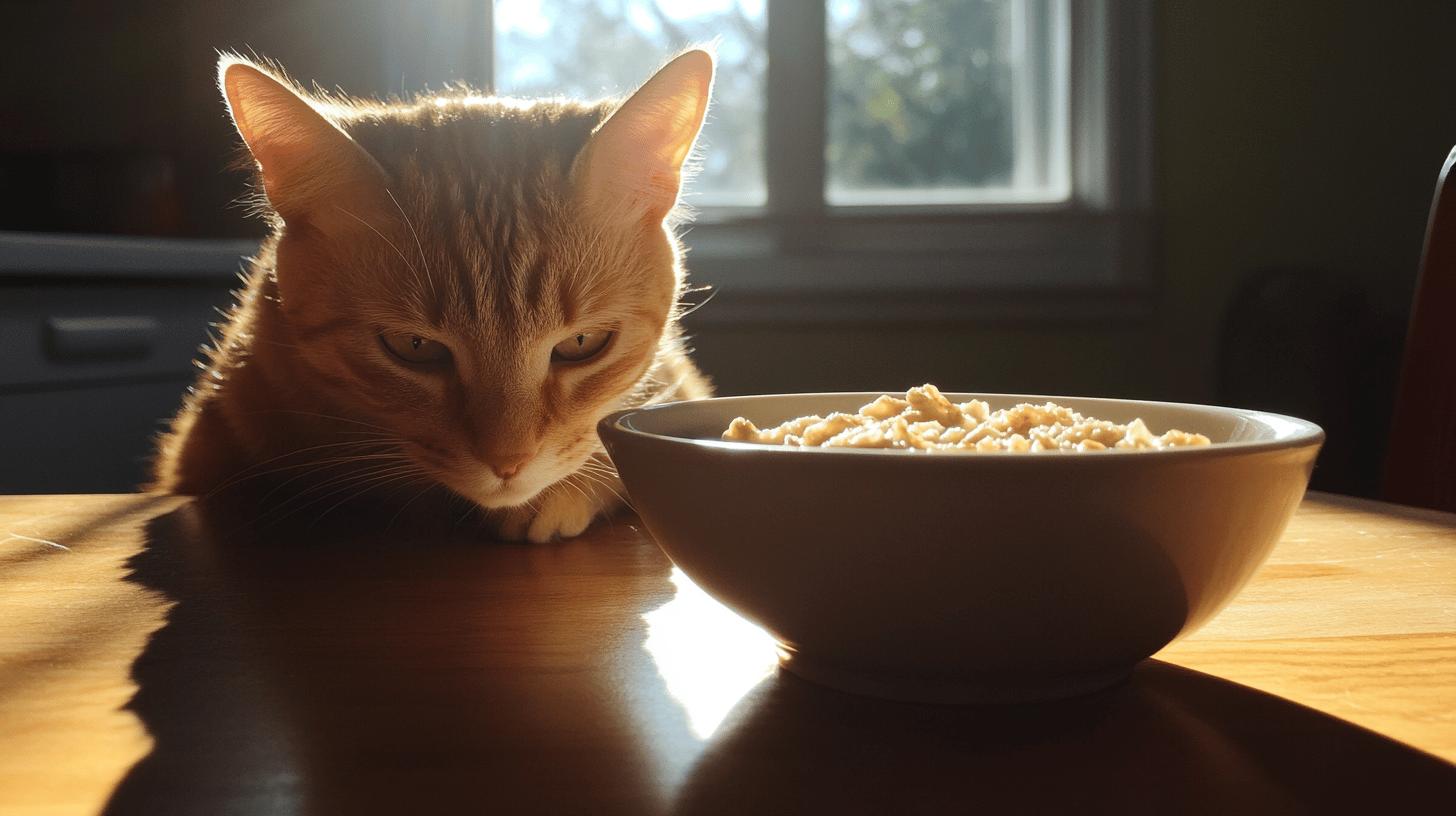
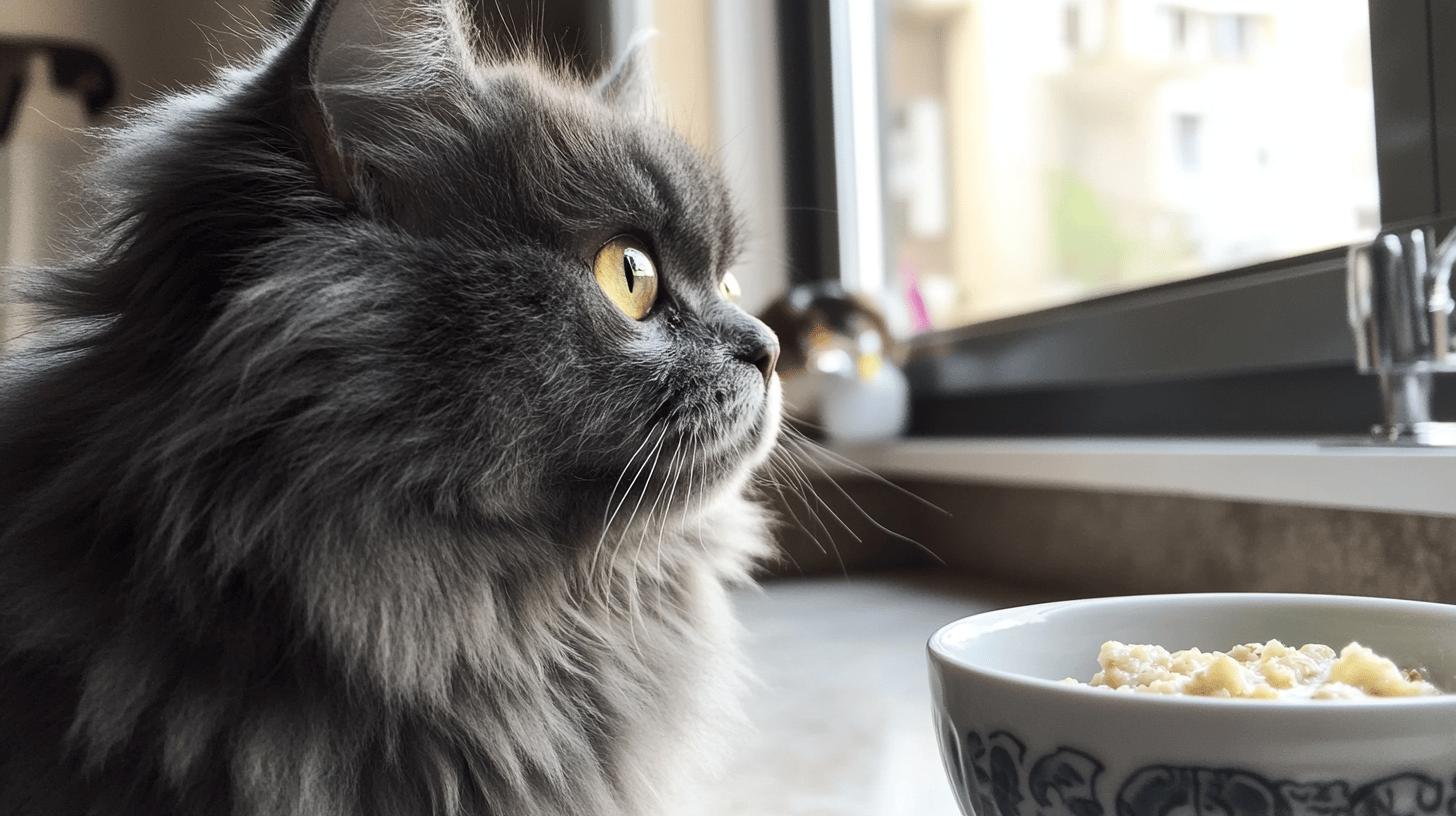
    Can cats eat oatmeal safely, or is it playing with fire? As cat lovers, we often find ourselves pondering about the safest treats for our furry companions. While cats are naturally drawn to meaty diets, herbs, and grains like oatmeal can spark our curiosity. Oatmeal, surprisingly, can be safe for cats, adding a sprinkle of variety to their meals when served correctly. In this post, we'll explore the ins and outs of feeding your cat oatmeal. You'll learn the best serving methods and the essential precautions to ensure a safe and tasty treat.

    Can Cats Safely Eat Oatmeal?

    Can Cats Safely Eat Oatmeal-1.jpg

    Oatmeal is safe for cats because it contains no toxins or harmful components. It's not going to cause immediate health concerns if your cat takes a nibble. However, cats are obligate carnivores, meaning their primary dietary needs are met through animal-based proteins and fats. Oatmeal is high in carbohydrates, which aren't necessary for a cat's diet. While it can be a safe treat, it should only be served occasionally and in small amounts. The key is moderation.

    Here are a few occasions when oatmeal could be served safely as a treat:

    • Use plain oatmeal without any additives.
    • Offer it cooked and mixed with water, not milk.
    • Consider it as a rare treat, not a meal replacement.
    • Serve in very small portions, like a teaspoon.
    • Pair it with protein sources for added nutrition.

    Before introducing oatmeal or any new food into your cat's diet, it's always a good idea to consult with a veterinarian. They can provide personalized advice based on your cat's specific nutritional needs and health conditions. While oatmeal isn't harmful, professional guidance ensures that your cat’s diet remains balanced and healthy.

    Nutritional Aspects of Oatmeal for Cats

    Nutritional Aspects of Oatmeal for Cats-1.jpg

    Oatmeal can be a beneficial occasional addition to a cat's diet due to its various nutrients. It is rich in antioxidants, which help fight free radicals in a cat's body. Fatty acids, including linoleic acid, contribute to a shiny coat and healthy skin. The fiber content in oatmeal aids digestion, promoting regular bowel movements. These nutrients can offer a boost when oatmeal is served in moderation.

    Cats are obligate carnivores and require a diet high in protein and fat, which oatmeal does not provide. While oatmeal has some protein, it is not sufficient for a cat's needs. It also lacks the necessary fat levels for energy and health. Additionally, cats struggle to digest carbohydrates efficiently, making oatmeal's high carbohydrate content a concern.

    To balance oatmeal's benefits and limitations, it should be treated as an occasional treat rather than a staple. Mix it with protein-rich foods to better meet nutritional needs. Keep portions small to avoid digestive upset and consult a vet to ensure your cat's dietary requirements are met.

    Nutrient Benefit
    Antioxidants Helps fight free radicals
    Fatty Acids Promotes healthy skin and coat
    Linoleic Acid Supports skin health
    Fiber Aids digestion
    Calcium Supports bone health
    Amino Acids Essential for bodily functions

    Can Cats Safely Eat Oatmeal?

    Serving Suggestions and Preparation for Cats-1.jpg

    When cooking oatmeal for cats, always use water instead of milk. Many cats are lactose intolerant, and milk can lead to digestive issues. Serve the oatmeal plain, steering clear of sweeteners, spices, or additives like brown sugar or cinnamon. Keeping it simple by maintaining oatmeal in its natural form ensures safety for your cat.

    Steps to Prepare Cat-Friendly Oatmeal

    • Cook the oatmeal thoroughly with water.
    • Allow it to cool to room temperature.
    • Serve plain, without sweeteners or spices.
    • Offer in very small portions, such as a teaspoon.
    • Mix with animal protein like sardines for added nutrition.

    Pairing oatmeal with protein boosts its appeal and nutritional value for cats. Sardines or tuna can enhance the taste and provide essential proteins, aligning better with a cat’s dietary needs. Always serve oatmeal as a treat, ensuring it remains a small part of their diet.

    Potential Risks and Considerations of Feeding Oatmeal to Cats

    Potential Risks and Considerations of Feeding Oatmeal to Cats-1.jpg

    Feeding oatmeal to cats can come with risks if not done properly. Raisins in particular are toxic to cats and should be completely avoided. If introducing oatmeal, remember to consult a veterinarian to ensure it's safe for your pet. Keeping these unique risks in mind can help avoid potential health issues.

    Alternatives to Oatmeal in a Cat's Diet

    Alternatives to Oatmeal in a Cats Diet-1.jpg

    While oatmeal is safe for cats in small amounts, it doesn't meet their primary nutritional needs. Cats thrive on diets rich in animal proteins and fats, and carbohydrates like those in oatmeal are not essential for them. Therefore, exploring alternatives that align more closely with their dietary requirements can be beneficial. Options like chicken jerky offer the high protein content cats need, supporting their health and energy levels more effectively than oatmeal.

    Here are some suitable alternatives to oatmeal for cats:

    • Chicken Jerky: High in protein and appealing to cats.
    • Cooked Fish: Provides essential omega-3 fatty acids.
    • Pumpkin: Aids digestion with its fiber content.
    • Cooked Carrots: Offers vitamins and minerals for overall health.

    Incorporating these alternatives into a cat's diet supports their nutritional needs while offering variety. Foods like cooked meats and fish are more natural to a cat's carnivorous instincts, providing necessary nutrients without unnecessary carbohydrates. Including vegetables like pumpkin and carrots occasionally can enrich their diet with fiber and vitamins, promoting better digestion and overall health.

    Final Words

    Exploring whether cats can eat oatmeal, we learned it’s safe in moderation. Oatmeal offers health benefits, but its high carbs suggest it should be an occasional treat. Nutritionally, oatmeal supports skin and digestion but lacks essential proteins and fats.

    When cooking oatmeal for cats, stick to water and plain recipes. Overfeeding may cause digestive issues, so it’s crucial to be cautious. Given cats' preference for meaty flavors, better options include protein-rich foods.

    Remember to consult your vet when trying new foods. Overall, oatmeal can fit into your cat's diet but should always play a minor role.

    FAQ

    Can cats eat oatmeal with milk?

    Cats should not eat oatmeal with milk. Many cats are lactose intolerant, and milk can lead to digestive issues, including diarrhea and stomach upset.

    Can cats eat oatmeal raw or cooked?

    Cats should only eat cooked oatmeal. Raw oats can be difficult to digest and may cause stomach discomfort.

    Can cats eat oatmeal every day?

    Cats should not eat oatmeal every day. Oatmeal should be an occasional treat due to its high carbohydrate content and lack of necessary nutrients for cats.

    How to prepare oats for cats?

    To prepare oats for cats, cook them with water, no milk. Serve plain, without sugar, salt, or additives. Mix with animal protein to make it more appealing and nutritious.

    Can cats eat oatmeal with sugar or brown sugar?

    Cats should not eat oatmeal with sugar or brown sugar. Added sugars can be harmful to cats and should be avoided in their diet.

    Can cats eat oatmeal with cinnamon?

    Oatmeal with cinnamon is not recommended for cats. Cinnamon can be irritating to a cat's digestive system.

    What are the benefits of oatmeal for cats?

    Oatmeal offers antioxidants, protein, and fiber, supporting skin health and digestion. However, it lacks essential proteins and fats needed by cats.

    Is it safe for cats to eat oatmeal?

    It is safe for cats to eat plain, cooked oatmeal as an occasional treat. Avoid additives and always consult a vet before adding new foods to a cat's diet.

    Is oatmeal or rice better for cats?

    Neither oatmeal nor rice is ideal as a primary food for cats. Both can be given occasionally but don't meet essential dietary needs for cats.

    Can cats eat peanut butter?

    Cats should avoid peanut butter. It is high in fat and usually contains added sugars and oils that are not good for cats.

    Is oatmeal safe for pets?

    Oatmeal is safe for pets if cooked properly and served plain, but it should only be an occasional addition to their diet. Always consult a vet before changing any pet's diet.

    Related Articles

  • Can Cat Eat Olive Oil Safely and Its Benefits Explained

    Can Cat Eat Olive Oil Safely and Its Benefits Explained

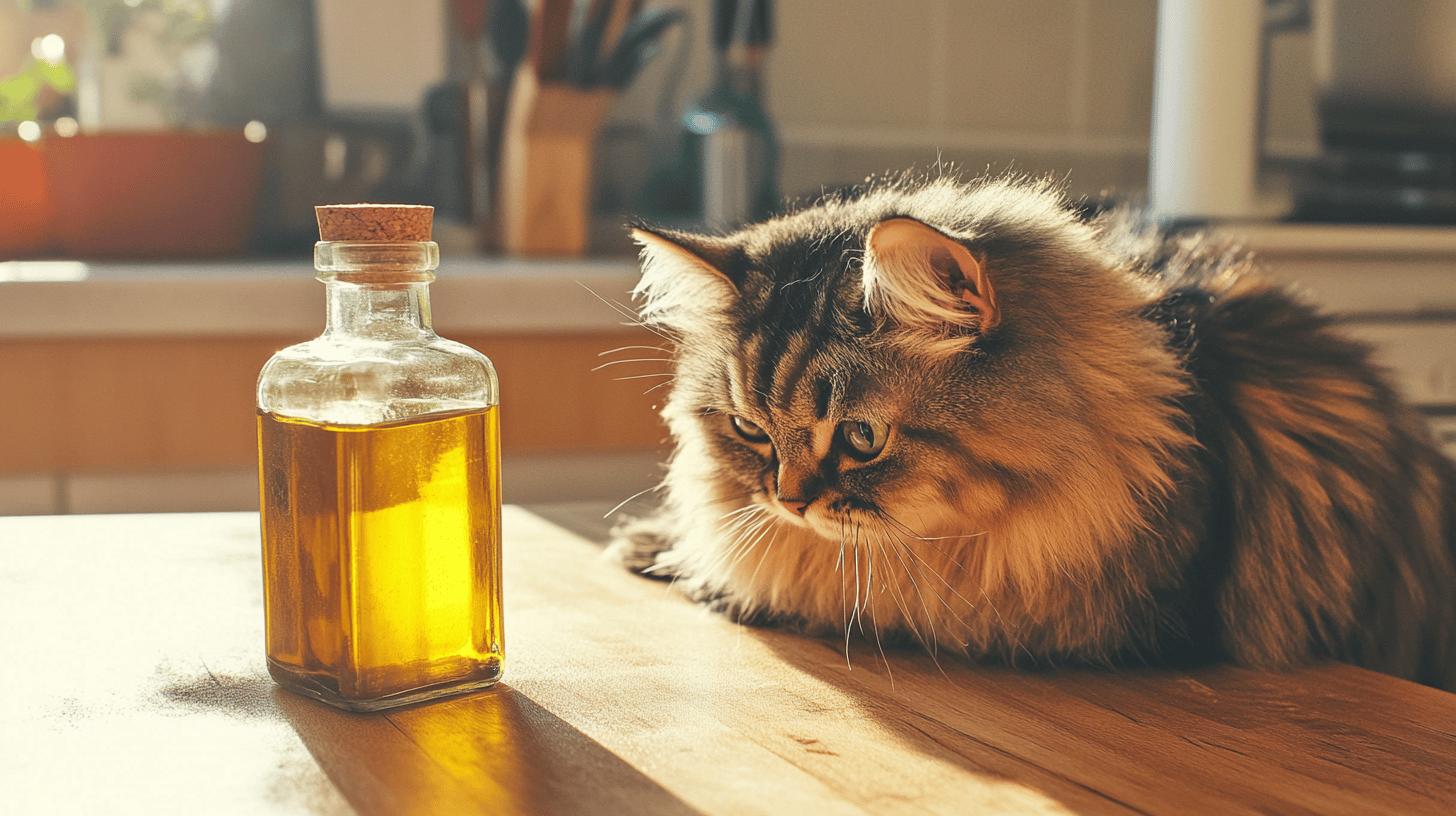
    Is olive oil a secret health booster for your cat or a slippery slope to health issues? Many cat owners are unsure about whether this kitchen staple belongs in their feline friend's diet. In small amounts, olive oil can offer surprising benefits for your pet's coat and immune system. However, misuse or overuse might lead to digestive troubles and unwanted weight gain. Dive into our guide to learn how olive oil can safely complement your cat's diet and enhance their well-being without compromising their health.

    Can Cats Safely Consume Olive Oil?

    Can Cats Safely Consume Olive Oil-1.jpg

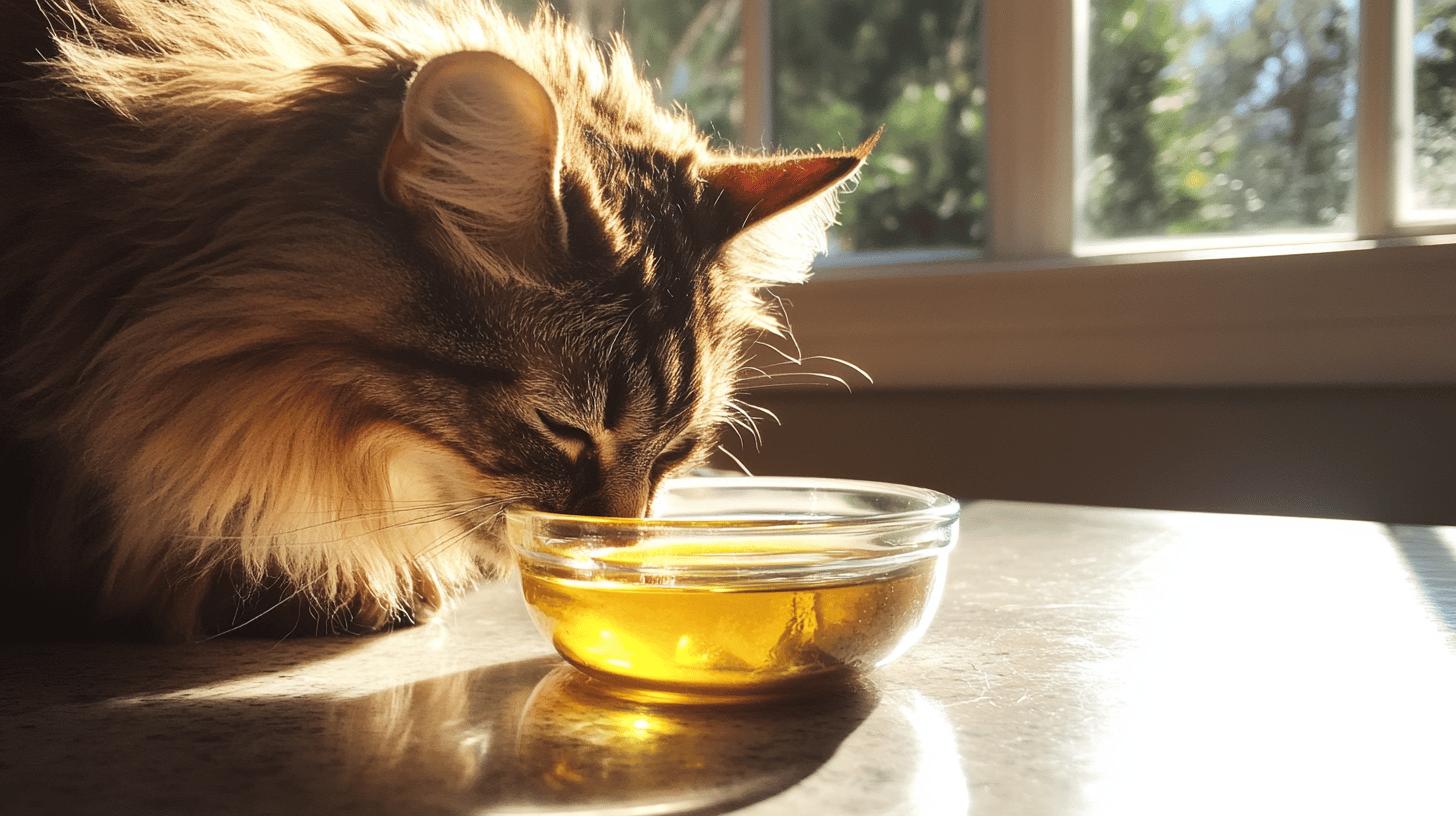
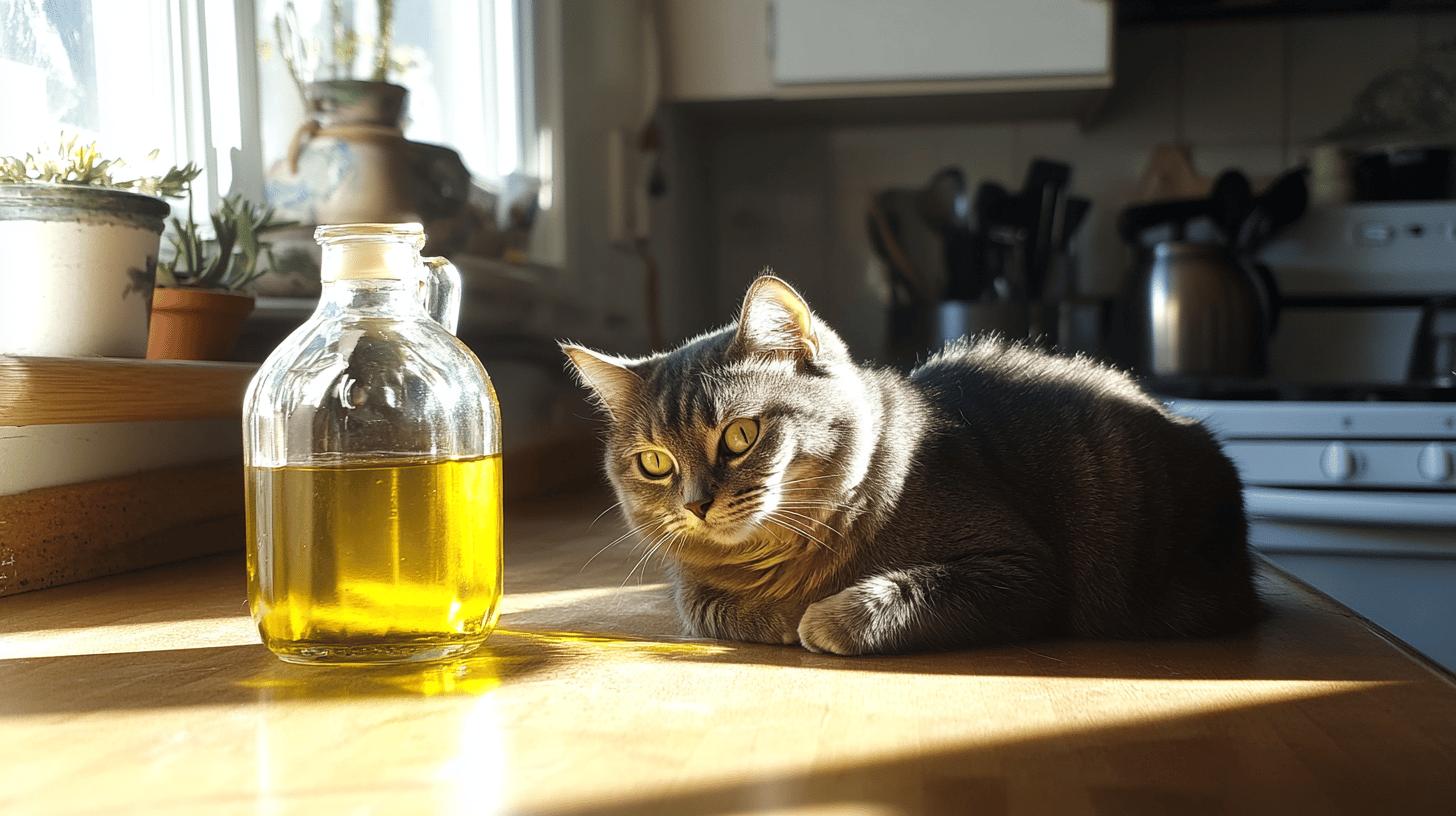
    Yes, cats can safely consume olive oil, but only in very small amounts. Olive oil is not toxic to cats, yet its high-fat content means it should be given sparingly. Veterinarians typically recommend a daily dosage of no more than half a teaspoon mixed into your cat's food. This ensures that the oil acts as a beneficial supplement rather than overwhelming their dietary needs.

    Olive oil should never replace a cat's natural diet. Instead, it's best used as an occasional addition to enhance their meals. Overusing olive oil can lead to several health issues in cats. Its rich fat content can cause weight gain and digestive problems. Always consult with a veterinarian before adding it to your pet's diet to tailor the amount to your cat's specific needs.
    Potential adverse effects of excessive olive oil consumption include:

    • Digestive issues such as diarrhea
    • Vomiting
    • Obesity due to high caloric intake
    • Pancreatitis, a serious condition affecting digestion
    • Disrupted nutrient absorption

    Keeping olive oil as an occasional treat ensures your feline friend enjoys its benefits without the risks.

    Health Benefits of Olive Oil for Cats

    Health Benefits of Olive Oil for Cats-1.jpg

    Olive oil isn't just a tasty treat for us humans; it holds several health benefits for our feline friends too. Its rich antioxidant content and healthy fats can make a positive difference in a cat's overall well-being. By integrating small amounts into your cat’s diet, you may notice improvements in their coat and immune system.

    Coat Health

    Olive oil can work wonders for your cat's coat. The healthy fats in olive oil contribute to reducing dry skin and dandruff, making their fur softer and shinier. If your cat struggles with itchy, flaky skin, a tiny bit of olive oil might help soothe and moisturize the skin. This can lead to less dandruff and a happier, more comfortable kitty. Regularly adding a few drops to their food could improve their coat's texture and appearance over time.

    Immune System Support

    The antioxidants present in olive oil, such as vitamin E, can play a crucial role in boosting a cat's immune system. These antioxidants help in fighting off free radicals, which can cause cell damage. By enhancing their immune response, olive oil can help protect your cat from various illnesses and diseases. A small, controlled addition of olive oil to their diet can contribute to a stronger, healthier feline companion who is better equipped to fend off health challenges.

    Olive Oil for Digestive Support in Cats

    Olive Oil for Digestive Support in Cats-1.jpg

    Olive oil can serve as a gentle digestive aid for cats, especially those facing mild to moderate constipation. Thanks to its natural laxative properties, it helps ease the passage of stool and can be particularly beneficial during IBS flare-ups. By integrating olive oil into a cat's diet in safe, measured amounts, pet owners can offer their feline companions some much-needed relief from digestive troubles.

    Constipation Relief

    For cats dealing with constipation, olive oil can be a helpful ally. Its lubricating effect on the digestive system makes it easier for stools to pass. The oil works by softening the stools, reducing the discomfort associated with constipation, and alleviating pain during IBS episodes. By smoothing the way for bowel movements, olive oil can make a significant difference in a cat's comfort and health.

    Proper Dosage

    When adding olive oil to a cat's diet, it's crucial to stick to the recommended dosage to avoid potential side effects. Veterinarians suggest no more than 1/4 teaspoon of olive oil per day, mixed into the cat's food. This small amount is usually enough to provide the desired digestive benefits without overwhelming the cat's system. Always monitor your cat for any signs of digestive upset, and consult your vet if you have any concerns about using olive oil.

    Condition Olive Oil Effect Dosage
    Constipation Softens stools 1/4 teaspoon per day
    IBS Flare-ups Reduces pain 1/4 teaspoon per day
    General Digestion Lubricates system 1/4 teaspoon per day

    Addressing Hairballs with Olive Oil

    Addressing Hairballs with Olive Oil-1.jpg

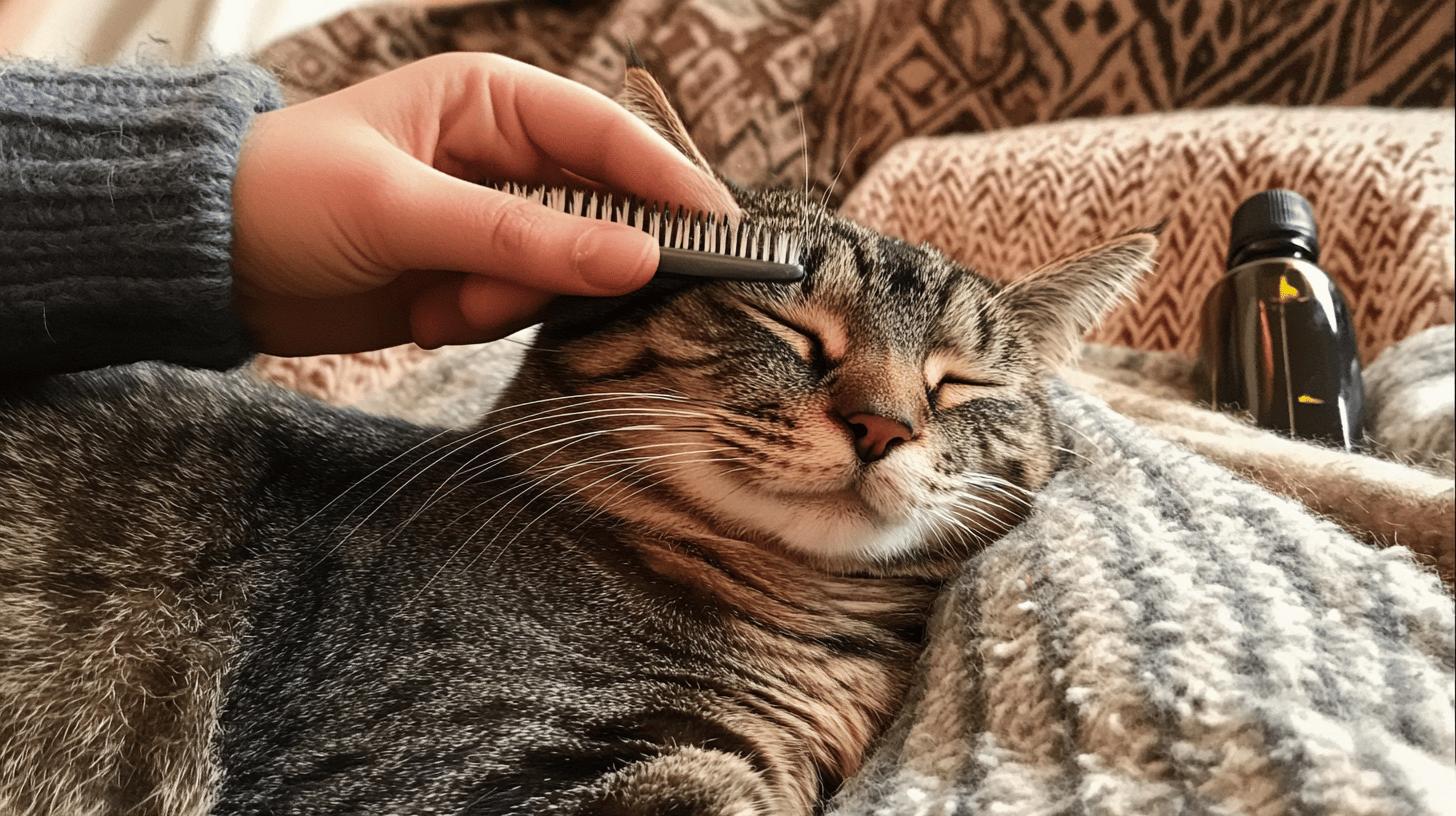
    Olive oil can be a simple yet effective way to help manage and prevent hairballs in cats. When cats groom themselves, they often ingest fur, which can lead to hairballs forming in their digestive tract. By facilitating the digestion process, olive oil helps the fur pass more easily through the system, reducing the chance of hairballs forming. The natural lubricating properties of olive oil allow it to aid in the smooth passage of ingested fur, making it a handy tool for pet owners dealing with this common feline issue.

    To incorporate olive oil for hairball management, consider the following method and frequency:

    • Add a small amount: Mix a few drops of olive oil into your cat's food occasionally. This can help keep their digestive tract lubricated and reduce hairball formation.

    • Monitor your cat: Keep an eye on your cat's reaction to the olive oil. If they show any signs of digestive upset, discontinue use and consult your veterinarian.

    • Consult your vet: Before starting any new supplement, including olive oil, discuss it with your vet to ensure it's suitable for your cat's specific dietary needs and health conditions.

    By using olive oil thoughtfully, you can help your cat manage hairballs more effectively, keeping them comfortable and reducing the mess around the home.

    Potential Risks and Alternatives to Olive Oil for Cats

    Potential Risks and Alternatives to Olive Oil for Cats-1.jpg

    Olive oil can have risks like digestive issues, obesity, and pancreatitis, which are already covered. Let's explore alternative oils that offer benefits with fewer risks.

    Natural oils such as avocado and pumpkin oil can be good alternatives. Avocado oil is rich in healthy fats and vitamins, though too much can cause digestive upset. Pumpkin oil supports digestion and urinary health but may have a mild laxative effect.

    Oil Type Benefit Risks
    Avocado Oil Rich in healthy fats and vitamins Possible digestive upset if overused
    Pumpkin Oil Supports digestion and urinary health Mild laxative effect
    Olive Oil Improves coat health and digestion High in calories, risk of obesity

    Choosing the right oil depends on your cat's health needs. Always consult a veterinarian before adding any new supplement to your cat's diet.

    Final Words

    Knowing whether can cat eat olive oil is crucial. Olive oil, in small amounts, offers benefits like coat health, immune support, and digestive aid. Proper dosage is key to prevent issues like digestive troubles or obesity. When used wisely, olive oil can assist in preventing hairballs and easing constipation. Always watch for any adverse reactions and consider alternatives if needed. Embrace the benefits of olive oil for your cat while ensuring their safety in small, controlled doses. Happy, healthy playtimes await!

    FAQ

    Can cat eat olive oil every day?

    Olive oil is safe for cats in very small amounts. It's best to mix half a teaspoon into their food. Overuse can cause digestive issues and obesity.

    Can cat eat olive oil and lemon?

    Cats should avoid olive oil mixed with lemon. Lemon contains citric acid and essential oils harmful to cats.

    Can cat eat olive oil and garlic?

    Garlic is toxic to cats. Mixing olive oil with garlic should be avoided to prevent health problems.
    What are the benefits of olive oil for cats?

    Olive oil helps promote a healthy coat, improve digestion, and boost immunity. Its antioxidants support the immune system, and it reduces dry skin and dandruff.

    Can I give my cat olive oil for constipation?

    Olive oil can help with constipation by softening stools. Add no more than 1/4 teaspoon per day to the food for relief.

    Is olive oil safe for cats' skin and fur?

    Yes, small amounts of olive oil applied to a cat's fur can improve coat health and reduce dandruff.

    Can I give my cat olive oil for hairballs?

    Olive oil helps manage hairballs by smoothing digestion. Add occasionally to food to assist with hairball prevention.

    How much olive oil can you give a cat?

    A safe amount is half a teaspoon per meal. This helps maintain coat health and assist digestion without causing issues.

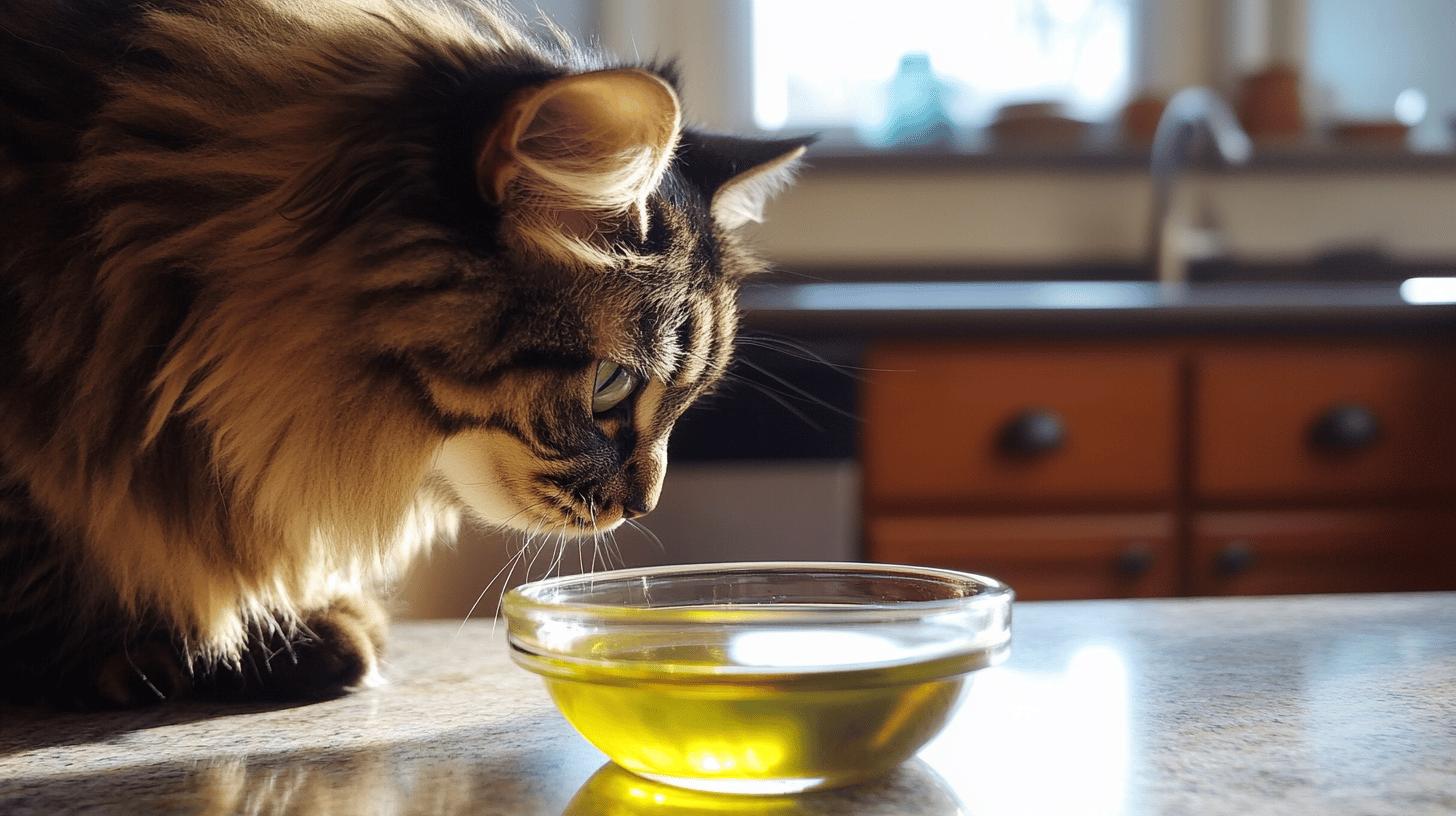
    Is it okay if my cat licks olive oil?

    Yes, licking a small amount of olive oil is okay, but avoid large quantities to prevent digestive issues.

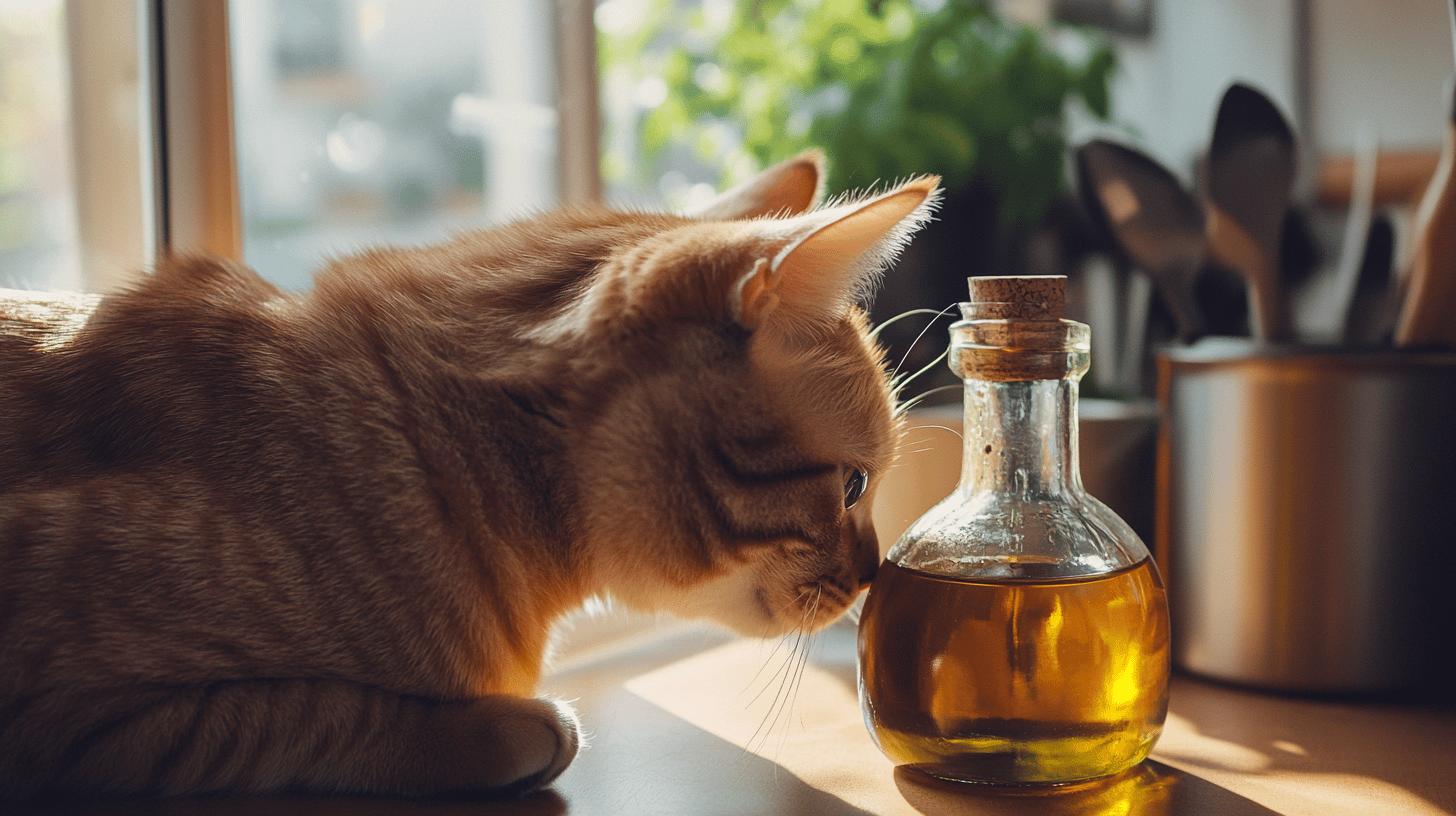
    Why does my cat drink olive oil?

    Cats may find the taste appealing. It can help with digestion but should be consumed in moderation.

    What kind of oil can cats eat?

    Cats can safely consume olive oil, avocado oil, and pumpkin oil. Each offers different health benefits while promoting coat and digestive wellness.

    Related Articles

  • Can Cat Eat Green Beans Safely and Nutritionally

    Can Cat Eat Green Beans Safely and Nutritionally

    Ever wonder if your cat can safely munch on green beans? Some believe they are only for us humans, but these crunchy veggies could actually be a great treat for your feline friend. Loaded with vitamins, green beans can offer nutritional value while keeping playtime exciting. But there's more to consider when adding them to your cat's diet. Let's explore the benefits and potential risks of green beans in a cat's meal plan, so you can decide if this veggie is the right fit for your furry companion.

    Can Cats Eat Green Beans Safely?

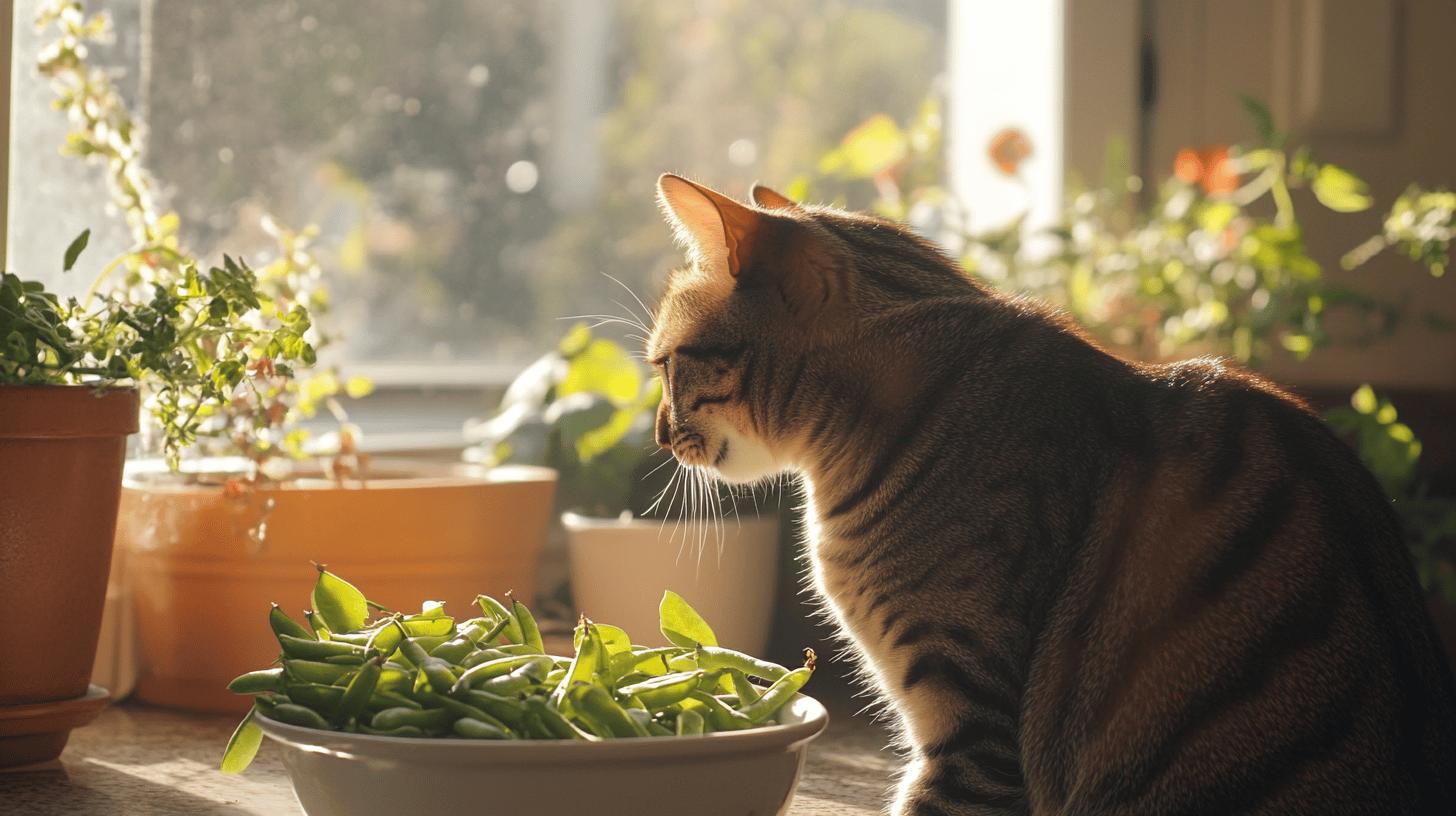
    Can Cats Eat Green Beans Safely-1.jpg

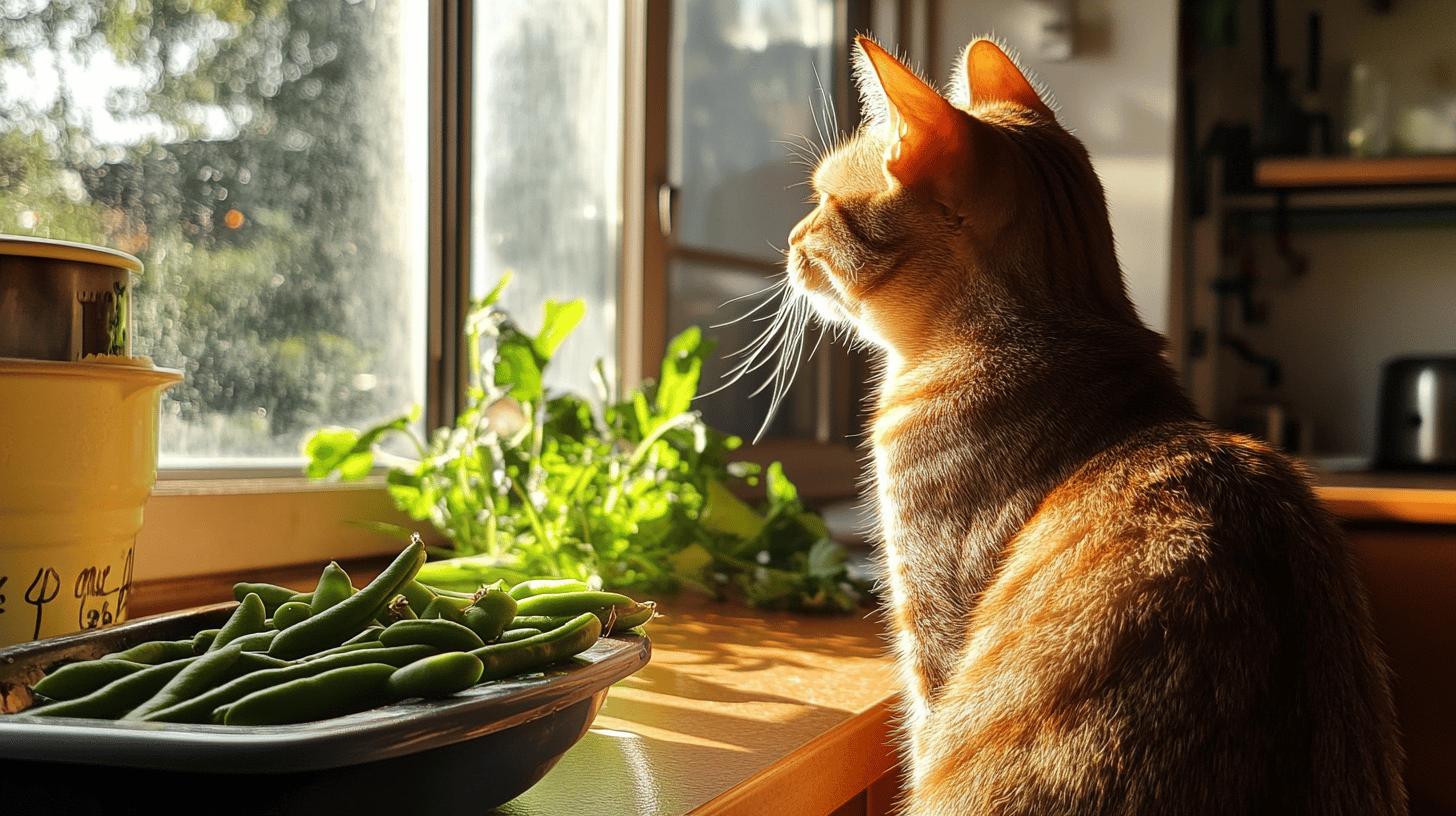
    Cats can safely enjoy green beans as part of their diet. These vegetables are non-toxic to our feline friends and can add variety along with nutritional benefits. Green beans are packed with essential vitamins and minerals that support a cat's overall health. They contain fiber, which aids digestion, and are low in calories, making them an excellent choice for a healthy treat. When given in moderation, green beans can be a delightful addition to a cat's diet, appealing to their sense of taste and texture.

    Despite their benefits, feeding green beans to cats does come with potential risks. Introducing any new food can lead to digestive upset, such as vomiting or diarrhea. Cats, like humans, can have sensitivities or intolerances that may not be immediately apparent. It's crucial to introduce green beans gradually and in small amounts to observe how your cat reacts. An upset stomach or changes in stool can indicate that green beans aren't agreeing with your feline companion.

    • Discontinue feeding green beans immediately
    • Monitor for persistent symptoms
    • Consult a veterinarian for guidance
    • Check for any changes in behavior or appetite
    • Gradually reintroduce only if advised by a vet

    Moderation and gradual introduction are key when it comes to adding green beans to your cat's diet. Start by offering a small piece and observe how your cat responds. If there are no adverse reactions, you can slowly increase the portion size while ensuring it doesn't surpass 10% of their daily caloric intake. This cautious approach will help prevent any digestive issues and allow you to enjoy sharing a healthy snack with your pet.

    Continuous monitoring of your cat's health is vital when introducing any new food. If you notice any unusual symptoms or behaviors, it's important to consult a veterinarian promptly. Your vet can provide personalized advice and determine if green beans are a suitable treat for your cat. Keeping an eye on your cat's overall well-being ensures that you provide the best care possible, supporting their health and happiness.

    Nutritional Benefits of Green Beans for Cats

    Nutritional Benefits of Green Beans for Cats-1.jpg

    Green beans provide an array of vitamins and minerals crucial for your cat's health. Vitamin A is essential for maintaining good vision and a strong immune system. Vitamin C supports cellular repair and boosts immunity, while Vitamin K is vital for blood clotting and bone health. The calcium in green beans strengthens bones and teeth, and potassium plays a key role in maintaining healthy nerve and muscle function.

    Soluble fiber in green beans is a boon for digestive health. It helps regulate bowel movements, easing constipation and diarrhea. This fiber also promotes weight management by making your cat feel full without adding extra calories, which is beneficial for cats needing to lose or maintain weight.

    Nutrient Benefit for Cats
    Vitamin A Supports vision and immune function
    Fiber Aids in digestion and weight management
    Calcium Strengthens bones and teeth

    Green beans also enhance urinary health in cats. The vegetable-based protein helps balance urinary system acidity, preventing or dissolving urinary tract calcifications. Including green beans in your cat's diet can support their urinary health, helping them stay comfortable and free from urinary issues.

    Preparation and Serving Guidelines for Green Beans for Cats

    Nutritional Benefits of Green Beans for Cats-2.jpg

    Cooked green beans are a superior choice for our feline companions when compared to raw or canned options. Raw green beans can be tough for cats to chew and digest, especially for those with dental issues. On the other hand, canned green beans often contain added salts and preservatives that aren't suitable for cats. By cooking the green beans, you make them easier to digest and more palatable. The key is to keep them plain and unseasoned, as spices and other additives can be harmful to cats.

    • Wash the green beans thoroughly
    • Trim ends and remove any strings
    • Cut into small, bite-sized pieces
    • Steam or boil until soft
    • Ensure they are plain without seasonings

    Moderation is crucial when incorporating green beans into your cat's diet. These veggies should be an occasional treat, not a staple. When determining the portion size, consider your cat's size and dietary needs. For a small cat, a few small pieces are sufficient, while a larger cat might enjoy a slightly bigger portion. Regardless of size, green beans should never make up more than 10% of your cat's daily caloric intake. This ensures your cat receives the majority of their nutrition from balanced commercial cat food.

    Remember, green beans are meant to be a treat, not a meal replacement. Cats have specific dietary requirements that commercial cat foods are designed to meet. By keeping green beans as an occasional treat, you maintain their primary diet and ensure they receive all necessary nutrients. This balance helps keep your cat healthy and happy, giving them the best of both worlds: a nutritious diet and a delightful snack.

    Final Words

    Feeding cats green beans can be a safe way to add variety to their diet. Green beans offer nutritional benefits like vitamins, fiber, and protein. They support bones, digestion, and overall health. But, moderation is key to prevent any digestive upset.

    If considering green beans for your cat, gradual introduction and observation are essential. Keep an eye on any signs of food intolerance. Always consult a veterinarian if unsure or if symptoms persist. Using can cat eat green beans as an occasional treat can be a healthy choice for your furry friend.

    FAQ

    Can cats eat green beans raw or cooked?

    Cats can eat green beans cooked. Cooked green beans are easier to digest than raw and are better for their dental health. Always serve them plain and without seasonings.

    Can cats eat green beans every day?

    It's not recommended for cats to eat green beans every day. They should be an occasional treat, comprising no more than 10% of your cat’s daily calorie intake.

    Can cats eat other vegetables like peas, rice, carrots, or corn?

    Cats can eat peas, carrots, and corn in moderation. Rice is also safe but should be fed sparingly. Vegetables should never replace a balanced cat diet.

    Are green beans good for cats?

    Green beans are good for cats in moderation. They offer vitamins, fiber, and minerals that support digestion and health. Introduce them slowly to avoid digestive issues.

    What are the potential risks of feeding green beans to cats?

    Feeding green beans can lead to digestive upset if not introduced slowly. Observe for vomiting or diarrhea and discontinue if symptoms persist. Consult a veterinarian as necessary.

    Are green bean plants toxic to cats?

    Green bean plants are not toxic to cats, but keep an eye on your cat to prevent overeating that might cause digestive problems.

    Why do cats love green beans?

    Cats may enjoy the texture and novelty of green beans. They also provide a slight crunch that some cats find appealing.

    What vegetables can't cats eat?

    Onions, garlic, and chives are toxic to cats and should never be fed. Limit other vegetables to occasional treats to avoid unbalancing their diet.

    Are cooked or canned green beans better for cats?

    Cooked green beans are better than canned ones. Canned beans often contain added salts and preservatives that aren't healthy for cats. Serve them fresh and plain.

    Related Articles

  • Can Cat Eat Pistachios Understanding Risks and Allergies

    Can Cat Eat Pistachios Understanding Risks and Allergies

    Are pistachios a feline-friendly treat, or could they hide some serious risks for your cat? While pistachios may seem harmless compared to obvious dangers like chocolate, they bring their own set of worries. Despite not being toxic, pistachios lack the nutrients cats need and might even spell trouble. In this article, we’ll unravel the potential health issues pistachios pose to cats, from high-fat content leading to obesity to the dangers of sodium poisoning and choking hazards. Dive into understanding whether pistachios have any place in your cat’s diet.

    Can Cats Eat Pistachios? Understanding Risks and Allergies

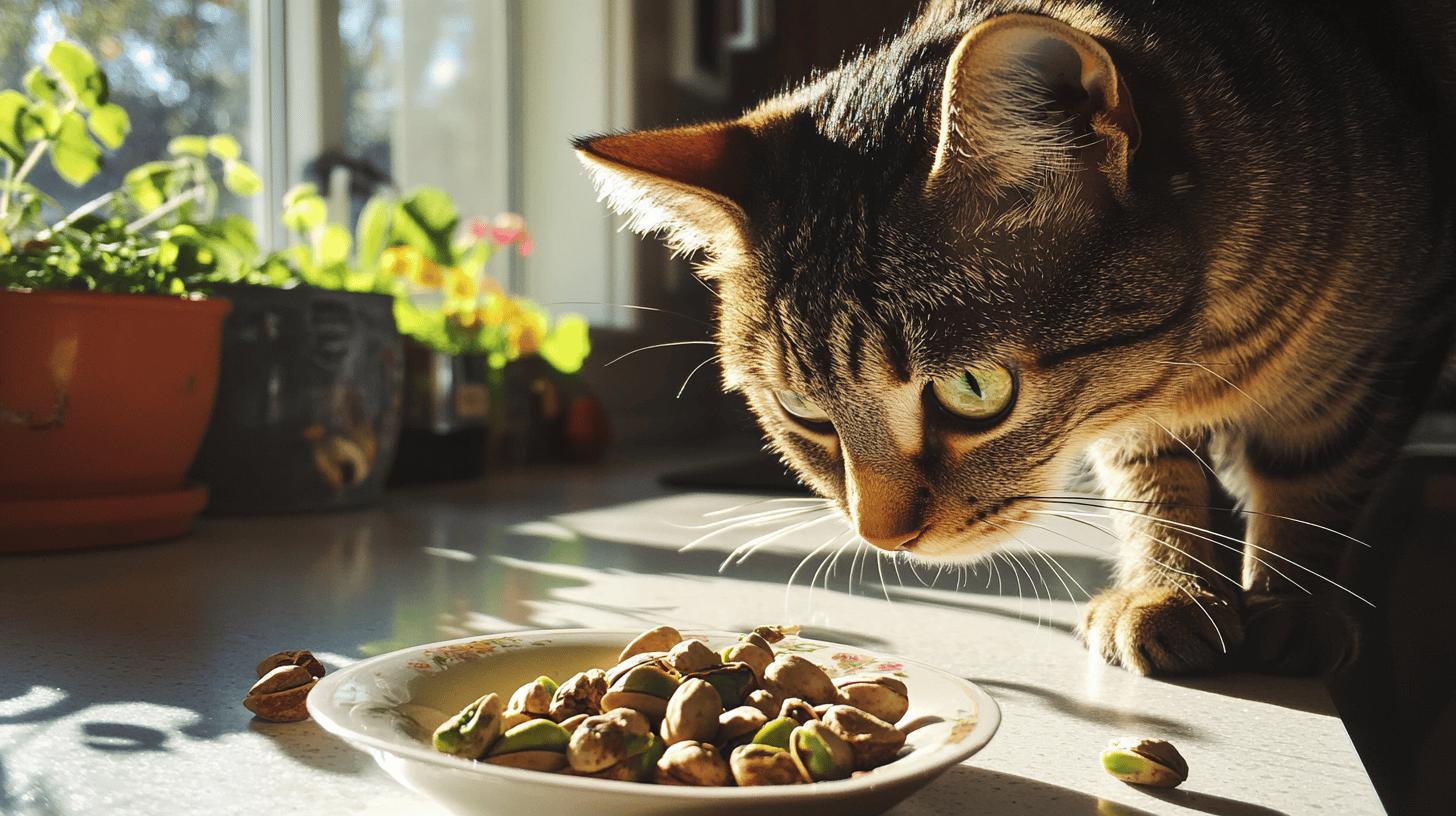
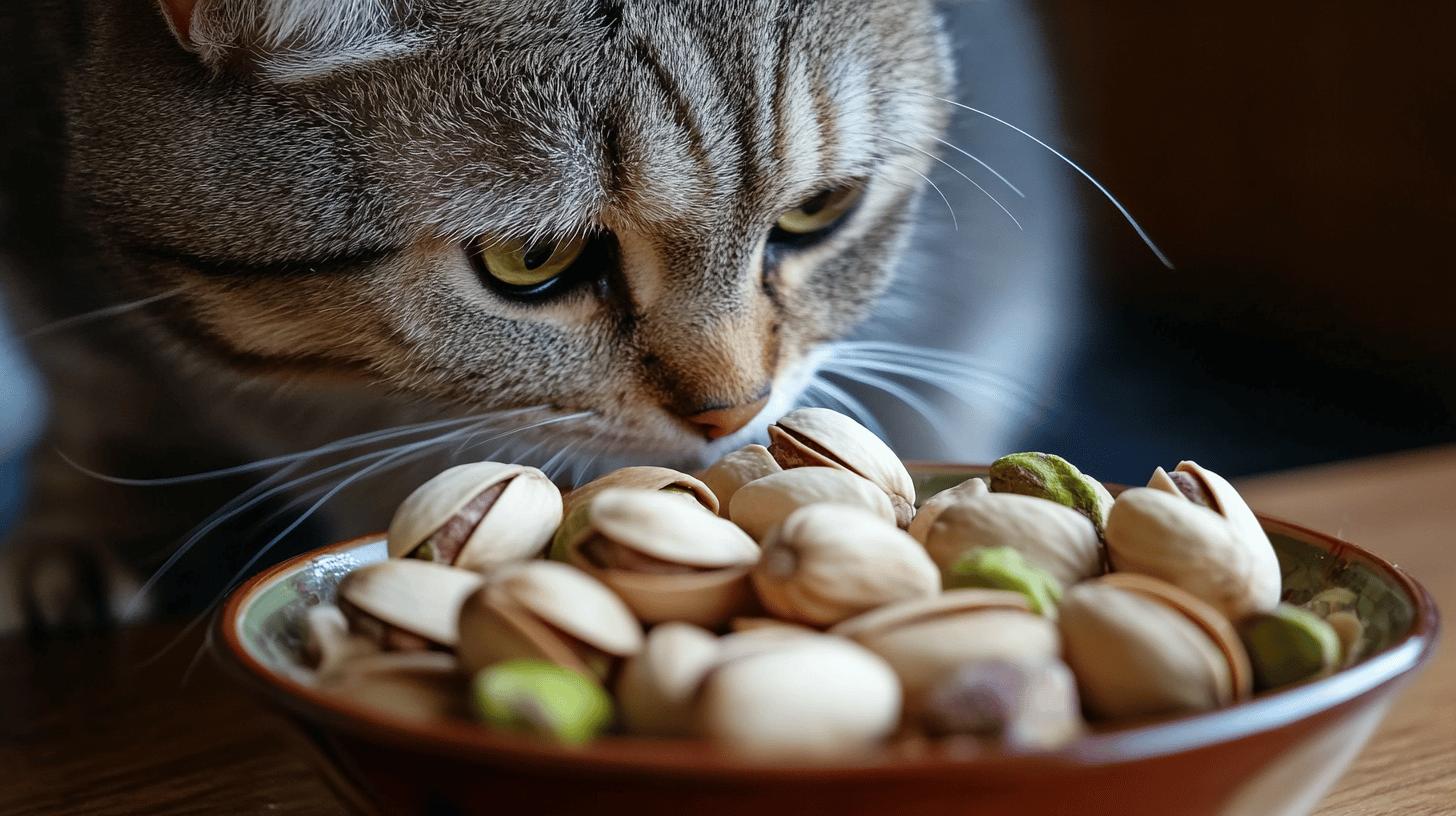
    Can Cats Eat Pistachios Understanding Risks and Allergies-1.jpg

    Pistachios are not toxic to cats, but they are far from a safe snack option. While they don’t possess the immediate danger of chocolate or onions, the health risks associated with pistachios are significant. Cats are obligate carnivores, requiring a diet primarily composed of meat. Pistachios don’t provide any nutritional benefits and can lead to various health issues.

    Potential Health Risks

    1. High-Fat Content: Pistachios are high in fat, which can lead to obesity, diabetes, and pancreatitis in cats. Pancreatitis is a potentially life-threatening condition where the pancreas becomes inflamed. Consuming high-fat foods regularly can stress a cat’s digestive system, leading to serious health problems.
    2. Sodium Poisoning: Many pistachios are salted or flavored, which can be harmful to cats. Sodium poisoning can occur, leading to symptoms such as vomiting, diarrhea, tremors, and in severe cases, kidney damage. Cats do not require salt in their diet, so even small amounts can cause issues.
    3. Choking Hazard: The hard shells of pistachios can pose a choking risk. If ingested, these shells might block a cat’s airway or digestive tract, leading to potentially life-threatening situations.
    1. Gastrointestinal Injury: Even without the shells, pistachios can cause gastrointestinal issues. Cats may experience stomach pain, diarrhea, or other digestive disturbances after consuming these nuts.
    2. Pancreatitis: The high-fat content in pistachios can trigger pancreatitis, an inflammation of the pancreas. This condition can be quite serious, leading to abdominal pain, vomiting, and lethargy.

    Allergies and Symptoms

    Cats can develop allergies to pistachios, though it might not be as common as other food allergies. Symptoms of a pistachio allergy may include itching, swelling, digestive upset, or difficulty breathing. These allergic reactions can vary in severity, from mild discomfort to severe, life-threatening responses. Recognizing these symptoms quickly is crucial for the health of your feline friend.

    Avoiding Pistachios in a Cat’s Diet

    It’s best to keep pistachios out of your cat’s reach. If your cat accidentally ingests pistachios, especially with shells or seasonings, it’s important to monitor them for any symptoms of distress or allergic reactions. Immediate consultation with a veterinarian can prevent potential complications. Keeping pistachio consumption at bay ensures your cat remains healthy and safe from unnecessary risks.

    Safe Alternatives to Pistachios for Cats

    Safe Alternatives to Pistachios for Cats-1.jpg

    Offering cat-friendly snacks is a great way to treat your furry friend without exposing them to potential health risks. Cats are obligate carnivores, and their dietary needs differ from ours. Safe and healthy snacks can provide enjoyment and variety without compromising their health.

    Here are five safe alternatives to pistachios for cats:

    • Carrots: Cooked carrots are a crunchy and safe treat for cats. Make sure they are soft to avoid choking.
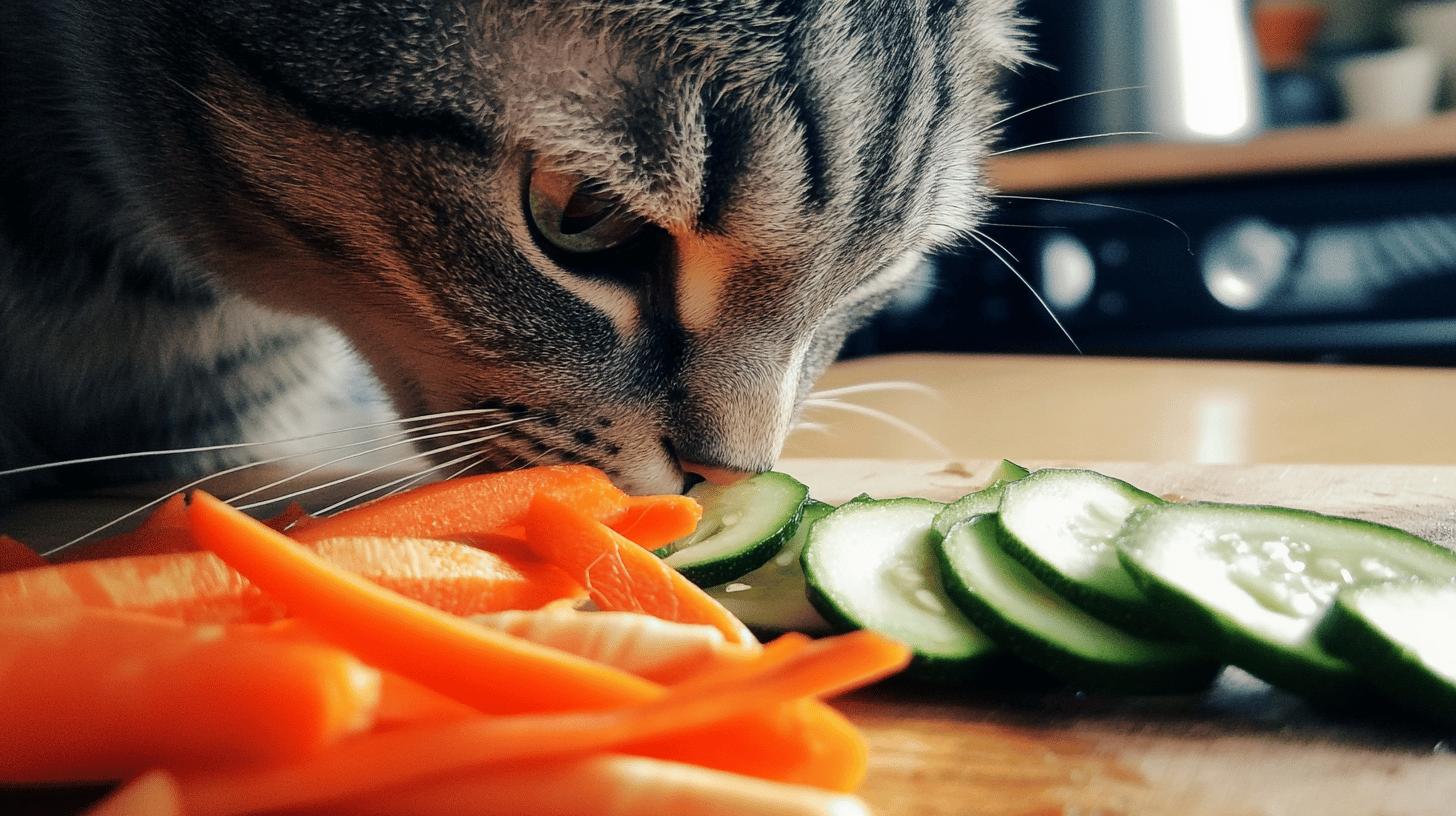
    • Zucchini: Another veggie option, zucchini can be cooked and sliced into small, manageable pieces for your cat.
    • Catnip Croutons: These can be homemade and are often irresistible to cats. They provide a fun and safe treat.
    • Tuna Treats: You can make simple tuna treats at home, ensuring they are free from any added salt or seasonings.
    • Commercial Cat Treats: These are specifically formulated to meet feline dietary needs and are a convenient option.

    Moderation is key when offering treats to your cat. Snacks should not exceed 10% of their daily caloric intake. Ensuring a balanced diet with the majority of calories coming from nutritionally complete cat food helps maintain overall health. By choosing safe alternatives, you can indulge your cat’s curiosity and taste buds without worry.

    Avoiding Pistachios in a Cat’s Diet

    Cats nibbling on pistachios can lead to health issues. Symptoms such as vomiting, diarrhea, and allergic reactions are signs to watch for. Recognizing these early can make a big difference.

    Steps to take if your cat eats pistachios:

    1. Remove Access to Pistachios: Ensure no more pistachios are within your cat’s reach.
    2. Monitor for Symptoms: Look out for vomiting, diarrhea, or any behavior changes.
    3. Contact a Veterinarian: If symptoms appear or if pistachios with shells or seasonings were consumed, call a vet immediately.

    Veterinary consultation is essential to ensure your cat’s health after ingestion of potentially harmful foods. Always stay informed about the foods your cat encounters.

    Final Words

    Exploring the topic of “can cat eat pistachios” exposed the risks, even though pistachios themselves aren’t toxic. The hidden dangers, like high fat, sodium risk, and choking hazards, make them unsuitable for feline friends. Considering allergies, symptoms could range from itching to difficulty breathing. Safer choices, like catnip croutons or carrots, keep playtime healthy. If your cat snacks on pistachios accidentally, act fast and contact a vet. The best approach is keeping unwanted food away, ensuring a happy and safe kitty.

    FAQ

    Are pistachios toxic to cats?

    Pistachios are not toxic to cats, but they pose health risks. The high-fat content can lead to obesity, diabetes, and pancreatitis. Salt and flavorings can cause sodium poisoning.

    Can cats eat pistachio shells?

    Pistachio shells are dangerous for cats. They can cause choking and gastrointestinal injury due to their hard and sharp nature.

    Why does my cat like pistachios?

    Cats may be drawn to pistachios out of curiosity or due to the smell and texture. However, they should not eat them.

    What should I do if my cat ate a pistachio?

    If your cat eats pistachios, especially with shells or seasonings, remove them immediately. Watch for signs like vomiting or diarrhea and contact a vet.

    What are symptoms of pistachio allergies in cats?

    Cats with pistachio allergies may show symptoms like itching, swelling, digestive upset, or difficulty breathing. Seek veterinary help if you notice these signs.

    Can cats eat almonds?

    Like pistachios, almonds are not recommended for cats. They can cause digestive issues and potential choking hazards.

    Which nuts are toxic to cats?

    Macadamia nuts are notably toxic to cats. Pistachios and almonds should also be avoided due to potential health risks.

    Can cats eat pistachio pudding or muffins?

    Cats should not eat pistachio pudding or muffins. These foods contain ingredients that are harmful or unhealthy for cats.

    Related Articles

  • Can Cats Eat Peas Safely and Healthily

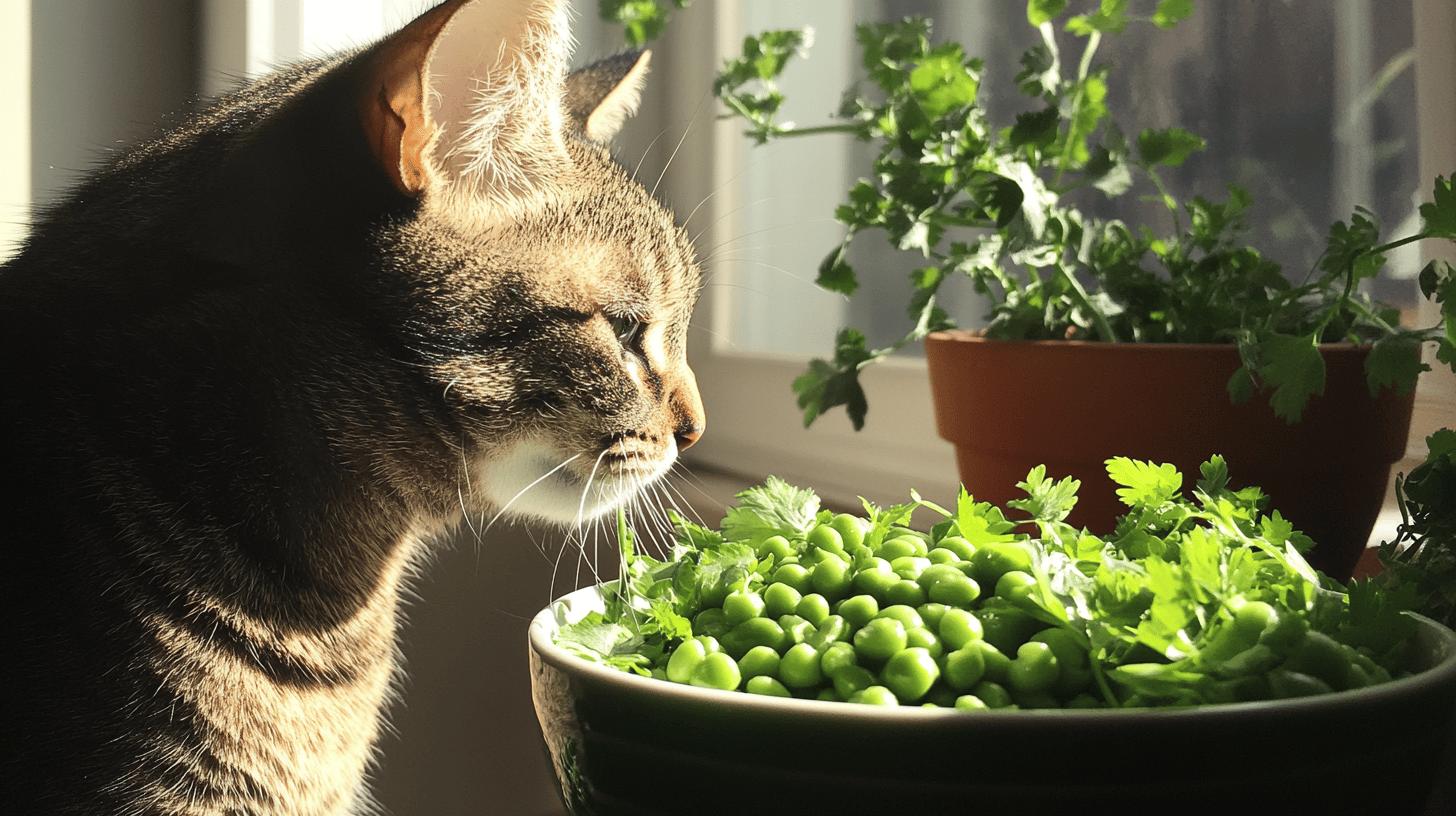
    Can Cats Eat Peas Safely and Healthily

    Can cats eat peas safely, or are we putting our furry friends at risk? It’s a question that tickles the curiosity of many cat owners seeking to enrich their pet’s diet with nutritious options. The good news is that peas can be a safe and healthy treat for cats. Packed with vitamins and fiber, peas offer a surprising punch of health benefits. But moderation is key in keeping our cats happy and safe. In this post, we’ll dive into the dos and don’ts of feeding peas to your feline friend, ensuring a delightful and safe snacking experience.

    Can Cats Safely Eat Peas?

    Can Cats Safely Eat Peas-1.jpg

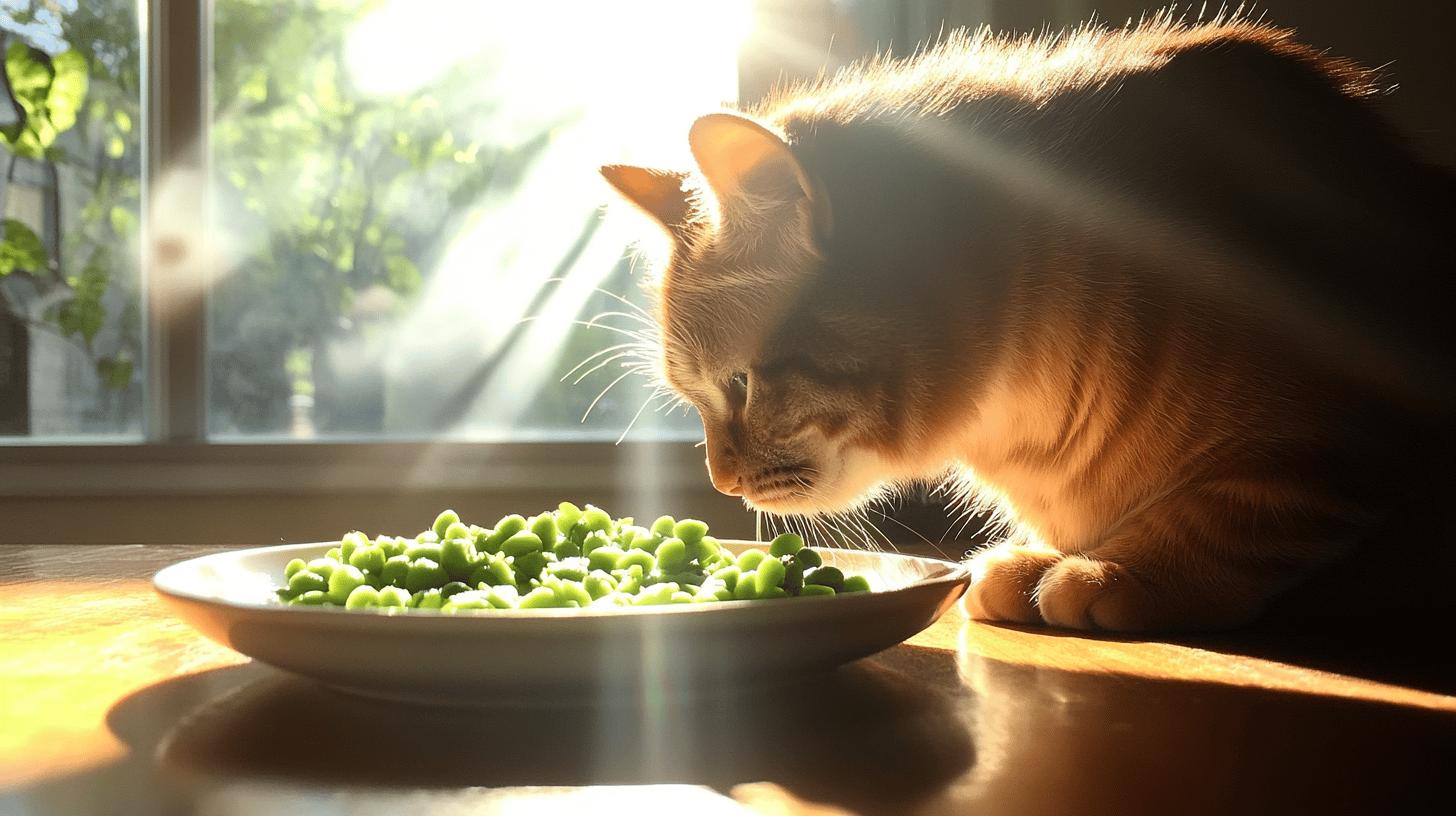
    Cats can indeed enjoy peas as a safe and healthy treat. Peas are not only non-toxic but also offer nutritional benefits, providing vitamins and fiber. However, it’s crucial to keep their consumption moderate to prevent any potential gastrointestinal issues.

    Safe Types of Peas for Cats

    • Garden Peas: Also known as English peas, these can be served fresh or cooked.
    • Snap Peas: These are safe and can be a crunchy treat, provided they are not too hard for your cat to chew.
    • Snow Peas: These can be offered, but ensure they are adequately prepared to prevent choking.

    When serving peas to your furry friend, always make sure they are plain. This means no added salt, butter, or seasonings that could upset their stomach or lead to other health problems. Cooking peas softens them, making them easier for cats to chew and digest, especially for kittens or older cats with dental issues.
    Moderation is the golden rule—just a few peas can be a delightful snack without overshadowing their main diet. Always observe your cat after introducing any new food, including peas, to ensure they don’t have any adverse reactions.

    Nutritional Benefits of Peas for Cats

    Nutritional Benefits of Peas for Cats-1.jpg

    Peas are a small yet mighty addition to a cat’s diet, packed with essential nutrients that support various aspects of feline health. Among the key vitamins found in peas are vitamins A, B1, B6, C, and K. These vitamins play crucial roles in maintaining a cat’s well-being. Vitamin A is vital for eye health, helping maintain sharp vision. B vitamins are instrumental in muscle function and nerve health, ensuring your kitty stays agile and alert. Vitamin C boosts the immune system, while vitamin K is essential for healthy bones.

    Nutrient Benefit for Cats
    Vitamin A Supports eye health
    Vitamin B1 & B6 Aids muscle function and nerve health
    Vitamin C Boosts immune system
    Vitamin K Essential for strong bones
    Protein Contributes to muscle development

    But that’s not all. Peas are also rich in important minerals like manganese, copper, potassium, and iron, which are essential for overall health. Manganese and copper support metabolic functions, while potassium helps with heart and muscle function. Iron is crucial for carrying oxygen in the blood, ensuring your cat remains energetic and healthy.

    Additionally, peas contain lutein and linoleic acid. Lutein is known for supporting eye health, while linoleic acid contributes to maintaining healthy skin and a shiny coat. By incorporating peas into your cat’s diet, you can provide them with a natural source of these beneficial nutrients without any complex preparation.

    How to Serve Peas to Your Cat

    Peas can be a delightful treat for your cat, but how you serve them matters a lot. You can offer peas fresh, cooked, or even frozen, but it’s key to ensure they are prepared in a way that suits your cat’s needs. When cooking peas, it’s best to avoid any seasonings like salt, pepper, or oil which can upset your cat’s stomach. If you decide to serve them frozen, make sure they are soft enough for your cat to chew comfortably.

    Here’s a simple guide to serving peas to your cat:

    1. Select Fresh Peas: Start with fresh garden or snap peas. Ensure they are washed thoroughly to remove any pesticides or dirt.
    2. Cook Gently: If you opt for cooked peas, steam them until they are tender. This makes them easy to chew and digest.
    3. Mash for Easier Eating: For cats with dental issues or very young kittens, mash the cooked peas into a softer consistency.
    1. Serve Plain: Always present the peas without any seasoning. Cats prefer their food plain, and it’s healthier for them.
    2. Monitor Portion Size: Limit the number of peas to a small handful to ensure they don’t interfere with your cat’s regular diet.

    For cats with dental issues or those who struggle with chewing, mashed or thoroughly cooked peas are ideal. This softer texture prevents any choking hazard and makes it easier for them to enjoy the treat. Always keep an eye on your cat when introducing new foods to ensure they’re comfortable and don’t exhibit any adverse reactions.

    Can Cats Safely Eat Peas?

    Health Considerations and Risks of Feeding Peas to Cats-2.jpg

    Feeding peas to your cat can be safe, but moderation is crucial. Cats have sensitive digestive systems, and too many peas might cause gastrointestinal issues.

    Specific Adverse Reactions

    • Allergies: Watch for hair loss or skin irritation.
    • Digestive Issues: Upset stomach, diarrhea, or vomiting.

    Consulting a veterinarian is essential, especially if your cat has existing health conditions or allergies. A vet can offer guidance on how to safely include peas in your cat’s diet. Always observe your cat’s response to new foods to maintain their health.

    Comparing Peas with Other Vegetables for Cats

    Comparing Peas with Other Vegetables for Cats-1.jpg

    Cats can enjoy a variety of vegetables in their diet, but not all are safe. Alongside peas, some other safe vegetables include carrots, cucumber, and broccoli. These vegetables can provide essential nutrients and a bit of variety to your cat’s regular diet. Carrots are known for their high vitamin A content, which supports eye health. Cucumber offers hydration due to its high water content, while broccoli is rich in fiber and antioxidants, contributing to overall well-being.

    Vegetable Benefits Risks
    Peas Rich in vitamins and fiber Overconsumption can cause digestive issues
    Carrots High in vitamin A, good for eyesight Raw carrots can be hard to digest
    Cucumber Hydrating, low in calories Excess amounts may lead to diarrhea
    Broccoli Contains fiber and antioxidants Can cause gas if eaten in large quantities

    It’s crucial to avoid vegetables that can harm your cat. Canned vegetables with high sodium content should be off-limits, as excessive sodium can lead to health issues like hypertension. Additionally, certain vegetables like onions, garlic, and chives are toxic to cats and must be avoided entirely. Vegetables, when given in moderation, can act as healthy treats and offer nutritional benefits, but they should not replace the primary protein-based diet that cats need. Always introduce new foods slowly and monitor your cat’s health, consulting with a veterinarian as necessary to ensure the safety of your feline friend.

    Final Words

    Exploring the question of “can cats eat peas” reveals that these veggies are a safe and healthy treat. Peas offer nutritional benefits like vitamins and minerals essential for cat health. Serving them fresh, frozen, or cooked without seasoning makes them even safer. Moderation is important to prevent any digestive issues.

    Peas provide a unique nutritional boost compared to other vegetables without posing significant risks. Always keep in mind your cat’s dietary needs and consult a veterinarian for any concerns. Overall, peas can enrich your cat’s diet while keeping playtime enjoyable and safe.

    FAQ

    Can cats eat peas every day?

    Cats can eat peas, but not every day. Peas should be an occasional treat to avoid digestive issues.

    Can cats eat peas and carrots?

    Cats can eat peas and carrots, but both should be plain and in moderation to prevent health issues.

    Can cats eat carrots?

    Yes, cats can eat carrots. Ensure they’re cooked and unseasoned for safe consumption.

    Can cats eat green beans?

    Cats can safely consume green beans. Offer them cooked or plain without seasonings.

    Can cats eat corn?

    Cats can eat corn in small amounts. It should be plain and unseasoned.

    Can cats eat peas and corn?

    Cats can enjoy peas and corn in moderation. Serve them plain and without additives.

    Can cats eat frozen peas?

    Frozen peas are safe for cats if served soft and plain. Ensure they chew them well.

    Can cats eat cooked peas?

    Cooked peas are safe for cats. Avoid adding salt, pepper, or other seasonings.

    Are peas safe for cats?

    Peas are safe for cats in limited amounts. They should be served plain and without any additives.

    What vegetables can cats not eat?

    Cats should avoid onions, garlic, and leeks as these are toxic and can cause severe health problems.

    Are pea shoots toxic to cats?

    Pea shoots are generally safe for cats, but monitor for any adverse reactions when introducing them.

    Can cats eat peas and green beans?

    Yes, cats can eat both peas and green beans. Serve them plain and in moderation.
    Related Articles

  • Can Cat Eat Banana Safely and in Moderation

    Can Cat Eat Banana Safely and in Moderation

    Ever watched your cat eyeing your snack, and wondered if it’s safe to share? Many pet owners ask, “Can cats eat banana safely?” The short answer is yes, but only in moderation. Bananas aren’t toxic to cats, making them an occasional treat option. Yet, because cats are carnivores, relying on animal protein is vital for their diet. Bananas, while rich in vitamins, don’t offer much nutritional value for cats. So, if you’re considering adding a banana to your cat’s food list, remember that balance is crucial for their health and wellbeing.

    Can Cats Safely Eat Bananas?

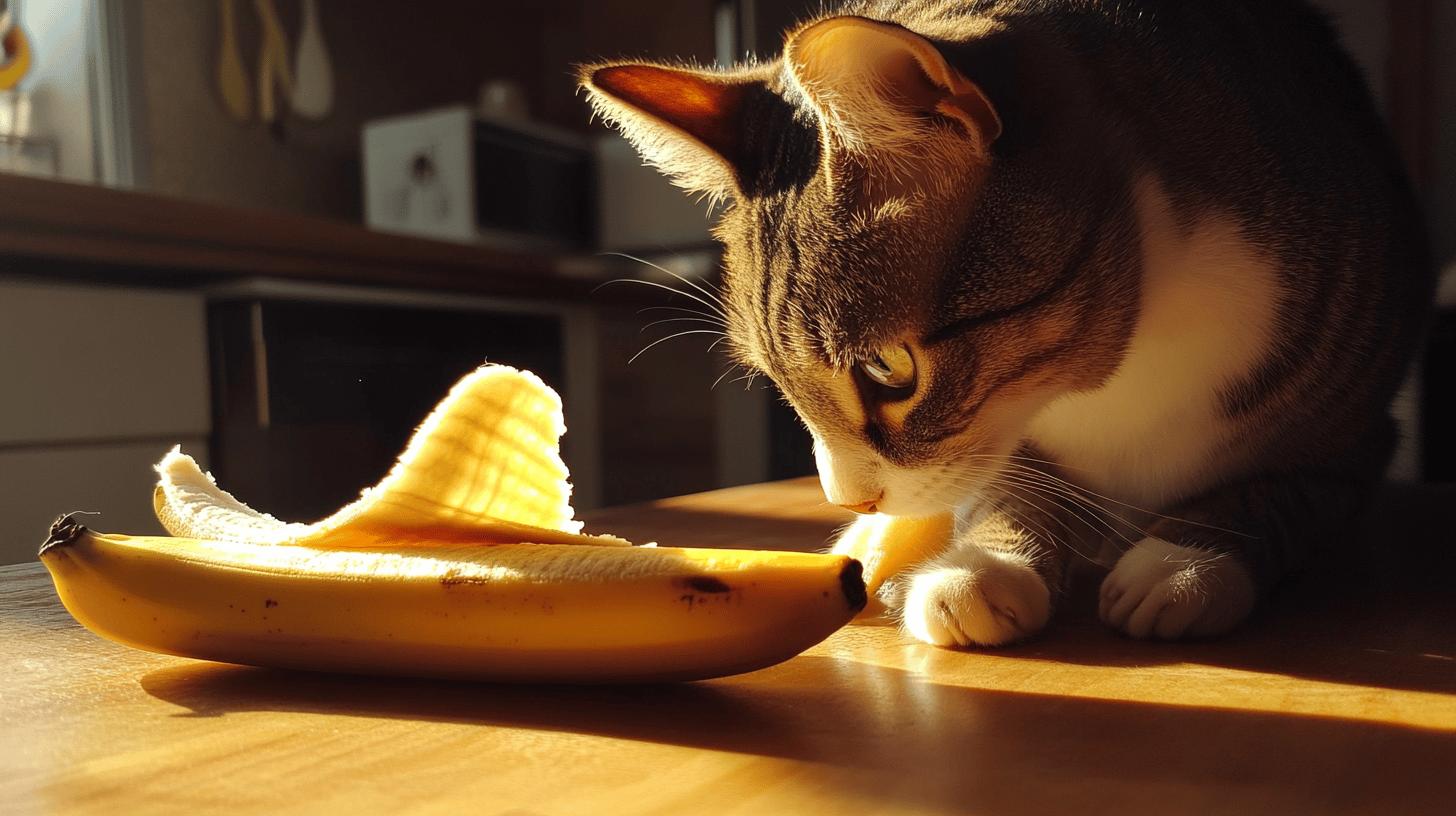
    Can Cat Eat Banana Safely and in Moderation-2.jpg

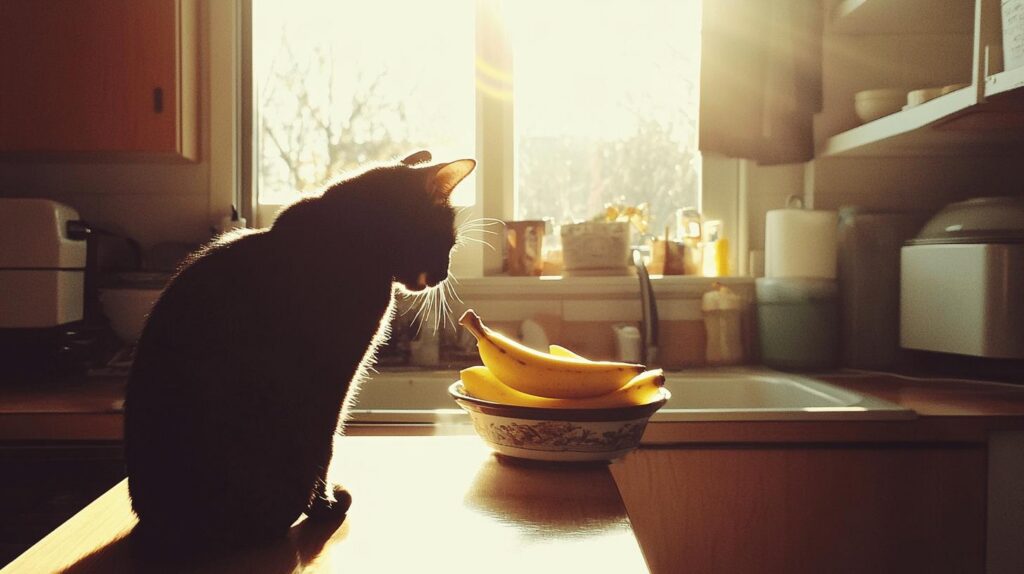
    Cats can safely eat bananas, but only in small amounts. Bananas are not toxic to cats and can be offered as an occasional treat. It’s crucial to keep portions small—about a one-square-inch slice every few weeks is enough. While bananas contain vitamins and minerals, they don’t provide significant nutritional benefits for cats, who are obligate carnivores.

    The carbohydrate content in bananas can lead to weight gain if given too often. Therefore, moderation is key when sharing bananas with your feline friend. Always prioritize a balanced diet primarily based on animal protein to meet their nutritional needs.

    Overfeeding bananas to cats can result in several side effects. Digestive issues are the most common concern, as cats may experience discomfort when consuming foods outside their regular diet. If you notice any signs of digestive upset, it’s best to discontinue feeding bananas and consult a veterinarian.

    Potential adverse reactions to overfeeding bananas include:

    • Vomiting
    • Diarrhea
    • Stomach upset

    Cats’ digestive systems are sensitive, so it’s important to monitor their reaction to any new food, including bananas.

    Guidelines for Feeding Bananas to Cats

    Feeding bananas to cats requires moderation and care. Offer a small slice, about one square inch, every few weeks as an occasional treat. This portion size maintains variety without compromising health. While bananas are non-toxic, they lack essential nutrients found in a cat’s meat-based diet. Always prioritize your cat’s regular food to meet dietary needs, using bananas sparingly to prevent digestive issues.

    Cats might not show interest in bananas due to their fewer taste buds and lack of sensitivity to sweetness. This can lead to some cats ignoring bananas altogether.

    To safely introduce bananas to your cat:

    • Cut the banana into small, manageable pieces.
    • Observe your cat’s reaction to eating bananas.
    • Limit the frequency to once every few weeks.

    Nutritional Benefits and Risks of Bananas for Cats

    Bananas contain antioxidants that might help reduce oxidative stress in cats. These antioxidants, along with small amounts of vitamins like vitamin C and potassium, offer minor health benefits. Yet, these nutrients are not crucial for a cat’s diet, as the amounts in bananas are too minimal to make a significant impact.

    The high carbohydrate content in bananas presents a risk. Cats are not designed to process large amounts of carbs, making them prone to weight gain if bananas are consumed frequently. This weight gain could increase the risk of diabetes, emphasizing the importance of offering bananas only as an occasional treat.

    As obligate carnivores, cats thrive on animal protein diets rich in taurine and amino acids, which are not present in bananas. Non-animal sources like bananas do not meet their nutritional needs. Focusing on a diet centered around high-quality animal protein is key to keeping your cat healthy.

    Expert Opinions and Veterinary Recommendations on Bananas for Cats

    Expert Opinions and Veterinary Recommendations on Bananas for Cats-1.jpg

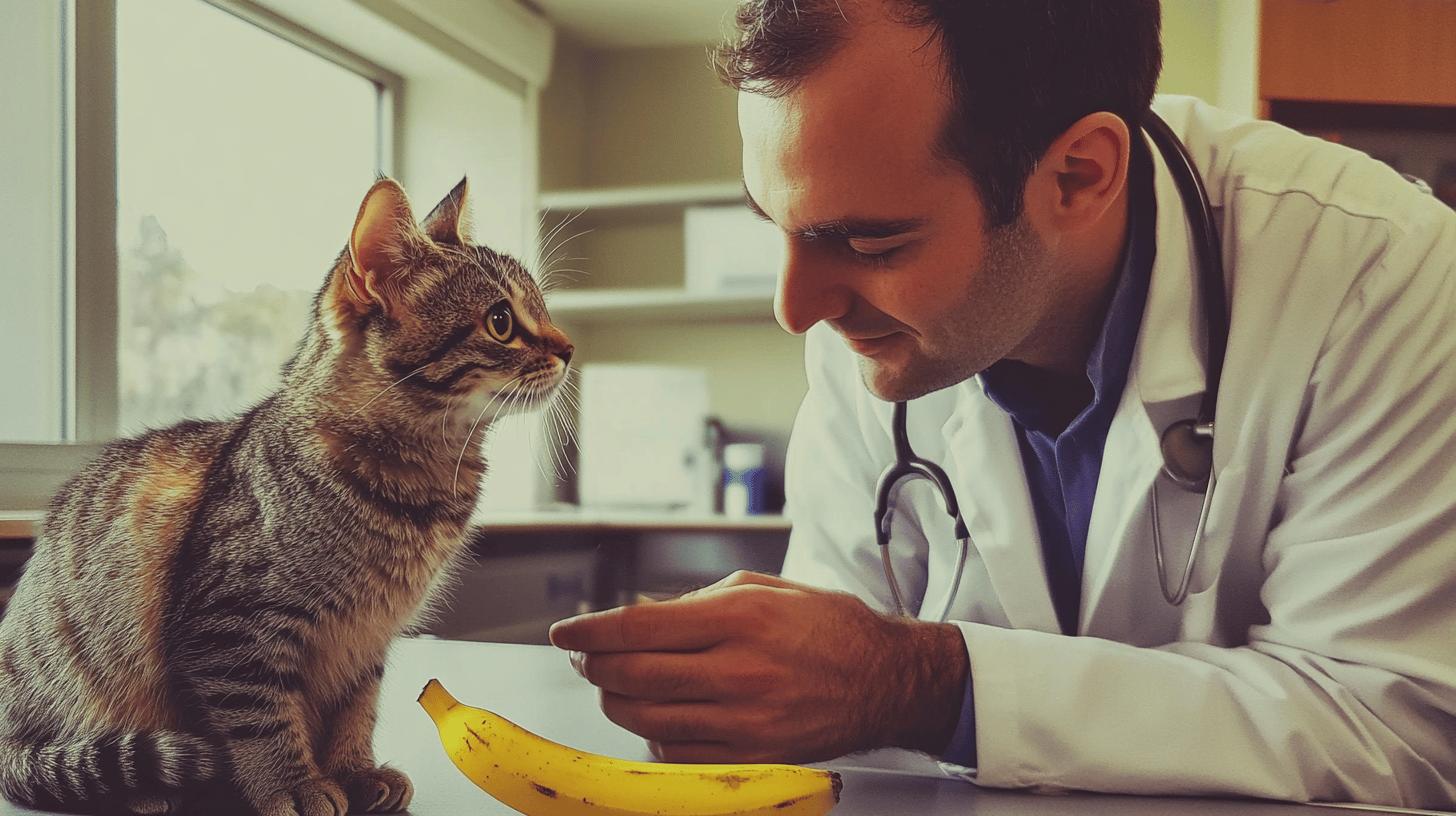
    Consulting veterinarians is crucial when introducing new foods to your cat’s diet. Although bananas are not toxic, they should be given with caution. Veterinarians can offer guidance on how to keep your cat’s diet balanced and healthy.

    Feeding cats human foods like bananas can lead to costly dietary indiscretions. Pet insurance claims for these incidents average $642. To avoid unnecessary expenses and health issues, it’s best to follow vet-recommended diets and consult a veterinarian before adding new treats.

    Alternatives to Bananas and Safe Fruits for Cats

    Alternatives to Bananas and Safe Fruits for Cats-1.jpg

    Cats can enjoy a variety of fruits as safe alternatives to bananas. While cats are obligate carnivores and their main nutritional needs come from animal proteins, small amounts of certain fruits can be an occasional treat. Blueberries, strawberries, and apples are among the fruits that cats can eat in moderation. These fruits offer a refreshing change and can be a novel experience for your feline friend. Remember, fruits should never replace a balanced diet based on high-quality animal protein.

    It’s important to give these fruits in moderation due to their high sugar content. Too much sugar can lead to weight gain and other health issues. Always ensure to remove any harmful parts such as stems, pits, seeds, and rinds before offering fruits to your cat. These parts can be toxic or pose choking hazards. By keeping portions small and removing unsafe components, you can safely offer these fruity treats to your cat.

    Fruit Safe Amount
    Blueberries 2-3 berries
    Strawberries 1 small strawberry
    Apples 1-2 small slices

    Final Words

    Exploring the question, “Can cat eat banana?” revealed that, while not toxic, bananas are best as an occasional treat.

    A small slice every few weeks is enough to keep your cat safe from digestive issues.

    Even though bananas have some vitamins, they’re not a staple for carnivore cats.

    It’s always a good idea to check with your vet when introducing new treats.

    Considering alternatives like blueberries and strawberries can provide more variety in your cat’s diet.

    Remember, moderation is key to keeping your furry friend healthy and happy.

    FAQ

    Can cats eat banana peels?

    Cats should not eat banana peels. They can be hard to digest and might cause stomach upset or blockage.

    Can cats eat banana bread?

    Cats should avoid banana bread. Bread can contain ingredients harmful to cats, like sugar and spices.

    Can cats eat bananas for diarrhea?

    Feeding bananas to cats for diarrhea is not recommended. It’s best to consult a vet for appropriate treatment.

    What fruits can cats eat?

    Cats can eat certain fruits like blueberries, strawberries, and apples in moderation. These should be served without seeds or skins.

    Can cats eat apples?

    Cats can eat apples, but only in small, seedless pieces. Seeds are harmful due to cyanide content.

    Can cats eat strawberries?

    Yes, cats can eat strawberries. Offer small pieces and watch for any signs of allergy or upset stomach.

    Can cats eat peanut butter?

    Peanut butter is not ideal for cats. It contains sugar and salt, which can cause health issues.

    Can kittens eat bananas?

    Kittens can have bananas, but only in tiny amounts. Always check with a vet before introducing new foods.

    Is it safe for cats to eat bananas?

    Cats can safely eat bananas in small amounts. Too much might lead to digestive issues like diarrhea.

    Can cats have a slice of banana?

    Yes, cats can have a small slice as an occasional treat. Limit to once every few weeks.

    Why does my cat like bananas?

    Some cats like bananas due to their curious nature or texture. Not all cats are attracted to them.

    Related Articles

  • How to Train a Cat to Like Being Held

    How to Train a Cat to Like Being Held

    Do you wish your cat could enjoy being held instead of treating it like a wrestling match? You're not alone! Many cat owners face this common dilemma water comfort.com/how-to-train-a-cat-who-doesnt-like-treats/”>treat motivation.com/karen-pryor-clicker-training-principles/”>training principles. Training a cat to like being held is like figuring out their personal playbook.

    Every cat is different and understanding their behavior is the first step. In this guide, I'll share practical tips to help you turn cuddle time into a peaceful experience for you and your feline friend. Let's make holding your cat as enjoyable as playtime with their favorite Titan Claws toy!

    Training a Cat to Enjoy Being Held

    Training a Cat to Enjoy Being Held-1.jpg

    Training a cat to enjoy being held requires patience and an understanding of feline behavior. Not all cats naturally enjoy being held, so it's crucial to respect their individual comfort levels and preferences. By creating a positive and comfortable environment, you can help your cat develop a positive association with being held.

    Here's a step-by-step guide to get started:

    1. Create a Relaxing Environment: Begin by ensuring your cat feels safe and relaxed. Use pheromone products to promote calmness and reduce stress.
    2. Start with Short Sessions: Gradually introduce your cat to being held. Start with brief, calm sessions, allowing them to become accustomed to the sensation.
    3. Use Positive Reinforcement: Reward your cat with treats or toys whenever they allow themselves to be held or sit on your lap. This helps them associate holding with fun and rewards.
    4. Monitor Body Language: Pay close attention to your cat's body language. Look for signs of discomfort such as struggling or vocalizing, and adjust your approach accordingly.
    5. Gradually Increase Time: As your cat becomes more comfortable, slowly increase the duration of holding sessions.

    Incorporating treats and toys into the training process is a powerful form of positive reinforcement. Using a favorite toy or a treat can entice your cat to come to you, making it easier to initiate holding. When your cat is in your lap, offer them a treat or engage them with a toy. This not only rewards good behavior but also associates holding with enjoyable activities.

    Short and calm sessions are essential in this training. Rushing the process can lead to negative associations, so always begin when your cat is relaxed and receptive. This could be after a meal or playtime when they are more likely to be calm. Gradually increase the length of these sessions as your cat becomes more accustomed to being held.

    Maintaining patience and consistency is the key to success. Each cat progresses at its own pace, so it's important to remain patient and never force a cat to be held. Consistent training with positive reinforcement will gradually build your cat's comfort with being held. Remember, some cats may never fully enjoy being lap cats, and that's perfectly okay. Respecting their boundaries is crucial for nurturing trust and a positive relationship.

    Recognizing and Responding to Feline Body Language

    Recognizing and Responding to Feline Body Language-1.jpg

    Understanding cat signals is crucial when training a cat to enjoy being held. Cats are expressive creatures, and their body language offers insight into their emotions and comfort levels. Each cat has its own preferences, and not all naturally enjoy being held. By reading cat emotions through their body language, you can better gauge their likes and dislikes. Observing feline cues helps you understand when a cat is ready to be held or when it needs space. Paying attention to these signals ensures a more positive experience for both you and your feline friend.

    Here's a list of specific signals to look for:

    • Relaxed Ears: Ears facing forward or slightly to the side indicate a relaxed cat.
    • Purring: Generally a sign of contentment, though not always.
    • Slow Blinking: A sign of trust and affection.
    • Struggling or Squirming: Indicates discomfort and a desire to escape.
    • Vocalizing: Meowing or growling can signal annoyance or stress.
    • Tense Body: Stiffness or rigid posture shows anxiety or fear.

    Respecting these signals is essential for creating a positive training experience. Forcing a cat to stay in a situation where it's uncomfortable can lead to negative associations with being held. Over time, this can make your cat more apprehensive about being picked up. By responding appropriately to their body language, you nurture trust and make your cat feel secure. This approach lays the foundation for a more enjoyable and cooperative relationship with your cat.

    Handling Techniques for Cats

    Handling Techniques for Cats-1.jpg

    Handling a cat properly starts with waiting for the right moment. Let the cat initiate interaction and approach you, showing they want affection. This sets a positive tone for the experience. When you need to pick up a cat, ensure you're doing it gently and calmly. It's important to avoid forcing them into your arms or attempting to hold them when they’re busy—like eating, sleeping, or resting. Respect their space during these times to maintain their trust and comfort.

    Supporting a cat's body correctly is crucial to make them feel safe. Always use one hand to support their chest while the other hand supports their hindquarters. This gives them a sense of stability. Avoid squeezing or applying pressure to sensitive areas, especially around the belly. Here are some specific scenarios and the techniques to use:

    Scenario Technique
    Approaching Calmly Let the cat come to you and initiate contact
    Picking Up Support chest and hindquarters with both hands
    Holding Keep the cat close to your body, maintaining support
    Releasing Gently set the cat down, allowing them to jump away

    These techniques help ensure that handling your cat is a positive experience for both of you, reinforcing the trust and bond you share.

    Overcoming Challenges and Common Mistakes

    Overcoming Challenges and Common Mistakes-2.jpg

    Training a cat to enjoy being held can present unique challenges. Some scenarios, like introducing a new pet or moving to a new home, may disrupt their comfort. Cats might resist being held if they associate it with past trauma or fear. Understanding these specific situations helps tailor your approach. Trying different environments or using familiar scents can ease these transitions.

    • Lack of Familiarity: Introducing a cat to new people without a proper introduction can cause stress.
    • Inconsistent Environment: Frequent changes in surroundings can make a cat uneasy.
    • Ignoring Past Trauma: Not acknowledging a cat's history can hinder progress.
    • Lack of Positive Reinforcement: Failing to reward small successes can slow down training.
    • Overestimating Progress: Assuming a cat is comfortable too soon can set back training.

    Nurturing a cat's trust is vital. Sharing anecdotes, like that of a cat who gradually adapted to being held after its owner used a consistent routine, illustrates the power of patience. Each cat has unique needs, and respecting their individuality fosters trust and cooperation. By allowing them to dictate the pace, you build a foundation of understanding and a stronger bond.

    Final Words

    Creating a positive environment is the first step in teaching a cat to enjoy being held. By using treats and toys, you can help your cat build positive associations with touch. Understanding feline body language is crucial to recognizing a cat's comfort level. Gentle handling and patience are key. Avoid catching your cat off guard or forcing interactions.

    Overcoming challenges takes time. Mistakes happen, but respecting boundaries fosters trust. Remember, how to train a cat to like being held is all about patience. Celebrate progress and cherish the bonding moments with your feline friend.

    FAQ

    How do I make my cat love being held?

    To make a cat love being held, create a positive and comfortable setting. Use treats and toys as rewards, and start with short, calm sessions. This builds a positive connection with handling.

    Why does my cat hate being held?

    A cat might hate being held due to discomfort or lack of trust. It's important to recognize and respect their body language, such as struggling or vocalizing, to avoid negative experiences.

    How to teach a cat to like being held?

    Teaching a cat to like being held involves patience and gradual exposure. Begin with gentle petting and use positive reinforcement like treats. Gradually increase the duration as the cat becomes more comfortable.

    Do cats like being held like a baby?

    While some cats tolerate being held like a baby, others may not enjoy it due to feeling exposed or insecure. Observe their body language to gauge comfort levels.

    How to get a cat used to being held?

    To get a cat used to being held, introduce holding slowly in a calm environment. Use treats and praise to reinforce positive behaviors. Make sure to support their body securely.

    Can you train a cat to be friendly?

    Yes, you can train a cat to be friendly with consistent positive interaction and rewards. Patience and understanding of their individual comfort levels are key to building trust.

    How to hold a cat properly?

    Hold a cat properly by waiting for it to approach you first. Lift with one hand supporting the chest and the other under the hind legs. Ensure they feel secure and supported.

    How to pick up a skittish cat?

    To pick up a skittish cat, approach calmly and let them come to you. Avoid sudden movements, and gently support their body. Use treats to build a positive association with being held.

    How do cats like to be held?

    Cats prefer being held securely, with their body supported and close to yours. Avoid holding them tightly or making them feel restricted. Watch for cues that show comfort or discomfort.

  • How to Train a Cat to Shake Paws in Simple Steps

    How to Train a Cat to Shake Paws in Simple Steps

    Did you know that cats can learn tricks just like dogs? Yes, that's right! Teaching your cat to shake paws can be a delightful bonding experience and it's easier than you might think. With a little patience and positive reinforcement, your feline friend can master this charming trick.

    In this step-by-step guide, I'll walk you through the process of using treats and verbal cues to teach your cat how to shake paws. Get ready to impress your friends and create a stronger bond with your furry companion!

    Comprehensive Guide to Train a Cat to Shake Paws

    Comprehensive Guide to Train a Cat to Shake Paws-1.jpg

    Positive reinforcement plays a crucial role in training cats to perform new tricks like shaking paws. By using rewards that your cat finds irresistible, you can encourage good behavior and create a fun learning experience.

    To start teaching your cat this charming trick, gather your cat's favorite treats as motivators. Begin by gently holding your cat's paw while saying a verbal cue such as "shake." Make sure to reward your cat immediately with a treat and lots of praise to reinforce the behavior. Repeat this process, gradually reducing the amount of physical guidance as your cat begins to understand the command.

    • Use treats that are small, tasty, and easy to consume.
    • Keep training sessions short, ideally around 5-10 minutes.
    • Always reward immediately after the desired action.
    • Use consistent verbal cues for clarity.
    • Be patient and stay positive to maintain a fun learning atmosphere.

    Patience and consistency are your best friends when training cats. It's important to remember that every cat learns at its own pace, and it may take several weeks for your furry friend to master this trick. Regular, short training sessions can help maintain progress without overwhelming your cat.

    As your cat becomes more familiar with the "shake" command, you can implement advanced training techniques. Start by gradually moving from consistent rewards to random treats, ensuring you still provide plenty of praise and affection. This helps in adapting to your cat's learning style and keeps the training engaging.

    • Progress to random food rewards while maintaining praise.
    • Adapt techniques to fit your cat’s unique learning style.
    • Increase the challenge by introducing new environments once the trick is mastered.

    Verbal commands play a significant role in training your cat to shake paws. Consistently using the same command will help your cat associate the word with the action. Over time, this consistent reinforcement will solidify the trick, making it a delightful addition to your cat's repertoire of skills.

    Preparation for Cat Training: Materials and Environment

    Preparation for Cat Training Materials and Environment-1.jpg

    Having the right materials and environment is crucial when training your cat to shake paws. By setting up a supportive space and using effective tools, you can create an engaging and successful learning experience for both you and your feline friend.

    Using a clicker and natural treats is a great way to reinforce desired behaviors. A clicker provides a consistent sound that helps your cat associate the action with the reward. Choose treats that are made from natural ingredients without artificial additives, as these are healthier and often more appealing to cats. The clicker sound, paired with a tasty reward, will encourage your cat to repeat the behavior.

    • Clicker: A small device that makes a clicking sound to mark desired behavior.
    • Natural Treats: Choose treats without artificial additives for a healthier option.
    • Interactive Cat Toys: Can be used to grab attention and make training more fun.
    • Treat Pouch: Keeps treats easily accessible during training sessions.

    Choosing the right location and timing for training sessions is essential to help your cat focus. Opt for a quiet, distraction-free environment where your cat feels comfortable and secure. This might be a dedicated room or a calm corner of your home. Keep training sessions short, ideally between 5 to 10 minutes, to maintain your cat's interest without overwhelming them.

    • Quiet Environment: Reduces distractions and helps your cat concentrate.
    • Consistent Timing: Train at the same time each day to establish a routine.
    • Comfortable Space: Ensure the area is familiar and safe for your cat.
    • Limited Interruptions: Minimize noise and activity to keep your cat's attention.

    Maintaining a positive training atmosphere is key to keeping your cat engaged and eager to learn. End sessions on a high note with praise or playtime, so your cat associates training with positive experiences. Visual aids, like demonstration videos, can also be helpful in understanding and refining your training techniques. These aids provide a clear example of the process, making it easier for you to implement the steps effectively.

    Final Words

    Training a cat to shake paws can be both joyful and fulfilling.

    By using positive reinforcement and patience, you've set the stage for success with your furry friend. Remember to start with tasty treats and a quiet environment, adding in clicker training for cats as a helpful tool. As you repeat the process and adapt to your cat’s learning style, consistency will pay off in the end.

    Teaching a cat new tricks strengthens your bond and enriches your relationship. With time and effort, mastering how to train a cat to shake paws becomes a rewarding experience for both you and your cat.

    FAQ

    How to teach your cat to shake a paw?

    To teach a cat to shake paws, start by holding its paw and saying "shake." Use treats as rewards. Over time, reduce helping and reward the cat for doing it on its own.

    Can cats be taught to shake hands?

    Yes, cats can learn to shake hands. Use positive reinforcement with treats and verbal cues. It requires patience and consistency but can be a rewarding trick.

    What is the first command to teach a cat?

    The first command for a cat is usually "sit." It's simple and forms a foundation for learning more tricks like shaking paws or high fives.

    How to train a cat to sit?

    To train a cat to sit, hold a treat above its head, moving it back. When the cat sits, say "sit" and reward it immediately.

    How to teach cat paw trick?

    Start by gently holding the cat's paw while saying a command like "paw." Reward the cat with treats and gradually lessen the help until the cat responds to the command alone.

    How to communicate with your cat?

    Communicate with a cat using body language, vocal cues, and consistent commands. Observing and responding to its behavior improves mutual understanding.

    Related Articles

  • How to Train a Cat to Not Run Away

    How to Train a Cat to Not Run Away

    Does your cat have a sudden urge to bolt out the door and vanish into the great unknown? As a cat owner, watching your feline friend dart away can be nerve-wracking. Understanding why cats feel this need to explore is the first step in taming their wanderlust. From curiosity about the outdoors to search for mates, cats have many reasons for their escape attempts. In this article, I'll share how you can train your cat to stay safe and sound at home by using positive reinforcement and understanding their instincts. Keep reading to learn more about keeping your furry friend grounded and happy!

    Understanding Why Cats Run Away

    Understanding Why Cats Run Away-2.jpg

    Cats have a natural inclination to explore, driven by their curious tendencies and natural escape instincts. This curiosity can often lead them to venture outdoors, where they're exposed to various dangers like traffic or wild animals. For many cats, the outside world presents a fascinating array of sights, sounds, and smells that they can't resist.

    Understanding this behavior is key to preventing them from running away. Cats may also attempt to escape due to stress or trauma, which could be triggered by changes in their environment or household. These factors can make them seek comfort in unfamiliar territories, believing it to be a safer option.

    • Curiosity about the outside world
    • Searching for mates
    • Responding to stress or trauma
    • Exploring new territories
    • Following prey instincts

    Recognizing these behaviors is crucial for any cat owner. By understanding what drives your cat's desire to escape, you can put strategies in place to keep them safe. Knowing that a cat's desire to explore or follow prey instincts might lead them to run can help you anticipate their actions and minimize risks.

    Implementing training strategies that address these behaviors can be effective. For instance, providing enrichment activities that cater to their instincts to hunt or explore can reduce the need to seek these experiences outdoors. By recognizing and addressing the triggers that cause your cat to run, you can create a safer environment that satisfies their natural urges without compromising their safety.

    Positive Reinforcement Techniques to Prevent Escape

    Positive Reinforcement Techniques to Prevent Escape-1.jpg

    Positive reinforcement is a powerful tool when it comes to training cats. It involves rewarding your cat for good behavior, encouraging them to repeat those actions. This method is especially effective in preventing cats from running away, as it focuses on rewarding obedience and desired behaviors, such as staying away from the door. Instead of punishing your cat for trying to escape, you reinforce the behaviors you want to see, creating a more positive and stress-free training environment for both you and your cat.

    1. Identify desired behaviors to reinforce
    2. Use treats or verbal praise when the cat exhibits these behaviors
    3. Gradually increase the time between rewards as behavior improves
    4. Maintain a consistent training schedule to reinforce learning

    Consistency and patience are key when using positive reinforcement. Cats learn best through repetition, and it may take some time for them to associate the rewards with their actions. Regularly practicing these techniques and maintaining a routine will help your cat understand what is expected of them. Remember, each cat is unique, and the pace at which they learn may vary. It's important to remain patient and continue to provide rewards for desired behaviors without frustration.

    When I first started training my cat, Whiskers, to stay away from the door, I used positive reinforcement techniques with treats and verbal praise. Initially, Whiskers would dash for the door every time it opened.

    By consistently rewarding her when she stayed calm and away from the entrance, she gradually learned that staying put earned her a tasty treat. Over time, I increased the intervals between rewards, and she became less interested in running out the door. This method not only helped keep her safe but also strengthened our bond through positive interactions.

    Creating a Secure Environment for Cats

    Creating a Secure Environment for Cats-1.jpg

    Securing your home against cat escapes is crucial for keeping your furry friend safe. Cats are naturally curious and may find any opportunity to slip outside when you're not looking. By creating a secure environment, you can prevent accidental escapes and ensure your cat stays within the safety of your home.

    This involves being proactive in identifying and closing off potential escape routes. Not only does this protect your cat from the dangers of the outside world, but it also gives you peace of mind knowing they're safe.

    Common escape routes include open windows, door cracks, and unsecured screens. To tackle these, ensure all windows are closed or have secure screens that can't be pushed open by curious paws.

    Check doors for gaps that a determined cat might squeeze through and install draft excluders if necessary. Pet-proofing barriers or pet gates can also help restrict access to certain areas. Regularly inspect these areas to ensure they remain secure and make adjustments as needed to maintain a safe environment.

    Designating a specific door for outdoor access can be beneficial in training your cat to associate only that door with going outside. This helps reinforce the idea that not all exits are opportunities for escape.

    Use positive reinforcement to train your cat to approach this door when it's open, and always supervise outdoor excursions. Over time, your cat will learn that the designated door is the sole pathway to the outdoors, reducing the chances of them trying to dart out from other exits.

    Type of Barrier Effectiveness Installation Complexity
    Window Screens High Moderate
    Pet Gates Medium Low
    Draft Excluders Medium Easy

    Training Cats for Safe Outdoor Exploration

    Training Cats for Safe Outdoor Exploration-1.jpg

    Leash training can be a game-changer for cat owners who want to provide their feline friends with the opportunity to experience the outdoors safely. It allows your cat to explore new environments without the risk of running away or encountering dangers like traffic.

    This method is particularly beneficial for younger cats or kittens, as it helps them familiarize themselves with the outdoors while under your control. Leash training not only gives your cat the chance to satisfy their curiosity but also strengthens the bond between you and your pet through shared experiences.

    To start leash training, begin by selecting a comfortable harness that fits your cat properly. Allow your cat to wear the harness indoors first, so they can get used to the feeling. Once your cat is comfortable with the harness, attach the leash and let them drag it around for a short time.

    This helps them adjust to the sensation of being leashed. When your cat seems relaxed, gently guide them on a short walk inside your home. Gradually increase the length of these indoor sessions until your cat is ready for the next step.

    • Use a comfortable harness
    • Begin training indoors
    • Gradually introduce outdoor environments
    • Keep sessions short initially
    • Be patient and consistent

    Supervised outdoor time is an essential component of safe exploration. By being present, you can monitor your cat's actions and intervene if they encounter any hazards. Installing a cat flap or pet door can offer a controlled way for your cat to access the outdoors, allowing them some freedom while ensuring they return safely. These devices are particularly useful for cats that have been trained to understand boundaries and respond to your cues.

    Balancing freedom and safety is key for any cat owner. Leash training provides your cat with the chance to explore without the risks associated with unsupervised outdoor activities. By training your cat to enjoy the outdoors safely, you can satisfy their natural curiosity and provide them with mental and physical stimulation. With patience, consistency, and the right tools, you can create a safe environment for your cat to enjoy the world beyond your doorstep.

    Indoor Enrichment to Reduce Escape Attempts

    Indoor Enrichment to Reduce Escape Attempts-1.jpg

    Indoor enrichment plays a crucial role in keeping your cat engaged and less likely to run away. By creating an environment filled with stimulating activities, you can satisfy your cat's natural curiosity and hunting instincts. This reduces their desire to seek adventure outside, where they might face dangers.

    An enriched indoor space not only keeps their mind active but also provides physical exercise, which is essential for their well-being. Incorporating a variety of toys and activities into your home can prevent boredom in cats, a common reason they attempt to escape.

    • Climbing structures
    • Puzzle feeders
    • Laser pointers
    • Feather wands
    • Scratching posts
    • Catnip toys

    Regular interaction and affection are vital in strengthening the bond between you and your cat. Engaging in interactive cat games and spending quality time with your pet can make them feel more secure and less inclined to venture outside for excitement.

    Activities like playing with feather wands or using laser pointers create opportunities for bonding and help channel your cat's energy positively. By being a consistent source of companionship and entertainment, you can effectively reduce your cat's urge to explore beyond your home.

    Final Words

    Training a cat not to run away involves understanding their natural instincts, using positive reinforcement techniques, and creating a secure environment. Cats have curious tendencies and it's important to recognize the triggers that make them dart outside. Rewarding desirable behavior helps in teaching obedience, while securing your home minimizes escape risks.

    Leash training and indoor enrichment add ways to keep your cat entertained and safe. These strategies not only make it easier to train your cat not to run away but also enhance their well-being. With patience and care, you can ensure a safe and happy home for your cat.

    FAQ

    How do you train a cat to go outside and not run away?

    Train your cat by using positive reinforcement. Reward your cat with treats when they come back inside. Start with short supervised outdoor sessions, gradually increasing time as their recall improves.

    How can I stop my cat from running away?

    Keep your cat engaged indoors with toys and interactive games. Use treats and praise to reward staying indoors. Ensure your home is secure and eliminate any potential escape routes.

    Why do male cats run away from home?

    Male cats often run away searching for mates or exploring new territories. They're also influenced by stress, trauma, or prey instincts. Neutering can reduce these urges.

    What is the 3-3-3 rule for cats?

    It focuses on settling cats into new homes. 3 days to decompress, 3 weeks to adjust to routines, and 3 months to feel fully comfortable in the home.

    Do cats come back if they run away?

    Cats often return if they have a strong bond with their home. Creating a secure environment and offering engaging indoor activities increase the chances of their comeback.

    How to train a cat to go outside for the toilet?

    Gradually introduce your cat to an outdoor litter area. Use positive reinforcement by rewarding them with treats when they use the outdoor spot.

    How do you keep cats from running out the door?

    Distract your cat with toys or treats before opening a door. Train them to associate only one door with going outside, keeping the rest secured.

    Related Articles