Author: Nathaniel Price

  • Can Cat Eat Salmon Safety and Preparation Guide

    Can Cat Eat Salmon Safety and Preparation Guide

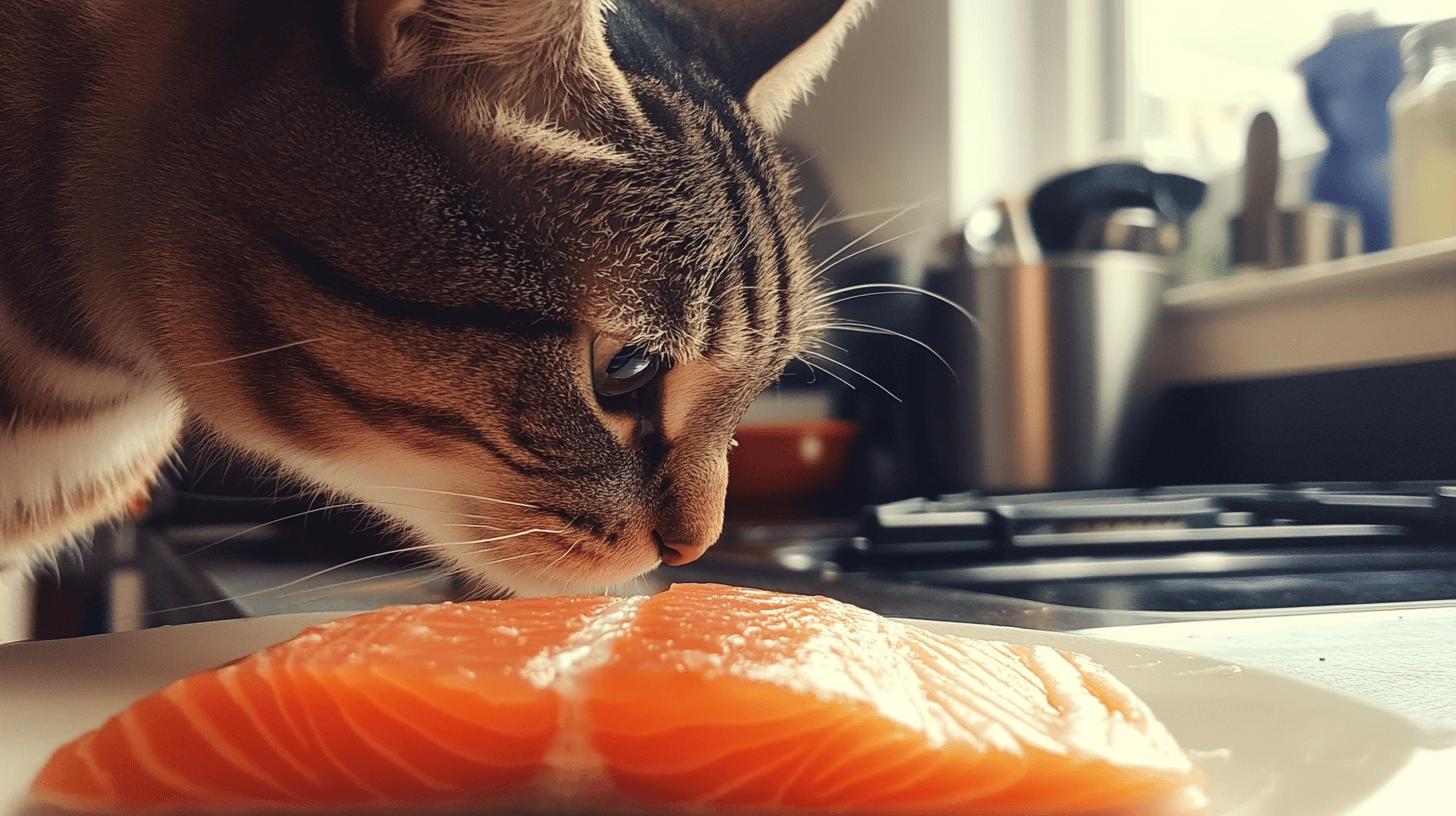
    Ever wondered if that delicious salmon you love is safe for your feline friend? While cats can enjoy salmon, there's more to it than just tossing them a piece of fish. Salmon, rich in omega-3 fatty acids, offers amazing benefits like healthy skin and a glossy coat, but its inclusion in a cat's diet needs careful consideration.

    The key lies in moderation and preparation. Dive into our guide to understand how to safely include salmon in your cat's menu and ensure their playtime remains both safe and tasty.

    Can Cats Safely Eat Salmon?
    Can Cats Safely Eat Salmon-1.jpg

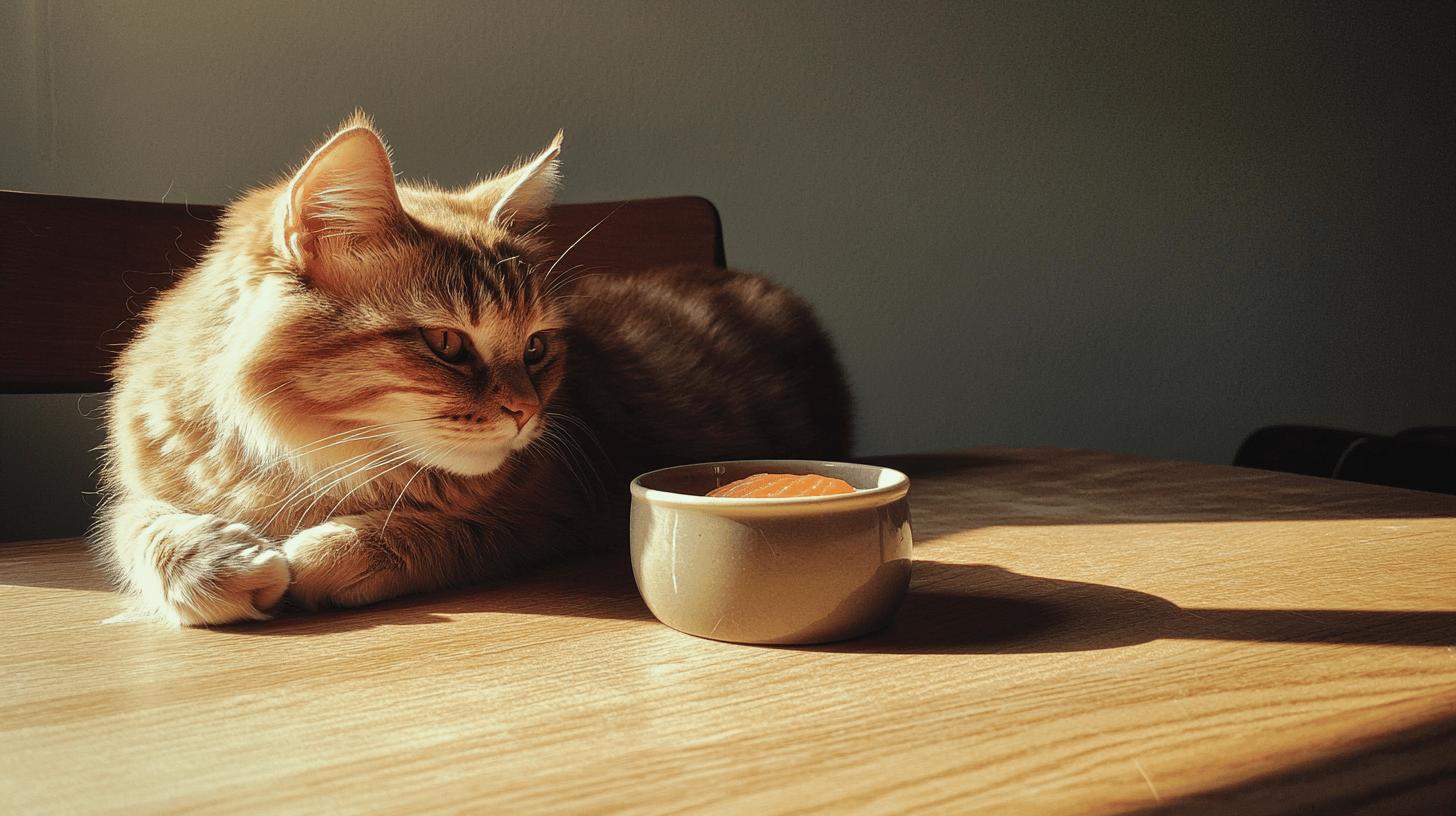
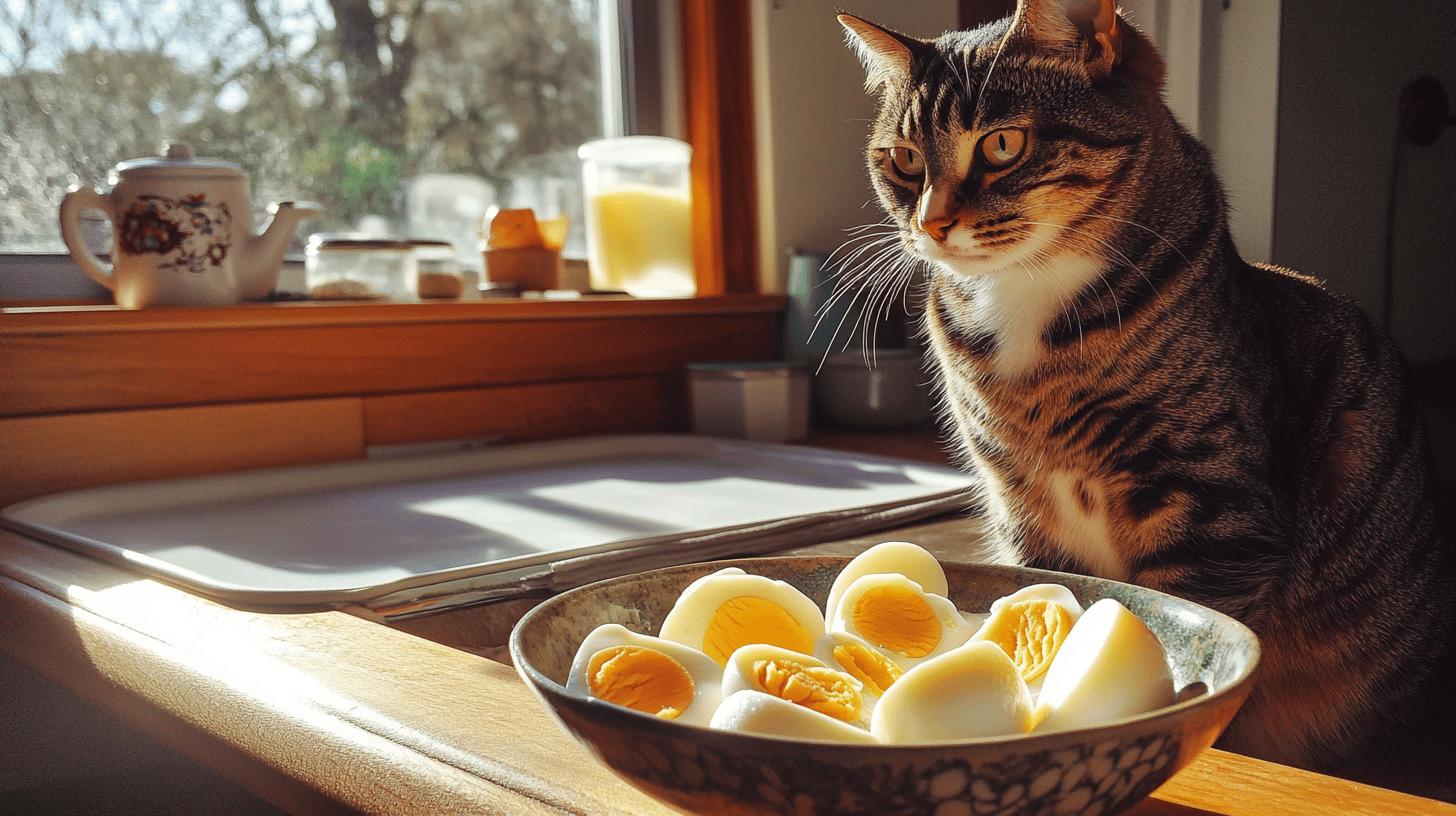
    Cats can indeed eat salmon, but it should be fed in moderation. While salmon is packed with beneficial nutrients, including omega-3 fatty acids that promote healthy skin and a shiny coat, it's not a food that should make up the majority of a cat's diet.

    The key is to offer salmon as an occasional treat, ensuring that it complements a well-balanced diet primarily made up of cat food. It's essential to remember that not every type of salmon is suitable for our feline companions.

    When introducing salmon to a cat's diet, it's crucial to be aware of potential allergic reactions. Fish allergies are relatively common among cats, and symptoms can range from mild to severe. When feeding salmon for the first time, start with a small amount and observe your cat closely over the next 24 hours.

    Look for signs of an allergic reaction such as itching, swelling, vomiting, or diarrhea. If any of these symptoms occur, it's best to consult with a veterinarian and discontinue feeding salmon.

    Different types of salmon have varying levels of safety for cats. Raw salmon poses a risk due to potential parasites and bacteria, which can lead to serious health issues. Smoked salmon is another variety to avoid, as its high sodium content can be harmful to cats.

    It's always safer to stick to cooked salmon, prepared without any added seasonings or oils. This ensures that the salmon remains a healthy and safe treat for your feline friend.

    Risks of Feeding Cats Salmon

    • Potential for allergic reactions
    • Risk of parasites and bacteria in raw salmon
    • High sodium content in smoked salmon
    • Overfeeding can lead to an unbalanced diet
    • Possible presence of bones, which can be a choking hazard

    How to Prepare Salmon for Cats
    Can Cats Safely Eat Salmon-2.jpg

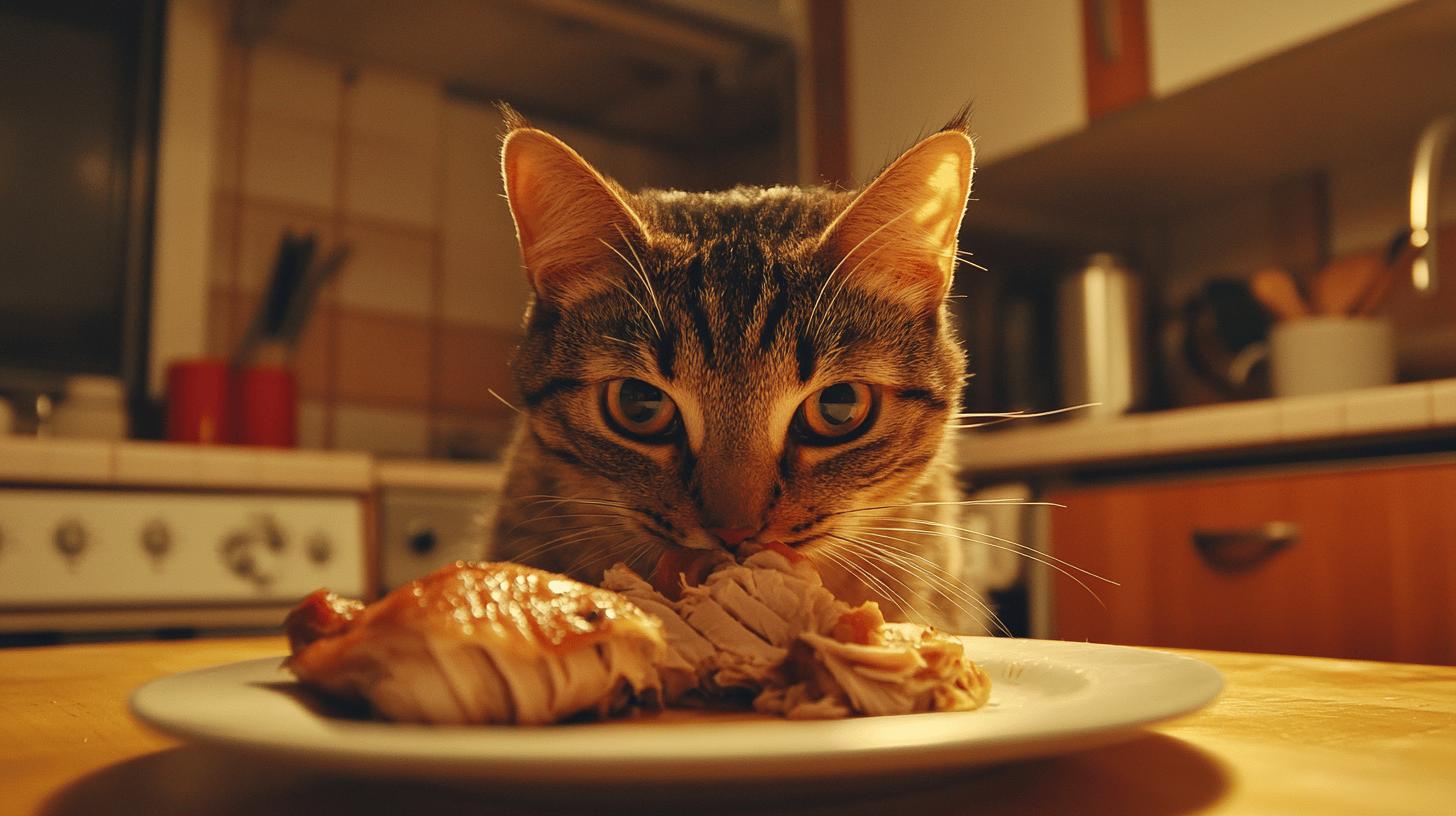
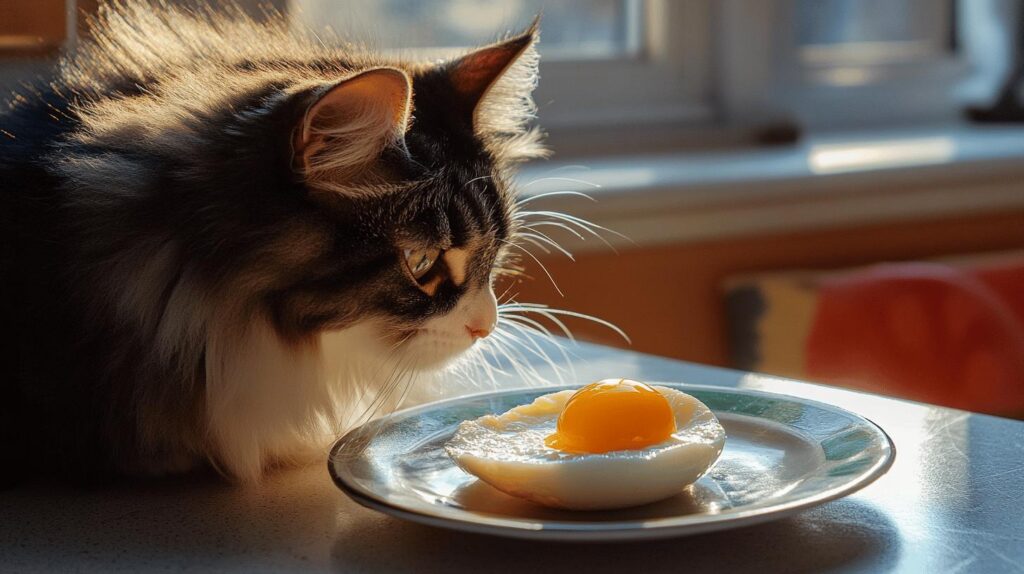
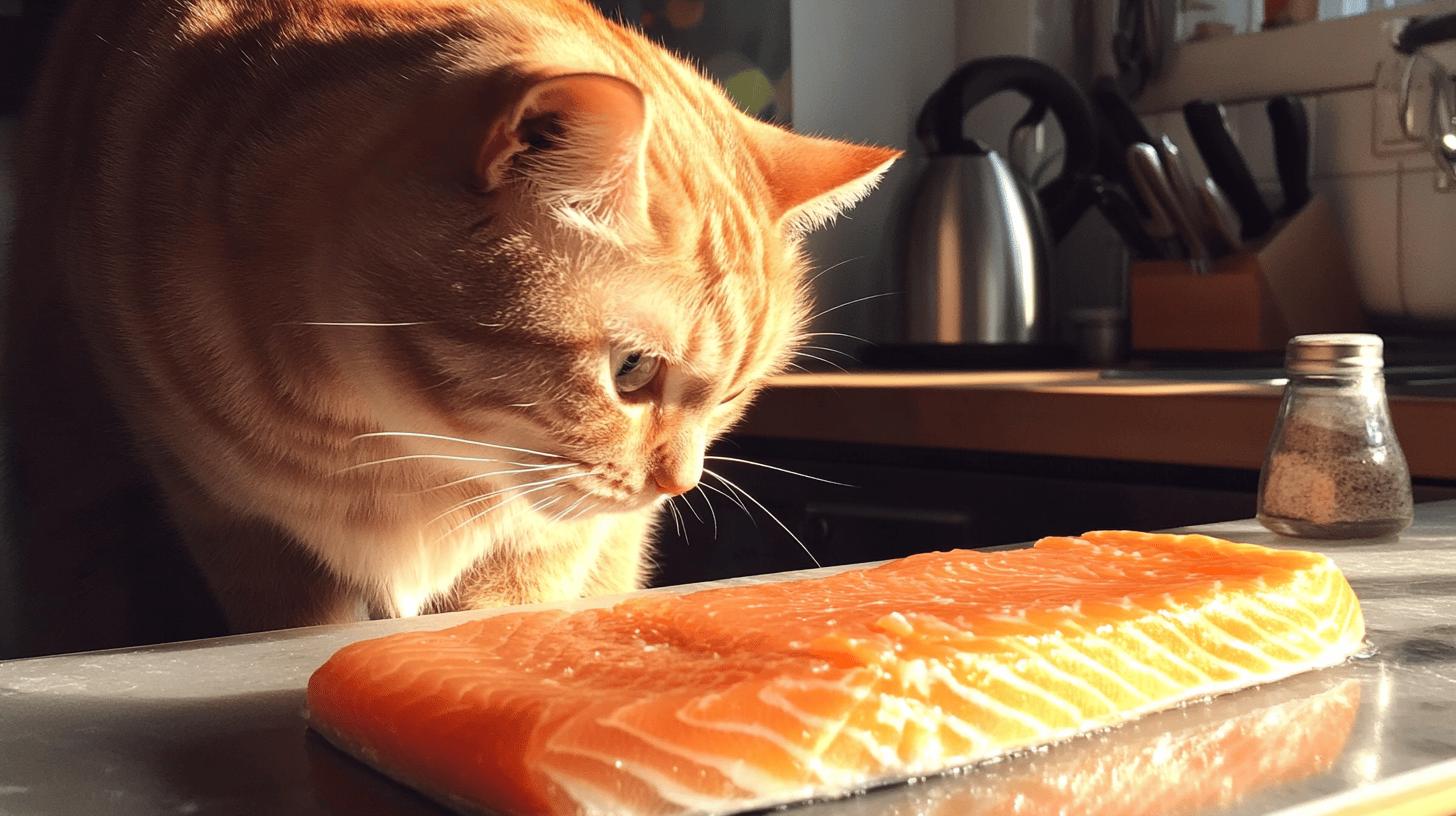
    Cooking salmon is vital before feeding it to your cat. Raw salmon may contain harmful parasites and bacteria that can cause serious health issues. Cooked salmon, on the other hand, is a nutritious treat that can be safely enjoyed by your feline friend. Properly preparing salmon ensures your cat receives the benefits without the risks.

    Cooking Methods

    When preparing salmon for your cat, focus on simple cooking methods that preserve the fish's natural nutrients:

    1. Baking: Place the salmon on a baking sheet and bake it in the oven until fully cooked. Avoid adding any oils, spices, or seasonings.

    2. Grilling: Grill the salmon over medium heat, maintaining a natural taste without oils or marinades.

    3. Boiling: Boil the salmon in water until it is thoroughly cooked. Make sure the water is plain with no added salt or flavors.

    Bone Removal

    Salmon bones can pose a choking hazard or cause internal injuries if ingested by cats. It's crucial to remove all bones, including the spine, before serving salmon to your cat. Carefully inspect the cooked salmon and use your fingers or tweezers to remove any small bones. Removing the skin is optional, but if you choose to leave it on, ensure it is fully cooked and free of seasoning.

    By following these simple preparation steps, you can safely include salmon in your cat's diet as a delicious, occasional treat.

    Nutritional Benefits of Salmon for Cats
    Can Cats Safely Eat Salmon-3.jpg

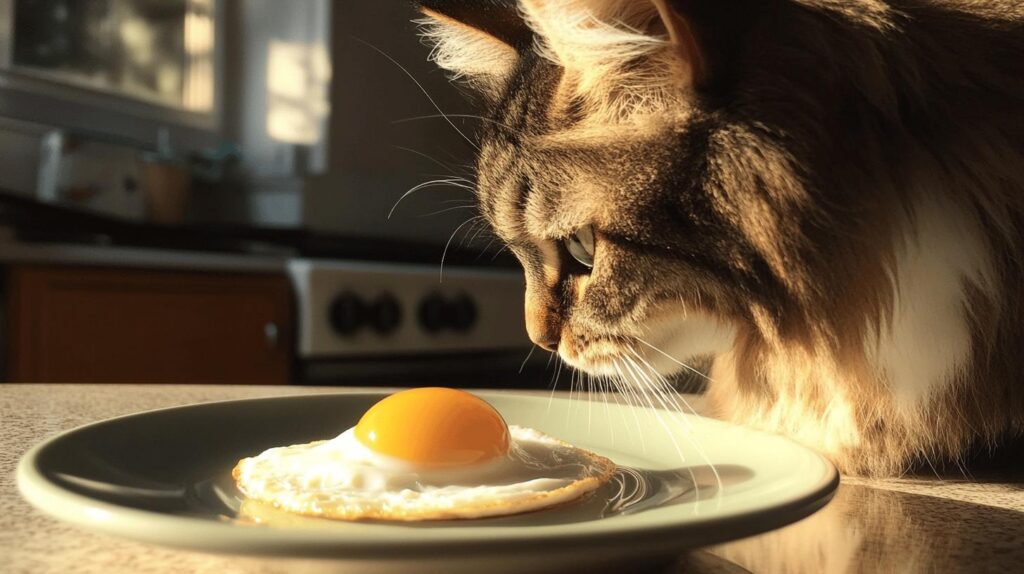
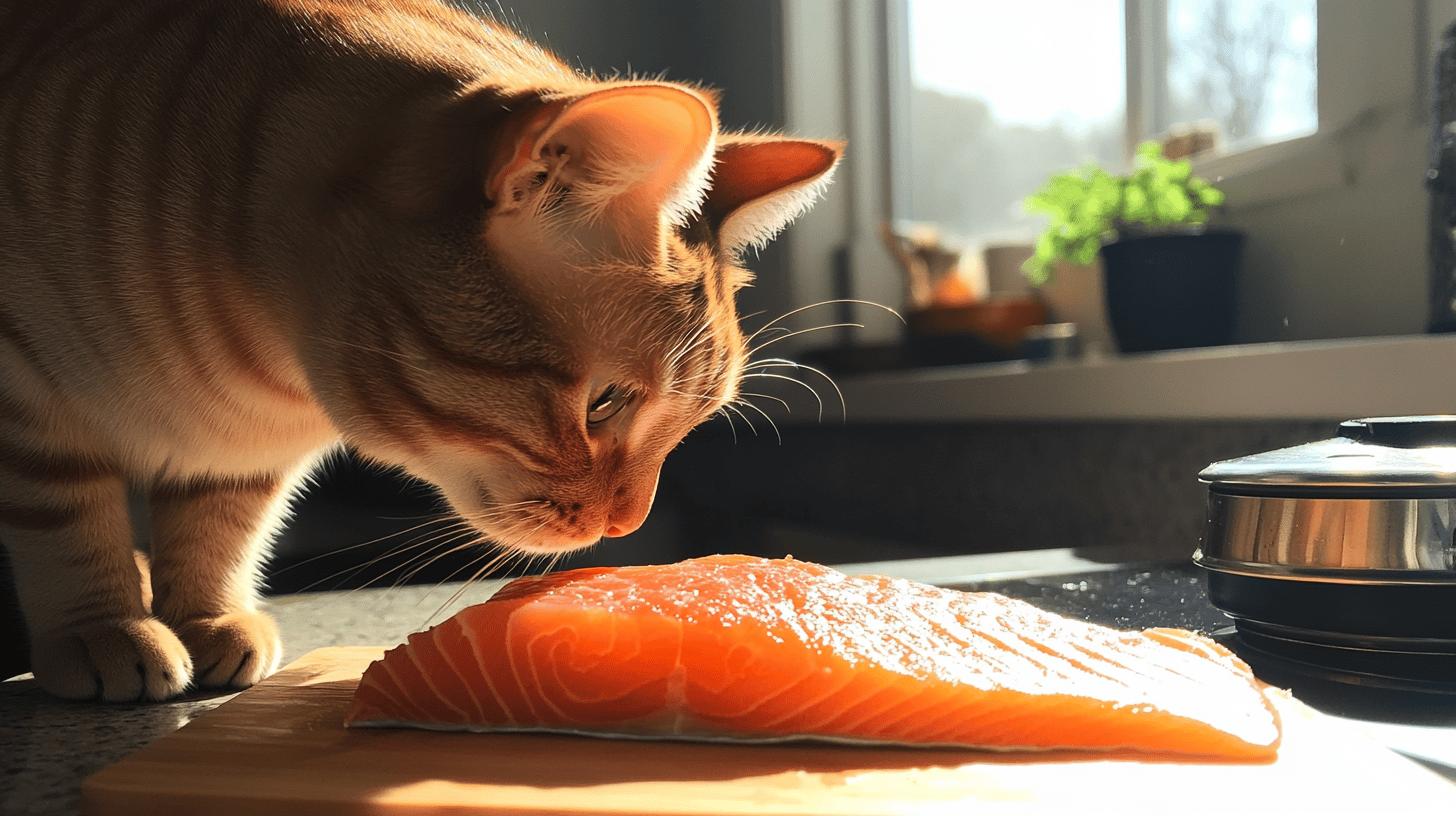
    Salmon is packed with nutrients beyond omega-3 fatty acids. It contains vitamin B12, which is vital for maintaining a healthy immune and nervous system in cats. This nutrient helps keep your feline friend alert and supports nerve health, ensuring their cognitive functions are sharp.

    Vitamin B6 is another critical nutrient found in salmon, supporting protein metabolism. Given cats' high-protein dietary requirements, vitamin B6 plays a significant role in their nutrition.

    These vitamins complement other dietary components, making salmon a well-rounded addition to your cat's meals. Incorporating salmon into their diet can enhance their overall health, boosting their vitality and wellness.

    Nutrient Benefit
    Omega-3 Fatty Acids Improves skin and coat health, supports brain and eye function
    Vitamin B12 Supports immune and nervous systems
    Vitamin B6 Aids in protein metabolism

    Can Cats Safely Eat Salmon?

    Frequency and Portion Size for Feeding Cats Salmon-1.jpg

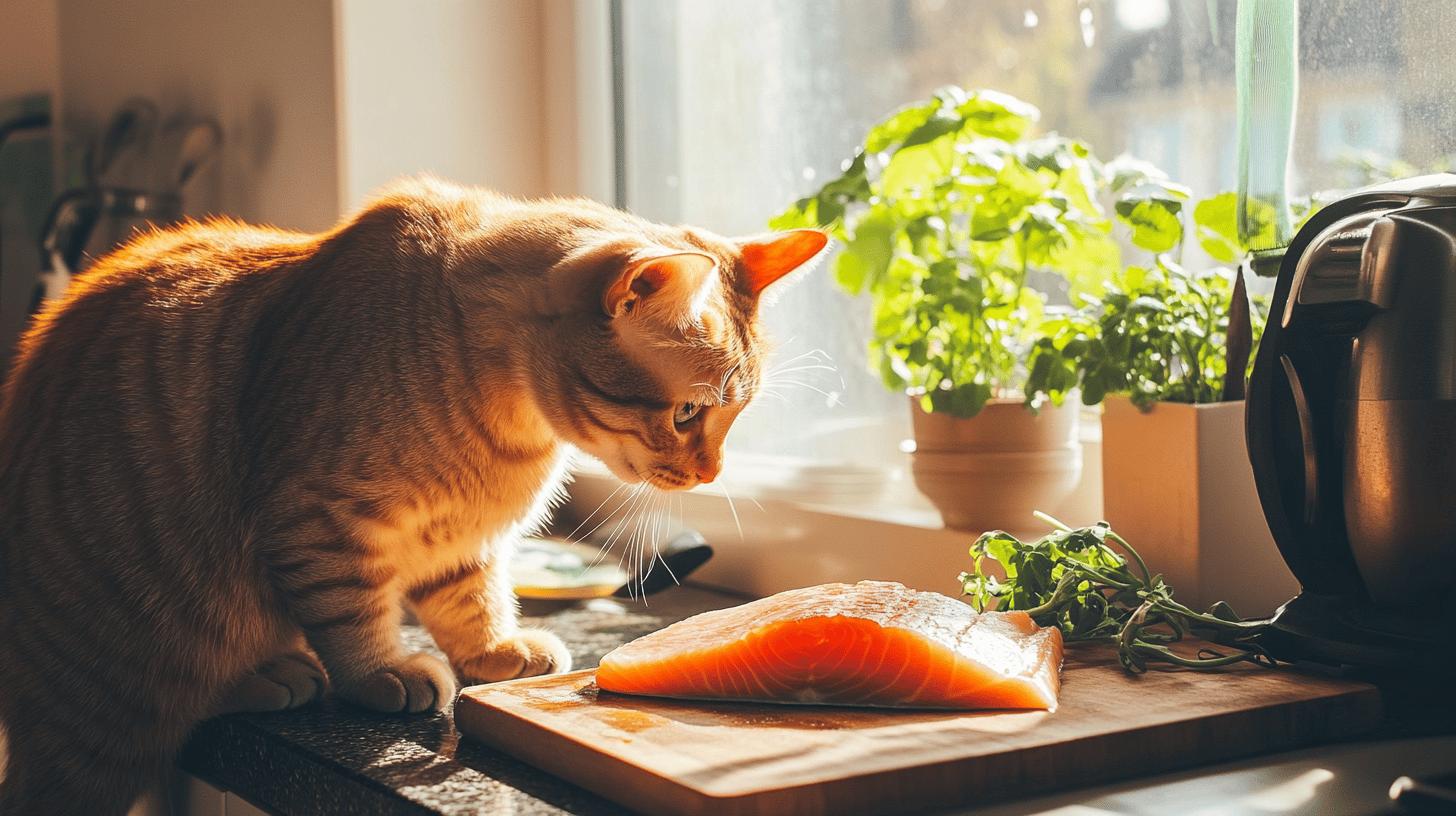
    Salmon should be fed to cats as an occasional treat, about once or twice a week, to ensure they get its benefits without disrupting their balanced diet. Keep portion sizes small to complement their regular meals without overwhelming them.

    Always think of salmon as a treat, not a meal substitute. Overfeeding can lead to nutritional imbalances. Canned salmon is convenient, but choose low-sodium options without added flavors or oils. Prioritize your cat's health by sticking to high-quality cat food for their main nutrition.

    • Feed salmon as an occasional treat, no more than twice a week.
    • Provide small portions to avoid overwhelming their diet.
    • Don't replace regular meals with salmon.
    • Avoid smoked or heavily seasoned salmon.

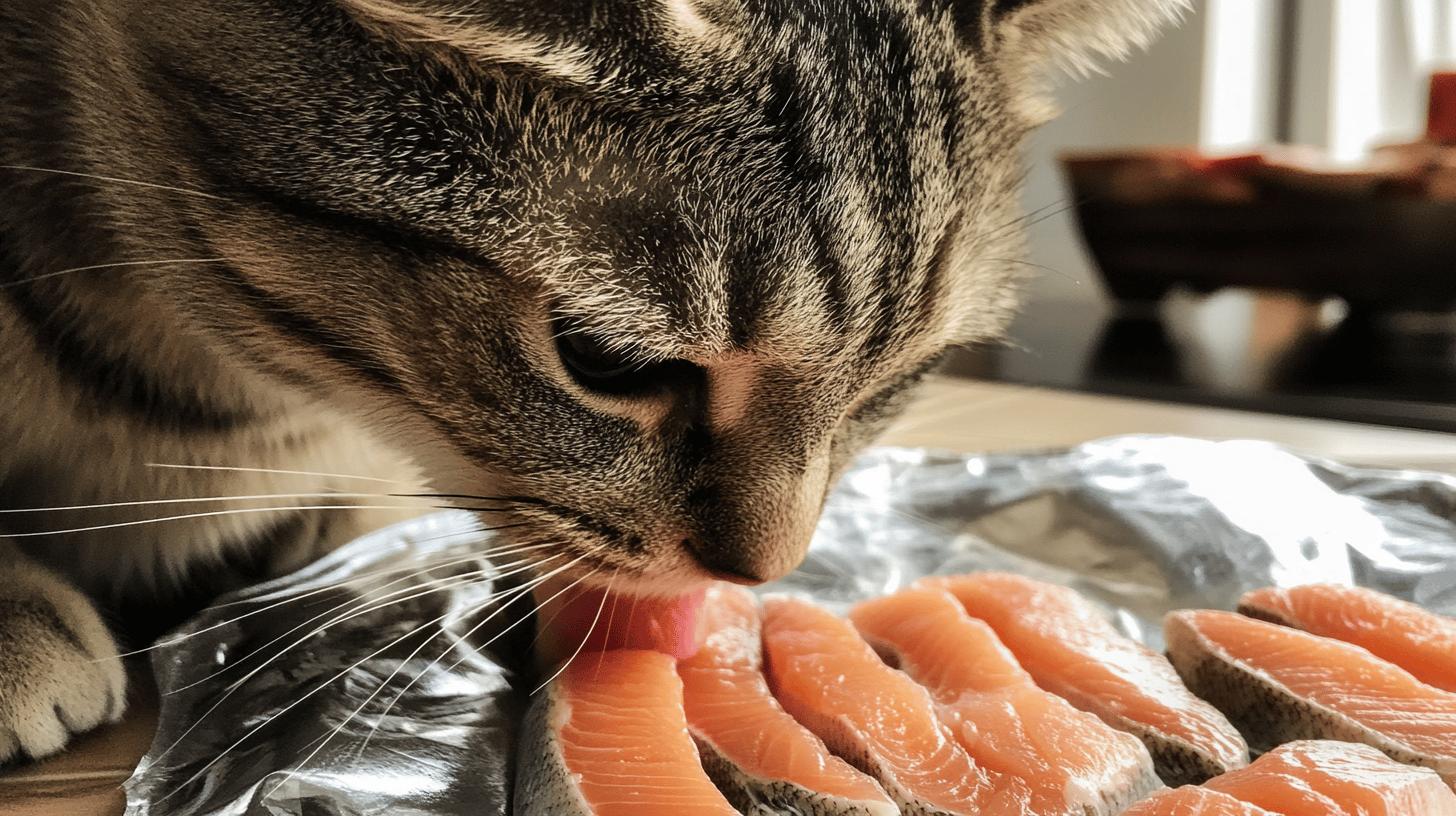
    Selecting Salmon Products for Cat Diets
    Alternatives to Salmon in Cat Diets-1.jpg

    When incorporating salmon into your cat's diet, sustainability is key. Choose products that prioritize responsibly sourced salmon. This not only supports ecological balance but ensures a purer, higher-quality meal for your feline friend.

    • Fish-First Cat Foods: These prioritize salmon sourced sustainably, offering a balanced meal packed with essential nutrients without harming the environment.
    • Salmon Toppers: Add flavor and hydration to regular meals with toppers that use responsibly sourced salmon as a primary ingredient.
    • Salmon-Based Treats: Opt for treats made with real salmon, providing Omega-3 oils while emphasizing sustainability over artificial flavoring.

    By focusing on sustainability when selecting salmon products, you contribute to environmental protection and provide a healthier diet for your cat.

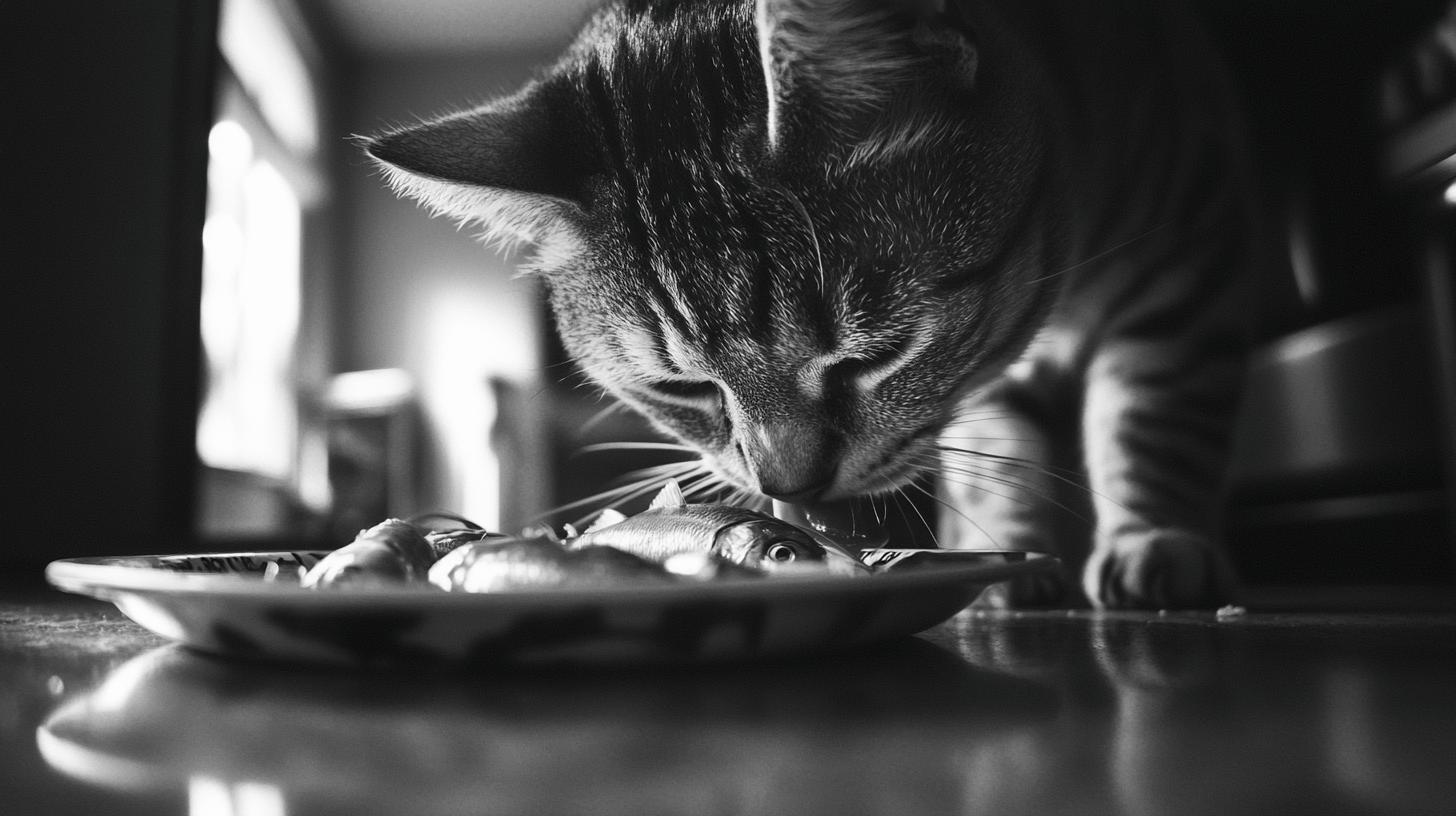
    Veterinary Recommendations on Feeding Salmon to Cats
    Alternatives to Salmon in Cat Diets-2.jpg

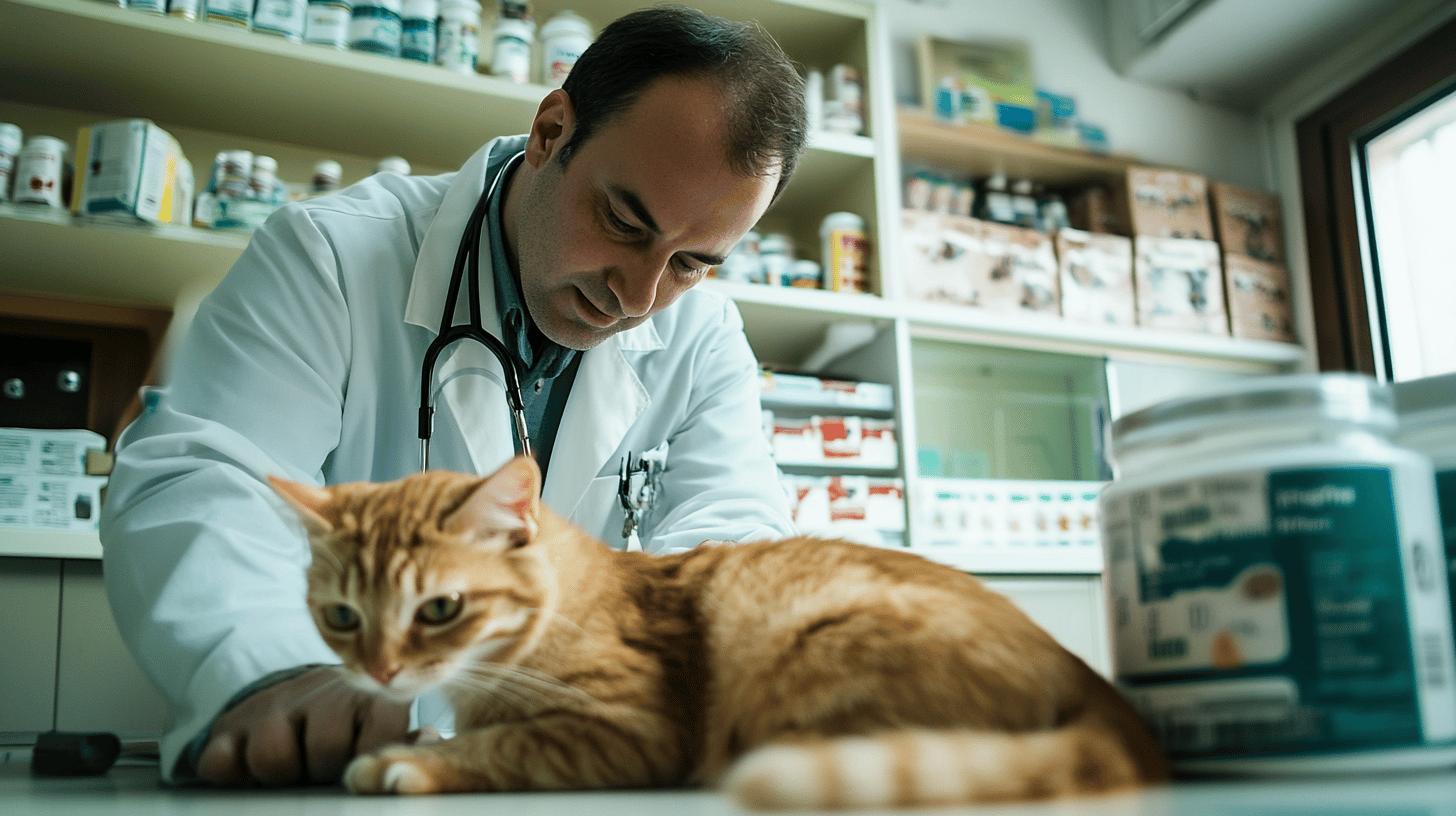
    Before introducing salmon or any new food to your cat's diet, it's wise to consult with a veterinarian. Vets can help you understand if salmon is appropriate for your cat's individual health needs. They can identify potential allergies or sensitivities your cat might have, ensuring that any dietary changes are safe. Since each cat is unique, a vet's guidance can prevent adverse reactions and promote overall well-being.

    Salmon oil supplements are often recommended as an alternative to whole salmon, providing the same benefits of omega-3 fatty acids. These supplements can be an easy way to enhance your cat's diet without the hassle of preparing fresh salmon.

    The typical dosage is about half a teaspoon per day, but it's essential to confirm the exact amount with your vet based on your cat's weight and health status. This ensures the supplements support your cat's health without causing any imbalance.

    Final Words

    Cat salmon consumption is safe when done correctly. Cats can eat salmon, but it's important to balance safety and nutrition. Cooking salmon is key to avoiding parasites, and always remove bones. Omega-3 and vitamins in salmon can boost your cat’s health.

    Feed salmon in moderation, only as a treat once or twice a week. Don’t make it a staple. Explore alternatives and prioritize sustainably sourced options. Consult with a vet to ensure your cat's diet is balanced and healthy.

    With the right approach, salmon can be a tasty and enriching treat for your feline friend.

    FAQ

    Can cats eat salmon raw or cooked?

    Cats can eat cooked salmon. Cooking removes parasites. Feed cooked salmon in moderation to avoid health issues. Raw salmon carries parasites and is unsafe. Always ensure salmon is boneless before serving.

    How to cook salmon for cats?

    To cook salmon for cats, bake, grill, or boil without oils or seasoning. This keeps it healthy and safe. Always check for and remove all bones before feeding.

    Can cats eat salmon in a can or in olive oil?

    Cats can eat salmon in a can if it's low in sodium and unsalted. Avoid salmon in olive oil, as extra fats aren't healthy for cats.

    Can cats eat salmon skin or bones?

    While cats can sometimes eat salmon skin, it's best to avoid due to possible additives. Always remove bones to prevent choking hazards and digestive issues.

    What fish is safe for cats to eat?

    Cats can safely eat cooked fish like salmon, tuna, and whitefish in moderation. These fish are nutritious but should not replace a balanced diet.

    Is salmon better for cats than tuna?

    Salmon is often better than tuna for cats due to lower mercury levels. Offer salmon as an occasional treat for variety and nutrients. Always consult your vet for dietary changes.
    Related Articles

  • Can Cats Eat Ham Safely Health Risks and Feeding Guidelines

    Can Cats Eat Ham Safely Health Risks and Feeding Guidelines

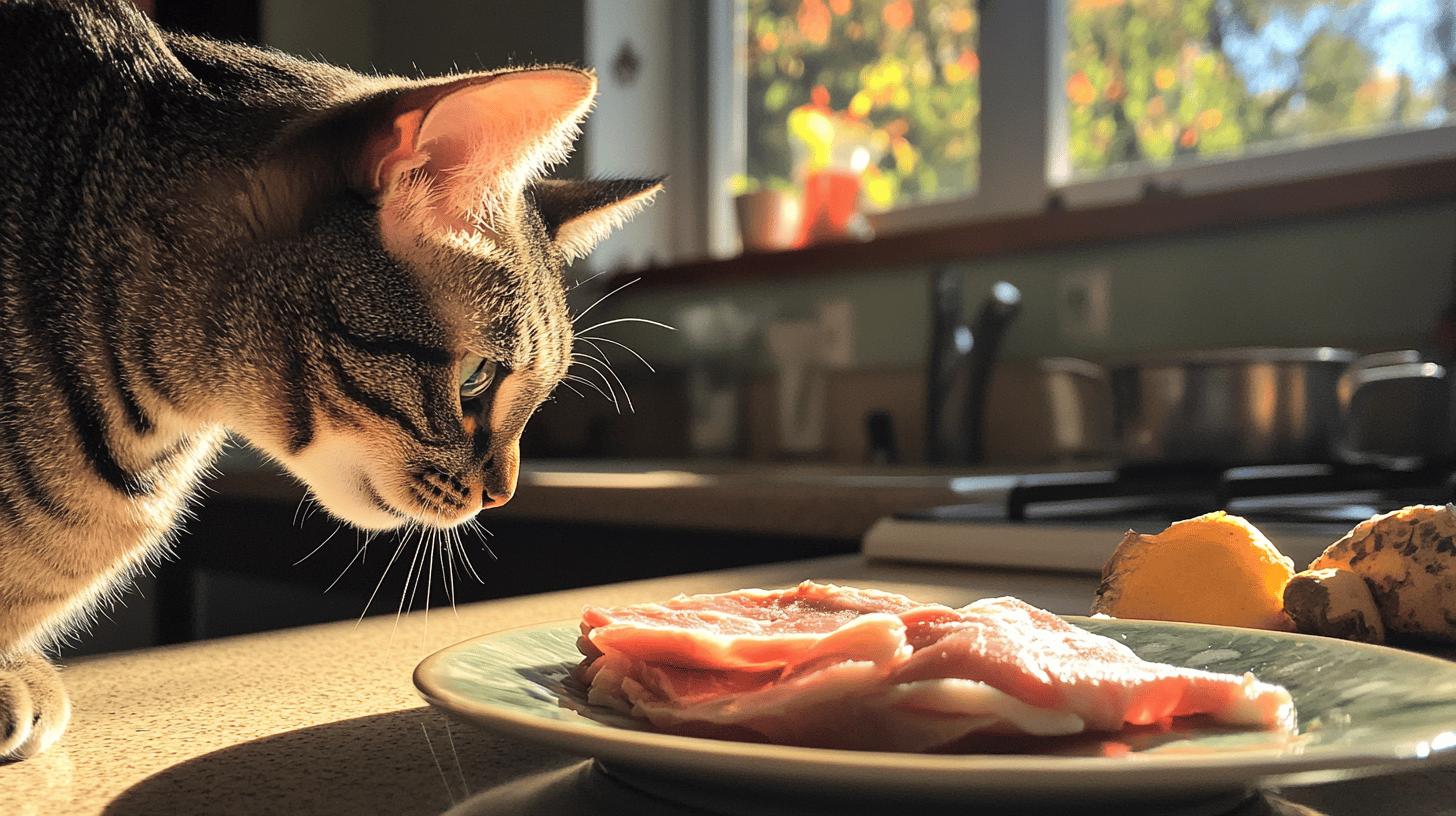
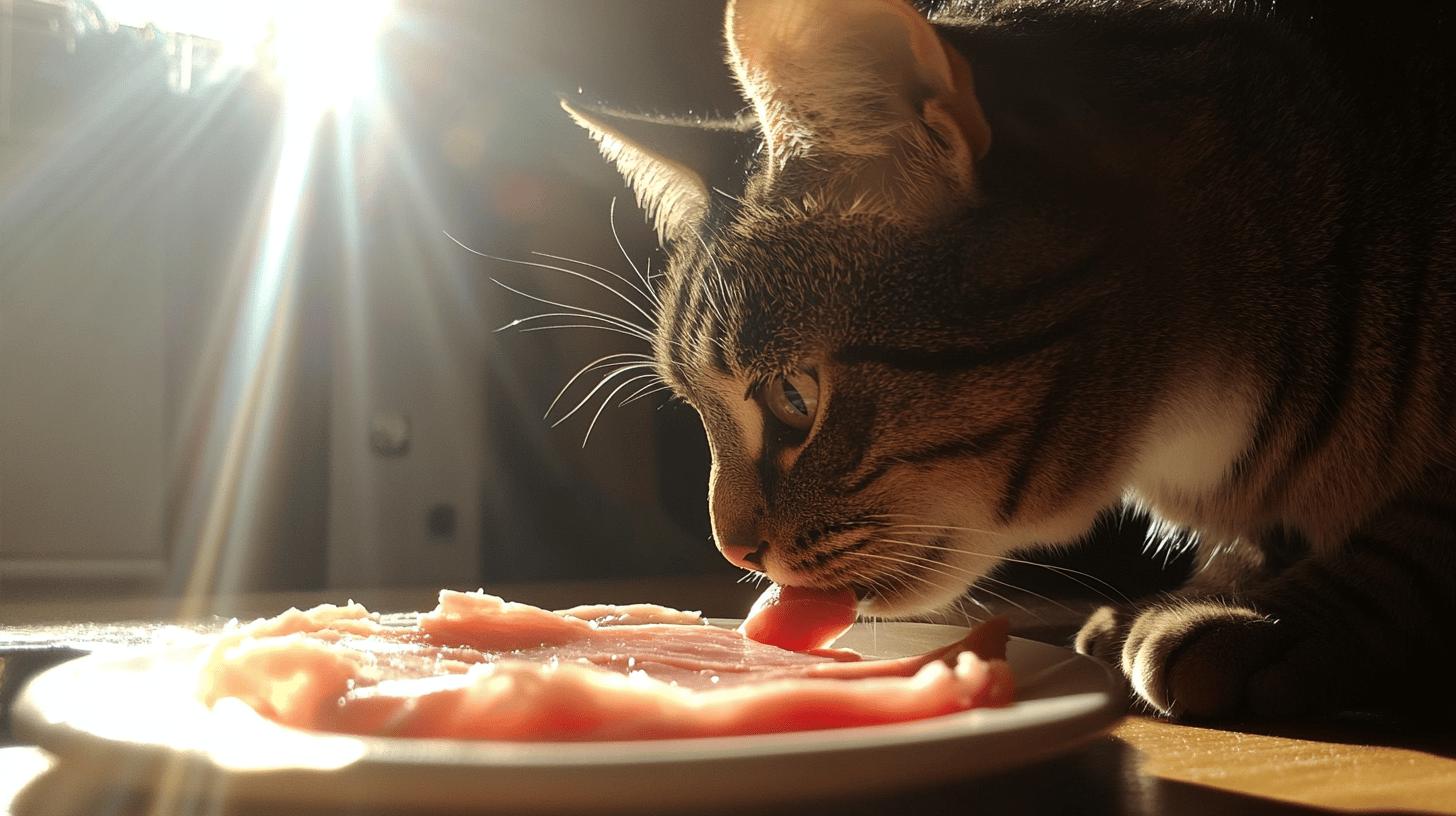
    Can cats indulge in a bite of ham without worry? It's a common curiosity among cat lovers, but it's not a straightforward answer. Ham is tasty and might seem like a fun treat, yet it holds hidden risks. Sodium and fat content in ham pose serious health threats to our feline companions.

    Before slipping that ham slice under the table, it's essential to weigh the benefits against potential harm. In this guide, I'll explain these risks and offer feeding guidelines to keep your cat safe and healthy.

    Is Ham Safe for Cats? Health Implications and Guidelines

    Is Ham Safe for Cats Health Implications and Guidelines-1.jpg

    Cats can eat ham, but it should be approached with caution. While it might be tempting to share a slice with your feline friend, it's crucial to understand the potential health risks and nutritional value before making ham a part of their diet.

    Ham does offer some nutritional benefits, such as protein, which is essential for cats. It also contains vitamins and minerals that contribute to their overall health. However, the high sodium and fat content in ham can be detrimental. Excessive sodium can lead to dehydration or even sodium poisoning, while excessive fat may contribute to obesity.

    Processed hams, like those found in deli meats, often contain additives like sodium nitrate, artificial flavorings, and sugar. These can be harmful if consumed in large quantities. The preservatives and high sodium levels in processed hams are particularly concerning, as they can negatively affect a cat's health over time.

    The high fat and calorie content in ham can lead to obesity and other health issues in cats. Cats are obligate carnivores, meaning their primary diet should consist of lean animal protein. Feeding them fatty meats, like ham, in large quantities can result in weight gain and related problems such as heart disease and joint issues.

    When feeding ham to cats, moderation is key. It's best to offer it as an occasional treat rather than a regular part of their diet. Avoid raw ham, as it may contain harmful bacteria like Salmonella and E. coli, which can cause serious illnesses. A small, cooked piece of ham without any additives is preferable. Always ensure that the ham is plain and free from seasonings or sauces before sharing it with your cat.

    Potential Health Issues:

    • Obesity
    • Heart disease
    • Digestive upset
    • Sodium poisoning
    • Kidney problems
    Ham Type Recommended Portion Frequency
    Cooked Ham (Plain) 1 small piece Occasional treat
    Deli Ham 1/2 slice Rarely
    Honey Roast Ham 1 small piece Rarely
    Processed Ham 1 small piece Rarely
    Raw Ham None Never

    Recognizing Symptoms of Ham Intolerance in Cats

    Recognizing Symptoms of Ham Intolerance in Cats-1.jpg

    Cats can develop intolerance to ham, especially when consumed in excess. It's crucial to recognize the signs of overconsumption to prevent serious health issues. Common symptoms include vomiting and diarrhea, which indicate digestive upset.

    Lethargy and increased thirst can also signal a problem, as they might point to dehydration or sodium poisoning. If your cat exhibits any of these symptoms after eating ham, it's important to consult a veterinarian promptly to address potential health risks and ensure your cat’s well-being.

    • Vomiting
    • Diarrhea
    • Lethargy
    • Increased thirst

    Better Alternatives to Ham for Cat Treats

    Better Alternatives to Ham for Cat Treats-1.jpg

    Choosing healthier alternatives to ham for cat treats is a wise decision for maintaining your pet's health. While ham might be a tempting option due to its protein content, it's high in sodium and fat, which can pose health risks.

    Cats are obligate carnivores and thrive on diets rich in animal proteins without the added harmful ingredients found in many processed meats. By opting for healthier treats, you not only provide essential nutrients but also reduce the risk of obesity, digestive issues, and other health problems associated with high-fat and high-sodium foods.

    Instead of ham, consider offering your cat a range of more suitable treats. Cooked chicken and turkey are excellent choices, providing lean protein that supports muscle health. Fish, such as salmon or tuna, can be given in moderation as they offer beneficial omega-3 fatty acids.

    Additionally, there are numerous commercial cat treats specifically formulated to meet the nutritional needs of felines without the harmful additives. These options ensure that your cat enjoys a tasty snack while maintaining a balanced diet.

    • Cooked chicken
    • Cooked turkey
    • Salmon
    • Tuna
    • Commercial cat treats
    • Catnip toys

    Expert Opinions on Feeding Ham to Cats

    Expert Opinions on Feeding Ham to Cats-1.jpg

    Veterinarians advise against feeding ham to cats due to its high sodium and fat content, which can cause obesity, heart disease, and digestive issues. They stress the importance of consulting a veterinarian to understand your cat's specific dietary needs.

    This personalized advice ensures a balanced diet rich in high-quality animal proteins and low in additives or harmful chemicals, keeping cats healthy without the risks linked to processed meats.

    Improper feeding habits can result in costly vet bills, with pet insurance data indicating an average cost of $572 for dietary mishaps. This highlights the necessity of monitoring your cat's diet and avoiding risky foods like ham. By following veterinary guidance and choosing healthier treats, cat owners can prevent unnecessary expenses and support the long-term health of their pets.

    Final Words

    Feeding ham to cats can pose several health risks. It's crucial to understand the high sodium and fat content in ham, along with potential harmful additives in processed versions. Moderation and awareness are key when offering ham as a treat.

    Monitor your cat for symptoms of intolerance, like vomiting or diarrhea, and consult a vet if needed. Exploring healthier alternatives like chicken or commercial cat treats is a smart choice.

    In short, while cats can eat ham, it should be done with care. Ensuring their well-being through informed choices leads to a happy and healthy furry friend.

    FAQ

    Can cats eat ham slices?

    Cats can eat ham slices occasionally, but they should be given in moderation. Ham contains high sodium and fat levels, which can harm cats if consumed often.

    Can ham kill cats?

    Ham itself won't typically kill cats, but high sodium and fat content can lead to severe health issues, like sodium poisoning or obesity, if fed excessively.

    What happens if a cat eats ham?

    If a cat eats ham, they might experience digestive upset, especially if the ham is high in sodium or fat. Always watch for any adverse reactions.

    Can cats eat honey ham?

    Cats should not eat honey ham regularly as it often contains added sugars and preservatives that may harm them.

    Can cats eat ham bones?

    Cats should avoid ham bones. They can splinter and cause choking or internal injuries. Ham bones are not safe for cats.

    Can kittens eat ham?

    Kittens should avoid ham due to their sensitive digestive systems. They are more prone to the salt and fat in ham, which can disrupt their nutrition balance.

    Can cats eat cheese?

    Cats can eat small amounts of cheese, but some may be lactose intolerant. Always monitor your cat's reaction when introducing new foods like cheese.

    Can cats eat turkey?

    Cats can eat turkey if it's plain and cooked. Turkey offers a good source of protein, but avoid seasonings and fatty parts.

    Is it okay to give cats ham?

    It's okay to give cats small amounts of ham as an occasional treat. Ensure it's unsalted and free from harmful additives.

    How many slices of ham can I give my cat?

    You can give a cat a small slice of ham as a treat once in a while. Moderation is crucial to avoid health risks.

    Can cats have a little ham as a treat?

    Cats can have a tiny amount of ham as a treat occasionally. Choose unsalted ham to reduce the risk of sodium-related issues.

    Can cats have cooked honey ham?

    Cats should avoid cooked honey ham due to the high sugar and additive content that may not suit them.

    Related Articles

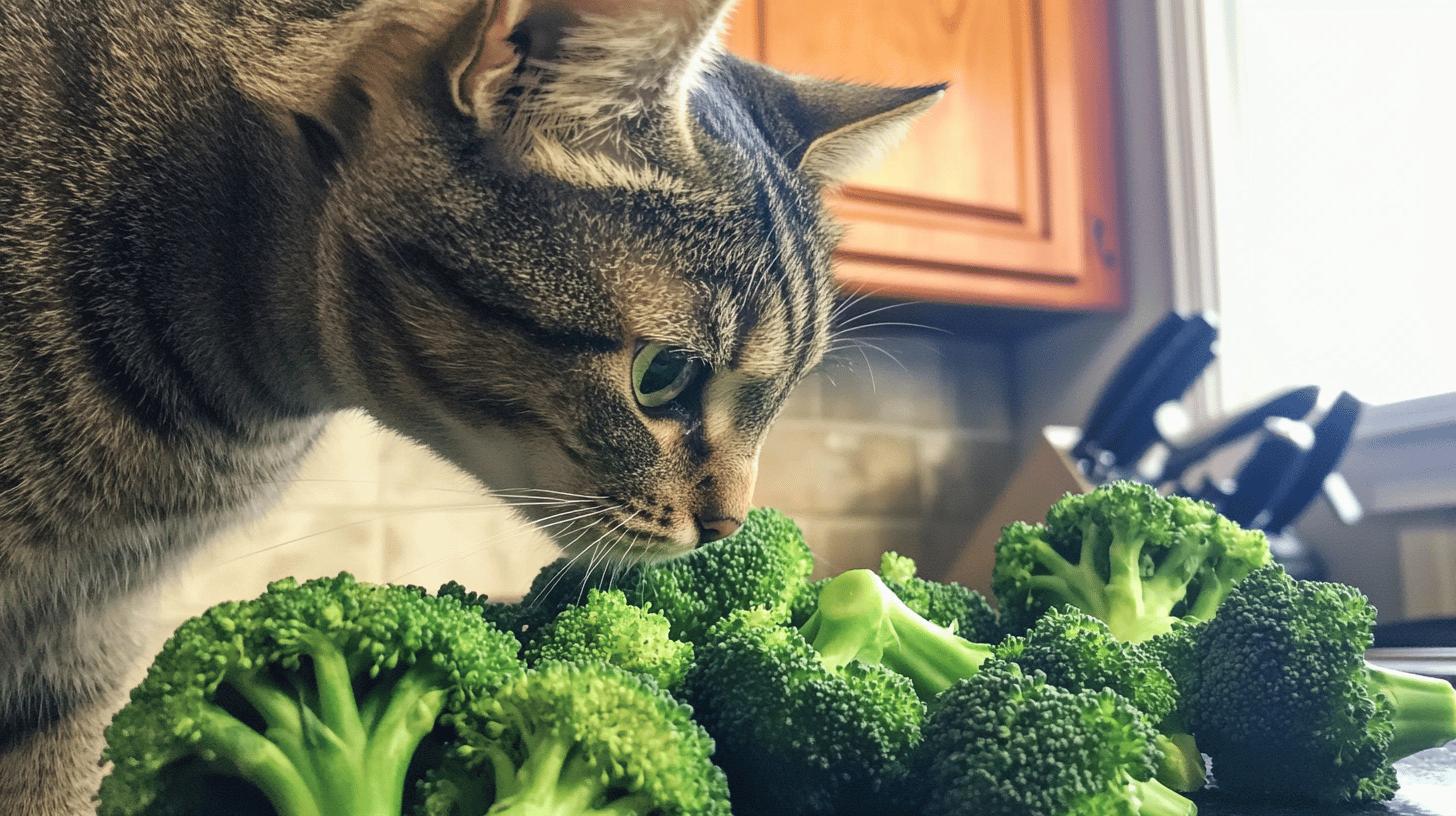
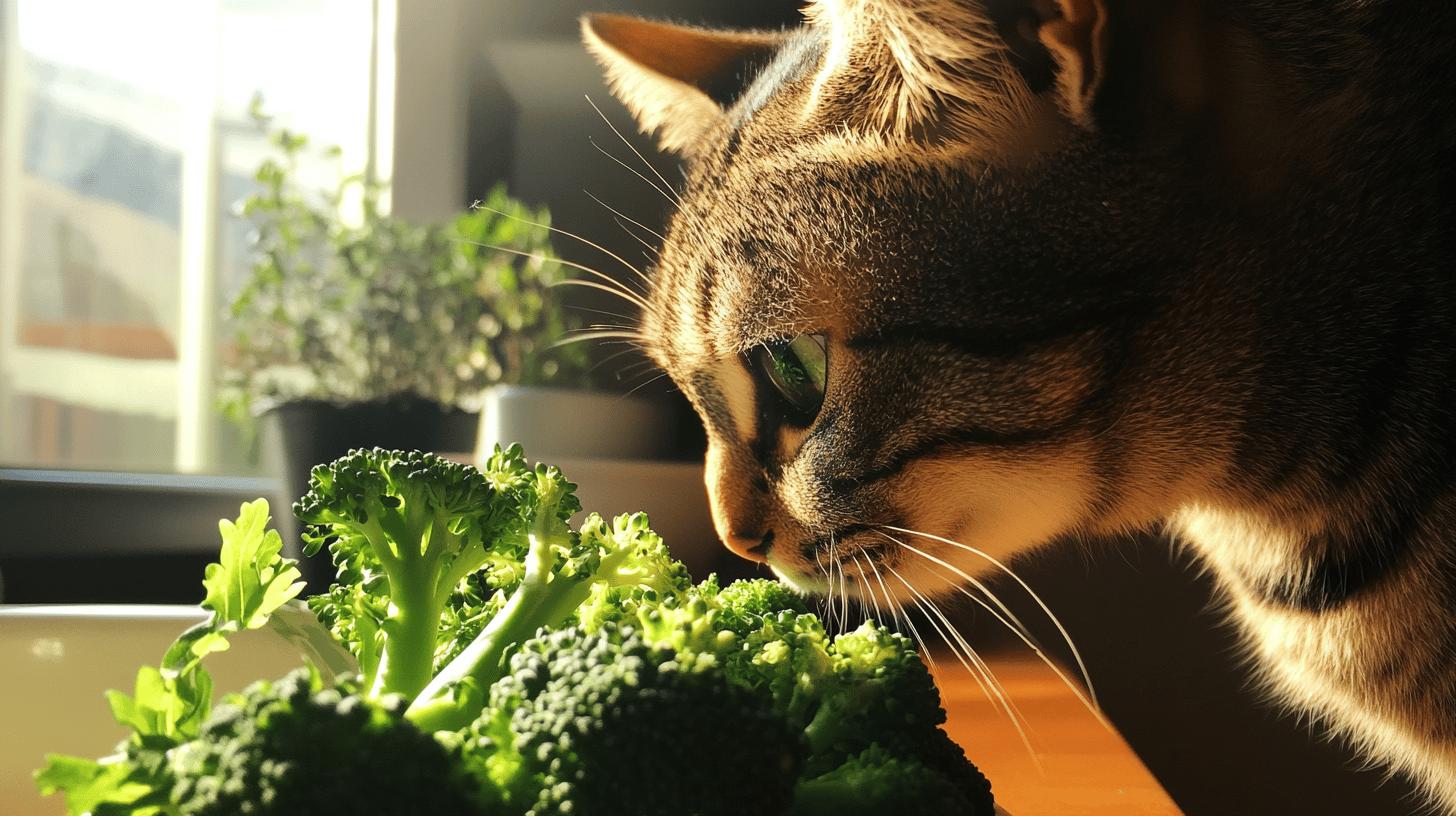
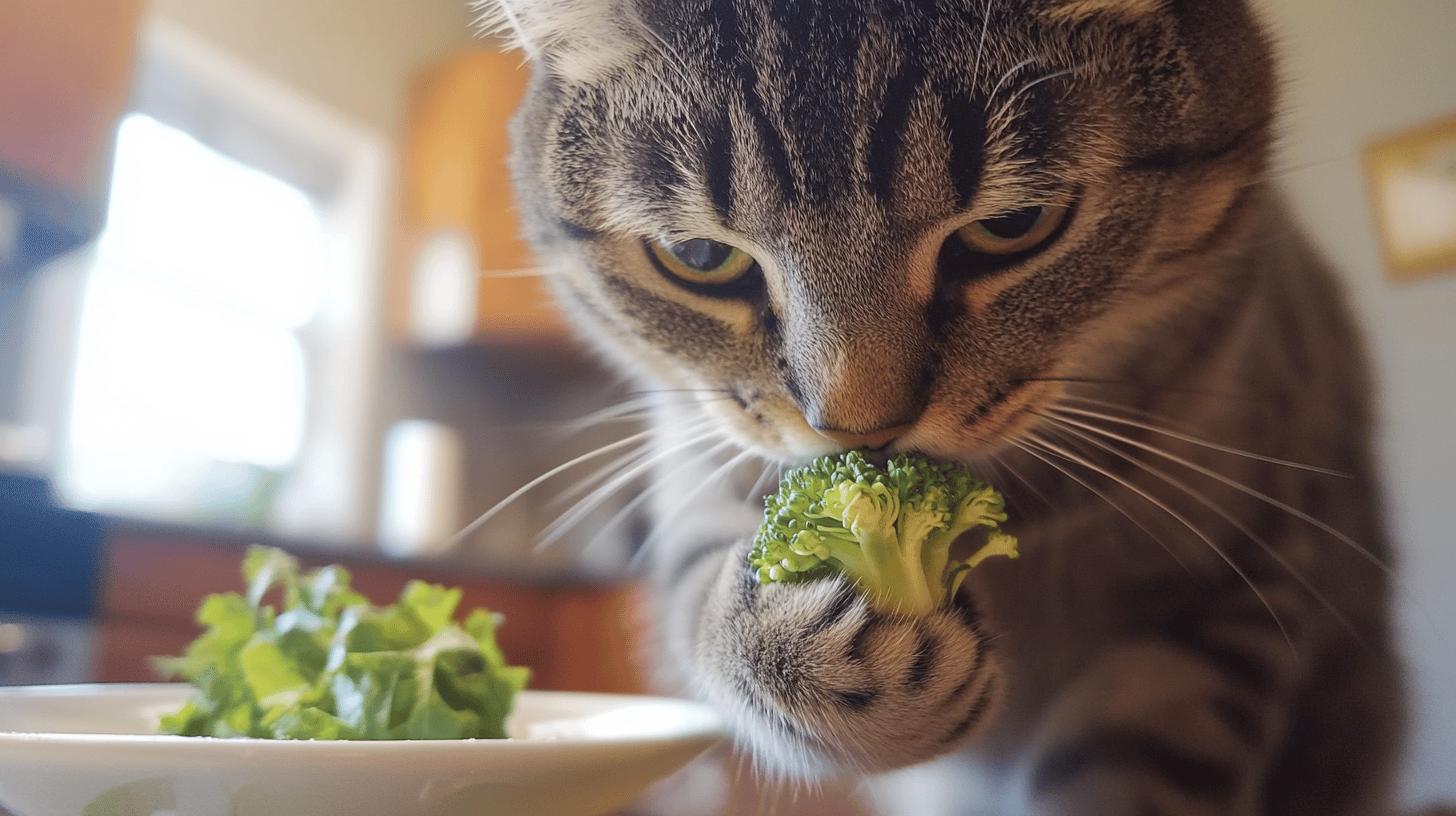
  • Can Cat Eat Broccoli Safety and Nutritional Insights

    Can Cat Eat Broccoli Safety and Nutritional Insights

    Can cats munch on broccoli safely, or should you keep it off their plates? As a cat owner, you might have wondered if this green veggie is safe for your furry friend. This intriguing question often sparks curiosity and a bit of concern.

    While cats are obligate carnivores with a diet centered around meat, broccoli can offer occasional nutritional perks when served right. In this post, we'll dive into the safety, potential risks, and surprising benefits of introducing broccoli into your cat's meals.

    Safety and Risks of Feeding Broccoli to Cats

    Safety and Risks of Feeding Broccoli to Cats-1.jpg

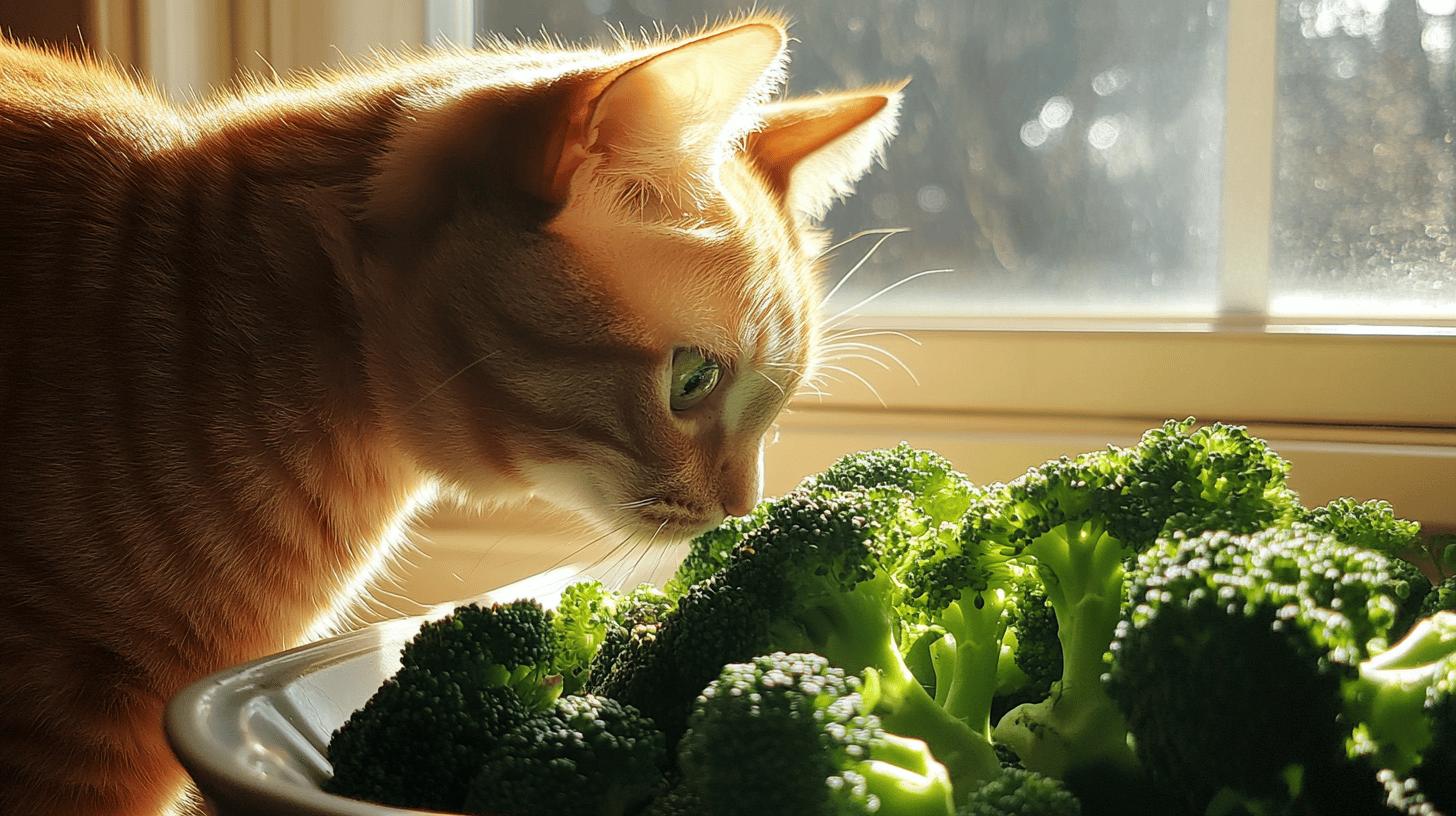
    Broccoli is generally safe for cats to consume in moderation. It's not toxic, so offering small amounts as a treat is okay. While cats are obligate carnivores and have specific dietary needs centered around proteins, they can occasionally enjoy vegetables like broccoli. Keeping portions small is key to avoiding any digestive issues, as their systems aren't designed to handle large amounts of plant matter.

    Preparation is crucial when feeding broccoli to your feline friend. It's essential to wash broccoli thoroughly to remove any pesticide residue. Even small traces of these chemicals can pose a risk to your cat. After cleaning, steam or boil the broccoli until it's soft enough for your cat to chew easily. Avoid adding any seasonings or oils, as these can upset a cat's stomach.

    It's important to monitor your cat after introducing broccoli to their diet. Some cats might experience an upset stomach, with symptoms like vomiting or diarrhea. If your cat shows any adverse reactions, it's best to discontinue feeding them broccoli and consult your veterinarian. The goal is to ensure that this treat doesn't disrupt their overall well-being.

    Certain cats should steer clear of broccoli altogether. If your cat has known allergies or thyroid issues, it's wise to avoid introducing broccoli into their diet. These conditions can make them more susceptible to adverse reactions. Always consult with your vet if you're unsure whether broccoli is suitable for your cat's specific health needs.

    Nutritional Benefits of Broccoli for Cats

    Nutritional Benefits of Broccoli for Cats-1.jpg

    Broccoli can be a surprising yet beneficial addition to a cat's diet. Though cats are obligate carnivores, meaning their nutritional needs are primarily met with animal proteins, small amounts of broccoli can provide valuable nutrients. Broccoli is rich in antioxidants and dietary fiber, which can aid digestion.

    Its vitamin profile includes vitamin K, essential for blood clotting, and folic acid, which supports cell function. Potassium in broccoli is crucial for nerve function and muscle health, making it a worthwhile treat when given in moderation.

    • Antioxidants: Help to combat oxidative stress and promote overall health.
    • Fiber: Supports healthy digestion and can prevent constipation.
    • Vitamin K: Important for proper blood clotting and maintaining bone health.
    • Folic Acid: Supports cellular growth and development.
    • Potassium: Essential for maintaining healthy nerve and muscle function.

    Some cat owners report anecdotal evidence of improved coat quality and vitality after introducing broccoli into their cat's diet. While cats have limited ability to process carbohydrates, the nutrients found in broccoli might contribute to a shinier coat and increased energy levels.

    It's crucial to remember that these benefits are best achieved by offering broccoli as an occasional treat, not a dietary staple. Always monitor your cat's response to new foods and consult your vet if you notice any adverse reactions.

    How to Introduce Broccoli to Your Cat's Diet

    How to Introduce Broccoli to Your Cats Diet-1.jpg

    When introducing broccoli to your cat's diet, start with a piece no larger than a fingernail. This allows you to monitor how your cat reacts to the new food. Cats have sensitive digestive systems, so it's important to watch for any adverse reactions, such as vomiting or diarrhea. If your cat tolerates the broccoli well, you can consider it an occasional treat.

    Limit the serving size to one teaspoon per serving and offer it no more than once or twice a week. This approach ensures your cat enjoys the potential health benefits of broccoli without overwhelming their primarily carnivorous diet. Always observe your cat's behavior and digestion after introducing any new food to ensure their comfort and health.

    Step Description
    1. Introduce Small Piece Start with a piece as small as a fingernail. Monitor for any adverse reactions.
    2. Monitor Reaction Watch for symptoms like vomiting or diarrhea. If none appear, broccoli can be a treat.
    3. Serve in Moderation Limit to one teaspoon per serving, once or twice a week.

    Adjust the servings of broccoli based on your cat's response. If they enjoy the taste and show no signs of discomfort, you can continue offering it as an occasional snack. If your cat is uninterested or experiences digestive issues, consider other treats more suitable for their dietary needs. Always prioritize your cat's health and consult your veterinarian if you have concerns about introducing new foods.

    Comparing Broccoli with Other Vegetables for Cats

    Comparing Broccoli with Other Vegetables for Cats-1.jpg

    Vegetables can play a small but beneficial role in a cat's diet, even though cats are obligate carnivores. This means their primary nutritional needs come from animal-based proteins. However, certain vegetables can provide additional nutrients and fiber that may support a cat's overall health.

    While vegetables should not be a primary food source, they can be offered as occasional treats to supplement a cat's diet. It's important to ensure these plant-based additions are safe and do not disrupt the cat's digestive system.

    Here are some other vegetables that are safe for cats:

    • Cooked Sweet Potatoes: These offer dietary fiber and vitamin A, supporting digestion and vision.
    • Pumpkin: Rich in fiber and moisture, pumpkin can aid in digestive health and help with issues like constipation.
    • Peas: Packed with vitamins A, C, and K, as well as fiber, peas can complement a cat's diet with essential nutrients.

    While these vegetables, including broccoli, can provide extra nutrition, it's crucial to maintain a diet that prioritizes high-quality animal proteins. A balanced diet ensures that cats receive all the essential amino acids and nutrients required for their health.

    Vegetables should be given in moderation and should never replace the core components of a cat's diet, which are meat and specially formulated cat foods. Always monitor your cat's reaction to new foods and consult with a veterinarian if unsure about dietary changes. Balancing these elements will help keep your furry friend healthy and happy.
    Final Words

    Exploring the topic of "can cat eat broccoli" showed us it's safe in small amounts. We learned about washing broccoli to remove pesticides and watching for any digestive issues. Some cats, especially those with allergies or thyroid problems, should avoid it.

    Broccoli can offer cats nutritional benefits, like antioxidants and fiber, boosting their coats and vitality. Introducing broccoli starts with tiny portions and careful observation. Keeping portions small and watching your cat's reaction helps maintain balanced nutrition.

    Adding broccoli to a cat's diet can be beneficial, but remember to prioritize their primary nutritional needs.

    FAQ

    Can cat eat broccoli raw or cooked?

    A: Cats can eat both raw and cooked broccoli. However, serving cooked broccoli is easier on their digestive system. Always introduce new foods in small amounts.

    Is broccoli okay for cats to eat?

    A: Yes, broccoli is okay for cats to eat in moderation. It's non-toxic and can be a safe treat when prepared properly.

    Can kittens eat broccoli?

    A: Kittens can eat broccoli, but it should be introduced gradually and in tiny amounts. Watch for any reactions like stomach upset.

    Can cats eat broccoli stems and leaves?

    A: Cats can eat broccoli stems and leaves. They should be given in small amounts to avoid digestive discomfort.

    Can cats eat cauliflower and carrots?

    A: Yes, cats can eat cauliflower and carrots. These should be cooked and served in moderation to avoid digestive issues.

    Can cats eat rice?

    A: Cats can eat small amounts of cooked rice. It's not a substitute for animal-based proteins but can be mixed with their regular food.

    What vegetables can't cats eat?

    A: Cats should avoid onions, garlic, and chives. These are toxic and can cause serious health issues.

    Which vegetables do cats eat?

    A: Cats can eat vegetables like broccoli, carrots, and peas. These should be small portions and not replace their main diet.

    Can cats be allergic to broccoli?

    A: It's possible for cats to be allergic to broccoli. Look for signs like itching or stomach upset. Consult a vet if you suspect an allergy.

    Related Articles

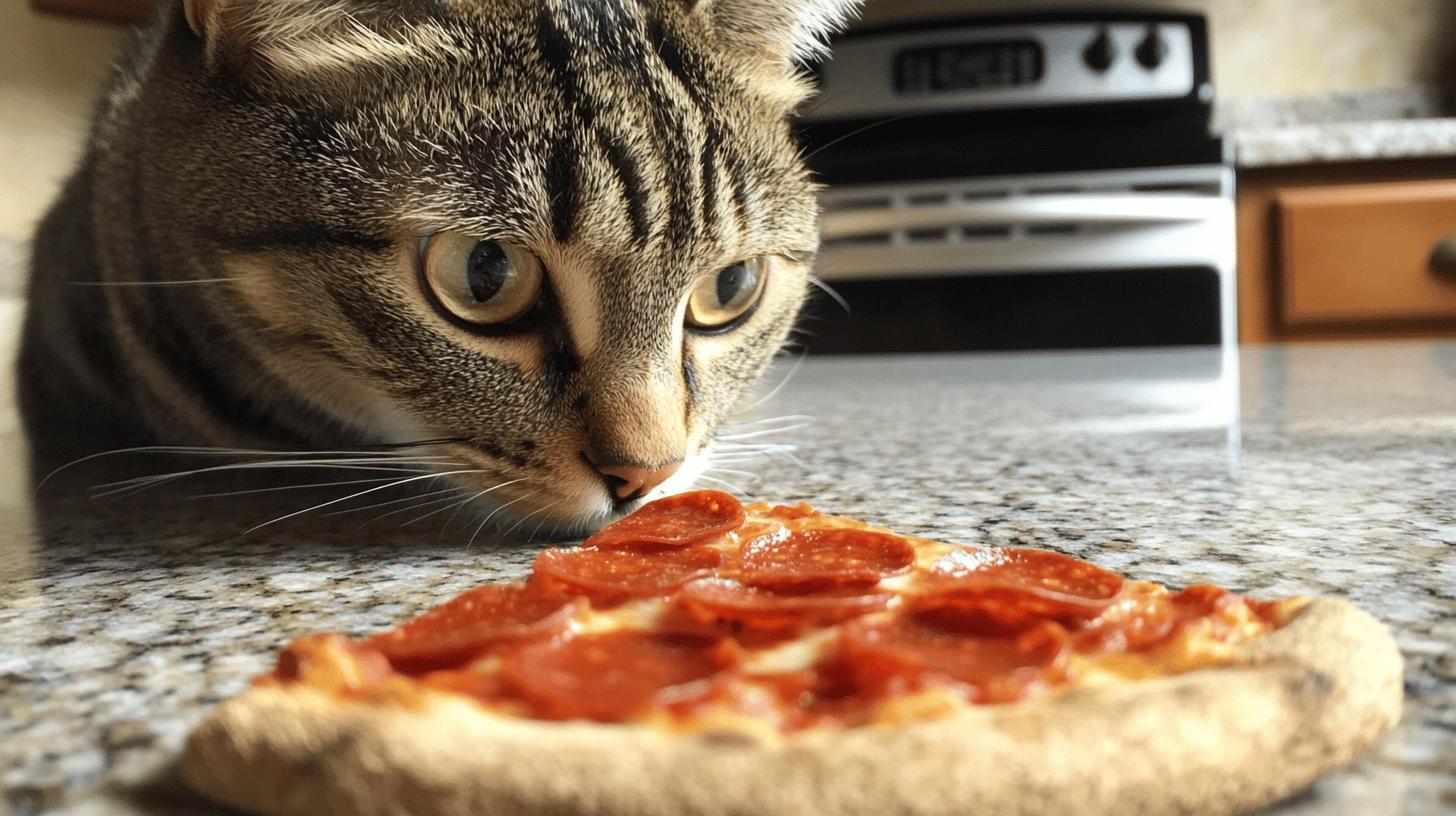
  • Can Cat Eat Pepperoni Risks and Health Implications Explained

    Can Cat Eat Pepperoni Risks and Health Implications Explained

    Isn't it surprising how cats always seem to be interested in our food, no matter what it is? If your cat has ever eyed that slice of pepperoni pizza you're enjoying, you may have wondered if it's safe to share.

    While pepperoni might look appetizing to our feline companions, it's not the treat it seems. In this blog, we'll explore why letting your cat nibble on pepperoni could be risky. From high sodium levels to harmful spices, we'll dive into the potential health implications and help you make informed choices for your pet's well-being.

    Can Cats Eat Pepperoni? Understanding the Risks and Health Implications

    Can Cats Eat Pepperoni Understanding the Risks and Health Implications-1.jpg

    Cats are naturally curious creatures, often drawn to the smells and sights of human food. Pepperoni, with its rich aroma and meaty texture, might seem tempting to our feline friends.

    They might be intrigued by the sight of us enjoying this spicy sausage on our pizzas. Despite this attraction, offering pepperoni to cats is not a wise choice. While they can technically eat small amounts of it, pepperoni is not a suitable treat due to significant health risks.

    The main concerns with pepperoni arise from its ingredients, which are not compatible with a cat's dietary needs. Here are the harmful ingredients typically found in pepperoni:

    • High sodium content: Can lead to dehydration and kidney problems.

    • Excessive fat: Contributes to obesity and pancreatitis.

    • Spices and seasonings: Irritate a cat's digestive system.

    • Preservatives like nitrates and nitrites: Known to cause health issues.

    • Artificial flavors: May trigger allergic reactions.

    When a cat consumes pepperoni, it can experience several immediate health concerns. Symptoms of distress may include vomiting, diarrhea, and a noticeable change in behavior. These are signs that the cat is struggling to process the unfamiliar and inappropriate ingredients found in pepperoni.

    Symptom Health Concern
    Vomiting Gastrointestinal upset
    Diarrhea Dehydration risk
    Lethargy Digestive distress
    Loss of appetite Potential pancreatitis

    The risks associated with pepperoni don't just end with immediate symptoms. Over time, regular consumption can lead to more severe health conditions like obesity and pancreatitis.

    These issues arise because pepperoni fails to meet the essential dietary needs of cats, which require a diet high in animal-based proteins and low in fats and sodium. The spicy and processed nature of pepperoni simply does not align with these nutritional requirements, making it an unsuitable regular snack for our feline companions.

    Safer Alternatives to Pepperoni for Cats

    Safer Alternatives to Pepperoni for Cats-1.jpg

    When it comes to treating our feline friends, it's crucial to focus on snacks specifically designed for their dietary needs rather than human foods. While cats might show interest in our meals, like pepperoni, these options aren't always safe or healthy for them.

    Cat-specific treats ensure that their nutritional needs are met without introducing harmful ingredients found in many human snacks. These treats are formulated to provide the right balance of nutrients, keeping your cat healthy and happy.

    Here are some safe alternative treats you can offer your cat:

    • Cooked chicken, free from seasoning

    • Cooked fish, like salmon or tuna, without bones

    • Freeze-dried meats, such as chicken or turkey

    • Small amounts of cooked eggs

    • Cat-safe fruits, like blueberries or melon

    • Vegetables like steamed broccoli or carrots

    • Commercially available cat treats with natural ingredients

    These alternatives offer a range of flavors and textures that cats love, while maintaining their health and nutrition. By choosing these safer options over pepperoni, you help prevent potential health issues related to high sodium and fat content.

    Not only do these treats align with a cat's dietary requirements, but they also provide necessary proteins and nutrients. This approach ensures your cat enjoys tasty snacks without compromising their well-being.

    What to Do if Your Cat Eats Pepperoni

    Safer Alternatives to Pepperoni for Cats-3.jpg

    If your cat has managed to sneak a bite of pepperoni, it's important to watch for signs of dietary distress. Cats may exhibit symptoms like vomiting, diarrhea, lethargy, or a sudden change in appetite.

    These signs indicate that your cat is struggling to cope with the high sodium, fat, and spices found in pepperoni. Ignoring these symptoms can lead to more severe health issues, so it's crucial to act promptly.

    Here are some steps to take if your cat eats pepperoni:

    • Monitor your cat closely for any changes in behavior or health.

    • Offer plenty of fresh water to help flush out excess sodium and toxins.

    • Consult your veterinarian if symptoms persist or worsen, as they can provide specific advice tailored to your cat's needs.

    • Avoid giving your cat any more human food, focusing instead on a balanced feline diet.

    Regular veterinary check-ups are essential for maintaining your cat's health and preventing future dietary mishaps. Your vet can offer guidance on proper nutrition and recommend suitable dietary plans.

    By keeping up with these consultations, you can ensure that your cat's diet aligns with their nutritional requirements, reducing the risk of health issues associated with eating foods like pepperoni.

    Final Words

    Feeding pepperoni to cats brings more harm than any potential joy from the treat.

    The high sodium, fat, and seasonings in pepperoni can lead to health issues.

    These range from stomach upset to severe problems like pancreatitis.

    Alternatives like cooked chicken or freeze-dried fish are safer and better for their diet.

    If a cat eats pepperoni, watch for signs of distress and consult a vet.

    Regular vet visits ensure a balanced diet.

    Keeping cats healthy with suitable treats is key.

    Let's avoid pepperoni and keep our feline friends happy!

    FAQ

    Can cats eat pepperoni?

    Cats can eat pepperoni, but it's risky. Pepperoni is high in sodium, fat, and spices, which are not suitable for cats and can lead to health issues like gastrointestinal upset and pancreatitis.

    What happens if my cat eats pepperoni?

    If your cat eats pepperoni, watch for symptoms like vomiting, diarrhea, or lethargy. These may signal dietary distress and require quick action to prevent severe health problems.

    Can cats eat salami or pepperoni?

    Cats should avoid salami and pepperoni. Both are high in sodium and fat, presenting similar risks, such as digestive upset and potential long-term health concerns.

    Is pepperoni safe for pets?

    Pepperoni is unsafe for pets due to high sodium, fat, and seasoning content. These can lead to digestive issues and more severe health conditions over time.

    What to do if my cat ate pepperoni?

    If your cat ate pepperoni, monitor them for any signs of illness such as vomiting or lethargy. Consult a vet if symptoms occur, and provide plenty of fresh water.

    Can cats eat cheese?

    Cats can eat cheese in small amounts occasionally. Cheese is high in fat and lactose, which some cats can't tolerate, but it isn't toxic if offered sparingly.

    What meat can cats not eat?

    Cats should not eat processed meats like pepperoni, salami, and bacon due to high fat and sodium. Raw meats, especially those with bones, should also be avoided to prevent health risks.

    Related Articles

  • Can Cat Eat Cooked Egg Safely and Healthily

    Can Cat Eat Cooked Egg Safely and Healthily

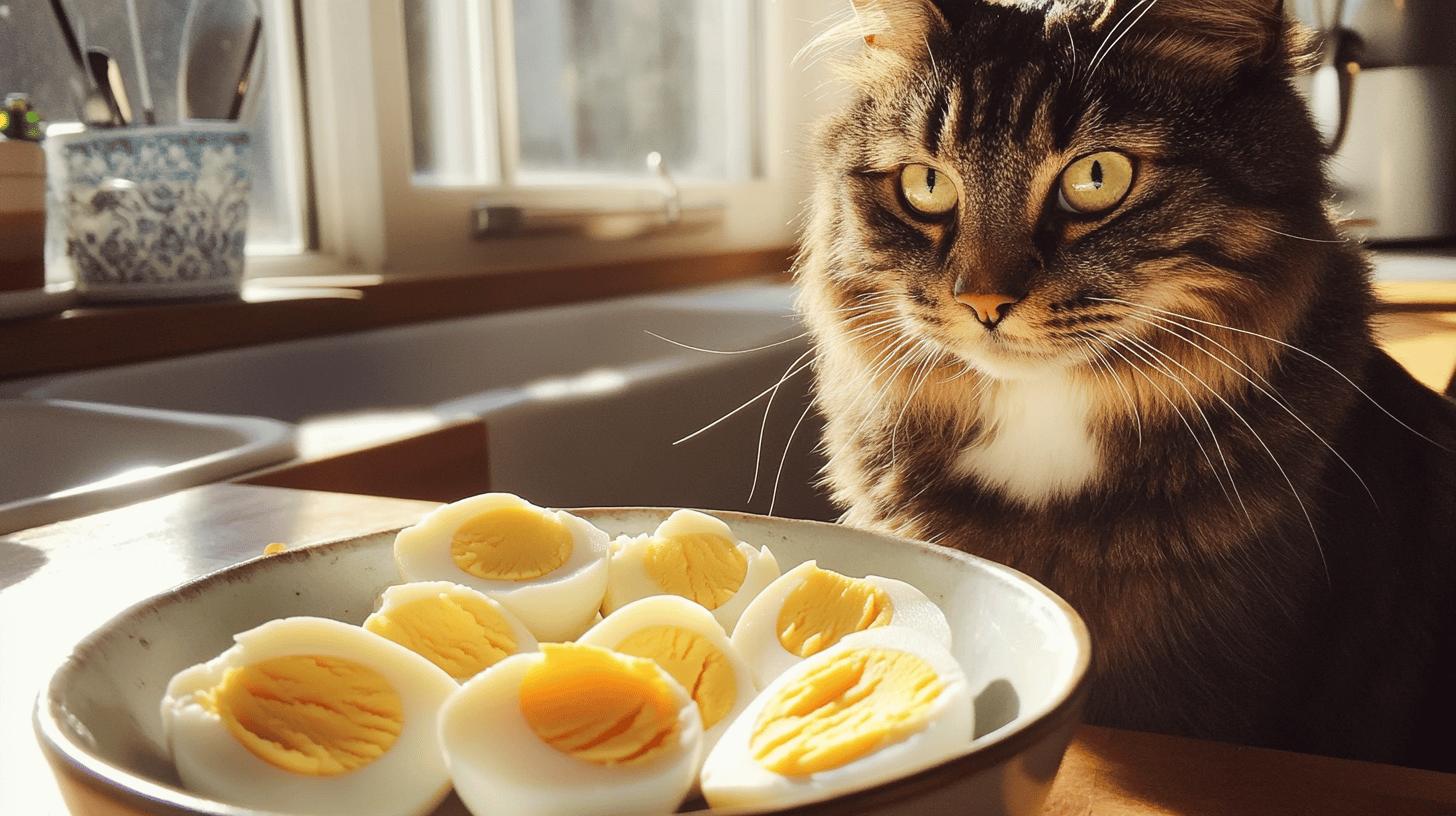
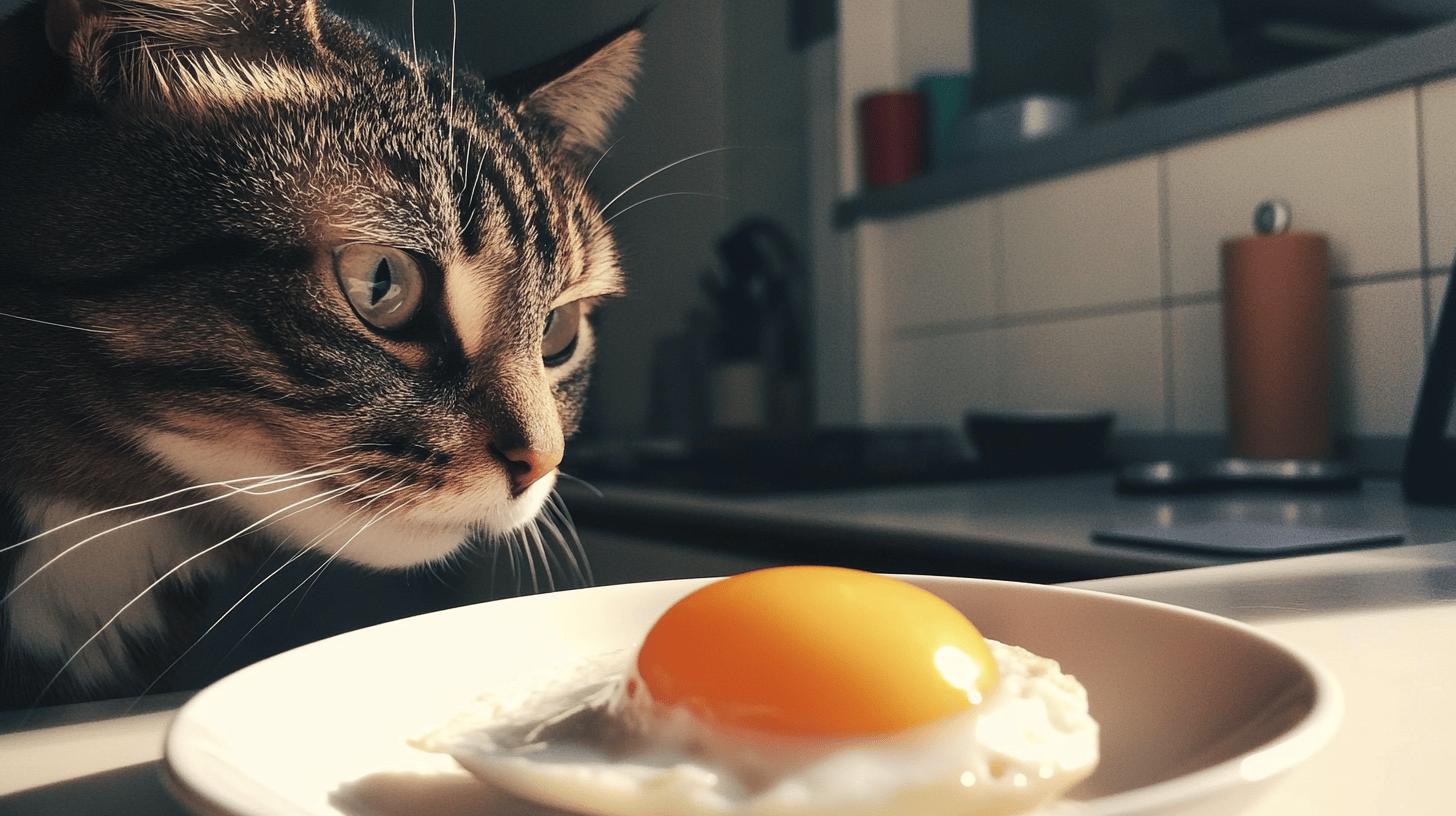
    Can cats enjoy a tasty plate of cooked eggs without worry? The answer is yes, but with a few important guidelines. Cooked eggs can be a wholesome treat to spice up your cat’s meal plan, offering nutritious proteins and essential vitamins. However, like a double-edged sword, it’s crucial to prepare them safely. Thorough cooking means boiling or scrambling them to a solid state, hitting that magic temperature of 160°F. In this article, I’ll unveil how cooked eggs can fit safely and healthily into your feline’s diet, without fear of hidden risks.

    Can Cats Eat Cooked Eggs Safely?

    Can Cats Eat Cooked Eggs Safely-3.jpg

    Cooked eggs can be a safe and nutritious treat for cats if prepared correctly. The key is thorough cooking, which eliminates any potential pathogens like E. coli or salmonella that could cause illness. Eggs are a good source of protein, fatty acids, and vitamins, which can contribute positively to a cat’s diet.

    However, it’s crucial to ensure that the eggs are fully cooked before offering them to your feline friend. This means boiling, scrambling, or frying them until they reach an internal temperature of at least 160°F, ensuring all parts are firm.

    While cooked eggs are generally safe, there are some potential risks to keep in mind. Cats, like humans, can have food allergies, and eggs are no exception. Signs of an allergic reaction might include vomiting, diarrhea, or skin irritations. If any of these symptoms occur, it’s wise to consult a veterinarian immediately. Additionally, eggs should only be a small part of a cat’s diet. Overfeeding can lead to weight gain and other health issues. Veterinarian advice can help determine the right amount and frequency of egg treats, especially if your cat has existing health conditions.

    • Risk of contamination from raw eggs
    • Monitoring for allergic reactions
    • Importance of fully cooking eggs
    • Consultation with a vet for allergies
    • Serve in moderation to avoid health issues

    Safe preparation and moderation are key when incorporating eggs into your cat’s diet. By ensuring the eggs are thoroughly cooked and serving them in measured portions, you can provide your cat with a healthy treat that complements their regular diet. Always start with small quantities to gauge your cat’s reaction and adjust based on their dietary needs and overall health.

    Nutritional Benefits of Eggs for Cats

    Recommended Portions and Feeding Frequency-3.jpg

    Egg whites are particularly beneficial for cats as they provide a substantial amount of protein without the added fat and cholesterol. This makes them a great option for cats needing to manage their weight while still ensuring they get enough protein.

    When incorporating eggs into a cat’s diet, it’s crucial to do so in moderation to prevent dietary imbalances. Mixing cooked eggs with their usual food can offer nutritional benefits without leading to overconsumption. Always consult with a veterinarian to tailor dietary changes to your cat’s specific needs.

    Can Cats Eat Cooked Eggs Safely?

    Cooked eggs can be a nutritious addition to your cat’s diet. When properly prepared, they offer a rich source of protein and essential nutrients like vitamins B12 and D. These vitamins support your cat’s energy levels and bone health. To ensure safety, cook the eggs to an internal temperature of 160°F. This eliminates bacteria such as E. coli and salmonella. Consider serving scrambled or boiled eggs as a treat. Mixing them with your cat’s regular food can be an exciting way to introduce variety into their meals.

    It’s crucial to be aware of potential food allergies. Eggs can trigger reactions in some cats, leading to vomiting, diarrhea, or skin irritations. If you notice any of these symptoms, reach out to your veterinarian. They can offer guidance on how to safely incorporate eggs into your cat’s diet. Moderation is key to preventing health issues like weight gain. A balanced diet is vital for maintaining your cat’s well-being.

    • Mix eggs with regular cat food
    • Use cooked eggs as training treats
    • Introduce eggs slowly into the diet
    • Monitor for signs of allergies
    • Consult your vet for personalized advice

    By incorporating eggs in a balanced manner, you enhance your cat’s diet while minimizing risks. Start with small portions to gauge your cat’s reaction. If they enjoy it and show no adverse effects, you can gradually include eggs as an occasional treat. Always prioritize your cat’s health needs and preferences.

    Nutritional Benefits of Eggs for Cats

    Eggs provide an excellent protein source, essential for muscle development and maintaining a cat’s vitality. This high protein content supports their active lifestyle.

    Vitamins like B12 and D in eggs promote energy metabolism and bone health. Fatty acids contribute to a shiny coat and strong claws. These nutrients make eggs beneficial beyond basic nourishment. Recent studies suggest that vitamin D from eggs may enhance a cat’s immune system, offering added health benefits.

    Egg whites are a low-fat, high-protein option for cats. They are cholesterol-free, making them a healthier treat compared to other protein sources.

    Incorporating eggs into a cat’s diet can enhance overall health when done thoughtfully. Eggs provide nutrients that complement their regular food, making them a valuable dietary addition.

    How to Prepare Eggs for Cats

    How to Prepare Eggs for Cats-4.jpg

    Proper preparation of eggs is crucial to ensure they are safe and healthy for your cat. Eggs should always be thoroughly cooked to eliminate the risk of harmful bacteria, such as E. coli or salmonella. Serving eggs in bite-sized pieces ensures they are easy for your cat to eat and digest. Let’s explore some safe cooking methods.

    Boiling and Poaching Eggs

    Boiling and poaching are excellent methods for preparing eggs for cats. To boil eggs, place them in a pot of water and bring to a rolling boil for about 9-12 minutes. This ensures the yolk and white are fully cooked. For poaching, crack an egg into simmering water and cook it until the whites are firm and the yolk is not runny, approximately 5 minutes. Both methods provide a clean, fat-free way to cook eggs, making them suitable for cats.

    Scrambling Eggs

    Scrambled eggs can be a delightful treat for your cat if prepared correctly. Start by cracking the eggs into a bowl and whisking them thoroughly. Cook the eggs in a non-stick pan over medium heat without adding any butter, oil, or seasoning. Stir them gently until fully cooked. This method results in a fluffy texture that cats might enjoy.

    Frying Eggs

    When frying eggs for cats, use a non-stick pan to avoid the need for butter or oil. Crack the egg into the pan and cook over medium heat until both sides are fully cooked and firm. Ensure there’s no runny yolk left. Frying provides a different texture, which might be appealing to some cats, but it’s essential to keep it healthy by avoiding added fats.

    Cooking Method Benefits
    Boiling & Poaching Fat-free, fully cooked, easy to prepare
    Scrambling Fluffy texture, no added fats or seasonings
    Frying Different texture, no added fats when using non-stick pans

    Potential Risks and Allergies with Eggs

    Potential Risks and Allergies with Eggs-2.jpg

    Feeding eggs to cats can pose risks, especially due to potential allergies. Some cats could develop an allergy to eggs, which warrants careful observation.

    Watch for symptoms such as sneezing, scratching, skin irritations, vomiting, diarrhea, or ear infections. These indicate an allergic reaction. Introduce eggs gradually and observe your cat. If symptoms occur, stop feeding eggs and consult a veterinarian.

    Overfeeding eggs might cause nutritional imbalances and weight gain. Eggs should not replace a cat’s regular diet, as excessive intake can disrupt nutrient balance. Cats with weight or digestive issues should be cautious.

    Moderation is crucial. Start with small amounts and monitor your cat’s reaction. If tolerated, offer eggs occasionally as a treat, ensuring they remain a small part of their diet. Consult a veterinarian for guidance tailored to your cat’s health needs.

    Recommended Portions and Feeding Frequency-1.jpg

    When it comes to feeding eggs to cats, portion size is vital to maintain a balanced diet. Eggs should be treated as a special snack rather than a staple in their daily meals. A few slices of hard-boiled egg are typically sufficient.

    This keeps the treat within the recommended limit of making up only 10% of a cat’s daily caloric intake. By sticking to this guideline, you ensure that your cat enjoys the nutritional benefits of eggs without compromising their overall dietary needs.

    • Limit to 10% of daily calories
    • Offer as a treat once or twice a week
    • Monitor weight and health
    • Adjust portions based on overall diet

    Overfeeding eggs can lead to potential health risks, such as weight gain and nutritional imbalances. Cats that consume too many eggs might miss out on other essential nutrients found in their regular food.

    Monitoring your cat’s weight and health is crucial, and adjustments to portion sizes should be made based on their unique dietary requirements. Remember, moderation is key to maintaining your cat’s well-being while allowing them to enjoy the occasional egg treat.

    Eggs as Part of a Balanced Diet for Cats

    Eggs as Part of a Balanced Diet for Cats-3.jpg

    Eggs can be a beneficial supplement to a cat’s diet, offering specific advantages for coat and claw health. While known for their protein content, eggs also provide fatty acids and vitamins that contribute to a shiny coat and strong claws.

    But these benefits are best realized when eggs are part of a varied diet. Cats, being obligate carnivores, need their primary nutrition from meat-based sources. Therefore, eggs should only complement, not replace, their complete cat food diet.

    Balancing egg treats with other nutritional needs is key. Eggs should be an occasional treat, making up no more than 10% of a cat’s daily caloric intake. This approach helps maintain a balanced diet and prevents nutritional imbalances.

    It’s also essential to consider individual health needs, as some cats may have allergies or digestive issues with eggs. A varied diet featuring different proteins, fats, and carbohydrates optimizes overall health.

    • Ensure eggs are fully cooked
    • Use eggs as occasional treats
    • Monitor cat’s health and weight
    • Incorporate with regular cat food
    • Consult with a vet for diet planning

    Adopting a holistic approach to feeding involves considering each cat’s unique health needs and preferences. Eggs can be a nutritious part of their diet, but moderation and careful observation are paramount. Consulting with a veterinarian ensures that eggs are integrated safely and effectively, allowing your cat to enjoy the benefits without compromising their health.

    Final Words

    Exploring the question “can cat eat cooked egg,” we stressed the importance of safe preparation. Cooked eggs, when properly handled, can be a healthy treat for cats due to their high protein and nutrient content.

    By ensuring full cooking and serving in moderation, eggs can complement a balanced feline diet. Pay attention to potential allergies and consult your vet for personalized advice.

    Eggs can be a tasty treat, bringing variety to your cat’s diet. Remember, cautious preparation and portion control are key. Let’s add some joy to playtime with a safe and delicious egg snack!

    FAQ

    Can cats eat raw eggs?

    Cats should not eat raw eggs. Raw eggs may contain pathogens like E. coli or salmonella, which can make cats sick.

    Are cooked eggs good for cats?

    Cooked eggs are safe for cats if fully cooked. They’re high in protein and contain fatty acids and vitamins that are good for cats’ health.

    Can my cat eat scrambled eggs?

    Yes, cats can eat scrambled eggs if they’re cooked without butter or seasoning. Scrambling preserves the nutrients while making them easy to digest.

    Can cats eat egg yolk raw?

    No, cats should not eat raw egg yolks due to the risk of contamination with pathogens.

    Can my cat eat boiled eggs?

    Yes, cats can eat boiled eggs. Ensure the eggs are fully cooked and cooled before feeding them to avoid health risks.

    How to cook eggs for cats?

    For cats, boil, scramble, or poach eggs without butter or seasoning. Ensure they reach an internal temperature of 160°F and cut into bite-sized pieces.

    Can cats eat a little bit of egg?

    Yes, cats can eat a bit of egg as a treat. Eggs should not exceed 10% of a cat’s daily calorie intake and be offered sparingly.

    What are potential risks and allergies with eggs for cats?

    Cats might have egg allergies, shown by skin irritation or ear infections. Overfeeding eggs can lead to imbalances or weight gain. Moderation and vet consultation are key.

    Related Articles

  • How to Train a Cat Not to Kill Birds

    How to Train a Cat Not to Kill Birds

    Did you know that cats in the United States are responsible for killing billions of birds every year? It's a shocking statistic that leaves many cat owners wondering how to curb their feline's natural hunting instincts.

    Training your cat not to kill birds might sound challenging, but with patience and the right techniques, it's possible. In this blog, I'll dive into practical tips like leash training and using cat bibs, all aimed at reducing your cat's prey drive and making the outdoors safer for birds. Let's work together to protect our feathered friends.

    How to Train a Cat Not to Kill Birds

    How to Train Your Cat Not to Kill Birds-1.jpg

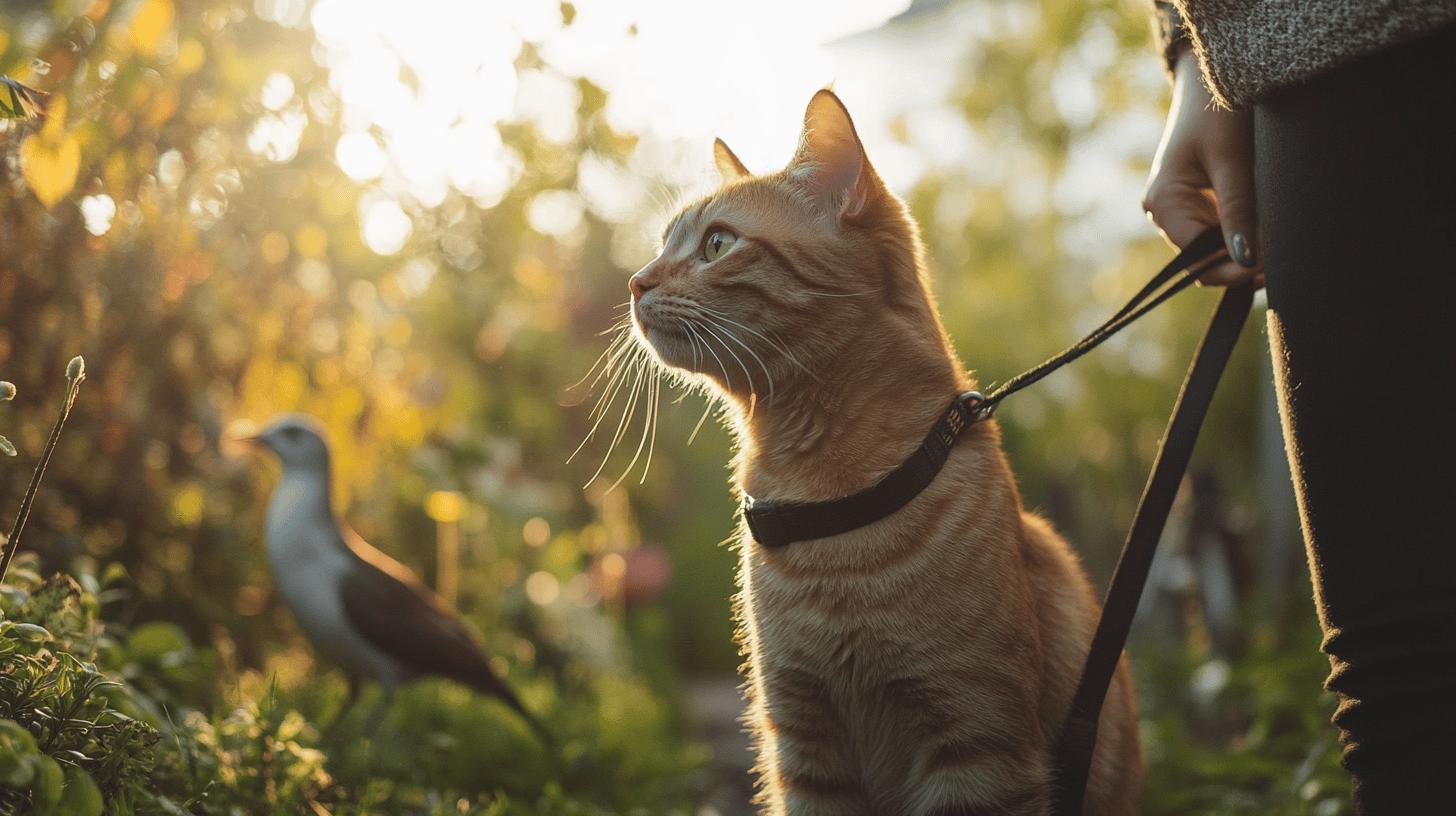
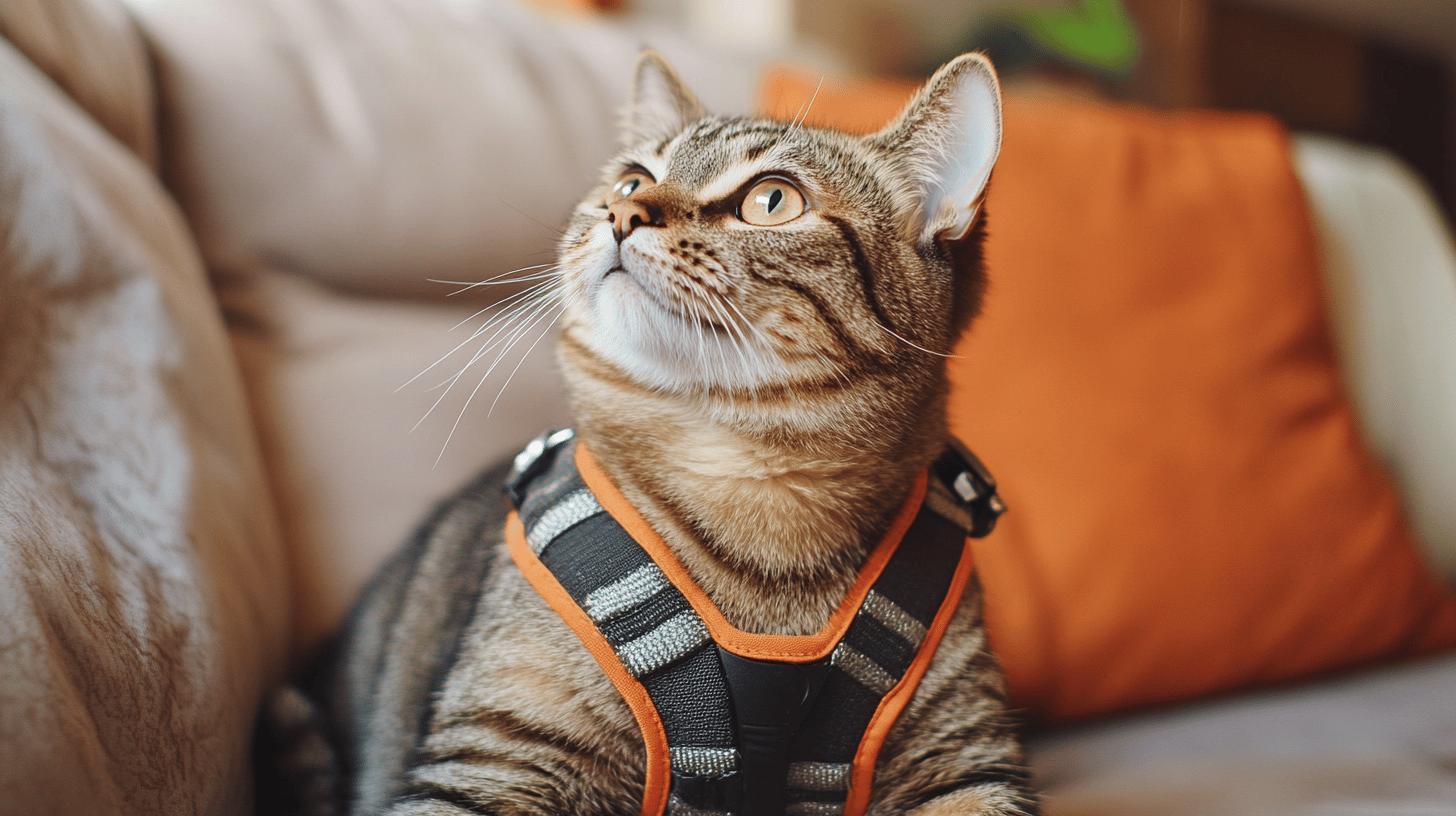
    To curb your cat's hunting instincts, start with immediate practical steps. Training your cat to walk on a leash is a great place to begin. This allows them to enjoy the outdoors without the risk of hunting.

    It's essential to be patient and gentle during leash training, rewarding your cat with treats and praise to build a positive association with the leash. Additionally, using a cat bib can significantly reduce their ability to catch birds.

    Research has shown that cat bibs prevent 81% of cats from successfully hunting birds. These bibs hinder a cat's ability to pounce on prey while not affecting their overall mobility or day-to-day activities.

    Another practical approach involves modifying your cat's behavior through positive reinforcement. Reward your cat when they engage in non-predatory behaviors with treats or affection.

    This helps them learn that they can gain rewards without hunting. Regularly supervising your cat's outdoor time can also reduce opportunities for hunting. This not only keeps them safe but also allows you to guide their behavior actively.

    • Leash training

    • Bell collars

    • Cat bibs

    • Positive reinforcement

    • Regular supervised outdoor time

    Consistency and patience are key when training your cat not to kill birds. Cats, like many animals, learn best through repetition and positive experiences. You might not see immediate results, but sticking with these training techniques over time will help your cat adapt.

    It's crucial to remember that hunting is a natural instinct for cats, so redirecting this drive into acceptable behaviors requires dedication. By maintaining a positive and consistent approach, you'll likely see a reduction in your cat's predatory behavior, ultimately protecting the birds in your area.

    Enriching Your Cat's Environment

    Enriching Your Cats Environment-1.jpg

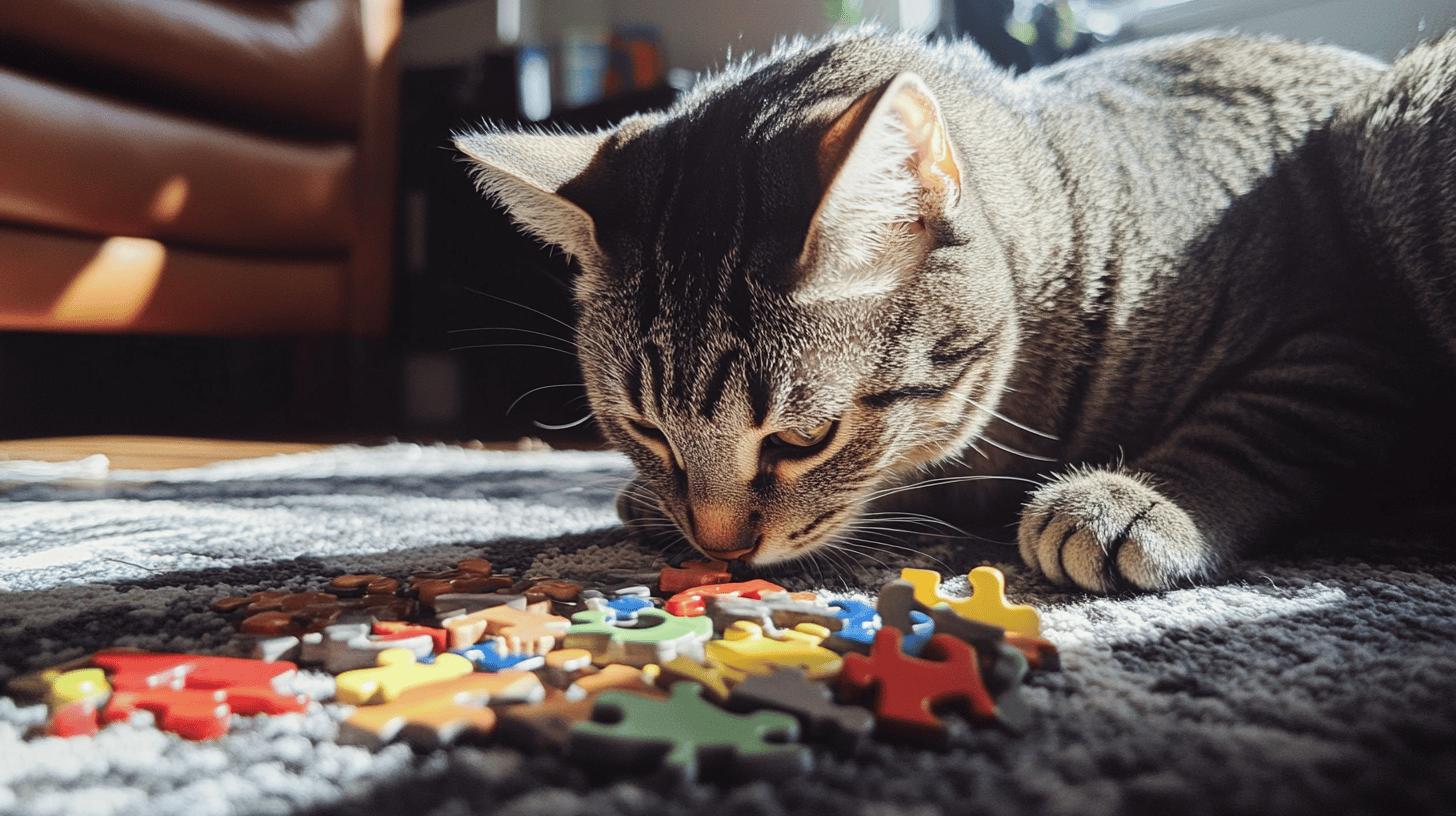
    Keeping your cat entertained indoors is a crucial step in minimizing their hunting behavior. Cats have a natural instinct to hunt, but by providing ample environmental enrichment, you can help satisfy this drive in a non-destructive way.

    When cats are engaged with enriching activities, they are less likely to seek out prey. Indoor enrichment can include a variety of activities that mimic hunting, such as interactive toys and hunting-style play. These activities not only keep your cat physically active but also mentally stimulated, reducing the likelihood of them wanting to hunt birds.

    • Puzzle feeders

    • Interactive toys

    • Hide-and-seek games

    • Vertical spaces for climbing

    • Bird watching through windows

    • Scheduled playtimes

    By incorporating these enrichment activities into your cat's daily routine, you are addressing their natural instincts in a positive manner. Puzzle feeders and interactive toys challenge their minds and mimic the act of hunting for food. Vertical spaces give them opportunities to climb and explore, which can satisfy their curiosity and need for physical activity.

    Allowing your cat to watch birds through a window safely indulges their interest in wildlife without any risk to the birds. Scheduled playtimes ensure that your cat receives regular attention and engagement, further diminishing their desire to hunt. These strategies collectively create a fulfilling indoor environment that can significantly reduce your cat's predatory behavior toward birds.

    Creating Safe Outdoor Spaces for Cats

    Creating Safe Outdoor Spaces for Cats-4.jpg

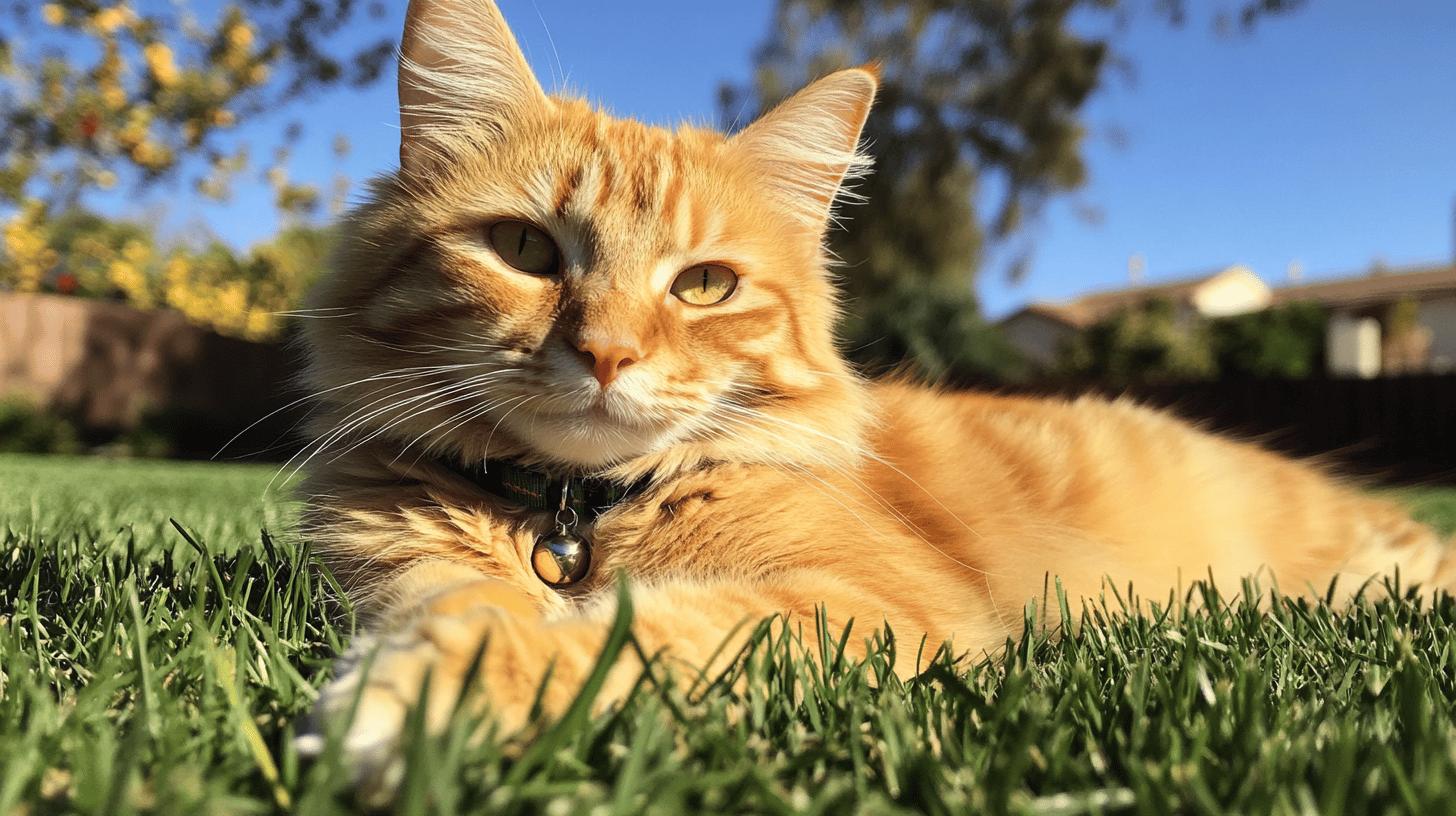
    Creating a safe outdoor space for your cat, like a catio, can be a game-changer when it comes to reducing their hunting opportunities. Catios, or enclosed patios specifically designed for cats, offer a secure environment where your feline can enjoy the outdoors without risk to local wildlife.

    These spaces allow cats to lounge, play, and soak up the sun without the temptation to hunt birds or other small animals. Cat-proof netting and fencing can also secure your yard, providing a safe yet stimulating environment. By keeping your cat within the confines of your yard, you can prevent them from wandering into areas where they might harm birds or get into trouble.

    Outdoor Space Type Features Safety Level
    Catio Enclosed, secure, varied levels High
    Fenced Yard Cat-proof fence, large roaming area Medium
    Supervised Walks Leash-controlled, owner supervision High

    These outdoor spaces are crucial in protecting both your cat and the local bird population. By providing a controlled environment, you reduce the chances of your cat engaging in hunting behaviors.

    Installing a cat-proof fence, such as an oscillatory or wireless fence, keeps your cat within safe boundaries, ensuring they don't stray into areas where they might hunt. Creating safe outdoor spaces contributes to a harmonious coexistence with wildlife and enriches your cat's life by offering a taste of the outdoors without the risks associated with free roaming.

    Understanding Cat Instincts and Behavior

    Understanding Cat Instincts and Behavior-3.jpg

    Restricting a kitten's access to hunting opportunities between 6 to 24 weeks is crucial for shaping predatory behavior. This specific age range is a formative period where intervention can make a difference.

    Redirecting their hunting instincts toward toys and interactive play offers alternative outlets for their energy. Positive reinforcement for non-predatory actions can help manage these instincts effectively. Regular, structured play sessions can satisfy their hunting-like activity needs without impacting wildlife.

    Using Training and Deterrents to Protect Birds

    Using Training and Deterrents to Protect Birds-4.jpg

    Combining training and deterrents is key to protecting birds from your cat's hunting instincts. By integrating these methods, we can significantly minimize the risk of bird predation. Training, like positive reinforcement, rewards non-predatory behavior.

    Deterrents such as bell collars and Birdsbesafe collars make cats more visible and audible to birds. This combination helps birds detect and evade potential threats early on. The Birdsbesafe collar, with its bright colors, is particularly effective, reducing bird deaths by up to 87%.

    • Leash training

    • Bell collars

    • Birdsbesafe collars

    • Cat-proof fencing

    • Motion-activated bird deterrents

    • Positive reinforcement

    Creating a balance between outdoor cats and wildlife requires commitment. Cat-proof fencing helps keep your feline within the yard, limiting hunting chances. Motion-activated bird deterrents strategically placed in bird-frequented areas can scare birds away before cats approach.

    By integrating regular training with these deterrents, we foster a safer environment for birds while allowing cats the freedom to explore. This harmony supports peaceful coexistence between our pets and the wildlife around us.

    Final Words

    Training a cat not to kill birds starts with a blend of practical steps and positive reinforcement.

    Leash training and cat bibs reduce their hunting success. Indoor enrichment like puzzle feeders satisfies their hunting instincts, making them less likely to chase birds.

    Creating safe outdoor spaces like catios keeps them entertained without endangering birds.

    Understanding their instincts through training and deterrents ensures harmony between cats and wildlife. With consistency and patience, we can enjoy a safer and more engaging environment for our cats and protect our feathered friends too.

    FAQ

    How to teach a cat not to kill birds?

    A: Use leash training, bell collars, and cat bibs to deter hunting. Positive reinforcement and supervised outdoor time can also help train your cat to leave birds alone.

    How do I get my cat to stop attacking birds?

    A: Employ deterrents like the Birdsbesafe collar and bell collars. Leash training and providing plenty of indoor enrichment can reduce your cat's predatory behavior.

    Should I punish my cat for killing a bird?

    A: It is not recommended to punish your cat, as it may not associate the action with the behavior. Instead, focus on training techniques and environmental enrichment to modify their behavior.

    Related Articles

  • Can Cat Eat Pineapple Safely and in Moderation

    Can Cat Eat Pineapple Safely and in Moderation

    Can a slice of pineapple be a juicy treat for your cat, or is it a recipe for trouble? Pineapple isn't toxic to cats, which makes it safe as an occasional snack. But moderation is the key.

    Cats are obligate carnivores. Their diet should focus on meat. Introducing pineapple carefully ensures a tasty change without causing digestive problems.

    While it won't provide much in the way of nutrition, a small piece now and then won't hurt. Let's explore how you can satisfy your cat's curiosity safely with this tropical fruit.

    Can Cats Safely Eat Pineapple?

    Can Cats Safely Eat Pineapple-4.jpg

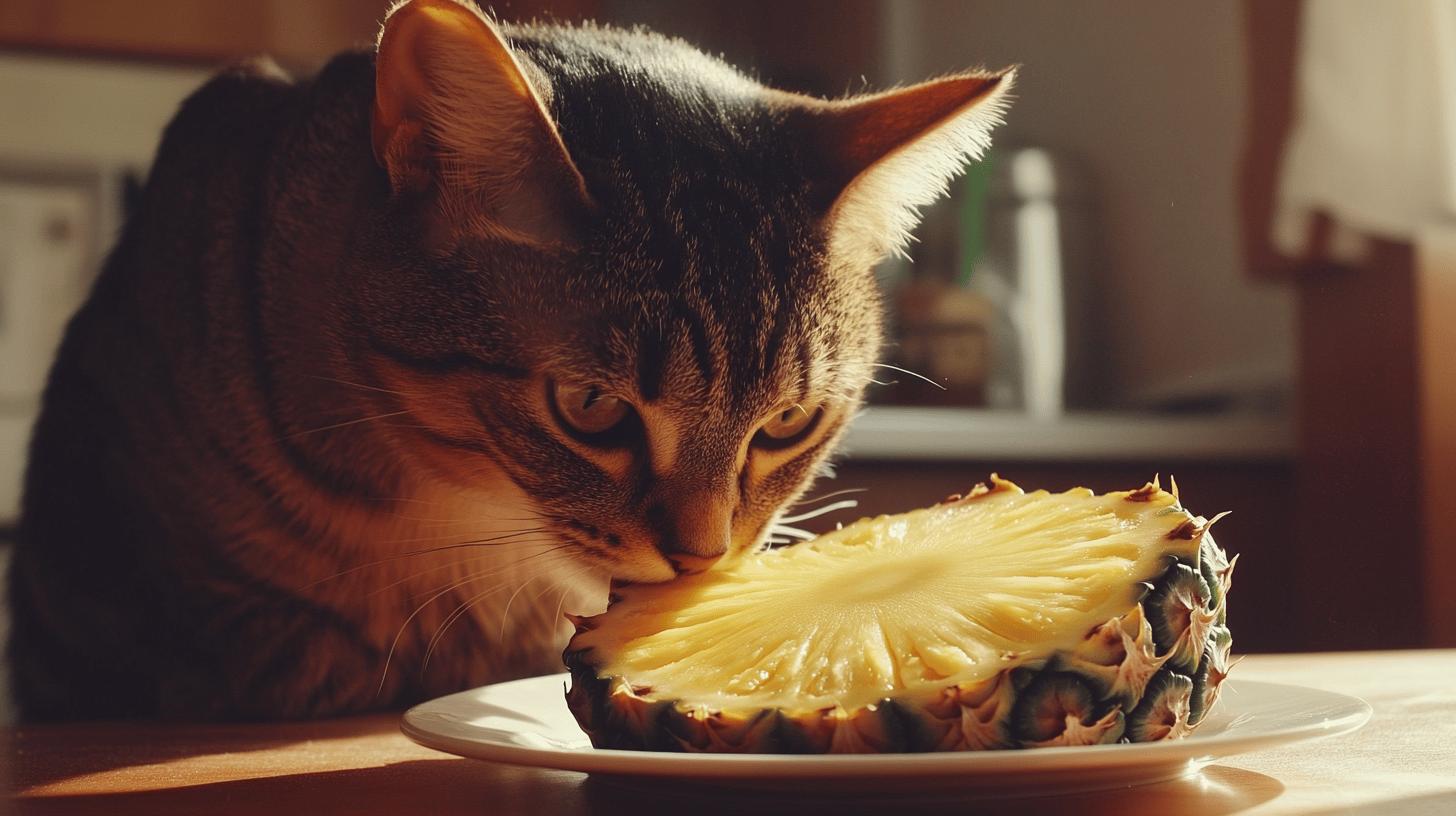
    Cats can eat pineapple safely, but it should only be given in small amounts. Pineapple is not toxic to cats, making it a safe choice as an occasional treat. The key is moderation.

    Since cats are obligate carnivores, their primary diet should consist of meat, and fruits like pineapple should never replace their regular meals. Offering pineapple sparingly ensures that your cat enjoys a novel taste without facing any digestive issues.

    While pineapple is safe for cats, it doesn't offer significant health benefits to them. Unlike humans, cats do not require the vitamins and minerals found in fruits to stay healthy.

    Their bodies are designed to extract nutrients primarily from meat. So, while the occasional pineapple piece is unlikely to harm your cat, it won't contribute much to their overall nutrition either.

    • May cause vomiting if overfed

    • Can lead to diarrhea in large quantities

    • High sugar content might contribute to weight gain

    Taking these points into account, it's clear that while cats can enjoy pineapple on rare occasions, it's best to keep it minimal to prevent any potential health issues.

    Nutritional Aspects of Pineapple for Cats

    Nutritional Aspects of Pineapple for Cats-4.jpg

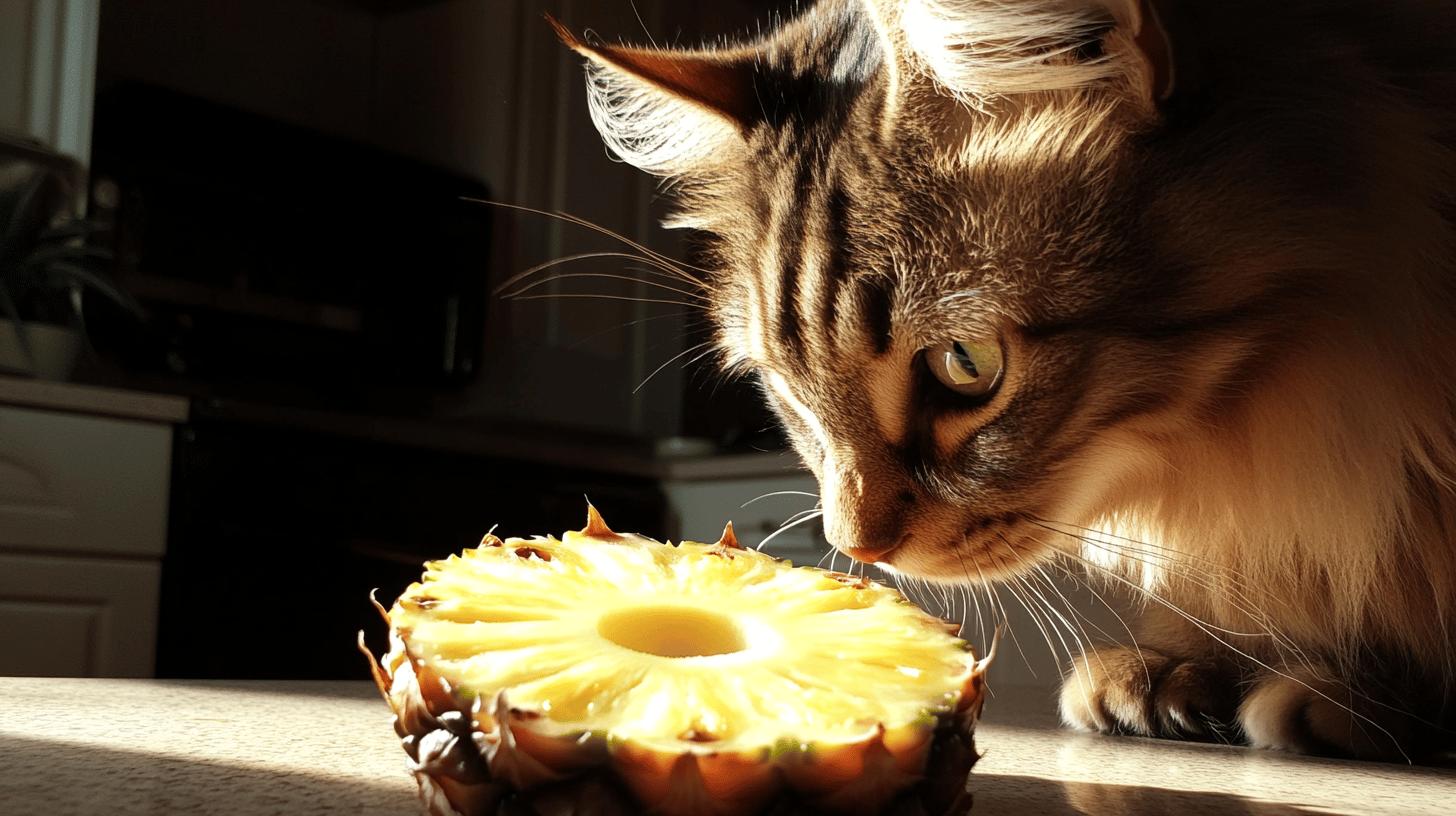
    Pineapples are rich in vitamins C, A, folate, and B6, as well as minerals like manganese and potassium. These nutrients support various health benefits in humans, such as immune function and digestion.

    For cats, these nutrients are not essential. Their bodies naturally produce vitamin C, and they do not require the vitamins and minerals found in pineapples. Cats meet their nutritional needs through protein and animal fats.

    Pineapples provide minimal fiber benefits for cats, which might aid digestion slightly. However, their digestive systems aren't designed for high fiber intake. A small amount of pineapple is harmless, but it doesn't compare to a diet tailored for feline nutrition.

    Risks of Feeding Pineapple to Cats

    Risks of Feeding Pineapple to Cats-4.jpg

    Cats can't taste sweetness, so their interest in pineapple might be due to its texture or moisture. Pineapple is not toxic to cats, but it doesn't fit their meat-based nutritional profile.

    • Indigestion: Cats lack the necessary enzymes to digest fruits properly, leading to potential stomach upset.

    • Obesity: High sugar levels can contribute to weight gain, posing health risks.

    • Diabetes: Consuming too much sugar can increase the risk of diabetes, a serious health condition.

    • Vomiting and diarrhea: Overconsumption can lead to these digestive issues, causing discomfort.

    The risks of feeding pineapple to cats often outweigh any minimal benefits. While a small piece might not cause immediate harm, frequent feeding can lead to long-term health issues.

    Cats thrive on diets designed for their carnivorous needs, and introducing fruits like pineapple can disturb their nutritional balance. Prioritizing a diet that meets their physiological requirements is best for maintaining their health and well-being.

    How to Serve Pineapple to Cats Safely

    How to Serve Pineapple to Cats Safely-1.jpg

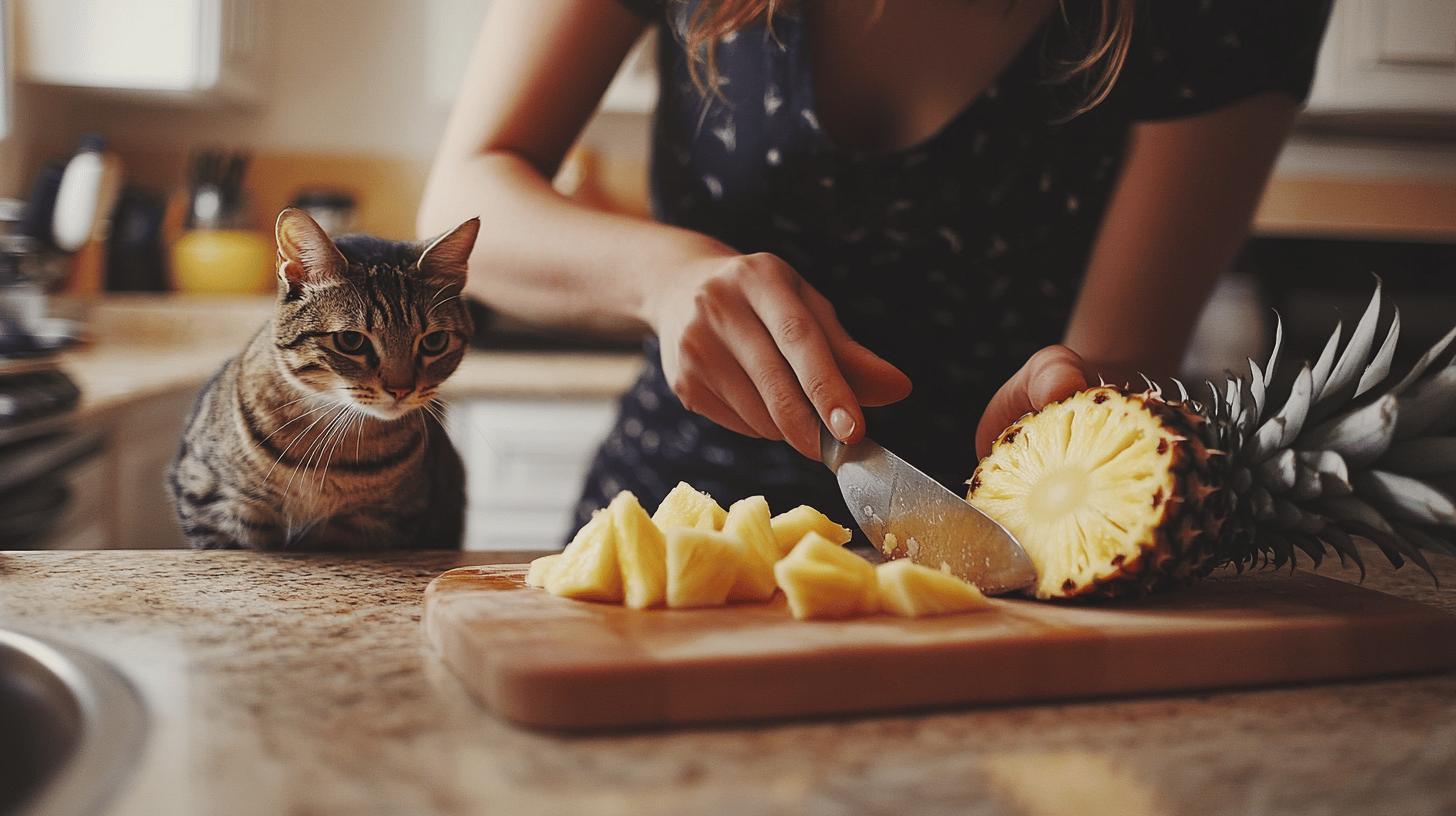
    Serving pineapple to your cat requires careful preparation. Always choose fresh pineapple over canned ones, as the latter often contains added sugars and preservatives that aren't suitable for feline consumption.

    Start by thoroughly cleaning the pineapple to remove any pesticides or residues. Then, cut away the outer skin and core, as these parts can be hard and potentially harmful.

    Finally, chop the pineapple into small, manageable pieces. Portion size is crucial; offering just a tiny piece ensures your cat can enjoy it without overwhelming their digestive system.

    When introducing pineapple to your cat's diet, it's important to watch for any adverse reactions. Cats have sensitive stomachs, and even a small amount could cause an upset.

    Monitor your cat closely after they consume pineapple, looking for signs of discomfort like vomiting or diarrhea. If you notice any of these symptoms, it's best to discontinue offering pineapple and consult your veterinarian.

    Steps for Preparing Pineapple:

    1. Choose a fresh pineapple and clean it thoroughly.

    2. Remove the outer skin and core completely.

    3. Cut into small, cat-friendly pieces.

    Alternative Fruits for Cats

    Alternative Fruits for Cats-4.jpg

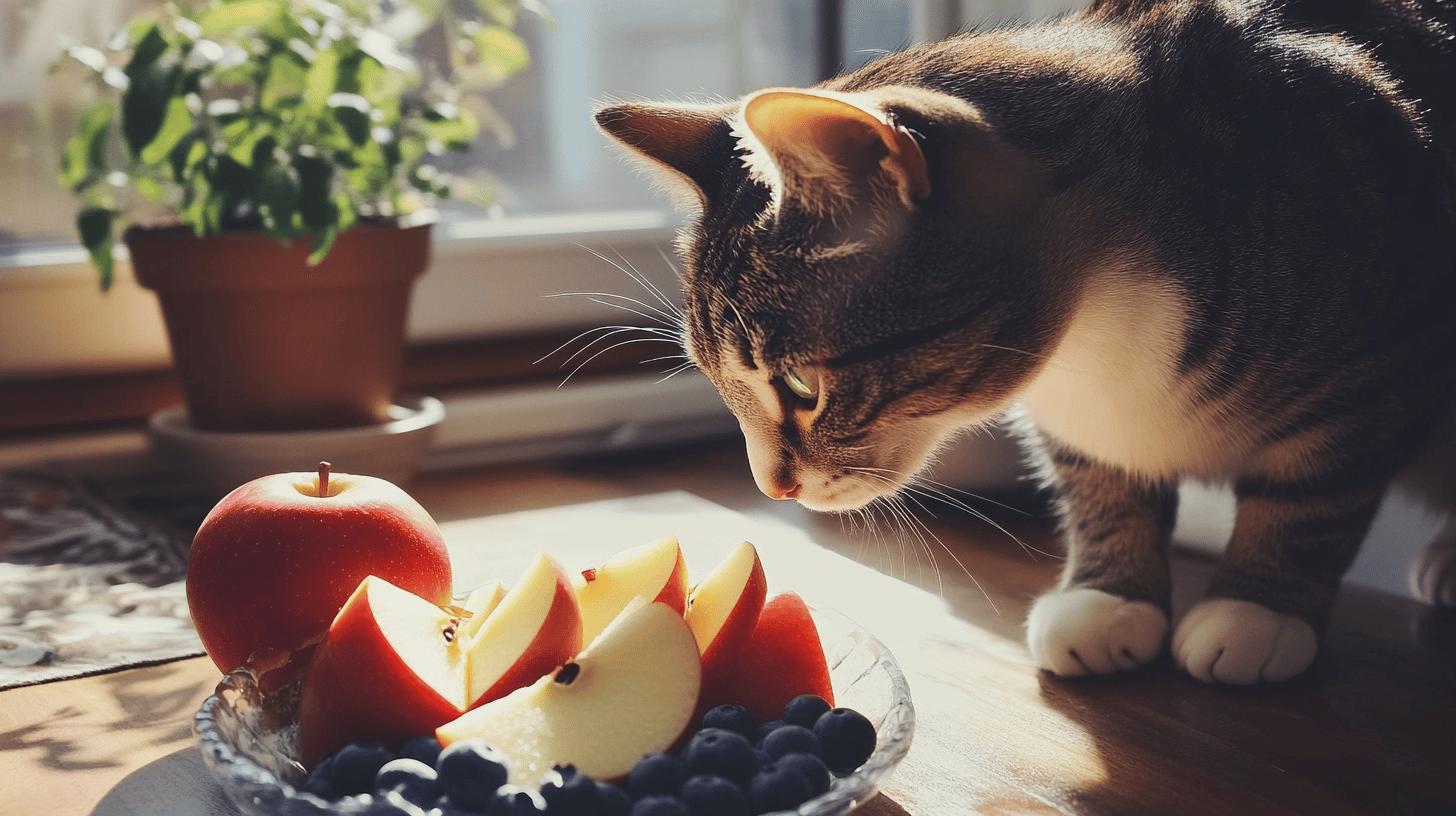
    When considering fruits for your feline friend, variety can add a bit of excitement to their diet. While cats are obligate carnivores and primarily require meat, some fruits can be safe treats.

    Offering a small amount of fruit can provide hydration and a novel texture without replacing their primary dietary needs. It's crucial, however, to choose fruits that are safe and appropriate for cats.

    Fruit Safe? Notes
    Apples Yes Remove seeds and core
    Blueberries Yes Rich in antioxidants
    Melons Yes High water content
    Grapes No Can cause kidney damage
    Cherries No Toxic if consumed

    The key to feeding fruits to cats is moderation. Even safe fruits should be given in tiny portions to avoid any digestive upset.

    Always ensure fruits are clean, fresh, and prepared properly. Remove any seeds, pits, or skins that might be hazardous.

    Consulting with a veterinarian is wise if you're introducing a new food into your cat's diet, as they can provide tailored advice based on your cat's health needs. By keeping an eye on safety and moderation, you can occasionally share some fruity fun with your feline companion.

    Veterinary Insights on Feeding Fruits to Cats

    Veterinary Insights on Feeding Fruits to Cats-1.jpg

    Fruits can be introduced to a cat's diet as an occasional treat, but it's crucial to proceed with caution. Veterinarians recommend fruits like pineapple, in limited quantities, to avoid disrupting the cat's primary nutritional needs.

    Safe options include small portions of apples, blueberries, and seedless watermelon. However, grapes, raisins, and citrus fruits are unsafe and should be avoided. Monitoring any adverse reactions and consulting with a vet before trying new fruits can prevent potential health issues.

    Maintaining a meat-based diet is vital for a cat's health. Animal proteins and fats provide essential nutrients that support growth, energy, and immune function.

    While fruits may offer some fiber and vitamins, they cannot replace the essential amino acids found in meat. Ensuring that the cat's diet remains primarily meat-focused helps maintain their overall well-being and nutritional balance.

    Final Words

    When it comes to the question, can cat eat pineapple, the answer is yes but with care. Pineapple is not toxic but doesn't add much value to a cat's diet.

    Make sure not to overdo it, as too much can upset their stomach. Remember, cats don't need the extra nutrients from pineapples. Stick with small amounts if you decide to treat your cat.

    Watch for any signs of discomfort and always prioritize a meat-based diet that suits their needs. Keep your furry friend healthy and content with safe choices.

    FAQ

    Can cats eat pineapple juice?

    Cats can safely have pineapple juice in small amounts. Pineapple juice isn't toxic but offers no significant health benefits for cats. Moderation is crucial to avoid any digestive issues.

    Can cats eat pineapple leaves?

    Cats should not eat pineapple leaves. The leaves are tough and could cause choking or digestive blockages. It's best to keep pineapple leaves away from cats to prevent any accidents.

    Can cats eat pineapple seeds?

    Pineapple seeds should be avoided for cats. These seeds can cause digestive discomfort or blockages. Always remove seeds before giving any pineapple to your cat.

    Why do cats eat pineapple leaves?

    Cats might be interested in the texture or playfulness of pineapple leaves. But it's not safe, and they don't gain any nutritional benefit from chewing on them.

    What fruits can cats not eat?

    Cats should avoid grapes, cherries, and citrus fruits. These can be toxic or cause digestive issues. Always research or consult a vet before giving your cat a new fruit.

    Can cats eat strawberries?

    Yes, cats can eat strawberries in moderation. Strawberries aren't toxic to cats but should only be given as an occasional treat.

    Can cats eat watermelon?

    Cats can eat watermelon in moderation. The fruit should be seedless and without the rind to prevent any digestive problems.

    What fruits can cats eat?

    Cats can eat small amounts of apples, blueberries, and melons. These are safe when served in moderation and properly prepared without seeds or skin.

    Are pineapples toxic to cats?

    Pineapples are not toxic to cats. They can eat small amounts safely, but the fruit offers minimal health benefits and should be given sparingly.

    What fruit is toxic to cats?

    Grapes and cherries are toxic to cats. Consumption can lead to serious health issues like kidney failure or digestive blockages.

    Can cats have pink pineapple?

    Cats can have pink pineapple, but like regular pineapple, it should be given in moderation. Offer only small pieces without seeds or core.

    Can pets eat pineapple?

    Pets, including cats and dogs, can eat pineapple in moderation. It's non-toxic but doesn’t provide significant health benefits. Always serve it fresh and in small portions.

    Related Articles

  • Train Your Cat to Be a Therapy Cat

    Train Your Cat to Be a Therapy Cat

    Think a cat can’t be a therapy animal? Think again! While dogs often steal the spotlight in therapy, cats have a special way of comforting people, too. Training your furry friend to be a therapy cat is not only rewarding but also creates a strong bond between you and your pet.

    This blog post will guide you through the steps needed to transform your cat into a calm and comforting presence. With patience and positivity, you can introduce your cat to this meaningful role and change lives together.

    Steps to Train a Cat to Be a Therapy Cat

    Steps to Train a Cat to Be a Therapy Cat-1.jpg

    Training a cat to be a therapy cat requires patience and consistency. Obedience and socialization are key factors. Cats need to be friendly and comfortable around people. They must also respond well to basic commands.

    1. Start Socialization Early
      Introduce your cat to new people and environments while they’re young. Use treats and gentle interactions to make new experiences positive.
    2. Use Positive Reinforcement
      Reward your cat with treats or affection when they display the desired behavior. This reinforces good habits and makes training enjoyable for them.
    3. Introduce Basic Commands

    Teach simple commands like “sit” or “stay basic training.” Consistently practice these commands in short sessions to build your cat’s understanding.

    1. Familiarize with Harness and Leash
      Slowly get your cat used to wearing a harness and walking on a leash. Use high-value treats, like bits of chicken, to encourage them as they learn.
    2. Practice Calm Interactions
      Expose your cat to different noises and movements. Reward them for staying calm to prepare them for therapy environments.
    3. Encourage Play with Purpose

    Use toys to teach your cat to focus and follow your lead. This helps in developing their ability to engage positively with people.

    Consistent rewards and positive experiences are essential. They help form a strong bond between you and your cat. This connection is crucial for therapy work. It ensures your cat feels secure and happy in any setting.

    Therapy Cat Certification Process

    Therapy Cat Certification Process-1.jpg

    Certification is a crucial step in transforming your cat into a therapy animal. This process ensures that your cat meets the necessary standards to provide therapeutic benefits to individuals in need.

    Certification involves meeting organizational standards and paying fees for official documentation. These standards are designed to ensure that your cat is well-suited for therapy work and can handle diverse environments.

    Organization Certification Steps Fees
    Pet Partners Online course, in-person evaluation, background check $95
    Love on a Leash Evaluation, 10 supervised visits, membership application $30
    Therapy Cats United Behavioral assessment, training class, supervised visits $40
    Alliance of Therapy Cats Webinar, temperament assessment, practical test $60

    An important part of the certification process is assessing your cat’s temperament. Cats need to exhibit friendliness, calmness, and patience. Suitability assessments evaluate these traits to determine if your cat is fit for therapy work.

    Organizations often require ongoing evaluations to maintain certification. This ensures your cat continues to meet the necessary standards and remains well-prepared for the challenges of therapy environments. Regular checks help identify and address any changes in behavior, keeping both your cat and those they help safe and happy.

    Behavior Conditioning Tips for Therapy Cats

    Behavior Conditioning Tips for Therapy Cats-1.jpg

    Therapy cats should be calm, patient, and friendly. These traits help them interact well with people who need comfort. Training focuses on promoting these behaviors and redirecting any unwanted actions.

    • Use Treats for Encouragement
      Reward your cat with treats when they display calm and friendly behavior. This makes them more likely to repeat these actions.
    • Redirect with Toys
      If your cat shows unwanted behavior, gently guide them to play with a toy. This helps shift their focus to something positive.
    • Short Training Sessions

    Keep sessions brief to maintain your cat’s interest. Short bursts of training are more effective and less stressful for your cat.

    • Provide a Quiet Space
      Create a calm environment where your cat can retreat. This teaches them to seek out quiet when feeling overwhelmed.
    • Consistent Commands
      Use the same commands and rewards each time. Consistency helps your cat understand what is expected of them training techniques.

    Consistency in behavior training is vital. Cats learn best when they know what to expect. By maintaining a steady routine, your cat will develop the traits needed for therapy work. This approach ensures they remain confident and composed in various situations.

    Preparing Your Cat for Therapy Environments

    Preparing Your Cat for Therapy Environments-1.jpg

    Therapy cats work in various places like nursing homes, hospitals, and care centers. These environments can be bustling with activity, so it’s important to prepare your cat for what they’ll encounter. Familiarity with different stimuli and people is key to ensuring your cat’s success in therapy work.

    1. Visit New Places Gradually
      Start by taking your cat to new locations for short visits. Let them explore the area with you nearby, providing a sense of security.
    2. Introduce New People Slowly
      Allow your cat to meet different people one at a time. Use treats or toys to make these interactions positive and enjoyable.
    3. Expose to Various Sounds

    Play recordings of typical sounds from therapy environments, like conversations or low music. Gradually increase the volume as your cat becomes comfortable.

    1. Practice Calmness in Crowds
      Take your cat to places with more people, like parks or pet-friendly cafes. Reward them for staying calm and relaxed in these settings.

    Using calming techniques and gradual exposure helps your cat adjust to therapy environments. Start with short visits and slowly increase the duration as your cat becomes more comfortable.

    Offering treats or gentle petting during these experiences reinforces positive associations. By taking small steps and being patient, you can help your cat feel at ease and ready to provide comfort in various therapy settings.

    Maintaining a Therapy Cat’s Health and Well-being

    Maintaining a Therapy Cats Health and Well-being-3.jpg

    Regular vet visits and a balanced diet are crucial for a therapy cat’s health. These ensure your cat stays energetic and healthy, ready to offer comfort to those in need. A good diet keeps their body strong, while vet checks catch any health issues early.

    • Schedule Regular Vet Visits
      Keep up with annual vaccinations and health checks to spot any problems before they become serious.
    • Provide a Balanced Diet
      Offer high-quality cat food that meets all nutritional needs, supporting overall health and vitality.
    • Groom Regularly

    Brush your cat’s coat to reduce shedding and prevent matting. Check for any bumps or skin issues while grooming.

    • Monitor Weight and Activity
      Keep an eye on your cat’s weight and activity level to ensure they remain healthy and fit.

    Monitoring your cat’s health helps you adapt their care for therapy work. If you notice any changes, adjust their routine or consult your vet. Keeping your therapy cat in top shape means they can continue their important work, bringing joy and comfort to those they visit.

    Addressing Challenges and Considerations in Therapy Cat Training

    Addressing Challenges and Considerations in Therapy Cat Training-1.jpg

    Training therapy cats comes with a few challenges. Stress and fatigue are common issues. Cats can get overwhelmed with new environments and constant interactions. Recognizing when your cat is stressed is crucial. Signs include hiding, excessive grooming, or refusing to engage.

    • Provide Rest Breaks
      Allow your cat plenty of downtime between training sessions. This helps them recharge and reduces stress.
    • Create a Safe Space
      Set up a quiet area where your cat can retreat when they feel overwhelmed. A calm space helps them relax.
    • Watch for Stress Signals

    Pay close attention to changes in behavior. If your cat shows stress signs, reduce the training intensity.

    Always respect your cat’s limits. Overworking them can lead to anxiety and burnout. By being mindful of their needs and adjusting your approach, you ensure a positive experience. This helps your cat become a confident and effective therapy animal.

    Final Words

    Knowing how to train a cat to be a therapy cat involves many steps.

    It starts with building important skills like obedience and socialization. This means using treats and positive reinforcement. Training also includes getting the cat comfortable with harnesses and following commands. Certification processes are key, involving assessments and meeting standards. It’s also crucial to condition behavior through positive methods, while preparing cats for various environments like nursing homes. Lastly, maintaining their health and recognizing challenges ensures therapy cats thrive.

    With patience and dedication, a rewarding partnership awaits.

    FAQ

    Can cats be trained to be therapy cats?

    A: Yes, cats can be trained to be therapy cats. Training focuses on obedience, socialization, and response to commands using treats and positive reinforcement. Start socializing early with various people.

    How to get my cat certified as a therapy cat?

    A: The certification process involves meeting standards set by organizations, temperament assessments, and fees. Certification ensures your cat is fit for therapy work.

    How much does it cost to make a cat a therapy cat?

    A: Costs vary by organization but generally include fees for assessments and documentation. These fees can range from modest to several hundred dollars.

    Therapy cats for anxiety and depression: how do they help?

    A: Therapy cats provide comfort and companionship, offering emotional support to those with anxiety and depression. They create a calming presence and build a soothing environment.

    Can I train my cat to be an emotional support cat?

    A: Yes, you can train your cat for emotional support. Training includes socialization and positive reinforcement to encourage calmness and friendliness.

    Therapy cat training near me: where to find it?

    A: Check local animal therapy organizations or trainers who specialize in therapy animals. Online resources might also offer guidance or courses.

    What are the criteria for a therapy cat?

    A: Therapy cats should be calm, sociable, and patient. They must pass temperament assessments and adapt to different environments comfortably.

    Therapy cats in hospitals: how do they work?

    A: In hospitals, therapy cats provide companionship and emotional support to patients, promoting healing and reducing stress through interaction.

  • How to Train a Cat to Sit on Shoulder

    How to Train a Cat to Sit on Shoulder

    Ever thought about turning your shoulder into your cat’s favorite perch? Training a cat to sit on your shoulder can be an enjoyable experience interactive play. It’s all about making them comfortable and associating your shoulder with positive vibes. Start with feeding times to create happy memories on your shoulder. Slowly, encourage them to climb up with treats.

    Use furniture as steps, guiding them with a wand or target stick. With patience and positive reinforcement, your cat will soon be happily perched, enjoying the view from your shoulder!

    Training Your Cat to Sit on Your Shoulder: Step-by-Step Guide

    Training Your Cat to Sit on Your Shoulder Step-by-Step Guide-1.jpg

    Start by making your cat comfortable with the idea of being on your shoulder. Positive reinforcement is key, and it’s important not to force them. Begin by using feeding times to make your shoulder a place of positive associations.

    • Use feeding times to encourage your cat to place their paws on your shoulder. This creates a positive experience connected to food.
    • Gradually get the cat to perch on your shoulder by using distractions like food. Hold a treat above your shoulder to encourage them to climb up.
    • Train the cat to walk up to your shoulder by building a stair-like path. Use furniture or safe platforms to create a path for them to follow.
    • Use a wand or target stick to teach your cat to jump onto your shoulder. Guide them with the stick and reward them once they reach your shoulder.
    • Reinforce behaviors with a clicker and treats clicker training. Click when your cat performs the desired action, then immediately give them a treat.

    Patience is crucial throughout this process. Cats might take time to become comfortable with new positions. Allow them to progress at their own pace without rushing. By consistently using positive reinforcement, your cat will learn to enjoy the experience of sitting on your shoulder.

    Choosing the Right Environment for Shoulder Training

    Cats are naturally inclined to seek high places. This helps them see further, a trait from their wild ancestors who needed to spot prey and predators. When training your cat to sit on your shoulder, use this preference to your advantage. Start by introducing them to elevated spaces in your home, like shelves or the top of furniture. These spots help your cat feel secure and allow them to get used to being off the ground.

    A shoulder cat willingly sits on their human’s shoulder. This behavior often comes from a cat’s desire for height and vantage points. Recognizing these traits can help you set up the right environment. Start by assessing your cat’s comfort with heights. Some cats may enjoy the view from your shoulder, while others might prefer staying in a backpack or walking on their own. Understanding your cat’s personality is crucial in deciding how to proceed with training.

    • Use a zipped-up backpack to simulate a high perch.
    • Choose a quiet area free from distractions.
    • Ensure the environment is safe for both you and your cat.
    • Affection for high perches and curiosity about heights.

    Creating a safe and trusting environment is vital for training success. A quiet area helps minimize distractions, allowing your cat to focus on the task. Safety should always be a priority. Remove any hazards from the area to prevent accidents. Trust-building is key, so give your cat time to explore and get comfortable with the surroundings before starting any new training activity.

    Identifying and respecting your cat’s individual preferences makes training more effective. Some cats may naturally gravitate towards your shoulder, while others might need more encouragement. Pay attention to their body language and comfort levels. If your cat seems hesitant or anxious, take a step back and provide reassurance. Adjust the environment and training approach to fit your cat’s needs, ensuring a positive and rewarding experience for both of you.

    Using Treats and Positive Reinforcement in Cat Training

    Using Treats and Positive Reinforcement in Cat Training-1.jpg

    Positive reinforcement helps your cat learn to sit on your shoulder. Reward behaviors you want with treats or praise. This builds a link between the action and something good, like a tasty treat. This humane method makes training pleasant for both you and your cat.

    To avoid repeating what we already covered, let’s look at some advanced tips. Sometimes, cats don’t respond well to treats. Try different types until you find what works. Timing matters. Reward your cat right away when they do the right thing. Use treats during regular feeding times to reinforce the behavior and keep training sessions short so your cat stays interested.

    • Small, soft treats.
    • Pieces of their favorite food.
    • Clicker paired with treats for reinforcement.

    For cats that resist training, try changing the treat or the timing. Some cats might need more time to adjust. Be patient and consistent. If your cat seems uninterested, try training in a quiet space or at a different time of day. Work with your cat’s natural routine and energy levels for the best results.

    Addressing Challenges and Safety Concerns

    Addressing Challenges and Safety Concerns-1.jpg

    Training a cat to sit on your shoulder comes with its own set of challenges. Some common issues include balancing and dealing with a nervous cat. Cats might feel uneasy being high up, especially if they’re not used to it. You might notice signs of discomfort, such as tail flicking or trying to jump down. It’s important to recognize these signs and give your cat space to feel secure. Being aware of your cat’s comfort level can help you manage these challenges effectively.

    Safety is a top priority during this training. Protect yourself by wearing long sleeves to avoid scratches. Cats may use their claws to steady themselves if they feel off-balance or if something startles them. Use positive distractions, like treats or toys, to keep your cat focused and calm. Creating a controlled environment with minimal surprises can help reduce stress for both you and your cat. These precautions make the training process smoother and safer.

    Adjust the training pace according to your cat’s comfort and readiness. Allow your cat to progress at their own speed, taking breaks as needed. If your cat seems stressed or overwhelmed, step back and give them time to relax. Short, frequent sessions can be more effective than long, intense ones. By being patient and responsive to your cat’s needs, you can create a positive training experience that encourages your cat to enjoy spending time on your shoulder.

    Final Words

    Training your cat to sit on your shoulder can be a rewarding experience.
    By using positive reinforcement and understanding your cat’s natural love for heights, you can create a safe training environment.
    Start by letting your cat get used to the idea with small steps and treats.

    Safety is key, so wear long sleeves and keep distractions minimal.
    Patience is vital as each cat learns at their own pace.
    With time and practice, you’ll strengthen your bond and enjoy this unique trick together.

    Happy training on how to train a cat to sit on your shoulder!

    FAQ

    How do you train a cat to sit on your shoulder?

    Training a cat to sit on your shoulder requires patience. Positive reinforcement and safety are key. Gradually introduce your shoulder, using treats during feeding times to encourage your cat to climb up.

    How to get a cat to lay on your shoulder?

    To get a cat to lay on your shoulder, build trust. Start with them resting their front paws on your shoulder, using treats and praise to make it a rewarding experience.

    Should I let my cat sit on my shoulder?

    Letting your cat sit on your shoulder is safe if you take precautions. Ensure your cat is comfortable and you are prepared to protect yourself from scratches with long sleeves.

    Can you put a cat on your shoulder?

    You can put a cat on your shoulder if they are willing and comfortable. Never force it. Use positive reinforcement to make the experience enjoyable for them.

    How to know if your cat is a shoulder cat?

    A shoulder cat often shows curiosity about heights and may naturally climb on you. Observing these traits can help you determine if they are comfortable with shoulder-sitting.

    What are some shoulder cat breeds?

    Breeds like Siamese, Maine Coons, and Burmese are known for being social and may enjoy riding on shoulders more than others.

    What is a shoulder cat perch?

    A shoulder cat perch is a strap-on device or padded accessory that gives cats more stability when sitting on a shoulder. It can be used to make them more comfortable during rides.

  • How to Train a Cat to Stop Hissing

    How to Train a Cat to Stop Hissing

    Ever wonder why your cat hisses like it's auditioning for a horror movie? Hissing isn't just about making scary sounds; it's a feline distress signal. Our cats might feel threatened, overwhelmed, or anxious, much like how we react when stressed.

    Tackling this issue means improving your cat's comfort and harmony in your home. Let's explore practical ways to help your cat relax and stop hissing. Creating a calm environment benefits both you and your furry friend. Together, we can boost playtime fun and ensure safe, happy times with your kitty.

    Understanding and Preventing Cat Hissing

    Understanding and Preventing Cat Hissing-1.jpg

    Cats hiss as a way to communicate fear or stress. This defensive mechanism often comes into play when they feel a lack of control or face sudden changes. When a cat hisses, it's not just about making noise; it's an expression of their feelings. They might hiss if they are put in new situations or if they encounter unfamiliar people or animals.
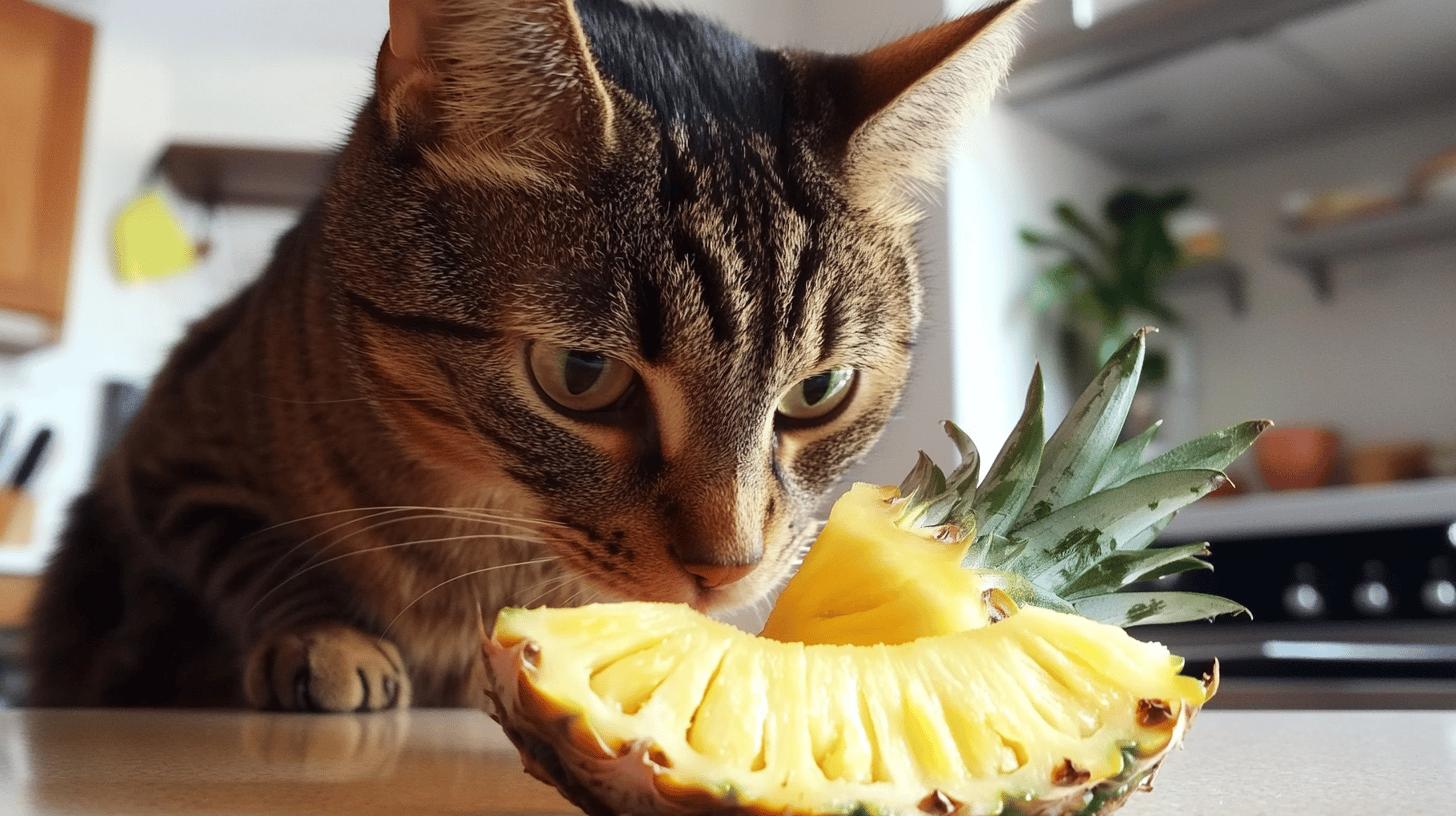
    Some cats also hiss when they are overstimulated during play or petting. This is often paired with swatting or nipping. Just like us, cats might react with a hiss when startled, similar to a sudden yelp from a human. Understanding these instances helps us see hissing as a natural part of how cats communicate discomfort or fear.

    • Overstimulation from petting or play
    • Fear of unfamiliar humans or animals
    • Sudden loud noises or movements
    • Pain or physical discomfort
    • Environmental changes or new family members
    Trigger Prevention Strategy
    Overstimulation Limit petting sessions and watch for signs of discomfort
    Unfamiliarity Introduce new people or pets gradually
    Environmental Changes Maintain a consistent routine and safe space for the cat

    Recognizing feline body language is key to preventing hissing. By noticing signs like dilated pupils or an arched back, you can intervene before hissing starts. Implementing preventive measures not only reduces stress for your cat but also fosters a more peaceful environment for everyone involved.

    Techniques to Train a Cat to Stop Hissing

    Understanding and Preventing Cat Hissing-4.jpg

    Training your cat to stop hissing can improve their comfort and your peace at home. It's not just about stopping the noise; it's about understanding and addressing the reasons behind it. Consistent training helps your cat feel safer and more secure, reducing the chances of hissing.

    Mimic and Redirect

    One effective method is to mimic your cat's communication. When you hear a hiss, try making a similar 'FFFF' sound. This mimics their way of saying "stop" or "back off." It helps your cat understand that their behavior is not okay.

    Once you've done this, redirect their attention to something positive, like a toy or treat. This teaches them that there are better ways to interact and express themselves. The earlier you start this technique, the quicker your cat will learn.
    Desensitization and Counterconditioning

    Desensitization involves gradually introducing your cat to the triggers that make them hiss. For example, if they hiss at other pets, start by allowing them to observe each other from a distance. Over time, decrease the distance as your cat becomes more comfortable.
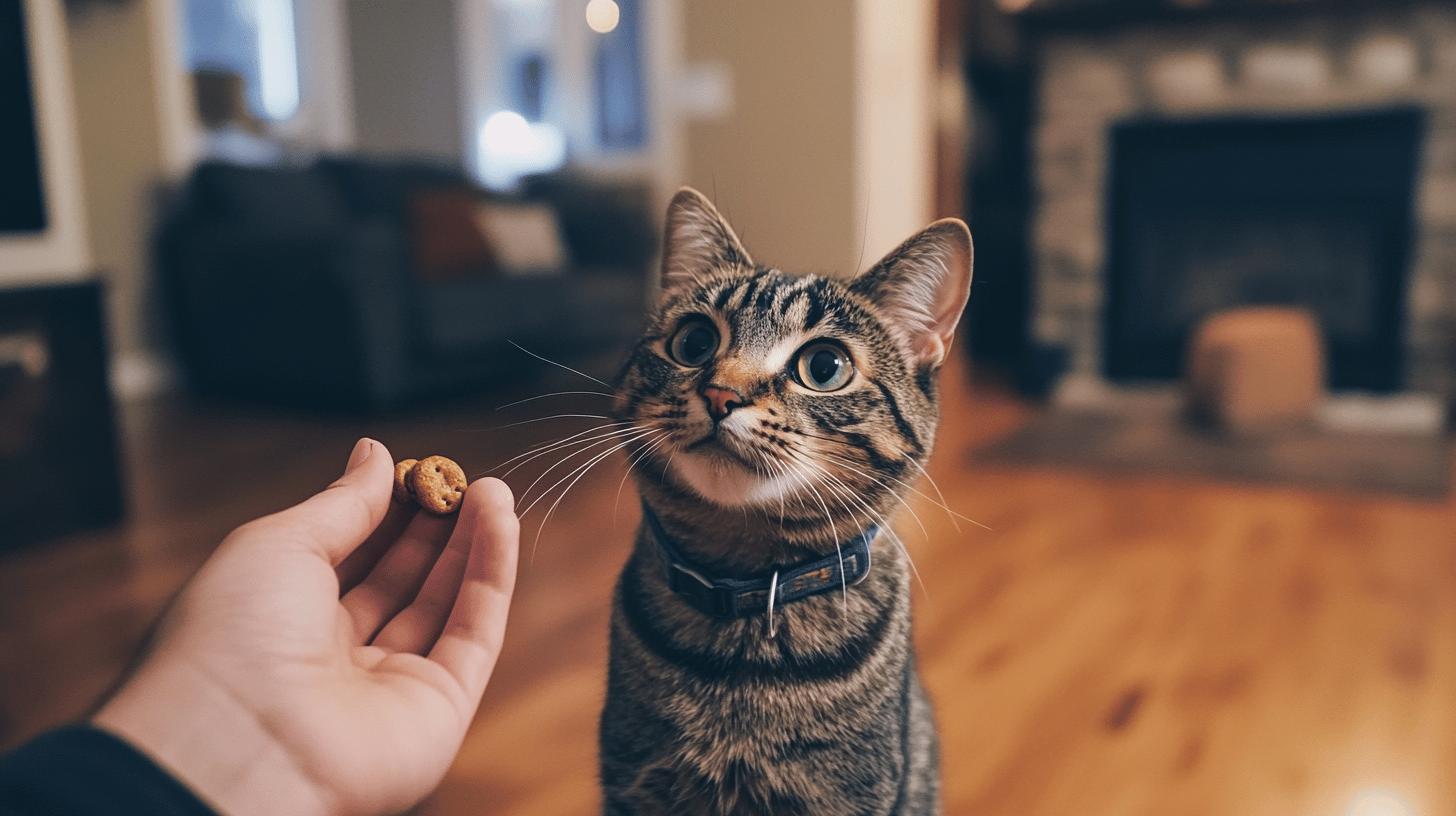

    Counterconditioning pairs these experiences with positive rewards, like treats or petting. This makes the trigger less threatening and more associated with good things. Patience is key here, as it can take time for your cat to adjust.

    Consistent training helps your cat learn new behaviors and reduces their need to hiss. By using these techniques, you create a more harmonious environment for you and your feline friend.

    Environmental and Behavioral Modifications for Reducing Hissing

    Understanding and Preventing Cat Hissing-2.jpg

    Cats thrive on routine and a stable environment. Changes, like a new family member or moving to a new home, can disrupt their sense of security and lead to stress-induced behaviors such as hissing. To help your cat feel more at ease, create a consistent and predictable daily schedule. This includes feeding times, play sessions, and quiet periods.

    A cat-friendly environment means a space where they can feel safe and in control. Adding calming herbal products or plugins that release pheromones can also help soothe any anxiety or aggression, making the environment more relaxed for your feline friend.

    • Keep a consistent daily schedule for feeding and play
    • Provide a quiet, secure space for your cat to retreat
    • Use calming pheromone plugins in key areas
    • Introduce changes gradually to minimize stress
    • Limit exposure to loud noises or chaotic environments

    Regular playtime is crucial for reducing aggression in cats. Without enough activity, cats might have pent-up energy, leading to behaviors like hissing and clawing. Engage your cat with toys that mimic their natural hunting instincts.

    This allows them to burn off excess energy positively. Set aside time each day for interactive play, which strengthens your bond with your cat. Activities that encourage jumping, chasing, and pouncing are great for keeping them active and happy.

    • Use toys that mimic prey, like feather wands or toy mice
    • Schedule daily interactive play sessions
    • Rotate toys to keep them interesting
    • Encourage climbing with a cat tree
    • Provide scratching posts for healthy physical activity

    Positive reinforcement is key to encouraging calm behavior. When your cat is relaxed or behaves well, reward them with treats or affection. This reinforces that calm behavior leads to positive outcomes. Be patient and consistent with these techniques, as they take time to show results. Cats respond well to praise and rewards, so make these a regular part of your interaction.

    Consistent environmental and behavioral modifications help create a harmonious living space for you and your cat. By understanding their needs and adjusting their surroundings, you can significantly reduce stress-related behaviors like hissing.

    Final Words

    Recognizing why cats hiss is key to stopping it.

    Stress, fear, and overstimulation are common reasons.

    Mimicking their sounds and using positive experiences can train them effectively.

    A calm environment and regular play help reduce stress and aggression.

    Now, knowing how to train a cat to stop hissing, you can create a peaceful home.

    By understanding triggers and using these methods, you foster better communication.

    Creating an environment where your cat feels relaxed opens the door to happier interactions.

    FAQ

    How to stop a cat from hissing at other cats?

    A: To stop a cat from hissing at other cats, introduce them slowly and ensure each cat has its own space. Use treats to reward calm behavior.

    How can you train a cat not to hiss?

    A: Training a cat not to hiss involves consistent practice. Mimic cat sounds like "FFFF", redirect attention, and use positive reinforcement.

    Why is my cat hissing at me all of a sudden?

    A: If your cat hisses at you suddenly, it could be scared or stressed. Check for changes in its environment or health issues.

    How do I get my cat to stop hissing so much?

    A: Reduce your cat’s hissing by identifying stress triggers, ensuring adequate playtime, and using calming products like pheromone diffusers.

    Can you punish a cat for hissing?

    A: Punishing a cat for hissing is not effective and can increase fear or aggression. Instead, identify causes and work on reducing stress.

    How do you respond to a hissing cat?

    A: When a cat hisses, give it space and avoid eye contact. Speak calmly and try to identify the source of stress to address it.

    Related Articles