Category: About Cats

  • Do Cats Miss Their Owners Understanding Feline Attachment

    Do Cats Miss Their Owners Understanding Feline Attachment

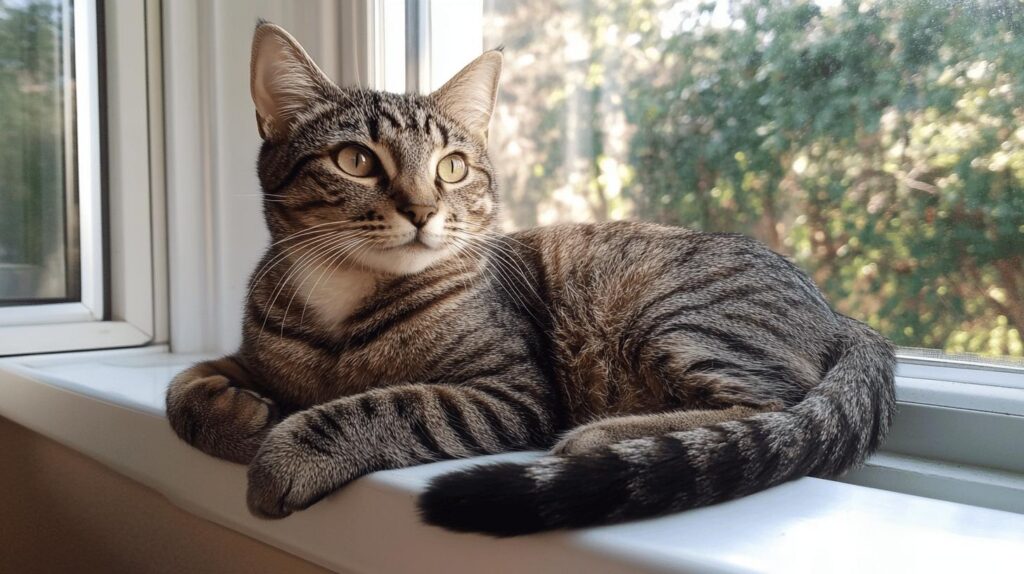
    Do cats miss their owners? It’s a question that might surprise some, but research shows that our feline friends do indeed feel a sense of attachment and longing just like we do. These fluffy companions are not as aloof as they may seem; they have emotional needs and can form strong bonds with humans. When left alone, they might show signs of anxiety, like excessive meowing or even misbehaving. Understanding these behaviors helps us recognize the deep connections cats can form, proving they’re more than just pets—they’re family.

    Do Cats Miss Their Owners? Understanding Feline Attachment

    Do Cats Miss Their Owners Understanding Feline Attachment-1.jpg

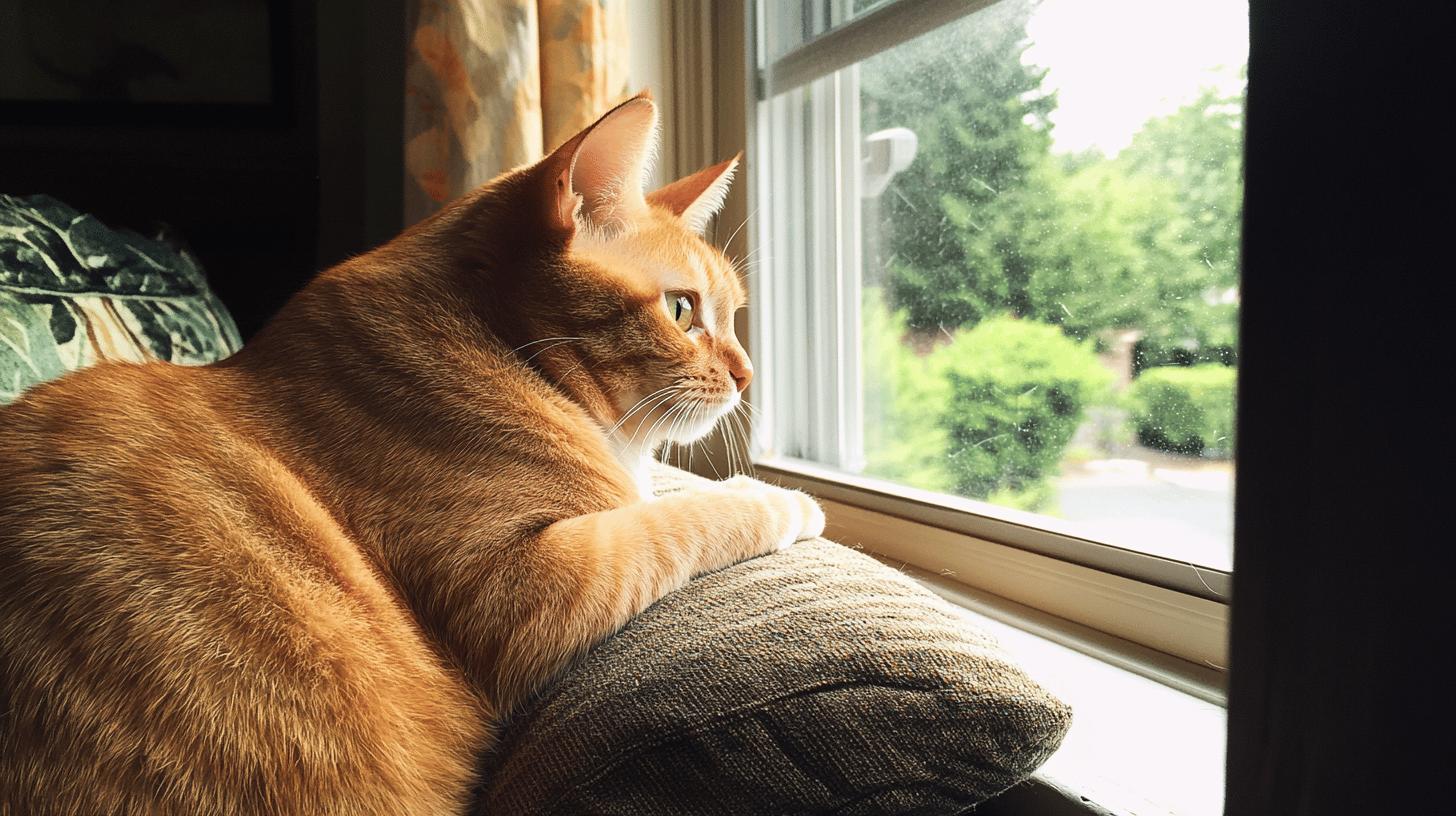
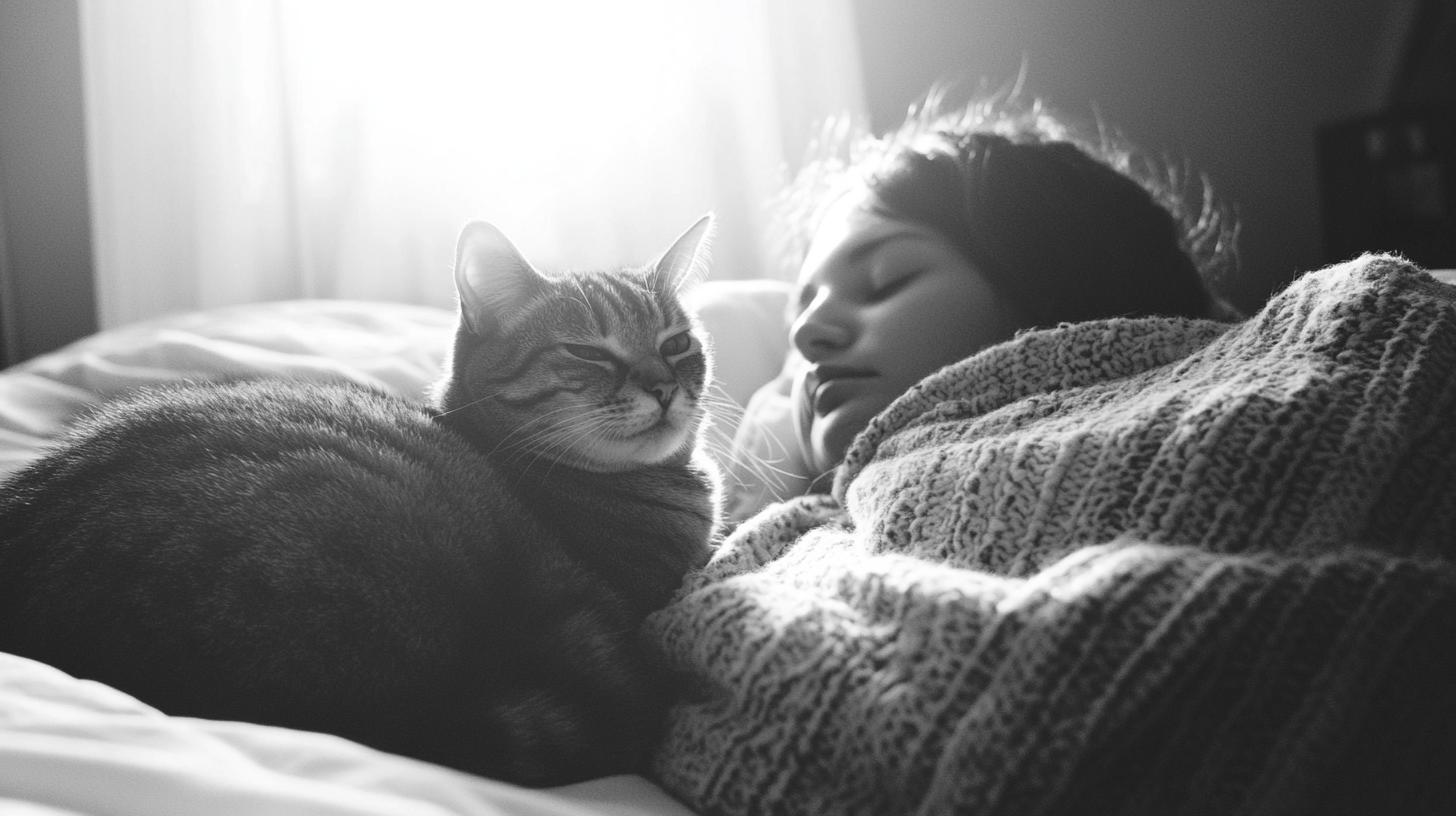
    Cats can indeed miss their owners. Research indicates that our feline friends show behaviors suggesting attachment and longing when we’re not around. Cats, much like humans, have emotional needs. They can form strong bonds with their human companions, sometimes resulting in signs of separation anxiety. This anxiety might manifest as excessive vocalization, inappropriate elimination, or even destructive behaviors, all signaling their distress in the absence of their beloved humans.

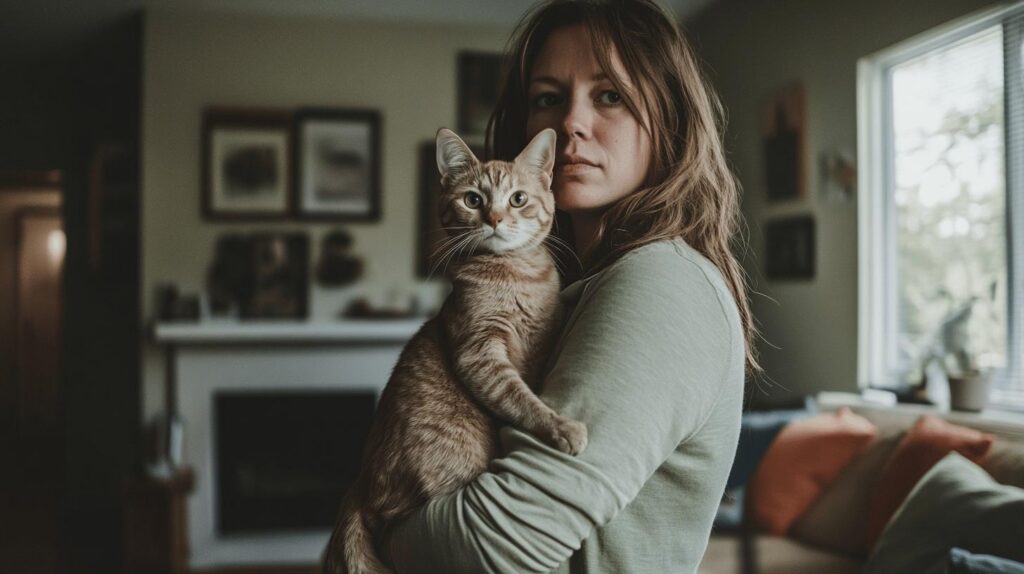
    Scientific studies have shown that cats can form strong attachments to humans, especially those raised closely with them. For instance, bottle-raised kittens often display behaviors that reflect a deep bond with their human caregivers. These cats are more likely to seek comfort from their owners and show signs of distress when separated from them. This attachment is similar to what we observe in dogs, although it might not be as overt or demonstrative.

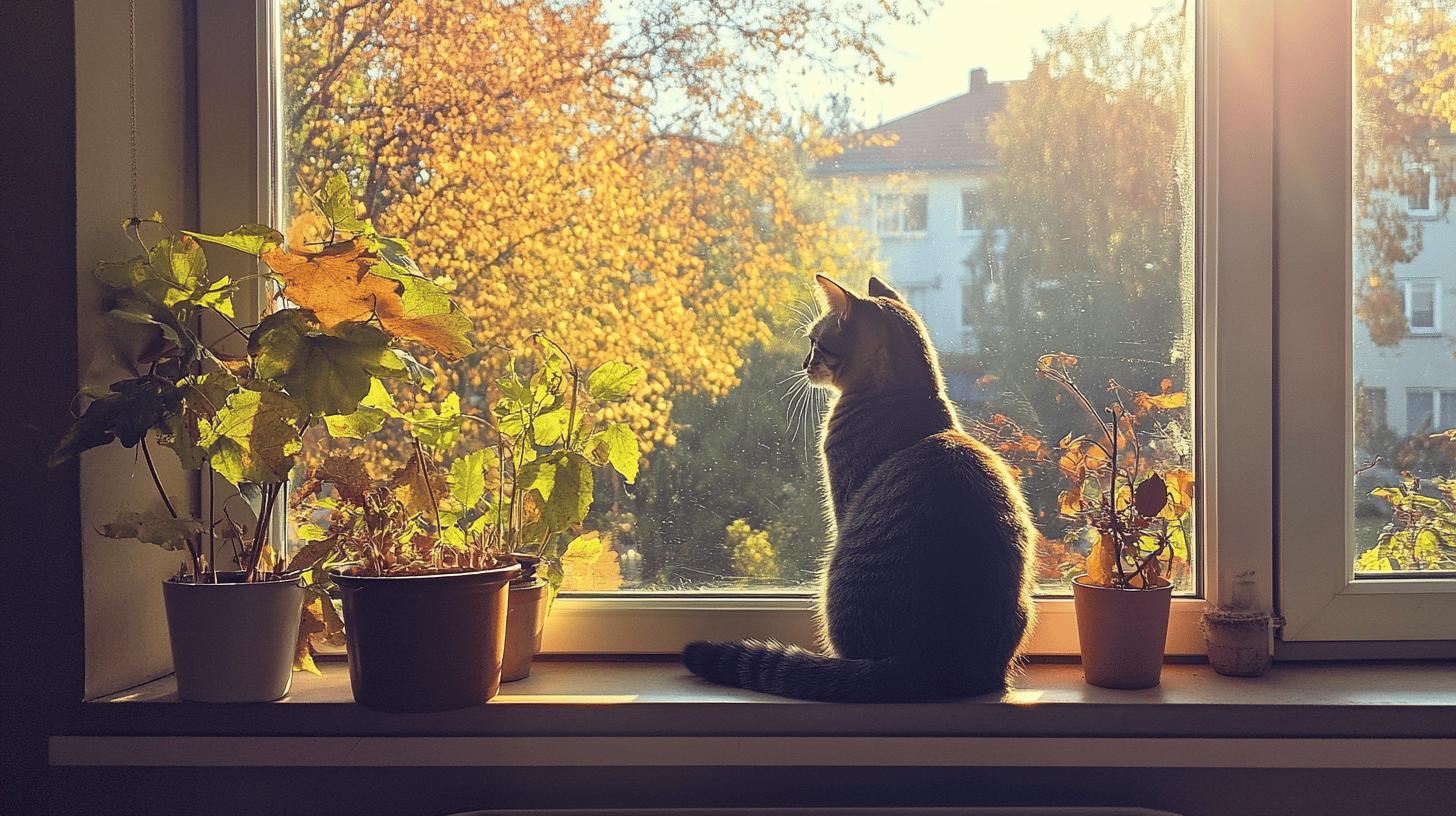
    Experts and cat enthusiasts often recount stories of cats showing clear signs of attachment. Anecdotal evidence includes tales of cats waiting by the door for their owners to return home, or greeting them with enthusiastic purring and head-butts. These behaviors reinforce the idea that cats are not the aloof creatures they’re often portrayed to be. They are capable of experiencing complex emotions and forming significant social bonds with their human companions.

    Signs Your Cat Missed You: Behavioral Indicators

    Signs Your Cat Missed You Behavioral Indicators-1.jpg

    Cats, as creatures of habit, often show signs of missing their owners through changes in their routine. When their daily schedule is disrupted due to an owner’s absence, it may lead to behaviors reflecting their longing and attachment.

    Kneading and Purring

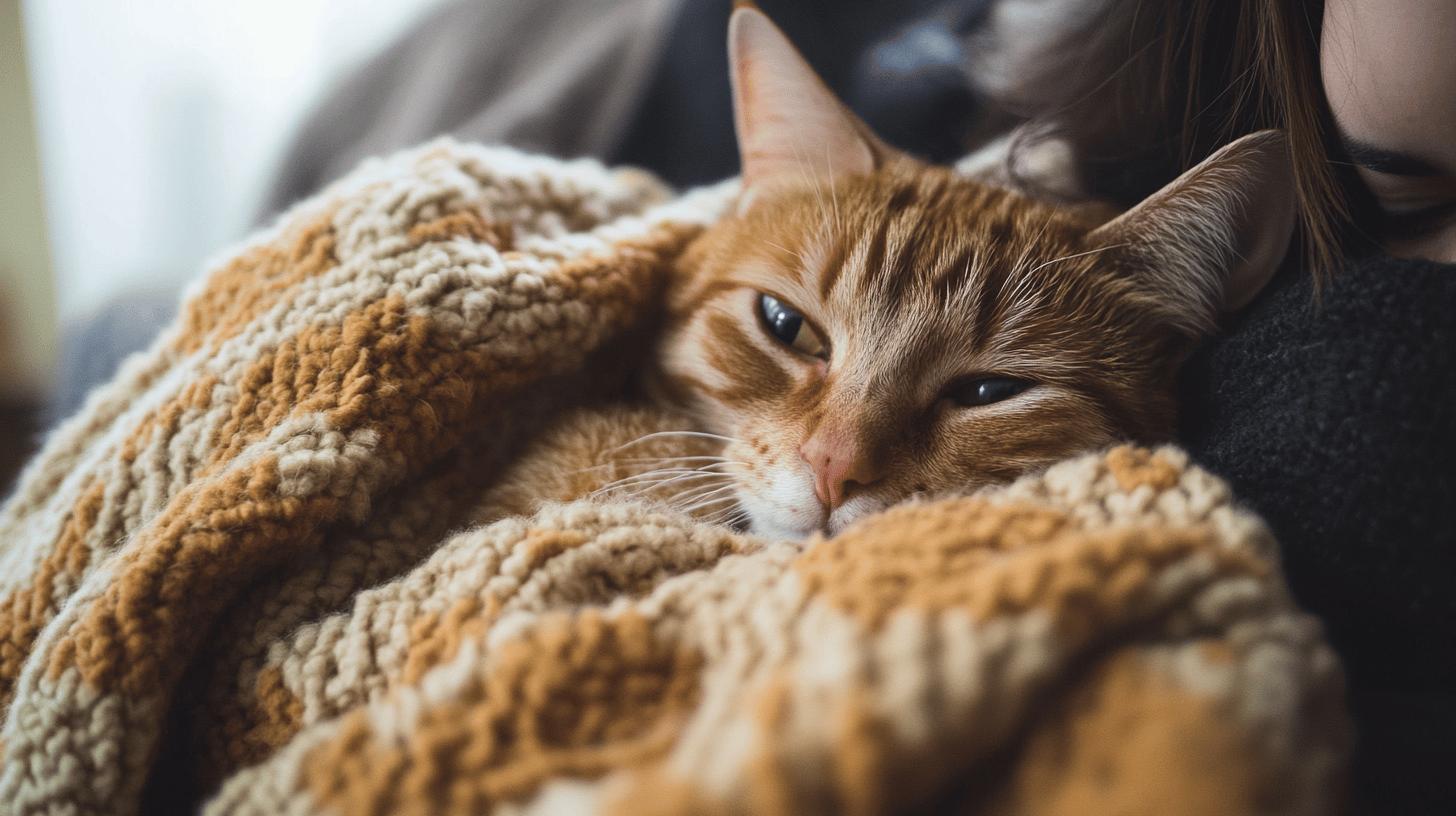
    Kneading, often paired with purring, shows a cat’s happiness when you return. This comforting action dates back to kittenhood and reflects deep contentment. When adult cats knead, it signals joy and pleasure in your presence.

    These behaviors reveal a cat’s emotional state, demonstrating attachment and the relief felt upon an owner’s return. By observing these signs, we deepen our understanding of the bonds we share with our feline companions.

    Coping with Owner Absence: Helping Your Cat Feel Secure

    Cats thrive on routine. Predictability in their day-to-day life can significantly reduce separation anxiety. When an owner’s absence disrupts a cat’s established schedule, it may lead to stress and undesirable behaviors. By maintaining consistent routines, such as feeding times and play sessions, you can help your cat feel more secure and less anxious when you’re not around.

    Here are some practical tips for creating a comforting environment for your cat:

    • Establishing a daily routine: Stick to regular feeding, play, and sleeping schedules to provide a sense of stability.
    • Creating a safe space with a cat tree or perch: Offer your cat a dedicated area where they can retreat and feel secure.
    • Avoiding strong scents: Use familiar smells, like your worn clothing, to comfort your cat in your absence.
    • Providing toys for play and hunting: Interactive toys can stimulate your cat’s natural hunting instincts and keep them engaged.
    • Using interactive games: Puzzle feeders or automated toys can offer mental stimulation and prevent boredom.
    • Hiring a pet sitter for long absences: A trusted pet sitter can ensure your cat receives attention, food, and care while you’re away.

    After implementing these changes, observe your cat’s behavior to see how they respond. Adjust your approach based on their needs and comfort levels. By understanding and addressing your cat’s emotional needs, you can help them cope with the times you’re not there, making them feel more secure and content.

    The Role of Memory: Do Cats Remember Their Owners?

    The Role of Memory Do Cats Remember Their Owners-1.jpg

    Cats have a remarkable ability to remember their human companions, forming deep emotional attachments through memory. Research shows that these memories are not just fleeting but play a significant role in how cats interact with their owners. A cat’s memory helps it recognize familiar faces, respond to specific routines, and develop a bond that goes beyond simple survival instincts.

    Scent is a powerful tool in a cat’s memory arsenal. Cats often associate smells with particular experiences and individuals. Nestling among their owner’s recently worn clothes is a common behavior, showcasing how they use scent as a comforting reminder of their cherished human. This olfactory connection helps cats feel secure and attached, even when their owners are not physically present.

    Memory Type Example
    Short-term Recognizing owners
    Long-term Remembering routines

    These memories influence a cat’s behavior and attachment to its owner, shaping how they react to different situations. Cats with strong memories of positive interactions are more likely to display affection and comfort-seeking behaviors. This means that the bond between a cat and its owner is not only based on daily interactions but also on the rich tapestry of shared memories, making these feline connections truly special and enduring.

    Feline Reactions to Rehoming and Owner Changes

    Feline Reactions to Rehoming and Owner Changes-1.jpg

    Cats are creatures of habit, and a sudden change in their environment, like rehoming, can be quite stressful for them. When a cat is rehomed, it might initially experience anxiety and confusion as it navigates a new setting without familiar faces or smells. This stress can manifest in various ways as the cat tries to cope with the loss of its previous home and routine.

    One common sign of stress in rehomed cats is a noticeable change in eating habits. Some cats may eat significantly less, losing interest in food due to the emotional turmoil, while others might eat more as a comfort mechanism. Additionally, increased vocalization is another indicator of stress. Cats may meow more frequently or loudly, expressing their distress and searching for reassurance in an unfamiliar environment.

    To help a cat adjust to a new home, maintaining consistency and patience is key. Establishing a routine similar to the one in their previous environment can provide comfort. Gradually introducing them to their new surroundings and offering familiar items, like their favorite toys or blankets, can help ease their transition. By providing a stable environment with plenty of love and patience, you can help your feline friend feel more secure and gradually adapt to their new home.

    Final Words

    Exploring how cats miss their owners reveals that our feline friends can form strong bonds with us. They show signs of attachment, like changing behavior when we leave, and greeting us warmly upon return. Cats can remember and miss their owners, even relying on familiar scents to feel close to them. When faced with separation or a new environment, offering comfort and security can help ease their anxiety. Remember, our presence and routine are important in keeping them happy. Ultimately, knowing that cats miss their owners strengthens the connection we share with them.

    FAQ

    Do cats miss their owners when they go on holiday?

    Cats can indeed miss their owners when they go on holiday. Cats form attachments and show longing through changes in behavior, such as waiting by the door and showing elaborate greetings upon return.

    How long do cats miss their owners?

    Cats can miss their owners for varying durations. While each cat is different, many show signs of missing their owners for days or even weeks, especially after forming strong bonds.

    Do cats notice when their owner is gone?

    Cats notice when their owner is gone. Disruptions in routine can signal an owner’s absence. Cats may become more vocal or display behaviors like waiting at the door.

    What are signs your cat missed you?

    Signs a cat missed you include intense purring, head-butts, kneading, and waiting by the door. These behaviors show a cat’s joy and longing for their owner’s return.

    Do cats miss their owners when you give them away or rehome them?

    When given away or rehomed, cats may miss their owners. Cats can experience stress and changes in behavior, like vocalizing or changes in eating habits, when adjusting to new environments.

    Do cats miss their owners when they go to work?

    Cats might miss their owners when they go to work. Changes like vocalizing, waiting by the door, or following you eagerly upon return may suggest this.

    Do cats miss their kittens?

    Cats may miss their kittens after separation. Maternal instinct and attachment can cause a cat to seek its kittens, displaying signs of longing for their presence.

    How do you know if your cat misses you?

    A cat might show they miss you by displaying elaborate greetings, excessive purring, head-butts, and waiting by the door or windows when you’re expected.

    How long before a cat forgets its owner?

    Cats have strong memories tied to scent and routine, which can help them remember owners for a long time. The exact time varies among individuals.

    Will my cat miss me if I give her away?

    If you give your cat away, your cat may miss you. Cats form attachments, and changes in behavior might occur as they adjust to new surroundings.

    Related Articles

  • Do Cats Know When You Are Sick

    Do Cats Know When You Are Sick

    Have you ever felt like your cat knows when you’re feeling under the weather? It’s a question that puzzles and fascinates many cat lovers. Some believe cats can sense when humans are sick, thanks to their acute senses and strong bonds with their owners. While much of the evidence is anecdotal, there’s potential truth behind it. This blog explores how cats might detect our illnesses and what scientific perspectives say. We’ll uncover the ways cats use their amazing senses and behaviors to tune into our well-being.

    How Cats Detect Human Illness: Anecdotal and Scientific Perspectives

    Cats are believed to have the ability to sense when their owners are sick, even though much of the evidence is anecdotal. This belief stems from their acute senses and close relationship with humans. Cats possess a highly developed sense of smell, which is 14 times more powerful than that of humans. This allows them to detect subtle changes in body odor and pheromones that may indicate illness. Furthermore, their evolutionary development has honed their senses of smell and touch, making them adept at picking up on changes in their environment, including human illness.

    Throughout history, there are numerous anecdotal accounts of cats seeming to know when their owners are unwell. These stories are often shared by cat owners who notice changes in their pet’s behavior when they’re sick. This connection between cats and human emotions might be deeply rooted in our shared evolutionary past. Cats have been close companions to humans for about 12,000 years, adapting to living in human environments. This long history of interaction may have led to the development of their keen ability to sense illness.

    Here are some specific senses and behaviors linked to detecting illness:

    • Sense of Smell: Cats can detect changes in body odor and pheromones, which may signal illness.
    • Physical Symptoms: They notice changes in heart rate, body temperature, and breathing patterns.
    • Behavioral Changes: Cats are sensitive to altered routines and mood shifts in their owners.
    • Emotional Sensitivity: Their strong bond allows them to tune into their owner’s emotional well-being.
    • Touch Sensitivity: Cats can sense subtle changes through touch, such as muscle tension or skin temperature variations.

    Cats rely heavily on their sense of smell to recognize illness in humans. Their olfactory capabilities allow them to notice changes in the chemical composition of their owner’s body. For instance, certain illnesses can alter a person’s scent due to changes in hormones or pheromones. Cats can also detect physical signs of illness, such as irregular heartbeats or changes in breathing patterns, due to their proximity to their owners. This ability is particularly evident when a cat lies close to a person, where they can feel these physical changes more acutely.

    From a scientific perspective, cats’ refined senses help them detect chemical changes in the body that might indicate illness. For example, they may be able to sense cancer through changes in pheromones, as tumors can alter the chemical composition of cells. Similarly, cats might recognize heart attacks by detecting irregular heartbeats or noticing changes in facial expressions and vocalizations. They are also likely to notice signs of hypertension, such as increased respiratory and heart rates.

    Behavioral Cues Cats Notice

    Cats are attuned to changes in their owner’s routine, mood, and daily behaviors, which can signal illness. Deviations in behavior are often the first clues that something is not right. For example, a cat might notice if its owner is not waking up with the alarm, spending more time in bed, or neglecting daily tasks like feeding the cat. These changes can be significant indicators for cats, prompting them to offer comfort or stay closer to their owners during these times. This sensitivity to human habits and non-verbal cues highlights the unique bond between cats and their human companions.

    Emotional and Behavioral Responses of Cats to Sick Owners

    Emotional and Behavioral Responses of Cats to Sick Owners-1.jpg

    Cats are known for their keen senses, and when their owners fall ill, they often respond with noticeable changes in behavior. These feline friends tend to show increased affection and attention, which many interpret as a form of empathy. When a cat senses that something is amiss, it may spend more time rubbing against its owner, seeking to provide comfort and reassurance. This increased clinginess and vocalization are common ways cats show they care.

    Here are some common caregiving actions by cats:

    • Increased Cuddling: Cats might snuggle more against their sick owner, providing warmth and comfort.
    • Rubbing Against the Owner: This action is a way for cats to bond and offer comfort.
    • Purring More Frequently: The soothing sound of a purr can be calming for both the cat and the owner.
    • Following the Owner Closely: Cats often stick close, ensuring they are nearby to offer support.

    Cats may lie on their owners or stay close during illness because they can sense changes in mood and body language. This behavior is not just about warmth or comfort; it reflects the cat’s concern or empathy. When a cat chooses to lie on its owner, it can be seen as an attempt to provide emotional support, sensing that their presence is needed more than ever. This closeness might also be a response to the owner’s altered body language, which cats are adept at interpreting.

    Understanding the Bond Between Cats and Their Owners

    Understanding the Bond Between Cats and Their Owners-1.jpg

    The relationship between cats and their owners is deeply rooted in history and mutual understanding. Over centuries, cats have developed the ability to interpret human emotions and behaviors, allowing them to form strong bonds with us. This connection goes beyond mere companionship, as cats often become attuned to their owners’ emotional states, responding to subtle cues and offering comfort.

    While many people recognize the soothing presence of a cat during illness, their role in our lives extends further. Cats provide daily companionship, helping to relieve stress and foster a sense of peace. Their presence can be a source of emotional support, offering quiet companionship that helps to alleviate the pressures of everyday life. This emotional connection enhances overall well-being, promoting a positive environment in which both humans and cats thrive.

    Owners often share stories of their cats providing unexpected comfort, not only during times of illness but also in everyday situations. Whether offering a gentle purr after a long day or simply being there during quiet moments, cats have a unique way of lifting spirits and strengthening the bond between them and their owners. These personal anecdotes illustrate the profound impact cats have on our lives, highlighting their role as steadfast companions and sources of unconditional love.

    Final Words

    Cats are incredible at sensing when their owners are not feeling well. They have specialized senses to notice these changes. Their keen noses, which are 14 times stronger than ours, allow them to detect shifts in body odor and pheromones. Their touch sensitivity also contributes to sensing our subtle changes. I learned that cats’ behaviors, like being more affectionate, point to their instinct to care.

    The bond between you and your cat plays a role in how they know when you are sick. Their caring nature can offer comfort and emotional support. These furry companions might really sense our needs during tough times, showing just how special they are.

    FAQ

    Do cats know when you are sick?

    Cats are believed to sense when their owners are sick due to their developed sense of smell and ability to detect subtle changes in body odor and behavior.

    What do cats do when they sense illness in humans?

    Cats may become more attentive, clingy, or affectionate. They might cuddle more or show behaviors like rubbing and increased vocalization.

    Can cats sense sickness or death?

    Cats might sense sickness or death through behavioral changes, body odor, and physical symptoms, such as changes in heart rate or temperature.

    How do cats act when you are sick?

    When you’re sick, cats often show increased affection, become more vocal, and may stick closer to you for comfort.

    Why is my cat clingy when I’m sick?

    Your cat might be clingy when you’re sick because they sense your discomfort and respond with increased attention and affection.

    Can cats sense heart problems in humans?

    Cats may potentially sense heart problems by detecting changes in their owner’s heart rate and breathing patterns.

    Do cats know when you are dying?

    Cats could potentially detect when someone is near death through an acute sense of smell and changes in body odor and behavior.

    Can cats tell when you’re sad?

    Cats might sense sadness by noticing changes in your routine, mood, or body language, often responding with affection.

    Do cats get more clingy when you’re sick?

    Yes, cats often become more clingy when their owners are sick, showing increased affection and comfort-seeking behaviors.

    How do cats detect human illness?

    Cats use a developed sense of smell, sight, and touch to detect changes in body odor and physical symptoms indicating illness.

    Related Articles

  • Do Cats Get Fever Understanding Symptoms and Normal Temperature Range

    Do Cats Get Fever Understanding Symptoms and Normal Temperature Range

    Did you know that your feline friend can get a fever, much like humans do? It might surprise you, but understanding your cat's health means knowing what's normal and what's not. A healthy cat's temperature ranges from 99.5 to 102.5 degrees Fahrenheit. When it rises above that, it might signal a fever, hinting at possible infections or other health issues. Recognizing these symptoms early can make a big difference in their care and recovery. Let's dive into how you can spot these signs and help your cat feel better faster.
    Can Cats Get Fevers?

    Can Cats Get Fevers-1.jpg

    Cats can indeed get fevers. It's a natural response indicating their bodies are fighting off an infection, inflammation, pain, or even cancer. A cat's normal body temperature usually ranges from 99.5 to 102.5 degrees Fahrenheit. If a cat's temperature rises above this range, it may be a sign of fever. Recognizing this change is crucial because it helps identify that something might be wrong internally.

    Understanding the possible causes of fever in cats can aid in early detection and treatment. Fever often results from infections, whether viral or bacterial, and can also be linked to inflammatory conditions. Other potential causes include dental issues, ingestion of toxins, or more severe underlying conditions. By recognizing fever symptoms early, cat lovers can ensure their pets receive the necessary care and attention they need to recover.

    Recognizing Fever Symptoms in Cats

    Recognizing Fever Symptoms in Cats-1.jpg

    Recognizing fever symptoms in your cat is crucial for their health and well-being. Early detection allows for more effective treatment, preventing potential complications. A fever indicates your cat's body is fighting something off, such as an infection or inflammation. Observing changes in behavior or physical condition can be your first clue. Checking your cat's temperature provides a more definitive answer. A normal temperature for cats ranges from 99.5 to 102.5 degrees Fahrenheit. Anything above this might signal a fever, making it essential to take action promptly.

    Here are ten signs that may indicate your cat has a fever:

    • Loss of appetite
    • Decreased activity level
    • Changes in grooming habits
    • Increased heart rate
    • Dehydration
    • Shivering
    • Lethargy
    • Behavioral changes
    • Warm ears and paws
    • Increased respiratory rate

    Taking your cat's temperature can help confirm if they have a fever. Use a digital rectal thermometer designed for pets. First, lubricate the thermometer with a water-based lubricant. Gently lift your cat's tail and insert the thermometer into the rectum, about an inch deep. Hold it steady until it beeps, indicating the reading is complete. If the temperature consistently reads above 102.5°F, it's time to consult a veterinarian.

    While a thermometer provides accurate readings, sometimes you might need to detect fever without one. Feeling your cat's ears and paws for unusual warmth can be a helpful indicator. Observing your cat's behavior closely for any signs of distress or illness is also important. If these signs persist or worsen, professional veterinary consultation is advised to ensure your cat receives the necessary care. Early detection and monitoring are key to managing your cat's health effectively.

    Causes of Fever in Cats

    Causes of Fever in Cats-1.jpg

    Fever in cats is a warning sign of an underlying health issue. It's a natural defense mechanism, indicating the body is combating something like an infection or inflammation.

    Infections and Inflammatory Conditions

    Infections are key causes of fever in cats. Viral infections such as feline herpesvirus or calicivirus often lead to high body temperatures. Bacterial infections, including abscesses from bites or wounds, are frequent triggers. Inflammatory conditions like pancreatitis and arthritis can also cause fever.

    Other Health Issues

    Beyond infections, several health issues can cause fever. Heatstroke is a considerable risk, especially in hot climates or if a cat is in a poorly ventilated space. Dental problems, such as severe gum disease, can introduce bacteria into the bloodstream, resulting in fever. Ingesting toxins may provoke fever as the body reacts against harmful substances.

    Autoimmune diseases, where the immune system attacks its own cells, can cause fever. Conditions like lupus and inflammatory bowel disease are examples. Physical injuries, whether from an accident or a fight, can lead to fever, especially if they result in internal inflammation or infection.

    Prolonged stress and environmental changes can contribute indirectly to fever in cats. Stress may weaken the immune system, making cats more vulnerable to infections and illnesses that cause fever. Changes like moving to a new home can impact health, potentially leading to fever if the immune system is compromised. Recognizing these factors aids in managing a cat's overall health and well-being.

    Home Care and Treatment for Cat Fever

    Home Care and Treatment for Cat Fever-1.jpg

    Managing a cat's fever at home can provide comfort and support while monitoring their condition. It's crucial to focus on creating a soothing environment and addressing basic needs. Increasing fluid intake helps prevent dehydration, which is often a concern when a cat has a fever. Monitoring their food consumption is equally important to ensure they maintain their strength. Reducing stress by keeping their surroundings calm and quiet can also aid recovery. When dealing with heatstroke, cooling measures might be necessary. Providing a comfortable, temperature-controlled space will help them stay relaxed and assist in fever management.

    Here are some practical home care tips to consider:

    • Increase fluid intake to prevent dehydration.
    • Monitor food intake to ensure nutritional needs are met.
    • Reduce stress by maintaining a calm environment.
    • Provide a comfortable and temperature-controlled space.
    • Use cooling measures if heatstroke is suspected.
    • Isolate the cat if necessary to prevent spreading illness.
    • Consult a veterinarian before administering any medication.

    While these home remedies can help, it's critical to recognize when professional veterinary care is needed. If the fever persists for more than 24 hours or if your cat shows severe symptoms, seeking veterinary guidance becomes essential. A veterinarian can accurately diagnose the underlying cause of the fever and recommend appropriate treatment, ensuring your cat receives the best care possible.

    When to Consult a Veterinarian for Cat Fever

    When to Consult a Veterinarian for Cat Fever-1.jpg

    If your cat's fever lasts more than 24 hours, it's time to contact a veterinarian. Persistent fevers can indicate a more serious underlying issue that requires professional assessment. Delaying veterinary care may lead to complications, so acting promptly is crucial. Sometimes, even if the fever is short-lived, severe symptoms can arise that need immediate attention.

    Here are some emergency signs that warrant a vet visit right away:

    • Severe lethargy or unresponsiveness
    • Persistent vomiting or diarrhea
    • Difficulty breathing
    • Extreme dehydration or refusal to drink water

    Professional evaluation is essential for unresolved symptoms. Vets have the expertise to diagnose the root cause of the fever and provide the necessary treatment. Whether it's an infection or another health issue, getting the right advice and care can make all the difference in your cat's recovery. Always prioritize your cat's health by consulting with veterinary professionals when in doubt.

    Final Words

    Knowing that cats can get fevers helps in spotting the early signs of a problem. Their normal temperature should be between 99.5 and 102.5 degrees Fahrenheit. Anything higher might be a sign of fever.

    Recognizing fever symptoms early, like loss of appetite or lethargy, is crucial for effective treatment. Understanding possible causes and practicing good home care can help manage mild cases.

    However, do not ignore prolonged fever symptoms. Consulting a veterinarian is essential when signs persist. By staying alert and informed, you can ensure a happy, healthy life for your furry friend.

    FAQ

    How can you tell if a cat has a fever?

    A: Recognize cat fever by symptoms like loss of appetite, lethargy, warm ears, and a high heart rate. Confirm by using a digital rectal thermometer. A temperature above 102.5°F usually signals a fever.

    How do you treat a cat with a fever?

    A: Treat cat fever by increasing fluids, reducing stress, and creating a comfortable environment. Always consult a vet if the fever persists or if symptoms are severe.

    What causes fever in cats?

    A: Fevers in cats can be caused by infections, inflammatory conditions, heatstroke, dental issues, toxins, autoimmune diseases, or injuries. Stress and environmental changes might also affect fever.

    Why does my cat's head feel hot?

    A: A hot cat head often indicates a fever. Check for other symptoms like lethargy or loss of appetite to confirm, and use a thermometer for accuracy.

    What does cat fever look like?

    A: Cat fever can look like lethargy, decreased appetite, warm ears, and increased heart rate. Severe symptoms include vomiting or shivering, which require a vet's attention.

    How to tell if your cat has a fever without a thermometer?

    A: Without a thermometer, check for signs like warm ears, lethargy, or behavioral changes. These changes suggest a fever, but a thermometer offers more accuracy.

    Home remedy for cat with fever

    A: For home care, boost fluid intake, provide a quiet environment, and reduce stress. Avoid medication without vet consultation.

    What to do if your cat has a fever?

    A: Monitor your cat's symptoms, offer fluids, and create a cozy space. If symptoms persist, consult with a veterinarian for further evaluation.

    How long does a cat fever last?

    A: Cat fevers may last a few days but consult a vet if it persists beyond 24 hours to rule out serious conditions.

    My cat has a fever and is lethargic

    A: If your cat has a fever and is lethargic, increase fluids and consult a vet. Persistent fever with lethargy requires professional care.

    Related Articles

  • Do Cats Get Periods Understanding Feline Reproductive Cycles

    Do Cats Get Periods Understanding Feline Reproductive Cycles

    Do cats get their period like humans? It’s a question that might surprise many cat owners. While cats don’t have periods in the same way humans do, they do experience a unique reproductive cycle. Female cats go through what’s known as the heat cycle, which can happen every two to three weeks. This cycle doesn’t include monthly bleeding but does involve changes that prepare their bodies for mating. Understanding these cycles not only helps manage a cat’s health but also sheds light on their mysterious behaviors during these times.

    Do Cats Get Periods? Understanding Feline Reproduction

    Cats don’t have periods like humans. Instead, they undergo a reproductive cycle called the heat cycle or estrus cycle. This cycle typically begins when female cats hit puberty, around 4 to 12 months of age. The estrus cycle includes several stages where hormonal changes prepare the cat’s body for mating. During this time, cats display distinct behaviors as they become receptive to mating but do not menstruate as humans do.

    Here are some key differences between cat heat cycles and human menstruation:

    • Cats are induced ovulators
    • Heat cycles occur every two to three weeks
    • No menstrual bleeding; uterine lining is reabsorbed
    • Periods do not occur monthly
    • Sexual maturity begins at 4 to 6 months

    Cats are known as polyoestrous animals, meaning they experience multiple heat cycles, especially during the breeding season. These cycles can occur every two to three weeks. Unlike humans, who shed their uterine lining, cats reabsorb it, which is why there is no visible bleeding. This unique aspect of their reproductive process often leaves many cat owners surprised when they learn that their feline friend doesn’t have periods like humans do. Understanding these differences helps in managing a cat’s reproductive health and knowing what to expect.

    Signs of a Cat in Heat: What to Expect

    Do Cats Get Periods Understanding Feline Reproductive Cycles-2.jpg

    When a cat is in heat, expect to see some noticeable changes in behavior. The estrus phase is when cats become receptive to mating, showing significant behavioral shifts. You might notice your cat becoming more vocal, often producing loud cries or yowls as a way to attract mates. Affection levels skyrocket, with your feline friend seeking more attention and rubbing against you or household objects. Appetite could decrease, as their focus shifts towards finding a mate.

    • Loud vocalizing or yowling
    • Increased affection towards people and objects
    • Loss of appetite
    • Assuming a “mating position” with raised hindquarters

    These heat symptoms can vary in intensity and last anywhere from 2 to 19 days. During this time, cats often display the characteristic “mating position,” where they crouch with their hindquarters raised and tail to the side. This behavior is instinctual, signaling their readiness to mate. Owners should be prepared for these changes and offer comfort during this period to help manage the intensity of the symptoms.

    Managing and Caring for a Cat in Heat

    Managing a cat in heat is crucial for both the cat’s comfort and your peace of mind. When a cat enters its heat cycle, it can become restless, vocal, and display behaviors that can be difficult to manage. Providing comfort and reducing stress during this time helps your cat cope with these natural behaviors. Ensuring proper nutrition and maintaining a calm environment can make a significant difference in how your cat experiences this cycle. Keeping your cat indoors is also essential to prevent unwanted mating and potential pregnancies.

    Here are some effective methods to comfort a cat in heat:

    • Provide extra attention and affection
    • Use pheromone sprays for calming
    • Offer catnip to soothe stress
    • Maintain a clean and comfortable environment
    • Keep the cat indoors to avoid mating
    • Engage in interactive play to distract and comfort

    Spaying your cat is a highly recommended solution to prevent the recurring discomfort of heat cycles and the risk of unwanted pregnancies. Spaying not only stops the heat cycles but also offers long-term health benefits, such as reducing the risk of breast tumors and uterine infections. If you’re unsure about managing your cat’s heat cycle or considering spaying, consulting with a veterinarian can provide you with tailored advice and support. This proactive approach ensures that both you and your feline friend can navigate the heat cycle with ease.

    Understanding the Cat Heat Cycle Stages

    Understanding the Cat Heat Cycle Stages-1.jpg

    The feline heat cycle, or estrus cycle, is a fascinating process that consists of four distinct stages. These stages are anestrus, proestrus, estrus, and diestrus or interestrus, each with its own characteristics and durations. Understanding these stages can help cat owners manage the behaviors and needs of their cats throughout the cycle.

    Anestrus

    Anestrus is the dormant phase of the cat heat cycle, typically lasting about 2 to 3 months. During this stage, cats show no interest in mating and exhibit minimal hormonal activity. This phase usually occurs in the fall and winter when daylight hours are shorter, helping to regulate the cycle naturally.

    Proestrus

    Proestrus is a brief stage lasting 1 to 2 days. During this period, you might notice your cat becoming more energetic and affectionate, though she is not yet ready to mate. Her body is gearing up for the next stage, with increasing estrogen levels stimulating these behavioral changes.

    Estrus

    Estrus, the actual “heat” phase, can last anywhere from 2 to 19 days. During this time, behavioral changes become more pronounced as the cat becomes receptive to mating. Cats may vocalize loudly, exhibit increased affection, and assume a mating position known as lordosis, where they crouch with hindquarters raised. This phase is crucial for reproduction, as cats are most fertile and willing to mate.

    Diestrus or Interestrus

    Diestrus or interestrus follows the estrus stage and its characteristics depend on whether mating has occurred. If the cat has mated, her body will prepare for potential pregnancy. If not, the cycle will reset, returning to anestrus or leading into another proestrus phase shortly.

    By understanding these stages, cat owners can better anticipate their cat’s needs and behaviors during the heat cycle. This knowledge aids in providing the necessary care and comfort, ensuring a smoother experience for both the cat and the owner.

    Health Considerations and Benefits of Spaying

    Health Considerations and Benefits of Spaying-1.jpg

    The heat cycle in cats can bring about several health risks if not managed properly. Cats are induced ovulators, which means ovulation occurs only when they mate. Without spaying, female cats can experience repeated cycles, increasing the stress on their bodies and the likelihood of certain health issues. One significant risk is the development of uterine infections, which can be life-threatening if left untreated. There’s also the potential for unwanted pregnancies, which not only contribute to overpopulation but can also impose significant physical demands on the cat. Additionally, cats who are not spayed have a higher risk of developing breast tumors, many of which can be malignant.
    Health Risks Benefits of Spaying
    Uterine infections Prevents uterine infections
    Unwanted pregnancies Avoids unwanted pregnancies
    Breast tumors Reduces risk of breast tumors

    Given these concerns, spaying is a recommended practice for cat owners who do not intend to breed their pets. This procedure not only eliminates the discomfort associated with the heat cycle but also significantly lowers the risk of health issues like uterine infections and breast tumors. For those considering this option, it’s wise to consult with a veterinarian. They can provide guidance tailored to your cat’s specific needs and health status, ensuring that you make the best decision for your feline friend’s well-being.

    Final Words

    Understanding a cat’s reproductive cycle is crucial for responsible pet ownership. Female cats experience heat cycles, not regular periods, which involve different behaviors and frequencies. Recognizing signs of a cat in heat helps provide comfort and care during these times.

    Managing these cycles includes offering affection, calming environments, and considering spaying. Spaying not only prevents unwanted pregnancies but also offers significant health benefits. Knowing when cats get their period, or the absence of true menstruation in them, can lead to healthier, happier lives for our feline companions.

    FAQ

    Do cats bleed on their period?

    Cats generally do not bleed during their heat cycle. Instead, they reabsorb their uterine lining, unlike humans who experience bleeding.

    What does a cat period look like?

    A cat’s “period” is known as a heat cycle. Cats do not menstruate like humans and therefore do not bleed. Instead, they show behavioral changes like increased affection and vocalization during estrus.

    How often do cats have periods?

    Cats experience heat cycles every two to three weeks during the breeding season. They are polyestrous, meaning they have multiple cycles in a season.

    Do cats get their period every month?

    Cats do not menstruate monthly. They have heat cycles every two to three weeks, reabsorbing their uterine lining rather than shedding it.

    How long do cat periods last?

    A cat’s heat cycle, or estrus, lasts from 2 to 19 days. The exact duration can vary from cat to cat.

    What are cat period symptoms?

    Symptoms of a cat in heat include loud vocalizing, increased affection, and assuming a mating position with raised hindquarters.

    Do female cats have periods and bleed?

    Female cats do not have periods and rarely bleed. They experience a heat cycle without the bleeding associated with human menstruation.

    How do I know if my cat is on her period?

    You can tell a cat is in heat by signs like increased vocalization, affection, and a raised tail posture. These behaviors indicate she’s in estrus.

    Is it normal for a female cat to bleed?

    It is not normal for a cat to bleed during her heat cycle. Any bleeding could indicate a medical issue, and a veterinarian should examine her.

    Can a 12-year-old cat go into heat?

    Yes, a 12-year-old cat can go into heat if she hasn’t been spayed, although older cats may experience less frequent or less intense cycles.

    Related Articles

  • What do cats Hairballs Look Like A Visual Guide

    What do cats Hairballs Look Like A Visual Guide

    Ever stumbled upon something mysterious in your cat's usual puke spots, only to wonder if it’s just another mess or a hairball? Knowing what cat hairballs actually look like can be eye-opening for cat owners.

    They’re not just tufts of fur; these elongated, dense clumps reveal quite a bit about your cat's health. Spotting these regularly can hint at grooming habits or even digestive issues. In this guide, I’ll walk you through identifying cat hairballs so you can keep a better eye on your furry friend's well-being.
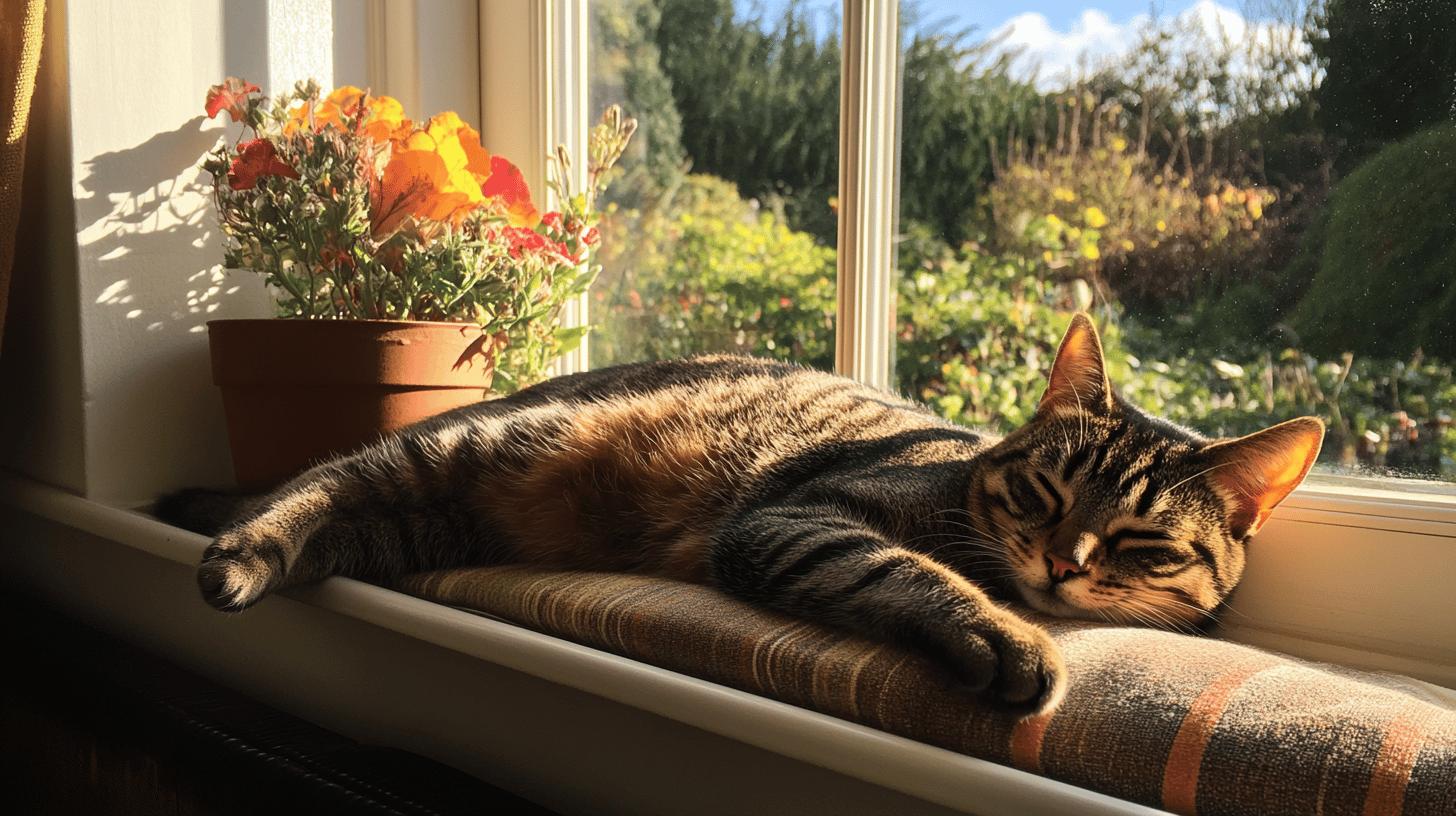
    Understanding What Cat Hairballs Look Like

    Understanding What Cat Hairballs Look Like-2.jpg

    Cat hairballs typically appear as elongated, cylindrical masses, closely resembling the shape of a cat's digestive tract. These hairballs are usually about 1 to 2 inches long, akin to the size of a human finger.

    Their dense, matted texture is primarily composed of tightly packed hair, making them more structured compared to typical vomit. This unique form results from the way hair accumulates in the stomach, gradually forming a solid mass as the cat grooms itself.

    The color of hairballs can vary significantly, influenced by several factors such as stomach acids, food, or bile. This can lead to an array of shades, including brown, green, or orange. The consistency is both slimy and coarse, containing hair and mucus. These variations in color and texture are natural and can offer insights into the cat's diet and digestive health.

    Characteristic Description
    Shape Elongated, cylindrical, similar to a cat’s digestive tract
    Size Approximately 1 to 2 inches long, comparable to a human finger
    Color Shades of brown, green, or orange, influenced by stomach acids and food

    Causes and Formation of Cat Hairballs

    Causes and Formation of Cat Hairballs-2.jpg

    Cats are meticulous groomers, spending about 30% of their day cleaning themselves. During this grooming ritual, their rough tongues pick up loose fur, which is then swallowed. Over time, this fur accumulates in the stomach, forming what we recognize as hairballs. The grooming process is natural and essential for maintaining a cat's coat, but it also means that they regularly ingest hair.

    Not all cats develop hairballs. This mainly depends on the type of coat they have. Long-haired breeds or those that shed excessively are more prone to hairballs. Nevertheless, if a cat frequently produces hairballs, it could signal overgrooming due to stress or skin issues. In such cases, it's a good idea to consult a vet to rule out underlying health concerns.
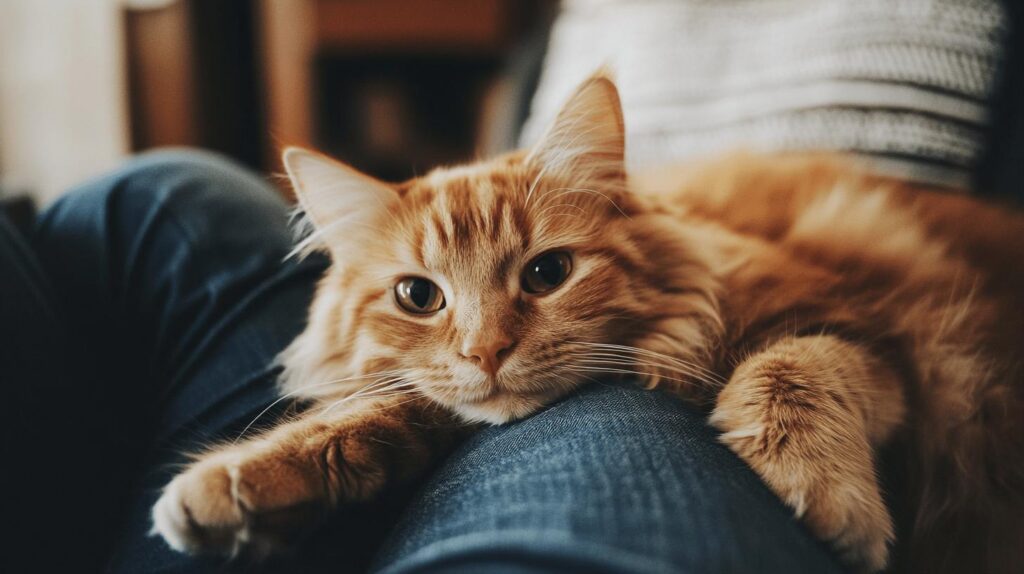
    When cats try to expel a hairball, they may vomit or cough without producing one. This can be attributed to digestive discomfort or blockages caused by the hairball. If your cat experiences persistent vomiting or seems to struggle while coughing, it may indicate a more serious digestive issue that requires veterinary attention.

    Recognizing Normal vs. Problematic Hairballs

    Recognizing Normal vs Problematic Hairballs-2.jpg

    Normal hairballs are usually an occasional event for most cats, manifesting no more than once a month. They are a natural consequence of a cat's grooming habits, and while they may be unpleasant to clean up, they generally don't pose a health risk if infrequent. A healthy cat should manage to expel hairballs without too much difficulty, making them a typical, albeit messy, part of feline life.

    However, when hairballs become frequent or a cat shows signs of discomfort, it could indicate a problem. Symptoms of problematic hairballs include repeated vomiting, gagging without producing a hairball, loss of appetite, or signs of digestive discomfort such as lethargy or constipation. These symptoms suggest that the hairball may be causing irritation, or that the cat is having difficulty passing it through the digestive system.

    The dangers of serious hairball blockages shouldn't be underestimated. A blockage can lead to severe digestive issues, such as impaction, where the hairball obstructs the digestive tract.

    This situation can prevent food from passing through the intestines, potentially leading to a life-threatening condition. In rare cases, a hairball can cause choking, which requires immediate veterinary intervention.

    Seek veterinary advice if your cat experiences frequent hairballs or any signs of distress associated with them. A vet can help determine the cause of the problem and suggest appropriate treatments or preventive measures. It's better to address these issues early to ensure your cat remains healthy and comfortable.

    Comprehensive Guide to Managing Cat Hairballs

    Recognizing Normal vs Problematic Hairballs-4.jpg

    Regular grooming is the cornerstone of preventing cat hairballs. By brushing your cat frequently, you remove loose fur before it can be ingested, thus reducing the amount of hair that could potentially form hairballs.

    This simple practice not only helps with hairball prevention but also keeps your cat's coat healthy and shiny. For long-haired breeds, daily brushing is recommended, while short-haired cats may benefit from a good brush a few times a week.

    Dietary adjustments can play a significant role in managing hairballs. A moisture-rich diet helps maintain a healthy digestive tract, which aids in moving hair smoothly through the system. Additionally, certain supplements can help reduce hairball formation.

    Adding fiber to your cat's diet, such as a small amount of unsweetened organic pumpkin puree, can promote regular bowel movements. Moreover, providing cat grass allows cats to naturally cleanse their system by inducing vomiting if necessary.

    Here are some recommended natural treatments for preventing cat hairballs:

    • Regular brushing
    • Moisture-rich diet
    • Cat grass
    • Organic pumpkin puree
    • CBD oil

    Conventional over-the-counter remedies are another option for managing hairballs. Hairball gels, for instance, contain ingredients like petrolatum, soybean oil, or mineral oil, which help lubricate the digestive tract and facilitate the passage of hairballs. These gels can be an effective tool when used in moderation, but always follow the product instructions to avoid any adverse effects.

    If your cat frequently experiences hairballs or shows signs of distress, it's wise to seek veterinary advice. A vet can help determine if there's an underlying issue and suggest appropriate treatments. In some cases, professional treatments might be necessary to address severe hairball problems.

    Here are some typical remedies and treatments available:

    • Hairball gels
    • Balanced diet
    • Adequate hydration
    • Veterinary consultation

    Managing cat hairballs involves a combination of regular grooming, dietary considerations, and possibly using conventional remedies. With these steps, you can help your cat live more comfortably, reducing the likelihood of frequent hairballs and their associated issues.
    Final Words

    Exploring what do cat hairballs look like highlights their typical long, cylinder form with varying colors. The causes and formation revolve around grooming practices where cats ingest hair, sometimes leading to health concerns. Recognizing normal versus problematic hairballs is key. Occasional hairballs aren't worrying, but frequent ones could mean trouble.

    Understanding management strategies is essential for both prevention and treatment. With regular grooming, dietary changes, and appropriate remedies, you can create a better playtime experience while ensuring your cat’s well-being. Let's keep our furry friends happy and healthy!

    FAQ

    How to prevent hairballs in cats naturally?

    A: To prevent hairballs naturally, try regular brushing, a moisture-rich diet, giving cat grass, using organic pumpkin puree, and considering CBD oil for digestive health.

    What are cat hairball blockage symptoms?

    A: Hairball blockage symptoms in cats include frequent vomiting, loss of appetite, digestive discomfort, and signs of distress. If you see these, consult a vet.

    Do cat hairballs look like poop?

    A: Cat hairballs can resemble poop because they are cylindrical and compact. They often vary in color due to stomach acids and food.

    Are hairballs normal for cats?

    A: Hairballs are normal for cats, but frequent occurrences suggest overgrooming or other health issues. Cats should only occasionally have hairballs.
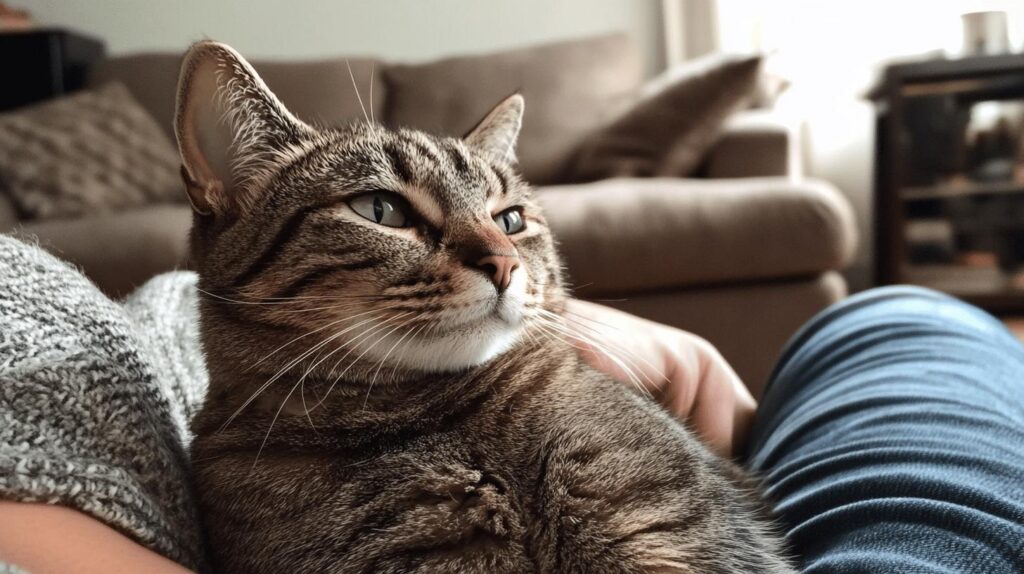
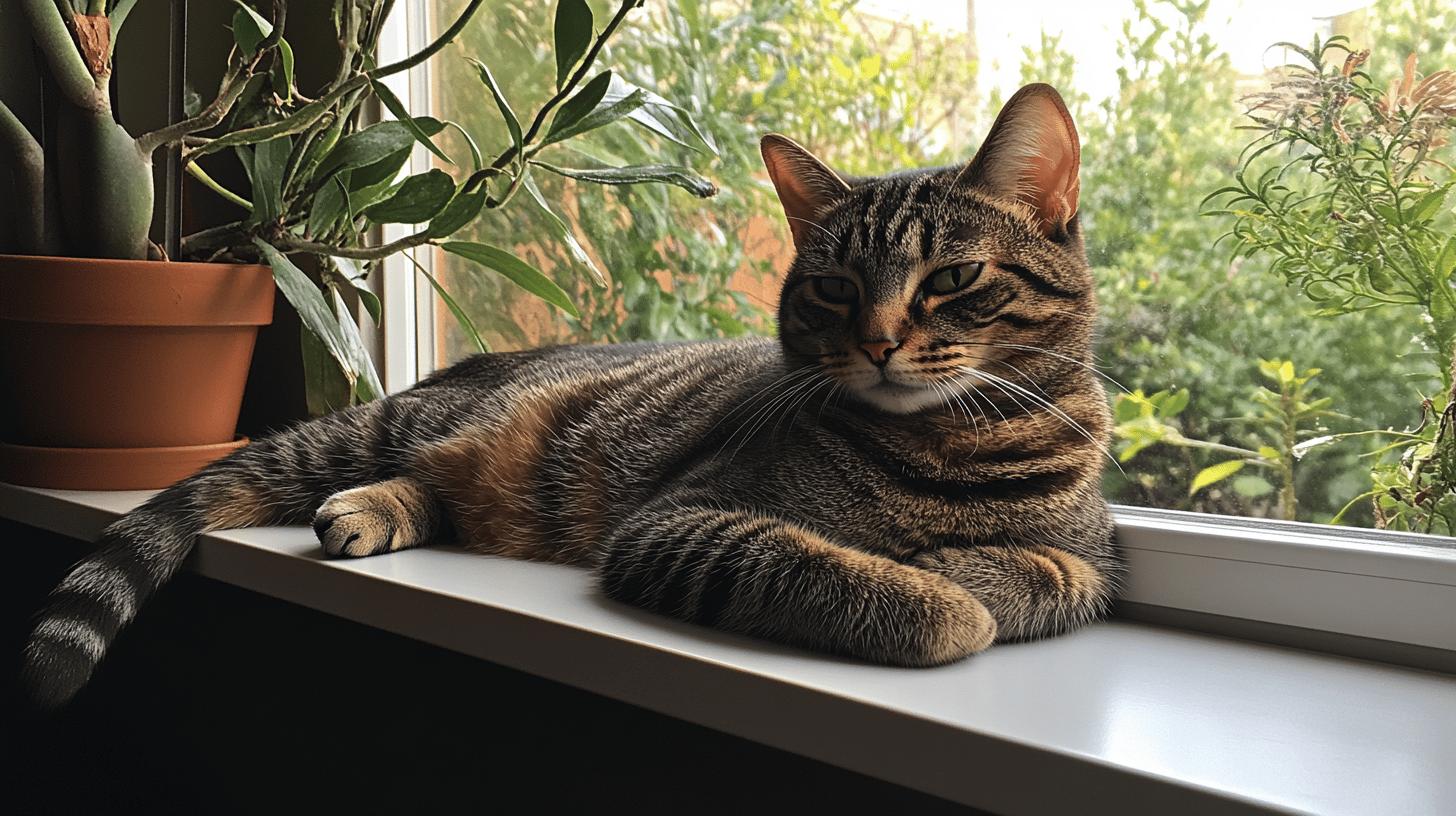
    What does cat hairball vomit look like?

    A: Cat hairball vomit is usually a cylindrical mass, ranging from shades of brown to green due to stomach contents. It resembles the shape of the digestive tract.
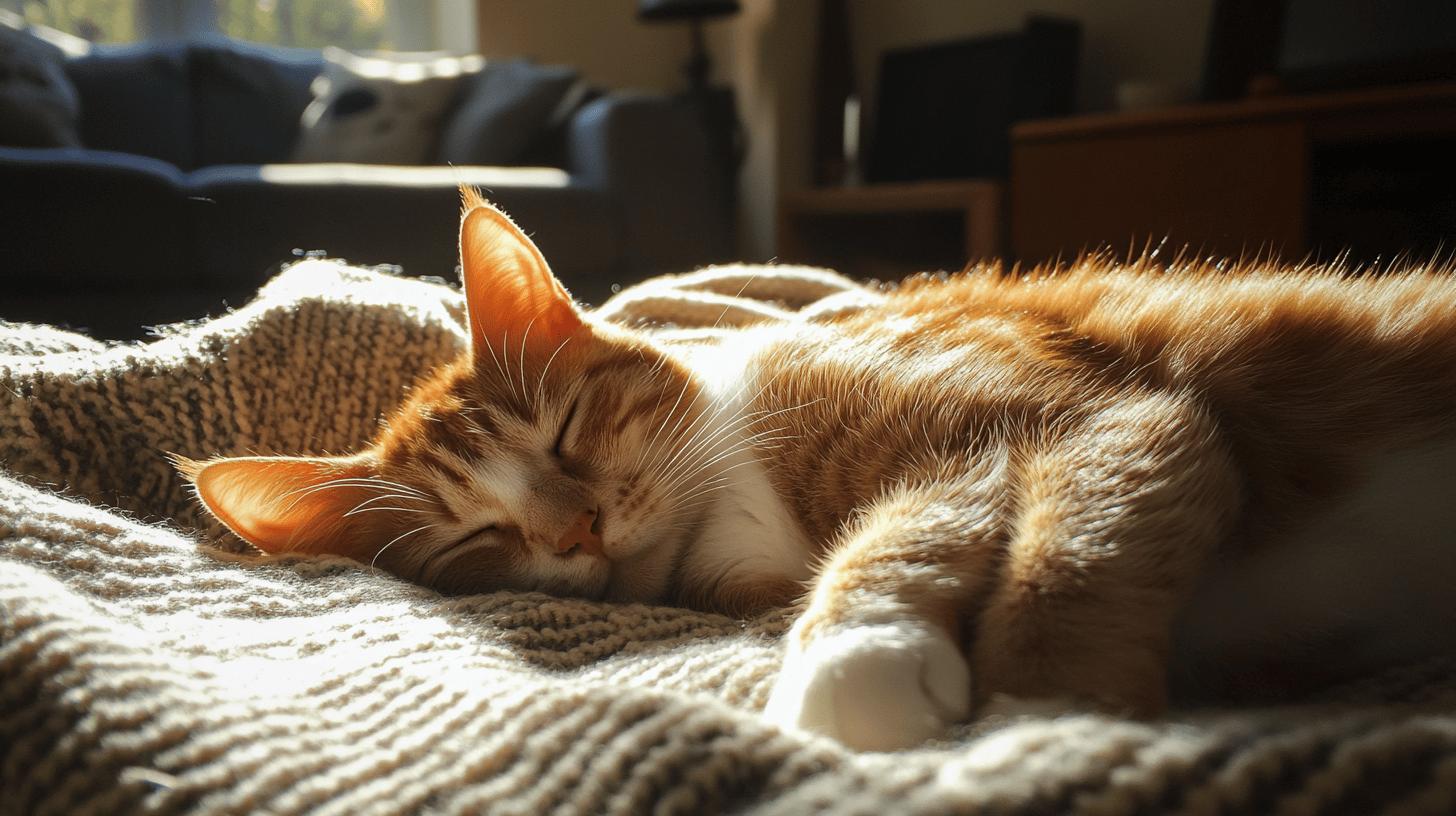
    What if my cat is trying to cough up a hairball but can't?

    A: If your cat struggles to expel a hairball, it might experience blockage. Watch for signs of distress and consult a vet if needed.

    What age do cats get hairballs?

    A: Cats can get hairballs as they begin grooming, usually from a young age. Both kittens and adult cats can experience hairballs.

    What is cat hairball treatment?

    A: Cat hairball treatments include regular grooming, dietary adjustments, using hairball gels, and consulting a veterinarian if problems persist.

    How can I tell if my cat has a hairball?

    A: If your cat coughs, gags, or appears to retch without producing a hairball, it might have one stuck. Monitor and consult a vet if symptoms linger.

    How often should cats throw up hairballs?

    A: Cats should only occasionally throw up hairballs. Frequent vomiting suggests a need for preventive measures or a veterinary checkup.

    How do I help my cat pass a hairball?

    A: To help a cat pass a hairball, provide a diet high in moisture, use hairball remedies like gels, and consult a vet for persistent issues.

    Does wet food help with hairballs?

    A: Yes, wet food can help with hairballs by adding moisture to your cat's diet, which aids in digesting and passing hair naturally.

    Related Articles

  • do cats Coughs Indicate Health Issues Understanding Feline Cough Patterns

    do cats Coughs Indicate Health Issues Understanding Feline Cough Patterns

    Can a simple cough from your cat be a sign of a serious health issue? Just like humans, cats can develop coughs, but these sounds might not always mean what you think. Often confused with retching or hairball incidents, a cat's cough can signal different things.

    It's crucial to identify what these coughs mean. Recognizing and understanding your cat's cough patterns can make the difference in addressing potential health concerns early. Let's dive into what those coughs might indicate and when it's time to seek help.

    Can Cats Cough and What Does It Mean?

    Can Cats Cough and What Does It Mean-1.jpg

    Cats can indeed cough, and it often signals underlying health issues. Unlike the typical human cough, a cat's cough might sound more like retching or choking, sometimes making it difficult to distinguish from other noises cats make.

    Often, these coughs can be mistaken for a hairball incident, as they may involve a similar gagging sound. Recognizing the distinctive sound of a cat's cough is essential in determining whether the behavior is normal or if veterinary attention is needed.

    Here are some potential sounds that could be mistaken for a cough:

    • Retching or gagging as if trying to expel a hairball
    • Wheezing noises, often linked with respiratory issues
    • Hacking sounds, similar to clearing a throat
    • Short bursts of meowing combined with a cough-like noise
    • Sneezing episodes that might resemble coughs

    Understanding the sound of a cat's cough is crucial for maintaining their health. Distinguishing between normal and concerning noises can help identify when a visit to the vet is necessary. Early detection of abnormal coughing can prevent the escalation of potential health problems, ensuring your feline friend stays as healthy as possible.

    Common Causes of Coughing in Cats

    Common Causes of Coughing in Cats-2.jpg

    Cats can cough due to a variety of environmental irritants and allergies. Household dust, cigarette smoke, and certain cleaning chemicals are common culprits. These substances can irritate a cat's respiratory system, leading to coughing.

    Even some types of cat litter, especially those that produce a lot of dust, can trigger allergic reactions or respiratory issues. Managing these environmental factors, such as using dust-free litter and ensuring a smoke-free environment, helps maintain your cat's respiratory health.

    Respiratory illnesses and infections are another significant cause of coughing in cats. Feline asthma and bronchitis are common conditions that manifest with coughing. These illnesses can be triggered by allergens like pollen or dust, leading to inflammation in the cat's airways.

    Infections, often viral or bacterial, can exacerbate these conditions, causing persistent coughing. Regular vet check-ups and vaccinations can help prevent and manage these issues, ensuring your feline companion stays healthy.

    Mechanical causes, such as hairballs and the inhalation of foreign objects, can also lead to coughing in cats. Hairballs form when cats groom themselves and ingest loose fur, which can sometimes get stuck in their throat or digestive tract, causing them to cough or gag.

    Similarly, inhalation of small objects like food crumbs can block airways, resulting in coughing. Regular grooming can minimize hairballs, while monitoring your cat's environment can prevent them from inhaling objects.

    Cause Description Symptoms
    Allergies Reaction to airborne particles like pollen or dust Coughing, sneezing, watery eyes
    Respiratory Illnesses Conditions like asthma and bronchitis Coughing, wheezing, difficulty breathing
    Hairballs Ingestion of loose fur leading to blockages Coughing, gagging, retching
    Inhalation of Objects Small objects blocking airways Coughing, choking, distress

    How to Recognize Serious Coughing Symptoms in Cats

    How to Recognize Serious Coughing Symptoms in Cats-1.jpg

    Frequent or persistent coughing in cats can be a sign of a more serious health issue. If your cat's cough is accompanied by other symptoms like wheezing, difficulty breathing, or lethargy, it might be time to consult a veterinarian.

    A cough that lasts more than a few days should not be ignored, as it may indicate an underlying condition that requires professional care. Cats may also show signs of distress, such as panting or struggling to breathe, which can be indicative of respiratory distress or other serious concerns.

    Here are specific symptoms that signal the need for veterinary attention:

    • Coughing up blood
    • Labored breathing or panting
    • Persistent coughing lasting more than a few days
    • Wheezing sounds when breathing
    • Loss of appetite or lethargy
    • Signs of distress or discomfort when breathing

    Timely medical intervention is crucial if these symptoms are present. Early detection and treatment can prevent the progression of potentially serious health problems. Consulting a vet when you notice these signs ensures your cat receives the necessary care and improves their chances of a quick recovery.

    Treating and Managing Cat Cough

    Treating and Managing Cat Cough-4.jpg

    When your cat starts coughing, it's crucial to consult a veterinarian to determine the underlying cause. A vet will conduct a thorough examination and might recommend diagnostic tests to pinpoint the issue.

    This step is essential because a cough can be symptomatic of various conditions, ranging from mild to severe. Early veterinary consultation helps in quickly identifying the root problem and deciding on an effective treatment plan. It ensures that your cat receives the appropriate care and avoids the escalation of any health issues.

    Vet-Prescribed Treatments

    Veterinary treatments for cat coughs often involve medications tailored to the specific cause. If the cough is due to an infection, antibiotics or antivirals may be prescribed. For asthma or allergies, anti-inflammatory medications or bronchodilators are common.

    In some cases, a vet may suggest corticosteroids to reduce airway inflammation. Regular follow-ups with the vet are important to monitor your cat's progress and adjust the treatment as needed. This professional guidance is critical for managing the condition effectively and ensuring your cat's comfort and health.

    Home Remedies and Management

    In addition to veterinary care, there are several home remedies and management strategies that can help alleviate your cat's cough. Maintaining a clean, dust-free environment is key, as dust and allergens can exacerbate coughing.

    Consider using an air purifier to improve air quality in your home. Switching to a dust-free cat litter can also make a significant difference. Regular grooming helps reduce hairballs, which are a common cause of coughing. These simple steps can support your cat's recovery and prevent future episodes.

    Managing chronic coughs in cats requires ongoing attention and care. If your cat has a condition like asthma, continuous monitoring and adjustments in their treatment plan may be necessary. Keeping a consistent routine with medications and environmental controls helps manage the symptoms effectively.

    Staying in regular communication with your veterinarian ensures that any changes in your cat's condition are promptly addressed. By being proactive, you can significantly improve your cat's quality of life and minimize the impact of chronic coughing.

    Preventing Cat Coughs: Tips for Cat Owners

    Preventing Cat Coughs Tips for Cat Owners-4.jpg

    Preventing cat coughs requires attention to several factors that can trigger discomfort in your feline friend. A key aspect is the diet; incorporating omega-3 and omega-6 fatty acids can promote a healthy coat, reducing shedding and hairball formation.

    Additionally, exploring specific grooming methods, like using a de-shedding tool, can be particularly effective in minimizing loose fur. Regular vet check-ups serve as another layer of preventive care, allowing early detection of potential respiratory issues.

    1. Dietary Adjustments: Introduce omega-3 and omega-6 fatty acids to support coat health and minimize shedding.
    2. Specific Grooming Techniques: Use de-shedding tools to effectively reduce loose fur.
    3. Regular Vet Check-Ups: Schedule routine check-ups to catch respiratory issues early.
    4. Supplements: Consider supplements like fish oil to enhance coat and overall health.
    5. Seasonal Allergen Management: Be mindful of seasonal allergens and adjust cleaning routines accordingly.

    By implementing these unique and detailed preventive strategies, cat owners can significantly reduce the occurrence of coughing episodes. A proactive approach not only addresses immediate triggers but also contributes to the long-term respiratory health of your cat. This ensures a more comfortable and active lifestyle for your furry companion, enhancing their overall well-being.

    Final Words

    Understanding that cats can indeed cough helps in spotting potential health issues early. Recognizing a cat's cough isn't always straight forward, as it often sounds like retching or choking. While common causes range from allergies to respiratory illnesses, paying attention to symptoms like frequent coughing or labored breathing is key.

    Consulting a vet is important for proper treatment, but maintaining a clean environment and regular grooming can prevent many causes. Adopting these strategies can not only soothe a current cough but also keep your cat feeling healthy and happy longer.

    FAQ

    Is it normal for cats to cough?

    A: Yes, cats can cough. It often sounds like retching or choking, similar to a hairball incident. Recognizing this is key for understanding potential health issues.

    What does a cat's cough sound like?

    A: A cat's cough can sound like retching, choking, dry hacking, wheezing, or gagging. These sounds might be mistaken for other conditions, so listen carefully.

    How is a cat cough treated?

    A: Treating a cat's cough involves consulting a vet for proper medication. Home remedies include maintaining a dust-free environment. Persistent coughs require professional evaluation.

    Why is my cat coughing like something is stuck in his throat?

    A: Your cat might cough if there's an irritant or if it's dealing with hairballs, allergies, or a respiratory condition. Consulting a vet can help determine the exact cause.

    Is my cat gagging or coughing?

    A: Gagging generally involves throat clearing, while coughing is more chest-based, often sounding like dry hacking or wheezing. Observe closely to tell the difference.

    Do cats cough at night?

    A: Cats may cough at night if they have respiratory issues or allergens in their sleeping area. Monitor any patterns and contact a vet if concerned.

    How to treat cat cough at home?

    A: You can treat a mild cat cough at home by ensuring a clean, dust-free environment and using air humidifiers. Still, consult a vet if the cough persists or worsens.

    Difference between cat cough and hairball?

    A: A cat cough sounds like dry hacking or wheezing, while a hairball involves gagging or retching sounds. Identifying these can help with proper care.

    Related Articles

  • do cats Laugh Exploring Feline Joy and Humor

    do cats Laugh Exploring Feline Joy and Humor

    Did you know that cats might express joy even though they don't laugh like humans? It's true! While we burst out laughing at jokes or funny moments, our feline friends show happiness in their own unique ways. Cats purr, chirp, and even roll over when they feel joyful or amused.

    These actions might just be their version of laughter. Understanding these feline expressions can help deepen our bond with them. Let's explore how cats share their version of humor and joy, and what this tells us about their feelings.

    Do Cats Laugh: Exploring Feline Expression

    Do Cats Laugh Exploring Feline Expression-2.jpg

    Cats don't laugh like humans. They just aren't built for it. We, humans, have the physiological structures needed to produce laughter sounds, but cats don't. Instead, they show joy and amusement through other means. You might notice these feline behaviors that indicate they're feeling happy:

    • Purring: A gentle rumble that often means contentment or joy.
    • Chirping: A short, high-pitched sound that cats make when they're excited or amused.
    • Rolling Over: Exposing their belly is a sign of trust and happiness.
    • Playful Pouncing: Engaging in playful antics and games.
    • Slow Blinking: A cat's version of a smile, indicating comfort and affection.

    In the world of animals, some species do have vocalizations that resemble laughter. A 2021 study in the journal Bioacoustics identified 65 species, including primates and bottlenose dolphins, that exhibit laughter-like sounds. Unlike dogs, who may appear to have a "laughing" expression with their open-mouthed panting, cats are more subtle. They rely on their eyes, ears, and tails to express their emotions.

    So, can cats laugh? Not in the traditional sense. But their playful actions and interactions with the environment might be their equivalent of laughter. Animal behaviorists suggest that these actions reflect a state of joy or amusement.

    While scientific studies haven't confirmed laughter in cats, their behaviors often indicate contentment and enjoyment. Cats express their emotions differently, and understanding these cues can help us better connect with our feline friends.

    Understanding Cat Emotions and Humor

    Potential Causes and Triggers of Seizures in Cats-4.jpg

    Scientific studies on cat emotions reveal intriguing insights. Researchers have found that cats share some brain structures with humans, hinting at their ability to experience emotions, albeit differently.

    Studies have shown that their intelligence level is similar to that of a 2-year-old child, enabling them to respond to their environment with a range of feelings. The methodologies of these studies often involve observing cat behavior in various scenarios and monitoring their responses to different stimuli.

    Cats might not have a sense of humor in the human sense, but their playful behaviors suggest they experience joy. Scientific observations indicate that cats engage in activities like chasing invisible prey or pouncing on objects not only for exercise but perhaps as a form of amusement.

    This behavior could imply a rudimentary form of humor or simply a way to express happiness and curiosity. Understanding these playful antics can contribute to a greater appreciation of the complexity of their emotions.

    Emotional Intelligence in Cats

    Cats exhibit emotional intelligence through their interactions and adaptability. Studies show they can detect changes in their owners' moods and react accordingly, offering companionship or comfort.

    These findings suggest that cats have a unique capacity to connect emotionally with humans, further highlighting their emotional depth. This scientific perspective enriches our understanding of how cats perceive and respond to the world around them.

    Can Cats Recognize Human Laughter?

    Can Cats Recognize Human Laughter-1.jpg

    Cats may not understand human laughter in the same way we do, but they can certainly notice it. Laughter might catch their attention, not as humor, but as an unusual sound in their environment.

    Cats are highly attuned to changes around them, and your laughter could be perceived as a signal to investigate or perhaps a source of curiosity. While there's no scientific evidence to suggest that cats comprehend laughter as humorous, they do respond based on the volume and tone of the laughter.

    Here are some typical reactions cats might have to human laughter:

    • Curious Approach: Some cats may come closer to investigate the source of the sound.
    • Startled Reaction: A sudden or loud laugh might make a cat jump or look startled.
    • Withdrawal or Hiding: If your laughter is too loud or accompanied by abrupt movements, a cat might feel threatened and choose to retreat.

    To make sure your feline friend feels at ease when you're laughing, pay attention to your cat's comfort level. If your cat seems startled or uneasy, try softening your laughter or avoid sudden gestures.

    Observing your cat's body language can offer clues about their comfort and help create a more relaxed environment. By being mindful of how your laughter might affect your cat, you can maintain a harmonious relationship and ensure your pet feels secure.

    Final Words

    Cats don't laugh like we do, but they express joy in other ways. They purr, chirp, and play, showing us what might be their version of laughter. Even though a 2021 study notes 65 species with laughter-like sounds, cats aren't among them.

    Cats may not join us in laughter, but they still sense our happiness. Their reactions are different, yet this bond makes playtime fun. Understanding these unique behaviors fosters a better connection with our furry companions. Embrace these moments and know that while cats don't laugh, their playful antics speak volumes.

    FAQ

    Is it possible for a cat to laugh?

    Cats don't laugh like humans. They lack the physiological structures for laughter sounds. Instead, they express joy through behaviors like purring, chirping, or rolling over.

    How do cats show laughter?

    Cats show what might be considered laughter through playful actions. Purring, rolling over, and chirping indicate their joy and amusement.

    Do cats get embarrassed when you laugh at them?

    Cats may not understand human laughter as humor. They might react to such attention. If a cat hisses or hides, it may feel threatened, especially if the laughter is loud.

    Do cats find things funny?

    Cats express joy and amusement through playful behaviors. While not proven to have a human-like sense of humor, they enjoy playful interactions that may seem humorous.

    Why do cats smile when they sleep?

    When cats appear to smile in their sleep, they are relaxed and content. It's a sign of comfort rather than laughter or humor.

    Can cats recognize human laughter?

    Cats may not recognize human laughter as humor. They might react to laughing due to the attention it brings. Cats don't have a similar sense of humor as humans.

    How to know if a cat is laughing?

    Since cats don't laugh audibly, look for joyful behaviors. Purring, playful antics, and chirping can indicate a cat's happy state.

    Do cats smile at you?

    Cats don't physically smile like humans, but they show contentment and trust through gentle eye blinks and relaxed behaviors.

    Do cats laugh like dogs?

    Cats and dogs don't laugh in the human sense. They both show happiness through different behaviors like purring (cats) or wagging tails (dogs).

    Related Articles

  • do cats Have Good Memory Understanding Feline Memory Abilities

    do cats Have Good Memory Understanding Feline Memory Abilities

    Have you ever wondered if your cat remembers you after a long vacation? Many cat owners are curious about their feline friends' memory capabilities. While they may seem aloof, cats might actually have impressive memory skills.

    In this article, we'll explore whether cats have a good memory, how it helps them navigate their world, and what science says about it. By understanding feline memory, you can improve your cat's playtime, safety, and overall well-being. Let's dive into the mind of your furry companion and uncover the secrets of their memory.

    Exploring Cat Memory: Do Cats Have Good Memory?

    Exploring Cat Memory Do Cats Have Good Memory-1.jpg

    Cats are often celebrated for their sharp instincts, agility, and independence. Among these traits, their memory stands out as exceptionally strong. Many believe that cats possess an incredible ability to remember people, places, and experiences. This ability is not only fascinating but also critical for their survival.

    Scientific studies back the idea that cats have both short-term and long-term memory capabilities. Short-term memory in cats can last up to 16 hours, which helps them in problem-solving and remembering locations of interest, like where they last found food. Long-term memory allows cats to retain significant experiences and recognize familiar faces even after extended periods.

    Key Aspects of Cat Memory

    • Memory Retention in Cats: Cats can retain information over long spans. This retention supports their learning and adaptation, allowing them to navigate their environment effectively.

    • Importance of Memory for Survival: Memory aids cats in remembering locations of food sources, potential threats, and safe shelters, playing a vital role in their day-to-day survival.

    • Comparisons to Other Animals: While cats have excellent memory, it's often compared to that of dogs. Some experts suggest cats might even surpass dogs in terms of recalling past events.

    Anecdotal evidence also paints a picture of cats' impressive memory. Many cat owners share stories of their pets recognizing them after years apart or finding their way back home over vast distances. These tales further support the scientific understanding of feline memory capabilities.

    The Story of Kunkush

    Kunkush, a cat from Iraq, offers a heartwarming example of feline memory. During his family's escape to Europe in 2015, Kunkush got separated in Greece. Despite the distance and time apart, Kunkush's journey didn't end in tragedy. He was eventually reunited with his family, a testament to his memory of familiar faces and the bond they shared.

    Reunions with Previous Owners

    Instances of cats reuniting with former owners after long separations highlight their capacity for memory. Cats have been known to recognize their previous owners' voices or scents, underscoring their ability to remember individuals who were once significant in their lives.

    In understanding cat memory, both scientific and anecdotal evidence suggest that memory plays a significant role in a cat's life. This capacity not only shapes their behavior but also strengthens the emotional bonds they form with humans and their environment.

    Key Aspects of Cat Memory

    Short-Term Memory in Cats How It Works-1.jpg

    Cats have a remarkable ability to use their short-term memory, which lasts up to 16 hours, for various survival tasks. This memory allows them not just to remember where they last found food but also to navigate their environment effectively.

    • Recognizing immediate threats: Cats can quickly identify and respond to potential dangers, ensuring their safety.
    • Finding food: They can recall the locations of food sources or where they last enjoyed a snack.
    • Interacting with objects: Cats remember how to engage with toys and navigate obstacles.
    • Socializing with other animals: This memory aids in forming social bonds and avoiding conflicts.

    These examples show how short-term memory helps cats adapt and respond to their environment, enhancing their ability to thrive both indoors and outdoors. By integrating these specific functions, we can better understand the importance of memory in a cat's daily life.

    Long-Term Memory in Cats: Lifelong Recollections

    Long-Term Memory in Cats Lifelong Recollections-2.jpg

    Long-term memory in cats is a complex aspect of their cognitive abilities. It enables them to retain memories of people, places, and experiences for life, aiding in their survival and emotional well-being. This memory retention allows cats to adapt and thrive in their environments.

    Cats Remembering People and Places

    Cats have an extraordinary ability to recognize people and places they have encountered before. They often remember their owners even after many years of separation. A familiar scent or voice can trigger these memories, leading to touching reunions.

    Cats' remarkable navigation skills, sometimes allowing them to find their way home over long distances, are also linked to their long-term memory, highlighting the deep emotional connections they form with both people and places.

    Memory of Traumatic Events

    Significant events, especially traumatic ones, can imprint on a cat's memory for life. Experiences such as abuse or frightening incidents can result in lasting behavioral changes like fearfulness or avoidance. Recognizing the impact of these memories helps in understanding a cat's behavior and creating a nurturing environment to mitigate any associated stress or anxiety.

    Long-term memory significantly influences how cats interact with their surroundings and build relationships. By recalling important experiences, they can establish trust and form enduring bonds with their human companions, enhancing their ability to navigate the world with assurance. This cognitive skill is crucial for their survival and deepens the emotional ties they share with humans.

    Memory's Influence on Cat Behavior and Emotions

    Memorys Influence on Cat Behavior and Emotions-1.jpg

    To provide a fresh perspective on feline memory, let's explore some unique scientific findings and case studies. Recent research highlights that cats possess specialized neurons that aid memory retention, comparable to those found in humans.

    These neurons are linked to the hippocampus, a brain region critical for memory formation. Understanding this neurological basis offers insights into why cats excel at remembering complex environments and social cues.

    Case studies show how memory changes with age or health. For instance, a study observed older cats displaying memory decline, affecting their ability to recall familiar routes or routines. In contrast, younger cats could navigate complex mazes using memory cues. This highlights how aging can impact a cat's cognitive functions and behavior.

    Memory issues can emerge due to illnesses such as feline cognitive dysfunction syndrome (FCDS), akin to Alzheimer's in humans. Cats with FCDS may forget basic routines, leading to increased anxiety or confusion. Understanding these changes helps us provide better care for our aging feline friends.

    Memory's influence extends beyond survival, deeply affecting emotional bonds. Cats can remember significant experiences with humans, forming long-lasting connections. Familiar scents or voices can trigger positive memories, fostering trust and affection. Recognizing these aspects of memory can enhance our interactions with cats, ensuring they feel secure and loved.

    Final Words

    Diving into the fascinating topic of feline memory, we uncovered that cats possess impressive memory skills. They have both short-term and long-term memory, helping with daily survival tasks and forming lasting bonds. Their capacity to remember people and places, as seen in stories like Kunkush's, highlights their deep emotional connections.

    Cats' memories play a vital role in their behavior and emotions, influencing their interactions with others. Even though they can remember significant experiences for life, memories might fade with age or illness. Understanding this helps us better care for our feline friends, enhancing their playtime and well-being.

    FAQ

    Do cats remember traumatic events?

    Cats remember traumatic events due to long-term memory capabilities. Significant experiences, especially negative ones, can be remembered for life, impacting behavior and emotional responses.

    Do cats have a good memory of where they live?

    Cats have an excellent memory of familiar places, using both short-term and long-term memory to recognize and navigate their environment. This helps them find their way home even after being away.

    Do cats forget their owners in 3 days?

    Cats don't forget their owners in 3 days. With strong memory, they recognize owners after long separations, remembering people and forming bonds over time.

    Do cats have memories of previous owners?

    Cats possess long-term memories, allowing them to recognize and remember previous owners. They can reunite and respond positively to familiar people even after extended time apart.

    How long does a cat remember a person?

    A cat can remember a person indefinitely. Lifelong memories are possible, especially if the person had a significant positive or negative impact on the cat's life.

    What is the memory span of a cat?

    Cats have both short-term and long-term memory. Short-term memory lasts about 16 hours, aiding in daily activities, while long-term memory can last a lifetime.

    Are cats good at memory?

    Cats are considered excellent at memory among animals. Their strong memory aids in survival and fosters bonds with people and other animals.

    Do cats remember their home after being away?

    Cats are capable of remembering their home even after being away for a while. Their strong memory helps them recognize familiar environments and return to them.

    Related Articles