Category: About Cats

  • How Often Do Cats Pee and What Influences Their Urination Frequency

    How Often Do Cats Pee and What Influences Their Urination Frequency

    Did you know that a cat's pee schedule can reveal more than you think about its health? On average, cats visit the litter box two to four times a day, but factors like diet, age, and health can cause variations. Understanding these influences is crucial for keeping your feline friend in top shape. In this post, we'll dive into what affects your cat's urination frequency and share practical tips to ensure their urinary health is on point. Let's uncover the secrets behind their litter box habits and help your cat live its best life.

    Typical Cat Urination Frequency and Influencing Factors

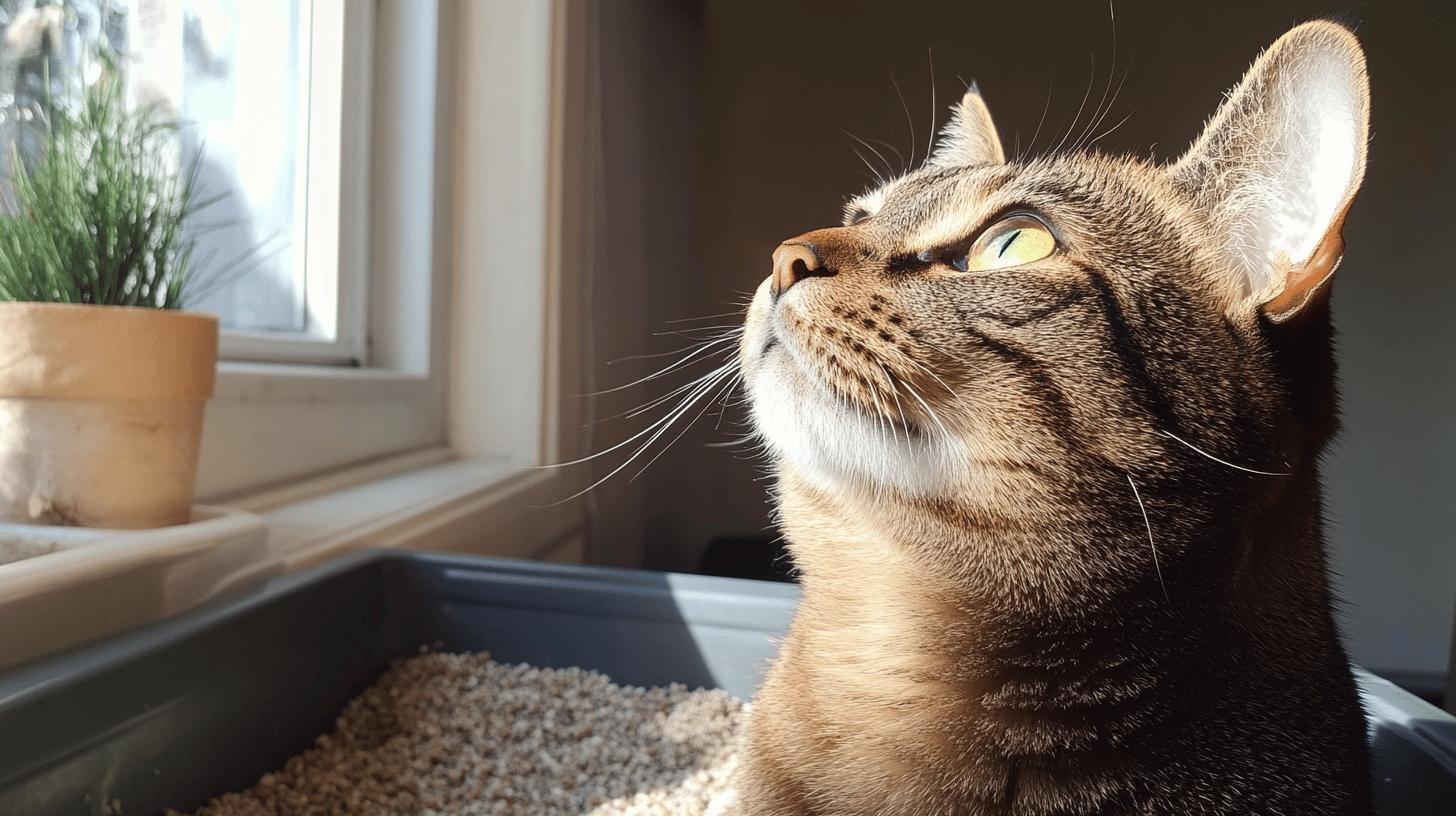
    Typical Cat Urination Frequency and Influencing Factors-1.jpg

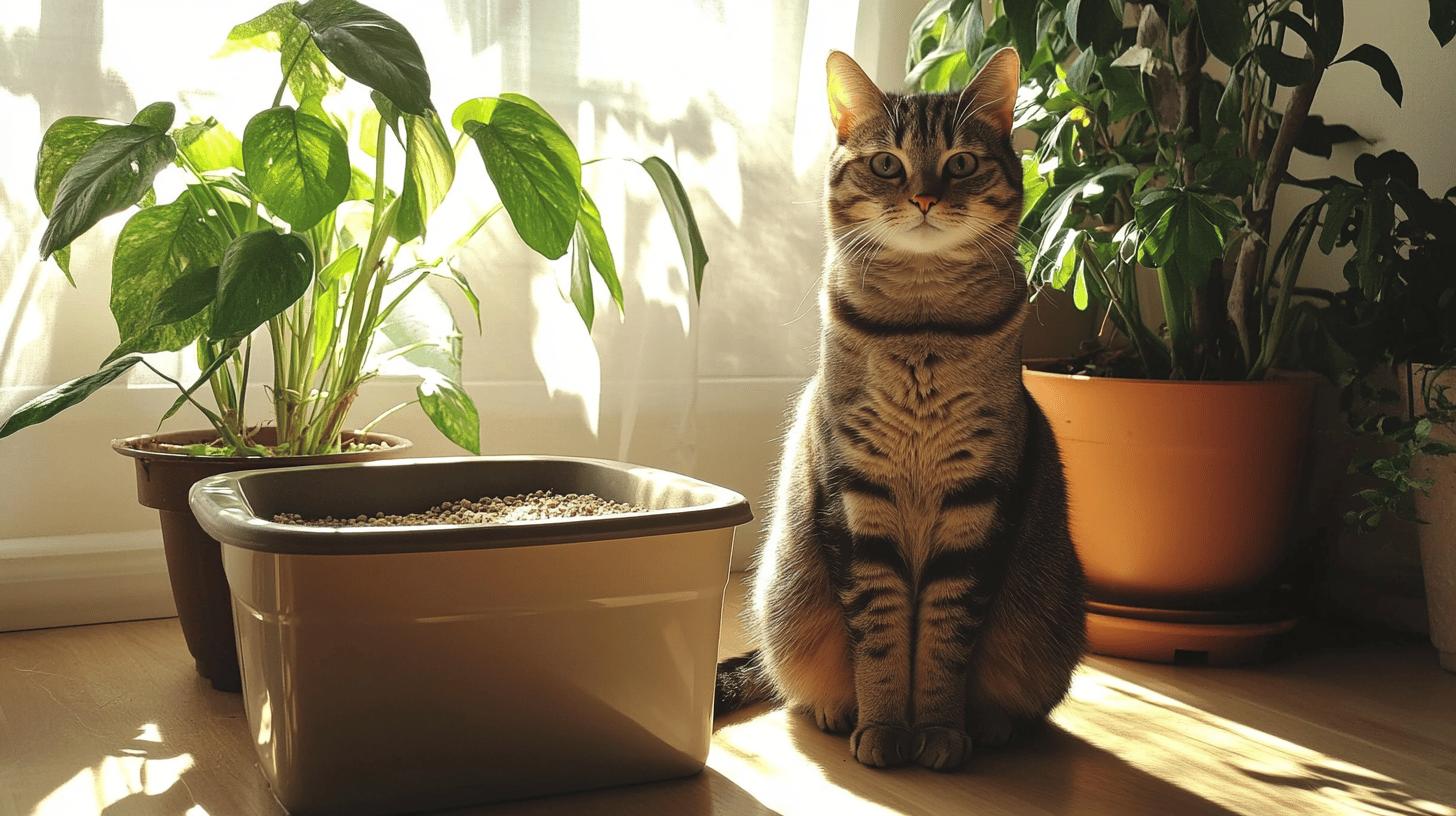
    Cats generally urinate two to four times a day. This is the average, but individual cats may vary. This frequency depends on several factors, including diet, age, health conditions, and environmental influences. Understanding these can help ensure your cat's urinary health is maintained.

    Diet plays a big role in how often a cat pees. Cats on wet food diets tend to urinate more frequently than those on dry food. Wet food contains more moisture, which means the cat is getting more water through their meals. This results in more frequent urination. On the other hand, dry food contains less moisture, which might lead to reduced urination frequency. Providing ample fresh water alongside a dry food diet is crucial to help maintain the right balance.

    Age and activity level are other factors that can influence urination frequency. Kittens and young cats may urinate more often due to their higher activity levels and faster metabolism. Older cats might pee less frequently, but any significant changes in their habits should be monitored. Similarly, highly active cats might drink more and therefore urinate more often, while less active ones might do so less frequently.

    Health conditions can significantly impact how often a cat pees. Here are some health issues that can influence urination:

    • Kidney disease: Can lead to increased urination as the kidneys struggle to concentrate urine.
    • Diabetes: Often causes increased thirst and urination as the body tries to rid itself of excess glucose.
    • Urinary tract infections: May result in frequent attempts to urinate, often with little output.
    • Hyperthyroidism: Can lead to increased water intake and urination.
    • Bladder stones: Might cause discomfort and frequent urination attempts.

    Individual differences and environmental conditions also play a part. Every cat is unique, and their urination habits can be influenced by their personal health and genetics. Environmental factors like heat and humidity can also impact how much a cat drinks and subsequently urinates. Warmer temperatures might lead to increased water consumption and more frequent urination. Observing these patterns can provide insights into a cat's overall health and help catch any issues early on.

    Monitoring Cat Urination for Health Insights

    Monitoring Cat Urination for Health Insights-1.jpg

    Keeping an eye on your cat's urination habits can offer valuable insights into their health. Start by observing how often your cat uses the litter box. Note any changes in frequency, as this can signal health issues. Equally important is the appearance and smell of the urine. Healthy cat urine should be pale yellow with a mild odor. If you notice any significant changes, such as a pink or red tint, or a strong, unpleasant smell, it may be time to act. Regularly check and record these details to help track any deviations from the norm.

    Sign Potential Issue
    Pink or red urine Possible cystitis or bladder infection
    Strong odor Bladder infection or cystitis
    Increased frequency Diabetes or kidney issues
    Straining or discomfort Urinary blockage or stones

    Early detection of urinary issues can make a big difference in your cat's health. If you notice any of the above signs persisting, or if your cat stops urinating or shows discomfort, consult a veterinarian promptly. Timely intervention can prevent more serious complications and help maintain your cat's well-being. Regular veterinary checkups are also a great way to catch any potential problems before they escalate.

    When to Consult a Veterinarian About Cat Urination

    When to Consult a Veterinarian About Cat Urination-1.jpg

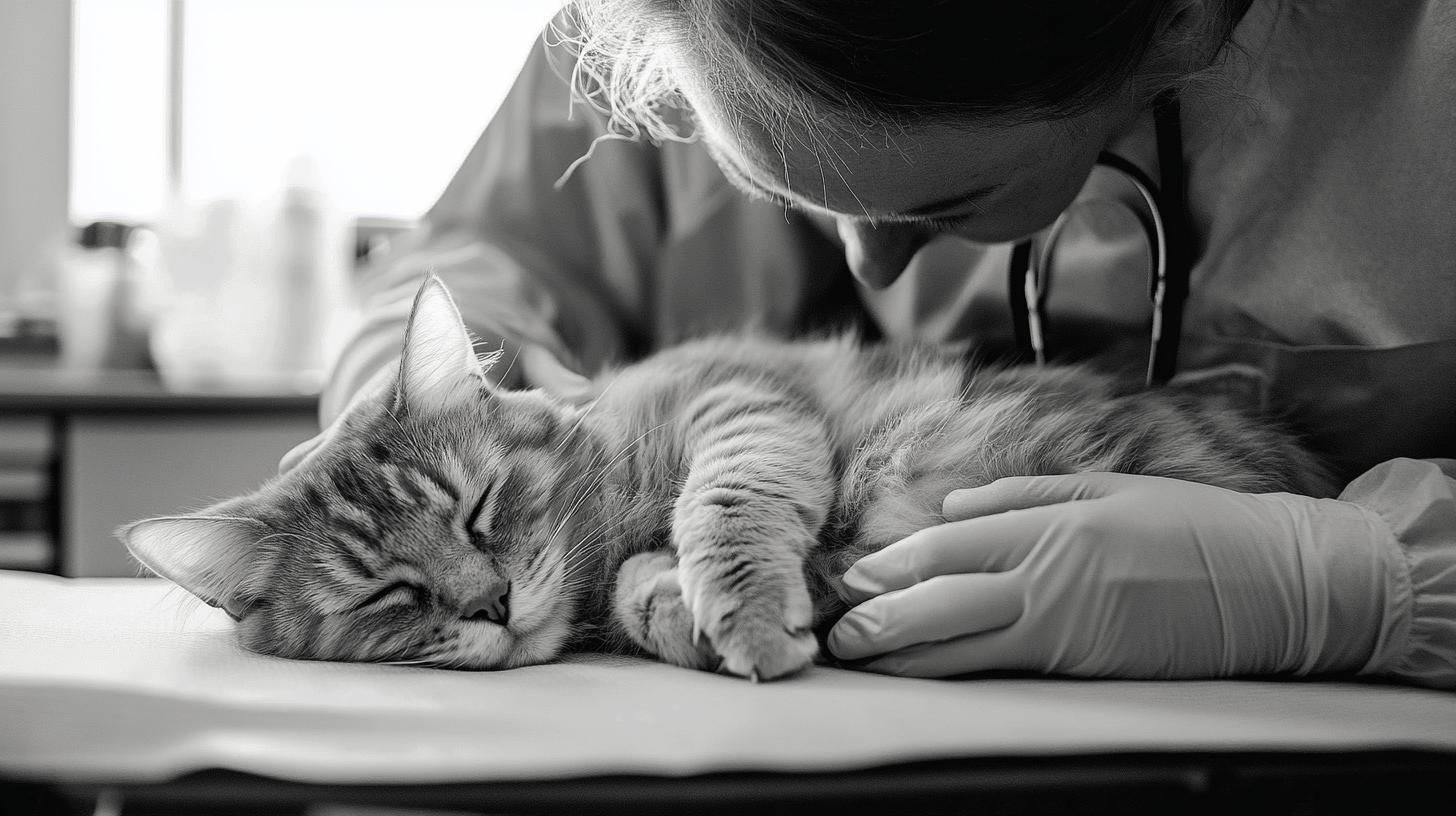
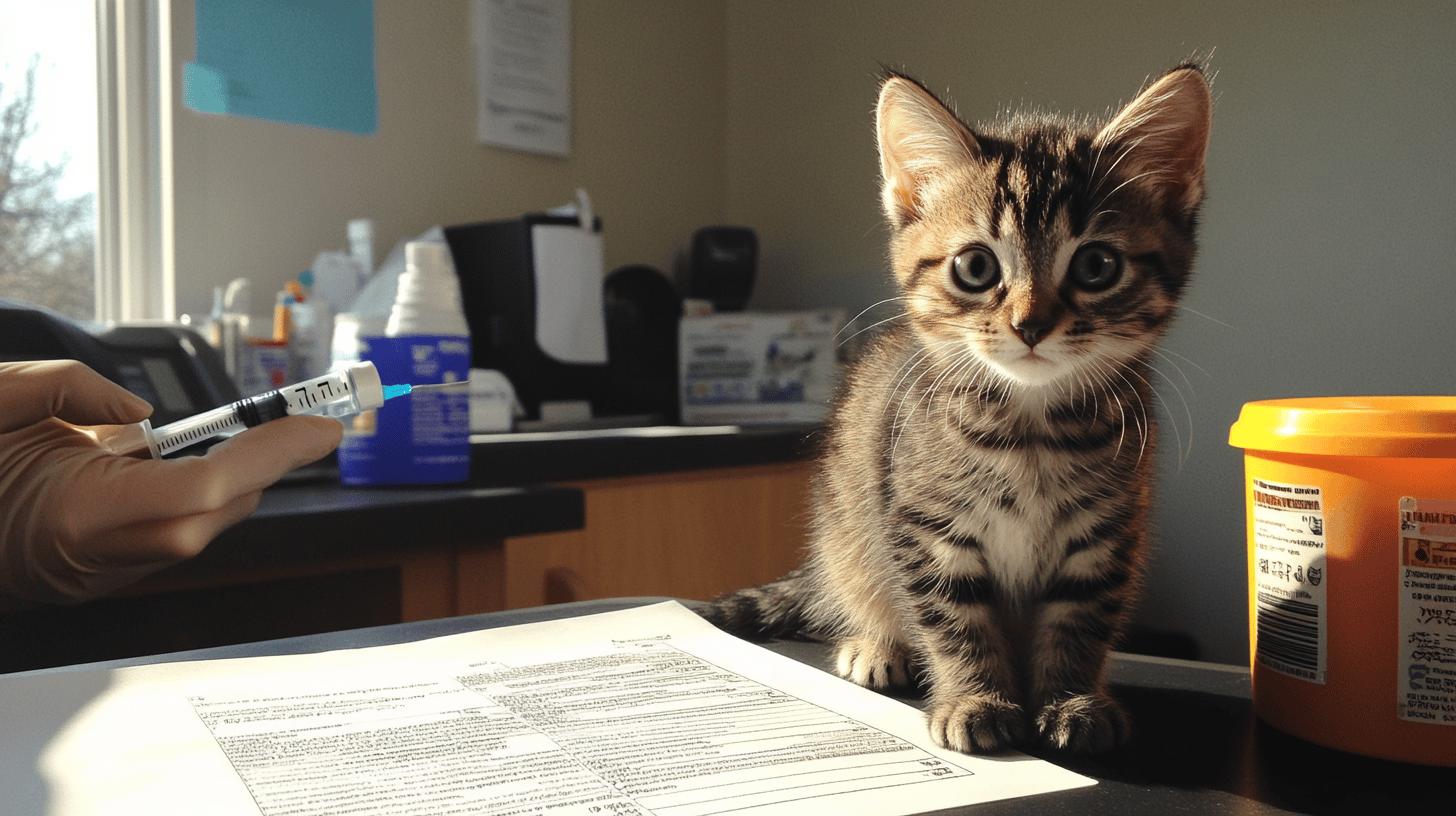
    Specific scenarios can guide when to consult a veterinarian about your cat's urination habits. If your cat suddenly starts urinating outside the litter box or shows signs of discomfort like straining, seek veterinary advice. A change in urine color, especially if there's a pink or red tint, can indicate serious issues like cystitis or bladder infections. These symptoms highlight the urgency for a professional evaluation to prevent further complications.

    Regular preventive checkups are vital for your cat's urinary health. During these visits, a vet can perform diagnostic tests, such as urine analysis or ultrasound, to catch potential problems early. These tests help in tailoring treatments for common urinary issues like infections or blockages. Early intervention can make treatments more effective and improve outcomes, ensuring your cat remains healthy and comfortable.

    Final Words

    Understanding how often cats pee is crucial for ensuring their well-being. We explored typical urination frequency, noting that healthy cats usually go two to four times daily. We examined factors like diet, age, and health conditions that affect cat urination frequency. Monitoring your cat's urination habits can provide insight into their health. Look for changes in frequency, color, or odor. If you see persistent changes or symptoms like straining, consult a vet. Keeping tabs on your cat's bathroom habits leads to a healthier, happier feline.

    FAQ

    How often do female cats pee?

    A: Healthy female cats typically urinate two to four times a day. Factors like age, diet, and health can affect this frequency.

    How often should a male cat urinate?

    A: Male cats should urinate about two to four times daily. Various factors, including diet and health, might affect this rate.

    How often should a cat urinate in 24 hours?

    A: Cats generally urinate two to four times in 24 hours. Factors like diet, age, and health conditions can influence this rate.

    How often do cats pee and poop?

    A: Cats usually pee two to four times and poop at least once daily. Diet and health can impact how often they go.

    How often do cats poop?

    A: Most cats poop at least once a day. Their diet and health status can affect their bowel movement frequency.

    Normal cat pee clump size?

    A: Normal clump size varies but should generally be about the size of a golf ball. Larger or smaller clumps can indicate hydration issues or health concerns.

    What does cat peeing frequently in small amounts indicate?

    A: Frequent and small urination can signal urinary tract issues or stress. A vet should evaluate ongoing concerns.

    How often do indoor cats pee?

    A: Indoor cats typically pee two to four times daily, influenced by diet, age, and health.

    How long can a cat go without peeing?

    A: Cats should pee within a 24-hour period. Longer than this could indicate a health problem requiring veterinary attention.

    Is it normal for a cat to only pee once a day?

    A: Peeing only once daily could be normal for some, but it's best to observe any changes in habits and consult a vet if needed.

    How much should a cat urinate in 24 hours?

    A: Cats generally urinate two to four times in a 24-hour period. Check for changes in habits to ensure urinary health.

    Related Articles

  • How Do Cats Get Fleas Common Sources Explained

    How Do Cats Get Fleas Common Sources Explained

    Ever wonder how your indoor cat suddenly ends up with a pesky flea problem? It's a mystery many cat owners face, and the answer might surprise you. Fleas are expert hitchhikers, capable of making their way into your home through many sneaky paths. From hitching a ride on your clothes to entering through open doors and windows, these little critters are relentless. In this post, I'll uncover the common sources of fleas, so you can better protect your furry friend and maintain a flea-free home. Let's dive into the surprising ways these pests find their way to your cat.

    How Cats Get Fleas: Common Sources

    How Cats Get Fleas Common Sources-1.jpg

    Cats can pick up fleas from various places. The most common sources include contact with other animals and outdoor exposure. If your cat spends time outside, they might encounter fleas in gardens, parks, or when interacting with other pets. Even a brief stroll outside can lead to a flea hitching a ride on their fur. Homes with multiple pets are a hotspot for flea infestations, as fleas can easily jump from one animal to another.

    Indoor cats aren't immune to fleas either. These pesky bugs can come into the home through other pets, like dogs, who might bring them inside after a walk. Humans can also inadvertently carry fleas inside on their clothes or shoes after visiting infested areas. Rodents such as mice and rats are another common source, as they can transfer fleas to cats when they scurry through the house. Shared pet supplies, such as bedding or grooming tools, can harbor flea eggs or larvae, making it crucial to keep these items clean.

    • Fleas can hitch a ride on visitors' clothing.
    • Pets visiting from other homes can carry fleas.
    • Wildlife, like raccoons or squirrels, may bring fleas into your yard.
    • Fleas may enter through open windows or doors.
    • Second-hand furniture or rugs might already have fleas.

    In some cases, fleas can come from less obvious places. Moving into a new home might expose your cat to fleas left by previous occupants, especially in apartments or condos. Visits to places with many animals, such as vet clinics or boarding facilities, can also pose a risk. These environments can harbor fleas, making it easy for them to jump onto your cat during their stay.

    Understanding the Flea Life Cycle

    Understanding the Flea Life Cycle-1.jpg

    Fleas go through four distinct stages in their life cycle: egg, larva, pupa, and adult. The process begins when adult fleas lay eggs on the host, which then fall off and scatter throughout the environment. These eggs hatch into larvae, which thrive in dark, humid areas, feeding on organic debris and flea dirt. After the larval stage, they spin cocoons and become pupae. This stage can last from a few days to several months, depending on environmental conditions, making pupae particularly resilient. Eventually, adult fleas emerge, ready to find a host and start the cycle anew.

    Understanding this cycle is vital for effective flea treatment because not all products target every stage. Many treatments focus on killing adult fleas, but if eggs, larvae, or pupae are left untreated, the infestation can persist. To break the cycle, it's crucial to use a combination of treatments that address each stage. Consistent application of these treatments helps ensure that all life stages are targeted, reducing the chances of re-infestation.

    Flea Stage Description
    Egg Laid on host and fall into the environment; hatch in 1-10 days
    Larva Feed on organic debris; lasts 5-15 days
    Pupa Encased in cocoons; can last days to months
    Adult Feeds on host’s blood; begins cycle anew

    Identifying Signs of Flea Infestation in Cats

    Identifying Signs of Flea Infestation in Cats-1.jpg

    When it comes to recognizing flea infestations, physical symptoms are often the first clues. Cats with fleas might exhibit excessive itching and scratching, particularly around the neck and tail base. This can lead to fur loss or thinning in these areas. If you part your cat's fur, you might notice small, dark specks known as flea dirt, which is the feces of adult fleas. Sometimes, you may even spot live fleas moving through your cat's coat.

    Behavioral changes can also signal a flea problem. Cats may become more irritable or agitated, often grooming themselves more than usual in an attempt to relieve discomfort. Some cats might start hiding or avoiding interaction, indicating they are stressed by the constant itching. Observing these shifts in behavior can be a critical step in identifying a flea issue early.

    • Excessive scratching or biting at the skin.
    • Hair loss or thinning in specific areas.
    • Presence of flea dirt (tiny dark specks) in the fur.
    • Red or irritated skin.
    • Increased restlessness or agitation.

    To confirm a flea infestation, inspect your cat's fur closely. Use a fine-toothed flea comb to part the hair and check for fleas or flea dirt. Pay special attention to areas like the base of the tail and under the legs. If you find evidence of fleas, consult your veterinarian for suitable treatment options to manage the infestation effectively. Regular inspections can help catch flea problems early, ensuring your cat stays comfortable and healthy.

    Effective Flea Treatments for Cats

    Effective Flea Treatments for Cats-1.jpg

    Regular flea treatment and prevention are key to keeping your cat healthy and comfortable. Fleas can multiply quickly, so it's important to act fast. Using a consistent flea prevention regimen helps kill any remaining fleas and prevents future infestations. Treatments often include topical solutions, oral medications, or even flea collars. These products work by disrupting the flea's life cycle, making it impossible for them to reproduce. It’s crucial to treat all pets in your household to avoid fleas jumping from one to another, ensuring a flea-free zone.

    For effectiveness, it's recommended to repeat flea treatments every three to four weeks for a duration of three to six months. This approach helps to break the flea life cycle, as some products may not target eggs or larvae. By keeping up with treatments during this period, you significantly reduce the chances of re-infestation. Timing is everything, and sticking to a schedule ensures that fleas don't get a chance to repopulate, keeping your furry friend comfortable and itch-free.

    • Revolution Plus: Offers protection against fleas, ticks, and heartworms.
    • Advantage II: Kills adult fleas on contact and prevents larvae development.
    • Frontline Plus: Controls both flea and tick infestations and breaks the flea cycle.
    • Seresto Collar: Provides long-lasting protection and is water-resistant.
    • Capstar: Fast-acting oral treatment that starts killing fleas within 30 minutes.

    How to Choose the Right Flea Treatment

    Selecting the right flea treatment depends on your cat's specific needs. Consider your cat's age, as kittens may require different products than adult cats. Health is another crucial factor; some treatments may not be suitable for cats with certain medical conditions. Lifestyle plays a role too—outdoor cats might need more robust protection compared to indoor cats. Consulting with your veterinarian can help you find the most effective and safe option for your furry friend.

    Preventing Flea Infestations in the Home

    Preventing Flea Infestations in the Home-1.jpg

    Keeping your home free from fleas requires a two-pronged approach: treating both your pets and your living environment. It's essential to regularly use flea prevention treatments on all pets, including indoor cats, to ensure they aren't inadvertently bringing fleas into the home. These treatments can range from topical solutions to oral medications that provide continuous protection. By addressing both the animal and the environment, you create a comprehensive defense against fleas.

    To effectively manage your home environment, start with a thorough cleaning routine. Vacuum carpets and upholstery frequently, as this can help remove flea eggs and larvae that settle into fibers. Washing your pet's bedding in hot water weekly ensures any fleas or eggs are killed. Consider using pet-safe insecticides or flea sprays in areas where your pets spend the most time. These products can help eliminate any fleas that might have made their way inside.

    • Regularly vacuum carpets and furniture.
    • Wash pet bedding in hot water weekly.
    • Use flea sprays or insecticides in pet areas.
    • Keep pets on veterinarian-approved flea prevention.
    • Inspect and clean any second-hand furniture or textiles.

    Monitoring and maintaining prevention efforts is crucial for long-term success. Conduct regular checks on your pets for any signs of fleas, especially during peak flea seasons. Stay diligent with monthly flea treatments to prevent any new infestations. Regularly inspect and address potential entry points, like open windows or doors, to minimize exposure. By keeping up with these practices, you ensure your home remains a flea-free haven for you and your pets.

    Final Words

    In tackling the mystery of how do cats get fleas, we explored various entry points like other animals and the outdoors. Indoor cats aren't exempt, often getting fleas through humans and shared supplies. Recognizing signs like itching and fur loss is vital. We then dove into effective treatments, emphasizing consistent use and choosing the right product.

    Finally, prevention plays a crucial role with regular cleaning and monthly treatments helping maintain a flea-free home. Keep engaging with these proactive steps, and your cat will be well-protected, ensuring a happier and healthier living environment.

    FAQ

    How can I tell if my indoor cat has fleas?

    A: You can identify if your indoor cat has fleas by looking for excessive scratching, grooming, fur loss, and the presence of flea dirt or live fleas in their fur.

    How do indoor cats get fleas?

    A: Indoor cats can get fleas through contact with other pets, humans carrying fleas inside, rodents, or shared supplies such as pet bedding.

    Can cats get fleas from grass or a dirty litter box?

    A: Cats can get fleas from grass if they go outside. However, fleas are unlikely to originate from a clean litter box.

    Why does my cat keep getting fleas even after treatment?

    A: If fleas persist after treatment, it might be due to not targeting all flea life stages or reinfestation from untreated areas or pets.

    How do fleas start on cats, and what attracts them?

    A: Fleas start on cats when they jump from another animal or environment. They are attracted to a warm host with blood to feed on.

    Can humans get fleas from their cat?

    A: While fleas prefer animal hosts, they can bite humans, leading to irritation and itching but will not live on humans.

    How can I get rid of fleas on cats naturally?

    A: To naturally remove fleas from cats, use methods like bathing with mild soap, using a flea comb, or applying flea-repelling essential oils cautiously.

    A: Popular flea treatments include Frontline Plus, Capstar Flea Tablets, Bravecto Topical, Advantage II, and Bravecto Plus, which offer various benefits like long-lasting protection and fast-acting relief.

    Related Articles

  • What Do Cats Do When in Heat

    What Do Cats Do When in Heat

    Ever puzzled by your cat’s sudden antics? When a cat enters heat, her world transforms. It’s like a performance where she becomes the center of attention, showing an increased level of affection and constant vocalizations you can’t ignore. These changes aren’t random; they’re a well-orchestrated signal of her readiness to mate. Understanding these behaviors, like excessive grooming and territory marking, helps ensure her safety and maintain harmony at home. Let’s delve into the intricate display that occurs when your feline friend is in heat.

    Recognizing Signs of a Cat in Heat

    • Increased affection
    • Loud vocalizations
    • Excessive grooming
    • Assuming the mating position (lordosis)
    • Marking territory by spraying urine

    When a cat is in heat, she undergoes a series of noticeable behavioral changes that act as signals for her readiness to mate. One of the first signs is increased affection. You might notice your cat rubbing against furniture, walls, or even you more often than usual. This heightened affection is a way for her to spread her scent and signal her availability to potential mates. Loud vocalizations, often described as yowling or calling, are another clear indicator. These sounds are designed to attract male cats.

    Excessive grooming, especially around the genital area, is common as the cat tries to clean herself more thoroughly. This behavior is often paired with the cat assuming a specific posture known as lordosis, where she lowers her front body while raising her hindquarters, making herself more accessible to male cats. Additionally, she may start marking her territory by spraying urine on vertical surfaces. This is a way to leave her scent and communicate to males that she is in heat.

    These behaviors can be quite persistent and may cause your cat to attempt escaping outdoors to find a mate. Recognizing these signs is key to managing her behavior and ensuring her safety during this time.

    Understanding the Feline Estrus Cycle

    Recognizing Signs of a Cat in Heat-2.jpg

    The feline estrus cycle, commonly known as the heat cycle, is an integral part of a cat’s reproductive behavior. Most cats experience their first heat between six to ten months of age. This cycle is influenced by daylight, meaning it often coincides with longer days. The cycle can occur every 14 to 21 days, providing multiple opportunities for mating if the cat remains unspayed.

    The estrus cycle has distinct stages, each with its own duration and behavioral signs. The cycle begins with proestrus, lasting about one to two days. During this stage, cats may show subtle changes, such as increased affection and mild vocalizations, but they are not yet ready to mate. Following proestrus is the estrus stage, where the most noticeable behaviors occur. This stage lasts anywhere from five to nine days. In estrus, a cat will display clear signs of heat, such as loud yowling, excessive grooming, and a willingness to mate, known as lordosis. If the cat does not mate, she will enter a resting phase known as diestrus or interestrus, which lasts about 15 to 21 days.

    Estrus Cycle Stage Duration (Days)
    Proestrus 1-2
    Estrus 5-9
    Diestrus/Interestrus 15-21

    Factors such as breed, environmental conditions, and the presence of male cats can influence the estrus cycle. Daylight plays a crucial role as cats are generally more fertile during longer days. This is why many cats experience their heat cycles from early spring to late fall. Understanding these factors helps cat owners manage their pets more effectively, especially if planning to prevent or encourage breeding. Recognizing the cycle stages allows better preparation for the behavioral changes that occur, ensuring both the cat’s comfort and the owner’s peace of mind.

    How to Calm a Cat in Heat

    How to Calm a Cat in Heat-1.jpg

    Creating a calm environment for a cat in heat is essential to manage the behaviors and stress associated with this cycle. Cats in heat can become more vocal and restless, which can be challenging for both the cat and the owner. Providing a quiet and stable home environment helps in minimizing these behaviors. Reducing loud noises and keeping the cat’s surroundings consistent can prevent her from feeling overwhelmed. This calm setting allows her to feel more secure and less inclined to act out.

    Calming Techniques

    • Toys and Play: Engage your cat with her favorite toys. Interactive toys can distract her and provide a healthy outlet for energy.
    • Catnip: Offering catnip can help some cats relax. It can induce a temporary playful or calming effect.
    • Soothing Sounds: Playing soft music or white noise can mask external sounds that might agitate her, providing a soothing background.
    • Scratching Posts: These are useful for letting out stress and keeping her claws occupied in a helpful manner.
    • Maintain Consistency: Keep routines like feeding and playtime consistent to offer predictability and comfort.

    Using pheromone diffusers is another effective strategy to calm a cat in heat. These diffusers release synthetic pheromones that mimic the natural calming signals cats release themselves. They can significantly reduce stress and anxiety, leading to fewer vocalizations and less frantic behavior. By spreading these pheromones throughout your home, you create an atmosphere that helps your cat feel more at ease. This can be particularly beneficial in multi-cat households, as it helps maintain harmony among all the cats.

    The Benefits of Spaying and Neutering

    The Benefits of Spaying and Neutering-1.jpg

    Spaying female cats is a crucial step in preventing heat cycles and unwanted pregnancies. By removing the ovaries, the procedure stops the production of estrogen, which is responsible for triggering heat behaviors. This significantly reduces distressing behaviors like loud vocalizations and attempts to escape outside. Without the hormonal drive, cats remain calmer and more content. Spaying also helps prevent certain health issues, such as ovarian and uterine cancers, and reduces the risk of mammary tumors. This not only improves the cat’s quality of life but also makes managing a pet easier for owners as they no longer have to deal with the challenges of a cat in heat.

    Neutering male cats brings its own set of benefits. Male cats can sense when a female is in heat, often causing them to become agitated or aggressive. Neutering reduces testosterone levels, which diminishes these behaviors. Neutered males are less likely to roam in search of a mate, reducing the risk of getting lost or injured. They also tend to be less territorial and are less likely to spray urine to mark their territory. This change in behavior can lead to a more harmonious household, especially in multi-cat environments.

    Health and Behavioral Advantages

    • Spaying and neutering can lead to better health outcomes by eliminating the risk of reproductive cancers and infections.
    • It reduces stress for both the cat and the owner by minimizing problematic behaviors associated with heat cycles.
    • Overall, these procedures contribute to longer, healthier lives for cats, allowing them to thrive in their home environments without the pressures of mating instincts.

    Managing Multi-Cat Households During Heat

    When a female cat enters her heat cycle, it can stir the dynamics of a multi-cat household. Male cats often become agitated and may display increased territorial behavior and aggression. This shift can cause stress throughout the household, affecting all cats involved.

    1. Separate cats to prevent stress.
    2. Implement quiet spaces for each cat to retreat.
    3. Increase playtime and engagement to distract and reduce tension.
    4. Rotate the use of shared resources like litter boxes and feeding areas to minimize confrontations.

    Providing individual spaces and managing interactions can help maintain peace. Ensuring each cat has access to quiet zones and engaging them with toys or play sessions can significantly reduce stress during these challenging periods.

    Final Words

    Recognizing what cats do when in heat helps owners manage this natural phase better. From spotting signs like increased affection and loud vocalizations to understanding the estrus cycle’s stages and duration, it’s key to stay informed. Providing a cat with a calm environment and using calming techniques can ease stress. Spaying and neutering offer health and behavioral benefits, especially in multi-cat homes. Addressing these challenges equips you to handle a cat in heat effectively, ensuring safety and comfort for all your furry friends. Keep embracing this journey with your feline companions.

    FAQ

    What to do when your cat is in heat?

    A: When your cat is in heat, create a calm environment with soothing toys and pheromone diffusers to reduce stress and manage behaviors.

    How to tell if a cat is in heat for the first time?

    A: Recognizing a cat in heat includes symptoms such as loud vocalizations, increased affection, and excessive grooming efforts.

    Do cats bleed when in heat?

    A: Cats usually do not bleed during their heat cycle. Bleeding might indicate another health issue, so consult a vet if this occurs.

    How often do cats go into heat after the first time?

    A: Cats can enter heat every 14 to 21 days if not pregnant, depending on daylight and environment factors.

    How long will my cat be in heat?

    A: A cat’s heat cycle typically lasts about 7 to 10 days, with breaks of 15 to 21 days in between if not bred.

    Home remedies for cats in heat?

    A: Use catnip, engage them with toys, and provide a quiet space to calm a cat in heat naturally.

    When do male cats go into heat?

    A: Male cats do not have heat cycles; however, their behavior changes when female cats are in heat nearby.

    How to relieve a cat in heat?

    A: Address a cat in heat by providing interactive toys, using calming pheromone diffusers, and maintaining a stable environment.

    What are the symptoms of a cat in heat?

    A: Symptoms include loud vocalizations, increased affection, excessive grooming, and urine spraying.

    How often are cats in heat?

    A: Cats generally experience frequent heat cycles, occurring every 2 to 3 weeks during breeding seasons unless they are spayed.

    Related Articles

  • What do cats Think About and Their Perception of Humans

    What do cats Think About and Their Perception of Humans

    Ever wonder how your cat sees you? To them, you're an oversized version of themselves, a big cat in their world. This unique perspective is why they knead on you or rub against your legs—they see you as family. Living in the moment, their thoughts center on the here and now, like their next meal or playtime adventure. Their behavior tells us a lot about their feelings and needs. By understanding what cats think about, we can strengthen the bond between us and our furry friends.

    How Cats Perceive Their Environment and Owners

    How Cats Perceive Their Environment and Owners-1.jpg

    Cats see their human companions as oversized versions of themselves, blending us into their feline family. This perception shapes their interactions, making them engage in behaviors like kneading and rubbing against us. Such actions are not just affectionate gestures but a way to mark their territory and create a bond. Much like a mother cat, they form strong attachments to those who provide for them, reinforcing the idea of humans as part of their close-knit group.

    Daily routines are crucial for cats, as they thrive in predictable environments. Living in the present is their forte, focusing solely on immediate needs like food, play, and rest. This present-focused mindset explains their apparent discomfort with changes, such as a new piece of furniture or a trip to the vet. Consistency in their daily activities helps them feel secure and content, allowing them to navigate their world with confidence.

    Body language is a vital tool for understanding cat psychology. Observing a cat's tail or ear movements can provide insights into its mood. A gently swaying tail or relaxed ears often indicate contentment, while a stiff tail or flattened ears can signal distress. Recognizing these subtle cues helps us respond appropriately, strengthening our bond with our feline friends.

    • Ways Cats Interact with Their Environment and Owners:
      • Rubbing against people
      • Kneading
      • Recognizing human social cues
      • Responding to names
      • Engaging in play

    Cats communicate and connect with their environment and owners in unique ways, forming a special bond that enriches their lives and ours. Understanding their perception helps us provide the love and care they cherish.

    Cats: Cognition and Curiosity

    Cats Cognition and Curiosity-1.jpg

    Cats live in a world where immediate needs take center stage. Their minds are often focused on basic necessities like hunger, thirst, affection, and play. It's fascinating how a cat's straightforward thought processes align with their instinctual behaviors. When a cat feels hungry, everything is about finding food. If they're thirsty, seeking water becomes the priority. This focus on basic needs drives their daily actions and interactions, ensuring they meet their essential requirements for survival and wellbeing.

    Scientific insights into cat cognition reveal a complex yet simple mind. While studies are still developing, it’s clear that cats can form memories. For instance, they remember which cupboard holds their treats or the sound of their food container being opened. This memory capability means that cats can learn from experiences, adjusting their behavior based on past outcomes. Though we're still scratching the surface of their cognitive world, these insights provide a glimpse into how cats think and learn.

    Could cats dream? Observations suggest they might. During sleep, you may notice your cat twitching or making subtle movements, hinting at dream-like activity. While we can't say for certain what cats dream about, it's possible they relive their day's adventures or imagine new ones. Alongside this, cats display emotional responses to various stimuli. A sudden loud noise might startle them, while a familiar scent can elicit a purr of contentment. These emotional reactions show the depth of their sensory world and how they process different experiences.

    Curiosity is a driving force in a cat's life. It's what leads them to explore every nook and cranny of their environment, driven by an innate hunting instinct and a desire to understand their surroundings. Whether it's a new piece of furniture or a moving shadow, their curiosity compels them to investigate. This curiosity not only enriches their lives but also helps them adapt to changes, making them resilient and adaptable creatures.

    • Activities and Thoughts Showcasing Cat Cognition and Curiosity:
      • Hunger and thirst
      • Curiosity and exploration
      • Social interaction with humans and other cats
      • Comfort and security
      • Investigating new objects

    Every day is an opportunity for cats to satisfy their curiosity, engage with their environment, and connect with those around them. Understanding these cognitive and emotional aspects helps us appreciate the rich inner lives of our feline companions.

    The Bond Between Cats and Humans

    The Bond Between Cats and Humans-1.jpg

    Throughout history, the relationship between cats and humans has evolved from a purely utilitarian partnership to one of deep emotional significance. Ancient Egyptians revered cats, believing they brought good fortune and protection. Over time, this bond has grown, with many people now considering their feline companions as integral members of their families. The psychological benefits for humans are profound, with studies showing that cat companionship can reduce stress, anxiety, and even lower blood pressure. Individual cat personalities and breeds can also influence the nature of these bonds. For instance, Siamese cats are known for their vocal and social nature, often forming intensely close relationships with their owners. Meanwhile, more independent breeds like the Norwegian Forest Cat might bond differently, showcasing the diverse ways these connections can manifest.
    How Cats Show Affection

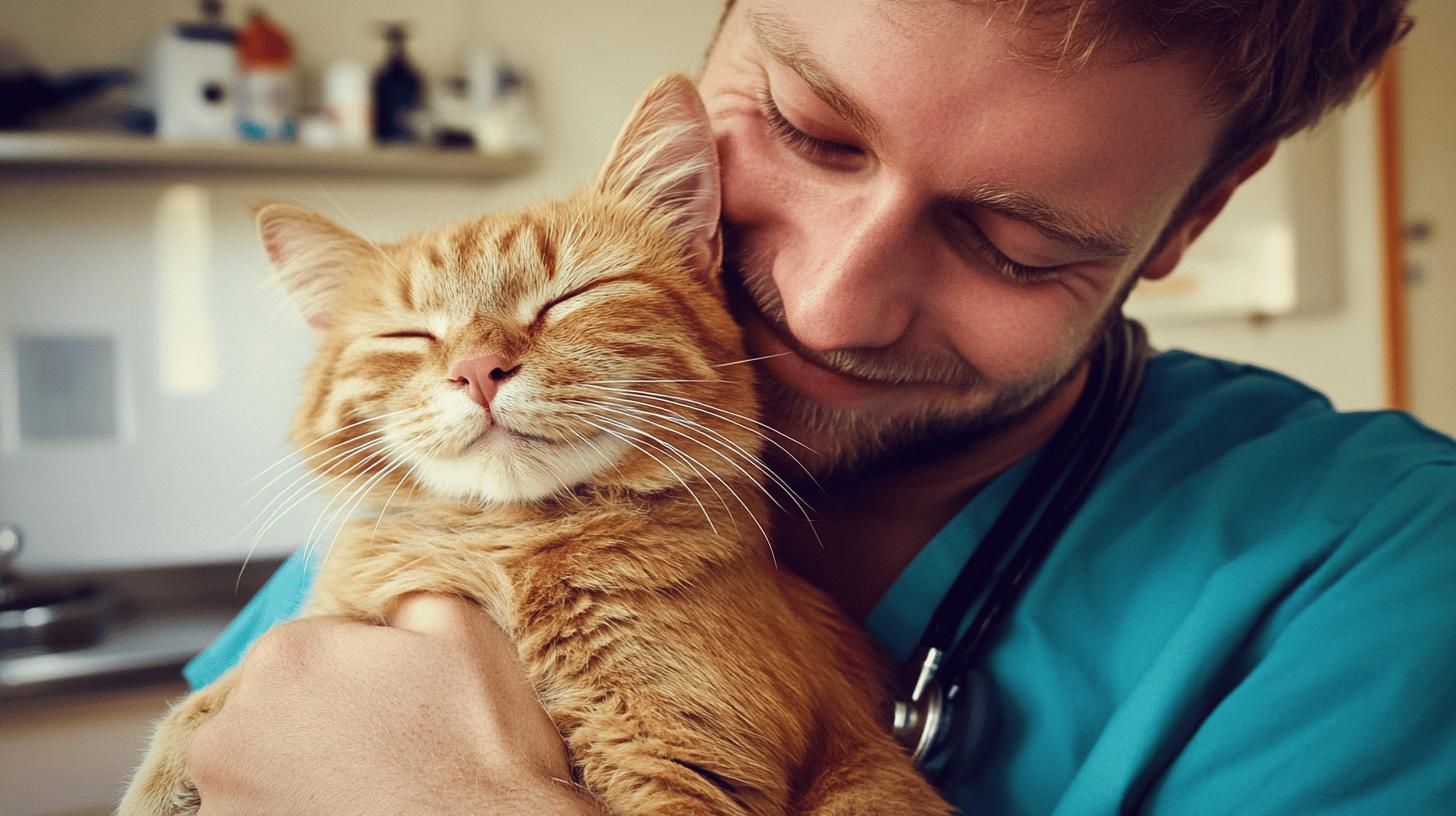
    Cats show affection in ways that are sometimes overlooked. Purring, a familiar sound, often signifies contentment and pleasure. When a cat head-butts or "bunts" its human, it's marking them with its scent as a sign of trust. Grooming is another intimate gesture, where a cat may lick a human's skin or hair, replicating the grooming shared with feline family members. These behaviors reveal the depth of connection cats can form with humans, showcasing their capacity for love and affection.

    Final Words

    Cats think about their needs and their environment in unique ways. They see us as big cats and interact based on strong bonds. Their world is immediate, focused on routine, and filled with curiosity. We've learned about their perception, needs, and how they interact with humans.
    Understanding our feline friends helps us strengthen the cat-human bond. Whether it's through routine play or recognizing their signs of affection, we can make their lives better.

    Cats enrich our lives with their presence, and knowing more about them deepens our connection.

    FAQ

    What do cats think about when they just sit there?

    Cats usually think about basic needs like hunger, thirst, and comfort. They might also be curious, observing their surroundings and planning their next move.

    What do cats think about humans?

    Cats view humans as part of their social group, similar to other cats. They think about their needs being met, like feeding and affection.

    Do cats think they are superior to humans?

    Cats may not think in terms of superiority. They prioritize their needs and act independently, displaying behaviors rooted in their natural instincts.

    What do cats think about their owners?

    Cats often see their owners as providers and form bonds based on shared interactions like feeding and playing, perceiving them as nurturing figures.

    What do cats think when we kiss them?

    Cats might interpret kisses based on familiarity with the action. Responses vary from comfort to disinterest, depending on individual experiences.

    What thoughts do cats have?

    Cats focus on immediate needs and environmental interactions. They think about necessities and stimulations, like food, play, and social interactions.

    What goes on in a cat's mind?

    Cats process their environment through basic needs and instincts. Thoughts often revolve around immediate interactions and exploring new stimuli.

    Do cats like music?

    Cats may respond to music that mimics their natural sounds. Reactions depend on individual preferences, but softer, consistent rhythms may be soothing.

    Do cats get bored?

    Yes, cats can get bored if not engaged with stimulating activities. Interaction through play and exploration helps keep their minds active.

    Related Articles

  • Do Cats Blink Like Humans Key Differences Explained

    Ever wondered if your cat blinks like you do? At first glance, it might seem they do. But the truth is, cats are quite unlike us when it comes to blinking. While we use blinks for protection and communication, cats have a nifty trick up their furry sleeves—a third eyelid. This feature lets them skip the frequent blinks we need. So, what’s the deal with cat blinking? Let's dive deep into these fascinating differences to see how this impacts their sight and behavior.

    Do Cats Blink Like Humans-1.jpg

    Cats do not blink like humans. While their eyes share similar structures with ours, including the cornea, lens, and retina, cats have an additional feature called the nictitating membrane, or third eyelid. This membrane provides extra protection and moisture, allowing cats to keep their eyes open longer without blinking frequently.

    The nictitating membrane plays a crucial role in feline eye health. It acts as a barrier against debris and helps keep their eyes moist, which is essential for cats that rely on their vision for hunting and safety. This unique feature allows cats to go hours without blinking, unlike humans who blink regularly to keep their eyes lubricated and clear.

    • Anatomical differences like the nictitating membrane.
    • Frequency of blinking.
    • Purpose of blinking (protection vs. communication).
    • Impact on visual perception.

    Humans often blink as a form of non-verbal communication and to maintain eye moisture, while cats use their blinking function mainly for protection and moisture retention. This distinction underscores how cats' visual perception and survival instincts differ from ours, relying less on frequent blinking and more on their nictitating membrane for eye care.

    Understanding Cat Blinking Frequency

    Understanding Cat Blinking Frequency-1.jpg

    Cats are quite different from humans when it comes to blinking. They don’t need to blink as often, sometimes going hours without doing so. This is because their eyes are adapted to stay open longer for hunting and keeping an eye on their surroundings.

    Environmental and emotional factors can also influence how often a cat blinks. For instance, a relaxed cat in a comfortable home environment might blink more leisurely, while a cat in a new or stressful situation might blink less frequently as they remain alert. Emotional states, such as feeling calm or anxious, can also affect a cat's blinking rate, with more rapid blinking possibly indicating discomfort or stress.

    Condition Blinking Frequency
    Relaxed Home Environment Moderate
    Stressful Situations Reduced
    Emotional Distress Increased

    Understanding these factors can help cat owners better interpret their pet's behavior and provide clues about their cat's emotional state. Observing your cat's blinking patterns offers insights into their comfort levels and can inform how you interact with them to ensure they feel safe and at ease.

    The Meaning Behind Cat Slow Blinking

    The Meaning Behind Cat Slow Blinking-1.jpg

    Slow blinking in cats is a fascinating behavior that speaks volumes without a single sound. When a cat slowly closes and opens its eyes, taking more than half a second for each blink, it's more than just a physical act—it's a sign of trust and comfort. This "cat love blink" is not only an adorable gesture but also a meaningful form of communication that cats use to connect with humans and other cats.

    Emotional and Communicative Aspects

    Slow blinking serves as an emotional bridge between cats and their companions. It's their way of saying, "I trust you, and I'm comfortable around you." This behavior is deeply rooted in the emotional bond cats form with those they trust. Scientific research has shown that cats are more likely to approach humans who slow blink at them. This supports the idea that slow blinking is an intentional communication tool, signaling a cat's willingness to engage and be affectionate.

    To strengthen your bond with your feline friend through slow blinking, consider these actions:

    • Slow blink back
    • Speak softly
    • Offer gentle petting
    • Maintain relaxed body language
    • Observe and respect boundaries

    By responding positively to your cat's slow blinking, you acknowledge and reciprocate their feelings of trust and affection. This mutual exchange helps build a deeper connection, ensuring a harmonious relationship with your furry companion.

    Cat Blinking Behavior and Eye Health

    Cat Blinking Behavior and Eye Health-1.jpg

    Cats generally have a unique blinking pattern compared to humans. They don't need to blink as frequently due to their third eyelid, which keeps their eyes protected and moist. This means that in a relaxed state, a cat might not blink for extended periods. However, any noticeable deviation from this pattern can be a cause for concern.

    Signs of Potential Eye Health Issues

    While cats naturally blink less often, a sudden increase in blinking or rapid blinking can signal underlying issues. Such changes might point to emotional distress or health problems. It's crucial for cat owners to be aware of these signs, as they can be early indicators that your cat needs medical attention.

    • Frequent blinking
    • Squinting
    • Redness or swelling
    • Discharge from the eyes

    If you notice any of these symptoms, it's advisable to consult a veterinarian promptly. These signs could indicate conditions like inflammation, increased tear production, or infections. Early detection and treatment can prevent more serious complications and ensure your cat's eyes remain healthy and comfortable. Observing your cat's eye behavior is an essential part of maintaining their overall health.

    How Cats Use Eyes for Communication

    How Cats Use Eyes for Communication-1.jpg

    Cats convey emotions and intentions through subtle eye gestures, forming a crucial part of their non-verbal communication. These cues help us interpret their feelings of trust, comfort, or discomfort, allowing us to build stronger bonds.
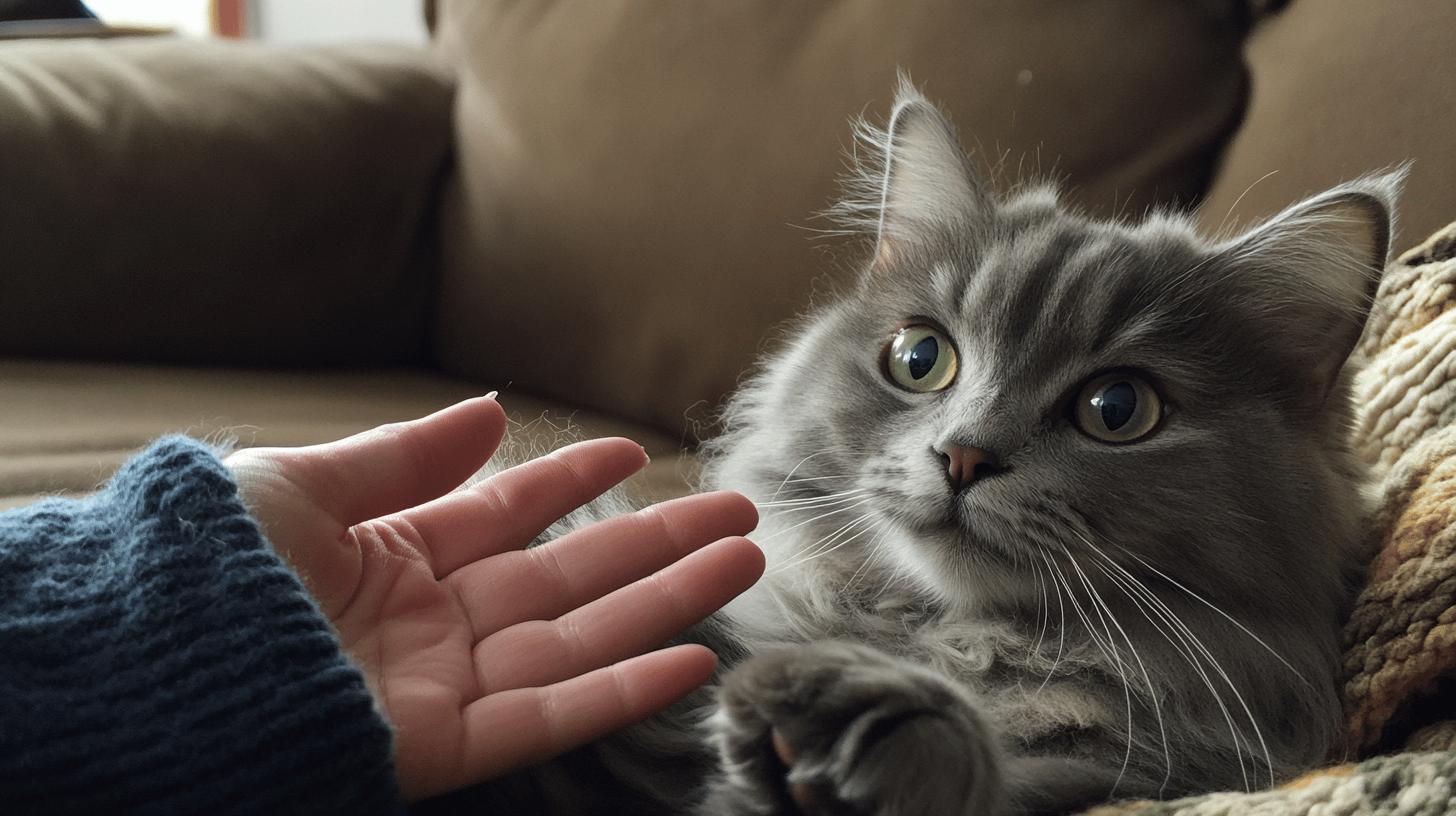
    Different eye gestures have distinct meanings. Slow blinking is a sign of trust and affection, akin to a warm hug. A direct stare may indicate a challenge or curiosity, depending on the setting. Half-closed eyes suggest relaxation and contentment. Rapid blinking might signal discomfort or a health issue, while an averted gaze often shows submission or avoidance.

    • Slow blink: Trust and affection
    • Direct stare: Challenge or curiosity
    • Half-closed eyes: Relaxation or contentment
    • Rapid blinking: Discomfort or health issue
    • Averted gaze: Submission or avoidance

    Focusing on these unique gestures, such as slow blinking, and understanding their contexts among various cat breeds, enhances our communication with cats.

    Final Words

    Understanding cat blinking gives us a peek into their world. We explored how cats don't blink like humans, thanks to their unique nictitating membrane and the need to stay alert. While cats might blink less often, their slow blinking is a powerful trust signal, strengthening bonds with us. Recognizing rapid blinking or eye discharge could point to health issues, so always keep an eye out. Knowing that cat eye gestures are a form of communication means we can better relate to our furry friends.
    FAQ

    Cats blink infrequently. They can go hours without blinking to keep their eyes open for hunting and safety.

    Cats blink less frequently than humans. The rate varies based on need but often remains minimal due to their lifestyle.

    Yes, dogs blink, functioning as a means to moisten their eyes and protect them from debris.

    When a cat blinks slowly, it's a sign of trust and comfort. It indicates they feel safe with you.

    Cats blink slowly as a form of communication. It shows trust and comfort toward you, similar to a "cat love blink."

    Why might my dying cat not be blinking?

    If a dying cat is not blinking, it may indicate reduced eye function or comfort. Consulting a vet is advisable.

    How long can a cat go without blinking?

    Cats can go hours without blinking. This helps them stay alert for potential dangers or prey.

    What does it mean if a cat licks you?

    If a cat licks you, it can mean affection, marking you with their scent, or tasting something appealing on your skin.

    Related Articles

  • How Long Do Cats Grow Understanding Growth Timeline and Influences

    How Long Do Cats Grow Understanding Growth Timeline and Influences

    When does your cat truly stop growing? It’s not as clear-cut as you might think. While most cats reach adulthood by one year, some can keep growing until they’re four! Today, we’ll explore the fascinating journey of a cat’s growth, from their speedy kitten days to the mature years where their growth finally halts. We’ll delve into how breed, nutrition, and environment shape their growth timeline. Understanding these factors will not only satisfy your curiosity but also help you ensure your feline friend grows up healthy and happy.

    How Long Do Cats Grow? Understanding the Timeline

    How Long Do Cats Grow Understanding the Timeline-1.jpg

    Cats generally stop growing between 12 to 24 months. Most domestic cats reach adulthood at 12 months but may continue to grow until 18 months to 4 years, especially larger breeds. The growth timeline of a cat can be influenced by various factors, including its breed.
    Cat Growth Stages

    • Kitten (0-6 months): This is the rapid growth phase where kittens gain weight and develop basic motor skills.

    • Junior (6 months-2 years): Cats continue to grow and mature, reaching their full size by the end of this stage.
    • Prime (3-6 years): Cats are fully grown and maintain high energy levels.
    • Mature (7-10 years): Growth halts, and cats start to show signs of aging.
    • Senior (11-14 years): Cats may experience weight changes and reduced activity levels.

    Breed-Specific Growth Timelines

    • Maine Coons: Take up to 4 years to fully mature due to their large size.
    • Ragdoll Cats: Typically continue growing until around 3 to 4 years old.
    • Singapura: Known for faster maturity, reaching full size in about 12 months.
    • Devon Rex: Similar to Singapura, often maturing quickly.
    • Persian Cats: These may take around 2 years to achieve their full size.
    • Mixed-breed Cats: Usually grow faster and are generally healthier compared to purebreds.

    The growth duration of cats varies significantly among different breeds. Larger breeds like Maine Coons and Ragdolls have extended growth periods, while smaller breeds like Singapura and Devon Rex mature faster. Factors such as genetics, nutrition, and overall health can also play crucial roles in extending or shortening these growth periods. Understanding these variations helps in providing appropriate care and monitoring for your feline friend.

    Factors Influencing Cat Growth

    Factors Influencing Cat Growth-1.jpg

    Environmental factors play a significant role in a cat’s development. A stimulating environment with plenty of physical activity can promote healthy growth. Stressful situations, like constant noise or overcrowding, may negatively impact a cat’s growth rate. Creating a calm and enriched living space supports their well-being.

    Hormonal influences, such as those related to spaying or neutering, can slightly alter growth patterns. These procedures typically occur around six months and may affect growth due to hormonal changes. Understanding these potential shifts can help in planning for your cat’s development.

    To optimize your cat’s growth, consider these actionable strategies:

    • Dietary Recommendations: Provide a well-balanced, high-calorie diet tailored to your cat’s life stage. Foods rich in protein and essential nutrients support robust growth.
    • Environmental Enrichment: Offer toys, climbing structures, and interactive play to encourage physical activity and mental stimulation.
    • Stress Reduction: Maintain a peaceful environment, free from constant disruptions, to promote steady growth.

    Monitoring these elements is vital for ensuring a healthy growth trajectory. Regular check-ups with a veterinarian and adapting your cat’s environment and diet to their changing needs can significantly impact overall development.

    By focusing on these less-covered areas, cat owners can enhance their understanding and improve their pet’s growth outcomes.

    Male vs. Female Cat Growth Patterns

    Male vs Female Cat Growth Patterns-1.jpg

    Understanding the growth patterns between male and female cats can help you provide better care for your feline friends. Male cats generally grow larger and slower than their female counterparts. While both genders usually complete their growth between 12 to 24 months, males might take a little longer to reach their full size. This slower growth rate can result in male cats weighing up to 2 pounds more than female cats.

    In addition to size, the timeline for reaching full growth can differ. Females often reach maturity sooner, allowing them to settle into their adult size and weight more quickly than males. These differences are influenced by genetics and hormonal factors, which can also impact their development.

    Gender Growth Characteristics
    Male Larger, slower growth, potential to weigh more
    Female Smaller, faster growth, reaches maturity sooner

    Recognizing these growth patterns allows you to tailor your care approach, ensuring that both male and female cats receive the appropriate nutrition and environment needed for healthy development.

    Monitoring Your Cat’s Growth

    Keeping tabs on your cat’s growth is essential, especially during the first year when development is most rapid. Regularly measuring and weighing your kitten provides insights into their health and growth trajectory. This practice helps in identifying any growth-related issues early, ensuring your kitten receives appropriate care.

    Here’s a practical guide to effectively track your kitten’s growth:

    1. Weekly Weigh-Ins: Use a digital kitchen scale to weigh your kitten weekly. Record the weight to notice trends and ensure steady growth.
    2. Measure Length and Height: Use a measuring tape to note your kitten’s length from nose to tail and height from floor to shoulder. This helps track physical development.
    3. Use Growth Charts: Compare your kitten’s measurements against breed-specific growth charts. These charts provide a benchmark for expected growth rates.
    4. Consult Vet Tools: Your veterinarian can offer growth chart tools designed for specific breeds, helping to fine-tune your monitoring.

    After the first year, growth slows considerably. You might notice fewer changes in size or weight. Regular monitoring at this stage ensures your cat maintains a healthy weight and identifies any potential health issues early on.

    Final Words

    Understanding how long cats grow helps you care for your furry friend better. From kittens to seniors, growth stages and timelines vary by breed. Most cats reach adulthood by 12 to 18 months, but larger breeds like Maine Coons may keep growing up to four years. Factors like nutrition, genetics, and environment play key roles in growth rates.

    By monitoring your cat’s growth, using charts and tools, you can ensure they develop healthily. Remember, every cat is unique. Embrace the journey and enjoy each stage of their growth.

    FAQ

    When do male cats stop growing?

    Male cats generally stop growing between 18 to 24 months. They might continue to develop heft in their body size until they are 4 years old.

    When do female cats stop growing?

    Female cats usually reach their full size by 12 to 18 months. However, like males, some might continue to develop until they are 4 years old.

    How long do cats live?

    Cats’ lifespan averages 12-16 years, though some live into their 20s. Factors like breed, diet, and care influence longevity.

    Can you tell how big a cat will get?

    You can estimate a cat’s size by looking at its parents and breed type. Larger breeds typically grow longer and larger.

    How long until a cat is full size?

    Cats typically reach full size between 12 to 24 months, though large breeds like Maine Coons may grow until 4 years.

    What is the 3-3-3 rule for cats?

    The 3-3-3 rule refers to the adjustment period when adopting a cat: 3 days to decompress, 3 weeks to settle, 3 months to fully adjust.

    How big should a 1-year-old cat be?

    A 1-year-old cat is usually close to its adult weight and size, depending on breed, diet, and individual growth patterns.

    When do different cat breeds stop growing?

    Smaller breeds, like Singapura, mature faster, while larger breeds, such as Maine Coons, can take up to 4 years to reach full size.

    Related Articles

  • do cats Teeth Anatomy and Development Explained for Pet Owners

    do cats Teeth Anatomy and Development Explained for Pet Owners

    Ever wonder what those sharp fangs in your cat's mouth are capable of? Cat teeth are not just charming— they're crafted for a predator's life! Designed for hunting and eating, your feline friend's dental anatomy is as fascinating as it is functional. In this blog, we're diving into the world of cat teeth anatomy and development, helping you understand everything from those tiny kitten teeth to a full set of adult chompers. Whether you're a new cat owner or a seasoned enthusiast, this guide will give you the insight you need to keep those teeth healthy and strong.

    Understanding Cat Teeth: Anatomy and Development

    Understanding Cat Teeth Anatomy and Development-1.jpg

    Cats have a unique dental structure designed for their carnivorous lifestyle. In their mouths, you’ll find incisors, canines, premolars, and molars. The incisors are small and located at the front, used mainly for grooming and nibbling. Canine teeth are long and sharp, perfect for catching and holding prey. Premolars and molars, located at the back, help shear meat. While cats don't chew like humans, these teeth help break down food into swallowable pieces.

    • 3-4 Weeks: Kittens begin to grow their first set of deciduous teeth.
    • 12 Weeks: Baby teeth start falling out as permanent teeth push through.
    • 6 Months: Most kittens have a complete set of adult teeth.
    • 9 Months: Baby teeth are fully replaced by adult teeth.
    • 1 Year: Cats typically have a full set of 30 adult teeth.

    Kitten and adult cat dentition differ primarily in size and function. Kittens have 26 deciduous teeth, softer and smaller, which aid in transitioning from nursing to eating solid food. Adult cats, on the other hand, have 30 robust teeth, better suited for their diet and independent lifestyle. Visual aids, like diagrams, can help pet owners better understand these dental transitions.

    Common Dental Issues in Cats

    Common Dental Issues in Cats-1.jpg

    Gum disease is a prevalent issue in the feline world, affecting up to 80% of cats by the age of three. It starts as gingivitis, where the gums become inflamed due to plaque buildup. If left untreated, it can progress to periodontitis, leading to severe gum infection and tooth loss. Regular dental check-ups and cleanings play a crucial role in preventing and managing these conditions. For pet owners, recognizing early signs like bad breath and red gums can help ensure timely veterinary intervention.

    Tooth loss in cats is not typical and usually signals underlying health issues. Common causes include gum disease, trauma, and resorptive lesions. Resorptive lesions are painful and occur when the tooth structure breaks down. Symptoms of tooth loss can range from drooling and difficulty eating to pawing at the mouth. If your cat loses a tooth, it's important to have a vet assess the situation to determine the cause and necessary treatment.

    As cats age, their dental health naturally declines, making them more susceptible to issues. Older cats often experience increased wear and tear on their teeth, combined with a reduced ability to fight off infections. This makes dental diseases more common and harder to treat as they age. Regular dental care and adjustments to their diet can help mitigate these age-related problems.

    Cats without teeth can still lead a comfortable life with some adaptations. Their diet should consist of soft, easy-to-eat foods, often canned or moistened kibble. Cats use their teeth mainly for grabbing and tearing food, so many can adjust to eating without them. Monitoring their eating habits and ensuring they continue to get the nutrition they need is key to their well-being.

    Problem Symptoms Prevention
    Gum Disease Bad breath, red gums Regular dental cleanings
    Tooth Loss Drooling, difficulty eating Routine vet check-ups
    Resorptive Lesions Pawing at the mouth Early detection and treatment

    How to Maintain Feline Dental Hygiene

    How to Maintain Feline Dental Hygiene-1.jpg

    Regular dental care is essential for keeping your cat's mouth healthy. Similar to humans, cats can develop dental issues if their teeth and gums aren't properly cared for. Without regular attention, cats may suffer from gum disease, which can lead to tooth loss and other health problems. By establishing a routine for dental care, you can prevent these issues and ensure your pet's overall well-being.

    Brushing your cat's teeth is one of the most effective ways to maintain their dental health. Use a soft-bristled toothbrush designed for cats and pet-safe toothpaste. Never use human toothpaste, as it can be harmful to cats. Start by gently introducing the brush and paste to your cat, letting them lick it off your finger first. Gradually work up to brushing their teeth, aiming to do this at least two to three times a week. Patience and consistency are key, as it may take time for your cat to get used to this new routine.

    Veterinary check-ups play a crucial role in maintaining your cat's dental health. During these visits, vets can detect early signs of dental disease and provide professional cleanings if necessary. It's recommended that cats have a dental examination at least once a year. This allows for early detection of any potential issues and ensures your cat's teeth and gums are in top condition.

    Diet also impacts your cat's dental health. While some dry food can help reduce tartar buildup, it shouldn't replace regular brushing. The texture of dry kibble can have a mild abrasive effect, aiding in cleaning the teeth. However, it's not a standalone solution. Combining a balanced diet with consistent dental care practices is the best approach to ensure your cat's mouth stays healthy.

    • Greenies Feline Dental Treats: These treats are designed to clean teeth and freshen breath.
    • Virbac C.E.T. Enzymatic Toothpaste: A pet-safe toothpaste that helps reduce plaque.
    • Petrodex Dental Care Kit: Includes a toothbrush and toothpaste for easy home care.
    • Oratene Brushless Oral Care: An enzymatic gel that can be applied without brushing.
    • Whiskas Dentabites: Crunchy treats that provide a dental-cleaning effect.

    Watch for signs that your cat may need dental attention, such as bad breath, drooling, or reluctance to eat. These could indicate dental issues requiring professional cleaning or treatment. Staying vigilant and responsive to your cat's needs will help keep their teeth and gums healthy, ensuring a happier and more comfortable life.

    Teething in Kittens: What to Expect

    Teething in Kittens What to Expect-1.jpg

    During their teething, kittens often show specific signs and symptoms that indicate they're going through this phase. You might see an increase in nibbling on toys or household items as they seek to relieve discomfort. It's common for kittens to paw at their mouth or drool slightly more than usual. These behaviors, along with possible irritability or restlessness, are all part of the teething process.

    • Offer cold, damp washcloths to chew on for soothing relief.
    • Provide a variety of safe, kitten-friendly chew toys.
    • Ensure a balanced diet to support overall health.
    • Give extra attention to ease any irritability.

    By 6 to 9 months, kittens typically have a full set of 30 adult teeth. These teeth are stronger, perfectly suited for their dietary needs and lifestyle. Keeping an eye on their dental development during this period is crucial. Any abnormalities or delays should prompt a visit to the veterinarian.

    Final Words

    Understanding the anatomy and development of cat teeth helps you become more attuned to your pet's needs. We explored how adult cats have 30 teeth and highlighted the changes from kitten to adult dentition. Knowing about common dental issues, like gum disease and tooth loss, can guide you to better cat teeth health.

    Regular dental hygiene, including brushing and proper diet, plays a crucial role in maintaining cat teeth. Being proactive with dental care ensures your cat's comfort and well-being. Keeping an eye on teething stages in kittens adds to their overall health journey. Enjoy a positive and playful future with your furry friend!

    FAQ

    Do cat teeth fall out?

    Cats do lose their baby teeth as they grow. Their adult teeth usually replace baby teeth between 6-9 months. If an adult cat loses a tooth, it might indicate a problem, like gum disease.

    Can a 1-year-old cat still be teething?

    By 9 months, most cats have their full set of adult teeth. If a 1-year-old cat seems to be teething, it could be due to oral discomfort or dental issues, not teething.

    How do I know if my kitten is teething?

    Kittens show signs of teething with increased nibbling, drooling, and mild discomfort. Look for signs like chewing on things more than usual and slight swelling of gums.

    How long does cat teething last?

    Cat teething typically lasts a few weeks, starting around 3-4 weeks of age and concluding when adult teeth replace baby teeth by 6-9 months.

    How do cats act when their teeth hurt?

    When cats' teeth hurt, they might show symptoms like reduced eating, pawing at their mouth, drooling, or being irritable. It's often due to dental problems such as gum disease.

    What is the difference between cat baby teeth and permanent teeth?

    Baby teeth, or deciduous teeth, are smaller and start appearing at 3 weeks. Adult teeth, stronger and more durable, replace them by 9 months. Adult cats typically have 30 teeth.

    What is the significance of a cat teeth diagram?

    A cat teeth diagram helps identify the types and locations of teeth. It can aid in understanding dental health or explaining issues to a vet.

    What are retained deciduous teeth in cats?

    Retained deciduous teeth occur when baby teeth don’t fall out. This can cause problems if the adult tooth grows in, needing veterinary removal to prevent dental issues.

    Related Articles

  • Why Do Cats Pant Common Causes and Solutions

    Why Do Cats Pant Common Causes and Solutions

    Did you know that panting in cats is not common and could be a sign of something deeper? Unlike dogs, cats aren't known for panting, so when they do, it can spell trouble. Understanding the reasons behind this behavior is key to keeping your furry friend healthy. From heat to more serious conditions like heartworm or respiratory infections, there are various causes for cat panting. Learning to recognize the signs of when to worry can make all the difference in ensuring your cat's well-being. Let's dive into what could be causing your cat to pant and how to address it effectively.

    Understanding Why Cats Pant

    Understanding Why Cats Pant-1.jpg

    Cats generally do not pant like dogs do. Panting in cats is unusual and often signals an underlying problem. It's important to recognize when a cat's panting might indicate an issue. If a cat is panting, it's time to pay attention and assess the situation closely.

    Here are common reasons cats might pant:

    • Heat: Cats may pant to cool down if they are too hot.
    • Pain or Stress: Injuries, dental issues, or stress can lead to panting.
    • Asthma: Causes wheezing and panting.
    • Heartworm: Breathing difficulties can arise from this severe infection.
    • Respiratory Infections: Upper respiratory infections can lead to labored breathing.
    • Hyperthyroidism: Common in older cats, leading to increased panting.
    • Exposure to Toxins: Ingesting harmful substances can result in panting.
    • Dental Disease: Painful dental conditions can cause a cat to pant.

    Panting after exercise, overheating, or anxiety should resolve quickly once the cat calms down or cools off. If panting persists, it might be linked to medical conditions needing attention. For specific details on these medical causes, refer to the 'Medical Reasons Behind Cat Panting' section. Recognizing when panting is abnormal can be crucial in ensuring your cat's health and well-being.

    When to Worry About Cat Panting

    When to Worry About Cat Panting-1.jpg

    If your cat starts panting and it doesn't stop quickly, it might be time to worry. Persistent or severe panting can be a sign of a serious problem. Look for other concerning symptoms like rapid or labored breathing, blue or pale gums, weakness, or collapse. These can indicate that your cat is in distress and needs immediate veterinary attention. If your cat is panting and acting weird, such as showing signs of lethargy or loss of appetite, it's crucial to get them checked out.

    Here are some red flags to watch for:

    • Rapid or labored breathing
    • Blue or pale gums
    • Weakness or collapse
    • Lethargy
    • Loss of appetite

    Timely intervention can make a big difference when it comes to your cat's health. Recognizing these signs early can prevent conditions from worsening and lead to quicker recovery. If you notice any of these symptoms, don't hesitate to take your cat to the vet. Quick action can be life-saving, ensuring your furry friend gets the care they need.

    How to Respond to a Panting Cat

    How to Respond to a Panting Cat-1.jpg

    When you notice your cat panting, it's important to act quickly. The first step is to assess the situation. Determine if the panting is due to heat, stress, or another factor. If it's hot, move your cat to a cooler area and offer fresh water. Panting from stress might require a calm environment, away from loud noises or other stressors. If the panting seems severe or persists, it's time to consider a vet visit to rule out medical issues.

    To calm and assess your cat's condition, follow these steps:

    1. Move to a cooler environment: If it's hot, reduce the temperature where your cat is.
    2. Provide fresh water: Ensure your cat has access to clean, cool water.
    3. Remove stressors: Identify and eliminate any sources of stress like loud noises.
    4. Observe behavior: Watch for any other unusual symptoms like lethargy or rapid breathing.
    5. Check breathing and gums: Look for any signs of labored breathing or pale gums.
    6. Consult a vet if needed: If the panting continues or worsens, seek veterinary advice.

    Preventing future panting episodes involves understanding your cat's needs. Ensure they have a comfortable, stress-free environment. Regular vet check-ups can help catch medical issues before they become serious. Keep your home at a moderate temperature and avoid over-exercising your cat in hot weather. With these proactive steps, you can help your cat stay healthy and avoid unnecessary panting.

    Medical Reasons Behind Cat Panting

    Medical Reasons Behind Cat Panting-1.jpg

    Respiratory infections in cats can lead to panting and rapid breathing. Upper respiratory infections (URIs) are particularly troublesome, causing sneezing, nasal discharge, and coughing. These symptoms, alongside panting, are more common in kittens and senior cats with weakened immune systems. If you spot any of these signs, a vet visit is essential. Treatment may involve antibiotics to tackle secondary bacterial infections. Heart-related issues like congestive heart failure are another cause of panting. This condition results in fluid buildup around the lungs, making breathing challenging. Symptoms to watch for include coughing, lethargy, and a reduced appetite. Veterinary care can help manage these heart issues through fluid drainage and medications.

    Asthma in Cats

    Asthma is a notable medical reason for panting in cats. It inflames the airways, causing coughing, wheezing, and panting. During an asthma attack, cats may appear to struggle with breathing. Treatments generally involve bronchodilators or corticosteroids to ease inflammation and open airways. A vet might prescribe these to help manage symptoms and enhance your cat's life quality. Regular monitoring and avoiding triggers like dust or smoke are key to keeping your cat comfortable.

    Anemia is another medical condition that can cause panting. It decreases red blood cells, making your cat feel weak and breathe rapidly to increase oxygen intake. Chronic illness, nutritional deficiencies, or blood loss often lead to anemia. Identifying and treating the root cause of anemia is crucial. Pain from injuries or dental disease can also lead to panting. Early diagnosis and treatment are vital, so consult a vet if your cat pants without an obvious cause.

    Stress-Related Panting and Behavioral Considerations-1.jpg

    Stress-related panting in cats can be alarming, but it's often a response to their environment or emotional state. Cats might pant when stressed due to unfamiliar surroundings, sudden changes, or loud noises. This stress-induced panting can also be linked to behavioral changes, such as increased hiding or aggression. Understanding these triggers is key to addressing the root cause of the panting and helping your cat feel more at ease.

    Common stressors in a cat's environment include:

    • Loud noises or sudden disruptions
    • Changes in routine or environment
    • Presence of unfamiliar animals or people
    • Lack of safe spaces or hiding spots

    To help reduce stress and improve your cat's well-being, create a calm and predictable environment. Establishing a routine with regular feeding and playtimes can reassure your cat. Providing quiet areas and safe hiding spots can give them a sense of security. Using pheromone diffusers can also help soothe anxious cats. By minimizing stressors and offering a comforting atmosphere, you can help prevent panting and promote your cat's overall happiness.

    Final Words

    Recognizing why cats pant is vital for their health. Panting isn't typical for cats and often hints at health issues. We've looked into reasons like heat, stress, or medical conditions, urging awareness.

    Knowing when to worry can save a cat's life. Severe panting paired with unusual symptoms means a vet visit is crucial. Quick action ensures safety and prevents furthur complications.

    When spotting a panting cat, react calmly. Cool it down and remove stressors. Understanding and addressing medical reasons like asthma or infections is essential for proper care.

    Stress can also cause panting, so it's best to create a peaceful environment. Staying attentive and responsive to changes ensures your cat stays happy and healthy.

    FAQ

    Why is my cat panting while playing?

    Cats may pant after intense play due to exertion or arousal. It should stop quickly. If it continues or is coupled with distress, consult a vet.

    Do cats pant like dogs?

    Cats generally do not pant like dogs. Panting can signal stress, heat, or underlying health issues in cats.

    Why is my cat panting with her tongue out?

    Panting with the tongue out can mean overheating, stress, or health problems. If it persists, seek veterinary advice.

    How long do cats usually pant?

    Panting should be brief and subside quickly. Extended panting needs veterinary evaluation.

    Is it okay for cats to pant when hot?

    Some panting during heat exposure may happen. Ensure a cool space and water. Persistent panting requires a vet check.

    Why does my cat pant in the car?

    Cats might pant in cars due to stress, anxiety, or motion sickness. Ensure good airflow and a calm environment.

    Why is my cat panting and meowing?

    Panting and meowing could indicate distress or health issues. Monitor closely and consult a vet if necessary.

    When should I worry about my cat panting?

    Worry if panting is severe or accompanied by symptoms like labored breathing, pale gums, or lethargy. Vet attention is needed.

    What does it mean when my cat is panting with her mouth open?

    It often signifies stress, overheating, or health concerns. Persistent or frequent episodes warrant a vet visit.

    Related Articles

  • What do cats Pee Smell Like A Detailed Odor Description

    What do cats Pee Smell Like A Detailed Odor Description

    Can you imagine coming home to a smell so distinct, it feels like a punch to the nose? Yes, I’m talking about cat pee. This unmistakable odor is something most cat owners are all too familiar with. But what makes it so potent and hard to forget? In this post, we’re diving into the science behind the smell of cat pee and why cat owners need to recognize and address it. By understanding the unique characteristics of cat urine, you’ll be better equipped to manage your cat’s environment and keep your home smelling fresh.

    Understanding the Smell of Cat Pee

    Understanding the Smell of Cat Pee-1.jpg

    Cat urine has a distinct, pungent smell that most of us can recognize immediately. This powerful odor primarily comes from the presence of ammonia, a natural component of feline urine. Ammonia is a compound that becomes more potent as it decomposes over time, which is why the smell of cat pee can intensify if not cleaned promptly. The ammonia content in cat urine is uniquely high, giving it a sharp edge that can be quite overwhelming. When a cat’s urine breaks down, it releases ammonia gas, which is responsible for the characteristic smell that can linger and become more pronounced with humidity and warmth.

    To understand what cat pee smells like, it’s helpful to compare it to other strong odors. Many people equate the smell to that of rotten fish or strong, stale ammonia. These descriptions capture the sharpness and unpleasantness of the odor, making it easily recognizable. The scent can also resemble the smell of household cleaners, particularly those with ammonia as an active ingredient. This comparison helps to highlight why cat urine is so easy to identify and why many seek immediate solutions to manage and neutralize it.

    • Rotten fish
    • Stale ammonia
    • Household cleaners

    Causes of Strong Cat Urine Odor

    Causes of Strong Cat Urine Odor-1.jpg

    The odor of cat urine varies based on several factors beyond just uric acid and humidity. Male cat urine, particularly from unneutered cats, tends to have a stronger smell due to hormonal compounds. These hormones are associated with territorial marking, making their urine more pungent. Female cat urine, while still strong, does not contain these additional hormones, resulting in a less intense odor.

    Several factors can influence the strength of cat urine odor:

    • High protein diet
    • Dehydration
    • Medical conditions
    • Unneutered male cats
    • Stress or anxiety

    A high-protein diet increases nitrogen content, enhancing the ammonia smell. Dehydration leads to concentrated urine, which intensifies the odor. Medical conditions, such as urinary tract infections, can also alter the smell. Stress or anxiety might cause increased urination frequency, sometimes outside the litter box, leading to more noticeable odors.

    Potential Health Risks of Cat Pee Smell

    Potential Health Risks of Cat Pee Smell-1.jpg

    Cat urine is notorious for its strong, ammonia-like odor, a scent often likened to household cleaners or disinfectants. While this smell can be unpleasant, prolonged exposure to ammonia from cat urine can pose health risks, particularly for sensitive individuals. Ammonia is a potent irritant that can affect the respiratory system. In enclosed spaces, continuous exposure can lead to irritation of the eyes, throat, and lungs. Those with pre-existing respiratory conditions, like asthma, may find their symptoms exacerbated by the persistent presence of ammonia fumes.

    Exposure to ammonia in cat urine can lead to a range of health symptoms. People may experience respiratory irritation, which can manifest as coughing or difficulty breathing. Headaches are another common complaint, as the strong odor can be overwhelming. Nausea may occur due to the pungency of the smell, which can be particularly distressing in poorly ventilated areas. For individuals with asthma, increased exposure can trigger more frequent or severe asthma symptoms, making it crucial to address any lingering cat urine odors promptly.

    • Respiratory irritation
    • Headaches
    • Nausea
    • Increased asthma symptoms

    How to Manage and Neutralize Cat Urine Odor

    When you first detect cat urine, act quickly to prevent the smell from setting in. Start by blotting the wet area with paper towels to absorb as much urine as possible. This helps reduce the amount of liquid that can seep into surfaces. Once you’ve removed the excess moisture, thoroughly clean the area with a suitable cleaner. Avoid scrubbing, as this can spread the urine and embed it further into the material. Ventilate the room by opening windows and using fans to disperse any lingering ammonia fumes.

    Enzymatic cleaners are your best ally in tackling cat urine odor. Unlike traditional cleaners, enzymatic cleaners break down uric acid, the main culprit in cat urine’s persistent smell, into harmless gases that evaporate. This process neutralizes the odor at its source, rather than merely masking it. These cleaners are particularly effective on porous surfaces where urine can penetrate deeply, such as carpets, upholstery, and hardwood floors. Their ability to completely eliminate the smell makes them a preferred choice for pet owners dealing with recurrent odor issues.

    For those who prefer homemade solutions, a mixture of vinegar and baking soda can be moderately effective. Vinegar neutralizes ammonia due to its acidic nature, while baking soda acts as a natural deodorizer. Apply vinegar to the affected area, let it sit for a few minutes, then sprinkle baking soda over it. After the fizzing stops, clean up the residue. While not as potent as enzymatic cleaners, this method can help reduce odors when commercial products aren’t available.

    Method Effectiveness
    Enzymatic Cleaners High
    Vinegar and Baking Soda Moderate
    Traditional Cleaners Low

    Exploring Phantom Smells and Their Connection to Cat Urine

    Exploring Phantom Smells and Their Connection to Cat Urine-1.jpg

    Phantosmia is the experience of detecting smells that aren’t actually present. This peculiar phenomenon can sometimes be connected to strong odors like cat urine. When you’re frequently exposed to pungent smells, such as the ammonia-rich scent of cat pee, your brain might continue to perceive these odors even when they’re no longer around. This sensory misfire can leave you convinced that the smell still lingers, long after it’s been cleaned up.

    While phantom smells might seem like a minor annoyance, they can have broader health implications. Persistent phantosmia could be an indicator of underlying neurological conditions. If you experience phantom odors regularly, particularly if they’re accompanied by other symptoms like headaches or changes in sensory perception, it’s advisable to seek medical advice. A healthcare professional can help determine if there’s a more serious issue at play and guide you on the appropriate steps to take.

    Final Words

    Throughout this article, we dove into understanding cat pee’s distinct smell. We learned that ammonia gives cat urine its strong odor, likened to rotten fish or stale ammonia. Several factors impact the intensity of this scent, like uric acid and diet differences in male and female cats.

    We also touched on health risks from ammonia exposure, offering practical tips to neutralize the smell using enzymatic cleaners and homemade solutions like vinegar and baking soda. Lastly, we looked at phantom smells and their possible link to health issues.

    Knowing what do cat pee smell like can help manage and improve your home’s environment.

    FAQ

    What do cat pee smell like?

    Cat pee has a distinct, strong smell mainly due to ammonia. It’s often compared to rotten fish or stale ammonia, making it very recognizable.

    How can I get rid of cat pee smell when I can’t find the source?

    Absorb wet urine with paper towels, then use an enzymatic cleaner. These cleaners break down uric acid into gases that evaporate, eliminating the odor.

    Why does my cat’s pee smell so strong all of a sudden?

    A sudden strong smell might be due to a high protein diet, dehydration, medical conditions, an unneutered male cat, or stress.

    Does cat pee smell similar to human pee?

    Cat pee doesn’t smell like human pee. The strong ammonia and organic compounds in cat urine give it a more pungent odor.

    Can you immediately smell cat pee?

    You can usually smell cat pee right away due to its sharp, ammonia-like odor. Prompt cleaning can prevent the smell from getting worse.

    What household smells can be mistaken for cat urine?

    Household smells like strong ammonia-based cleaners or rotting food can sometimes be mistaken for cat urine.

    What are the possible health risks of prolonged exposure to cat pee smell?

    Prolonged exposure to cat pee can cause respiratory irritation, headaches, nausea, and increased asthma symptoms, especially due to ammonia.

    How can phantosmia relate to cat urine odors and health?

    Phantosmia is smelling odors that aren’t there, possibly linked to strong smells like cat urine. It may indicate neurological issues, so consult a doctor if it occurs.

    Related Articles

  • Do Cats Go to Heaven Exploring Beliefs and Comforting Views

    Do Cats Go to Heaven Exploring Beliefs and Comforting Views

    Do cats go to heaven? This question resonates deeply with cat lovers who see their pets as family members. When a cat passes away, the thought of them frolicking in a heavenly garden offers comfort. While the Bible doesn’t specifically mention cats in heaven, it speaks of God’s care for all creatures. Many find solace in the belief that their feline friends are part of God’s creation and may share in the afterlife’s joys. Exploring these beliefs provides comfort and a hopeful framework for those grieving, suggesting that our bond with pets continues beyond this life.

    Exploring the Question: Do Cats Go to Heaven?

    Exploring the Question Do Cats Go to Heaven-1.jpg

    The question of whether cats go to heaven taps into our deep emotional connections with our pets. For many, these furry companions are more than just animals; they’re family members. In moments of loss, the idea of a beloved cat entering an afterlife can provide significant comfort. The Bible does not explicitly confirm the existence of a feline soul, yet it acknowledges all animals as part of God’s creation, suggesting they hold intrinsic value. This recognition stirs hope that pets might share in the afterlife. For those grieving, turning to religious texts that speak to the greatness and compassion of God can offer solace and reassurance that our cherished pets remain in God’s care.

    • Some believe that all animals, including cats, have a place in heaven due to their innocence and the joy they bring to humans.
    • The concept of being “Pawsitively Blessed” comforts many with the thought that pets might continue their journey in an afterlife.
    • Religious teachings often highlight God’s love and care for all creatures, adding to the belief that pets are included in the afterlife.
    • Many find comfort in the idea that the bond between humans and their pets transcends physical existence, suggesting a spiritual reunion.
    • Some faiths propose that heaven is a place of ultimate happiness, which for many would include reuniting with their beloved pets.

    These beliefs offer a soothing balm for pet owners grappling with the loss of a cat. They provide a framework that allows us to hold onto the hope of a reunion, reflecting God’s mercy and encompassing love. Such viewpoints remind us that our pets’ lives, though seemingly simple, might just touch the divine. The possibility of a continued spiritual connection eases the heartache and fosters healing, reassuring us that our cherished companions are forever cherished.

    Religious Perspectives on Cats in Heaven

    Religious Perspectives on Cats in Heaven-1.jpg

    From a religious standpoint, the question of whether cats go to heaven has been contemplated in various ways. Within Christianity, there is no unanimous agreement. Some denominations embrace the idea of animals in heaven, citing biblical passages like those in the book of Revelation, which uses symbolic language to include animals in the divine realm. This suggests that animals, including cats, might have a place in God’s eternal plan. Early Church Fathers, such as Saint Irenaeus, envisioned a new creation where all of God’s creatures are restored, hinting at the inclusion of animals in the afterlife. These interpretations offer hope to believers who yearn for a spiritual connection with their pets beyond this life.

    Religion Belief about Cats in Heaven
    Christianity Varies by denomination; some suggest a symbolic inclusion in the divine realm.
    Islam Animals, including cats, are respected, but their afterlife status is not explicitly detailed.
    Catholicism Generally cautious, but open to the idea of all creation being renewed in God’s kingdom.

    These religious beliefs shape how pet owners perceive their cats’ spiritual journey. For those who hold these views, the notion that their beloved pets may continue to exist in a heavenly realm offers comfort and a sense of peace. It reassures them that the loving bond shared with their pets could transcend earthly life, providing a hopeful perspective in times of loss. Such beliefs allow individuals to navigate their grief with the understanding that their pets remain a cherished part of God’s creation.

    Philosophical and Spiritual Views on Cats’ Afterlife

    Philosophical and Spiritual Views on Cats Afterlife-1.jpg

    The question of whether cats possess souls and partake in a spiritual journey is a topic rich with philosophical and spiritual interpretations. Many wonder if cats, like humans, have a spiritual essence that transcends physical death. While the spiritual fate of cats is uncertain, it reflects a broader contemplation of God’s mercy and love. Some philosophies suggest that all living beings are interconnected through a divine spark, hinting at the possibility of a spiritual existence beyond this life. This perspective encourages us to consider the unique bonds we share with our feline companions and the potential for their continuation in a spiritual form.

    • Animal Blessings: Rituals that honor the sacredness of animals, recognizing their spiritual significance.
    • Meditation on Interconnectedness: Practices that emphasize the unity of all living beings and their shared spiritual essence.
    • Prayers for Animals: Spiritual petitions asking for animals’ welfare and peace in the afterlife.
    • Creation Stories: Narratives that include animals as integral parts of the world’s spiritual fabric.
    • Stewardship Teachings: Lessons that promote caring for animals as a reflection of divine love and respect.

    These views offer hope and comfort to those grieving the loss of a pet. They provide a framework that acknowledges the possibility of a continued spiritual journey for our beloved cats. By embracing these spiritual practices and beliefs, individuals can find solace in the idea that their pets remain part of a greater divine plan. This understanding offers a gentle reassurance that the love and connection shared with our feline friends transcend earthly boundaries, providing peace and healing in times of loss.

    Coping with the Loss of a Cat: Practical Strategies for Healing

    Losing a cat can be a deeply emotional experience, leaving owners to navigate feelings of emptiness and sadness. Understanding the stages of grief—denial, anger, bargaining, depression, and acceptance—can help in processing the loss. These stages guide pet owners through their emotional journey, validating their feelings and highlighting the special bond with their feline friends.

    • Therapy Sessions: Provide a safe space to express grief and explore coping mechanisms.
    • Support Groups: Offer communal comfort by connecting with others who have experienced similar losses.
    • Mindfulness Practices: Techniques like meditation or yoga can calm the mind and provide inner peace.
    • Creative Memorials: Unique ways to remember a pet, such as planting a tree or creating a photo album.
    • Journaling: Writing about emotions and memories serves as a cathartic process aiding in healing.

    Utilizing therapy, support groups, and mindfulness can be particularly beneficial. Therapy sessions offer a structured environment to process emotions. Support groups connect individuals with others who understand their pain, fostering a sense of community. Mindfulness practices like meditation or yoga can provide moments of peace and reflection.

    Exploring creative ways to memorialize a pet can also aid in coping. Some people plant a tree in their cat’s memory, while others compile photo albums capturing cherished moments. These acts not only honor the cat’s life but also offer a tangible way to channel grief into something meaningful.

    Final Words

    The question of “do cats go to heaven” stirs many emotions. Exploring this topic reveals a variety of comforting views across religious, spiritual, and philosophical spectrums. We’ve seen how beliefs can provide solace, showcasing the value that animals hold in diverse narratives. Whether grounded in religious texts or spiritual musings, these perspectives offer hope.

    Believing in a future reunion or a special place for our pets taps into our need for comfort. As we cherish their memory, it’s heartening to consider they might experience an afterlife. Finding peace in these beliefs strengthens the bond we share, even beyond their physical presence.

    FAQ

    Do cats go to heaven in the Bible?

    The Bible does not specifically say cats go to heaven. However, animals are valued as part of God’s creation, implying they have worth.

    Do cats go to heaven when they die?

    Many believe that cats may experience an afterlife, offering comfort to those grieving, but this is not explicitly mentioned in religious texts.

    Do cats go to heaven after death?

    The idea that cats go to heaven is comforting for many pet owners, although various religious texts do not clearly state this.

    Do cats go to heaven Catholic?

    Catholic views are varied; some Catholics hold hope for pets in heaven, reflecting God’s love for all creation.

    How long do cats go to heaven?

    There is no specific mention of time related to cats in heaven. Beliefs about pets in the afterlife focus more on comforting pet owners.

    Do cats go to heaven Bible verse?

    No direct Bible verse states cats go to heaven, but some verses imply the value of all animals.

    Do cats go to heaven Christianity?

    Christianity has diverse opinions, with some denominations open to the idea and others cautious, focusing on the spiritual redemption of all creation.

    Can I see my cat in Heaven?

    Many believe they may reunite with beloved pets in heaven, bringing comfort during times of grief.

    Does the Bible say cats go to Heaven?

    The Bible does not explicitly state this, but acknowledges animals’ significance in God’s creation.

    Where does a cat go after death?

    Cultural and religious beliefs vary on a cat’s afterlife, providing comfort through the hope of a spiritual existence.

    Will we see pets in Heaven?

    Some believe that heaven includes reuniting with pets, offering hope and solace to grieving pet owners.

    Related Articles