Category: About Cats

  • Do Cats Really Have 9 Lives Exploring the Myth

    Do Cats Really Have 9 Lives Exploring the Myth

    Do cats really have nine lives, or is this just a purrfect myth? A belief that's been woven into our tales for centuries, cats' supposed multiple lives fascinate us all. Known for their quick reflexes and almost magical ability to escape danger, cats have charmed cultures worldwide into believing in their extra lives. But where did this idea originate, and why the number nine? By understanding the origins of this captivating concept, we can explore the deeper cultural and historical roots behind the legend of cats and their supposed nine lives.

    The Myth of Cats' Nine Lives: Origins and Truth

    The Myth of Cats Nine Lives Origins and Truth-1.jpg

    The myth that cats have nine lives is a tale as old as time, deeply rooted in cultural lore and history. This idea likely comes from cats' remarkable agility and survival instincts. Throughout history, cats have been admired for their ability to land on their feet and escape situations that would be perilous for other animals. The expression has been around for centuries, even making its way into literature, such as William Shakespeare's "Romeo and Juliet." Ancient civilizations held cats in high regard, seeing them as mysterious and resilient creatures, further fueling the myth of their nine lives.

    • Ancient Egypt: Cats were considered sacred in ancient Egypt, often associated with deities and worshipped for their perceived magical abilities.
    • Chinese Culture: In Chinese folklore, cats are admired for their balance and harmony, contributing to the belief in their multiple lives.
    • European Folklore: Many European cultures have stories about cats surviving against the odds, which helped cement the notion of their nine lives.
    • Shakespearean Literature: Shakespeare's mention of cats' nine lives in "Romeo and Juliet" shows how the myth was recognized even in the 16th century.
    • Islamic Culture: In Islamic traditions, cats are cherished animals, often associated with cleanliness and protection, adding to their mystique.

    While the number nine is most commonly associated with this myth in Western society, variations exist in different regions. In some parts of Spain, for instance, cats are believed to have seven lives. Meanwhile, stories from Turkish and Arabic folklore sometimes suggest cats have six lives. These variations highlight the universal fascination with cats and their seemingly supernatural abilities.

    Why the Number Nine? Cultural and Spiritual Significance

    Why the Number Nine Cultural and Spiritual Significance-1.jpg

    The association of the number nine with cats' lives is deeply rooted in cultural and spiritual beliefs. Throughout history, nine has held a place of significance in various societies, often symbolizing completeness, luck, or divine attributes. These meanings have woven their way into the fabric of the nine lives myth, adding a layer of mystique and intrigue to our feline friends' already fascinating reputation.

    Culture Significance of Nine
    Ancient Egypt Symbolized completeness and perfection, linked to their pantheon of nine gods.
    Chinese Culture Considered a lucky number, signifying long-lasting and eternity.
    Western Traditions Associated with mystical and magical qualities, often appearing in folklore.

    The choice of nine in the myth of cats' lives might be more than mere coincidence. In ancient Egypt, where cats were revered, the number nine was seen as complete, tying into the idea of cats being perfect and mystical creatures. Similarly, in Chinese culture, nine is a symbol of longevity, aligning with the belief in cats' ability to survive and thrive through numerous challenges. These cultural interpretations contribute to the enduring myth of cats having nine lives, making it a fascinating blend of history, superstition, and admiration for the feline species.

    Scientific Look: Cats' Survival Abilities

    Scientific Look Cats Survival Abilities-1.jpg

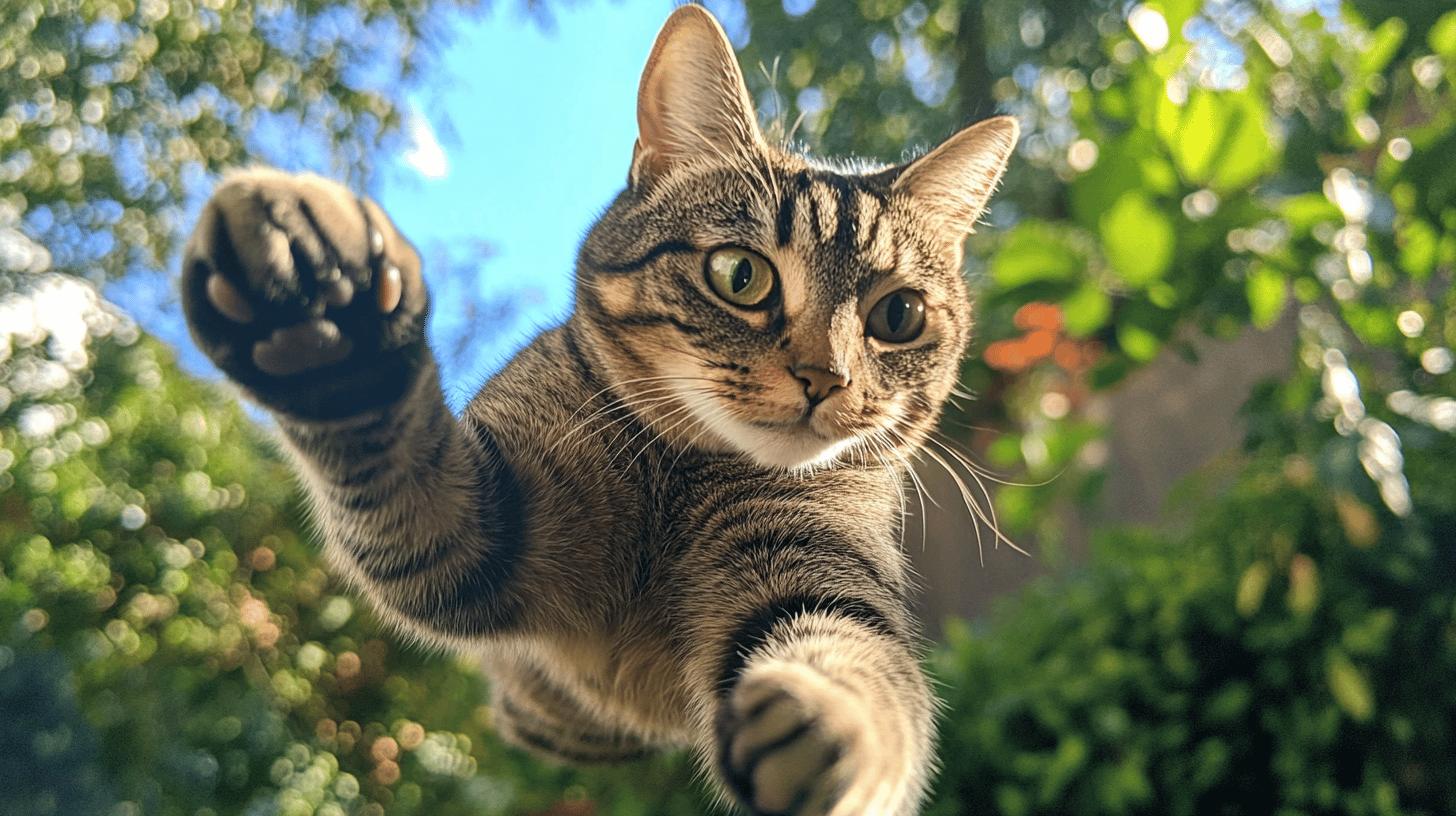
    Cats might not actually have nine lives, but they have remarkable survival skills that make them appear almost supernatural. The key to their survival lies in their unique physical abilities and reflexes. One of the most fascinating is the "air-righting" reflex, which allows a cat to twist its body mid-air and land on its feet. This reflex begins to develop when kittens are just a few weeks old and is a vital part of their survival toolkit.

    Additionally, cats boast a flexible spine and lack a collarbone, which gives them incredible agility and the ability to squeeze through tight spaces. Their bodies are also designed to absorb shocks, enabling them to withstand falls from significant heights with minimal injury.

    Here are four specific physical traits and reflexes that aid in a cat's survival:

    1. Air-righting Reflex: This reflex gives cats the ability to twist their body during a fall to ensure they land on their feet, providing them with a unique safety mechanism.

    2. Flexible Spine: Cats have an unusually flexible spine, allowing for greater range of motion and the ability to maneuver quickly and efficiently.

    3. Shock-Absorbing Physique: Their limbs and body structure are adapted to absorb impact, reducing the chances of injury from falls.

    1. Absence of a Collarbone: Without a collarbone, cats have greater mobility in their front limbs, which contributes to their ability to navigate their environment with ease.

    These traits often lead to the misconception that cats have multiple lives. While they don't possess supernatural longevity, their natural abilities give them a significant advantage in survival. These biological features are often seen as miraculous, but they are simply the result of evolution equipping cats with the means to thrive in a variety of environments. This extraordinary adaptability and resilience are what have fueled the myth of cats having nine lives.

    Nine Lives in Popular Culture and Media-1.jpg

    The myth of cats having nine lives has left its mark on popular culture, often symbolizing resilience and survival. This enduring belief is depicted in various forms of media, from literature to films, capturing the imagination with its mix of humor and mystique. The idea that cats can defy death and return unscathed resonates as a metaphor for overcoming adversity, showcasing feline tenacity and grace.

    Here are three notable examples where the nine lives myth is featured:

    • "Puss in Boots" (Film Series): The adventurous feline character in the "Shrek" spin-off movie series humorously references his nine lives throughout his daring escapades.
    • "The Cat Who Walks Through Walls" (Novel by Robert A. Heinlein): This science fiction work subtly nods to the myth, playing on the idea of a cat's ability to navigate life-threatening situations.
    • "Garfield" (Comics): The lazy but clever cat occasionally jokes about his multiple lives, using it as a comedic device to get out of tricky situations.

    These portrayals have a significant cultural impact, reinforcing the myth while entertaining audiences. They highlight the perception of cats as creatures of mystery and resilience, adding to their allure and appeal. By weaving the nine lives myth into stories, creators tap into a shared cultural understanding that celebrates the remarkable nature of cats.

    Debunking the Myth: Understanding Cats' Real Lives

    Debunking the Myth Understanding Cats Real Lives-1.jpg

    While the myth of cats having nine lives is charming, it's important to understand the reality behind it. This belief can lead to misconceptions about a cat's abilities, sometimes resulting in neglect or unrealistic expectations. Cats are indeed agile and resilient, but they are not invincible. They are just as vulnerable to accidents, illnesses, and aging as any other pet. Misunderstandings about their abilities can result in inadequate care, putting their well-being at risk.

    Here are some common misconceptions about cats and the truth behind them:

    1. Cats are indestructible: While they often land on their feet, cats can still suffer from injuries, especially if they fall from great heights or are in car accidents.

    2. Cats don't need regular vet visits: Cats may seem self-sufficient, but they require regular checkups to monitor their health and prevent potential illnesses.

    3. Cats can eat anything: Cats have specific dietary needs and should not be fed just any human food. Some foods can be toxic to them.

    1. Cats are always independent: While they can be independent, cats still need social interaction and environmental enrichment to thrive.

    Understanding these misconceptions is crucial for cat owners. Knowing that cats have limits and specific needs will help ensure their well-being. Proper care, including regular veterinary checkups, a balanced diet, and a safe environment, is essential for a cat's health. By acknowledging their true needs and vulnerabilities, we can provide better care and enjoy the company of our feline friends for many years.

    Final Words

    Exploring the idea of nine lives reveals its deep cultural roots and appeal. We see how its origins and references have shaped its mystique. The number nine's spiritual link adds to the story, while science uncovers the truth behind cats' survival skills.

    This myth touches creative minds in movies and books but can lead to wrong beliefs about cats' limits. Despite their skills, do cats really have 9 lives? Not in reality. Knowing the facts helps us care for our feline friends better. Let's appreciate their real lives and keep them safe.

    FAQ

    Do cats have 7 or 9 lives?

    A: The saying that cats have "nine lives" is a myth. It suggests cats have extra chances due to their agility and survival skills. In some cultures, like Spain, cats are said to have seven lives.

    Do cats have 9 lives in Islam?

    A: In Islamic culture, the idea of cats having nine lives isn't a common belief. The myth is more prevalent in Western and ancient cultural contexts.

    Why do cats have 9 lives origin?

    A: The myth of cats having nine lives likely originates from their agility, survival skills, and historical reverence in ancient civilizations, including mentions by Shakespeare in literature.

    Do cats really have 9 lives in real life?

    A: Cats don't have nine lives in real life. The myth reflects cats' ability to survive falls and other dangers due to their physical traits and instincts.

    Why do cats have 9 lives and dogs don't?

    A: The nine lives myth is unique to cats due to their remarkable agility, balance, and survival skills, traits not as pronounced in dogs.

    How many lives does a cat have?

    A: In reality, cats have only one life. The nine lives myth stems from their ability to endure and survive dangerous situations.

    What does the proverb "A cat has nine lives" mean?

    A: The proverb symbolizes a cat's resilience and survival instinct, suggesting they possess the ability to overcome challenges that might prove fatal to others.

    Do cats actually love their owners?

    A: Cats can form strong bonds with their owners. They may not show affection like dogs but often express love through purring, head-butting, and close physical proximity.

    Do cats really always land on their feet?

    A: Cats have a unique "air-righting" reflex that helps them twist and land on their feet during a fall, but this doesn't guarantee safety in high falls.

    Is it normal to have 9 cats?

    A: Owning nine cats is unusual but possible. It requires ample space, resources, and commitment to ensure all cats are healthy and well-cared-for.

    What is the cat from 9 lives?

    A: The cat from "Nine Lives" is a fictional character in films and media symbolizing the myth of a cat's nine lives, often used for humor or mystical themes.

    Related Articles

  • Do Cats Get Rabies Transmission and Symptoms Explained

    Do Cats Get Rabies Transmission and Symptoms Explained

    Can our beloved feline friends get rabies? The short answer is yes, and it's sobering to realize how at risk they can be. Cats can contract rabies through encounters with infected animals, like raccoons and bats. Even indoor cats aren't entirely safe from this risk. Recognizing the symptoms early can prevent tragic outcomes. In this post, I will unravel how rabies spreads to cats and the signs you need to watch for. Understanding these facts keeps your furry family member safe and healthy. Let's dive in and ensure your cat's protection with expert advice from Titan Claws.

    Can Cats Contract Rabies?

    Can Cats Contract Rabies-1.jpg

    Cats can indeed contract rabies, primarily through bites from infected animals. This transmission typically occurs when a wild animal carrying the rabies virus bites a cat, allowing the virus to enter through the wound. Common wildlife carriers include raccoons, bats, foxes, and skunks. Even indoor cats aren't completely safe, as they can still be at risk if they encounter rodents or mice that have found their way into the home and are infected. The rabies virus targets the central nervous system, leading to severe neurological symptoms once it takes hold.

    • Raccoons
    • Bats
    • Foxes
    • Skunks
    • Rodents

    Rabies is a particularly serious infection for cats. Once symptoms manifest, the disease is usually fatal within a matter of days. The infection progresses rapidly, causing changes in behavior, aggression, paralysis, and ultimately, death. Therefore, it's crucial for cat owners to understand these risks and ensure their pets are vaccinated against rabies to prevent this deadly virus from taking hold.

    Recognizing Rabies Symptoms in Cats

    Recognizing Rabies Symptoms in Cats-1.jpg

    Rabies in cats is a serious and typically fatal condition that progresses through three distinct stages. Initially, you might notice subtle personality changes and unusual behaviors. As the disease advances, it leads to more severe symptoms, such as aggression and disorientation. The final stage involves paralysis and severe difficulties that ultimately result in death. Understanding these stages can help cat owners recognize early signs and seek immediate veterinary care.

    Initial Stage

    In the initial stage of rabies, cats may exhibit noticeable shifts in their usual behavior and personality. A friendly cat might become withdrawn, or a normally shy cat could become unusually affectionate. Other signs include a loss of appetite and increased irritability. These changes can be easily mistaken for other issues, so it's important to monitor any sudden behavior shifts closely.

    Aggressive Stage

    As rabies progresses to the aggressive stage, you’ll notice more alarming symptoms. Cats may display uncharacteristic aggression, attacking without provocation. They might also appear disoriented and exhibit fearlessness, venturing into unknown areas or approaching humans and animals they would typically avoid. This stage is particularly dangerous, as the risk of transmission to other animals and humans increases.

    Paralytic Stage

    The final stage, known as the paralytic stage, brings severe symptoms. Cats experience paralysis, beginning with the hind legs and eventually affecting the entire body. Excessive salivation, often referred to as "foaming at the mouth," becomes evident. Cats also struggle with swallowing, leading to a refusal to eat or drink. This stage is rapidly fatal, and humane euthanasia is often recommended to prevent suffering.

    Stage Symptoms
    Initial Stage Personality changes, behavioral shifts
    Aggressive Stage Aggression, disorientation, fearlessness
    Paralytic Stage Paralysis, excessive salivation, difficulty swallowing

    Rabies Transmission from Cats to Humans

    Rabies Transmission from Cats to Humans-1.jpg

    Rabies can be transmitted from cats to humans primarily through bites. When a rabid cat bites a person, the rabies virus can enter the human's body through the open wound. Although less common, scratches from a rabid cat can also pose a risk, especially if the cat's saliva is present on its claws. A notable case in December 2023 highlighted the dangers when a fatal transmission occurred in India from a pet cat bite. It's crucial to remember that once rabies symptoms appear in humans, the disease is almost always fatal.

    Symptoms in humans typically include:

    • Fever and headache
    • Anxiety and confusion
    • Excessive salivation
    • Difficulty swallowing

    Immediate medical attention is vital if you are bitten or scratched by a cat suspected of having rabies. Early intervention can prevent the virus from progressing and becoming fatal. Post-exposure prophylaxis, a series of rabies vaccinations, is effective if administered before symptoms develop. Always report any incidents to healthcare providers and local animal control to ensure proper management and prevent further spread.

    Preventing Rabies in Cats

    Preventing Rabies in Cats-2.jpg

    Regular rabies vaccinations are crucial for keeping your cat safe from this deadly virus. These vaccines are mandatory in most states, and they play a key role in controlling the spread of rabies. Typically, kittens receive their first rabies shot between 12 and 16 weeks of age, followed by regular booster shots. The frequency of these boosters can vary, so it's best to consult with your veterinarian to determine the right schedule for your cat. Staying up-to-date with vaccinations not only protects your pet but also contributes to public health safety.

    Here are some additional preventive measures to consider:

    • Keep cats indoors to limit their exposure to wildlife and potential rabies carriers.
    • Monitor outdoor activities if your cat spends time outside, ensuring they stay away from wild animals.
    • Spay or neuter your cat to reduce roaming behavior and encounters with other animals.
    • Provide secure housing to prevent wildlife from entering your home where an indoor cat could be exposed.
    • Educate yourself and family members on recognizing potential rabies carriers and symptoms in cats.

    Being a responsible cat owner means not only ensuring your pet is vaccinated but also providing a safe and nurturing environment. Regular veterinary checkups are essential to maintaining your cat's health and catching any issues early. By following these preventive measures, you help protect your cat from rabies and contribute to the well-being of your community.

    What to Do If You Suspect Rabies in Your Cat

    What to Do If You Suspect Rabies in Your Cat-2.jpg

    If you suspect your cat has been exposed to rabies, it's crucial to act swiftly. The first step is to isolate your cat immediately to prevent any potential transmission to other pets or family members. Rabies is a serious viral infection, and once symptoms appear, there is no cure. Thus, early intervention is key. Contact your veterinarian as soon as possible to discuss the situation and get professional advice on the next steps. Since there is no definitive test for rabies in living cats, observation and isolation are essential until a diagnosis can be made.

    Here's what to do if you suspect rabies:

    1. Isolate the cat to prevent contact with other animals and people.
    2. Call your veterinarian for immediate guidance and potential testing recommendations.
    3. Monitor symptoms closely and report any changes to the vet.

    Veterinary consultation is vital in these situations. Rabies is a public health concern, and professional medical advice will ensure the safety of your cat and those around it. Veterinarians can guide you through the necessary precautions and actions to take, including potential post-exposure treatments for any humans involved. Prompt response is essential to managing rabies exposure effectively.

    Final Words

    Understanding how cats can contract rabies and recognizing symptoms are essential for cat owners. Rabies is severe, progressing through stages that affect a cat's behavior and health. Humans can get rabies from cat bites or scratches, making vigilance crucial.

    Preventing rabies involves regular vaccinations and safe practices. Vaccination helps reduce the risk of this deadly disease. Knowing what actions to take if you suspect rabies ensures timely intervention.

    By staying informed about how to prevent rabies and respond to signs, owners create a safer environment for both their cats and themselves.

    FAQ

    How often do cats get rabies?

    Cats can get rabies, but it's rare in pets that are regularly vaccinated. Stray or unvaccinated cats have a higher risk of contracting rabies from wildlife like raccoons, bats, and foxes.

    What are the first signs of rabies in a cat?

    Rabies in cats starts with changes in behavior, such as increased aggression or fearfulness. Early on, cats may also show disorientation and unusual interactions.

    Can you get rabies from a cat scratch?

    Rabies transmission through a cat scratch is possible, but bites are more common for spreading the virus. If scratched, consult a doctor right away.

    How would you know if a cat has rabies?

    Recognizing rabies includes noticing aggression, paralysis, excessive salivation, and difficulty swallowing. If you see these signs, get veterinary help immediately.

    Can a home cat have rabies?

    Even indoor cats can have rabies if they encounter infected rodents. Regular vaccinations are important to protect home cats from the virus.

    What are the symptoms of rabies in humans from cats?

    Symptoms in humans appear in stages and can include flu-like feelings, anxiety, confusion, and hydrophobia. Medical help is crucial if rabies exposure is suspected.

    What are the three stages of rabies in cats?

    The stages begin with personality changes, leading to aggression, and end in paralysis and death. Recognizing these stages early can prompt timely action.

    Related Articles

  • How Much do cats Scans Cost With Insurance

    How Much do cats Scans Cost With Insurance

    Ever wondered how much a CAT scan might dent your wallet with insurance? You’re not alone. Navigating medical costs can feel like solving a tricky puzzle, especially when it comes to something as essential as a CAT scan. Typically, these scans can cost anywhere from $100 to $500 if you have insurance. But why such a wide range? The answer lies in various factors like scan type, facility choice, and your specific insurance plan. In this post, we’ll break down everything you need to know to understand and plan for these medical expenses effectively.

    How Much Do CAT Scans Cost With Insurance?

    How Much Do CAT Scans Cost With Insurance-1.jpg

    The cost of a CAT scan with insurance typically ranges from $100 to $500. This price can vary based on several factors, such as the specific type of scan required, the facility where it’s performed, and the details of your insurance plan. Generally, insurance companies cover the cost when a doctor deems the scan medically necessary. This ensures that essential diagnostic procedures are affordable for patients who need them.

    Out-of-pocket expenses can arise if the scan is considered preventive or optional by your insurance provider. In such cases, you might be responsible for paying a larger portion or even the full cost of the scan. It’s essential to understand your insurance policy to know when you might encounter these additional expenses. Being aware of these potential costs helps you plan better financially.

    To avoid unexpected charges, it’s crucial to verify your coverage details with your insurance provider beforehand. Contact your insurer to confirm whether the specific CAT scan you need is covered, and ask about any associated costs. This proactive approach ensures you have a clear understanding of what your insurance will cover and helps minimize any surprise out-of-pocket expenses.

    Factors Influencing CAT Scan Costs with Insurance

    Factors Influencing CAT Scan Costs with Insurance-1.jpg

    When it comes to the cost of a CAT scan, several factors can influence the price even if you have insurance. The type of CT scan you need is a major factor. For instance, scans that require more detailed imaging or specialized techniques, such as a CT angiography, can be more expensive. Additionally, the use of contrast dye, which helps highlight specific areas within the body, can also increase the cost. This is because the dye may require additional resources and time during the procedure.

    Several specific factors can further affect the cost of a CAT scan:

    • Type of CT scan
    • Use of contrast dye
    • Facility type (hospital vs. outpatient)
    • Geographic location
    • Specific insurance plan details

    Understanding these variables is crucial for anyone looking to manage their medical expenses effectively. The facility type plays a significant role; hospital-based services often charge more compared to standalone imaging centers. Geographic location is another important factor, with urban areas typically having higher costs than rural ones. Lastly, each insurance plan has its own specifics, affecting coverage and out-of-pocket expenses. Knowing these factors helps you anticipate potential costs and make informed decisions regarding your healthcare options.

    Comparing CAT Scan Costs: Insurance vs. No Insurance

    When you don’t have insurance, the cost of a CAT scan can be daunting. Without coverage, the price ranges from $400 to $3,000, with the national average around $3,275. This can create a significant financial burden for those needing medical imaging. While having insurance often brings the cost down significantly, it’s crucial to understand how to manage expenses if you’re uninsured.

    Insurance Status Typical Cost Range
    With Insurance $100 – $500
    Without Insurance $400 – $3,000

    Living without insurance means facing higher out-of-pocket expenses, but there are strategies to alleviate these costs. Consider looking into payment plans that many hospitals and imaging centers offer. Additionally, seek out assistance programs designed to help those without insurance cover medical expenses. These approaches can help lessen the financial strain and make necessary medical imaging more attainable.

    Navigating Insurance Coverage for CAT Scans-1.jpg

    Understanding your insurance coverage for CAT scans is crucial. Insurance typically covers these scans when they are medically necessary. This means a doctor must deem the scan essential for diagnosing or treating a medical condition. However, not all scans fall under this category. Preventive scans might not be covered, potentially leading to significant out-of-pocket costs. It’s essential to grasp the specifics of your insurance policy to avoid unexpected financial burdens.

    Understanding Pre-Authorization Requirements

    Pre-authorization is a key step in ensuring your CAT scan is covered. This process involves getting approval from your insurance provider before the scan is performed. Pre-authorization confirms that the procedure is necessary and meets the insurance plan’s criteria. Failing to obtain this approval can result in the claim being denied, leaving you to cover the full cost. Always check if your scan requires pre-authorization and complete this step well in advance.

    In the event your insurance claim for a CAT scan is rejected, it’s important to know how to respond. Start by reviewing the explanation of benefits your insurer provides, which outlines why the claim was denied. Common reasons include lack of pre-authorization or the scan being deemed non-essential. If this occurs, contact your insurance company to clarify the situation. Sometimes, providing additional documentation from your healthcare provider can help overturn the decision.

    To ensure your CAT scan is covered, take proactive steps. Verify coverage details with your insurer before scheduling the scan. Ask about any specific requirements or documentation needed to support your claim. Additionally, keep records of all communications with your insurance provider. This thorough approach helps safeguard against unexpected expenses and ensures you receive the necessary medical care without financial stress.

    Cost-Saving Tips for CAT Scans with Insurance

    Cost-Saving Tips for CAT Scans with Insurance-1.jpg

    When it comes to saving money on CAT scans with insurance, there are several strategies you can employ to minimize your expenses. One effective approach is to select imaging centers known for competitive pricing, such as ViaScan, over more costly hospital-based services. Using your insurance wisely can significantly lower out-of-pocket expenses, yet the costs will still depend on your deductible and specific plan details. By being strategic about where and how you get your CAT scan, you can keep costs manageable.

    Here are some specific tips to help reduce your expenses:

    • Choose cost-effective imaging centers
    • Negotiate fees with providers
    • Verify in-network facilities
    • Utilize HSA/FSA for payments
    • Check for available discounts or assistance programs

    Proactive financial planning plays a crucial role in managing medical expenses. By taking the time to understand your insurance benefits and researching your options, you can avoid unexpected costs. Always verify that the imaging center is in-network, and explore any available discounts or assistance programs that can further reduce your costs. This approach ensures you receive the necessary medical care without unnecessary financial strain.

    Final Words

    Understanding the cost of CAT scans with insurance can feel overwhelming. The cost usually falls between $100 to $500. Knowing your specific insurance plan is crucial for estimating potential out-of-pocket expenses. Many factors affect these costs, including the need for contrast dye and geographic location.

    Comparing costs with and without insurance highlights significant savings for those insured. Navigating insurance coverage successfully often requires understanding pre-authorization and being prepared for possible claim rejections.

    By applying cost-saving tips, like choosing cost-effective imaging centers, you can control expenses. Always plan ahead to ensure you’re making the most of your insurance benefits.

    FAQ

    How much does a CT scan cost with Blue Cross Blue Shield?

    A: The cost of a CT scan with Blue Cross Blue Shield varies. It generally ranges from $100 to $500 with insurance, depending on your location, plan specifics, and the type of scan needed.

    How much is a head CT scan with insurance?

    A: A head CT scan with insurance usually costs between $100 and $500. Your plan details and scan type significantly impact these costs.

    How much is a CT scan without insurance?

    A: Without insurance, a CT scan typically costs from $400 to $3,000. The national average is around $3,275.

    How much does a CT scan cost at a hospital?

    A: CT scan costs at a hospital range from $300 to $7,000. The exact amount depends on your insurance plan, location, and scan type.
    How much is a CT scan with Contrast with insurance?

    A: A CT scan with contrast dye can cost more. With insurance, the price ranges from $200 to $700 depending on various factors like plan specifics and location.
    How much is a head CT scan without insurance?

    A: Without insurance, a head CT scan can cost between $400 and $7,000. The exact cost depends on where the scan is done and other specifics.

    Does insurance cover cat scans?

    A: Insurance often covers CAT scans when deemed medically necessary by a doctor. Preventive scans, however, may not be covered.

    How expensive is a CT scan with insurance?

    A: With insurance, a CT scan typically costs from $100 to $500. Costs depend on the type of scan, your insurance plan, and location.

    Why is my CT scan not covered by insurance?

    A: A CT scan might not be covered if it’s considered non-essential or preventive. Insurance usually covers scans only when medically necessary and prescribed by a doctor.

    How much does it cost to get a cat scanned?

    A: The cost to get a CAT scan varies widely. With insurance, costs typically range from $100 to $500, while without insurance, you may pay between $400 and $3,000.

    Related Articles

  • When do cats Eyes Change Color and Stabilize

    When do cats Eyes Change Color and Stabilize

    Ever wondered when the enchanting blue eyes of a kitten morph into their true color? It's a fascinating journey that tells more than just their age. While many delight in their blue-eyed innocence, experienced cat parents know these hues change, revealing the kitten's mature look. But when exactly does this transformation happen, and what does it mean for their health? Join us as we explore the timeline of eye color changes in kittens, unraveling the genetic tales behind those mesmerizing feline gazes.

    When Do Kittens' Eyes Change Color and Stabilize?

    When Do Kittens Eyes Change Color and Stabilize-1.jpg

    Kittens are born with blue eyes, a result of their eyes lacking pigment and the refraction of light. This striking blue is due to the way light scatters and reflects off the iris. As they grow, their eyes start to change color as melanin begins to develop within the iris. This process is natural and marks the transition from the baby blues to their true eye color, which is often influenced by genetics.

    The typical timeline for these changes begins around 4 to 6 weeks of age. During this period, you may notice the blue starting to fade or shift as more melanin accumulates. By 7 weeks, the change can be quite apparent, with the color becoming more defined. By the time they reach about 3 months old, most kittens will have developed their final eye color. Yet, it's not uncommon for minor changes to continue up to 6 months as their eyes fully mature and stabilize.

    Age Eye Color Change
    Birth Blue eyes
    4-6 weeks Initial color changes begin
    7 weeks Noticeable color definition
    3 months Permanent eye color develops
    Up to 6 months Minor changes and stabilization

    Reaching permanent eye color is significant as it often marks the kitten's transition into a more mature stage of development. The stability of their eye color is an indicator of their overall health and maturity. While most kittens will have settled into their permanent hue by 3 months, some may experience slight changes as they approach 6 months.

    Monitoring these changes is crucial for ensuring your kitten's eye health. If you observe any sudden or unusual changes, such as a drastic shift in color or the appearance of cloudiness, it's important to consult a veterinarian. These could be signs of underlying health issues that require attention. Regular check-ups will help ensure that any deviations from normal development are promptly addressed, supporting your kitten's healthy growth.

    Factors Influencing Cat Eye Color Changes

    Factors Influencing Cat Eye Color Changes-1.jpg

    Genetics is a major player in determining the eye color of cats. This genetic blueprint influences how melanin is distributed in the iris, which in turn dictates the final color. The amount and type of melanin can vary greatly among different breeds, leading to a wide range of eye colors. For instance, Siamese cats are known for their striking blue eyes, a trait tied to their genetic makeup. The specific genes involved can also determine whether a cat will have lighter or darker shades, contributing to the diversity seen in feline eye colors.

    Environmental factors, such as lighting, can also impact how we perceive a cat’s eye color. The same pair of eyes might appear different under various lighting conditions. Bright light can enhance certain hues, making them appear more vibrant. In dim lighting, the eyes might look darker or even change in apparent color. This is due to the way light interacts with the pigments in the iris and the tapetum lucidum, a reflective layer in the eye. Understanding these factors helps explain why a cat’s eye color might seem to change when, in fact, it’s just a play of light and genetics at work.

    Health Implications of Sudden Cat Eye Color Changes

    Health Implications of Sudden Cat Eye Color Changes-1.jpg

    Sudden changes in a cat's eye color can be alarming and may signal underlying health issues. Conditions such as infections or injuries are common culprits that can lead to a noticeable shift in eye color. For instance, an infection might cause inflammation, resulting in redness or a cloudy appearance. Injuries can also lead to swelling or discoloration, indicating trauma to the eye. Early detection of these changes is crucial. Prompt attention can prevent potential complications and ensure your cat receives the necessary treatment. Keeping an eye on any shifts in color or clarity can be vital for maintaining your cat’s eye health.

    As cats age, their eyes may naturally change in appearance. This includes the lens becoming more yellow or cloudy, a process linked to the loss of lens flexibility. This is typical in older cats and doesn't necessarily indicate a serious health problem. However, distinguishing normal aging changes from sudden, health-related shifts is important. Regular vet check-ups can help monitor these changes and ensure they are part of the natural aging process rather than a symptom of an issue that requires treatment.

    • Infections
    • Injuries
    • Aging

    If you notice any sudden or unusual changes in your cat's eye color, it's important to seek veterinary advice. Such changes could be indicative of health problems that need immediate attention, and consulting with a veterinarian can provide guidance and peace of mind.

    Unique and Rare Eye Colors in Cats

    Unique and Rare Eye Colors in Cats-1.jpg

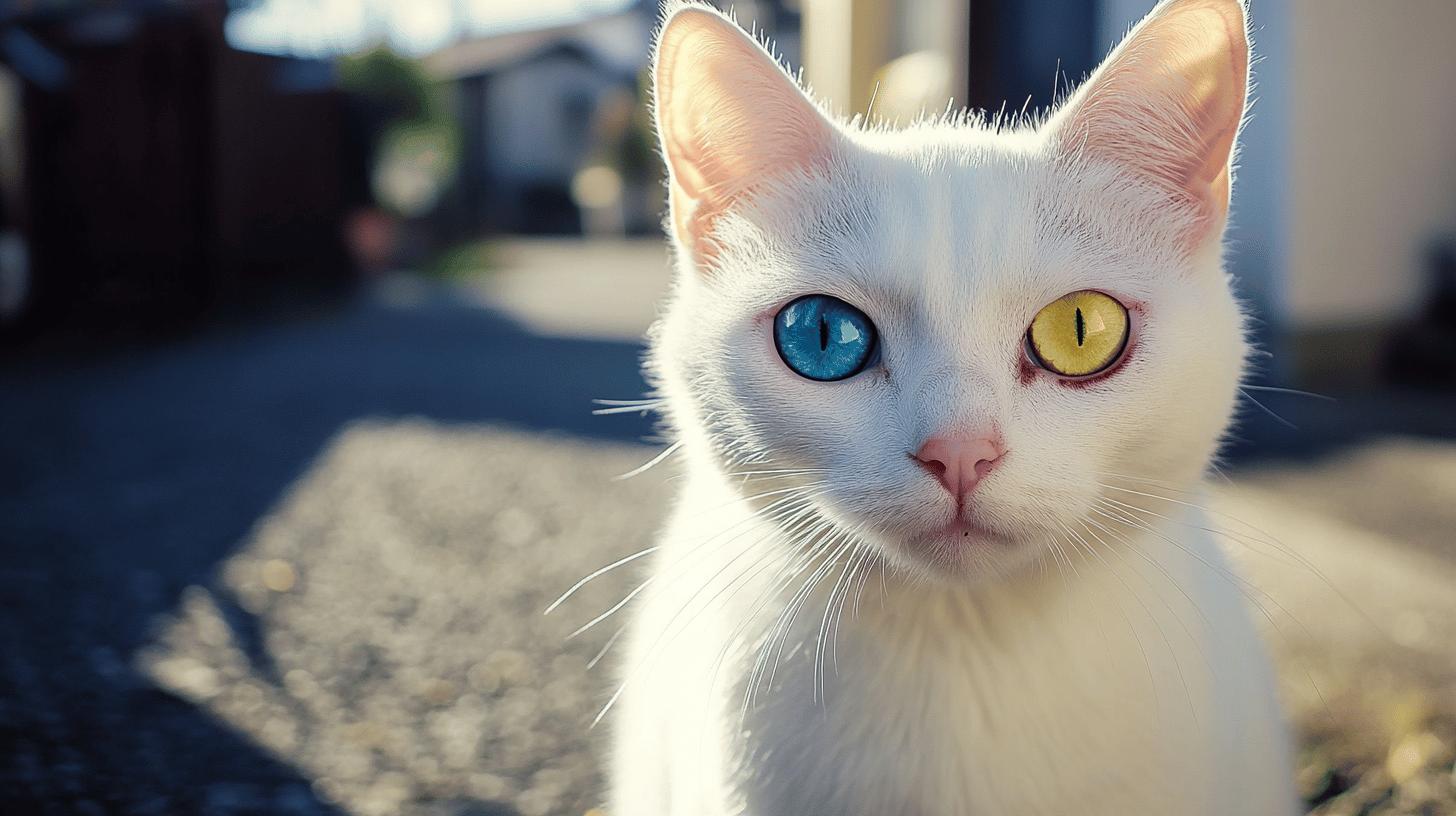
    Cats are fascinating creatures, and their eye colors can be just as intriguing. Some cats boast rare and unique eye colors that set them apart. One of the most striking examples is dichromatic eyes, where each eye is a different color. This captivating trait is rare and often seen as a mark of distinction. Siamese cats, known for their mesmerizing blue eyes, are another example of unique eye coloration. These rare eye colors can be a significant point of interest for cat enthusiasts and breeders, adding to the allure of certain feline companions.

    The genetic makeup of a cat plays a crucial role in determining these rare eye colors. Specific genes influence the distribution of pigments in the iris, leading to colors that are not commonly seen. For instance, the presence of genes that affect melanin levels can result in amber eyes, while others might lead to the occurrence of odd-eyed cats, where each eye displays a different hue. These genetic traits not only define the physical appearance of a cat but also add to the charm and uniqueness of certain breeds.

    • Dichromatic
    • Amber
    • Rare Blues
    • Odd-Eyed

    Final Words

    Understanding when do cat eyes change color offers insights into both their development and health. From birth with startling blue eyes to the subtle completion of their final hue by six months, the journey reveals much about your kitten's growth. Genetics and environment play key roles in this transformation, while sudden shifts may signal health issues needing attention.

    Unique cases, like rare blues and dichromatic eyes, bring a special charm to certain cats. Stay observant, and you’ll ensure your feline friend stays healthy and playful with eyes that shine their story.

    FAQ

    When do cat eyes change color with blue eyes?

    Kittens are often born with blue eyes. The color typically changes between 4 and 12 weeks, stabilizing by about 3 months.

    Can cats' eyes change color with their mood?

    Cats' eye colors don't change with mood, but pupil size might. Light and emotion can cause dilation or contraction, altering appearance.

    How can you predict kitten eye color?

    Initially blue at birth, prediction becomes clearer around 4-6 weeks. By 3 months, you can discern their likely permanent color.

    When do cat eyes change color to brown or green?

    Eye color can transition from blue to other shades, including brown or green, starting around 4 weeks and solidifying by 3 months.

    Do cats' eyes change color from yellow to green?

    Yes, a yellow to green color change can occur as they mature, with final color often set by 6 months.

    When could a kitten's eyes turn black?

    "Black" eyes usually indicate health issues rather than a color change and need a vet's attention.

    What's the progression timeline for kitten eye color change?

    Birth (blue) > 4-6 weeks (color begins to change) > 7 weeks (transitional phase) > 3 months (permanent color likely) > up to 6 months (minor changes).

    When can you tell what color a kitten's eyes will be?

    By 3 months, kittens usually have their permanent eye color; however, minor tweaks may happen until 6 months.

    What is the rarest eye color for cats?

    Dichromatic eyes (each eye a different color) and rare blues are among the rarest in cats.

    At what age do cats get their permanent eye color?

    By about 3 months, cats' eye color typically stabilizes, reflecting their mature appearance.

    At what age are kittens' eyes fully developed?

    Kittens' eyes are fully developed at around 3 months, although some changes can continue until 6 months.

    Related Articles

  • do cats Whiskers Grow Back After Loss

    do cats Whiskers Grow Back After Loss

    Have you ever wondered if a lost cat whisker means it's gone for good? Understanding whether cat whiskers grow back can be a bit of a mystery for many cat lovers. Just like how human hair grows back after a trim, cat whiskers usually do regenerate over time. Typically, it takes around 6 to 12 weeks for them to make a comeback. But this timeline isn't set in stone. It can vary depending on factors like your cat's health and environment. So, let's dive into what influences whisker regrowth and why these quirky, sensitive hairs are so important.

    Do Cat Whiskers Grow Back After Loss?

    Do Cat Whiskers Grow Back After Loss-1.jpg

    Cat whiskers, known scientifically as vibrissae, are fascinating structures made of keratin, the same protein found in human hair and nails. They are naturally designed to regenerate. If your cat’s whiskers fall out naturally or are accidentally trimmed, they will typically grow back. This regrowth process is as natural as the hair on our heads growing back after a haircut. The whiskers usually grow back within 6 to 12 weeks, though the exact timeline can vary based on individual factors such as the cat's health.

    Several factors can influence the rate of whisker regrowth:

    1. Overall health of the cat
    2. Age of the cat
    3. Quality of nutrition
    4. Stress levels
    5. Living environment

    In most cases, you can expect to see new whisker growth within a couple of months. While the timeline for regrowing cat whiskers can differ from cat to cat, it’s usually a steady process. If your kitty is in good health and living in a stress-free environment, you might notice the whiskers regenerating at a faster pace.

    There’s no need to worry if your cat loses a few whiskers. It's part of their natural cycle. As long as they are healthy and happy, their whiskers will regrow over time. For cat owners, understanding this process can bring peace of mind, knowing that any lost whiskers will eventually be replaced naturally.

    The Importance and Function of Cat Whiskers

    The Importance and Function of Cat Whiskers-1.jpg

    Cat whiskers, or vibrissae, are not just ordinary hair. They serve a vital purpose in a cat’s life by acting as highly sensitive sensory tools. These specialized hairs help cats navigate their surroundings and maintain balance, playing a critical role in their spatial awareness. Their sensitivity is due to the nerve endings and blood vessels located at the base of each whisker.

    Function Description
    Spatial Awareness Helps cats judge distances and spaces, preventing them from getting stuck.
    Balance Aids in maintaining stability and coordination during movement.
    Environmental Detection Detects changes in air currents, signaling nearby objects or movements.
    Communication Expresses emotions or intentions through whisker positions.

    Whiskers are incredibly sensitive, detecting even the slightest changes in air movement. This sensitivity allows cats to sense nearby objects or changes in their environment, which is especially useful in low-light conditions. The whiskers act as a natural radar system, helping cats to detect prey or avoid obstacles. Without their whiskers functioning properly, a cat might struggle with simple tasks like navigating around furniture or hunting.

    Damage to a cat’s whiskers can significantly impact its behavior and spatial awareness. If a cat's whiskers are cut or damaged, it can lead to disorientation, reluctance to explore, and even stress or anxiety. Whiskers help cats understand their physical environment, and losing this sensory input can make them feel uneasy or insecure. Therefore, preserving the health and integrity of a cat's whiskers is essential to their well-being.

    Importance and Function of Cat Whiskers

    Effects of Cutting or Damaging Cat Whiskers-1.jpg

    Whiskers are a vital part of a cat's sensory system. They help cats interpret their surroundings and maintain a sense of balance and confidence. The follicles from which whiskers grow are packed with nerves, making them sensitive to changes in their environment. Damaging whiskers can disrupt a cat's spatial awareness, leading to behavioral changes such as:

    • Disorientation
    • Reluctance to explore
    • Increased stress
    • Heightened anxiety

    Avoiding unnecessary handling or trimming of whiskers is crucial for maintaining a cat's health and emotional well-being. These sensory tools allow cats to navigate their world effectively, ensuring they feel secure and stable. By respecting the natural function of whiskers, we help preserve their confidence and happiness.

    Natural Whisker Loss: Causes and Indicators

    Natural Whisker Loss Causes and Indicators-1.jpg

    Whiskers, or vibrissae, naturally fall out as part of a cat’s normal shedding process. This loss is typically not a cause for concern since whiskers do not have nerve endings, meaning losing them doesn't cause physical pain. Cats, like many animals, shed their whiskers periodically, similar to how they shed fur. This shedding can happen every few weeks as new whiskers grow in to replace the old ones. Natural cat whisker loss is simply part of their maintenance cycle, allowing the whiskers to stay healthy and functional.

    While occasional whisker loss is normal, there are certain signs that could indicate a problem. If you notice a significant or sudden loss of whiskers, it might suggest an underlying health issue. This could be due to skin infections, allergies, or stress-related behaviors. Pay attention to any accompanying symptoms such as redness, swelling, or sores around the whisker area, as they could signal that something more serious is affecting your cat's health.

    In cases where whisker loss is noticeable and persistent, it’s wise to consult a veterinarian. They can assess whether there's a medical condition that needs addressing. A vet visit is particularly important if the whisker loss is accompanied by behavioral changes like lethargy or changes in eating habits. Seeking veterinary advice ensures that any potential health issues are identified and treated promptly, safeguarding your cat’s overall well-being and helping those whiskers grow back healthy and strong.

    Best Practices for Cat Whisker Care

    Best Practices for Cat Whisker Care-1.jpg

    Proper care for cat whiskers is crucial to maintaining their function as sensory tools. It's important not to handle or trim whiskers unnecessarily, as they are sensitive and integral to a cat's spatial awareness. Whiskers should be left to grow naturally and not be disturbed, ensuring that the cat remains comfortable and confident in its environment. Creating a stress-free atmosphere and promoting overall well-being are key to supporting whisker health and regrowth when needed.

    Here are some tips for maintaining healthy cat whiskers:

    • Clean Environment: Ensure your cat's living space is clean to prevent debris from irritating their whiskers.
    • Stress Reduction: Minimize stress by providing a stable and calm environment.
    • Balanced Diet: Feed your cat a nutritious diet to support healthy whisker growth.
    • Minimal Handling: Avoid touching or playing with your cat's whiskers.
    • Regular Health Checks: Schedule regular vet visits to monitor your cat's overall health.

    Healthy whiskers are typically long, firm, and evenly spaced without signs of damage or breakage. They should appear smooth and clean, indicating that your cat is in good health. Monitoring these indicators can help you ensure that your cat's whiskers are functioning effectively, providing them with the sensory support they need for exploring and interacting with their surroundings.

    Final Words

    Understanding cat whiskers helps ensure their safety and wellbeing. Whiskers are vital for a cat's balance and navigation, and cutting them can cause distress. Luckily, if whiskers are lost or damaged, they typically grow back within 6-12 weeks. Factors like health and diet play a role in regrowing cat whiskers.

    Creating a stress-free environment and practicing good care can help maintain whisker health. Remember, natural whisker loss happens, but sudden changes may need attention. Keep these insights in mind to support your feline friend's whisker health.

    FAQ

    Do cat whiskers grow back if burned?

    A cat's whiskers will grow back if burned. The typical regrowth period is 6-12 weeks. It may vary based on the cat's health and environment.

    Do whiskers grow back on dogs?

    Dog whiskers also grow back over time. Like cats, the regrowth period depends on the dog's health and circumstances.

    Do cat whiskers hurt when cut?

    Cutting a cat's whiskers doesn't hurt them physically since whiskers lack nerves. However, it can cause emotional distress and affect their balance and spatial awareness.

    Do cat whiskers fall out?

    Yes, cat whiskers naturally fall out as part of a shedding process. This is normal and usually not a cause for concern unless the loss is sudden or excessive.

    Do cats' whiskers have nerves?

    The base of cat whiskers is rich in blood vessels and nerve endings, making them sensitive to touch and crucial for spatial awareness.

    What happens if a cat's whiskers get pulled out?

    Pulling out a cat's whiskers can cause discomfort and distress because of the nerve endings in the hair follicle. It can also affect their ability to navigate their environment.

    Will a cat's whiskers grow back if cut off?

    A cat's whiskers will grow back if cut off. The typical timeline for whisker regrowth is between 6-12 weeks, depending on individual factors.

    Is it painful for cats to lose whiskers?

    Losing whiskers is not physically painful for cats since the whiskers themselves lack nerves. However, it can lead to confusion or stress.

    How long does it take for a cat to grow back whiskers?

    A cat typically grows back its whiskers within 6-12 weeks, though this can differ due to health, age, and nutrition.

    Do cats' whiskers grow longer as they age?

    Cats' whiskers generally do not grow longer as they age, but they will grow back to their original length if lost or trimmed.

    Related Articles

  • Do Cats Control Their Tail Understanding Feline Tail Control

    Do Cats Control Their Tail Understanding Feline Tail Control

    Ever wonder if a cat’s tail has a mind of its own? Watching a cat flick its tail or hold it high might seem like pure instinct, but there’s more to it. Cats have impressive control over their tails, much like a gymnast balancing on the beam. This blog dives into the mechanics and communication behind feline tail control. We’ll explore how structure and nerves work together to give cats this skill. Whether you’re curious about how your cat moves or wants to understand their mood, stick around to unravel the mystery.

    Do Cats Control Their Tails?

    Cats have remarkable control over their tails, much like a skilled acrobat mastering balance and movement. The tail is an extension of the spine, composed of 19 to 23 vertebrae, which give it a high degree of flexibility. These vertebrae are connected by six muscles on each side, allowing for a wide range of motion and precise control. Whether your cat is balancing on a narrow ledge or expressing curiosity, the tail’s structure supports these activities with ease. The flexibility and strength of the tail are essential for a cat’s agility, playing a key role in their ability to perform graceful maneuvers.

    The control over a cat’s tail is not just about physical structure; it’s also about the neurological system at work. Cats can move their tails with voluntary actions much like how we decide to move our hands. These movements are orchestrated by the nervous system, allowing the tail to react quickly to environmental stimuli. Reflex actions, such as a quick flick in response to a sudden noise, demonstrate how the tail can respond without conscious thought. This combination of voluntary and reflex actions makes the tail an effective tool for communication and interaction.

    • Vertebrae: Provide the structural support and flexibility needed for diverse movements.
    • Muscles: Enable precise control over the tail’s position and motion.
    • Ligaments: Contribute to the stability and flexibility of the tail.
    • Tendons: Connect muscles to the vertebrae, assisting in controlled movements.
    • Nerves: Facilitate the coordination between neurological signals and tail movement.

    Cat Tail Language and Communication

    Cat Tail Language and Communication-1.jpg

    Cats have a complex system of communication that goes beyond mere vocalizations, and one of their primary tools is their tail. This enigmatic appendage serves as a crucial indicator of a cat’s emotional state and intentions. By observing the positions and movements of a cat’s tail, we can gain insights into what they might be feeling or intending to do. Understanding cat tail language is essential for anyone living with a feline friend, as it helps build a stronger bond and improves interactions by interpreting their non-verbal cues.

    Tail positions in cats can reveal a lot about their mood. A high-held tail often signifies a happy or confident cat eager to interact. It might even have a slight curve at the tip, indicating curiosity or friendliness. On the flip side, a low tail pointing downward might suggest fear, submission, or even potential injury. It’s an important signal that the cat might be in distress or feeling threatened. When a cat tucks its tail close to its body, it could mean the cat is feeling scared or is in pain.

    The movements of a cat’s tail can also tell us a great deal. A wagging tail in cats is not necessarily a sign of friendliness, as it is in dogs. Instead, it might indicate irritation or excitement. A twitching tail can mean the cat is focused or mildly agitated, often seen when they are about to pounce on a toy. Meanwhile, a thrashing tail that makes a “thump” sound usually signals that the cat is unhappy and might soon act out aggressively if the situation continues.

    By understanding these tail movements, we can better interpret a cat’s behavior and respond appropriately. For instance, if a cat’s tail is twitching while playing, it might be about to pounce, making it the perfect moment to engage with a toy. Conversely, if a cat’s tail is thrashing, it might be best to give it some space to avoid an unexpected swat or scratch. Recognizing these signals allows us to create a more harmonious living environment for both cats and humans.

    Tail language is also apparent in how cats interact with humans and other animals. A friendly cat might approach with its tail held high, sometimes wrapping it around a human’s leg as a sign of affection. This gesture is a form of communication, indicating trust and comfort. In interactions with other cats, a high tail can signal dominance or friendliness, whereas a low, tucked tail may indicate submission or fear.

    Tail Position Emotion or Intention
    High Tail Happiness or Confidence
    Low Tail Fear or Submission
    Flicking Tail Focus or Mild Agitation
    Thrashing Tail Irritation or Aggression
    Wiggling Tail Excitement or Anticipation

    Understanding Tail Wagging in Cats

    Understanding Tail Wagging in Cats-1.jpg

    The evolutionary roots of tail wagging are deeply embedded in a cat’s survival mechanisms. In the wild, tail movements helped cats communicate silently with each other, avoiding predators. These behaviors, passed down from wild ancestors, aided survival by signaling danger or readiness for a hunt. Understanding these evolutionary aspects provides insight into the natural behaviors of domesticated cats.

    Environmental factors and social interactions influence how and why cats wag their tails. A cat might wag its tail when it’s interested in a new toy or when it sees another cat. Social interactions with humans play a role too; a cat may wag its tail when it’s unsure about a person or when it’s feeling comfortable in their presence. Familiar or unfamiliar elements in the environment can trigger tail wagging as part of a cat’s response mechanism.

    Tail wagging can also be a sign of a cat’s awareness or readiness to engage with its surroundings. A wagging tail might indicate that the cat is alert to potential changes or threats in its environment. It can signal the cat’s preparedness to respond, be it a play session or a sudden noise. This behavior shows how cats maintain their natural instincts, even in domestic settings.

    • During hunting
    • In response to threats
    • While playing with other animals
    • During social interactions with humans

    Final Words

    Understanding how cats control their tails gives insight into their movements and moods. Cats have a special anatomy with vertebrae and muscles that let them control their tails precisely. Their tail movements also tell us a lot about their feelings.

    Cats communicate through their tails using different positions and movements. Tail wagging can show emotions, whether it’s from instinct or interaction. This behavior might even come from their wild ancestors, helping them stay aware of their surroundings.

    When observing controlled tail movements in felines, we gain valuable clues into their world, helping us connect better with them.

    FAQ

    Do cats control their purr?

    Cats control their purr through a combination of laryngeal muscles and their brain, which sends repetitive neural signals to create the purring sound.

    Why do cats attack their tails?

    Cats may attack their tails due to boredom, playfulness, or confusion. Sometimes, it can be a result of overstimulation or a medical issue requiring a vet’s attention.

    Why do cats wag their tails while lying down?

    Cats wag their tails while lying down often to express contentment, interest, or mild irritation depending on the situation and surrounding environment.

    Do cats move their tails while sleeping?

    Cats typically don’t move their tails while in deep sleep but might twitch during dreaming as their brain is still active.

    Can dogs control their tails?

    Dogs can control their tails voluntarily, with movements reflecting various emotions like excitement, curiosity, or alertness.

    Why do cats have tails?

    Cats have tails for balance during walking or jumping, communication with others, and to express emotions.

    Do cats move their tails when happy?

    Cats often move their tails when happy, such as holding them high with a slight curve, which reflects their content mood.

    Do cats consciously control their tails?

    Yes, cats consciously control their tails using a precise combination of vertebrae and muscles to make deliberate movements.

    Are cats aware of their own tail?

    Cats are aware of their tails and often use them intentionally for balance and communication with their environment.

    What does it mean when a cat constantly flicks its tail?

    A cat flicking its tail may be signaling annoyance, mild irritation, or heightened attention to something in its immediate environment.

    Related Articles

  • Do Cats Have Feelings Understanding Feline Emotions and Bonds

    Do Cats Have Feelings Understanding Feline Emotions and Bonds

    Do cats have feelings akin to humans, or are they just mysterious creatures that keep us guessing? As intriguing as it may sound, cats do experience a range of emotions, from happiness and anxiety to fear and frustration.

    These emotions influence their actions and their bonds with people. In this post, we’ll explore how your cat's feelings shape their behavior and connection with you. By better understanding feline emotions, you can strengthen your bond and offer a more fulfilling life for your furry friend.

    Do Cats Have Feelings?

    Do Cats Have Feelings-2.jpg

    Cats do have feelings and experience a range of emotions. They can feel basic emotions such as fear, anxiety, happiness, depression, frustration, and relief.

    Each emotion can impact their behavior and how they interact with people and other animals. While cats may not express their emotions in the same way humans do, they certainly have rich emotional lives.

    These emotions play a significant role in how cats bond with humans. When a cat feels happy or secure, they are more likely to form close connections with their owners.

    Happy cats will often show affection and interact positively with their human companions. On the other hand, a cat experiencing fear or anxiety might be more withdrawn, which can affect the strength of its bond with humans.

    • Fear

    • Anxiety

    • Happiness

    • Depression

    • Frustration

    Cats have the capacity to form strong bonds with their owners, similar to the bonds they might form with their own kind. They often view their human caregivers as part of their family. This bond is reinforced through positive interactions and shared experiences.

    Cats may show their love for their humans through behaviors like purring, head-butting, or simply choosing to be near them. These expressions of affection show that cats can indeed form deep, loving connections with their owners.

    Understanding Cat Emotions Through Body Language

    Understanding Cat Emotions Through Body Language-3.jpg

    Body language is a vital tool for understanding cat emotions. Cats communicate a lot through their body language, from the flick of a tail to the tilt of an ear. Observing these subtle cues is essential for pet owners who want to understand their feline friends better.

    Cats often hide their feelings, especially when they're upset or uncomfortable, making it crucial to pay attention to their physical signals. By learning to read these signs, you can gain insights into what your cat is feeling at any given moment.

    The position of a cat's tail, ears, and eyes offers substantial clues about its emotional state. A tail held high typically signals confidence and happiness, while a low or tucked tail might indicate fear or submission.

    Similarly, ears that are forward show interest or curiosity, whereas ears flattened against the head can be a sign of fear or aggression. The eyes are also telling; slow blinking is often a sign of trust, whereas wide eyes can be a marker of surprise or fear. Paying attention to these aspects can help you decode your cat's mood.

    Vocalizations are another important aspect of feline communication. Cats use a variety of sounds to express their emotions. A contented cat may purr, while a cat that's unhappy or stressed might hiss or growl.

    Meowing can vary in pitch and intensity, often indicating different needs or states of mind. Understanding these vocal cues, alongside body language, provides a more complete picture of what your cat is feeling.

    Body Language Emotion
    Tail High Confidence/ Happiness
    Flattened Ears Fear/ Aggression
    Slow Blink Trust
    Arched Back Fear/ Defense
    Whiskers Forward Curiosity/ Interest

    Do Cats Feel Love and Affection?

    Do Cats Feel Love and Affection-1.jpg

    Experts believe that cats can feel and express love, albeit in ways that differ from humans and other animals like dogs. Scientific studies suggest that cats often regard their human companions as caregivers or even mother figures, forming bonds that are deeply rooted in trust and security.

    This perspective is supported by observations that cats develop attachments to their owners, similar to how they would with their littermates or mother. While cats may not display love through wagging tails or constant attention, their subtle gestures and routines reveal a deep sense of affection and connection.

    Cats express their love and affection through a variety of behaviors. These gestures often indicate trust and acceptance, key components of a feline's affection. For instance, when a cat licks you, it's not just grooming; it's a sign of social bonding.

    Kneading, a behavior originating from kittenhood, also shows comfort and affection. Head-butting, or "bunting," is a way cats mark you with their scent, claiming you as part of their territory. Purring when in your presence is another powerful sign of contentment and attachment. Recognizing these behaviors can help you understand the unique ways in which your cat expresses love.

    • Licking

    • Kneading

    • Head-butting

    • Purring

    • Following you around

    • Sleeping near or on you

    • Bringing you "gifts"

    These behaviors illustrate the various ways cats show their affection, allowing us to appreciate the subtle yet profound ways they express love.

    How Cats Recognize and Respond to Human Emotions

    How Cats Recognize and Respond to Human Emotions-4.jpg

    Research shows that cats have a remarkable ability to recognize human emotions. Cats are keen observers, and they can pick up on our emotional cues, such as facial expressions and tone of voice. Studies suggest that cats can differentiate between a happy face and an angry one, responding accordingly.

    This ability to discern human emotions highlights the depth of their emotional intelligence. By understanding these cues, cats can better navigate their relationship with humans, adjusting their behavior to fit our mood.

    Cats react to various human emotional states in different ways. When humans are happy or relaxed, cats may feel more comfortable approaching them for affection or play. A calm, joyful presence invites cats to join in the positive energy.

    Conversely, if a cat perceives that its owner is stressed or upset, it might become more subdued or keep its distance. Some cats may even attempt to comfort their humans by staying close or offering gentle nudges, showcasing their sensitivity to the emotional climate around them.

    Empathy plays a significant role in the bond between cats and humans. By recognizing and responding to our emotions, cats demonstrate a form of empathy that strengthens the connection.

    This understanding allows cats to offer companionship during times of joy and solace during moments of sadness, enhancing the mutual trust and affection shared between pet and owner. This empathetic behavior not only provides comfort to humans but also deepens the emotional bond they share with their feline companions.

    A specific example of a cat showing empathy can be seen when a person is crying. A cat may approach and sit quietly beside them, offering a gentle purr or a comforting presence. This behavior reflects the cat's awareness of the human's distress and its instinctive desire to offer support, demonstrating a unique form of empathy and a deep, caring connection.

    The Impact of Environment and Breed on Cat Emotions

    The Impact of Environment and Breed on Cat Emotions-1.jpg

    A cat's upbringing and environment play pivotal roles in shaping its emotional expressions. Cats raised in nurturing surroundings tend to display more positive emotions such as happiness and trust. These environments provide consistent affection and security, allowing cats to form strong bonds with their human companions.

    Conversely, cats brought up in less stimulating or more isolated settings might exhibit signs of anxiety or fear. The level of socialization and interaction a cat receives early on can significantly influence its emotional well-being and capacity to form close relationships.

    Differences in emotional tendencies among cat breeds are also notable. Some breeds are naturally more affectionate and people-oriented, while others may be more reserved or independent. For instance, certain breeds like Ragdolls and Maine Coons are known for their friendly, easygoing nature and tendency to seek human companionship.

    In contrast, breeds such as the Siamese and Abyssinian can be more vocal and active, reflecting their emotional needs for engagement and attention. Understanding these breed-specific traits helps in recognizing and nurturing a cat's emotional intelligence and needs.

    • Ragdoll: Affectionate and gentle

    • Maine Coon: Friendly and sociable

    • Siamese: Vocal and interactive

    • Abyssinian: Energetic and engaging

    • Scottish Fold: Calm and adaptable

    Recognizing these traits allows us to better understand and cater to the emotional needs of different cat breeds, fostering a more harmonious relationship.

    Building and Strengthening Bonds with Your Cat

    Building and Strengthening Bonds with Your Cat-2.jpg

    Understanding feline affection is crucial for building a strong bond with your cat. Cats have their unique ways of expressing love and trust, often through subtle behaviors that might go unnoticed if you're not aware of them. Actions like kneading, head-butting, and grooming are not just cute habits; they are signs of comfort and trust.

    When a cat kneads you, it's a throwback to kittenhood, a relaxing behavior that signifies they feel safe. Head-butting, or "bunting," is a way for cats to mark you with their scent, showing acceptance and affection. Recognizing these gestures helps you appreciate the depth of their emotions and fosters a deeper connection.

    Positive interactions play a vital role in strengthening the bond between you and your cat. Encouraging activities that your cat enjoys, like playtime or grooming sessions, can enhance your mutual affection.

    Engaging in shared experiences not only provides mental and physical stimulation for your cat but also establishes a routine that can become a comforting part of their day. Spending quality time with your cat reassures them of your presence and care, reinforcing trust and love. By being attentive to their needs and preferences, you can create an environment where both you and your cat thrive emotionally.

    • Spend time playing with your cat daily.

    • Offer treats as rewards for positive behavior.

    • Provide a quiet, safe space for relaxation.

    • Engage in regular grooming sessions.

    • Talk to your cat in a soothing voice.

    • Respect their personal space and boundaries.

    These tips can help you develop a closer, more loving relationship with your furry friend, making them feel secure and cherished.

    Final Words

    In exploring whether cats have feelings, I've learned they experience emotions like fear, joy, and sadness. These emotions play a big role in forming bonds with their owners. Observing their body language and vocal cues gives clues to their emotional states. Cats can feel love and express it through various affectionate behaviors.

    Recognizing human emotions, cats demonstrate empathy, enhancing the human-cat bond. Environmental factors and breed also impact their emotional expression. By understanding these aspects, I can create a strong bond with my cat. This brings joy and love into both our lives.

    FAQ

    Do cats have feelings?

    Cats can feel emotions. They experience fear, happiness, and frustration. These emotions help them bond with humans and other cats.

    Do cats have feelings for other cats and their kittens?

    Cats exhibit feelings towards other cats, including their kittens, through grooming and play.

    Do dogs have feelings?

    Dogs feel emotions similar to humans, like joy, anger, and affection, enhancing their relationships with humans.

    Do cats feel love?

    Cats express love by behaviors such as licking and head-butting. They see humans as caregivers, displaying affection and trust.

    Do cats sense sadness in humans?

    Cats can sense human sadness through facial and emotional cues and may respond with comforting behavior.

    Do cats have feelings for their owners?

    Cats form strong bonds with owners, showing affection through behaviors like kneading and gentle nuzzling.

    Do cats get their feelings hurt?

    Cats can feel hurt or stressed by changes in their environment or routine but often adapt with time.

    Can cats feel your feelings?

    Cats understand and respond to human emotions, such as happiness or anger, enhancing human-cat bonds.

    Related Articles

  • do cats Fleas Stay on Humans Long Term or Briefly

    do cats Fleas Stay on Humans Long Term or Briefly

    Ever worried that your cat’s fleas might become your unwanted roommates? The answer may surprise you. While these pesky parasites often hitch a ride on humans, they don't stay long.

    Fleas may land on human skin for a quick bite, but they can't call us home like they do with our furry friends. In this post, we’ll explore how long cat fleas stick around and why humans aren't as cozy for these bugs. Understanding this can improve your peace of mind and ensure flea-free playtime for you and your cat.

    Can Cat Fleas Stay on Humans?

    Can Cat Fleas Stay on Humans-2.jpg

    Fleas are tiny parasitic insects that feast on the blood of warm-blooded creatures. While they can bite humans, they have a strong preference for furry hosts like cats and dogs.

    This preference stems from the warm, hairy environment that these animals provide, which is ideal for fleas to hide and thrive. When it comes to humans, fleas may land on us temporarily, but they don't find it as hospitable as an animal's fur.

    When cat fleas land on humans, they don't stay long. Female cat fleas usually remain on human skin for about 7.4 minutes, and their male counterparts tend to linger for around 4.4 minutes.

    his brief encounter is partly due to the lack of fur and the higher body temperature of humans compared to animals. Fleas can't reproduce on human hosts, so they quickly jump off to find a more suitable host where they can complete their lifecycle.

    The short duration that fleas spend on humans is primarily due to their inability to reproduce on human skin. They need the warmth and protection of animal fur to lay their eggs and continue their lifecycle.

    Without access to an animal host, fleas can't sustain their population or fulfill their reproductive needs. This is why, despite their occasional bites, humans are not suitable long-term hosts for fleas.

    Flea Bites on Humans: Identification and Treatment

    Flea Bites on Humans Identification and Treatment-1.jpg

    Flea bites on humans are usually found on the feet, ankles, and legs. These bites appear as small, red bumps often grouped in clusters or lines. They might be easily mistaken for other insect bites, but their distinct pattern and location can help in identifying them.

    Symptoms of flea bites include itching and irritation at the site of the bite. For some individuals, these bites can trigger allergic reactions, causing more severe swelling, redness, and itching. Allergic reactions may vary in intensity, leading to discomfort and potential skin infections if the bites are scratched excessively.

    To treat flea bites, follow these steps:

    1. Clean the area with soap and water.

    2. Apply anti-itch cream or calamine lotion.

    3. Take oral antihistamines for severe itching.

    1. Consult a doctor if symptoms persist.

    It's important to seek medical attention if flea bite symptoms do not improve or if there are signs of infection, such as pus, increased redness, or fever. While flea bites are usually more of a nuisance than a serious medical issue, persistent or severe reactions warrant professional evaluation to prevent complications.

    How to Eliminate Fleas from Your Home

    How to Eliminate Fleas from Your Home-2.jpg

    Fleas can easily make their way into your home and set up camp in places where your pets spend the most time, like beds and carpets. These pesky invaders can quickly multiply, making it crucial to maintain a clean home environment to keep flea infestations at bay.

    Regular cleaning and treatment of your living space prevent fleas from becoming a persistent problem. By focusing on areas where fleas thrive, such as pet bedding and high-traffic areas, you can significantly reduce their presence.

    To effectively clean and treat your home for fleas, follow these steps:

    1. Vacuum floors and upholstery regularly.

    2. Wash pet bedding in hot water.

    3. Use flea sprays or powders on carpets.

    1. Clean outdoor areas where pets roam.

    2. Use flea treatments on pets.

    3. Seal cracks and crevices.

    1. Dispose of vacuum bags immediately.

    Preventive measures are equally important to ensure fleas don't make a comeback. Consider these strategies to keep your home flea-free:

    • Regular flea checks on pets.

    • Frequent grooming.

    • Use of flea collars or preventatives.

    • Keeping pet areas clean.

    • Monitoring outdoor play areas.

    When the infestation seems out of control, or if you've tried everything and fleas still persist, it might be time to call in the experts. Professional pest control services offer comprehensive solutions that can tackle severe flea problems.

    They have access to treatments and tools that can reach areas you might miss, ensuring your home is a no-flea zone. This level of professional intervention is especially useful in regions where fleas are prevalent, providing peace of mind in knowing that your home is protected from these tiny intruders.

    Understanding Flea Lifecycle and Its Impact on Humans

    Understanding Flea Lifecycle and Its Impact on Humans-1.jpg

    Fleas, like many insects, go through a lifecycle consisting of four stages: egg, larva, pupa, and adult. Adult fleas are prolific breeders, capable of laying up to 40 eggs each day. These eggs are often laid in the fur of their hosts but can fall into the environment, such as carpets and upholstery.

    The eggs hatch into larvae, which feed on organic debris and flea dirt—essentially dried blood left by adult fleas. The larvae then spin cocoons and enter the pupal stage, a protective casing where they develop into adult fleas. This entire process thrives in warm environments, which is why fleas are common in cozy pet-friendly areas.

    Lifecycle Stage Duration
    Egg 2-14 days
    Larva 5-11 days
    Pupa 1-2 weeks (but can remain dormant for months)
    Adult Up to 100 days with a host

    Understanding the flea lifecycle is crucial for effective control, especially in human environments. Fleas cannot complete their lifecycle without access to an animal host, which limits their ability to reproduce in the absence of pets.

    By breaking the lifecycle at any stage, particularly before fleas reach adulthood, infestations can be effectively managed. This means targeting both the fleas on pets and the potential breeding grounds in the home, such as carpets and bedding, to ensure that the cycle does not continue unchecked.

    Natural Methods to Repel Fleas from Humans and Homes

    Natural Methods to Repel Fleas from Humans and Homes-4.jpg

    When it comes to keeping fleas at bay, natural flea repellents come in handy. Essential oils such as lavender and tea tree oil are well-known for their flea-repelling properties. These oils not only smell great but also create an environment that fleas find uninviting.

    Another natural option is vinegar, which can be used as a cleaning agent to deter fleas from making your home theirs. By regularly using these natural deterrents, you can significantly reduce flea presence without introducing harsh chemicals into your living space.

    Here are some popular natural flea deterrents to consider:

    • Lavender oil

    • Tea tree oil

    • Vinegar

    • Cedarwood oil

    • Lemon juice

    • Diatomaceous earth

    Natural methods have the advantage of being safer and gentler than chemical treatments, which can sometimes cause irritation or harm to pets and humans. While chemical treatments may be more immediate in their effects, natural repellents provide a more sustainable and health-conscious approach. With consistent use, these natural alternatives can effectively manage flea issues, keeping your home and loved ones free from these pesky intruders.

    Final Words

    Throughout this article, we explored the question: do cat fleas stay on humans? We learned that fleas may land on humans briefly but don't linger. Their survival and reproduction strongly rely on animal hosts. We also covered how to identify and treat flea bites, and discussed several ways to eliminate fleas from your home effectively. Understanding the flea lifecycle is crucial in breaking their hold on your home. Lastly, natural methods remain a viable choice for those avoiding chemicals. With these tips, you can keep yourself, your cats, and your home free from fleas.

    FAQ

    How long do cat fleas stay on humans?

    Cat fleas are not able to stay on humans for long periods. On average, female fleas stay on humans for about 7.4 minutes and males for about 4.4 minutes.

    Do cat fleas stay on humans in the house?

    Cat fleas do not permanently stay on humans. They might jump on humans briefly but prefer furry hosts like pets for feeding and living.

    How to get rid of cat fleas on humans?

    To get rid of cat fleas on humans, use soap and water to wash bites, apply anti-itch cream or lotion, and take oral antihistamines for severe itching.

    How long will fleas live in a house without pets?

    Without pets, fleas have a hard time surviving. They can live in carpets or upholstery but will usually die within a few weeks without an animal host.

    Can humans get fleas from a cat?

    Humans can temporarily have cat fleas on them, but the fleas prefer animals for feeding. They can't breed on humans.

    Can cat fleas live on human hair?

    Cat fleas cannot live or reproduce on human hair. They prefer the fur of animals where they can hide and feed more easily.

    Can humans carry fleas on clothes?

    Yes, humans can carry fleas on clothes, but fleas need animal hosts to stay permanently. They won't stay on clothing long-term.

    Can fleas travel on humans to another house?

    Fleas might hitch a ride on clothes or skin and travel to another house, but they require an animal host to thrive.

    Do I need to treat my house if my cat has fleas?

    Yes, if your cat has fleas, treat your home to prevent infestation. Vacuum thoroughly, wash pet bedding, and use flea treatments to control spread.

    Can cat fleas live on your clothes?

    Cat fleas can temporarily stay on clothes but need an animal host to live and breed. They won't remain on clothes for long periods.

    How long can cat fleas survive on humans?

    Cat fleas can survive on humans for a few minutes but cannot live or reproduce on human hosts, needing pets to thrive.

    Related Articles

  • How Long do cats Colds Last and What to Expect

    How Long do cats Colds Last and What to Expect

    Did you know that cats can catch colds, much like humans? It's true, and understanding how long these feline sniffles last can make a big difference in your kitty's recovery. Cat colds usually run their course in about 7 to 10 days, but they can vary.

    Staying informed about the typical duration and symptoms can help you provide the best care. In this article, you’ll learn what to expect and when it might be time to call the vet. Let's make sure your cat gets back to purring in no time.

    How Long Do Cat Colds Last?

    How Long Do Cat Colds Last-4.jpg

    Cat colds, often caused by viral infections like feline herpesvirus and feline calicivirus, generally last between 7 to 10 days. These viruses are highly contagious and can spread quickly among cats, especially in environments with multiple cats.

    While most cat colds resolve within this timeframe, the duration can vary depending on the cat's overall health and immune system. It's essential to provide supportive care during this period to help your kitty recover comfortably.

    Monitoring your cat's symptoms is crucial during a cold. If symptoms persist beyond the typical 7 to 10-day duration, or if they worsen, it might be time to consult a veterinarian. Watch for signs such as difficulty breathing, refusal to eat, or a significant drop in energy levels.

    ly intervention can prevent complications and ensure your cat returns to its playful self as soon as possible. Keeping a close eye on your cat’s condition will help you make informed decisions about seeking professional help if needed.

    Symptoms of Cat Colds

    Symptoms of Cat Colds-4.jpg

    When your cat catches a cold, you'll notice a range of symptoms that can help you identify their ailment early on. These colds, commonly caused by viruses like feline herpesvirus and calicivirus, present symptoms much like those in humans. The most common signs include:

    • Sneezing

    • Nasal discharge

    • Coughing

    • Watery eyes

    • Lethargy

    These symptoms can make your furry friend feel under the weather, and they might also experience a fever or a decreased appetite during this time.

    While these symptoms are typical of cat colds, they can sometimes overlap with other feline illnesses. For instance, similar signs might appear in cases of allergies, bacterial infections, or even more severe respiratory issues.

    This overlap means it's important to monitor your cat closely. If the symptoms persist or worsen, it might be a sign of a different underlying condition. Seeking veterinary advice can ensure an accurate diagnosis and appropriate treatment, helping your kitty recover quickly and comfortably.

    Factors Influencing Cat Cold Recovery Time

    Factors Influencing Cat Cold Recovery Time-2.jpg

    A cat's age and immune health are crucial in determining how quickly they can bounce back from a cold. Kittens and older cats generally have weaker immune systems, making them more susceptible to prolonged illness.

    Kittens are still developing their immune defenses, while senior cats may have a naturally diminished immune response. Additionally, cats with a robust immune system are typically able to fight off infections more efficiently, leading to a shorter recovery period. Regular veterinary check-ups can help ensure your cat's immune system is in top shape, potentially reducing the duration of colds.

    Apart from age and immune health, other factors like stress and underlying health conditions play a significant role in cat cold recovery time. Stress can weaken a cat's immune system, making it harder for them to recover from illness.

    Cats in high-stress environments, such as shelters, might experience longer recovery times. Additionally, if a cat has underlying health issues, such as respiratory problems or chronic diseases, their body might struggle more to overcome a cold. Keeping stress levels low and managing existing health conditions are essential steps in supporting your cat's recovery.

    Factor Impact on Recovery
    Age Younger and older cats may experience longer recovery times
    Immune Health A strong immune system can lead to quicker recovery
    Stress Levels High stress can prolong recovery
    Underlying Health Conditions Existing issues may complicate recovery
    Living Environment Exposure to other sick cats can affect recovery

    Home Care and Treatment for Cat Colds

    Home Care and Treatment for Cat Colds-1.jpg

    When your feline friend comes down with a cold, there are several home care practices you can implement to help them feel better. Creating a comfortable and stress-free environment is crucial. Make sure your cat has a warm and cozy place to rest.

    Encourage them to stay hydrated by providing fresh water and moist food options. Hydration is key in helping their body fight off the infection. Reducing stress is also important, as it can impact their immune response negatively, so keep loud noises and disruptions to a minimum.

    Specific treatments can further aid in your cat's recovery. Using a humidifier in the room where your cat spends most of their time can help ease congestion. Steam therapy is another effective method.

    You can create a makeshift steam room by running hot water in your bathroom and letting your cat sit in the room (not in the water) for a few minutes. This moisture can help clear their nasal passages, making it easier for them to breathe.

    Here are some safe home remedies to consider:

    • Use a humidifier to increase the room's moisture

    • Provide steam therapy by running a hot shower

    • Keep your cat hydrated with fresh water and moist foods

    • Ensure they have a warm, comfortable resting area

    • Maintain a calm and quiet environment to reduce stress

    • Offer extra cuddles and attention for comfort

    While these home remedies can be helpful, it's essential to avoid giving your cat over-the-counter human medications. Many of these can be harmful to cats and may worsen their condition.

    Always consult with a veterinarian if you're uncertain about your cat's symptoms or if they do not improve within a few days. Professional guidance ensures that your cat receives the proper care and treatment needed to recover fully.

    When to Consult a Veterinarian

    When to Consult a Veterinarian-1.jpg

    If your cat's cold symptoms last beyond four days without improvement, it's time to consult a veterinarian. Some cats may naturally recover within 7 to 10 days, but lingering symptoms can be a sign of a more serious condition. Always monitor their condition closely and seek professional advice if symptoms worsen to prevent complications.

    Watch for severe symptoms that require immediate veterinary attention. Difficulty breathing, refusal to eat, and lethargy are red flags that need urgent care. Pus-like discharge from the nose or eyes could indicate a bacterial infection that demands prompt medical intervention.

    Kittens and senior cats are especially at risk due to their weaker immune systems. Timely veterinary visits are crucial for these vulnerable age groups to avoid serious health issues.

    Kittens are still developing their immune systems, and older cats may have diminished defenses. Quick medical attention ensures they recover swiftly and avoid long-term problems.

    Final Words

    Time is essential when it comes to understanding a cat's cold. Most cat colds, caused by viral infections, clear up in about 7 to 10 days. Watching for typical symptoms like sneezing and a runny nose can help identify the illness early.

    A cat's recovery depends on factors like age, health, and stress levels. Helping your cat at home with things like a humidifier can make recovery smoother. If symptoms last over four days or worsen, visit the vet.

    Caring attention and quick actions can improve your cat's health.

    FAQ

    How long do cat colds last?

    A: Cat colds usually last 7 to 10 days. Viral infections like feline herpesvirus often cause them. If symptoms persist or worsen, it's best to seek veterinary advice.

    How do you get rid of a cat's cold?

    A: To help a cat recover from a cold, keep them warm, ensure hydration, and use a humidifier. These steps can ease symptoms, but seek veterinary guidance if needed.

    Can cats fight colds on their own?

    A: Cats can often fight off mild colds on their own. However, if symptoms last more than 4 days or worsen, consult a veterinarian.

    How to treat a cat cold at home?

    A: Use a humidifier, provide steam therapy, and ensure your cat stays hydrated. Create a stress-free environment. Avoid using human medications without a vet's advice.

    Can cats catch colds from humans?

    A: Cats cannot catch colds from humans, as the viruses are species-specific. Colds in cats are usually caused by feline-specific viruses.

    How did my indoor cat get a cold?

    A: Indoor cats may catch colds from carriers like clothing, other pets, or vet visits. Viral exposure can occur even in seemingly safe environments.

    What can I give my cat for the cold?

    A: You can offer extra hydration and ensure a warm, comfortable spot. Avoid giving any medications without consulting a vet. Use home care steps like steam therapy.

    Do cat colds go away on their own?

    A: Many cat colds do go away without intervention in about 7 to 10 days. Monitor for severe symptoms and consult a vet if necessary.

    Cat cold symptoms?

    A: Symptoms include sneezing, nasal discharge, coughing, watery eyes, and lethargy. These align with illnesses like feline herpesvirus and need monitoring to differentiate from other issues.

    Related Articles

  • How Much do cats Vaccinations Cost and What to Expect

    How Much do cats Vaccinations Cost and What to Expect

    Are cat vaccinations an unavoidable expense or a crucial investment in your feline friend’s health? The truth is, while the cost of vaccinations might seem daunting, they are invaluable for your cat’s long-term well-being. Various factors affect these costs, including your location, the vet you choose, and the specific vaccines your cat needs. In the first year alone, you could spend between $115 and $210. By understanding these costs and their importance, you can make informed decisions that keep your cat healthy and safe. Let’s explore what to expect when vaccinating your cat.

    Understanding the Cost of Cat Vaccinations

    Understanding the Cost of Cat Vaccinations-1.jpg

    Cat vaccination costs can vary for several reasons. Factors such as the specific vaccines required, the geographic location, and even the choice of veterinarian can influence the final price tag. In urban areas, the cost might be higher compared to rural settings. Additionally, clinics might charge different rates depending on whether additional services like health checks are included in the visit. Understanding these factors can help you better anticipate and budget for your cat’s healthcare needs.

    For a kitten’s first year of vaccinations, you can expect to pay between $115 and $210. This range covers the essential vaccinations necessary to protect your kitten’s health as they grow. The initial year involves a series of vaccinations, as kittens need multiple doses to build up their immunity. Typically, these costs include the primary vaccines along with any booster shots required during their first year. It’s important to plan for these expenses as they are crucial for your kitten’s development and overall well-being.

    Core vaccines are vital for all cats, regardless of whether they live indoors or outdoors. The 3-in-1 FVRCP shot, which covers feline viral rhinotracheitis, calicivirus, and panleukopenia, costs between $25 and $45. The rabies vaccine, another essential shot, ranges from $15 to $25. These vaccines are important not only because they protect against severe diseases but also because some may be legally required, like the rabies vaccine in certain areas. Ultimately, the total cost for your cat’s first year of vaccinations can add up to around $200, but these preventive measures are a key investment in their health.

    • 3-in-1 FVRCP shot: $25-$45
    • Rabies vaccine: $15-$25
    • Total potential costs: $115-$210 for the first year

    Frequency and Scheduling of Cat Vaccinations

    Frequency and Scheduling of Cat Vaccinations-1.jpg

    Kittens start their vaccination journey between six to eight weeks of age. During this early stage, they need a series of vaccines to build up their immunity. The FVRCP vaccine, which protects against feline herpes virus, calicivirus, and panleukopenia, is given three to four times over several weeks. The feline leukemia vaccine is administered twice, and the rabies vaccine is given once, usually around 16 weeks of age. This schedule ensures that kittens are protected against common and potentially severe diseases as they grow.

    Once cats transition from kittenhood, their vaccination schedule becomes less frequent. Adult cats need booster shots every one to three years, depending on their health status and lifestyle. For instance, an indoor-only cat may have a different booster schedule compared to one that roams outdoors. Regular veterinary consultations help determine the appropriate timing for these boosters, ensuring that cats remain protected throughout their lives.

    Vaccine Initial Schedule Booster Frequency
    FVRCP 3-4 times Every 1-3 years
    Feline Leukemia 2 times Every 1-3 years
    Rabies 1 time Every 1-3 years

    Additional Costs and Factors Influencing Cat Vaccination Expenses

    Choosing the right veterinarian or clinic for your cat’s vaccinations involves more than just comparing prices. Consider the additional services offered, such as disease screening and nutritional consultations, which can enhance your cat’s well-being. These services, while beneficial, do add to the overall cost of a visit. For example, some clinics might offer a comprehensive health check-up alongside vaccinations, while others may charge separately for these services. This means the total bill could vary significantly depending on the clinic’s approach.

    Comparing urban and rural pricing reveals notable differences. Urban clinics tend to charge more due to higher operational costs and demand, whereas rural clinics might offer more competitive rates. I found that a vaccination package in the city might cost $200, while a similar package in a rural area could be $150. This disparity highlights the importance of researching and comparing clinics based on your location.

    Bundled vaccine packages are a savvy way to manage vaccination costs. These packages often include a series of necessary vaccinations at a reduced rate, and some might even include additional services like booster shots or health evaluations. For instance, a bundled package for kittens might include all required vaccinations and a couple of booster shots, saving you money compared to booking each service separately. It’s practical to ask about these options and negotiate the best deals for your pet’s needs.

    • Geographic location
    • Choice of veterinarian or clinic
    • Age of the cat (kitten vs. adult)
    • Bundled vaccine packages

    Affordable Options for Cat Vaccinations

    Frequency and Scheduling of Cat Vaccinations-2.jpg

    Finding affordable options for vaccinating your cat doesn’t have to be a daunting task. Low-cost veterinary clinics and pop-up clinics frequently offer vaccinations at a fraction of the standard cost. These clinics are often a great choice for pet owners on a budget. In addition to these, veterinary colleges sometimes provide vaccination services at reduced rates as part of their training programs. These institutions can offer high-quality care at lower prices, making it a win-win for both the pet owner and the students gaining practical experience.

    Local animal shelters and pet organizations also play a significant role in making vaccinations more accessible through discount programs and vouchers. These resources are particularly valuable for pet owners who are struggling financially. Shelters might offer free vaccination days or provide vouchers that significantly reduce costs. To access these programs, check with your local shelter or pet organization to see what options are available. They often have specific criteria or schedules, so reaching out directly can help you plan and take advantage of these cost-saving opportunities.

    Low-Cost Clinics and Veterinary Colleges

    Low-cost clinics are an excellent resource for affordable vaccinations. These clinics often operate with the community in mind, providing essential services at reduced rates. Veterinary colleges, on the other hand, offer similar services as part of their educational programs. Students under supervision administer vaccinations, ensuring both cost savings and professional oversight. These options are practical for routine care without breaking the bank.

    Discount Programs and Vouchers

    Shelters and pet organizations frequently offer discount programs and vouchers for cat vaccinations. These initiatives are designed to help pet owners maintain their cat’s health without financial strain. To utilize these resources, inquire at local shelters or pet organizations, as they often have specific days or criteria for eligibility. These programs are a valuable resource for anyone looking to keep their feline friends healthy on a budget.

    Importance of Cat Vaccinations for Long-term Health

    Vaccines work by introducing a small, harmless part of the virus or bacteria into a cat’s system. This triggers an immune response, teaching the body to recognize and combat the disease in the future. When a vaccinated cat encounters the real pathogen, its immune system is already primed to fight it off. This process not only prevents illness but also reduces the severity of symptoms if exposure occurs.

    The development of cat vaccines has evolved significantly over the years. Early vaccines focused on the most common and deadly diseases. Recent advancements have improved vaccine efficacy and safety. For instance, newer formulations may require fewer doses or offer broader protection. Some cat owners have shared stories about how vaccines helped their pets avoid serious illnesses, highlighting the real-world benefits of staying up-to-date with vaccinations. By embracing these scientific advancements, we ensure our feline friends enjoy healthier lives.

    Final Words

    Understanding how much cat vaccinations cost helps you budget for your furry friend’s health. We’ve explored factors that influence costs, including vaccine types and vet visits. Costs for a kitten’s first year vary from $115 to $210. We also covered schedules for shots, like the 3-in-1 FVRCP and rabies vaccine.

    Keeping your cat’s vaccinations up-to-date is key to their long-term well-being. Explore affordable options like clinics and vouchers. This ensures your cat stays healthy without breaking the bank. Vaccinations are a worthwhile investment in your cat’s health and happiness.

    FAQ

    How much do cat vaccinations usually cost?

    The cost of cat vaccinations ranges from $10 to $50 per shot. A kitten’s first-year vaccination costs between $115 and $210, including the 3-in-1 FVRCP shot and the rabies vaccine.

    Are there affordable cat vaccination options?

    Yes, veterinary colleges, low-cost clinics, and pop-up clinics often offer affordable vaccination options. Animal shelters and pet organizations may provide discounts or vouchers.

    What is the cost of a 3-in-1 vaccine for cats?

    The 3-in-1 FVRCP shot costs between $25 and $45. This vaccine is crucial for protecting cats from several diseases.

    How much do rabies vaccines for cats cost?

    The cost of the rabies vaccine for cats typically ranges from $15 to $25. It’s important as rabies is a transmissible and fatal disease.

    What vaccinations do indoor cats need?

    Indoor cats should have core vaccines like the FVRCP and rabies vaccines, which protect against serious diseases and are recommended for all cats.

    How is the cat vaccination schedule planned?

    Kittens start vaccinations at 6-8 weeks with boosters until they’re adults. Adult cats need boosters every 1-3 years, based on health and lifestyle.

    Are there any extra costs for cat vaccinations?

    Extra costs can include veterinary visit fees and any screenings. Some clinics offer bundled packages that may reduce overall expenses.

    Related Articles