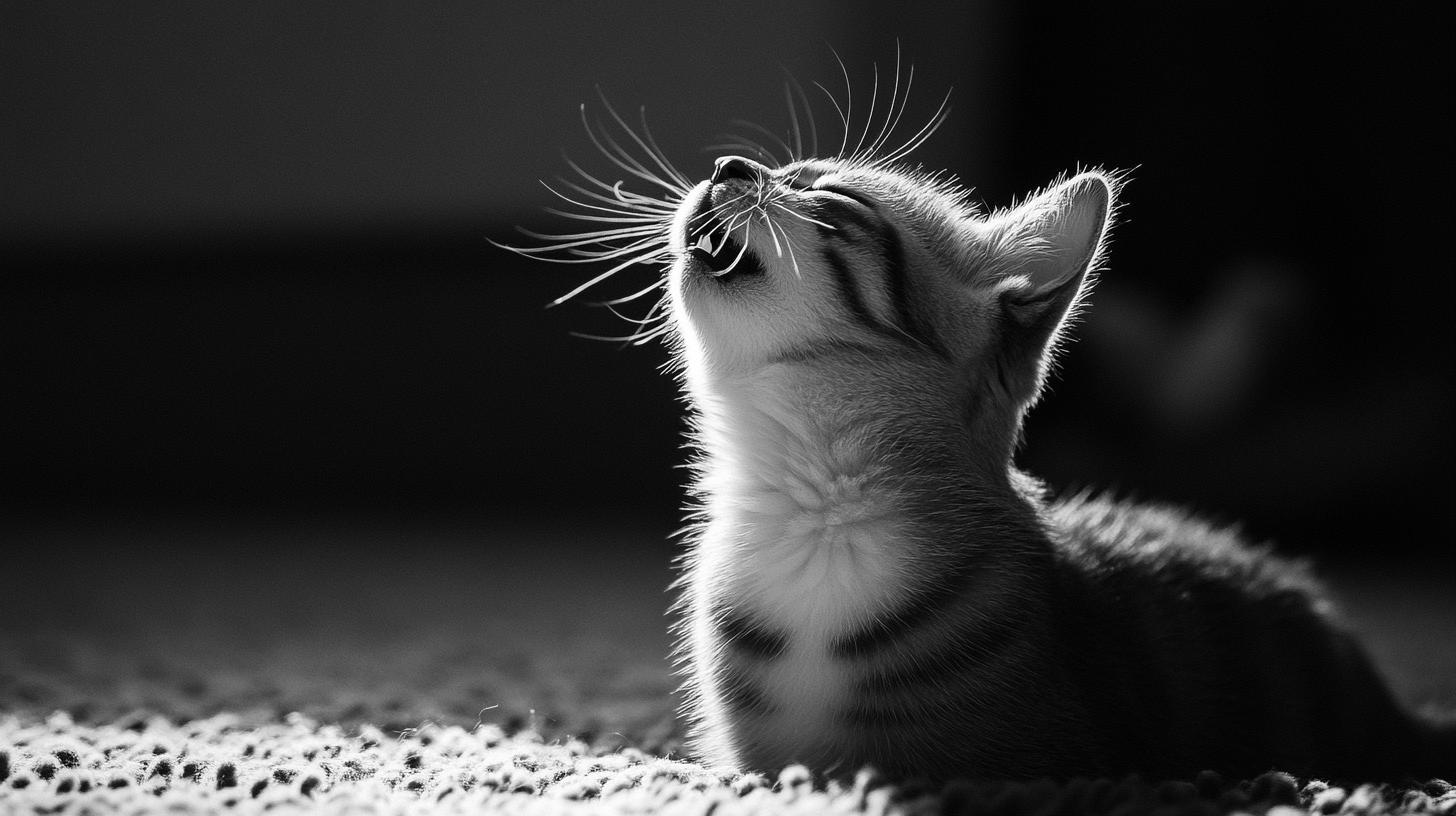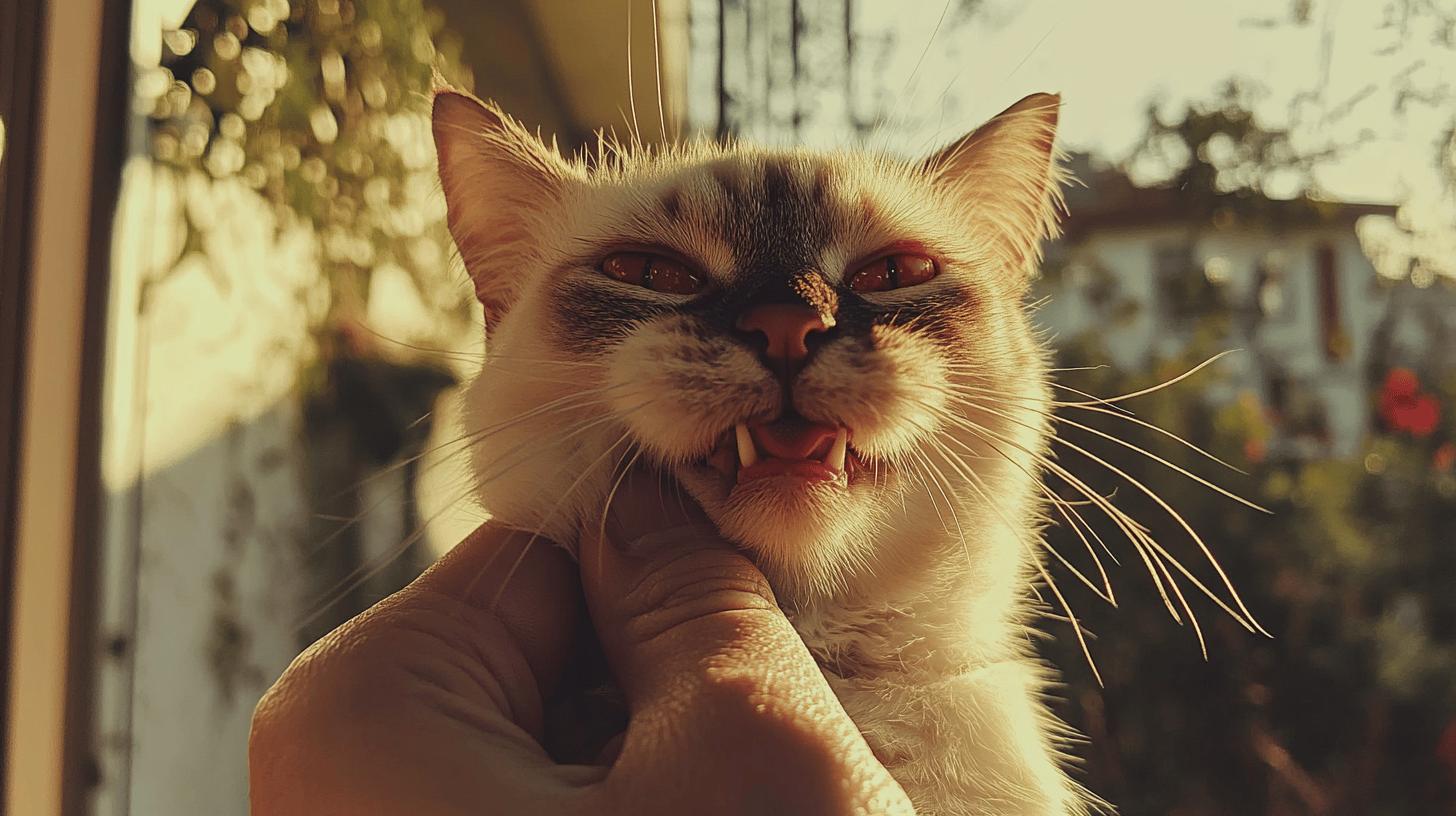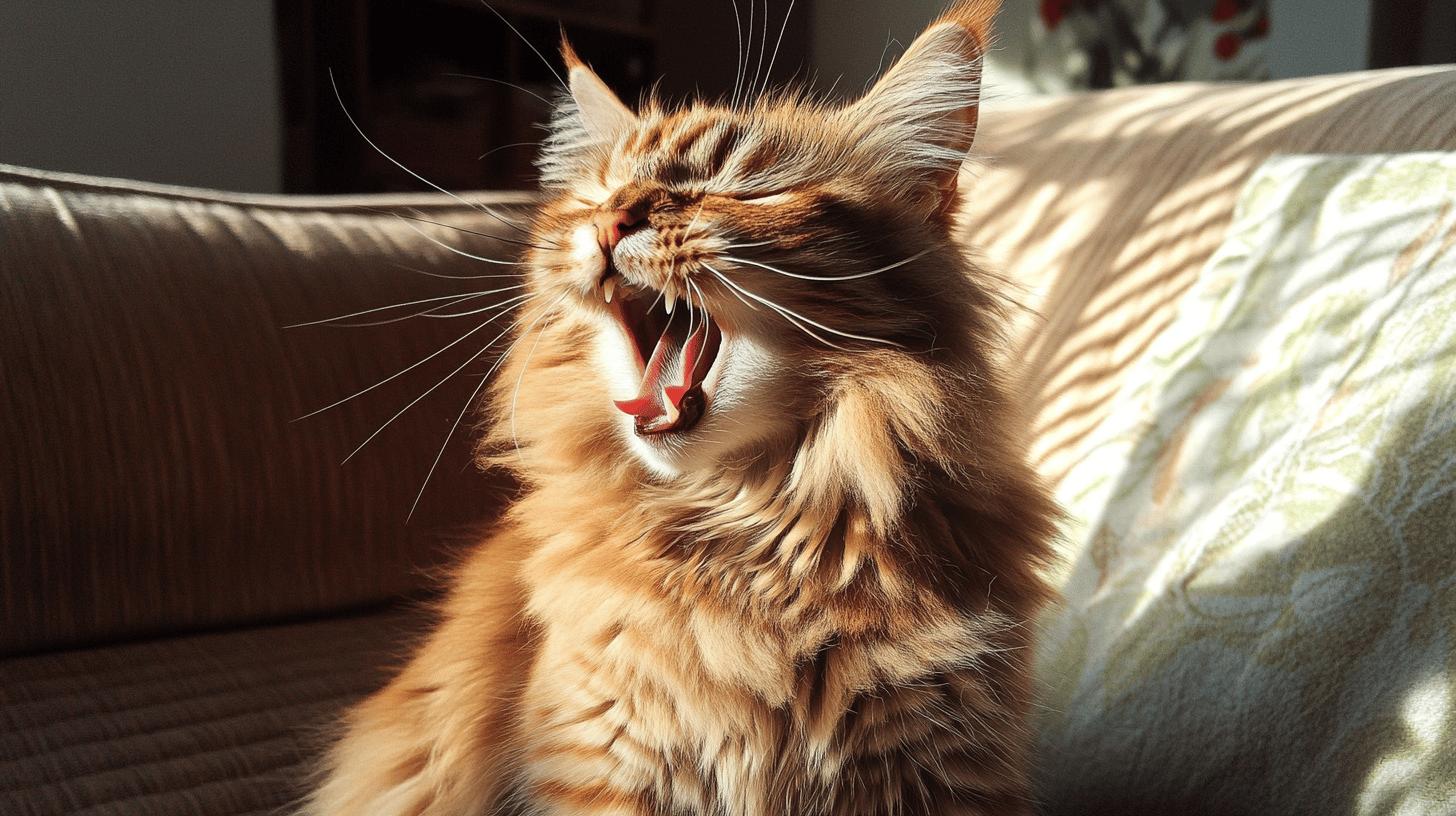
Category: Cat Behavior

  • Why Cat Growl Understanding Feline Vocalizations and Behavior

    Why Cat Growl Understanding Feline Vocalizations and Behavior

    Ever wondered why cats growl instead of purr when they're unhappy? It's like their way of drawing a line in the sand. That low rumble is more than just noise—it's feline communication at its core. Unlike purring, which says "I'm relaxed," a growl shouts, "Back off!" This blog will dive into the world of cat growls, revealing the emotions behind the sounds and how understanding these vocal cues can improve your bond with your feline friend. Let's figure out this puzzle together and create a happier, calmer home for your cat.

    Understanding Why Cats Growl

    Understanding Why Cats Growl-1.jpg

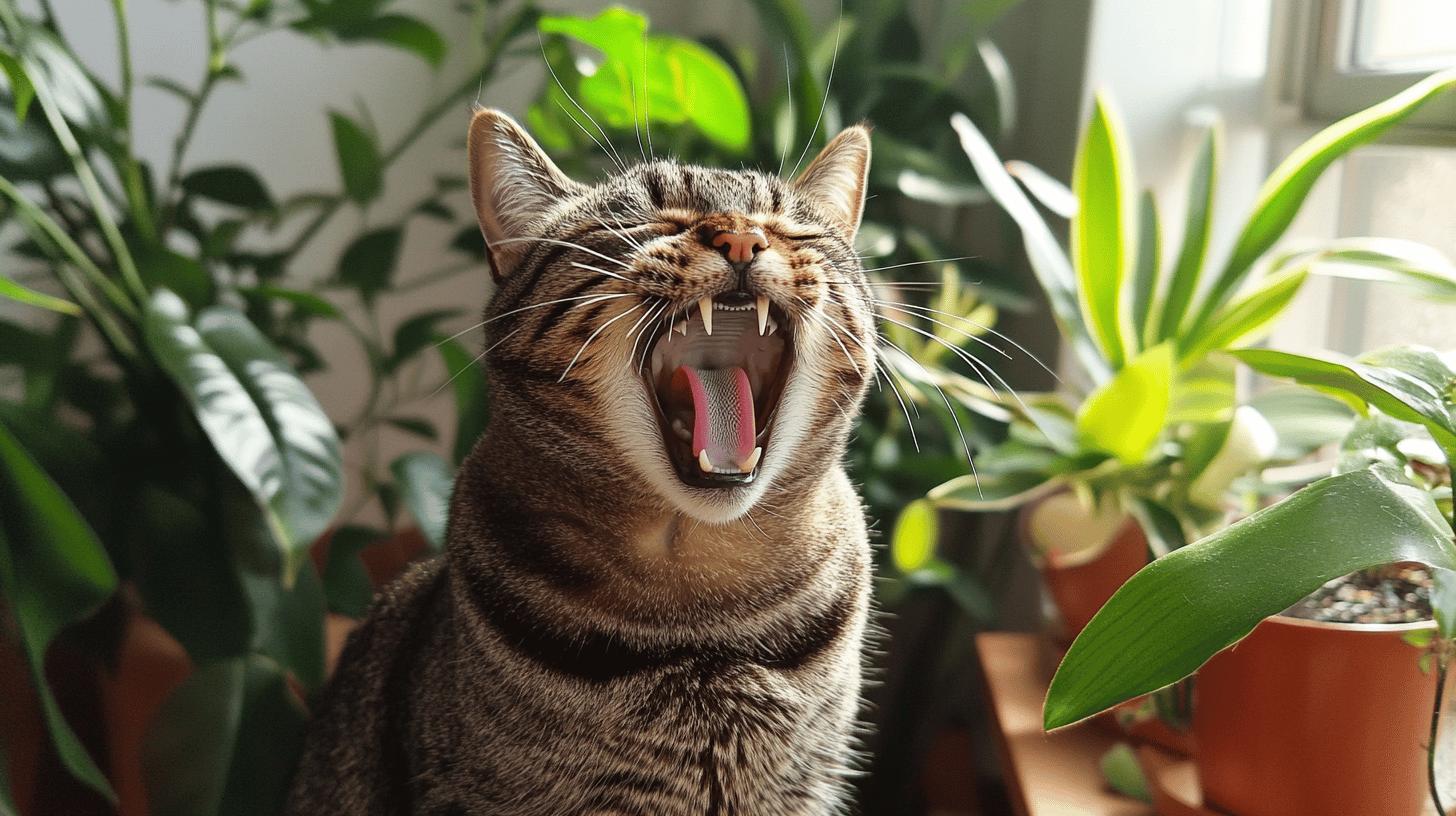
    Cat growling is a distinct vocalization characterized by a low, rumbling sound that is created when air is pushed through the vocal folds. It serves as a way for cats to communicate discomfort, fear, or territorial instincts. Unlike purring, which is often a sign of contentment and relaxation, growling indicates displeasure or unease. While purring is a soft, continuous vibration that cats produce when they are happy or relaxed, growling is more abrupt and serves as a warning or signal of distress. Understanding these vocal differences can help cat owners better interpret their pets' emotions and needs.

    Here are some common scenarios or emotions that might trigger a cat to growl:

    • Discomfort: When a cat is physically uncomfortable or in pain, it may growl to express its distress.
    • Fear: New environments, unfamiliar people, or unexpected noises can provoke fear, leading to growling.
    • Territorial Instincts: Cats are naturally territorial; they might growl to warn others to stay away from their space.
    • Stress: Changes in routine or environment can be stressful, prompting a growl as a reaction.
    • Aggression: Encountering other animals or feeling threatened can result in aggressive growling as a defense mechanism.

    Recognizing growling as a communication tool is vital for cat owners. It signifies that the cat is trying to express something important, whether it’s a warning or a plea for space. By understanding and respecting these vocal cues, we can create a more harmonious environment for our feline companions and address their needs more effectively.

    Common Reasons for Cat Growling

    Common Reasons for Cat Growling-1.jpg

    Fear is a primary reason for cat growling. Cats may feel threatened by new environments, unfamiliar people, or unexpected changes in their routine. When a cat encounters something it perceives as a threat, growling serves as a defensive response. This vocalization is meant to warn off potential threats and signal discomfort. For example, a cat might growl when a new pet is introduced into the home or if strangers visit. This is their way of expressing anxiety and asserting their need for safety.

    Anger and frustration also contribute to growling behavior. Cats can become agitated when they're overstimulated or when their needs aren't met, such as insufficient food or an unclean litter box. Overstimulation can occur during play or petting, leading to a sudden shift from purring to growling. This growl serves as a boundary, letting us know to back off and give them some space. Frustration might also arise if a cat feels its environment isn’t providing enough enrichment or is too chaotic.

    Territorial instincts are another significant factor. Cats are inherently territorial creatures and can growl to assert dominance over their space. If they perceive an intrusion, such as another cat entering their domain, growling becomes a vocal warning for the intruder to back off. This behavior is common when cats feel their territory, resources, or even their humans are being threatened. It’s their way of maintaining control over their environment and ensuring their security.

    Reason Description
    Fear Triggered by new stimuli like strangers or changes in routine.
    Anger and Frustration Caused by overstimulation or unmet needs such as food or litter box issues.
    Territorial Instincts Growling to protect space from perceived intrusions.

    How to Respond to a Growling Cat

    How to Respond to a Growling Cat-1.jpg

    When a cat growls, the best first step is to give them plenty of space. This vocalization is their way of communicating discomfort or distress, so respecting their boundaries is crucial. Avoid approaching or attempting to comfort them directly, as this can escalate their anxiety or fear. Instead, observe from a distance to assess the situation. Direct confrontation or trying to calm them physically can lead to increased aggression or stress.

    To help calm a growling cat, consider these strategies:

    • Remove Stressors: Identify and eliminate elements in the environment that might be causing distress.
    • Observe Body Language: Pay attention to other signals like tail position or ear movement to better understand their mood.
    • Provide Safe Spaces: Ensure your cat has access to quiet areas where they can retreat and feel secure.
    • Maintain a Calm Environment: Keep the surroundings as peaceful as possible to help your cat relax.

    It's important to never punish a cat for growling. This sound is a natural form of expression, and punishment can lead to more stress or fear, worsening the problem. Instead, focus on understanding the cause and addressing it without aggression or negative reinforcement.

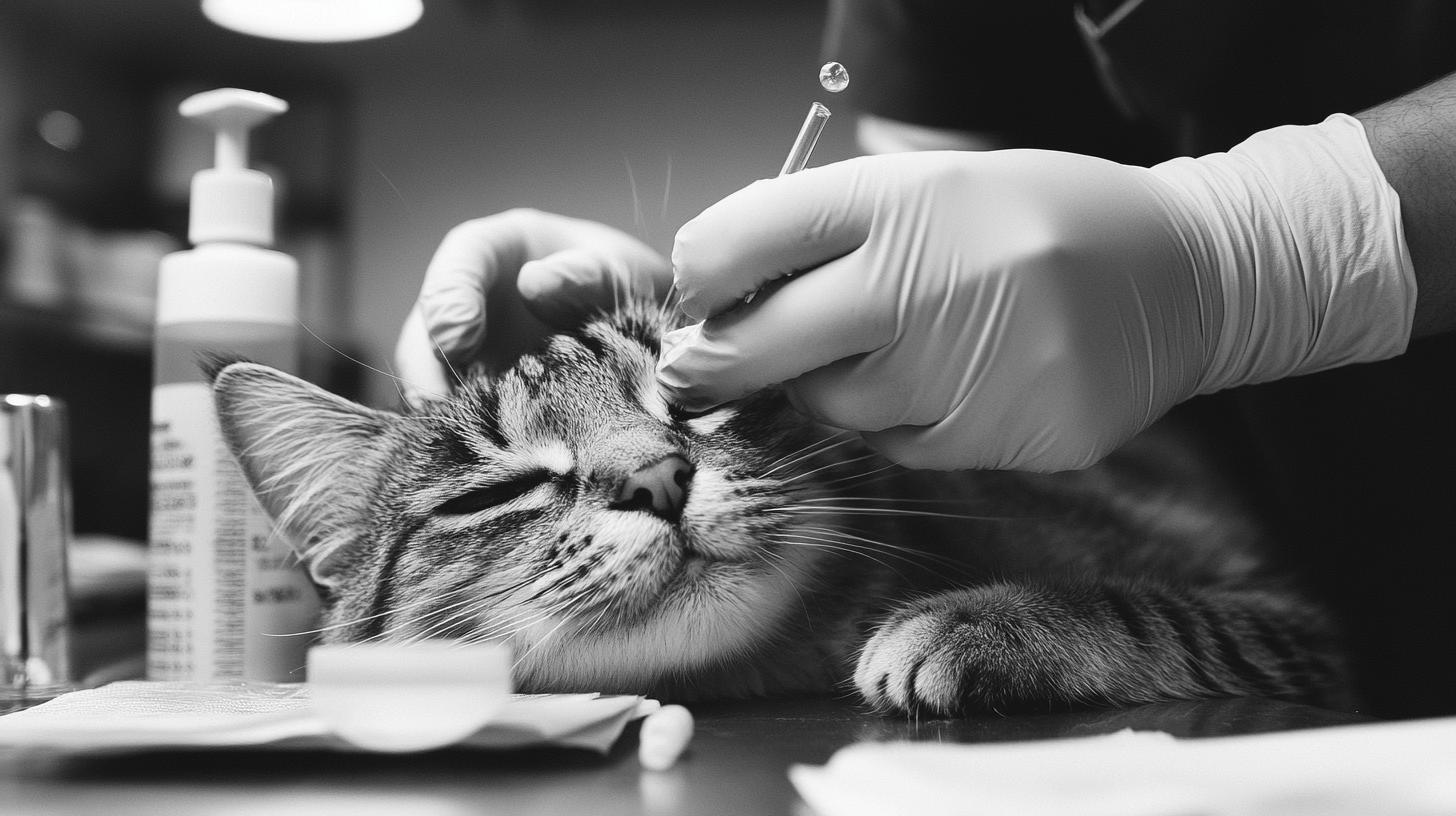
    If growling persists and you cannot identify a clear cause, it might be time to consult a veterinarian. Persistent growling can be a sign of underlying health issues that need attention. A vet can conduct a thorough examination to rule out pain or discomfort as potential causes, ensuring your feline friend remains healthy and happy.

    Growling in Different Contexts: Play and Pain

    Growling in Different Contexts Play and Pain-1.jpg

    Playful Growling

    Cats often express themselves vocally during play, and a growl might be part of the fun. When kittens or young adult cats engage in playful activities with each other or toys, growling can accompany their excitement. This type of growling is typically harmless and can be seen when a cat is thoroughly engrossed in a game of chase or mock hunting. The growl is not intended as a threat but is an expression of heightened energy and enthusiasm. It's a sign that the cat is fully immersed in its play, using vocalizations to enhance the experience.

    Pain-Induced Growling

    Contrary to playful growling, a cat may growl due to pain or discomfort, signaling a need for attention. Cats are experts at concealing illness or injury, so vocal hints like growling can be crucial indicators. When a cat growls while being touched or handled, it may be experiencing pain and is communicating its wish to be left alone. This type of growling is often accompanied by changes in behavior, as the cat may become more withdrawn or show reluctance to engage in activities it usually enjoys.

    Here are three indicators that may suggest a cat is growling due to pain:

    1. Limping, which could indicate an injury or joint pain.
    2. Reluctance to move or jump, especially if the cat is usually active.
    3. Hiding or seeking solitude more than usual, which can be a sign of distress or discomfort.

    Recognizing these signs can help cat owners address potential health issues promptly, ensuring the well-being of their feline friends.

    Preventive Measures for Cat Growling

    Preventive Measures for Cat Growling-1.jpg

    Understanding your cat's environment and maintaining a consistent routine are crucial in reducing stressors that might lead to growling. Cats thrive in stable conditions where changes are minimal. Sudden alterations in their surroundings or daily schedule can trigger anxiety and result in vocal expressions of discomfort. To minimize these stressors, ensure your cat's living space is predictable and calm. Familiarity with their environment helps cats feel secure and less prone to defensive reactions like growling. Observing their behavior in different settings will help identify what may be causing stress or insecurity.

    Here are some preventive measures to help reduce growling:

    1. Create a Stable Environment: Keep your cat's habitat consistent, avoiding unnecessary changes in their space or routine.
    2. Routine Vet Check-Ups: Regular veterinary visits can catch health issues early, preventing pain-related growling.
    3. Enriching Activities: Provide mental and physical stimulation through toys and play to prevent boredom and frustration.
    4. Monitor Interactions: Be mindful of how your cat interacts with other pets or people, and intervene if your cat seems uncomfortable.

    Monitoring for signs of insecurity or discomfort is vital. Look for subtle changes in behavior, such as increased hiding or reluctance to engage, which might precede growling. By identifying and addressing these signs early, you can prevent escalation and ensure your cat remains content and secure in their environment. This proactive approach helps foster a peaceful coexistence with your feline friend.

    Final Words

    Understanding why cats growl can help us care for them better. We explored how growls differ from purring, and the reasons behind it, such as fear, anger, and territorial instincts. Responding the right way, like giving them space and checking for stressors, is key. Remember, growling can mean different things; sometimes it’s just play, or it signals pain. Preventive steps, like keeping their environment stress-free, support their well-being. Grasping why cats growl enhances our bond with them and contributes to a happier home.

    FAQ

    Why is my cat growling for no reason?

    A cat growls as a form of communication. This usually indicates discomfort, fear, or territorial instincts. It’s less about being "for no reason" and more about underlying issues your cat is trying to express.

    What does it mean when a cat growls at another cat?

    When a cat growls at another cat, it often means they feel threatened or want to establish dominance. It's part of their territorial behavior and social communication to maintain boundaries.

    Why is my cat growling while playing?

    A cat might growl during play to express excitement or overstimulation. Especially in kittens, playful interactions can involve growling as part of their learning and socializing process.

    Why does my cat growl at strangers?

    Cats often growl at strangers due to fear or caution. A new person can disrupt their sense of security, and growling serves as an early warning system to keep distance.

    What does a deep growl mean in a cat?

    A deep growl usually indicates heightened fear or aggression. It often signals a substantial desire to protect themselves or their territory from perceived threats.

    How do you calm a growling cat?

    Calm a growling cat by giving them space, removing stressors, and providing a safe environment. Avoid comfort or punishment, which can heighten their anxiety.

    Why does my cat make a rumbling sound?

    A rumbling sound is a form of low growling. It may indicate unease or a need for personal space, often triggered by unfamiliar situations or overstimulation. Recognize it as part of their communication.

    Related Articles

  • Why Cat Sleeps on My Legs Explained

    Why Cat Sleeps on My Legs Explained

    Ever wonder why your cat loves sleeping on your legs? It might seem quirky, but this behavior uncovers a world of feline instincts and emotions. Your legs are not just a warm, cozy spot; they symbolize trust and affection. The warmth you provide is like a soft, inviting blanket, perfect for a cat that craves comfort. Plus, your legs offer a stable platform, which reminds them of safe, steady places they’d choose in the wild. So, when your furry friend curls up there, it’s their way of saying, “You’re my safe haven.”

    Reasons Why Your Cat Sleeps on Your Legs

    Reasons Why Your Cat Sleeps on Your Legs-1.jpg

    Cats are naturally drawn to warmth, which is one of the main reasons they might choose to nap on your legs. The body heat you emit is like a cozy, inviting blanket for your feline friend. This warmth is especially appealing to cats with sparse fur or young kittens who have a harder time maintaining body temperature on their own. Your legs, in particular, provide a snug and secure spot, making them irresistible for a quick catnap.

    Beyond warmth, your legs offer a sense of stability and security that cats crave in their sleeping environment. Since legs tend to move less than other parts of the body, they serve as a stable platform that doesn't disturb a cat's rest. This stillness might remind them of the stability they find in nature, where they would seek out steady branches or rocks to perch on during rest. In the wild, a stable sleeping spot means fewer surprises and less chance of suddenly having to dart away from a predator.

    Sleeping on your legs also speaks volumes about the bond and affection your cat feels towards you. This behavior is a clear sign that your cat trusts you and feels safe in your presence. When a cat chooses to sleep on or near you, it's their way of expressing love and feeling secure. This emotional closeness is a compliment to your relationship, showing that they see you as part of their social group, similar to how they would snuggle with fellow cats for companionship and warmth.

    These behaviors are deeply rooted in a cat’s instincts and reveal a lot about their relationship with you. Cats instinctively seek out warm, secure, and elevated spots to relax. By choosing to sleep on your legs, they're following these instincts while also strengthening the bond between you. This simple act of curling up on your legs enhances the pet-owner relationship, reflecting mutual trust and affection that is rewarding for both sides.

    Understanding Feline Sleep Choices

    Understanding Feline Sleep Choices-1.jpg

    Cats have a fascinating array of sleeping positions, each revealing insights into their mood and comfort levels. These positions are not just about catching some z's; they communicate a lot about how your cat is feeling. For instance, the "spluff" position, where a cat sprawls out with its belly exposed, signals a sense of safety and relaxation. In contrast, the "cat loaf" position, where they tuck their paws under their bodies, implies a relaxed yet alert state, conserving heat and energy. Cats may also curl up tightly, a position that helps them retain warmth and remain inconspicuous, allowing for quick reactions if needed.

    Here are five common sleeping positions and their meanings:

    • Spluff: Indicates safety and relaxation.
    • Cat Loaf: Suggests relaxation while conserving heat.
    • Tight Curl: Retains warmth and keeps the cat less visible.
    • Side Sleeping: Often used for cooling down.
    • Monorail: Shows comfort and stability, often on narrow surfaces.

    The environment and location play significant roles in a cat's sleep choices. Cats are instinctively drawn to warm and elevated spots, which provide both comfort and a strategic viewpoint. This behavior can be traced back to their wild ancestors, who sought high places to observe their surroundings and ensure safety. Hiding spots, such as under furniture or in cozy nooks, can indicate a need for security, particularly if they are feeling stressed or unwell. Nighttime habits often reflect these instincts, with cats choosing locations that balance warmth, safety, and strategic advantage. Observing these choices can offer insights into your cat's needs, such as whether they require more warmth or a less stressful environment.

    Behavior Indication
    Spluff Safety and relaxation
    Cat Loaf Relaxation and heat conservation
    Tight Curl Warmth retention and quick reaction
    Side Sleeping Cooling down
    Monorail Comfort and stability

    Understanding these sleep patterns is key to enhancing your cat's wellbeing. By recognizing and interpreting your cat's sleeping behaviors, you can ensure they feel secure, comfortable, and well-cared for. Observing where and how your cat sleeps can provide valuable clues about their physical health and emotional state, guiding you to make adjustments in their environment that promote their overall happiness and health.
    Tips for Managing Leg-Sleeping Habits

    Tips for Managing Leg-Sleeping Habits-1.jpg

    If you find your cat sleeping on your legs a bit too constraining or uncomfortable, there are ways to gently encourage them to choose a different spot. Some owners may want to modify this behavior to prevent disturbances during sleep or simply to maintain personal space. The key is to make alternative sleeping areas more appealing than your legs. This can be done by strategically placing cozy beds or blankets in quiet corners, ideally where your cat already enjoys spending time.

    Here are four tips to help redirect your cat's sleeping habits:

    1. Introduce New Sleeping Areas: Place soft, comfortable bedding in preferred spots.
    2. Use Comfort Items: Add familiar scents or toys to make new areas inviting.
    3. Adjust the Environment: Ensure the new spot is warm and quiet, mimicking the comfort of sleeping on your legs.
    4. Positive Reinforcement: Reward your cat with treats when they choose the new sleeping area.

    By creating an attractive alternative, you can guide your cat to a new favorite resting place without disrupting your bond.

    Final Words

    Seeing your cat snuggle onto your legs highlights the warmth, security, and love they seek from you. These behaviors offer insight into cat sleeping preferences, focusing on bonding and the protection they feel. Cats value warmth and stability, making your legs a perfect resting place.

    Understanding why cat sleeps on my legs reveals their instinctual safety and companionship needs. If you prefer a different sleeping arrangement, promote alternative cozy spots while maintaining their comfort.

    Enjoy these moments of affection, knowing your cat's behavior strengthens your mutual bond.

    FAQ

    Why does my cat sleep on my legs?

    Cats often sleep on your legs for warmth and coziness. Your legs provide a steady, unmoving spot, making them an ideal resting place. This behavior also shows trust and affection towards you.

    What does it mean if a cat sleeps on your legs?

    When a cat sleeps on your legs, it signifies bonding and emotional closeness. It shows the cat feels safe and secure with you, highlighting trust and affection.

    Why is my cat obsessed with my legs?

    A cat’s obsession with your legs can be due to warmth, security, stability, and the comfort it offers. It indicates that the cat enjoys close contact and feels safe around you.

    What does it mean when a cat sleeps by your head?

    Sleeping by your head can indicate trust and affection. It’s a sign your cat values closeness and feels secure with you, enjoying the warmth and your scent.

    Why is my cat sleeping on the floor all of a sudden?

    If your cat starts sleeping on the floor suddenly, it may be too hot or uncomfortable on the bed. It could also seek a cooler, quieter space, or it might not feel well. Consider their behavior and environment.

    Related Articles

  • Why Cat Hiss at Other Cat Understanding Feline Communication

    Why Cat Hiss at Other Cat Understanding Feline Communication

    Ever wondered why your normally sweet feline turns into a hissing machine around other cats? It's not just a bad mood; it's a vital form of communication. Hissing among cats can signify fear or a territorial boundary.

    When a cat feels threatened, it aims to send a clear message: "Back off!" This vocal cue is a natural way for them to express discomfort or unease. By understanding the reasons behind this behavior, we can better support our furry friends and ensure a peaceful environment for everyone involved.

    Why Cats Hiss at Each Other: Understanding the Reasons

    Why Cats Hiss at Each Other Understanding the Reasons-1.jpg

    Cats often hiss as a way to communicate their feelings of fear and discomfort. This behavior is their way of expressing that they are uneasy or threatened by a situation or another cat. When a cat feels vulnerable, it may hiss to signal that it needs space or wants the perceived threat to back off.

    This hissing serves as a warning to others, letting them know that the cat isn't comfortable with their presence or actions. In a household with multiple cats, this can occur when one cat suddenly faces an unfamiliar scenario or a change in their environment, prompting fear-based hissing.

    Another common reason for cat hissing is territorial disputes. Cats are naturally territorial creatures, and when they perceive their space is being encroached upon by another cat, they might hiss to assert their claim.

    This hissing doesn't directly relate to dominance or social hierarchy but is instead a straightforward way of saying, "This is my space." Whether it's a favored lounging spot or a specific area of the home, cats will use hissing to establish and maintain their boundaries. This behavior is crucial for cats to communicate their need for personal territory among their feline companions.

    In multi-cat households, hissing plays a significant defensive role. When cats live together, it's essential for them to have a way to express when they feel threatened or overwhelmed. Hissing acts as a pressure release, allowing cats to communicate their need for distance without resorting to physical confrontation.

    This defensive vocalization helps maintain peace and balance among the cats, reducing the chances of aggressive behavior. Understanding these vocal cues is vital for cat owners to create a harmonious living environment where each cat feels secure and respected.

    Identifying Common Triggers for Cat Hissing

    Identifying Common Triggers for Cat Hissing-1.jpg

    Cats often hiss during rough play sessions when one becomes uncomfortable or overwhelmed. This sudden hissing behavior is a clear signal that the play has crossed a line for one of the cats involved. It's their way of saying, "Enough is enough." When cats meet new beings, whether it's humans or other animals, they might hiss due to unfamiliarity.

    This reaction stems from their natural caution towards strangers, as they assess whether the newcomer poses any threat. It's a protective mechanism that allows cats to communicate their boundaries right from the get-go.

    Here are some common stressors that can provoke hissing in cats:

    • Sudden loud noises like fireworks or thunder
    • Changes in the home environment, such as new furniture or renovations
    • Visits to the vet, which often involve being handled by strangers
    • Introduction of a new pet into the household
    • Being placed in a cat carrier, which limits their freedom

    Trigger stacking is a phenomenon where multiple stressors accumulate and lead to increased hissing. For instance, a cat might tolerate a new pet initially, but if combined with a loud noise or a sudden change, the stress can become overwhelming.

    This buildup of triggers makes it difficult for the cat to cope, resulting in hissing as a way to express their discomfort. Understanding and managing these triggers can help mitigate hissing and foster a more peaceful environment for your feline friend.

    Managing and Reducing Hissing in Cats

    Managing and Reducing Hissing in Cats-4.jpg

    Creating a calming environment is a crucial step in managing and reducing hissing between cats. Cats are sensitive creatures, and their environment plays a significant role in their behavior. By ensuring that each cat has its own safe space to retreat to, you can help alleviate territorial disputes and reduce stress.

    Providing multiple hiding spots and elevated perches allows cats to observe their surroundings without feeling threatened. Additionally, maintaining a consistent routine helps cats feel secure, minimizing the chances of hissing incidents. A harmonious atmosphere is key to fostering peace among feline companions.

    Here are some products and techniques that can help alleviate stress and prevent cat fights:

    • Comfort Zone Multi-Cat Diffuser: Releases calming pheromones to ease tension among cats.
    • Feliway Classic Spray: Helps reduce stress-related behaviors, including hissing.
    • Interactive toys and playtime: Engages cats physically and mentally, reducing boredom and aggression.
    • Soothing music or white noise: Masks environmental noises that might trigger stress.

    If you're struggling to manage hissing despite these efforts, seeking professional help can make a difference. Joey Lusvardi, an IAABC Certified Cat Behavior Consultant, offers consultations to address unwanted behaviors.

    A behavior consultant can identify specific stressors and provide tailored strategies to manage them. Training services can also assist in teaching your cats healthier ways to interact, reducing the frequency of hissing and promoting a peaceful household. Professional guidance ensures that you have the right tools and knowledge to support your cats' well-being in the long run.

    Understanding Cat Relationships and Social Hierarchy

    Understanding Cat Relationships and Social Hierarchy-1.jpg

    In multi-cat households, social dynamics can be quite intricate. Cats often display specific behaviors to establish their roles, such as grooming, subtle body language, and play. These actions help determine the dominant cat in terms of access to resources like food bowls and preferred sleeping spots.

    Beyond basic hissing and territorial marking, cats might engage in behaviors like blocking pathways or occupying vantage points to assert their status. Recognizing these nuances can provide deeper insights into your cats' social structure.

    To maintain a peaceful environment, it's essential to acknowledge and respect these social hierarchies. Providing each cat with its own space, resources, and ensuring they have ample vertical territory can significantly reduce tensions.

    Observing your cats for any changes in behavior or hierarchy can be valuable. Consulting with a veterinarian or a certified behavior consultant can offer tailored strategies to manage these dynamics effectively. Understanding and addressing these aspects can help your cats live together harmoniously, minimizing unnecessary conflicts.

    Final Words

    Understanding the reasons why cats hiss at each other helps us create a more harmonious home for them. We've covered how hissing signals discomfort, warns others, and sets territorial boundaries. It's a natural part of feline communication.

    By recognizing triggers like unfamiliar faces or stressful situations, we can address sudden hissing behavior effectively. Managing hissing involves creating a calming environment and possibly seeking expert help. Social hierarchy and cat dynamics also play a significant role in these interactions.

    Embrace these insights for a peaceful and feline-friendly household.

    FAQ

    Why is my cat hissing at my other cat all of a sudden?

    A cat may suddenly hiss at another due to changed scent or separation. Returning from the vet or an outdoor trip can provoke this reaction as they readjust to shared territory.

    How do I get my cat to stop hissing at my other cat?

    To reduce hissing, provide separate spaces, reintroduce gradually, and use calming products like a Multi-Cat Diffuser. Consulting with a behaviorist may also help.

    Is it normal for cats to hiss at each other?

    It is normal for cats to hiss, as it is a form of communication indicating discomfort or a request for space. This behavior helps establish boundaries.

    Should I let my cat hiss at the new cat?

    Allow some hissing as cats adjust to each other. Intervene if hostility increases or turns physical to prevent injuries.

    How do you calm a hissing cat?

    Calm a hissing cat by providing a safe, quiet space. Reduce stressors, and use products like Feliway to create a soothing environment.

    Why do cats hiss at kittens?

    Cats may hiss at kittens to establish boundaries and correct behavior. This is a natural part of socializing within cat dynamics.

    Why cat hisses at other cat at night?

    Nighttime hissing could be due to increased activity or territorial disputes. Ensure each cat has its own space to reduce conflicts.

    Why cat hiss when playing?

    Cats might hiss during play if it becomes too rough. It's their way of signaling discomfort or the need for a break in the activity.

    Related Articles

  • Why Cat Eyes Glow Explained by Tapetum Lucidum

    Why Cat Eyes Glow Explained by Tapetum Lucidum

    Ever wonder why your cat's eyes glow at night like tiny headlights? This captivating glow isn't just a spooky trick; it's a testament to their incredible night vision. The secret lies in a special mirror-like layer in their eyes called the tapetum lucidum. It's this reflective layer that allows cats to see better in the dark, making them master hunters during dawn and dusk. Curious about how this works and what it means for your feline friend? Let's explore the science and magic behind those glowing eyes.

    The Science Behind Why Cat Eyes Glow and Tapetum Lucidum

    The Science Behind Why Cat Eyes Glow and Tapetum Lucidum-1.jpg

    Cats have an extraordinary talent for seeing in the dark, and this is due to a phenomenon called eyeshine. Eyeshine is the mysterious glow we see when a cat's eyes catch the light at night. This glow is not just for show; it's crucial for their survival. Cats are crepuscular hunters, meaning they are most active during dawn and dusk. The ability to see well in low light is vital for stalking prey and avoiding dangers. The glow we observe is actually a reflection of light off a special layer in their eyes, known as the tapetum lucidum.

    Let's dive into the fascinating world of the tapetum lucidum. This reflective layer is located behind the retina. When light enters a cat's eye, it passes through the retina, where some of the light stimulates the photoreceptor cells. The tapetum lucidum then reflects the remaining light back through the retina. This double pass of light gives cats a second chance to detect it, enhancing their ability to see in dim conditions. This process is what creates the characteristic glow that we see at night. The tapetum lucidum acts as a natural mirror, amplifying light and making cats' night vision remarkably effective.

    However, the advantages of the tapetum lucidum come with some trade-offs. While it significantly boosts night vision, it can also cause images to scatter. This scattering can make daytime vision slightly less sharp compared to animals without this reflective layer. During the day, when light is abundant, the intense reflection can lead to a bit of blurriness, especially when compared to humans, who rely entirely on the initial light that hits the retina.

    Here are some key benefits and trade-offs of the tapetum lucidum:

    • Enhanced Night Vision: The tapetum lucidum provides cats with superior night vision, allowing them to navigate and hunt in low-light conditions.
    • Increased Light Sensitivity: By reflecting light back through the retina, cats can make the most of minimal light conditions.
    • Double Light Pass: This feature maximizes the amount of light detected by the retina, improving visual perception at night.
    • Daytime Blurriness: The same reflective property that aids night vision can make daytime images less sharp.
    • Adaptation for Nocturnal Lifestyle: The tapetum lucidum is a crucial adaptation that supports cats' crepuscular hunting habits.

    Understanding the tapetum lucidum helps us appreciate how cats have evolved to become efficient low-light hunters. While this reflective layer enhances their ability to see at night, it can also make daytime vision a bit blurrier. This trade-off is a small price to pay for such an amazing adaptation that allows cats to thrive in nature's shadows.

    Variations in Cat Eye Glow Colors

    Variations in Cat Eye Glow Colors-1.jpg

    Cats' eye glow colors can be quite captivating and are influenced by several intriguing factors. The primary reason for this variation lies in the structure of the tapetum lucidum itself. The makeup of this reflective layer can differ among individual cats, resulting in a range of colors when their eyes reflect light. The angle at which light hits a cat's eyes also plays a crucial role in determining the color. When light enters from different angles, it can cause the glow to appear in various hues. Additionally, genetic factors can influence the pigmentation within the tapetum lucidum, affecting the glow color seen in different cats.

    Here are some common glow colors and the factors that contribute to each:

    • Green: Often seen in cats with a high concentration of zinc or riboflavin in the tapetum lucidum.
    • Blue: Usually results from the specific arrangement of cells in the tapetum lucidum, affecting how light is scattered.
    • Red: This color may appear due to the reflection of blood vessels within the eye, more visible in some lighting conditions.
    • Yellow: Caused by certain compounds within the tapetum lucidum that reflect light differently.

    These variations in eye glow colors can be useful for spotting and identifying different animals in the dark. For instance, if you're out at night and see a pair of glowing eyes, the color can sometimes help determine whether you're looking at a cat or another nocturnal creature. Recognizing these differences can add a layer of understanding to the fascinating world of nighttime wildlife observation.

    Comparing Cat Eyes with Other Animals

    Comparing Cat Eyes with Other Animals-1.jpg

    The fascinating glow of cat eyes is not unique to them alone. Many nocturnal animals, such as dogs, deer, and raccoons, share this trait thanks to a structure known as the tapetum lucidum. This reflective layer is a marvel of evolution, enhancing night vision by reflecting light back through the retina. While cats benefit greatly from this adaptation, the structure and functionality of the tapetum lucidum can vary significantly among different species, affecting the intensity and color of their eyeshine.

    Effectiveness Across Species

    The tapetum lucidum's effectiveness is not uniform across all animals. In cats, the layer is finely tuned to assist in hunting during low-light conditions, often resulting in a bright green or yellow glow. Dogs, on the other hand, may exhibit a range of glow colors, including blue or green, depending on the breed and individual characteristics. Deer have a tapetum lucidum that reflects a more subdued glow, often appearing red or orange, which suits their need for awareness of predators at twilight. These variations in color and intensity are due to differences in the cellular arrangement and chemical composition of the tapetum lucidum in each species.

    The evolutionary advantages of the tapetum lucidum are numerous. For nocturnal animals, it is a vital adaptation that allows them to thrive in their environments. By amplifying available light, animals can detect prey or predators with much greater accuracy in the dark. This ability to see well under low-light conditions has likely contributed to the survival and success of these species over time, making the tapetum lucidum a crucial component in the arsenal of nocturnal creatures.

    Why Humans Don't Have Glowing Eyes

    Why Humans Dont Have Glowing Eyes-1.jpg

    Humans don't experience the eerie eyeshine that cats do because we lack a tapetum lucidum. This special layer, found in many nocturnal animals, including cats, reflects light back through the retina, enhancing their ability to see in the dark. Without this reflective layer, human eyes don't have the same capability to amplify low light, which means a flashlight shone into our eyes won't produce that glowing effect. Our vision is optimized for daylight conditions, relying solely on the light initially absorbed by the retina.

    Here are some differences between human and cat eye structures:

    • Presence of Tapetum Lucidum: Cats have this reflective layer, while humans do not.
    • Retinal Structure: Human retinas rely more on cone cells for color perception, whereas cats have more rod cells for low light.
    • Pupil Shape: Cats have slit-shaped pupils that enhance light regulation; humans have round pupils.

    Despite some myths, human eyes do not glow in the dark. Stories of glowing human eyes often stem from misunderstandings or optical illusions. Unlike cats, our eyes lack the necessary structure to create such a glow. So, the next time you see a pair of glowing eyes at night, rest assured it's likely a nocturnal creature with its built-in night vision, not a human.

    Final Words

    Understanding why cat eyes glow unveils the wonder of the tapetum lucidum, a crucial part of feline anatomy. This reflective layer enhances low-light vision by bouncing light back through the retina, though it can blur daytime images. We also explored how these reflections vary in color and how this feature compares with other animals with a tapetum lucidum. Humans, lacking this reflective feature, don't share this eyeshine.

    Recognizing these differences highlights the fascinating adaptations of cats for nighttime adventures. Learning about why cat eyes glow can deepen our appreciation for our whiskered friends.

    FAQ

    Why do cat eyes glow at night?

    Cats' eyes glow due to eyeshine, which is enhanced by the tapetum lucidum. This reflective layer bounces light through the retina, improving vision in low-light conditions.

    What is the tapetum lucidum?

    The tapetum lucidum is a reflective layer in cats' eyes. It enhances their night vision by reflecting light back through the retina, making nighttime images clearer for them.

    Why do cats have such bright eyes?

    Cats have bright eyes because of the tapetum lucidum, which reflects light, aiding in low-light visibility. This brightness helps them hunt and navigate at night.

    Why don't my cat's eyes glow in the dark?

    Not all cats have the same level of tapetum lucidum pigmentation, which can affect eyeshine. If a cat's eyes don't glow, it could be due to lower reflectiveness.

    Why did my cat's eyes get brighter?

    A cat's eyes might appear brighter if they are in a dim environment or exposed to light at a certain angle, intensifying the reflection from the tapetum lucidum.

    Why do cats' eyes sometimes glow red?

    Red-eye glow in cats can be due to blood vessels in the retina reflecting light, often visible when the tapetum lucidum reflects at certain angles.

    Why are my cat's eyes glazed over?

    Glazed eyes in cats might indicate health issues, such as cataracts or eye infections. If persistent, it's best to consult a vet for a professional assessment.

    What makes cat eyes glow different colors?

    The color of a cat's eye glow can vary due to light angles, tapetum lucidum structure, and individual genetics. Common colors include green, blue, and red.

    Why don't humans have glowing eyes?

    Humans lack the tapetum lucidum, meaning their eyes don't reflect light like cats. This structural difference results in minimal or no eyeshine under light.

    Related Articles

  • Why Cat Rolls on Back Understanding Feline Behavior

    Why Cat Rolls on Back Understanding Feline Behavior

    Ever wondered why your cat rolls on its back like it's auditioning for a yoga class? It's not just a cute antic; it's a fascinating peek into feline behavior. When cats show their bellies, they often signal trust and comfort, especially around their human friends. It's like they're saying, "Hey, I feel safe here." But that's not all. Rolling can also be a playful invitation or even a way to mark their territory. Understanding these actions can help us better connect with our furry companions and respond to their signals.

    Understanding Why Cats Roll on Their Backs

    Understanding Why Cats Roll on Their Backs-1.jpg

    When a cat rolls on its back, it's often performing what's known as the "social roll." This behavior is a fascinating part of feline body language and can signal a variety of messages. The social roll is frequently a sign of trust and comfort, especially towards their human companions. Cats feel safe enough to expose their vulnerable bellies, showing they are relaxed and at ease in their environment. This behavior is one of the clearest indicators of a cat's comfort and trust, and it offers a glimpse into the feline's inner world.

    Rolling can also be a playful invitation. When a cat rolls onto its back, it might be inviting you or another cat to engage in interaction or play. This can be seen when a cat purrs or adopts a relaxed posture while rolling, signaling that it is in a playful mood. Engaging with them during this time can strengthen bonds and provide much-needed stimulation and affection. However, not all cats enjoy having their bellies rubbed, and some may react with a playful swat if they feel startled or overstimulated.

    Another reason for rolling is territory marking. Cats have scent glands around their bodies, and by rolling, they can spread their scent and mark their territory. This act is particularly common in areas where they feel secure and content. Understanding these behaviors is crucial, as each cat will have its unique way of communicating. This knowledge allows us to better interpret and respond to their needs and desires.

    Feline Trust and Communication Signals

    Rolling is a key indicator of trust, security, and affection. When a cat rolls on its back, it might purr or have a relaxed posture, signaling trust in its surroundings. Recognizing these signals helps us understand what our feline friends are communicating.

    • Trust and Comfort
    • Playfulness and Interaction
    • Territory Marking
    • Stretching and Relaxation
    • Invitation to Play

    When Rolling Indicates Health or Environmental Factors

    When Rolling Indicates Health or Environmental Factors-1.jpg

    Rolling behavior in cats isn't always about fun and games. Sometimes, it's their natural instinct responding to environmental factors. For instance, cats might roll in dirt to help cool down during hot weather. The dust can help regulate their body temperature by providing a cooling layer on their fur. Rolling in dirt may also be seen in stray cats as a method to evade insects or simply find a comfortable spot. This behavior showcases the diverse and adaptive ways cats interact with their surroundings based on their needs.

    Health issues can also trigger rolling. Cats might roll due to skin irritation from parasites like fleas or lice. This rolling helps relieve itching and discomfort caused by these pesky critters. Additionally, certain medications or health problems might cause cats to roll more frequently as they seek relief from discomfort. If a cat is rolling excessively, it might be a sign of a medical issue that requires attention. Understanding these behaviors in context can help cat owners identify when rolling is more than just playful antics.

    • Cooling Down in Hot Weather
    • Skin Irritation from Parasites
    • Reaction to Medications
    • Seeking Relief from Discomfort

    Rolling in Multi-Cat Households: A Social Gesture

    Rolling in Multi-Cat Households A Social Gesture-1.jpg

    In multi-cat households, rolling on the back involves unique dynamics. Cats use this behavior to navigate the intricacies of hierarchy and social order. When a cat rolls in front of another, it can indicate submission, signaling non-threatening intentions. This submissive gesture helps maintain peace and establish a clear hierarchy among the group. Rolling acts as a form of communication that keeps tension low and fosters a harmonious environment.

    Rolling can also serve as a playful invitation, encouraging interaction and bonding. However, unlike interactions with humans or solitary cats, in multi-cat settings, rolling might sometimes be a dominance challenge. Cats may use rolling to assert their status, adding a layer of complexity to their social interactions. Understanding these nuances helps in managing multi-cat households effectively.

    • Submission Display
    • Play Invitation
    • Dominance Challenge

    Responding to Your Cat's Rolling Behavior

    Responding to Your Cats Rolling Behavior-1.jpg

    Understanding your cat's rolling behavior is essential for a positive interaction. Cats communicate a lot through body language, so pay attention to their signals. When a cat rolls on its back, look for clues like tail movements and ear positions to gauge their mood. A relaxed tail and forward ears often mean your cat is at ease and might be inviting you to play. Conversely, a flicking tail can indicate agitation or a desire to be left alone. Observing these subtle signs can help you decide on the best way to respond.

    When your cat rolls over and appears playful, it's often an invitation for some interaction. Engage in gentle play by offering toys or giving a soft belly rub if your cat enjoys it. Some cats love the attention and will purr or nuzzle you in return. Remember, each cat has individual preferences, so learning what your furry friend likes can create a more enjoyable experience for both of you. This interaction helps strengthen your bond and keeps your cat engaged and happy.

    Sometimes, a cat rolling on its back may not be an invitation for interaction, but rather a signal to respect their space. If you notice quick tail flicks or pinned-back ears, it’s best to leave your cat alone. They might be seeking solitude or simply relaxing without the need for human attention. By respecting your cat's boundaries, you ensure they feel safe and secure, which is crucial for their well-being.

    Cat Signal Appropriate Response
    Relaxed Tail Engage in gentle play
    Flicking Tail Avoid interaction, respect space
    Ears Forward Offer attention or petting

    Final Words

    Rolling behavior in cats has many meanings. It can show trust, playfulness, or be a way to mark their territory. Feline communication is complex, and understanding these signals can improve your bond with your cat. Environmental factors and health issues can also influence this behavior. In multi-cat homes, rolling plays a role in social interactions, showing submission or inviting play. By observing your cat's signals, you can respond appropriately, ensuring a positive experience.

    The next time your cat rolls on its back, remember these insights to strengthen your connection.

    FAQ

    Why do cats roll on their backs when they see you?

    Cats roll on their backs to show trust and comfort. It's a friendly signal, often inviting you to interact or play. This behavior indicates that your cat feels safe around you.

    Why is my cat rolling around on the floor like crazy?

    When a cat rolls around wildly, it might be expressing playfulness or excitement. It could also be trying to cool down, mark territory, or relieve an itch or irritation.

    Why do cats roll on their back when you pet them?

    Rolling on their back while being petted can indicate that your cat enjoys the interaction and feels relaxed. It could also be a playful gesture or an invitation for more attention.

    Why does my cat roll on her back and bite me?

    Sometimes rolling and biting are playful behaviors. Your cat may want to engage in a little rough-and-tumble play with you. It's a typical playful interaction among cats.

    Why is my male cat rolling on the floor and meowing?

    Rolling combined with meowing can signal that your male cat wants attention, is playful, or feels discomfort. Observing his body language and context can help determine the reason.

    What does it mean when a cat rolls on their back?

    When a cat rolls on its back, it often means the cat is showing trust or inviting you to pet its belly. It’s a signal of vulnerability indicating the cat feels safe.

    Why does my cat lay on his back with his legs open?

    Cats lying on their backs with legs open show they are relaxed and trust their surroundings. It can also be a comfortable resting posture, exposing their belly to cool down.

    Why do cats lay on their back with their paws up?

    Cats lay with paws up as a sign of relaxation and trust. It often indicates that they feel safe and are possibly inviting interaction or just enjoy being in a comfortable position.

    Related Articles

  • Why Cat Makes Weird Noise Understanding Feline Vocalizations

    Why Cat Makes Weird Noise Understanding Feline Vocalizations

    Ever wondered why your cat suddenly emits those strange noises that grab your attention? Cats have a language all their own, using a variety of vocalizations to express their thoughts and feelings. Whether it's a gentle purr, a demanding meow, or an unexpected yowl, each sound carries meaning. Understanding these mysterious sounds can deepen the bond between you and your furry friend. Dive into the world of feline vocalizations and discover what your cat's peculiar noises reveal about their emotions and needs.

    Understanding Why Cats Make Weird Noises

    Understanding Why Cats Make Weird Noises-1.jpg

    Cats are known for their wide range of vocalizations, which are second only to birds among domestic pets. These sounds can communicate a variety of emotional states. From the soft, soothing purr to the sharp hiss, each noise serves as an expression of their feelings and intentions. Cats often use these vocalizations to express contentment, worry, fear, or anger. Understanding these sounds can help us better appreciate what our feline friends are trying to convey.

    One of the most common noises cats make is the meow. This sound is primarily used to communicate with humans, signaling needs such as food, water, or attention. A cat's meow can vary in pitch and intensity, often indicating their level of urgency or desire. Meowing can also signal illness or loneliness, prompting us to pay closer attention to our cat's health and well-being. Recognizing the subtle differences in these vocalizations can offer insight into your cat's needs and emotions.

    • Contentment
    • Hunger
    • Loneliness
    • Fear
    • Curiosity

    Understanding the reasons behind these noises is important for improving communication with your cat. By recognizing the specific emotions or needs expressed through vocalizations, we can respond more effectively to our pets. Whether it's providing comfort to a fearful cat or addressing the needs of a lonely one, interpreting these sounds allows us to connect with our cats on a deeper level. This knowledge not only enhances our relationship with them but also ensures their emotional and physical well-being.

    Common Cat Sounds and Their Meanings

    Common Cat Sounds and Their Meanings-1.jpg

    Cats communicate with a range of sounds, each carrying specific meanings that help us understand their needs and emotions. Recognizing these vocalizations enhances our bond with our feline companions.

    Meowing

    Meowing is primarily used by cats to communicate with us. They meow to express needs like attention, food, or wanting to enter a room. The pitch and tone can vary; a loud meow might indicate hunger, while a softer one could be a friendly greeting.

    Purring

    Purring is a comforting sound often linked to contentment and relaxation. Cats purr when they are petted or in a peaceful spot. Interestingly, purring can also occur when they're anxious or in discomfort, serving as a self-soothing mechanism.

    Chattering

    Chattering is unique and stems from predatory excitement and frustration. Cats chatter when they watch birds or squirrels they can't reach. This sound involves rapid jaw movements and a series of quick, repetitive noises, reflecting their instinctual hunting drive.

    Hissing

    Hissing signals fear or aggression. Cats hiss when they feel threatened or cornered, often accompanied by an arched back and fluffed-up fur. Recognizing this sound helps us give them the space they need to feel secure.

    • Communicating needs
    • Expressing contentment
    • Signaling frustration
    • Indicating fear or aggression

    Strange Cat Noises and When to Worry

    Strange Cat Noises and When to Worry-1.jpg

    Certain cat noises can raise concerns, particularly when they indicate potential health or behavioral issues. One such sound is yowling, a long, distressing noise that often signals discomfort or territorial disputes. Cats may yowl when they are in pain, feel threatened, or experience changes in their environment. Similarly, growling and snarling are alarming sounds that suggest anger or irritation. These noises typically mean a cat feels cornered or provoked, and it's best to give them space until they calm down. Recognizing these sounds helps us identify when our cats are experiencing stress or discomfort.

    Knowing when to seek veterinary help is crucial for cat owners. If a cat's yowling or growling becomes frequent or is accompanied by other signs of distress, such as changes in appetite or behavior, it's a good idea to consult a vet. Persistent unusual noises could indicate underlying health issues that require attention. Monitoring your cat's vocal patterns and behaviors can provide valuable insights into their well-being, allowing you to address any concerns promptly.

    • Yowling indicating discomfort or territorial issues
    • Growling and snarling signaling anger or irritation
    • Continuous vocalizations accompanied by behavioral changes

    Nighttime Cat Noises and Their Causes

    Nighttime Cat Noises and Their Causes-1.jpg

    Cats are crepuscular creatures, meaning they are naturally active during the twilight hours of dawn and dusk. This instinctual behavior can lead to them making a variety of noises at night. During these times, cats might engage in playful antics or hunting simulations, reflecting their primal instincts. This nocturnal activity often results in sounds that can be surprising or even disruptive to their human companions. Understanding this behavior helps in appreciating their natural rhythms and can reduce nighttime disturbances.

    Another reason for nighttime noises is the biological urge to mate, especially in unspayed or unneutered cats. Female cats, for instance, enter a heat cycle every 2-3 weeks starting as early as four months old. This cycle can trigger loud vocalizations, such as yowling, as they seek mates. Male cats, too, might respond with loud calls or restless behavior. Spaying or neutering your cat not only helps manage these noises but also contributes to their overall health and well-being.

    Managing nighttime noise involves a few strategies. Ensuring your cat is well-fed and has access to fresh water before bedtime can minimize hunger-driven vocalizations. Providing interactive toys and playtime during the day can also help expend their energy, leading to a quieter night. Creating a comfortable sleeping environment for your cat, away from possible disturbances, can also help in reducing nighttime sounds.

    Noise Cause
    Yowling Mating behavior
    Chirping Hunting simulation
    Scratching Energy release

    How to Interpret and Respond to Your Cat's Noises

    How to Interpret and Respond to Your Cats Noises-1.jpg

    Understanding cat sounds is key for cat owners. These vocalizations communicate needs, emotions, and health concerns. Recognizing when a cat is hungry, scared, or seeking attention helps us respond properly and strengthens the bond with our feline friends.

    Observing a cat's body language is crucial in understanding vocalizations. A purr might suggest contentment but can also indicate agitation or pain if paired with tense movements. A cat's posture, ear position, and tail movement offer clues about their emotional state. Paying attention to these physical signals alongside vocal cues can clarify what our cats are saying.

    Responding to different cat sounds requires patience. If a cat meows for food, providing a meal can reinforce positive communication. When a cat hisses or growls, giving them space is best. For playful sounds, interactive play can meet their need for stimulation. Tailoring responses to the noise type effectively addresses your cat's needs.

    • Pay attention to vocal patterns over time.
    • Observe body language for additional context.
    • Provide timely responses to meet their needs.
    • Create a calm environment to reduce stress.
    • Encourage communication through positive reinforcement.

    Understanding feline communication goes beyond meeting their needs. It creates a harmonious living environment for you and your cat. By interpreting and responding to vocalizations accurately, potential issues can be prevented, ensuring your cat feels heard and understood. This deepens your relationship and contributes to their happiness and health.
    Final Words

    Exploring why cats make weird noises helps us understand their vast vocal range. From simple meows to hissing, each sound conveys specific emotions or needs. Knowing this can improve our relationship with them.

    Recognizing sounds like yowling or hissing can alert us to potential issues. Meanwhile, chatter might just mean your cat is excited and watching prey. Listening closely to nighttime noises can reveal their crepuscular nature or mating urges.

    Interpreting and responding to these sounds strengthens our bond with cats. By paying attention, we're better equipped to meet their needs and ensure a harmonious home.

    FAQ

    Why do cats make weird noises like a baby crying?

    Cats make weird noises, like a baby crying, to signal stress, loneliness, or a call for attention. These sounds can also indicate mating behaviors, especially in unspayed females.

    Why is my cat making weird purring noises?

    Cats purr when they are content, but weird purring can mean discomfort or pain. Observe your cat's body language for more clues, and consult a vet if unsure.

    Why is my cat making a weird vibrating noise?

    A vibrating noise might be an intensified purring, which can mean appeal for comfort or healing. It could also mean nervousness or excitement, depending on the context.

    Why is my cat making a strange sound?

    Unusual sounds can signal discomfort, territorial disputes, or attention-seeking. Understanding the context and body language helps interpret these strange sounds properly.

    Why do cats make weird noises at night outside?

    Cats are crepuscular, active at dawn and dusk. Noises at night might be them engaging in playful or hunting behaviors. It could also mean territorial behavior.

    What cat noises should I worry about?

    Worry about noises like yowling, growling, and hissing. These can signal distress, anger, or potential health issues requiring veterinary attention.

    Why is my cat making a weird huffing noise?

    Huffing often means irritation or impatience. It can occur when a cat is mildly disturbed or warns you to stop a particular action.

    Why does my cat make weird noises when sleeping?

    Weird noises during sleep can indicate dreaming, deep sleep states, or respiratory issues. If persistent, consult a vet to rule out health concerns.

    Why does my cat make weird noises while playing?

    During play, cats can make chirping or trilling sounds out of excitement or to mimic hunting behaviors. These are generally normal and indicate a healthy play drive.

    Related Articles

  • Why Cat Eats Her Kittens and How to Prevent It

    Why Cat Eats Her Kittens and How to Prevent It

    Do you know why a mother cat might eat her kittens? It sounds shocking, but there’s a reason rooted in their instincts. Cats follow their natural survival strategies—sometimes in startling ways. By understanding these behaviors, cat lovers can provide a healthy environment to prevent this occurrence. Let’s explore why this happens and how we can support our feline friends to ensure the safety and well-being of every precious kitten.

    Understanding Why Cats Eat Their Kittens

    Understanding Why Cats Eat Their Kittens-1.jpg

    Mother cats, or queens, have deeply ingrained instinctual behaviors that guide their actions. One of these instincts is to protect and ensure the survival of their litter. If a mother cat perceives that a kitten is unhealthy or unlikely to survive, she may eat it to safeguard the remaining kittens. This might seem harsh to us, but it’s a natural behavior that prioritizes the health and safety of the overall litter. Queens rely heavily on their acute sense of smell to detect any illness or abnormalities that humans might miss.

    Health issues in kittens can be a significant trigger for this behavior. A stillborn kitten or one that is sickly can be seen as a threat to the rest of the litter. In such cases, the mother cat might decide to consume the weaker kitten to prevent any potential risk of disease spreading. It’s an instinctive decision aimed at focusing her care and resources on the kittens with better survival prospects. While disturbing, this action is rooted in the cat’s natural survival strategy.

    Preventative measures can help minimize this behavior. Ensuring that the mother cat has a secure and quiet environment is crucial. When a cat feels threatened or stressed by her surroundings, she might see her environment as unsafe, which can trigger her to eat her kittens as a protective measure. Providing a calm and stable setting can reduce these perceived threats and stressors, encouraging the mother cat to nurture her young in peace.

    Instinctual, Health, and Nutritional Factors in Mother Cats

    Why Cat Eats Her Kittens and How to Prevent It-2.jpg

    Malnutrition and nutritional deficiencies can significantly impact a mother cat’s behavior. If she’s underweight or lacking essential nutrients, she might struggle to produce enough milk or energy for her litter. This can lead to extreme measures, like eating one of her kittens, to regain nutrients, boosting her ability to care for the rest. Ensuring a well-nourished mother cat throughout pregnancy and nursing is essential to prevent such behavior.

    Nutrition plays a vital role in influencing maternal behavior. A diet rich in essential nutrients is crucial for a nursing mother cat and her kittens’ health. Here are five essential nutrients needed for a healthy mother cat during nursing:
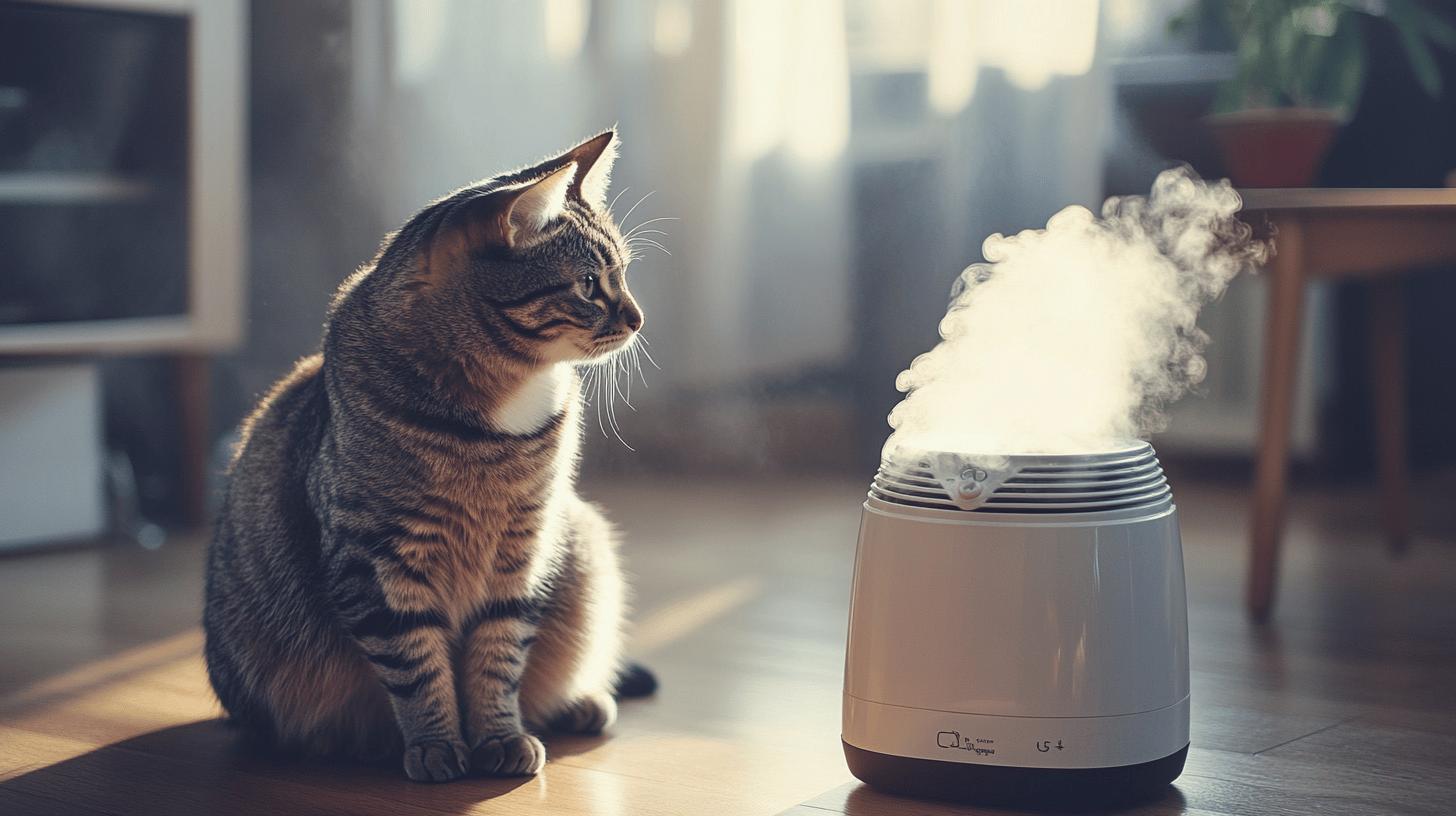
    • Protein: Vital for milk production and maintaining energy levels.
    • Calcium: Supports bone health for both the mother and kittens.
    • Taurine: Essential for heart and vision health in cats.
    • Fatty Acids: Crucial for maintaining skin and coat health.
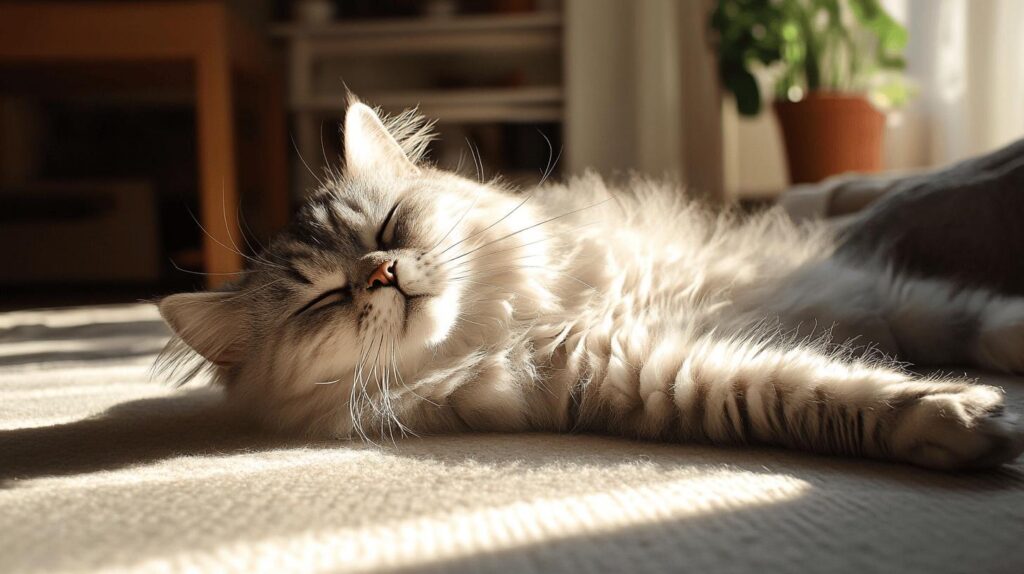
    • Vitamins: Necessary for overall health and immune support.

    Providing these nutrients can help reduce the risk of nutritional deficiencies driving her to eat her kittens, allowing her to nurture her litter effectively.

    Nutrition is key to preventing unwanted behaviors in mother cats. By focusing on a balanced diet, we can support healthy maternal instincts and help ensure the well-being of both the mother and her kittens.

    Environmental and Stress Management Strategies

    Stress management goes beyond just creating a quiet space for the mother cat. It’s about specific interventions that can make a big difference. One strategy is to use pheromone diffusers, which can promote calmness. Another is to provide vertical spaces like cat trees, allowing the mother cat to escape to higher ground when she needs a break. These environmental modifications can help in reducing stress levels effectively.

    Behavioral interventions also play a crucial role. Gradual desensitization to common household noises can help the mother cat acclimate without feeling threatened. Interactive play sessions can engage the cat, diverting her focus from stressors. These activities not only reduce anxiety but also strengthen the bond between the cat and her owner.

    Veterinary and behaviorist guidance is invaluable. A vet can identify any underlying health issues that might contribute to stress, while a behaviorist can develop a personalized plan to address specific triggers. For instance, they might suggest particular enrichment activities or dietary changes that can improve the mother cat’s overall well-being. Regular consultations ensure that the strategies are effective and adjusted as needed.

    Engaging with professionals provides reassurance. They offer insights into the cat’s behavior, helping to decode stress signals that might otherwise be missed. This professional support is crucial during the nursing period, ensuring both the mother and her kittens thrive in a stress-free environment.

    Preventative Measure Description
    Pheromone Diffusers Promote a calm atmosphere through scent.
    Vertical Spaces Provide escape options to reduce stress.
    Professional Guidance Behavioral plans and veterinary checks.

    Insights from Feline Behavioral Studies

    Breeders and experts recommend not re-breeding mother cats that eat their kittens, as this behavior might repeat with future litters. Instead, they suggest spaying these cats to prevent further breeding and reduce stress. This ensures the well-being of the mother and manages her natural instincts effectively.

    Genetic and Instinctual Influences

    Genetic predispositions can trigger strong instincts in mother cats, sometimes resulting in them eating their kittens. These actions are deeply rooted survival instincts, prioritizing the healthier offspring. Understanding these influences helps in managing such behaviors in cats.

    Final Words

    Facing the complex reasons behind why a cat eats her kittens requires understanding instinctual behaviors and survival instincts. We’ve delved into how factors like malnutrition, illness, and environmental stress contribute to this behavior. Ensuring a balanced diet and a stress-free, safe space can prevent these occurrences.

    Insights from feline behavioral studies shed light on genetic predispositions and instinctual reactions. By implementing nutritional and environmental strategies, we can help mother cats provide better care for their young, leading to a healthier and happier feline family.

    FAQ

    How to know if a cat ate her kittens?

    A: Look for missing kittens after birth. Check for remains in the nesting area. Behavioral changes in the mother cat may also suggest such an occurrence.

    How to stop a cat from eating her kittens?

    A: Provide a balanced diet and a stress-free environment. Consult a veterinarian for advice on nutritional support and behavioral issues to ensure the mother’s well-being.

    Why do cats eat their kittens?

    A: Cats may eat their kittens due to illness detection, stillborn kittens, or environmental threats. This instinctual act protects the healthier kittens and conserves resources.

    Will a mother cat eat their kittens if you touch them?

    A: It is a myth that touching kittens causes a mother to eat them. However, it is best to minimize handling to avoid stress for the mother.

    Do cats eat their owners?

    A: In extreme cases, if a cat owner passes away and the cat is left without food, survival instincts may kick in. This behavior is rare and only in desperate circumstances.

    Why do mother cats eat their kittens’ poop?

    A: Mother cats eat their kittens’ poop to keep the nest clean and avoid attracting predators. This behavior is normal and part of instinctual care.

    Is it normal for a cat to eat its kitten?

    A: It’s not normal but can happen. It may occur if the kitten is ill, stillborn, or there is a perceived threat, driven by instinct.

    Can a mother cat lose her kittens?

    A: Yes, a mother cat can lose her kittens due to health issues, environmental stress, or nutritional deficiencies. Proper care and environment management are essential.

    Why is my cat feeding her kittens?

    A: Feeding kittens is a natural part of a mother cat’s care. It provides them with essential nutrients for growth and survival. Providing a supportive environment helps this process.

    Related Articles

  • Why Cat Has Dandruff Causes and Solutions Explained

    Why Cat Has Dandruff Causes and Solutions Explained

    Is your cat suddenly leaving tiny white flakes everywhere, almost like a snowstorm on their fur? This might seem like a simple grooming issue, but it could be more than just a cosmetic concern. Cat dandruff can hint at several underlying problems. From dry skin due to low humidity to pesky parasites, understanding the real cause is key to finding relief for your feline friend. Let’s explore why dandruff happens and how you can help your cat sport a flake-free coat.

    Understanding Why Cats Have Dandruff

    Why Cat Has Dandruff Causes and Solutions Explained-3.jpg

    Cat dandruff appears as tiny white flakes of dead skin scattered across their fur, often most noticeable on the back near the tail. This condition results from the shedding of skin cells, which is a natural process. However, when this shedding becomes excessive, it can lead to noticeable dandruff that might concern pet owners. While it may seem like only a cosmetic issue, dandruff could indicate underlying problems that need attention.

    Environmental and health-related factors often contribute to dandruff in cats. Dry skin, often caused by low humidity levels, is a common trigger. Cats living in drier climates or spending most of their time indoors with heating systems may experience increased skin dryness. Other health issues such as skin infections or allergies can also result in dandruff. Addressing these problems often involves improving the cat's environment, such as using a humidifier, or treating any infections or allergies with appropriate veterinary care.

    • Low humidity causing dry skin
    • Skin infections
    • Allergies
    • Mites and parasites
    • Poor grooming habits

    Grooming habits play a significant role in the presence of dandruff. Older or overweight cats might struggle with self-grooming, leading to an accumulation of flakes. Additionally, mites and other parasites can cause skin irritation, resulting in dandruff. Regular grooming sessions can help distribute natural oils across the cat's coat, reducing dryness. It's also important to check for parasites and seek treatment if needed, as they can exacerbate skin conditions and lead to more severe dandruff issues.

    Identifying Symptoms of Cat Dandruff

    Identifying Symptoms of Cat Dandruff-1.jpg

    Understanding the appearance of cat dandruff is key to recognizing it early. Dandruff shows up as visible white flakes on a cat's fur, particularly noticeable against darker coats. These flakes are larger and more pronounced than the microscopic skin cells shed naturally, known as dander. Unlike dander, dandruff often accumulates in clusters and can be seen on furniture or bedding where the cat rests. Recognizing the difference between dandruff and normal shedding helps in identifying when there might be an underlying issue.

    In addition to the flakes, symptoms of cat dandruff can include itchiness and a dull, lackluster coat. Cats with dandruff might scratch more frequently or seem uncomfortable, which can lead to further skin irritation. A coat that has lost its usual shine or appears greasy might also signal a problem. These symptoms could indicate more serious conditions, such as skin infections, parasites like mites, or systemic health issues such as diabetes.

    • Persistent dandruff despite grooming
    • Additional symptoms like skin irritation
    • Indicators of parasites or infections

    Treating and Managing Cat Dandruff

    Treating and Managing Cat Dandruff-1.jpg

    Identifying the root cause of cat dandruff is key to effective treatment. Addressing these underlying issues can lead to healthier skin and a more comfortable cat. Factors like poor diet, inadequate grooming, or a dry environment can contribute to dandruff. By tackling these elements, you can significantly reduce dandruff and improve your cat's overall well-being. Persistent or severe cases might indicate a deeper health concern, requiring professional veterinary intervention.

    Dietary Improvements and Home Remedies

    Nutrition plays a significant role in maintaining healthy skin and coat. A diet rich in omega fatty acids can enhance skin health and reduce dandruff. Consider incorporating foods or supplements high in omega-3 and omega-6 fatty acids into your cat's diet. These nutrients help keep the skin hydrated and reduce inflammation. Additionally, simple home remedies like regular brushing can help distribute natural oils across the coat, minimizing flakiness. Using a humidifier in your home can combat dry air, providing a more skin-friendly environment for your cat.

    Grooming, Hygiene, and Environmental Adjustments

    Regular grooming is essential for controlling dandruff in cats. Frequent brushing helps remove loose hair and dead skin cells, preventing them from accumulating as dandruff. It's also an opportunity to check for parasites or signs of skin issues. Proper grooming techniques, such as using a brush suitable for your cat's coat type, ensure effective removal of debris without irritating the skin. Environmental factors like dry indoor air can exacerbate skin dryness, so using a humidifier can help maintain optimal humidity levels, reducing the likelihood of dandruff.

    Special Shampoos, Hydration, and Safe Use of Essential Oils

    Using pH-balanced shampoos designed specifically for cats can also aid in treating dandruff. These shampoos help maintain the natural balance of your cat's skin while cleansing away dirt and flakes. Ensuring your cat stays well-hydrated is equally important, as dehydration can lead to dry skin. While some people consider using essential oils like lavender for their soothing properties, it's crucial to use them cautiously. Essential oils can be toxic to cats if not used correctly, so always consult a veterinarian before applying them.

    Treatment Option Description
    Dietary changes Improve nutrition with omega fatty acids
    Grooming Regular brushing and cleaning
    Special shampoos Use pH-balanced products
    Humidifiers Improve air quality
    Essential oils Use cautiously due to potential toxicity

    When to Seek Veterinary Advice for Cat Dandruff

    When to Seek Veterinary Advice for Cat Dandruff-1.jpg

    If your cat's dandruff persists despite trying home remedies, it might be time to consult a veterinarian. Persistent dandruff can signal more serious underlying issues that need professional attention. Look for additional symptoms like skin irritation, excessive scratching, or significant changes in your cat's behavior, as these might indicate an infection or a more severe health condition. The presence of parasites, such as mites, is another red flag that merits a vet visit. A veterinarian can accurately diagnose the problem and suggest appropriate treatments to alleviate your cat's discomfort.

    Regular veterinary check-ups play a crucial role in maintaining your cat's overall health and preventing skin issues like dandruff. These routine visits allow for early detection of potential health problems, ensuring prompt treatment before they escalate. Regular check-ups also provide a chance to discuss any concerns you might have about your cat's coat or skin condition with a professional who can offer expert advice and tailored care solutions. Keeping up with these appointments helps ensure your cat remains healthy, comfortable, and happy all year round.

    Final Words

    Understanding why a cat has dandruff is key to addressing the problem. We explored how environmental factors, health issues, and grooming habits can impact a cat's skin. Symptoms like visible flakes and itchiness help us identify dandruff from normal shedding. Treatments vary from improving diet and grooming to using humidifiers and special shampoos, while persistent cases may need a vet's attention.

    Caring for your cat's skin health improves its comfort and well-being. Tackling dandruff not only enhances your cat's coat but also strengthens your bond. With informed care choices, you can maintain a happy and healthy feline friend.

    FAQ

    How to treat dandruff on cats near the tail?

    A: Treat dandruff by improving diet, grooming, using special shampoos, and ensuring hydration. Home remedies include regular brushing, using a humidifier, and incorporating omega-rich foods. If persisting, consult a vet.

    How do you get rid of dandruff on a cat?

    A: To get rid of cat dandruff, enhance grooming, improve diet with omega fatty acids, and maintain hydration. Consider environmental changes like humidifiers. If dandruff persists, seek veterinary advice.

    Why does my cat have dandruff on his back or near his tail?

    A: Cats may have dandruff due to dry skin, poor grooming, or health issues like infections. Environmental factors such as low humidity or allergies can also cause dandruff, often seen on the back or tail.

    Why does my cat have dandruff after I brush him?

    A: Brushing can reveal dandruff by removing loose flakes. If dandruff remains after grooming, it might indicate issues like dry skin or underlying health problems. Consider dietary adjustments and better hydration.

    What are common causes of cat dandruff?

    A: Common causes of cat dandruff include low humidity, skin infections, allergies, mites or parasites, and inadequate grooming habits. Addressing these factors can help reduce dandruff.

    How to treat cat dandruff at home?

    A: Home remedies for cat dandruff include regular brushing to distribute natural oils, using humidifiers, and adding omega fatty acids to the diet. Ensure proper hydration and a balanced diet.

    Related Articles

  • Why Cat Suddenly Clingy Understanding the Behavior

    Why Cat Suddenly Clingy Understanding the Behavior

    Ever wonder why your fiercely independent feline is suddenly glued to your side? This unexpected clinginess can feel puzzling, like a mystery waiting to be solved. Understanding why your cat craves constant closeness can unlock insights into its world. Cats might become extra clingy due to stress, health concerns, or even boredom. If your kitty's recent neediness has you scratching your head, you’re in the right place. This article delves into why cats become clingy and what it means for you and your furry friend.

    Understanding Why Your Cat is Suddenly Clingy

    Understanding Why Your Cat is Suddenly Clingy-1.jpg

    Cats are typically known for their independent nature, often doing their own thing and enjoying their personal space. But when a normally aloof kitty becomes suddenly clingy, it might be a sign of something more than just a need for extra cuddles. Potential reasons for this sudden change can include separation anxiety, underlying health problems, increased stress levels, the introduction of new family members, or even plain boredom.

    • Shadowing your movements
    • Excessive vocalization
    • Relentless affection
    • Dependency on presence for eating
    • Insistent meowing when leaving
    • Sleeping in your bed or close proximity

    Understanding Why Your Cat is Suddenly Clingy

    Health and Environmental Factors Affecting Cat Clinginess-1.jpg

    Cats can become clingy due to health concerns. When they're unwell, they might seek comfort from their owner. This behavior often results from physical discomfort or illness. If you notice your cat shadowing you more than usual, it might be signaling an underlying health issue. Observing any behavioral or physical changes can help pinpoint if a vet visit is needed.

    Environmental factors also impact clinginess. Changes like new family members or frequent visitors can make a cat anxious, increasing its dependence on you. Loud noises from storms or fireworks can also stress cats, leading to clingier behavior. Recognizing these stressors helps manage and ease a cat's need for attention.

    Factor Description
    Health Issues May cause the cat to seek safety and comfort
    Routine Changes New family members or visitors can increase stress
    Environmental Stressors Storms or fireworks can trigger clinginess
    Anxiety Can manifest as excessive need for attention

    Managing and Reducing Clingy Behavior in Cats

    Managing and Reducing Clingy Behavior in Cats-1.jpg

    Cats thrive on routine and attention, which can be key in managing clingy behavior. Just like us, they appreciate knowing what to expect in their day-to-day life. A consistent routine provides a sense of security, making them less likely to cling to you for reassurance. Spending quality time with your cat can also help fulfill their emotional needs and keep clinginess at bay. Regular playtime not only strengthens your bond but also helps burn off excess energy and reduce stress.

    Here are some actionable steps to address clingy behavior in your cat:

    • Offer regular playtime and interaction
    • Ensure a stable and consistent daily routine
    • Ignore attention-seeking behavior when possible
    • Introduce stimulating toys and activities
    • Monitor health and consult a vet if needed

    If you've tried these strategies and your cat's clingy behavior persists, it might be time to seek professional help. Consulting with a veterinarian can rule out any potential health issues that could be causing the clinginess. They may also recommend a feline behavior specialist, who can provide additional insights and strategies tailored to your cat's specific needs. Addressing the root cause is crucial for a happy and independent kitty.

    Age and Life Stage Related Clinginess in Cats-1.jpg

    Older cats may become suddenly clingy due to age-related factors. As cats age, they can experience cognitive decline, which might make them seek more comfort and reassurance from their human companions. This change is often accompanied by other signs of aging, such as a decrease in mobility or a change in sleeping patterns. Recognizing these signs can help cat owners understand that increased clinginess might be a natural part of their cat's aging process, rather than a behavioral issue.

    Clinginess in Kittens

    Kittens, on the other hand, can display clingy behavior due to their developmental stages. During their early months, kittens are learning about their environment and often look to their human caregivers for security and guidance. This attachment is crucial for their growth and helps them develop confidence as they mature. Providing a nurturing and stable environment can help kittens feel secure and gradually reduce their dependency over time.

    Different life stages require tailored management approaches. For older cats, ensuring a comfortable and safe environment can alleviate anxiety linked to cognitive decline. For kittens, providing consistent socialization and interaction fosters independence. Understanding these life stage changes allows owners to address clinginess appropriately and support their cat's needs effectively.

    Final Words

    Understanding why a cat suddenly becomes clingy can be challenging but important. I've discussed the usual reasons like separation anxiety, health concerns, and stress. We've also looked at how routine changes and environmental stressors like storms can impact your cat. Managing clingy behavior involves giving attention, keeping routines, and introducing engaging activities. Remember, if clinginess persists long-term, consulting a vet is wise.

    Cats of all ages might go through clingy phases, but each stage offers a way to connect and bond. It might take some time, but figuring out why they're clingy could lead to a happier relationship with your feline friend.

    FAQ

    Why is my cat suddenly clingy?

    A cat's sudden clinginess may result from separation anxiety, health issues, stress, or environmental changes. Changes in routine or new family members might also contribute.

    Why is my cat suddenly clingy at night?

    At night, cats may become clingy if they feel anxious, scared, or if there have been recent changes in their environment or health.
    Why is my cat suddenly clingy and meowing?

    Increased clinginess and meowing may indicate a need for attention, discomfort, or stress from environmental changes. It may also hint at health issues requiring attention.
    Cats may sense hormonal changes during pregnancy, leading to clingy behavior. Seek advice from a vet if behavior changes seem unusual.

    Is sudden clinginess in my older cat normal?

    Older cats might become clingy because of health issues or cognitive decline. Ageing can affect a cat's behavior, requiring extra care and monitoring.

    How do health and environment affect clinginess in cats?

    Health issues or environmental changes can trigger clinginess. Cats may seek safety and reassurance when feeling unwell or stressed.

    How can I manage and reduce my cat's clingy behavior?

    To manage clinginess, offer regular playtime, ensure a consistent routine, ignore unwanted attention-seeking, provide stimulating toys, and consult a vet if needed.

    What causes clinginess in kittens?

    Kittens may show clinginess during developmental stages as they rely more on their caregivers. This natural phase often involves increased dependence and attachment.

    Related Articles

  • Why Cat Would Pee on My Bed Causes and Solutions

    Why Cat Would Pee on My Bed Causes and Solutions

    Is your feline friend using your bed as a makeshift litter box? You're not alone, and there's more to this puzzling behavior than you might think. While it’s frustrating to find your beloved pet’s mess where you sleep, there's a reason behind it. Cats might pee on beds due to health troubles, stress, or changes in their surroundings. By understanding the causes, you can work towards finding a solution. Whether it's a trip to the vet or managing stressors at home, we've got the insights you need to tackle this issue head-on.

    Understanding Why Cats Pee on Beds

    Understanding Why Cats Pee on Beds-1.jpg

    When your cat decides to use your bed as a litter box, it can be frustrating and confusing. It's crucial to identify if your cat's behavior is due to a health issue or a behavioral change. Cats might pee on beds because of medical problems, stress, or changes in their environment. Understanding these causes helps in finding the right solution.

    If you suspect a health issue, a visit to the veterinarian should be your first step. Medical conditions like urinary tract infections or bladder inflammation can make a cat associate the litter box with pain, leading them to seek softer surfaces like a bed. A vet can help rule out these issues and guide you on any necessary treatments.

    On the behavioral side, stress often plays a significant role. Changes such as a new pet, moving homes, or shifts in your routine can all lead to stress-related urination. Cats are sensitive creatures and thrive on stability. Multi-cat households may also introduce territorial disputes or anxiety, which might manifest as inappropriate urination. Identifying and addressing these stressors can often resolve the issue.

    Medical Causes for Bed Urination

    Medical Causes for Bed Urination-1.jpg

    When your cat starts urinating on the bed, it might be a sign of health issues. Cats may avoid the litter box if they associate it with pain from certain conditions. Common problems include bladder infections and bladder inflammation, which can make the litter box feel unpleasant. This discomfort often leads them to seek out softer surfaces like the bed. It's important to recognize signs such as frequent urination or visible discomfort early to address these health issues effectively.

    • Bladder infection
    • Bladder inflammation
    • Kidney disease
    • Diabetes
    • Urinary tract obstruction

    Regular veterinary checkups play a crucial role in maintaining your cat's health and identifying potential problems early. An annual vet visit can help catch conditions like urinary tract infections before they worsen. Quick medical intervention not only eases your cat's discomfort but also helps prevent further inappropriate urination incidents. By keeping up with regular health assessments, you can ensure your cat's well-being and keep your home environment peaceful.

    Behavioral and Environmental Triggers

    Behavioral and Environmental Triggers-1.jpg

    Cats can be quite sensitive to changes in their environment, and these changes can sometimes lead to urination outside the litter box. When a new baby arrives, furniture is rearranged, or renovations happen, your cat might feel stressed or anxious. This stress can result in them peeing on your bed as a way to cope with the disruption. It's not just major changes either. Even smaller shifts, like altering daily schedules or introducing new pets, can make a big difference.

    • New family members or pets
    • Changes in daily routine
    • Home renovations or moving
    • New furniture or rearranged spaces

    Territorial or sexual marking is another common behavioral trigger for inappropriate urination. Cats use urine marking to establish their territory, especially when they feel their space is threatened. This often occurs when a new cat is introduced to the home or if there's a female cat in heat nearby. Neutering or spaying can significantly reduce the chances of marking as it curbs the hormonal drives that lead to such behavior.

    Creating a stress-free environment for your cat is essential to prevent inappropriate urination. Start by providing plenty of personal space for your cat, including quiet areas where they can retreat and feel secure. Consistent routines, along with interactive play and mental stimulation, can also help ease anxiety. By understanding your cat's needs and minimizing stressors, you can create a harmonious home where your cat feels comfortable and secure, reducing the likelihood of them peeing on your bed.

    Effective Solutions to Stop Bed Peeing

    Effective Solutions to Stop Bed Peeing-1.jpg

    Changing a cat's habit of peeing on the bed requires patience and understanding. Positive reinforcement is a powerful tool in behavior modification. Rewarding your cat with treats and affection when they use the litter box properly can reinforce good behavior. Cats respond well to encouragement rather than punishment, so focus on rewarding the desired actions. This approach helps your cat to associate the litter box with positive experiences, making them more likely to use it consistently.

    Proper litter box management is crucial in preventing inappropriate urination. Start by ensuring the litter box is clean, as dirty boxes can deter cats. Place the box in a quiet, low-traffic area to make your cat feel safe while using it. If you have multiple cats, consider having one litter box per cat, plus an additional one, to prevent territorial disputes. It's also important to select a litter type your cat prefers, as some cats are picky about the texture and scent.

    Altering your cat's perception of the bed can be an effective deterrent. Engage your cat in play on the bed to create positive associations with it. Giving treats on the bed can help shift your cat's view from a place to urinate to a place of fun and reward. This change in perception can be instrumental in stopping the bed from being used as a litter box substitute.

    Consistency and patience are key in addressing inappropriate urination. Cats take time to adjust to new routines, so maintaining consistent training and reinforcement is vital. Avoid sudden changes in their environment or schedule that might trigger anxiety or stress. Over time, with consistent effort and understanding, your cat can learn the appropriate place to relieve themselves.

    Solution Description
    Behavior Modification Use positive reinforcement to encourage proper litter box use.
    Litter Box Management Keep the litter box clean and in a quiet, accessible location.
    Change Bed Perception Engage in play and give treats on the bed to alter its use.
    Consistency & Patience Maintain consistent routines and be patient with your cat.

    Cleaning and Protecting the Bed

    Cleaning and Protecting the Bed-1.jpg

    When your cat pees on your bed, acting quickly is crucial to remove the stains and odors effectively. The first step is to blot up as much urine as possible with paper towels. Following this, use an enzymatic cleaner specifically designed for pet urine. These cleaners break down the proteins in urine, eliminating the smell rather than just masking it. This is important because if a cat can still smell their urine, they may be tempted to return to the same spot. After applying the enzymatic cleaner, allow it to air dry completely.

    • Blot the area with paper towels immediately.
    • Use an enzymatic cleaner to break down urine proteins.
    • Let the treated area air dry thoroughly.
    • Avoid using ammonia-based cleaners, as they mimic urine's smell.

    To prevent future incidents, consider investing in bedding protection strategies. A waterproof mattress cover can be a lifesaver, as it prevents urine from seeping into the mattress. Regularly washing your sheets and bedspread can also keep odors at bay and discourage your cat from returning to the scene of the crime. Another preventive measure is to keep your bedroom door closed when you're not around, reducing your cat's access to the bed. By combining these cleaning and protective actions, you can maintain a fresh and clean sleeping environment.

    Final Words

    Finding out why a cat would pee on my bed can be frustrating. The reasons often tie back to medical problems or stress. It's important to consult with a vet to rule out health issues. Stress from changes in routine or environment can also lead to bed urination.

    Tackling this issue requires patience and understanding. Keep the litter box clean and accessible. Reinforce good behavior with treats and play. Ensure your cat feels safe and secure.

    With consistent care and a little effort, you can improve your cat's habits and protect your belongings.

    FAQ

    Why would my cat all of a sudden pee on my bed?

    Cats peeing on beds can be due to sudden stress or health issues. Changes in their environment or routine might stress them. Health problems like bladder infections could make them avoid the litter box.

    Why do cats pee on human beds?

    Cats might pee on beds because of stress, anxiety, or medical issues. They may find the bed more comfortable if they associate the litter box with pain due to an infection or inflammation.

    How to get your cat to stop peeing on your bed?

    To stop a cat from peeing on your bed, keep the litter box clean, accessible, and in a quiet spot. Use positive reinforcement for good behavior. Also, play with your cat on the bed to change its perception.

    Do cats pee on your bed when they miss you?

    Cats peeing on your bed can sometimes indicate they miss you or are stressed. Providing them with attention and creating a calm environment can help.

    Related Articles