Category: Cat Behavior

  • Why Cat Tries to Bury Food Instinctual and Environmental Factors

    Why Cat Tries to Bury Food Instinctual and Environmental Factors

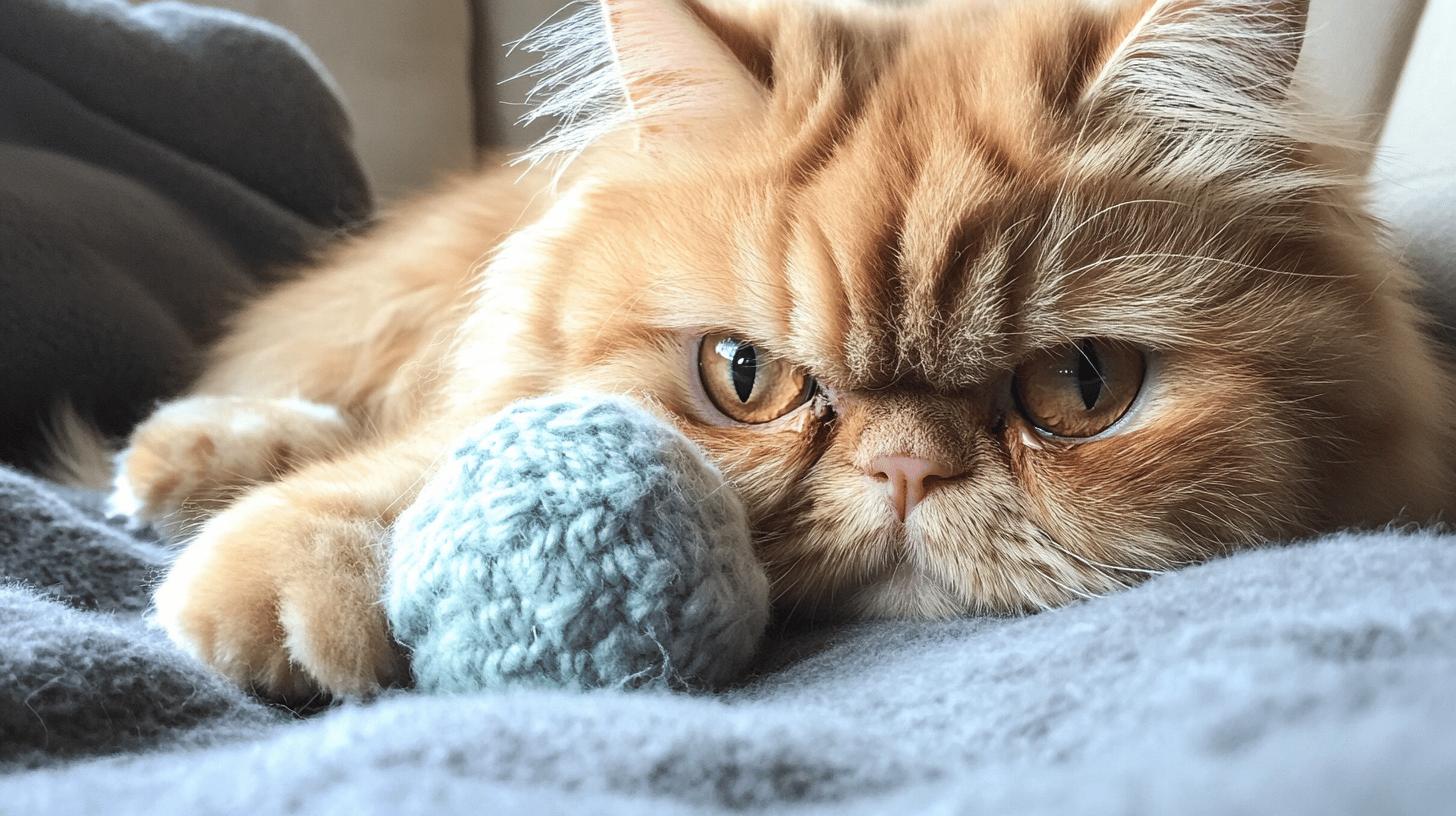
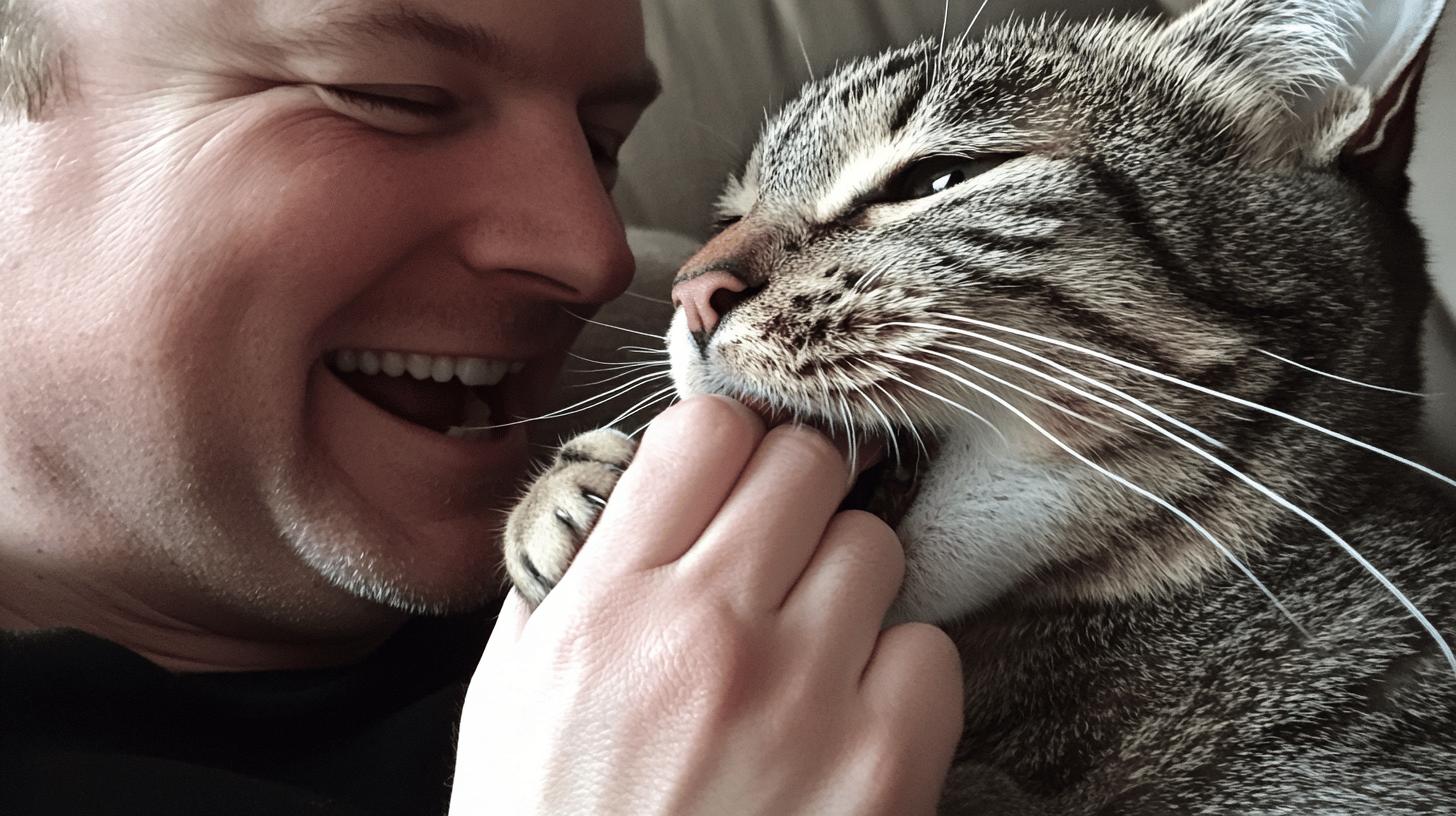
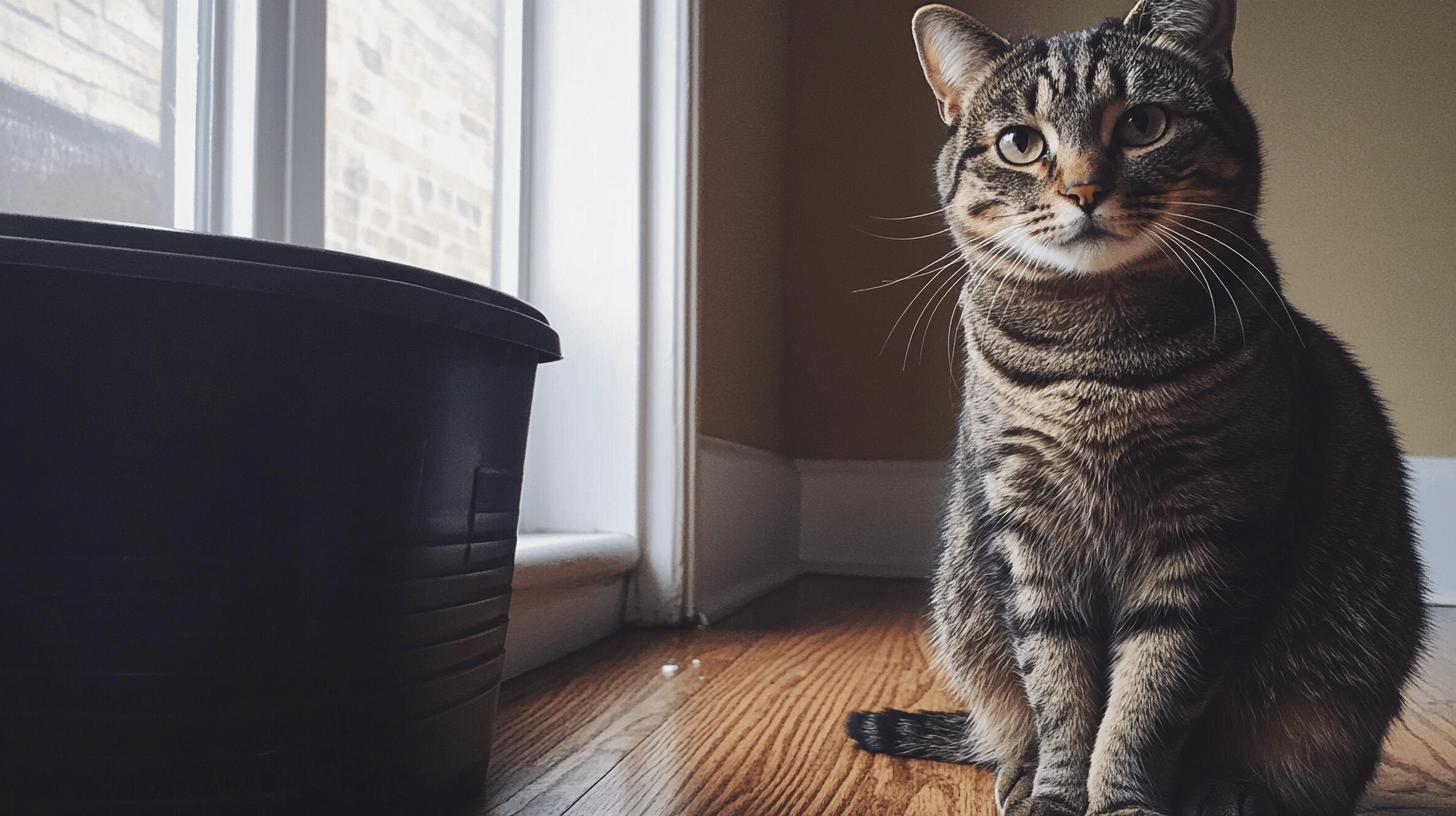
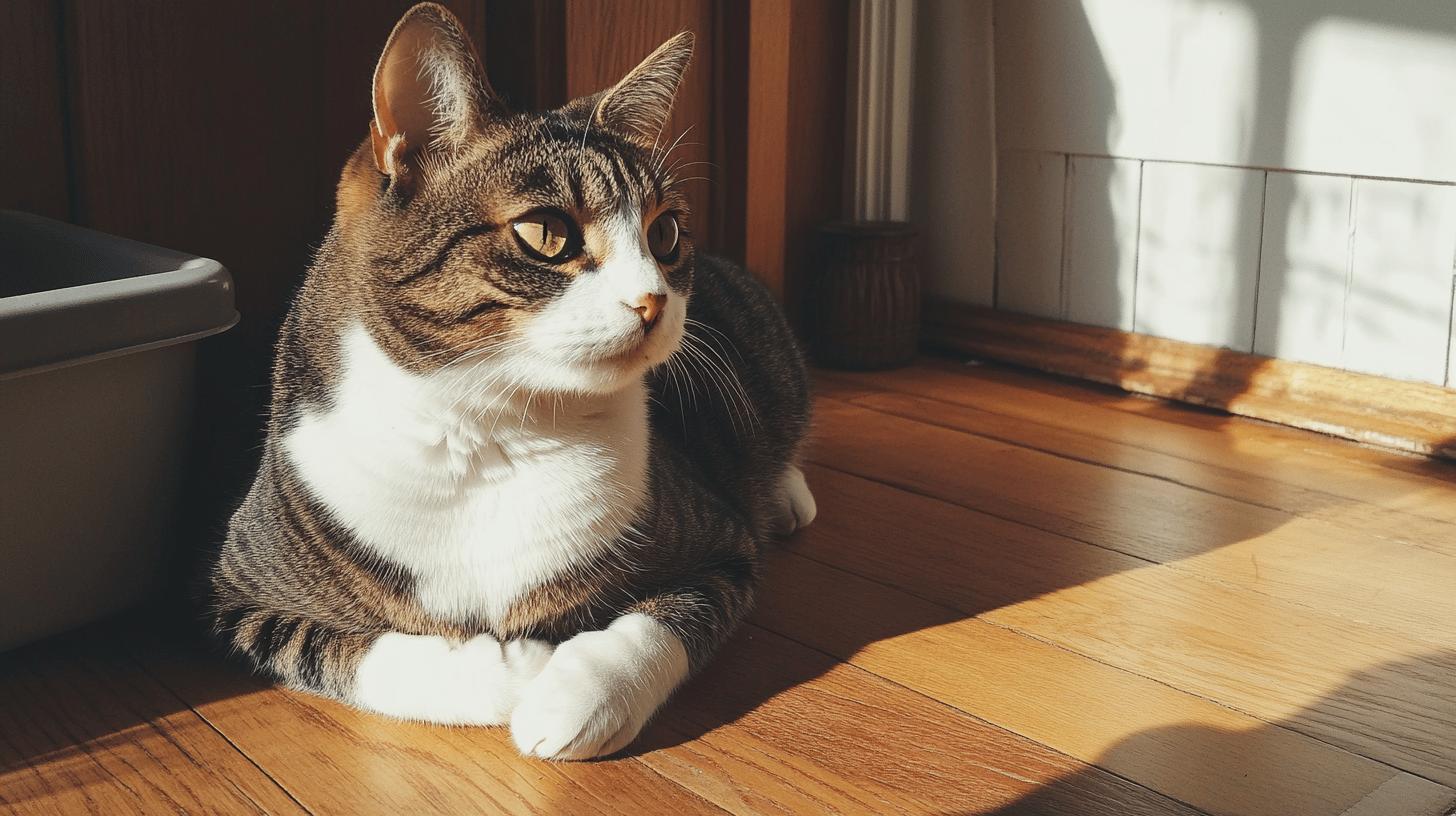
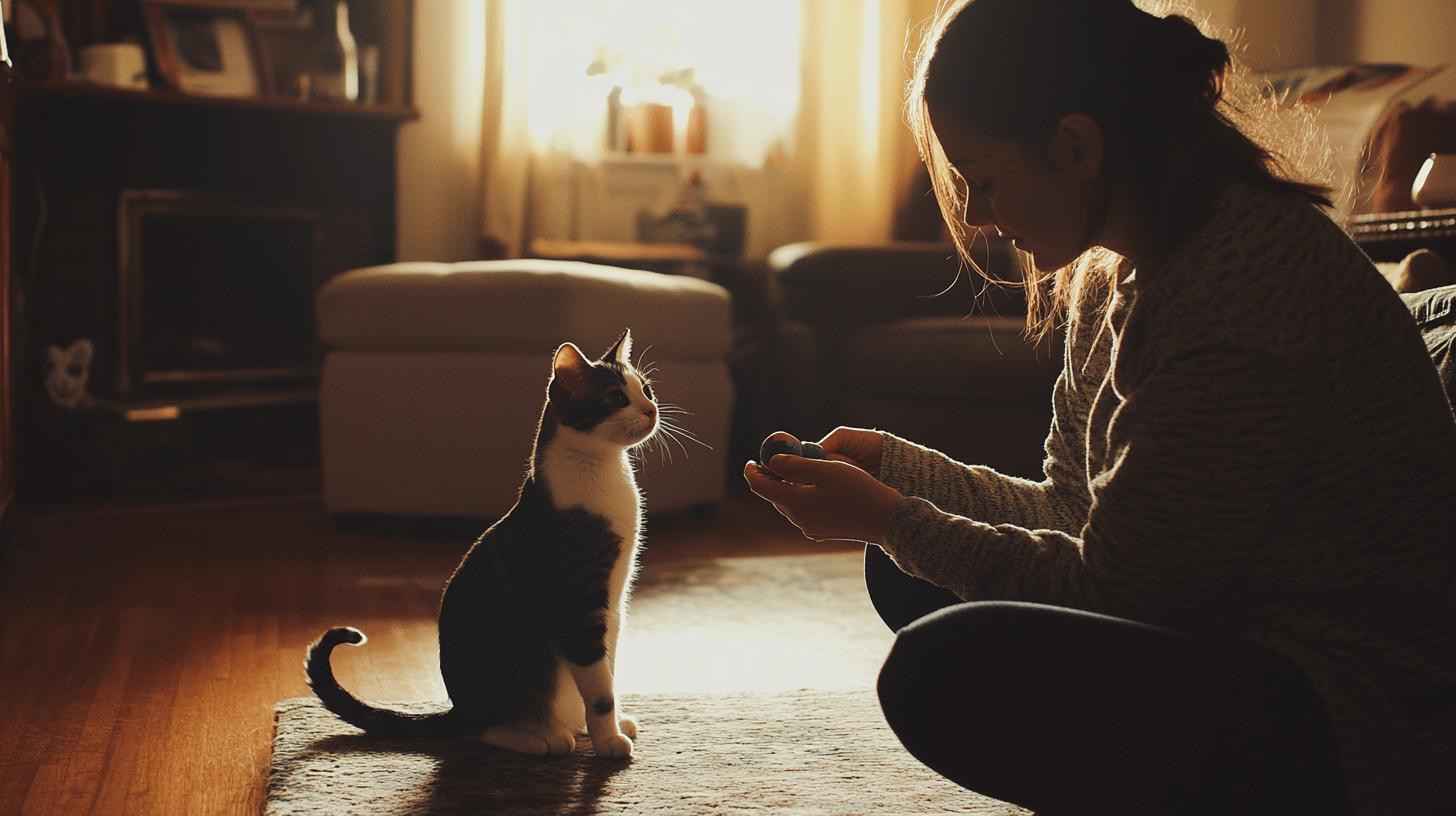
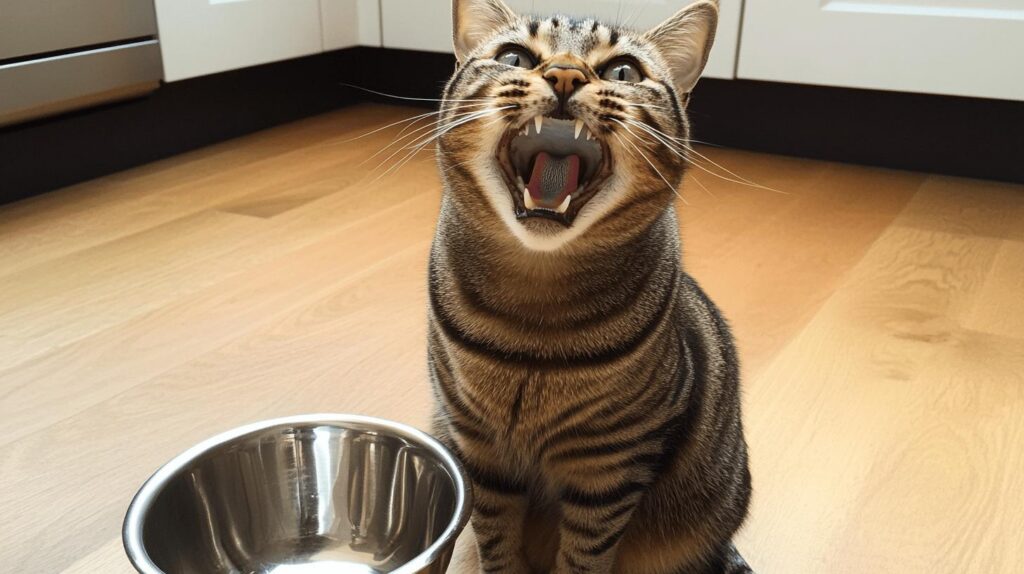
    Ever wondered why your cat acts like it’s digging a hole to “bury” its food? It’s quirky behavior; it’s a throwback to their wild roots. Though your cat might seem pampered indoors, its actions are guided by instincts honed over centuries.

    This habit could prevent scavengers from finding their stash or maintain freshness in the wild. Despite living indoors, modern cats replicate these actions due to both instinctual drives and environmental influences. Understanding this helps us cater to their natural behavior and needs.

    Instinctual and Environmental Influences on Cats Burying Food

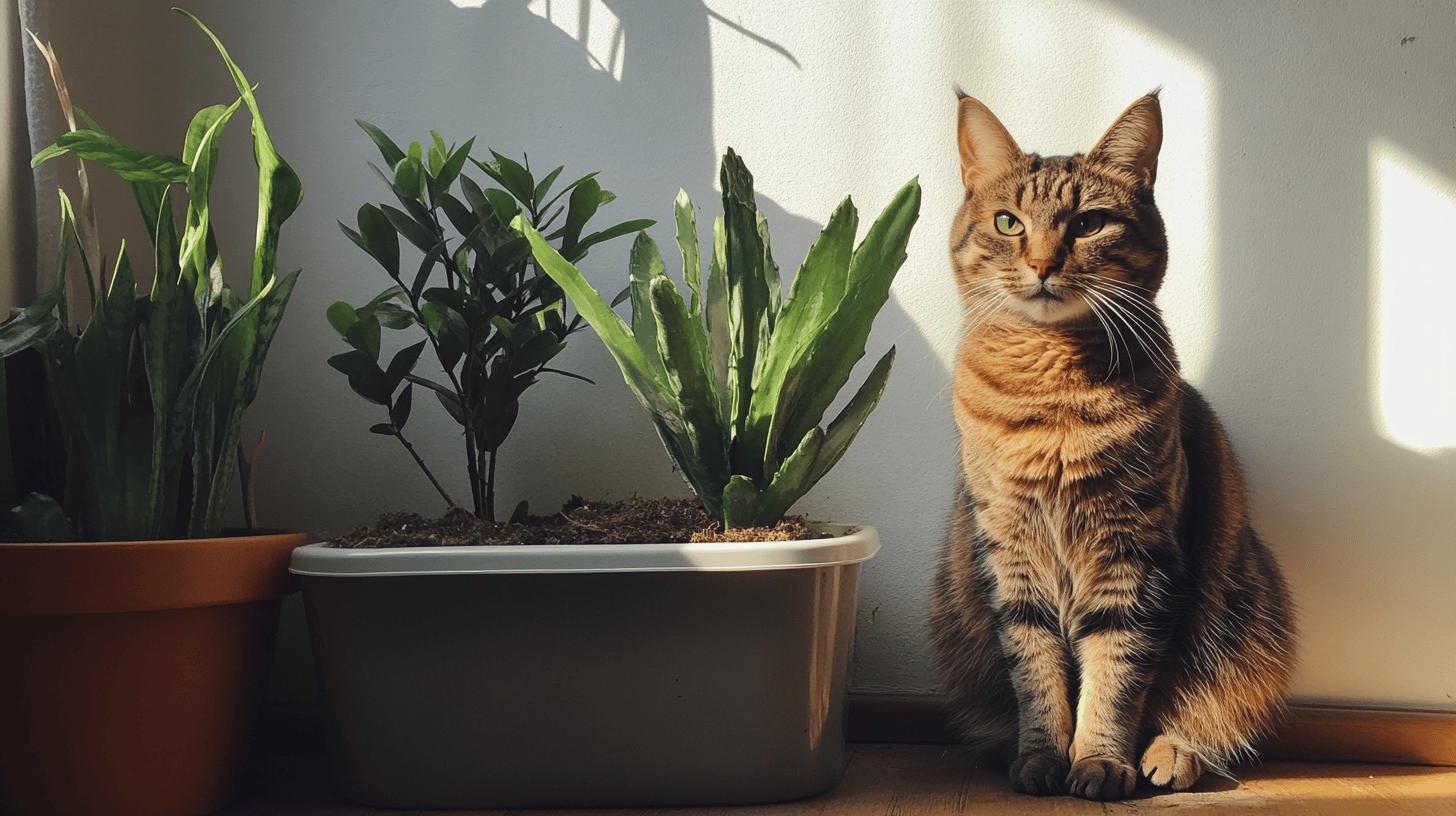
    Instinctual and Environmental Influences on Cats Burying Food-1.jpg

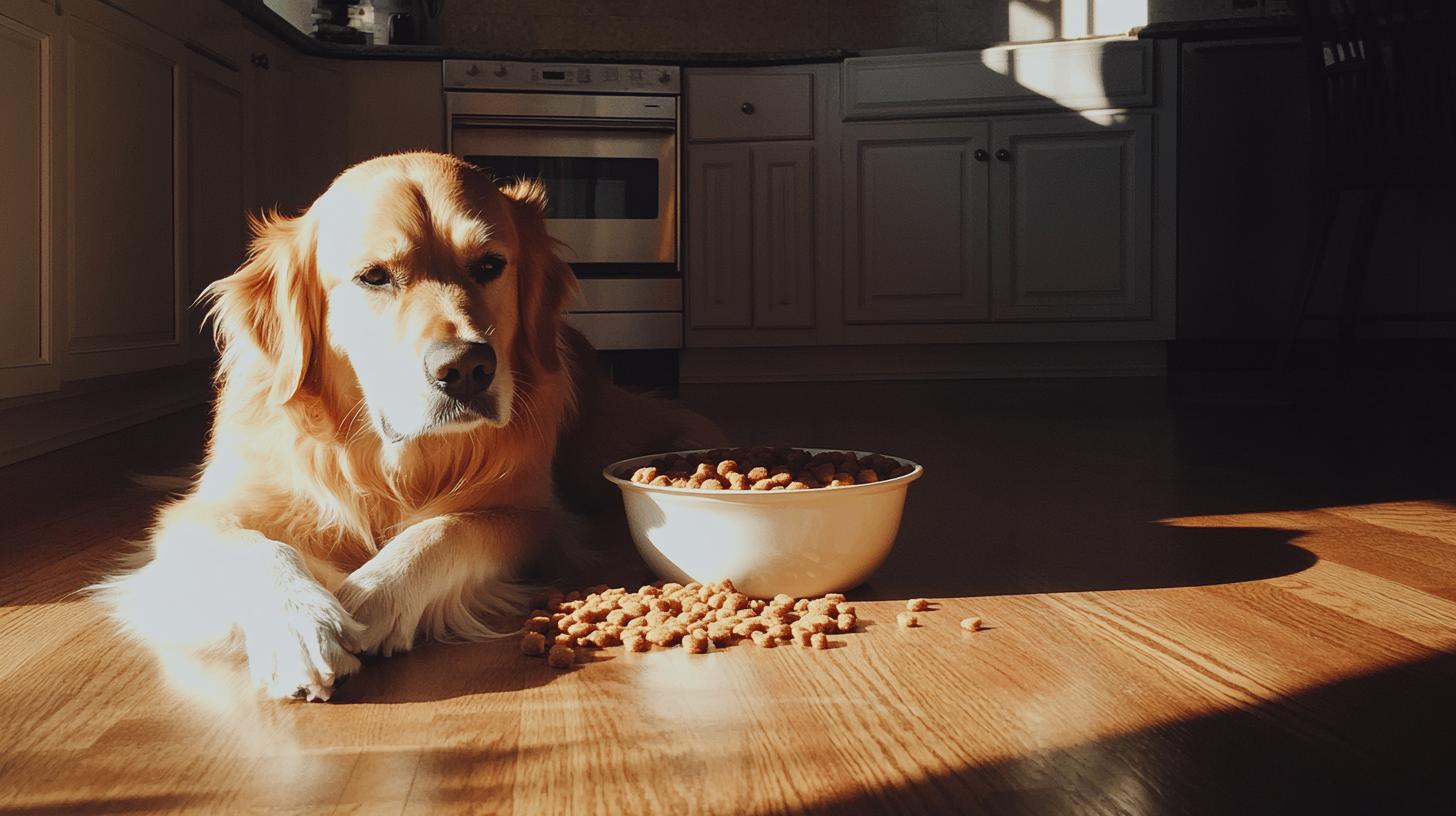
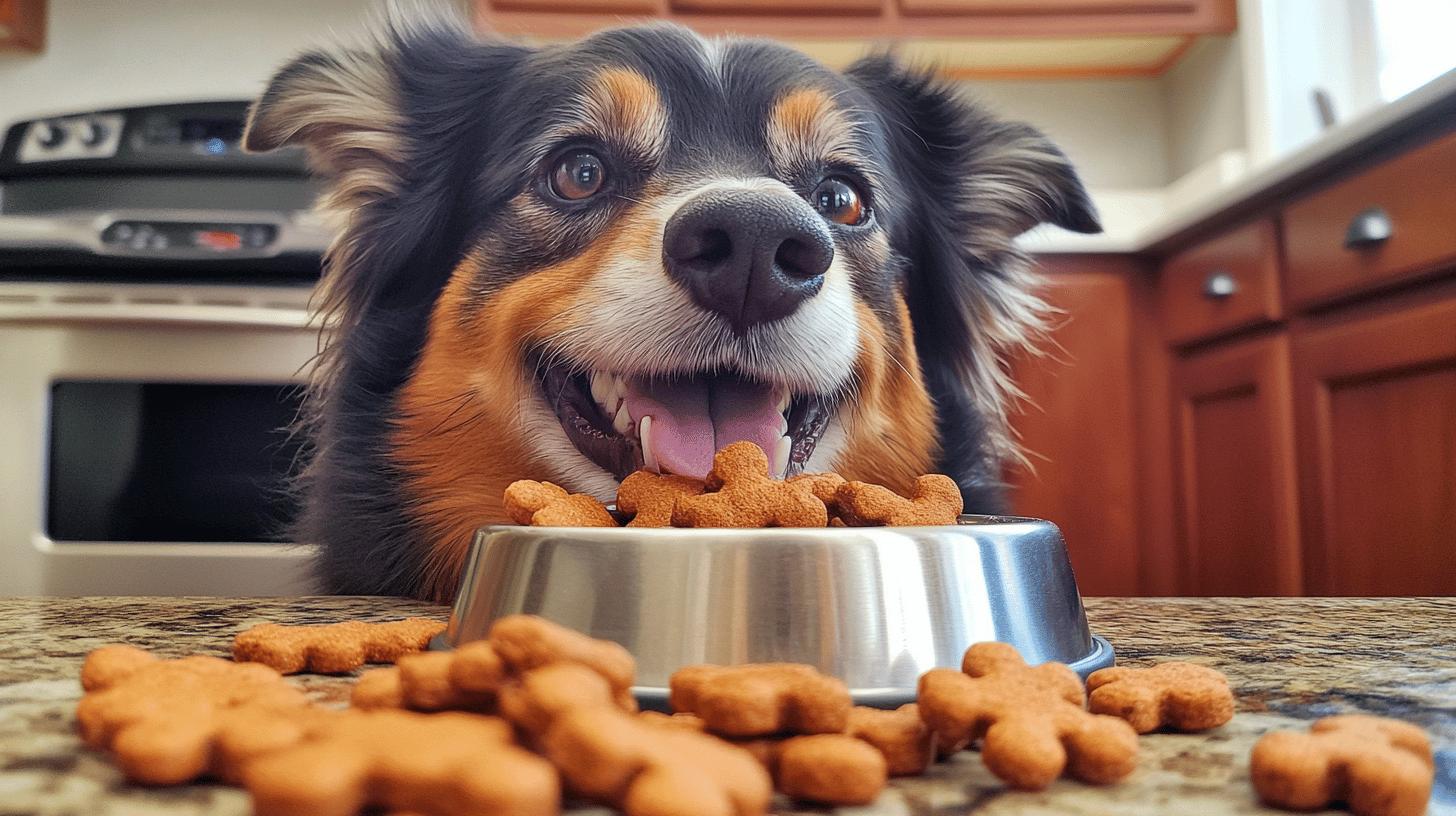
    Cats trying to bury their food is a fascinating behavior deeply rooted in their wild ancestry. In the wild, felines engaged in “caching”, a practice of hiding food to keep it safe from scavengers and fresh for later consumption.

    Historical accounts from as early as 1853 describe domestic cats using objects like paper to cover their meals, showcasing this instinct’s longevity. Even though our furry friends now enjoy the safety of indoor living, these ingrained behaviors can still surface, driven by the same instinctual habits that guided their ancestors.

    The persistence of these instincts in domestic cats is intriguing. Despite no longer needing to hide their food, many cats still go through the motions of burying. It’s an echo of their wild instincts, a kind of muscle memory passed down through generations.

    This can be particularly noticeable with wet food, which might evoke a stronger caching response due to its scent and texture. By understanding these behaviors, we can appreciate our pets’ unique connection to their wild forebears.

    Here are some common scenarios when cats might try to bury their food:

    • The food is new or has a strong smell.
    • There is leftover food they want to “tidy up.”
    • They are feeling stressed or anxious, especially in multi-cat homes.
    • The food is disliked, similar to how they bury waste.
    • As a playful or exploratory behavior.

    Environmental and psychological factors play a significant role in this behavior. Stress or anxiety, often triggered by changes in the household or competition among multiple cats, can lead to food burying as a coping mechanism. Creating a calm and secure feeding environment can help mitigate these behaviors. Understanding these influences is key to managing this instinctive habit.

    Influence Impact
    Wild Ancestry Instinct to cache food to protect it and keep it fresh.
    Environmental Stress Coping mechanism for anxiety or competition among cats.
    Household Changes Increased likelihood of burying food as a response to changes or new additions.

    By recognizing these factors, cat owners can better support their pets’ natural instincts while ensuring a harmonious home environment.

    Practical Advice for Pet Owners

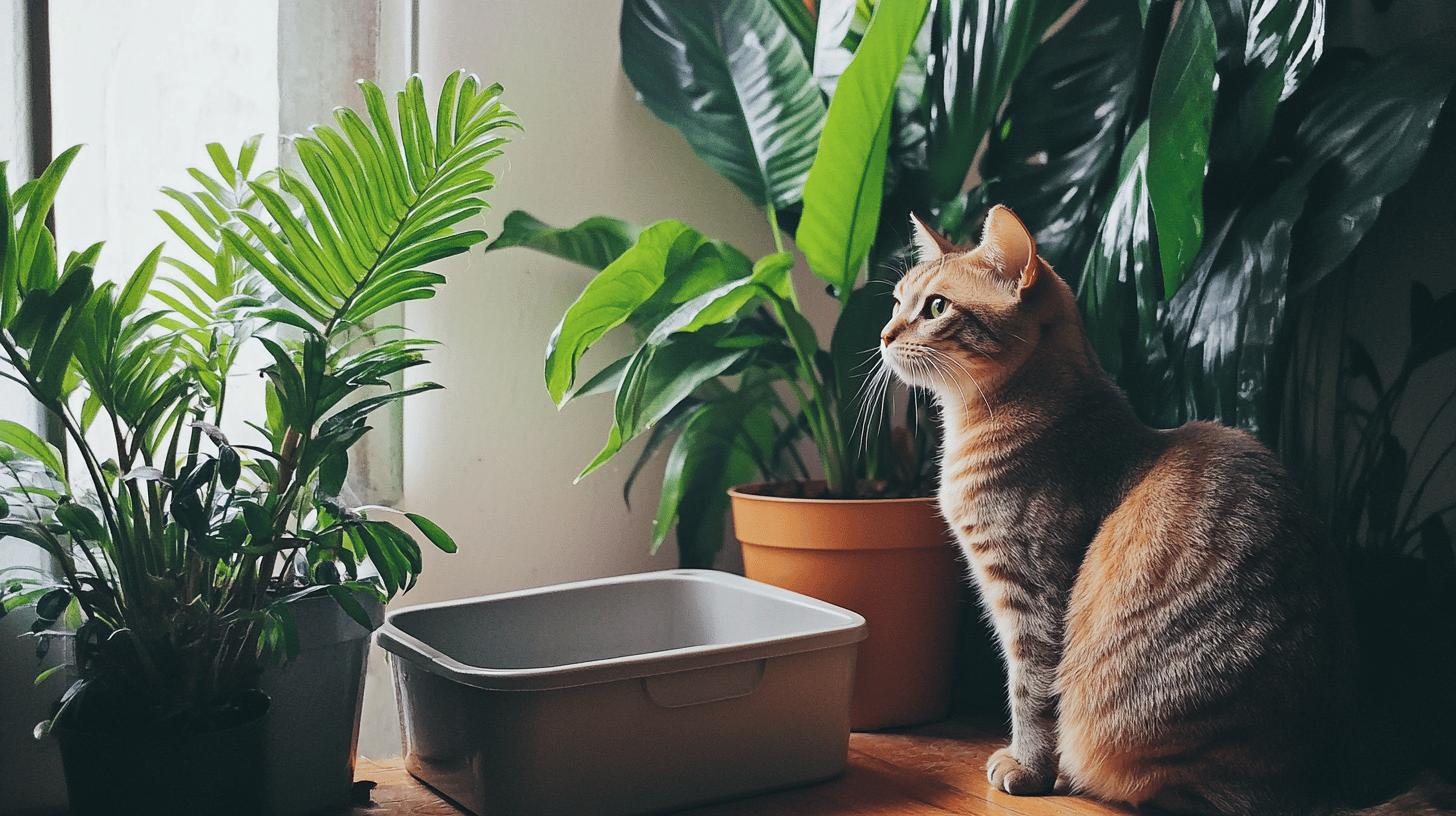
    Practical Advice for Pet Owners-1.jpg

    Managing a cat’s habit of trying to bury food can be a challenge, but with the right approach, it becomes manageable. Creating a calm environment is crucial, as stress and anxiety often lead to this behavior.

    Portion control can also help, as smaller amounts of food may reduce the impulse to hide leftovers. Providing safe spaces for feeding, away from other pets or disturbances, ensures a stress-free mealtime. By addressing these environmental factors, we can help our cats feel secure and less inclined to engage in burying behavior.

    Here are some strategies to consider:

    • Feed in a quiet, private area to minimize stress.
    • Serve smaller portions to prevent leftovers.
    • Offer food at consistent times to create a routine.
    • Use puzzle feeders to engage and distract from burying.

    Understanding that burying food is an instinctual behavior is essential in preventing unnecessary punishment. Recognizing it as a carryover from their wild ancestry helps us view it with empathy rather than frustration. This perspective allows us to adapt our approach, focusing on creating an environment that respects their instincts while maintaining a clean and organized home.

    Final Words

    Exploring why a cat tries to bury food connects us to their wild ancestry. Their behavior aims to protect food from scavengers. In the modern home, these instincts persist. Stress, particularly in multi-cat areas, can trigger this habit too. Creating a calm feeding space and using portion control can help manage the behavior.

    Understanding their instinctual habits helps avoid unnecessary frustration. These insights into cat behavior remind us of their complex nature. By respecting their instincts, you’ll create a more positive environment for both you and your cat.

    FAQ

    Cat not eating trying to bury food, Why does my cat try to bury her wet food?

    A: Cats try to bury food due to instinctual habits from their ancestors who cached food for safety. It can signal they’re done eating or a sign of stress.

    Why is my cat scratching the floor near her food and not eating?

    A: When a cat scratches near her food, it might indicate dissatisfaction or instinct to cache for later. It can also be a stress response in multi-cat households.

    How to stop my cat from trying to bury his food?

    A: Ensure a calm eating environment, control portions, and provide safe feeding spaces. This helps reduce the need for your cat to bury his food.

    Why do cats try to bury their poop?

    A: Cats bury poop to cover their scent from potential predators and to keep their area clean. It’s a natural behavior stemming from survival instincts.

    How do you tell if your cat is bored of their food?

    A: If your cat regularly leaves food, scratches around it, or shows disinterest, they might be bored. Trying new flavors or textures can help reignite their interest.

    Related Articles

    Neurological and Evolutionary Roots of Food Burying

    Your cat’s instinct to bury food stems from millions of years of feline evolution. In the wild, big cats cover their kills to hide them from scavengers and competitors, a behavior that increases their chances of returning to a meal later. This protective impulse remains hardwired in your domestic cat’s brain, even though kibble sitting in a ceramic bowl poses no real threat.

    The behavior also serves as a form of territorial marking. When cats knead and cover their food, they’re depositing scent glands from their paws, essentially claiming that meal as their own. Additionally, food burying triggers the release of serotonin in your cat’s brain, the same chemical that makes grooming and other comfort behaviors feel rewarding. In essence, burying food activates a deeply satisfying neurological response.

    Predator avoidance plays another crucial role. In nature, the smell of fresh kill can attract larger predators to a vulnerable cat. By burying or covering food, cats minimize that risk. Your indoor cat doesn’t consciously think about leopards or hyenas, but her brain still processes the “safer if hidden” equation that kept her ancestors alive.

    Environmental Triggers and Practical Management Strategies

    The type of food your cat eats influences burying behavior significantly. Wet or fresh food triggers more covering attempts than dry kibble, likely because it smells stronger and more closely resembles freshly caught prey. Your cat’s environment also matters: cats living in multi-pet households, for instance, often bury food more persistently than solo felines because competition feels more tangible.

    Stress and boredom amplify food-burying behavior. A cat who lacks mental stimulation or feels anxious about resources may obsessively attempt to cover meals. Similarly, changes in routine, moving furniture, introducing new pets, or shifting feeding schedules, can trigger an uptick in this behavior as your cat reasserts control over her environment.

    To manage excessive burying, start by adjusting feeding logistics. Feed your cat in a quiet, low-traffic area where she feels secure. Remove the food bowl 20-30 minutes after mealtime so she doesn’t have endless opportunity to bury. If you have multiple cats, ensure each has her own feeding station separated by space or visual barriers, which reduces resource anxiety.

    Health Concerns and Behavioral Red Flags

    While occasional food burying is normal, certain patterns warrant veterinary attention. If your cat suddenly increases burying behavior or becomes frantic about it, an underlying medical issue could be at play. Dental pain, digestive upset, or parasites can make cats anxious about eating, manifesting as compulsive covering attempts.

    Excessive burying paired with other signs, loss of appetite, weight loss, aggressive behavior around food, or obsessive licking of the floor, suggests something beyond normal instinct. Cats experiencing chronic stress or anxiety often display exaggerated resource-guarding behaviors, including frantic attempts to bury food. If your cat seems distressed or her routine has shifted, a veterinary check-up rules out medical causes before addressing behavior.

    Pay attention to whether burying happens consistently or sporadically. Occasional behavior reflects normal cat instinct; escalating patterns indicate your cat needs intervention, whether that’s environmental adjustment or professional guidance.

    Enrichment and Behavioral Solutions

    Addressing food-burying behavior often comes down to mental and physical stimulation. Interactive play sessions reduce overall anxiety and help your cat feel confident and satisfied. Dedicate 15-20 minutes daily to play with wand toys, laser pointers, or other engaging tools that mimic hunting. This outlets your cat’s predatory drive in a controlled, fulfilling way.

    Food puzzle toys transform mealtimes into enrichment opportunities. Instead of a simple bowl, use puzzle feeders that require your cat to work for each bite. This approach satisfies her hunting instincts, slows eating, and provides mental stimulation simultaneously. Hidden food games, scattering kibble around the house for your cat to “hunt”, also use natural foraging behavior.

    Creating safe hiding and covering spots gives your cat appropriate outlets for burying impulses. Cat tunnels, cardboard boxes filled with crinkled paper, or blankets draped over furniture provide satisfying surfaces for her to knead and cover items. When your cat has appropriate places to express these instincts, she may redirect the behavior away from her food bowl. Check out our guide on best toys to reduce play aggression for additional enrichment ideas.

    When to Consult a Veterinary Behaviorist

    If food-burying behavior becomes compulsive, interferes with normal eating, or occurs alongside anxiety signs, consult a veterinary behaviorist. These specialists can distinguish between normal instinctive behavior and problematic obsession. They also identify underlying medical conditions that might be driving excessive behavior.

    Reach out to a professional if your cat refuses to eat due to burying attempts, shows aggression around food, displays destructive behavior, or exhibits signs of separation anxiety. A behaviorist designs customized modification plans and may recommend calming supplements or medications if anxiety is severe. Early intervention prevents behavior from becoming more entrenched.

  • Why Cat Meows After Eating and How to Address It

    Why Cat Meows After Eating and How to Address It

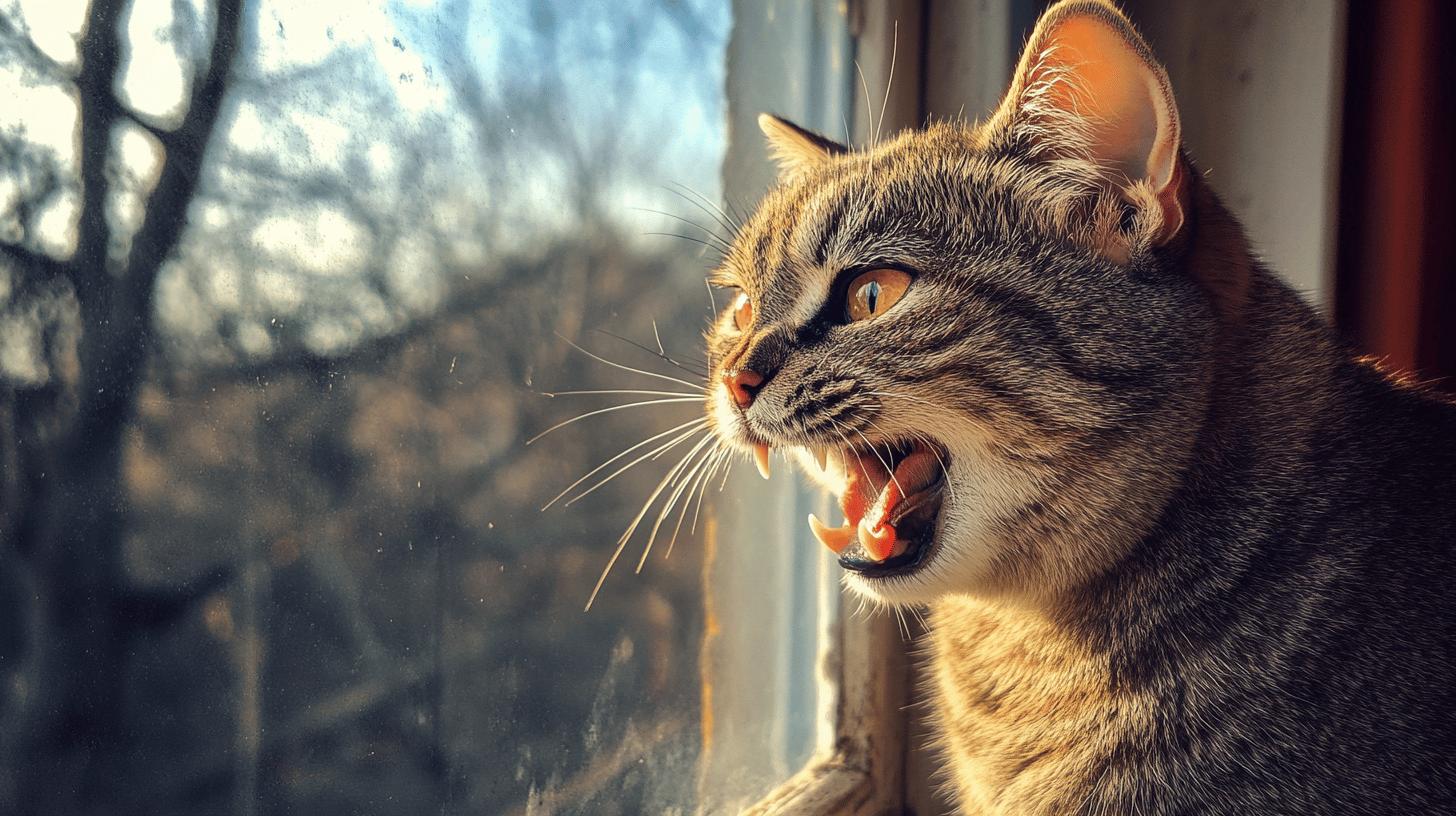
    Ever wondered why your cat can’t stop meowing after their meal? It’s not just a quirk; there could be more to it. Understanding why cats meow after eating can reveal important clues about their health and happiness.

    Whether it’s because they’re still hungry, dealing with a tummy ache, or seeking your attention, these persistent meows can signal deeper issues. By diving into these reasons, we can help our furry friends feel better and improve their playtime and overall well-being. Let’s explore how to address these meows and enhance your cat’s comfort.

    Understanding and Addressing Why Cats Meow After Eating

    Understanding and Addressing Why Cats Meow After Eating-1.jpg

    Cats often communicate through meowing, and post-meal vocalization can be particularly puzzling. Understanding why cat meows after eating involves recognizing a variety of potential reasons.

    Some of the most common causes include hunger, digestive discomfort, attention-seeking behavior, nausea, and pain from dental issues. Health concerns can also play a significant role, as meowing might signal underlying conditions that need attention.

    Reasons for Post-Meal Meowing

    1. Hunger: Some cats may not feel satisfied with their meal and meow for more food. This is often due to insufficient portion sizes or a diet that doesn’t meet their nutritional needs.
    2. Digestive Discomfort: If your feline friend experiences stomach upset after eating, it may vocalize to express discomfort. This can result from food allergies or intolerances.
    3. Dental Issues: Pain from dental problems like tooth decay or gingivitis can make eating uncomfortable, leading to meowing. Regular dental check-ups are crucial to prevent such issues.
    1. Attention-Seeking Behavior: Cats may meow after meals simply to gain attention from their owners. This type of meowing is often reinforced by past responses to similar behavior.
    2. Nausea: Overeating or specific dietary components can cause nausea, prompting a cat to meow post-meal. Adjusting food amounts and consulting a vet if the issue persists can help.
    3. Other Health Concerns: Sometimes, meowing indicates broader health issues that require veterinary examination, especially if the behavior is new or accompanied by other symptoms.

    Health issues like nausea or digestive problems can significantly impact a cat’s comfort and behavior. When a cat frequently meows after eating, it might be experiencing something beyond simple hunger.

    If digestive discomfort is suspected, check for signs such as vomiting, diarrhea, or noticeable changes in appetite. Dental issues, a common source of pain, often go unnoticed until they become severe. Symptoms like bad breath or difficulty chewing should prompt a visit to the vet.

    Consulting with a veterinarian is essential if the vocalization is new or accompanied by physical changes. Early intervention can prevent further complications and improve your cat’s overall well-being.

    Strategies to Manage and Alter Meowing Behavior

    • Establish Routine: Create a consistent feeding schedule to help reduce anxiety-driven meowing. Regular meal times can provide a sense of stability.
    • Interactive Toys: Provide toys to keep your cat stimulated and reduce boredom that leads to attention-seeking meows.
    • Ignore Attention-Seeking: Avoid responding to meows aimed at gaining attention, as this reinforces the behavior. Instead, reward quiet moments with affection.
    • Pheromone Diffusers: Consider using products like Feliway to reduce stress and create a calming environment for your cat.
    • Veterinary Consultation: Seek professional advice if meowing is persistent or if health concerns are suspected. A vet can provide insights into underlying issues and recommend solutions.

    How to Address and Manage Post-Meal Meowing

    How to Address and Manage Post-Meal Meowing-1.jpg

    Let’s dive into some fresh strategies to tackle post-meal meowing by offering unique insights. Interactive toys can be a game-changer for keeping a cat engaged and reducing vocal demands. Look for toys that stimulate both the mind and body, like puzzle feeders or motorized toys. These can shift the focus from meowing to playtime, providing mental stimulation and reducing boredom.

    Understanding the psychological aspects of feline behavior can also shed light on post-meal meowing. Cats may meow for attention due to emotional needs or stress. Observing your cat’s behavior can provide clues about its emotional state.

    If a cat seems anxious or stressed, calming techniques like gentle petting or soft music can soothe its nerves. Providing a safe, quiet space can also help a cat feel secure and reduce vocalization.

    Case studies show that behavior modification can have lasting impacts. For example, a cat that consistently meows post-meal might benefit from a clicker training technique. Rewarding silence and calm behavior with a click and treat can reinforce positive behavior over time. Consulting with a cat behaviorist can provide personalized strategies tailored to your cat’s unique tendencies.

    Incorporating these strategies offers a fresh perspective on managing post-meal meowing. By addressing the psychological and interactive needs of your cat, you can create a harmonious environment that minimizes excessive vocalization.

    The Role of Diet and Feeding Routine in Cat Vocalization

    The Role of Diet and Feeding Routine in Cat Vocalization-1.jpg

    A cat’s diet and feeding routine play a crucial role in shaping its vocalization patterns. Poor-quality food can leave a cat unsatisfied, leading to hunger-related meowing. Similarly, irregular feeding times might cause anxiety and result in more vocal demands.

    Maintaining a balanced diet that meets all nutritional needs is vital for a cat’s health. Consistency in feeding schedules can help manage vocalization by providing a predictable routine that reduces stress and anxiety.

    Dietary Factor Impact on Vocalization
    Poor-Quality Food Can lead to hunger and increased meowing due to nutritional deficiencies.
    Irregular Feeding Times May cause anxiety and excessive vocalization as cats anticipate their next meal.
    Balanced Diet Reduces hunger-related meowing by satisfying nutritional needs.

    Adjusting these dietary and routine factors can significantly enhance your cat’s well-being. By providing high-quality food and adhering to a consistent feeding schedule, you can decrease the likelihood of unnecessary meowing. This approach not only satisfies a cat’s physical needs but also supports its emotional health, creating a more harmonious living environment.

    Final Words

    Cats may meow after eating for reasons like hunger, digestive discomfort, or attention-seeking behavior. Understanding these behaviors helps address your cat’s needs better. Diet and feeding routines play a significant role in their vocalization patterns. Consistency in food quality and timing can curb unnecessary meows.

    Managing meowing involves a mix of behavioral and environmental changes. Experts recommend rewarding silence and consulting a vet for persistent issues. Monitoring vocalization changes is key in detecting health concerns.

    By focusing on these areas, you enhance your cat’s well-being and foster a happier home environment.

    FAQ

    Why does my cat meow so loud after eating?

    Cats meow loudly after eating for several reasons, including hunger, digestive discomfort, or the need for attention. Observing changes in their vocalization can help identify any underlying health concerns.

    Why is my cat meowing even after being fed?

    Despite being fed, a cat might meow due to attention-seeking, discomfort, or dental pain. Ensuring the cat’s environment and diet address these needs can help reduce meowing.

    Why do cats meow when they eat?

    Cats meow when eating to communicate satisfaction or discomfort. Watch for consistent patterns that might indicate dental or digestive issues requiring veterinary attention.

    Why does my cat go crazy after eating?

    A cat might act energetically after meals due to a burst of energy from the food or playfulness. Providing interactive toys can help manage this behavior.

    Why does my cat yowl after pooping?

    Yowling after pooping could be caused by discomfort, irritation, or a health issue. Monitor the cat’s behavior and consult a vet if the yowling persists.

    Why do cats meow while eating?

    Meowing during eating can indicate pleasure or discomfort. If this becomes excessive, it might be worth checking for health issues like dental problems.

    Do feral cats meow after eating?

    Feral cats may meow after eating due to similar reasons as domestic cats: hunger, discomfort, or attention-seeking from caretakers or other cats.

    Why might an elderly cat yowl after eating?

    An older cat might yowl after eating due to discomfort, dental issues, or other health concerns common in senior cats. Veterinary advice may be needed.

    Why does my cat meow after using the litter box?

    Meowing post-litter box use may signal discomfort or health issues like constipation or urinary problems. Keep an eye on this behavior and consult a vet if necessary.

    Related Articles

  • Why Cat Sleeps at My Feet Explained

    Why Cat Sleeps at My Feet Explained

    Have you ever wondered why your cat insists on curling up at your feet every night? It might seem like an odd habit, but there's more to it than just a preference for your blankets. When cats snuggle at your feet, they're following instincts rooted in their dual roles as predators and prey.

    This spot not only offers warmth and security but also showcases a deep bond they feel with you. In this article, we'll explore why your feet become a feline's favorite sweet spot and what it reveals about their love for you.

    Understanding Why Cats Sleep At Your Feet

    Understanding Why Cats Sleep At Your Feet-3.jpg

    Cats sleeping at their owner's feet is a behavior deeply rooted in their instincts. As both predators and prey, cats are constantly on the lookout for comfort and safety. The reasons they choose this particular spot are varied but often revolve around warmth, security, and a strong bond with their human.

    The natural warmth radiating from your feet provides a cozy haven, especially appealing during colder nights. It’s a place where they can nestle, feel secure, and maintain a sense of closeness with you.

    The warmth and security provided by your feet are significant factors in this behavior. Cats are drawn to warmth as it helps them regulate their body temperature, which is crucial for their comfort. The feet offer a perfect spot because they are often the warmest part of your body that’s accessible to them when you’re lying down.

    Additionally, this spot allows them to keep an eye on their surroundings while feeling protected from any potential surprises—giving them a sense of security that mirrors the enclosed spaces they naturally seek.

    Other common cat sleeping positions include:

    • On the head
    • Between the legs
    • On the chest
    • At the window
    • In a box

    The affection and bonding aspect of this behavior cannot be overlooked. When a cat chooses to sleep at your feet, it’s a sign of trust and attachment. This position allows them to stay close to you while also having the freedom to move away if needed.

    It shows that your cat feels safe in your presence and trusts you enough to be vulnerable while they sleep. This bond strengthens over time as your cat associates you with security and companionship.

    Ultimately, when your cat decides to sleep at your feet, it reflects their need for warmth, security, and affection. This behavior fosters a deeper connection between you and your pet, reinforcing their sense of safety and attachment. By understanding and appreciating why cats choose this spot, you can enhance the bond you share, making your home an even more comforting place for your feline friend.

    Territorial Instincts: Feet as a Safe Zone

    Territorial Instincts Feet as a Safe Zone-4.jpg

    Cats have scent glands in their paws, so when they sleep near your feet, they mark you as part of their territory. This scent marking is a comforting ritual, reinforcing their sense of ownership and familiarity with their environment.

    While marking territory is important, this behavior also provides cats with a sense of security. They choose your feet as a safe zone, allowing them to feel protected from potential threats.

    This instinct aligns with their need to find safe resting places. By sleeping near you, they enjoy a secure and familiar spot, while maintaining the freedom to quickly adapt to changes in their surroundings.

    Understanding Why Cats Sleep At Your Feet

    Health Implications and Temperature Regulation-1.jpg

    Cats often choose to sleep at your feet not just for comfort, but to effectively manage their body temperature. This behavior is essential since cats thrive in temperatures between 77–86°F (25–30°C). Your feet provide a reliable warmth source, helping them maintain their ideal body temperature, which is vital for their health and well-being. This snug spot also aids in addressing minor health issues that may arise from being too cold.

    Keep an eye on these health indicators in their sleeping behavior:

    • Changes in sleep position
    • Frequency of sleep
    • Restlessness

    Monitoring your cat’s sleeping patterns is a window into their overall health and well-being. Shifts in sleep position, increased restlessness, or changes in sleep frequency can signal discomfort or stress. Observing these patterns allows you to detect early signs of potential health issues, enabling timely intervention. Understanding and monitoring these behaviors ensure your cat stays healthy, content, and secure while nestled at your feet.

    How to Create a Comfortable and Secure Sleeping Environment

    How to Create a Comfortable and Secure Sleeping Environment-2.jpg

    Providing your cat with a designated sleeping area is key to their well-being. A specific spot helps them feel secure and can minimize stress. This area should be comfortable and inviting, encouraging your feline friend to settle down peacefully. Here are some tips to make the sleeping environment more appealing:

    • Soft bedding
    • Quiet location
    • Consistent temperature
    • Use of calming products

    In addition to setting up the perfect spot, consider incorporating products that further enhance your cat's comfort. PrettyLitter, for example, can help reduce stress by eliminating odors and providing a clean environment, which cats prefer.

    echniques such as introducing calming scents or using pheromone diffusers might also create a soothing atmosphere, making your cat more likely to choose their designated sleeping spot. By prioritizing a comfortable and secure environment, you support your cat's natural instincts and foster a stronger, more secure connection with them.

    Final Words

    Throughout this article, we've explored why cats sleep at their owner's feet. Their natural instincts drive them to find warmth, comfort, and security. We've also learned how this behavior shows their trust and bonding with us. By using scent glands in their paws, cats mark their territory while finding a safe resting place.

    Sleeping at your feet helps them regulate temperature. It reflects their overall health and well-being. Creating a designated, comfortable sleeping area enhances their sense of safety. Understanding why a cat sleeps at my feet can strengthen the bond and ensure our furry friends feel secure and loved.

    FAQ

    Where your cat sleeps on your bed and what does it mean?

    A: The Stanford Question Answering Dataset (SQuAD) equation reveals that cats sleep on your bed due to instincts. They seek comfort, warmth, and security. Each spot indicates their search for these needs.

    What does it mean when a cat sleeps by your head?

    A: Sleeping by your head shows trust and affection. It suggests your cat feels safe near your scent and enjoys your presence for comfort and warmth.

    Why does my cat sleep at my feet, and what is the spiritual meaning?

    A: Cats sleep at your feet due to their natural instincts for safety, warmth, and security, not spiritual reasons. Your feet are cozy and secure spots for them at night.

    Why does my cat sleep between my legs?

    A: When your cat sleeps between your legs, it enjoys the warmth and feels protected. This spot offers security and closeness to the owner.

    Why does my cat sleep at my feet and not my head?

    A: Sleeping at your feet provides warmth and is a territorial habit. Cats use paw scent glands to mark this spot as theirs, ensuring safety from potential threats.

    What does it mean when your cat sleeps next to you?

    A: Sleeping next to you displays trust and a bond. Your cat feels secure with your presence, which enhances the sense of protection and comfort.

    Why does my cat prefer my feet?

    A: Cats prefer your feet for warmth, comfort, and a sense of security. It's a favored resting spot due to the cozy and secure feeling it provides.

    Related Articles

  • Why Cat Chase Tail Understanding Feline Behavior and Instincts

    Why Cat Chase Tail Understanding Feline Behavior and Instincts

    Ever wondered why your cat is suddenly twirling after its own tail like it's the greatest plaything on earth? Cats are known for their quirky antics, but tail chasing is more than just an entertaining display. In this blog post, we'll delve into the fascinating reasons behind this feline behavior.

    From honing their hunting instincts to simply seeking a playful distraction, there's more to these dizzying spirals than meets the eye. Understanding the motives can also highlight any signs of stress or health issues. Let’s unravel the mystery together!

    Understanding Why Cats Chase Their Tails

    Understanding Why Cats Chase Their Tails-1.jpg

    Cats chase their tails for a variety of reasons. Here are five key reasons why this behavior occurs:

    • Instinctual hunting practice
    • Developmental behavior
    • Response to stress
    • Curiosity
    • General playfulness

    Cats are natural hunters, and tail chasing is often an expression of their instinctual behavior. They might perceive their tail as prey, using the behavior to practice and refine their hunting skills. This is common in kittens and young cats as they develop motor skills and explore their environment. Tail chasing allows them to satisfy their innate curiosity about their own bodies and their surroundings.

    It's essential to observe this behavior in context. While playful tail chasing is normal, especially in younger cats, it can also indicate stress or boredom, particularly in indoor cats with limited stimulation.

    Understanding the circumstances in which your cat chases its tail can help you determine whether it's a benign activity or a sign of underlying issues. If you notice the behavior becoming excessive or accompanied by signs of distress, it may warrant a closer look to ensure your feline friend is healthy and happy.

    Medical and Behavioral Causes of Tail Chasing

    Medical and Behavioral Causes of Tail Chasing-1.jpg

    Tail chasing in cats can sometimes be a sign of underlying health issues. This behavior might manifest due to medical conditions like neurological disorders, eyesight problems, or even dementia. When a cat frequently chases its tail, it's crucial to consider these potential health concerns.

    Here are six potential causes of tail chasing in cats:

    • Fleas
    • Allergies
    • Neurological disorders
    • Compulsive disorders
    • Eyesight problems
    • Dementia

    Observing changes in the frequency and intensity of tail-chasing is important. If your cat suddenly starts this behavior or if it becomes more pronounced, it might be time to seek veterinary advice.

    Signs such as self-injury, vocalizations indicating distress, or any change in your cat's usual behavior patterns should prompt a consultation with a vet. A professional can help diagnose the issue and provide guidance on management or treatment.

    Stress and anxiety are also significant behavioral factors that contribute to tail chasing. Cats might chase their tails as a coping mechanism to deal with stress. This could be triggered by changes in the environment, such as moving to a new home, the introduction of new pets, or alterations in their routine. Understanding these triggers can help in providing a more stress-free environment for your cat, potentially reducing the occurrence of tail-chasing behavior.

    Playfulness and Boredom: Common Causes of Tail Chasing

    Playfulness and Boredom Common Causes of Tail Chasing-2.jpg

    Kittens and young cats are bundles of energy, often chasing their tails as a form of play. This playful behavior helps them develop crucial motor skills and provides an outlet for their natural curiosity. Their tails become an entertaining target as they pounce, leap, and bat at this seemingly elusive prey. As they grow, this behavior might diminish, but it's a normal part of feline development.

    To prevent boredom, which can lead to tail-chasing, it's important to enrich a cat's environment. Here are four ways to keep your cat engaged:

    • Interactive toys: Toys that move or make noise can captivate a cat's attention and provide hours of entertainment.
    • Climbing structures: Cat trees or shelves offer opportunities for climbing and exploring different heights.
    • Scheduled playtime: Consistent play sessions with your cat can satisfy their need for activity and strengthen your bond.
    • Window perches: Offering a view of the outside world can stimulate a cat's senses and keep them occupied.

    Exercise and mental stimulation are vital for indoor cats to reduce boredom and minimize tail-chasing. Regular play and interaction help channel their energy into positive activities, keeping them both healthy and content. By ensuring they have ample opportunities to play and explore, you can help decrease the likelihood of tail-chasing driven by boredom.

    Medical and Behavioral Causes of Tail Chasing

    When Tail Chasing Becomes a Concern Veterinary Advice-2.jpg

    Tail chasing can be entertaining, but if it becomes excessive or causes distress, it may indicate a problem. Persistent tail-chasing, especially beyond typical playtime, could signal a compulsive disorder. Keep an eye out for:

    • Self-injury or irritation on the tail
    • Changes in behavior or demeanor
    • Tail-chasing lasting longer than a minute or occurring multiple times daily

    If you observe these signs, it might be time to consult a veterinarian. They can help diagnose medical or behavioral issues and recommend treatments. Addressing these concerns with a professional ensures your cat remains healthy and happy, reducing stress and potential health risks.
    Final Words

    Understanding why cats chase their tails helps in recognizing whether it's playful or points to a deeper issue. Cats sometimes see their tails as prey, a behavior linked to their instincts. Curiosity and playfulness play a part, especially in younger cats. However, stress or boredom could also prompt this action.

    Some medical or behavioral conditions might drive a cat to chase its tail excessively. When this happens, a vet can help figure out what's happening. Tail-chasing in cats often reflects their natural curiosity, but monitoring it ensures our feline friends stay happy and healthy.

    FAQ

    What does it mean when cats chase their tails?

    A: Cats often chase their tails out of playfulness, especially young ones. They may also do it to satisfy curiosity, develop motor skills, or practice hunting instincts.

    Why is my cat chasing and biting his tail?

    A: Your cat might chase and bite his tail due to stress, boredom, or medical issues like skin irritation or Feline Hyperesthesia Syndrome (FHS), which causes increased sensitivity.

    Why do kittens chase their tails?

    A: Kittens chase their tails mostly as a playful activity. It helps them develop motor skills and is a fun way to explore their environment.

    What does it mean when a cat is slamming its tail?

    A: A cat slamming its tail may indicate irritation or agitation. It often signals that a cat is feeling upset or defensive.

    Why is my cat chasing tail at night?

    A: Tail chasing at night could be your cat's way of using up energy or expressing natural playfulness. It might also be due to boredom or seeking attention.

    Why does my cat keep lifting his tail?

    A: Cats lift their tails as a form of body language to show comfort, confidence, or readiness for interaction. It can also be a request for attention or a sign of curiosity.

    When should I consult a vet about my cat's tail chasing?

    A: Consult a vet if the tail chasing becomes compulsive, causes self-injury, or is paired with unusual behaviors. Persistent or multiple daily episodes are reasons to seek advice.

    Related Articles

  • Why Cat Stare at Wall Understanding Feline Behavior

    Why Cat Stare at Wall Understanding Feline Behavior

    Ever caught your cat staring intently at a blank wall and wondered what's captured their attention? It might seem strange, but there's a reason behind this curious feline behavior. Cats have senses that go beyond our own, allowing them to pick up on subtle sounds and movements imperceptible to us.

    This blog post delves into the fascinating world of cats' sensory abilities and instincts. By gaining insight into why cats stare at walls, you'll not only understand them better but also improve your bond with your feline friend.

    Understanding and Decoding Why Cats Stare at Walls

    Understanding and Decoding Why Cats Stare at Walls-1.jpg

    Cats are fascinating creatures with a sensory world that's vastly different from ours. Their natural instincts and sensory capabilities make them adept hunters, even in the comfort of our homes. Their hearing is exceptionally sharp, allowing them to detect a wide range of frequencies up to 64,000Hz.

    This means they can pick up on sounds like water flowing through pipes or even a TV humming from far away. Additionally, their vision spans about 200 degrees, enabling them to spot tiny bugs or faint shadows on walls that would be imperceptible to us.

    Here are some reasons why cats might stare at walls:

    1. Detecting Sounds: Cats can hear noises from within walls, such as small animals or plumbing sounds.
    2. Spotting Movements: Their wide field of vision allows them to notice the slightest movements, like bugs or shadows.
    3. Curiosity: Cats are naturally curious, and a blank wall might present an intriguing puzzle.
    4. Predatory Instincts: As hunters, they are always on the lookout for prey, even if it’s just a speck of dust.
    5. Exploring Light Reflections: Cats might be fascinated by reflections or changes in light patterns on walls.

    These behaviors are typical of cats and reflect their predatory instincts. By staring at walls, they are honing their senses and exploring their environment. This is a part of their natural drive to hunt and observe their surroundings, even if the "prey" is something as mundane as a moving shadow or a light flicker.

    The mysterious nature of cats adds another layer to their wall-staring habits. Sometimes, they might engage in this behavior for reasons we simply can't discern. Understanding their heightened sensory capabilities and instincts not only helps us appreciate these fascinating creatures more but also enriches our experience as cat lovers. By acknowledging their unique behaviors, we can create an environment that satisfies their innate curiosity and keeps them mentally stimulated.

    Health Concerns Related to Cats Staring at Walls-1.jpg

    Cats staring at walls can sometimes hint at underlying health issues, particularly in older cats. One common concern is feline cognitive dysfunction, similar to dementia in humans. This condition often appears in cats over the age of 10 and is characterized by disorientation and confusion, which might lead to behaviors like wall-staring.

    Another rare but potential cause is feline hyperesthesia syndrome. This syndrome involves symptoms like intense tail chasing, excessive grooming, and occasionally, a trance-like stare at walls. While it's not fully understood, these behaviors can be distressing for both the cat and its owner.

    Head Pressing as a Warning Sign

    Head pressing is a behavior that differs from simple wall-staring. In this case, a cat might press its head against a wall or other surfaces without moving. This action can signal serious neurological issues, such as brain tumors, liver shunts, or other pressing medical conditions.

    Unlike casual wall-staring, head pressing is a red flag that requires immediate veterinary attention. It's crucial to recognize this behavior as a potential emergency and seek professional help right away.

    If your cat's wall-staring is accompanied by unusual behaviors like loud yowling, increased sensitivity to touch, or aggressive actions, it's important to consult a veterinarian. These signs could indicate neurological symptoms in cats or other health issues that need professional assessment.

    Documenting these behaviors with videos can provide valuable information to your vet, aiding in a more accurate diagnosis. Recognizing and addressing health-related causes of wall-staring helps ensure your feline friend remains healthy and comfortable.

    Enhancing Your Cat's Environment to Reduce Wall-Staring

    Enhancing Your Cats Environment to Reduce Wall-Staring-1.jpg

    Creating a stimulating environment for your cat is crucial to preventing behaviors like wall-staring that may stem from boredom. Cats, with their natural curiosity and playful instincts, need mental stimulation to stay engaged and content.

    Without it, they might resort to staring at walls or other repetitive behaviors. Environmental enrichment not only alleviates boredom but also enhances your cat's overall well-being, keeping their mind active and their body healthy.

    Here are some practical enrichment ideas to keep your cat entertained:

    1. Interactive Toys: Toys that challenge your cat, such as treat-dispensing balls or feather wands, can engage their hunting instincts.
    2. Puzzles: Puzzle feeders encourage problem-solving and can make mealtime more rewarding.
    3. Scratching Posts: Providing different textures for your cat to scratch helps satisfy their natural urge to claw.
    4. Vertical Spaces: Cats love to climb and observe their surroundings from high vantage points. Shelves or cat trees can offer these opportunities.
    5. Window Perches: A perch near a window lets your cat watch the outside world, which can be endlessly fascinating.
    6. Rotating Toys: By switching out toys regularly, you can maintain your cat's interest and prevent them from becoming bored.

    Implementing these changes can significantly impact your cat's happiness and engagement levels. A well-enriched environment keeps their curiosity alive and channels their energy into positive activities.

    By providing various stimuli, you help reduce the likelihood of wall-staring and other boredom-induced behaviors. Your feline friend will not only be more content but also healthier, both mentally and physically.

    Final Words

    Exploring why cats stare at walls, we dove into their sharp senses and instincts, uncovering reasons like detecting elusive sounds and movements. This behavior, steeped in their natural curiosity and predatory nature, might seem mysterious but forms a typical part of feline life. Health concerns like feline cognitive dysfunction remind us that prolonged staring isn't always harmless.

    Enriching a cat's environment can often prevent boredom and reduce unexplained wall-staring. By understanding and addressing why your cat stares at walls, you enhance their life, making them happier and more engaged.

    FAQ

    Why does my cat keep staring at the wall?

    Cats may stare at walls due to their acute senses. They have wide vision and sharp hearing, allowing them to notice sounds or movements from within walls that we can't.

    Why does my cat suddenly stare at nothing?

    Cats might seem to stare at nothing because of their keen senses. They can detect small movements or sounds that are invisible or inaudible to humans.

    Why is my cat staring at the wall and scared?

    A cat scared while staring at a wall might have sensed something unusual. Their advanced hearing and vision can pick up on tiny movements or noises that humans can't detect.

    What does it mean when a cat puts its face to a wall?

    Pressing their face to a wall could be a health warning. This behavior may signal underlying conditions and needs veterinary attention.

    Why cat stare at wall spiritual meaning?

    Some believe cats staring at walls have spiritual meanings or see unseen entities. Realistically, it's likely related to their sharp senses reacting to subtle stimuli.

    Why cat stare at wall at night?

    Cats are more active at night and might be reacting to unnoticed sounds or movements. Their heightened senses can detect things that pass unnoticed by us.

    Why do cats stare at nothing spiritually?

    Spiritually, some believe cats detect energies we can't. In reality, their advanced sensory capabilities often explain this behavior more accurately.

    Elderly cat staring at wall—should I be concerned?

    Prolonged wall-staring in elderly cats may suggest health issues like feline cognitive dysfunction. Consult a vet if this behavior is new or accompanied by other changes.

    Related Articles

  • Why Cat Losing Weight Causes and Solutions

    Why Cat Losing Weight Causes and Solutions

    Have you noticed your cat’s fur seems baggier than usual? When feline pounds start disappearing, it might be a tick-tock warning of something serious. Weight loss in cats isn’t just a diet success; it can signal underlying health issues.

    From hyperthyroidism and diabetes to stress and poor nutrition, understanding the causes behind your cat’s weight drop is essential. In this article, I’ll explain why it’s happening and how you can help. By pinpointing causes and solutions, you can ensure your cat stays healthy and happy. Let’s dive in!

    Identifying Causes of Cat Weight Loss

    Identifying Causes of Cat Weight Loss-4.jpg

    • Gastrointestinal issues
    • Dental disease
    • Hyperthyroidism
    • Diabetes
    • Cancer
    • Stress
    • Poor nutrition
    • Organ failure
    • Hepatic lipidosis
    • Intestinal parasites

    Medical problems are one of the primary reasons for cat weight loss. Conditions like hyperthyroidism often impact older cats, causing them to shed pounds despite an increased appetite. Diabetes can manifest with symptoms such as sweet-scented breath and frequent urination, leading to weight reduction if not managed properly.

    Cancer is another significant concern, particularly in older cats, as it can develop silently and cause rapid weight loss. Other medical issues like gastrointestinal problems and dental disease can also contribute to a cat’s declining weight, indicating the need for a thorough veterinary examination.

    Dietary and behavioral factors can also affect a cat’s weight. Insufficient food intake due to inadequate calorie consumption or poor nutritional content can lead to gradual weight loss. Stress is another common factor, often triggered by changes in the environment like a move or the introduction of new pets.

    Such changes can upset a cat’s routine and lead to stress-induced weight loss. Monitoring your cat’s diet and environment can help identify these issues early, allowing for timely interventions.

    Understanding When to Consult a Veterinarian

    Understanding When to Consult a Veterinarian-4.jpg

    When your cat experiences unexplained weight loss, consulting a veterinarian is crucial. A professional diagnosis can identify underlying issues that might not be obvious. Veterinarians have the tools and expertise to determine whether the weight loss is due to a medical condition, dietary issue, or behavioral cause. Early intervention can prevent further health complications and help your cat regain a healthy weight.

    Certain symptoms indicate the need for an urgent vet visit. If your cat is not eating and showing signs of vomiting, diarrhea, or lethargy, it’s time to seek professional help. These symptoms, combined with weight loss, can suggest serious underlying health issues. Regular veterinary check-ups are also beneficial as they can catch potential problems before they become severe.

    Schedule a vet visit if you notice:

    • Significant weight change in a short period
    • Persistent symptoms like vomiting or diarrhea
    • Age-related factors, especially in senior cats
    • Noticeable loss of appetite

    By being attentive to your cat’s health and seeking veterinary advice when necessary, you can address weight loss effectively and ensure your feline friend stays healthy.

    Common Health Conditions Leading to Weight Loss in Cats

    Hyperthyroidism often impacts cats over seven years old and is marked by an overactive thyroid gland, usually due to a benign tumor. These cats might have an increased appetite yet continue to lose weight. Other symptoms to watch for include increased thirst, hyperactivity, and an untidy coat. It’s crucial to keep an eye on these indicators and consult a vet for accurate diagnosis and treatment.

    Feline diabetes can also lead to weight loss. Cats with diabetes often have increased thirst, frequent urination, and a sweet smell to their breath. Despite eating regular meals, they may lose weight because their body can’t process glucose properly. Immediate veterinary care is vital to manage their blood sugar and stop further weight loss.

    Kidney disease is common in older cats and can cause significant weight loss. As the kidneys fail to function well, toxins accumulate in the blood, reducing appetite and leading to weight loss. Other signs include increased thirst and urination, vomiting, and lethargy. Regular vet visits are essential to catch kidney disease early and manage it with diet changes or medication.

    Condition Symptoms Age Group
    Hyperthyroidism Increased appetite, weight loss, hyperactivity Cats over 7 years
    Diabetes Increased thirst, urination, sweet breath All ages
    Kidney Disease Decreased appetite, increased thirst, lethargy Senior cats

    Dietary and Environmental Factors Impacting Cat Weight

    Dietary and Environmental Factors Impacting Cat Weight-1.jpg

    Cats losing weight while eating can often be attributed to insufficient calorie intake or poor nutrition. To manage this, focus on offering calorie-dense, nutrient-rich foods tailored to your cat’s age and activity level.

    Consider the role of specific nutrients, such as proteins and fats, in maintaining muscle mass and energy levels. Adjusting portion sizes and ensuring that meals are balanced with the right mix of macronutrients can combat weight loss effectively. It’s essential to choose high-quality cat food that meets their dietary needs to prevent nutritional deficiencies.

    Environmental changes play a significant role in a cat’s weight. Stress from moving, new pets, or changes in routine can cause weight loss by affecting their appetite and eating habits. Creating a stable and predictable environment helps reduce stress. Provide safe spaces, maintain a consistent routine, and use pheromone diffusers to ease anxiety for your cat.

    • Increase calorie intake by offering more food or calorie-dense options
    • Switch to higher protein diets to support muscle maintenance
    • Ensure fresh water availability at all times to promote hydration and appetite

    Monitoring and Managing Cat Weight Loss

    Monitoring and Managing Cat Weight Loss-3.jpg

    Regularly monitoring your cat’s weight is crucial for catching health issues early. Sudden changes in weight can be a signal of underlying problems, so it’s important to keep track of your cat’s weight routinely.

    Weigh-ins should become a part of your cat’s regular health check-up routine, just like vet visits and vaccinations. Observing their weight can help you notice trends or sudden changes that might indicate a health issue, allowing for prompt intervention.

    Developing a weight maintenance plan can help manage your cat’s weight effectively. Start by assessing their caloric needs based on age, activity level, and breed. Adjust their diet to ensure they’re getting enough nutrients without overfeeding.

    Incorporate physical activity into their daily routine to keep them fit and healthy. Regular vet consultations are key to ensuring your cat’s weight is on track, as veterinarians can provide insights into any health concerns that might be affecting their weight. A balanced approach combining diet, exercise, and professional guidance can help maintain your cat’s optimal weight.

    • Use weight charts to track changes over time and spot trends
    • Invest in a digital scale for accurate home weigh-ins
    • Employ activity trackers to monitor your cat’s daily exercise levels
    • Maintain diet logs to ensure your cat’s nutritional needs are being met

    By actively monitoring and managing your cat’s weight, you can safeguard their health and address any issues before they become serious.

    Final Words

    Understanding the reasons why a cat might be losing weight is crucial. From medical conditions like hyperthyroidism and diabetes to dietary and environmental factors, each cause requires attention. Recognizing when to consult a veterinarian can ensure your cat receives timely care, especially with signs like sudden weight changes or reduced appetite.

    Monitoring cat weight regularly and managing their diet and environment can help keep them healthy. By staying proactive, you can provide your cat with a happier, healthier life. Here’s to a future with more purrs and play!

    FAQ

    Why is my cat losing weight but still eating?

    A: Cats losing weight despite eating might have medical issues like hyperthyroidism or diabetes. Stress or environmental changes can also contribute. A visit to the vet is needed for proper diagnosis.

    When should I worry about my cat losing weight?

    A: You should worry if your cat shows sudden weight loss, loss of appetite, vomiting, or lethargy. These symptoms need a vet’s attention for potential health concerns.

    Why is my cat so skinny all of a sudden?

    A: Sudden skinniness in cats could indicate health issues such as gastrointestinal problems, hyperthyroidism, or diabetes. It’s important to consult a vet for an evaluation.

    What is the red flag for weight loss in cats?

    A: A red flag for cat weight loss includes a noticeable decrease in weight, combined with changes in appetite or behavior. Immediate veterinary advice should be sought.

    Why is my male cat losing weight but acting normal?

    A: A male cat appearing normal but losing weight could still have underlying health issues like hyperthyroidism or stress. A timely vet check can help identify and address the issue.

    Why is my older cat losing weight but still eating?

    A: Older cats may experience weight loss due to age-related issues such as hyperthyroidism or kidney disease. Continued eating with weight loss necessitates a vet visit.

    What are dietary factors impacting cat weight?

    A: Dietary factors affecting weight include inadequate calorie intake and poor nutrition. Consider adjusting diet to include more calories or protein if needed.

    How do environmental factors impact cat weight?

    A: Environmental changes, like moving or adding new pets, can stress cats and lead to weight loss. Reducing stress can help maintain a healthy weight.

    Related Articles

  • Why Cat Rolls in Dirt and Its Surprising Benefits

    Why Cat Rolls in Dirt and Its Surprising Benefits

    Ever wondered why your cat rolls around in the dirt like it’s a luxury spa? Though it might seem strange, this quirky behavior holds surprising benefits rooted in their wild ancestry. Unlike humans, cats don’t sweat and rolling in cool, dusty earth helps them chill out on sweltering days.

    It also offers much-needed itch relief and a full-body massage in one go. Exploring these behaviors reveals the fascinating blend of instinct and comfort, providing a deeper understanding of our feline friends’ nature and why they embrace what seems like unconventional playtime.

    Understanding and Benefits of Cats Rolling in Dirt

    Understanding and Benefits of Cats Rolling in Dirt-2.jpg

    Cats rolling in dirt is a fascinating behavior deeply rooted in their evolutionary history. Our feline friends share this instinct with their wild ancestors, who used dust bathing as a survival strategy. In the wild, rolling in dirt helped cats mask their scent, making it harder for predators to track them.

    This instinctual behavior has been passed down through generations, reflecting a natural part of cat behavior. Understanding these roots helps us appreciate why our domestic cats engage in this seemingly odd activity.

    There are several physical benefits for cats when they roll in dirt. First, it helps them cool down, especially on hot days. Cats don’t sweat like humans do, so finding a patch of cool, moist earth is a natural way to regulate their body temperature. Additionally, rolling in dirt can provide itch relief.

    The friction against the ground helps to scratch areas that are hard to reach, which can be particularly beneficial if a cat is experiencing minor skin irritations or itching. The tactile stimulation from the dirt can also be pleasurable for cats, offering a different sensory experience that they seem to enjoy.

    Rolling in dirt also plays a crucial role in scent marking and social interactions. Cats have scent glands on various parts of their bodies, including their flanks, paws, head, and cheeks. When they roll, they distribute their scent onto the ground, marking their territory and communicating with other cats.

    This behavior is essential for establishing dominance, attracting mates, and simply letting others know they’ve been there. Socially, rolling may be a way for cats to express submission or engage in playful interactions with their feline peers or even with humans.

    Aspect Description
    Evolutionary and Instinctual Rooted in survival strategies like scent masking from ancestors.
    Physical Benefits Cooling, itch relief, and tactile stimulation.
    Scent Marking Distributes scent for territory and communication.
    Social Interactions Involves play, submission, and communication with others.
    Tactile Pleasure Provides sensory enjoyment and satisfaction.

    Potential Health Concerns and Solutions for Cat Rolling

    Potential Health Concerns and Solutions for Cat Rolling-3.jpg

    While cats rolling in dirt is generally a normal behavior, it does carry some potential health risks. One primary concern is exposure to parasites. Dirt can harbor fleas, ticks, and other external parasites that may latch onto your cat’s fur and skin.
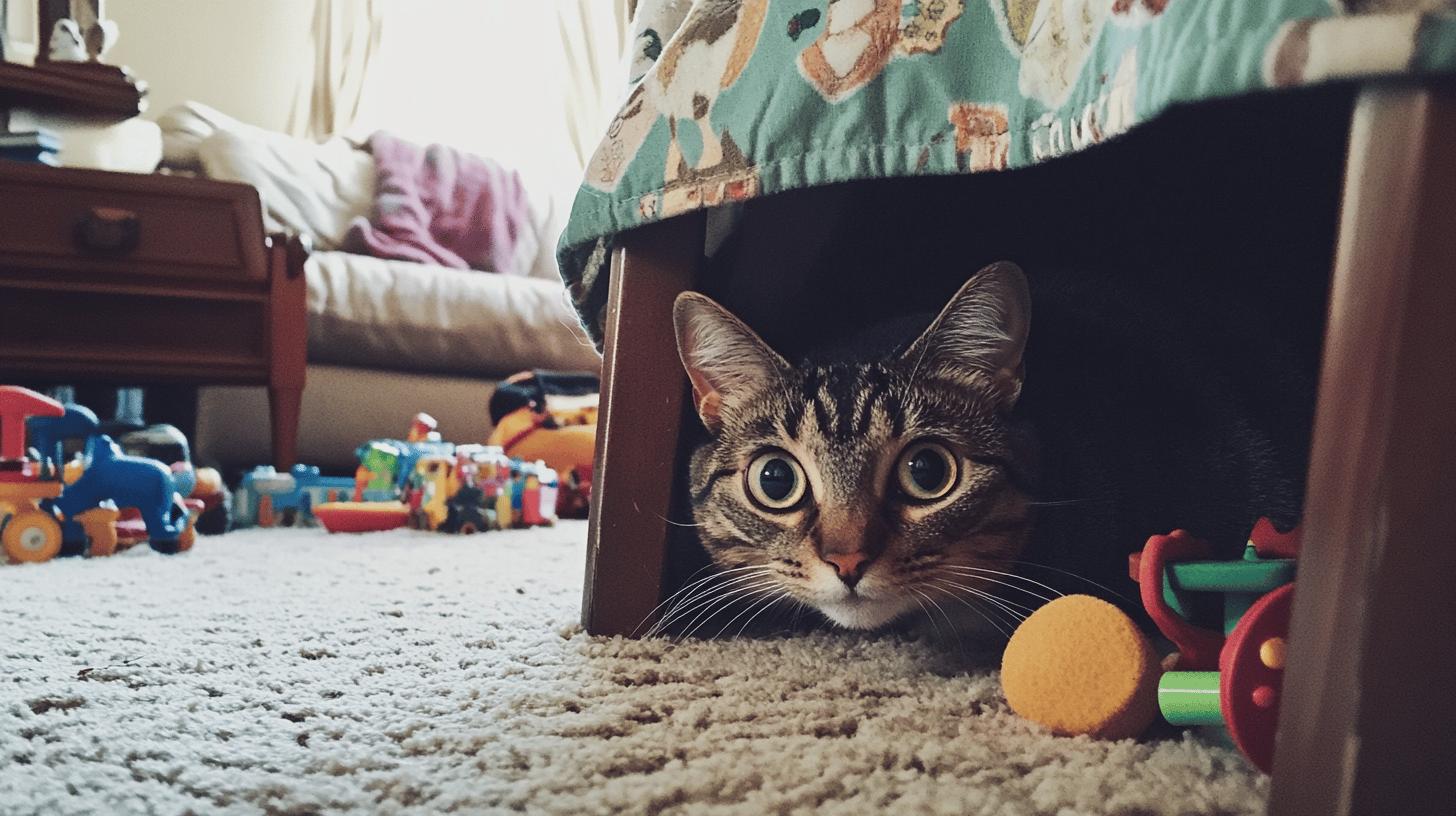
    These parasites can lead to skin irritations or more serious health issues if not addressed. Another risk involves skin irritations caused by sharp objects or allergens present in the dirt. Ingesting harmful substances is also a possibility, especially if chemicals or pesticides have been used in the area where your cat likes to roll.

    Excessive rolling can sometimes indicate underlying issues that may require attention. If your cat seems to be rolling more than usual, it might be a sign of skin discomfort or an infestation of parasites like fleas or ticks.

    Watch for other symptoms such as obsessive scratching, redness, or bald spots on the skin. These could signal that the rolling is more than just a fun activity and may need veterinary evaluation. It’s crucial to differentiate between normal behavior and signs that suggest a deeper problem.

    To mitigate these health risks and ensure your cat’s well-being, consider the following prevention tips:

    • Monitor the environment for harmful substances
    • Keep up with regular veterinary check-ups
    • Ensure proper flea and tick prevention
    • Maintain a clean coat through regular grooming
    • Provide alternative enrichment activities indoors

    By addressing these potential concerns, you can help your cat enjoy the benefits of rolling in dirt while minimizing health risks.
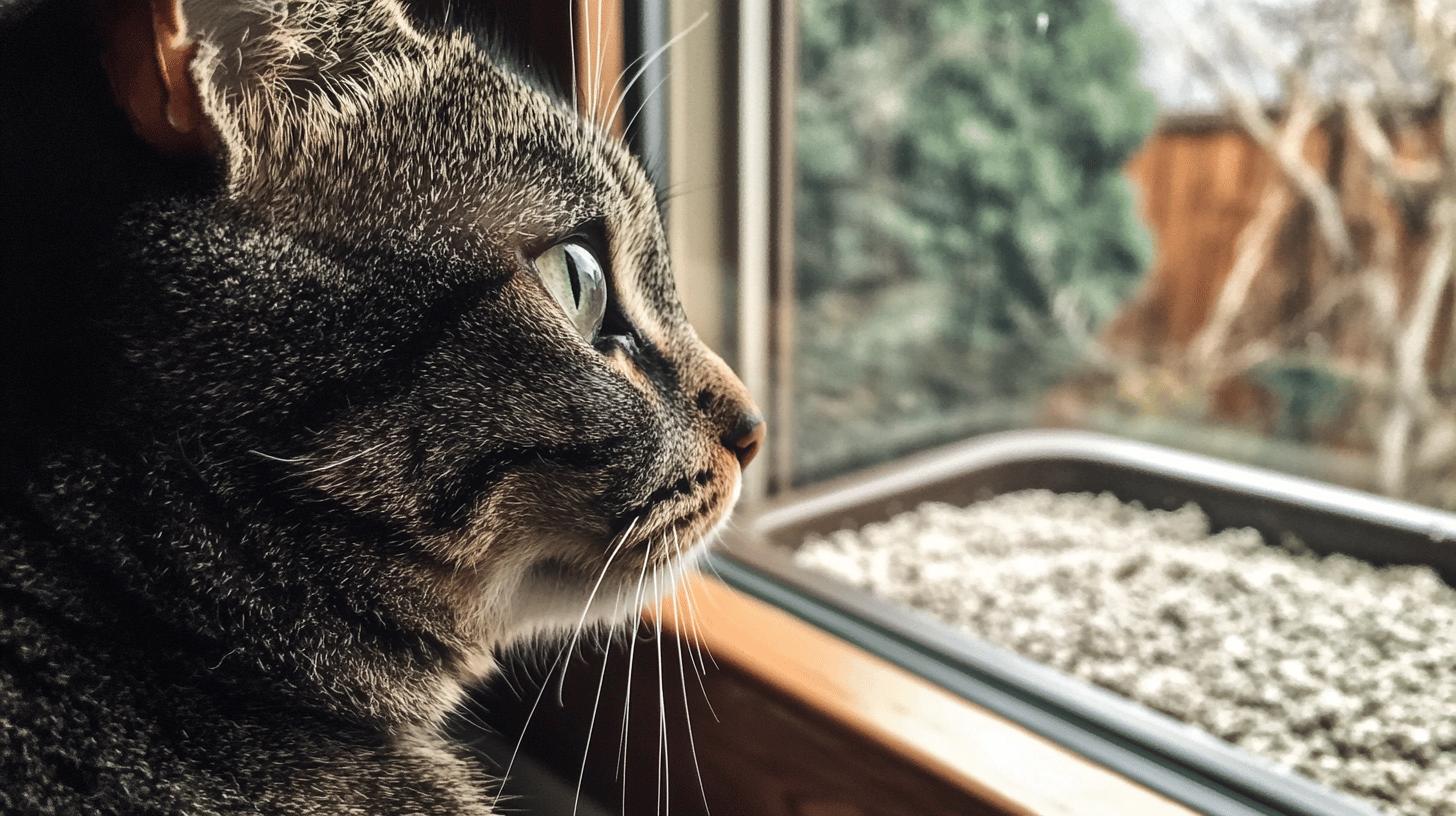
    Managing and Encouraging Safe Rolling Habits

    Knowing when to intervene in your cat’s rolling behavior is key to keeping them safe. If you notice rolling in areas treated with pesticides or chemicals, step in to prevent potential harm. It’s equally important to watch for excessive rolling, which might indicate skin issues or discomfort.

    Rather than scolding, redirect their attention to safer activities. Punishing a cat for rolling can harm your relationship and lead to stress, so maintaining a positive approach is essential.

    To encourage safe rolling habits, consider these recommendations:

    • Create safe outdoor spaces free of chemicals
    • Use cat-friendly areas for rolling indoors
    • Observe the cat’s behavior for any unusual changes
    • Introduce toys that mimic rolling stimuli
    • Offer diverse textures for exploration

    Providing indoor alternatives allows cats to fulfill their natural instincts without the risk of outdoor hazards. By setting up areas with soft rugs or mats, you create a safe environment for them to enjoy this behavior. Indoor rolling can serve as a great way to bond with your cat, offering them the tactile pleasure they seek while ensuring their safety.

    Final Words

    Rolling in dirt is a behavior deeply tied to a cat’s ancestry, providing essential benefits and natural pleasure. This act helps with scent marking, tactile stimulation, and even social interaction. However, cat owners should be aware of potential health risks, such as exposure to parasites. Regular grooming and monitoring the environment can reduce risks.
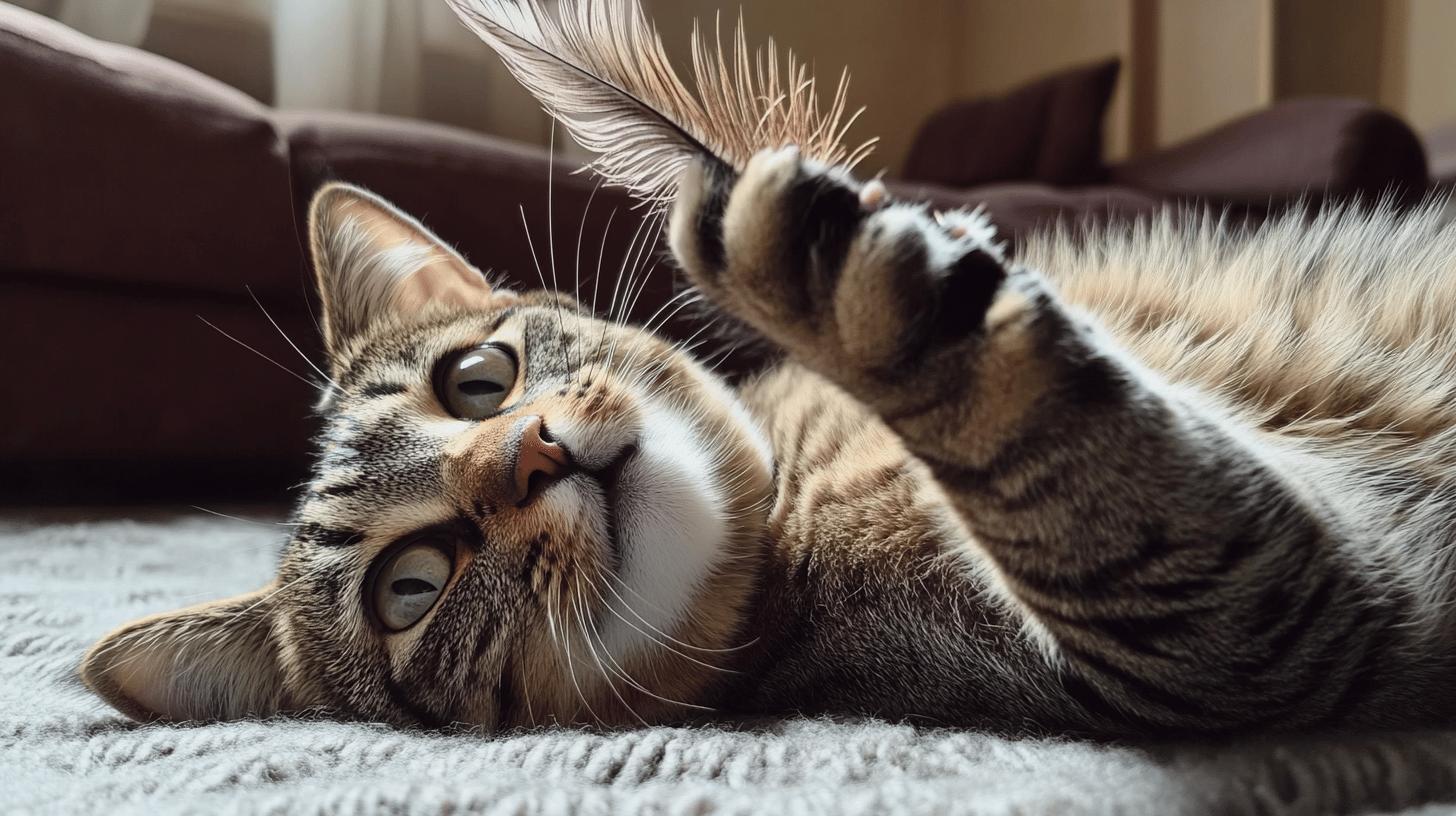
    Encourage safe rolling habits both indoors and outdoors by providing clean and secure environments. Understanding why cat rolls in dirt, you can appreciate this behavior while ensuring your pet’s well-being. Celebrate this natural feline habit with joy and attention to safety.

    FAQ

    Why do cats roll on the ground?

    Cats roll on the ground for several reasons, including scent marking, territory marking, and communication. It feels good, provides cooling, itch relief, and is a natural part of their play and social interactions.

    Why do cats like to roll in the dirt?

    Cats like to roll in the dirt because it helps with scent marking and territory marking. It also offers physical benefits like cooling down and relieving itchy skin. Rolling gives tactile pleasure and plays a role in play and social bonding.

    Why do male cats roll in dirt?

    Male cats roll in dirt primarily for scent and territory marking. Rolling helps them spread their scent and communicate with other cats. This behavior is rooted in their natural instincts.

    Why does my cat roll in the dirt when he sees me?

    When a cat rolls in the dirt upon seeing you, it’s a form of social interaction. Cats use rolling to show trust and comfort around their human companions.

    How to stop cat rolling in dirt?

    To stop a cat from rolling in dirt, create safe play alternatives indoors and monitor the outdoor environment. Ensure there are no harmful substances on the ground, and offer diverse textures indoors to satisfy their instincts safely.

    Why is my cat sleeping in dirt?

    If your cat is sleeping in dirt, it may be seeking a cool or comfortable spot. Ensure your cat has clean and cozy resting places indoors to encourage different sleeping habits.

    Why does my cat play in the dirt?

    Cats play in the dirt as a form of entertainment, tactile exploration, and to fulfill their natural instincts. They enjoy the textures and scents, which stimulate their senses and provide enrichment.

    What are the health risks of cats rolling in dirt?

    Health risks of cats rolling in dirt include exposure to parasites, skin irritations, and potential ingestion of harmful substances. Regular checks and flea prevention help mitigate these risks.
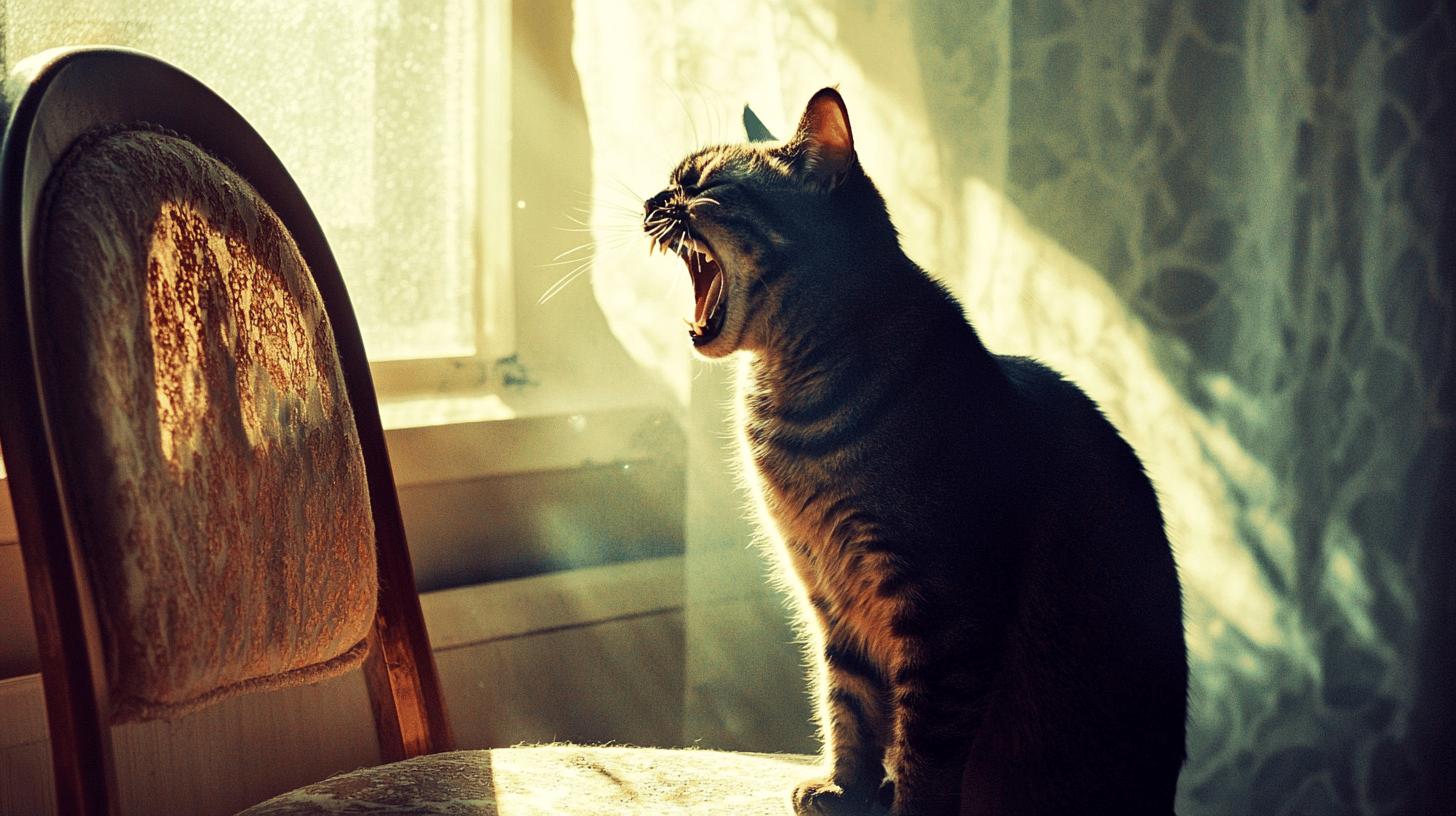
    How can I prevent potential health issues from dirt exposure?

    To prevent health issues from dirt exposure, watch for harmful substances outdoors, keep your cat’s coat clean, and schedule regular vet visits. Maintain flea prevention and provide indoor play options.
    Related Articles

  • Why Cat Shakes Head Understanding Causes and Solutions

    Why Cat Shakes Head Understanding Causes and Solutions

    Have you noticed your cat shaking its head lately? This action might seem harmless, but it can reveal a lot about underlying issues your cat might be facing. From ear infections to pesky allergies, head shaking is often a cry for help from your furry friend.

    Ignoring these signals could lead to bigger health problems. In this blog, we’ll dive into the common reasons behind this behavior and offer solutions, ensuring your cat stays happy and healthy. Let’s unravel the mystery behind those head shakes and help your kitty find comfort.

    Understanding Why Cats Shake Their Heads

    Understanding Why Cats Shake Their Heads-1.jpg

    Cats shaking their heads is a behavior that can indicate itchy or painful ears. This action is not just a quirky habit; it often points to underlying medical conditions. From ear infections to allergies, several issues could be causing your cat discomfort.

    Recognizing the significance of this behavior is crucial because neglecting these signs might lead to more severe health problems. If you notice that your cat is frequently shaking its head, it’s a signal worth paying attention to.

    Monitoring your cat’s behavior is essential. Persistent head shaking should prompt a visit to the veterinarian. This ensures that any serious conditions are caught early and treated appropriately. Veterinarians can perform a thorough examination, identify the root cause, and recommend the right treatment plan.

    In the following sections, we’ll explore various reasons why your cat might be shaking its head, from common issues like ear infections to potential allergens. Understanding these causes can help you take better care of your feline friend and ensure their comfort and health.

    Recognizing Symptoms of Ear Infections in Cats

    Recognizing Symptoms of Ear Infections in Cats-4.jpg

    Ear infections are a prevalent cause of head shaking in cats. These infections are often caused by yeast or bacteria, creating discomfort that prompts cats to shake their heads. Understanding this common issue is key to providing your cat with the necessary relief and care.

    Symptoms of ear infections in cats include noticeable redness and the presence of debris in the ear canal. You might also catch a whiff of a foul odor emanating from your cat’s ears, along with frequent scratching. These signs are your cat’s way of indicating that something is wrong, and they warrant your attention.

    There are different types of ear infections: outer, middle, and inner. Outer ear infections are typically easier to spot due to visible symptoms like swelling and discharge. Middle and inner ear infections are more severe and can occur if an outer ear infection is left untreated. These deeper infections can affect your cat’s balance and hearing, making them more pressing concerns.

    Prompt veterinary treatment is crucial when dealing with ear infections. Ignoring these symptoms can lead to more significant health issues, including chronic pain or hearing loss. A veterinarian will be able to diagnose the type of infection and prescribe the appropriate treatment, ensuring your cat gets back to their happy, healthy self.

    Ear Mites: A Common Culprit of Head Shaking

    Ear Mites A Common Culprit of Head Shaking-3.jpg

    Ear mites are a frequent and pesky issue for many cats, particularly kittens and those who love outdoor adventures. These tiny parasites can cause intense discomfort, leading to noticeable head shaking. Their prevalence among pets highlights the importance of recognizing and addressing this problem swiftly to prevent further complications.

    Symptoms of ear mites in cats are quite distinct, making them relatively easy to identify. The presence of dark, crumbly ear wax is a telltale sign, often accompanied by a strong, unpleasant odor. Cats will also show persistent scratching around the ears as they try to relieve the itchiness caused by these mites.

    • Dark, crumbly ear wax
    • Unpleasant ear odor
    • Persistent scratching

    Due to their highly contagious nature, ear mites can easily spread from one pet to another, especially in multi-pet households. It’s essential to seek veterinary treatment promptly to not only eliminate the mites but also prevent any secondary infections that might arise from the scratching. Addressing the issue quickly ensures your cat can return to its normal, playful self without the discomfort of itchy ears.

    Allergies in Cats: Head Shaking and Other Symptoms

    Allergies in Cats Head Shaking and Other Symptoms-1.jpg

    Allergies can be a major cause of head shaking in cats, much like in humans. When a cat’s immune system reacts to certain substances, it can lead to discomfort and a range of symptoms. These allergic reactions often manifest as your cat tries to shake off the irritation, which can include head shaking. Understanding the role of allergies in your cat’s behavior is essential for their well-being.

    Common allergens that might affect your cat include:

    • Flea bites
    • Certain foods
    • Pollen
    • Airborne irritants

    Symptoms of allergies in cats can extend beyond head shaking. You might notice sneezing and itchy skin, as well as red, inflamed ears. These signs indicate that your cat is experiencing distress and requires attention. Cats may also groom excessively or develop skin lesions due to continuous scratching.

    Identifying and managing allergens are critical steps in alleviating your cat’s discomfort. Finding the exact cause of the allergy might require some detective work, but it’s crucial for effective management.

    Consulting with a veterinarian can help pinpoint the allergens and develop a suitable treatment plan. Managing cat allergies might involve dietary changes, medications, or lifestyle adjustments to minimize exposure to the offending substances. Keeping your cat comfortable and healthy is the ultimate goal.

    Foreign Objects and Injuries: When to Seek Veterinary Care

    Foreign Objects and Injuries When to Seek Veterinary Care-1.jpg

    Foreign objects lodged in a cat’s ear, such as seeds, dirt, or small insects, can cause significant irritation and discomfort. This can lead to persistent head shaking as your cat attempts to dislodge the offending item.

    Outdoor cats or those with a curious nature are more prone to encountering such objects. It’s crucial to check your cat’s ears regularly, especially if they spend time outside or in environments where foreign bodies are likely.

    Injuries to a cat’s ears, like bites or scratches, are another cause of head shaking. These types of injuries can occur during cat fights or rough play, especially in multi-cat households or outdoor environments.

    Such wounds can become infected quickly, leading to further complications such as abscesses or ear hematomas. The resulting discomfort may cause your cat to shake its head in an attempt to alleviate the pain or itchiness associated with these injuries.

    Immediate veterinary care is vital when dealing with foreign objects or ear injuries. A vet can safely remove any lodged items and treat infections or injuries effectively. This helps prevent more severe complications and ensures your cat’s ears are healthy and free from discomfort.

    If you notice persistent head shaking or any signs of distress, it’s best to consult with a veterinarian promptly to address any underlying issues and provide your feline friend with the necessary relief.

    Preventive Measures and Treatment for Cat Head Shaking

    Preventive Measures and Treatment for Cat Head Shaking-1.jpg

    Preventing head shaking in cats is all about proactive care and attention to detail. Regular monitoring of your cat’s behavior can help catch potential issues early. Keeping a clean environment and ensuring your cat is groomed frequently can reduce the risk of irritants that lead to head shaking. Prevention is often easier and less stressful for both you and your cat than dealing with a full-blown health issue.

    Proper ear hygiene is a cornerstone of prevention. Regularly cleaning your cat’s ears can help prevent wax build-up and infections, which are common causes of head shaking. Use a vet-recommended ear cleaning solution and gently clean the visible part of the ear.

    Be cautious not to insert anything into the ear canal as you might risk causing injury. Keeping your cat’s ears dry after baths and monitoring for signs of infections or mites can also contribute to better ear health.

    Preventive Measure Description
    Regular Ear Cleaning Use vet-approved solutions to prevent wax build-up and infections.
    Maintain Clean Environment Reduce exposure to dirt and allergens that may irritate your cat.
    Monitor for Allergies Keep an eye out for symptoms and identify potential allergens early.
    Frequent Grooming Regular grooming to remove loose fur and debris.

    Treatment for head shaking in cats is highly dependent on the underlying cause. If you notice persistent symptoms, it’s time to consult a vet who can diagnose the issue correctly. Common treatments might involve prescribed medications, such as antibiotics for infections or anti-parasitic treatments for ear mites.

    In cases where foreign objects or injuries are present, professional removal and care are necessary to avoid further complications. Always follow your vet’s advice to ensure your cat receives the most effective treatment.

    Final Words

    Knowing why a cat shakes its head is key in taking action for its well-being. In this article, we explored common causes, including ear infections, ear mites, allergies, and foreign objects. Each can cause discomfort and prompt head shaking, signaling a need for attention. It’s important to observe these signs and keep your cat’s ears clean and healthy. By understanding these causes and taking preventive steps, cat owners can ensure a happier life for their feline friends. Always consult a vet when head shaking is persistent, ensuring your cat’s health is a top priority.

    FAQ

    Why is my cat shaking their head?

    Cats shake their heads often due to itchy or painful ears, indicating possible medical conditions. Persistent shaking calls for a veterinary visit to diagnose and treat any underlying issues.

    Why is my cat shaking but not purring?

    If a cat vibrates without purring and shakes their head, it might be due to discomfort or other issues like allergies or infections. Veterinary advice is recommended to identify the cause.

    Why does my cat shake his head like something is stuck in his mouth?

    Head shaking can be a reflex to dislodge something stuck or irritating in the mouth or ear. Check your cat’s mouth or consult a vet if the behavior continues.

    Should I be worried about my cat shaking?

    If your cat frequently shakes their head, it might suggest an ear problem or irritation. It’s best to consult a veterinarian for proper examination and treatment.

    Related Articles

  • Why Cat Scratch Floor Instincts Behind Feline Behavior

    Why Cat Scratch Floor Instincts Behind Feline Behavior

    Have you ever wondered why your cat insists on scratching the floor? It might seem like a quirky behavior, but the truth is it’s a window into your cat’s instinctual world. Just like their wild ancestors, cats scratch as a way to mark territory, maintain their physical strength, and even mimic survival behaviors like burying food.

    These actions aren’t just random; they’re essential to your cat’s daily life. Understanding these instincts can not only enhance your cat’s playtime experience but also help you create a more harmonious home. Ready to dive in?

    Understanding Why Cats Scratch the Floor

    Understanding Why Cats Scratch the Floor-2.jpg

    Cats often scratch floors due to instinctual behaviors passed down from their wild ancestors. These actions are deeply rooted in their survival instincts and serve several natural purposes. Floor scratching is not just a quirky habit; it plays a crucial role in a cat’s daily life.

    • Marking territory: Cats have scent glands in their paws, and scratching leaves a scent trail that marks their territory.
    • Maintaining muscle tone: The act of scratching helps cats keep their forelimb and spine muscles strong, preparing them for hunting activities.
    • Mimicking burying food: This behavior is a remnant of burying food to hide it from predators, a key survival tactic in the wild.

    This scratching behavior is generally harmless and is a natural part of feline life, reflecting their innate instincts.

    Scratching Before and After Meals: Strategies for Managing Behavior

    Scratching Before and After Meals Insights and Explanations-1.jpg

    Cats sometimes scratch around their feeding area before or after meals. This can be confusing, but understanding what’s behind these behaviors can help manage them effectively.

    Scratching Before Eating

    Cats might scratch before eating due to stress or anxiety, trying to comfort themselves by preparing the area. Changes in their environment or routine can trigger this behavior.

    • Emotional State: Stress or anxiety might cause pre-meal scratching as cats try to create a comforting space.
    • Solutions: Create a calming feeding environment by keeping the area quiet and free from disturbances. Introduce feeding toys to make mealtime more engaging.

    Scratching After Eating

    After meals, scratching may connect to a cat’s emotional state or be influenced by environmental factors like feeding location or bowl type.

    • Environmental Influence: A noisy or busy area can trigger post-meal scratching as cats try to cope with stress.
    • Solutions: Choose a quiet location for feeding, away from household traffic. Experiment with different bowl types to find what your cat prefers.
    Behavior Reason Solution
    Scratching Before Eating Stress or anxiety Calming environment and feeding toys
    Scratching After Eating Environmental stress Quiet location and bowl preference

    Solutions to Reduce Floor Scratching

    Scratching Before and After Meals Insights and Explanations-3.jpg

    Scratching is a natural behavior for cats, but there are effective ways to manage and reduce it. By implementing some practical strategies, you can help redirect your cat’s scratching behavior in a positive way.

    • Installing scratching posts: Place these in areas where your cat frequently scratches. This gives them an appropriate outlet for their instinctual need to scratch.
    • Using pheromone diffusers: These can help soothe your cat’s territorial instincts. Pheromones mimic the natural scent markers in a cat’s environment, promoting a sense of calm.
    • Offering interactive toys: Engage your cat with toys that stimulate their hunting instincts. Interactive play can distract them from inappropriate scratching by providing mental and physical exercise.
    • Covering scratched areas: Use carpets or mats to protect your floors. This can deter further scratching and help redirect your cat’s attention to more suitable surfaces.

    Experts recommend focusing on environmental enrichment to keep your cat satisfied and engaged. Interactive play not only keeps your cat entertained but also serves as a powerful tool for reducing unwanted scratching. By enriching your cat’s environment and offering plenty of playtime, you can help manage their natural instincts while keeping your home intact.

    The Role of Cat Behaviorists in Understanding Scratching

    The Role of Cat Behaviorists in Understanding Scratching-3.jpg

    Cat behaviorists are invaluable when it comes to deciphering the scratching habits of our feline friends. They dive into the natural instincts that drive these behaviors, emphasizing the need to understand and address the root causes.

    Stress, environmental changes, or even a new pet in the home can lead to increased scratching. Behaviorists offer insights into these triggers, helping cat owners identify the factors that might be contributing to excessive or unwanted scratching.

    By observing and interpreting a cat’s actions, behaviorists can provide tailored solutions to manage these behaviors. They analyze the context of scratching, considering everything from territorial instincts to anxiety levels. This detailed understanding allows them to suggest strategies that align with a cat’s natural inclinations while reducing damage to the home.

    It’s crucial to pay attention to sudden changes in scratching habits. If a cat starts scratching more than usual or in new places, it might signal an underlying issue. Consulting a cat behaviorist or a veterinarian can help identify if stress or health problems are at play. Professional guidance is recommended for persistent or destructive scratching, as it ensures that any behavioral or environmental issues are effectively addressed.

    Final Words

    Understanding why cats scratch the floor helps us address their natural behaviors more effectively. Instincts like marking territory, muscle maintenance, and food caching play significant roles. Scratching before and after meals can often relate to food caching or disinterest, and solutions like portion control and variety can help.

    While floor scratching is natural, there are ways to manage it. Options include placing scratching posts, using deterrents, and engaging your cat with interactive toys. Consulting a cat behaviorist can offer further insights into stressors or sudden changes in behavior.

    Embracing these strategies can lead to a happier and more harmonious environment for both you and your feline friend.

    FAQ

    Why do cats scratch the floor?

    Cats scratch the floor due to instinctual behaviors. They mark territory with scent glands, maintain muscle tone, and mimic food burying.

    Why is my cat scratching the floor near her food and not eating?

    A cat may scratch near food to mimic burying it or due to disinterest in the meal. Try changing food or adjusting feeding times.

    Why does my cat scratch the floor before drinking water?

    Scratching before drinking can be an instinctual behavior to “prepare” the area. It’s usually harmless, but ensure the water is fresh.

    Why is my cat scratching the floor after pooping?

    This behavior often mimics covering waste in litter and is instinctual. Ensure a clean litter box to reduce this habit.

    Why does my cat scratch the same spot on the floor?

    Cats may scratch the same spot to mark territory or due to a preference for texture. Consider covering the area with mats or providing a scratching post.

    Why does my cat rub on the floor so much?

    Rubbing on the floor may indicate marking territory or scent spreading from facial glands. It’s generally normal and harmless.

    What does it mean when a cat is pawing at the ground?

    Pawing at the ground can indicate curiosity, marking territory, or mimicking food burying. Observe if it’s linked to new surroundings or objects.

    Related Articles

  • Why Cats Need Vaccines for Health and Safety

    Why Cats Need Vaccines for Health and Safety

    Ever wonder why it’s so crucial to vaccinate your cat? Imagine this: a world where your beloved feline is constantly at risk of falling prey to dangerous, avoidable diseases. Vaccines are not just medical shots; they’re a shield protecting cats from illnesses that can be contagious and life-threatening.

    By vaccinating your cat, you’re not only keeping them safe but also helping to protect the wider cat community. Let’s explore how vaccines play a vital role in ensuring your cat’s health and safety.

    The Importance of Vaccines for Cats

    The Importance of Vaccines for Cats-1.jpg

    Vaccines play a crucial role in shielding our feline friends from serious diseases. Vaccinating your cat ensures they receive protection from infections that might otherwise lead to severe health issues or even death. Vaccines, particularly core vaccines, are a fundamental part of a cat’s health regimen.

    They help prevent diseases that are not only highly contagious but also potentially life-threatening. By keeping your cat vaccinated, you contribute to what’s known as herd immunity, which helps protect not just your pet, but the broader feline community by reducing the spread of viruses.

    • Protection against common diseases
    • Prevention of disease outbreaks
    • Reduced risk of severe illness
    • Cost savings in veterinary care
    • Contribution to community health

    When it comes to cost, preventing disease through vaccination is often far more economical than treating an illness. A single vaccine can save hundreds, if not thousands, in potential veterinary bills for treatments related to preventable diseases.

    Investing in vaccines not only ensures your cat’s long-term health but also proves to be a practical financial decision for any cat owner. This proactive approach helps maintain both your pet’s wellbeing and your peace of mind.

    Recommended Vaccine Schedules for Cats-2.jpg

    Keeping up with a cat vaccination schedule is essential for protecting your feline friend from preventable diseases. Adhering to the recommended timelines ensures that your cat develops and maintains the necessary immunity against various health threats.

    For kittens, starting vaccinations early is crucial, as their young immune systems are still developing. Meanwhile, adult cats need regular booster shots to sustain their immunity levels over time. By following these schedules, you help safeguard not only your cat but also the broader feline community.

    Kitten Vaccination Schedule

    Kittens need their first round of vaccinations starting between six to eight weeks old. This early start is vital in building their initial defenses. They should continue to receive vaccinations every three to four weeks until they reach about 16 weeks of age.

    This series typically includes core vaccines that protect against diseases like feline distemper, feline calicivirus, and feline herpesvirus. By the time they complete this vaccination schedule, usually between 12 to 16 weeks, kittens achieve full protection, which is crucial for their early life health.

    Adult Cat Booster Shots

    Once kittens grow into adults, maintaining their immunity requires regular booster shots. These boosters are typically needed annually or every three years, depending on the specific vaccine. Core vaccines often require yearly boosters, while others may have a longer interval.

    It’s important for cat owners to consult with their veterinarians to determine the correct schedule and specific vaccines needed, as factors like lifestyle and geographic location can influence the recommendations.

    Veterinarians play a key role in customizing vaccination schedules to suit each cat’s unique needs. They assess individual risk factors and adjust the frequency and type of vaccines accordingly. This ensures that every cat receives the right level of protection, tailored to their lifestyle and environment. Regular veterinary consultations are essential to keeping your cat’s vaccination schedule up-to-date and effective.

    Core versus Non-Core Vaccines for Cats

    Core versus Non-Core Vaccines for Cats-1.jpg

    Cats require vaccines to maintain their health and safety, and these vaccines fall into two main categories: core and non-core. Core vaccines are the foundation of feline vaccination and are essential for all cats.

    These vaccines protect against severe and widespread diseases, such as feline distemper, feline calicivirus, and rabies. These diseases can affect cats regardless of whether they live indoors or outdoors, making core vaccines critical for every feline.

    On the other hand, non-core vaccines, also known as lifestyle vaccines, are administered based on a cat’s individual lifestyle and risk factors. These vaccines are not universally required but may be necessary for certain environments or activities, like frequent outdoor exposure or contact with other animals.

    Vaccine Type Description
    Live Attenuated Contains weakened versions of the virus to build immunity.
    Inactivated Contains killed virus particles to trigger immune response.
    mRNA Uses genetic instructions to teach cells to make a protein that triggers immunity.
    Subunit Contains specific parts of the virus to stimulate immunity.

    Veterinarians play a crucial role in determining which non-core vaccines a cat may need. They assess factors such as the cat’s age, health status, lifestyle, and potential exposure to diseases. By evaluating these elements, veterinarians can tailor a vaccination schedule that provides the most effective protection for each cat. This personalized approach ensures that all feline companions receive the right combination of core and non-core vaccines to safeguard their health.

    Addressing Potential Side Effects and Myths about Cat Vaccines

    Addressing Potential Side Effects and Myths about Cat Vaccines-2.jpg

    When it comes to cat vaccinations, it’s quite rare for felines to experience any adverse side effects. Most reactions are mild and short-lived, such as slight swelling at the injection site or minor lethargy.

    On rare occasions, more serious reactions can occur, but these instances are infrequent. It’s important to remain vigilant but not overly concerned. Knowing the potential side effects and monitoring your cat after vaccination can help ensure their comfort and safety.

    Misunderstandings about vaccines can lead to hesitation among cat owners. Here are some common myths debunked:

    • Vaccines cause illness
    • Indoor cats don’t need vaccines
    • Vaccines are unnecessary after a certain age
    • Vaccines are too costly

    The safety and efficacy of vaccines for cats are well-supported by scientific research. Vaccines have been tested extensively to ensure they provide protection without compromising your cat’s health. They are a critical component of preventive care, reducing the risk of serious diseases. By keeping up with vaccinations, you’re not only protecting your cat but also contributing to the general health of the feline population.

    Final Words

    In this guide, we dove deep into the reasons why cats need vaccines. We explored the crucial role of vaccines in safeguarding cats from serious diseases and stressed the concept of herd immunity and its public health benefits. Vaccinations extend beyond individual health, contributing to the betterment of the community. Regular veterinary visits ensure timely vaccines, ultimately saving on treatment costs later.

    Adhering to recommended vaccination schedules supports overall feline health and wellness. Vaccines, whether core or lifestyle-specific, are vital in maintaining your cat’s health. As hardly any side effects occur, vaccines are a safe choice for your beloved pet. Keeping your cat vaccinated ensures a healthy and active life, adding peace of mind to your cat care routine. Remember, proactive care is key!

    FAQ

    What vaccines do cats need yearly?

    Kittens should start vaccinations at 6-8 weeks old. After, cats typically need core vaccines like rabies and distemper annually or every three years, depending on the specific vaccine and recommendations.

    Why do cats need vaccines after initial vaccinations?

    Cats need vaccines after initial doses to maintain immunity. Booster shots help reinforce protection against diseases, ensuring long-term health and safety.

    How much do cat vaccines cost?

    The cost of cat vaccinations varies by location and clinic but generally ranges from $50 to $100 per year for core vaccines. Non-core vaccines may add extra costs.

    Do indoor cats need vaccines every year?

    Yes, indoor cats still need vaccines. Core vaccines protect against viruses that can enter your home and spread, maintaining health even for indoor-only cats.

    What is a 5 in 1 vaccine for cats?

    A 5 in 1 vaccine for cats combines several core vaccines, typically protecting against feline panleukopenia, calicivirus, rhinotracheitis, and sometimes others in one shot.

    What is a 4 in 1 vaccine for cats?

    The 4 in 1 vaccine, similar to the 5 in 1, combines protection against cat diseases like rhinotracheitis, calicivirus, panleukopenia, and sometimes chlamydia in one vaccine.

    Are vaccines for cats necessary?

    Yes, vaccines are necessary for cats to protect them from contagious and potentially deadly diseases, enhancing their health and longevity.

    What happens if a cat is not vaccinated?

    If a cat is not vaccinated, it risks contracting serious diseases, which can lead to severe illness or death and may increase the risk to other animals.

    At what age do you stop vaccinating your cat?

    There is no specific age to stop vaccinating; adult cats continue to need certain vaccines at intervals as advised by their veterinarian.

    Can I keep my cat unvaccinated?

    While you can choose not to vaccinate, it’s risky. Cats without vaccines are vulnerable to diseases that are preventable with proper vaccination.

    Related Articles