Category: Cat Behavior

  • Why Cat Hate Dog Understanding Common Causes of Pet Conflicts

    Why Cat Hate Dog Understanding Common Causes of Pet Conflicts

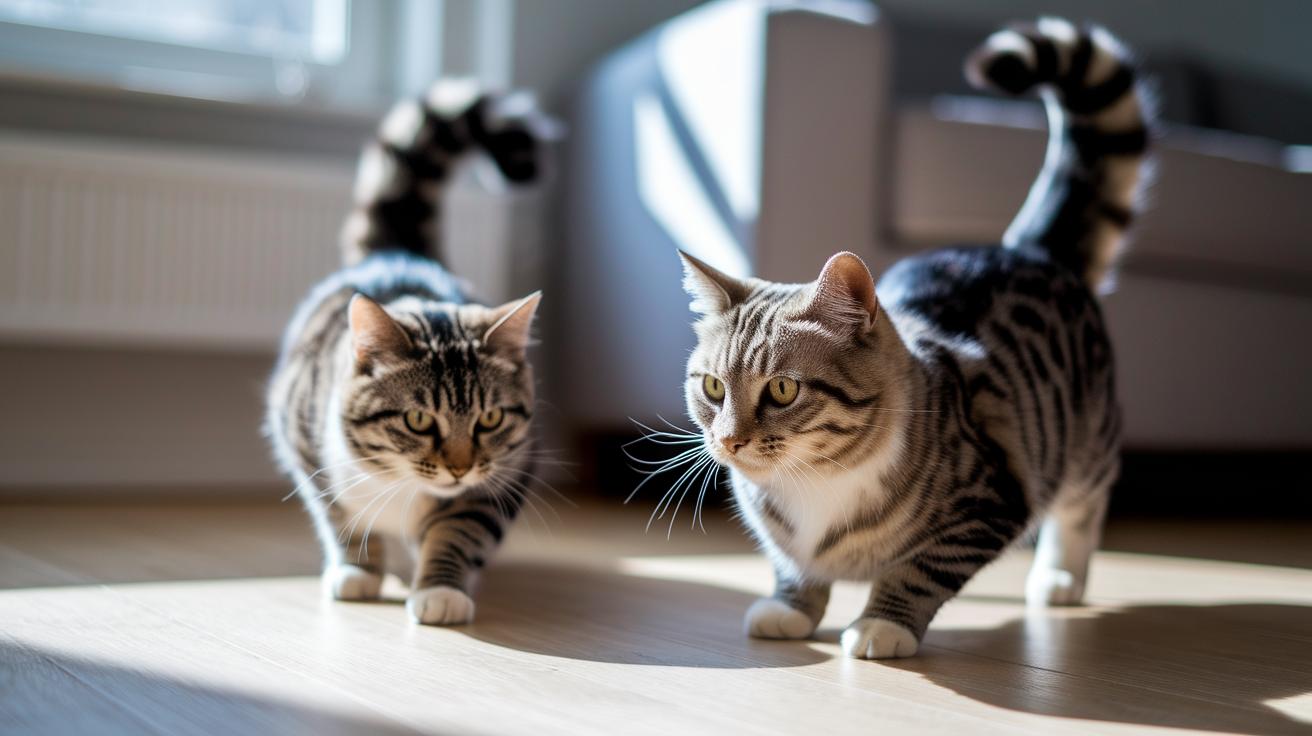
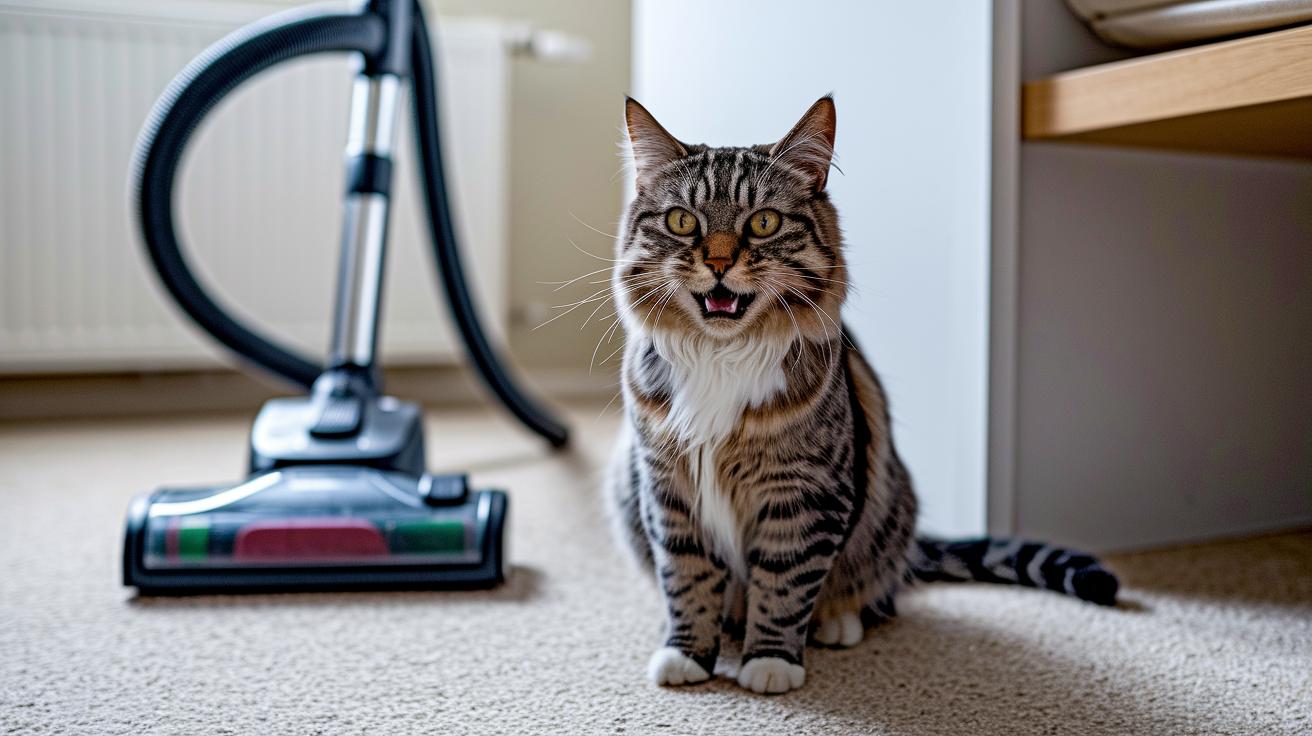
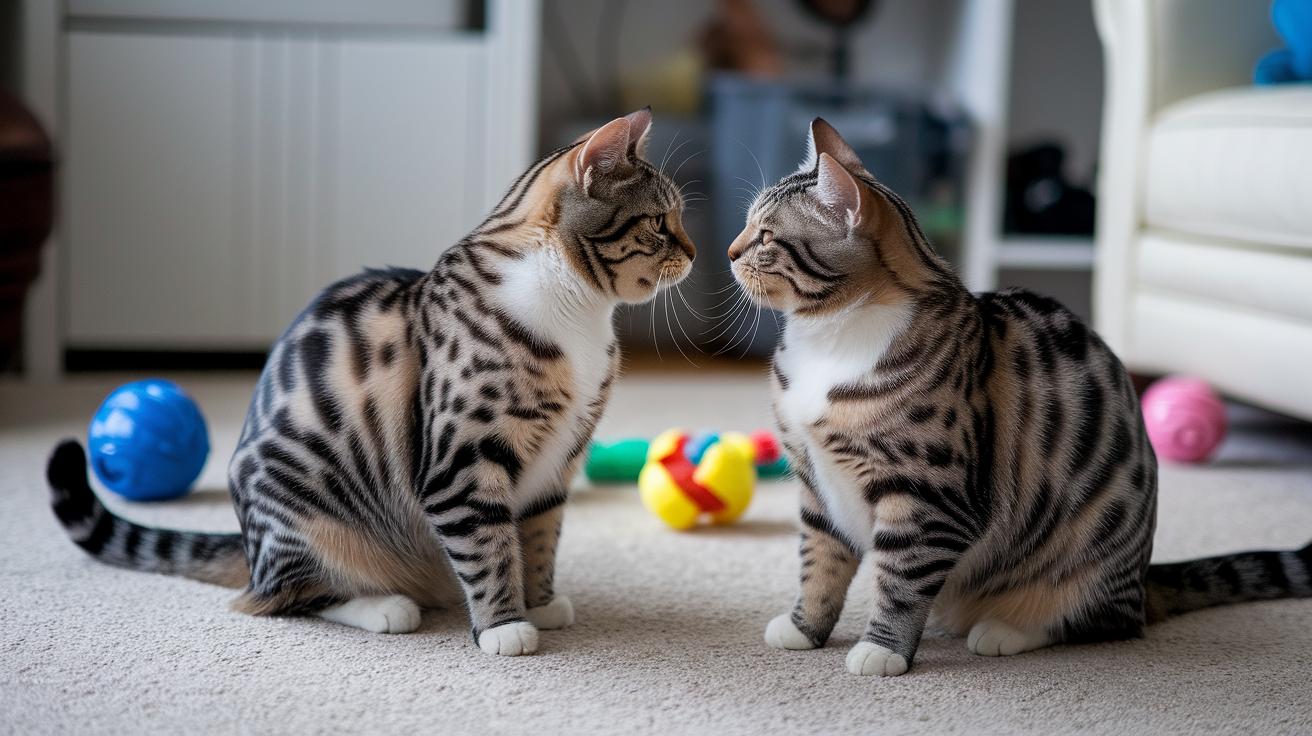
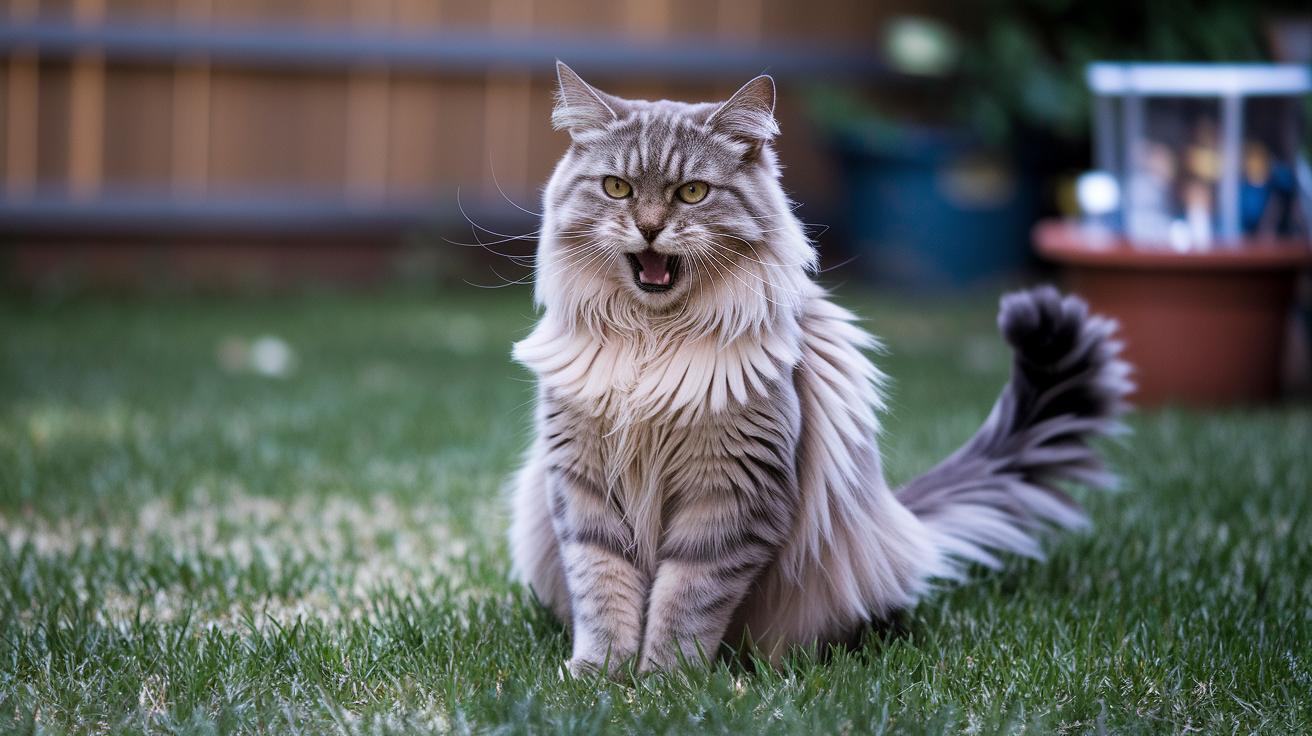
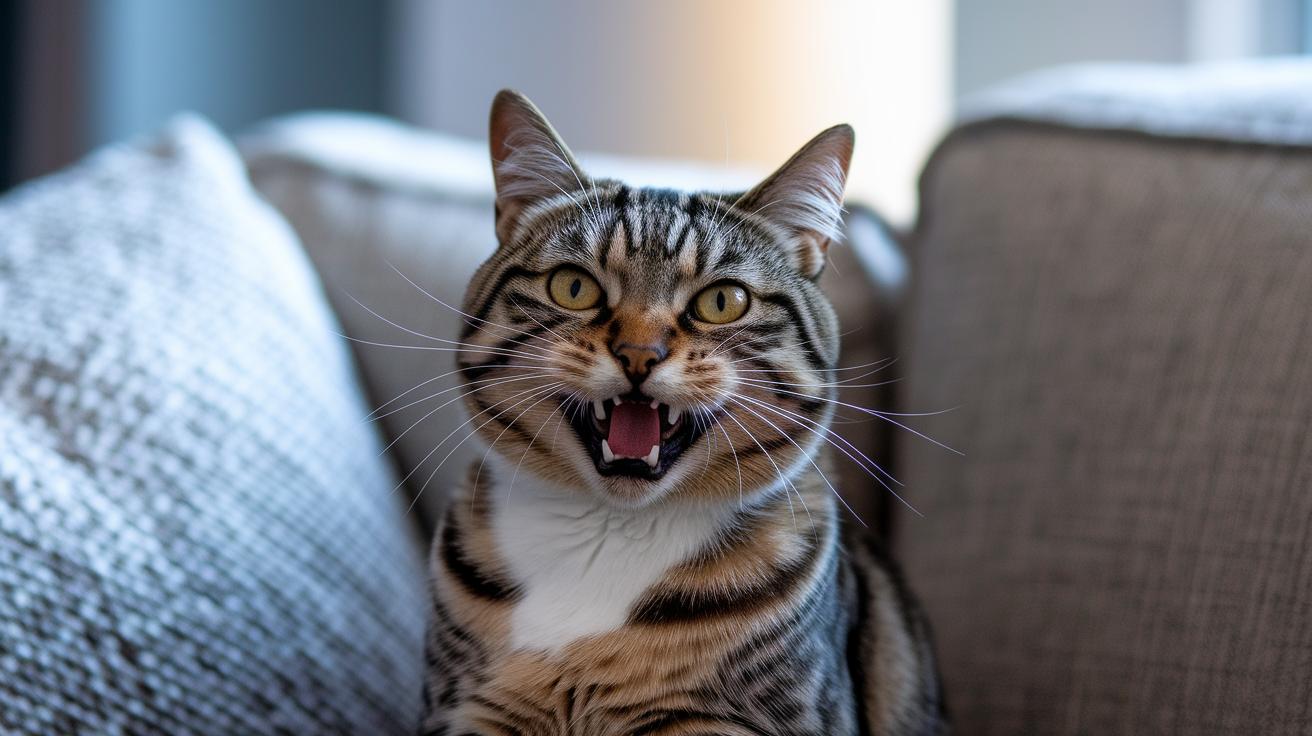
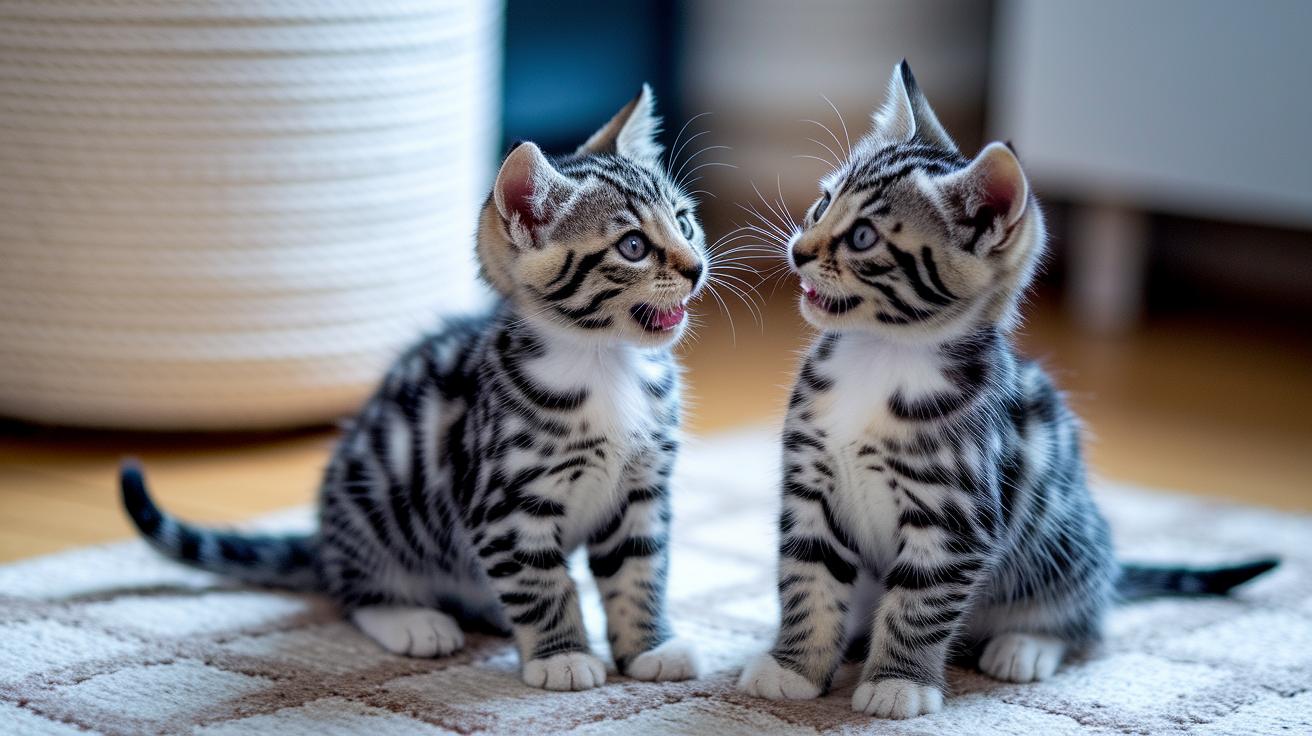
    Do cats really hate dogs, or is it a misunderstanding bred from nature? Our furry friends, despite their cute appearances, often clash like oil and water. Cats are the quiet thinkers of the animal world, relying on subtle body signals, while dogs are more like open books, loud and eager.

    A dog’s playful bark might ring as a threat to a cat more used to the silent approach. Why is the cat-dog dynamic often so tense? By exploring their instinctual behaviors, we can uncover the true reasons these pets don’t see eye to eye.

    Understanding Why Cats May Dislike Dogs

    Understanding Why Cats May Dislike Dogs-1.jpg

    • Different communication styles
    • Prey drive in dogs
    • Territorial nature of cats
    • Misinterpretation of play signals
    • Historical survival instincts

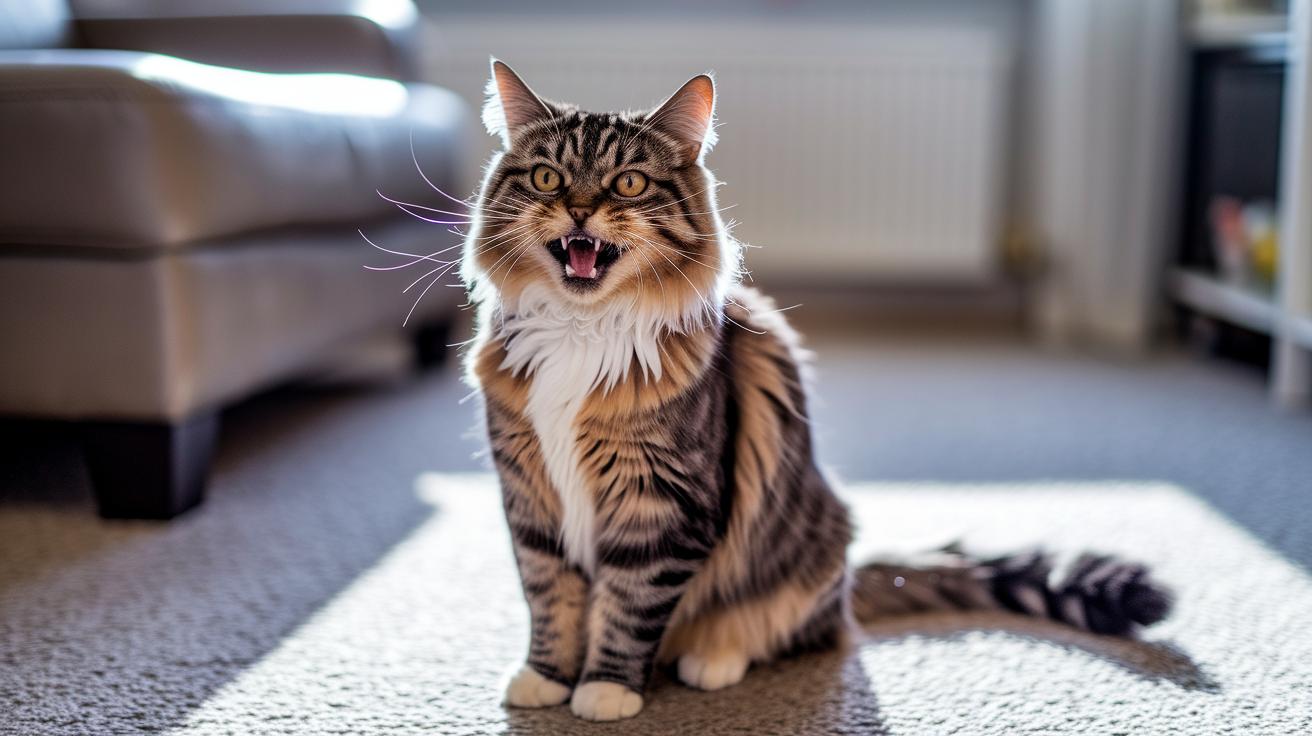
    Cats and dogs have fundamentally different ways of communicating, which often leads to misunderstandings. Cats rely heavily on body language, while dogs are more vocal and expressive. This difference can cause a cat to misinterpret a dog’s enthusiastic barking or wagging tail as threatening.

    Additionally, dogs have a natural instinct to chase smaller animals, which is often triggered by a cat’s quick movements. This prey drive can make cats feel threatened, leading them to view dogs as a danger rather than a friend.

    These innate differences often escalate into conflicts. A cat’s territorial nature means it may see a dog as an intruder, triggering defensive behavior. Similarly, what a dog perceives as playful behavior can be seen as aggressive by a cat, causing the cat to react defensively. These misinterpretations can create a cycle of fear and aggression, further fueling the perception of hostility between the two species.

    The common perception that cats inherently dislike dogs is rooted in these instinctual differences and historical interactions. Over time, these misunderstandings have fed into cultural myths and idioms about cat-dog animosity.

    In reality, with understanding and patience, cats and dogs can learn to coexist peacefully. Recognizing that their conflicts are driven by natural behaviors and not inherent animosity is the first step toward fostering a harmonious relationship between them.

    Historical and Evolutionary Origins of Cat-Dog Rivalry

    Historical and Evolutionary Origins of Cat-Dog Rivalry-1.jpg

    The rivalry between cats and dogs is rooted in their distinct evolutionary paths. Dogs, with ancestry linked to wolves, developed a pack mentality essential for social cooperation and survival. This pack orientation focused on hierarchical structures and collective effort.
    |
    In contrast, cats evolved as independent hunters, relying on stealth and agility to catch prey. Their solitary nature and territorial instincts meant they didn’t need to cooperate for survival. This difference in hunting and survival strategies laid the groundwork for a competitive dynamic—cats hunted alone, often leaving little for scavengers like early dogs.

    Today, these evolutionary traits still affect cat-dog interactions. Dogs may interpret a cat’s swift movements as prey behavior, triggering their chase instinct. Cats, perceiving dogs’ larger size and assertive behavior as threats, often react defensively to protect their territory.

    Historical context shows that this rivalry is less about animosity and more about ingrained survival tactics. Recognizing these evolutionary influences can help pet owners understand and manage their pets’ interactions, fostering a more harmonious coexistence by addressing these instinctual behaviors.

    Behavioral Traits Influencing Cat-Dog Interactions

    Behavioral Traits Influencing Cat-Dog Interactions-4.jpg

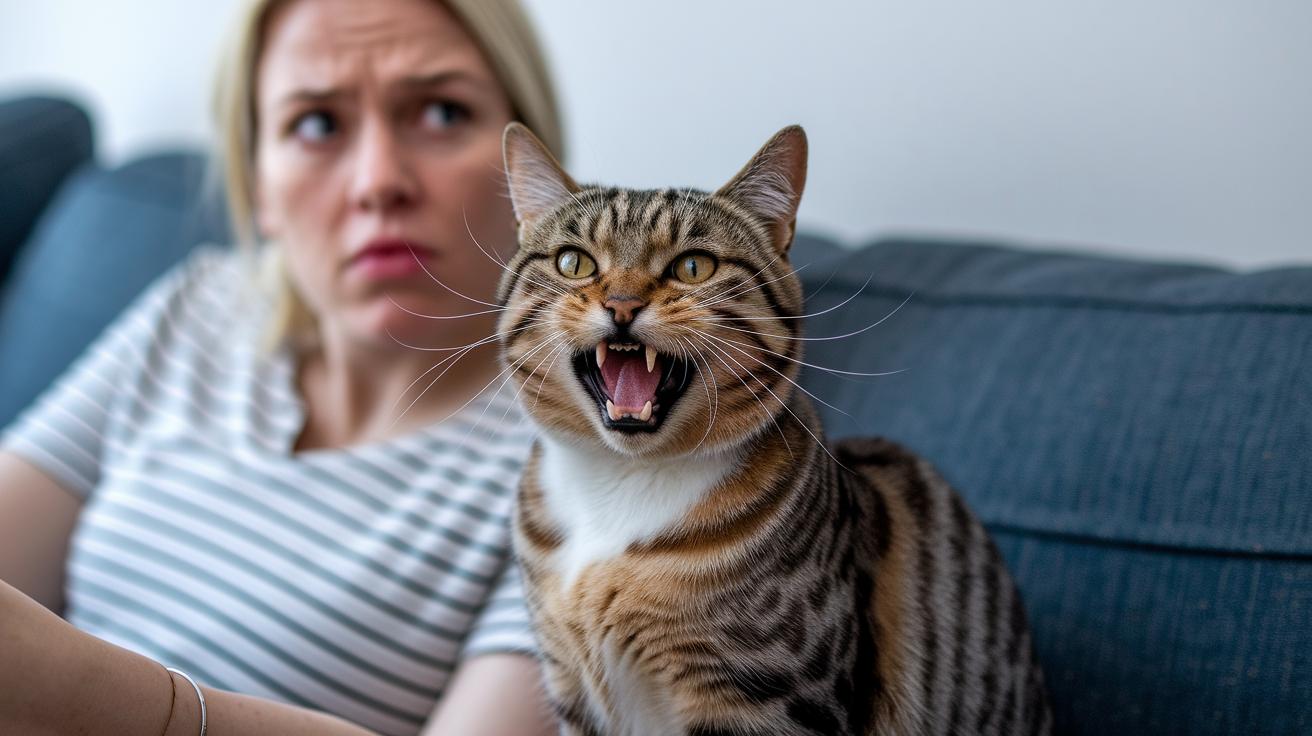
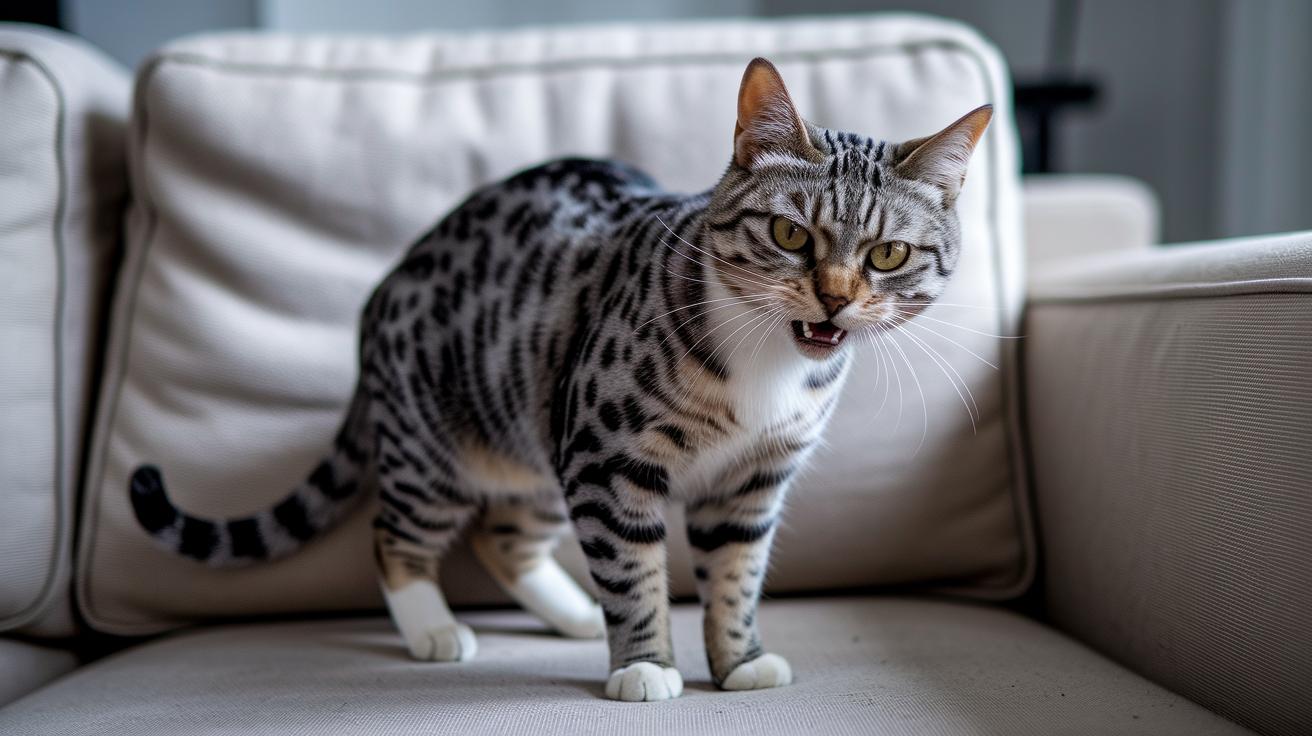
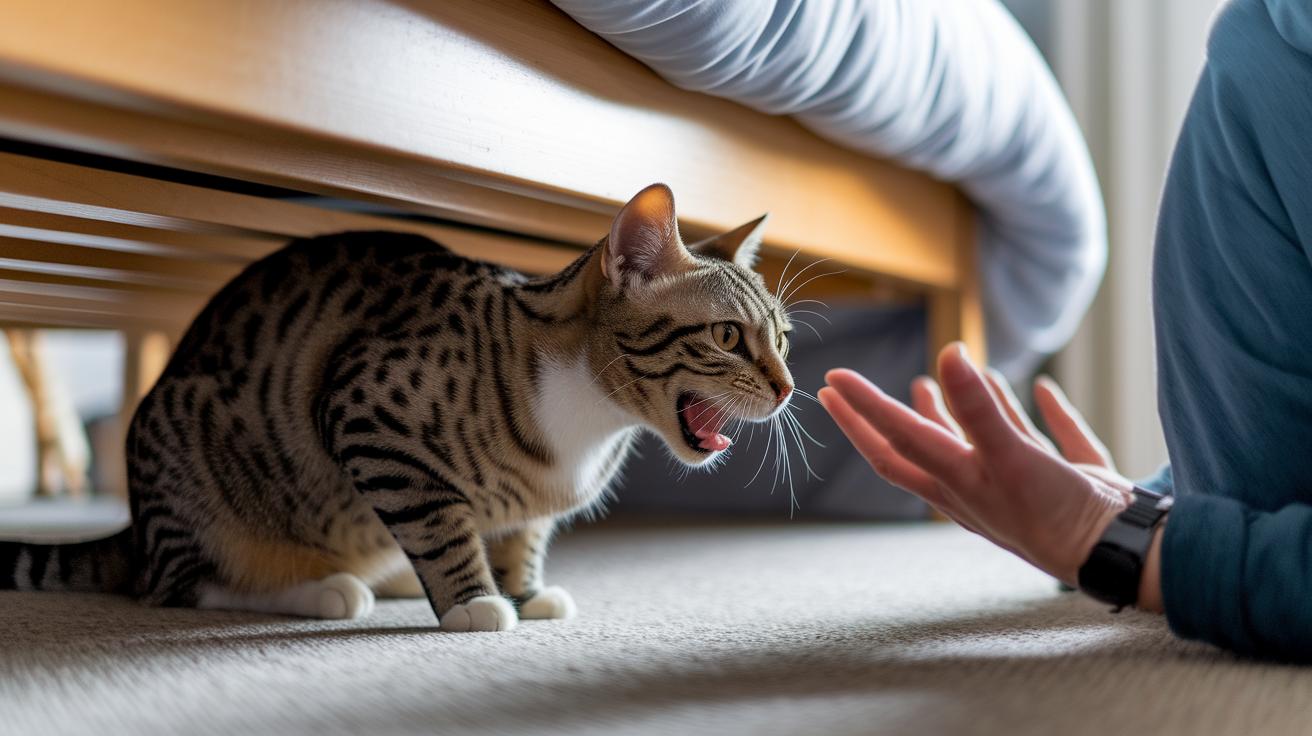
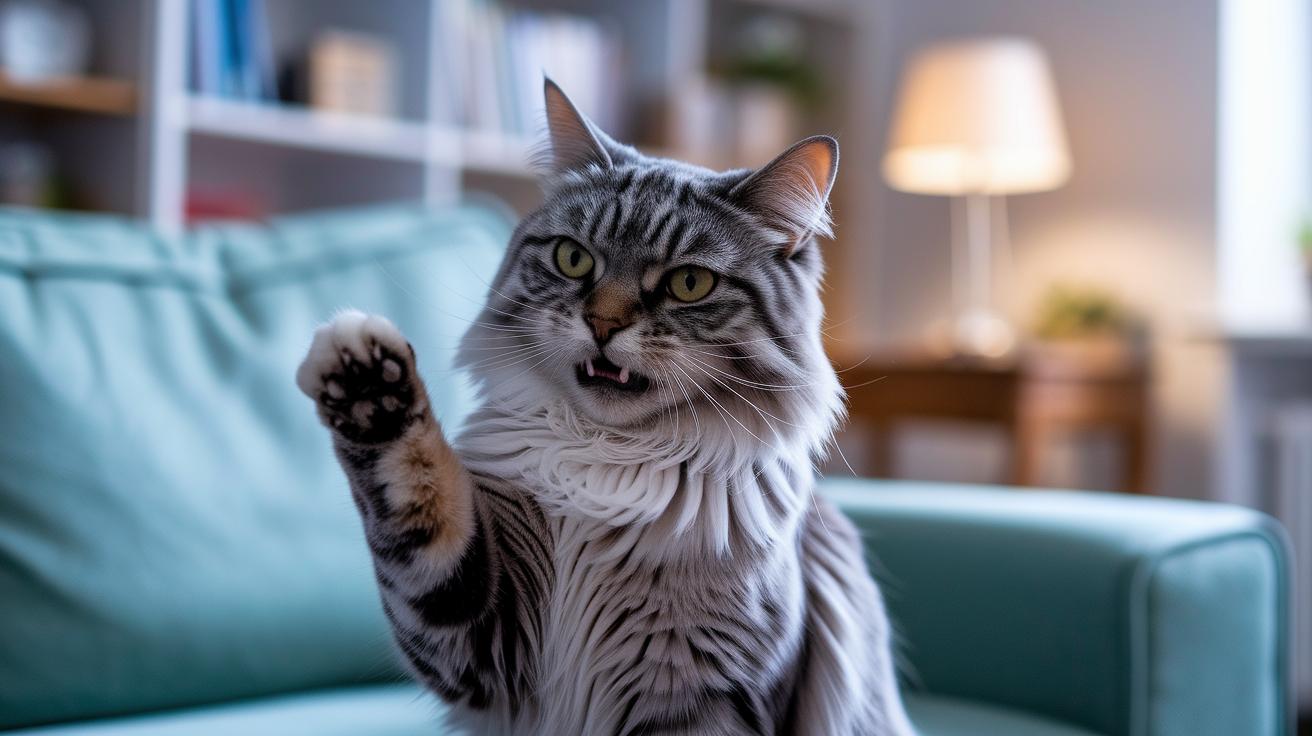
    To foster harmony between cats and dogs, we need to address their distinct behavioral quirks. Cats are fiercely territorial, often wary of new canine companions infringing on their space. They might hiss or swat as a defensive measure. This reaction is a cat’s way of asserting its need for personal space and routine, both crucial for its emotional well-being.

    Dogs, with their strong prey drive, might see a cat’s quick movements as an invitation to play. For the cat, this can feel like a predatory chase rather than a playful gesture. This misunderstanding often leads to tension or conflicts, as the cat seeks to avoid what it perceives as threatening behavior.

    Let’s look at a few strategies to manage these interactions effectively. Providing separate safe spaces for each pet can help minimize territorial disputes. Training dogs to respond to commands like “leave it” can reduce their tendency to chase. Gradual introductions, using barriers like baby gates, can also help them adjust to each other’s presence safely.

    Behavioral Trait Impact on Interaction
    Territorial Instincts Cats may react defensively to maintain their space.
    Prey Drive Dogs may unintentionally intimidate by chasing cats.
    Misinterpretation of Play Dogs’ playful actions might be seen as aggression by cats.

    By understanding these traits and adopting specific strategies, cat and dog owners can create a peaceful and cohabitable environment.

    Improving Cat-Dog Relationships: Practical Tips

    Improving Cat-Dog Relationships Practical Tips-1.jpg

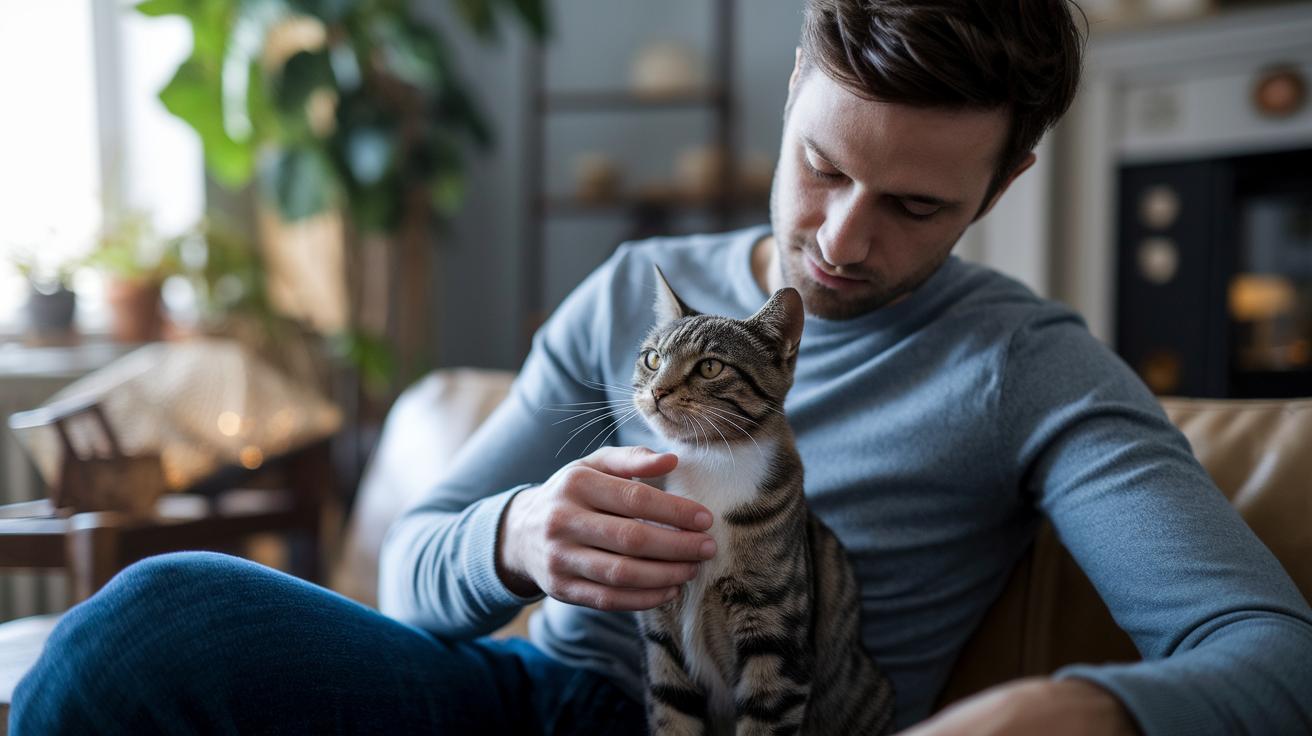
    Creating harmony between cats and dogs requires patience and a thoughtful approach. Gradual introductions are essential. Begin with scent swapping by exchanging bedding or toys to help them get used to each other’s smell.

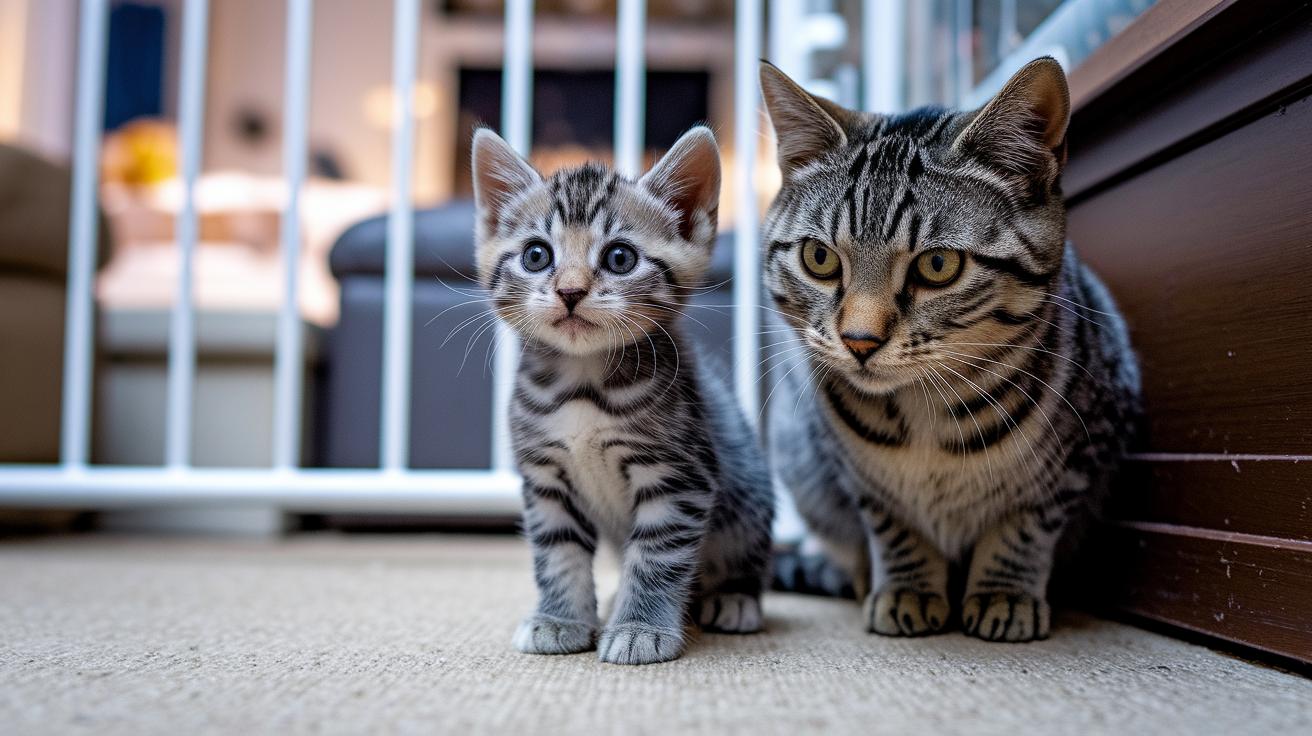
    Once they are comfortable with the scent, introduce them visually using barriers like baby gates. This lets them observe from a distance without feeling threatened, aiding in building positive associations and reducing fear or aggression.

    Here’s a list of practical tips to foster positive interactions:

    • Gradual introductions: Start with scent swapping and visual barriers before face-to-face meetings.
    • Separate spaces for each pet: Ensure each has a personal area to retreat, reducing stress.
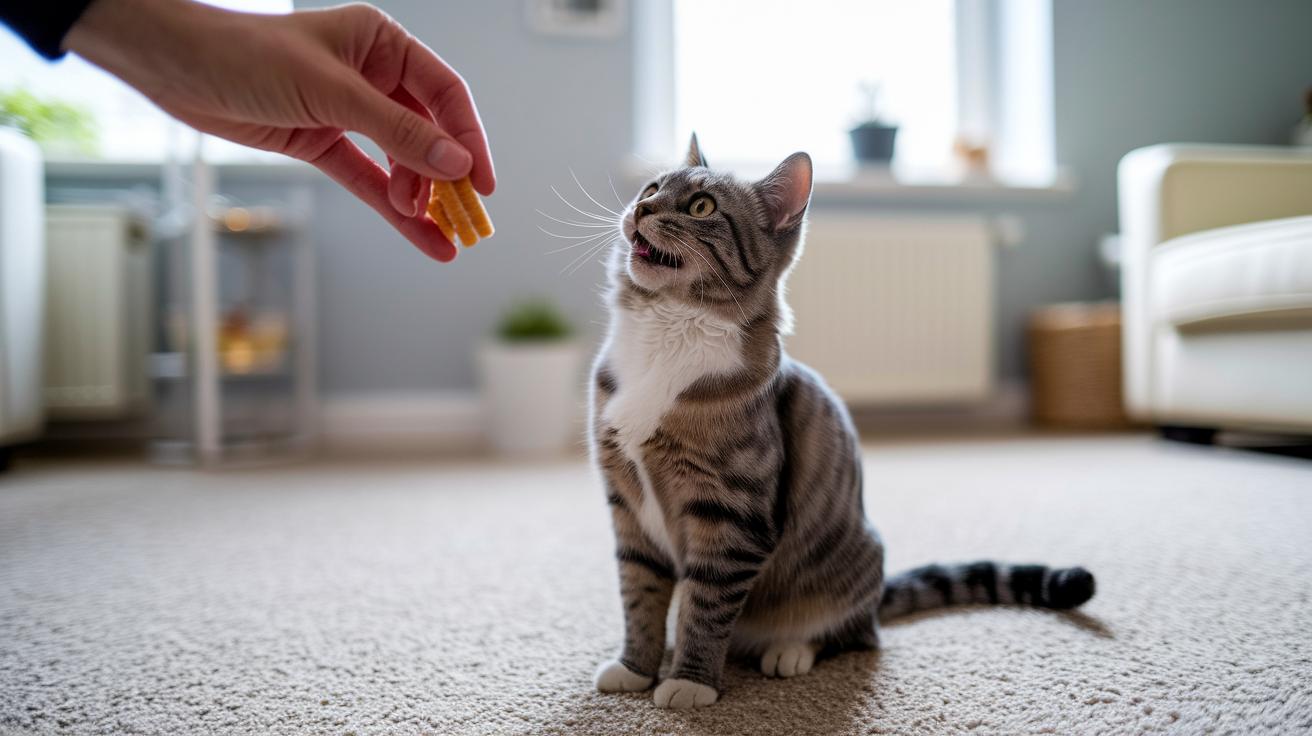
    • Positive reinforcement: Reward calm and friendly behavior with treats and praise.
    • Monitoring interactions: Supervise initial meetings to prevent negative encounters.
    • Training for basic commands: Teach dogs commands like “sit” and “stay” to manage their behavior around cats.
    • Seeking professional guidance: Consider consulting an animal behaviorist if tensions persist.

    If conflicts continue despite efforts, professional advice can be invaluable. An animal behaviorist can offer strategies tailored to specific issues, helping improve the relationship. Remember, every pet is unique. With patience and consistent efforts, peaceful coexistence is achievable.

    Behavioral Traits Influencing Cat-Dog Interactions

    Cats and dogs express stress in distinct ways. Cats may hide, groom excessively, or spray, indicating discomfort. Dogs, on the other hand, could become more vocal or destructive and may experience changes in appetite. Recognizing these signs early helps address issues before they lead to conflicts.

    Providing separate spaces is essential in resolving conflicts. Cats thrive with high or secluded areas to retreat and feel secure, reducing territorial disputes. Training pets with commands like “leave it” and rewarding calm behavior fosters positive interactions. Close monitoring of initial interactions prevents misunderstandings and negative encounters.

    Patience and consistency are crucial for peaceful coexistence. Adjusting to new companions takes time and commitment to training and positive reinforcement. By rewarding calm behavior and creating a structured environment, pets feel secure. Remember, each pet is unique, and adapting strategies to their needs supports a harmonious household.

    Final Words

    Exploring why cats might dislike dogs, we learned that it’s not about hatred. Differences in their communication and behaviors play a big role. Dogs’ natural prey drive and cats’ territorial instincts often lead to misunderstandings. These instincts have deep historical and evolutionary roots.

    Recognizing these traits, we can better manage interactions. By practicing gradual introductions and positive reinforcement, harmony is achievable. While mixed-pet households face challenges, understanding “why cat hate dog” provides an opportunity for improved playtime experiences and a peaceful home for both pets. With patience, cats and dogs can coexist happily.

    FAQ

    Why do cats not like dogs?

    Cats may not like dogs due to differences in communication styles, the dog’s prey drive, and cats’ territorial nature. These lead to misunderstandings and sometimes conflict between the two animals.

    Why are cats afraid of dogs?

    Cats might be afraid of dogs because they see them as a threat. Dogs’ natural instinct to chase smaller animals can trigger a cat’s flight response.

    What to do when my cat hates my dog?

    When your cat hates your dog, start with gradual introductions. Create separate spaces, use positive reinforcement, and monitor their interactions closely to help them adjust.

    How can I get my dog and cat to get along?

    To get your dog and cat to get along, introduce them slowly, provide separate areas, and use treats to reward calm behavior. Training and professional advice can also be beneficial.

    How to train a dog to be friendly to cats?

    Train a dog to be friendly to cats by reinforcing calm behavior with treats. Use basic commands, gradually increase their time together, and always supervise their interactions.

    When will my cat stop hissing at my dog?

    A cat may stop hissing at a dog within days, but it can take months. Consistent training, and stress management, help improve their relationship over time.

    What are some tips for cat and dog coexistence?

    For cat and dog coexistence, use gradual introductions, create separate spaces, apply positive reinforcement, monitor interactions, teach basic commands, and seek professional help if needed.

    Why do cats not obey like dogs?

    Cats might not obey like dogs due to different evolutionary backgrounds. Dogs are pack animals used to following commands, while cats are more independent by nature.
    Related Articles

  • Why Cat Eating Grass Is Normal and Sometimes Beneficial

    Why Cat Eating Grass Is Normal and Sometimes Beneficial

    Did you ever catch your cat munching on grass like a little lawnmower and think, "Why do they do that?" It might seem odd for our carnivorous companions to chomp on greens, but it's actually a normal and sometimes beneficial behavior.

    Grass can help with digestion, offer vitamins like folic acid, and even assist in purging unwanted pests. Understanding this quirky pastime can improve your cat’s playtime and overall health. Let's explore why a little greenery in a cat's diet can be a good thing!

    Understanding Why Cats Eat Grass

    Understanding Why Cats Eat Grass-1.jpg

    Many cat owners find their feline friends munching on grass and wonder why. Despite being obligate carnivores, cats often consume grass, and this is completely normal. This behavior can serve several purposes.

    Grass may aid in digestion, providing fiber that helps move food through the digestive tract efficiently. It also offers nutritional benefits, such as folic acid and vitamins, which might be absent in processed cat food. Additionally, eating grass could be an instinctual behavior that helps cats purge parasites from their system. Generally, grass is safe for cats and can be a valuable part of their natural habits.

    While grass eating is usually harmless, there are instances when it might signal a health issue. If a cat frequently vomits after eating grass or shows other signs of distress, such as lethargy or loss of appetite, it might be time to consult a veterinarian.

    Continuous vomiting or a sudden increase in grass consumption could indicate underlying problems that need medical attention. Monitoring your cat's behavior and seeking professional advice when necessary ensures their well-being.

    Here are some common reasons why cats eat grass:

    • Enjoyment: Cats might simply enjoy the taste and texture of grass.
    • Digestive Aid: Grass can help clear out indigestible materials from their stomachs.
    • Nutritional Benefits: Provides vitamins and nutrients that might be lacking in their diet.
    • Stress Relief: Chewing grass can be a calming activity for cats, especially indoors.
    • Curiosity and Play: Cats are curious and often like to explore different tastes and textures.

    The Health Benefits of Grass for Cats

    The Health Benefits of Grass for Cats-1.jpg

    Cats love munching on grass, and certain types are especially good for them. Oat, rye, barley, and wheat grasses offer specific health benefits. These grasses provide fiber, making it easier for food to move through a cat's digestive system.

    This can help reduce blockages from hairballs, which are common due to grooming. By adding these grasses to a cat's diet, we can support smoother digestion and fewer digestive woes.

    For indoor cats, providing these grasses safely is key. You can grow cat-friendly grass at home or find it at pet stores. Ensuring cats have access to these grasses lets them follow their instincts and maintain digestive health. This helps them to naturally clear any indigestible materials in their stomachs, promoting well-being.

    Benefit Description
    Digestion Aid Fiber helps move food through the digestive tract efficiently.
    Hairball Prevention Reduces blockages from hairballs, promoting smoother digestion.
    Natural Laxative Effects Induces vomiting to cleanse the digestive system of irritants.

    When Eating Grass Indicates a Health Issue

    When Eating Grass Indicates a Health Issue-1.jpg

    Excessive grass consumption or frequent vomiting after eating grass can be a sign of underlying health problems in cats. While munching on grass is often harmless, it's important to pay attention if your cat exhibits these behaviors regularly. Digestive issues or other health concerns could be the cause.

    Watch for symptoms like continuous vomiting, lethargy, or noticeable loss of appetite, as these warrant a veterinary consultation. Such symptoms may indicate more serious issues beyond typical grass-related vomiting. A vet can diagnose any underlying problems and suggest the proper treatment.

    Ensure the grass your cat consumes is safe and free from herbicides or pesticides. Contaminated grass can be harmful and lead to poisoning. Always monitor where your cat grazes and provide them with untreated grass to minimize potential health risks.

    Safe Grass Varieties and Alternatives for Cats

    Safe Grass Varieties and Alternatives for Cats-2.jpg

    Oat, rye, barley, and wheat grasses are excellent choices for cats. These grasses help aid digestion and reduce hairballs, offering nutritional benefits that support a cat's health. They are easy to grow at home or available in pet stores. Including these grasses in a cat's environment supports their natural behaviors and overall well-being.

    Providing untreated grass is crucial for safety, as it prevents cats from chewing on harmful plants. Grass should be free from herbicides and pesticides to avoid ingestion risks. Offering untreated oat, rye, barley, and wheat grasses allows cats a healthy outlet for their grazing instincts.

    • Oat grass
    • Rye grass
    • Barley grass
    • Wheat grass

    Managing Your Cat's Grass Consumption

    Managing Your Cats Grass Consumption-1.jpg

    Cats naturally enjoy munching on grass, which can aid digestion and provide mental stimulation. If the grass is contaminated with herbicides or pesticides, it becomes unsafe and should be avoided. Instead, offer your cat safe, untreated grass options.

    Monitor your cat's grass consumption to detect any unusual patterns that might suggest health issues. Growing a pot of untreated grass indoors or creating a secure outdoor space can satisfy your cat's grazing instincts and keep them away from harmful plants.

    • Offer untreated grass in a pot or garden area.
    • Monitor your cat's grass intake for any unusual behavior.
    • Ensure the environment is free of harmful plants and contaminants.

    Final Words

    Cats eating grass may puzzle some, but it's often normal behavior with several benefits. Eating grass can aid digestion, provide fiber, and help prevent hairballs. However, if vomiting occurs frequently or other symptoms appear, a vet visit might be necessary. It's key to ensure that grass is free from harmful chemicals.

    Understanding why cat eating grass can provide peace of mind and improve your cat's health. With safe alternatives available, you can offer your cat the benefits of grass without worry. Embrace this natural behavior while keeping an eye on your pet's well-being.

    FAQ

    Why is my cat eating grass and then vomiting?

    A: This common behavior in cats helps them purge indigestible matter from their stomach. Grass acts as a natural emetic, but if vomiting occurs often, consult a vet.

    My cat eats grass but doesn't throw up. Is that normal?

    A: Yes, not all cats vomit after eating grass. It may assist in digestion and provide fiber. If your cat seems healthy, it's normal.

    What does it mean when a cat eats grass?

    A: Cats eating grass can mean they seek digestive aid, nutrients, or are naturally purging. It's usually instinctual and not a cause for concern.

    How long after eating grass will a cat vomit?

    A: Cats typically vomit shortly after eating grass, within minutes or up to an hour. This time can vary among cats.

    How often should cats eat grass?

    A: Occasional grass eating is normal. Monitor frequency—excessive consumption may indicate digestive issues needing a vet's attention.

    How can I stop my cat from eating grass?

    A: Offer safe, untreated grasses like oat or rye indoors. If outdoor grass poses risks, provide a more suitable alternative at home.

    Why does my cat eat grass just to throw it up?

    A: Grass helps cats cleanse their digestive systems by inducing vomiting. It's a natural behavior to expel indigestible items or hair.

    Should I let my cat eat cat grass?

    A: Letting your cat eat safe, non-toxic grasses like oat or rye is beneficial. It aids digestion, eases hairball issues, and supports general health.

    Do cats only eat grass when they are sick?

    A: No, cats don't eat grass solely when sick. They may do so out of instinct, enjoyment, or to gain health benefits like fiber intake.

    Related Articles

  • Why Cat Kneads Me Understanding Feline Instincts and Affection

    Why Cat Kneads Me Understanding Feline Instincts and Affection

    Ever wonder why your cat kneads you like dough, leaving little claw-shaped souvenirs on your lap? This curious behavior, known as kneading, is a fascinating blend of feline instinct and affection. While it might remind you of a baker at work, for cats, it’s as natural as purring.

    Kneading harks back to kittenhood comfort, marks territory, and signals happiness. Understanding the evolutionary roots and emotional bonds behind each rhythmic paw press reveals how deeply this behavior connects cats and owners. The reasons your cat chooses your lap as their favorite kneading spot are worth understanding.

    Understanding the Instinctual, Evolutionary, and Emotional Reasons for Cat Kneading

    Understanding the Instinctual, Evolutionary, and Emotional Reasons for Cat Kneading-3.jpg

    Cats knead by rhythmically pushing their paws in and out, often on soft objects like blankets or laps. This behavior may include retracted or extended claws. While it might look like they're making biscuits, it's a natural action rooted deeply in their instincts.

    Instinctual and Evolutionary Reasons

    • Instinctual comfort from kittenhood
    • Preparing a soft sleeping area
    • Marking territory with scent glands
    • Expressing contentment and happiness
    • Seeking attention and reinforcing positive interactions

    Kneading can be traced back to a cat's wild ancestors. In the wild, cats would knead grass and leaves to create a comfortable spot to rest. This behavior has carried over to domesticated cats, who still instinctively engage in this action for comfort.

    Kneading also plays a role in marking territory. Cats have scent glands in their paws, and by kneading, they leave their scent behind, signaling ownership and creating a familiar environment.

    In modern cats, kneading continues to be a prevalent behavior, acting as an expression of contentment and happiness. Cats knead when they feel safe and secure, often accompanied by purring. It's a behavior that reassures them of their surroundings, recreating the comforting sensations from their kittenhood when they would knead their mother's belly to stimulate milk flow.

    Emotional Connections Through Kneading

    Kneading carries emotional meaning as much as physical comfort. When a cat kneads you, it is expressing trust and security, similar to the bond between a mother and her kitten. This action shows that your cat feels a deep connection with you, reinforcing the bond you share.

    Kneading can also be a form of communication. Cats may knead to get your attention, signaling they want affection or comfort. By responding positively to this behavior, you reinforce the emotional connection, making your cat feel even more loved and secure.

    Recognizing and Managing Problematic Kneading Behavior

    Recognizing and Managing Problematic Kneading Behavior-2.jpg

    Kneading is a natural and generally healthy behavior for cats, but sometimes it can become excessive. This over-kneading might be due to stress, anxiety, or an unmet need for comfort. Cats that were separated from their mothers too early or hand-fed as kittens might knead more often as a way to self-soothe.

    Signs of Problematic Kneading:

    • Kneading with undue frequency
    • Kneading while chewing on blankets
    • Causing damage to surfaces
    • Indicating stress or anxiety

    If you notice your cat kneading excessively, it's important to understand the potential causes and find ways to help. Providing alternative comforts like soft toys or designated kneading areas can redirect their behavior.

    Ensure your cat feels safe and secure by maintaining a stable environment and offering plenty of affection. Regular playtime can also help reduce stress and anxiety, giving your cat other outlets for their energy. By understanding these behaviors and meeting your cat's emotional needs, you can manage excessive kneading effectively.

    Encouraging Safe and Comfortable Kneading in Cats

    Encouraging Safe and Comfortable Kneading in Cats-3.jpg

    Letting your cat knead freely is beneficial for its comfort and stress relief. This natural behavior allows cats to express their instincts and emotions, reminiscent of their kittenhood. To support this, creating a safe environment is key.

    Soft surfaces like blankets or pet beds offer ideal kneading spots, where cats can push their paws without causing damage or getting hurt. These spaces should be accessible and inviting, ensuring your feline friend feels secure while kneading.

    Here are some tips to promote a safe kneading environment:

    • Provide soft surfaces like blankets or pet beds
    • Trim cat claws regularly
    • Encourage kneading on designated areas
    • Offer toys or alternatives for stress relief

    By offering these alternatives and maintaining claw care, you can help your cat enjoy kneading without adverse effects. Safe kneading spaces not only protect your furniture but also reinforce positive behavior and emotional well-being for your cat.

    Final Words

    Exploring why a cat kneads me opens a door to understanding our furry friends better. We've discovered that kneading is a genuine instinct rooted in wild ancestry and kittenhood, carrying far more meaning than its endearing surface suggests. It's their way of marking territory, seeking comfort, and expressing needs. By managing problematic kneading through understanding and creating safe environments, we honor this natural behavior. When we encourage kneading, it strengthens our bond with our cats, offering both comfort and communication. Embrace these paws to foster a joyful and happy connection!
    The Neurochemistry of Kneading: Brain Chemistry Behind the Behavior

    When your cat kneads, a cascade of chemical reactions unfolds in their brain. The rhythmic motion activates pleasure pathways linked to endorphin release, specifically the “feel-good” neurotransmitters that make purring so rewarding. But the neurochemistry goes deeper.

    Your cat’s paws contain specialized scent glands called interdigital glands. Each knead deposits pheromones, which are chemical messengers that carry profound social and emotional information. Your cat is literally marking you with chemicals that communicate: “This is my safe place. You are my family.” These pheromone markers serve as olfactory anchors, reinforcing your cat’s sense of security and belonging in your presence.
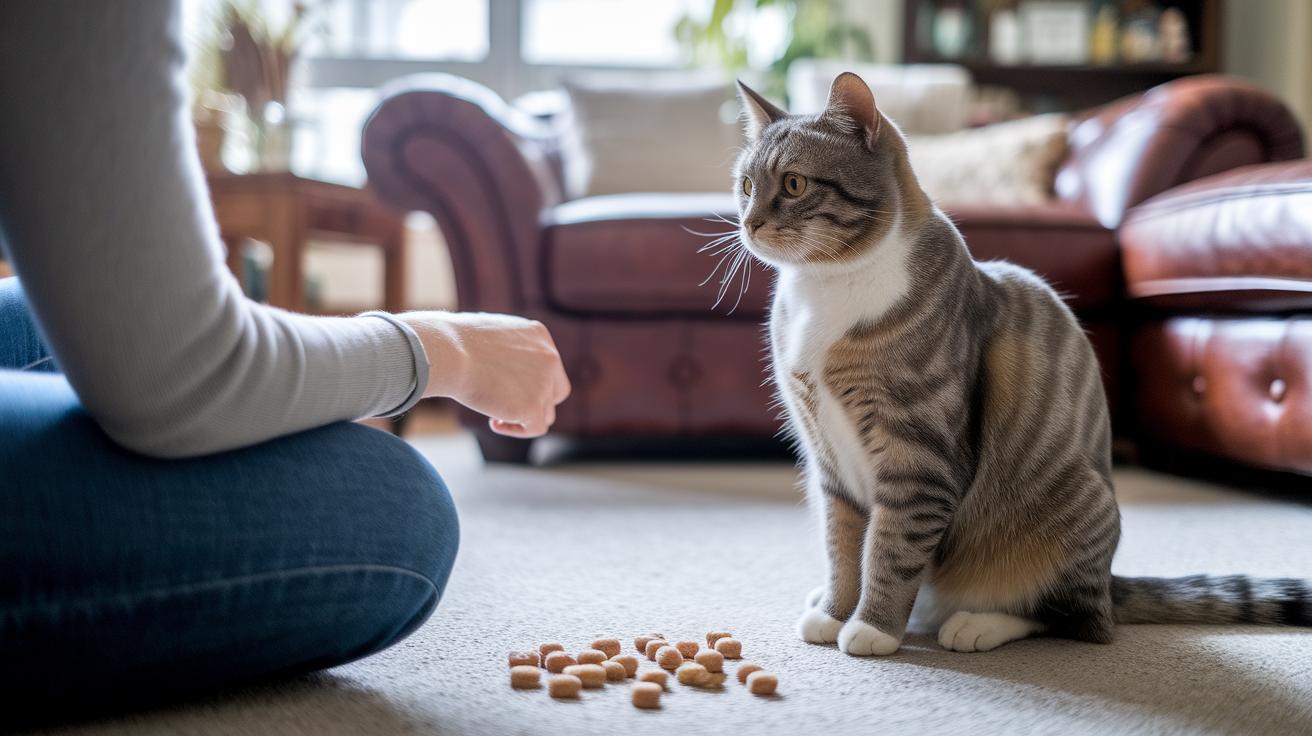
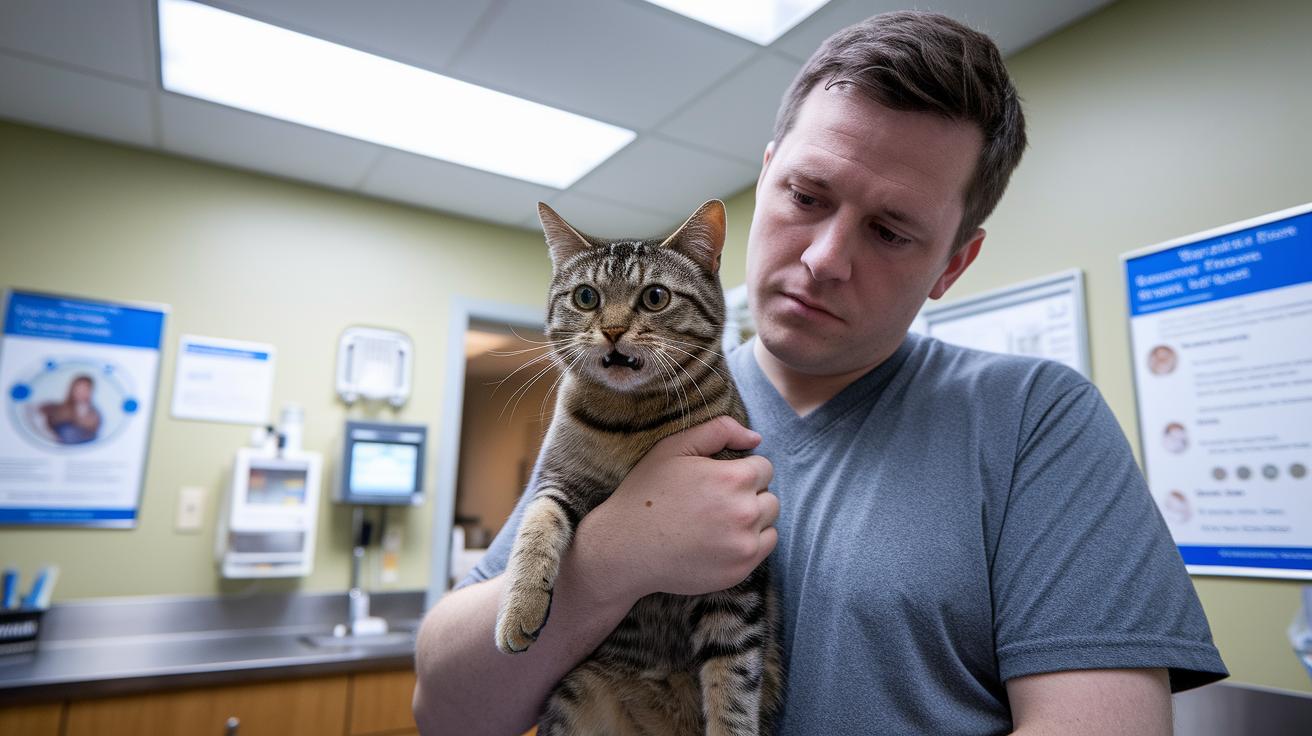
    The repetitive kneading motion stimulates serotonin production, enhancing mood regulation and deepening the sensation of contentment. For your cat, kneading functions as a neurochemical echo of kittenhood, replicating the same actions that once triggered milk flow and maternal bonding. This explains why cats often knead most intensely when deeply relaxed, sometimes drifting into sleep mid-motion, their paws still moving in gentle rhythm.

    From Newborn to Senior: How Kneading Evolves Across Your Cat’s Life

    Kneading begins in kittenhood with primal urgency. Newborn kittens instinctively knead their mother’s belly and mammary glands to stimulate milk flow. This behavior is essential for survival, and kittens perform it with remarkable vigor. As they mature and transition to solid food, kneading doesn’t disappear. Instead, it shifts in meaning and expression.

    In juvenile and adult cats, kneading becomes primarily emotional rather than nutritional. Adults often knead in moments of contentment, safety, or when seeking affection. Some cats maintain intense kneading habits throughout their lives, while others engage sporadically. This variation often reflects early experiences: cats weaned too early or bottle-fed as kittens may knead more frequently as adults, compensating for missed maternal bonding through compensatory behavior.

    In senior cats, kneading sometimes resurfaces with increased frequency, particularly in older cats experiencing mild joint discomfort or anxiety related to aging. The familiar, rhythmic motion provides both physical comfort and emotional reassurance. Understanding these developmental phases helps you interpret your cat’s unique kneading signature: Is your kitten building a nest for nursing simulation? Whether your adult cat is expressing contentment and security, or your senior cat is seeking comfort from age-related concerns, the context reveals the emotional truth beneath the behavior.

    Problem Kneading: When to Gently Redirect This Beloved Behavior

    While kneading is typically healthy, some cats develop problematic patterns that warrant gentle intervention. Excessive kneading, particularly when paired with fabric-sucking, compulsive behavior, or visible signs of distress, signals underlying anxiety or unmet emotional needs.

    Common problem scenarios include kneading on sensitive areas like your arms or face with unretracted claws, causing discomfort or minor scratches. Some cats knead obsessively on blankets or clothing while drooling, sometimes actually nursing on fabric in a behavior called wool-sucking. This often indicates early maternal separation, anxiety, or chronic stress. Other cats increase kneading intensity in response to environmental changes, new household members, or family tension, using the behavior as self-soothing when they feel emotionally unsafe.

    Managing problem kneading requires patience and understanding. Trim your cat’s nails regularly to prevent accidental injury. Provide designated soft surfaces such as a cozy bed or blanket where kneading is actively encouraged and welcomed. If your cat kneads on your lap with extended claws, place a soft blanket between you and your cat, protecting your skin while allowing the behavior to continue. Reward calm, gentle kneading with praise and treats. If kneading accompanies other anxiety signs like over-grooming, social withdrawal, or aggression, consult your veterinarian to rule out medical causes and discuss behavioral support options.

    Kneading in Multi-Cat Homes: Territory, Bonding, and Social Hierarchies

    In households with multiple cats, kneading carries additional social dimensions and meanings. Cats use kneading not only for self-soothing but also as a communication tool within their household hierarchy. When a cat kneads you while other cats are present, it’s partly a territorial announcement: a chemical declaration that you are “theirs.”

    Interestingly, cats sometimes knead other cats in their household as a bonding gesture, though this is far less common than human-directed kneading. When one cat kneads another, it signals trust and affiliation. Conversely, a cat may increase kneading intensity when it perceives competition for your attention. If you’re petting one cat while another enters the room, the cat being petted may knead more vigorously, reinforcing its claim on you and your affection.

    Multi-cat households should monitor kneading patterns for signs of stress or unresolved territorial tension. If kneading transitions into aggression, or if one cat monopolizes your lap while another watches from a distance with frustration, this indicates unresolved social dynamics. Providing multiple comfortable resting spots and ensuring each cat receives individual attention time reduces kneading-related tension and competition. Some cats may reduce kneading in stressful multi-cat environments, signaling decreased feelings of security. This is a clear sign that environmental adjustments like more space, separate feeding areas, or additional hiding spots would help.

    Stress Relief Through Kneading: Your Cat’s Personal Anxiety Management System

    Beyond affection, kneading serves as your cat’s personal stress-relief mechanism. Just as humans might pace, practice breathing exercises, or fidget when anxious, cats knead to regulate their nervous system. The repetitive, rhythmic motion activates parasympathetic pathways, the biological equivalent of pressing your body’s “calm down” button, allowing cats to manage mild anxiety through familiar, comforting behavior.

    Notice when and where your cat kneads most intensely. Does your cat knead more after veterinary visits, during thunderstorms, or when guests arrive? These patterns reveal how your cat processes and manages stress. A cat that increases kneading during storms is actively managing fear through a behavior that works for their nervous system. This is healthy coping, not a problem behavior.

    However, if kneading becomes obsessive, constant and frantic, accompanied by dilated pupils or complete disinterest in play and food, it may signal chronic stress or an underlying medical condition. Gentle, rhythmic kneading in a calm context, paired with purring and slow blinks, reliably indicates emotional security and contentment. The frequency and intensity of your cat’s kneading in your presence directly correlates with the strength of trust between you. A cat that kneads you regularly is expressing profound vulnerability: “You make me feel safe enough to lower my guard.”

    Strengthening Your Bond Through Mindful Kneading Moments

    Understanding kneading changes how you relate to your cat. Rather than tolerating this behavior or viewing it as mere instinct, recognize it as your cat’s deliberate choice to share vulnerability and connection with you. When your cat seeks your lap to knead, they are inviting you into their emotional world.

    Create a kneading ritual that honors this trust. Sit in a comfortable chair with soft blankets nearby. When your cat kneads, offer your full attention, gentle touch, and calming presence. Some cats appreciate slow strokes during kneading; others prefer stillness and stability. Let your cat guide the interaction, and the shared moment naturally becomes a bonding experience that deepens your relationship.

    Related: Why Cat Licks My Hand and What It Means explores other affection-based behaviors that mirror kneading’s emotional significance.

    FAQ

    Should I let my cat knead on me?

    Letting your cat knead on you is generally a good idea. It provides comfort and is a sign of affection. Kneading is a natural behavior linked to emotions and contentment.

    Why does my cat suddenly knead me?

    Cats knead as a form of communication, often to express trust and affection. Sudden kneading could be a way of seeking attention or comfort, rooted in their kittenhood experiences.

    What does it mean when a cat kneads its owner?

    When a cat kneads its owner, it usually means the cat feels safe, happy, and affectionate. The behavior stems from comforting activities they performed as kittens, like kneading their mother's belly.

    Do cats knead when happy?

    Yes, cats knead when they are happy. Kneading is akin to purring and shows contentment and trust. It's a comforting behavior for them, similar to how they used to knead as kittens.

    Related Articles

    Neurochemistry of Kneading

    When your cat kneads, their brain releases oxytocin, the same bonding chemical that surges during nursing and maternal care. This isn’t sentimentality. It is neurobiological. The scent glands in their paws activate when they knead, releasing pheromones that mark territory at a chemical level. Simultaneously, pressure on soft tissues triggers the release of endorphins, natural painkillers that create a genuine sense of comfort. The repetitive motion mimics the nursing motion that kittens perform to stimulate milk flow from their mothers. Your cat’s nervous system interprets this action as deeply safe. When a cat chooses to knead you specifically, they’re literally bathing you in calming neurochemicals while their brain registers safety signals that reduce cortisol, their stress hormone.

    Developmental Stages & Behavioral Changes

    Kneading begins in newborn kittens within hours of birth, essential for survival as they press their mother’s mammary glands to stimulate milk flow. This survival behavior persists into adulthood in most cats, even after weaning. As kittens mature (weeks 4-8), kneading becomes less frequent as they gain independence, but the behavior rarely disappears entirely. Adult cats maintain kneading as a self-soothing mechanism and bonding ritual. Senior cats often knead less frequently due to arthritis or reduced mobility, though emotional cats may intensify kneading in their later years. Understanding these developmental stages helps explain why some older cats suddenly knead more intensely: they’re seeking the neurochemical comfort their aging bodies need. The behavior evolves but rarely vanishes completely.

    Problem Kneading: When to Manage

    Excessive kneading can become problematic when cats knead on inappropriate surfaces or with excessive intensity. Some cats knead blankets so vigorously they create holes; others knead their owners’ skin hard enough to draw blood. If your cat’s kneading breaks skin or damages furniture repeatedly, intervention is warranted. Redirecting is easier than elimination: provide designated soft blankets or pads your cat can knead freely. Place a folded fleece blanket across your lap during kneading sessions. For cats who knead too intensely on skin, gently redirect their paws to a blanket within reaching distance. Trim nails regularly to reduce accidental scratching during kneading. Some cats respond well to increased play sessions that channel intense energy into hunting-style activities, reducing the neurochemical desperation that drives excessive kneading.

    Kneading in Multi-Cat Homes

    In households with multiple cats, kneading takes on additional social dimensions. Cats rarely knead each other, since kneading remains primarily a human-directed behavior even in multi-cat environments. Territorial dynamics influence which cat feels comfortable kneading near you. Dominant cats may knead freely while subordinate cats hesitate if the alpha is nearby. If you notice one cat never kneads while others do, anxiety might be the factor rather than preference. Providing multiple comfortable spots with blankets encourages cats to develop their own kneading rituals without competing for your lap. Interestingly, some cats increase kneading intensity when they sense other cats have gained your attention, using the behavior to reassert their bond. Understanding these dynamics helps you recognize kneading as a form of relationship negotiation in multi-cat households.

    Stress Relief & Emotional Regulation

    Kneading serves as your cat’s primary self-soothing mechanism, comparable to humans’ deep breathing or meditation. When stressed, anxious, or overstimulated, cats increase kneading frequency. During thunderstorms, veterinary visits, or household changes, you’ll likely notice your cat kneading more intensely. The rhythmic motion combined with neurochemical release genuinely calms their nervous system. This is why cats knead most intensely when they’re seeking comfort, actively managing their emotions through this familiar motion. Conversely, a cat who stops kneading might indicate emerging health problems or emotional distress worth investigating. Encouraging kneading through providing soft surfaces and gentle petting during your cat’s anxious periods helps them self-regulate. Understanding kneading as emotional regulation rather than simple habit allows you to support your cat’s mental health proactively, recognizing their behavior as a legitimate coping mechanism.

  • Why Cat Not Eating Common Causes and Solutions

    Why Cat Not Eating Common Causes and Solutions

    Ever noticed your cat giving their food bowl the cold shoulder? You’re not alone. When cats refuse to eat, it’s not just a picky palette at play; there could be bigger issues lurking. Whether it’s a pesky food allergy or a hidden medical problem like poisoning or even cancer, knowing the signs can make all the difference. In this article, we’ll dive into the common reasons behind a cat’s hunger strike and offer solutions to get them purring at the food dish again. Let’s explore why your feline friend might be skipping meals.

    Common Reasons Why Cats Are Not Eating

    Cats can stop eating for various reasons, often signaling underlying health issues or stress. Common causes include medical conditions such as food allergies, poisoning, or cancer, and psychological factors like anxiety due to environmental changes. Understanding these reasons is crucial for ensuring your feline friend gets the help they need.

    • Food Allergies: Cats may associate eating with discomfort if they have allergies.
    • Anxiety or Stress: Changes in environment or new animals can make cats hide or avoid eating.
    • Poisoning: Ingestion of toxic substances can lead to a serious loss of appetite.
    • Cancer: Often presents initially as a lack of appetite or energy.
    • Post-Vaccination: Some cats experience a temporary decrease in appetite.
    • Foreign Object Ingestion: Can cause digestive obstructions needing immediate attention.

    Medical issues are a significant factor in feline appetite loss. Food allergies can cause discomfort, leading cats to avoid eating. More severe conditions, like poisoning or cancer, may first manifest as reduced appetite. If your cat shows signs of illness alongside not eating, like vomiting or lethargy, a vet visit is essential.

    Environmental stress is another common culprit. Cats are sensitive creatures, and changes such as moving to a new home or the introduction of new pets can trigger anxiety, affecting their eating habits. Creating a stable and calm environment can help alleviate stress-related appetite loss.

    Changes in diet can also impact a cat’s willingness to eat. A sudden switch in food can be off-putting to cats. Gradually introducing new food by mixing it with their current diet can help them adjust without rejecting their meals.

    Signs That Your Cat Needs Veterinary Attention

    Signs That Your Cat Needs Veterinary Attention-1.jpg

    Recognizing early symptoms of health issues in cats is crucial. Cats are experts at hiding discomfort, so a sudden or prolonged decrease in appetite often signals that something isn’t right. When you notice a reduced interest in food, it’s essential to take action. Instead of focusing on symptoms, let’s explore practical steps to help your kitty.

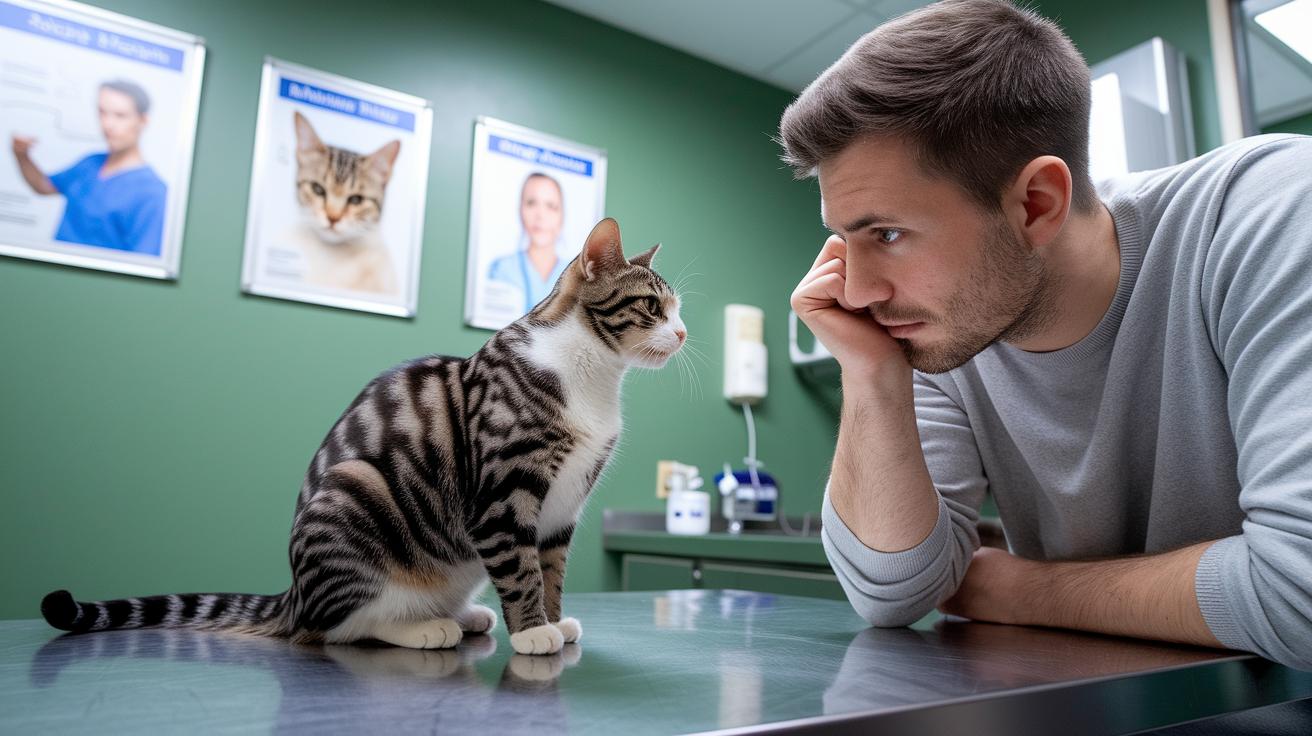
    1. Prepare for a Vet Visit: Write down all symptoms, how long they’ve lasted, and any changes in behavior. This information will assist the vet in making an accurate diagnosis.
    2. Monitor Health at Home: Keep a daily log of your cat’s eating, drinking, and bathroom habits. Note any vomiting, diarrhea, or changes in energy levels.
    3. Identify Serious Conditions: Learn to differentiate between minor issues and serious conditions. A lack of appetite combined with lethargy, significant weight loss, or changes in urination can indicate something more severe.
    1. Provide Detailed Information: When you visit the vet, share your log and observations. The more information you provide, the better the vet can assess your cat’s condition.
    2. Act Quickly: If your cat’s symptoms are severe, don’t wait. Immediate veterinary care can prevent complications.
    3. Follow the Vet’s Instructions: After your visit, adhere to any treatment plans or follow-up appointments.

    Prompt action can ensure your cat returns to being happy and healthy. By focusing on what steps to take when you notice these signs, you become proactive in your cat’s health care.

    Home Remedies and Strategies to Encourage Eating

    Home Remedies and Strategies to Encourage Eating-1.jpg

    When a cat isn’t eating, it can be concerning, but there are practical steps we can take at home to encourage them to start munching again. Using some simple home remedies and strategies can often boost their appetite and get them back on track.

    A great way to entice a cat to eat is by offering a variety of foods. Sometimes, a new flavor or texture is all it takes. Warming up their food slightly can enhance its aroma, making it more appealing. If you’ve recently switched foods, try a gradual transition by mixing the new with the old to ease their acceptance. Creating a stress-free feeding environment is also crucial. Cats are sensitive to changes, so having a consistent feeding schedule and separate feeding areas if you have multiple cats can reduce the stress that might be affecting their appetite.

    Strategy Description
    Offering Variety Introduce different flavors and textures to make meals more appealing.
    Warming Food Heat food slightly to enhance aroma and encourage eating.
    Gradual Transition Mix new food with old to help ease into dietary changes.
    Consistent Schedule Feed at the same times daily to create routine and security.
    Separate Feeding Areas Provide individual spaces for multiple cats to reduce competition and stress.

    Maintaining a stress-free environment is pivotal for a cat’s appetite. Ensure their feeding area is quiet and away from disturbances. By addressing these factors, you’re likely to see an improvement in their eating habits, helping them feel more comfortable and eager to eat.

    How to Feed a Sick Cat Safely

    How to Feed a Sick Cat Safely-2.jpg

    Feeding a sick cat can be challenging, but it’s crucial to ensure they receive adequate nutrition. When a cat refuses to eat, syringe feeding can be a valuable method to help them maintain their strength. It’s important to select the best cat food for syringe feeding, focusing on those that provide essential nutrients in an easily digestible form. Be cautious when force-feeding; improper technique can lead to aspiration and further complications. Always prioritize the cat’s comfort and safety during feeding.

    Steps for Syringe Feeding

    1. Prepare the Syringe: Use a clean syringe and fill it with a nutrient-rich, smooth-textured cat food or a vet-recommended liquid diet.
    2. Position the Cat: Gently hold the cat’s head steady, keeping their body in a comfortable, upright position to prevent choking.
    3. Administer the Food: Slowly introduce the syringe into the side of their mouth, allowing them to swallow naturally. Avoid squirting too quickly.
    4. Monitor Their Response: Watch for signs of distress or discomfort and pause if necessary to ensure the cat remains calm.
    5. Clean Up: Wipe away any excess food to keep their face and feeding area clean.

    Before beginning syringe feeding, it’s wise to consult with a veterinarian. They can provide guidance on the appropriate diet and technique and ensure there are no underlying medical issues requiring treatment.

    Final Words

    Understanding why cats experience appetite loss can help us act swiftly. From medical conditions to environmental stress, recognizing the signs ensures timely interventions. Eating issues, such as food allergies or stress from changes, must be evaluated by a vet if serious. Creating a stress-free environment and trying home remedies can boost a cat’s appetite. Offering varied foods or syringe feeding may aid in recovery when problems arise. By focusing on these steps, we can positively influence our feline friends’ well-being and health.

    FAQ

    Why is my cat not eating and sleeping a lot?

    A: Cats that aren’t eating and are sleeping a lot might be stressed, sick, or facing medical issues. Providing a calm environment and seeking veterinary advice can help.

    Why is my cat not eating but acting normal?

    A: if your cat isn’t eating but acts normally, it may be a temporary issue like mild stress or food preference. Monitor its behavior and consult a vet if it continues.

    What to feed a sick cat that won’t eat?

    A: For sick cats not eating, try offering warm, aromatic foods. Consult your vet for specific dietary options that cater to your cat’s health needs.

    My cat is not eating or drinking and very weak, what should I do?

    A: If your cat isn’t eating, drinking, and is weak, seek veterinary attention immediately. It may be a sign of a serious health issue that requires prompt treatment.

    How long can a cat go without eating?

    A: Cats can usually only go a few days without eating before serious health complications arise. Quick intervention is crucial.

    Do cats go through phases of not eating?

    A: Cats might experience brief periods of not eating due to temporary issues like stress or diet change. Observe them closely and consult a vet if it persists.

    What are the symptoms of a sick cat?

    A: Symptoms of a sick cat include lethargy, vomiting, diarrhea, reduced appetite, and weight loss. Seeking veterinary care promptly is vital.

    What home remedies can help a cat that’s not eating?

    A: Offer varied, warm foods to boost aroma, and create a stress-free environment. Consistency in feeding schedules also helps maintain a cat’s appetite.

    What do you do if your cat is not eating?

    A: Check for stressors, try new foods, and maintain a calming environment. Consult a vet if your cat continues to refuse food.

    How do you safely feed a sick cat?

    A: Syringe feeding is an option but requires careful handling. Consult your vet to ensure proper technique and food selection for syringe feeding.

    Related Articles

  • Why Cat Sleeps on My Head and What It Means

    Why Cat Sleeps on My Head and What It Means

    Ever wondered why your cat insists on snoozing right on top of your head? It’s more than just an odd bedtime habit. Imagine your head as a warm, comforting haven, offering just the right mix of heat and familiarity. Cats are drawn to this naturally cozy spot, much like you're drawn to your favorite blanket. This behavior goes beyond warmth and scent, reflecting their need for security, affection, and even stress relief. By understanding this, we uncover the loving, trusting bond shared between you and your feline friend.

    Understanding Why Your Cat Sleeps on Your Head

    Understanding Why Your Cat Sleeps on Your Head-2.jpg

    Cats have a knack for finding the coziest spots, and your head is no exception. One of the main reasons your cat might choose this part of your body is the warmth it offers. Cats are naturally drawn to warm places, and your head is often one of the warmest due to heat escaping. Alongside warmth, the scent of their owner is incredibly comforting for cats. Your head provides a close proximity to your scent, which can help them feel relaxed and at ease.

    Beyond physical comfort, your cat sleeping on your head can be a sign of seeking security and expressing affection. Cats often choose to sleep where they feel the safest, and being close to you provides them with a sense of protection. This behavior also signals a strong bond and trust, as cats show affection by staying physically close to their favorite person. It’s a way for them to communicate their attachment and enjoy the comfort of your presence.

    Sometimes, cats may sleep on your head due to changes in their environment or stress. New surroundings, people, or disruptions can cause anxiety, leading them to seek solace in familiar and comforting places. Your head becomes a refuge, offering reassurance during times of uncertainty. This behavior helps them cope with stress and maximizes their time spent with you, especially if you're away during the day.

    • Warmth
    • Scent familiarity
    • Security
    • Affection
    • Stress relief

    The Spiritual Meaning of a Cat Sleeping on Your Head

    The Spiritual Meaning of a Cat Sleeping on Your Head-1.jpg

    When your cat curls up on your head, interpretations suggest this behavior might signify more than a cozy rest. Beyond the bond of trust, some see a spiritual connection where your cat aligns with your energy, suggesting a deeper link. Cats are often seen as sensitive beings, capable of picking up on the energy of those around them, and this behavior could be an expression of this sensitivity.

    In various cultural contexts, cats have been revered for their mystical qualities, believed to bridge the physical and spiritual realms. In ancient Egypt, for example, cats were symbols of protection and divine insight. When your cat chooses your head as a sleeping spot, it could reflect this protective nature, acting as a spiritual guardian. This behavior might also represent a mutual exchange of energy, bringing a sense of calm and balance to both you and your cat.

    • Trust
    • Spiritual alignment
    • Mutual energy

    How to Manage Your Cat's Sleeping Habits

    How to Manage Your Cats Sleeping Habits-1.jpg

    If your cat insists on snoozing on your head, it might be time to offer them some alternative sleeping spots that are just as cozy. Cats are drawn to warmth and comfort, so providing a heated bed can be a great solution. These beds mimic the warmth of your body, enticing your cat to settle there instead. Additionally, placing soft, cozy blankets around the house can create inviting nooks that appeal to your cat's love for snuggly spaces.

    To gently deter your cat from sleeping on your head, you'll want to create a sleeping environment that's equally appealing. Start by setting up a designated sleeping area with their favorite toys and blankets. Positive reinforcement can also help; reward your cat with treats or affection when they choose their new sleeping spot. Over time, your cat may begin to prefer these areas over your head, especially if they associate them with comfort and rewards.

    Improving sleep quality for both you and your cat involves a bit of routine and patience. Encourage your cat to use their new sleeping spots by maintaining a consistent bedtime routine. You can also try playing with your cat before bed to help them burn off energy, making them more likely to settle down in their own space. By creating a pleasant and comfortable sleeping environment, both you and your cat can enjoy restful nights.

    Suggestion Benefit
    Heated beds Provides warmth similar to your body
    Cozy blankets Creates inviting snuggle spots
    Designated sleep area Encourages use with toys and blankets
    Positive reinforcement Encourages desired behavior
    Consistent bedtime routine Helps establish regular sleeping habits

    Common Cat Sleeping Positions and Their Meanings

    Common Cat Sleeping Positions and Their Meanings-1.jpg

    Cats have a way of communicating through their sleeping positions, and each one can tell you something about their comfort level, sense of security, or even their health. Observing your cat's sleep posture offers insights into their well-being and emotional state. Just like humans, cats have their favorite positions that can vary based on mood or environment. Understanding these positions can help you better connect with your furry friend and ensure they are happy and healthy.

    When your cat is curled up tightly, it often indicates they are feeling content and secure. This position helps them conserve warmth and protect vital organs, a leftover instinct from their wild ancestors. If your cat prefers to stretch out, it can mean they feel completely at ease in their environment, with no perceived threats nearby. The loaf position, where your cat tucks their paws under their body, often shows a relaxed state but ready to spring into action if needed. On the other hand, if your cat sleeps belly up, it signifies total trust and relaxation, as this is a vulnerable position for them.

    Side sleeping is another common position that suggests your cat is comfortable and at peace, often seen when they are in deep sleep. Lastly, head resting, whether on your head or elsewhere, can be a sign of affection and seeking comfort from their human companion. Recognizing these positions can help you cater to your cat's needs and enhance the bond you share.

    • Curled up: Indicates contentment and security.
    • Stretched out: Shows your cat feels at ease.
    • Loaf position: Reflects readiness and relaxation.
    • Belly up: Signifies trust and total relaxation.
    • Side sleeping: Suggests comfort and peace.
    • Head resting: Displays affection and comfort-seeking.

    Final Words

    Understanding why a cat sleeps on your head involves warmth, security, and affection. Exploring these reasons deepens our bond with feline friends. We've also touched on spiritual meanings, highlighting trust and alignment. Managing cat sleep habits can be achieved by offering cozy alternatives and fostering a secure sleep environment.

    Recognizing different sleeping positions gives us clues about our cat's comfort and mood. Whether cozying up due to warmth or seeking a connection, these behaviors enrich our relationship. Let's embrace these quirky habits, enhancing both our lives and theirs.

    FAQ

    Why does my cat sleep on my head suddenly?

    Cats sleep on owners' heads for warmth and scent. This area is cozy and smells like you, which comforts your cat. It can also signal a desire for closeness and security.

    Why does my cat sleep on my pillow above my head?

    Cats may sleep on pillows above your head to feel secure and enjoy the familiar scent. It’s also a way for your cat to bond with you while enjoying a peaceful rest.

    Why does my male cat sleep above my head at night?

    When a male cat sleeps above your head, it’s likely seeking warmth and is comforted by your company. This position offers your cat safety and strengthens its bond with you.

    What does it mean when your cat sleeps at your head?

    When a cat sleeps at your head, it shows trust and affection. Your cat prefers being near your scent and finds warmth and security by sleeping close to you.

    Why does my cat cuddle up to my head?

    Cats cuddle up to heads to feel secure and to show affection. They are comforted by your scent and warmth, reinforcing their bond with you through this behavior.

    Do cats sleep on their favorite person?

    Yes, cats often sleep on their favorite person. This behavior shows affection and trust, as they feel secure and relaxed with a familiar scent and warmth.

    Related Articles

  • Why Cat Sticks Tongue Out Common Reasons and Concerns

    Why Cat Sticks Tongue Out Common Reasons and Concerns

    Ever caught your cat with its tongue sticking out, like it's stuck in a moment? This odd yet endearing behavior, known as "blepping," can leave cat owners puzzled. Is it simply cute, or is there a hidden meaning behind it? Cats let their tongues peek out for several reasons, ranging from sheer relaxation to investigating intriguing scents. This blog explores the common reasons behind this quirky behavior and when it might be cause for concern. Dive in to learn more about your feline friend's mysterious tongue antics.

    Reasons Why Cats Stick Their Tongue Out

    Reasons Why Cats Stick Their Tongue Out-1.jpg

    Cats have a delightful quirk called "blepping," where they unconsciously leave a little bit of their tongue sticking out. It's usually harmless and can happen when they're relaxed or just not paying attention. When a cat is chilling out or snoozing, their muscles, including those in their jaw, tend to relax, which might cause their tongue to peek out. Another fascinating reason is the Flehman Response. When a cat encounters an intriguing scent, they might open their mouth and stick out their tongue to get a better whiff, using their Jacobson’s organ to analyze the aroma.

    Certain cat breeds are more inclined to this tongue-out behavior due to their unique facial structures. Brachycephalic breeds, like Persians and Himalayans, with their flat faces, often have tongues that don't fit perfectly in their mouths, making it more likely for tongues to pop out. This can also happen during grooming sessions. Cats have rough tongues with tiny hooks designed to clean fur effectively. Sometimes, they might pause mid-clean with their tongue out, caught in the moment.

    If your cat's tongue is frequently on display, there's usually no cause for alarm. It often indicates relaxation or curiosity. However, if this behavior suddenly becomes more frequent or is accompanied by other signs like drooling, difficulty eating, or changes in behavior, it might be wise to consult a veterinarian. Regular tongue-sticking, without other symptoms, is usually just another charming facet of feline behavior.

    Reason Description
    Blepping Unconscious tongue protrusion when relaxed
    Relaxation Muscle relaxation during sleep or resting
    Flehman Response Analyzing scents with the tongue and Jacobson’s organ
    Breed Predisposition Flat-faced breeds more prone due to facial structure
    Grooming Pause Halting grooming with tongue out

    Health Concerns Associated with Cat Tongue Out

    Health Concerns Associated with Cat Tongue Out-1.jpg

    While your cat's tongue sticking out might seem cute, it can sometimes signal dental issues that need attention. Periodontitis and stomatitis are common dental concerns that can cause your cat's tongue to stick out. These conditions might make your feline friend uncomfortable, leading them to leave their tongue hanging in an attempt to relieve pressure or pain. Accompanying symptoms may include drooling, bad breath, or noticeable discomfort while eating. Any of these signs should prompt you to schedule a visit to the vet to ensure your cat’s dental health is in check.

    Respiratory and neurological issues can also manifest through tongue-sticking behaviors. If your cat is sticking its tongue out and breathing rapidly, it might be struggling with a respiratory infection or blockage. Cats don't typically pant like dogs, so fast breathing can be a red flag. Neurological disorders might lead to abnormal mouth movements, including tongue protrusion, especially if other unusual behaviors are present. These health concerns require prompt medical evaluation to prevent complications.

    • Persistent drooling or bad breath
    • Difficulty or discomfort while eating
    • Fast or labored breathing
    • Unusual or uncoordinated movements
    • Sudden changes in behavior or alertness

    Environmental and Emotional Triggers for Cat Tongue Out

    Environmental and Emotional Triggers for Cat Tongue Out-1.jpg

    Cats can stick their tongues out due to stress, anxiety, or motion sickness. When stressed or anxious, a cat may find it challenging to control its tongue, similar to how humans might bite their nails when nervous. Motion sickness, particularly during car rides, can also trigger this behavior. If a cat is feeling queasy or disoriented, it might stick its tongue out or drool as a response to the discomfort.

    During playtime, a cat might stick its tongue out as a sign of excitement. Just like humans might stick their tongue out when concentrating or having fun, cats can do the same. The adrenaline rush during play may lead the cat to momentarily lose control of its tongue, causing it to protrude. This behavior is usually harmless and can be a delightful part of a cat's playful antics.

    • Provide a quiet, safe space for your cat to retreat
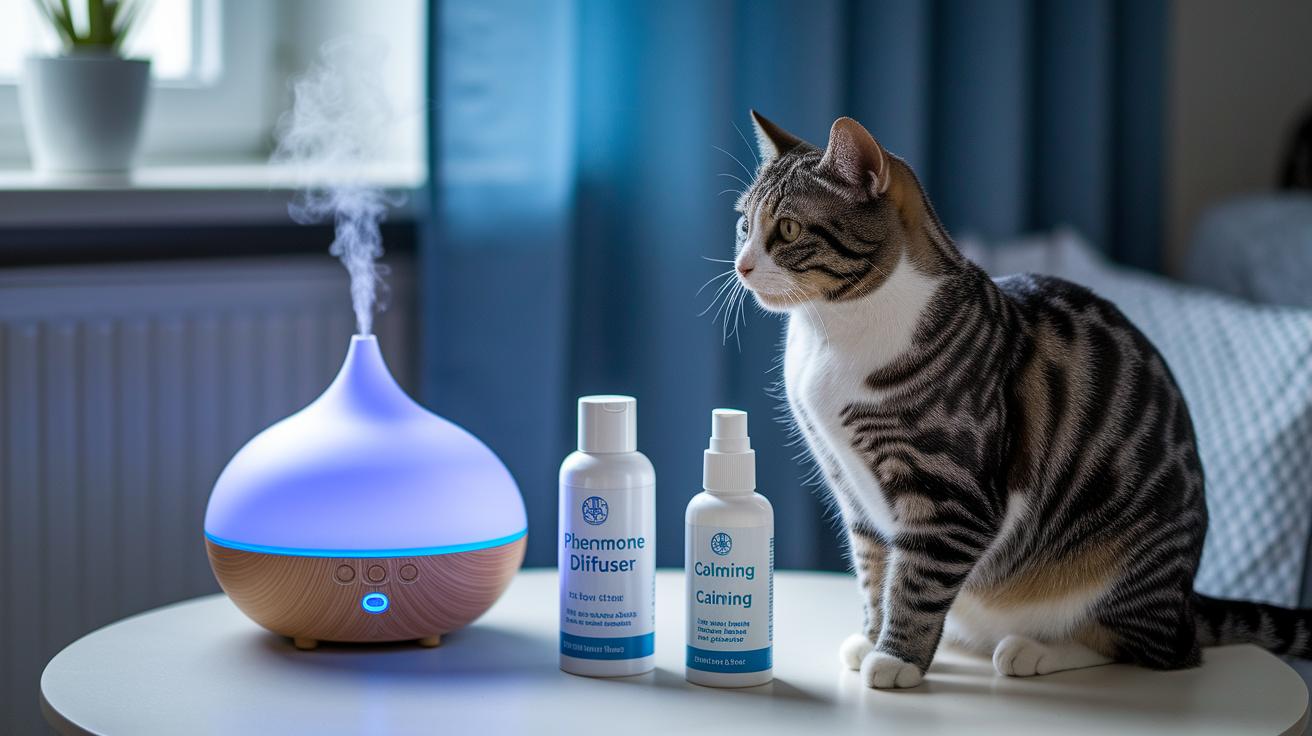
    • Use calming pheromone diffusers or sprays
    • Maintain a consistent routine to reduce anxiety
    • Engage in gentle, interactive play to build confidence
    • Avoid overstimulation by providing breaks during playtime

    Health Concerns Associated with Cat Tongue Out

    When to Consult a Veterinarian About Cat Tongue Out-1.jpg

    Paying attention to your cat's behavior can help you catch potential health issues early. If your cat's tongue-sticking behavior suddenly increases or becomes more frequent, it could signal an underlying problem. This is especially true if you notice other symptoms such as lethargy, a lack of appetite, drooling, bad breath, or breathing difficulties. It's crucial to monitor these signs and consult a veterinarian if they appear. A quick check-up can provide peace of mind and ensure any necessary treatment is administered.

    1. Sudden increase in tongue-sticking behavior
    2. Accompanied lethargy or lack of energy
    3. Noticeable decrease in appetite or refusal to eat
    4. Presence of drooling or bad breath
    5. Difficulty breathing or rapid breathing patterns

    Final Words

    Diving into why cat sticks tongue out reveals several reasons for this quirky habit. From normal, harmless behaviors like blepping and relaxation to potential health issues like dental problems or stress, we've covered it all.

    While some behaviors are purely part of a cat being a cat, others may suggest a vet visit is necessary. Observing your cat closely helps distinguish between normal habits and signs of concern.

    Understanding these reasons enhances your ability to ensure your furry friend's well-being. Keep an eye on those cute bleps, and enjoy their amusing personalities!

    FAQ

    Why cat sticks tongue out of nowhere?

    Cats may stick their tongues out for various reasons, including relaxation or a behavior called "blepping." It can happen unconsciously during rest. It's usually normal unless other symptoms appear.

    Why does my cat stick his tongue out when I pet him?

    When petting, a cat might stick its tongue out due to muscle relaxation. It's often a sign of comfort and calmness. No need to worry unless accompanied by signs of stress or discomfort.

    Why is my cat sticking his tongue out like a dog?

    Some cats stick their tongues out when excited or curious, similar to dogs. It's common during playtime or when they sense something intriguing.

    Why is my cat sticking his tongue out and breathing?

    If a cat's sticking its tongue out while breathing heavily, it might indicate stress, overheating, or a health issue. Consider a vet visit if it doesn't improve.

    Why cat sticks tongue out while sleeping?

    During sleep, muscle relaxation can cause cats to stick their tongues out. It's typically harmless and can be seen as a sign of deep relaxation.

    Why cat sticks tongue out when playing?

    During play, the adrenaline rush might cause your cat to stick its tongue out. It's usually a harmless expression of excitement and enjoyment.

    Do cats stick their tongues out when dehydrated?

    Dehydration might make a cat stick its tongue out as a response. Ensure your cat has access to fresh water and check for any other signs of dehydration like lethargy.

    What does sticking out the tongue mean?

    In cats, sticking out the tongue can mean relaxation, a sensory response, or a need for attention. It's important to watch for any additional symptoms that may suggest an issue.

    Why do cats do the blep?

    The "blep" occurs when a cat's tongue sticks out slightly and is usually seen during relaxation or after grooming. It's often an unconscious and cute behavior without a health concern.

    Related Articles

  • Why Cat Lick Each Other Explained

    Why Cat Lick Each Other Explained

    Ever wonder why cats lick each other? It's not just about cleanliness. This intriguing behavior, known as allogrooming, plays a big part in their social world. Cats lick each other to show affection and create strong bonds, much like a team working together toward a common goal. Some experts say it's essential for their health, helping them clean hard-to-reach places and remove pesky parasites. Understanding this can help us better appreciate these amazing animals and ensure our feline companions live happy, connected lives.

    Understanding Why Cats Lick Each Other

    Understanding Why Cats Lick Each Other-1.jpg

    Cats engage in a behavior known as allogrooming, which is when they groom other cats—and sometimes humans. This action is more than just a grooming routine; it's a way for our feline friends to show affection and establish strong social bonds. Allogrooming is commonly observed among bonded cats and within feline colonies, where it acts as a communal activity that reinforces friendships.

    The reasons cats lick each other are primarily centered around affection and the strengthening of bonds. When one cat grooms another, it is often a sign of trust and camaraderie. Veterinary experts point out that this behavior serves multiple purposes. It helps cats clean areas they can't reach on their own, such as the top of the head. Additionally, mutual grooming aids in removing parasites like fleas and ticks, which is essential for their health. The act of grooming communicates a sense of belonging and acceptance within the group, making it a cornerstone of feline social behavior.

    • Affection and bonding
    • Social bonding
    • Cleaning hard-to-reach areas
    • Parasite removal
    • Communication

    Understanding why cats lick each other is important for cat lovers. It helps us appreciate the depth of their social interactions and the critical role grooming plays in their lives. By recognizing these behaviors, we can better support their well-being and create a more harmonious environment for our furry companions.

    Social and Grooming Dynamics in Cats

    Social and Grooming Dynamics in Cats-1.jpg

    Cats dedicate a significant portion of their day, about 30 to 50 percent, to grooming. This behavior extends beyond personal hygiene, playing a crucial role in their social interactions and structure. Grooming helps maintain cleanliness and strengthens social bonds within cat communities. It allows cats to assist each other with hard-to-reach areas like the head, face, and ears, fostering cooperation and care among them.

    Grooming as Hierarchy and Dominance

    Grooming is not solely about staying clean; it can also indicate social hierarchy. In groups, dominant cats often initiate grooming with those of lower status. This behavior subtly asserts dominance, helping to establish and maintain social order. Understanding these dynamics is essential for maintaining peace in multi-cat environments, as it clarifies roles and reduces potential conflicts.

    Social Interactions and Communication through Grooming

    Grooming serves as an important means of communication and social interaction for cats. When cats groom each other, they engage in non-verbal communication that reinforces social bonds. This activity conveys messages of trust, acceptance, and cooperation, expressing comfort and familiarity within the group. It becomes an integral part of their social language, crucial for building harmonious relationships.

    Recognizing these dynamics is vital for multi-cat households. Understanding grooming as both a form of communication and a reflection of hierarchy allows us to better interpret our cats' relationships and needs. This insight helps foster an environment where each cat feels understood and respected.

    Health and Hygiene Benefits of Cat Grooming

    Health and Hygiene Benefits of Cat Grooming-1.jpg

    Grooming is a key aspect of maintaining a cat's hygiene and health. Cats often engage in allogrooming, which enhances their cleanliness by reaching areas like the top of the head that are difficult to groom alone. This behavior not only keeps their fur clean but also promotes blood circulation and distributes natural oils, contributing to a shiny and healthy coat.

    In addition to maintaining hygiene, grooming is vital for removing parasites such as fleas and ticks, especially in outdoor colonies. This collective effort in allogrooming reduces parasite-related health risks and contributes to longer life spans. By participating in mutual grooming, cats also strengthen their social bonds, which is beneficial for their mental well-being.

    Benefit Description
    Hygiene maintenance Promotes cleanliness and healthy fur, enhances blood circulation and distributes natural oils
    Parasite removal Helps eliminate fleas and ticks, reducing health risks
    Improved longevity Contributes to longer life spans and strengthens social bonds

    Challenges and Misunderstandings in Cat Grooming

    Challenges and Misunderstandings in Cat Grooming-1.jpg

    Grooming is a natural and essential behavior for cats, but it can sometimes lead to unexpected challenges. After a grooming session, cats may transition into play fighting. This shift is often triggered by overstimulation, similar to how a cat might react when petted for too long. While these playful tussles are usually harmless, they can escalate if not properly managed, leading to misunderstandings about the nature of cat interactions.

    Excessive Grooming as a Health Indicator

    Excessive grooming often signals underlying health issues. When a cat spends an inordinate amount of time grooming itself or a housemate, it might be trying to alleviate discomfort or pain. Conditions such as skin allergies, parasites, or stress can lead to this behavior. Pay close attention to signs like bald patches or skin irritations. If you notice these symptoms, it's wise to seek veterinary advice to rule out potential health problems.

    Grooming to Redirect Aggression

    In multi-cat households, grooming can sometimes serve as a way to redirect aggression. Cats may lick another cat to diffuse tension or avoid conflict, using grooming as a calming strategy. This behavior underscores the complexity of feline social dynamics, where grooming acts as both a bonding tool and a means to manage hostility. Observing these interactions can provide insights into your cats' relationships and help you create a peaceful home environment.

    To manage grooming-related challenges, provide your cats with ample space and resources to reduce competition and stress. Engage them with interactive toys and activities to channel their energy positively. Monitoring their grooming habits can help you catch any potential issues early, ensuring your feline friends remain happy and healthy.

    Final Words

    Exploring why cats lick each other reveals much about their world. Mutual grooming serves as a sign of affection and bonding, reflecting strong social connections within cat communities. It helps with hygiene, removing parasites, and reaching tricky spots.

    Understanding this behavior enhances our appreciation of the complex dynamics among cats, including hierarchy and dominance. Recognizing the health benefits and social communication aspects helps create a harmonious environment for your cats.

    Appreciating why cats lick each other not only improves their playtime experience but also ensures a healthier and happier life for your furry friends.

    FAQ

    Why do cats lick each other?

    Cats lick each other to show affection and bonding. This behavior, known as allogrooming, is common among bonded cats or those in the same colony.

    Why do my cats lick each other and then fight?

    Cats may fight after grooming due to overstimulation. Grooming can sometimes lead to play fights, especially if one cat gets too excited.

    Why does my cat lick my other cat's head?

    When a cat licks another cat's head, it often shows trust and affection. This type of grooming helps clean areas that are hard to reach.

    Why does my cat lick my other cat then bite him?

    After licking, a cat might bite as part of playful interaction or display light aggression. They may do this if they're overstimulated or establishing boundaries.

    Do male cats groom each other?

    Yes, male cats do groom each other. This mutual grooming is a sign of friendship and bonding between them.

    Is it normal for cats to lick each other's privates?

    Cats licking each other's privates is normal. It's part of their grooming process and can help in cleaning hard-to-reach areas.

    Do cats groom each other to show dominance?

    Grooming can be a sign of dominance. Higher-ranking cats in a social group often initiate grooming with lower-ranking ones.

    Are my cats bonded if they groom each other?

    If your cats groom each other, it's a sign they are bonded. Grooming indicates trust and closeness between cats.

    Is it good if a cat grooms next to you?

    If a cat grooms near you, it shows they feel relaxed and safe. This behavior indicates they enjoy your presence.

    Do cat licks mean kisses?

    Cat licks can be seen as kisses. When cats lick you or each other, it's a form of affection and trust.

    Related Articles

  • Why Cat Poop Smell So Bad and How to Fix It

    Why Cat Poop Smell So Bad and How to Fix It

    Ever wondered why your cat’s poop seems to clear the room? It’s not just you—there’s a reason behind that stink! The bad odor often ties back to what your kitty’s eating or even hidden health issues. Believe it or not, a cat with a balanced diet shouldn’t produce a smell that’s too overpowering. Through this guide, we’ll explore why your cat’s litter might be a nasal nightmare and how you can tackle it. Knowing what changes to look for could actually be your first step toward solving the smelly mystery.

    Understanding Why Cat Poop Smells So Bad

    Understanding Why Cat Poop Smells So Bad-1.jpg

    The unpleasant smell of cat poop can be attributed to several factors, with diet and health issues being the primary culprits. A cat’s diet plays a significant role in the odor of its feces. Low-quality or highly processed foods can result in a stronger, less tolerable smell. Health problems, such as infections or digestive disorders, also contribute to foul-smelling stool. If your cat’s poop has a particularly strong odor, it might be time to consider these underlying causes.

    Healthy cat poop should have a mild, earthy, or musky smell, which is barely noticeable. This subtle aroma indicates a balanced diet and good health. It’s normal for some variation in odor to occur, especially if there have been recent changes in diet. However, if the smell becomes overpowering, it might suggest a problem. A shift in odor can be a reliable signal that something’s off, whether it’s related to diet or health conditions.

    Common indicators of problematic poop odor include:

    • Dietary changes
    • Intestinal parasites
    • Bacterial infections
    • Digestive disorders
    • Poor-quality diet

    Monitoring changes in your cat’s poop odor is essential for their health. A sudden or persistent strong smell may be more than just an inconvenience—it could be a sign of a serious health issue. Regularly checking for these changes can help catch potential problems early. If you notice any unusual or persistent odors, it might be wise to consult with a veterinarian to ensure your cat’s well-being.

    Diet and Its Impact on Cat Feces Odor

    Diet and Its Impact on Cat Feces Odor-1.jpg

    Certain ingredients in cat food can really affect the smell of your cat’s feces. Foods with specific additives or fillers, like corn or soy, are harder for cats to digest. This can lead to stronger odors. Some protein sources, like fish, can also cause more pungent smells compared to chicken or turkey. It’s not just about the quantity of protein, but also the quality and source. Hydration plays a role too. Cats on a primarily dry food diet might have smellier stools due to less water intake, which affects digestion.

    Switching your cat’s diet slowly can help. Gradual changes over ten days let their digestive system adjust, reducing the chances of odor issues. This approach also helps limit digestive upsets.

    Diet Type Impact on Odor
    High-protein diet Can result in stronger odors
    Low-quality processed food Likely to cause more pungent smells
    Gradual dietary changes Helps in minimizing odor changes

    Health Factors Leading to Smelly Cat Poop and When to Seek Veterinary Advice

    Health Factors Leading to Smelly Cat Poop and When to Seek Veterinary Advice-1.jpg

    Intestinal parasites are a significant culprit when it comes to smelly cat feces. These parasites, such as roundworms or tapeworms, disrupt your cat’s digestive system, leading to foul-smelling stool. They feed off the nutrients your cat consumes, causing malabsorption and digestion issues. This results in not just a pungent odor but also potential weight loss and a decline in overall health. If you suspect your cat might have parasites, a vet visit is crucial to obtain the necessary treatment.

    Bacterial infections in the intestines can also lead to bad-smelling poop. Infections like salmonella or E. coli introduce harmful bacteria into the gut, which can cause diarrhea and an offensive odor. Digestive disorders, such as inflammatory bowel disease, alter the normal gut flora and impede digestion, causing a similar effect. Cats with these conditions often show additional symptoms like vomiting or a noticeable decrease in energy levels. Early identification and management are key, as these issues can escalate if left untreated.

    Health symptoms that accompany smelly poop may include:

    • Diarrhea
    • Sticky stool
    • Persistent strong odor
    • Changes in appetite

    If your cat’s poop odor persists despite dietary changes or proper hygiene practices, it’s time to consult a veterinarian. Persistent strong odors can be a sign of more severe conditions, such as renal problems or urinary tract infections. Ignoring these signs may lead to further complications, making it essential to seek professional advice. A vet can conduct the appropriate tests to determine the cause and recommend a treatment plan.

    Early veterinary intervention can prevent minor issues from developing into serious health concerns. Addressing problems early not only improves your cat’s health but also enhances their quality of life. Regular check-ups and monitoring can catch potential issues before they become significant, offering peace of mind and a healthier environment for your feline friend.

    Effective Solutions for Reducing Cat Poop Odor

    To tackle the issue of smelly cat poop, start by evaluating your cat’s diet. Switching to high-quality, digestible cat food can make a big difference. Look for foods specifically formulated to neutralize odor. These contain fewer fillers and are easier for your cat to digest. Cats thrive on protein-rich diets, but it’s crucial to select protein sources that are less likely to lead to strong odors. The right balance in their diet can noticeably reduce the smell of their feces.

    Probiotics are another valuable ally in fighting bad odors. Adding probiotics to your cat’s diet can enhance their digestive health by promoting a balanced gut flora. A healthy gut means that food is processed more efficiently, which can lead to less smelly stool. Probiotics come in various forms, including powders and treats, making them easy to incorporate into your cat’s daily routine.

    Effective litter box practices are essential for managing odor:

    • Use high-quality, odor-controlling litter
    • Scoop the litter box daily
    • Replace litter regularly
    • Clean the litter box thoroughly each week
    • Keep the litter area well-ventilated

    Regular maintenance and cleaning of the litter box are crucial steps in combating unpleasant smells. A clean litter box not only reduces odor but also encourages your cat to use it more consistently. Ensure that the litter box is placed in a well-ventilated area, which can help dissipate any lingering odors. By sticking to a routine and using effective litter products, you can maintain a fresher-smelling environment for both you and your feline friend.

    Final Words

    Understanding why cat poop smell so bad helps us ensure our pets’ well-being. Diet and health play crucial roles in odor issues. A cat’s poor diet, like low-quality foods, often leads to stronger smells. This highlights the importance of choosing the right food. Health problems, such as digestive disorders or infections, can also cause odor issues. Keeping an eye on changes in smell can signal when a vet visit is needed. Proactive steps like improving diet and maintaining a clean litter box can make a notable difference. Regular care leads to a fresher home and a healthier cat.

    FAQ

    How do I stop my cat poop from smelling so bad?

    To stop cat poop from smelling bad, address diet, health, and hygiene. Use odor-control litter and probiotics. Ensure daily scooping and weekly cleaning of the litter box.

    Is cat poop smell bad for health?

    The smell itself isn’t harmful, but strong odors might signal health issues. Persistent foul smell can indicate parasites or infections. Consult a vet if the smell doesn’t improve.

    What does strong smelling poop mean?

    Strong-smelling cat poop could mean dietary issues, parasites, or bacterial infections. Check for other signs like diarrhea or appetite changes. Professional advice may be needed.

    Why do cats fart smell so bad?

    Bad-smelling cat gas can result from diet, digestive issues, or eating spoiled food. Consider diet changes and consult a vet if it persists.

    How to improve cat litter box smell?

    Improve the smell by using high-quality, odor-control litter. Scoop daily, replace litter weekly, and clean the box thoroughly. Ensure proper ventilation.

    How to stop smelly cat poop?

    Dietary changes and probiotics can help stop smelly poop. High-quality, digestible food minimizes odors. Regular vet checks ensure there’s no underlying health issue.

    How to improve cat litter box odor?

    To improve odor, use odor-control litter and keep the area ventilated. Clean regularly and check diet for any contributing factors.

    Best foods for cats with digestive issues?

    For cats with digestive issues, choose high-quality foods rich in digestible proteins and probiotics. Consult a vet for specific dietary needs.

    Related Articles