Category: Cat Behavior

  • Why Cat Eyes Watery Causes Symptoms and When to See a Vet

    Why Cat Eyes Watery Causes Symptoms and When to See a Vet

    Have you noticed your cat’s eyes looking like they’ve been crying lately? It’s not just an emotional display; watery eyes can signal something more serious. Understanding why your cat’s eyes are watering is crucial, as it can range from simple irritations to needing urgent vet care.

    I’ll explain what those tearful eyes could mean, the possible causes, and symptoms to watch out for. By knowing when to seek professional help, you’ll keep your kitty safe and comfortable. Let’s dive into what might be behind those watery eyes and when to call the vet.

    Understanding and Addressing Watery Eyes in Cats

    Understanding and Addressing Watery Eyes in Cats-1.jpg

    Watery eyes in cats, often referred to as epiphora, can be a symptom of various underlying issues, ranging from mild irritations to serious conditions. Normally, a cat’s eyes should be clear, bright, and free of any obstructions in the pupil or iris.

    It’s not uncommon to see a bit of clear discharge or crust in the corners of the eyes, which is usually normal. However, persistent watery eyes or the presence of yellow or sticky discharge can be a signal that it’s time to visit the vet. This could be an indication of infections, allergies, or even foreign objects irritating the eyes.

    Common Causes

    Common causes of watery eyes in cats include infections, allergies, and foreign objects. Each of these causes can present with different symptoms and may require varying treatments to resolve the issue effectively.

    Infections

    Viral and bacterial infections are among the primary causes of watery eyes in cats. Viral infections typically produce clear discharge, while bacterial infections often result in yellow or greenish discharge.

    Symptoms can include redness, swelling, and excessive tearing. Treatments usually involve the use of prescription eye drops or ointments to clear the infection. Identifying the type of infection is crucial, as viral and bacterial causes require different medications to effectively treat the condition.

    Allergies

    Allergic reactions in cats can lead to eye irritation and excessive tearing. Common allergens include pollen, mold, dust, and some cleaning products. Cats experiencing allergies may show additional signs such as sneezing or nasal discharge.

    To address allergies, it might be necessary to identify and remove the allergen from the cat’s environment. Consulting with a vet can help determine if allergy medication or specific treatments are needed to manage the symptoms.

    Foreign Objects

    Foreign objects such as grass, dust, or even small insects can become lodged in a cat’s eye, leading to tearing, blinking, and squinting. It’s important to remove these objects promptly to avoid further irritation or potential damage to the cornea. Attempting removal at home can sometimes result in injury, so a veterinarian should be consulted to safely extract any foreign bodies and assess any resultant damage.

    Persistent watery eyes can indicate more serious underlying issues such as chronic infections, glaucoma, or even structural abnormalities in certain breeds. It is essential to consult a veterinarian if a cat’s eyes remain watery over a prolonged period or if there are additional symptoms such as pain or behavioral changes. Early diagnosis and treatment are vital to prevent complications and ensure your cat’s vision and overall eye health are maintained.

    Urgent Symptoms and When to Visit the Vet

    Urgent Symptoms and When to Visit the Vet-1.jpg

    Serious eye conditions in cats, like glaucoma, can lead to severe complications if not treated promptly. Delaying treatment might result in irreversible damage, including blindness. It’s crucial to act quickly if a cat shows signs of distress, such as bulging eyes, which are often associated with this condition.

    • Bulging eyes indicating potential glaucoma
    • Behavioral changes like constant pawing at eyes
    • Unusual squinting or sensitivity to light
    • Sudden vision loss or noticeable disorientation

    Monitoring your cat’s symptoms at home is essential. Keeping track of changes can help your vet make a more accurate diagnosis. During a veterinary visit, expect a thorough eye examination and possibly additional tests to determine the underlying cause of the symptoms. Early detection and treatment can significantly improve outcomes, ensuring your cat maintains healthy vision.

    Home Care and Prevention Tips for Watery Cat Eyes

    Urgent Symptoms and When to Visit the Vet-2.jpg

    Maintaining proper eye hygiene for your cat is crucial to prevent watery eyes and other eye-related issues. Just like us, cats can have sensitive eyes that react to environmental factors and require regular care. Proper hygiene not only helps in keeping your cat comfortable but also in preventing more serious complications from developing.

    • Gently clean eyes with a damp cloth. Use a soft, damp cloth to carefully wipe away any discharge or debris from around your cat’s eyes. This helps keep the area clean and reduces irritation.
    • Reduce allergens like dust and pollen. Identify and minimize common allergens in your home, such as dust, pollen, and strong cleaning products, which can cause your cat’s eyes to water.
    • Ensure a clean living environment. Regularly clean your cat’s bedding, litter box, and living areas to reduce the buildup of allergens and irritants that may affect their eyes.
    • Monitor diet for potential allergens. Sometimes, food can be a trigger for allergies. If you suspect your cat’s diet might be causing issues, consult your vet for guidance on hypoallergenic options.
    • Schedule regular veterinary check-ups. Routine vet visits can help catch any underlying health issues early. Your vet can provide advice tailored to your cat’s specific needs and recommend preventative treatments if necessary.

    Preventative measures are just as important in maintaining your cat’s eye health. Regularly observing your cat’s behavior and eye condition can help you detect any changes early. Additionally, consider using air purifiers to further reduce allergens in your home, especially during pollen-heavy seasons.

    While home care can effectively manage minor issues, persistent watery eyes or other serious symptoms require professional veterinary care. If your cat’s condition does not improve with home remedies or if there are signs of pain, redness, or discharge, it’s important to consult a veterinarian. They can assess the situation more thoroughly and recommend treatment to prevent any potential complications or long-term damage.

    Veterinary Treatments and Solutions for Persistent Issues

    Veterinary Treatments and Solutions for Persistent Issues-2.jpg

    When dealing with persistent eye issues in cats, veterinary treatments often include prescription medications like eye drops or ointments. These are typically used to treat infections, whether viral or bacterial, and help reduce inflammation and discomfort. It’s crucial to follow the vet’s instructions carefully to ensure the treatment is effective. In some cases, chronic conditions may require long-term management through regular application of these medications.

    Issue Treatment
    Infections Prescription eye drops or ointments
    Allergies Antihistamines or allergy drops
    Chronic Conditions Long-term medication or management plans

    In more severe cases, such as chronic infections or conditions like glaucoma, surgical intervention might be necessary to prevent further damage or potential blindness. These procedures can range from corrective surgeries to more complex operations that address structural issues within the eye.

    It’s important to have a thorough discussion with your veterinarian about the risks and benefits of surgery, as well as any necessary post-operative care to ensure your cat’s recovery and long-term eye health.

    Final Words

    Exploring the reasons behind watery cat eyes, we’ve tackled common causes like infections, allergies, and foreign objects. Keeping your cat’s eyes clear involves understanding these issues and taking timely action. Recognizing the warning signs helps in seeking veterinary care when needed.

    Home care plays a role, but recurring problems might need professional attention. Knowing why cat eyes watery can steer you towards better choices for your furry friend. Remember, proactive care leads to a happier, healthier pet. It’s all about making playtime and life safe and enjoyable!

    FAQ

    Why are my cat’s eyes watery all of a sudden?

    Watery eyes in cats can be due to allergies, infections, or foreign objects. It’s important to watch for other symptoms to determine the cause.

    Why does my cat have one watery eye without other symptoms?

    A single watery eye may indicate mild irritation or the presence of a foreign object. If it persists, see a vet.

    What should I do if my cat has a watery eye and is sneezing?

    This combination might indicate an upper respiratory infection. Monitor your cat and consult a vet if symptoms worsen.

    Is it bad if my cat’s eye is watering?

    If the watering is persistent or accompanied by other symptoms, it might be serious and needs a vet’s attention.

    How do you treat watery eyes in cats?

    Treat minor cases by gently cleaning with a damp cloth. Persistent or severe symptoms require a vet for potential medication.

    What does it mean when a cat has teary eyes?

    Teary eyes can signal infections, allergies, or foreign objects. Monitor your cat and seek veterinary advice if it doesn’t improve.

    Why is my cat’s eye watering and squinting?

    Watering and squinting often indicate irritation or infection. A vet should assess these symptoms, especially if lasting or severe.

    Why is my cat’s eye swollen and leaking fluid?

    Swelling and fluid can mean an infection or injury. Immediate veterinary evaluation is necessary to prevent further complications.

    Should I be worried if my cat’s eyes are watery?

    Persistent watery eyes or additional symptoms should be checked by a vet to rule out serious conditions.

    What are home remedies for cat weepy eyes?

    Clean the eyes gently with a damp cloth and remove potential allergens from your home environment for minor issues.

    Related Articles

  • Why Cat Likes Boxes Behavioral Reasons for Feline Fascination

    Why Cat Likes Boxes Behavioral Reasons for Feline Fascination

    Why are cats so obsessed with boxes? It turns out, there are several fascinating reasons behind this feline fascination. Boxes are more than just cardboard to your cat—they serve as a sanctuary, tapping into instincts deeply rooted in their wild ancestors.

    Imagine your cat stepping into a box like entering a secret fortress, where they can hide, observe, and de-stress. Discover in this article how boxes cater to their primal instincts, offering security, warmth, and endless curiosity. Get ready to see your cat’s love for boxes from a whole new furry perspective!

    Why Cats Love Boxes: Behavioral Insights

    Cats have an instinctual need for safety and love to hide, which boxes perfectly fulfill. These small enclosures offer a retreat where cats can escape from the world. In the wild, cats hide to avoid predators and stalk their prey.

    Even as domestic pets, this instinct persists. The enclosed space of a box gives them a secure vantage point to observe their surroundings without being seen. It’s a place where they can feel invisible and protected, satisfying their natural inclination to seek out hidden spots.

    Boxes provide a profound sense of security, functioning as a stress-relief sanctuary. The feeling of being enclosed gives cats a break from the daily hustle, reducing anxiety and stress. Imagine the box as a personal fortress where your feline can retreat during frantic times or when strangers are around.

    This snug barrier between them and the outside world helps them manage stress more effectively. It’s a simple way to cater to their need for a safe haven.

    • Hiding Instinct: Boxes satisfy the feline instinct to hide and seek refuge.
    • Security Feeling: They offer a protective space, reducing stress.
    • Curiosity: Cats love exploring new spaces, and boxes are an irresistible mystery.
    • Playfulness: Boxes become a playful zone where cats can pounce and jump around.

    Snug spaces like boxes offer unparalleled comfort and warmth to our feline friends. Cats are drawn to these cozy nooks because they mimic the enclosed environments cats naturally seek. Snug spaces make them feel cradled and secure, much like a kitten in its mother’s embrace. The walls of the box act as a comforting boundary, enhancing a cat’s sense of belonging and relaxation.

    Temperature regulation is another pivotal factor in a cat’s attraction to boxes. Cats prefer temperatures warmer than we typically maintain in our homes—around 86 to 97 degrees Fahrenheit. The multiple layers of cardboard provide excellent insulation, making boxes an ideal place to snuggle up. They trap the cat’s body heat, creating a warm cocoon that’s perfect for lounging or napping.

    Scientific studies bolster these observations, confirming that the behaviors associated with box love align with a cat’s natural instincts. Research in Applied Animal Behavioral Science highlights how boxes help cats manage stress by offering a safe and controlled environment.

    This aligns with their evolutionary need for secure, hidden spaces. So next time you see your cat diving into a box, know that it’s not just play; it’s an essential part of their behavioral repertoire.

    Play and Exploration: Boxes as Feline Playgrounds

    Play and Exploration Boxes as Feline Playgrounds-1.jpg

    Boxes are a feline’s dream playground, triggering playful behavior and the urge to explore. These simple cardboard spaces become vibrant play zones where cats can engage in a variety of activities. The allure of a new box is hard for a cat to resist.

    It provides a fresh environment full of corners to investigate and surfaces to scratch. Even the sound of claws against the cardboard seems to call out to them. With a box, every day is a new opportunity for a cat to discover something exciting.

    Engaging with boxes satisfies a cat’s predatory instincts. Even though our domestic cats don’t need to hunt for survival, they still love to act like they do. Boxes allow them to mimic the behavior of stalking and pouncing on prey.

    They can hide silently, waiting for the perfect moment to “attack” a toy or an unsuspecting human foot. This play is not only fun but also reinforces natural behaviors that are deeply ingrained in their DNA.

    • Jumping in and out
    • Hiding and sneaking
    • Pouncing on toys
    • Scratching surfaces
    • Napping in cozy corners

    These activities provide both physical and mental enrichment for cats. Jumping and pouncing help develop their muscles and coordination, keeping them agile and fit. The mental stimulation of exploring a new space or strategizing a perfect pounce keeps their minds sharp. When a cat plays in a box, it’s not just about fun—it’s exercising both body and mind, which is vital for overall health and happiness.

    Curiosity is another key factor in a cat’s fascination with boxes. Cats have a sense of smell far superior to ours, which makes them naturally inclined to investigate anything new in their environment.

    A box offers the promise of new scents and textures to explore. It becomes an adventure zone, a place where a cat’s imagination can run wild. Whether it’s squeezing into a box that’s just a bit too small or discovering how to make a piece of paper inside crinkle, the possibilities seem endless. For a cat, every box is a new world waiting to be explored.

    Practical Tips for Safe Box Environments

    Practical Tips for Safe Box Environments-1.jpg

    Creating a safe box environment for your cat is crucial to prevent injuries and ensure they have a secure place to play and relax. Start by checking the box for any staples, sharp edges, or pieces of tape that could be ingested or cause harm.

    Cats are naturally inclined to chew and scratch, so it’s important to provide a box that’s free from hazards. Keep an eye on the box’s condition, as wear and tear from vigorous play can create new dangers over time. By prioritizing safety, you can offer your cat a fun and worry-free spot to enjoy.

    Boxes aren’t just safe havens; they enrich a cat’s environment by providing endless opportunities for exploration and play. Cats love the texture of cardboard, which is perfect for scratching and claw sharpening.

    This not only satisfies their natural behaviors but also helps them mark their territory with scent. Enriched environments contribute to a cat’s overall well-being, reducing stress and encouraging natural instincts.

    1. Remove any staples, tape, or sharp edges from the box.
    2. Regularly inspect the box for signs of wear and tear.
    3. Choose boxes that are appropriately sized for your cat.
    4. Consider adding a soft blanket for extra comfort.

    Final Words

    There are many reasons why a cat likes boxes. They provide a safe hiding spot and a warm space for them to relax. Boxes also satisfy their instincts by giving them a play zone that encourages their predatory nature. These spaces help fulfill their curiosity and need for exploration.

    Boxes not only offer comfort but also contribute significantly to a cat’s well-being. Creating a safe box environment is essential to ensure both enjoyment and security. Embracing these insights enhances our cats’ lives, bringing peace and joy to both them and us.

    FAQ

    Why do cats like boxes so much?

    Cats are naturally drawn to cardboard boxes because they provide a sense of safety, coziness, and warmth. Boxes offer insulation, making them warm and secure spaces for cats.

    Why do cats love to sleep in cardboard boxes?

    Cats love to sleep in cardboard boxes because they mimic the snug spaces cats find comforting. The warmth and enclosed feeling make these boxes perfect resting spots.

    Why do cats go crazy for cardboard boxes?

    Cats enjoy cardboard boxes for play and exploration. Instinctual behaviors like hiding and pouncing are satisfied by boxes, reflecting their playful and predatory nature.

    Are boxes good for cats?

    Boxes are excellent for cats. They provide mental and physical enrichment, helping satisfy natural instincts like scratching, playing, and marking territory.

    Why do cats like boxes that are too small?

    Cats are attracted to too-small boxes because they provide snug spaces. The tight fit makes them feel secure, similar to squeezing into tight spots in nature.

    Why do cats love boxes and bags?

    Boxes and bags appeal to cats due to their curiosity and predatory instincts. They offer exciting smells, textures, and hidden spaces, stimulating exploratory behavior.

    Why do cats like to sit on paper?

    Cats like to sit on paper because it offers a new texture and a spot to mark with their scent. It’s another example of their interest in different materials.

    Why do cats like boxes more than beds?

    Boxes provide the warmth, security, and tight fit that beds may not offer. The enclosed nature of boxes mimics natural hiding spots, making them more appealing.

    Why do cats box each other?

    Cats may box each other as part of play or communication. This behavior mimics natural fighting skills, allowing cats to practice coordination and social interaction.

    Related Articles

  • Why Cat Keep Sneezing Common Causes and Remedies

    Why Cat Keep Sneezing Common Causes and Remedies

    Did you know that your cat’s sneezing might be more than just a cute quirk? While an occasional sneeze is normal, frequent sneezing can signal an underlying issue. From pesky allergens like mold and dust mites to more serious triggers such as upper respiratory infections, there’s a myriad of reasons your cat might be sneezing.

    Uncovering these causes is key to finding effective remedies. In this post, we’ll explore the common culprits behind your cat’s sneezes and how you can help your furry friend breathe easier.

    Common Causes of Cat Sneezing

    Common Causes of Cat Sneezing-1.jpg

    Cats sneeze for many reasons, often due to common allergens they encounter in their environment. These allergens include pollen, mold, and dust mites, which can irritate a cat’s sensitive nasal passages.

    Household cleaning products are another frequent culprit, triggering allergic reactions. When a cat is exposed to these irritants, it might sneeze as a way to expel them. Cats with allergies may also exhibit symptoms like itchy skin and respiratory issues, which can further distress them.

    Upper respiratory infections are another prevalent cause of sneezing in cats. These infections can be likened to the common cold in humans and are often caused by viruses such as feline herpesvirus and calicivirus.

    Infected cats may not only sneeze but also show signs of nasal discharge, coughing, and lethargy. These symptoms can sometimes be mistaken for a simple cold, but they require attention, especially if they persist or worsen over time.

    Lesser-known causes of cat sneezing include:

    • Dental issues: Tooth abscesses or gum disease can spread to the nasal passages, causing inflammation and sneezing.
    • Foreign bodies: Small objects or grass blades can get lodged in a cat’s nose, leading to persistent sneezing.
    • Nasal polyps: Non-cancerous growths in the nasal passages can obstruct airflow and trigger sneezing.
    • Feline Immunodeficiency Virus (FIV): This condition weakens the immune system, making cats more susceptible to infections that cause sneezing.
    • Vaccination reactions: Cats may sneeze mildly after vaccinations, which usually subsides in a few days.

    External irritants, like chemical fumes from paints, strong perfumes, or cigarette smoke, also play a significant role in causing sneezing. Cats have exceptionally sensitive respiratory systems, making them particularly vulnerable to these irritants.

    It’s crucial to limit their exposure to such substances and ensure proper ventilation in areas where these chemicals are used. If your cat’s sneezing is accompanied by other symptoms like persistent coughing, nasal discharge, or watery eyes, it’s advisable to consult a veterinarian. Persistent or severe symptoms could indicate a more serious underlying condition that requires professional care.

    When to Worry About Cat Sneezing

    When to Worry About Cat Sneezing-1.jpg

    Sneezing in cats is often harmless, but when it’s accompanied by other symptoms, it might indicate a more serious issue. Keep an eye on additional symptoms such as coughing and watery eyes. These can be signs that your cat is dealing with something more than just benign sneezing.

    Watery eyes, in particular, might suggest an infection or allergy that needs to be addressed. Persistent coughing, along with sneezing, could point to a respiratory infection or another underlying condition that requires intervention.

    Signs that warrant immediate veterinary attention include:

    • Persistent sneezing that lasts more than a week
    • Sneezing accompanied by green or yellow nasal discharge
    • Sneezing and consistent coughing, indicating possible respiratory distress
    • Sneezing with swollen or red eyes

    If your cat’s sneezing persists, especially if it’s recurrent and accompanied by the symptoms mentioned above, it’s time to consult a vet. Generally, if sneezing and other related symptoms don’t improve within a few days, it’s wise to seek professional advice.

    Early intervention can help prevent more severe health issues and ensure your furry friend gets back to feeling their best. Monitoring how long these symptoms last is crucial; untreated infections or conditions can lead to more significant health problems down the road.

    Effective Cat Sneezing Remedies

    Effective Cat Sneezing Remedies-1.jpg

    Treating a sneezing cat at home can often be straightforward with a few simple adjustments. One vital step is ensuring your cat has a clean and comfortable environment. Regularly cleaning your cat’s living area can reduce allergens like dust and mold.

    Keeping the air fresh and free from irritants also plays a crucial role. Using a humidifier can be especially beneficial, as it helps maintain moisture in the air, preventing your cat’s nasal passages from drying out, especially during the colder months when indoor air is typically drier.

    Here are some effective home remedies for sneezing cats:

    • Use a humidifier: Adding moisture to the air can soothe your cat’s nasal passages.
    • Keep the environment clean: Regular vacuuming and dusting can minimize allergens.
    • Reduce chemical exposure: Avoid using strong cleaning agents and opt for pet-friendly products.
    • Ensure plenty of fresh air: Ventilate your home by opening windows when possible to allow fresh air in.
    • Monitor diet and hydration: Ensure your cat is well-hydrated and consuming a balanced diet to support their immune system.

    While these remedies can be effective, there are times when home treatments might not be enough. If your cat’s sneezing persists or is accompanied by other worrying symptoms like persistent nasal discharge or a noticeable decrease in appetite, it’s essential to consult a veterinarian.

    They can provide a thorough examination and determine if there’s an underlying condition that needs professional treatment. Always keep an eye on how your cat reacts to home remedies, and don’t hesitate to seek expert advice if the symptoms don’t improve.

    Preventive Tips for Cat Sneezing

    Preventive care plays a crucial role in managing your cat’s sneezing symptoms and reducing exposure to allergens. Regular cleaning can significantly minimize dust mites and mold, common triggers for sneezing. Consider using air purifiers to improve air quality and minimize irritants. Stress management is equally important, as stress can weaken your cat’s immune system, making them more susceptible to sneezing.

    • Regularly vacuum and dust to keep allergens at bay.
    • Use an air purifier to filter out airborne particles.
    • Choose pet-friendly cleaning products to avoid harsh chemicals.
    • Keep your cat’s bedding clean and fresh.
    • Provide a balanced diet to support their immune system.

    Regular veterinary check-ups are essential for your cat’s health. These visits can detect underlying health issues early, preventing sneezing episodes from becoming chronic. A vet can offer personalized advice and treatments to help manage your cat’s sneezing, ensuring they remain healthy and comfortable.

    Final Words

    Understanding the common causes of cat sneezing helps in addressing and managing the symptoms effectively. From allergens like dust and mold to more serious issues like upper respiratory infections, knowing why cats keep sneezing allows for better care. Identifying when sneezing signals a bigger problem is crucial for timely veterinary intervention. While home remedies can be effective, they’re just one part of comprehensive cat care. Preventive measures like cleaning and regular vet visits play a significant role. Ensuring a healthy environment can lead to happier, sneeze-free cats.

    FAQ

    Why does my cat keep sneezing all of a sudden?

    A sudden onset of sneezing in cats can be due to allergens like pollen, dust, or household cleaners. It might also indicate an upper respiratory infection or contact with irritants.

    What should I do if my cat keeps sneezing but seems fine?

    If the cat is sneezing but seems otherwise healthy, ensure its environment is clean and free from potential allergens or irritants. Consider using a humidifier to improve air quality.

    When should I worry about my cat sneezing?

    You should worry if sneezing is persistent and accompanied by symptoms like coughing, nasal or eye discharge. These may indicate a more serious condition needing veterinary care.

    Do cats sneeze a lot when sick?

    Yes, cats may sneeze more when sick, often due to upper respiratory infections. Other symptoms might include coughing, nasal discharge, or watery eyes.

    Do cat colds go away on their own?

    In some cases, mild cat colds can resolve on their own. However, if symptoms persist or worsen, it’s important to consult a vet.

    What are some home remedies for a sneezing cat?

    Effective home remedies include using a humidifier, ensuring a clean living environment, and reducing exposure to chemical irritants. If these don’t help, seek veterinary advice.

    How can I prevent my cat from sneezing?

    Prevent sneezing by keeping your cat’s environment clean, using air purifiers, and minimizing exposure to allergens and stress. Regular vet check-ups also help in early detection and prevention.

    Related Articles

  • Why Cat Eats Plastic and How to Address It

    Why Cat Eats Plastic and How to Address It

    Ever catch your cat munching on plastic and wonder what on Earth they’re thinking? It’s a puzzling habit that many cat owners encounter, leaving them worried about their feline friend’s safety. Cats might be drawn to plastic for its intriguing smell, texture, or sound, or even as a response to stress or nutritional gaps.

    But before you panic, let’s explore why your cat finds plastic so fascinating and how you can guide them away from this risky behavior. Understanding these odd cravings is the key to ensuring a happier and healthier playtime for your pet.

    Reasons Why Cats Eat Plastic

    Reasons Why Cats Eat Plastic-1.jpg

    Cats often find plastic irresistible due to its sensory allure. Many plastics contain stearates, derivatives of animal fats, which can give off an enticing smell. This aroma, coupled with the unique texture of plastic, can be quite appealing to our feline friends.

    The crinkly sound that plastic makes can also mimic the noises of prey, further stimulating a cat’s predatory instincts. Together, these sensory factors create a fascinating attraction that many cats find hard to resist.

    Behaviorally, cats are naturally curious creatures. They explore their world with their mouths, much like we use our hands. This curiosity can lead them to chew on and sometimes ingest plastic as they investigate its properties.

    Stress and anxiety are additional behavioral reasons for plastic-chewing. Cats under stress may turn to plastic as an outlet, similar to how a stressed human might bite their nails. This behavior can be a coping mechanism for dealing with changes in their environment or routine.

    On the medical side, nutritional deficiencies can drive a cat to develop pica, a condition where they eat non-food items like plastic. Cats lacking essential nutrients, such as fiber, vitamins, and minerals, might chew on plastic in an attempt to fill these gaps.

    Some breeds, like Siamese and Burmese, are genetically more inclined to exhibit pica. Additionally, underlying health issues such as dental problems, diabetes, or thyroid disorders could lead to increased plastic consumption as a way for cats to manage their discomfort or symptoms.

    • Curiosity
    • Stress/anxiety
    • Nutritional deficiencies
    • Pica
    • Underlying diseases

    Health Risks of Cats Eating Plastic

    Health Risks of Cats Eating Plastic-2.jpg

    Plastic ingestion isn’t just a quirky habit; it poses significant health risks to cats. When a cat swallows plastic, sharp edges or pieces can cause physical harm, leading to cuts or tears in their digestive tract. This can result in internal bleeding or infection.

    Beyond physical damage, plastic isn’t digestible, which means it can create blockages in the intestines or stomach, a serious condition that may require surgery. The material itself can also leach harmful chemicals into a cat’s system, potentially causing further health complications.

    Recognizing the symptoms of plastic ingestion is vital for a cat’s well-being. If a cat shows signs such as vomiting, diarrhea, or general discomfort, these could indicate that plastic is causing trouble in their digestive system.

    Obstruction, another symptom, can lead to a sudden loss of appetite or lethargy. Veterinary intervention should be swift upon noticing these symptoms to prevent severe health issues or complications. Cats like the Burmese and Siamese, prone to pica, are especially at risk, making it even more important for their owners to be vigilant.

    • Vomiting
    • Diarrhea
    • Discomfort
    • Obstruction

    Preventing Plastic Chewing and Providing Safe Alternatives

    Preventing Plastic Chewing and Providing Safe Alternatives-1.jpg

    To prevent your cat from chewing on plastic, start by monitoring their behavior closely. Remove any plastic items from their reach, especially when you’re not home to supervise. This includes grocery bags, packaging materials, and plastic-coated wires.

    Keeping doors closed to rooms containing these items can also help limit their access. By creating an environment where plastic is not readily available, you reduce the chances of them developing a habit of chewing on it.

    Enriching your cat’s environment is a fantastic way to redirect their plastic-chewing tendencies. Cats are naturally curious and need mental and physical stimulation to stay happy and healthy.

    Provide them with vertical spaces like cat trees or shelves where they can climb and explore. Incorporate sensory stimuli such as toys that make noise or have different textures. Interactive toys that mimic hunting can keep them engaged and shift their focus away from plastic.

    Safe alternatives to plastic can also satisfy your cat’s need to chew. Chew toys specifically designed for cats can be a perfect substitute. Look for ones made from durable materials that can withstand their chewing.

    Dehydrated meats are another excellent option, offering a tasty treat that also fulfills their chewing desire. For cats who enjoy nibbling on plants, cat grass can provide a safe and enjoyable alternative. These alternatives will not only keep your cat busy but also ensure their safety.

    Deterrents like bitter sprays can be effective in discouraging your cat from chewing on plastic items. Apply the spray to the objects they tend to chew on to make them less appealing. While not a standalone solution, bitter sprays can complement other preventive measures.

    Food-dispensing toys are another great tool. Start with easy-to-use dispensers and fill them with your cat’s favorite treats. This encourages them to work for their food, keeping them occupied and away from plastic.

    Providing vertical spaces and sensory stimuli can significantly enhance your cat’s environment. Cats love to climb and perch, so having various levels and spaces to explore can keep them entertained.

    Sensory stimuli, like toys filled with catnip or those that rattle, can engage their senses and provide mental stimulation. By offering a rich environment, you not only deter destructive behaviors like plastic chewing but also contribute to your cat’s overall well-being.

    Alternative Purpose
    Chew toys Provide safe chewing outlets
    Dehydrated meats Offer tasty chewing options
    Cat grass Safe plant-based nibbling
    Food-dispensing toys Encourage foraging behavior

    When to Consult a Veterinarian

    When to Consult a Veterinarian-3.jpg

    If your cat starts eating plastic, certain signs should prompt an immediate visit to the vet. Symptoms like vomiting, noticeable discomfort, or changes in their usual bowel movements are red flags that something isn’t right.

    These could point to serious issues like intestinal blockages or other internal problems caused by plastic ingestion. Quick action is crucial in these situations to prevent further complications and ensure your cat’s health.

    During the veterinary consultation, the vet will likely inquire about your cat’s diet, recent behavior, and any unusual signs you’ve noticed. They might perform a physical examination to assess your cat’s overall condition.

    Depending on their findings, the vet may conduct a fecal test to check for blockages or other digestive issues. Lab work might also be recommended to rule out any underlying health concerns that could be contributing to the plastic-chewing behavior.

    • Vomiting
    • Discomfort
    • Abnormal bowel movements

    Final Words

    Throughout this post, I’ve explored why cats are attracted to eating plastic. From the sensory allure of textures and smells to behavioral reasons like curiosity and stress—cats have many reasons for this habit. I also discussed health risks and the urgency of seeking veterinary help if needed.

    Understanding why cat eats plastic helps in taking preventive steps. Offering safe toys and removing plastic access can make a difference. Keep your feline friend safe and engaged with better alternatives. With some care, you can ensure a happy and healthy playtime experience for your cat.

    FAQ

    Why does my cat chew plastic bags?

    Cats chew plastic bags often due to the sensory appeal: smell and texture stimulate their senses. Additionally, curiosity or stress can drive this behavior.

    What does it mean when your cat eats plastic?

    When a cat eats plastic, it may signal pica or other issues like nutritional deficiencies or stress. It’s a behavior that can lead to health risks.

    Is it normal for cats to eat plastic?

    While some curiosity is normal, eating plastic isn’t healthy and may indicate medical or behavioral issues that need addressing.

    Why cat eats plastic wrappers?

    Cats are drawn to plastic wrappers because of the scent and texture. Ingredients like stearates in plastics can be enticing to cats.

    Why cat eats plastic bags?

    Plastic bags might attract cats due to smell or texture. Behavioral triggers like stress or anxiety can also prompt this action.

    My cat eats plastic and throws up. What should I do?

    If your cat eats plastic and vomits, consult a vet immediately. It’s a sign of possible obstruction or other health issues.

    How do I stop my cat from eating plastic?

    To stop a cat from eating plastic, remove access, enrich the environment, and provide alternatives like chew toys or bitter sprays.

    How do you fix pica in cats?

    Fixing pica involves addressing root causes. Consult a vet for appropriate dietary changes and monitor your cat’s behavior.

    Is plastic toxic to cats?

    Plastic itself can cause obstructions and health issues in cats. Symptoms may include vomiting, diarrhea, and discomfort. Prompt vet care is important.

    Related Articles

  • Why Cat Stretches When It Sees Me Explained

    Why Cat Stretches When It Sees Me Explained

    Ever wonder why your cat stretches as soon as you walk into the room? It’s not just a cute trick. This behavior speaks volumes about how your furry friend feels about you. Cats stretch to communicate comfort, safety, and even affection.

    Imagine it as their version of a warm hello, just like when humans wave or smile. By understanding this gesture, you’ll not only get a glimpse into your cat’s world but also strengthen the special bond you share. Ready to decode this feline hello? Let’s dive in!

    Understanding Why Cats Stretch When They See You

    Understanding Why Cats Stretch When They See You-3.jpg

    When your cat stretches upon seeing you, it’s a form of non-verbal communication. This behavior indicates comfort and security, suggesting your presence makes them feel safe. Stretching acts as a greeting, similar to how humans wave or smile when they see someone they like.

    By stretching, cats show they’re ready to interact, engage, and perhaps even play. It’s their way of saying they’re comfortable being around you.

    This stretching also highlights the emotional bond between you and your cat. When a cat stretches and exposes vulnerable areas like their belly, it’s a sign of trust. Cats don’t reveal their bellies lightly, as it’s one of their most sensitive areas. Doing so means they feel secure and content in your presence. This trust is a sign of a strong bond and indicates your cat’s positive emotions toward you.

    Here are some common feline body cues that often accompany stretching:

    • Tail Position: A tail held high often accompanies stretching and indicates a happy and confident cat.
    • Purring: If your cat purrs while stretching, it’s a sign of contentment and pleasure.
    • Kneading with Paws: This behavior, often paired with stretching, shows comfort and affection.
    • Slow Blinking: A slow blink while stretching is like a kitty kiss, showcasing trust and love.
    • Ears Forward: Ears pointing forward suggest curiosity and readiness to engage.

    Stretching is an instinctual behavior for cats, rooted in their wild ancestry. In the wild, stretching helps maintain muscle and joint health, crucial for survival tasks like hunting. By observing these stretching cues, you can better understand your cat’s needs and emotions, strengthening your bond. Recognizing these signals allows you to respond appropriately, enriching your relationship with your feline friend.

    The Significance of Feline Stretching

    The Significance of Feline Stretching-2.jpg

    Stretching offers numerous physical benefits for cats, making it a crucial part of their daily routine. By stretching, cats increase their blood circulation, which is especially important after long periods of rest.

    This boost in circulation helps wake up their muscles and prepare them for activities like pouncing and climbing. Additionally, stretching maintains flexibility, allowing cats to move gracefully and respond quickly to their environment. It releases endorphins, enhancing their mood and relieving stress, contributing to overall well-being.

    Benefit Description
    Increases Blood Circulation Vital for waking muscles after rest, preparing them for activity.
    Maintains Flexibility Supports agile movements necessary for hunting and playing.
    Releases Endorphins Enhances mood and reduces stress, promoting relaxation.
    Prepares for Physical Activity Ensures readiness for pouncing, climbing, and other movements.

    Stretching also plays a role in a cat’s territorial behavior. Cats have scent glands in their paws, and as they stretch, they leave their scent on surfaces, marking their territory. This behavior is a subtle way for cats to communicate with their surroundings and assert their presence. By stretching, they not only maintain their physical health but also establish their domain, contributing to their sense of security and confidence.

    Encouraging Healthy Stretching Habits in Cats

    Encouraging Healthy Stretching Habits in Cats-1.jpg

    Encouraging your cat to stretch regularly is key to maintaining their physical and mental well-being. Stretching helps cats keep their muscles flexible, which is vital for their agility and mobility. It also aids in shedding old claw layers, ensuring their claws remain healthy and sharp.

    Cats often stretch as a way to gain attention or signal they’re ready to play. By fostering an environment that promotes stretching, you can help your cat stay active and content. Engaging them in activities that involve movement can naturally encourage stretching, benefiting their overall health.

    Here are some activities that can promote stretching in cats:

    1. Interactive Play: Use toys that require your cat to reach and pounce, like feather wands or laser pointers.
    2. Climbing Structures: Cat trees and shelves encourage climbing and stretching as they explore different levels.
    3. Treat Hunts: Hide treats around the house to encourage your cat to stretch and search.
    4. Scratching Posts: Provide vertical and horizontal scratching surfaces to promote stretching and claw maintenance.

    Positive reinforcement plays a significant role in encouraging stretching behaviors. When your cat stretches, reward them with petting, praise, or a small treat. This reinforces the idea that stretching leads to positive outcomes, making them more likely to do it again. Celebrating these moments not only supports their physical health but also strengthens the bond between you and your feline friend.

    Final Words

    Understanding why a cat stretches when it sees me highlights the non-verbal communication between cats and their owners. Stretching showcases a cat’s comfort, trust, and readiness to interact. Observing these behaviors can deepen the bond shared with them. Stretching also ensures their physical health by maintaining flexibility and marking territory through scent glands. Encouraging healthy stretching habits through play and positive reinforcement benefits a cat’s mental well-being. By embracing these insights, we can enhance our connection with our feline friends, leading to happier and more fulfilled lives together.

    FAQ

    Why do cats stretch when they see you?

    Cats stretch as a form of non-verbal communication. It’s often a sign of comfort, security, and a desire to interact. This behavior stems from their instincts and helps them express readiness and trust.

    Why does my cat stretch when I pet her?

    When a cat stretches as you pet her, the action indicates enjoyment and trust. Stretching releases tension and signals a relaxed state, showing your cat feels secure and content with the interaction.

    What does it mean when a cat stretches on you?

    Stretching on you is a cat’s way of expressing trust and affection. It indicates comfort and a positive emotional state. Your cat is showing that it feels safe and happy in your presence.

    Why do cats stretch when they wake up?

    Cats stretch upon waking to promote blood circulation and maintain muscle flexibility. This natural behavior helps prepare them for action and supports their overall well-being.

    Why do cats yawn and stretch when they see you?

    Yawning and stretching together often signal relaxation and trust. When cats do this upon seeing you, it reflects their comfort and readiness for interaction, which is a positive sign of bonding.

    Related Articles

  • Why Cat Tries to Bury Food Instinctual and Environmental Factors

    Why Cat Tries to Bury Food Instinctual and Environmental Factors

    Ever wondered why your cat acts like it’s digging a hole to “bury” its food? It’s quirky behavior; it’s a throwback to their wild roots. Though your cat might seem pampered indoors, its actions are guided by instincts honed over centuries.

    This habit could prevent scavengers from finding their stash or maintain freshness in the wild. Despite living indoors, modern cats replicate these actions due to both instinctual drives and environmental influences. Understanding this helps us cater to their natural behavior and needs.

    Instinctual and Environmental Influences on Cats Burying Food

    Instinctual and Environmental Influences on Cats Burying Food-1.jpg

    Cats trying to bury their food is a fascinating behavior deeply rooted in their wild ancestry. In the wild, felines engaged in “caching”, a practice of hiding food to keep it safe from scavengers and fresh for later consumption.

    Historical accounts from as early as 1853 describe domestic cats using objects like paper to cover their meals, showcasing this instinct’s longevity. Even though our furry friends now enjoy the safety of indoor living, these ingrained behaviors can still surface, driven by the same instinctual habits that guided their ancestors.

    The persistence of these instincts in domestic cats is intriguing. Despite no longer needing to hide their food, many cats still go through the motions of burying. It’s an echo of their wild instincts, a kind of muscle memory passed down through generations.

    This can be particularly noticeable with wet food, which might evoke a stronger caching response due to its scent and texture. By understanding these behaviors, we can appreciate our pets’ unique connection to their wild forebears.

    Here are some common scenarios when cats might try to bury their food:

    • The food is new or has a strong smell.
    • There is leftover food they want to “tidy up.”
    • They are feeling stressed or anxious, especially in multi-cat homes.
    • The food is disliked, similar to how they bury waste.
    • As a playful or exploratory behavior.

    Environmental and psychological factors play a significant role in this behavior. Stress or anxiety, often triggered by changes in the household or competition among multiple cats, can lead to food burying as a coping mechanism. Creating a calm and secure feeding environment can help mitigate these behaviors. Understanding these influences is key to managing this instinctive habit.

    Influence Impact
    Wild Ancestry Instinct to cache food to protect it and keep it fresh.
    Environmental Stress Coping mechanism for anxiety or competition among cats.
    Household Changes Increased likelihood of burying food as a response to changes or new additions.

    By recognizing these factors, cat owners can better support their pets’ natural instincts while ensuring a harmonious home environment.

    Practical Advice for Pet Owners

    Practical Advice for Pet Owners-1.jpg

    Managing a cat’s habit of trying to bury food can be a challenge, but with the right approach, it becomes manageable. Creating a calm environment is crucial, as stress and anxiety often lead to this behavior.

    Portion control can also help, as smaller amounts of food may reduce the impulse to hide leftovers. Providing safe spaces for feeding, away from other pets or disturbances, ensures a stress-free mealtime. By addressing these environmental factors, we can help our cats feel secure and less inclined to engage in burying behavior.

    Here are some strategies to consider:

    • Feed in a quiet, private area to minimize stress.
    • Serve smaller portions to prevent leftovers.
    • Offer food at consistent times to create a routine.
    • Use puzzle feeders to engage and distract from burying.

    Understanding that burying food is an instinctual behavior is essential in preventing unnecessary punishment. Recognizing it as a carryover from their wild ancestry helps us view it with empathy rather than frustration. This perspective allows us to adapt our approach, focusing on creating an environment that respects their instincts while maintaining a clean and organized home.

    Final Words

    Exploring why a cat tries to bury food connects us to their wild ancestry. Their behavior aims to protect food from scavengers. In the modern home, these instincts persist. Stress, particularly in multi-cat areas, can trigger this habit too. Creating a calm feeding space and using portion control can help manage the behavior.

    Understanding their instinctual habits helps avoid unnecessary frustration. These insights into cat behavior remind us of their complex nature. By respecting their instincts, you’ll create a more positive environment for both you and your cat.

    FAQ

    Cat not eating trying to bury food, Why does my cat try to bury her wet food?

    A: Cats try to bury food due to instinctual habits from their ancestors who cached food for safety. It can signal they’re done eating or a sign of stress.

    Why is my cat scratching the floor near her food and not eating?

    A: When a cat scratches near her food, it might indicate dissatisfaction or instinct to cache for later. It can also be a stress response in multi-cat households.

    How to stop my cat from trying to bury his food?

    A: Ensure a calm eating environment, control portions, and provide safe feeding spaces. This helps reduce the need for your cat to bury his food.

    Why do cats try to bury their poop?

    A: Cats bury poop to cover their scent from potential predators and to keep their area clean. It’s a natural behavior stemming from survival instincts.

    How do you tell if your cat is bored of their food?

    A: If your cat regularly leaves food, scratches around it, or shows disinterest, they might be bored. Trying new flavors or textures can help reignite their interest.

    Related Articles

    Neurological and Evolutionary Roots of Food Burying

    Your cat’s instinct to bury food stems from millions of years of feline evolution. In the wild, big cats cover their kills to hide them from scavengers and competitors, a behavior that increases their chances of returning to a meal later. This protective impulse remains hardwired in your domestic cat’s brain, even though kibble sitting in a ceramic bowl poses no real threat.

    The behavior also serves as a form of territorial marking. When cats knead and cover their food, they’re depositing scent glands from their paws, essentially claiming that meal as their own. Additionally, food burying triggers the release of serotonin in your cat’s brain, the same chemical that makes grooming and other comfort behaviors feel rewarding. In essence, burying food activates a deeply satisfying neurological response.

    Predator avoidance plays another crucial role. In nature, the smell of fresh kill can attract larger predators to a vulnerable cat. By burying or covering food, cats minimize that risk. Your indoor cat doesn’t consciously think about leopards or hyenas, but her brain still processes the “safer if hidden” equation that kept her ancestors alive.

    Environmental Triggers and Practical Management Strategies

    The type of food your cat eats influences burying behavior significantly. Wet or fresh food triggers more covering attempts than dry kibble, likely because it smells stronger and more closely resembles freshly caught prey. Your cat’s environment also matters: cats living in multi-pet households, for instance, often bury food more persistently than solo felines because competition feels more tangible.

    Stress and boredom amplify food-burying behavior. A cat who lacks mental stimulation or feels anxious about resources may obsessively attempt to cover meals. Similarly, changes in routine, moving furniture, introducing new pets, or shifting feeding schedules, can trigger an uptick in this behavior as your cat reasserts control over her environment.

    To manage excessive burying, start by adjusting feeding logistics. Feed your cat in a quiet, low-traffic area where she feels secure. Remove the food bowl 20-30 minutes after mealtime so she doesn’t have endless opportunity to bury. If you have multiple cats, ensure each has her own feeding station separated by space or visual barriers, which reduces resource anxiety.

    Health Concerns and Behavioral Red Flags

    While occasional food burying is normal, certain patterns warrant veterinary attention. If your cat suddenly increases burying behavior or becomes frantic about it, an underlying medical issue could be at play. Dental pain, digestive upset, or parasites can make cats anxious about eating, manifesting as compulsive covering attempts.

    Excessive burying paired with other signs, loss of appetite, weight loss, aggressive behavior around food, or obsessive licking of the floor, suggests something beyond normal instinct. Cats experiencing chronic stress or anxiety often display exaggerated resource-guarding behaviors, including frantic attempts to bury food. If your cat seems distressed or her routine has shifted, a veterinary check-up rules out medical causes before addressing behavior.

    Pay attention to whether burying happens consistently or sporadically. Occasional behavior reflects normal cat instinct; escalating patterns indicate your cat needs intervention, whether that’s environmental adjustment or professional guidance.

    Enrichment and Behavioral Solutions

    Addressing food-burying behavior often comes down to mental and physical stimulation. Interactive play sessions reduce overall anxiety and help your cat feel confident and satisfied. Dedicate 15-20 minutes daily to play with wand toys, laser pointers, or other engaging tools that mimic hunting. This outlets your cat’s predatory drive in a controlled, fulfilling way.

    Food puzzle toys transform mealtimes into enrichment opportunities. Instead of a simple bowl, use puzzle feeders that require your cat to work for each bite. This approach satisfies her hunting instincts, slows eating, and provides mental stimulation simultaneously. Hidden food games, scattering kibble around the house for your cat to “hunt”, also use natural foraging behavior.

    Creating safe hiding and covering spots gives your cat appropriate outlets for burying impulses. Cat tunnels, cardboard boxes filled with crinkled paper, or blankets draped over furniture provide satisfying surfaces for her to knead and cover items. When your cat has appropriate places to express these instincts, she may redirect the behavior away from her food bowl. Check out our guide on best toys to reduce play aggression for additional enrichment ideas.

    When to Consult a Veterinary Behaviorist

    If food-burying behavior becomes compulsive, interferes with normal eating, or occurs alongside anxiety signs, consult a veterinary behaviorist. These specialists can distinguish between normal instinctive behavior and problematic obsession. They also identify underlying medical conditions that might be driving excessive behavior.

    Reach out to a professional if your cat refuses to eat due to burying attempts, shows aggression around food, displays destructive behavior, or exhibits signs of separation anxiety. A behaviorist designs customized modification plans and may recommend calming supplements or medications if anxiety is severe. Early intervention prevents behavior from becoming more entrenched.

  • Why Cat Meows After Eating and How to Address It

    Why Cat Meows After Eating and How to Address It

    Ever wondered why your cat can’t stop meowing after their meal? It’s not just a quirk; there could be more to it. Understanding why cats meow after eating can reveal important clues about their health and happiness.

    Whether it’s because they’re still hungry, dealing with a tummy ache, or seeking your attention, these persistent meows can signal deeper issues. By diving into these reasons, we can help our furry friends feel better and improve their playtime and overall well-being. Let’s explore how to address these meows and enhance your cat’s comfort.

    Understanding and Addressing Why Cats Meow After Eating

    Understanding and Addressing Why Cats Meow After Eating-1.jpg

    Cats often communicate through meowing, and post-meal vocalization can be particularly puzzling. Understanding why cat meows after eating involves recognizing a variety of potential reasons.

    Some of the most common causes include hunger, digestive discomfort, attention-seeking behavior, nausea, and pain from dental issues. Health concerns can also play a significant role, as meowing might signal underlying conditions that need attention.

    Reasons for Post-Meal Meowing

    1. Hunger: Some cats may not feel satisfied with their meal and meow for more food. This is often due to insufficient portion sizes or a diet that doesn’t meet their nutritional needs.
    2. Digestive Discomfort: If your feline friend experiences stomach upset after eating, it may vocalize to express discomfort. This can result from food allergies or intolerances.
    3. Dental Issues: Pain from dental problems like tooth decay or gingivitis can make eating uncomfortable, leading to meowing. Regular dental check-ups are crucial to prevent such issues.
    1. Attention-Seeking Behavior: Cats may meow after meals simply to gain attention from their owners. This type of meowing is often reinforced by past responses to similar behavior.
    2. Nausea: Overeating or specific dietary components can cause nausea, prompting a cat to meow post-meal. Adjusting food amounts and consulting a vet if the issue persists can help.
    3. Other Health Concerns: Sometimes, meowing indicates broader health issues that require veterinary examination, especially if the behavior is new or accompanied by other symptoms.

    Health issues like nausea or digestive problems can significantly impact a cat’s comfort and behavior. When a cat frequently meows after eating, it might be experiencing something beyond simple hunger.

    If digestive discomfort is suspected, check for signs such as vomiting, diarrhea, or noticeable changes in appetite. Dental issues, a common source of pain, often go unnoticed until they become severe. Symptoms like bad breath or difficulty chewing should prompt a visit to the vet.

    Consulting with a veterinarian is essential if the vocalization is new or accompanied by physical changes. Early intervention can prevent further complications and improve your cat’s overall well-being.

    Strategies to Manage and Alter Meowing Behavior

    • Establish Routine: Create a consistent feeding schedule to help reduce anxiety-driven meowing. Regular meal times can provide a sense of stability.
    • Interactive Toys: Provide toys to keep your cat stimulated and reduce boredom that leads to attention-seeking meows.
    • Ignore Attention-Seeking: Avoid responding to meows aimed at gaining attention, as this reinforces the behavior. Instead, reward quiet moments with affection.
    • Pheromone Diffusers: Consider using products like Feliway to reduce stress and create a calming environment for your cat.
    • Veterinary Consultation: Seek professional advice if meowing is persistent or if health concerns are suspected. A vet can provide insights into underlying issues and recommend solutions.

    How to Address and Manage Post-Meal Meowing

    How to Address and Manage Post-Meal Meowing-1.jpg

    Let’s dive into some fresh strategies to tackle post-meal meowing by offering unique insights. Interactive toys can be a game-changer for keeping a cat engaged and reducing vocal demands. Look for toys that stimulate both the mind and body, like puzzle feeders or motorized toys. These can shift the focus from meowing to playtime, providing mental stimulation and reducing boredom.

    Understanding the psychological aspects of feline behavior can also shed light on post-meal meowing. Cats may meow for attention due to emotional needs or stress. Observing your cat’s behavior can provide clues about its emotional state.

    If a cat seems anxious or stressed, calming techniques like gentle petting or soft music can soothe its nerves. Providing a safe, quiet space can also help a cat feel secure and reduce vocalization.

    Case studies show that behavior modification can have lasting impacts. For example, a cat that consistently meows post-meal might benefit from a clicker training technique. Rewarding silence and calm behavior with a click and treat can reinforce positive behavior over time. Consulting with a cat behaviorist can provide personalized strategies tailored to your cat’s unique tendencies.

    Incorporating these strategies offers a fresh perspective on managing post-meal meowing. By addressing the psychological and interactive needs of your cat, you can create a harmonious environment that minimizes excessive vocalization.

    The Role of Diet and Feeding Routine in Cat Vocalization

    The Role of Diet and Feeding Routine in Cat Vocalization-1.jpg

    A cat’s diet and feeding routine play a crucial role in shaping its vocalization patterns. Poor-quality food can leave a cat unsatisfied, leading to hunger-related meowing. Similarly, irregular feeding times might cause anxiety and result in more vocal demands.

    Maintaining a balanced diet that meets all nutritional needs is vital for a cat’s health. Consistency in feeding schedules can help manage vocalization by providing a predictable routine that reduces stress and anxiety.

    Dietary Factor Impact on Vocalization
    Poor-Quality Food Can lead to hunger and increased meowing due to nutritional deficiencies.
    Irregular Feeding Times May cause anxiety and excessive vocalization as cats anticipate their next meal.
    Balanced Diet Reduces hunger-related meowing by satisfying nutritional needs.

    Adjusting these dietary and routine factors can significantly enhance your cat’s well-being. By providing high-quality food and adhering to a consistent feeding schedule, you can decrease the likelihood of unnecessary meowing. This approach not only satisfies a cat’s physical needs but also supports its emotional health, creating a more harmonious living environment.

    Final Words

    Cats may meow after eating for reasons like hunger, digestive discomfort, or attention-seeking behavior. Understanding these behaviors helps address your cat’s needs better. Diet and feeding routines play a significant role in their vocalization patterns. Consistency in food quality and timing can curb unnecessary meows.

    Managing meowing involves a mix of behavioral and environmental changes. Experts recommend rewarding silence and consulting a vet for persistent issues. Monitoring vocalization changes is key in detecting health concerns.

    By focusing on these areas, you enhance your cat’s well-being and foster a happier home environment.

    FAQ

    Why does my cat meow so loud after eating?

    Cats meow loudly after eating for several reasons, including hunger, digestive discomfort, or the need for attention. Observing changes in their vocalization can help identify any underlying health concerns.

    Why is my cat meowing even after being fed?

    Despite being fed, a cat might meow due to attention-seeking, discomfort, or dental pain. Ensuring the cat’s environment and diet address these needs can help reduce meowing.

    Why do cats meow when they eat?

    Cats meow when eating to communicate satisfaction or discomfort. Watch for consistent patterns that might indicate dental or digestive issues requiring veterinary attention.

    Why does my cat go crazy after eating?

    A cat might act energetically after meals due to a burst of energy from the food or playfulness. Providing interactive toys can help manage this behavior.

    Why does my cat yowl after pooping?

    Yowling after pooping could be caused by discomfort, irritation, or a health issue. Monitor the cat’s behavior and consult a vet if the yowling persists.

    Why do cats meow while eating?

    Meowing during eating can indicate pleasure or discomfort. If this becomes excessive, it might be worth checking for health issues like dental problems.

    Do feral cats meow after eating?

    Feral cats may meow after eating due to similar reasons as domestic cats: hunger, discomfort, or attention-seeking from caretakers or other cats.

    Why might an elderly cat yowl after eating?

    An older cat might yowl after eating due to discomfort, dental issues, or other health concerns common in senior cats. Veterinary advice may be needed.

    Why does my cat meow after using the litter box?

    Meowing post-litter box use may signal discomfort or health issues like constipation or urinary problems. Keep an eye on this behavior and consult a vet if necessary.

    Related Articles

  • Why Cat Sleeps at My Feet Explained

    Why Cat Sleeps at My Feet Explained

    Have you ever wondered why your cat insists on curling up at your feet every night? It might seem like an odd habit, but there's more to it than just a preference for your blankets. When cats snuggle at your feet, they're following instincts rooted in their dual roles as predators and prey.

    This spot not only offers warmth and security but also showcases a deep bond they feel with you. In this article, we'll explore why your feet become a feline's favorite sweet spot and what it reveals about their love for you.

    Understanding Why Cats Sleep At Your Feet

    Understanding Why Cats Sleep At Your Feet-3.jpg

    Cats sleeping at their owner's feet is a behavior deeply rooted in their instincts. As both predators and prey, cats are constantly on the lookout for comfort and safety. The reasons they choose this particular spot are varied but often revolve around warmth, security, and a strong bond with their human.

    The natural warmth radiating from your feet provides a cozy haven, especially appealing during colder nights. It’s a place where they can nestle, feel secure, and maintain a sense of closeness with you.

    The warmth and security provided by your feet are significant factors in this behavior. Cats are drawn to warmth as it helps them regulate their body temperature, which is crucial for their comfort. The feet offer a perfect spot because they are often the warmest part of your body that’s accessible to them when you’re lying down.

    Additionally, this spot allows them to keep an eye on their surroundings while feeling protected from any potential surprises—giving them a sense of security that mirrors the enclosed spaces they naturally seek.

    Other common cat sleeping positions include:

    • On the head
    • Between the legs
    • On the chest
    • At the window
    • In a box

    The affection and bonding aspect of this behavior cannot be overlooked. When a cat chooses to sleep at your feet, it’s a sign of trust and attachment. This position allows them to stay close to you while also having the freedom to move away if needed.

    It shows that your cat feels safe in your presence and trusts you enough to be vulnerable while they sleep. This bond strengthens over time as your cat associates you with security and companionship.

    Ultimately, when your cat decides to sleep at your feet, it reflects their need for warmth, security, and affection. This behavior fosters a deeper connection between you and your pet, reinforcing their sense of safety and attachment. By understanding and appreciating why cats choose this spot, you can enhance the bond you share, making your home an even more comforting place for your feline friend.

    Territorial Instincts: Feet as a Safe Zone

    Territorial Instincts Feet as a Safe Zone-4.jpg

    Cats have scent glands in their paws, so when they sleep near your feet, they mark you as part of their territory. This scent marking is a comforting ritual, reinforcing their sense of ownership and familiarity with their environment.

    While marking territory is important, this behavior also provides cats with a sense of security. They choose your feet as a safe zone, allowing them to feel protected from potential threats.

    This instinct aligns with their need to find safe resting places. By sleeping near you, they enjoy a secure and familiar spot, while maintaining the freedom to quickly adapt to changes in their surroundings.

    Understanding Why Cats Sleep At Your Feet

    Health Implications and Temperature Regulation-1.jpg

    Cats often choose to sleep at your feet not just for comfort, but to effectively manage their body temperature. This behavior is essential since cats thrive in temperatures between 77–86°F (25–30°C). Your feet provide a reliable warmth source, helping them maintain their ideal body temperature, which is vital for their health and well-being. This snug spot also aids in addressing minor health issues that may arise from being too cold.

    Keep an eye on these health indicators in their sleeping behavior:

    • Changes in sleep position
    • Frequency of sleep
    • Restlessness

    Monitoring your cat’s sleeping patterns is a window into their overall health and well-being. Shifts in sleep position, increased restlessness, or changes in sleep frequency can signal discomfort or stress. Observing these patterns allows you to detect early signs of potential health issues, enabling timely intervention. Understanding and monitoring these behaviors ensure your cat stays healthy, content, and secure while nestled at your feet.

    How to Create a Comfortable and Secure Sleeping Environment

    How to Create a Comfortable and Secure Sleeping Environment-2.jpg

    Providing your cat with a designated sleeping area is key to their well-being. A specific spot helps them feel secure and can minimize stress. This area should be comfortable and inviting, encouraging your feline friend to settle down peacefully. Here are some tips to make the sleeping environment more appealing:

    • Soft bedding
    • Quiet location
    • Consistent temperature
    • Use of calming products

    In addition to setting up the perfect spot, consider incorporating products that further enhance your cat's comfort. PrettyLitter, for example, can help reduce stress by eliminating odors and providing a clean environment, which cats prefer.

    echniques such as introducing calming scents or using pheromone diffusers might also create a soothing atmosphere, making your cat more likely to choose their designated sleeping spot. By prioritizing a comfortable and secure environment, you support your cat's natural instincts and foster a stronger, more secure connection with them.

    Final Words

    Throughout this article, we've explored why cats sleep at their owner's feet. Their natural instincts drive them to find warmth, comfort, and security. We've also learned how this behavior shows their trust and bonding with us. By using scent glands in their paws, cats mark their territory while finding a safe resting place.

    Sleeping at your feet helps them regulate temperature. It reflects their overall health and well-being. Creating a designated, comfortable sleeping area enhances their sense of safety. Understanding why a cat sleeps at my feet can strengthen the bond and ensure our furry friends feel secure and loved.

    FAQ

    Where your cat sleeps on your bed and what does it mean?

    A: The Stanford Question Answering Dataset (SQuAD) equation reveals that cats sleep on your bed due to instincts. They seek comfort, warmth, and security. Each spot indicates their search for these needs.

    What does it mean when a cat sleeps by your head?

    A: Sleeping by your head shows trust and affection. It suggests your cat feels safe near your scent and enjoys your presence for comfort and warmth.

    Why does my cat sleep at my feet, and what is the spiritual meaning?

    A: Cats sleep at your feet due to their natural instincts for safety, warmth, and security, not spiritual reasons. Your feet are cozy and secure spots for them at night.

    Why does my cat sleep between my legs?

    A: When your cat sleeps between your legs, it enjoys the warmth and feels protected. This spot offers security and closeness to the owner.

    Why does my cat sleep at my feet and not my head?

    A: Sleeping at your feet provides warmth and is a territorial habit. Cats use paw scent glands to mark this spot as theirs, ensuring safety from potential threats.

    What does it mean when your cat sleeps next to you?

    A: Sleeping next to you displays trust and a bond. Your cat feels secure with your presence, which enhances the sense of protection and comfort.

    Why does my cat prefer my feet?

    A: Cats prefer your feet for warmth, comfort, and a sense of security. It's a favored resting spot due to the cozy and secure feeling it provides.

    Related Articles

  • Why Cat Chase Tail Understanding Feline Behavior and Instincts

    Why Cat Chase Tail Understanding Feline Behavior and Instincts

    Ever wondered why your cat is suddenly twirling after its own tail like it's the greatest plaything on earth? Cats are known for their quirky antics, but tail chasing is more than just an entertaining display. In this blog post, we'll delve into the fascinating reasons behind this feline behavior.

    From honing their hunting instincts to simply seeking a playful distraction, there's more to these dizzying spirals than meets the eye. Understanding the motives can also highlight any signs of stress or health issues. Let’s unravel the mystery together!

    Understanding Why Cats Chase Their Tails

    Understanding Why Cats Chase Their Tails-1.jpg

    Cats chase their tails for a variety of reasons. Here are five key reasons why this behavior occurs:

    • Instinctual hunting practice
    • Developmental behavior
    • Response to stress
    • Curiosity
    • General playfulness

    Cats are natural hunters, and tail chasing is often an expression of their instinctual behavior. They might perceive their tail as prey, using the behavior to practice and refine their hunting skills. This is common in kittens and young cats as they develop motor skills and explore their environment. Tail chasing allows them to satisfy their innate curiosity about their own bodies and their surroundings.

    It's essential to observe this behavior in context. While playful tail chasing is normal, especially in younger cats, it can also indicate stress or boredom, particularly in indoor cats with limited stimulation.

    Understanding the circumstances in which your cat chases its tail can help you determine whether it's a benign activity or a sign of underlying issues. If you notice the behavior becoming excessive or accompanied by signs of distress, it may warrant a closer look to ensure your feline friend is healthy and happy.

    Medical and Behavioral Causes of Tail Chasing

    Medical and Behavioral Causes of Tail Chasing-1.jpg

    Tail chasing in cats can sometimes be a sign of underlying health issues. This behavior might manifest due to medical conditions like neurological disorders, eyesight problems, or even dementia. When a cat frequently chases its tail, it's crucial to consider these potential health concerns.

    Here are six potential causes of tail chasing in cats:

    • Fleas
    • Allergies
    • Neurological disorders
    • Compulsive disorders
    • Eyesight problems
    • Dementia

    Observing changes in the frequency and intensity of tail-chasing is important. If your cat suddenly starts this behavior or if it becomes more pronounced, it might be time to seek veterinary advice.

    Signs such as self-injury, vocalizations indicating distress, or any change in your cat's usual behavior patterns should prompt a consultation with a vet. A professional can help diagnose the issue and provide guidance on management or treatment.

    Stress and anxiety are also significant behavioral factors that contribute to tail chasing. Cats might chase their tails as a coping mechanism to deal with stress. This could be triggered by changes in the environment, such as moving to a new home, the introduction of new pets, or alterations in their routine. Understanding these triggers can help in providing a more stress-free environment for your cat, potentially reducing the occurrence of tail-chasing behavior.

    Playfulness and Boredom: Common Causes of Tail Chasing

    Playfulness and Boredom Common Causes of Tail Chasing-2.jpg

    Kittens and young cats are bundles of energy, often chasing their tails as a form of play. This playful behavior helps them develop crucial motor skills and provides an outlet for their natural curiosity. Their tails become an entertaining target as they pounce, leap, and bat at this seemingly elusive prey. As they grow, this behavior might diminish, but it's a normal part of feline development.

    To prevent boredom, which can lead to tail-chasing, it's important to enrich a cat's environment. Here are four ways to keep your cat engaged:

    • Interactive toys: Toys that move or make noise can captivate a cat's attention and provide hours of entertainment.
    • Climbing structures: Cat trees or shelves offer opportunities for climbing and exploring different heights.
    • Scheduled playtime: Consistent play sessions with your cat can satisfy their need for activity and strengthen your bond.
    • Window perches: Offering a view of the outside world can stimulate a cat's senses and keep them occupied.

    Exercise and mental stimulation are vital for indoor cats to reduce boredom and minimize tail-chasing. Regular play and interaction help channel their energy into positive activities, keeping them both healthy and content. By ensuring they have ample opportunities to play and explore, you can help decrease the likelihood of tail-chasing driven by boredom.

    Medical and Behavioral Causes of Tail Chasing

    When Tail Chasing Becomes a Concern Veterinary Advice-2.jpg

    Tail chasing can be entertaining, but if it becomes excessive or causes distress, it may indicate a problem. Persistent tail-chasing, especially beyond typical playtime, could signal a compulsive disorder. Keep an eye out for:
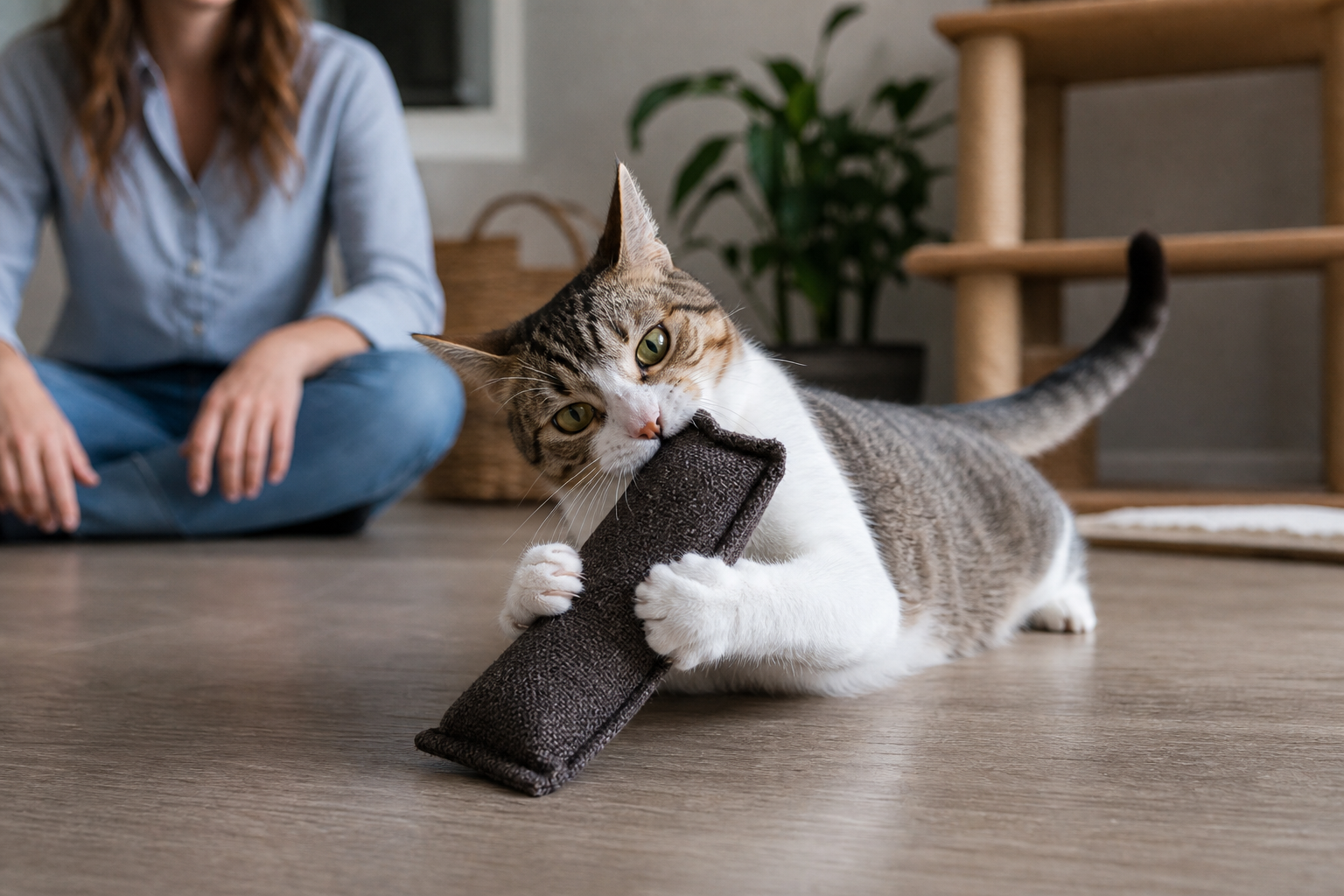
    • Self-injury or irritation on the tail
    • Changes in behavior or demeanor
    • Tail-chasing lasting longer than a minute or occurring multiple times daily

    If you observe these signs, it might be time to consult a veterinarian. They can help diagnose medical or behavioral issues and recommend treatments. Addressing these concerns with a professional ensures your cat remains healthy and happy, reducing stress and potential health risks.

    Final Words

    Understanding why cats chase their tails helps in recognizing whether it's playful or points to a deeper issue. Cats sometimes see their tails as prey, a behavior linked to their instincts. Curiosity and playfulness play a part, especially in younger cats. However, stress or boredom could also prompt this action.

    Some medical or behavioral conditions might drive a cat to chase its tail excessively. When this happens, a vet can help figure out what's happening. Tail-chasing in cats often reflects their natural curiosity, but monitoring it ensures our feline friends stay happy and healthy.

    FAQ

    What does it mean when cats chase their tails?

    A: Cats often chase their tails out of playfulness, especially young ones. They may also do it to satisfy curiosity, develop motor skills, or practice hunting instincts.

    Why is my cat chasing and biting his tail?

    A: Your cat might chase and bite his tail due to stress, boredom, or medical issues like skin irritation or Feline Hyperesthesia Syndrome (FHS), which causes increased sensitivity.

    Why do kittens chase their tails?

    A: Kittens chase their tails mostly as a playful activity. It helps them develop motor skills and is a fun way to explore their environment.

    What does it mean when a cat is slamming its tail?

    A: A cat slamming its tail may indicate irritation or agitation. It often signals that a cat is feeling upset or defensive.

    Why is my cat chasing tail at night?

    A: Tail chasing at night could be your cat's way of using up energy or expressing natural playfulness. It might also be due to boredom or seeking attention.

    Why does my cat keep lifting his tail?

    A: Cats lift their tails as a form of body language to show comfort, confidence, or readiness for interaction. It can also be a request for attention or a sign of curiosity.

    When should I consult a vet about my cat's tail chasing?

    A: Consult a vet if the tail chasing becomes compulsive, causes self-injury, or is paired with unusual behaviors. Persistent or multiple daily episodes are reasons to seek advice.

    Related Articles

  • Why Cat Stare at Wall Understanding Feline Behavior

    Why Cat Stare at Wall Understanding Feline Behavior

    Ever caught your cat staring intently at a blank wall and wondered what's captured their attention? It might seem strange, but there's a reason behind this curious feline behavior. Cats have senses that go beyond our own, allowing them to pick up on subtle sounds and movements imperceptible to us.

    This blog post delves into the fascinating world of cats' sensory abilities and instincts. By gaining insight into why cats stare at walls, you'll not only understand them better but also improve your bond with your feline friend.

    Understanding and Decoding Why Cats Stare at Walls

    Understanding and Decoding Why Cats Stare at Walls-1.jpg

    Cats are fascinating creatures with a sensory world that's vastly different from ours. Their natural instincts and sensory capabilities make them adept hunters, even in the comfort of our homes. Their hearing is exceptionally sharp, allowing them to detect a wide range of frequencies up to 64,000Hz.

    This means they can pick up on sounds like water flowing through pipes or even a TV humming from far away. Additionally, their vision spans about 200 degrees, enabling them to spot tiny bugs or faint shadows on walls that would be imperceptible to us.

    Here are some reasons why cats might stare at walls:

    1. Detecting Sounds: Cats can hear noises from within walls, such as small animals or plumbing sounds.
    2. Spotting Movements: Their wide field of vision allows them to notice the slightest movements, like bugs or shadows.
    3. Curiosity: Cats are naturally curious, and a blank wall might present an intriguing puzzle.
    4. Predatory Instincts: As hunters, they are always on the lookout for prey, even if it’s just a speck of dust.
    5. Exploring Light Reflections: Cats might be fascinated by reflections or changes in light patterns on walls.

    These behaviors are typical of cats and reflect their predatory instincts. By staring at walls, they are honing their senses and exploring their environment. This is a part of their natural drive to hunt and observe their surroundings, even if the "prey" is something as mundane as a moving shadow or a light flicker.

    The mysterious nature of cats adds another layer to their wall-staring habits. Sometimes, they might engage in this behavior for reasons we simply can't discern. Understanding their heightened sensory capabilities and instincts not only helps us appreciate these fascinating creatures more but also enriches our experience as cat lovers. By acknowledging their unique behaviors, we can create an environment that satisfies their innate curiosity and keeps them mentally stimulated.

    Health Concerns Related to Cats Staring at Walls-1.jpg

    Cats staring at walls can sometimes hint at underlying health issues, particularly in older cats. One common concern is feline cognitive dysfunction, similar to dementia in humans. This condition often appears in cats over the age of 10 and is characterized by disorientation and confusion, which might lead to behaviors like wall-staring.

    Another rare but potential cause is feline hyperesthesia syndrome. This syndrome involves symptoms like intense tail chasing, excessive grooming, and occasionally, a trance-like stare at walls. While it's not fully understood, these behaviors can be distressing for both the cat and its owner.

    Head Pressing as a Warning Sign

    Head pressing is a behavior that differs from simple wall-staring. In this case, a cat might press its head against a wall or other surfaces without moving. This action can signal serious neurological issues, such as brain tumors, liver shunts, or other pressing medical conditions.

    Unlike casual wall-staring, head pressing is a red flag that requires immediate veterinary attention. It's crucial to recognize this behavior as a potential emergency and seek professional help right away.

    If your cat's wall-staring is accompanied by unusual behaviors like loud yowling, increased sensitivity to touch, or aggressive actions, it's important to consult a veterinarian. These signs could indicate neurological symptoms in cats or other health issues that need professional assessment.

    Documenting these behaviors with videos can provide valuable information to your vet, aiding in a more accurate diagnosis. Recognizing and addressing health-related causes of wall-staring helps ensure your feline friend remains healthy and comfortable.

    Enhancing Your Cat's Environment to Reduce Wall-Staring

    Enhancing Your Cats Environment to Reduce Wall-Staring-1.jpg

    Creating a stimulating environment for your cat is crucial to preventing behaviors like wall-staring that may stem from boredom. Cats, with their natural curiosity and playful instincts, need mental stimulation to stay engaged and content.

    Without it, they might resort to staring at walls or other repetitive behaviors. Environmental enrichment not only alleviates boredom but also enhances your cat's overall well-being, keeping their mind active and their body healthy.

    Here are some practical enrichment ideas to keep your cat entertained:

    1. Interactive Toys: Toys that challenge your cat, such as treat-dispensing balls or feather wands, can engage their hunting instincts.
    2. Puzzles: Puzzle feeders encourage problem-solving and can make mealtime more rewarding.
    3. Scratching Posts: Providing different textures for your cat to scratch helps satisfy their natural urge to claw.
    4. Vertical Spaces: Cats love to climb and observe their surroundings from high vantage points. Shelves or cat trees can offer these opportunities.
    5. Window Perches: A perch near a window lets your cat watch the outside world, which can be endlessly fascinating.
    6. Rotating Toys: By switching out toys regularly, you can maintain your cat's interest and prevent them from becoming bored.

    Implementing these changes can significantly impact your cat's happiness and engagement levels. A well-enriched environment keeps their curiosity alive and channels their energy into positive activities.

    By providing various stimuli, you help reduce the likelihood of wall-staring and other boredom-induced behaviors. Your feline friend will not only be more content but also healthier, both mentally and physically.

    Final Words

    Exploring why cats stare at walls, we dove into their sharp senses and instincts, uncovering reasons like detecting elusive sounds and movements. This behavior, steeped in their natural curiosity and predatory nature, might seem mysterious but forms a typical part of feline life. Health concerns like feline cognitive dysfunction remind us that prolonged staring isn't always harmless.

    Enriching a cat's environment can often prevent boredom and reduce unexplained wall-staring. By understanding and addressing why your cat stares at walls, you enhance their life, making them happier and more engaged.

    FAQ

    Why does my cat keep staring at the wall?

    Cats may stare at walls due to their acute senses. They have wide vision and sharp hearing, allowing them to notice sounds or movements from within walls that we can't.

    Why does my cat suddenly stare at nothing?

    Cats might seem to stare at nothing because of their keen senses. They can detect small movements or sounds that are invisible or inaudible to humans.

    Why is my cat staring at the wall and scared?

    A cat scared while staring at a wall might have sensed something unusual. Their advanced hearing and vision can pick up on tiny movements or noises that humans can't detect.

    What does it mean when a cat puts its face to a wall?

    Pressing their face to a wall could be a health warning. This behavior may signal underlying conditions and needs veterinary attention.

    Why cat stare at wall spiritual meaning?

    Some believe cats staring at walls have spiritual meanings or see unseen entities. Realistically, it's likely related to their sharp senses reacting to subtle stimuli.

    Why cat stare at wall at night?

    Cats are more active at night and might be reacting to unnoticed sounds or movements. Their heightened senses can detect things that pass unnoticed by us.

    Why do cats stare at nothing spiritually?

    Spiritually, some believe cats detect energies we can't. In reality, their advanced sensory capabilities often explain this behavior more accurately.

    Elderly cat staring at wall—should I be concerned?

    Prolonged wall-staring in elderly cats may suggest health issues like feline cognitive dysfunction. Consult a vet if this behavior is new or accompanied by other changes.

    Related Articles