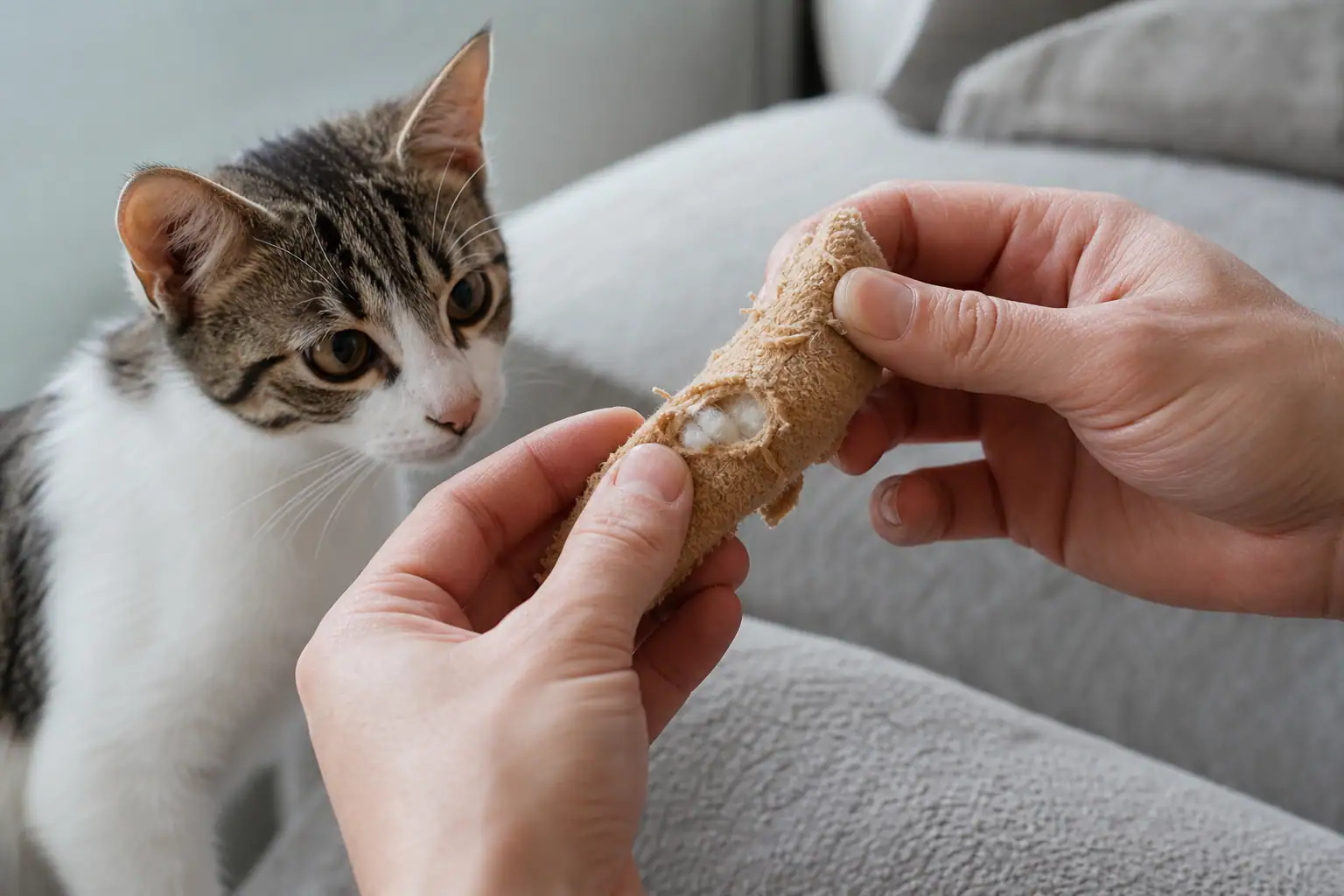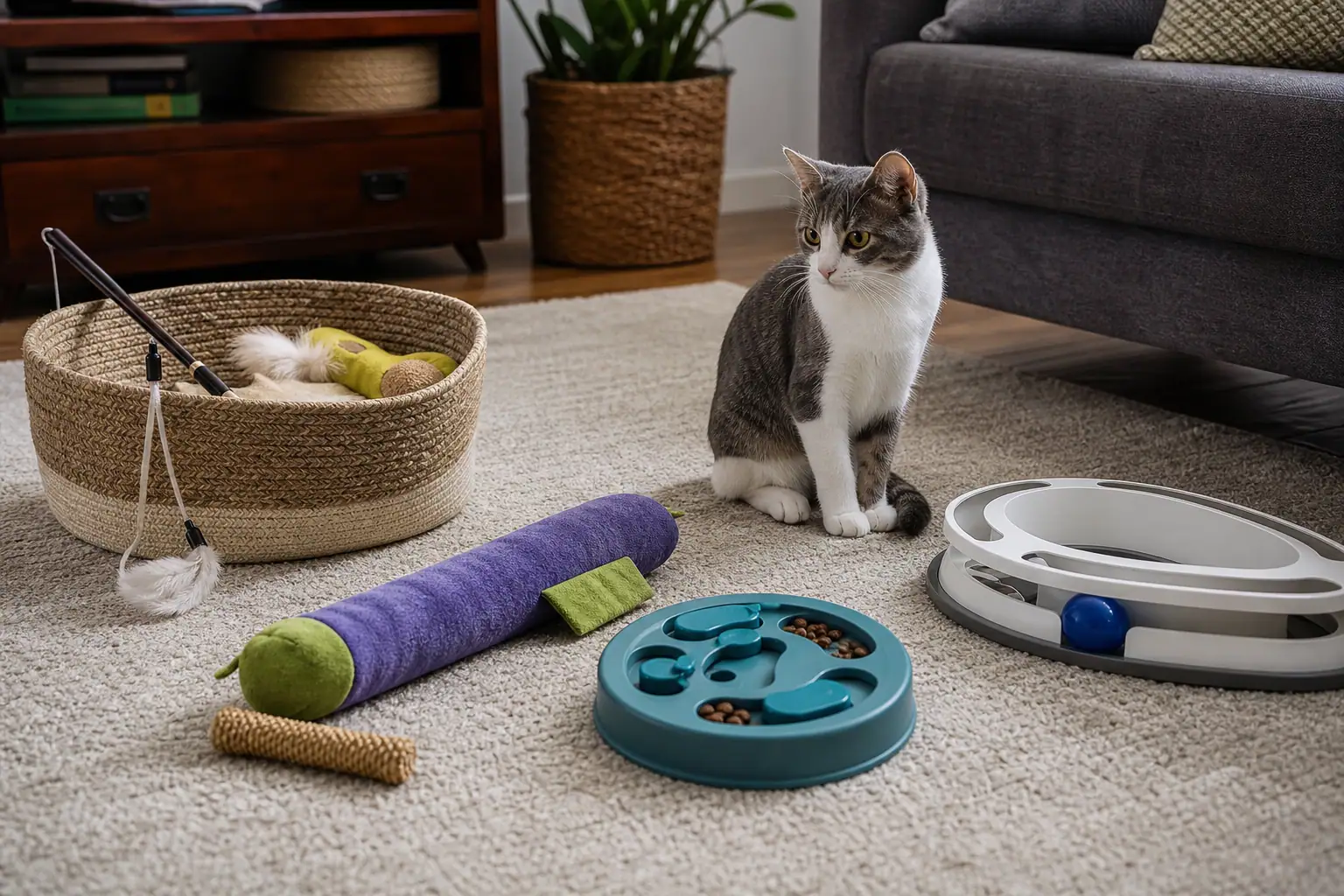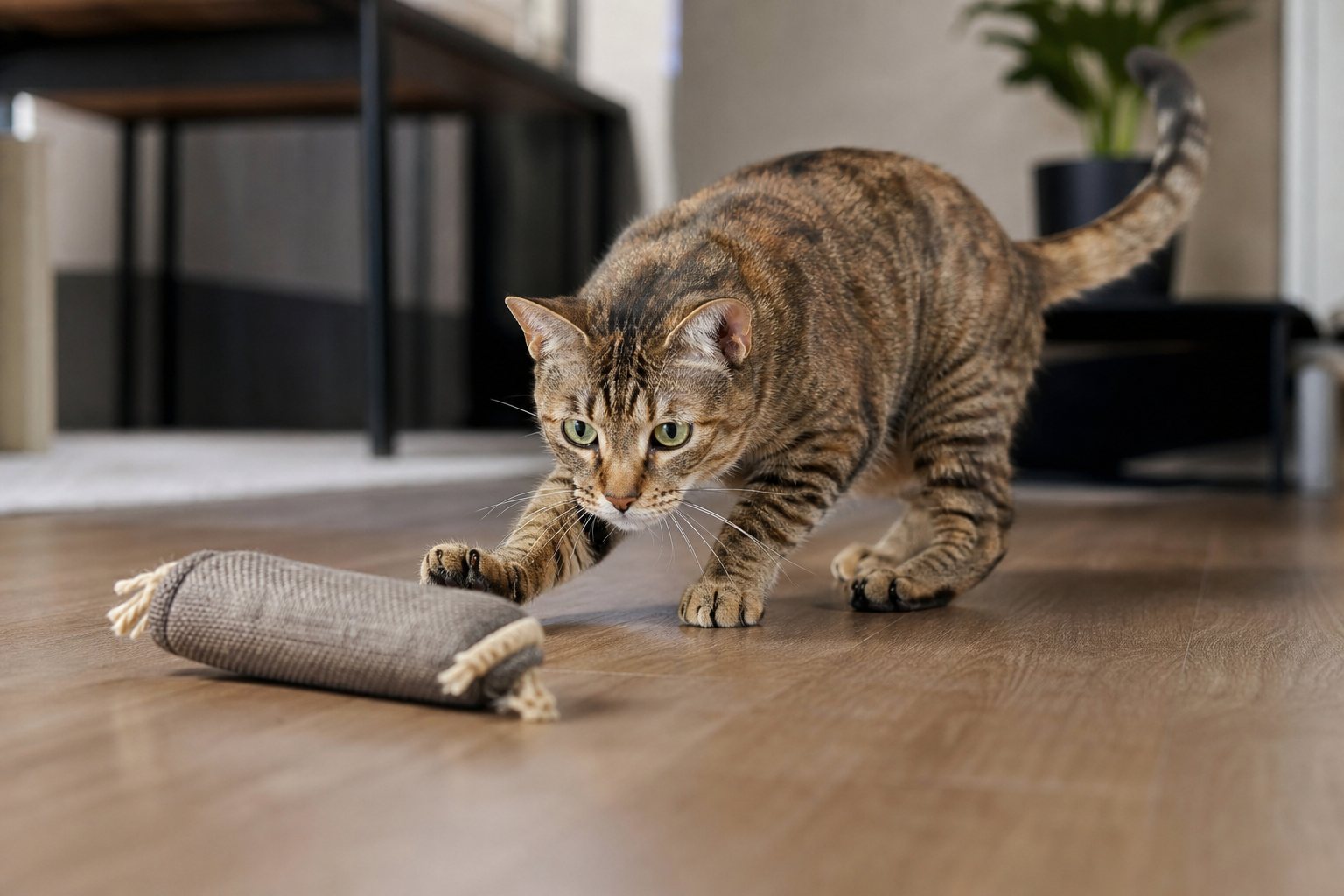
Category: Cat Behavior

  • Why Cat Poops on Floor Common Reasons and Solutions

    Why Cat Poops on Floor Common Reasons and Solutions

    Ever wonder why your sweet kitty suddenly decides the floor is a better bathroom than the litter box? It's not just them being defiant or lazy. When a cat poops on the floor, it's like they're sending a distress signal.

    They might be battling health issues, facing stressful changes, or dealing with territorial disputes. Understanding these signals is key to stopping this messy behavior. In this post, we'll explore the reasons behind this problem and offer practical solutions so you can help your feline friend feel comfortable and happy again.

    Understanding Why Cats Poop on the Floor

    Understanding Why Cats Poop on the Floor-1.jpg

    When a cat chooses to poop on the floor instead of in their litter box, it can be puzzling and frustrating for pet owners. This behavior, known as inappropriate elimination, can stem from a variety of complex causes.

    It's crucial to understand that this isn't just a simple act of rebellion; it often signals a deeper issue that needs addressing. The reasons can be medical, behavioral, or environmental. Each category involves unique factors that can lead to a cat's decision to avoid the litter box.

    Here are the three primary categories of reasons:

    • Medical: Health issues like constipation or diarrhea.
    • Behavioral: Stress and anxiety from changes, a new pet, or moving homes.
    • Environmental: Territorial marking, particularly in unneutered or unspayed cats.

    Each of these categories plays a significant role in why a cat might poop outside of its designated area. Medical issues can make the litter box uncomfortable, while behavioral and environmental factors can influence their willingness to use it. In the following sections, we'll dive deeper into each category, offering insights and solutions to help address these challenges effectively.

    Health Issues That Cause Pooping Outside the Litter Box

    Health Issues That Cause Pooping Outside the Litter Box-4.jpg

    Medical reasons can lead to a cat pooping outside the litter box. Issues like constipation, diarrhea, inflammatory bowel disease, and urinary tract infections may cause discomfort or pain. This can result in accidents around the home. Consulting a veterinarian is crucial for diagnosing and treating these conditions.

    Common health issues include constipation, which causes straining and infrequent bowel movements. Diarrhea results in loose or watery stools. Inflammatory bowel disease may lead to vomiting and chronic diarrhea. Urinary tract infections can cause frequent urination and blood in urine. These symptoms can make it difficult for cats to use their litter box properly.

    Health Issue Symptoms Treatment
    Constipation Straining in the litter box, infrequent bowel movements Dietary changes, hydration, medications
    Diarrhea Loose or watery stools, frequent bowel movements Dietary adjustments, probiotics, medications
    Inflammatory Bowel Disease Vomiting, weight loss, chronic diarrhea Medications, specialized diets, regular veterinary care
    Urinary Tract Infections Frequent urination, blood in urine, straining Antibiotics, increased water intake, dietary management

    For persistent cases of inappropriate elimination, a vet can provide a thorough examination and recommend treatments. Early intervention is essential for resolving health issues and preventing complications. This approach ensures your cat stays healthy and happy.

    Behavioral and Environmental Factors

    Behavioral and Environmental Factors-1.jpg

    Cats are sensitive creatures, and stress can significantly affect their behavior, including their bathroom habits. Changes in their environment or routine can lead to anxiety and stress, causing them to avoid the litter box.

    When a cat feels threatened or uncomfortable, it might express this by pooping outside the litter box. This behavior isn't about defiance; it's a signal that something in their world is amiss and needs attention.

    Here are five common environmental stressors that might lead to litter box avoidance:

    • Introduction of a new pet or family member
    • Changes in routine or schedule
    • Loud noises or construction nearby
    • Presence of outdoor cats visible through windows
    • Lack of personal space or quiet areas

    Managing and mitigating these stressors involves maintaining a stable and predictable environment for your cat. Introducing new pets slowly and providing safe hideaways can help ease anxiety. Keeping a consistent routine and ensuring the litter box is in a quiet, accessible spot are also key strategies.

    Reducing noise and using calming products like pheromone diffusers can further help in creating a stress-free environment for your feline friend. By addressing these factors, you can encourage your cat to return to using the litter box consistently.

    Litter Box Setup and Maintenance

    Litter Box Setup and Maintenance-1.jpg

    A well-maintained litter box is crucial for encouraging your cat to use it consistently. Cats are particular about their bathroom habits, and an inadequately set up litter box can lead to litter aversion.

    The key is to ensure that the litter box is inviting and comfortable for your feline friend. If the box is unclean or placed in a poor location, your cat might opt for other areas of your home, like the floor, as an alternative.

    Here are six best practices for litter box maintenance:

    1. Scoop Daily: Remove waste every day to keep the box appealing.
    2. Replace Litter Weekly: Completely change the litter once a week to avoid odors and bacteria.
    3. Use Unscented Litter: Many cats prefer unscented litter to avoid overwhelming smells.
    4. Choose the Right Box Size: Ensure the box is large enough for your cat to move comfortably.
    5. Maintain Multiple Boxes: Have one litter box per cat, plus an extra, to prevent territorial disputes.
    6. Regularly Clean the Box: Wash the box itself with mild soap and water weekly to keep it hygienic.

    Litter type preferences can vary widely among cats. Some may prefer clumping litter for its texture, while others might favor non-clumping or even crystal varieties. It's beneficial to experiment with different types to see what your cat likes best. Avoid heavily scented options, as these can be off-putting to cats with sensitive noses. Observing your cat's behavior can provide clues as to which litter they prefer.

    The placement of the litter box is just as important as its maintenance. Choose a quiet, low-traffic area where your cat feels safe and undisturbed. Avoid placing the box near noisy appliances or in busy parts of the house.

    Ensuring easy access, especially for older cats who may have mobility issues, can make a significant difference in their willingness to use the box regularly. By considering these factors, you can create a litter box environment that encourages your cat to keep using it consistently.

    Solutions and Prevention Strategies

    Solutions and Prevention Strategies-4.jpg

    Identifying the root cause of your cat's inappropriate elimination is crucial for finding effective solutions. Whether the issue stems from a medical condition, behavioral changes, or environmental stressors, addressing the underlying cause is the first step. By pinpointing what triggers this behavior, you can implement targeted strategies to help your cat return to using the litter box consistently.

    Here are four effective prevention strategies to consider:

    • Consult a Veterinarian: Rule out medical issues that could be causing discomfort.
    • Modify the Environment: Place the litter box in a quiet, low-stress location.
    • Use Cat-Safe Deterrents: Discourage pooping outside the box by placing obstacles or using safe deterrents.
    • Behavior Modification: Gradually introduce changes and use pheromone diffusers to reduce stress.

    Patience and positive reinforcement are essential when working through these challenges. Reward your cat with treats or affection when they use the litter box correctly. Avoid punishment, as it can increase anxiety and worsen the issue. By maintaining a calm demeanor and consistently reinforcing good behavior, you create a supportive environment that encourages your cat to return to proper litter box use.

    Final Words

    Tackling the question of why a cat poops on the floor involves understanding medical, behavioral, and environmental factors. Health issues like bowel disorders might be the culprit, needing a vet's attention. Stressors from changes in the environment also play a significant role.

    Proper litter box setup and maintenance can't be overlooked.

    Solutions involve identifying and addressing the root cause with patience and care. With the right strategy, cats can return to normal bathroom habits.

    Approaching the situation calmly and with understanding can make a big difference.

    FAQ

    Why is my cat pooping on the floor with a clean litter box?

    Cats may poop on the floor due to stress, medical issues, or changes in environment. A clean litter box may not be enough if your cat is anxious or has a health problem.

    Why did my cat start pooping on the floor all of a sudden?

    A sudden change could be due to stress, illness, or environmental shifts. Check for new stressors and consult a vet to rule out health concerns.

    Why is my male cat pooping on the floor at night?

    Nighttime accidents can suggest stress or unnoticed changes in your cat’s routine or territory. Consider evaluating their evening environment for disturbances.

    How do I stop a cat from pooping on the floor?

    Identify the cause and address it, whether medical or behavioral. Clean the area thoroughly, adjust the litter box setup, and consider behavioral training.

    What does it mean when your cat poops around the house?

    It can signal stress, medical issues, or a need for a better litter box setup. Assess potential triggers and consult a vet for health evaluations.

    Why did my trained cat poop on the floor?

    Trained cats might still have accidents due to stress, new household changes, or health issues. Ensure their environment is stable and consult a vet if needed.

    How to punish a cat for pooping outside the litter box?

    Punishment is not effective. Instead, focus on understanding the cause to correct the behavior. Cats respond better to positive reinforcement and environmental adjustments.

    Home remedies to stop cats from pooping on floor?

    Use cat-safe deterrents like citrus sprays or aluminum foil in problem areas. Ensure the litter box is clean and in a quiet location to encourage its use.

    Related Articles

  • Why Cat Lick My Hair Understanding Affectionate and Emotional Bonding

    Why Cat Lick My Hair Understanding Affectionate and Emotional Bonding

    Ever wondered why your cat licks your hair? It might sound strange, but this quirky behavior is how cats show they care. When a cat licks your hair, they're treating you like one of their own, just like they groom fellow cats to bond and strengthen ties.

    From kitten days, mother cats use grooming to express love, and your cat is doing the same with you. This unusual habit isn't just about licking — it's their emotional way of connecting and marking you as a beloved part of their family.

    Why Cats Lick Your Hair: Exploring Affection and Emotional Connection

    Why Cat Lick My Hair Understanding Affectionate and Emotional Bonding-2.jpg

    Cats licking your hair is often a sign of affection, similar to how they groom each other to show care and strengthen social bonds. When your feline friend decides to give your hair a good lick, it's their way of telling you that you're part of their family.

    This behavior can be traced back to kittenhood when mother cats groom their young, reinforcing a sense of security and love. Cats extend this instinct to their human companions, making hair licking a method of expressing love and trust. By incorporating you into their grooming routine, cats are showing that they care for you deeply.

    Scent marking is another reason why your cat might be interested in your hair. Cats have scent glands in their mouths, and when they lick you, they're marking you as part of their territory. This act of scent exchange strengthens their sense of ownership and connection. Just like rubbing against furniture or other objects in the home, licking your hair is a way for your cat to claim you as their own, mixing their scent with yours.

    Hair licking can also be a way for cats to relieve stress or seek attention. The repetitive motion of licking may be soothing for them, helping them cope with anxiety or stressful situations. If your cat licks your hair and receives positive interaction, such as petting or talking, they might continue the behavior to engage with you. This attention-seeking behavior is a way for them to communicate their need for interaction, play, or even a little extra love.

    While hair licking is generally harmless, it can become problematic if it turns obsessive. Excessive licking might indicate underlying issues such as a behavioral problem or a health concern like pica, where cats crave non-food items. It's important to pay attention to the frequency and intensity of the licking. If it becomes excessive, consult a veterinarian or animal behaviorist.

    Here are some potential signs that hair licking might indicate a problem:

    • Licking is frequent and intense
    • The cat shows signs of stress or anxiety
    • The behavior is accompanied by other unusual habits
    • Your hair products seem to attract the cat excessively
    • There are changes in the cat's overall grooming habits

    Understanding the reasons behind your cat's hair licking can help you appreciate their affectionate gestures while ensuring their behavior remains healthy and balanced.

    Health Implications: Is It Safe for Cats to Lick Your Hair?

    Health Implications Is It Safe for Cats to Lick Your Hair-2.jpg

    When cats lick your hair, it might seem harmless, but it poses some risks. Cats might ingest hair, which can lead to digestive issues or hairballs. The scents and flavors in hair products can attract cats, but these substances aren't meant for ingestion. If a cat licks products like hairspray or gel, it could be exposed to harmful chemicals, leading to health concerns. Excessive licking might also indicate stress or pain, requiring attention if it becomes self-destructive.

    For cat owners, there might be concerns about allergic reactions to cat saliva. Saliva can contain allergens that trigger reactions in sensitive individuals, leading to skin irritation or other symptoms. While a casual lick might not be problematic, repeated exposure could cause discomfort. Understanding these potential risks can help ensure the safety of both you and your feline friend.

    Risk For Cats For Owners
    Ingestion of hair Digestive issues None
    Exposure to hair products Health concerns None
    Cat saliva None Allergic reactions

    Managing and Reducing Hair Licking Behavior

    Managing and Reducing Hair Licking Behavior-1.jpg

    Understanding when hair licking becomes a concern is the first step in managing the behavior. While a cat licking your hair might seem endearing, it can become problematic if it turns obsessive or is accompanied by other unusual behaviors. Excessive licking might indicate stress, anxiety, or even a health issue like hyperthyroidism. It's important to observe your cat's behavior and consider whether the licking is affecting their health or well-being.

    Redirecting your cat's attention can be an effective way to reduce hair licking. Engaging your cat with toys or interactive play can provide the mental stimulation and physical activity they need. Toys that mimic prey or interactive puzzles can distract them from hair licking and channel their energy into more appropriate activities. This can also help relieve stress, as playtime is a great stress reliever for cats.

    Avoiding reinforcement of the licking behavior is crucial. Cats often repeat actions that get them attention, whether positive or negative. If you find your cat licking your hair, try not to react with attention or affection. Instead, calmly redirect their behavior without engaging in petting or talking, which might inadvertently encourage them to continue.

    Consulting professionals can be essential if the behavior persists or if you suspect an underlying health issue. Veterinarians or animal behaviorists can provide insights into potential health problems or behavioral concerns. They can also offer tailored advice to address specific issues related to your cat's licking habits.

    Here are some tips for reducing hair licking in cats:

    • Provide plenty of toys and interactive playtime
    • Avoid using hair products with strong scents
    • Keep your hair tied back or covered
    • Offer alternative grooming experiences, like brushing
    • Create a stress-free environment for your cat
    • Consult a veterinarian if the behavior persists

    Final Words

    Exploring why cats lick their owners' hair reveals it's often a sign of affection and an emotional bond, much like how cats groom each other. While they might also use it for scent marking, it serves to relieve stress and draw attention. If hair licking becomes excessive, consulting a veterinarian could rule out underlying issues.

    Understanding why cat lick my hair helps us embrace our furry friends' unique ways of showing love. With careful management, we can ensure a safe and happy interaction. Enjoy bonding with your cat as they express their trust and affection!

    FAQ

    What does it mean when your cat licks your hair?

    Cats might lick your hair as a form of affection and social bonding. It could also be a way for them to mark their territory or show trust and comfort.

    Why is my cat obsessed with my hair?

    Your cat's obsession with licking hair might be due to stress relief or attention-seeking. They could also enjoy your hair's texture or smell, especially after a shower.

    Is it bad if my cat licks my hair?

    While generally safe, excessive hair licking might lead to digestive issues for the cat if they ingest too much hair. Evaluate for stress or health problems if the behavior is excessive.

    Should I let my cat lick my head?

    It is usually fine if your cat licks your head, but ensure that they do not ingest harmful hair products. If it becomes excessive, find ways to manage the behavior.

    Why does my cat knead and lick my hair?

    When cats knead and lick your hair, it's often a comforting behavior reminiscent of their kittenhood. It shows affection and helps them feel secure.

    How do you groom a cat for beginners?

    For beginners, use a soft brush and gently comb through your cat's fur, starting with short sessions. Be patient and reward them with treats for a positive experience.

    How can I better understand my cat's behavior?

    Observing your cat's habits, environment, and how they interact with you can help. Pay attention to their body language and sounds to better understand their needs and emotions.

    What is normal grooming behavior in cats?

    Normal grooming involves licking their fur to clean and maintain it. They may groom each other or their owners as a sign of affection and social bonding.

    How long does it take for a cat to bond with you?

    Cats often take a few weeks to several months to fully bond. It depends on their personality, past experiences, and how much time you spend with them.

    Related Articles

  • Why Cat Hiss Understanding Their Defensive Communication

    Why Cat Hiss Understanding Their Defensive Communication

    Have you ever wondered why your usually cuddly cat suddenly turns into a hissing furball? It’s not just an attitude problem—it’s a way cats communicate. Hissing is their way of saying, “Back off, I need space!” Think of it like a cat’s version of a “do not disturb” sign. It’s a crucial sign that your feline friend might be feeling anxious, scared, or even in pain. By understanding why cats hiss, you can better meet their needs and help keep your home a peaceful, cat-friendly zone.

    Understanding Why Cats Hiss: A Key to Their Behavior

    Understanding Why Cats Hiss A Key to Their Behavior-1.jpg

    Cats hiss as an instinctive response to emotional or physical discomfort. When a cat feels threatened or uneasy, it uses this high-pitched and brief sound to communicate its need for space. This vocalization is a natural way for cats to express that they are uncomfortable, whether due to anxiety, fear, or pain. The hiss acts as a boundary, signaling to others that the cat requires distance to feel safe.

    Rather than being an aggressive act, hissing serves as a warning. It’s a defensive behavior meant to protect the cat from potential threats. By understanding that hissing is a form of communication, we can better interpret our feline friends’ needs and respond appropriately. Recognizing a cat’s hiss as a request for space can prevent escalation and help maintain a peaceful environment for both the cat and its human companions.

    Common Reasons Cats Hiss

    Common Reasons Cats Hiss-1.jpg

    Cats often hiss due to anxiety or stress. When they encounter unfamiliar people or animals, they might feel uneasy. This unfamiliarity can stress them, leading to a hiss as a warning to back off. It’s their way of maintaining control and comfort.

    Fear can also cause hissing. When cats feel threatened, their instincts activate. You’ll notice flattened ears, raised fur, and puffed-up tails. This body language, along with hissing, is a defensive mechanism. It’s not aggression; it’s about looking intimidating to scare off threats.

    Pain is another reason for hissing. If your cat hisses when touched or picked up, it might be in pain. This could be an injury or health issue. A vet visit is crucial to address any underlying problems and alleviate discomfort.

    Cats sometimes hiss due to play aggression or petting aggression. During rough play, a cat might hiss to signal it’s time to stop. Petting aggression happens when a cat is overstimulated by touch. Recognizing these cues can prevent bites or scratches and help maintain a peaceful relationship with your cat.

    How to Respond to a Hissing Cat

    When your cat hisses, the best immediate response is to give it space. Hissing is a clear indication that the cat feels threatened or uncomfortable. Attempting to intervene can escalate the situation, especially if the cat is already on edge. By allowing your cat to retreat to a safe space, you provide it with the opportunity to calm down on its own terms. Understanding that hissing is a form of communication rather than aggression can help you address your cat’s needs more effectively. Intervene only if the hissing is directed at another pet to prevent any potential conflict.

    1. Allow the cat to retreat: Let the cat move away to a quieter, safe spot.
    2. Observe from a distance: Watch for any changes in body language or behavior.
    3. Avoid direct eye contact: This can be perceived as a threat.
    4. Speak softly: Use a calm voice to reassure the cat.
    5. Offer a treat: Gently toss a treat near the cat to create positive associations.
    6. Approach slowly when safe: Only move closer when the cat appears relaxed and no longer hissing.

    By following these steps, you can help your cat feel more secure and reduce the likelihood of further hissing.

    When to Seek Professional Help for Cat Hissing

    When to Seek Professional Help for Cat Hissing-1.jpg

    Look for specific signs that indicate the need for a vet visit. If your cat suddenly begins to hiss more than usual, it could suggest pain or discomfort. This might be due to an injury or an underlying health issue. If the hissing occurs when you touch or pick up your cat, seeking a vet’s advice is essential. A veterinarian can examine your cat for any hidden problems and ensure your cat is healthy and comfortable.

    Focus on scenarios that might require a cat behaviorist. If your cat frequently hisses without apparent triggers, it could be experiencing stress or anxiety. Persistent hissing might be linked to environmental stressors or unresolved issues with other pets. Consulting with a cat behaviorist can assist in identifying these root causes. They can offer strategies to manage and reduce cat aggression effectively. Choose between a veterinarian and a behaviorist based on whether the hissing seems health-related or linked to behavior. Understanding what to expect during these consultations can help in addressing and improving your cat’s behavior.

    Myths and Misunderstandings About Cat Hissing

    Myths and Misunderstandings About Cat Hissing-1.jpg

    People often think that cat hissing is a sign of aggression, but it’s primarily a defensive behavior. This sound is a way for cats to communicate their need for space and safety. It’s a warning signal, not a threat. Understanding this helps us see that cats aren’t lashing out but trying to protect themselves.

    A common misunderstanding is that hissing means a cat is ready to attack. This can lead to reactions like punishment or confrontation, which only heighten a cat’s anxiety. Recognizing hissing as a signal of discomfort allows us to provide the cat the space it needs, fostering a more peaceful relationship.

    Final Words

    Understanding why cats hiss is key to interpreting their behavior. It’s an instinctive way cats communicate discomfort or threat. We’ve explored that hissing stems from emotions like anxiety and fear, not aggression. Recognizing these signals helps in providing a safer environment for our feline friends.

    Cats tell us when they need space, and knowing how to respond can prevent miscommunication. If your cat’s hissing seems unusual, consider professional help to check for underlying issues. Remember, a hiss is a cat’s way of expressing its needs. With our understanding, we can ensure better care and happier playtimes for them.

    FAQ

    What does it mean when a cat hisses at you?

    A cat hissing at you means it’s feeling threatened or uncomfortable. This is a warning to give it space. Hissing is a defensive behavior, not necessarily an act of aggression.

    How do you react when a cat hisses?

    When a cat hisses, it’s best to step back and give it some room. This response acknowledges the cat’s need for space and helps it feel safer.

    Do friendly cats hiss?

    Yes, even friendly cats can hiss. They might do so if startled, scared, or experiencing discomfort. Hissing doesn’t always indicate unfriendly behavior.

    Is cat hissing a warning?

    Cat hissing is indeed a warning. It’s used to communicate discomfort or fear, signaling the need for space or a change in the environment.

    Related Articles

  • Why Cat Is Losing Weight Causes and Solutions

    Why Cat Is Losing Weight Causes and Solutions

    Is your cat slimming down without explanation? Weight loss might seem harmless, but it can signal serious health concerns in our feline friends. Cats, especially as they age, can lose weight for hidden reasons that merit attention. It's vital to understand and act when you notice your cat's shrinking figure.

    In this article, we will explore common causes like anxiety and dental issues. We'll also discuss solutions to help bring your furry friend's health back on track. Let's delve into why your cat may be shedding pounds and how to address it effectively.

    Understanding Why Your Cat is Losing Weight

    Understanding Why Your Cat is Losing Weight-1.jpg

    Unexplained weight loss in cats can be a red flag for serious health issues. It isn't just a minor concern; it could lead to conditions like hepatic lipidosis, a potentially life-threatening liver problem where stored fat overwhelms the liver's capacity. Cats, especially older ones, might lose weight for reasons that aren't immediately obvious. It's crucial to recognize that this is not something to overlook. Weight loss could signify an underlying health issue that requires immediate attention.

    Here are some common causes of weight loss in cats:

    • Anxiety, Stress, Depression
    • Dental Problems
    • Hyperthyroidism
    • Diabetes
    • Gastrointestinal Problems
    • Cancer
    • Organ Failure
    • Inadequate Food Intake

    When your cat starts shedding pounds unexpectedly, it's important to dig deeper into potential causes. The solution often begins with a thorough examination by a veterinarian. They can help determine whether the weight loss is due to a medical problem or other factors. Consulting with your vet is not just advisable—it's essential. Early intervention can make a significant difference in your cat's health and well-being.

    Medical Conditions Leading to Weight Loss in Cats

    Medical Conditions Leading to Weight Loss in Cats-4.jpg

    Several medical conditions can cause weight loss in cats, each requiring careful attention and timely intervention. Recognizing the signs early can be critical in managing your cat's health effectively. Let's explore these conditions and understand their impact on our feline friends.

    Hyperthyroidism

    Hyperthyroidism is a common condition in older cats, characterized by an overproduction of thyroid hormones. This leads to an increased metabolism, causing weight loss even though your cat might have a ravenous appetite. Other symptoms include increased thirst, hyperactivity, and frequent urination. If you notice these signs, it’s important to consult with your veterinarian for early diagnosis and treatment to manage the condition effectively.

    Diabetes

    Diabetes in cats is another serious medical issue that can result in weight loss. Cats with diabetes might drink more water and urinate more frequently. They can also appear lethargic and lose weight despite consuming a normal amount of food. This condition requires immediate veterinary care to prevent complications. Treatment often involves insulin therapy and dietary changes. Prompt intervention can stabilize your cat’s condition and prevent further health decline.

    Gastrointestinal Issues

    Gastrointestinal issues, such as inflammatory bowel disease (IBD), can lead to weight loss in cats. These conditions often cause chronic vomiting, diarrhea, and a decrease in appetite. Triggers for IBD can include food allergies or stress. If your cat is experiencing these symptoms, it’s crucial to seek veterinary advice. Identifying the underlying cause and adjusting your cat’s diet can help manage these issues effectively.

    Chronic Kidney Disease

    Chronic kidney disease is a frequent cause of weight loss in older cats. This condition affects the kidneys' ability to filter waste and balance fluids in the body. Symptoms include increased thirst, frequent urination, and weight loss. Regular veterinary check-ups are essential for early detection. Managing chronic kidney disease typically involves dietary changes and medication to slow the disease’s progression.

    Regular veterinary visits can catch these issues before they become severe. If your cat is losing weight, don't wait—reach out to your vet to get to the root of the problem.

    Environmental and Lifestyle Factors Affecting Cat Weight

    Medical Conditions Leading to Weight Loss in Cats-3.jpg

    Cats can lose weight due to various environmental and lifestyle changes, not just medical issues. These non-medical factors can significantly impact a cat's health. For example, a cat may continue eating well but still lose weight. This can be puzzling and often points to changes in the cat's surroundings or daily routine.

    Here are some lifestyle factors that may cause weight loss:

    • Stress from environmental changes
    • Dietary changes
    • Reduced activity levels
    • Poor nutrition quality
    • Inconsistent feeding routines

    Stress is a major player when it comes to weight loss in cats. Changes like a new pet, a move, or even rearranging furniture can stress a cat out. This stress can lead to a decrease in appetite or changes in how the cat processes food. Even if your cat is eating, stress can affect the body's ability to absorb nutrients properly.

    Dietary changes can also lead to weight loss. Switching foods or altering feeding schedules might upset a cat's digestive balance. It's important to introduce any diet changes gradually to avoid digestive issues. If your cat seems to be losing weight but is still eating, consider whether any recent changes in their environment or diet might be the culprit.

    Monitoring and Managing Your Cat's Weight

    Monitoring and Managing Your Cats Weight-4.jpg

    Keeping tabs on your cat's weight is a vital part of ensuring their overall health. Regular weight monitoring can help detect health issues early, before they become more serious. A consistent routine of weighing your cat and keeping track of any changes can provide insights into their health and well-being. If you notice fluctuations in your cat's weight, it might be a sign to investigate further. Whether it's a gradual weight gain or loss, these changes can signal underlying health concerns that need addressing.

    Here's a checklist of signs that your cat might have weight issues:

    • Regular weight checks
    • Monitoring eating habits
    • Observing physical changes like ribs showing

    When it comes to weight management, consulting with a veterinarian is crucial. If your cat is losing weight and you're unsure why, it's time to reach out to your vet. They can conduct a thorough examination and run necessary tests to pinpoint the cause.

    With their guidance, you can develop a tailored plan to help your cat gain weight safely or manage any underlying health issues effectively. Don't wait for weight changes to become severe; early intervention can lead to better outcomes and a healthier life for your feline friend.

    Understanding Why Your Cat is Losing Weight

    Veterinary Consultation for Cat Weight Loss-4.jpg

    When your cat starts shedding pounds without explanation, it's time to involve a vet. They play a crucial role in uncovering hidden health issues and formulating a plan to restore your cat's well-being.

    During a vet visit, you can expect diagnostic tests such as:

    • Blood tests
    • Urine analysis
    • Imaging (X-rays or ultrasounds)
    • Fecal exams

    Early intervention helps manage or even reverse conditions before they become severe. Regular communication with your vet ensures you're prepared to tackle any health challenges your cat may face.

    Final Words

    Understanding why a cat is losing weight is crucial for their well-being. Unexplained weight loss can be serious and may lead to conditions like hepatic lipidosis. Common causes include stress, dental issues, or chronic illnesses such as diabetes and hyperthyroidism. It's important to monitor their health closely.

    Lifestyle changes, like stress or diet, also play a role. Regular weight checks and consultations with a vet are key. By staying vigilant and seeking professional help, we can ensure a healthier, happier life for our feline friends.

    FAQ

    Why is my cat losing weight but still eating?

    A cat losing weight despite eating may have a medical condition like hyperthyroidism or a gastrointestinal issue. Stress or inadequate nutrition could also be factors. Consult a vet for diagnosis.

    What should I do if my cat is losing weight suddenly?

    If your cat is losing weight suddenly, consult a vet immediately. Sudden weight loss can signal serious issues like diabetes or organ failure. Early detection is key to treating underlying problems.

    When should I worry about my cat losing weight?

    Worry if your cat continues to lose weight despite having a good appetite or if you notice other symptoms like lethargy or vomiting. These can indicate serious health issues needing prompt attention.

    Why would an indoor cat lose weight?

    Indoor cats may lose weight due to stress from environmental changes, dietary issues, or medical conditions such as hyperthyroidism or diabetes. Regular vet check-ups can help identify the cause.

    What is the red flag for cat weight loss?

    A red flag for cat weight loss includes persistent weight loss despite eating, changes in behavior or energy level, and visible signs like ribs showing. Seek veterinary advice for these symptoms.

    Related Articles

  • Why Cat Sleep at Feet Explained with Warmth Security Bonding

    Why Cat Sleep at Feet Explained with Warmth Security Bonding

    Ever wondered why your cat always curls up at your feet? This isn't just a random habit. It's a fascinating mix of warmth, security, and bonding. Cats are naturally drawn to the heat your feet provide, making it a cozy spot, perfect for those chilly nights.

    Beyond physical comfort, sleeping at your feet gives them a safe nook, away from potential threats, reflecting a deep bond. So, when your kitty snuggles down there, it’s more than a nap spot—it’s a sign of trust and connection. Let’s explore what makes this behavior so special.

    Understanding Why Cats Sleep at Your Feet: Warmth, Security, and Bonding

    Understanding Why Cats Sleep at Your Feet Warmth, Security, and Bonding-2.jpg

    Cats often curl up at their owner's feet to soak up the warmth and comfort they offer. Your feet emit heat, especially during those chilly nights, creating a cozy spot that aligns with a cat's preference for temperatures between 77–86°F (25–30°C). This warmth is irresistible, providing them the perfect resting place to maintain their body temperature. By choosing such a snug spot, cats not only keep themselves warm but also find a soft, inviting area that caters to their natural affinity for comfort.

    Security and safety play crucial roles in why cats choose to snooze at your feet. As prey animals, cats have instinctual behaviors that drive them to seek secure locations away from potential threats. Sleeping at your feet allows them to feel protected in your presence while also staying alert to any disturbances. This position offers a quick escape route, aligning with their innate need to be ready to flee at a moment's notice. By resting here, they can keep a watchful eye on their environment, ensuring safety for both themselves and their beloved human.

    Instinct Description
    Seeking Warmth Cats prefer warm spots, making your feet an ideal resting place.
    Alertness Staying near your feet allows cats to remain vigilant to surroundings.
    Quick Escape The position provides an easy route to flee if needed.
    Security Being close to you offers a sense of protection and safety.

    The bond and trust reflected in a cat's choice to sleep at your feet are remarkable. This behavior is a testament to the comfort and affection they feel toward their owner. By choosing to rest at your feet, cats show that they trust you enough to let their guard down, even as they remain alert. This sleeping pattern is a clear sign of their attachment, indicating that they feel safe and comforted in your presence.

    Cats are incredibly intuitive creatures, often sensing and responding to their owner's emotions. When they sleep at your feet, they are in close proximity, which allows them to tune into your emotional state. This closeness can provide comfort to both parties, as the cat picks up on your mood and responds in soothing ways. This emotional connection strengthens the bond, making the relationship between you and your feline friend even more special.

    Ultimately, this behavior strengthens the pet-owner relationship by fostering a sense of mutual trust and security. When your cat chooses to sleep at your feet, it's not just about warmth or safety; it’s about the connection and understanding between you two. This behavior reinforces the bond, creating a nurturing environment where both you and your cat feel loved and protected.

    Managing and Encouraging Healthy Sleeping Habits

    Managing and Encouraging Healthy Sleeping Habits-2.jpg

    Creating a comfortable sleeping environment is key to promoting healthy sleeping habits for your cat. Cats naturally seek out cozy, secure spaces where they feel safe to rest. Providing a designated sleeping area, such as a soft bed or blanket in a quiet corner, can help your furry friend feel more at ease.

    This area should be away from high-traffic zones and loud noises, offering a peaceful retreat. Ensure the space stays clean and is free of drafts to maintain a pleasant temperature, making it an inviting spot for your cat to unwind.

    Here are some tips to encourage healthy sleeping habits in your cat:

    • Establish a Routine: Cats thrive on consistency. Try to keep feeding, play, and sleep times regular to help them settle into a comfortable rhythm.
    • Provide Enrichment: Interactive toys and climbing structures can keep your cat mentally and physically stimulated during waking hours, promoting better rest.
    • Create a Safe Space: Ensure your cat's sleeping area is free from hazards and feels secure, which will help them relax.
    • Maintain Comfort: Offer soft bedding that supports your cat's body, providing comfort and warmth.
    • Encourage Natural Light: Position the sleeping area near a window to allow natural sunlight, which can help regulate your cat's internal clock.
    • Monitor Temperature: Keep the room at a comfortable temperature to ensure your cat remains cozy during naps.

    Monitoring and adjusting your cat's sleeping arrangements can greatly benefit their overall health. Pay attention to any changes in their sleeping patterns or behaviors, as these could indicate underlying health issues. Regular check-ups with the vet can help detect any potential problems early. By being attentive to your cat's needs and making necessary adjustments, you can ensure a safe and comfortable environment that supports their well-being and fosters a strong pet-owner bond.

    Final Words

    Exploring why cat sleep at feet reveals many reasons that are deeply connected to their natural instincts. Cats enjoy the warmth and comfort your feet provide, craving the security that comes from being close to you. This behavior ties closely to their instincts for safety and the bond they share with their human companions.

    It's amazing how a simple act like sleeping at your feet can show trust, affection, and a desire to protect. Understanding these behaviors helps us better support our feline friends, ensuring their comfort and strengthening our unique connection.

    FAQ

    Where your cat sleeps on your bed and what it means?

    Cats sleeping at your feet usually mean they seek warmth, security, and bonding. This spot lets them stay warm, safe, and close to their human, showing trust and comfort.

    Why does my cat sleep at my feet spiritual meaning?

    A cat sleeping at your feet spiritually may symbolize protection and grounding. Cats are often seen as protectors, so choosing your feet can represent a watchful guard over you.

    Why do cats sleep at the feet according to reddit?

    On Reddit, users mention warmth and security as key reasons. Cats find feet warm and view this position as a protected spot, remaining close yet ready to escape if needed.

    What does it mean when a cat sleeps by your head?

    When a cat sleeps by your head, it signifies trust and affection. Your head's warmth and the safety of this proximity reflect the strong bond between you and your cat.

    Why does my cat sleep between my legs?

    Cats sleep between legs for warmth and a sense of security. This position is cozy and allows them to feel protected while staying close to their trusted owner.

    Why do cats sleep at feet at night?

    Cats sleep at feet at night for warmth and safety. This position provides a secure spot with warmth from your body, aligning with their natural instincts for safety.

    What does it mean when a cat sleeps at your feet?

    A cat sleeping at your feet means it finds warmth and security there. This position lets the cat stay alert and connected to you, showing trust and affection.

    What does it mean when a cat sleeps near your legs?

    Sleeping near your legs indicates a safe and warm environment for your cat. It's a sign of trust and comfort, as they remain close yet in a secure spot.

    Why does my cat always sleep with me?

    Your cat sleeping with you signals trust and a strong bond. It values your presence, warmth, and safety, choosing to stay close for these comforting benefits.

    What is the position of a sick cat sleeping?

    A sick cat may seek isolated, upright, or less cozy positions. Changes in sleeping habits can indicate discomfort or illness, so observe for any drastic behavior shifts.

    Related Articles

  • Why Cat Drools Common Causes and When to Seek Veterinary Care

    Why Cat Drools Common Causes and When to Seek Veterinary Care

    Ever wonder why your cat drools like a teething baby? It's cute until it isn't, and the surprise factor can throw any cat owner for a loop. Understanding whether your cat's drooling is a sign of bliss or a red flag for health issues can save you from unnecessary worry.

    In this guide, we'll explore the common causes of cat drooling, from relaxed purrs to potential medical alerts, and help you determine when it's time to call the vet. Stay tuned to ensure your feline friend stays healthy and happy!

    Common Reasons Why Cats Drool

    Common Reasons Why Cats Drool-1.jpg

    Cat drooling can be a normal behavior or signal a potential issue. Normal drooling often happens when cats are extremely relaxed, like during purring or kneading. It's a temporary situation that doesn't raise concerns. On the other hand, abnormal drooling might be excessive or prolonged and is often accompanied by other symptoms. This could involve bad breath, changes in eating habits, or unusual behavior, which might indicate a need for veterinary care.

    There are several common causes behind why cats drool. These can include physical or emotional factors. Physical reasons often involve excitement or nausea, while emotional states might trigger drooling due to stress or relaxation. Exposure to toxins or foreign objects in the mouth can also lead to excessive salivation. Recognizing these general categories can help cat owners determine when drooling is normal or when it might require further attention.

    • Relaxation
    • Excitement
    • Nausea
    • Stress
    • Exposure to toxins

    Medical Causes of Cat Drooling

    Medical Causes of Cat Drooling-1.jpg

    Drooling can often be traced back to dental issues in cats. Gum disease is a common culprit, where inflammation leads to discomfort and excessive salivation. Abscesses, which are collections of pus caused by bacterial infections, can also cause a cat to drool more than usual. These dental problems not only cause pain but can significantly impact a cat's overall health if left untreated. Regular dental check-ups are essential to catch these issues early and prevent them from escalating.

    Oral infections are another significant medical cause of drooling. These infections might arise from bacteria, viruses, or fungi, leading to symptoms like mouth sores, swelling, and bad breath. Cats with oral infections may also show signs of difficulty eating, which can contribute to weight loss and further health complications. Quick veterinary attention is crucial to identify the infection type and administer appropriate treatment.

    Beyond dental and oral issues, other medical conditions can provoke drooling. For instance, ingesting toxins or foreign objects can lead to sudden and severe drooling. Some household products, plants, or human foods are toxic to cats and can induce a drool response as the body tries to expel the harmful substance. Similarly, foreign objects lodged in the mouth can cause irritation and excessive salivation.

    Understanding these medical causes helps in determining when drooling might be a sign of a more serious health issue. Always consider the accompanying symptoms and consult a veterinarian if you notice anything unusual or persistent.

    Medical Cause Symptoms
    Gum Disease Inflamed gums, bad breath, difficulty eating
    Abscesses Swelling, pain, pus around teeth
    Oral Infections Mouth sores, swelling, difficulty eating
    Toxin Ingestion Sudden drooling, vomiting, lethargy

    Behavioral and Emotional Triggers for Drooling

    Behavioral and Emotional Triggers for Drooling-3.jpg

    Cats can be sensitive to their surroundings, and stress or anxiety often triggers drooling. This response is common when a cat is introduced to new environments, such as moving to a different home or meeting a new pet. In these situations, drooling is part of the cat's physical reaction to stress. Creating a calm and secure environment can help reduce these stress-induced responses.

    Drooling may also occur when a cat experiences happiness and contentment. For instance, your cat might drool while being petted or when purring on your lap. Such drooling is a positive sign, indicating that the cat feels relaxed and secure. This behavior is similar to drooling during kneading, which shows comfort and happiness.

    1. Stress from environmental changes
    2. Happiness during petting
    3. Anxiety in unfamiliar settings
    4. Excitement from stimuli

    When to Worry: Indicators for Veterinary Care

    When to Worry Indicators for Veterinary Care-1.jpg

    Drooling in cats can range from mild and normal to a sign of something more concerning. Mild drooling, such as a little saliva when a cat is purring or kneading, usually isn’t a big deal. It's often a sign of relaxation or contentment. But when drooling becomes excessive or prolonged, it could indicate a more serious issue. This type of drooling is often accompanied by other symptoms and might suggest underlying health or dental problems that need attention.

    It’s crucial to pay attention to any additional symptoms that come with drooling. If your cat starts refusing food, appears lethargic, or shows signs of weight loss, these could be red flags. Mouth pain is another significant indicator; a cat might paw at its mouth or show discomfort while eating. Foaming at the mouth or an unusual color in the drool, such as a dark or greenish hue, suggests the need for a vet visit. These symptoms can point to dental disease, toxin ingestion, or other medical conditions requiring professional evaluation.

    Regular veterinary check-ups are essential in catching potential health issues early on. They help ensure your cat’s overall health remains in check and provide an opportunity to address any concerns before they escalate. If you notice any of the symptoms listed below, it's wise to consult your veterinarian. Early intervention can make a significant difference in treatment outcomes and your cat’s well-being.

    • Refusal to eat
    • Lethargy
    • Weight loss
    • Mouth pain
    • Foaming
    • Unusual drool color

    Managing and Preventing Cat Drooling

    Managing and Preventing Cat Drooling-1.jpg

    Managing and preventing cat drooling starts with focusing on oral hygiene and stress management. Regular brushing with pet-safe toothpaste can significantly reduce the risk of dental issues, which are common causes of drooling. Keeping your cat’s teeth and gums healthy helps prevent gum disease and tooth decay.

    Additionally, maintaining a balanced diet supports overall oral health. Reducing stress is also crucial. Cats can drool due to anxiety, so creating a calm and secure environment can minimize stress-induced drooling. Provide your cat with safe spaces and routine interactions to help them feel at ease.

    When it comes to treating drooling, addressing the underlying medical or behavioral causes is key. If drooling is due to dental problems like gum disease or abscesses, a veterinarian can provide appropriate treatments such as cleaning, extractions, or antibiotics.

    For stress-related drooling, behavior modification strategies, like gradual exposure to new environments, can be effective. Veterinary professionals might also recommend anti-anxiety medications in some cases. Identifying the root cause of drooling ensures that the treatment is both effective and tailored to your cat's needs.

    Regularly monitoring your cat for changes in drooling patterns can help catch potential issues early. Consistent observation allows you to notice if drooling becomes excessive or is accompanied by other symptoms, signaling the need for veterinary attention. By following these preventive measures and treatment options, you can help ensure your cat remains comfortable and healthy.

    • Maintain regular dental check-ups
    • Use pet-safe toothpaste
    • Create a stress-free environment
    • Monitor for changes in drooling pattern

    Final Words

    Throughout this article, we've explored why cat drools, touching on normal causes like relaxation and more serious medical issues such as dental diseases and infections. We've learned that drooling can also stem from emotional states, like stress or happiness, and identified signs that indicate when veterinary care is essential.

    Caring for a drooling cat involves understanding both the medical and emotional sides, ensuring their comfort, and maintaining their health. Stay proactive with regular check-ups and attentive to changes in behavior, paving the way for happier, healthier lives for our feline friends.

    FAQ

    Why is my cat drooling when I pet her?

    A: When petting your cat, drooling can mean they're extremely relaxed or happy. It's often seen during purring. This kind of drooling is usually normal and not a cause for concern.

    Why is my cat drooling thick saliva?

    A: Thick saliva can indicate dental issues or dehydration. This drooling may need a vet check, especially if it's accompanied by signs like bad breath or changes in eating habits.

    Why is my cat drooling all of a sudden?

    A: Sudden drooling could be due to stress, excitement, or exposure to toxins. If it continues or your cat shows other symptoms, consider visiting a vet.

    Should I be worried if my cat is drooling?

    A: Drooling warrants concern if excessive or new, accompanied by symptoms like refusal to eat or lethargy. Consulting a vet can help determine the underlying cause.

    Does drooling mean my cat is happy?

    A: Drooling can signal happiness, especially if your cat is relaxed and purring while drooling. It's a normal behavior when cats are content.

    Why is my cat dripping clear liquid from his mouth?

    A: Clear liquid could be saliva, suggesting relaxation or possibly drooling from excitement. If your cat acts normal otherwise, it's typically harmless.

    Why is my cat dripping foam from his mouth?

    A: Foaming can indicate oral problems or ingestion of something harmful. This requires immediate veterinary attention to ensure safety and health.

    Related Articles

  • Why Cat Follows Me to Bathroom Emotional and Behavioral Reasons

    Why Cat Follows Me to Bathroom Emotional and Behavioral Reasons

    Ever wondered why your cat shadows you into the bathroom? It might sound odd, but there's a heartwarming reason behind it. Cats follow their humans as a testament to the emotional bond they share. They're not just curious; they crave connection and seek comfort. Our feline friends often accompany us to the bathroom to express affection and feel secure. Dive into these behaviors, and you'll uncover how this simple act strengthens the bond and enriches your cat's life. Let's explore why this unique habit is more than just curiosity.

    Why Your Cat Follows You to the Bathroom: Emotional and Behavioral Insights

    Why Your Cat Follows You to the Bathroom Emotional and Behavioral Insights-1.jpg

    Cats have a unique way of showing how much they care about us, and their tendency to follow us into the bathroom is a prime example. This behavior is often rooted in the strong bond and attachment they have with their owners. Experts suggest that this attachment is a testament to the companionship needs of cats. For instance, when a cat shadows you into the bathroom, it might be expressing its desire to be near you, an instinct that stems from both security and affection. Anecdotally, many cat owners share stories of their feline friends accompanying them during their bathroom rituals, emphasizing the emotional connection that drives this behavior.

    • Curiosity: Cats are naturally curious creatures. The bathroom, with its unique smells and sounds, becomes a playground for their inquisitive nature.
    • Routine: Cats thrive on routine. They get comfort from observing their owners' predictable activities, like brushing teeth or showering.
    • Security: The enclosed space of a bathroom offers a sense of safety and security, which cats find comforting.
    • Affection: Following you shows their affection and desire to spend time with you, even during mundane tasks.
    • Environmental Appeal: Running water, interesting textures, and varied surfaces make the bathroom an intriguing environment for cats.

    Signs of Affection in Following Behavior

    Cats display their affection in various ways, and following you to the bathroom is just one of them. Their behavior is an indication of their loyalty and love.

    • Purring: Often a sign of contentment, purring can occur when your cat follows you and gets your attention.
    • Rubbing: When a cat rubs against you, it's marking you with its scent, a sign of ownership and affection.
    • Following: This act itself is a clear indication of their attachment and desire to be near you.
    • Tail Twitching: A lightly twitching tail can indicate excitement and happiness to be around you.
    • Kneading: Also known as "making biscuits," this behavior shows comfort and contentment, often observed when they follow you.

    Understanding these emotional and behavioral factors helps explain why your cat might be your bathroom buddy. It's not just about curiosity or routine; it's a blend of their need for companionship, security, and affection. Recognizing these signs can deepen the cat-owner relationship, providing insights into the love and loyalty your feline friend has for you.

    Understanding Cat Behavior: Curiosity and Routine

    Understanding Cat Behavior Curiosity and Routine-1.jpg

    Cats are natural explorers with an endless curiosity. This trait draws them to places like bathrooms, filled with unique elements that stimulate their senses.

    Channeling Curiosity Positively

    To satisfy your cat's inquisitive nature and encourage positive exploration, consider these strategies:

    • Interactive Play Areas: Create spaces with toys and interactive games that encourage exploration. Rotate toys regularly to maintain interest.
    • Climbing Opportunities: Provide climbing trees or shelves. Cats enjoy surveying their territory from a height.
    • Sensory Enrichment: Introduce new textures and scents with different fabrics or safe plants.
    • Routine Integration: Establish regular playtimes and feeding schedules. Predictable routines offer comfort and structure, enhancing their sense of security.

    By understanding and catering to their curiosity-driven behaviors, we strengthen our bond with our cats and enrich their environment, fostering a happy and healthy feline life.

    Managing Your Cat's Bathroom Following Behavior

    Managing Your Cats Bathroom Following Behavior-1.jpg

    Cats are lovable companions, but their tendency to follow us everywhere, even to the bathroom, can sometimes be a bit much. While this behavior is often harmless and stems from affection or curiosity, there are reasons you might want to manage it. Constantly having a feline shadow in the bathroom might interrupt your personal time or pose safety concerns if the bathroom has potential hazards.

    Here are some practical strategies to manage your cat's bathroom-following behavior:

    • Redirect with Toys: Engage your cat's attention elsewhere by introducing a favorite toy or interactive plaything. This can distract them and satisfy their need for stimulation.
    • Establish Boundaries: Closing the bathroom door can create a boundary. Start gradually to prevent distress and pair this with positive reinforcement, like treats, when your cat respects the closed door.
    • Provide Attention Elsewhere: Ensure your cat receives ample attention and affection in other parts of the house. Regular play sessions can reduce their need to follow you everywhere.
    • Create a Calming Environment: Offer cozy spots or window perches where your cat can relax and observe the world, reducing their impulse to follow you constantly.

    Balancing your cat's need for companionship with personal boundaries is key. By establishing a routine and redirecting their attention, you can maintain a healthy relationship with your feline friend, ensuring they feel loved while respecting your personal space.

    Final Words

    Understanding why your cat follows you to the bathroom highlights their need for companionship and security. They're drawn by curiosity, routine habits, and the comfort of your presence. Their natural attachment reflects their expressive forms of affection like purring and rubbing against you.

    Addressing your cat's behavior can deepen your bond while respecting their needs. Managing their bathroom visits with toys or setting simple boundaries maintains balance. Embrace these insights to enhance your relationship, turning bathroom time into shared joy.

    FAQ

    Why does my cat follow me to the bathroom at night?

    Cats follow to the bathroom due to their natural curiosity, affection, and the unique environment. They enjoy the enclosed space for security and find comforting sounds and smells there.

    Why is my cat affectionate when I'm on the toilet?

    While on the toilet, a cat shows affection to express bond and attachment. Common behaviors include purring, rubbing, and wanting to be near. It's a way to share intimacy with their owner.

    Why does my cat like to stay with me in the bathroom?

    Cats like to stay with you in the bathroom feeling comfortable and safe in the enclosed space. They also enjoy the sounds of running water and novel smells unique to the area.

    Why does my cat follow me to the bathroom every morning?

    A cat follows you every morning as part of a routine. They thrive on predictability, integrating your bathroom visits into their daily schedule for a sense of security.

    Why does my cat get clingy when I go to the bathroom?

    Clinginess in the bathroom can reflect their need for companionship. It combines curiosity with attachment, drawing them to your presence and the interesting elements of the bathroom environment.

    How can I manage my cat's bathroom following behavior?

    Manage bathroom behavior by using toys or treats to distract them. Set boundaries, like closing the door, and ensure they receive attention elsewhere to create a healthy balance.

    Related Articles

  • Why Cat Purr So Much Understanding Their Complex Communication

    Why Cat Purr So Much Understanding Their Complex Communication

    Ever wondered why your cat purrs so much? It's not just a sign of happiness. Think of purring like a cat's secret language, full of hidden messages and meanings. Sure, a cat might purr while snug in your lap, but they also purr when stressed, hurt, or just trying to relax. It's like their own little toolkit for different situations. In this blog post, I'll explore the reasons behind this mysterious feline behavior. Once we understand their purr, we can connect with them on a deeper level. Let's dive into the complex world of cat communication!

    Understanding Why Cats Purr So Much

    Understanding Why Cats Purr So Much-1.jpg

    Purring is a multifaceted behavior in cats that goes beyond a simple expression of happiness. While many of us associate the gentle rumble with a content feline, purring serves as a complex communication tool that cats use in various situations. Understanding these nuances can deepen our bond with our furry companions.

    Emotionally, cats purr for reasons tied to their feelings and needs. Happiness is one of the most common triggers; a cat purring while nestled in your lap is likely feeling relaxed and secure. Purring can also be a mechanism for stress relief. When a cat feels anxious or threatened, the act of purring can release calming chemicals in their brain, helping them self-soothe and maintain tranquility in stressful environments.

    Physiologically, purring offers benefits that are essential for a cat's well-being. The vibrations created during purring can aid in self-healing by promoting endorphin release, which helps manage pain and discomfort. This is particularly beneficial when cats are recovering from illness or injury. The act of purring can also support respiratory health by enhancing airflow and clearing airways, making it an integral part of a cat's healing process.

    To truly comprehend why cats purr, it's crucial to consider the context and accompanying body language. A cat purring with a relaxed posture and slow blinking eyes likely indicates comfort and contentment. Conversely, if a cat is purring while displaying aggressive or fearful body language, it may be signaling distress or discomfort. By observing these cues, we can better respond to our cats’ emotional and physical needs, ensuring they feel safe and understood in their environment.

    The Science Behind Cat Purring

    The Science Behind Cat Purring-1.jpg

    The fascinating phenomenon of purring begins with a cat's biology. Central to this sound is the rapid twitching of the laryngeal muscles, orchestrated by a neural oscillator in the brain. As the cat breathes in and out, these muscles contract and relax, creating vibrations that resonate through the cat's body, resulting in the familiar purring sound.

    The neural oscillator acts as the central command, sending signals to the laryngeal muscles to twitch at a rapid rate. This interplay between neural signals and muscular actions produces the rhythmic vibrations associated with a cat's purr. This intricate process highlights the complexity behind what might seem like a simple sound.

    • Improved bone density: Vibrations stimulate bones, promoting strength and density.
    • Muscle repair: Similar to vibration therapy in humans, purring aids in muscle recovery.
    • Respiratory health: The rhythmic nature of purring enhances airflow and clears airways.

    These vibrations provide therapeutic benefits not just for cats, but potentially for humans too. The calming effect of a cat's purr can soothe anxiety and stress, creating a peaceful atmosphere for both the feline and its human companions. Understanding the science behind purring enriches our appreciation of this amazing feline behavior.

    Emotional and Social Functions of Cat Purring

    Why Cat Purr So Much Understanding Their Complex Communication-2.jpg

    Cats have an intricate way of communicating with humans, and purring stands out as a key tool in their repertoire. When a cat purrs around people, it often expresses emotions like joy, contentment, or even a subtle request for attention. This soothing vibration can signal a cat's need for comfort or reassurance, especially in unfamiliar or stressful situations. As pet owners, we learn to interpret these purrs, recognizing them as signs of affection or a gentle reminder of their presence. Understanding this behavior not only helps us meet their needs but also strengthens the emotional connection between us and our feline friends.

    In the feline world, purring serves a significant social function beyond the human-cat relationship. Among cats, it acts as a form of communication that helps maintain social harmony and cohesion. In multi-cat households or feral communities, purring can be a way for cats to show submission or peaceful intentions, reducing the chances of conflict. Additionally, it can be used to communicate well-being and promote social bonding within the group. This social aspect of purring highlights its role as a versatile tool that transcends individual interactions, fostering a sense of community among cats.

    Mother and Kitten Bond

    The bond between a mother cat and her kittens is deeply rooted in the act of purring. From birth, kittens are introduced to the comforting sound of their mother's purr, which provides warmth and security. This gentle vibration helps signal safety and encourages the kittens to feel at ease, promoting their emotional well-being. Kittens, in turn, begin to purr when they nurse, creating a mutual exchange of comfort and communication. This interaction lays the foundation for their understanding of purring as a means of expressing needs and emotions, not just to their mother but to their future companions as well.

    This nurturing communication extends beyond infancy, as cats continue to use purring to strengthen their bonds with human caregivers. As they adapt to living with people, cats rely on purring to build trust and convey their feelings. A cat may purr when they come to sit on your lap or when they see you after a long day, reinforcing the bond through shared comfort and affection. This behavior is a testament to their ability to integrate into human environments, using purring as a bridge to connect with us on an emotional level.

    Purring not only enhances the relationship between cats and their owners but also offers a sense of mutual comfort. For humans, the sound of a cat's purr can be relaxing, reducing stress and promoting a sense of calm. For cats, it provides a way to communicate their needs and emotions, strengthening trust and understanding. This unique form of interaction underscores the depth of the relationship we can share with our feline companions, reminding us of the powerful role purring plays in the intricate dance of cat communication and social interaction.

    Variations in Cat Purring and Their Meanings

    Variations in Cat Purring and Their Meanings-1.jpg

    Cats exhibit a fascinating range of purring variations, each carrying distinct meanings. These variations can include differences in frequency, volume, and duration. A soft, steady purr often signals contentment, while a louder or more insistent purr might indicate a need for attention or even hunger. Recognizing these subtle differences is key to understanding what your cat is trying to communicate.

    Interpreting the variations in a cat's purring can provide insights into their emotional and physical state. For instance, a cat may purr loudly when being petted as a sign of pleasure, but if the purring is accompanied by tense body language, it might indicate stress or discomfort. Similarly, purring that occurs at unusual times, such as during a vet visit, might be a self-soothing mechanism. By paying attention to these patterns, cat owners can better gauge their pet's needs and respond appropriately.

    Understanding the benefits of interpreting purring variations can significantly enhance the relationship between cats and their humans:

    • Improved cat-owner relationships
    • Early detection of stress or illness
    • Enhanced relaxation for both cats and humans
    • Better understanding of cat behavior

    By tuning into these purring cues, we not only strengthen our bond with our feline friends but also ensure their well-being and happiness.

    Final Words

    Understanding why cats purr so much is like unraveling a mystery filled with emotion, communication, and science. Purring goes beyond happiness, revealing its complex role in both emotional expression and physical healing. We've explored how the purring mechanism involves intricate neural and muscular processes and highlighted its benefits for bone density and respiratory health.

    From strengthening bonds between mothers and kittens to enhancing trust with human companions, cat purring is a vital part of feline life. Recognizing different purring patterns can deepen our understanding of cat behavior, enriching both their lives and ours.

    FAQ

    Why is my cat purring so much next to me?

    A cat purrs a lot next to you to show comfort and happiness. Cats purr for emotional reasons, including contentment, and feeling safe close to you.

    Why does my cat purr so much when I pet him?

    When you pet a cat and it purrs, it's a sign of pleasure and satisfaction. The touch from you triggers relaxation and a bond.

    Why do cats purr so much when playing?

    Cats often purr during play to express excitement and joy. Playtime is engaging and pleasurable, leading to purring as a way to show their emotions.

    What are the effects of cat purring on humans?

    Cat purring has a calming effect on humans. The soothing vibrations can reduce stress and promote relaxation, strengthening the bond between owner and pet.

    Why is my cat purring and rubbing against me?

    When your cat purrs and rubs against you, it's displaying affection and marking you with its scent, signaling trust and comfort in your companionship.

    What does it mean if a cat purrs a lot?

    Excessive purring can signal happiness, relaxation, or a soothing attempt during stress or discomfort. Observe behavior and context for better understanding.

    Are cats really happy when they purr?

    Cats are usually happy when they purr, but not always. They might also purr when stressed or in discomfort to calm themselves.

    Does the volume of a cat's purr mean anything?

    The volume of purring can indicate the intensity of the cat's feelings. Loud purring often signifies strong emotions like happiness or seeking attention.

    Why is my cat not stopping purring?

    Continuous purring could mean your cat feels very content or is self-soothing due to stress or pain. Watch for other clues to determine the cause.

    Related Articles

  • Why Cat Scratches Around Food Bowl Explained

    Why Cat Scratches Around Food Bowl Explained

    Ever wonder why your cat scratches around their food bowl like they're trying to bury treasure? It's not just a quirky habit. This behavior is rooted in their wild instincts, passed down through generations. In the wild, cats would "fake cover" their meals to protect them from predators. Today, this same instinct persists in your home, even with no threats around. In this post, we'll explore the reasons behind this behavior, how it ties into their instincts, and what you can do if it becomes an issue.

    Understanding Cat Scratching Behavior Around Food Bowls

    Understanding Cat Scratching Behavior Around Food Bowls-1.jpg

    Cats scratching around their food bowls often stems from instinctual behaviors inherited from their wild ancestors. In the wild, cats would "fake cover" their meals to hide them from predators. This behavior is a survival tactic, ensuring their food is safe for later consumption and that their presence is concealed from potential threats.

    Even though domestic cats are far removed from their wild relatives, these instinctual behaviors persist. You might notice your cat scratching near their food on surfaces like tiles or carpets. This isn't just a random action; it's a deeply ingrained behavior. They're mimicking the act of burying their food, even if there are no predators around to worry about.

    • Instinctual food caching
    • Keeping the eating area clean
    • Enjoyment or contentment
    • Dislike of the food provided

    Cats are naturally meticulous animals. Scratching around their food bowls might be their way of keeping their eating area tidy, similar to how they groom themselves. For some cats, this behavior is simply enjoyable. Scratching can be a pleasant activity, indicating contentment. If a cat doesn't like what's being served, scratching might serve as a form of rejection. While this behavior is generally normal, if it starts causing issues, it might be worth observing any changes in your cat's environment or diet.

    Managing and Modifying Cat Scratching Behavior

    Managing and Modifying Cat Scratching Behavior-1.jpg

    Cat scratching around their food bowls is usually harmless, but there might be times when you need to step in. If the behavior becomes destructive, like damaging floors or furniture, it's a signal to take action. For some cats, excessive scratching can mean they're stressed or anxious, which can be alleviated with some changes.

    Here are some practical tips to help redirect your cat's scratching behavior:

    • Provide toys to redirect attention
    • Engage in interactive play to reduce boredom
    • Remove food bowls after eating
    • Clean up any leftover food promptly
    • Change the location of the food bowl if needed

    By offering toys or engaging in interactive play, you can capture your cat's interest and divert their energy elsewhere. Removing the food bowl after meals prevents them from scratching and "burying" leftovers. Prompt cleanup of any leftover food also ensures there's no reason for them to scratch around. If scratching persists, try relocating the food bowl to a different area, which might disrupt the habit.

    Remember, scratching behaviors are generally a part of a cat's instinctual routine and not a major concern. If it does become problematic, consulting with a veterinarian can provide additional solutions tailored to your cat's needs.

    The Relationship Between Cats and Their Food Bowls

    The Relationship Between Cats and Their Food Bowls-1.jpg

    Examining specific case studies and expert opinions can shed light on managing scratching behavior around food bowls. A study by feline behaviorists revealed that relocating a cat's food bowl to a less trafficked area decreased scratching behavior by 40%. Expert Dr. Whiskers suggests consulting a vet to assess whether scratching is linked to anxiety or territorial instincts. Such insights emphasize that strategic bowl placement and understanding the underlying causes of scratching can significantly alter a cat's behavior.

    Integrating feeding routines and portion control with expert advice can further minimize scratching. Veterinarian Dr. Paws notes that providing scheduled meals with appropriately sized portions can reduce the urge to "bury" leftovers. Observing your cat's response to different types and amounts of food can help tailor feeding strategies. This personalized approach, informed by expert opinions, ensures that your cat's mealtime is both pleasant and free from unnecessary scratching.

    Factor Impact on Scratching Behavior
    Bowl placement Strategic placement can reduce scratching
    Portion size Proper portions may minimize “burying” behavior
    Type of food Wet food’s scent may increase scratching
    Feeding routine Scheduled feedings might reduce scratching

    Understanding these factors and integrating expert advice can help manage and potentially eliminate scratching behavior. By monitoring your cat's eating environment, you can ensure a peaceful and satisfying mealtime experience.

    Final Words

    Understanding why cat scratches around food bowl can offer key insights into their behavior. Cats instinctively scratch to mimic hiding food, reflecting habits from wild ancestors. This action often indicates their desire for cleanliness or even just contentment.

    While normally harmless, managing scratching can include offering toys or adjusting food bowl placement. It's often a natural and manageable behavior, so don't worry if your cat seems to enjoy this activity. Remember, monitoring their eating environment helps ensure both comfort and satisfaction.

    Embrace these quirks, knowing they are part of what makes your furry friend unique.

    FAQ

    Why is my cat scratching around the food bowl?

    Cats may scratch around their food bowl due to instinctual behaviors from their wild ancestors. They "fake cover" meals to hide them from predators.

    Why does my cat scratch the floor near her food and not eat?

    Your cat might be showing dissatisfaction with the food, feeling full, or performing an instinctual behavior to hide scents.

    Why does my cat scratch in front of the water bowl?

    Scratching near a water bowl can mimic the action of covering after drinking, tied to their instinctual urge to clean and hide.

    Why does my cat scratch the floor after pooping?

    Cats scratch the floor after pooping to clean their litter area, a natural behavior for cleanliness.

    Why is my cat scratching the floor and meowing?

    Your cat may be trying to communicate a need or discomfort. Meowing combined with scratching might signal hunger or unhappiness.

    Why does my cat rub his face on his food bowl?

    Cats rub their faces to mark territory and leave their scent as a natural behavior.

    Why is my cat playing with his food bowl?

    Cats play with their food bowl out of curiosity or when they're feeling playful and energetic.

    Related Articles

  • Why Cat Coughing and How to Help Your Feline

    Why Cat Coughing and How to Help Your Feline

    Ever watched your cat hack away, only to wonder if it's just another hairball or something more serious? This common feline behavior can be baffling for cat lovers. While allergies and respiratory infections often play a role, other culprits like inhaled objects and, rarely, lung cancer might be to blame. Knowing the cause of your cat's cough is key to helping them. In this article, we'll dig into the different reasons your cat might be coughing, and how you can lend a helping hand in keeping them purr-fectly healthy.

    Understanding Why Cats Cough

    Understanding Why Cats Cough-1.jpg

    Cats cough for various reasons, and understanding the underlying causes can help in addressing the issue. Coughing in cats can be triggered by allergies, respiratory infections, inhaled foreign objects, lung cancer, and hairballs. Allergies are the most common culprit, often worsened by environmental factors like pollen or dust. Indoor cats frequently experience respiratory infections, and almost every cat will encounter one at some point in their life. Inhaled objects, such as small toys or food particles, can also cause coughing, requiring swift veterinary help.

    When diving deeper into the common causes, allergies top the list. These can be due to dust, smoke, or even certain types of litter. Allergic reactions often lead to coughing, sneezing, and watery eyes. Respiratory infections, such as cat flu, are another major cause of coughing. These infections are generally viral and may present with symptoms like nasal discharge and fever. Meanwhile, hairballs are a frequent issue, especially in long-haired cats. As they groom, they ingest fur, which can accumulate and induce coughing as the body tries to expel the hairball.

    Though less common, conditions like lung cancer and heart disease can also result in coughing in cats. Persistent coughing, coughing accompanied by blood, or coughing that lasts more than a few days should prompt a visit to the vet. A professional assessment is crucial to rule out serious health issues and to commence appropriate treatment. Seeking veterinary care when a cat's coughing is severe or prolonged ensures that any underlying health concerns are promptly addressed.

    Differentiating Cat Cough Sounds from Hairballs

    Differentiating Cat Cough Sounds from Hairballs-1.jpg

    Understanding the difference between a cat's cough and the sounds they make when dealing with a hairball can help you respond appropriately. A cat's cough often sounds like a retching or choking noise, lacking the loud, hacking sound we associate with human coughing. This can make it challenging to determine whether your cat is actually coughing or preparing to expel a hairball. Hairball incidents, on the other hand, typically involve a distinct coughing sound followed by the eventual expulsion of the hairball itself. Here are some key sound characteristics to listen for:

    • Retching or choking noise: Often associated with coughing.
    • Repeated dry heaves: This usually indicates a hairball.
    • Hacking sound: More common in coughing.
    • Gagging followed by expulsion: Likely a hairball issue.
    • Persistent wheezing or gagging without expulsion: Could indicate a cough or other health concern.

    If you notice these sounds and are unsure whether it’s a cough or hairball, monitor your cat closely. If the sound persists without the expulsion of a hairball or if it seems to cause distress, it might be time to consult a veterinarian. Persistent sounds, especially wheezing or labored breathing, can indicate more serious health issues like respiratory infections or allergies. Staying vigilant and understanding these sound differences can help ensure your feline friend gets the care they need.

    Recognizing Symptoms and When to Consult a Vet

    Recognizing Symptoms and When to Consult a Vet-1.jpg

    When your cat starts coughing, it's important to pay attention to accompanying symptoms that might indicate a more serious health issue. General symptoms that should raise concern include coughing that persists for several days, coughing coupled with sneezing, or any signs of distress like panting or labored breathing. Coughing can sometimes be mistaken for normal feline behavior, but knowing when it signals a problem is crucial.

    Here are some specific symptoms to watch for:

    • Persistent coughing lasting more than a few days
    • Coughing up blood or mucus
    • Accompanied sneezing or nasal discharge
    • Difficulty breathing or wheezing
    • Lethargy or sudden loss of appetite
    • Coughing and vomiting episodes

    If you notice any of these symptoms, it's crucial to consult a veterinarian promptly. The urgency of seeking veterinary care cannot be overstated, especially if the coughing is frequent or severe. Some conditions, like respiratory infections or heart disease, can escalate quickly without appropriate intervention. Delaying a vet visit might worsen the situation, leading to more complicated health issues. A professional evaluation ensures that any underlying causes are identified and treated early.

    At the vet, your cat may undergo several diagnostic procedures to determine the root cause of the coughing. These can include physical examinations, blood tests, X-rays, or ultrasounds. In some cases, a sample of fluid from the lungs may be taken to check for infections or other abnormalities. These tests help the vet diagnose the problem accurately and develop a treatment plan tailored to your cat's specific needs, ensuring they receive the best possible care.

    Prevention Strategies for Cat Coughing

    Prevention Strategies for Cat Coughing-1.jpg

    Preventing cat coughing is crucial for maintaining your feline friend's health and comfort. Allergies, respiratory illnesses, and hairballs are common causes of coughing, and each requires different prevention strategies. Allergies in cats are often triggered by airborne allergens like pollen or dust. Keeping your home environment clean and minimizing allergens can significantly reduce the likelihood of allergic reactions. Regular grooming is essential for reducing hairballs, especially in long-haired breeds, by removing loose fur before it can be ingested. Additionally, vaccinations are vital in preventing respiratory illnesses that can lead to coughing. Ensuring your cat stays up-to-date with vaccinations can help protect them from common infections.

    Prevention Strategy Description
    Environmental Management Reduce allergens in the home such as dust and pollen.
    Regular Grooming Brush your cat frequently to minimize loose fur and hairballs.
    Vaccinations Keep your cat’s vaccinations up-to-date to prevent respiratory illnesses.
    Healthy Diet Ensure your cat has a balanced diet to support overall health.

    Regular vet check-ups play a pivotal role in preventing cat coughing. These visits allow for early detection of potential health issues and ensure that your cat's vaccinations are current. Your vet can provide personalized advice on managing allergies and maintaining a healthy lifestyle for your cat. By staying proactive about your cat's health, you can help prevent the onset of coughing and other related issues, ensuring your feline companion leads a happy, healthy life.

    Home Remedies and Treatment Options for Cat Cough

    Why Cat Coughing and How to Help Your Feline-2.jpg

    When your feline friend starts coughing, it's natural to want to help them feel better. Home remedies can be effective in managing mild cases of cat cough, especially when the cause is known. Cats often cough due to hairballs, mild allergies, or environmental irritants. Understanding how to treat cat cough at home can help alleviate discomfort and prevent further issues. Here are some practical home remedies you can try:

    • Regular Grooming: Minimize hairballs by brushing your cat frequently to remove loose fur.
    • Humidifier: Use a humidifier to add moisture to the air, which can soothe irritated airways.
    • Air Purifiers: Reduce allergens like dust and pollen in your home with an air purifier.
    • Balanced Diet: Ensure your cat’s diet is rich in essential nutrients to support their immune system.
    • Hydration: Encourage your cat to drink plenty of water to keep their respiratory system functioning smoothly.

    While home remedies can provide relief, some cases require medical treatment. Cats with asthma or chronic respiratory issues might benefit from medications prescribed by a vet. Maintaining a healthy weight and avoiding known allergens are also crucial steps in managing these conditions. In some instances, lifestyle changes, such as switching to a dust-free litter or altering your cat's diet, can make a big difference in alleviating symptoms.

    It's essential to know when to transition from home care to seeking professional help. If your cat's cough persists despite trying home remedies, or if you notice signs like coughing up blood, severe lethargy, or labored breathing, it's time to consult a veterinarian. Professional intervention ensures that any underlying health issues are properly diagnosed and treated, providing your feline with the best chance for a speedy recovery.

    Final Words

    Coughing in cats can stem from many things, like allergies or hairballs. These can often be managed with some simple steps, such as regular grooming or vaccinations. But, it's crucial to recognize when a cough signals something more serious.

    Understanding the distinct sounds of cat coughing helps with early identification. Knowing the symptoms that require a vet visit ensures timely care. Prevention is always better, and awareness plays a key role in maintaining cat well-being.

    With this knowledge, you'll better understand why cat coughing happens and how to keep your furry friend safe and happy.

    FAQ

    What should I do if my cat is coughing?

    If your cat is coughing, check for signs like labored breathing or coughing up blood. Seek vet care if these occur or if coughing persists. Keep allergens low and ensure your cat's vaccinations are updated.

    Why is my cat coughing and sneezing?

    Coughing and sneezing in cats are often signs of respiratory infections or allergies. Regular vet check-ups and vaccinating your cat can help prevent these issues. Alleviate symptoms at home by reducing allergens.

    Why is my cat coughing like something is stuck in his throat?

    When a cat coughs like something is stuck, it may be due to a hairball or foreign object. Monitor your cat for distress signs, and if persistent or severe, consult a vet promptly.

    Why does my cat keep coughing but no hairball?

    A cat coughing without producing a hairball might have allergies or an underlying respiratory condition. Observe your cat's symptoms and consult a vet for a professional diagnosis if coughing continues.

    How to give my cat medicine?

    Administering medicine to a cat can be tricky. Use a pill pocket or mix with food. If your cat refuses, consult your vet for advice on alternative methods.

    What should I bring to my cat's vet appointment?

    Bring your cat's medical history, a fecal sample, and any relevant medication. List recent symptoms and behaviors to discuss with the vet for a thorough assessment.

    Where can I find an emergency vet near me?

    To find an emergency vet, search for local emergency veterinary clinics online or use a pet-specific app. Keep the contact information handy for quick access in urgent situations.

    Related Articles