Category: Cat Behavior

  • why is my cat hissing at visitors calmly

    why is my cat hissing at visitors calmly

    Ever seen your kitty give a tiny, polite hiss when a guest arrives?
    It’s like a fluffy alarm bell asking for caution. You might shrug and think, “That’s just her thing.” But that soft hiss actually says a lot.

    As your cat-crazy buddy, I’ve learned to read those gentle warnings. Sometimes your feline’s nerves are shaking like a leaf. Other times she might be hiding a secret ache – a sore spot under all that fluff.

    Ever watched whiskers twitch or tail tip-tap? Those little signals help you know when to slow down and help your cat feel safe.

    Understanding these hisses can turn tense moments into purr-fect greetings.
    Ready to swap those hisses for head bumps?

    Key Reasons Your Cat Hisses at Visitors

    - Key Reasons Your Cat Hisses at Visitors.jpg

    Ever heard that sharp hiss when someone new steps inside? Your kitty might be afraid of strangers. Cats use hissing to say “back off” when they feel nervous. It’s like a furry warning siren. Your cat’s whiskers might even flatten as a signal, pretty convincing, right?

    Your home is your cat’s kingdom. In a tiny indoor world, every spot on the sofa or windowsill feels precious. Territorial (guarding its space) instincts kick in when a visitor crosses that invisible line. So your cat might puff up and hiss at guests, as if saying, “This patch of carpet is mine.”

    Stress plays a big part too. A shift in routine (daily schedule), new furniture, or even high-energy chatter can make your cat tense. Ever thrown a party and watched your cat disappear under the couch? Temporary stress can turn a laid-back feline into a hissy ball of fur. It’s just their way of coping.

    Sometimes hissing hides pain. A secret ache, like arthritis (painful joint swelling) or a sneaky toothache, can make your cat snap at anyone who tries to pet them. Ouch, right? It’s their way of protecting a sore spot. If your cat’s hisses seem sharper than usual, a vet check might help.

    Unneutered males often guard their turf more fiercely, especially during breeding season. They feel extra bossy about their domain. So if you’ve got a tomcat who hisses at every ring of the doorbell, hormones could be at play.

    Indoor life means limited “meet and greet” practice. Most indoor cats haven’t been around many strangers, so new faces can feel odd. Try supervised porch time or safe cage visits outdoors to widen their comfort zone. A little exposure can go a long way toward turning hisses into gentle purrs.

    Recognizing Body Language When Your Cat is Hissing at Visitors

    - Recognizing Body Language When Your Cat is Hissing at Visitors.jpg

    Ever heard that sharp “sss” when someone knocks? Your cat is talking, and it’s not meowing. Hissing is a warning. Watch their body. A curved back with fluffed-up fur (like a mini porcupine) is a top defense pose. Pinned-back ears, a low, stiff body, and giant pupils (big black circles) mean they’re on edge.

    Here’s a quick guide:

    • Curved back + fluffed fur: ready to defend.
    • Ears flattened + narrow eyes: nervous.
    • Tense, crouched stance: high alert.
    • Wide pupils + flicking tail: stress peak.
    • Hiss: open mouth, quick burst of air, teeth showing.
    • Growl: low rumble, mouth almost closed.

    These moves say “give me space” until your cat chills out. Sometimes they’ll pace by the door, hide under a chair, or groom until their fur looks extra neat, that’s more hissing clues.

    So when you hear the hiss or catch a growl, back off or try soft pets if they seem okay with it. It’s all about reading those signals. Need more tips? Check out cat hissing meaning. Worth every paw-print.

    Safe Spaces to Reduce Cat Hissing at Visitors

    - Safe Spaces to Reduce Cat Hissing at Visitors.jpg

    Ever watched your kitty’s whiskers twitch when the doorbell rings? Visitors can feel like monsters to shy cats. You can set up cozy hideouts that tap into their natural urge to hide and watch. Less hissing. More peace.

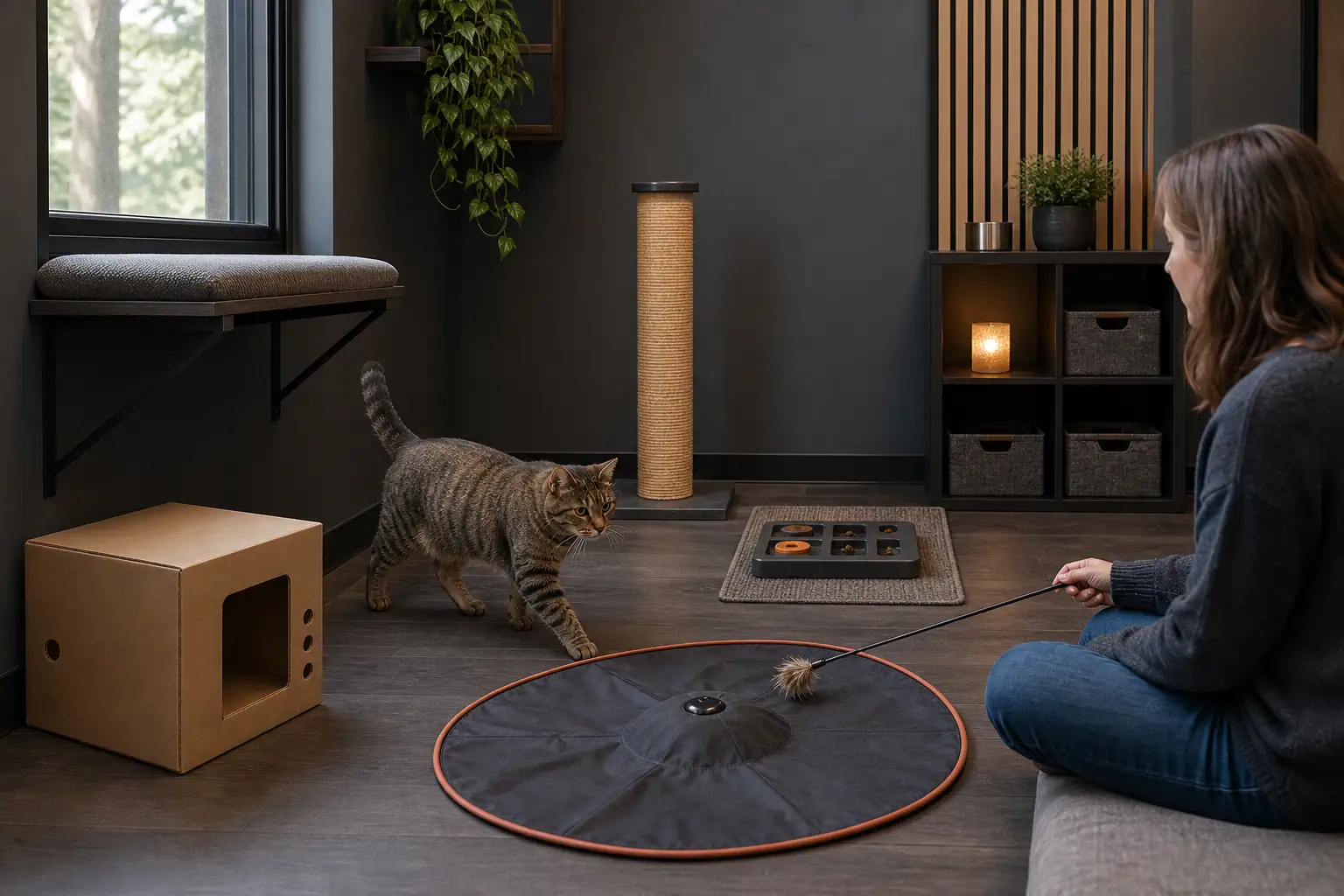
    Think about a cat condo (mini high-rise) tucked in a low-traffic corner. Or wall-mounted perches (tiny cat balconies) by a sunny window. They get a front-row seat to all the action without feeling trapped. Control matters to a cautious cat.

    • A cozy cat condo (mini high-rise) in a quiet corner.
    • Wall-mounted perches (tiny cat balconies) near windows.
    • A tucked-away room with litter box, food and water bowls, plus soft toys.
    • Covered boxes or tunnels for quick vanish points.
    • Fleece blankets or snuggly fleece tunnels for extra warmth.

    Scatter a few of their favorite treats in these spots, it’s like a welcome mat for nervous felines. A thoughtful setup keeps fresh water, clean litter, and a beloved toy within paw’s reach. And um, adults and kids should steer clear of this retreat when guests arrive. Now that’s pawsome self-care.

    Let your cat pick when to say hello. If they brave a peek, reward calm behavior with gentle praise or a tasty snack. Forcing a meet-and-greet can backfire, more fear, more hisses. Let them take the lead for trust to grow.

    Strategies to Calm a Hissing Cat During Visitor Arrivals

    - Strategies to Calm a Hissing Cat During Visitor Arrivals.jpg

    When someone steps in and your cat hisses, grab a pheromone diffuser (it plugs in and shares calming cat smells) or a quick spray. FELIWAY Optimum feels like a cozy cat hug. It tricks their nose into thinking everything is safe.

    Ever watched your kitty flatten her ears? For more calming tips, check out how to calm a hissing cat.

    Don’t yell or snatch at your cat. That just ramps up the fear. Instead, talk softly and crouch down low so you look less scary. Let your cat decide how close to come.

    If your cat scoots under the couch or hides in a little cat condo (like a cozy hideout), no biggie. Letting them retreat helps them feel in charge and calms the tension.

    A quick play session before the doorbell rings can really build confidence. Try these fun, ten-second bursts:

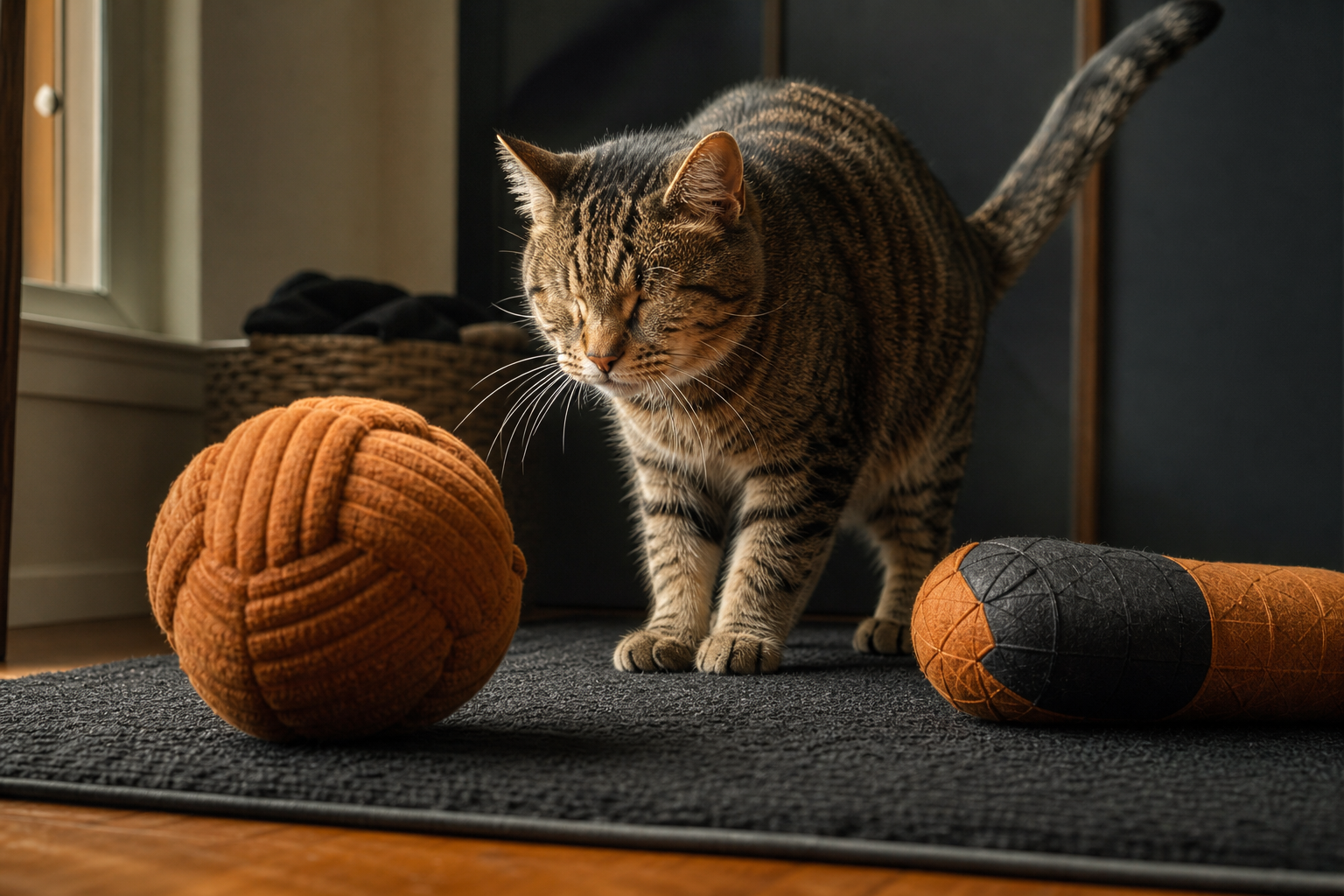
    • Toss an indestructible ball (it makes a satisfying thud) across the room for a mini sprint.
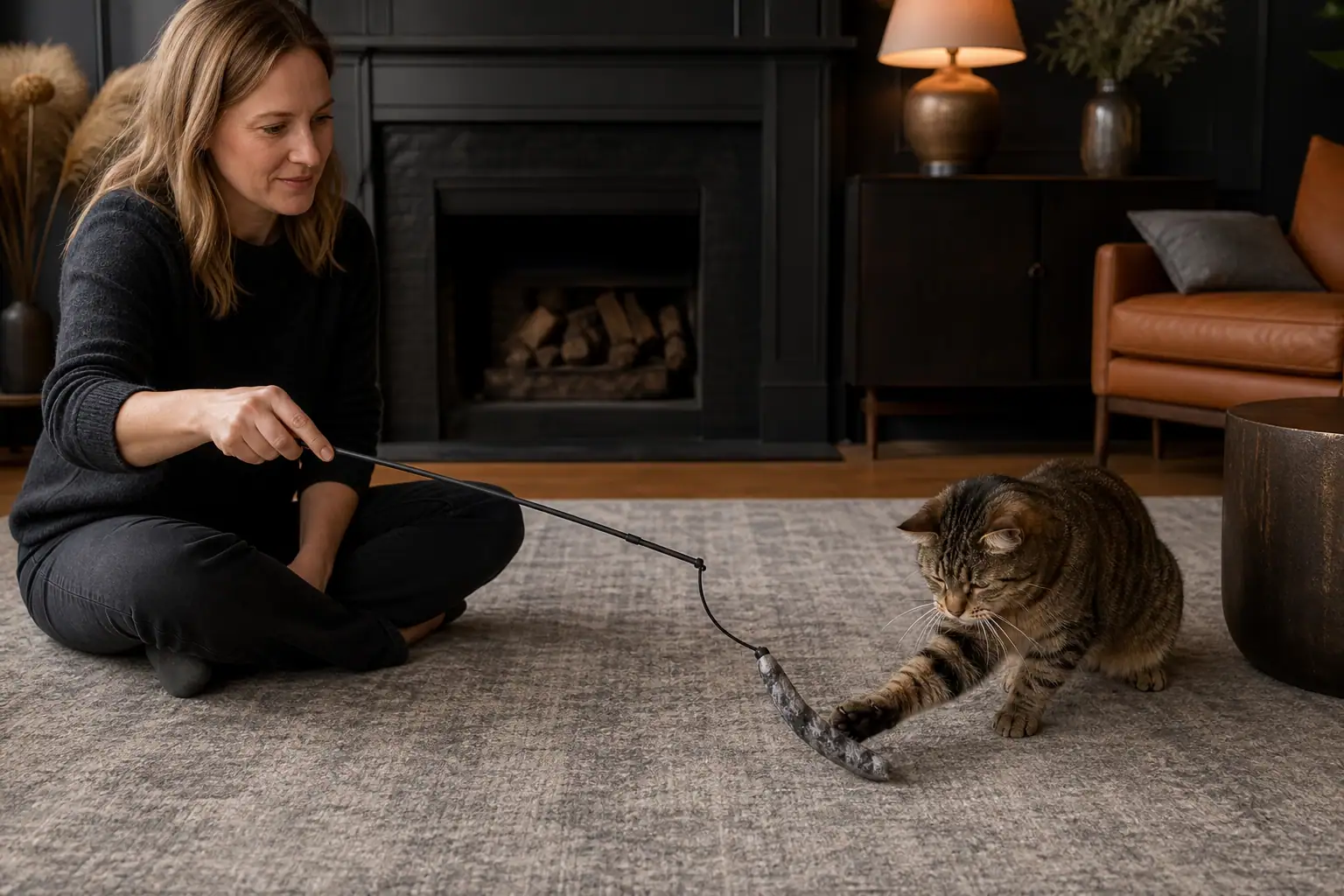
    • Wiggle a wand toy (think stick with feathers) to mimic a gentle hunt.
    • Reward each pounce with a treat so your cat pairs guests with goodies.

    You could even try clicker training for cats (that gadget that goes click to mark good moments). When your kitty stays calm, click then pop in a tasty bite. A few clicks and treats each visit will help them learn visitors mean fun.

    Little steps add up fast. With cozy scents, soft words, and quick play breaks, you’ll see fewer hissy fits. Your next guest might even get a friendly purr.

    Reducing Cat Hissing at Visitors Through Gradual Introductions

    - Reducing Cat Hissing at Visitors Through Gradual Introductions.jpg

    Ever watched your kitty’s whiskers twitch when someone rings the doorbell? It’s normal to see a hiss, but you can help them learn to love visitors. We’ll take it slow, with treats and a comfy hideaway.

    First, ask a friend or family member to stand quietly a few feet away from your cat’s safe spot (like a cat condo (a tall post with a hidey spot)). This laid-back meet-and-greet keeps surprises at bay.

    • Have them drop small crunchy treats near the condo – no eye contact, no sudden moves.
    • Keep it short: two-minute sessions once or twice a day so your kitty stays in control.
    • After a few calm days, move the guest a bit closer – if you hear a hiss, step back until your cat chills out again.
    • Stick to the same schedule: meals, playtime, and soft talking at each visit.

    Soon your cat might peek out or even bat a treat from a visitor’s hand. Whoa. That’s a big win. Ever had your kitty brush a hand? Pure purr magic.

    Next, pair knocks and greeting voices with tasty bites. In truth, um, repetition is key in feline psychology. Slowly, your cat will link visitors with good stuff instead of fears.

    Worth every paw tap.

    With gentle steps and a dash of patience, you’ll swap hisses for happy purrs.

    When to Seek Veterinary or Professional Help for Cat Hissing at Visitors

    - When to Seek Veterinary or Professional Help for Cat Hissing at Visitors.jpg

    Sometimes a hiss is your cat’s way of saying it needs help. Notice your kitty’s whiskers pull back when someone comes in? It could be pain (from a sprain, ligament tug or tear; dental ache, pain in the teeth or gums; arthritis, painful joint swelling; or hyperthyroidism, when the thyroid gland is in overdrive). A quick vet exam can catch these issues early, just like noticing your car’s warning light before it becomes a bigger headache.

    Older cats sometimes hiss at night if they’re feeling confused or scared. New troubles like cognitive dysfunction (brain fog or confusion) often hide during the day. A vet visit sorts out health hiccups from spooky-night jitters. Worth every midnight snack break.

    If rearranging cozy spots, adding calm playtimes, and dishing out gentle praise haven’t tamed those hisses at every doorbell ding, it might be more than nerves. Time to call in a pro: your veterinarian or a certified feline behaviorist. They’ll craft a stress-busting plan just for your furball. Soon enough, visitors might earn a friendly head-butt instead of a hiss.

    Final Words

    We learned why cats hiss at guests: fear, territorial instincts, stress, or pain, and how to spot those tense ears and puffed fur.

    Creating cozy retreats and using pheromones or playtime helps your kitty feel safe and confident when visitors arrive.

    Slow introductions and treat-based trust-building rewrite bad first impressions, and vet checks catch pain that might be behind the sassy hisses.

    With these tips, you’ll turn visitor jitters into purr-filled greetings and understand why is my cat hissing at visitors, worth every happy pounce.

    FAQ

    Frequently Asked Questions

    Why is my cat hissing at visitors or certain people?

    The reason your cat hisses at visitors or certain people is fear of strangers, territorial instincts or past negative experiences, especially if they lack exposure to new faces, making guests feel threatening.

    Why is my cat suddenly hissing at me?

    The sudden hissing likely indicates stress, pain, or surprise. If your cat feels threatened by a change in routine or suffers discomfort, hissing serves as a warning to back off.

    Why is my cat hissing at my other cat?

    The hissing at your other cat signals territorial disputes, social tension or redirected stress. Cats posturing to claim resources may hiss to set boundaries and avoid physical conflict.

    How do I calm a hissing cat or stop hissing at guests?

    You calm a hissing cat by offering a safe hideaway, using pheromone diffusers, and letting your cat approach visitors at its own pace, rewarding calm behavior with treats and gentle praise.

    What is the 3-3-3 rule for cats?

    The 3-3-3 rule for cats means: three days to settle in, three weeks to learn routines, and three months to fully feel at home, helping reduce stress and hissing around visitors.

    Can a friendly cat still hiss?

    A friendly cat can still hiss as a brief warning when startled, squeezed too tightly or feeling overwhelmed. It’s a quick “give me space” that doesn’t always signal aggression.

    Related Articles

  • How to Calm a Hissing Cat Easily Now

    How to Calm a Hissing Cat Easily Now

    Whoa – did your heart skip a beat when your kitty let out that sharp hiss?
    That spit of breath isn’t an attack – it’s a furry “back off!” (with a pinch of kitten sass).

    Watching your cat’s whiskers tremble and her ears flatten can feel pretty tense.
    But don’t worry – we’ve got you.

    Next, we’ll share gentle, easy steps – think slow blinks, soft voices, and giving her space.
    These moves will help swap that hiss for a soft purr.

    Give these tips a try.
    You’ll be curling up together again before you know it.

    Less stress.
    More whisker kisses.

    Quick Actions to Calm a Hissing Cat

    - Quick Actions to Calm a Hissing Cat.jpg

    When your cat hisses, she’s just giving you a sharp “back off!” It’s her natural way to show fear or stress (learn more: why do cats hiss).

    1. Take a small step back and freeze in place. Quiet movements help calm that racing heart.
    2. Speak in a soft, low voice and slow your words. A gentle, purring tone can feel like a cozy blanket.
    3. Avoid staring right at her. Try soft blinks or glance away, your kitty will see it as a friendly “I’m cool here.”
    4. Place an open box or plush bed nearby. Familiar textures invite her to tuck in and unwind.
    5. Slow-blink with her and keep talking in that soothing voice. It’s the feline version of a kiss blink, instant trust.
    6. When she eases up, toss a favorite toy or a treat lightly on the floor. It shifts her mind from hiss to happy pounce.

    Give her a few minutes to relax. Watch her tail settle and her posture soften before you step closer. Rushing back too soon can spark another hiss, so patience is your best friend.

    Interpreting Your Hissing Cat’s Body Language

    - Interpreting Your Hissing Cats Body Language.jpg

    Ever heard that sudden spit of air as your cat hisses? It’s like a tiny warning siren telling you she’s uneasy or annoyed. When she hisses, air shoots past her teeth in a sharp, spitting sound, and that’s your clue she’s stressed. Figuring out why she hisses helps you find and fix the source of her tension.

    Watch for stress signs: ears flattened, pupils dilated (eyes wide), fur standing up, a hunched or arched back, or a crouch with teeth showing. A defensive hiss comes with her back arched and a clear step back. But if she’s feeling bold, you’ll catch her ears tilting forward and weight shifting onto her front paws, and sometimes a low growl or quick swipe follows. Ever felt that prickly fear when her whiskers twitch?

    Not every hiss means a showdown. During play hisses, your kitty might wag her tail, hold her ears up, and bat at a feather toy with loose muscles. Oops, I mean, it’s her version of a pep talk, um, in a hiss.

    Fear hisses come with a hunched body, a tucked tail, wide eyes, and a hard pass until she feels safe again. Spotting small signals, like fur ripples along her spine, a sudden pupil dilation, or a twitching tail tip, gives you time to calm things down.

    Keep an eye on her ears, tail position, pupils, and overall stance to read her mood. That way you can step in before a hiss turns into a warning swipe.

    Designing Safe Cat Spaces to Calm a Hissing Cat

    - Designing Safe Cat Spaces to Calm a Hissing Cat.jpg

    Creating a cozy hideaway can soothe a hissing kitty. Ever watch your cat dash into a box for cover? Tuck an enclosed bed (a soft, covered nook) or a simple cardboard box in a quiet corner. It’s a secret cave where whiskers can twitch without worry.

    Next, go vertical. Cats feel safe perched up high, like mini eagle-eyed hunters. A sturdy cat tree (a tall tower with platforms) or a wall shelf gives them a launchpad to leap or lounge. Add a window perch in a sunny spot so they can bird-watch and daydream.

    Sticking to a routine helps too. Serve meals at set times and place the litter box by that hideaway in a low-traffic area. Pop in a soft blanket, a favorite toy, or even a shirt that smells like you, it’s like a kitty hug. Then quiet the room, dim the lights, and reroute foot traffic, this is your cat’s “all clear” signal to relax.

    Calming Products and Natural Remedies for Hissing Cats

    - Calming Products and Natural Remedies for Hissing Cats.jpg

    Ever watched your kitty hiss at thin air? It’s tough seeing those ears flattened. But don’t worry – chill vibes can come back with a few simple tricks.

    Synthetic pheromones (chemical signals cats make with their glands) copy those face-rubbing scents. You’ll find them in diffusers or sprays. Plug one in near your cat’s favorite nap spot. Ever seen whiskers perk up? Watch the calm set in as the scent drifts across the room.

    Pheromone collars quietly release those cues all day long. Buckle one around your cat’s neck – easy, right?
    do cat calming collars work

    Worth every paw-print.

    And for a natural boost, try catnip (a mild herb that cats love). Sprinkle a pinch on their favorite toy or scratching pad. Your kitty’s purrs will be back before you know it – feeling feline fine.

    Product Type Example How to Use
    Pheromone Diffuser Feliway Classic Plug in next to your cat’s favorite nap spot to spread the calming scent
    Feline Calming Spray Comfort Zone Spray Mist bedding, carriers, or hiding boxes before your cat explores
    Pheromone Collar [do cat calming collars work](https://titanclaws.com/do-cats-calming-collars-work/) Buckle around your cat’s neck so pheromones release all day
    Catnip for Stress Relief Organic dried catnip Sprinkle a pinch on a toy or scratching pad for mellow play

    Always check with your veterinarian before adding supplements or new remedies to your cat’s routine.

    Interactive Play and Training to Prevent Future Hissing Cats

    - Interactive Play and Training to Prevent Future Hissing Cats.jpg

    Think of interactive play as daily cat therapy. Aim for two 15-minute sessions each day with wand toys (stick with feathers) that mimic fluttering bird wings. She’ll pounce, her whiskers twitch, and you’ll feel a little victory dance all around. Then add a puzzle feeder (treat toy hiding snacks) at mealtimes to flex her brain muscles.

    Sprinkling short bursts of play keeps stress low between sessions. Try a laser-dot dash or a quick feather chase across the floor. Ever watch her zig-zag after that little red dot? It’s satisfying for both of you, you know?

    Now let’s talk training. Uh, reward-based work starts by swapping her hiss for a treat – offer a tiny snack when she stays quiet as you approach. Then introduce clicker training (small device that makes a "click" for timing) – click and reward every calm sit. Use desensitization (slow, gentle exposure to her triggers) to help her feel safe around old stress points.

    Celebrate each calm moment with soft words, a gentle cheek scratch, or a nibble of chicken. Actually, make that a nibble and a scratch. She’ll soon learn that being chill pays off way more than a hiss.

    When to Seek Veterinary Help for a Hissing Cat

    - When to Seek Veterinary Help for a Hissing Cat.jpg

    Has your cat been hissing non-stop? And lounging like a sleepy loaf with zero energy? Maybe she’s skipped mealtime, limped across the room, or you’ve spotted weird bald patches. Um, hissing with these extra signs usually means she’s in pain or feeling off.

    A quick vet visit can uncover sneaky issues like infections, arthritis (joint inflammation), or dental troubles (ouchy teeth). If she growls or snaps when you touch her belly, paws, or joints, that’s a loud cat-call for help. Oops, waiting around could make things worse. So trust your gut and call your vet soon.

    Finding a Fear-Free practice is pure gold for calming a stressed kitty! Staff there learn gentle handling, soft voices, and slow introductions to exam tools. Your cat won’t feel like she’s under attack. It’s all about kindness and calm so your kitty’s hisses turn into happy purrs.

    Ask local vets if they offer Fear-Free appointments or search the Fear-Free certified lists online. That way you can get the right care without extra stress.

    Final Words

    In the action of a hissing episode, you’ve got six quick steps to step back, speak softly, and let your cat feel safe.

    You also know how to read body signals, craft hideaways, and mix in pheromone diffusers or herbal sprays.

    Plus fun play routines to keep cats busy and a clear sign for vet visits if stress hangs on.

    With these tools in place, you’ll master how to calm a hissing cat and restore purrs in your busy home.

    FAQ

    How do I calm a hissing cat?
    Calming a hissing cat involves stepping back slowly, speaking in a gentle tone, avoiding direct eye contact, and offering a safe spot. Soft blinking and treats can ease tension.
    <dt>Why is my cat suddenly hissing at me?</dt>
    <dd>Cats hiss as defensive warnings signaling fear, stress, pain, or surprise. A sudden hiss when you walk by could mean your cat feels startled, threatened, or uncomfortable with your approach.</dd>
    
    <dt>How can I stop my cat from hissing at other cats?</dt>
    <dd>To stop a cat from hissing at other cats, provide separate safe retreats, introduce them slowly in neutral spaces, use pheromone diffusers, and reward peaceful interactions with treats or praise.</dd>
    
    <dt>Can I hiss back or discipline my cat when it hisses or bites me?</dt>
    <dd>You should never hiss or punish a cat for hissing (a defensive signal) or biting. Instead, redirect biting to toys, reinforce gentle play, and remove attention during rough behavior.</dd>
    
    <dt>How do I train my cat to trust me and stop hissing?</dt>
    <dd>Build trust with gentle handling, consistent routines, interactive play, counterconditioning stress triggers with treats, and positive reinforcement for calm behavior. Give time and let your cat set the pace.</dd>
    

    Related Articles

  • why do cats hiss: keep your cat calm

    why do cats hiss: keep your cat calm

    Ever jumped when your cat hisses like a tea kettle letting off steam?
    That sharp spit isn’t random.
    It’s your kitty’s secret signal.
    They’re shouting “Give me some space!”

    About one in four cats hisses to say “pause” every month.
    Noticing this tiny warning gives you time to help your kitty relax.
    Try spotting the whisker twitch or tail flick before the hiss.
    It’s a little heads-up you can’t miss.

    In this post, we’ll explore why cats hiss and share simple tips to turn fear into purrs.
    Ready to end the hiss-teria and see your furball feel safe again?
    Let’s get started!

    Core Reasons Cats Hiss and What It Communicates

    - Core Reasons Cats Hiss and What It Communicates.jpg

    Ever heard your cat let out a hiss? That sharp, breathy snarl can startle you. But it’s really a built-in alarm telling you to back off. For a deeper explanation, check out cat hissing meaning.

    Hissing is your kitty’s way of saying “I need my space.” It pops up when your cat feels scared, stressed (like on edge over new stuff), in pain (ouch!), or unsure about their spot in the social pecking order (um, who’s boss in a cat group). When that warning is ignored, the hiss can turn into a spit or even a growl. Catching it early helps everyone stay calm.

    Remember, hissing is just your cat’s firm but honest “I need space.” It’s their way of setting a clear paw-some boundary!

    Fear Response and Stress Triggers for Cat Hissing

    - Fear Response and Stress Triggers for Cat Hissing.jpg

    Ever watched your kitty’s eyes shoot wide when the doorbell rings? Or see them freeze at a thunder clap? A hiss often creeps in when something startles or spooks them. You might spot their back arching a bit before the hiss sneaks out. Their whiskers pull back tight, and ears flatten as they warn you to back off.

    Common fear triggers and stress signals include:

    • Unfamiliar people darting into the room, or a new cat sniffing around.
    • Sudden movements like grabbing a towel for nail trims.
    • Vet visits and grooming sessions, cold metal tables and gentle pokes in weird spots.
    • Moving to a new home with odd smells or echoey hallways.
    • Loud noises such as thunderstorms, vacuum cleaners, or dropping a glass.
    • Overstimulation during petting, long strokes on the back or touching the belly, paws, or tail.

    That happened last week when my cat Luna hissed at the blender, so fierce I almost laughed. Even the smell of that fancy candle or new furniture can send a hiss zipping through the room.

    Next time you hear that hiss near the vacuum or a sudden clap, you’ll know it’s stress, not mischief.

    Pain and Discomfort as Causes of Cat Hissing

    - Pain and Discomfort as Causes of Cat Hissing.jpg

    Ever felt your cat hiss when you lean in for a pet? That’s their way of saying “ouch.” If your kitty has arthritis (joint inflammation) or a hidden boo-boo, touching that sore spot can spark a hiss. Really.

    You might see them limp or skip a favorite jump. Their breathing could speed up too. Uh, that’s a clue. Their whiskers might twitch when you set them on the couch.

    Watch for less eating or extra hiding under blankets. A sudden yelp and a quick dash away is another tip. And if sluggish play or marathon naps come with that hiss, call your vet. Giving your cat space and a checkup helps keep them calm and pain-free.

    Peace for your purring pal.

    why do cats hiss: keep your cat calm

    - Territorial Behavior and Social Hierarchy in Cat Hisses.jpg

    Peek through a window on a sunny afternoon and you might see your indoor cat freeze. Its tail twitches. Its ears flatten. Then a hiss bursts out when a bird or squirrel zooms past. That is territorial behavior (defending its home spot) in action, even if the biggest threat is just a backyard robin. It’s your kitty’s way of saying “back off” to the critter – and, um, to you too.

    But wait – that snap-hiss moment isn’t only for feathered friends.

    In a house with more than one cat, hissing usually comes down to social rank. Picture one cat circling another’s food bowl. A low growl rumbles. Then the classic hiss pops up to grab the best spot on the cat tree. Introducing a new feline friend can spark a chorus of hisses while everyone figures out who’s boss. Give each cat its own bed, litter box, and perch (a cozy lookout) so squabbles cool off faster. Actually, make that two go-to perches each.

    Cat-dog meet-ups can spark the same defensive reaction. When an eager dog barrels in too fast, your cat might feel trapped and that hiss pops out like a red light. Start with the dog on a leash and let your cat choose the meeting spot. Reward calm behavior on both sides. Move slowly. Offer plenty of escape routes. Soon they’ll learn there’s enough turf for everyone – no hiss required.

    Worth every paw-print.

    Body Language Cues When Cats Hiss

    - Body Language Cues When Cats Hiss.jpg

    Ever notice your cat’s ears flattening against its head? Those folded sails mean “I’m on guard.” You’ll see the pupils balloon wide, too, like little black moons sharpening focus.

    Next, peek at that back. Your kitty arches it into a tiny furry bridge. You might even spot raised fur (piloerection, when your cat’s hairs fluff up) along the spine, its “bigger is better” trick. And watch the tail, it could puff up like a miniature brush or whip back and forth in quick, fierce strokes.

    Ever watch your kitty chase shadows? Now see the stance: a low crouch makes them feel grounded and ready. Muscles might twitch under the coat, and you could hear soft puffs of breath from the nose, signs that tension is building.

    Notice the whiskers pressed flat against the cheeks? That’s “brace yourself.” When the ears flip to the side and whiskers pin back, your cat’s cranking urgency up a notch. Spot these cues early, then offer a quiet nook so they can decompress.

    Hiss vs. Growl: Differentiating Cat Warning Sounds

    - Hiss vs Growl Differentiating Cat Warning Sounds.jpg

    Ever heard that sharp sizzle? That’s a hiss, your cat’s first alarm: a quick burst of air (exhalation) through an open mouth, crackling like wind whipping past leaves. It’s your kitty’s polite “back off” warning before claws or teeth appear. Really claw-tastic, right?

    Then there’s the growl, a low rumble from deep in the throat (vocalized warning). You’ll often catch the mouth barely open, whiskers standing on end, chest vibrating. It’s heavier, more serious. Tension’s up and a swat or bite could be next.

    And meows? Those are friendly chitchats, like “hey, where’s dinner?” or “pet me, please” calls. They’re built for social fun, not for scaring off threats.

    Spotting these cat calls helps you read the room, you know? Hear a hiss? Give your cat space. Hear a growl? Back off even more. Seriously. And a meow is your cue to chat, scratch behind those ears, or drop a snack.

    Kittens and Hissing: Early Communication and Socialization

    - Kittens and Hissing Early Communication and Socialization.jpg

    Ever noticed a tiny hiss coming from your two-week-old furball? That sharp, breathy sound – check out kitten hissing – is their very first warning, like a little “watch out!” when a loud noise or a heavy pat surprises them. It’s small but mighty.

    By around five or six weeks, those hisses usually calm down. Your kitten’s whiskers start to relax once they get used to soft strokes and playful taps. It’s all part of the socialization journey that turns jitters into trust.

    Here’s how to get things off on the right paw:

    • Gentle handling – briefly touch paws, ears, and tail, then give them space.
    • Sibling play – let littermates nip and hiss; it teaches bite limits.
    • New sights and sounds – soft music, friendly voices, or different floor textures help them adapt.

    In a quiet corner, these early meet and greets help your kitten feel safe. Ever watched whiskers twitch as they explore something new?

    Mom’s role is huge too. She hisses to keep trouble away, showing her kittens when it’s time to warn. And those little play hisses with siblings aren’t anger – they’re practice runs for real surprises.

    Mix in calm snuggle sessions and quick play breaks to build confidence. Soon, hisses will pop up only for big surprises, not for everyday peek a boo fun.

    Um, did I mention how cute they look mid-hiss? Totally purrfect!

    How to Respond When Your Cat Hisses

    - How to Respond When Your Cat Hisses.jpg

    Hey, ever heard that breathy hiss and felt your heart skip a beat? That’s your cat’s way of saying they feel trapped or uneasy. Freeze where you are (yes, it can feel a bit silly). Take a deep breath and let your kitty pick a cozy spot.

    Here’s how to calm things down:

    • Give your cat space.
    • Move slowly and put away anything that startled them.
    • Talk in a soft voice and blink slowly (it’s like a kitty kiss).
    • Never hiss back or punish. That just makes them more anxious.
    • Offer cozy hideouts like a cardboard box or an under-bed nook.
    • Add a high perch, such as a shelf or cat tree, so they can keep an eye on their world.

    When the hissing fades, wait for a slow tail flick or a gentle nose bump before you try a soft pat. A tiny treat right then can work wonders. This pause-and-reward trick builds trust, one hiss-free moment at a time.

    Worth every paw-print.

    Next time your cat feels on edge, your calm moves and safe spots will help them settle and maybe even purr.

    Preventing Excessive Hissing: Enrichment and Calming Techniques

    - Preventing Excessive Hissing Enrichment and Calming Techniques.jpg

    Cats that hiss a lot are usually saying “I need more fun and more chill spots.” A scratch post (rope wrapped pole) gives them a safe place to sharpen their claws. A sunny window perch turns bird watching into cat TV. And a hiding tent (soft fabric fort) zaps stress and gives instant me-time. Ever seen your kitty peek out and give you that “I’m good now” look? It’s adorable, um, in a weird way that makes you smile.

    Next, sprinkle in short play breaks. Ten to fifteen minutes with a feather wand (think fishing pole for cats) or a rolling ball is perfect. It’s like mini cardio that helps burn off nerves. You’ll notice whiskers relax and shoulders drop. Really.

    Then try a pheromone diffuser. These plug-in gadgets release a fake facial pheromone (the “I’m safe” scent cats share) to fill the room with calm vibes. It’s like a gentle kitty hug. When your cat hangs out quietly, toss a treat their way. You’re teaching them that chill time = snack time.

    • Scratching posts and climbing towers to give their claws a job
    • Window perches for sunshine naps and feathered TV shows
    • Hiding tents or under-bed cubbies for solo chill time
    • Short daily play sessions to flex hunting paws
    • Pheromone diffusers plus praise or treats for mellow moments

    Most cats pick this up quick. Move or swap in new toys every few weeks so it doesn’t go stale. Before you know it, hissing will fade as your kitty finds better ways to feel cozy and entertained. Worth every paw print.

    Pain and Discomfort

    - When to Seek Veterinary Advice for Hissing Issues.jpg

    Ever notice your whiskered pal hissing more than usual? Maybe they’re extra sleepy or skip their favorite snacks. UTIs (urinary tract infections, bladder bugs) can make them hiss and nap.

    You might hear a hiss when they limp, skip grooming, or flinch. That could mean an abscess (a painful pus pocket under the skin) or another ouchie. Yikes.

    Ever catch them hiding instead of purring? Their sleep might feel all over the place, with meows at odd hours. It’s hard to watch.

    A sudden yelp when they jump up or when you pet them. They might even refuse their go-to spots like the sunny windowsill or your lap. Sorta breaks your heart, right?

    If the hissing keeps up after vet visits, chat with a veterinary behaviorist. They’ll whip up a low-stress plan to help your furball relax.

    Final Words

    Hissing is your cat’s “back off” signal. You got the scoop on four triggers: fear, pain, stress and social clash in multi-cat homes. It’s all about giving them the space they need.

    We showed how to read body language in their ears, tail and fur plus the difference between a hiss and a growl. Then you saw how kittens first practice this signal and picked up tips on quiet retreats, play breaks and vet clues. All that to answer why do cats hiss and keep your clan calm.

    Happy days ahead as every hiss turns into a purr.

    FAQ

    Why do cats hiss at other cats or kittens?

    Cats hiss at fellow felines when they feel threatened or stressed, aim to set social or territorial boundaries, or react to pain, using hissing as a “back off” warning.

    Why does my cat hiss at me or one person?

    Your cat hisses at particular people when it senses fear, discomfort, or overstimulation from sudden moves or petting, signaling “give me space” to avoid feeling cornered or stressed.

    Why does my cat hiss at dogs?

    Your cat hisses at dogs to warn them away when feeling intimidated by their size, unfamiliar scent, or as a territorial defense against perceived intruders in its space.

    Why does my cat hiss but still act friendly?

    Your cat may hiss yet act friendly when it’s overstimulated by petting or startled by sudden movements, then quickly regain trust and nuzzle to show affection despite the earlier warning.

    Is cat hissing a warning?

    Cat hissing is a warning signal that tells threats to back off, offering a chance to retreat before it escalates to swatting or biting.

    Are cats happy when they hiss?

    Cats are not happy when they hiss; they hiss out of fear, pain, or stress rather than contentment, using it as a defensive reaction to discomfort.

    Is it okay to hiss back at a cat?

    Hissing back at a cat is not okay; mimicking its warning can heighten stress. Instead, stay calm, give space, and use gentle tones to reassure and rebuild trust.

    Related Articles

  • Kitten Hissing Expertly Handled

    Kitten Hissing Expertly Handled

    Ever had your heart leap when your kitty fires off a sharp “psss”? That tiny hiss packs a punch. It’s your fluff buddy telling you something’s up. It might sneak into a playful tumble or pop out if they’re surprised!

    So how do you tell a playful “back off” from a real “help me” hiss? We’ll show you how to spot each type. A quick tail flick or a whisker twitch can tip you off. Then, you’ll be ready to act.

    Next, we’ll share simple steps to ease your kitten’s jitters (think gentle strokes and soft words). You’ll soon master hisses like a pro and keep that fuzzy trust intact. Worth every paw-print.

    Recognizing and Interpreting Kitten Hissing

    - Recognizing and Interpreting Kitten Hissing.jpg

    Ever heard that sudden “psss” and felt your heart jump? That’s your kitten’s way of saying “Hey, back up!” It’s a quick burst of air and a glimpse of teeth that means something feels off. Playtime can spark a little hiss too, but sometimes it’s a real warning of fear or stress.

    Want to learn more? Check out cat hissing meaning.

    Not every hiss is a drama scene. If your kitten gives a soft hiss mid-pounce, they might just be caught up in the fun. But a stiff body, fixed stare, and a louder hiss? That’s a clear sign they’re nervous or on guard. In those moments, give your furball some room, speak softly, and let them find a cozy spot to chill.

    What’s Behind the Hiss?

    Kitten hissing comes from deep inside, it’s instinctive, like a built-in alarm. When they feel trapped or scared, they push air through slightly open jaws, making that hiss sound. In friendly tussles, their bodies stay loose, tails wag gently, and hisses mix with playful meows or chirps. It’s a tiny battle cry during mock fights.

    But a defensive hiss is more dramatic. Picture a mini tiger with its back arched, fur puffed up, and ears flattened. That hiss means “don’t come any closer or I might bite.”

    Spotting Body-Language Cues

    Body talk is your best clue. In playful mode, ears point forward, whiskers relax, and fur lies flat. Tails do a lazy wag, and hisses are quick and light, like a little spray of confetti.

    But in threat mode, watch for flattened ears, wide eyes, and fur standing on end. Their back curves into a crescent to look bigger. A tail that lashes or puffs up adds extra warning. Uh-oh, you’ve been told to back off.

    Key Cues at a Glance

    • Flattened ears – feeling scared or upset
    • Arched back – trying to look big and warn you off
    • Lashing or puffy tail – agitation or anger
    • Hiss vs growl – hiss means “stay away,” growl can signal a bigger threat
    • Purring or slow blinking – calm and trusting, no worries here

    Worth every paw-print.

    Top Triggers for Kitten Hissing: Fear, Stress, and Territory

    - Top Triggers for Kitten Hissing Fear, Stress, and Territory.jpg

    Have you ever heard a kitten’s sharp hiss when the dishwasher bangs or a new couch rolls in? You can almost picture their whiskers quivering as they warn “I’m scared.” But loud sounds aren’t the only spark. Moving furniture or crowded spaces can mess up their routine and build stress (feeling overwhelmed).

    A few more things can set them off too, like squabbling over beds or bowls, ouch from an unexpected pain, or even getting way too worked up during playtime.

    Kitten hisses generally fit into a handful of triggers: fear, stress, territory, pain, and even play overstimulation. Each one is just their way of talking. Take a peek below.

    Trigger Description
    Fear Sudden loud noises or new sights spark an instinctive hiss to say “back off.”
    Stress Routine changes, overcrowding, or shuffled furniture overload your kitten’s coping skills (mental strain).
    Territory Competition over beds, bowls, or your lap leads to a hiss that stakes a claim.
    Pain An injury or hidden ouchie makes kittens hiss to warn you they’re hurting.
    Play Overstimulation Too much teasing or rough play flips fun into a sharp defensive hiss.

    Next, let’s put some cat friendly fixes in place. Create a quiet nook with a plush bed and a hidden perch (like a cozy fort for their rattled nerves). Keep meal times and play cues on the same schedule every day. Kitties crave predictability. And scatter a few scratching posts and toys around so everyone has their own safe playground.

    Worth every paw-print.

    Calming Hissing Kittens: Step-by-Step Soothing Strategies

    - Calming Hissing Kittens Step-by-Step Soothing Strategies.jpg

    Ever heard that sharp little hiss? It means your kitten’s on high alert, you know. So you need a gentle game plan to calm those nerves. I’m here to share my top kitten-hissing whisperer tips.

    1. Watch your kitty’s stance
      Notice how their ears tilt, back arches, and tail twitches. Wide eyes and a tucked head? That means they want extra room. So hold off on reaching in.

    2. Create a cozy hideaway
      Find a quiet corner and add soft bedding. A covered igloo or a box with a blanket feels like a mini-vacation. Let your kitten slip away when things get tense.

    3. Talk in a soft, low voice
      Skip the high-pitched squeals. Try a gentle purr-like rumble when you speak. It sets a chill mood and tells your cat you’re not a threat.

    4. Offer secret spots and high perches
      Cardboard boxes, cat trees (multi-level scratchers with platforms) or wall shelves give your kitten a sense of control. From up high, they feel safe. And a confident cat hisses less.

    5. Reward the quiet moments
      When the hiss stops, drop a tiny treat or whisper “good kitty.” Positive reinforcement shows calm behavior pays off. Before you know it, they’ll choose purrs over hisses.

    6. Plug in a pheromone diffuser (e.g. Feliway)
      This little gadget spreads a mother cat’s soothing scent. Place it near your kitten’s retreat spot. Over time, it gently eases anxiety and cuts down on hissing.

    Patience and routine are your BFFs. Stick with gentle handling and positive reinforcement, and soon that “psss” will turn into happy purrs.

    Building Kitten Confidence with Play and Enrichment

    - Building Kitten Confidence with Play and Enrichment.jpg

    Interactive play with a feather wand (like a fishing rod for cats) gives your fluffball a perfect way to burn off zoomies. You’ll love watching those paws skitter across the floor as she pounces. Ever noticed how her eyes glow when the wand swoops your way?

    Then there are puzzle feeders (treat-dispensing toys) that turn snack time into brain games. Your curious kitten will bat, roll, and nudge until a crunchy surprise drops out. I once left one out for Luna and she got so focused I almost forgot she was around. Uh, but in a good way.

    And soft pets, gentle praise, even a quiet chat teach your kitten that you’re safe and fun. It’s wild how a calm voice can cut down on startled hisses during play. Next, try whispering a few “good kitty” words when she’s stretched out after a chase. You know, just small moments that build big confidence.

    Worth every paw-print.

    Reward the quiet moments:

    • Soft pets with slow strokes
    • Gentle “good job” after calm play
    • Quiet chat during rest breaks
    • Puzzle feeders and interactive toys to channel energy and build trust

    Safe Introductions: Bringing Kittens Into a Multi-Cat Home

    - Safe Introductions Bringing Kittens Into a Multi-Cat Home.jpg

    First, pick a quiet room just for your kitten. Then fill it with a litter box (where your kitty goes potty), soft bedding, a scratching post (wrapped in sisal, a strong plant fiber), and a handful of favorite toys. This cozy corner keeps your fluffball tucked away from resident cats while everyone adjusts. Ever watched a kitten’s whiskers twitch as it finds new play spots? It’s paw-sitively adorable!

    Next, try scent swapping. Think of it like speed dating for cats, you know. Rub a soft towel on your kitten and leave it in the resident cats’ favorite spot, then a day later switch so your kitten can sniff the older cats’ scent. These gentle sniff-sessions help everyone get comfy before they actually meet.

    After about four to seven days of scent swapping, it’s time for a first peek. Use a baby gate or mesh screen so they can see and sniff without a full face-off. If you spot soft paws and loose tails, you’re on the right track. If there’s a hiss or puffy fur, give them more room and try again later.

    When they both stay calm, let them have short supervised meetups in a neutral room with a tall perch for quick getaways. These slow steps help build trust and set the scene for some paw-sitively fun playtime.

    When to Seek Veterinary or Behaviorist Help for Persistent Hissing

    - When to Seek Veterinary or Behaviorist Help for Persistent Hissing.jpg

    Ever watch your kitty’s ears flatten or hear that sharp hiss every single day? If your fluffy friend seems sleepy, skips breakfast, or lands with stiff legs after a jump, she might be hiding an owie, um, maybe a sprain or an upset tummy. That’s when you call the vet. During a vet exam (a start-to-finish check), they’ll press her paws, listen to her lungs, and maybe take X-rays (a quick bone photo) or run blood work to pin down the pain.

    But if your kitten still hisses after that all-clear and you’ve already tried soft voices, cozy hideouts, and little treat rewards, it might be time for a cat behaviorist. These certified feline pros peek into her world, watching your home routines, playtime habits, and how she greets the family. Then they craft a plan full of fun toys, stress-free grooming tips, and guided social games so your kitty feels safe enough to purr instead of hiss. A few sessions with these helpers can rewrite tense hisses into playful leaps and gentle head-butts.

    Final Words

    In the action you’ve learned how kitten hissing can signal both play and defense, and how to read those body cues for quick help.

    You’ve seen common stressors, like new spaces or loud sounds, and steps to calm your kitten with retreats, soft voices, and pheromones.

    Interactive play, climbing spots, and scent-swap introductions pave the way for confident, friendly meetings.

    If hisses linger with signs of pain, a vet or behaviorist can step in.

    Every hiss means you’re building trust and turning kitten hissing into calm confidence.

    FAQ

    Is it normal for kittens to hiss, even at two weeks old?

    It is normal for kittens of all ages to hiss as a warning when they feel threatened or startled, though very young kittens may use it less often than older ones.

    Why is my kitten hissing at me, at a dog, or even growling?

    Your kitten is hissing or growling to warn against perceived threats—changes in environment, unfamiliar people or pets, pain, or fear can all trigger defensive or territorial hisses.

    How do you calm a hissing kitten and build trust?

    You calm a hissing kitten by speaking softly, avoiding eye contact, offering quiet retreats or elevated perches, rewarding calm behavior with treats, and using pheromone diffusers to encourage bonding.

    Related Articles

  • cat hissing meaning helps soothe stressed cats

    cat hissing meaning helps soothe stressed cats

    Ever jumped in your slippers when your kitty let out a surprise hiss? That scratchy “hss” can feel like a door slamming. But really, it’s your cat’s way of saying “I’m uneasy.”

    Think of that rasp like a flashing warning light (kind of like the low-battery beep on your remote). It pops up when your furball needs a break, maybe they’re overstimulated or spooked.

    In this quick guide, we’ll show you what your cat’s hiss really means and how reading those signals can calm a stressed feline. Notice the ears folding back, the tail flicking like a little whip, or the fur standing up like tiny bristles.

    Catch these clues early and you can step in with a soft voice, a slow blink, or a tasty treat, whatever soothes your cat’s nerves. Before you know it, those panicked hisses will melt into happy purrs. It’s the purr-fect way to tune into your cat’s mood.

    Decoding Your Cat’s Hissing: What It Means and Why It Happens

    Decoding Your Cats Hissing What It Means and Why It Happens.jpg

    Ever heard that sharp rasp and felt your heart skip a beat? That hiss is your cat’s alarm bell saying, “I feel threatened.” Most of the time it boils down to fear, stress, or a bit of grumpy aggression. Think of it like your cat’s low-fuel light for emotions, when it flashes, you know something’s off.

    Body language fills in the rest of the story. When those ears flatten like little shields and pupils blow up wide (ready for night vision), your kitty is on high alert. An arched back and fur standing up (imagine a bristled paintbrush) mean “I’m ready to defend myself.” And that stiff, low tail with quick flicks? It’s punctuation on the hiss, take it seriously.

    So what sparks that warning? Spotting the trigger helps you calm things down fast. Next time you hear a hiss, look for these common stressors:

    • Unfamiliar people or pets
    • Sudden movements or loud noises
    • Feeling cornered with no escape
    • Pain, illness, or discomfort
    • Too much petting or rough play

    Give your cat space or remove the stressor, and you’ll often see those whiskers relax in no time. Worth every paw-print.

    Body Language Clues That Signal a Cat’s Discomfort

    Body Language Clues That Signal a Cats Discomfort.jpg

    Have you ever heard a territorial hiss? That sharp hiss often comes with ears pressed so close to the head they almost vanish. At the same time, the fur along your cat’s back stands up like little paintbrush bristles, and the tail tip flicks back and forth fast. It’s your kitty’s way of shouting, “Give me space!”

    But a play-aggression hiss sounds almost the same, just more subtle. The ears rotate sideways, the pupils turn into thin slits instead of big round moons, and the tail swishes low and slow. Think of it as a gentle heads-up: your playful tiger might be getting overstimulated rather than flat-out angry. Ever watch your furball zoom from purr to “nope” in seconds?

    Troubleshooting tip: in a multi-cat home, when you spot those paintbrush fur and flattened ears, try plugging in Feliway diffusers (a plug-in scent diffuser that helps calm cats) near doors and cat paths. It can ease tension and give each furball its own escape route. Next time the hiss starts, everyone can find a cozy hideaway.

    Everyday Triggers Behind Cat Hissing Episodes

    Everyday Triggers Behind Cat Hissing Episodes.jpg

    Ever had your kitty suddenly let out a hiss? It usually means she's reached her limit. You might see her whiskers twitch, her tail puff up or her freeze in place. Um, fur real these are clear signals she needs a break.

    • Petting overload. One too many back and forth strokes can test your cat’s patience. Soft purrs turn into sharp hisses.
    • Strange faces. A new person or another cat in the house can send your furball ducking under the couch. Try separate feeding spots, tall perches (like a high cat shelf) and easy escape routes so no one feels trapped.
    • Noisy surprises. Vacuum roars, slammed doors, rearranged furniture or sudden thunder can spook even the calmest kitty. Oops, that rumble might be too much.
    • Secret aches. Joint stiffness (when her joints feel as stiff as a creaky door hinge) or tooth pain can show up as a hiss if you touch a sore spot.

    Worth every paw print.

    Gentle Techniques to Soothe a Hissing Cat

    Gentle Techniques to Soothe a Hissing Cat.jpg

    So your cat is hissing. Ever watched your kitty flatten its ears? That scratchy warning means they feel nervous or scared.

    The first thing you can do is give them plenty of room to breathe and calm down. Avoid making sudden moves or staring right at them. Take a step back (literally) and just watch quietly.

    Next, you can try a calming pheromone diffuser (a plug-in that releases cat comfort hormones). The soft scent can help keep things mellow. After your furball settles, often hours later, you’re ready to rebuild trust with soft words, gentle side steps, and tiny treats.

    How to Help Your Hissing Cat

    • Let them duck into a safe spot without interruption.
    • Talk in a low, soothing voice.
    • Remove obvious stressors, like a loud vacuum or a barking dog.
    • When you approach, come in from the side so you’re not looming over them.
    • Crouch down at their level and offer a little treat or catnip pinch.

    These slow, respectful steps help your kitty learn that calm moments bring rewards.

    What Not to Do

    Don’t stare into those wide eyes or block escape routes, your cat’ll feel cornered.
    Avoid forcing pats or picking them up, which can backfire into more fear.
    Loud voices, sudden claps, or scolding can turn a hiss into a scratch.
    Skip any punishments, you’ll just teach them to hide longer next time.

    Remember, patience and space are the real clawsome way to rebuild trust. Worth every paw-print.

    Enrichment and Environment Tips to Prevent Future Hisses

    Enrichment and Environment Tips to Prevent Future Hisses.jpg

    Let’s start with your cat’s space. Offer a covered bed (think a soft hideaway) or a snug box where your kitty can slip away when it needs a break. Ever watched your cat curl up in a little cave? It’s pure bliss. Next, add some high perches, shelves or a window ledge, so they can feel like a queen surveying her kingdom. Then toss in a cat tree topped with scratching posts (sturdy poles wrapped in rough fabric). They’ll climb, scratch, and peek out without feeling cornered. Finally, sprinkle puzzle feeders (toys that hide treats inside) on those shelves, snack time turns into a little brain game that eases tension.

    Build a daily rhythm your cat can count on. Feedings at the same times every day help them feel secure, you’ll both know dinner’s at 6 p.m. Structured play sessions in the morning and evening burn off extra zoomies. Try a feather wand that makes a soft flutter or a small ball that goes “thud” across the carpet. Rotate interactive toys so each game feels new and exciting. It’s like free cat therapy, your kitty gets exercise, mental work, and something fun to look forward to.

    Let visitors meet your cat on her terms. Instead of surprise face-to-face greetings, have guests roll a toy mouse or drop a treat into a bowl first. Ever seen a cat’s whiskers twitch at a moving treat? Magic. Use clicker training (a little gadget that makes a click sound) for easy “sit” commands or even high-five tricks, each click means a treat is coming. Short social games turn new faces into friends and help shrink those hissing episodes into tiny, fluffy memories.

    When Cat Hissing Signals a Health or Behavior Concern

    When Cat Hissing Signals a Health or Behavior Concern.jpg

    Ever notice your cat’s whiskers twitch right before a hiss? If that hiss pops up more than a couple times, it could point to a hidden health issue. Hissing can be a pain signal. Maybe your kitty has dental pain (aching teeth), arthritis (joint pain that feels stiff), a urinary tingle (burning or straining when peeing), or irritated skin. Watch for tiny clues: a sudden limp, extra grooming that leaves bald spots, or a drop in appetite. And if hissing comes with low energy or strange bathroom habits, it’s time to call the vet.

    But what if the hissing doesn’t stop even after you soothe the room? That’s when behavior help can save the day. A feline behaviorist can spot stress triggers you might miss and teach your cat fresh coping skills before those hisses turn into scratches. Nobody wants that kind of drama.

    Here’s when to call the vet or see a behaviorist:

    • Hissing plus appetite drop, limping, or hiding? Call the vet.
    • Growls or yowls that sound like sharp pain? Call the vet.
    • More than two hissy fits in one week with no clear cause? Call the vet.
    • Hissing that keeps up after you’ve tried gentle calm-down steps? See a behaviorist.
    • Hisses leading to bites or scratches on family members? See a behaviorist.

    Final Words

    In the action, we’ve unraveled why cats hiss and how to spot flattened ears, arched backs, and other warning sounds.

    We explored everyday triggers like sudden noises or feeling trapped and shared gentle steps to calm your kitty.

    Environment tips, hiding spots, play routines, puzzle feeders, can prevent stress before it builds.

    Finally, we covered when to see a vet or behaviorist if hissing persists.

    Armed with cat hissing meaning, you’ll feel more confident and ready to keep your multi-cat home harmonious and happy.

    FAQ

    Why does my cat hiss even when it seems friendly?

    The hiss your cat makes while still friendly shows mild stress or surprise. It’s a gentle reminder to slow down when they feel uneasy, letting them keep control of their space without full aggression.

    How do I calm a hissing cat?

    Calming a hissing cat means giving them space, avoiding direct eye contact, speaking softly, and removing sudden triggers like loud noises, so your cat can relax and feel safe before you approach again.

    What does it mean when a cat hisses at another cat?

    A hiss aimed at another cat signals territorial or defensive feelings. Your cat may feel threatened or stressed and is warning the other to back off and respect its space.

    Why does my male cat hiss?

    A male cat hisses for the same reasons as any cat: to show fear, stress, pain, or defend territory. Hormones or social hierarchy fights can also trigger a male’s defensive warning.

    Why do cats hiss at kittens?

    Adult cats hiss at kittens to teach boundaries or protect resources. They may feel annoyed by rough play or worried the kitten is intruding on their space.

    What does it mean if a cat hisses at me?

    A hiss directed at you means the cat feels threatened, scared, or stressed by your presence or action. Respect its warning by backing away and letting it regain calm before trying again.

    What does cat hissing symbolize and is it a warning?

    A cat’s hiss symbolizes a warning sign that it feels threatened, fearful, or stressed. It serves to ward off perceived threats and avoid confrontation by communicating clear boundaries.

    Related Articles

  • Why Cat Food is Bad for Dogs and Health Risks Involved

    Why Cat Food is Bad for Dogs and Health Risks Involved

    Did you know that feeding your dog cat food can lead to serious health problems? Many pet owners aren't aware of the hidden risks lurking in their pet's diet. While cat food might seem like a treat to curious canines, it contains levels of protein and fat that are tailored for feline needs, not dogs.

    As a result, it can lead to obesity, pancreatitis, and digestive troubles for our furry friends. Understanding the stark differences in dietary needs between cats and dogs is key to ensuring your pup stays healthy and happy.

    Understanding Why Cat Food is Bad for Dogs

    Understanding Why Cat Food is Bad for Dogs-1.jpg

    Feeding cat food to dogs can lead to significant health risks. Cat food is specifically formulated for the dietary needs of cats, which includes higher levels of protein and fat. These levels are not suitable for dogs and can result in issues like obesity, pancreatitis, and gastrointestinal upset.

    Dogs need a balanced diet that includes carbohydrates, proteins, and fats, unlike cats, who thrive on a diet rich in protein and fat. Consuming a diet meant for felines can create a nutritional imbalance in dogs, leading to an array of health problems.

    The nutritional requirements of dogs and cats differ greatly. Cats are obligate carnivores, meaning their diet requires a high amount of protein and fat. On the other hand, dogs are omnivores, needing a variety of nutrients from both animal and plant sources.

    This fundamental difference means that cat food, which is rich in protein and fat, does not meet the balanced nutritional needs of dogs. When dogs eat cat food, they are at risk of developing several health issues.

    • Obesity
    • Pancreatitis
    • Gastrointestinal upset
    • Nutrient imbalances
    • Long-term health risks

    These nutritional imbalances from consuming cat food can result in specific health problems in dogs. For instance, the high-fat content can lead to obesity, making dogs more susceptible to heart disease and joint issues.

    Pancreatitis, which is inflammation of the pancreas, can develop due to excessive fat intake. Additionally, gastrointestinal upset, such as vomiting and diarrhea, may occur, contributing to nutrient deficiencies and other long-term health risks. Ensuring dogs receive the proper diet is crucial for maintaining their overall health and well-being.

    Ingredients in Cat Food That Pose Risks to Dogs

    Ingredients in Cat Food That Pose Risks to Dogs-2.jpg

    Cat food often contains ingredients that can be problematic for dogs. These include synthetic preservatives, sweeteners like xylitol, and high protein levels. Such components can lead to a variety of health issues for dogs, ranging from digestive upset to more severe conditions like liver failure and hypoglycemia.

    Since cat food is tailored to meet the needs of cats, these ingredients can create significant risks when consumed by dogs, whose dietary requirements are different. Understanding these components is essential for dog owners to prevent accidental consumption and the resulting health problems.

    Harmful Ingredient Effect on Dogs
    Xylitol Can cause hypoglycemia and liver failure
    Synthetic Preservatives May lead to digestive upset and long-term health issues
    High Protein Levels Can cause nutrient imbalances and kidney strain
    Carrageenan Potentially causes gastrointestinal inflammation
    Soy Products May lead to hormonal imbalances and allergies

    To spot these harmful ingredients, it's crucial to examine the food labels closely. Look for any additives that sound unfamiliar or are known to be problematic for dogs. Ingredients like xylitol and certain preservatives should raise red flags as they can be especially toxic. By being vigilant about what goes into your dog's diet, you can help safeguard their health and wellbeing.

    Potential Health Issues from Nutrient Imbalances in Dogs Eating Cat Food

    Potential Health Issues from Nutrient Imbalances in Dogs Eating Cat Food-1.jpg

    Exploring specific health problems, let's dive deeper into the risks associated with dogs consuming cat food. One key area to consider is preventive measures. Ensuring that cat food is stored securely and out of reach can significantly reduce accidental consumption. Providing clearly defined feeding areas for cats and dogs can also help, making it less likely for dogs to access cat food.

    Delving into statistics can offer additional insights. For example, studies have shown that a significant percentage of dogs presented with pancreatitis at veterinary clinics had diets high in fat, often linked to consuming food not intended for them. Understanding these statistics can underline the importance of feeding dogs a diet suited to their needs.

    We can also look into case studies that highlight real-life examples of dogs who suffered health issues due to eating cat food. These stories can provide dog owners with relatable scenarios and practical advice on what preventive steps can be taken. By learning from these cases, owners can avoid similar situations and ensure their pets' health and well-being.

    Safe Feeding Practices and Alternatives for Dogs

    Safe Feeding Practices and Alternatives for Dogs-1.jpg

    Proper nutrition is crucial for maintaining your dog's health and well-being. Unlike cats, dogs require a balanced diet that includes carbohydrates, proteins, and fats to thrive. Feeding them cat food can lead to severe health issues due to its high protein and fat content.

    Instead, opting for a diet specifically formulated for dogs ensures they receive the necessary nutrients. Balanced commercial dog foods are designed to meet canine nutritional needs, preventing the risks associated with feeding them cat food.

    1. Choose commercial dog food with balanced nutrients.
    2. Use dog-specific treats as rewards.
    3. Feed dogs separately from cats to avoid accidental consumption.
    4. Regularly check pet food labels for harmful ingredients.
    5. Consult with a vet for personalized dietary recommendations.

    Consulting a veterinarian is an essential step in establishing a healthy diet for your dog. A vet can offer personalized advice and help you navigate through the various food options available, ensuring your dog receives the nutrients they need.

    They can also provide guidance on safe feeding practices and recommend alternative treats that are suitable for your dog's specific health requirements. With professional input, you can feel confident in your feeding choices and help your dog lead a healthy, active life.

    Final Words

    Feeding dogs cat food can lead to serious health issues due to nutrient imbalances. Cat food is high in protein and fat but lacks the balanced nutrients dogs need. This can cause problems like obesity, pancreatitis, and digestive upset. Understanding these risks helps us make better choices for our pets. Keeping them on a diet formulated for dogs ensures they stay healthy. Always look out for harmful ingredients and consult a vet for guidance. Let's prioritize our dog's well-being, ensuring they enjoy a safe and happy life.

    FAQ

    What happens to dogs if they eat cat food?

    A dog eating cat food might experience digestive upset. It can lead to diarrhea and vomiting due to the different nutritional needs that cat food provides.

    Is cat food unhealthy for dogs?

    Cat food can be unhealthy for dogs because of its high protein and fat levels, which can cause obesity, pancreatitis, and nutrient imbalance over time.

    Why can't dogs eat cat food?

    Dogs can't eat cat food regularly because it lacks the balanced nutrients they need. Dogs require a diet with the right mix of carbohydrates, proteins, and fats.

    Can I feed cat food to my dog?

    Feeding cat food to a dog is not recommended. It's better to give your dog a diet designed for canine health to avoid serious health risks.

    Related Articles

  • Why Cat Nose Wet Understanding and Health Insights

    Why Cat Nose Wet Understanding and Health Insights

    Ever wonder why your cat's nose is always wet? It's not just a quirky trait; there's more to it than meets the eye. A cat's moist nose plays a vital role in its daily life, from helping catch scents to even regulating body temperature.

    But, is a wet nose always a sign of health? There are common misconceptions about what a wet or dry nose truly indicates about your cat's well-being. Read on as we explore the reasons behind a wet cat nose and what it means for your pet's health.

    Understanding Why a Cat's Nose is Wet

    Understanding Why a Cats Nose is Wet-1.jpg

    A cat's nose is typically wet due to the natural moisture produced by its nasal glands. These glands are crucial in helping the cat capture and trap scent particles more effectively. When a cat's nose is moist, it enhances its ability to detect a wide range of smells since scent particles adhere more efficiently to wet surfaces.

    This heightened sense of smell is vital for cats, aiding them in everything from identifying food to sensing potential threats. The moisture also serves as a protective barrier, helping deter harmful bacteria and viruses that might otherwise cause infections.

    Temperature regulation is another reason for a wet cat nose. The moisture on the nose can help regulate the cat's body temperature, providing a cooling effect when the cat is hot. This is similar to how humans sweat to cool down, although cats primarily manage body heat through their paw pads and nose. The evaporation of moisture from these areas assists in keeping them comfortable, especially during warm weather.

    • A wet nose does not always mean a cat is healthy; it can be normal or due to environmental factors.
    • Some believe a dry nose means a cat is sick, but dryness can result from licking or recent grooming.
    • Wet noses aren't a surefire sign of a cold; other symptoms must be present to indicate illness.

    The health benefits of a wet nose go beyond just scent detection. A moist nose often indicates proper hydration, which is essential for overall health. It helps maintain the moisture balance necessary for the cat's respiratory health, preventing dryness that can lead to irritation or other issues.

    Moreover, a wet nose can be a good indicator of a cat's well-being, as a consistently dry nose might suggest dehydration or a potential health concern. Always consider other signs and behaviors to assess your cat's health fully.

    When a Wet Nose Might Indicate a Health Issue

    When a Wet Nose Might Indicate a Health Issue-3.jpg

    A consistently wet nose is often a sign of proper hydration in cats. However, sudden changes in the moisture level of a cat's nose can indicate a potential health issue. If your cat's nose suddenly becomes wetter than usual or if the wetness is accompanied by other symptoms, it might be time to pay closer attention. Common health indicators tied to nose moisture include nasal discharge or sneezing, which can suggest underlying conditions such as colds or allergies.

    Watch for these symptoms:

    • Persistent nasal discharge that doesn't clear up
    • Frequent sneezing or coughing
    • Changes in breathing patterns or sounds
    • Visible discomfort or pawing at the nose

    If your cat exhibits any of these symptoms in conjunction with a wet nose, consulting a veterinarian is a wise step. They can determine whether there's an underlying condition that needs treatment. Cats sometimes suffer from respiratory infections, allergies, or other ailments that can affect their nasal health.

    A vet will conduct a thorough examination and may suggest diagnostic tests to pinpoint the exact cause, ensuring your feline friend receives appropriate care. Always keep an eye on your cat's overall behavior and health, as these are key indicators of well-being.

    Comparing Wet and Dry Cat Noses: What It Means for Your Feline

    Comparing Wet and Dry Cat Noses What It Means for Your Feline-1.jpg

    A wet cat nose is a powerful tool for your cat's sense of smell. Moisture helps scent particles stick, enhancing their detection abilities. This is crucial for their survival instincts, like hunting and sensing environmental changes. A wet nose often signifies good hydration and respiratory health. It also serves as a barrier, trapping bacteria and viruses, and plays a role in regulating body temperature.

    Dry noses aren't always a health concern. While licking and grooming can dry out the nose, other less common factors include stress and environmental changes. It's important to focus on these variations to get a full understanding of your cat's health.

    Nose Condition Possible Causes Health Implications
    Wet Nose Natural moisture, hydration, temperature regulation Typically indicates good health
    Dry Nose Licking, sun exposure, dehydration May require monitoring for other symptoms
    Fluctuating Nose Moisture Environmental changes, emotional stress Observe for consistency or other health signs

    When evaluating your cat's nose condition, consider other health indicators. A dry nose with symptoms like lethargy or loss of appetite may hint at underlying issues. On the flip side, a wet nose without distressing symptoms usually means your cat is healthy. Regularly check your cat's overall well-being for a comprehensive health assessment.

    Environmental and Emotional Factors Affecting Your Cat's Nose Wetness

    Environmental and Emotional Factors Affecting Your Cats Nose Wetness-1.jpg

    The environment plays a significant role in the moisture levels of your cat's nose. Factors such as humidity and temperature can have direct effects. High humidity often leads to a wetter nose, as the air's moisture contributes to the nose's natural wetness. Conversely, in drier conditions, you might notice a decrease in nose moisture.

    Temperature also impacts nose wetness; a warm environment can cause a cat to sweat slightly through its nose and paw pads, increasing moisture as a means of regulating body temperature. These fluctuations in nose moisture are natural responses to the surrounding climate, and they help maintain your cat's comfort and health.

    • Stress
    • Contentment
    • Anxiety
    • Excitement
    • Fear
    • Relaxation

    Emotional states are another crucial factor. During stressful situations, such as a visit to the vet, a cat's nose might become wetter. This is often due to an increase in body temperature, which can trigger more licking behavior, adding moisture to the nose.

    On the other hand, a content and relaxed cat may show consistent nose moisture levels, reflecting its stable emotional state. Monitoring these changes alongside other health indicators provides valuable insight into your cat's overall well-being and happiness.

    Caring for Your Cat's Nasal Health

    Caring for Your Cats Nasal Health-1.jpg

    Regular monitoring of your cat's nose condition is crucial for maintaining good nasal health. Ensuring your cat stays properly hydrated is a key component, as it supports the natural moisture balance in their nose.

    Providing a comfortable environment that isn't too dry or too hot can also help maintain optimal nose moisture. Consider using a humidifier during winter months or in air-conditioned rooms to prevent dryness. Pay attention to your cat's behavior and any changes in their nose's condition, as these can indicate shifts in their overall health.

    Here are some home remedies to address mild nasal issues:

    • Encourage hydration by providing fresh water and wet food options.
    • Use a humidifier to add moisture to the air in your home.
    • Keep your cat's living area clean to reduce allergens and irritants.
    • Offer steam therapy by allowing your cat to sit in a closed bathroom while running a hot shower.
    • Gently clean the nose with a damp cloth if you notice any crust or discharge.

    While these remedies can help manage minor issues, it's important to consult a veterinarian if your cat's nose condition persists or is accompanied by other symptoms such as lethargy, loss of appetite, or persistent nasal discharge. Early veterinary intervention can prevent more serious health concerns and ensure your feline friend stays happy and healthy.

    Final Words

    Understanding why a cat's nose is wet helps us see how their bodies work. Wet noses are normal, keeping your cat healthy by enhancing scent detection and acting as a shield against infections. But if it changes suddenly, it might indicate a health issue, signaling the need for attention.

    Recognizing the differences between wet and dry noses aids in assessing your cat’s overall wellbeing. Environmental and emotional factors can influence nose moisture, and it's important to keep these in mind. Always watch for any unusual changes to ensure your cat stays healthy and happy.

    FAQ

    Why is a cat's nose wet?

    A cat's nose is wet due to moisture from nasal glands, aiding in scent capture. This natural moisture also helps regulate temperature and protect against infections.

    Is it normal for a cat's nose to be wet?

    Yes, a wet nose usually indicates proper hydration and health. It helps cats enhance their sense of smell and maintain nasal health.

    What does it mean if a cat's nose is cold and wet?

    A cold, wet nose generally signifies that a cat is healthy and hydrated. It's a good sign of effective temperature regulation.

    Why is water coming out of my cat's nose?

    Water coming from a cat's nose could be due to nasal discharge, often from colds or allergies. Watch for additional symptoms like sneezing or persistent discharge.

    Why do cats' noses get wet when they purr?

    A cat's nose may get wetter when purring as emotions like contentment can increase nasal moisture through licking or elevated temperature.

    Why is a cat's nose wet and crusty?

    A wet and crusty nose might indicate an underlying issue like dehydration or infection. It's best to monitor for other symptoms and consult a vet if needed.

    Why are cats' noses sometimes dry?

    Cats' noses might dry due to factors like sun exposure, licking, or dehydration. A dry nose isn't always a sign of illness, but monitor other health signs.

    What does a cat's nose tell you?

    A cat's nose can indicate their hydration and health status. Wetness often means good health, while sudden dryness or excessive moisture may need attention.

    Is a wet cat nose good?

    A wet cat nose is generally a positive sign of health, aiding in better scent detection and indicating good hydration levels.

    Cat wet nose and sneezing – Should I be concerned?

    If your cat has a wet nose along with sneezing, it could be a sign of a cold or allergy. Monitor symptoms and consider a vet visit if they persist.

    When should I be worried about my cat's nose?

    If you notice persistent discharge, significant dryness, or other changes in your cat's nose accompanied by symptoms like sneezing or lethargy, consult a veterinarian.

    Related Articles

  • Why Cat Tongue Rough Understanding Its Unique Texture and Function

    Why Cat Tongue Rough Understanding Its Unique Texture and Function

    Ever wondered why your cat’s tongue feels like sandpaper? This strange texture isn’t just a quirky detail; it plays a vital role in your cat's everyday life. Imagine trying to comb your hair with a brush covered in tiny hooks—that’s what a cat’s tongue does! It helps them groom, eat, and stay cool.

    By exploring the unique functions of this rough surface, we'll unlock the secrets behind how it supports your cat's health and well-being. Ready to learn what makes a cat’s tongue perfectly designed for feline life?

    Understanding the Rough Texture of a Cat's Tongue

    Understanding the Rough Texture of a Cats Tongue-1.jpg

    A cat's tongue is renowned for its rough, sandpaper-like texture, which is primarily due to the presence of papillae. These are tiny, hook-like structures made of keratin, the same material found in human fingernails.

    The papillae are oriented backward, optimizing their effectiveness in various essential functions. This unique structure enables cats to perform crucial tasks like grooming and feeding efficiently.

    Here are five key roles of the rough texture of a cat's tongue:

    1. Grooming: The papillae act as a natural comb, helping cats detangle their fur and remove loose hair. This self-cleaning ability is vital for maintaining a healthy coat.

    2. Feeding: When eating, the rough tongue helps cats scrape meat off bones, ensuring they get the maximum nutritional benefit from their prey.

    3. Cooling: Cats use their tongues to spread saliva on their fur, which evaporates to cool them down, as they lack sweat glands.

    1. Nutrient Intake: The barbs assist in filtering smaller, nutritious particles from food debris, which is particularly useful when consuming prey.

    2. Spreading Natural Oils: The papillae help distribute oils across the cat's fur, aiding in waterproofing and temperature regulation.

    The biological and functional significance of a cat's tongue texture is deeply rooted in their evolutionary needs. This rough surface not only facilitates effective grooming and feeding but also plays a role in social bonding through activities like allogrooming. By understanding these functions, we can better appreciate how these unique adaptations contribute to a cat's overall health and survival.

    Evolutionary Advantages of a Rough Cat Tongue

    Understanding the Rough Texture of a Cats Tongue-3.jpg

    The evolution of a cat's rough tongue provides significant advantages that have been preserved over time. This adaptation not only facilitates efficient grooming by removing loose fur and parasites but also aids in scraping meat from bones, ensuring optimal nutrient intake.

    These traits have been naturally selected to enhance survival, allowing cats to maintain a healthy coat and maximize their nutritional consumption.

    • Efficient grooming to remove loose fur and parasites
    • Ability to scrape meat from bones for optimal nutrient intake
    • Trait shared with big cats like lions and tigers
    • Enhances self-care and maintenance of a healthy coat

    In modern domestic cats, these evolutionary traits continue to be crucial. The rough tongue remains an essential tool for maintaining cleanliness and health, reducing the need for frequent baths.

    By effectively managing grooming, cats minimize the risk of hairballs and keep their skin and coat well-maintained. This adaptation underscores the ongoing importance of these traits, ensuring that domestic cats retain their agility, cleanliness, and overall health.

    Comparing Cat Tongue Texture to Other Animals

    Comparing Cat Tongue Texture to Other Animals-2.jpg

    Cats have rough tongues covered in tiny, hook-like structures called papillae. These structures are made of keratin and give the tongue its sandpaper-like texture, crucial for grooming and feeding. Dogs, however, have smoother tongues without these specialized papillae. While dogs might use their tongues for grooming, they are less effective at detangling fur and removing loose hair compared to cats.

    Lion and Tiger Tongue Features

    Big cats like lions and tigers share the rough tongue characteristic with domestic cats. The papillae on their tongues are similarly structured and serve the same primary functions. These big cats use their tongues to groom themselves, removing dirt and parasites efficiently. The rough texture also aids in stripping meat from bones, maximizing nutrient intake.

    Domestic vs. Wild Cats

    The role of the rough tongue varies slightly between domestic and wild cats. In the wild, cats rely heavily on their tongues for consuming prey and maintaining their coats against the elements. Domestic cats may not need to strip meat from bones as frequently but still use their tongues to groom and maintain a healthy coat, preventing matting and reducing parasite risk.

    The rough texture of a cat's tongue highlights the unique adaptations of cats, serving critical purposes in both grooming and feeding across different feline species.

    Indicators of Cat Tongue Health

    Indicators of Cat Tongue Health-1.jpg

    Monitoring the health of your cat's tongue is a crucial aspect of their overall well-being. The tongue should typically appear a healthy pink color with a consistent rough surface, thanks to the papillae that cover it.

    This roughness is not just for grooming and feeding; it's also an indicator of health. Regular checks can help identify potential issues early on, ensuring your cat remains healthy and happy. Some cats might also have flat, pigmented spots, which are generally normal variations.

    Here are five signs that may indicate an unhealthy cat tongue:

    1. Color Changes: A tongue that appears pale, white, or bluish could signal health issues like anemia or circulation problems.
    2. Excessive Salivation: While some drooling is normal, excessive saliva might indicate oral health issues.
    3. Lesions or Sores: Open sores or ulcers could be a sign of infections or other health problems.
    4. Foul Odor: A persistent bad smell might indicate dental disease or other health concerns.
    5. Swelling or Bumps: Unusual growths or swelling could indicate tumors or other serious health issues.

    The health of a cat's tongue is closely linked to their overall health. A healthy tongue reflects efficient grooming, which reduces the risk of hairballs and skin infections. It also indicates good oral health, which is vital for eating and digestion. Regular tongue checks can be a simple yet effective way to ensure your feline friend is in good shape, allowing you to address any anomalies promptly.

    Final Words

    Understanding the unique texture of a cat's tongue brings insight into its natural design. The rough surface, due to backward-facing papillae, plays key roles such as efficient grooming, detangling fur, and aiding in nutrient intake. These features highlight the adaptation from their wild ancestors, enhancing survival through effective feeding and grooming.

    The comparison to other animals, like dogs or lions, underscores the specific functions of the cat's tongue. Monitoring the tongue's health can reveal much about a cat's overall health. Exploring why a cat tongue is rough shows the wonderful intricacies of their biology. Through this knowledge, ensuring proper care and appreciation for your feline friend becomes easier.

    FAQ

    Why do cats have rough tongues but not dogs?

    A cat's tongue feels rough because of papillae, tiny, hook-like structures made of keratin, aiding in grooming and feeding. Dogs lack these papillae, resulting in smoother tongues.

    Why is my cat's tongue not rough?

    A cat's tongue should normally feel rough. If it feels smooth, it could indicate health issues or an individual variation in papillae structure. Consult a vet if concerned.

    Do all cats have rough tongues?

    Yes, all cats have rough tongues. The papillae on their tongues serve important functions for grooming and feeding.

    Can a cat's tongue cut you?

    A cat's tongue is unlikely to cut you. However, the roughness may cause minor irritation on sensitive skin areas due to the papillae.

    Why does my cat's tongue feel like sandpaper?

    A cat's tongue feels like sandpaper because of papillae, which are backward-facing, hook-like structures. These aid in grooming, detangling fur, and scraping meat from bones.

    Why are cat tongues so abrasive?

    Cat tongues are abrasive due to papillae, which help remove loose hair during grooming and scrape meat off bones, aiding in nutrient intake.

    What does an unhealthy cat's tongue look like?

    An unhealthy cat's tongue may have lesions, swelling, unusual colors, or excessive dryness. These signs can indicate problems needing veterinary attention.

    Is it normal for cats to have a dry tongue?

    A cat’s tongue should not regularly feel dry. Persistent dryness may be a sign of dehydration or health issues. Consider checking with a vet if noticed.

    Cat tongue color meaning

    A healthy cat tongue is usually pink. Variations, like pigmented spots, might be normal but sudden changes could signal health problems.

    Unhealthy cat tongue signs

    Signs of an unhealthy cat tongue include lesions, swelling, unusual colors, dryness, and bad odor. These indicators suggest a need for veterinary examination.

    Related Articles

  • Why Cat Poops Outside Litter Box and How to Fix It

    Why Cat Poops Outside Litter Box and How to Fix It

    Ever walked into your living room to find an unwelcome surprise from your cat? It’s not just you. Many cat owners face this puzzling issue, and understanding why it happens is the first step toward a solution. The reasons your cat might avoid the litter box are as varied as they are surprising.

    From a dislike of the litter’s texture to potential medical concerns, your cat might be trying to tell you something. Let’s explore the reasons behind this behavior and find actionable steps to keep your living room mess-free.

    Common Reasons Why Cats Poop Outside the Litter Box

    Common Reasons Why Cats Poop Outside the Litter Box-1.jpg

    Cats can be particular about their litter boxes, and environmental factors often play a big role in why they might choose to poop outside of it. A dirty box is one of the most common reasons for litter box avoidance. If the box isn’t cleaned regularly, your feline friend might seek out a cleaner spot.

    Changes in the location of the litter box can also cause confusion or discomfort. Sharing the box with another cat is another potential issue, as some cats prefer their own space. Additionally, a sudden switch in the type of litter used can lead to aversion if your cat doesn’t like the new texture or scent.

    Medical issues are another significant factor that can lead to inappropriate elimination. Conditions like arthritis, gastrointestinal issues, or urinary tract infections can make it uncomfortable or difficult for your cat to use the litter box.

    These issues might cause your cat to seek out a more accessible spot. It’s crucial to consult a veterinarian if you suspect your cat’s litter box problems stem from a health issue. This ensures that any underlying medical conditions are properly addressed.

    Behavioral factors such as stress and territorial marking can also lead to litter box problems. Cats are sensitive to changes in their environment or routine. New household members, whether human or animal, can create stress that results in inappropriate pooping.

    Territorial marking is a natural behavior, especially if your cat feels threatened by a newcomer. In these cases, providing your cat with plenty of enrichment, attention, and reassurance can help them feel more secure and reduce stress-related litter box avoidance.

    Addressing Medical Issues Related to Litter Box Problems-3.jpg

    Medical issues can play a big role in why a cat avoids the litter box. Conditions like constipation, diarrhea, and arthritis make it hard for cats to reach the box or step into it comfortably. Urinary tract infections can cause pain, making the box unappealing. These health problems often lead cats to associate the litter box with discomfort.

    Here are some signs that may indicate a health problem in your cat:

    • Straining to defecate or urinate
    • Frequent trips to the litter box
    • Reduced appetite or weight loss
    • Changes in litter box habits
    • Vocalizing in pain when using the box

    Consulting a veterinarian is crucial if you notice any of these signs. This can help rule out medical conditions and ensure your cat receives the right treatment. Addressing health problems promptly can restore your cat’s litter box habits and improve their overall well-being.

    Environmental and Behavioral Solutions for Litter Box Avoidance

    Environmental and Behavioral Solutions for Litter Box Avoidance-2.jpg

    To tackle litter box avoidance, addressing behavioral strategies is key. Start by observing your cat’s habits and preferences. Some cats are picky about their litter box location. Place the box in a quiet, low-traffic area to reduce stress.

    Behavioral training can also include positive reinforcement; reward your cat with treats or affection when they use the litter box correctly. If your cat is not a fan of changes, stick to the same type and brand of litter that they’ve used before.

    Incorporate environmental enrichment to keep your cat engaged and content. Here are some techniques:

    • Provide multiple litter boxes: Ensure each cat has their own box, plus one extra.
    • Use unscented litter: This can be less overwhelming for sensitive noses.
    • Add scratching posts: These can help cats relieve stress naturally.
    • Rotate toys regularly: Keep your cat entertained and mentally stimulated.
    • Create vertical spaces: Shelves or cat trees allow cats to explore and feel secure.
    • Schedule playtime: Regular interaction can alleviate boredom and anxiety.

    Managing stress and household changes is crucial for resolving litter box issues. Cats thrive on routine, so maintain a consistent feeding and play schedule. If a new pet or family member is introduced, do so gradually to minimize anxiety.

    You might need to temporarily increase your cat’s attention and playtime to reassure them during these transitions. Remember, patience and understanding are essential when addressing these behavioral and environmental factors.

    The Role of Stress and Anxiety in Cat Bathroom Habits

    Environmental and Behavioral Solutions for Litter Box Avoidance-3.jpg

    Recognizing specific stress indicators in cats can help address bathroom habits impacted by anxiety. Increased vocalization often signals distress or a need for attention, while excessive grooming is a self-soothing behavior that can lead to hair loss.

    Cats may hide more frequently when trying to escape stressors, which can result in accidents outside the litter box. Changes in appetite, such as overeating or loss of interest in food, are also common signs of stress affecting their bathroom habits.

    Stress Indicator Impact on Behavior
    Increased vocalization Signs of distress or need for attention
    Excessive grooming Attempt to self-soothe, often leading to hair loss
    Hiding more frequently Desire to escape stressors, can result in accidents outside the box
    Changes in appetite Stress can cause overeating or loss of interest in food

    To effectively manage stress and anxiety, maintain a consistent routine by feeding and playing with your cat at the same times each day. Introduce environmental enrichment like scratching posts and perches to provide a sense of territory.

    Gradually familiarizing your cat with new elements in their environment helps them adapt. Early recognition of stress signs, coupled with affection and interaction, can reassure your cat, promoting a secure feeling and reducing inappropriate bathroom behavior.

    Proactive Litter Box Management and Maintenance

    Proactive Litter Box Management and Maintenance-1.jpg

    Keeping a clean litter box is crucial to preventing your cat from finding alternative bathroom spots. Scoop the litter box daily to remove any waste and maintain a fresh environment. A full litter change should occur weekly to prevent buildup and odors that might deter your cat.

    Regular cleaning of the box with mild soap and water can also help remove any lingering smells that could be off-putting. This routine ensures that the litter box remains appealing and comfortable for your feline friend.

    Strategic placement of litter boxes can make a big difference in encouraging proper use:

    • Place boxes in low-traffic areas: Cats prefer privacy and quiet when using the litter box.
    • Avoid placing boxes near food and water: Cats naturally avoid using the bathroom near their eating areas.
    • Provide one box per cat, plus an extra: This reduces competition and stress in multi-cat households.
    • Choose easily accessible locations: Ensure boxes are not in hard-to-reach places for your cat.

    Using enzymatic cleaners to treat areas where your cat has previously pooped outside the box can prevent repeat occurrences. These cleaners break down the odor-causing compounds, effectively eliminating the scent.

    Without the lingering smell, your cat is less likely to return to the same spot. Keeping the litter area clean and odor-free encourages your cat to stick to the box for their bathroom needs.

    Final Words

    Understanding why a cat poops outside the litter box starts by examining environmental stressors and litter box cleanliness. Medical issues also play a big part in inappropriate elimination, stressing the need for a vet’s expertise. Stress and anxiety can further complicate bathroom habits, so focusing on consistency helps.

    Improving play and enriching their environment fosters better habits. Regular litter box maintenance is key to success. Remember, compassion and patience can solve most litter box challenges, ensuring a happier cat and a cleaner home.

    FAQ

    Why is my cat pooping outside the litter box?

    A: Cats may poop outside the litter box due to a dirty box, location changes, litter type issues, or stress. It could also indicate health problems, so consult a vet if it persists.

    Do cats poop outside the litter box when sick?

    A: Yes, medical issues like constipation, arthritis, or infections can cause box avoidance. Watch for signs like changes in habits or discomfort and consult a vet promptly.

    How do you discipline a cat for pooping outside the litter box?

    A: Avoid punishment; it can increase stress and worsen the behavior. Address underlying causes, maintain a clean box, and enhance the cat’s environment.

    Why is my cat pooping on the floor but peeing in the litter box?

    A: This behavior might result from territory marking or specific discomfort with the box. Ensure the box is clean and address stress factors or medical concerns.

    Why is my cat kicking her poop out of the litter box?

    A: Cats kick poop out due to inadequate space or litter depth. Use a larger box and ensure sufficient litter to prevent this.

    Should I be concerned if my cat poops outside the litter box?

    A: Yes, it’s concerning. It might signal stress, territory issues, or health problems. Always check for medical issues first and implement changes to reduce stress.

    Related Articles

  • Why Cat Bite Understanding and Managing Feline Biting Behavior

    Why Cat Bite Understanding and Managing Feline Biting Behavior

    Why do cats bite? It’s a question that puzzles many cat owners and lovers. Biting behavior in cats can seem random or confusing, but there are clear reasons behind it. From playful nibbles to stress-induced chomps, understanding why cats bite can help you manage and redirect these behaviors.

    Recognizing the causes—whether communication, play, or affection—means you can create a more peaceful home for you and your feline friend. Improve your cat's well-being and your bond by mastering the art of understanding feline biting behavior.

    Understanding Why Cats Bite

    Understanding Why Cats Bite-1.jpg

    Cats bite for a variety of reasons, and understanding these can help us manage and reduce unwanted biting behavior. They may bite to communicate, during play, or as a form of affection. Sometimes, biting is a response to stress or overstimulation. Recognizing these behaviors is crucial. For instance, play biting often is linked to their natural hunting instincts, while love bites are gentle and usually start with licking.

    Here are some specific reasons why cats might bite:

    • Communication
    • Play
    • Affection
    • Stress
    • Overstimulation
    • Hunting instincts

    To address or prevent biting, it helps to identify the root cause. For play-related bites, offering toys that mimic prey can channel their hunting instincts appropriately. Recognizing when a cat is stressed or overstimulated can prevent bites by respecting their need for space.

    Creating a safe and stress-free environment, along with understanding when a cat seeks affection or needs a break, can significantly reduce biting incidents. By tuning into their signals and providing suitable outlets, we can foster a more harmonious relationship with our feline friends.

    Understanding Why Cats Bite

    Distinguishing Between Playful and Aggressive Bites-4.jpg

    Playful biting is a common behavior, especially in kittens and young cats. These bites are part of their natural play as they mimic interactions they would have with littermates. Often gentle, playful bites might come with purring and licking. These "love bites" during cuddling or playtime show affection and indicate that your cat feels comfortable with you.

    Recognizing the difference between playful and aggressive bites is key to fostering a healthy bond with your cat. By understanding their body language, you can create a safer, more understanding environment for both of you.

    Recognizing Aggressive Biting

    Aggressive biting can signal fear, anxiety, boredom, or frustration. Unlike playful bites, these can be sudden and intense. Look for signs such as a stiff body posture, dilated pupils, and ears flattened against the head. These behaviors often occur when a cat feels threatened or cornered. Understanding these signals is crucial for preventing bites and addressing the root cause of aggression.

    Signs and Triggers of Cat Biting

    Signs and Triggers of Cat Biting-1.jpg

    Recognizing and responding to cat warning signals in real-time can prevent biting incidents. Pay close attention to a cat's body language, such as twitching tails and flattened ears. These are not just signs of discomfort; they are cues to modify your approach. For example, if you notice a twitching tail while petting, it might be time to pause and give your cat space.

    Here are common triggers for cat biting:

    • Twitching tail
    • Flattened ears
    • Sudden movements
    • Prolonged petting
    • Unfamiliar environments

    To prevent bites, adapt your behavior by offering a calm and predictable environment. If you see these signals, stop what you're doing and give your cat room to feel safe. Using real-time observations and applying them can effectively reduce biting incidents, enhancing your relationship with your cat.

    Managing and Preventing Cat Bites

    Managing and Preventing Cat Bites-2.jpg

    Understanding your cat's behavior and respecting their boundaries is essential to managing and preventing biting. Recognizing body language cues, like a twitching tail or flattened ears, can help you avoid situations that lead to bites. By tuning into these cues, you can maintain a harmonious relationship with your feline friend.

    Practical Strategies for Preventing Cat Bites

    • Understanding behavior
    • Respecting boundaries
    • Providing interactive toys
    • Setting clear boundaries
    • Positive reinforcement
    • Creating a calm environment

    Positive reinforcement is a powerful tool in managing cat biting behavior. Rewarding your cat for gentle interaction can encourage them to continue this behavior.

    Interactive toys are another effective method, providing an outlet for their natural hunting instincts and helping to redirect energy away from biting. By setting clear boundaries, you can teach your cat what is and isn't acceptable behavior. Creating a calm and stable environment also helps to reduce stress and anxiety, common triggers for biting.

    Consistent application of these strategies can lead to a more peaceful coexistence with your cat.

    Expert Advice on Cat Biting

    Expert Advice on Cat Biting-4.jpg

    Consulting a veterinarian is key when tackling cat biting issues. Vets can uncover underlying health problems such as dental pain or other discomforts that might lead to biting. A thorough check-up can pinpoint these issues and allow for timely interventions, which can help reduce biting. Understanding health aspects is a cornerstone of managing any biting concerns effectively.

    Effective Cat Training Tips

    Positive reinforcement is a powerful tool in cat training. Rewarding your cat for gentle interactions teaches them to repeat these actions. Consistency in reinforcement helps your cat understand the boundaries you're setting. This method builds trust and strengthens your bond, reducing biting behavior over time. Avoid yelling or physical punishment as it can harm your relationship and increase aggression.

    Addressing health issues with a veterinarian is crucial. Biting often signals unaddressed medical conditions, so it's important to rule out physical causes. By blending medical insights with effective training strategies, you can foster a healthier and more harmonious environment for you and your cat.

    Final Words

    Understanding why cats bite helps us manage their behavior more effectively. From playful nibbles to aggressive nips, recognizing the reasons behind these actions is key. We explored how cats use biting to communicate and express affection. Also, stress or overstimulation can trigger bites. Knowing these signs can improve how we interact with our feline friends.

    By respecting their boundaries and giving them the right outlets, we reduce unwanted biting. With patience, consistency, and proper care, cat-human bonds can thrive. Let's embrace the quirks of cat biting and strengthen our connection with them.

    FAQ

    Why do cats bite humans?

    A: Cats bite for various reasons like communication, play, affection, stress, or overstimulation. Understanding these behaviors helps manage and reduce unwanted biting.

    Why does my cat bite me gently out of nowhere?

    A: Gentle biting, often with purring and licking, is a sign of affection known as "love bites." It's a way cats show they feel comfortable with you.

    Why is my cat biting me when I pet her?

    A: Cats might bite when being petted if they feel overstimulated or have reached their petting threshold. Pay attention to their body language to know when to stop.

    What does it mean when a cat bites you hard?

    A: A hard bite may indicate fear, anxiety, or frustration. It's important to identify the cause and address any triggering factors.

    Why does my cat bite me when I walk by?

    A: A cat might playfully bite when you walk by due to their hunting instincts. Providing toys can redirect this energy.

    Is a cat bite dangerous?

    A: Yes, cat bites can be dangerous due to bacteria that may cause infection. Clean the wound thoroughly and seek medical attention if necessary.

    Why does my cat bite me gently while purring?

    A: When a cat bites gently while purring, they're often expressing affection. This behavior is generally harmless and a sign of trust.

    How do you stop a cat from biting you?

    A: To stop a cat from biting, understand their behavior, respect their boundaries, and provide appropriate outlets like interactive toys and positive reinforcement.

    What causes a cat to bite?

    A: Cat bites are caused by a need to communicate, play, express affection, relieve stress, or react to overstimulation. Recognizing these triggers can help prevent biting.

    Related Articles